Official selection of the best photographs by photographers from Kolkata, India based on the results of the 11th 35AWARDS international photography awards. The page includes works from different photography genres.
Catalogue 11TH 35AWARDS
More than 1500 best works of the 11TH photo award, more than 1000 authors
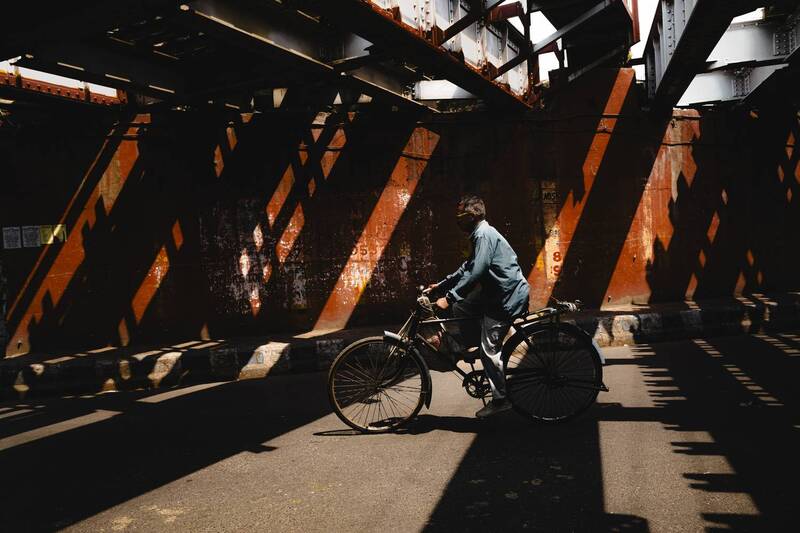
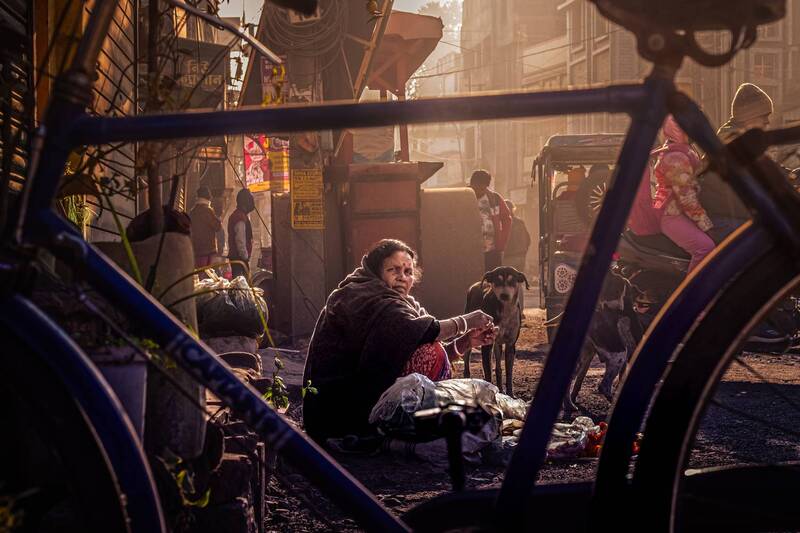
Amid the constant motion of the street, she sits—unmoving, watchful, and grounded. Framed through the geometry of passing bicycles and surrounded by traffic, people, and stray dogs, her presence becomes a quiet counterpoint to the city’s urgency. The world rushes forward, but she remains, holding her space with silent resilience.
The low morning light turns the street into a stage of shadows and gold, isolating her figure while still binding her to the life around her. I used the bicycle frame as a visual boundary to place the viewer inside the street rather than observing from a distance. This image is not about speed or spectacle—it is about endurance, about the people who exist in the in-between spaces of the city, where waiting itself becomes a form of survival.
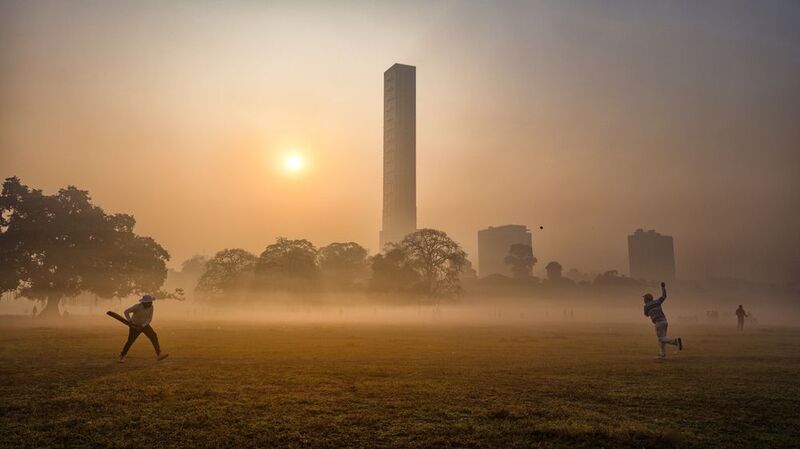
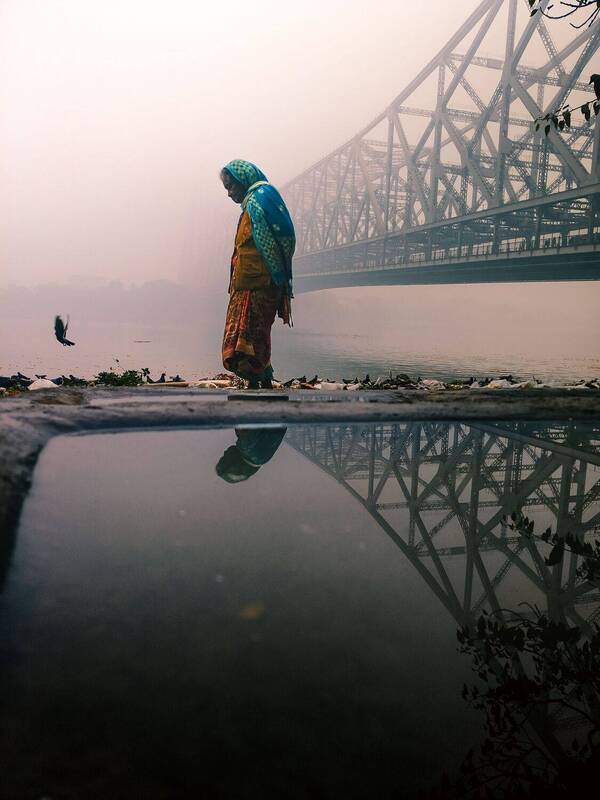
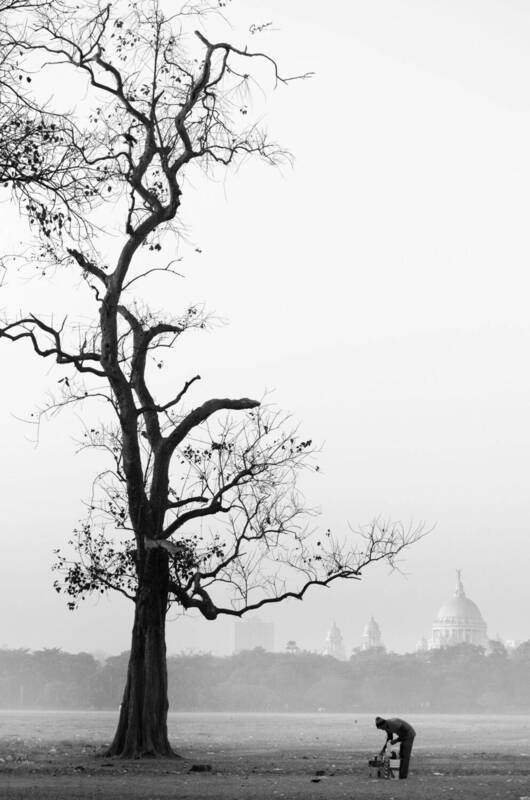
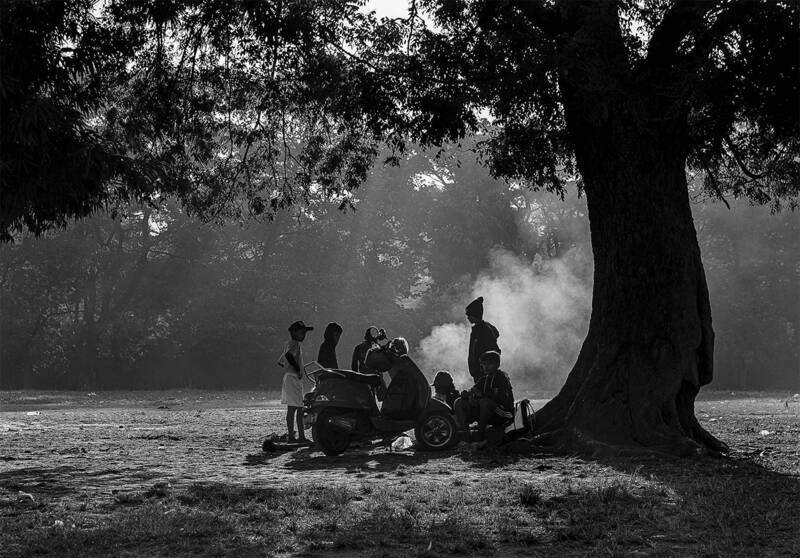
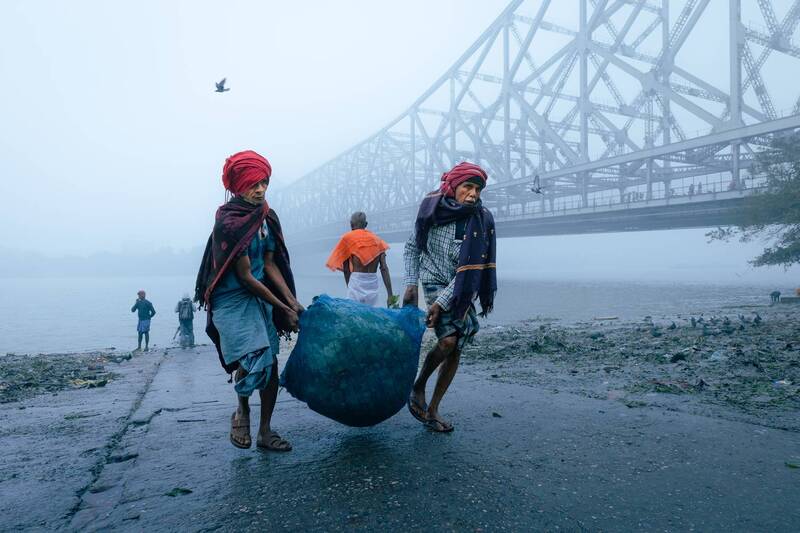
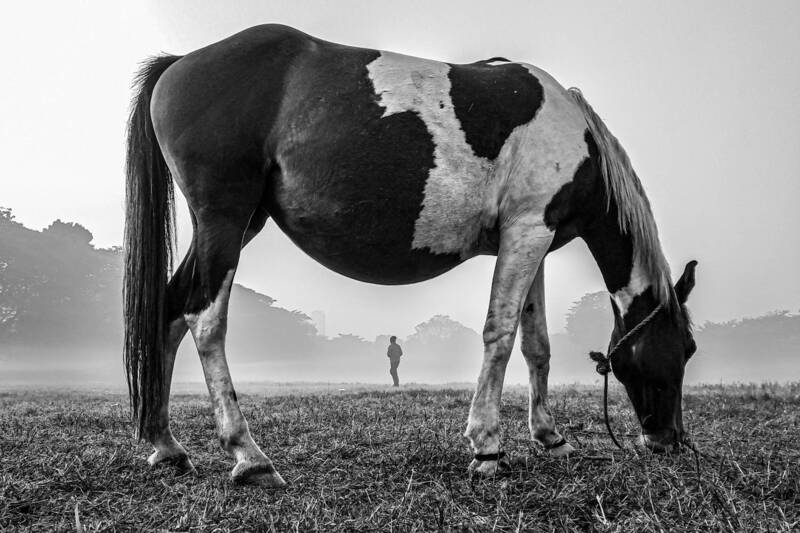
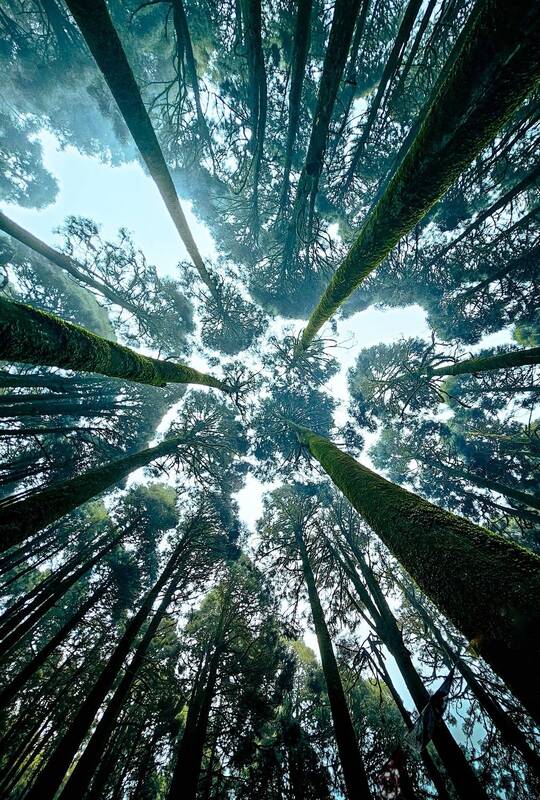
Winter mornings are special. They remind me that even the quietest moments have something to say. In the mist, countless stories feel as if they are slowly revealing themselves. I have tried to capture the essence of the early hours.
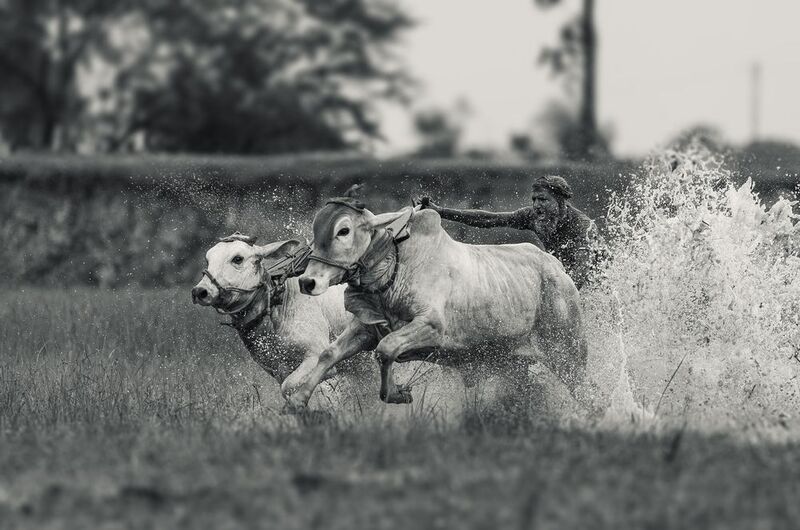
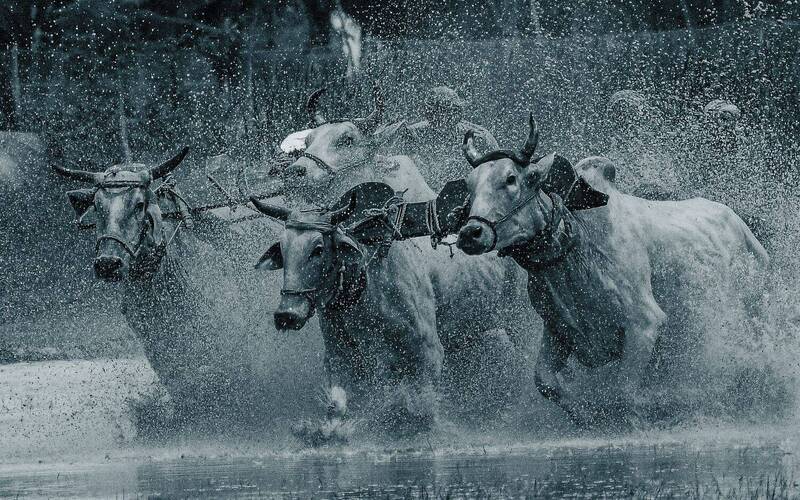
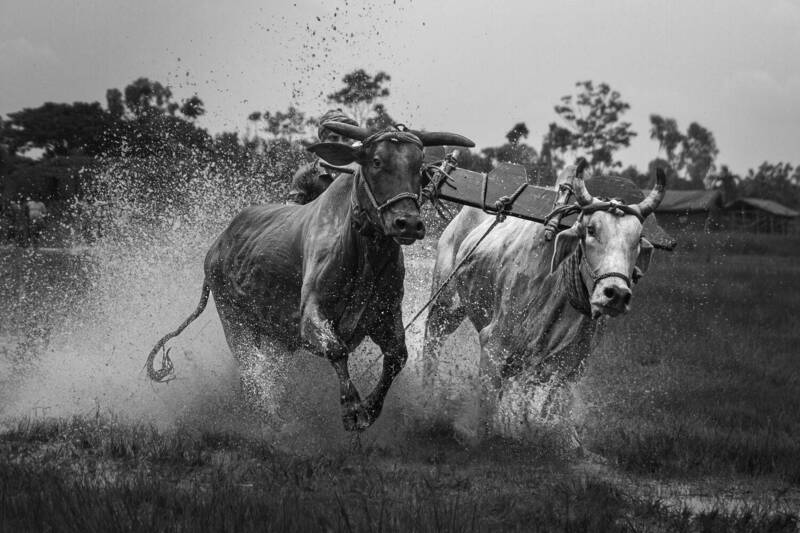
The Cattle Race of Bengal is an exhilarating and culturally significant sport that captivates the villages of South 24 Parganas in West Bengal, India. This traditional event, often held during local festivals and celebrations, showcases the exceptional bond between the farmers and their cattle, particularly bulls. Participants skillfully guide their trained animals along a marked track, often adorned with vibrant decorations. Spectators gather to cheer as the bulls race against each other, their speed and agility drawing admiration and excitement from the crowd. The event not only highlights the agricultural heritage of the region but also fosters community spirit and camaraderie among villagers, making the Cattle Race a cherished spectacle in the rural landscape of Bengal.
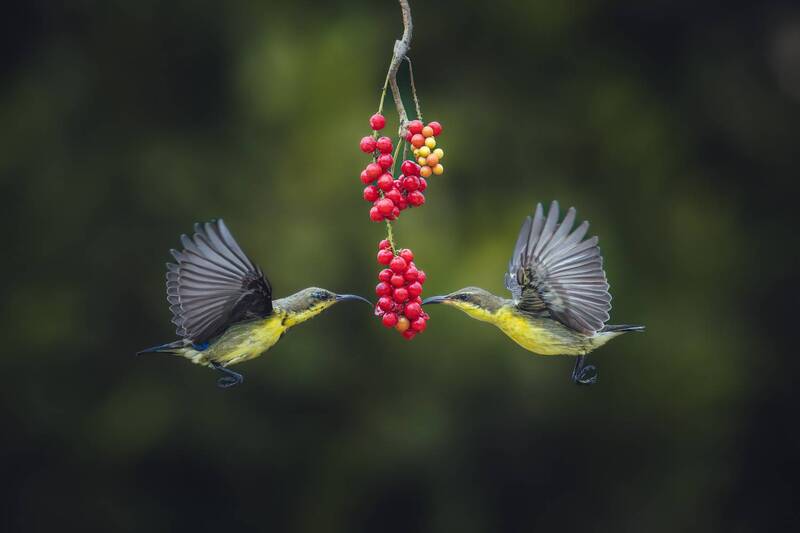
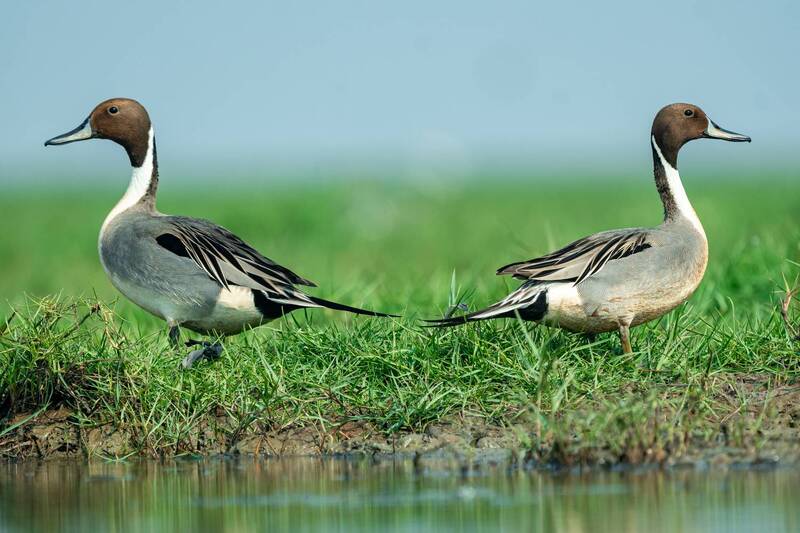
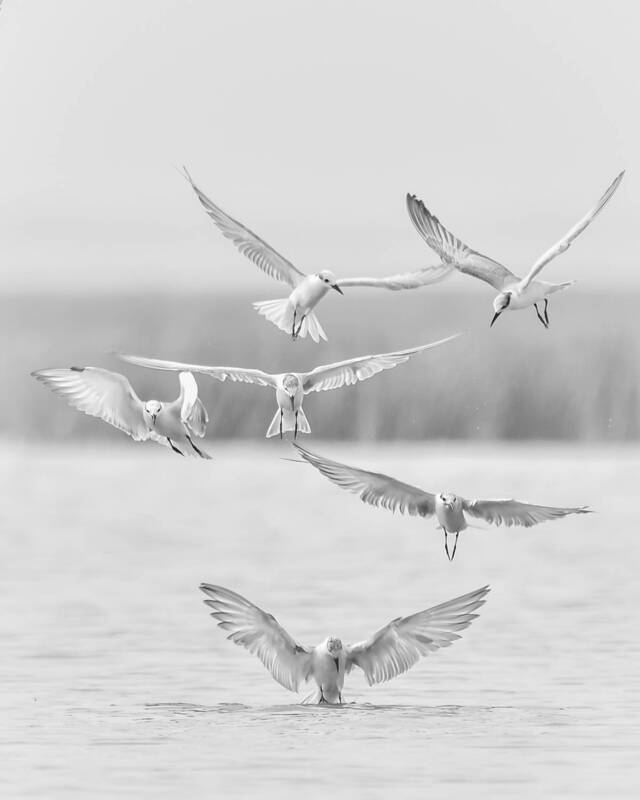
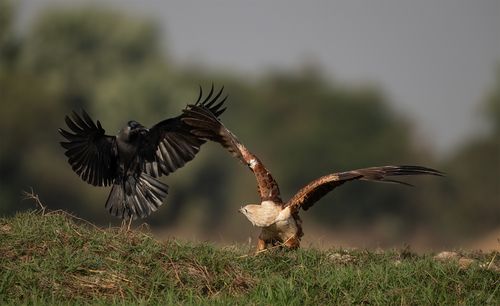
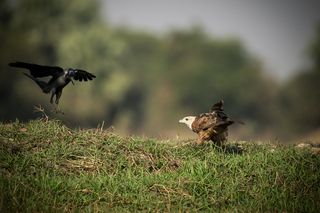
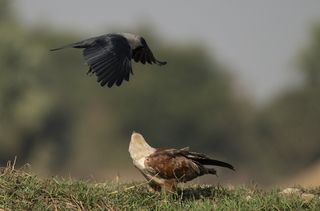
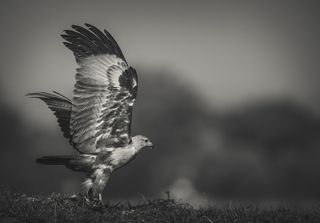
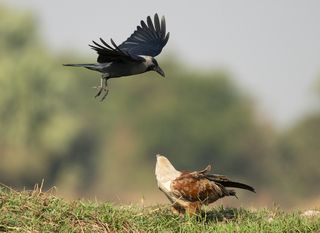
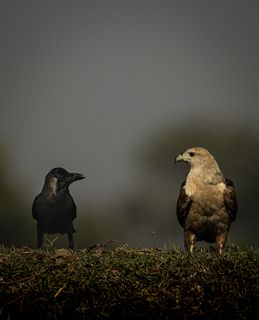
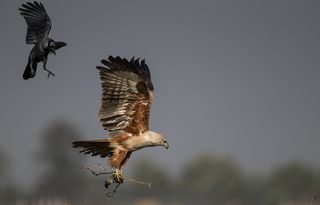
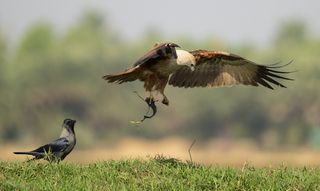
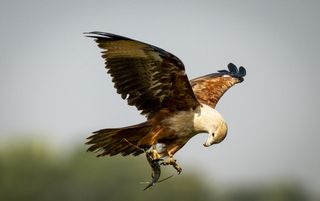
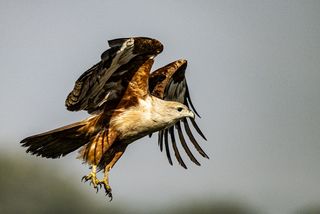
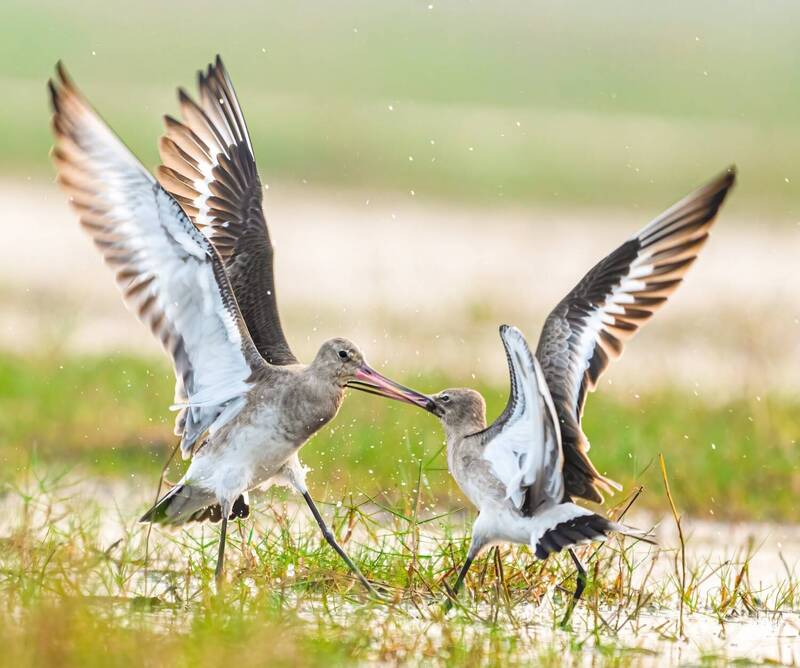
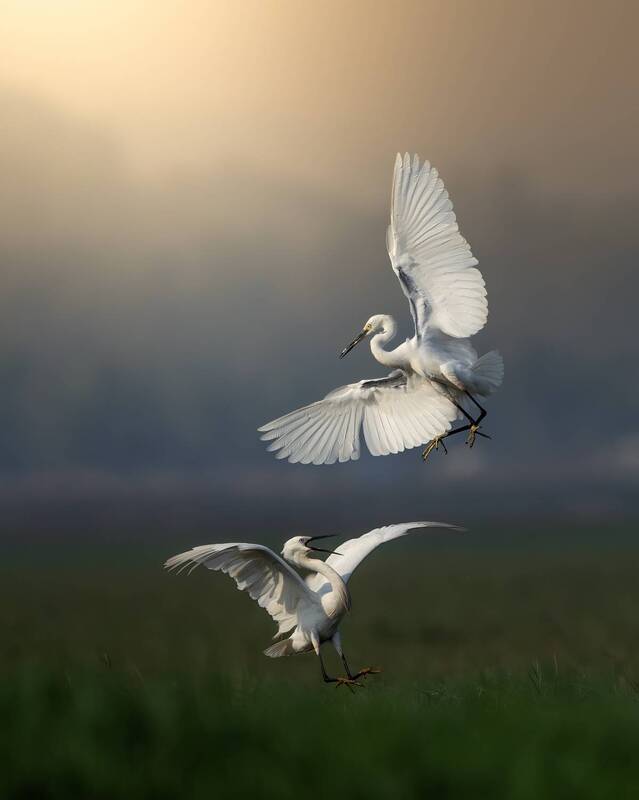
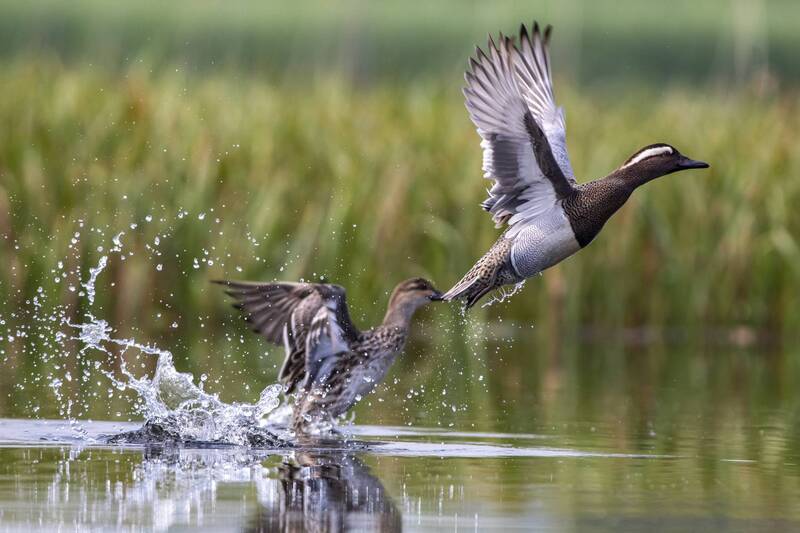
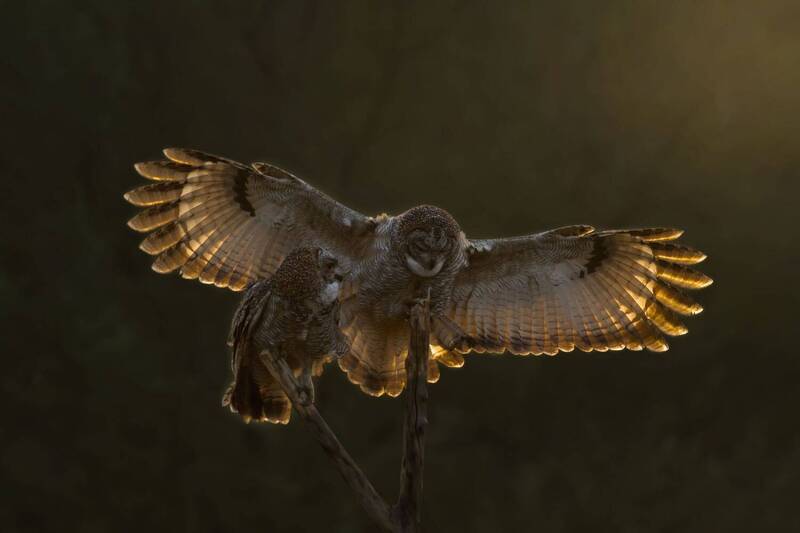
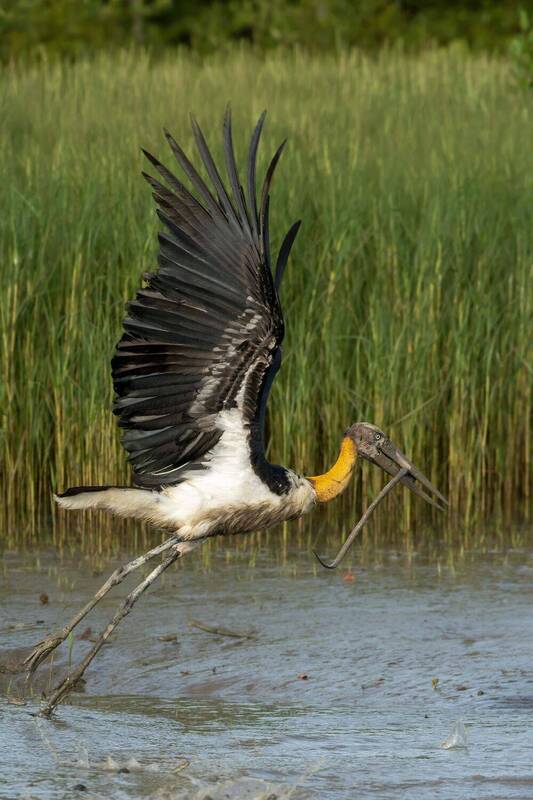
Let\\\'s see who holds the upper hand in a fierce territorial battle between birds. In the wild, dominance is everything, and when two rivals clash over territory, it\\\'s a test of strength, agility, and strategy. With wings spread wide, sharp beaks clashing, and talons ready to strike, each bird fights to assert control. The battle is intense—swift aerial maneuvers, aggressive calls, and relentless attacks determine the victor. The stronger, more determined bird claims the territory, while the defeated one retreats, awaiting another chance. In nature, survival belongs to the most powerful.
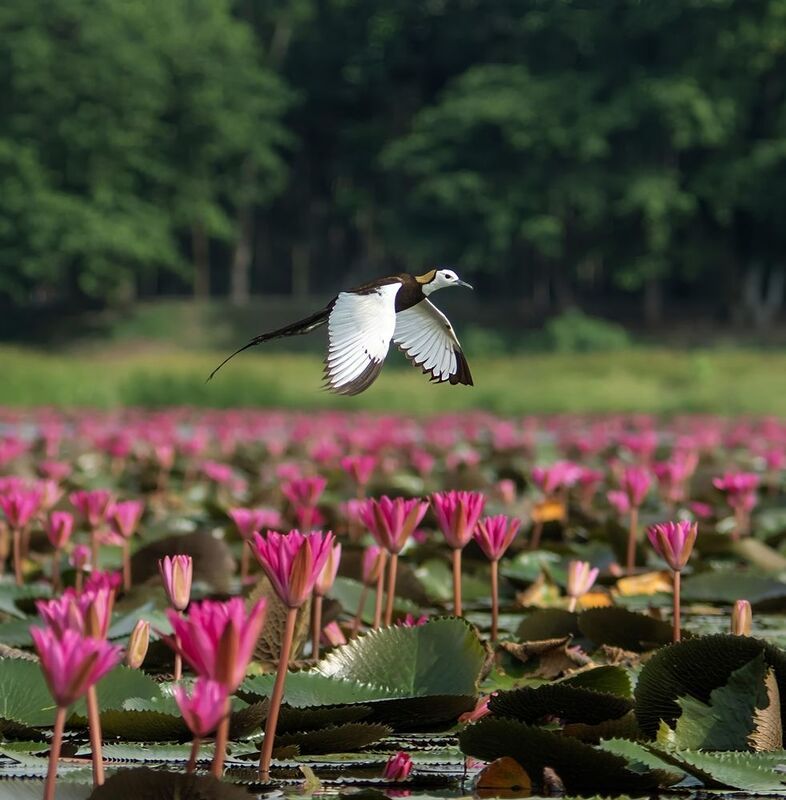
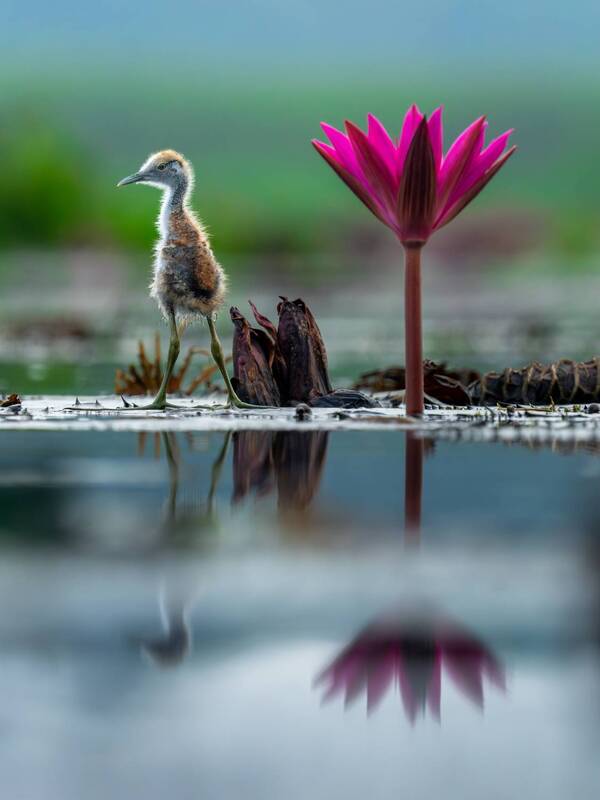
A Pheasant Tailed Jacana chick stands beside a blooming water lily in the wetlands of Purbasthali, West Bengal, India, its reflection visible at water level. The scene highlights early life stages and the delicate relationship between wetland birds and floating vegetation.
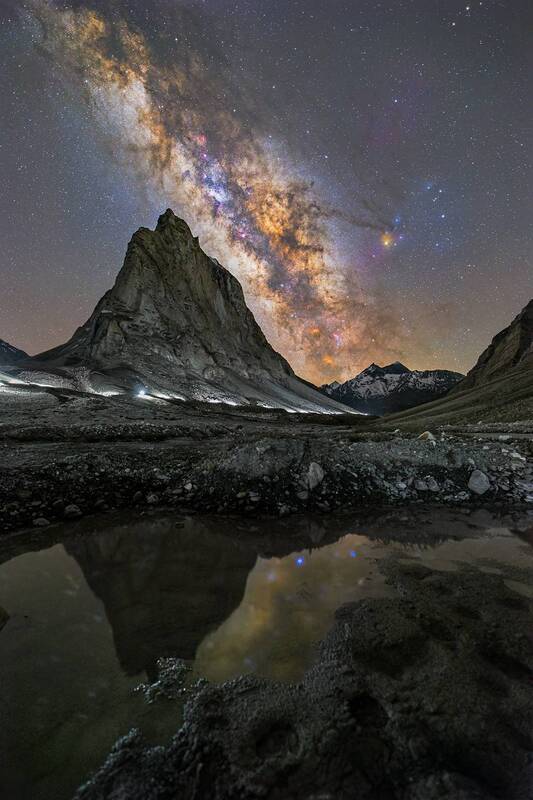
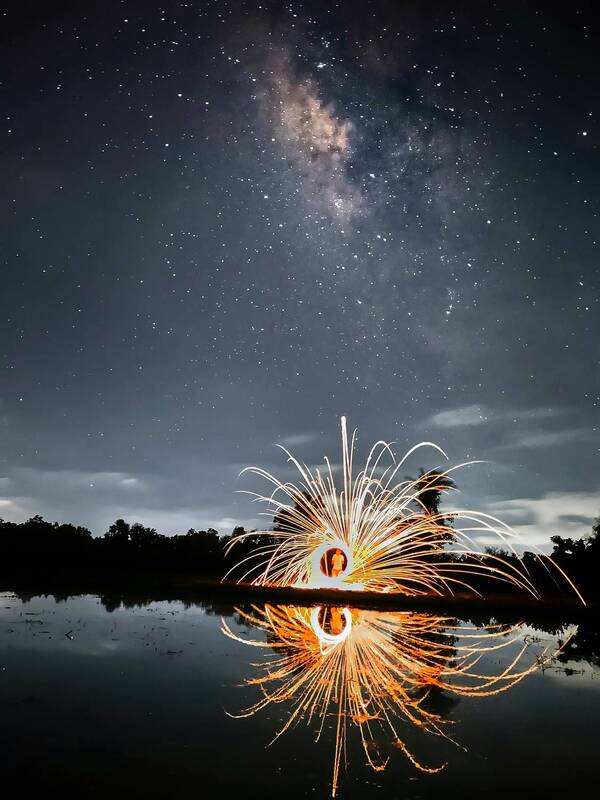
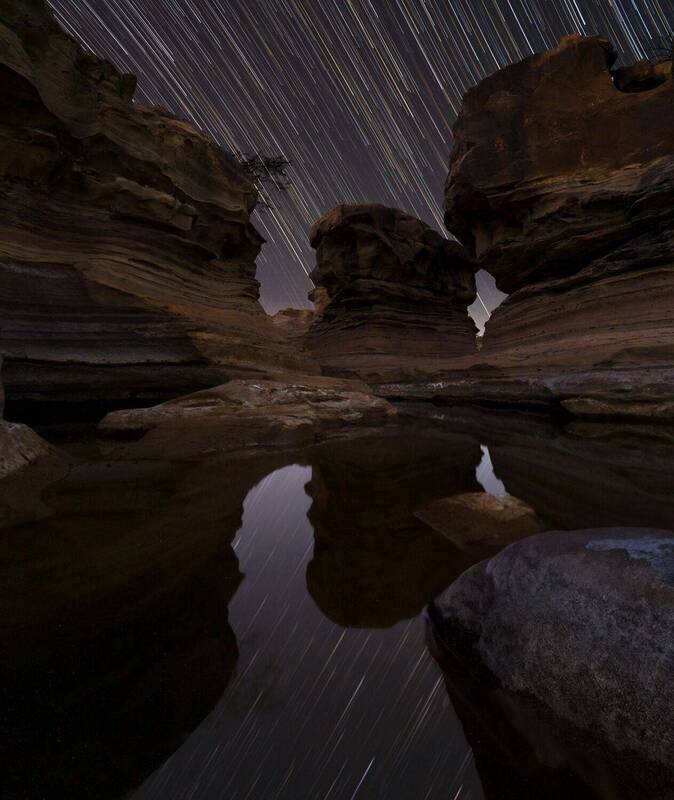
While exploring the lesser-known canyons of Khadiyadro in Kutch, I came across a scene that felt straight out of another world. Towering rocks, shaped by years of wind and water, stood around a shallow pool that quietly reflected the night sky.
The stars seemed to pour right between the cliffs, their trails mirrored perfectly in the water below.
In the parched fields of Herobhanga Village, just before the monsoon, the earth stirs not with rain, but with ritual.
Moichara is a tribal agricultural festival where bulls are adorned like warriors, drums echo like thunder, and the plough becomes a sacred symbol of survival.
This frame captures a living tradition, where farming is prayer, and the soil remembers every footstep, every beat, every seed yet to come.
This is not just cultivation! It is the choreography, ancestry, and resilience written on the land.
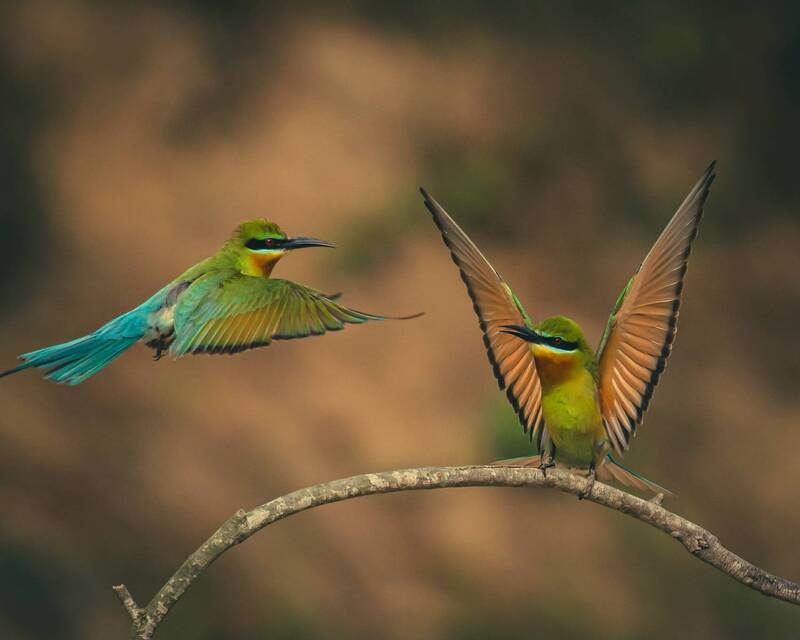
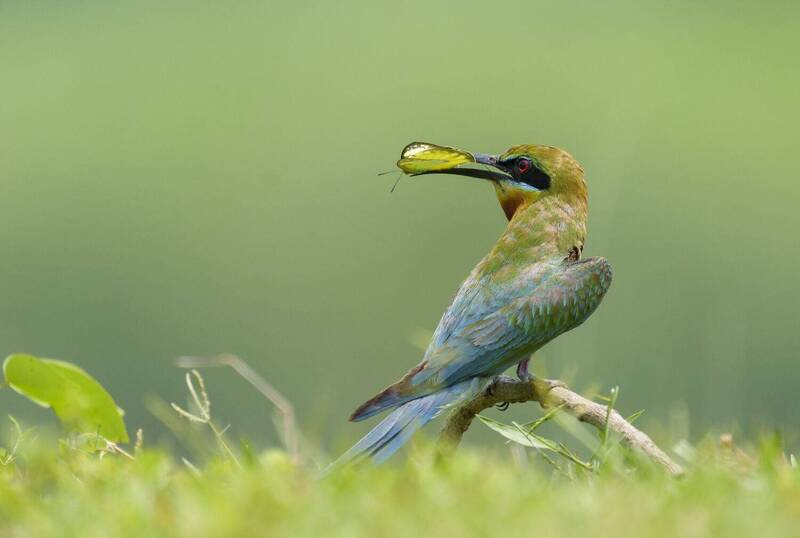
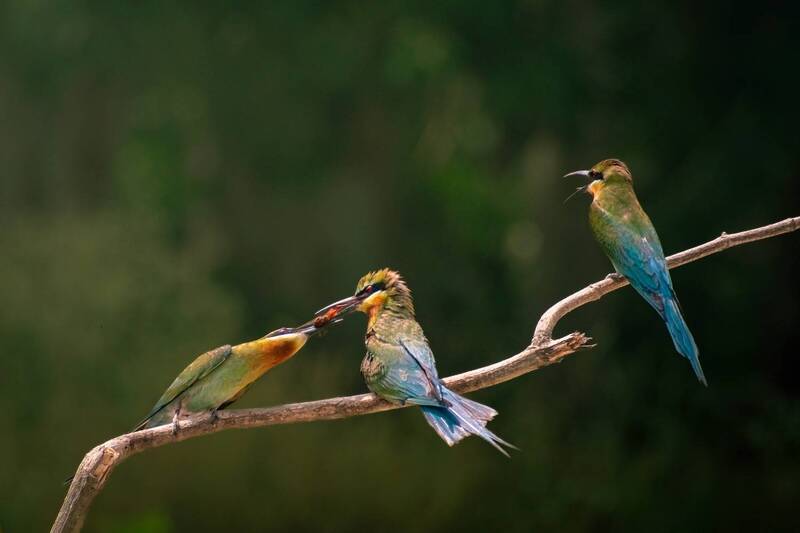
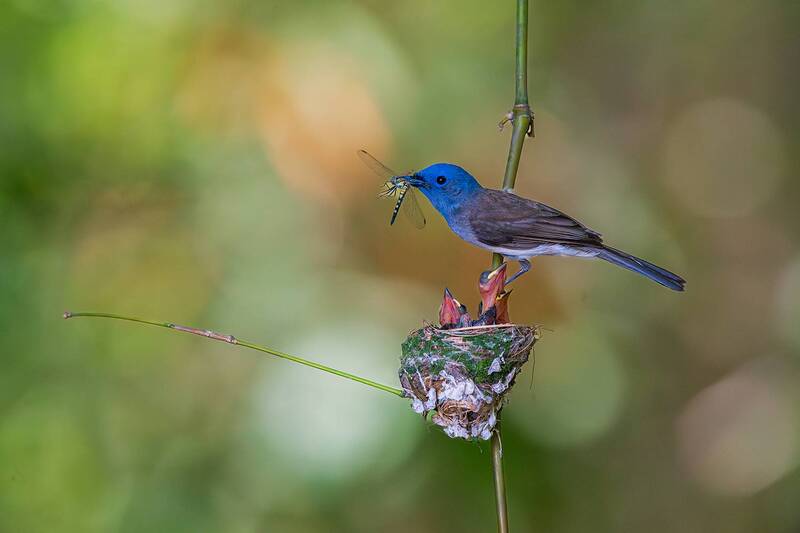
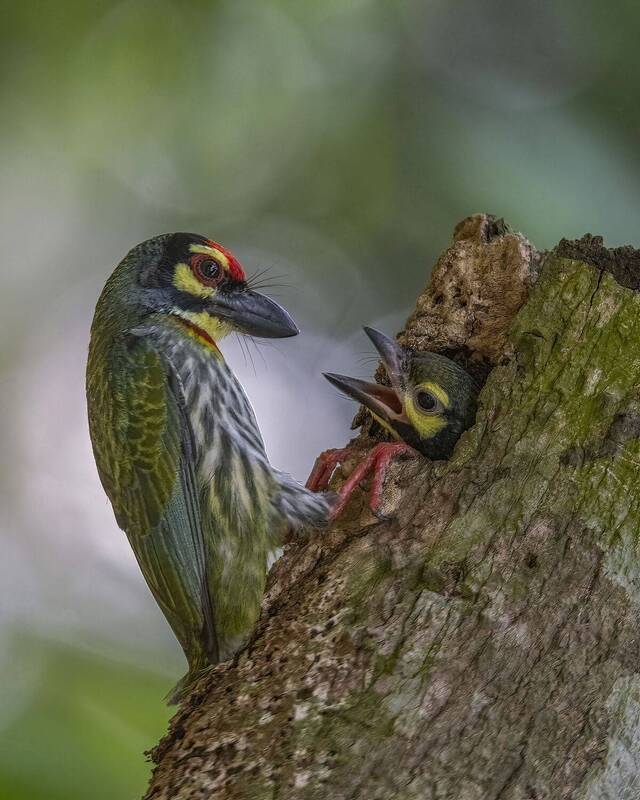
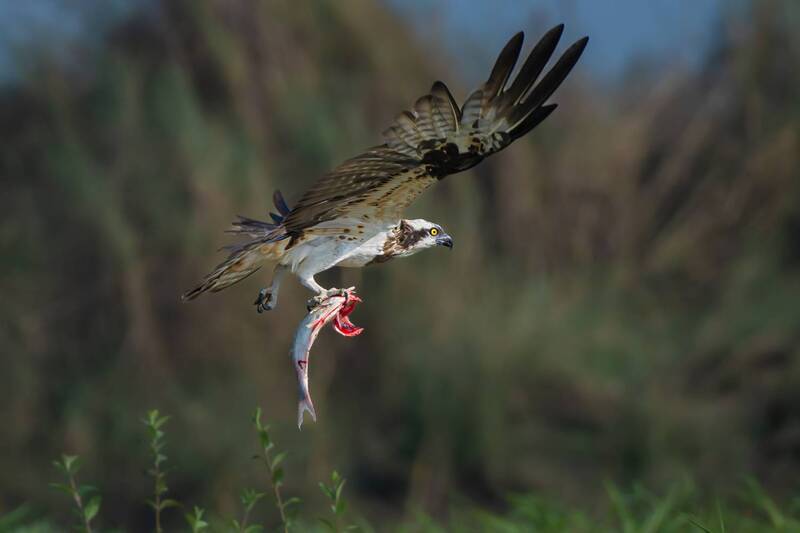
It was on the 07th of June\\\' 2025, I travelled all the way to Guptipara a place in Hooghly District in West Bengal. When I sighted this beautiful bird species- Blue-tailed bee-eater at the banks of River Ganga catching butterflies to feed her little one.
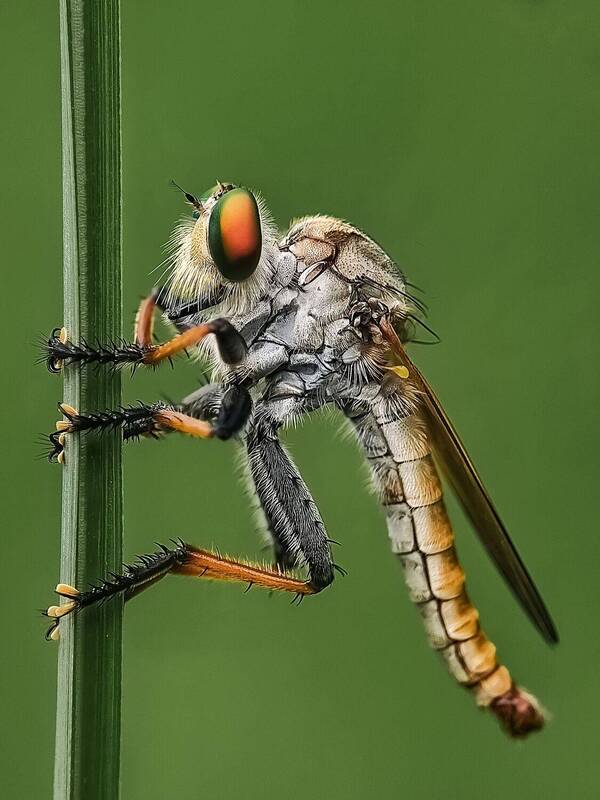
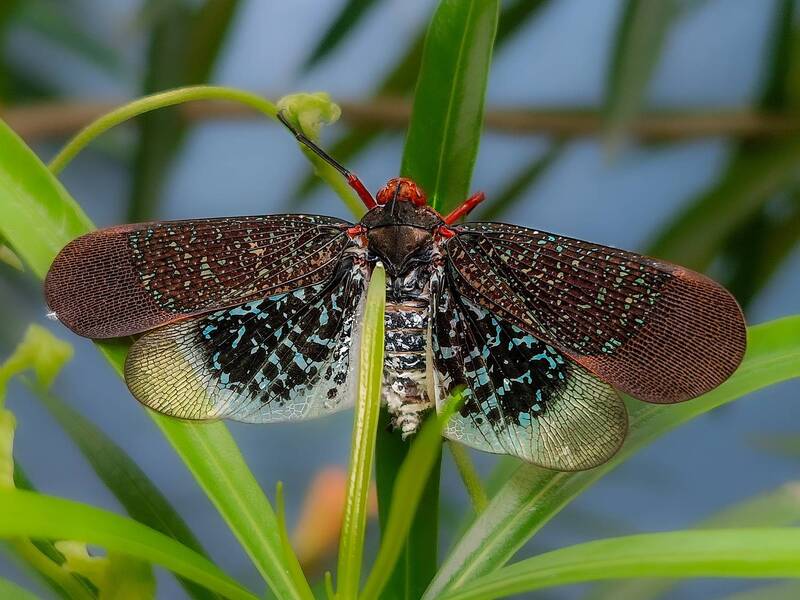
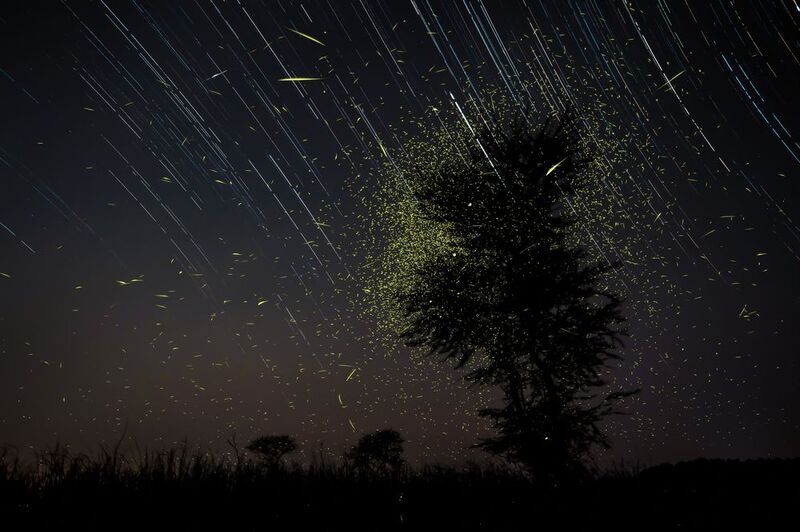
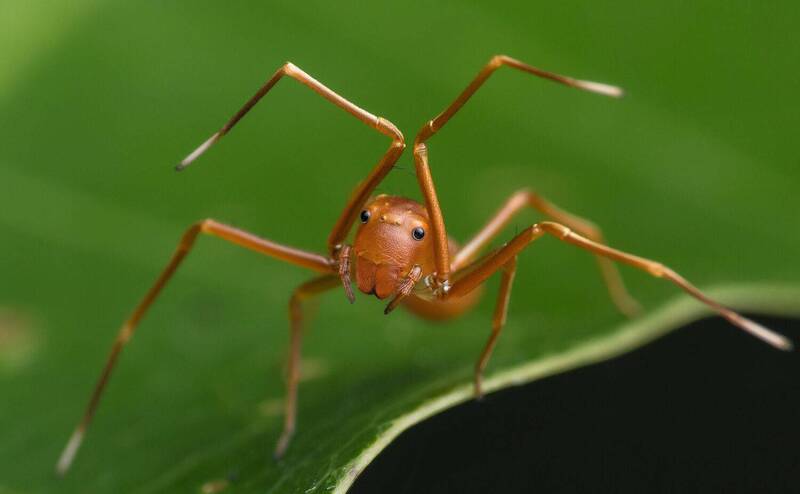
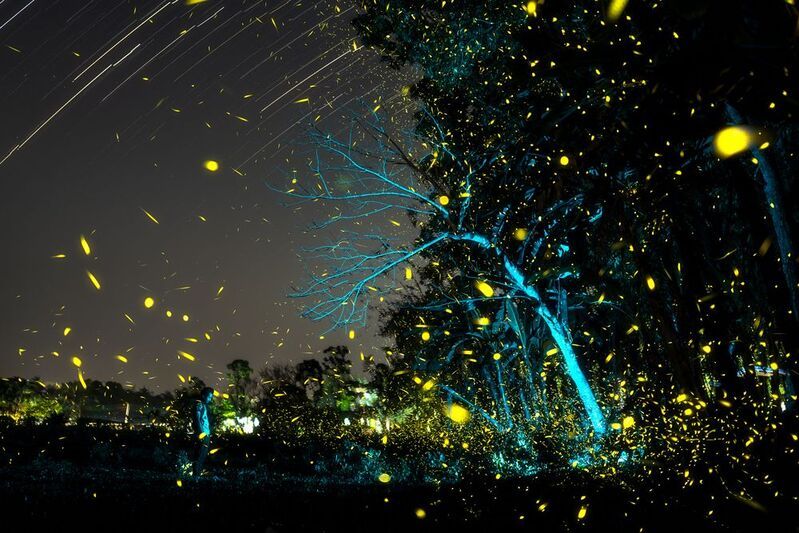
Lanternflies are not true flies, but are planthoppers belonging to the family Fulgoridae. The insect shown in the image is from the genus Kalidasa, which is found in tropical Asia.
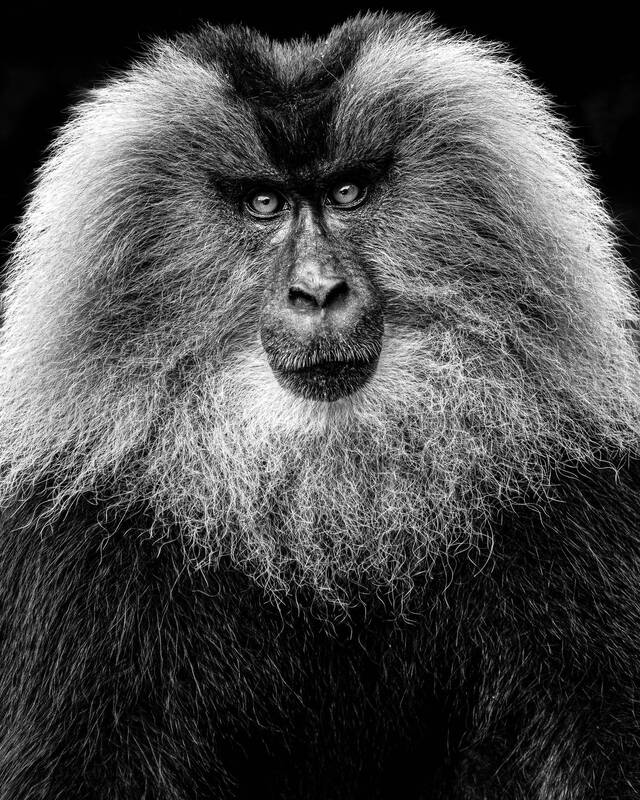
A monochrome portrait of the leader of the Lion Tailed Macaque troop an old world monkey from the forests of South India. The bold eyes of the species symbolises the dominance it shows over the troop.
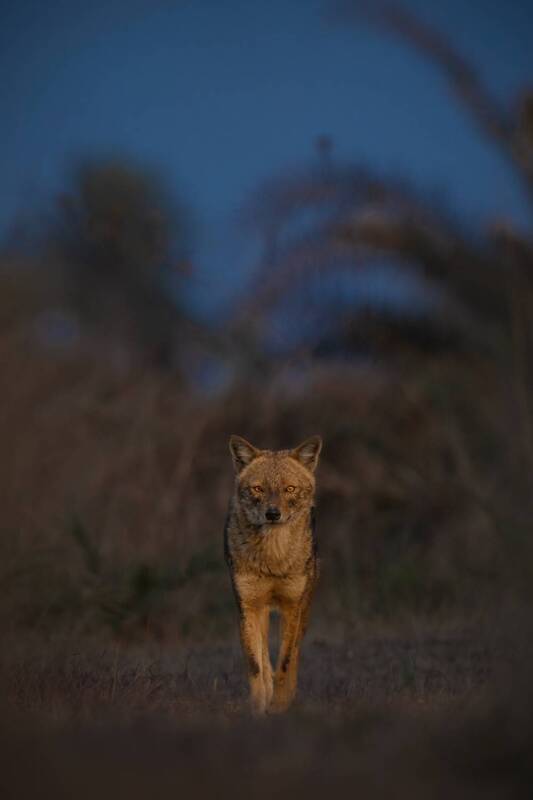
A lone **golden jackal** emerges from the fading light, walking straight toward the lens with quiet confidence. Framed perfectly at the center, its amber eyes burn through the soft dusk, creating an intense connection between predator and observer. The shallow depth of field dissolves the surrounding grassland into a dreamy blur, allowing the subject’s warm coat tones and sharp facial details to dominate the frame.
Captured in a fleeting moment of wilderness stillness, the image reflects both the beauty and resilience of this often-overlooked carnivore. The muted background, combined with the natural low-light atmosphere, enhances the sense of mystery—showing the jackal not as a threat, but as a silent guardian of the wild, moving through its territory with purpose and grace.
A warm, artistic portrait of an adult woman standing by a window with blinds, bathed in golden sunlight that creates striped shadows across her body. The scene feels calm, intimate, and cinematic, with soft light, gentle pose, and a quiet indoor setting.
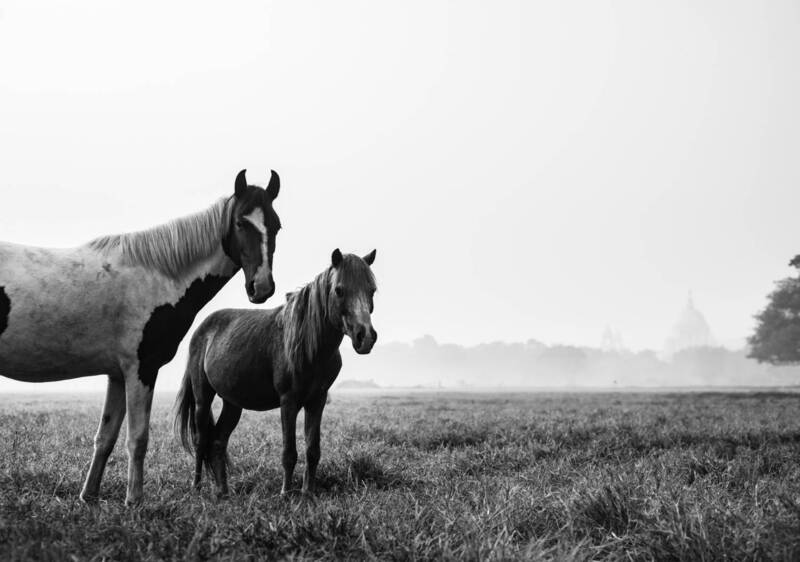
In a field where the horizon dissolves into haze, two horses stand suspended in a moment of unspoken understanding. The elder leans close, not in dominance, but in quiet guardianship. The younger listens with its body, absorbing a wisdom that has no words.
The fog softens the world around them, turning the landscape into something timeless. There is no rush, no spectacle, only presence. Strength here is not loud. It is patient. It is inherited.
This photograph speaks of protection, lineage, and the silent bonds that shape us long before we understand them.
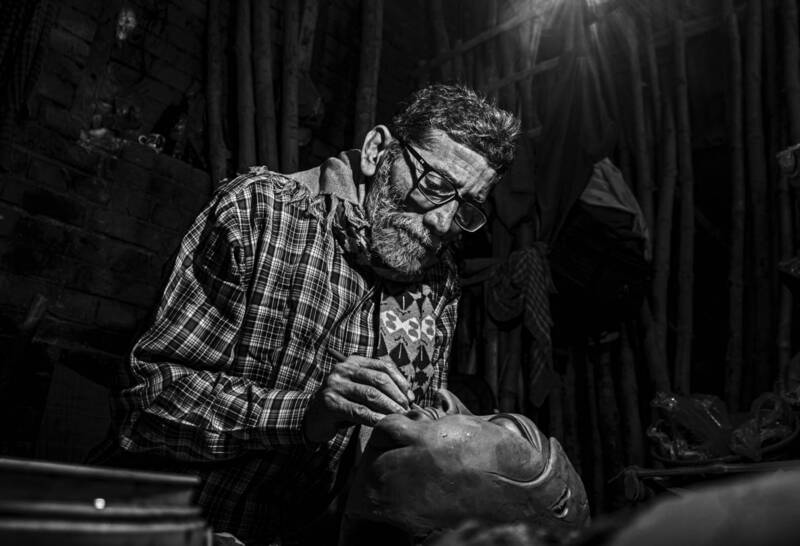
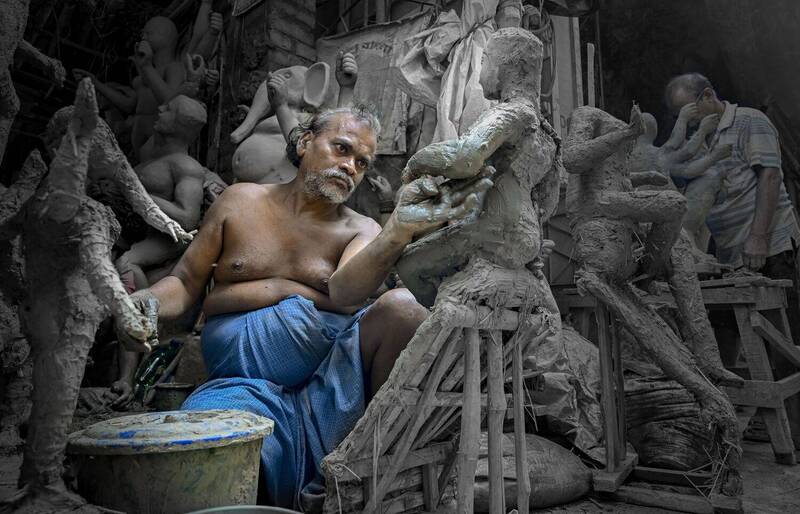
With every stroke of clay, the artisan breathes life into lifeless frames, carrying forward centuries of tradition where devotion and craftsmanship become one.
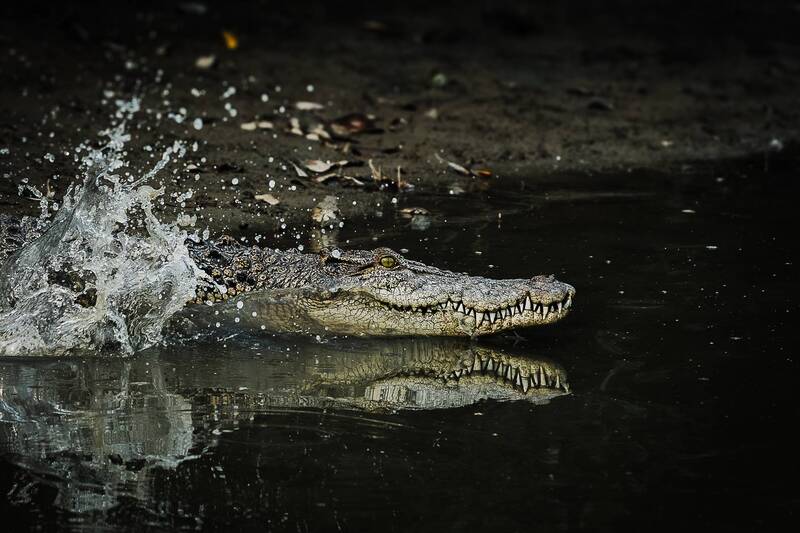
In the Sundarbans, the saltwater crocodiles are not just animals —they move through the mangrove creeks like living memories of the earth, their bodies carved by time, their eyes holding a quiet, unsettling wisdom. The water barely ripples when they pass, as if the forest itself has learned to breathe around them. Every scar on their hide tells a story of survival in a land where land and sea are forever at war. These crocodiles know patience the way monks know prayer. They wait — unmoving, unblinking — beneath roots twisted like old fingers, trusting time to deliver what hunger demands. When they strike, it is not rage but inevitability, swift and merciless, the law of the Sundarbans written in motion. Feared by fishermen, respected by the forest, they are reminders that this delta does not belong to humans alone. They guard the balance between life and loss, between calm waters and sudden chaos. To see one slide back into the muddy tide is to feel small, humbled — aware that some beings still belong to a world older, wilder, and unwilling to bow. In the Sundarbans, the saltwater crocodile is silence with teeth, and the mangroves listen.
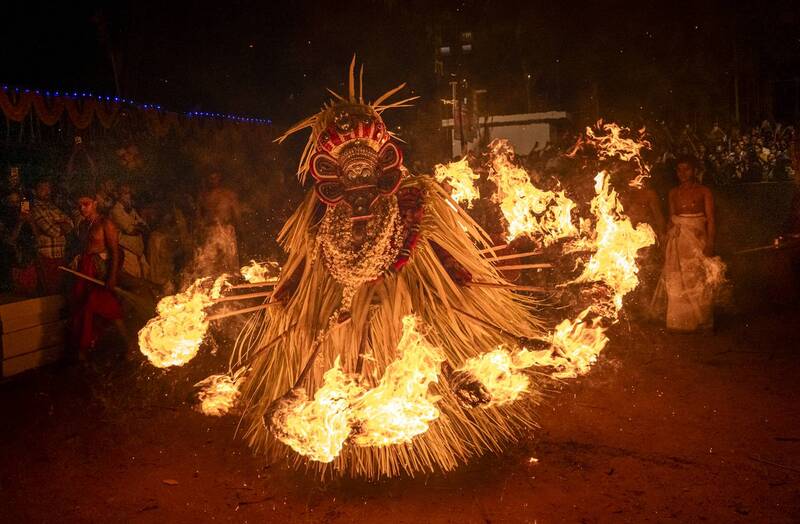
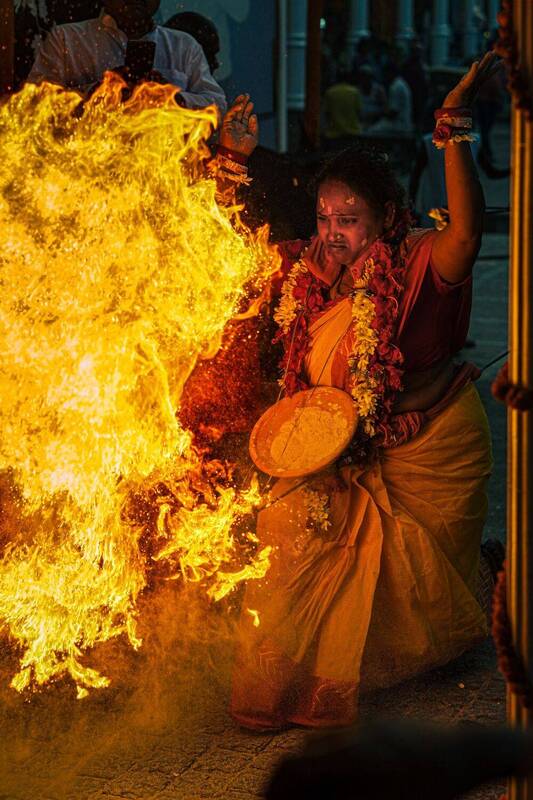
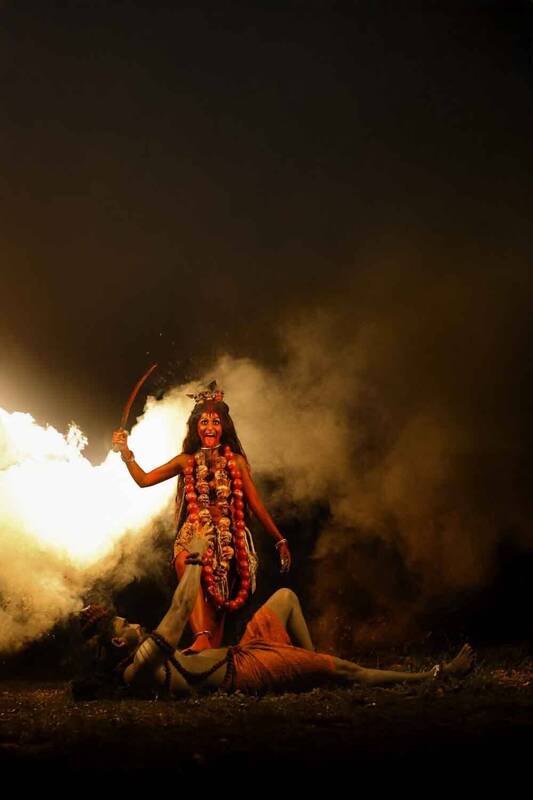
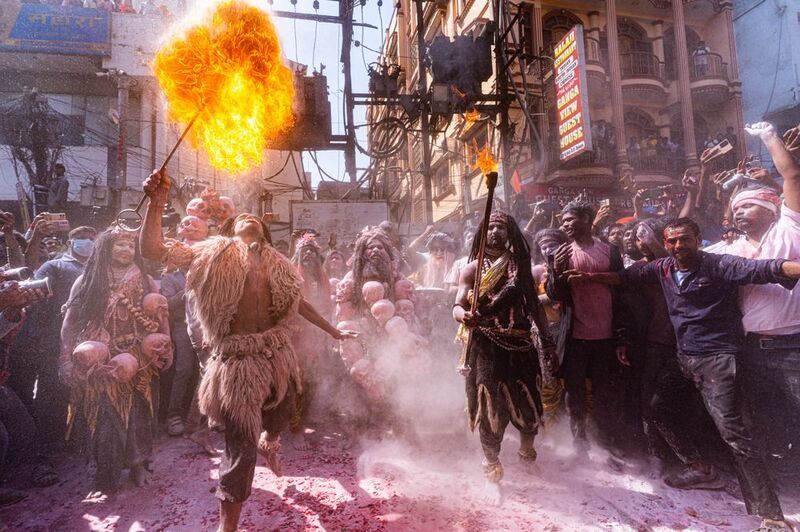
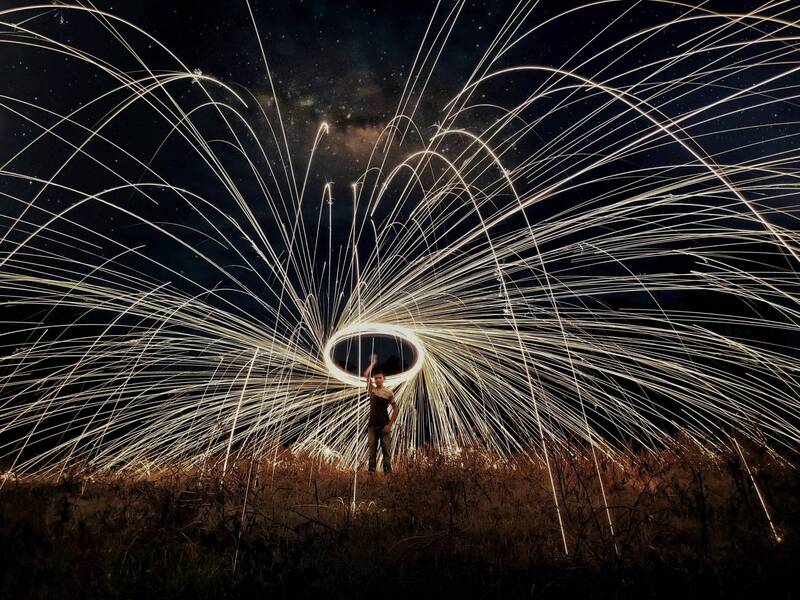
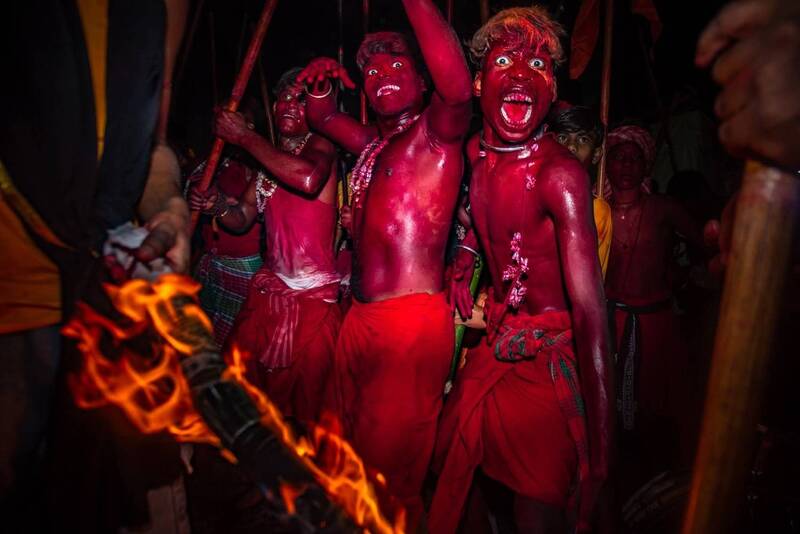
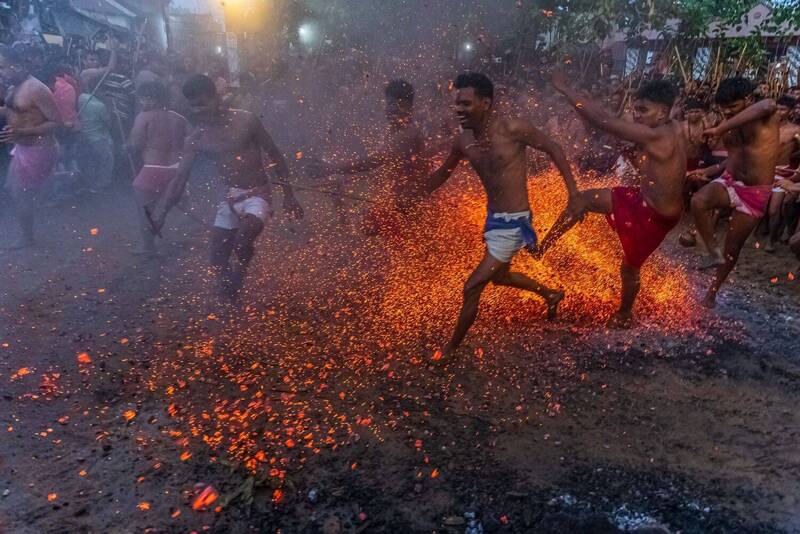
One of the most striking aspects of Boisakhi Gajon is its intense fire rituals, symbolizing courage, devotion, and spiritual endurance. As part of their vow to Lord Shiva, devotees—known as sannyasis or bhaktas—walk barefoot over burning embers, leap through blazing flames, or perform dances around sacred fires. These acts are not seen as mere displays of physical endurance, but as offerings of faith, where the body becomes a medium to express devotion.
The fire rituals also represent the triumph of spirit over suffering, cleansing the soul, and seeking blessings for health, prosperity, and protection from evil. The rhythmic beat of the dhak, the chants of “Bolo Bolo Har Har Mahadev,” and the glow of flames against the night sky create an atmosphere that is both awe-inspiring and deeply spiritual.
For the community, these fiery performances are not just rituals—they are living symbols of Bengal’s folk culture, where devotion, tradition, and spectacle come together in unforgettable harmony
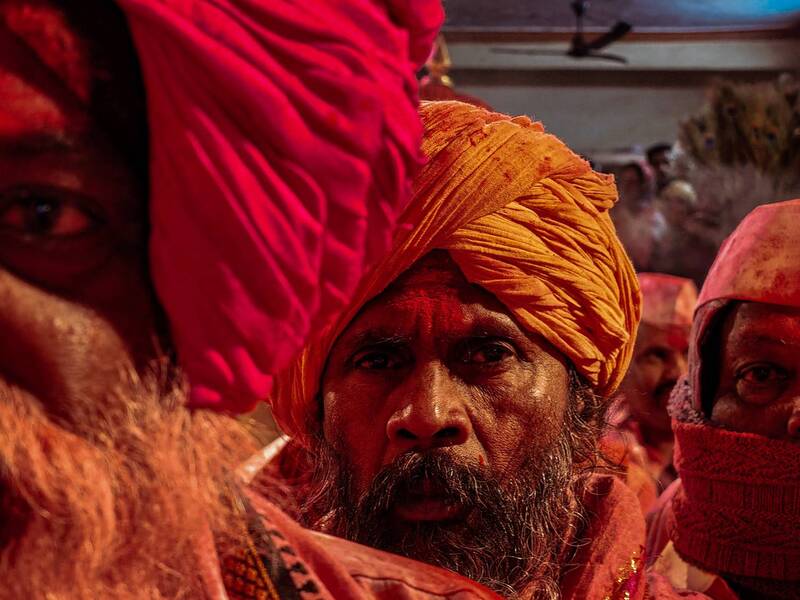
Wrapped in saffron and red, a bearded devotee looks straight into the lens amid a sea of faces. The intense colors, worn textures, and steady gaze reflect devotion, resilience, and the raw human spirit found within India’s sacred gatherings.
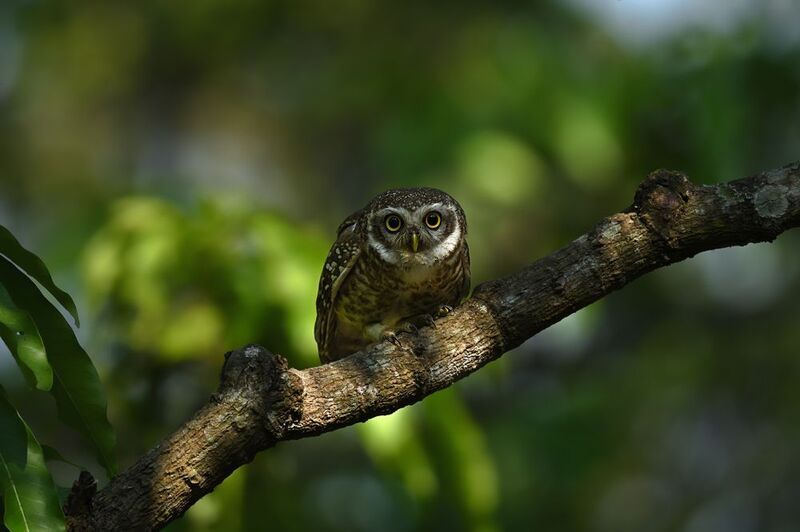
A Spotted Owlet perches quietly on a branch, its bright yellow eyes fixed on the surroundings. In the stillness of the forest, this small nocturnal hunter remains alert and watchful. Such moments reveal the quiet presence of owls that silently observe the world around them, embodying the mystery and charm of the woodland night.
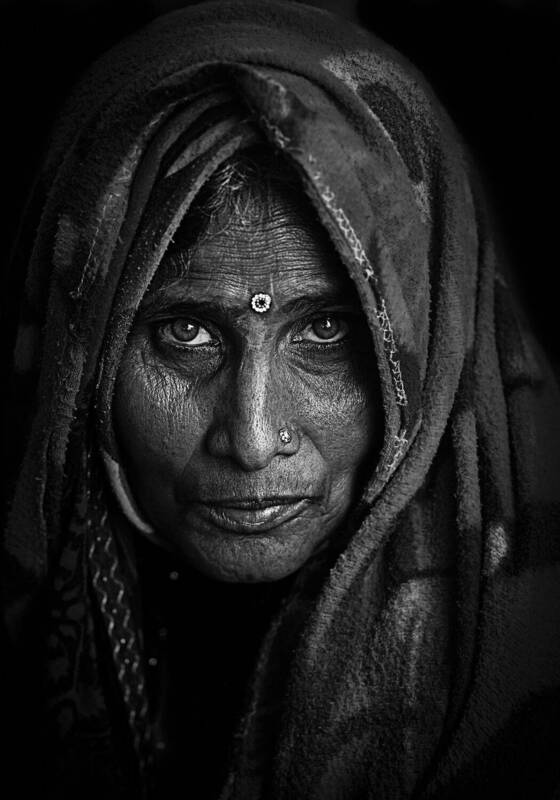
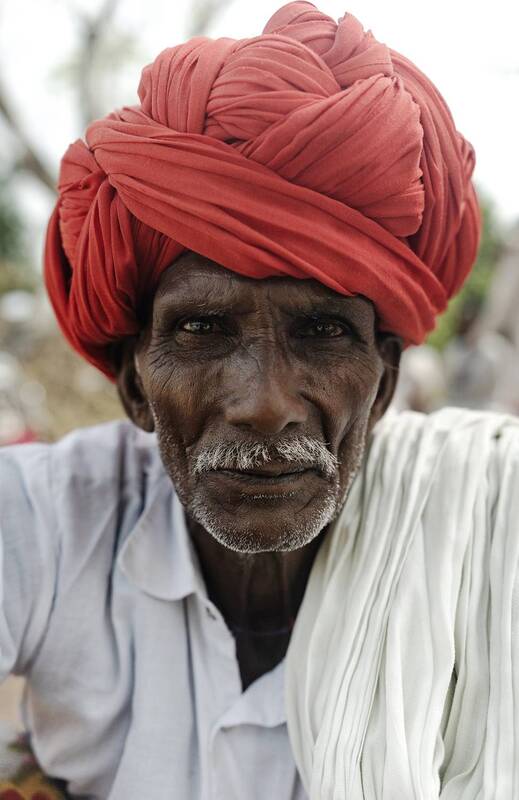
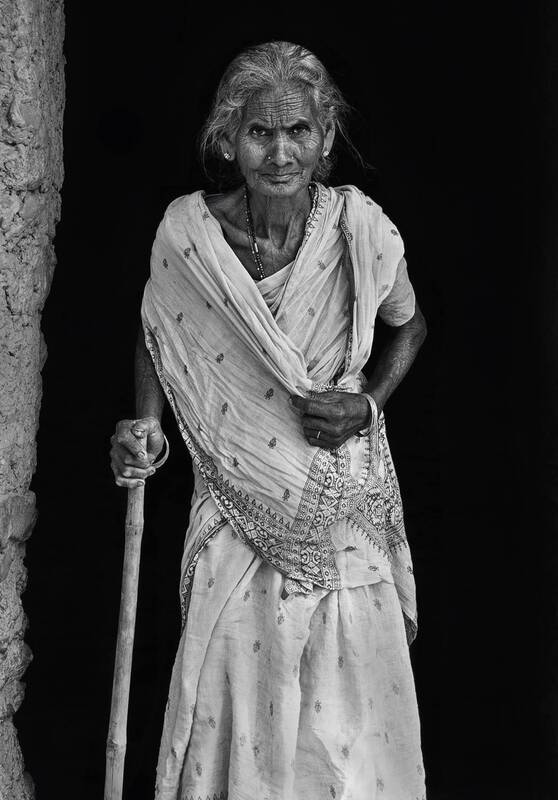
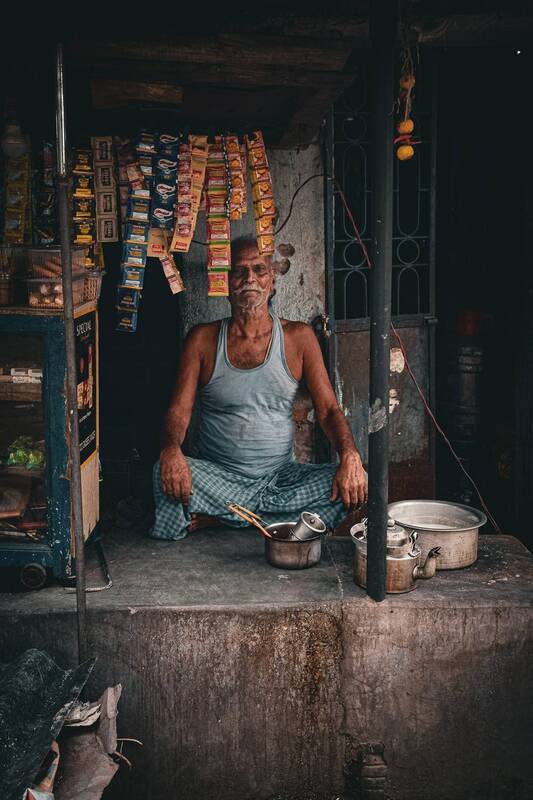
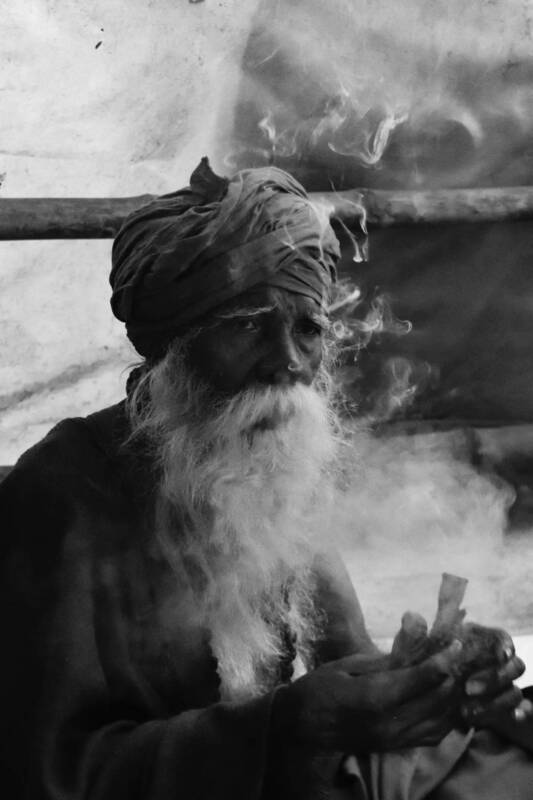
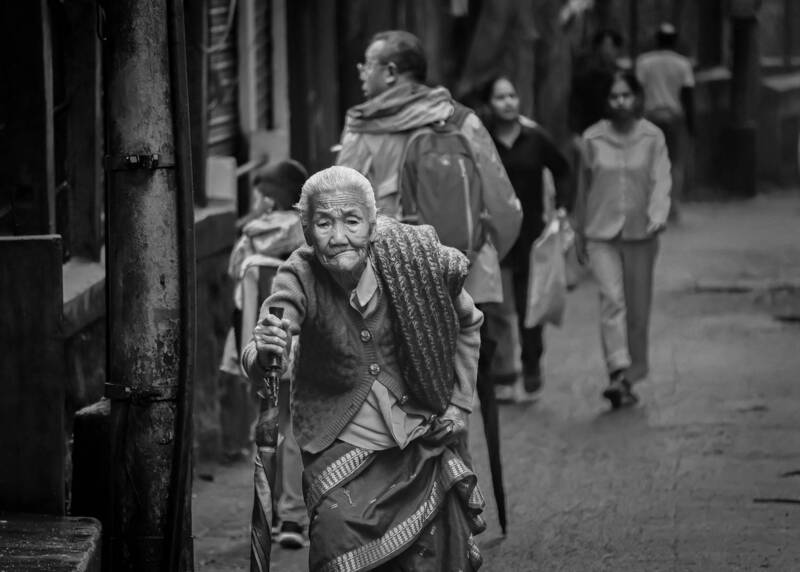
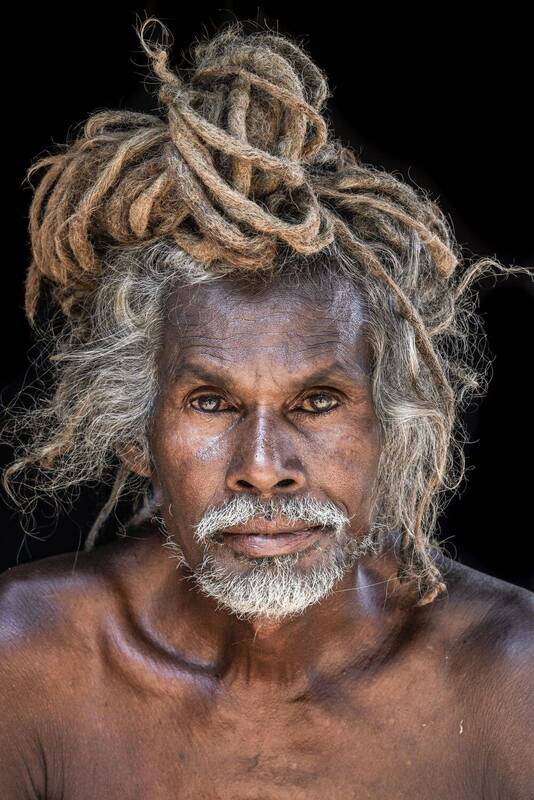
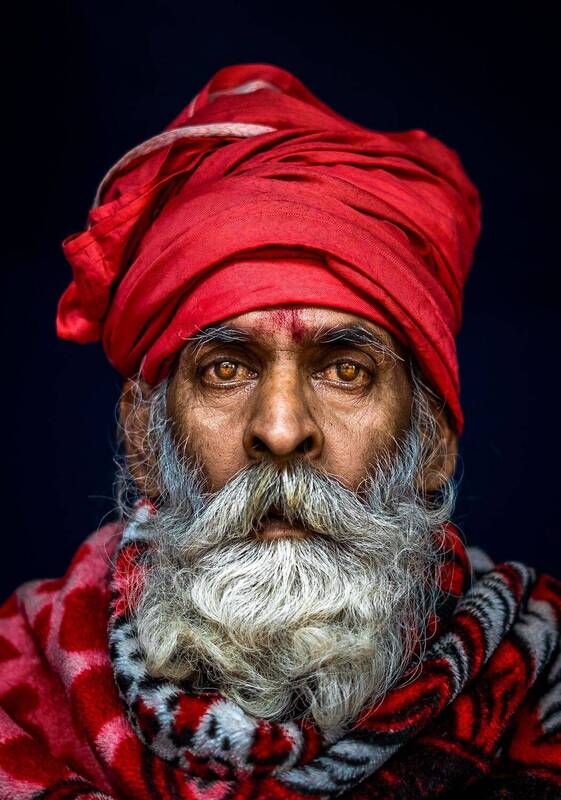
A weathered face framed by a vibrant red turban tells a silent story of endurance and experience. Each wrinkle carries years of labor, resilience, and lived memory — a portrait shaped not only by time, but by strength.
– Рейтинг фотографов по странам и городам строится на основе 3-х лучших фотографий автора и их относительной позиции в каждой отдельной номинации. Рейтинг в номинации "Мобильная фотография" учитывается в меньшей степени для формирования рейтинга. В списке по странам и городам показывается одна фотография автора с лучшим рейтингом.
– В списке опубликованы только работы которые прошли 2-й этап голосования.
– В рейтинге лучших фотографий учитывается только одна — самая сильная — работа от каждого автора. Даже если у фотографа опубликовано несколько работ, в расчёте позиции используется только одна, с наивысшим рейтингом. Поэтому порядок фотографий в списке может не совпадать с итоговым положением автора в рейтинге.
– The rating of photographers by countries and cities is based on the three best photos of the author and their relative position in each separate nomination. Rating in the nomination "Mobile Photography" is taken into account to a lesser extent for rating formation. The list by country and city shows one photo of the author with the best rating.
– Only those photos have been published in the list that passed the second stage of voting.
– Only one strongest photo from each author is counted in the Best Photos ranking. Even if a photographer has several published works, only the highest-rated one is used to calculate their ranking position. As a result, the order of photos in the list may not match the author's final ranking position.