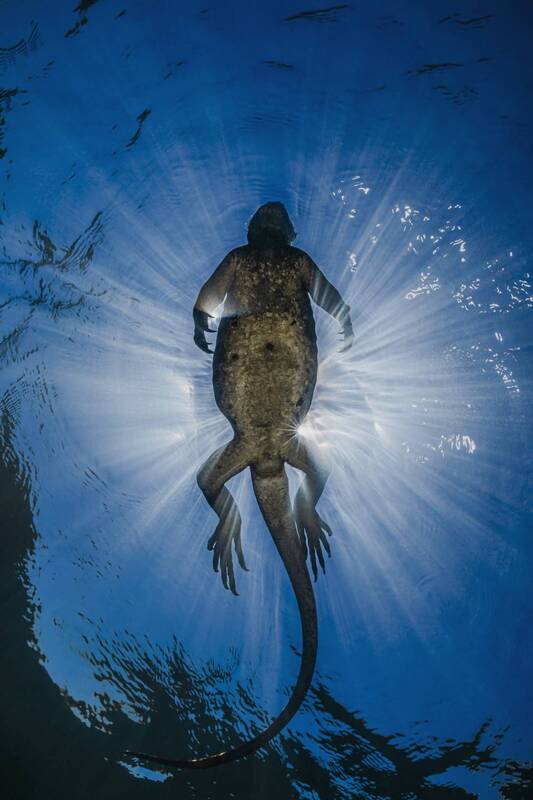
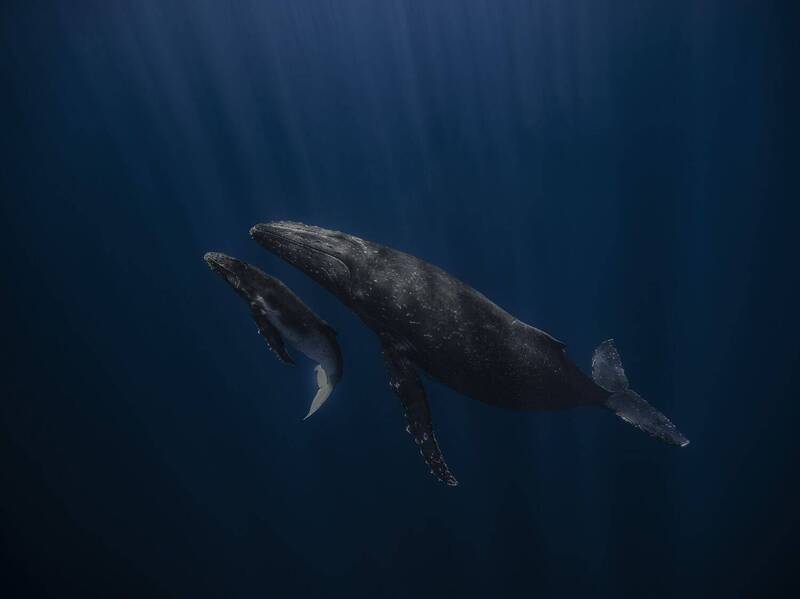
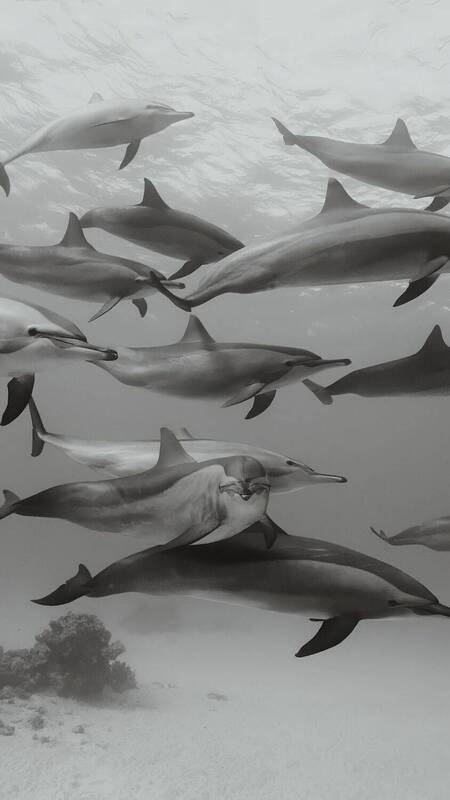
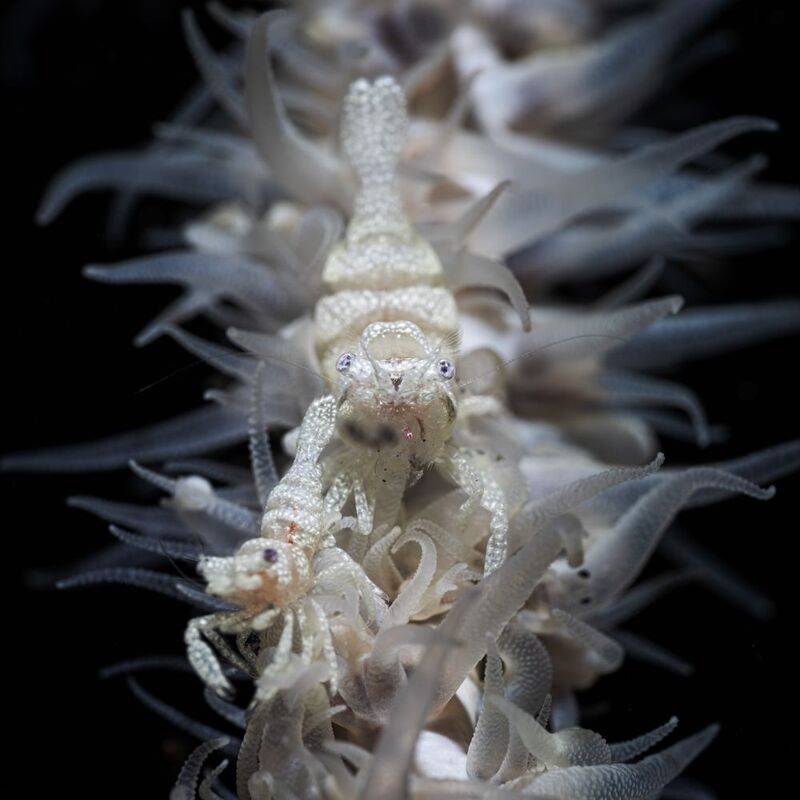
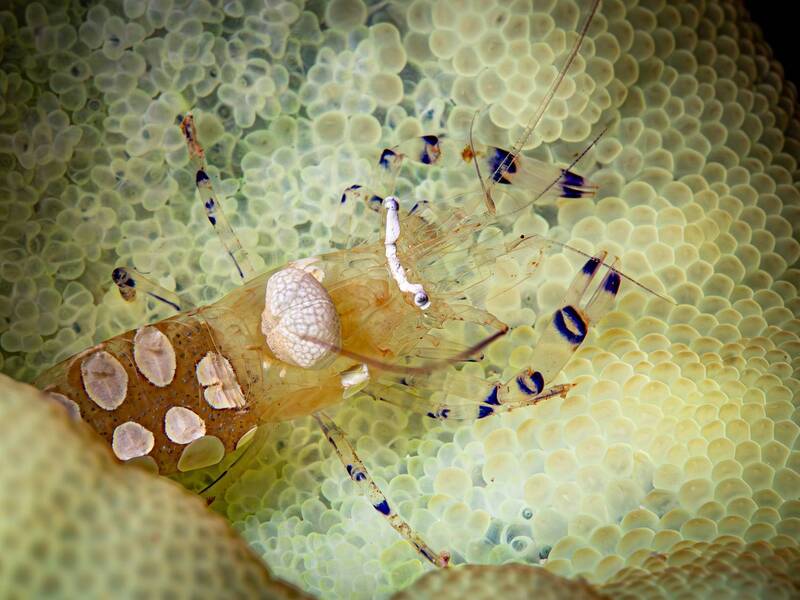
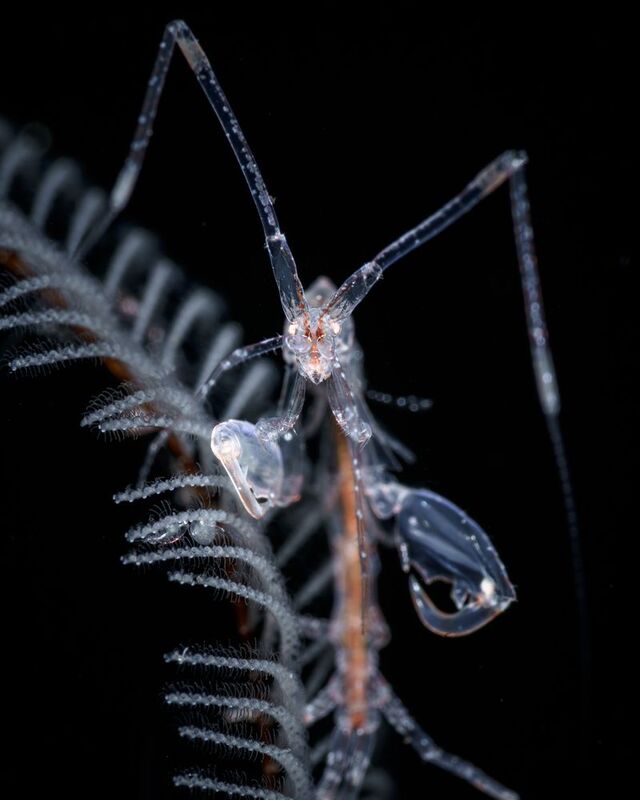
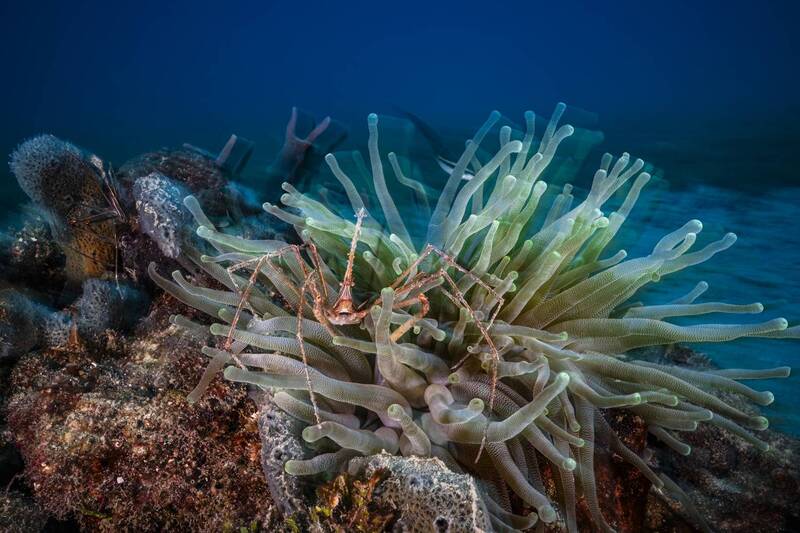
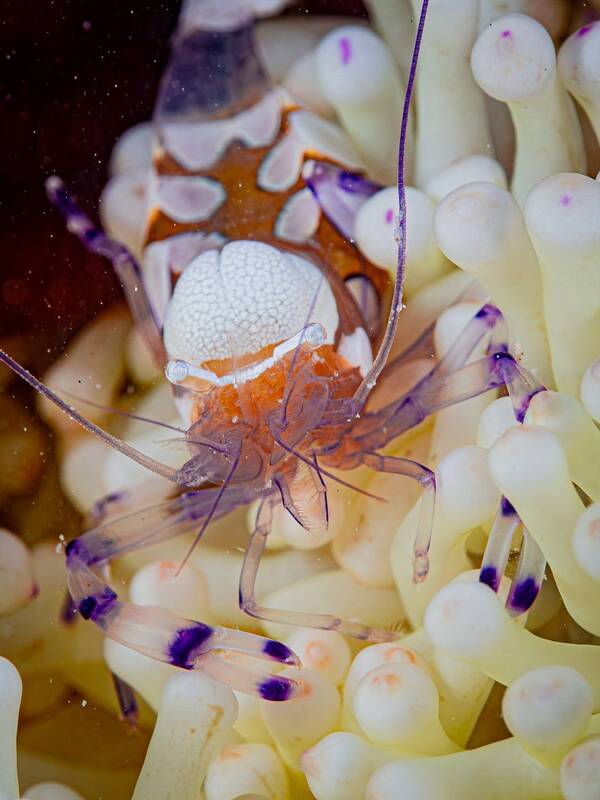
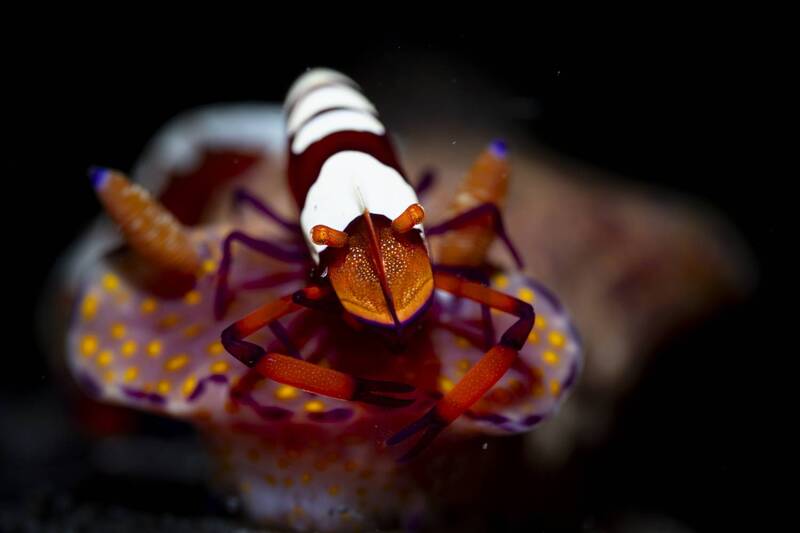
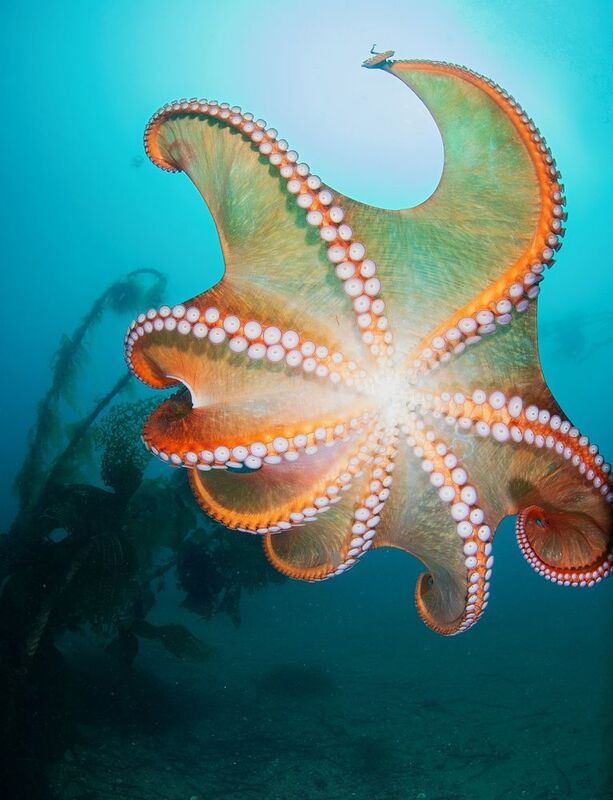
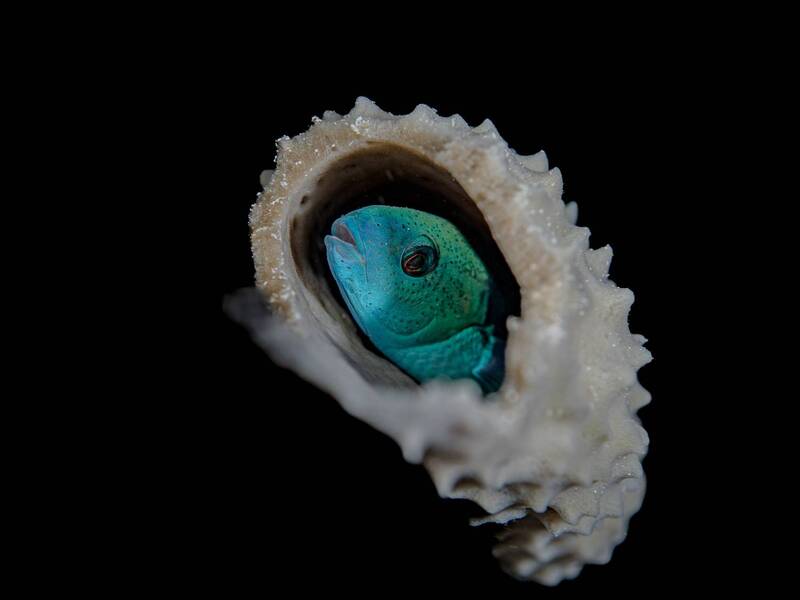
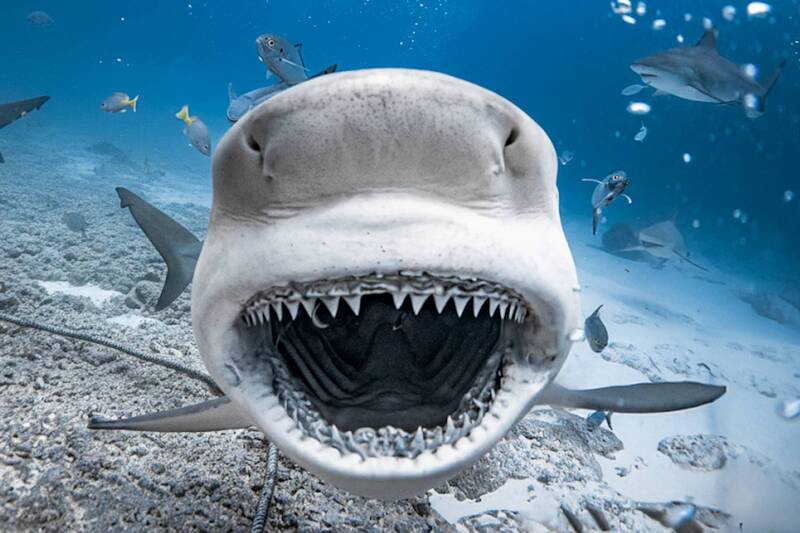
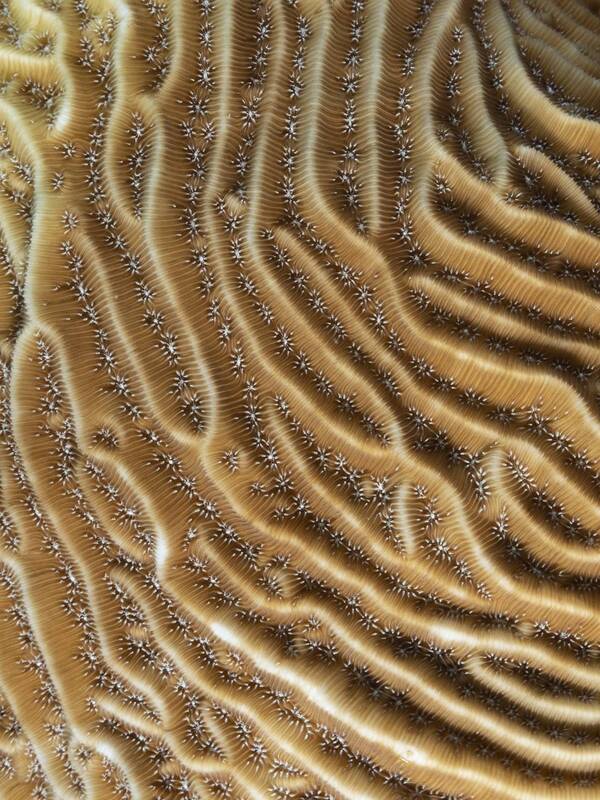
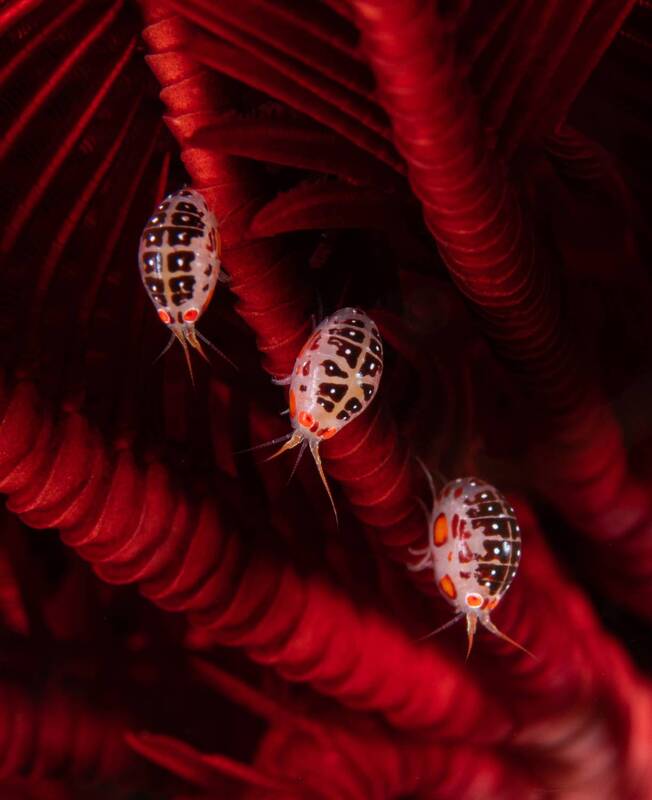
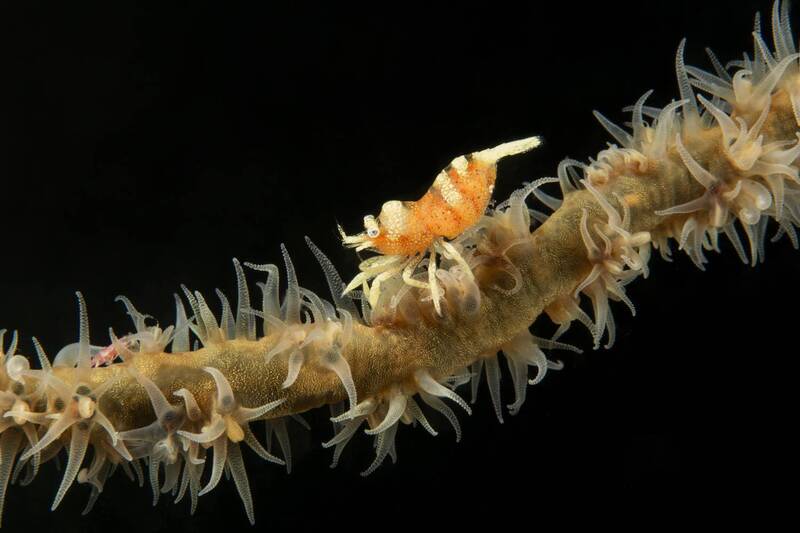
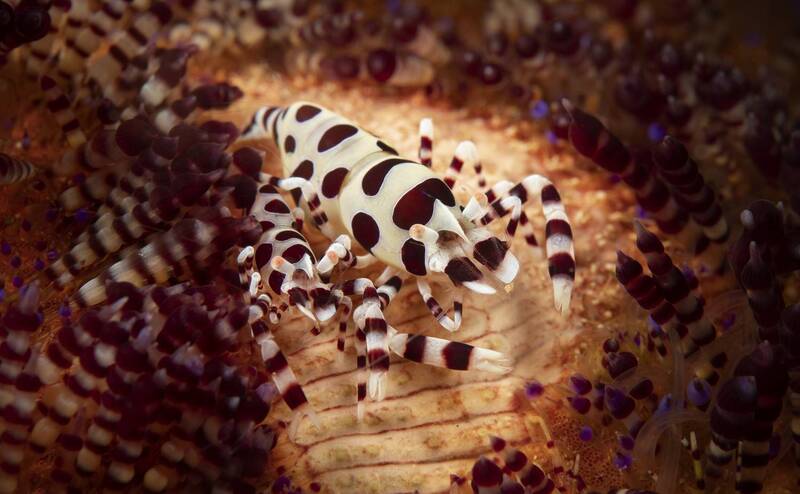
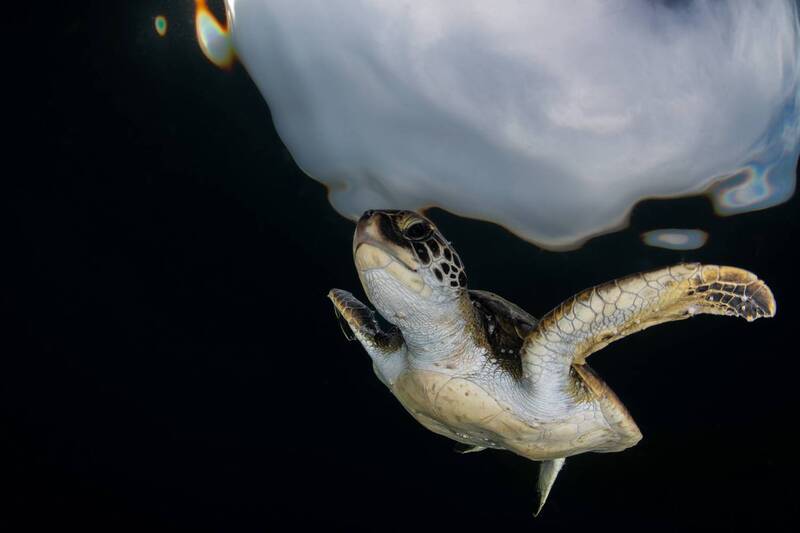
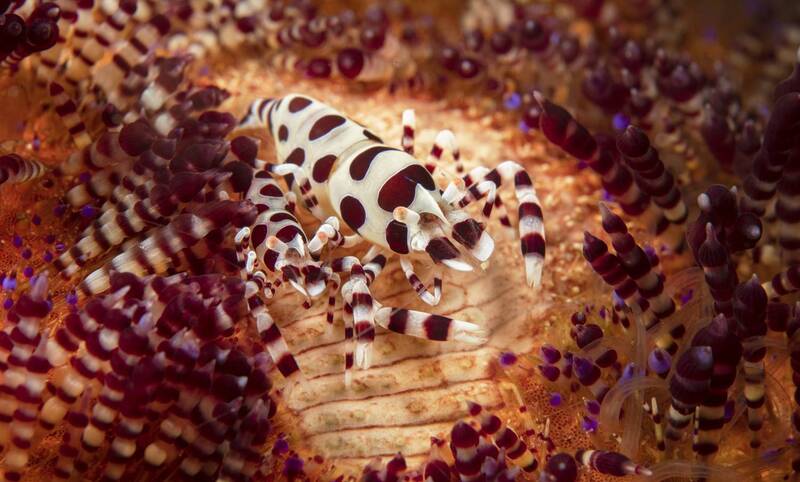
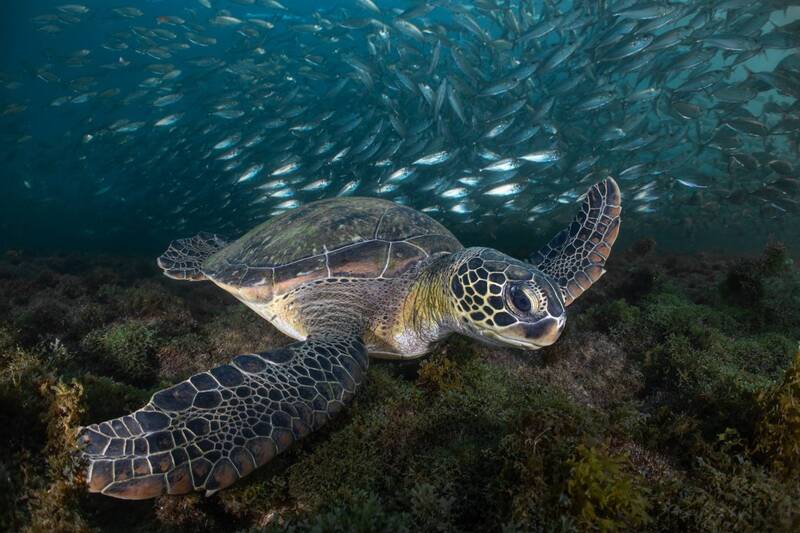
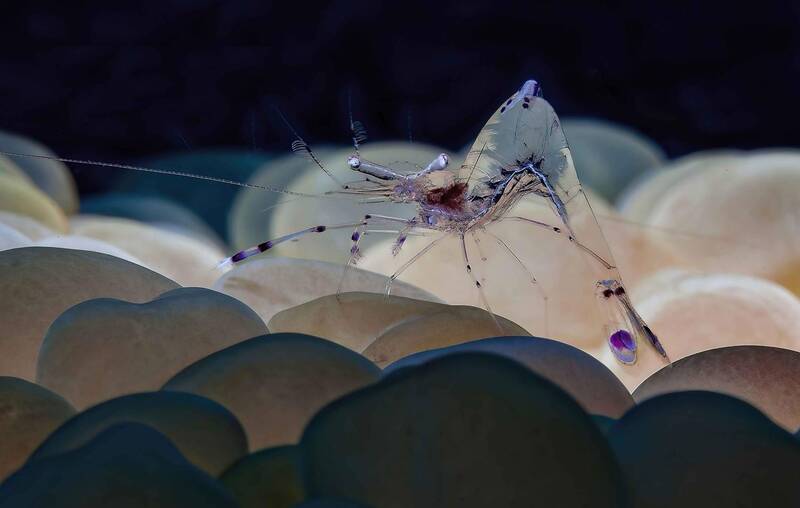
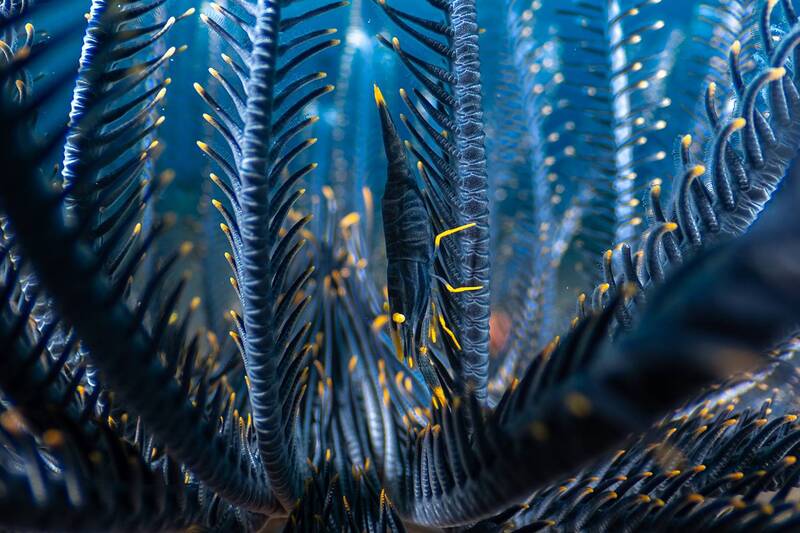
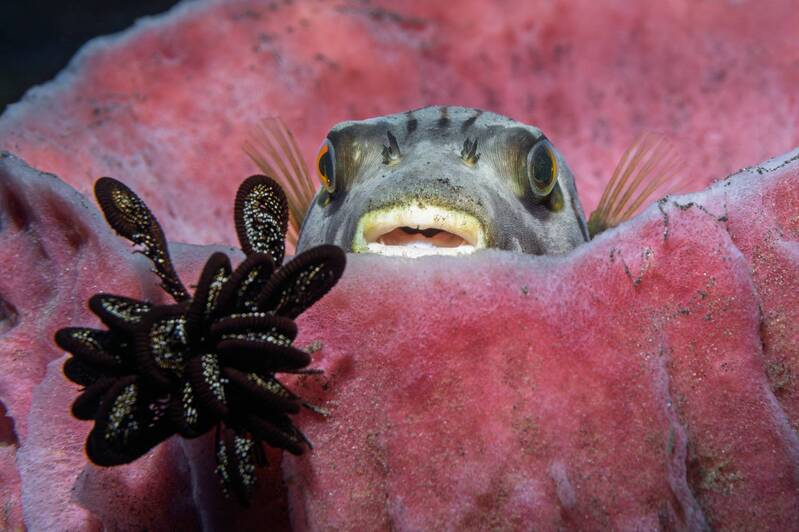
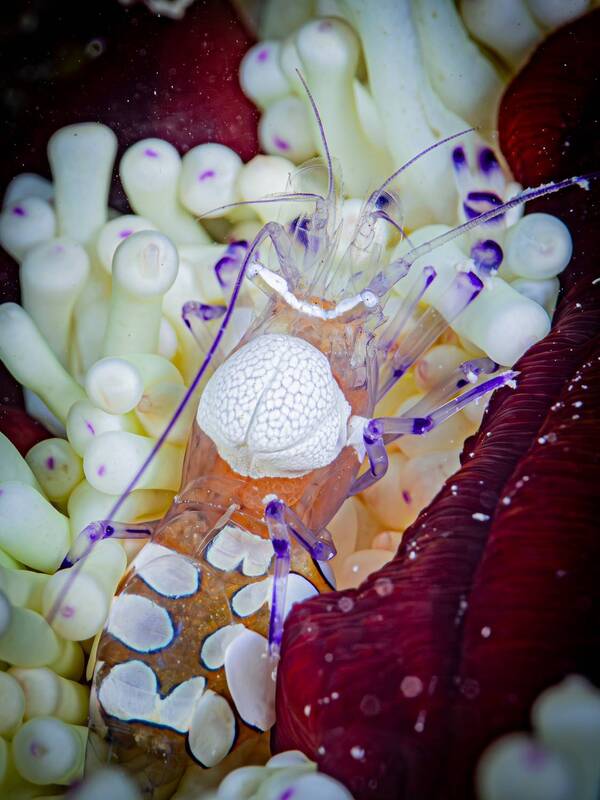
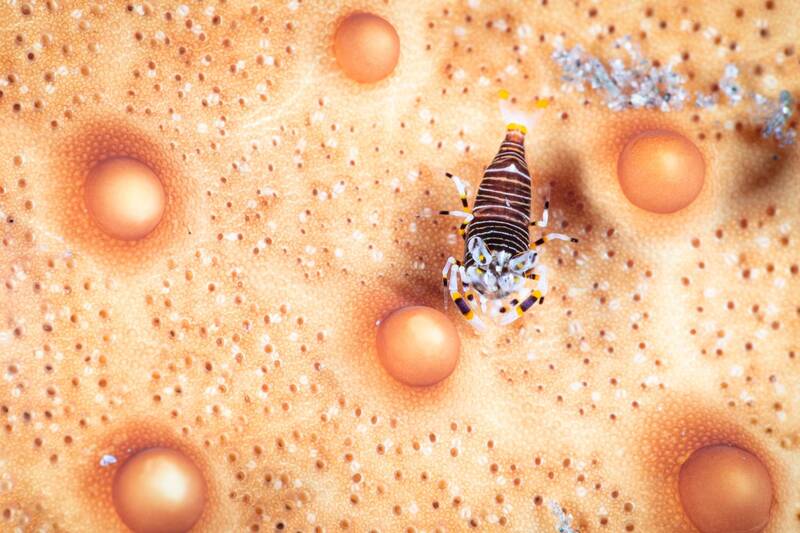
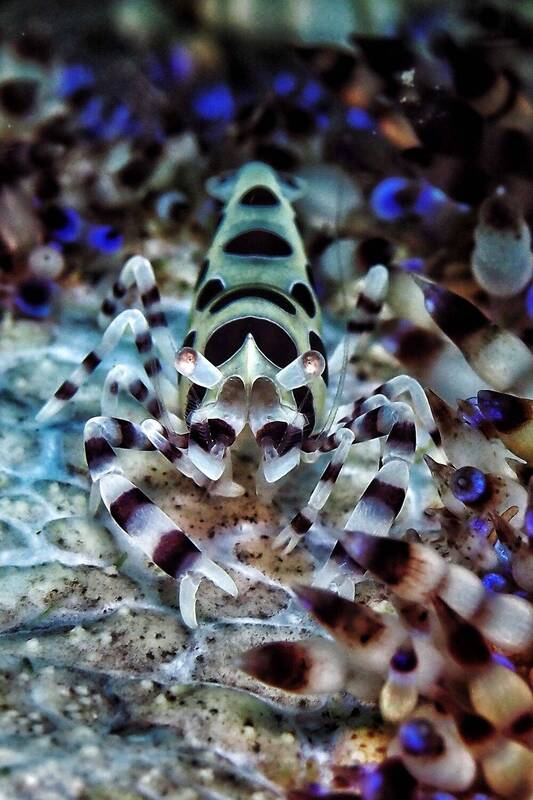
A crinoid shrimp (Laomenes amboinensis) lives among the arms of its host, a feather star (Class Crinoidea). The shrimp relies on precise colour and pattern matching to remain camouflaged while feeding on particles carried by the current, using the feather star both as shelter and as a feeding platform. This close association represents a highly specialized survival strategy and a clear example of host-specific mimicry on coral reefs. This image is especially meaningful to me, as I had planned it for a long time. I used a Nauticam EMWL 160º wet lens to create a CFWA perspective that cannot be achieved with a conventional macro lens alone, allowing a POV representation from the scale of the subject. The photograph was taken in Tulamben without assistance from a dive guide and without disturbing either the shrimp or its host. Achieving this image required many dives over several weeks, waiting for the right feather star, shrimp, and precise positioning.
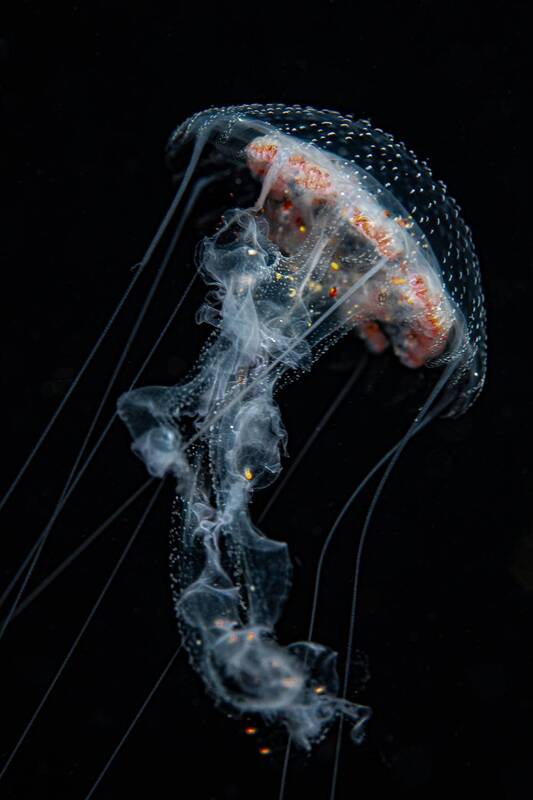
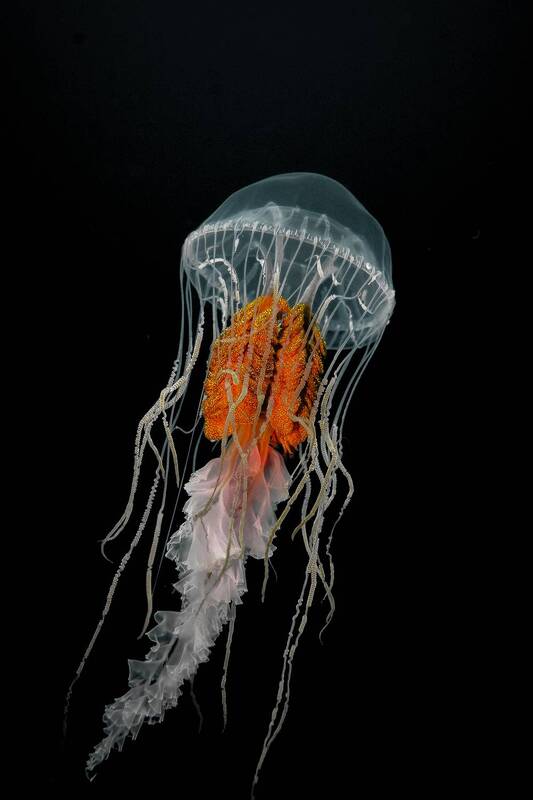
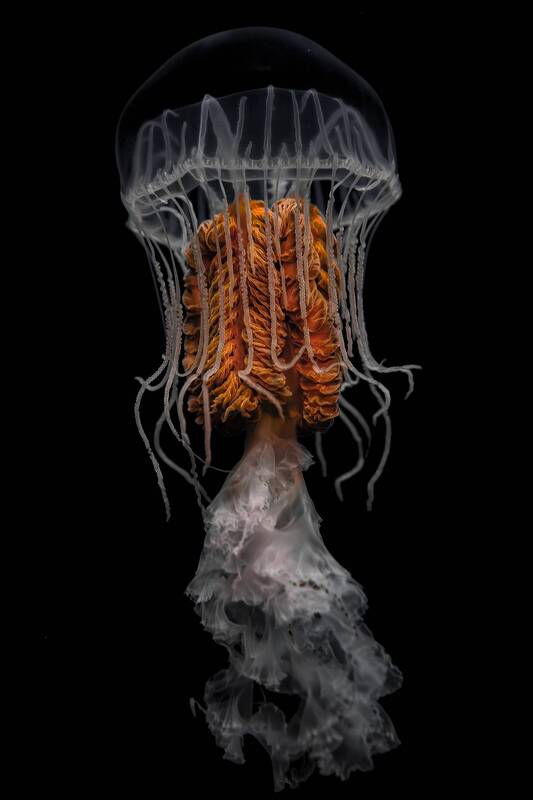
I captured this mesmerizing portrait of an unidentified deep sea medusa a stunning cnidarian off Malapascua Island, Philippines, in October 2025. Despite the shallow, daytime conditions, I achieved the intense contrast against the absolute black background through precise control of exposure settings and ambient light management. My objective was to transform this fragile cnidarian into a piece of living, symmetrical art. The significance of this image lies in its ability to showcase the intricate, ethereal architecture of life: the delicate, translucent bell and tentacles contrast sharply with the vibrant, visceral orange mass at its core. This intense color is likely the animal’s digestive or reproductive organs, visually symbolizing its core existence. By strategically underexposing the background and utilizing natural light to emphasize the subject\\\'s translucence, I focused entirely on the mesmerizing design, converting the shallow ocean into a controlled photographic studio. This image is my personal exploration of form, light, and the profound, alien beauty of the ocean\\\'s most fragile inhabitants. Edited and export in Lightroom, underexpose the background
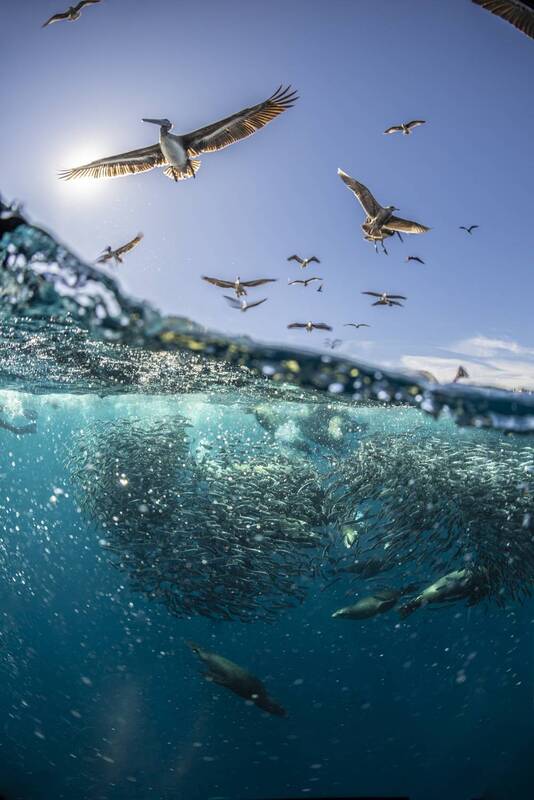
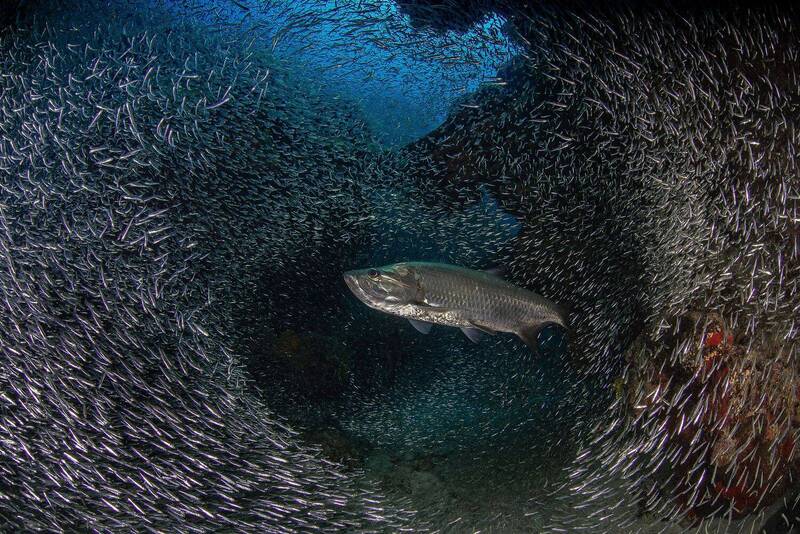
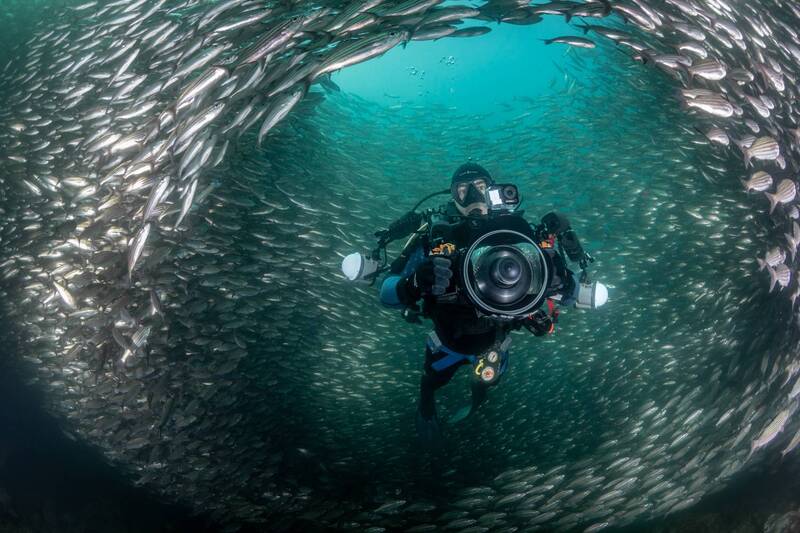
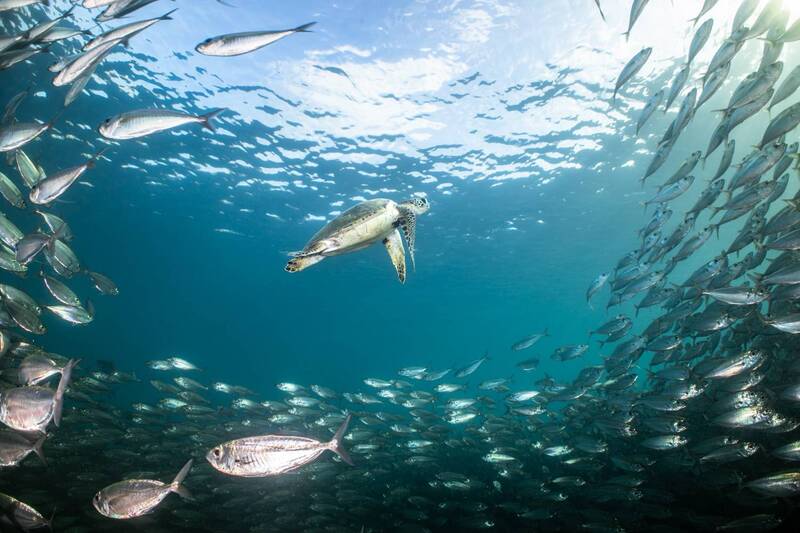
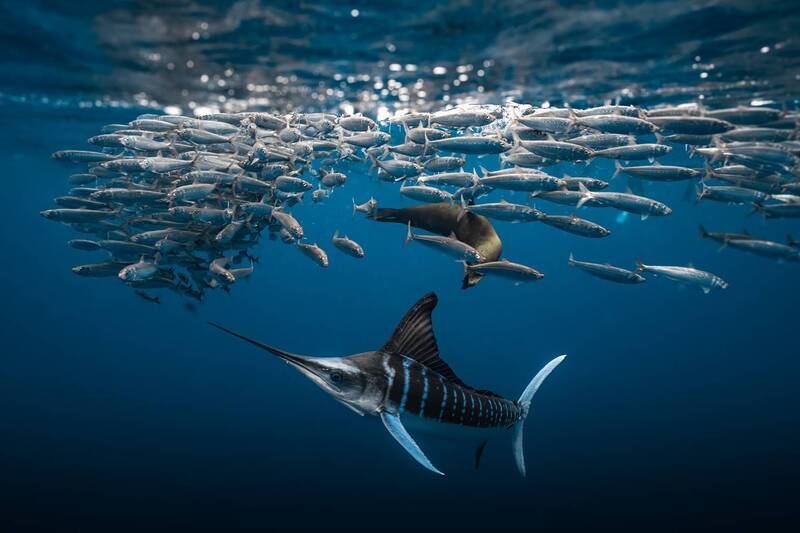
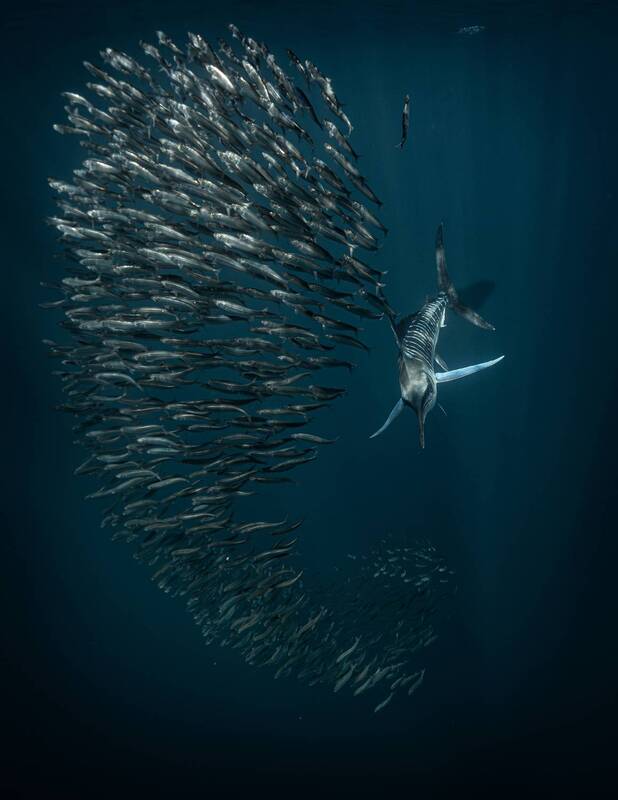
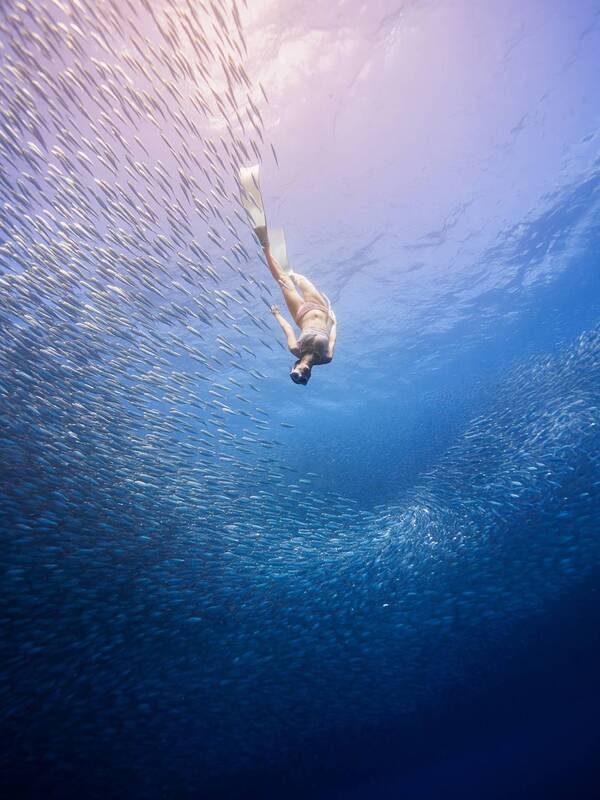
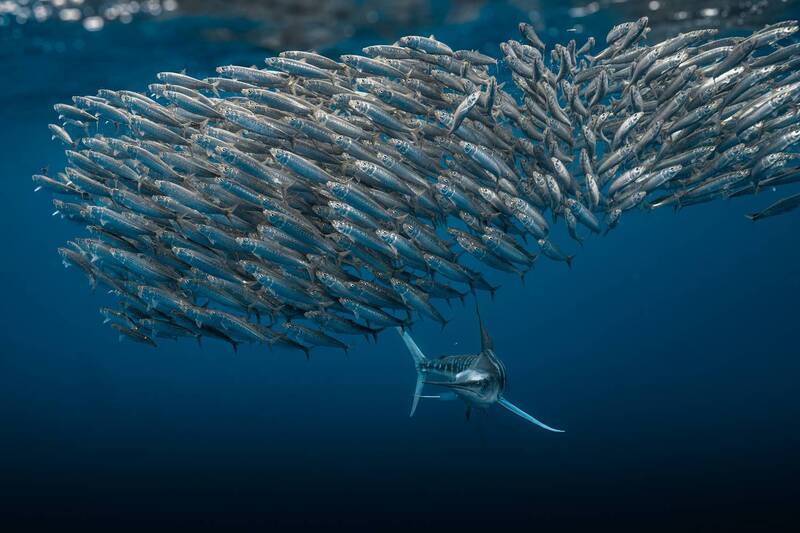
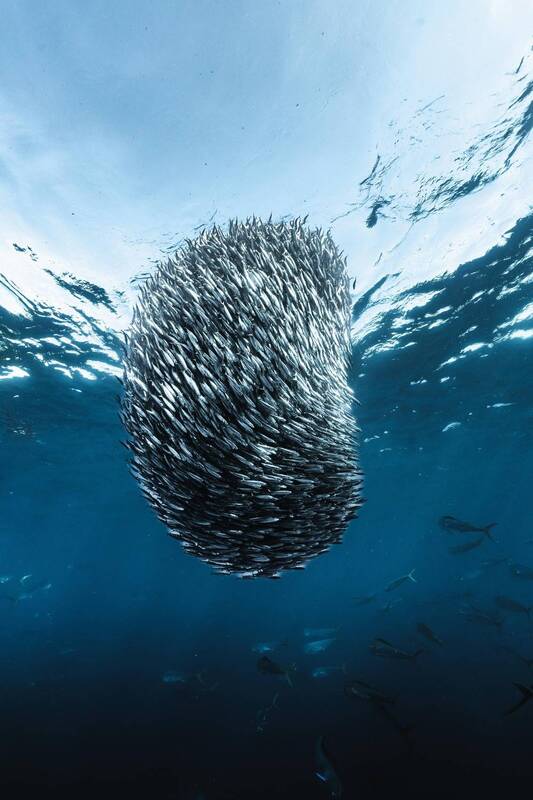
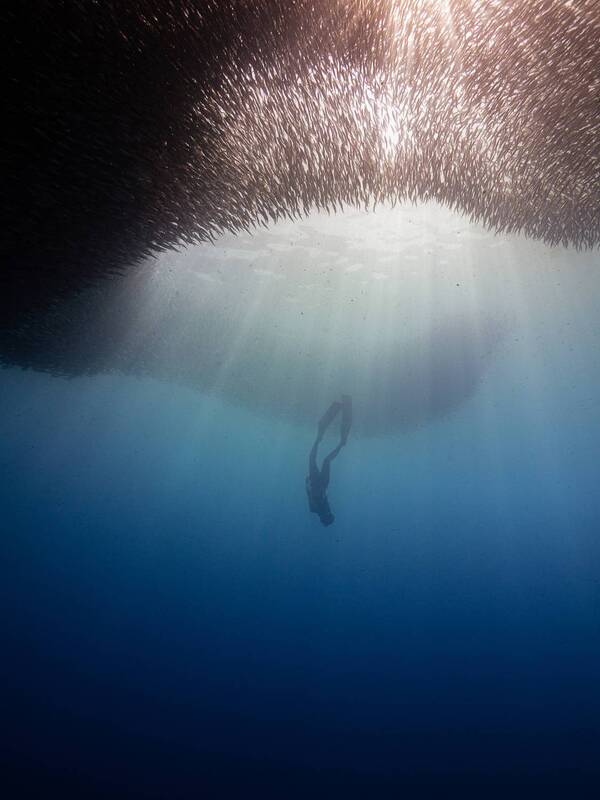
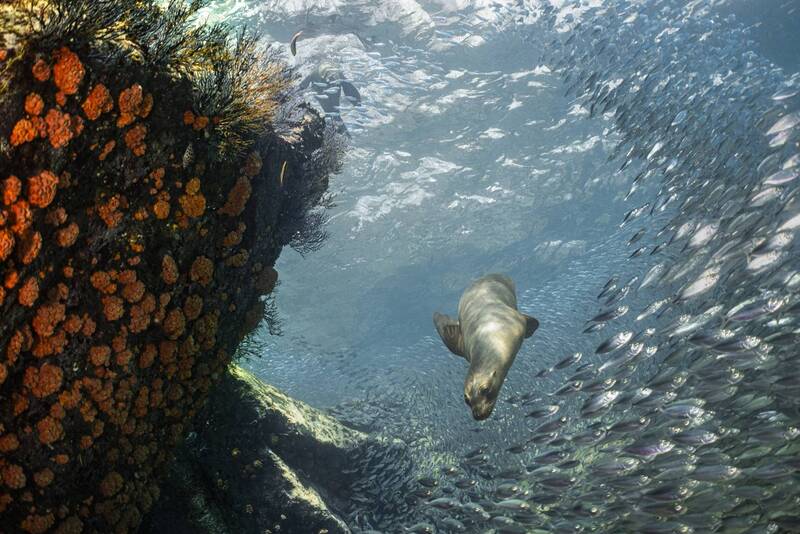
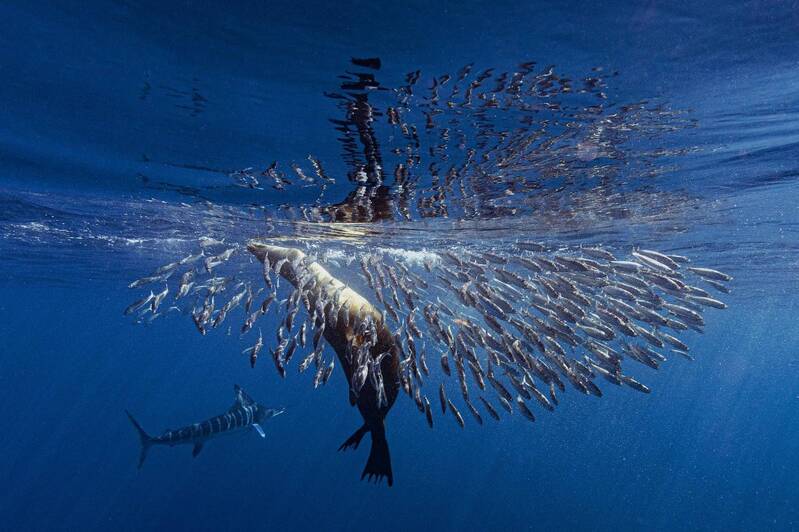
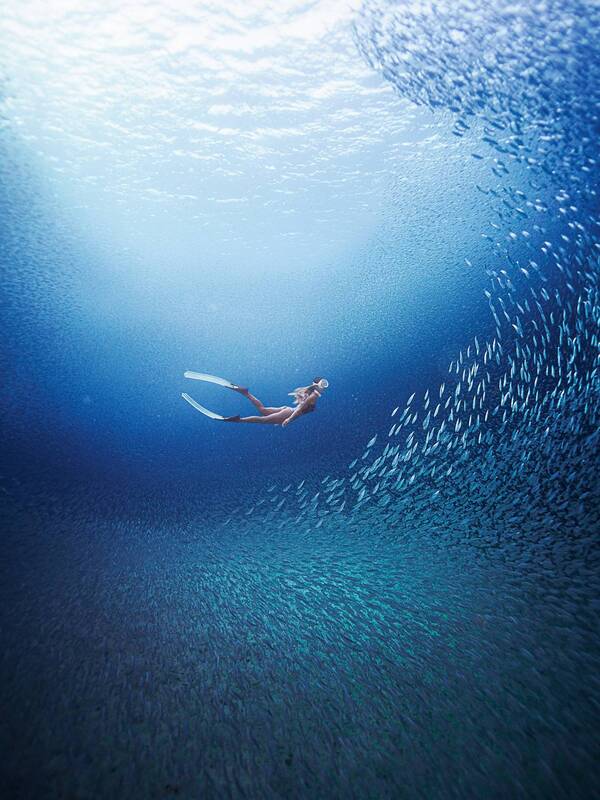
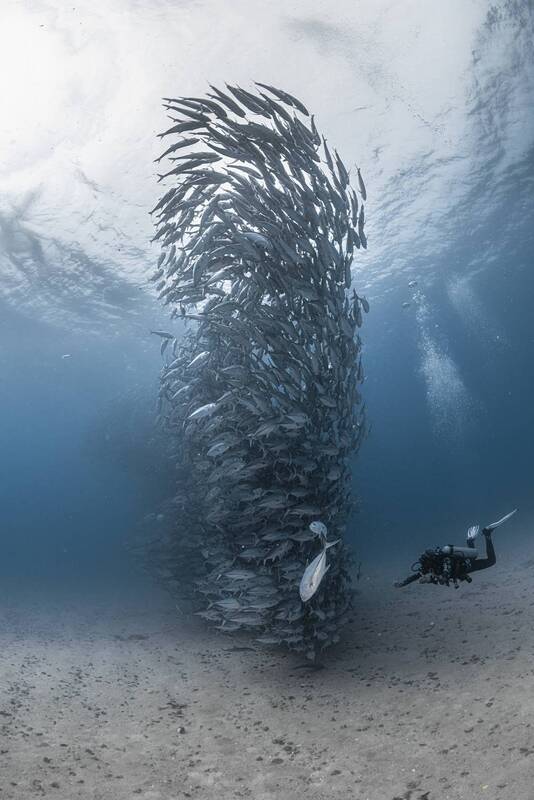
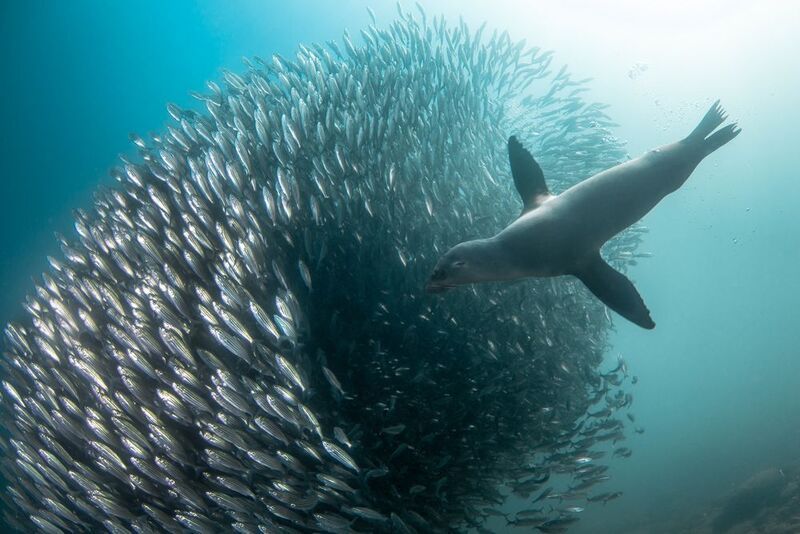
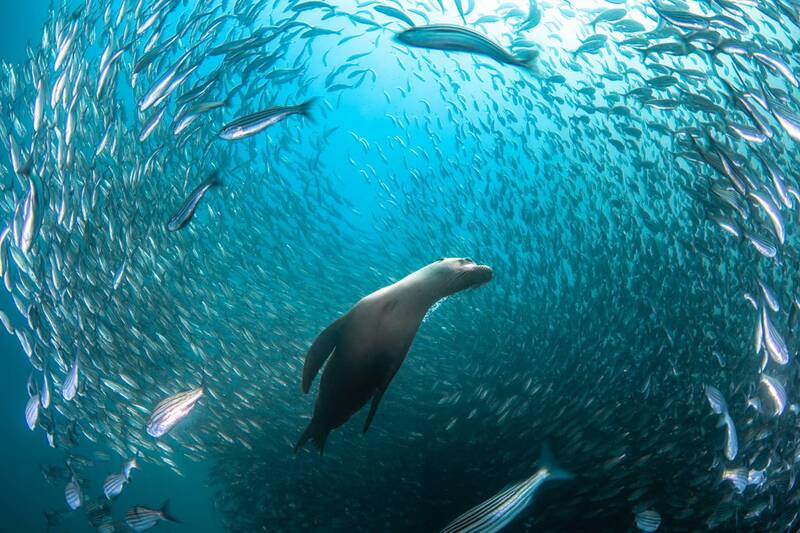
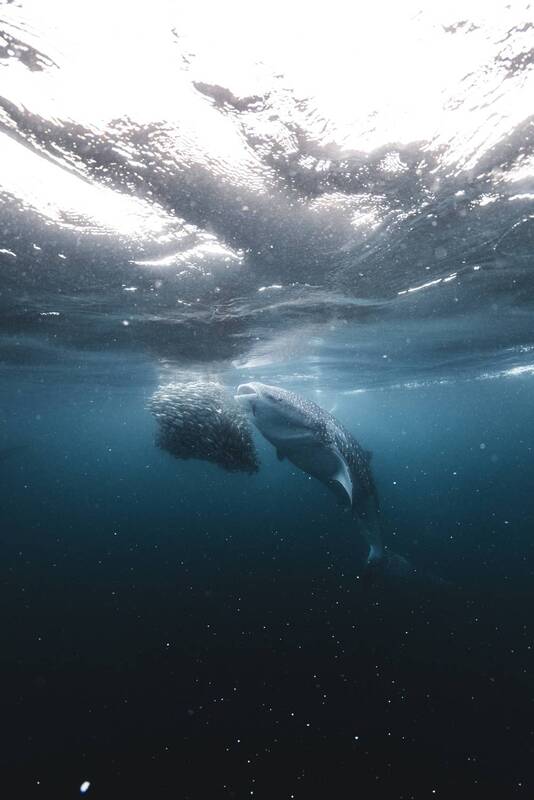
Сардины всегда добавляют элемент непредсказуемости, никогда не знаешь, куда они повернутся, как закрутится их вихрь. Именно в этом хаосе рождается магия кадра.
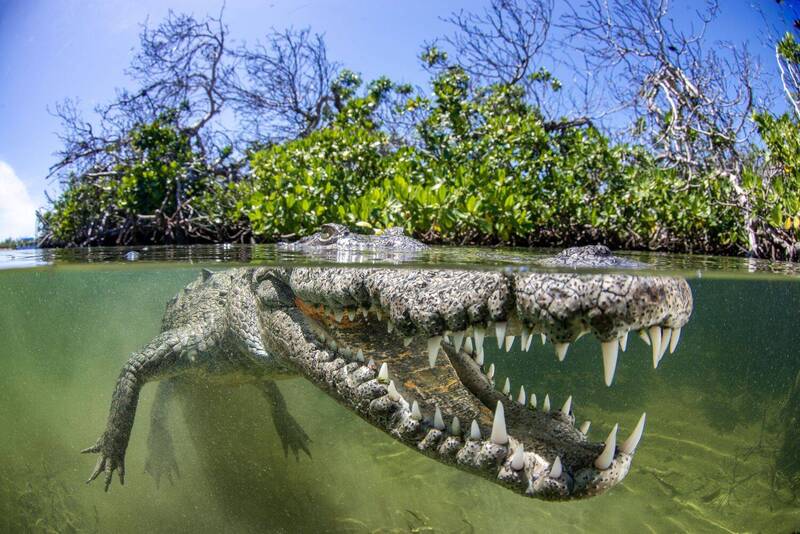
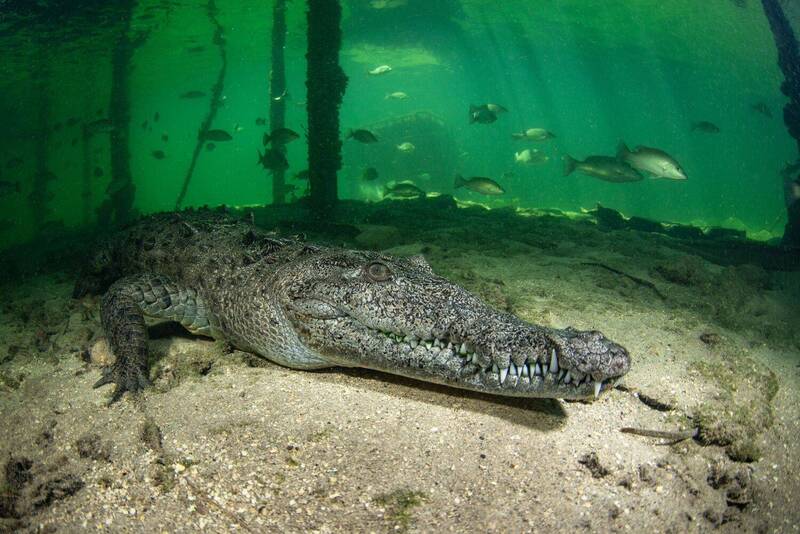
This photo was taken in the mangroves of Jardines de la Reina, Cuba. An American crocodile, about 2.5 meters long, was among the mangrove roots stalking hutias (small rodents similar to large rats). I entered the water to capture some images while it was stalking its prey, but it seemed very curious about my presence and ended up very close to me, giving me the opportunity to capture some unique images.
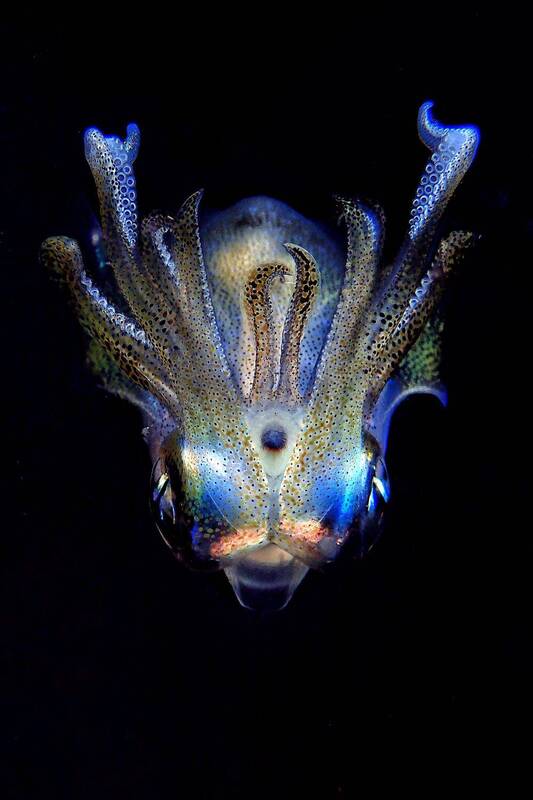
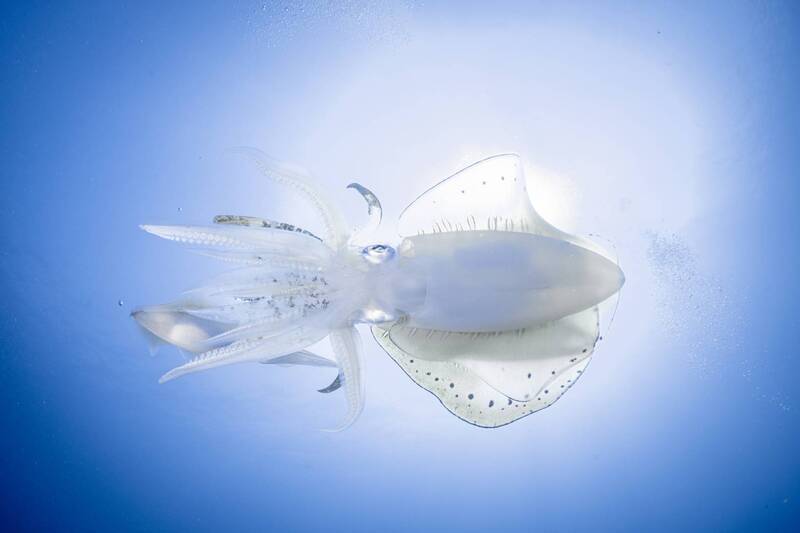
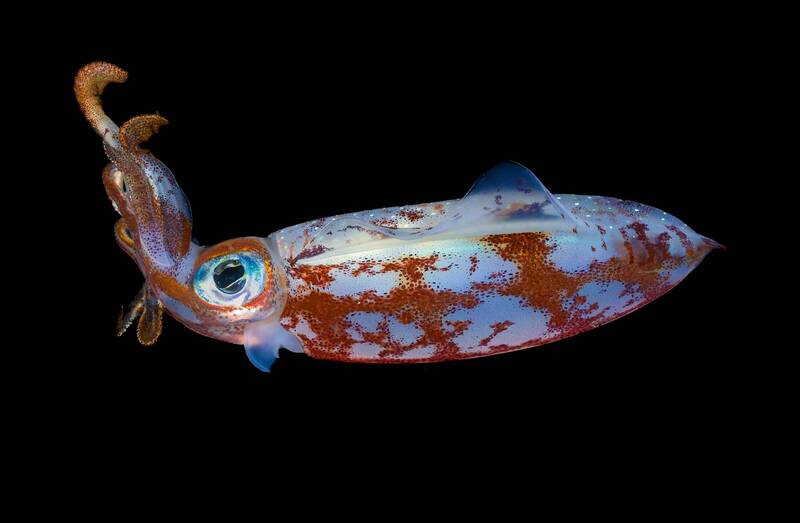
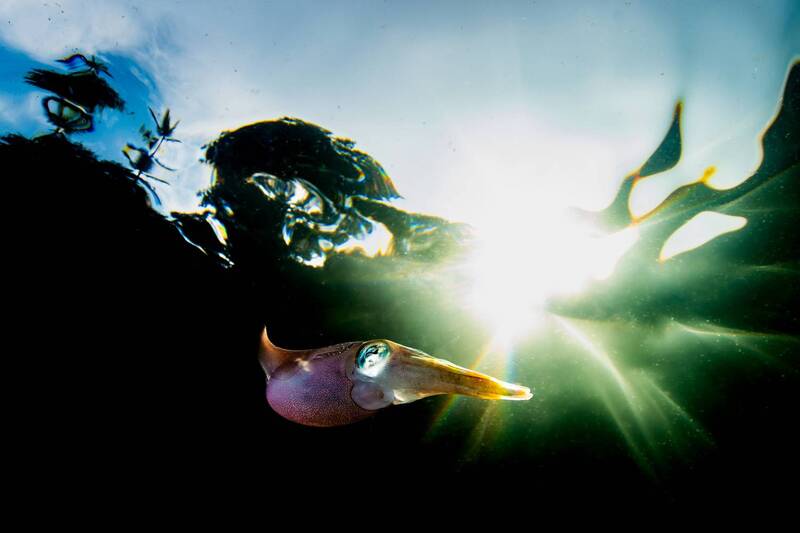
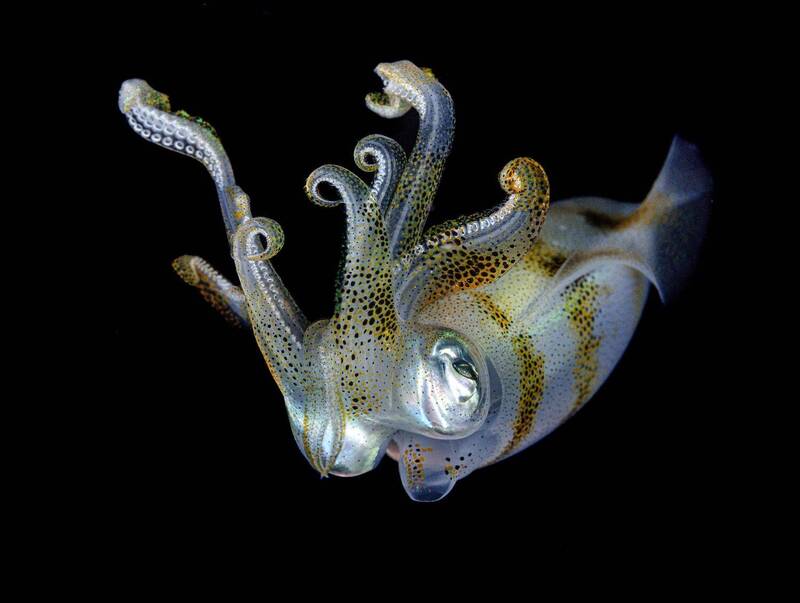
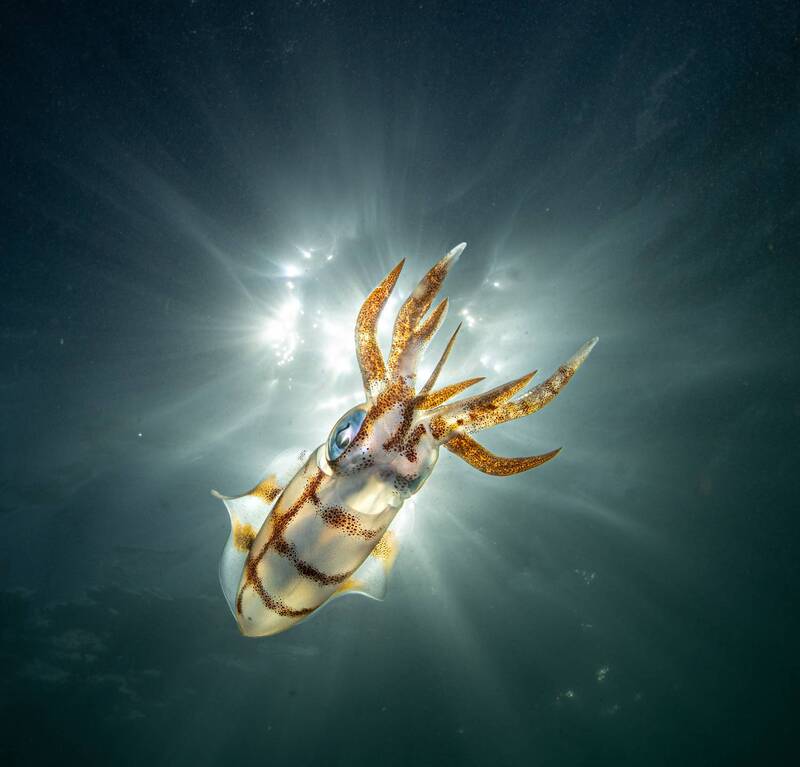
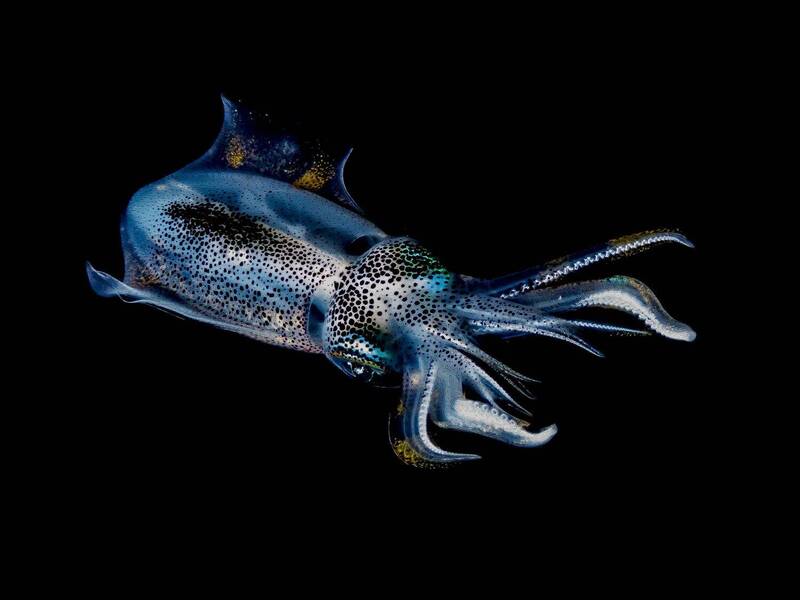
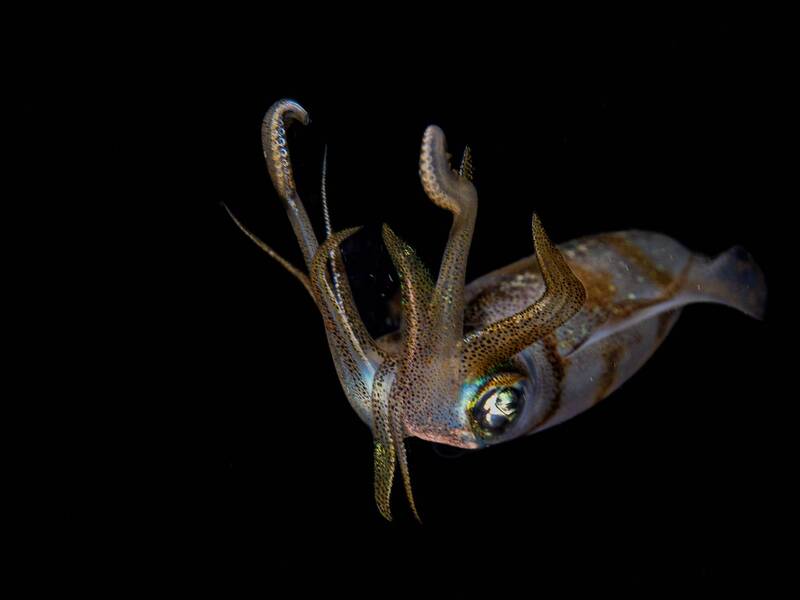
In low visibility conditions, this Caribbean reef squid unexpectedly appeared in my path. Its solitary behavior and mesmerizing movement contrasted sharply with the murky surroundings. A fascinating example of marine life adapted to any environment.
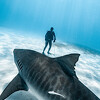
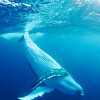
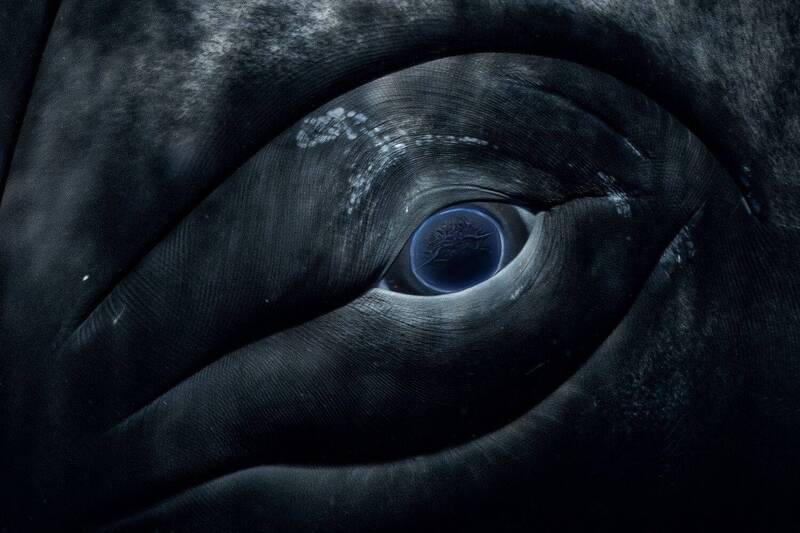
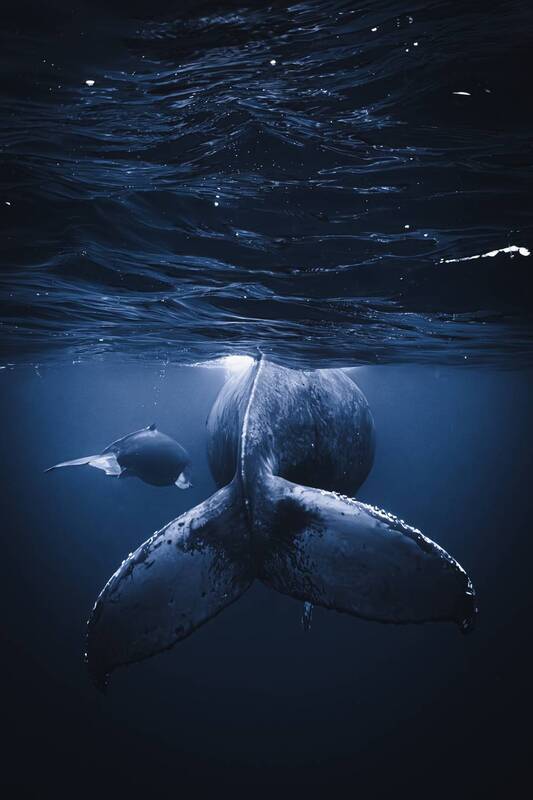
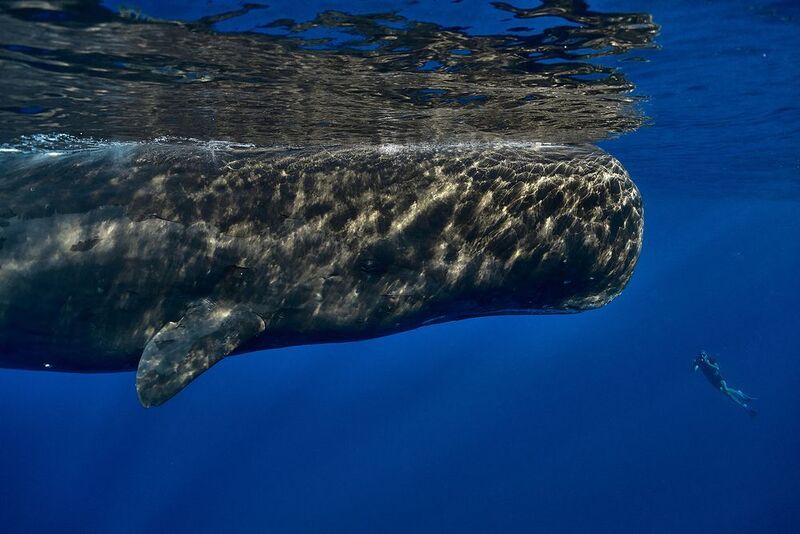
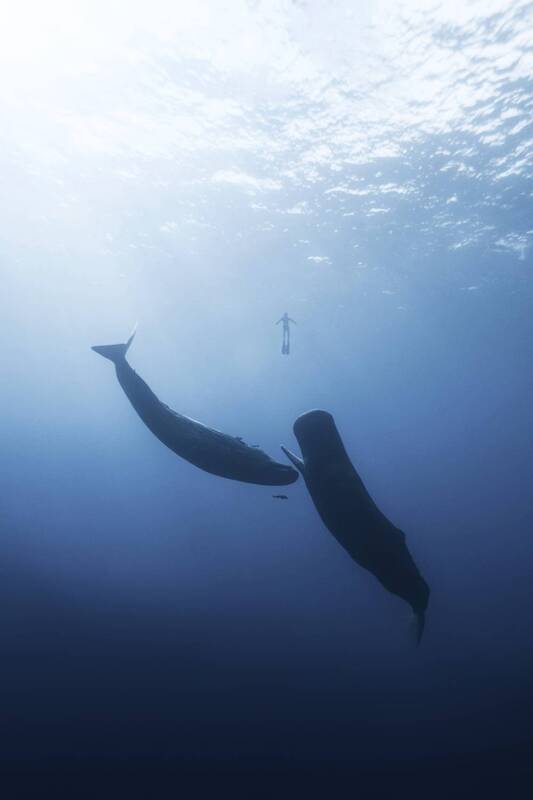
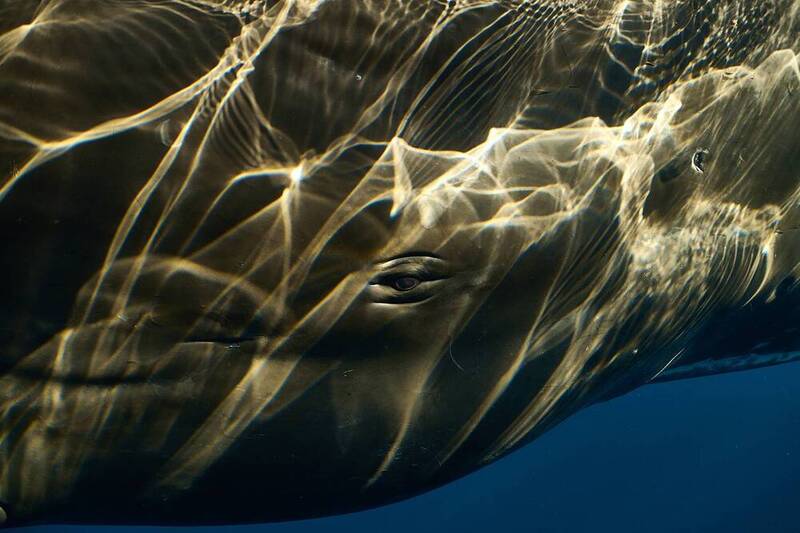
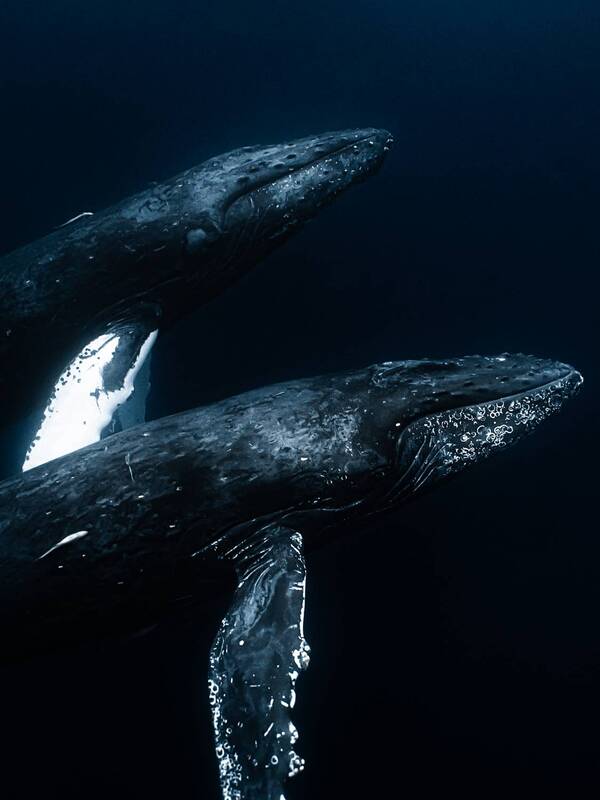
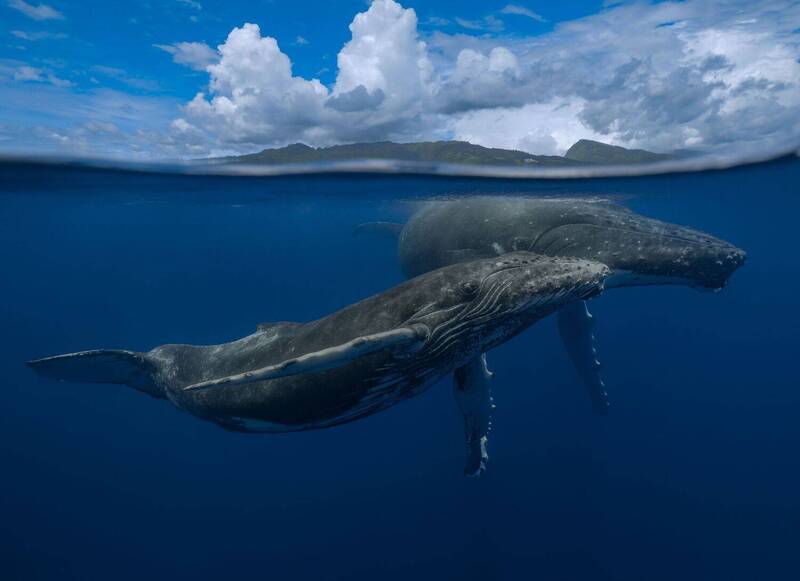
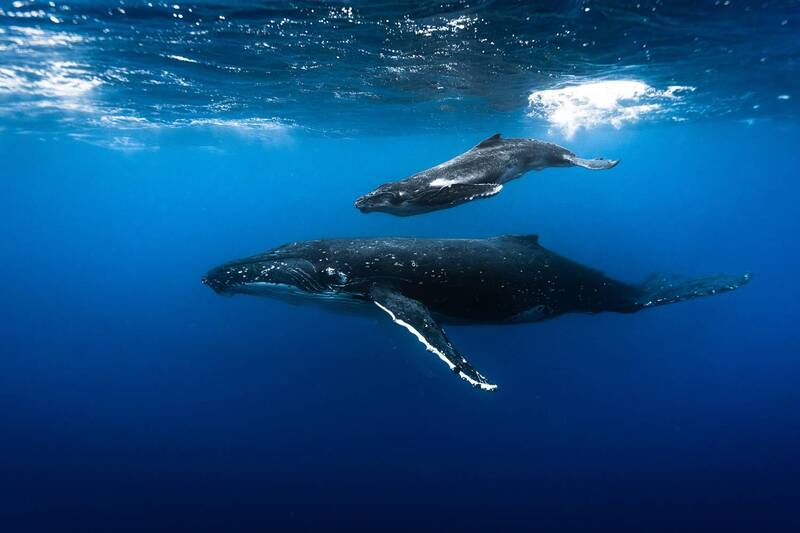
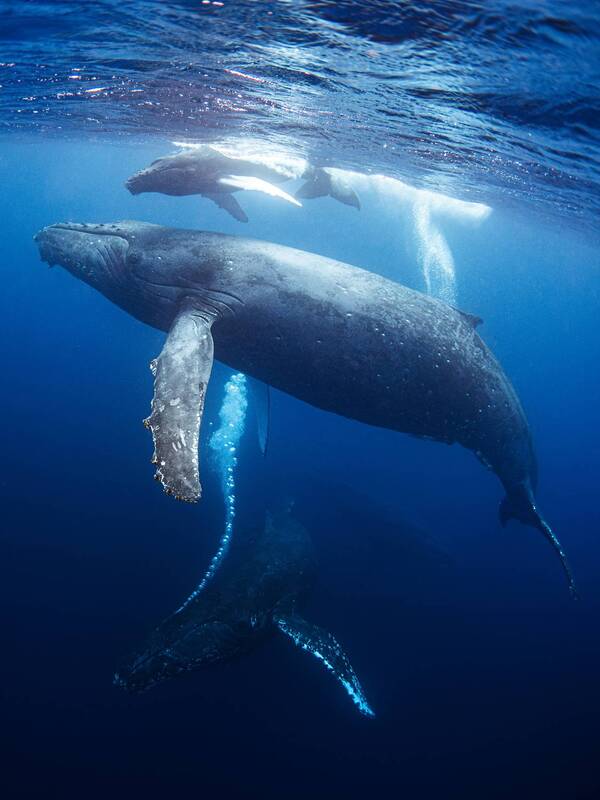
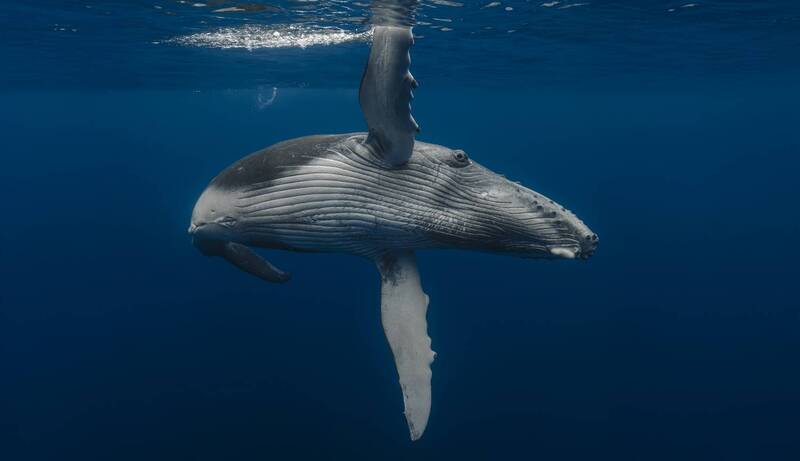
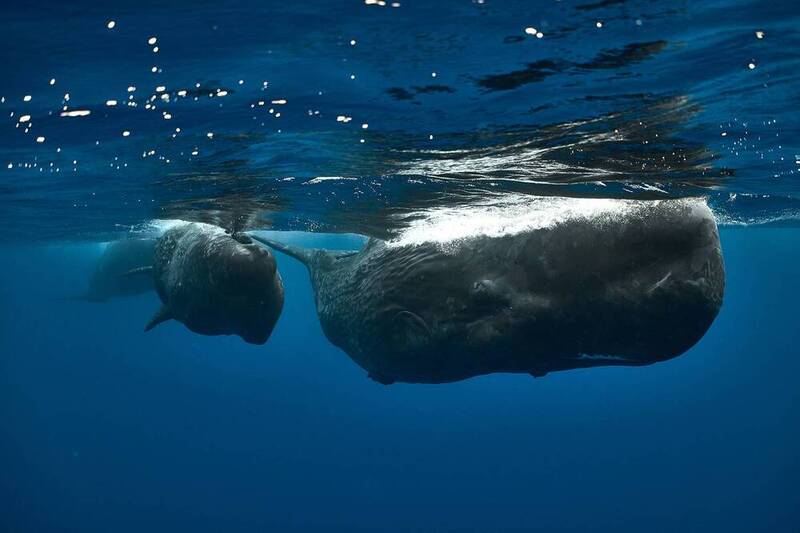
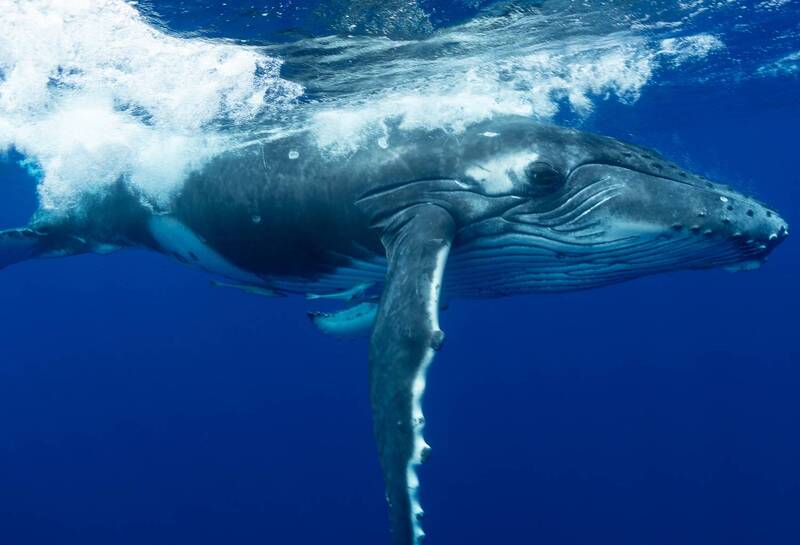
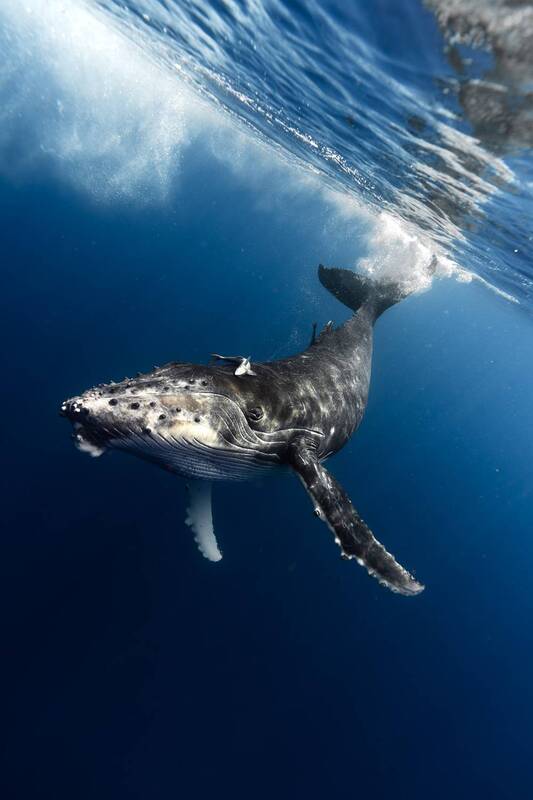
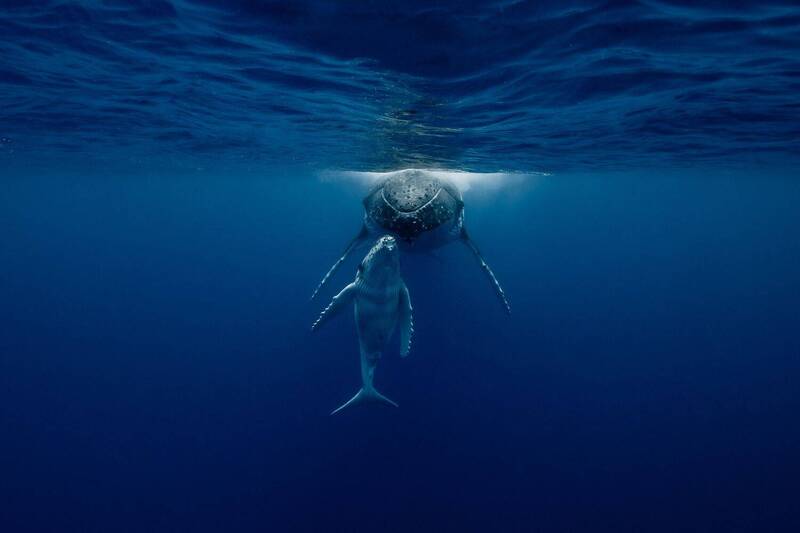
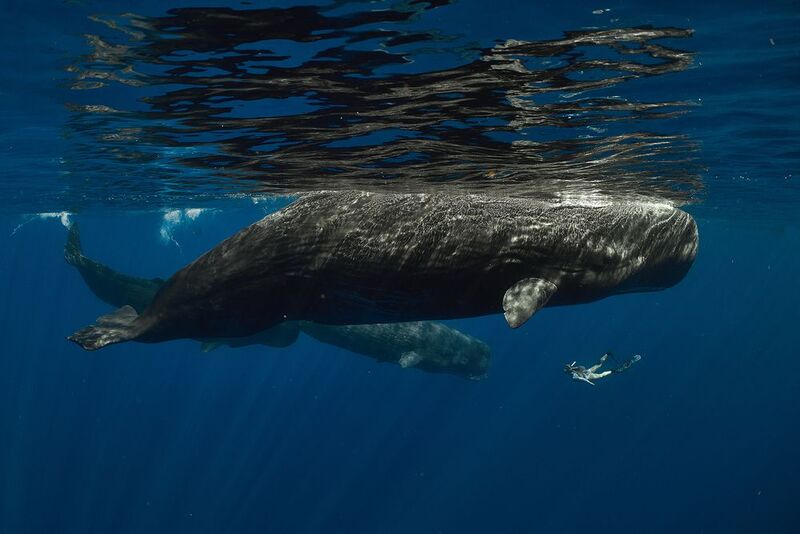
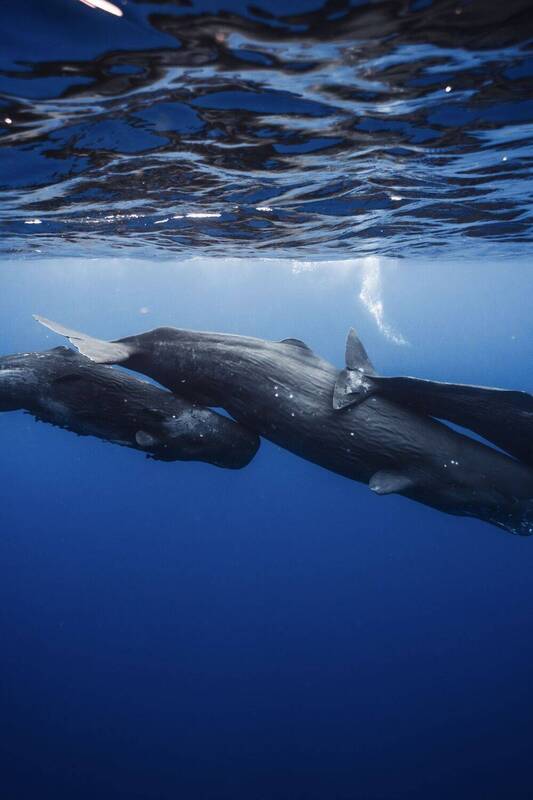
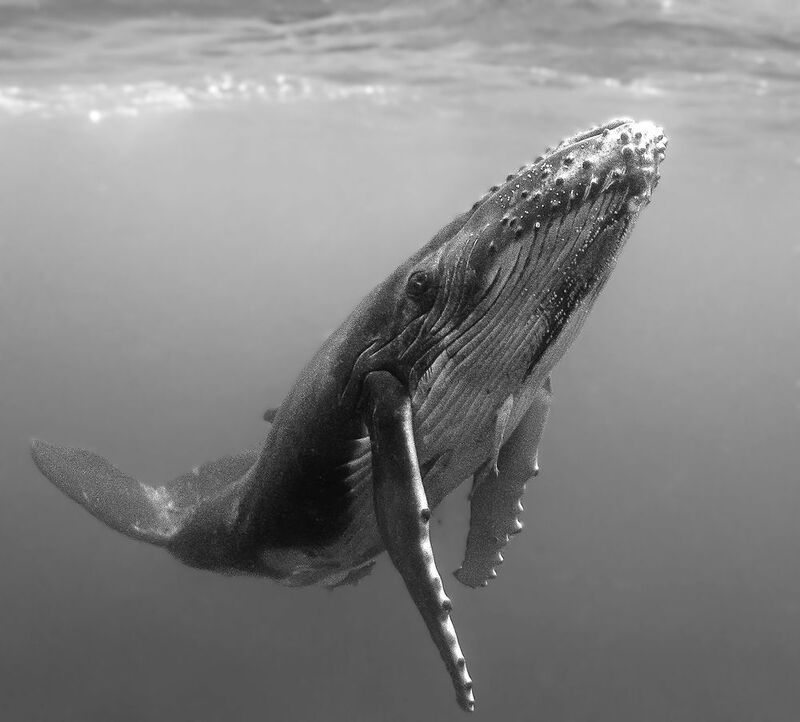
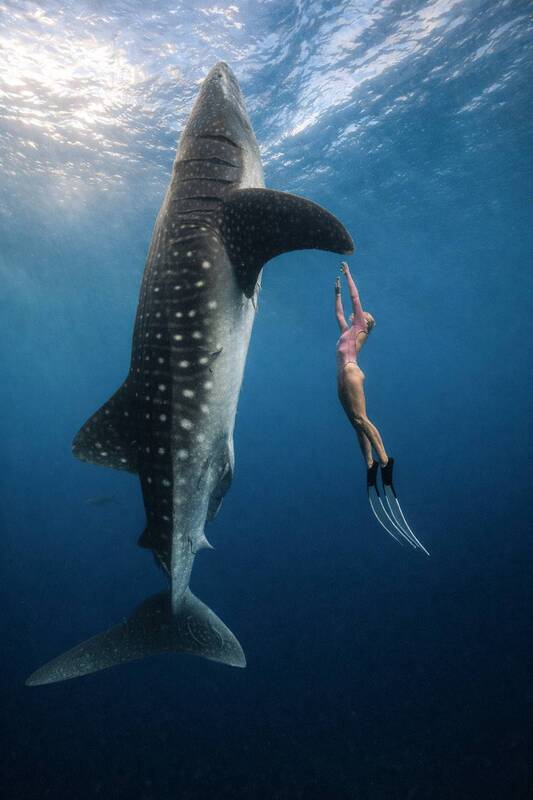
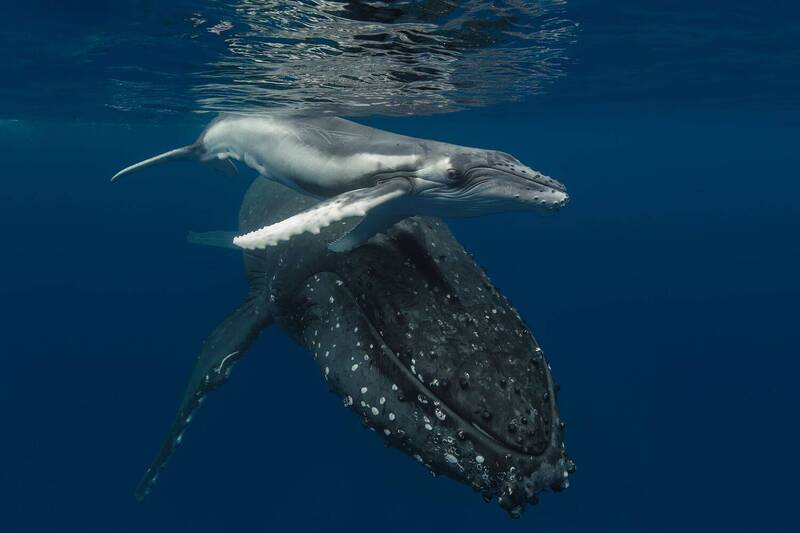
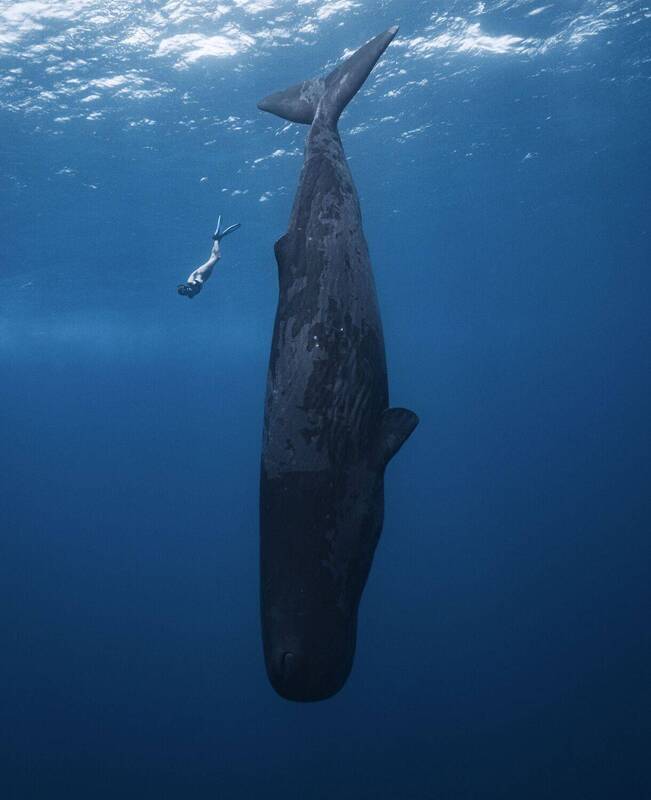
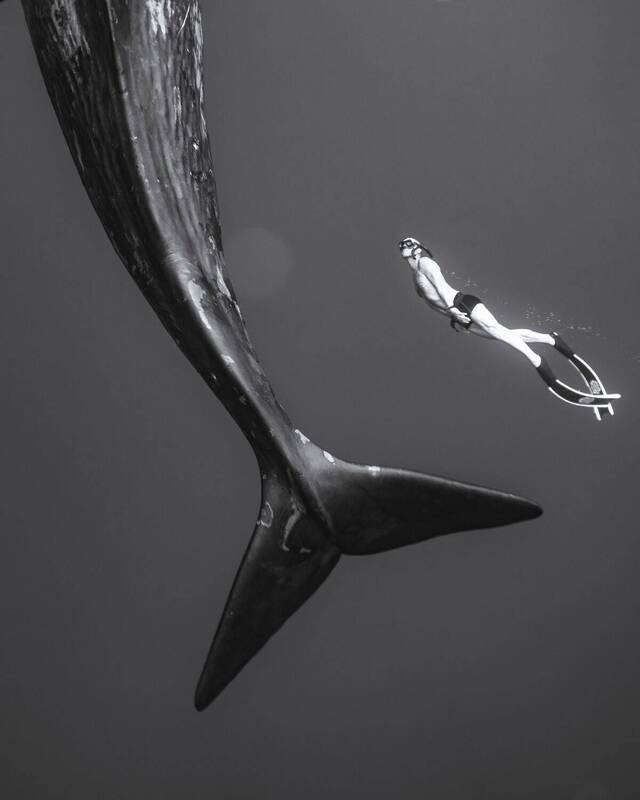
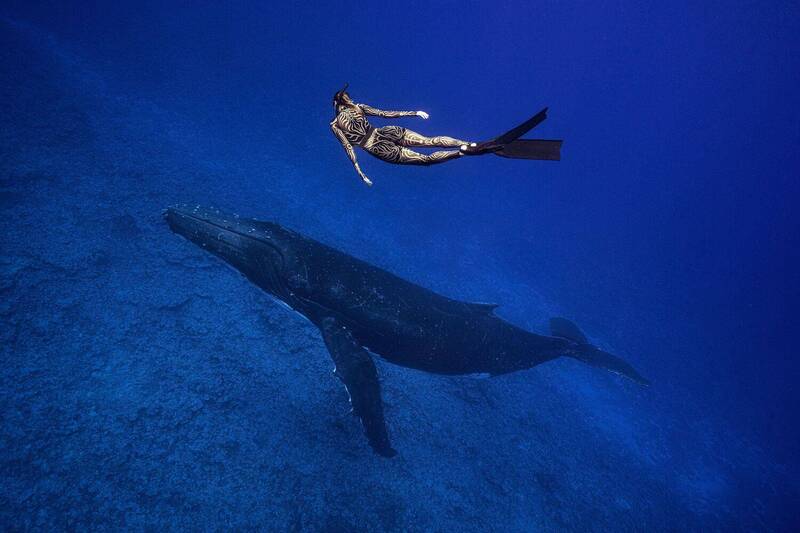
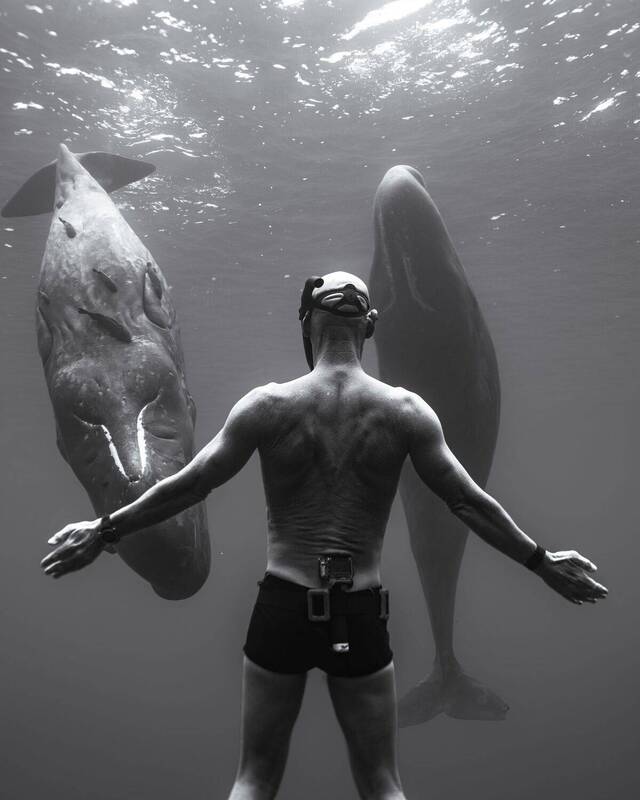
In Tonga, I encountered a mother whale and her calf.
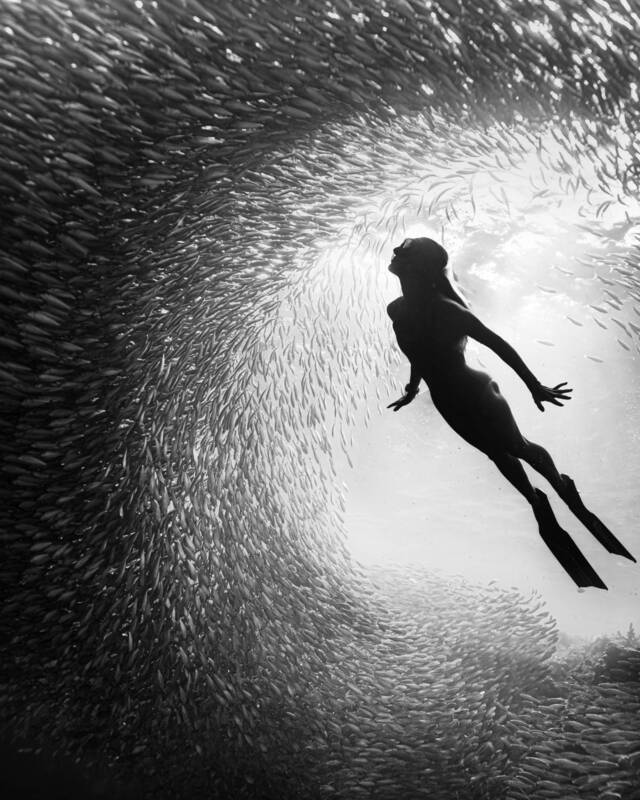
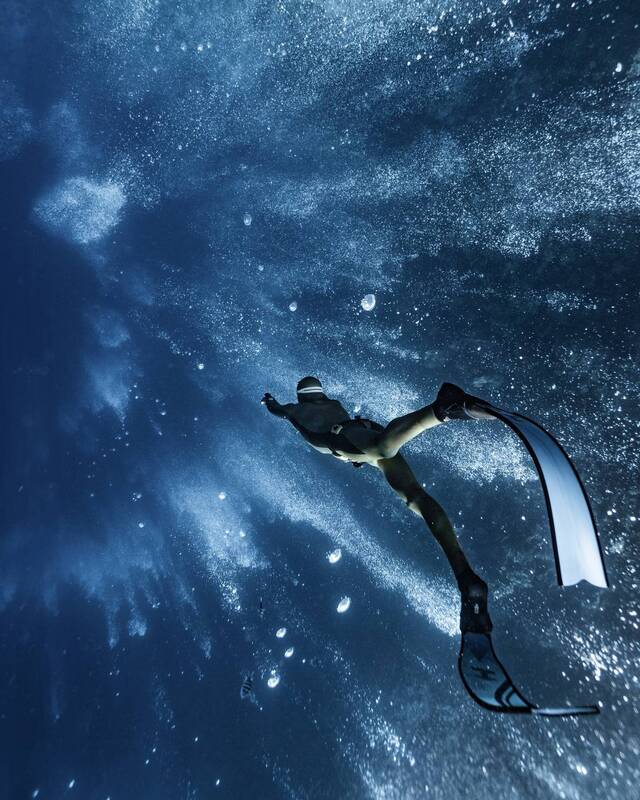
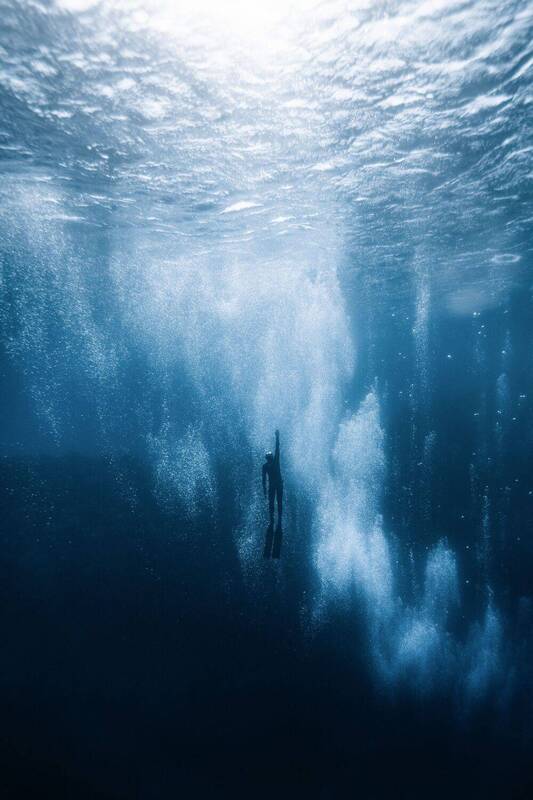
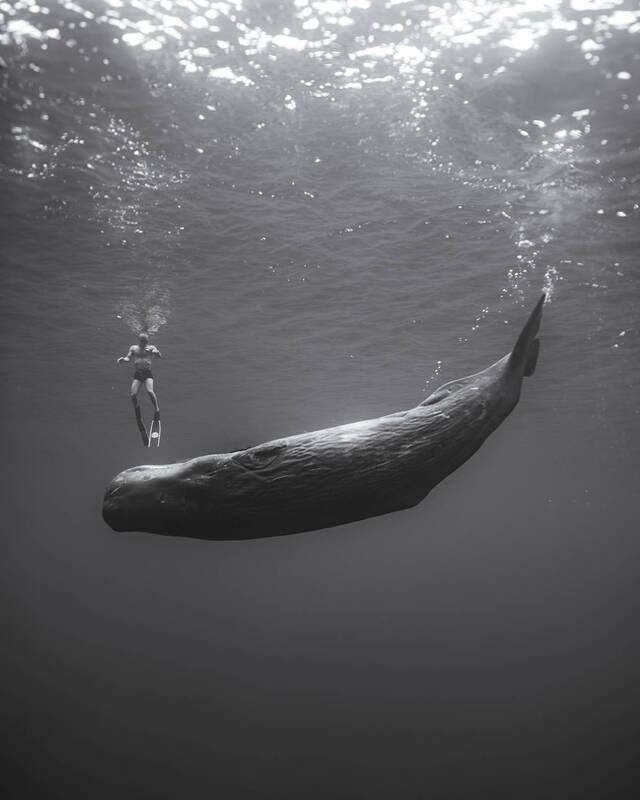
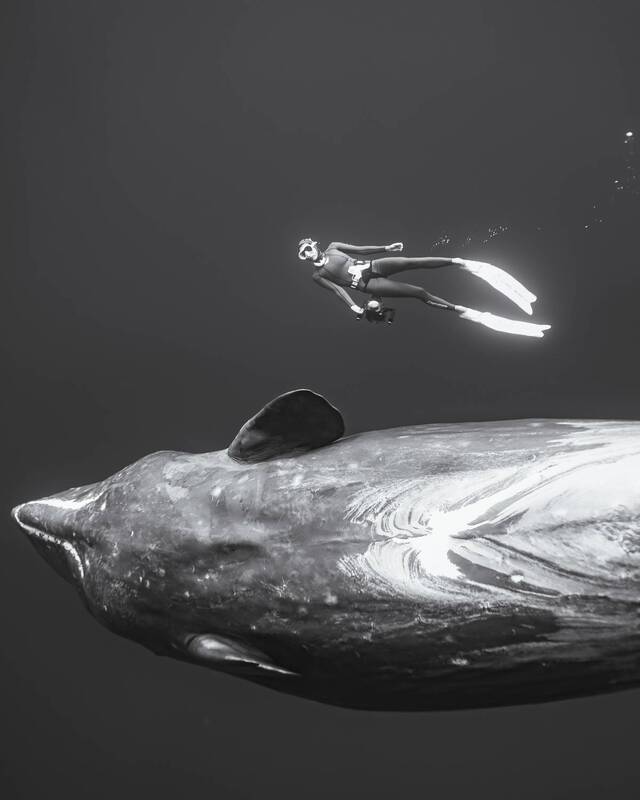
With no diving gear—only breath and stillness—I waited underwater.
The calf approached me curiously, and we shared a gaze.
In its eyes, I saw the vast ocean and felt completely embraced.
I used a fisheye lens; without it, they were simply too close to capture.
It was like a martial artist sensing the line between contact and no contact.
I passed beneath the giant fin, feeling calm rather than fear.
I knew—they saw me not as a threat, but as a friend.
Then they drifted away, leaving only silence behind.
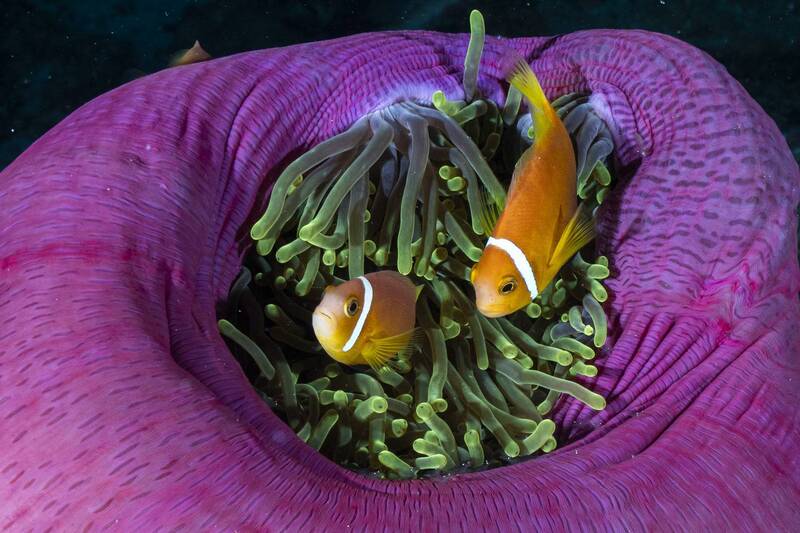
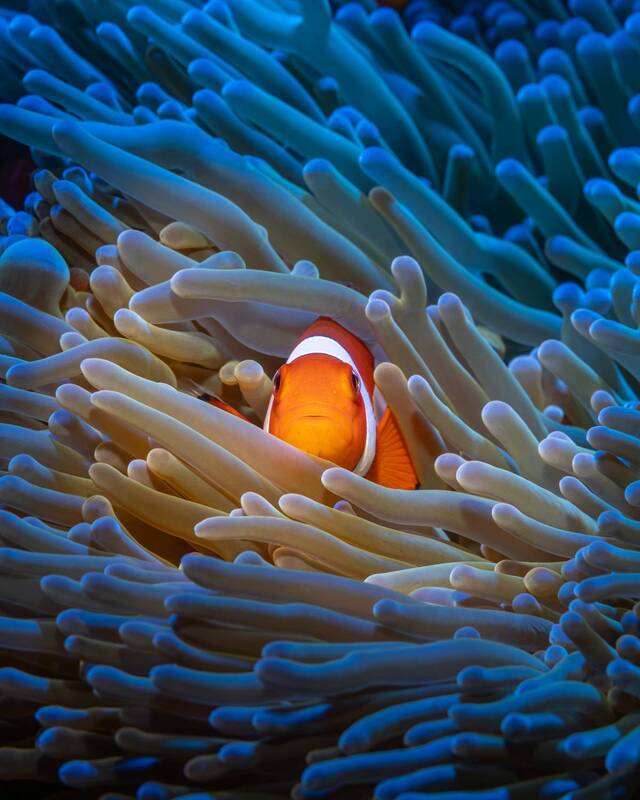
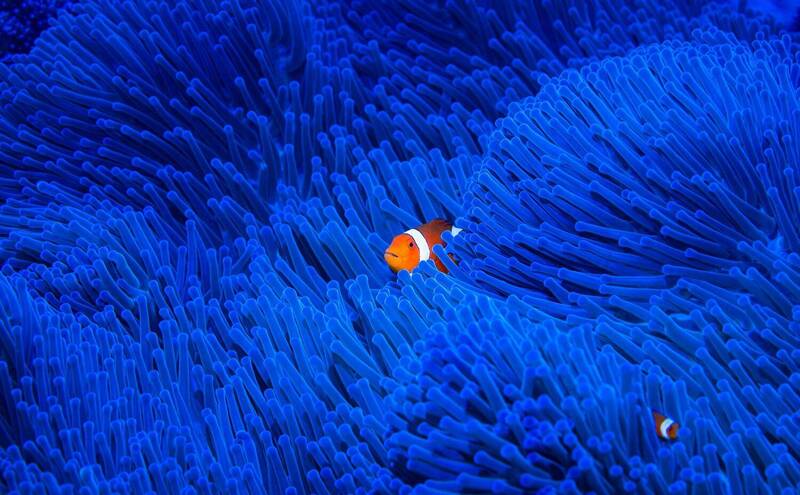
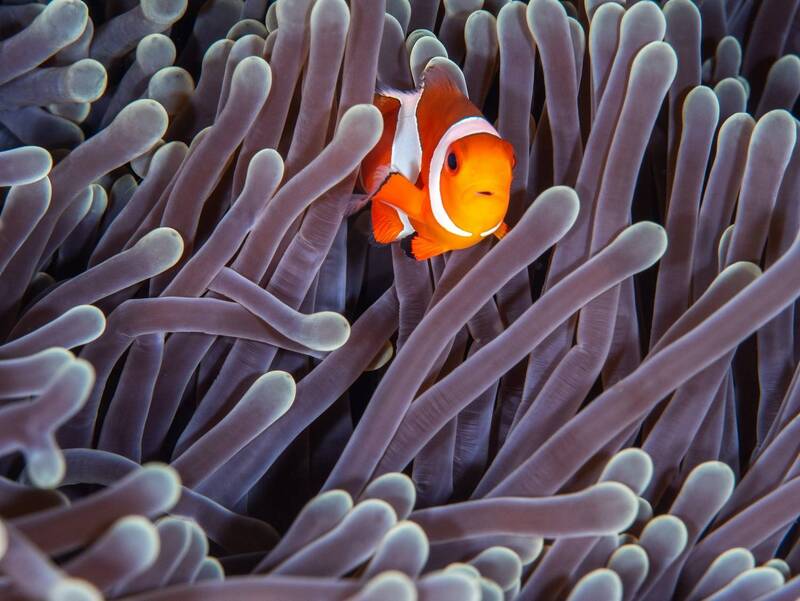
The Clownfish: A Flash of Color in the Ocean
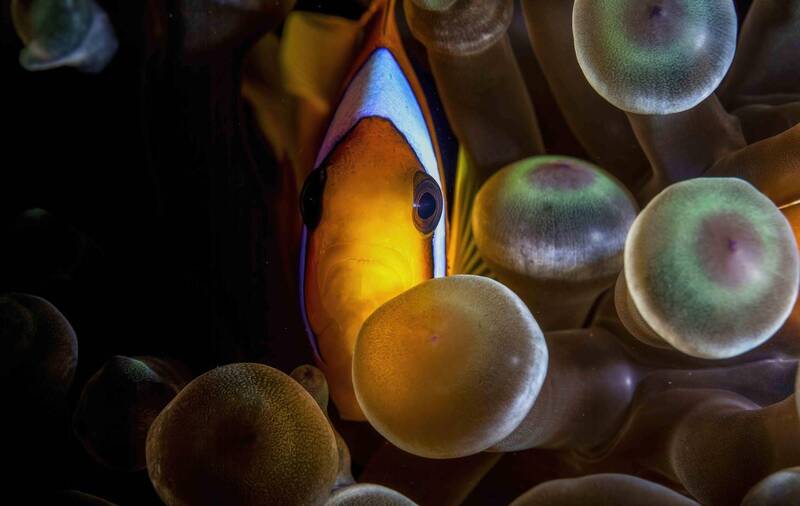
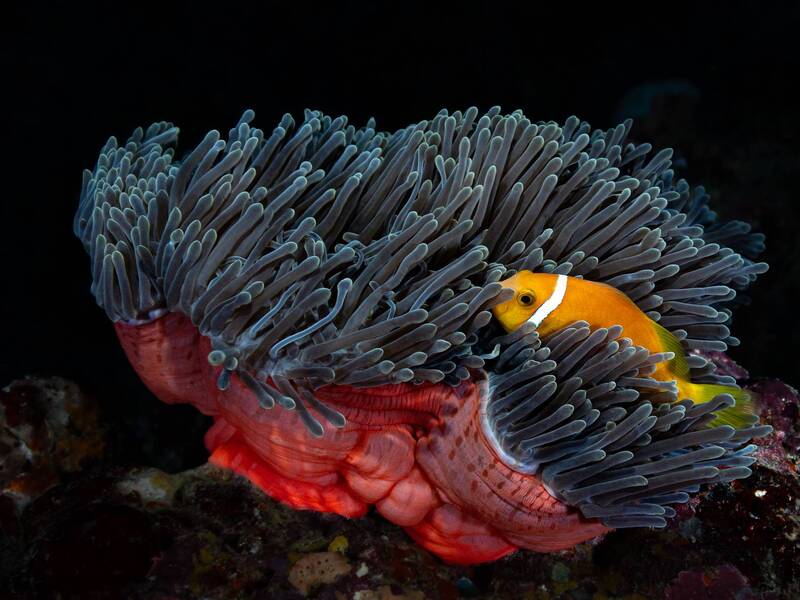
In the heart of an anemone, a clownfish takes refuge, displaying a spectacle of vibrant colors on the dark ocean floor. The photograph perfectly captures this contrast, highlighting the clownfish\\\\\\\'s brilliant hues: the intense orange of its body, the white of its stripes, and the black of its eyes.
The anemone, with its soft, wavy tentacles, provides a safe haven for the clownfish, creating a perfect duo of shape and color. The image exemplifies the beauty and harmony found in the ocean, where marine life unfolds in a variety of fascinating colors and shapes.
A flash of color in the darkness of the sea.
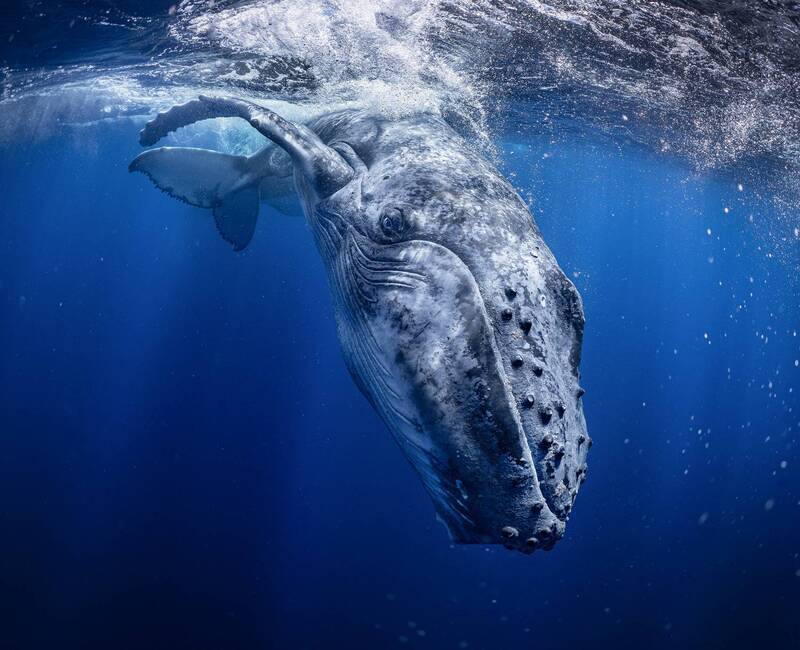
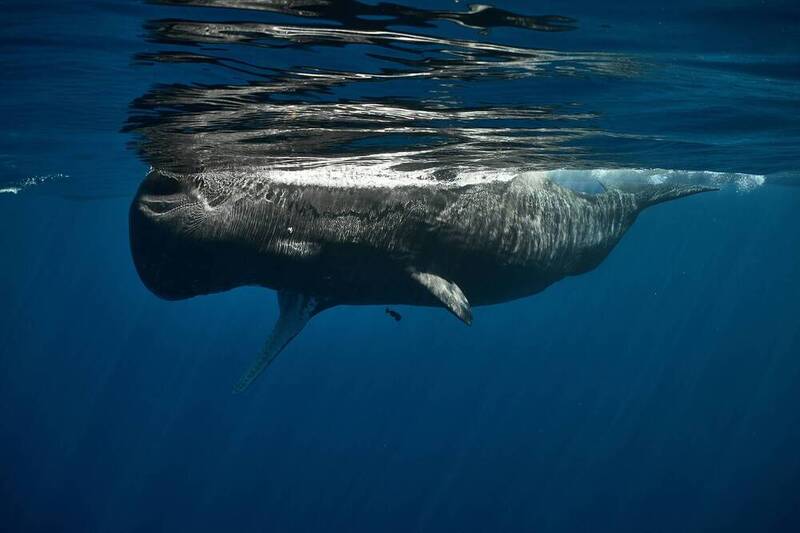
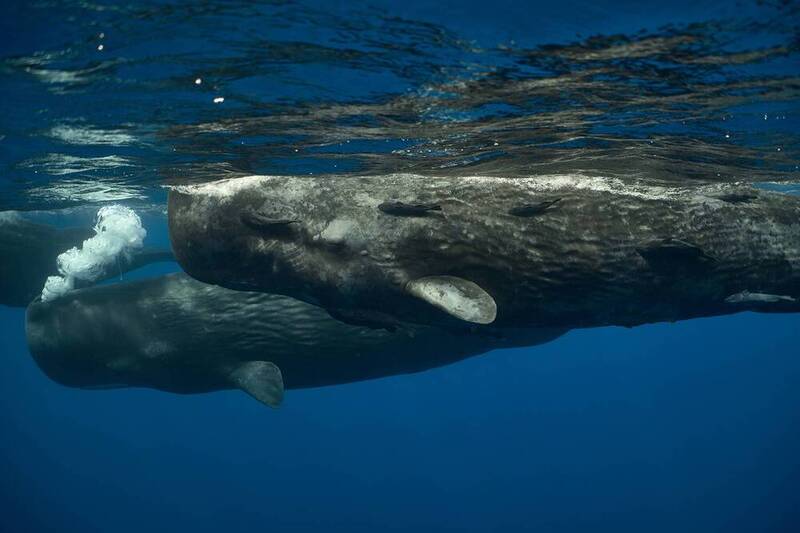
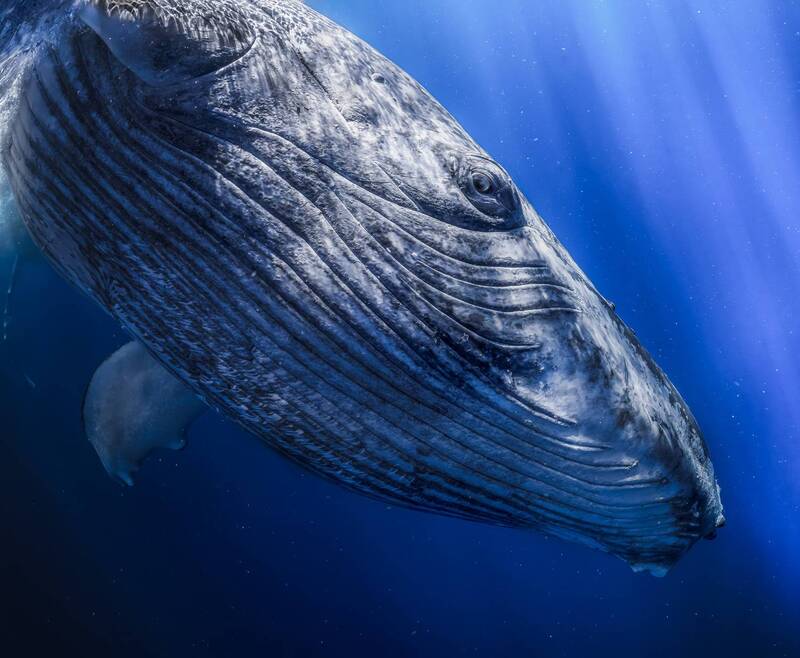
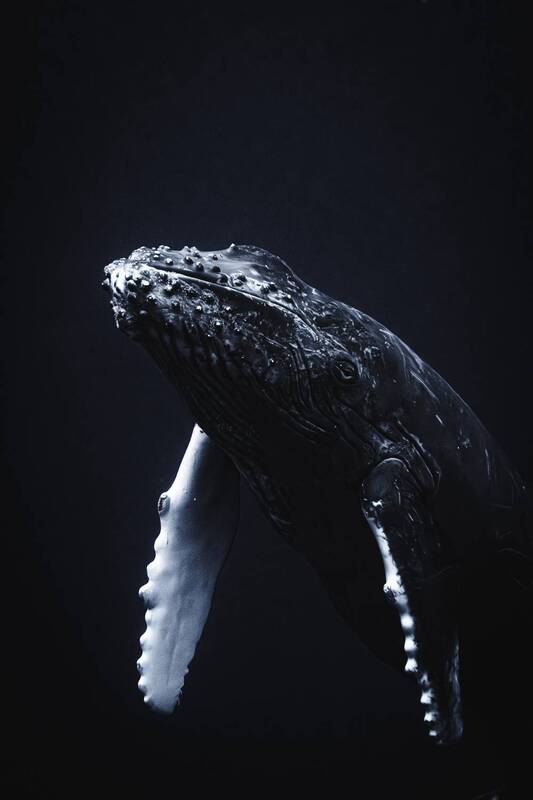
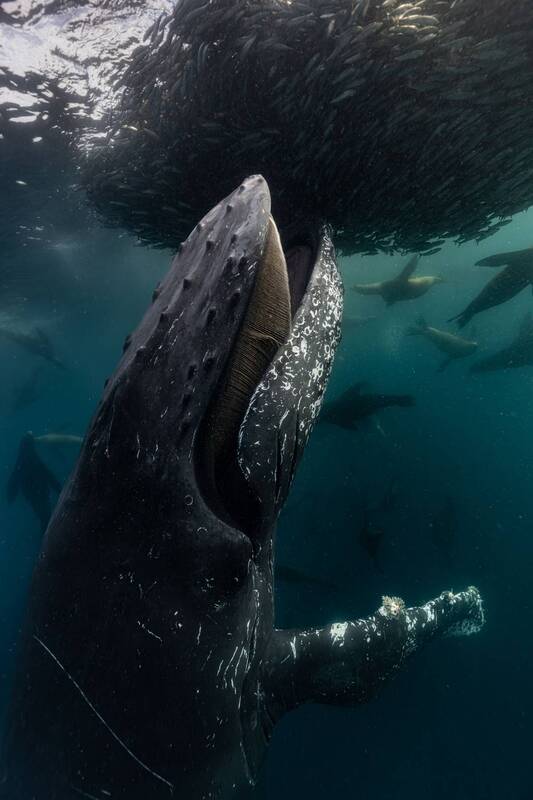
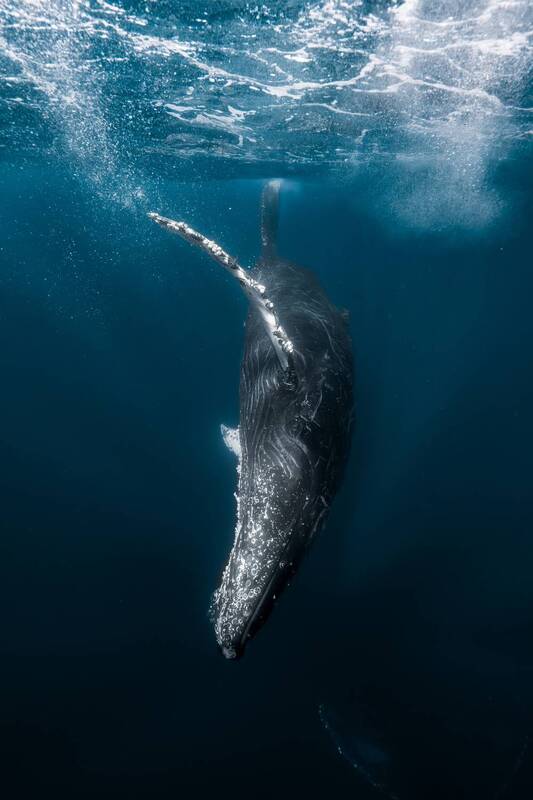
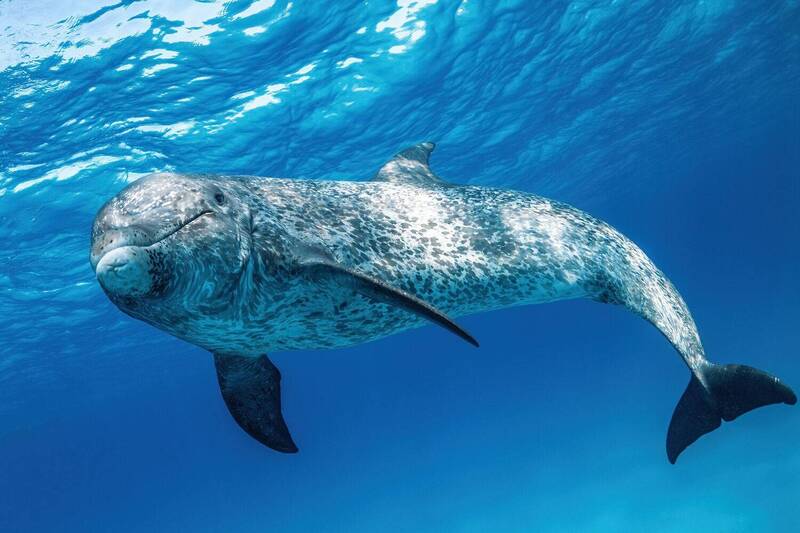
A calf only a few weeks old approaches whenever its mother descends to rest. Near the surface, it moves with confidence and ease, exploring its body and the surrounding space. Its repeated returns feel like an invitation to engage and play, drawing us into its world.
A very young baby, probably born less than 10 days ago. Incredible birth in Tahiti of this \"mixed-breed\" baby resulting from the meeting of a mother from the northern hemisphere (black belly) and a male from the southern hemisphere.
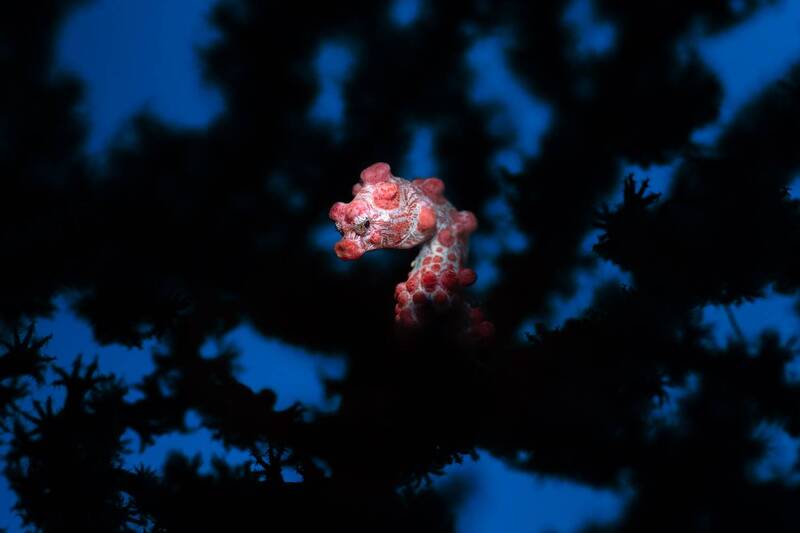
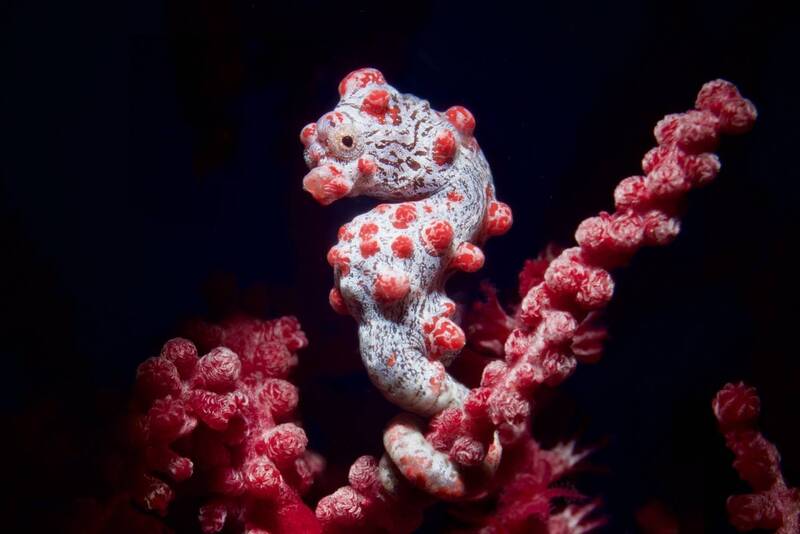
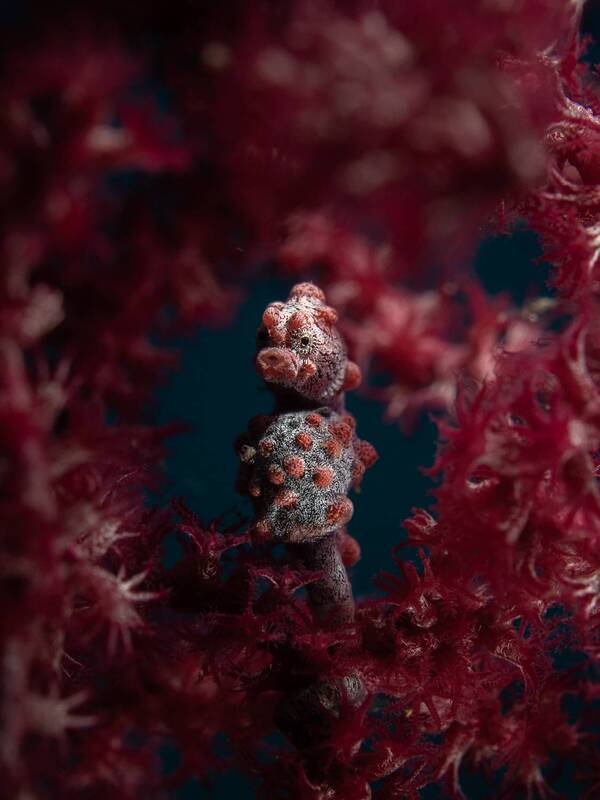
I captured this incredibly rare and challenging portrait of a Pygmy Seahorse (Hippocampus bargibanti) in November 2025, during a deep dive off Tulamben, Indonesia. This species is arguably the ultimate test for any macro photographer, measuring less than two centimeters and perfectly camouflaged within its gorgonian coral host. At 30 meters depth, every second counted, transforming the execution into a race against my no-decompression limit. My objective was to not just find it, but to break its disguise while preserving its natural habitat under immense time pressure. I meticulously framed the shot to create a natural \"window\" through the coral branches, drawing the viewer\'s eye directly to the seahorse’s face and its intricate, textured body, which mimics the gorgonian polyps. This required immense patience, precise buoyancy control in challenging conditions, and the delicate management of light to illuminate the seahorse without overexposing the surrounding coral. The significance of this image lies in its ability to reveal the hidden marvels of our oceans, showcasing an animal often overlooked due to its minute size and unparalleled camouflage, captured under the most demanding circumstances. It\'s a testament to the incredible biodiversity that thrives, demanding a keen eye and technical mastery to truly appreciate.
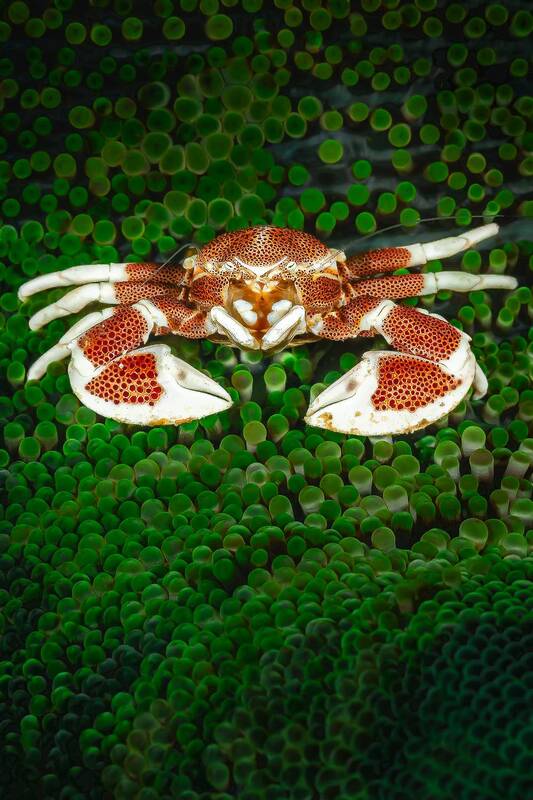
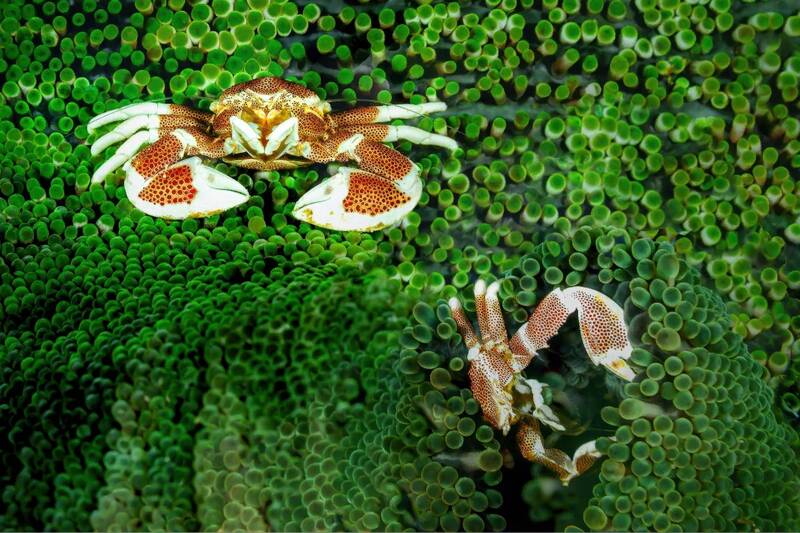
Neopetrolisthes maculatus , также известный как фарфоровый краб-анемон — это вид фарфорового краба из Индо-Тихоокеанского региона. Это небольшое, красочное ракообразное с фарфороподобным панцирем. Обычно его можно найти внутри жалящих щупалец ряда видов морских анемонов.
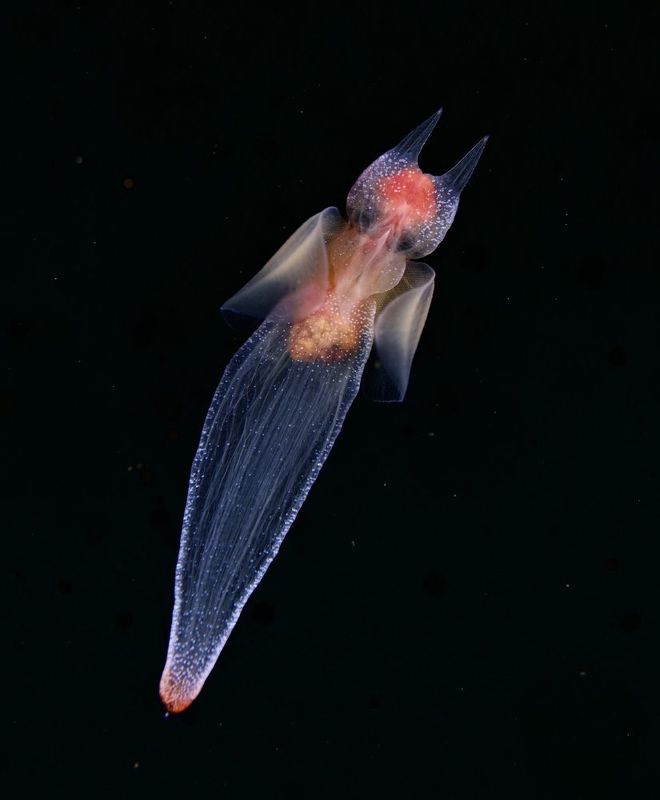
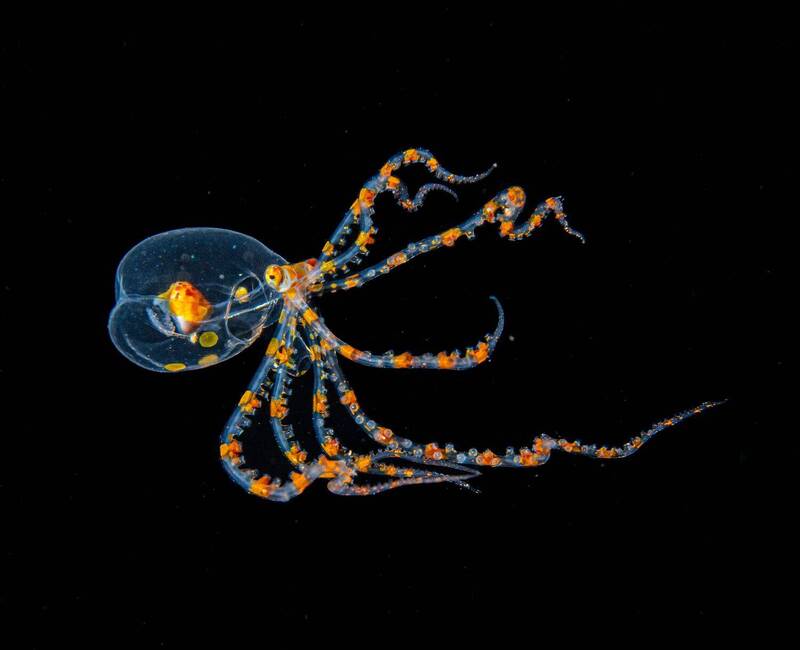
During a blackwater dive, a tiny mimic octopus (Thaumoctopus mimicus) in its larval stage drifts through the water column, carried by the nocturnal currents. Its delicate, translucent body reveals the fragility of the early life stages of one of the ocean’s most fascinating species, renowned for its extraordinary mimicry abilities. This fleeting encounter in the deep dark showcases the magic and mystery of the pelagic planktonic world.
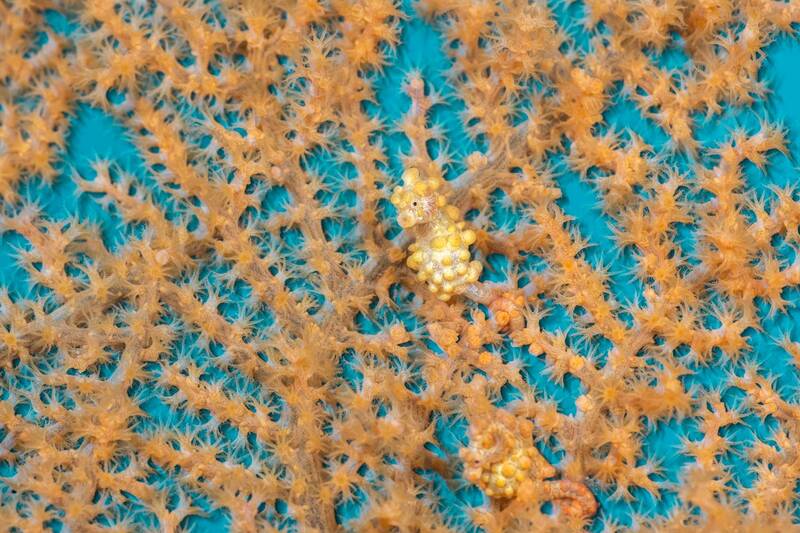
Two pygmy seahorses (Hippocampus bargibanti) cling to their host sea fan at a depth of 30 meters. This species is renowned for its extraordinary camouflage, acquiring both the color and texture of the sea fan it inhabits, making it almost indistinguishable from its surroundings. The photograph was taken from a very low angle using a slow shutter speed to retain the deep blue tones of the surrounding water, which contrast with and complement the warm yellow hues of the sea fan and seahorses.
Due to the technical complexity of the setup and the depth, I returned to the same dive site on three separate occasions before achieving the desired result. The slow shutter was also used deliberately to introduce a subtle motion blur in the sea fan for creative effect, while the seahorses were kept sharp using strobe lighting. Notably, all polyps on the sea fan remained fully open during the shoot, indicating that no harassment or stress was inflicted on the animals or their habitat.
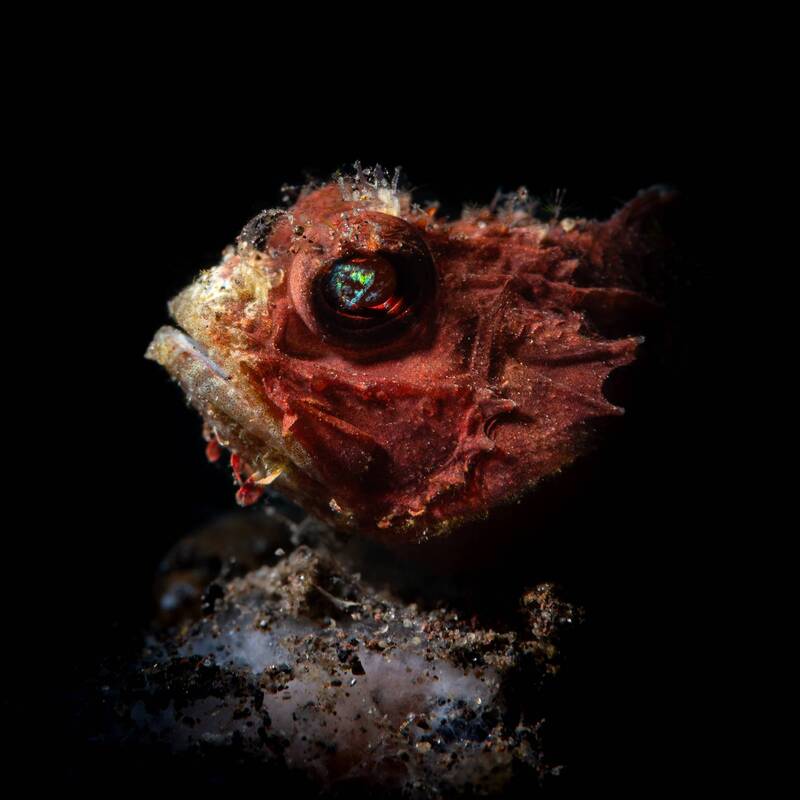
In this extreme macro portrait, the head of a spiny scorpionfish (genus Scorpaenopsis) emerges from the darkness with an almost mythical presence. The ridged brows, flared cheek plates, and layered skin flaps give the animal a profile strikingly reminiscent of a dragon — an impression heightened by its intense, jewel-like eye.
The scorpionfish remains perfectly motionless, relying on camouflage and patience as its primary hunting strategy. What appears otherworldly is, in fact, a sophisticated collection of adaptations: fleshy appendages that break up its outline, sediment-dusted armour that mimics the reef, and cryptic coloration that conceals it from both predators and prey.
By isolating only the head against a black field, the photograph reveals the dramatic architecture of a fish that is normally invisible at arm’s length. It transforms a cryptic reef ambush predator into a creature of almost legendary character — a reminder that much of the ocean’s most extraordinary wildlife is also its most overlooked.
Taken in Lembeh Strait in 2025, this photograph features two yellow pygmy seahorses (likely Hippocampus denise) camouflaged against a matching gorgonian sea fan. Their small size—often less than 2 cm—and knobbly bodies allow them to replicate the coral’s polyps with astonishing precision. Both seahorses display the typical behaviour of wrapping their prehensile tails around the branches while remaining nearly motionless, relying entirely on mimicry rather than mobility for survival. Seeing more than one individual together is uncommon, as their concealment is so effective that even expert guides often overlook them. The photo demonstrates the delicate evolutionary relationship between pygmy seahorses and their host corals; these fish cannot survive without specific sea fan species. Lembeh’s nutrient-rich currents provide ideal conditions for such specialized organisms, making the region a global epicentre for cryptic marine life.
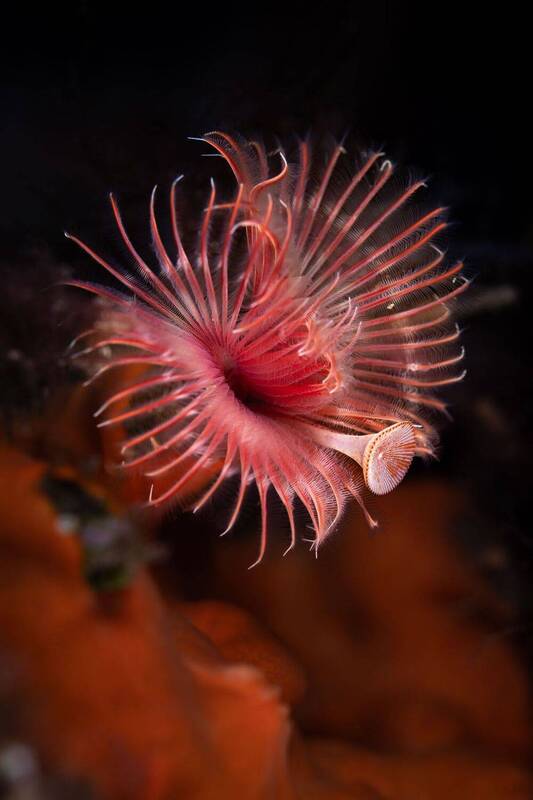
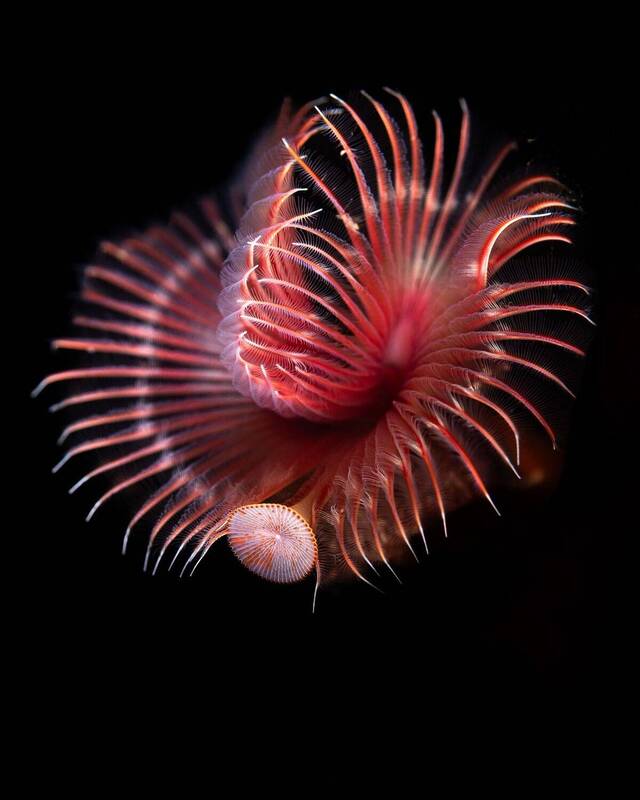
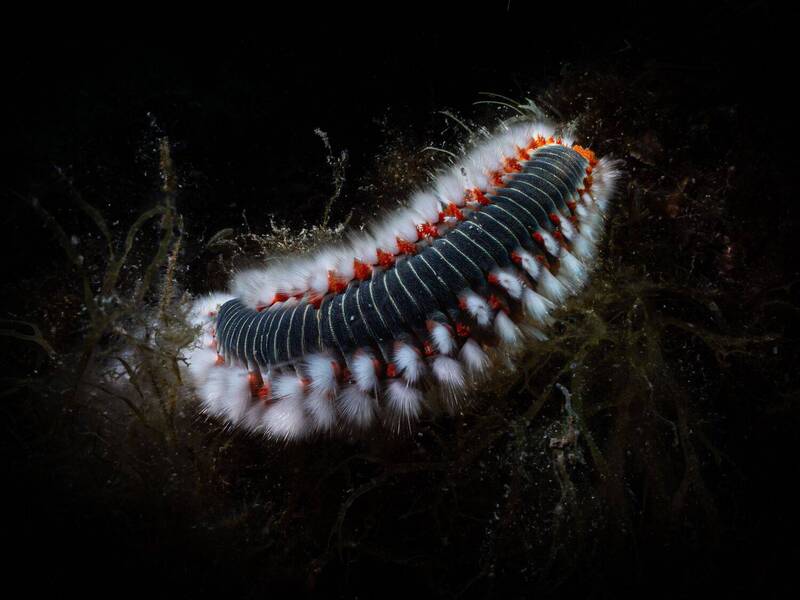
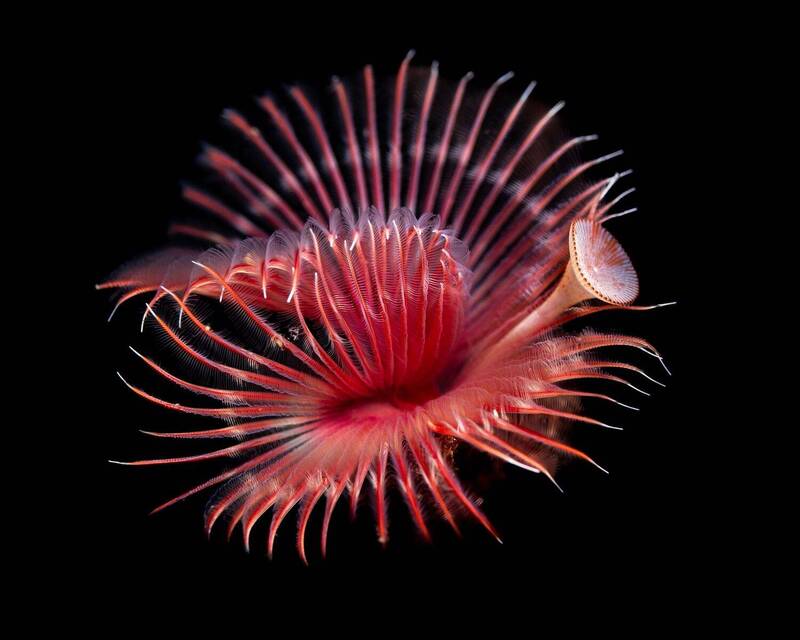
Serpula vermicularis, the jaw-dropping marine worm! Fairly common throughout the Mediterranean, it should be searched for in darker crevices. In this photo, the largest part, colored light red, is visible in the foreground, consisting of a gill tuft with which it breathes and feeds. You can also see the small, conical \\\\\\\\\\\\\\\\\\\\\\\\\\\\\\\"trumpet\\\\\\\\\\\\\\\\\\\\\\\\\\\\\\\" with a light yellow/almost white stem, ending in a darker umbrella dotted with orange. This is the operculum, which, once retracted, protects it from attackers_Taken during diving at \\\\\\\\\\\\\\\"La Formica\\\\\\\\\\\\\\\" dive site, near Casteldaccia, Sicily_2025
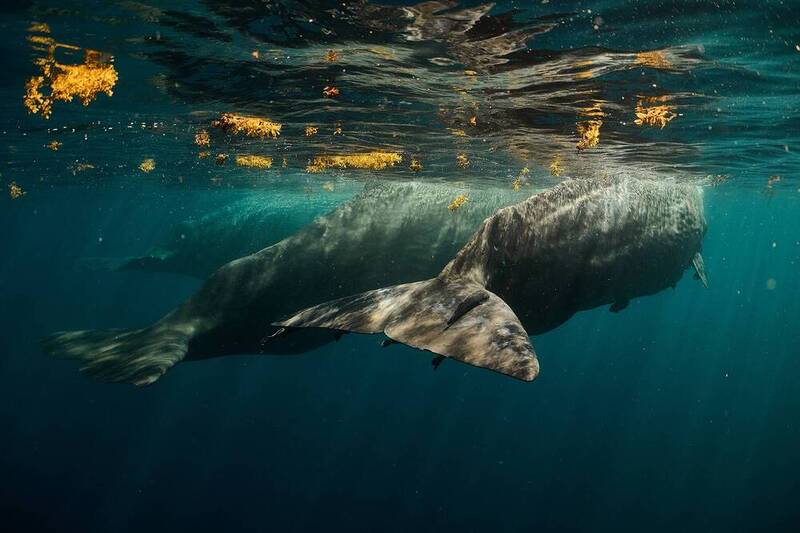
Following its mother near the surface, the calf learns to move between two worlds. A silent exchange unfolds, where curiosity, trust, and quiet wisdom define their bond.
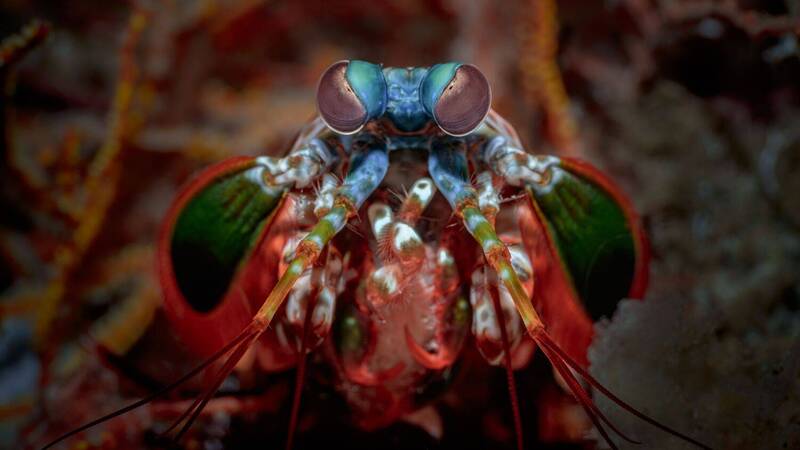
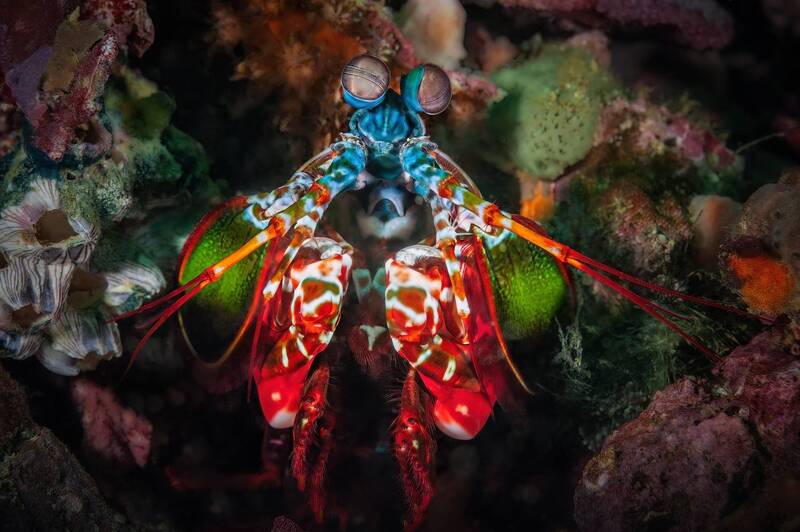
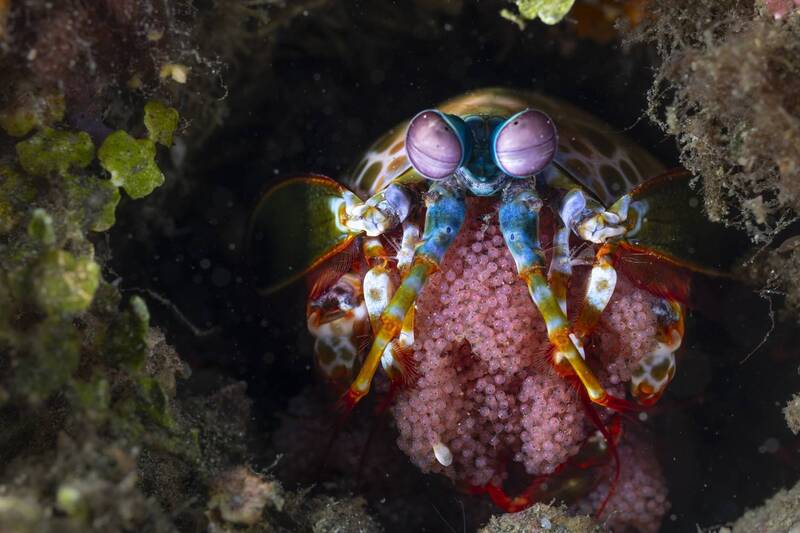
Это один из самых крупных и красочных раков-богомолов (лат. Odontodactylus scyllarus), размер которых варьируется от 3 до 18 см. Уникальное создание. Обладает самым стремительным ударом среди всех обитателей Земли. Сила удара составляет около полутора тысяч ньютонов, что позволяет разбивать твёрдые раковины моллюсков .
Среди существующих ныне животных раки-богомолы обладают одной из самых сложных зрительных систем. У них 16 типов светочувствительных колбочек. Способны видеть в оптическом, инфракрасном и ультрафиолетовом диапазонах спектра.
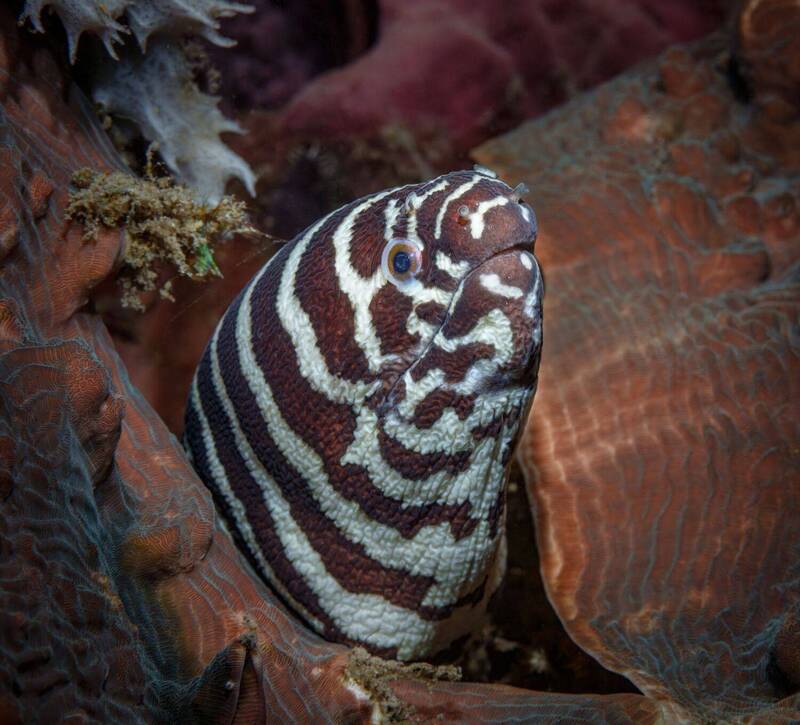
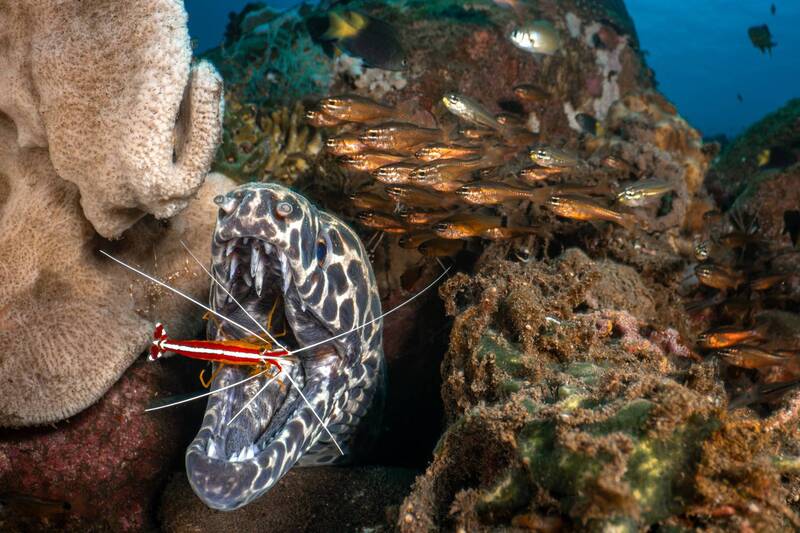
A laced moray eel (Gymnothorax favagineus) holds its mouth wide open while a Pacific cleaner shrimp (Lysmata amboinensis) moves across its teeth. This is a classic cleaning interaction: the eel signals cooperation by gaping and remaining still while the shrimp removes parasites and decaying tissue from its oral cavity.
Behind the pair, a school of cardinalfish demonstrates how cleaning stations act as hubs of activity on busy reefs. Despite the eel’s fearsome appearance, the behaviour is entirely peaceful—predator and prey temporarily relinquish their roles. This photo is meaningful because it documents a biologically important symbiosis that maintains reef health and highlights the trust-based interactions that structure marine ecosystems.
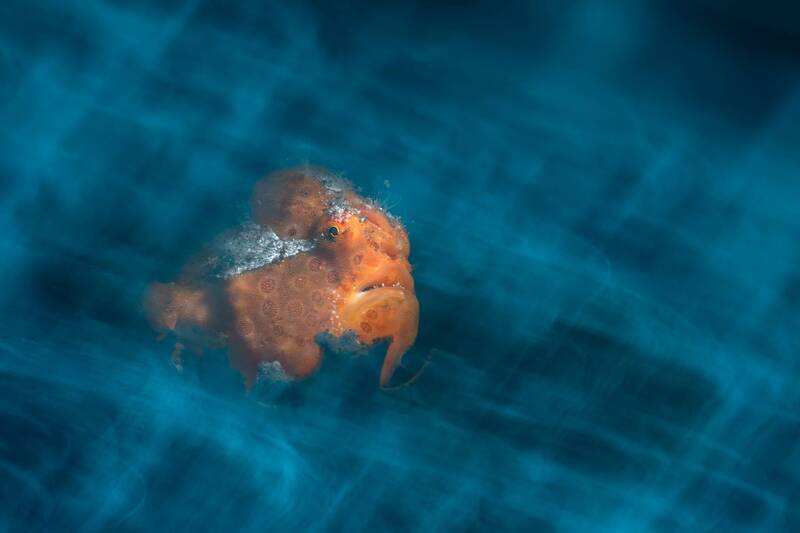
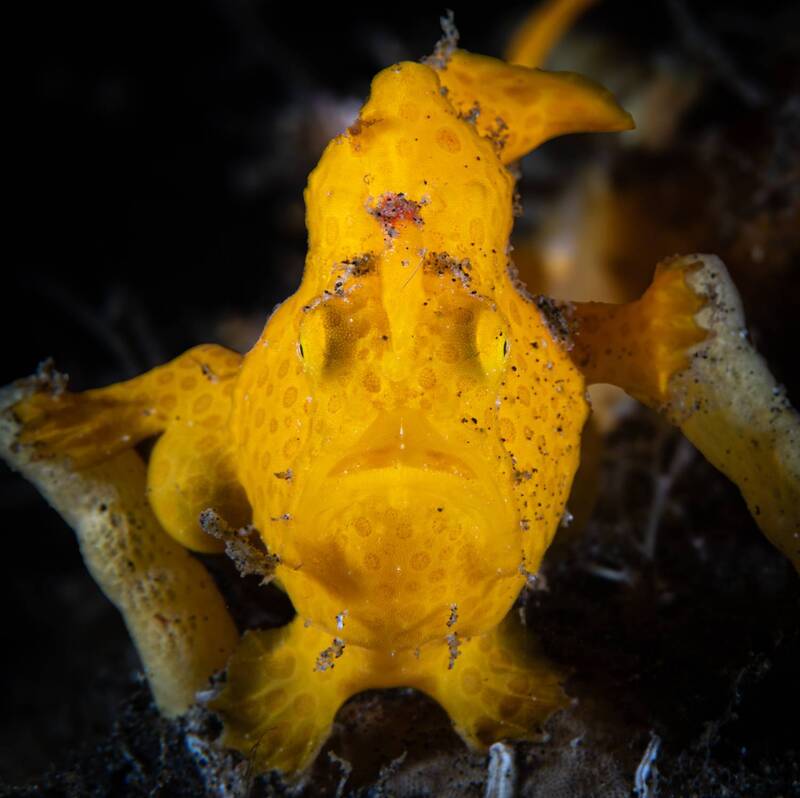
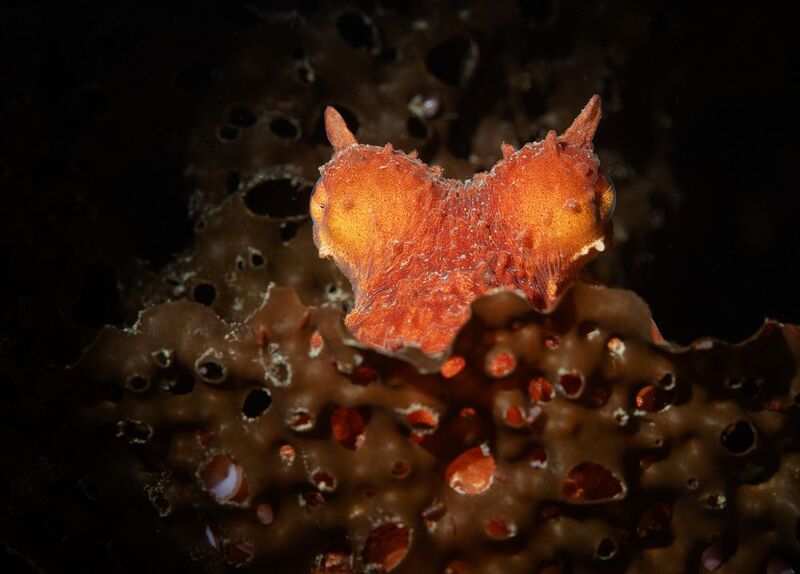
This image shows an orange frogfish (family Antennariidae) firmly perched inside a sponge, its preferred vantage point for ambushing passing prey. Although the animal is completely stationary, the surrounding water appears to swirl in dynamic streaks — a result of using a slow shutter speed combined with a deliberate panning motion of the camera.
A snooted strobe isolates the frogfish and freezes its outline with precision, while the ambient light records as flowing motion around the sponge. This juxtaposition of absolute stillness against intentional blur highlights the paradox of frogfish life: a predator built for immobility set within an ocean that never stops moving.
The photograph is meaningful because it transforms a species known for camouflage and stillness into a subject of kinetic energy, without altering its natural behaviour. It reveals how creative use of light and movement can spotlight the quiet drama of an otherwise motionless hunter.
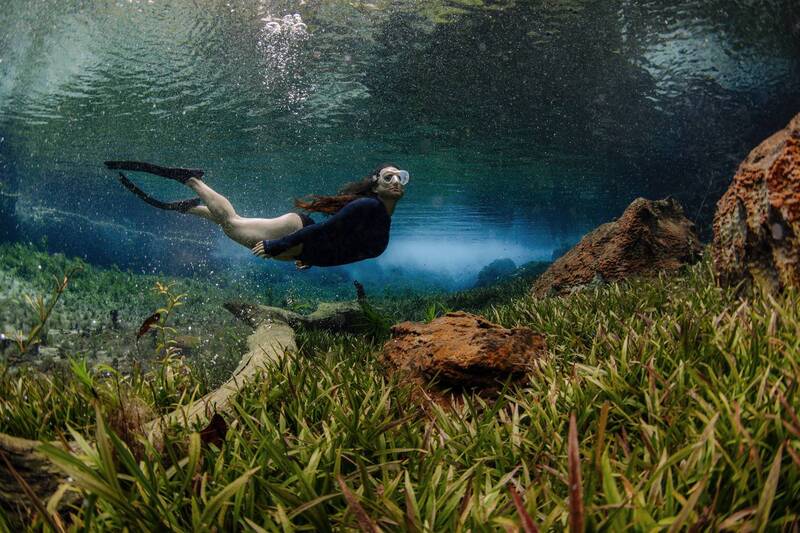
Two passions meeting in an unexpected place.
A simple image of a skater riding a bowl, except this time, it’s underwater.
A familiar movement in a completely different environment. Mixing the sports I photograph above the surface with my underwater work, turning a training space into a playground. A small, surreal moment that doesn’t take itself too seriously.
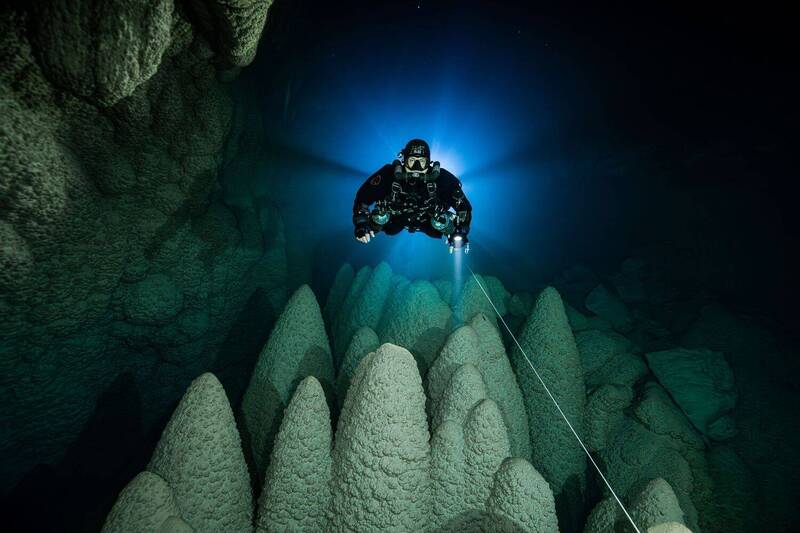
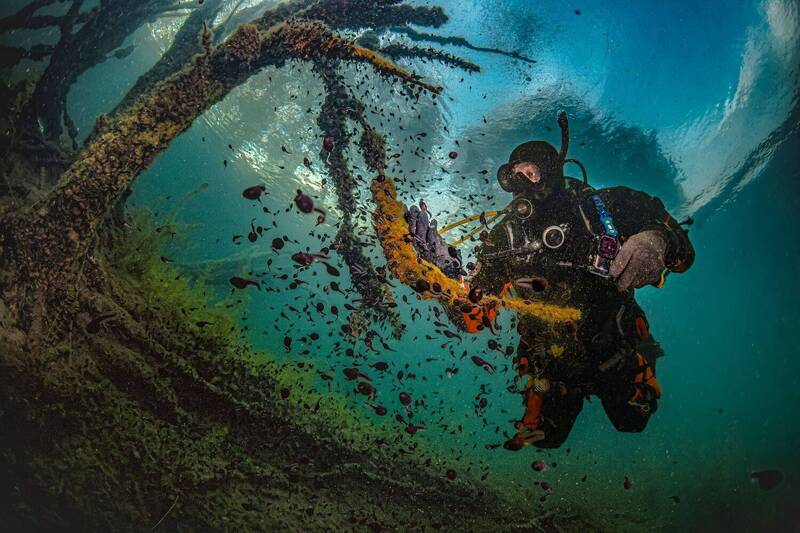
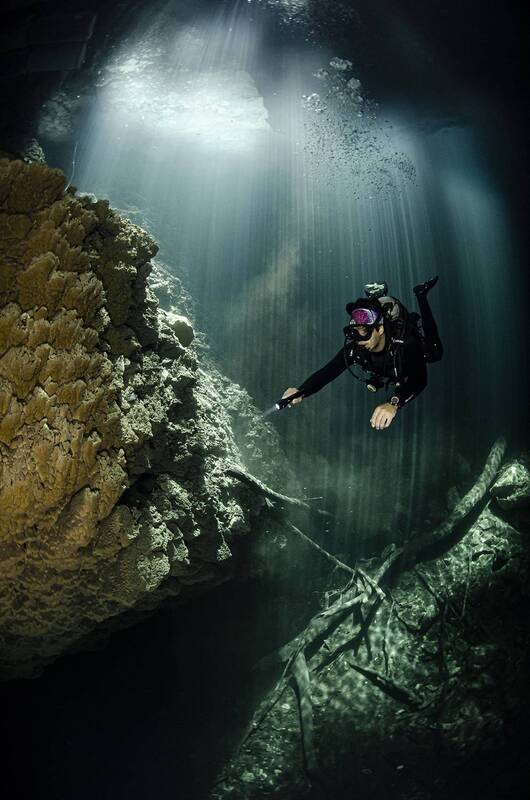
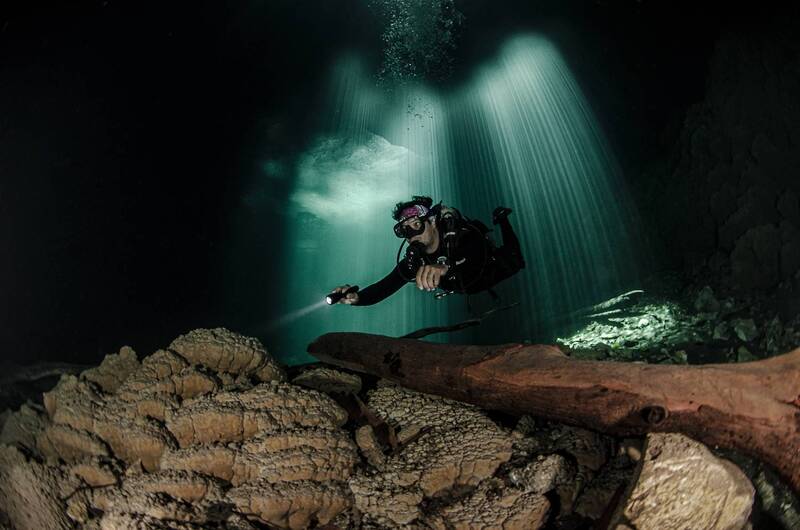
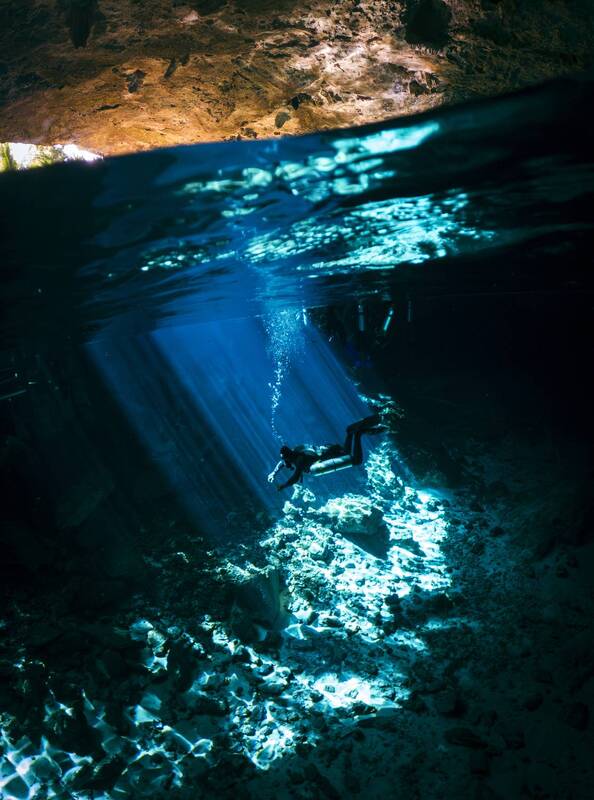
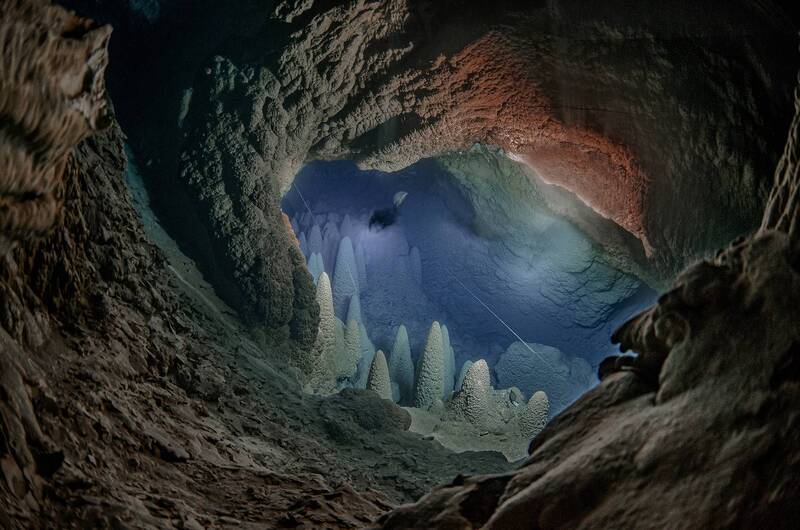
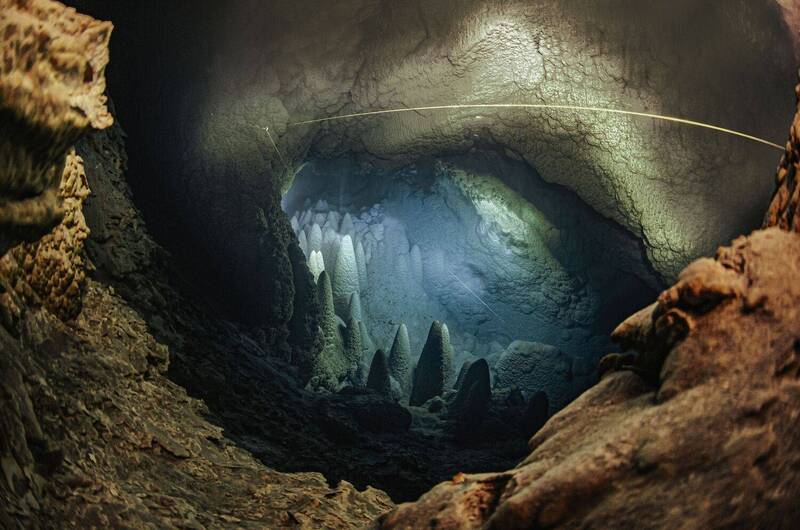
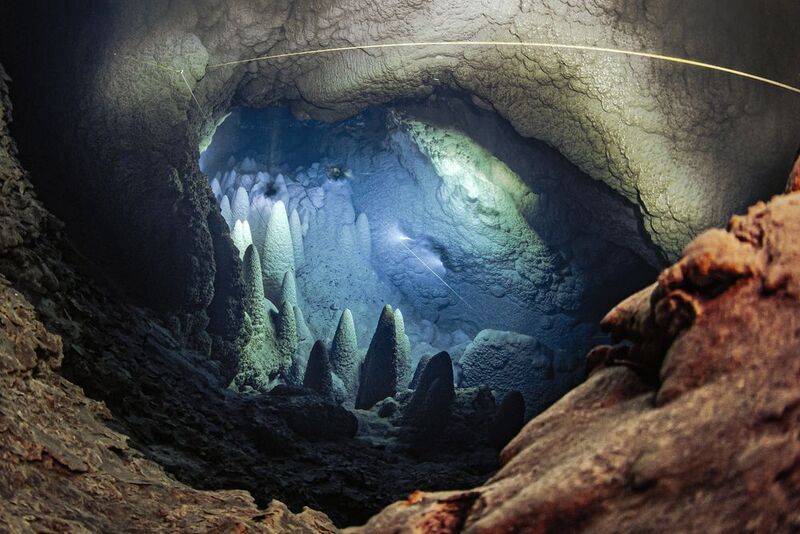
Captured at Gruta do Mimoso, in Bonito (Brazil), this image unveils a unique geological formation: the famous submerged cones, patiently sculpted by water over thousands of years. At the center of the scene, the rebreather diver advances under the spotlight, emphasizing the scale and surreal beauty of this subterranean landscape. A rare encounter that blends science, exploration, and art into a single moment.
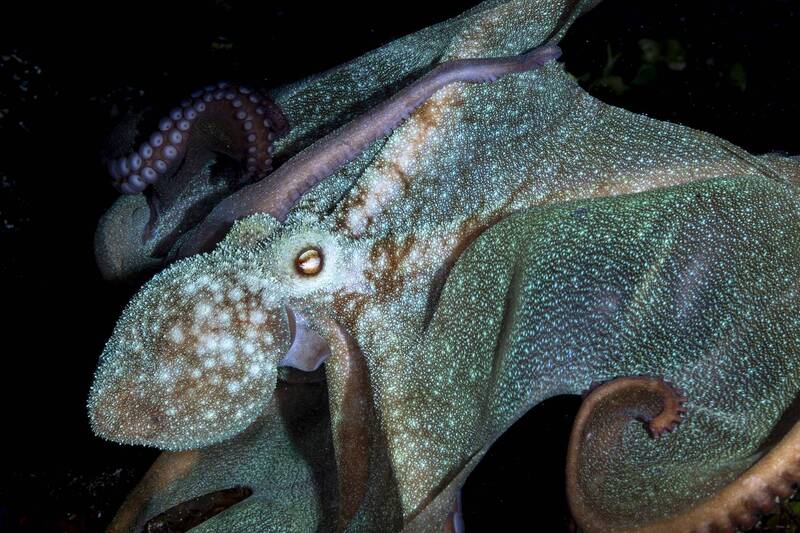
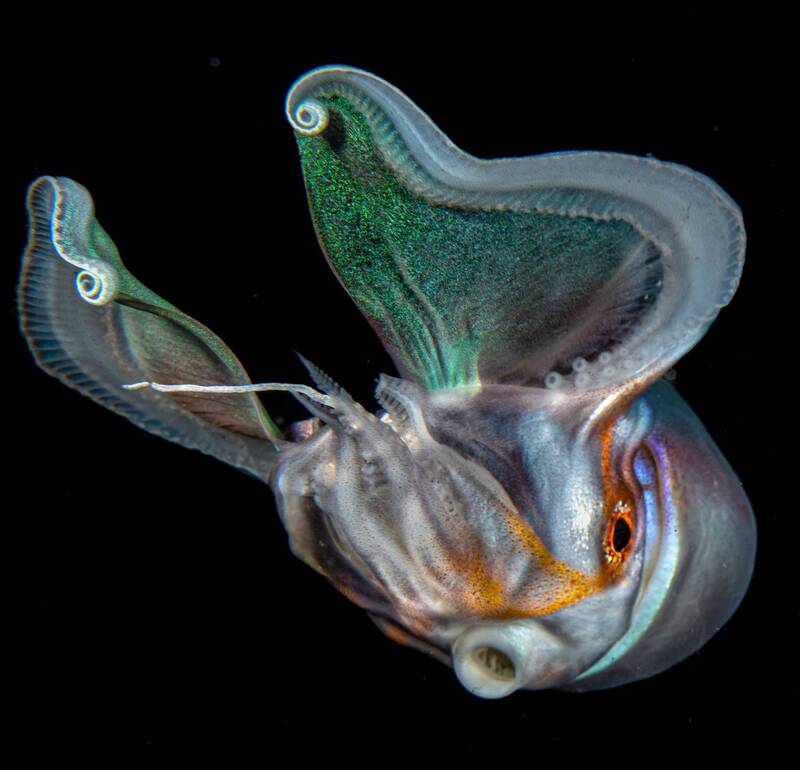
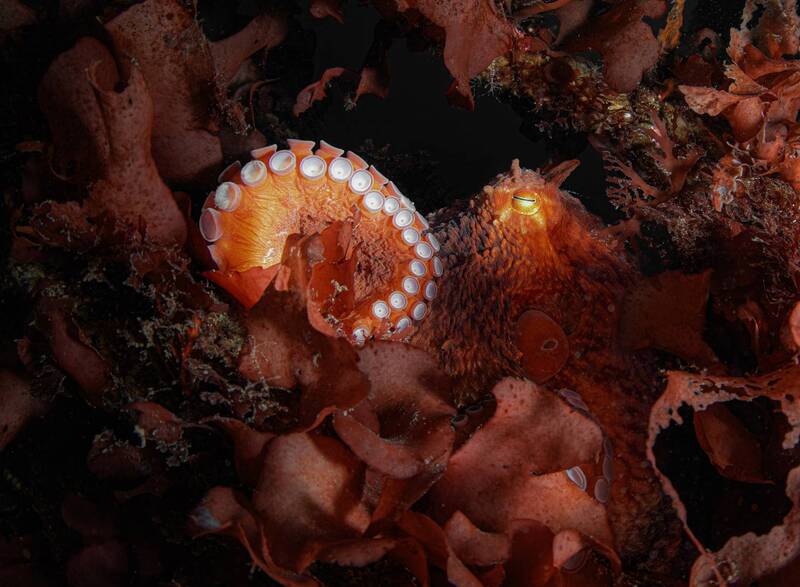
Blackwater diving offers rare encounters with pelagic life, and this portrait captures one of its true treasures: a female blanket octopus. Photographed suspended in the open water column at night, this close perspective reveals details not often seen—the structure of her eyes, the fine textures of her mantle, and the bioluminescent reflections on her skin. A mesmerizing subject and a privilege to witness in her natural environment.
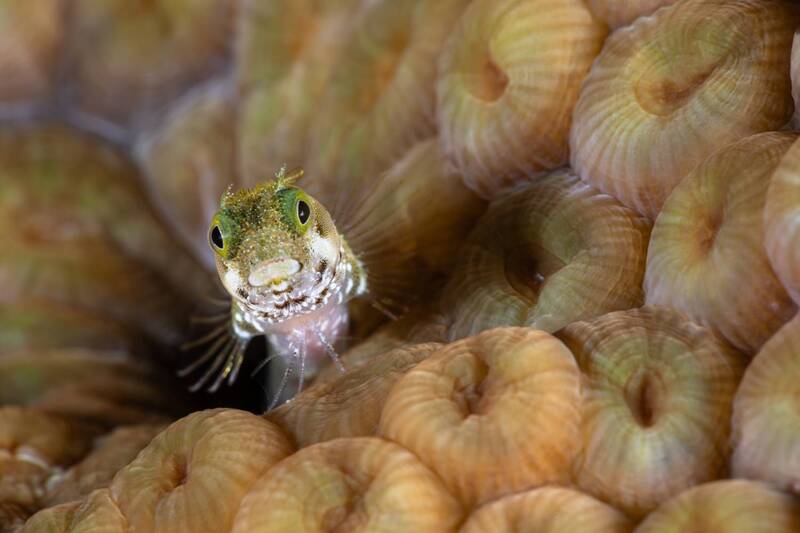
The Crazy-Eyed Goby: A Master of Camouflage
In the crevice of a brain coral, a blue crazy-eyed goby hides, displaying its ability to camouflage itself in its surroundings. The photograph captures the exact moment the goby peeks out from its refuge, revealing its bright blue eyes and mottled body.
The brain coral, with its folds and crevices, provides a perfect refuge for the goby, which adapts perfectly to its environment. The image exemplifies the gobies\\\\\\\\\\\\\\\\\\\\\\\\\\\\\\\' ability to hide and protect themselves in their habitat, and the beauty and complexity of marine life on coral reefs.
A master of camouflage in its coral home.
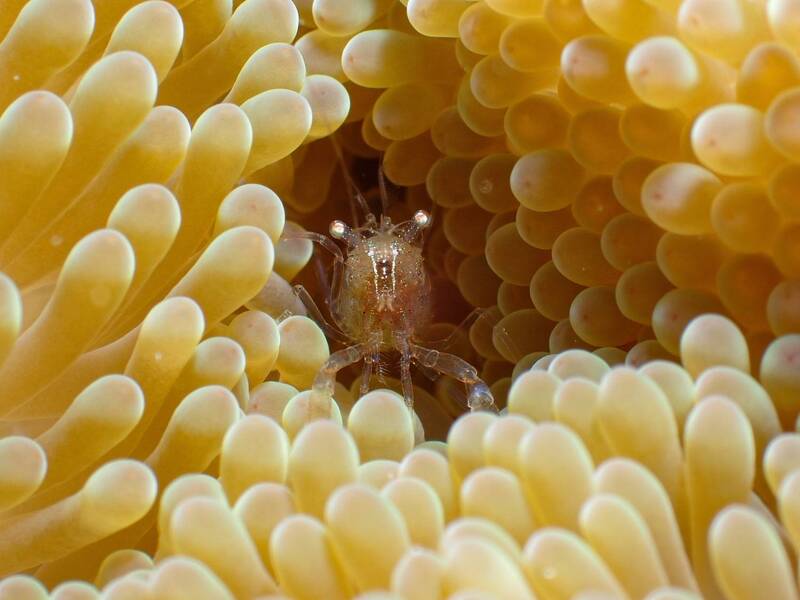
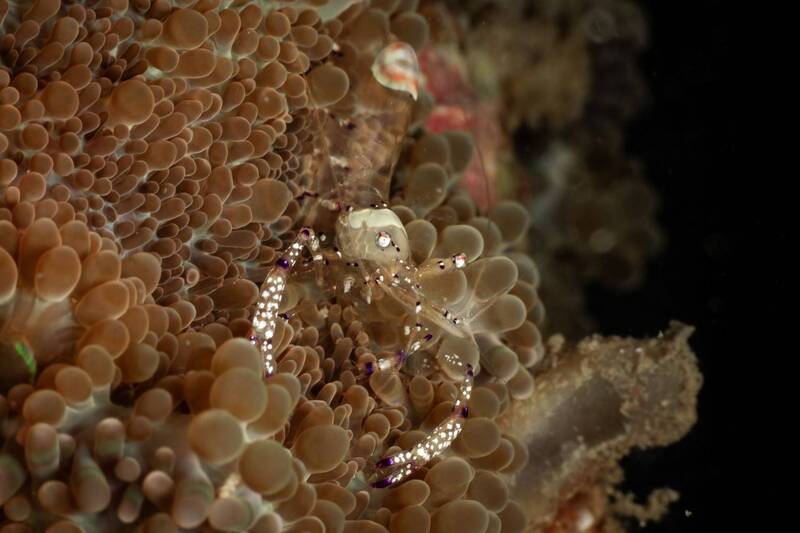
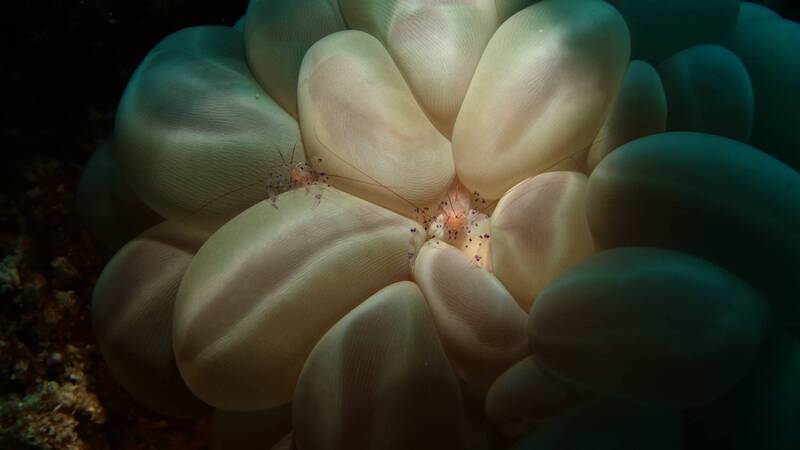
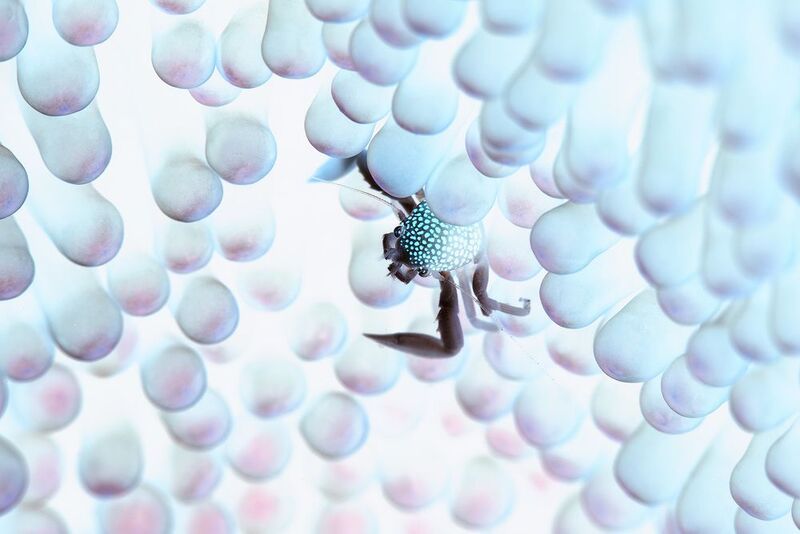
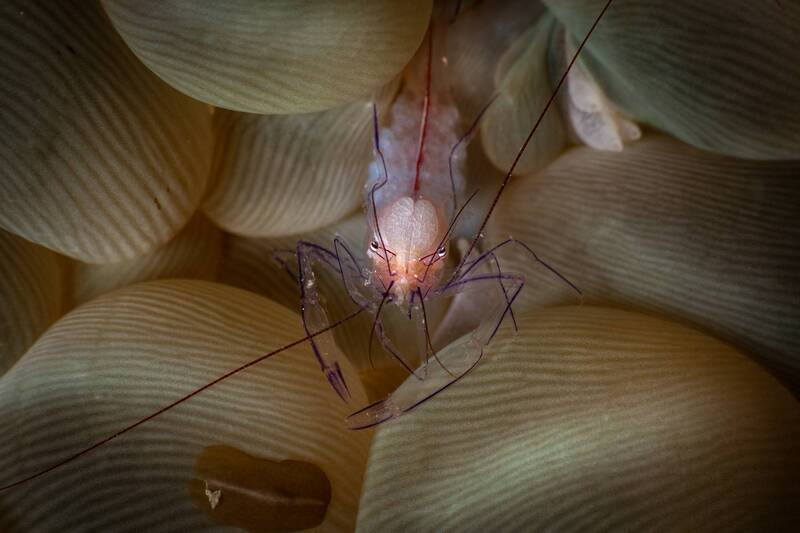
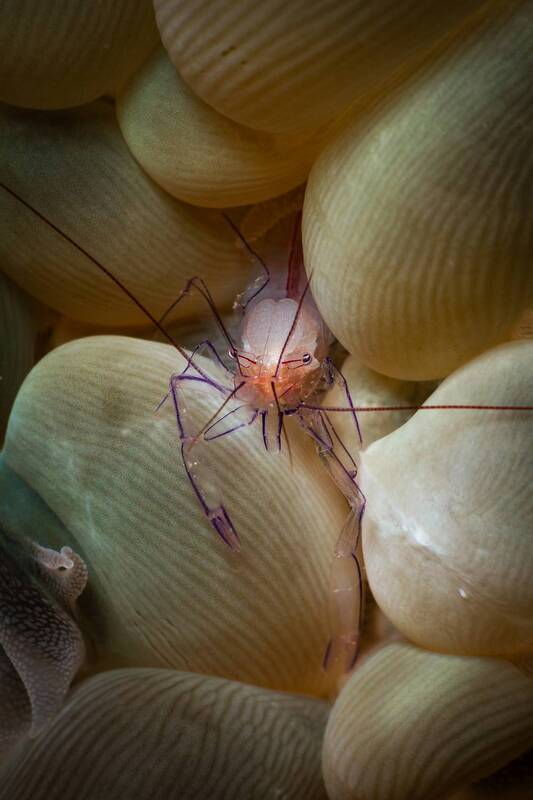
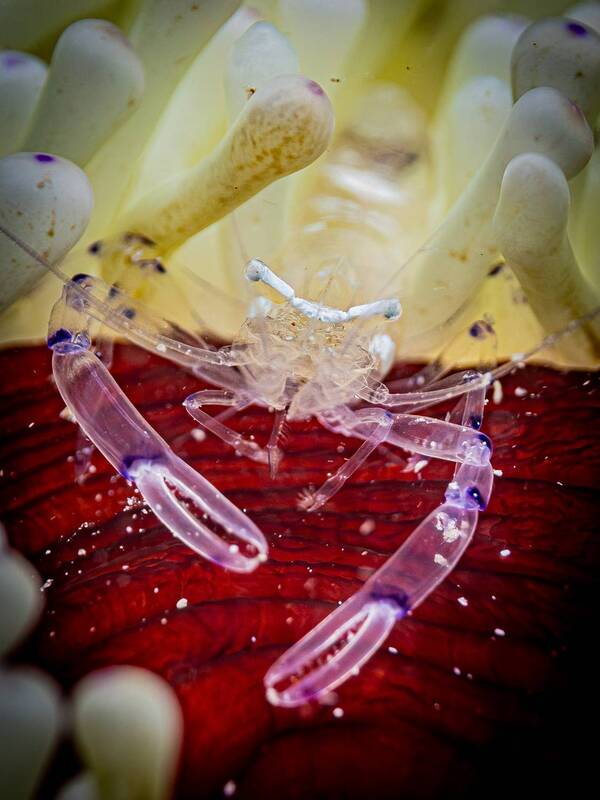
A tiny translucent shrimp rests within the soft, golden tentacles of a sea anemone in Aguadilla, Puerto Rico. Nearly invisible, it drifts between light and shadow, a fragile presence thriving in a delicate symbiotic bond—finding shelter while quietly sustaining its host. Surrounded by a living curtain of flowing forms, this hidden world feels almost dreamlike, where every movement is gentle and every detail whispers of life unseen. Through the lens, the ordinary becomes extraordinary, revealing a silent story of balance, beauty, and survival in the smallest corners of the ocean.
Serpula vermicularis. It lives in a self-produced calcareous tube attached to the substrate, from which its red-orange, two-lobed gill tuft protrudes. It usually prefers dimly lit crevices. If approached too quickly, it retreats into the calcareous tube. This photo shows its characteristic umbrella-shaped operculum, which, once retracted into the tube, protects it from attackers. August 2025
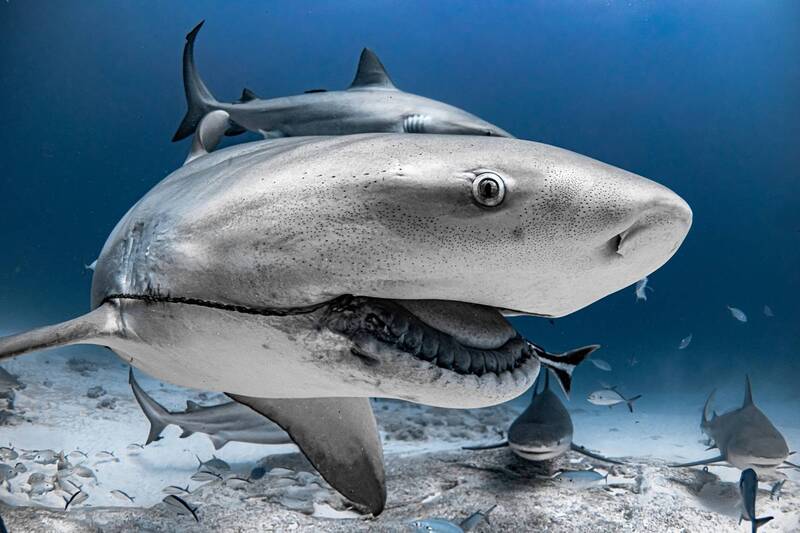
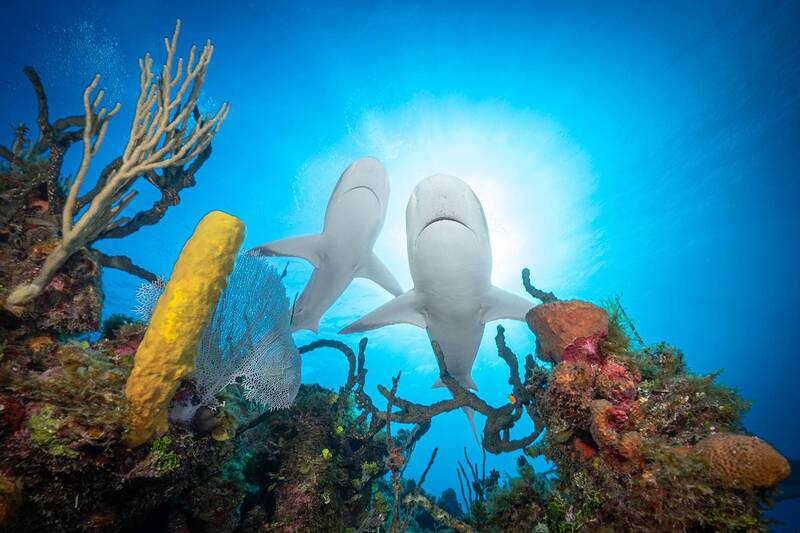
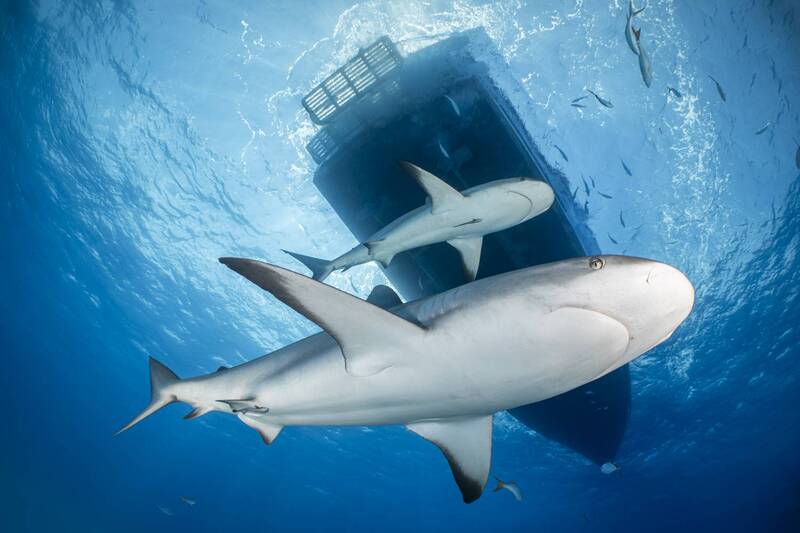
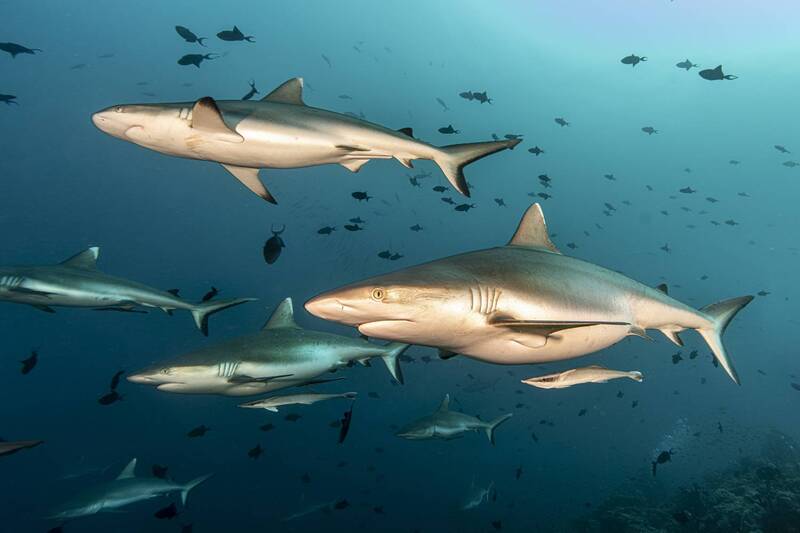
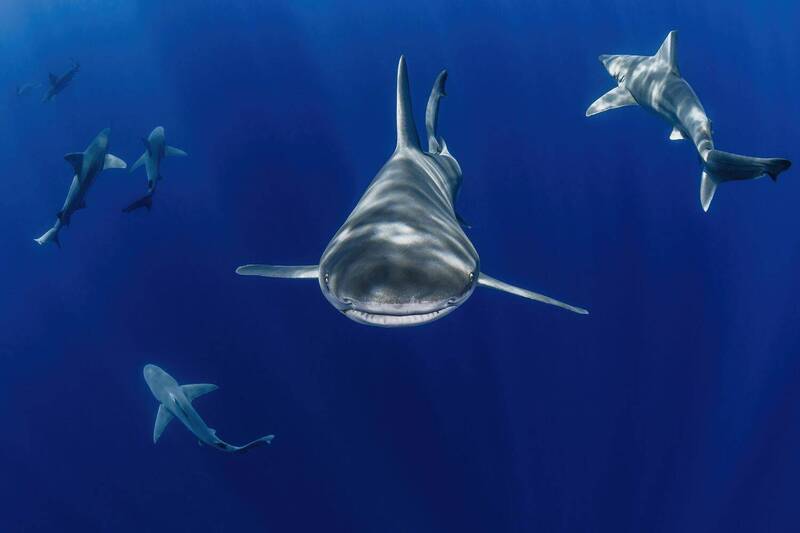
Two Caribbean reef shark sweep across a thriving coral ridge in Jardines de la Reina, Cuba, 2026. Framed by luminous sponges and branching sea fans, their synchronized movement cuts through shafts of tropical light, embodying both precision and dominance. These apex predators are not symbols of menace here, but indicators of ecological integrity, thriving where protection and isolation have preserved balance. Passing effortlessly above the reef, they command the water column while remaining inseparable from it. This fleeting alignment of predator, habitat, and light captures a rare truth: in the right conditions, wilderness still endures beneath the surface.
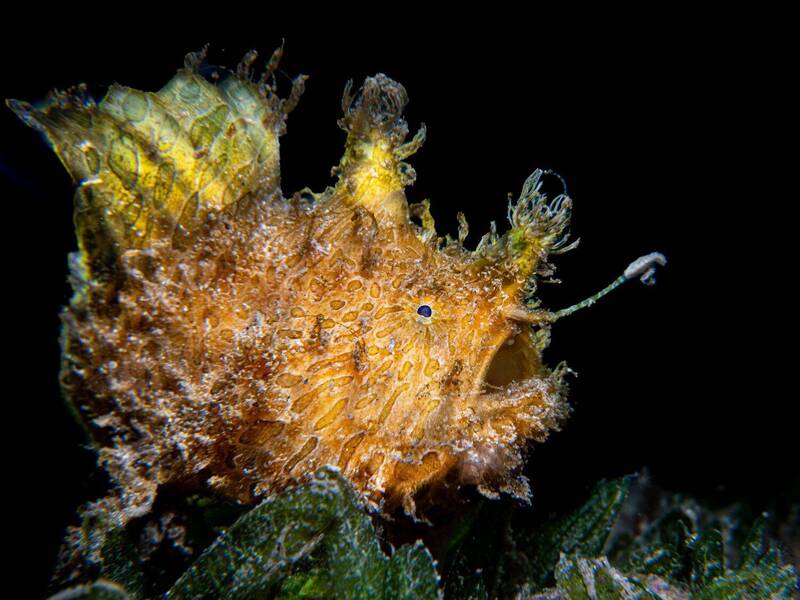
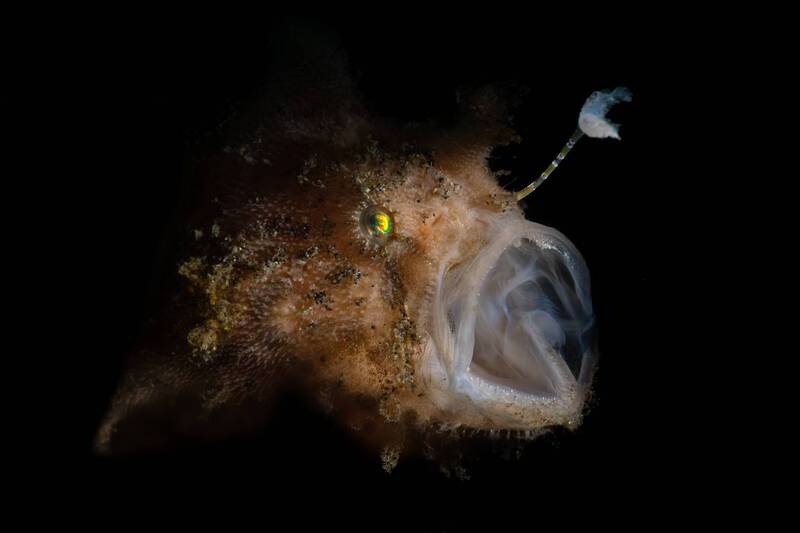
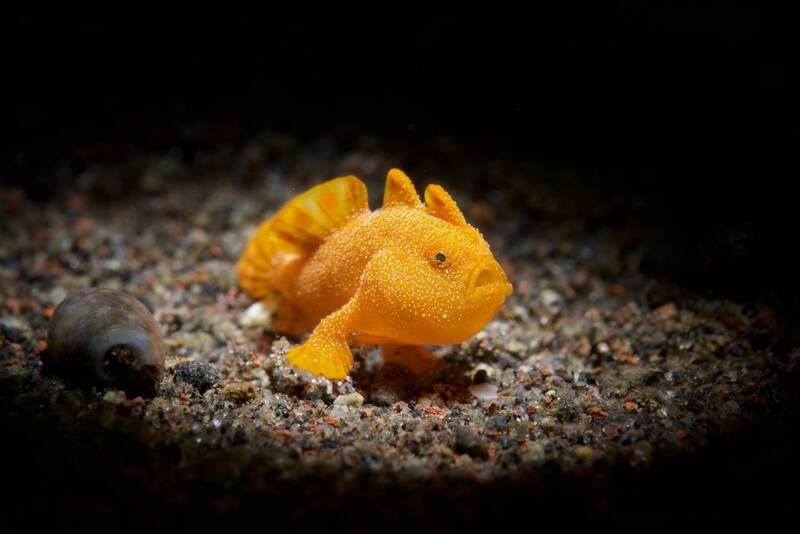
This image shows a frogfish from the family Antennariidae photographed in the muck habitats of Indonesia’s Lembeh Strait. The photo captures a rare moment in which the frogfish simultaneously opens its mouth wide and deploys its illicium—the modified dorsal spine that functions as a fishing lure. Using a precisely positioned snoot and a fast shutter speed, I aimed to freeze both the dramatic jaw expansion and the delicate, elongated lure as it extended forward into the water column. The narrow beam isolates these behaviors against the dark volcanic substrate, emphasizing the complex anatomy involved in a frogfish strike.
This photograph is meaningful because it documents two key predatory behaviors occurring at once: the rapid expansion of the buccal cavity and the activation of the lure (esca). Frogfish are specialized ambush predators, capable of drawing prey into their mouths in as little as six milliseconds. By wiggling the lure like a small worm or shrimp, they entice unsuspecting prey closer before executing their lightning-fast strike. Seeing the lure deployed clearly in combination with an open-mouth display is uncommon, as both events are brief and difficult to anticipate.
The behavior observed during this encounter was characteristic of a hunting adult. The frogfish remained nearly motionless on the substrate, relying on camouflage while subtly flicking the lure to attract potential prey. I approached slowly and remained stationary for long periods, allowing the frogfish to ignore my presence and resume natural predatory movements. Over two dives, I watched for any sign of lure activity and waited for the fish to open its mouth spontaneously—a behavior that may indicate a strike attempt, a threat display, or a yawn. The photograph was taken without disturbing the animal, documenting a fleeting combination of behaviors that reveal the extraordinary adaptations of one of the ocean’s most efficient ambush predators.
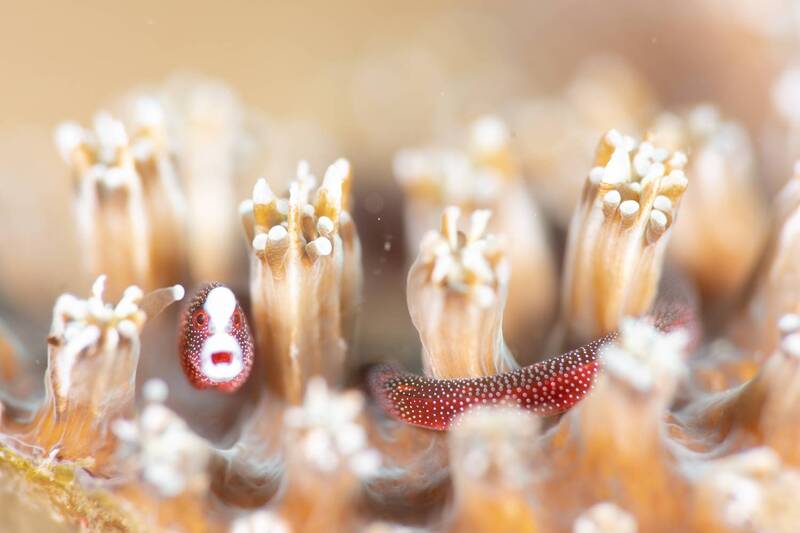
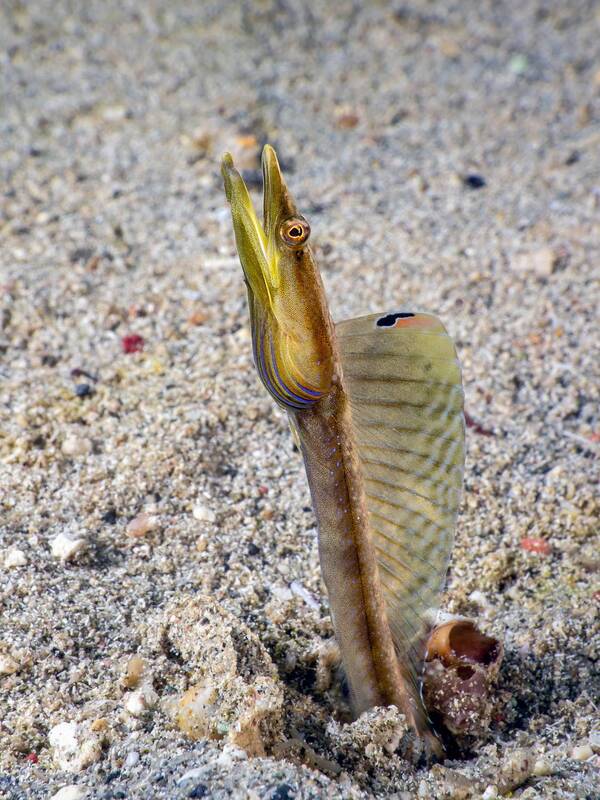
Photographed in Lembeh Strait, Indonesia, in 2025, this macro portrait captures a Braun’s pughead pipefish (Bulbonaricus brauni) peeking out from a forest of coral polyps. Its forward-jutting snout, wide spacing of the eyes, and pale facial stripe come together in a way that gives the fish an unmistakable “surprised” look to the human eye—a visual impression created by its naturally upright head posture and the round, alert appearance of its eyes.
This species is exceptionally small and specialises in living deep within coral colonies, where it spends long periods motionless while monitoring the water column for drifting plankton. Because it normally reveals only the tip of its head, catching such a clear view of its face—especially one that appears so expressive—is uncommon. The surrounding coral polyps amplify the moment, framing the pipefish as if it has just emerged to investigate the world outside its shelter.
Encounters with B. brauni remain rare even in Lembeh, a hotspot for cryptic marine life. The image highlights not only the species’ remarkable camouflage, but also the subtle, almost humorous visual cues that make macro subjects so engaging when finally seen up close.
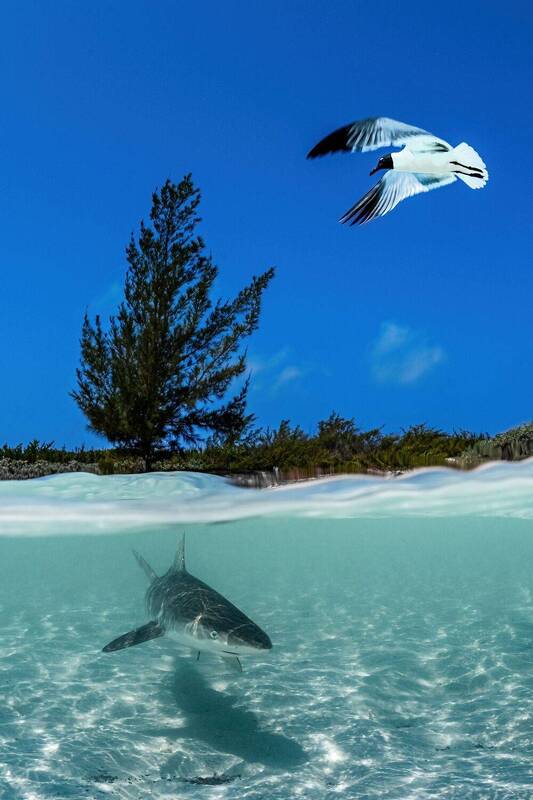
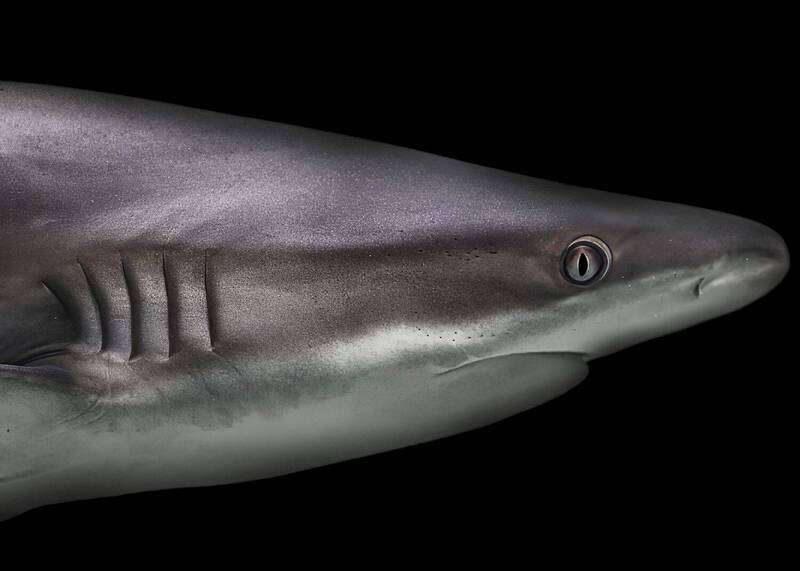
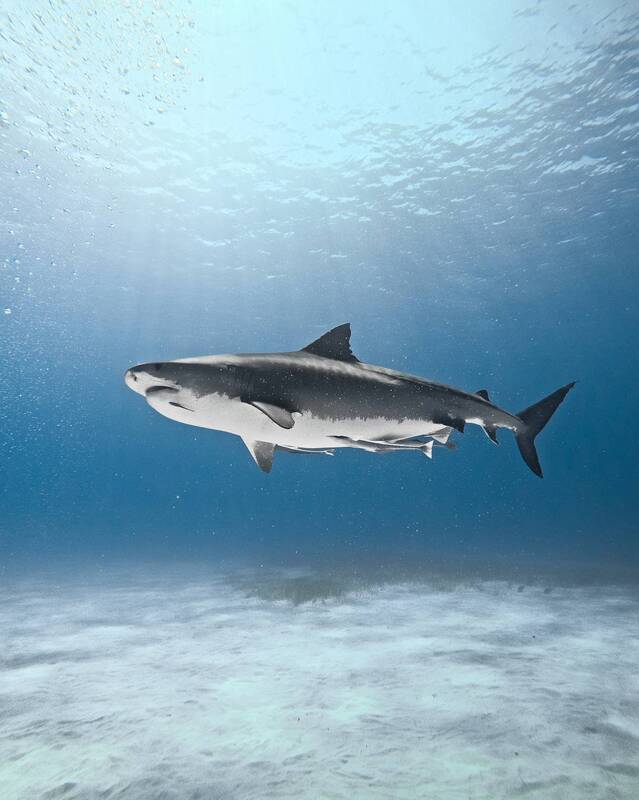
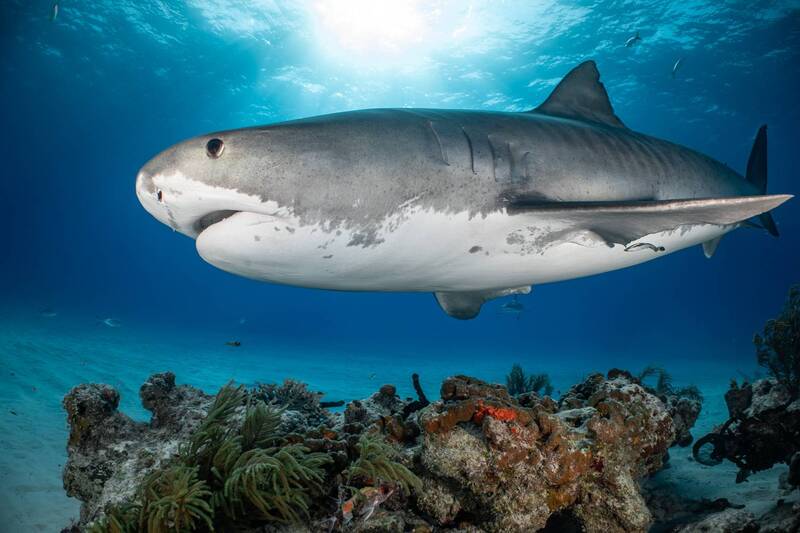
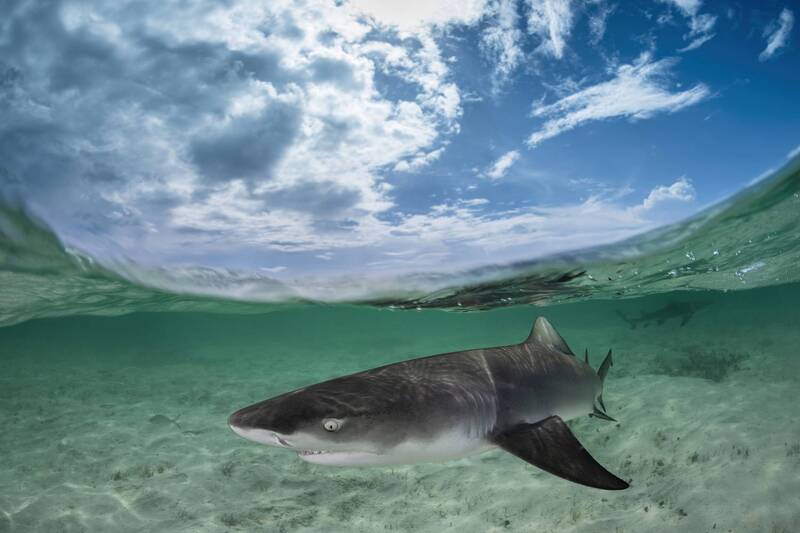
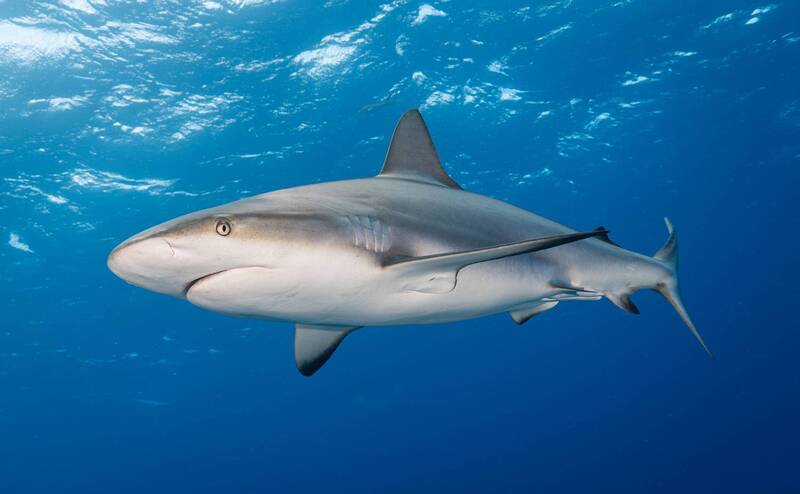
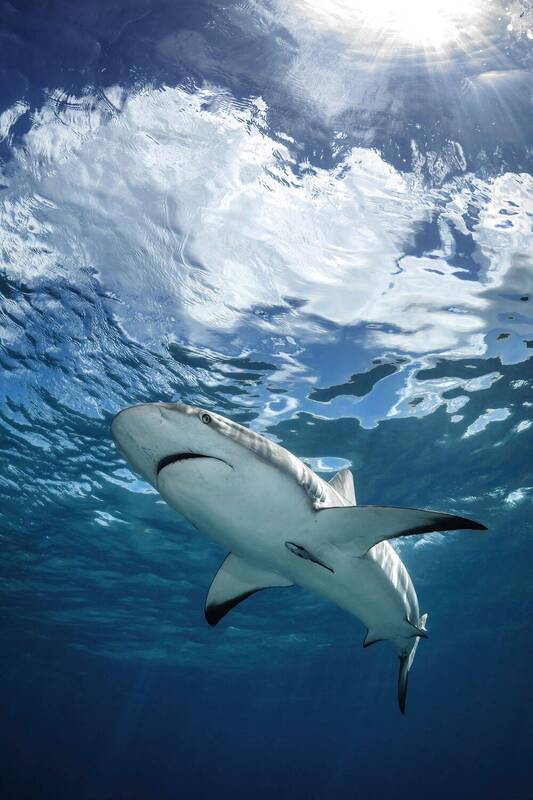
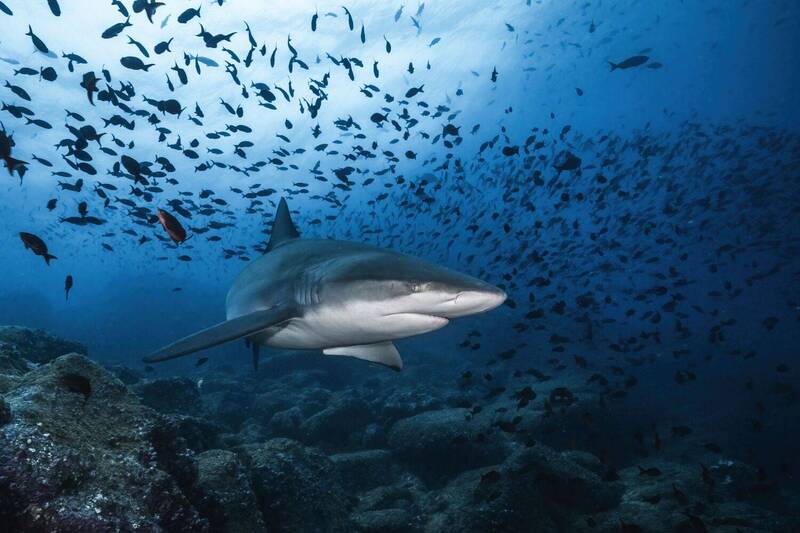
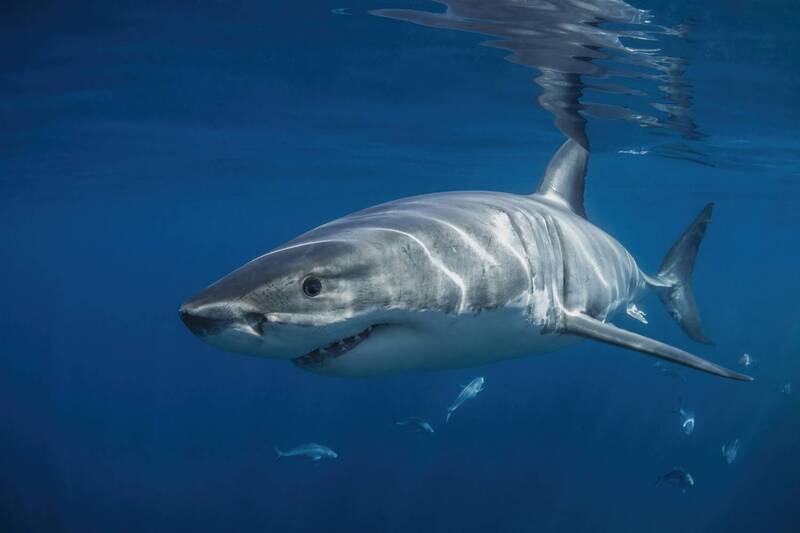
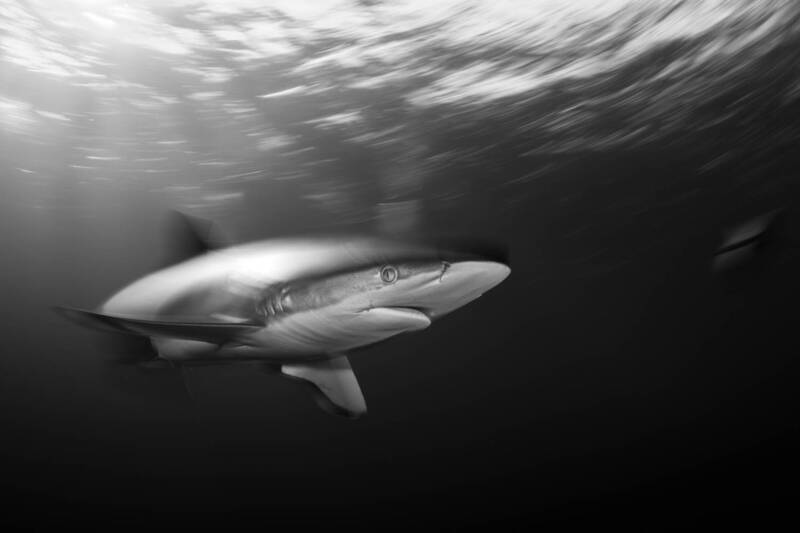
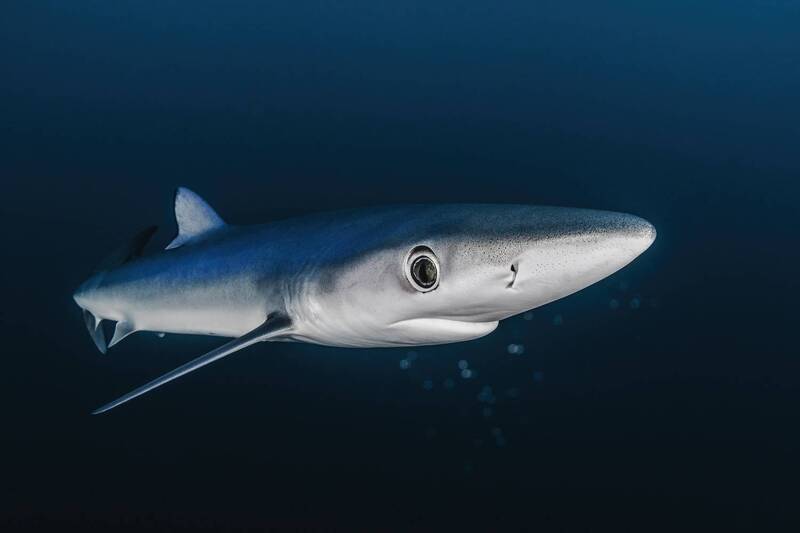
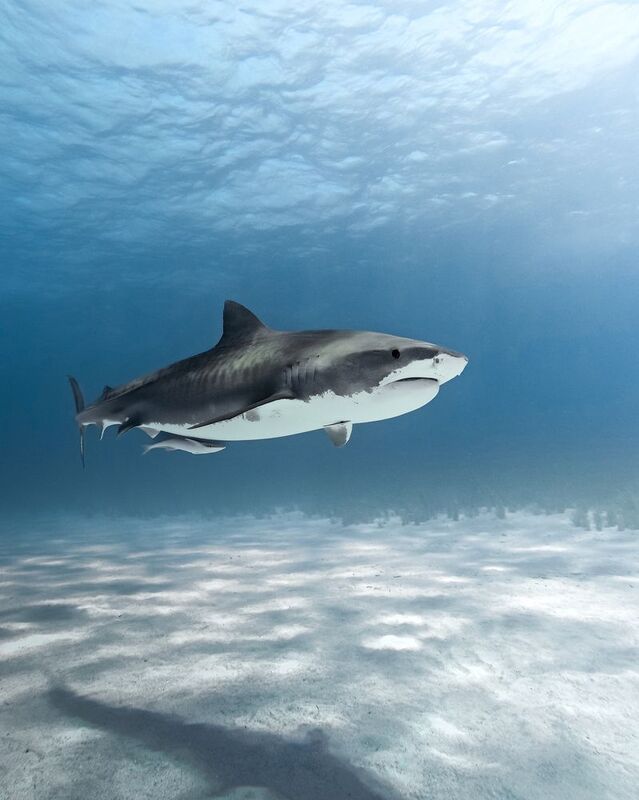
A Silky Shark (Carcharhinus falciformis) swimming just beneath the surface in Jardines de la Reina, Cuba. Recognized by its streamlined body and long, falcate pectoral fins, the silky shark is a highly mobile pelagic predator of tropical oceans.
The individual was cruising calmly through the upper water column, a typical behavior when navigating currents or searching for prey. Propelled by steady, rhythmic tail beats, the shark moved with controlled efficiency while surface turbulence above created shifting patterns of light. A slow shutter speed rendered the surrounding water with subtle motion, emphasizing fluidity while maintaining clarity around the head and eye.
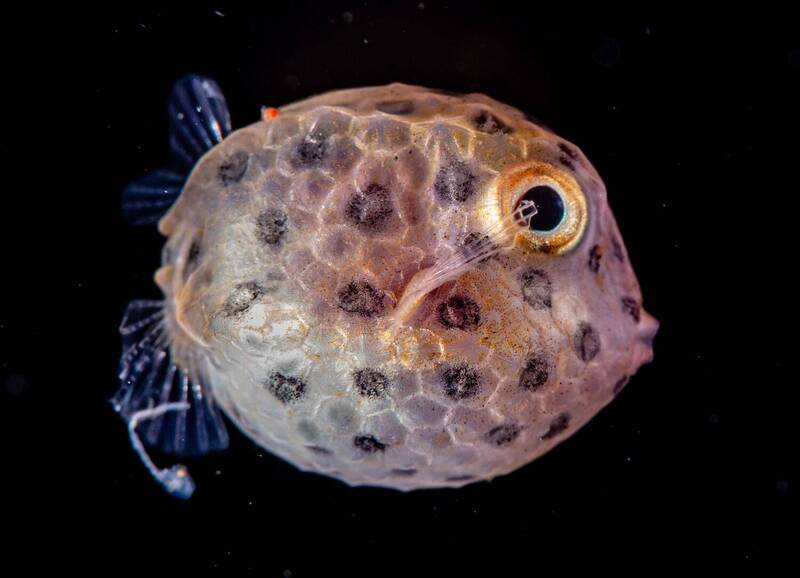
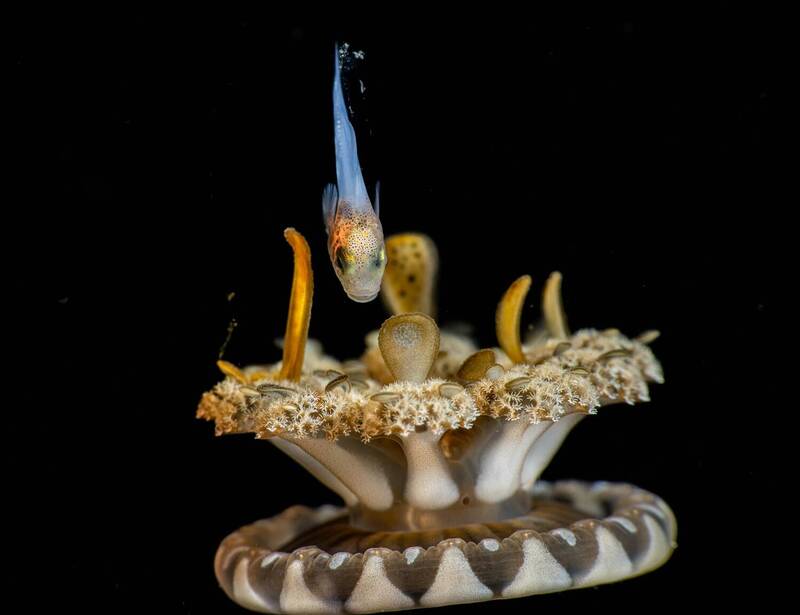
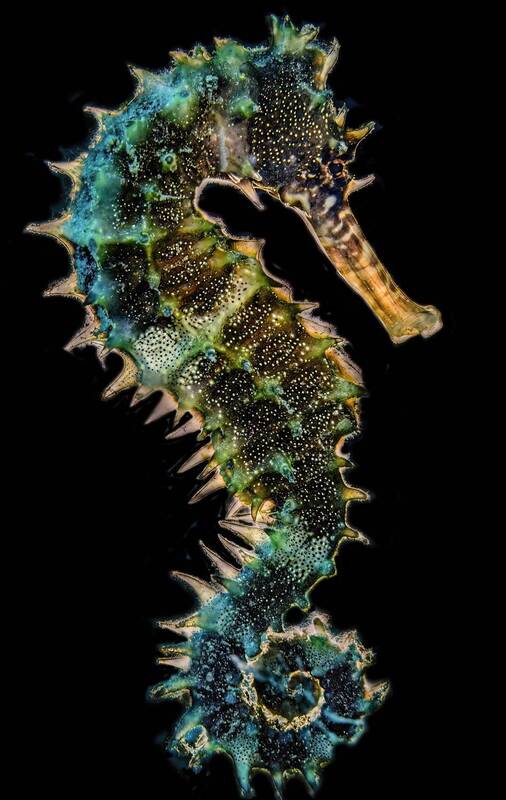
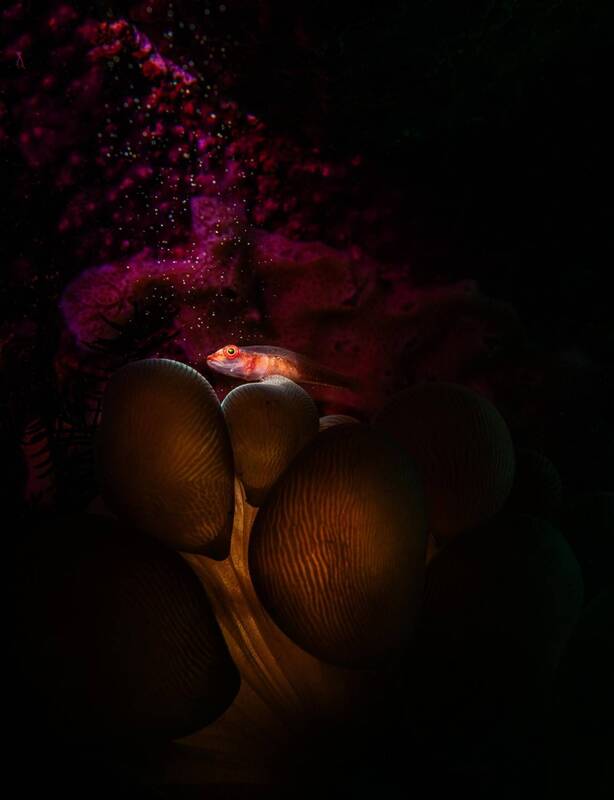
In the darkness of the ocean, this tiny fish drifts with a peculiar charm. Its spherical, translucent body covered in dark spots reveals astonishing details under controlled lighting, showcasing the delicate complexity of marine life in its early stages. This macro portrait captures a fleeting moment in the underwater universe, where even the smallest creatures possess extraordinary beauty.
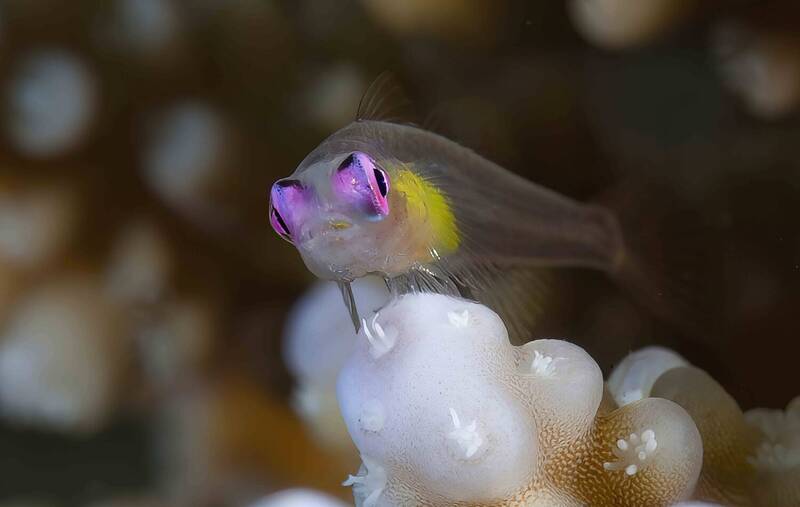
Happy to return to Havelock Island exactly one year after my last visit. Here nature truly expresses its best, both underwater and in the dense forest in the interior of the island. This photo portrays a curious gobi who gives us his welcome back greeting!
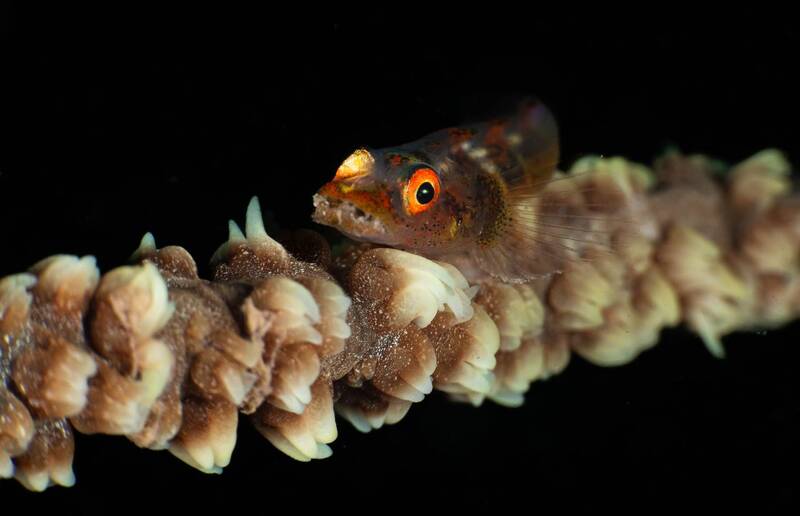
The whip coral goby (Bryaninops yongei) is a small marine fish that lives exclusively on a specific type of whip coral, Cirrhipathes anguina, found in the Indo-Pacific region. This is photgraphed during a dive in Nha Trang, Vetnam, at about ten meters depth. This is a single but hese gobies are typically found in pairs, often staying together for extended periods, and they filter plankton and particles from the water while sheltered on the coral. February 2025
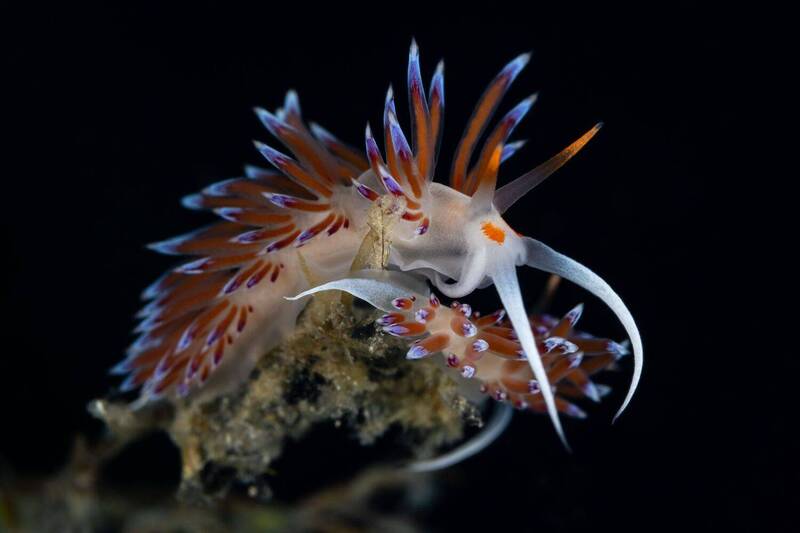
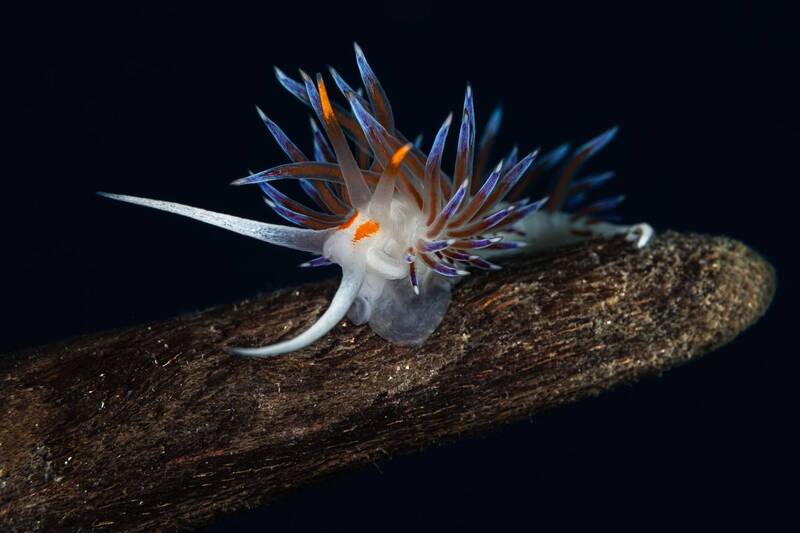
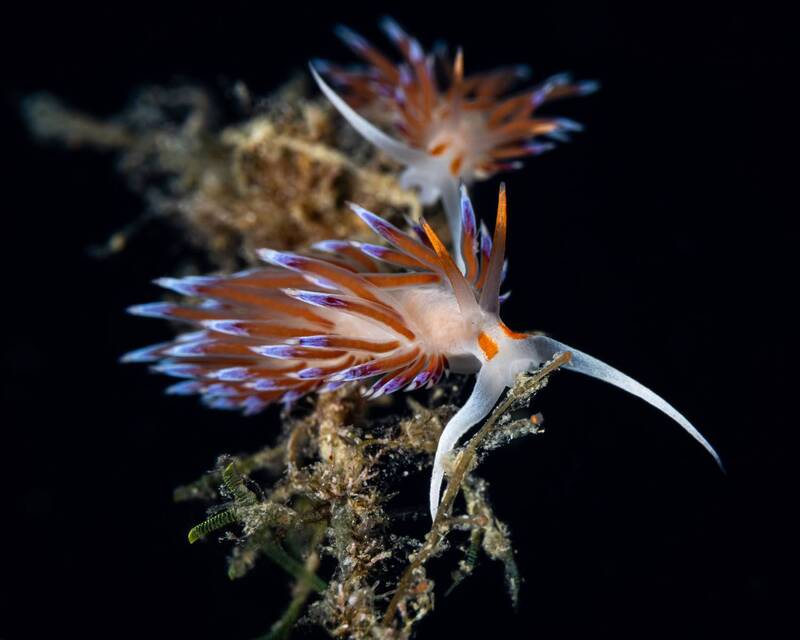
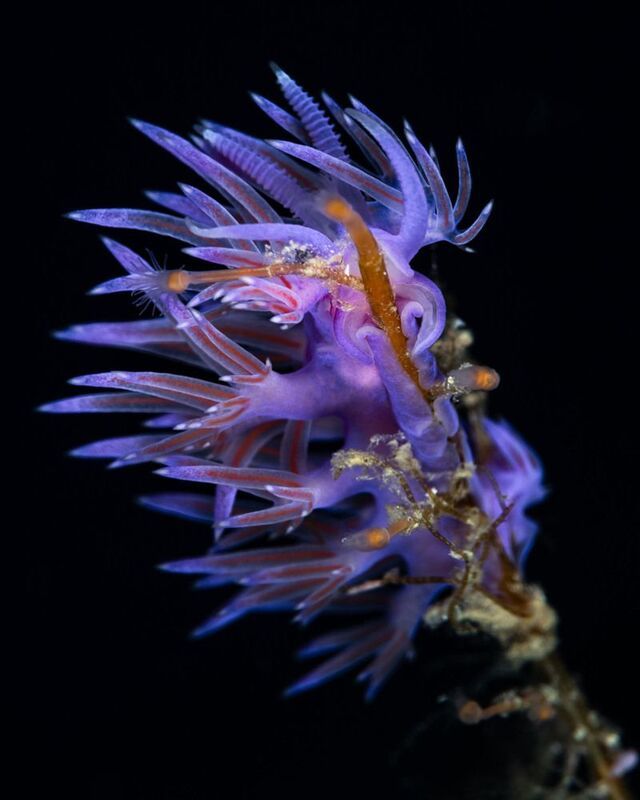
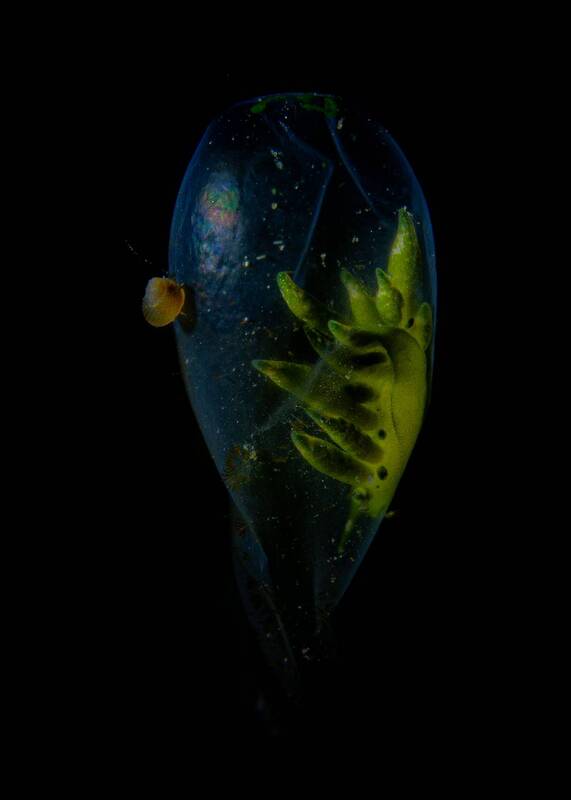
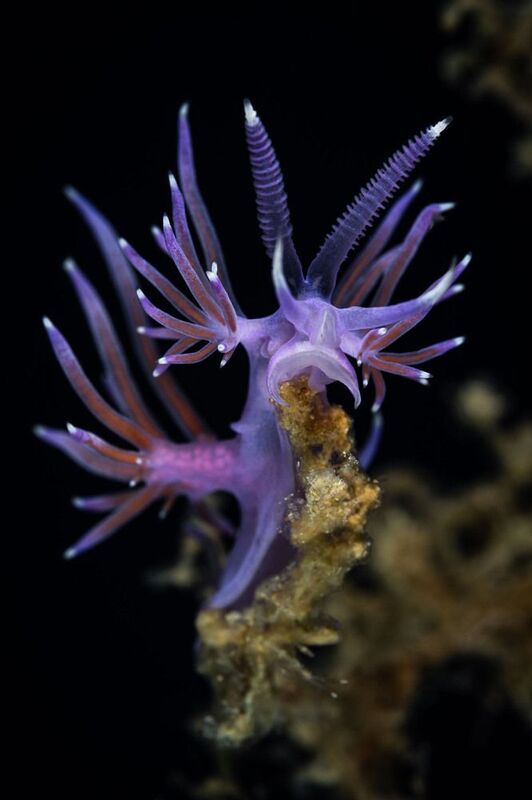
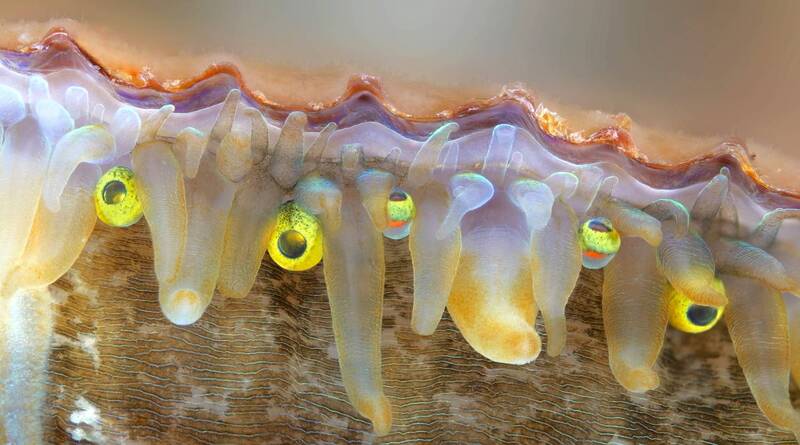
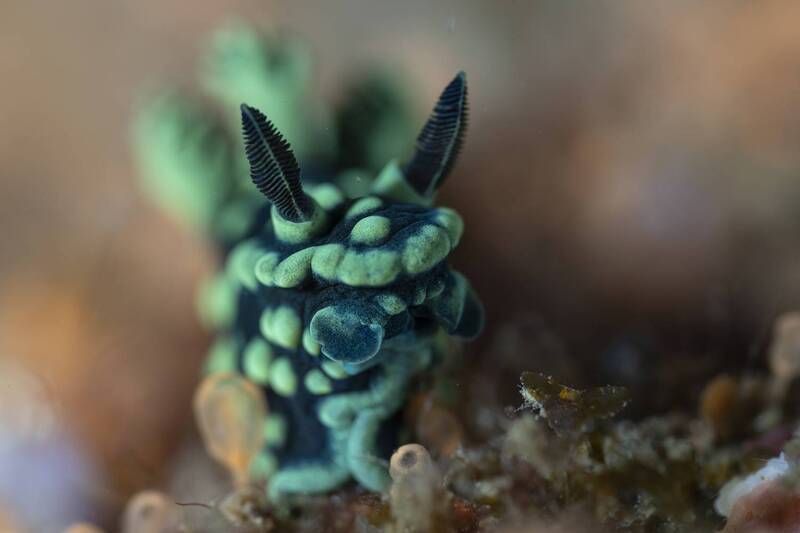
Within the translucent algae, a tiny sea slug has built its own exclusive sanctuary. It utilized this greenery as nourishment, gradually consuming the interior to fuel its growth. Now, the cradle that protected it through its vulnerable juvenile stage has fulfilled its purpose. Thriving and curious, this little creature peeks out, ready to leave its comfort zone and set sail into the vast, unknown ocean.
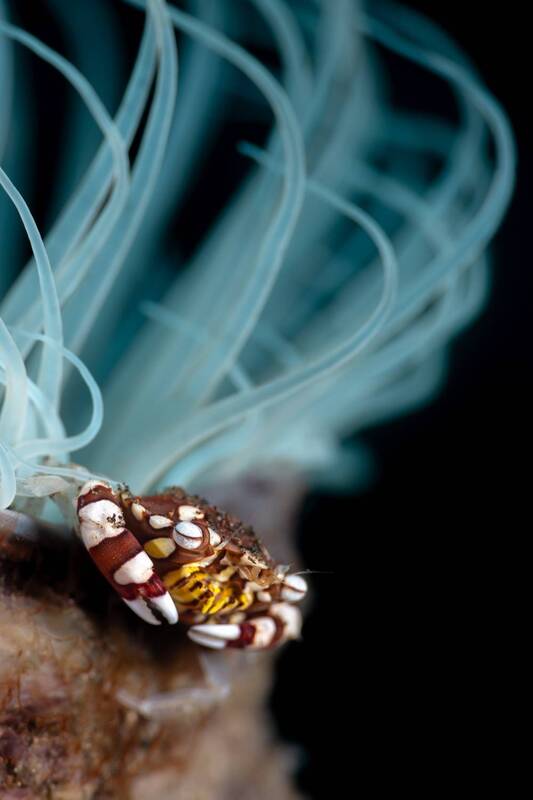
This image shows a Harlequin Swimming Crab (Lissocarcinus laevis) photographed in the waters of Tulamben, Bali, Indonesia. The crab is resting on the column of a tube anemone, a host it commonly associates with for shelter and feeding opportunities. In this scene, the crab’s vivid red-and-white markings stand out against, yet visually complement, the tube anemone’s cool blue tentacles. This natural contrast creates a strikingly harmonic balance, with the anemone’s soft, radiating blues forming a frame that enhances the crab’s intricate patterning. Through careful lighting and composition, I aimed to capture this chromatic interplay in a way that reflects the quiet elegance of their association.
The photograph is meaningful because it highlights the small but ecologically significant relationships that define Indonesia’s rich reef microhabitats. Although L. laevis is a relatively common commensal species, such pronounced color harmony between host and crab is not always seen. The juxtaposition of the crab’s warm tones with the cool blue hues of the anemone emphasizes not only biological partnership but also the natural aesthetic coherence found in even the smallest reef interactions. Capturing this moment reveals the subtle beauty of reef symbioses that often go unnoticed.
Throughout the encounter, the crab maintained a relaxed posture—settled firmly on the anemone’s column with its paddle-shaped swimming legs tucked beneath its body. I approached slowly to avoid disturbing either organism, taking care not to trigger the anemone’s rapid retraction response. By allowing the crab to acclimate to my presence and making only minimal adjustments to lighting and position, I ensured that the image documented their natural behavior without interference.
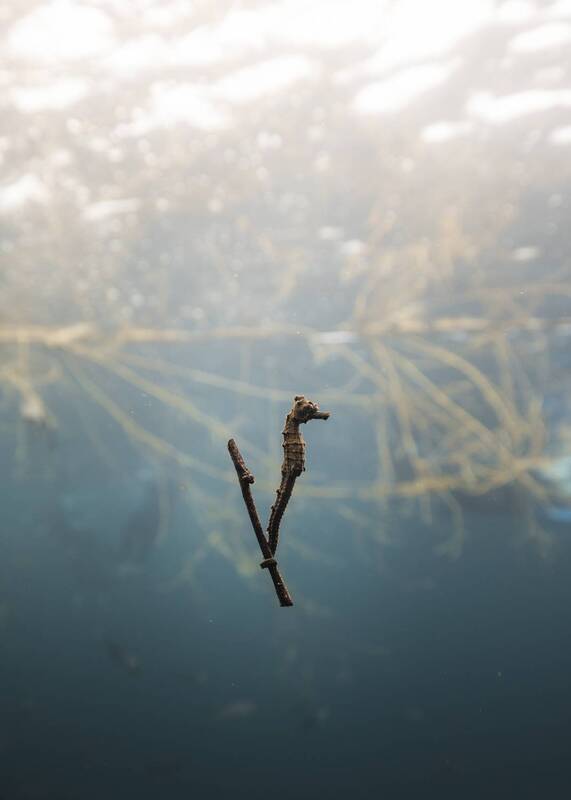
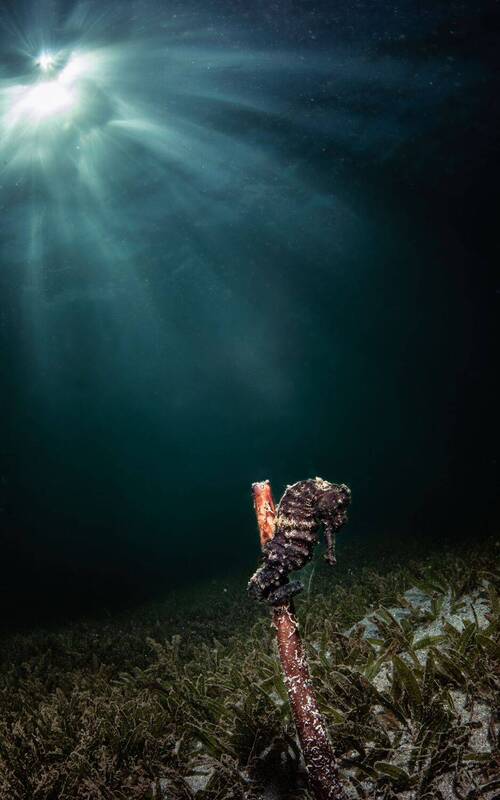
A tiny seahorse clings delicately to a small branch anchored in the sandy seabed, illuminated by the sun’s rays streaming through the surface. In this serene and poetic scene, the fragility and strength of marine life meet in a single suspended moment beneath the sea.
This amazing transparent shrimp was found and photographed during my Freediving session in the ocean .
It was hiding inside the anemone with only shrimp tendrils visible.
Experience and patience were my allies in finding this tiny resident inside the anemone
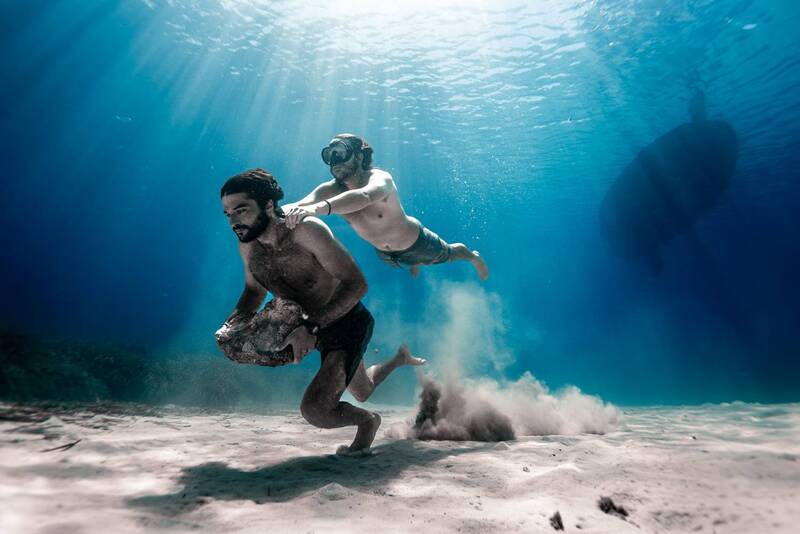
An underwater game that looks light, but isn’t.
A heavy stone, slow movement, controlled breath.
Sometimes a teammate joins the effort, turning training into play.
A quiet way of building strength, trust and comfort below the surface.
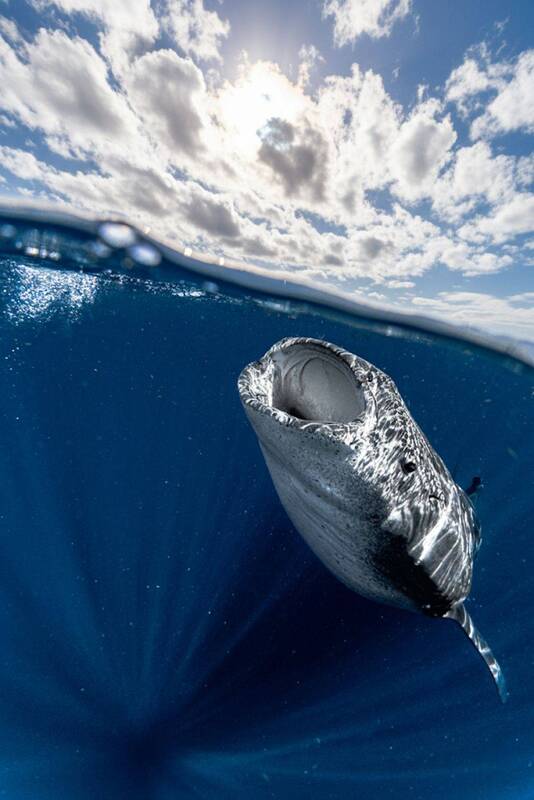
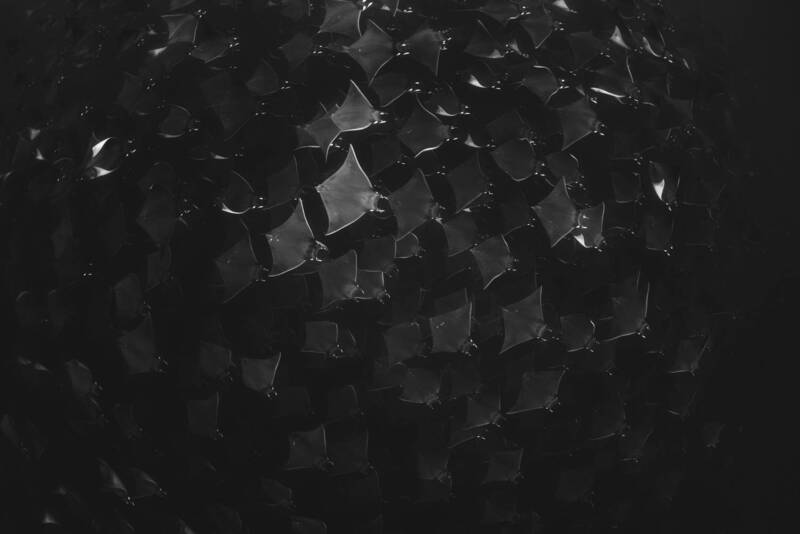
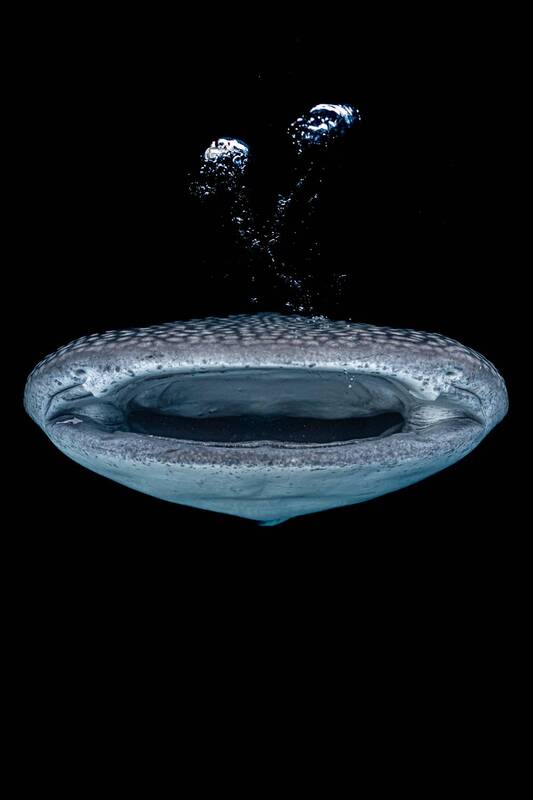
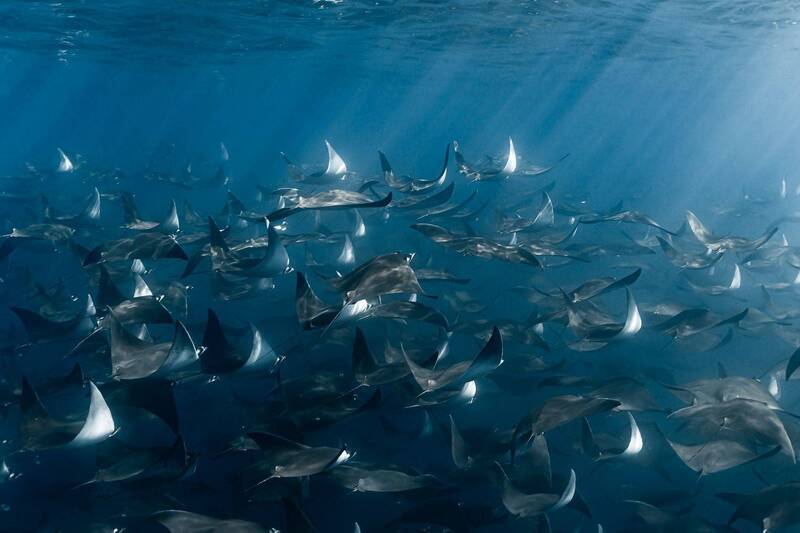
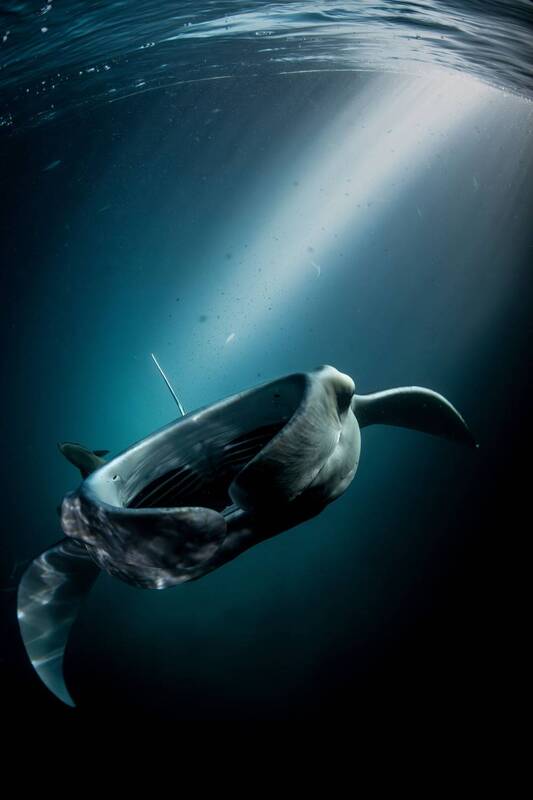
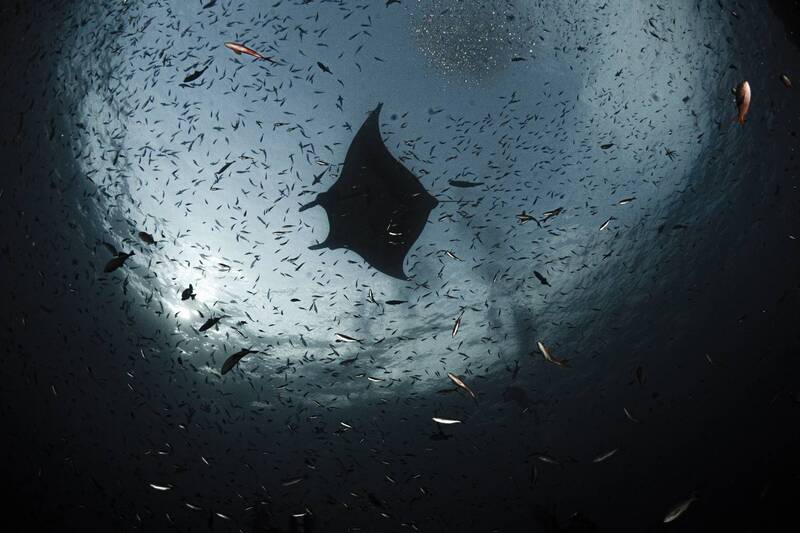
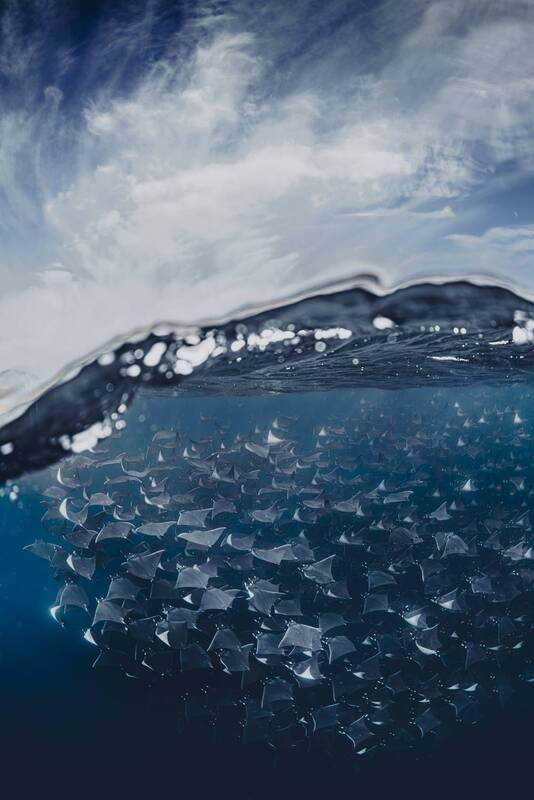
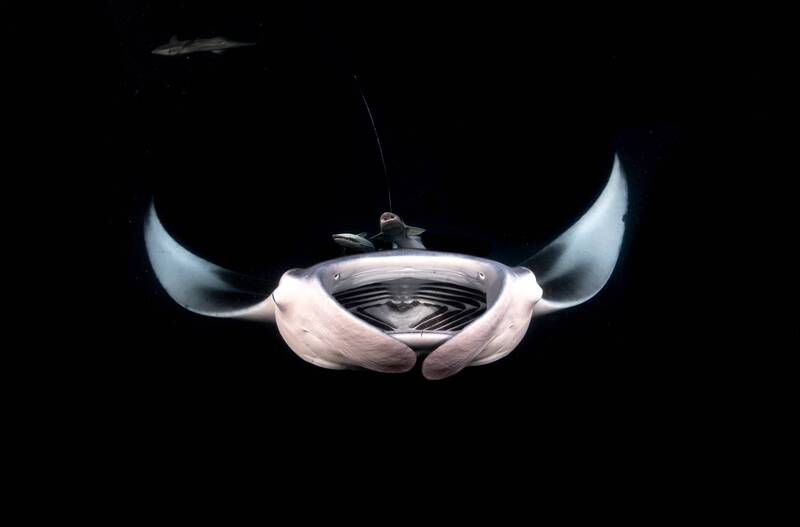
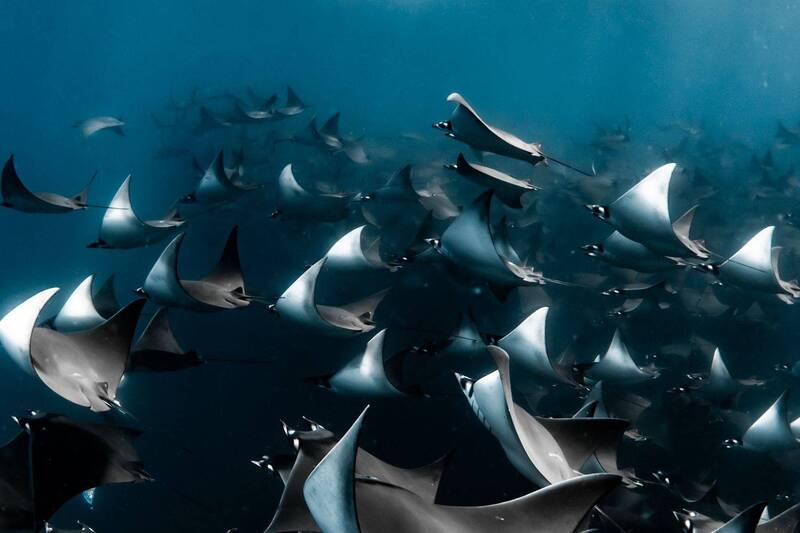
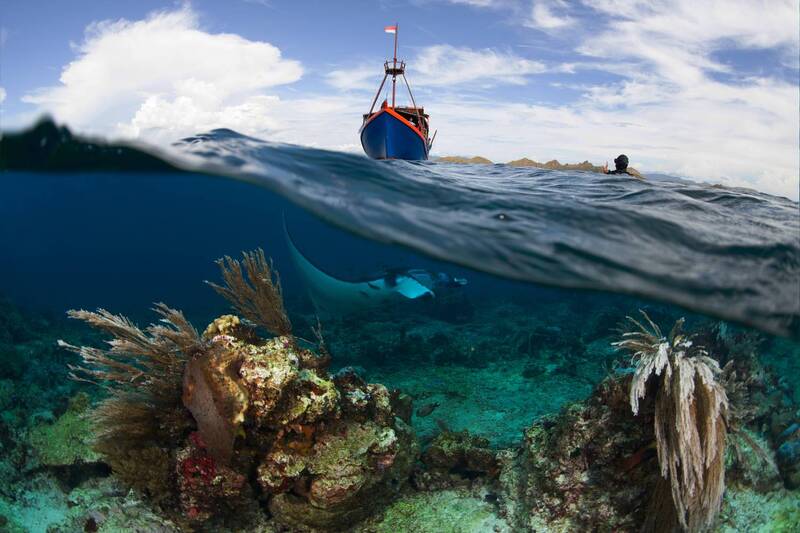
Manta oceánica ascendiendo en silencio, capturada en el instante exacto de su alimentación. La luz que penetra desde la superficie recorta su silueta y revela la magnitud de su forma, mientras el azul profundo del océano envuelve la escena. Una imagen que transmite equilibrio entre fuerza, movimiento y calma en su entorno natural.
Креветка-арлекин (Hymenocera picta) во время питания морской звездой.
Эти ярко окрашенные креветки являются узкими специалистами и питаются исключительно морскими звёздами, постепенно поедая их живьём.
Фотография сделана на глубине 16 метров.
Туламбен, Бали, Индонезия. 05.04.2024
Harlequin Shrimp (Hymenocera picta) feeding on a starfish.
This species is a highly specialized predator that feeds exclusively on starfish.
Depth: 16 m.
Tulamben, Bali, Indonesia. 05.04.2024
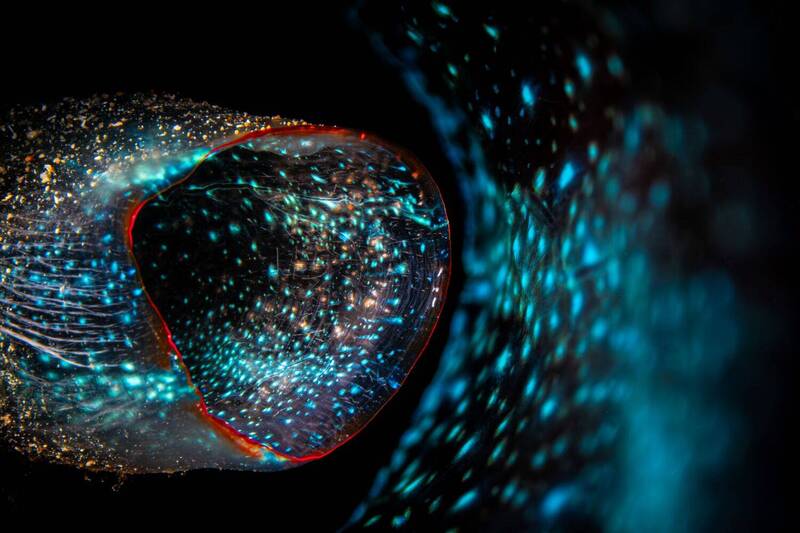
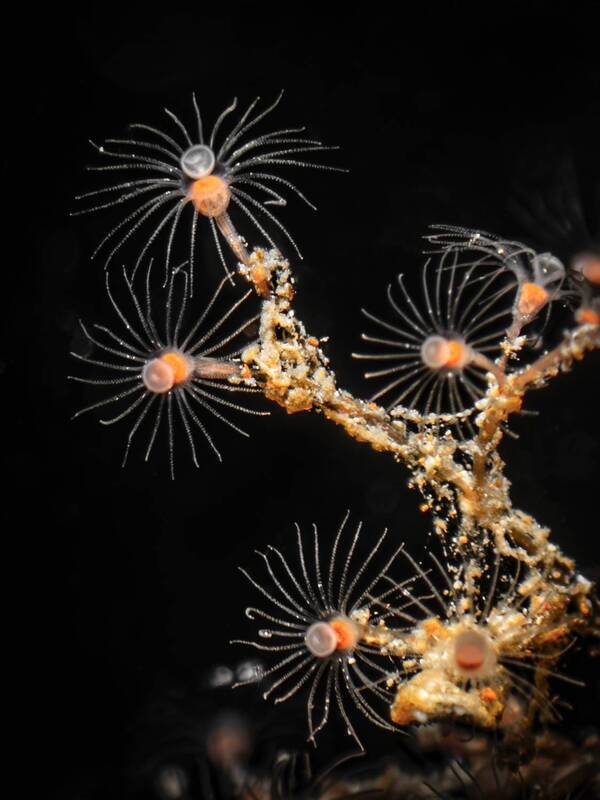
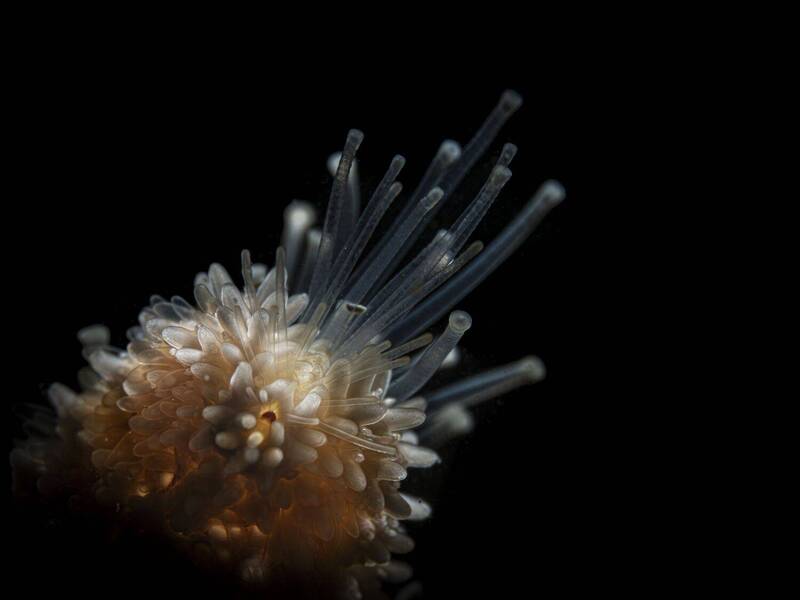
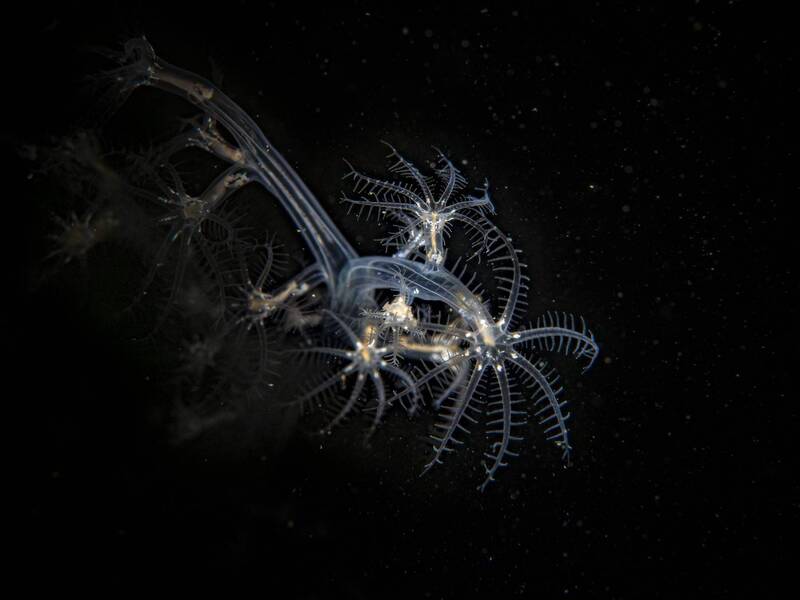
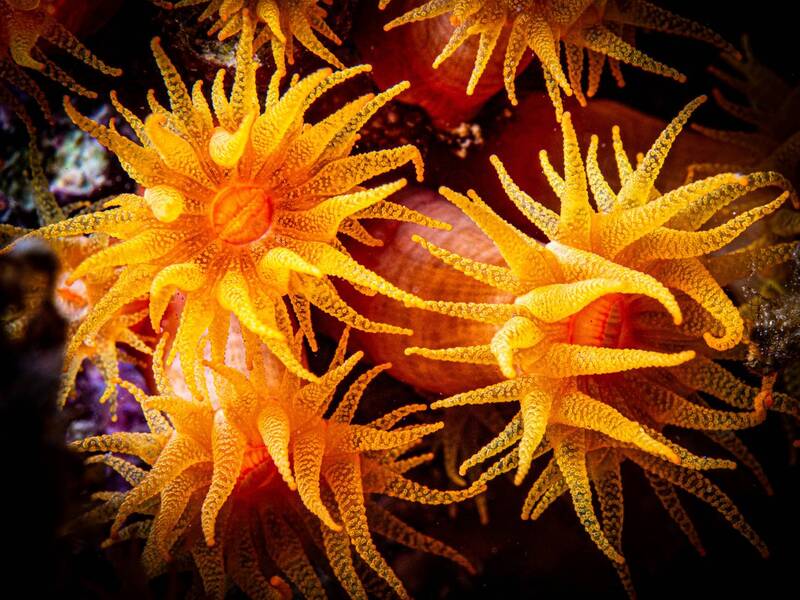
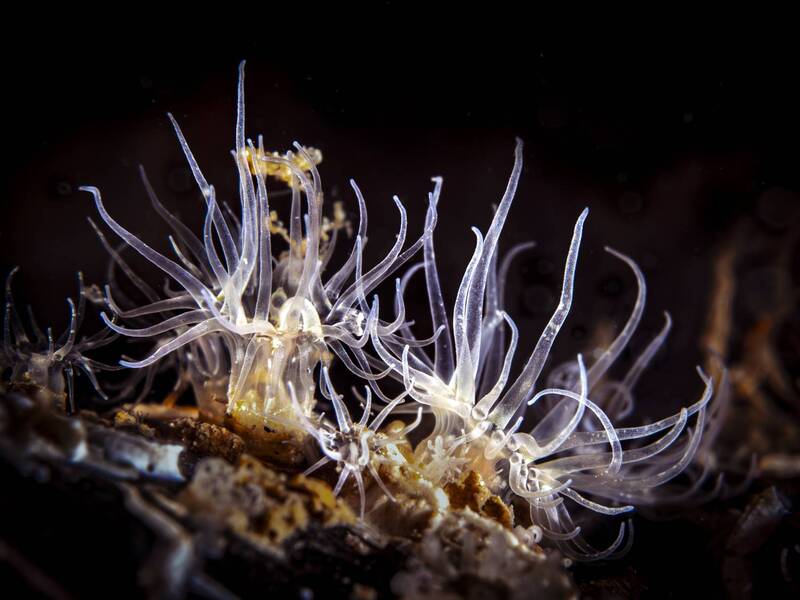
A colony of hydroids, relatives of jellyfish and corals, quietly feeding in the dark.
Each individual is only a few millimeters in size, yet with their fine radiating tentacles, they look like tiny lanterns suspended in the water—delicate lights in an otherwise endless night.
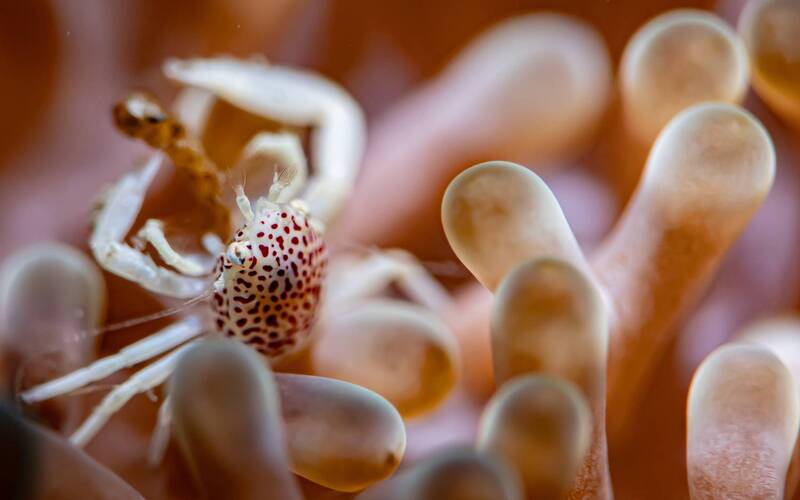
Amidst the velvet-like tentacles of the sea anemone, a delicate porcelain crab moves with ethereal grace. Swaying to the rhythm of the ocean currents, it elegantly waves its claws as if performing a solo dance on a natural stage of interwoven pink and purple hues. This silent performance captures the harmonious and vibrant rhythm of symbiotic life within the marine microcosm.
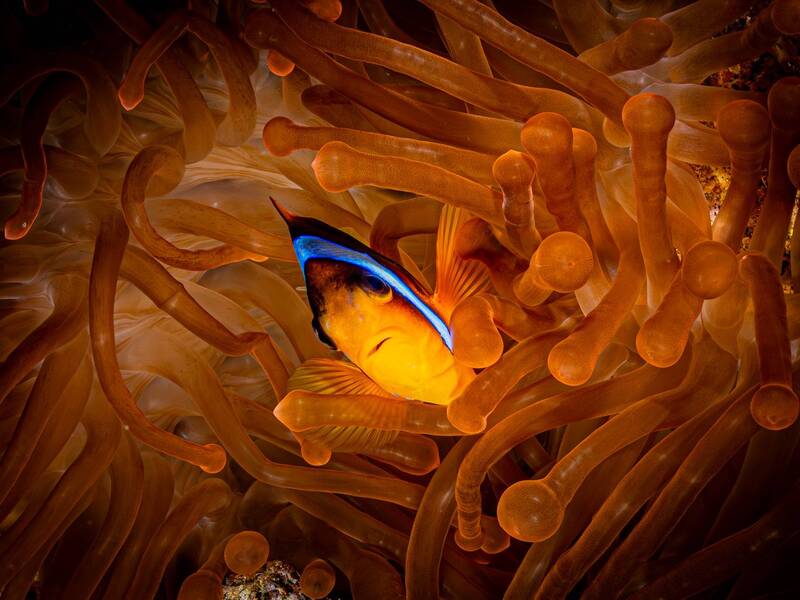
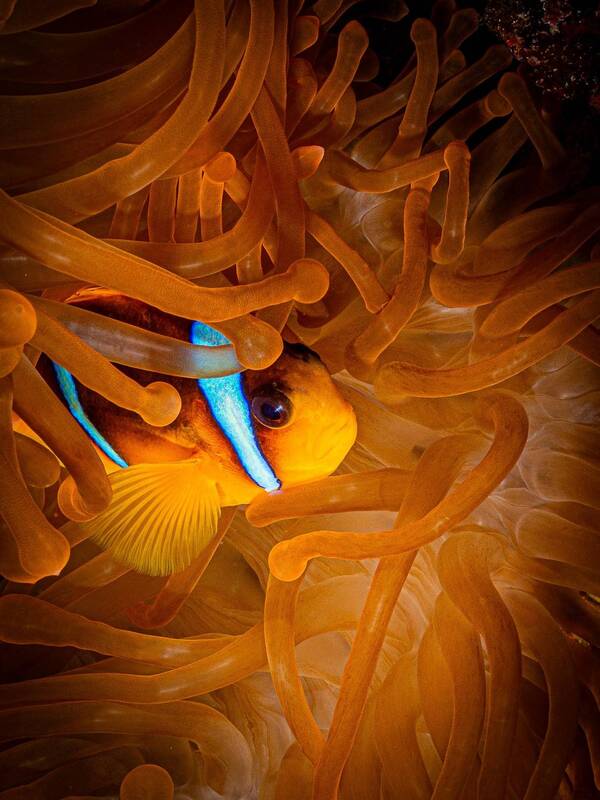
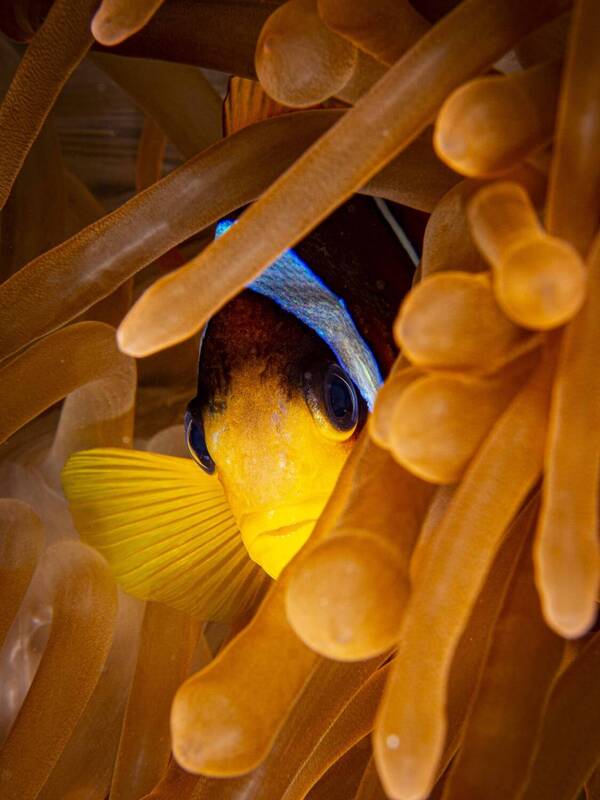
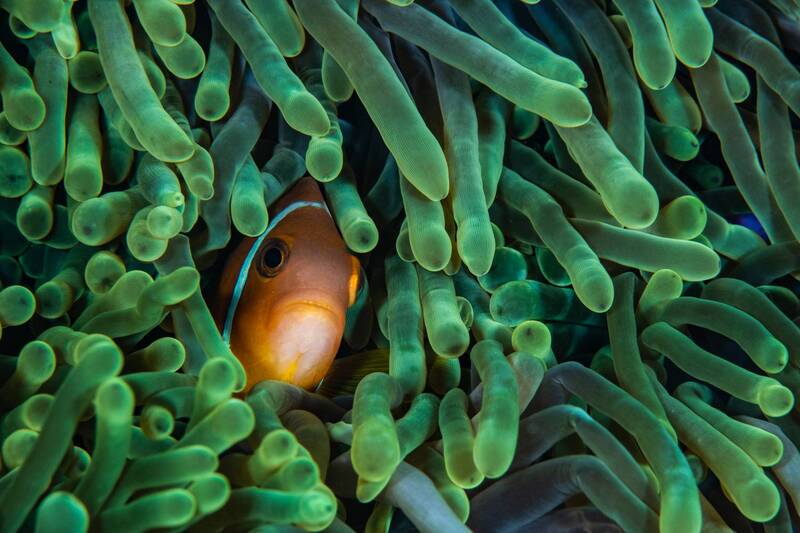
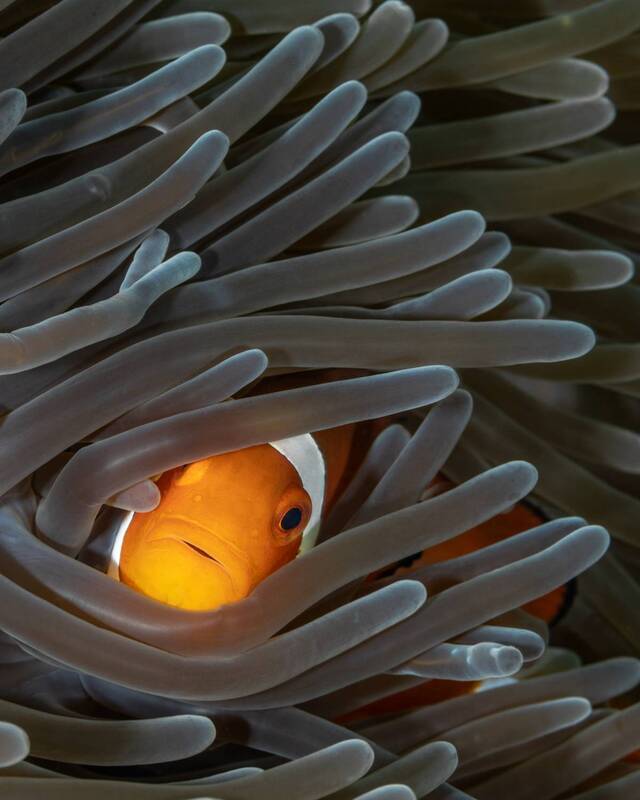
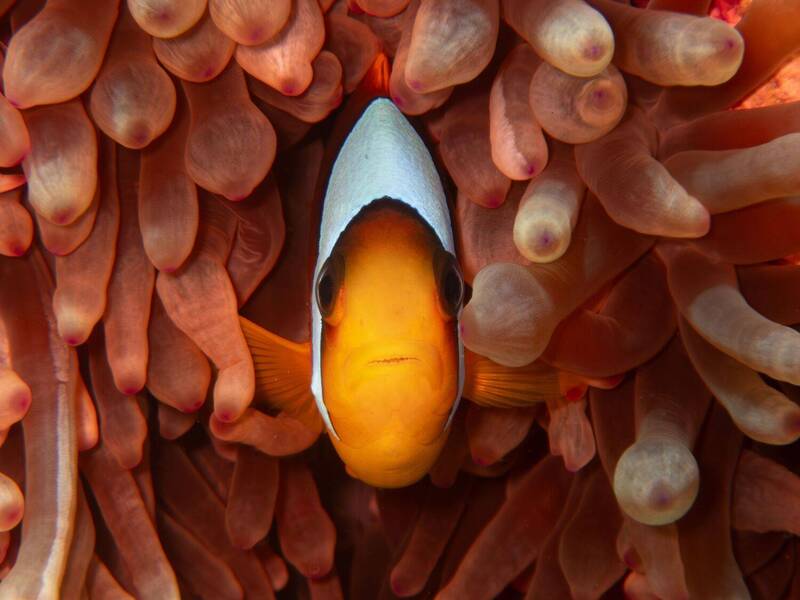
In the reefs of the Egyptian Red Sea, a clownfish peeks shyly from between the tentacles of its anemone. Capturing this image required patience and stillness, waiting for the perfect moment when the fish—curious yet cautious—emerged just enough to meet the lens. A vibrant portrait that reveals the intimate and delicate life of the coral reef.
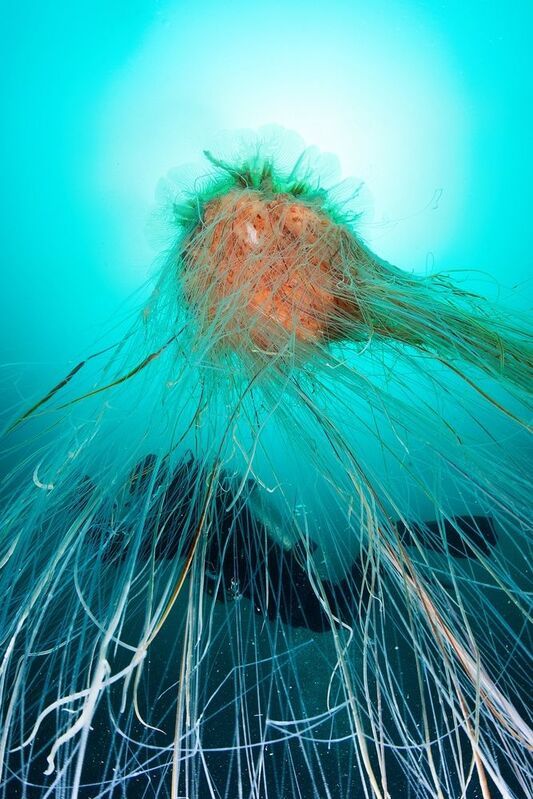
Amber Cascade
A spectral vision adrift in the deep. The vibrant, glowing gonads of this jellyfish stand in stark, breathtaking contrast against the absolute void.
Philippines
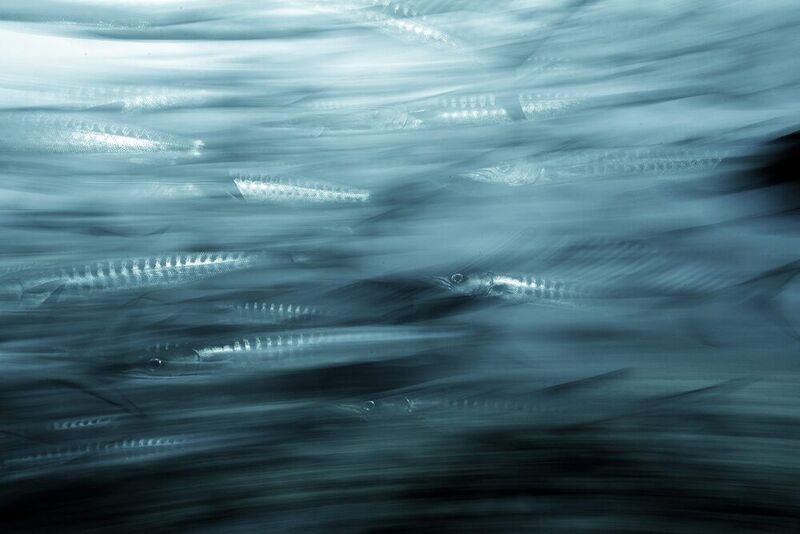
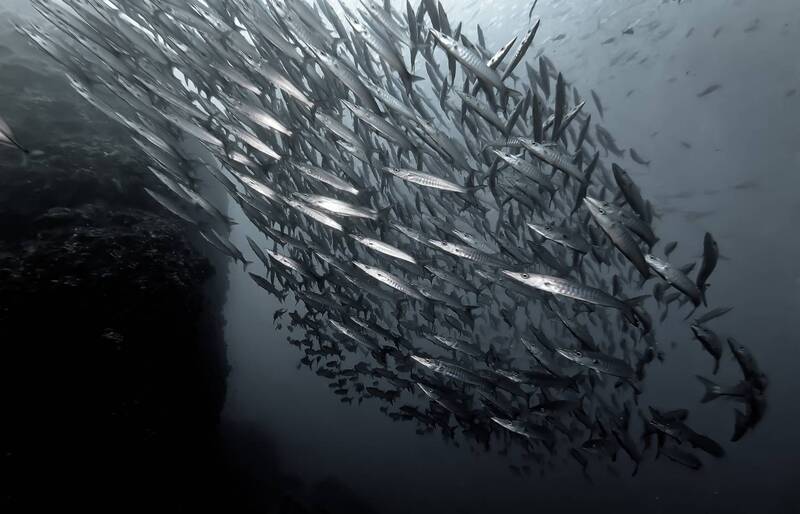
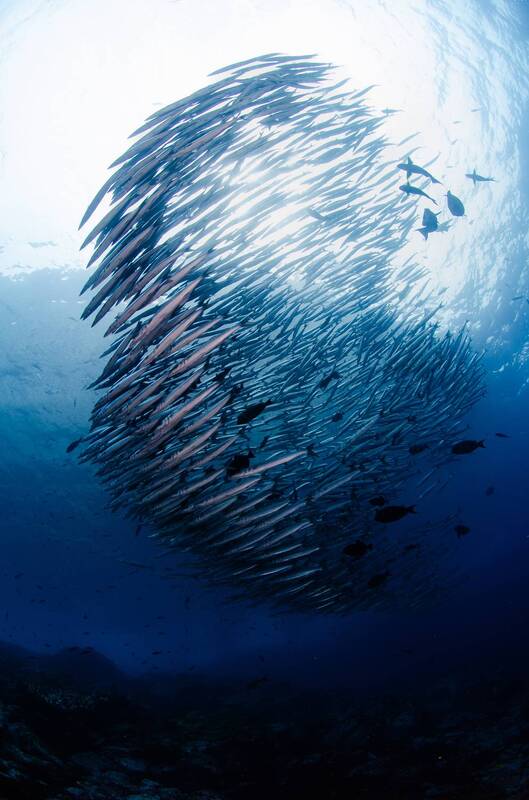
The Dance of the Barracudas in Malpelo
In the crystal-clear waters of Malpelo Island, a school of barracudas performs a synchronized dance, creating a spectacle of speed and agility. The photograph captures the exact moment the fish turn toward the camera, revealing their silvery bodies and sharp dorsal fins.
The island, known for its waters rich in marine life, provides a perfect habitat for these impressive creatures. The image is a testament to the beauty and power of marine life in Malpelo, where schools of barracudas display themselves in a variety of fascinating shapes and movements.
A spectacle of speed and grace in the heart of the Pacific.
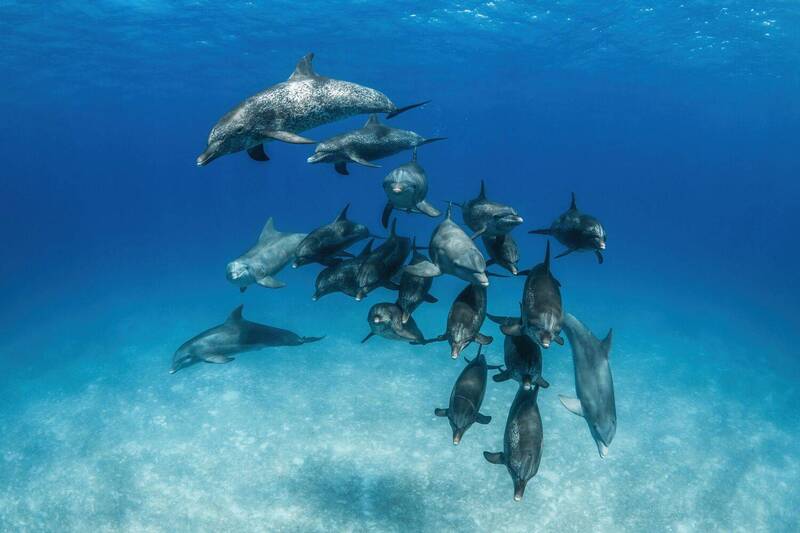
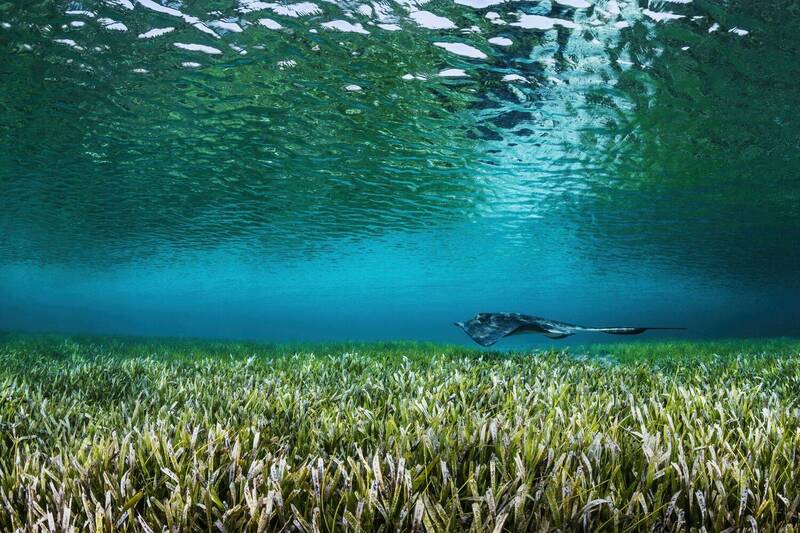
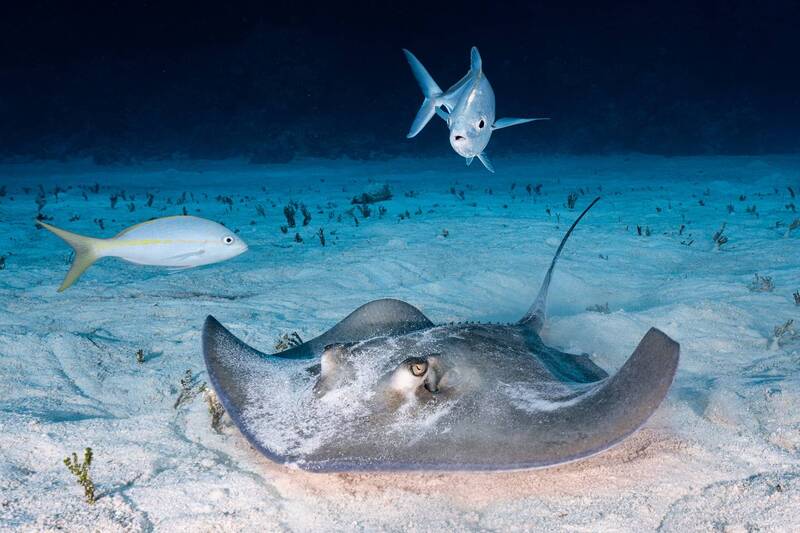
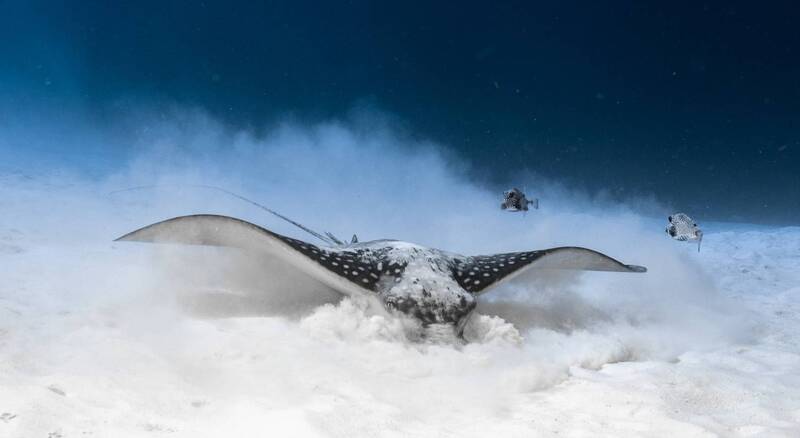
During my recent trip to the island of Bonaire, I encountered this beautiful Spotted Eagle Ray gliding gracefully over the sandy bottom in search of food. Around her, several boxfish followed closely, taking advantage of the moment to feed as well.
This scene is a reminder of the deep connection among marine species and the importance of conserving each one. Spotted Eagle Rays are considered Near Threatened due to their slow reproductive cycle and excessive fishing pressure. Some are even captured alive for the aquarium trade.
Coastal development, pollution, and climate change further threaten their survival. Protecting them is essential to maintaining the balance of marine ecosystems and ensuring that these elegant travelers of the ocean continue to glide through our waters for generations to come.
A Harlequin Shrimp (Hymenocera picta) displaying its ornate cryptic patterning while feeding on a sea star in the muck ecosystems of Lembeh. This specialized predator consumes only starfish, using its claws to overturn and immobilize its prey.
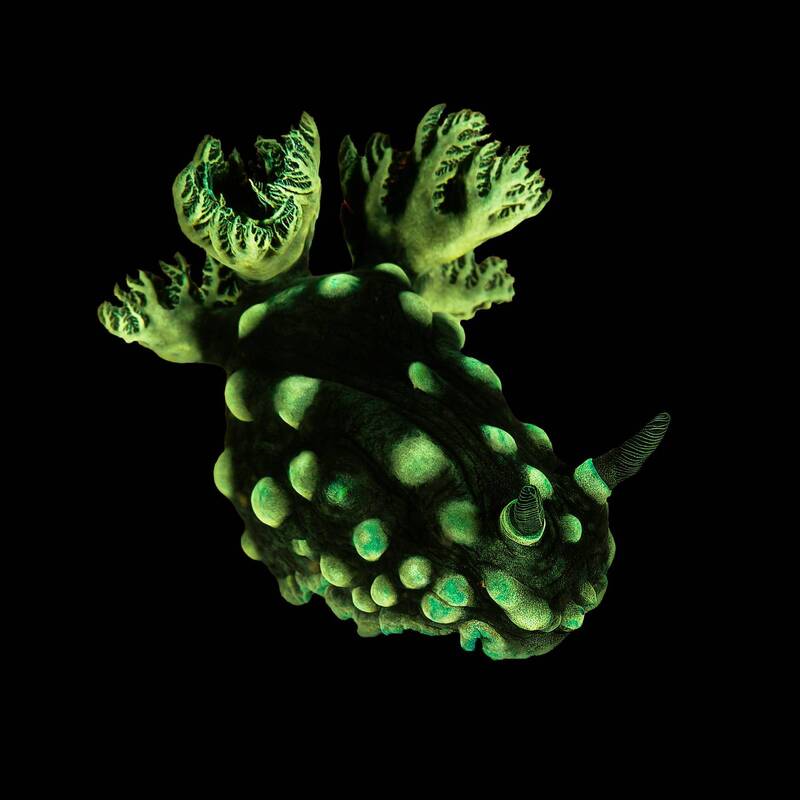
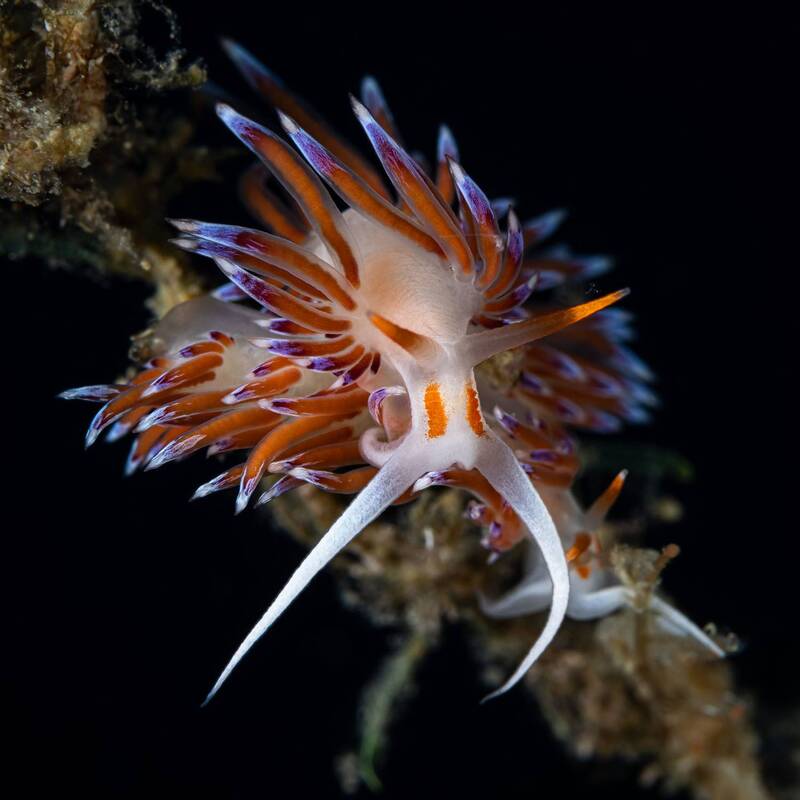
Немброта гребенчатая (лат. Nembrotha cristata) — вид красочных морских слизней , голожаберных моллюсков из отряда полицерид. Вырастает до 50 мм в длину. Питается зеленой составной асцидией. Является гермафродитом.
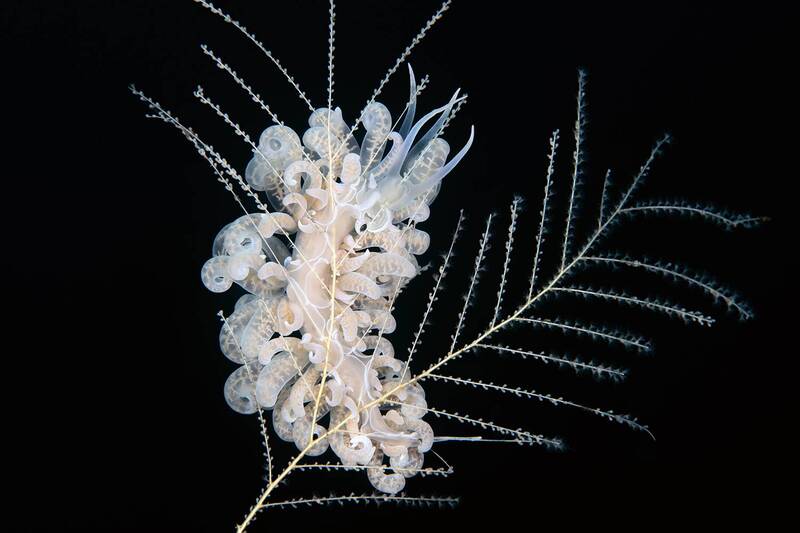
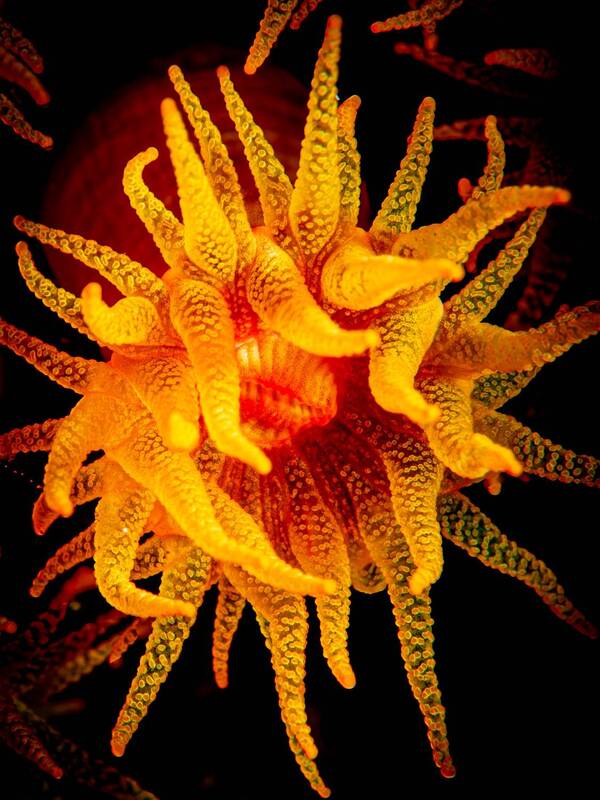
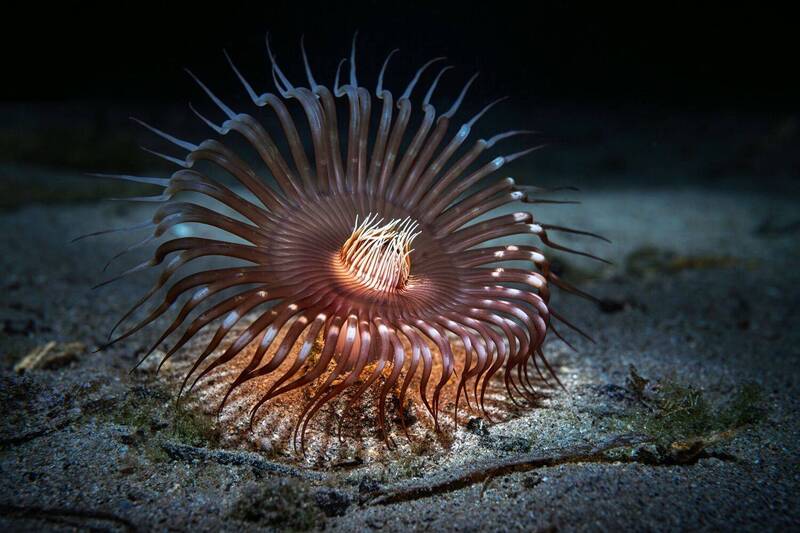
A small sea anemone extending its translucent tentacles into the water, quietly filtering life from the current.
No larger than a few millimeters, it unfolds like a fragile bloom—graceful, patient, and almost weightless in the darkness.
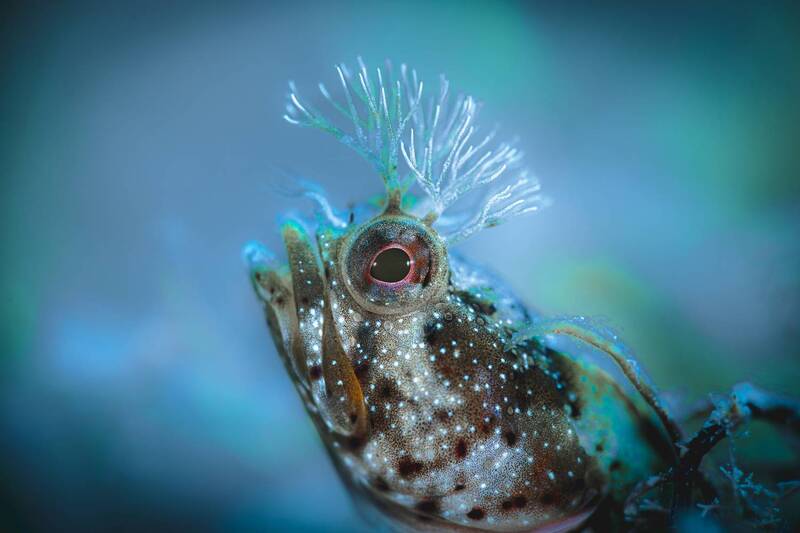
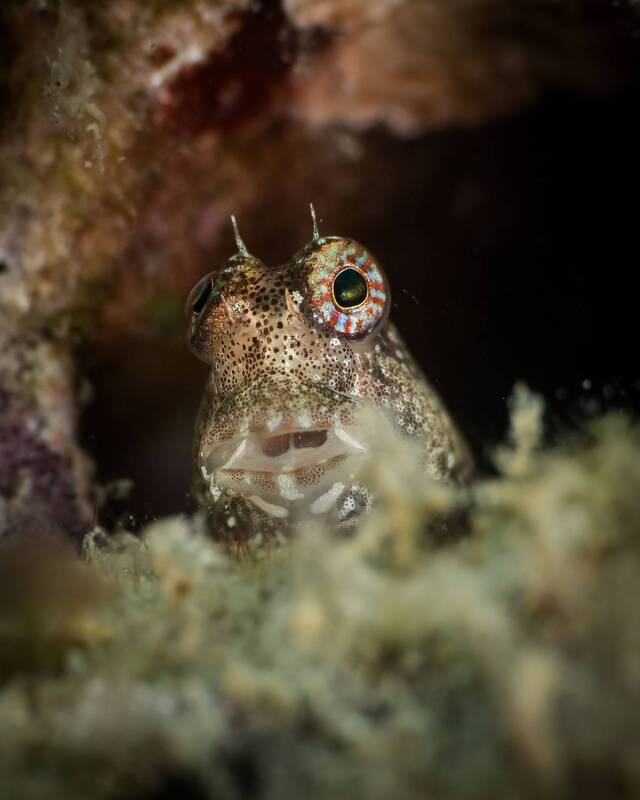
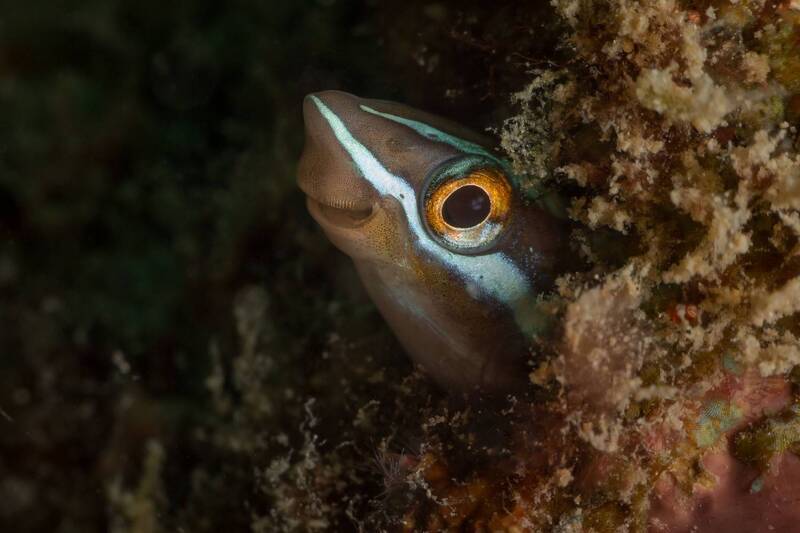
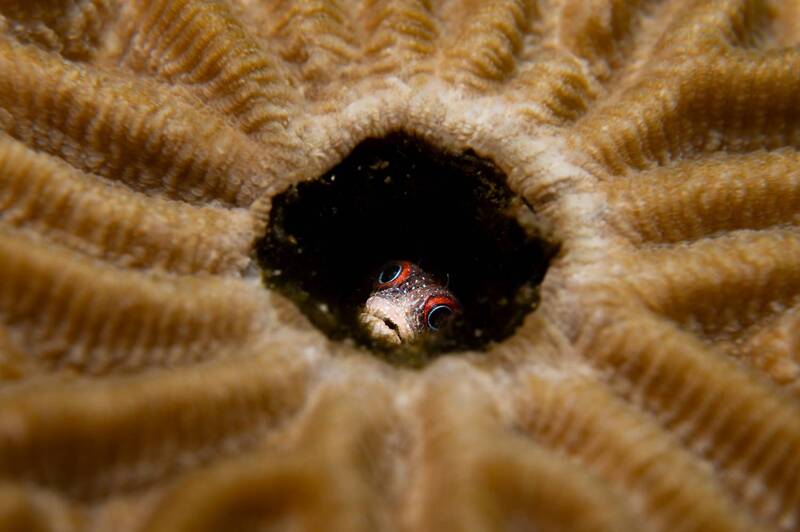
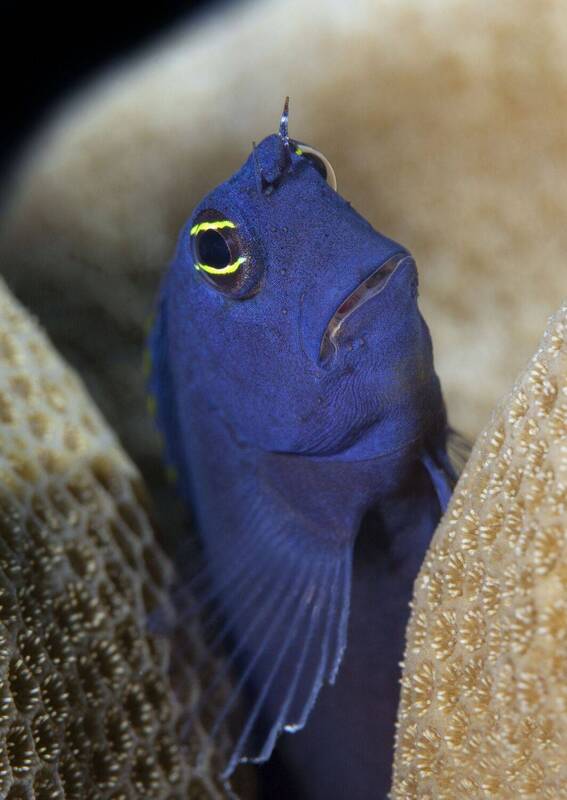
The cockroach is a member of the Blennioidei suborder of the Perciformes order, belonging to the Blenniidae family. It lives in all our seas, is not a food source, and is a member of the goby fish family. I took the attached photo in the Sea of Marmara in July.
– Рейтинг фотографов по странам и городам строится на основе 3-х лучших фотографий автора и их относительной позиции в каждой отдельной номинации. Рейтинг в номинации "Мобильная фотография" учитывается в меньшей степени для формирования рейтинга. В списке по странам и городам показывается одна фотография автора с лучшим рейтингом.
– В списке опубликованы только работы которые прошли 2-й этап голосования.
– В рейтинге лучших фотографий учитывается только одна — самая сильная — работа от каждого автора. Даже если у фотографа опубликовано несколько работ, в расчёте позиции используется только одна, с наивысшим рейтингом. Поэтому порядок фотографий в списке может не совпадать с итоговым положением автора в рейтинге.
– The rating of photographers by countries and cities is based on the three best photos of the author and their relative position in each separate nomination. Rating in the nomination "Mobile Photography" is taken into account to a lesser extent for rating formation. The list by country and city shows one photo of the author with the best rating.
– Only those photos have been published in the list that passed the second stage of voting.
– Only one strongest photo from each author is counted in the Best Photos ranking. Even if a photographer has several published works, only the highest-rated one is used to calculate their ranking position. As a result, the order of photos in the list may not match the author's final ranking position.