Praying Mantis Macro Portraits
32 worksFirst upload: Jul 2017Peak: 2026Last 12 months: 10
📝 Description
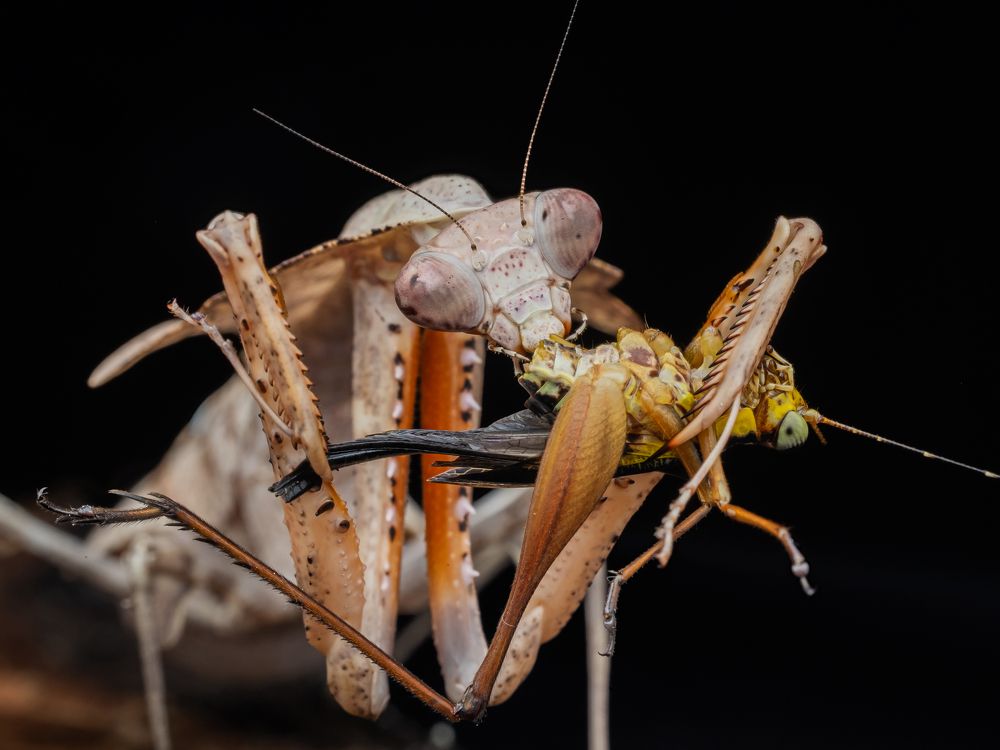
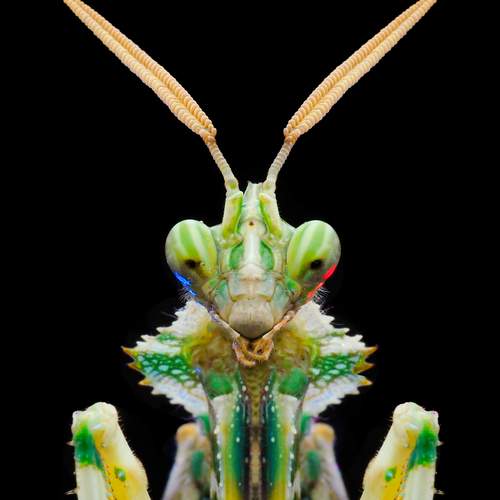
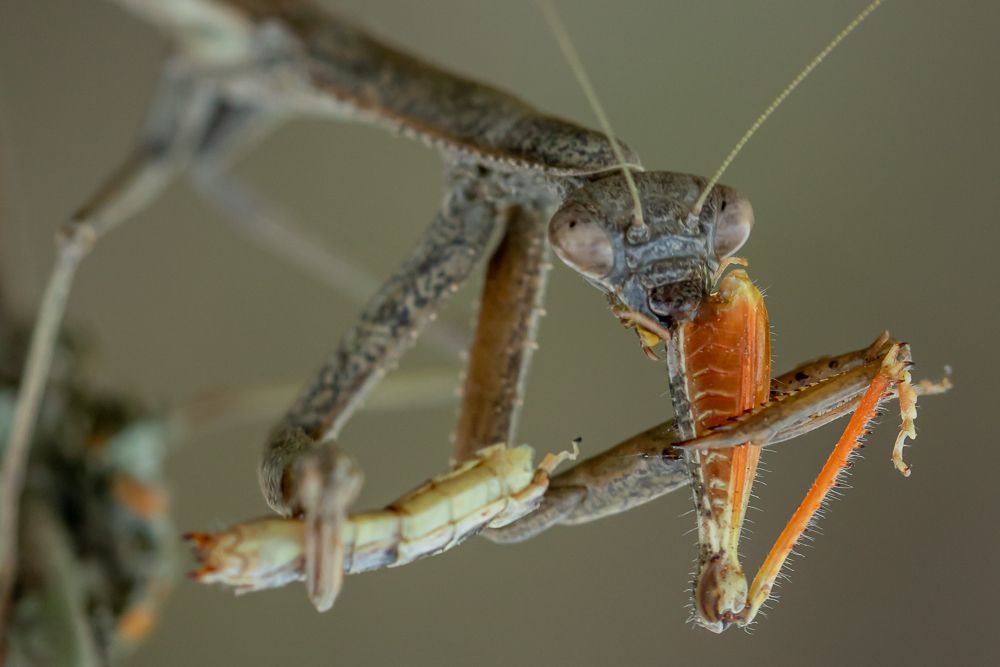
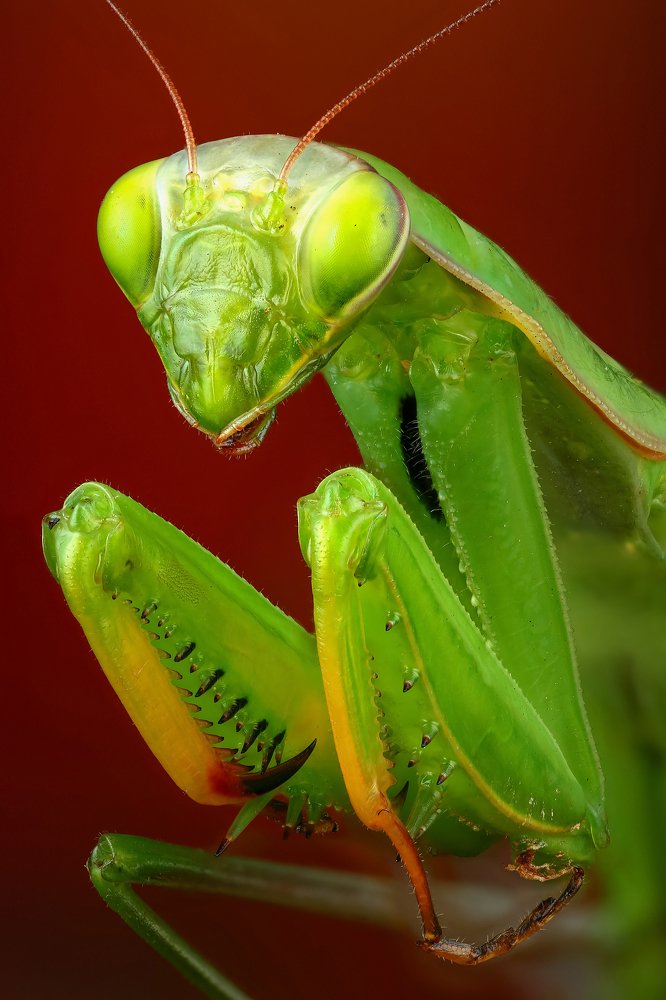
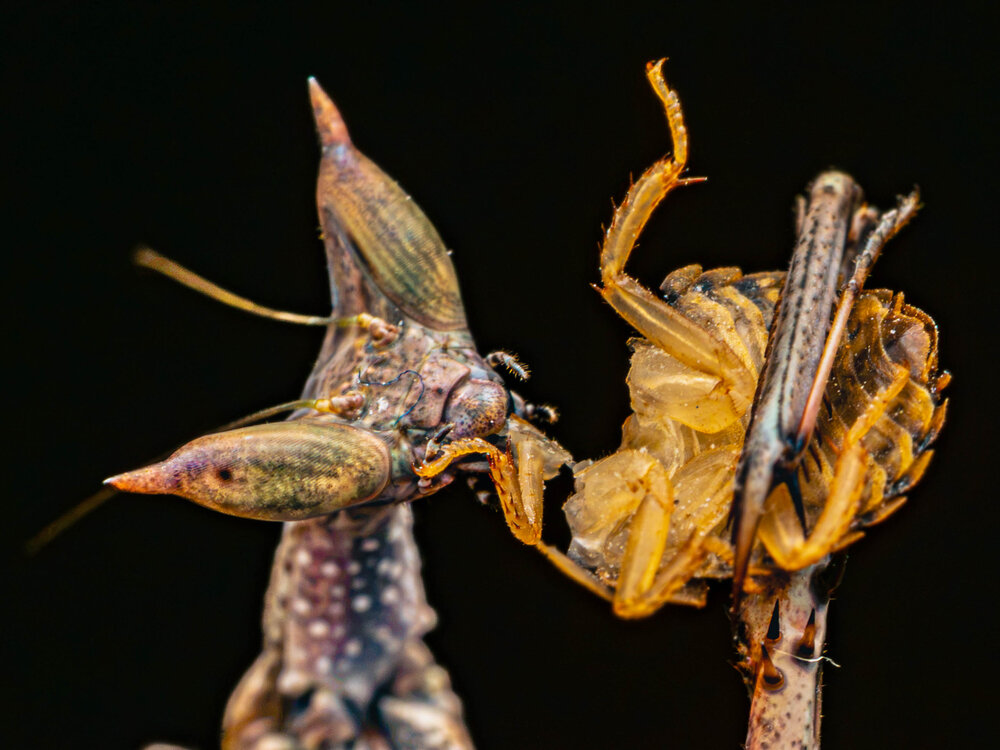
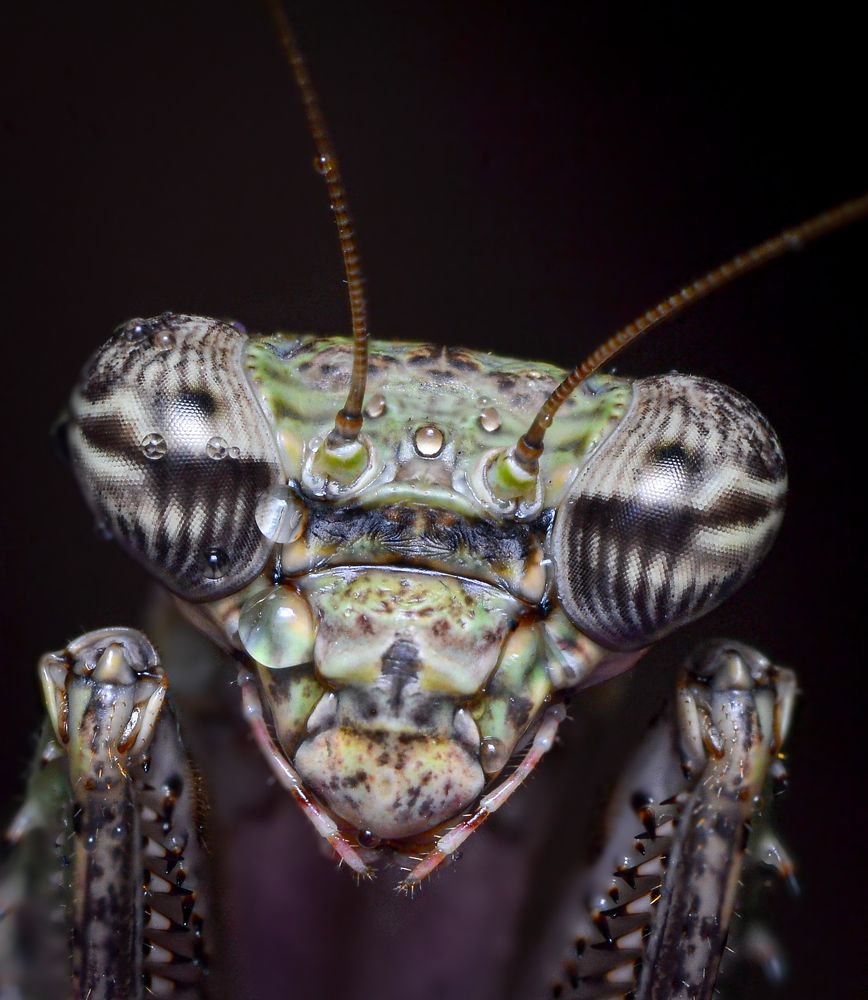
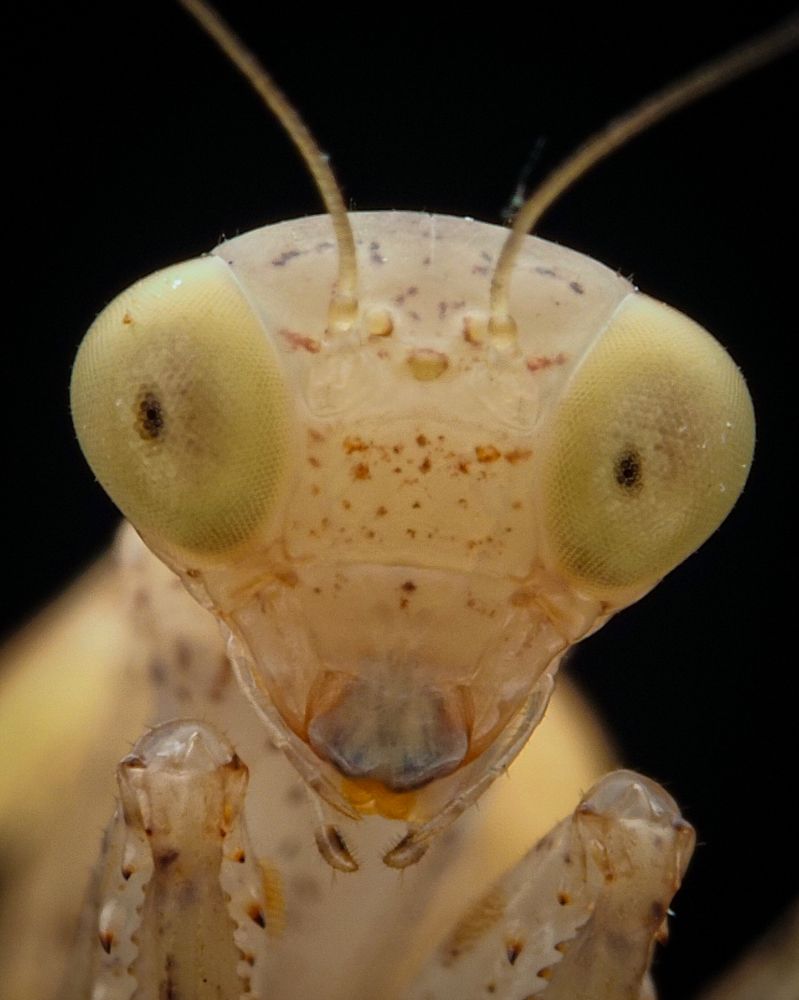
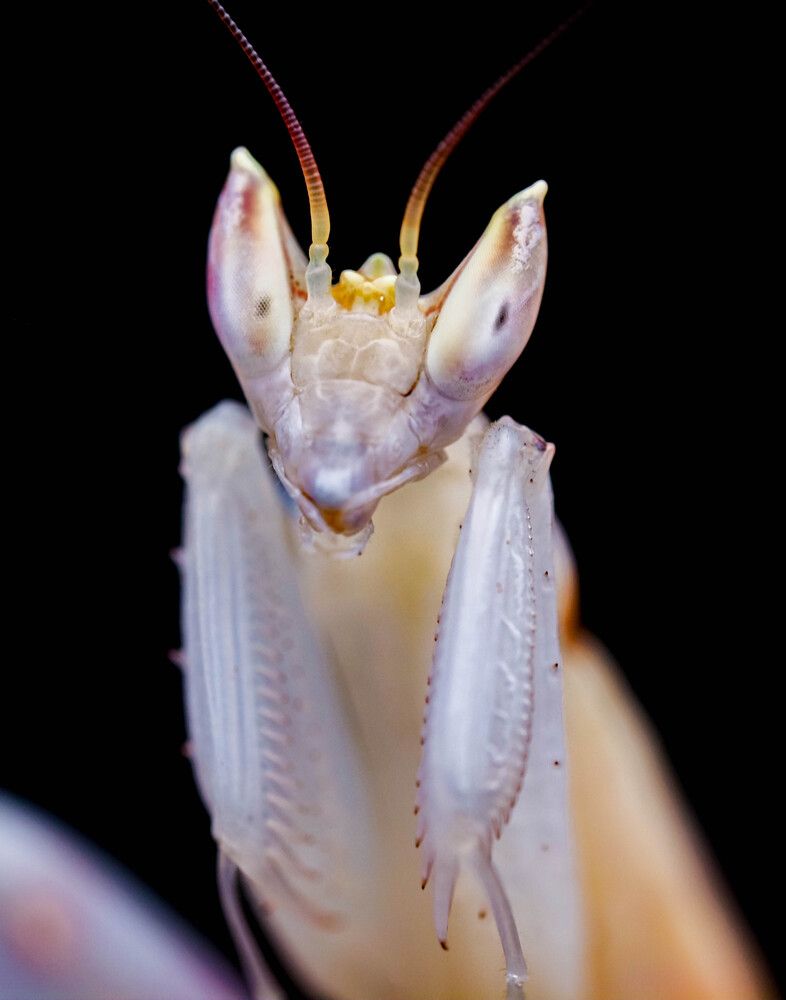
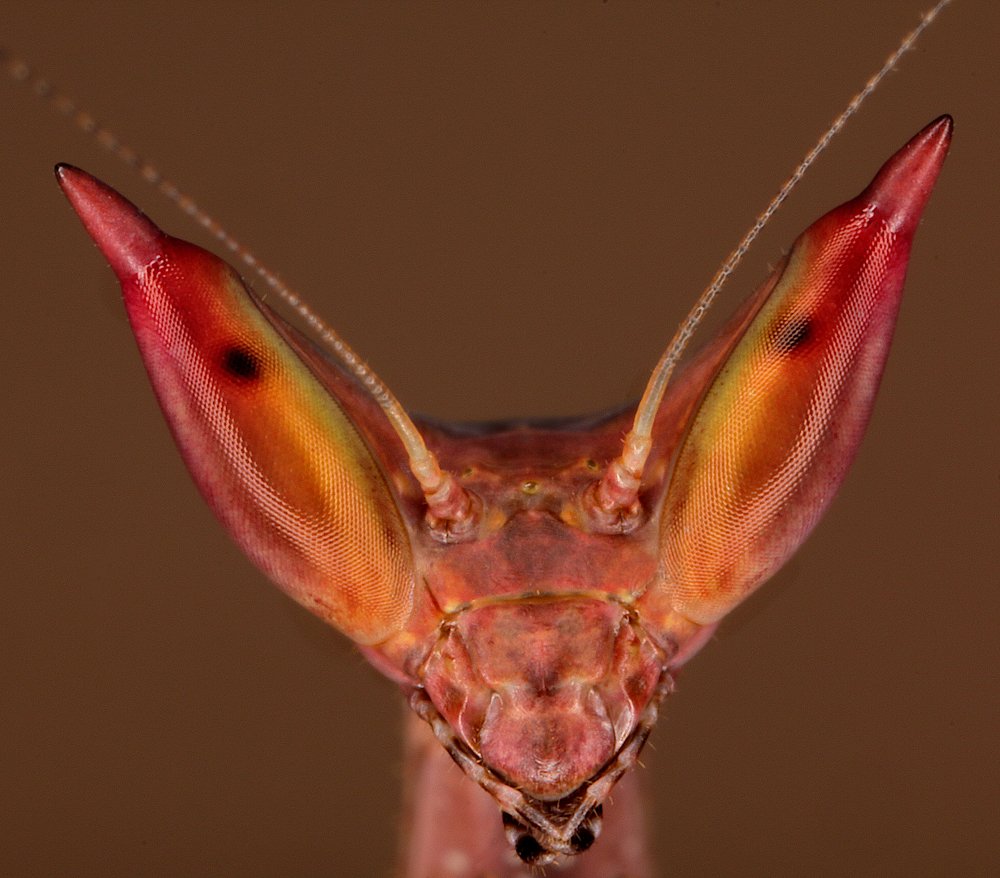
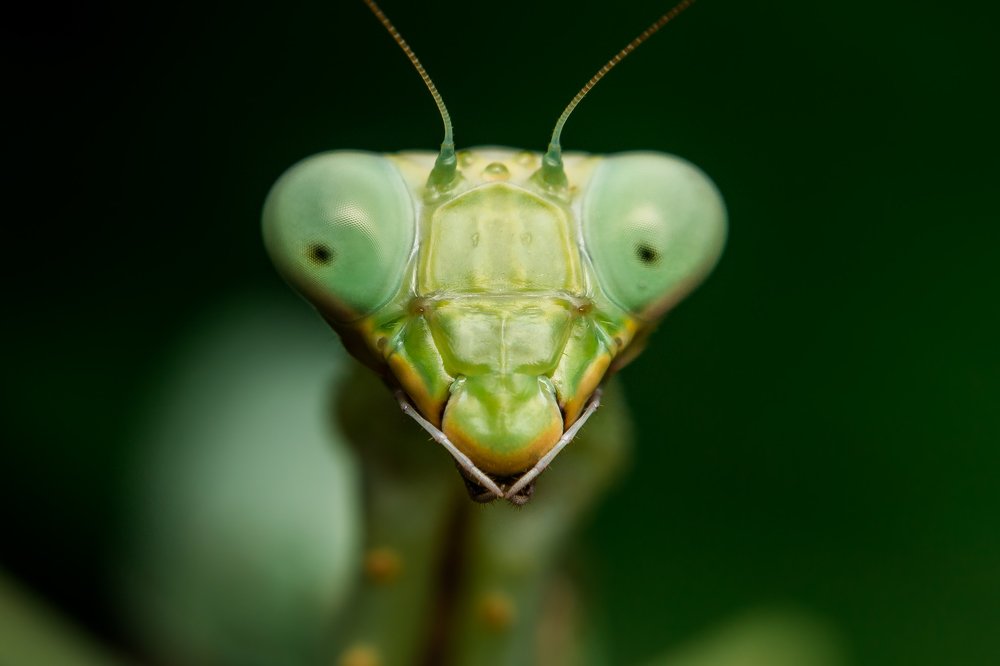
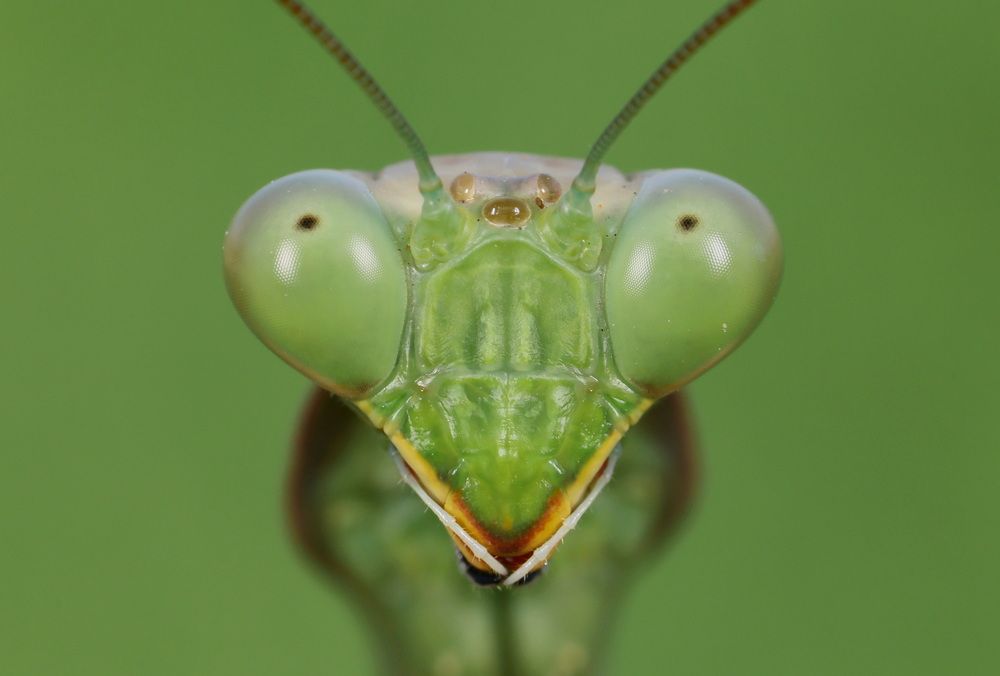
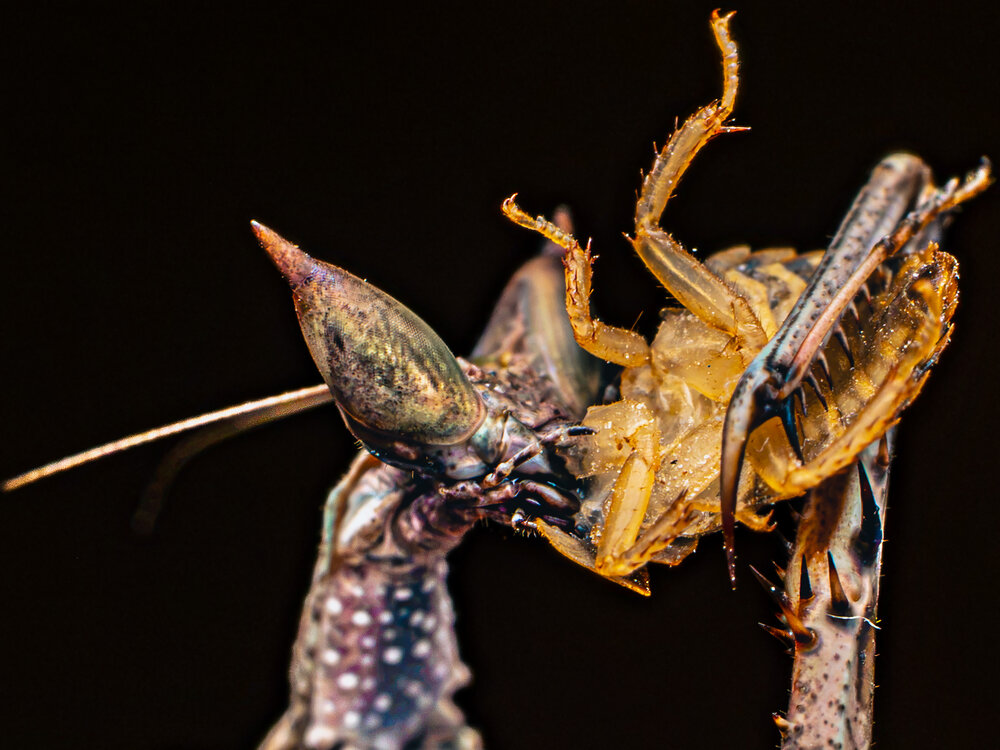
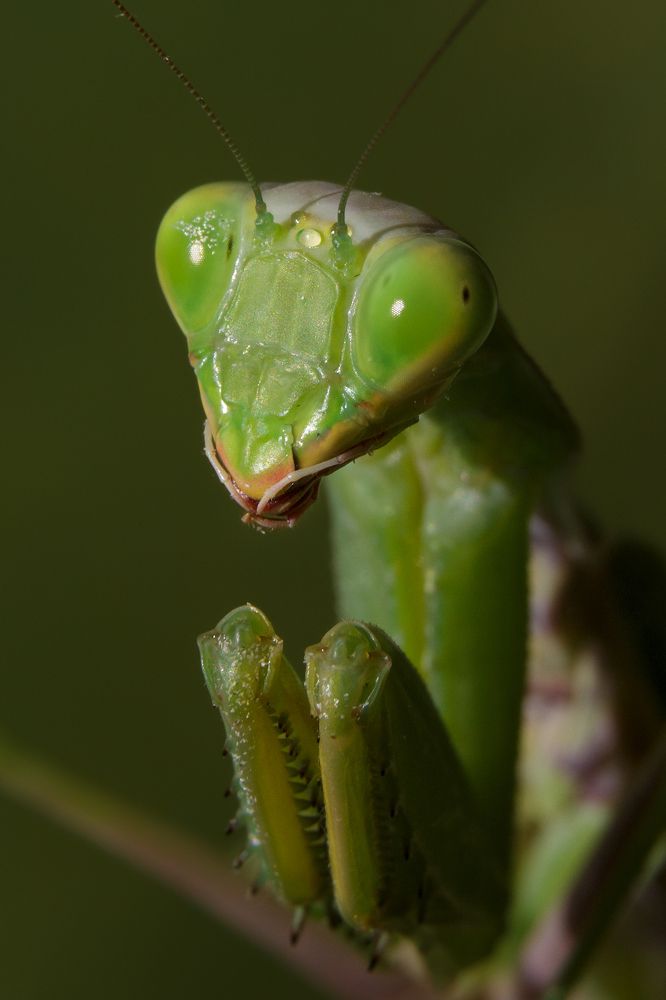
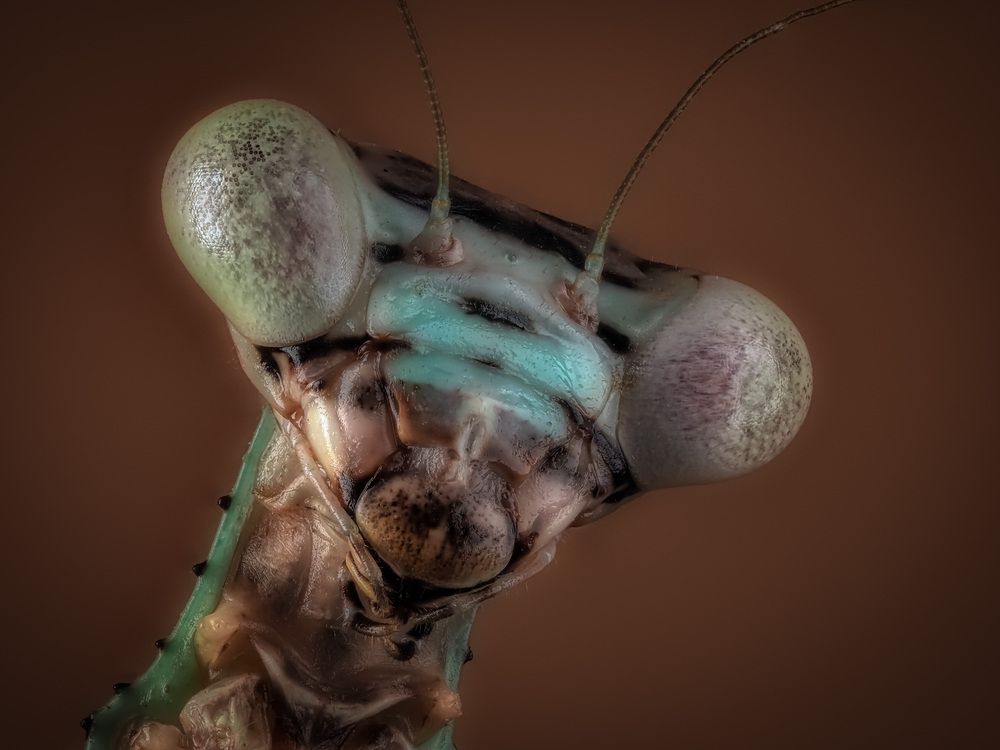
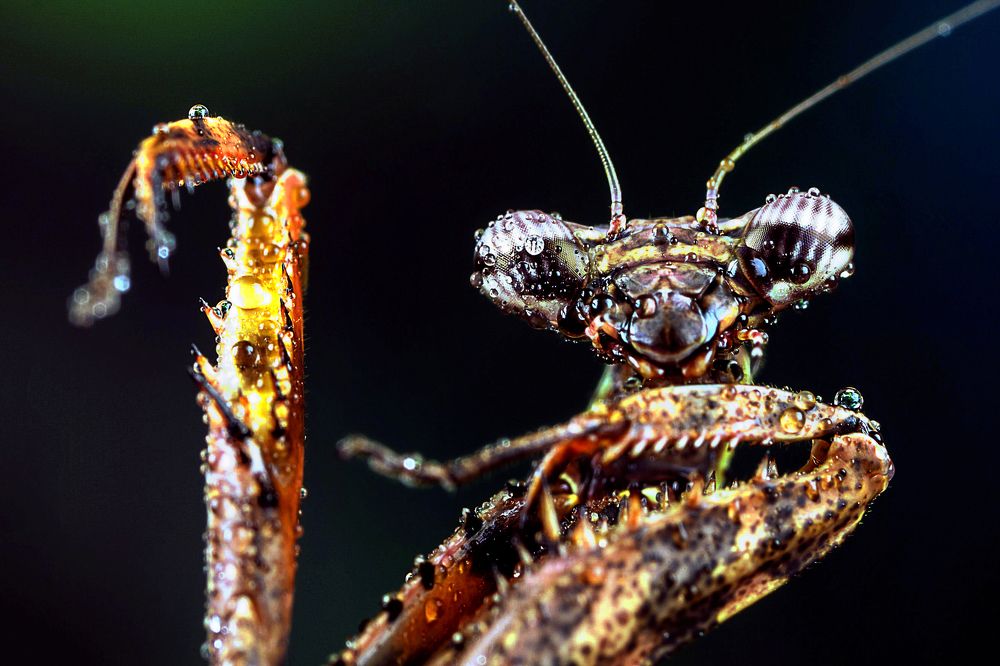
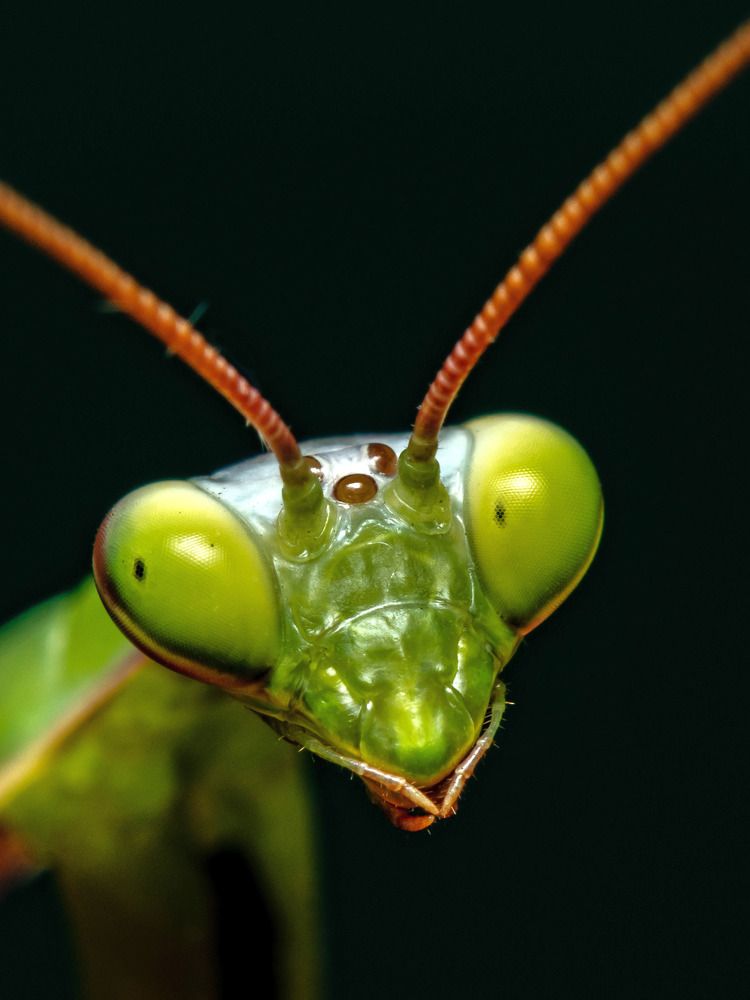
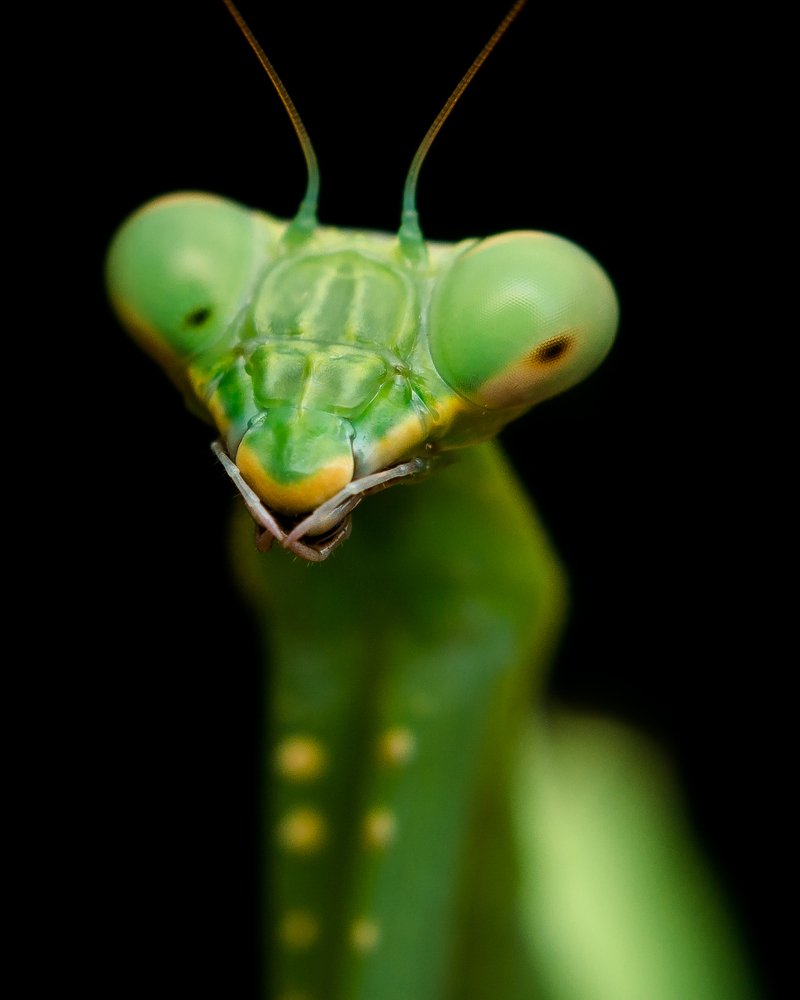
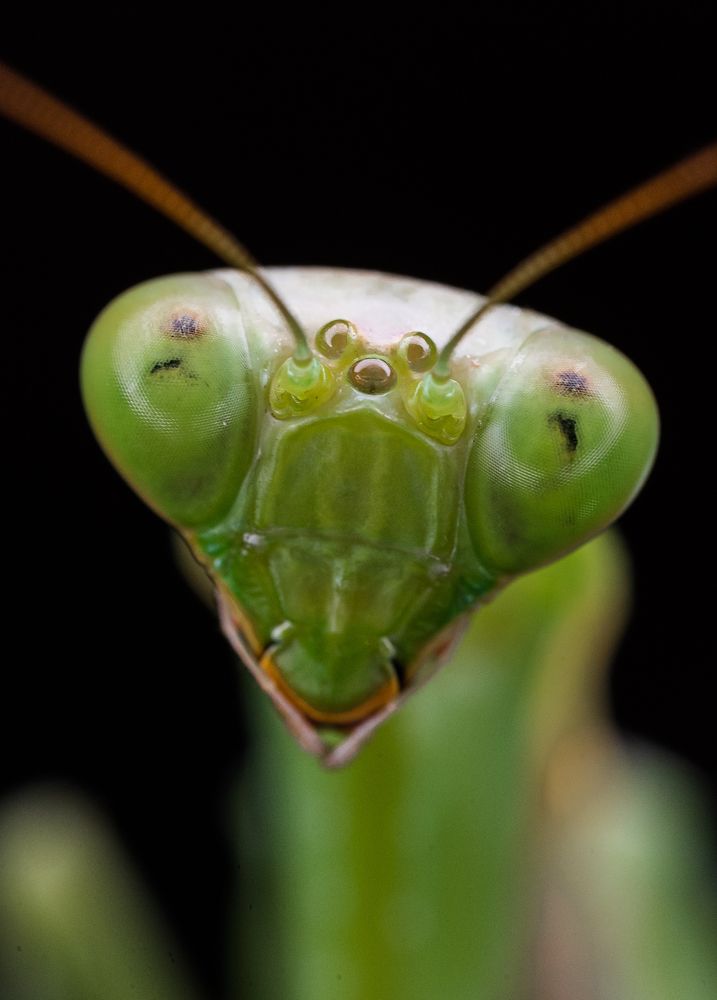
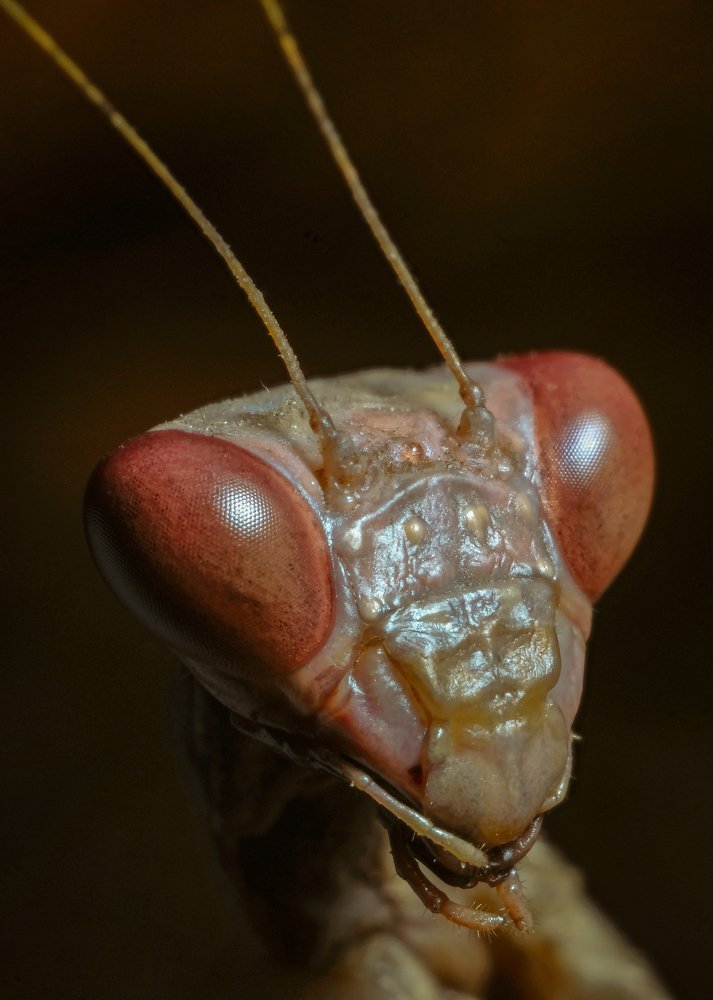
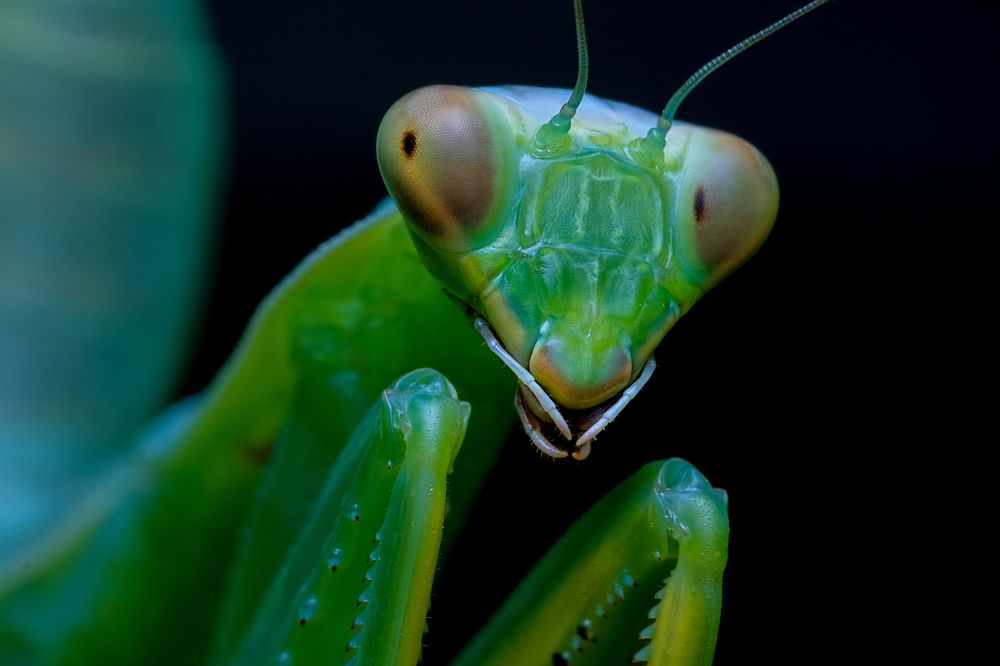
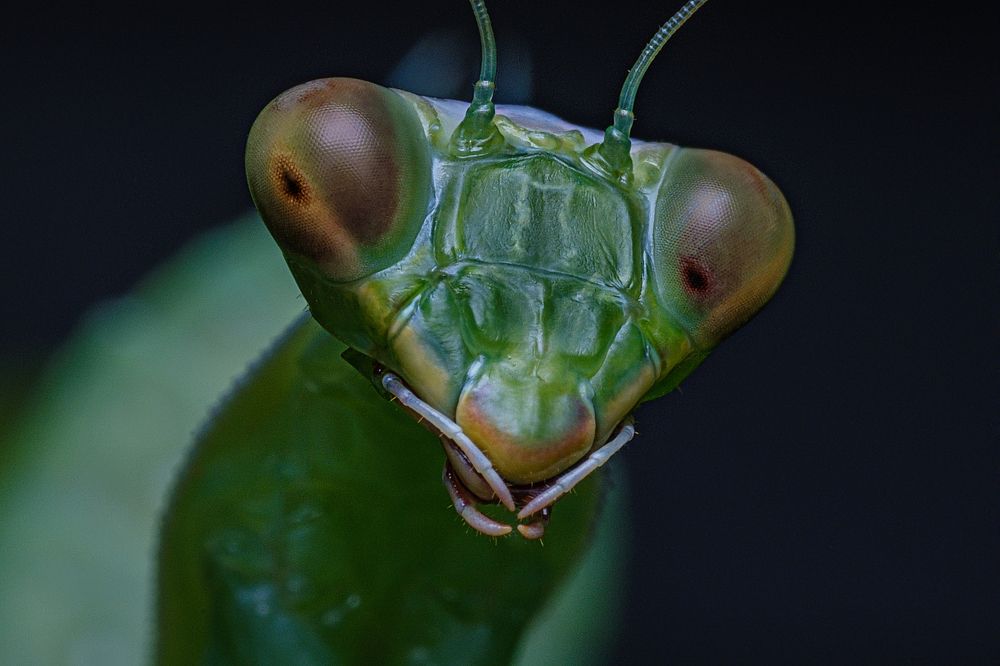
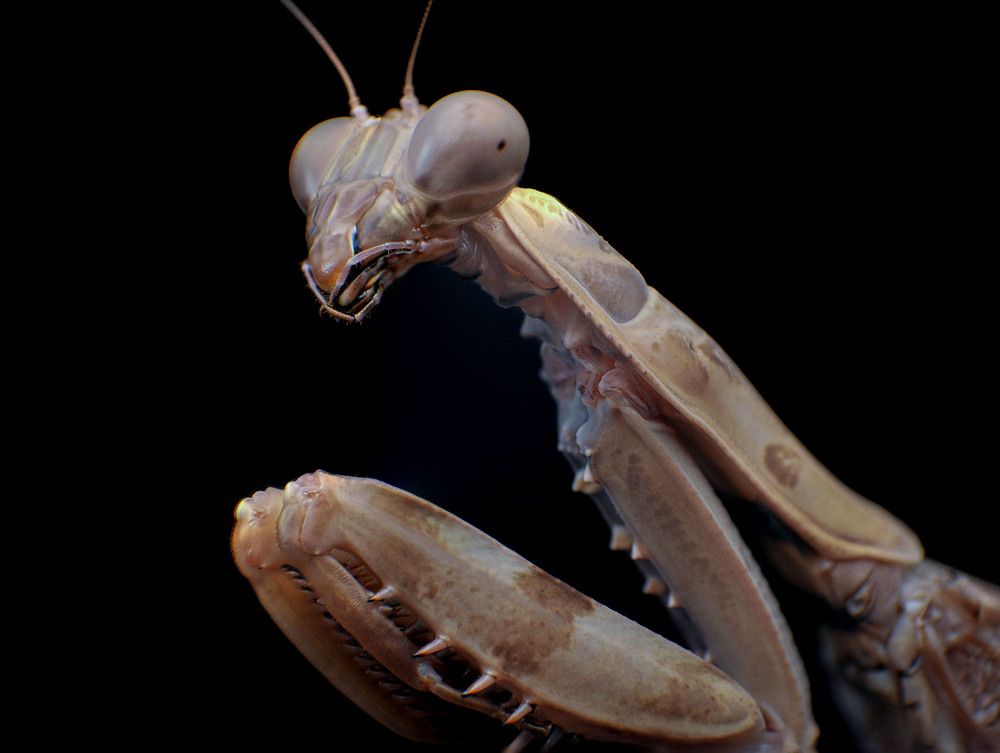
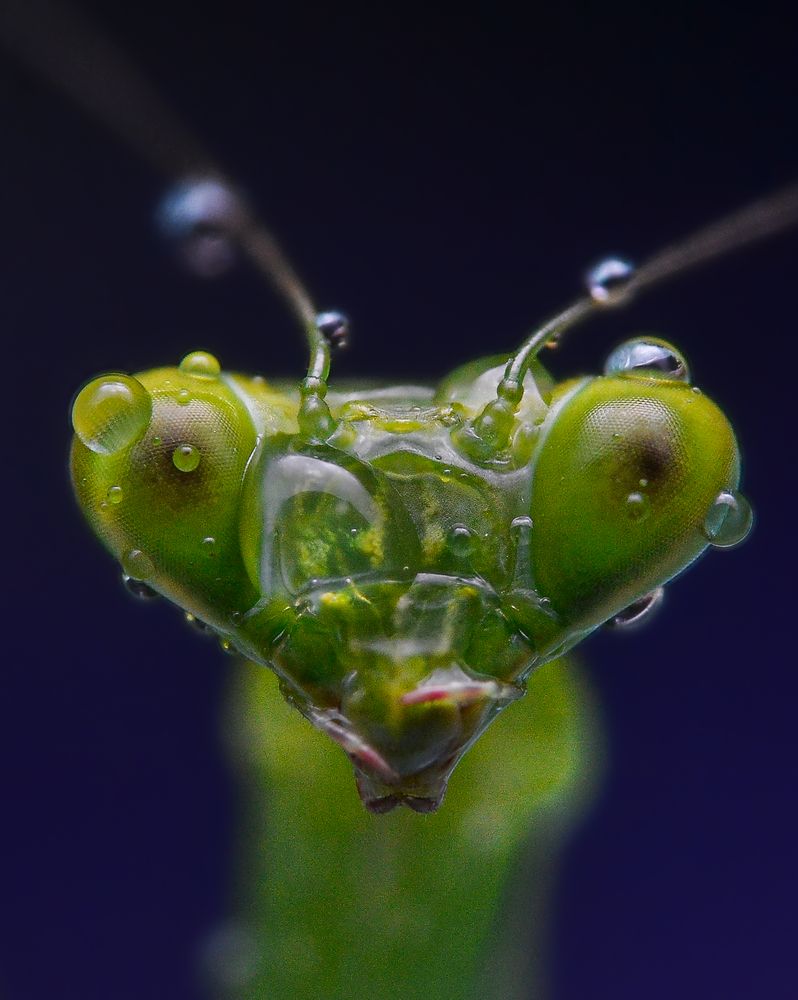
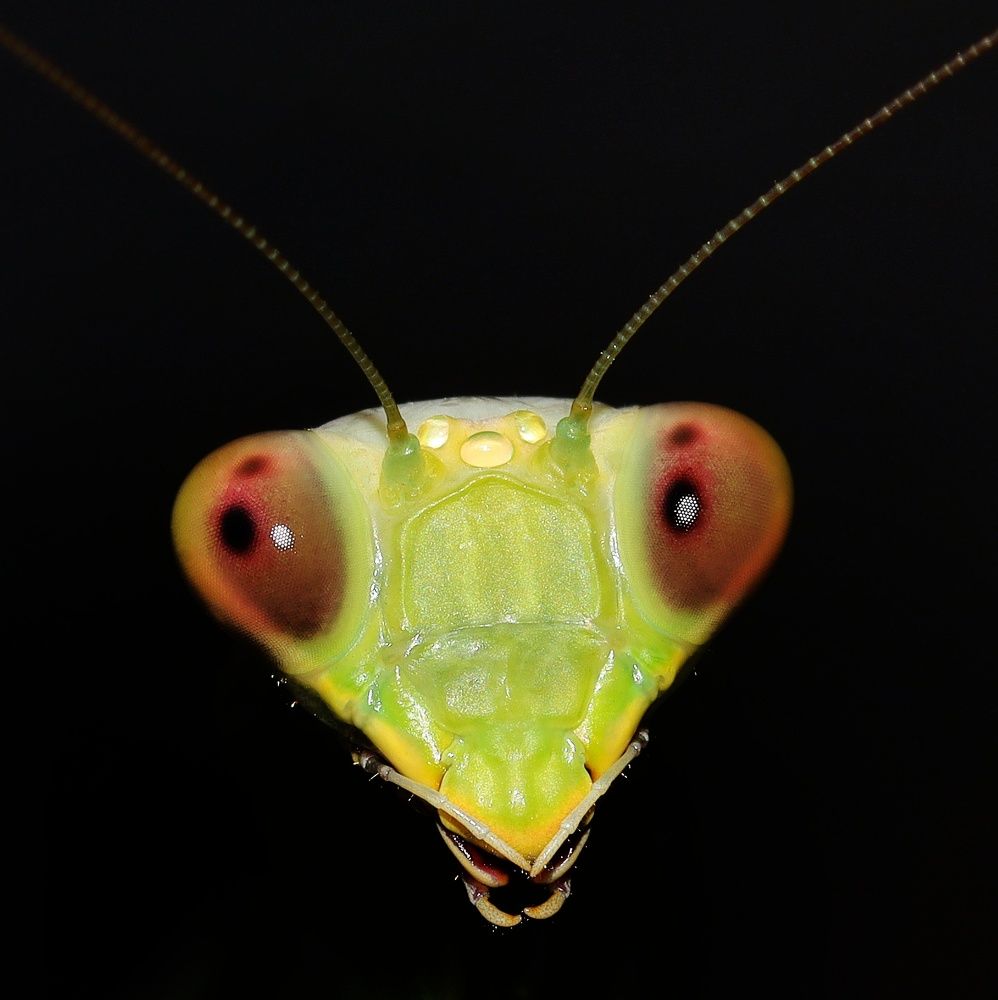
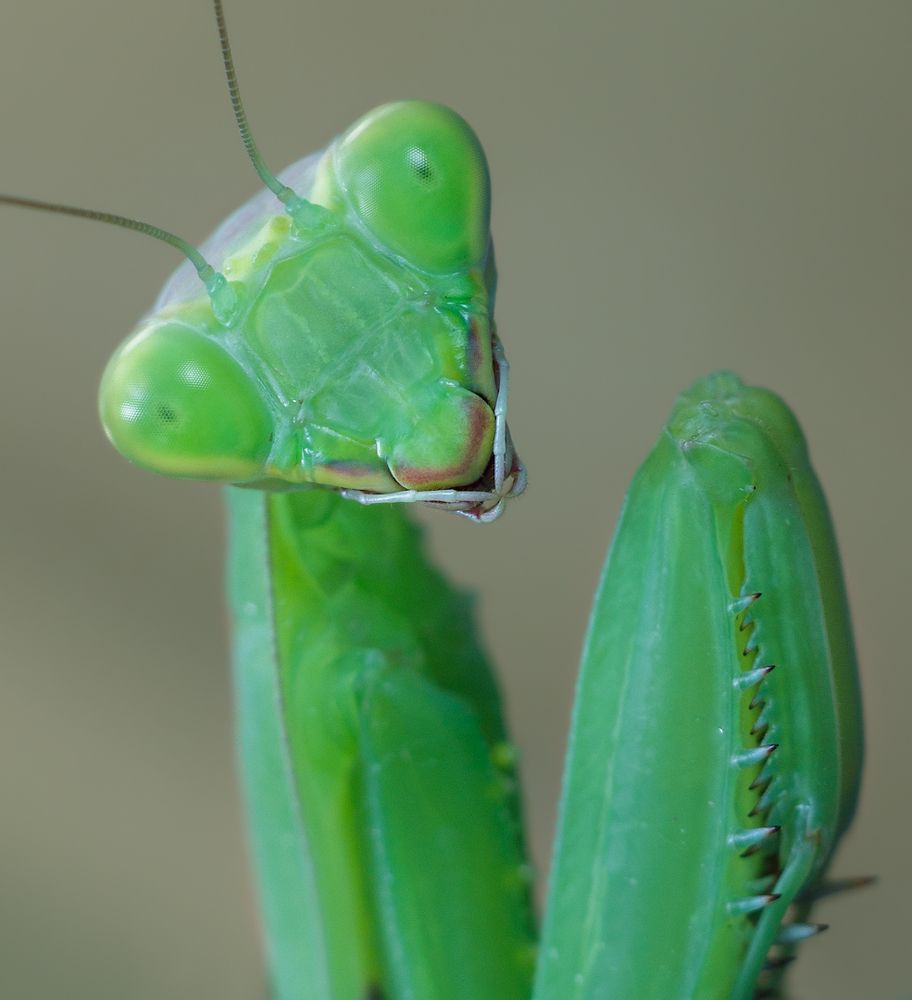
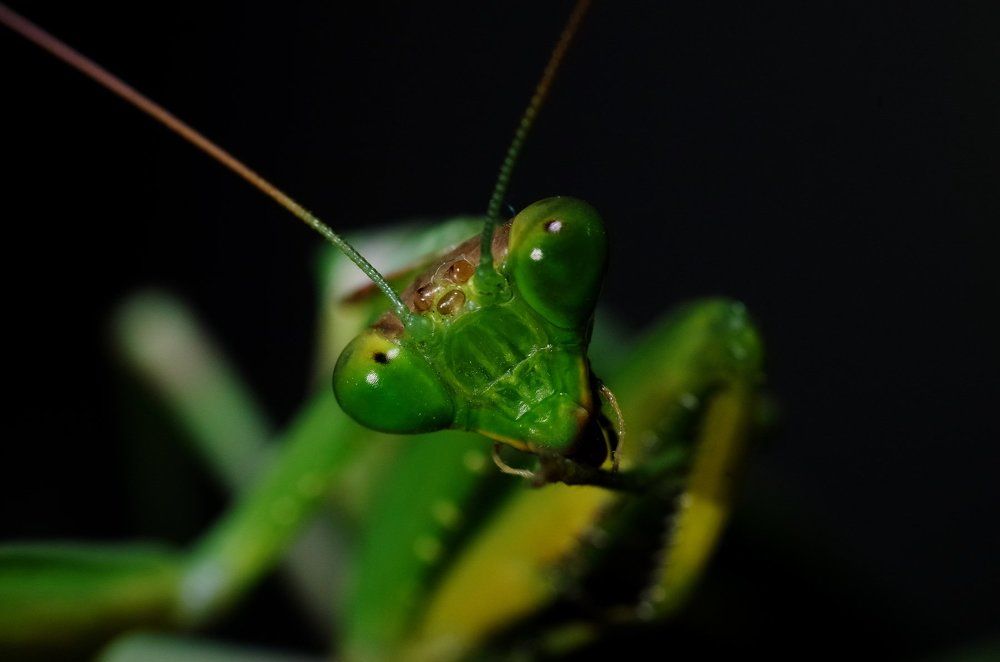
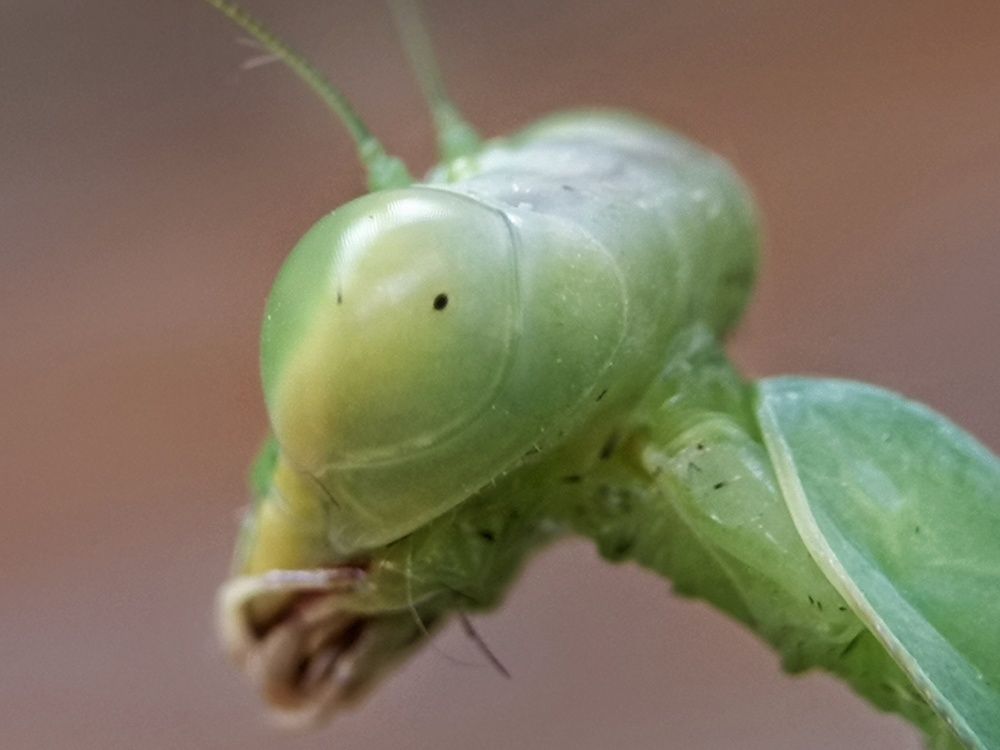
These images present macro portraits of praying mantises. The photographer utilizes high magnification to isolate the insect's head and compound eyes against blurred backgrounds. This technique emphasizes the texture of the exoskeleton and the geometric arrangement of the visual organs. While the subjects vary in coloration from green to brown, the composition remains a consistent close-up view of the face. The group is united by the intimate perspective on the mantis's facial structure.
How to shoot it
🕐 Time of day
Most shot between 19:00 and 22:00 (33% of frames)
Based on 24 frames with camera data. Camera clock time; the time zone is unknown.
Shooting mostly took place in the evening (20–21 h) and during the day (13–15 h). Evening light can be softer but requires stabilization or a tripod due to longer shutter speeds.
🗓️ Season
Most shot in: February, August, July
Based on 24 frames with camera data
Active shooting was recorded in February, July, August, and November. Mantises are active in the warm season (summer), but some shots were taken in winter, possibly in a greenhouse or under artificial lighting.
🎒 Gear
Use a macro lens with a focal length of 50–135 mm (median 65 mm) for detail on eyes and shell. Aperture f/10 provides necessary depth of field, while ISO 200 allows working in natural light.
Cameras and lenses the authors used (10)
Nikon D3100 4Olympus E-M1MarkII 4Fujifilm X-T3 2Canon EOS 700D 2Fujifilm X-T1 1OLYMPUS M.60mm F2.8 Macro 4AF-S DX VR Zoom-Nikkor 18-55mm f/3.5-5.6G 2Canon MP-E 65mm f/2.8 1-5x Macro Photo 2Tamron SP AF 90mm F2.8 (172E) 1Canon EF 50mm f/1.8 II 1
🧳 What to bring
Spare batteries for evening work (20–21 h), tripod or monopod for stabilization, flashlight with red filter to find insects without stress, insect repellent, and rain cover for equipment.
⚙️ Settings
Shutter 1/160 (1/250 – 1/30)Aperture f/10 (f/1 – f/14)ISO 200 (100 – 640)Focal length 65 mm (50 – 135)
Based on 21 frames with camera data. Median and 10-90% range across the idea frames.
Key parameter is aperture f/10 (median), providing depth of field for eye details. Median shutter speed 1/160 s, ISO 200.
⚠️ Good to know
Shooting was done in natural conditions and under artificial lighting (winter shots). Avoid stressing the insect: use red flashlight light and do not touch it with hands.
📈 How the idea developed
works uploadedshare of all site uploads, per 100k
The date is when the file was uploaded to the site. The chart counts works assigned to the idea.
✅ How to repeat it
- Shoot at the insect's eye level to achieve a direct gaze effect into the lens.
- Use a dark background or side lighting to highlight the texture of compound eyes.
✨ Interesting facts
- 🏆 How the best frame was shot: Fujifilm X-T1, 1/250, f/1, ISO 200, 55 mm
- 🔇 80% of frames were shot at ISO 400 or lower: almost no noise, any modern camera will do
- 🥇 3 works reached the finals. Best contest: Macro: Duet 2026
- 👤 Most frequent authors: Olga Link 4Kasun Wickramasinghe 2Jerian Dale Figueroa 2Mihail Nyzhnikov 2Алтуфьев Сергей 2
- 🌍 Authors by country: 🇷🇺 RU 8🇪🇪 EE 4🇺🇦 UA 3🇵🇭 PH 3🇮🇳 IN 2
🔗 Related ideas
Praying Mantis Portraits
in common: макро, глаза, насекомые
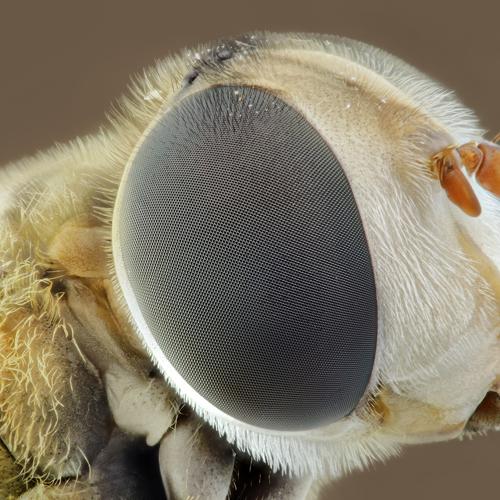
Macro Fly Portraits
in common: фасеточные глаза, детализация
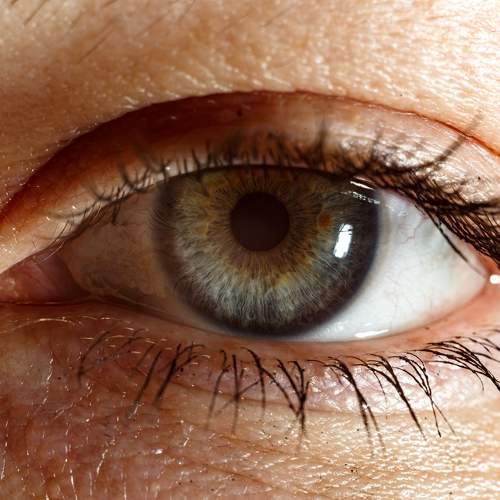
Extreme Close-Up Human Eye
in common: макро, глаз
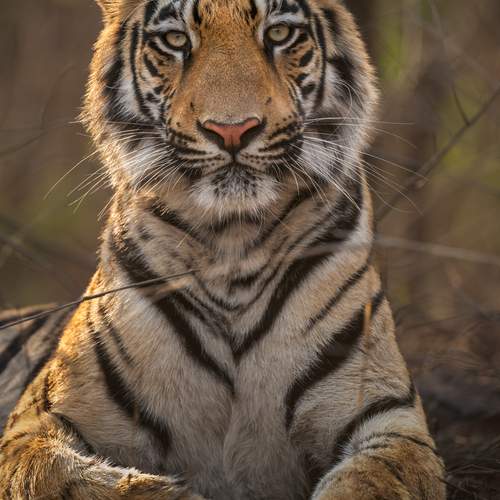
Tiger Face Portraits
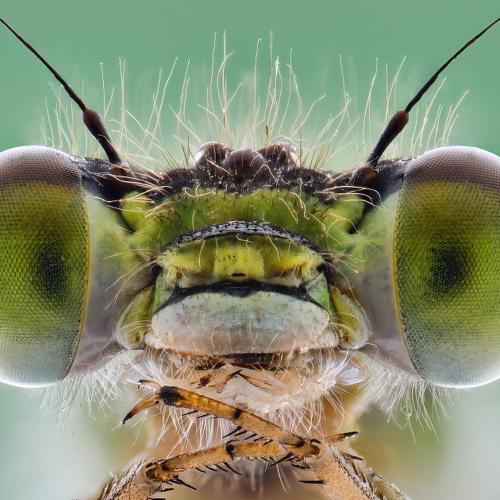
Damselfly Macro Portraits
in common: глаз, насекомое
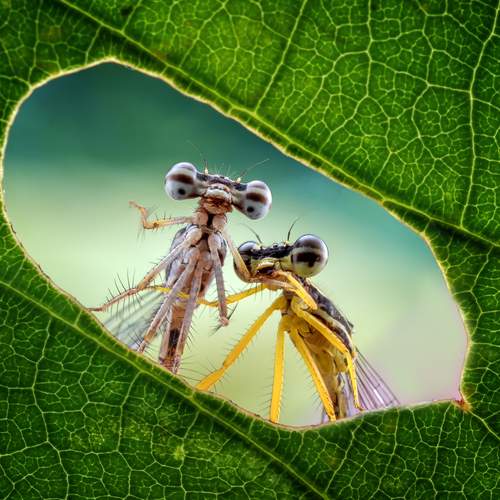
Insects Framed by Leaf Holes
in common: макро, насекомые, детализация
Some tips are prepared by AI from the idea description, photos and their EXIF. Check the rules and access to places before you travel.
Works
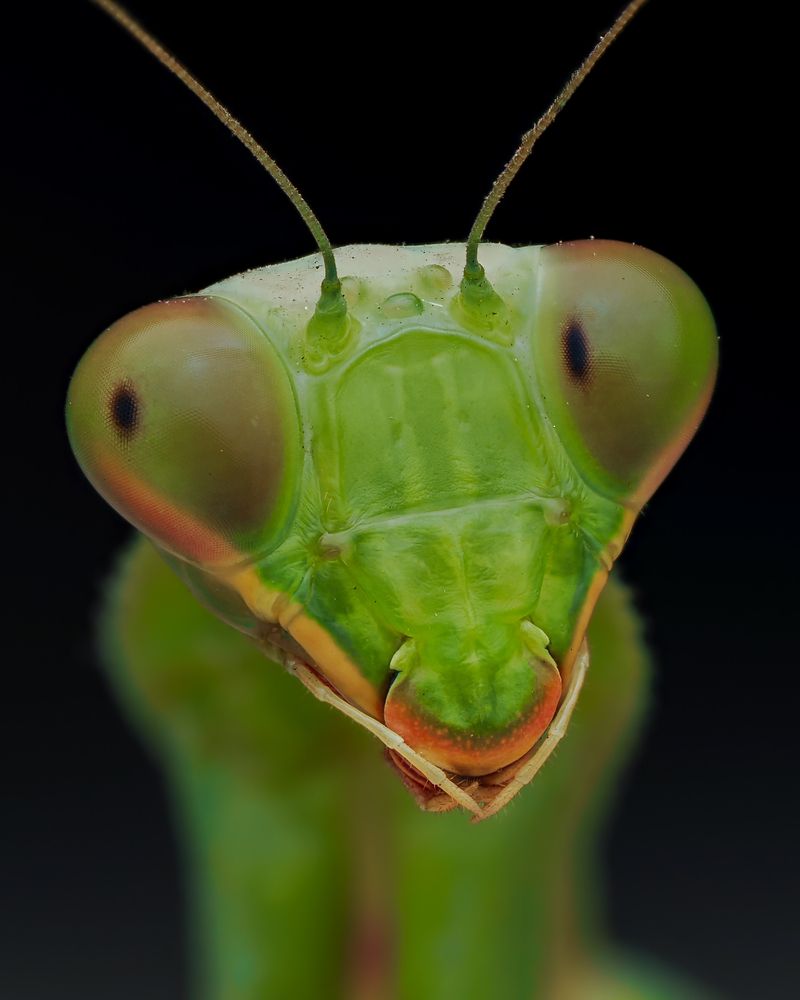
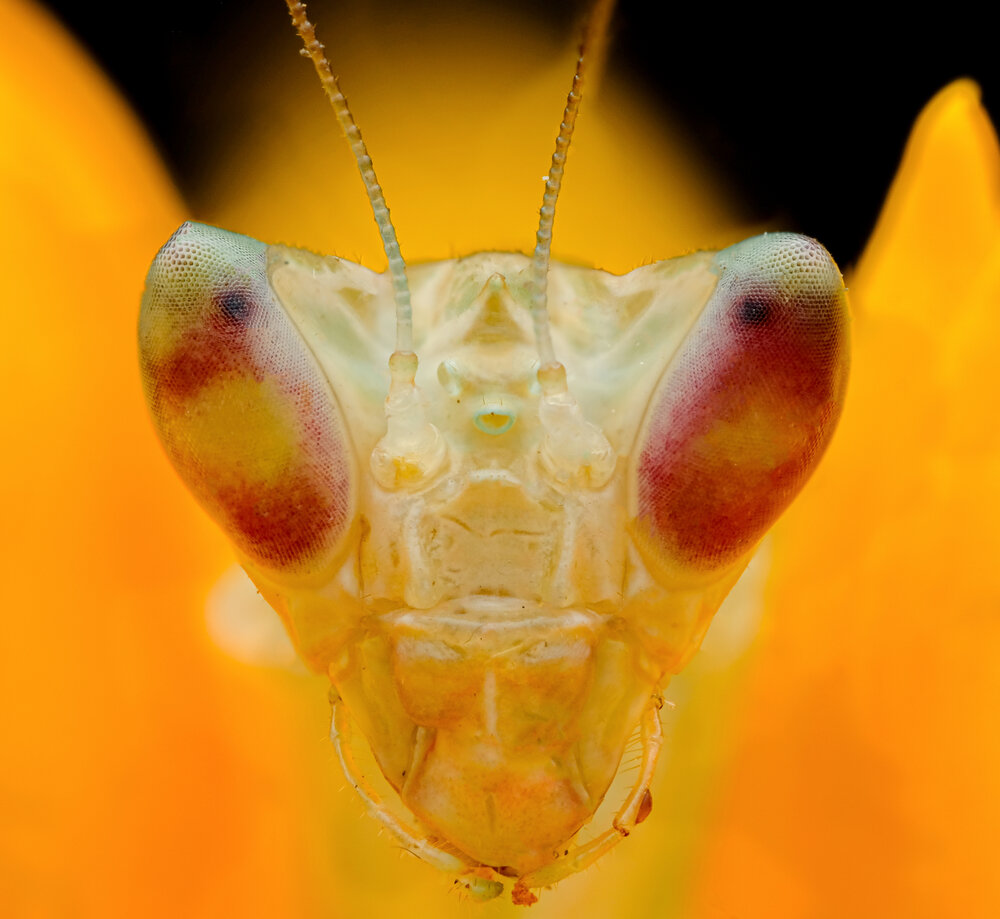
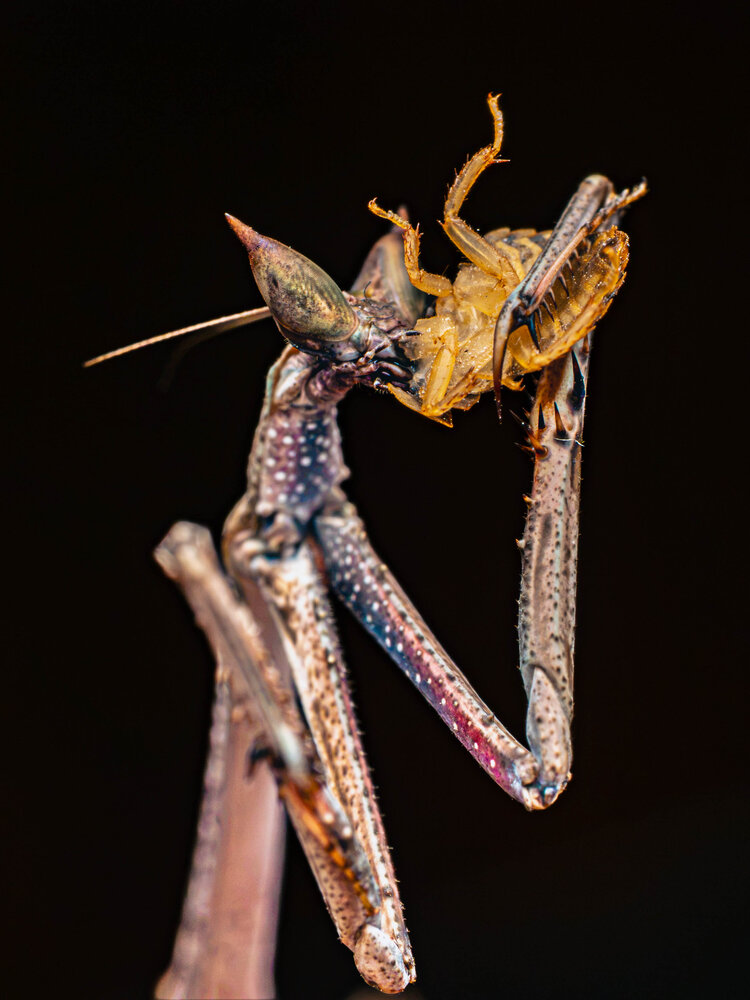
These lists are generated automatically and may contain inaccuracies. Photos are shown in random order, and selections are refreshed twice a day. This section is made for exploring photos and does not claim 100% accuracy. The lists include photos that previously participated in contests that are already completed.