Odonata macro portraits
84 worksFirst upload: Nov 2016Peak: 2026Last 12 months: 31
📝 Description
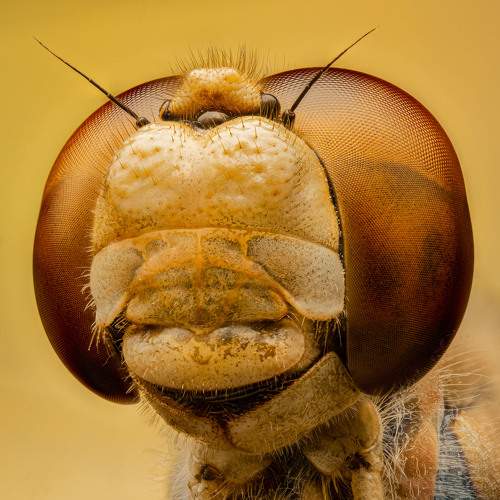
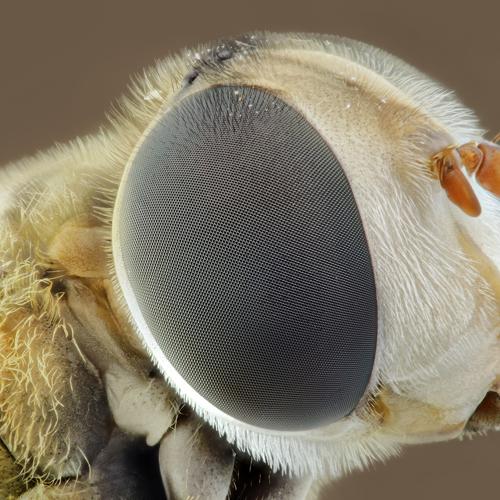
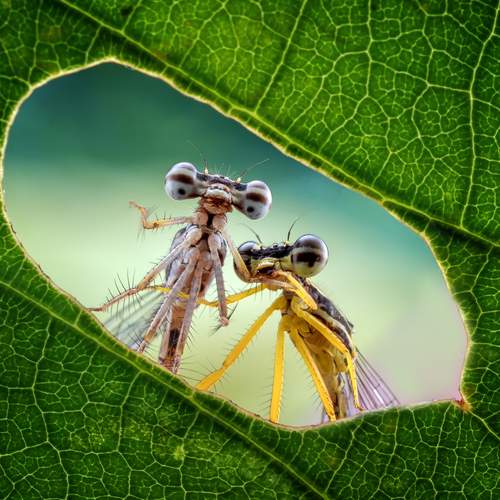
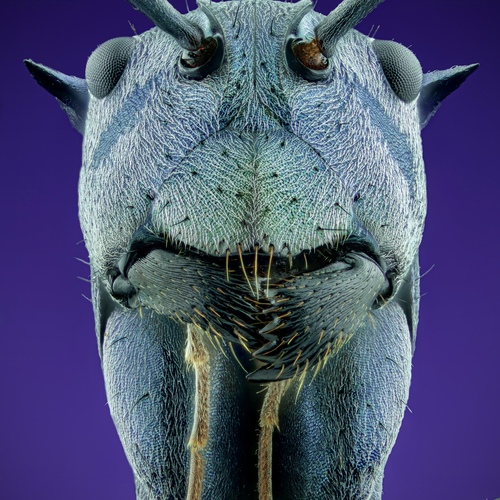
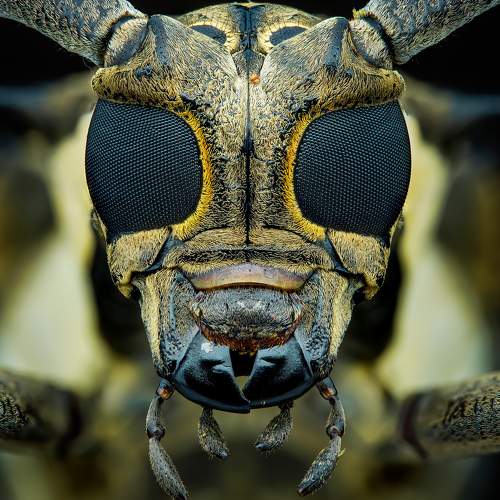
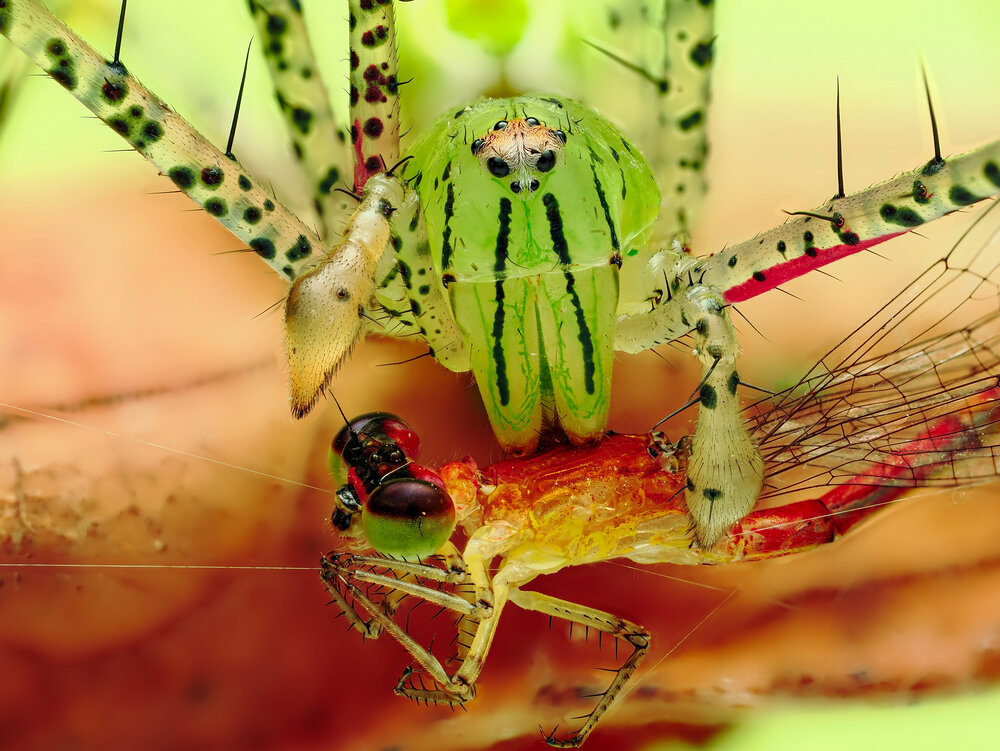
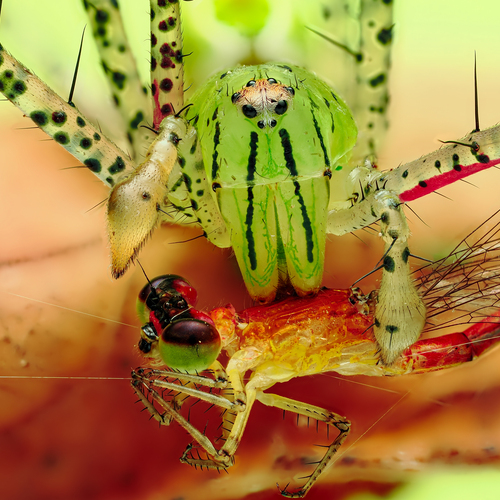
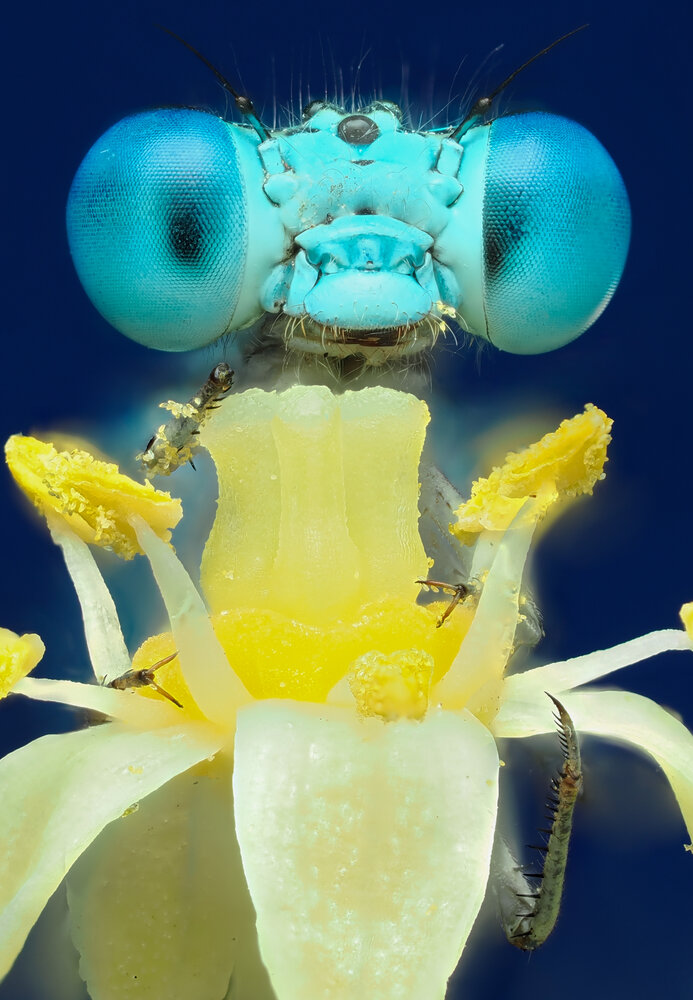
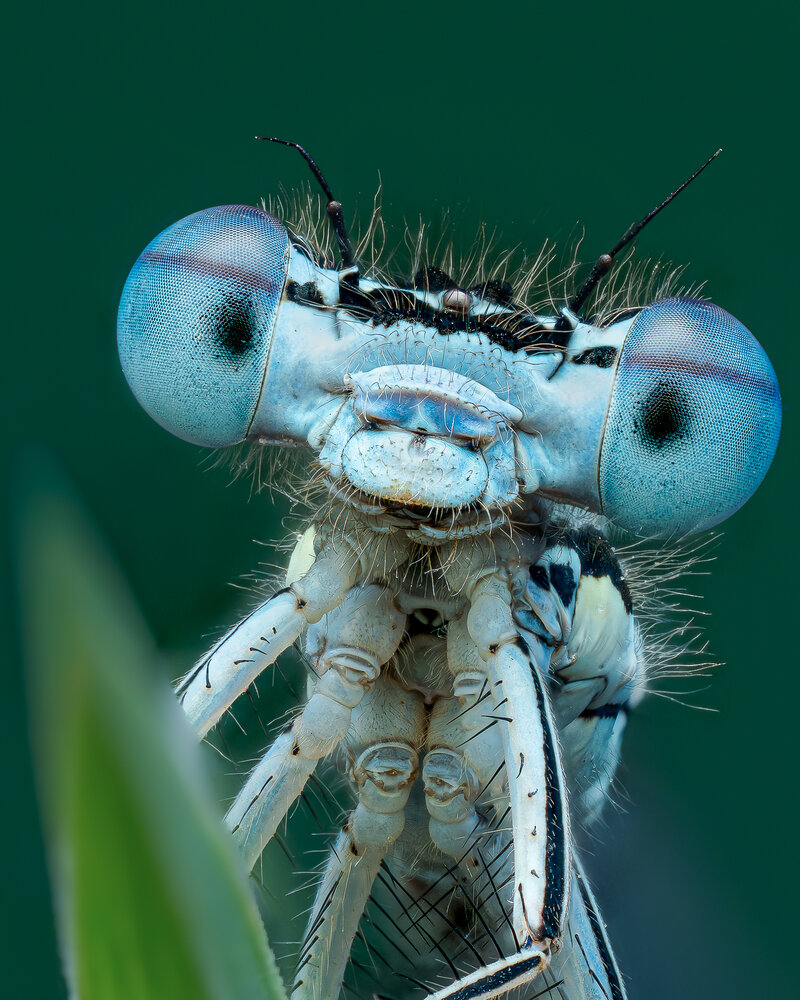
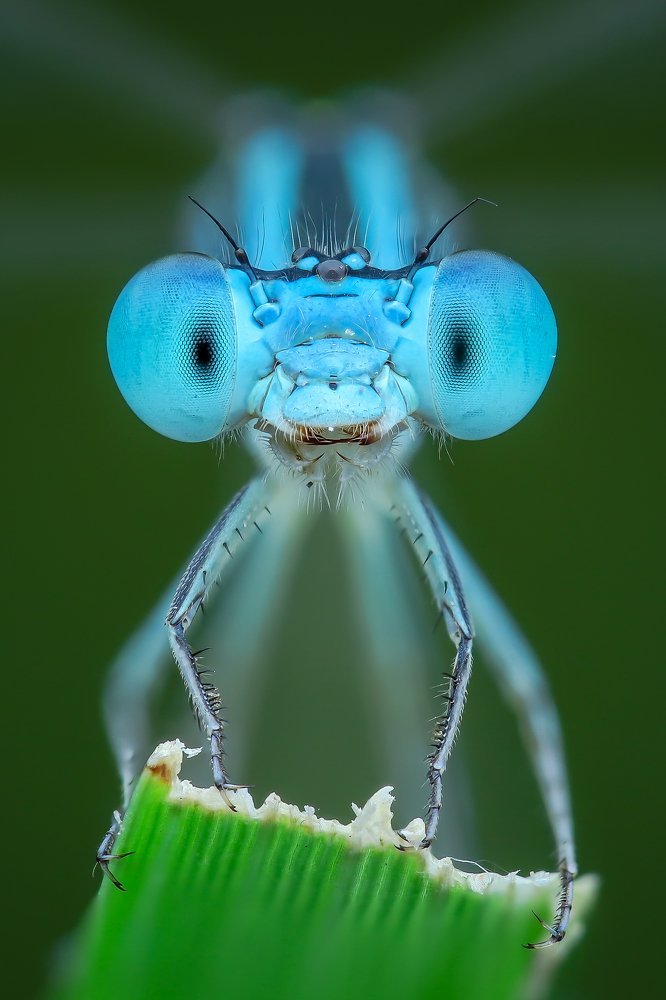
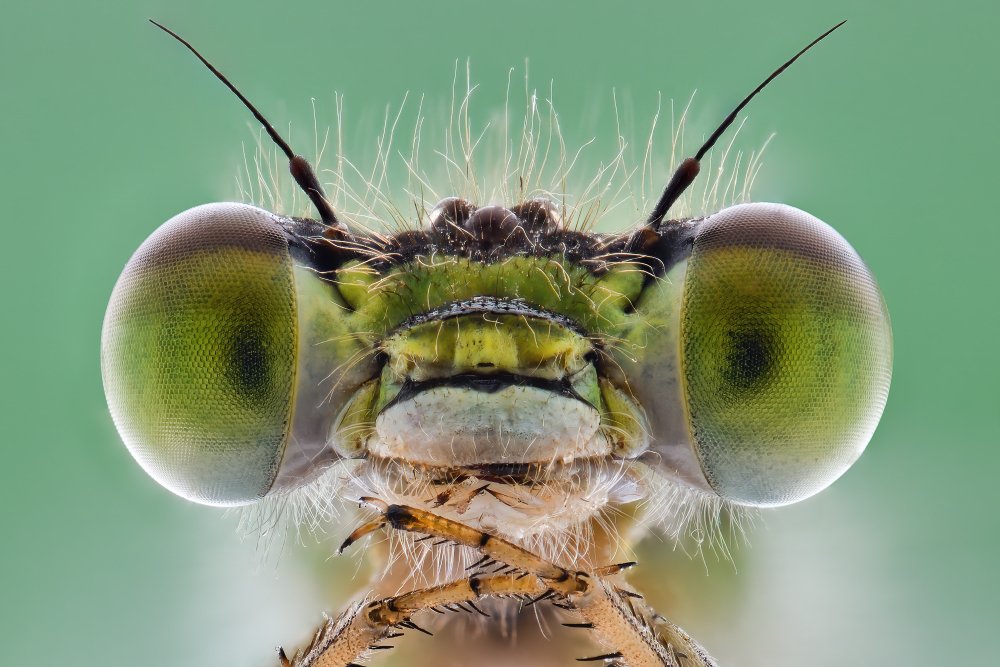
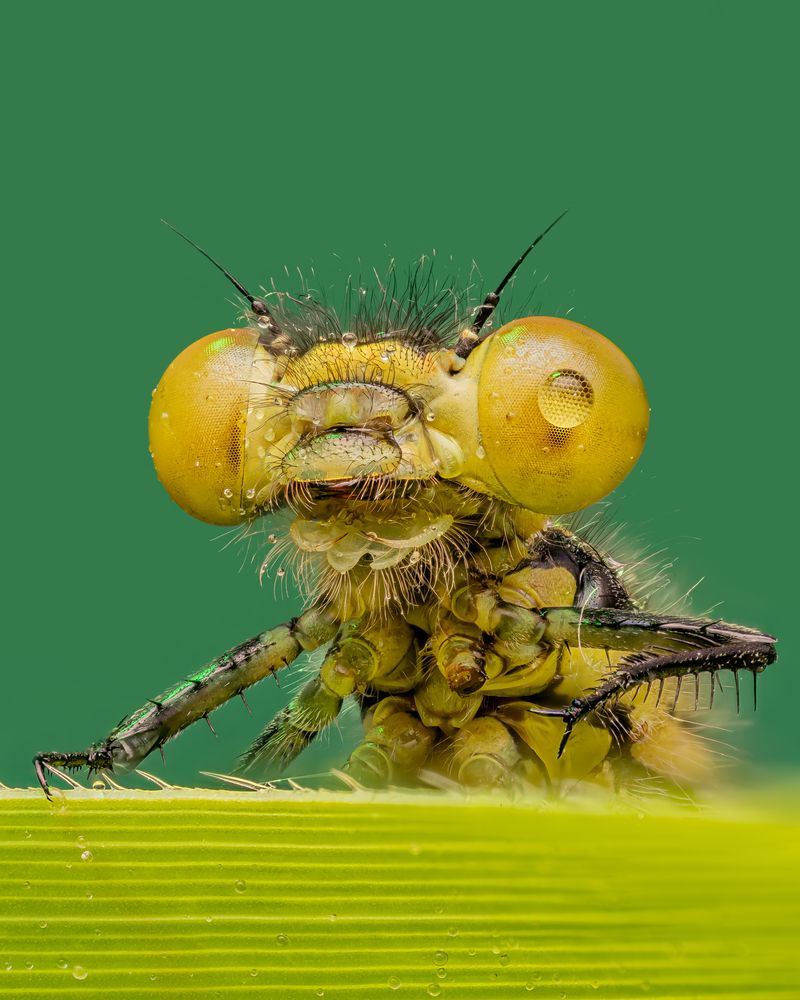
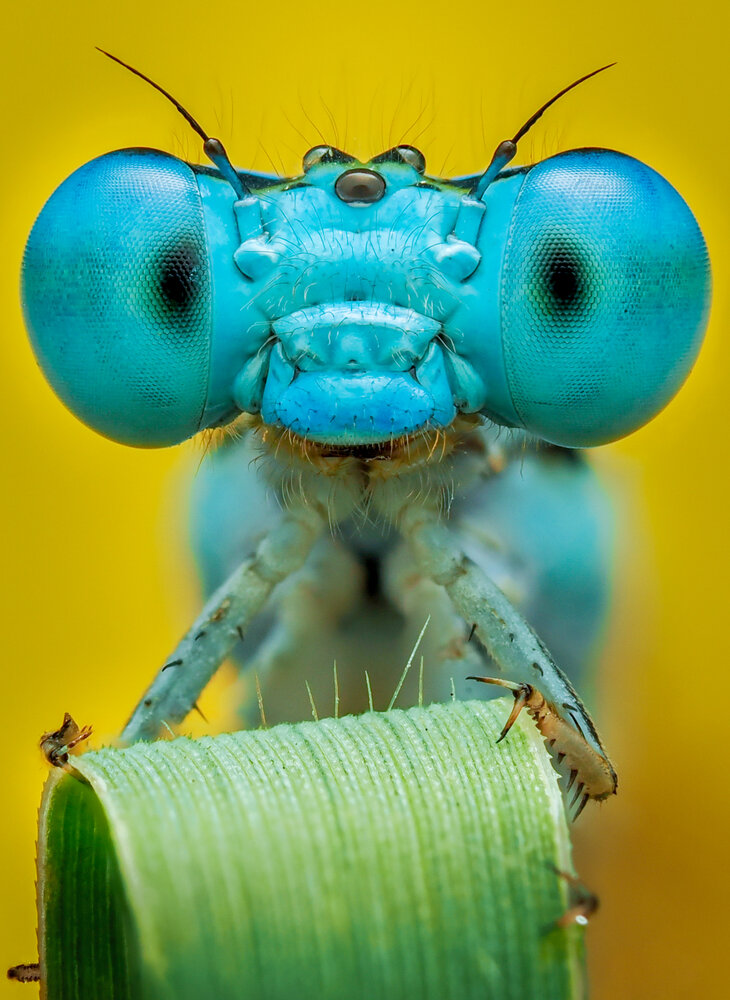
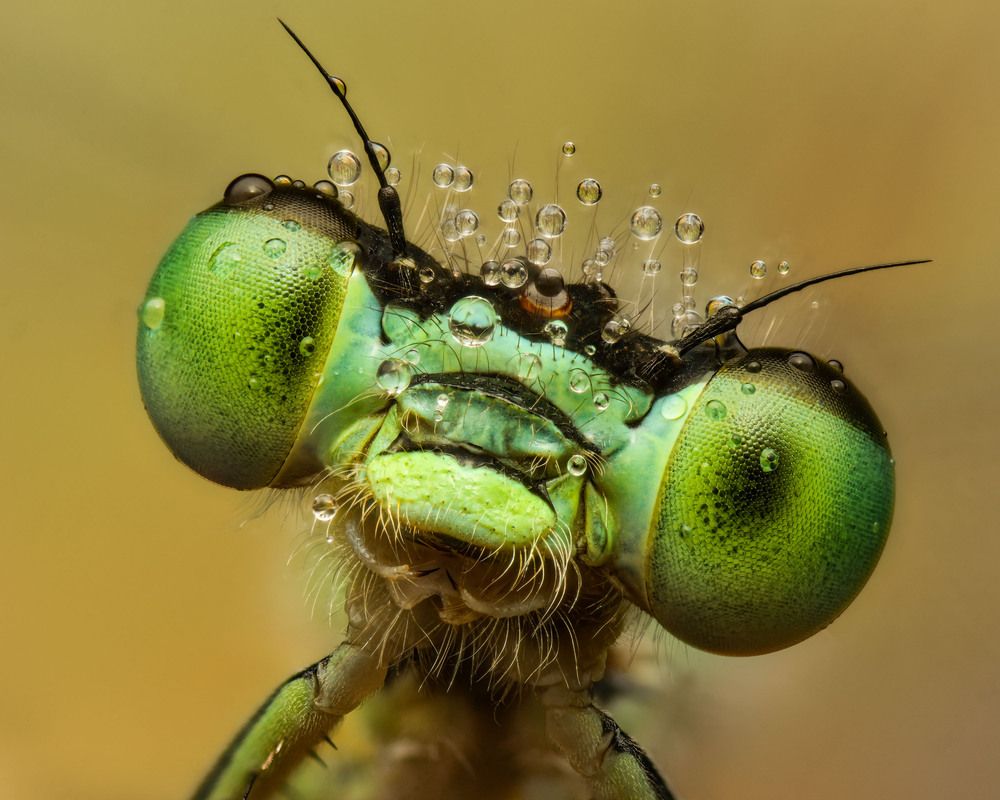
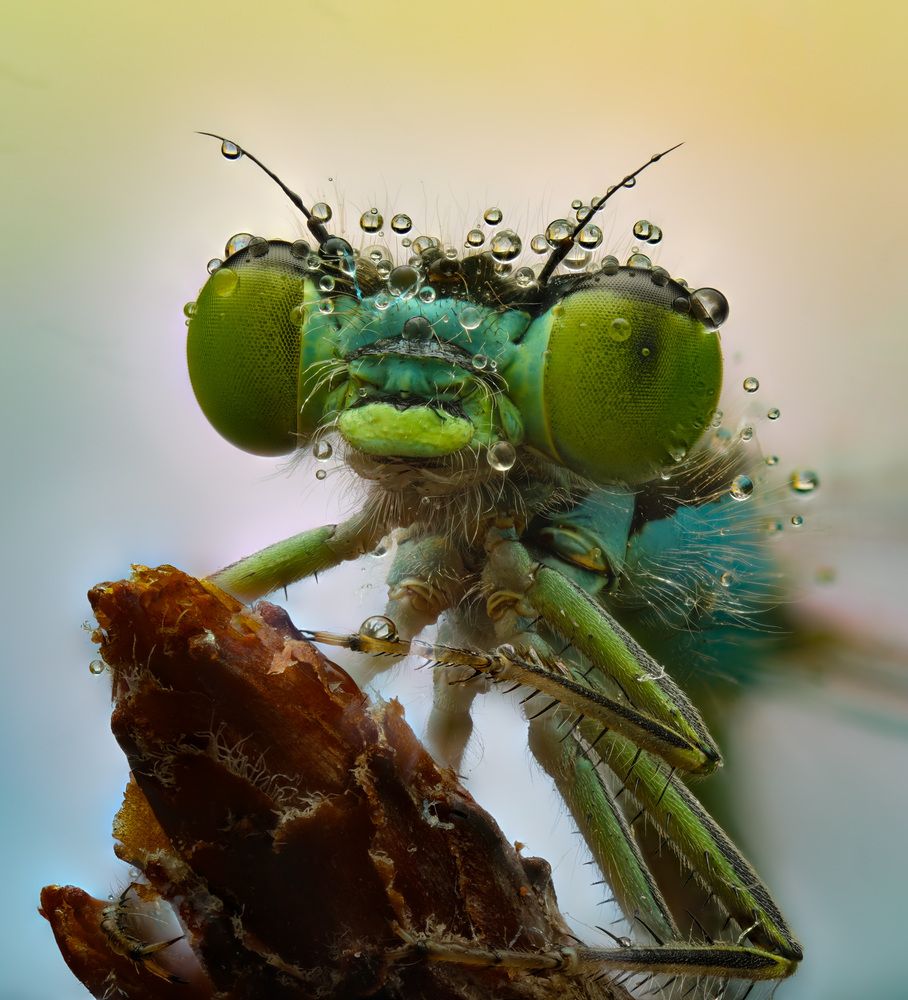
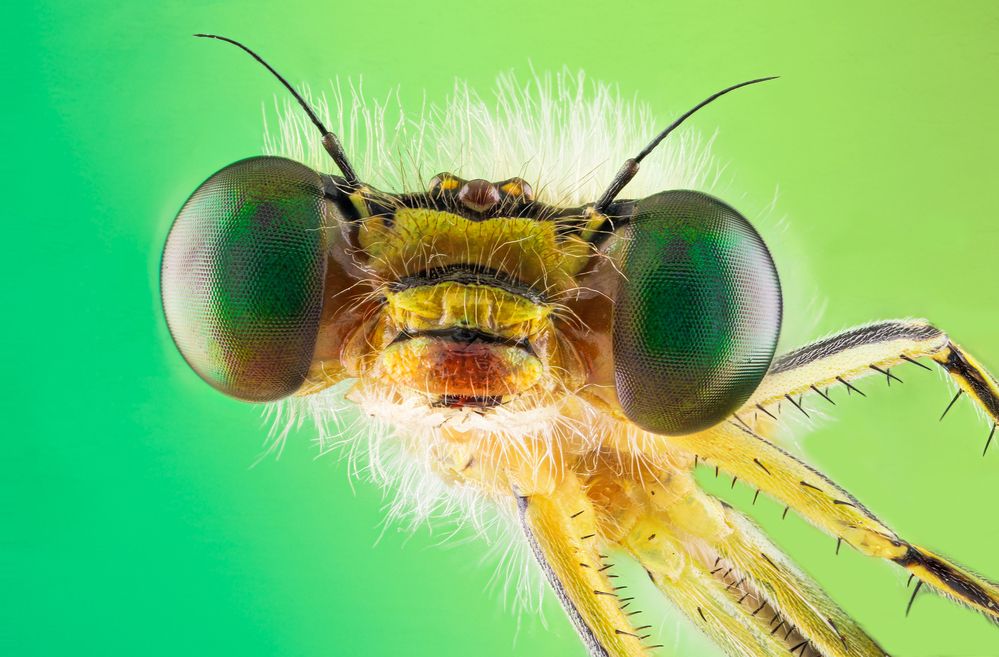
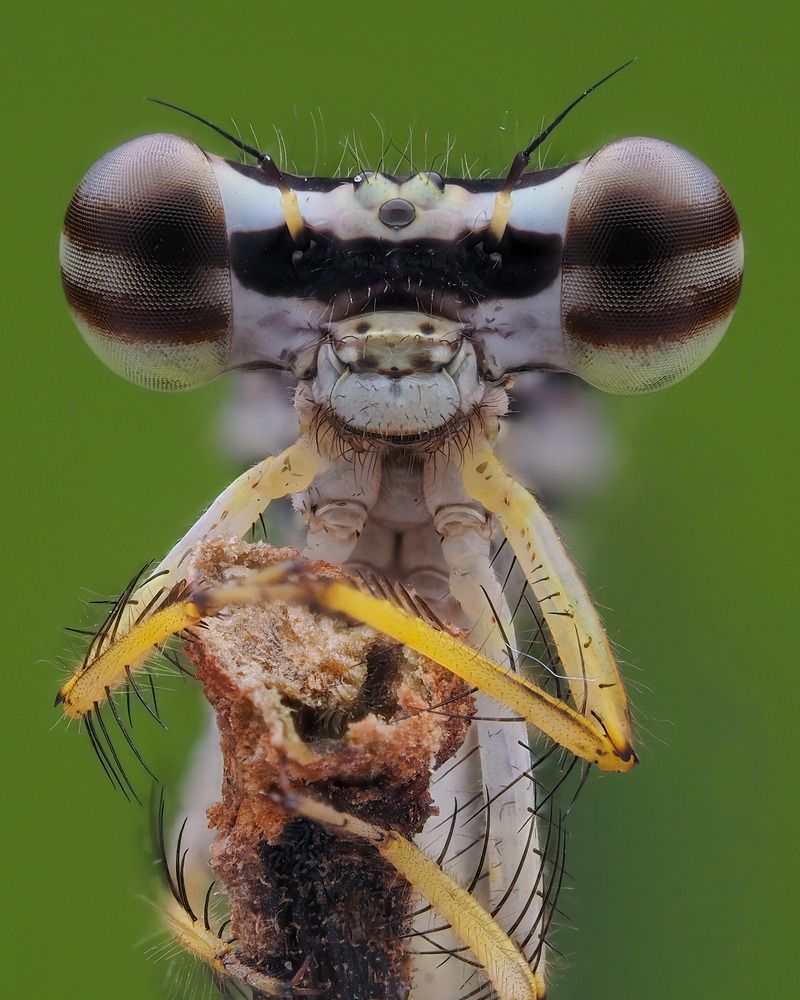
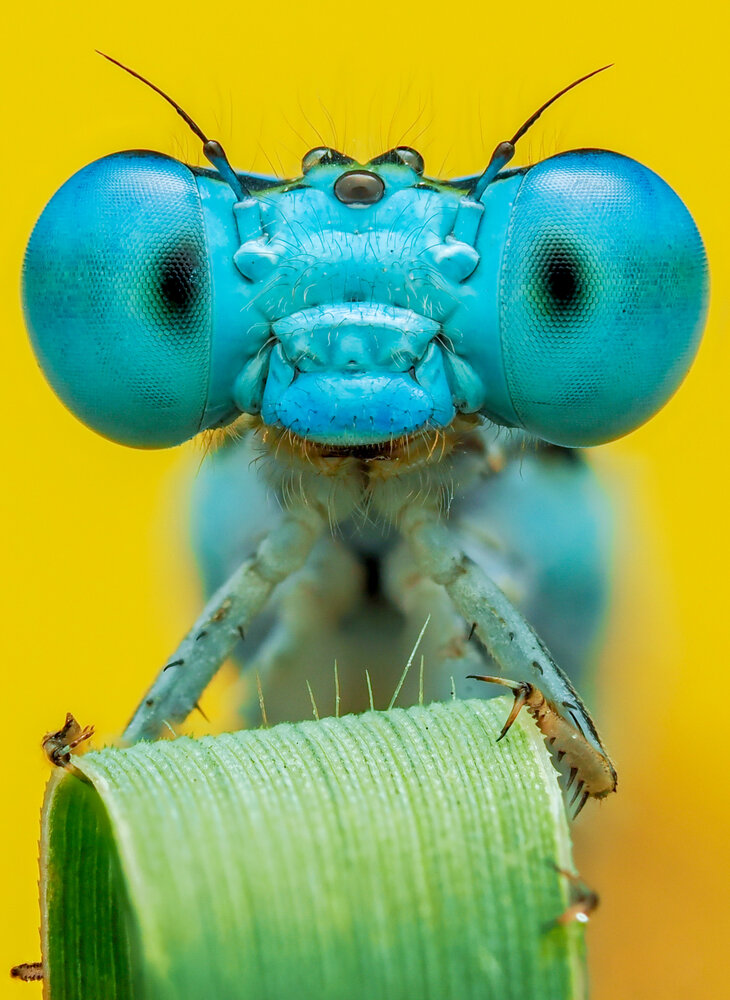
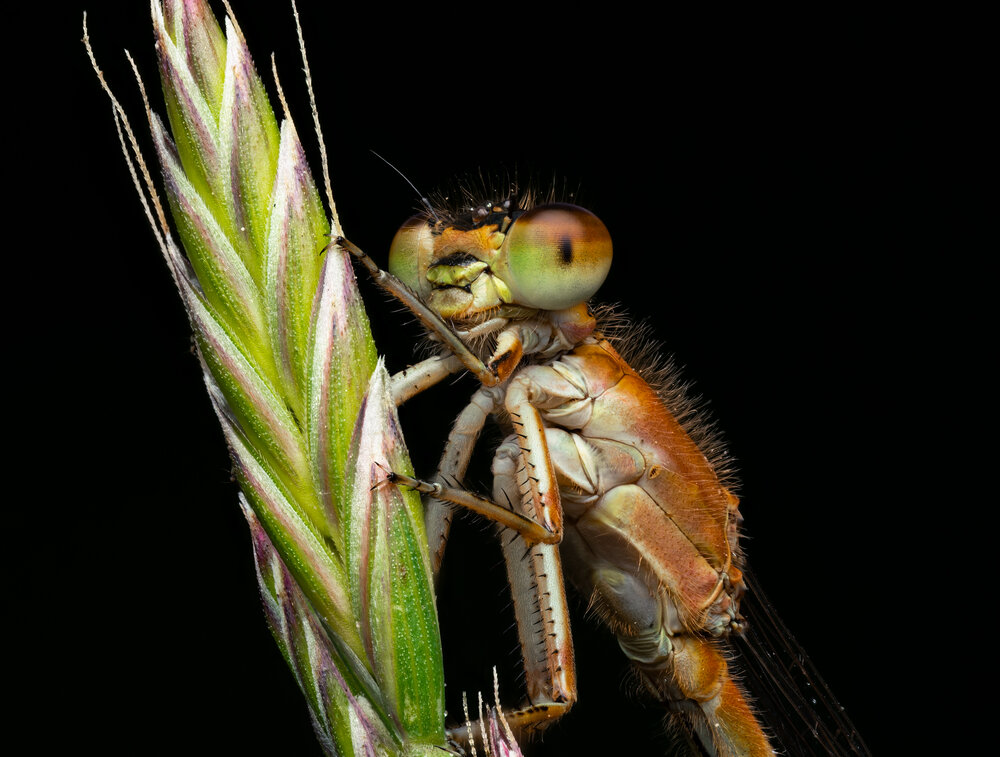
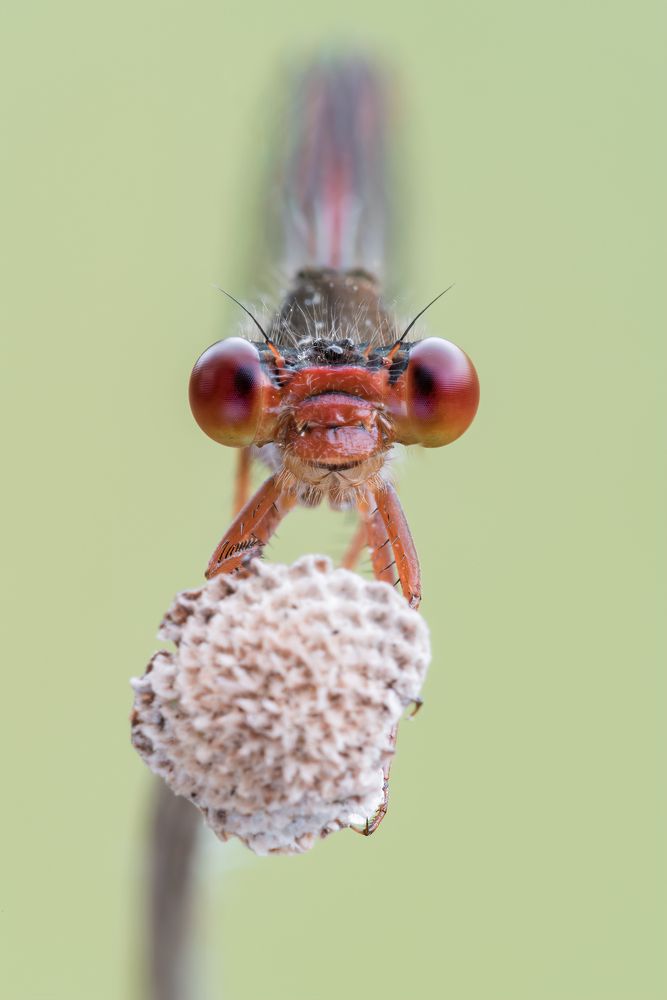
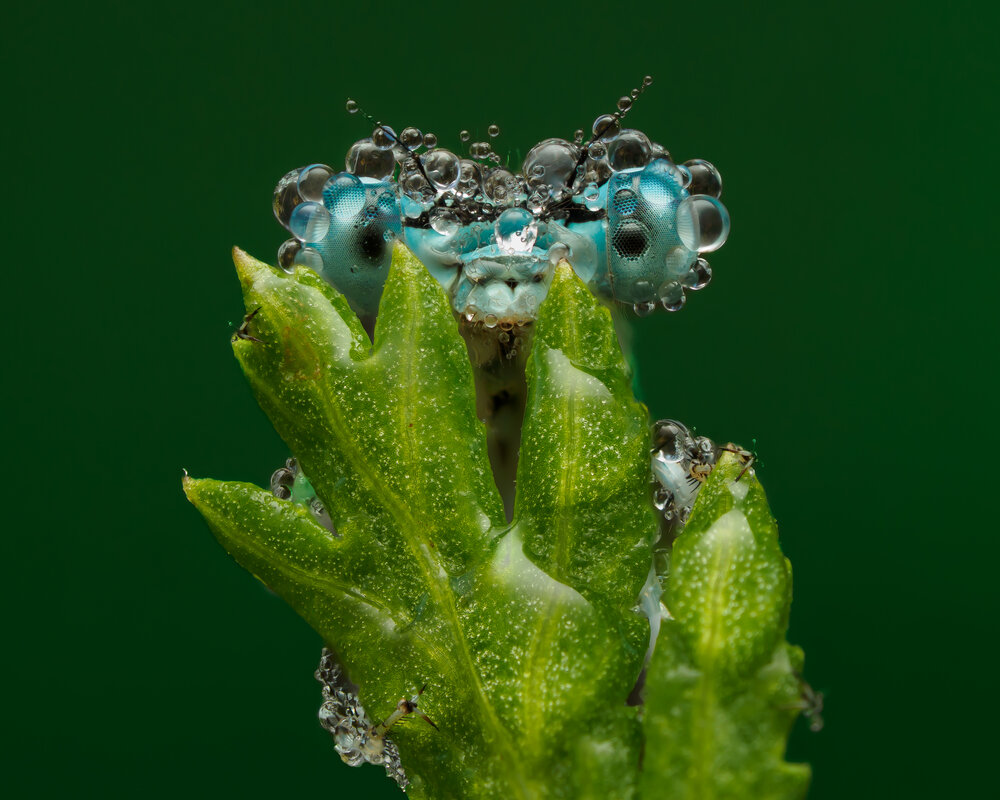
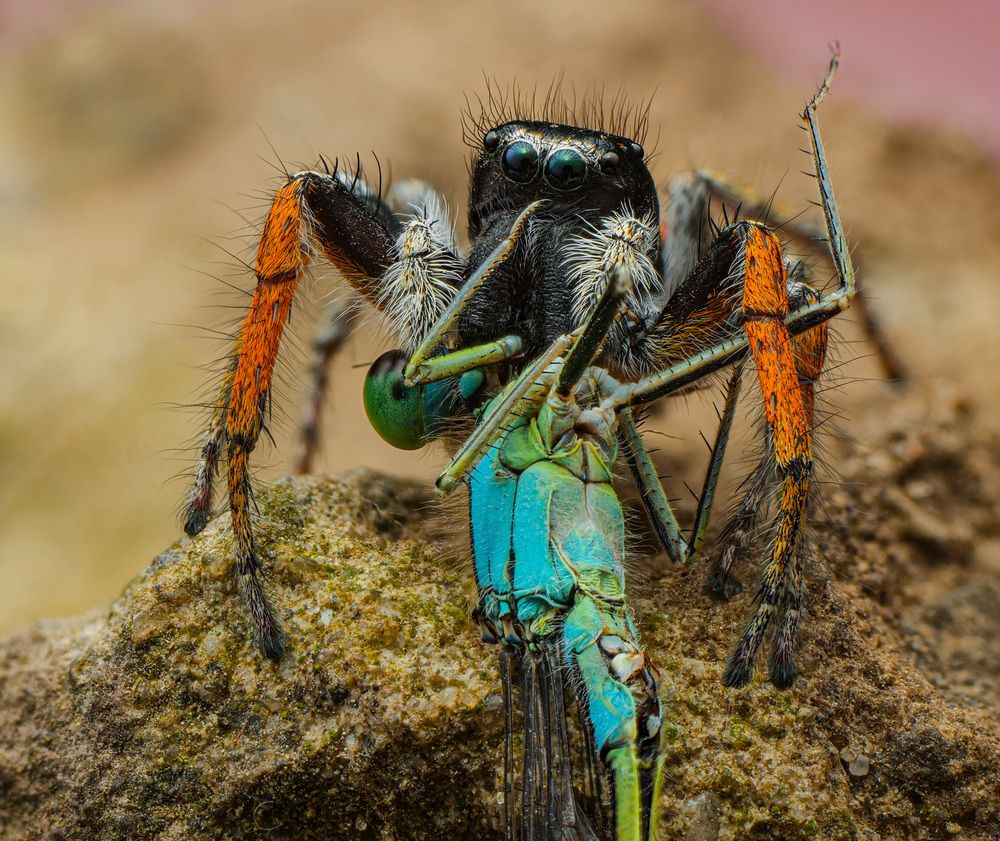
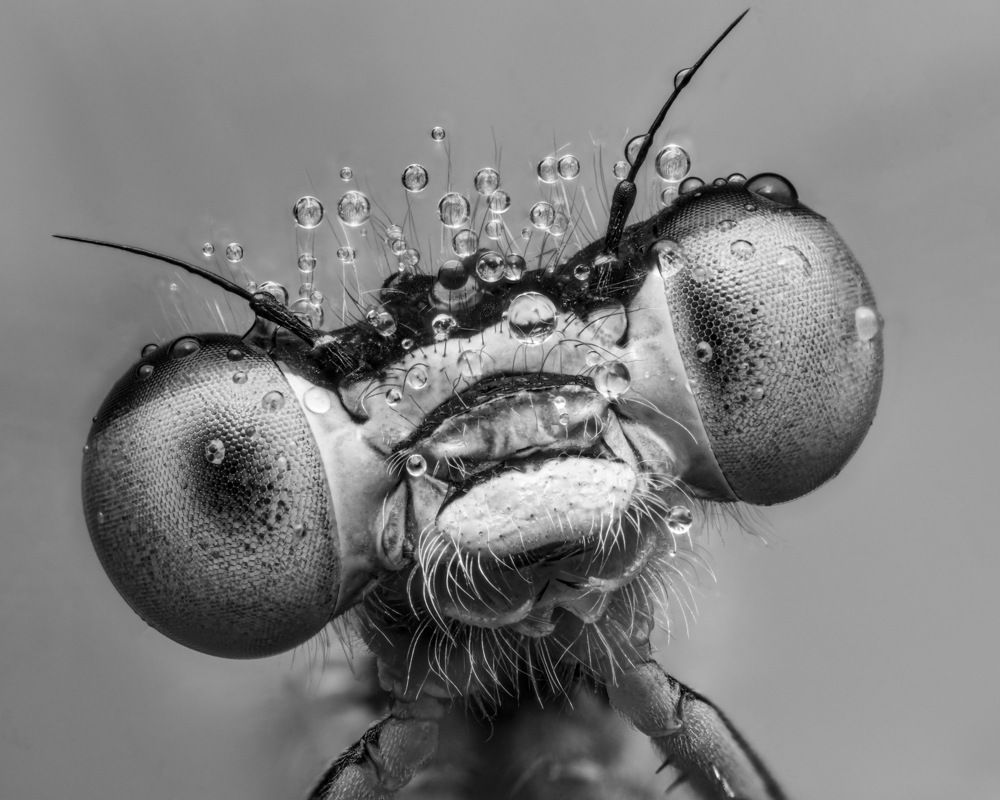
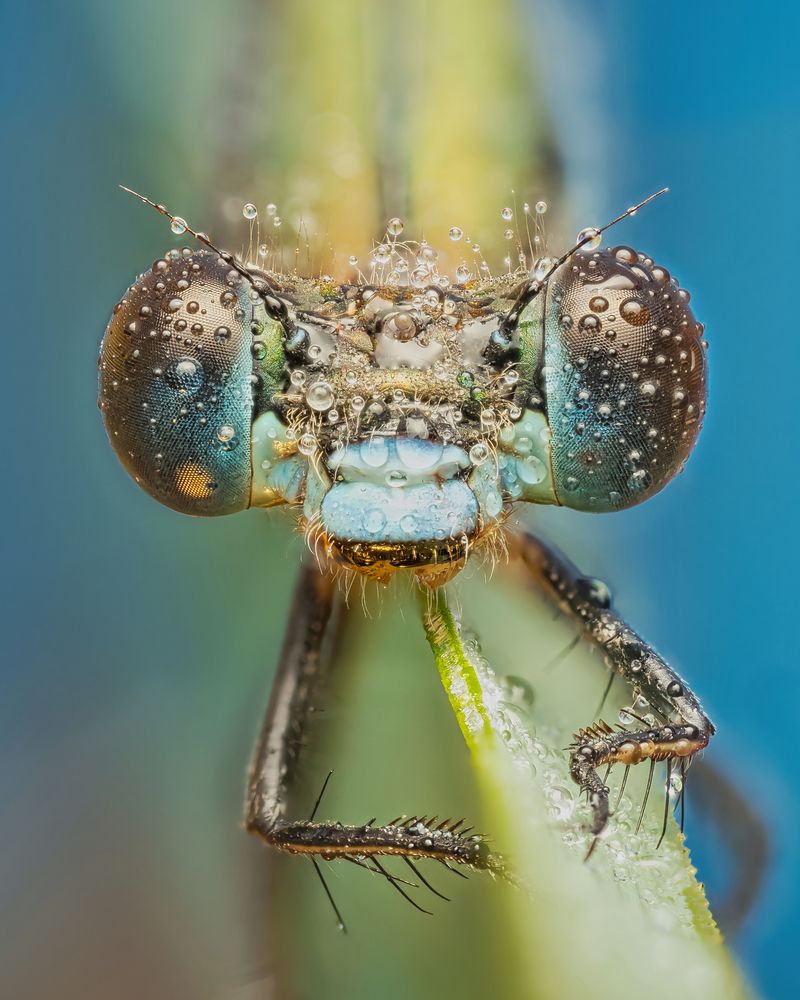
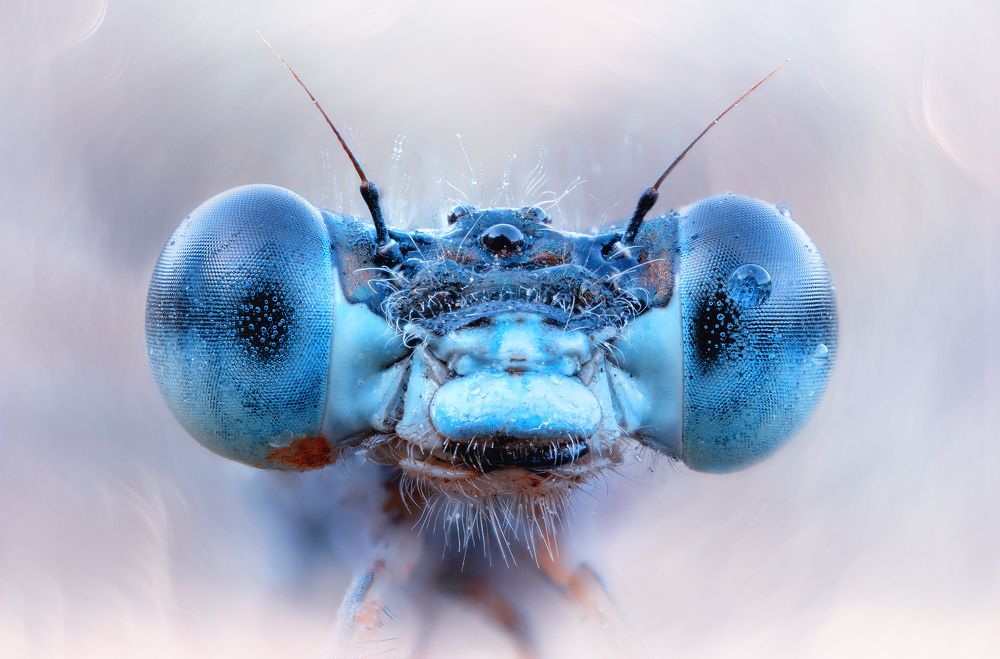
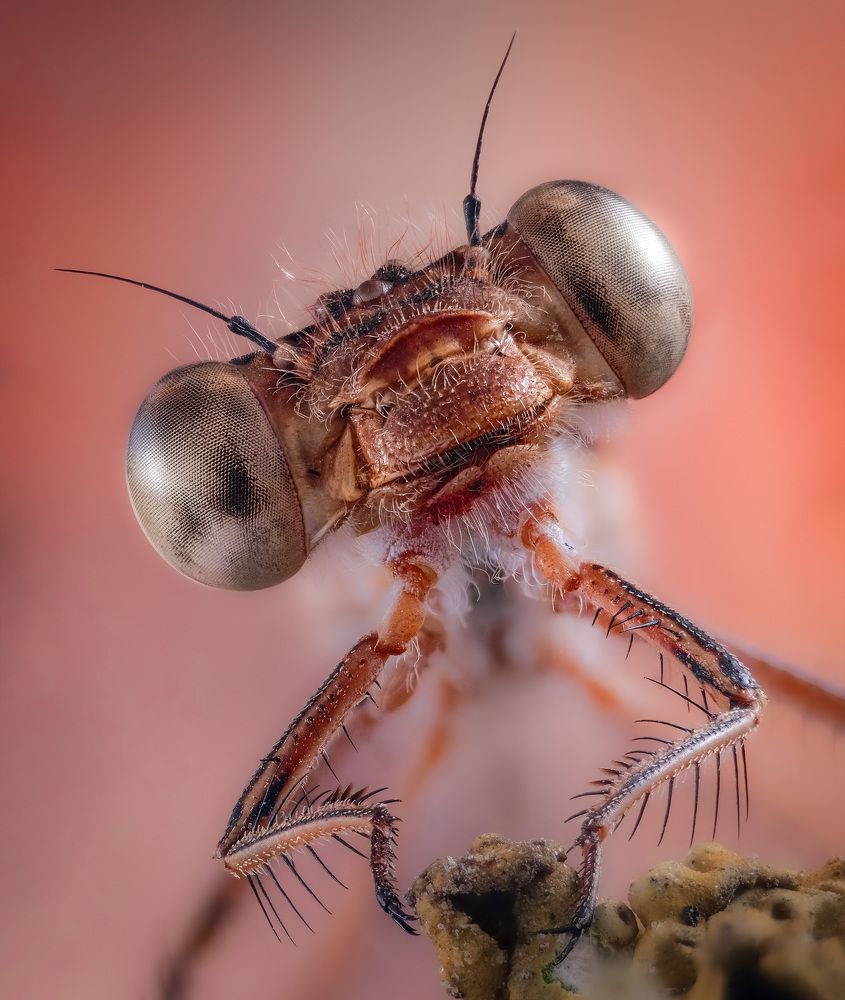
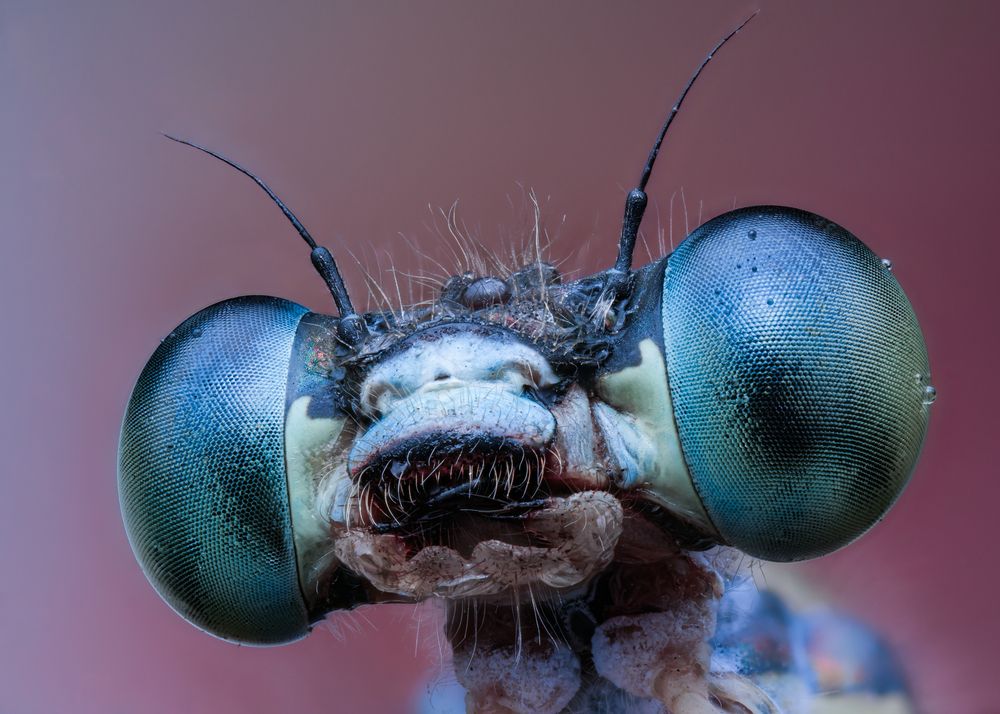
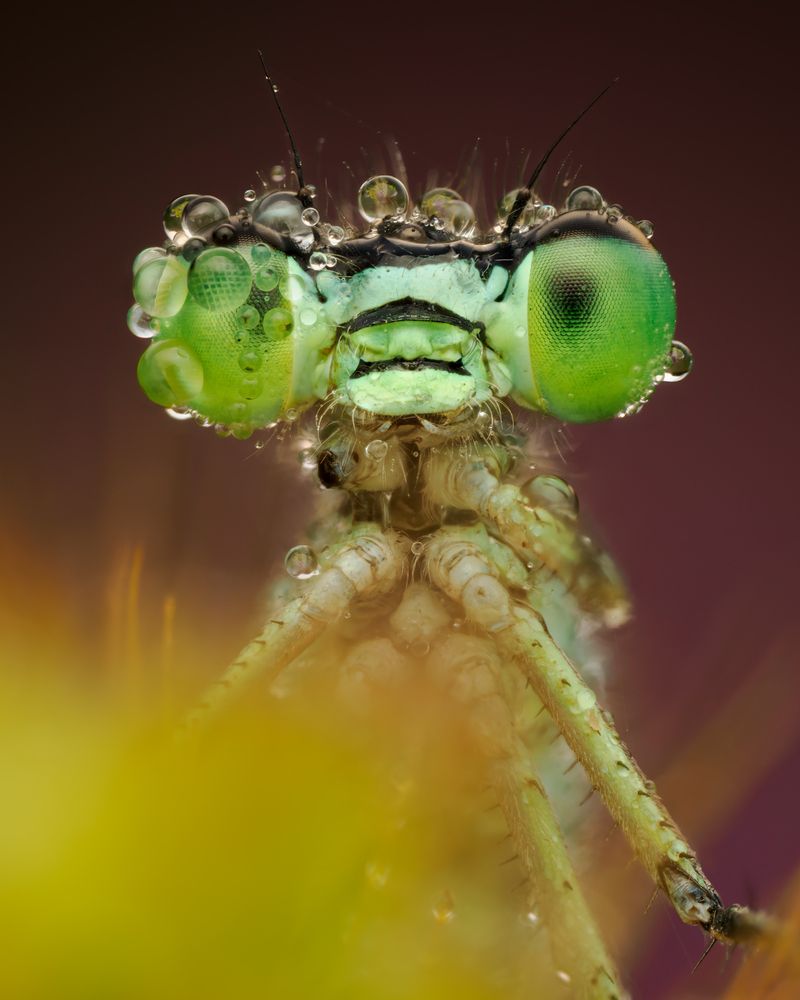
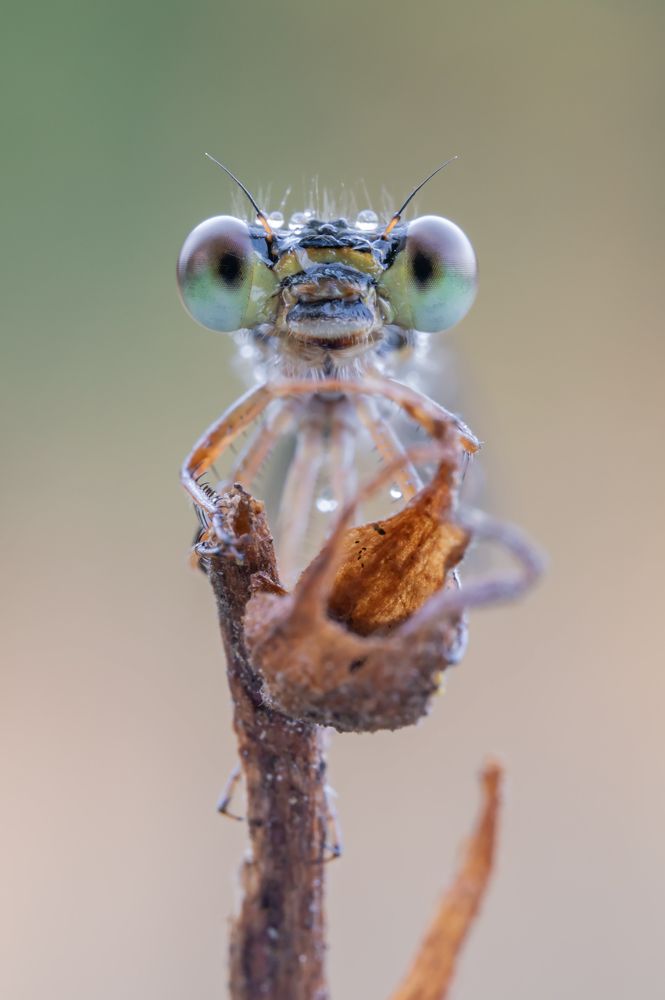
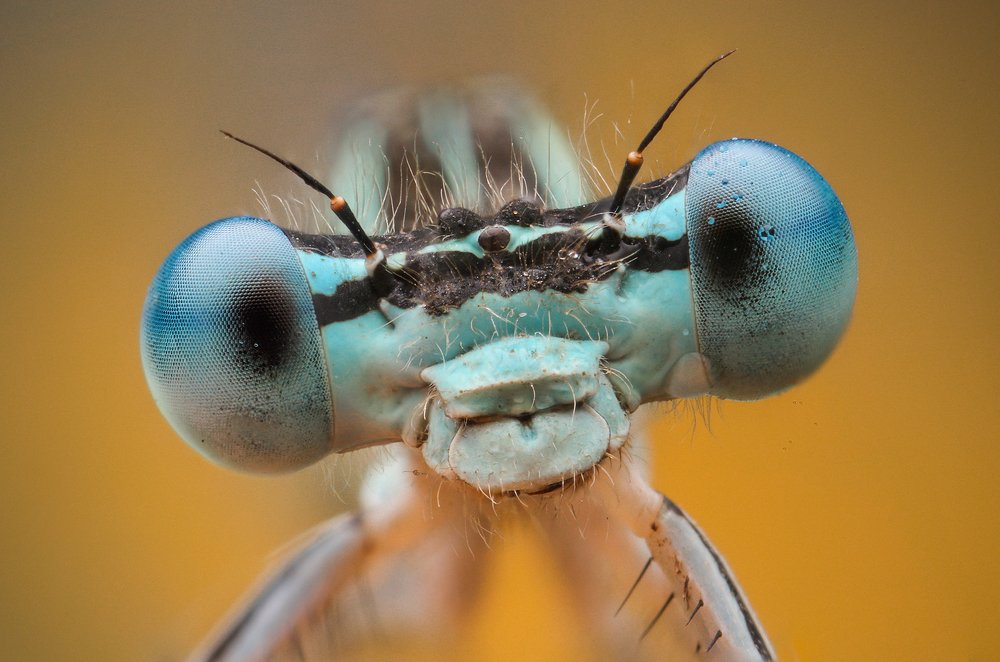
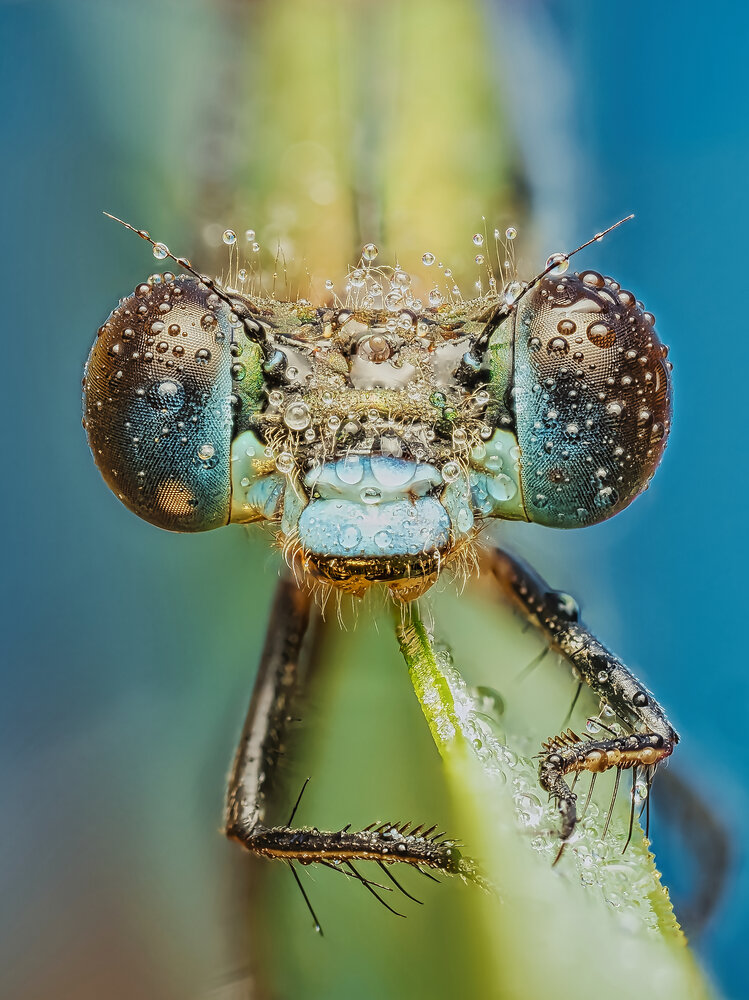
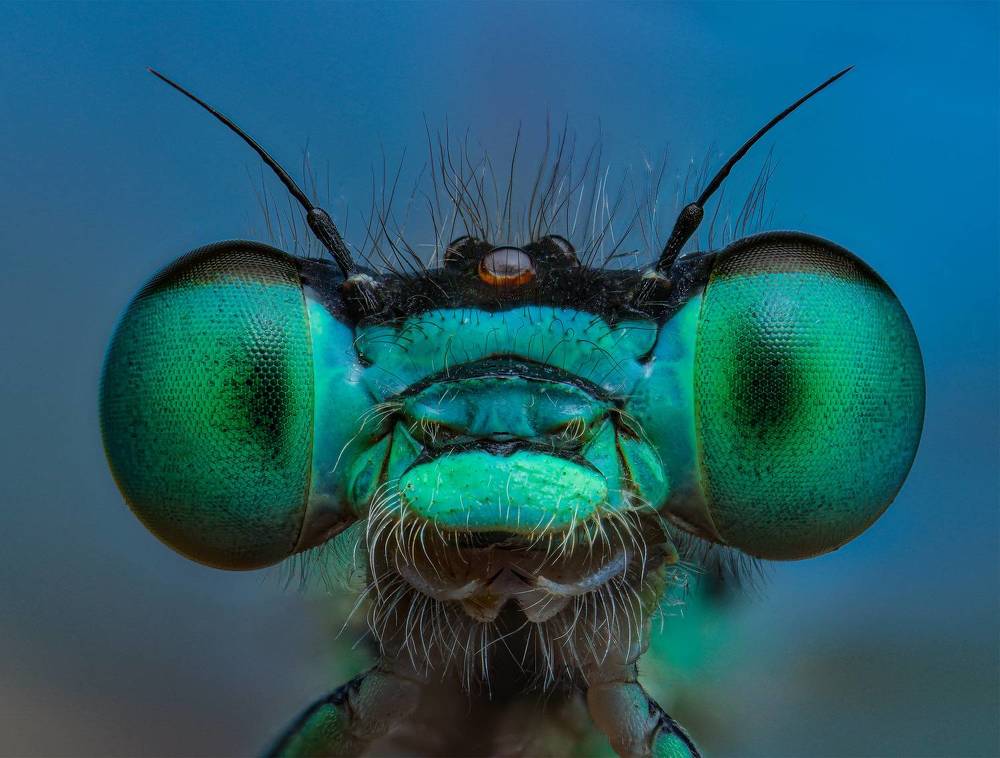
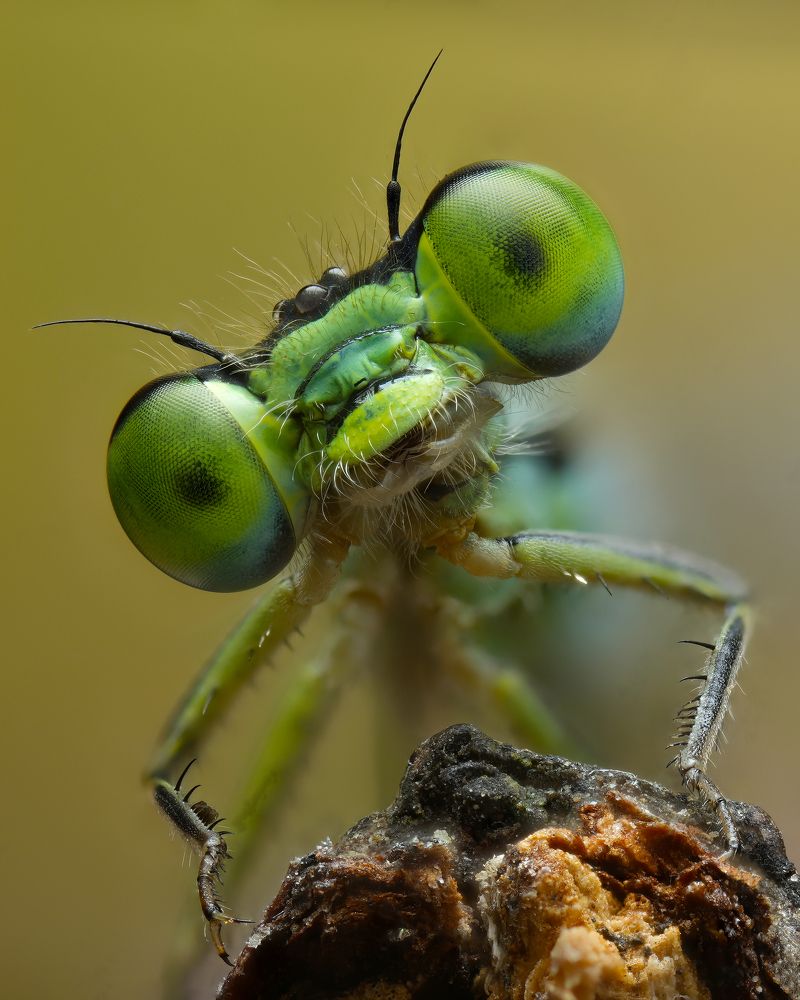
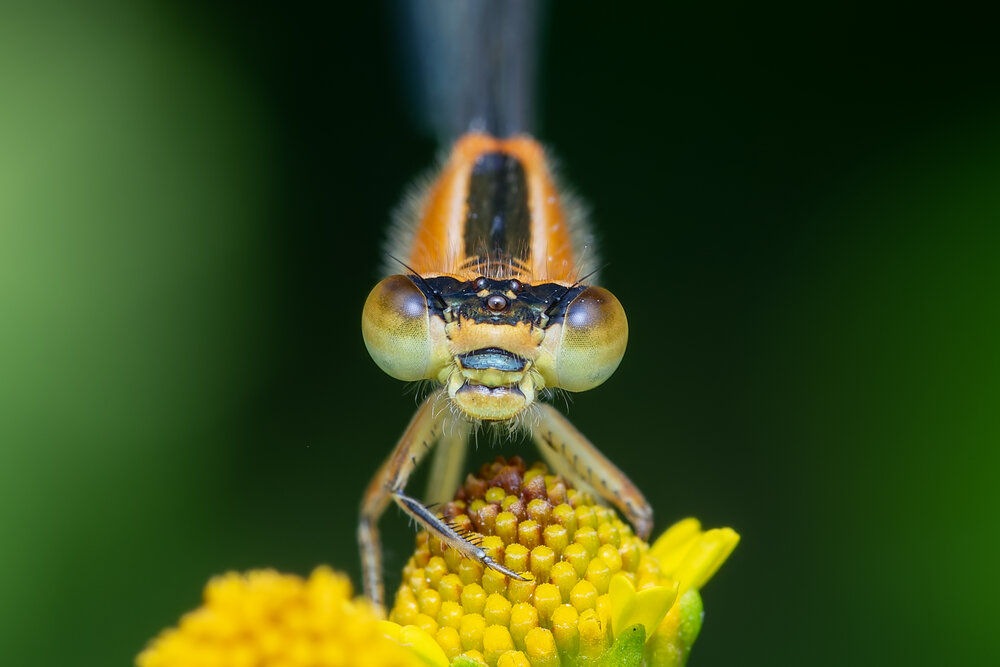
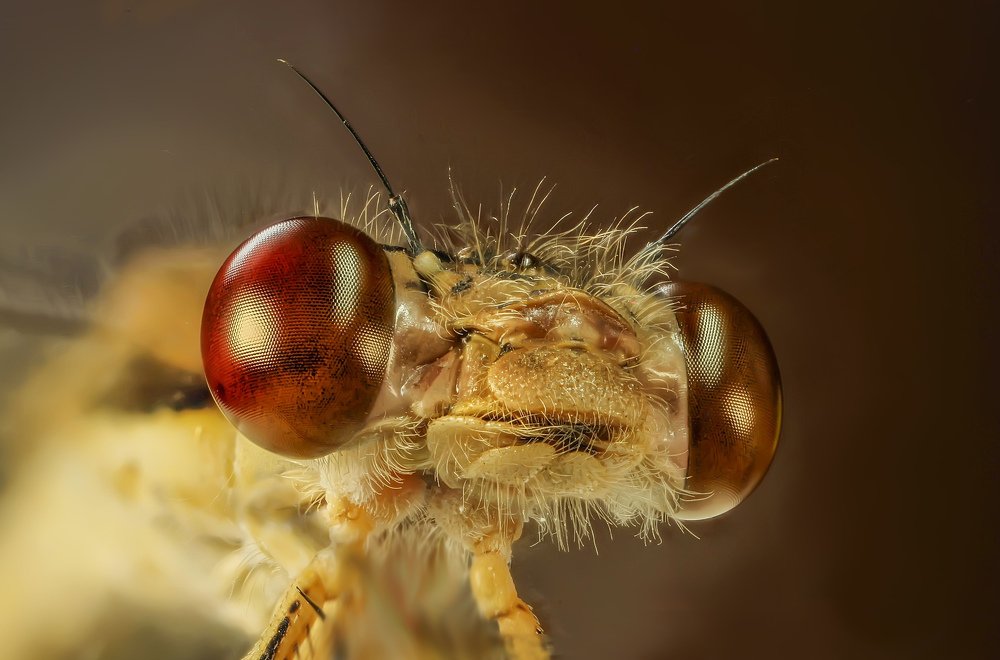
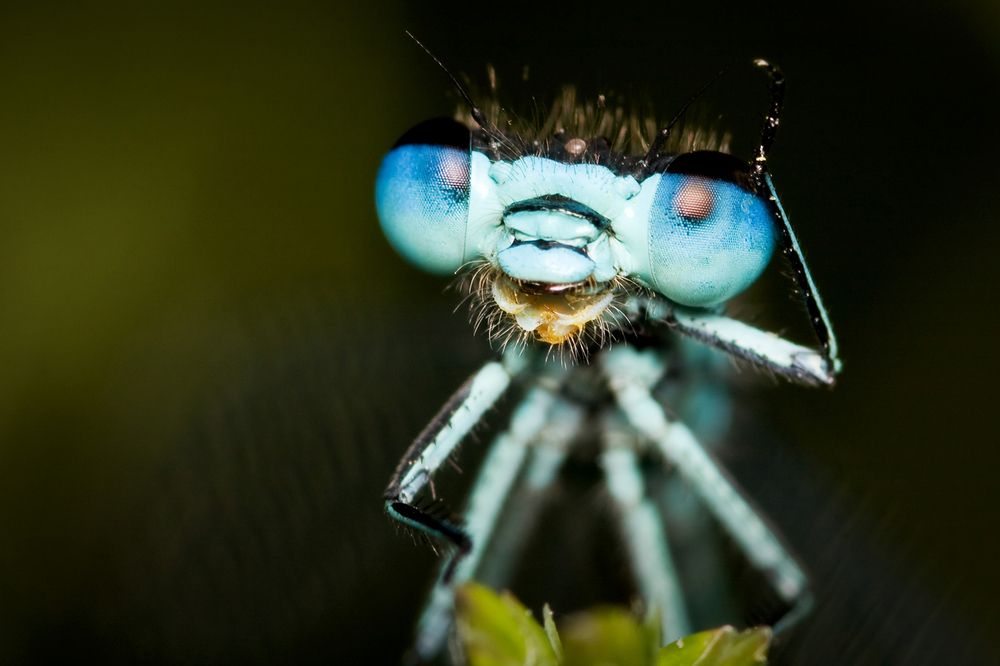
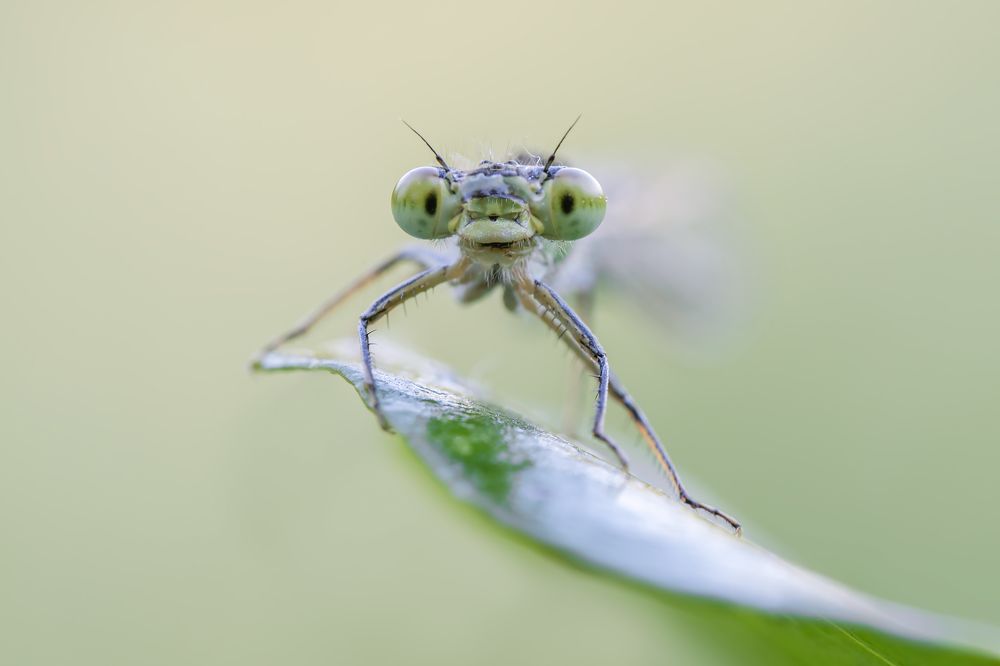
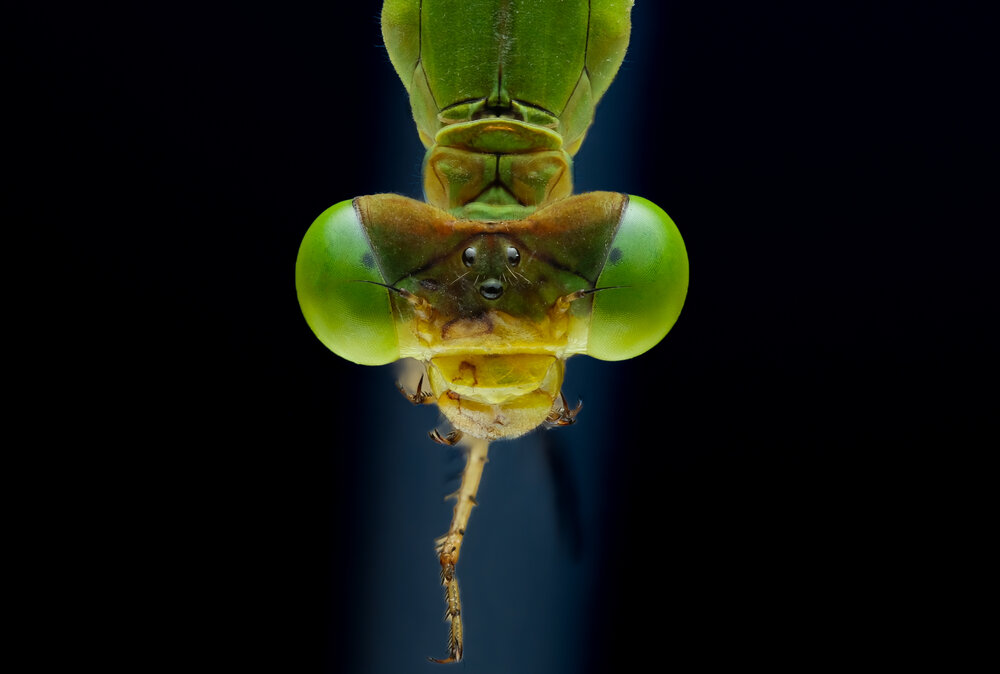
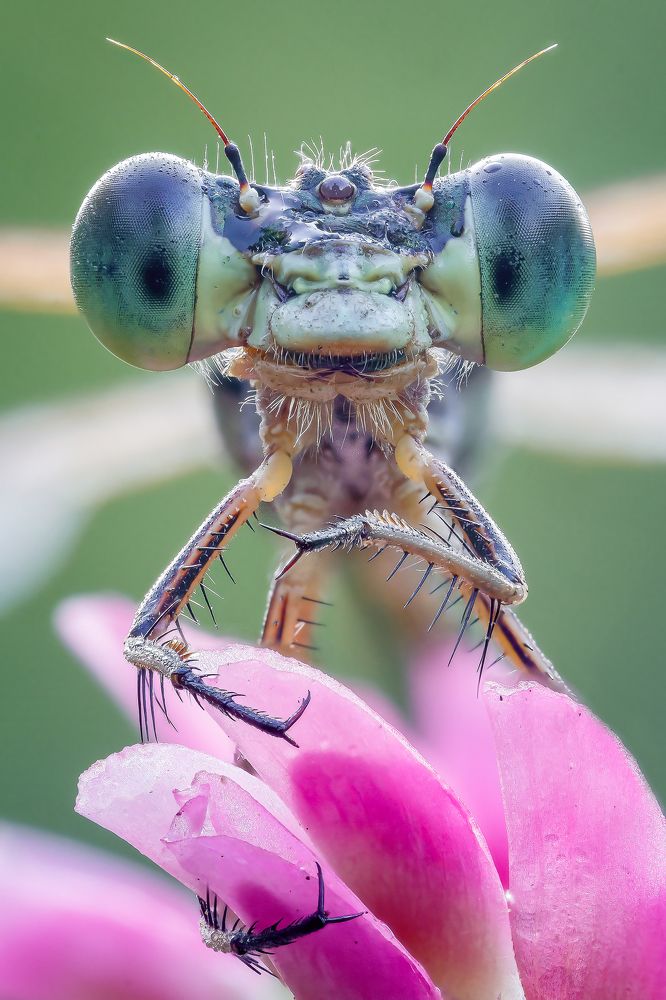
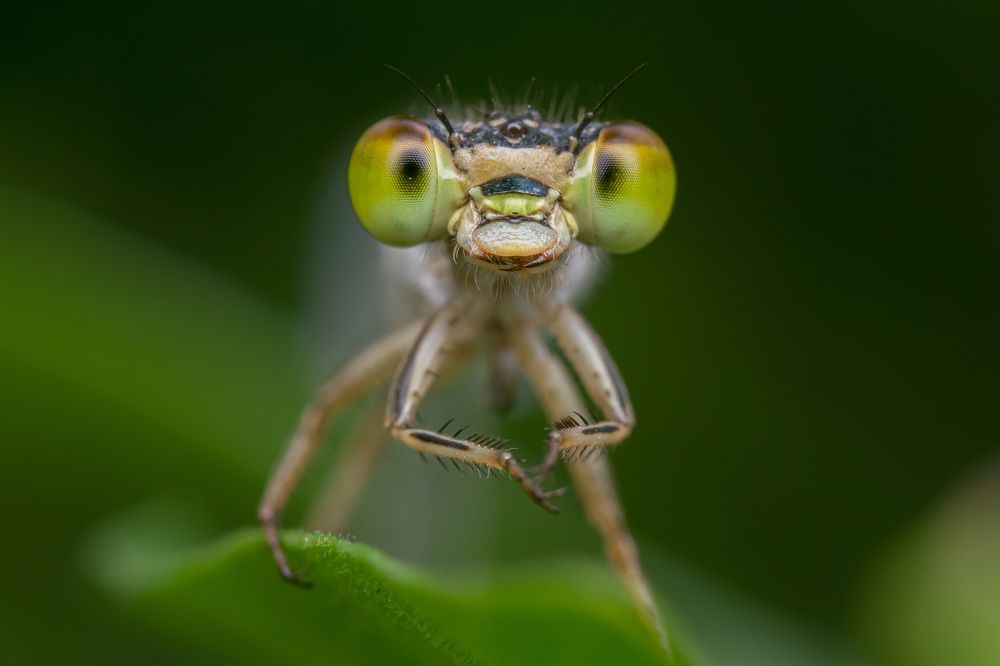
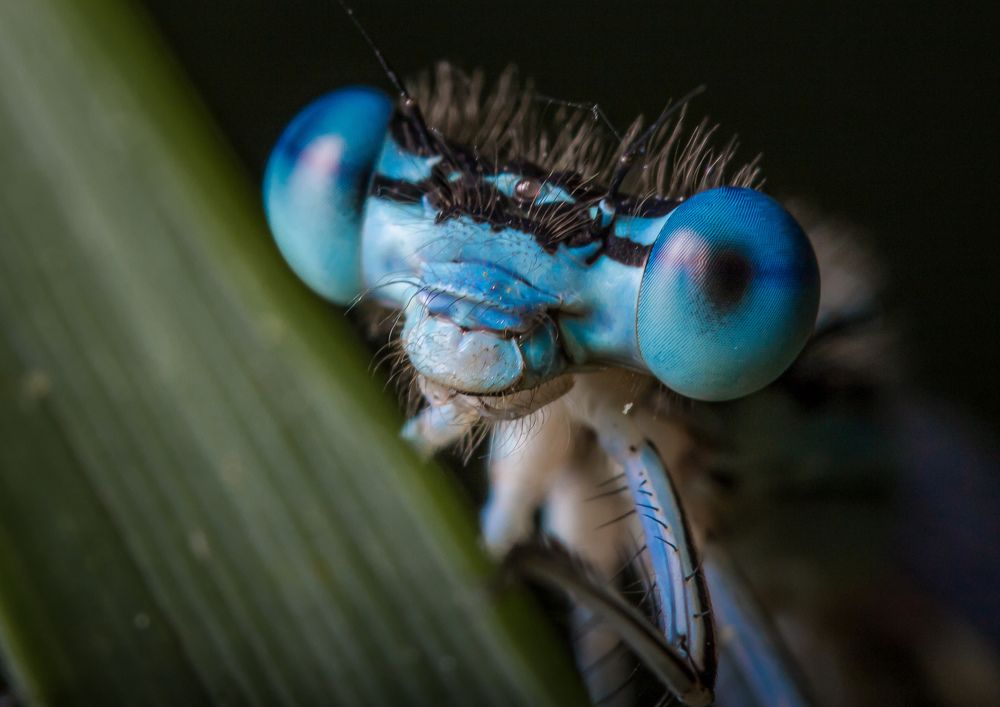
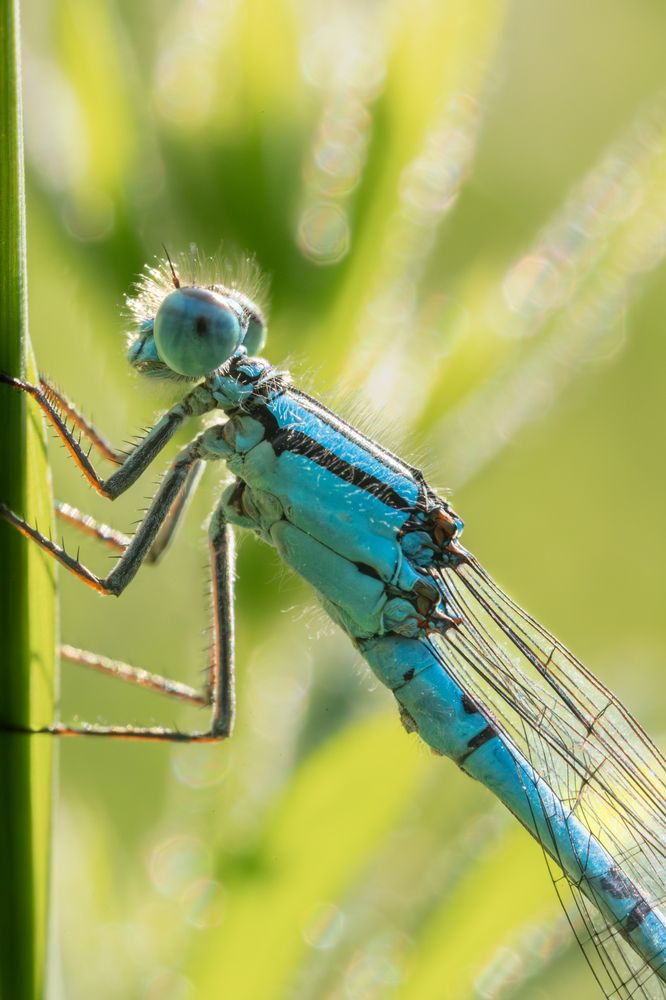
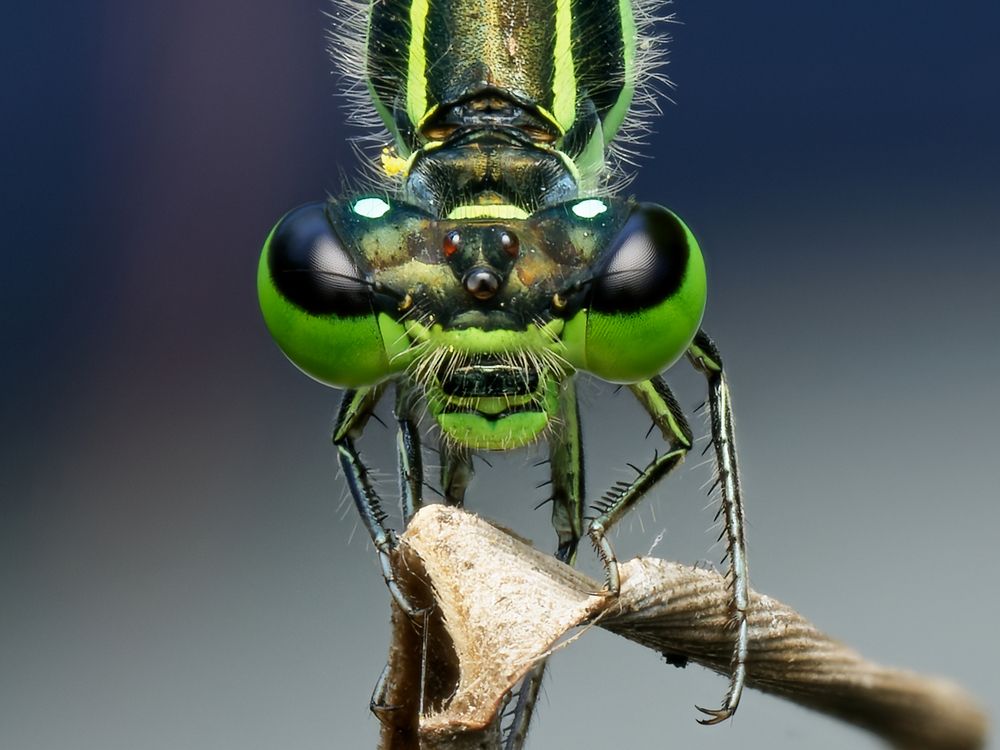
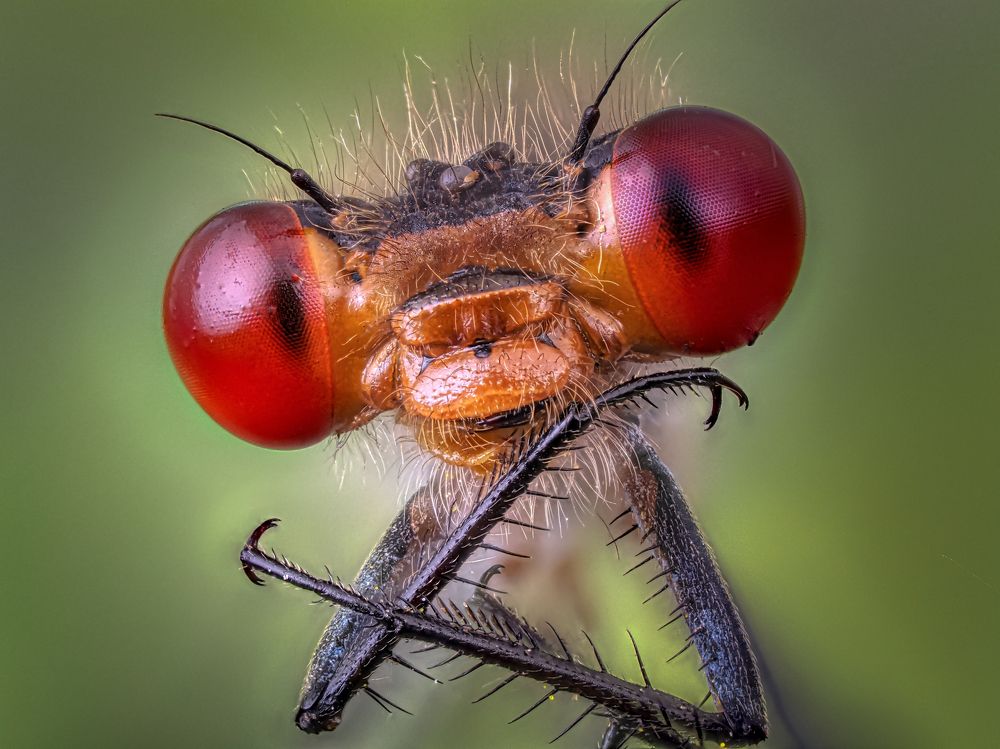
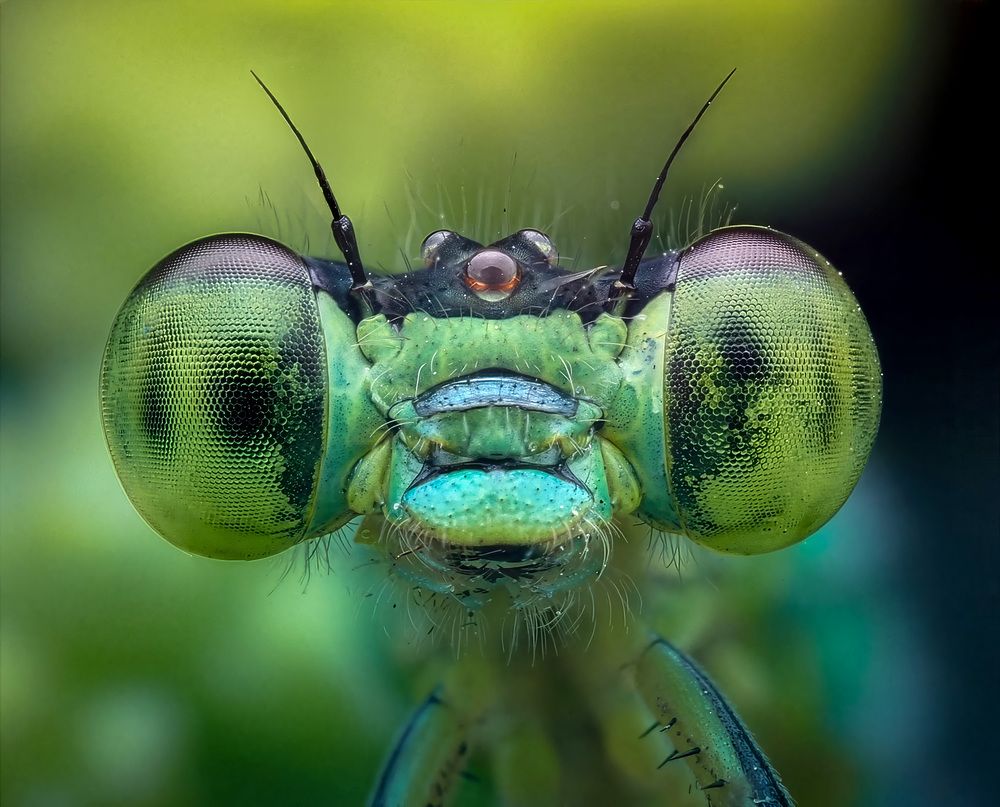
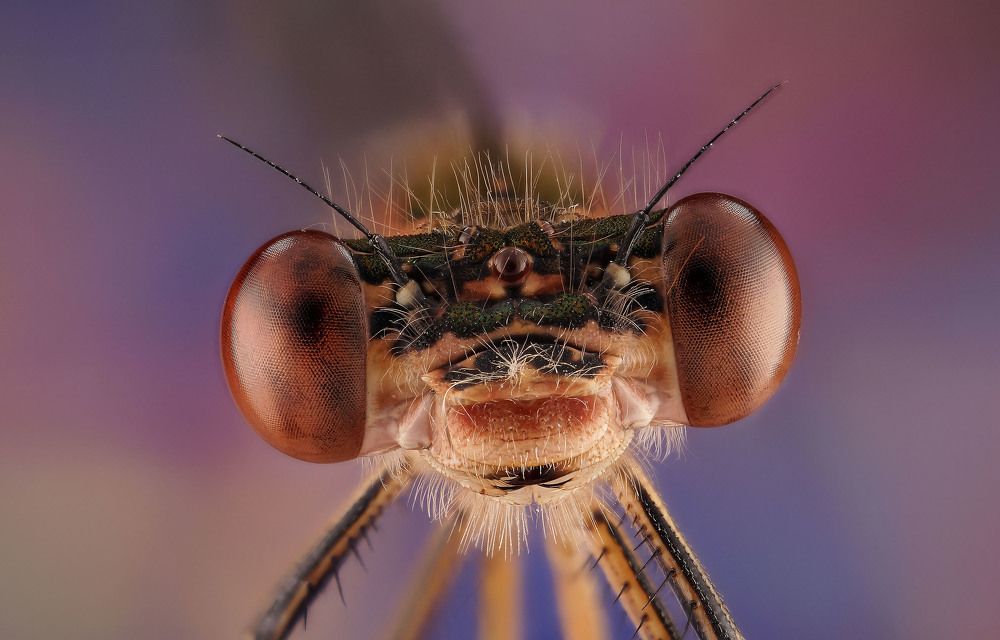
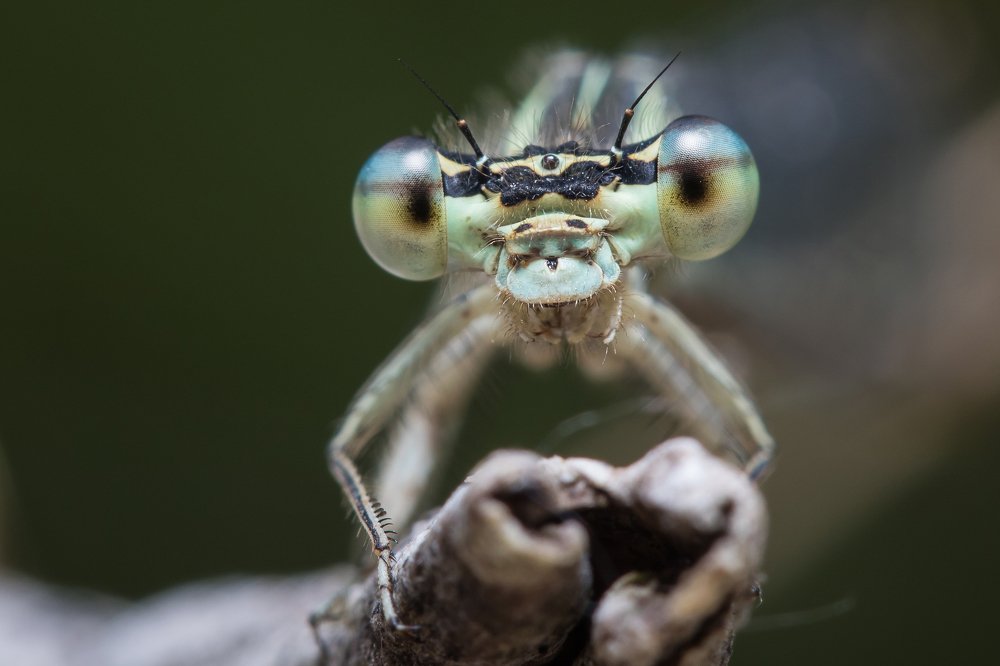
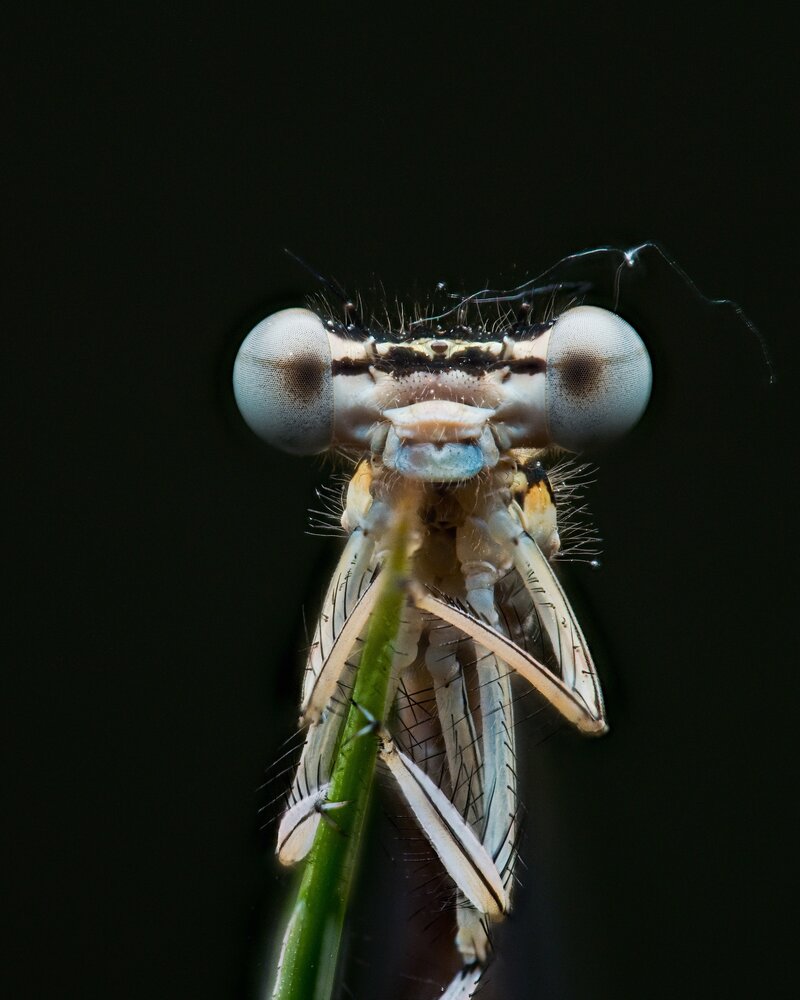
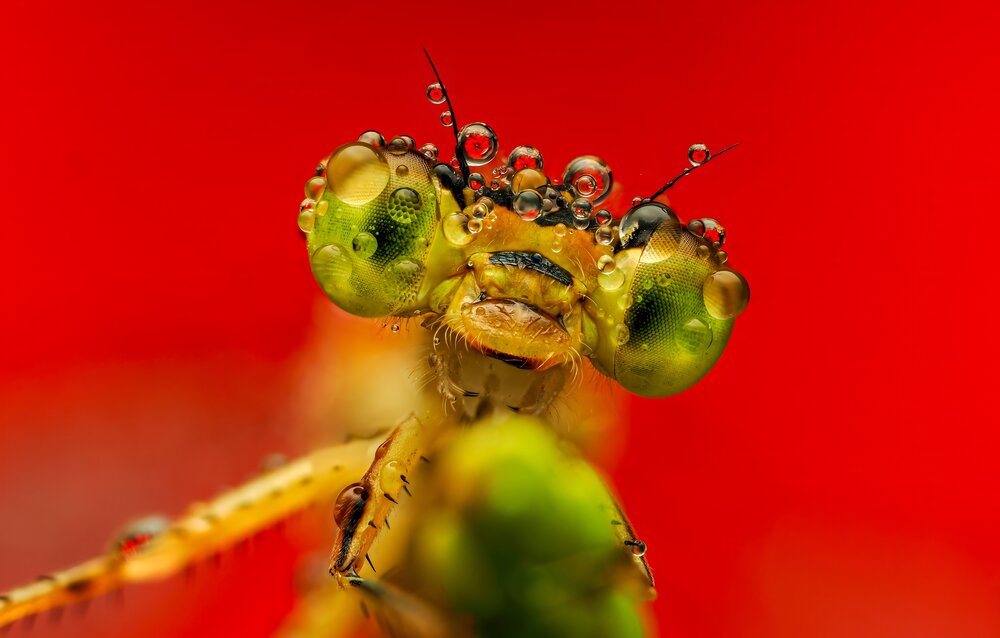
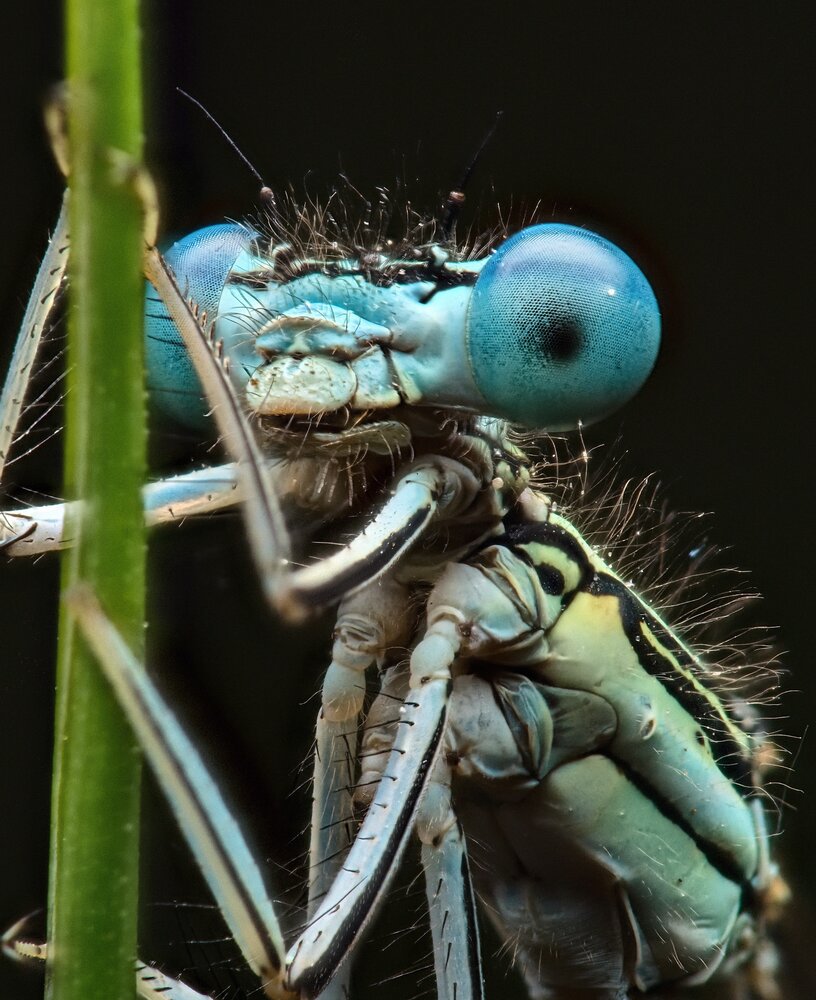
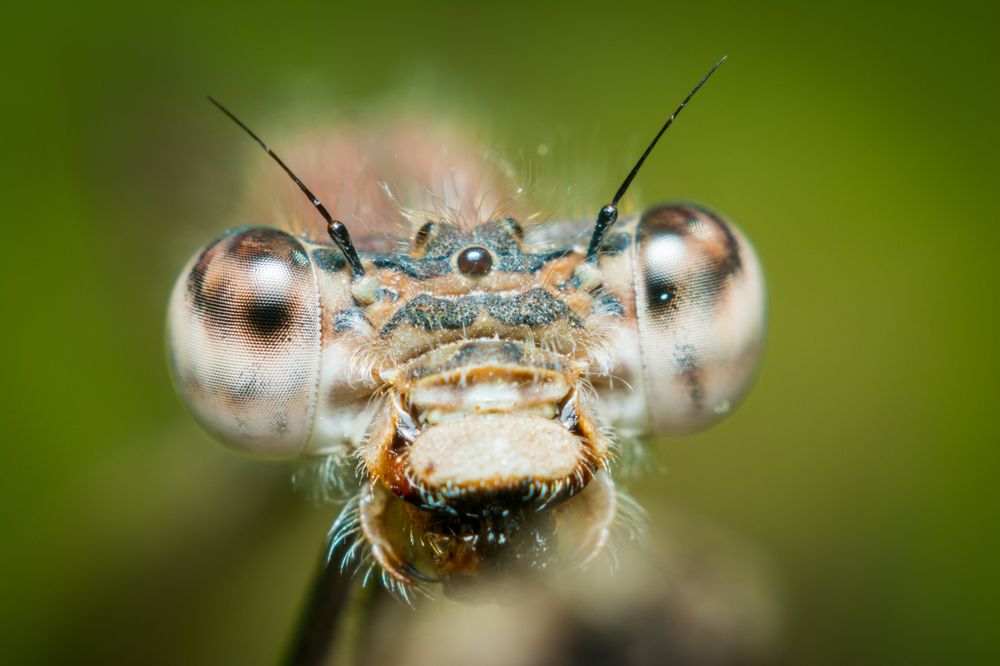
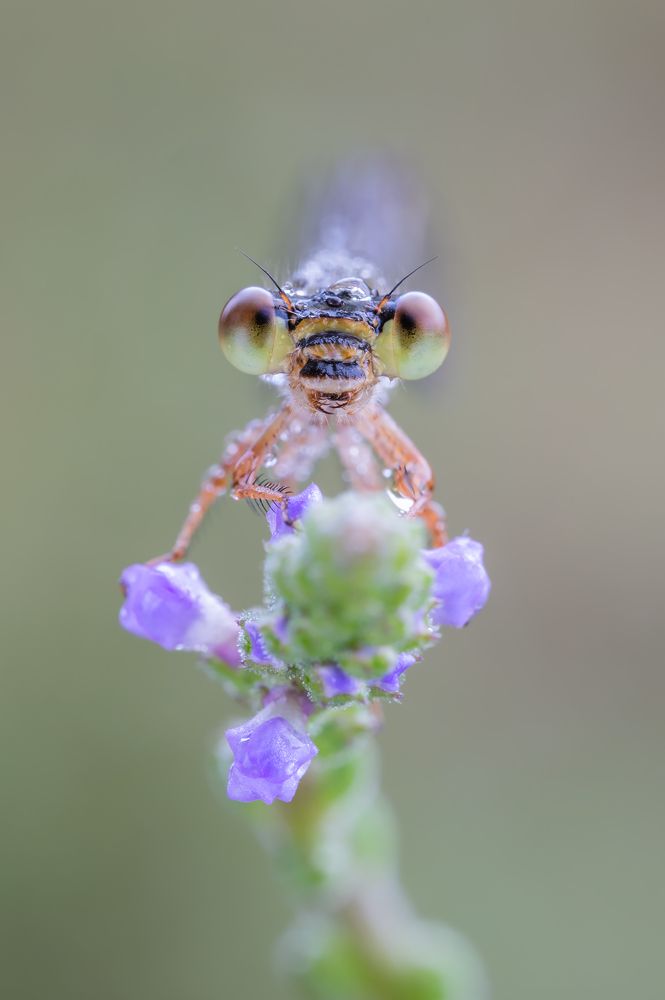
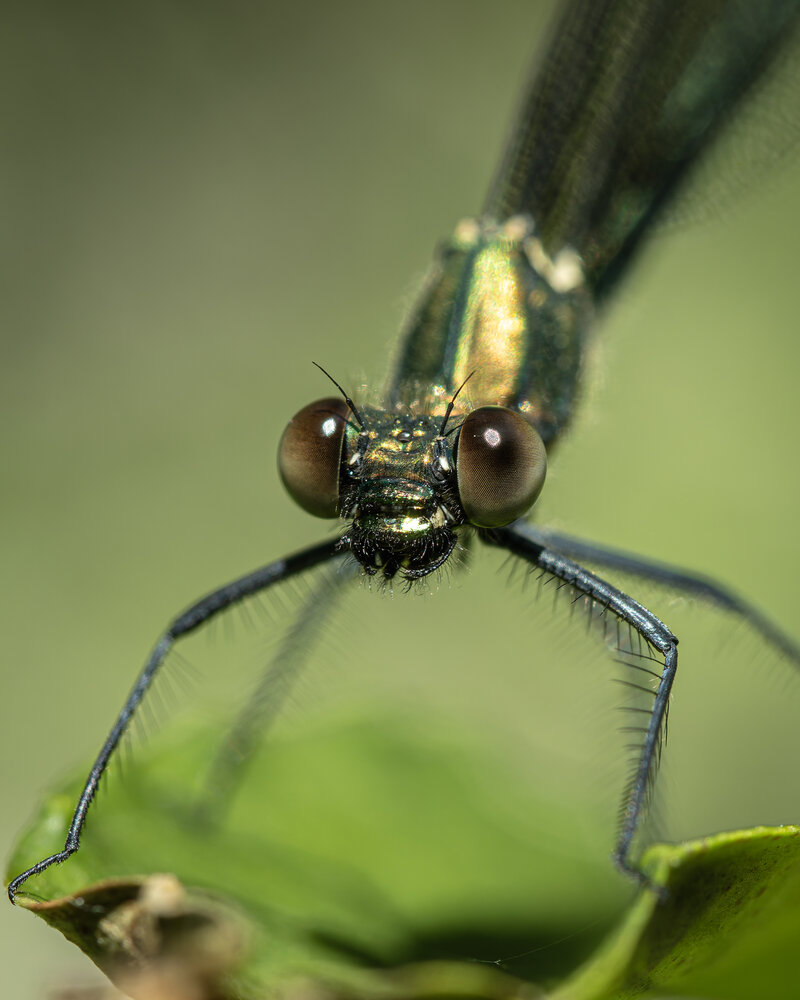
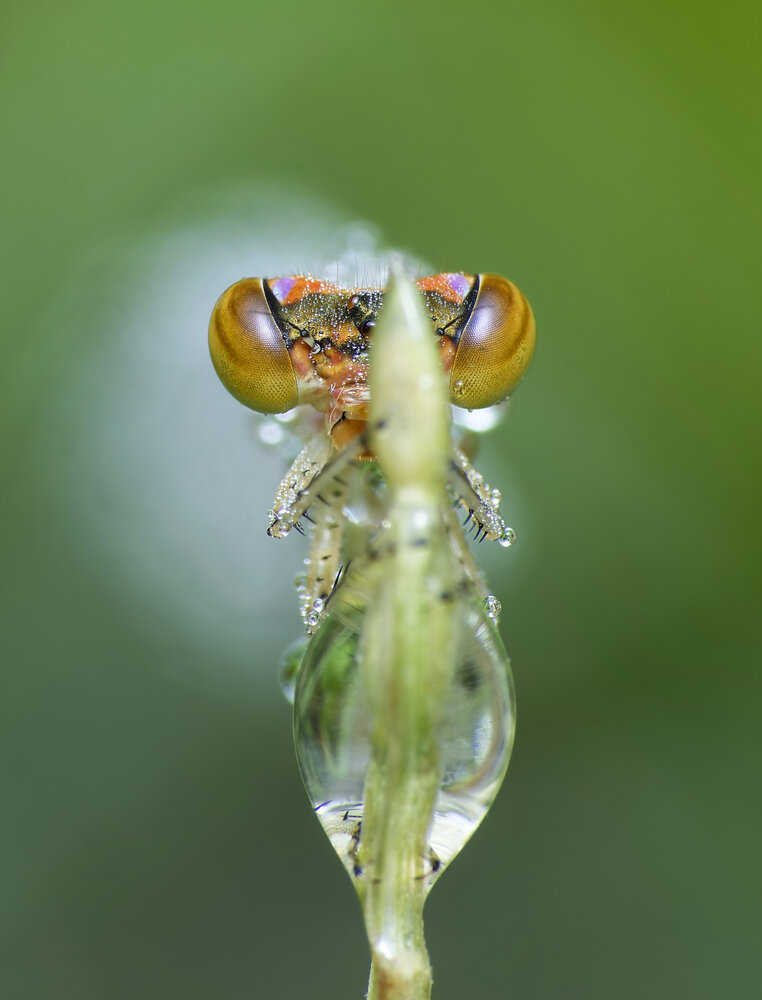
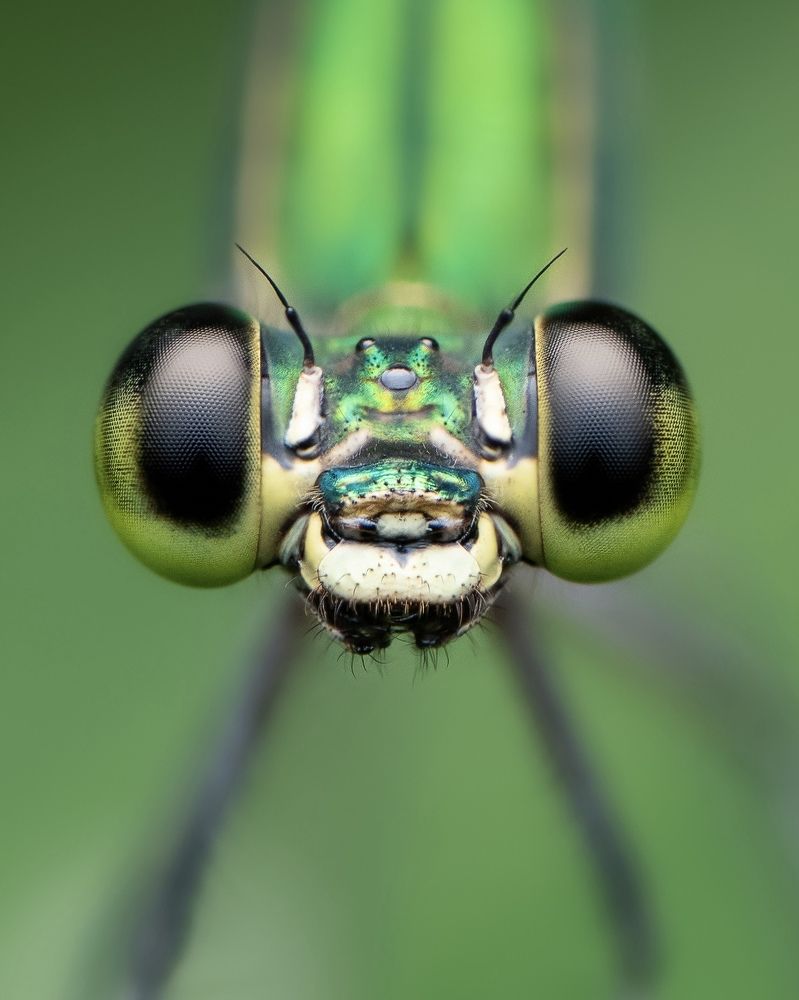
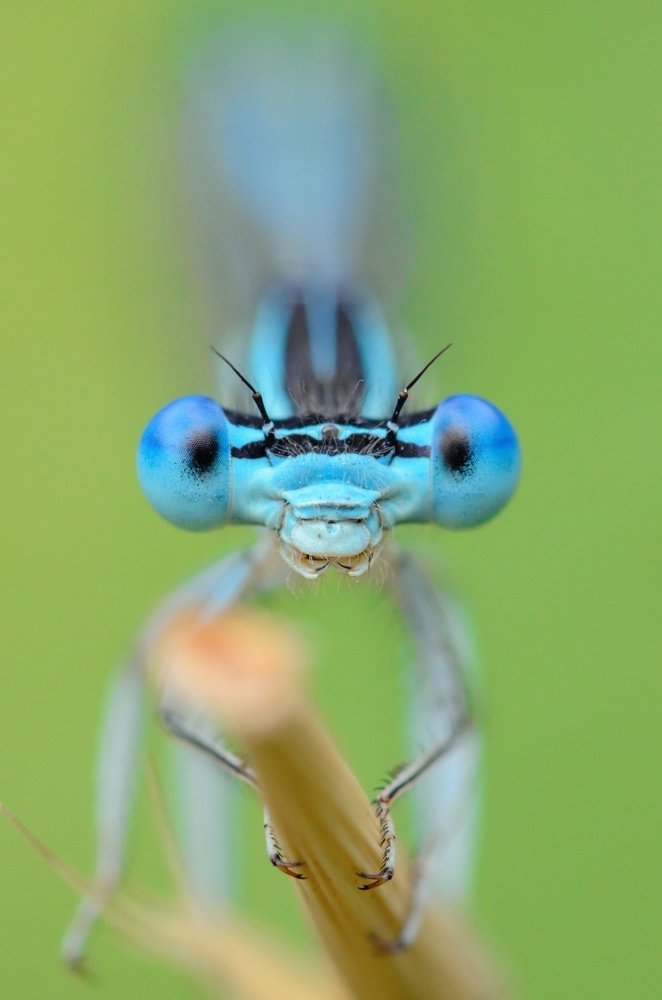
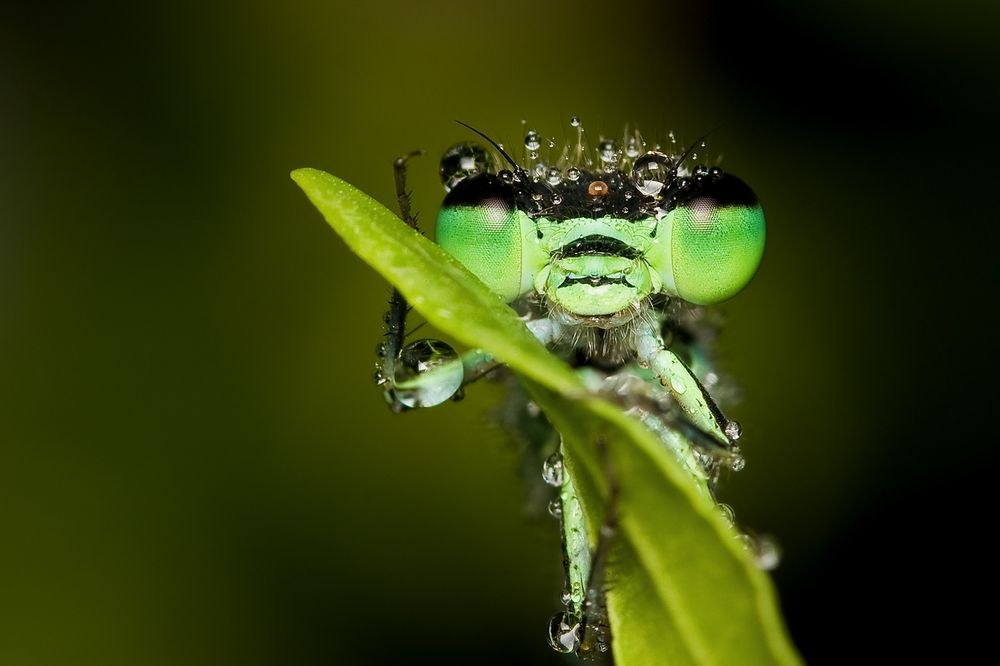
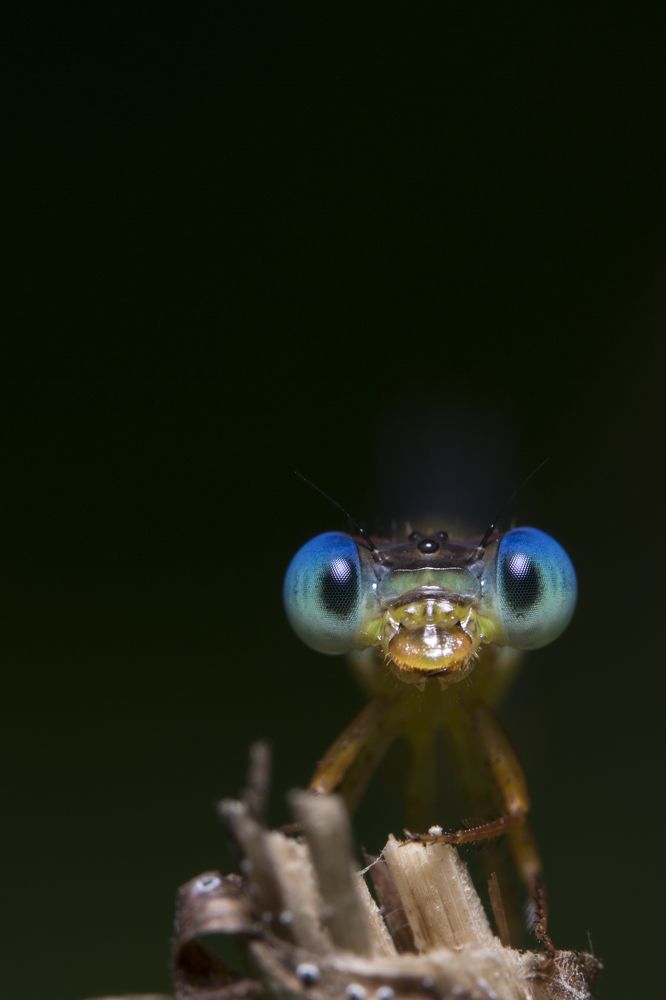
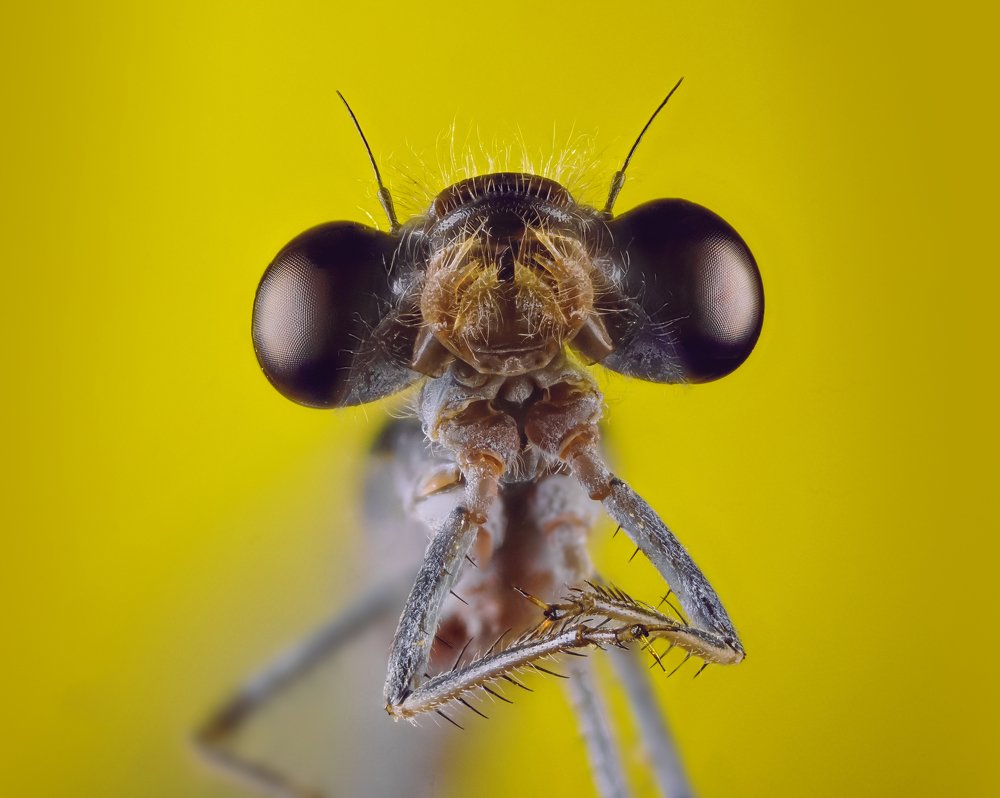
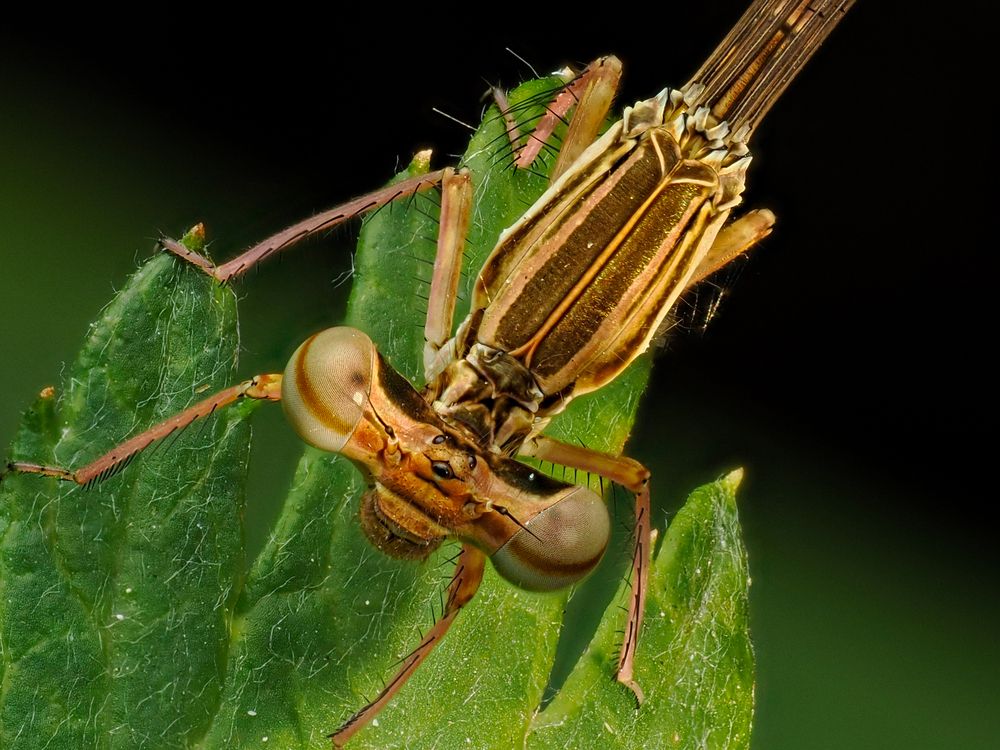
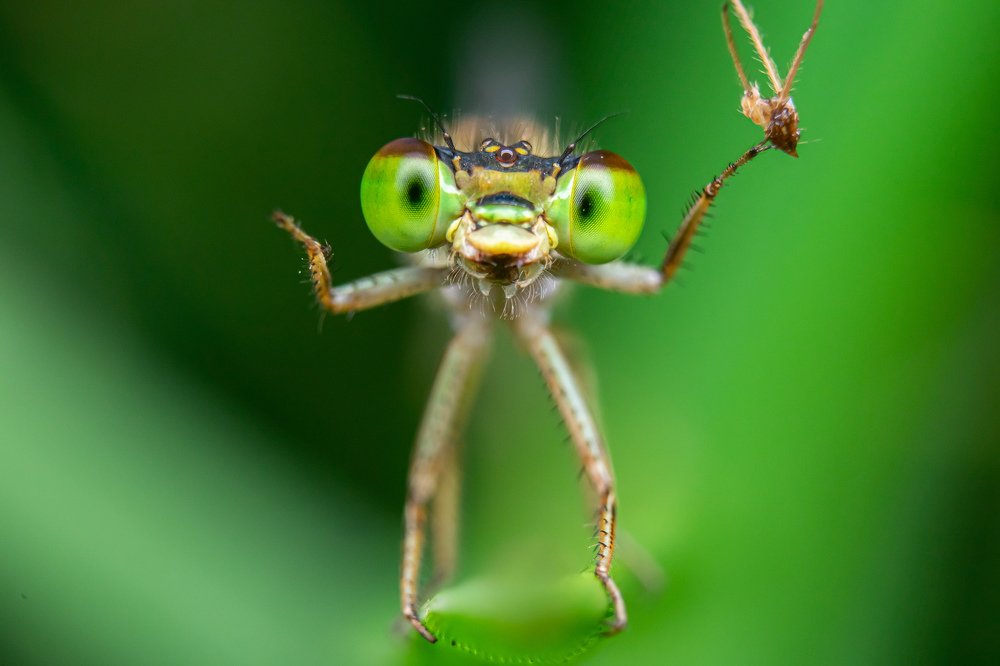
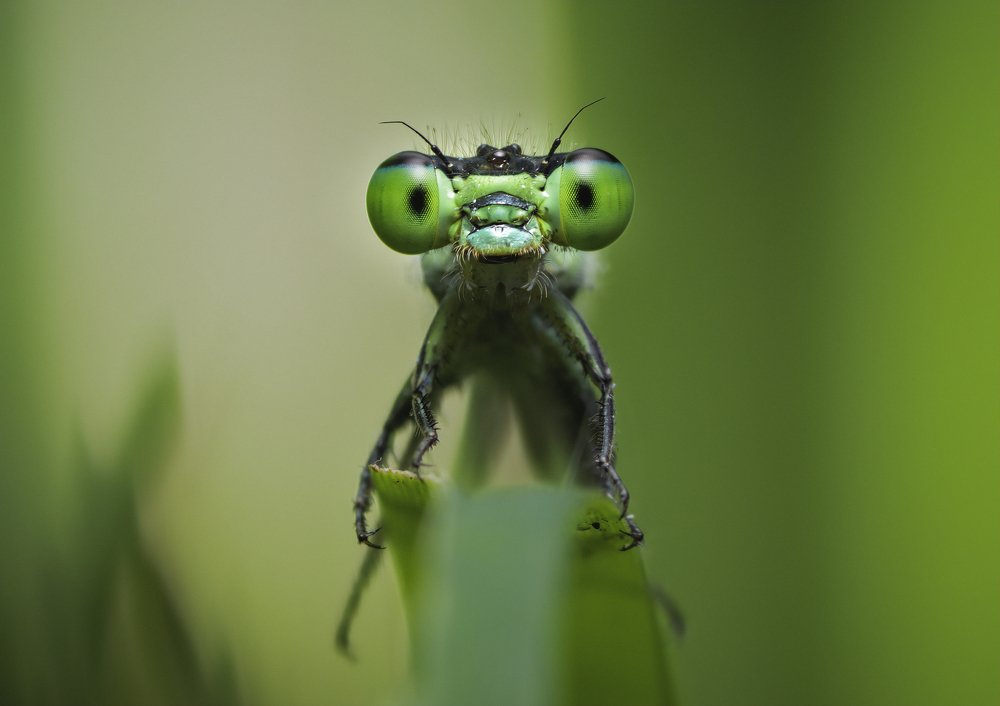
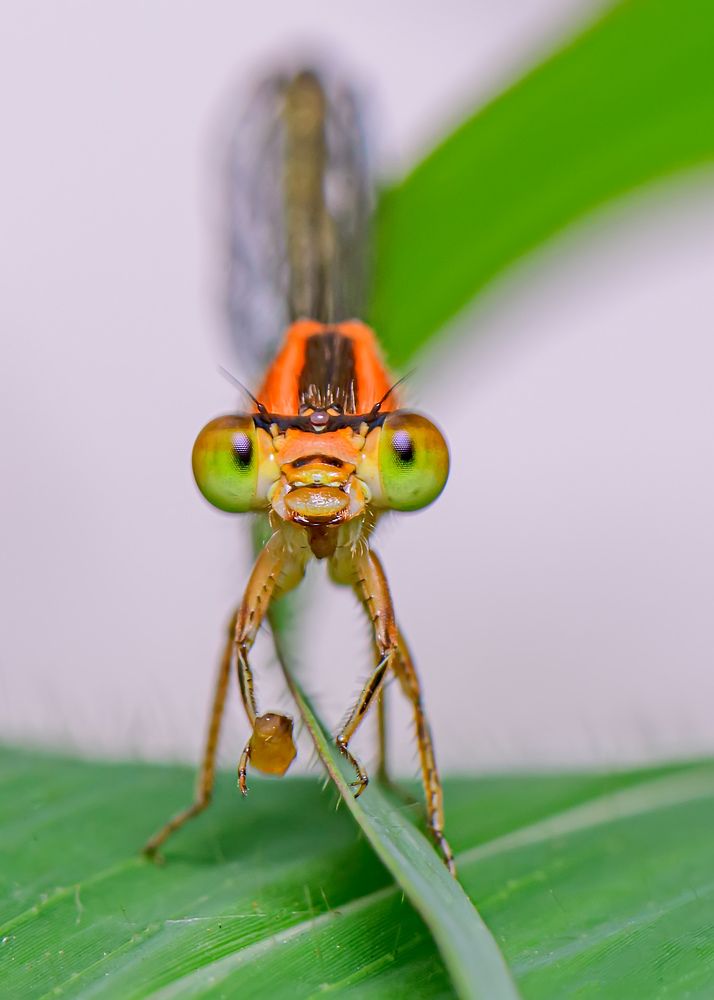
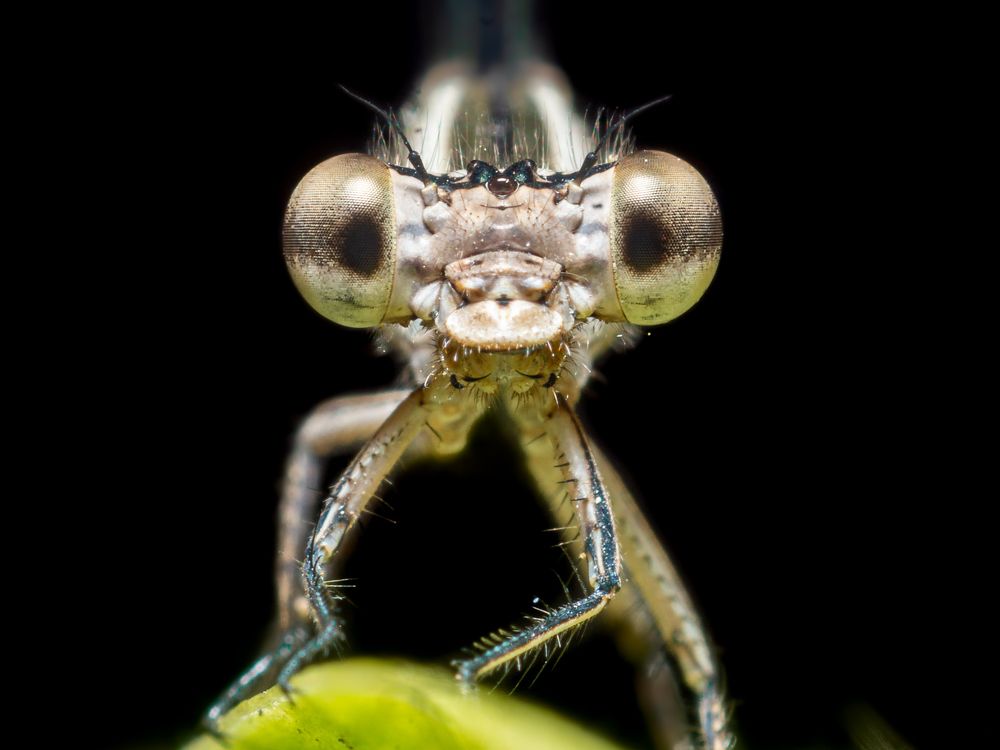
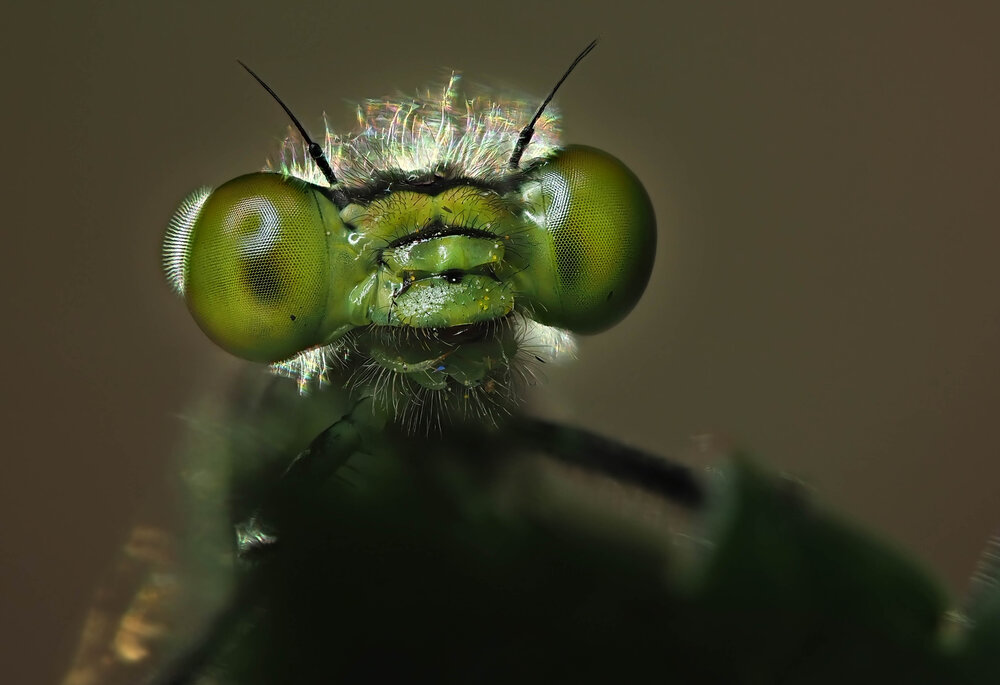
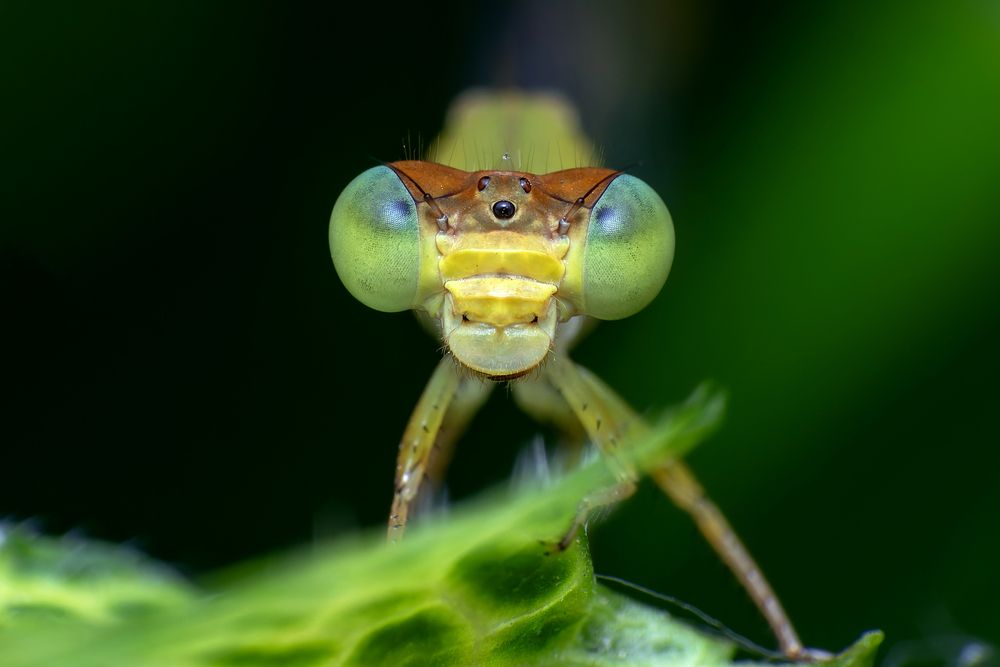
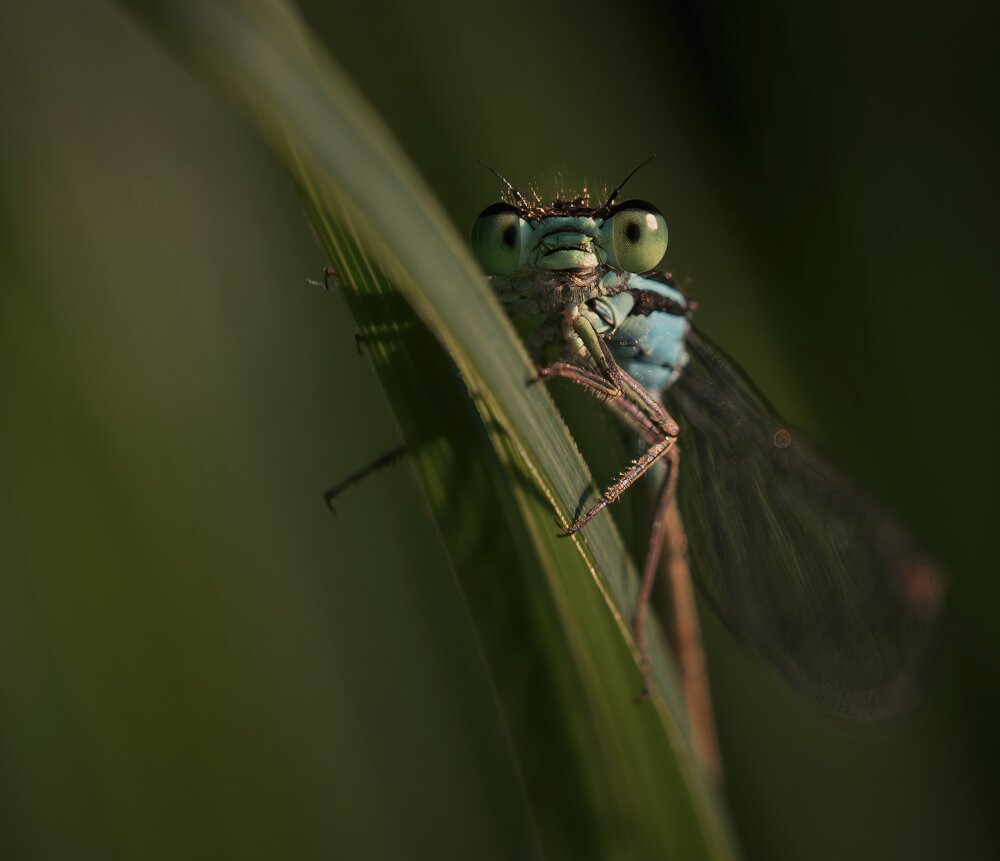
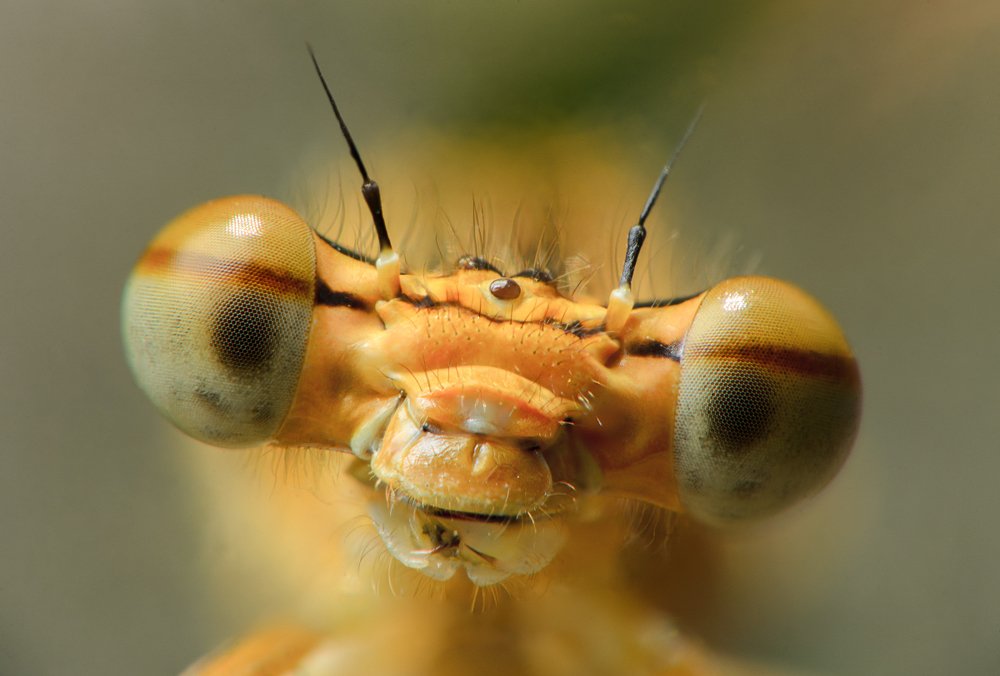
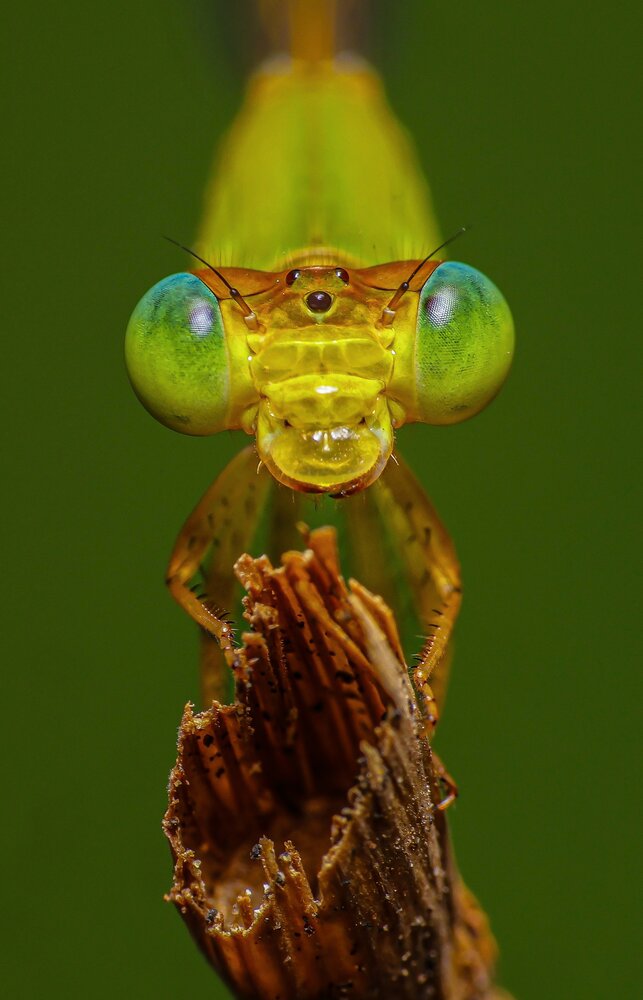
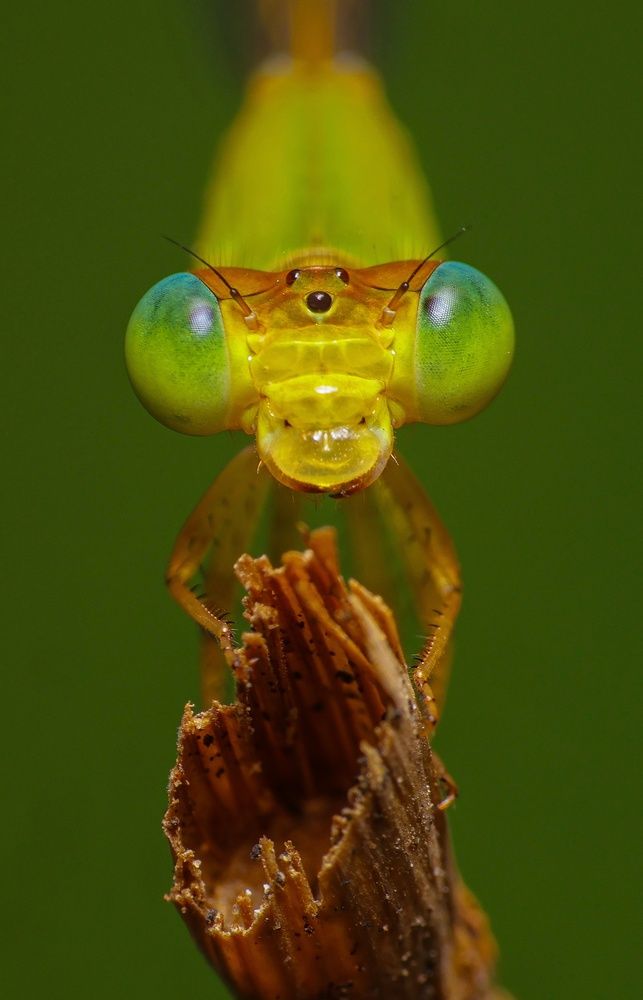
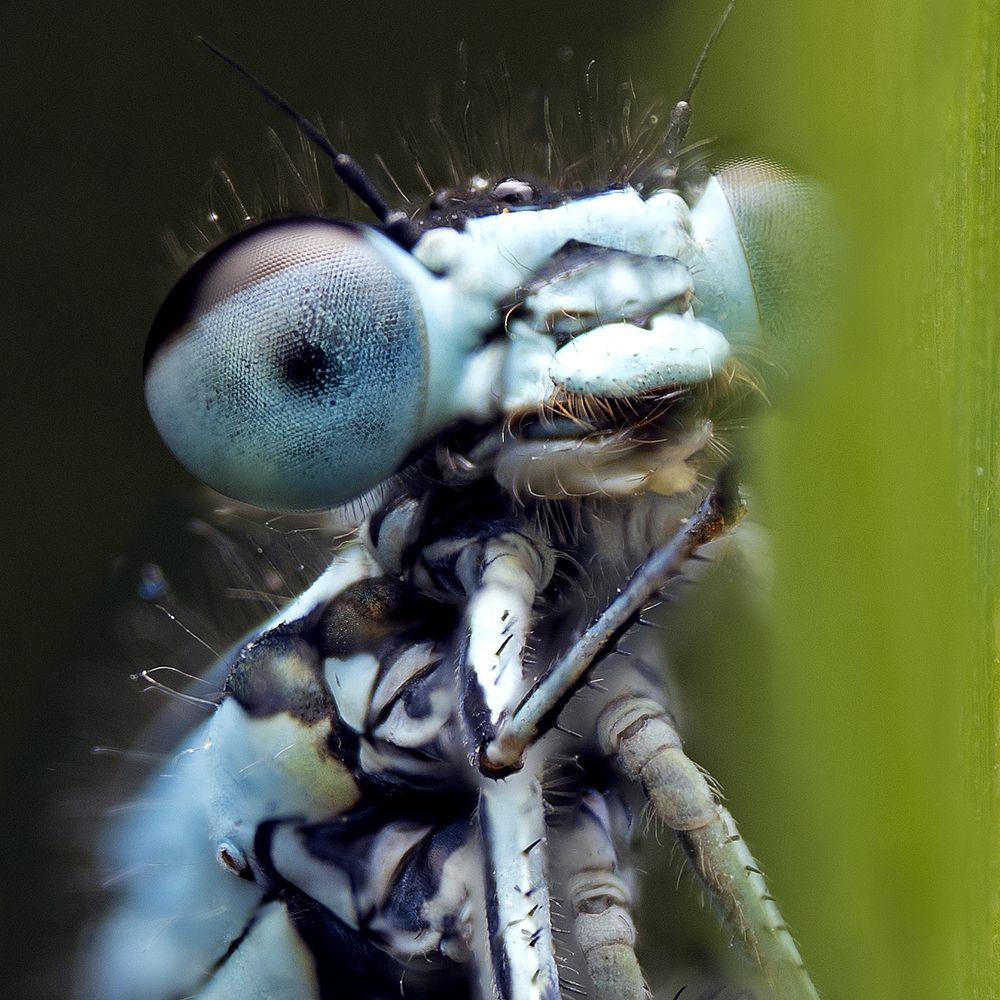
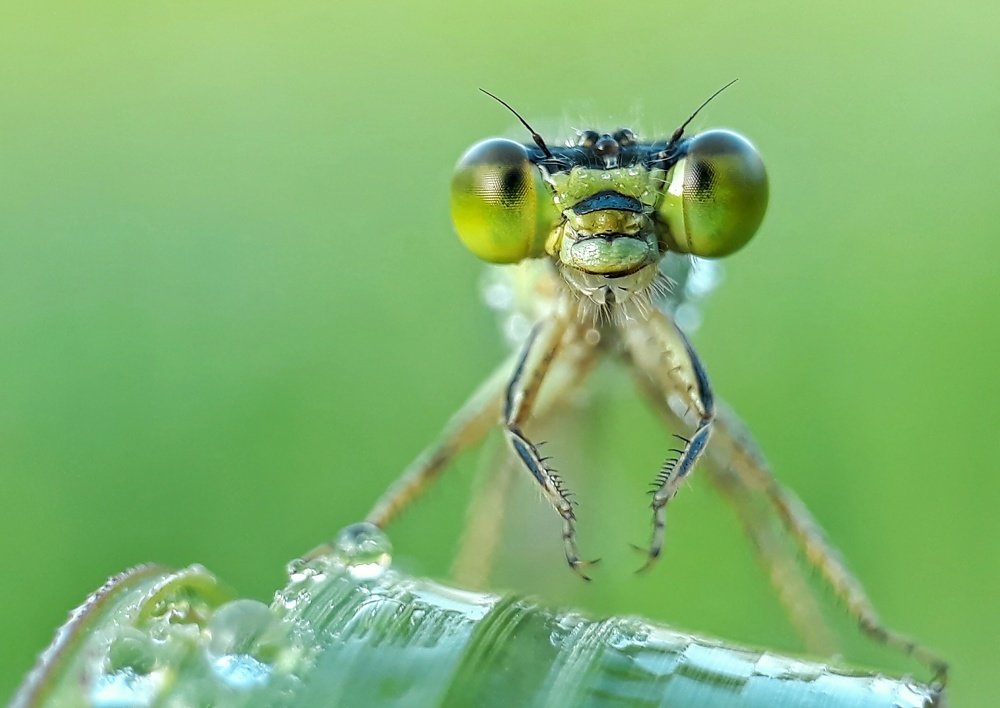
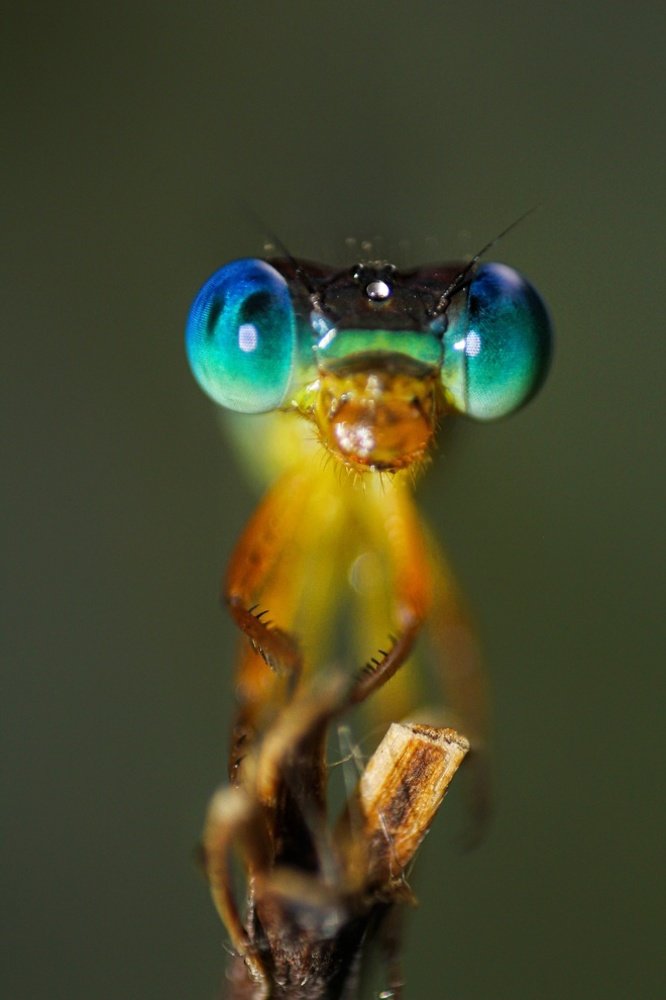
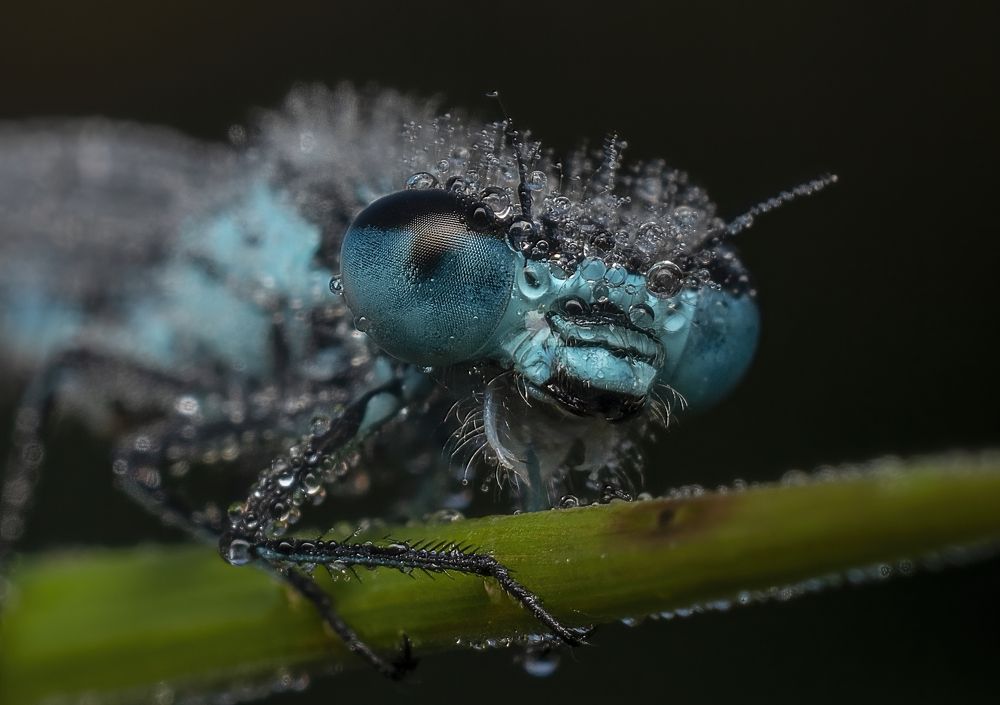
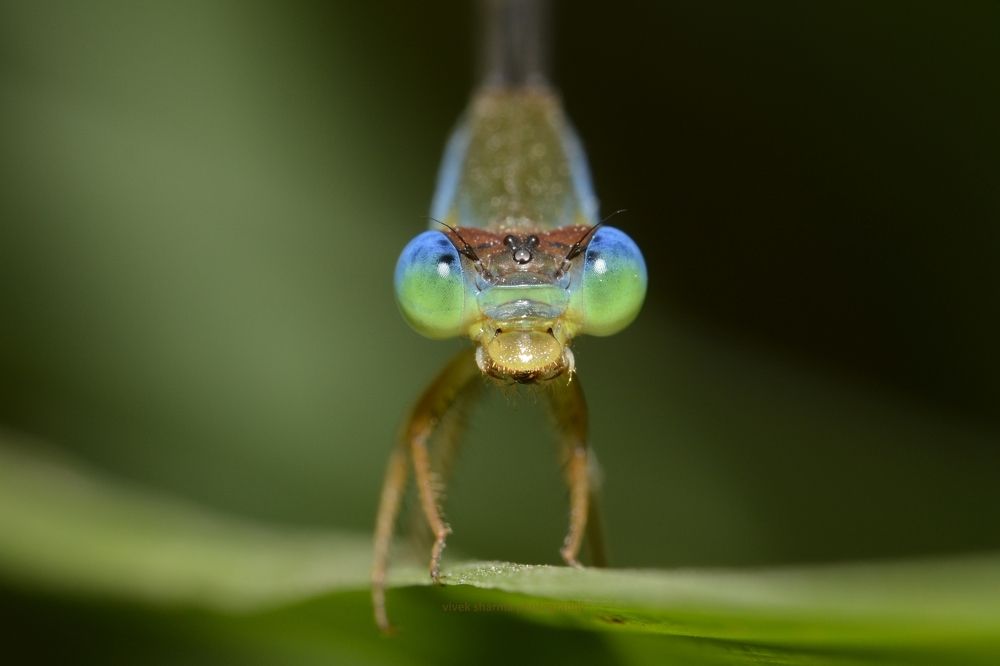
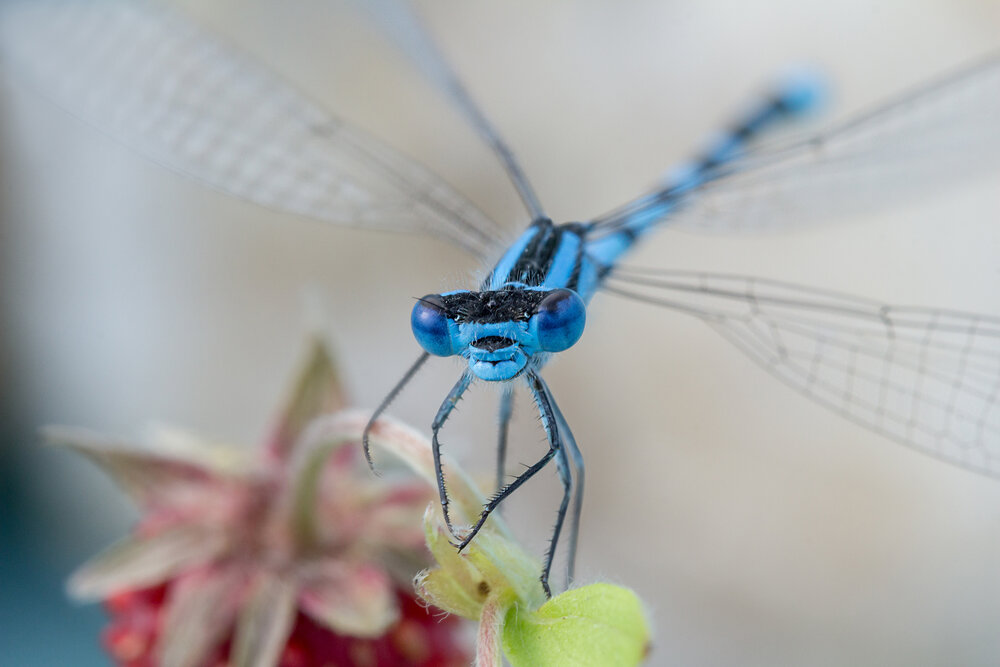
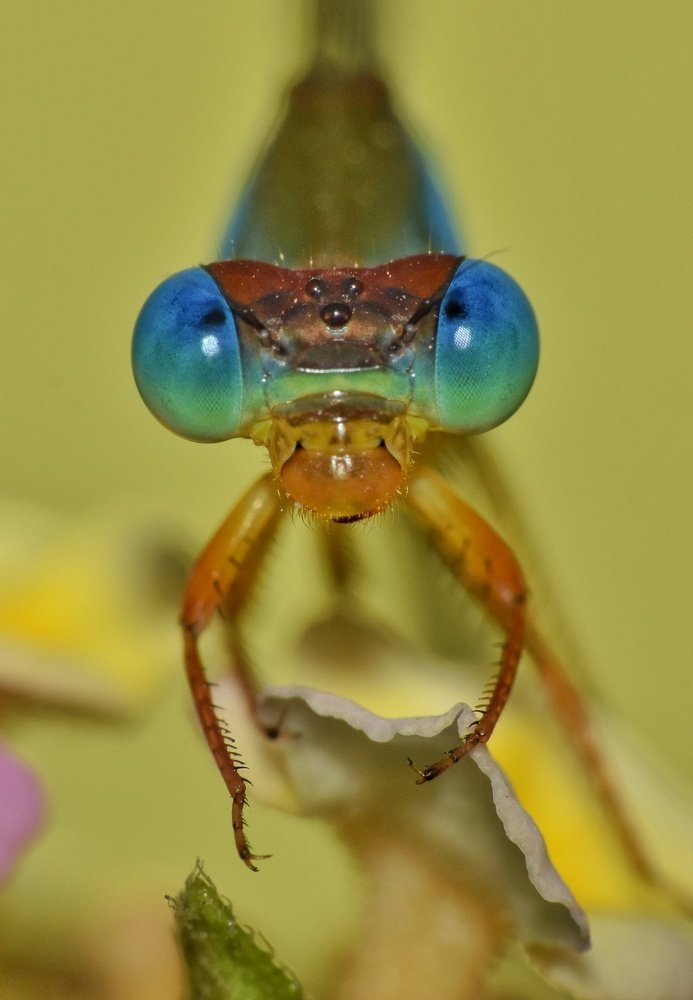
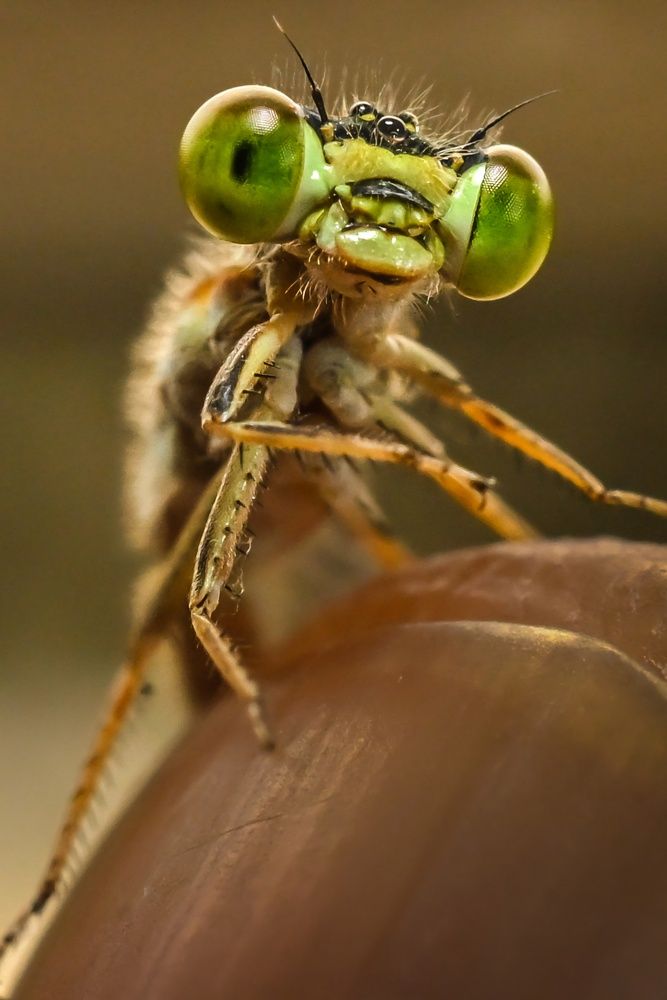
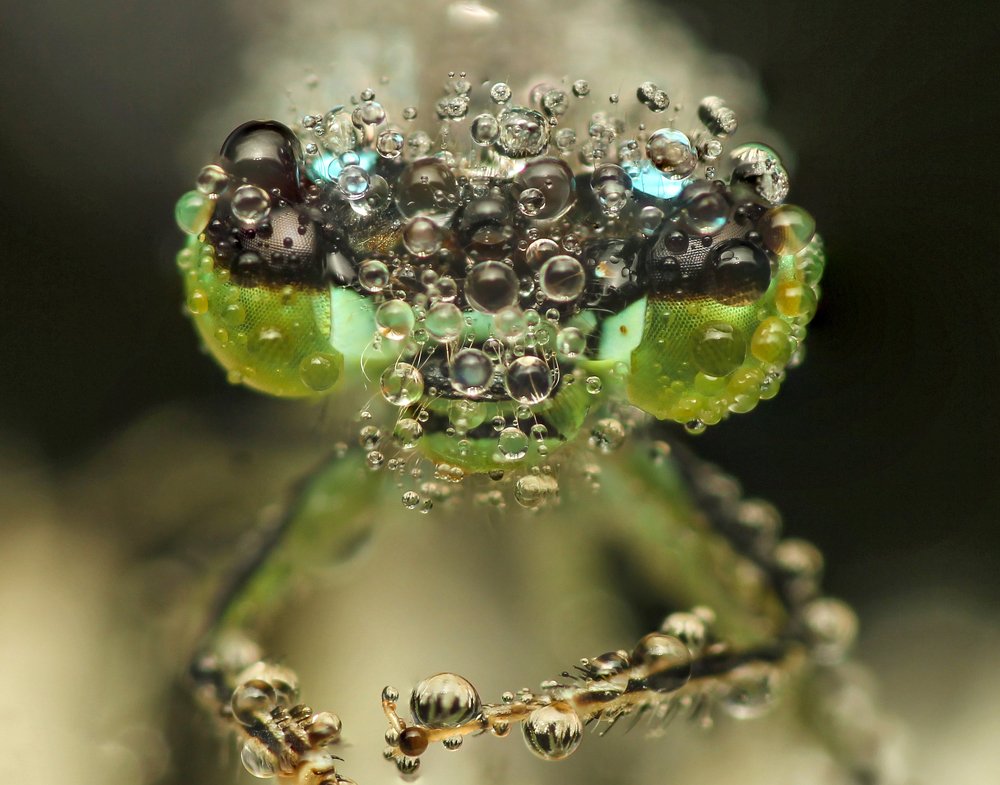
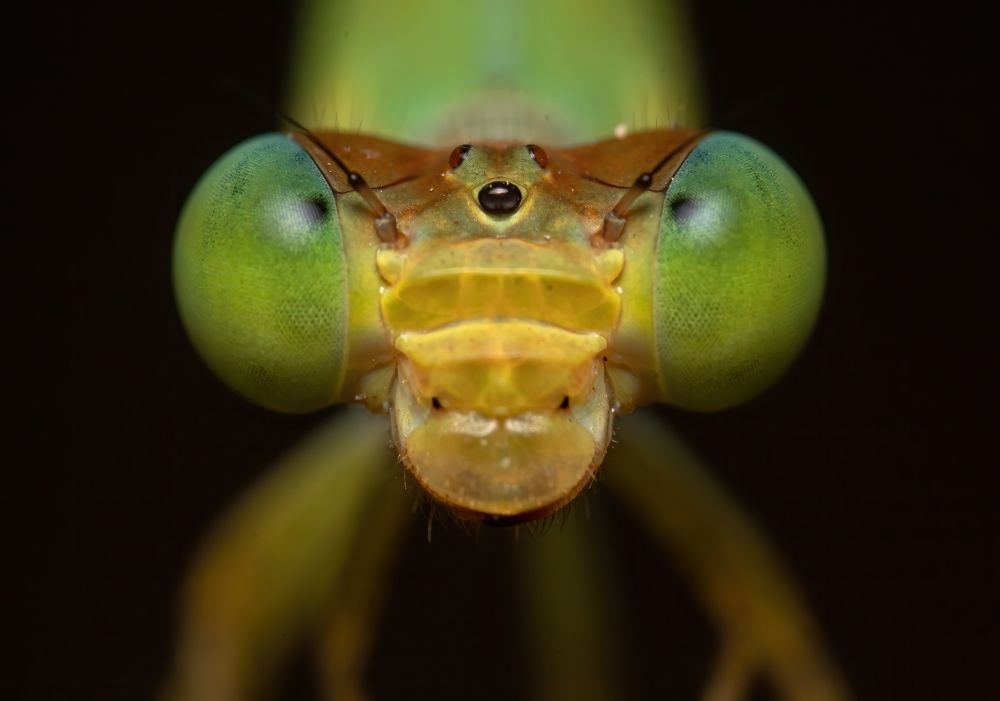
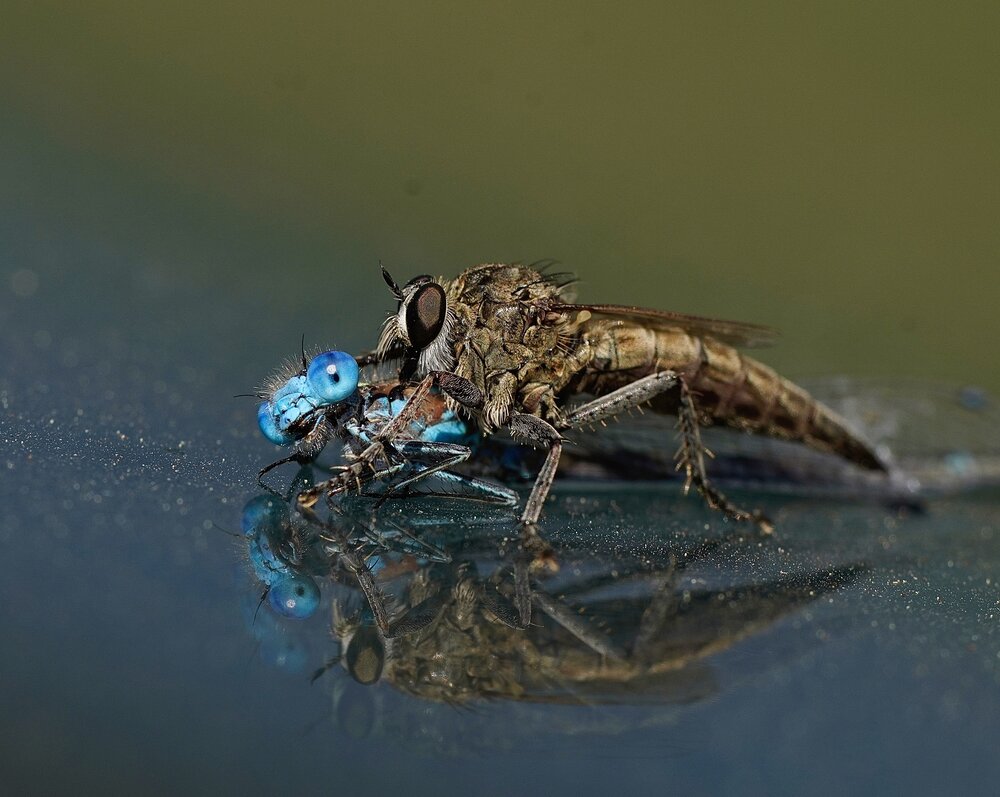
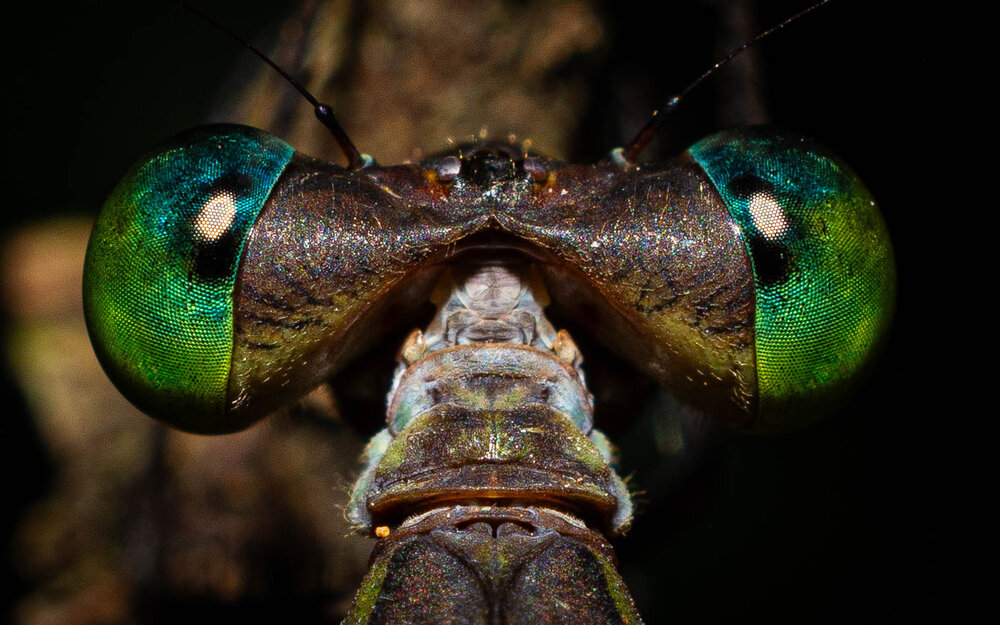
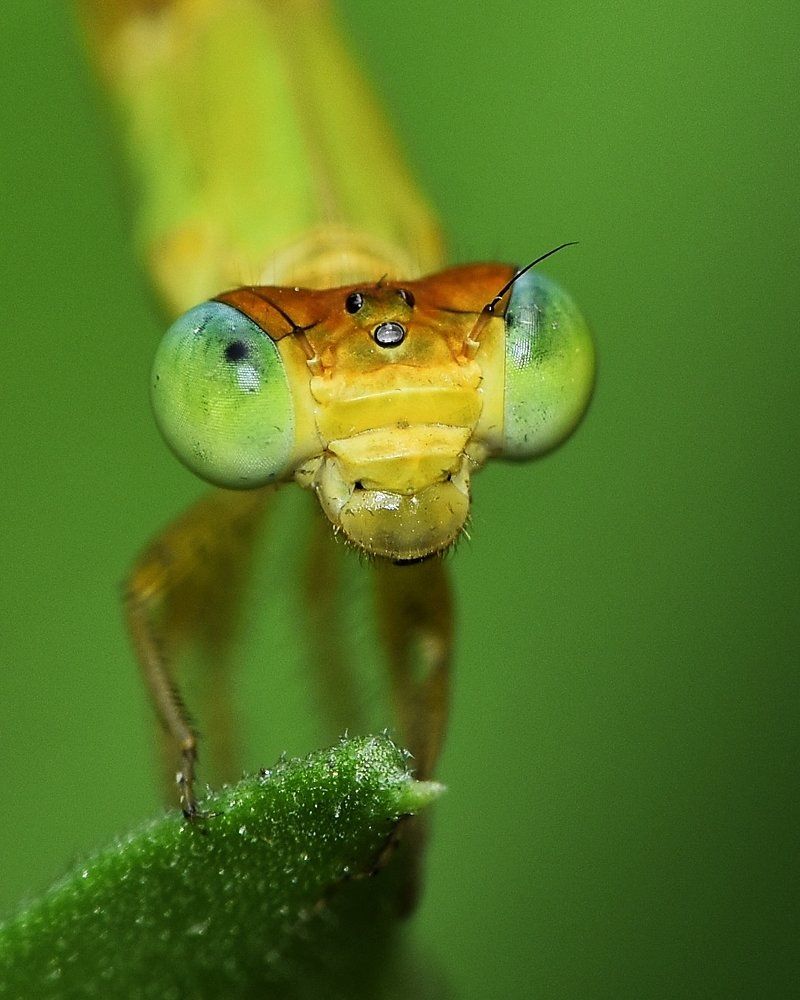
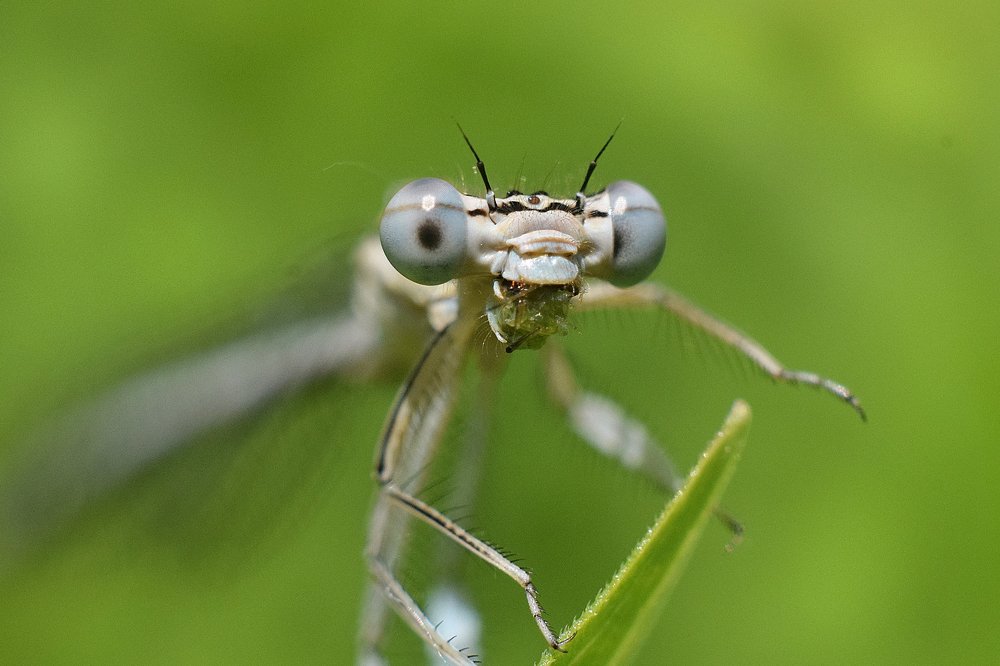
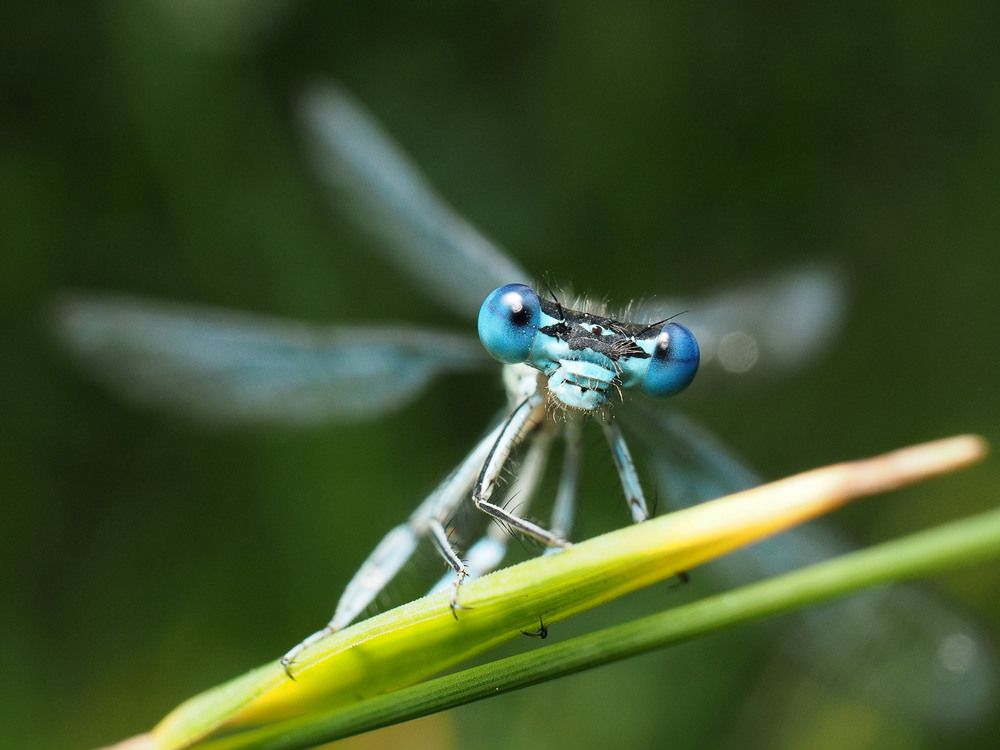
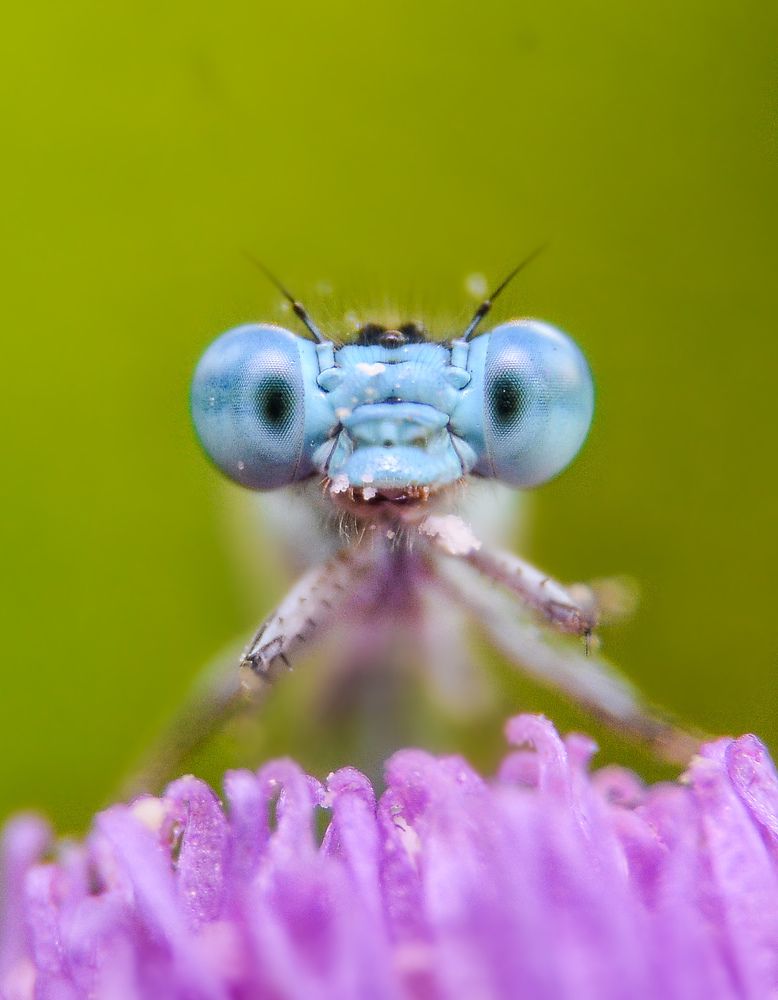
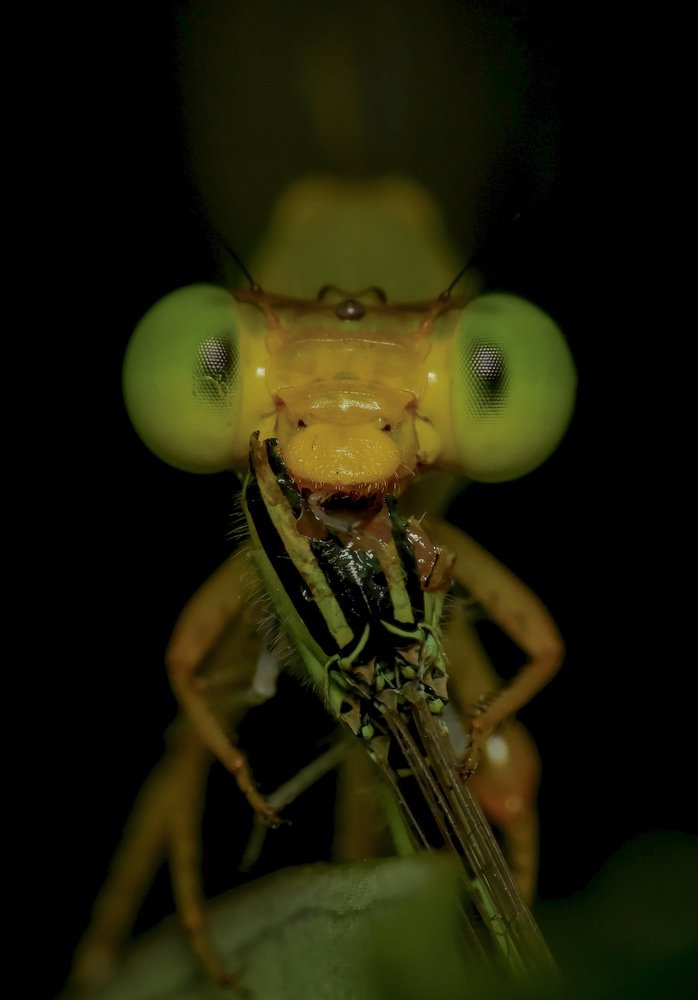
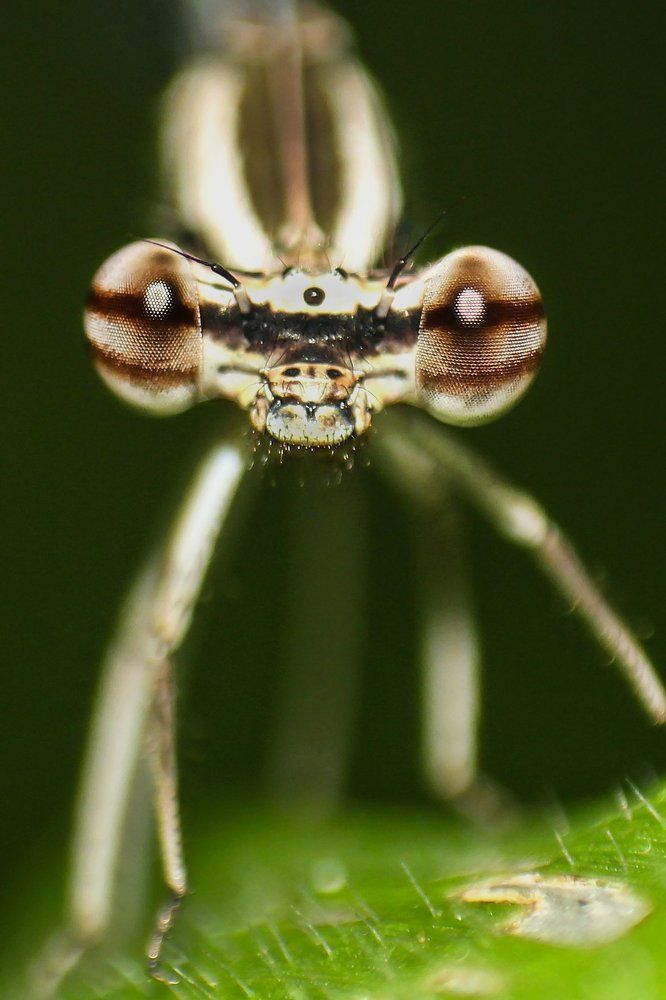
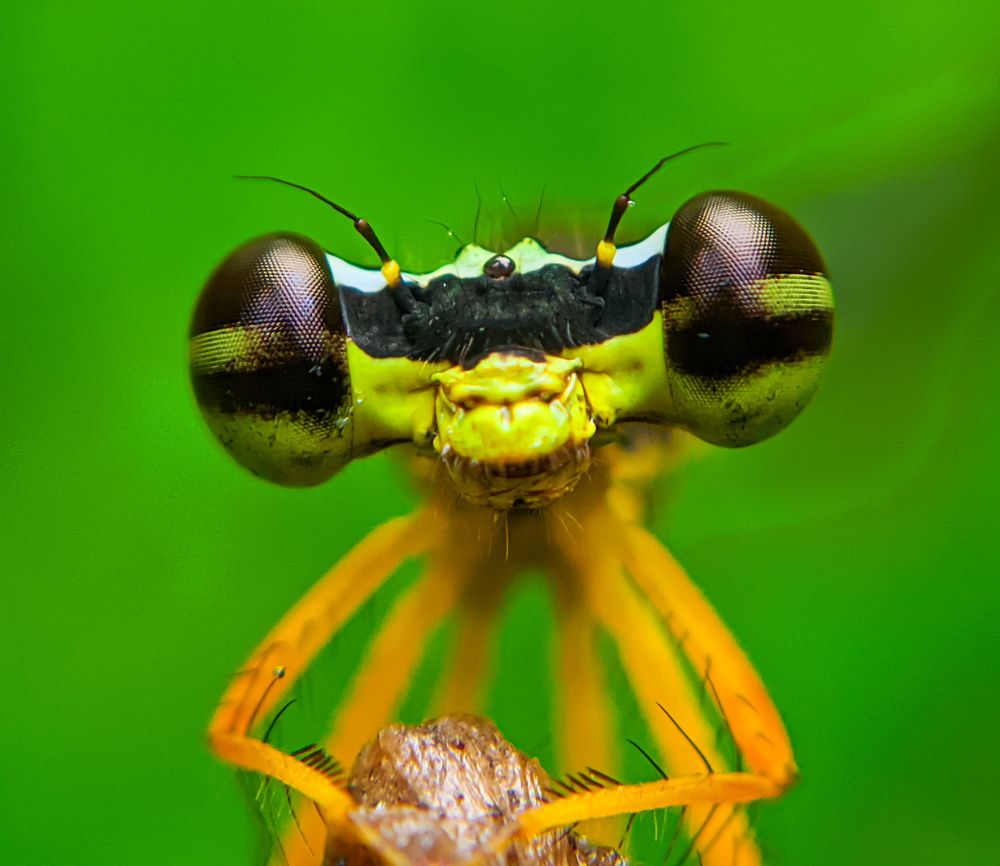
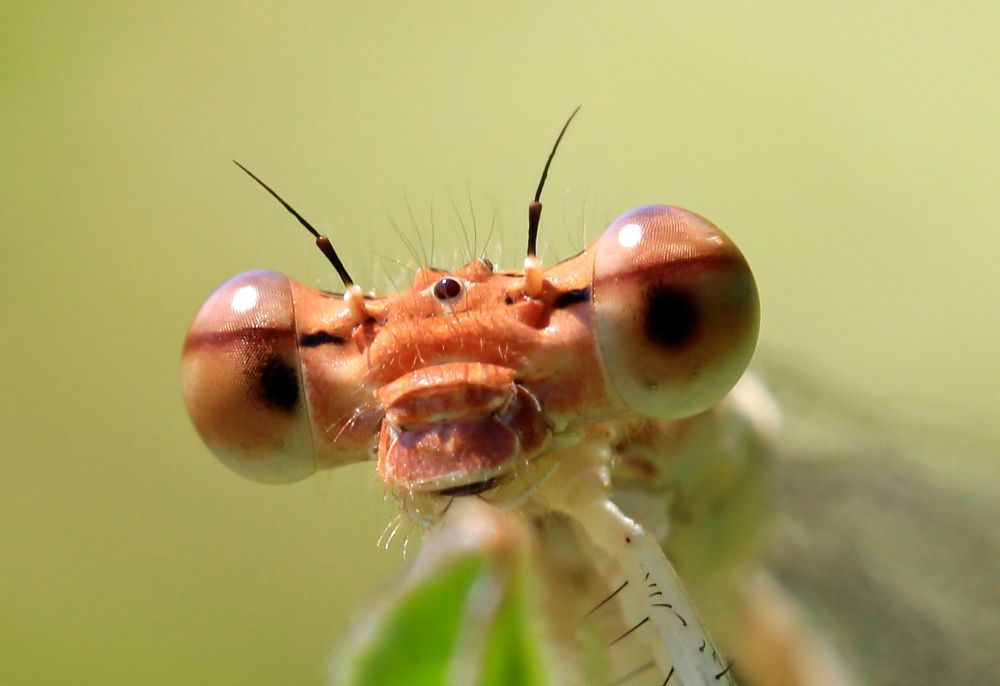
Macro photography captures the intricate details of damselflies and dragonflies. Photographers utilize high magnification to reveal textures on compound eyes and fine hairs on the body that are invisible to the naked eye. The images display various angles, including direct frontal views and close-ups of feeding behavior. These shots highlight the vivid coloration of the insects' eyes and bodies against blurred backgrounds.
The collection features subjects from India and Russia, often photographed during late spring or summer months. Macro lenses allow for extreme detail in these small-scale portraits. The group is united by the focus on the head and thorax of Odonata insects.
How to shoot it
📍 Where to shoot
Shooting takes place outdoors, mainly in park areas and natural habitats (e.g., Tambdi Surla). Subjects are often near water or among vegetation.
🕐 Time of day
Most shot between 6:00 and 9:00 (27% of frames)
Based on 63 frames with camera data. Camera clock time; the time zone is unknown.
Best time to shoot is morning (6–9 h) and early day (13 h), when insect activity is high and light is soft. Statistics show peak frames in these hours.
🗓️ Season
Most shot in: May, July, June
Based on 63 frames with camera data
Optimal period is May–August, coinciding with peak activity of dragonflies and mayflies. Most frames are taken in May (15 pcs.) and July (9 pcs.).
🎫 Access and rules
Shooting is done in natural areas and parks (e.g., Tambdi Surla). Special permits for macro photography are usually not required, but it is important to follow reserve rules: do not disturb insects and do not break vegetation.
🧗 Difficulty
Needs preparation
Medium level of difficulty: requires patience waiting for the subject and precise focusing. Statistics show use of focus stacking (up to 92 frames) to obtain sharpness across the whole depth, which increases processing time.
🎒 Gear
A macro lens with a focal length of 60–100 mm (median 90 mm) and 1:1 magnification capability is required. A tripod is recommended for stability at low shutter speeds or stacking, as well as an external flash with a diffuser to control light.
Cameras and lenses the authors used (10)
Sony ILCE-7CM2 7Olympus OM-1 5Olympus E-M1MarkIII 4Nikon D7200 4Nikon Z6_2 3OM 90mm F3.5 7OLYMPUS M.60mm F2.8 Macro 3Tamron SP 90mm f/2.8 Di VC USD Macro 1:1 (F004) 2AF-S DX Micro Nikkor 40mm f/2.8G 218.0-55.0mm f/3.5-5.6 2
🧳 What to bring
Tripod with a pan head, external flash with diffuser, spare batteries, insect repellent, comfortable shoes for walking in parks and nature.
⚙️ Settings
Shutter 1/100 (1/250 – 1/13)Aperture f/9 (f/4.5 – f/18)ISO 200 (100 – 640)Focal length 90 mm (50 – 145)
Based on 48 frames with camera data. Median and 10-90% range across the idea frames.
Key parameter is aperture: median f/9 (range f/4.5–f/18) to control depth of field. Shutter speed is usually 1/100 s, ISO 200.
⚠️ Good to know
To obtain maximum detail, focus stacking is often used (up to 92 frames), which requires stable setup and subsequent processing in specialized software. It is important to follow ethics: do not disturb insects, do not break vegetation and respect reserve rules.
📈 How the idea developed
works uploadedshare of all site uploads, per 100k
The date is when the file was uploaded to the site. The chart counts works assigned to the idea.
✅ How to repeat it
- Use focus stacking for sharpness across the whole depth when shooting large eyes
- Apply a diffuser on the flash for soft light and natural highlights in the eyes
- Shoot in the morning or early day when light is soft and insect activity is high
✨ Interesting facts
- 🏆 How the best frame was shot: Olympus OM-1, OM 90mm F3.5, 1/100, f/8, ISO 200, 90 mm
- 🔇 89% of frames were shot at ISO 400 or lower: almost no noise, any modern camera will do
- 🥇 24 works reached the finals, 1 won. Best contest: Eyes 2026
- 👤 Most frequent authors: Юрий Юрьевич Подгрушный 8Minh Lieng Lu 5Massimo Tamajo 4Sergio Gomez Dominguez 3Utpal Sarker 3
- 🌍 Authors by country: 🇷🇺 RU 24🇮🇳 IN 14🇻🇳 VN 9🇸🇰 SK 5🇮🇹 IT 4
Some tips are prepared by AI from the idea description, photos and their EXIF. Check the rules and access to places before you travel.
Works
These lists are generated automatically and may contain inaccuracies. Photos are shown in random order, and selections are refreshed twice a day. This section is made for exploring photos and does not claim 100% accuracy. The lists include photos that previously participated in contests that are already completed.