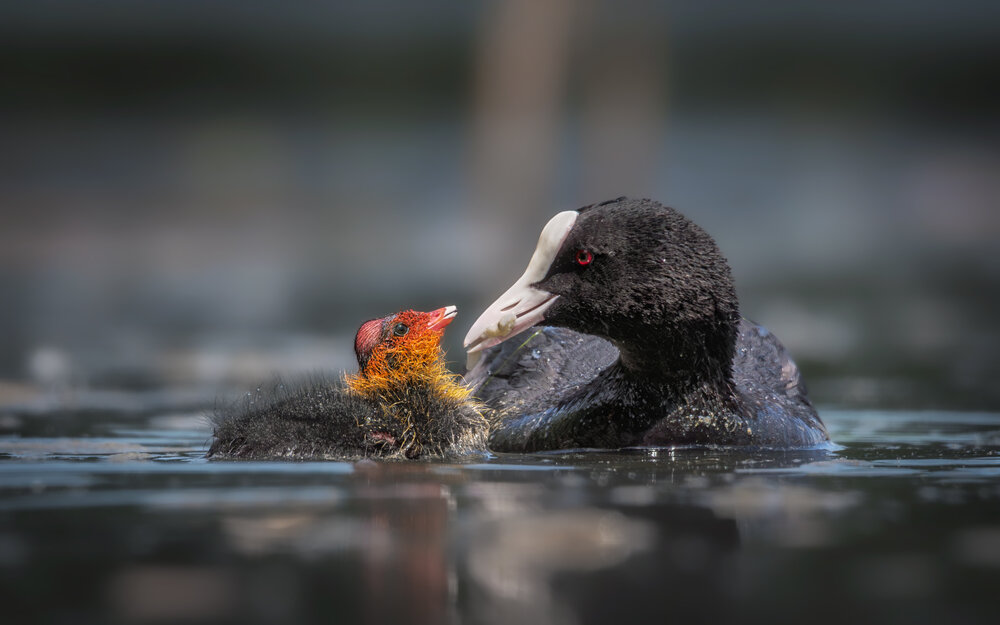
American Coot Reflections
29 worksFirst upload: Oct 2022Peak: 2026Last 12 months: 23
📝 Description
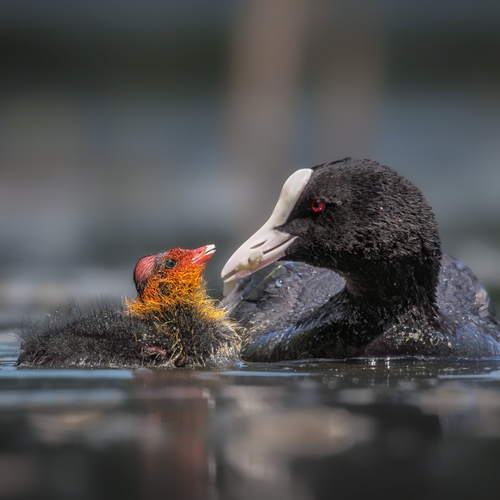
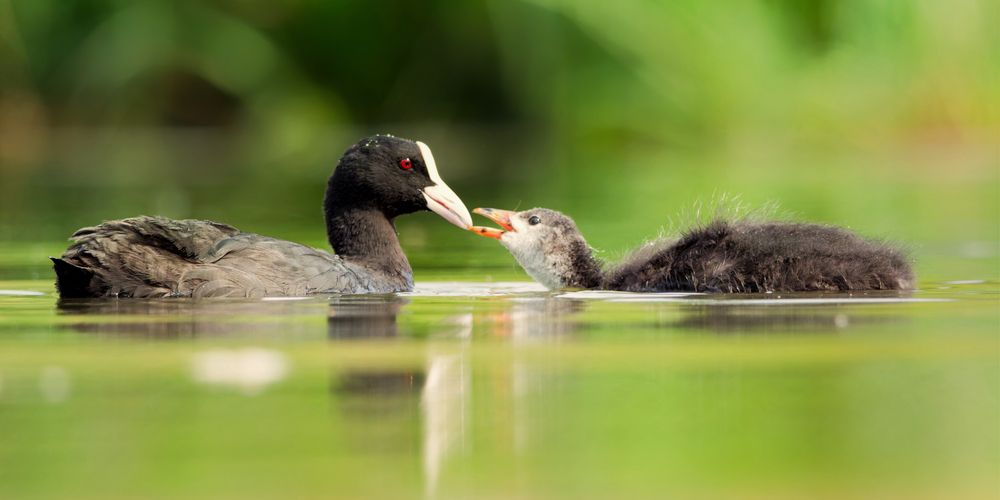
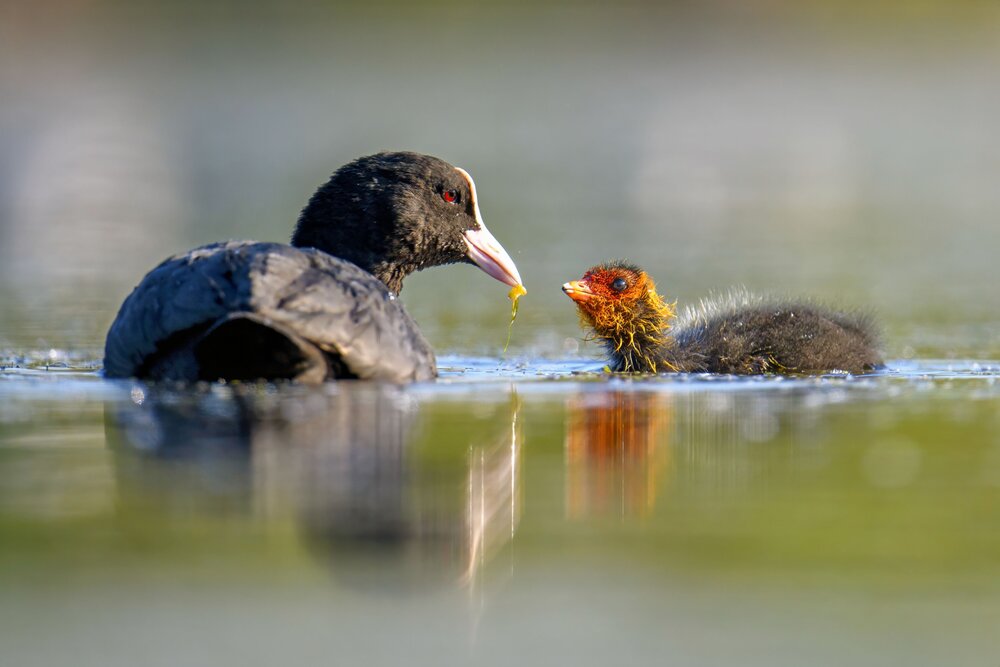
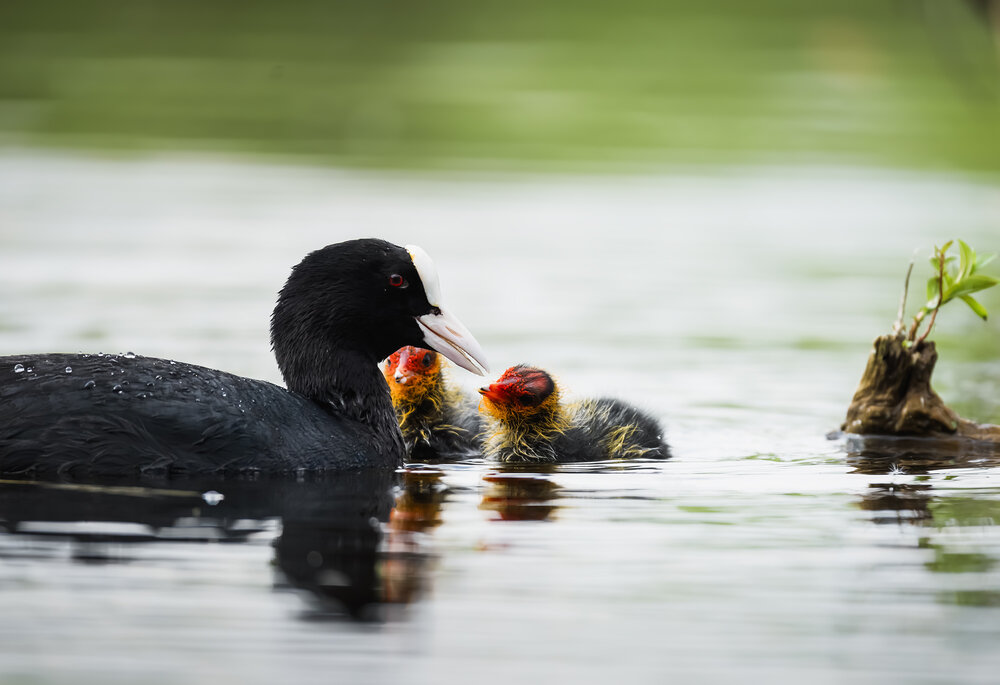
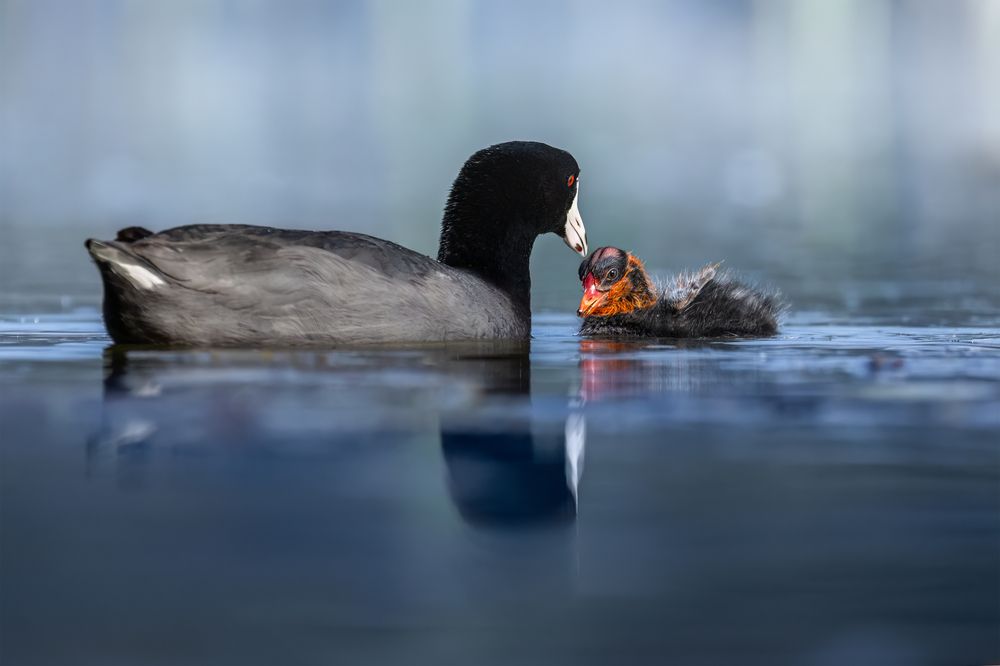
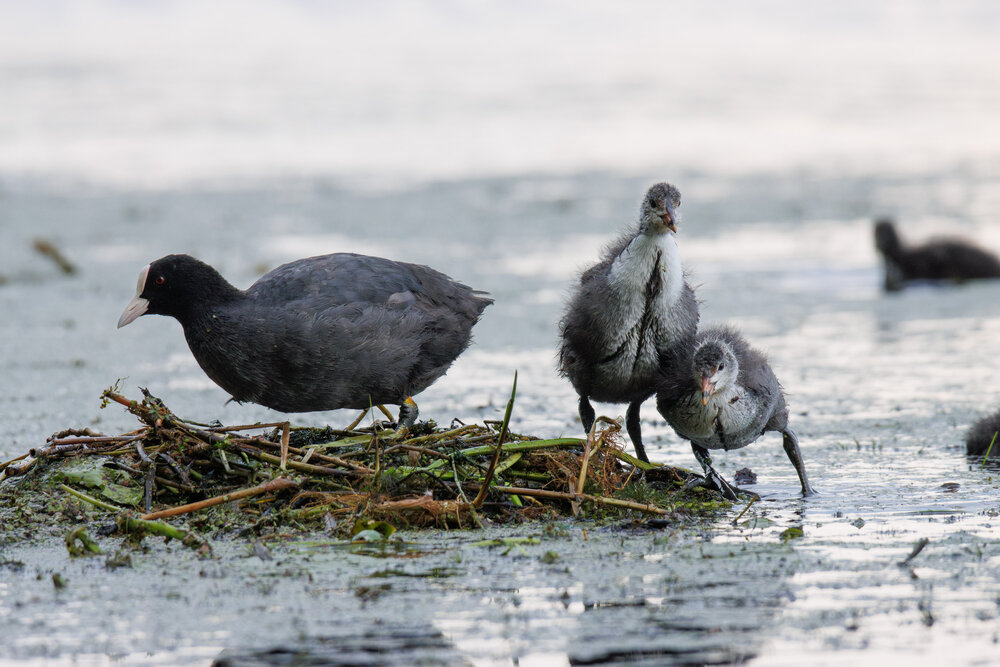
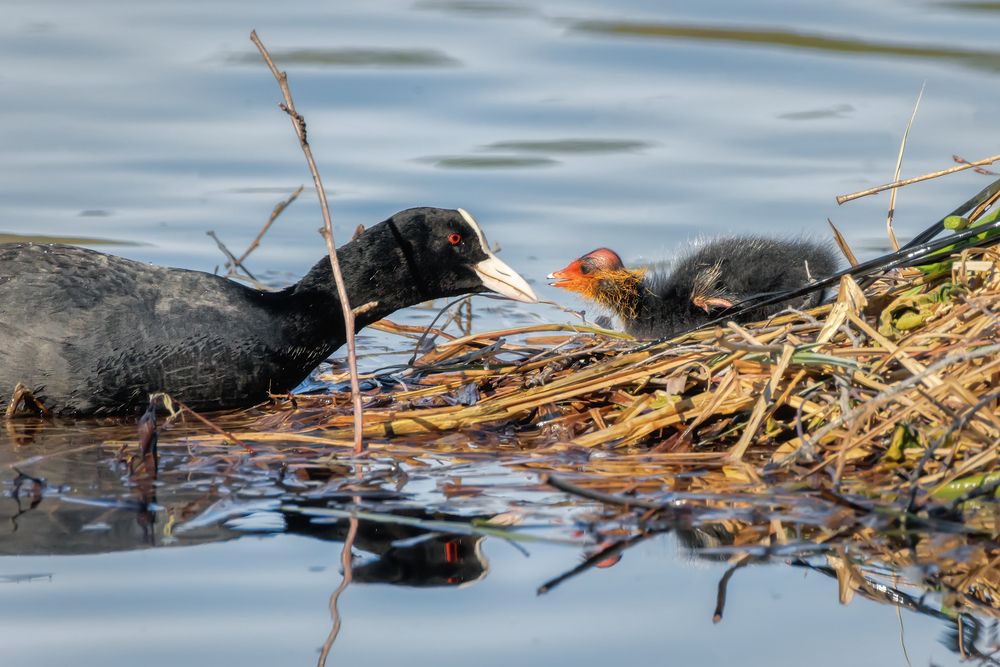
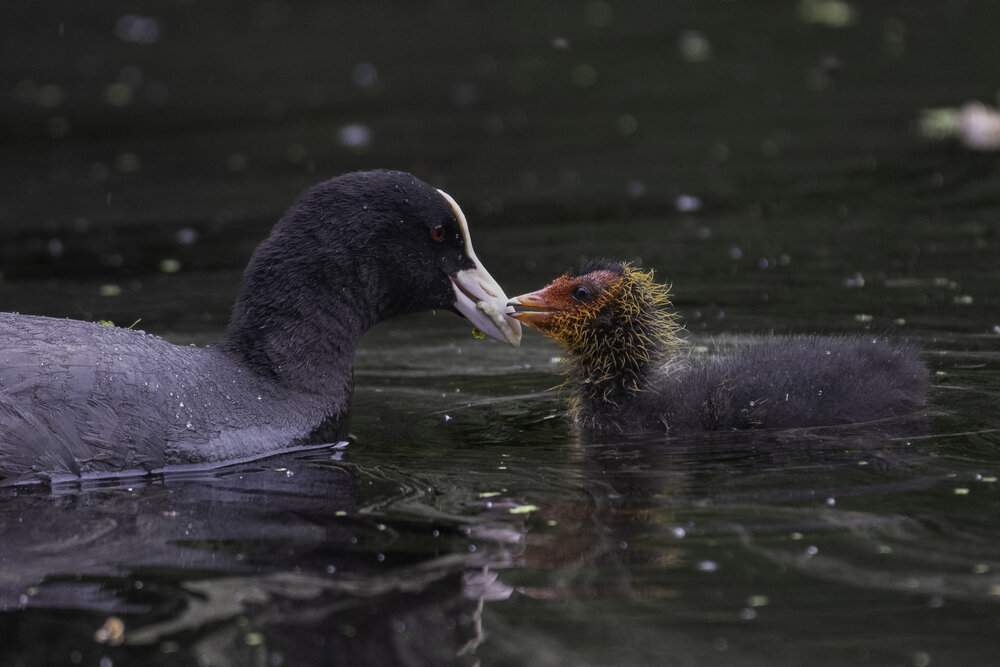
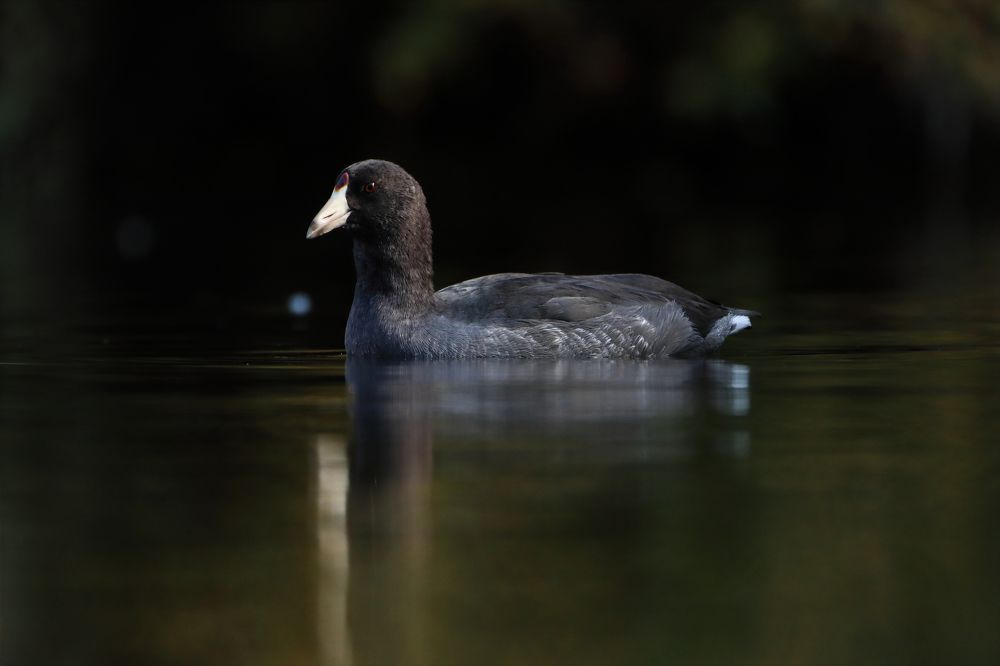
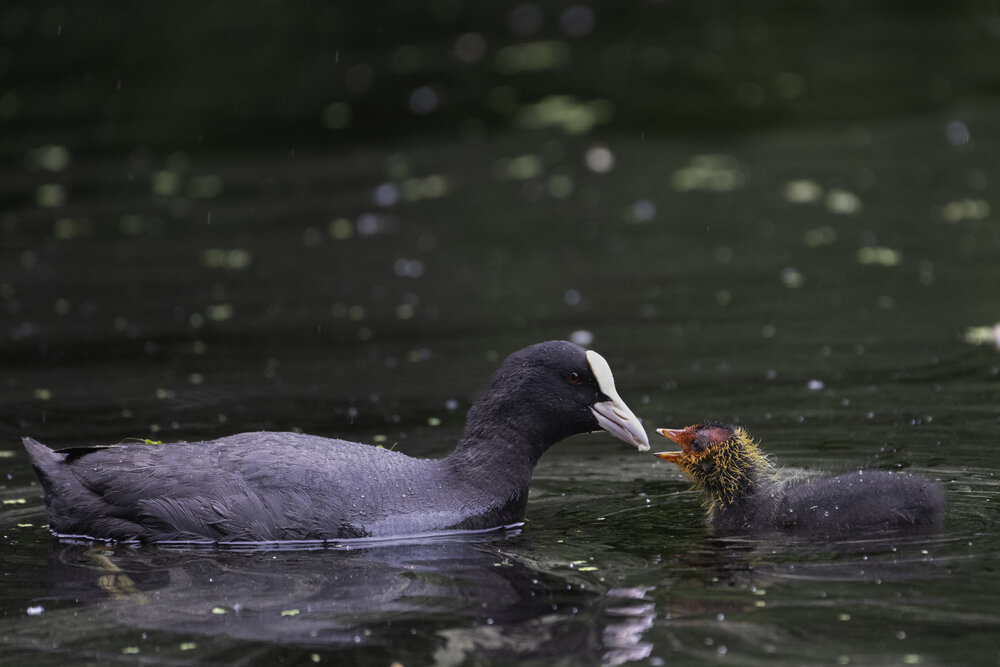
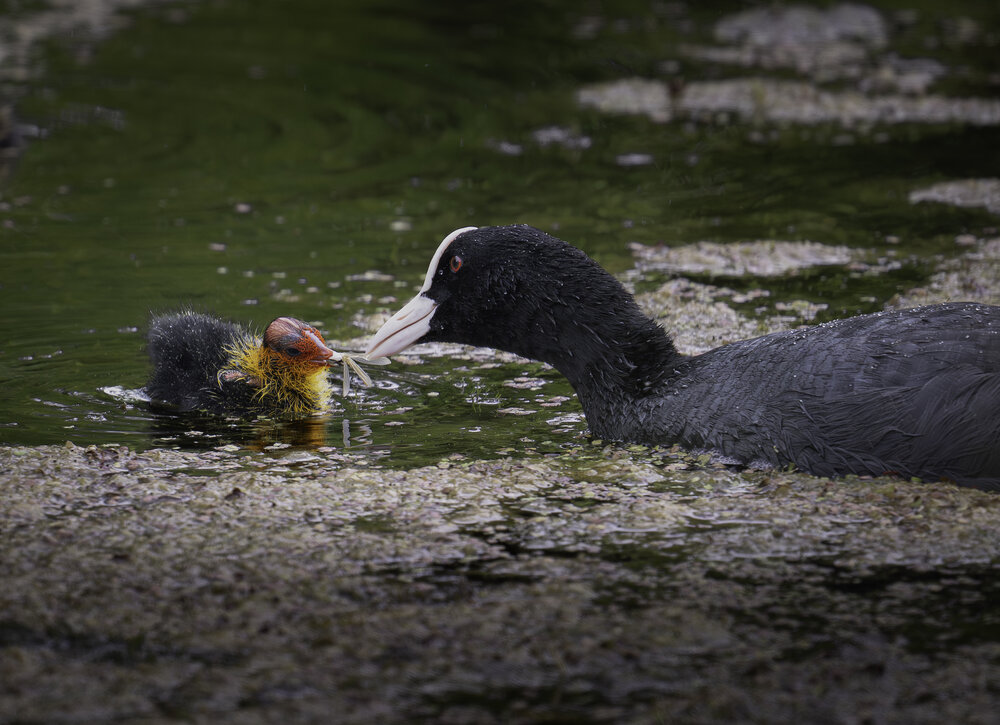
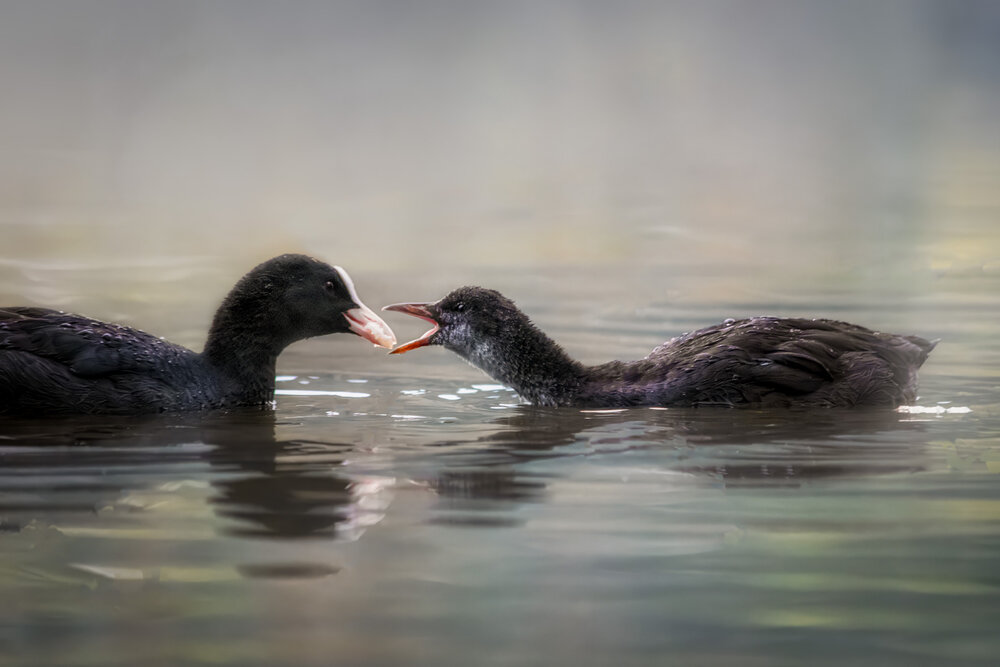
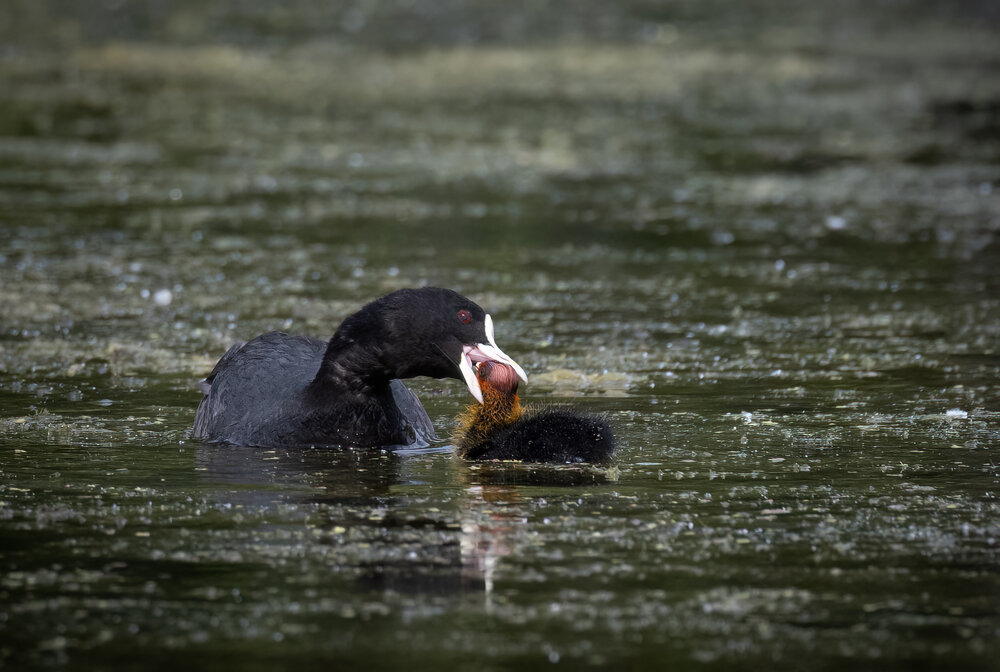
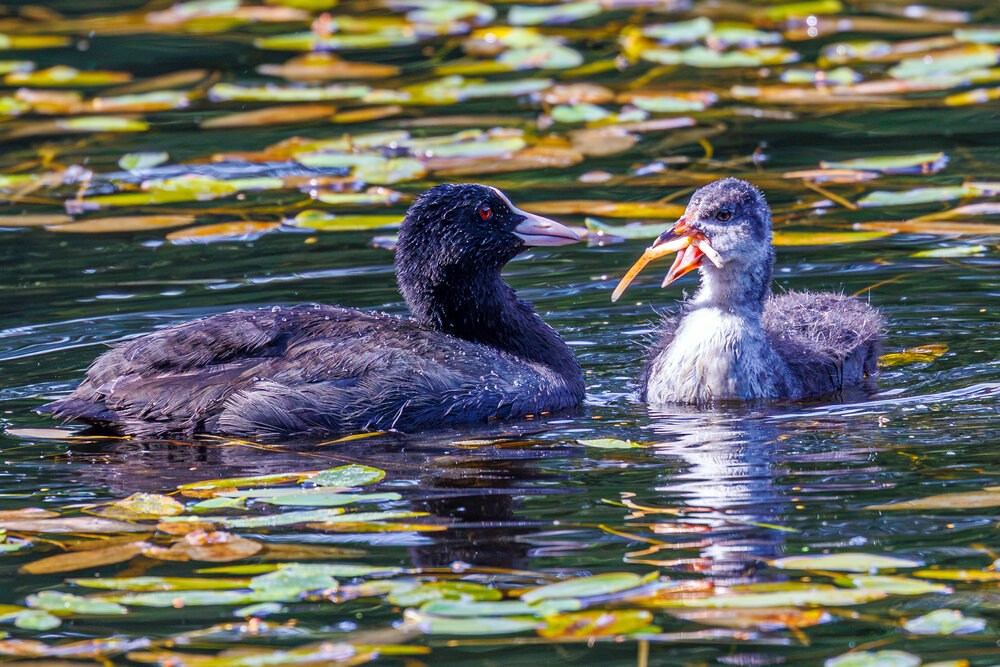
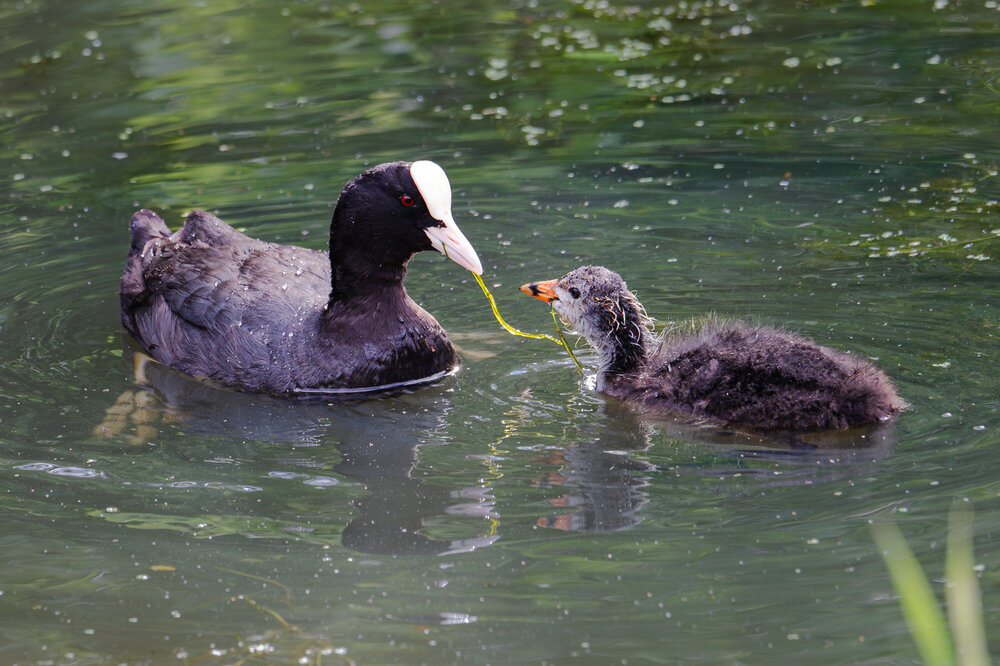
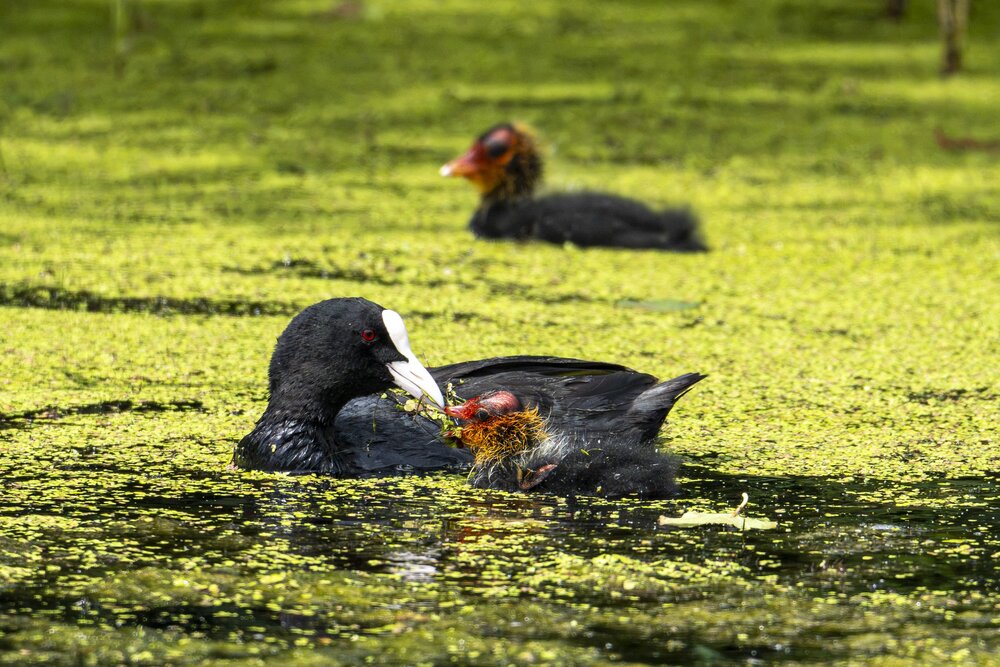
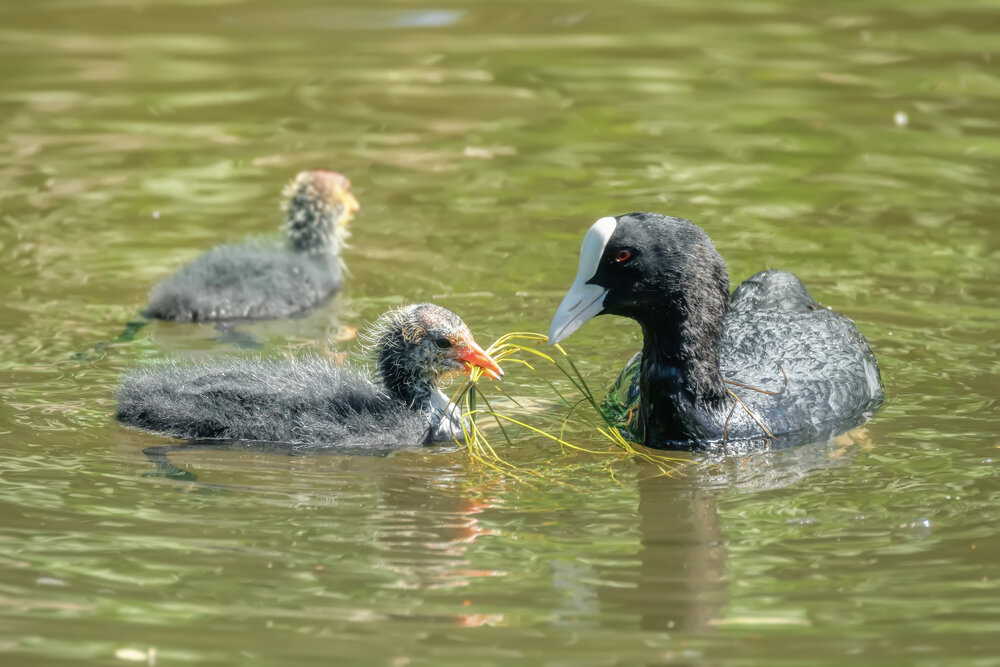
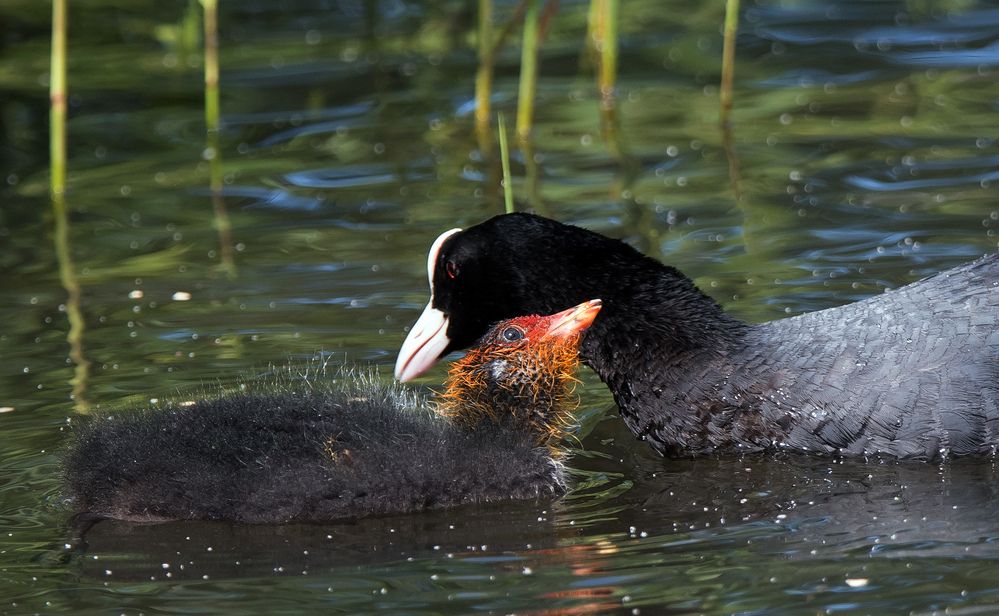
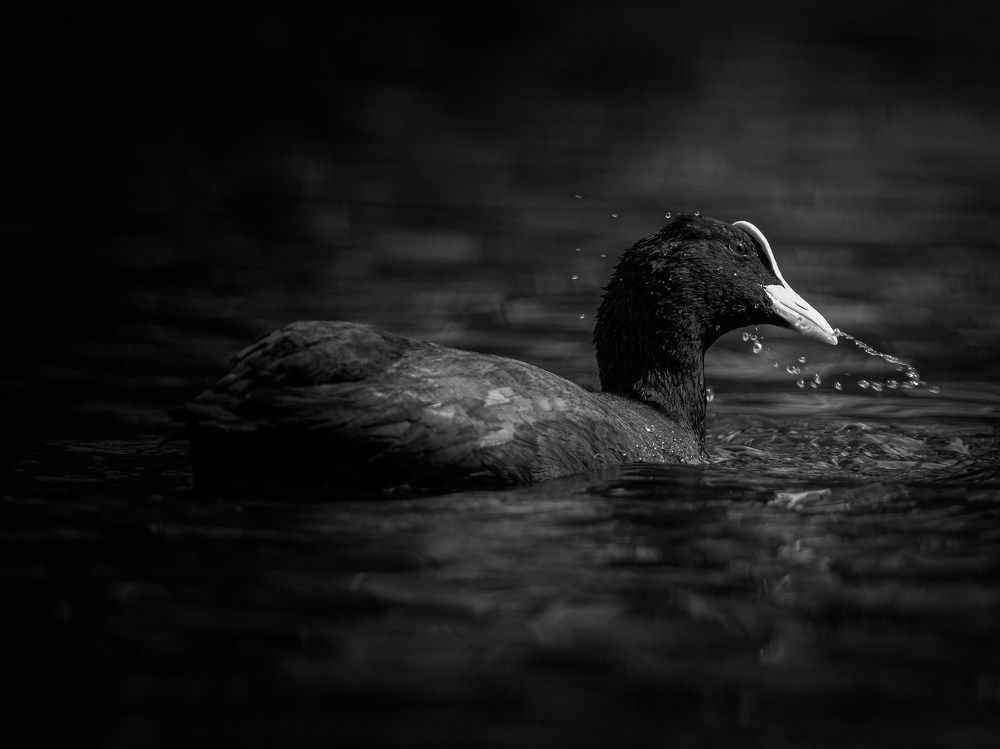
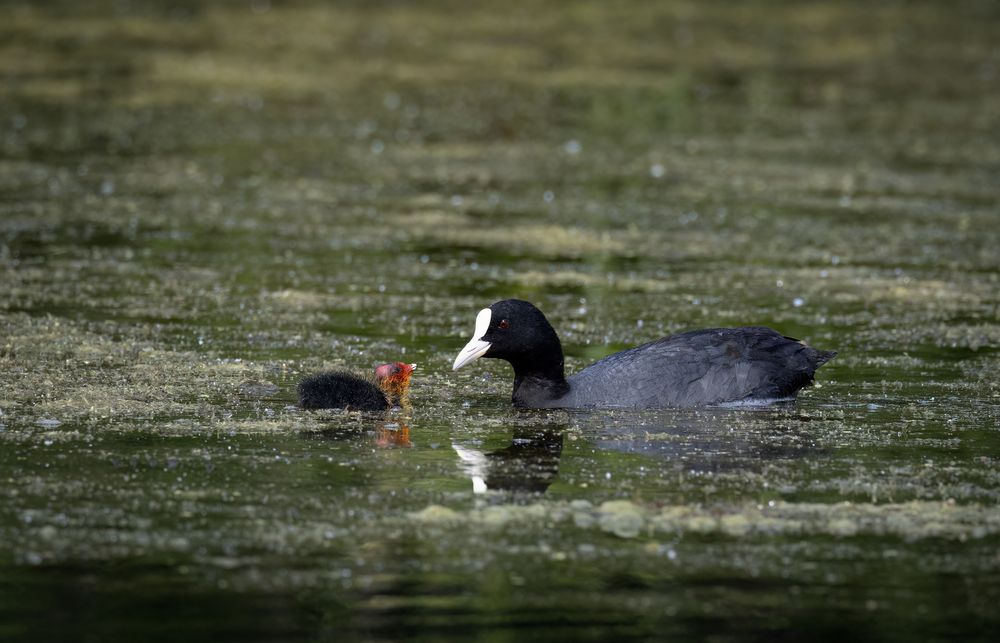
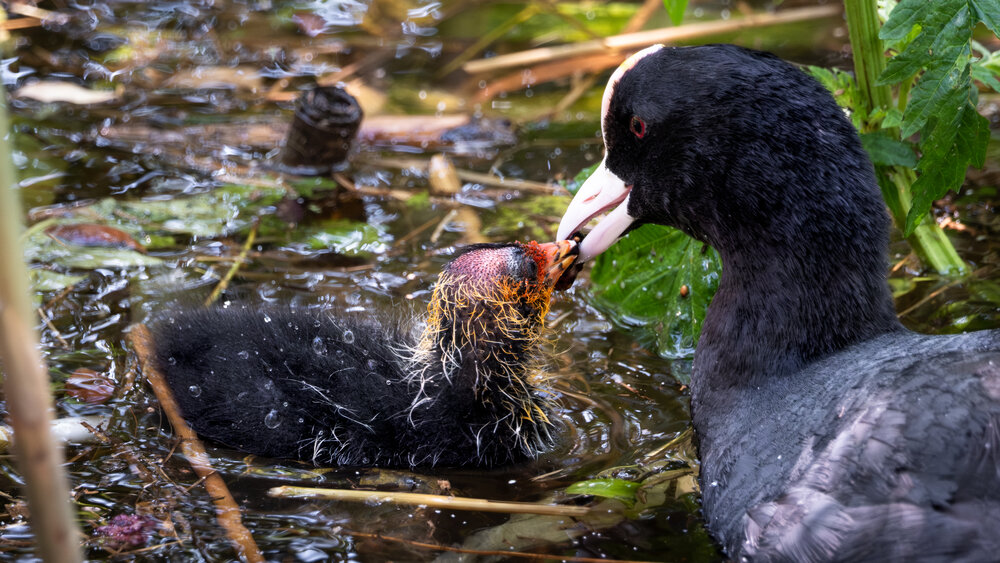
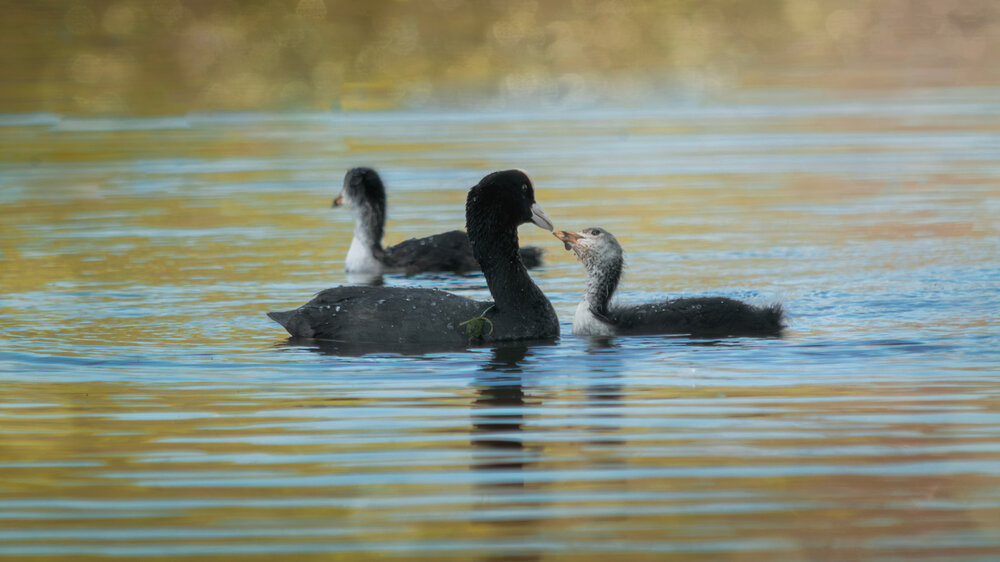
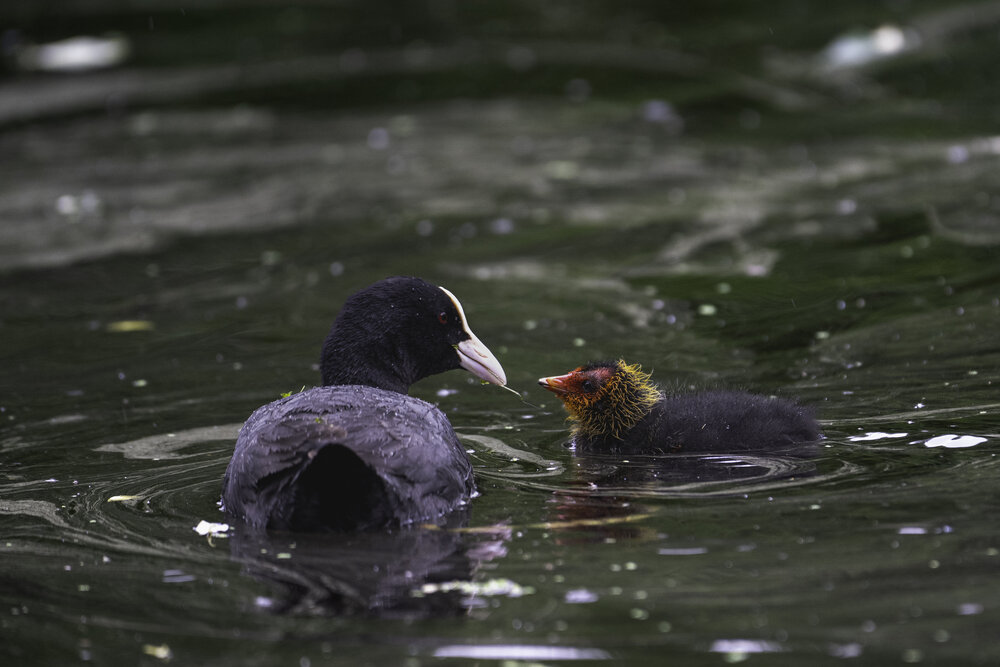
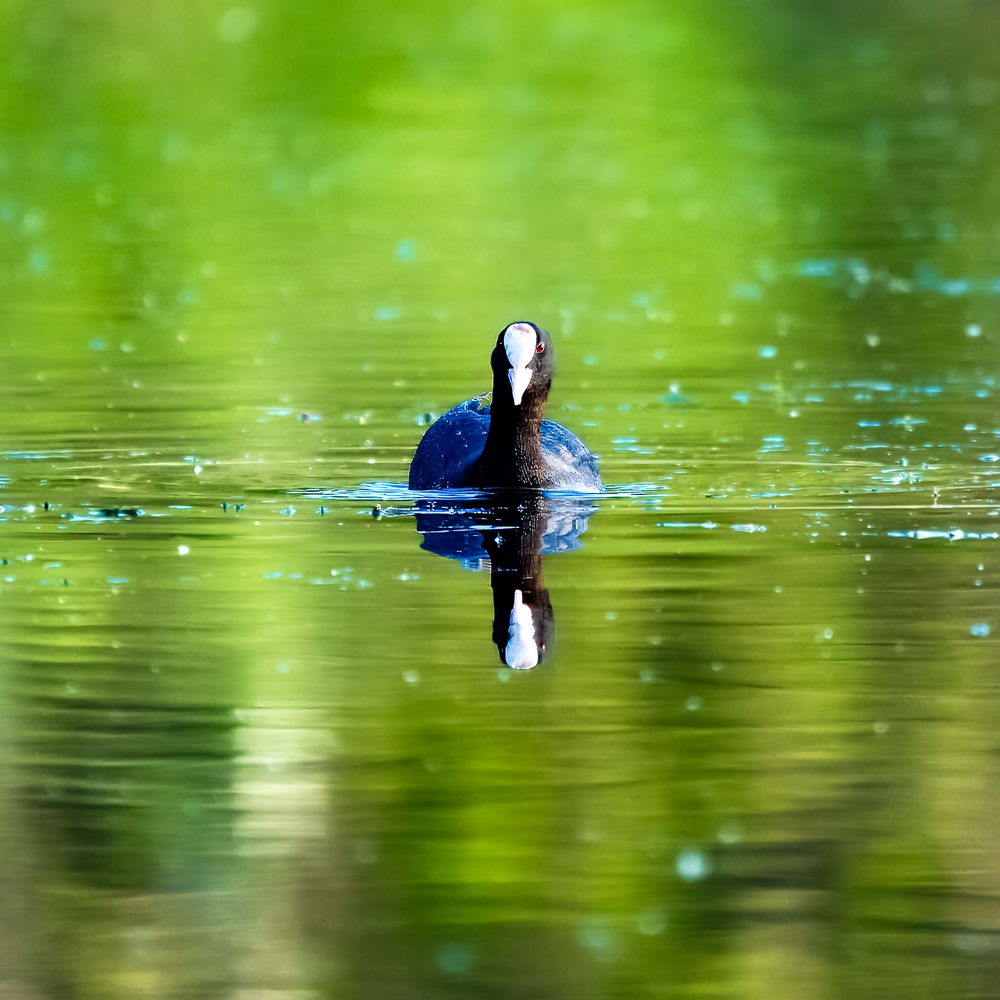
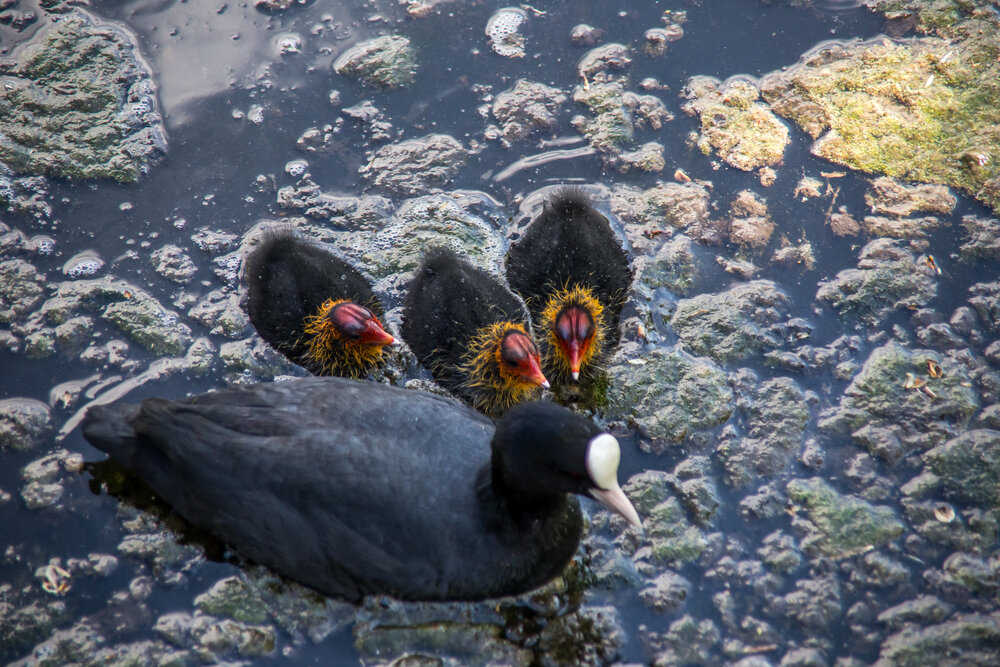
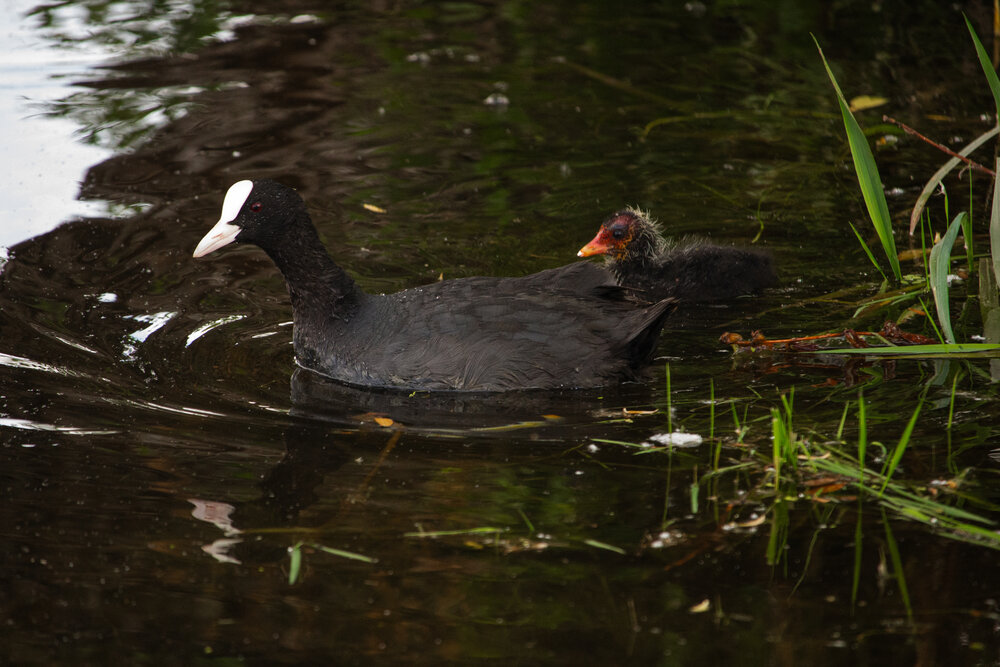
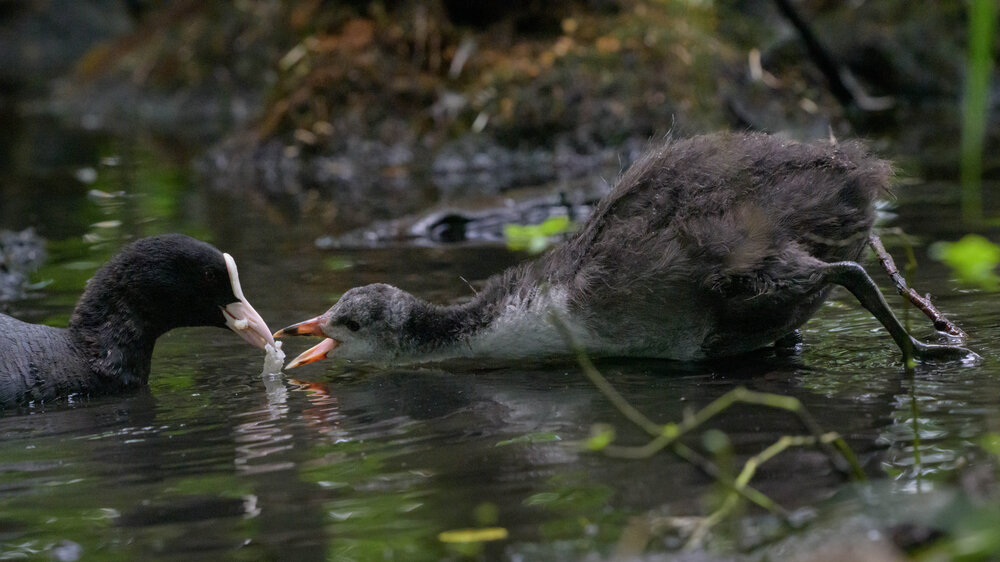
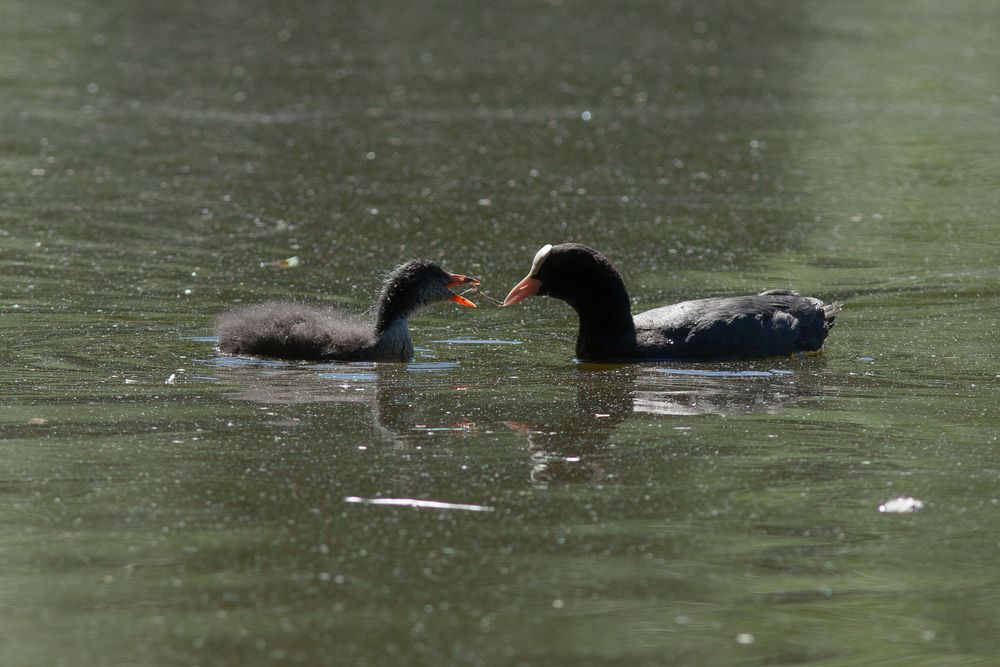
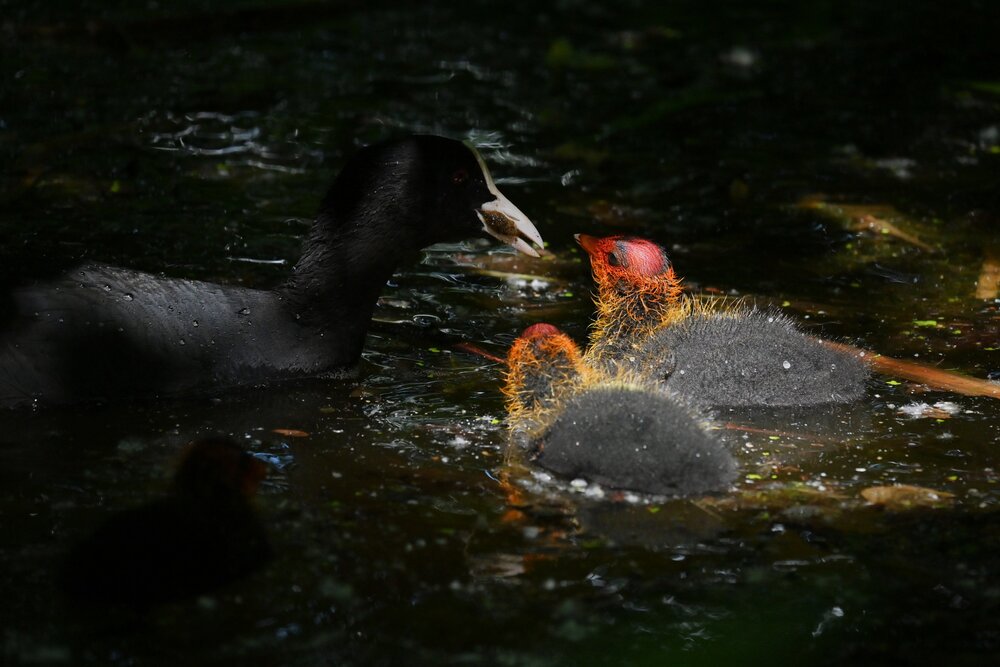
These images feature the American coot swimming in aquatic environments. Photographers are drawn to the bird's high-contrast plumage, specifically the white frontal shield against dark feathers, which creates a distinct visual focal point. The collection displays varied shooting approaches, including monochromatic studies of texture and color-rich shots highlighting reflections on the water surface. One image captures a specific behavioral interaction between an adult and its chick. A shared visual motif unites the group: the bird's reflection mirroring its form in the calm water.
How to shoot it
📍 Where to shoot
Shooting takes place outdoors, primarily in freshwater bodies (lakes, rivers, marshes) of Eurasia and North America. Locations are chosen where the Eurasian coot nests.
🕐 Time of day
Most shot between 10:00 and 13:00 (39% of frames)
Based on 23 frames with camera data. Camera clock time; the time zone is unknown.
Shooting is most often conducted from 10 AM to 12 PM, when bird activity is highest and light is sufficient for high ISO work.
🗓️ Season
Most shot in: June, July, January
Based on 23 frames with camera data
The best period is summer months, mainly June (11 shots) and July (4 shots), when coots actively feed their chicks.
🎒 Gear
A telephoto lens with a focal length of 400–600 mm is needed for shooting at a distance. Cameras must perform well at ISO 1250–2800 and shutter speeds from 1/500 s.
Cameras and lenses the authors used (10)
Nikon NIKON Z6_3 3Canon EOS 90D 2Nikon D750 2Canon EOS R5m2 2Nikon Z50 1Canon RF 100-500/4.5-7.1 L IS USM 3Nikon AF-S 200-500mm f/5.6E ED VR 3Sigma 150-600mm f/5-6.3 | C 2Sony SEL200600G (FE 200–600mm f/5.6–6.3G OSS) 2Tamron 150-500mm F5-6.7 Di III VC VXD 1
🧳 What to bring
Insect repellent, comfortable footwear for marshy terrain, spare batteries, and a rain cover for equipment.
⚙️ Settings
Shutter 1/1000 (1/2500 – 1/500)Aperture f/7.1 (f/5.6 – f/8)ISO 1250 (500 – 2800)Focal length 500 mm (410 – 600)
Based on 21 frames with camera data. Median and 10-90% range across the idea frames.
Key parameter is shutter speed: use 1/500 s or faster (median 1/1000 s) to freeze the bird's movement. Aperture f/7.1, ISO 1250.
⚠️ Good to know
Observe wildlife ethics: do not approach nesting areas closer than your lens allows to avoid stressing the bird or disrupting chick feeding. Avoid sudden movements and loud noises.
📈 How the idea developed
works uploadedshare of all site uploads, per 100k
The date is when the file was uploaded to the site. The chart counts works assigned to the idea.
✅ How to repeat it
- Use burst mode to capture moments of feeding or offspring protection.
- Watch the bird's behavior: active beak movement often precedes feeding chicks.
✨ Interesting facts
- 🏆 How the best frame was shot: Nikon D750, Tamron SP 150-600mm f/5-6.3 Di VC USD G2 (A022) or Tamron SP 150-600mm f/5-6.3 D, 1/2000, f/8, ISO 320, 600 mm
- 🌃 45% of authors used ISO 1600 and above: you will need a fast lens and a low-noise camera
- 📐 100% of frames are landscape orientation
- 🥇 25 works reached the finals. Best contest: Wild Animals with Offspring 2026
- 👤 Most frequent authors: Андрей Тодавец 3Владимир Колесников 2Tatiana Alieva 2Галина Павлова 2
- 🌍 Authors by country: 🇷🇺 RU 24🇩🇪 DE 1🇲🇽 MX 1🇺🇸 US 1🇮🇳 IN 1
Some tips are prepared by AI from the idea description, photos and their EXIF. Check the rules and access to places before you travel.
Works
These lists are generated automatically and may contain inaccuracies. Photos are shown in random order, and selections are refreshed twice a day. This section is made for exploring photos and does not claim 100% accuracy. The lists include photos that previously participated in contests that are already completed.