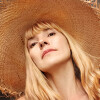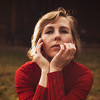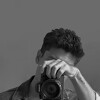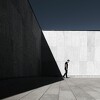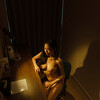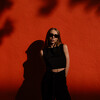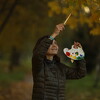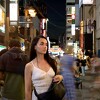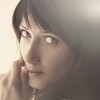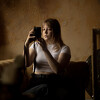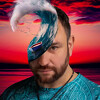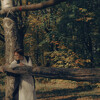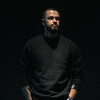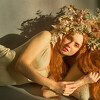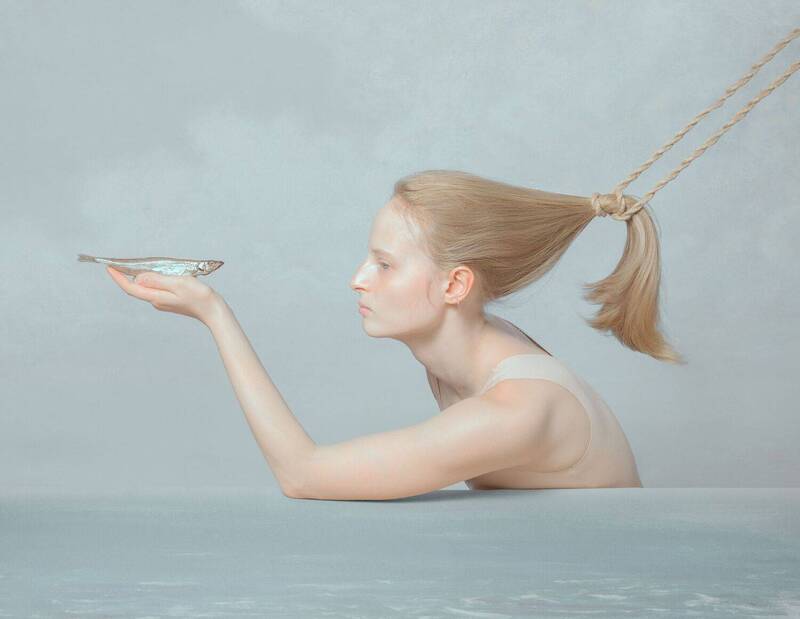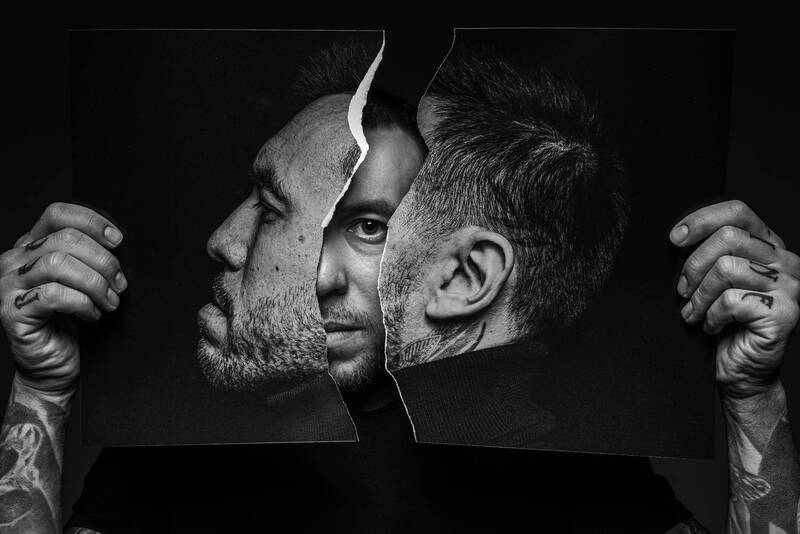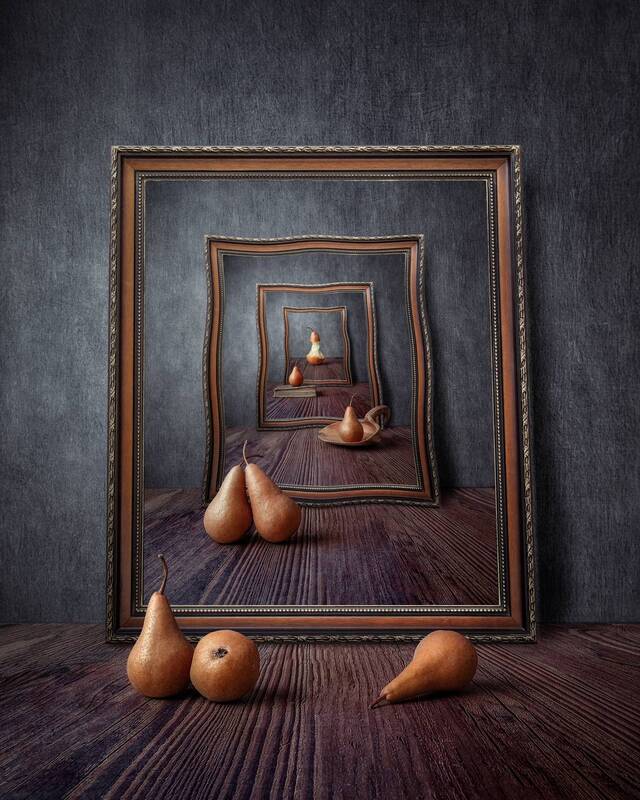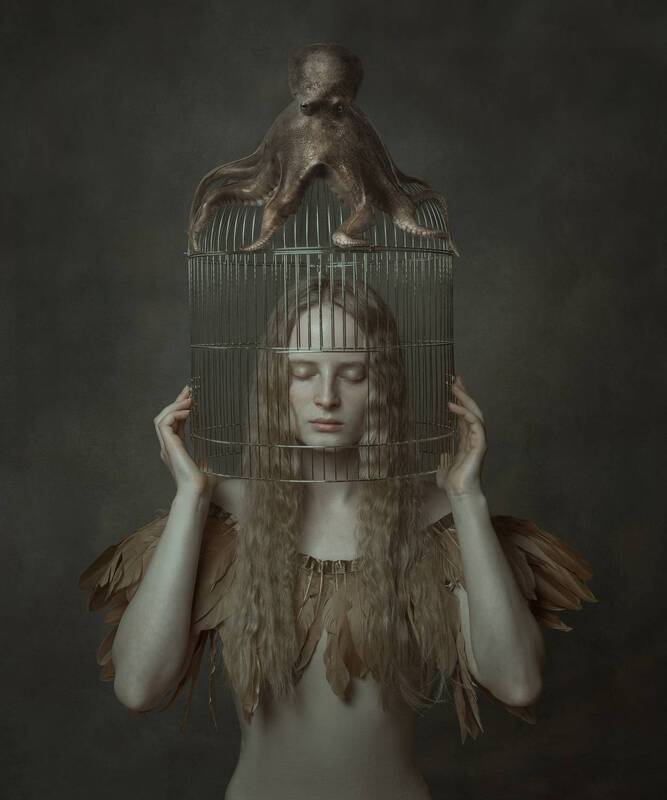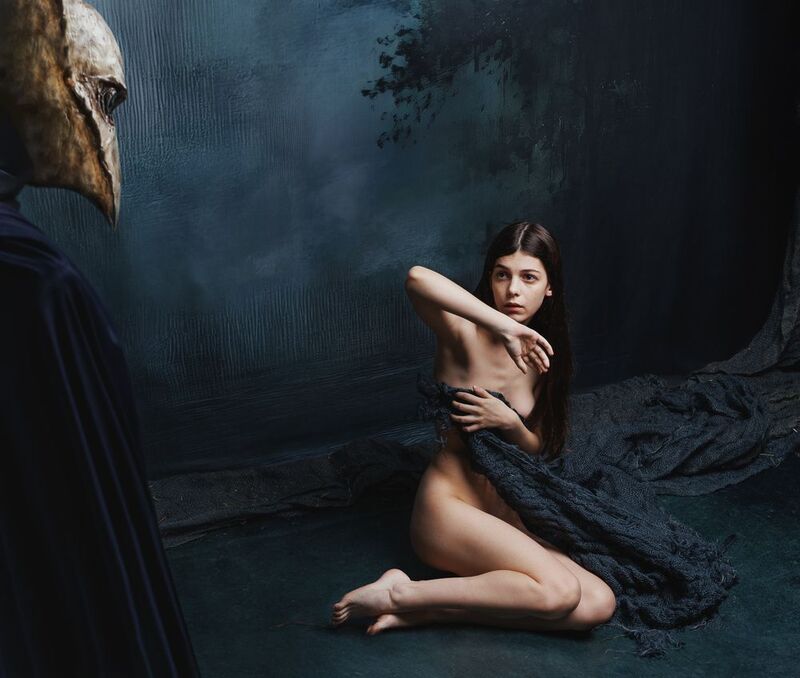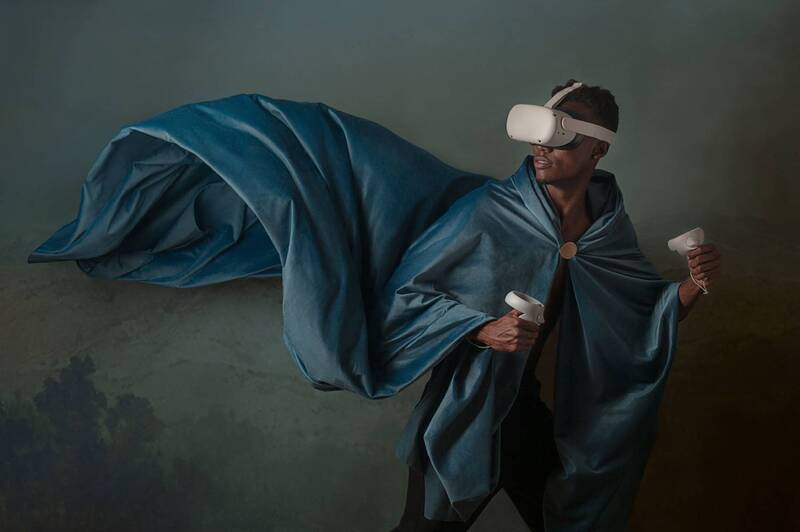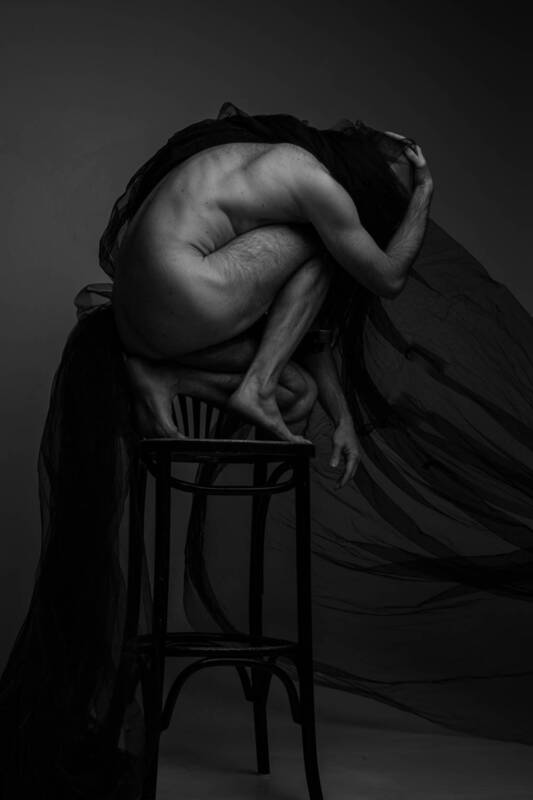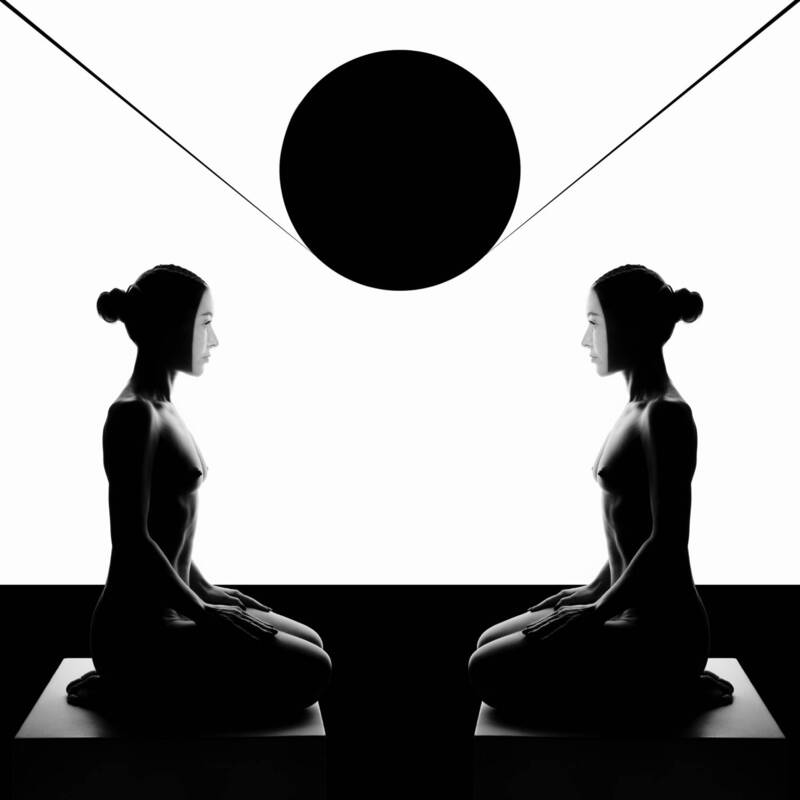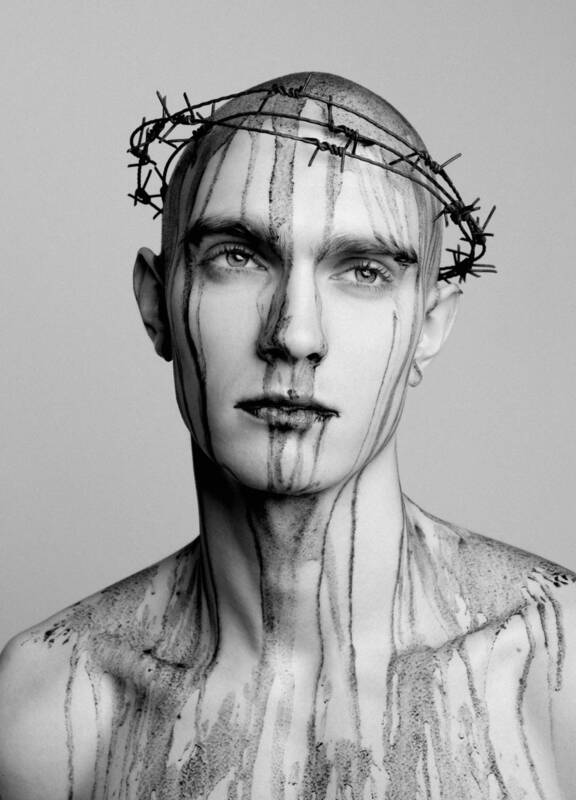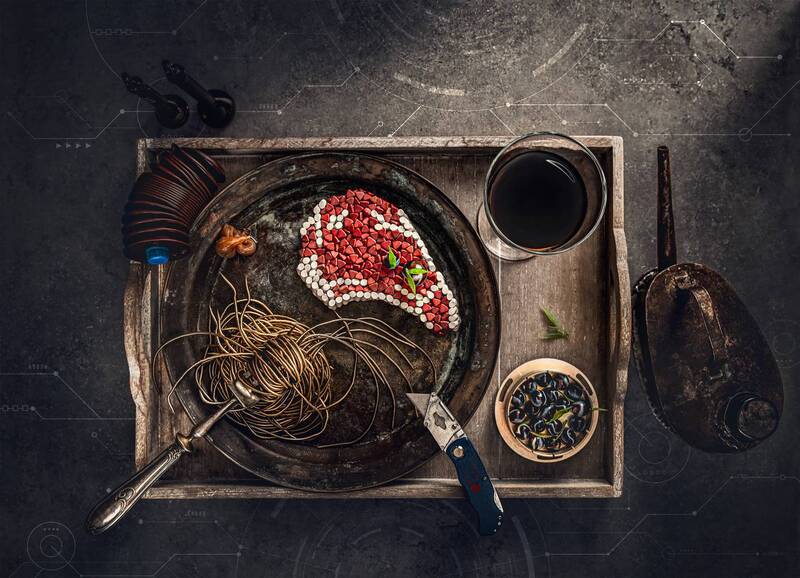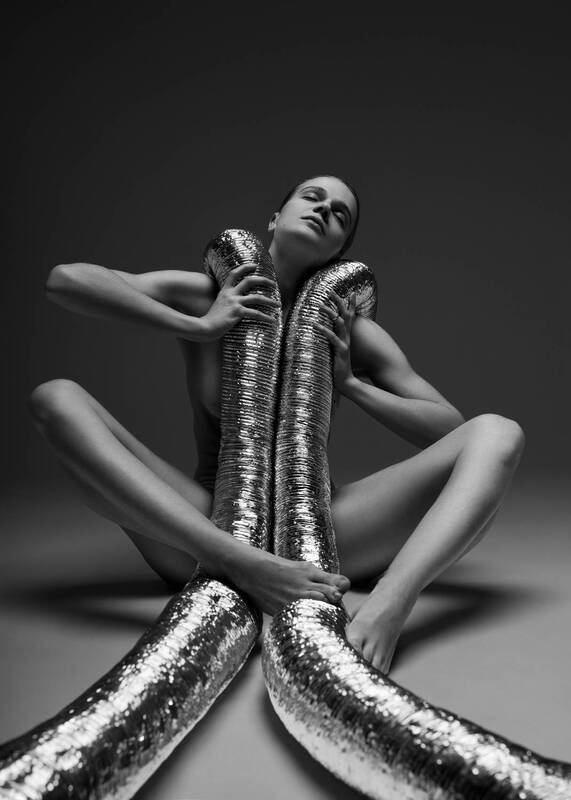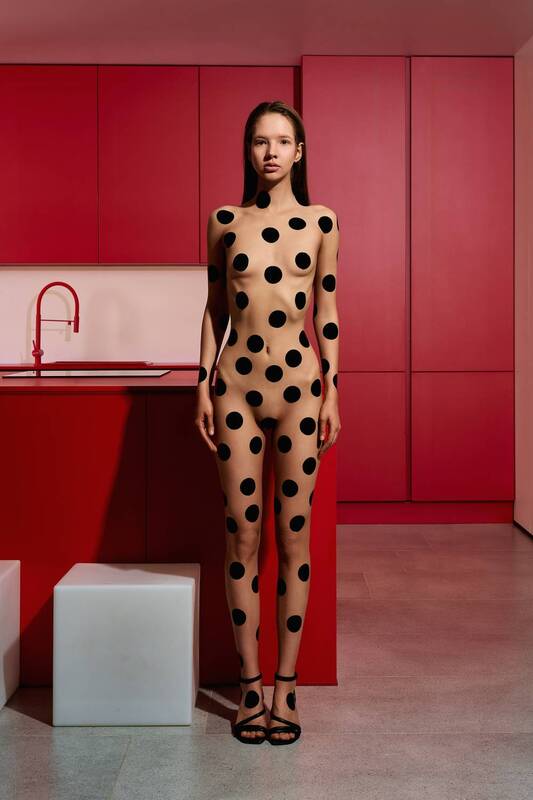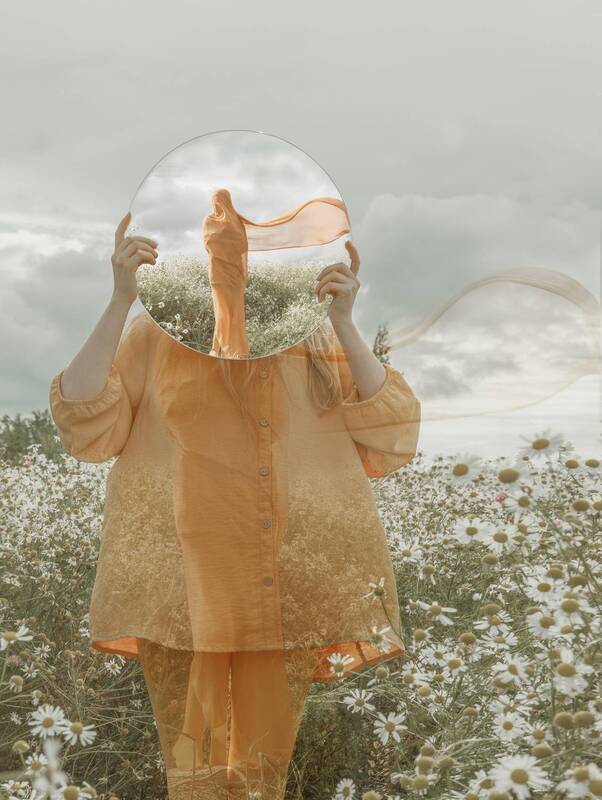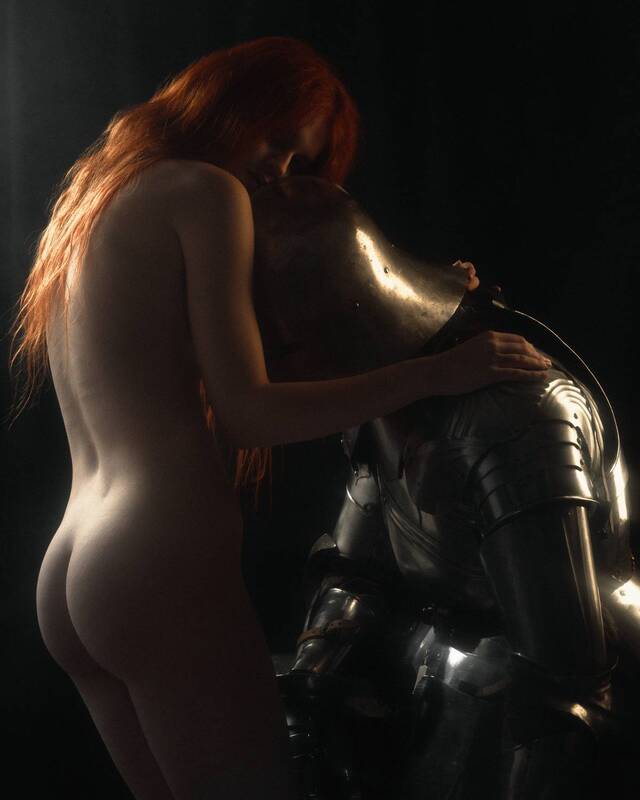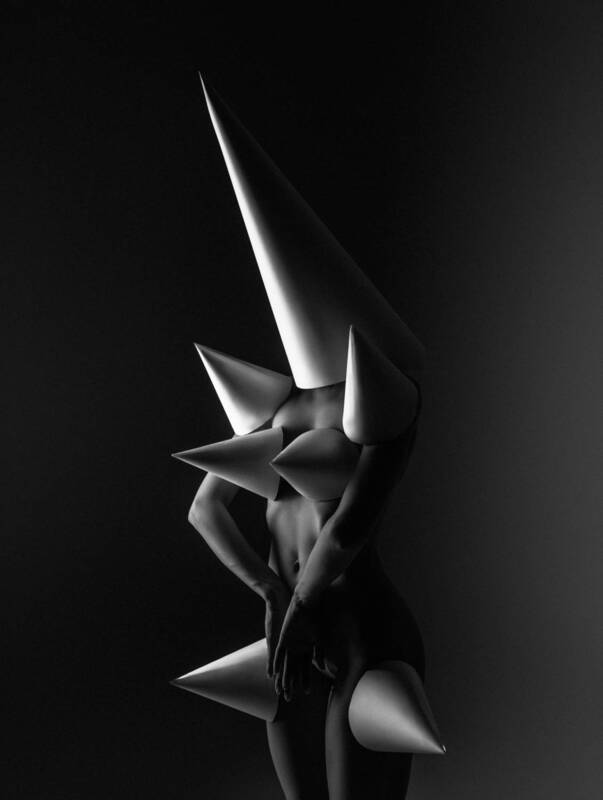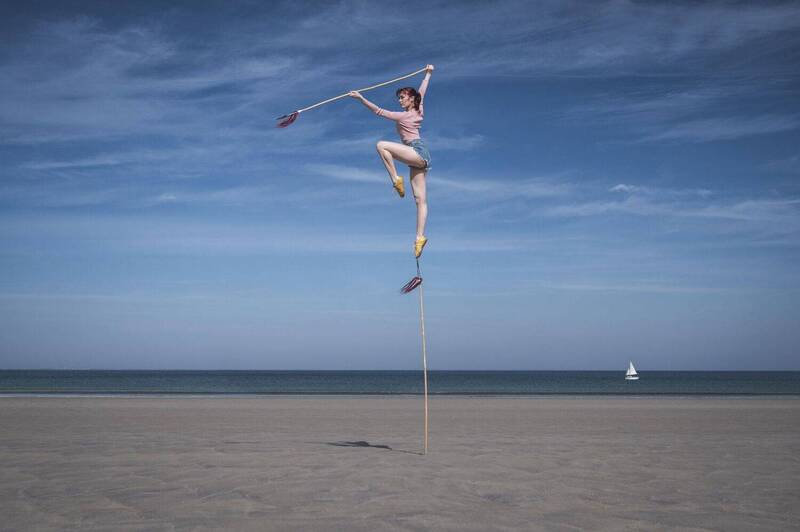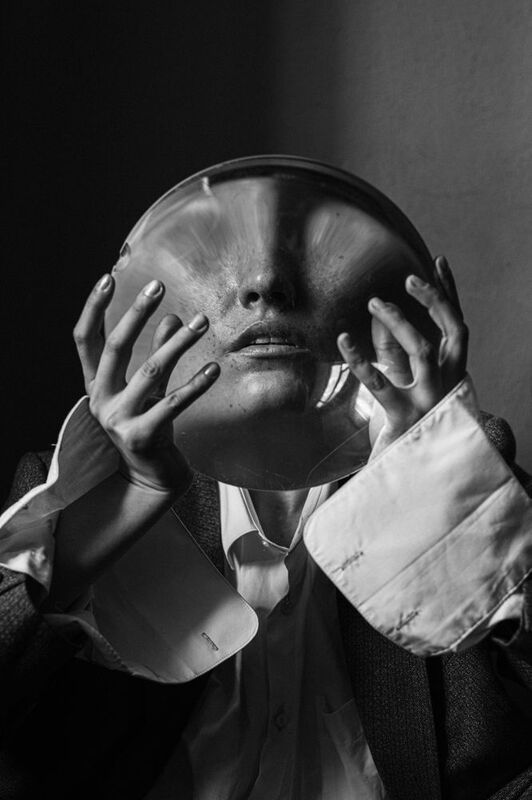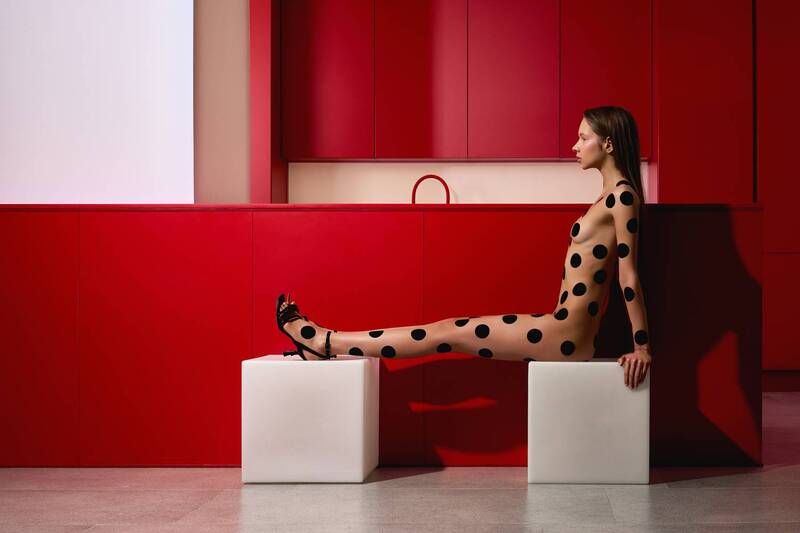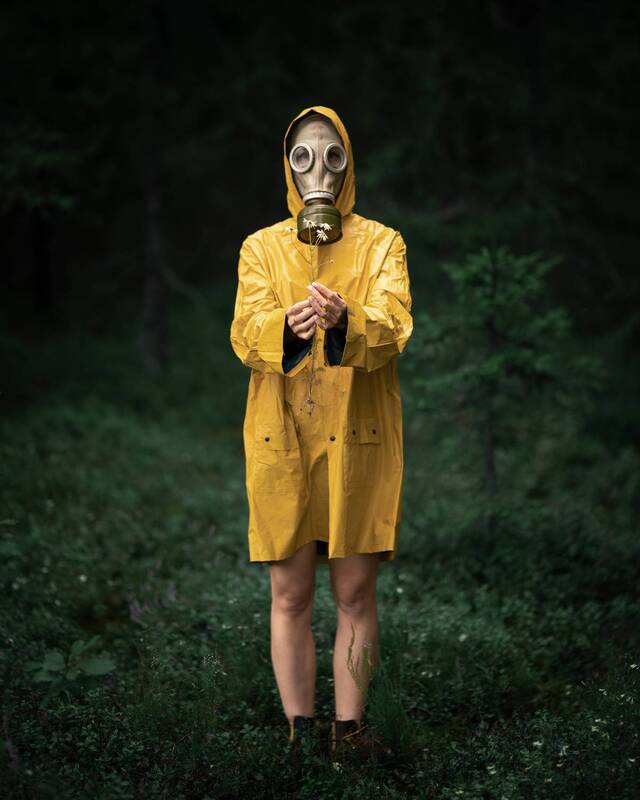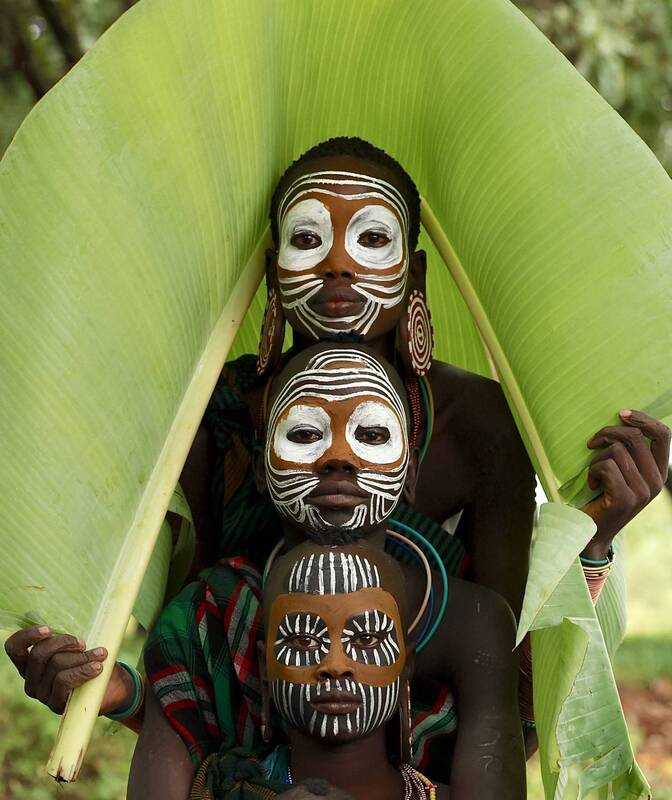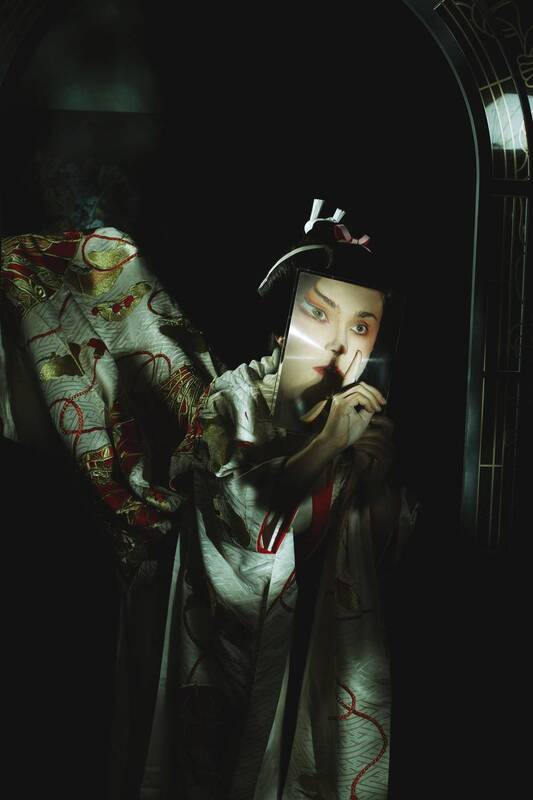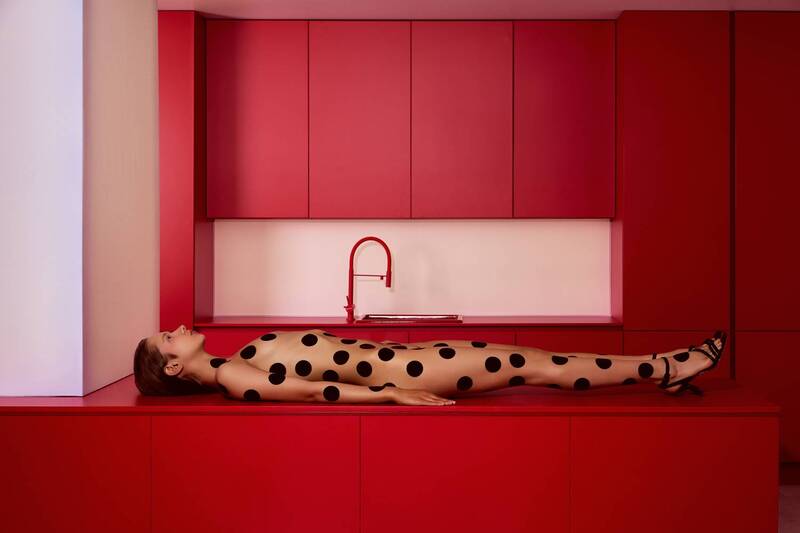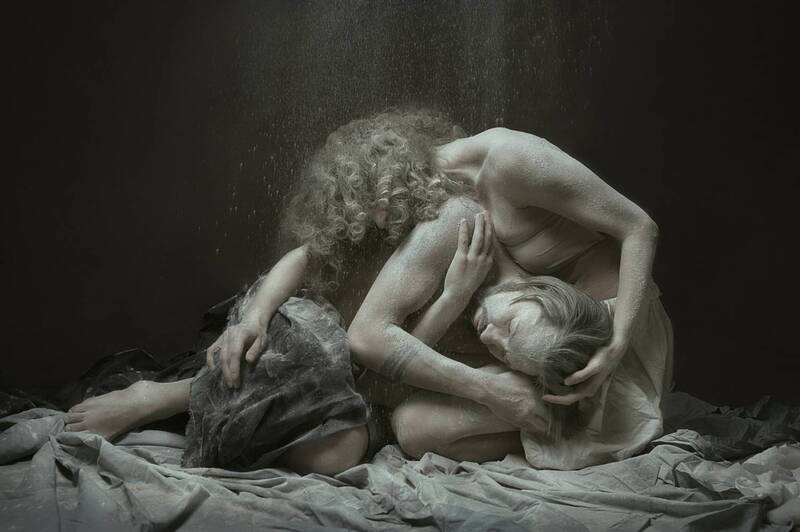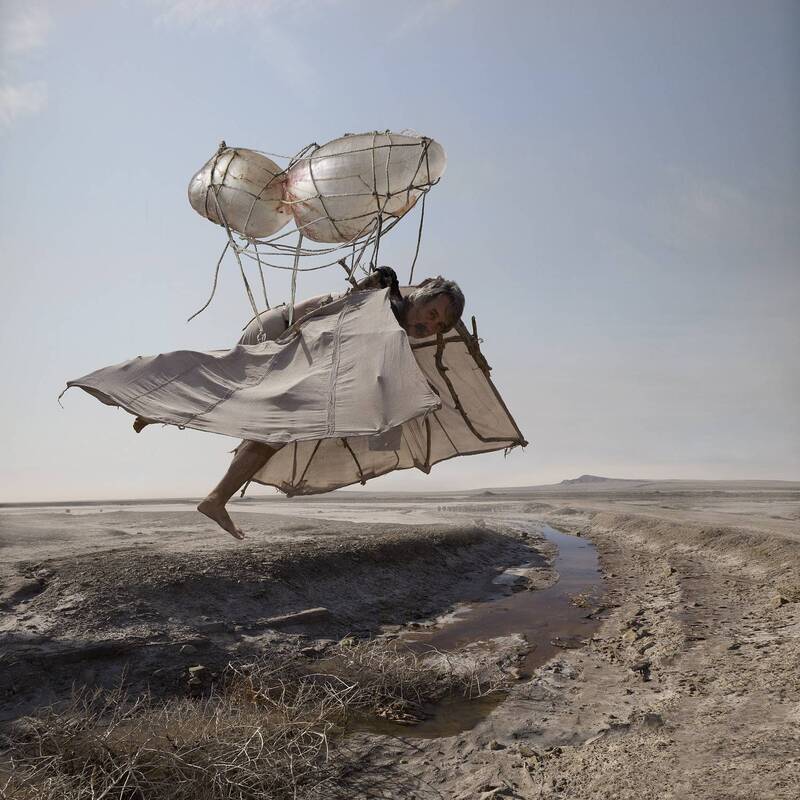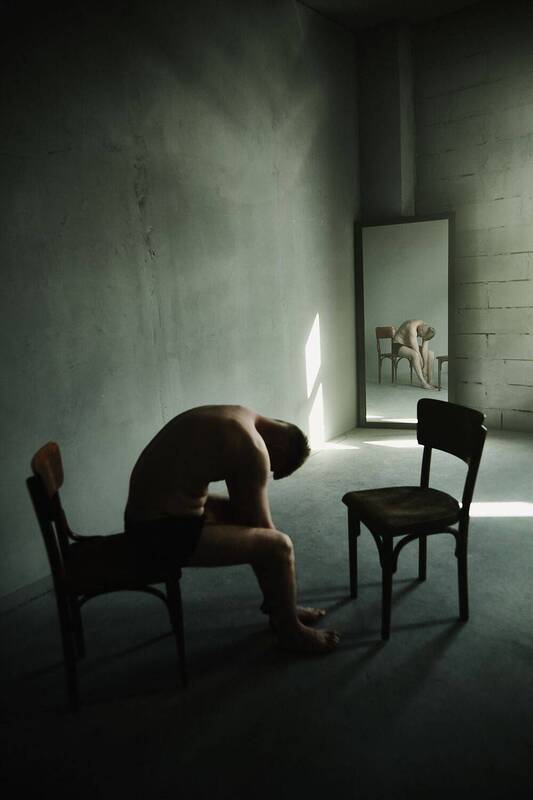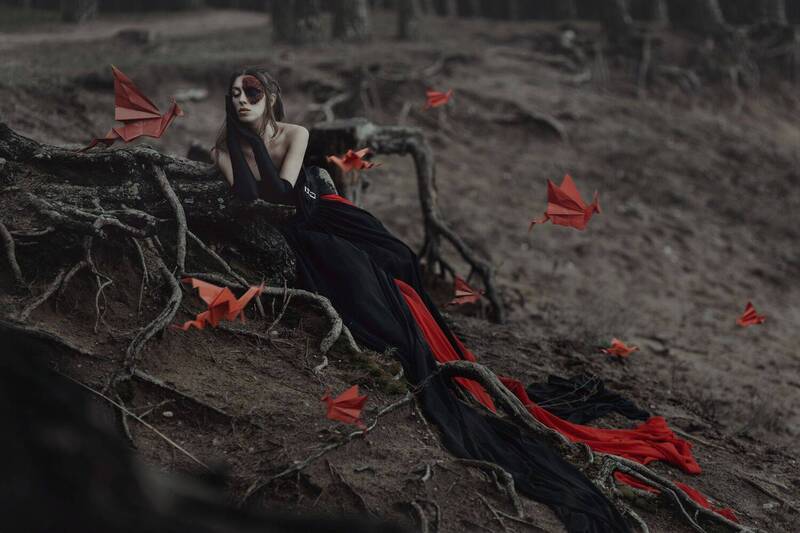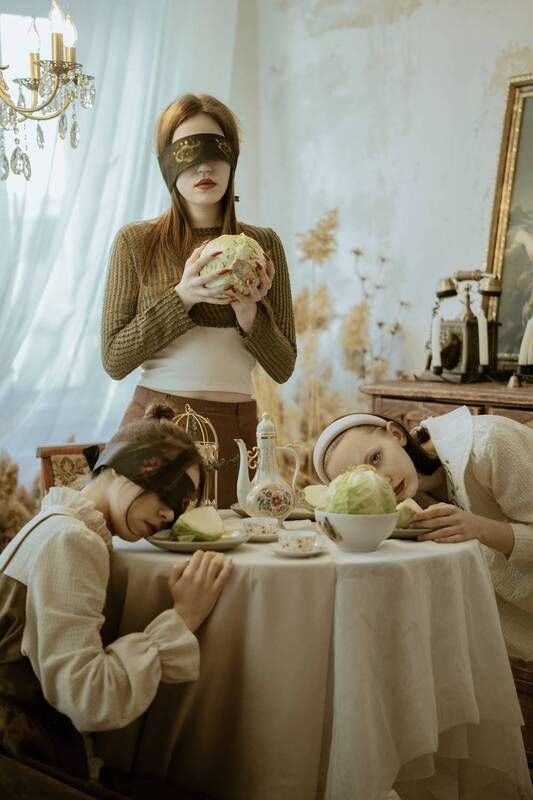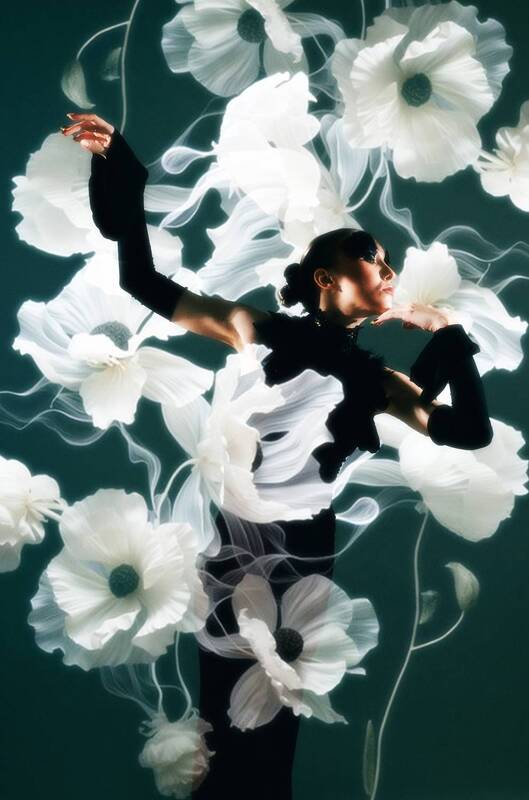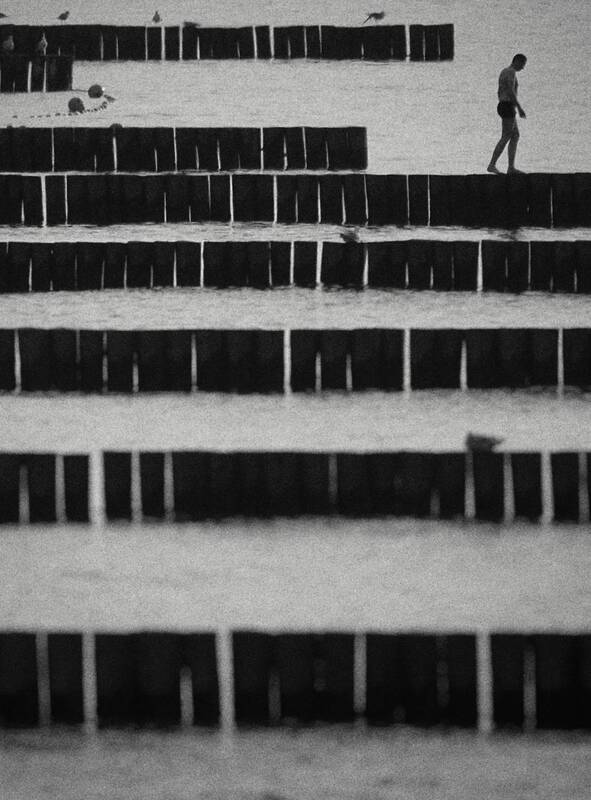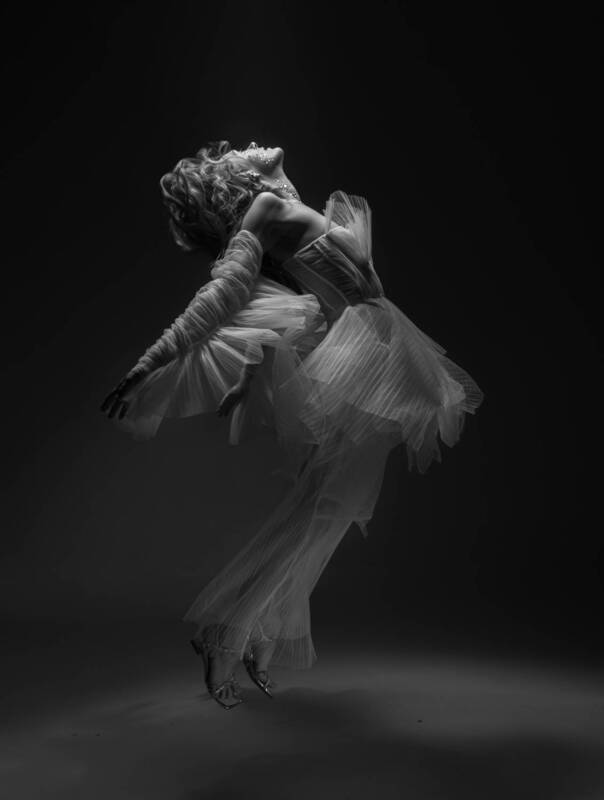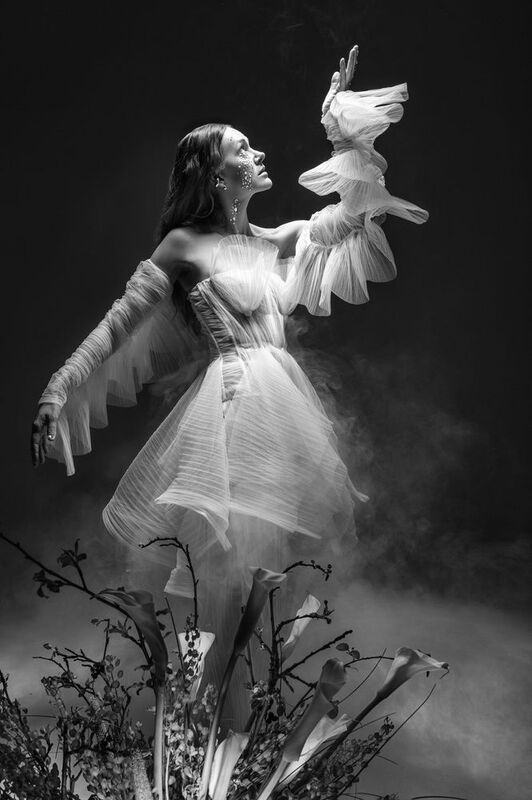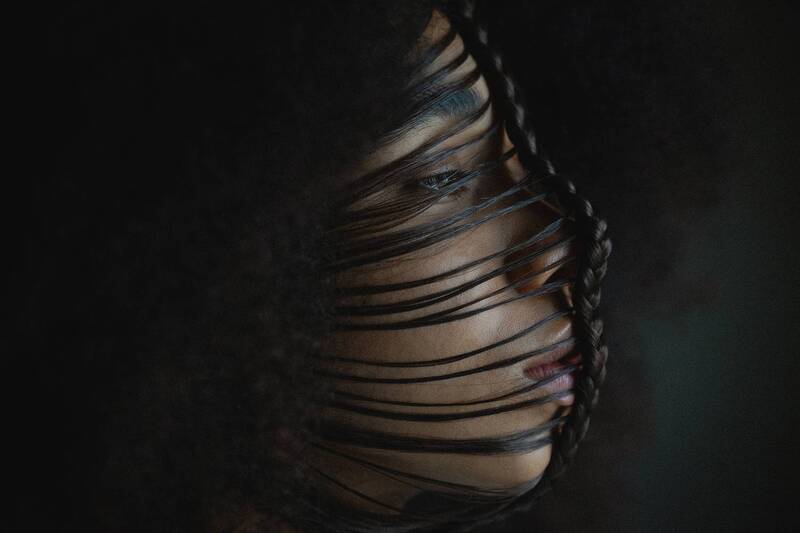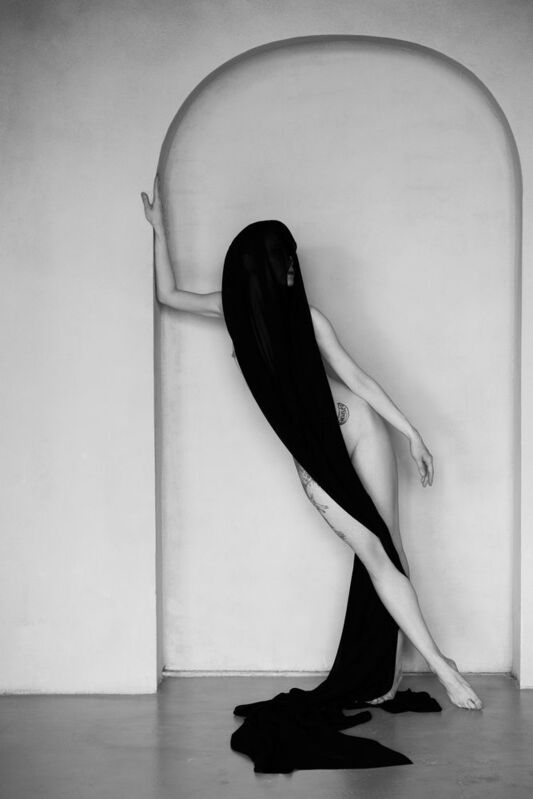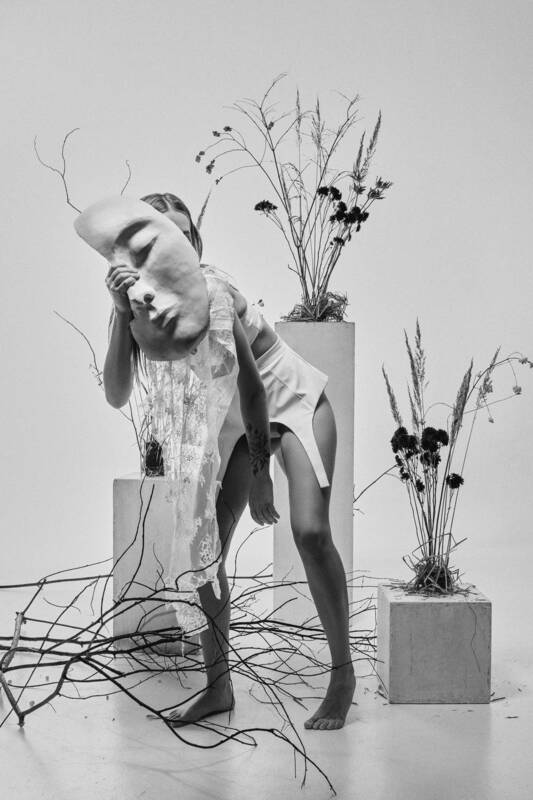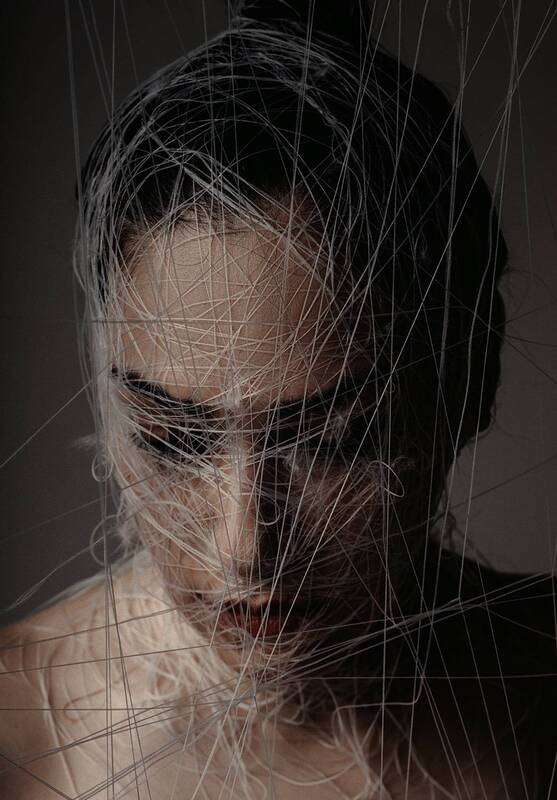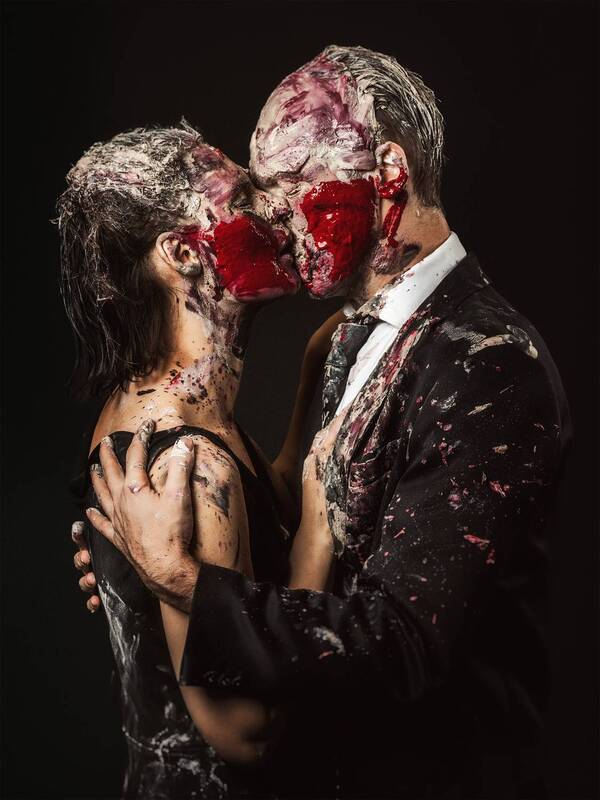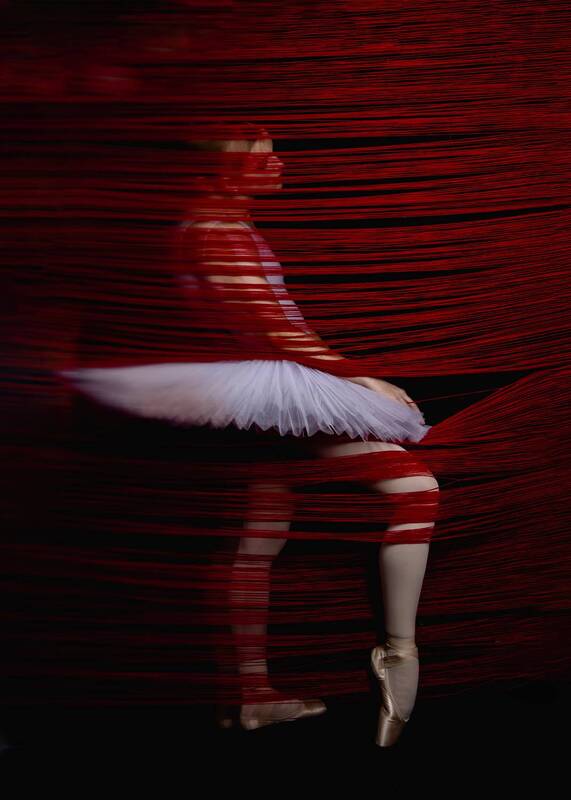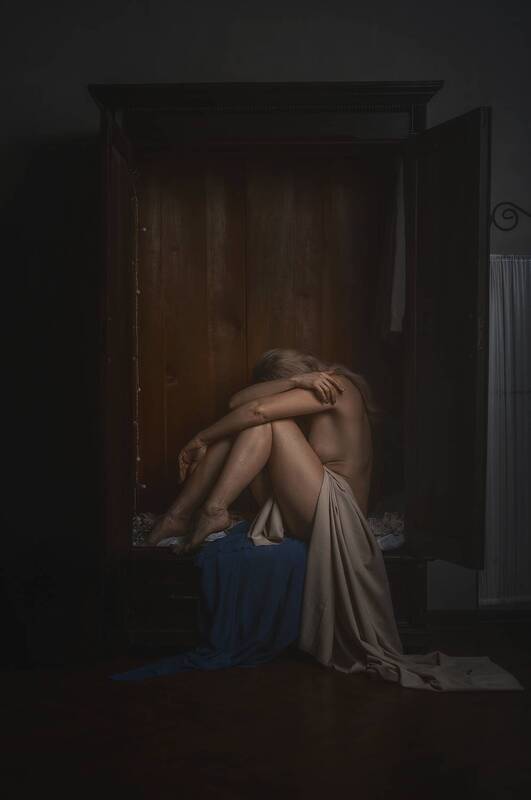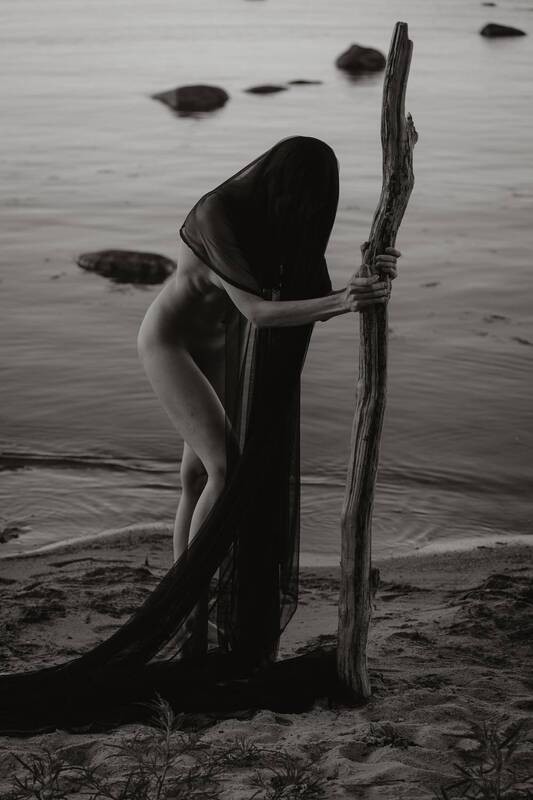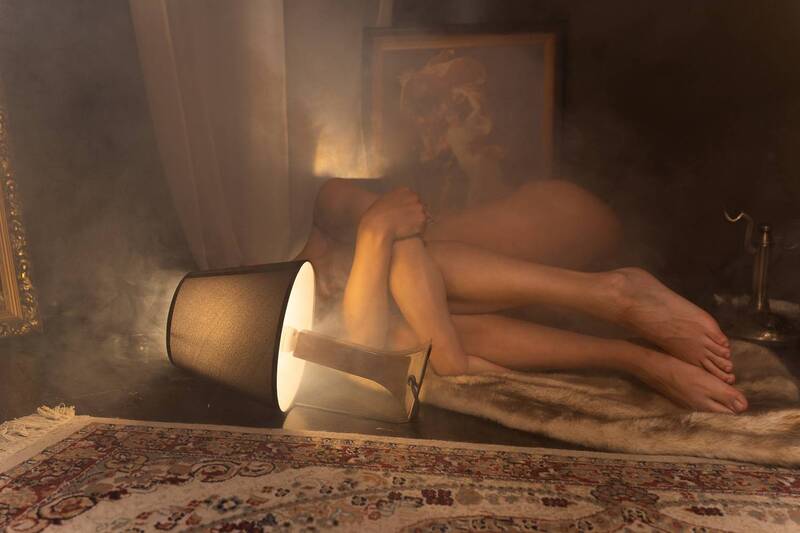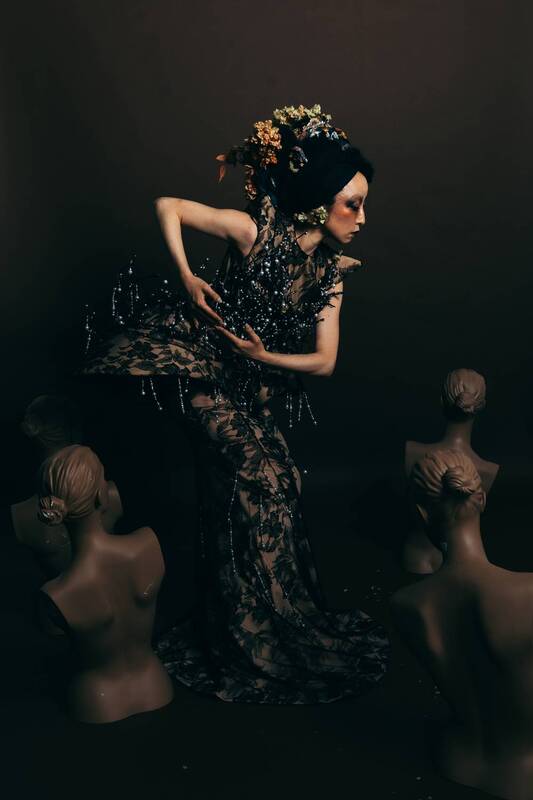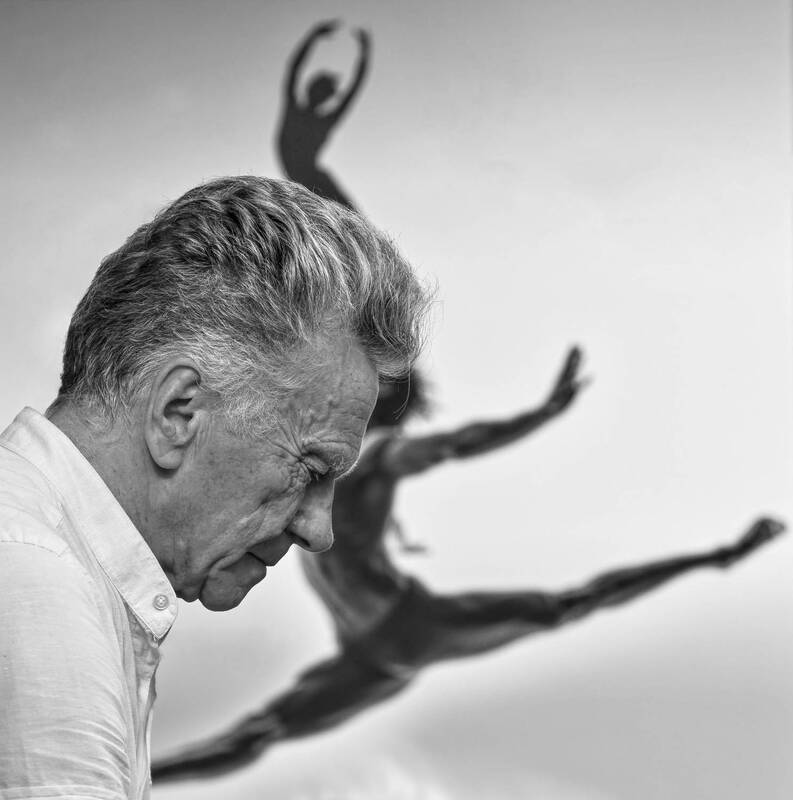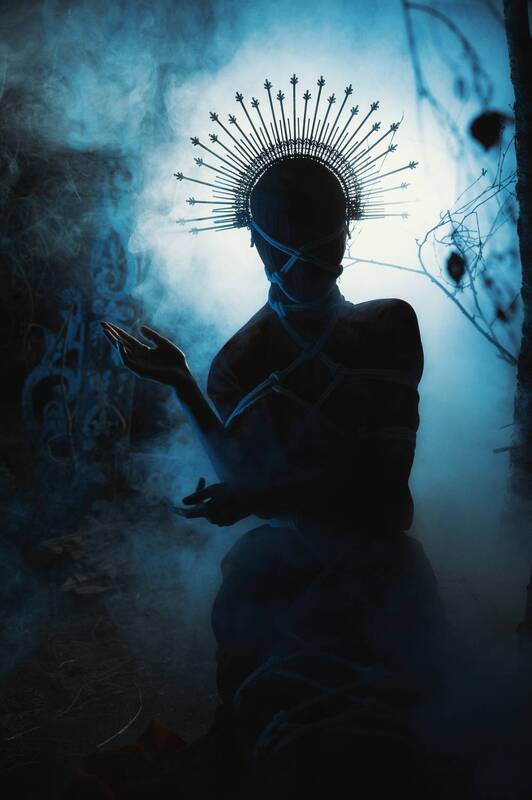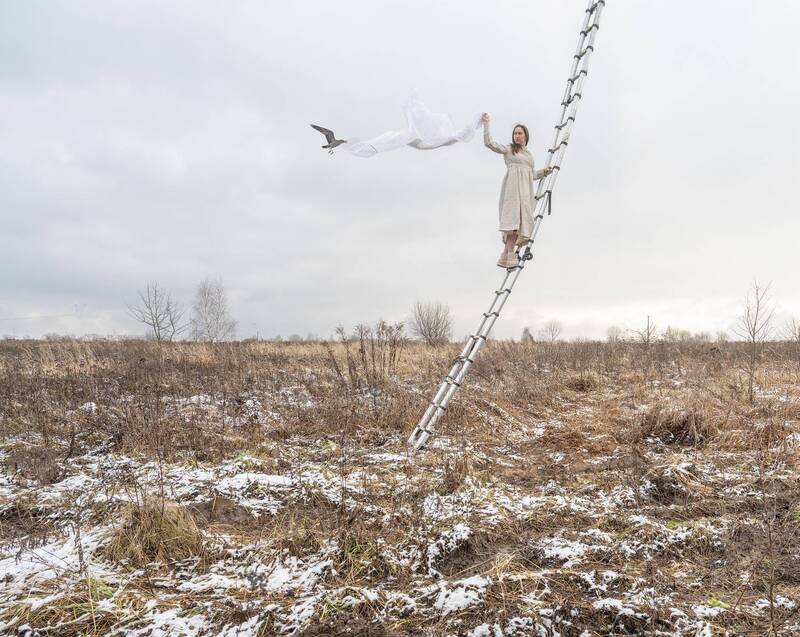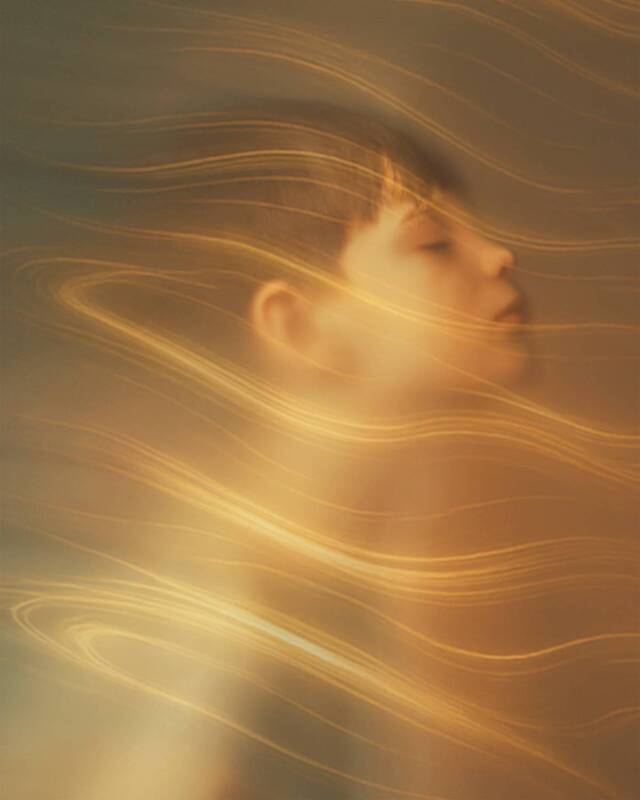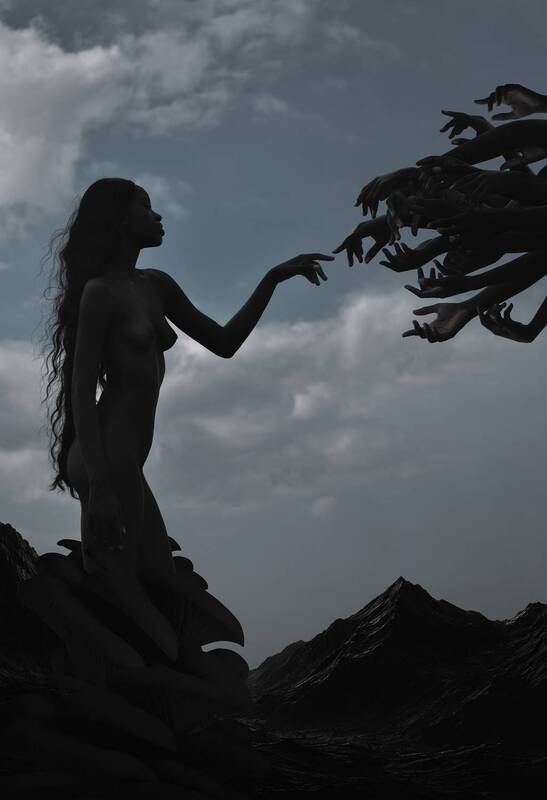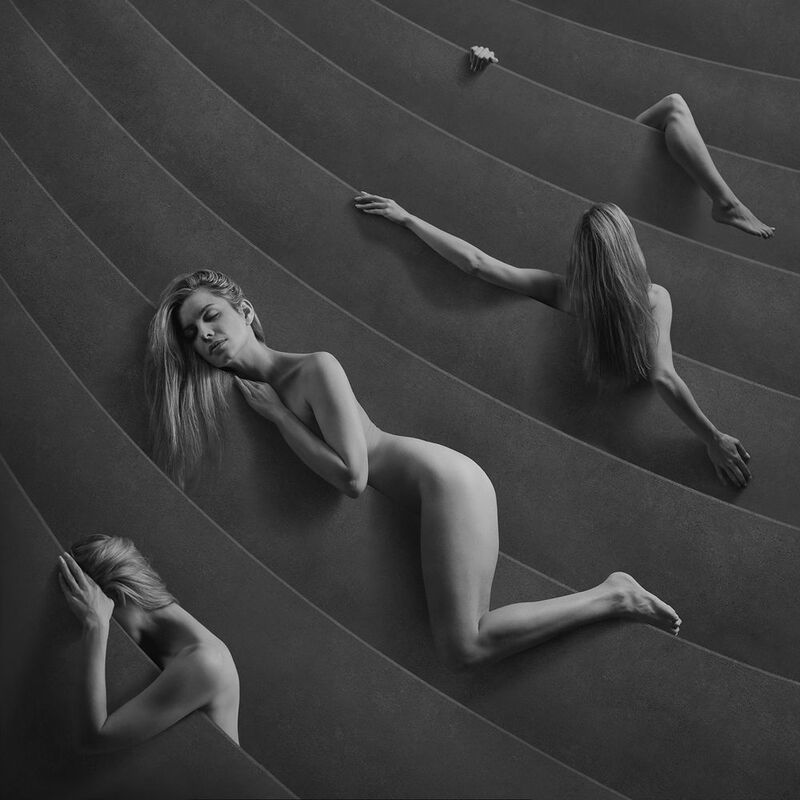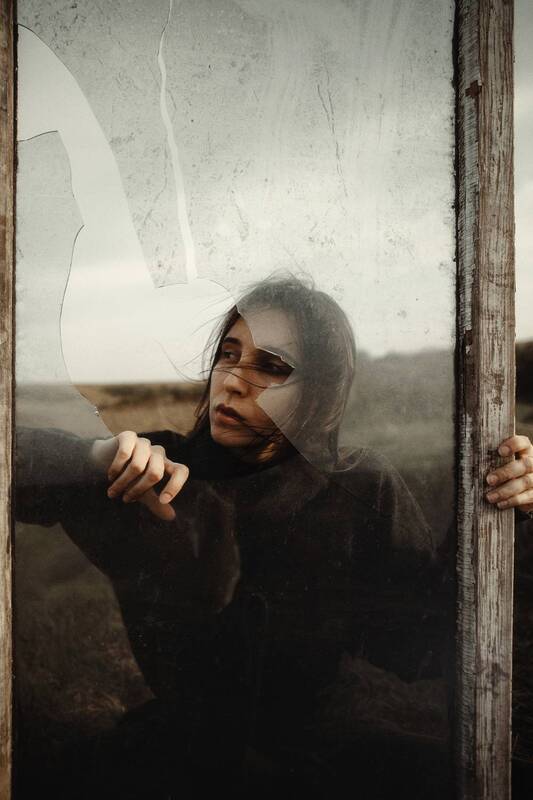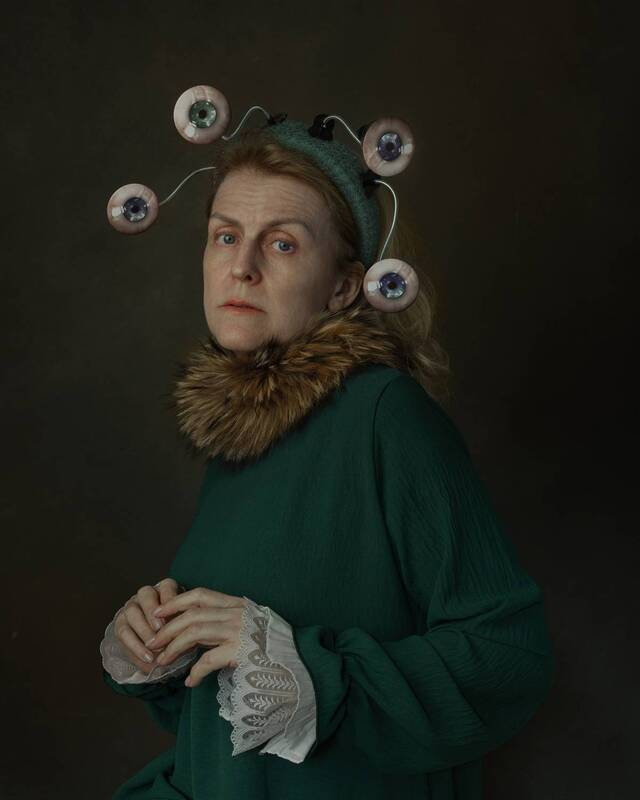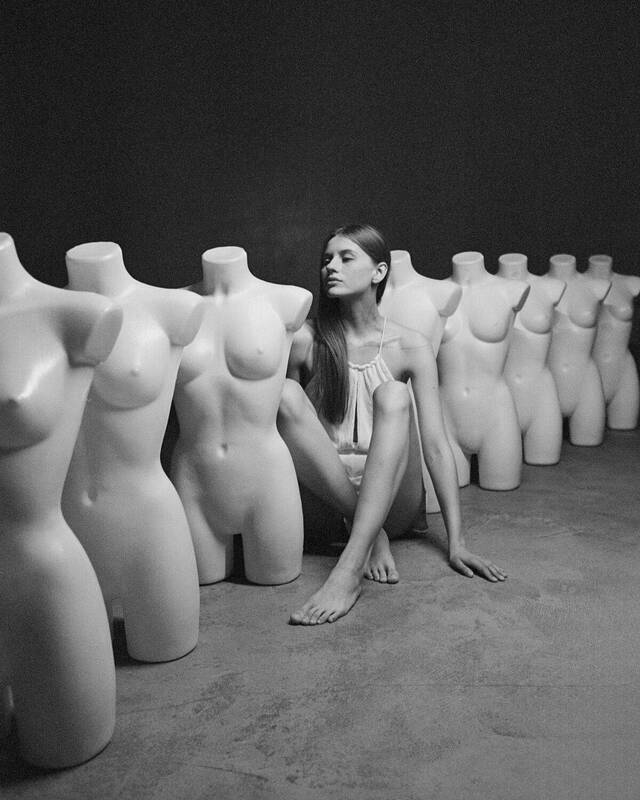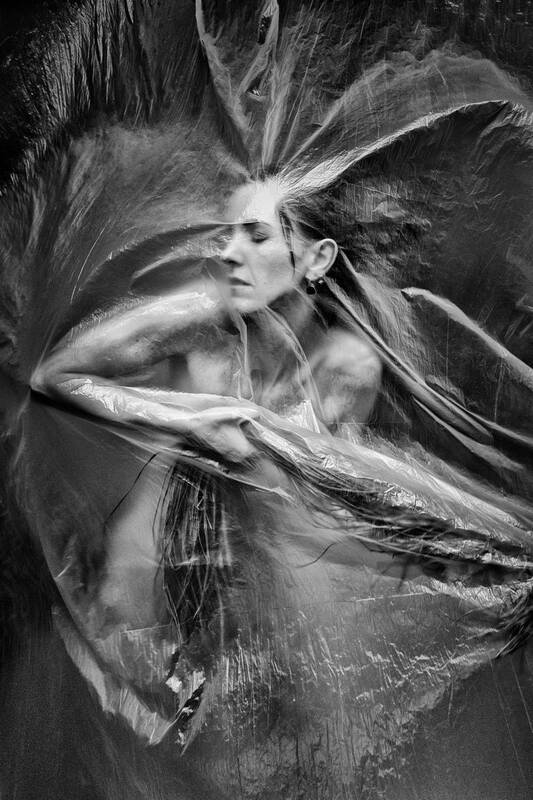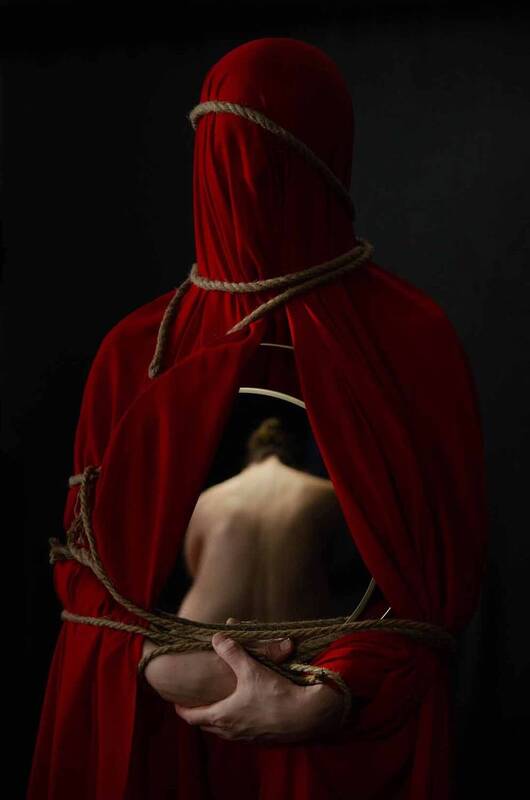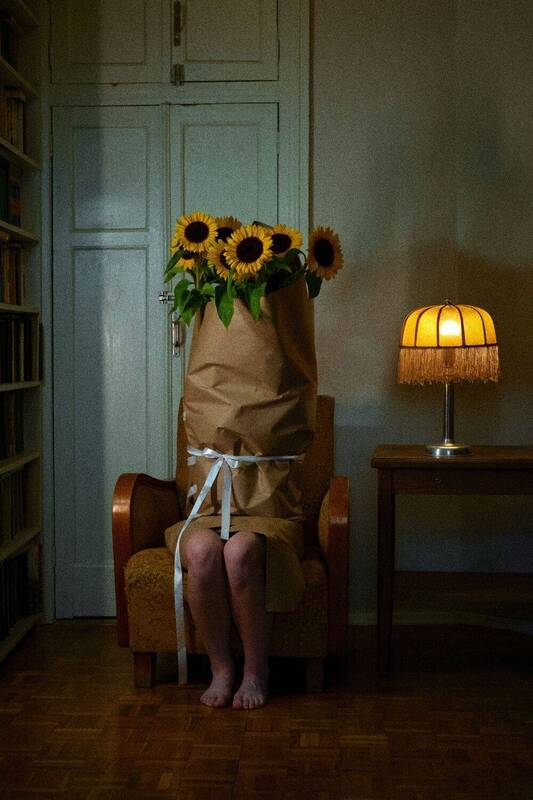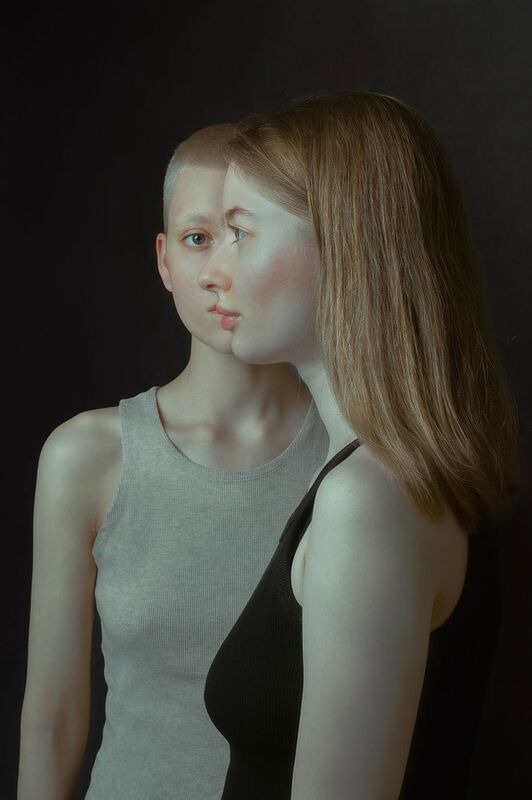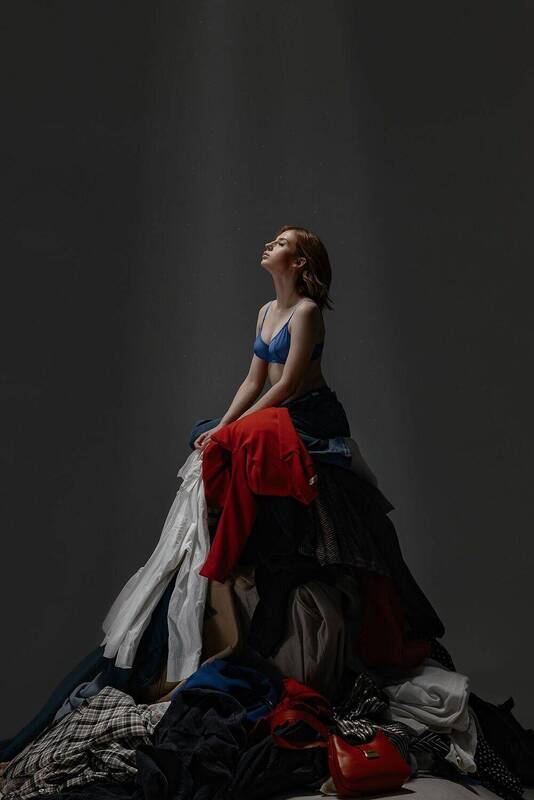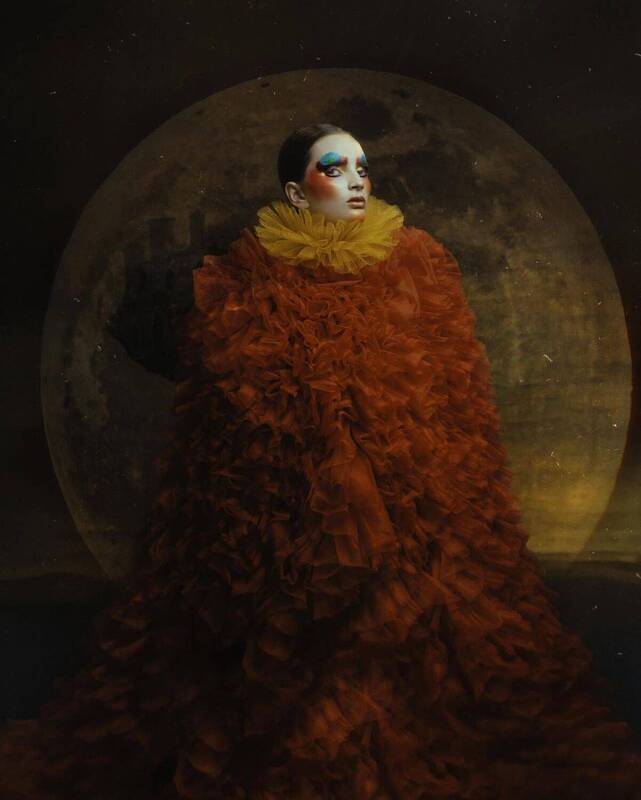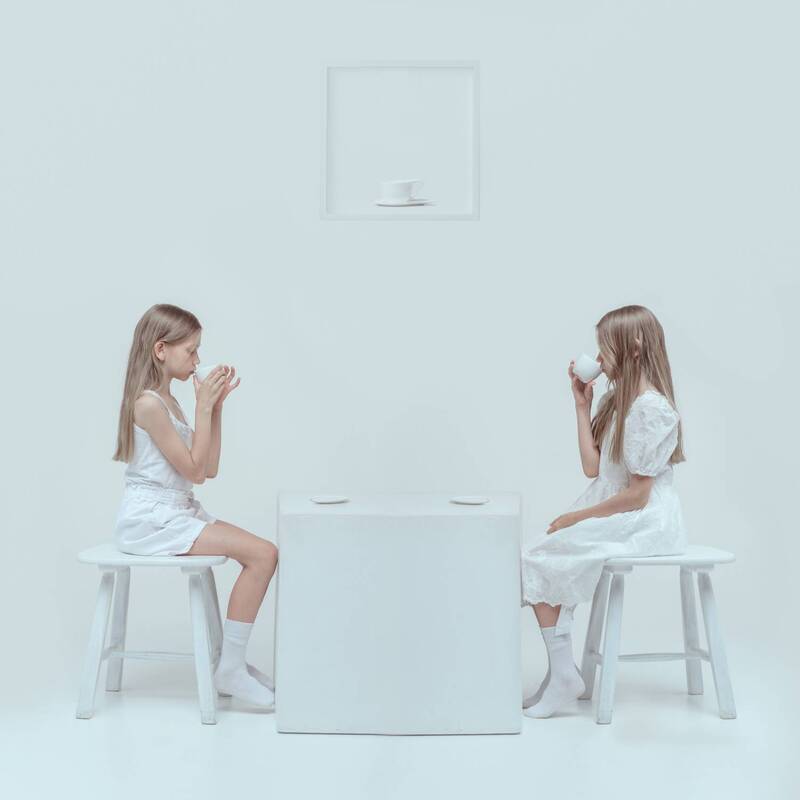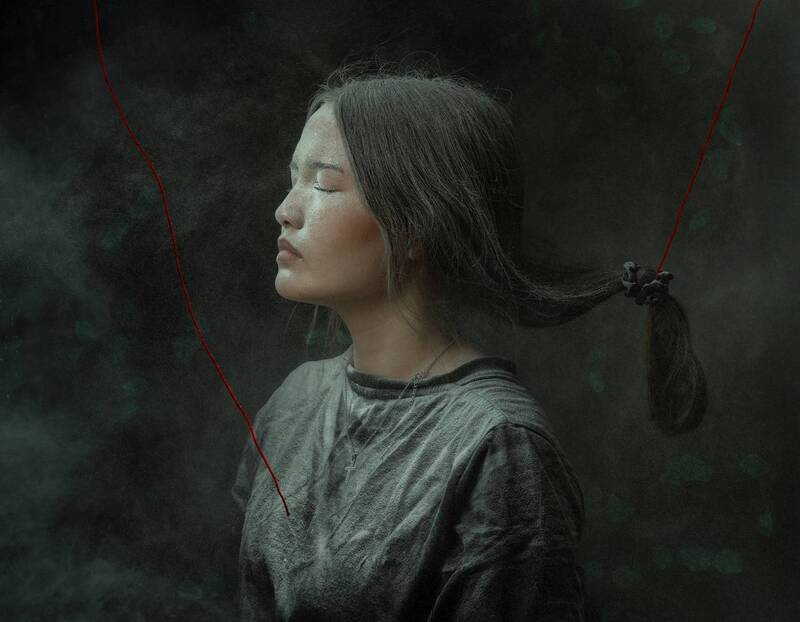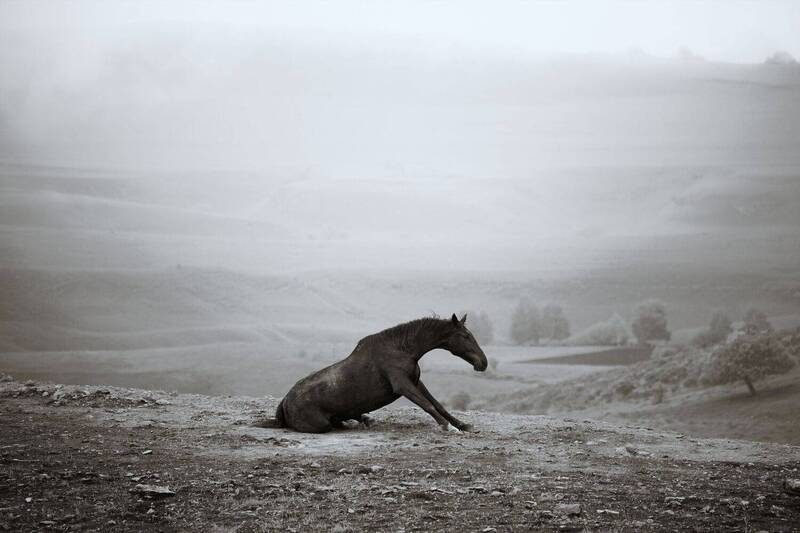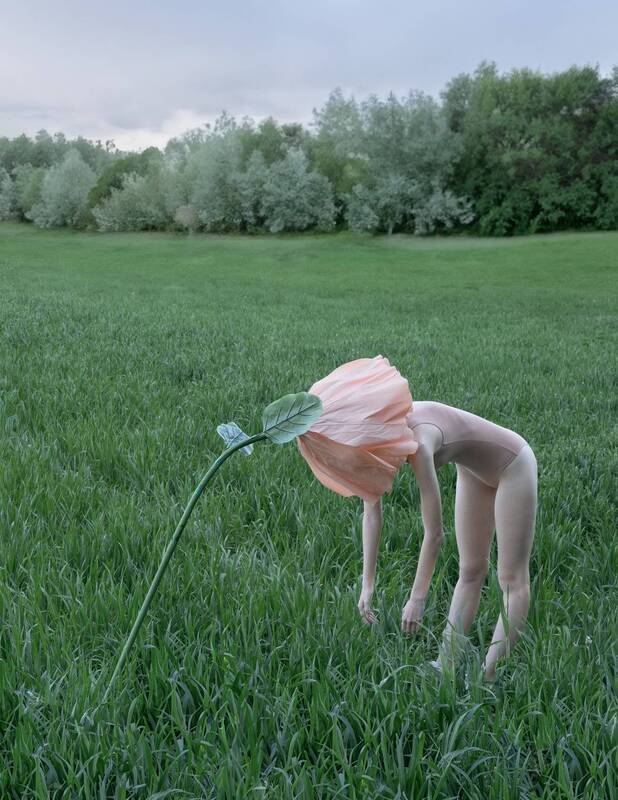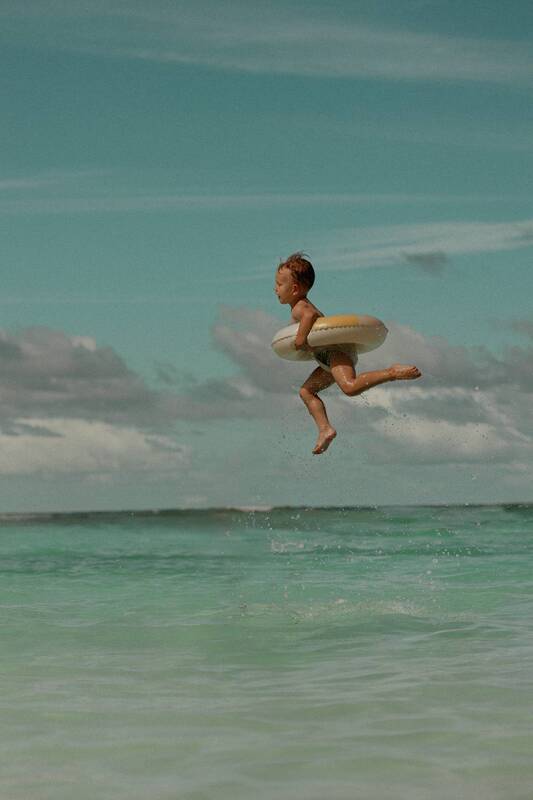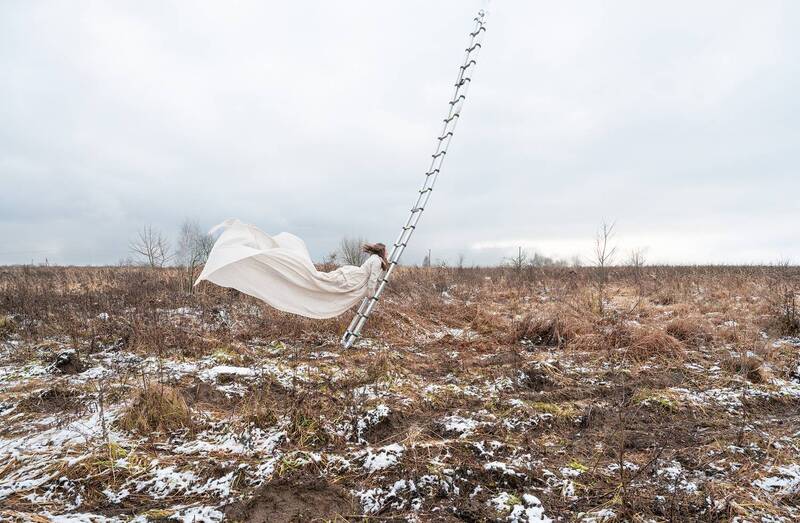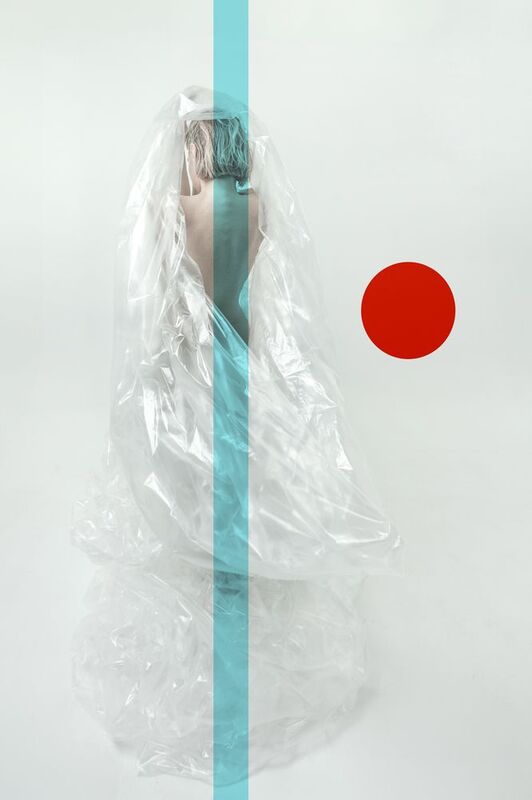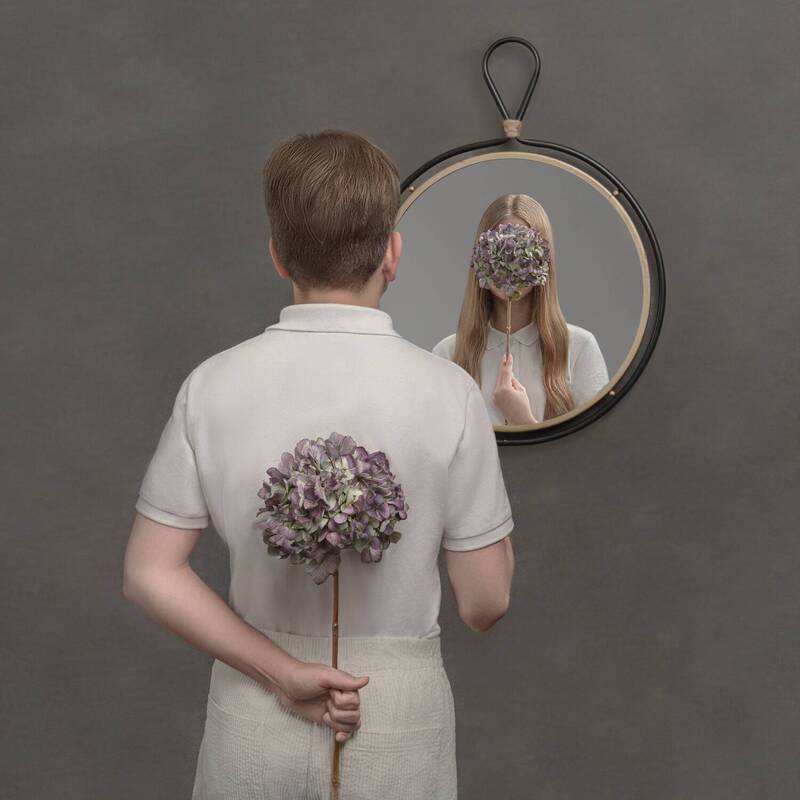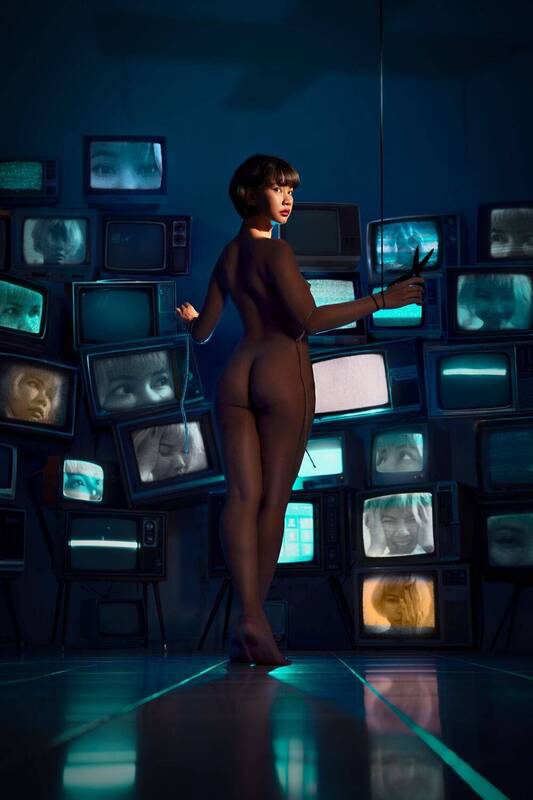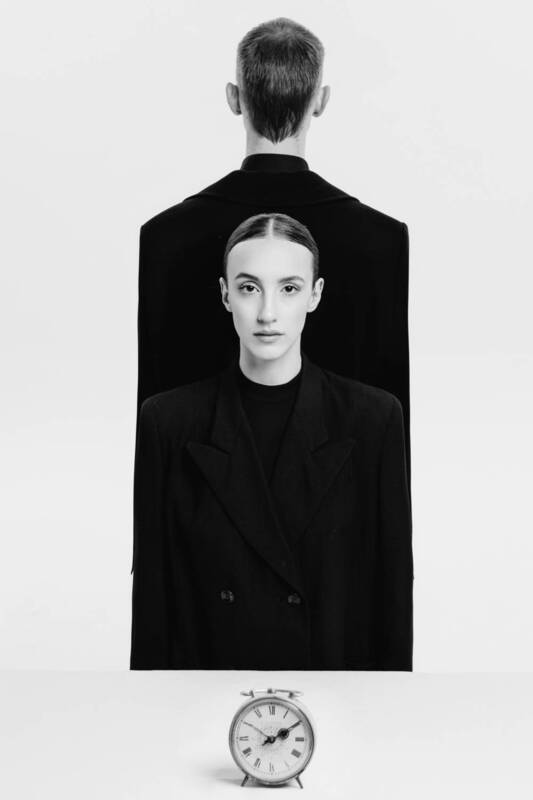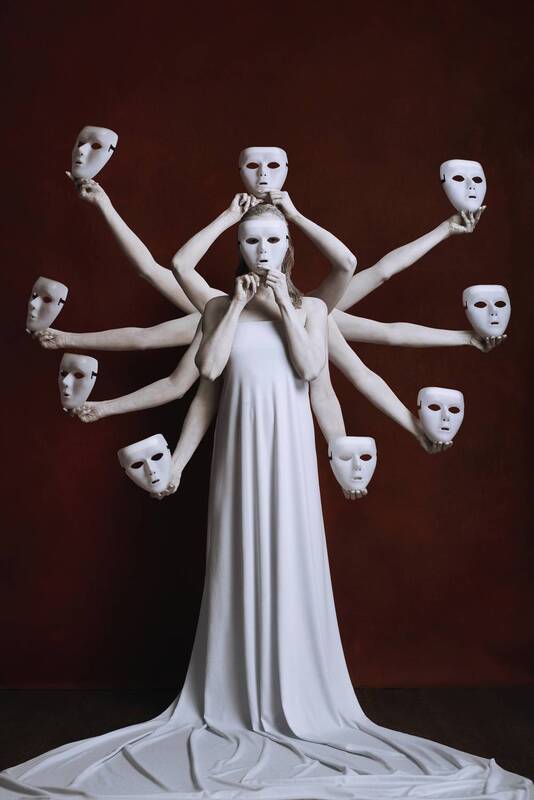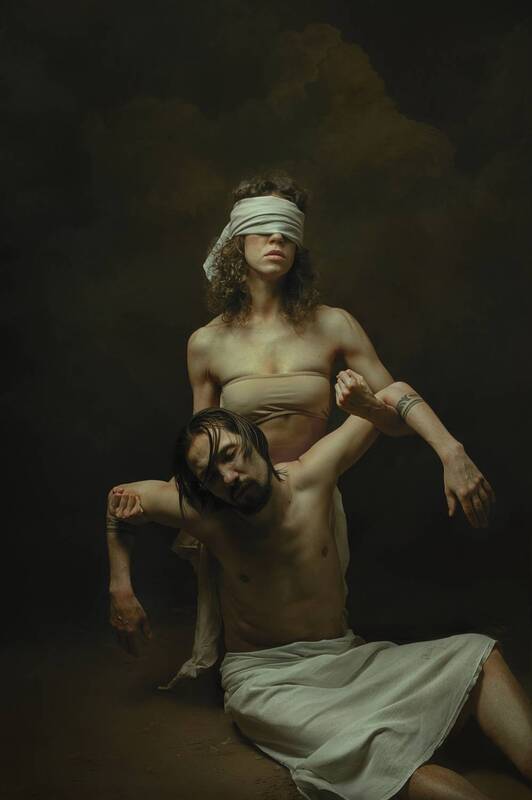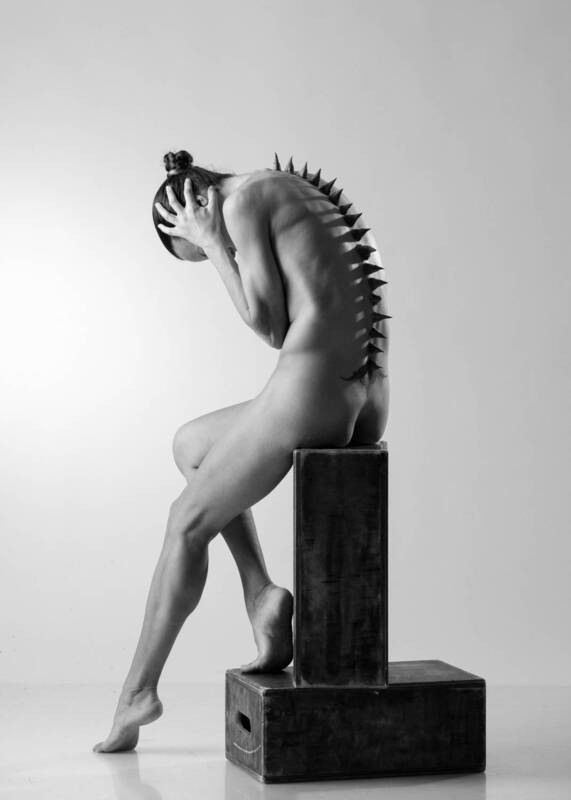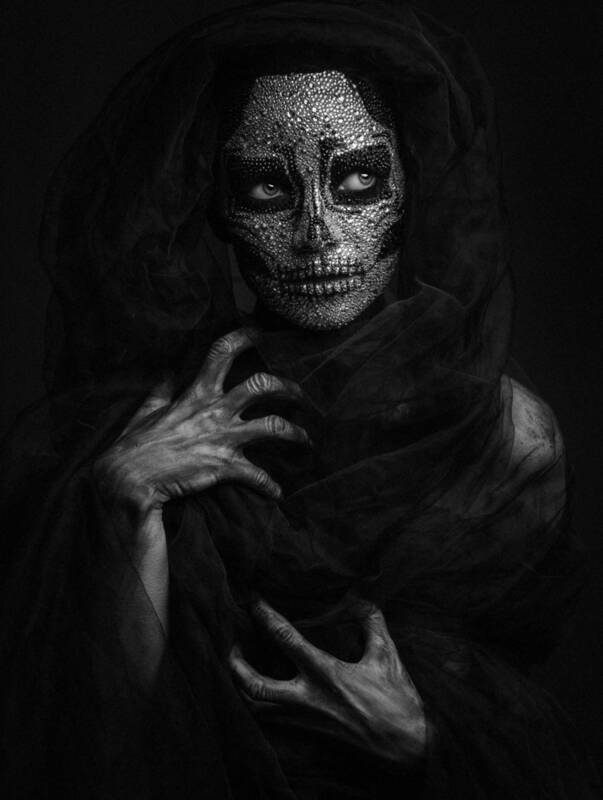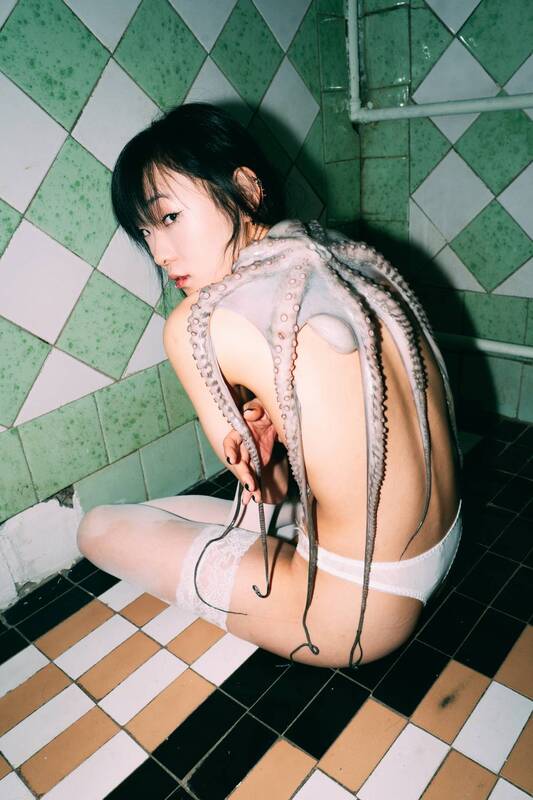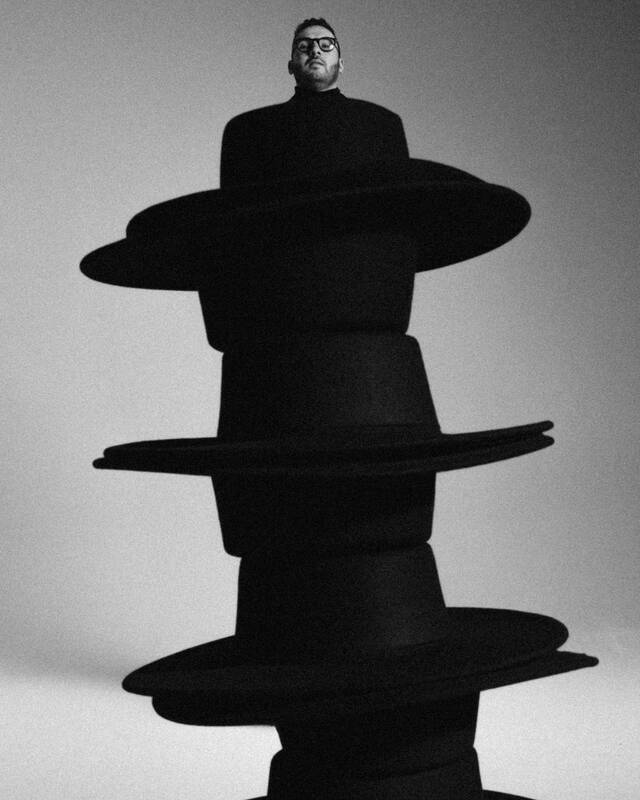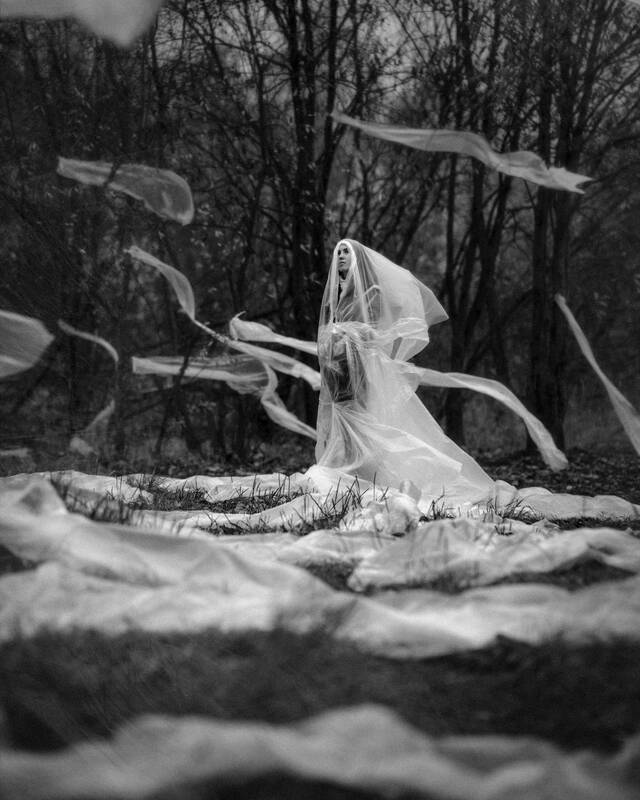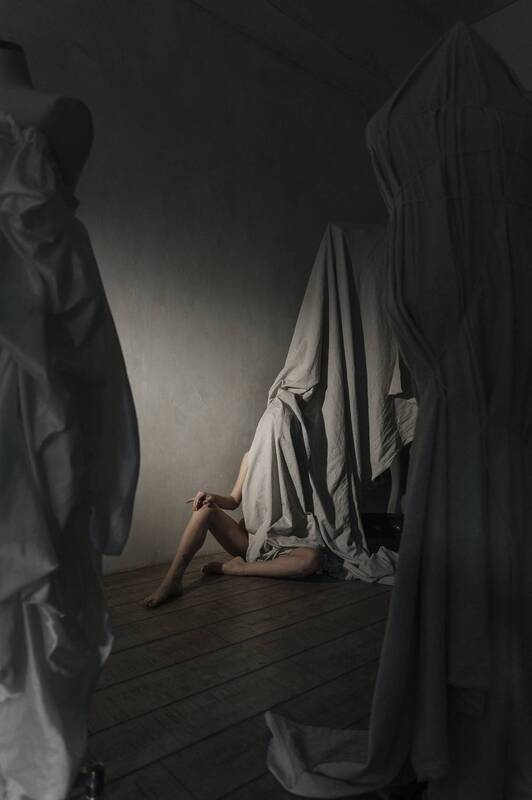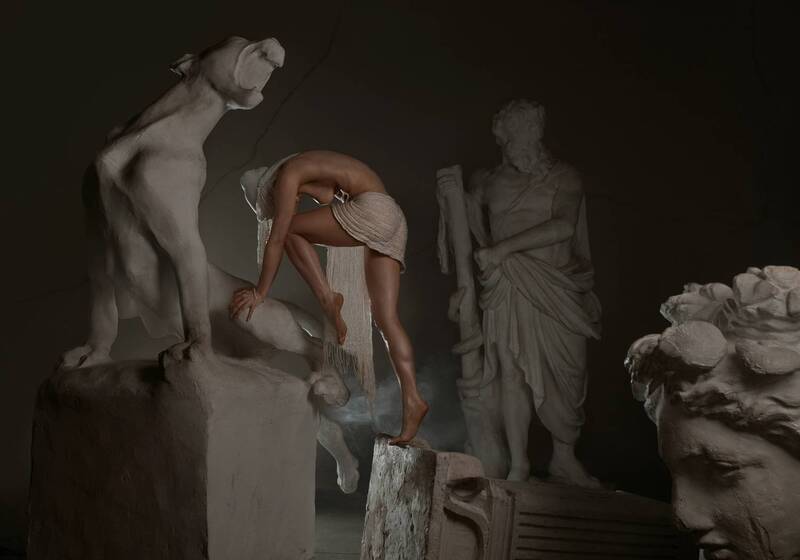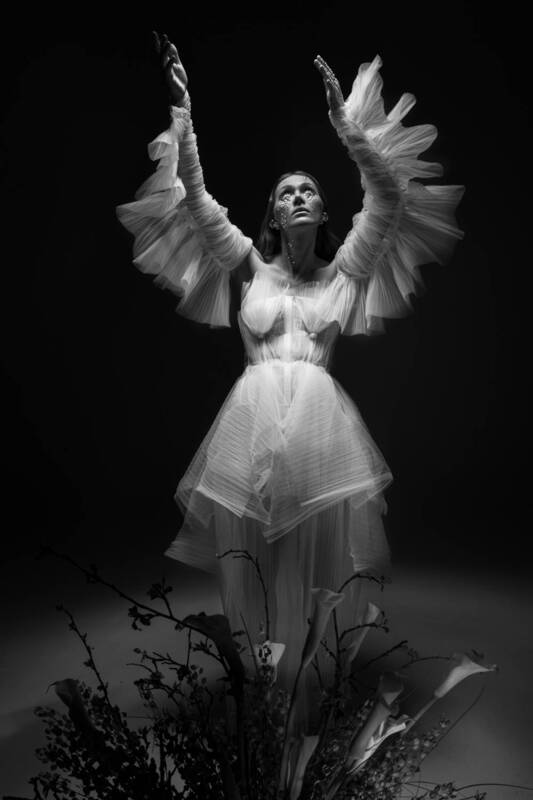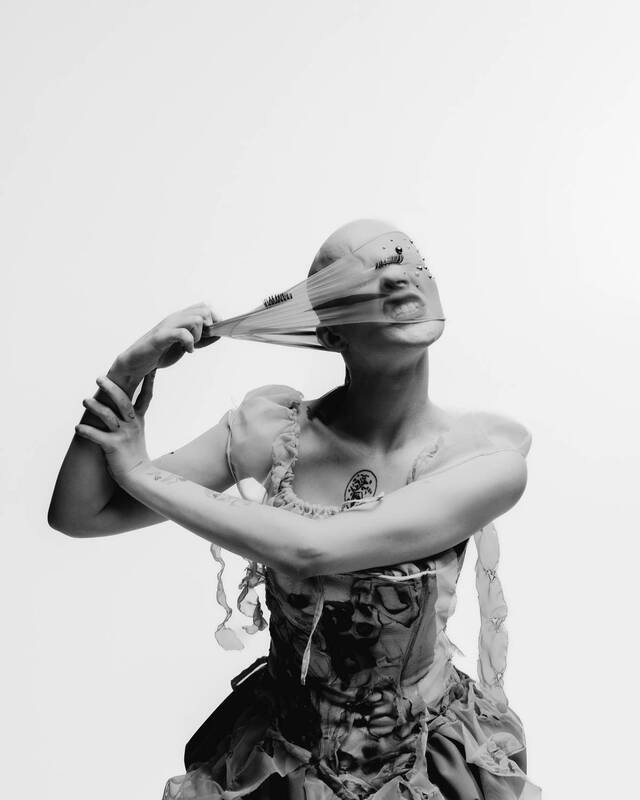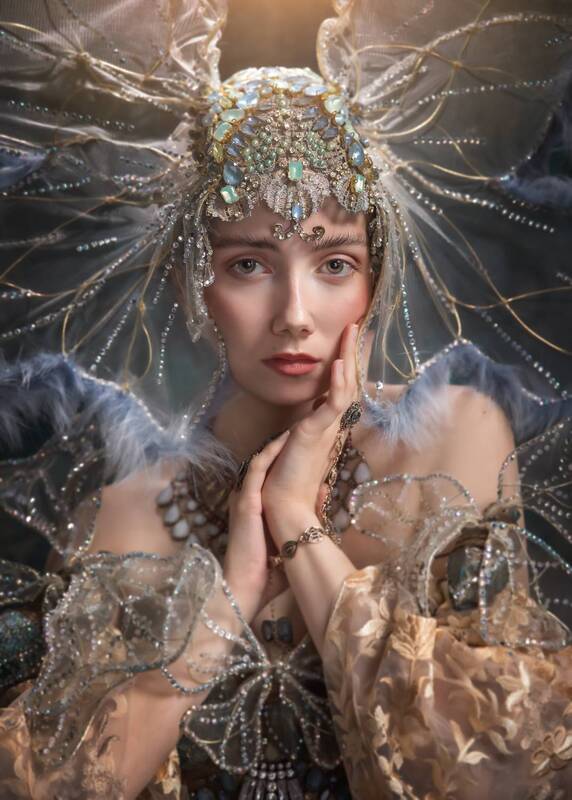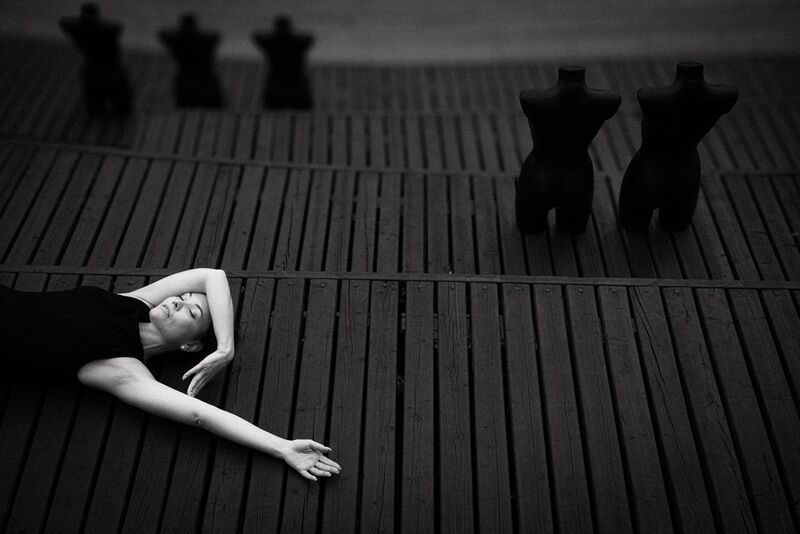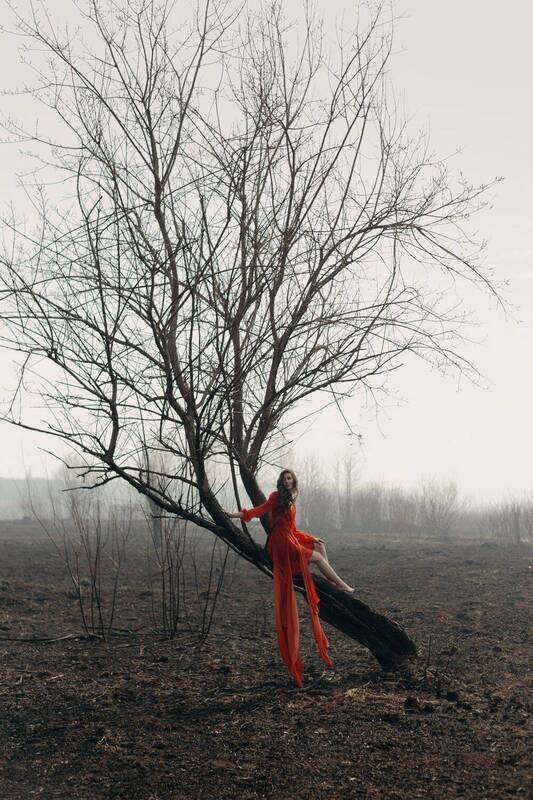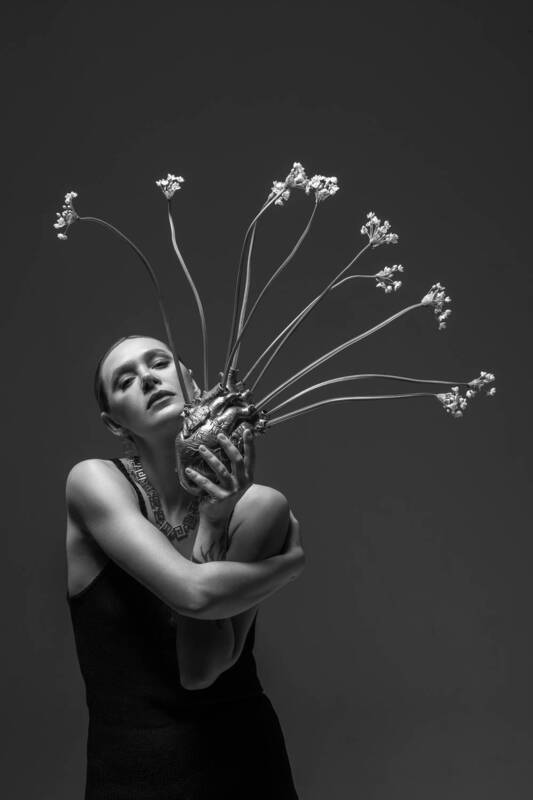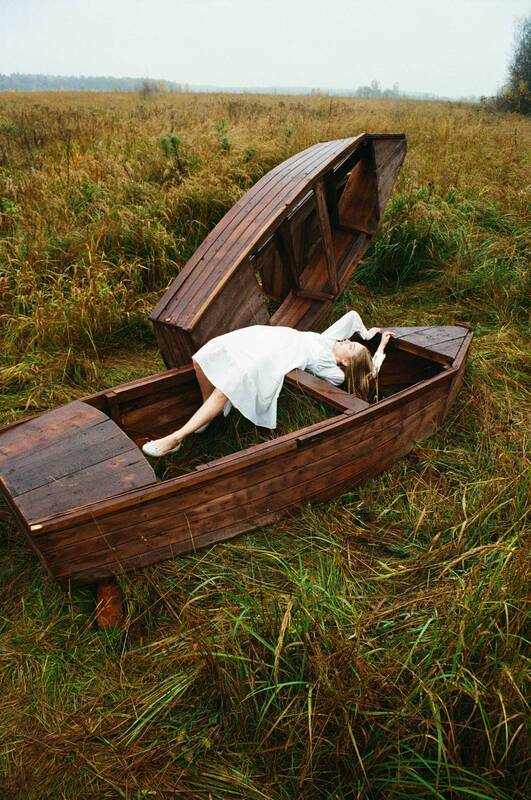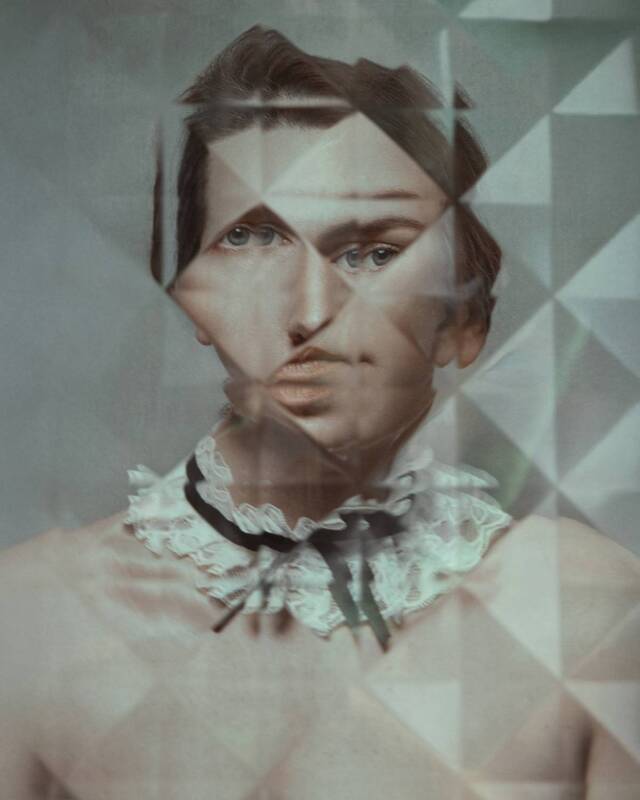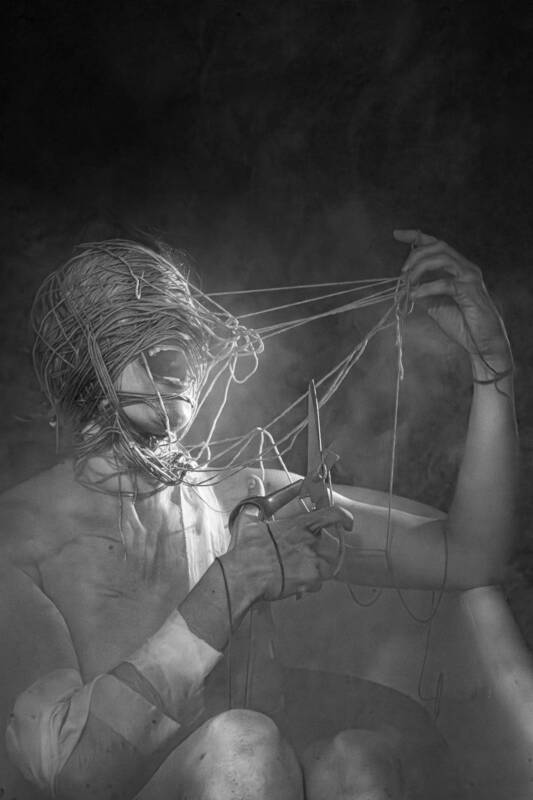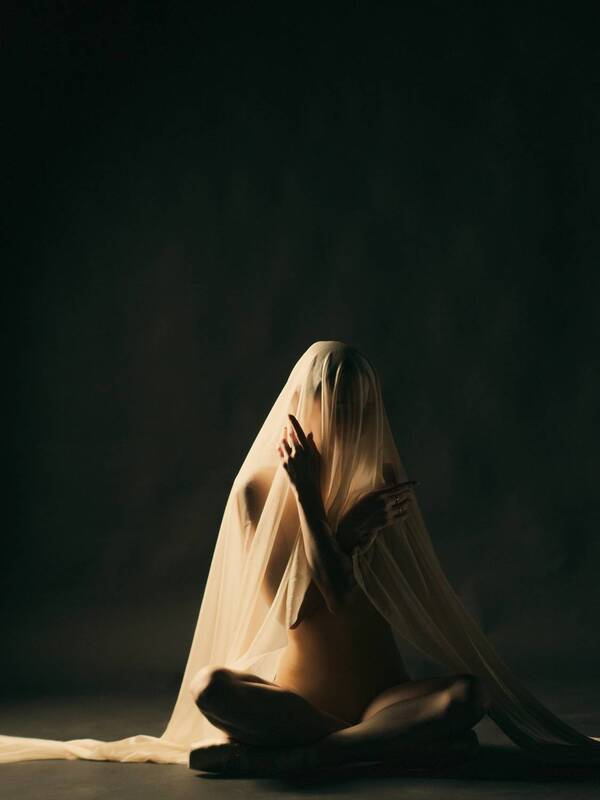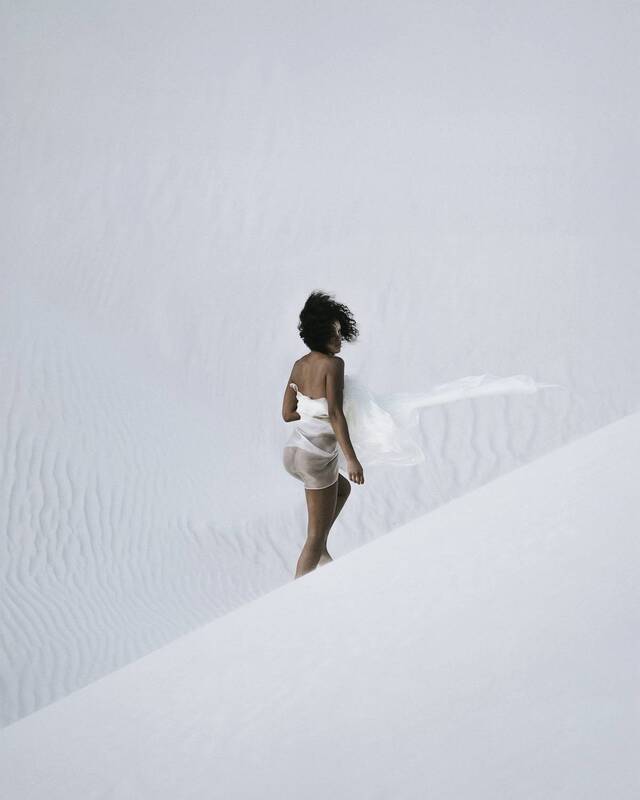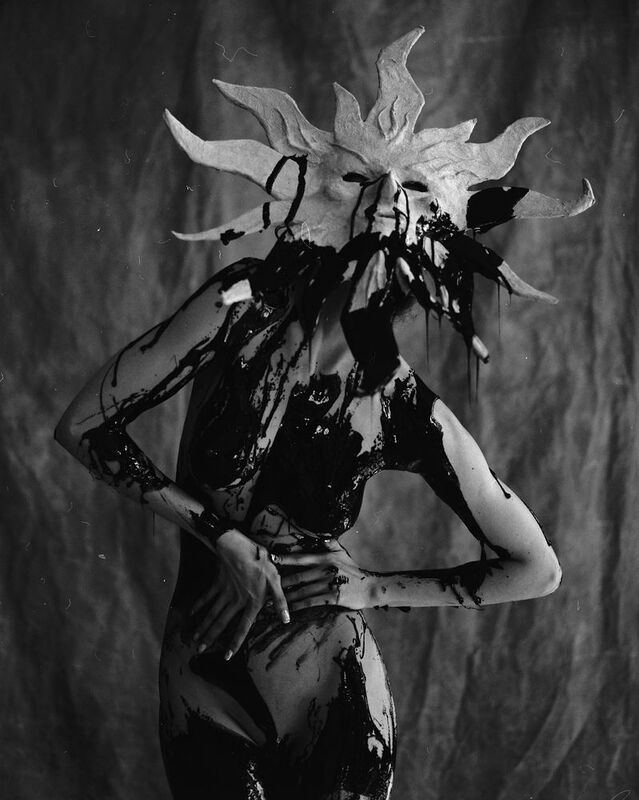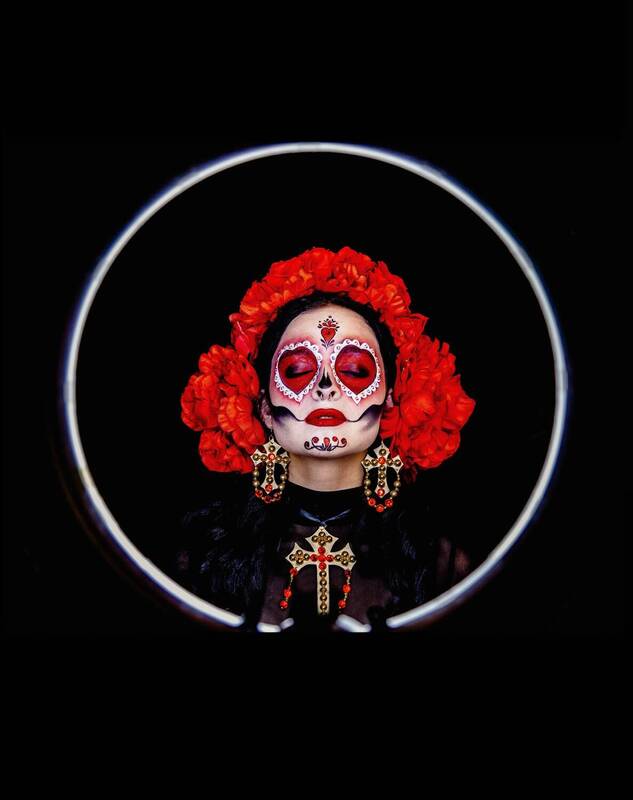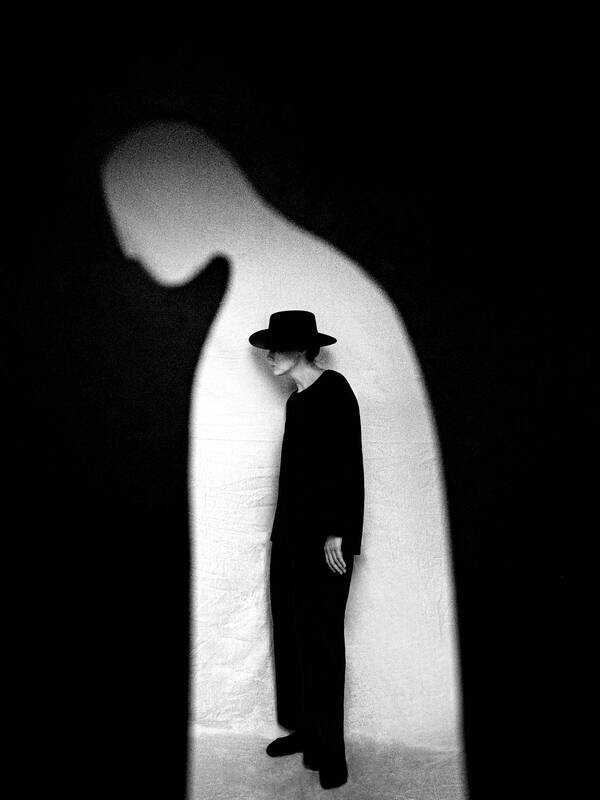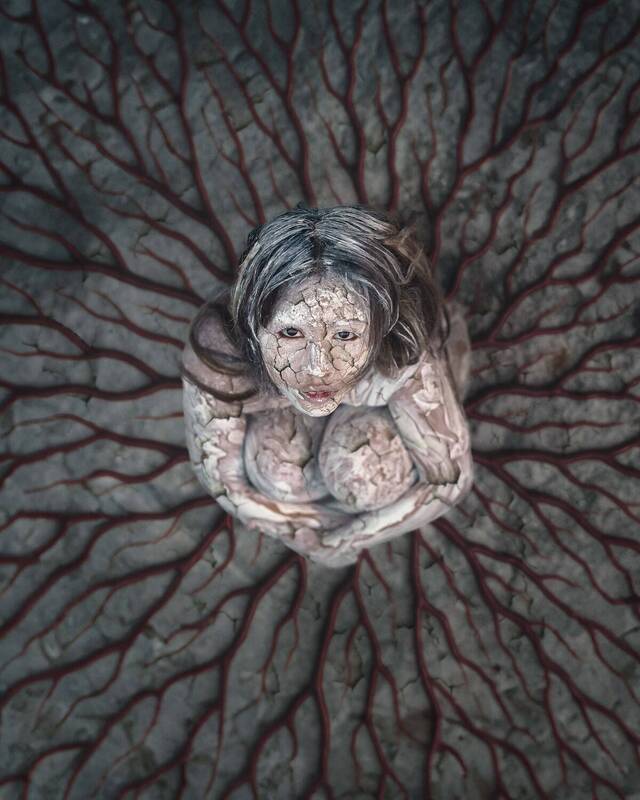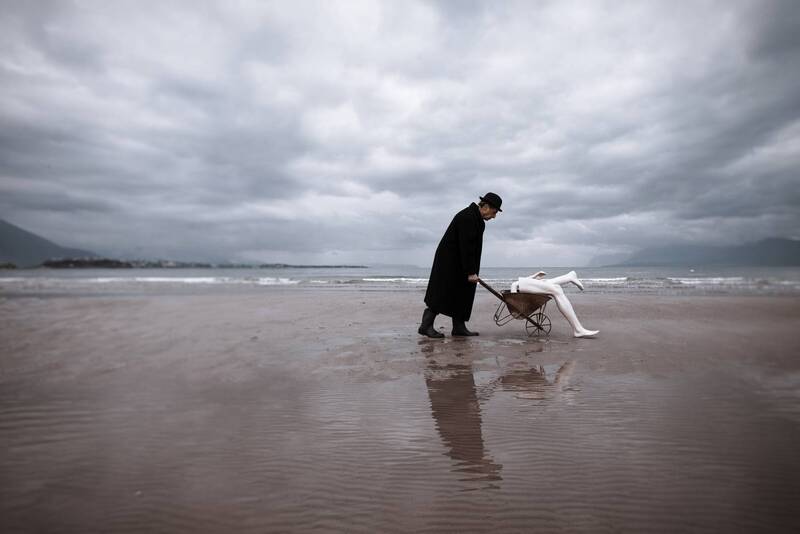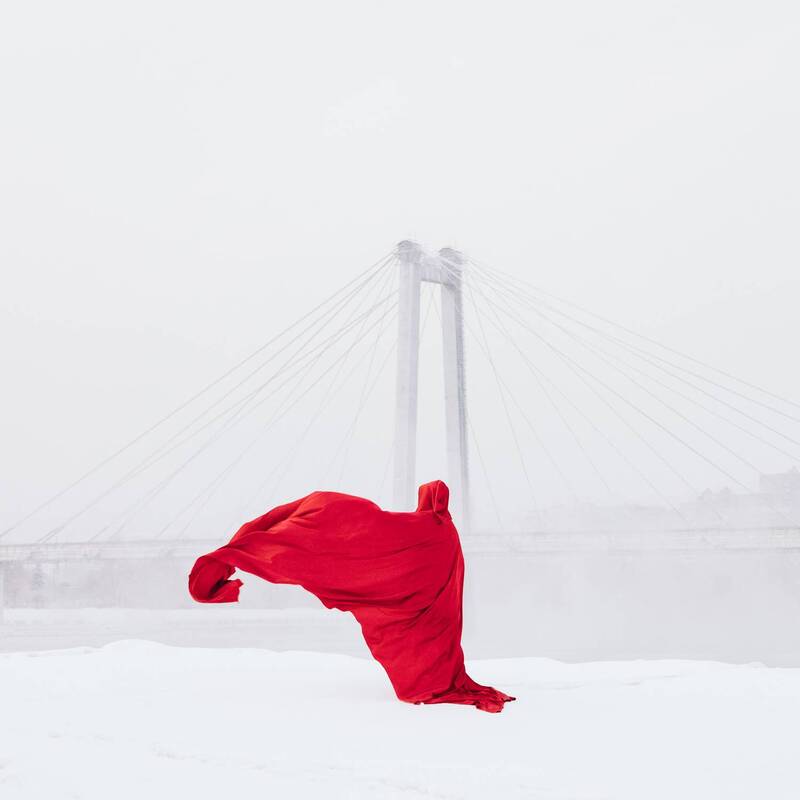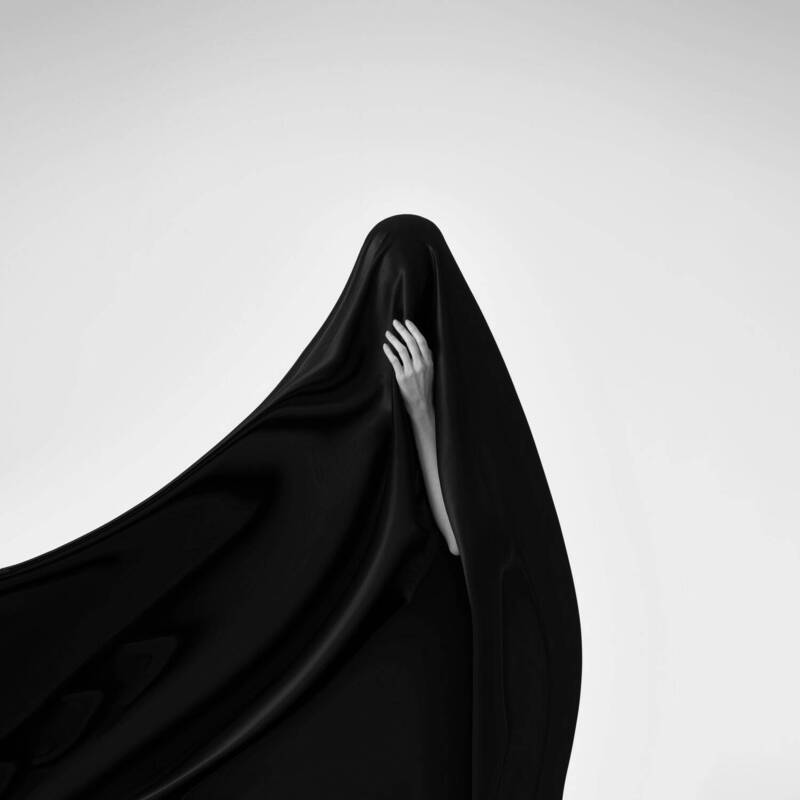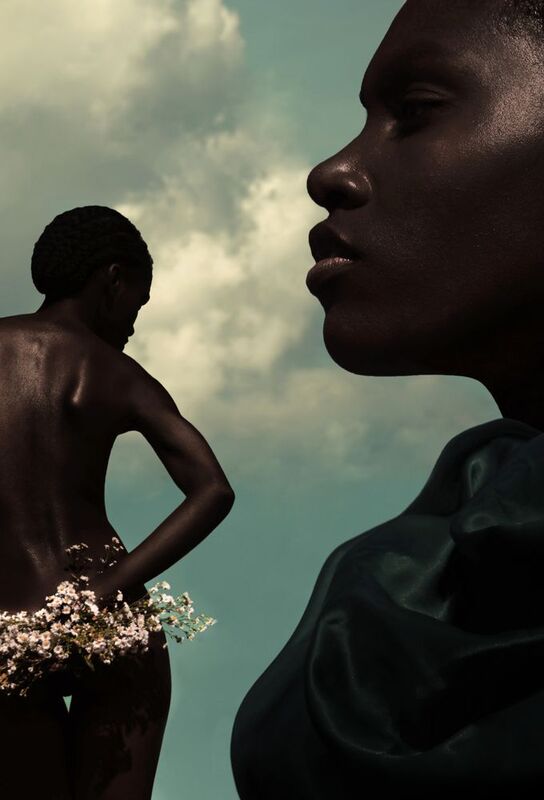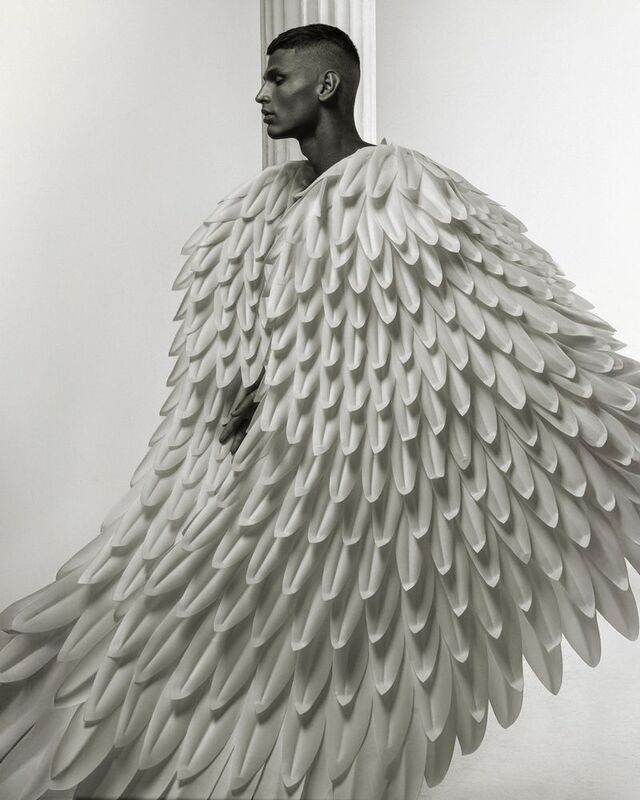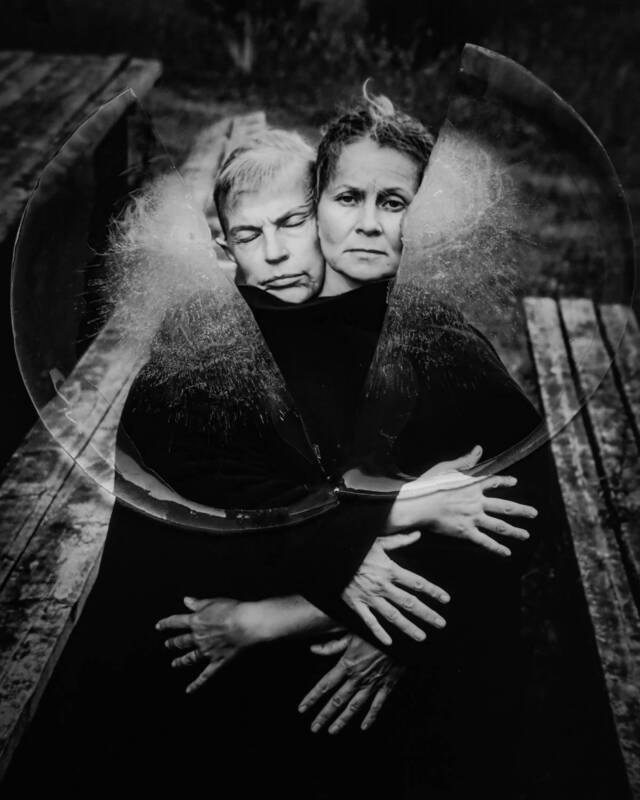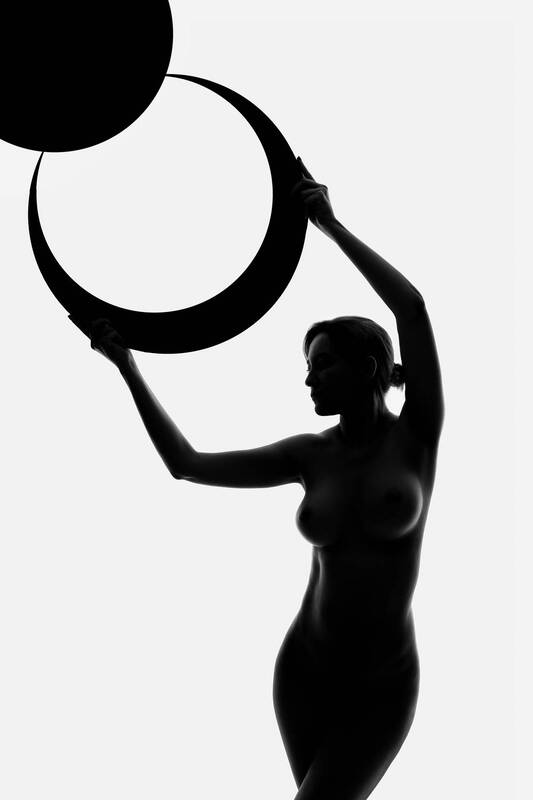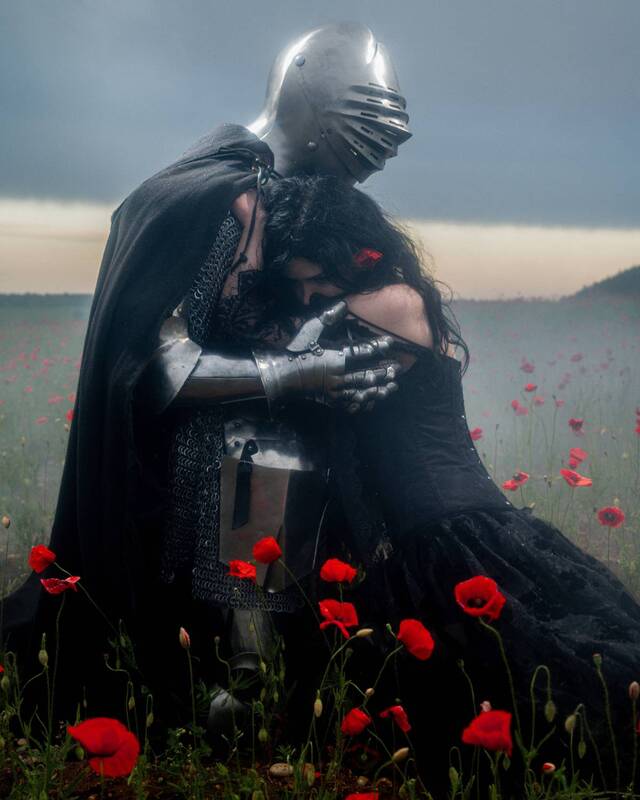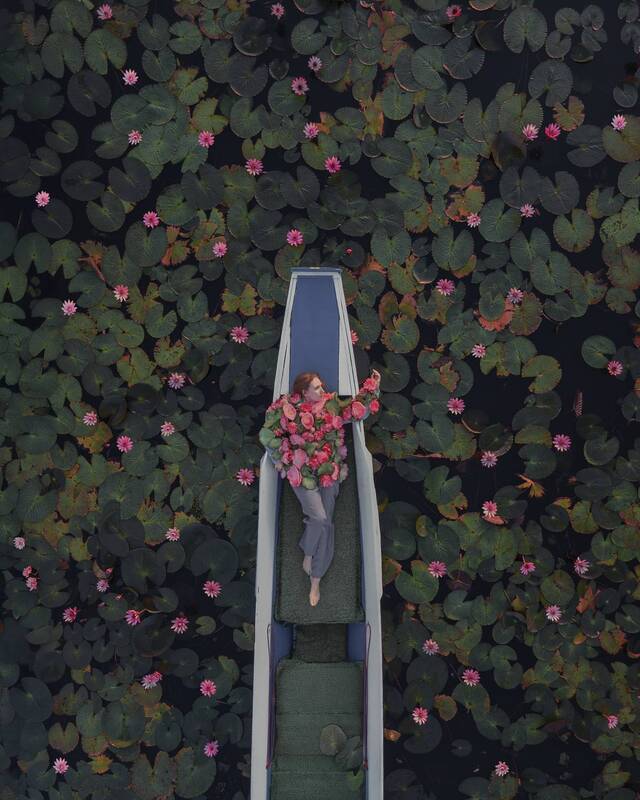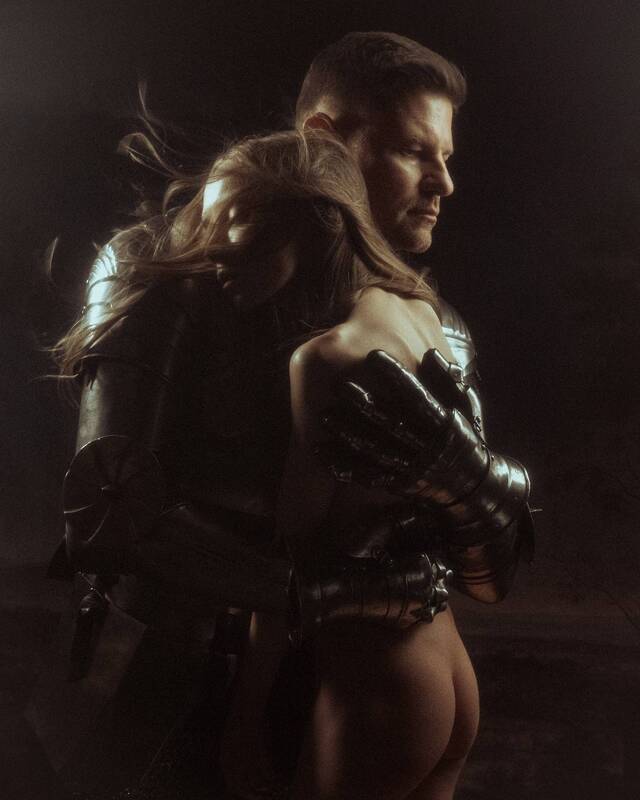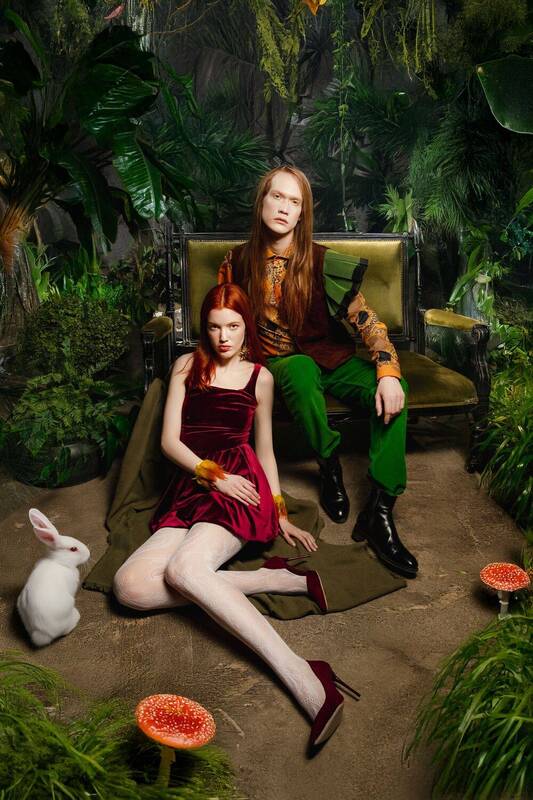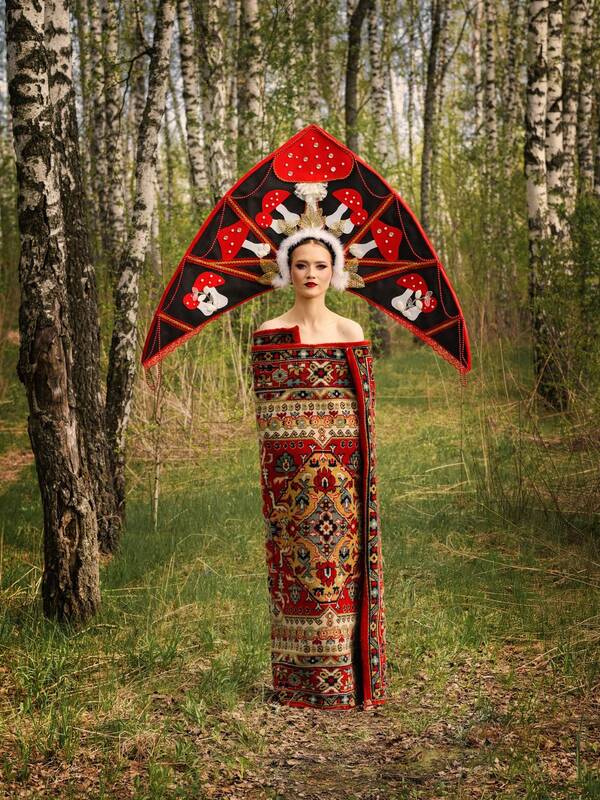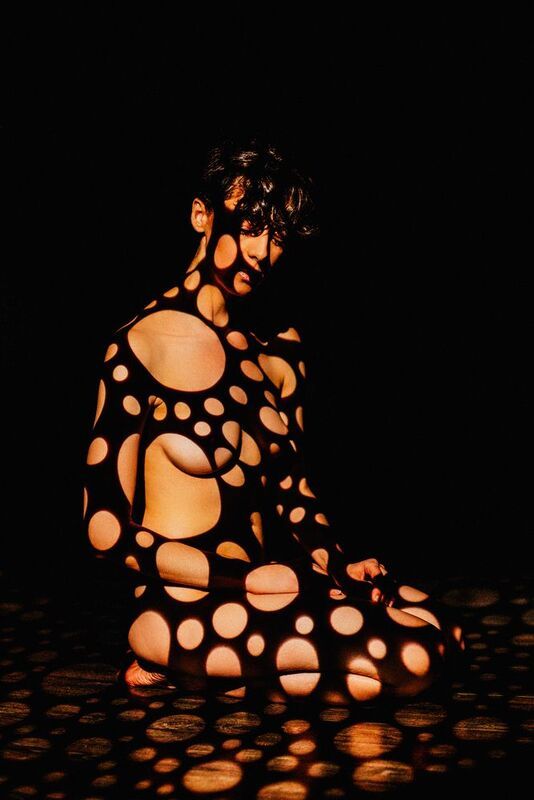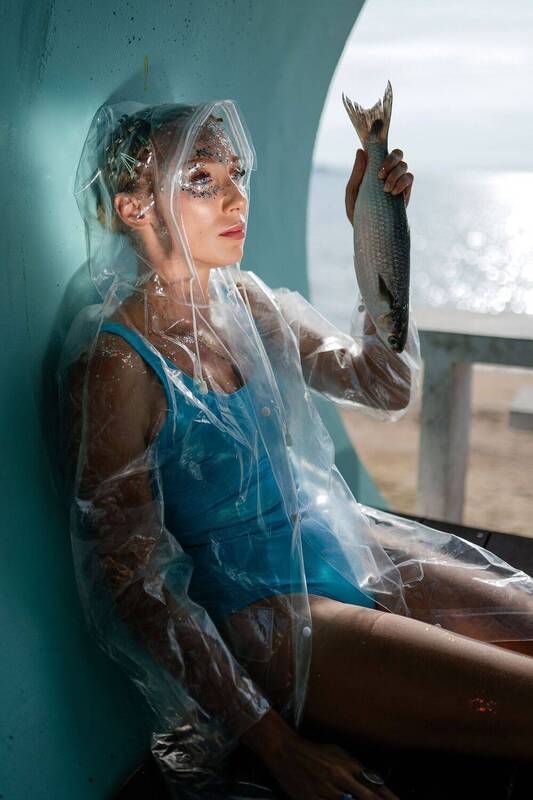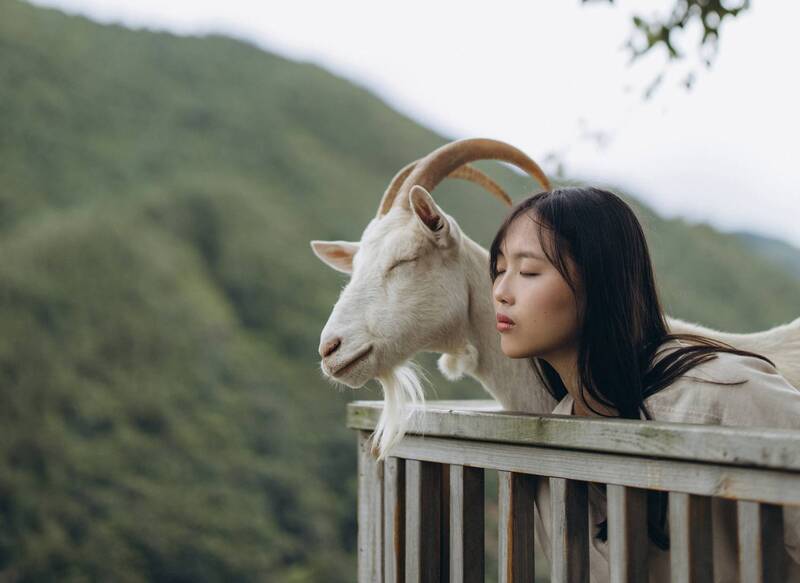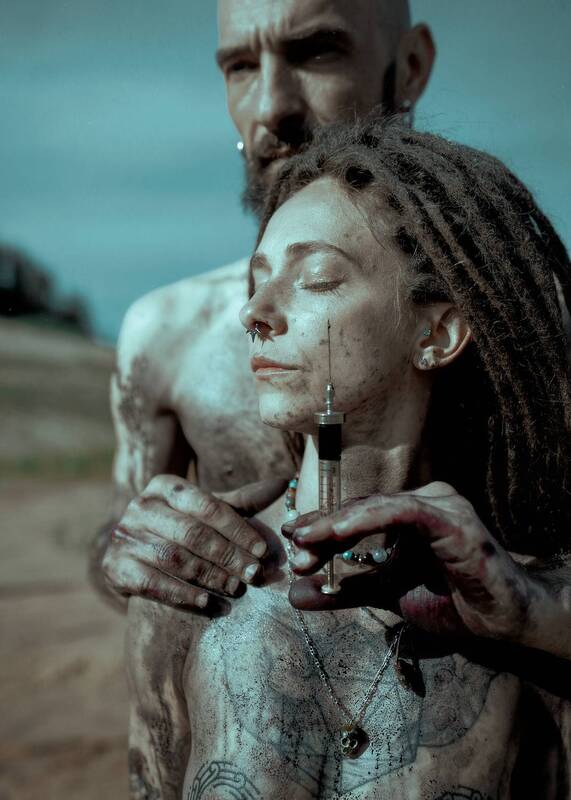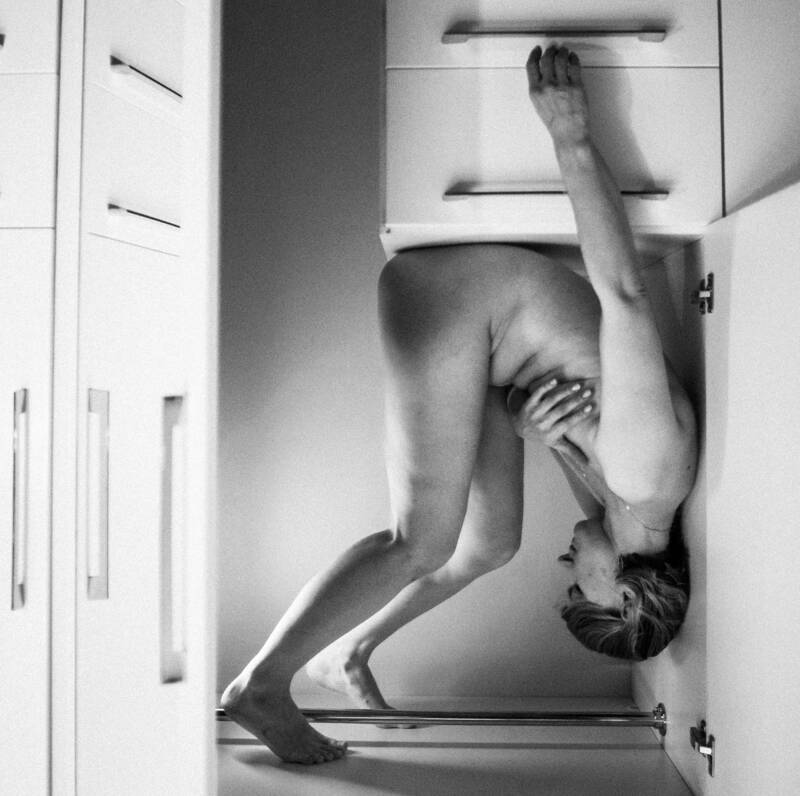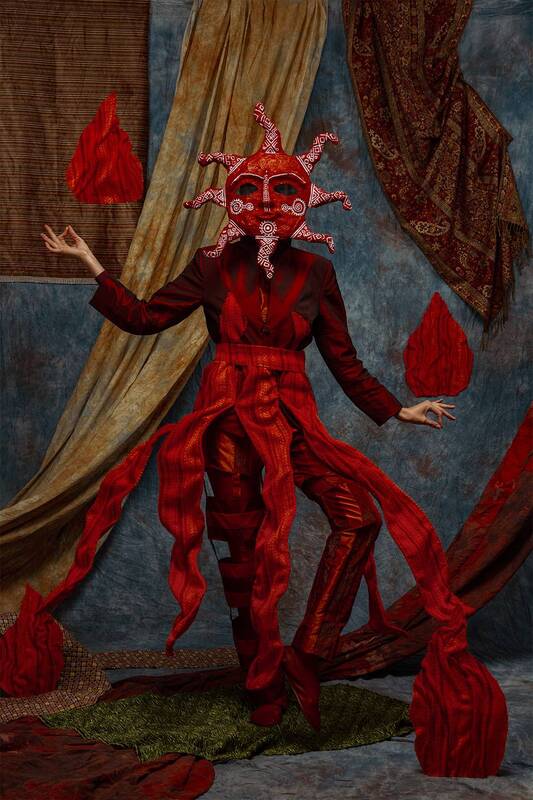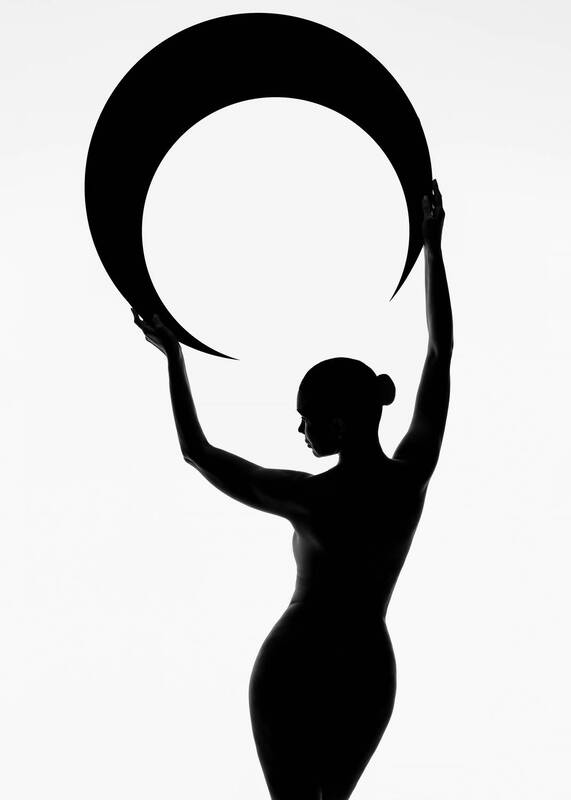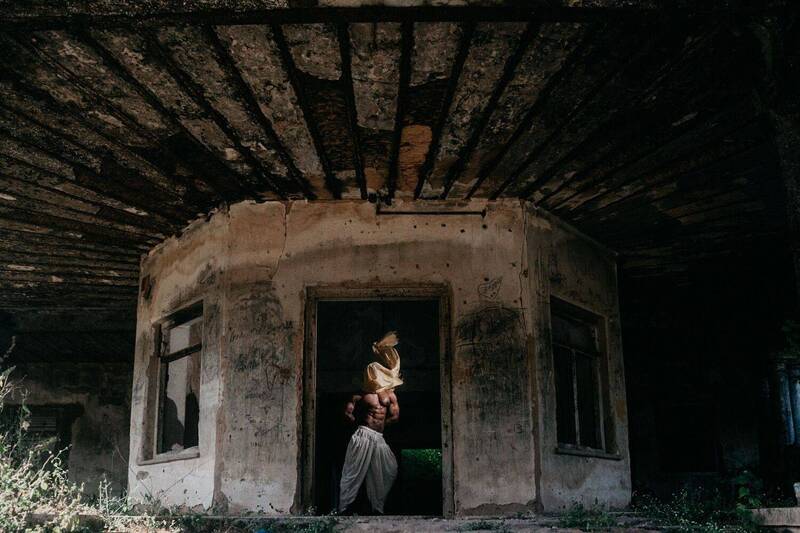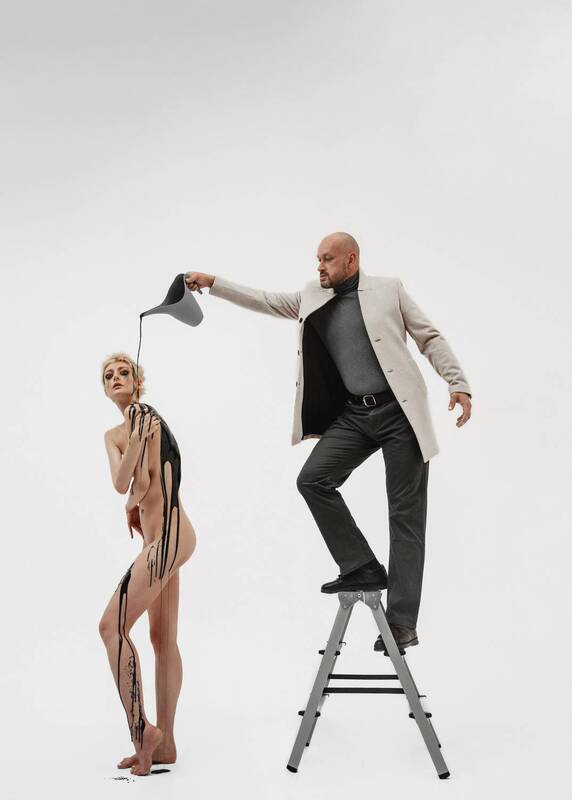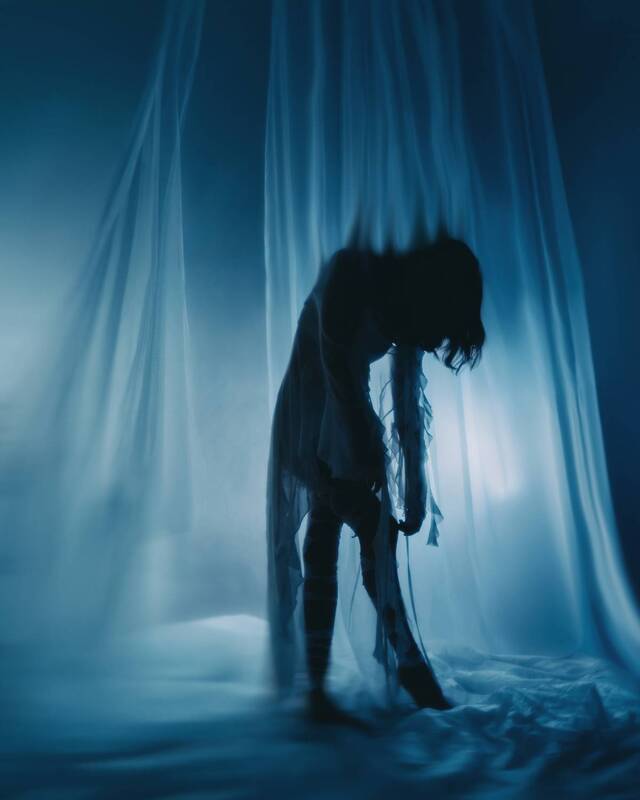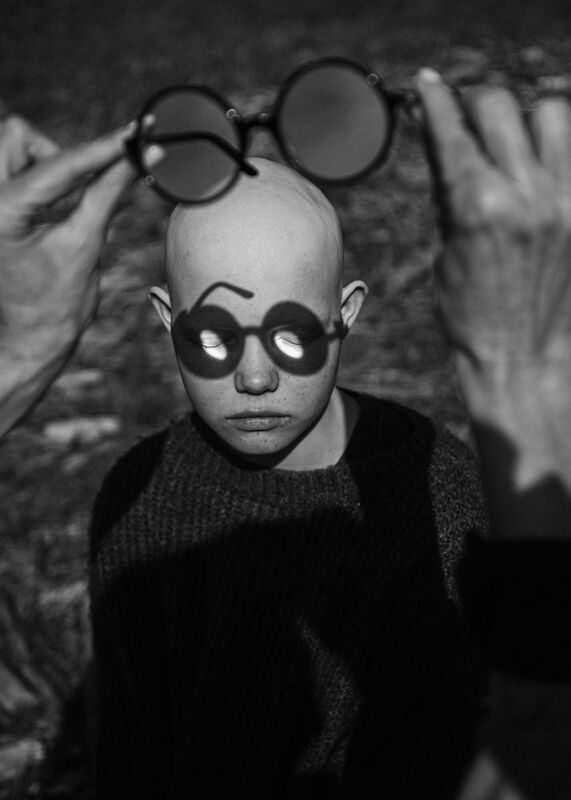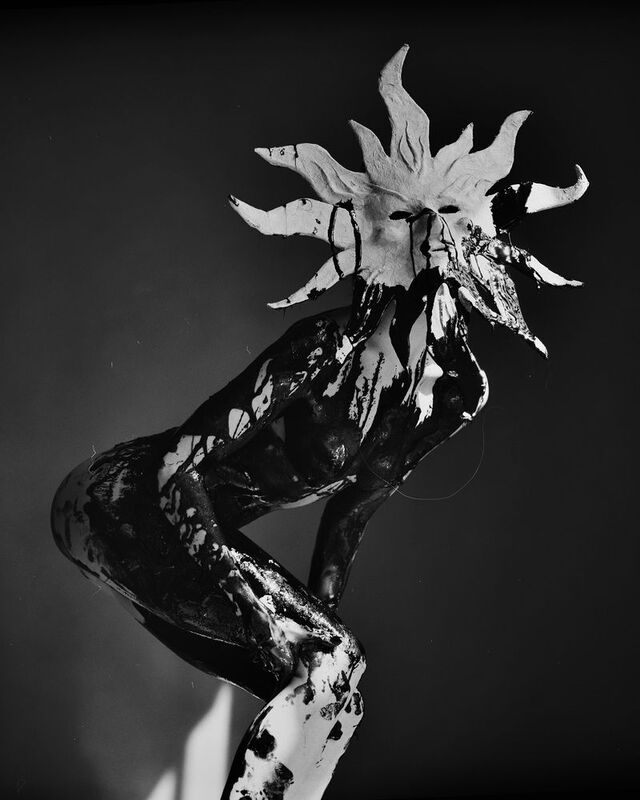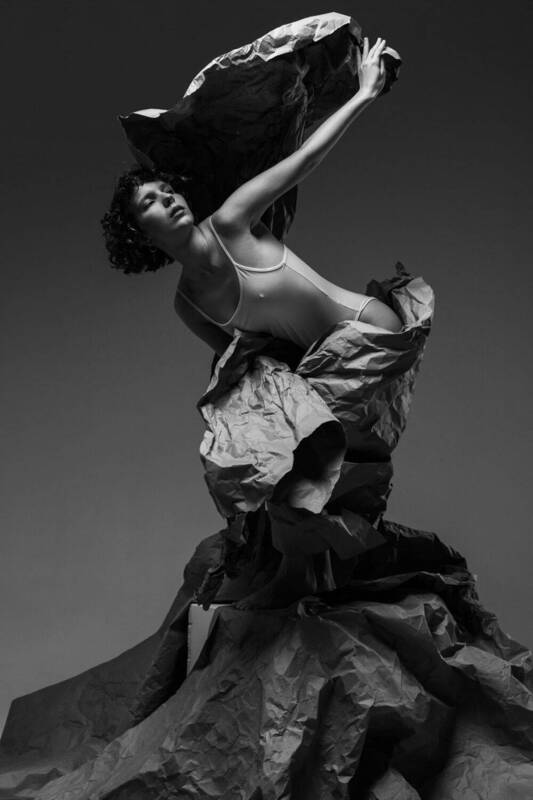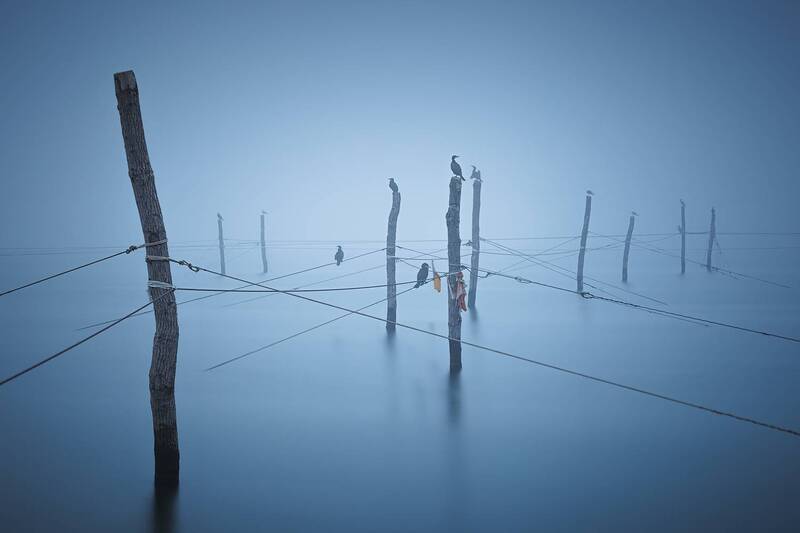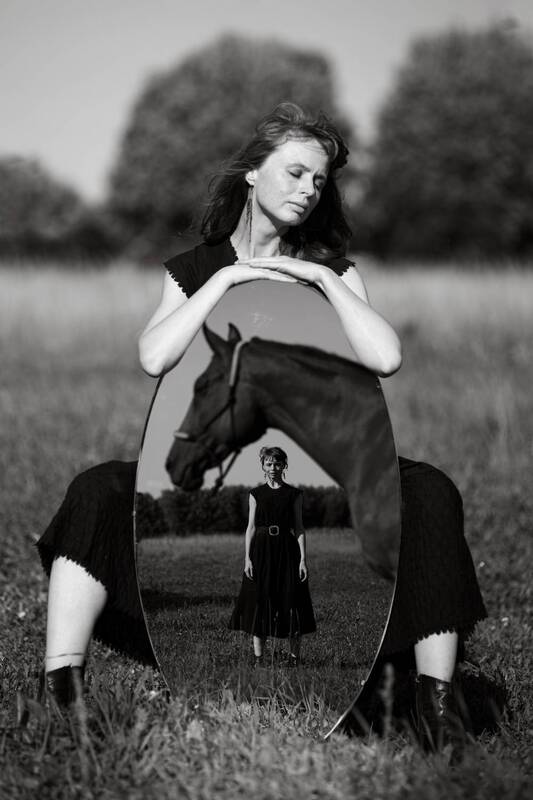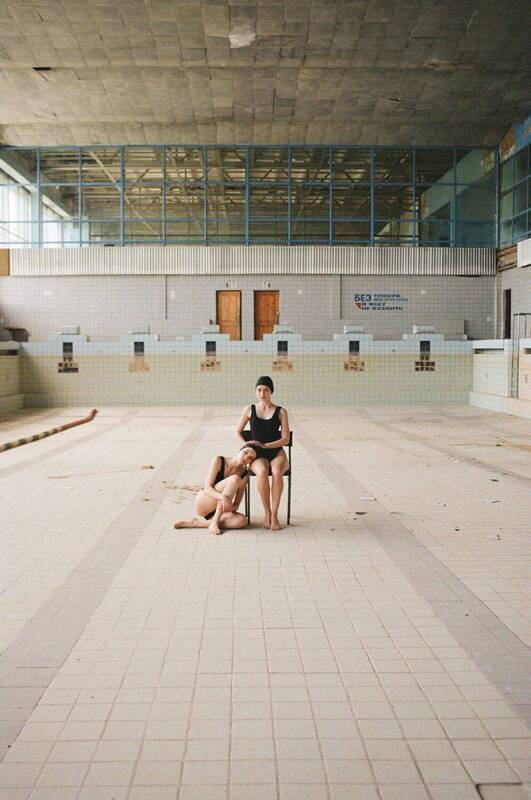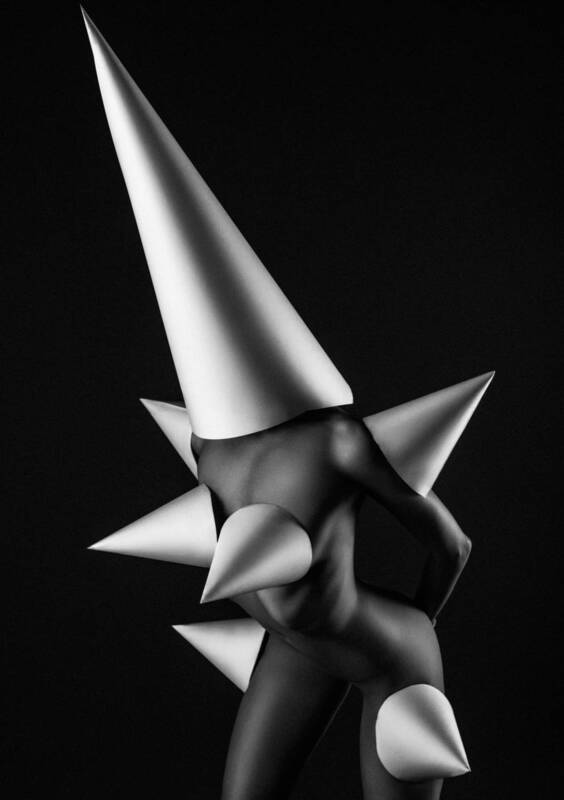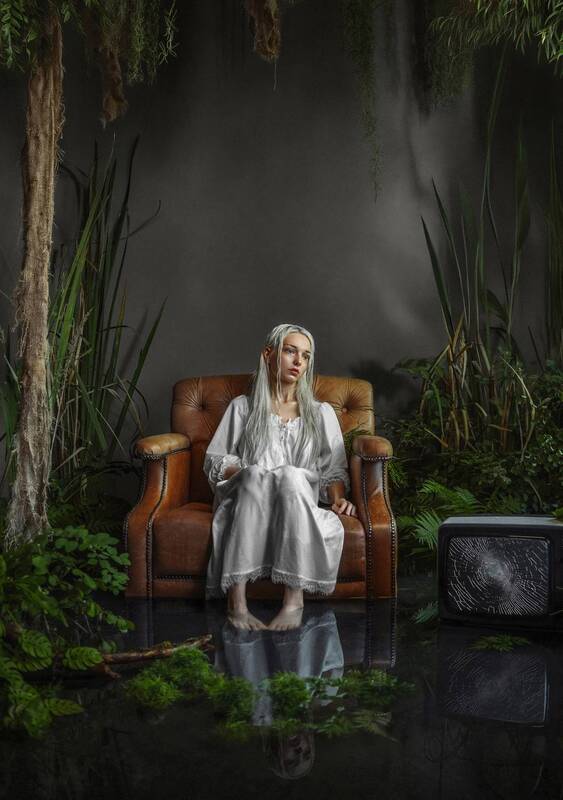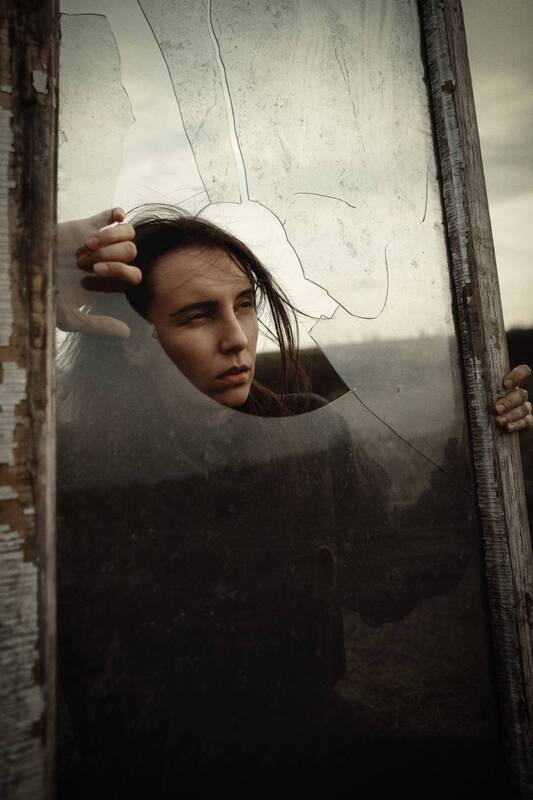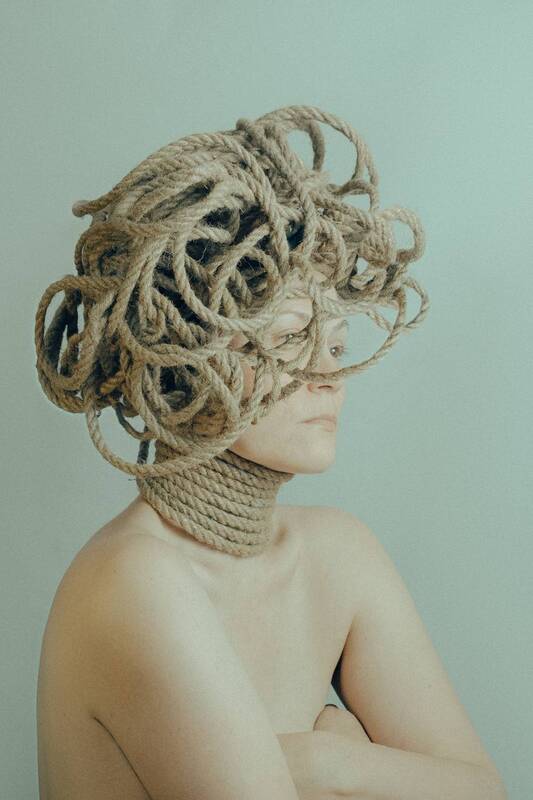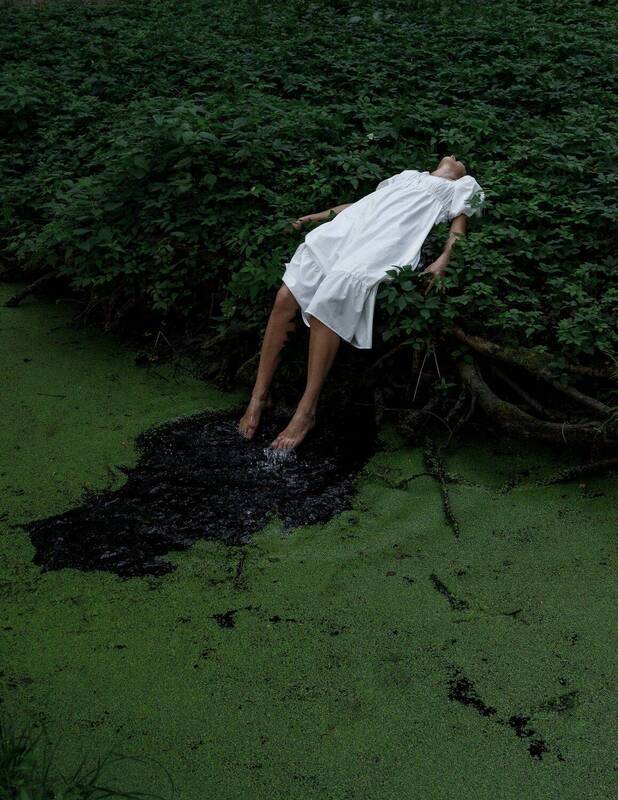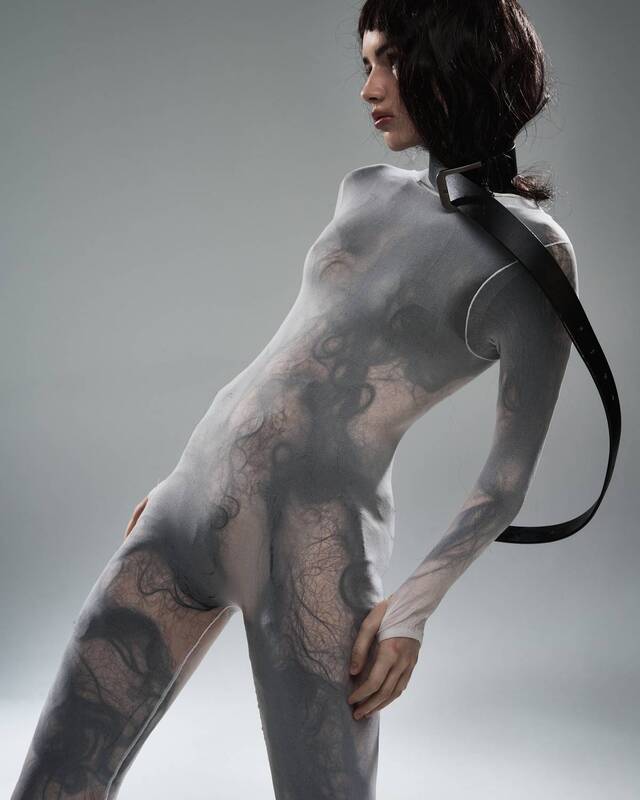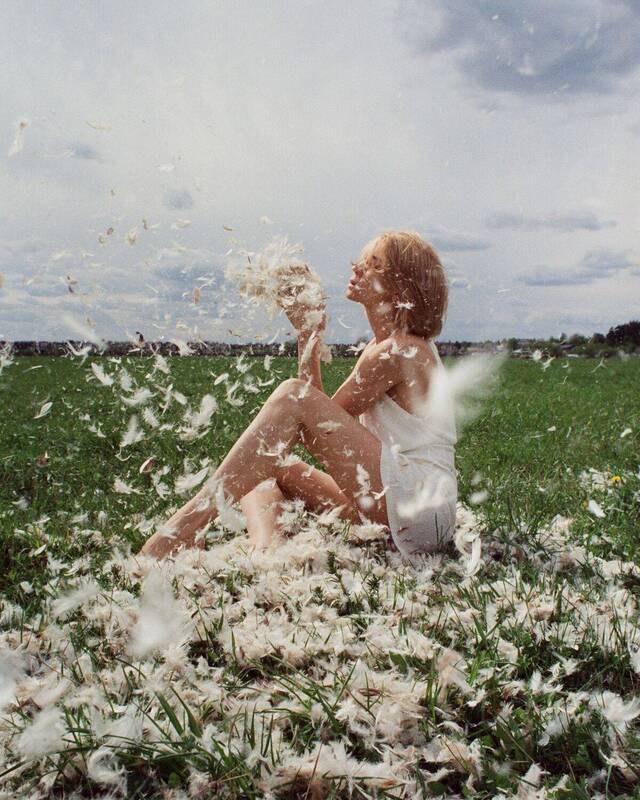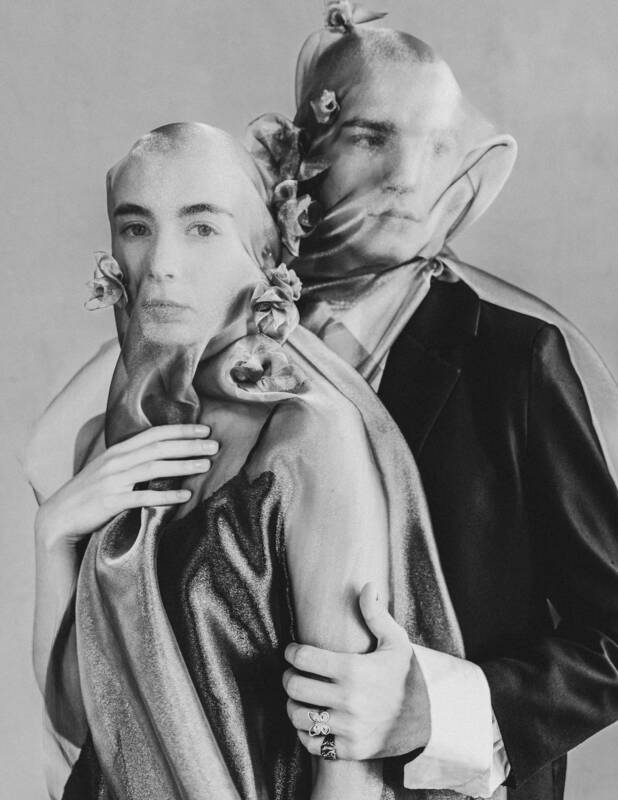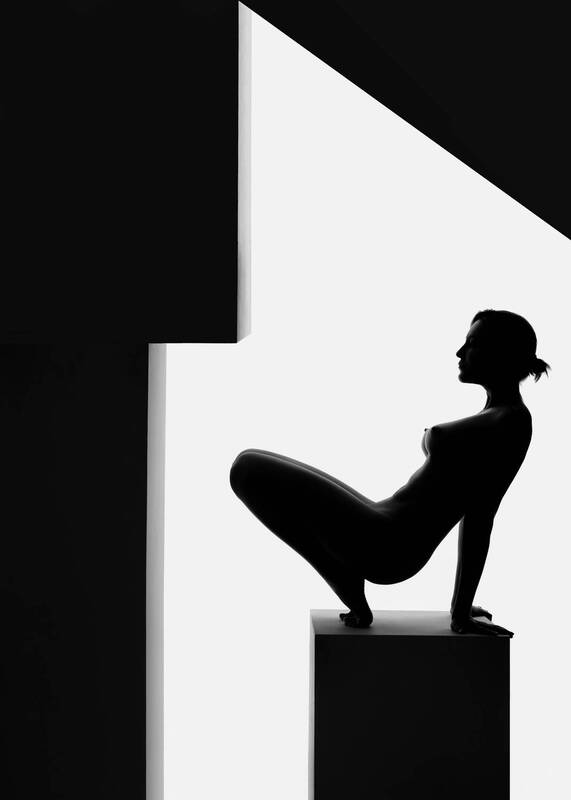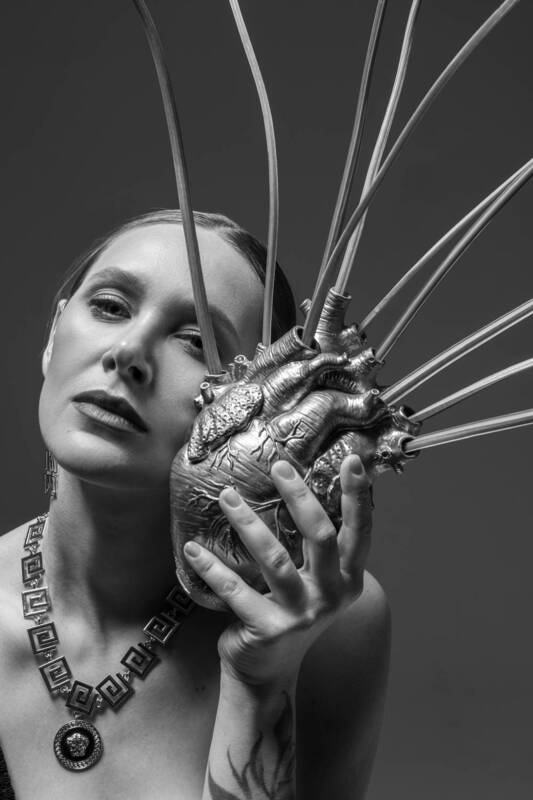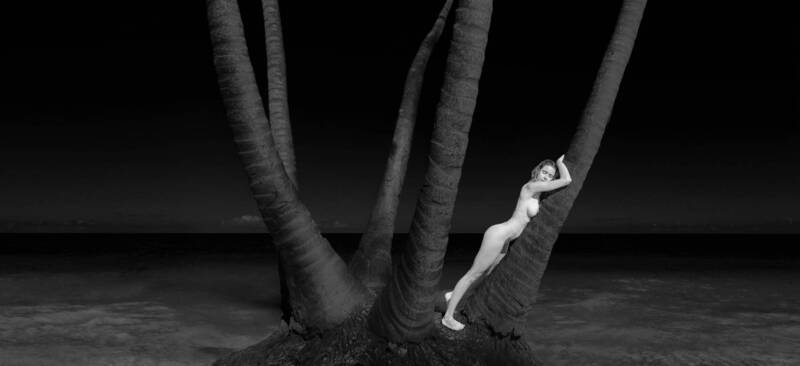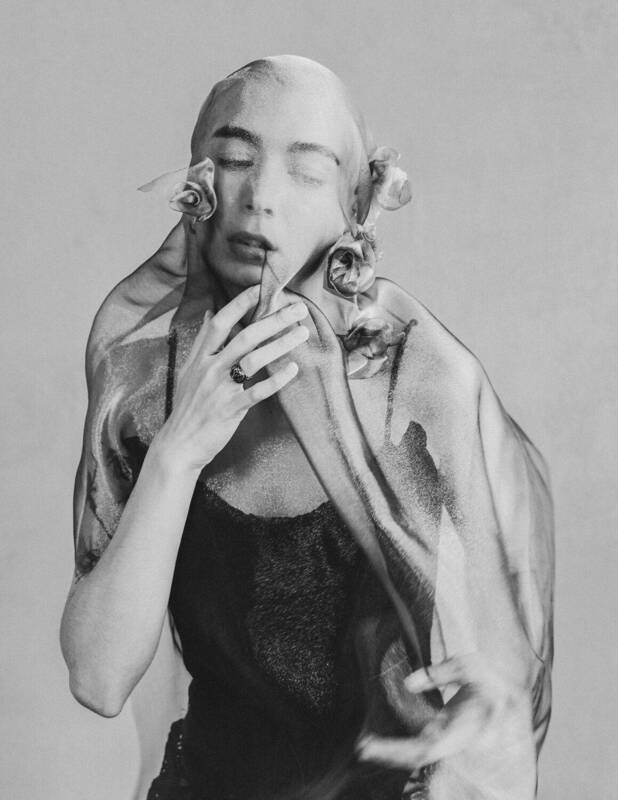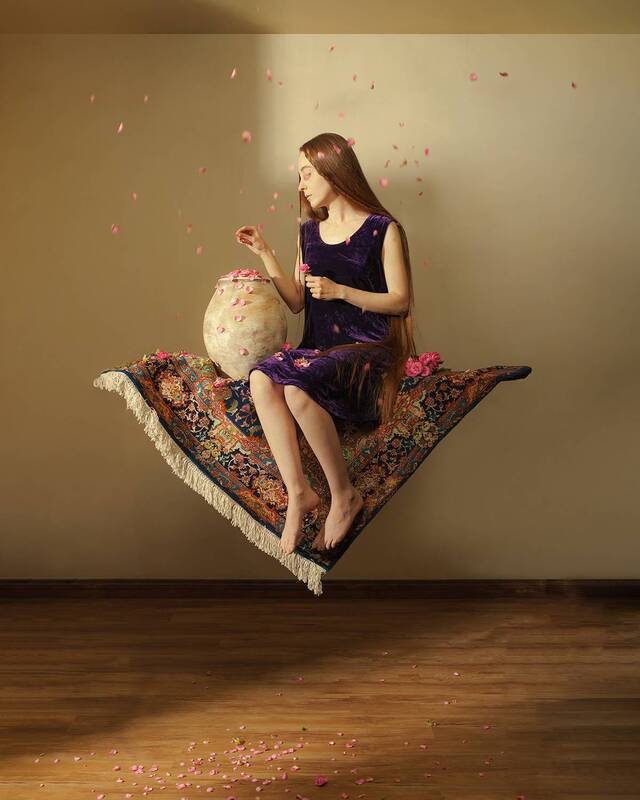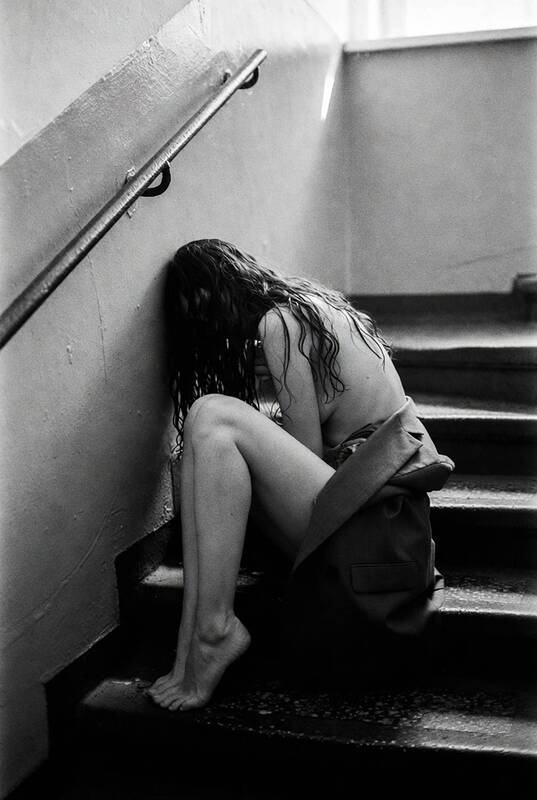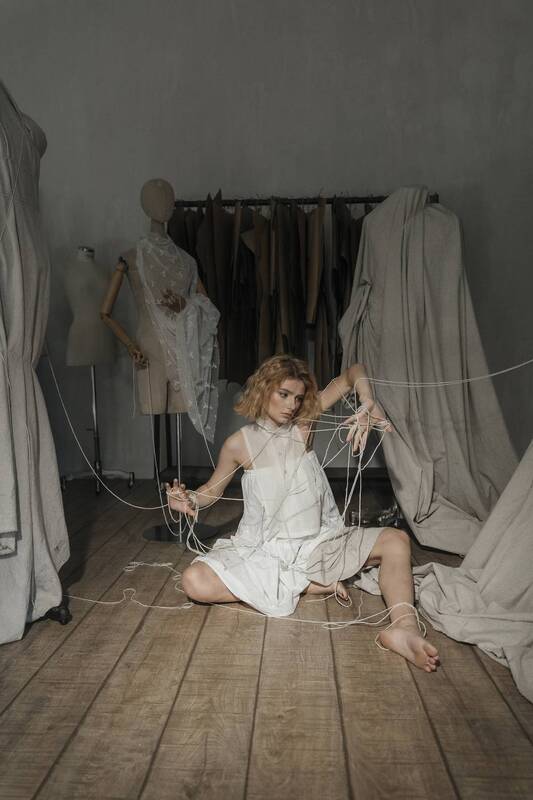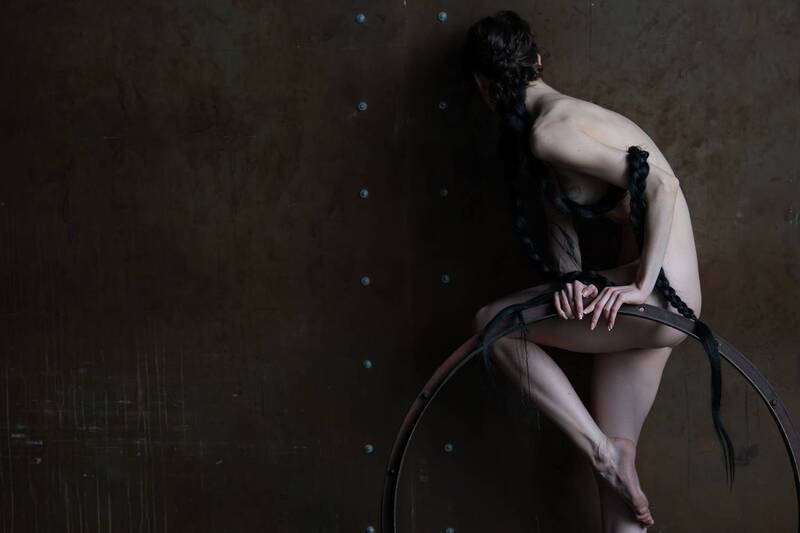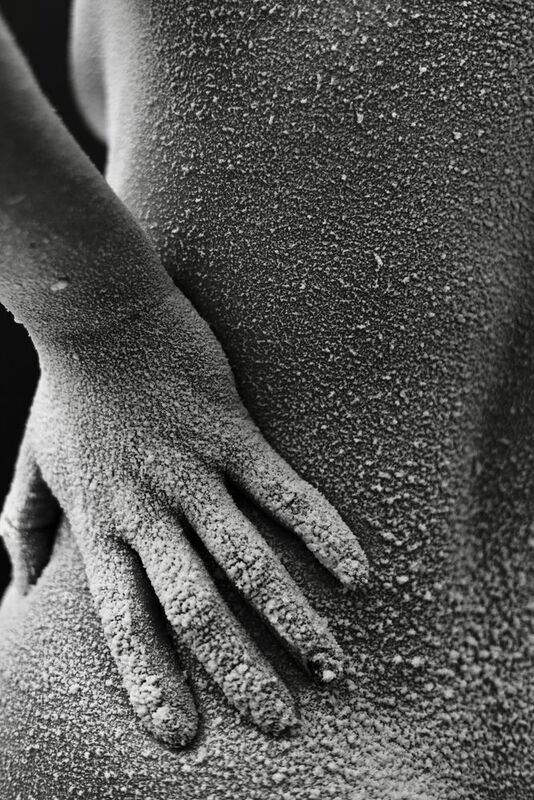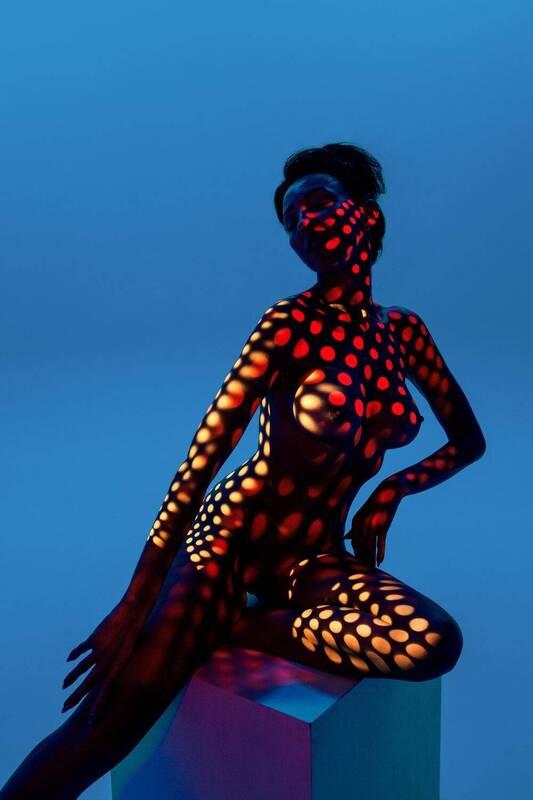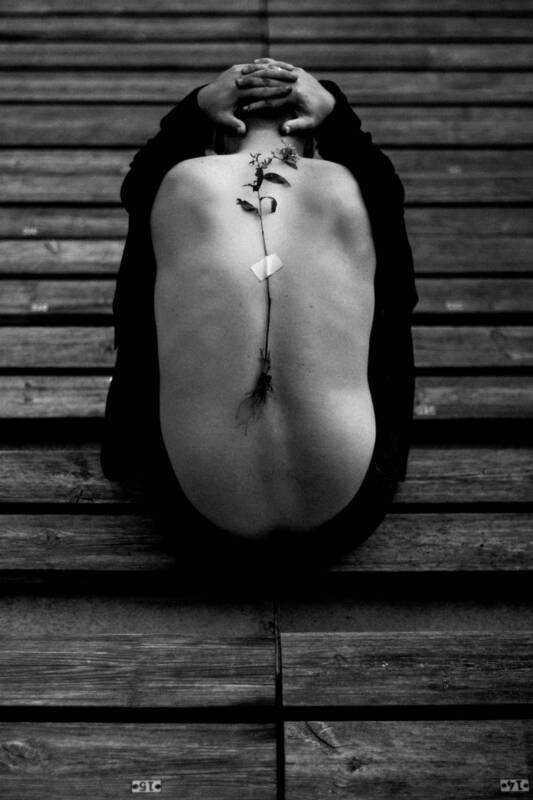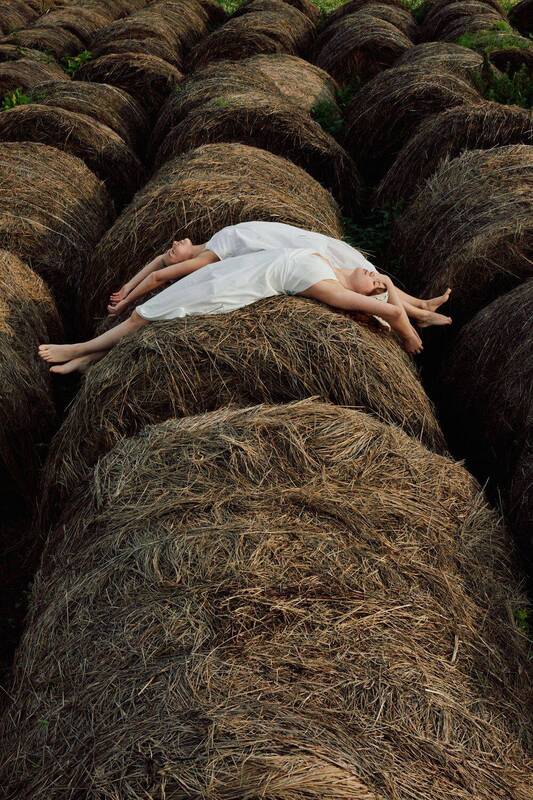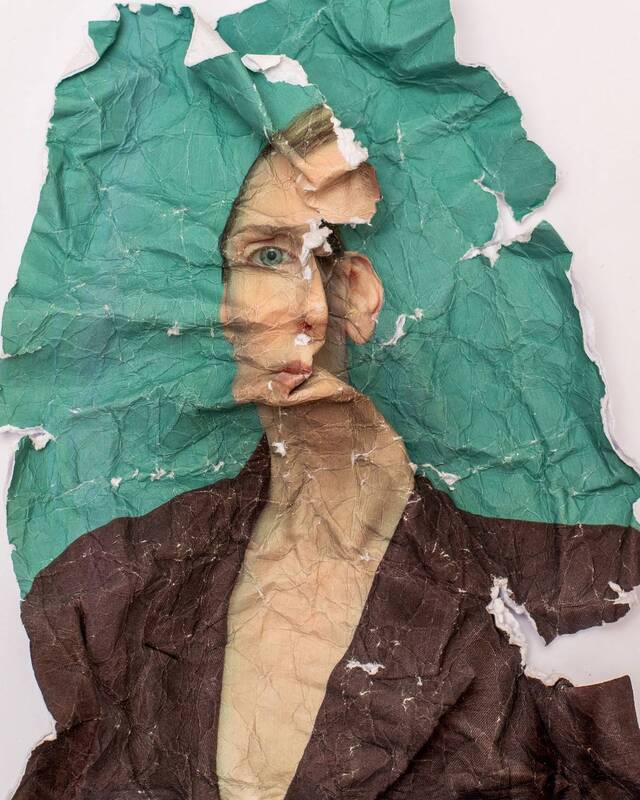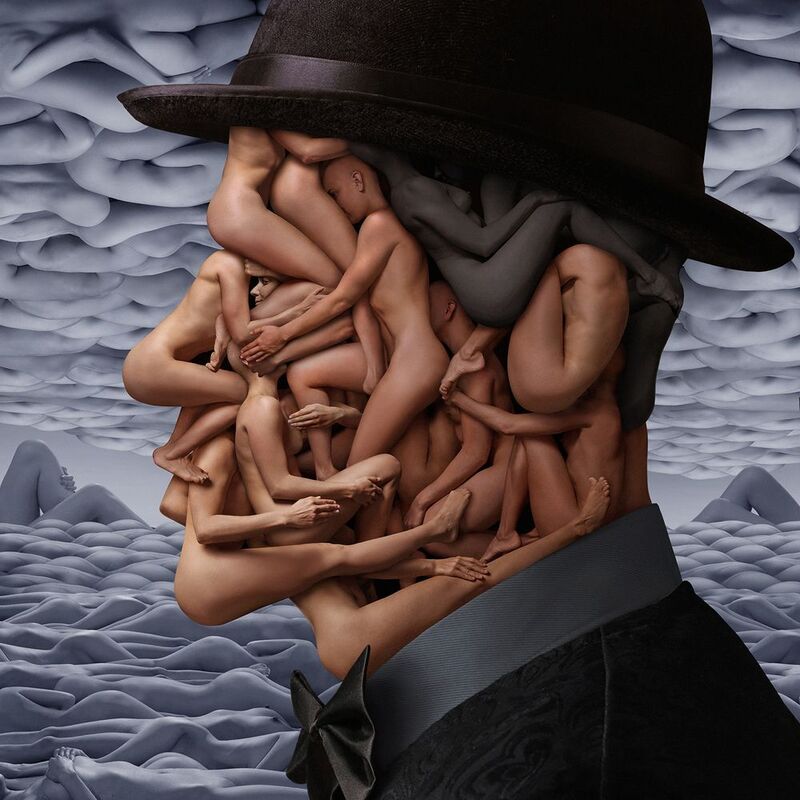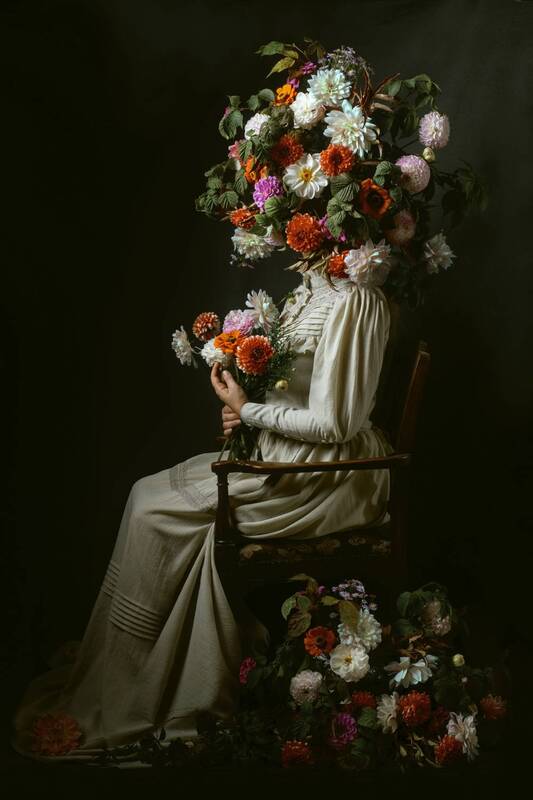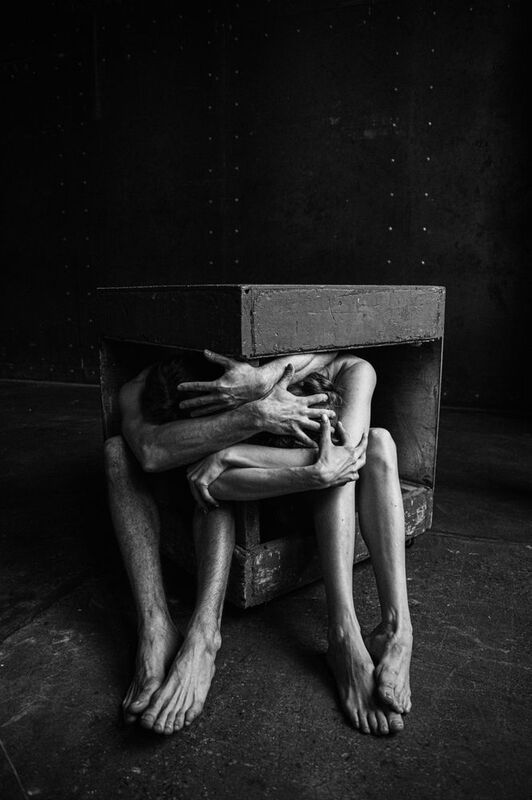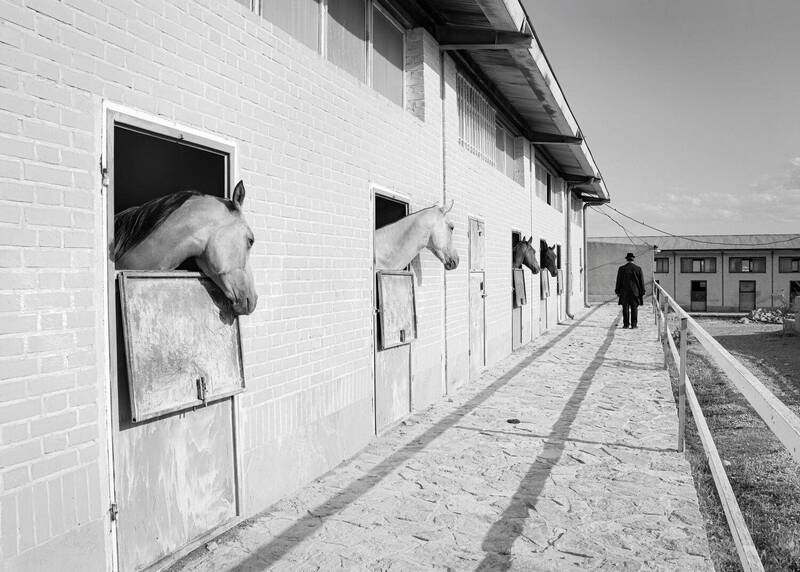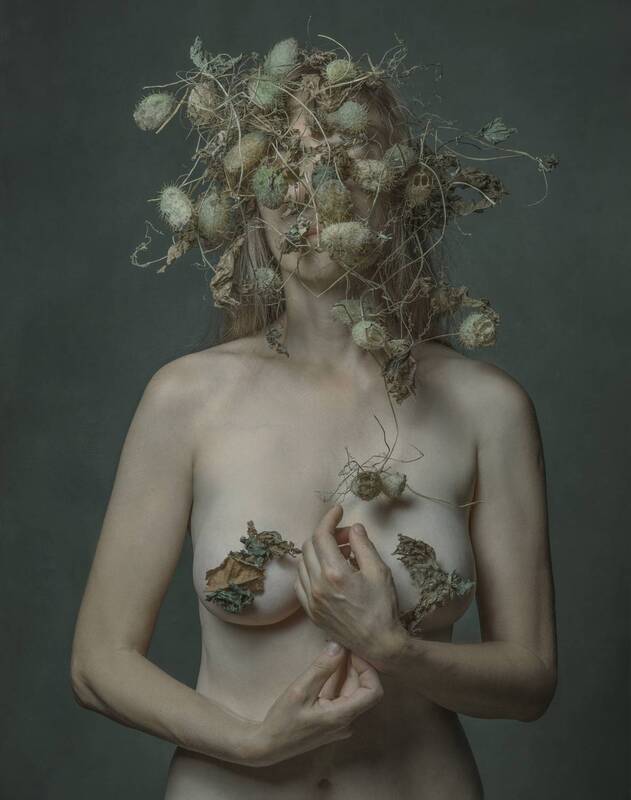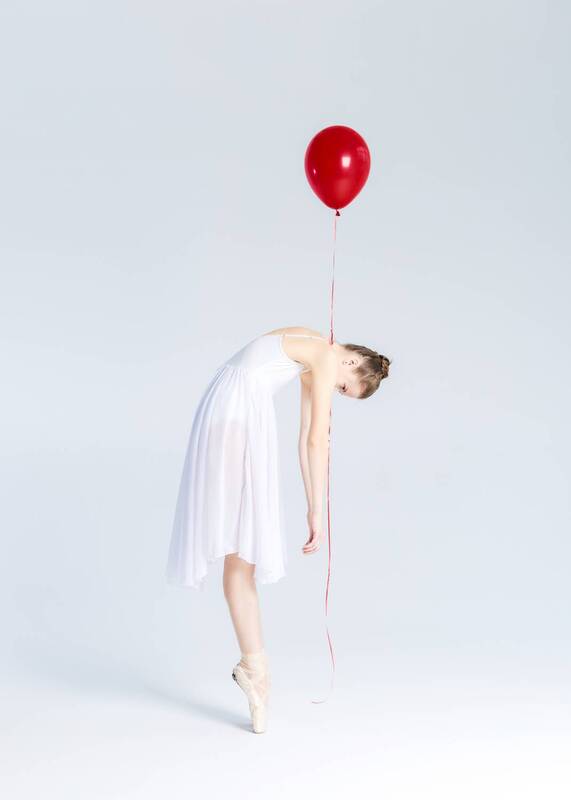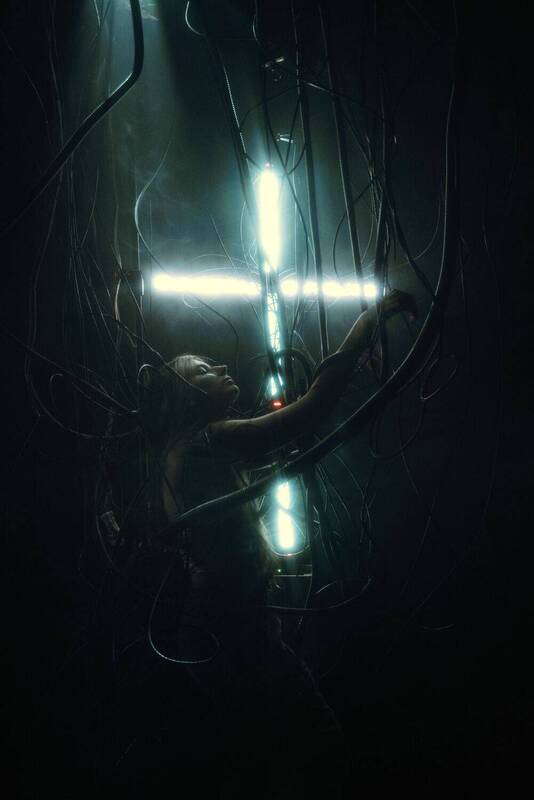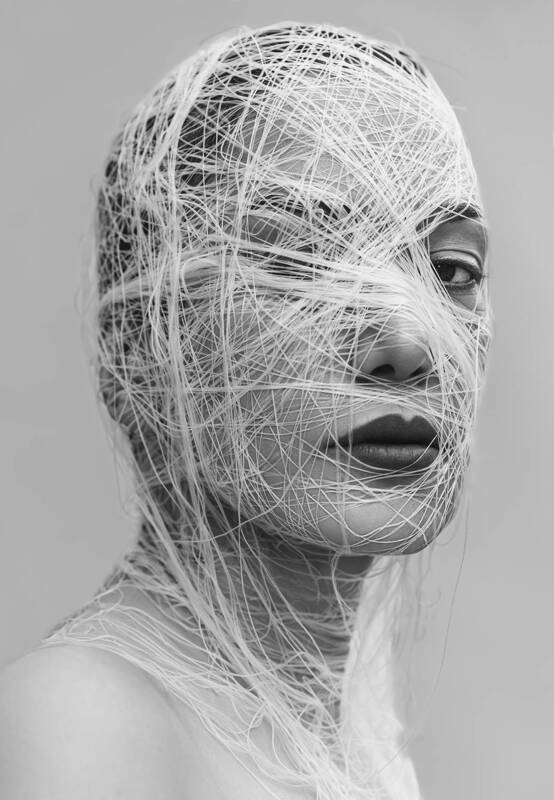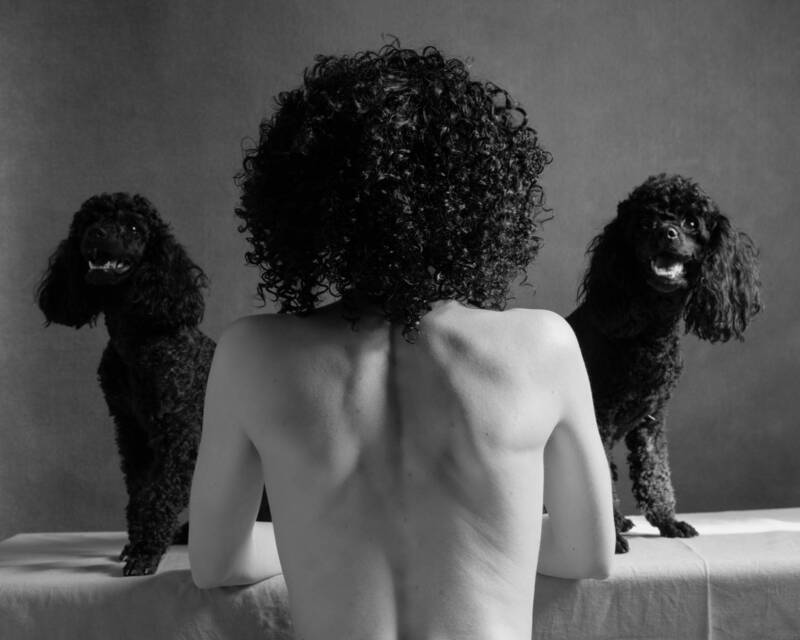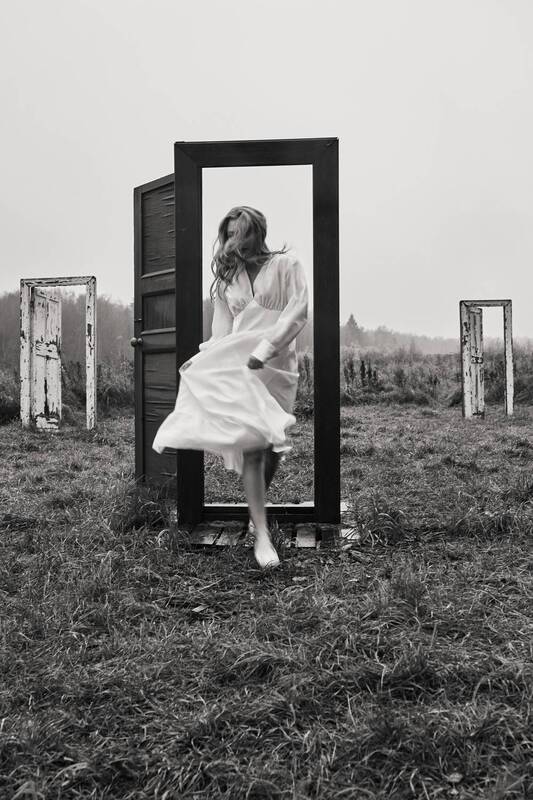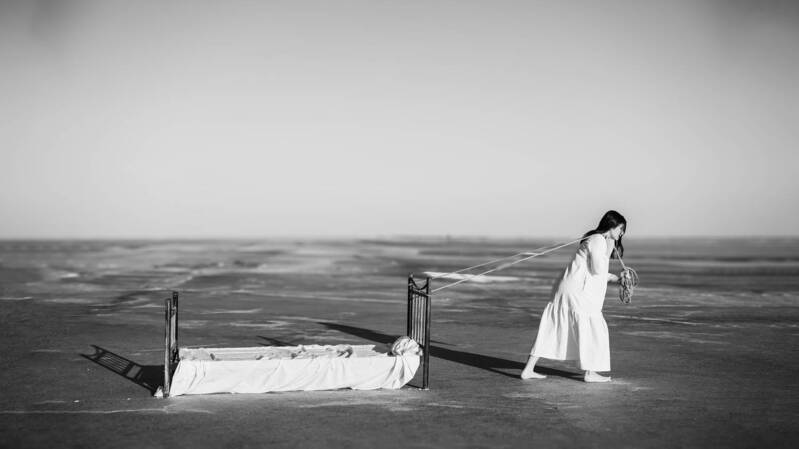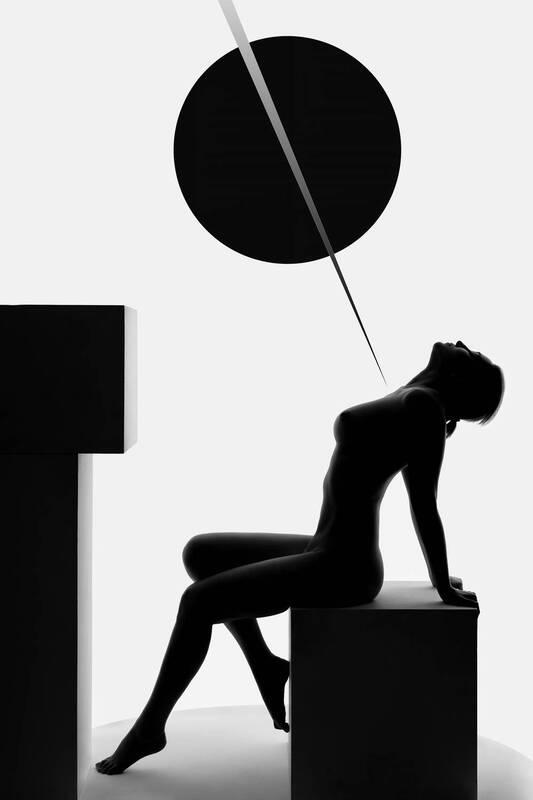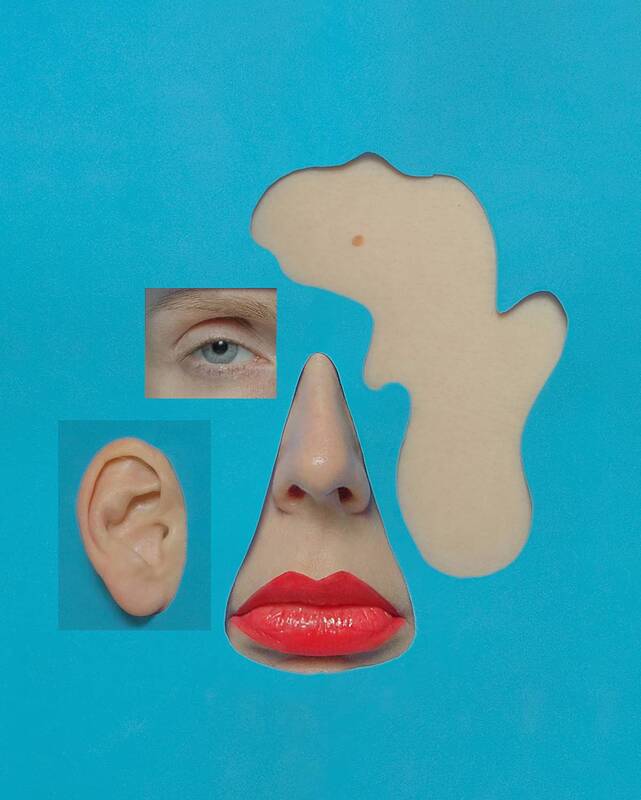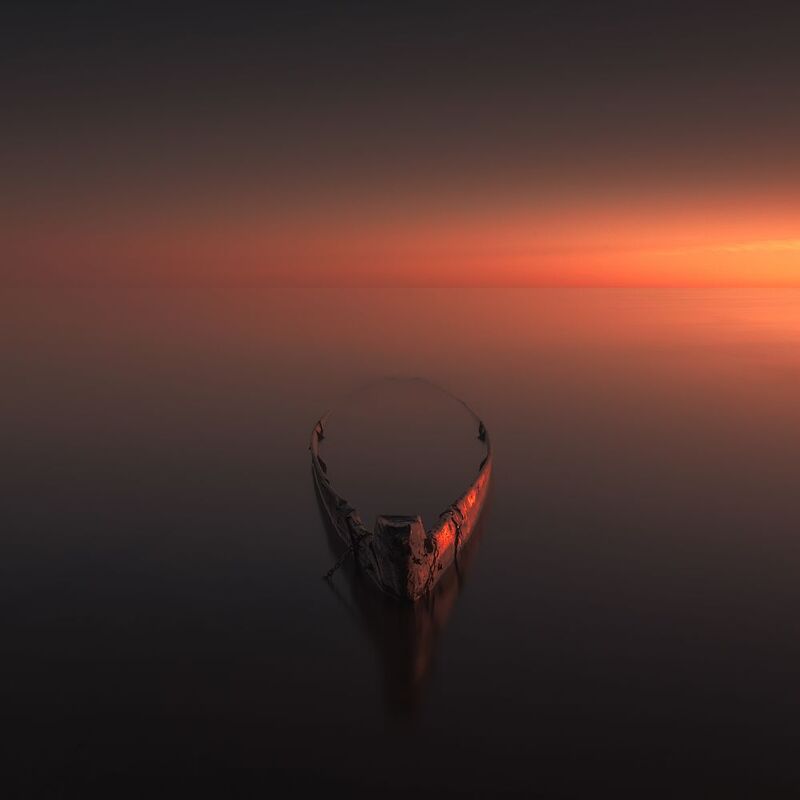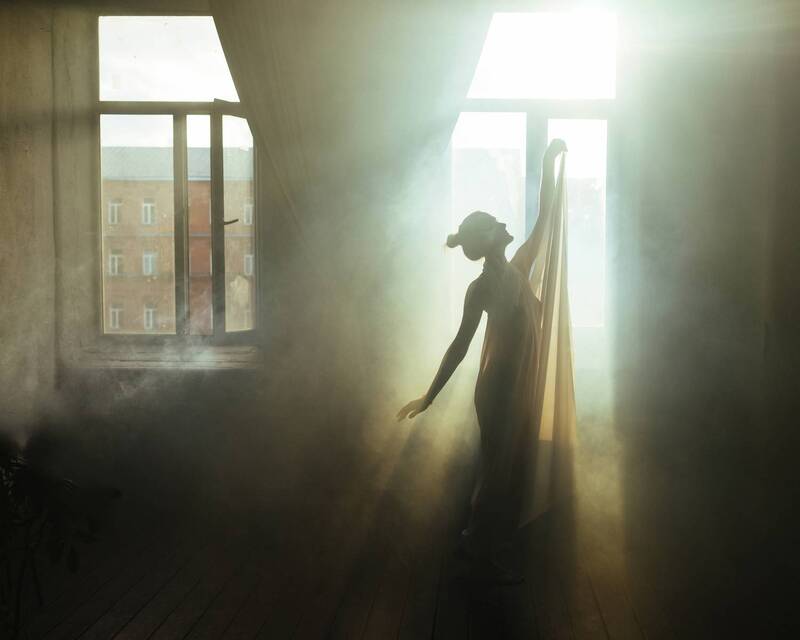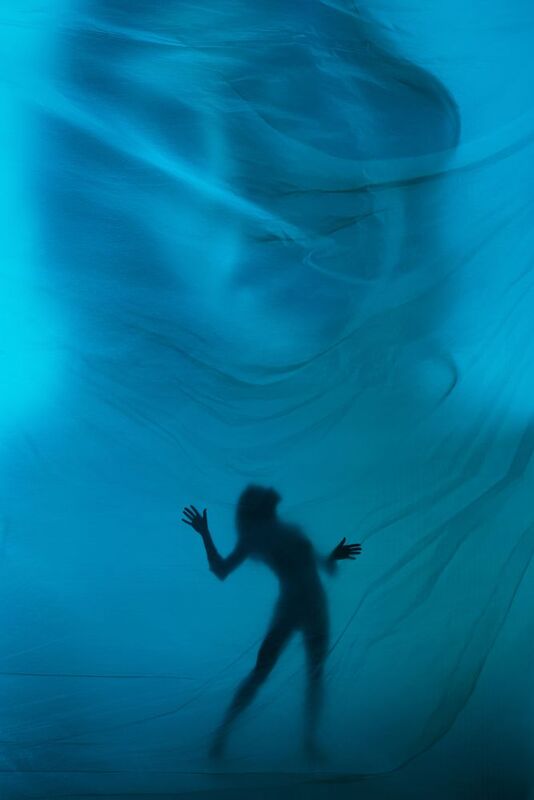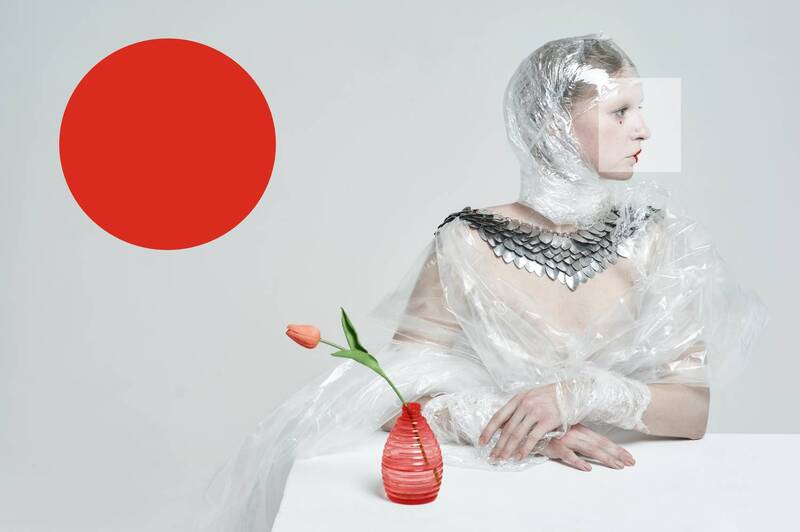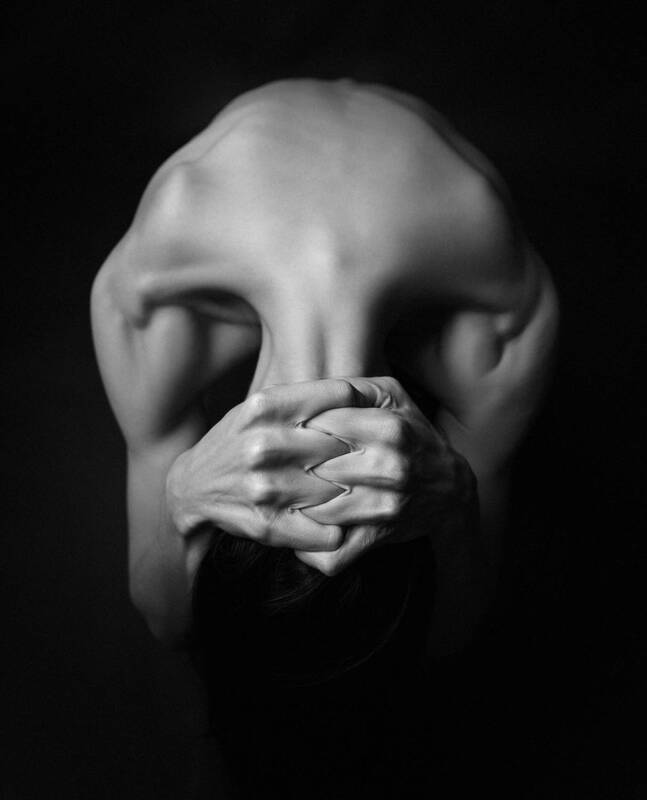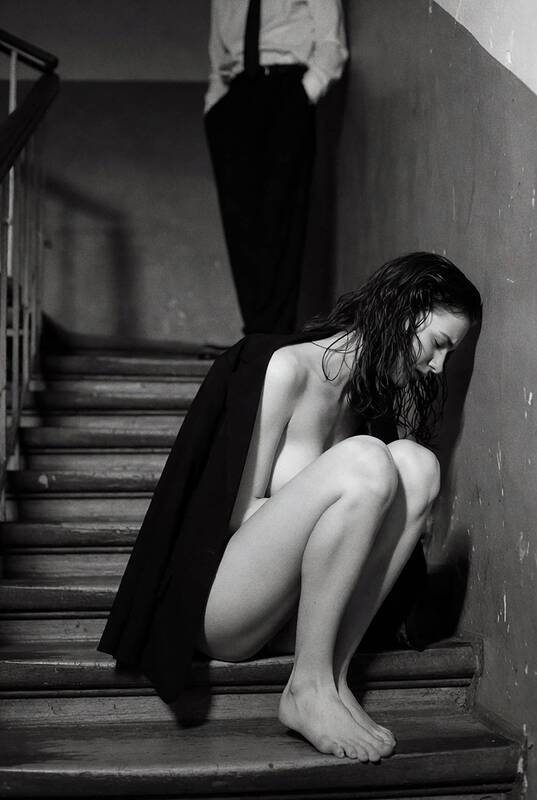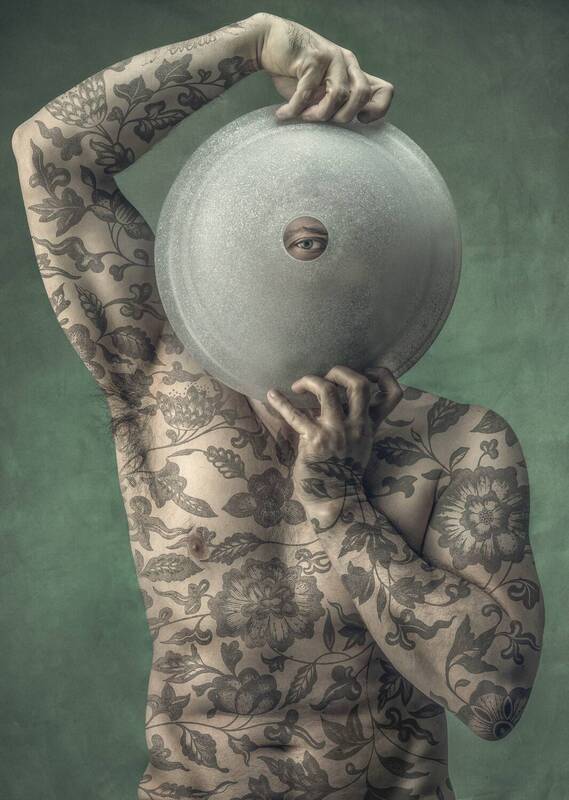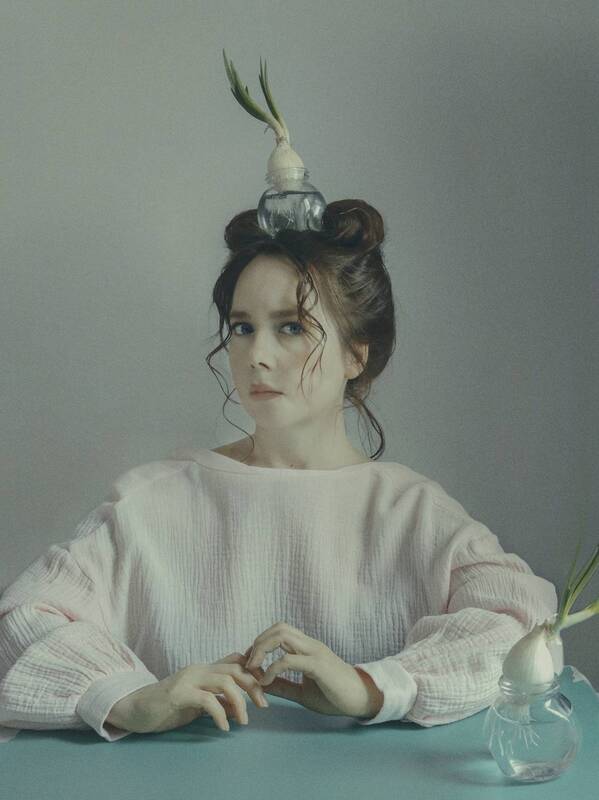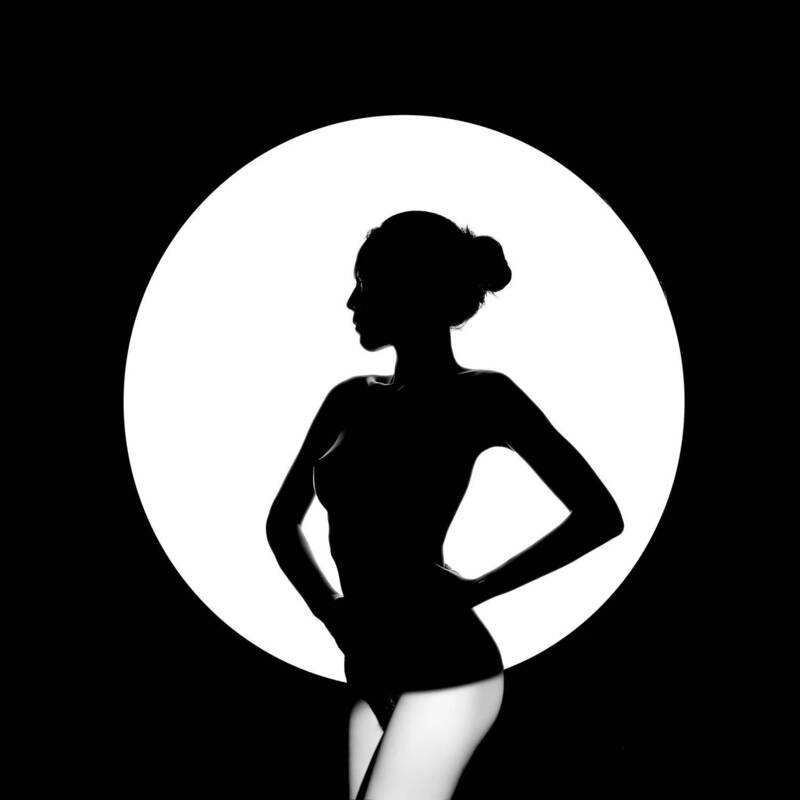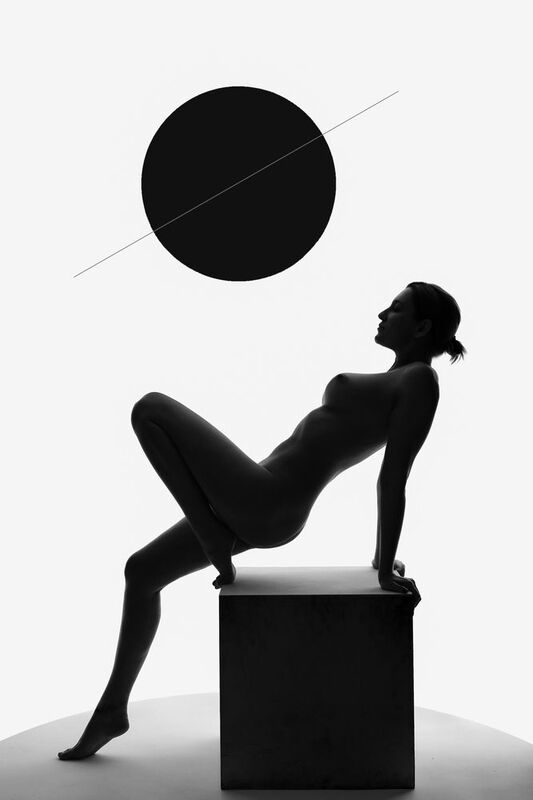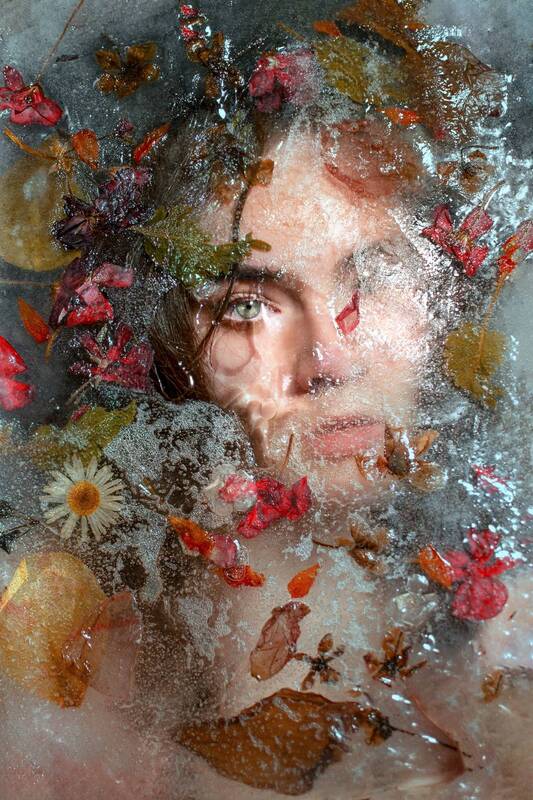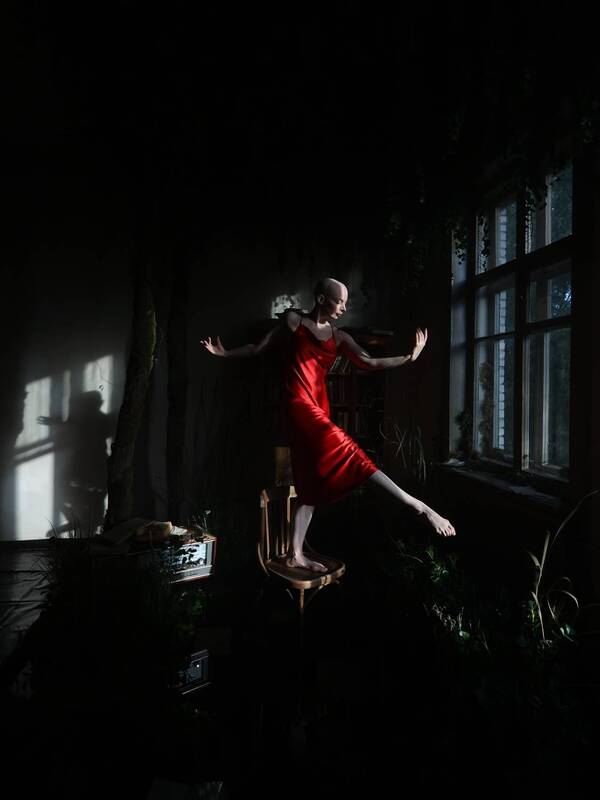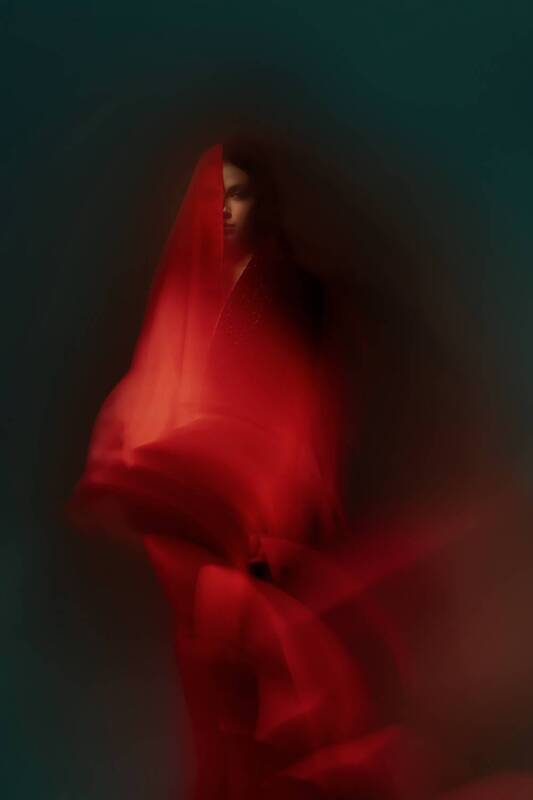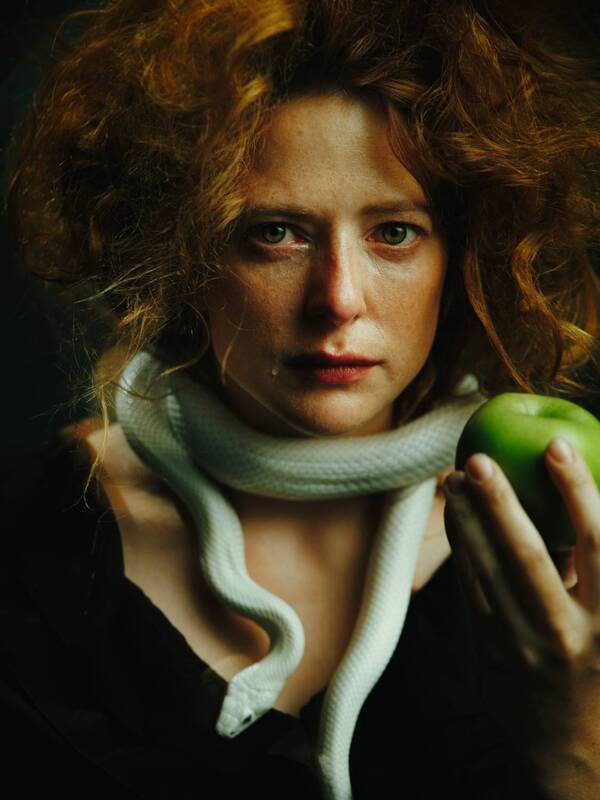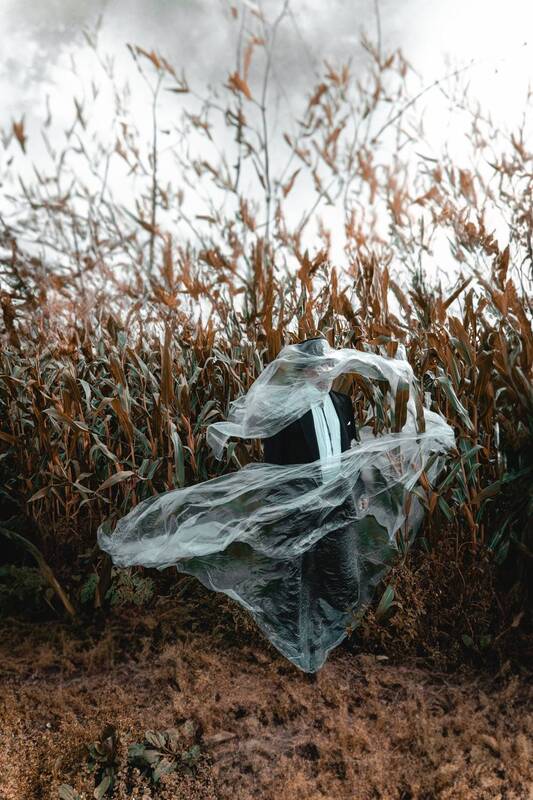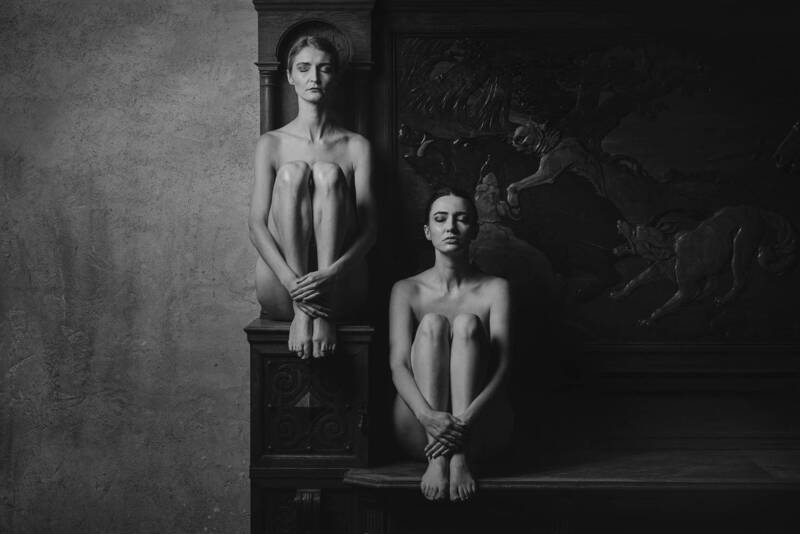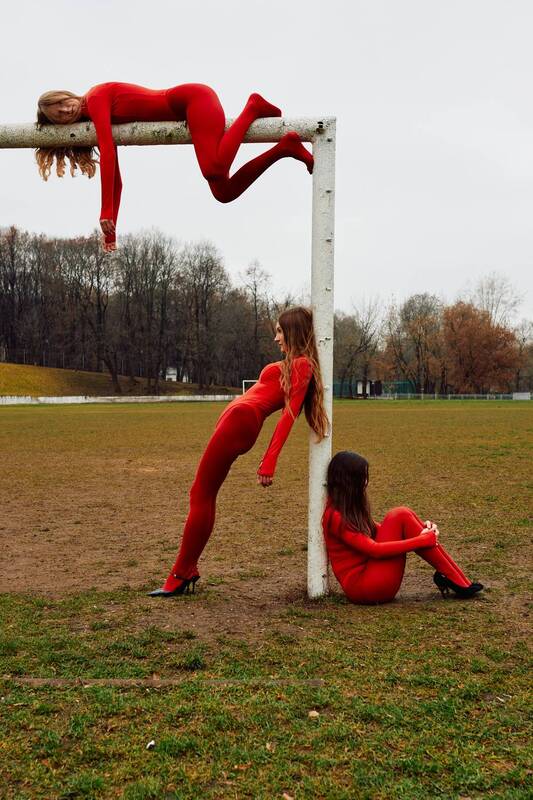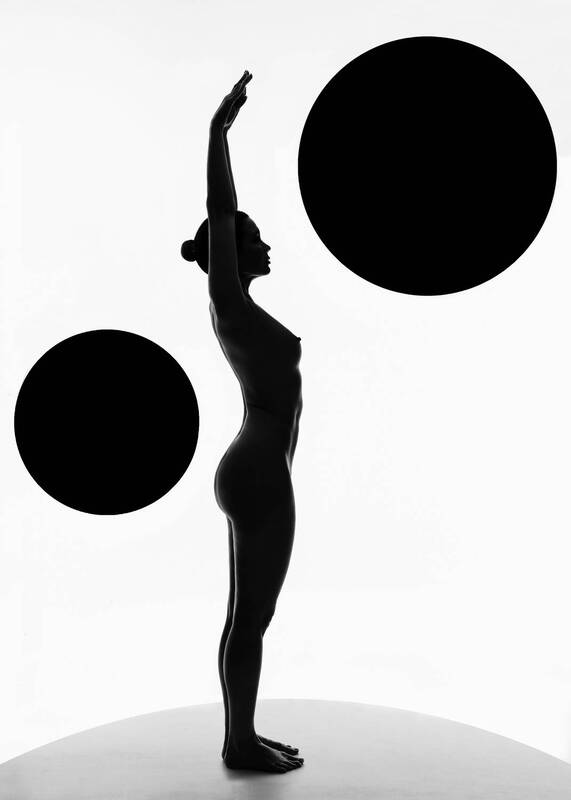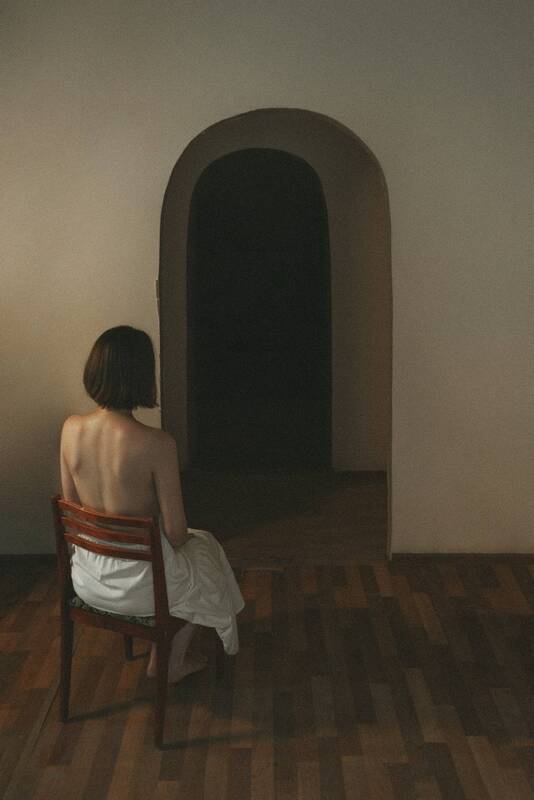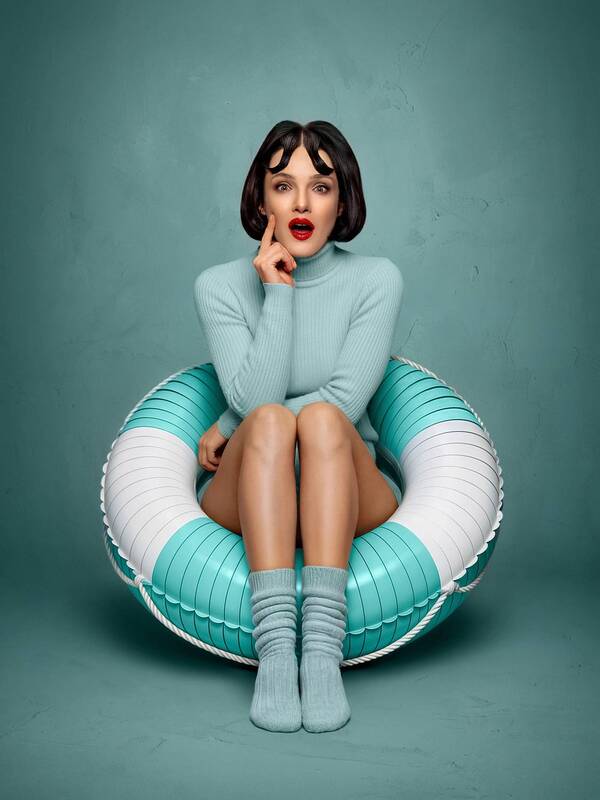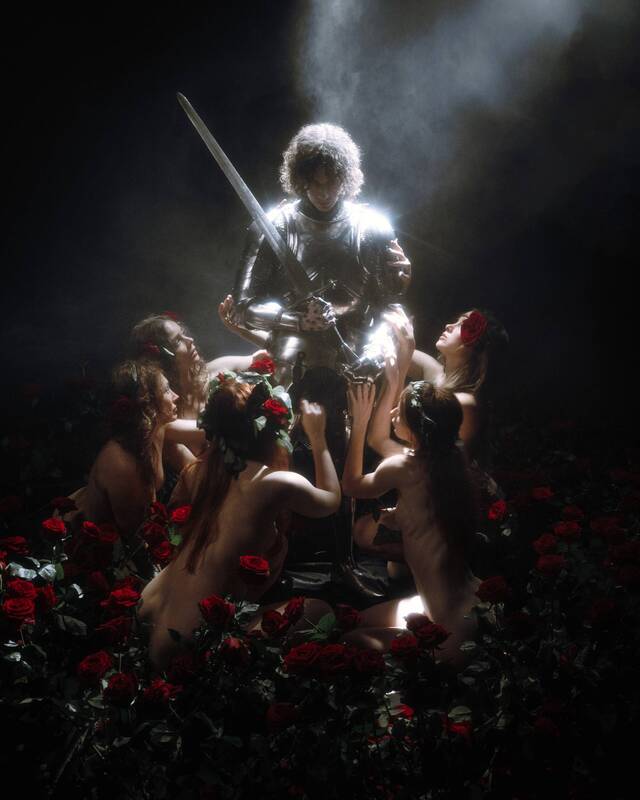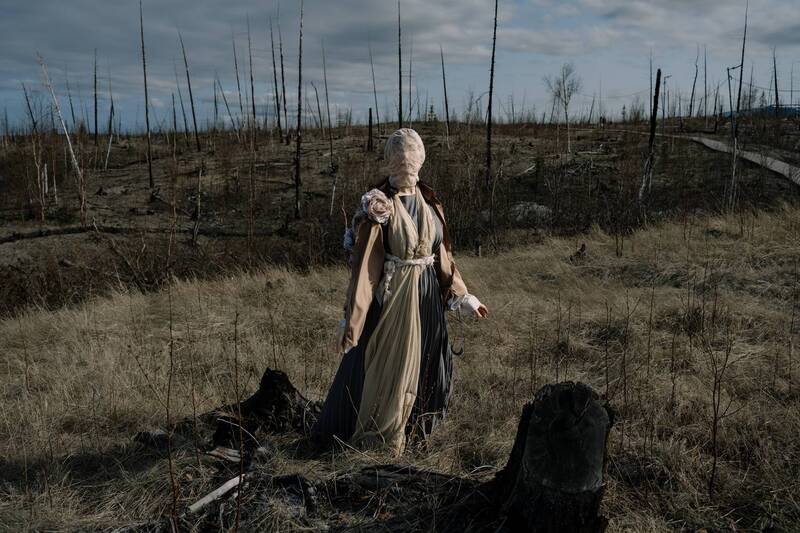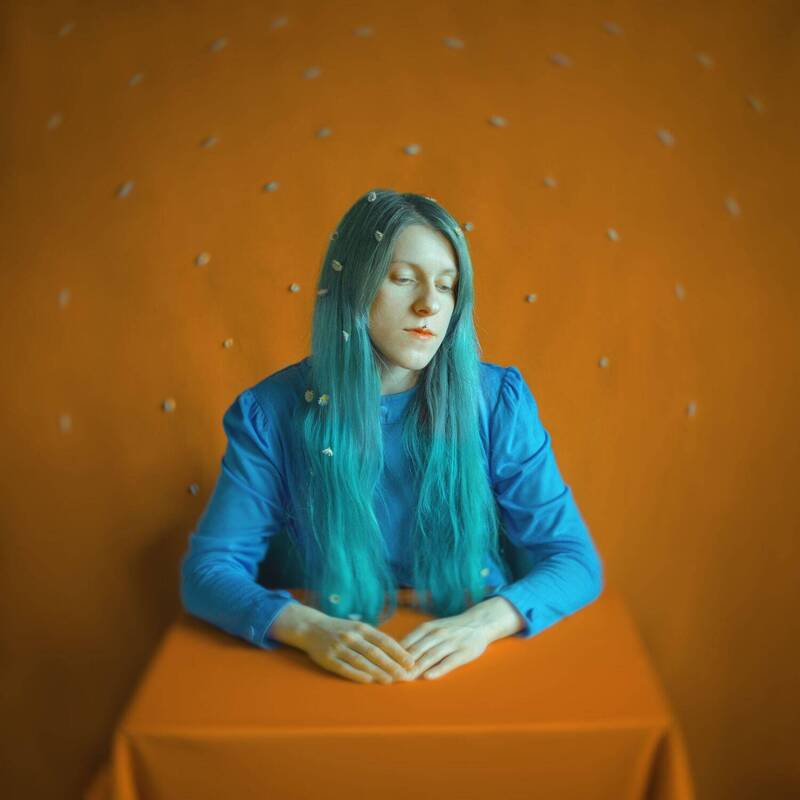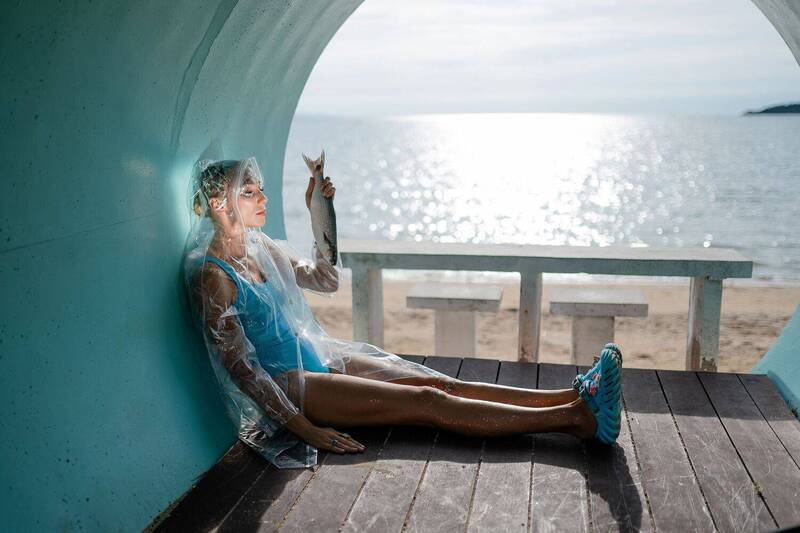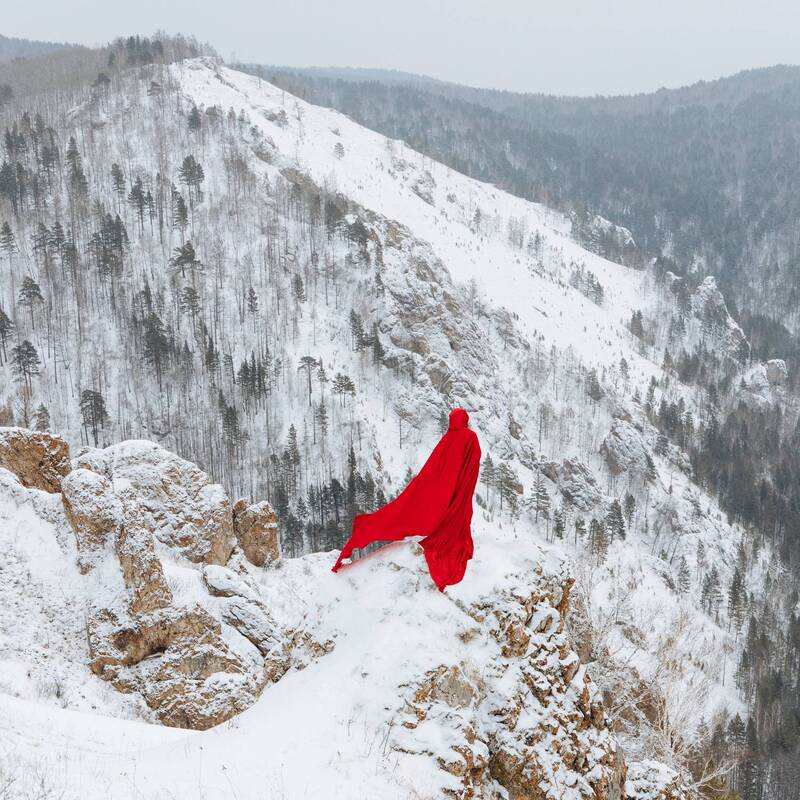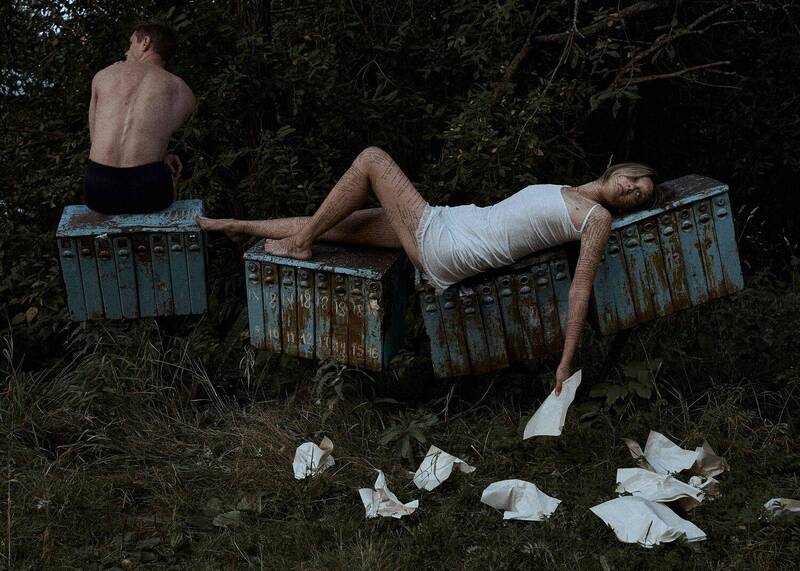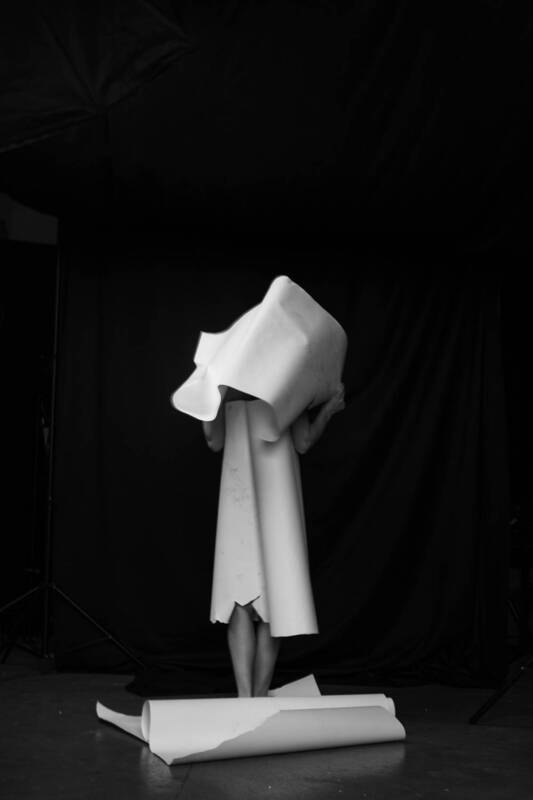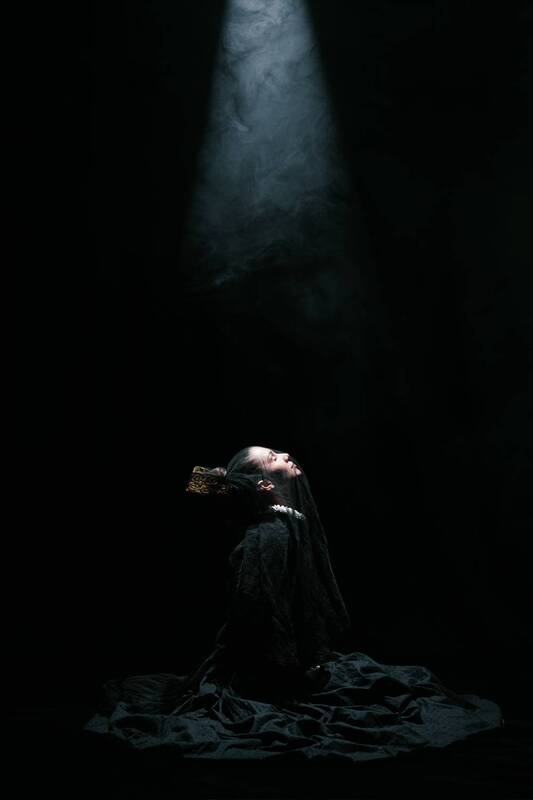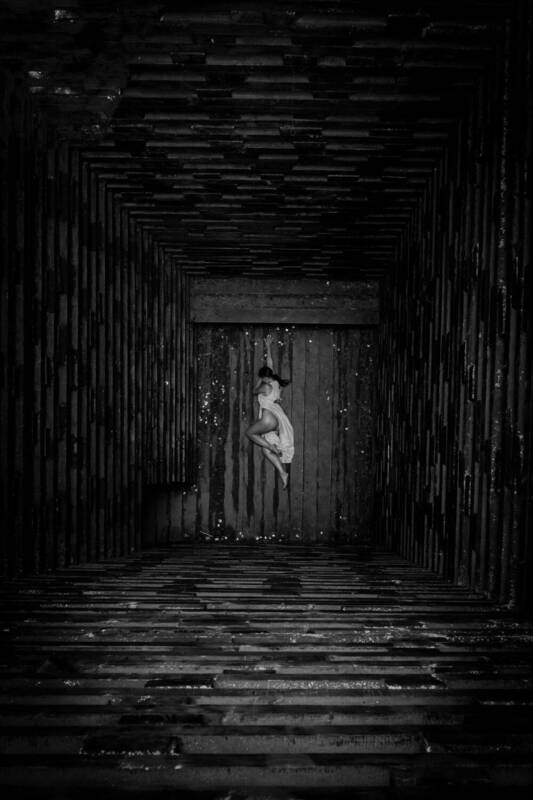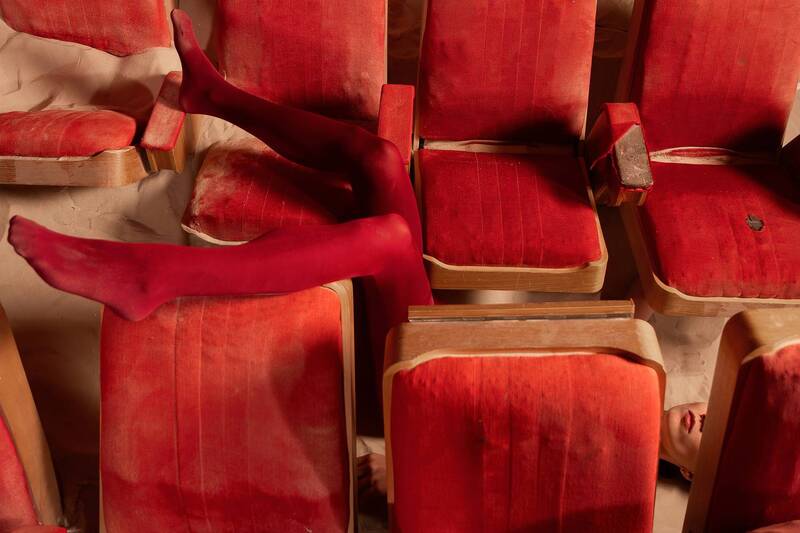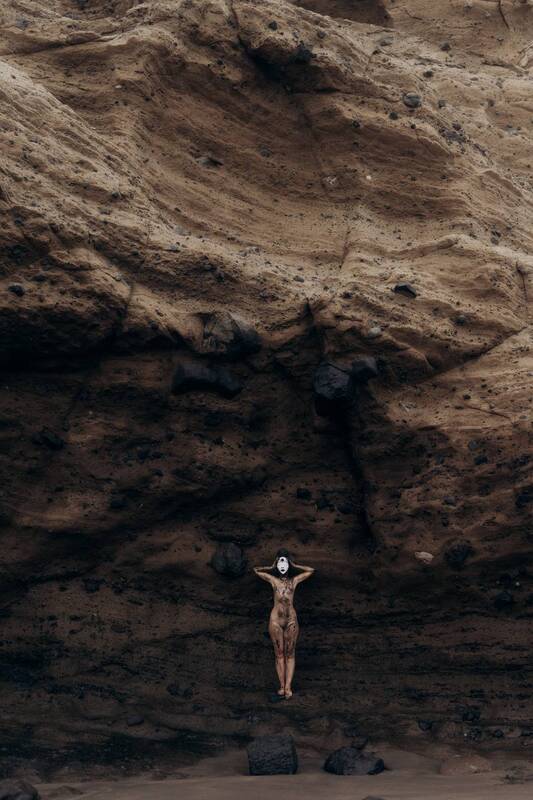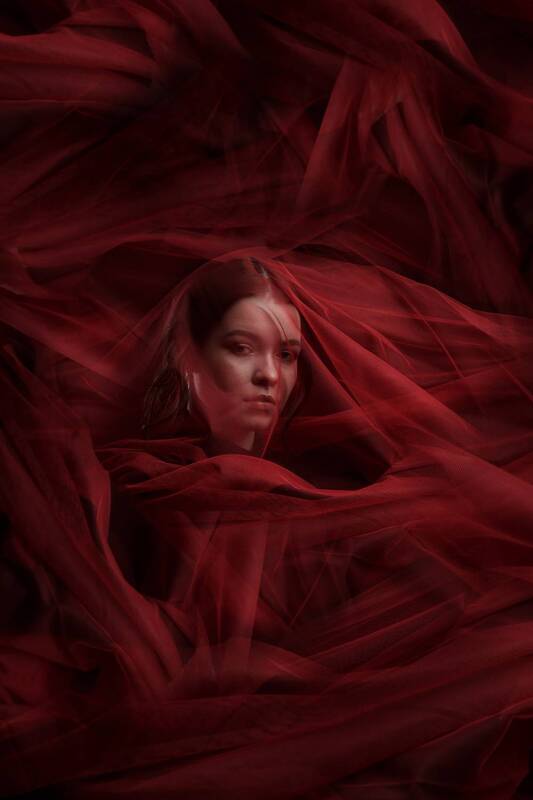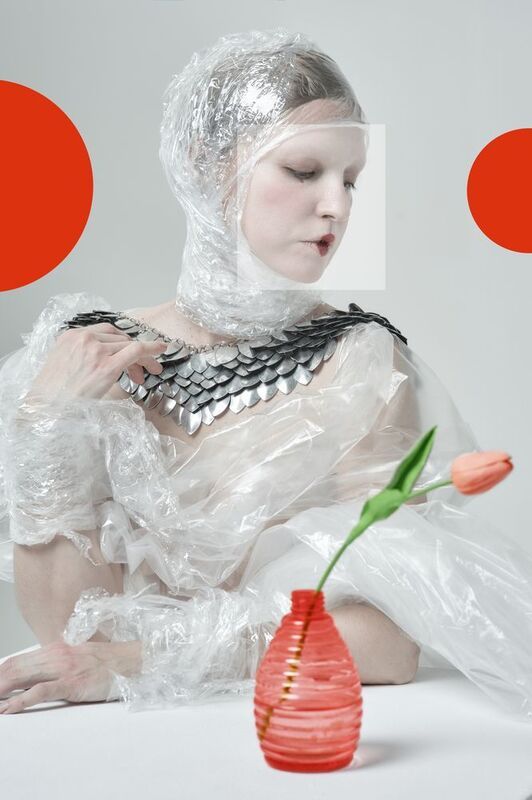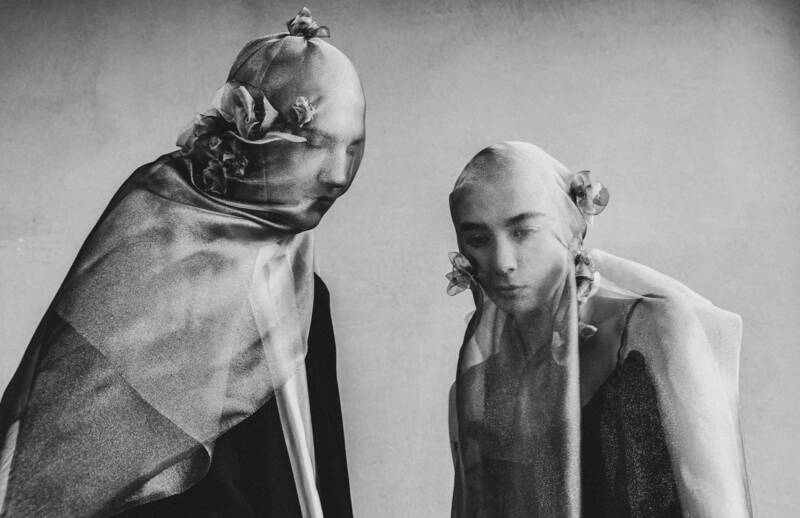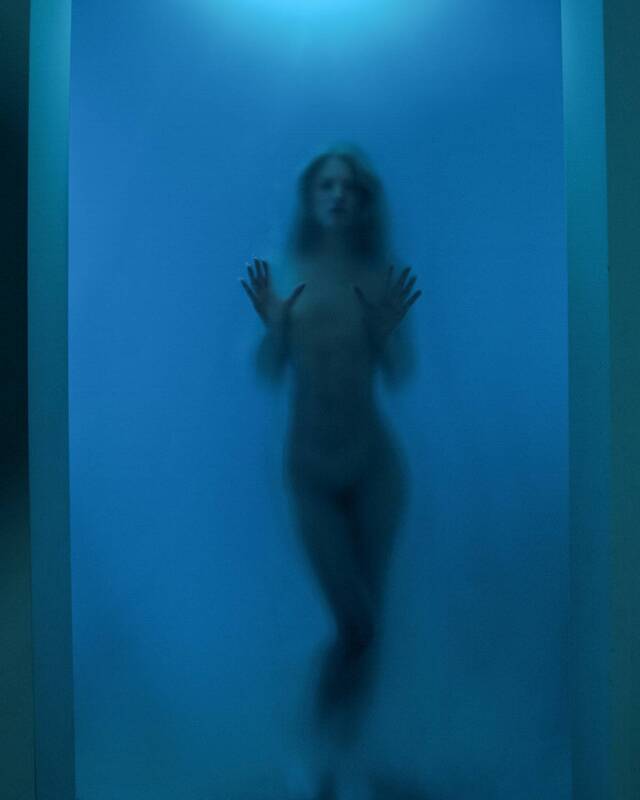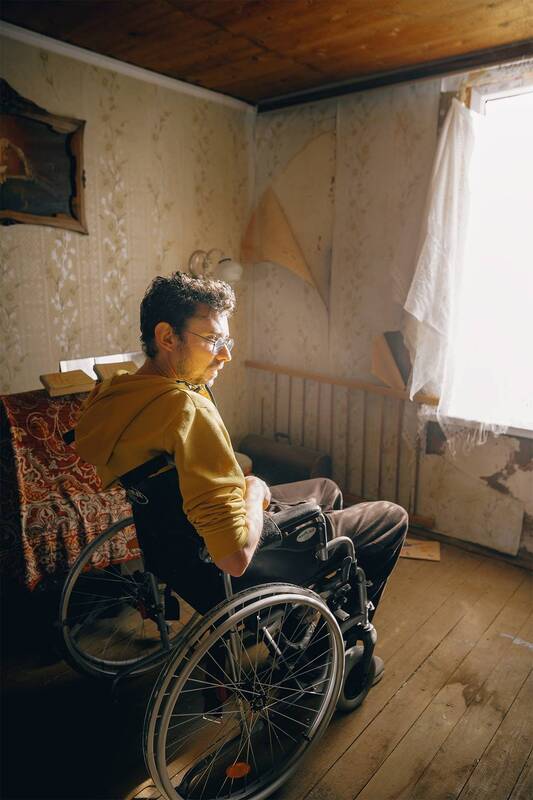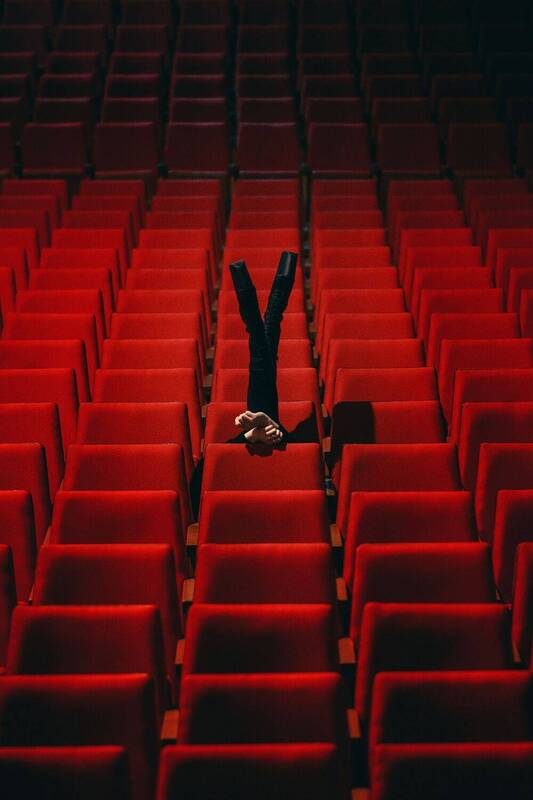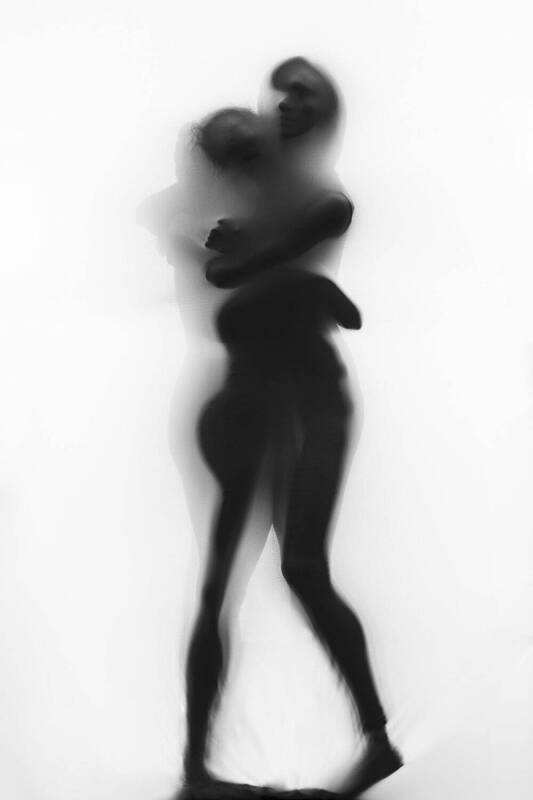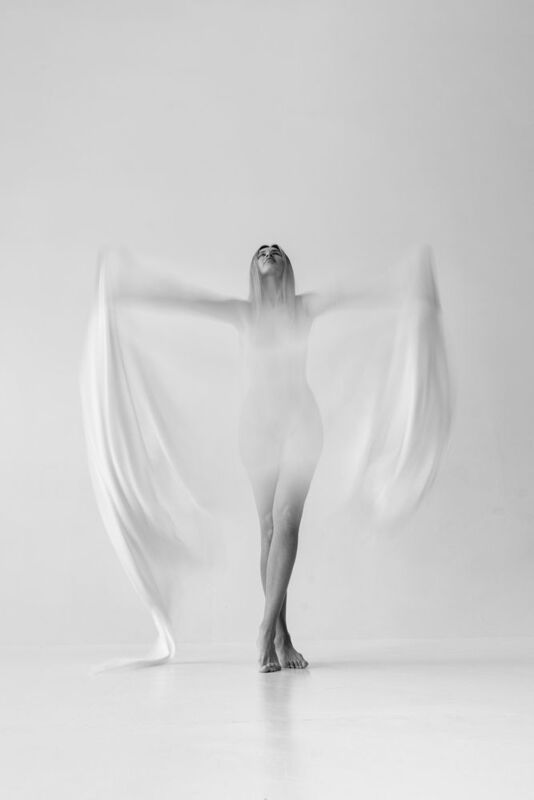
Inevitable circles around one thing: the human body caught right in that weird space between living and dying. Not collapsing, not getting rescued — just hanging there, stuck between tension and release.
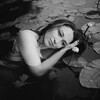
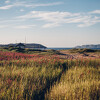
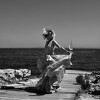
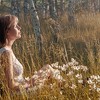
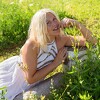
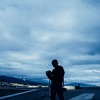
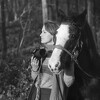
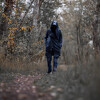
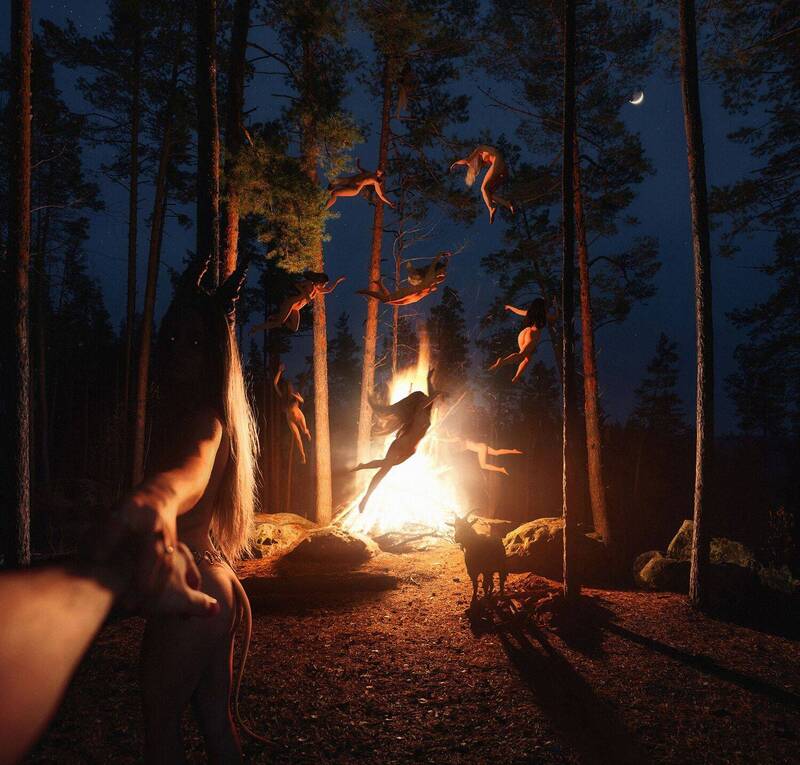
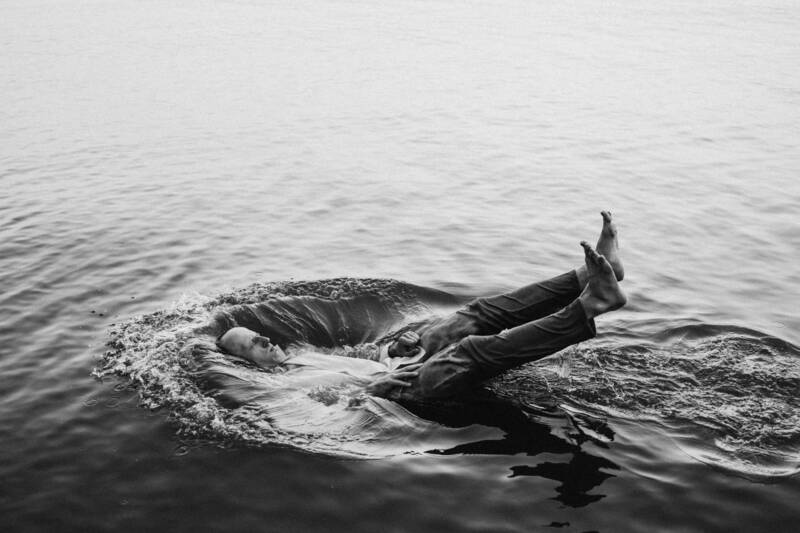
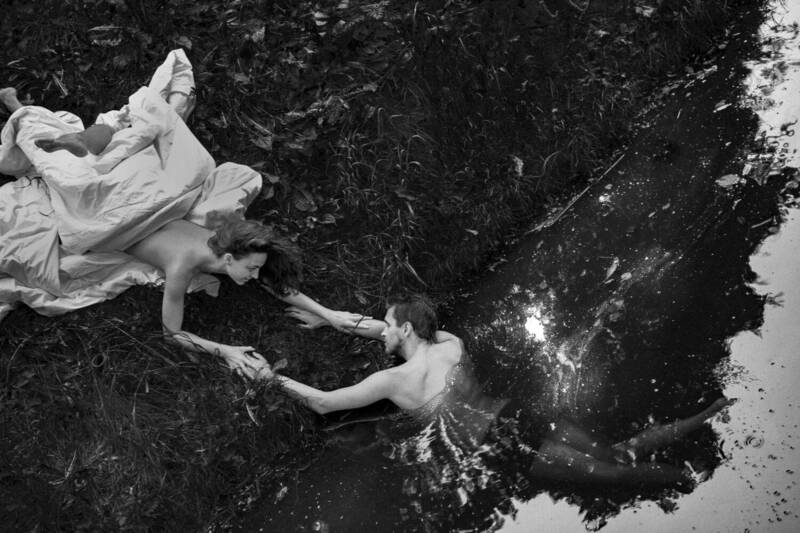
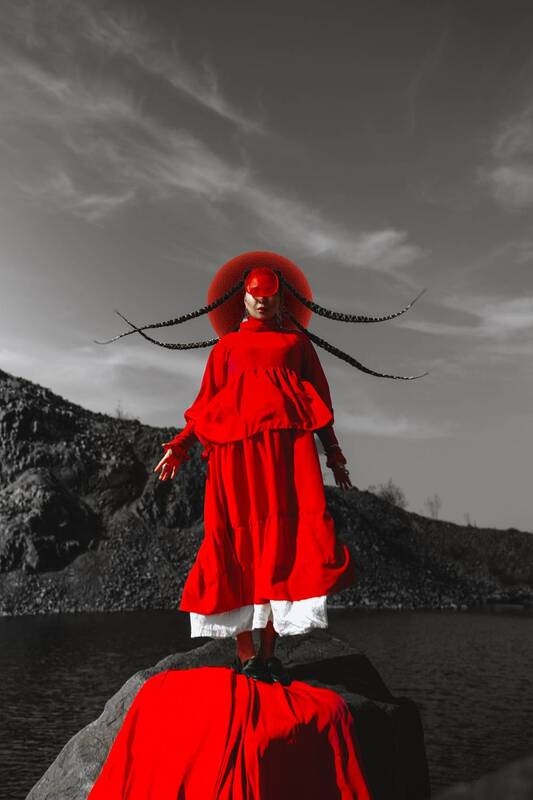
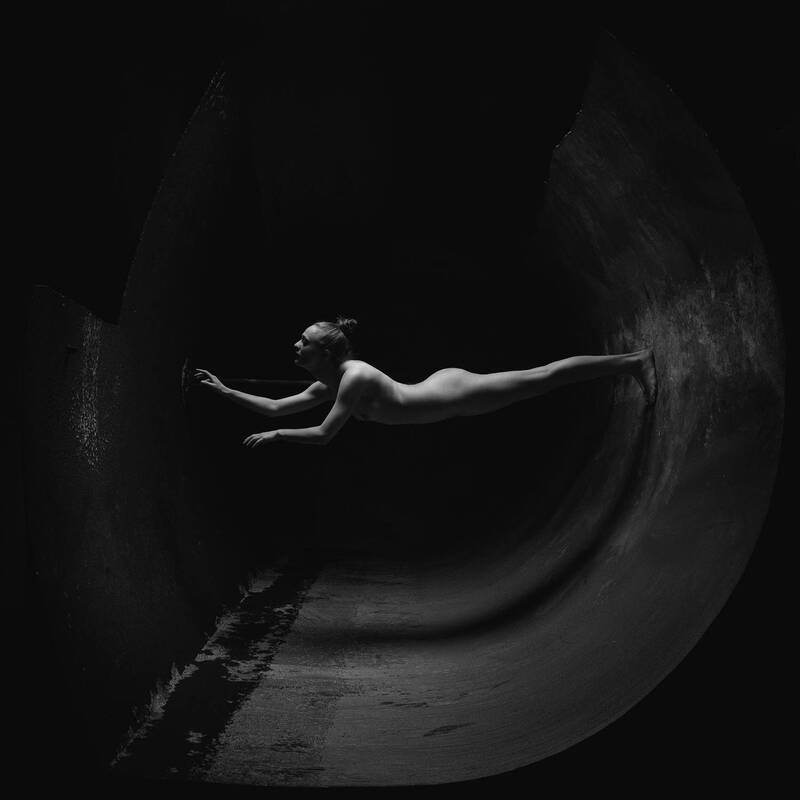
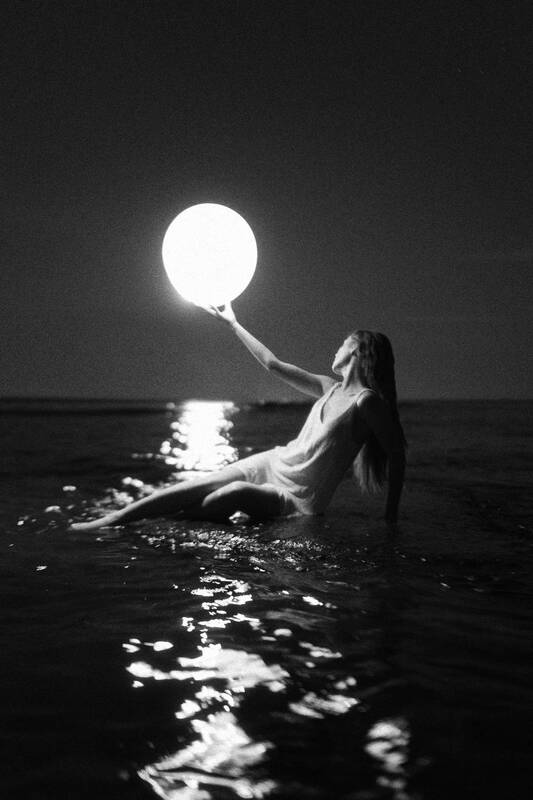
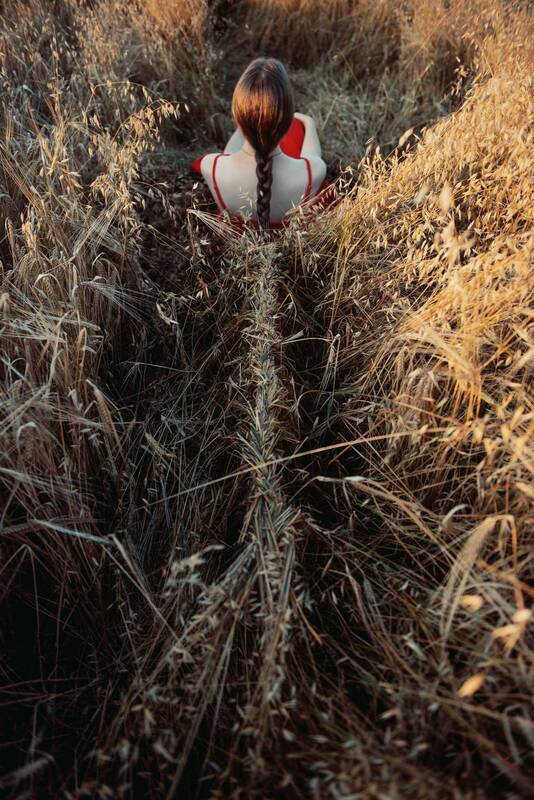
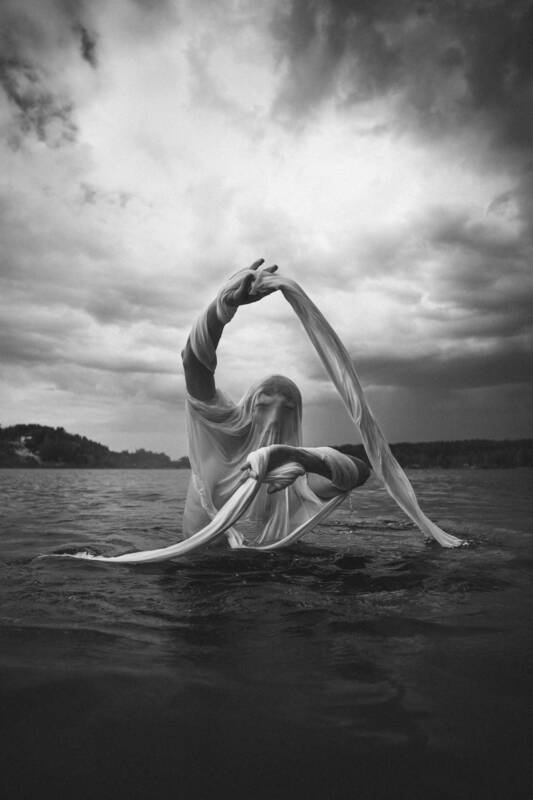
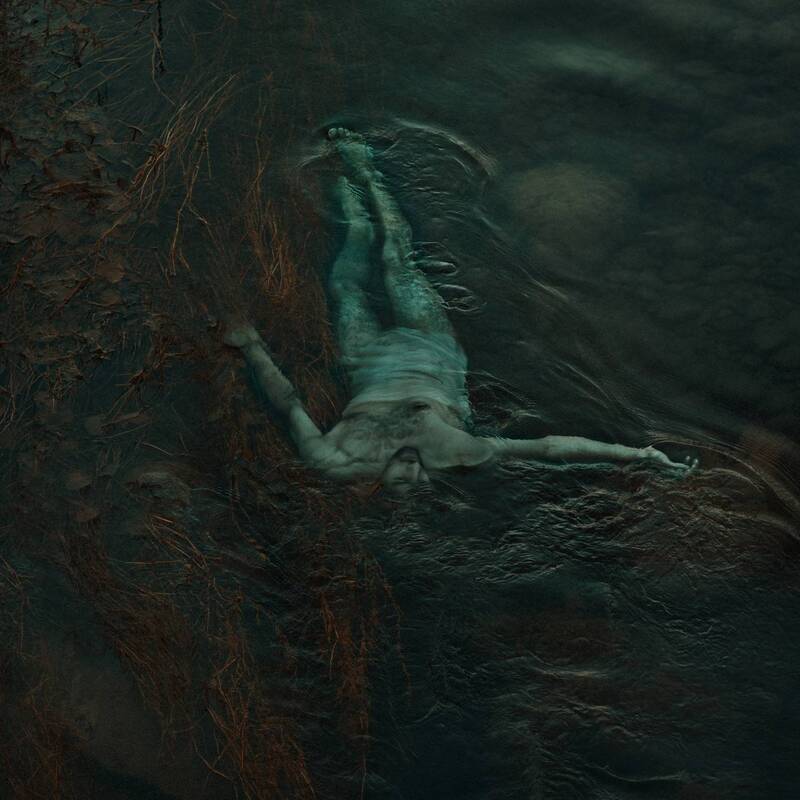
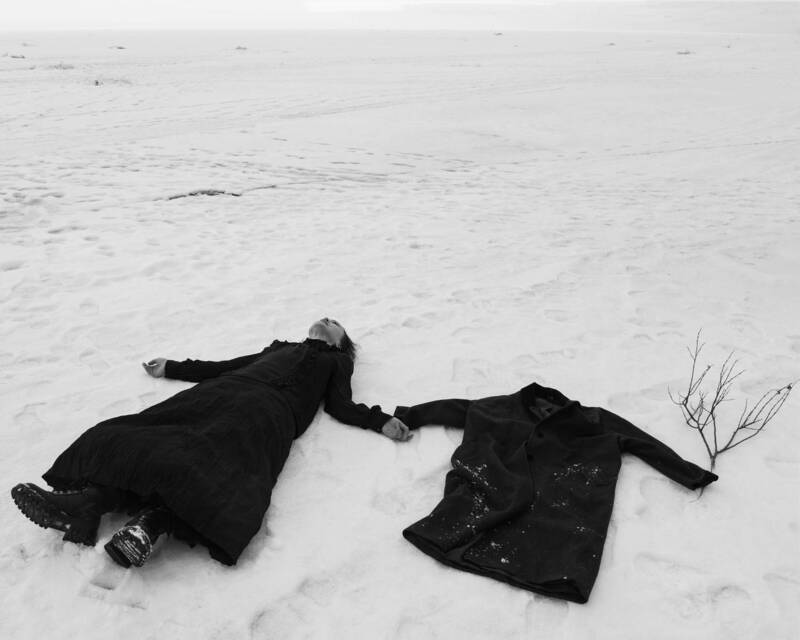
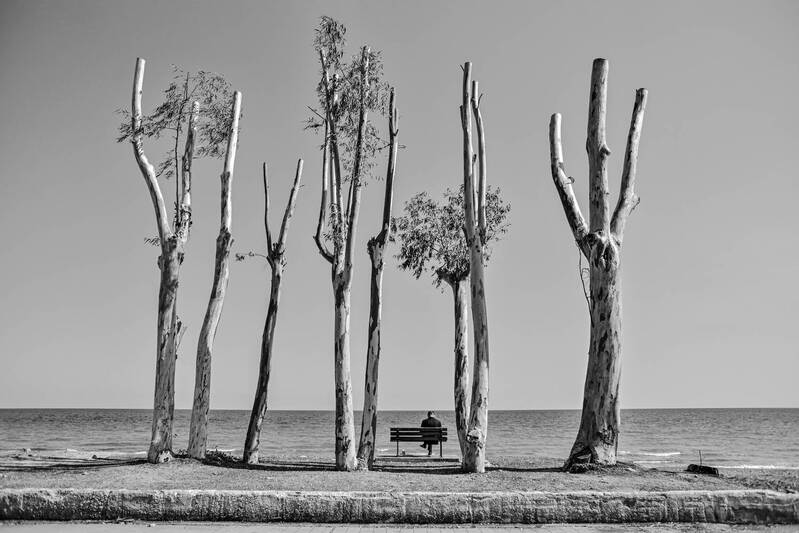
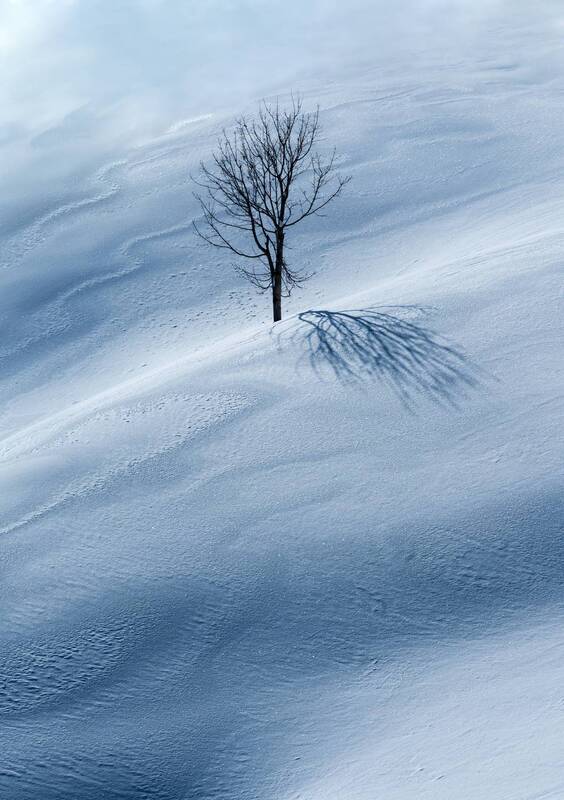
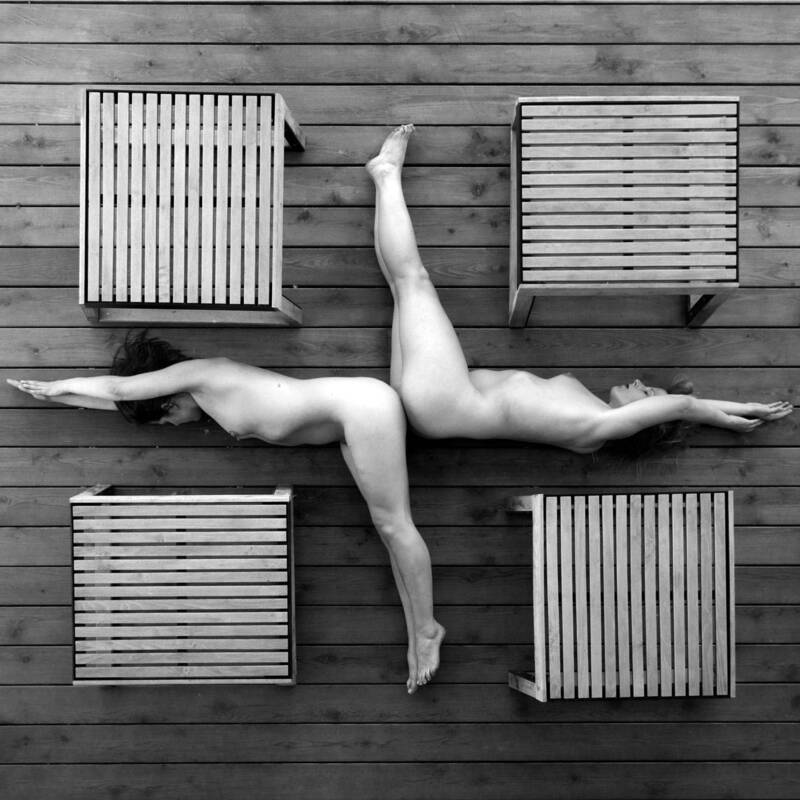
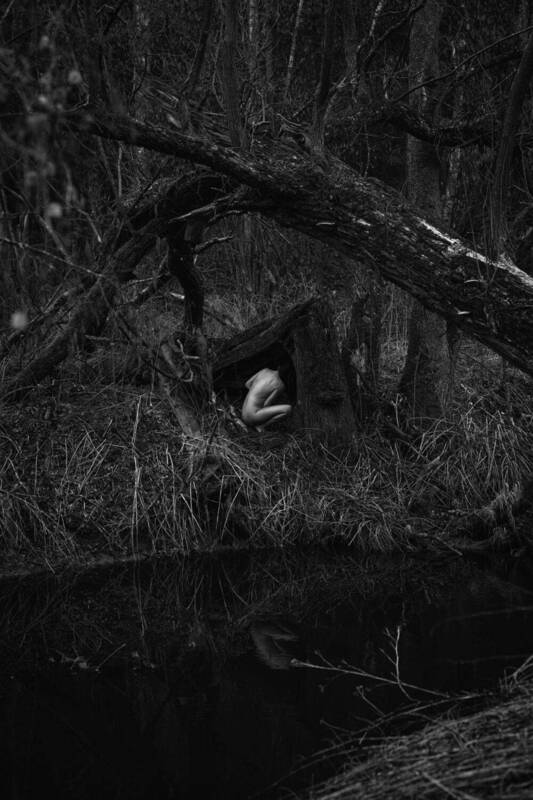
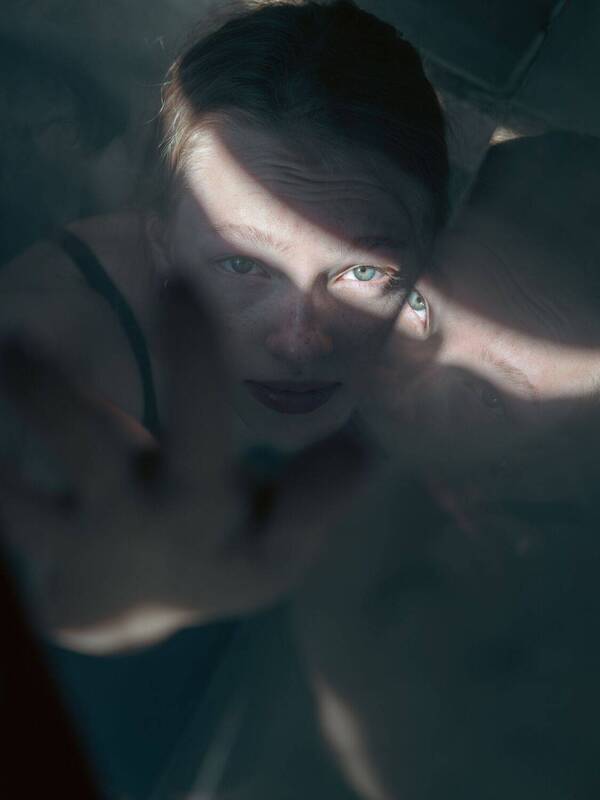
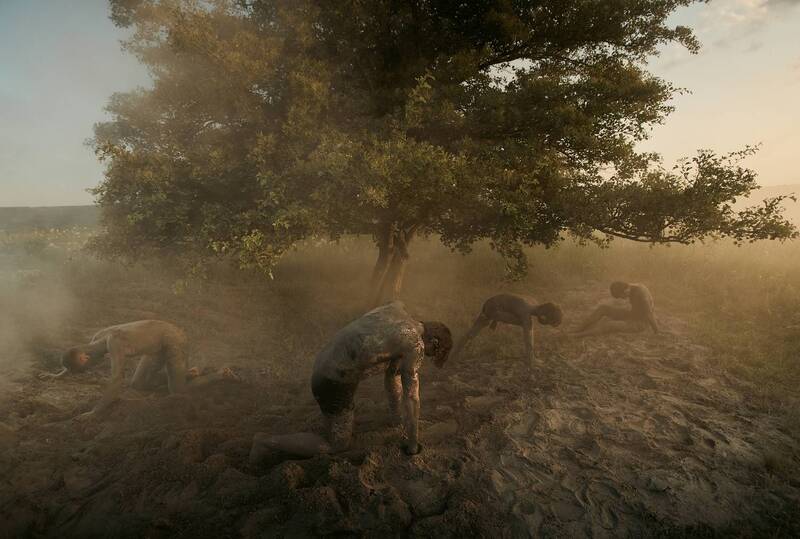
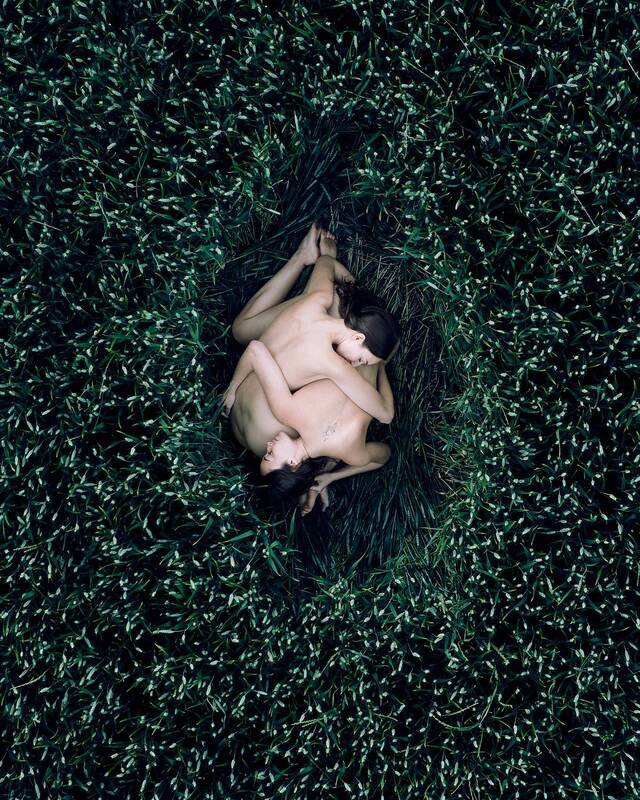
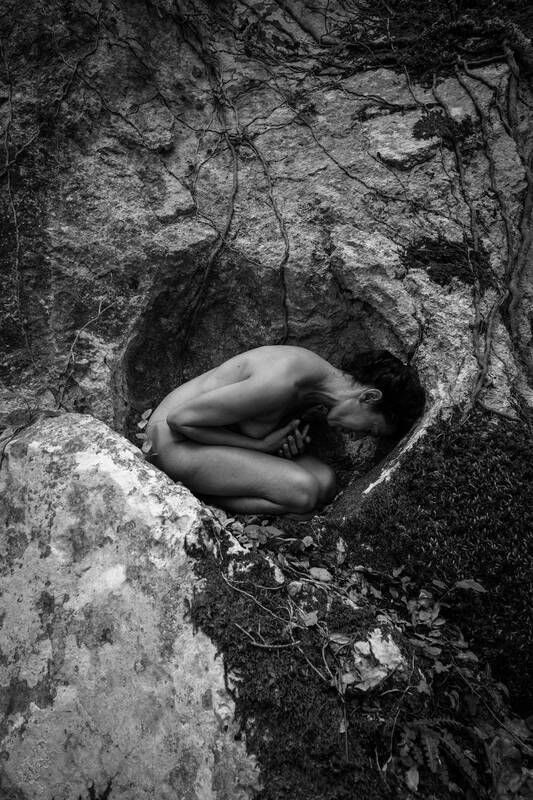
The project tracks a lone figure moving through places carved out by water and earth — sea, lake, forest floor. Sometimes you see the body stretched out flat, almost like it’s checking if the ground will give. Other times, it’s half underwater, not quite floating, not quite sinking. And sometimes it’s just suspended, stuck between resting and fading away. Nothing wild happens. No big gestures, no drama. The body doesn’t fight, but it doesn’t give in, either. It just stays there — exposed, breathing, holding on.
At the heart of it all is the idea that the ground is a threshold. It doesn’t comfort. It’s the last stop, the final surface that catches the body — where you really see weight and gravity and breathe for what they are. Water works the same way, not as a threat or a cure, but as another form of suspension. In both places, the body isn’t really held, and it isn’t really free, either.
I work slowly, by myself, with natural light and as little interference as possible. The whole thing depends on waiting — letting the body and the landscape settle together. These aren’t staged moments. They’re stretches of time. What you see is just a body living out its own edge.
Inevitable isn’t about disaster. It’s about the quiet endurance that happens at the boundary — that constant, subtle back-and-forth between hanging on and letting go.
Mohammad Sorkhabi, Иран, Tehran