Dandelion Seed Water Droplets
99 worksFirst upload: May 2017Peak: 2020Last 12 months: 14
📝 Description
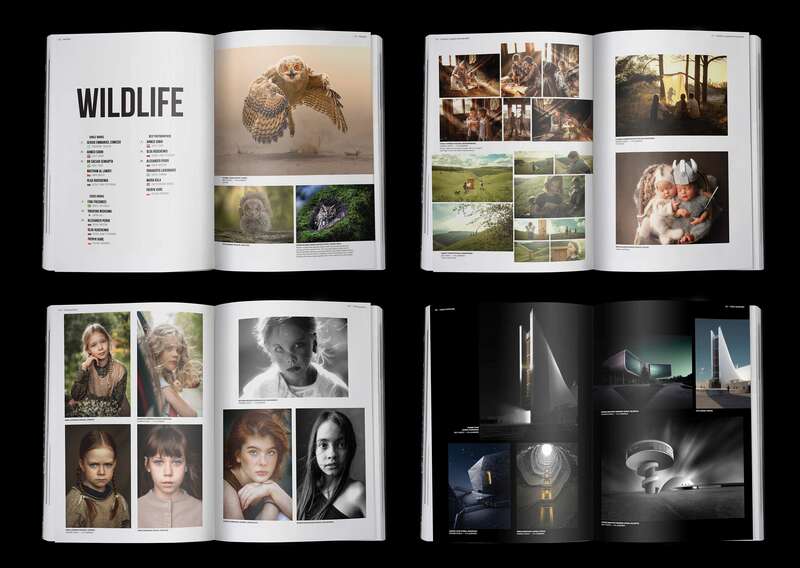
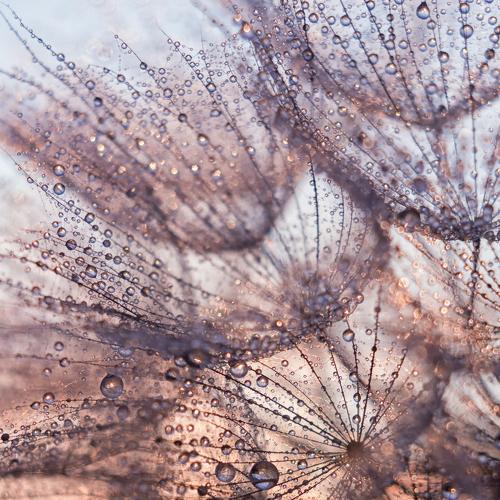
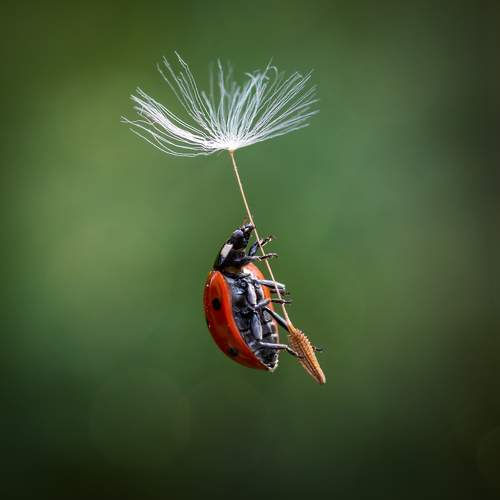
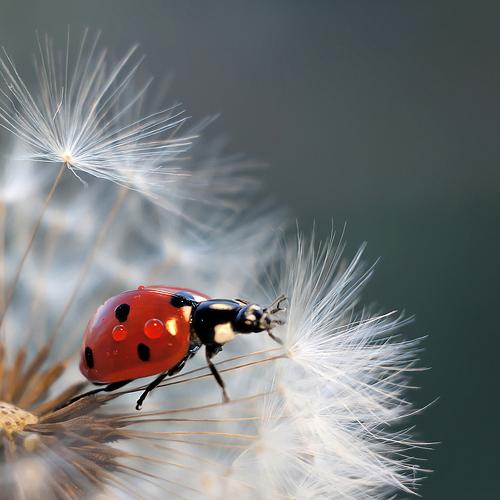
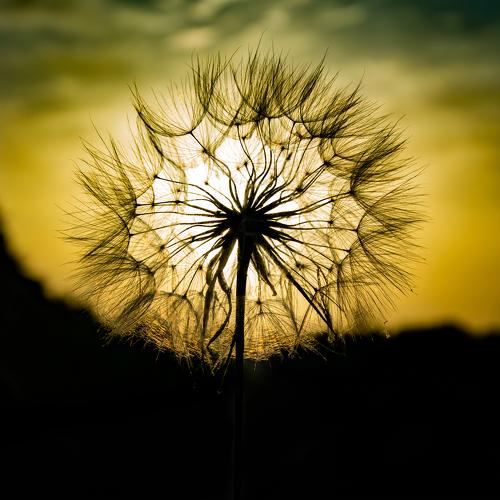
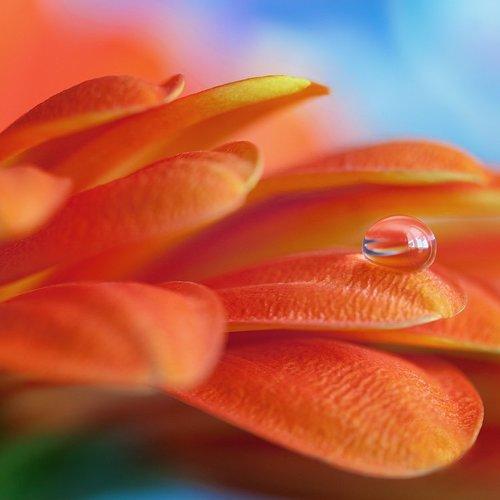
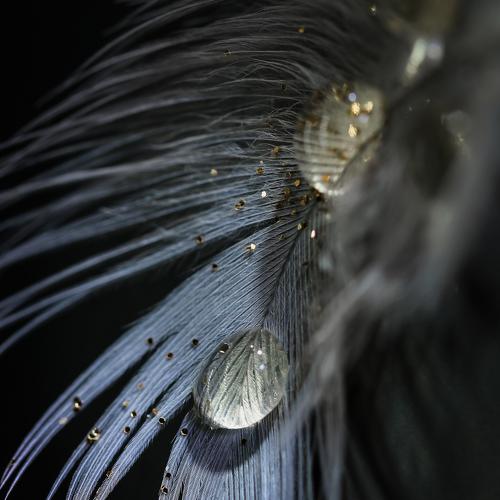
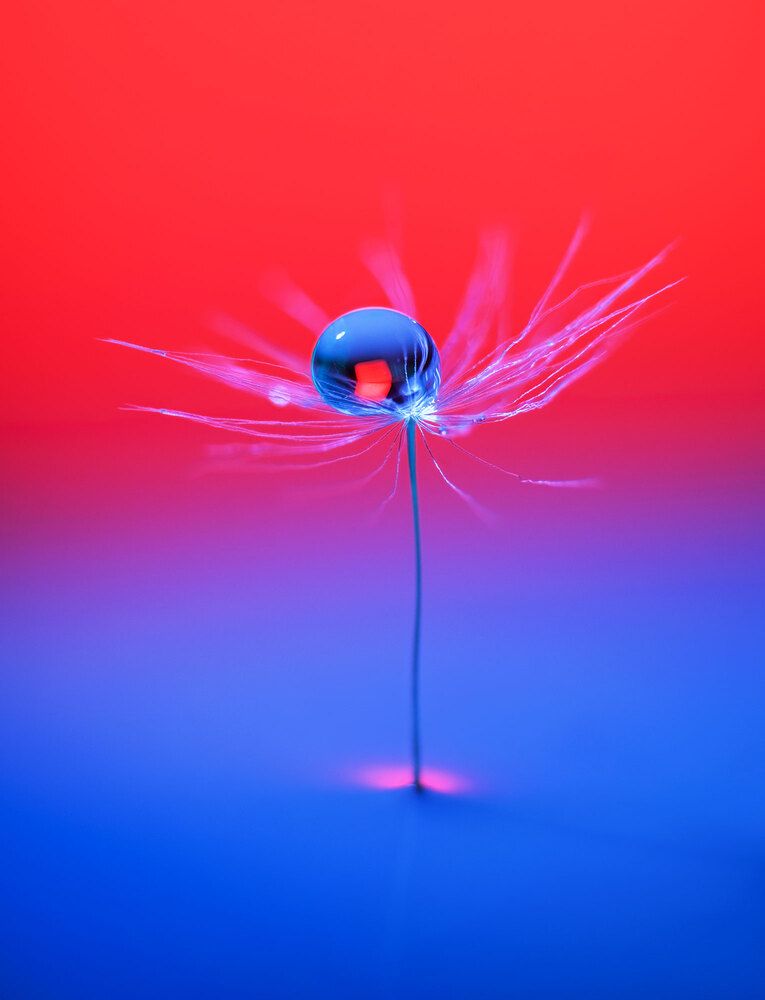
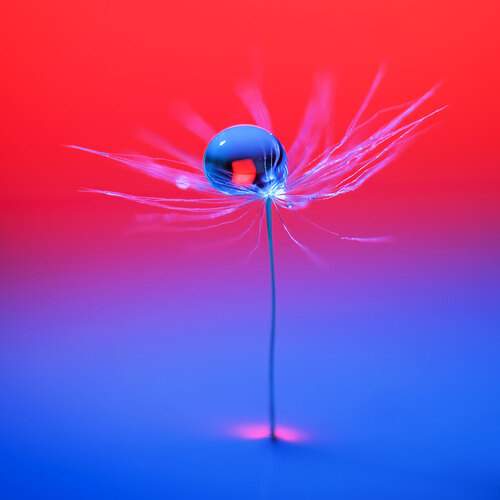
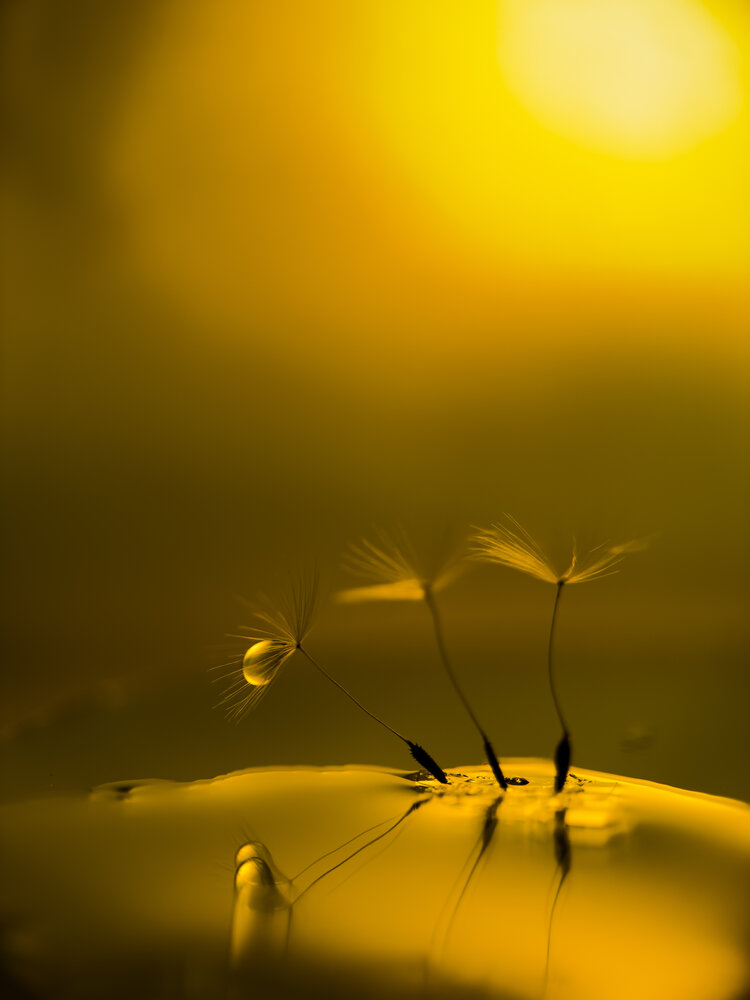
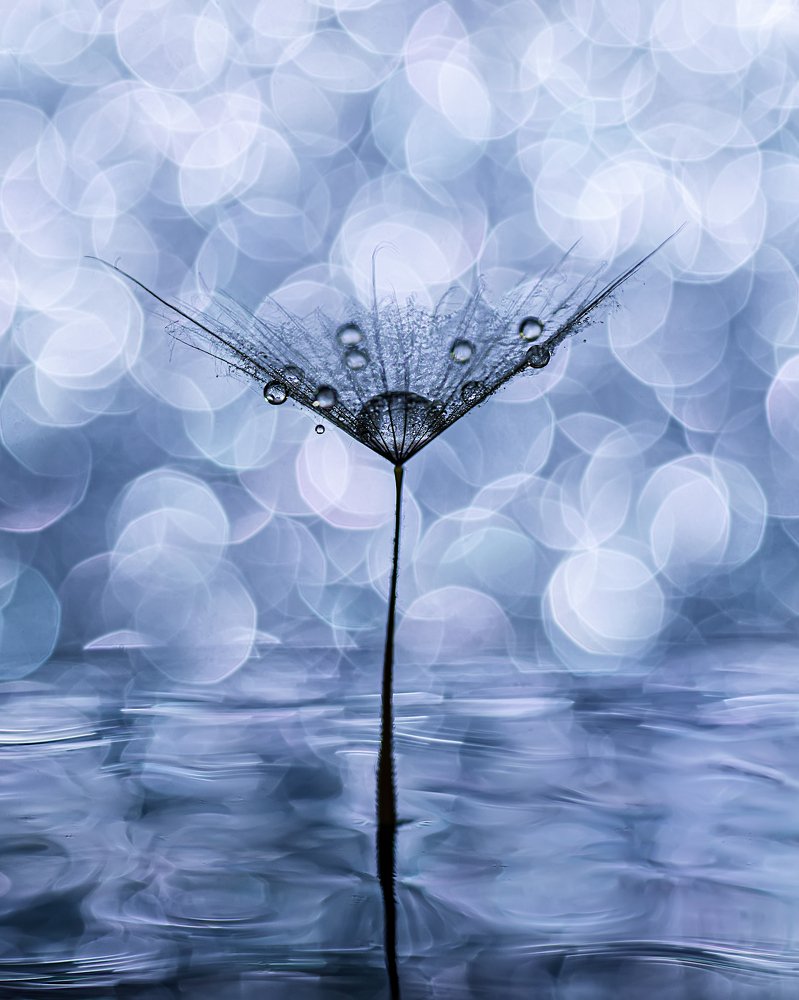
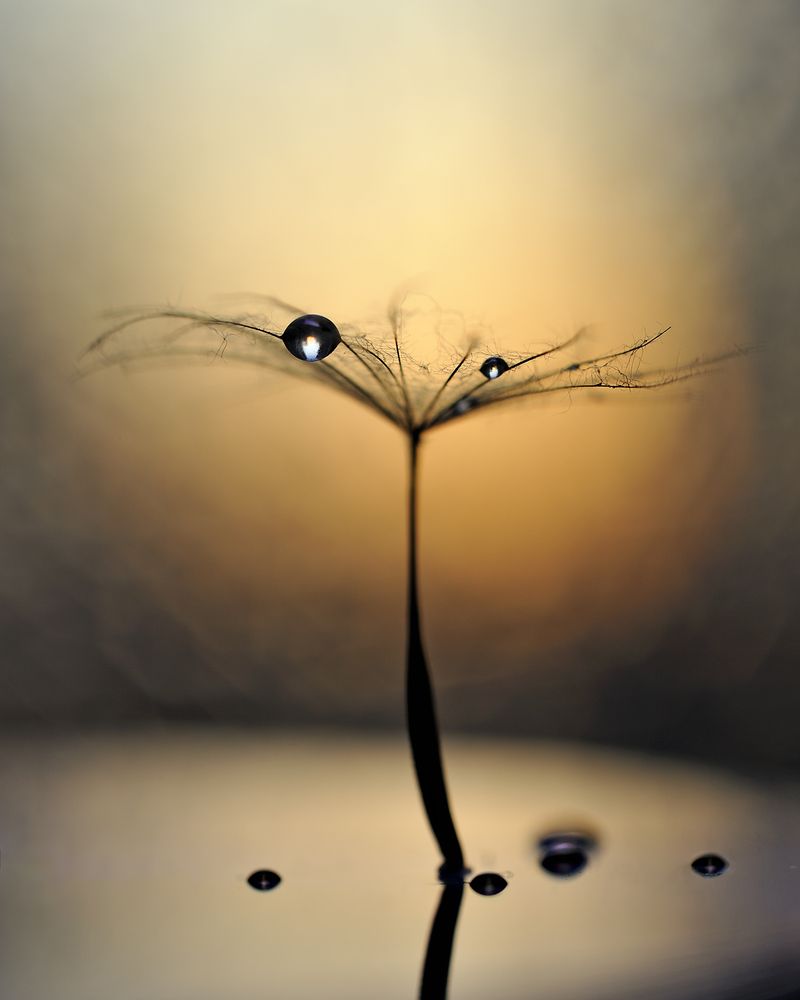
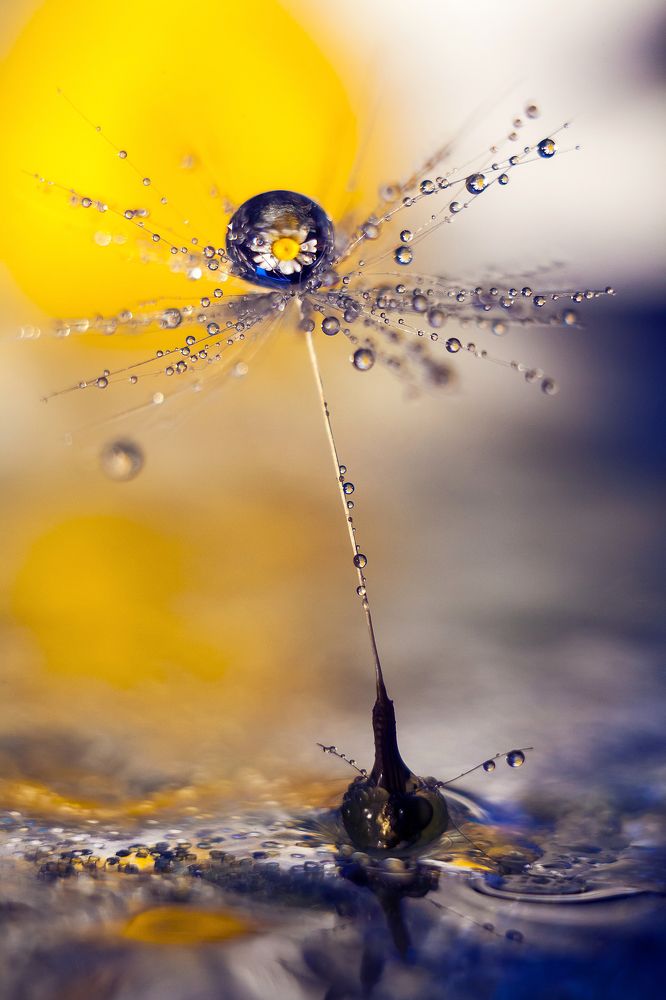
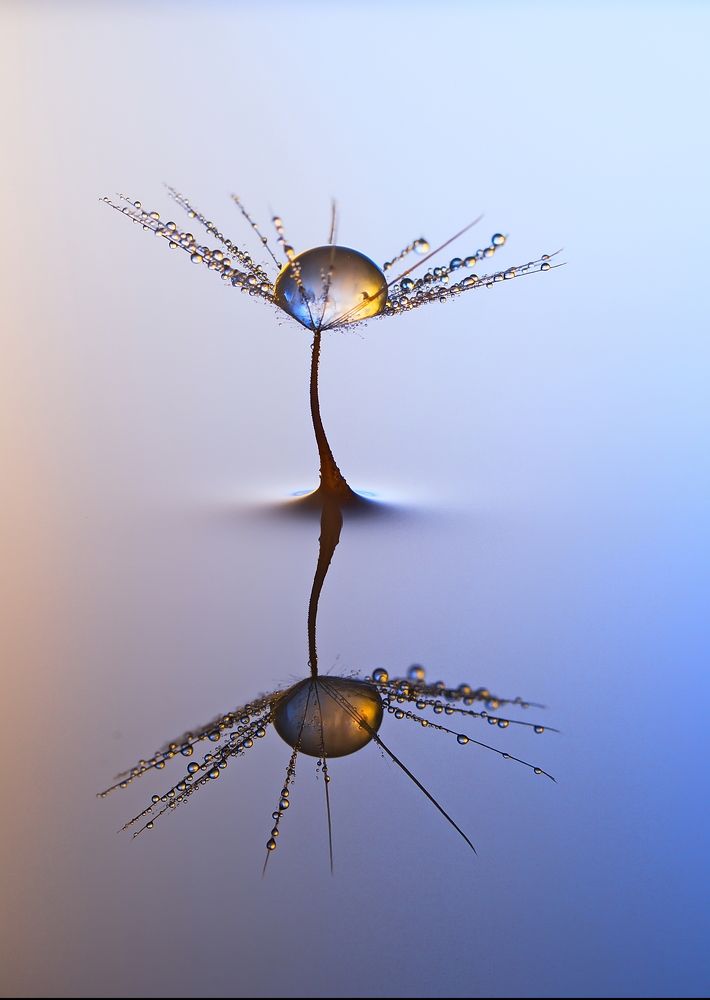
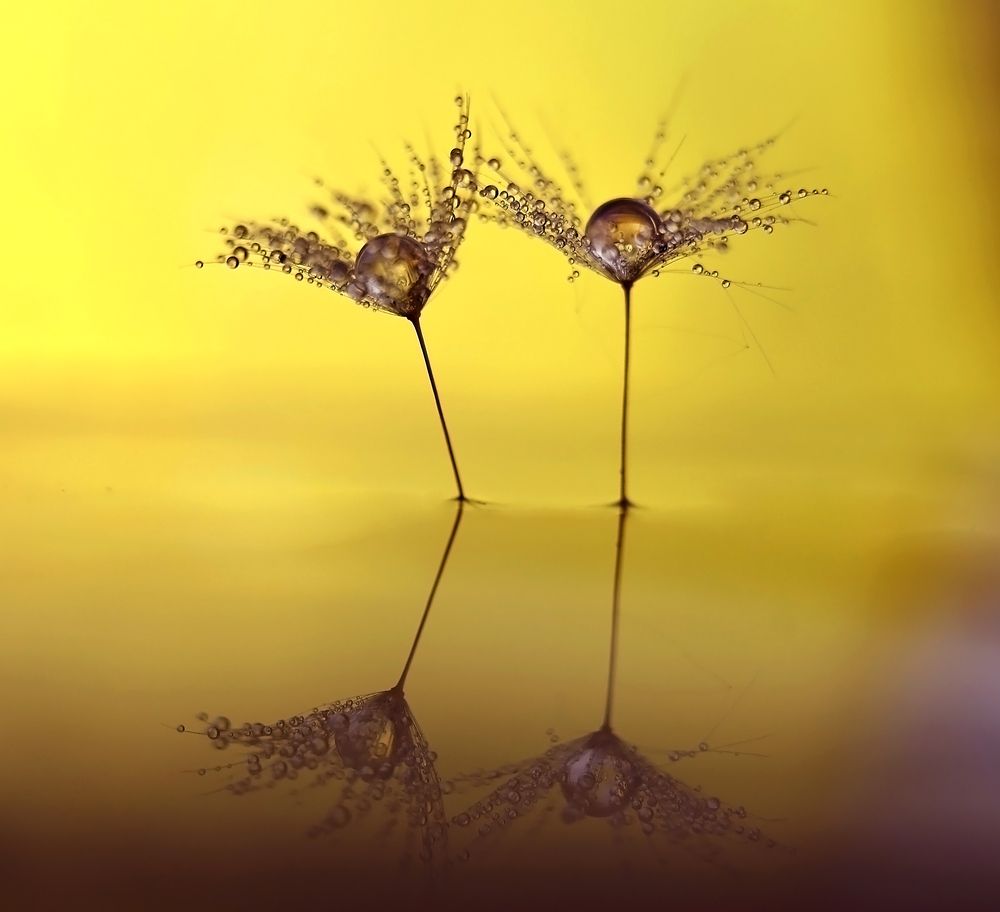
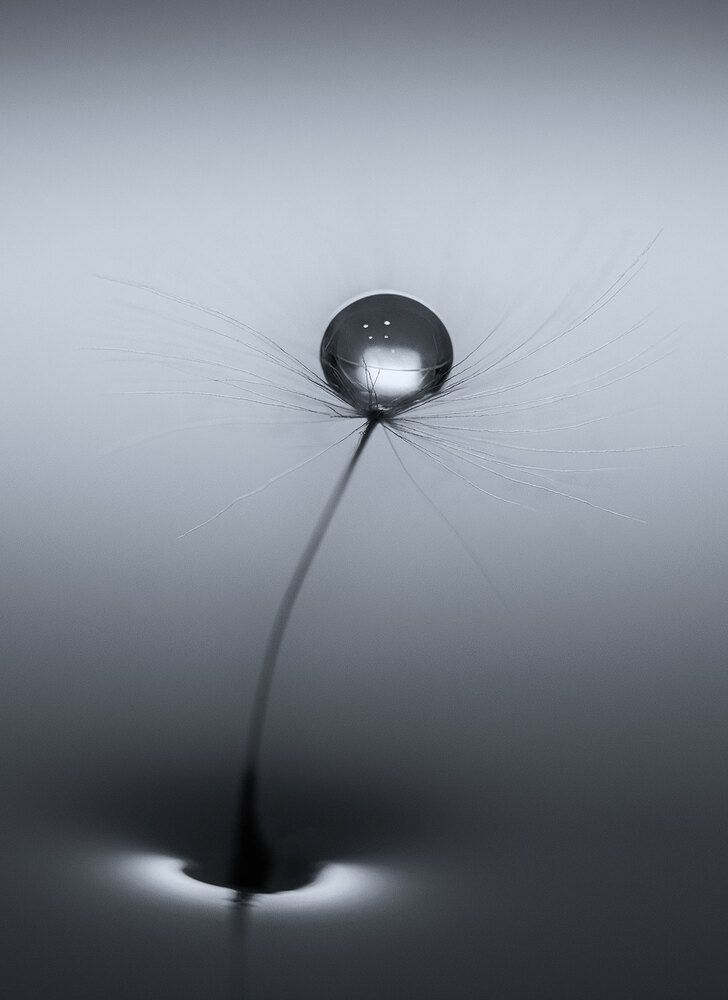
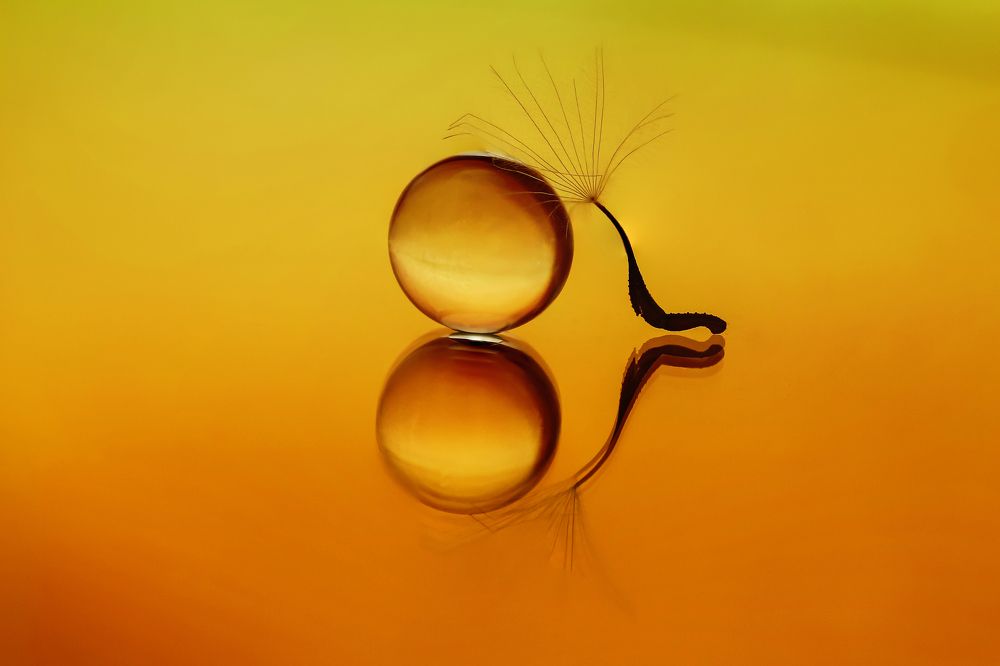
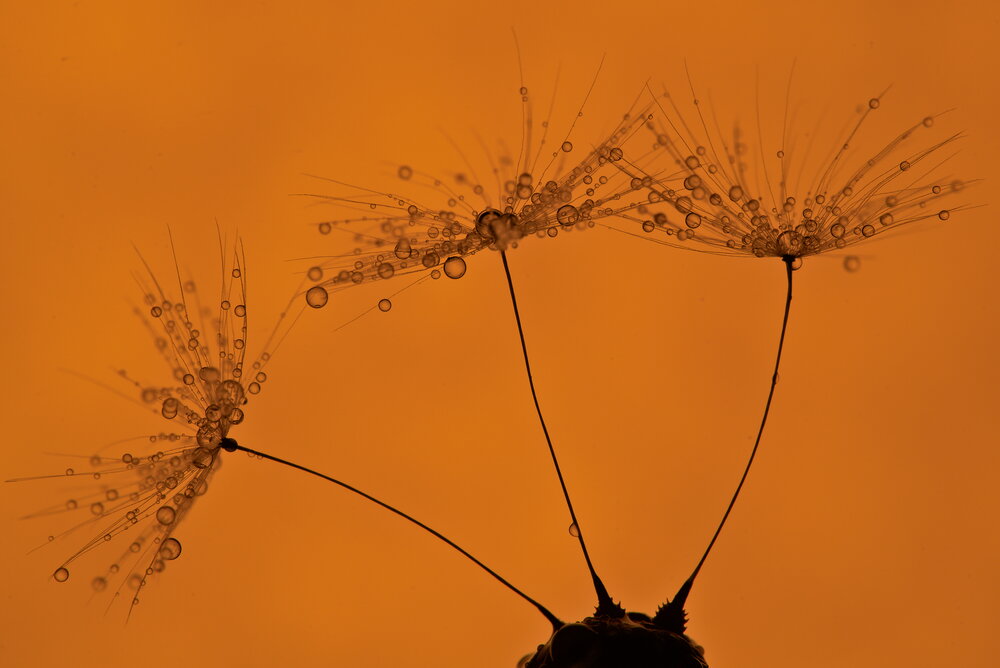
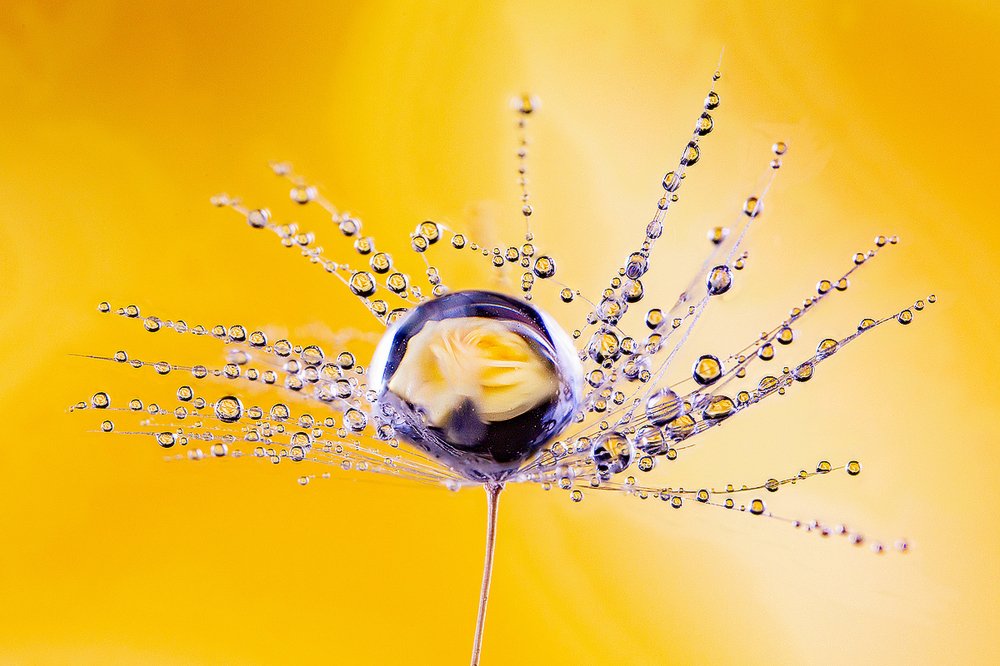
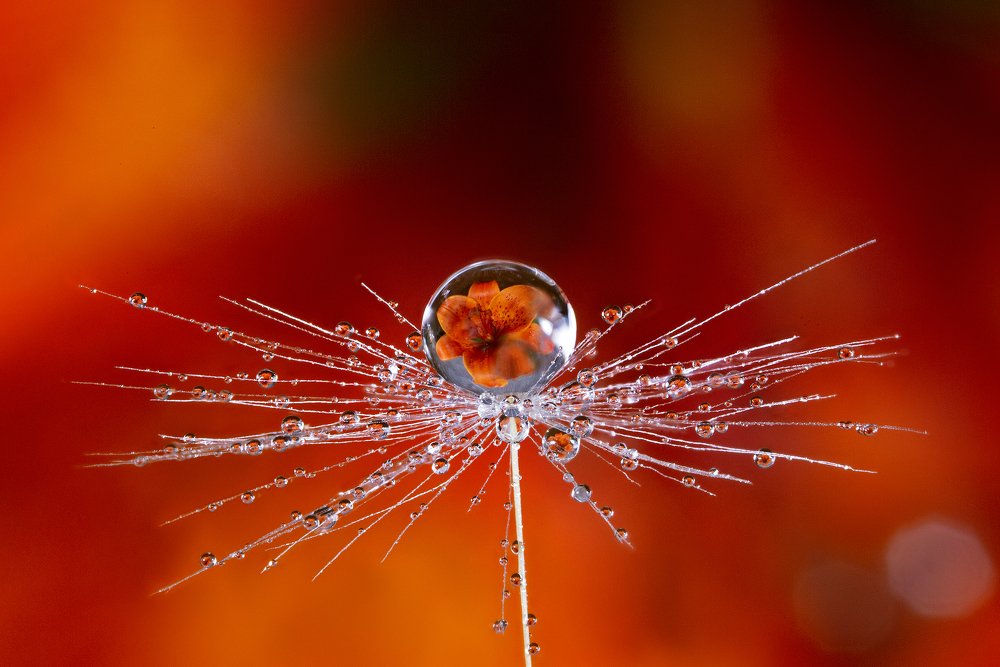
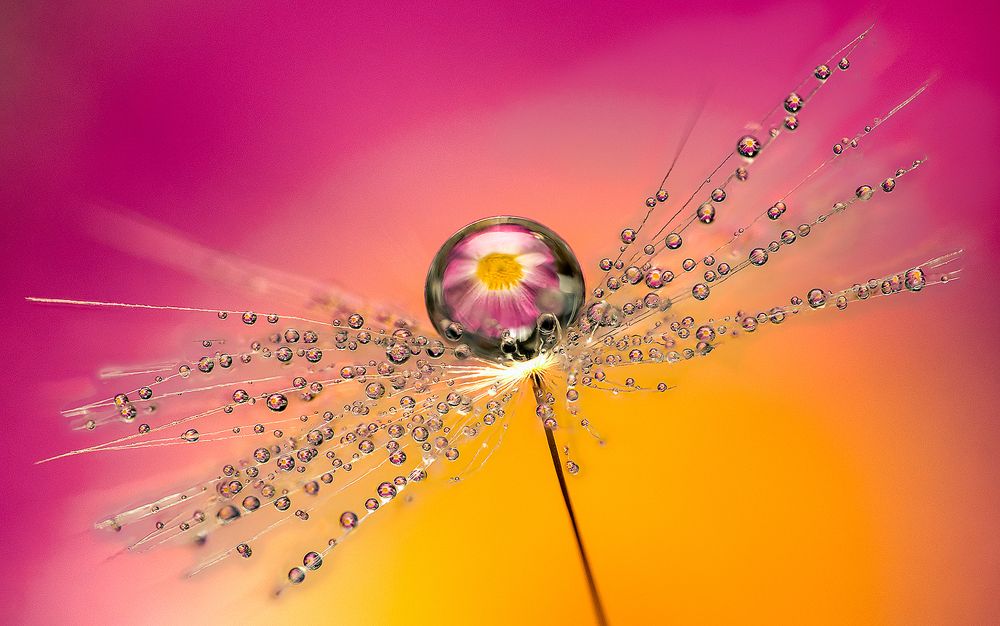
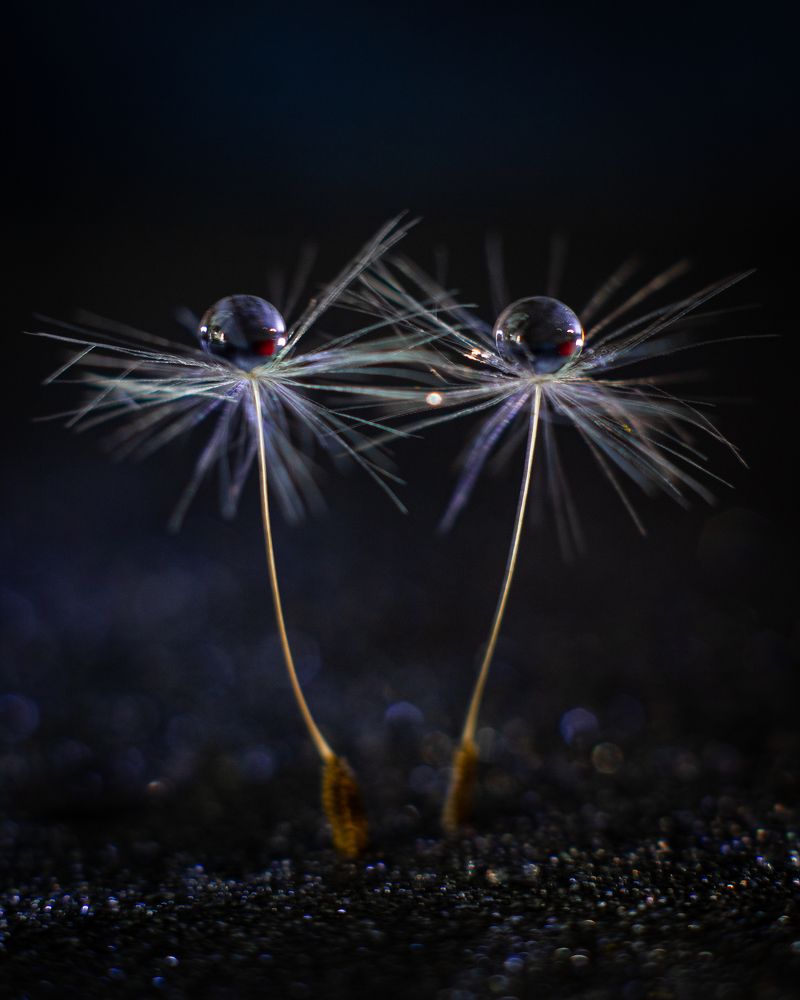
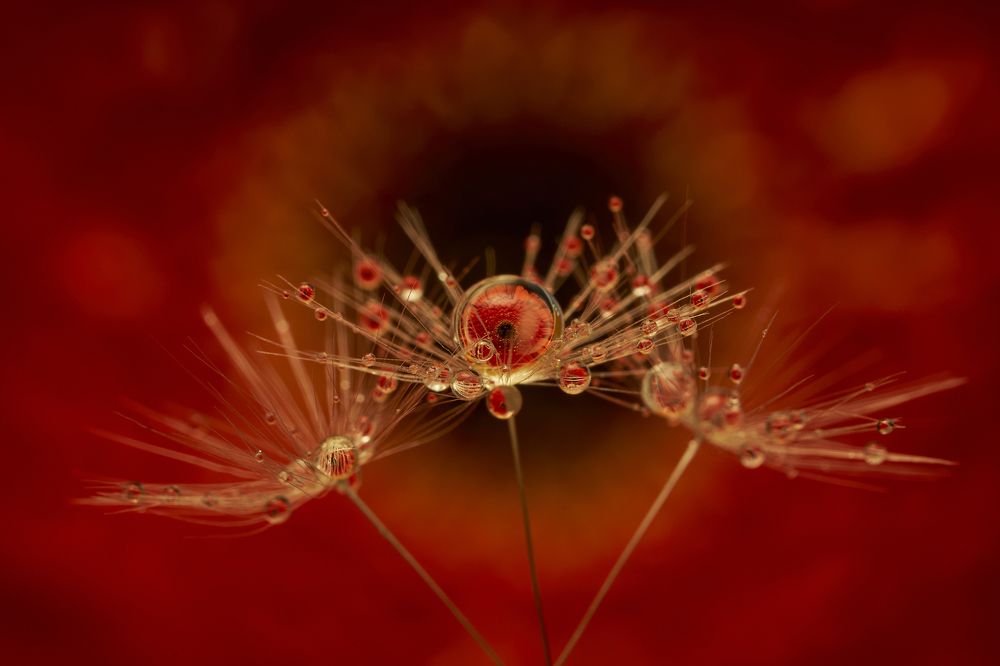
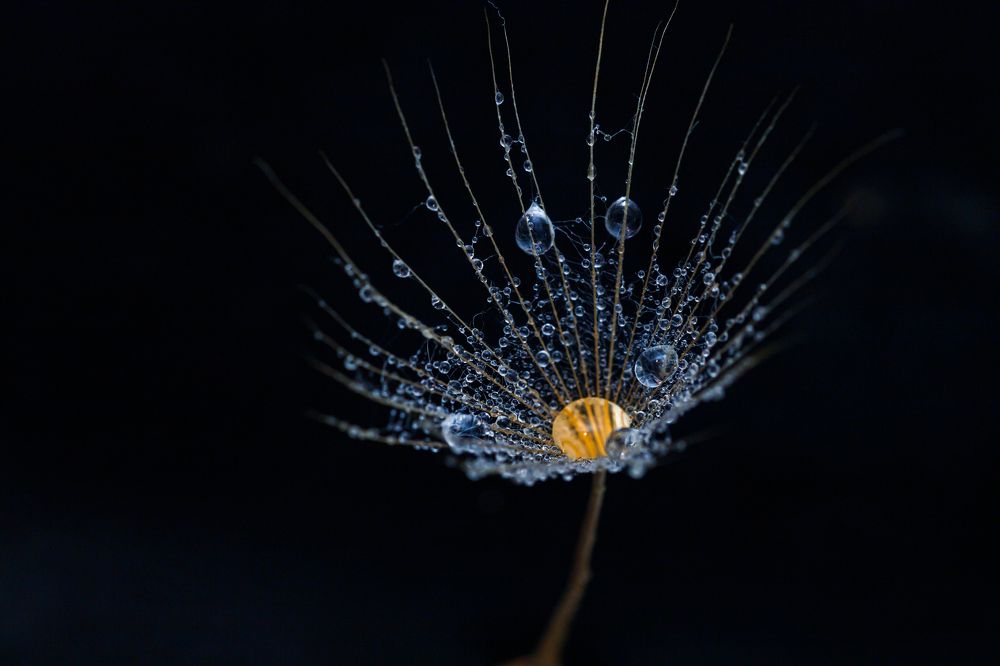
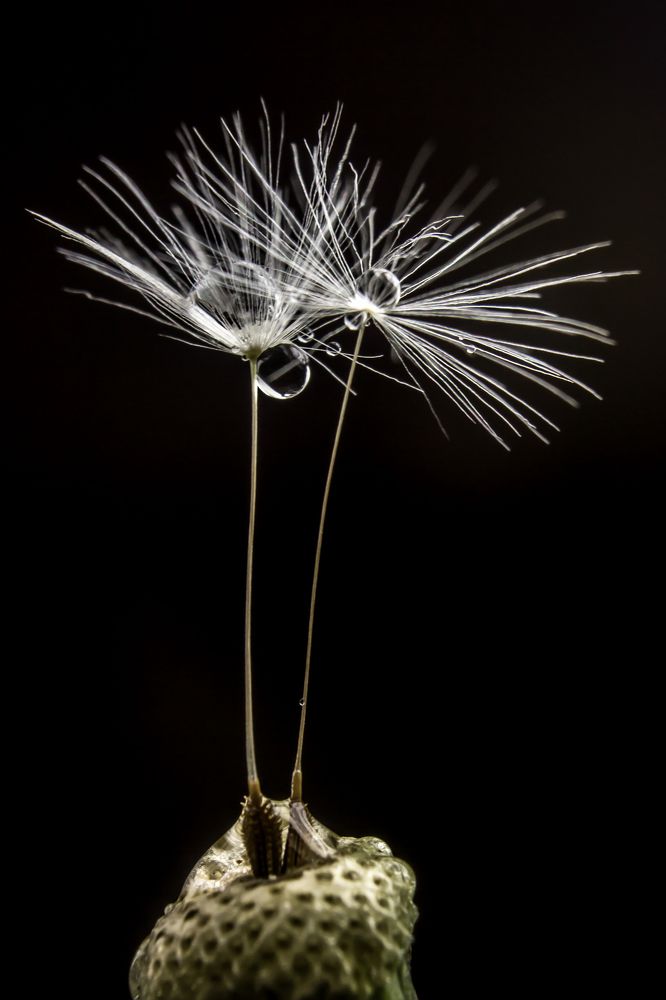
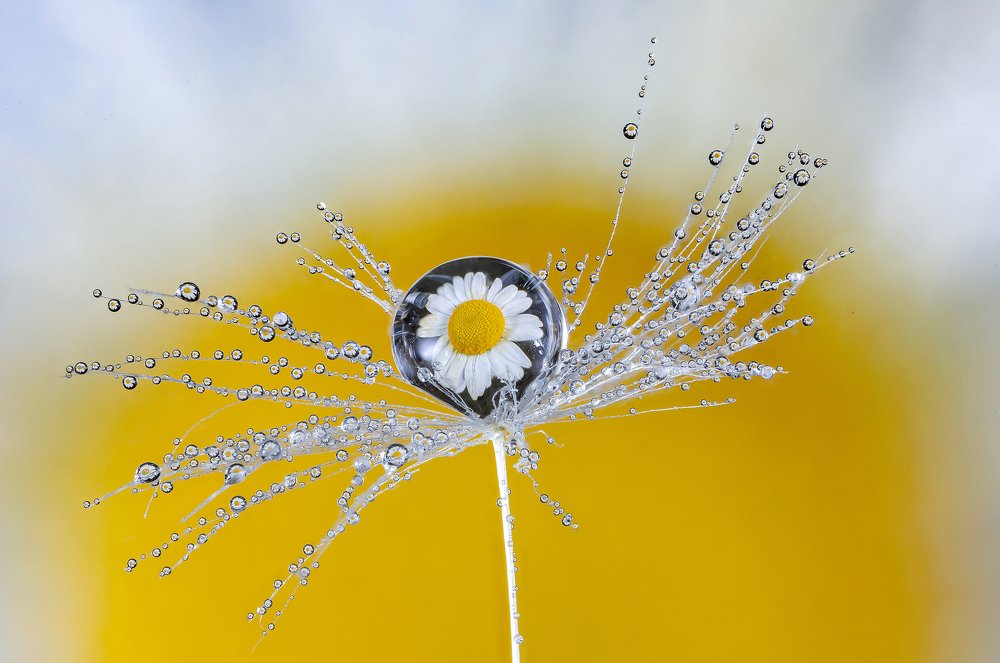
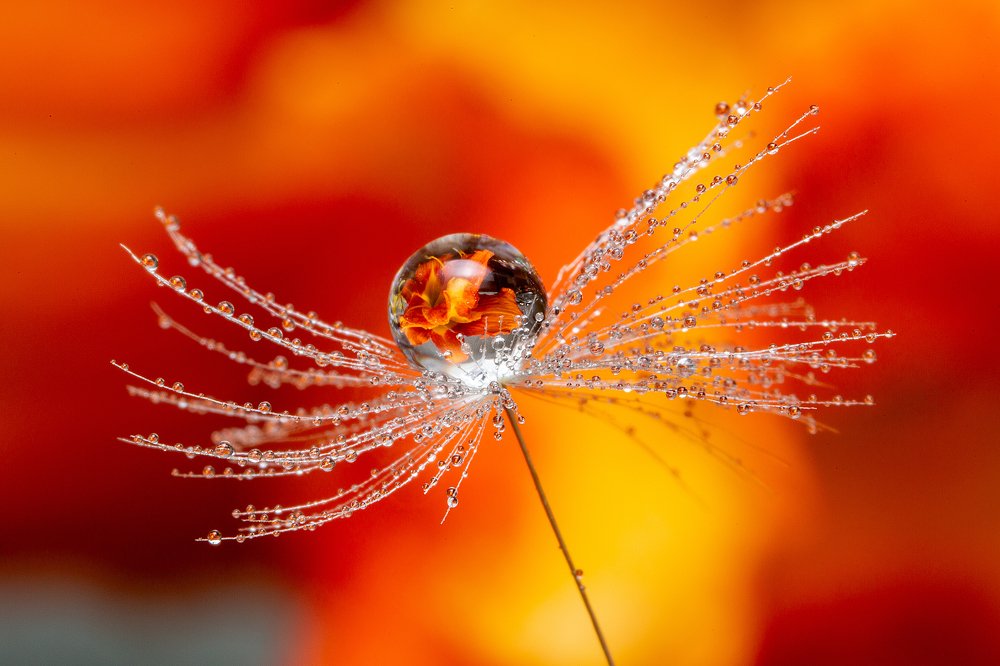
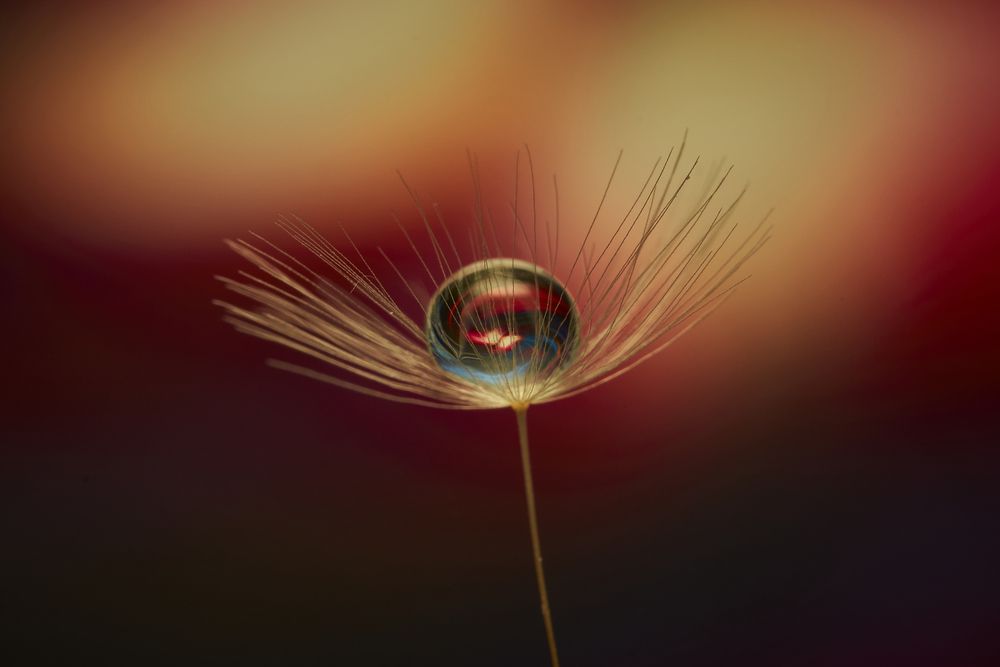
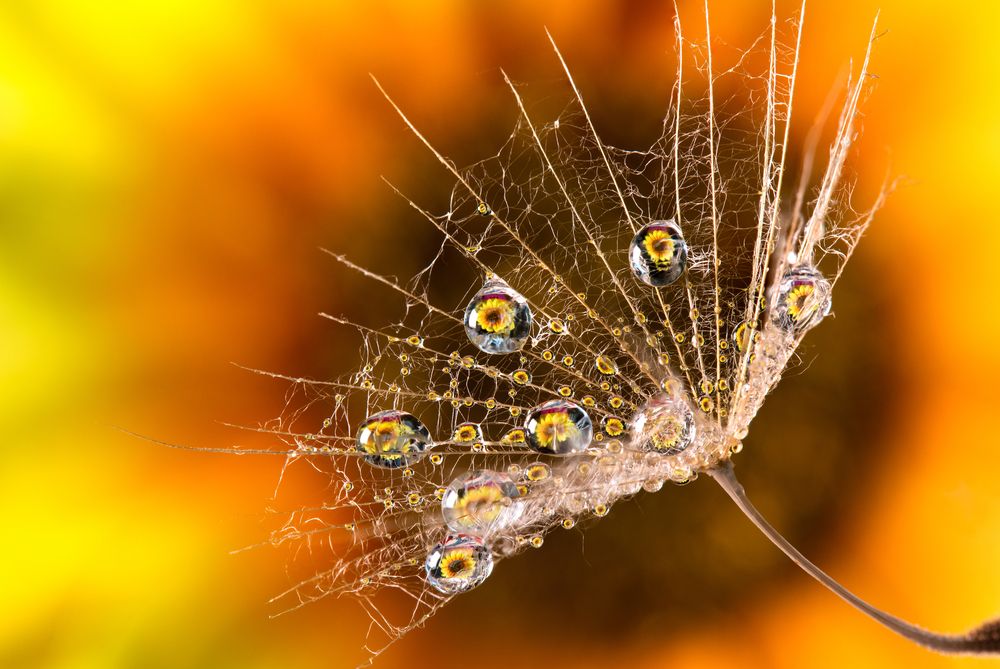
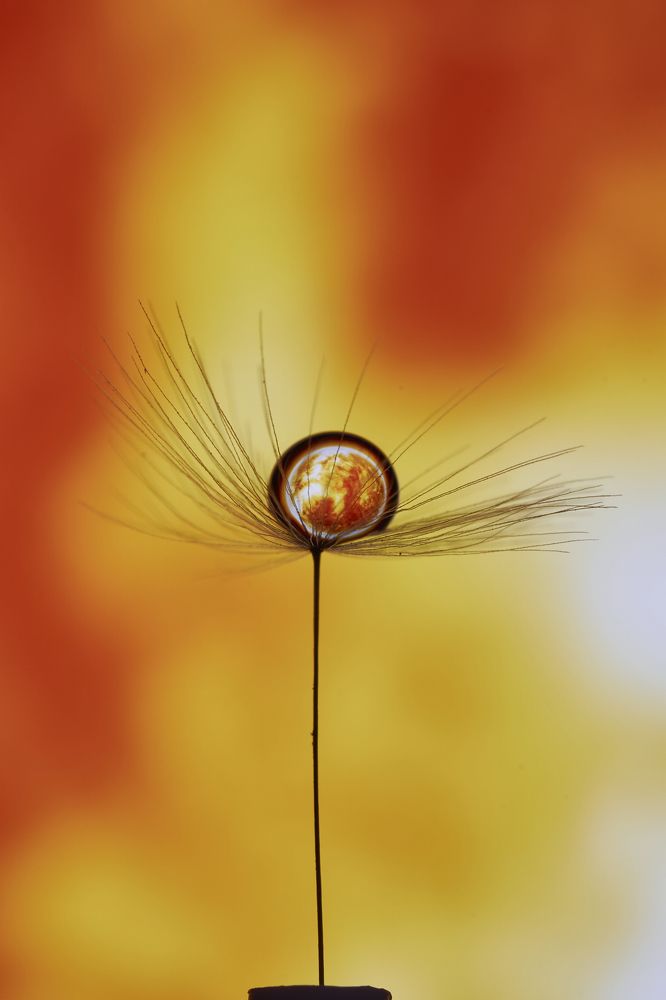
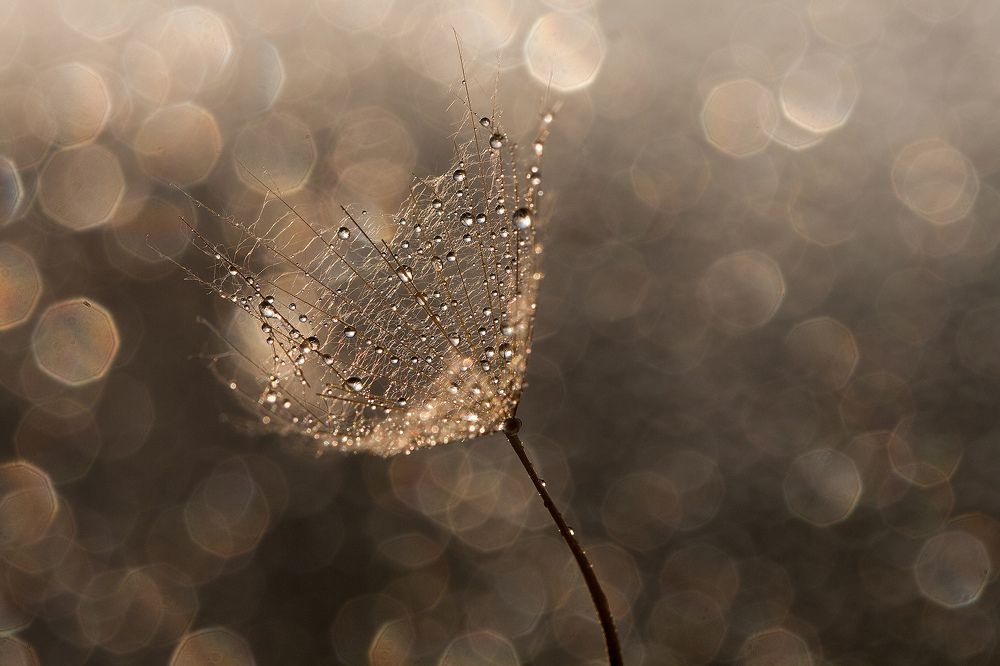
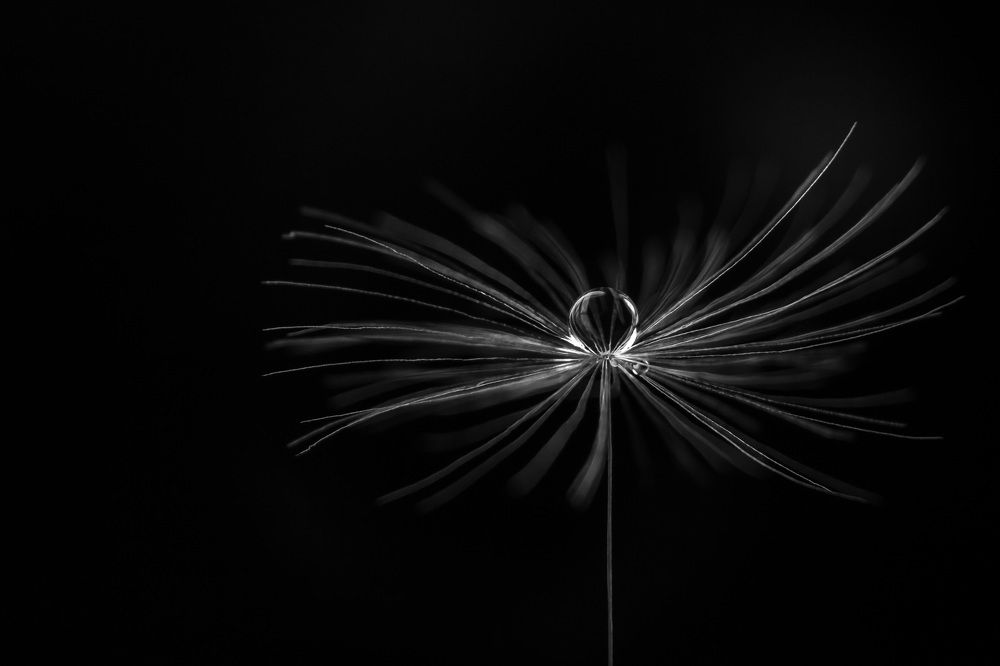
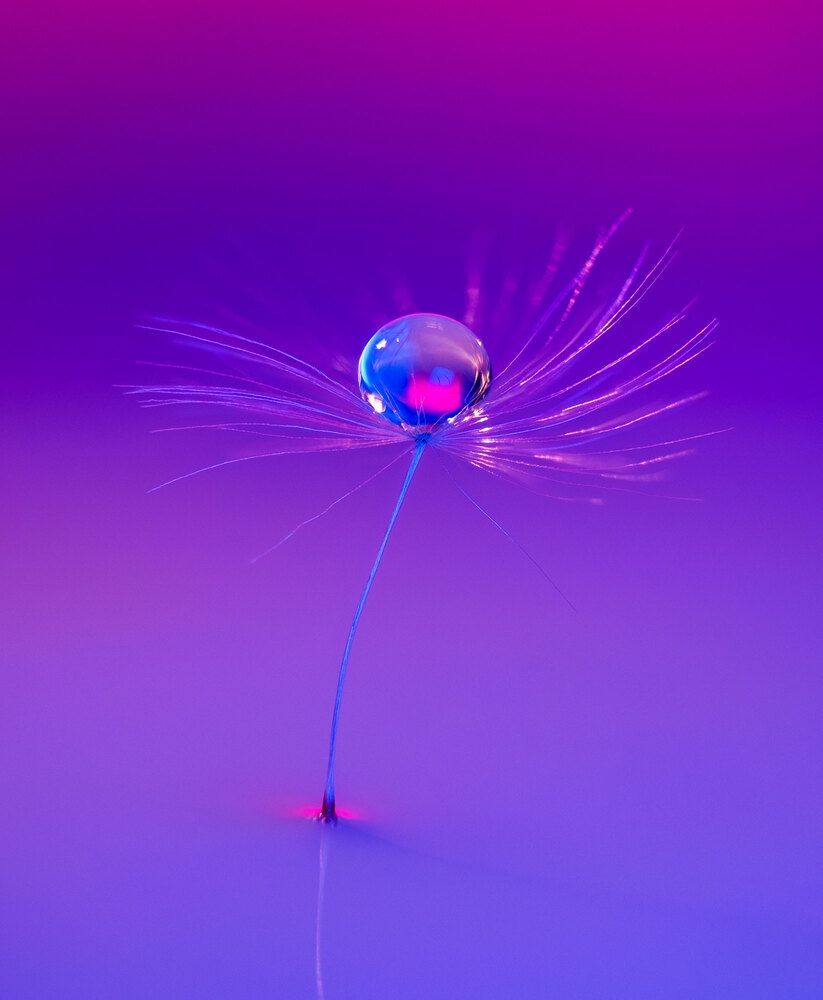
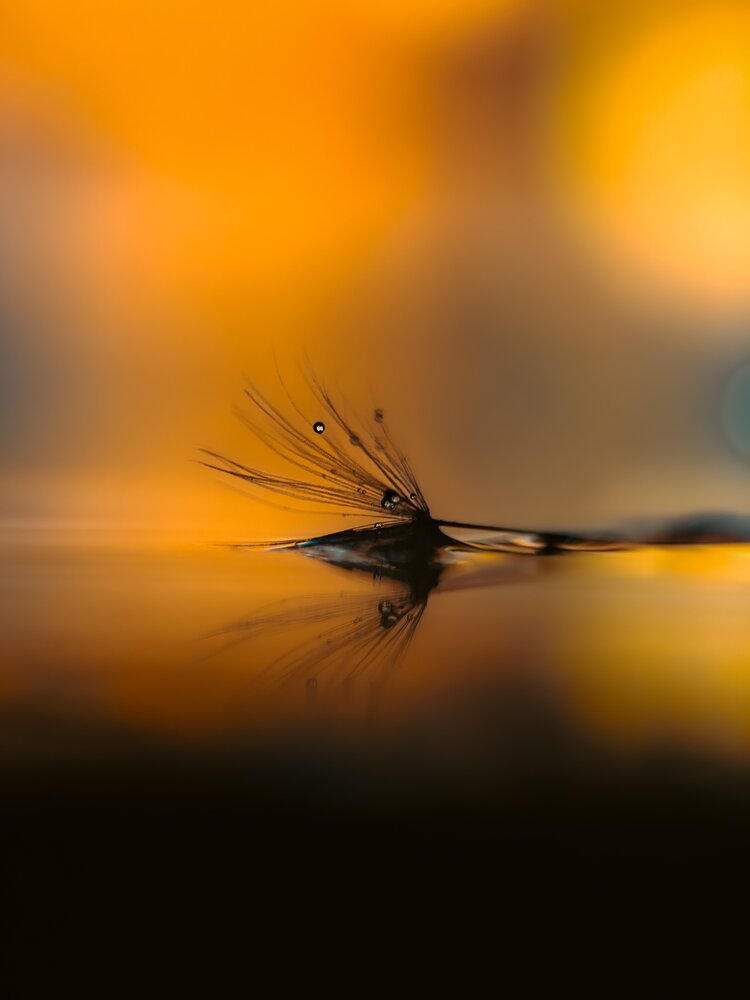
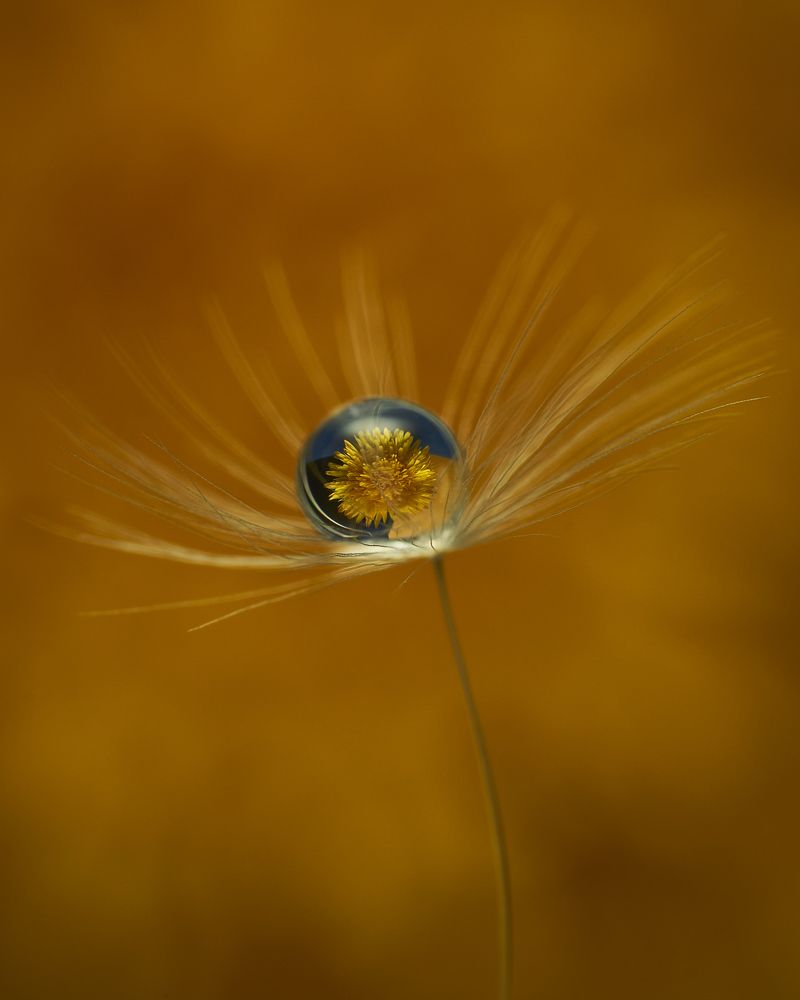
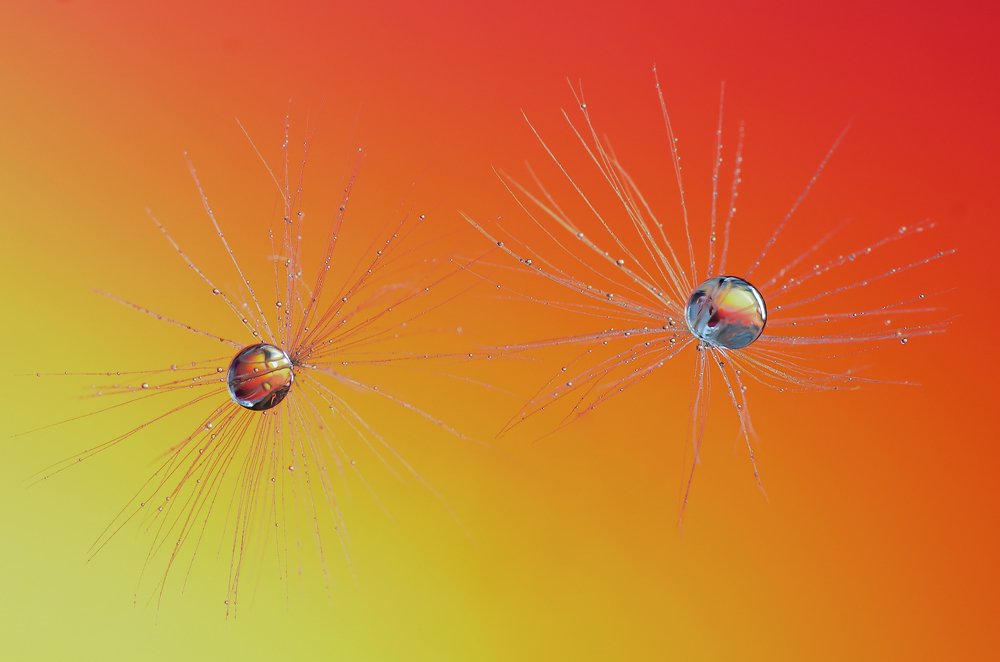
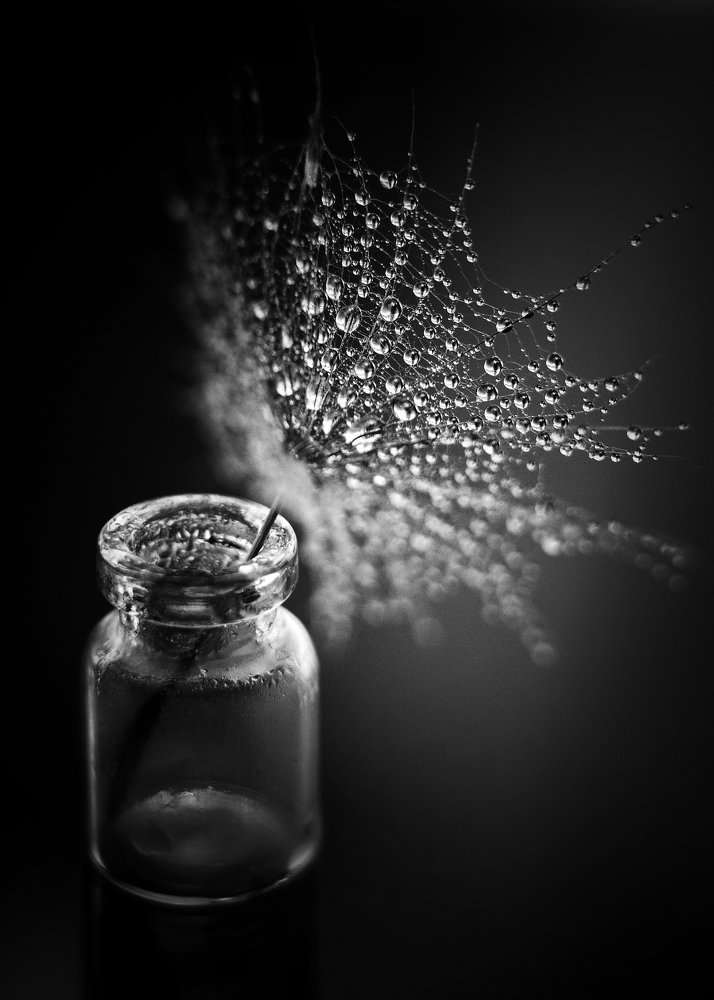
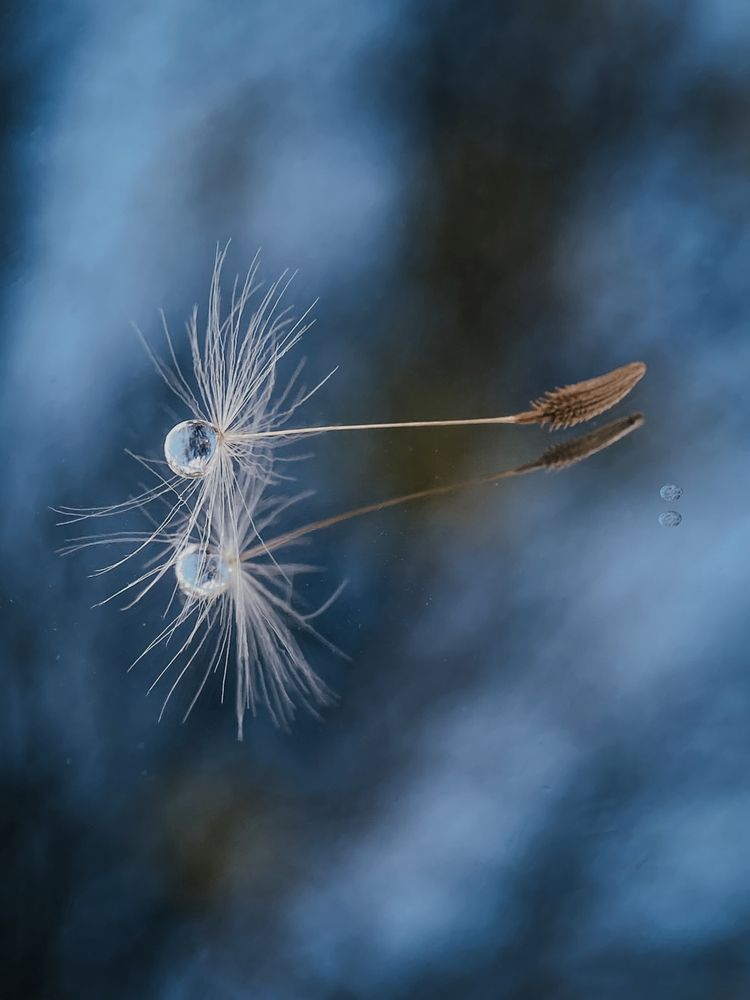
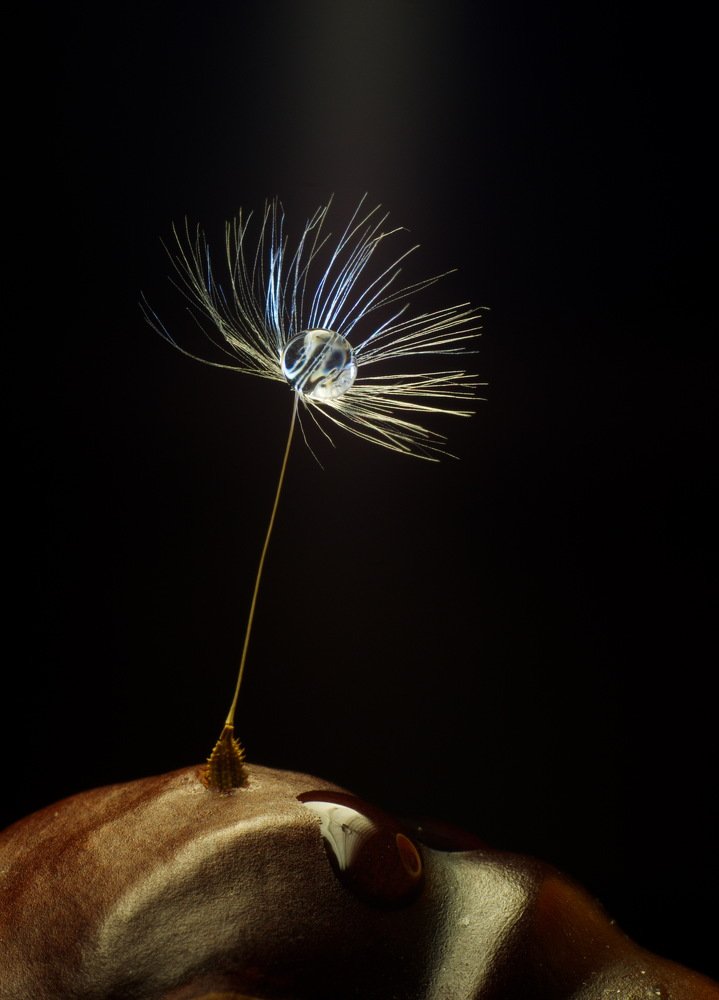
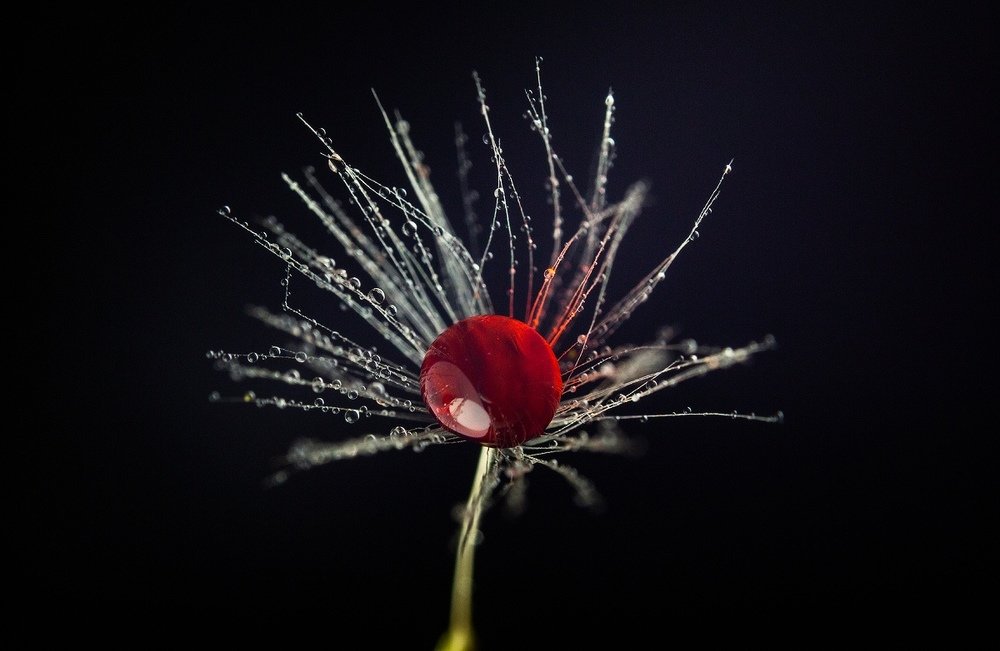
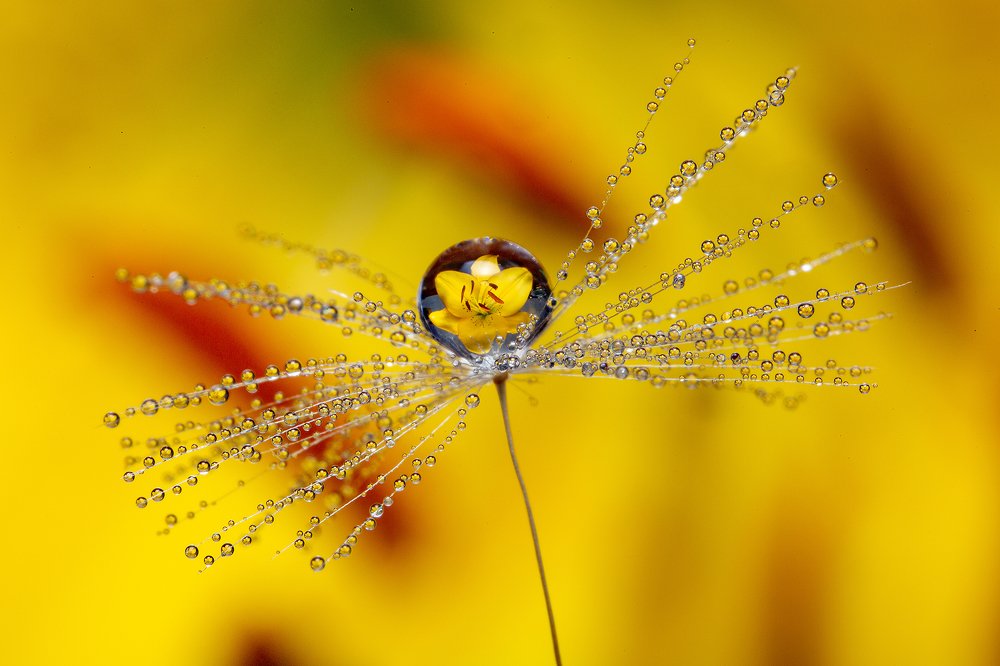
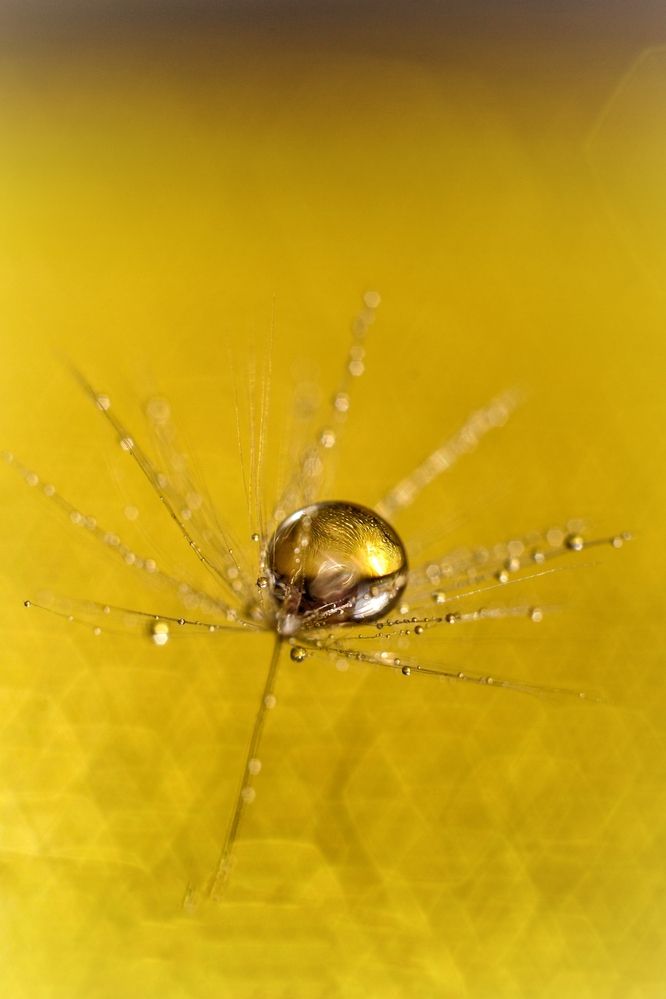
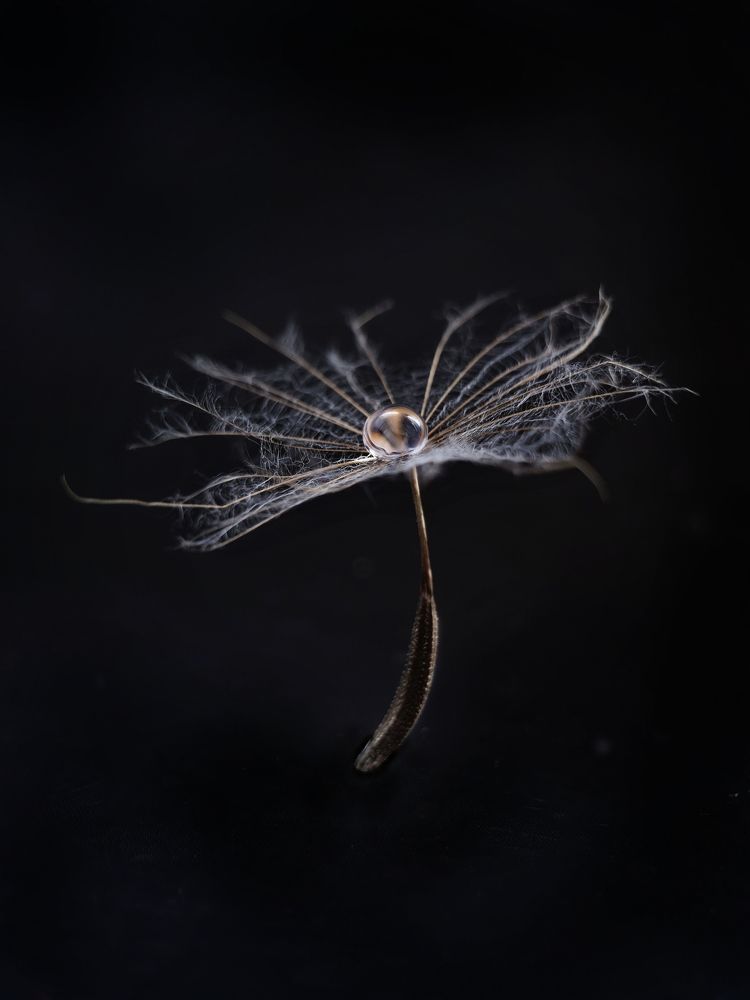
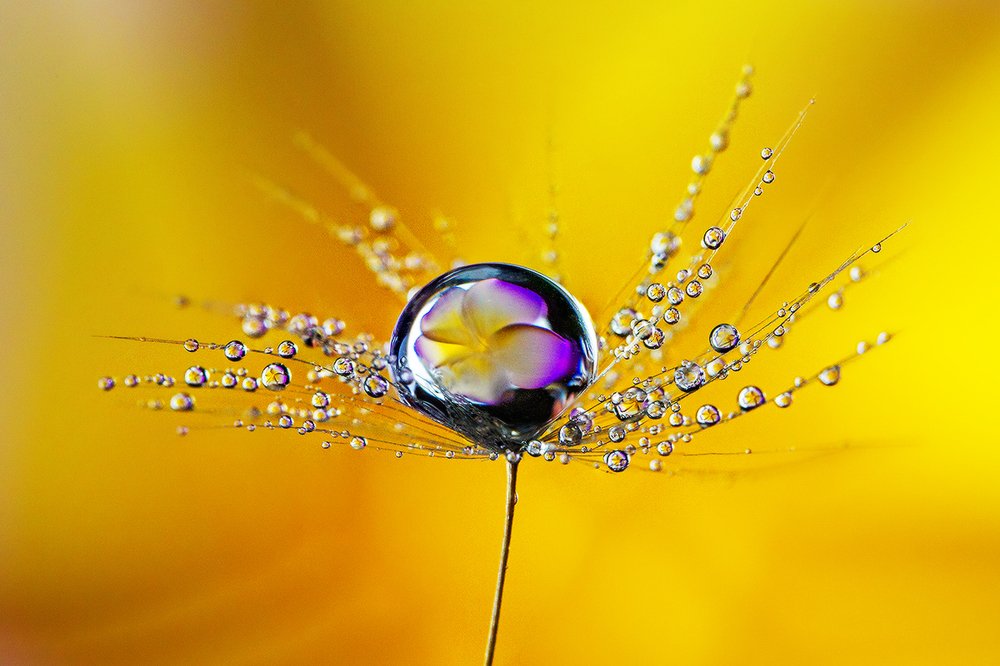
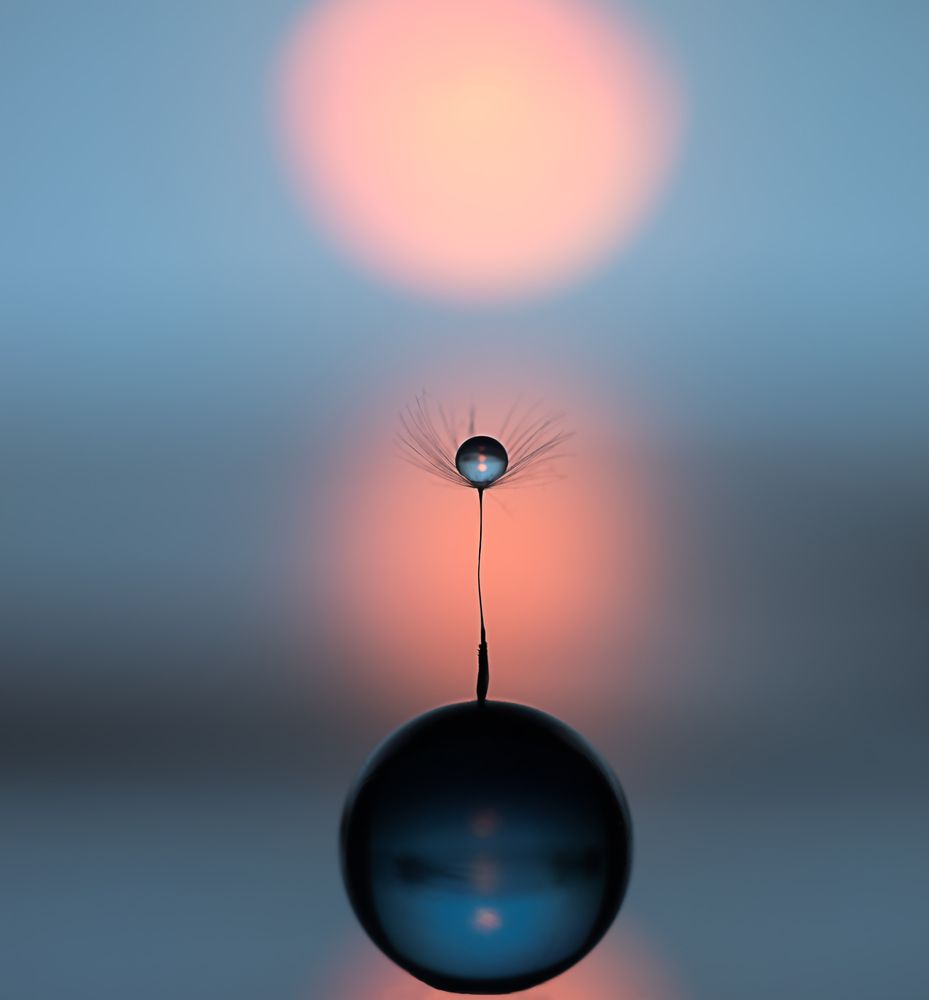
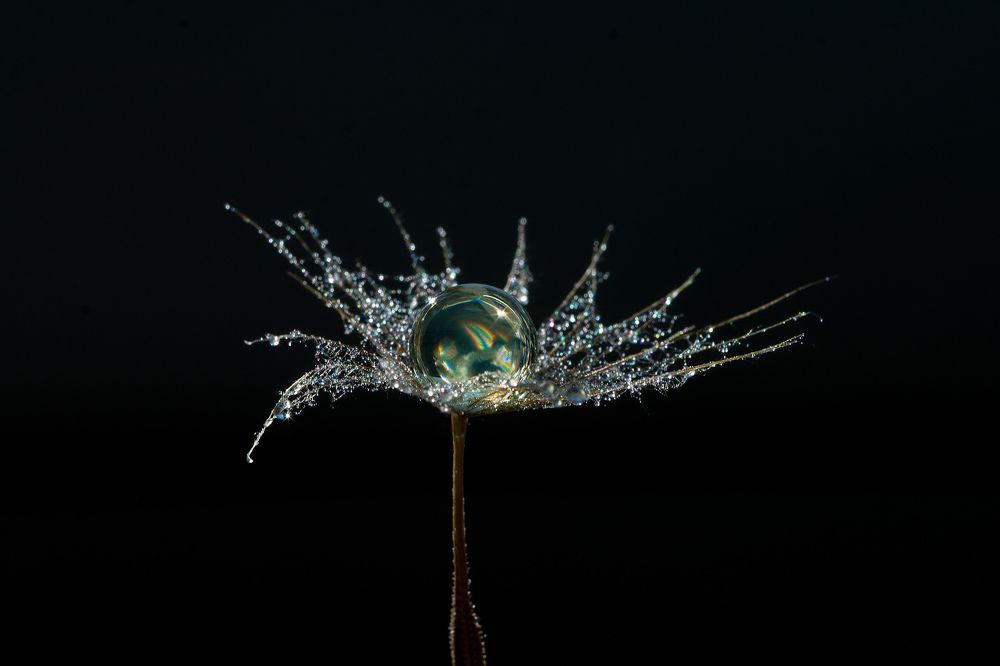
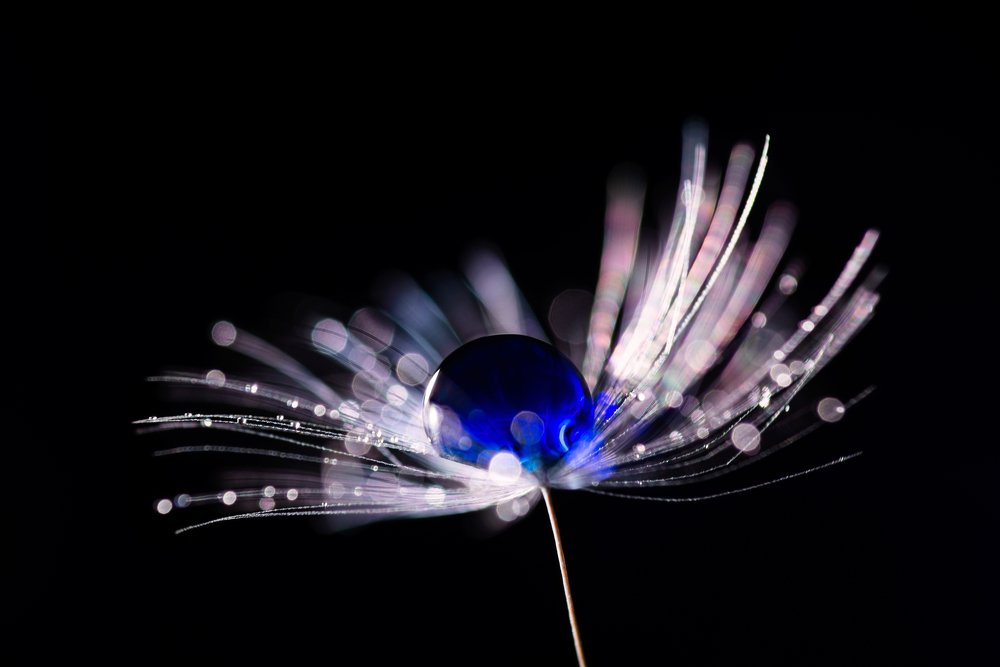
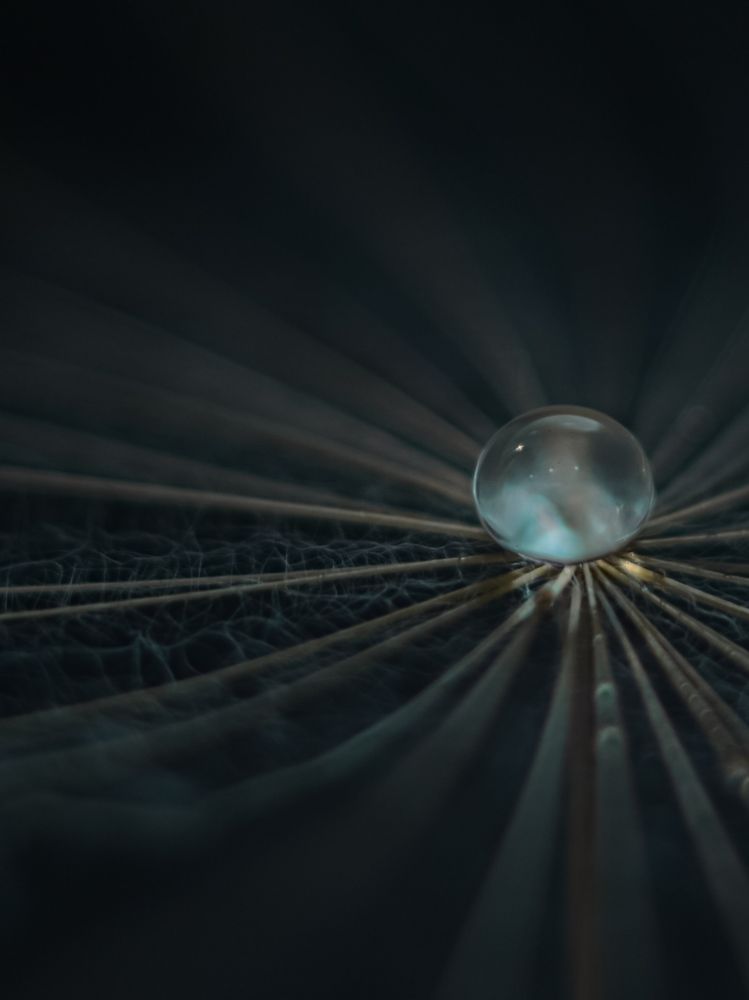
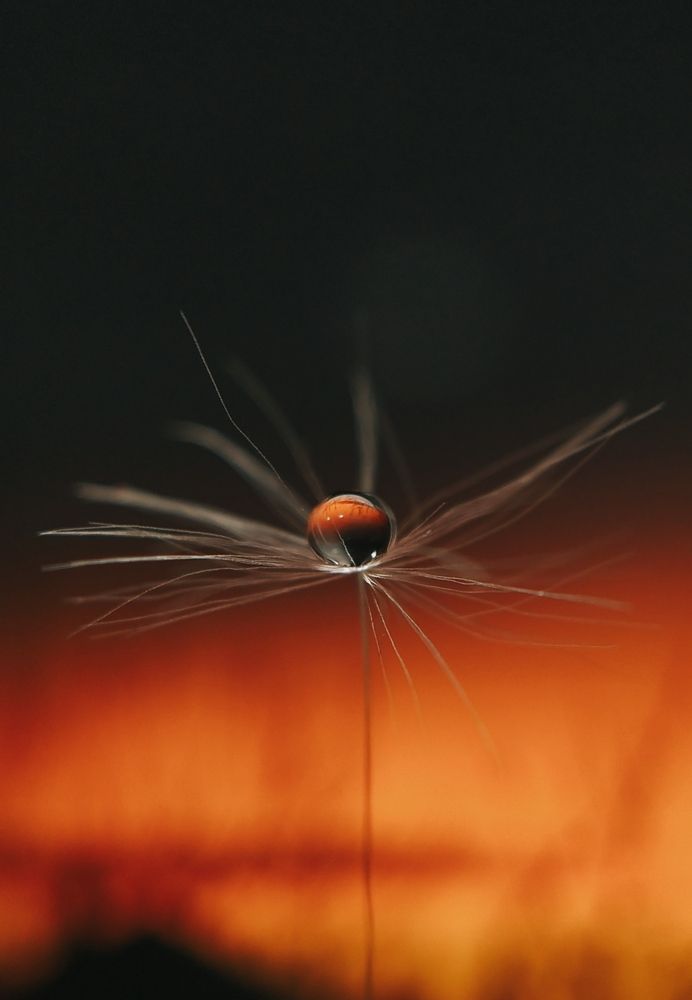
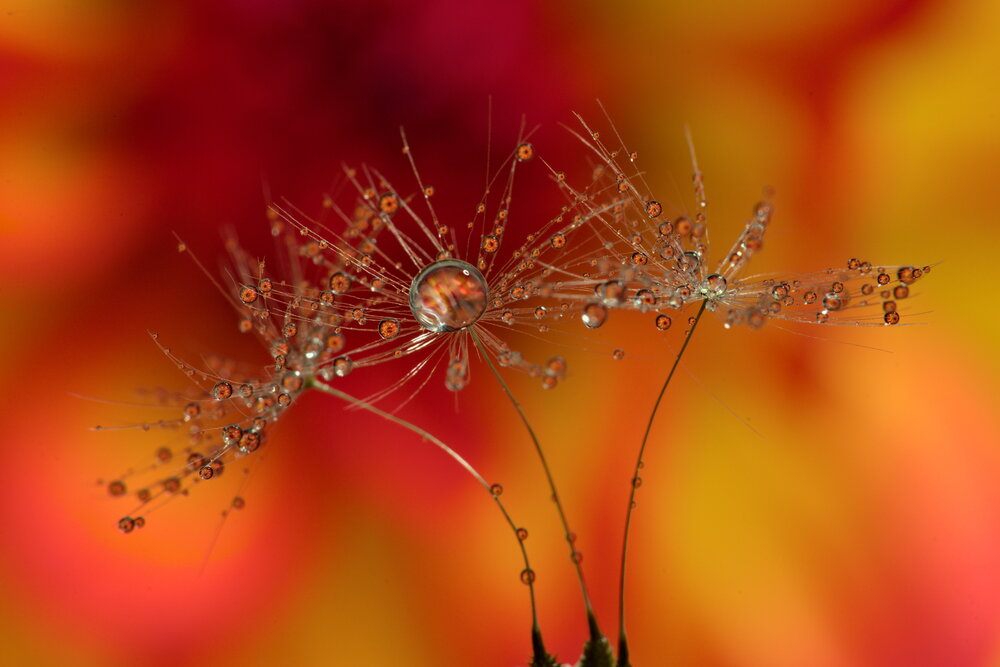
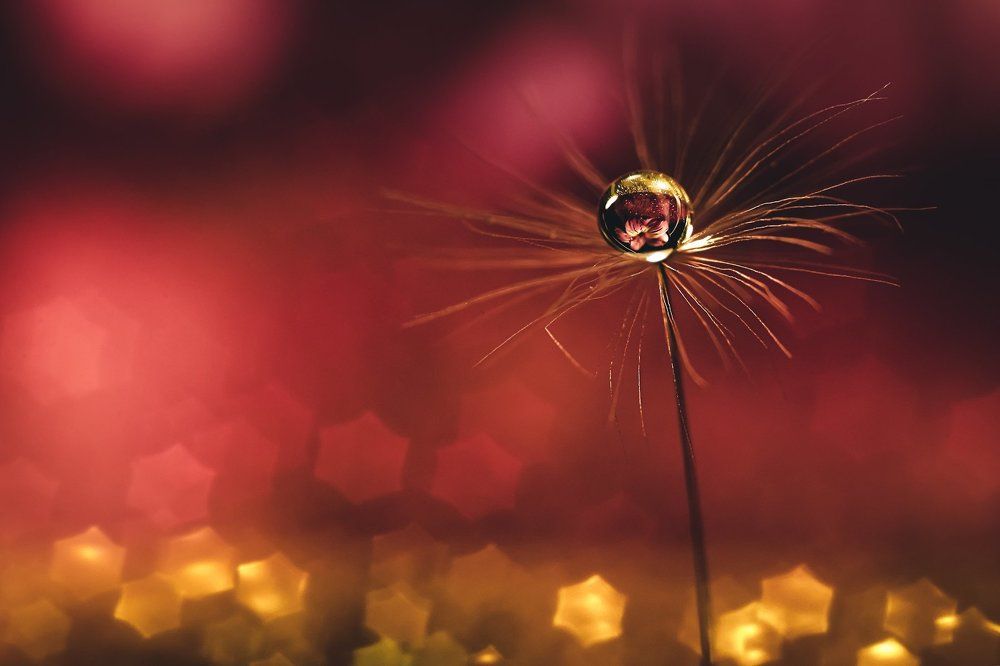
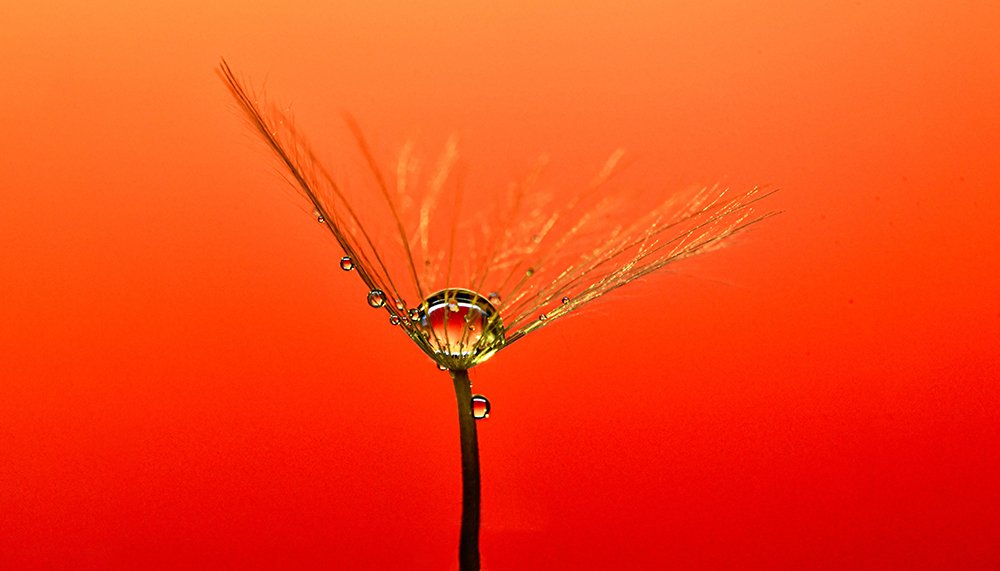
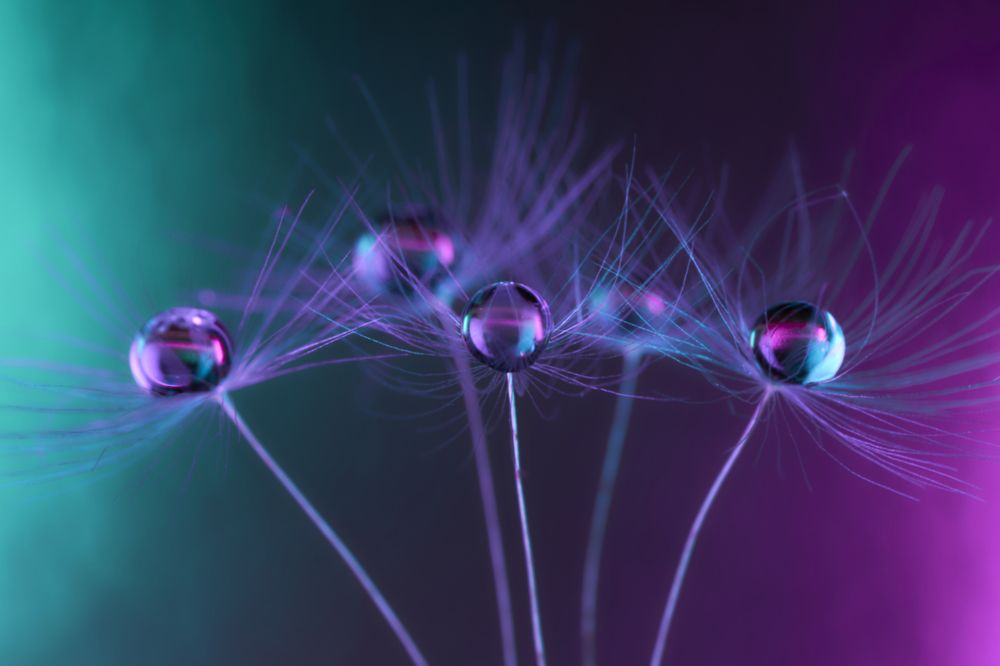
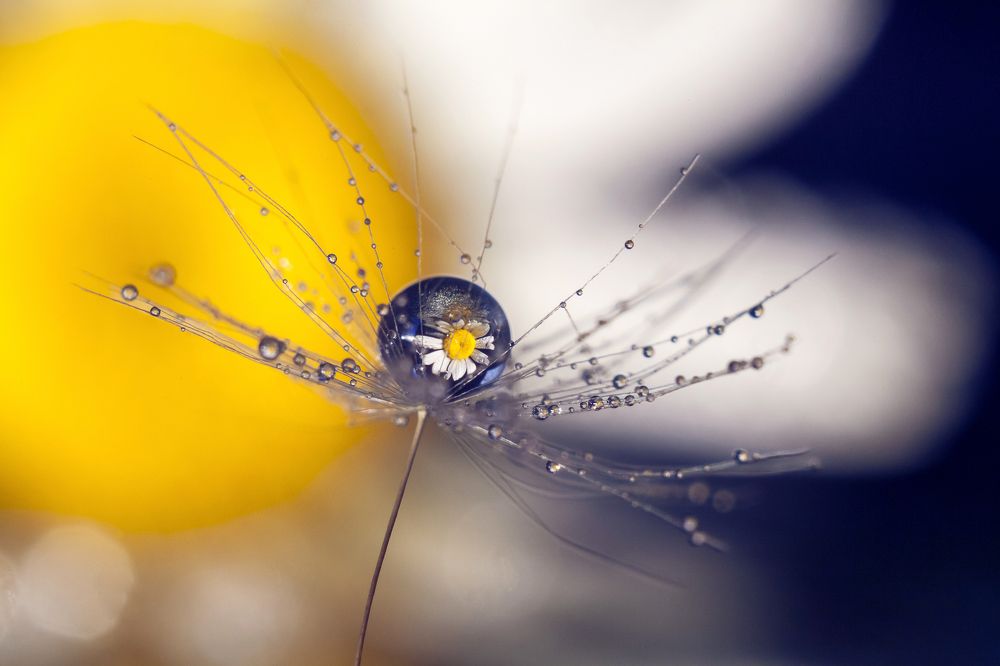
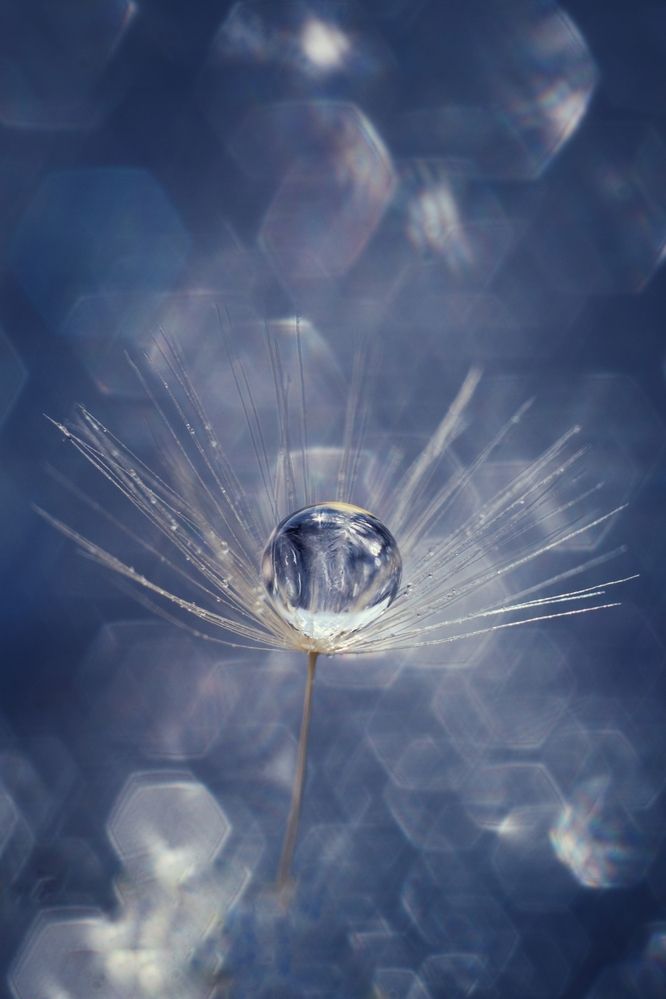
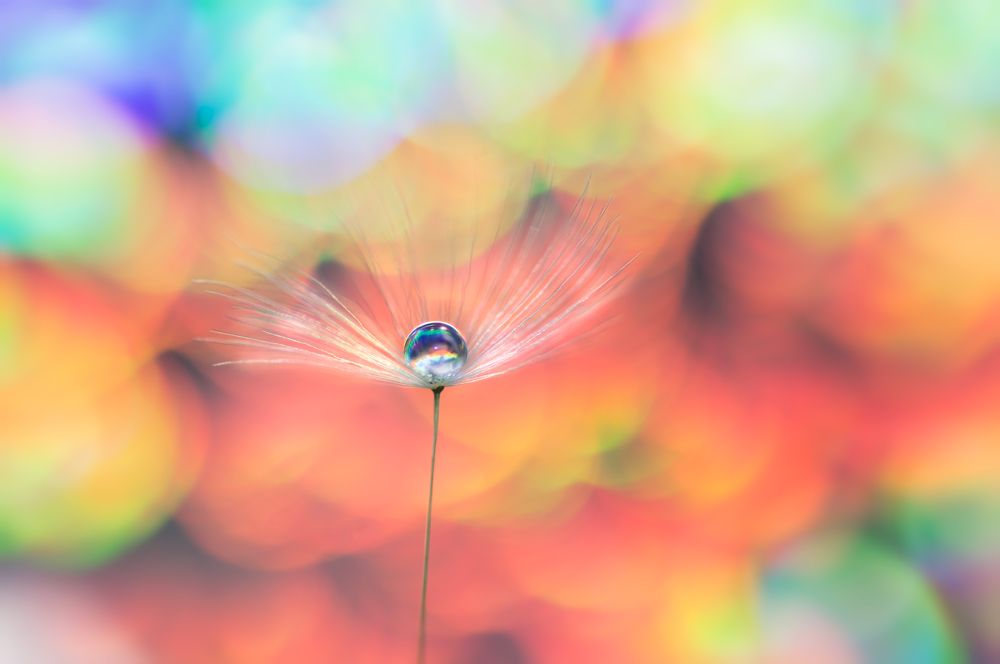
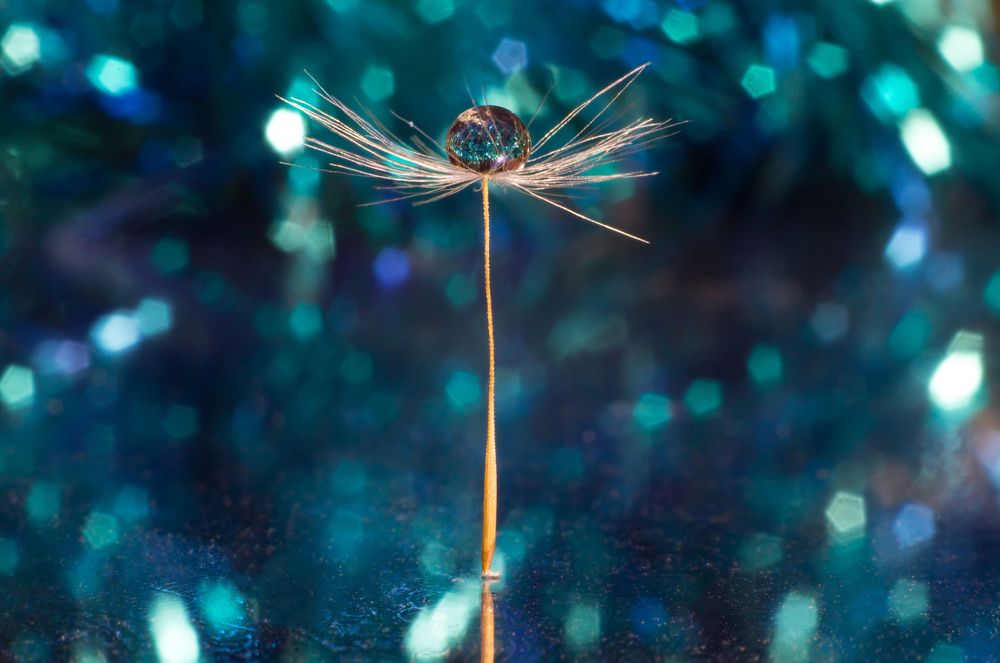
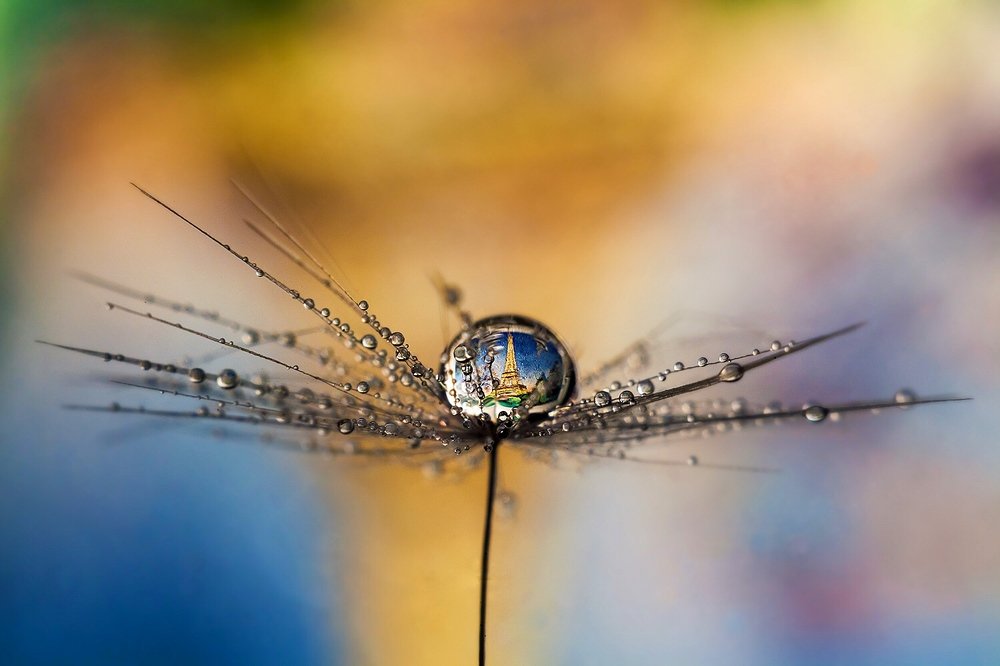
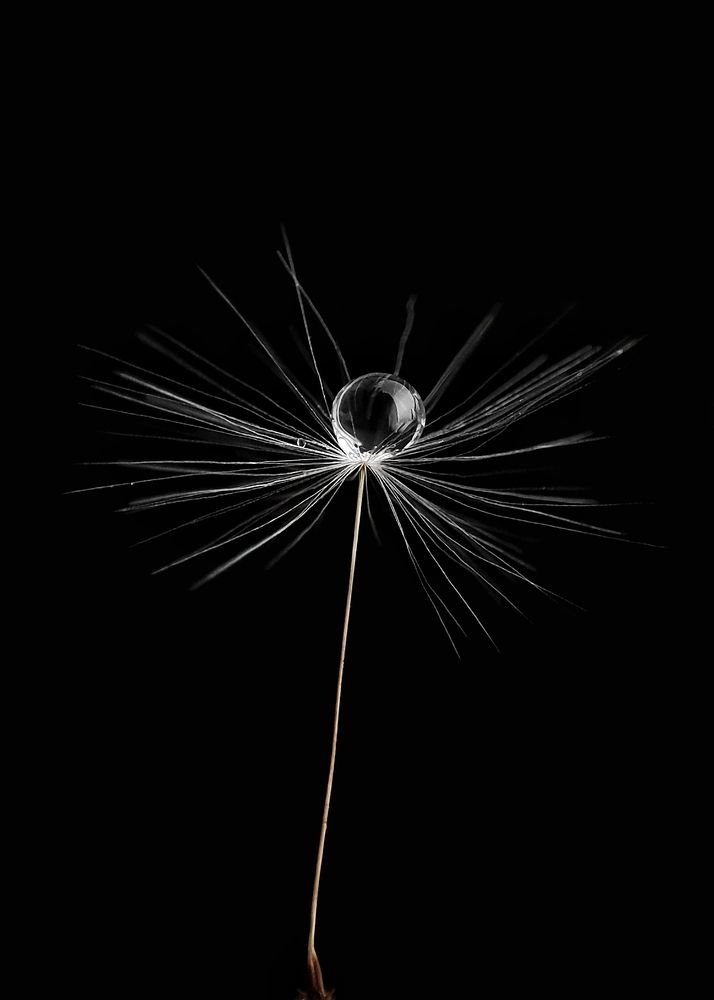
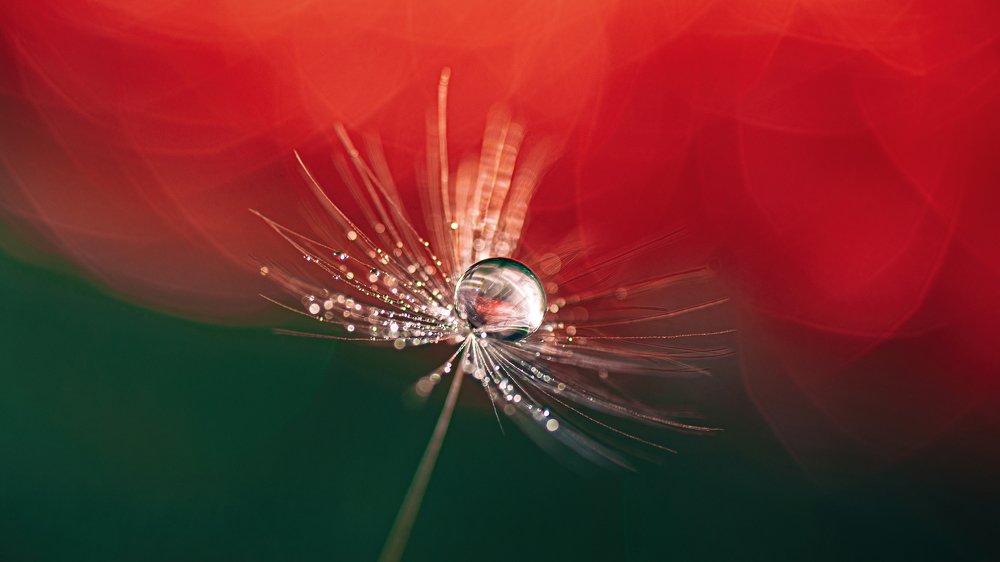
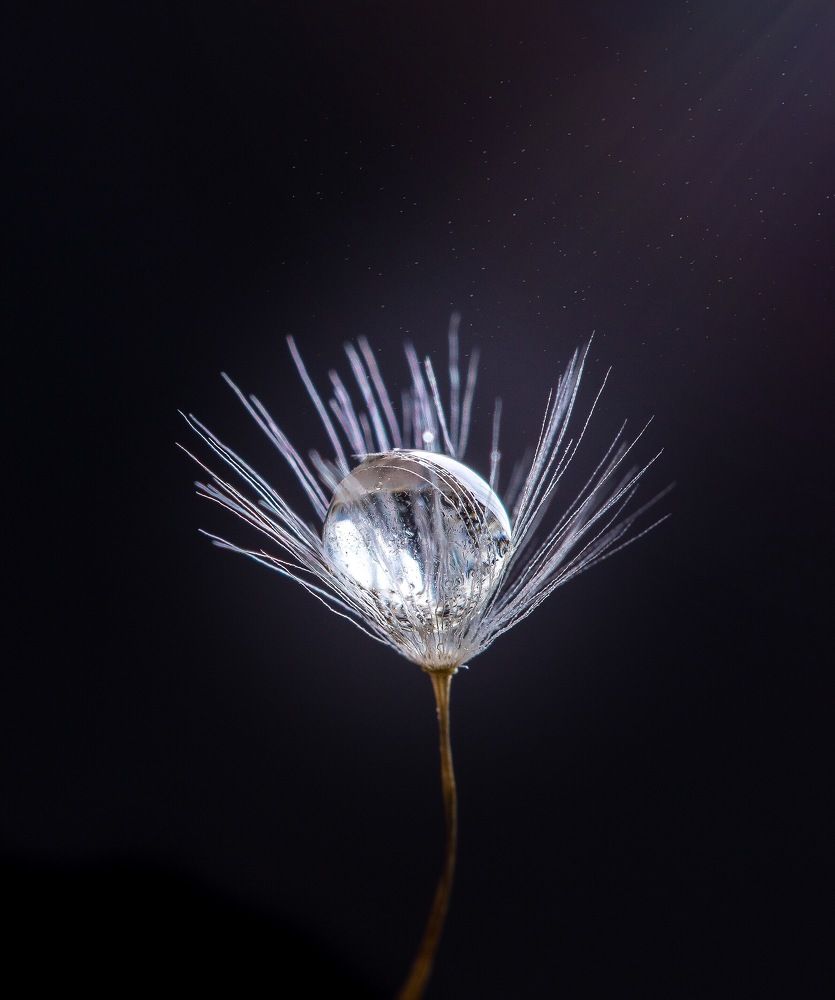
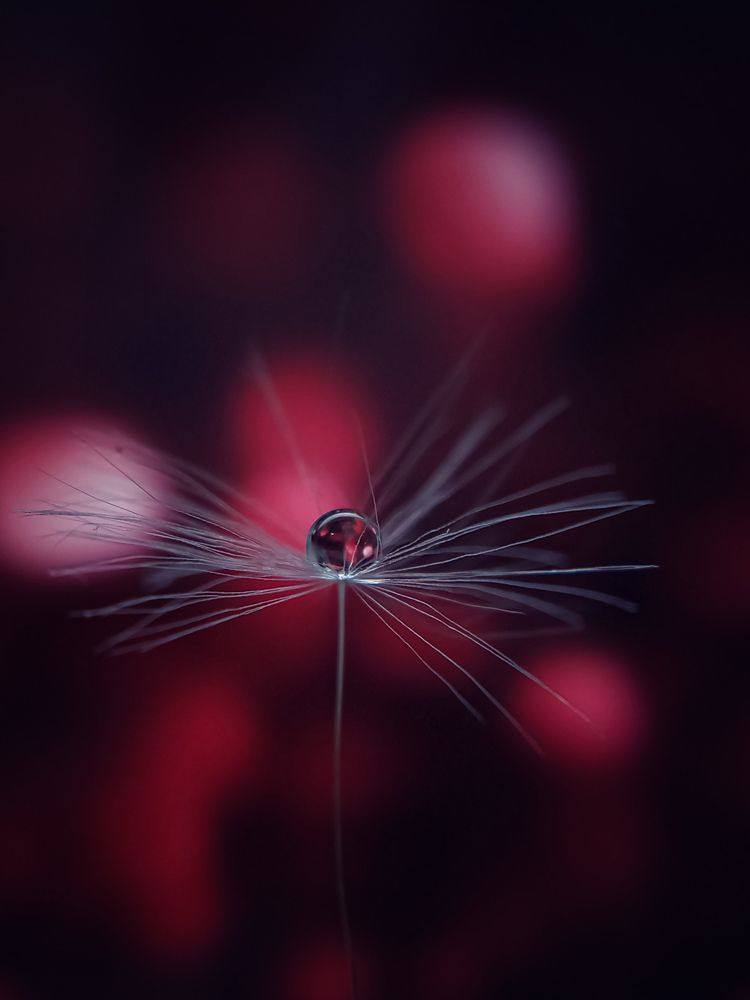
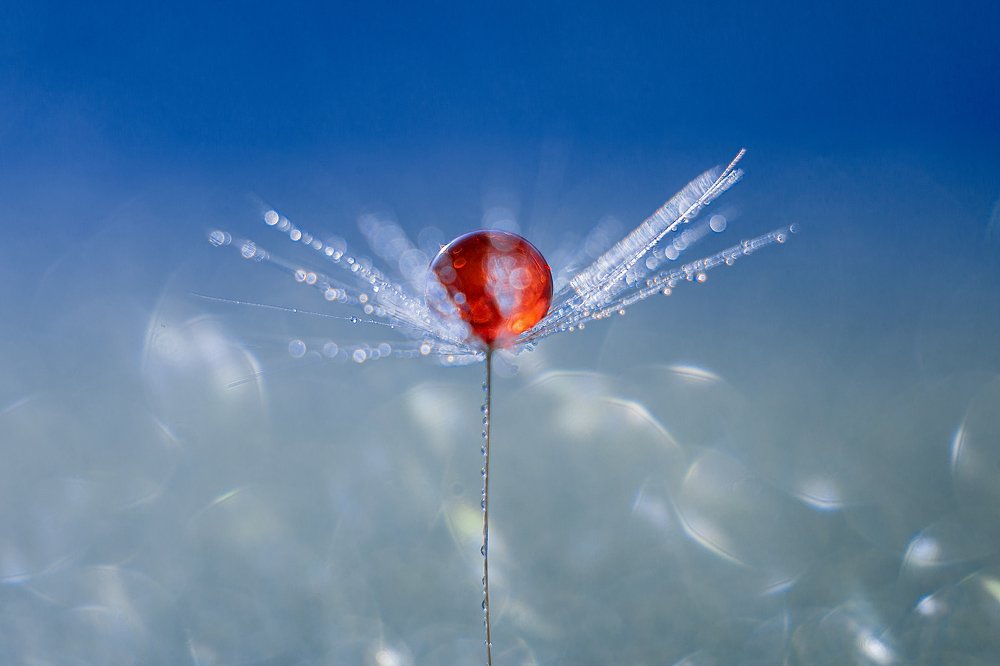
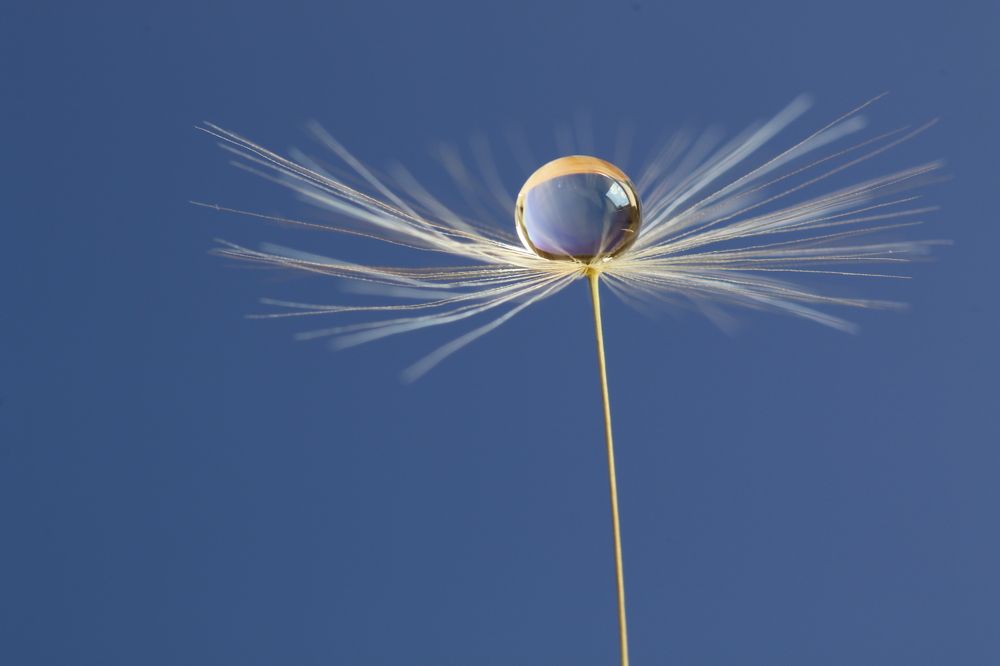
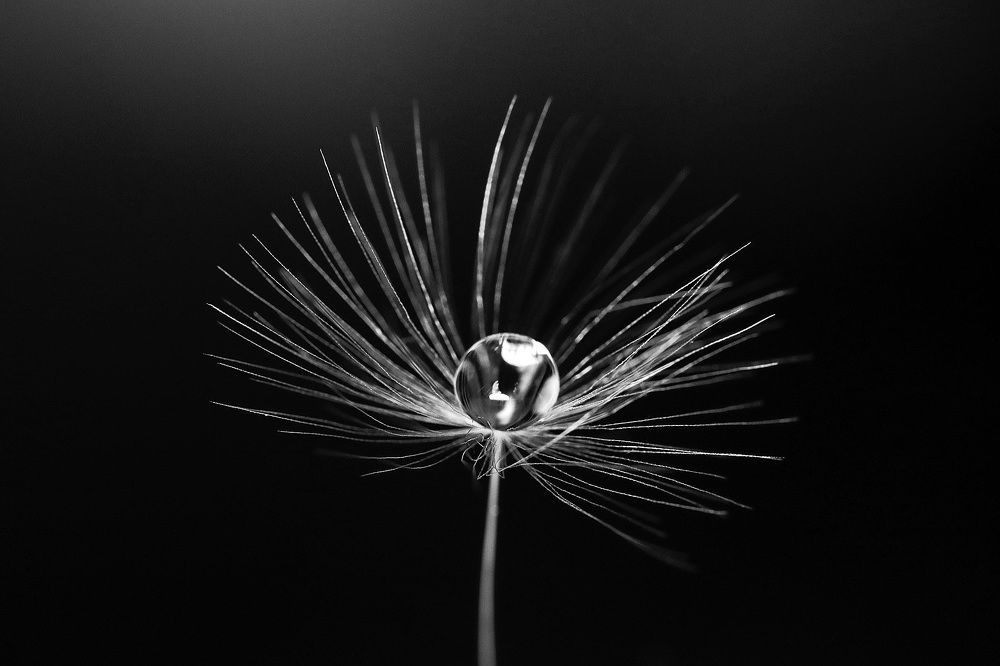
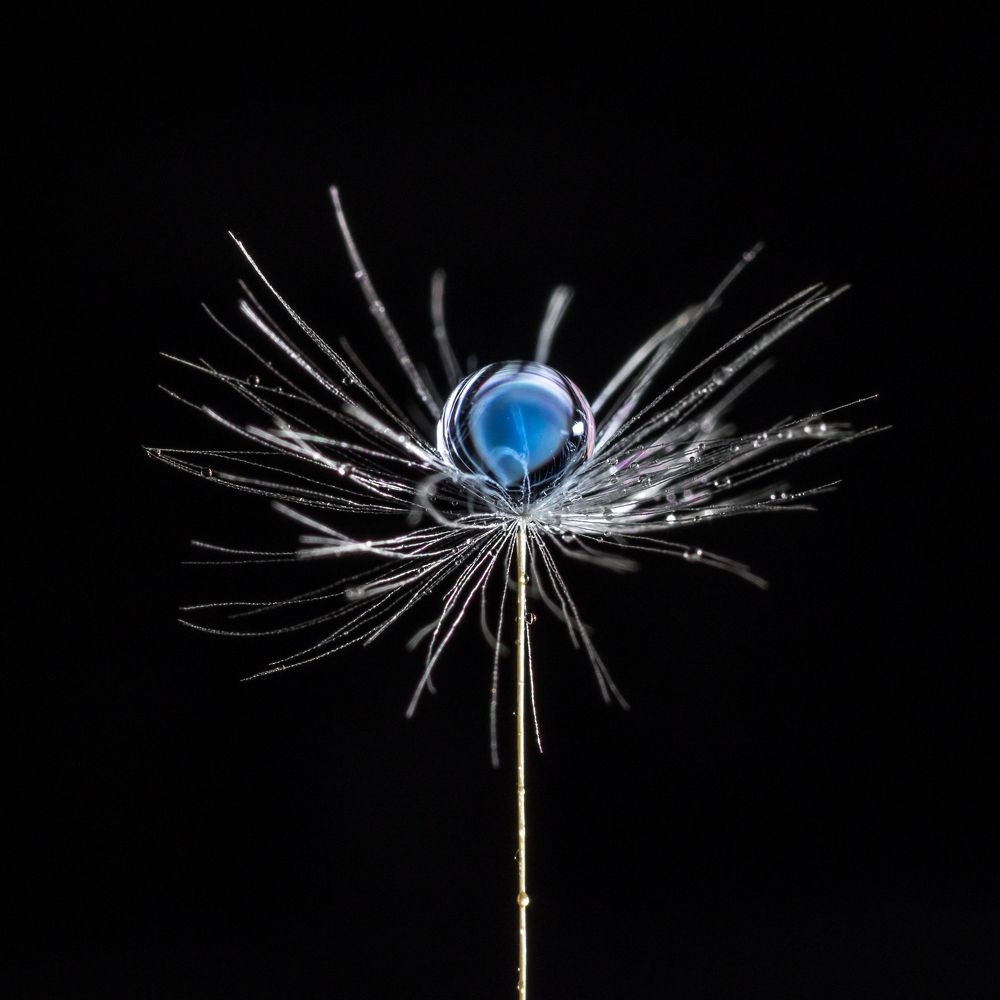
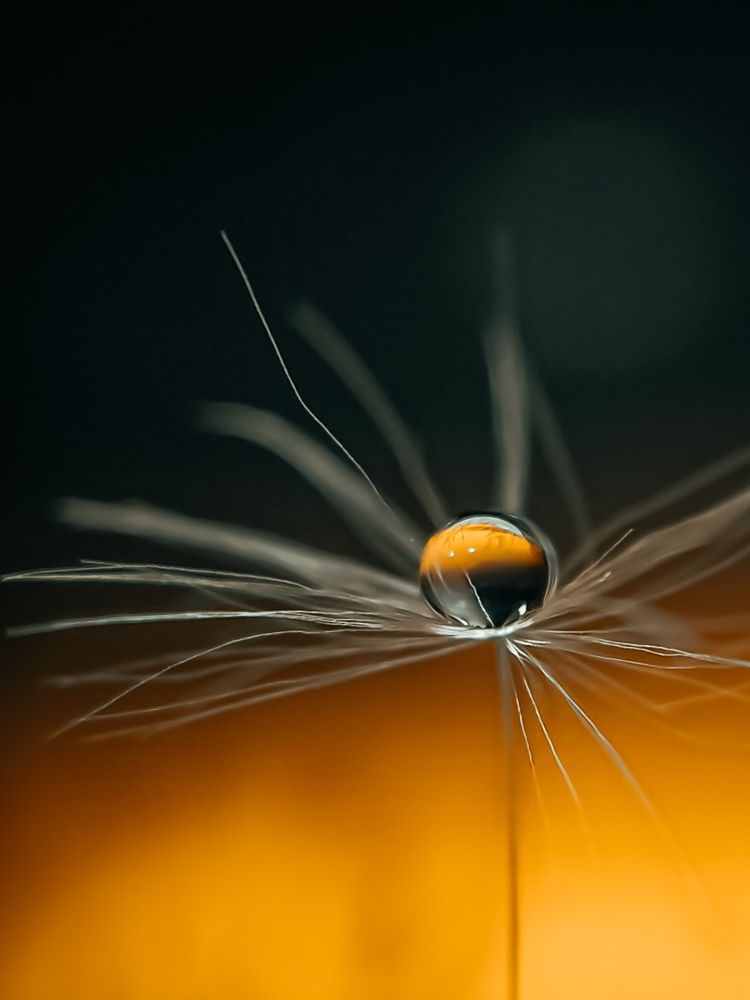
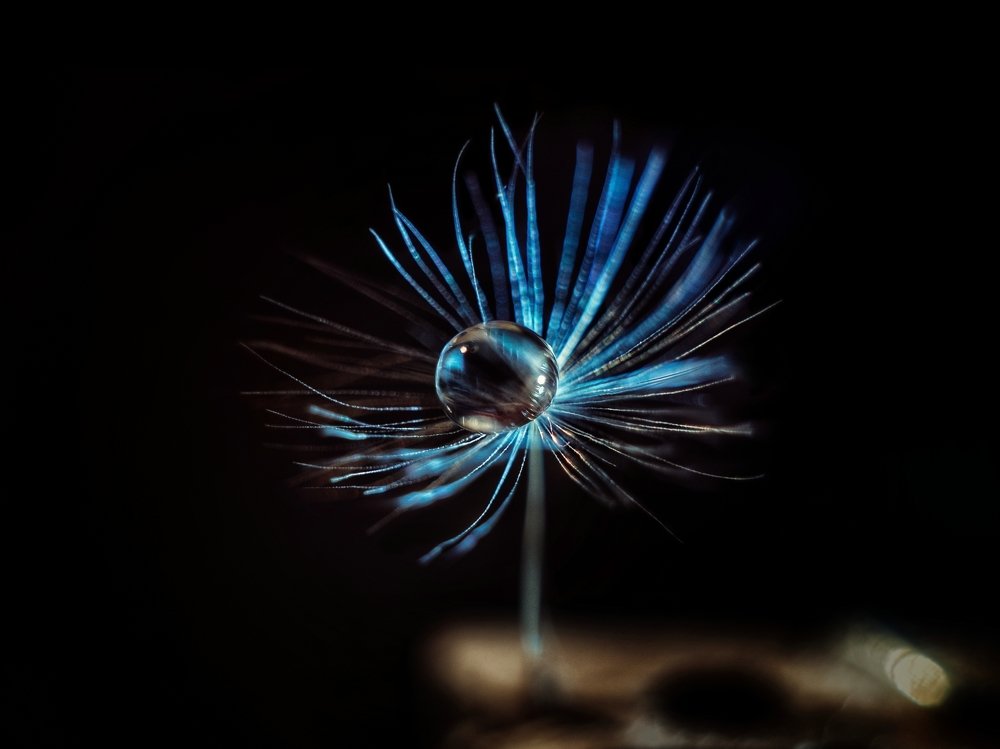
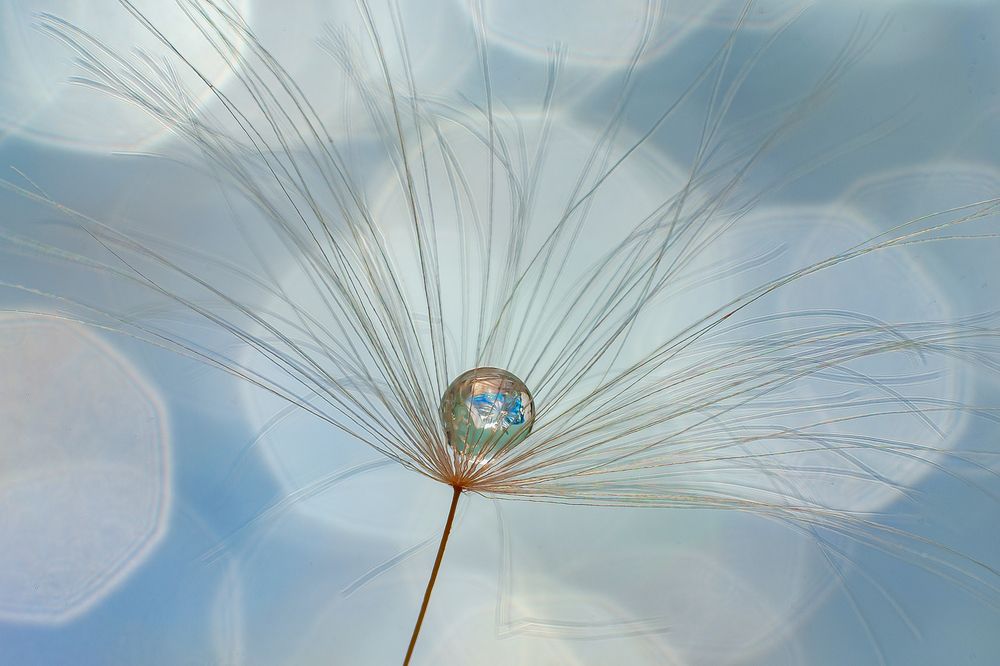
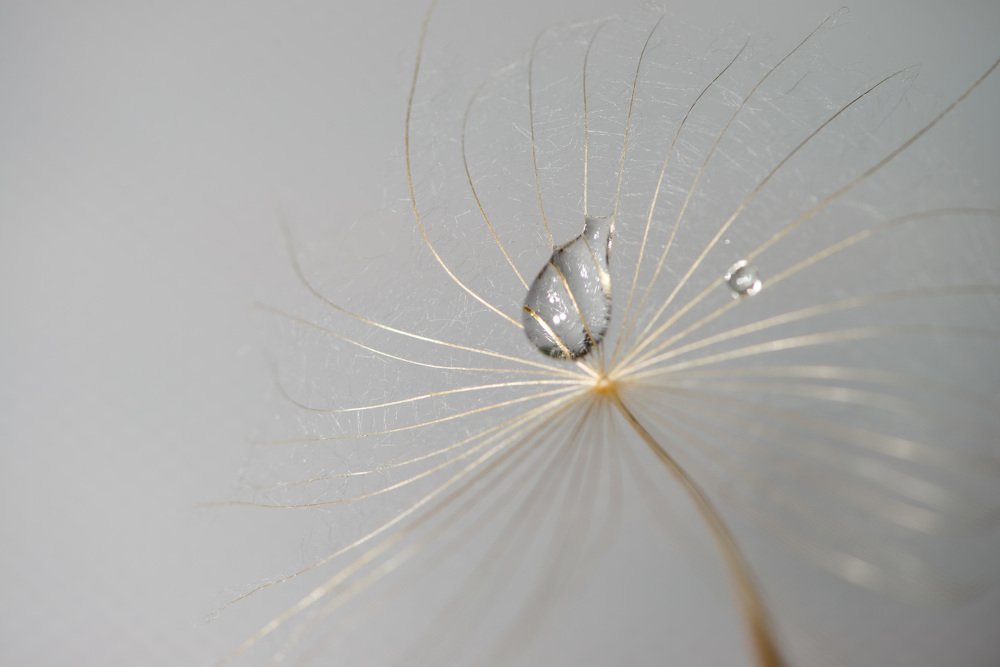
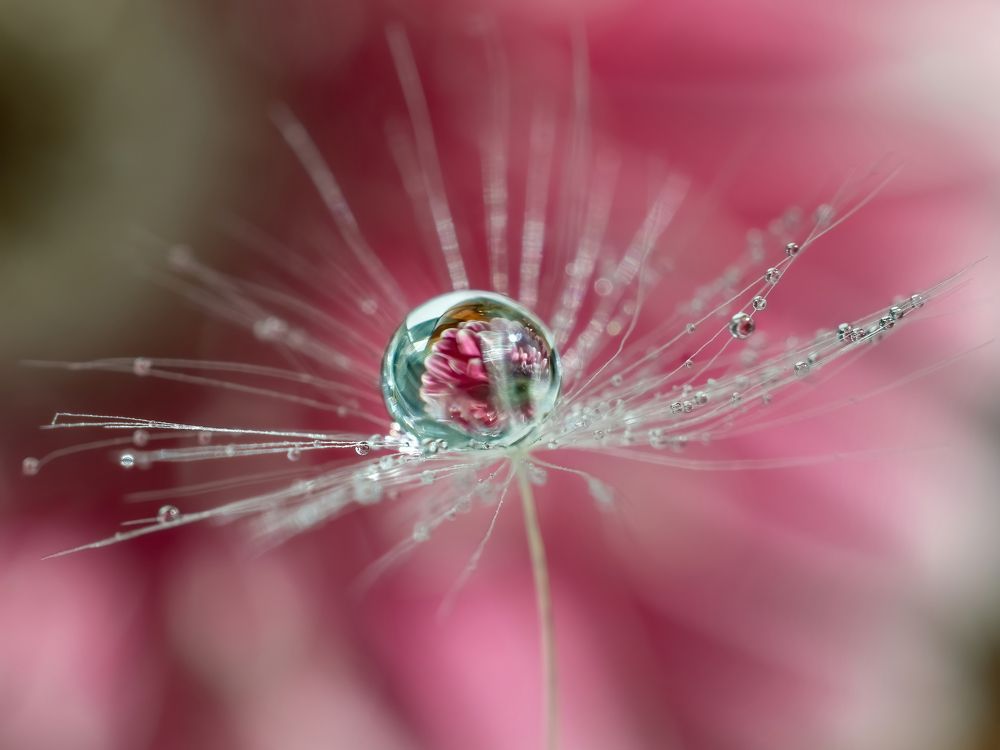
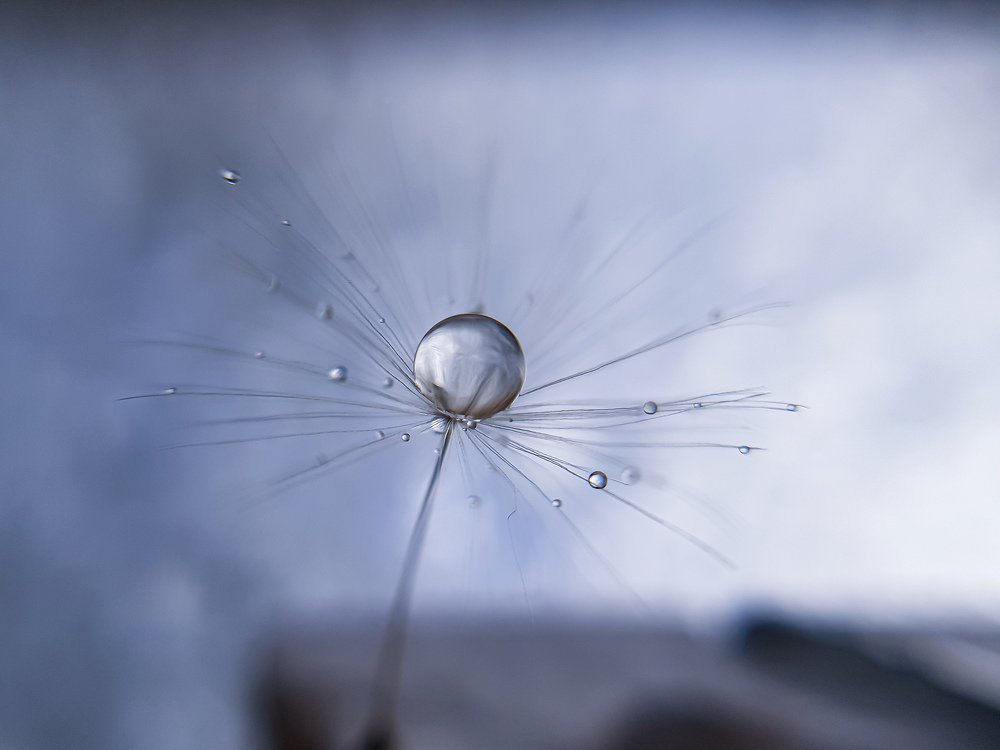
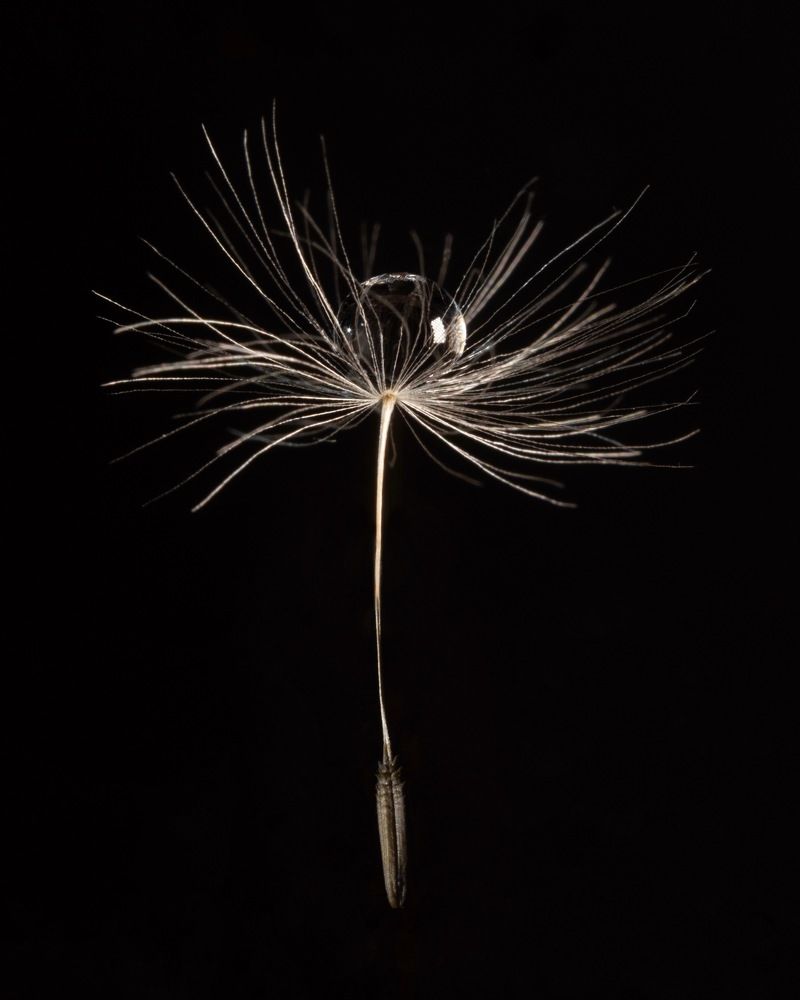
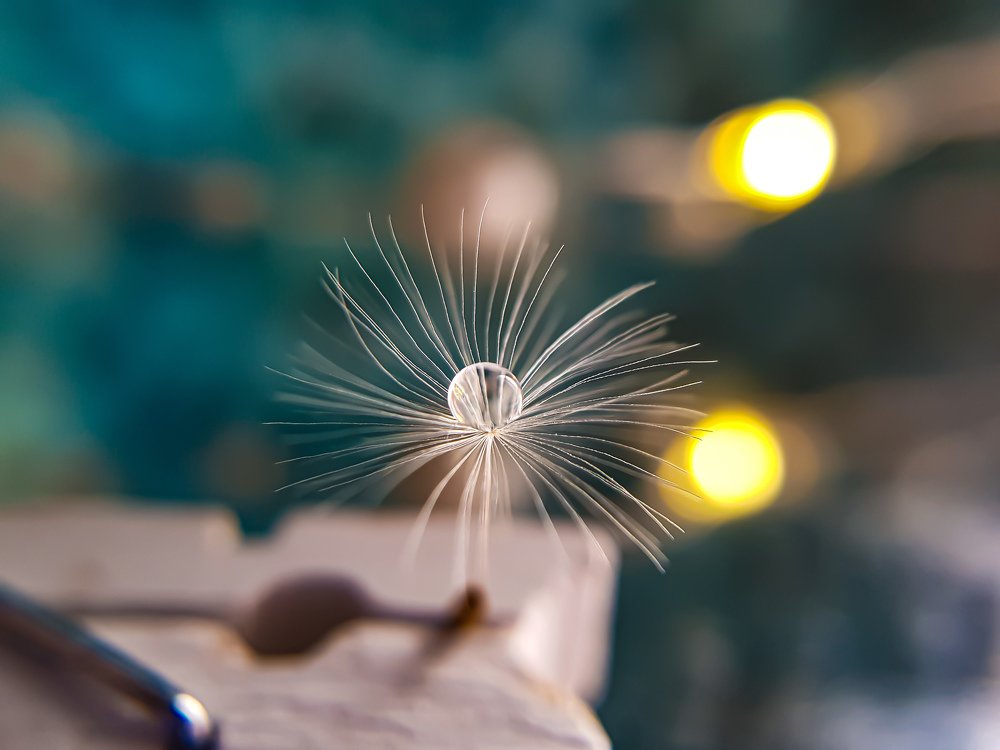
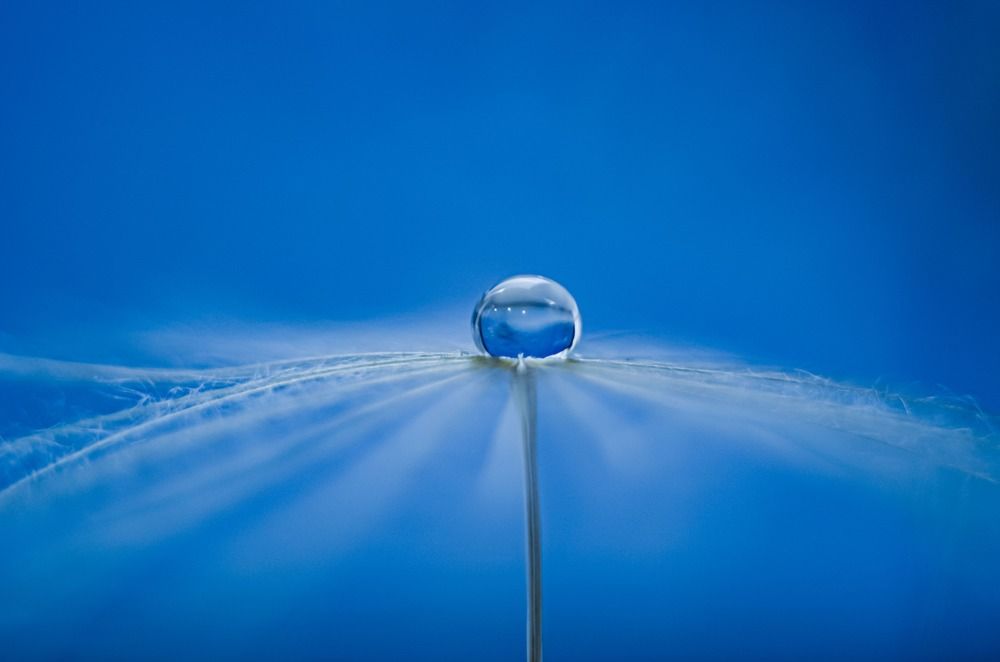
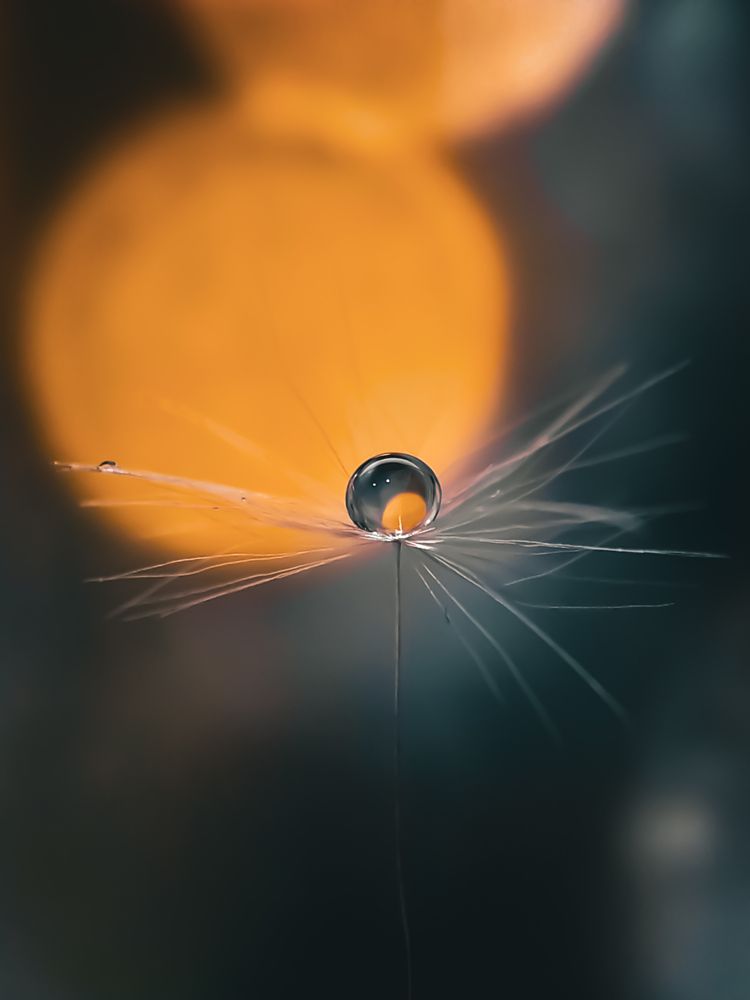
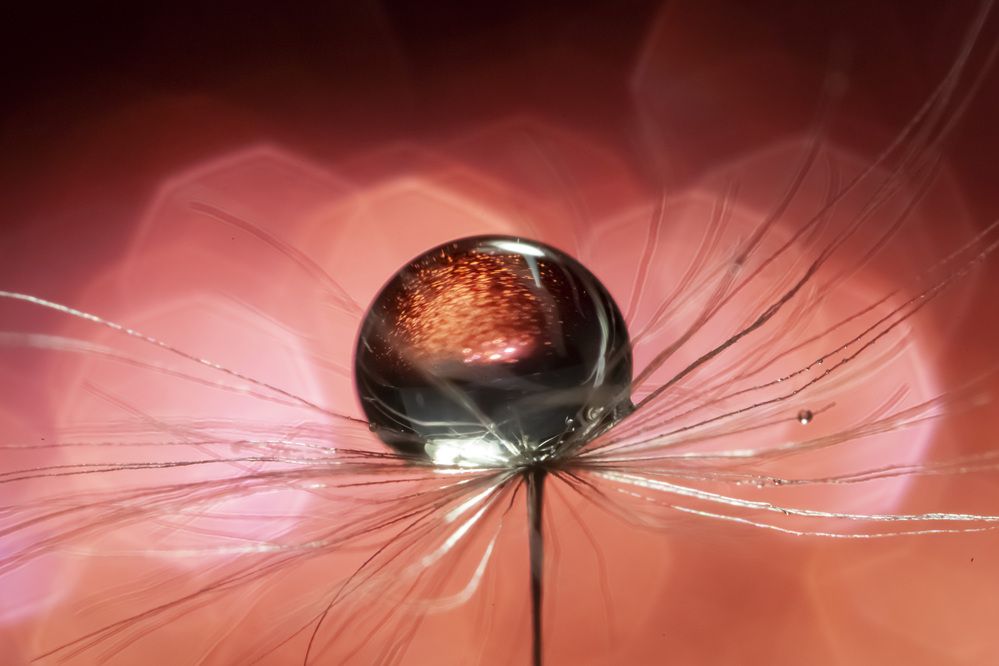
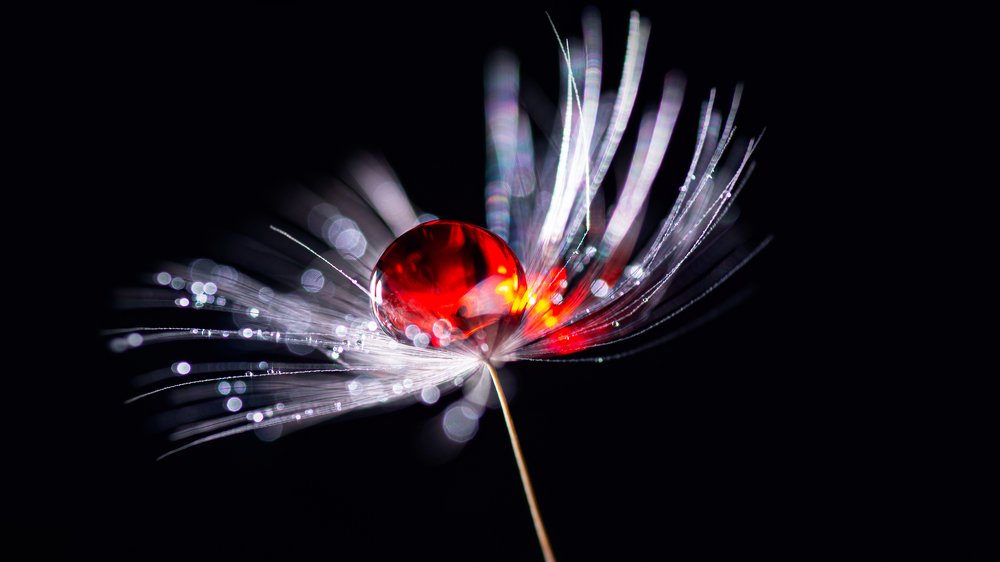
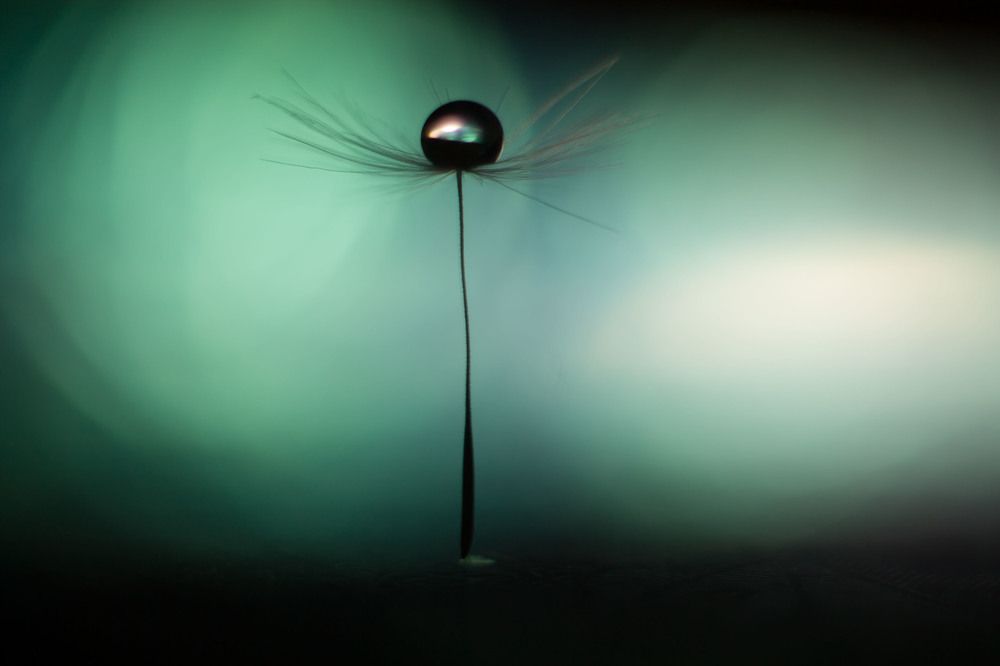
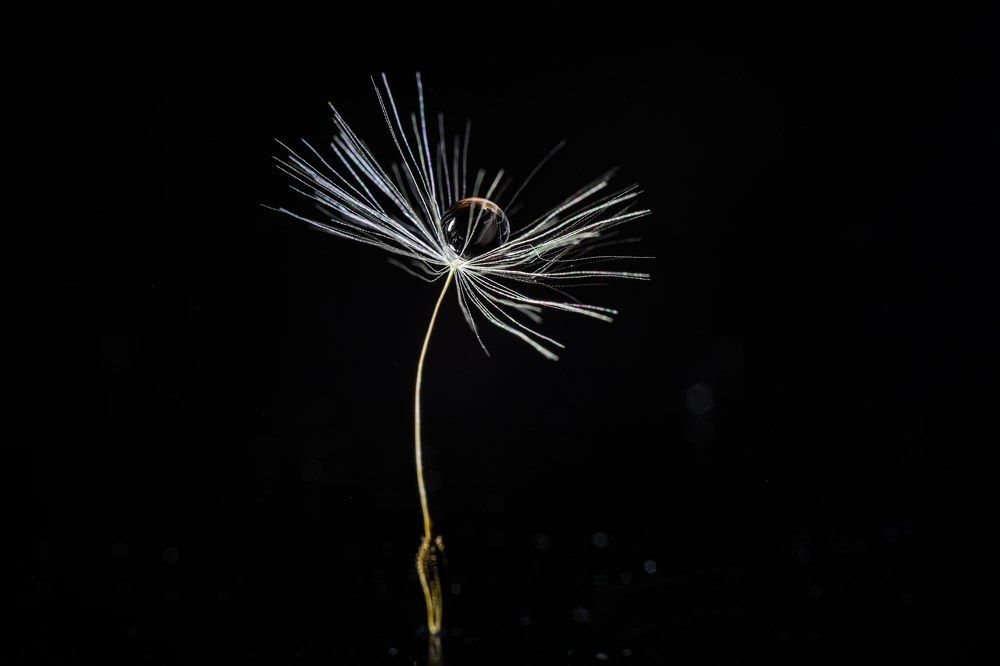
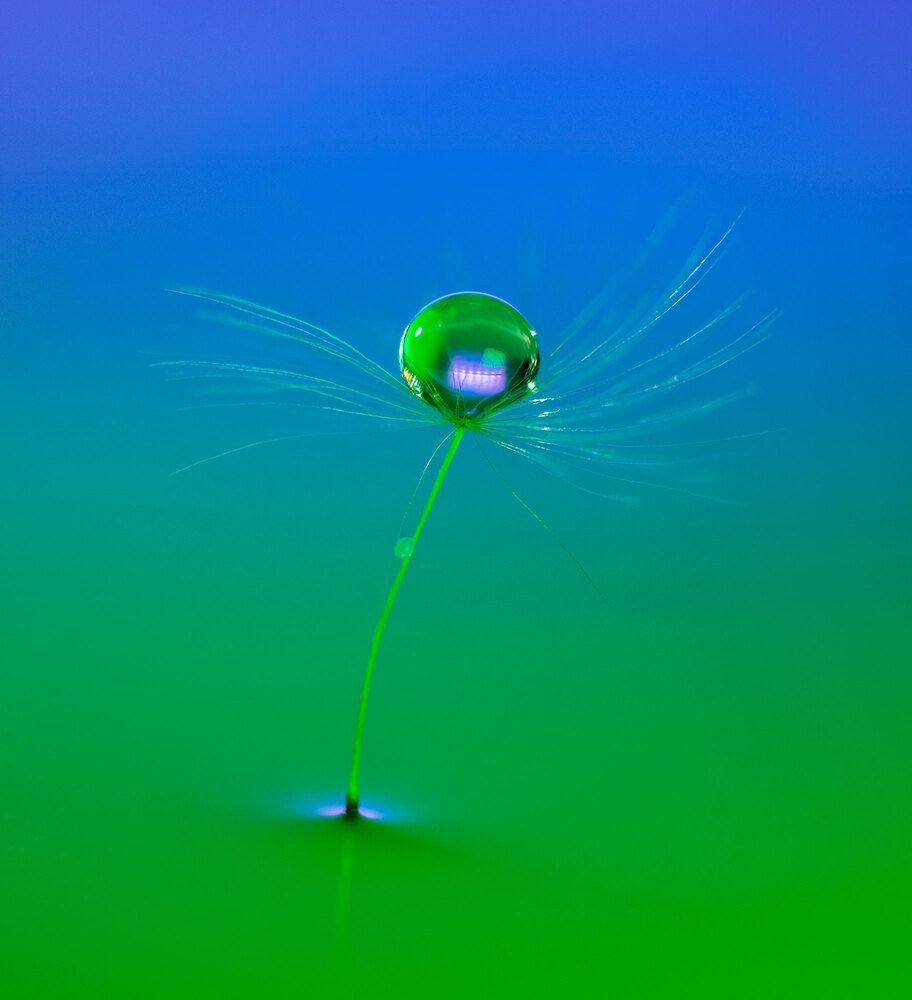
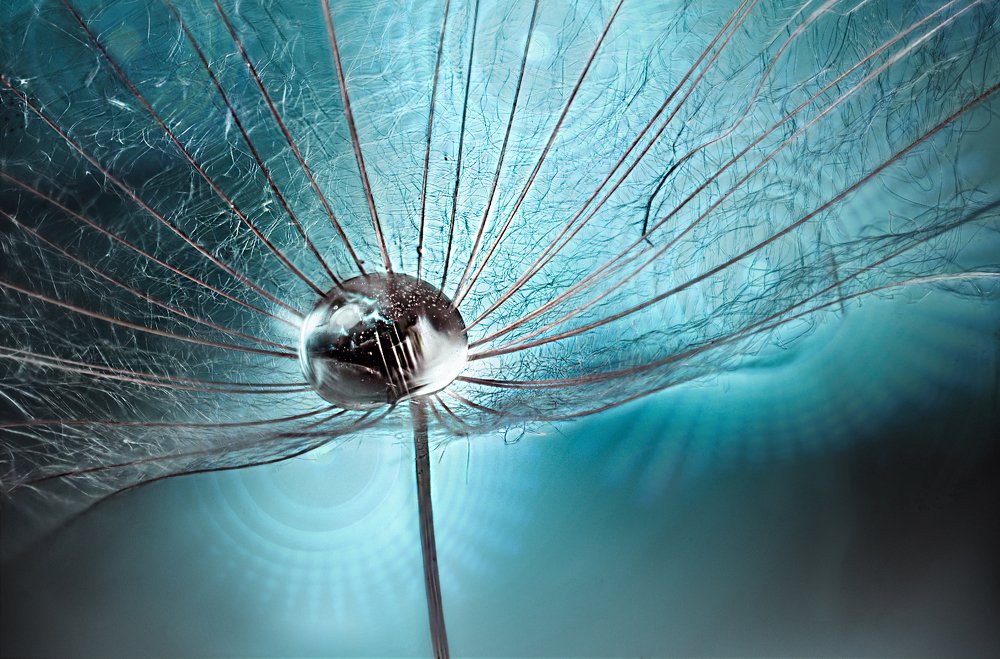
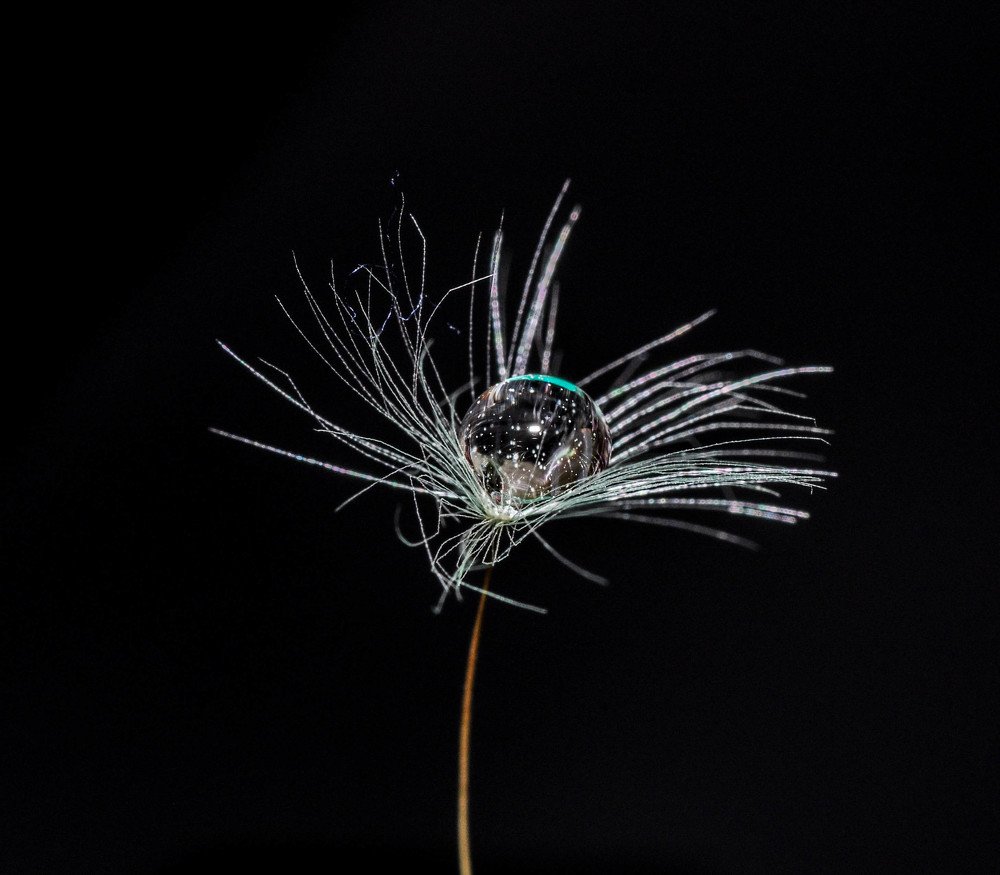
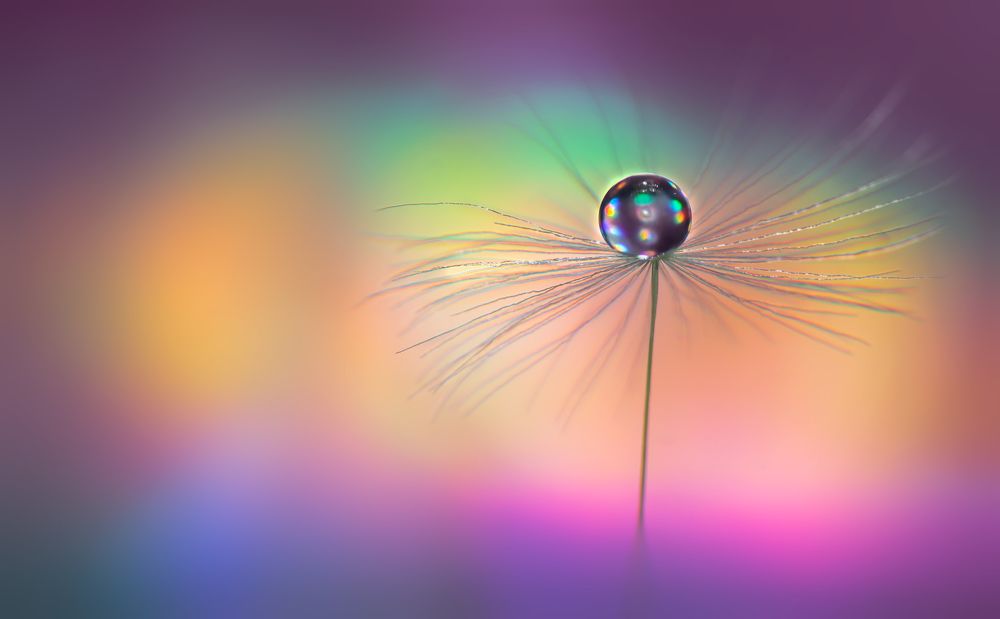
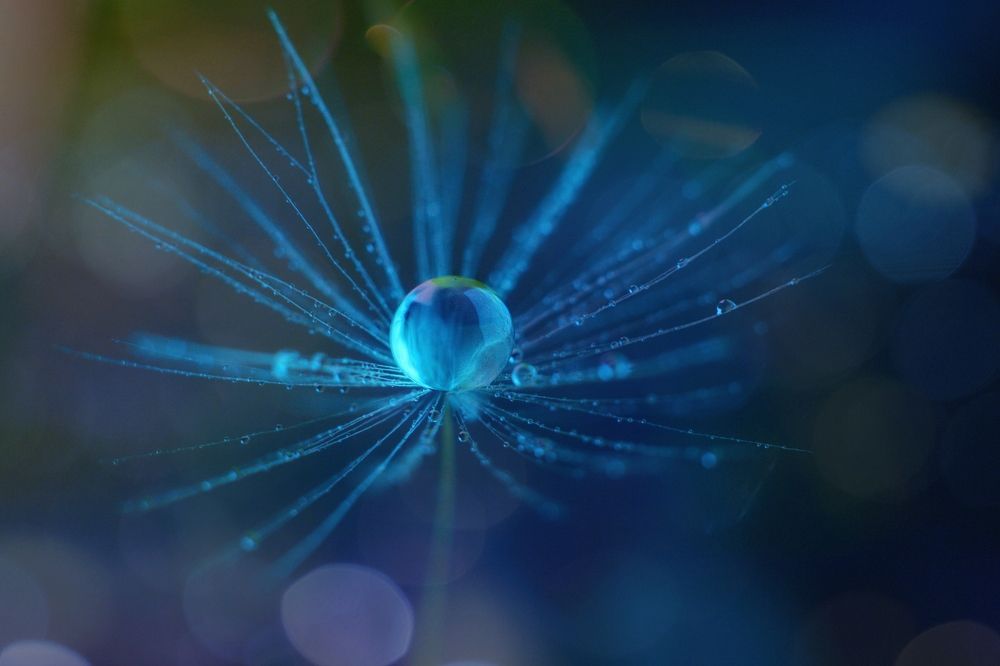
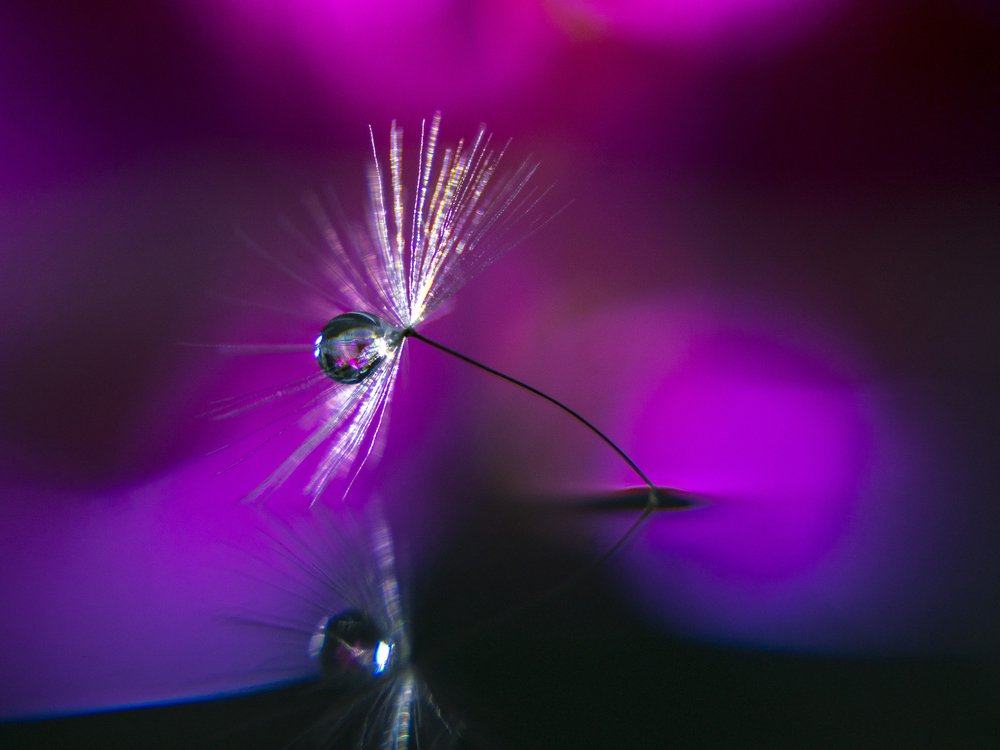
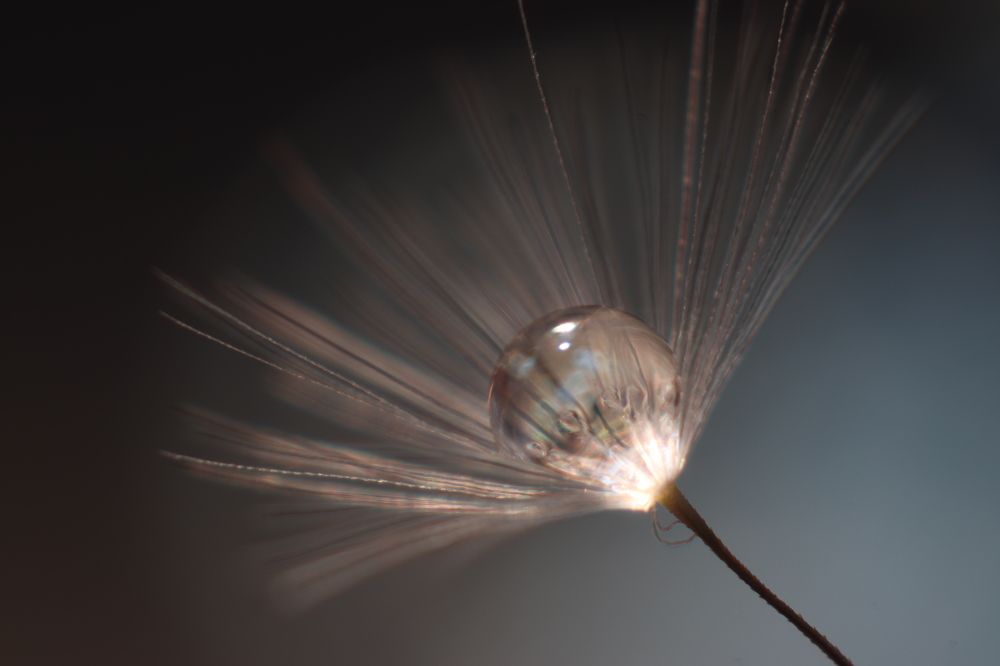
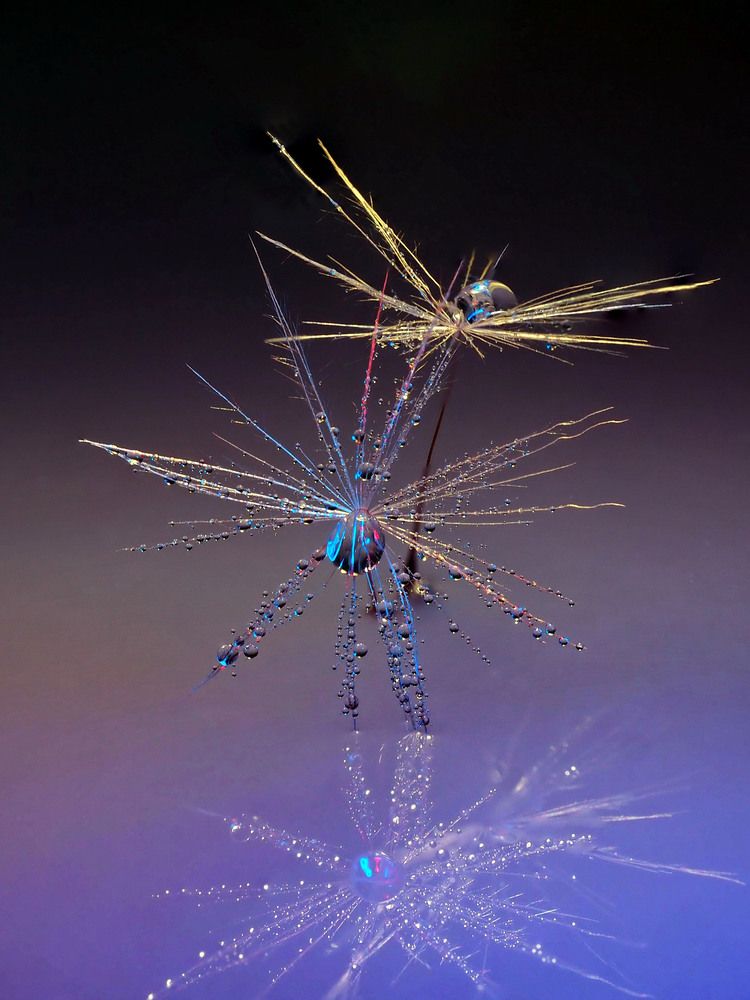
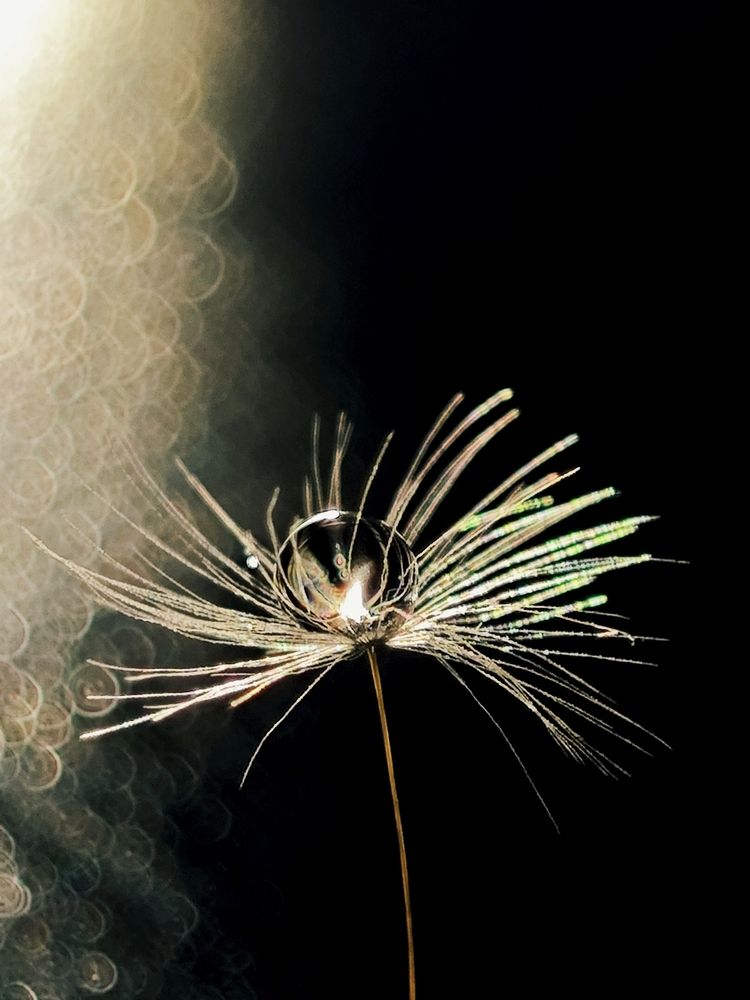
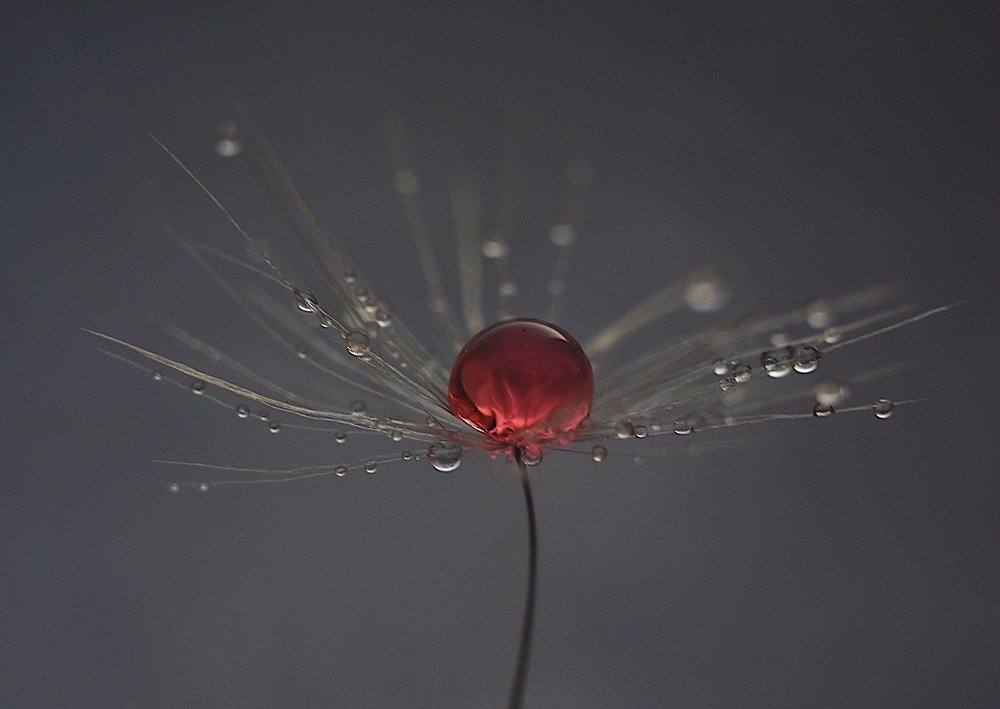
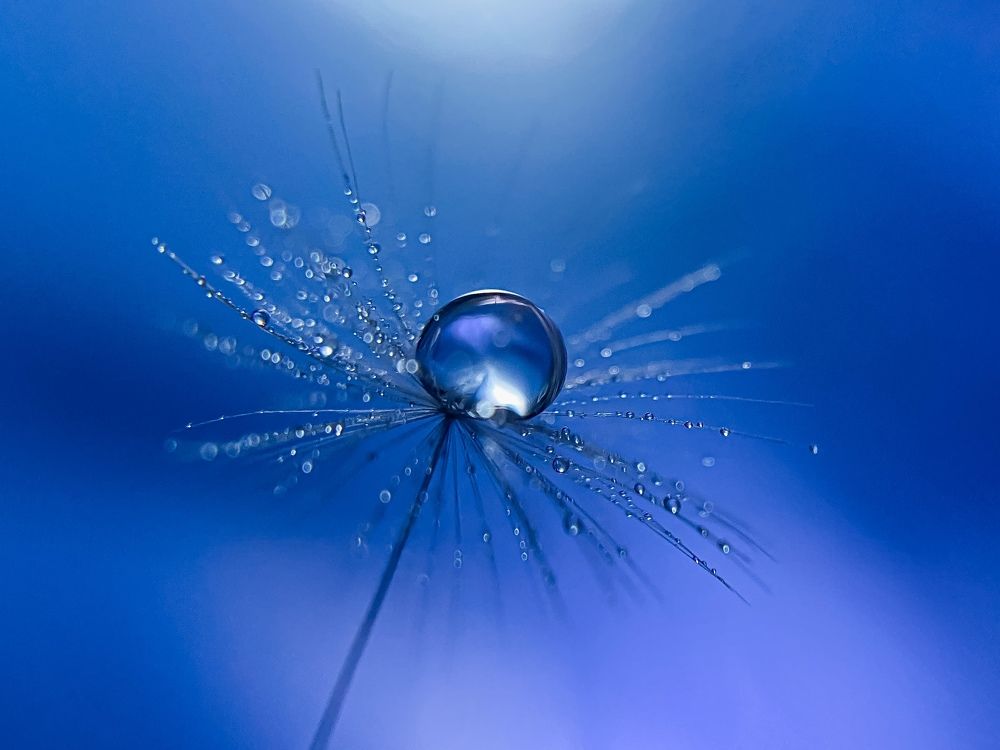
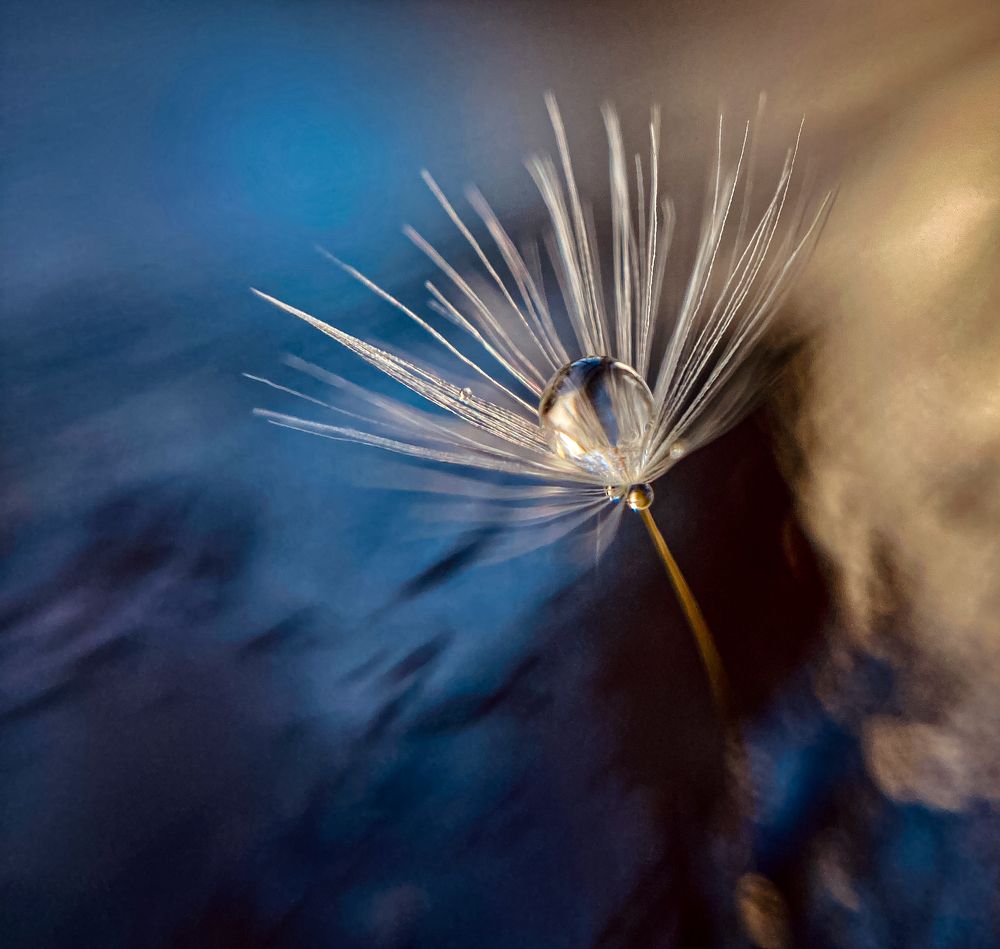
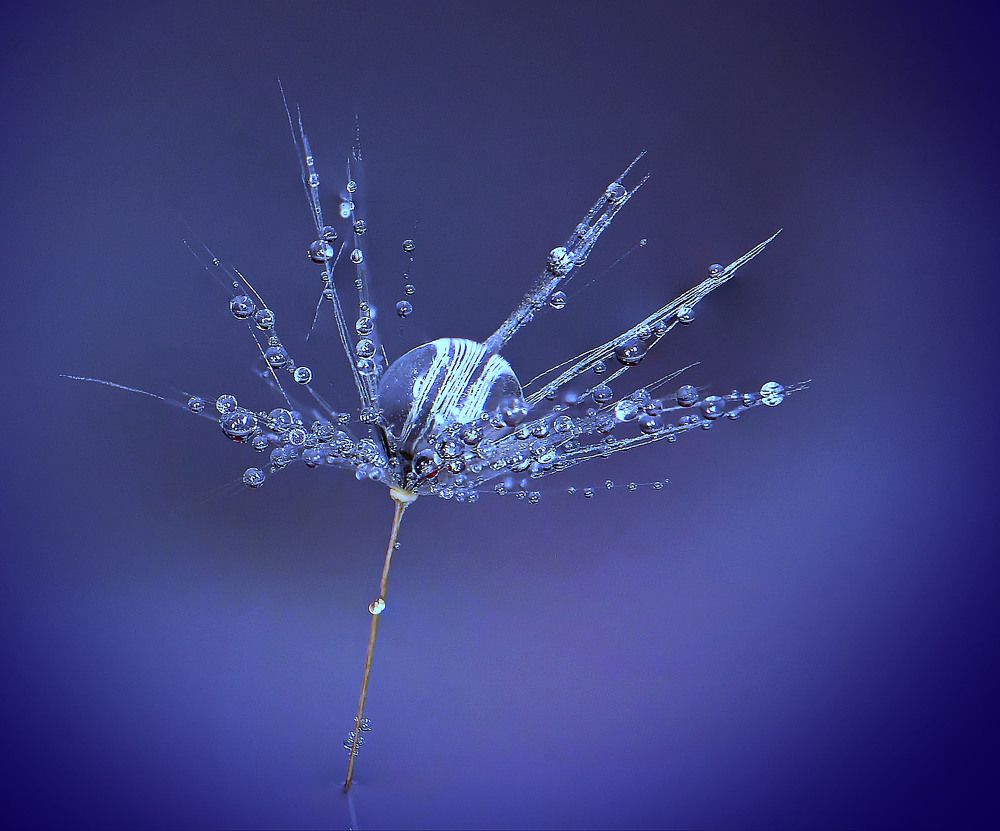
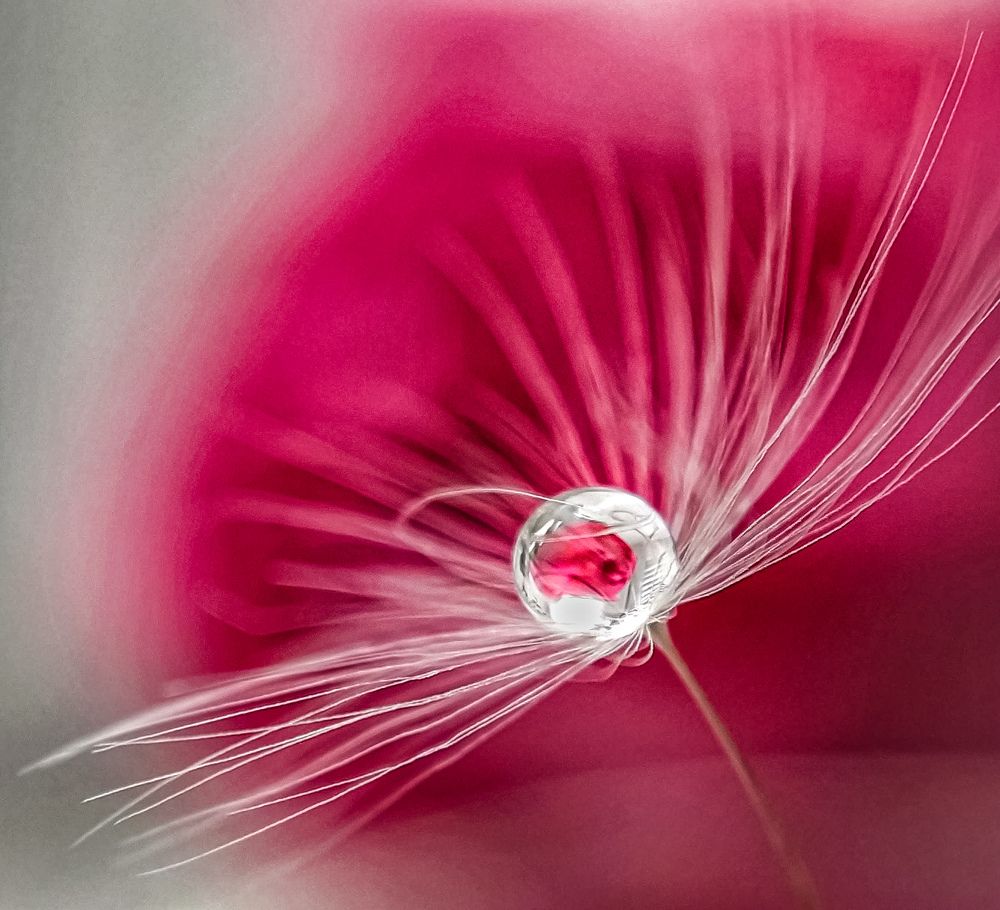
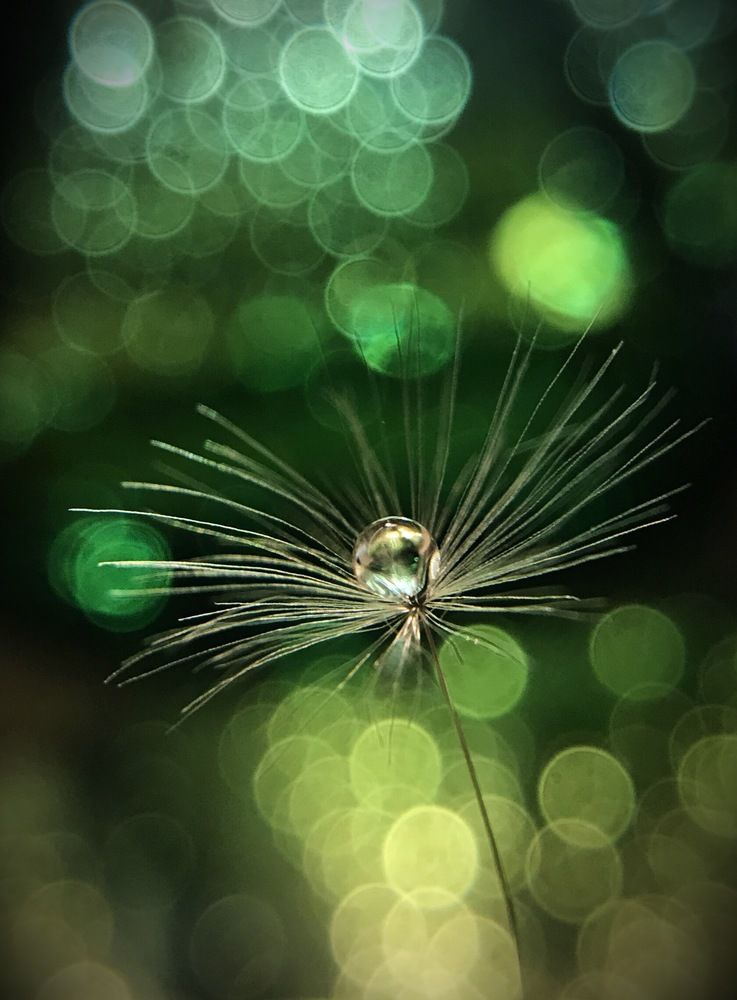
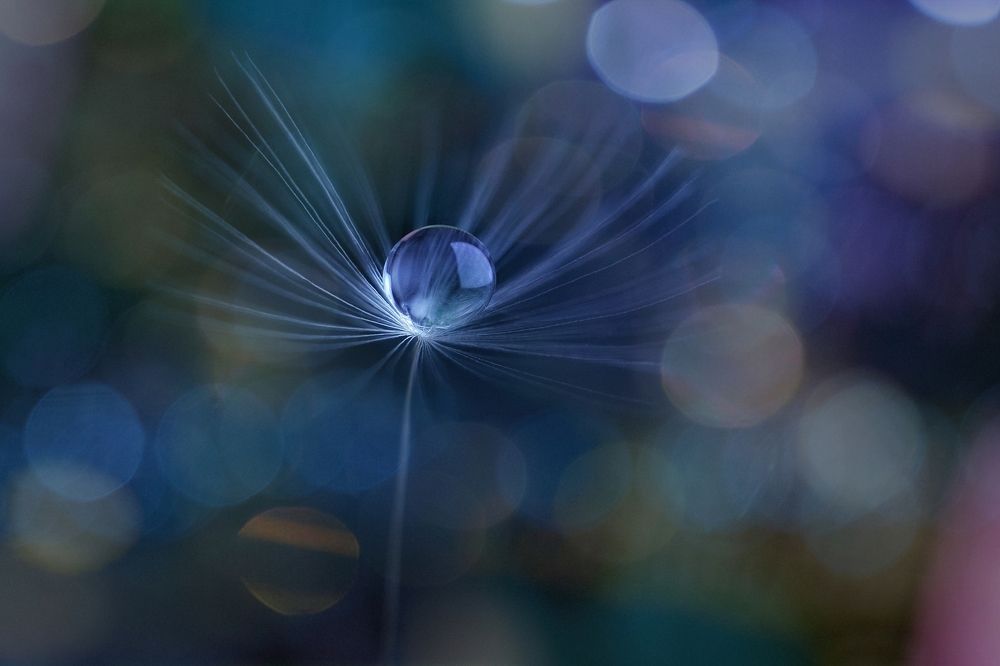
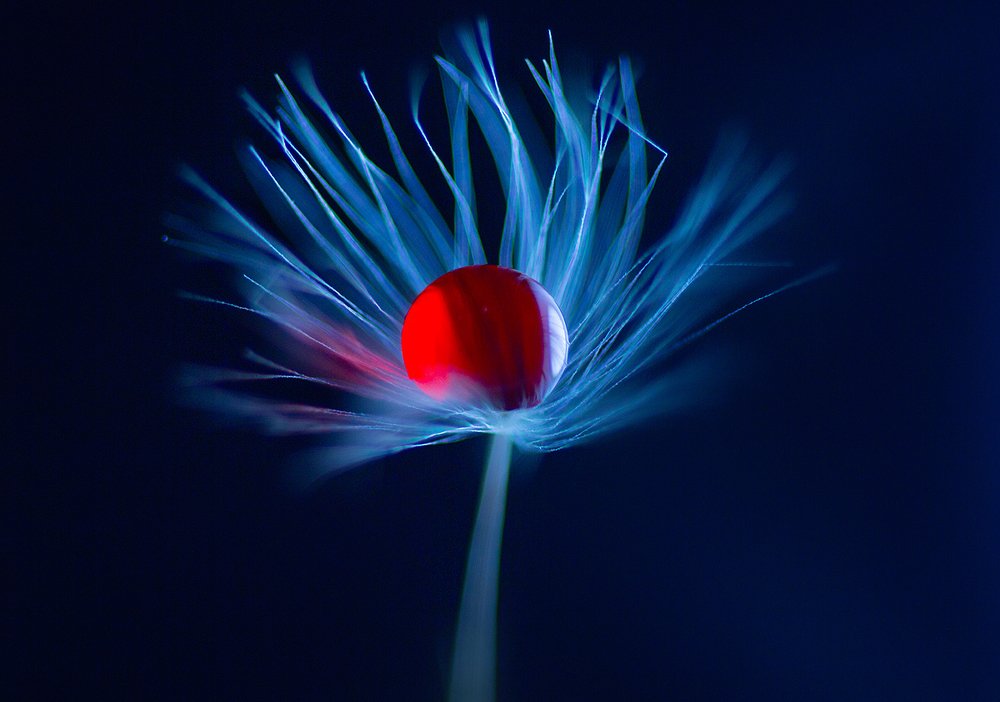
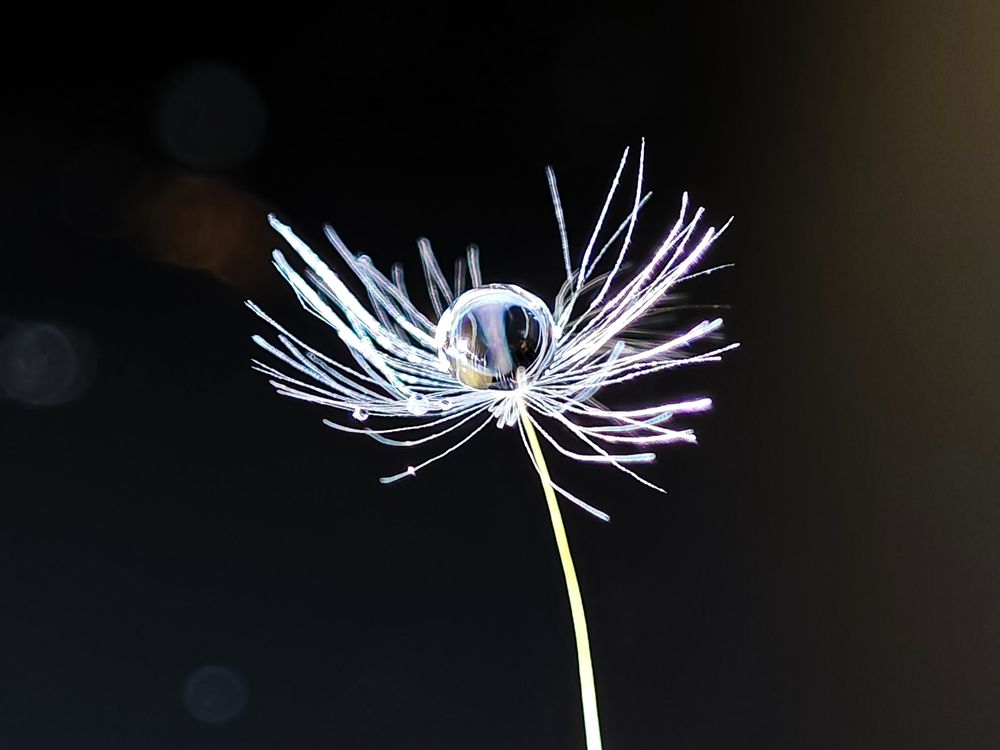
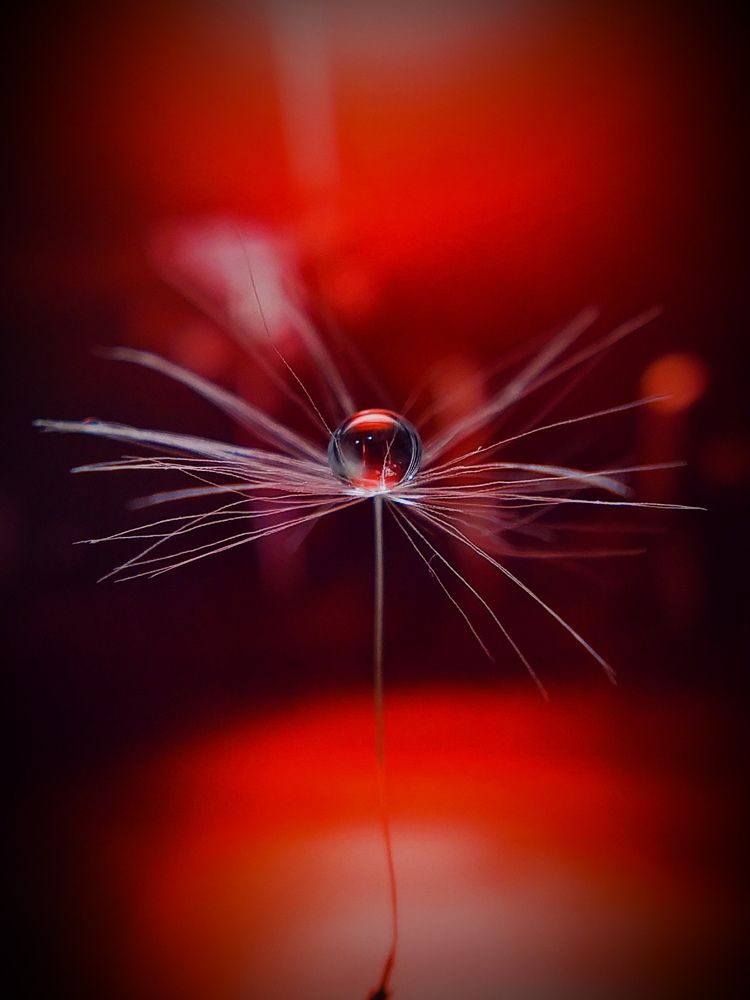
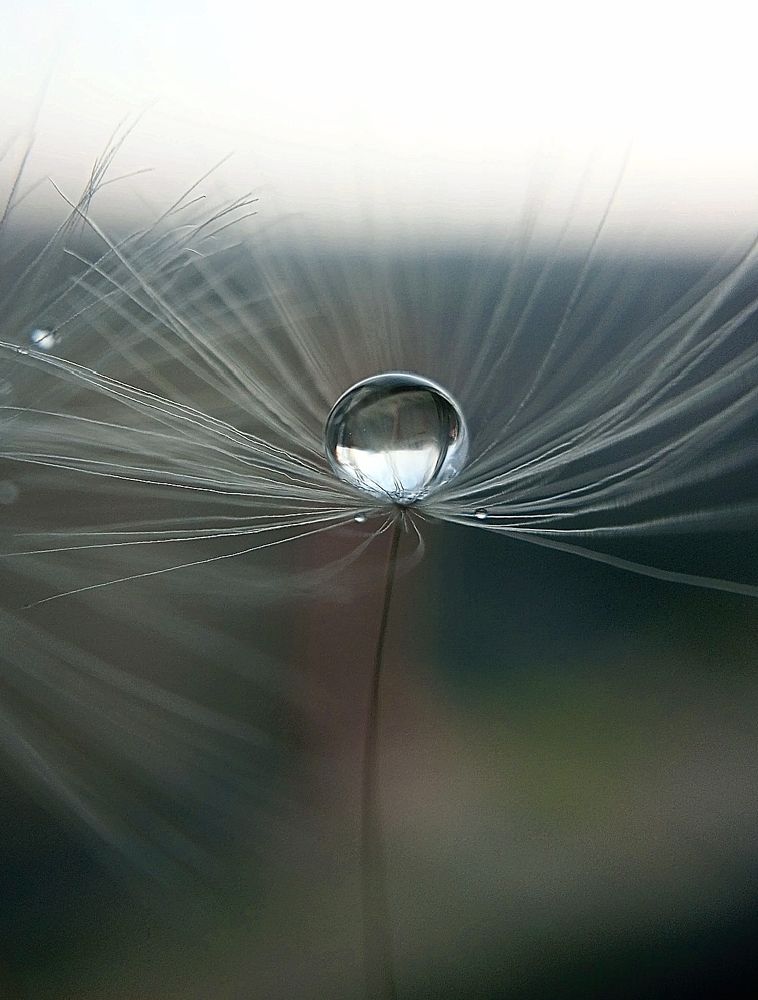
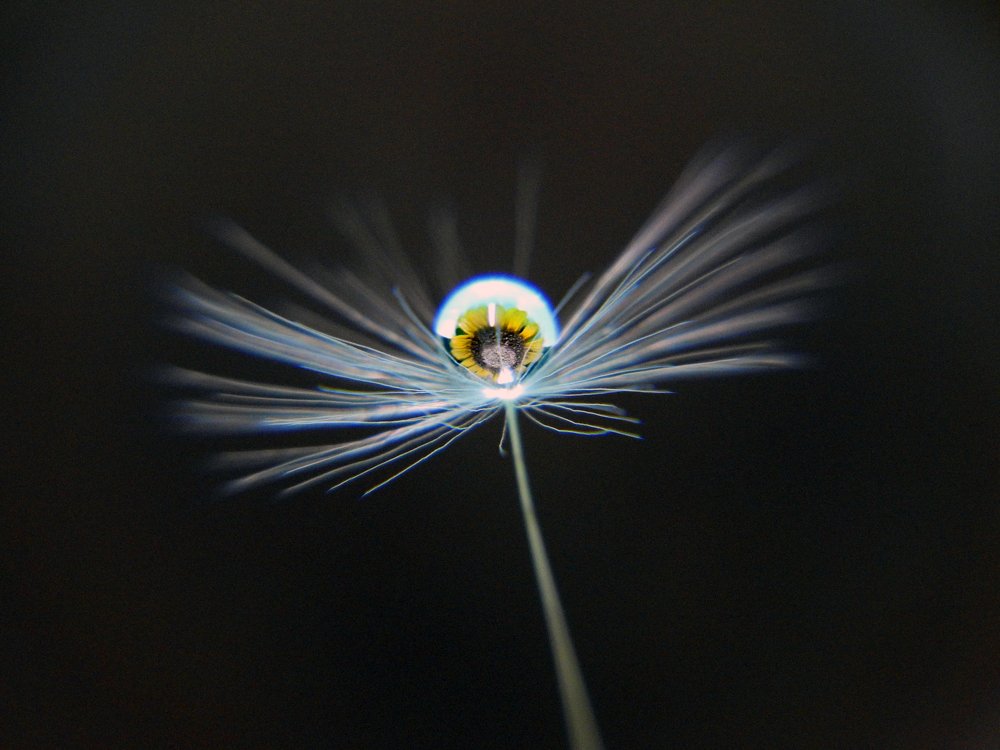
These images feature a single water droplet resting on the pappus of a dandelion seed. Photographers utilize macro lenses to capture the minute scale of the plant, allowing the spherical drop to act as a lens that refracts and inverts the background colors. The subjects are presented against varied backdrops, ranging from solid monochromatic planes to natural outdoor settings with blue skies or dark voids. This technique highlights the geometric contrast between the delicate, radiating filaments of the seed head and the perfect curvature of the liquid sphere. The group is united by the visual motif of a transparent droplet capturing the surrounding environment on a dandelion seed.
How to shoot it
📍 Where to shoot
Outdoor shooting, most often in fields, parks or meadows where dandelions grow.
🕐 Time of day
Most shot between 12:00 and 15:00 (25% of frames)
Based on 73 frames with camera data. Camera clock time; the time zone is unknown.
Best time — from 10:00 to 15:00 and in the evening around 20:00. Daylight provides good detail, while evening allows capturing sunset tones.
🗓️ Season
Most shot in: May, June, April
Based on 73 frames with camera data
Optimal months — April, May and June, when dandelions bloom and form fluffy seed umbrellas.
🎒 Gear
Use a macro lens with a focal length of about 90 mm (median) or a telephoto lens from 70 mm. For stability at long exposures a tripod is desirable, since 10% of frames are shot with an exposure longer than 1 second.
Cameras and lenses the authors used (10)
Canon EOS 5D Mark III 8Nikon D3100 7Sony ILCE-7M3 7Canon EOS 5D Mark II 4Nikon D5100 4Canon EF 80-200mm f/4.5-5.6 USM 7FE 90mm F2.8 Macro G OSS 7Canon EF-S 18-55mm f/3.5-5.6 IS II 2Tamron SP AF 90mm F2.8 Di Macro 2Samsung Galaxy S8 Rear Camera 2
🧳 What to bring
Pipette or sprayer for creating droplets, tripod, spare batteries, rain cover for equipment. Clothing and footwear according to the weather, since shooting takes place in meadows.
⚙️ Settings
Shutter 1/125 (1/250 – 1/3)Aperture f/9 (f/2.7 – f/22)ISO 100 (100 – 640)Focal length 90 mm (36 – 105)
Based on 51 frames with camera data. Median and 10-90% range across the idea frames.
Key parameter — aperture: median f/9 (range f/2.7–f/22) to control depth of field. Shutter speed is most often 1/125 s (median 0.008 s), ISO 100.
⚠️ Good to know
Water droplets can be natural dew or artificially applied (glycerin, water from a pipette) to control shape and light refraction. Avoid strong wind, which destroys the seed structure.
📈 How the idea developed
works uploadedshare of all site uploads, per 100k
The date is when the file was uploaded to the site. The chart counts works assigned to the idea.
✅ How to repeat it
- Use a droplet as a natural lens to reflect the background or light source inside it.
- Shoot at an angle to emphasize the three-dimensionality of feathery threads and highlights on water.
✨ Interesting facts
- 🏆 How the best frame was shot: Apple iPhone 17 Pro Max, iPhone 17 Pro Max back camera 6.765mm f/1.78, 1/80, f/1.8, ISO 100, 7 mm
- 🔇 83% of frames were shot at ISO 400 or lower: almost no noise, any modern camera will do
- 🥇 2 works reached the finals, 1 won. Best contest: Macroworld of flowers 2024
- 👤 Most frequent authors: Иван Радьков 9Doe John 7Наталья Алексеева 7Сосновский Андрей 6Ekaterina Myr 6
- 🌍 Authors by country: 🇷🇺 RU 79🇧🇾 BY 6🇵🇹 PT 2🇺🇦 UA 2🇮🇱 IL 1
Some tips are prepared by AI from the idea description, photos and their EXIF. Check the rules and access to places before you travel.
Works

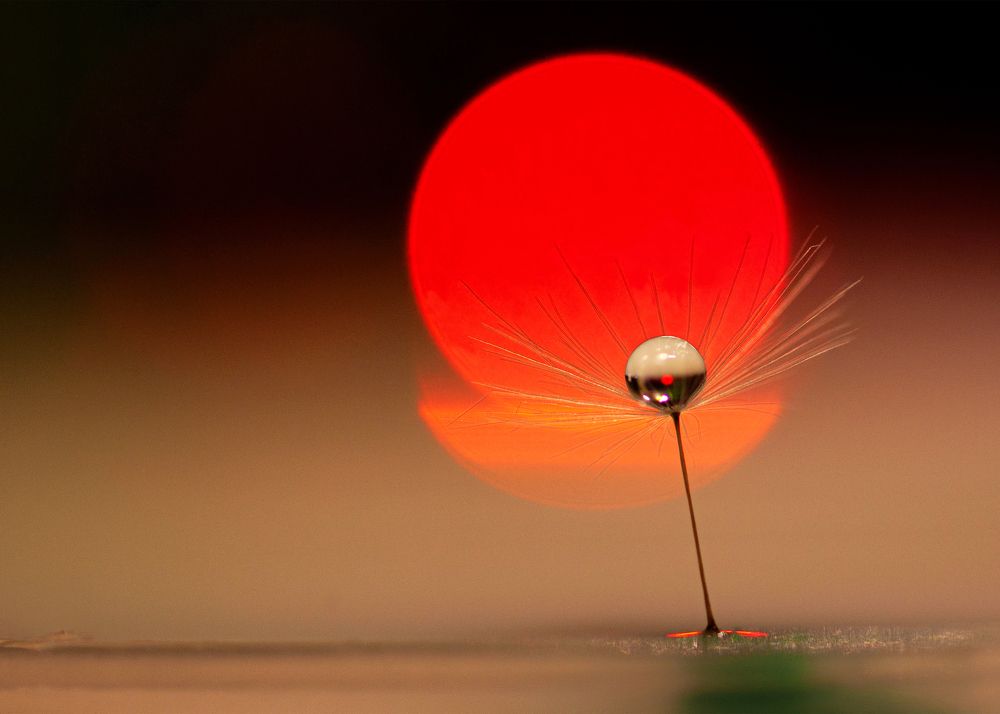
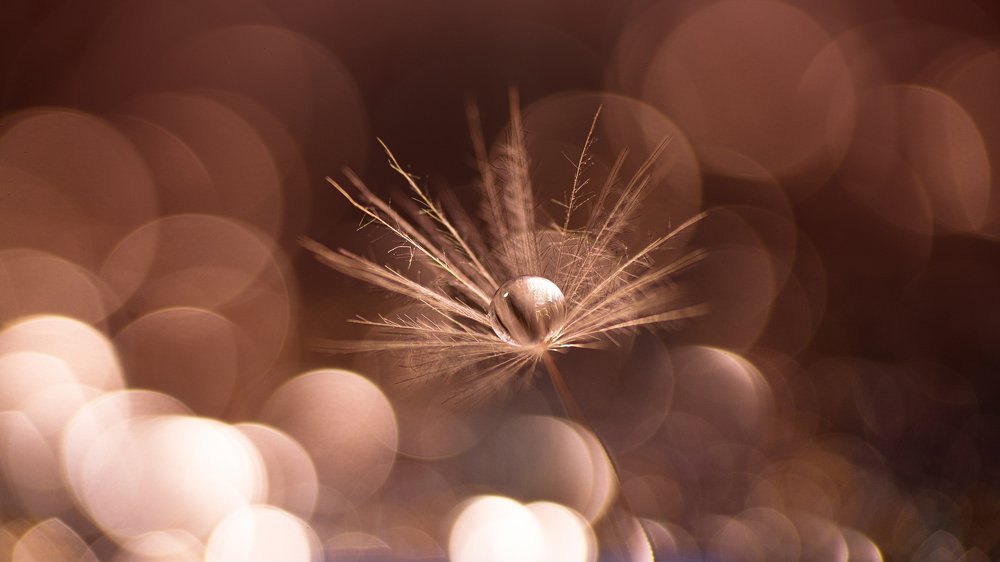
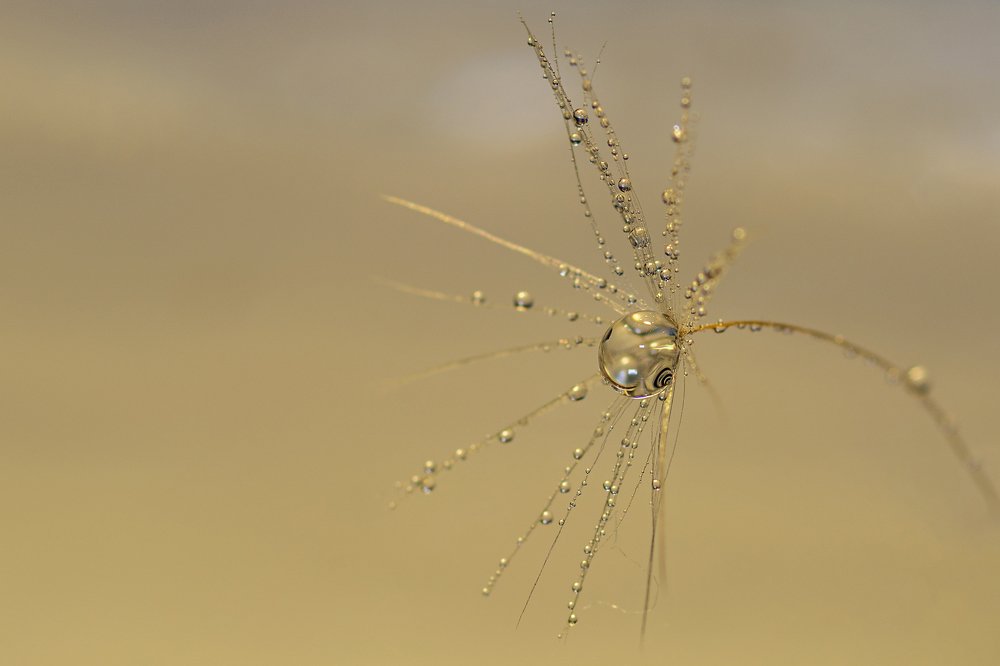
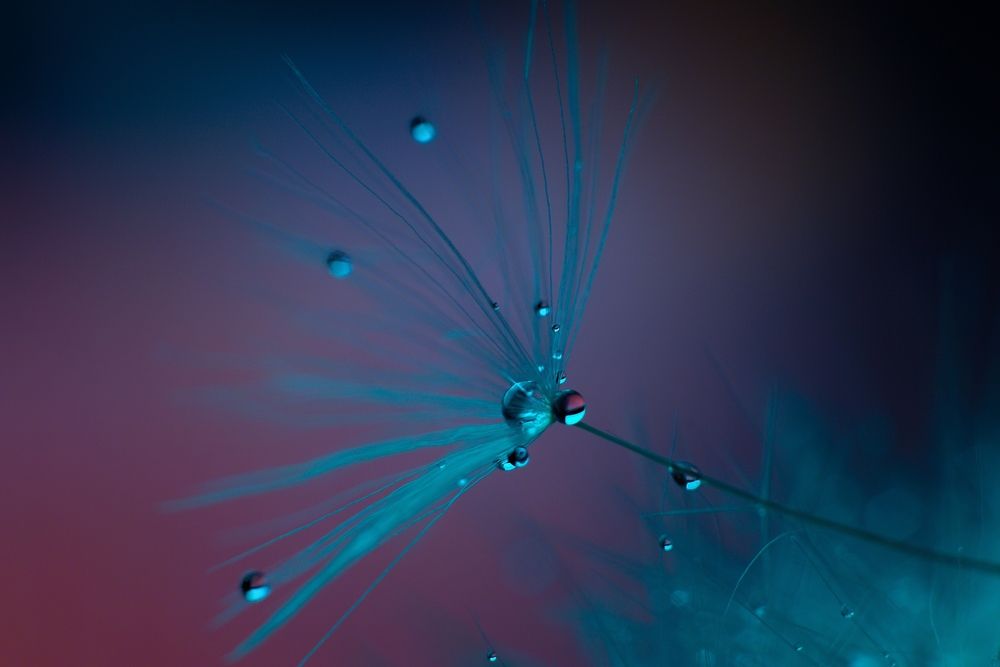
These lists are generated automatically and may contain inaccuracies. Photos are shown in random order, and selections are refreshed twice a day. This section is made for exploring photos and does not claim 100% accuracy. The lists include photos that previously participated in contests that are already completed.