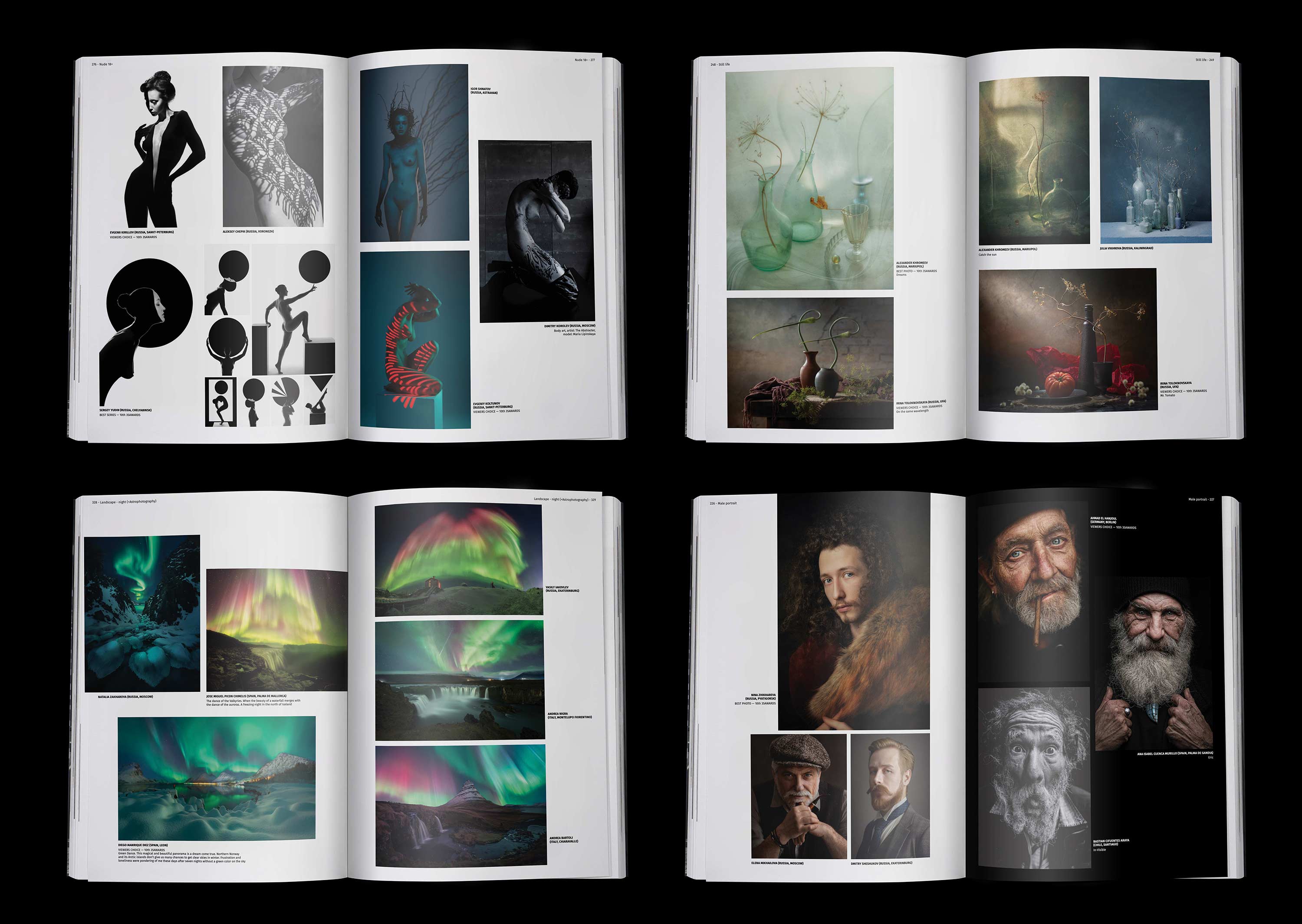
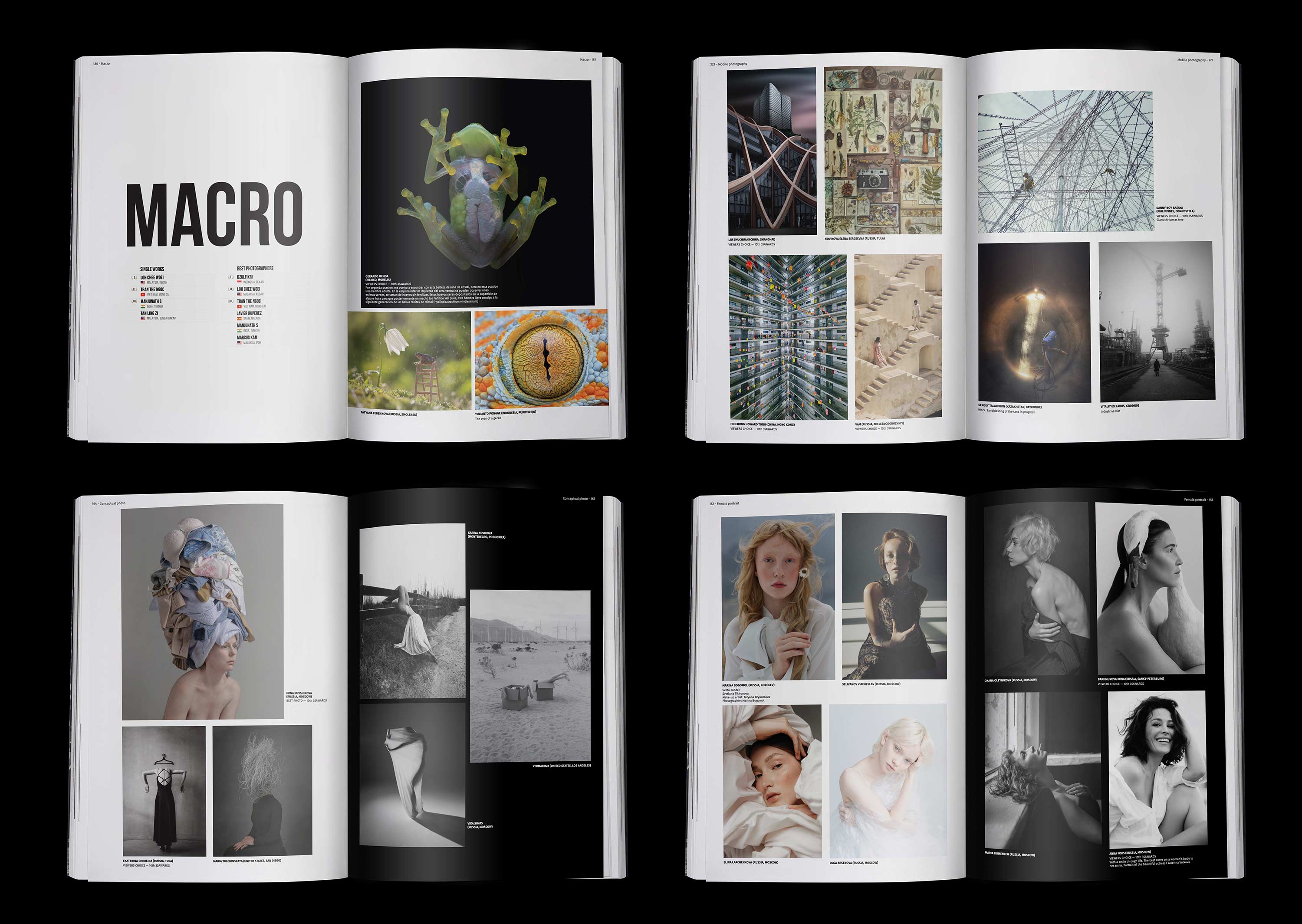
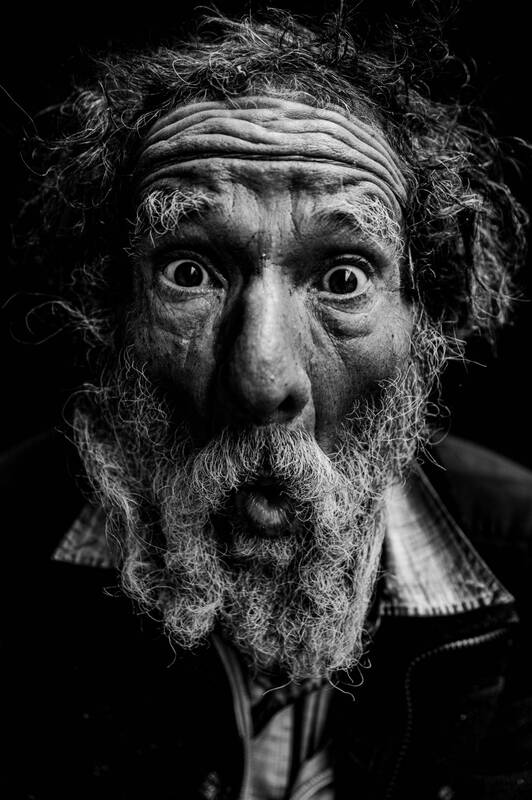
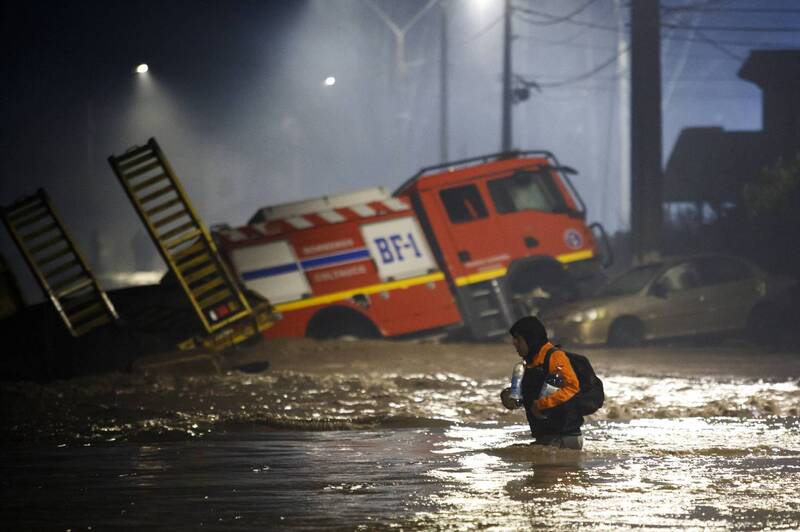
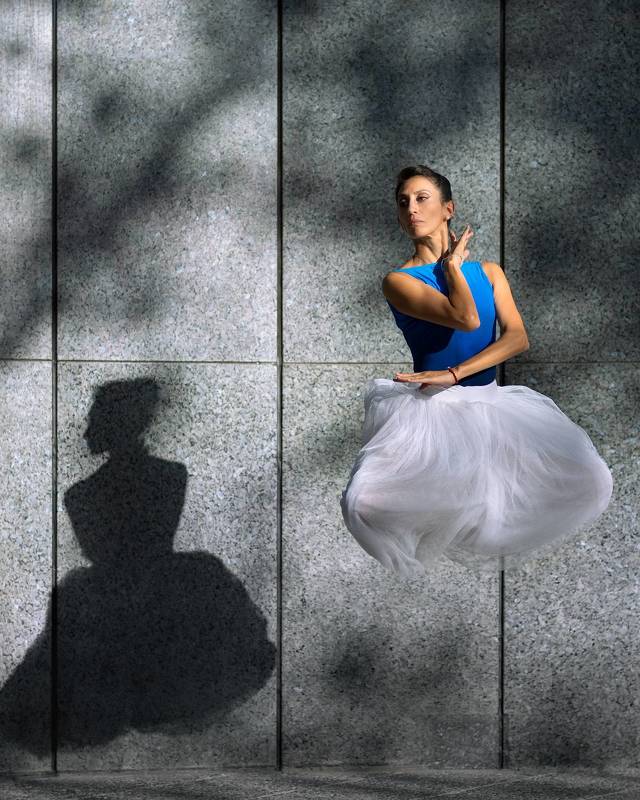
De acuerdo al Ministerio de Desarrollo Social y Familia, más de 20 mil personas viven en situación de calle en Chile, siendo la Región Metropolitana la zona que concentra la mayor parte de ellas. Sin embargo, hay otras agrupaciones y organizaciones que estiman que esta cifra puede sobrepasar las 40 mil o incluso bordear los 50 mil. Esta parte de la población, al habitar las calles, se exponen a una serie de peligros y vulnerabilidades, como robos, peleas, abusos, drogadicción, alcoholismo, enfermedades mentales y físicas, además del abandono del Estado y las autoridades a esta realidad que muchos no quieren ver.
Esta fotografía -de una persona en situación de calle- fue realizada en terreno, en las calles de la Región Metropolitana, para el proyecto IN-VISIBLES, que trata de dar voz y visibilidad a las problemáticas de estas personas.
FOTOGRAFÍA POR BASTIÁN CIFUENTES ARAYA.
TEXTO POR PALOMA OSSA ARAVENA.
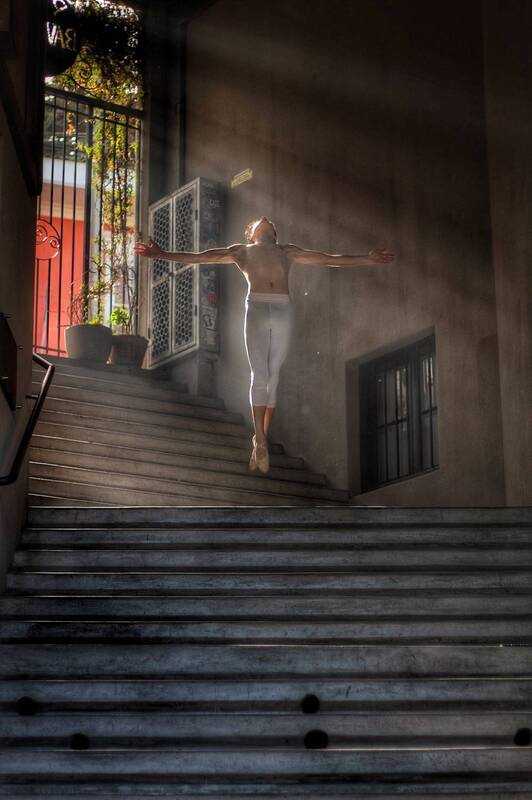
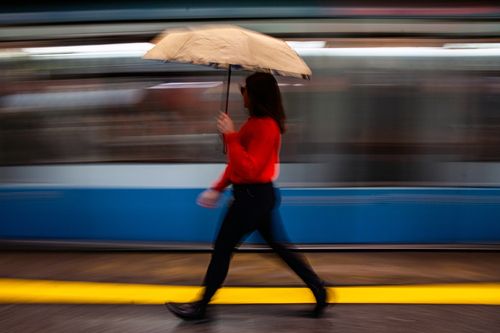
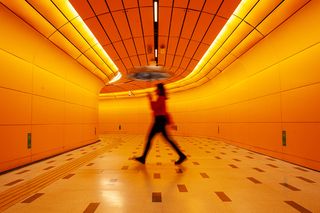
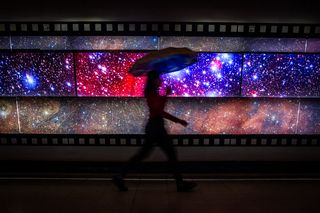
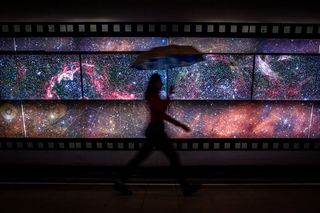
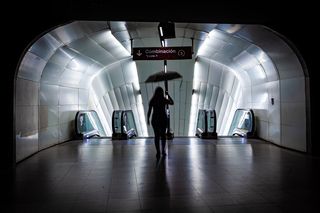
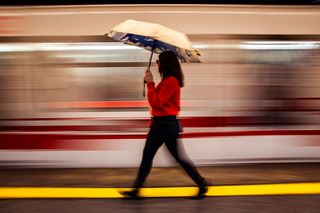
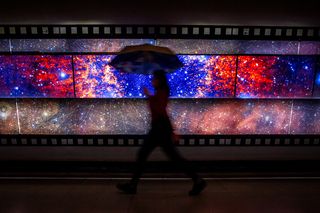
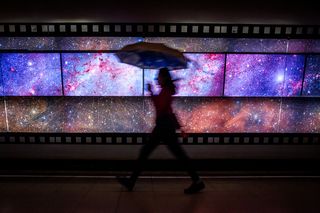
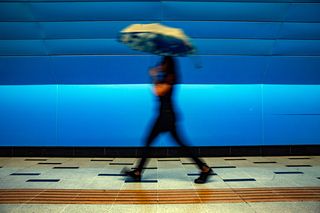
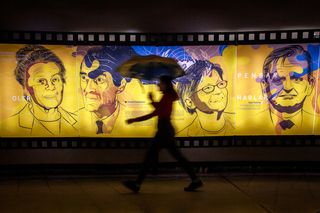
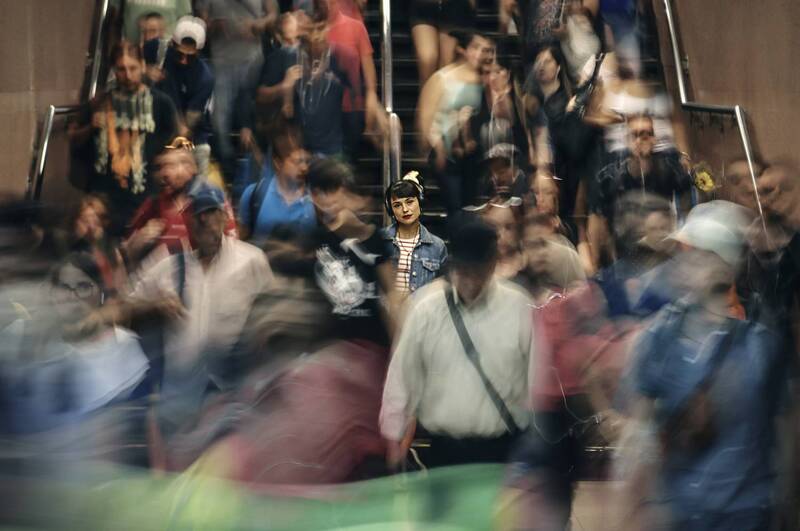
El arte y sus coloridos laberintos en sus diferentes estaciones son algunas de las características principales del Metro de Santiago, además de ser uno de los trenes subterráneos más modernos de Sudamérica.
Este proyecto, con tintes de la Odisea de Kubrick y del surrealismo del siglo pasado, busca retratar, a través del viaje de una misteriosa mujer, estos laberintos y arquitectura de uno de los lugares más transitados de la Región Metropolitana.
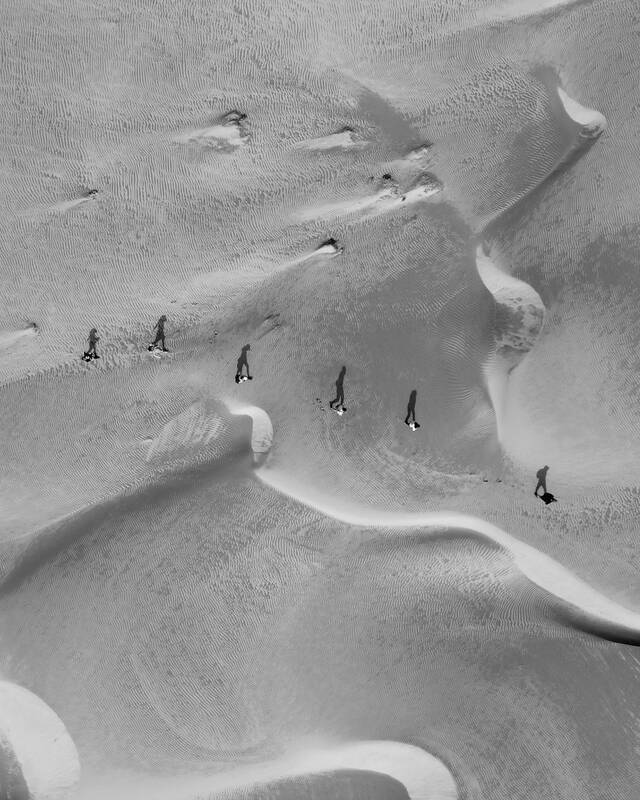
This aerial photograph captures people walking across the dunes of Longotoma in the Valparaíso Region, Chile. The scene is not only a striking visual of the vast, undulating landscape but also a symbolic moment: the shadows cast by the figures begin to resemble monkeys, evoking the idea of our distant ancestors. The image reflects the connection between humanity and nature, inviting contemplation about where we come from and how we are shaped by the world around us.
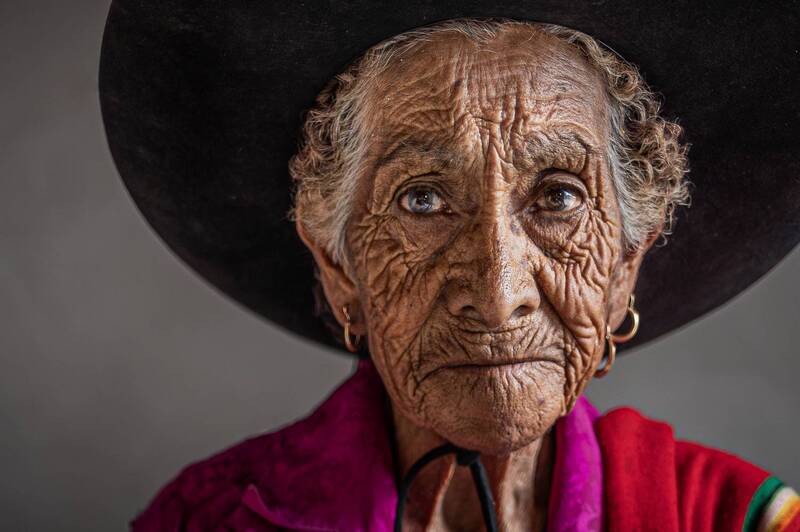
María Arjona, coplera de Santa Maria de Catamarca en Argentina. Es analfabeta y no recuerda su edad.
No olvida el haber sido víctima de violencia doméstica ni las coplas transmitidas por sus padres.
– Рейтинг фотографов по странам и городам строится на основе 3-х лучших фотографий автора и их относительной позиции в каждой отдельной номинации. Рейтинг в номинации "Мобильная фотография" учитывается в меньшей степени для формирования рейтинга. В списке по странам и городам показывается одна фотография автора с лучшим рейтингом.
– В списке опубликованы только работы которые прошли 2-й этап голосования.
– В рейтинге лучших фотографий учитывается только одна — самая сильная — работа от каждого автора. Даже если у фотографа опубликовано несколько работ, в расчёте позиции используется только одна, с наивысшим рейтингом. Поэтому порядок фотографий в списке может не совпадать с итоговым положением автора в рейтинге.
– The rating of photographers by countries and cities is based on the three best photos of the author and their relative position in each separate nomination. Rating in the nomination "Mobile Photography" is taken into account to a lesser extent for rating formation. The list by country and city shows one photo of the author with the best rating.
– Only those photos have been published in the list that passed the second stage of voting.
– Only one strongest photo from each author is counted in the Best Photos ranking. Even if a photographer has several published works, only the highest-rated one is used to calculate their ranking position. As a result, the order of photos in the list may not match the author's final ranking position.