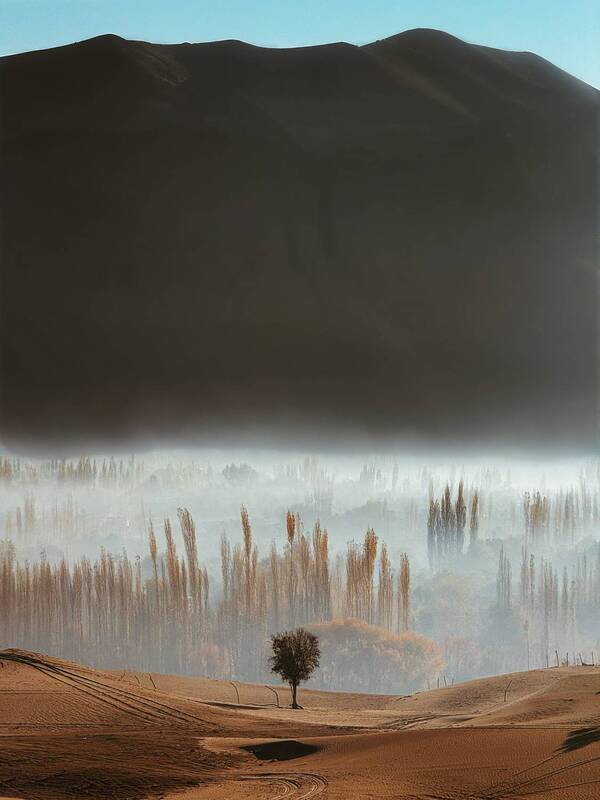
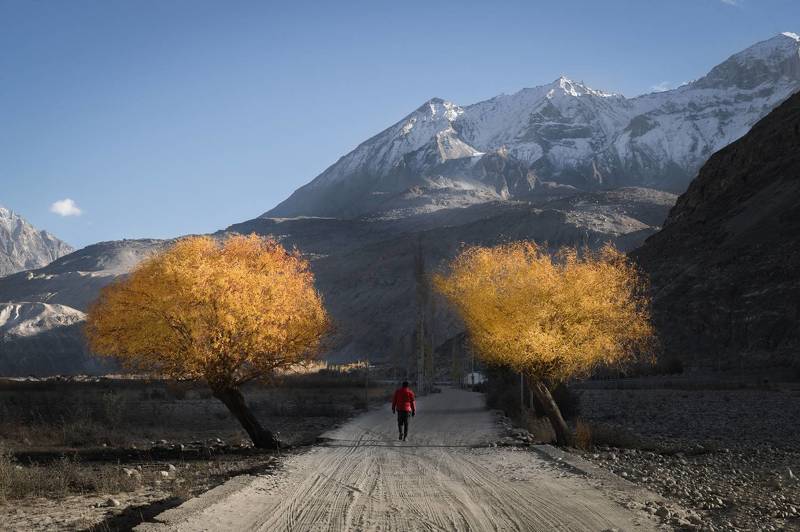
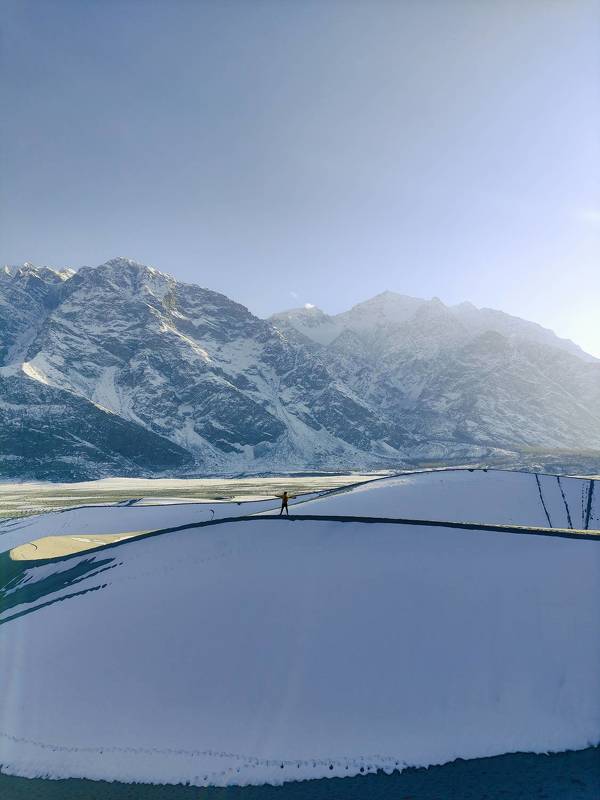
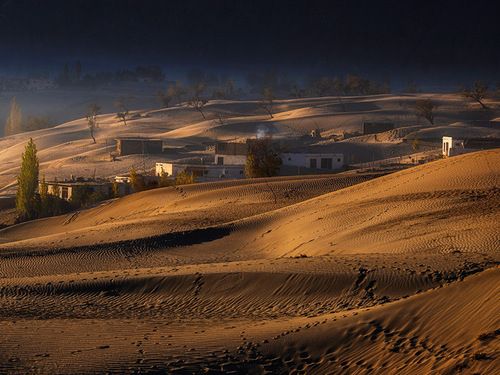
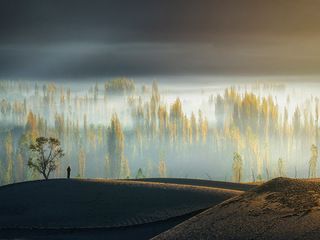
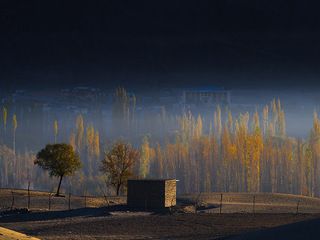
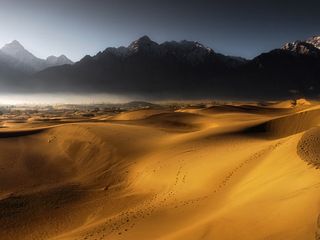
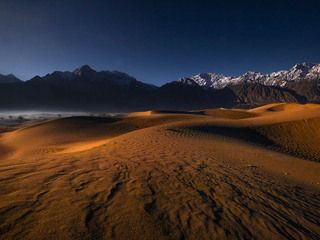
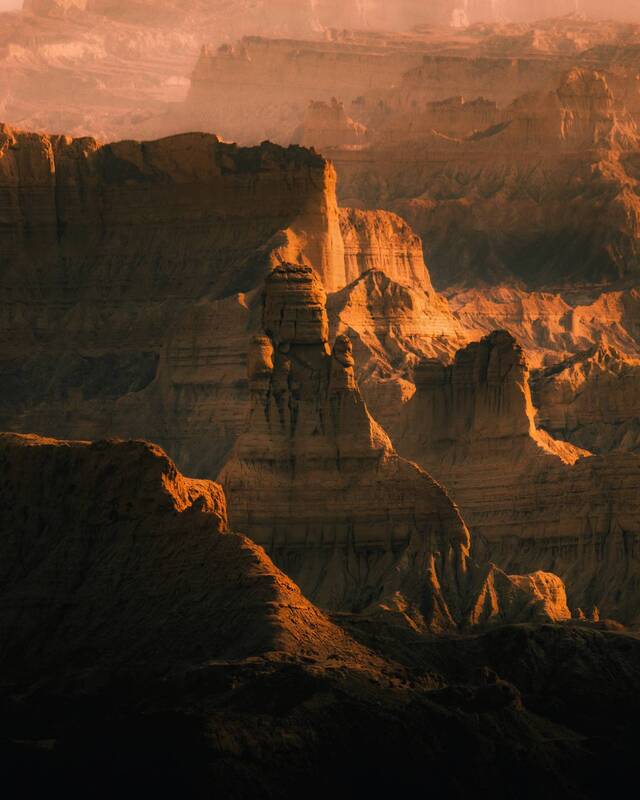
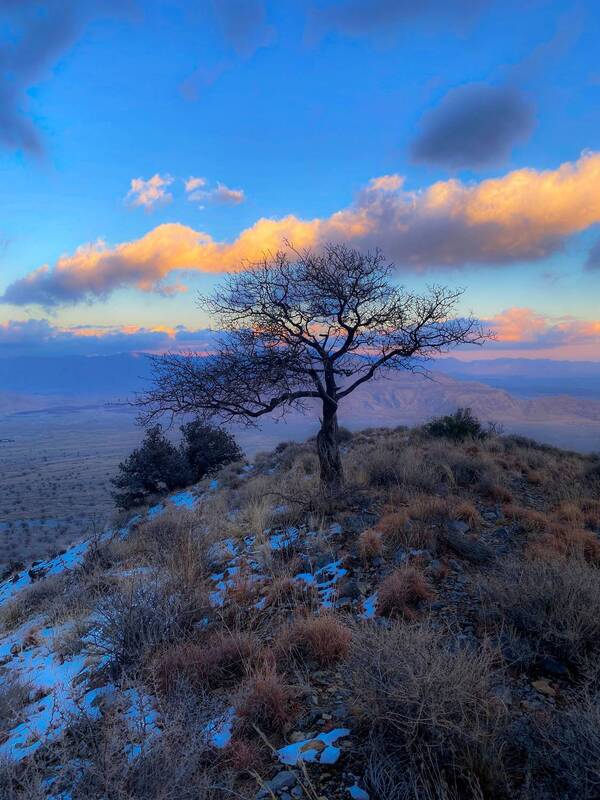
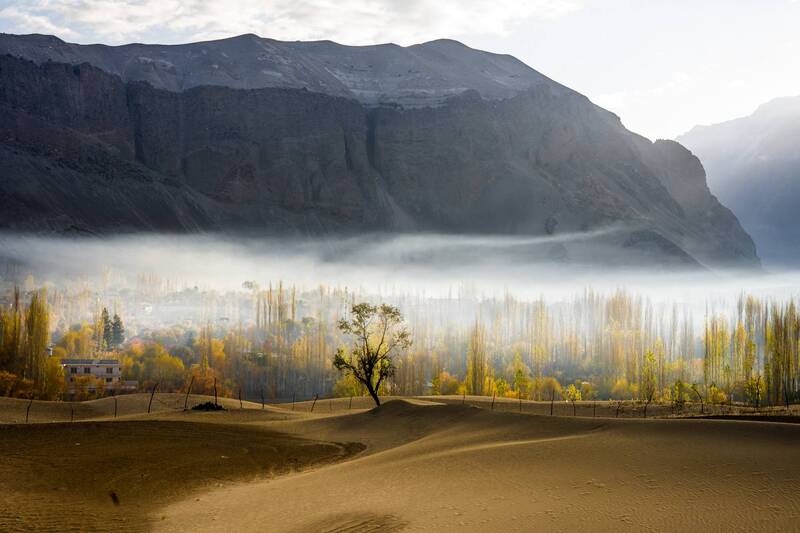
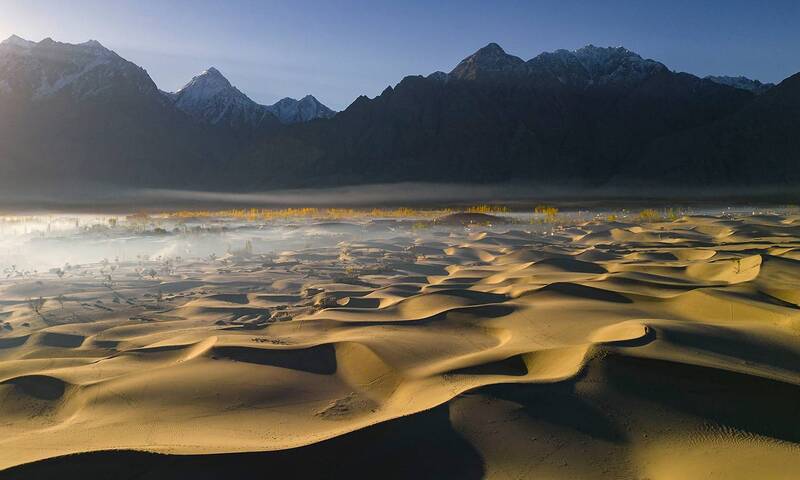
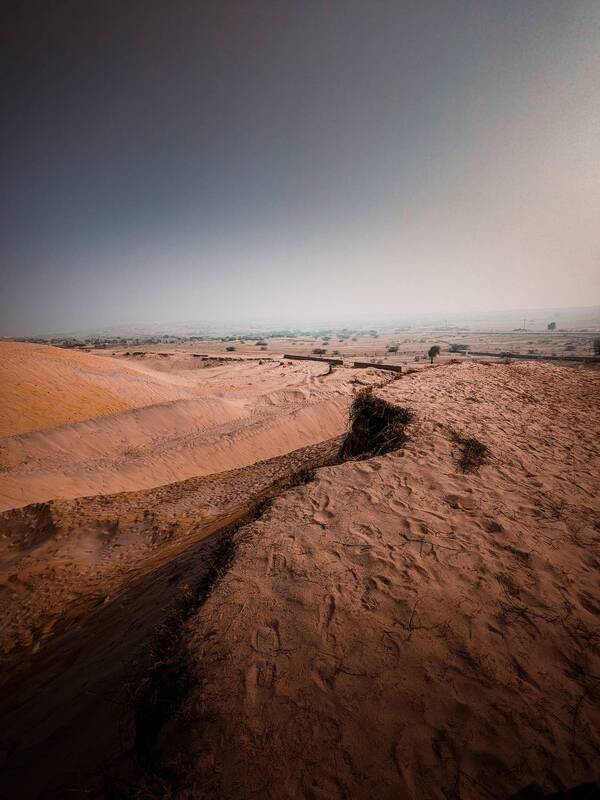
Nature's symphony unfolds at sunrise in Katpana Desert, Skardu. Soft morning fog caresses the distant trees, while a lone sentinel stands tall, bathed in warm golden light. Autumn's palette paints the landscape with serene beauty.
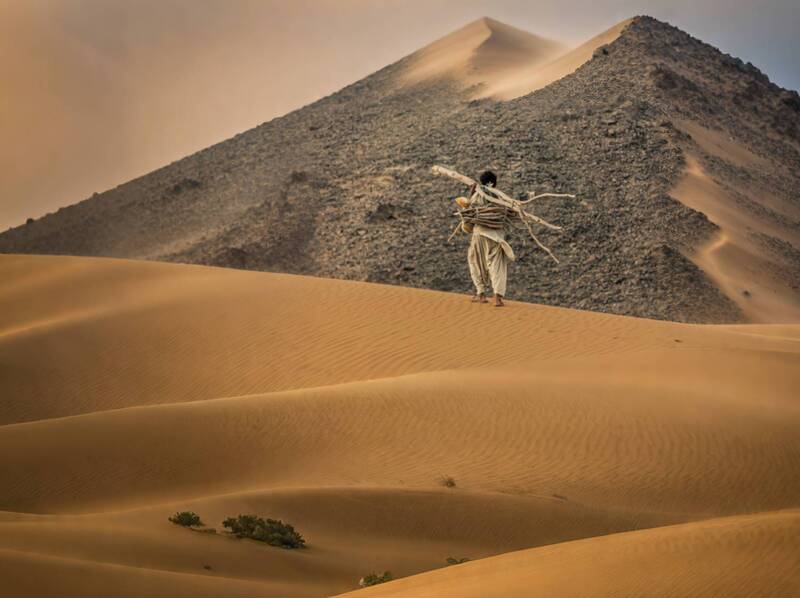
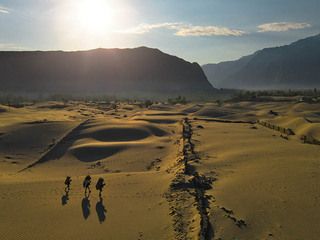
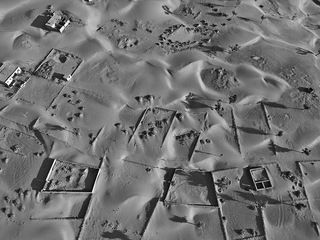
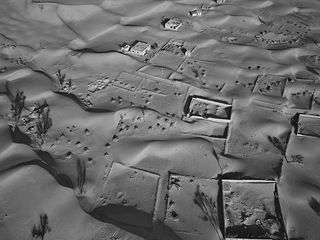
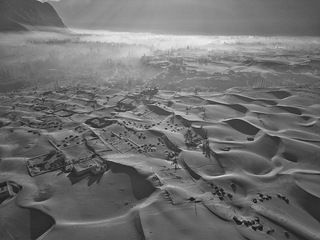
For the past 12 years, I’ve been Visiting Katpana Sand Desert & photographing from past 6 years in Skardu, Pakistan. It’s one of the highest sand deserts in the world, sitting right between the stunning Karakoram Mountains. The sight of golden dunes against snowy peaks is something you have to see to believe—it’s like a dream. But every year, I come back and find more of this desert disappearing. Homes, resorts, and even a government hospital are being built, eating away at this incredible place.
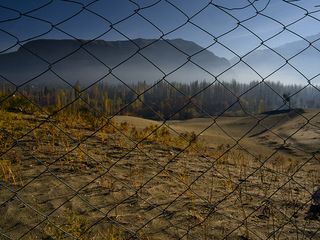
I call this project The Desert Cry because it’s my way of showing both the beauty of this desert and the danger it’s in. I’ve spent years capturing its magic—the way the light changes on the dunes, the silence that feels like it’s from another world. I’ve also had to photograph the construction sites that are slowly taking over. It breaks my heart to see this happening.
Every year, I sit on these dunes and write about it on social media. I talk to people, trying to make them understand how important it is to save this place. We protect glaciers and rivers, so why not this desert? It’s just as special, just as fragile. I hope that by sharing my photos and my story, I can help people see what’s at stake. I can do more Exhibitions to raise awareness among masses specially with the higher authorities.
My dream is to see the Katpana Sand Desert recognized as a UNESCO World Heritage Site. I want the construction to stop before it’s too late. I don’t want to imagine a future where this desert is gone, replaced by buildings and roads.
This project is my way of fighting for this place. It’s my way of saying that some things are too precious to lose. Through my photos, I hope to show the world what’s at risk—and maybe, just maybe, inspire people to help save it.
This isn’t just a photo story. It’s a cry for help, a plea to protect something that can never be replaced.
Magical morning over one of highest sand desert Katpana, Skardu Valley. The Fog the Sand the Karakorams and the fall colors in the valley makes it like music of the mountain sand. One of most magical mornings i have ever witnessed.
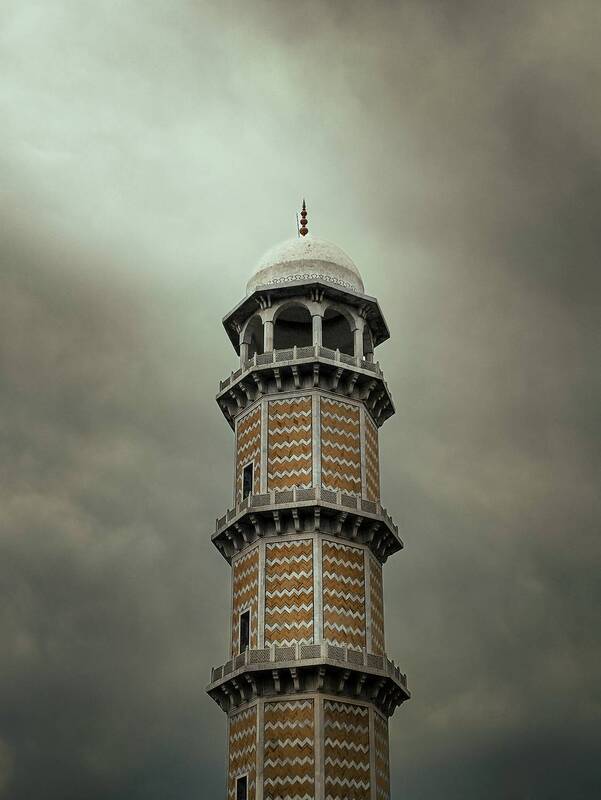
The image depicts a tall, intricately designed minaret against a dramatic, overcast sky. The structure features a distinctive zigzag pattern in yellow and white, with multiple balconies adorned with detailed railing work. The top of the minaret is crowned with a white dome, accented by ornamental finials. The overall atmosphere is moody, enhanced by the dark clouds in the background, creating a striking contrast with the architectural details of the minaret.
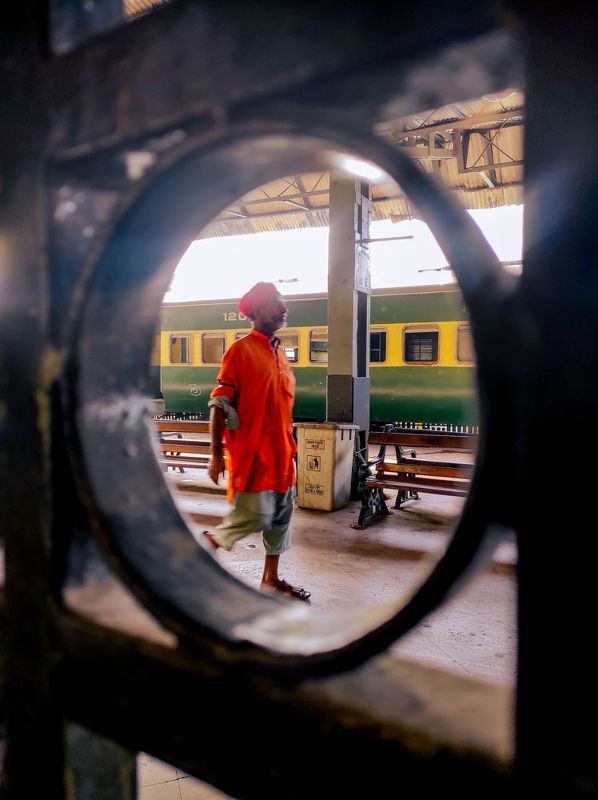
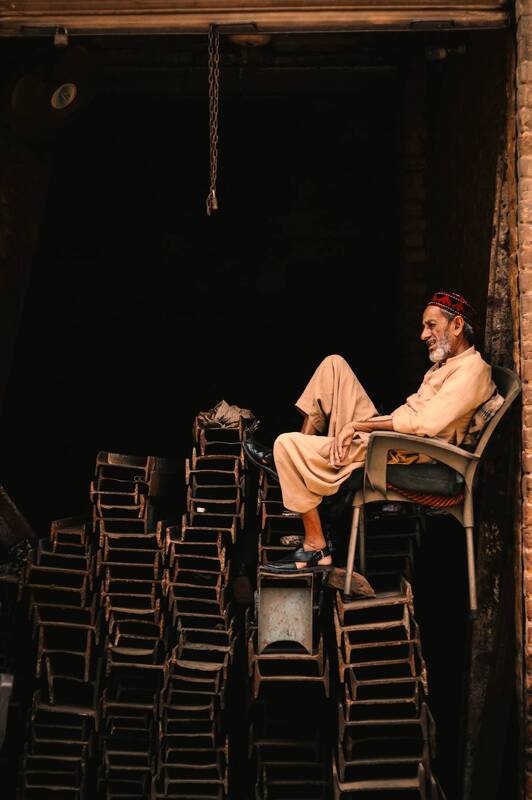
The word coolie was first used in the 16th century by European traders across Asia. By the 18th century, the term referred to migrant Indian indentured labourers. In the 19th century, during the British colonial era,
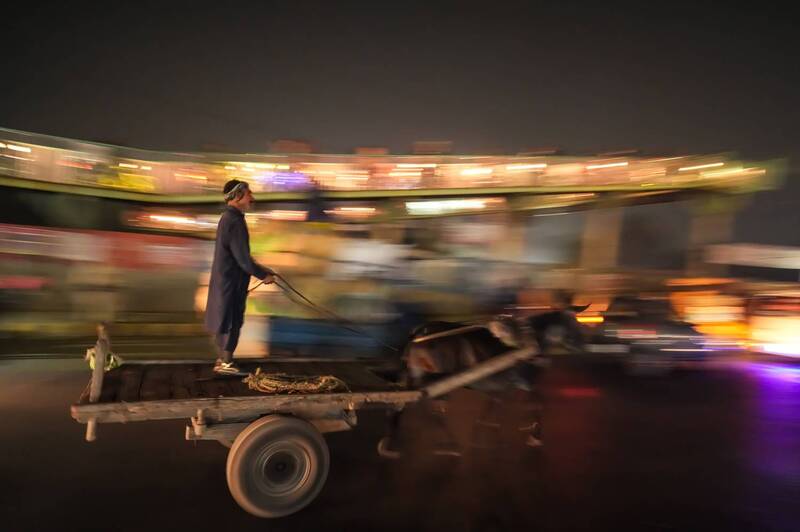
At a winter night(17 Dec), the motion in low light is captured using panning technique (1/8sec) on GT road, Gujranwala, Pakistan. A standing man is running his mule cart, holding rein in hands. In foreground there is a sharp tyre and a roll of rope(use to tie down load) on the cart. In background there are motorbikers crossing the bridge over railway track. Its night time, rope is rolled up and he is flying freely to home. Captured with technical skills and a great patience.
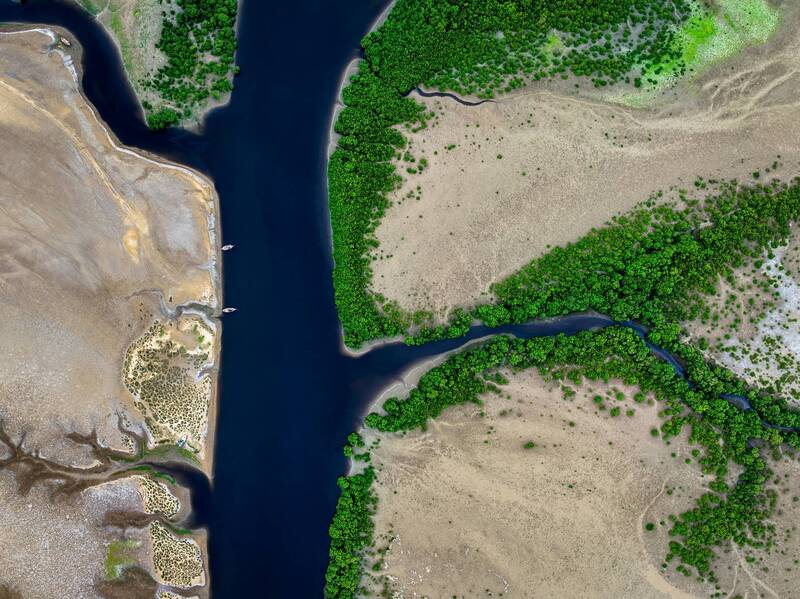
This picture captured by drone where rivers is dropping towards sea and mangroves seems like leaves of tree and dark Blue river seems like trunk and overall it is shape of tree in nature
Ckicked at Karachi near Russian Beach in the mangroves Forest
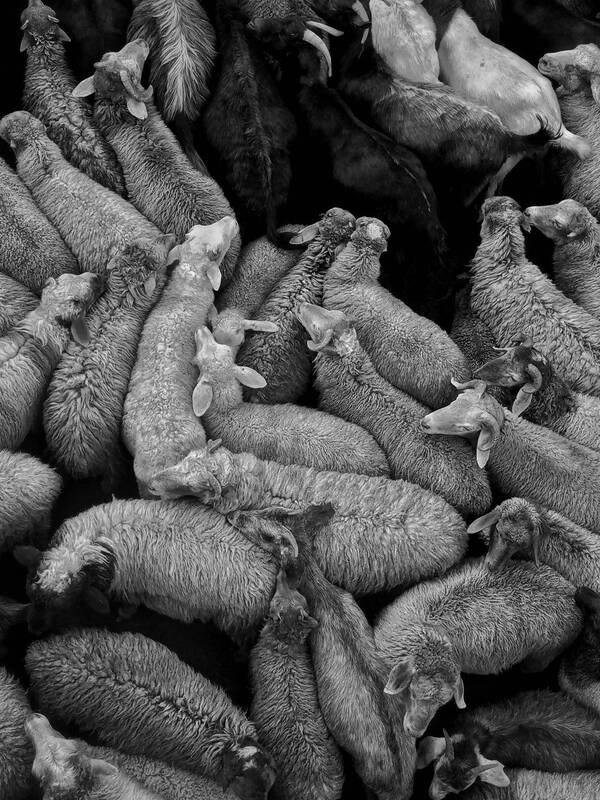
Civilisation
A dense flock of sheep, captured in black and white, reveals a textured tapestry of wool and instinct. Each animal, seemingly identical yet subtly distinct, presses into the others, moving as one in a chaotic harmony. Civilization feels like this sometimes—crowds following unspoken signals, bound by the rhythm of togetherness, yet teetering on the fragile edge of directionless momentum. Beneath this collective hum lies the earth, steady and timeless, watching us move and press forward, one step at a time.
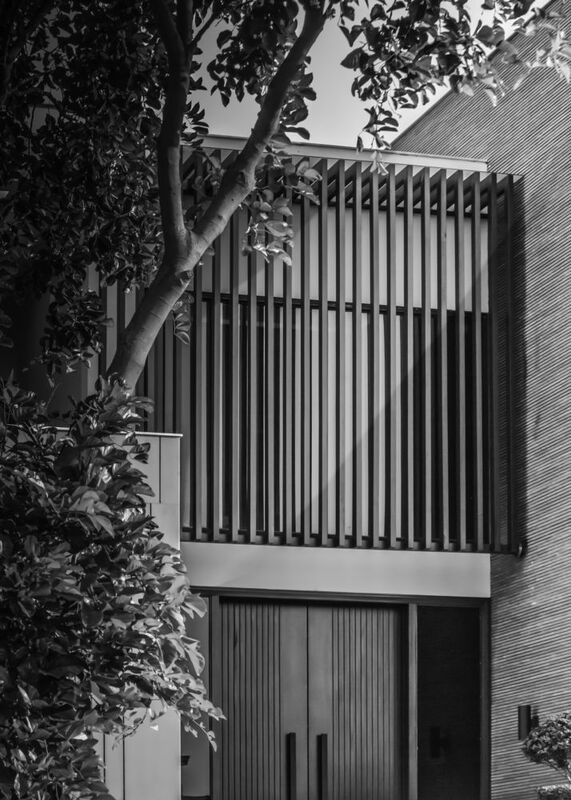
The vertical wooden slats of the façade create strong linear shadows, playing against the organic form of the tree in the foreground. This juxtaposition emphasizes a dynamic balance between architecture and nature, rigid structure and flowing life. The absence of color highlights the subtle interplay of light and shadow, bringing focus to the texture and form. The image speaks to the timeless connection between the built environment and its natural surroundings, capturing moments of stillness within contrast.
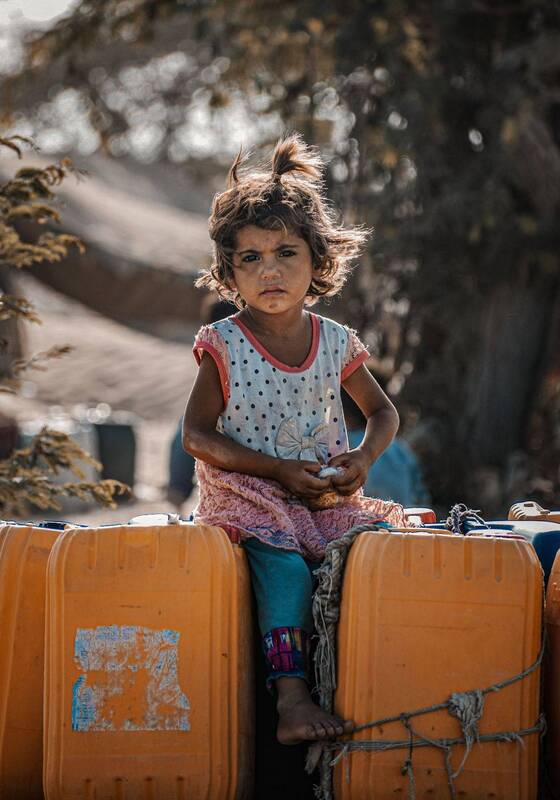
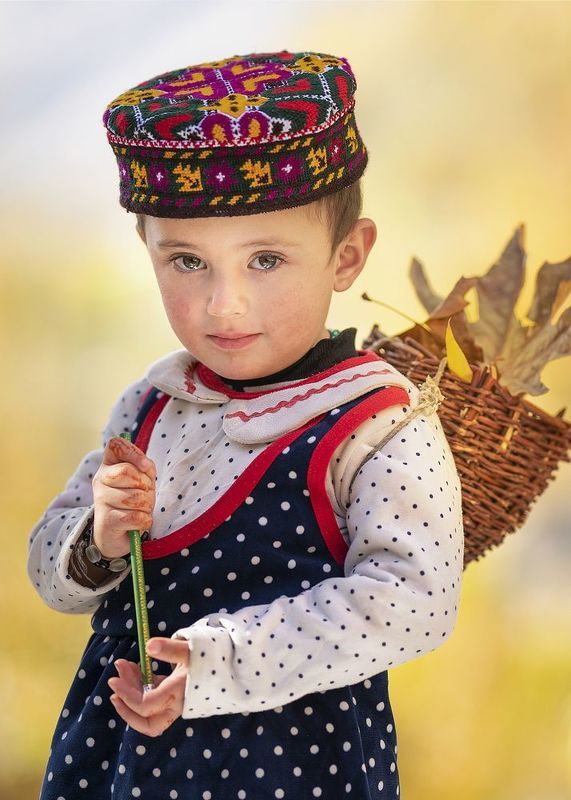
The cute kid when I was exploring Hunza village I saw some of kids walk on the street and play bow & arrow with friends. I request that kid to take a portrait ❣️
Altit Garden Hunza, Pakistan
– Рейтинг фотографов по странам и городам строится на основе 3-х лучших фотографий автора и их относительной позиции в каждой отдельной номинации. Рейтинг в номинации "Мобильная фотография" учитывается в меньшей степени для формирования рейтинга. В списке по странам и городам показывается одна фотография автора с лучшим рейтингом.
– В списке опубликованы только работы которые прошли 2-й этап голосования.
– В рейтинге лучших фотографий учитывается только одна — самая сильная — работа от каждого автора. Даже если у фотографа опубликовано несколько работ, в расчёте позиции используется только одна, с наивысшим рейтингом. Поэтому порядок фотографий в списке может не совпадать с итоговым положением автора в рейтинге.
– The rating of photographers by countries and cities is based on the three best photos of the author and their relative position in each separate nomination. Rating in the nomination "Mobile Photography" is taken into account to a lesser extent for rating formation. The list by country and city shows one photo of the author with the best rating.
– Only those photos have been published in the list that passed the second stage of voting.
– Only one strongest photo from each author is counted in the Best Photos ranking. Even if a photographer has several published works, only the highest-rated one is used to calculate their ranking position. As a result, the order of photos in the list may not match the author's final ranking position.