Documentary Photography Project:
The ancient ruins of Hampi and the landscapes of Karnataka are widely celebrated, but beyond the tourist trails lies a hidden gem—a Lambani village. During my recent journey, I stepped away from the well-trodden paths to immerse myself in the life and culture of the Lambani people, an experience that left a lasting impression.
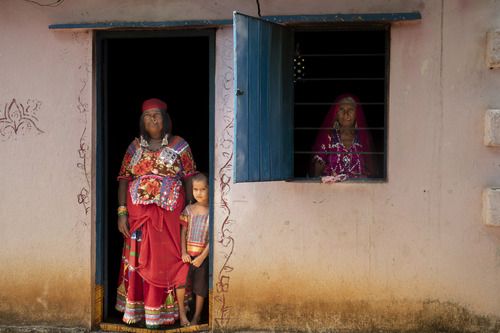
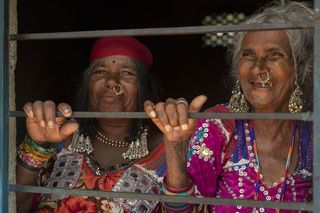
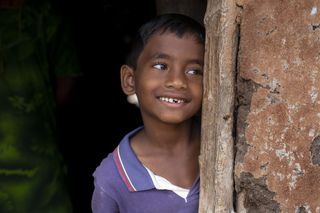
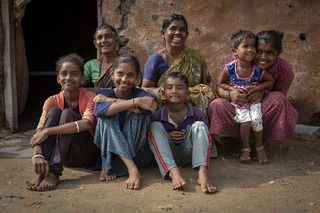
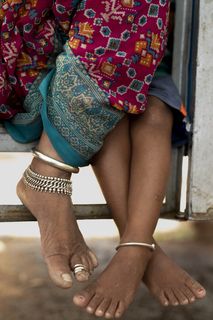
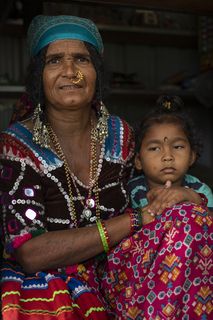
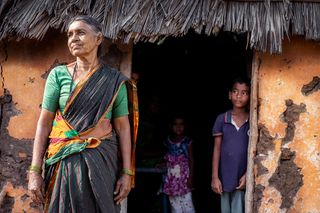
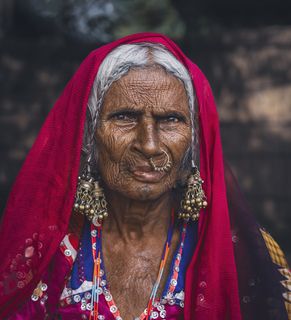
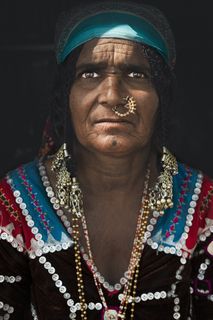
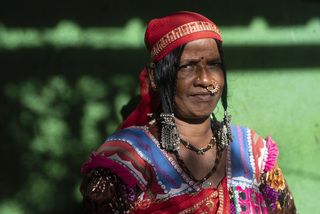
As I entered the village, I was struck by its simplicity. Mud houses with thatched roofs blended seamlessly into the rural surroundings. The people welcomed me warmly, their deep connection to their land evident in their way of life. A group of women, dressed in vibrant, handcrafted clothing adorned with intricate embroidery and mirror work, greeted me. Their jewellery sparkled in the sunlight, reflecting a cultural heritage passed down through generations.
Walking through the village, I had the privilege of engaging with the community. With the help of a Kannada-speaking friend, I learned about their traditions, ancestor worship, and reverence for nature. Their attire was more than just clothing—it was a symbol of their identity, each stitch telling a story. The rhythmic movements of their embroidery work were mesmerizing, a skill honed over centuries.
The Lambanis, also known as Lambadis, are a tribal community predominantly found in Karnataka, Andhra Pradesh, and Telangana. Despite economic challenges and marginalization, their culture remains vibrant. Their traditional dances, music, and crafts are integral to their identity. I was fortunate to witness an impromptu dance performance, the rhythmic beats of the dhol and the jingling of their jewellery creating an atmosphere of celebration.
However, modernization threatens their traditions. Many young Lambanis are drawn to urban jobs, putting their heritage at risk. While some government initiatives provide support, others disrupt their traditional way of life, displacing them from their ancestral lands. Yet, they continue to hold onto their customs with remarkable resilience.
Beyond their struggles, there is immense pride in their culture. Elders feel a strong responsibility to pass down their knowledge. I met an elderly woman who had spent decades mastering embroidery. She spoke passionately about teaching young girls to preserve their heritage. Her words lingered with me, a reminder of the importance of keeping cultural traditions alive.
My visit to the Lambani village was more than a journey—it was an education. Travel is not just about places but about understanding the people who inhabit them. The Lambanis shared their lives with me, offering invaluable lessons about resilience, community, and the need to protect culture. Their story is one of beauty and struggle, deserving of recognition and celebration. As I left, I carried with me not just photographs but a deep sense of admiration and a story that must be shared with the world.
Anil T Prabhakar, Indonesia, Balikpapan