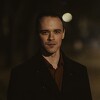
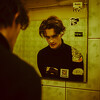
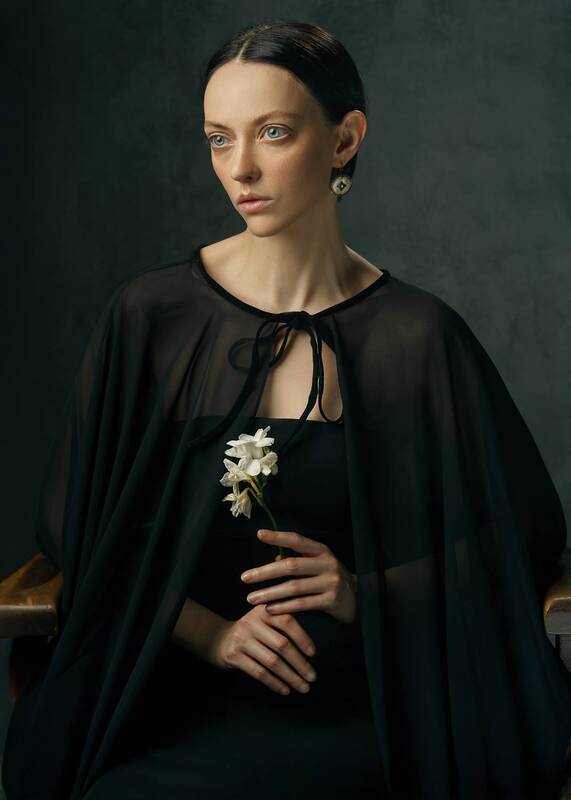
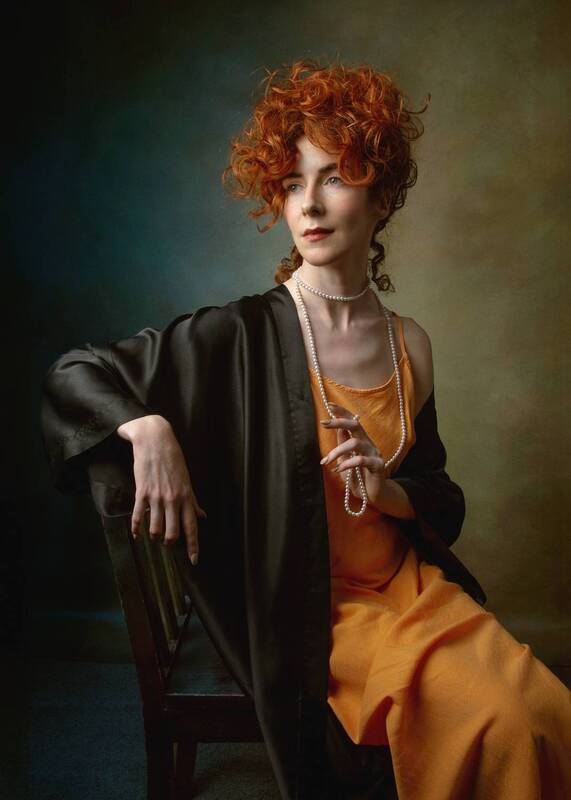
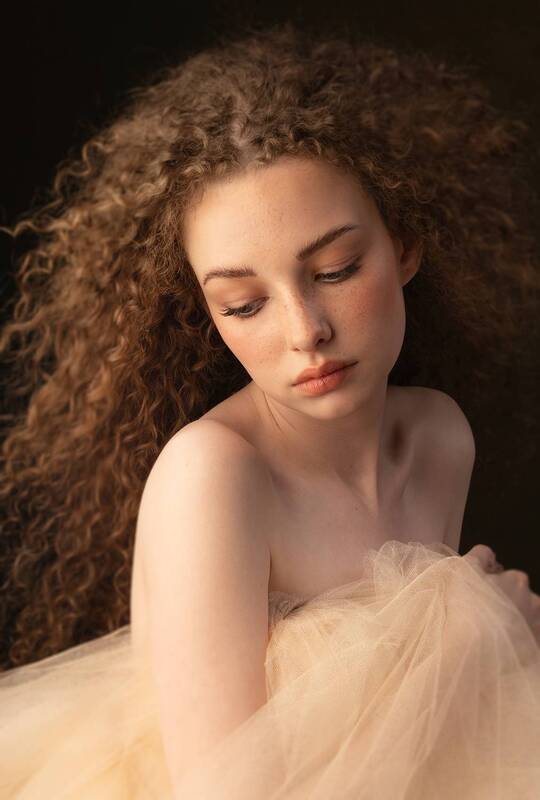
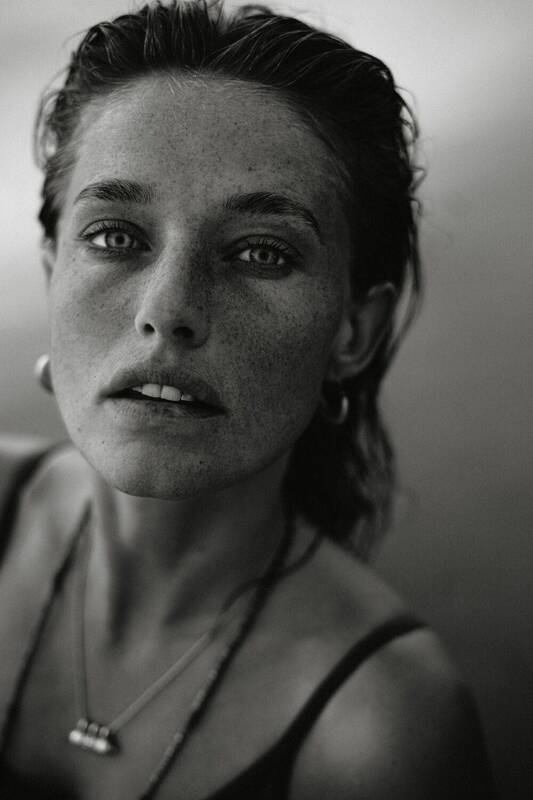
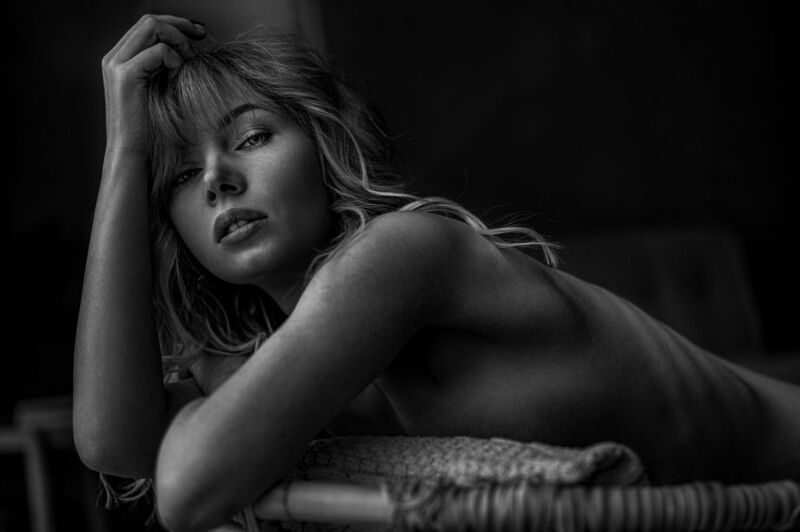
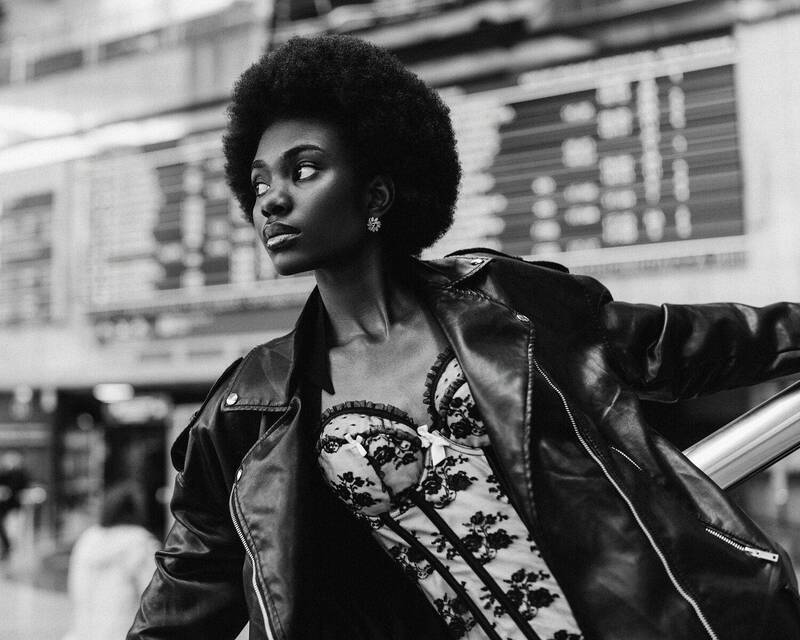
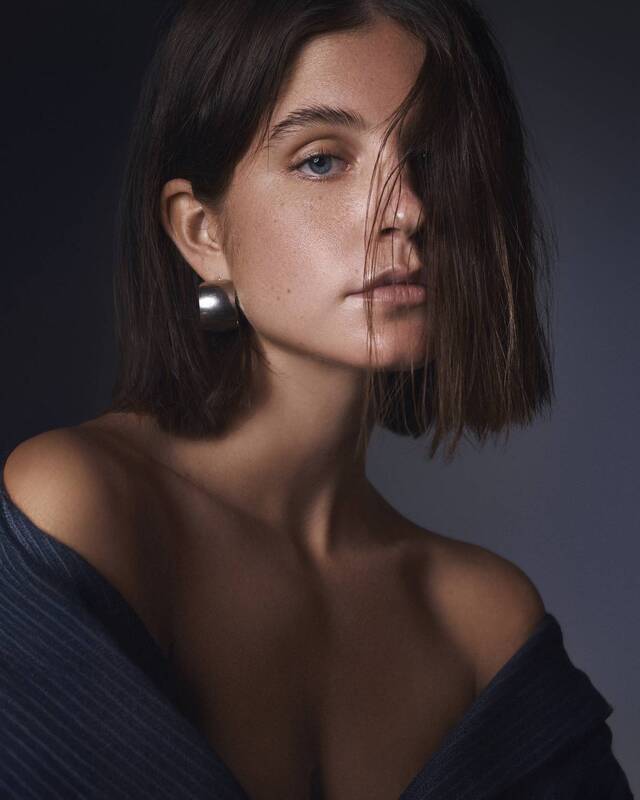
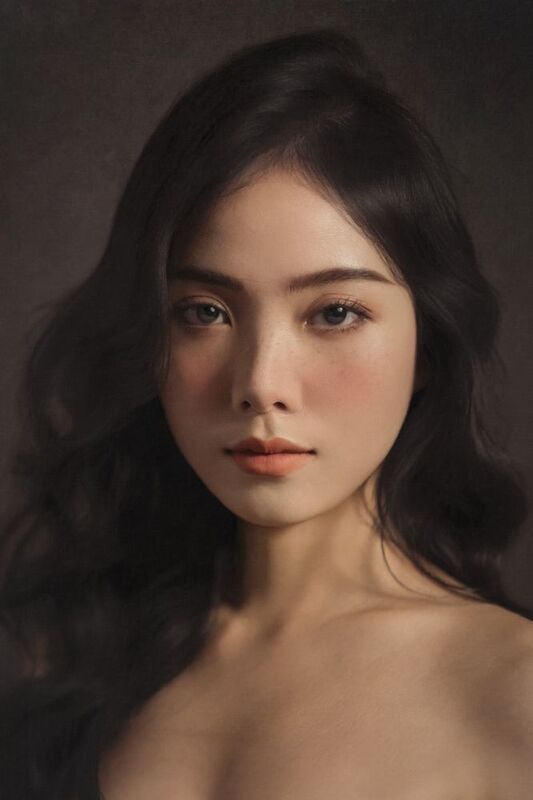
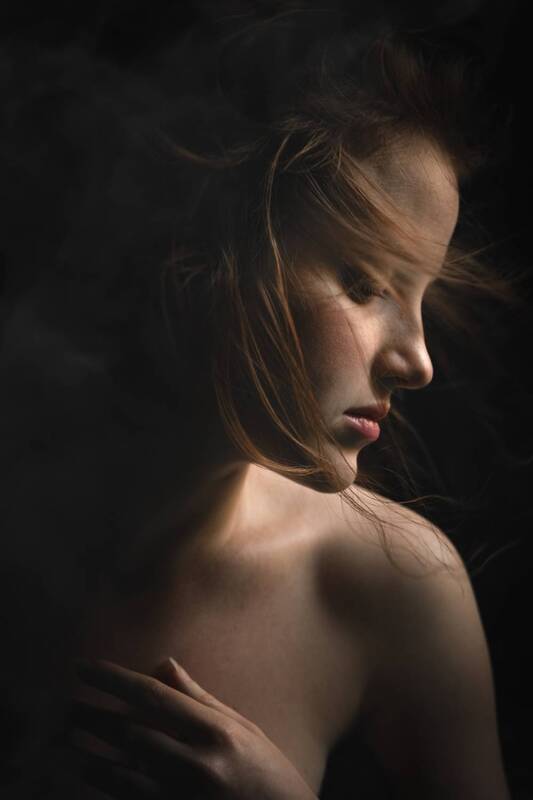
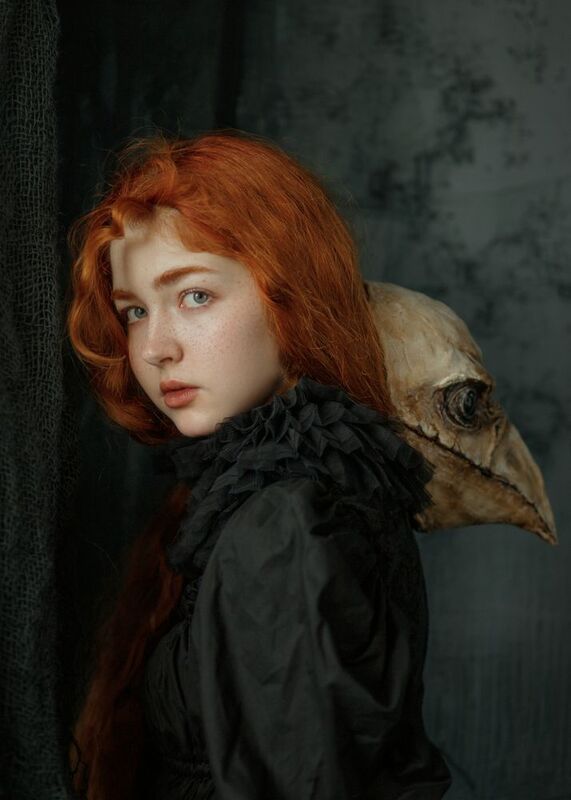
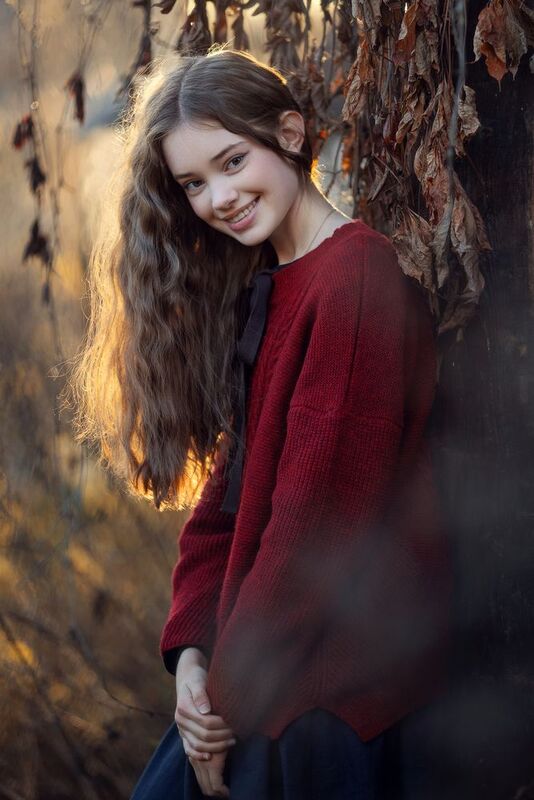
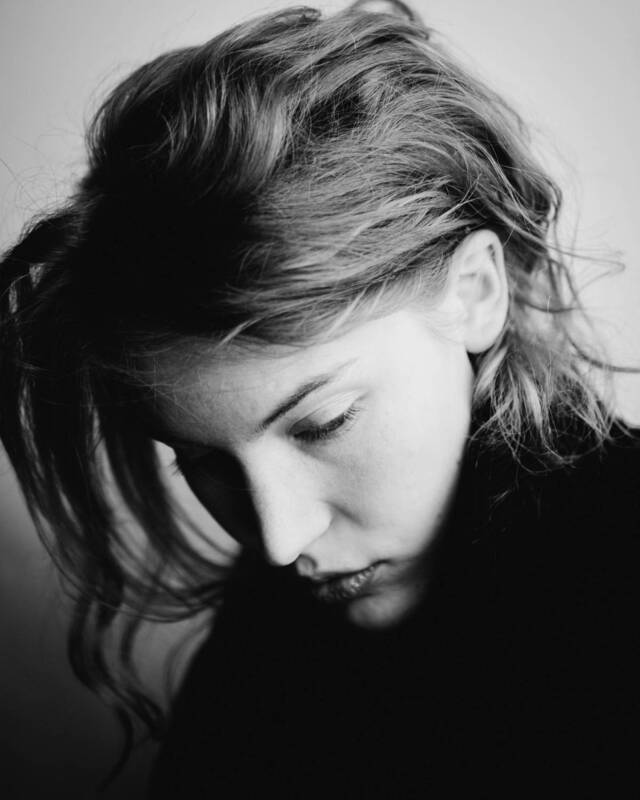
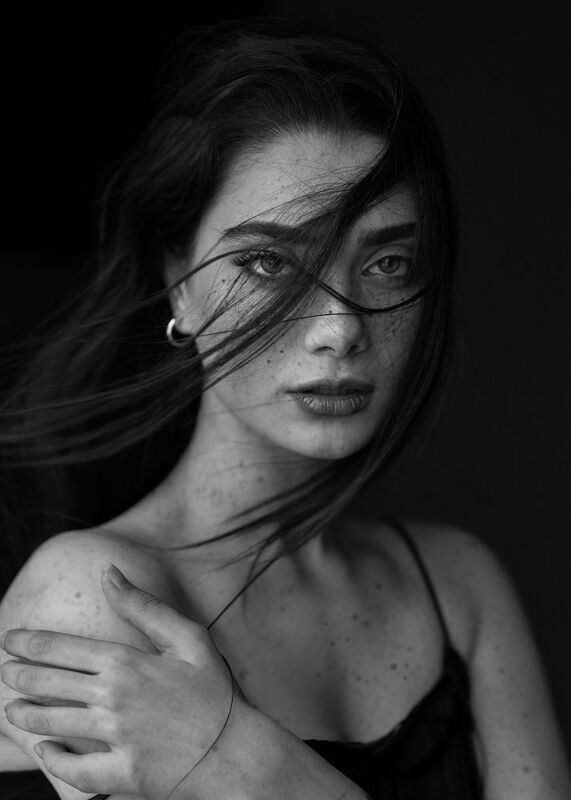
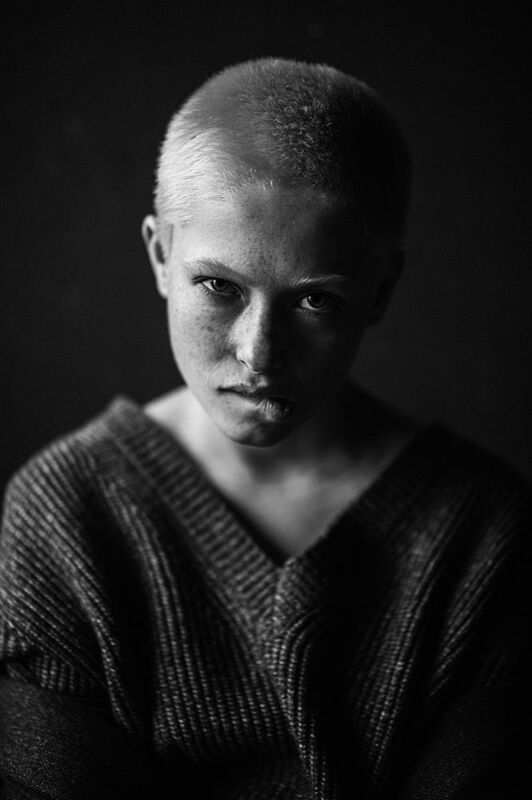
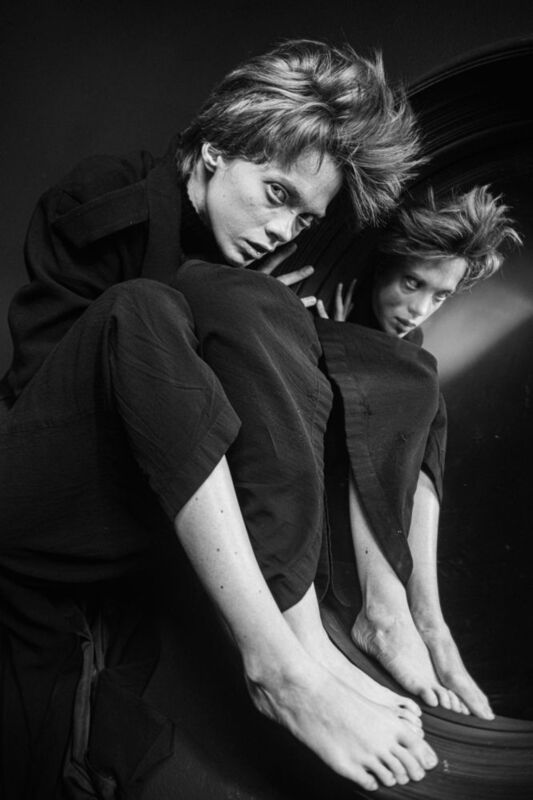
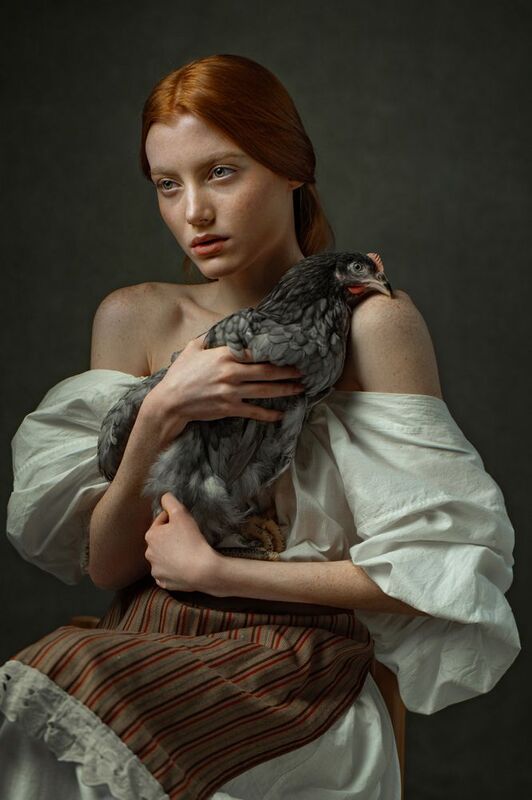
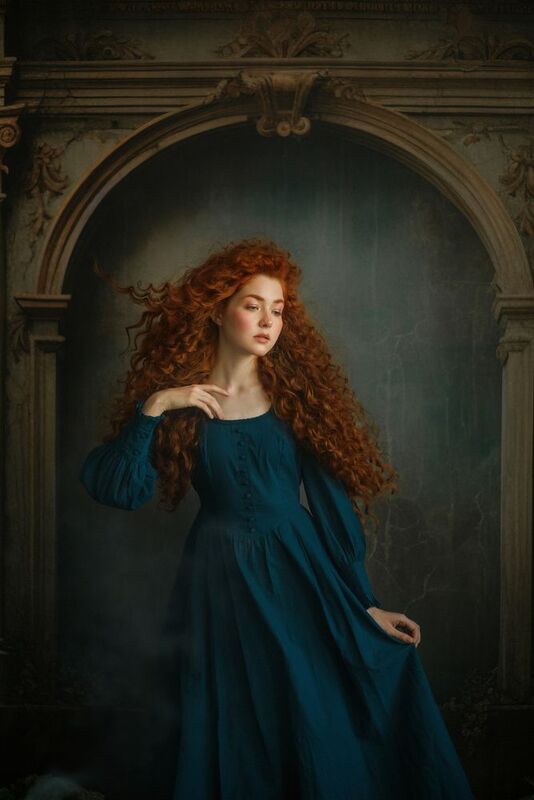
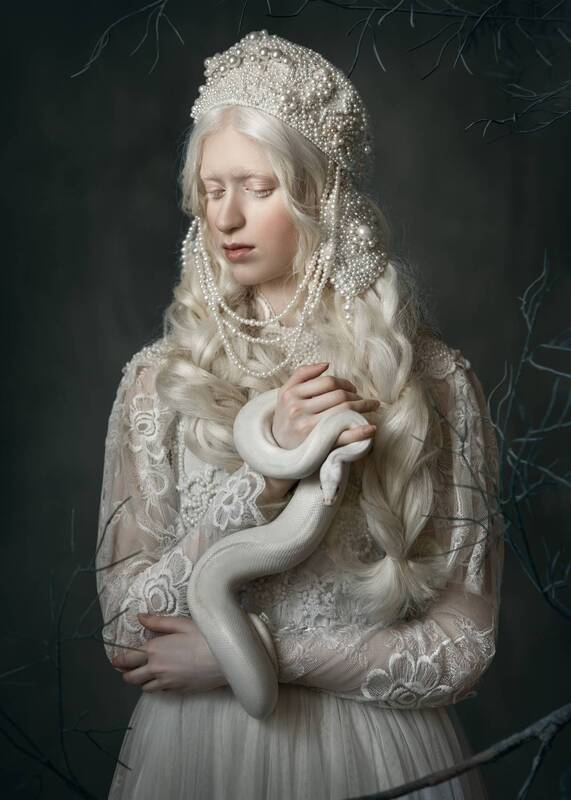
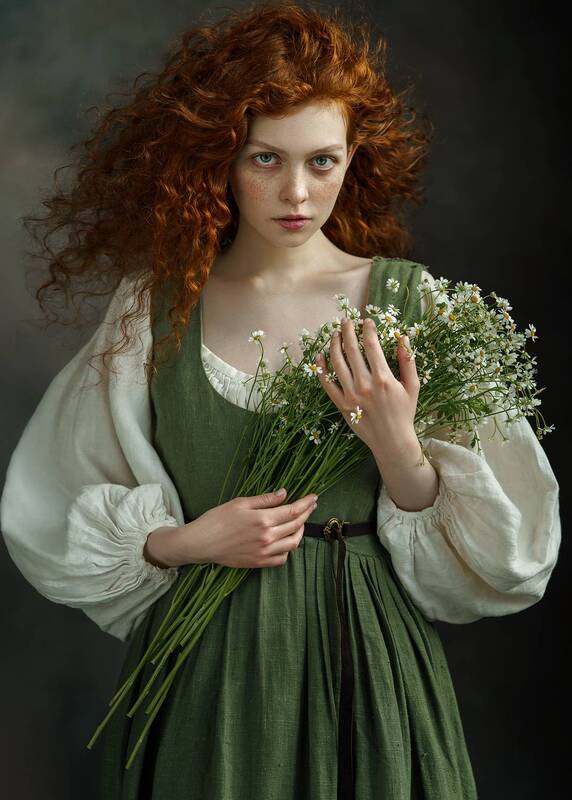
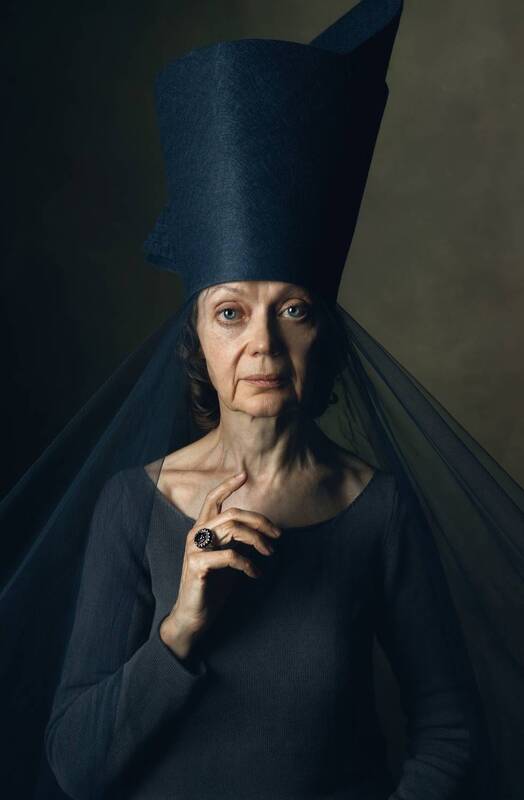
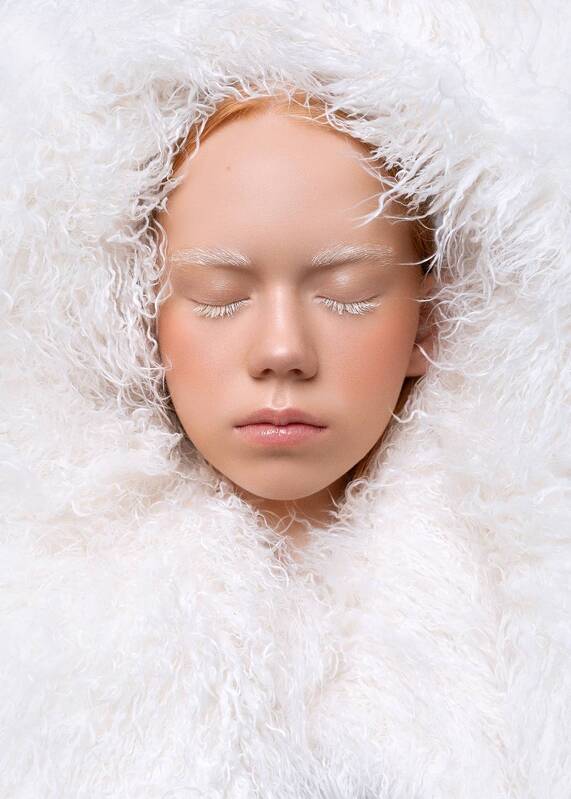
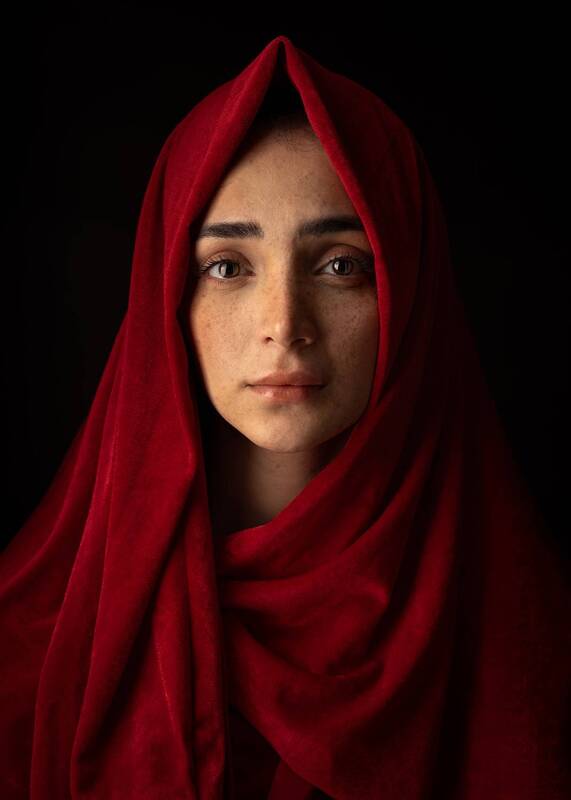
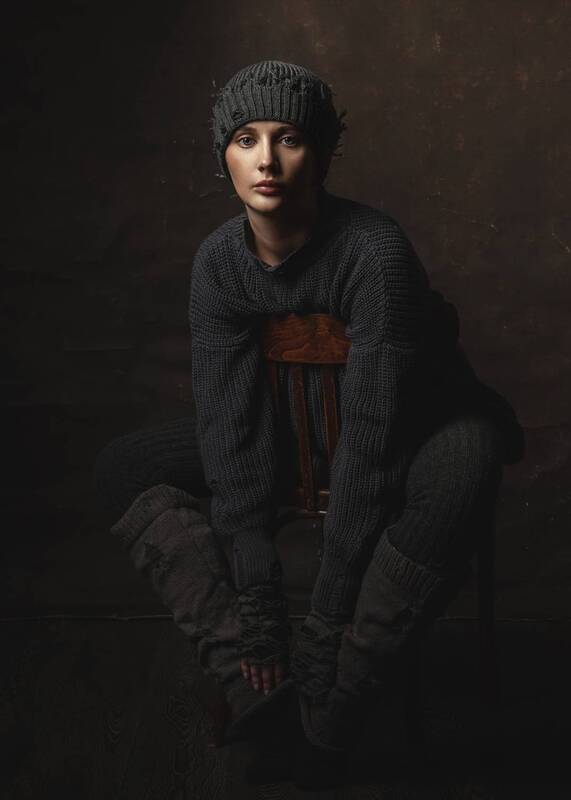
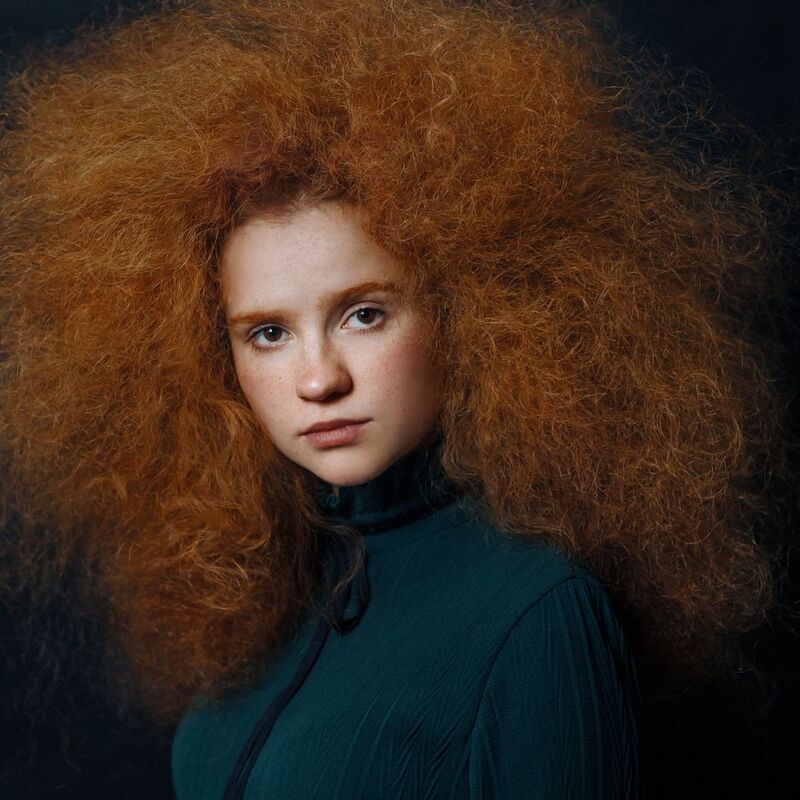
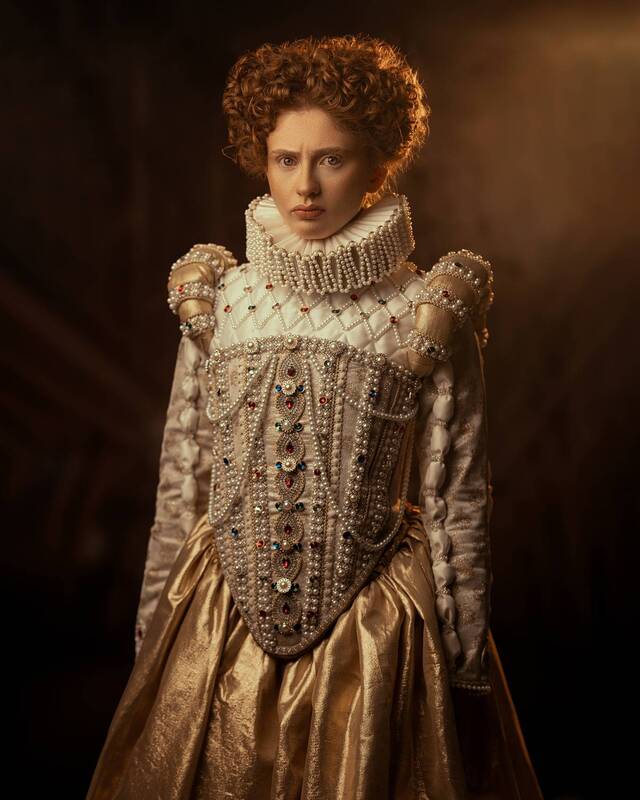
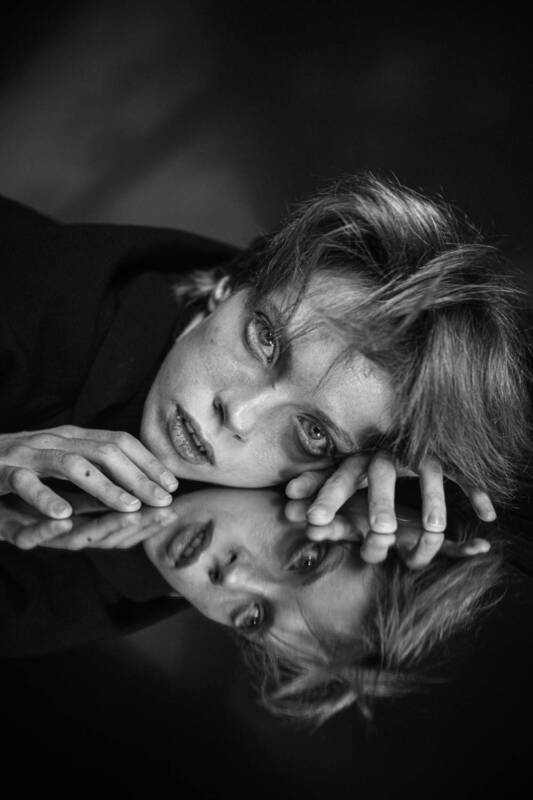
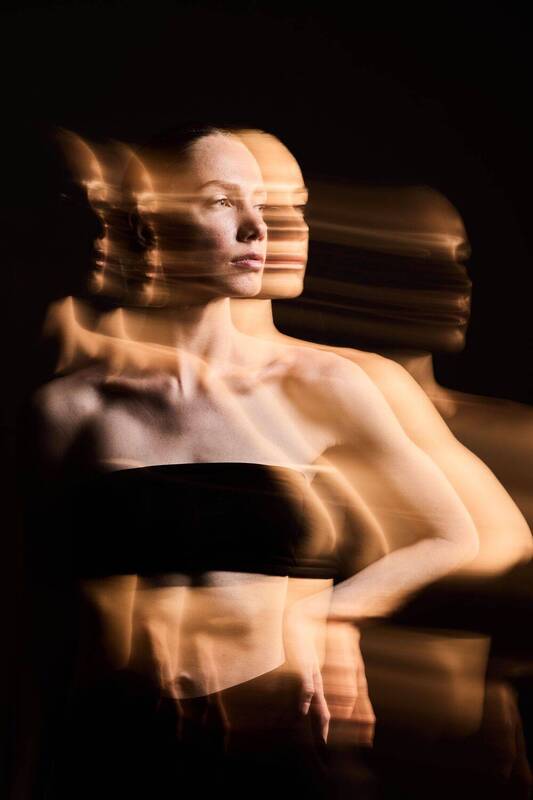
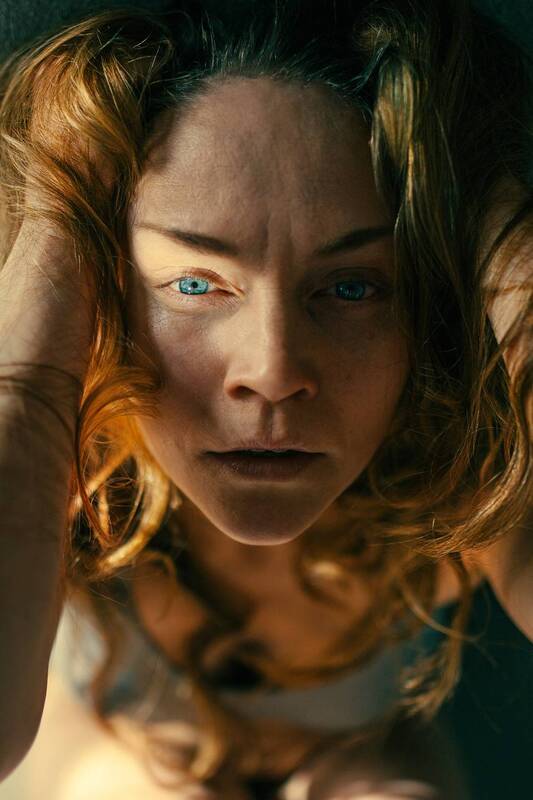
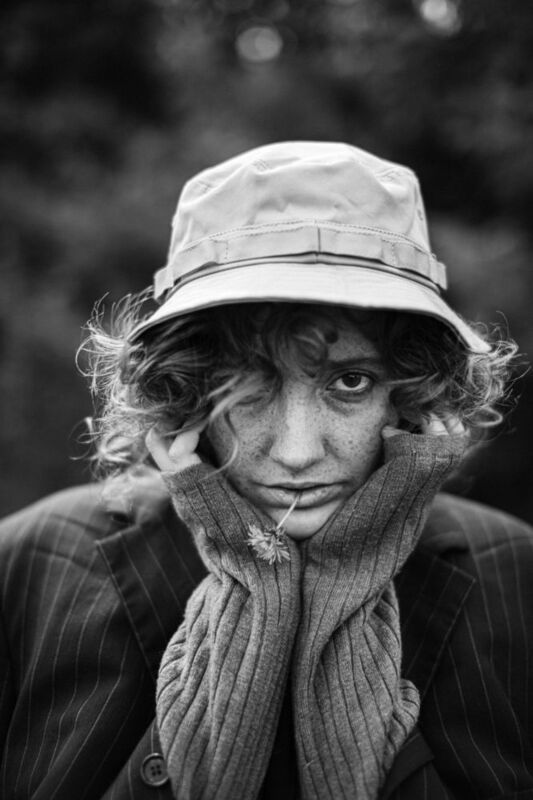
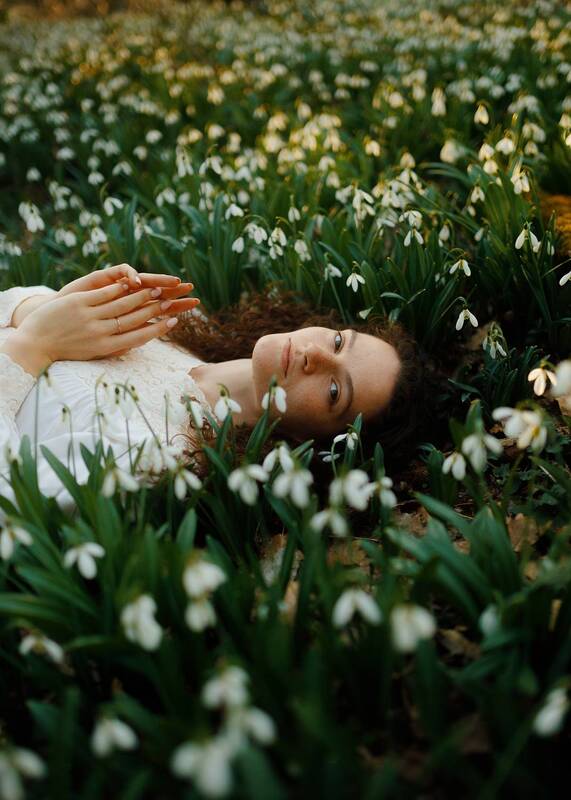
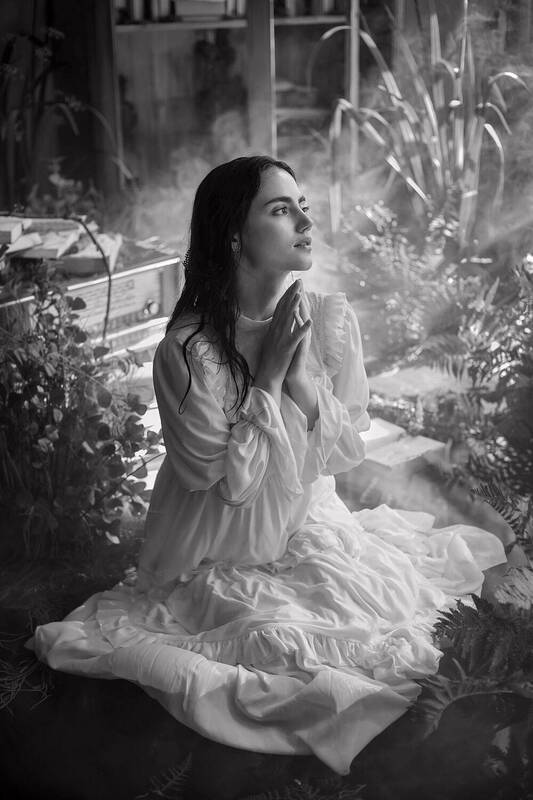
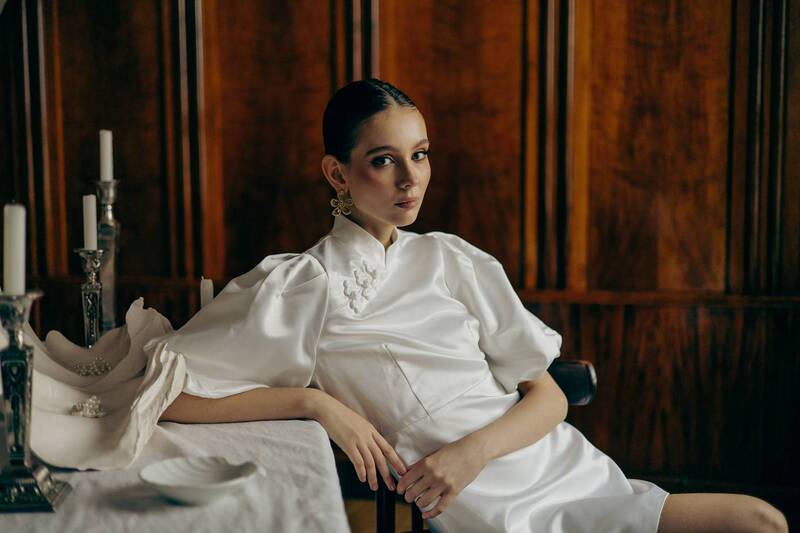
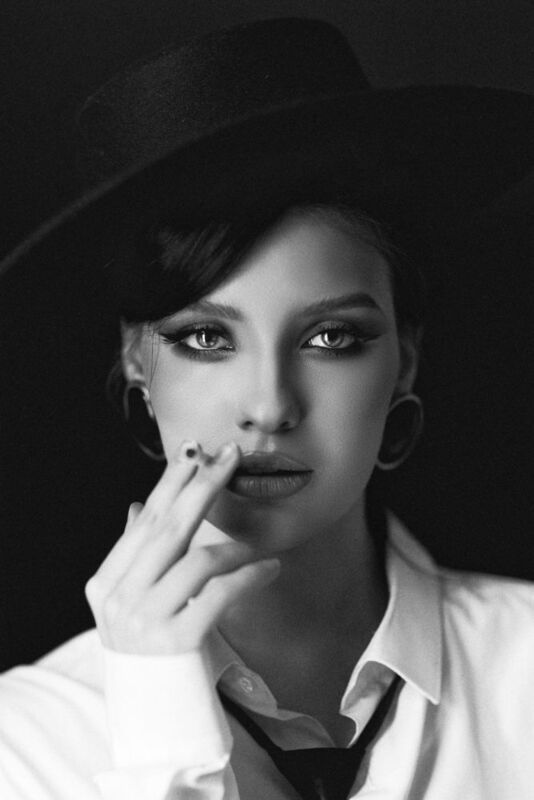
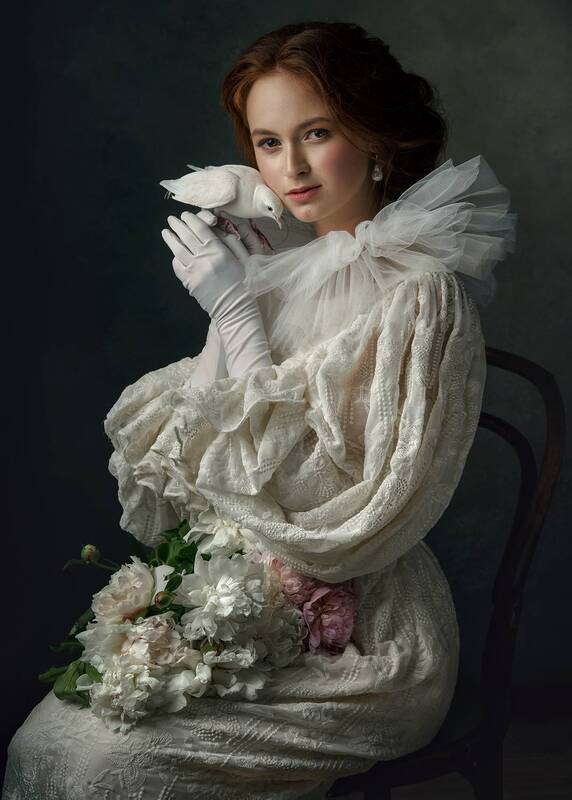
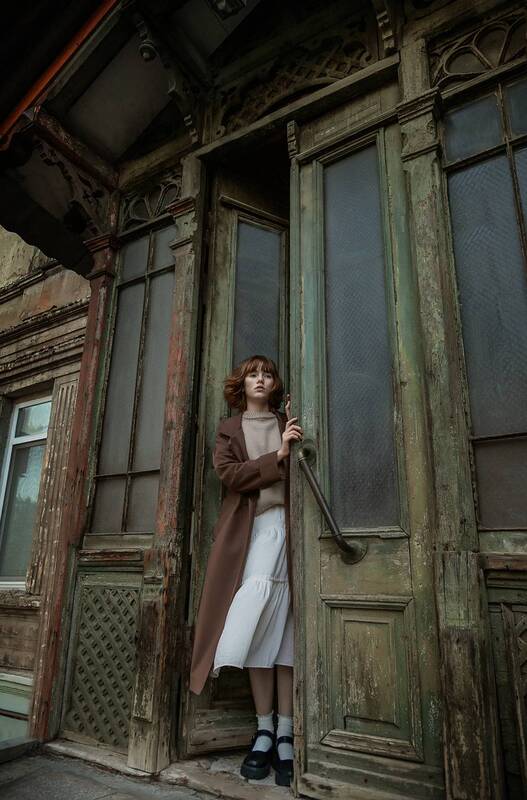
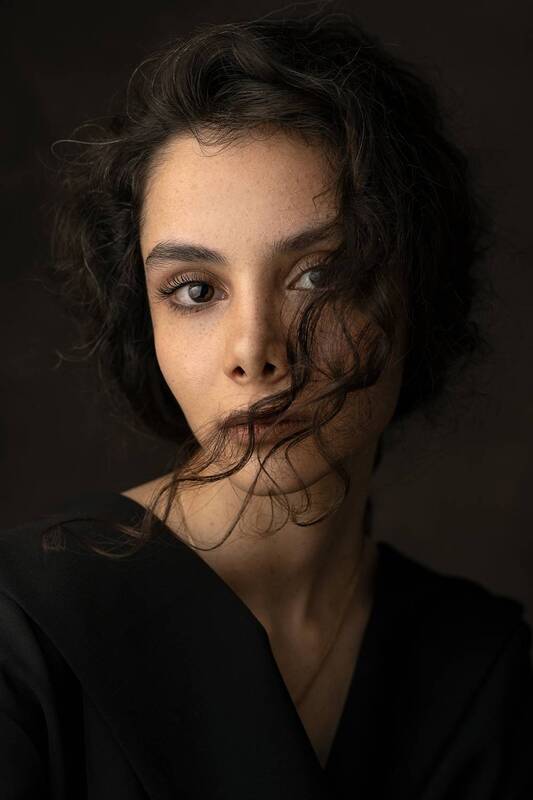
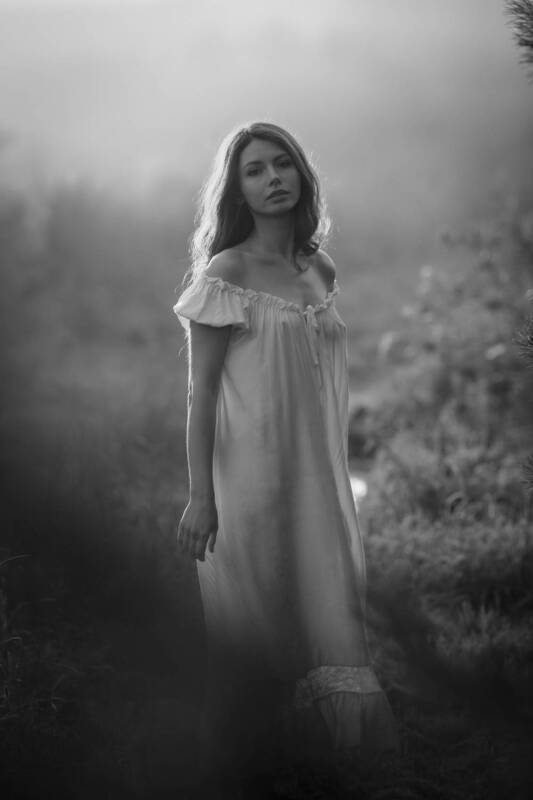
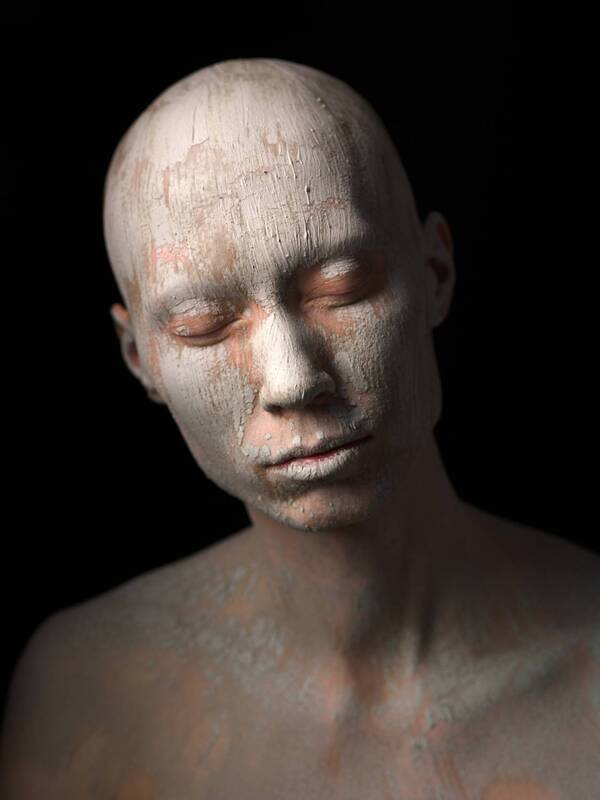
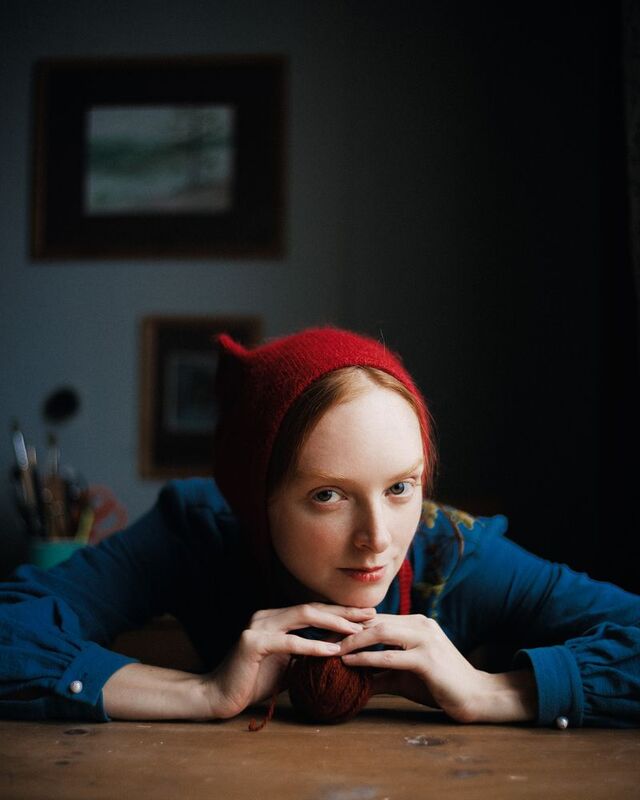
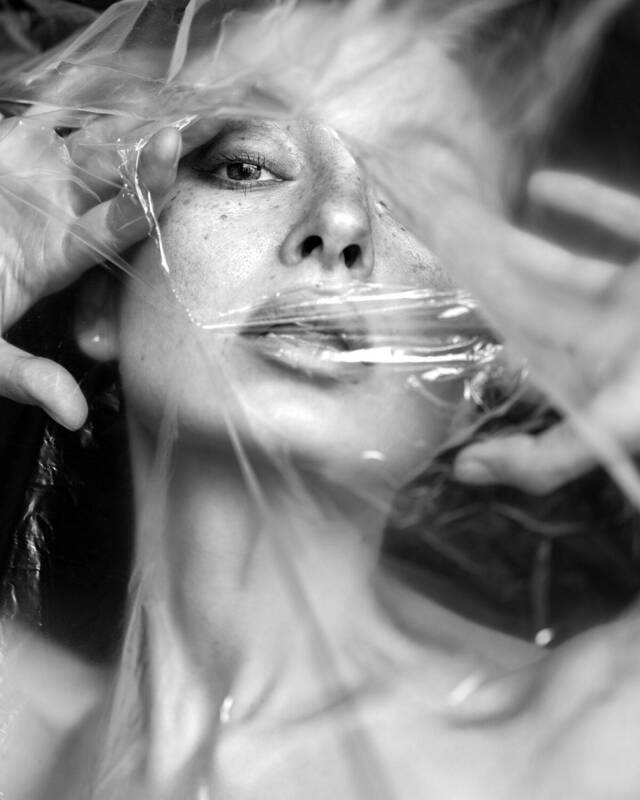
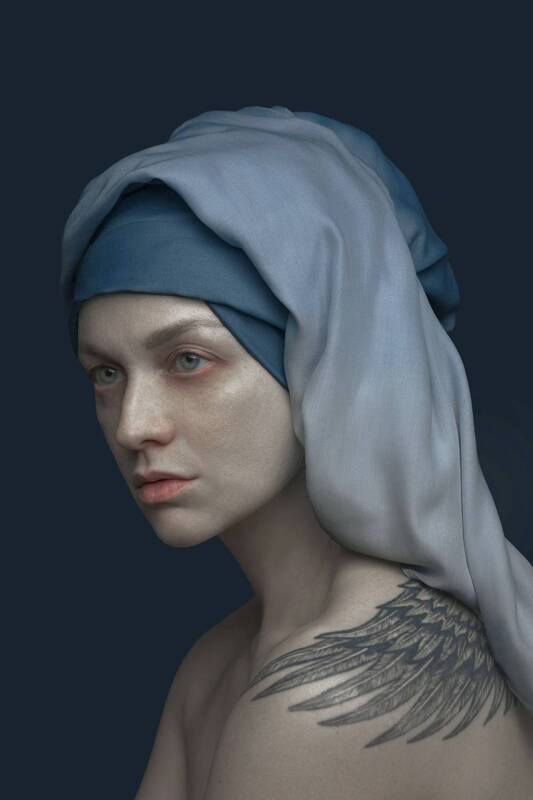
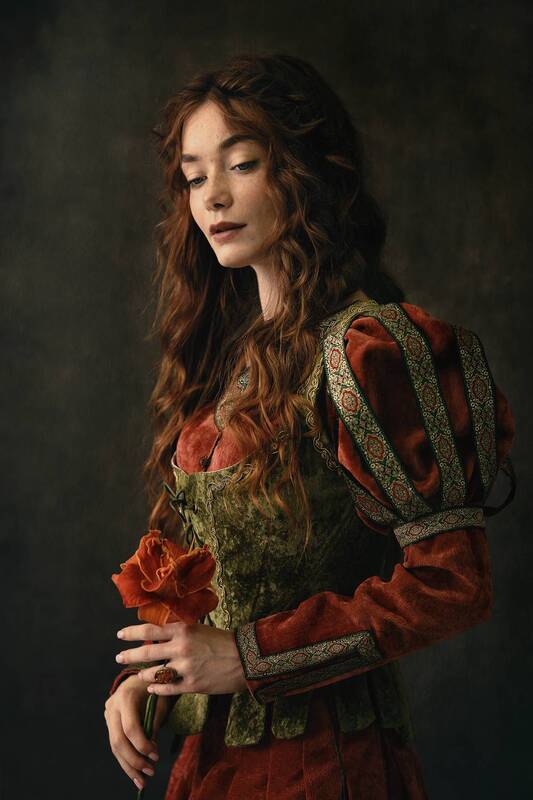
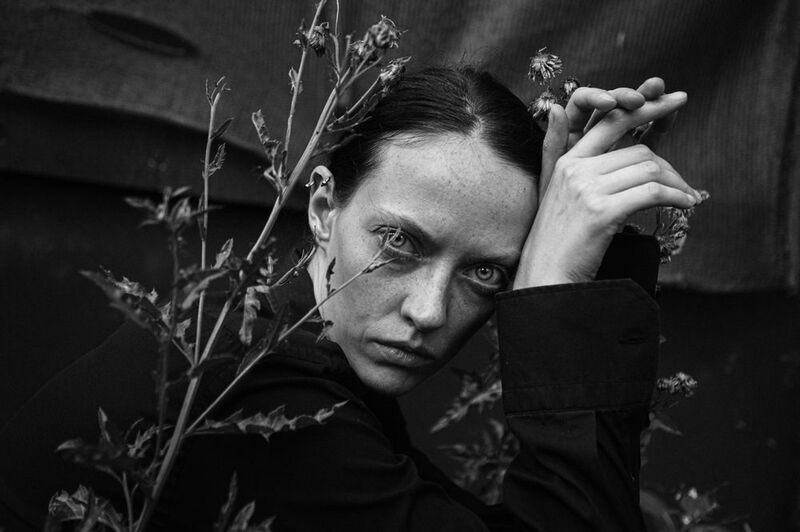
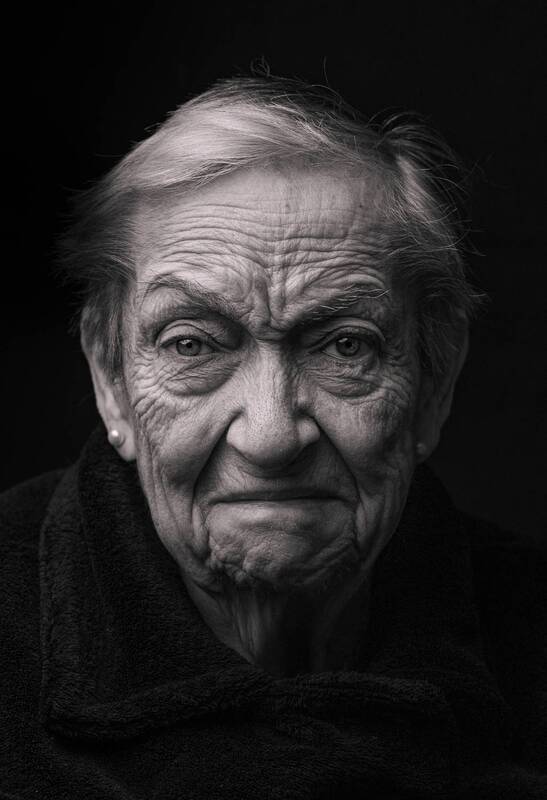
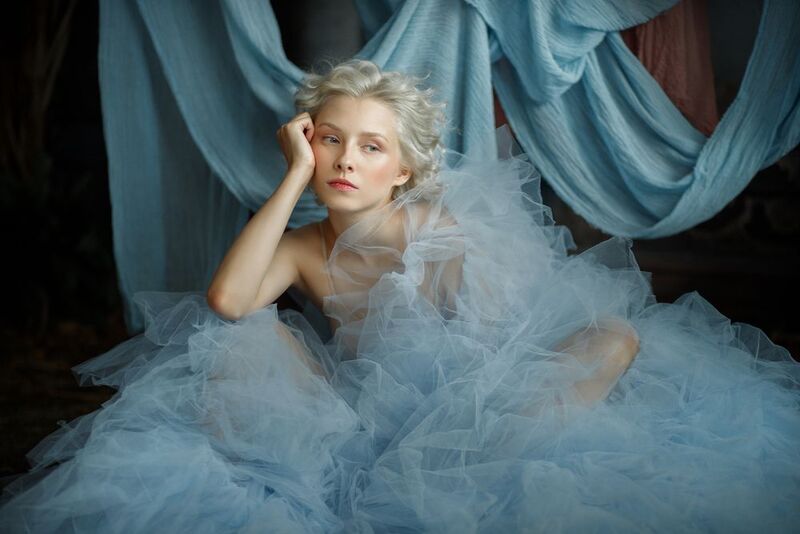
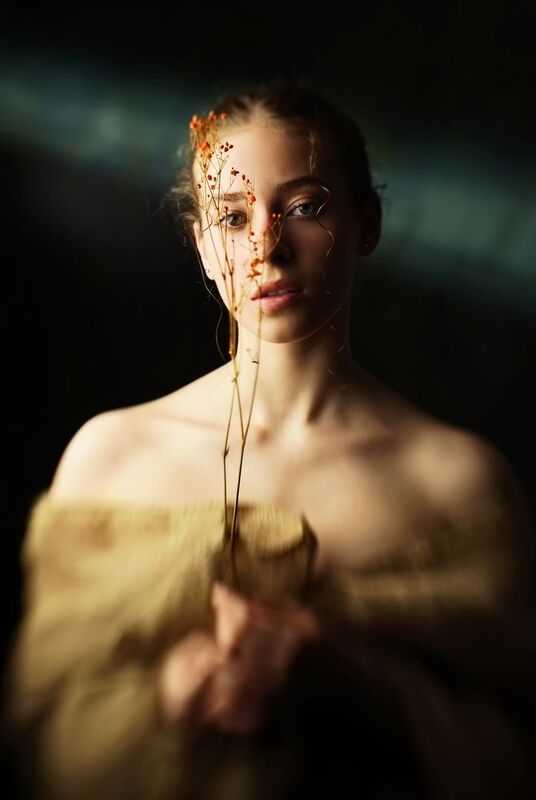
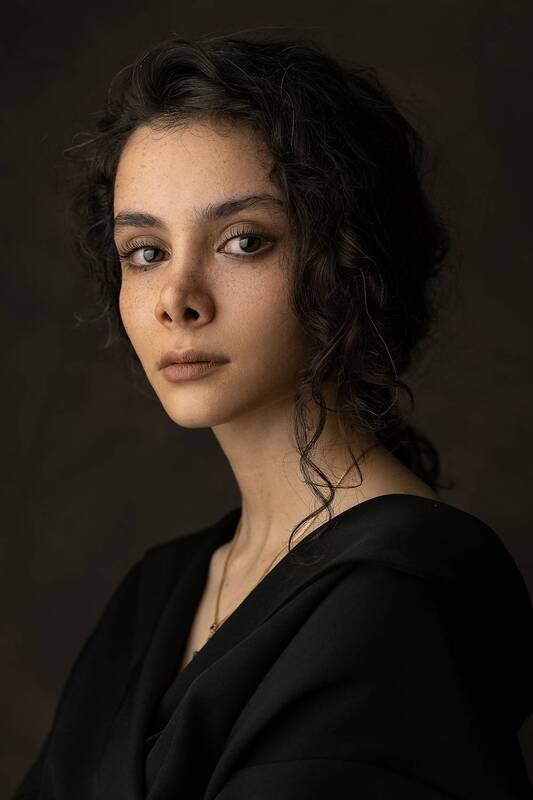
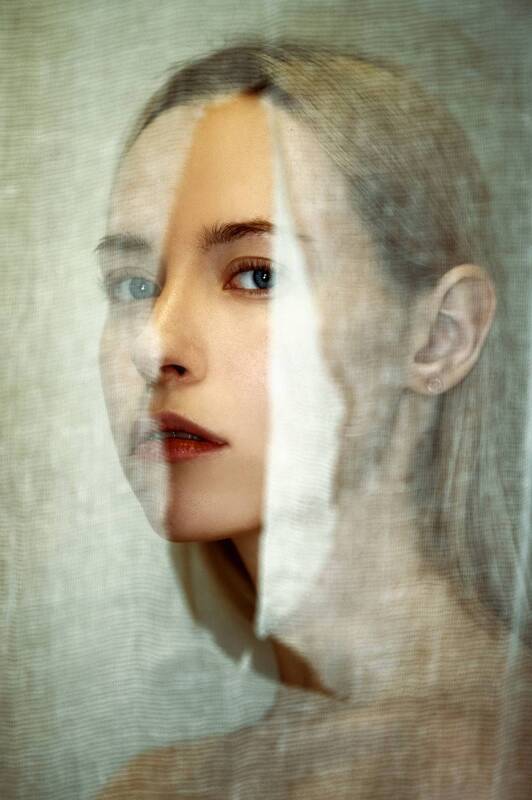
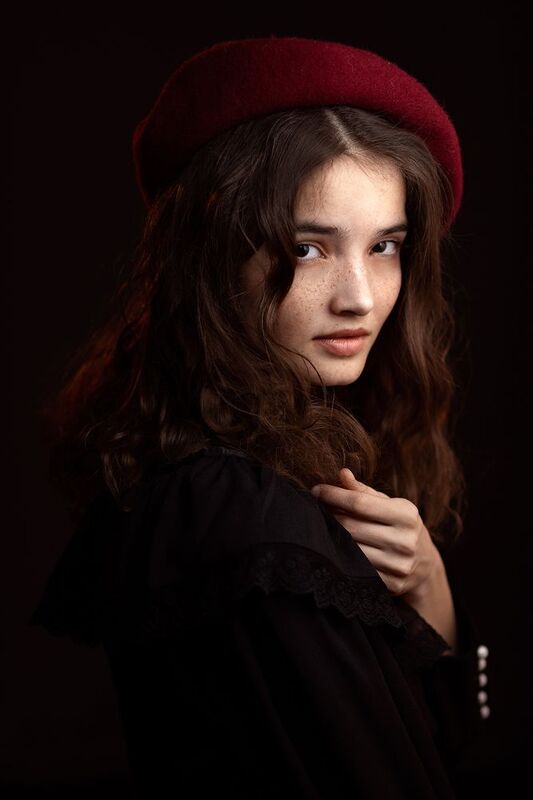
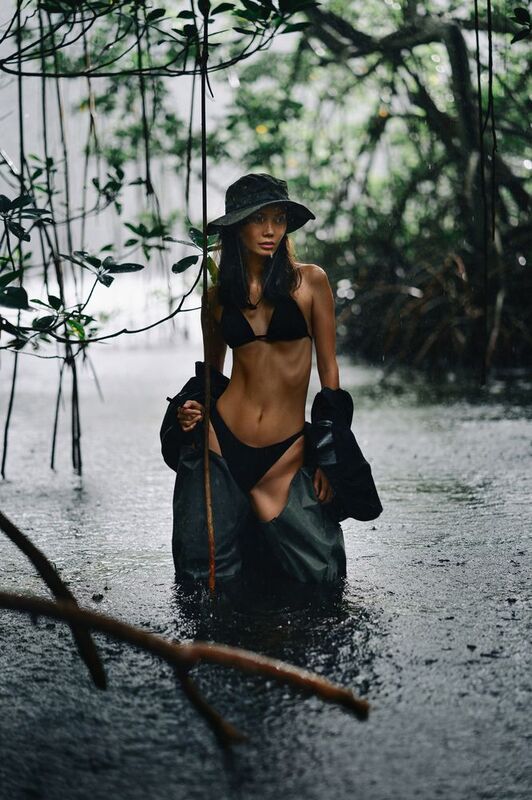
In this image, limited light and deep shadows were used to create a more concentrated visual focus. Leaving part of the face in darkness allows the subject’s gaze to hold the strongest presence in the frame. This decision gives the portrait a cinematic character.
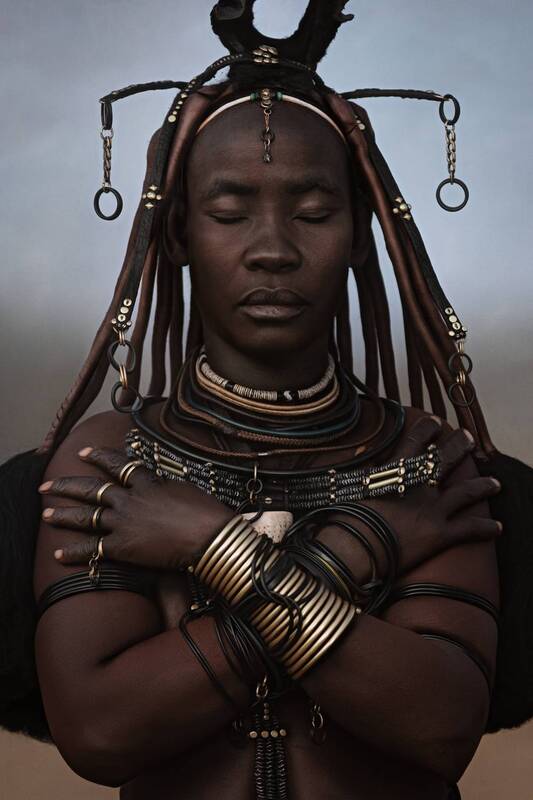
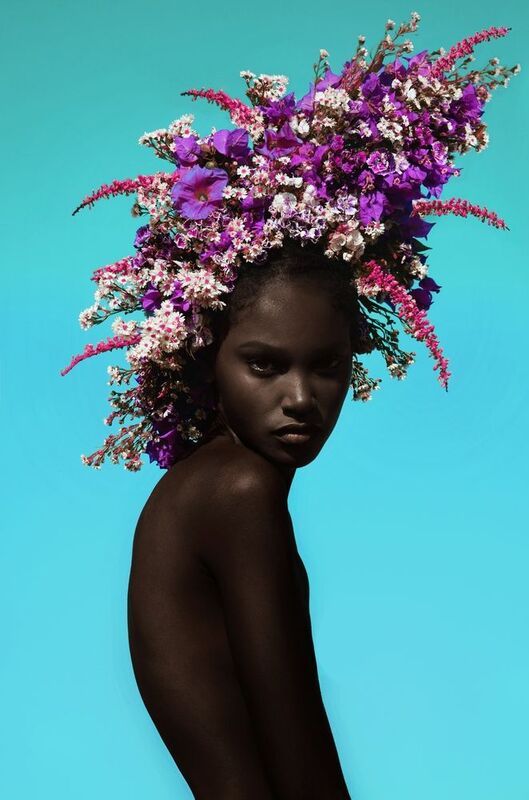
En esta imagen , el cuerpo se convierte en lienzo y la naturaleza en corona. La modelo, con su piel como obsidiana, irradia fuerza y serenidad, mientras una explosión de flores púrpuras y blancas brota de su cabeza como un jardín onírico. Esta obra fotográfica presenta una exploración visual precisa entre cuerpo, estética y simbolismo. La modelo cuyo porte y mirada transmiten control y presencia , está intervenida con un elaborado arreglo floral que trasciende la moda para situarse en el terreno del arte conceptual. El contraste cromático entre la piel oscura, el fondo cian y las flores púrpura y blancas genera una composición de alto impacto visual que remite tanto al retrato clásico como a la estética editorial contemporánea. La pieza plantea interrogantes sobre identidad racial, feminidad y conexión con lo orgánico, revirtiendo estereotipos visuales y proponiendo nuevos códigos de representación. Esta fotografía es más que un retrato: es una declaración visual sobre identidad, orgullo, y la belleza radical de lo natural y lo auténtico. Un homenaje al poder femenino y a la conexión ancestral con la tierra.
Arte que respira, florece y transforma.
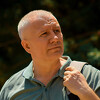
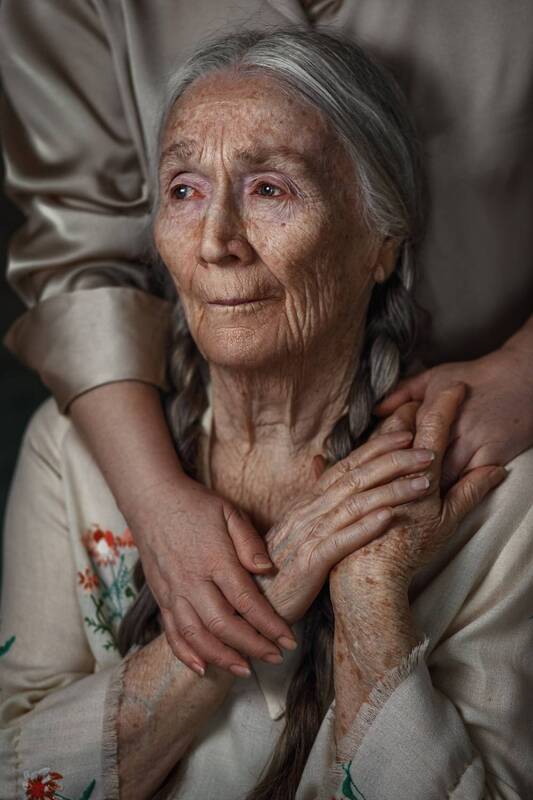
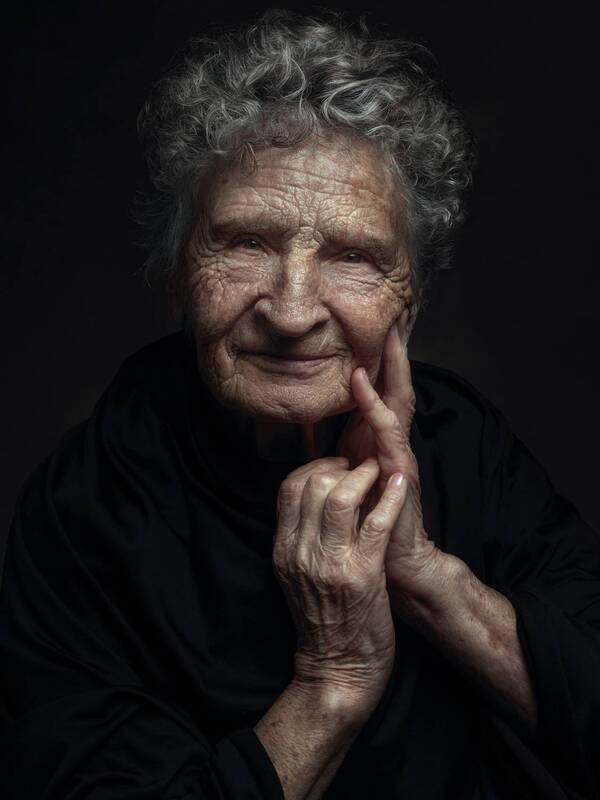
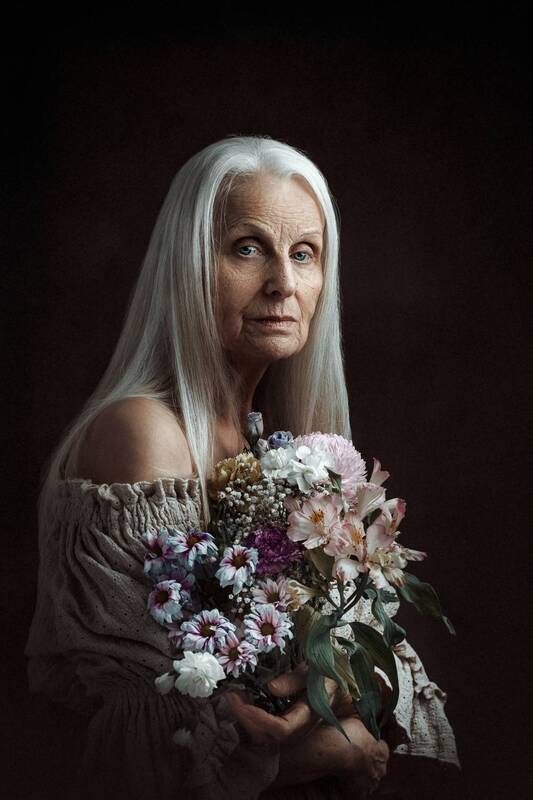
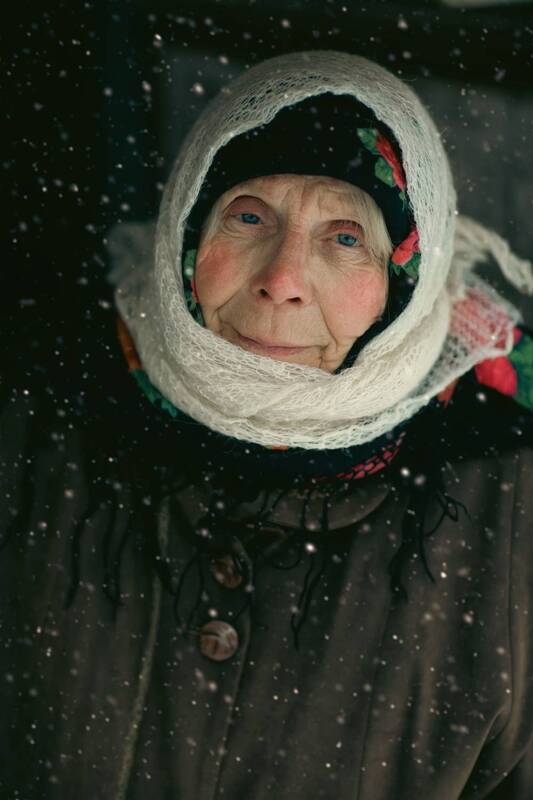
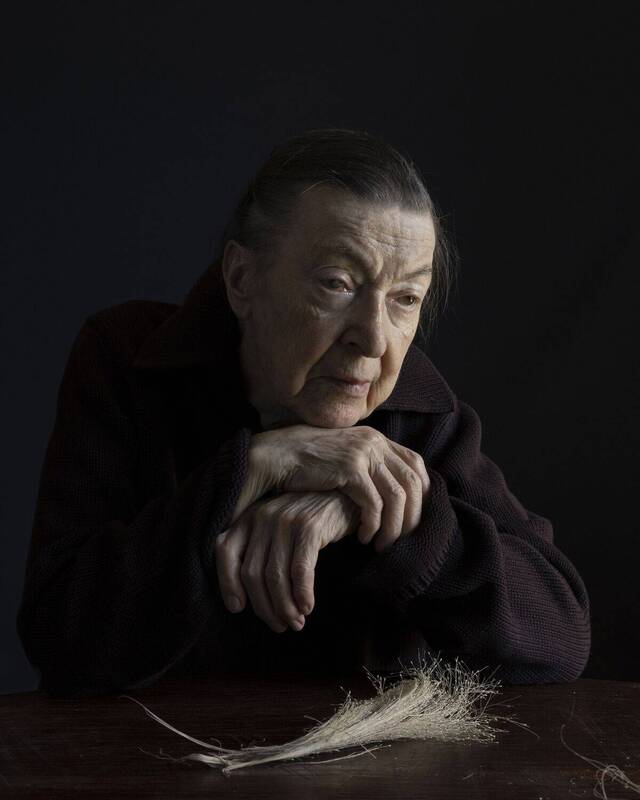
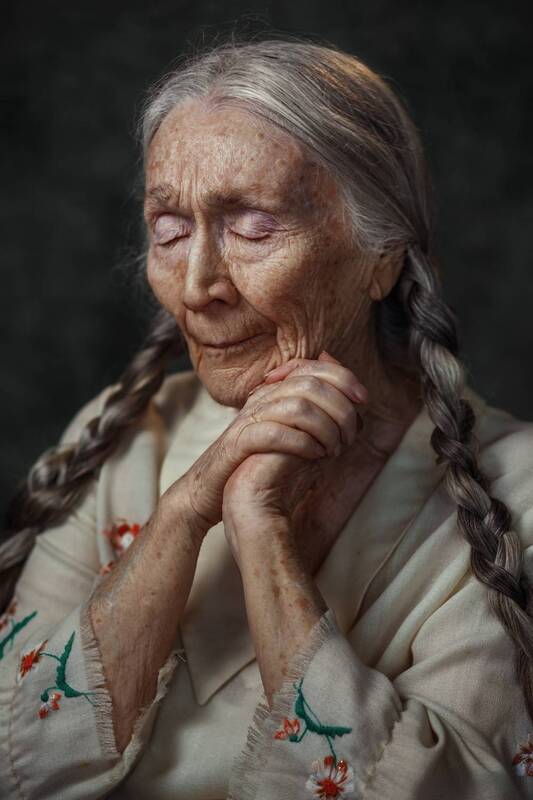
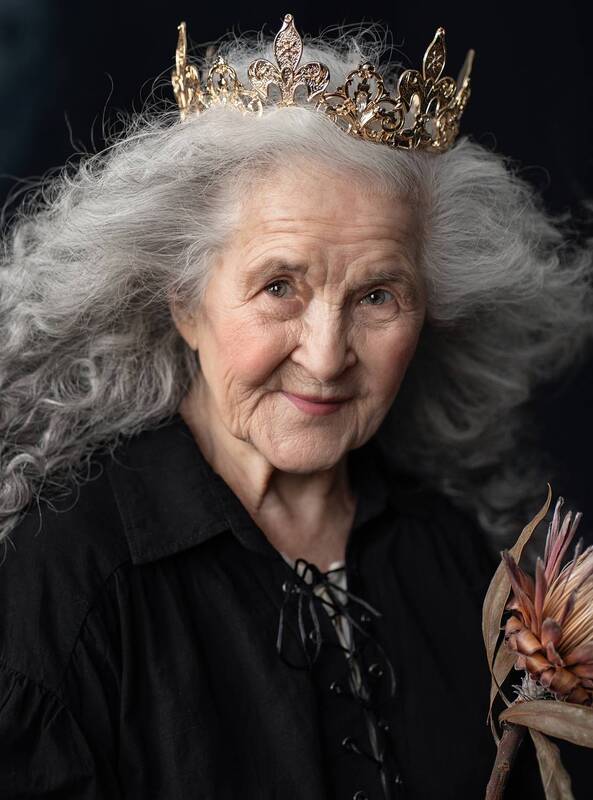
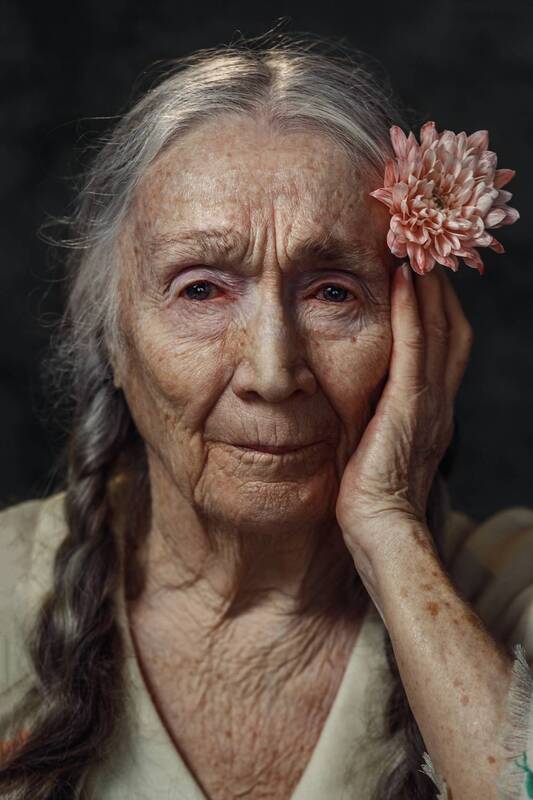
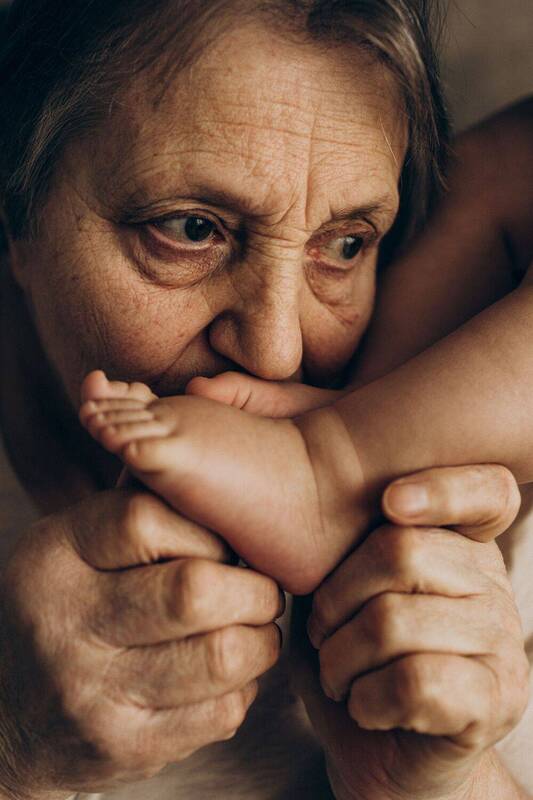
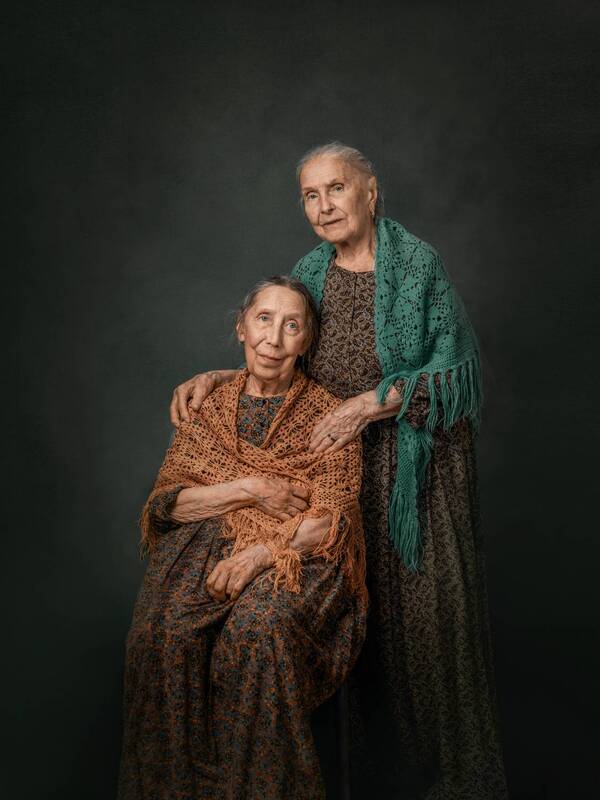
Мягкий свет подчёркивает глубину морщин и серебро её волос, а спокойная улыбка и задумчивый взгляд передают мудрость, достоинство и внутреннюю силу, накопленные годами.
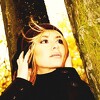
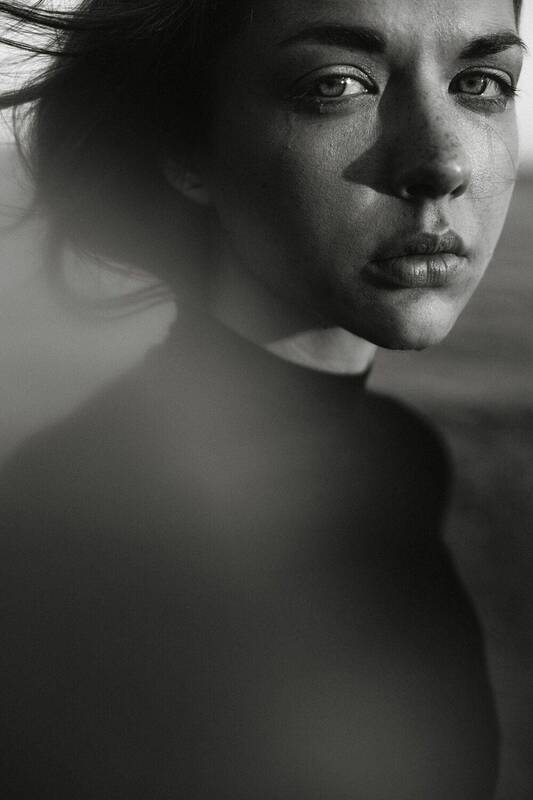
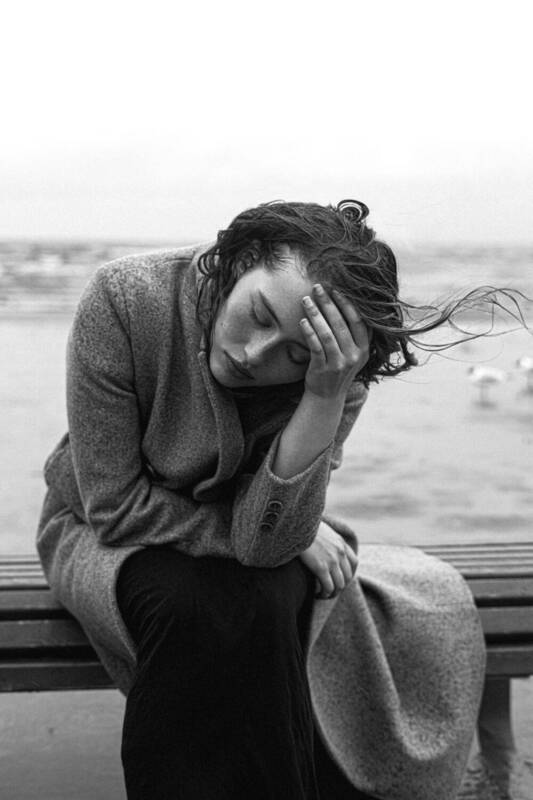
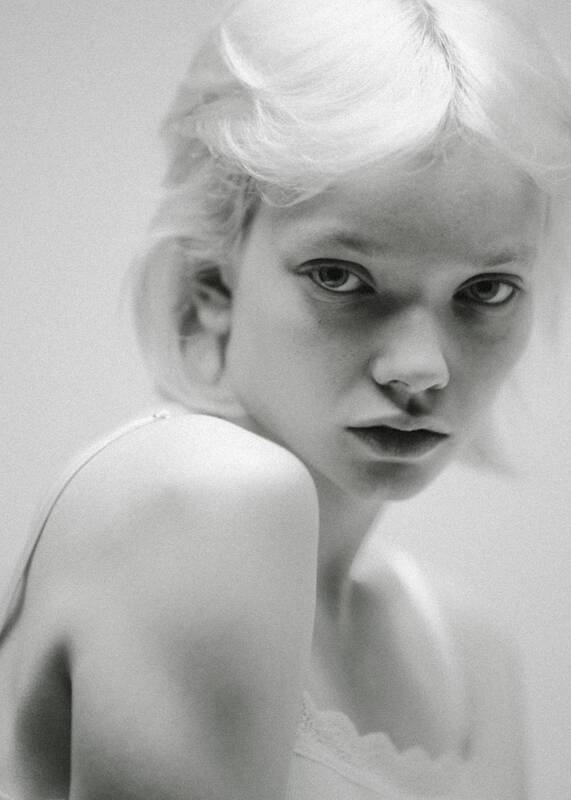
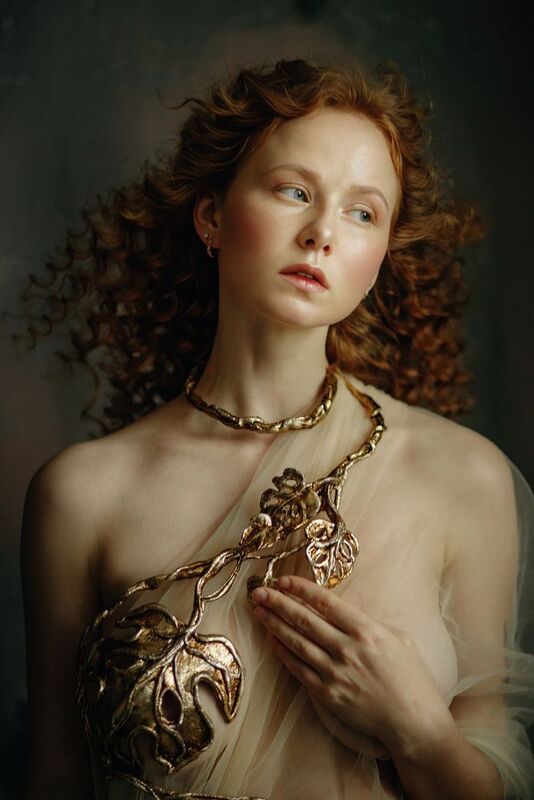
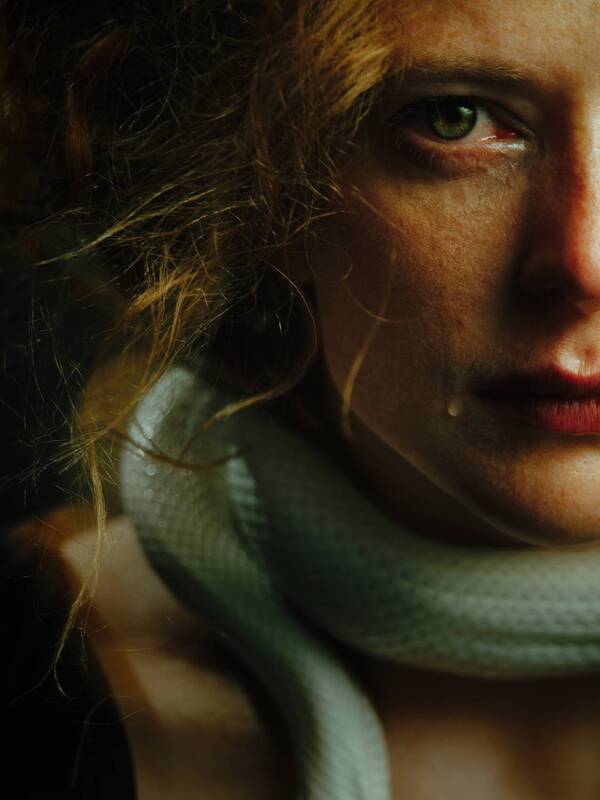
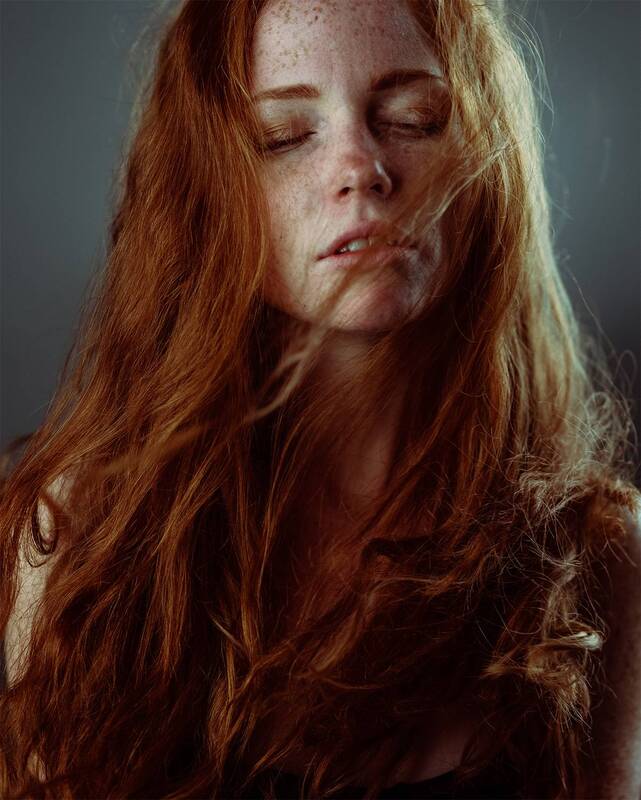
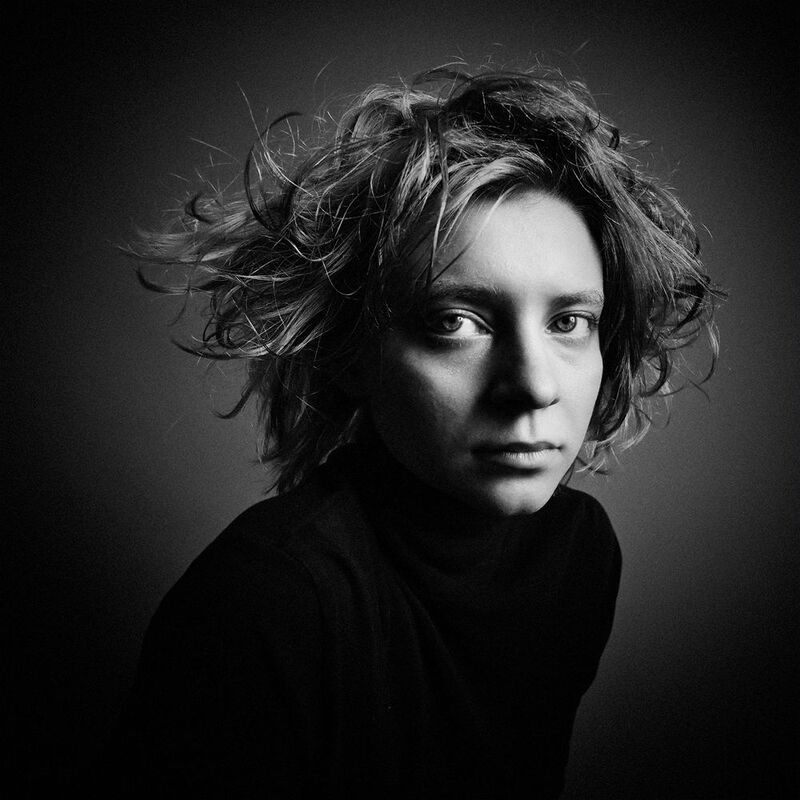
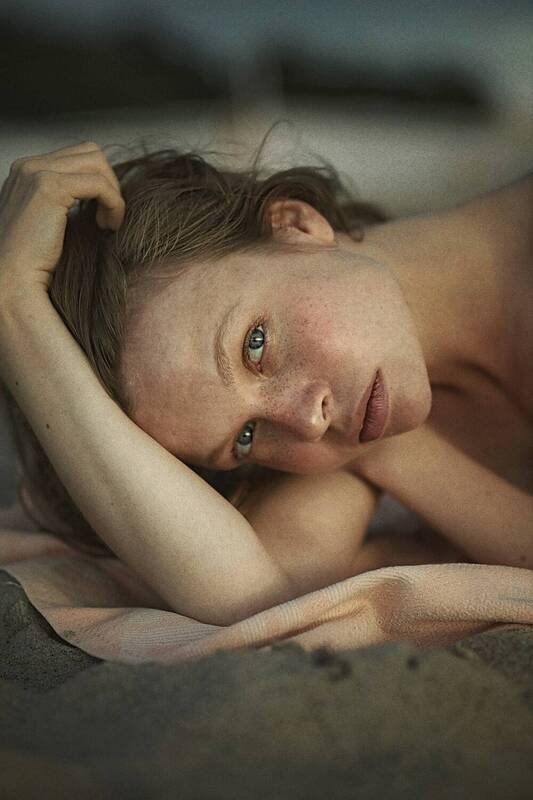
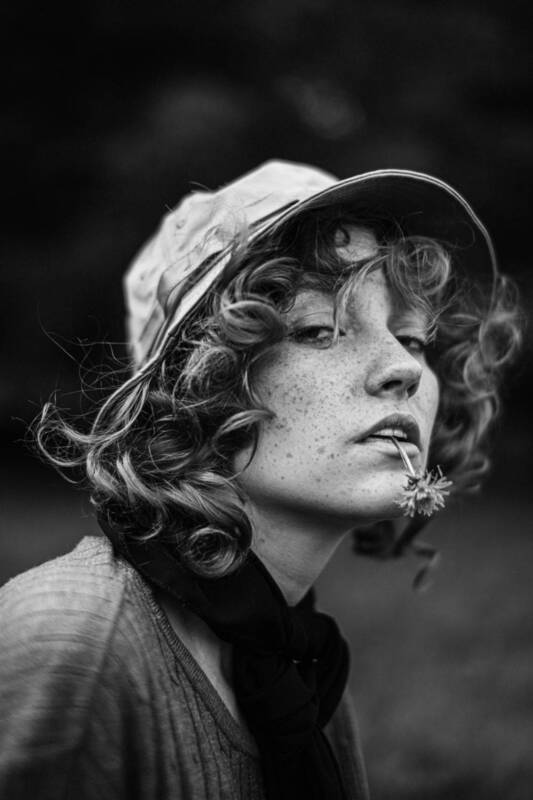
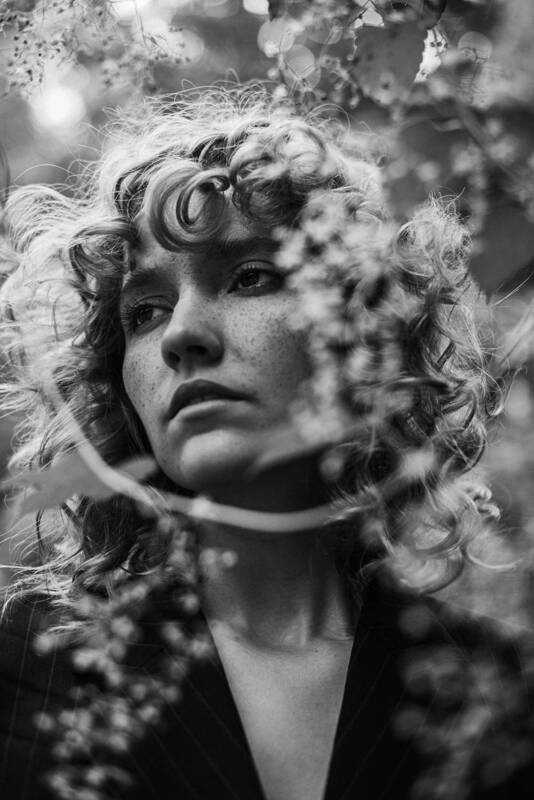
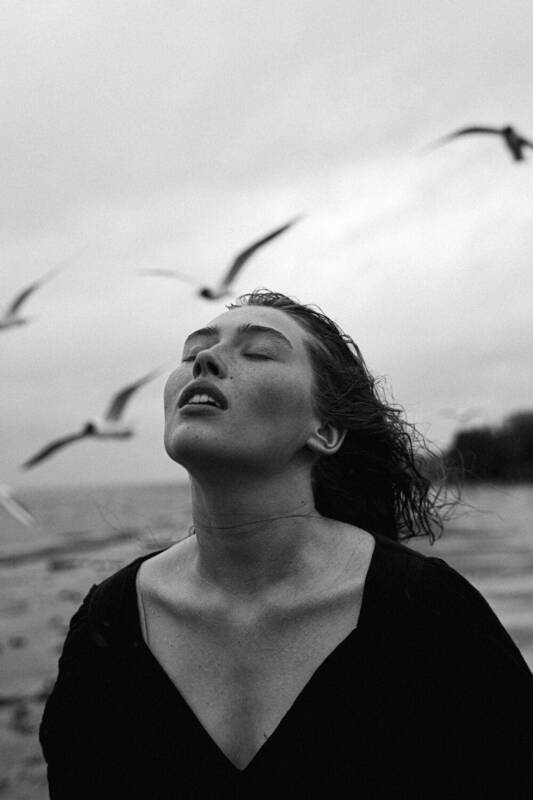
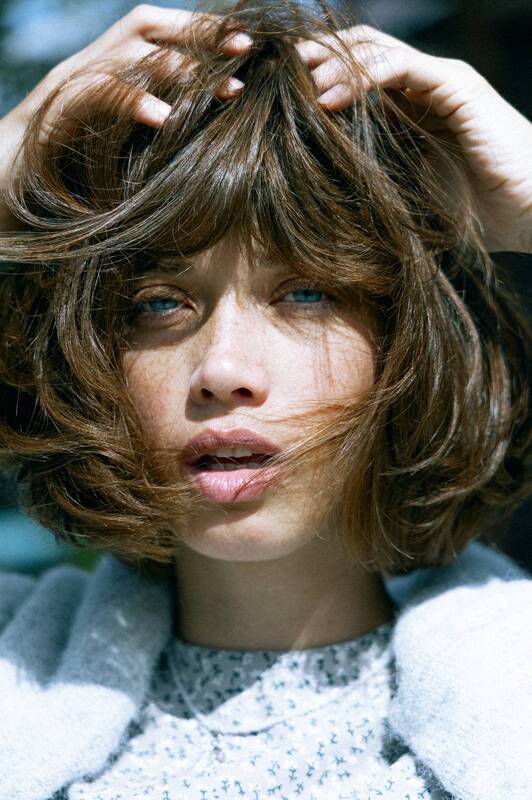
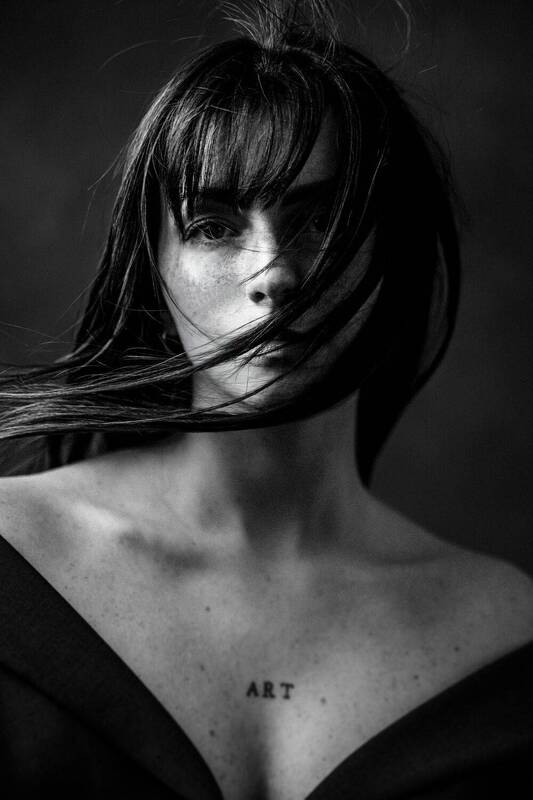
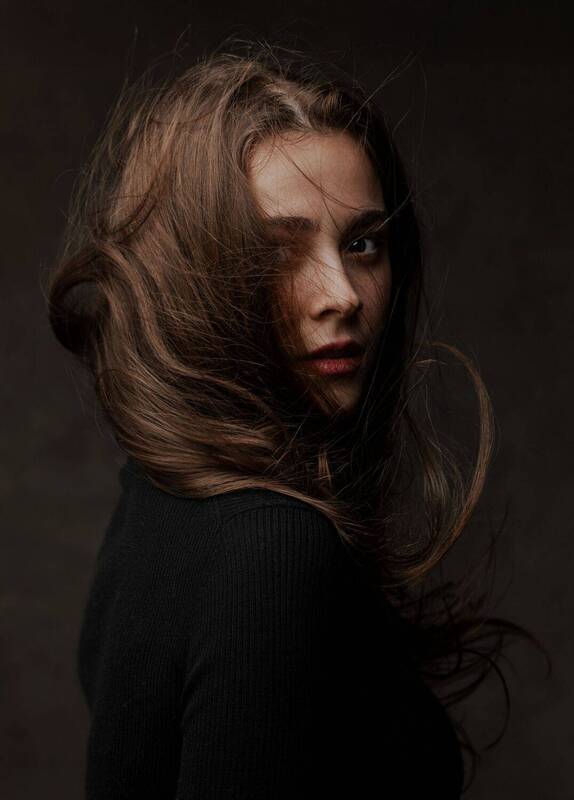
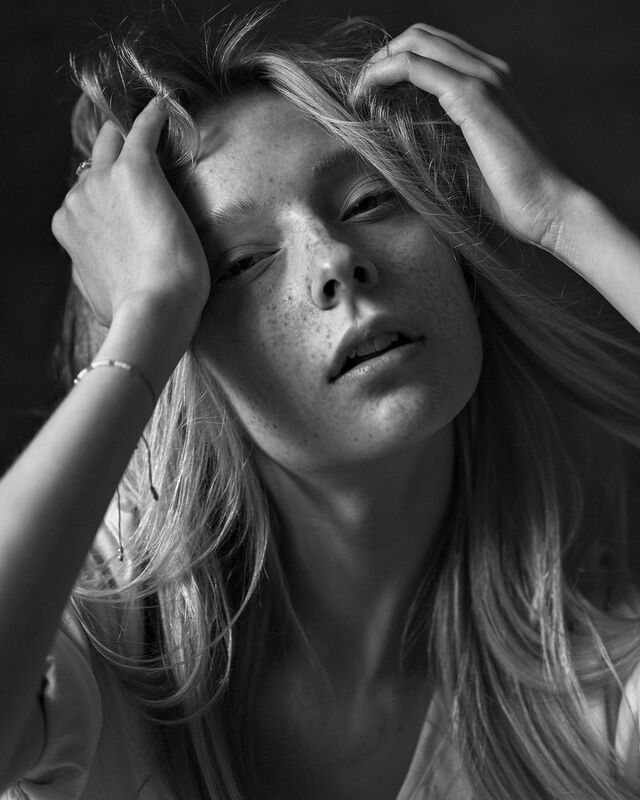
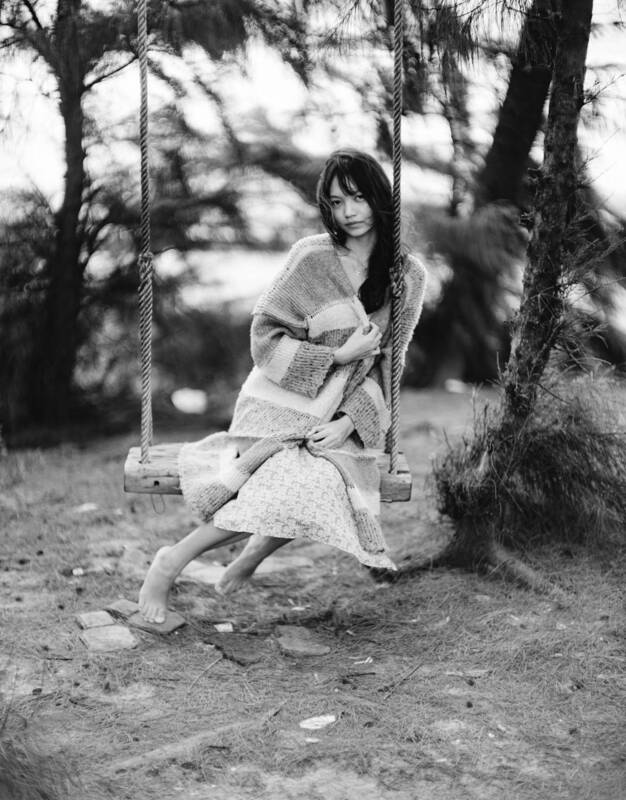
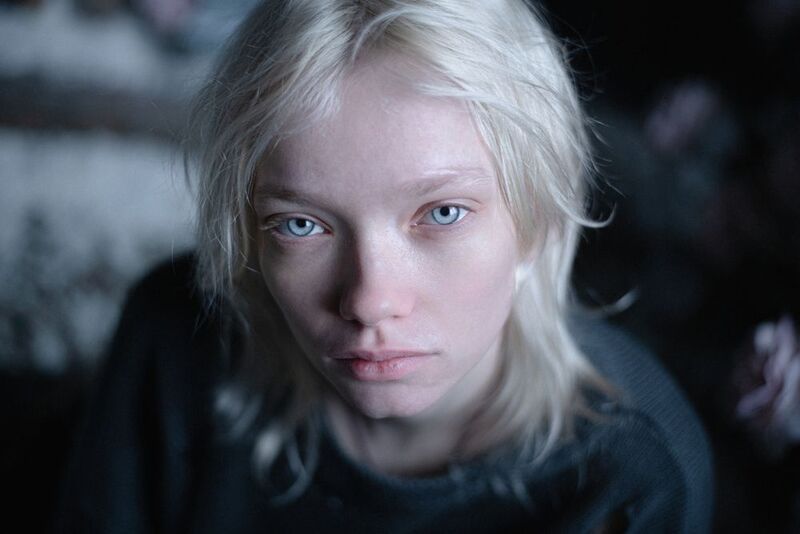
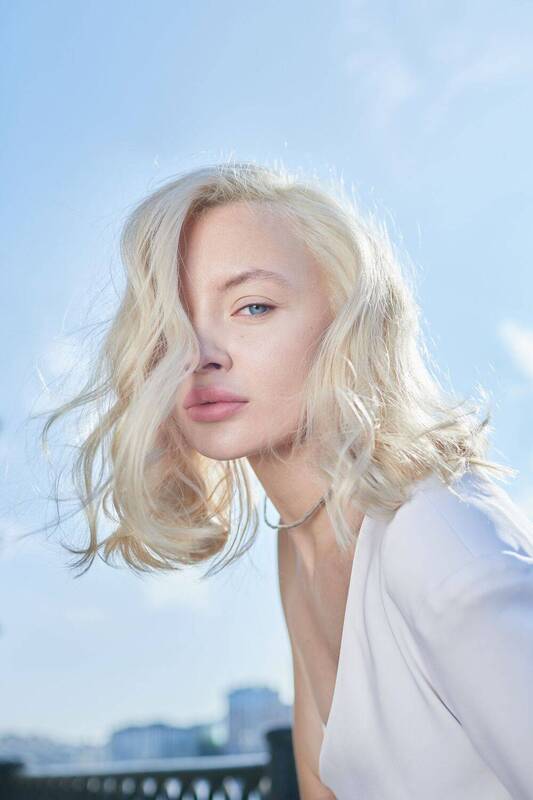
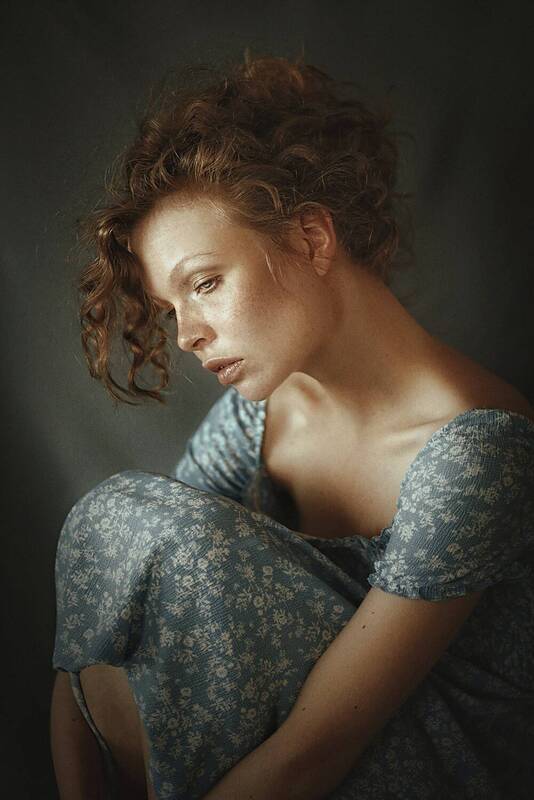
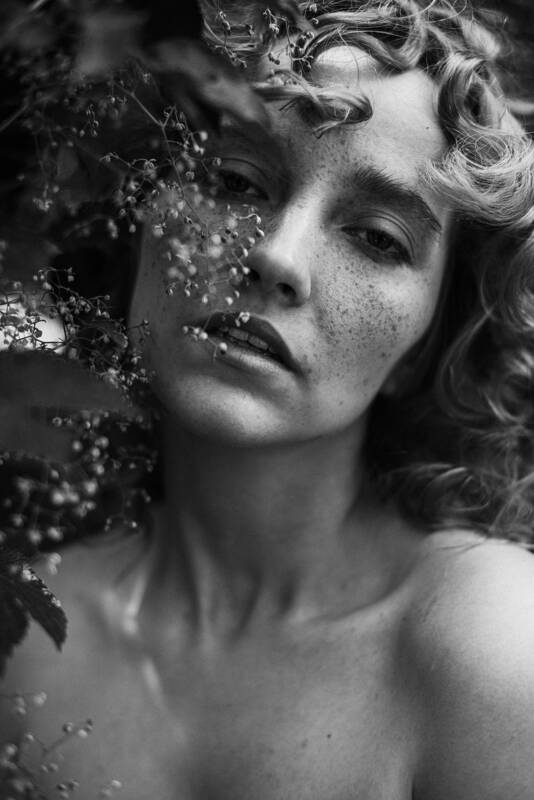
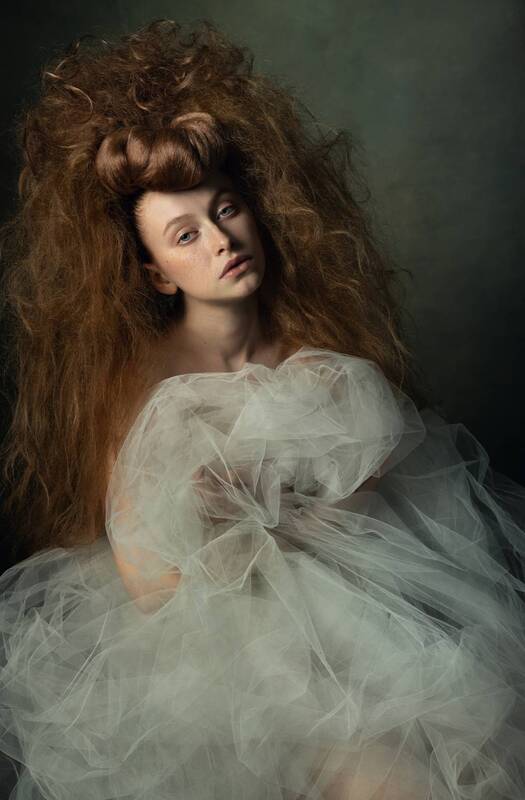
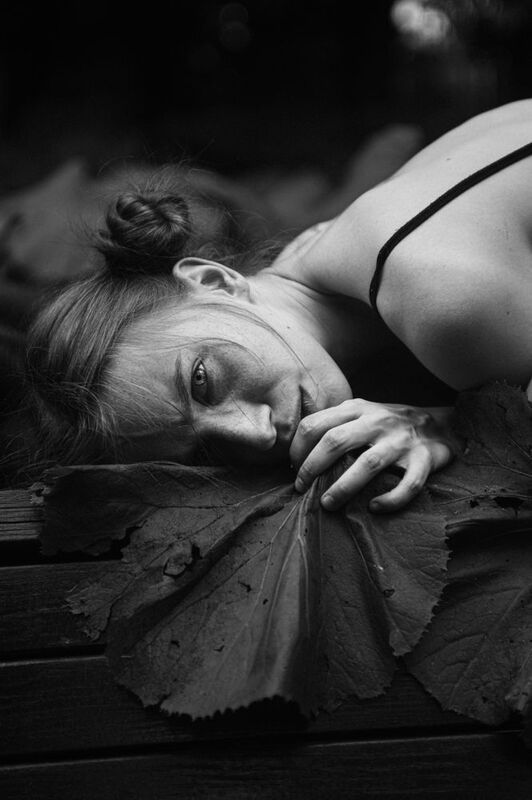
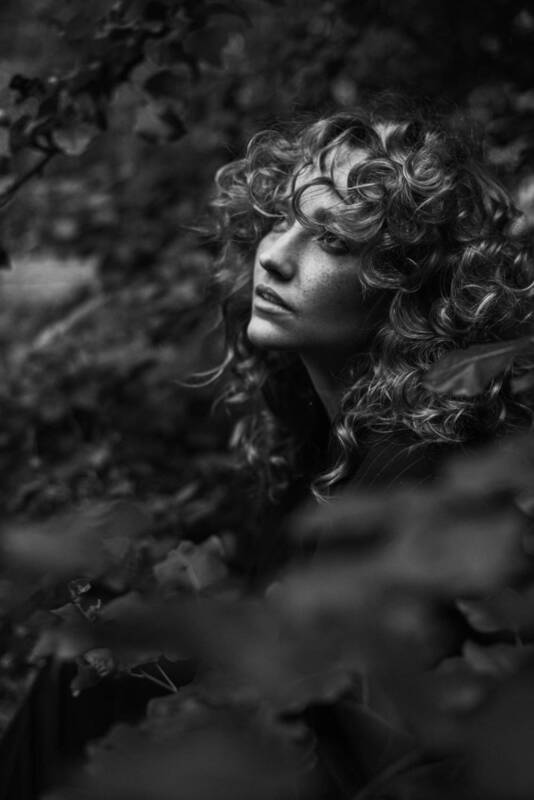
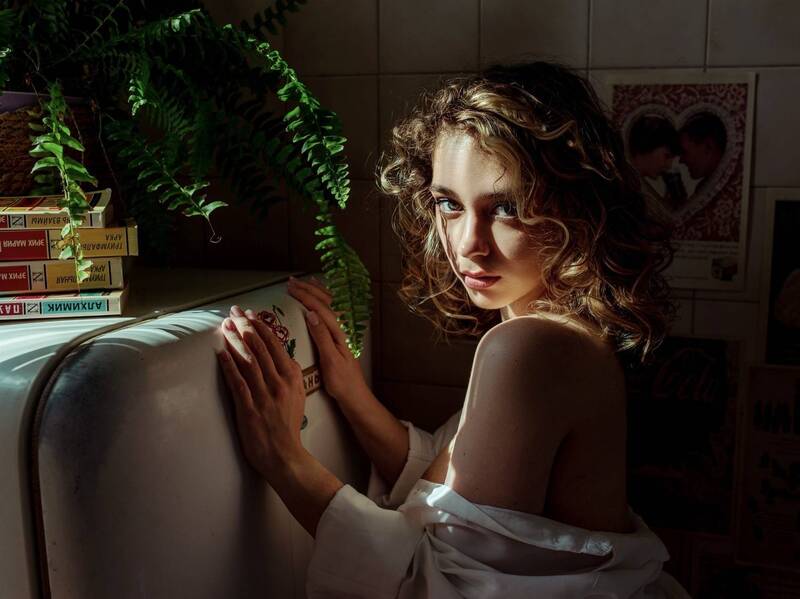
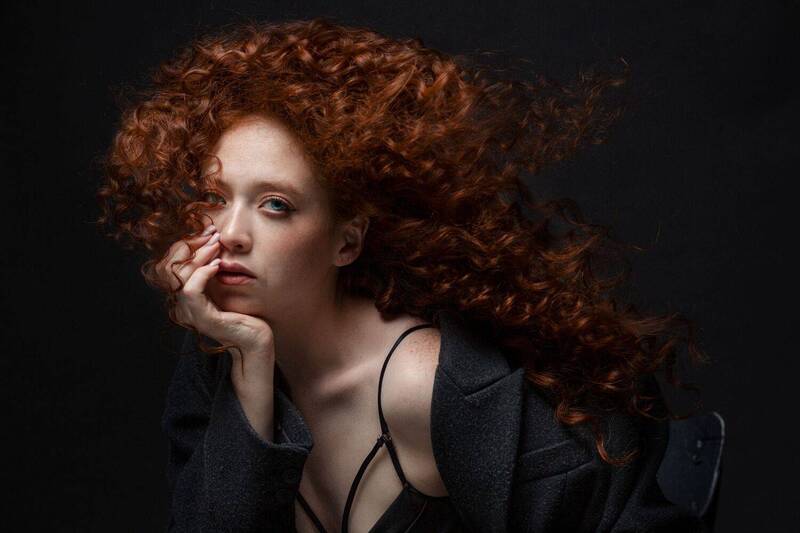
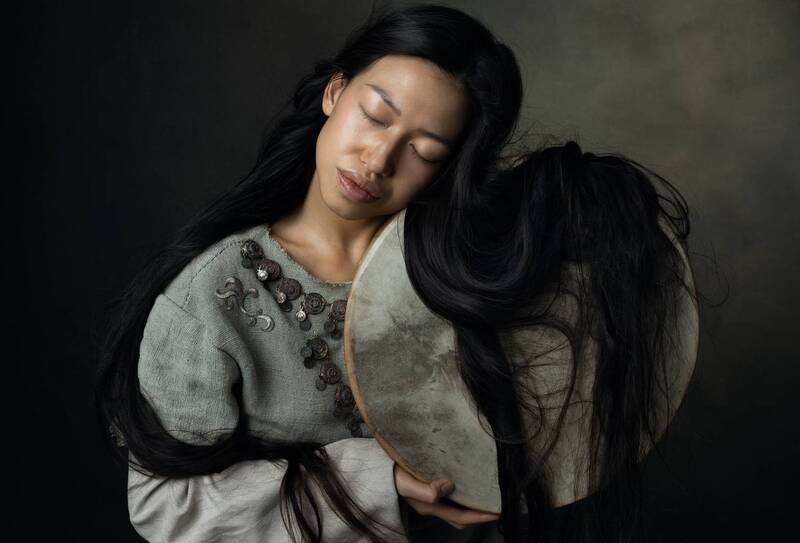
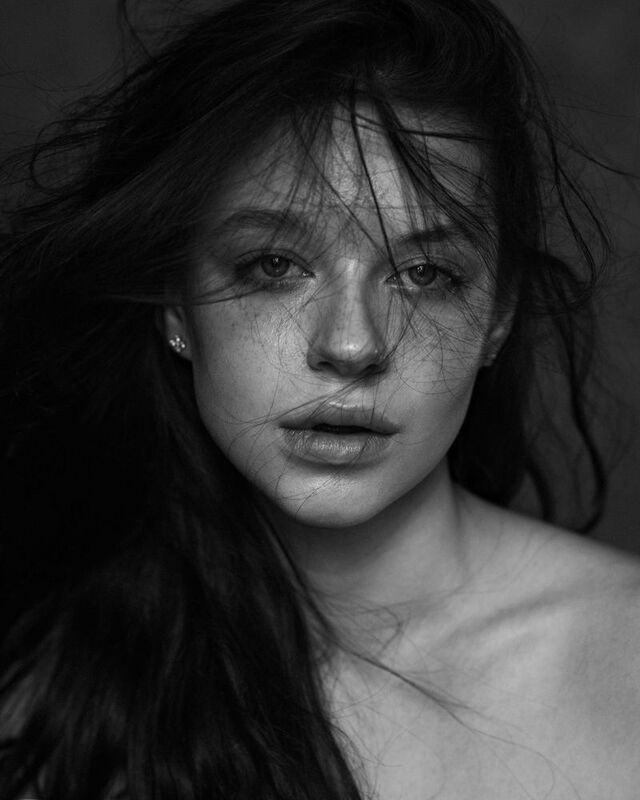
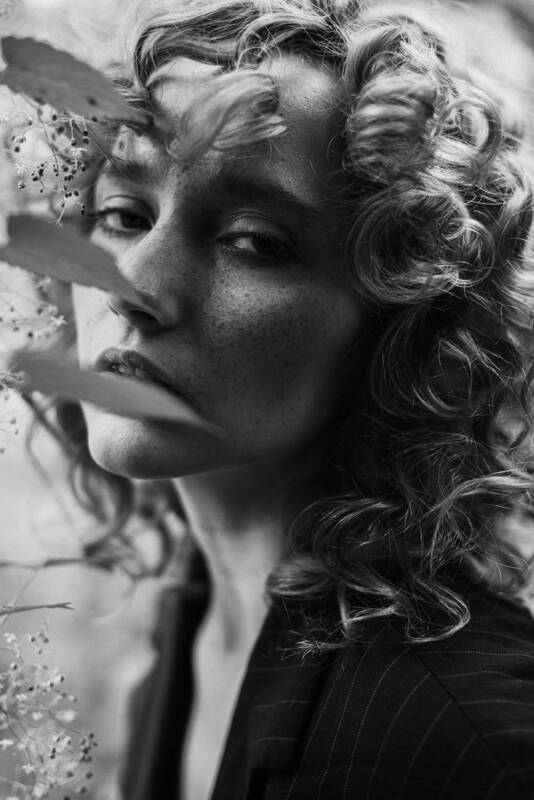
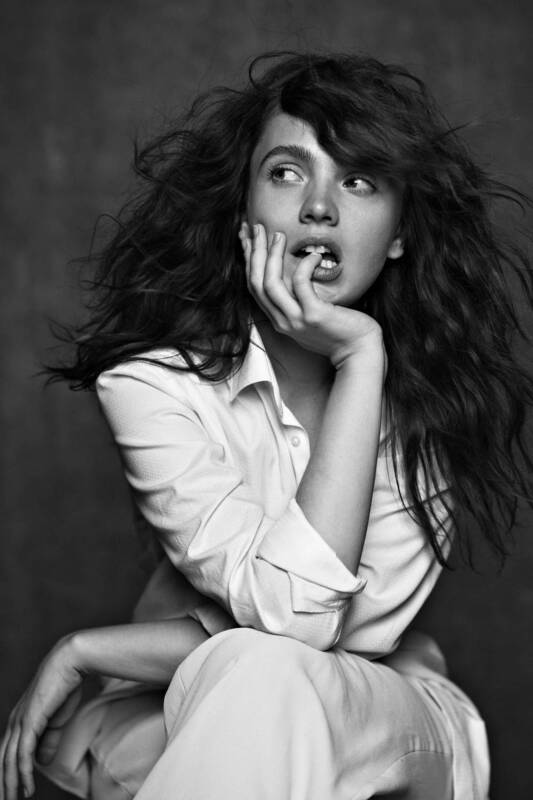
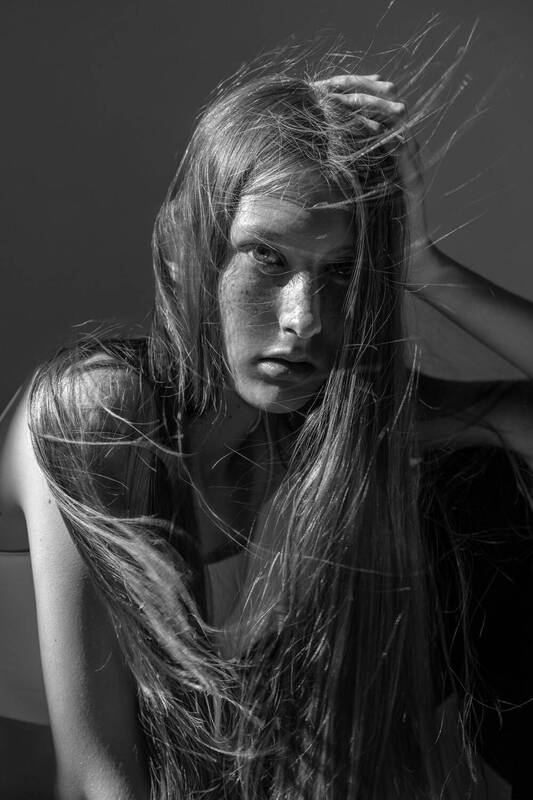
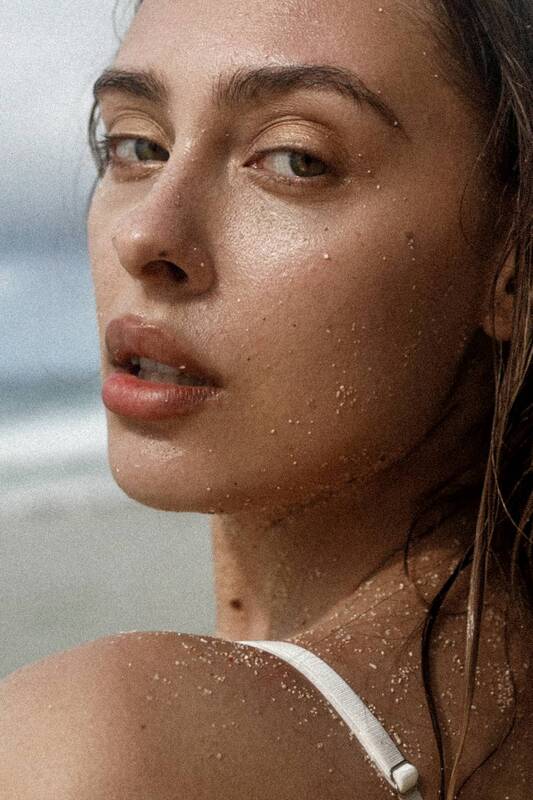
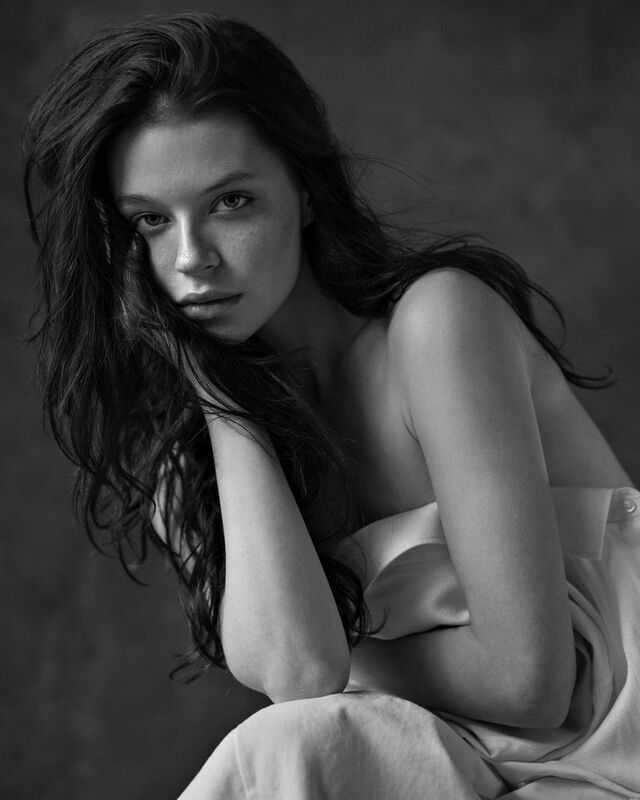
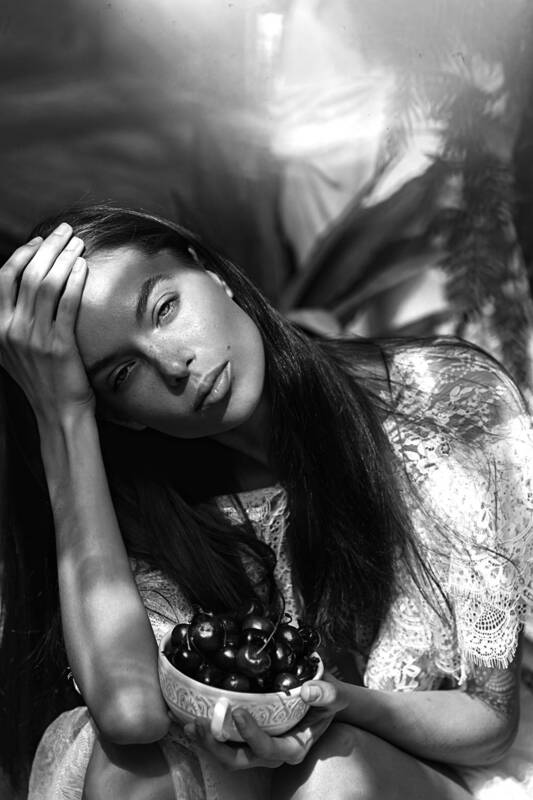
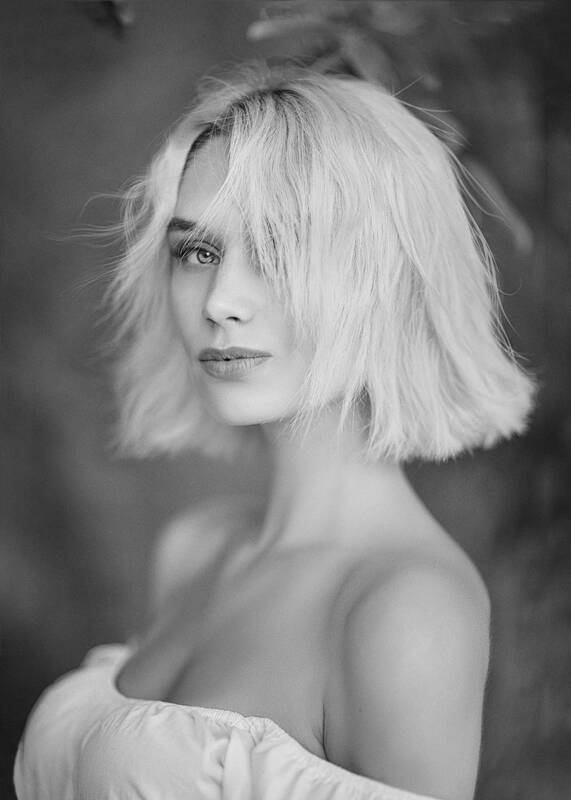
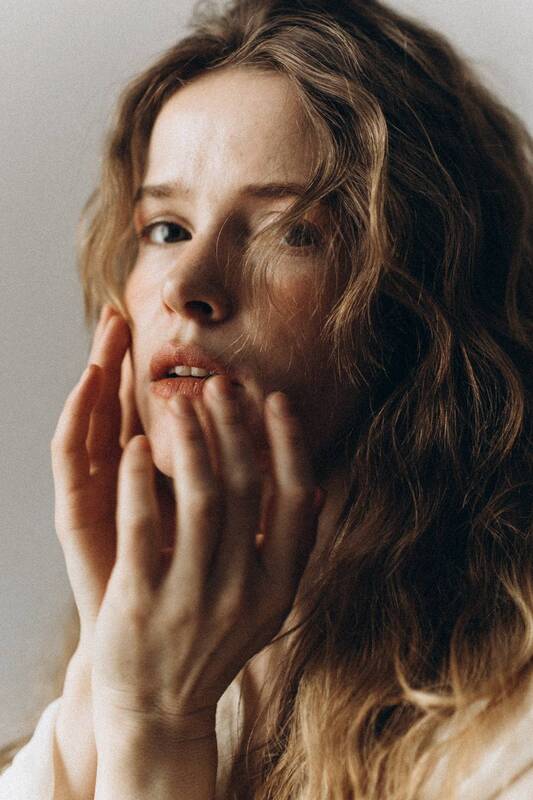
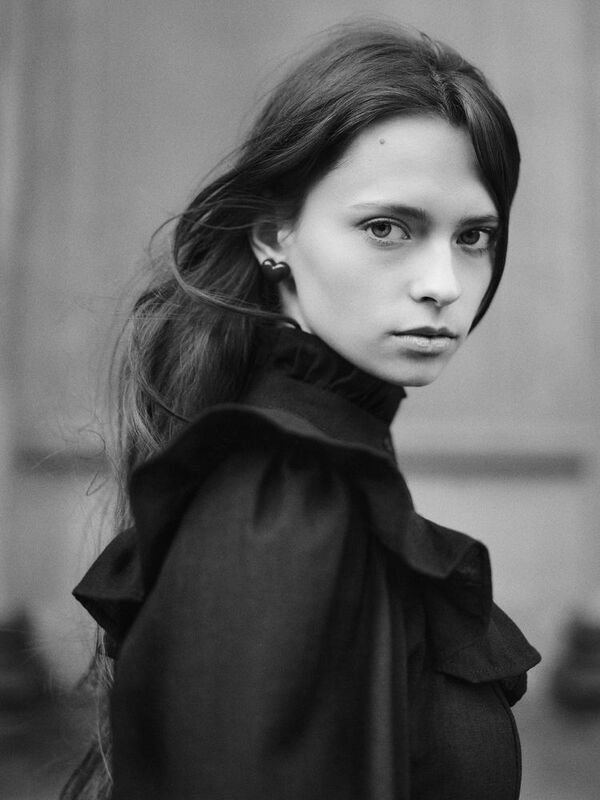
This portrait relies on an unstable, living moment where the movement of hair interrupts facial stillness. Soft light and restrained contrast enhance intimacy, while the close framing removes distance between subject and viewer. The image remains suspended between physical presence and inner state.
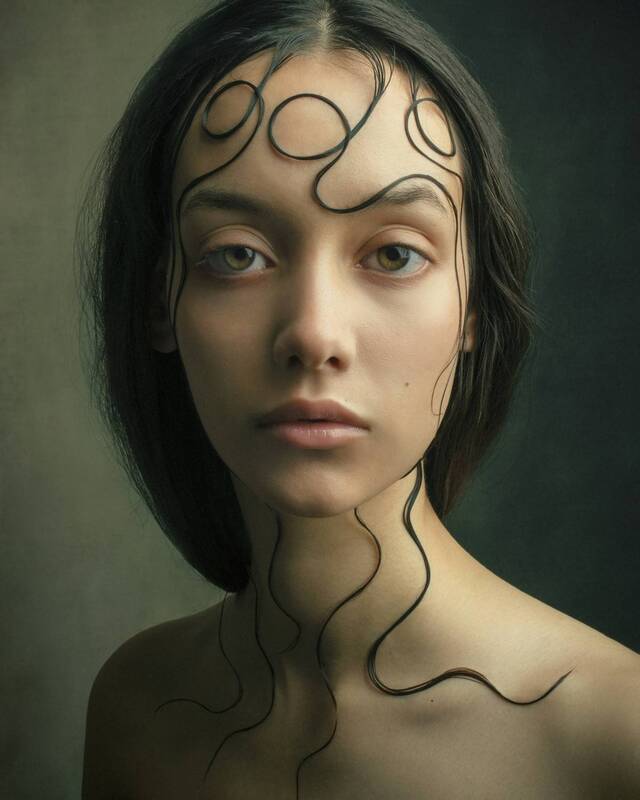
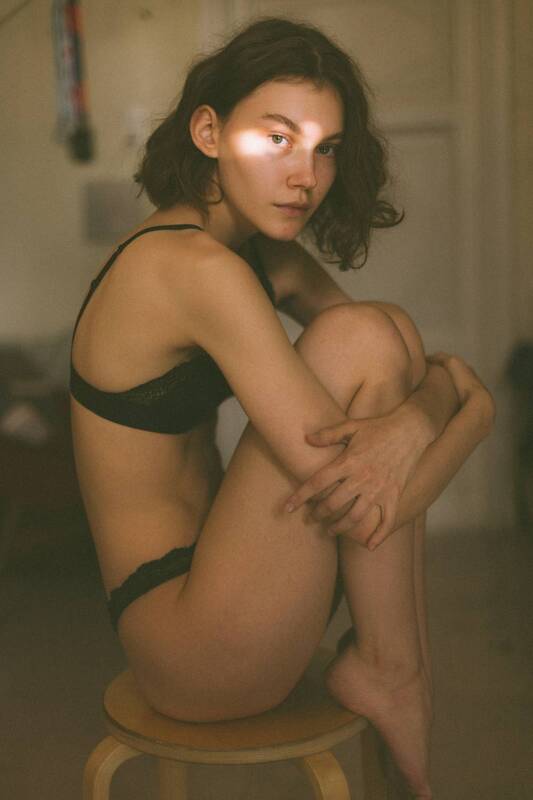
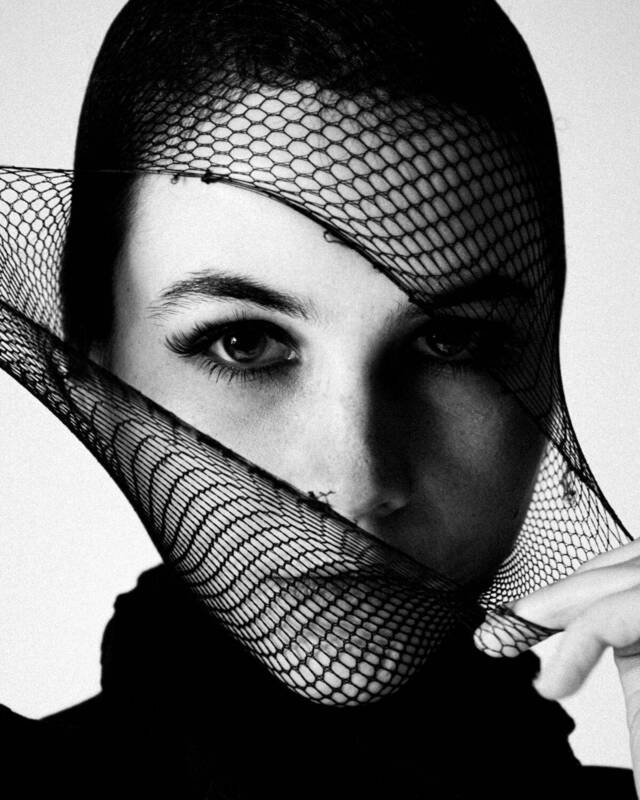
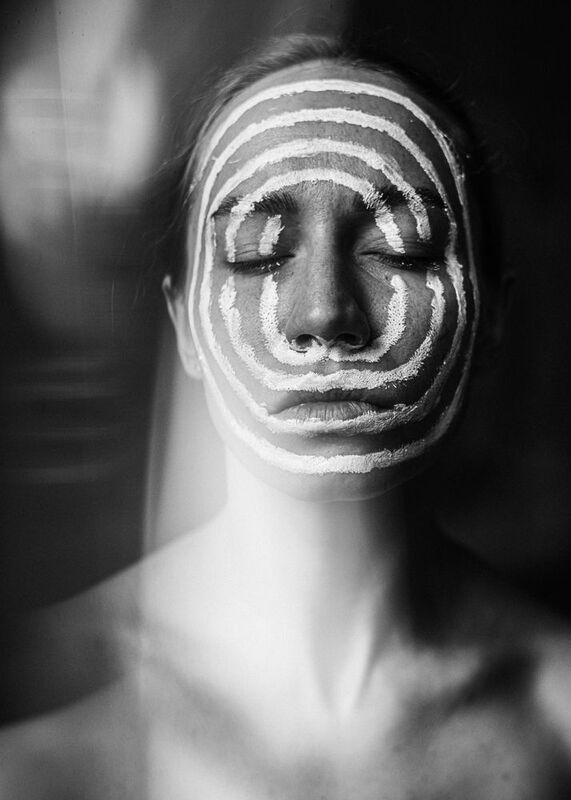
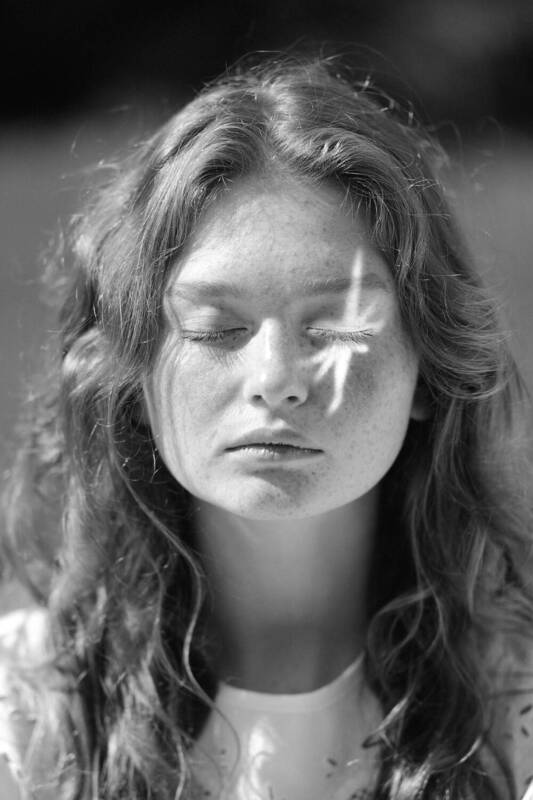
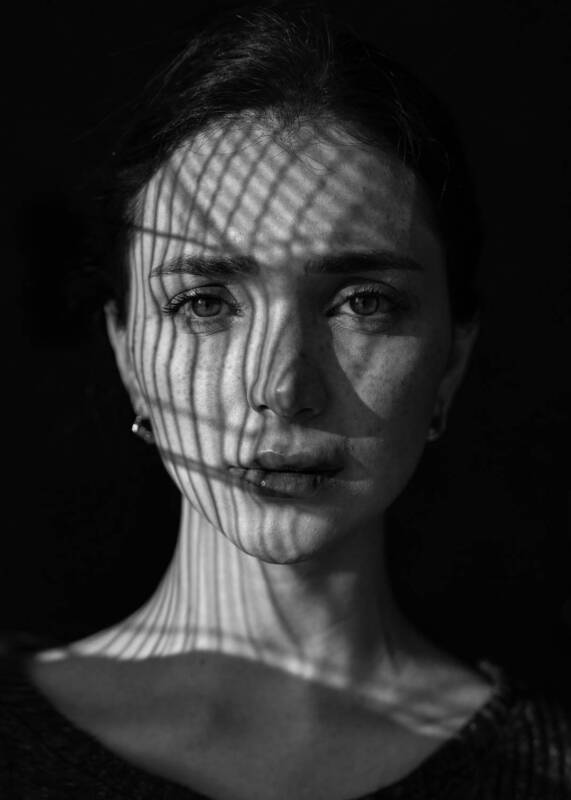
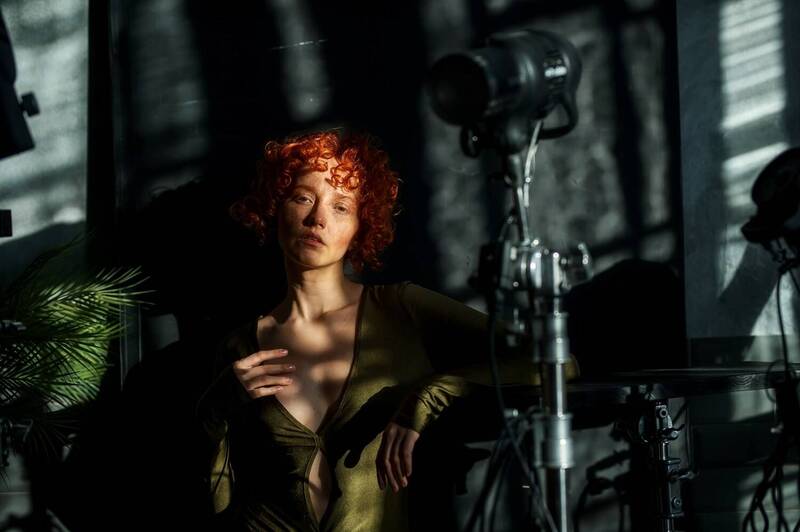
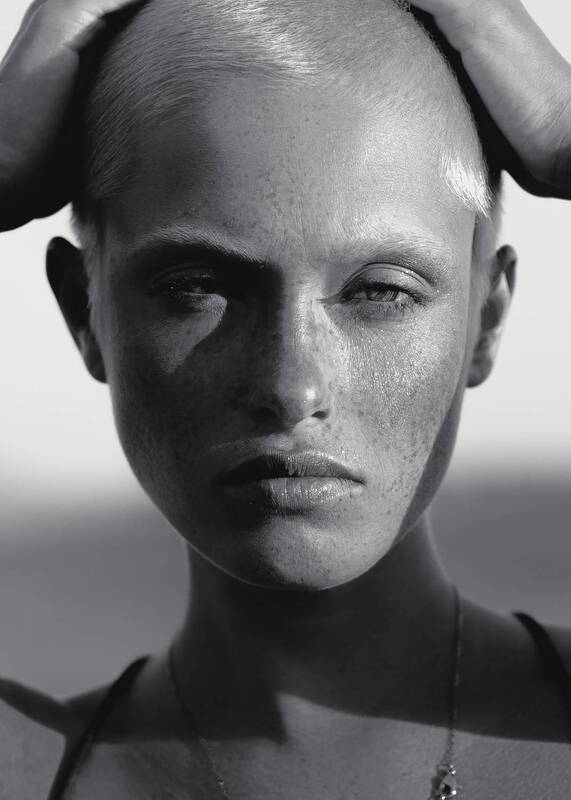
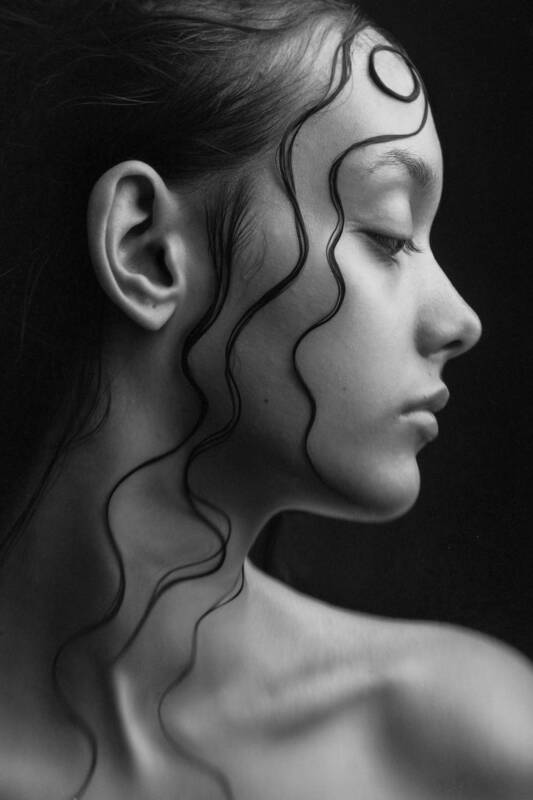
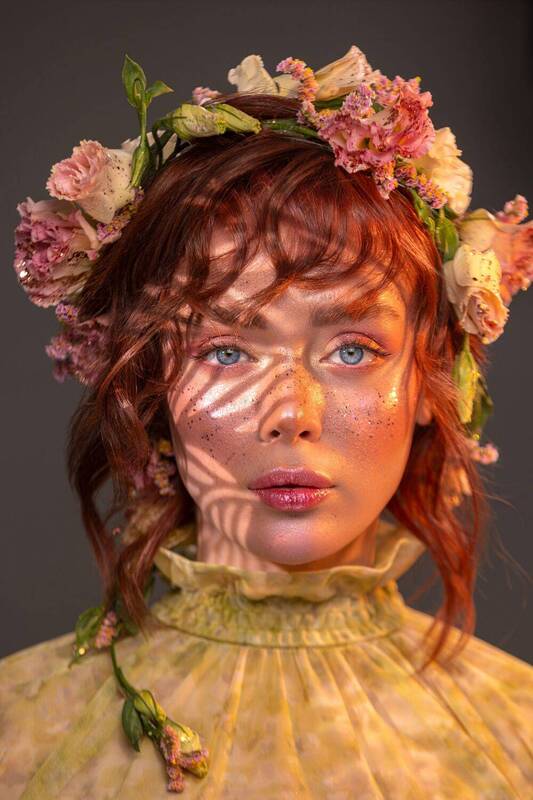
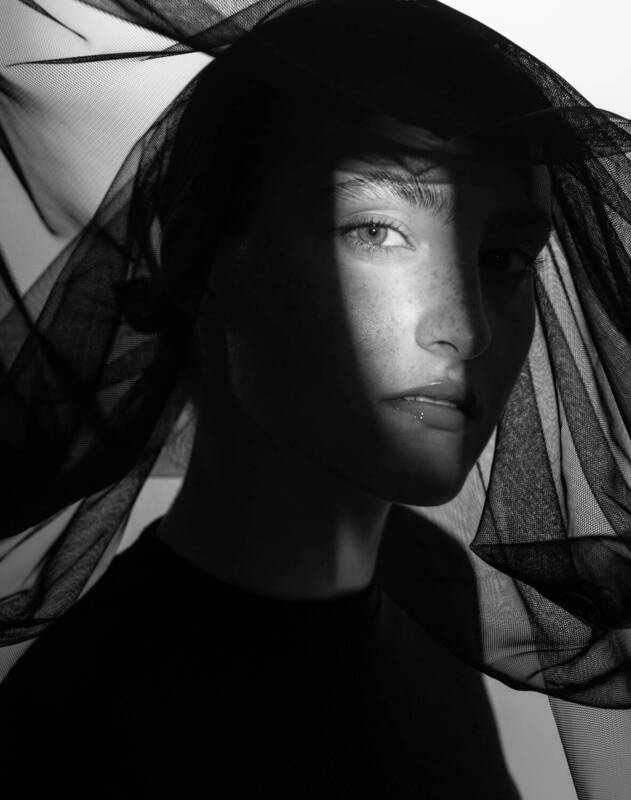
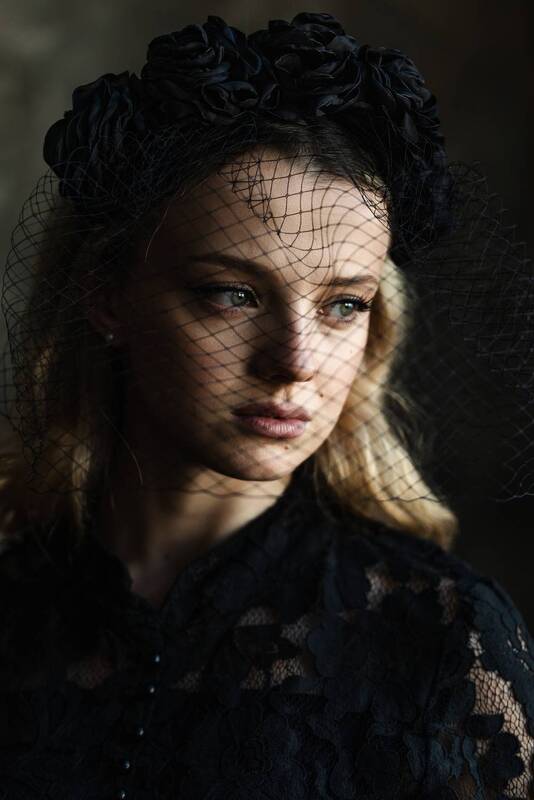
The primary focus of this image was to create a designed lighting structure across the face. Light was directed in a way that forms a defined pattern of shadow and illumination, adding visual layers to the portrait. The intention behind this photograph was to explore how lighting can function as a graphic element within portrait photography.
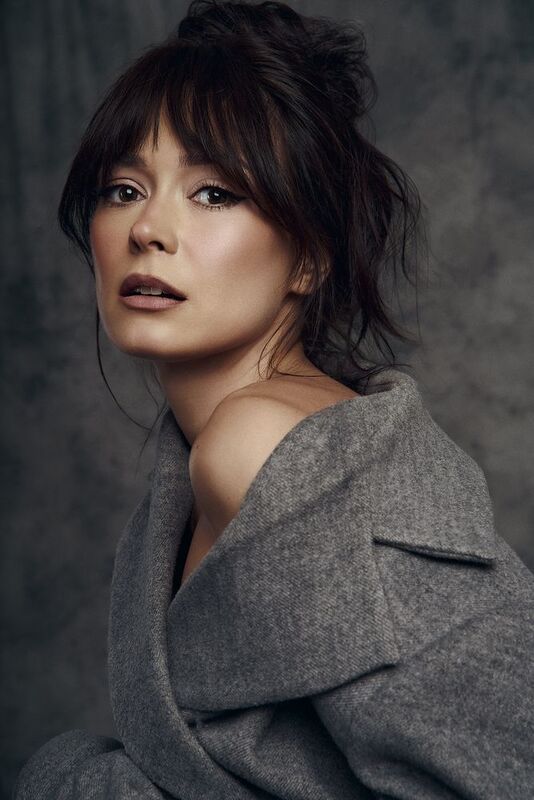
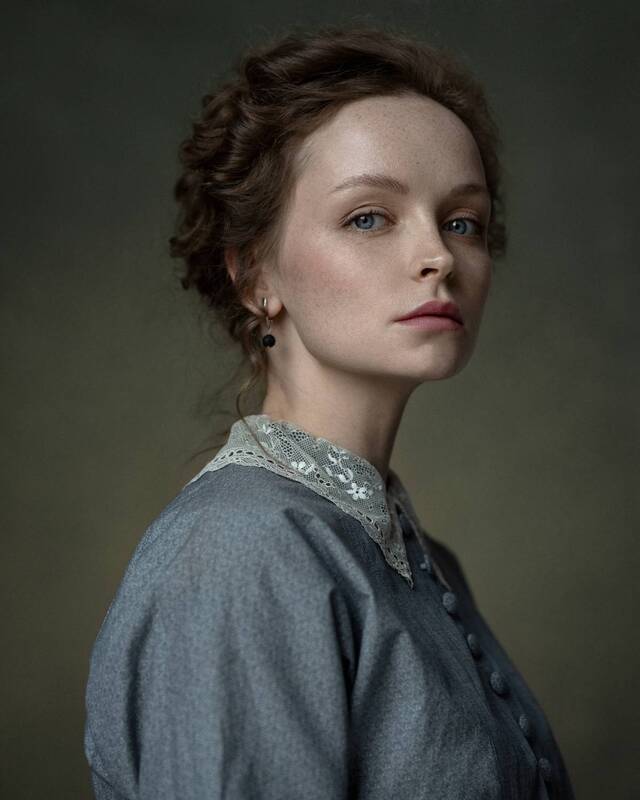
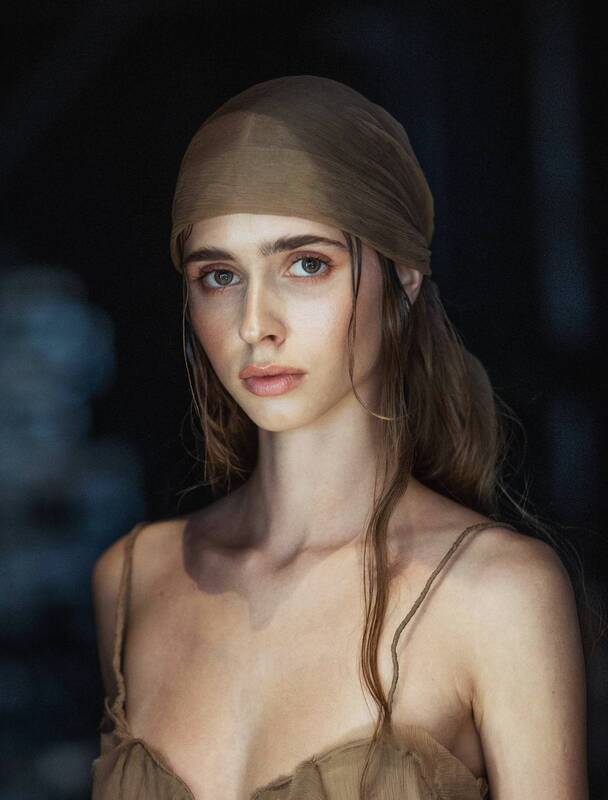
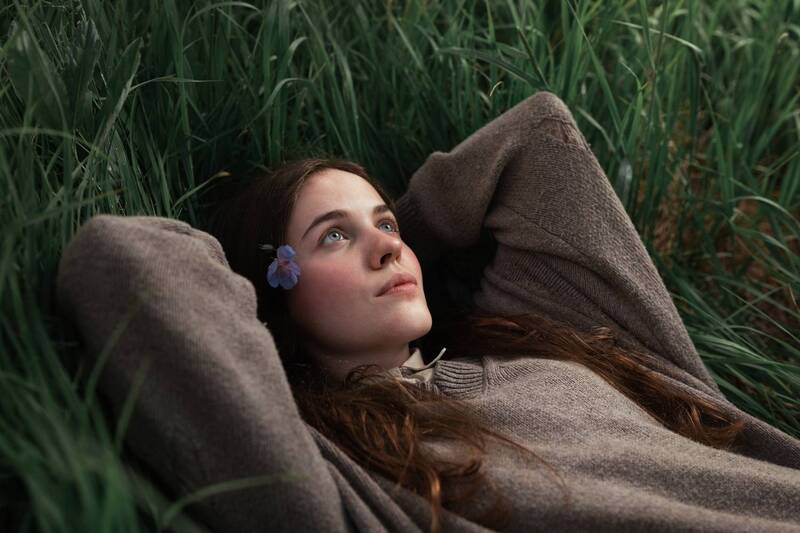
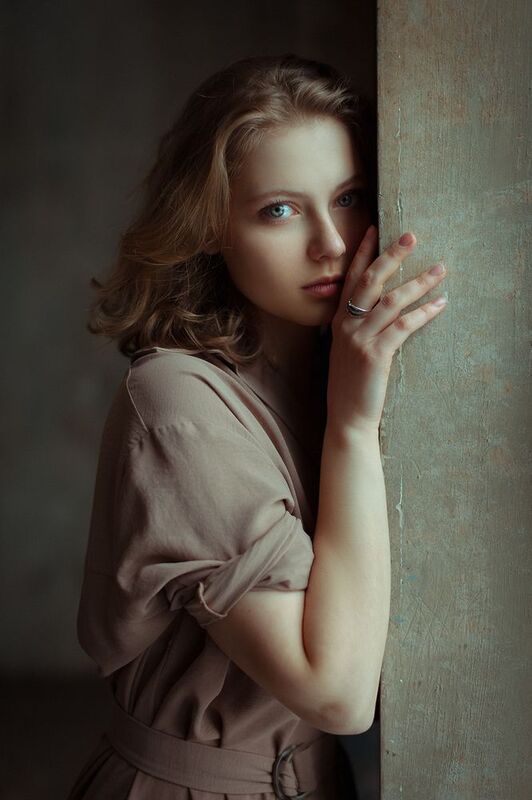
This portrait is constructed with gentle directional lighting and a restrained color palette. Light from camera-left shapes the facial structure while the opposite side falls into controlled shadow, maintaining dimensional integrity without exaggerated drama.
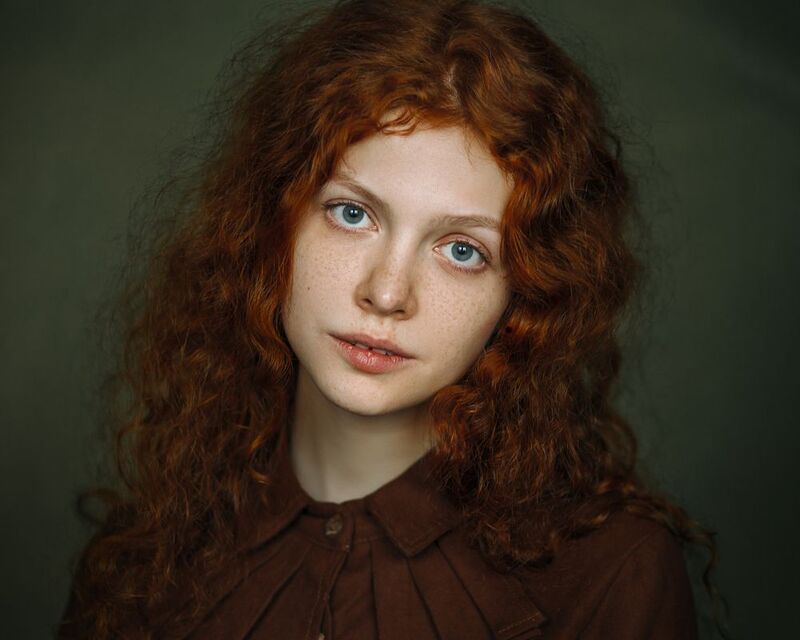
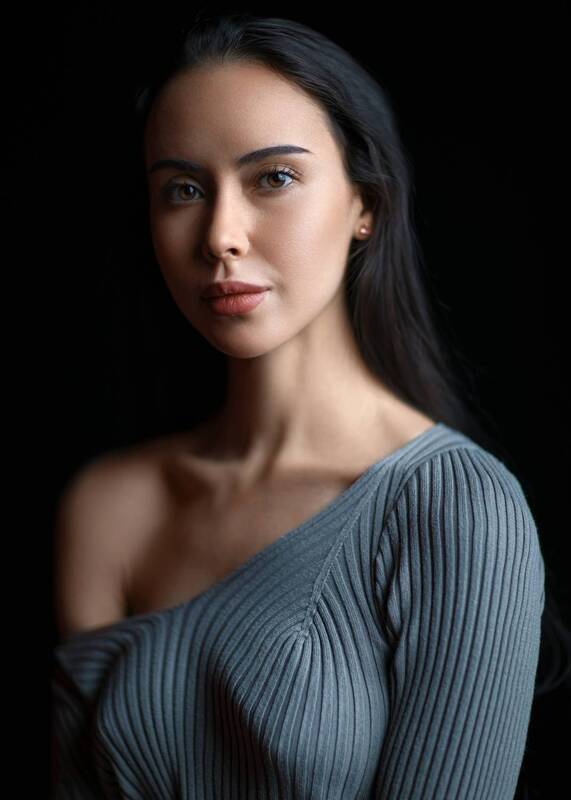
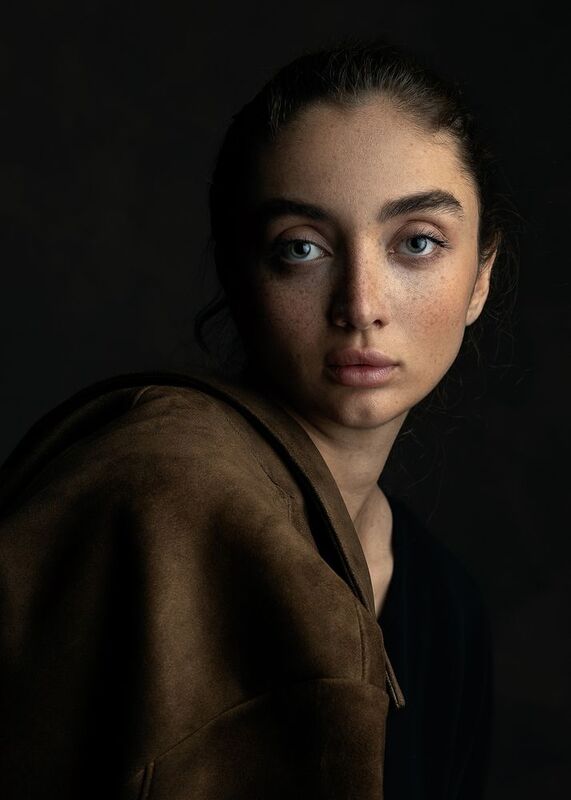
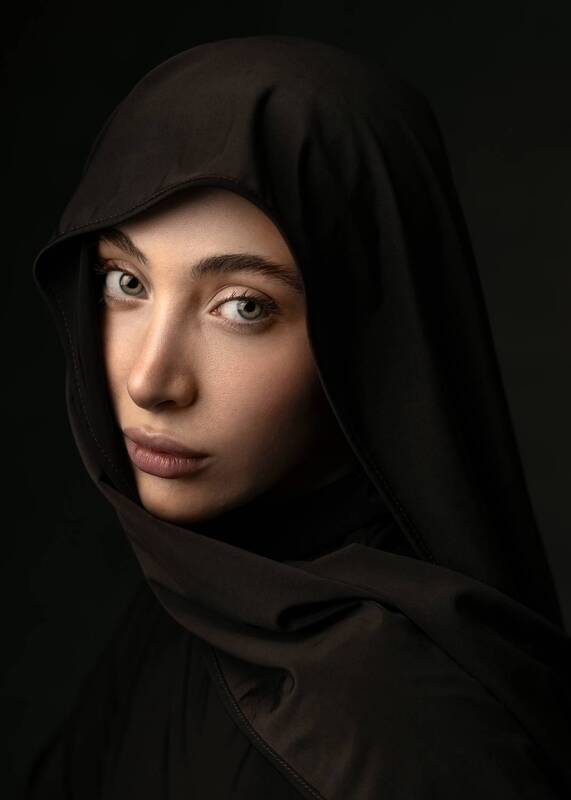
The brown garment integrates harmoniously with the dark background, avoiding harsh separation and keeping attention centered on the eyes. Contrast is calibrated to ensure clarity and subject-background distinction while preserving tonal subtlety. The image emphasizes balance, discipline in light control, and compositional stability.
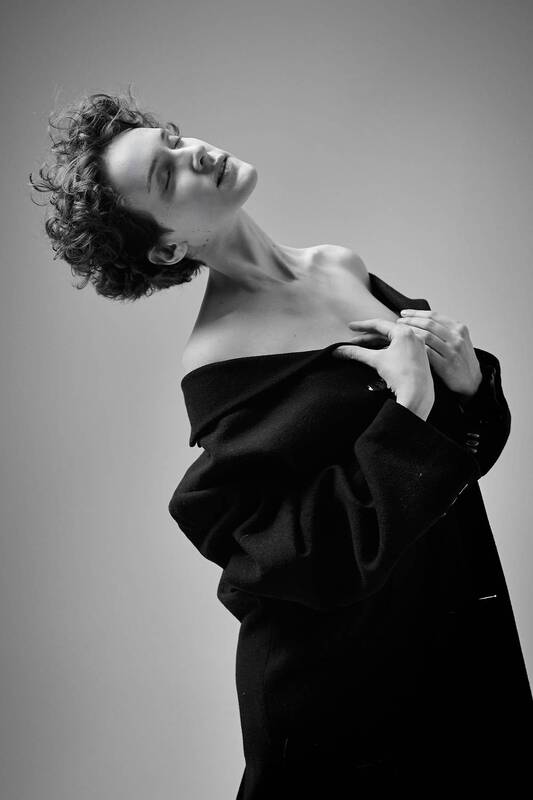
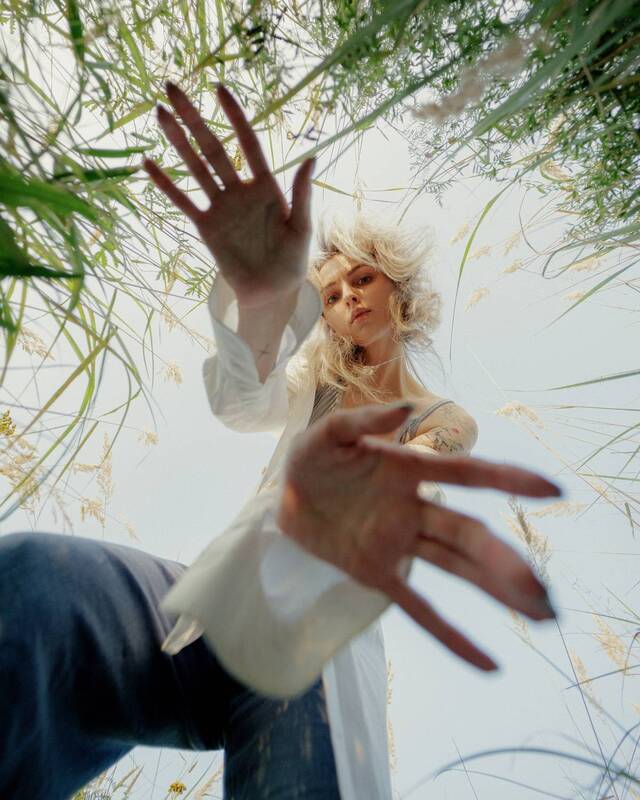
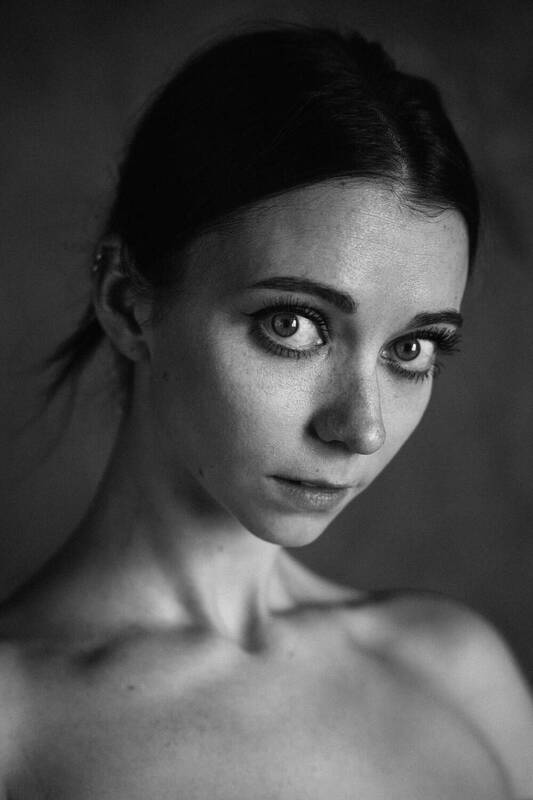
The intention behind this portrait was to create a sense of depth through the interaction between head direction and lighting angle. Light was positioned to maintain clarity of form while preventing the image from appearing flat. The composition was designed so the viewer’s gaze naturally travels along the structural lines of the subject. This photograph is essentially a study of direction and controlled lighting in portraiture.
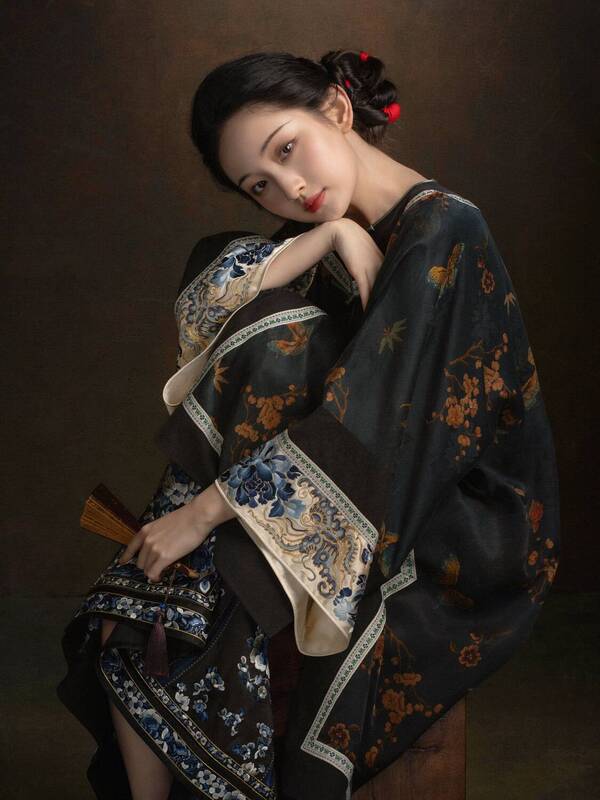
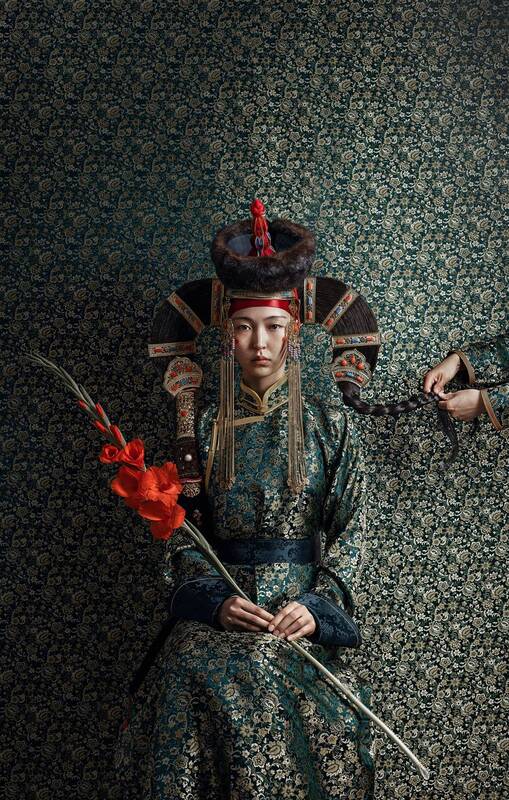
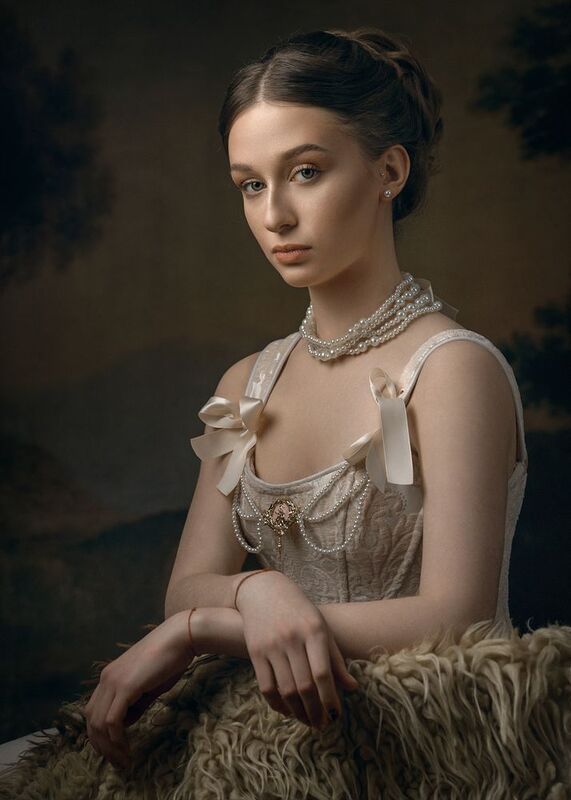
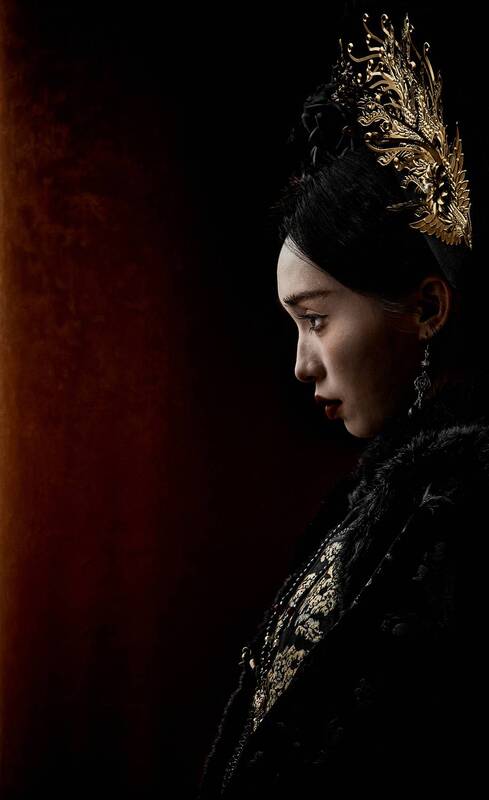
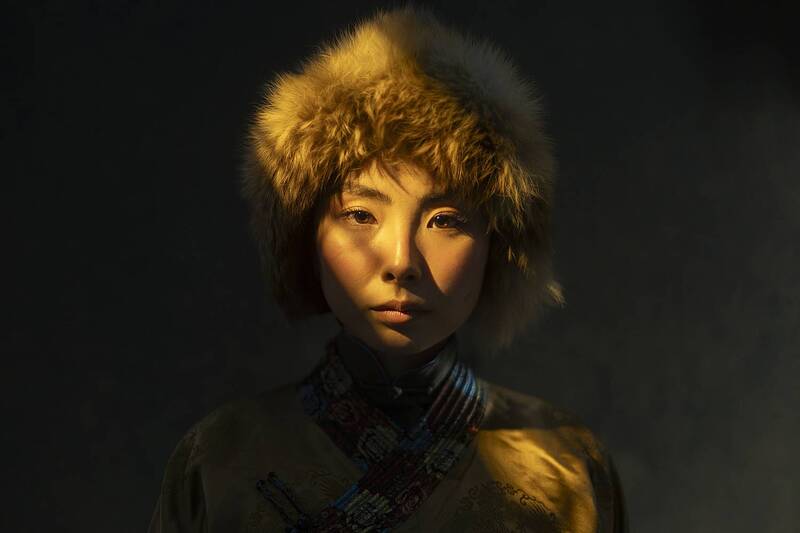
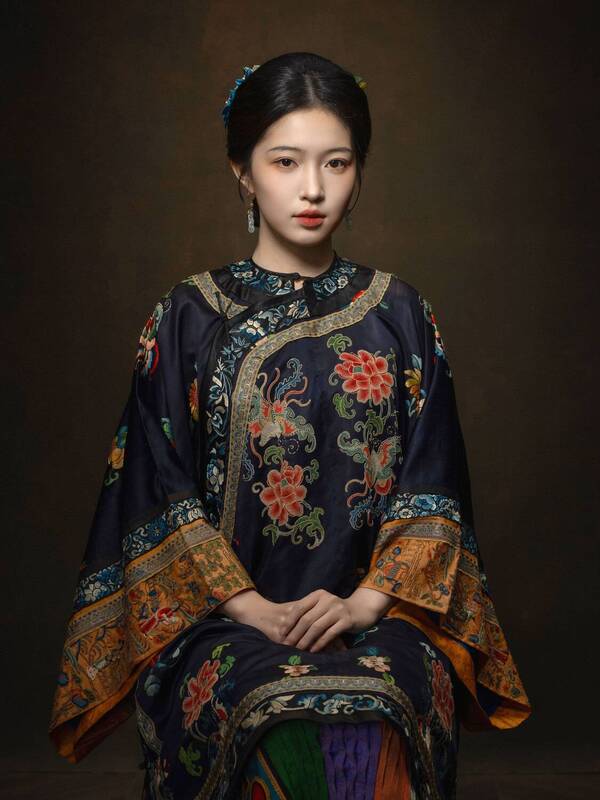
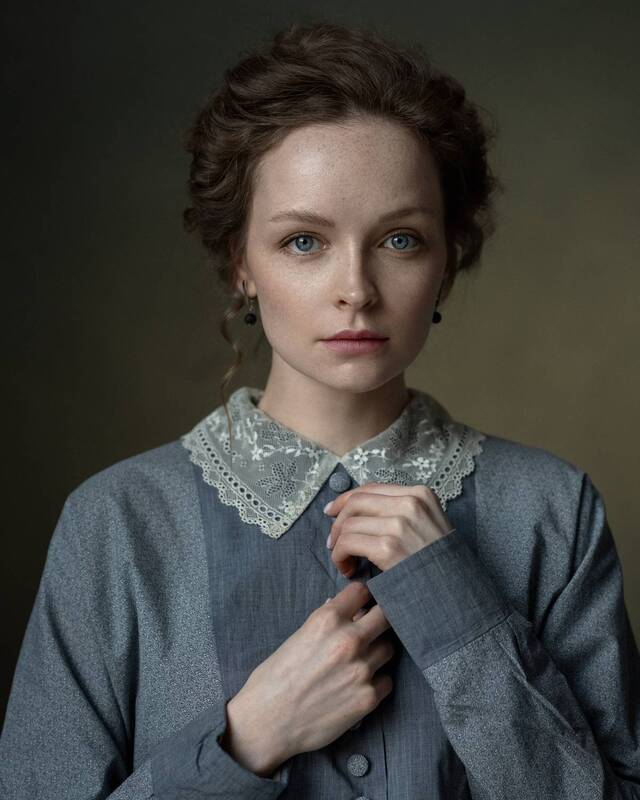
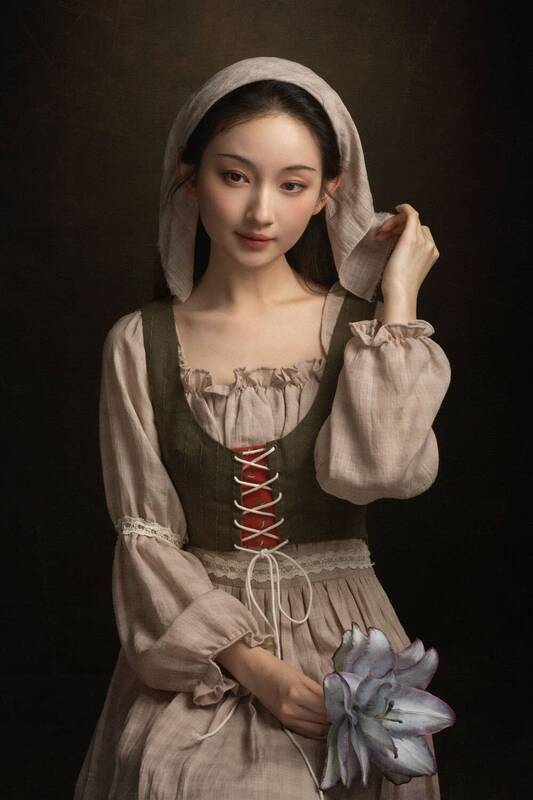
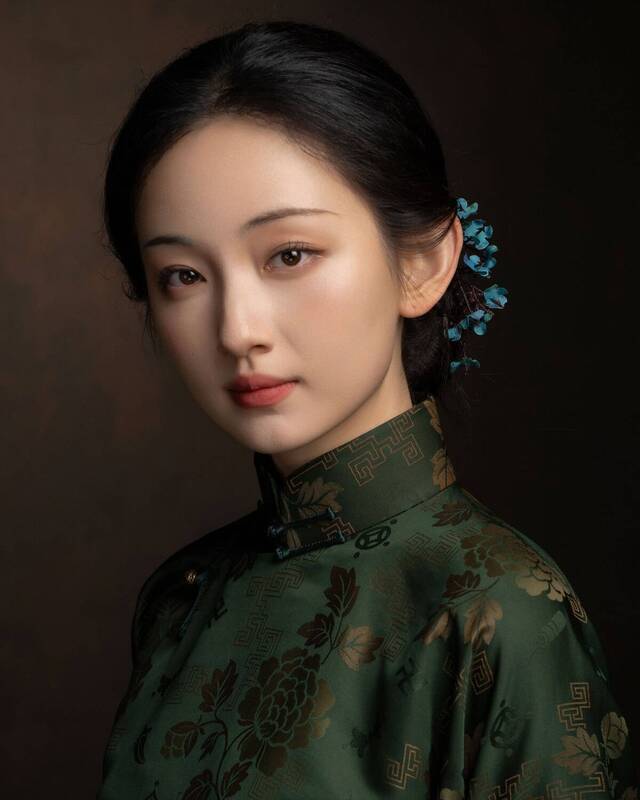
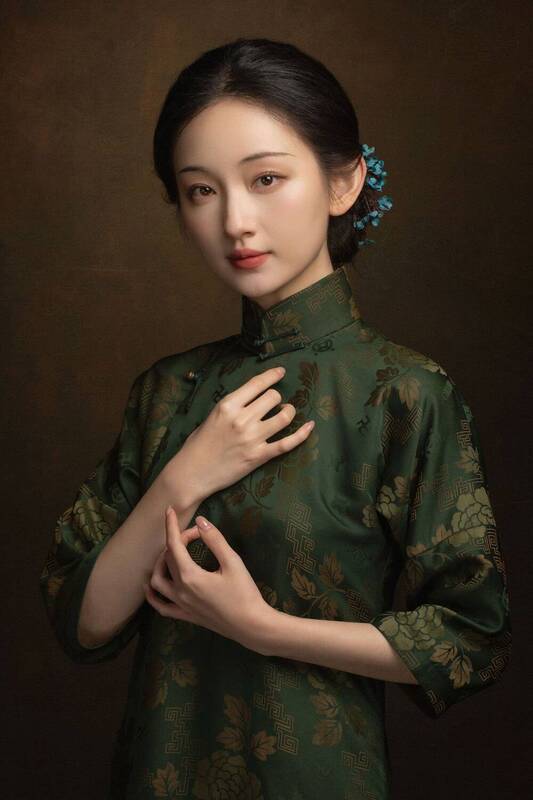
琪琪-A Woman of the Han Ethnic Group in the Qing Dynasty
Qiqi wears a popular hairstyle of the Qing Dynasty and an authentic Qing Dynasty costume over 100 years old. In the photo, she has no heavy makeup, with a calm expression, focused eyes, and her hands gently folded on her lap. Her dignified posture and elegance reflect the image of a well-educated young lady from a prominent family in the Qing Dynasty.
The stone-blue court-style garment worn by Qiqi dates back to the Qing Dynasty and features exquisite craftsmanship. Its colour scheme uses the popular \"Three-Blue Embroidery\" technique of the Qing Dynasty. Initially used mainly for clothing of noble ladies in the royal court, it later became popular among ordinary people. Producing such a garment required many highly skilled craftsmen to spend several months to complete.
In 2023, it was purchased at a high price from an auction house in the United States, brought back to China, and is now in a private collection.
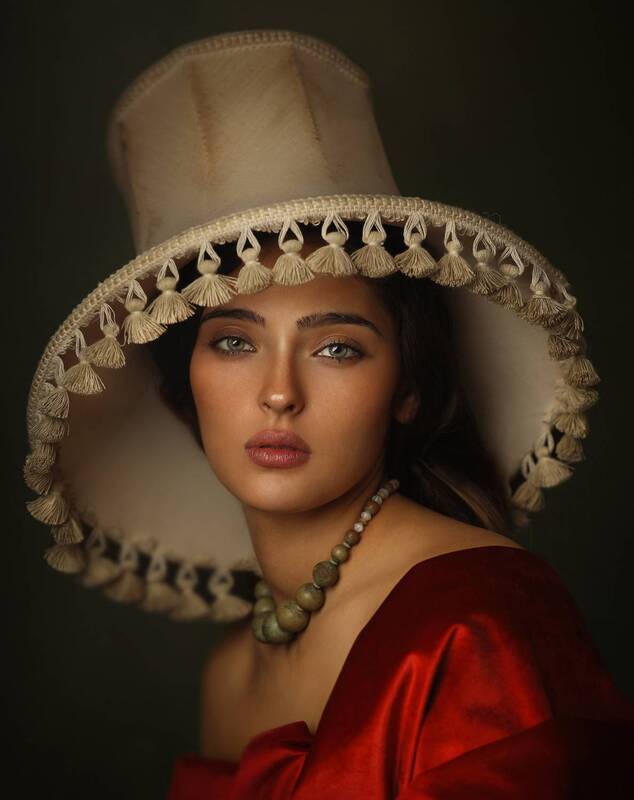
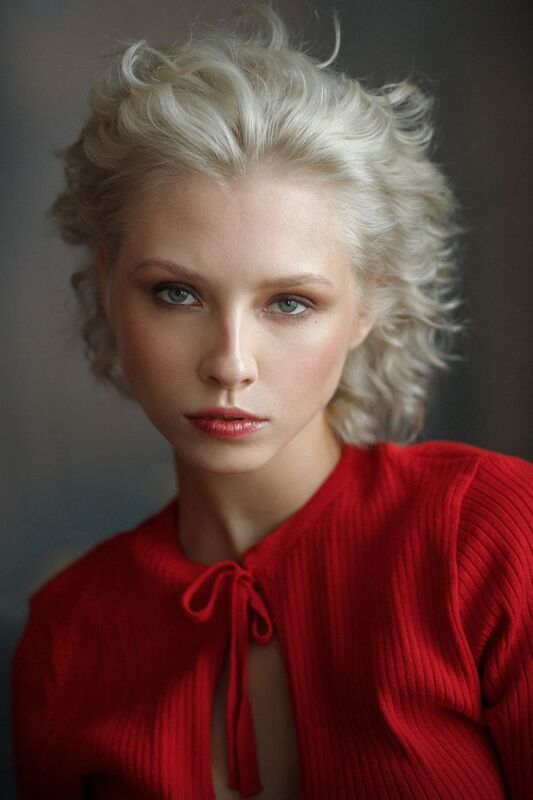
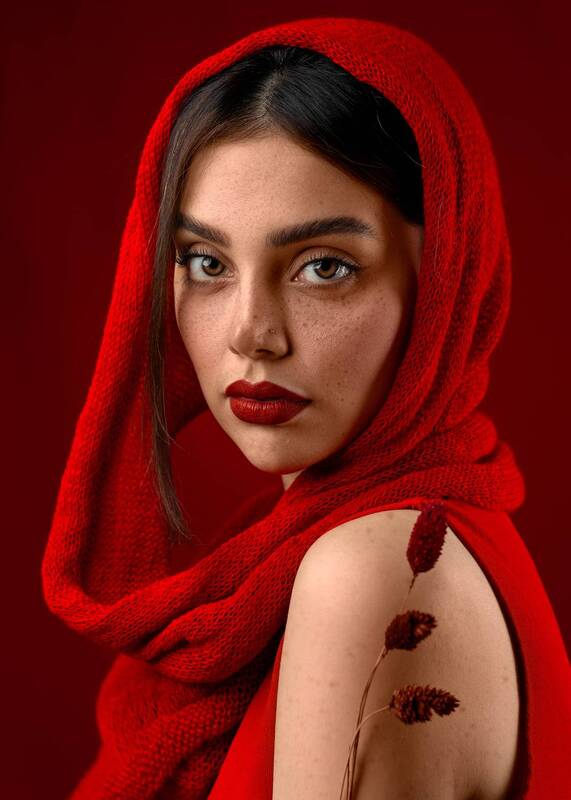
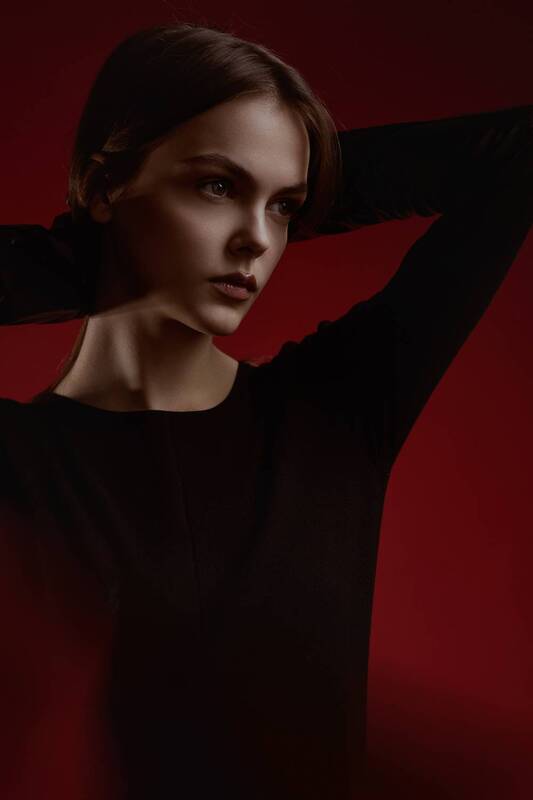
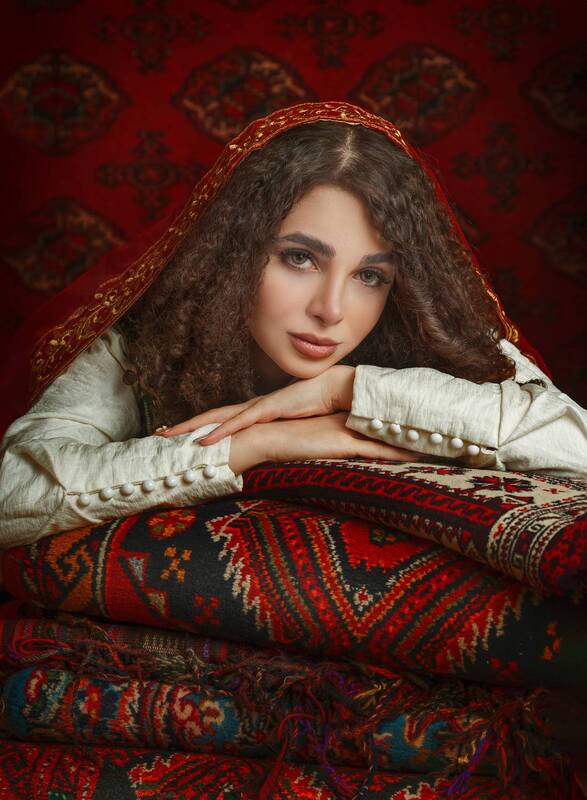
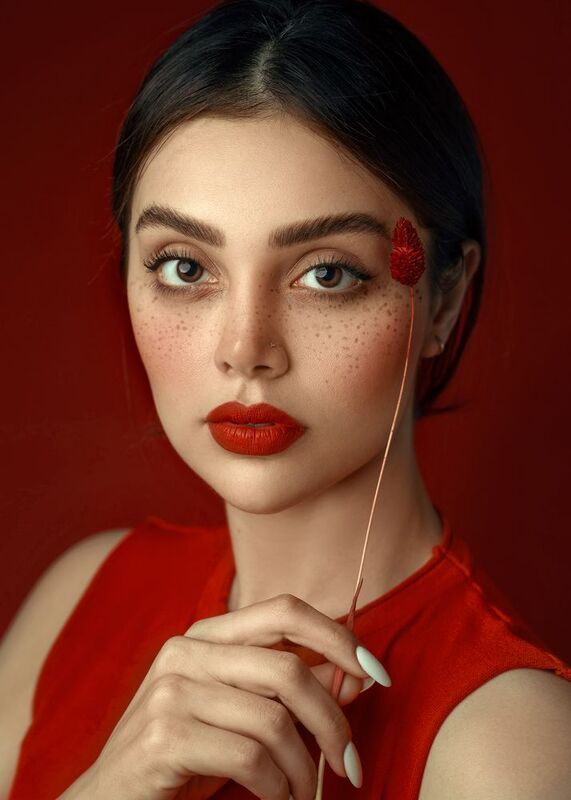
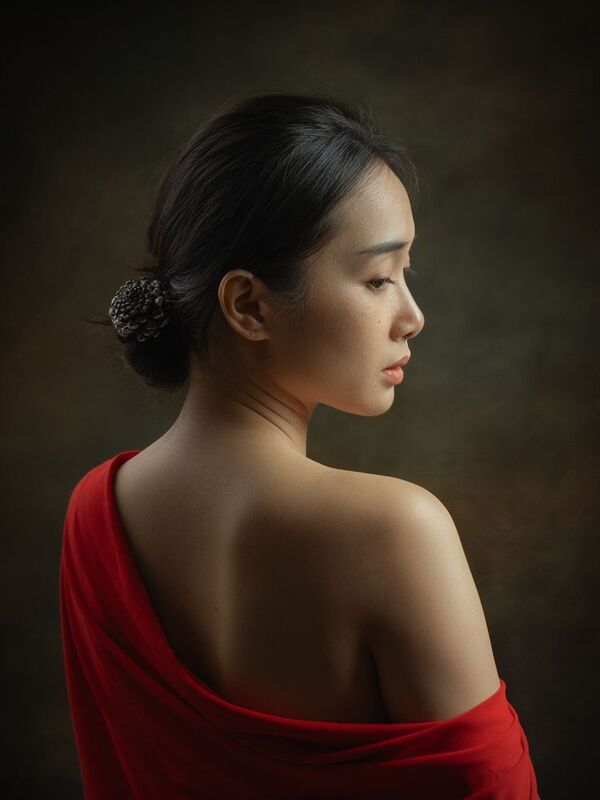
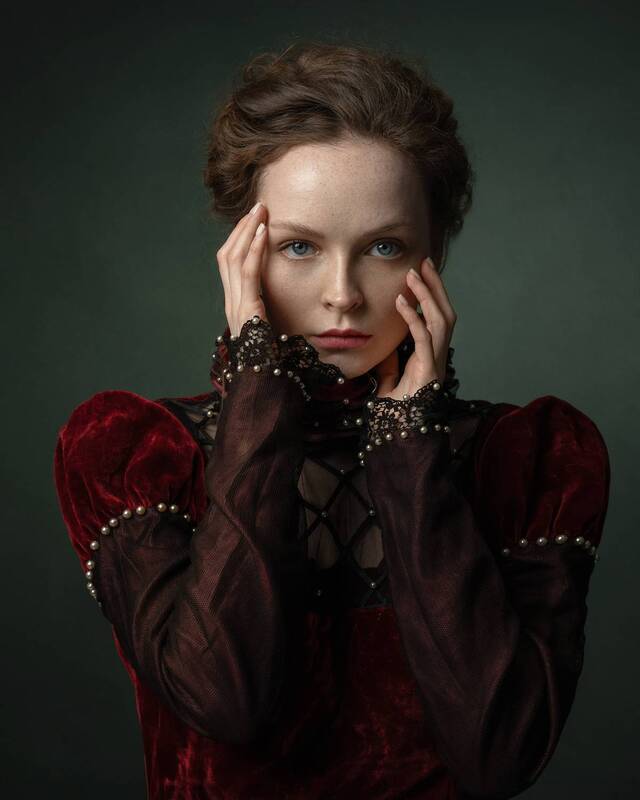
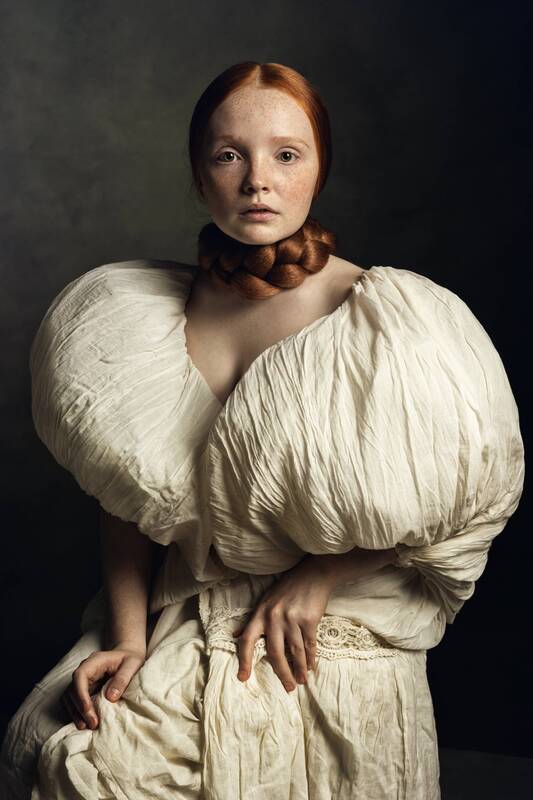
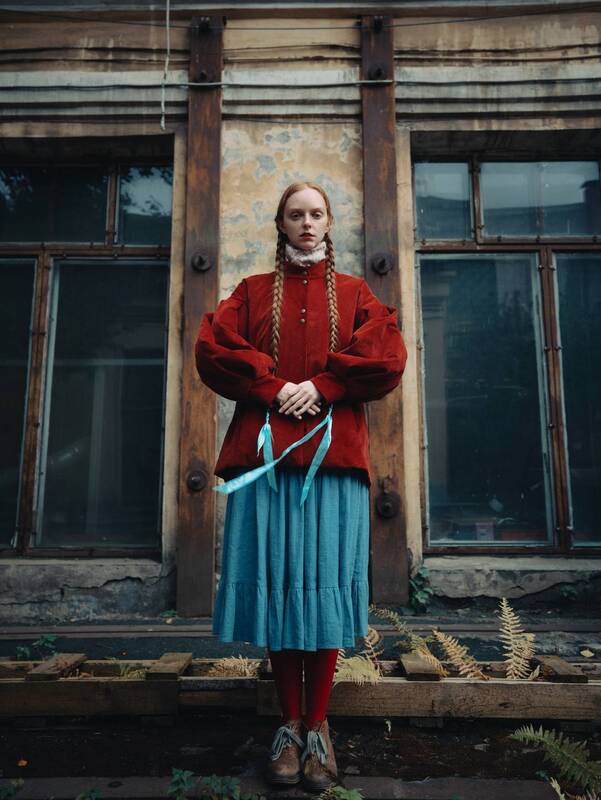
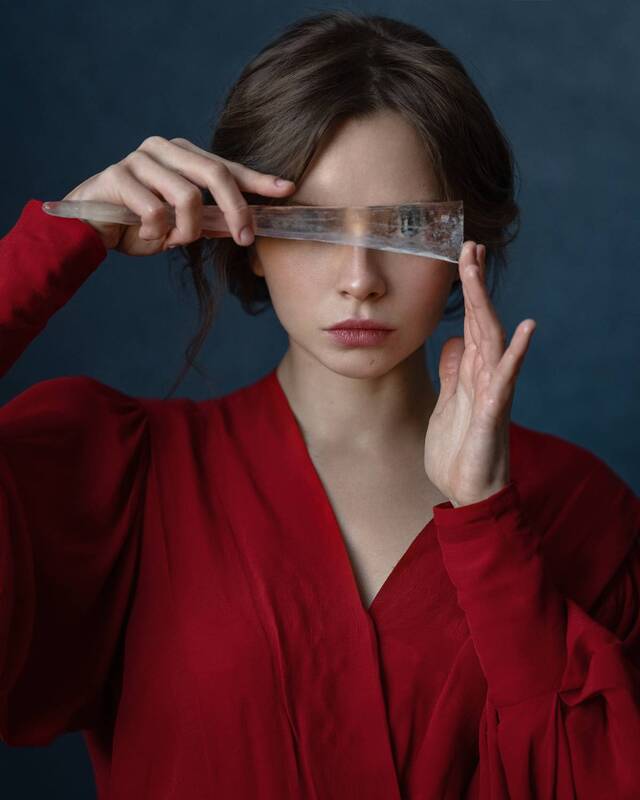
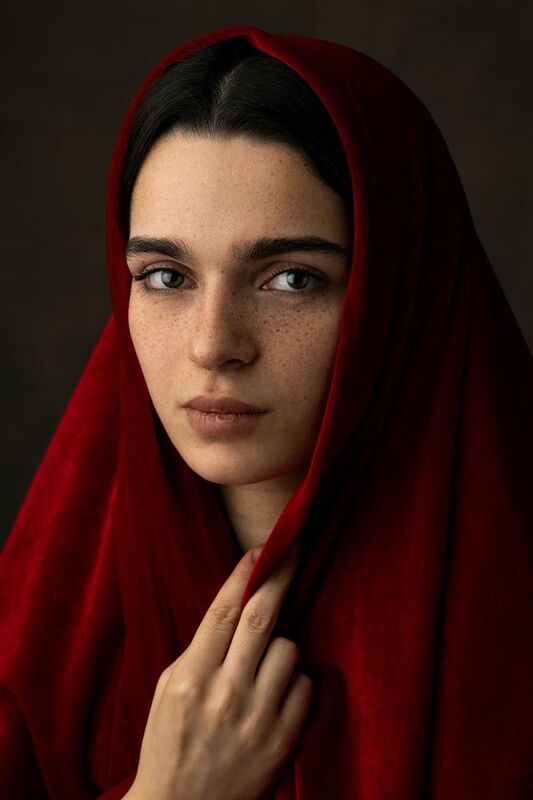
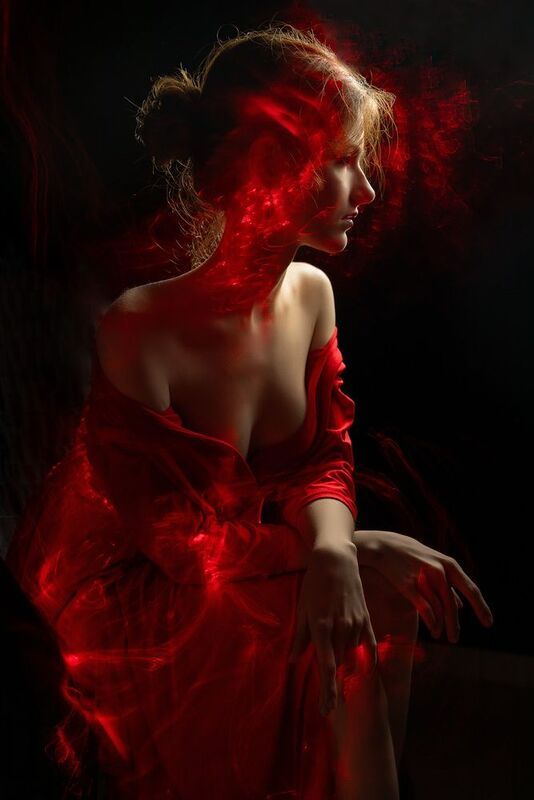
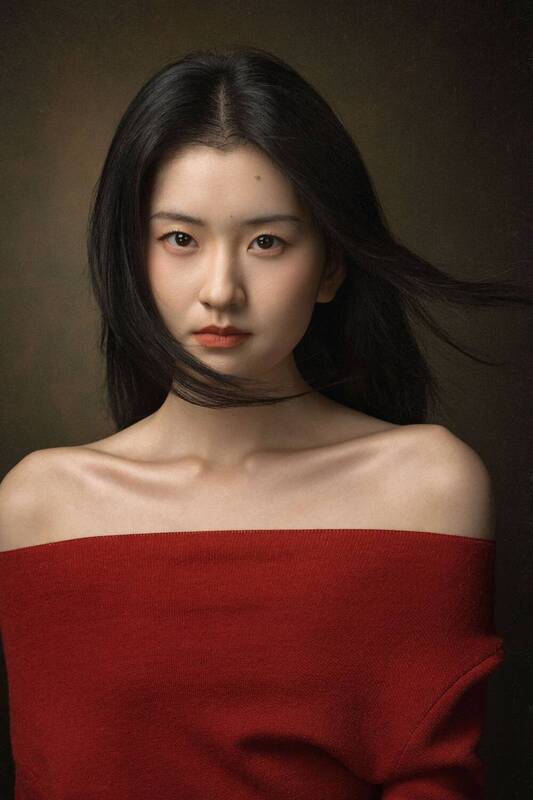
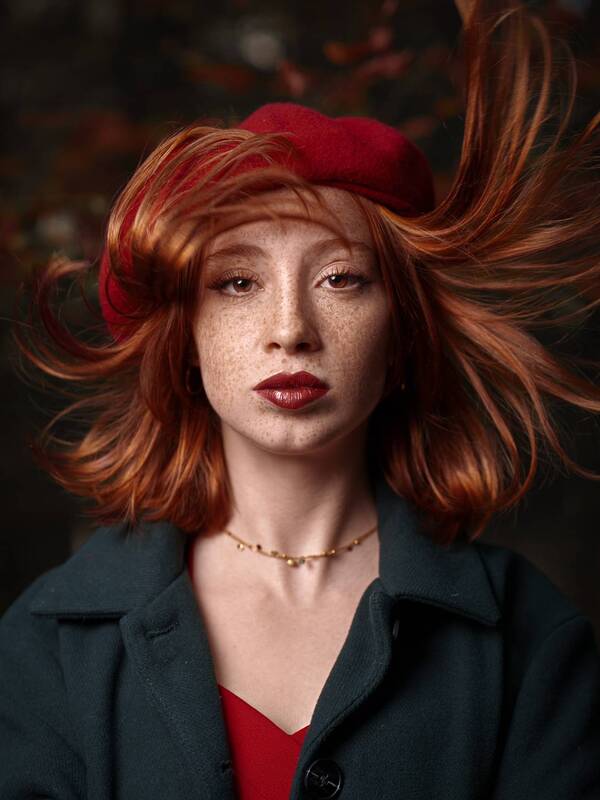
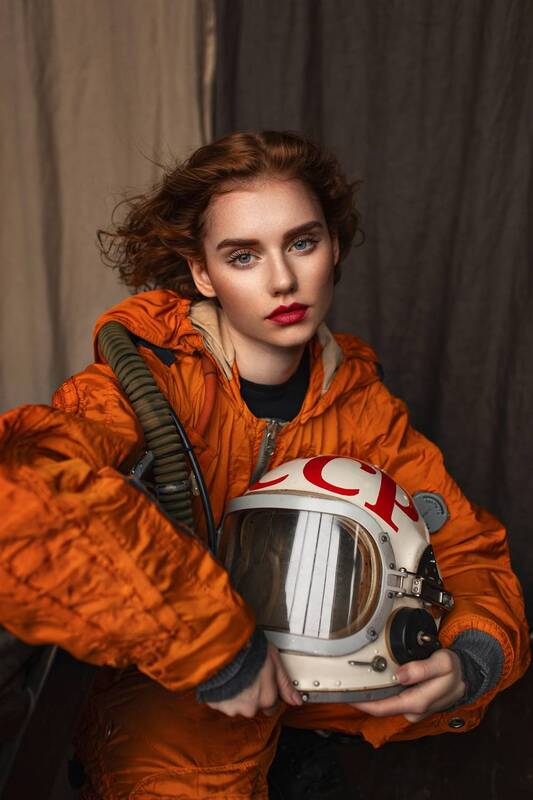
The bold red fabric contrasts with soft facial lighting, creating a powerful focal point without overwhelming the subject. The calm expression balances the intensity of color, resulting in a portrait that feels both intimate and symbolic. Color psychology plays a key role in its visual impact.
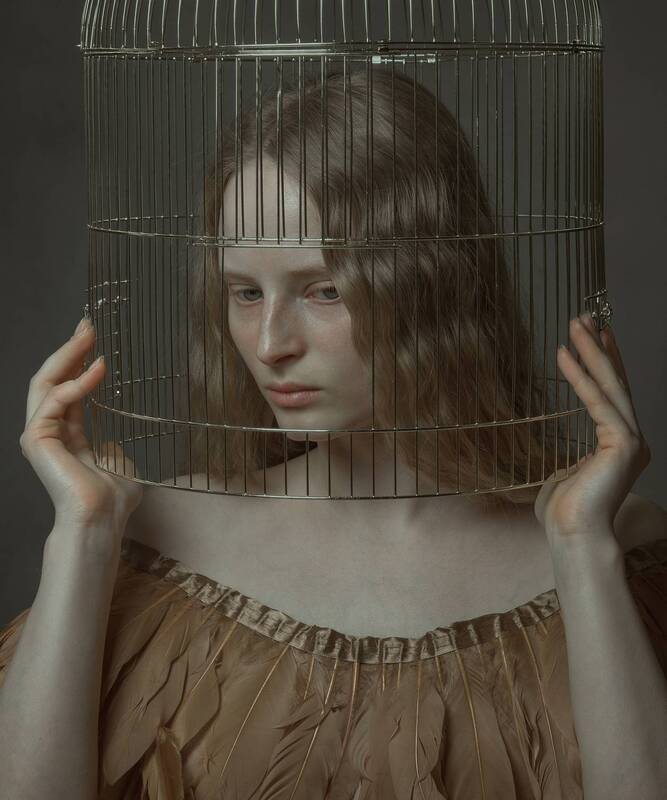
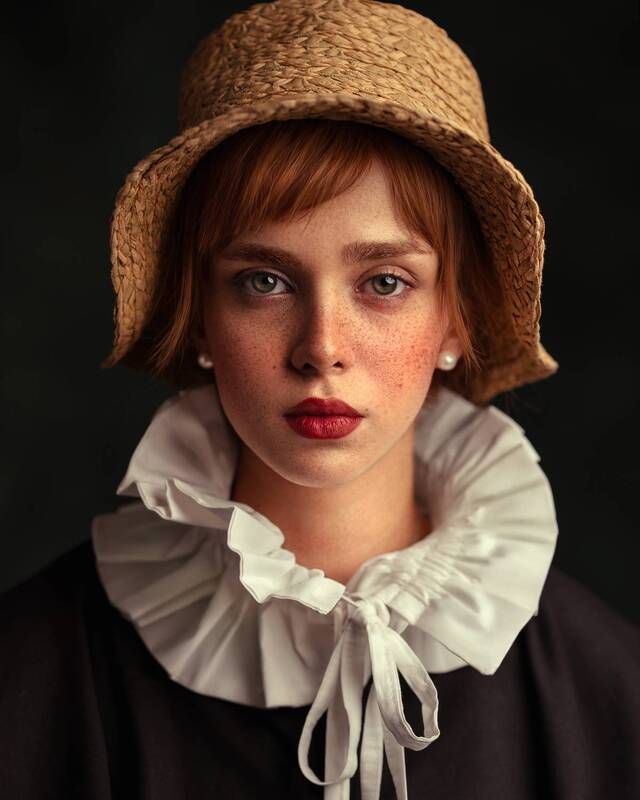
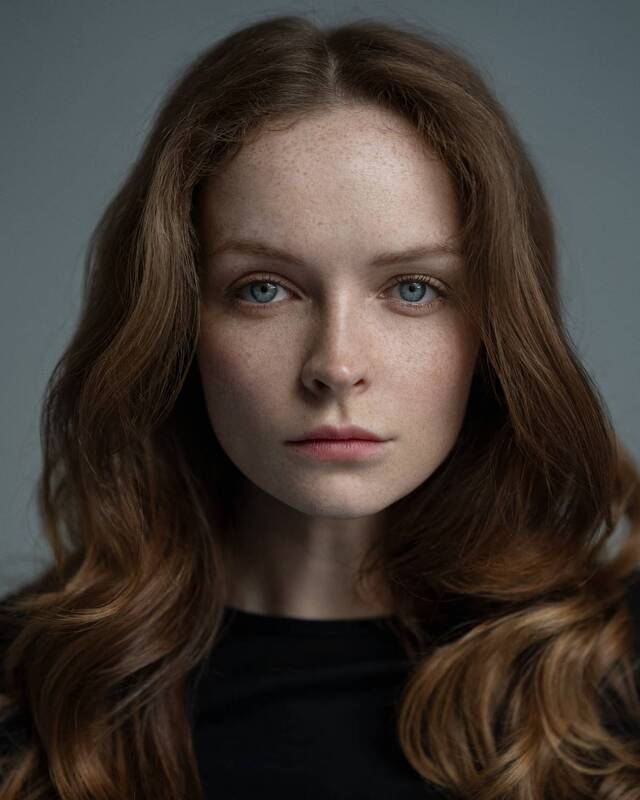
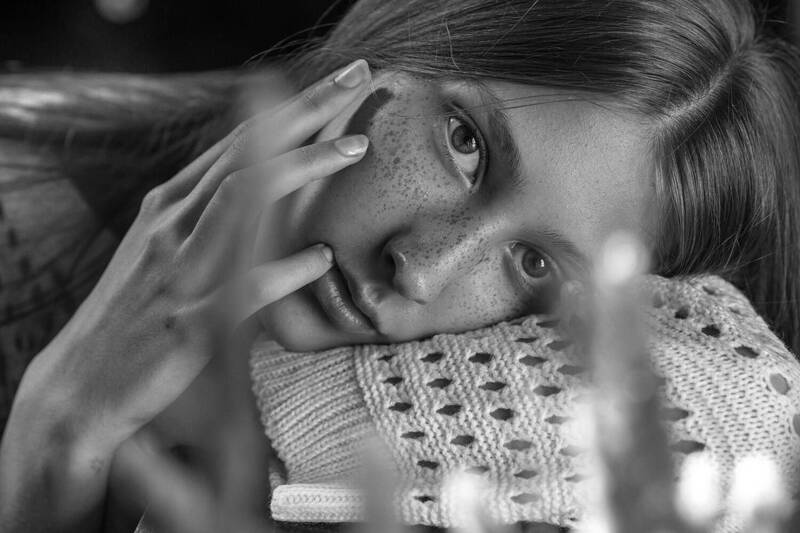
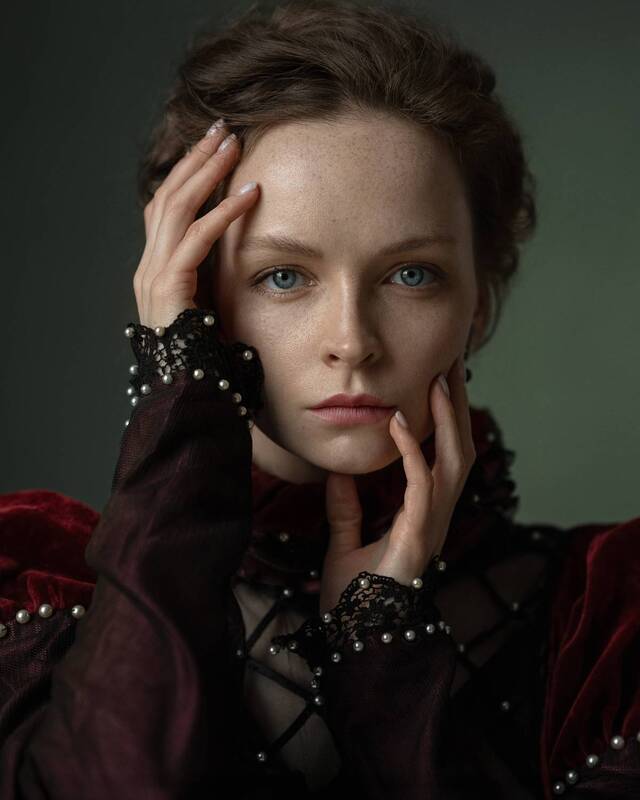
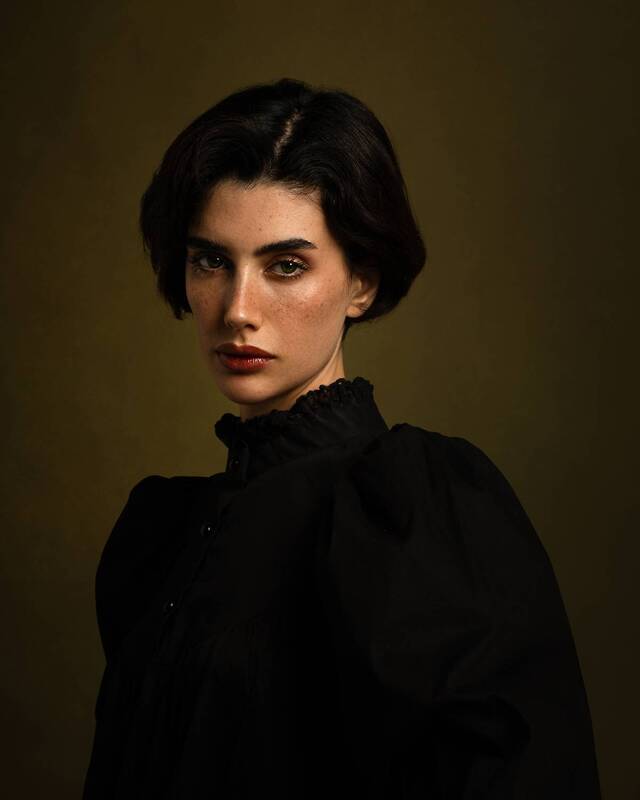
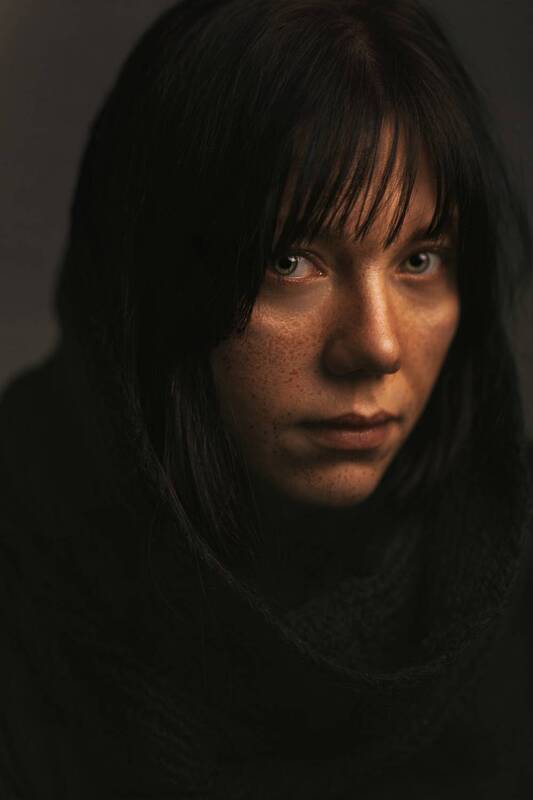
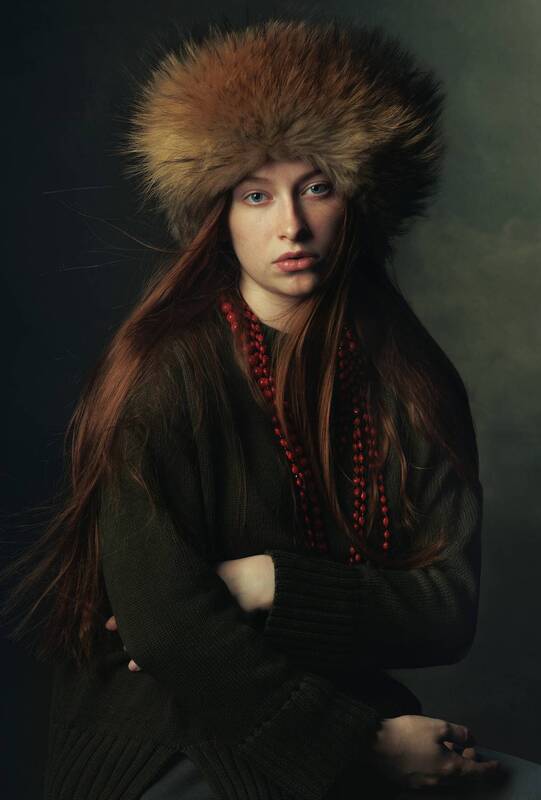
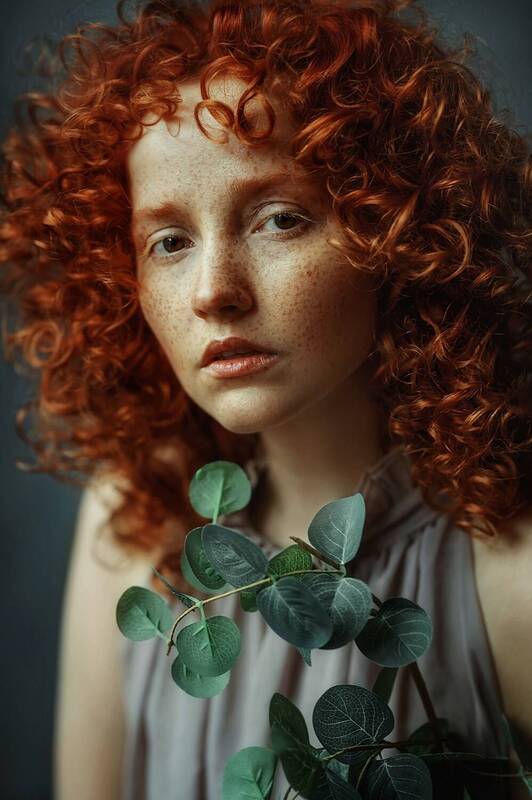
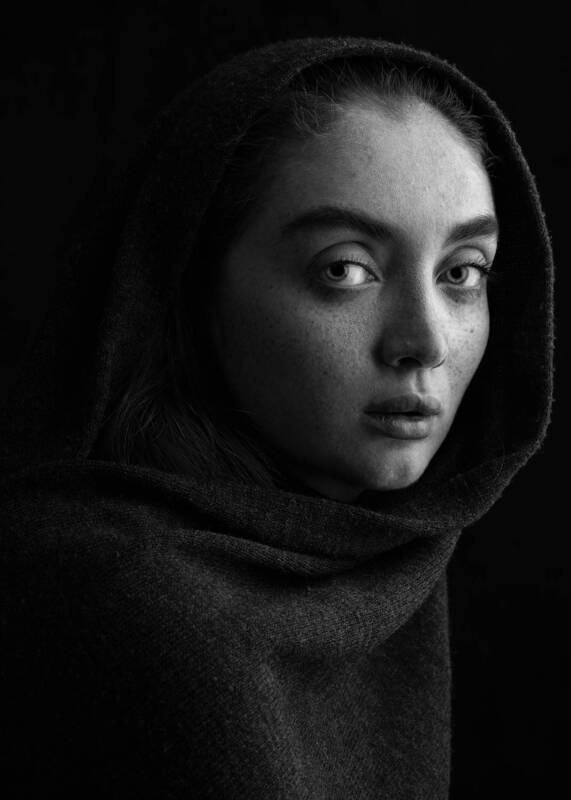
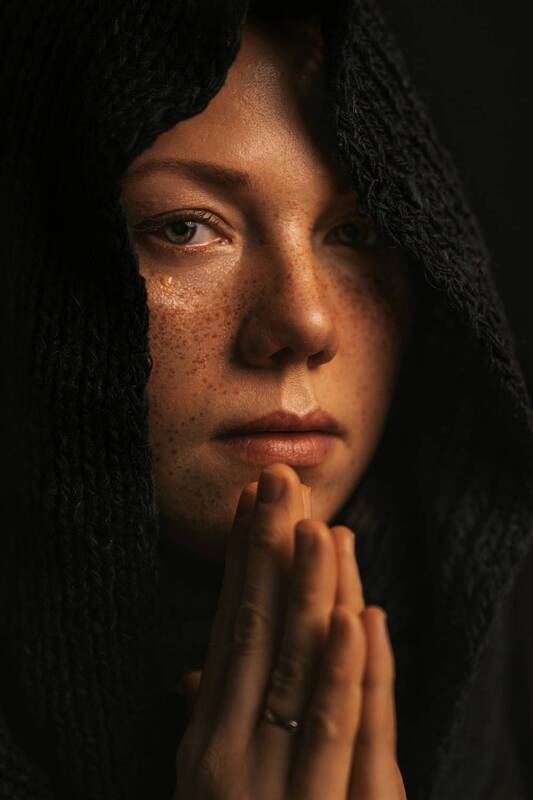
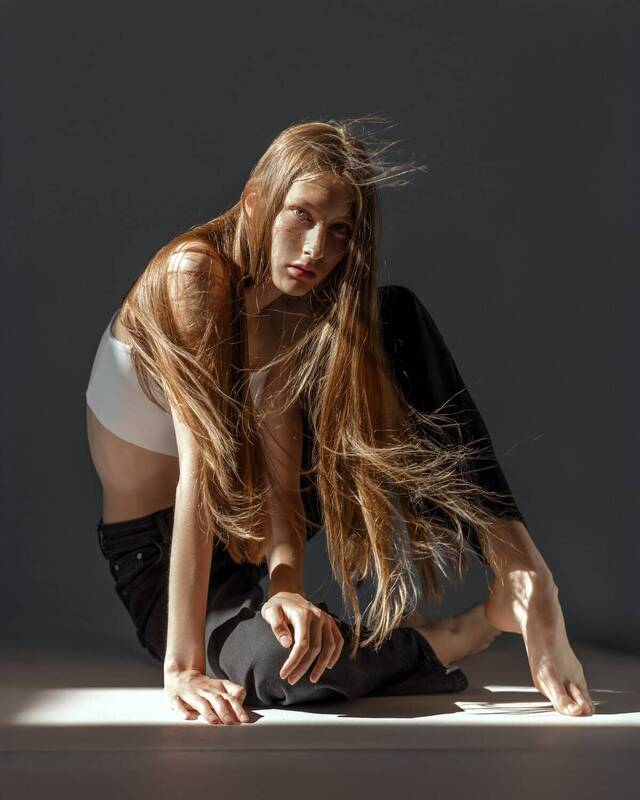
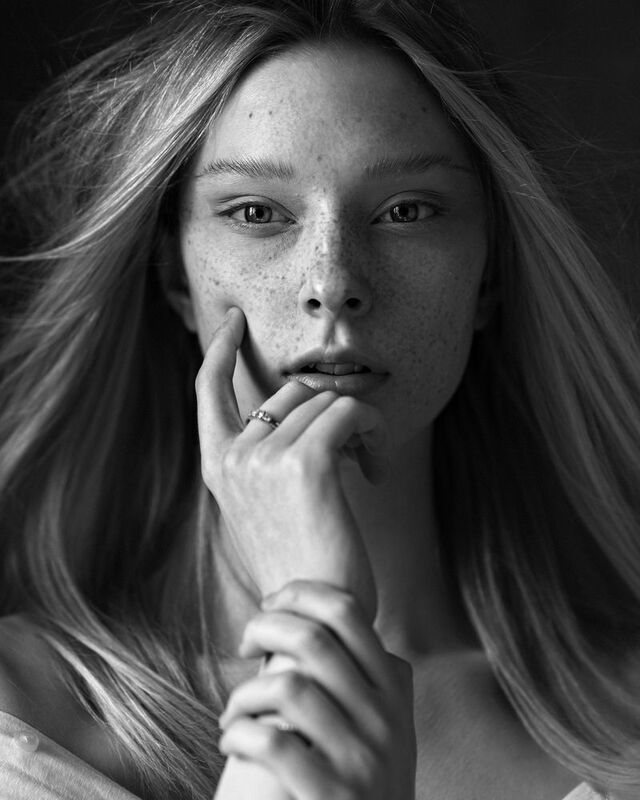
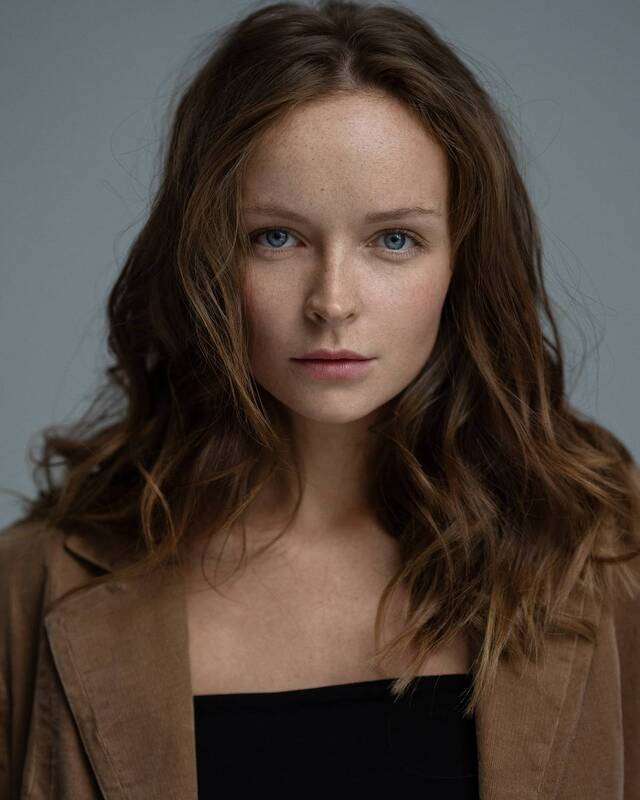
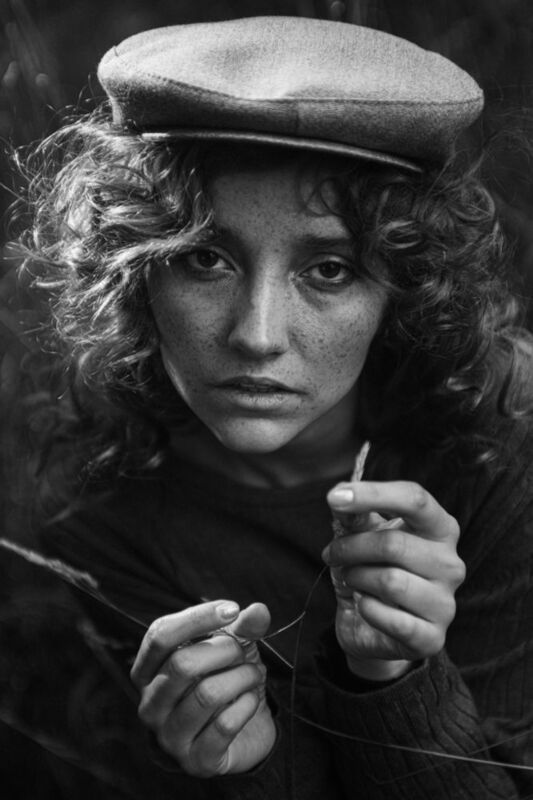
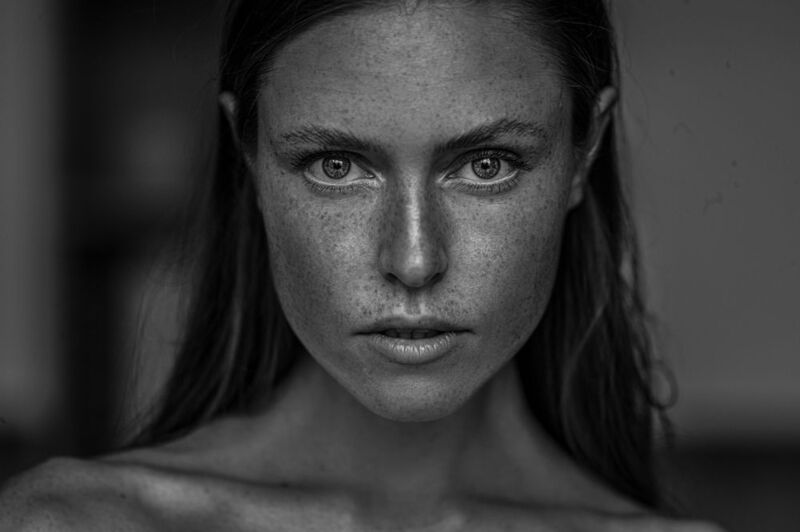
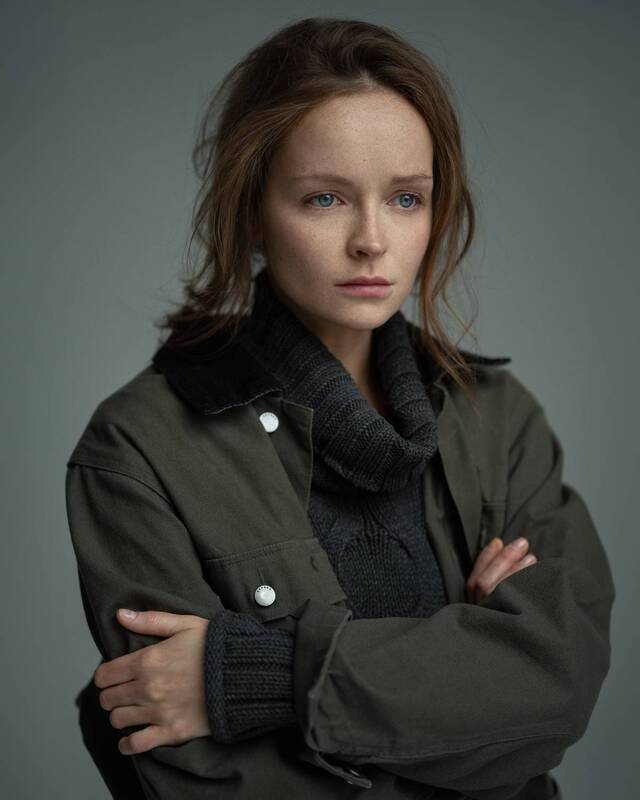
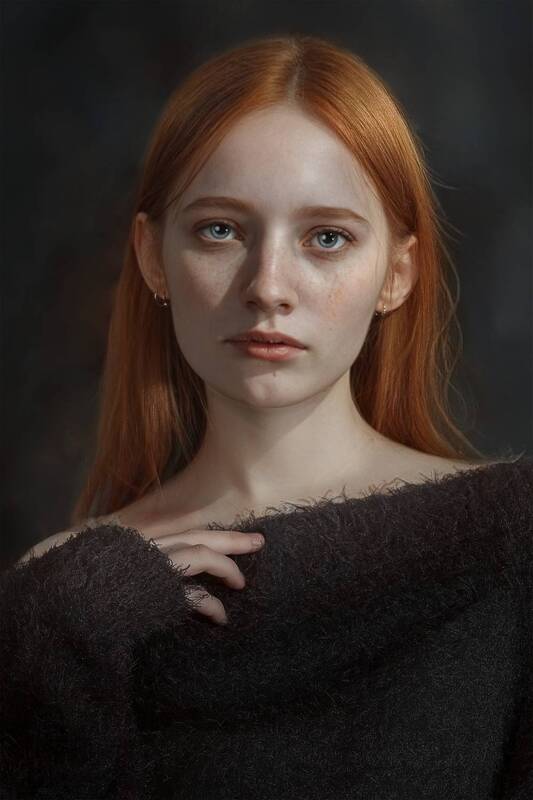
This portrait is defined by symmetry and restraint. The dark fabric surrounding the subject acts as negative space, compressing the visual field and isolating the illuminated facial plane. A soft frontal key light creates even exposure while subtle shadow falloff along the jawline adds dimensionality.
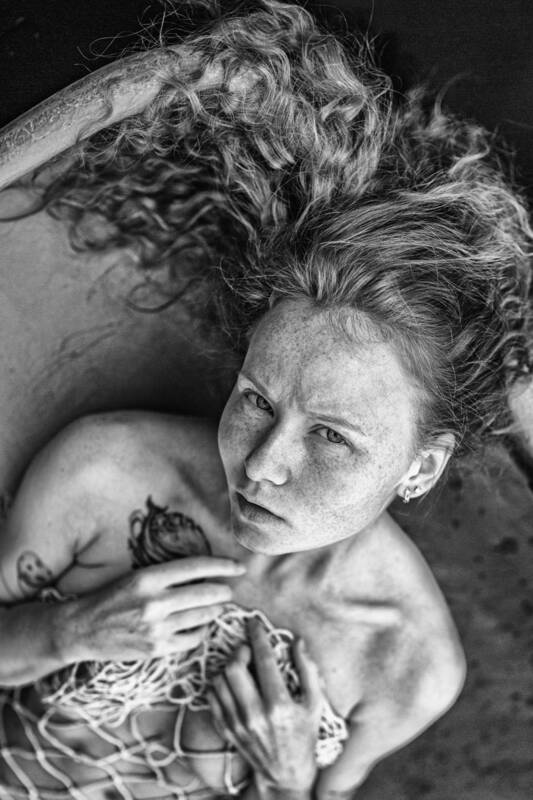
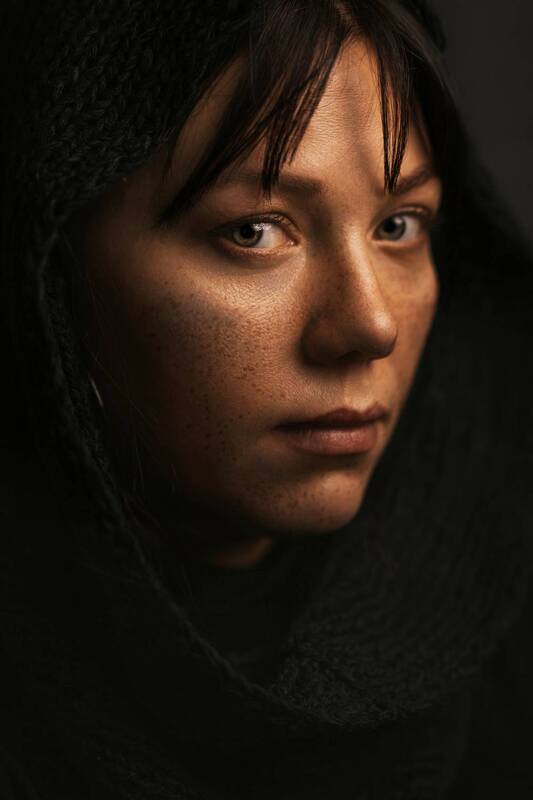
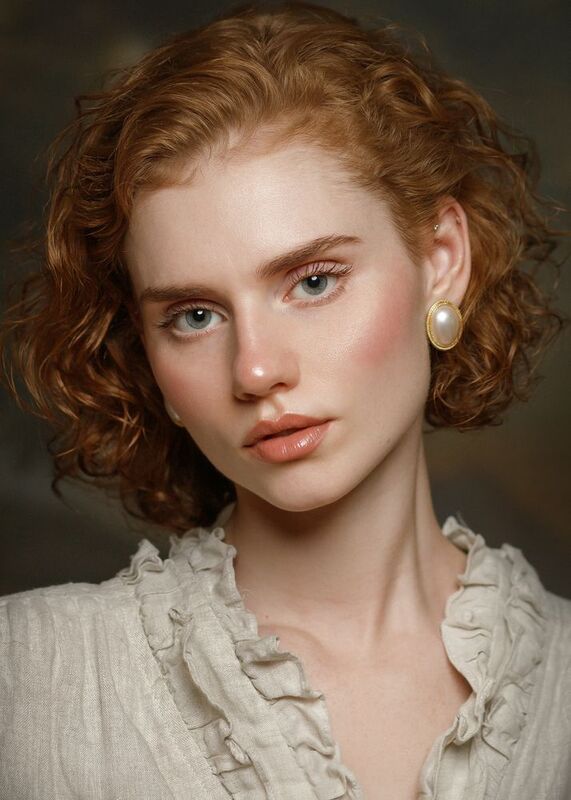
Freckle texture remains visible, contributing to authenticity without overpowering tonal balance. The framing is slightly off-center, preventing rigidity while maintaining structural stability. The overall aesthetic is minimal, relying on tonal precision and controlled contrast rather than dramatic lighting shifts.
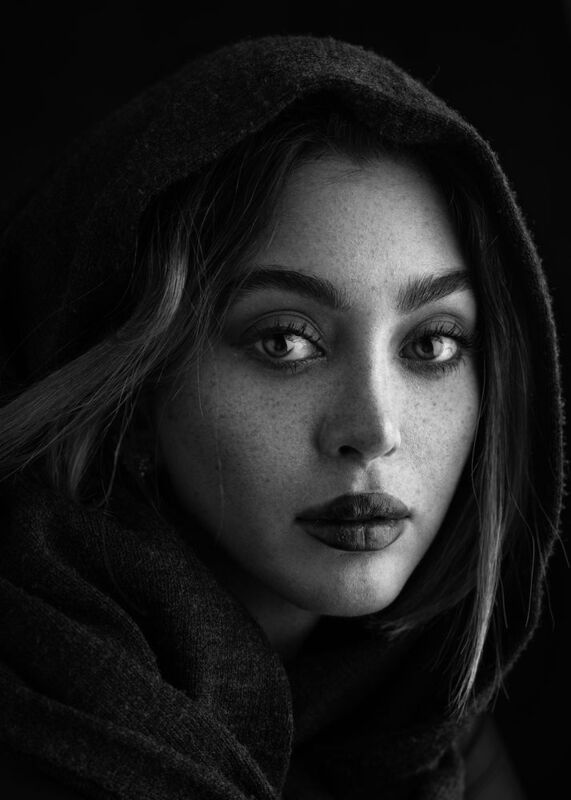
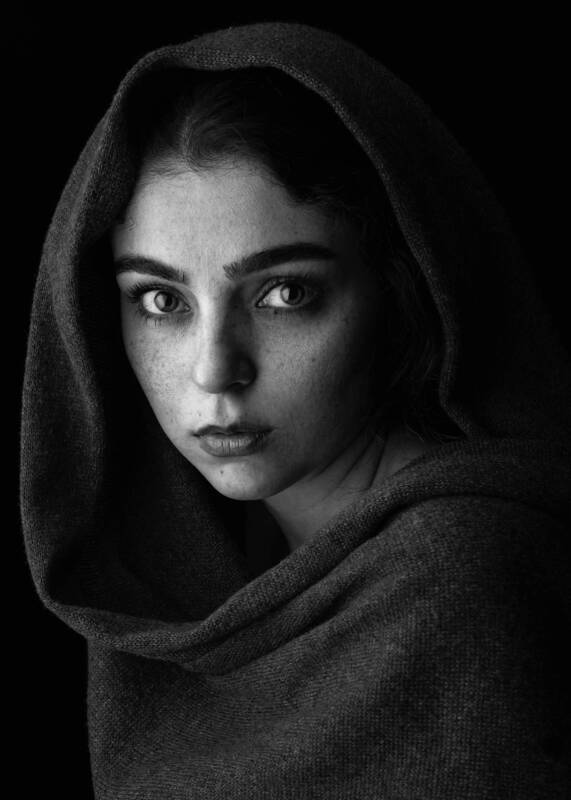
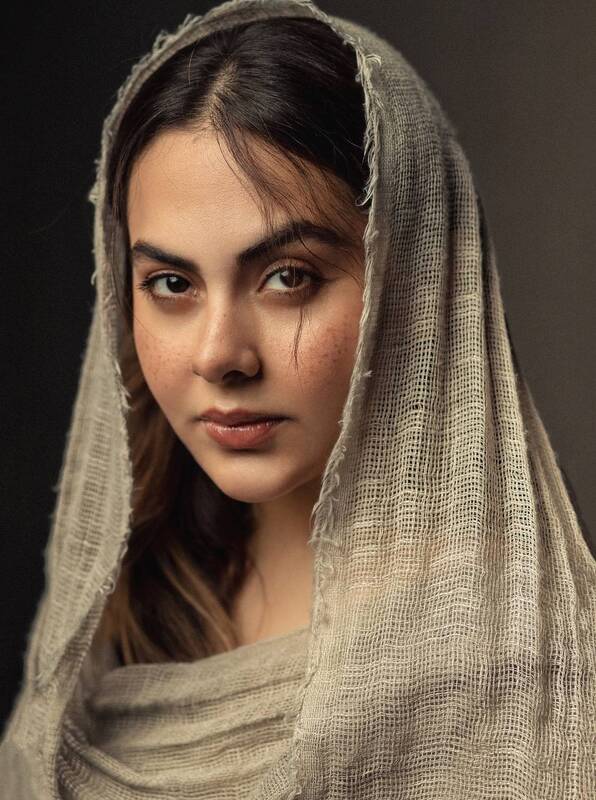
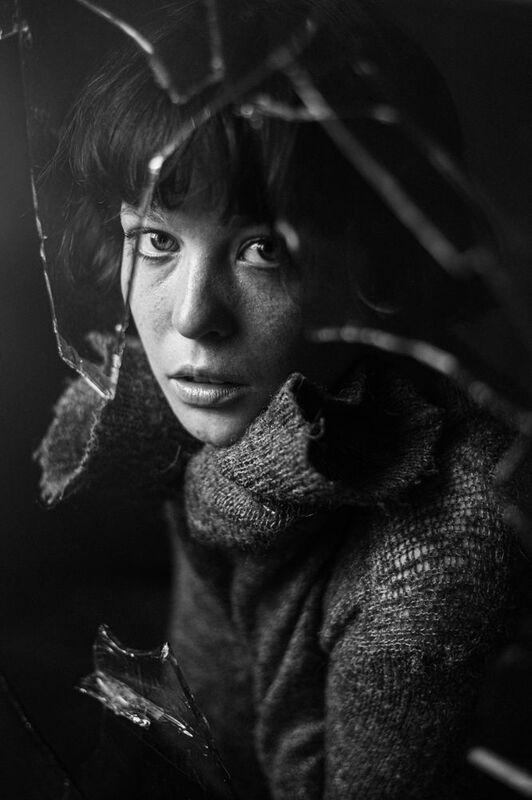
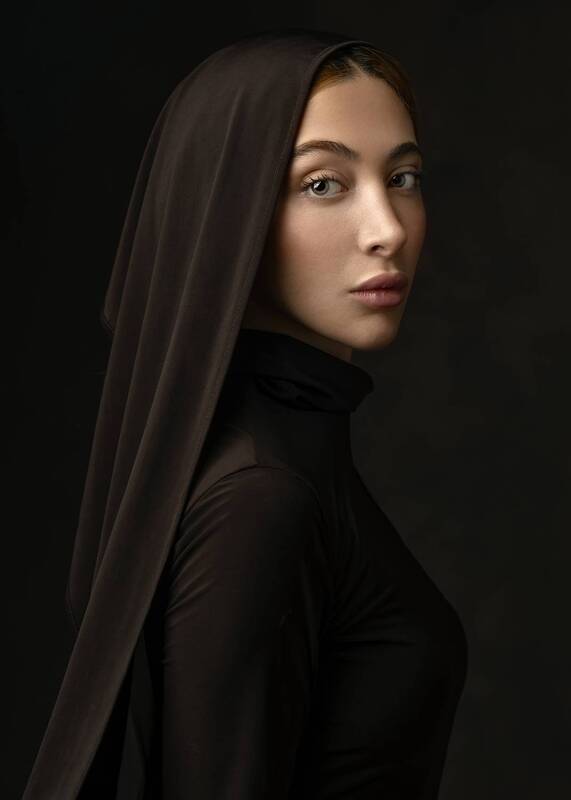
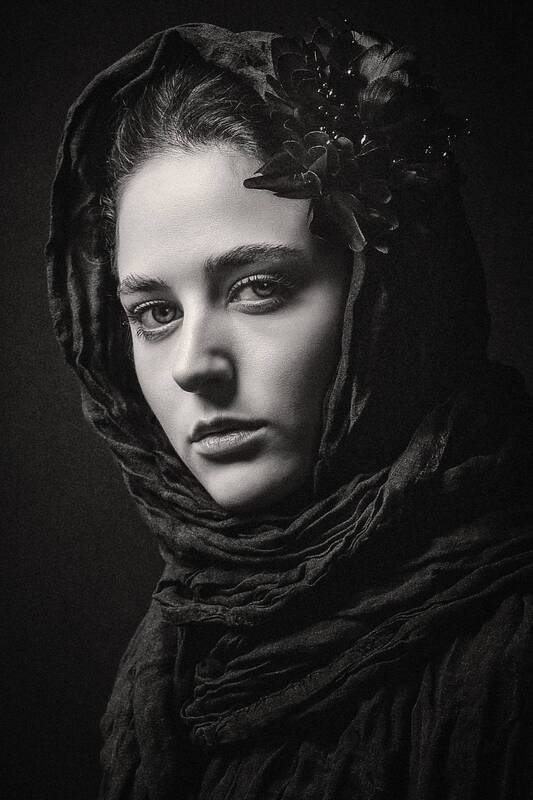
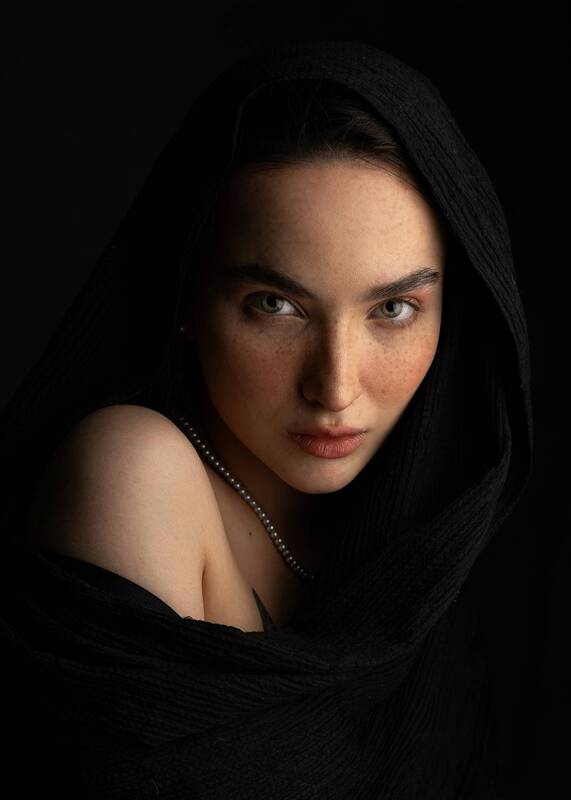
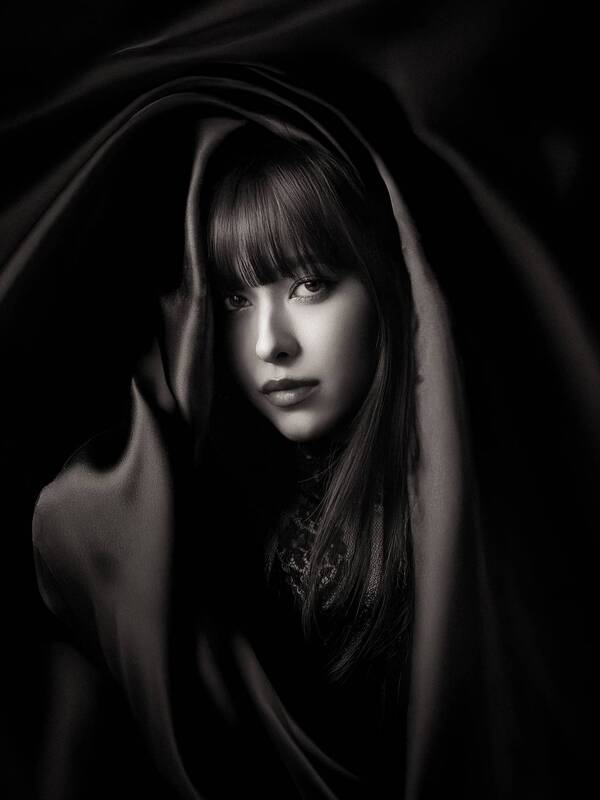
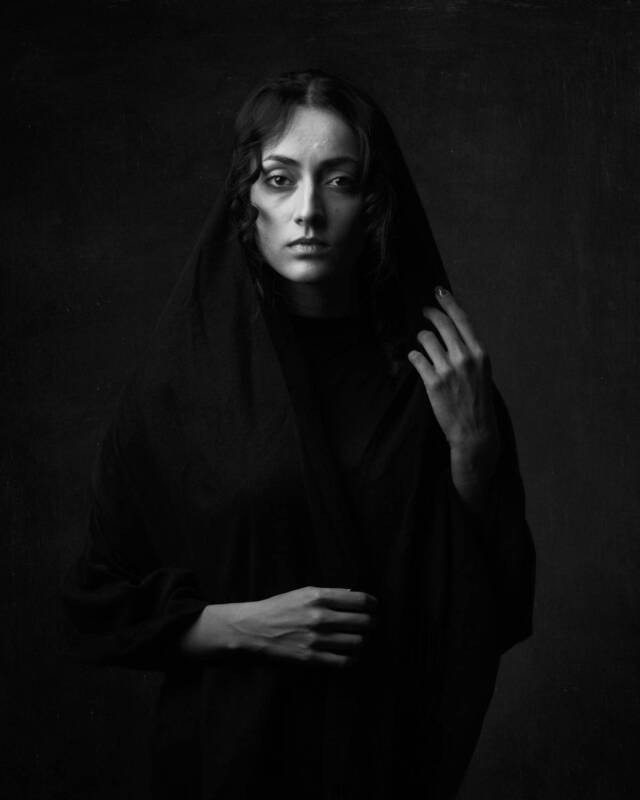
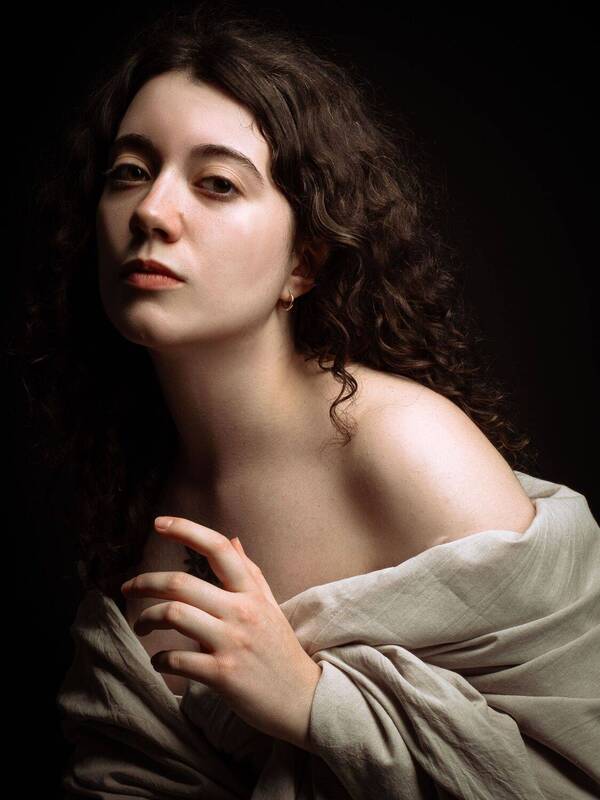
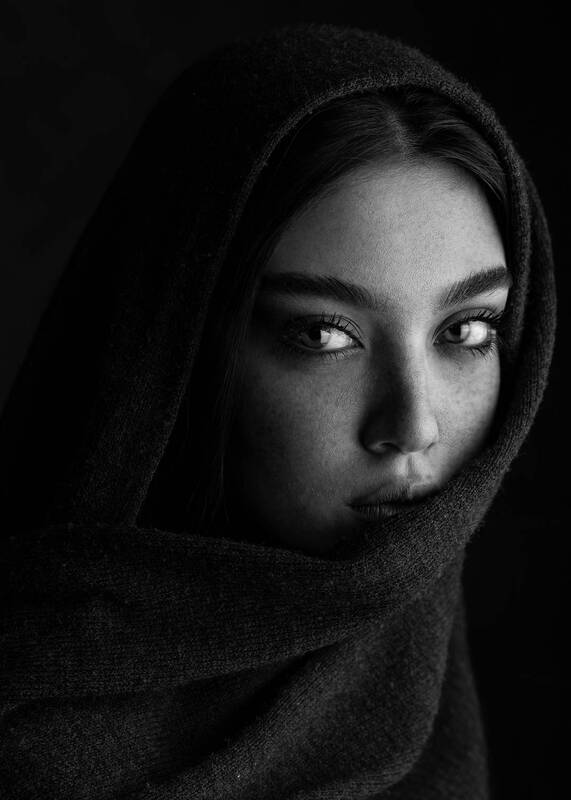
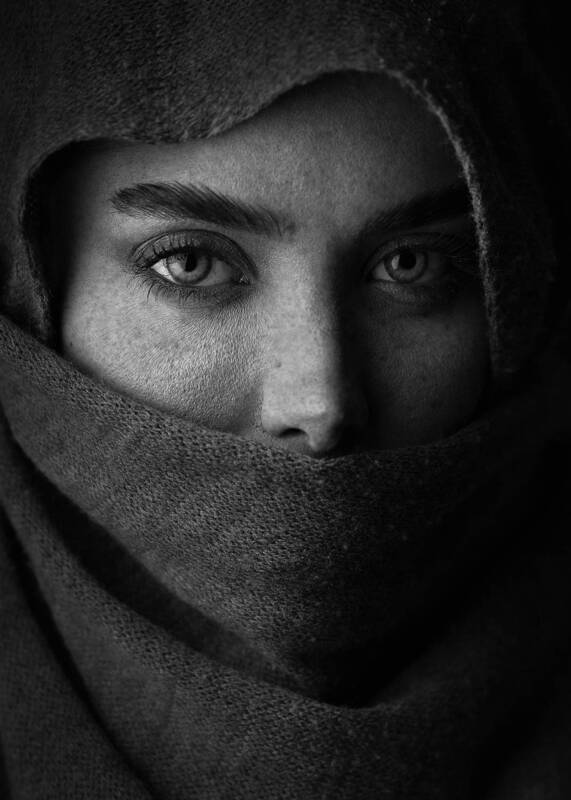
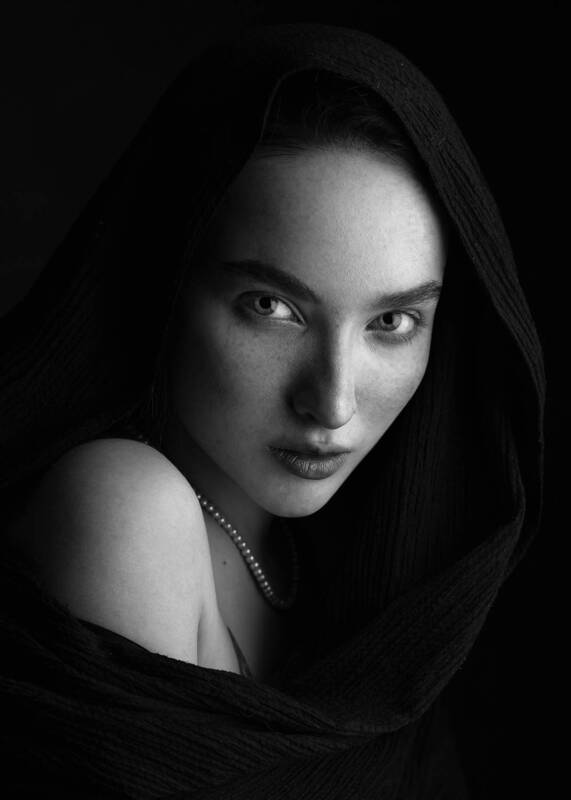
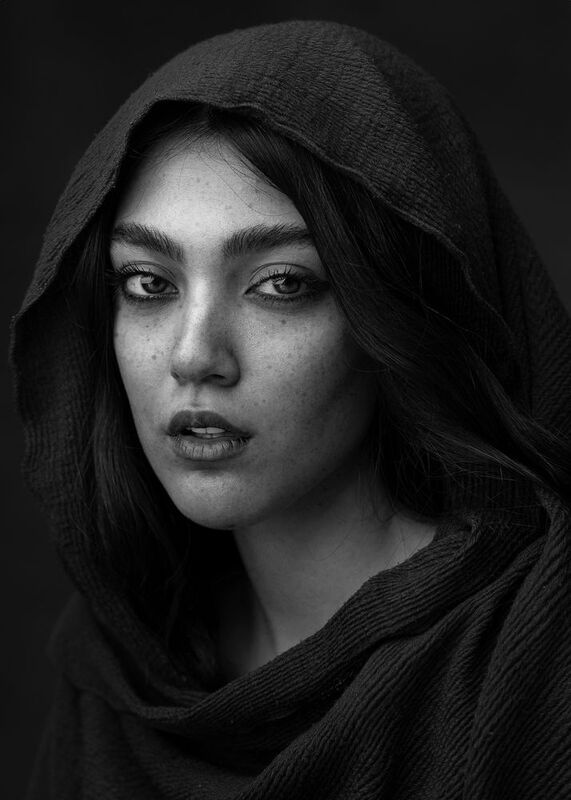
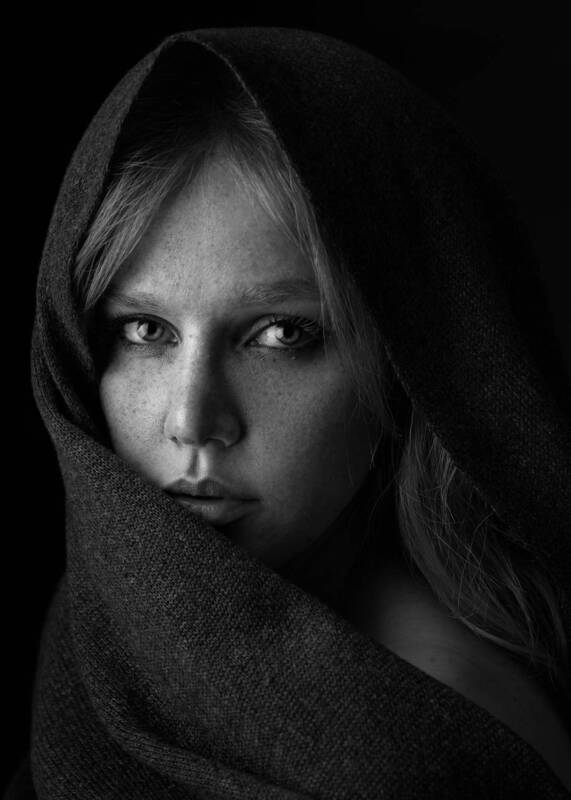
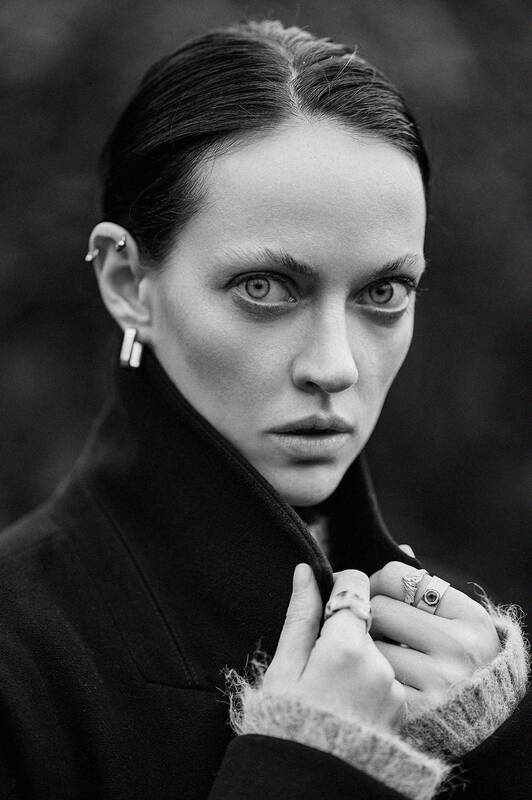
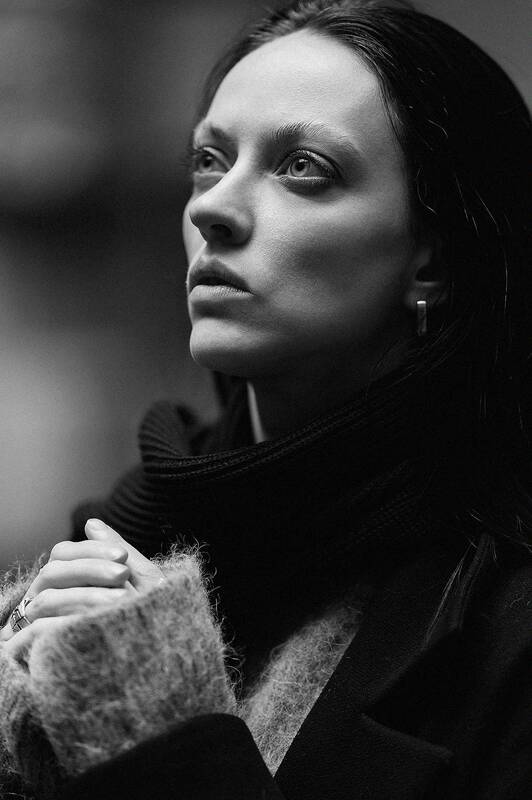
This portrait employs a refined low-key lighting setup with a controlled contrast ratio. Light falls from camera-left, illuminating one side of the face while the opposite side remains in deep yet detailed shadow. This distribution enhances bone structure and defines the bridge of the nose and cheek contours with precision.
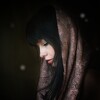
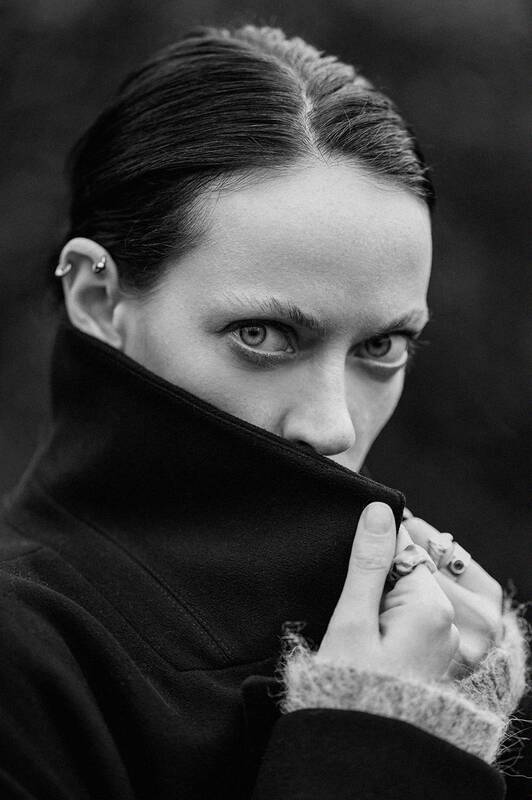
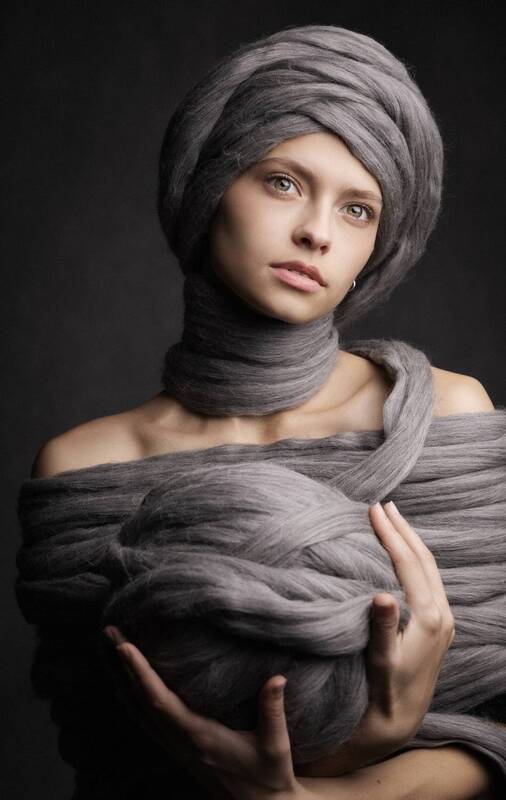
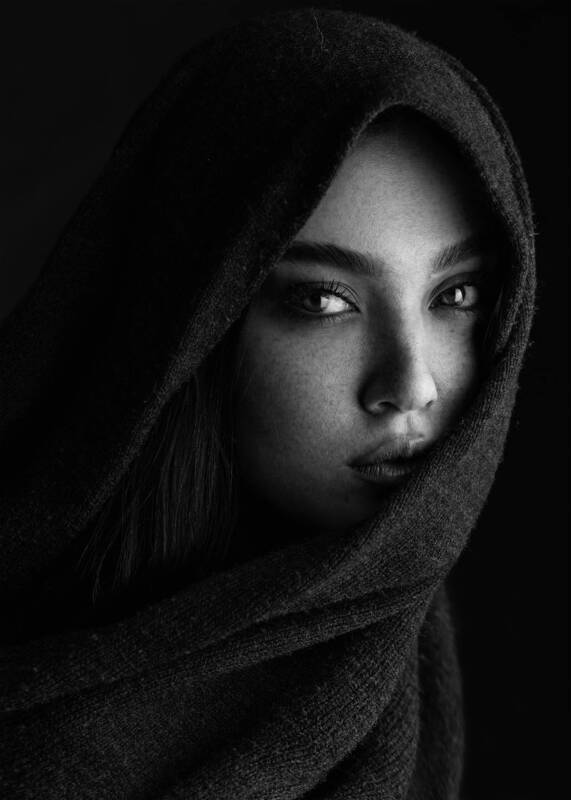
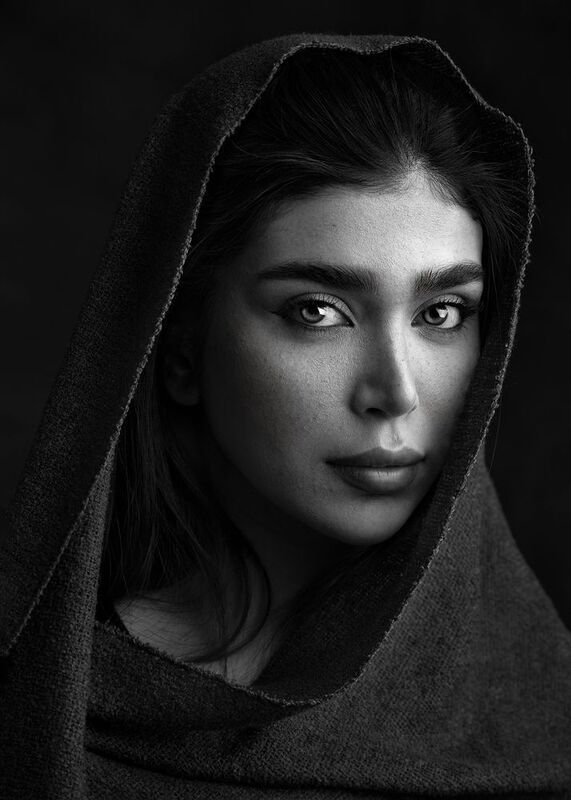
The dark shawl frames the face closely, creating a contained visual structure that directs attention toward the eyes. The fabric functions as negative space rather than a decorative element, compressing the composition and strengthening subject isolation. Midtones are carefully preserved to avoid abrupt tonal transitions. The direct gaze, combined with the balanced shadow density, establishes a strong central focal point within a disciplined tonal range.
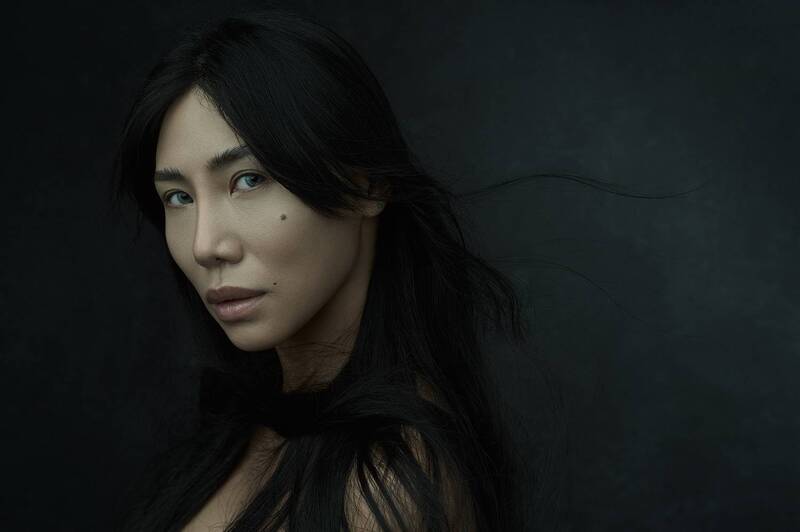
In this portrait, stronger contrast was used to highlight the subject’s presence. The surrounding darkness helps concentrate the image and reinforces the gaze as the main element.
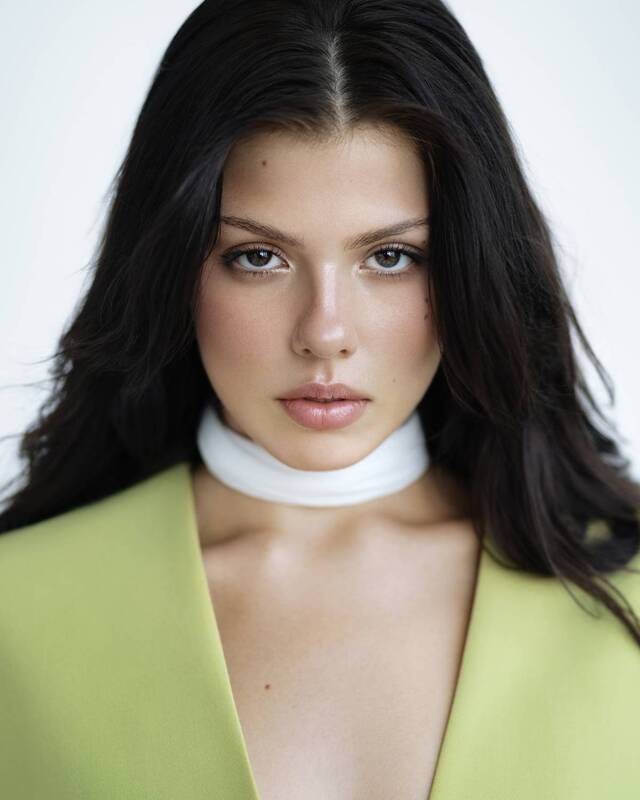
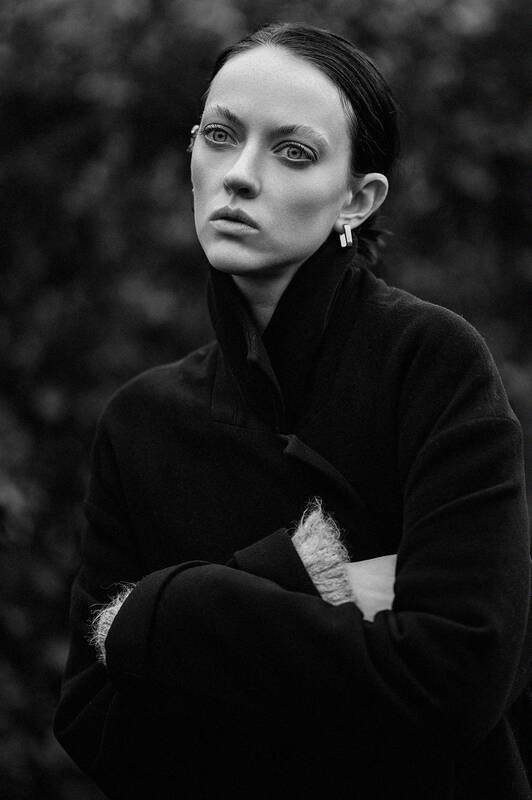
This portrait is structured around a controlled contrast between light and background to emphasize the subject’s presence. The direction of light was chosen to turn the gaze into the primary focal point. A simple yet precise composition allows the viewer to enter the image without distraction.
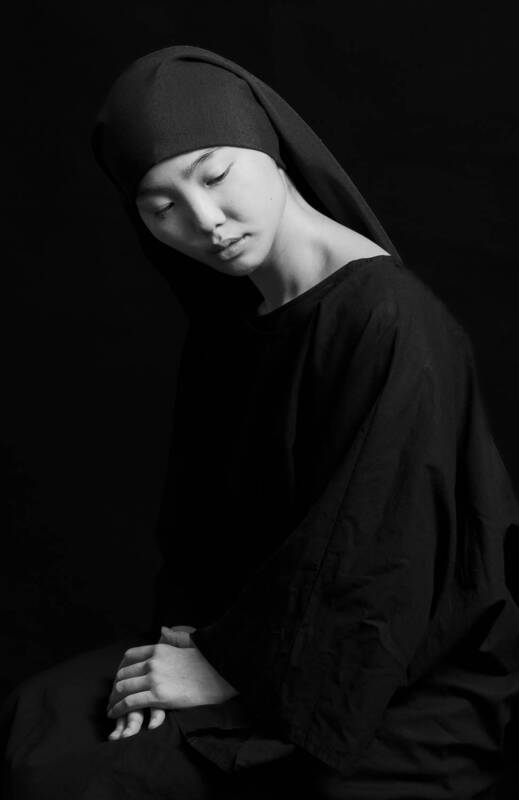
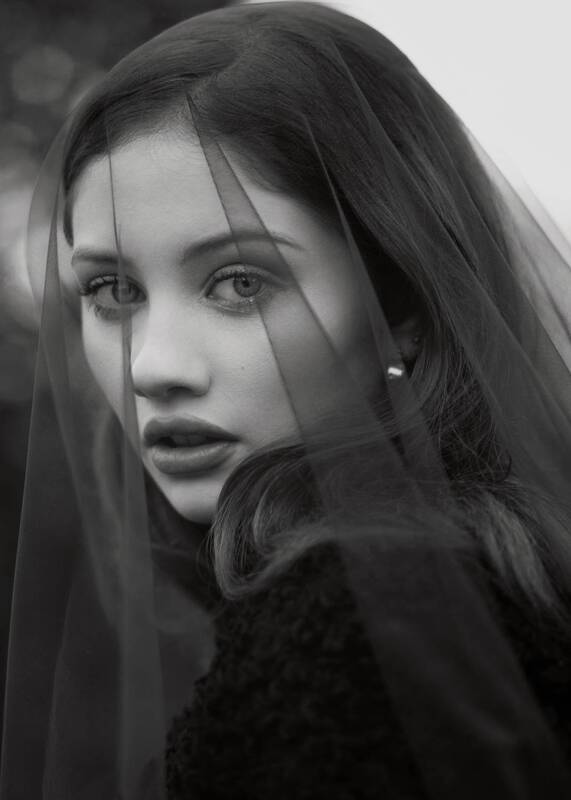
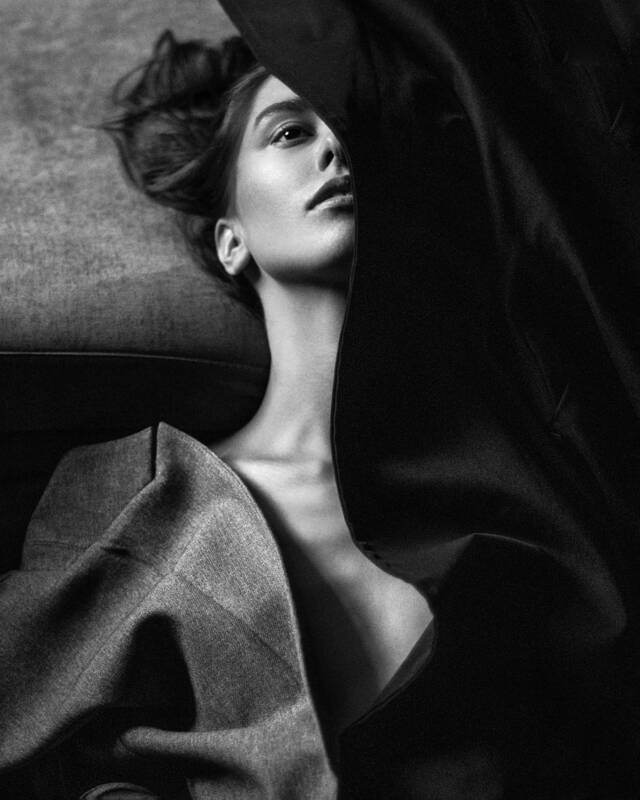
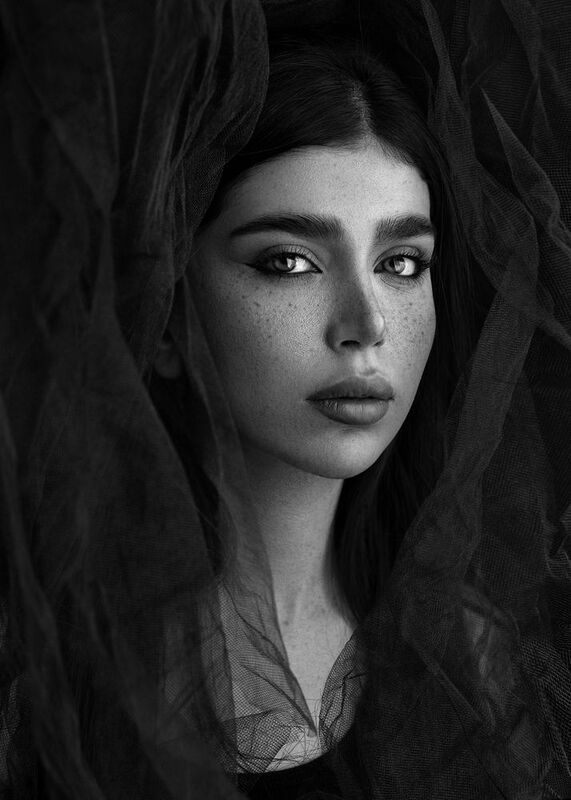
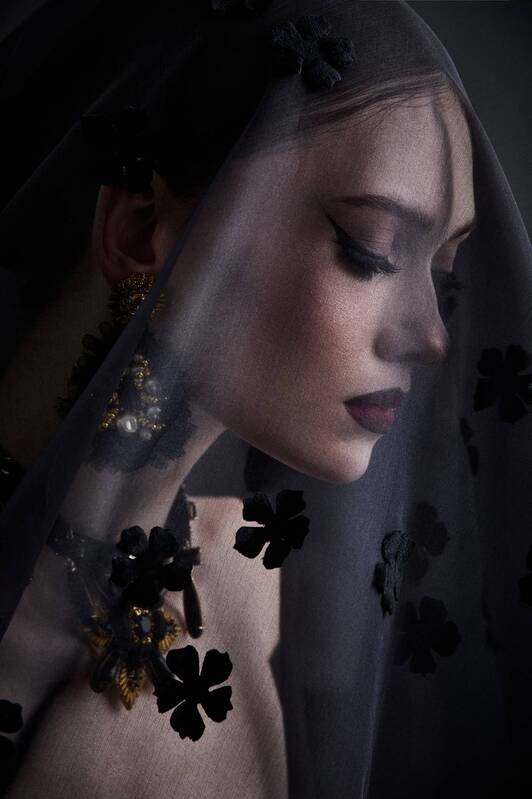
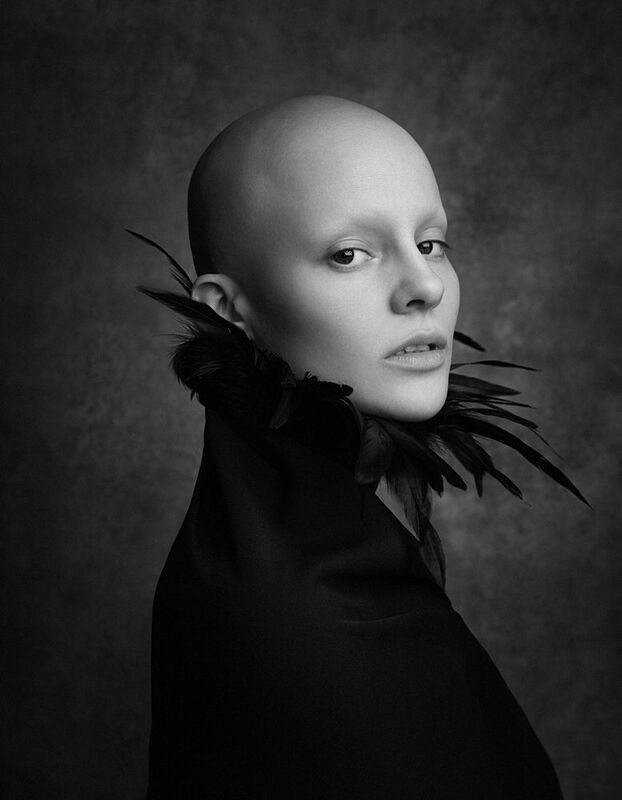
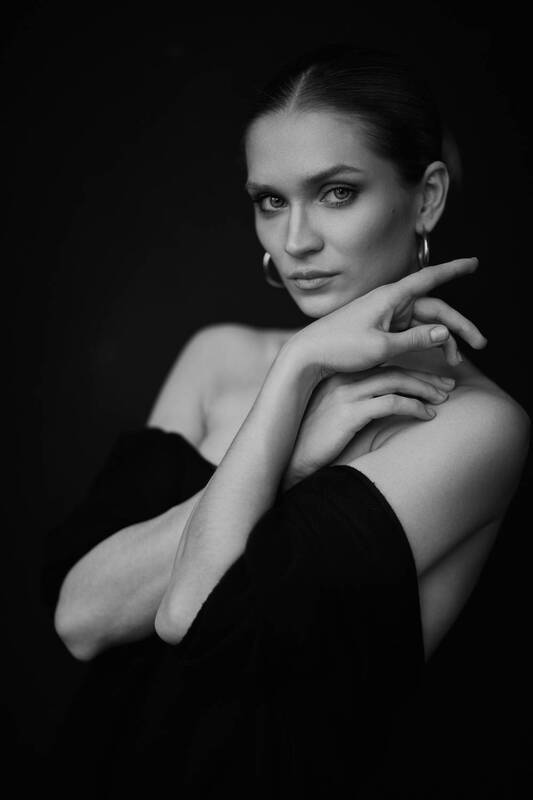
Light, carved from darkness. I folded satin like stone to build an obsidian veil that shelters and sharpens a single face. The fabric is not ornament but architecture—a corridor that narrows the world until only skin and gaze remain. In monochrome, time falls away; surface becomes tone, silence becomes shape. I sought a portrait that is unhurried and ceremonial—a small, private eclipse from which quiet strength rises, with all else withheld.
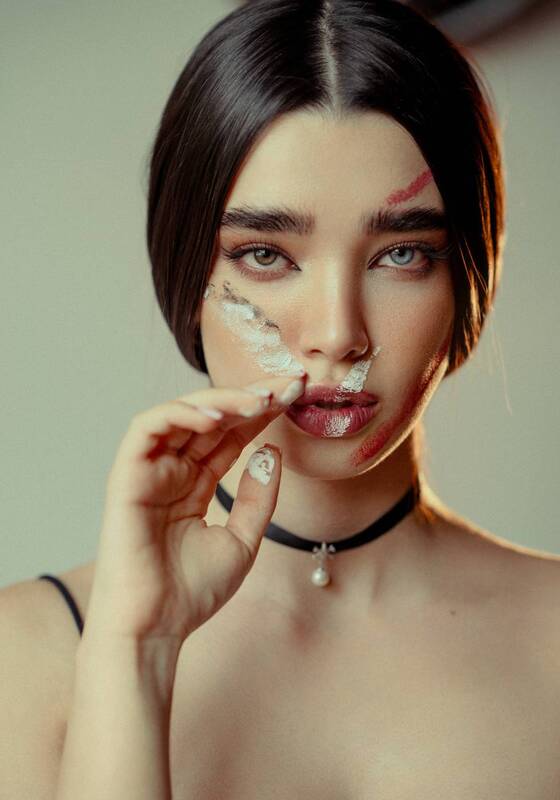
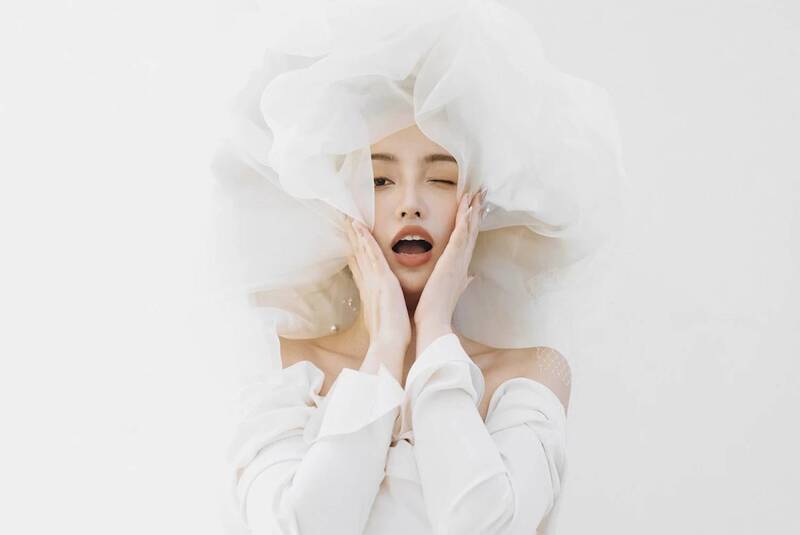
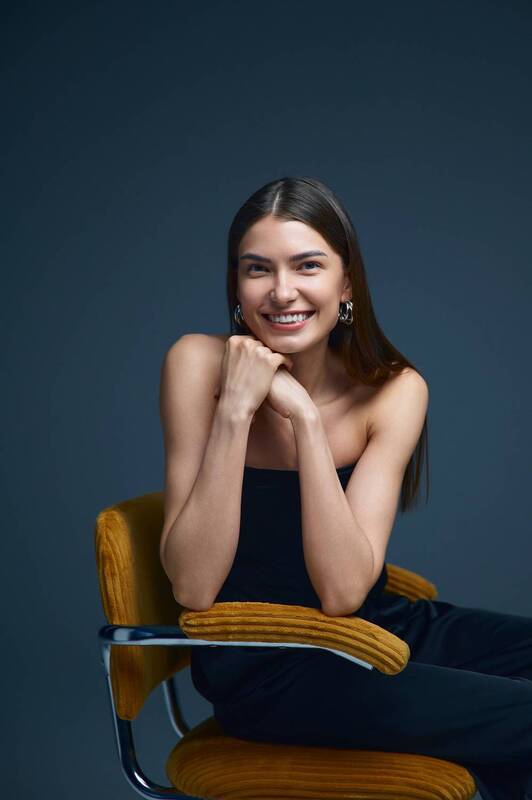
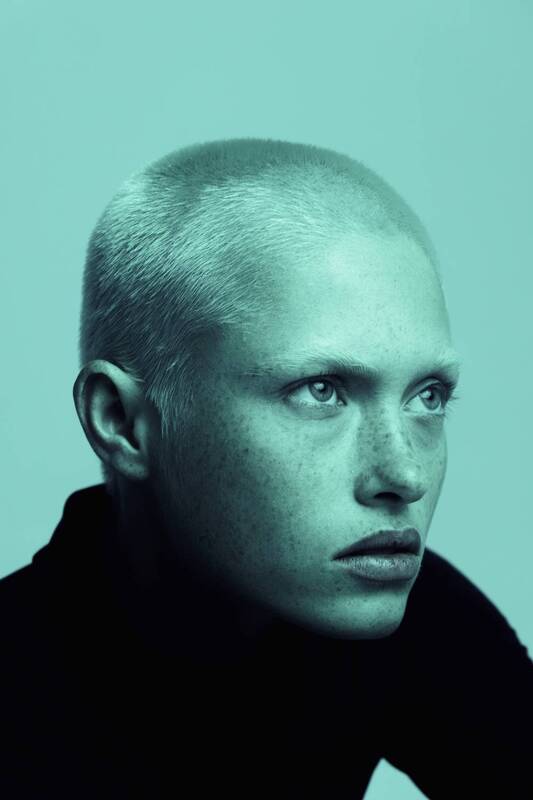
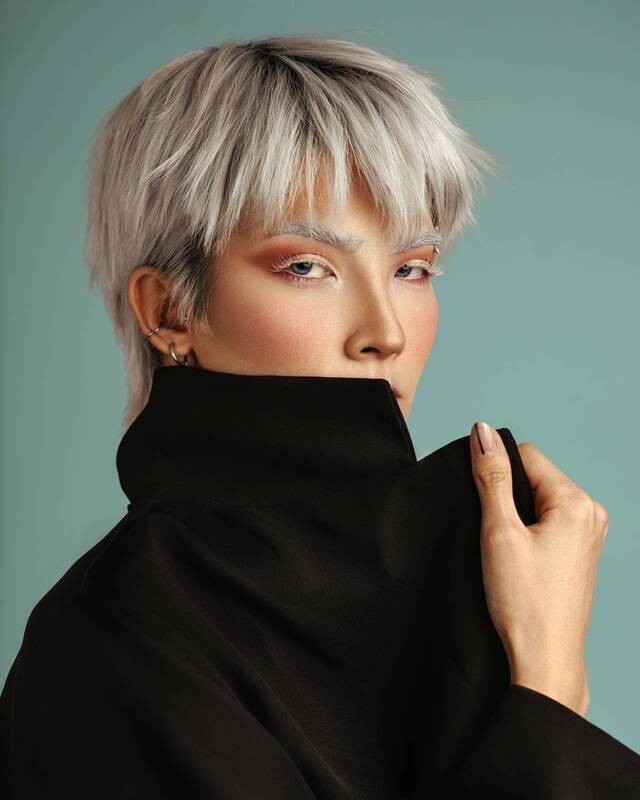
The main objective in this image was to clearly separate the subject from the environment through controlled color design and lighting. A uniform background was selected intentionally to eliminate competing visual elements. Soft, controlled lighting was used to maintain stability in the light structure while keeping the visual focus strong and undistracted. The photograph is built on a conscious decision to simplify the scene in order to direct the viewer’s attention directly toward the subject.
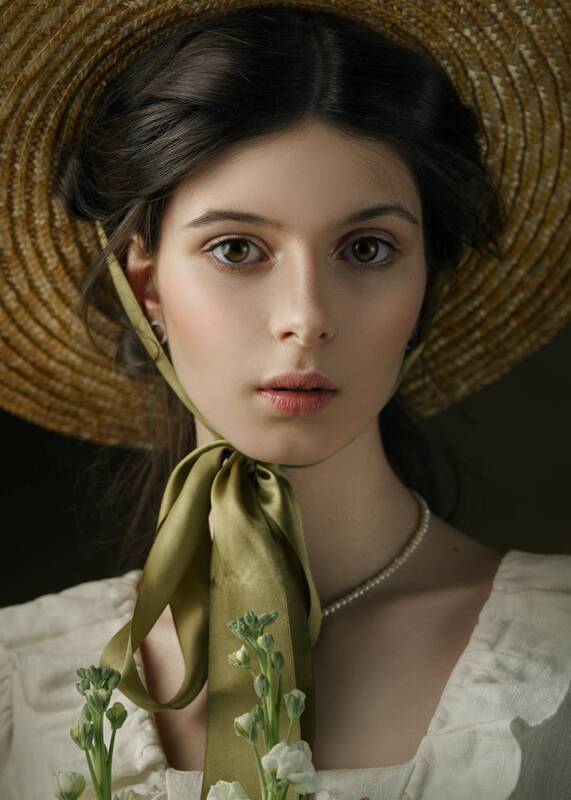
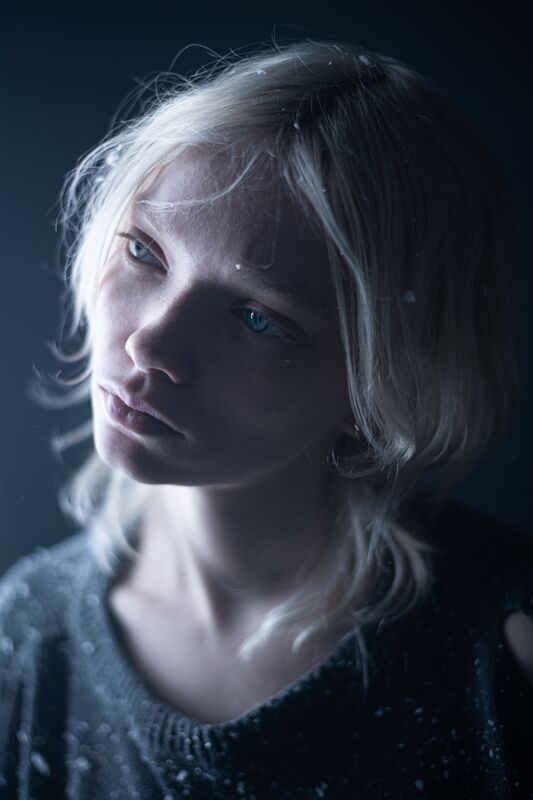
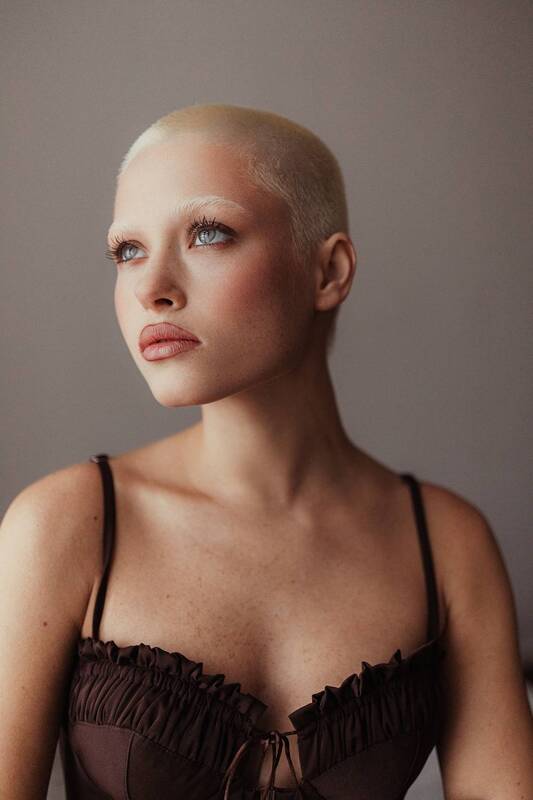
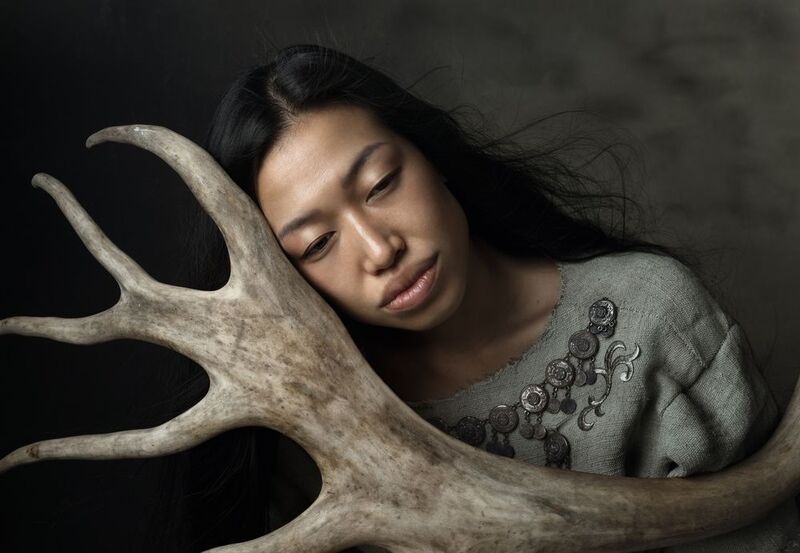
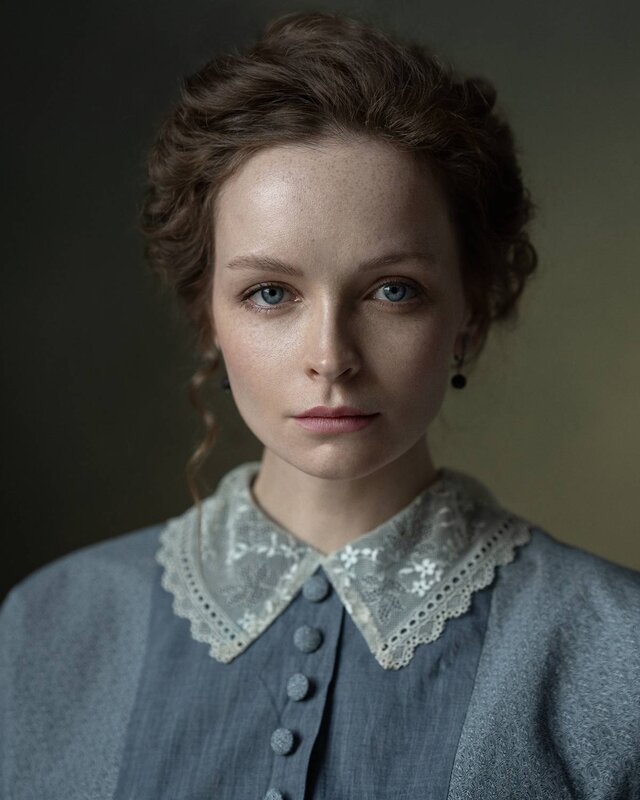
A portrait shaped by soft, directional light that carefully defines facial volume. The neutral expression and measured emotional distance avoid direct narration, inviting quiet observation instead. The simple composition and dark background maintain full focus on facial expression
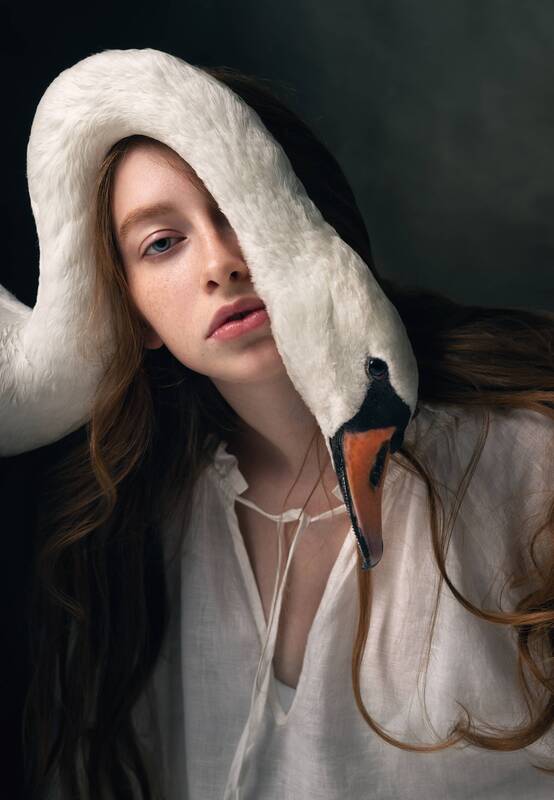
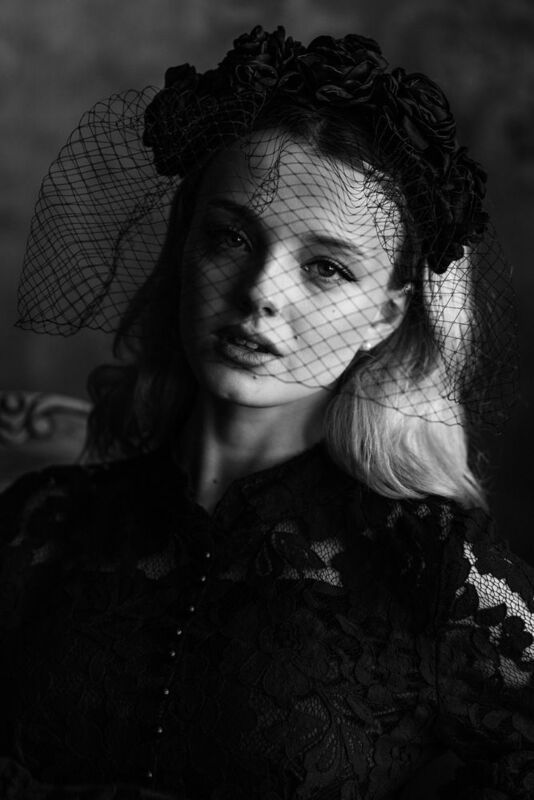
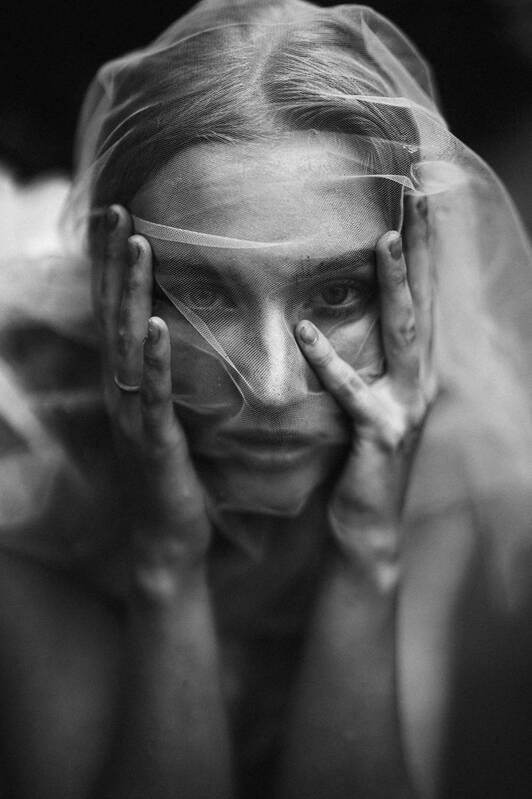
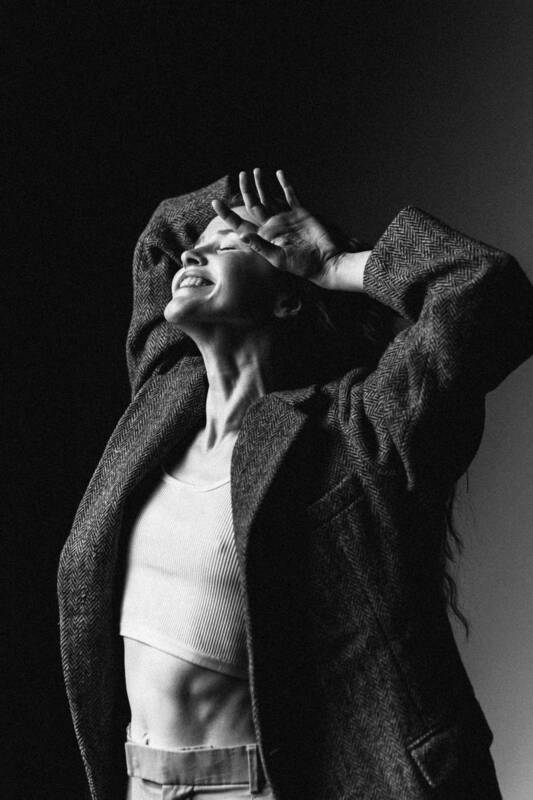
This portrait was built on a deliberate visual reduction, allowing the gaze to become the dominant force within the frame. Covering a large part of the face intensifies visual focus and places the viewer directly in front of the subject’s eyes. Light was carefully controlled to keep the structure of the image simple yet strong. The intention was to emphasize psychological presence without visual distraction.
In this image, I aimed to create a closer relationship between the subject and the viewer. The tight framing and controlled lighting naturally guide attention toward the gaze. The portrait relies on controlled simplicity.
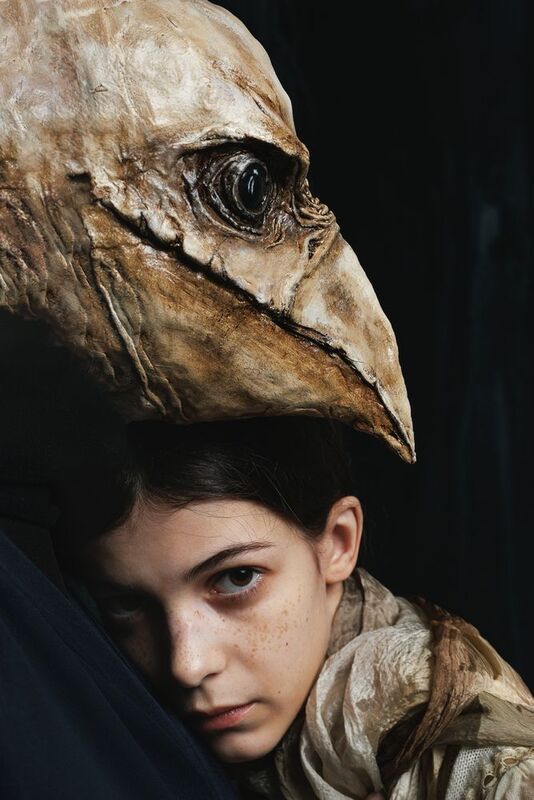
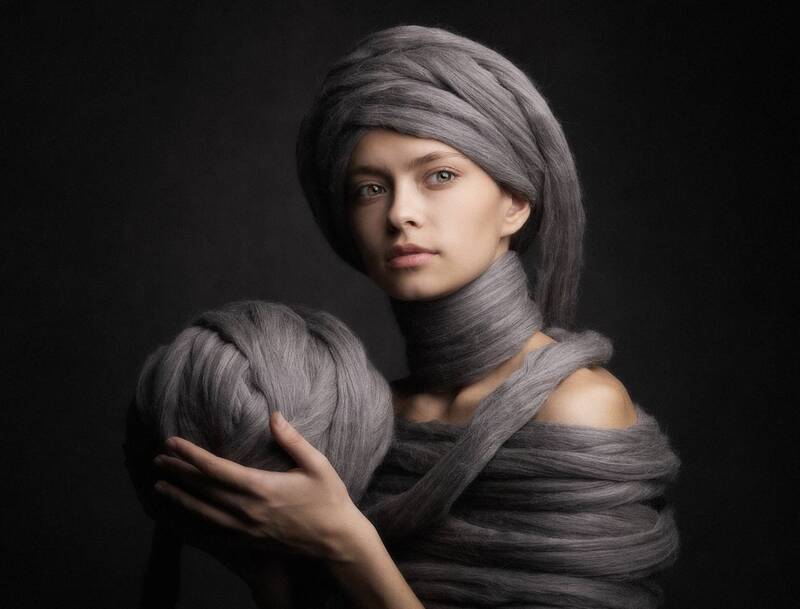
portrait focuses on the strength conveyed through the subject\'s gaze. The dark background and the fabric draped around her head create a sense of isolation, allowing her eyes to command the viewer’s attention. The use of light enhances the intensity of her presence, ensuring that her focused and determined energy remains the central point of the image.
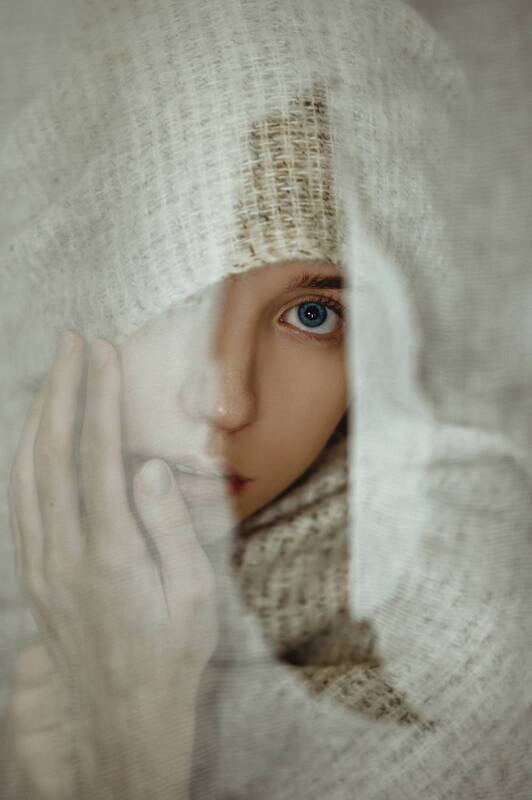
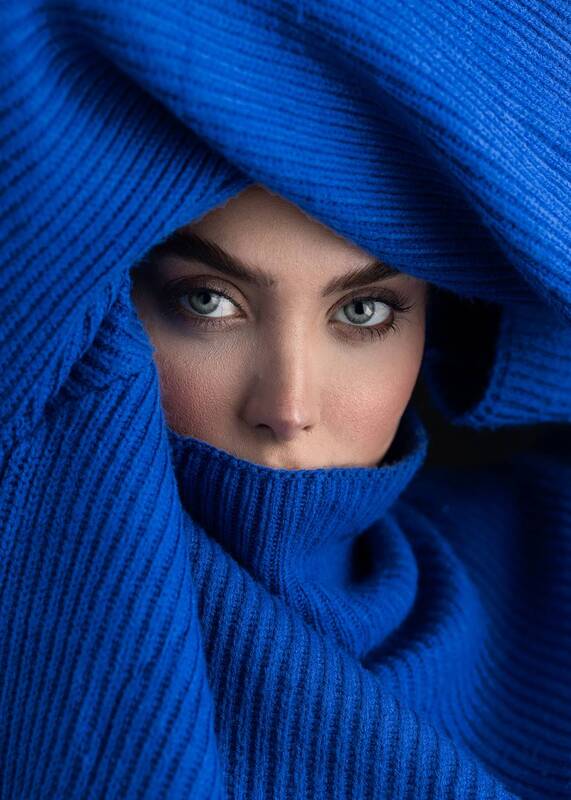
A close-up portrait where deep blue fabric frames the face, directing full attention to the eyes. The controlled lighting and shallow depth of field isolate emotion, creating a quiet tension between concealment and presence. Color harmony and gaze engagement are the core visual strengths of this image.
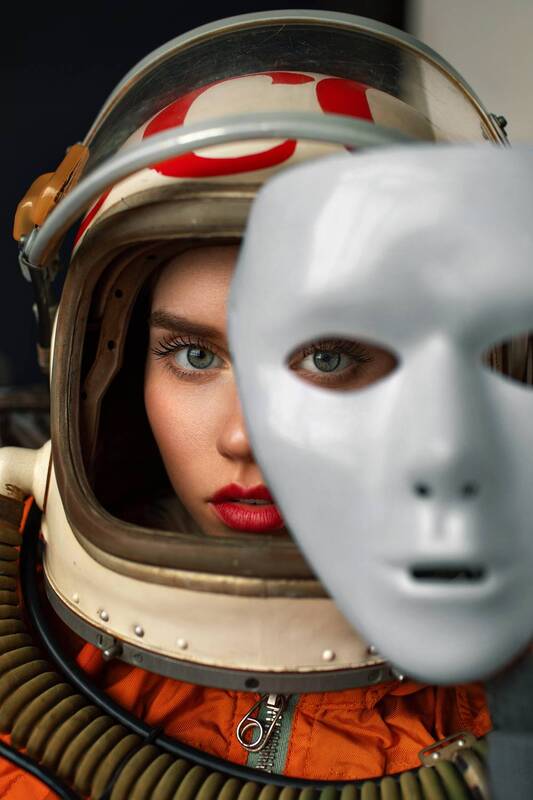
In this portrait, the primary intention was to control the viewer’s attention and guide it toward a specific focal point within the frame. The composition was intentionally tight, and part of the face was partially obscured to reduce visual information and strengthen the impact of the gaze. Directional lighting was carefully shaped so that illumination remains concentrated only where the viewer’s eye should rest. The photograph is essentially an exercise in visual control—removing unnecessary elements while reinforcing the subject’s presence and clarity inside the frame.
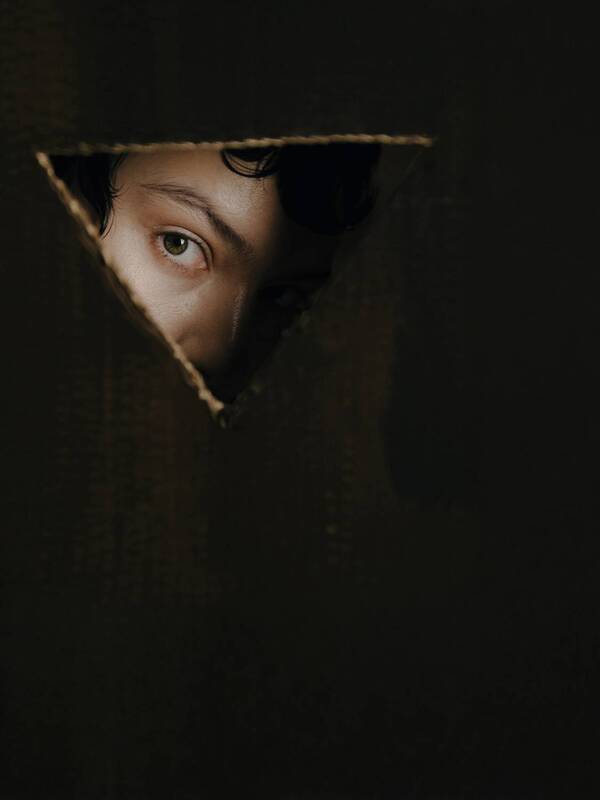
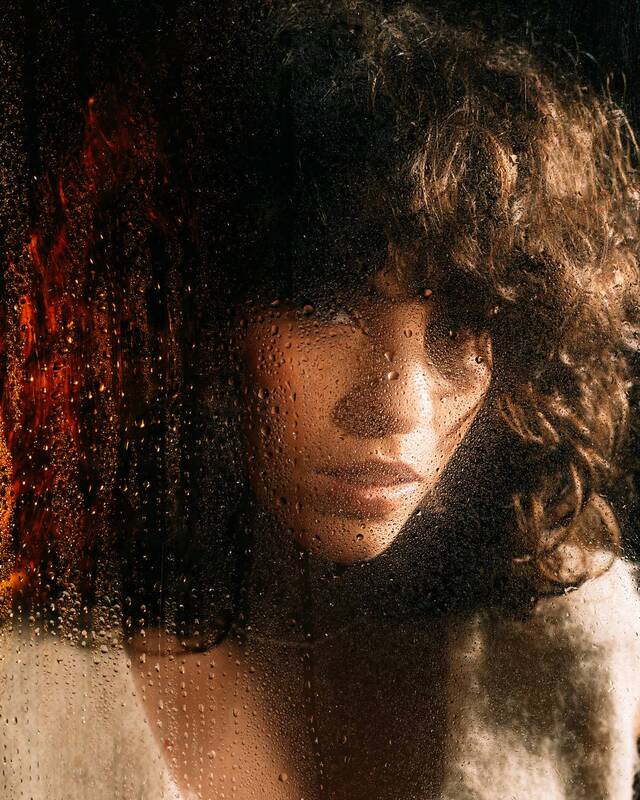
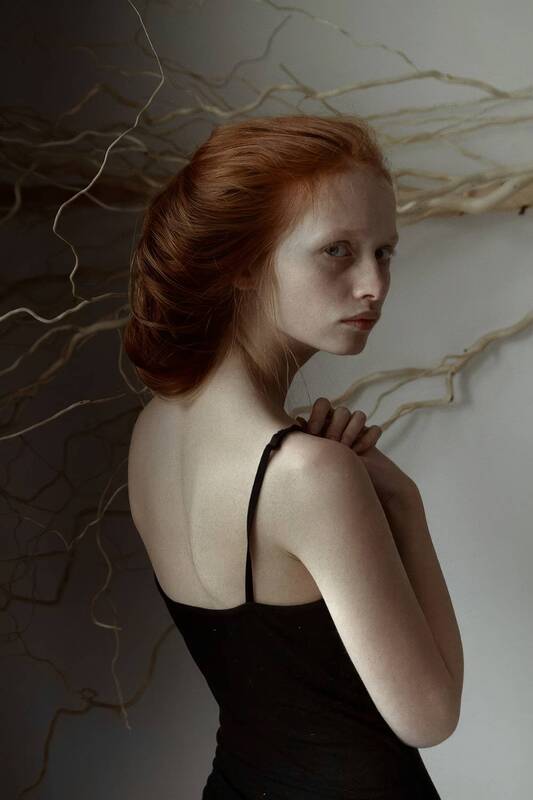
Это работа о страхе быть увиденной и о потребности быть замеченной одновременно. О том внутреннем дрожании, которое возникает, когда тишина вдруг начинает смотреть в ответ.
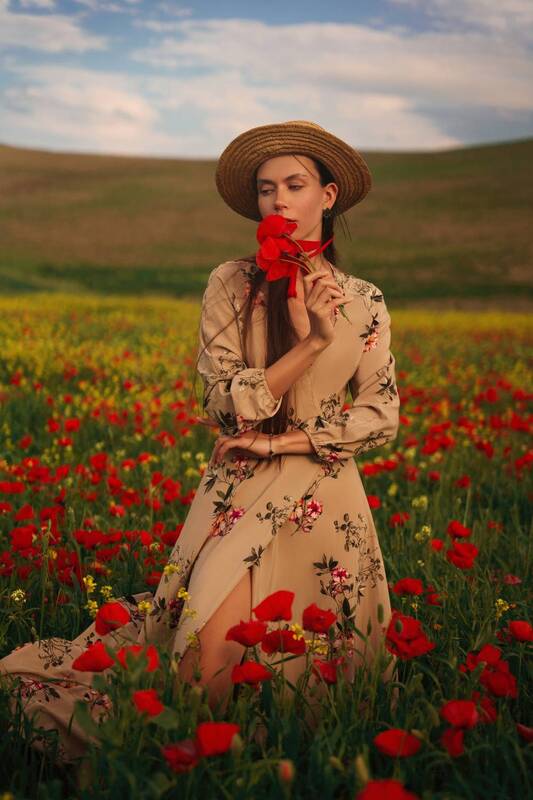
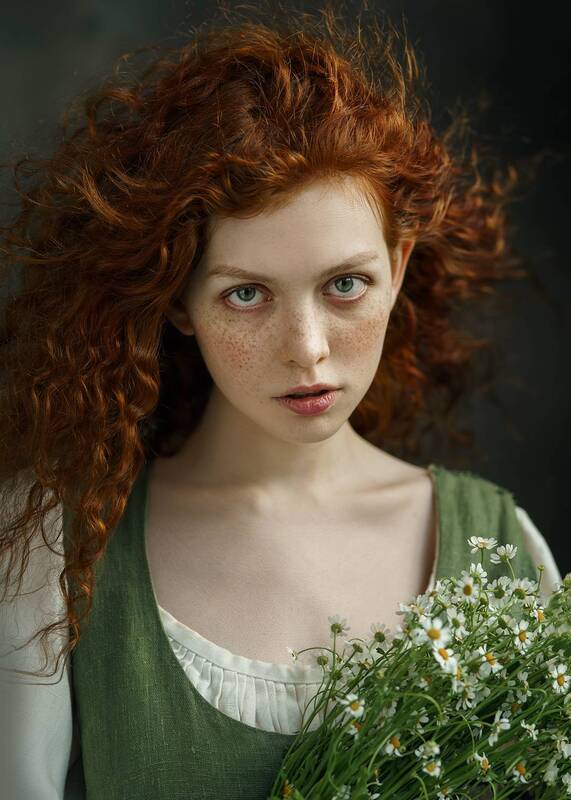
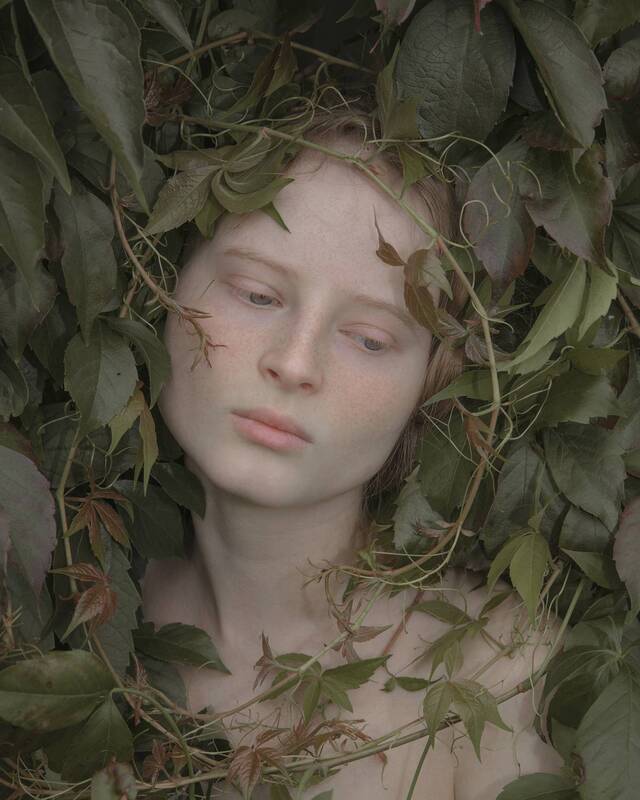
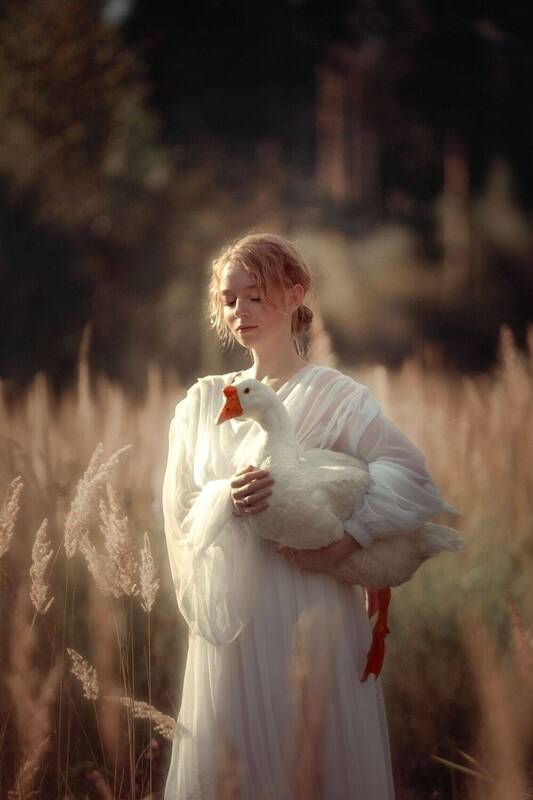
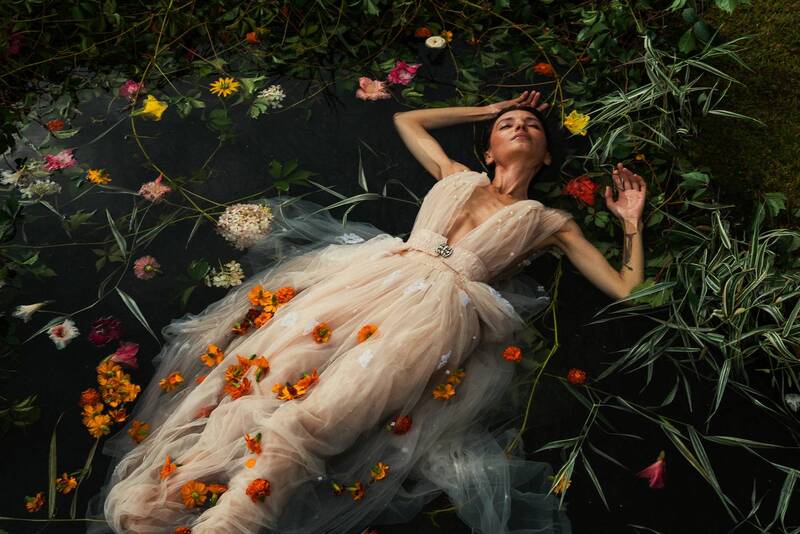
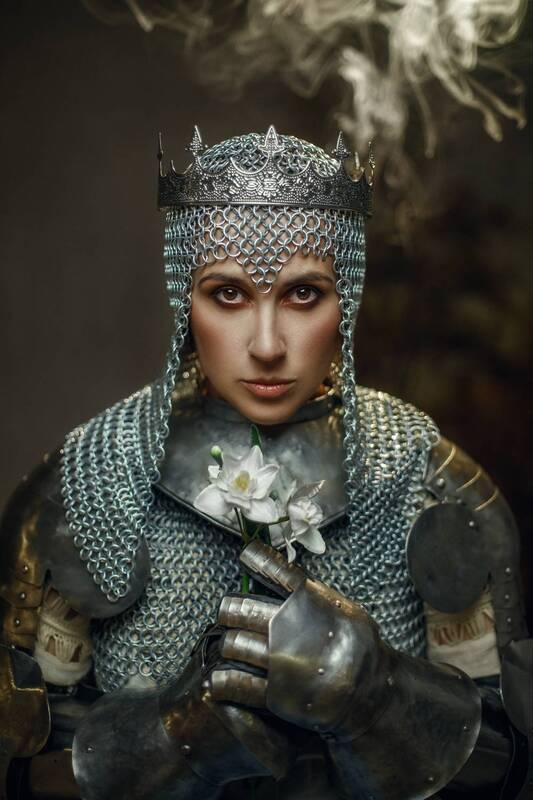
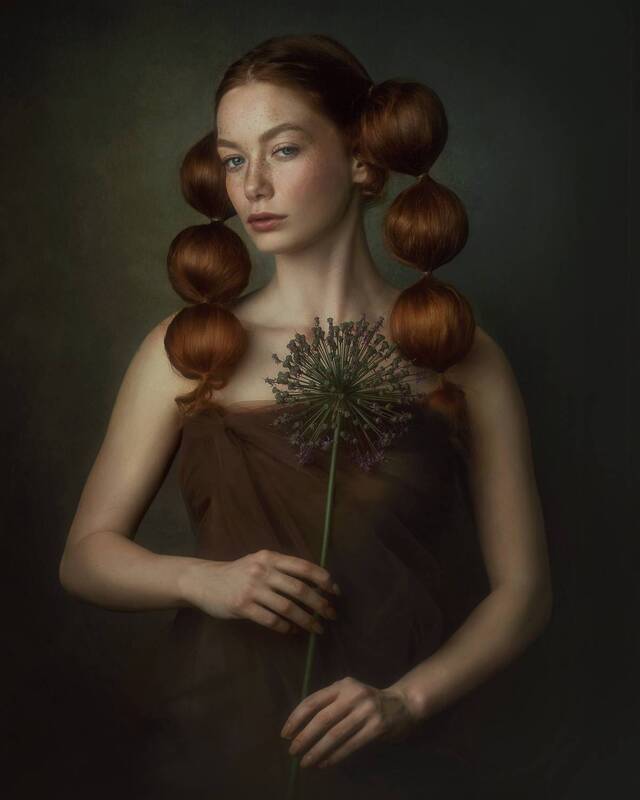
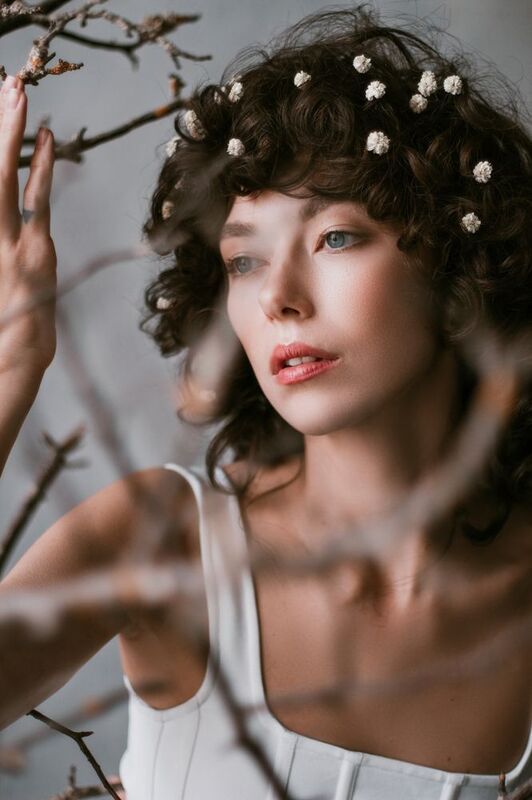
a portrait celebrating the harmony between human beauty and nature.the floral crown symbolizes growth, transformation , and the quite strength that blooms within us.
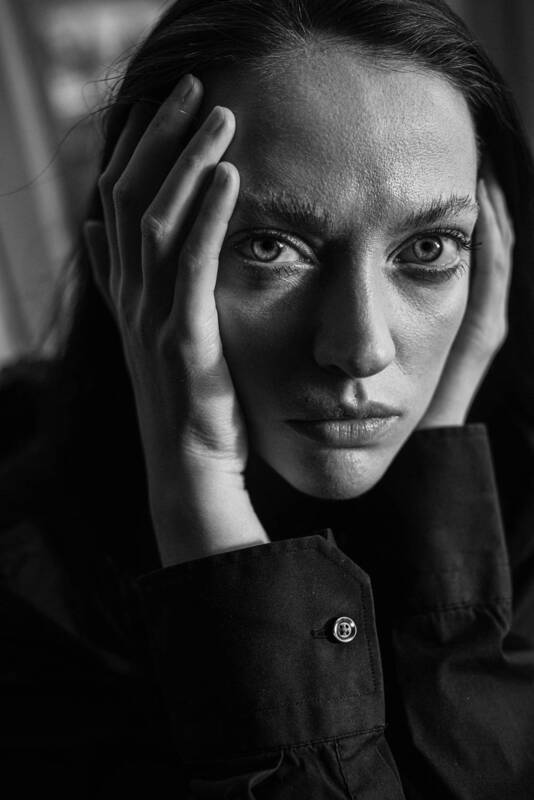
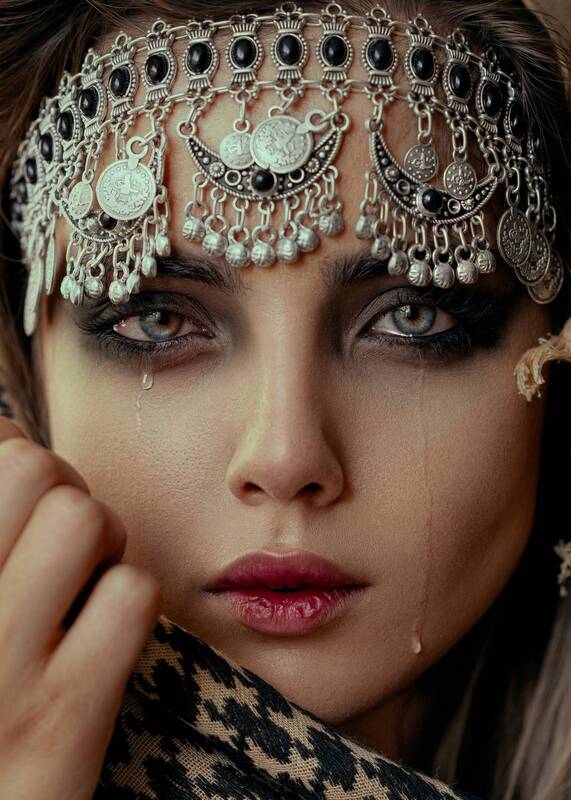
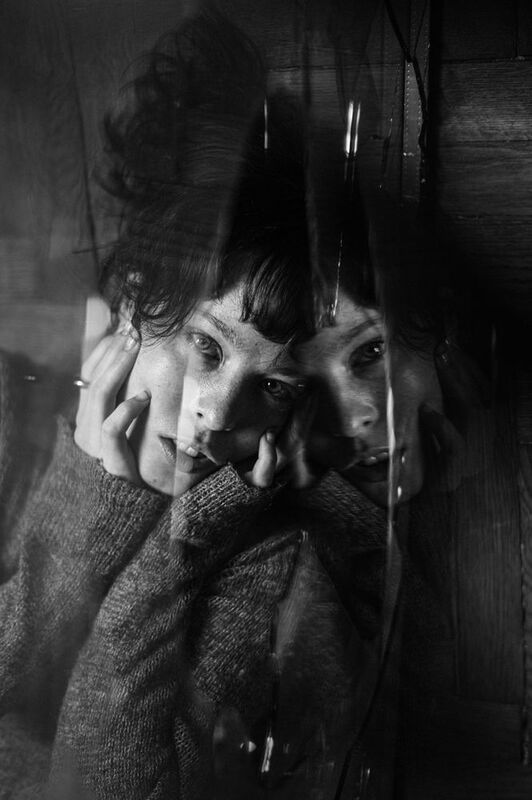
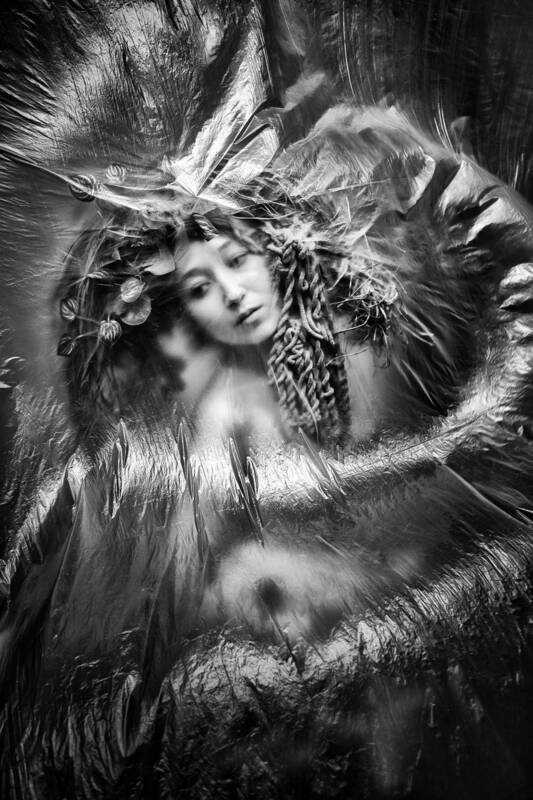
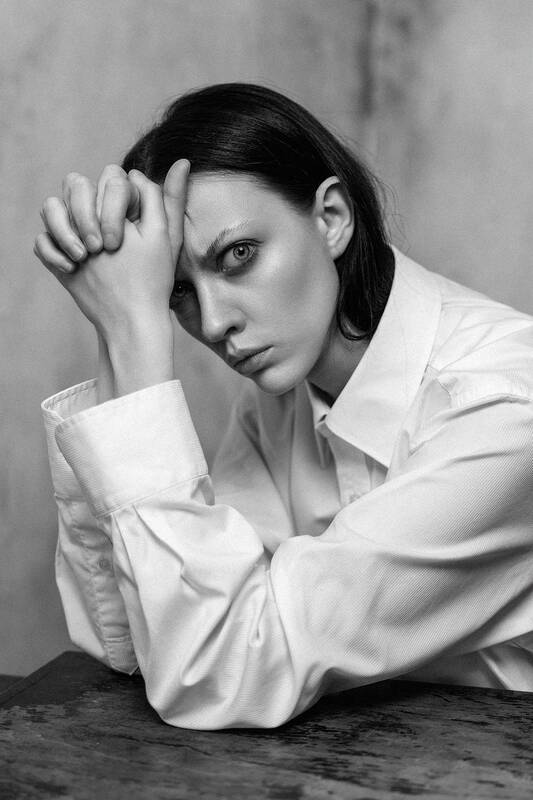
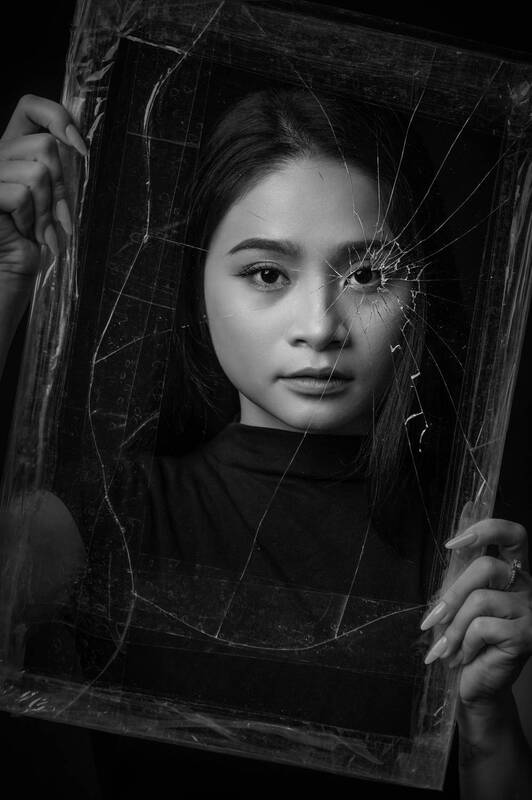
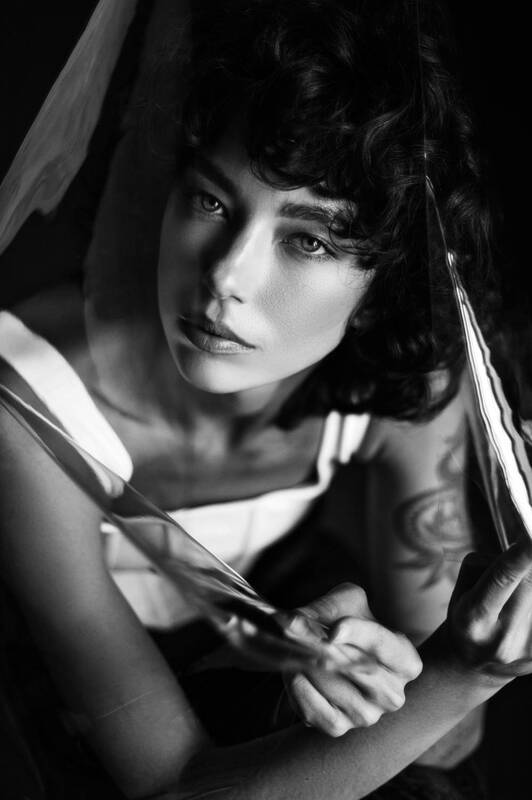
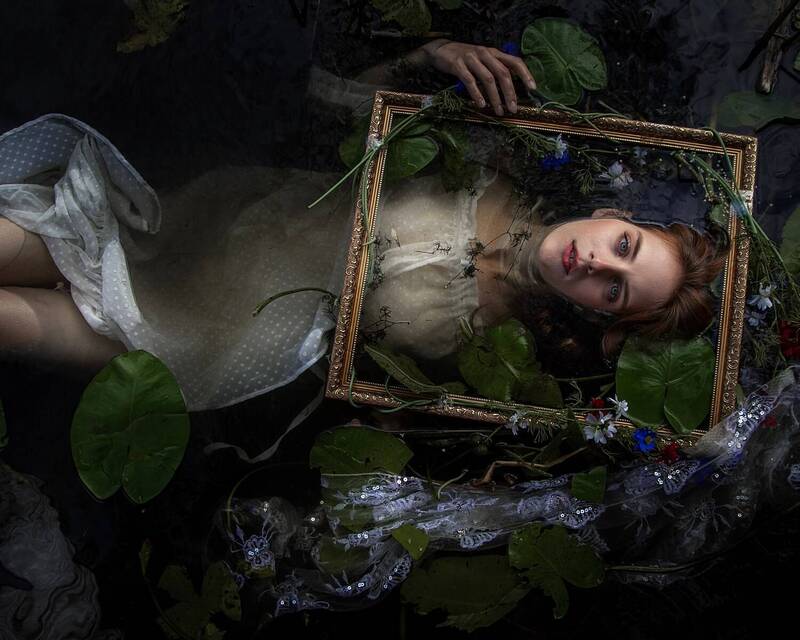
This is not just an emotion. It is a self-portrait of every woman who once fell apart — but pieced herself back together from the fragments.
Это не просто эмоция. Это автопортрет каждой женщины, которая когда-то разбилась, но собрала себя по осколкам.
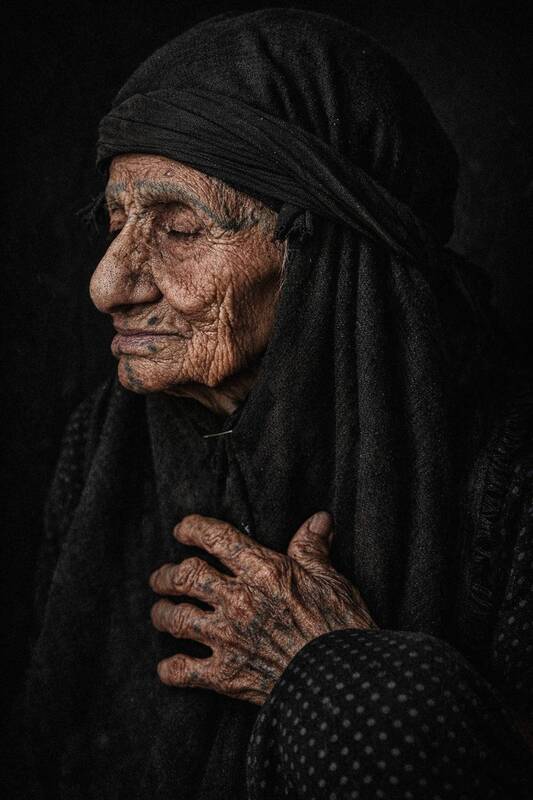
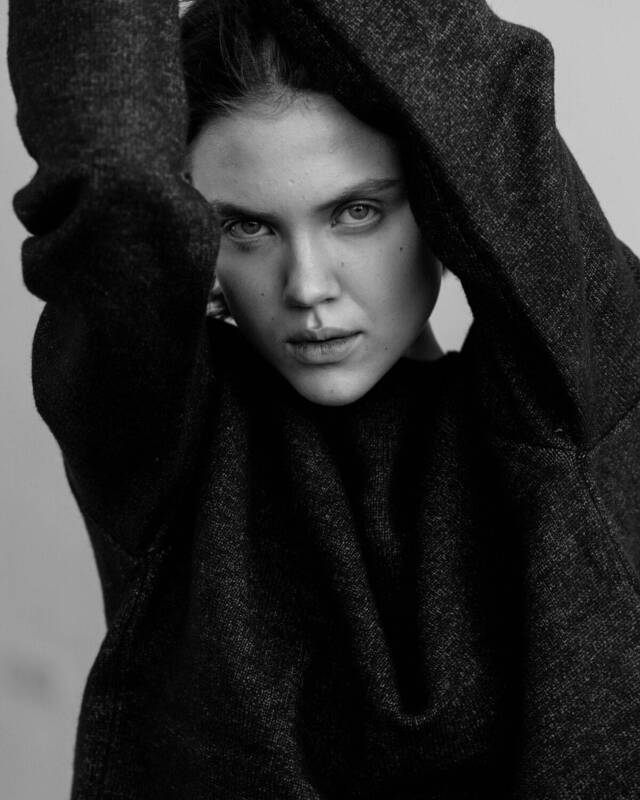
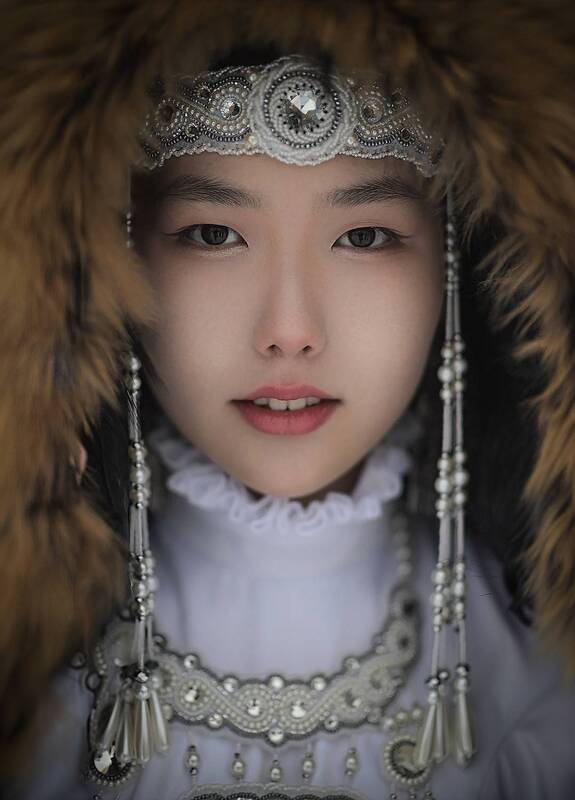
This image utilizes a refined low-key setup with carefully controlled shadow depth. The hood creates a strong vertical framing element, enclosing the face and enhancing subject isolation. Light direction is subtle but decisive, shaping the nasal bridge and cheek structure while maintaining detail in shadow zones.
The contrast curve is slightly steeper than the previous frames, creating stronger separation between the subject and background. The gaze is calm yet direct, functioning as the central compositional anchor. The monochrome treatment emphasizes structure, density, and tonal discipline over.
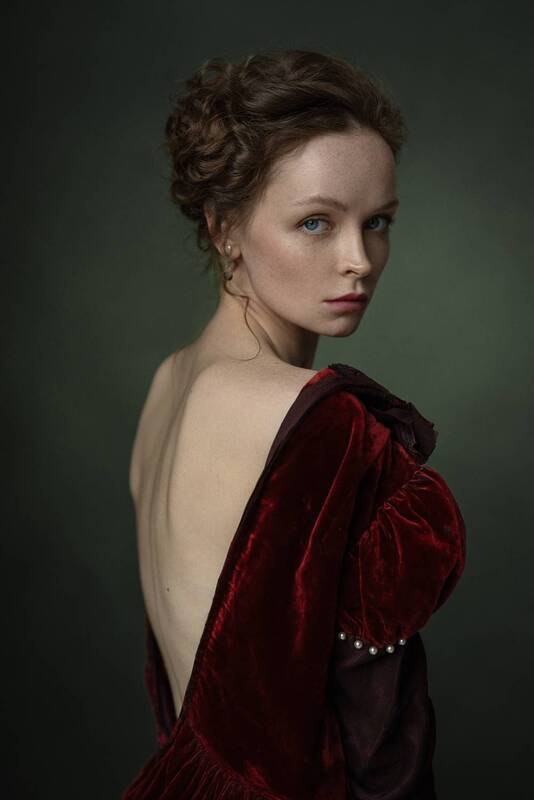
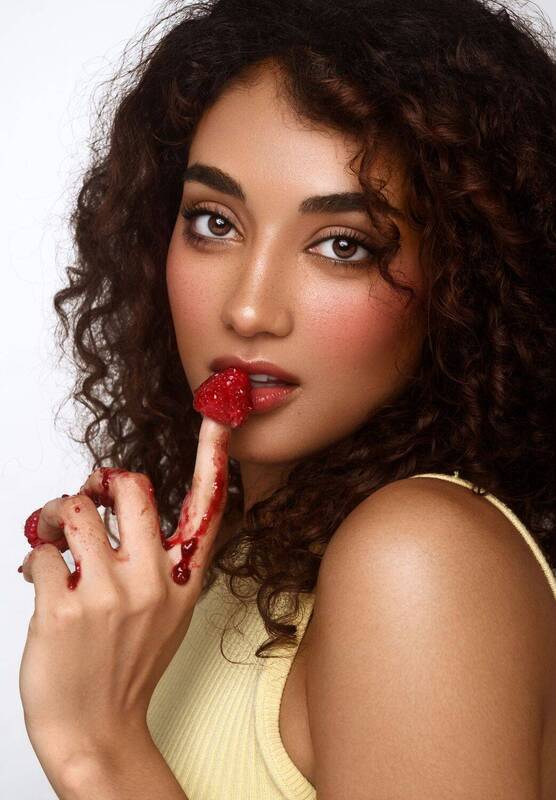
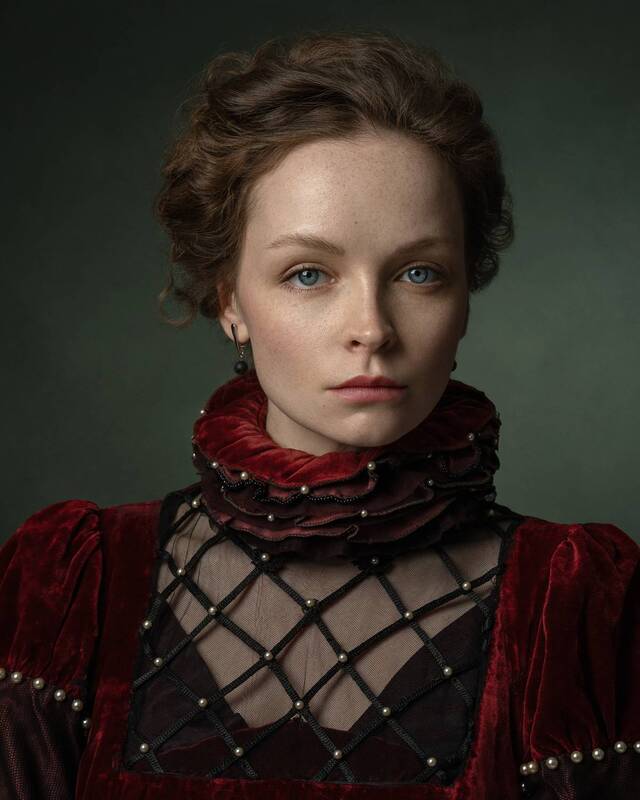
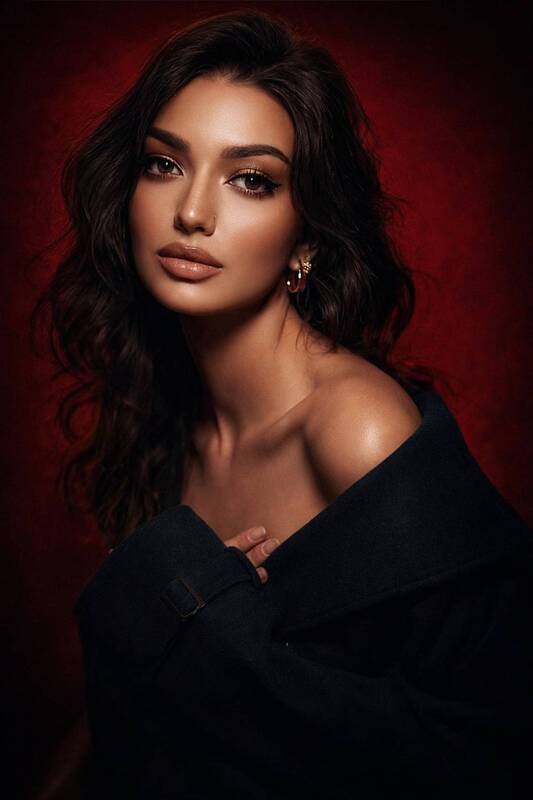
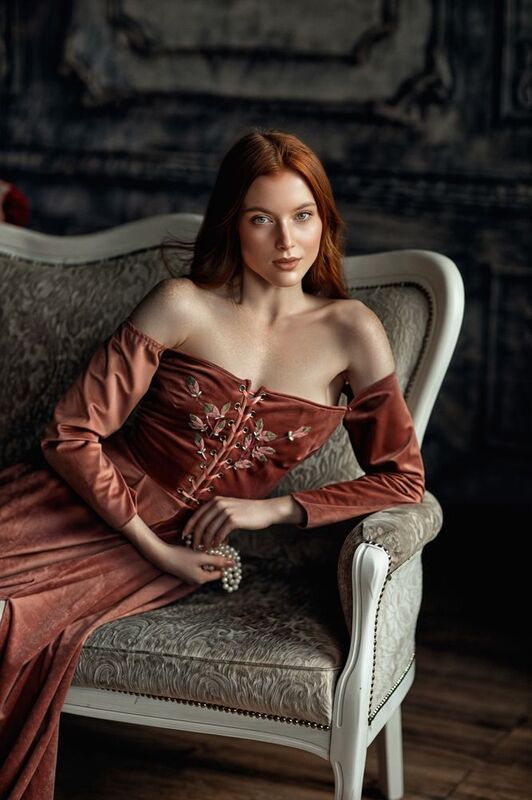
This portrait is built on the strength of color and controlled light. Red functions not as decoration, but as an emotional space within the frame. Soft lighting preserves skin texture and facial detail, while the direct gaze balances visual intensity with inner stillness. The image moves between bold presence and quiet restraint.
In this portrait, directional lighting was used to define the facial structure. The interaction of light and shadow creates depth and strengthens the subject’s gaze.
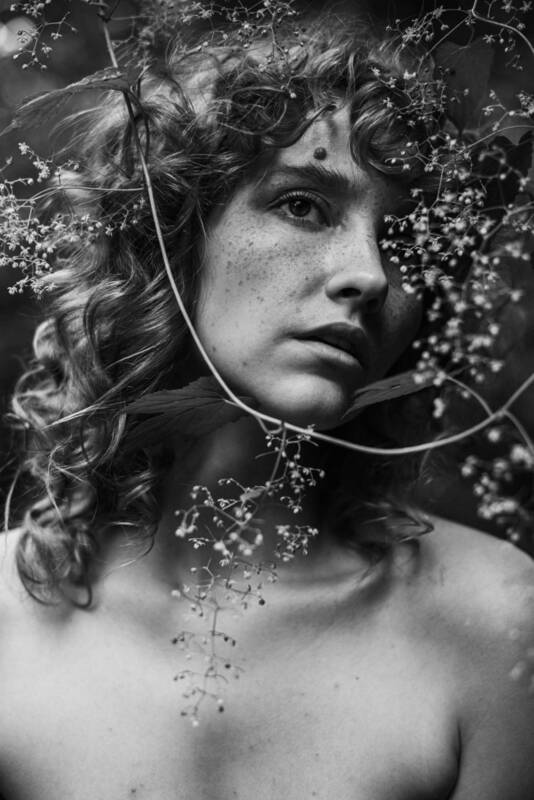
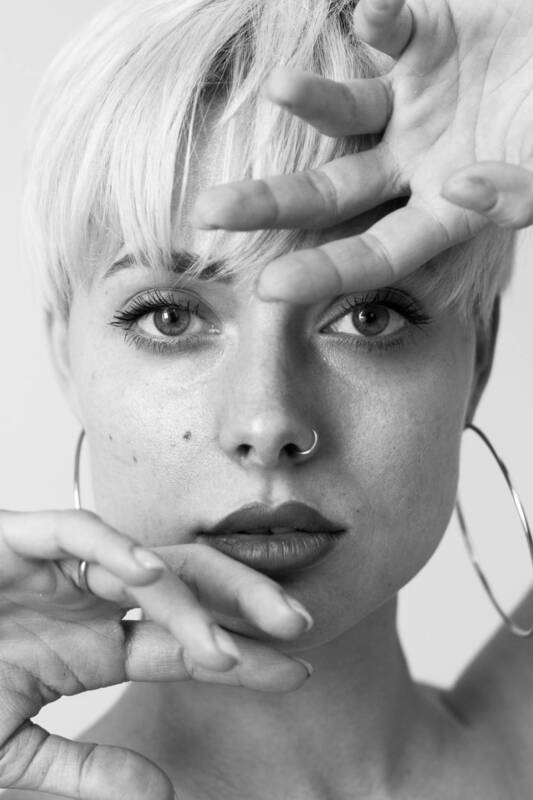
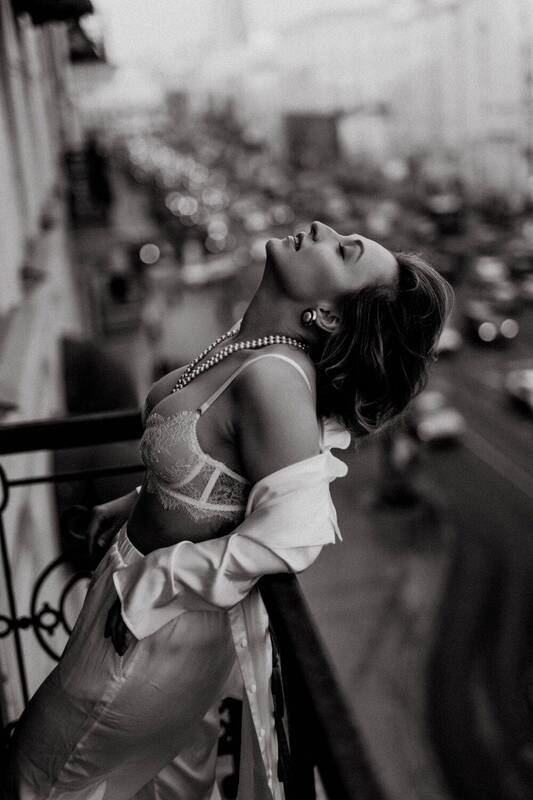
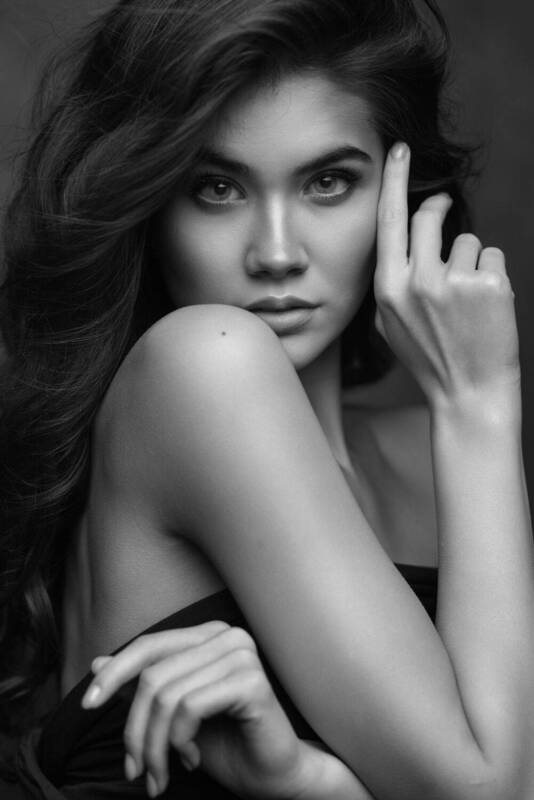
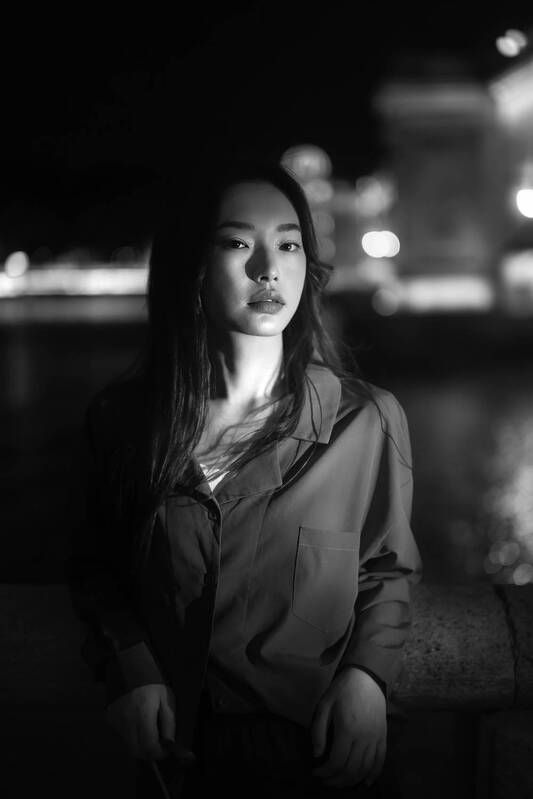
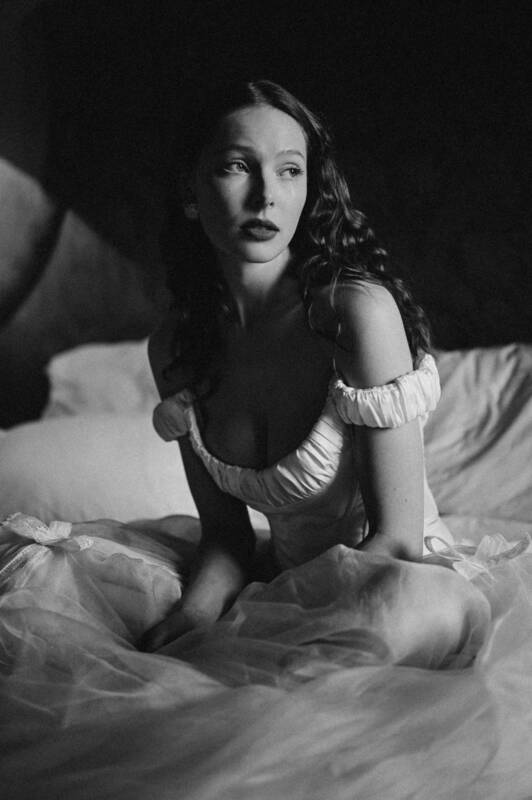
This low-key monochrome portrait uses darkness as a compositional element. The soft transition between light and shadow guides the viewer toward the eyes, suggesting introspection and restraint. The minimalistic approach enhances emotional resonance.
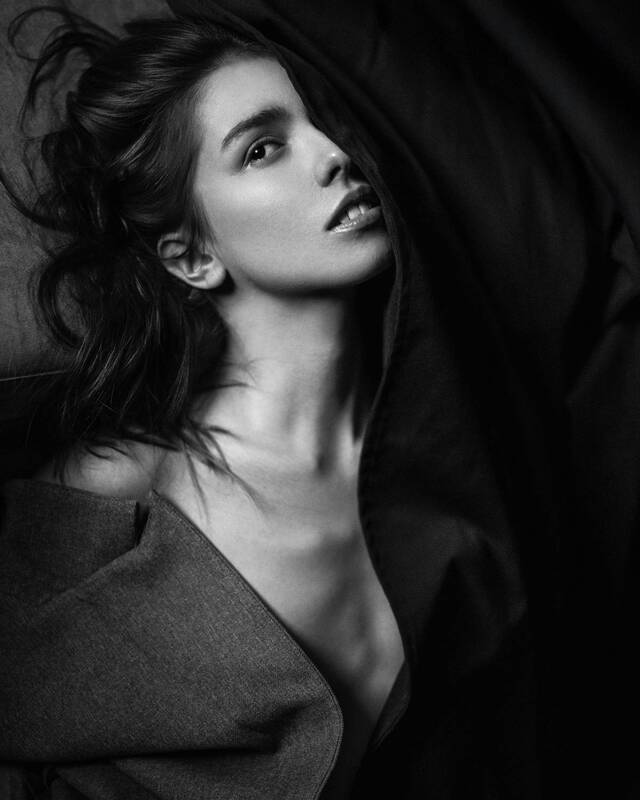
This black-and-white portrait relies on controlled low-key lighting to emphasize facial structure while maintaining smooth tonal gradation across the skin. The hood frames the face in a near-triangular composition, guiding the viewer’s eye directly toward the eyes and slightly parted lips.
The lighting ratio is carefully balanced: shadows remain deep but not blocked, preserving micro-contrast and texture. The absence of color strengthens the psychological intensity of the gaze, shifting emphasis toward form, contrast, and expression. The composition avoids visual distractions, allowing the emotional weight to be carried purely by light distribution and facial geometry.
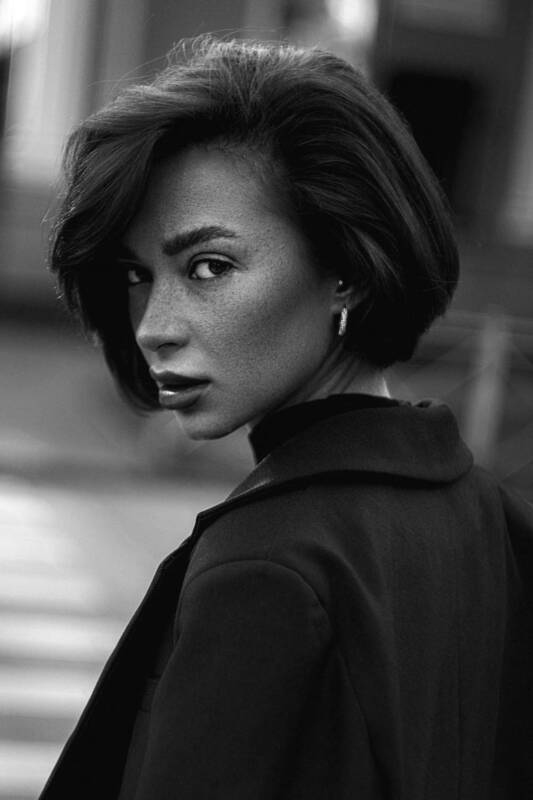
In this portrait, surrounding elements were used to create a natural frame that guides the viewer’s eye into the image. Lighting was controlled to maintain attention within a defined central area. The primary intention was to strengthen the subject’s presence within the visual space of the photograph.
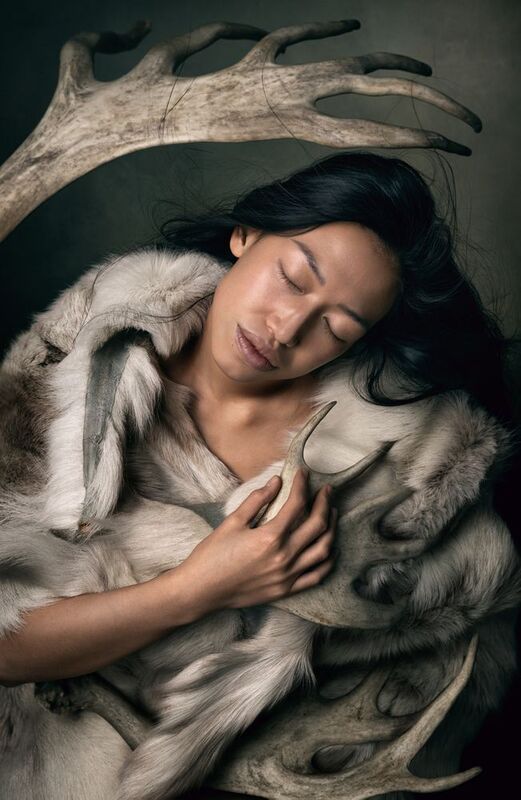
There is something animal in her gaze, like a startled fawn. The light touches her skin, revealing its fragility, yet beneath that vulnerability lies a quiet, instinctive strength -something born of nature itself.
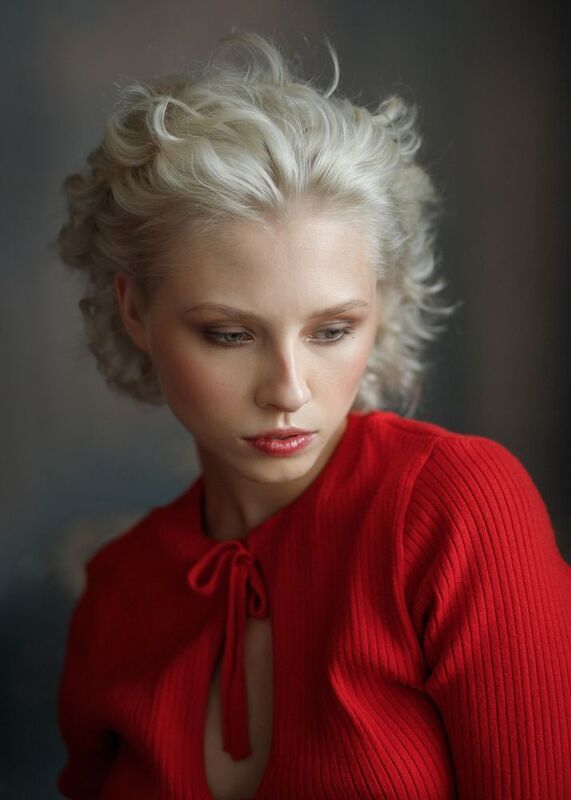
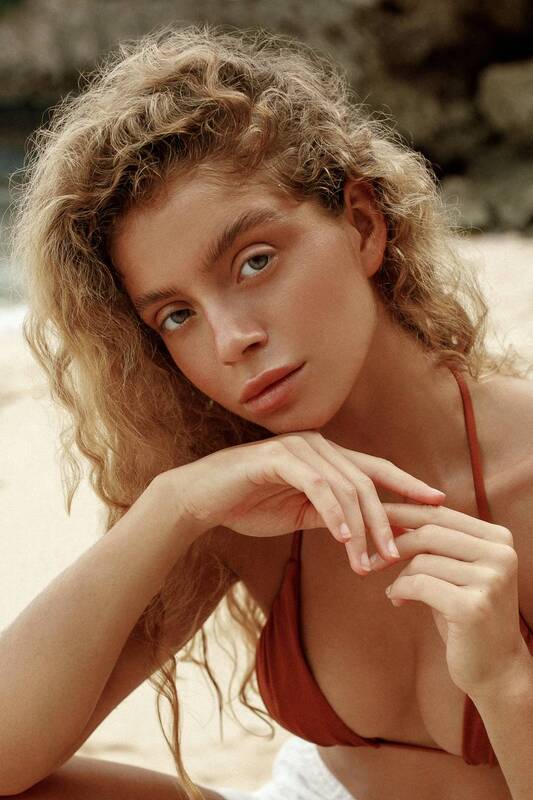
This color portrait is structured around the interplay between warm skin tones and the deep red fabric. Soft directional lighting maintains natural three-dimensional modeling while preserving subtle shadow gradation.
The red fabric acts as the dominant visual element without excessive saturation, maintaining balance within the frame. A neutral, subdued background ensures that color and skin texture remain the focal points. The composition is stable and controlled, relying on tonal harmony and structural clarity.
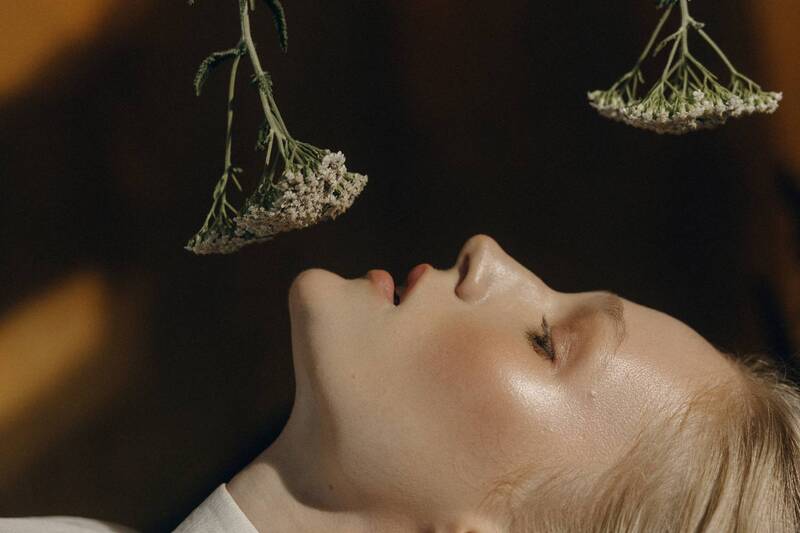
Возможен ли первый вдох после начала жизни?
Существуют мгновения, в которых человек заново обретает себя - как будто впервые вдыхает и начинает существовать по-настоящему.
attention through light and framing. A dark fabric was used to naturally frame the subject’s face, creating a visual structure that isolates the subject from the background while maintaining depth and simplicity in the composition.
The lighting was kept soft and directional to sculpt the facial form and emphasize natural texture without overpowering the image. Careful exposure control allowed the shadows to remain deep while preserving detail in the eyes and skin tones.
The intention was to create a portrait where light, shadow, and framing work together to produce a focused and intimate visual presence.
– Рейтинг фотографов по странам и городам строится на основе 3-х лучших фотографий автора и их относительной позиции в каждой отдельной номинации. Рейтинг в номинации "Мобильная фотография" учитывается в меньшей степени для формирования рейтинга. В списке по странам и городам показывается одна фотография автора с лучшим рейтингом.
– В списке опубликованы только работы которые прошли 2-й этап голосования.
– В рейтинге лучших фотографий учитывается только одна — самая сильная — работа от каждого автора. Даже если у фотографа опубликовано несколько работ, в расчёте позиции используется только одна, с наивысшим рейтингом. Поэтому порядок фотографий в списке может не совпадать с итоговым положением автора в рейтинге.
– The rating of photographers by countries and cities is based on the three best photos of the author and their relative position in each separate nomination. Rating in the nomination "Mobile Photography" is taken into account to a lesser extent for rating formation. The list by country and city shows one photo of the author with the best rating.
– Only those photos have been published in the list that passed the second stage of voting.
– Only one strongest photo from each author is counted in the Best Photos ranking. Even if a photographer has several published works, only the highest-rated one is used to calculate their ranking position. As a result, the order of photos in the list may not match the author's final ranking position.