id: 6996801
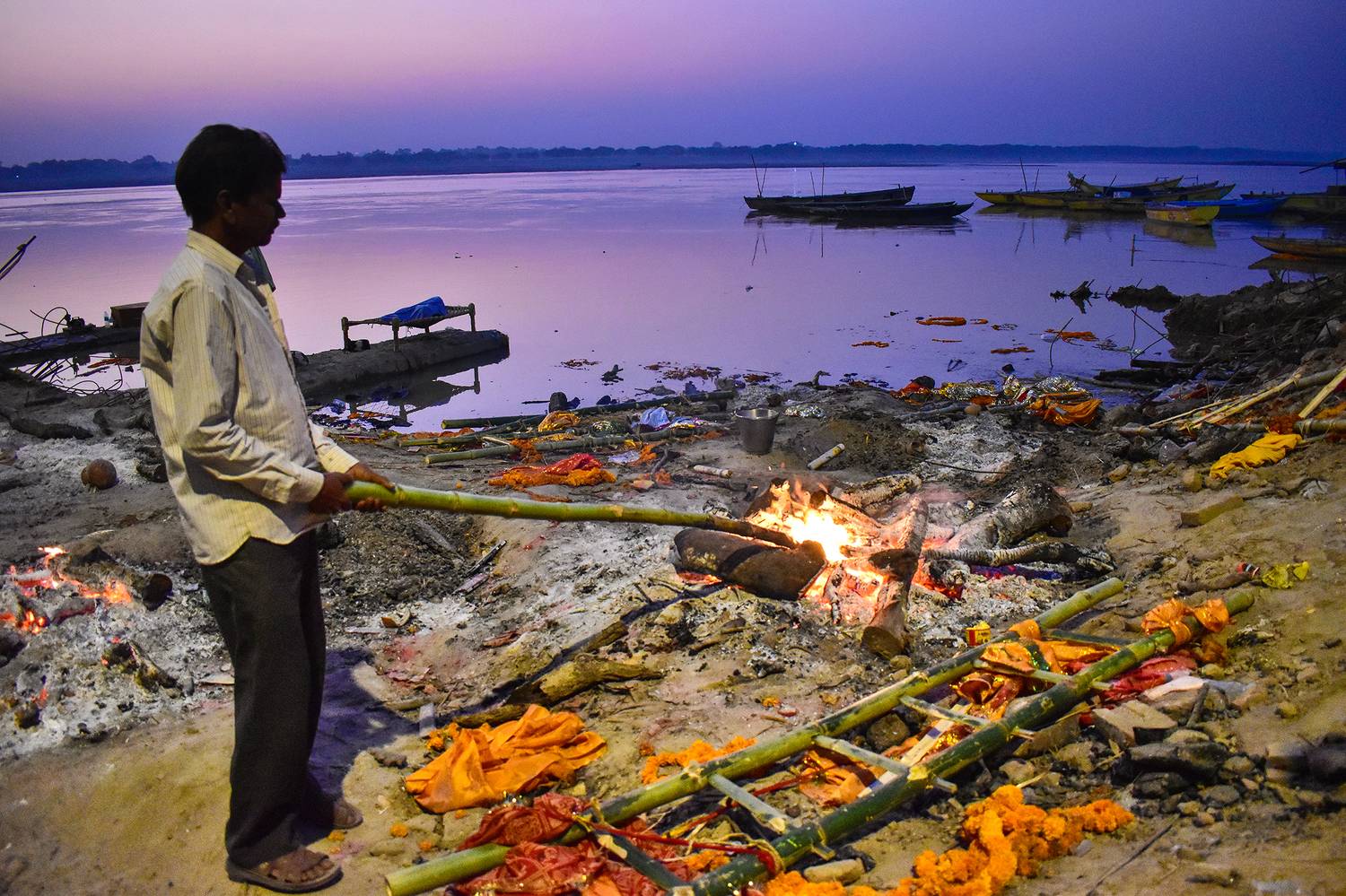
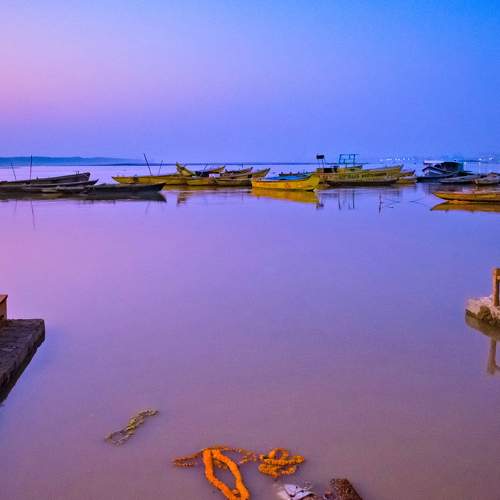
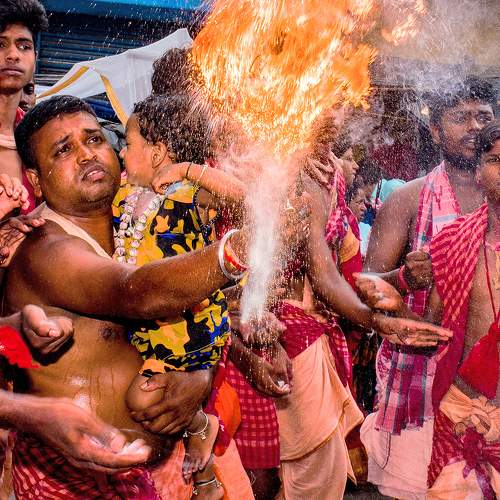
Lying in the south of the state of Uttar Pradesh, in India on the banks of the holy River Ganga, breathes Varanasi, which is believed to be the oldest living city in the world. For centuries, the mystic of this place has been attracting pilgrims from across India as well as abroad. Everyday scenes alongside the banks of the Ganges River in Varanasi, India, prove death can sometimes be nothing to bat an eyelid at. Here, death isn't something to be hidden. Rather, it's a part of the fabric of everyday life. Manikarnika in Varanasi is a ghat where dead bodies are cremated. Throughout the day and night, one can see three or four funeral pyre flames burning bright. A caste of Untouchables known as the Doms are the caretakers of the place, they play a very important role in the cremation of the bodies at the Manikarnika Ghat, on the bank of the Ganga in Varanasi. Today, about 35 families from the community live around the town’s main cremation grounds or “burning ghats” - Manikarnika ghat and Harishchandra ghat. These ghats cover an area of about 7 square kilometres each, lining the banks of the river. The smell of dead bodies and clouds of black smoke fill the air around these cremation grounds. Their proximity to the river is because of the religious importance of the Ganga in cremation rituals. The river is considered the holiest in India. After the cremation process, Hindus release the ashes from incinerated dead bodies into the river, with the belief that the soul of the corpse will be cleansed. The rituals at the cremation Ghats are considered to be complete only when one of the members of the 'dom' family, which resides on the ghats light the pyres from what the Hindu mythology refers to as 'eternal' flame. Hindus believe that the dead man would not be able to attain 'moksha' unless the 'dom raja' lights the pyre first. The history of the 'doms' in Varanasi was believed to be as old as the Hindu epic 'Ramayana'. In Varanasi, the profession of cremating bodies is carried forward through the law of inheritance. The Doms, the lowest rung of the social ladder, was given the task centuries ago, and they came to be known as “untouchables". Traditionally, only the men of the community work. The doms charge about Rs150 for the cremation of each body. But the task of burning is arduous. Each body takes about 4-5 hours. The doms work for close to 18 hours a day, usually in loose trousers, with a scarf wrapped around his face to protect themselves from the heat of the flames. They often remove their flimsy slippers for better traction when they have to run from one pyre to another when they are handling more than one corpse. Doms belong to the lowest ranks of the “Dalits”, themselves at the bottom of the Hindu caste system. Some are employed as farmers or weavers, but many earn their livelihood through the “business of death”. Their dreams have been shattered because of their caste, They couldn’t become anything other than corpse burners because they belong to the lowest ranks of the “Dalits”, at the bottom of the Hindu caste system. Dom. Nobody wants to train them and their dreams and they are even denied access to education, making them accept that earning a livelihood at the cremation grounds was their only choice.
0 Likes
0 Favorites
254 Impressions
0 Comments