id: 4386518
Durga Puja is one of the most celebrated festivals in Bengal, honoring Goddess Durga’s victory over evil and her annual visit to Earth with her children. For five days, life transforms into a blend of devotion, art, music, food, and togetherness, where people from all walks of life come together to celebrate, pray, and feel a deep sense of belonging.
The rhythm of the dhak (a traditional Bengali drum played during Durga Puja, known for its deep, resonant, and heart-thumping beats) echoed through the air, slower now, softer—as if even the drums understood that the festival was nearing its end. The sky over the neighborhood glowed in warm gold and fading orange, marking the arrival of Bijoya Dashami (the final day of Durga Puja, symbolizing Goddess Durga’s return to her heavenly abode and the emotional farewell of devotees).
The pandal stood alive, yet emotional, filled with people who smiled through the quiet ache of goodbye, while the fragrance of incense, marigold flowers, and sweets blended with the humid autumn air, wrapping everything in a feeling that was both celebratory and deeply nostalgic.
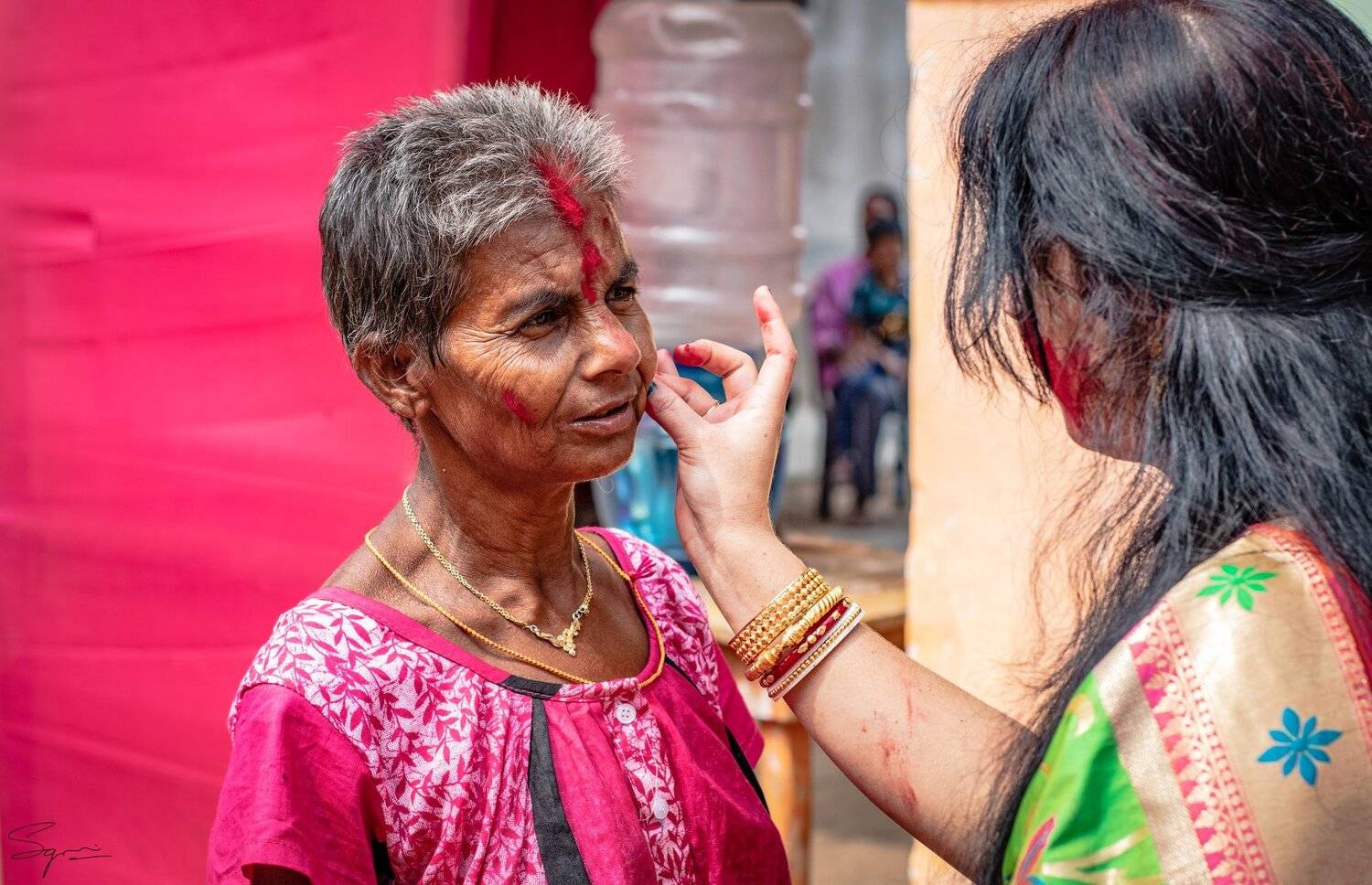
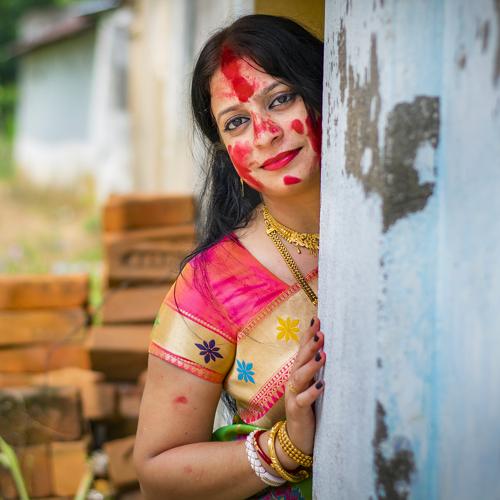
In front of the idol, married Bengali women gathered, dressed in traditional sarees, their presence graceful and vibrant, and among them stood Riya.
She looked radiant.
Riya was wearing a gorgeous green saree, rich and traditional, its fabric flowing elegantly with every slight movement, the deep green shade contrasting beautifully with the red accents of sindur around her, while her jewelry shimmered softly and her neatly styled hair, adorned with flowers, framed a face glowing with warmth and life.
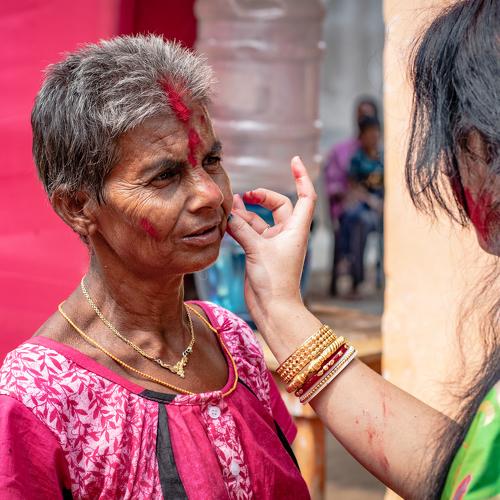
It was time for Sindur Khela (a ritual where married Bengali women apply vermilion to Goddess Durga’s forehead and then smear it on each other, symbolizing marital happiness, sisterhood, and the wish for a long and prosperous life for their husbands).
Laughter rose as one woman gently touched sindur to another’s forehead, but within moments, the ritual tu
0 Likes
0 Favorites
224 Impressions
0 Comments