id: 11899103
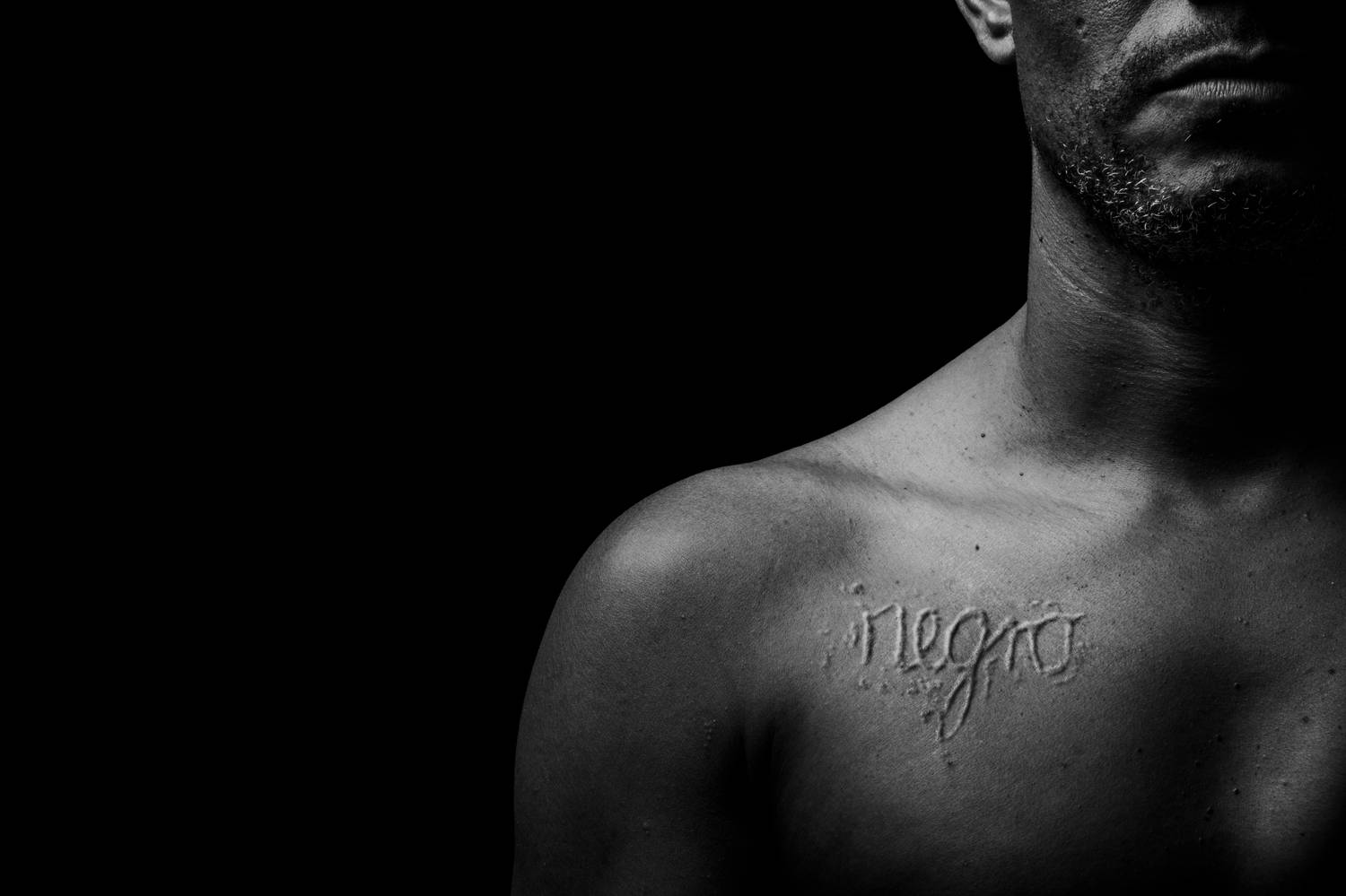
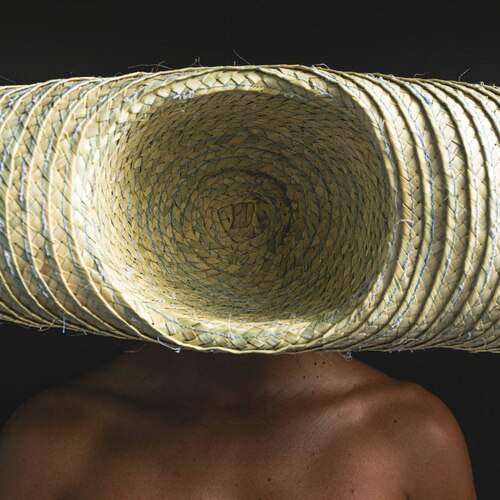
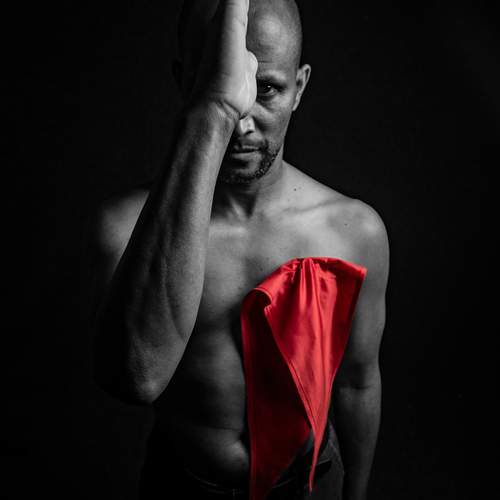
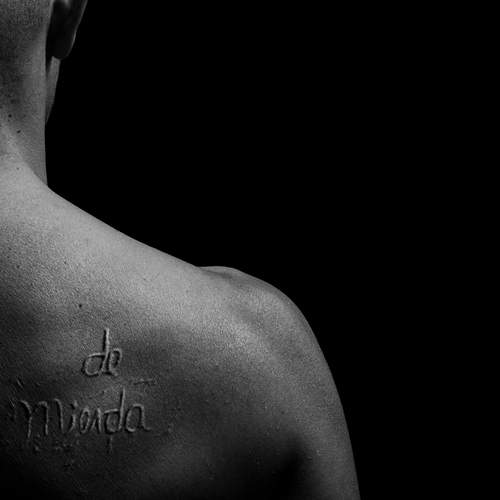
THE STOCK OF SILENCE (Uncomfortable stories)
Is there racism in Cuba?
-No, what\'s up!
-You\'re sure?
Without thinking about it, I launched my usual harangue of arguments to justify my response, while highlighting all the social achievements of the revolution in favor of Cubans, and in particular those of African descent, and the pride of being the first university student in my class. family in the last hundred years.
But I instinctively added that many racial prejudices and taboos related to racial discrimination still prevailed.
I didn\'t know that my response was like a snake biting its own tail and that it is closely linked to a phenomenon called the naturalization of subtle racism.
The benefit of the doubt forced me to look for answers in specialized literature and especially in the most appropriate place... the family, where I found frustrating and very disconcerting realities.
As a child, racial prejudice or racism was never discussed in the family, because this topic was seen as taboo throughout society, although my mother had suffered from it basically in silence for many years, through gestures, phrases, opinions and criticisms. denigrating towards their black person or people or through racist jokes that continue to be welcomed and sadly celebrated even by black people themselves to this day with absolute naturalness...
Then I had to grow up to face the same prejudices and racial discrimination that my mother had suffered and unfortunately discover that these manifestations of racism are seen among many Cubans, whether black or not, as something very “normal”; so it helps you understand why it is \"normal\" for a police officer, whether white or black, to stop you more often than white people to check your ID since you are the only black individual (suspect) in in the middle of the street, in a taxi, on a train or on a bus.
Then countless academic terms appeared such as Eurocentrism, inertia and institutional silence, vulnerability, marginality, school dropouts, poverty, unequal starting point, coloniality of knowledge and power, historical forgetfulness, decoloniality, racial trauma, microaggression, willful ignorance, offensive indulgence, trivialization, reification or utilitarian representation, apprehension and hypervigilance, as well as many others that still help me better understand the complexity of the phenomenon of racism in Cuba.
The uncomfortable stories come from the hands of their own protagonists who have bravely broken the trap of silence for the first time in their lives, to reveal to us poisoned experiences of underhanded or blatant racism that they assumed was normal and that affected and still affect their lives or those of their loved ones.
Stories that were known by chance or when it was too late to react.
Uncomfortable stories alert us with their messages of dangers regarding prejudices, racism and discrimination that threaten society, to prevent the executioner of discrimination, who perniciously entrenches himself in ignorance and oblivion, from continuing to kill us. twice with his best weapon: Silence.
0 Likes
1 Favorites
324 Impressions
0 Comments