id: 11861461
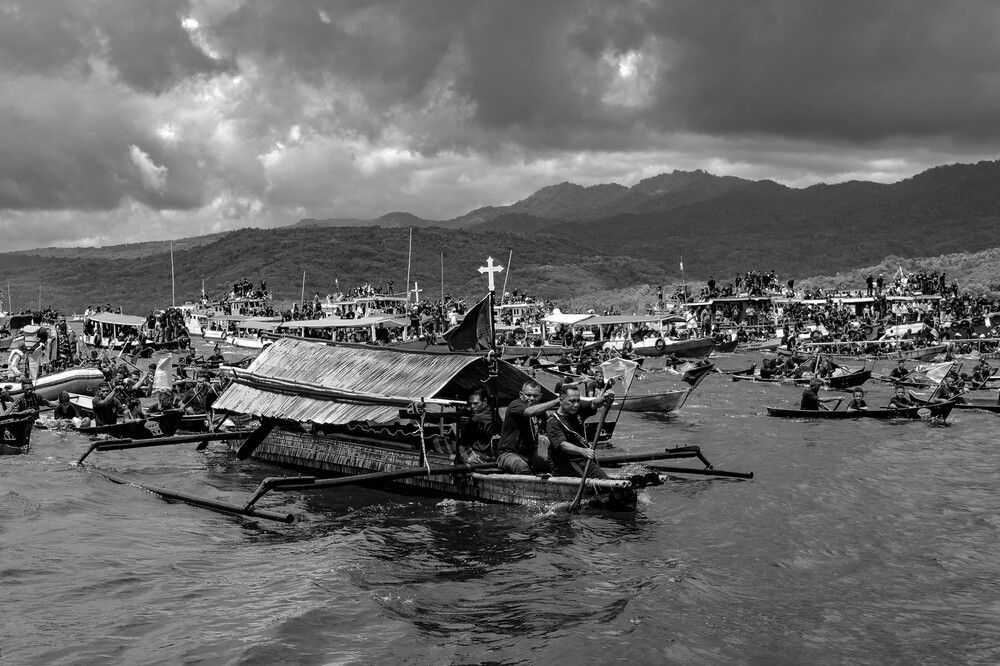
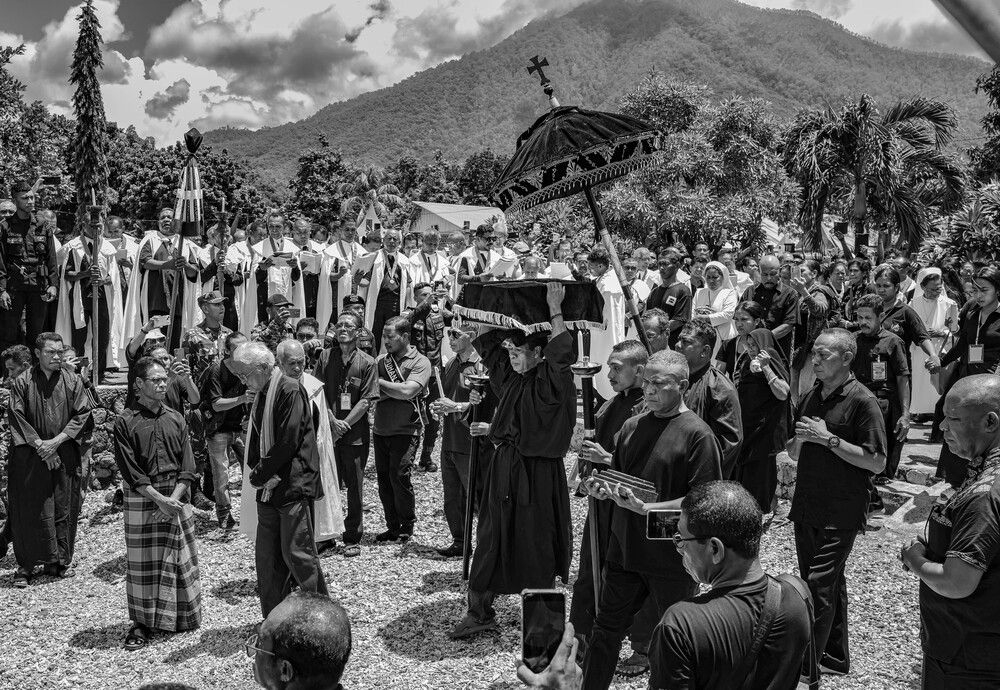
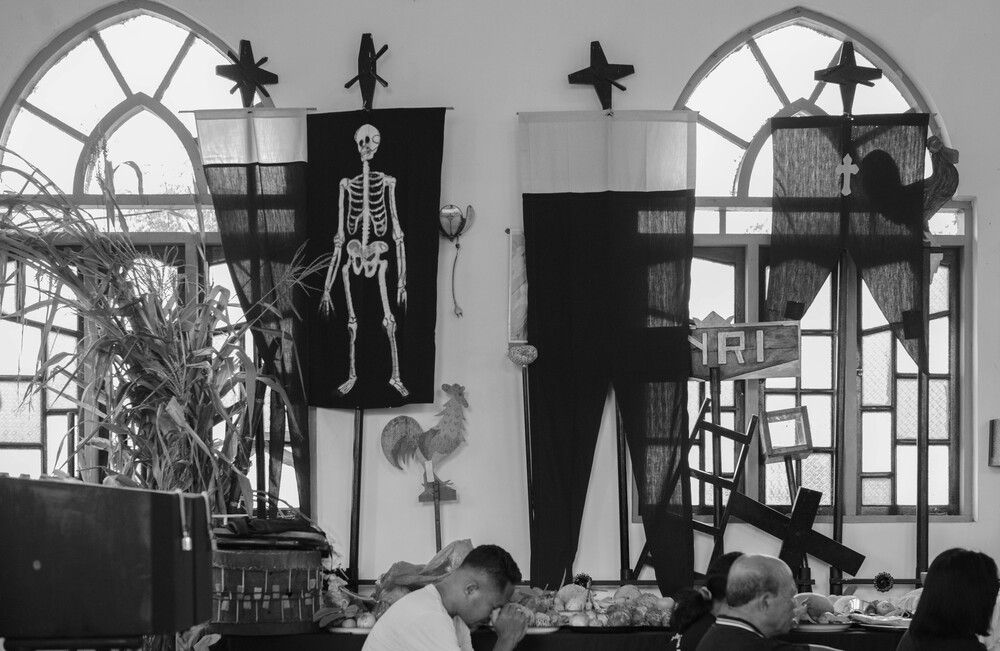
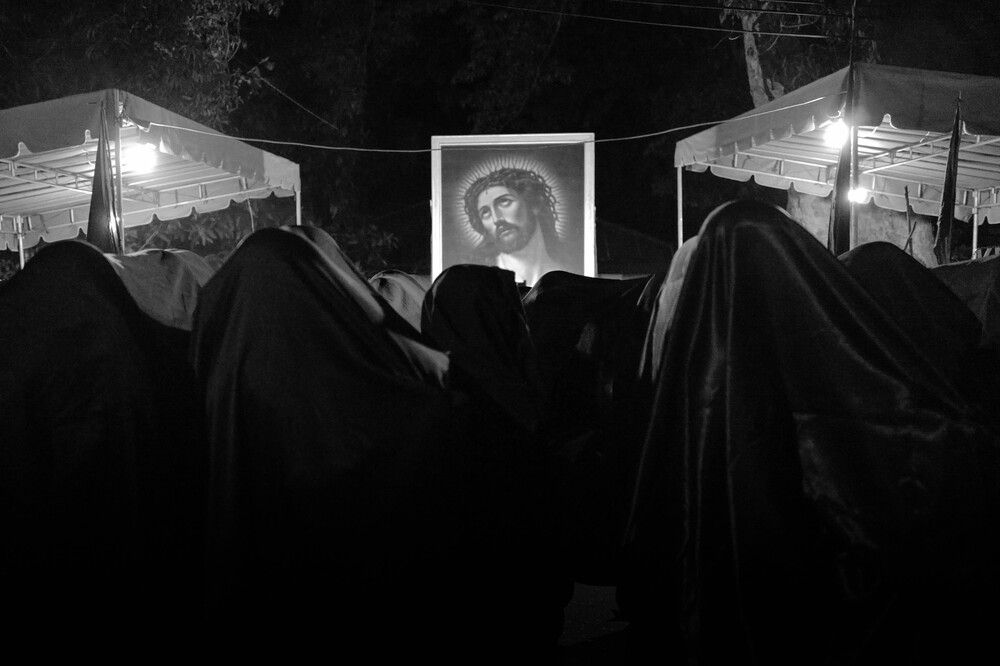
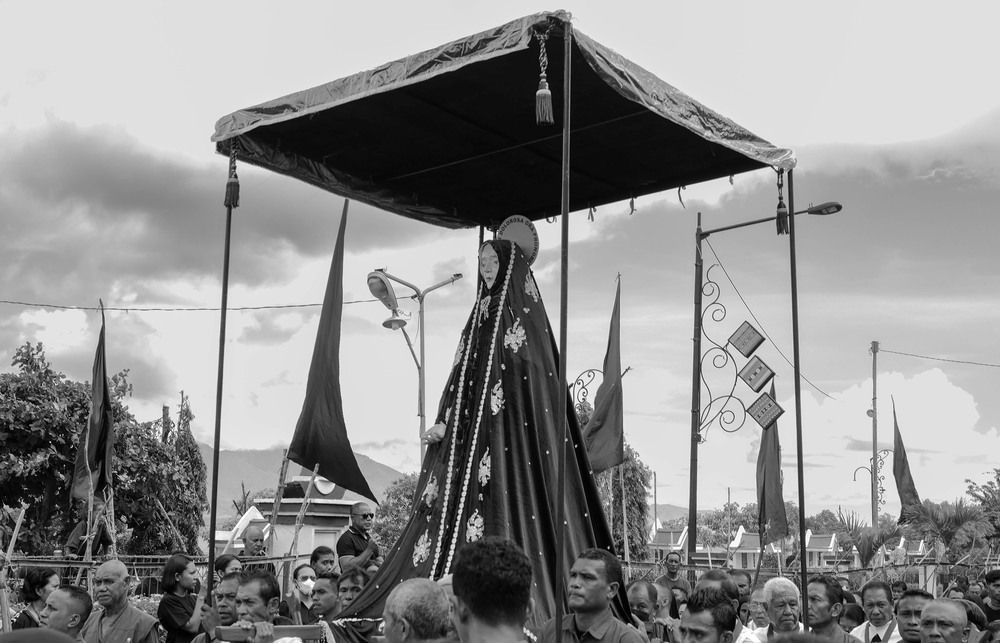
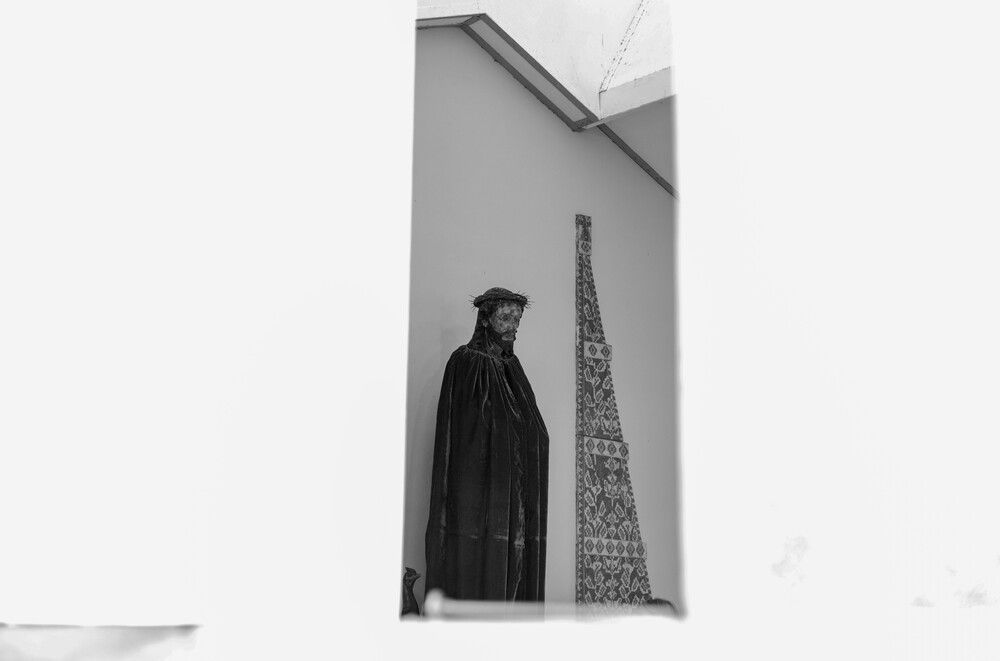
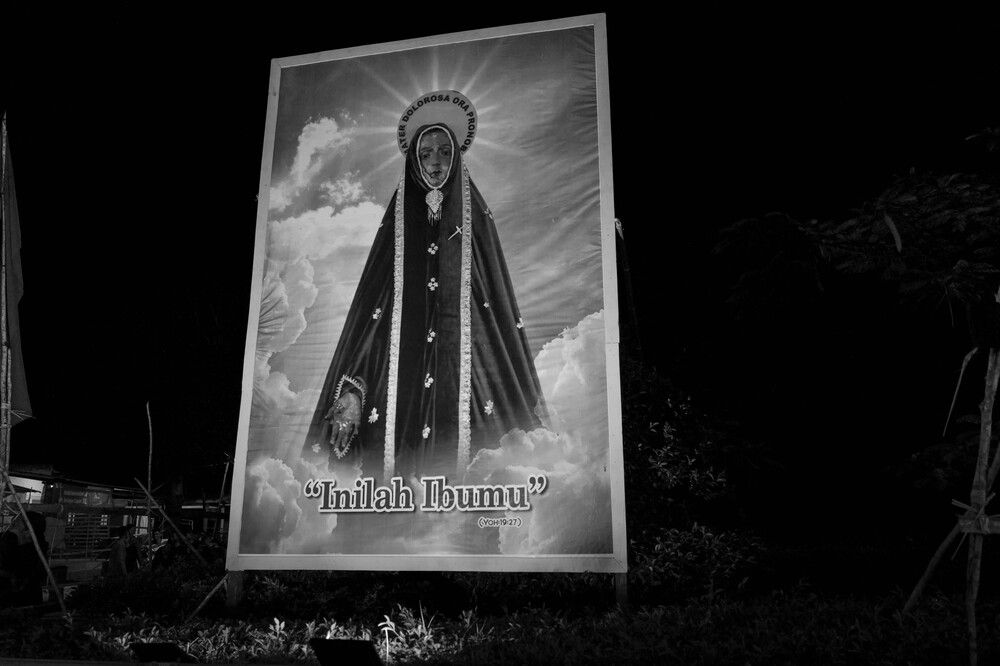
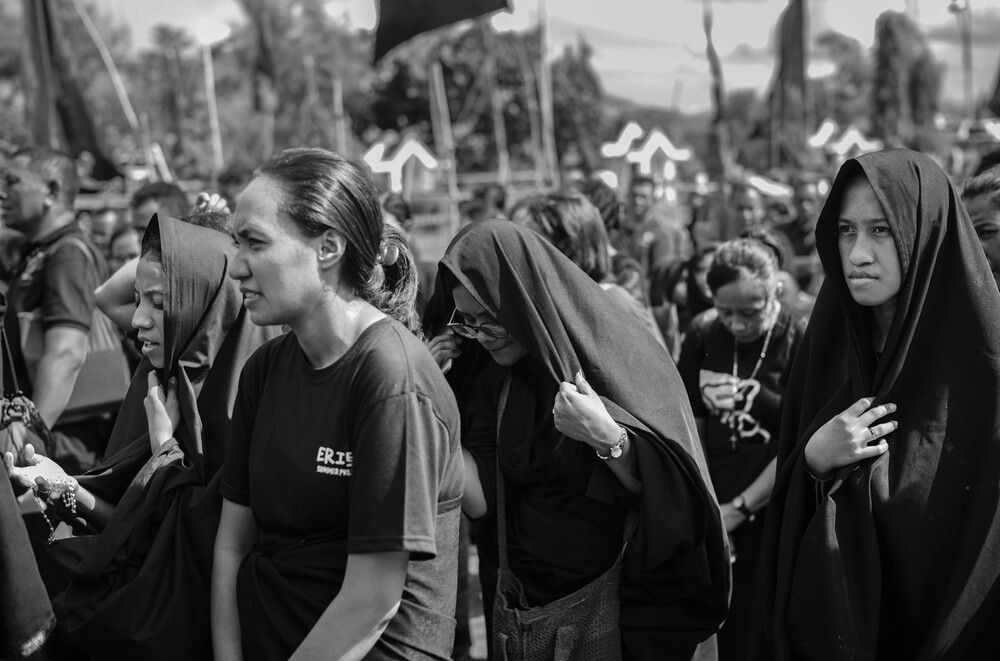
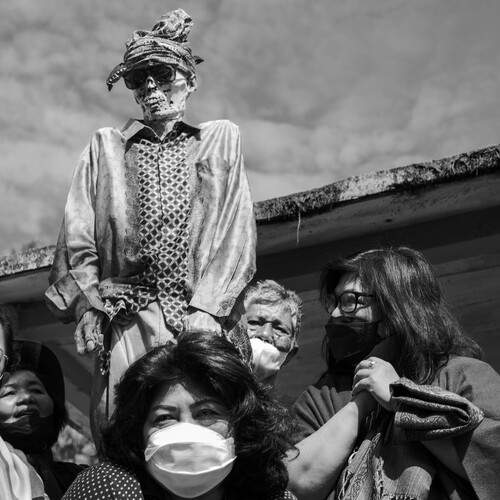
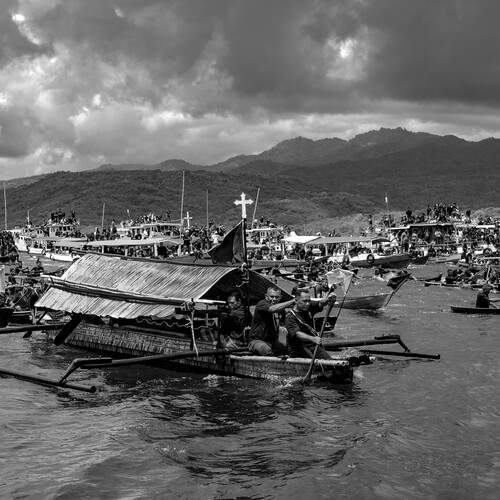
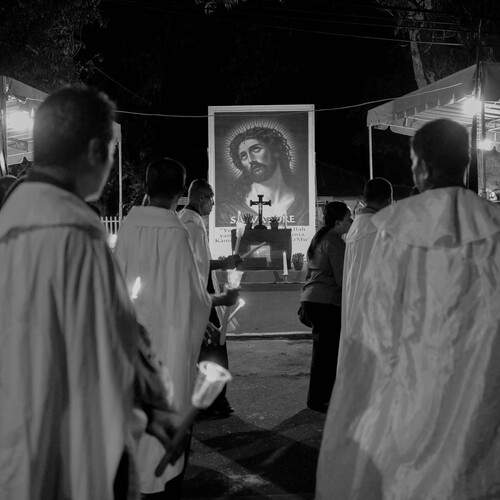
The Good Friday procession, or Semana Santa, is a profound ritual that dates back to the 1600s, encompassing a series of meaningful events during Holy Week. A key element of this procession is the statue of Menino Jesua, which depicts Jesus as a small child burdened with the world. The Tuan Meninu Procession, celebrated from Jesus’ death through Easter, features the statue of Jesus on the cross and the Baby Jesus.
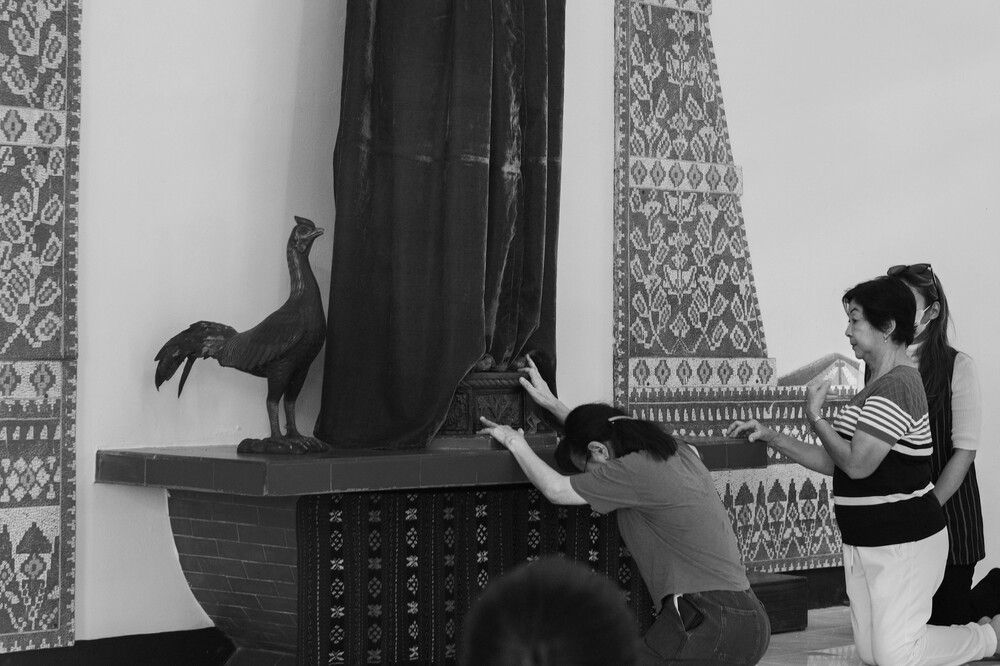
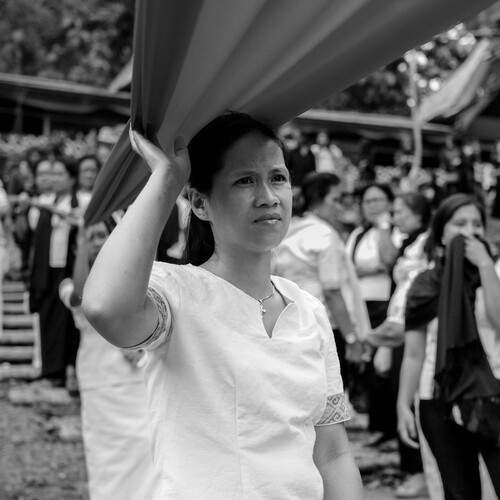
On Tuesday at the Menino Jesus Chapel, a special ceremony is held, culminating in the ritual washing of the statues. The water used for this purpose is believed to be blessed, and faith in its healing properties strengthens as individuals report miraculous recoveries after using it. Notably, the sacrifices made during this ritual are not transactional but are rooted in the respect and veneration of women as the life-giving mother figure.
The Bishop notes, “There was an incarnation of a woman, a mother, who was transformed into a statue.” Larantuka, recognized for its beauty and strategic importance in East Flores Regency, plays a critical role in this cultural narrative. In Lamaholot culture, women symbolize the source of life, aptly described as “kayo puken wai matan,” a tree that nurtures new shoots and serves as a water source.
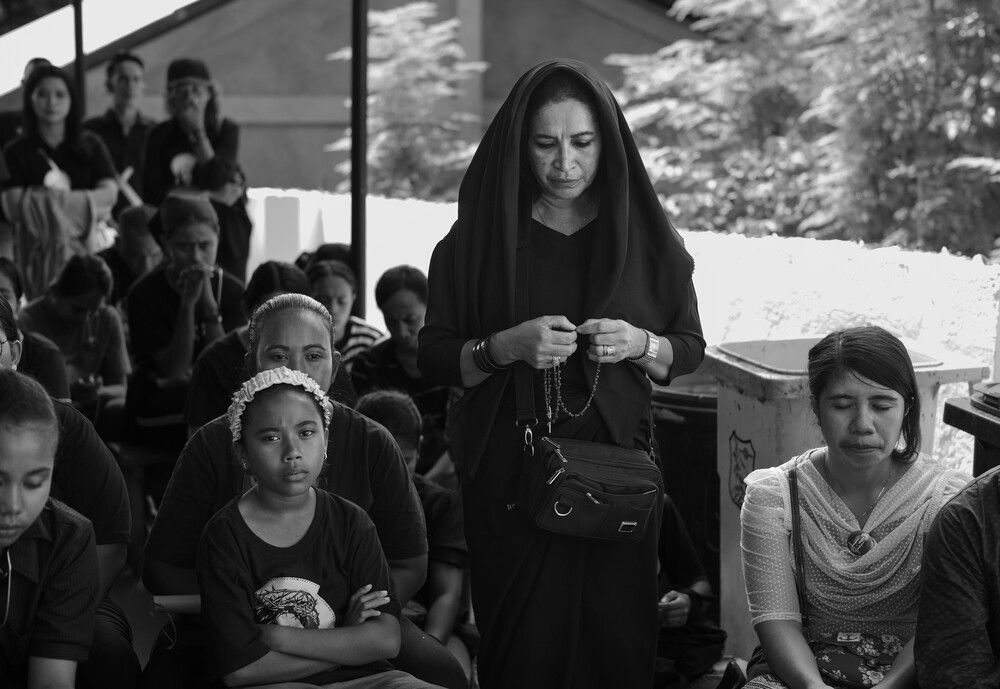
Furthermore, Tuan Ma, depicted from the sea, symbolizes fertility and prosperity. This perspective highlights the deep connection between humanity and the sacred, with enduring traditions that flourish in Lamaholot culture. Women’s vital roles in rituals underscore their importance in preserving societal traditions and spiritual essence.
1 Likes
0 Favorites
396 Impressions
0 Comments