id: 10478033
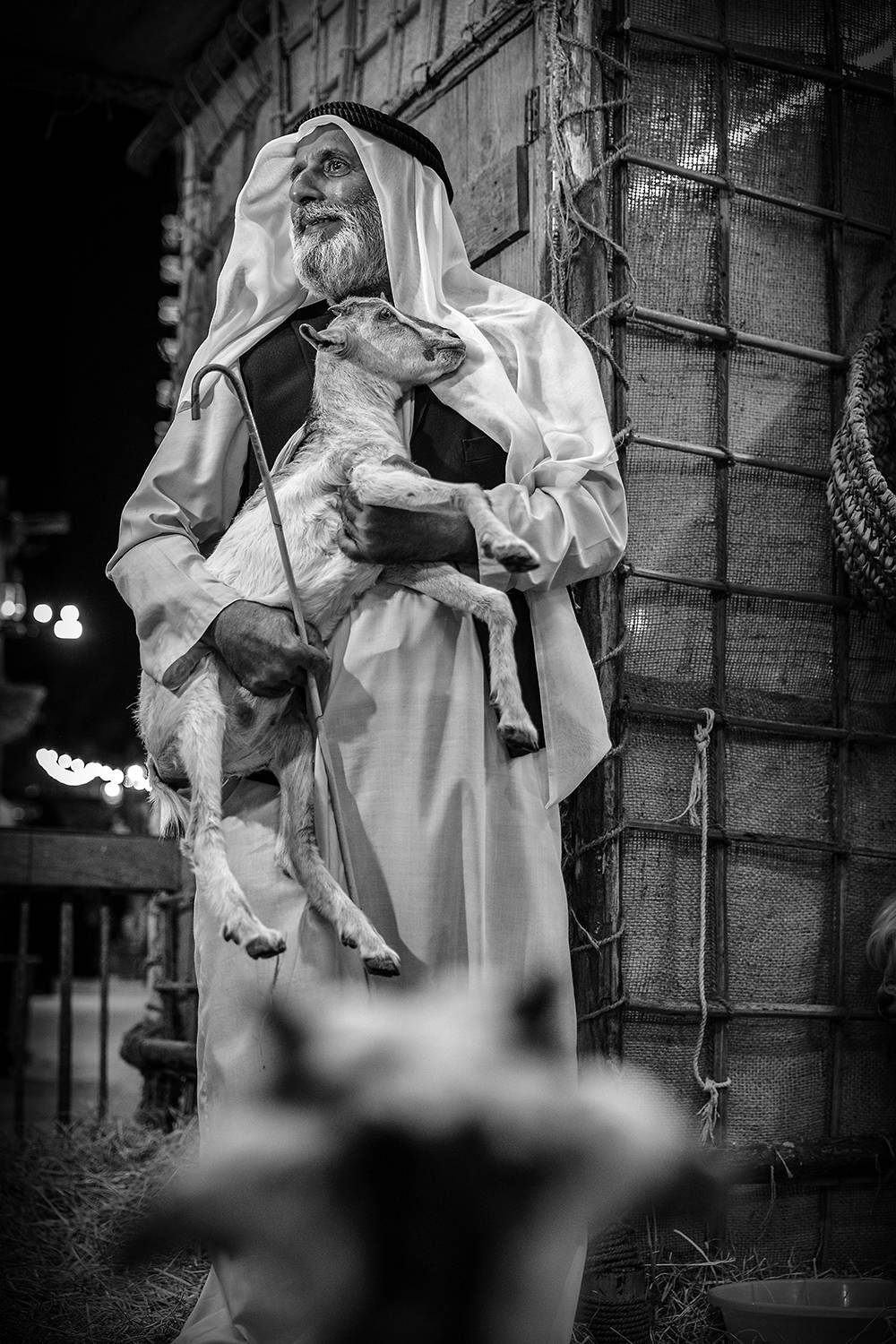
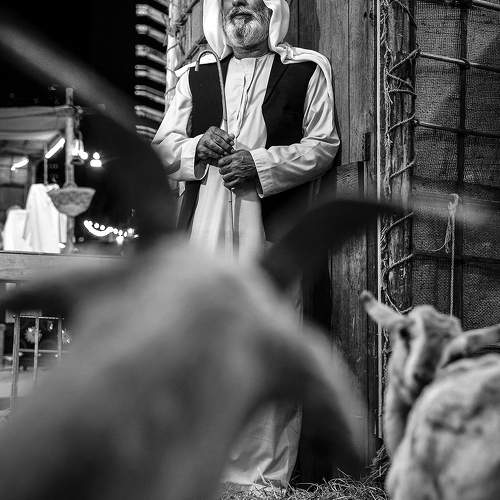
Arab shepherd culture encompasses a rich tapestry of traditions, practices, and values deeply rooted in the pastoral lifestyle of Arab communities. Shepherding has long
been an integral part of Arab heritage, with nomadic and semi-nomadic tribes relying on it for sustenance, livelihood, and cultural identity.
In Arab shepherd culture, the relationship between the shepherd and their flock is highly valued and nurtured. Shepherds develop a deep understanding of their animals,
forging bonds based on mutual trust and respect. This connection extends beyond practicality, often symbolizing broader themes of stewardship, protection, and
companionship.
Traditional practices such as transhumance, where shepherds move their flocks seasonally in search of pasture, continue to shape Arab shepherd culture. This nomadic
lifestyle fosters a profound connection to the land, with shepherds intimately attuned to the rhythms of nature and the changing seasons.
Moreover, Arab shepherd culture is imbued with a rich oral tradition, with stories, proverbs, and poetry passed down through generations. These narratives often
celebrate the resilience, resourcefulness, and wisdom inherent in the shepherd's way of life, serving as a testament to the enduring legacy of Arab pastoralism.
Despite the modernization and urbanization of many Arab societies, shepherd culture remains a vital aspect of cultural identity, preserving age-old customs and values
while adapting to contemporary challenges and opportunities.
0 Likes
1 Favorites
1221 Impressions
0 Comments