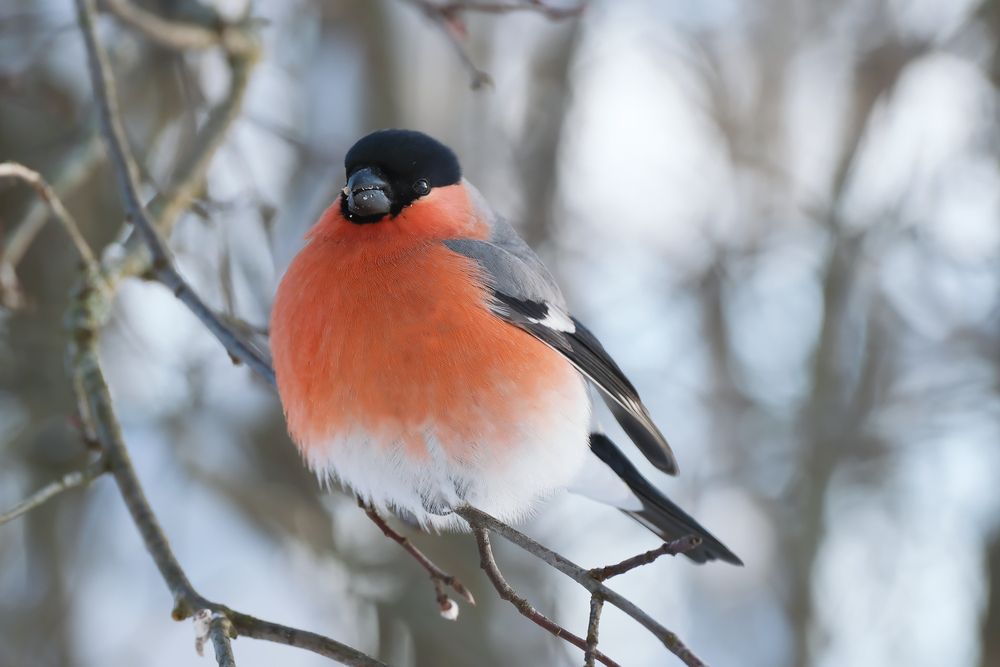
Common Bullfinch in Winter
21 worksFirst upload: Sep 2017Peak: 2026Last 12 months: 8
📝 Description
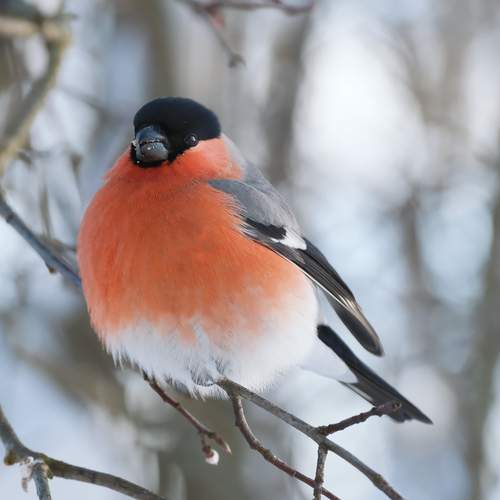
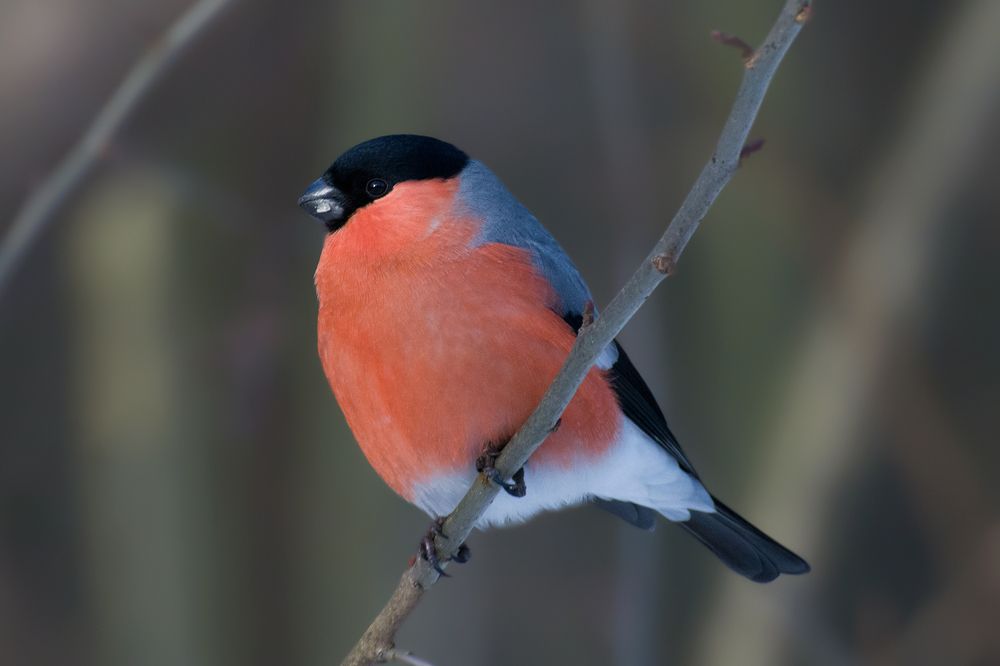
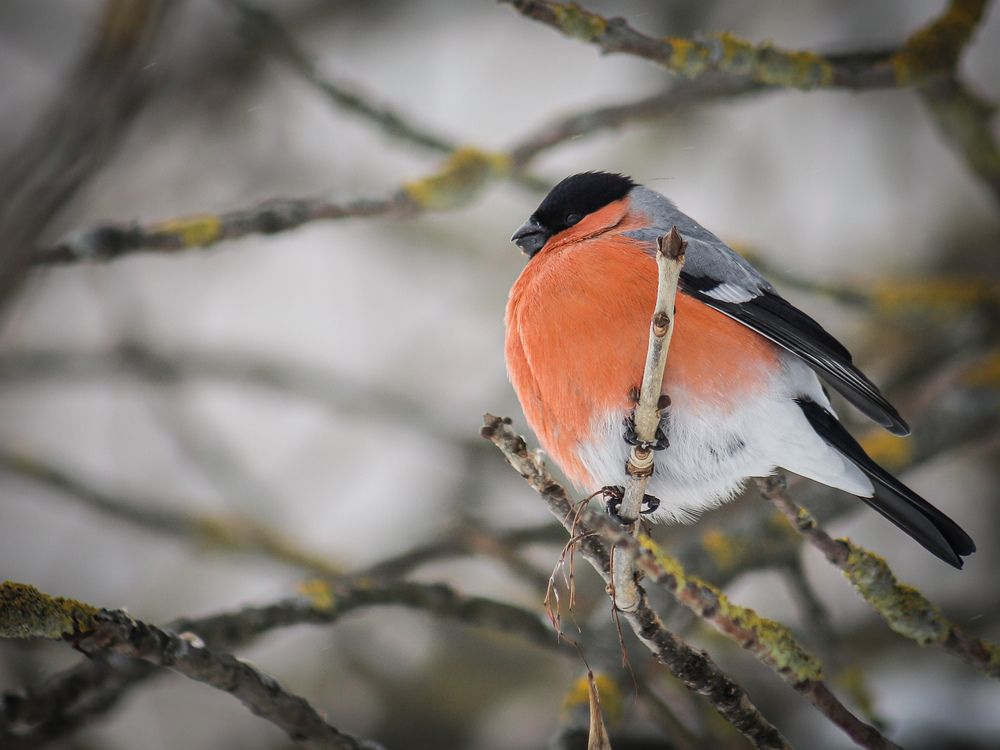
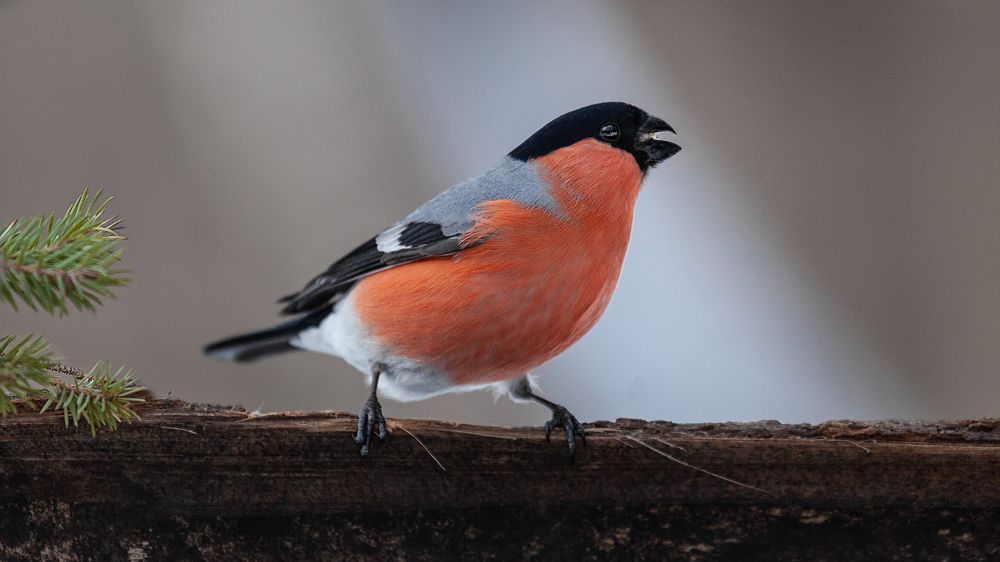
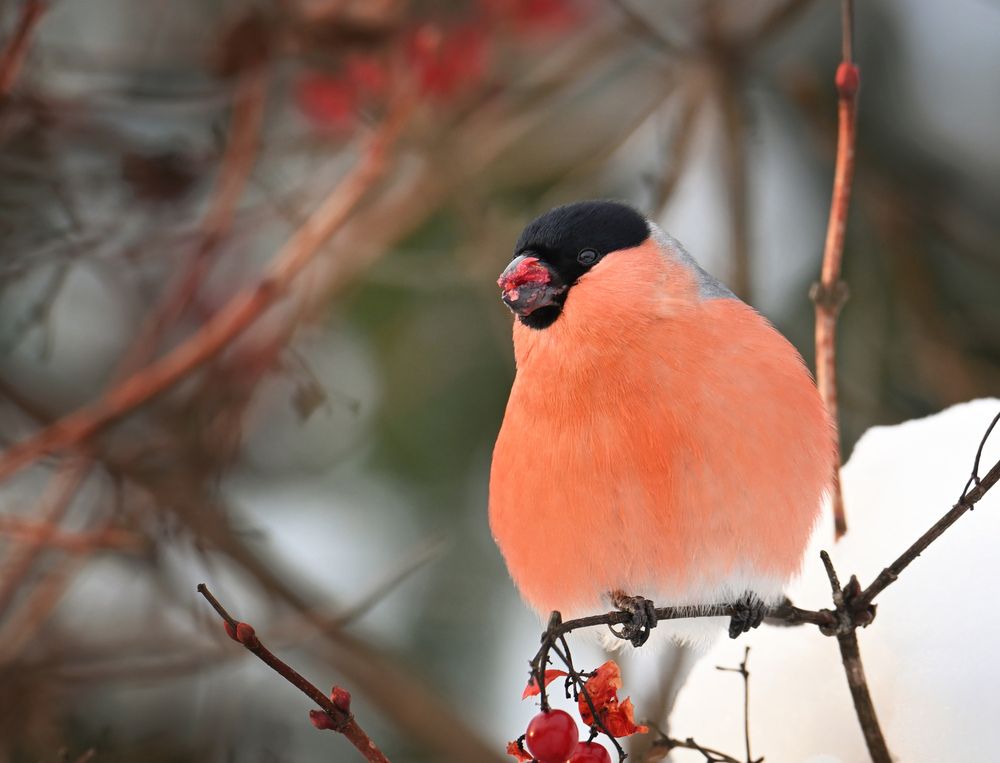
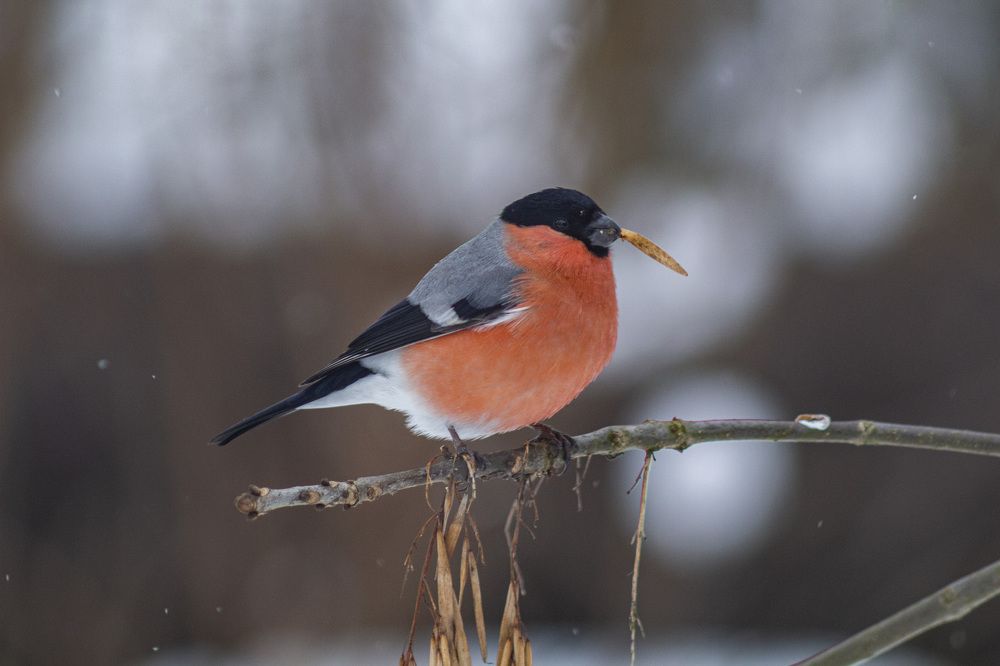
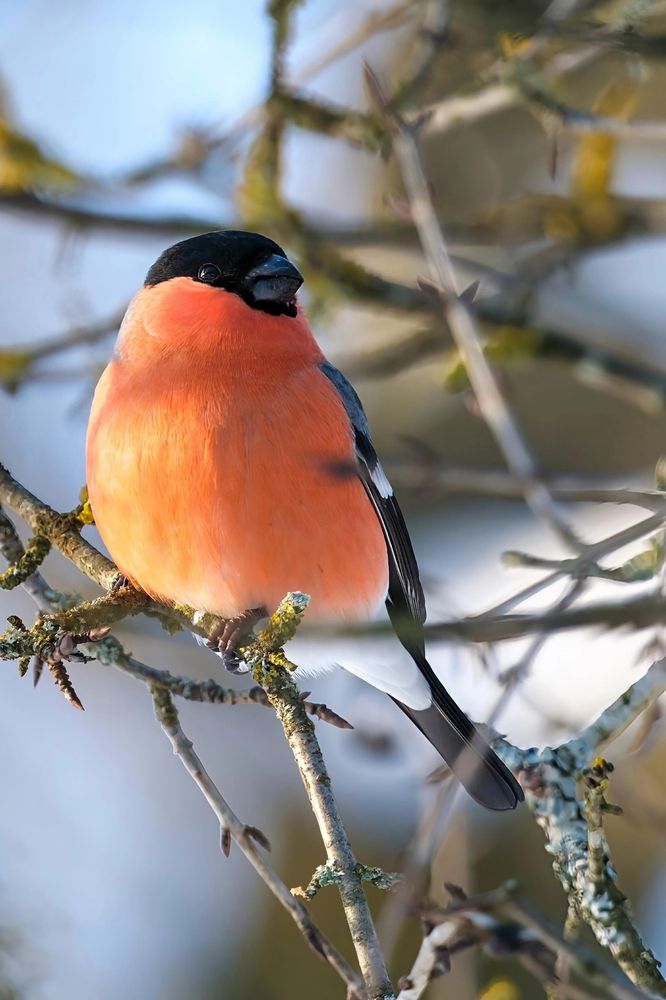
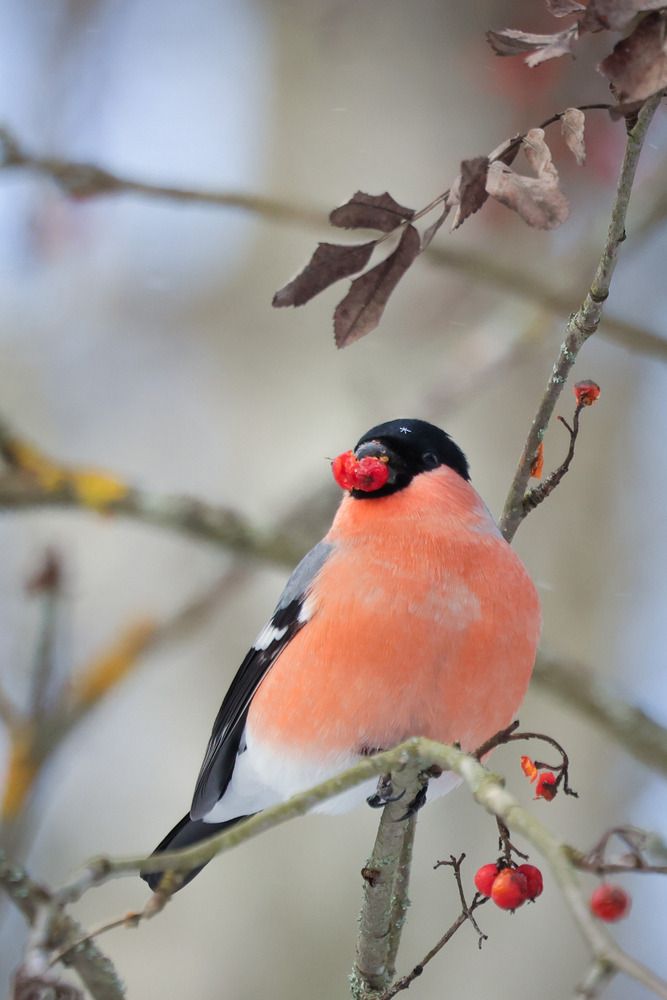
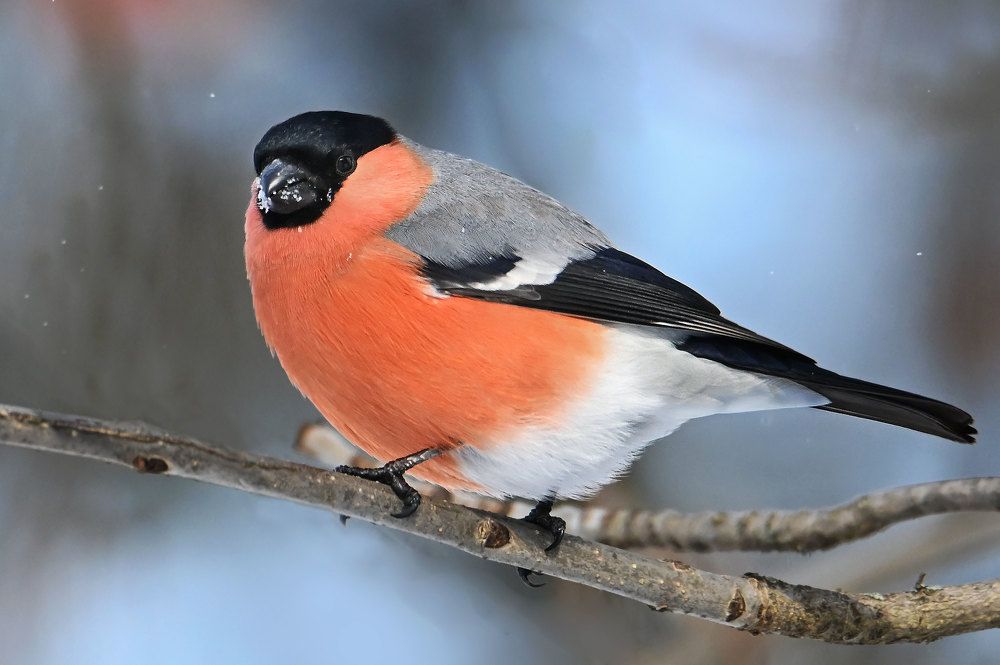
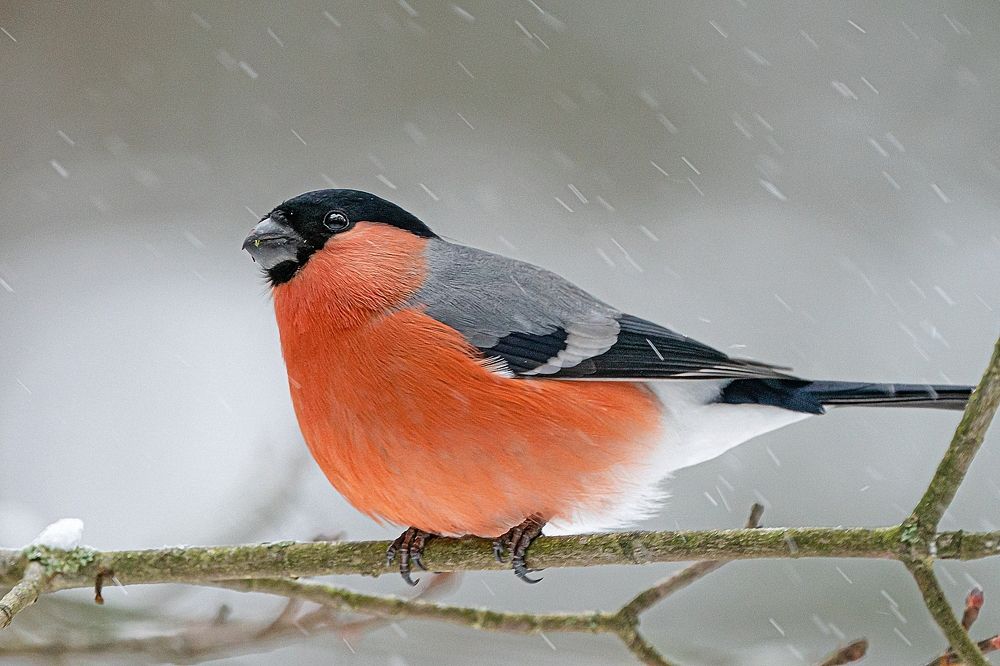
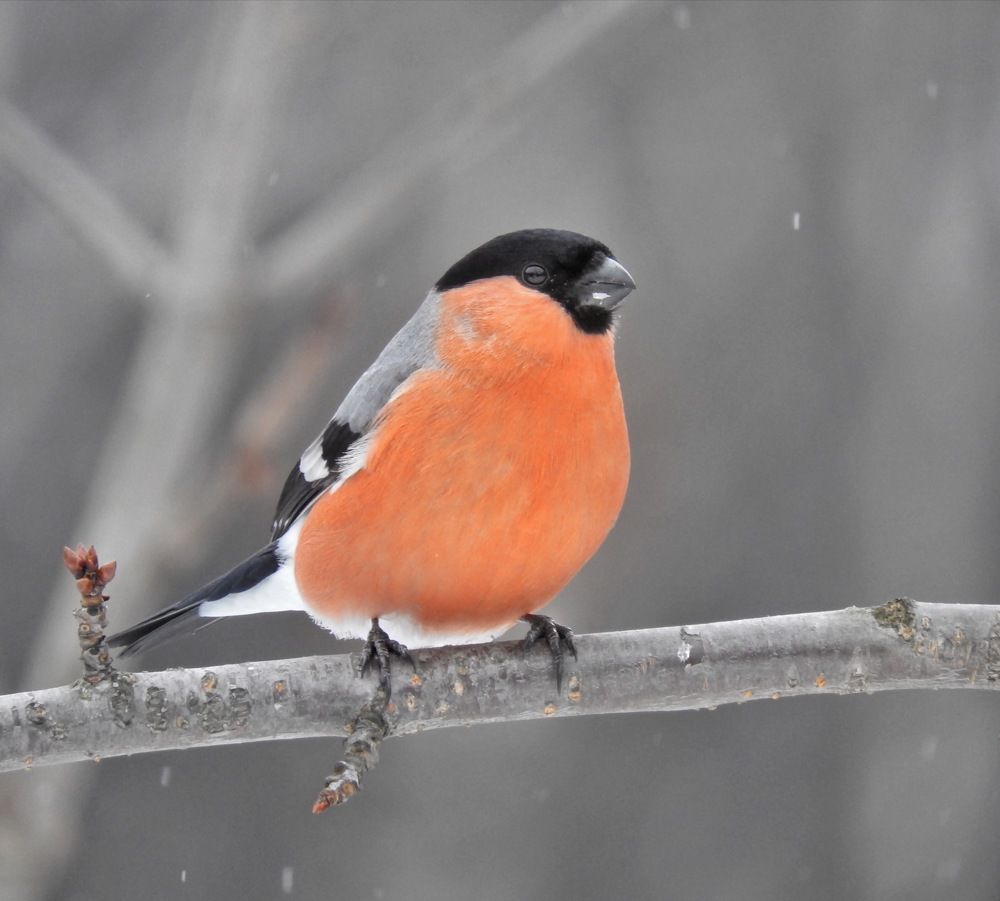
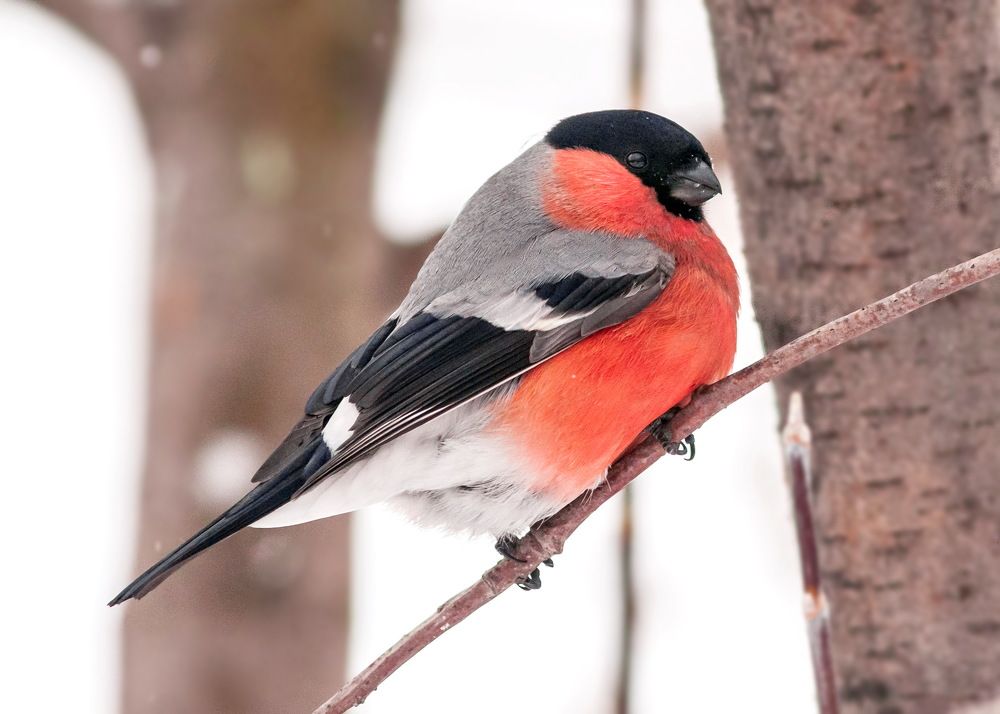
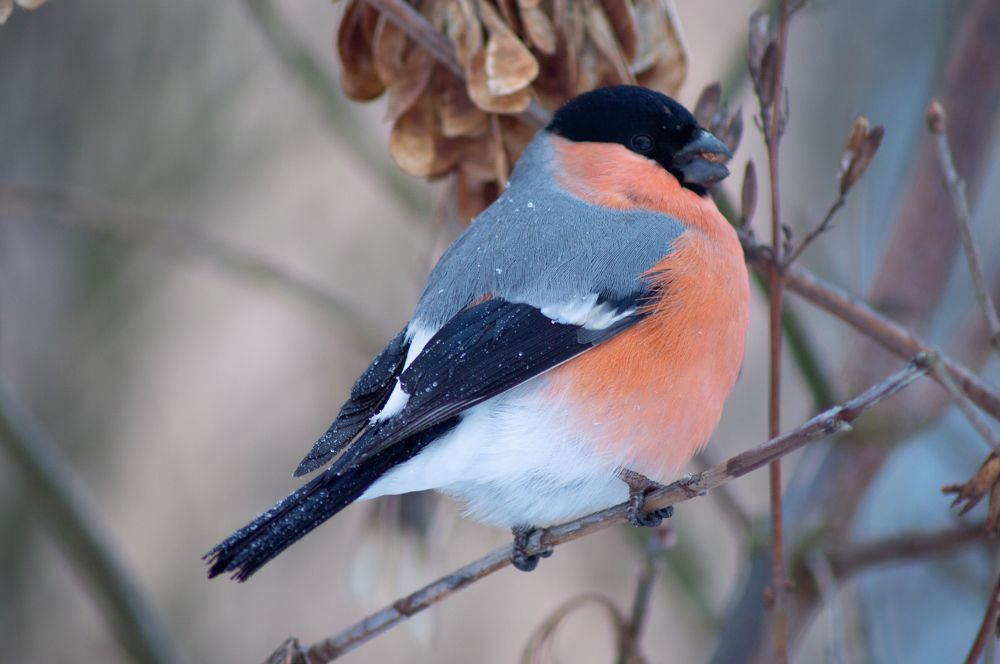
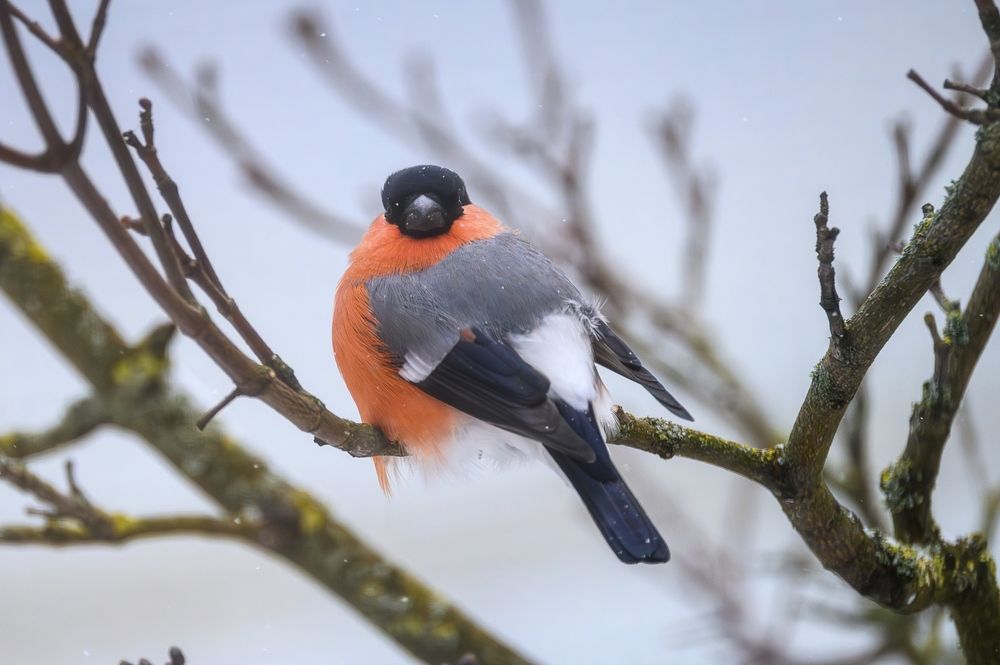
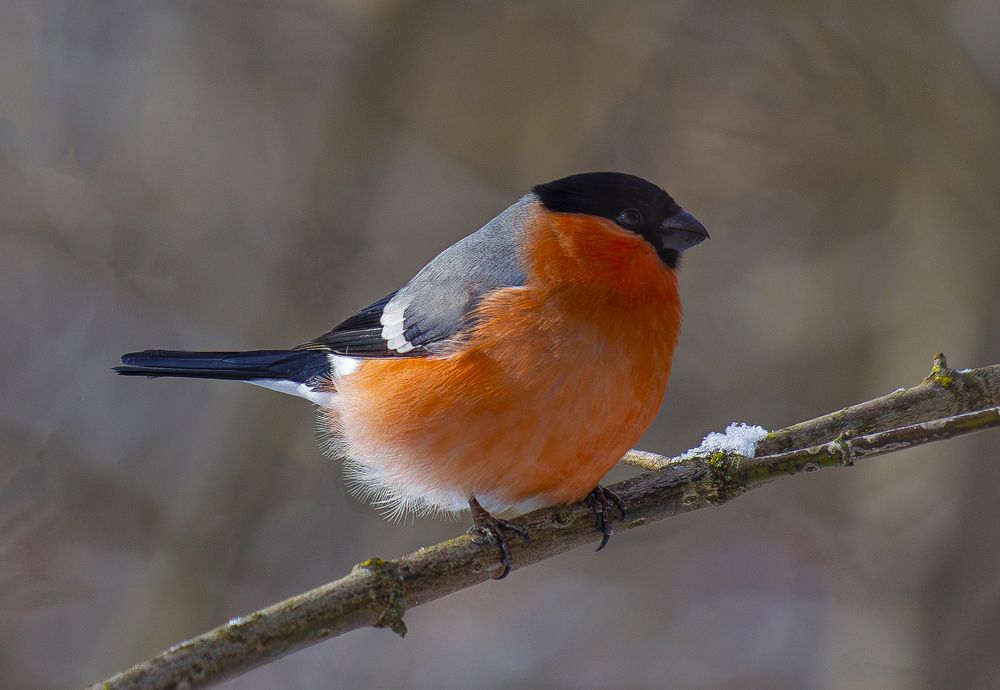
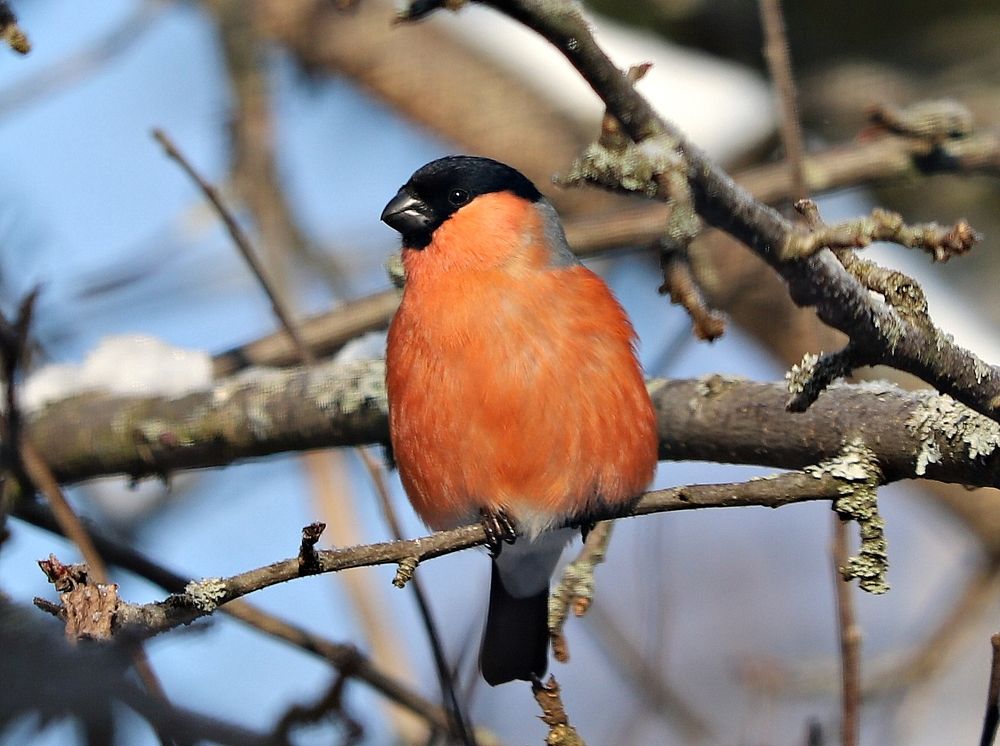
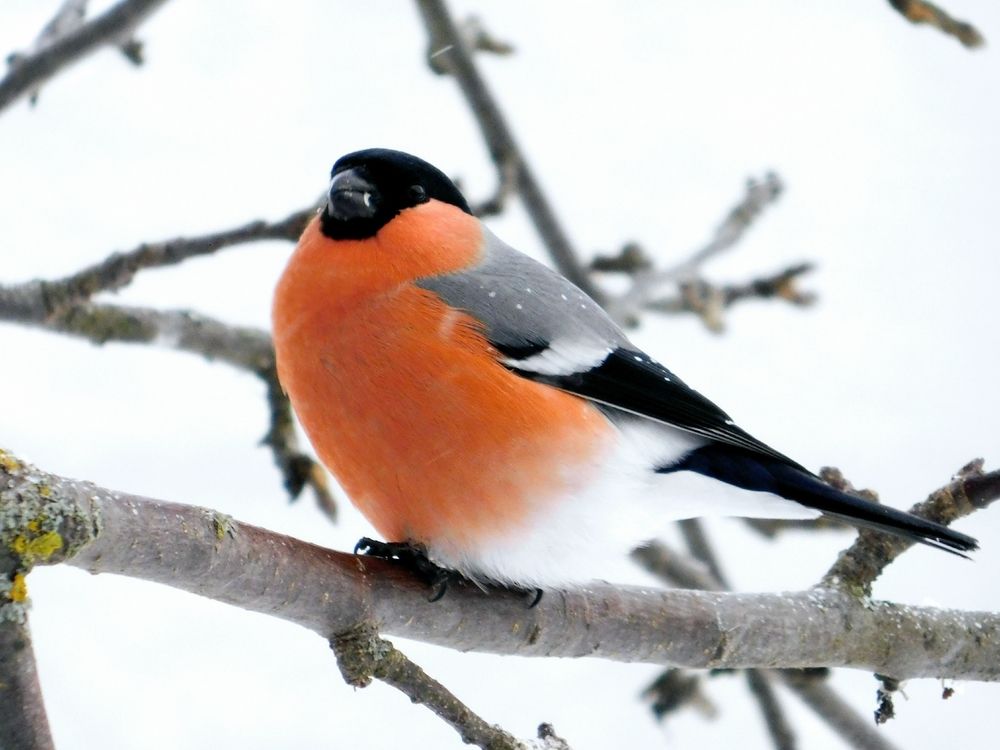
The images feature the common bullfinch (*Pyrrhula pyrrhula*), a small passerine bird characterized by its thick bill and distinctive plumage. Photographers are drawn to this species for its striking color contrast, specifically the bright orange-red breast set against a slate-grey back and black cap. The subjects appear in various winter settings across regions like Moscow Oblast, perched on bare branches amidst falling snow or soft light. While the angles vary from profile views to frontal shots, the focus remains consistently on the bird's form and vibrant plumage. These photographs are united by their depiction of this specific avian species within a cold-weather environment.
How to shoot it
📍 Where to shoot
Shooting takes place outdoors in the Moscow region, mainly in winter (January–March). The bullfinch lives in its natural habitat, so the location is forested areas or park zones with trees.
🧭 How to get there
Access to the shooting location is standard for the Moscow region: by car to the nearest forest or park. Special vehicles (ATV, boat) are not required. Important to consider winter road conditions and parking availability near trails.
🕐 Time of day
Most shot between 10:00 and 13:00 (79% of frames)
Based on 14 frames with camera data. Camera clock time; the time zone is unknown.
Best shooting time is from 10 AM to 2 PM, when light is most even and activity peaks. Statistics show peak activity specifically during this daytime interval.
🗓️ Season
Most shot in: January, February, March
Based on 14 frames with camera data
Main season is winter, especially January (7 frames), as well as December, February, and March. The bullfinch is active in frosty weather against a snowy background.
🎒 Gear
A telephoto lens with focal length from 178 to 600 mm (median 300 mm) is required. Aperture f/5–f/7.1, shutter speed faster than 1/500 s to freeze motion.
Cameras and lenses the authors used (10)
Canon EOS 6D Mark II 2Fujifilm X-S10 2Nikon D300S 1Nikon D3200 1Nikon D780 1Canon EF 70-300mm f/4-5.6 IS II USM 2Tamron TAMRON 150-500mm F/5-6.7 Di III VC VXD A057Z 2XF70-300mm F4-5.6 R LM OIS WR 2Tokina AT-X 828 AF (AF 80-200mm f/2.8) or AF Zoom-Nikkor 80-200mm f/2.8 ED 1Voigtlander APO-Lanthar 50mm F2 Aspherical + 1.4x or Sigma 50-150mm F2.8 EX APO 1
🧳 What to bring
Warm clothing and footwear for frost, spare batteries (drain faster in cold), gloves with touchscreens or thin work gloves, thermos with hot drink.
⚙️ Settings
Shutter 1/500 (1/1600 – 1/125)Aperture f/6 (f/5 – f/7.1)ISO 400 (200 – 3200)Focal length 300 mm (178 – 600)
Based on 13 frames with camera data. Median and 10-90% range across the idea frames.
Key parameter is shutter speed: freeze bird movement with values from 1/500 to 1/2000 s (median 1/500 s). Set ISO between 200–3200 to compensate for short exposure in winter light.
⚠️ Good to know
Shooting is done at a distance that does not disturb the bird. The bullfinch is a sedentary species in the Moscow region; no winter migration occurs.
📈 How the idea developed
works uploadedshare of all site uploads, per 100k
The date is when the file was uploaded to the site. The chart counts works assigned to the idea.
✅ How to repeat it
- Look for bullfinches on fir or pine branches with berries
- Shoot against the light for rim lighting of feathers
- Use burst mode to capture wing flaps
✨ Interesting facts
- 🏆 How the best frame was shot: Fujifilm X-S10, XF70-300mm F4-5.6 R LM OIS WR, 1/100, f/6.4, ISO 400, 178 mm
- 📐 81% of frames are landscape orientation
- 🥇 8 works reached the finals. Best contest: Wildlife: Birds 2026
- 👤 Most frequent authors: Надежда Кангина 2Makarov Viktor 2
- 🌍 Authors by country: 🇷🇺 RU 16🇱🇻 LV 2🇧🇾 BY 2🇺🇦 UA 1
Some tips are prepared by AI from the idea description, photos and their EXIF. Check the rules and access to places before you travel.
Works
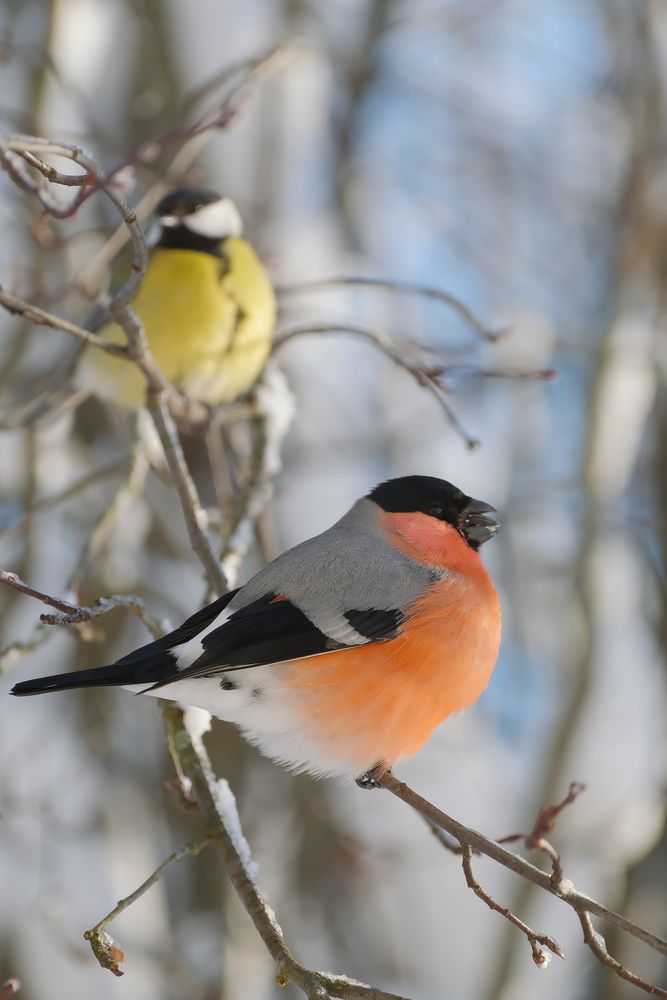
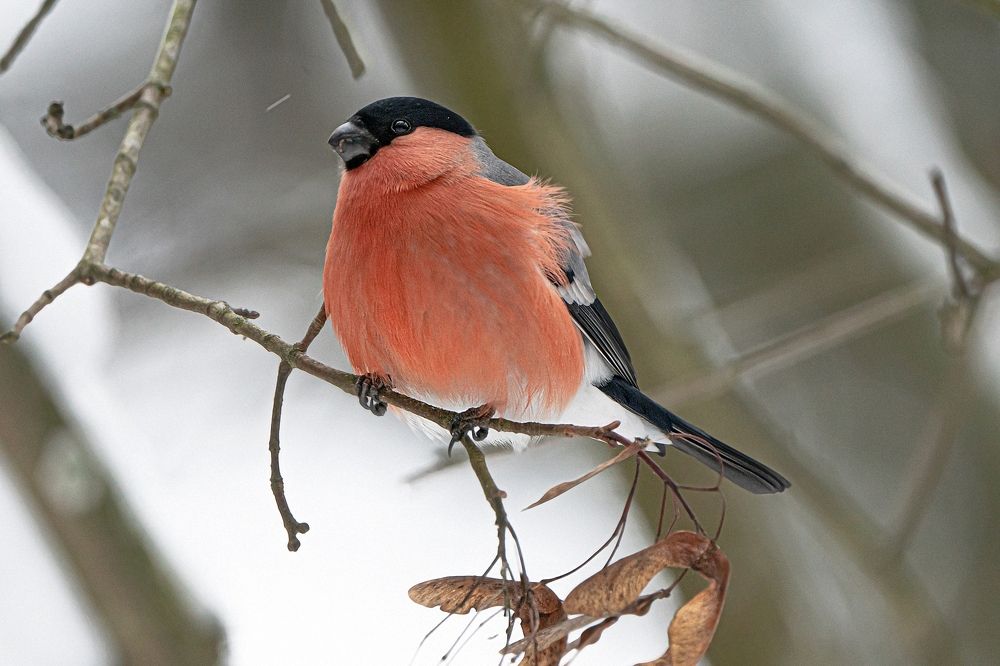
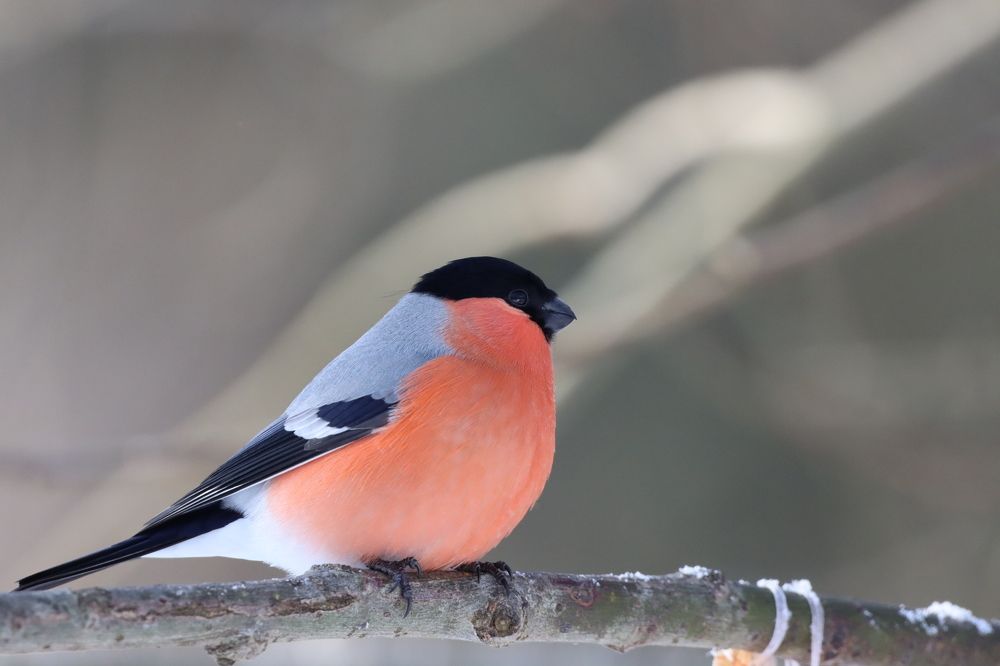
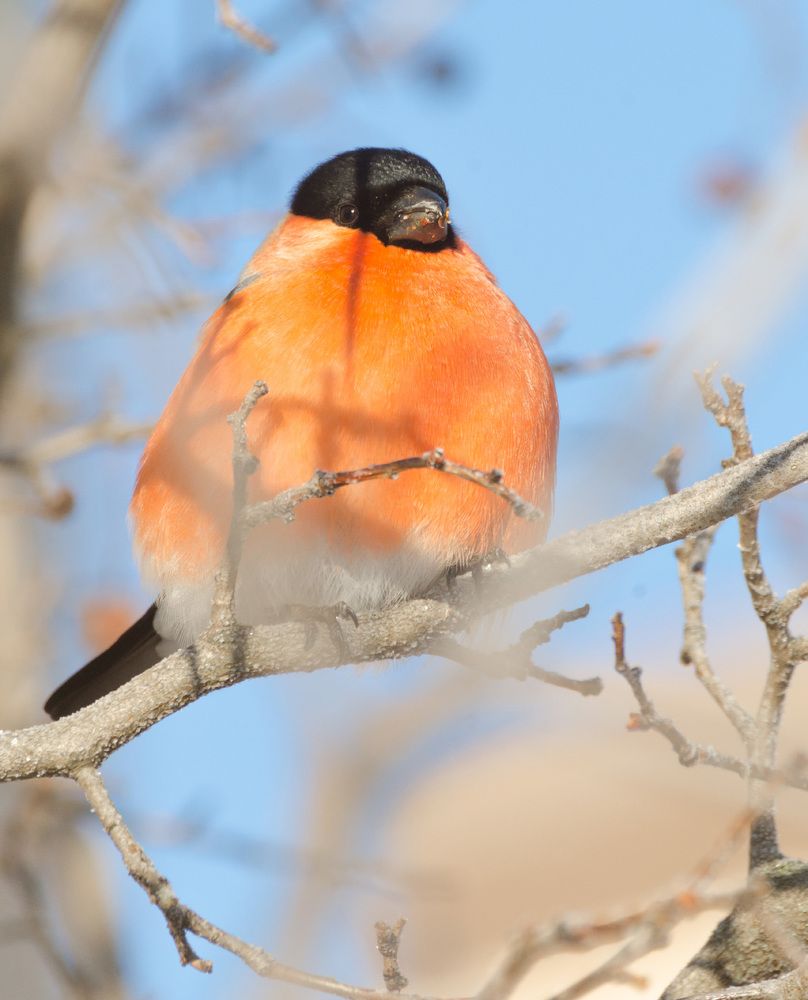
These lists are generated automatically and may contain inaccuracies. Photos are shown in random order, and selections are refreshed twice a day. This section is made for exploring photos and does not claim 100% accuracy. The lists include photos that previously participated in contests that are already completed.