Milky Way Galaxy Night Sky
64 worksFirst upload: Nov 2016Peak: 2023Last 12 months: 1
📝 Description
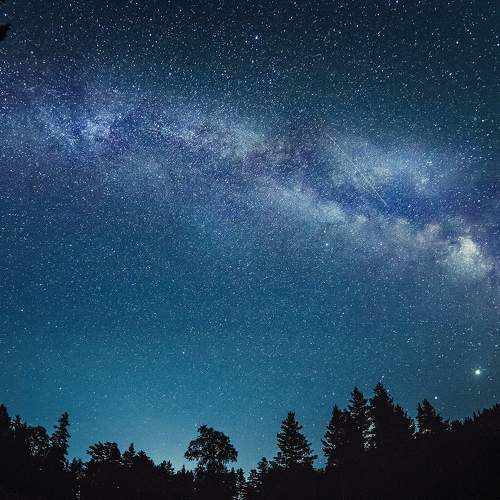
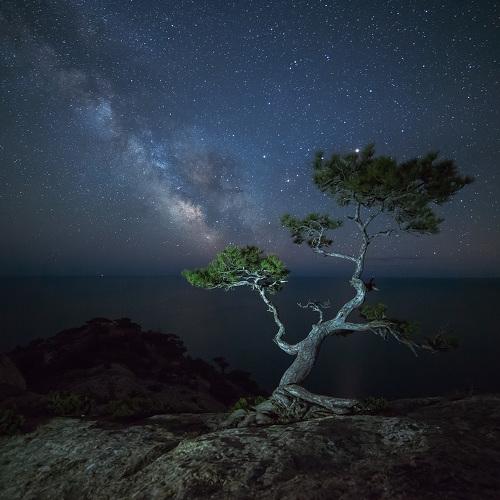
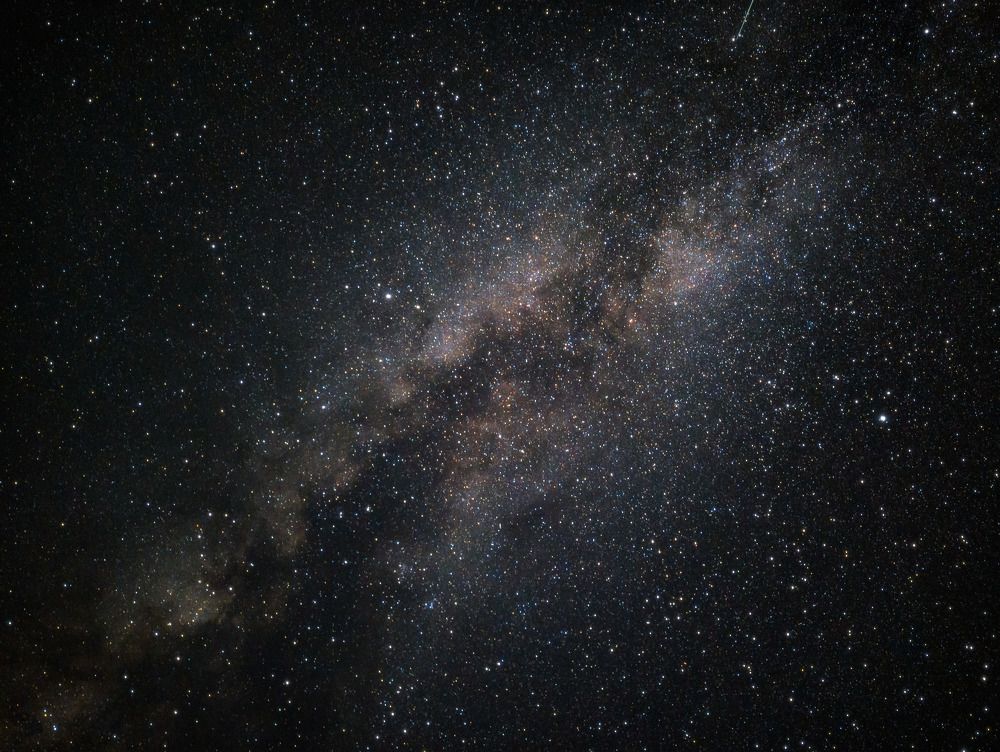
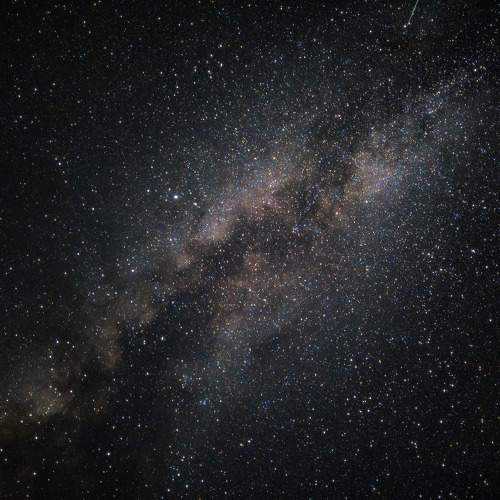
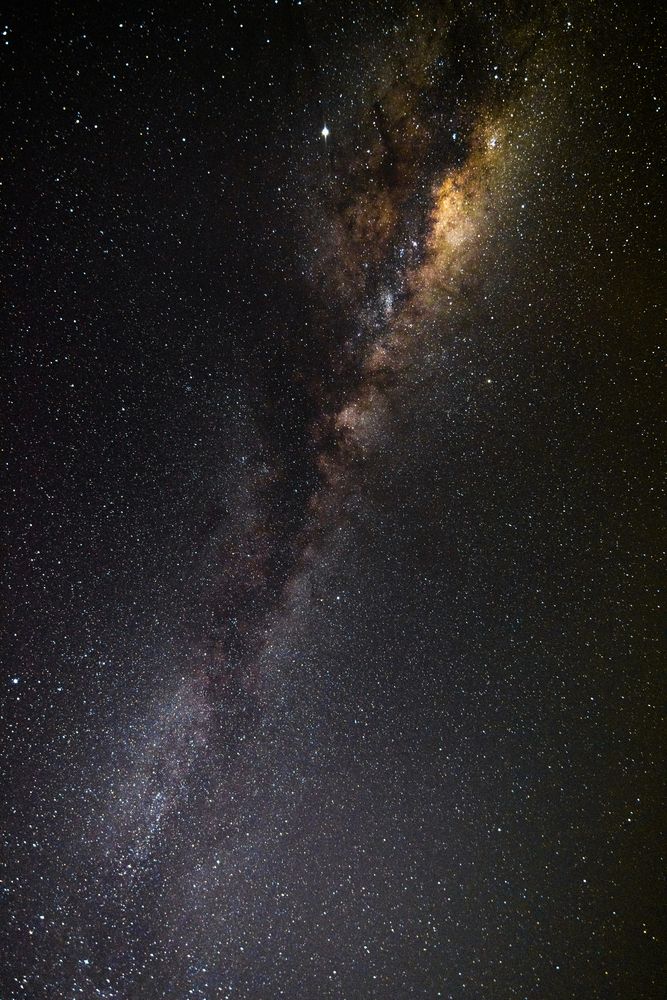
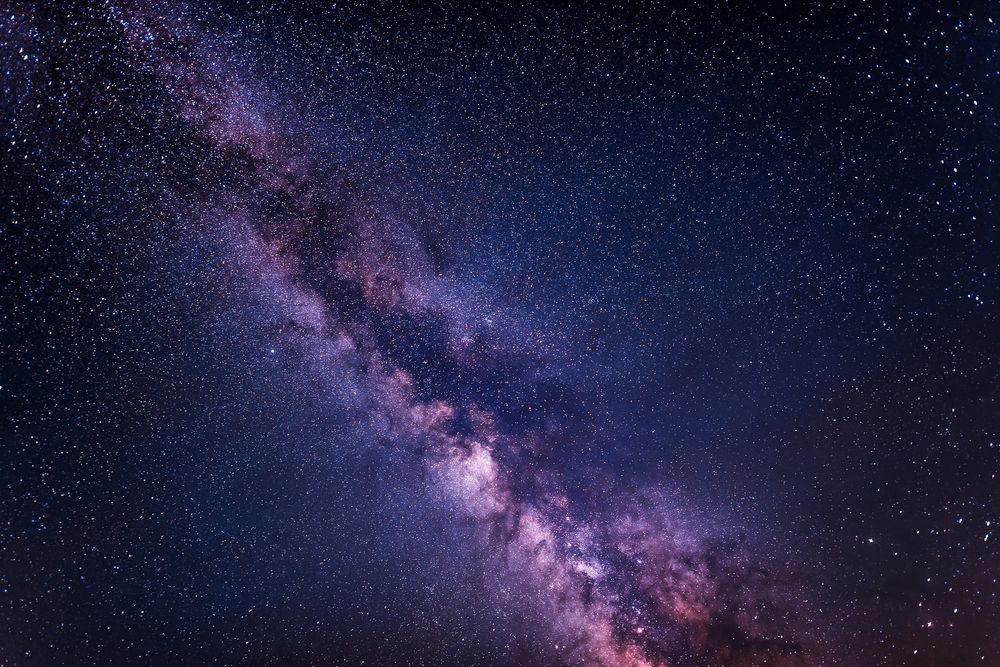
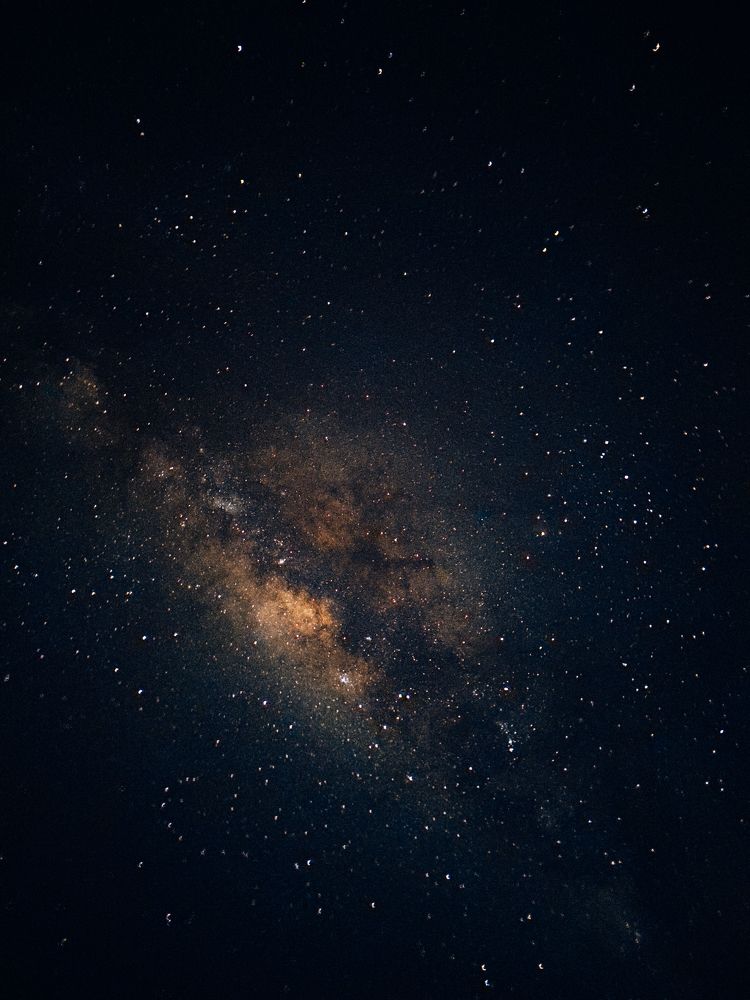
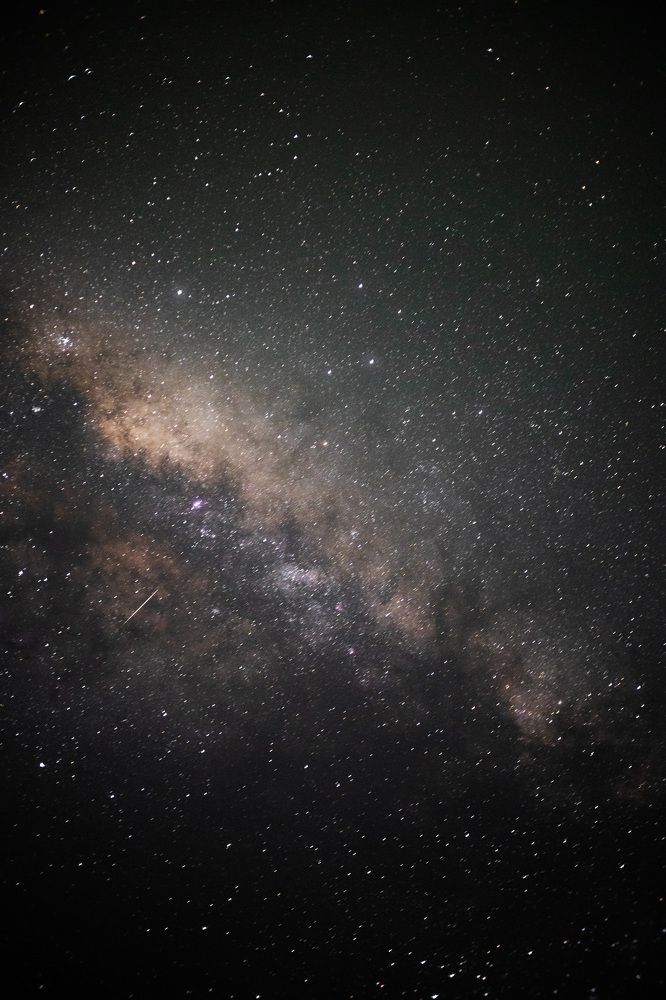
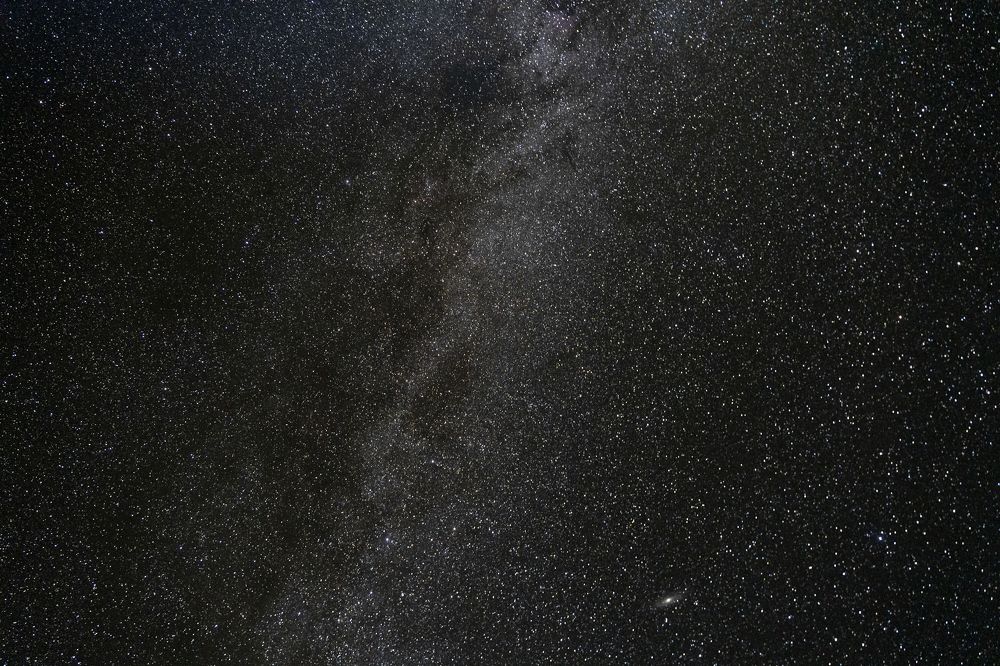
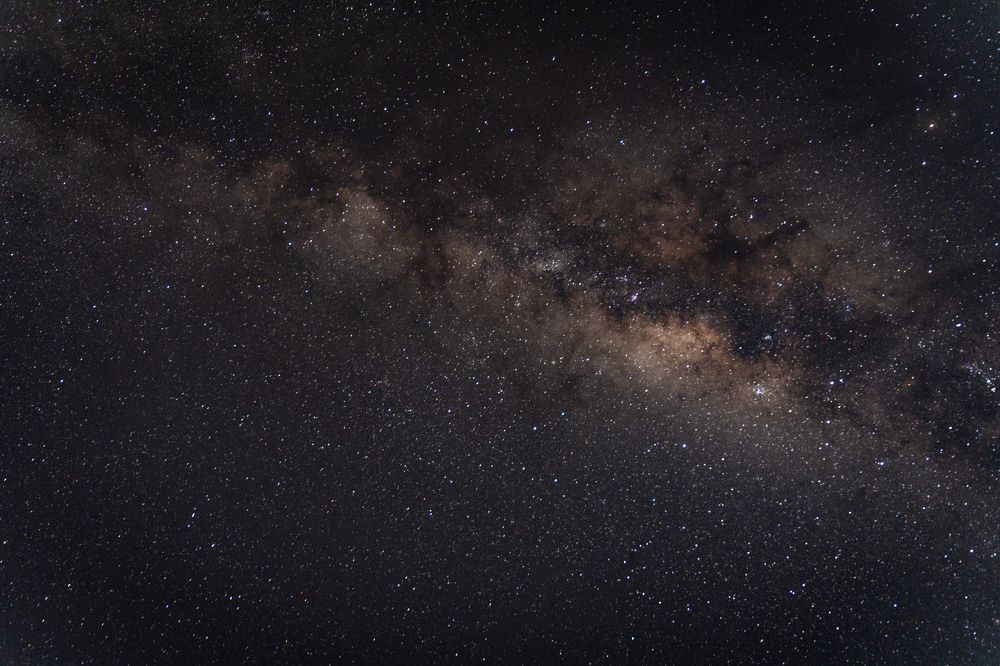
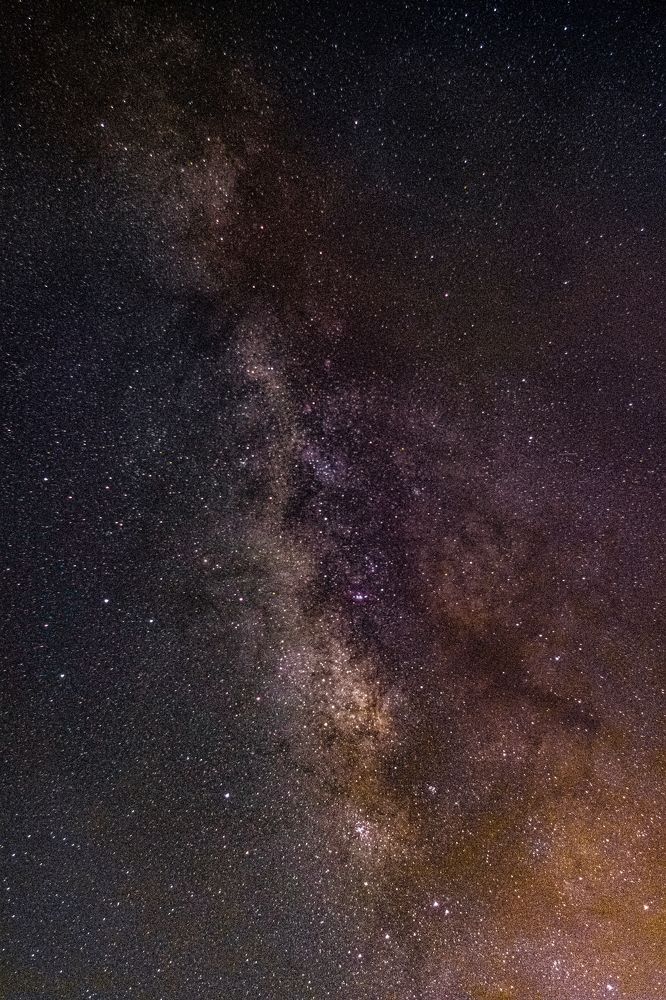
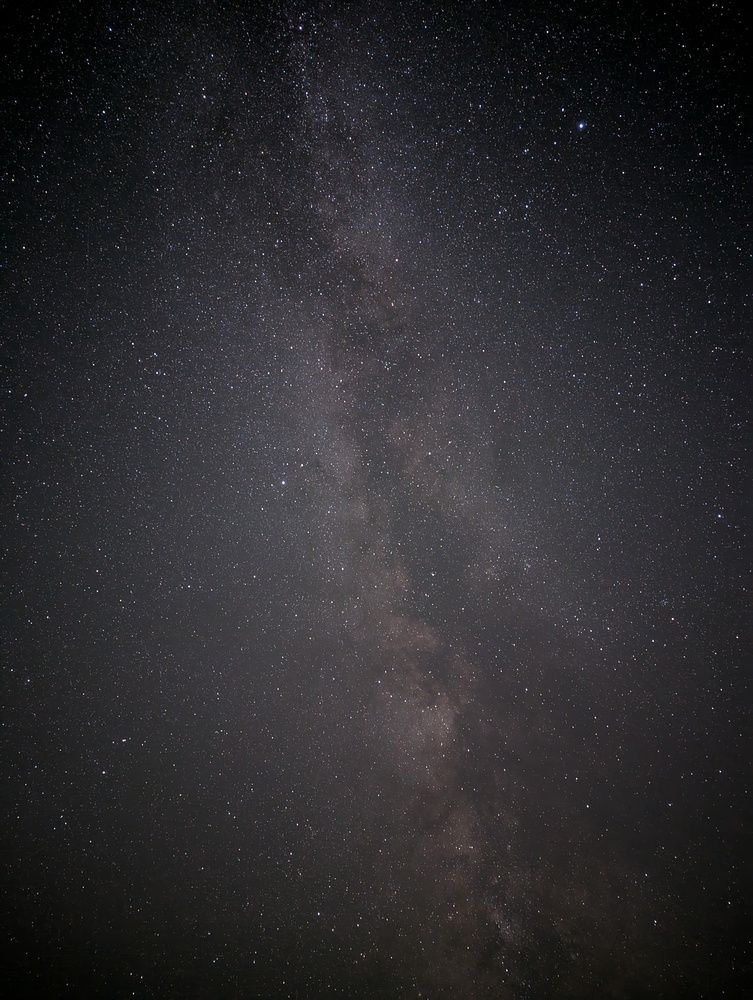
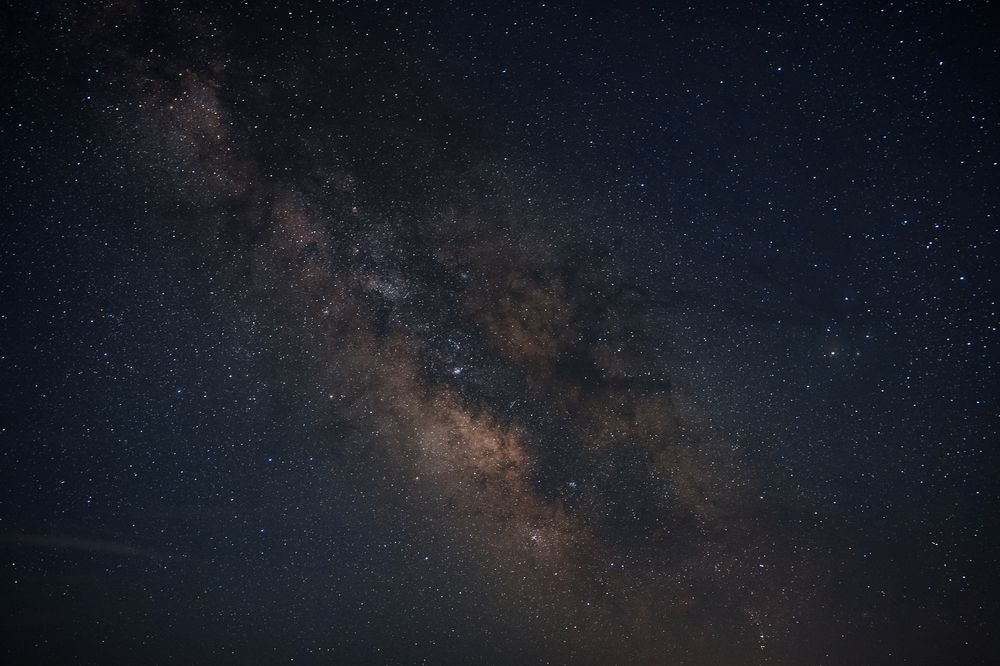
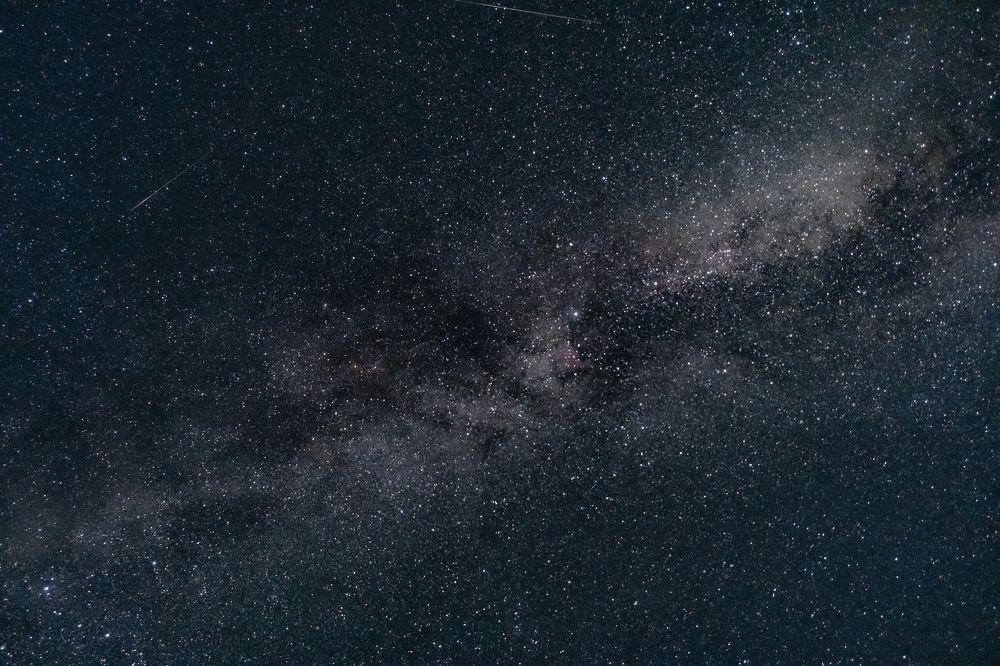
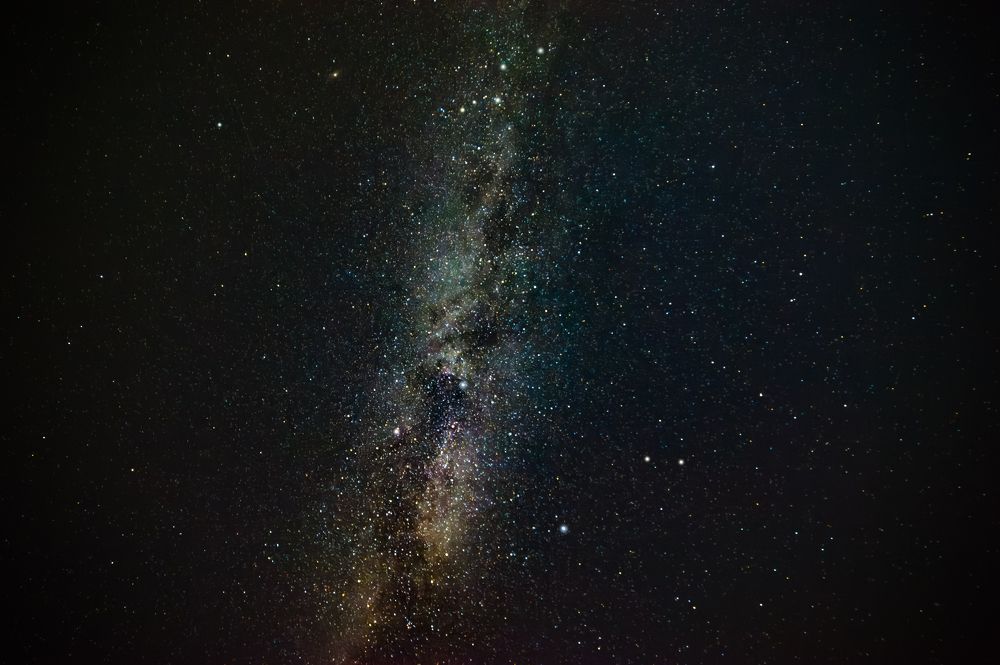
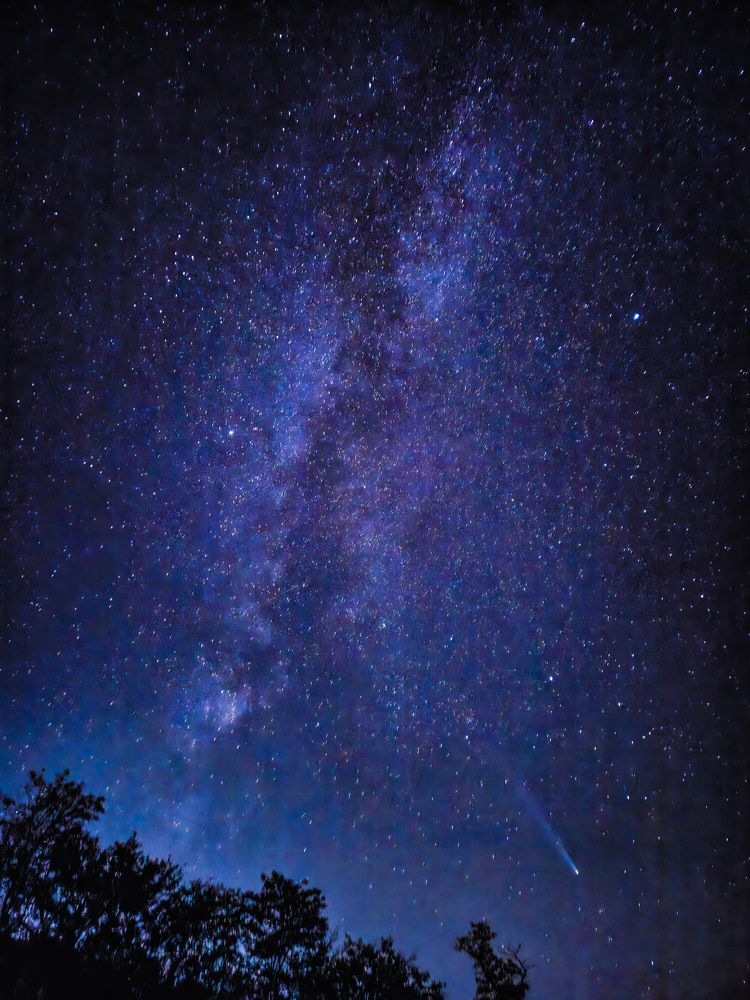
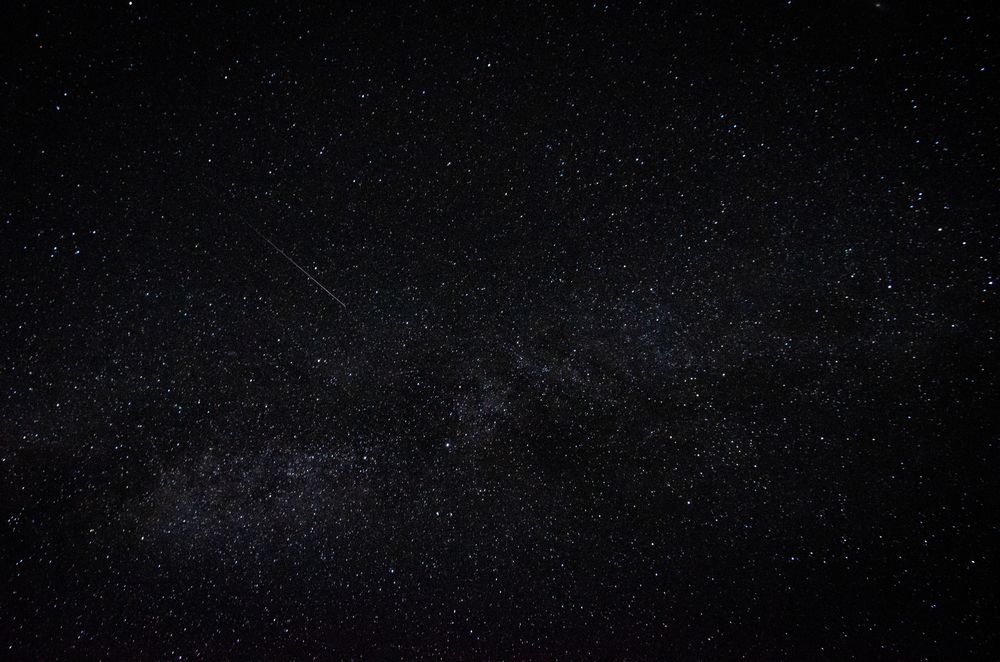
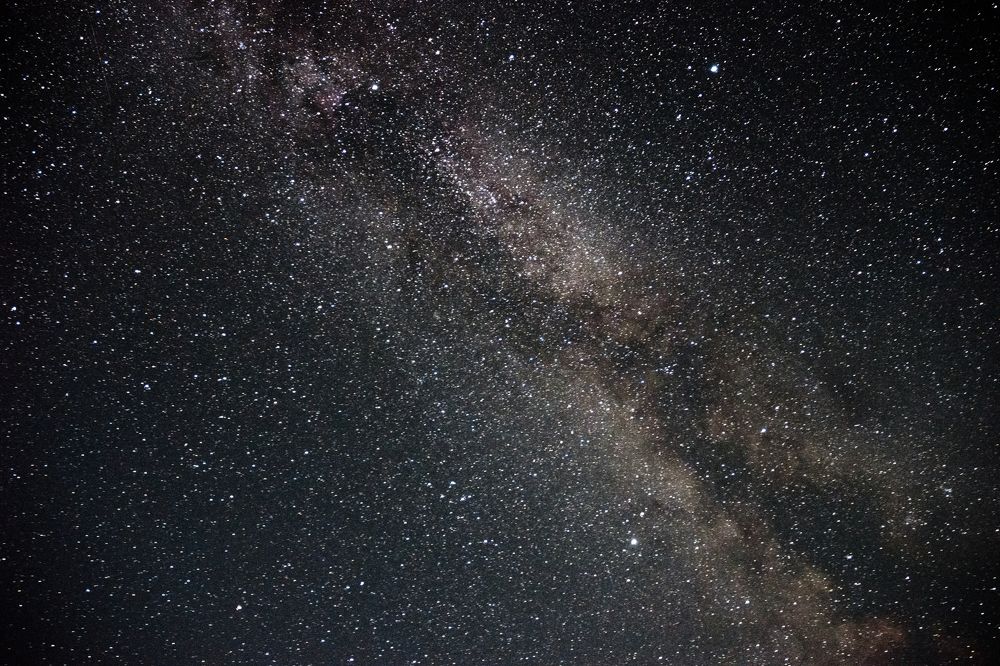
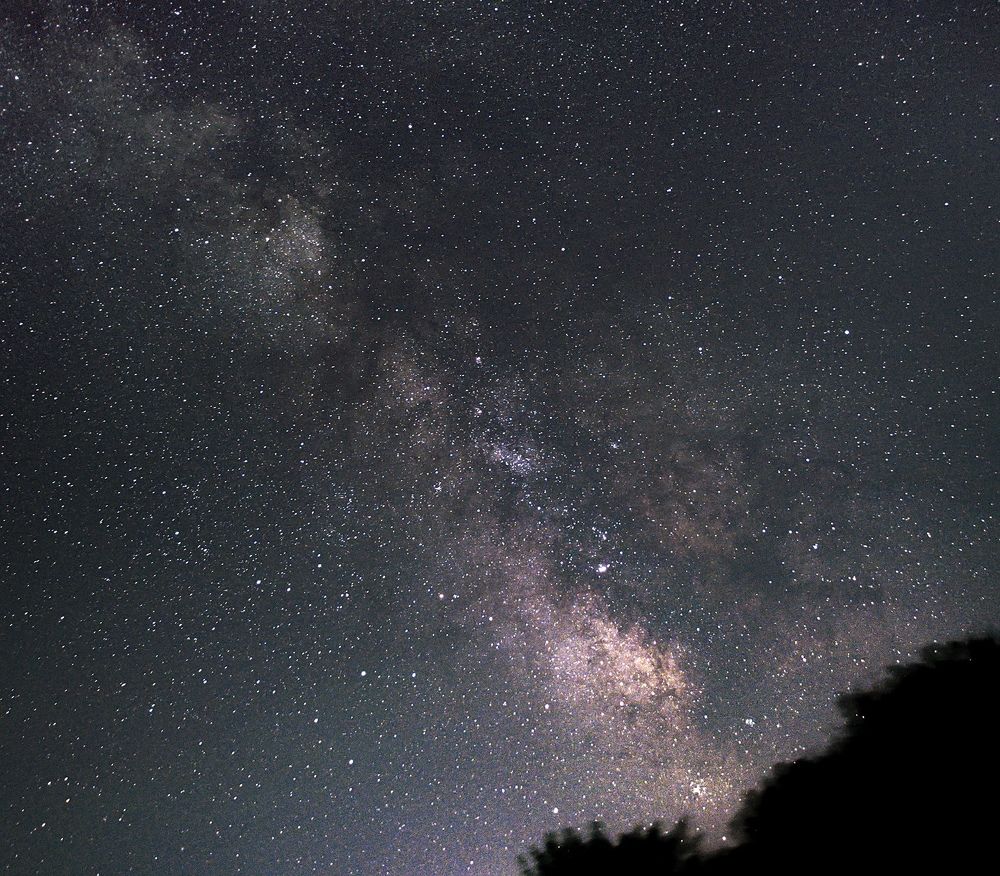
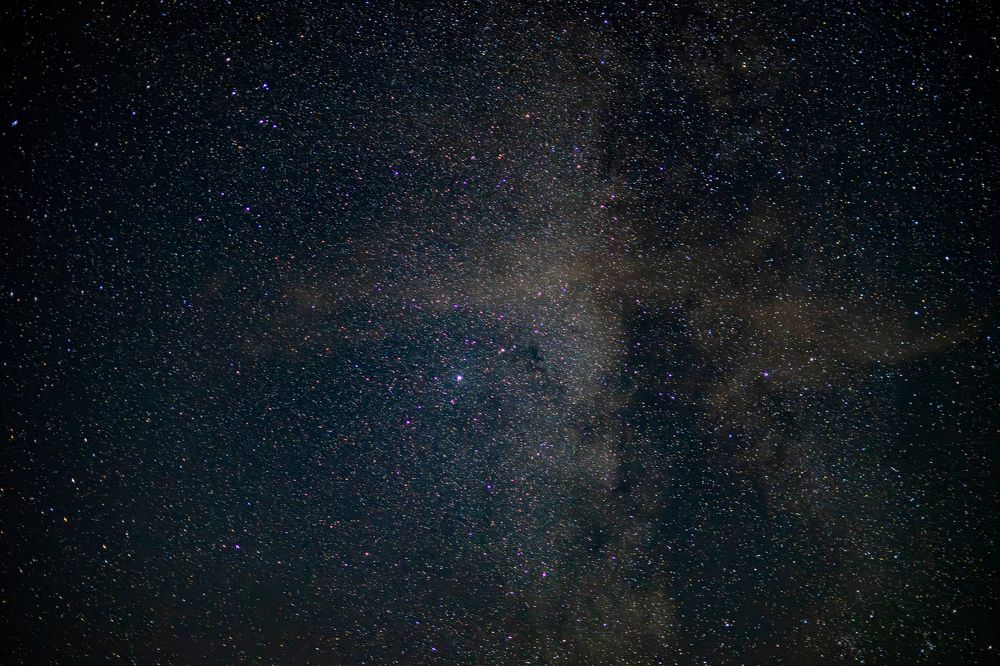
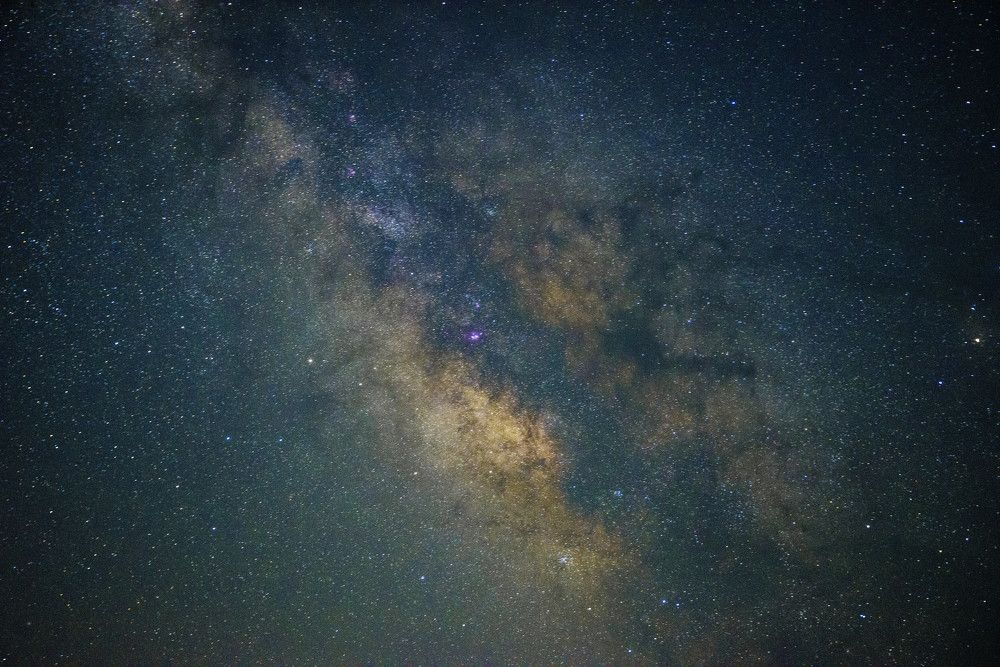
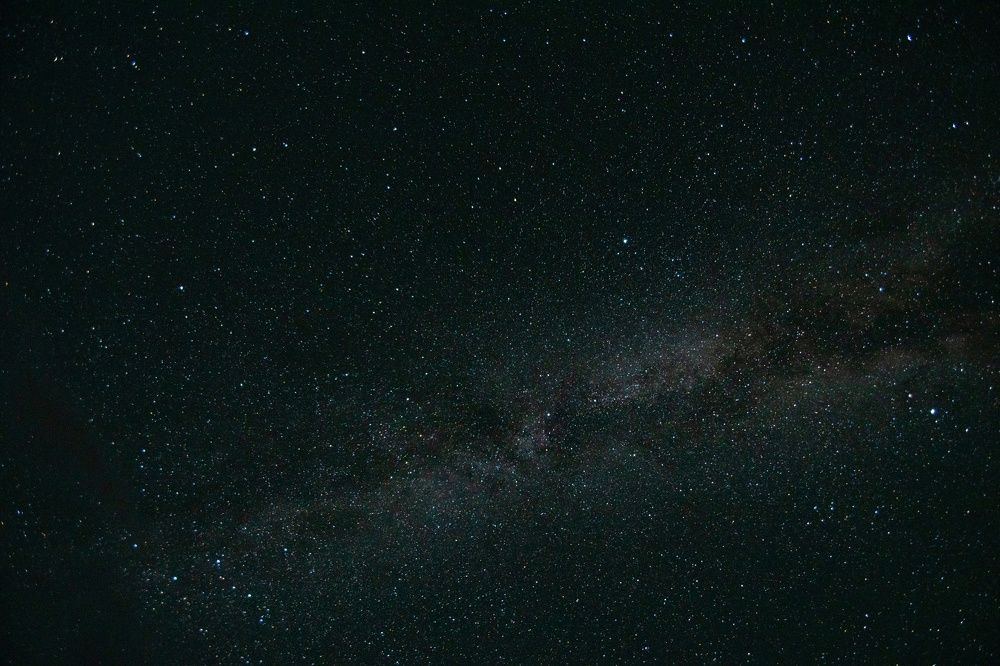
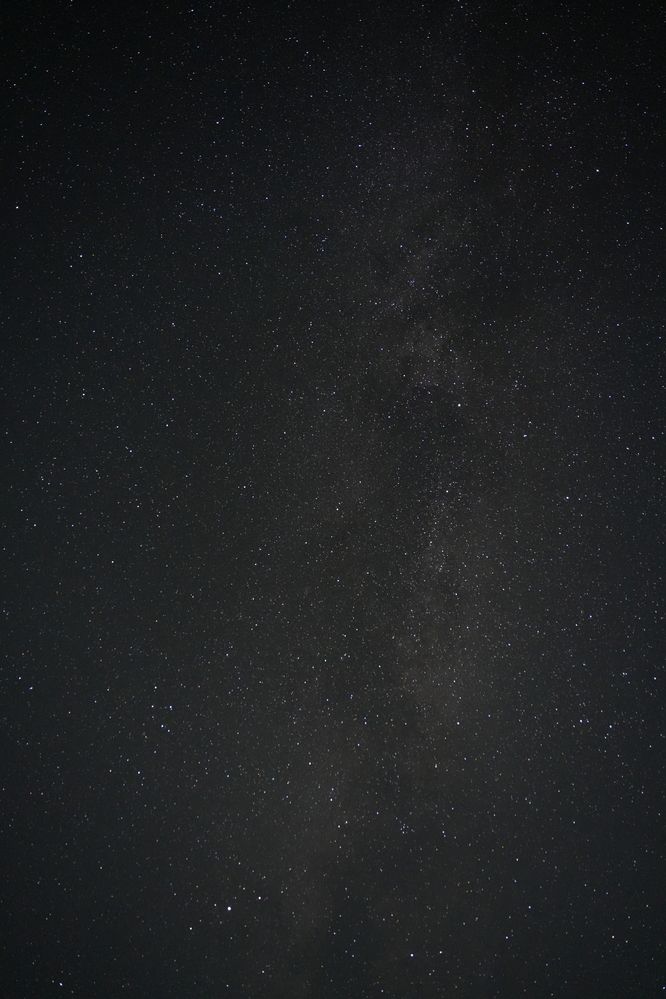
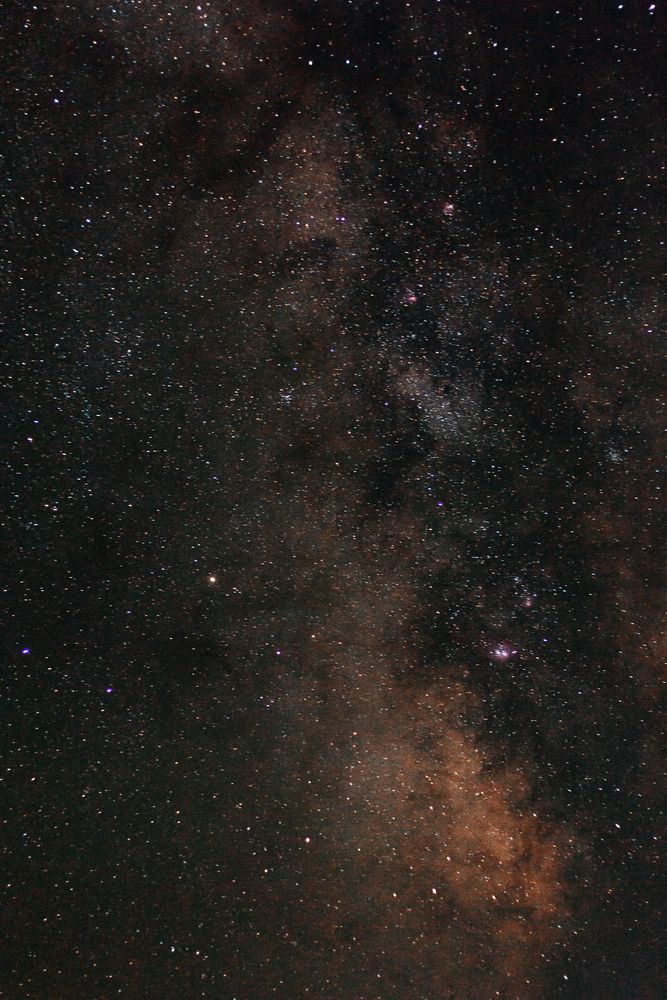
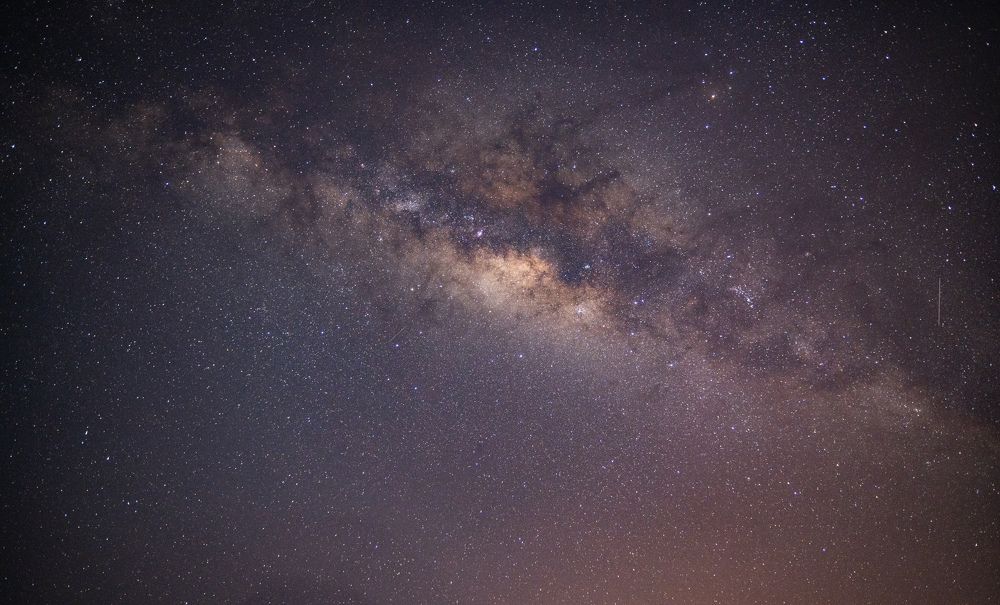
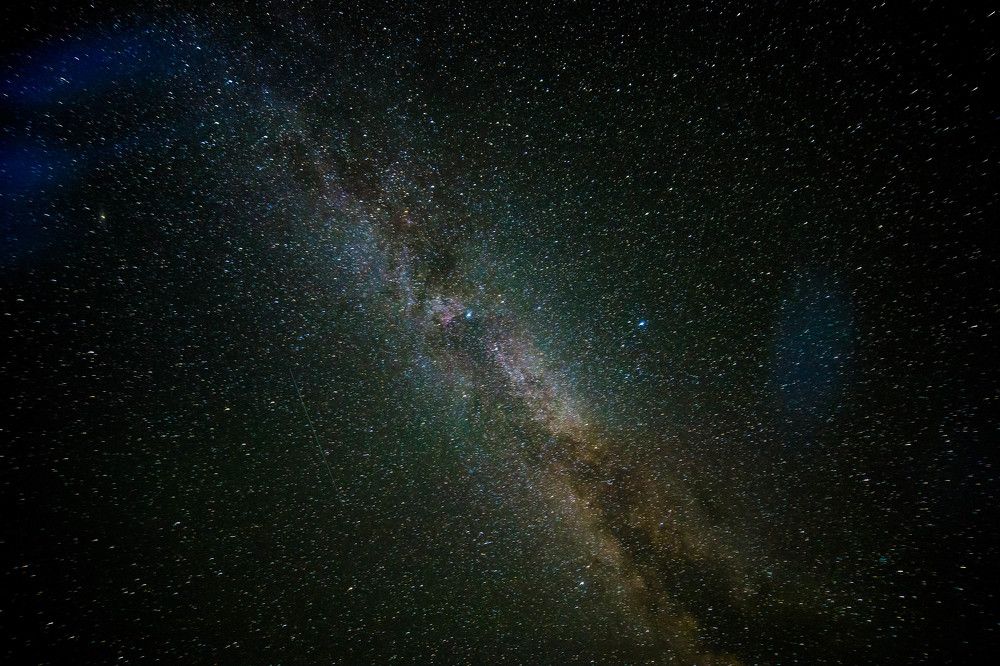
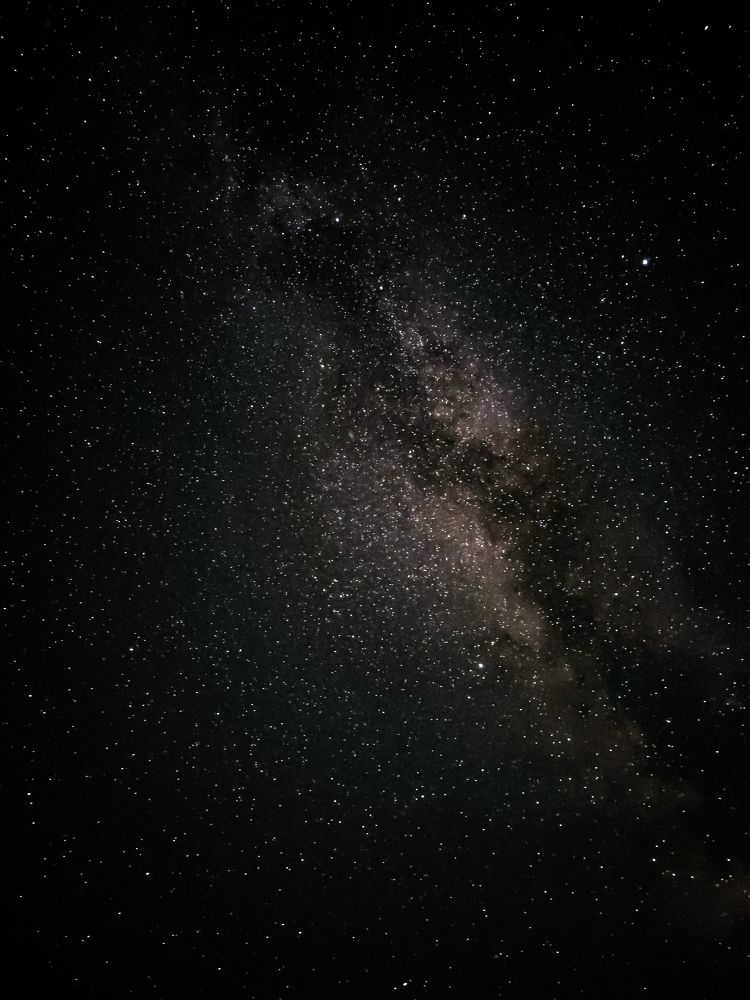
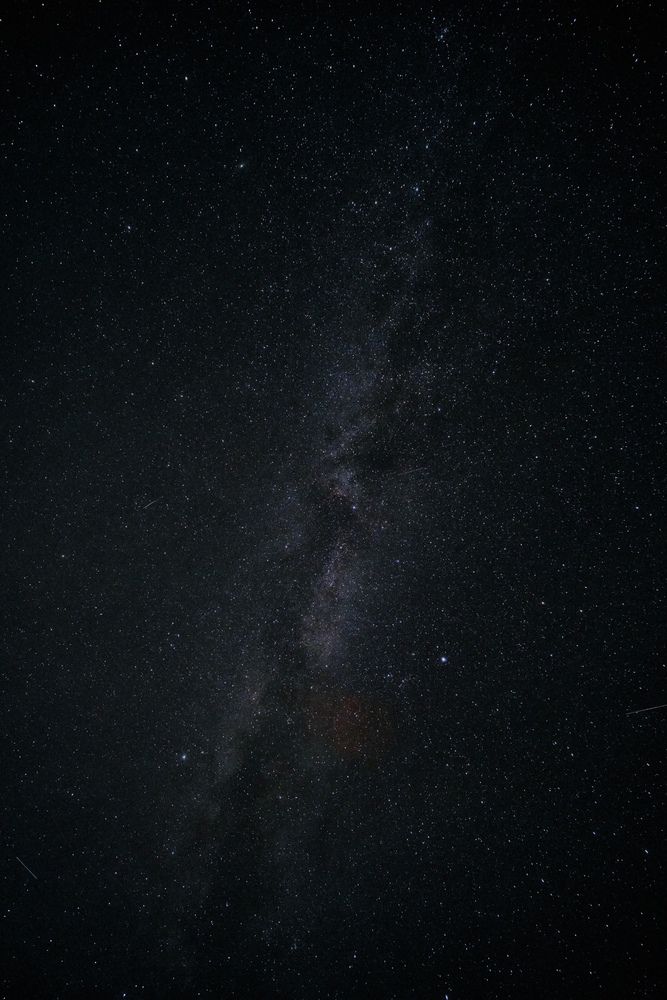
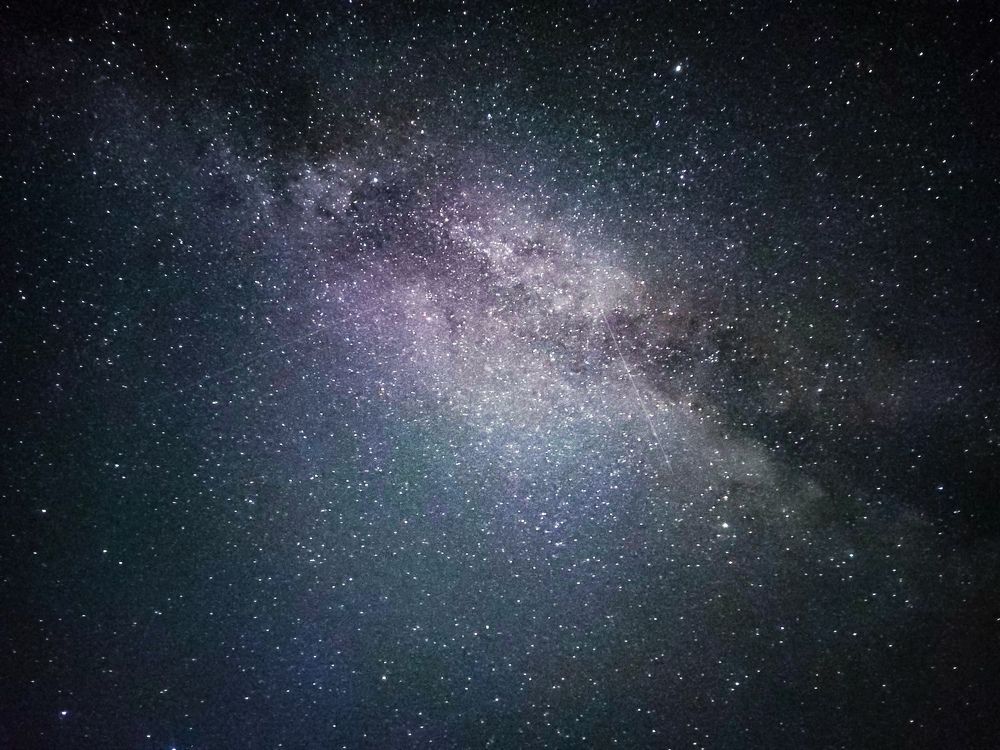
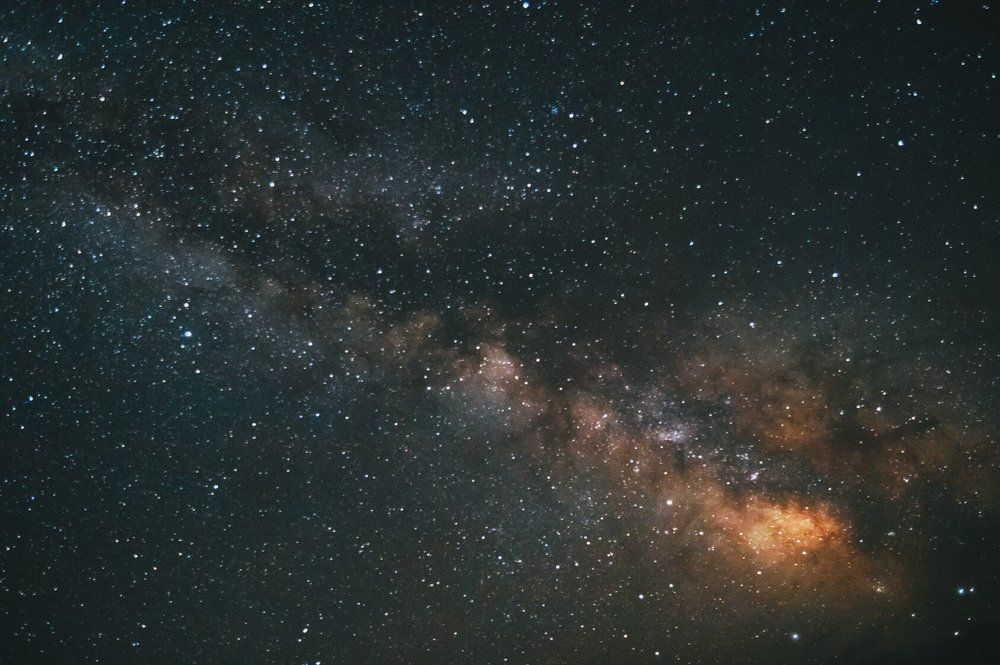
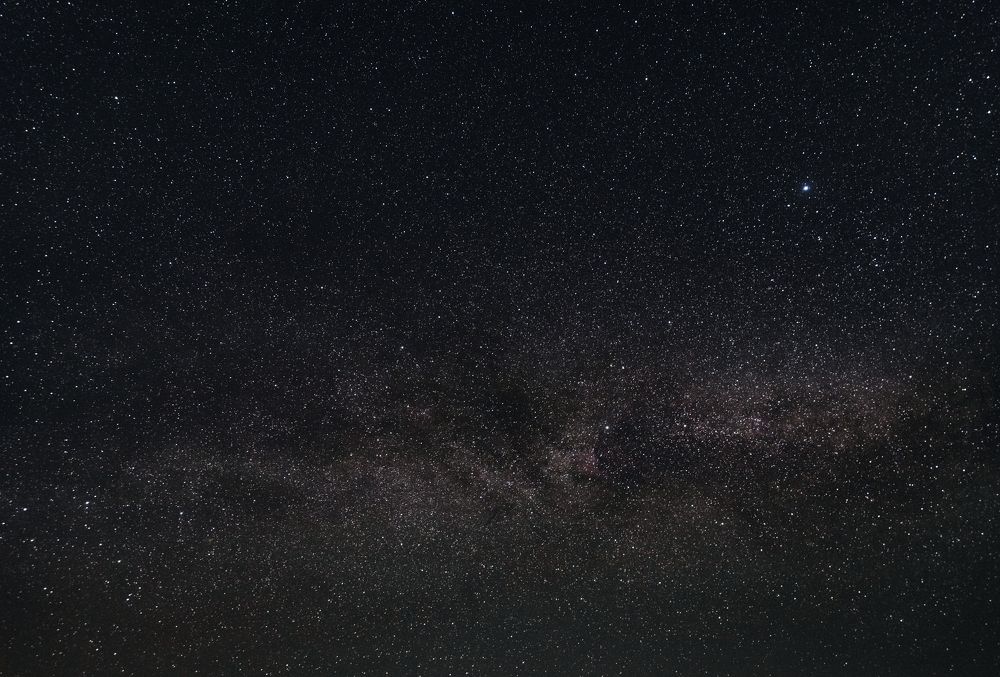
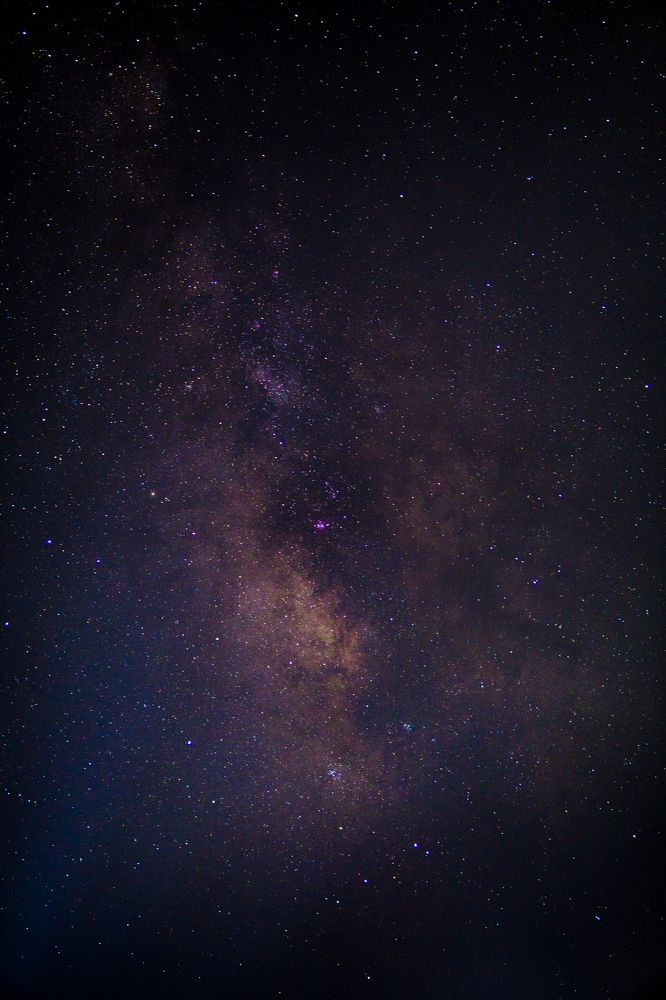
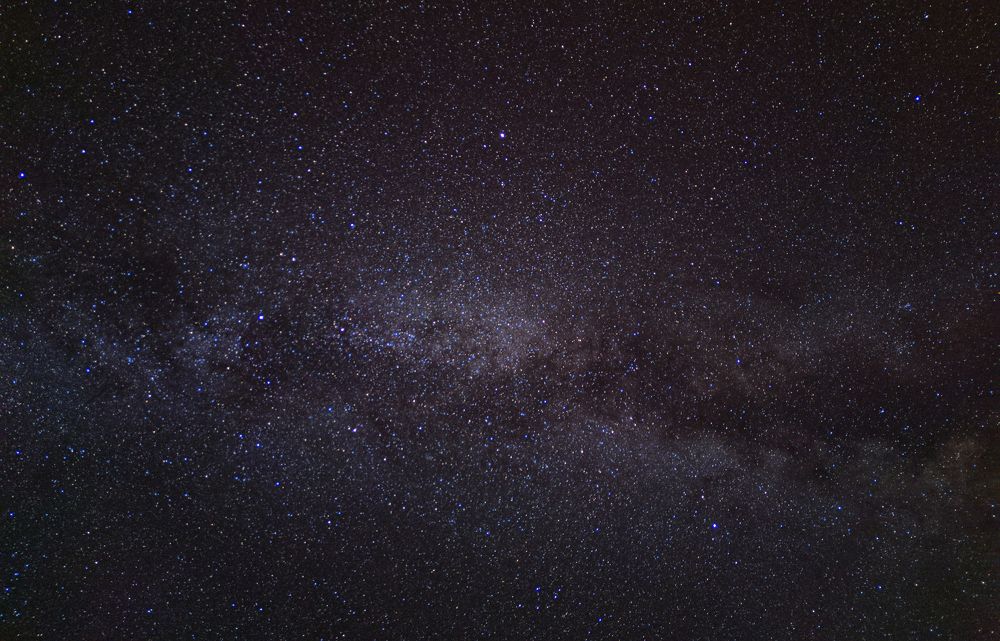
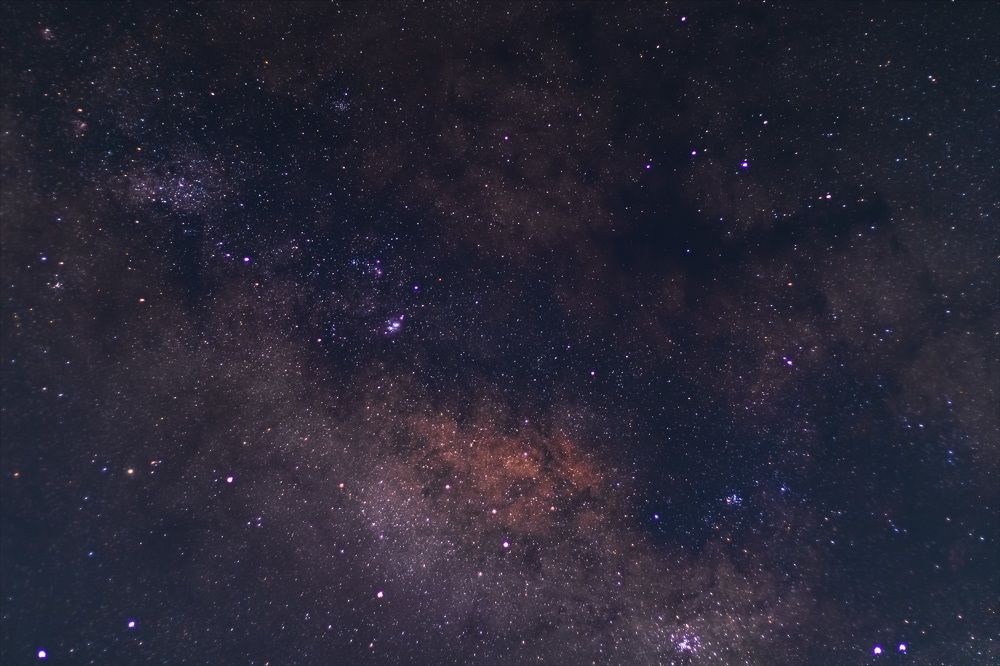
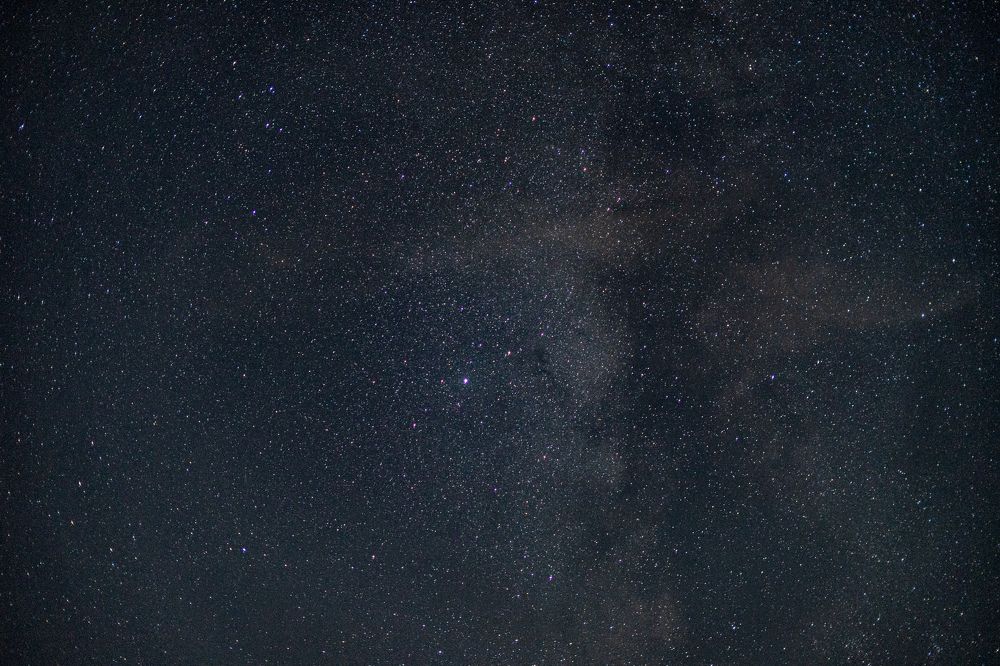
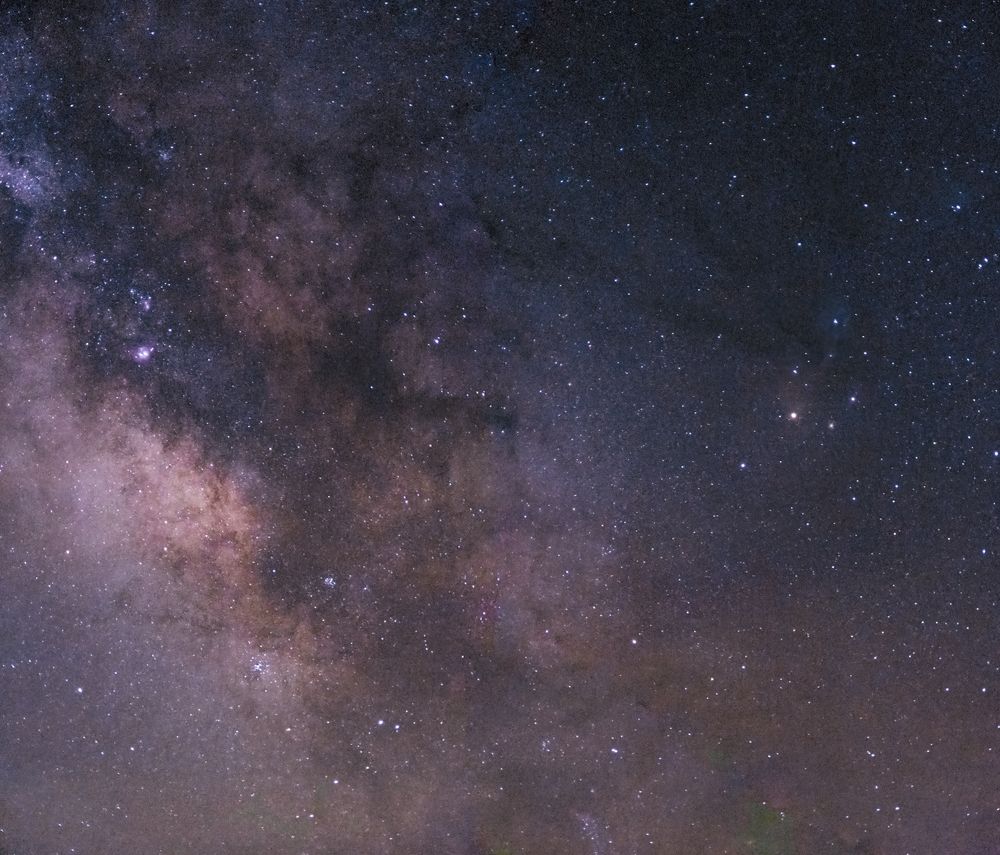
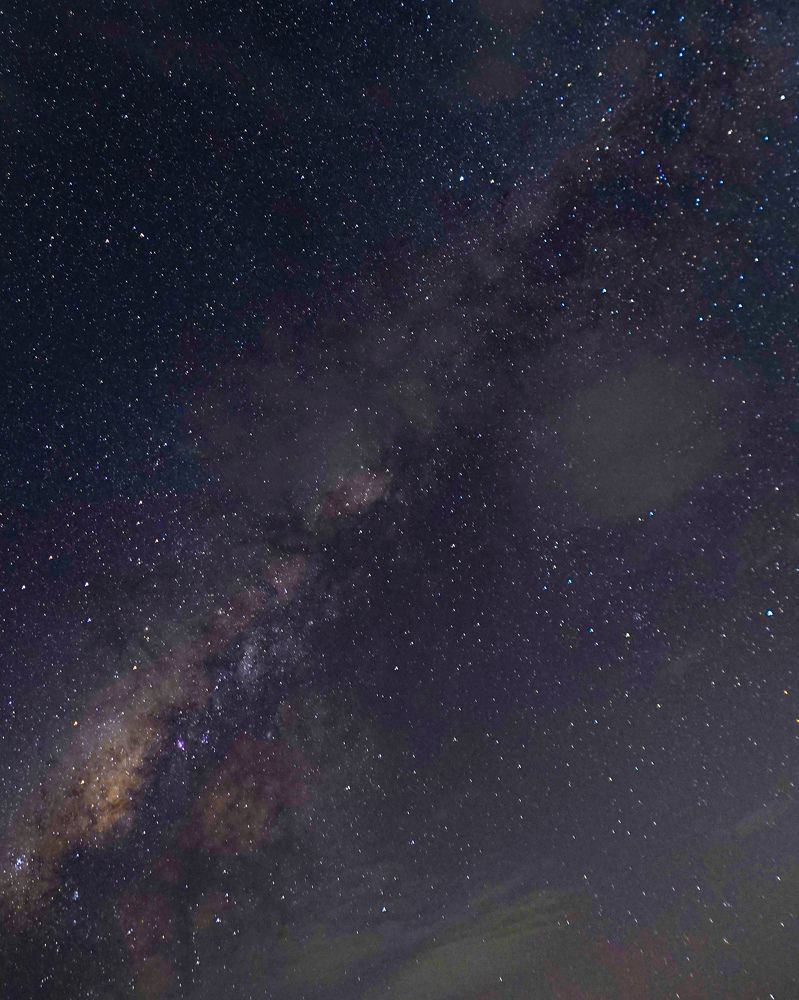
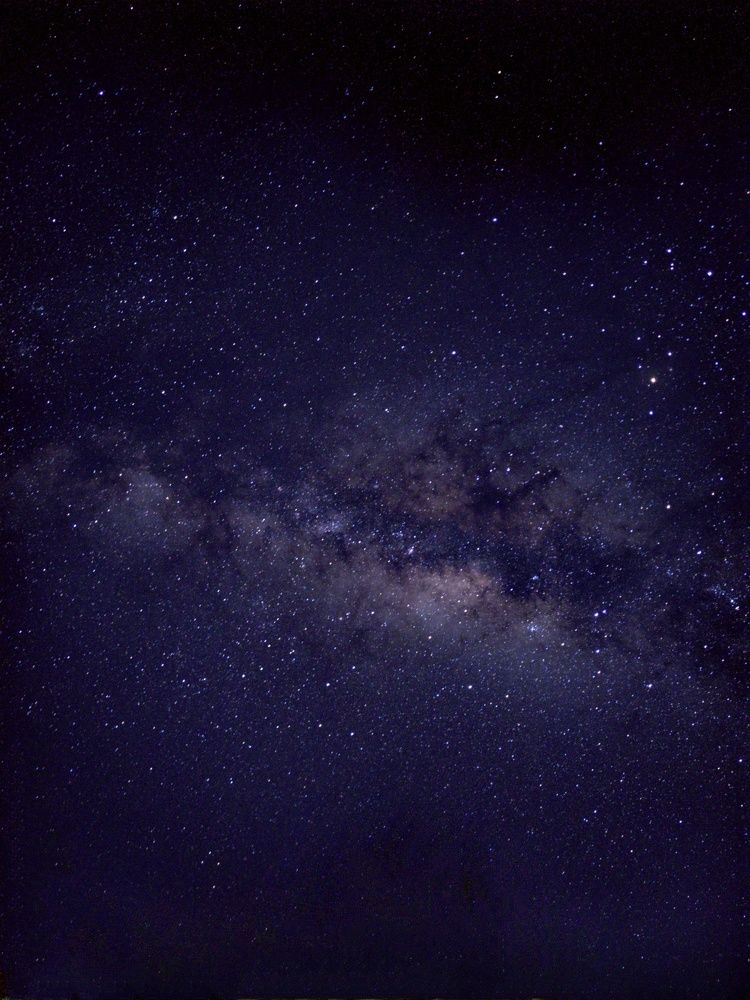
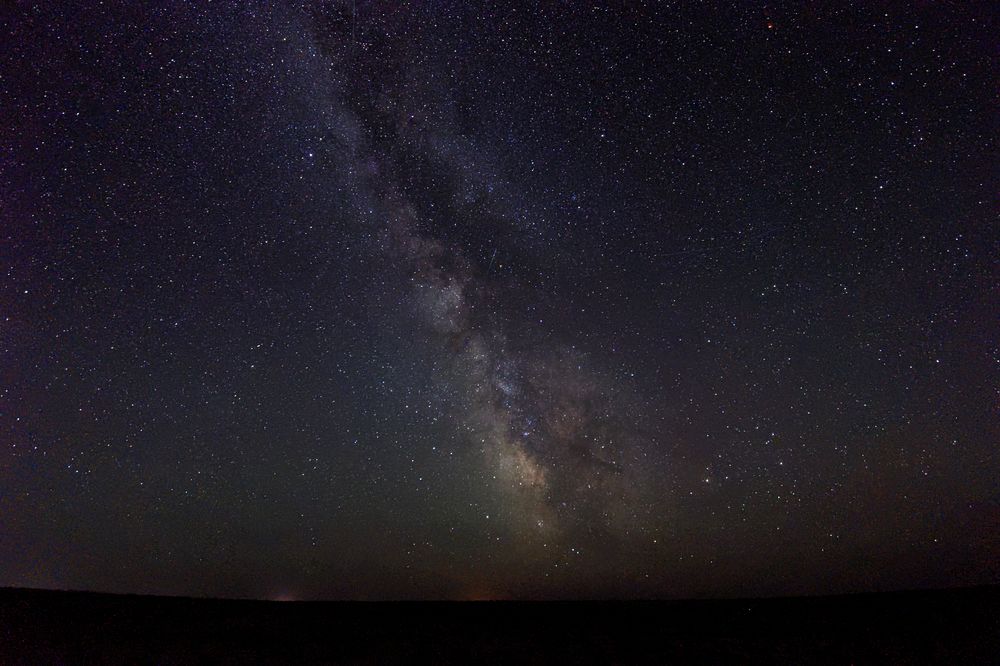
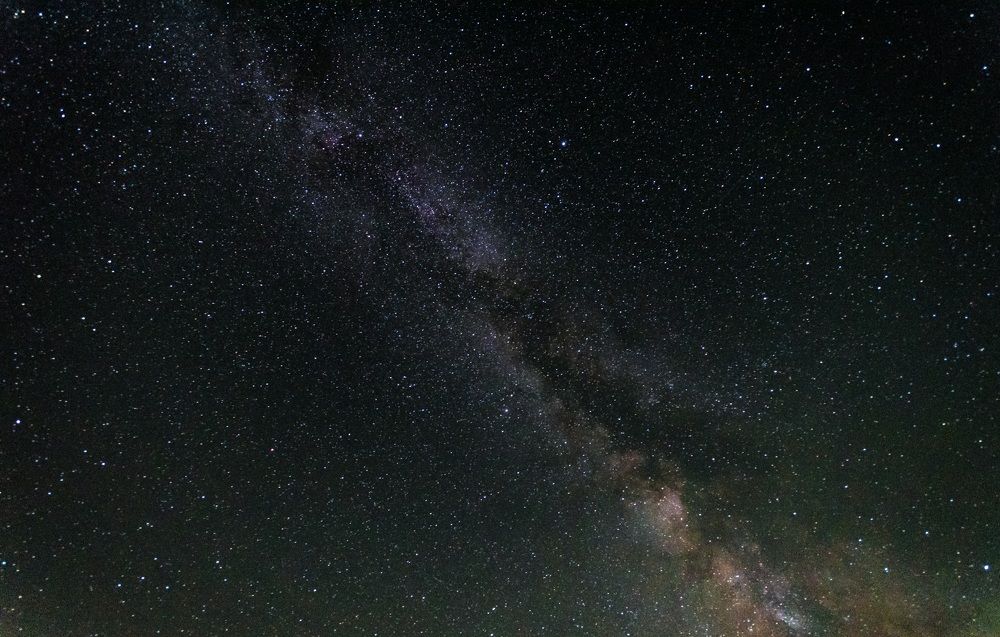
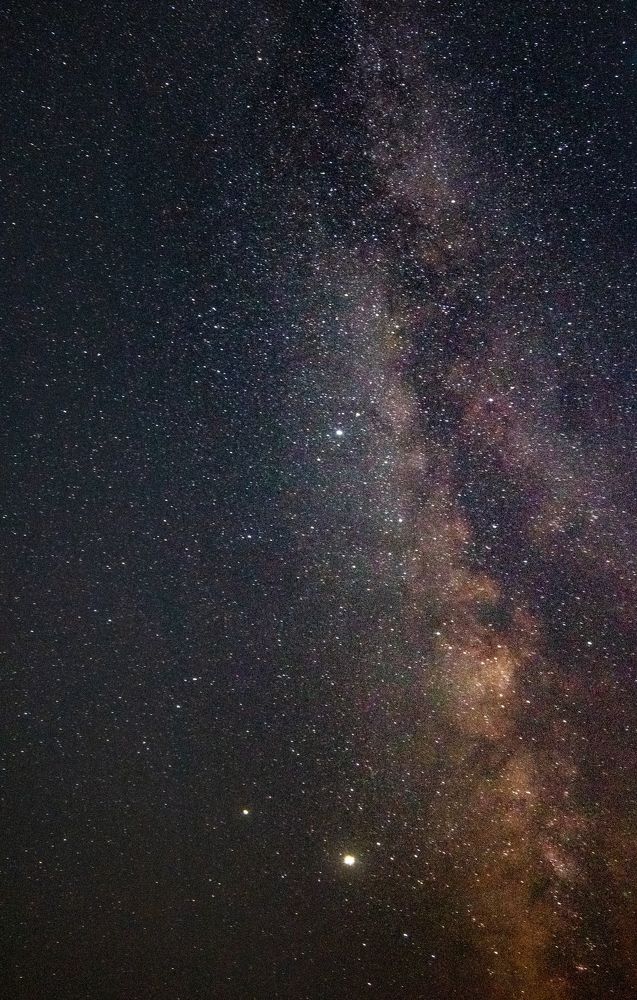
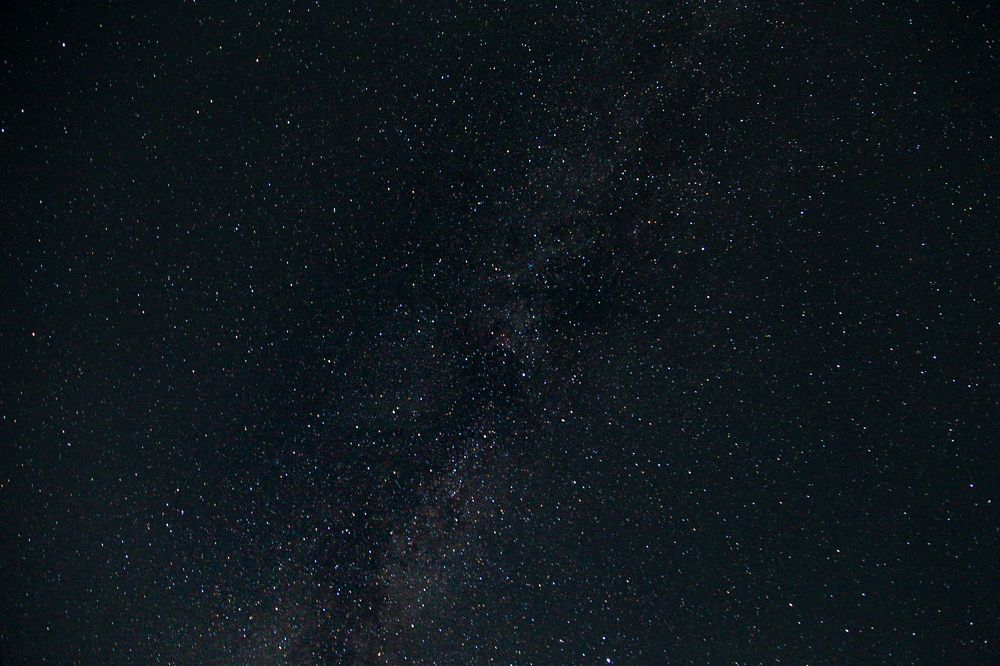
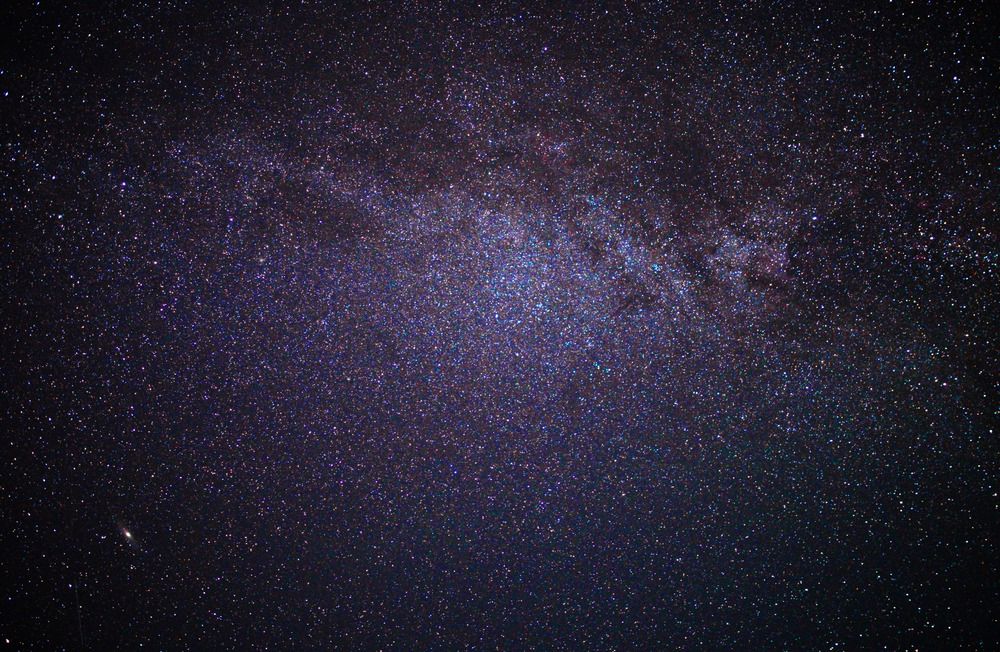
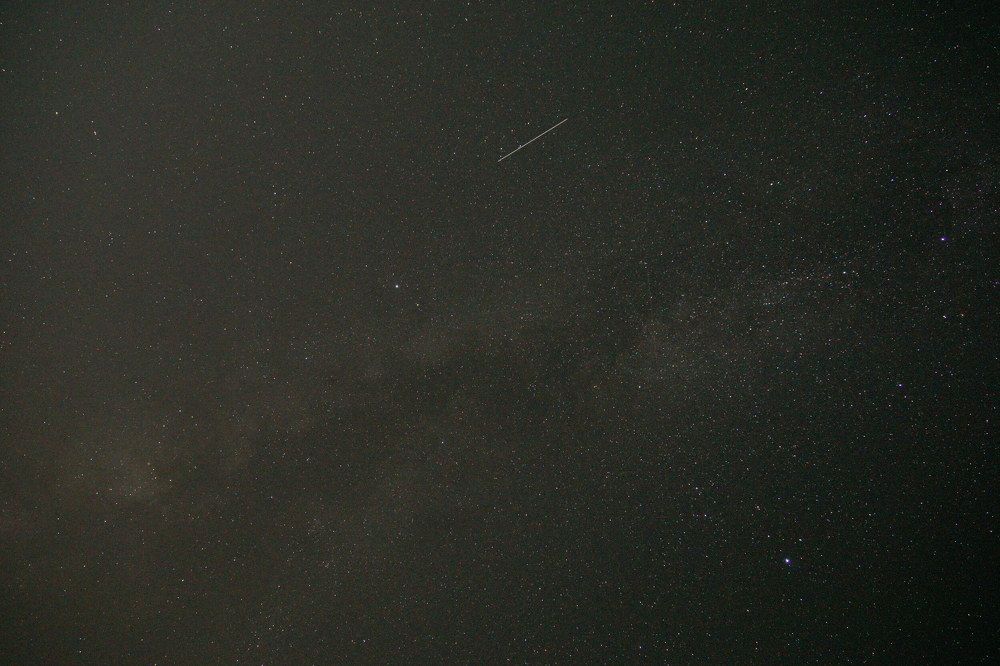
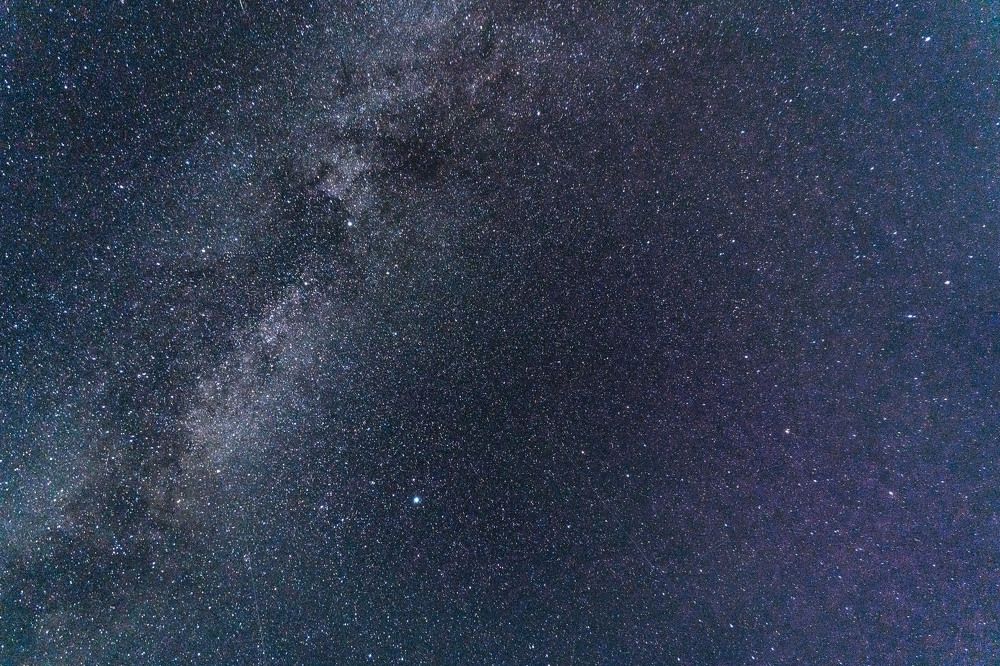
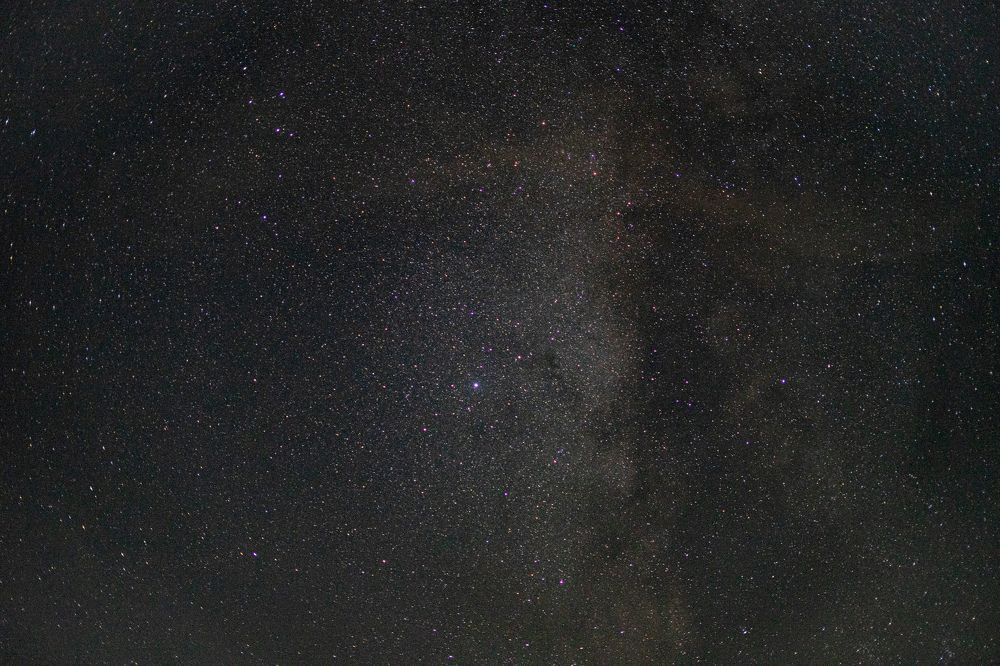
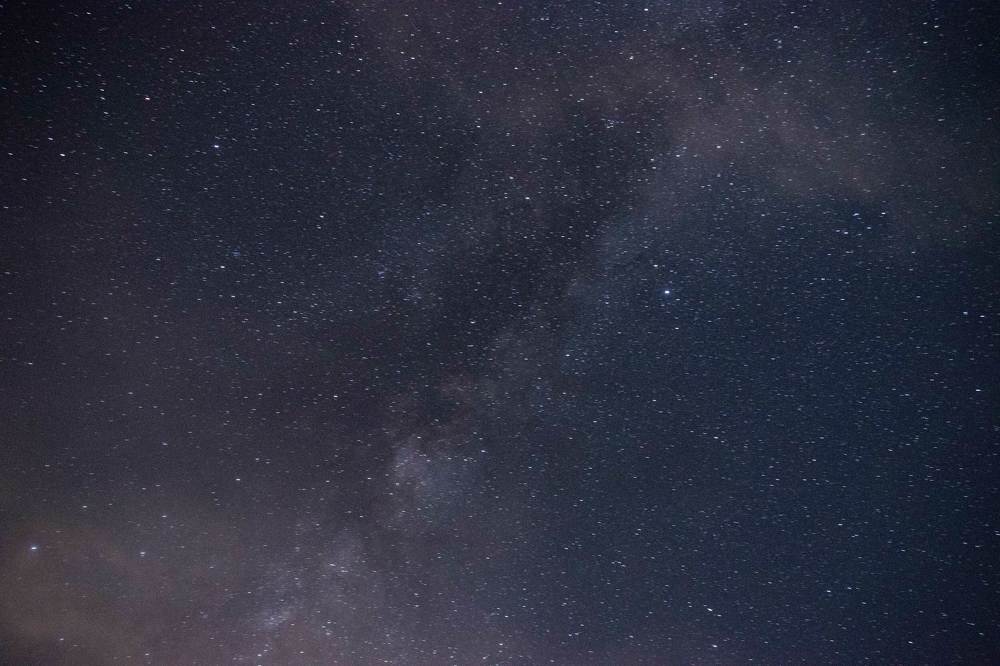
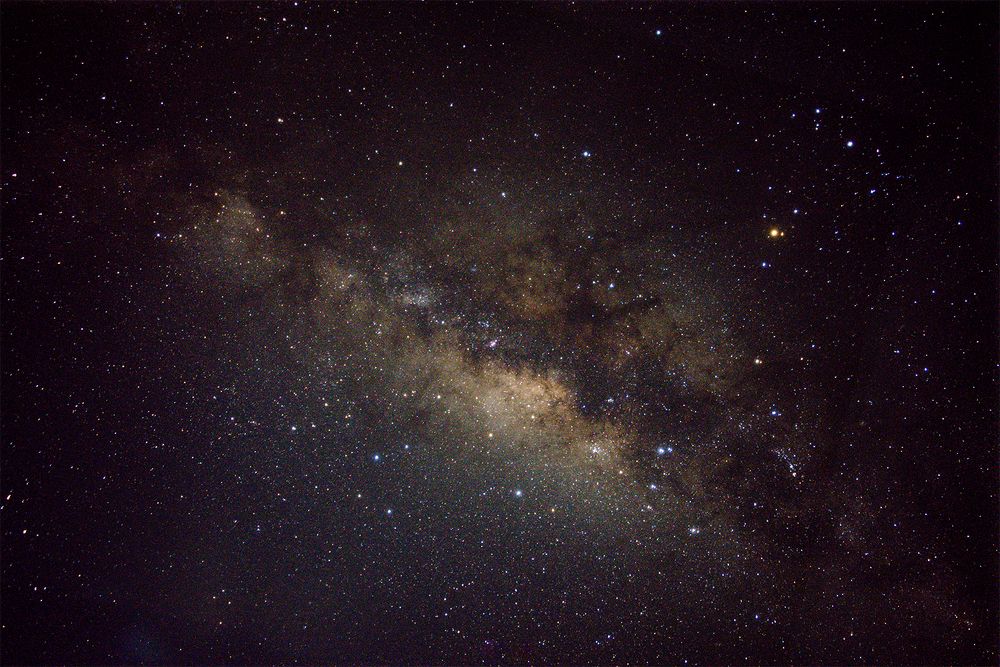
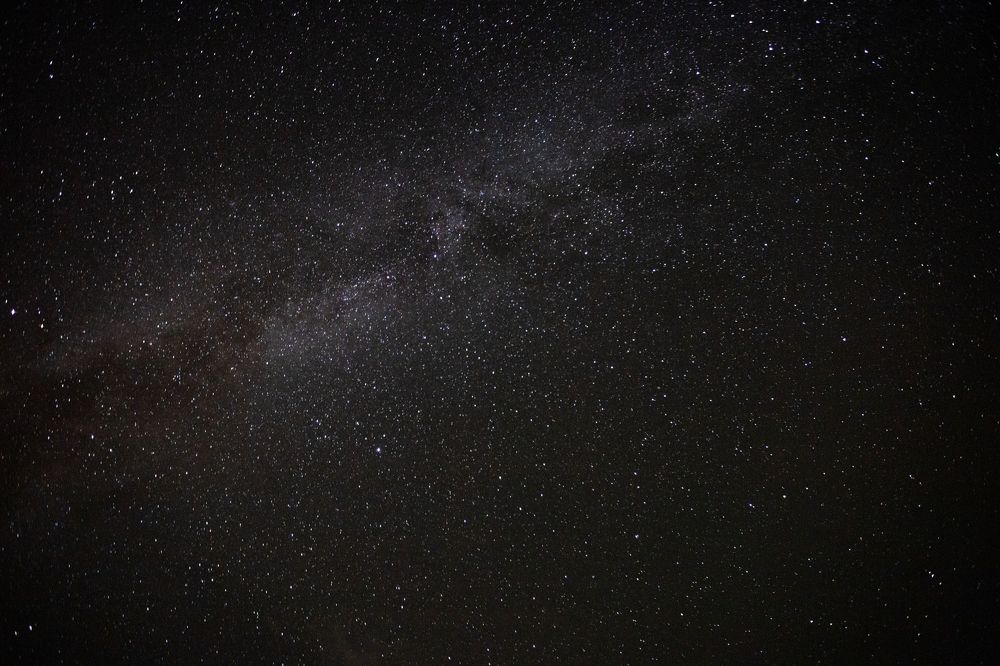
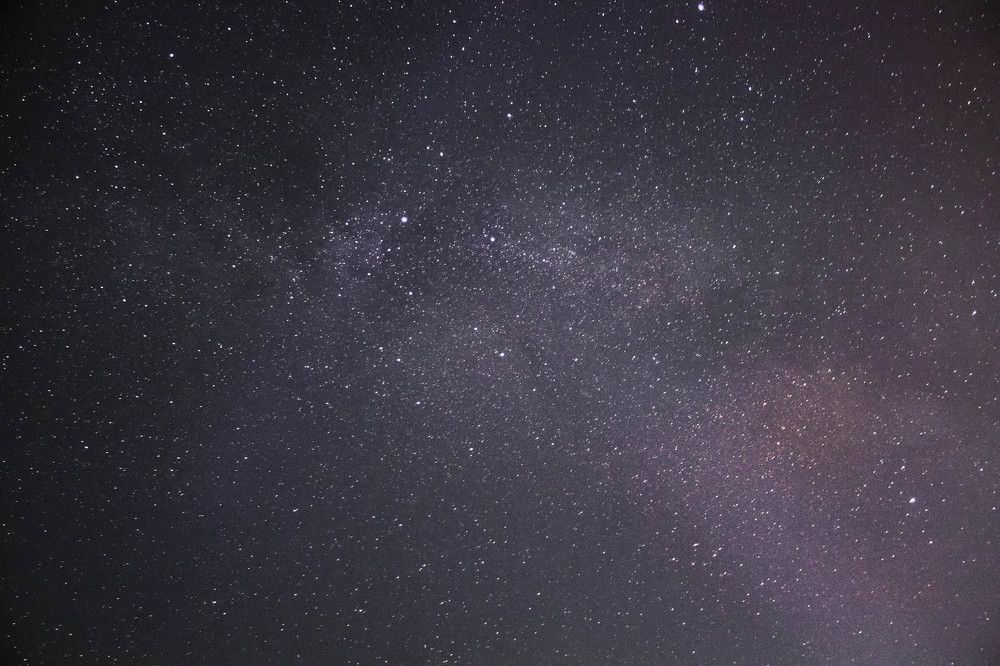
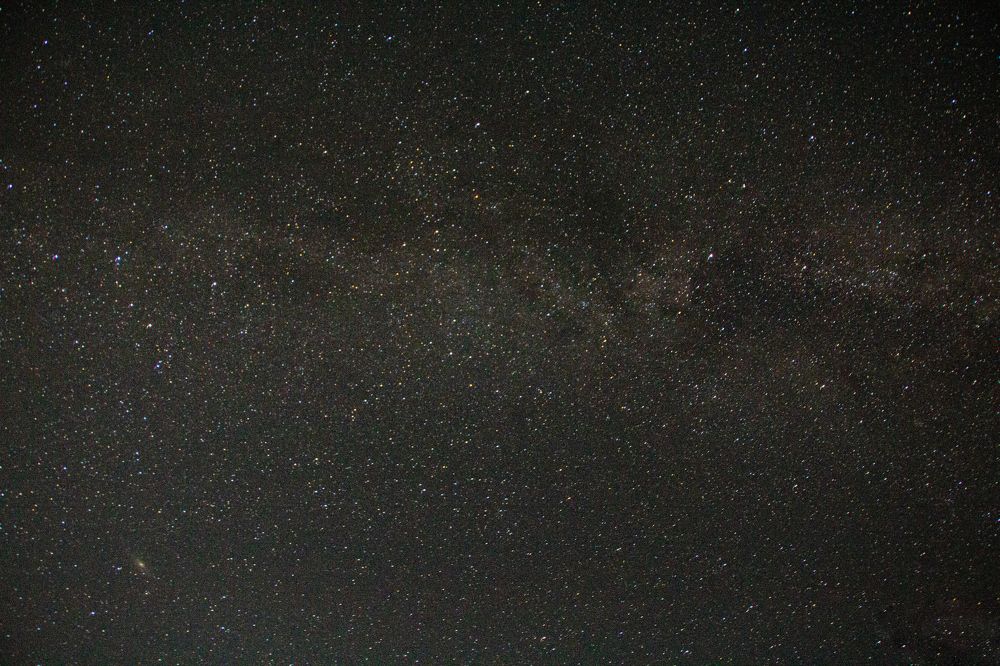
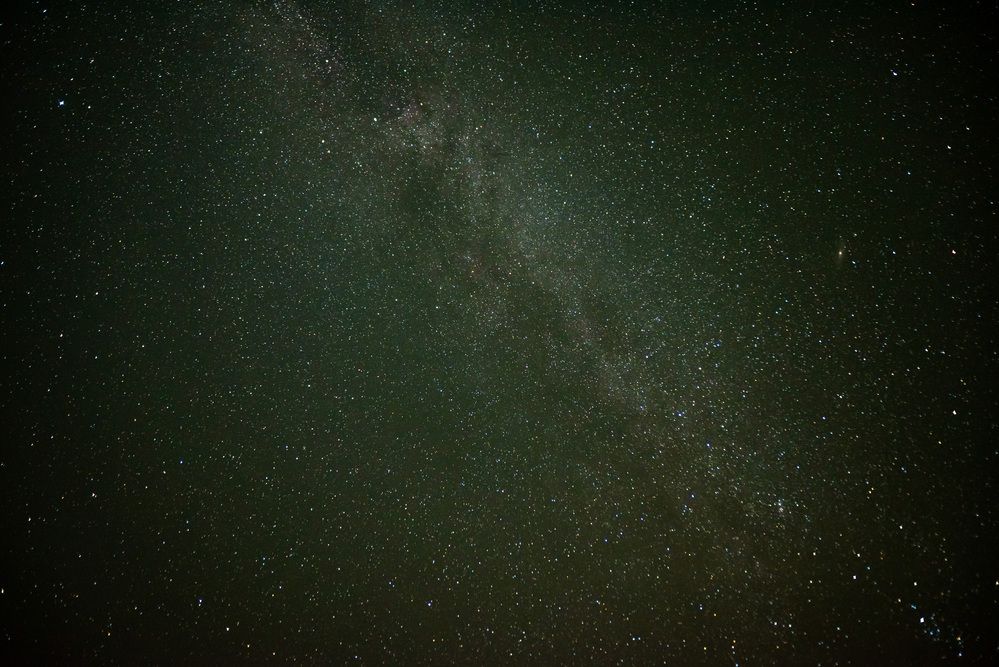
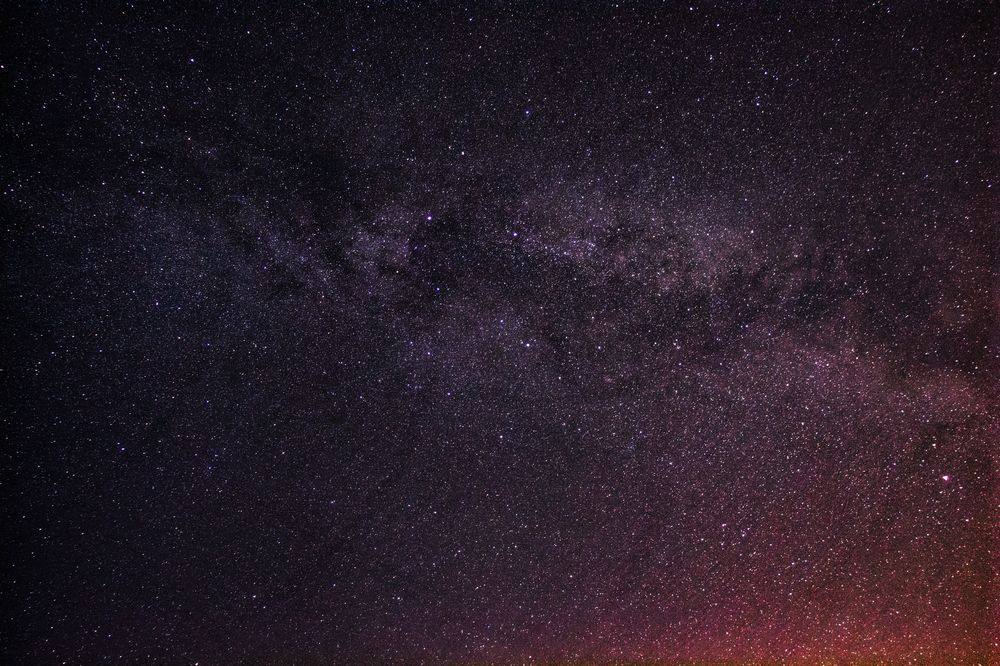
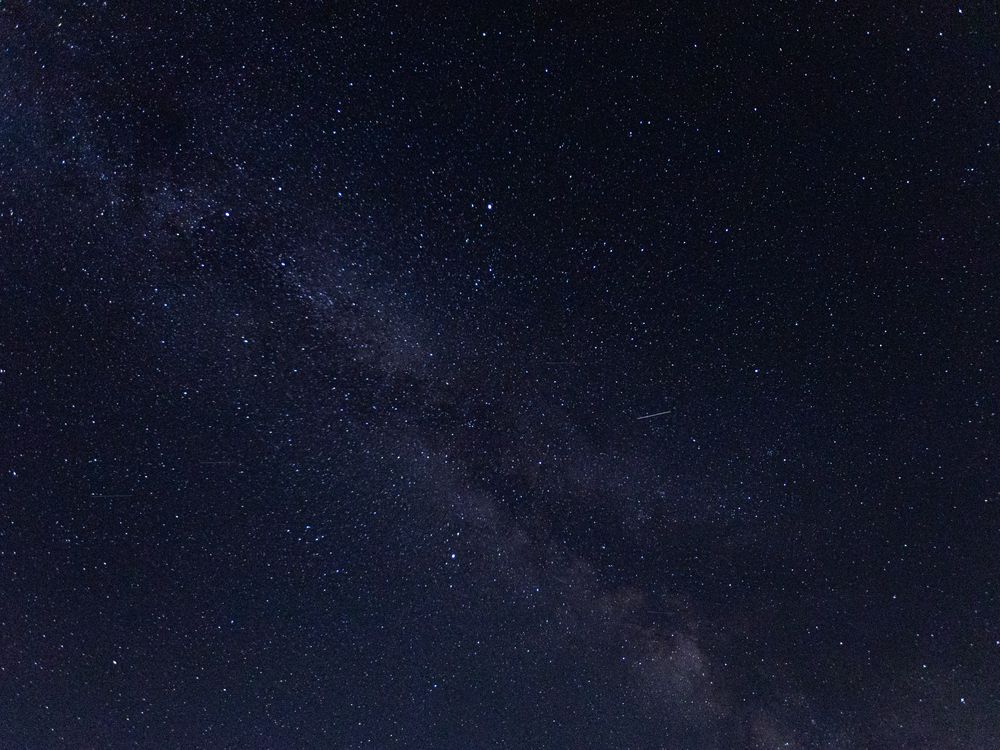
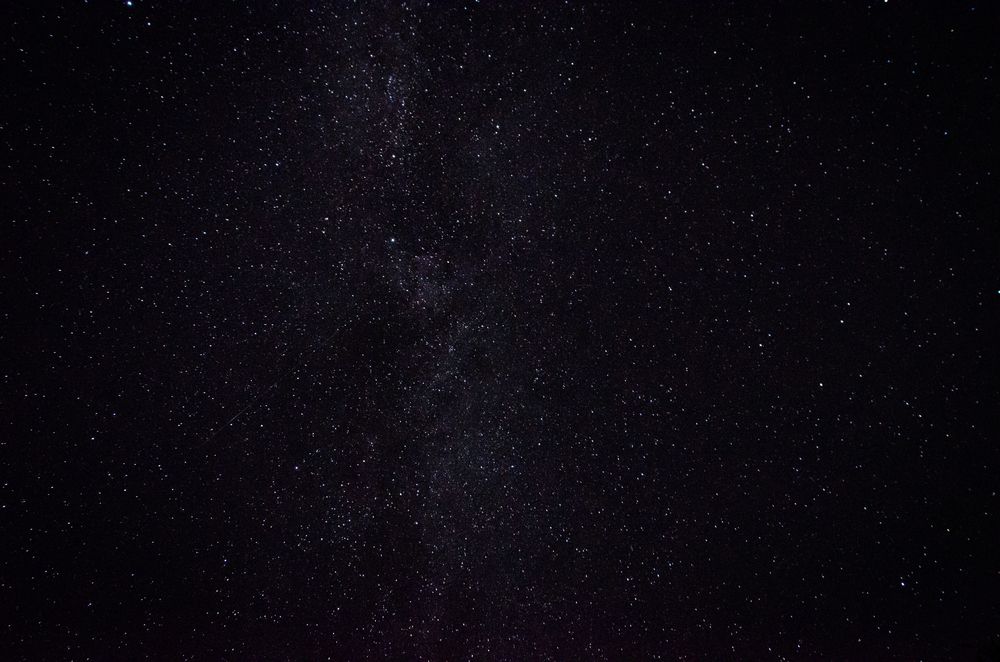
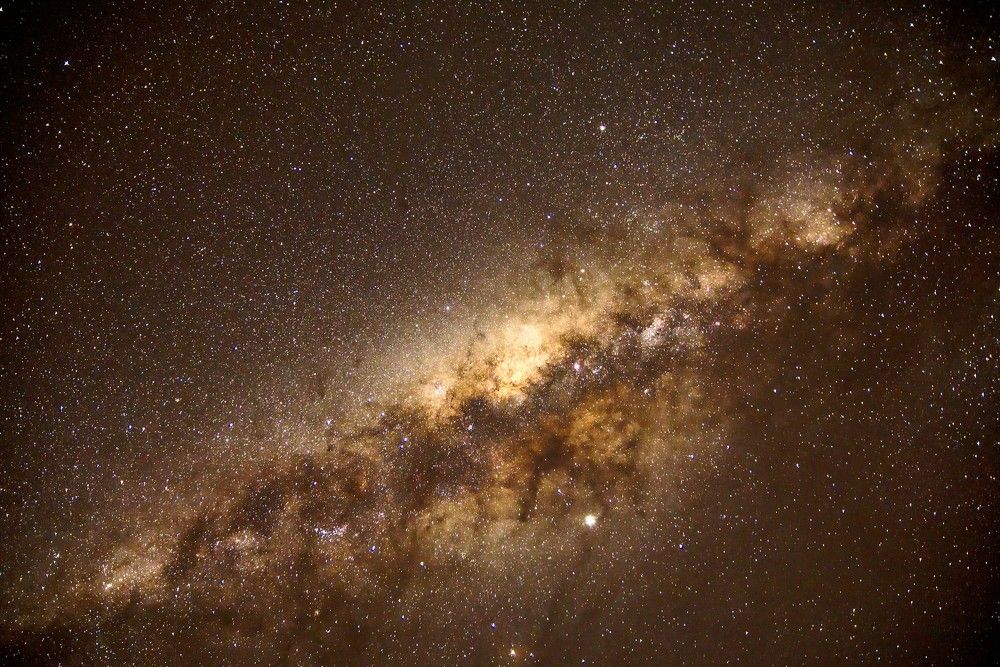
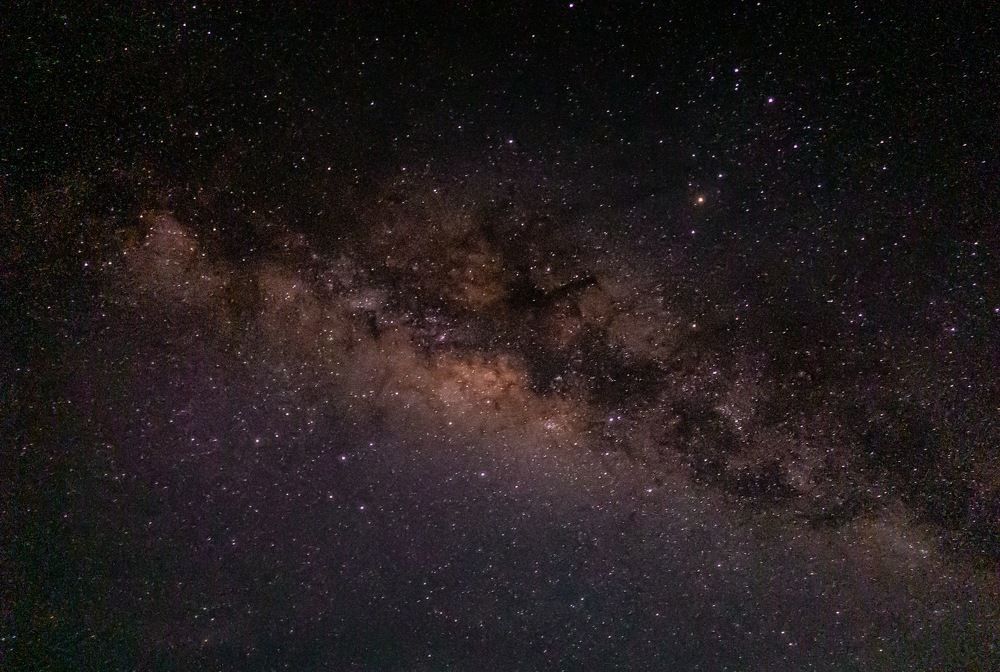
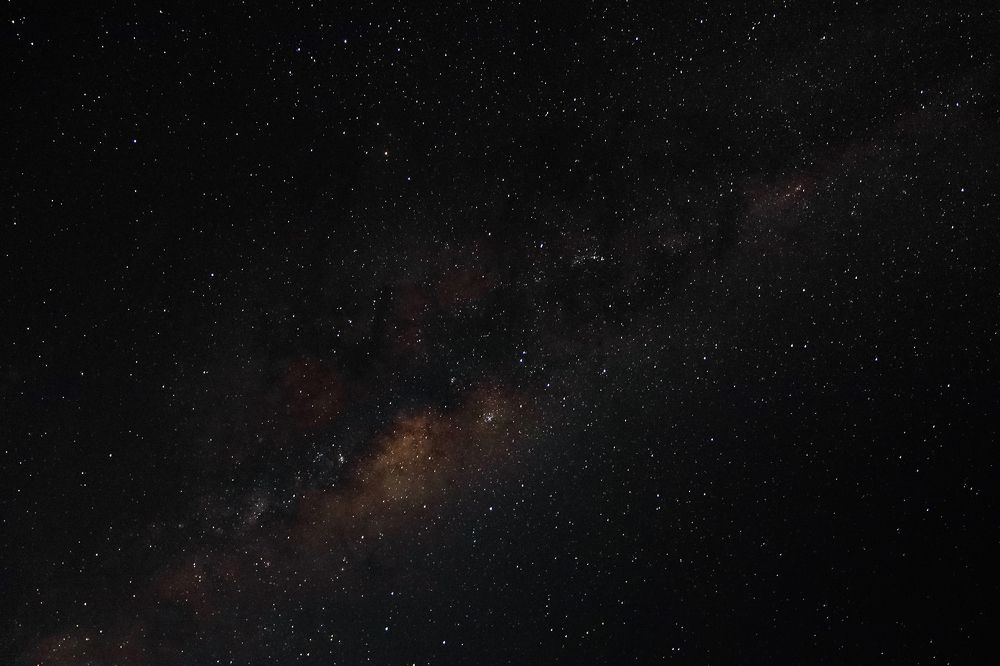
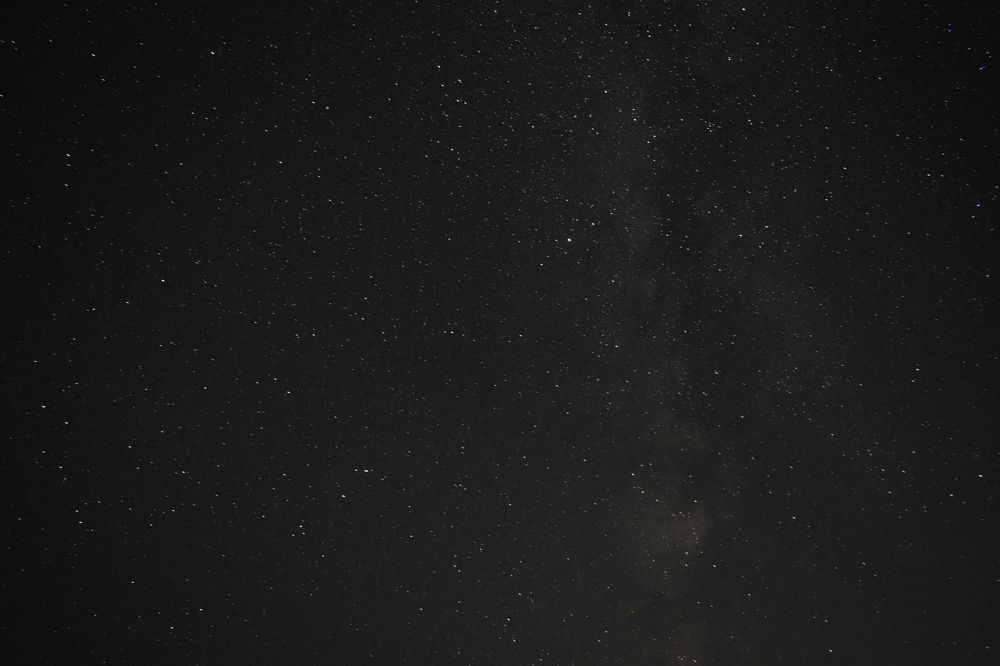
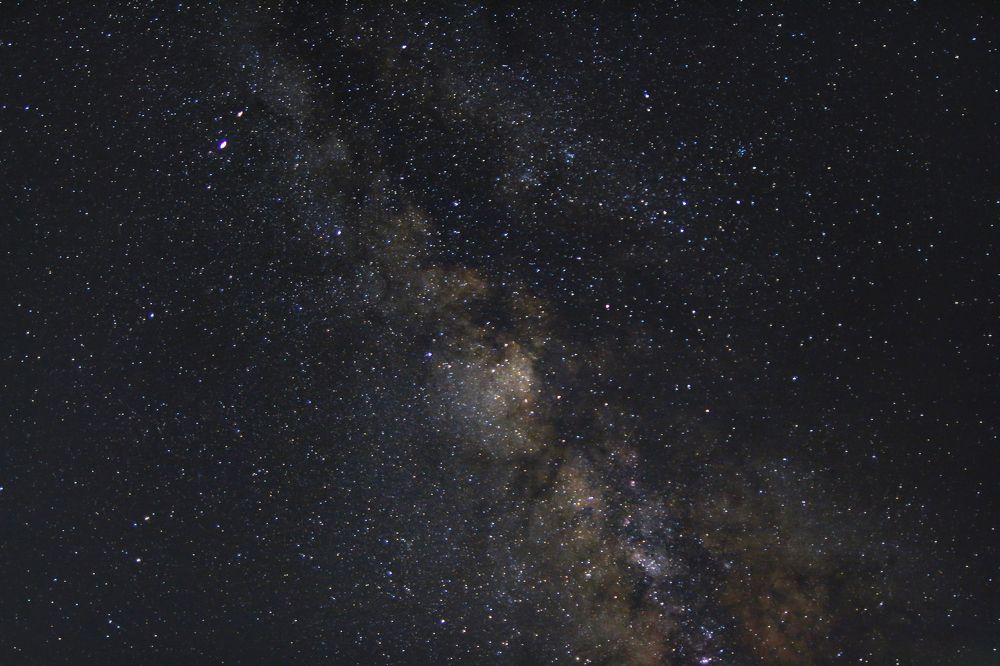
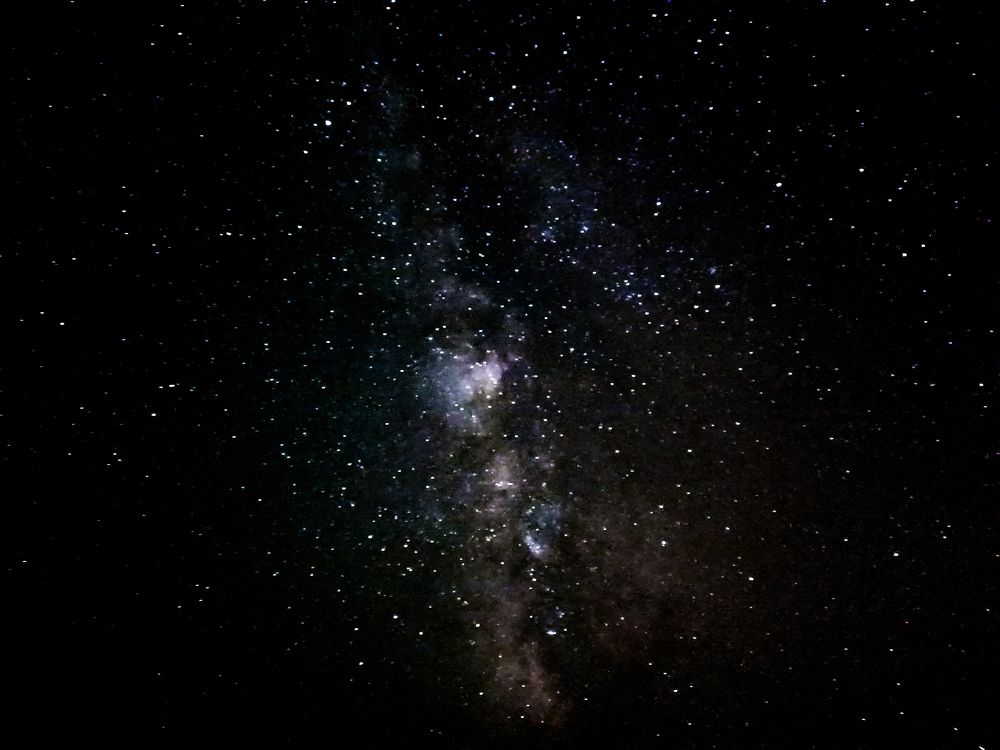
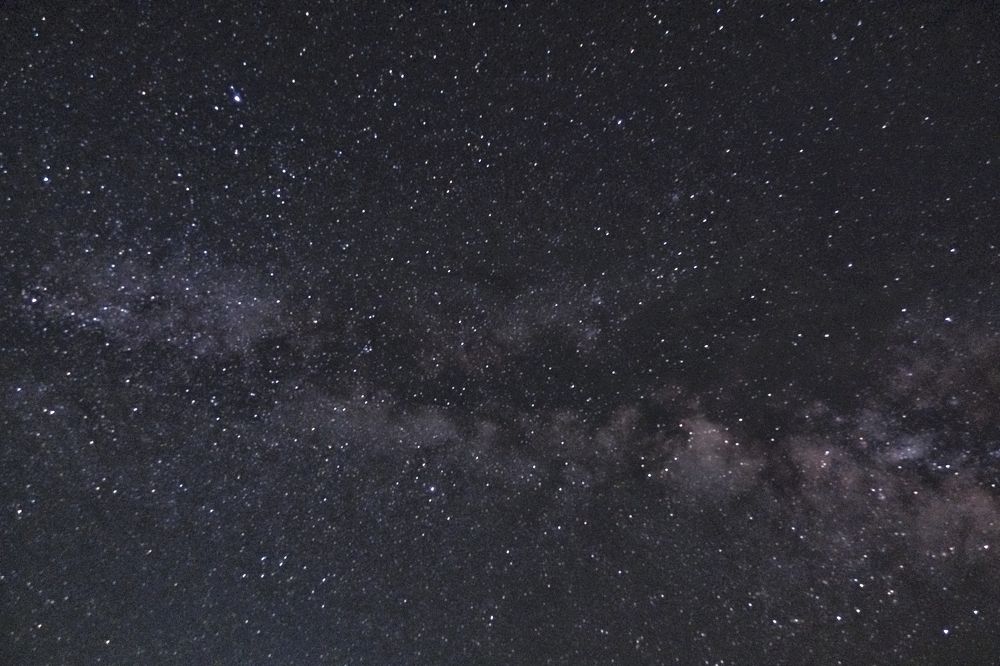
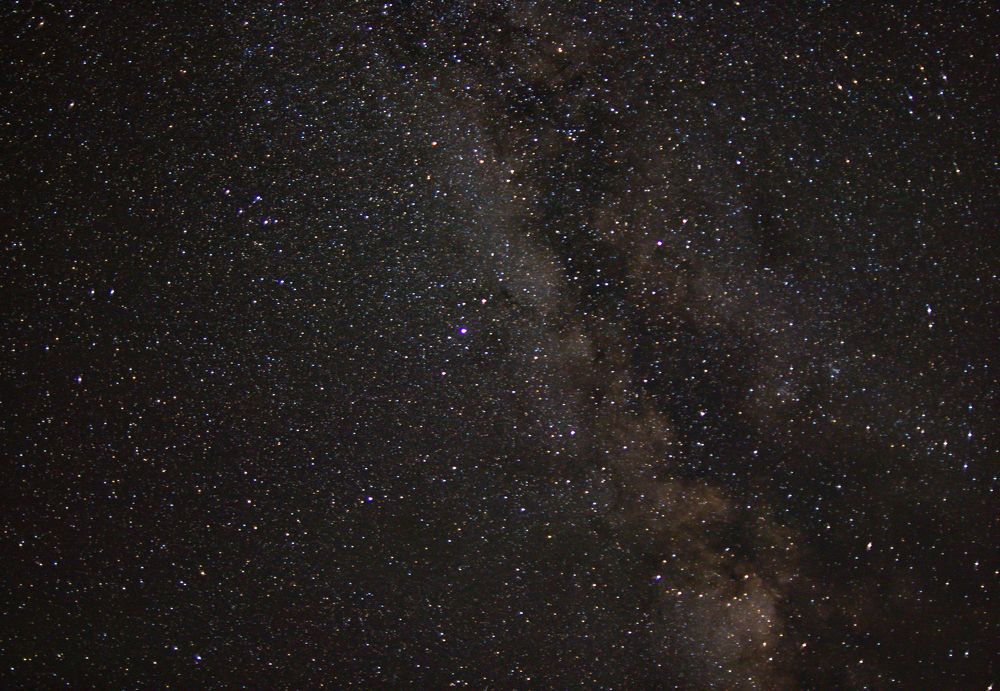
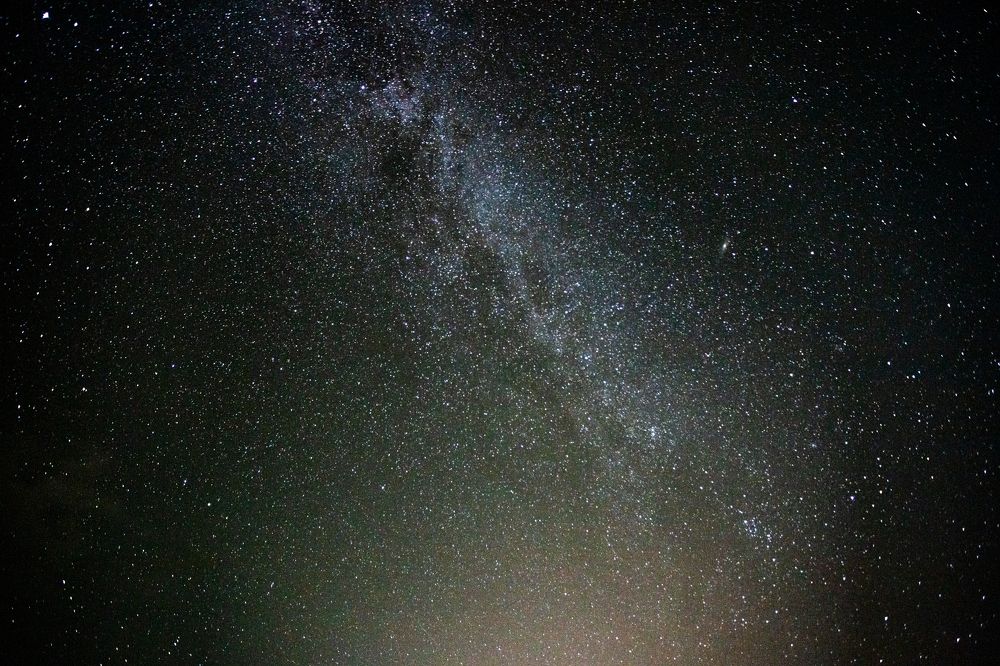
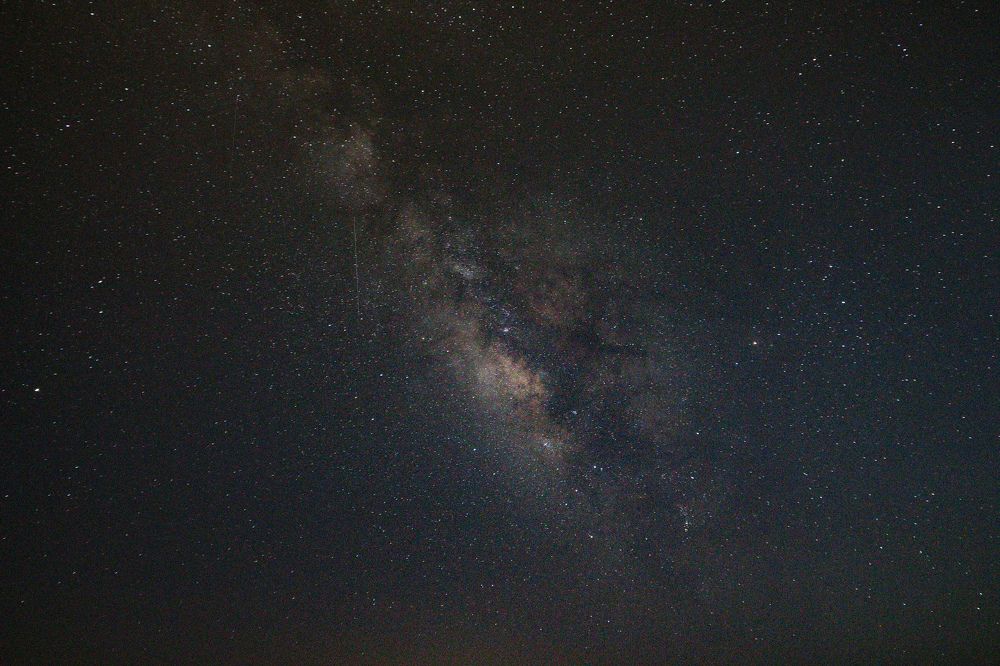
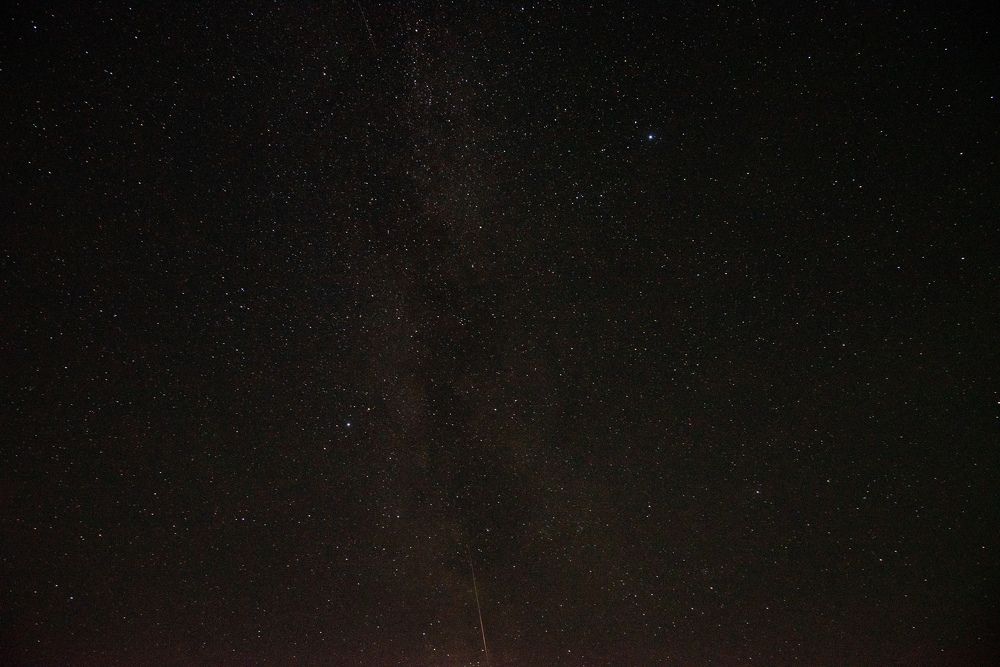
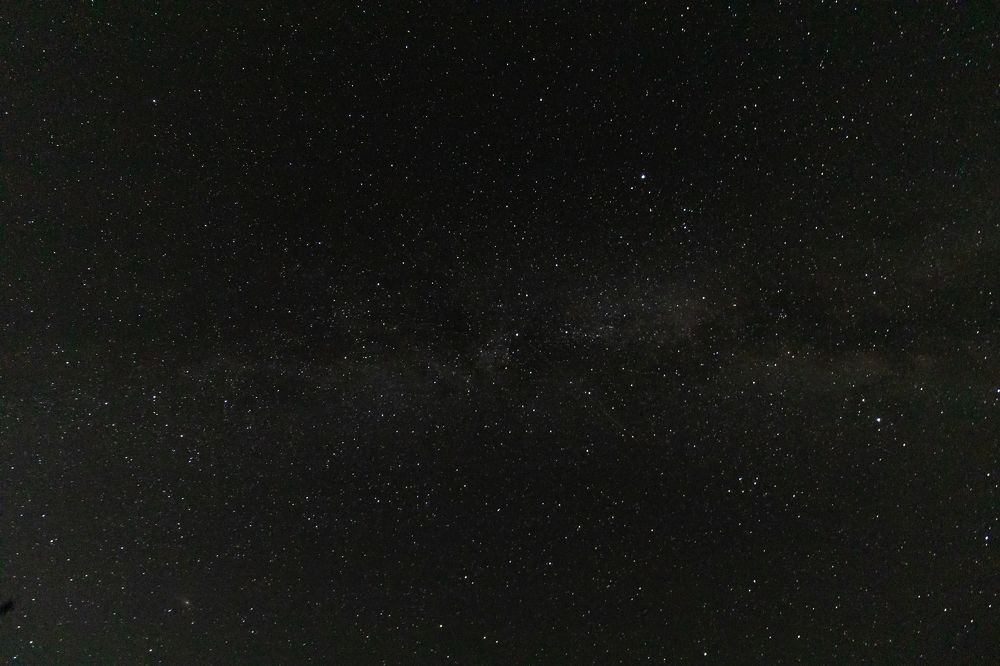
The images depict the Milky Way galaxy as it appears from Earth's surface at night. Photographers are drawn to this subject for its immense scale and the high contrast between the dense star fields and dark dust lanes. The shots vary in composition, capturing different angles of the galactic core or specific asterisms like the Summer Triangle. Locations include Crimea, Kazakhstan, Greece, and Russia. All images share the visual motif of the galaxy's band stretching across a star-filled sky.
How to shoot it
📍 Where to shoot
Outdoor shooting away from city light pollution. Locations mentioned include Crimea, Greece, Kazakhstan (Almaty), and the municipality of Willa.
🕐 Time of day
Most shot between 0:00 and 3:00 (40% of frames)
Based on 45 frames with camera data. Camera clock time; the time zone is unknown.
Shooting usually occurs at night: 21:00 to 01:00, corresponding to the period of maximum darkness and galactic center activity.
🗓️ Season
Most shot in: August, July, September
Based on 45 frames with camera data
The best months for shooting are July, August, and September. During this time, the Milky Way core is high above the horizon in the northern hemisphere.
🌙 Moon
Shoot during new moon or when lunar illumination is minimal, so light does not obscure details of dust clouds and star clusters.
🎒 Gear
Use a wide-angle lens (7–24 mm) with a maximum aperture of f/1.8–f/2.8 to capture a wide field of view and sufficient light sensitivity.
Cameras and lenses the authors used (10)
Sony ILCE-7 3Canon EOS 5D Mark III 2Nikon D750 2Nikon D7000 2Sony ILCE-7M4 2FE 50mm F1.8 3Canon EF 17-40mm f/4L USM 2AF-S DX VR Zoom-Nikkor 18-105mm f/3.5-5.6G ED 2Sigma 17-50mm F2.8 EX DC OS HSM 2Canon EF-S 18-55mm f/3.5-5.6 III 1
🧳 What to bring
Warm clothing and shoes, flashlight with red filter, spare batteries, rain cover for equipment, insect repellent.
⚙️ Settings
Shutter 20 s (5 s – 30 s)Aperture f/2.8 (f/1.8 – f/4.5)ISO 2500 (1000 – 6400)Focal length 18 mm (7 – 50)
Based on 38 frames with camera data. Median and 10-90% range across the idea frames.
Key parameters: shutter speed 10–30 s (median 20 s), aperture f/2.8, ISO 2500. Set focus manually to infinity.
⚠️ Good to know
Shooting takes place at night (21:00–01:00), requiring safety measures when moving through unlit areas. Avoid places with high risk of falling or contact with wild animals.
📈 How the idea developed
works uploadedshare of all site uploads, per 100k
The date is when the file was uploaded to the site. The chart counts works assigned to the idea.
✅ How to repeat it
- Use a tripod and timer to stabilize the frame during long exposures.
- Monitor the moon phase: shoot during new moon for maximum sky contrast.
✨ Interesting facts
- 🏆 How the best frame was shot: Nikon D810, 16.0-28.0mm f/2.8, 20 s, f/2.8, ISO 1000, 16 mm
- 🌃 83% of authors used ISO 1600 and above: you will need a fast lens and a low-noise camera
- 📐 78% of frames are landscape orientation
- 🥇 17 works reached the finals. Best contest: Astrophotography 2025
- 👤 Most frequent authors: Viktor Demyanenko 3Дмитрий Тютюнник 2Илья Ушак 2Юлия 2
- 🌍 Authors by country: 🇷🇺 RU 35🇺🇦 UA 5🇮🇳 IN 4🇰🇿 KZ 2🇮🇱 IL 2
Some tips are prepared by AI from the idea description, photos and their EXIF. Check the rules and access to places before you travel.
Works
These lists are generated automatically and may contain inaccuracies. Photos are shown in random order, and selections are refreshed twice a day. This section is made for exploring photos and does not claim 100% accuracy. The lists include photos that previously participated in contests that are already completed.