Whitewater Kayaking Action
51 worksFirst upload: May 2017Peak: 2026Last 12 months: 22
📝 Description
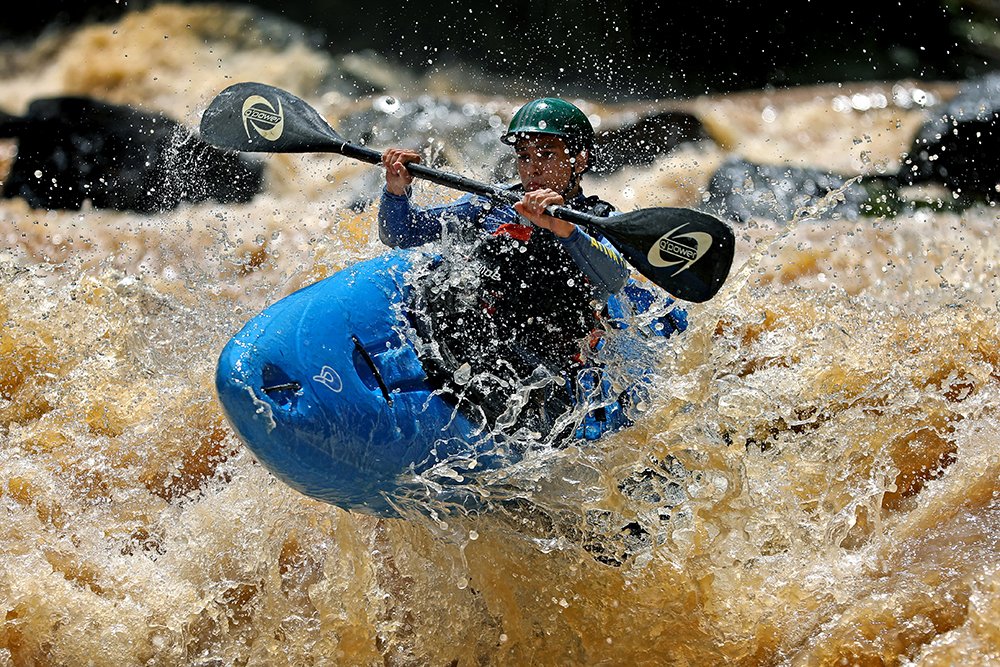
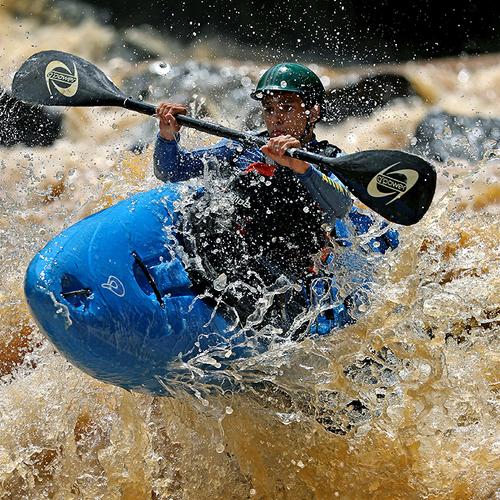
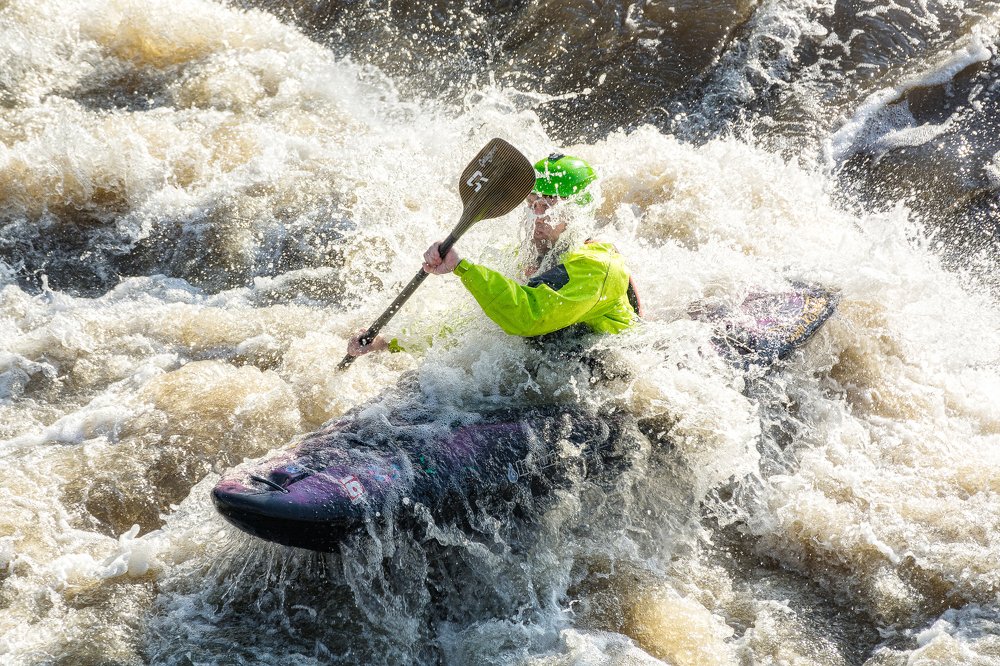
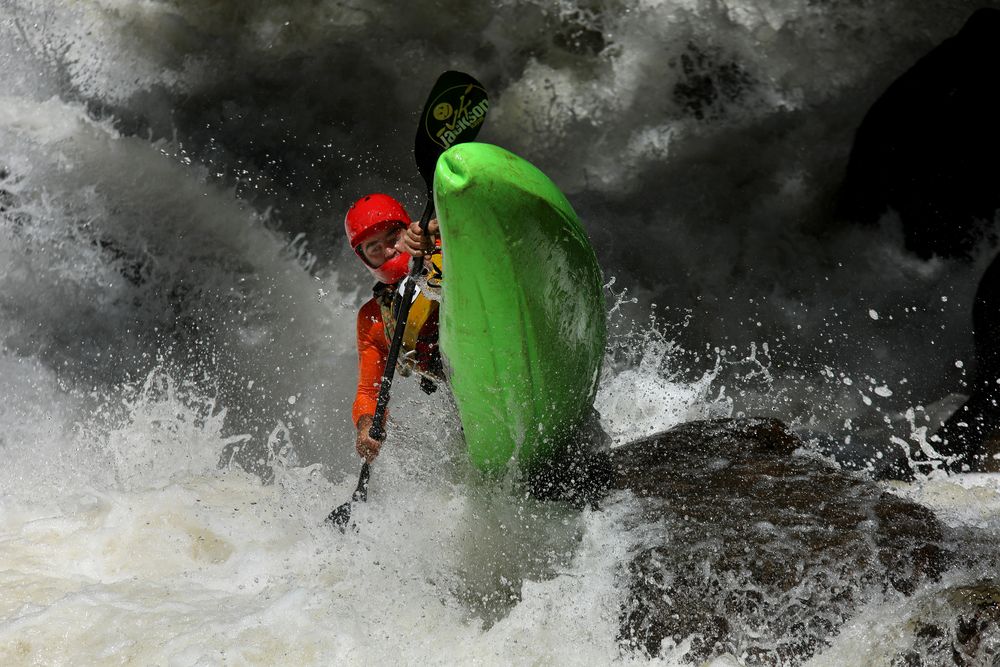
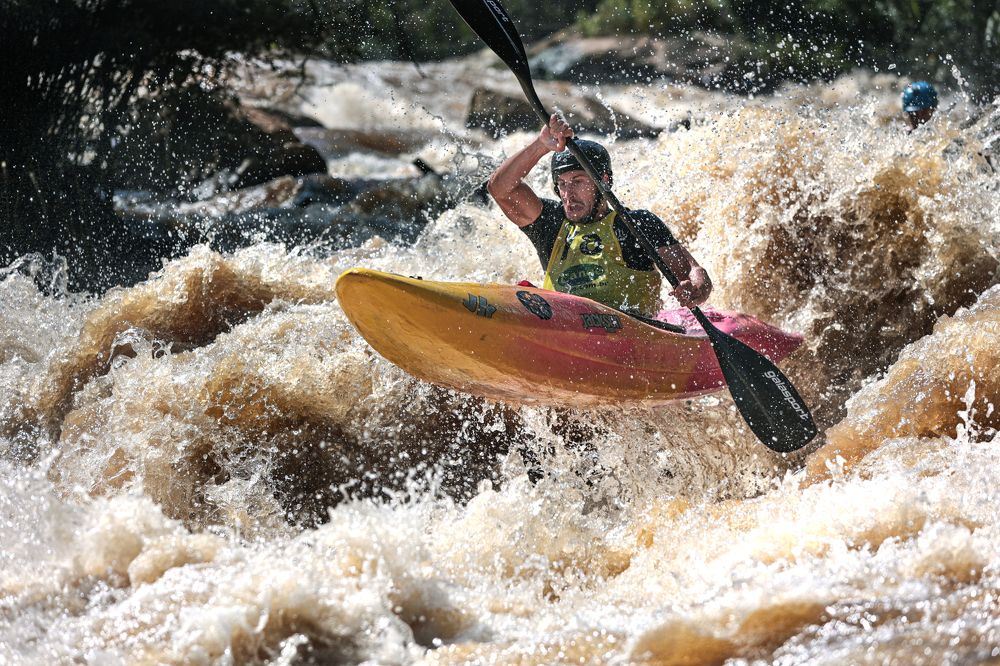
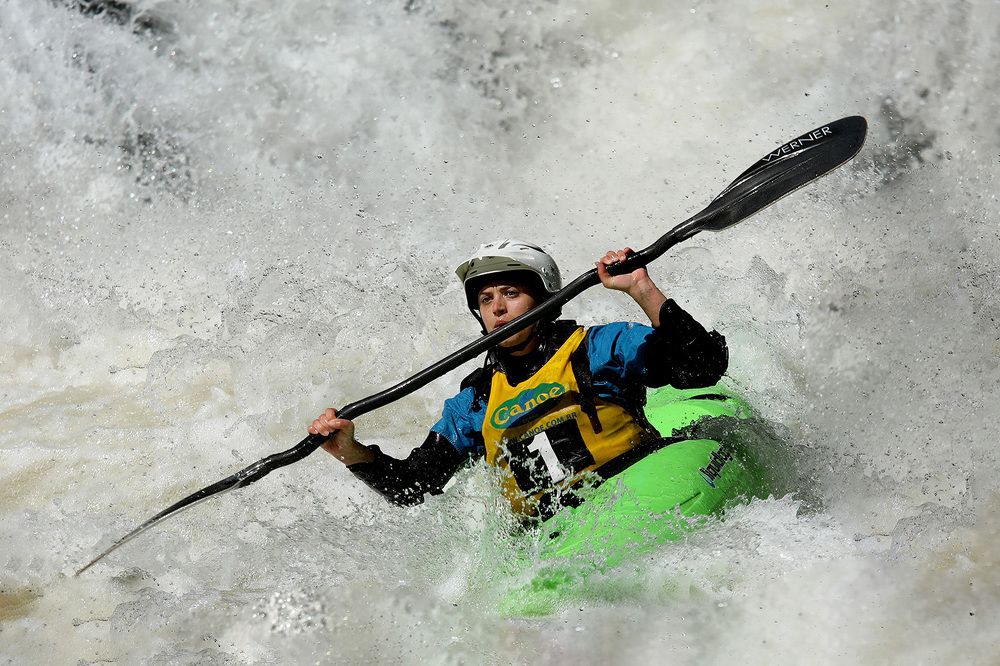
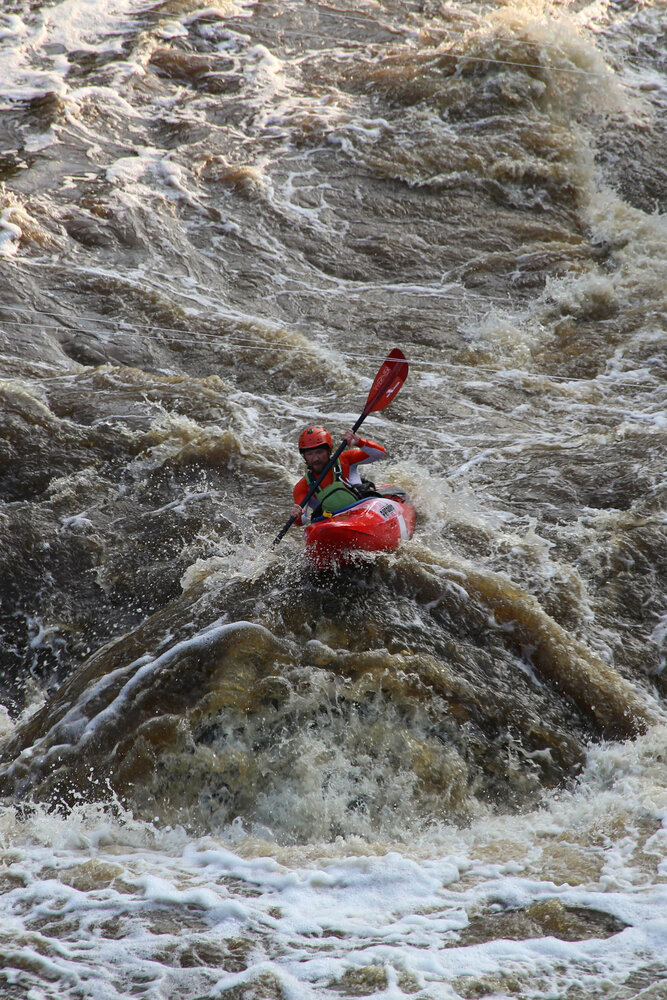
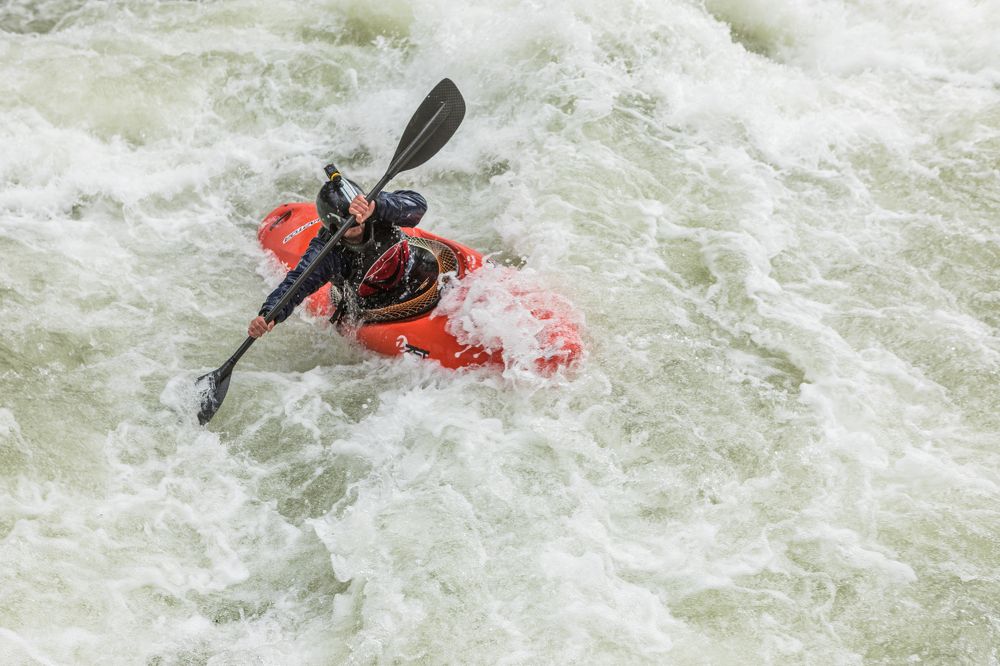
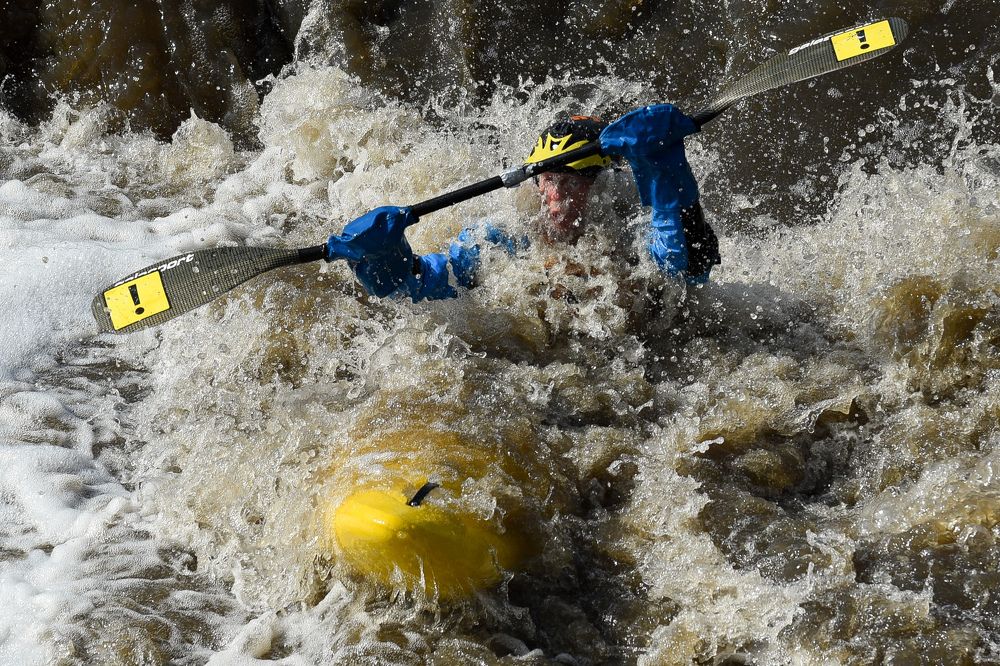
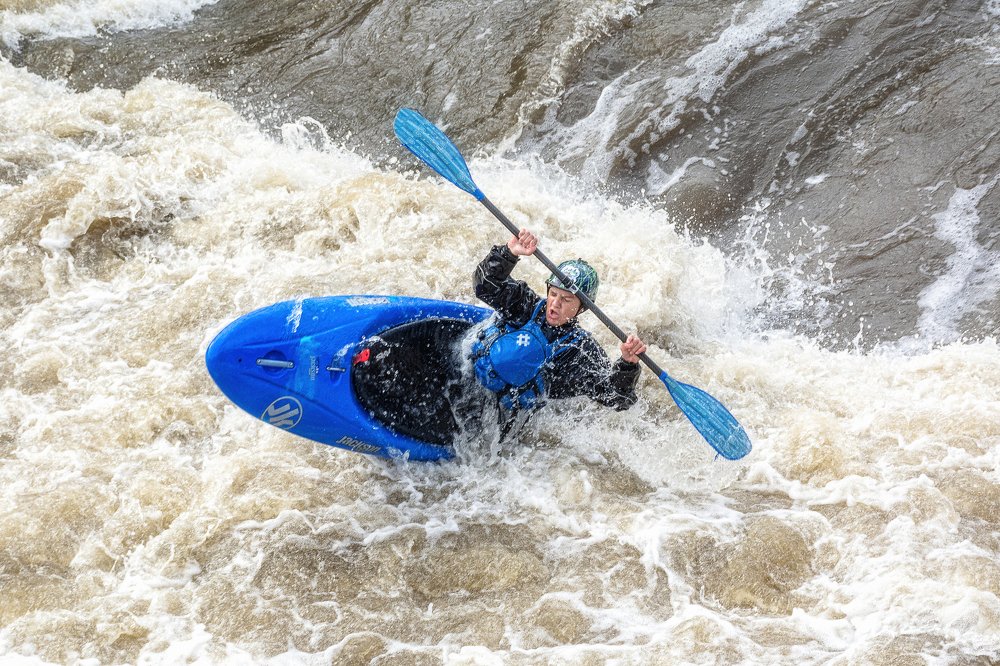
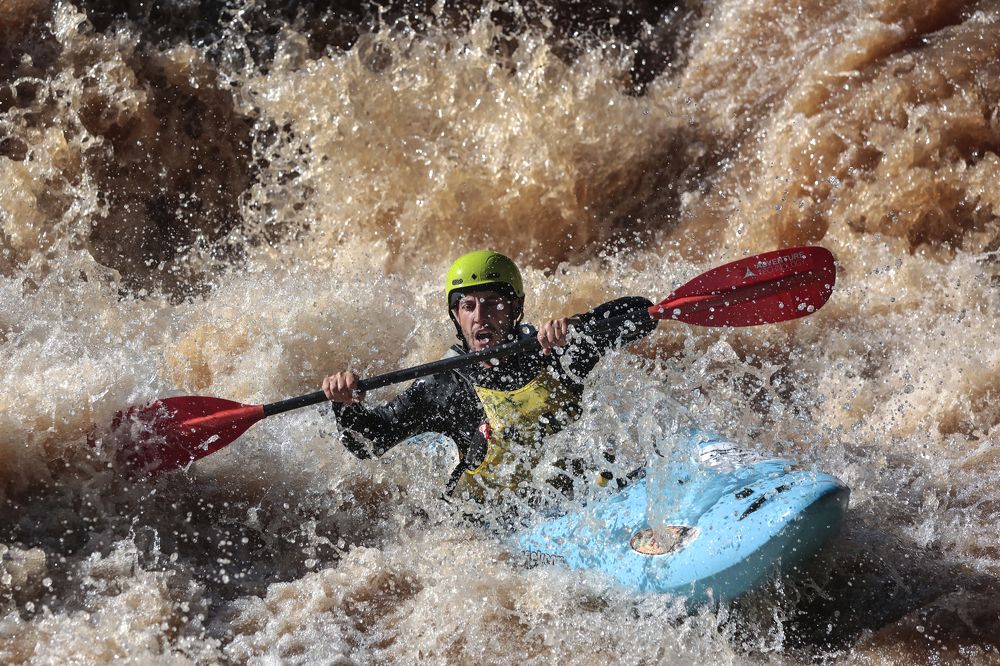
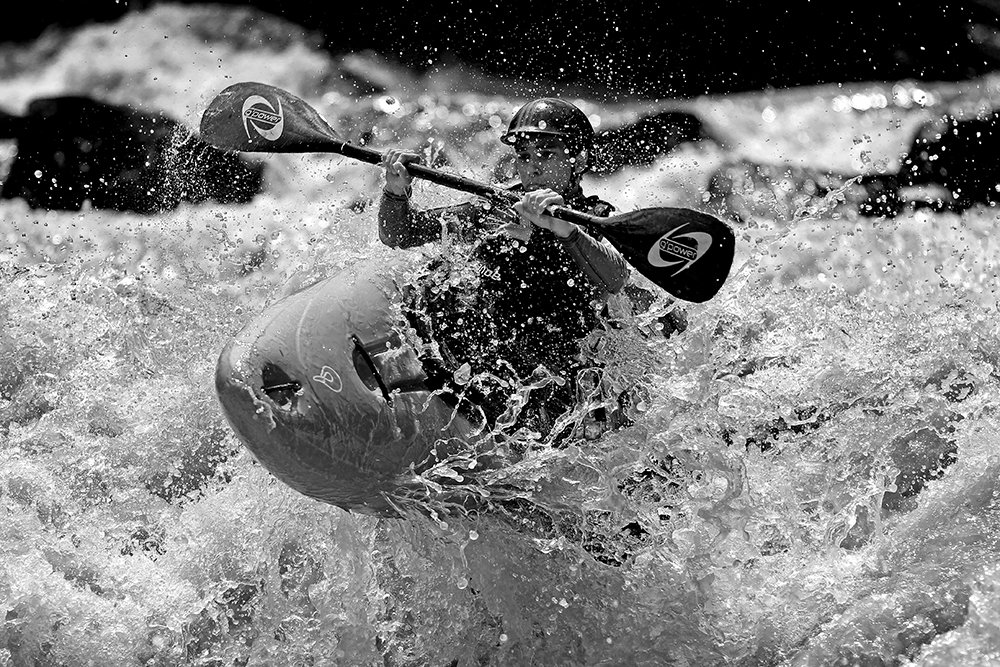
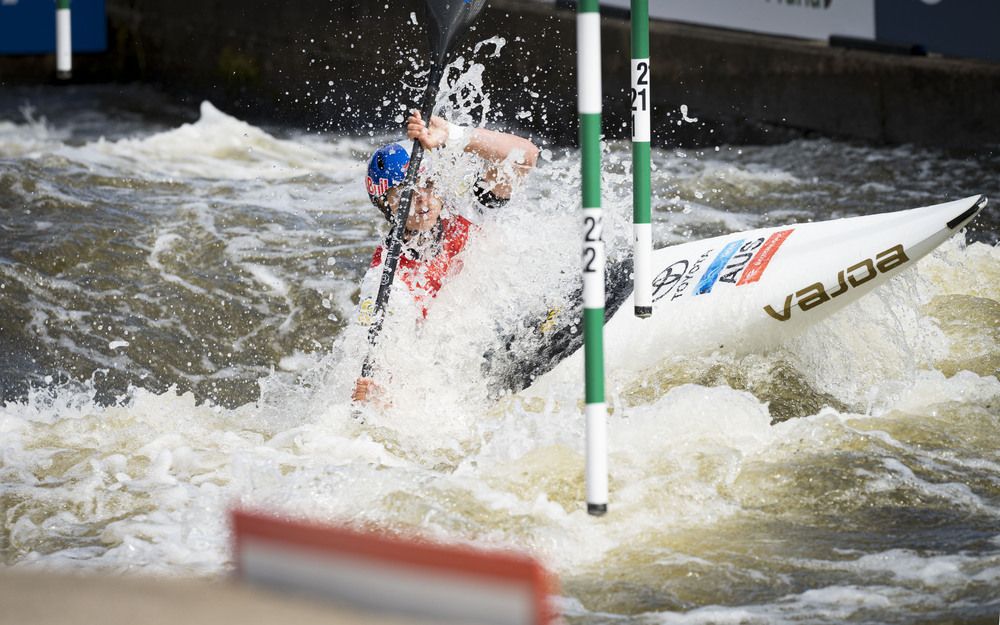
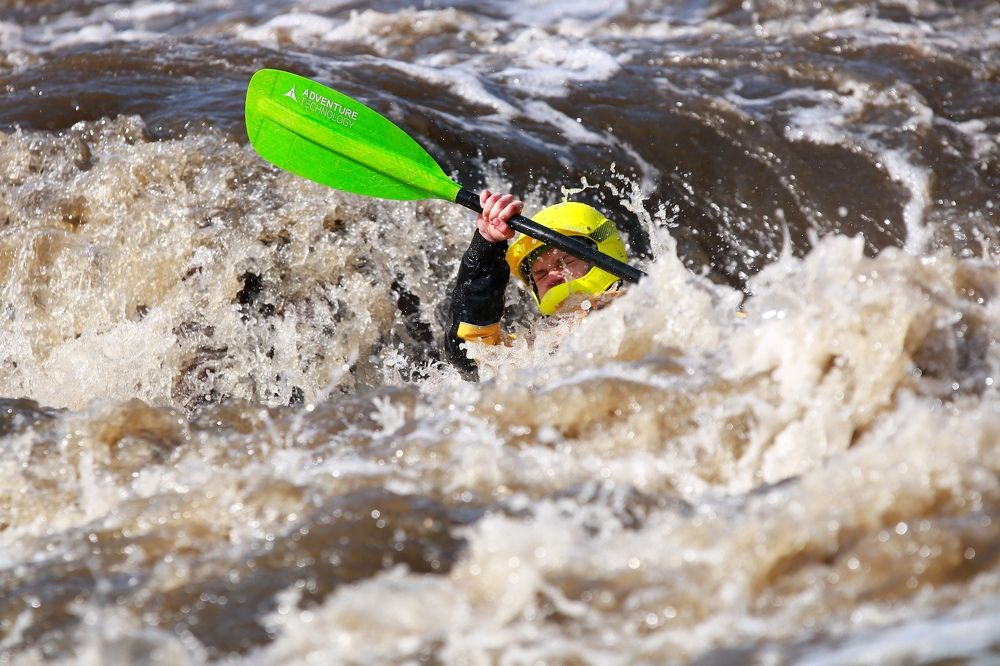
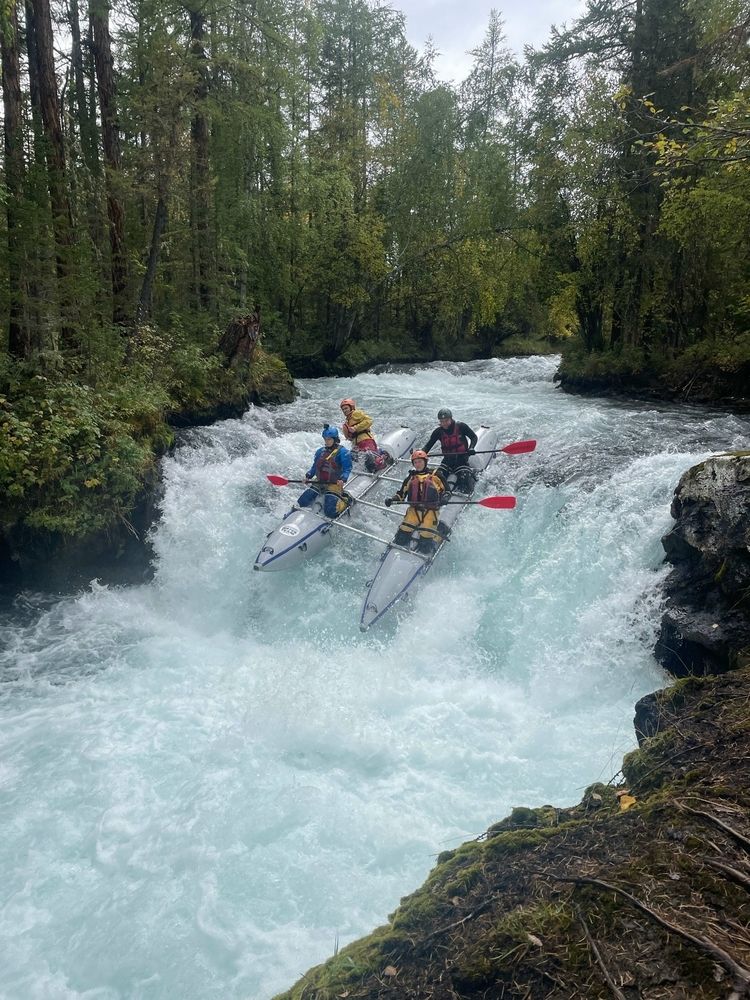
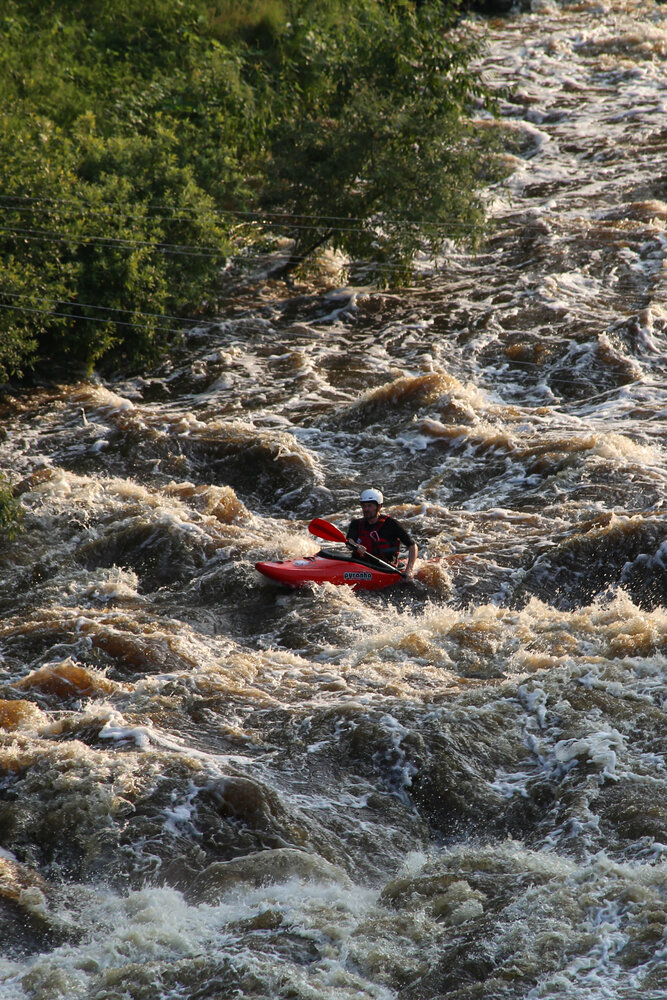
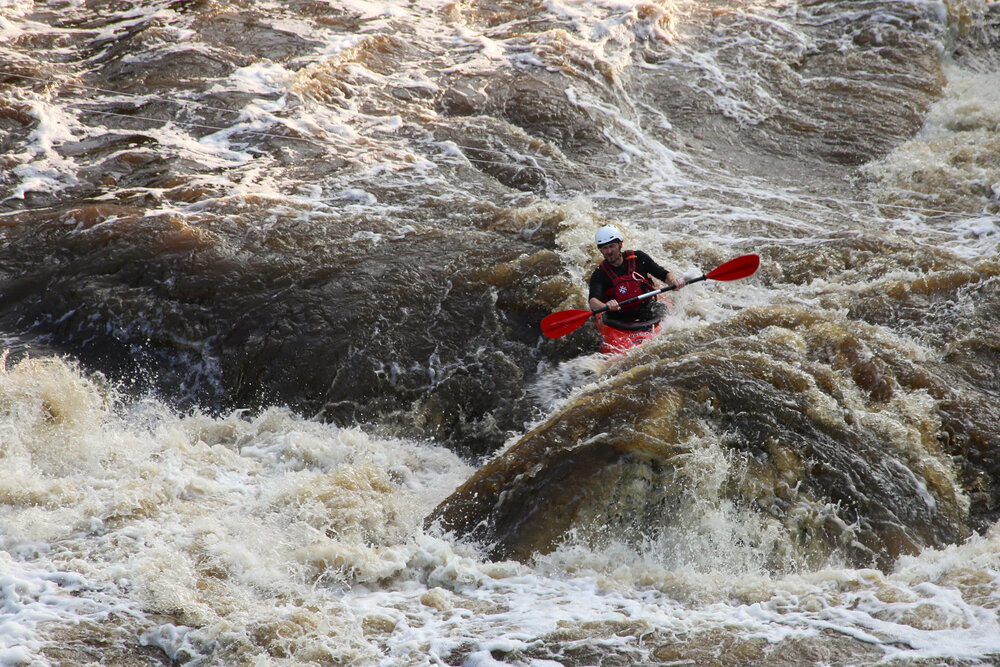
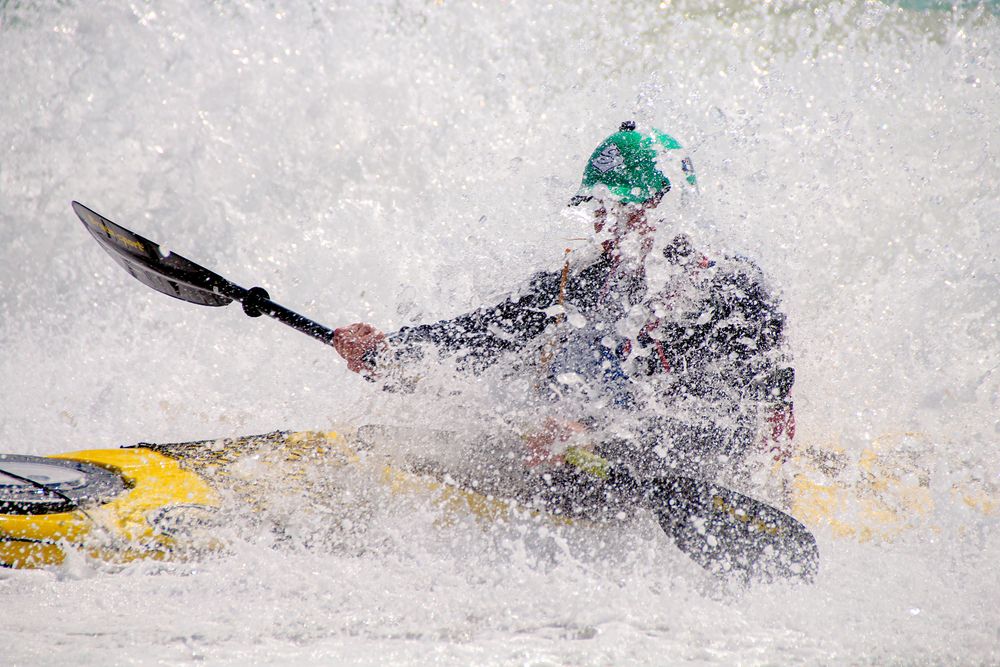
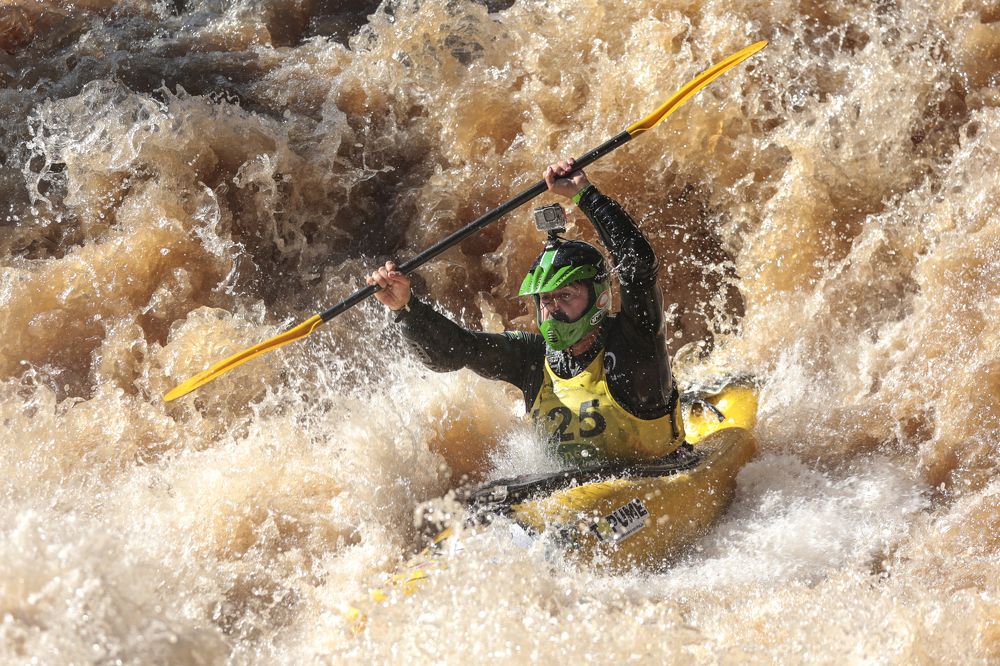
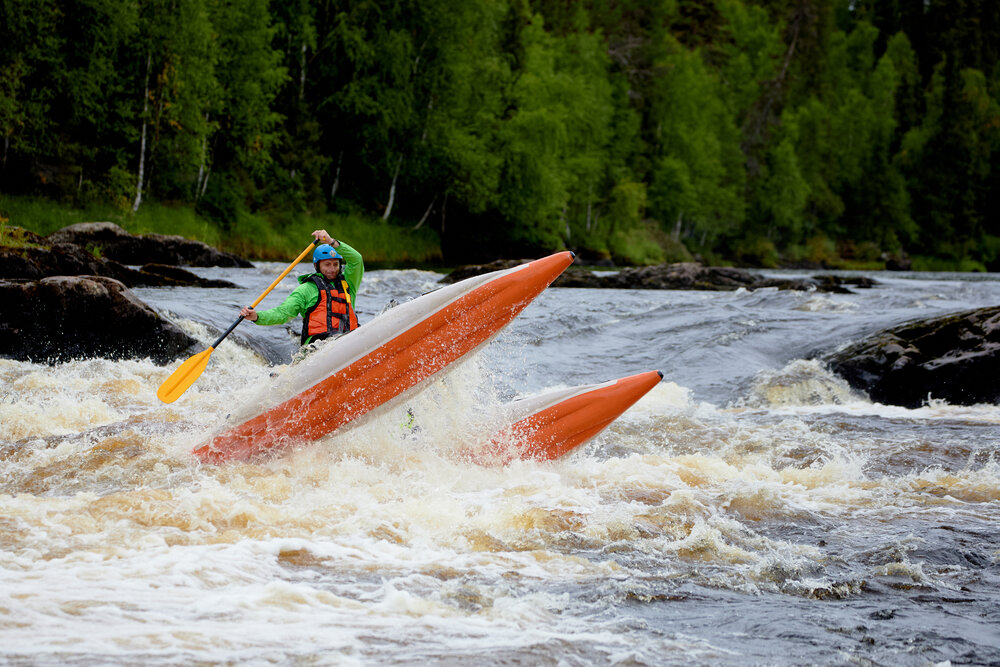
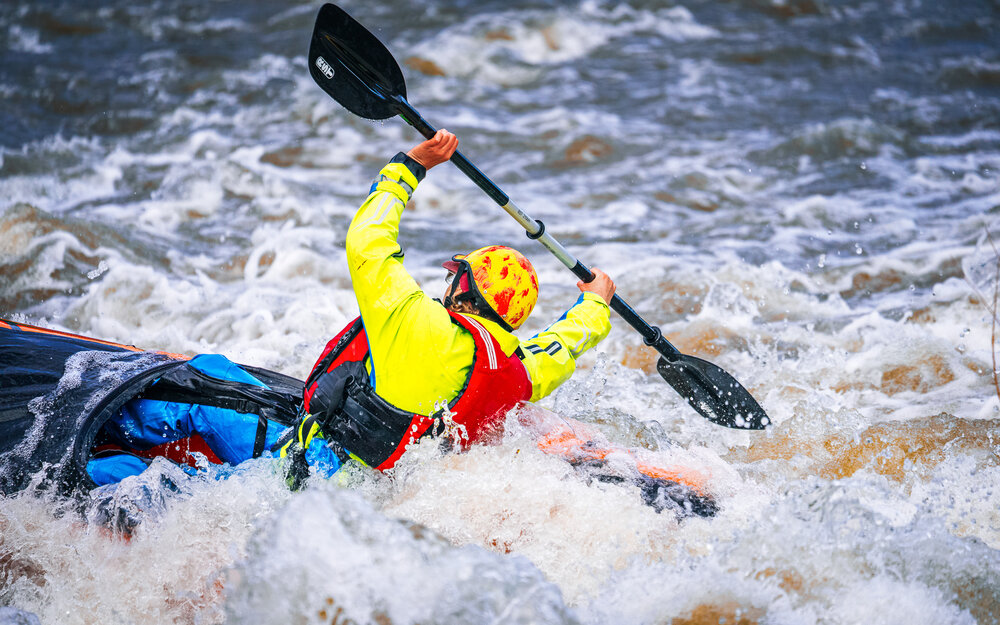
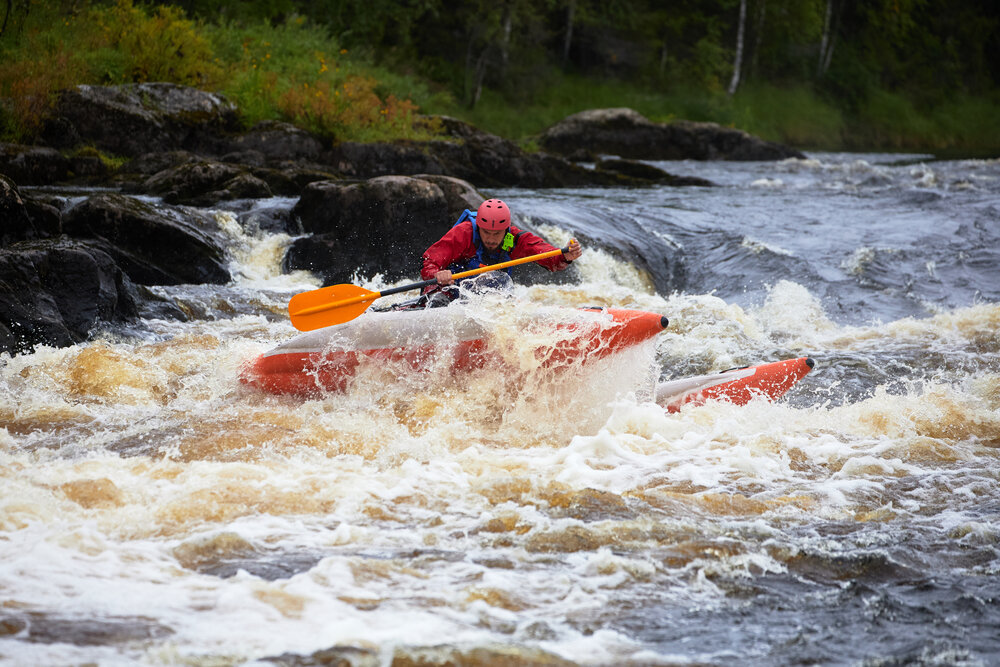
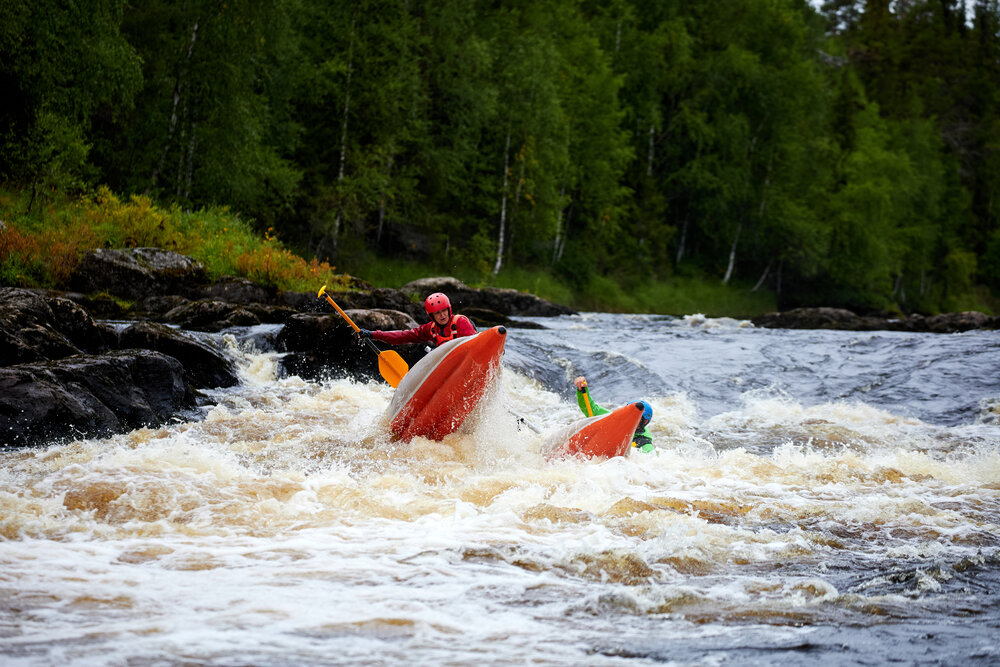
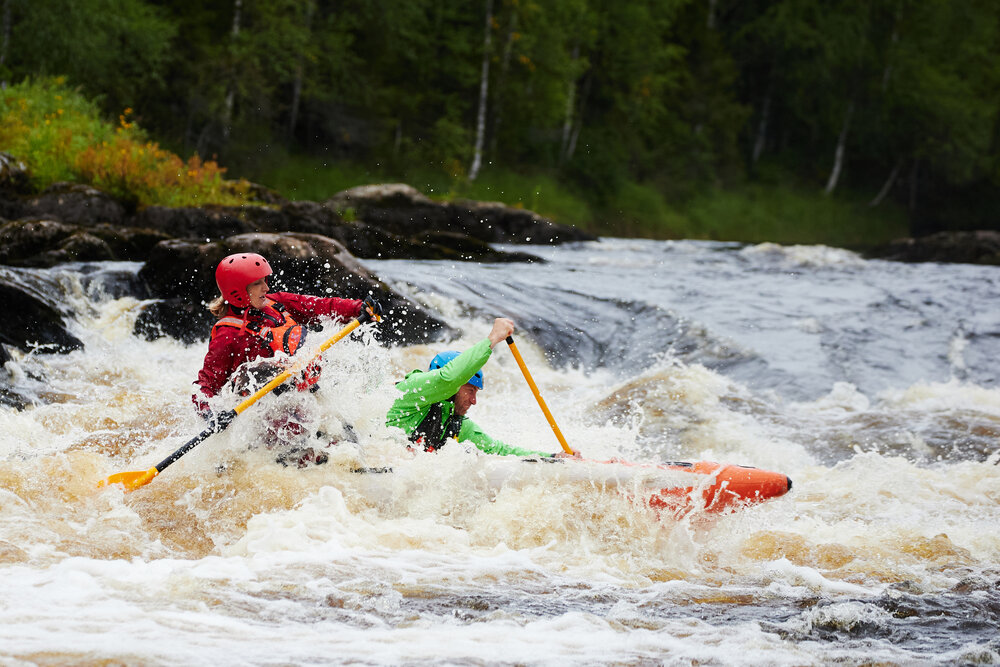
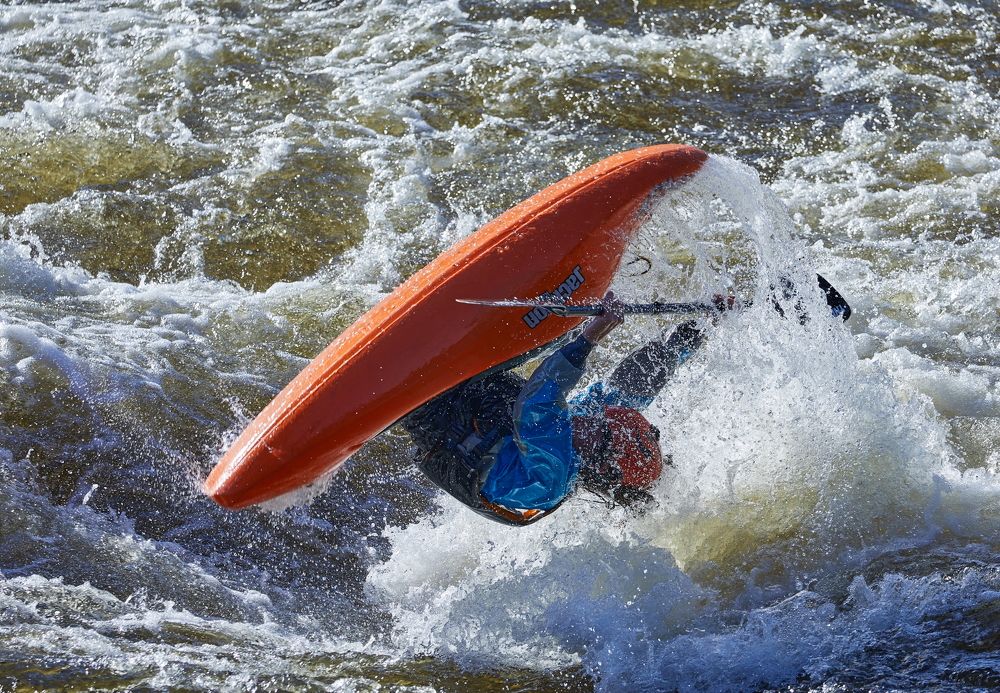
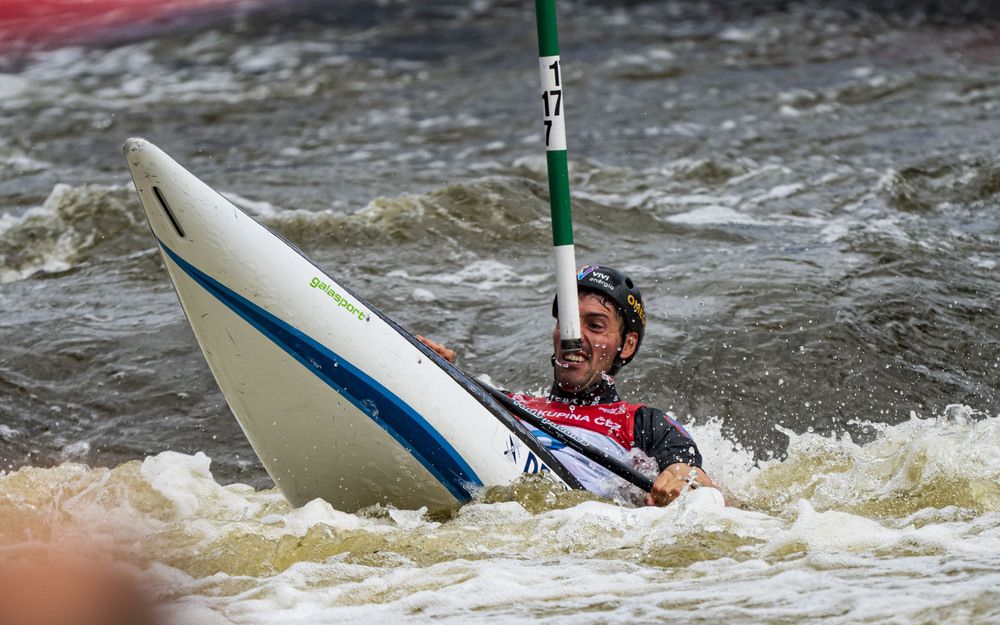
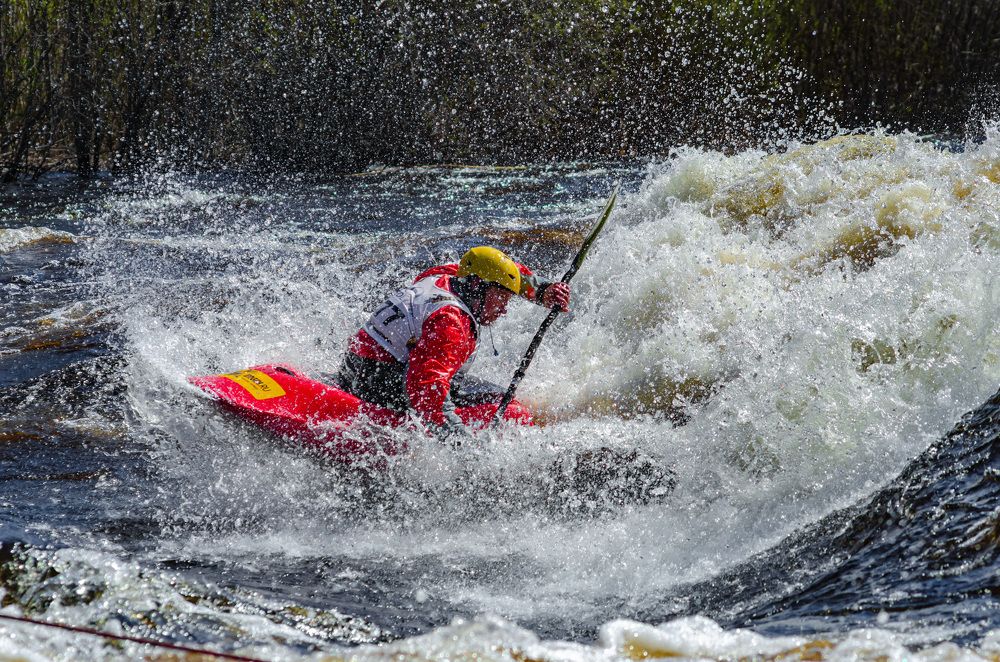
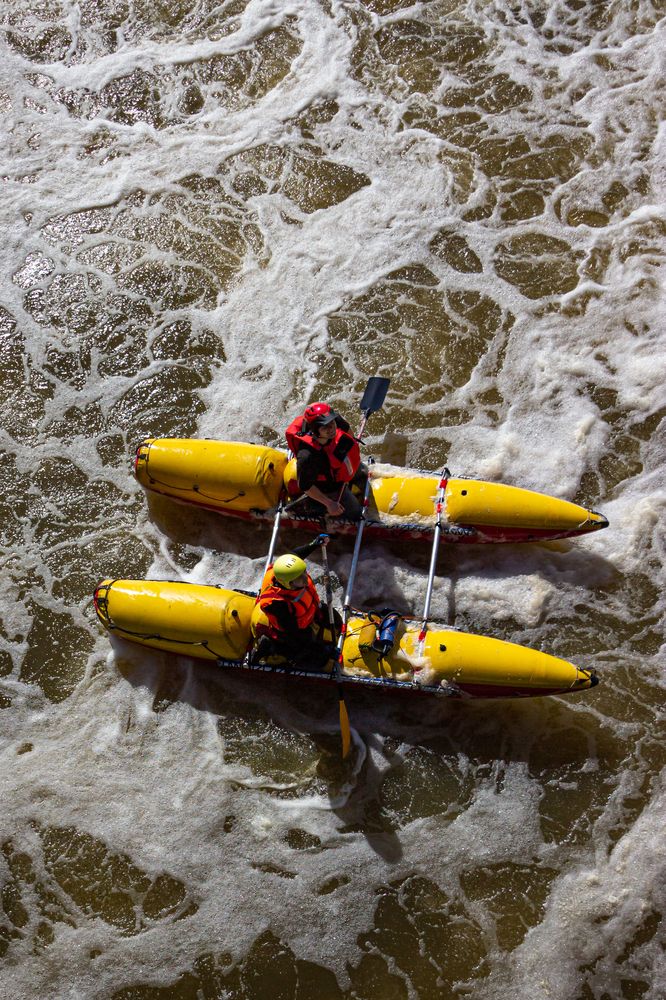
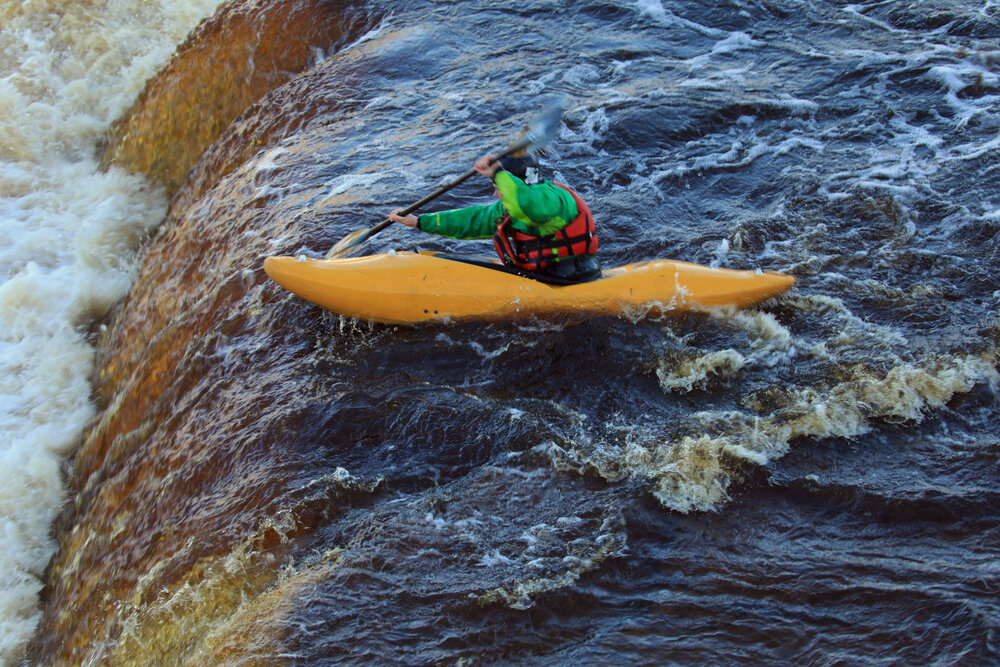
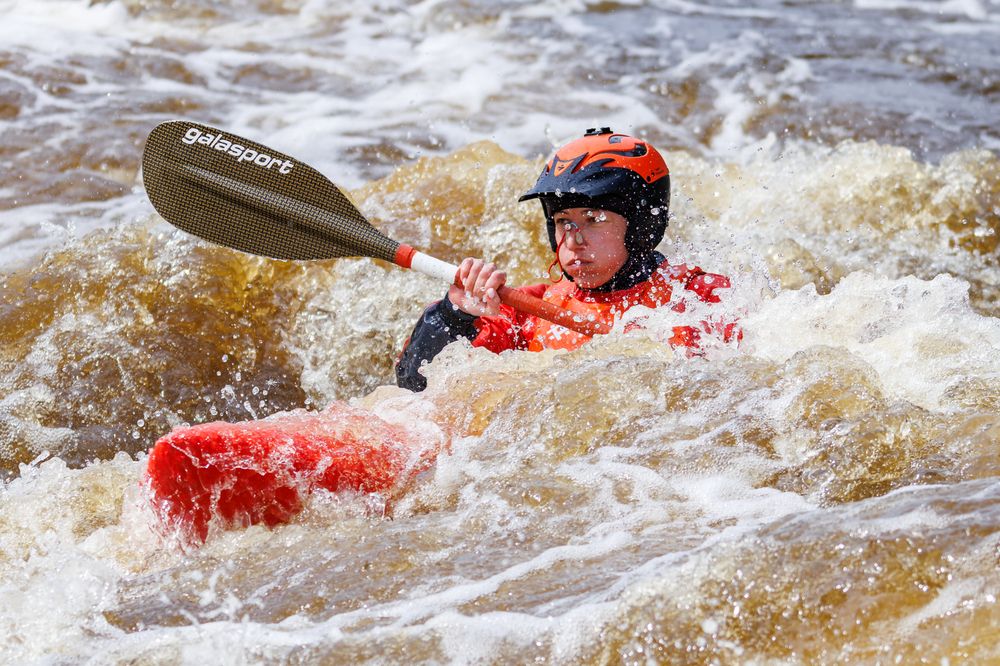
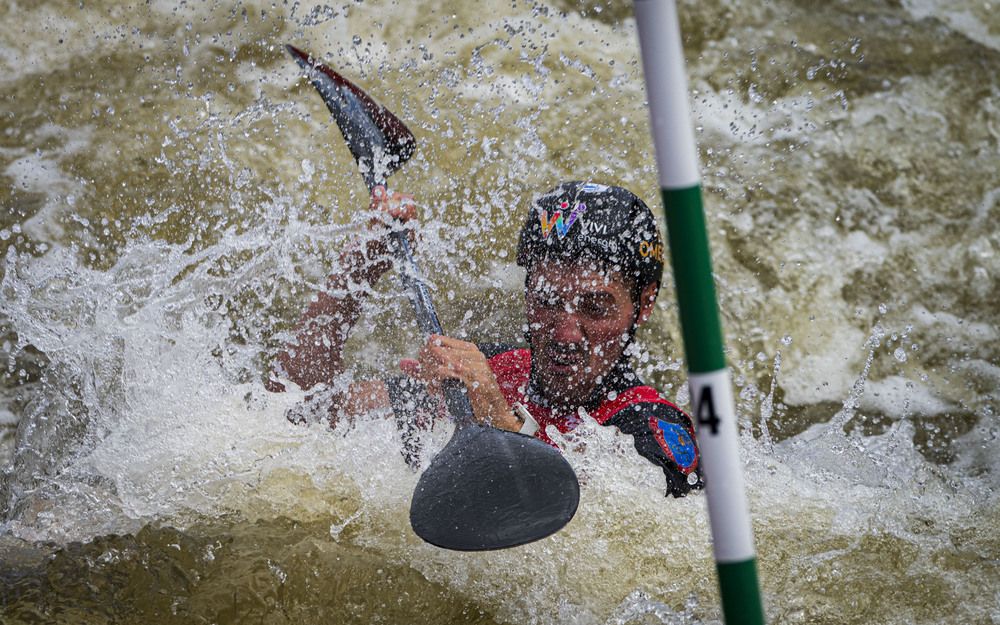
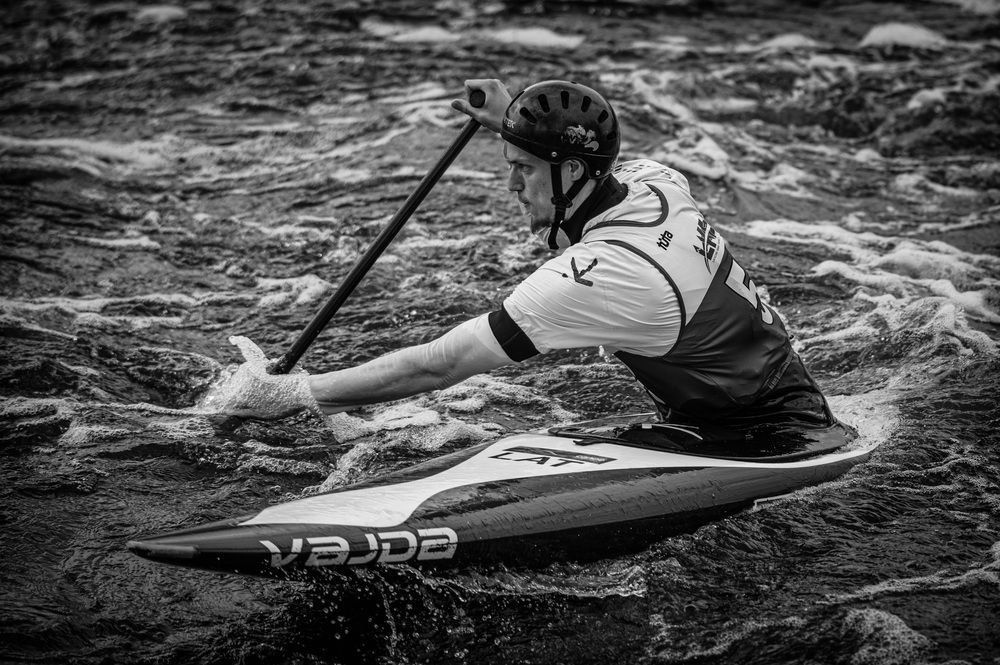
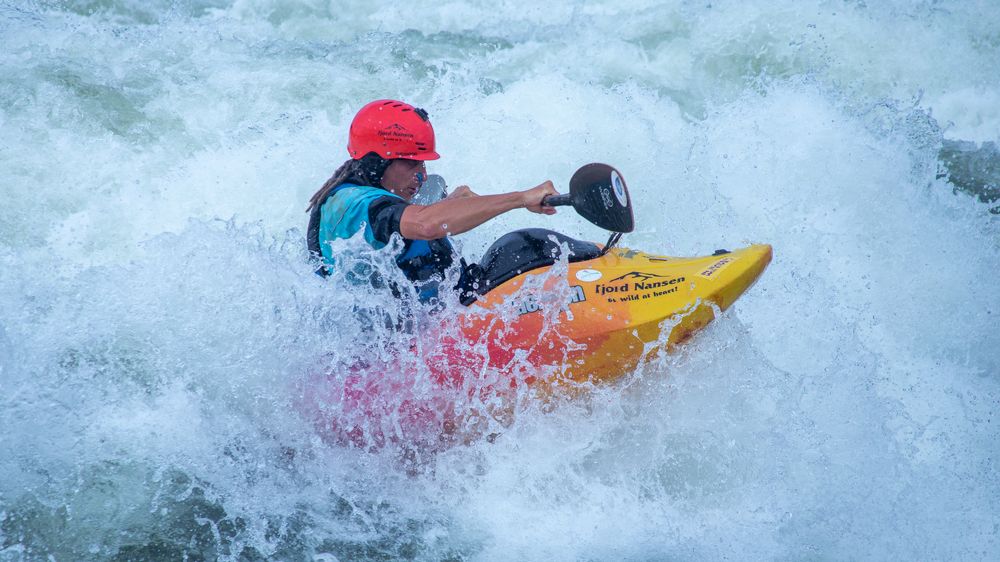
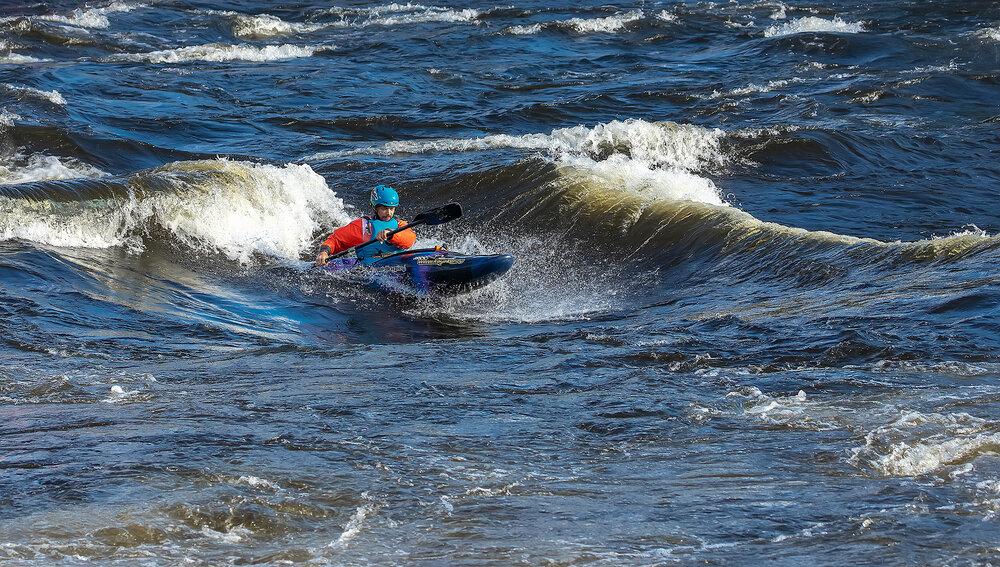
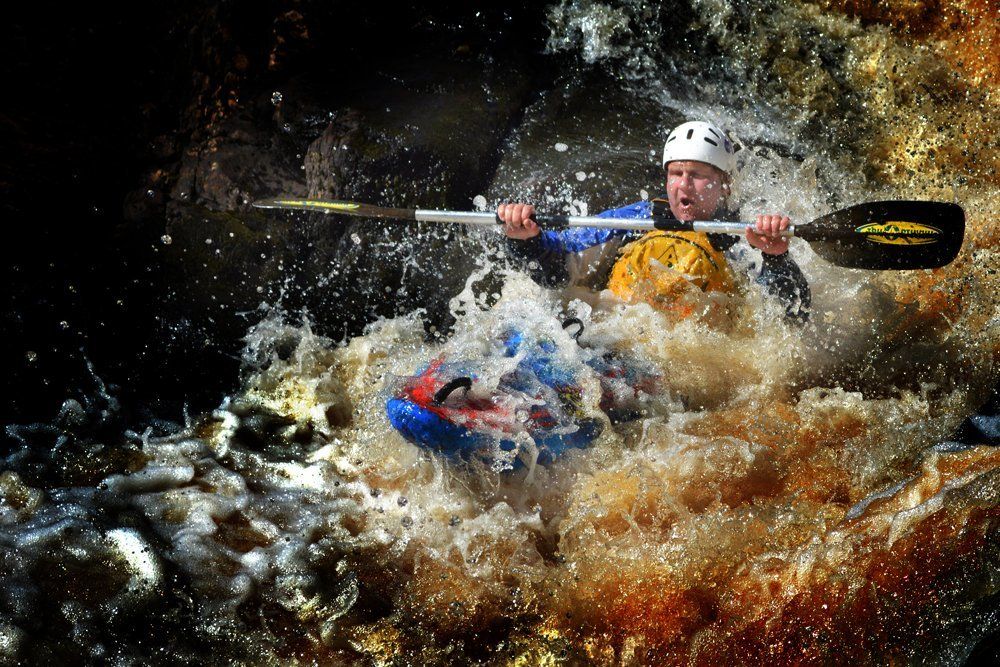
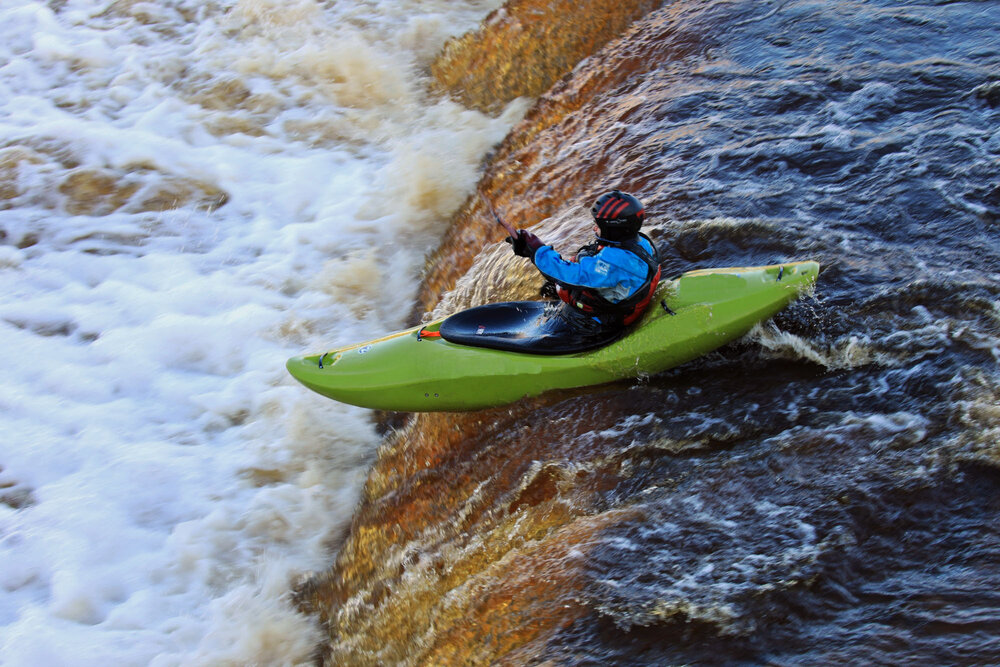
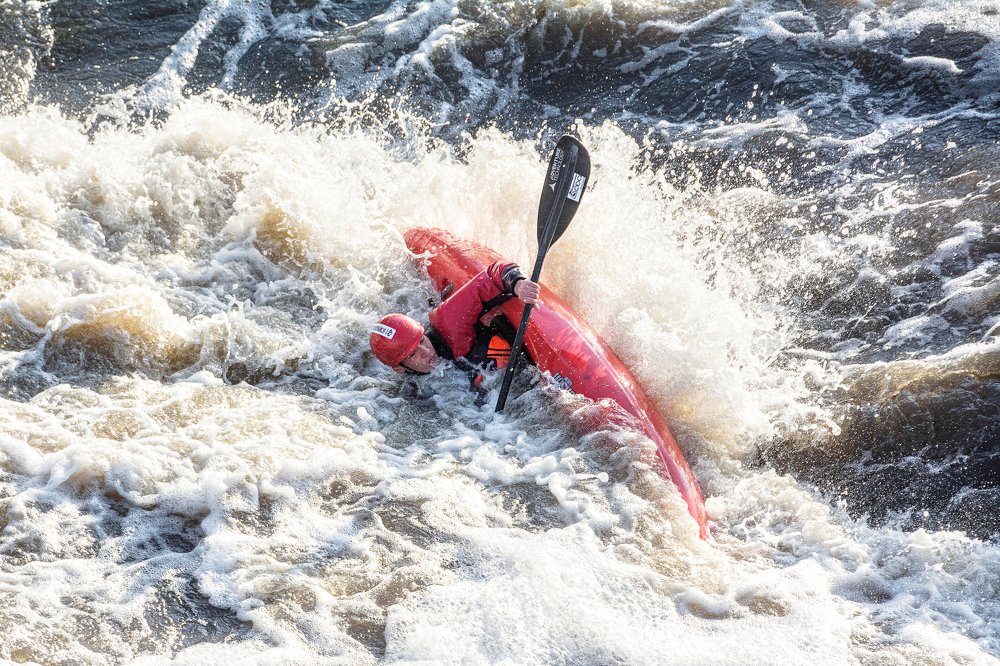
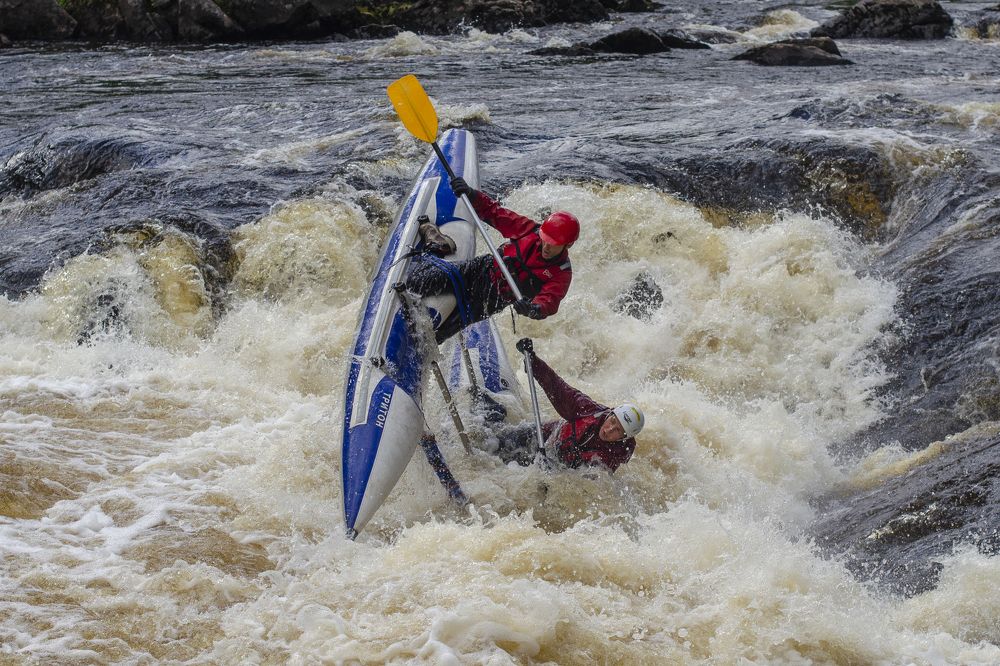
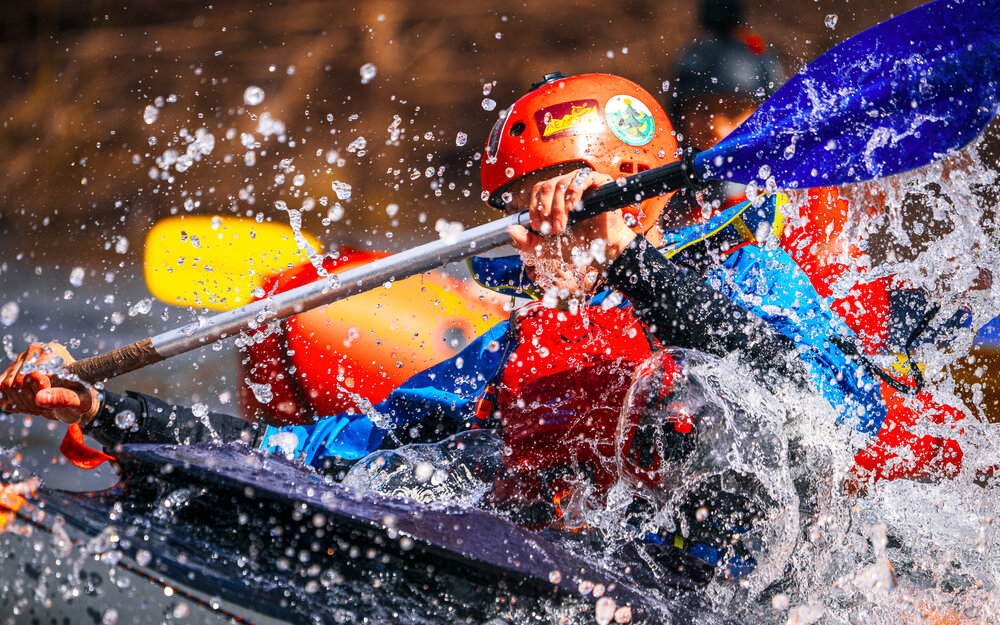
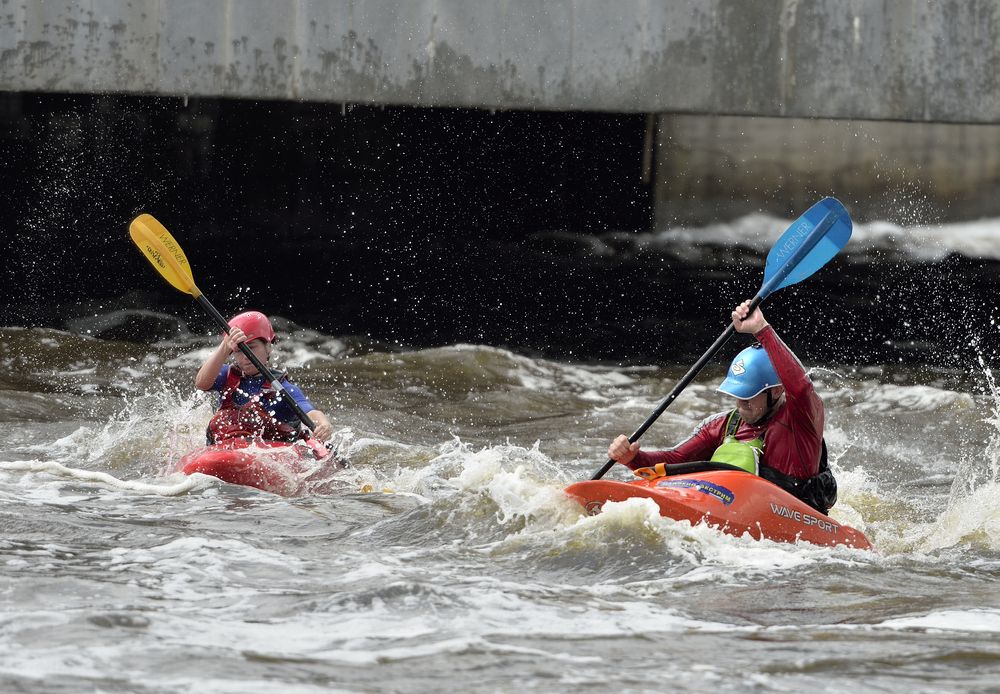
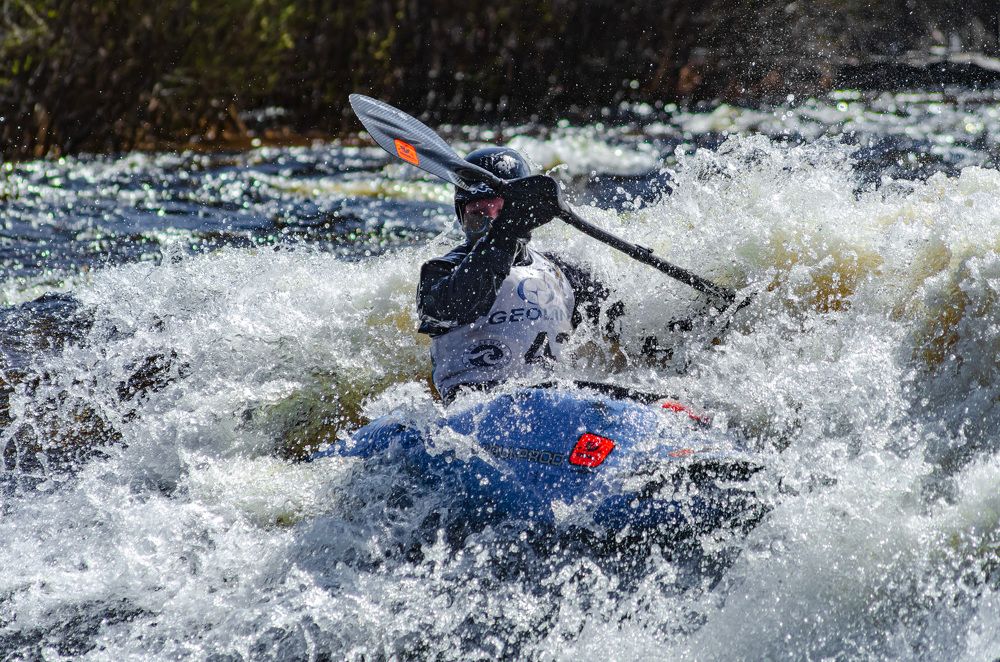
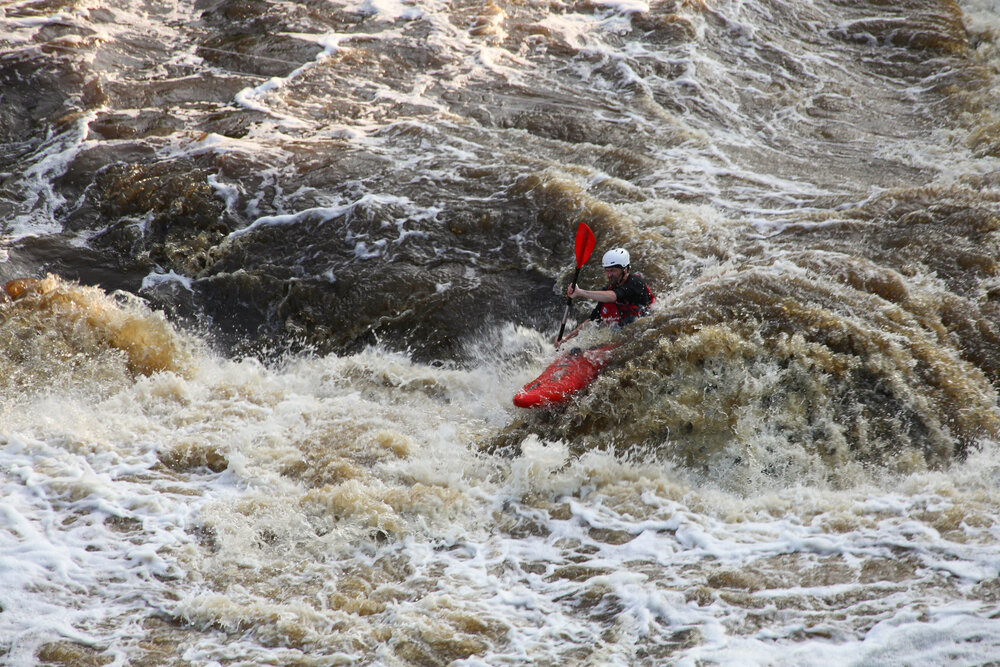
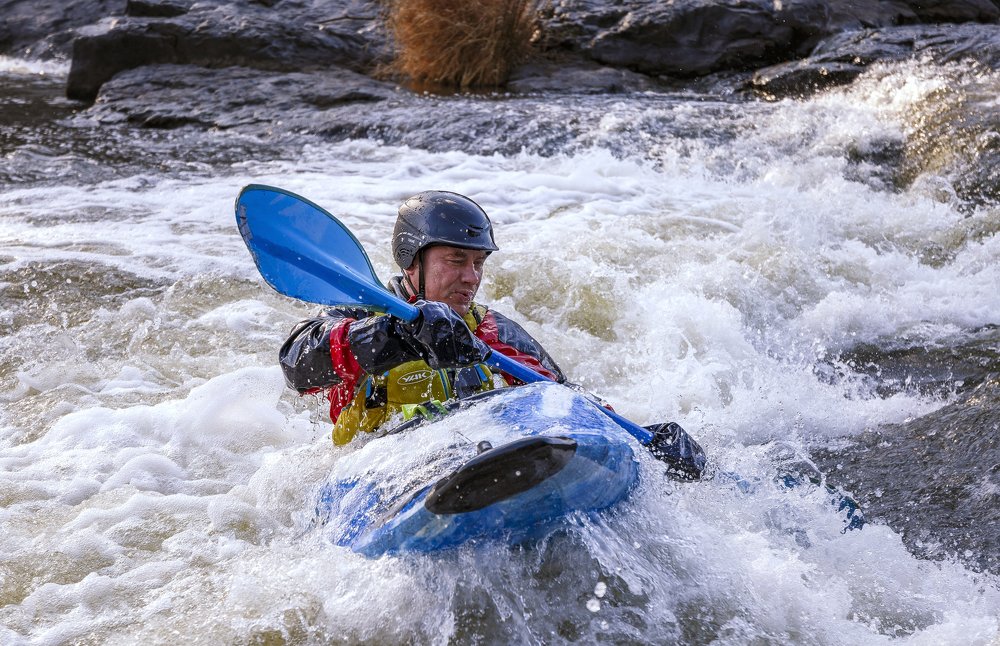
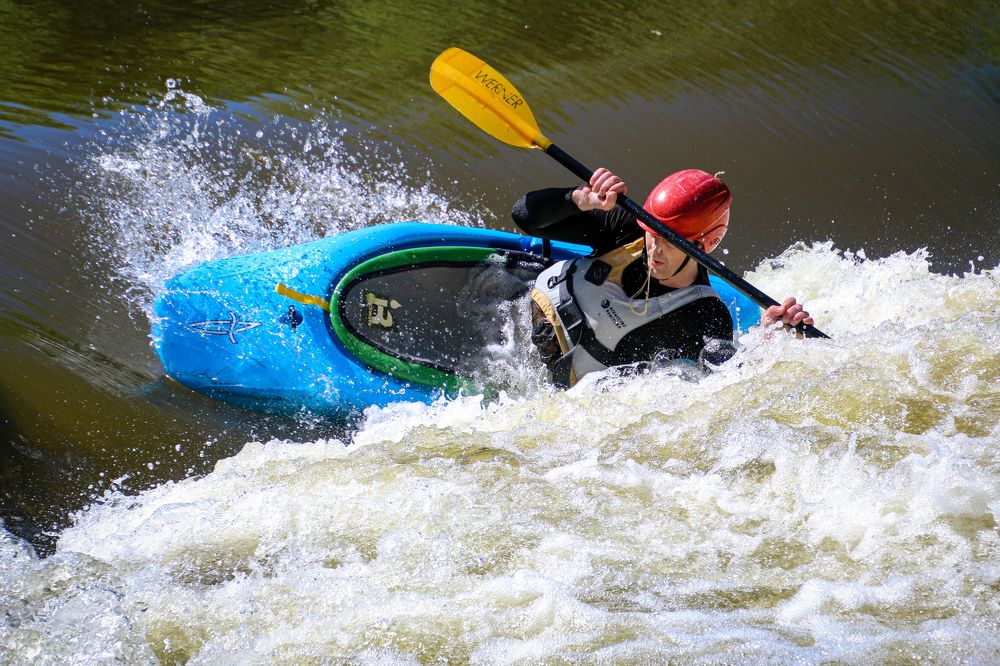
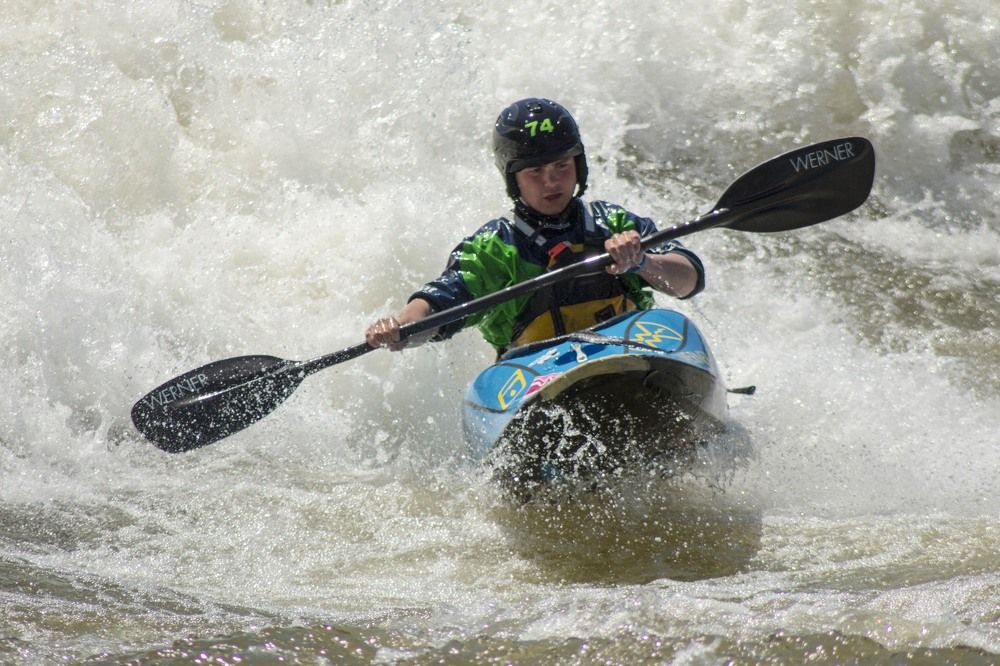
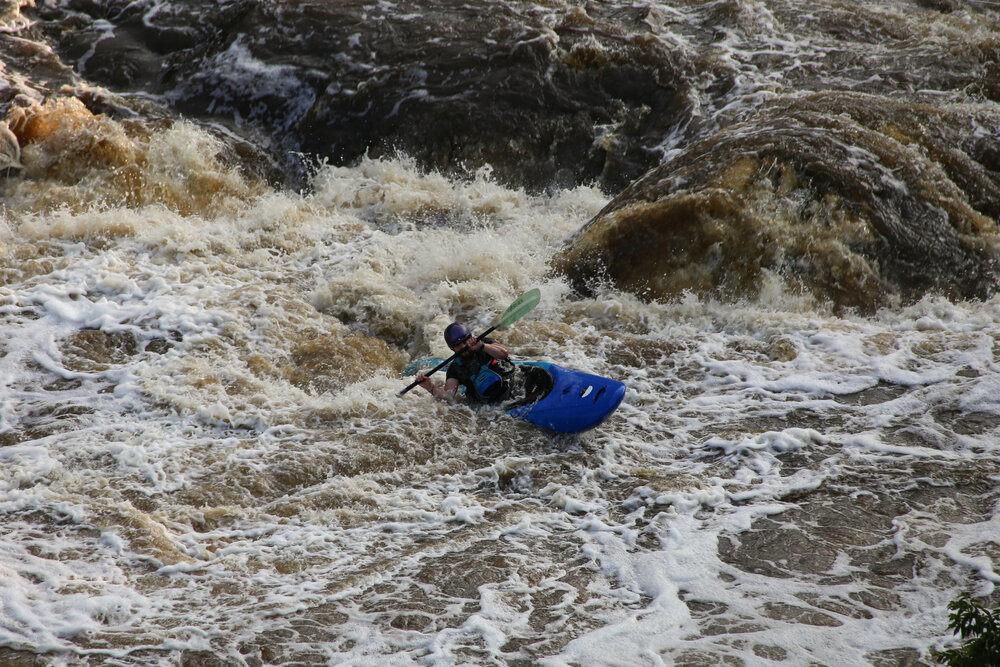
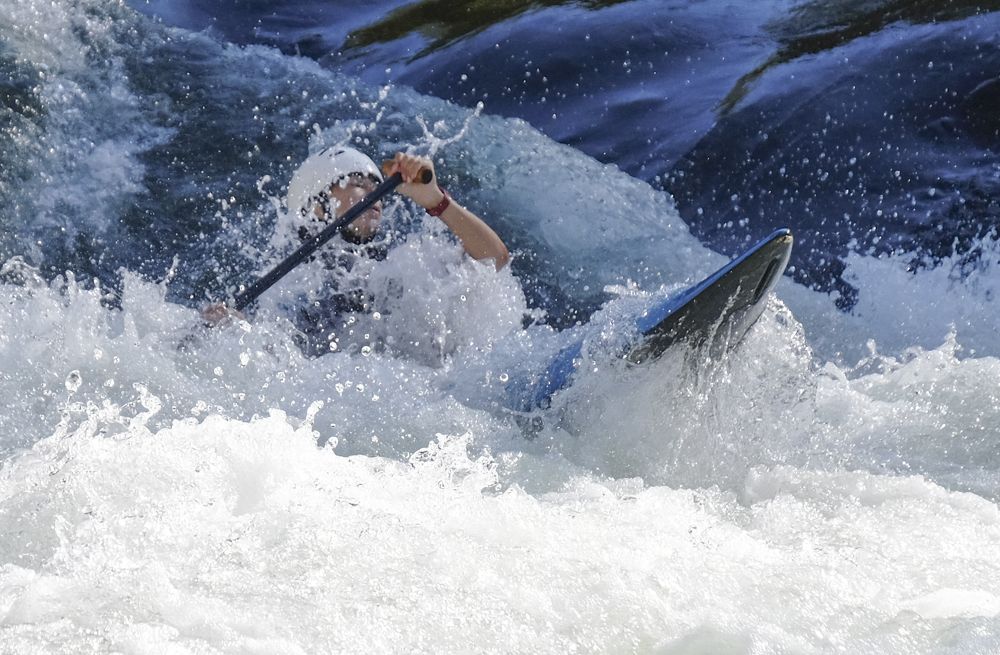
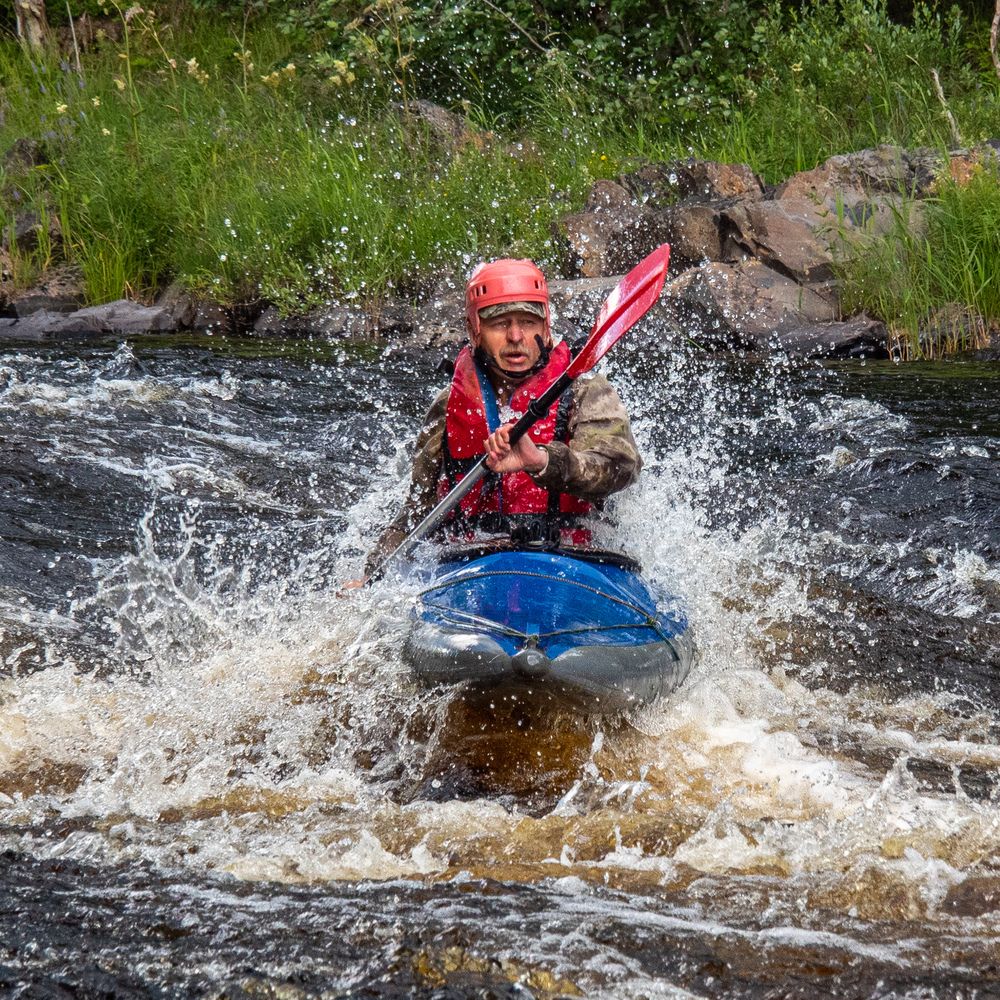
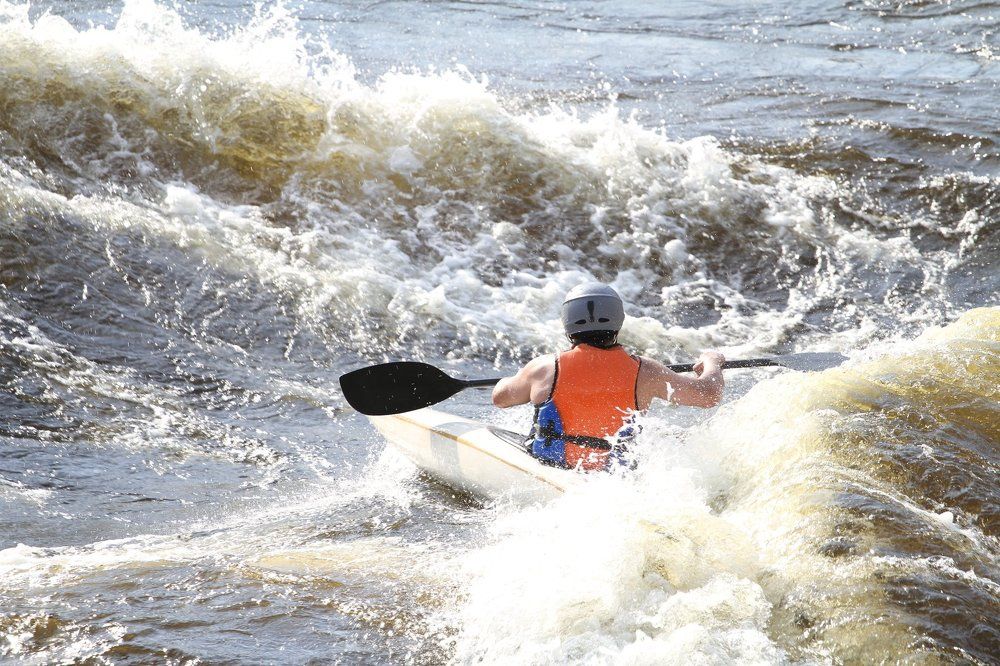
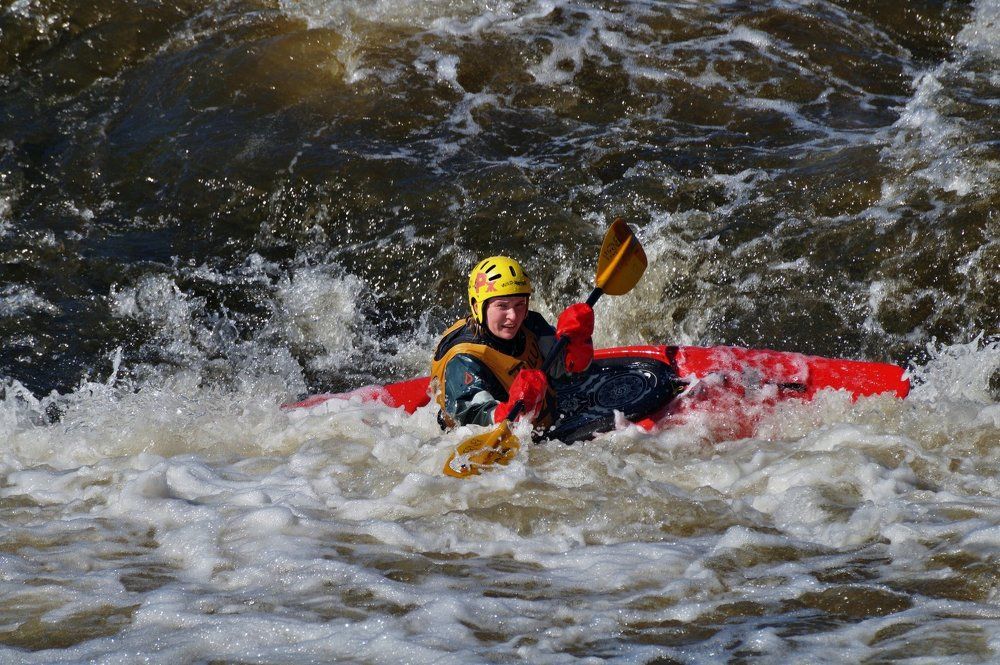
Whitewater kayaking captures athletes navigating turbulent river rapids and artificial courses. Photographers are drawn to the high-contrast action of white water splashing against colorful gear and the dynamic tension between human control and natural force. The images vary from wide shots showing the scale of the river to close-ups emphasizing the intensity of the spray. Locations include the Kolvitsa River in Russia, the Kazyr River in Khakassia, the Iset River at Revun, and the Columbus Whitewater Express Course in Georgia. These photographs document the sport of kayaking through challenging whitewater environments.
How to shoot it
📍 Where to shoot
Shooting takes place outdoors, primarily on turbulent mountain rivers (Kolivitsa, Kazyry, Iset) or in artificial kayaking channels.
🕐 Time of day
Most shot between 15:00 and 18:00 (56% of frames)
Based on 41 frames with camera data. Camera clock time; the time zone is unknown.
The best time for shooting is the second half of the day, from 15:00 to 17:00. During this period, the light is softer, and athlete activity during competitions or rafting trips is usually at its peak.
🗓️ Season
Most shot in: April, July, May
Based on 41 frames with camera data
The main shooting season is spring and early summer (April–June). In April, ice-breaking kayaking festivals often take place, while in July rivers gain strength after snowmelt.
🎫 Access and rules
Shooting on rivers is generally free, but safety rules and spectator restrictions may apply at festivals (e.g., 'Ledokol'). Access to artificial channels in the US is regulated by the facility administration.
🧗 Difficulty
Hard
High difficulty due to the need to approach dangerous rapids and eddies, as well as rapidly changing water conditions. Good physical fitness is required for moving along rocky shores, along with strict attention to safety.
🎒 Gear
A telephoto lens (70–300 mm or longer) is necessary to shoot from a safe distance. A high shutter speed (1/500 s or faster) is critical for capturing splashes, making lens aperture important.
Cameras and lenses the authors used (10)
Canon EOS 6D 7Canon EOS 5D Mark IV 5Nikon NIKON Z6_3 3Nikon D7100 3Canon EOS R6 3Canon EF 70-300mm f/4-5.6 IS USM 5Canon EF 70-200mm f/2.8L IS III USM 5Nikon NIKKOR Z 180-600mm f/5.6-6.3 VR 3AF-S DX Nikkor 18-140mm f/3.5-5.6G ED VR 3FE 100-400mm F4.5-5.6 GM OSS 2
🧳 What to bring
Warm waterproof clothing, non-slip shoes for rocky shores, camera rain cover, spare batteries, and water.
🧰 Special equipment
Protective case or rain cover for equipment against splashes. When working near water, it is advisable to use a safety strap for the camera.
⚙️ Settings
Shutter 1/1250 (1/3200 – 1/250)Aperture f/6.3 (f/4 – f/8)ISO 250 (100 – 400)Focal length 200 mm (62 – 300)
Based on 39 frames with camera data. Median and 10-90% range across the idea frames.
The key parameter is shutter speed: 1/500 s or faster (median 1/1250 s) to freeze splashes. Aperture f/4–f/8, ISO 100–400.
⚠️ Good to know
Shooting requires strict adherence to safety protocols: stay at a safe distance from the water's edge and do not enter the zone of active rapids. At festivals like 'Ledokol', follow organizers' instructions and do not interfere with athletes.
📈 How the idea developed
works uploadedshare of all site uploads, per 100k
The date is when the file was uploaded to the site. The chart counts works assigned to the idea.
✅ How to repeat it
- Use burst mode to capture the moment of maximum water splash above the kayak.
- Shoot from different angles: close-up of the athlete's face and wide shots to convey the scale of the flow.
✨ Interesting facts
- 🏆 How the best frame was shot: Canon EOS 5D Mark IV, Canon EF 70-200mm f/2.8L IS III USM, 1/3200, f/3.5, ISO 100, 200 mm
- 🔇 90% of frames were shot at ISO 400 or lower: almost no noise, any modern camera will do
- 📐 91% of frames are landscape orientation
- 🥇 12 works reached the finals, 1 won. Best contest: Active Sports 2026
- 👤 Most frequent authors: Ricardo Q T Rodrigues 8Наталия Козлова 5Елена Соколова 3Tomas Landa 3Borisov Alexandr 2
- 🌍 Authors by country: 🇷🇺 RU 32🇧🇷 BR 8🇩🇪 DE 3🇰🇿 KZ 1🇺🇬 UG 1
Some tips are prepared by AI from the idea description, photos and their EXIF. Check the rules and access to places before you travel.
Works


These lists are generated automatically and may contain inaccuracies. Photos are shown in random order, and selections are refreshed twice a day. This section is made for exploring photos and does not claim 100% accuracy. The lists include photos that previously participated in contests that are already completed.