Whale Tail Flukes Diving
30 worksFirst upload: Oct 2017Peak: 2026Last 12 months: 10
📝 Description
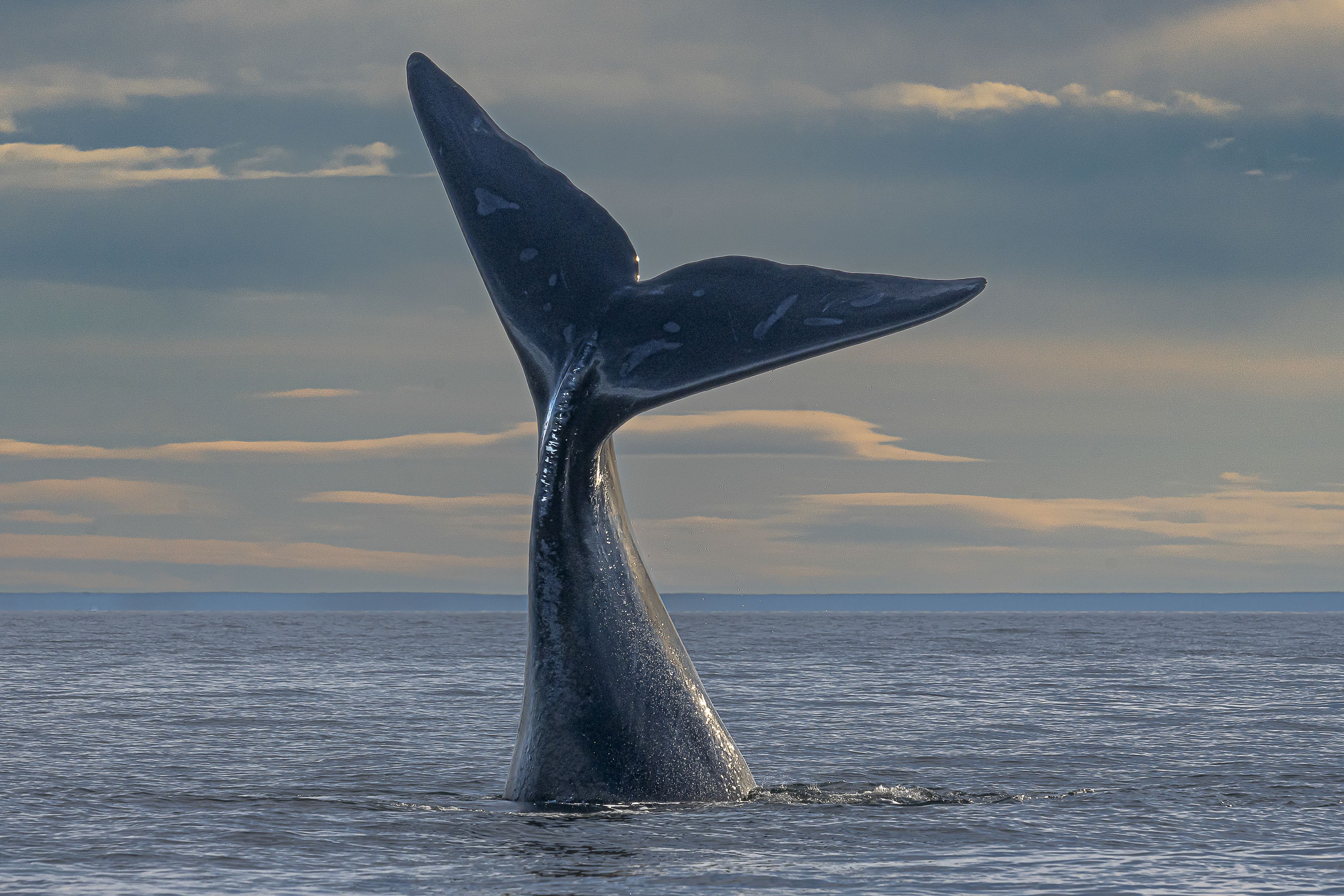
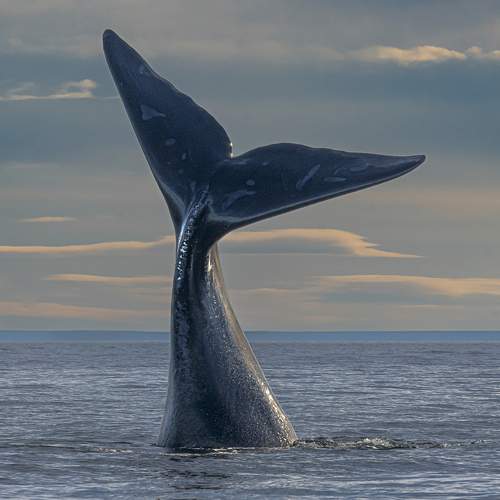
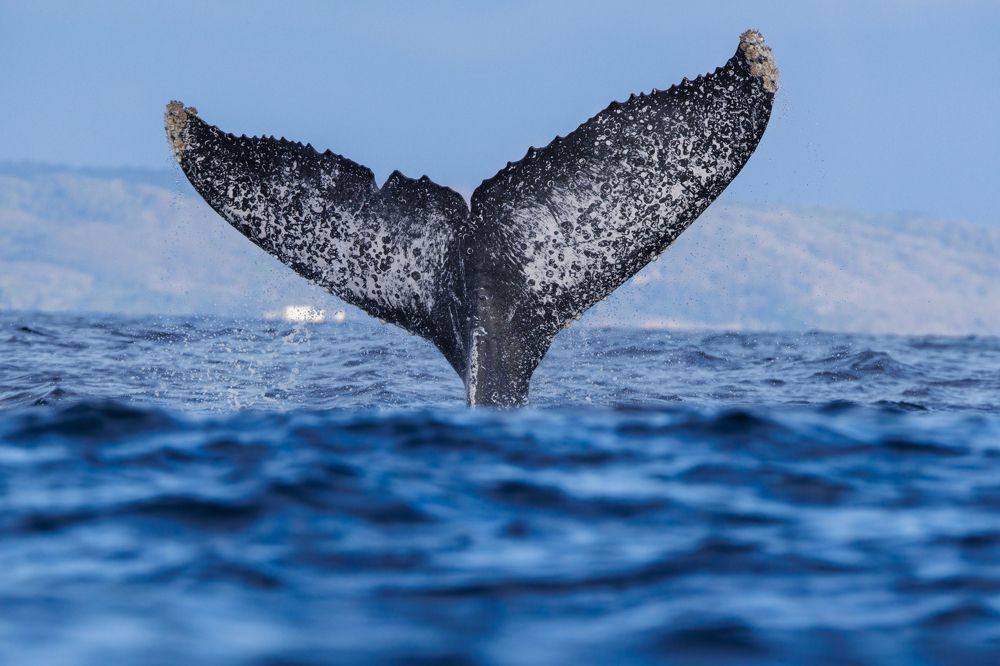
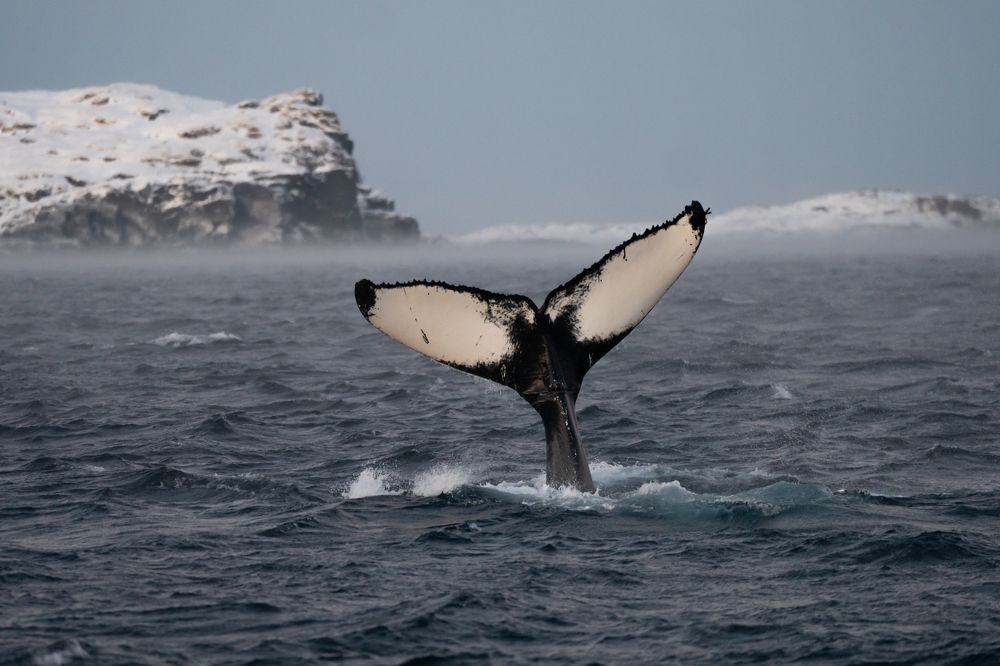
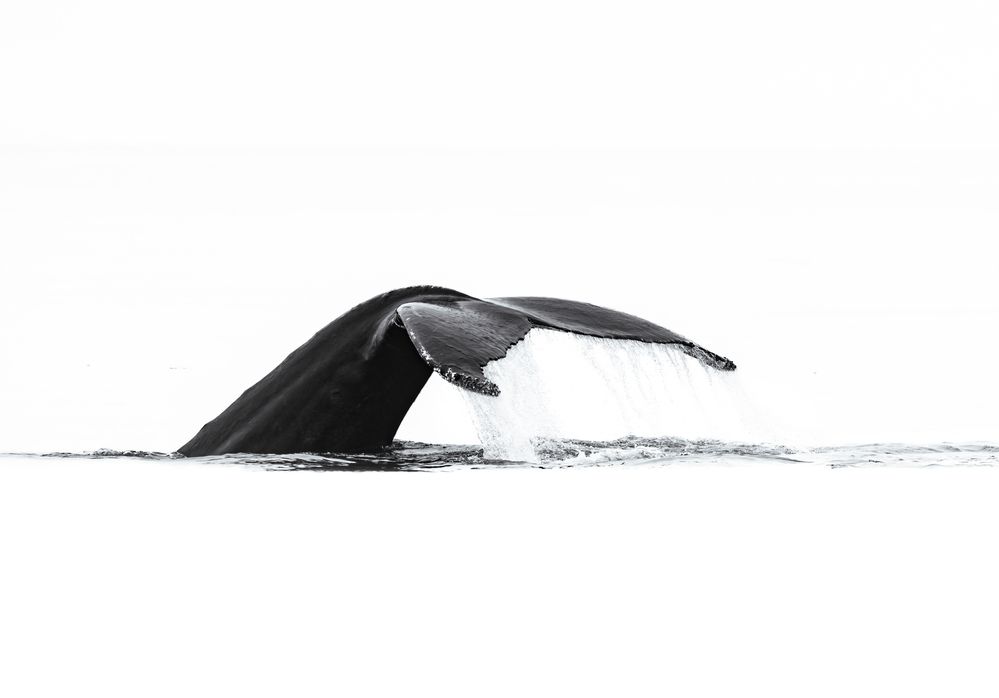
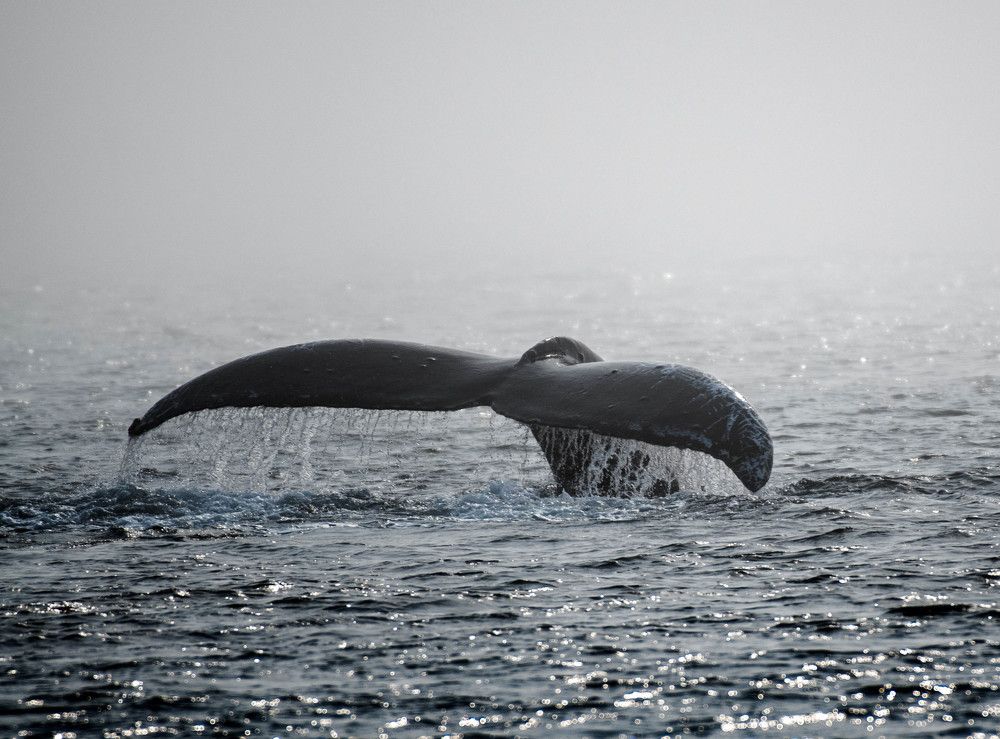
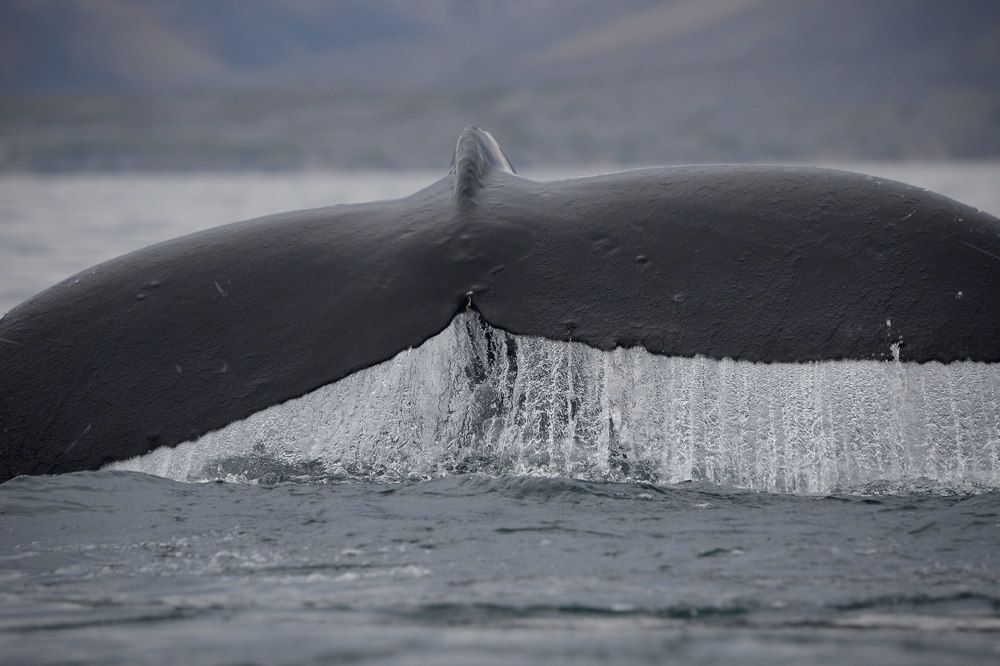
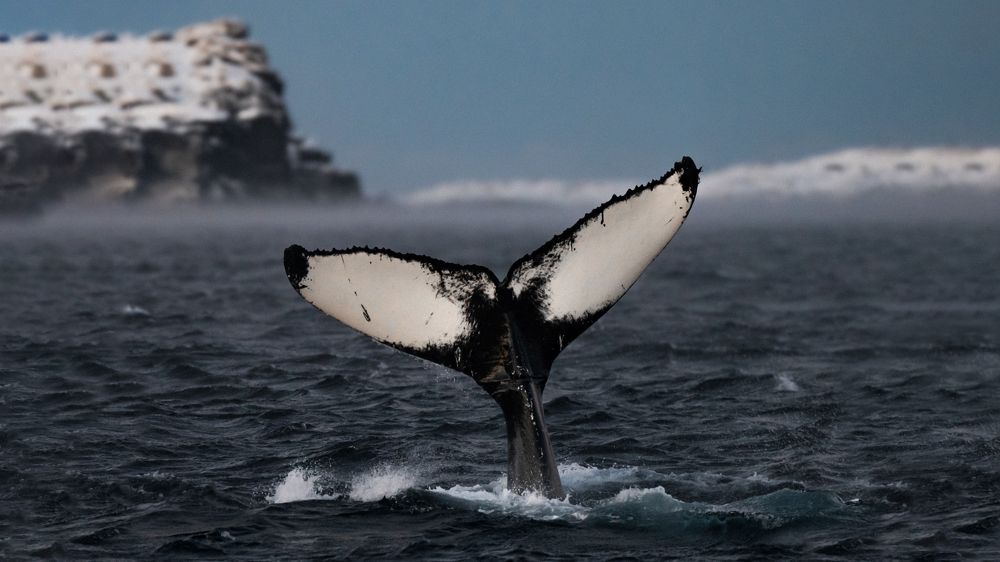
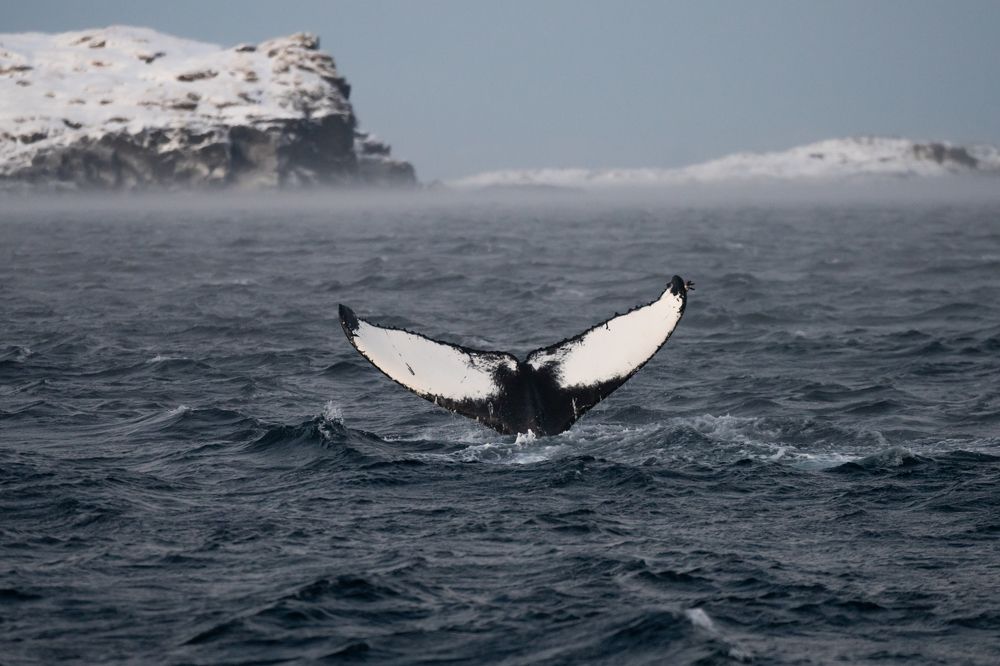
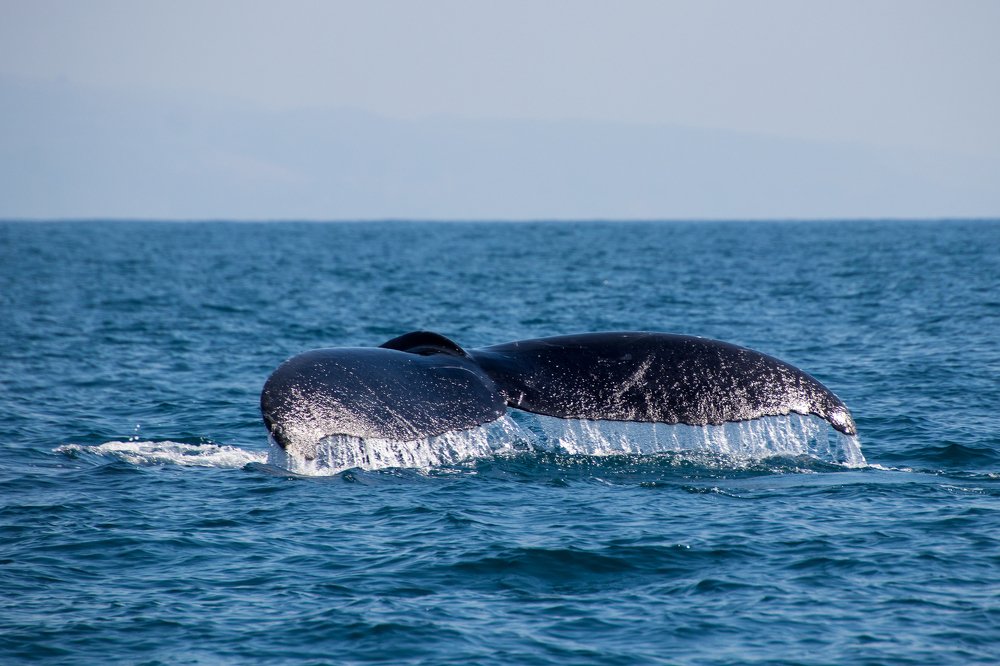
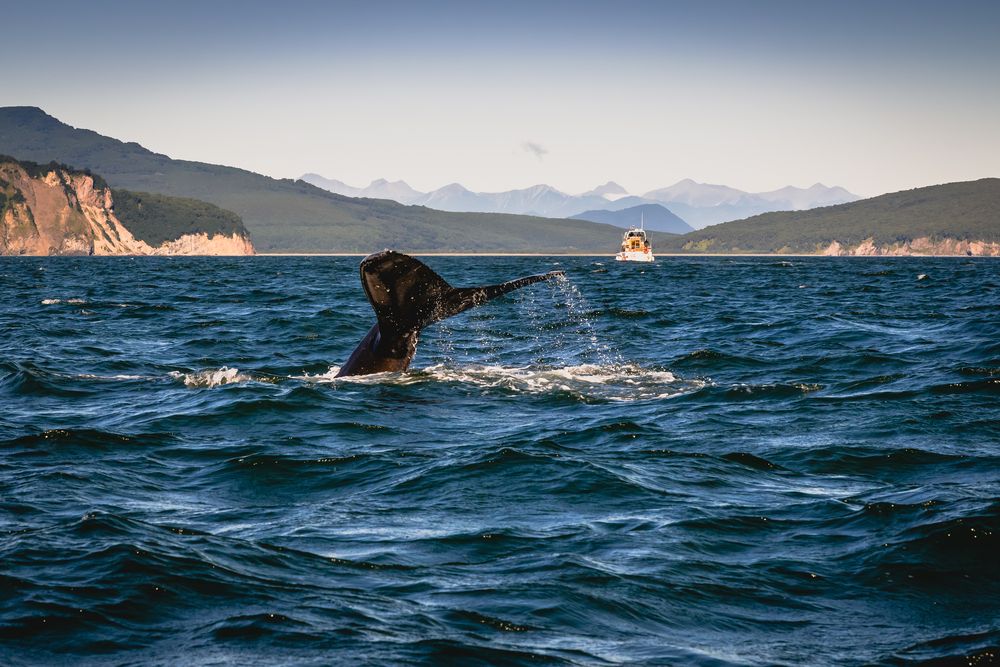
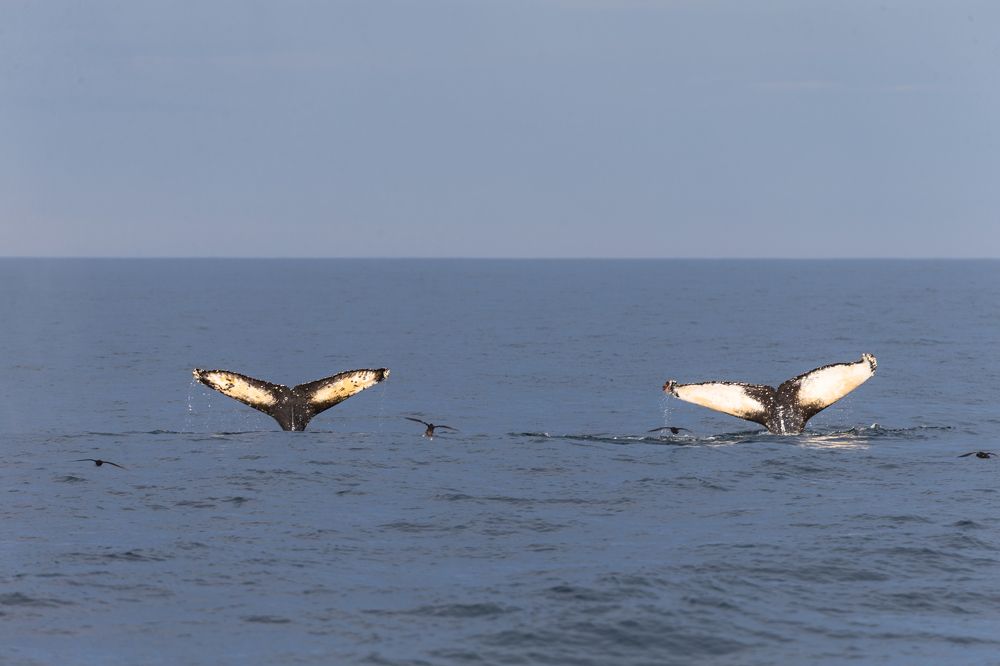
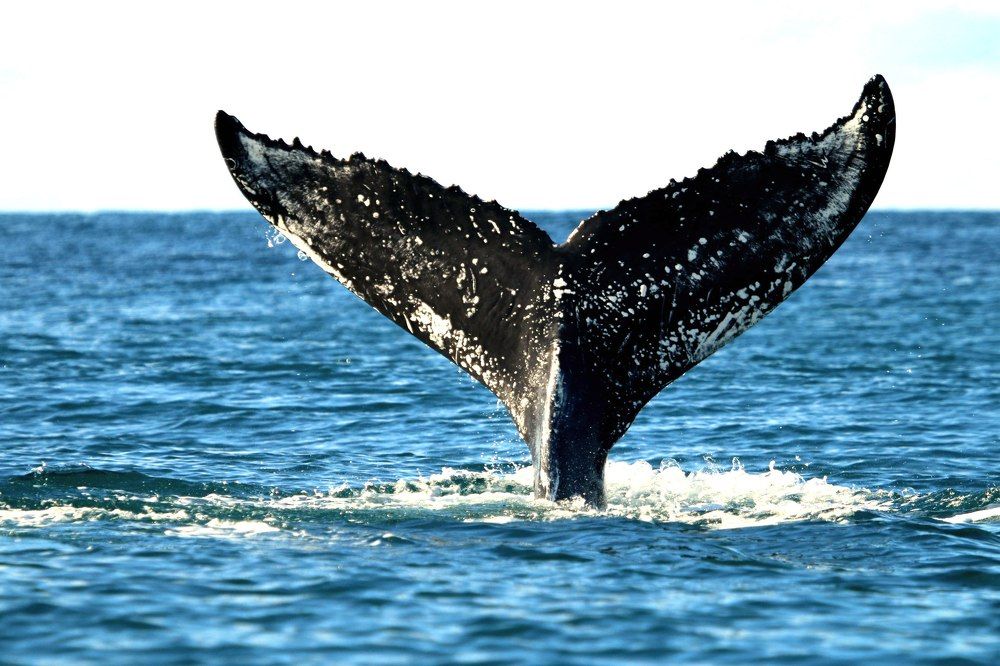
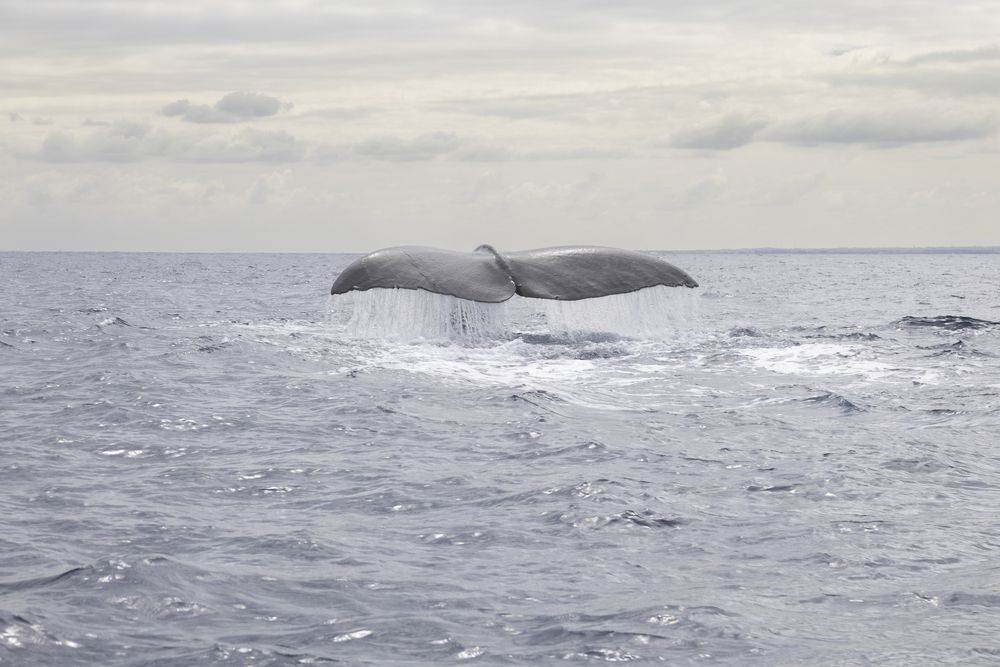
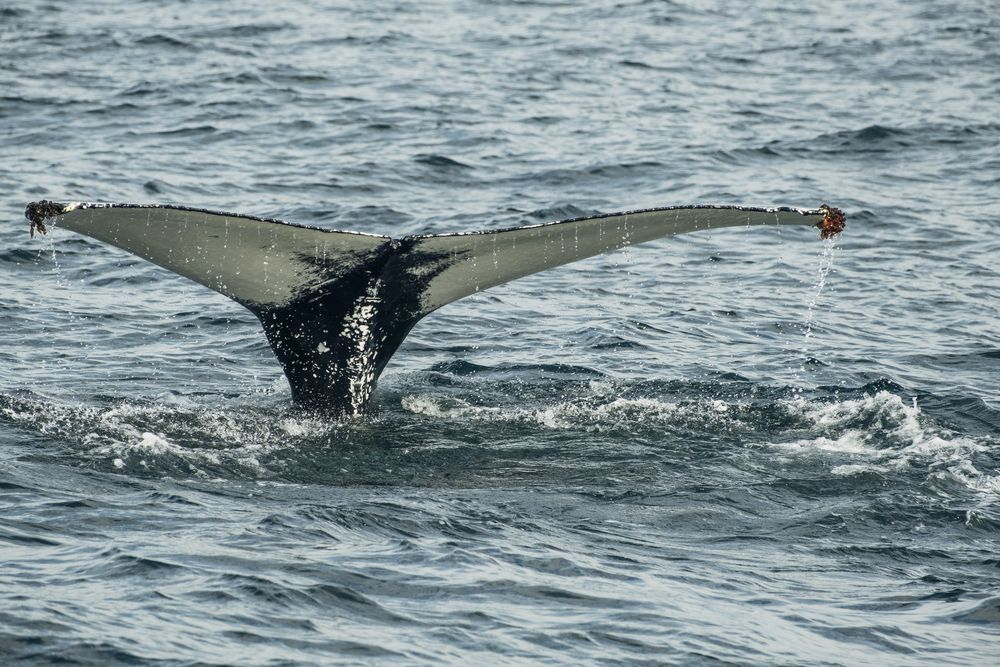
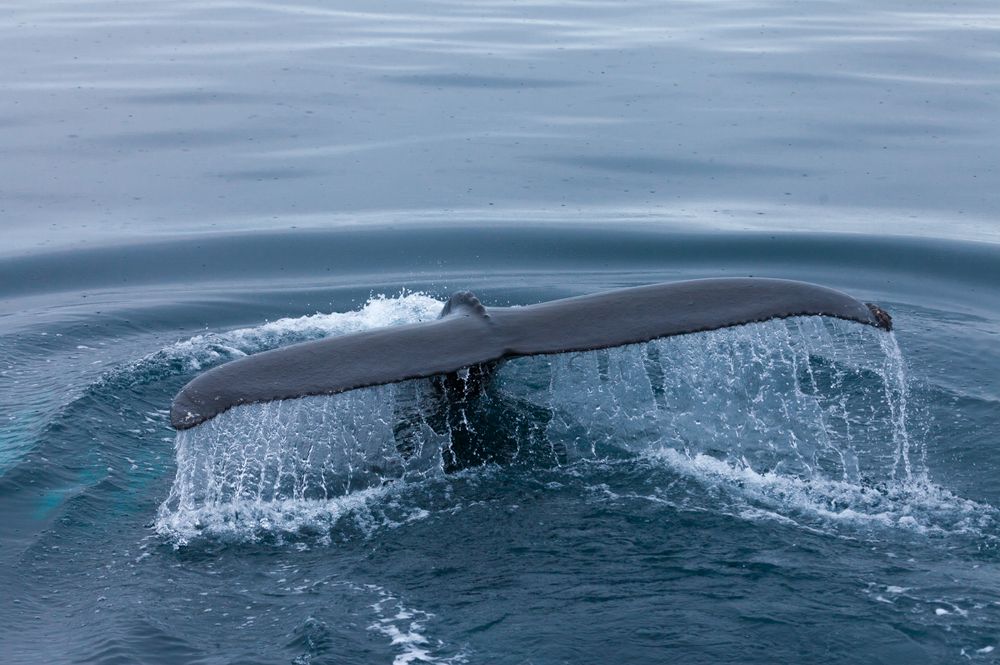
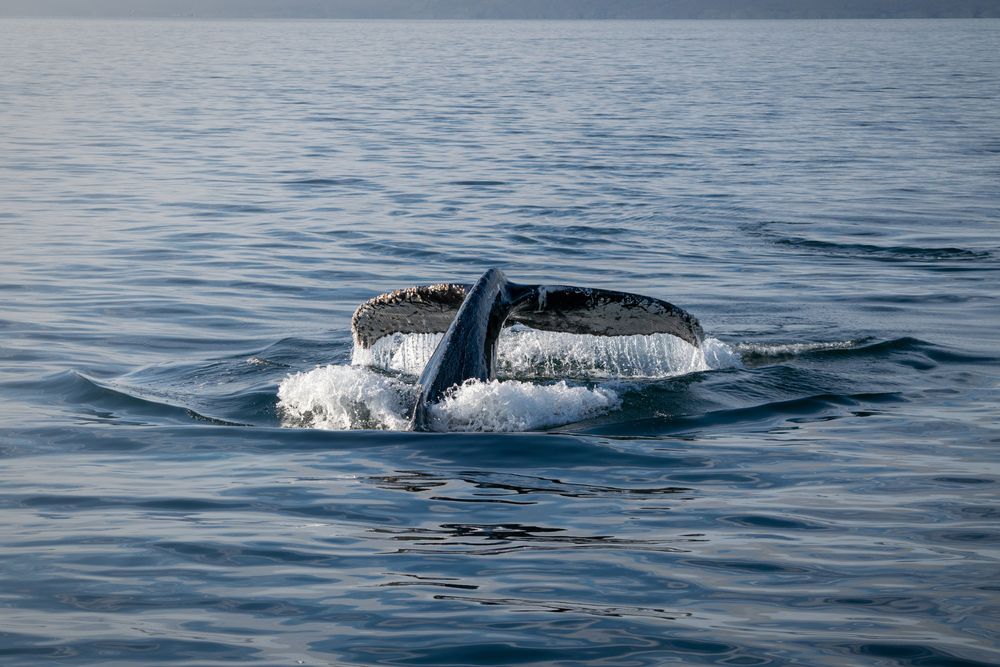
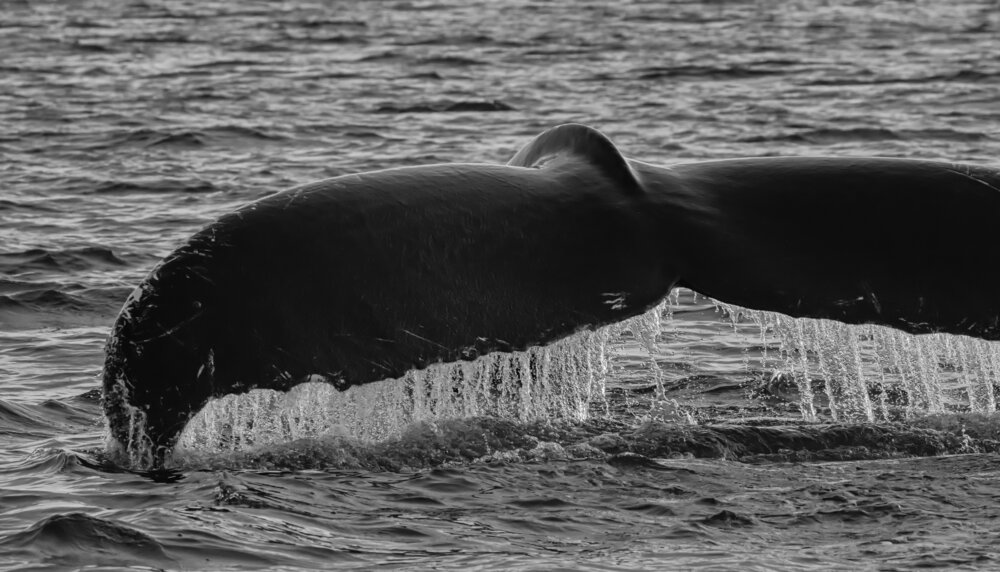
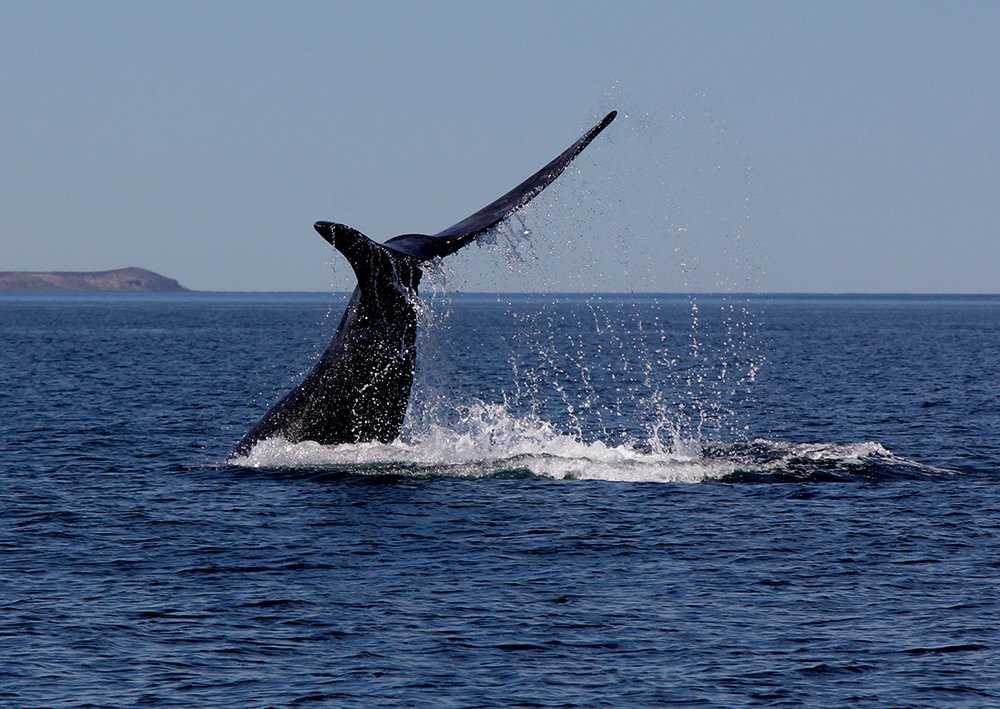
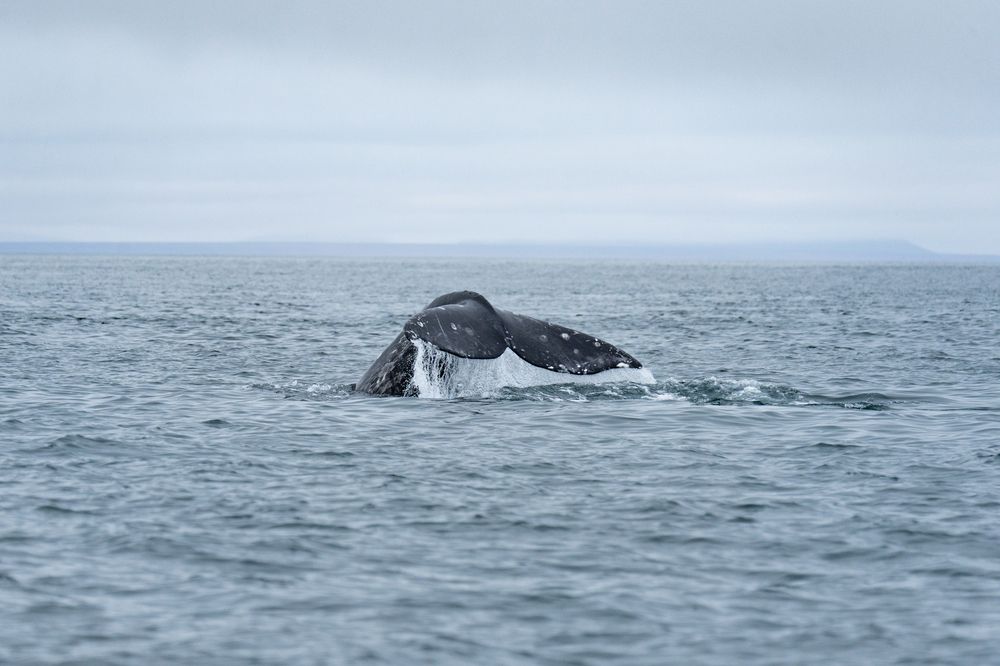
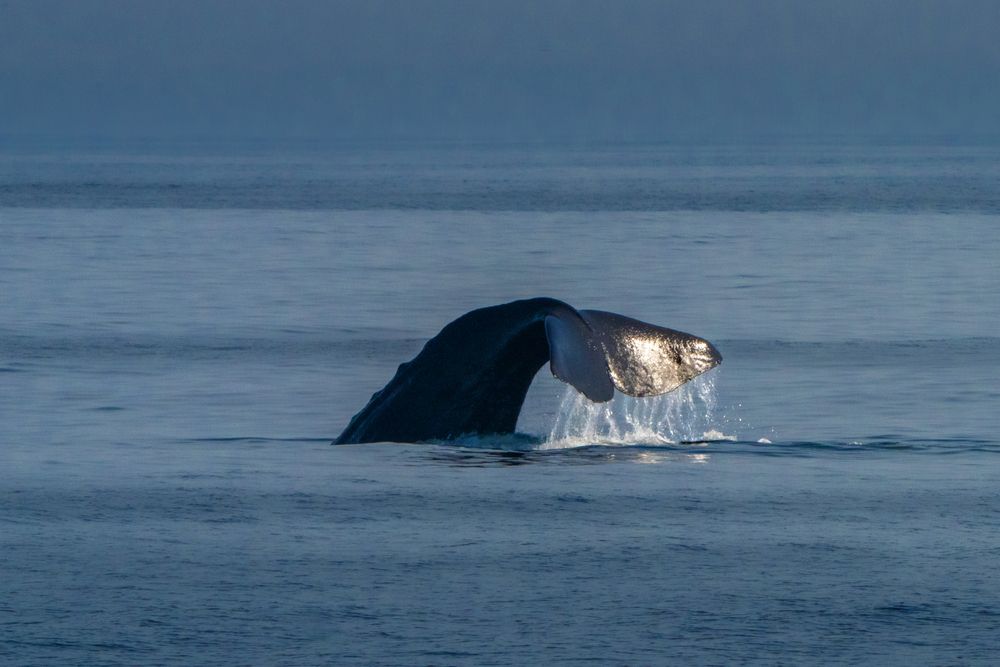
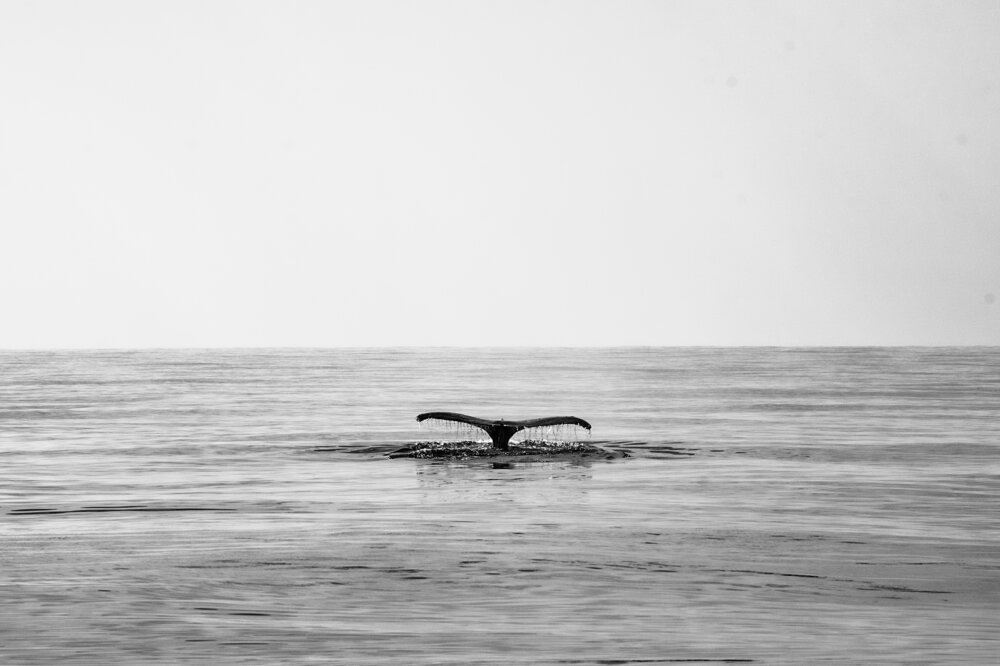
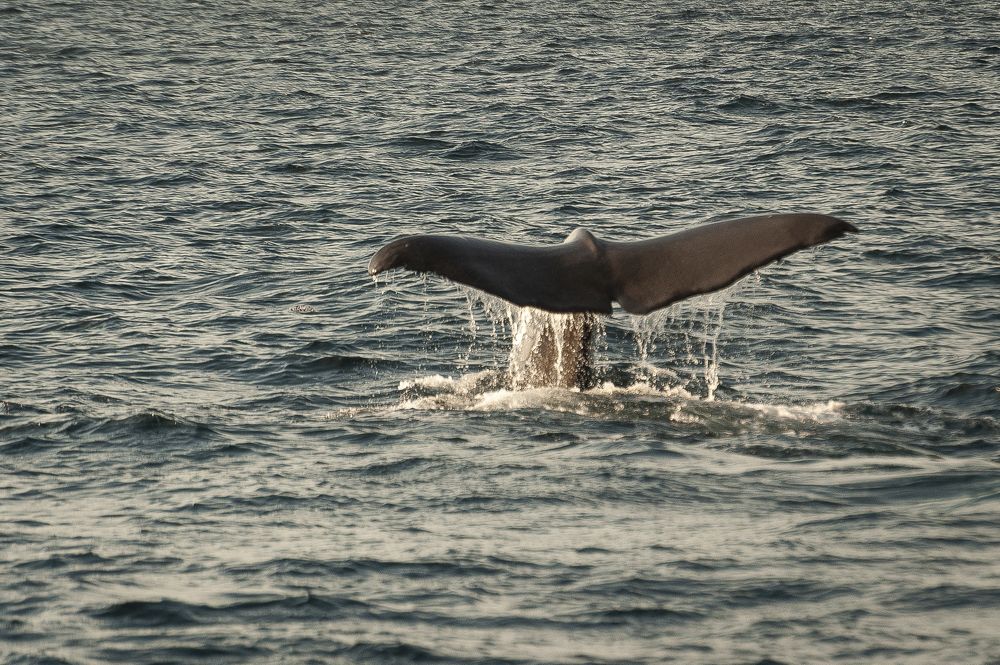
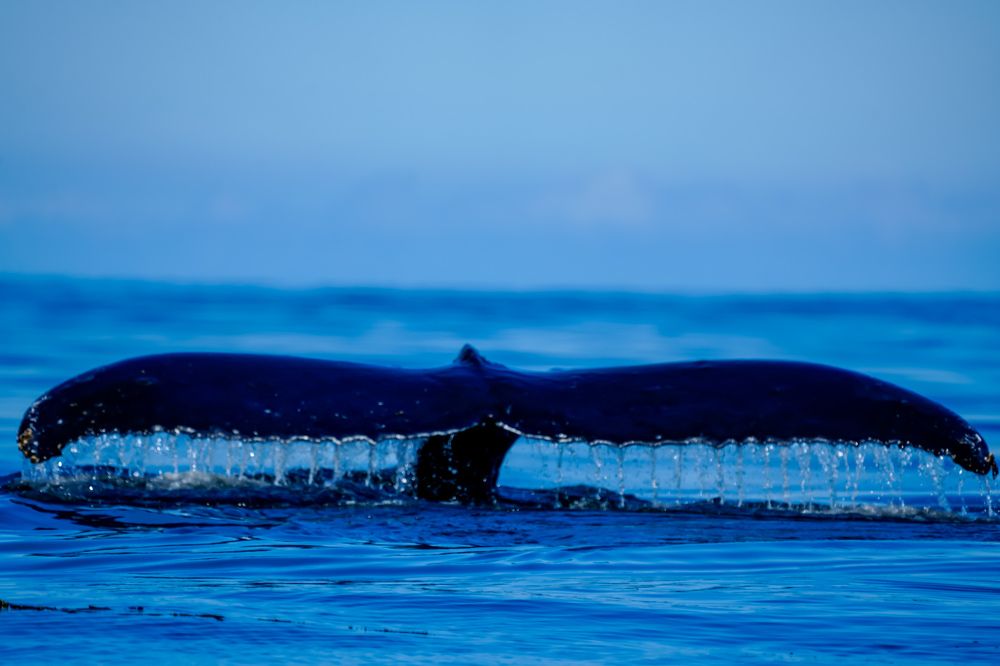
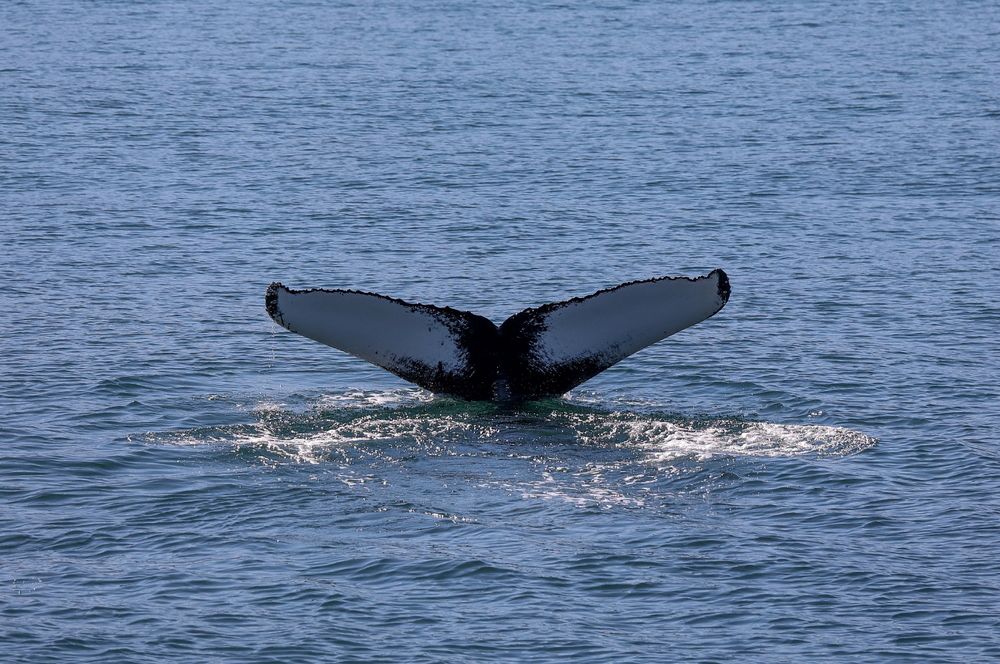
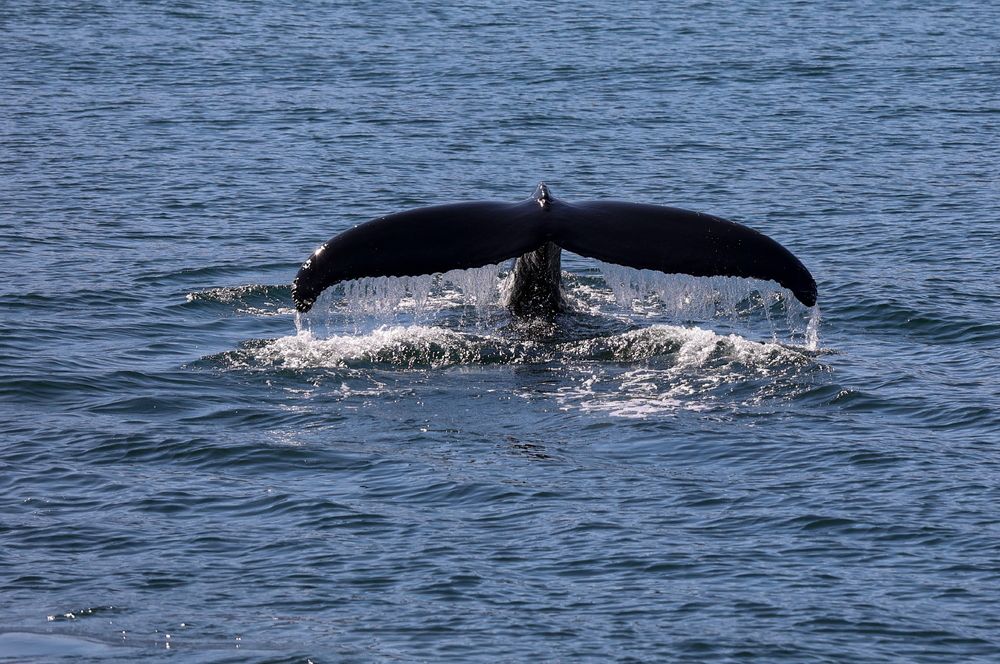
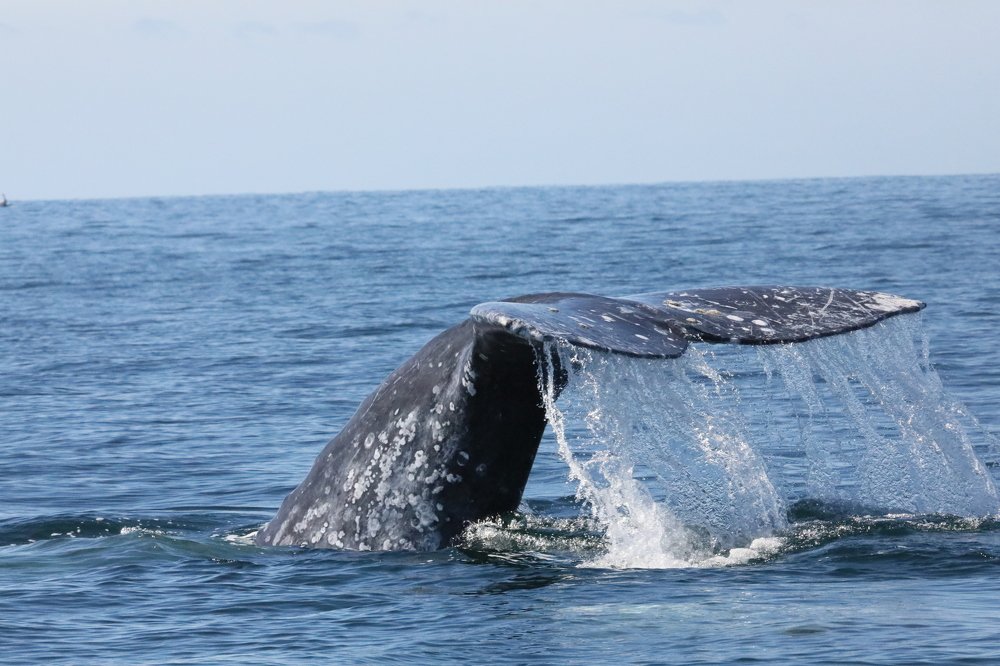
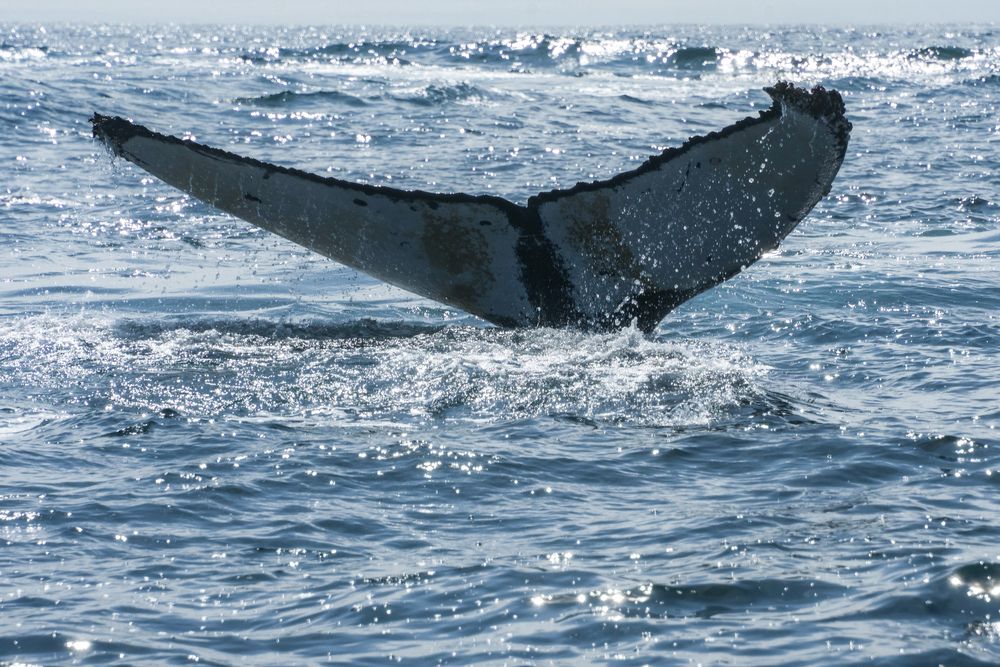
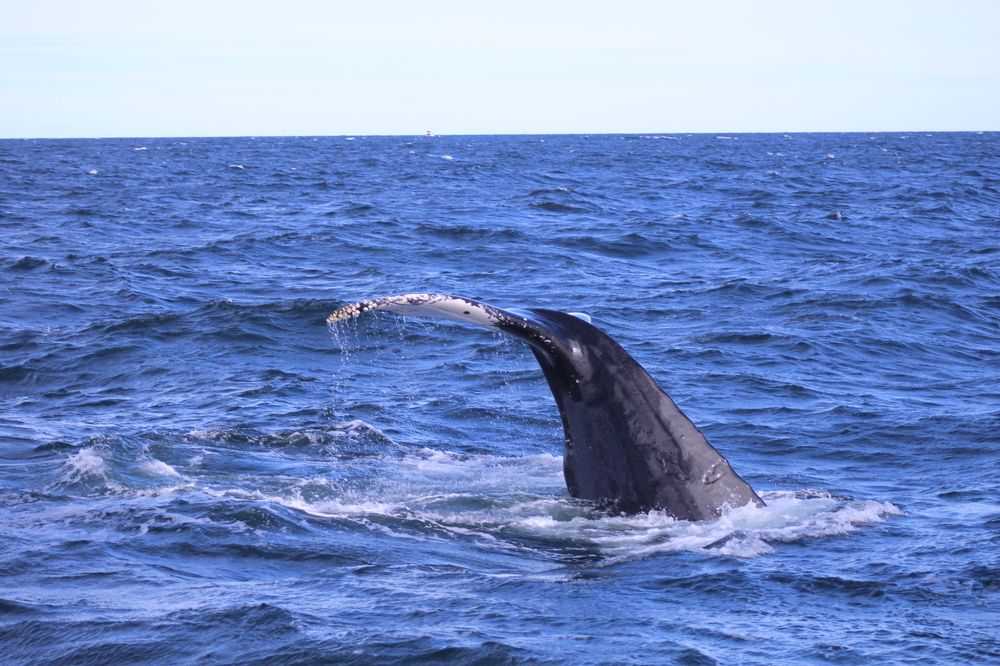
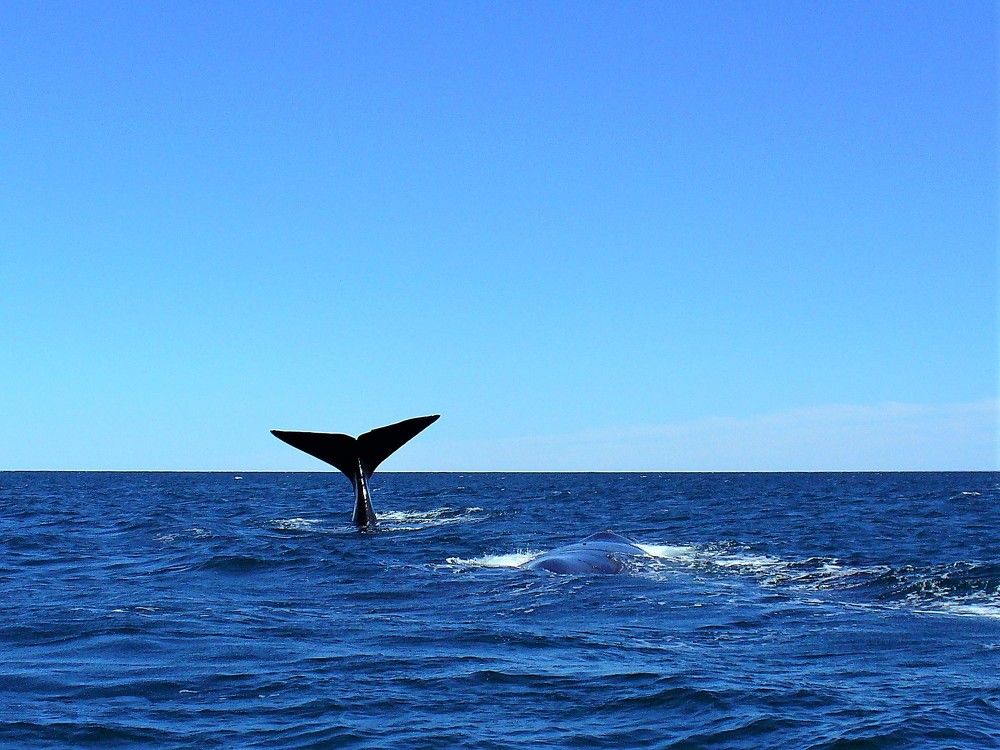
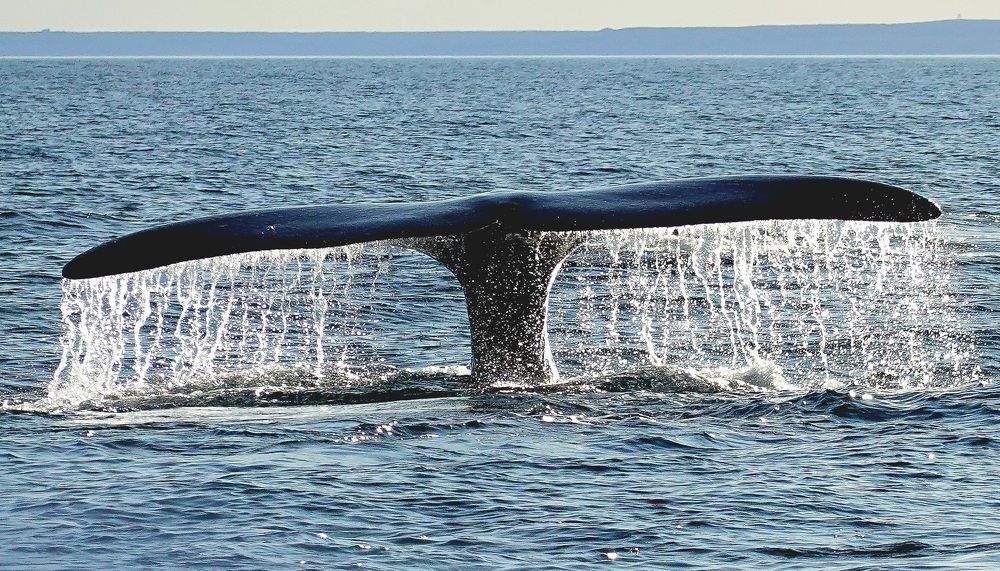
The images depict the flukes of large whales as they dive into the ocean. Photographers are drawn to this specific angle because it highlights the massive scale and distinct black-and-white patterns unique to each animal. The shots vary in lighting, ranging from high-contrast monochrome to natural color scenes set against snowy coastlines or open water. These visuals capture a moment of movement where the tail flukes rise vertically before disappearing beneath the surface. The group is united by the visual motif of whale tails emerging from the sea.
How to shoot it
📍 Where to shoot
Outdoor shooting, primarily from a ship or yacht at sea. Notable locations include the coasts of Norway, Kamchatka (Kronotsky Bay), Sri Lanka, Iceland, Alaska, and Svalbard.
🧭 How to get there
Access to the shooting location is by sea vessels: cruise ships, yachts, or special expedition boats. The journey requires organizing a sea trip to the selected region.
🕐 Time of day
Most shot between 9:00 and 12:00 (27% of frames)
Based on 26 frames with camera data. Camera clock time; the time zone is unknown.
Shooting most often occurs from morning to evening; peak observation activity is at 10–11 AM and 5 PM.
🗓️ Season
Most shot in: August, December, July
Based on 26 frames with camera data
The most productive period is summer (July–August); good shots are also possible in February and December.
🎒 Gear
A telephoto lens with a focal length of 70 mm or more (median 246 mm, range up to 500 mm). To capture whale movement, shutter speed should be short: median 1/1000 s, 92% of shots taken faster than 1/500 s.
Cameras and lenses the authors used (10)
Sony ILCE-7RM4 4Sony ILCE-7M4 2Canon EOS R6 2Canon EOS REBEL T5 1Nikon Z7_2 1FE 70-200mm F2.8 GM OSS II 3n/a 2FE 200-600mm F5.6-6.3 G OSS 2Canon EF 75-300mm f/4-5.6 1Canon EF 24-105mm f/4L IS USM 1
🧳 What to bring
Windproof clothing and deck shoes, rain cover or splash guard for the camera, spare batteries (cold reduces charge), sunglasses. Ticket for a sea excursion or cruise.
⚙️ Settings
Shutter 1/1000 (1/3200 – 1/500)Aperture f/7.1 (f/4 – f/14)ISO 500 (100 – 3200)Focal length 246 mm (75 – 500)
Based on 24 frames with camera data. Median and 10-90% range across the idea frames.
Key parameter is shutter speed: freeze motion with short exposure (median 1/1000 s). Aperture f/7.1 provides sharpness balance; ISO varies from 100 to 3200 depending on lighting.
⚠️ Good to know
Observe ethics: do not approach animals closer than permitted by the ship operator, and avoid sudden movements. Whales may come very close to the rail, posing risks to equipment and people; ensure safety on deck.
📈 How the idea developed
works uploadedshare of all site uploads, per 100k
The date is when the file was uploaded to the site. The chart counts works assigned to the idea.
✅ How to repeat it
- Watch for the moment when the tail fluke starts submerging to capture motion dynamics.
- Use burst mode, as whales often surface and dive suddenly.
- Compensate for ship sway by holding onto railings and using stabilization.
✨ Interesting facts
- 🏆 How the best frame was shot: Nikon Z7_2, NIKKOR Z 100-400mm f/4.5-5.6 VR S, 1/1000, f/14, ISO 400, 270 mm
- 📐 100% of frames are landscape orientation
- 🥇 2 works reached the finals. Best contest: Lonely Objects 2026
- 👤 Most frequent authors: Марлен Маан 3Борис Лишневский 2
- 🌍 Authors by country: 🇷🇺 RU 14🇦🇷 AR 4🇺🇸 US 2🇮🇱 IL 2🇸🇻 SV 1
Some tips are prepared by AI from the idea description, photos and their EXIF. Check the rules and access to places before you travel.
Works
These lists are generated automatically and may contain inaccuracies. Photos are shown in random order, and selections are refreshed twice a day. This section is made for exploring photos and does not claim 100% accuracy. The lists include photos that previously participated in contests that are already completed.