Red Pandas in Natural Habitat
21 worksFirst upload: Oct 2017Peak: 2022Last 12 months: 2
📝 Description
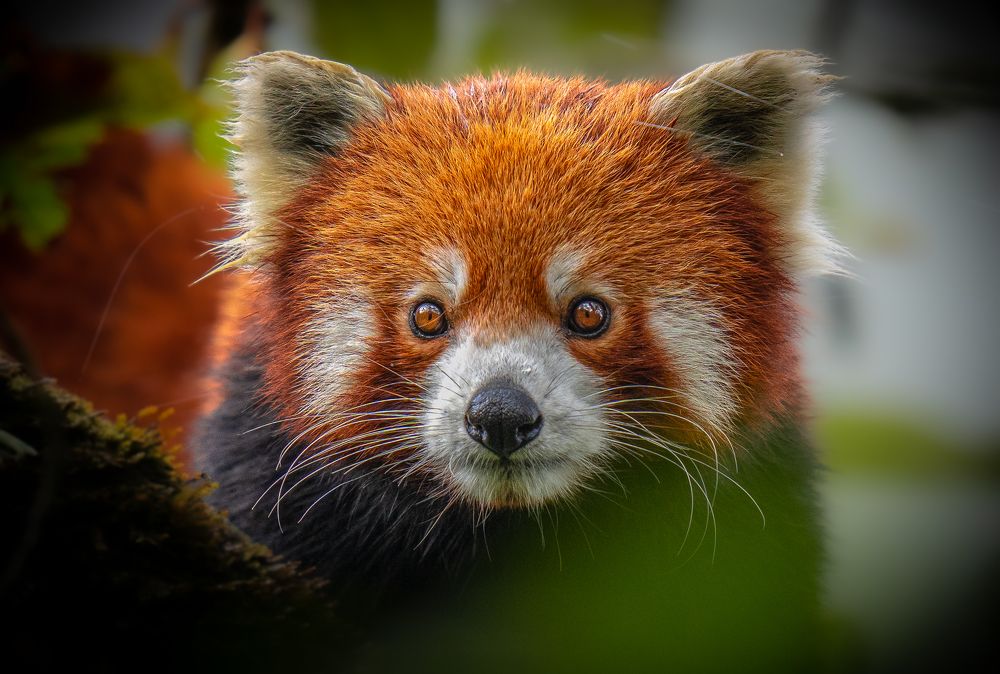
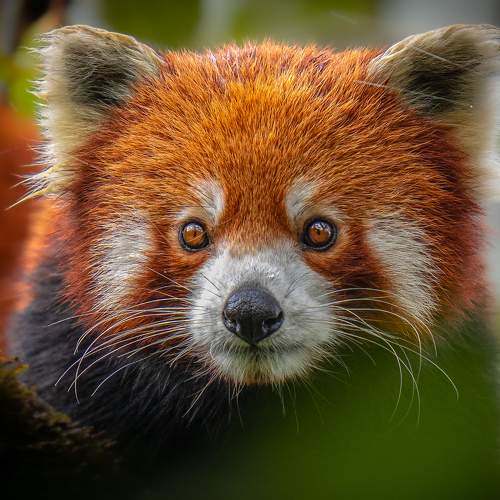
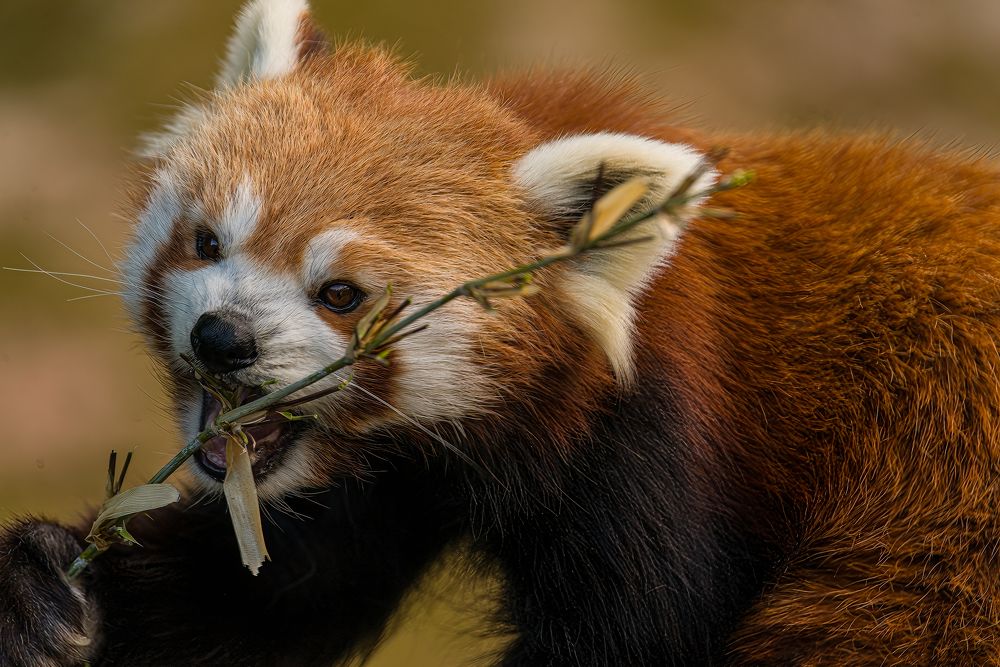
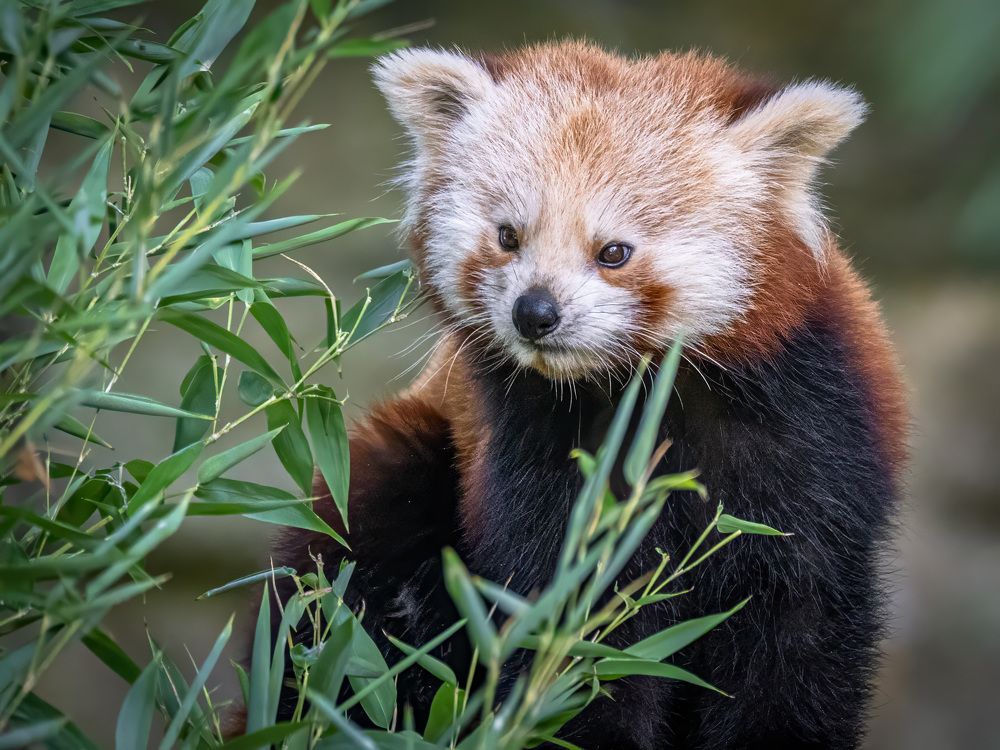
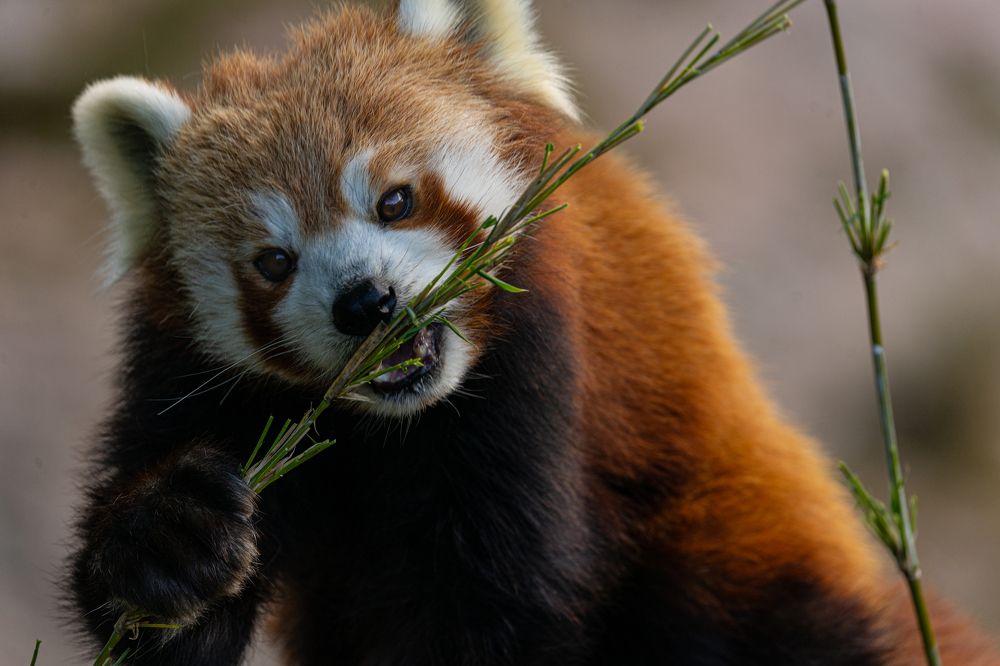
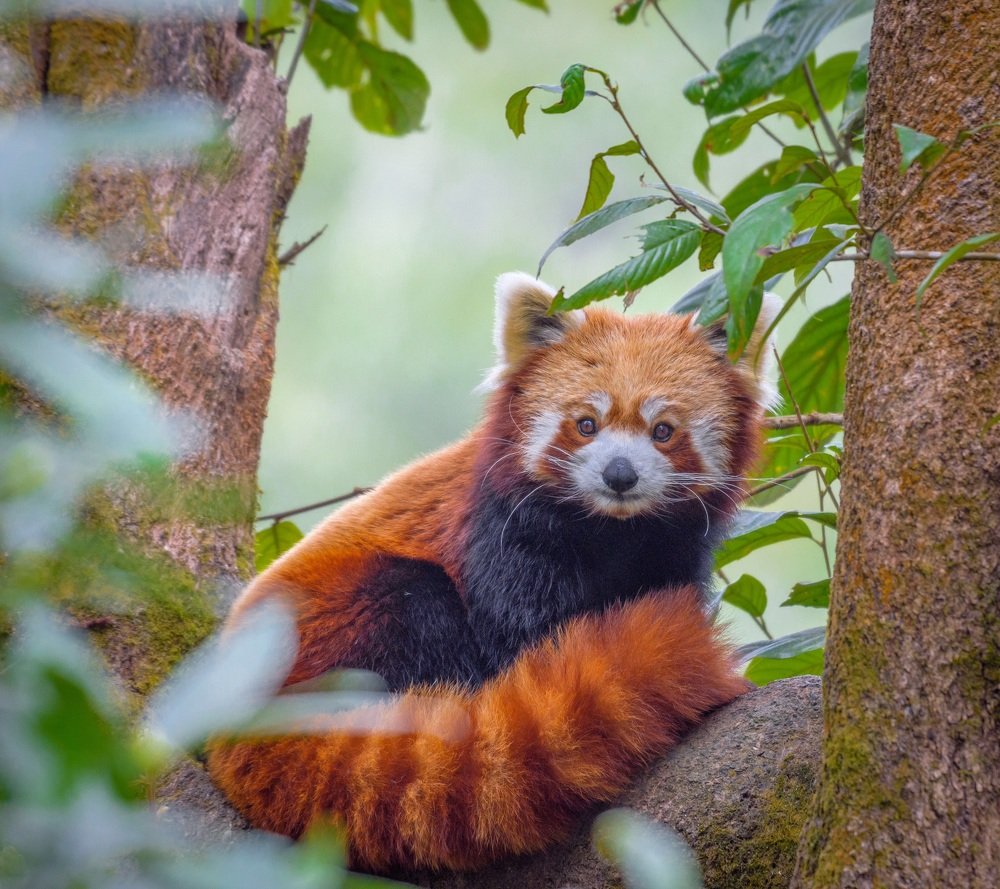
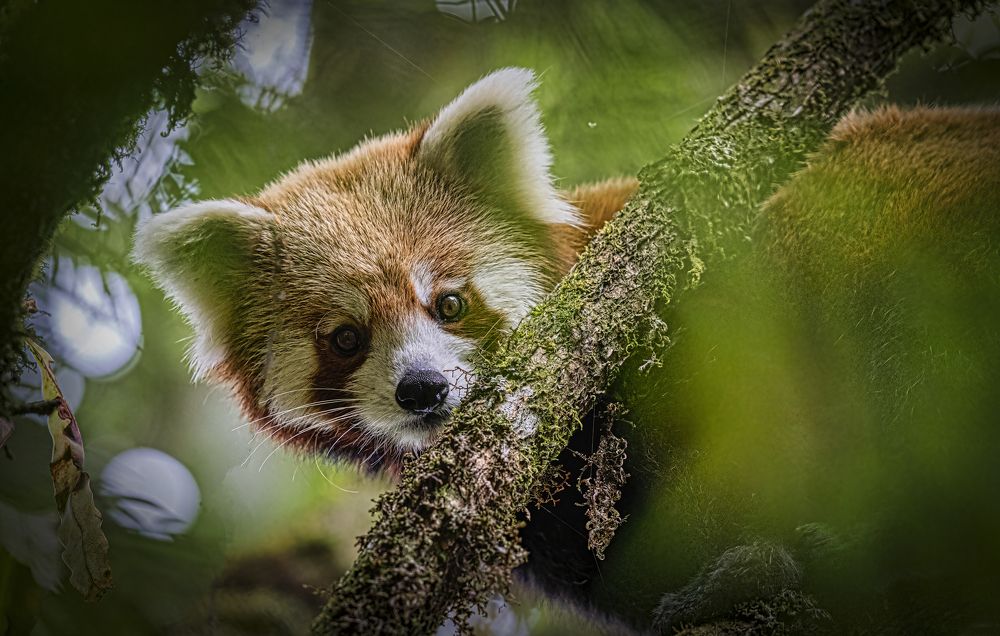
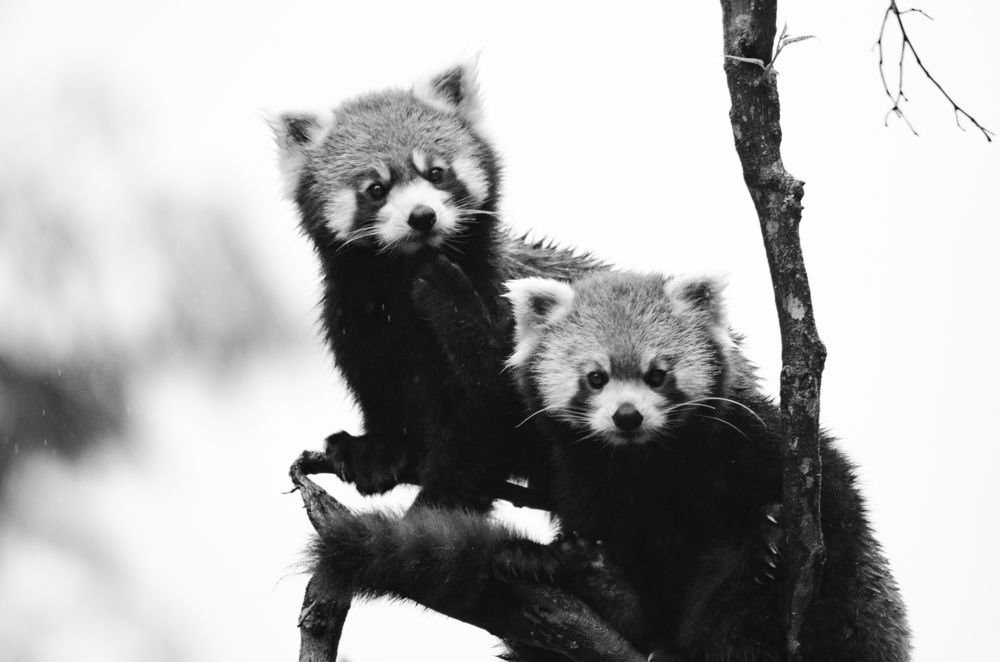
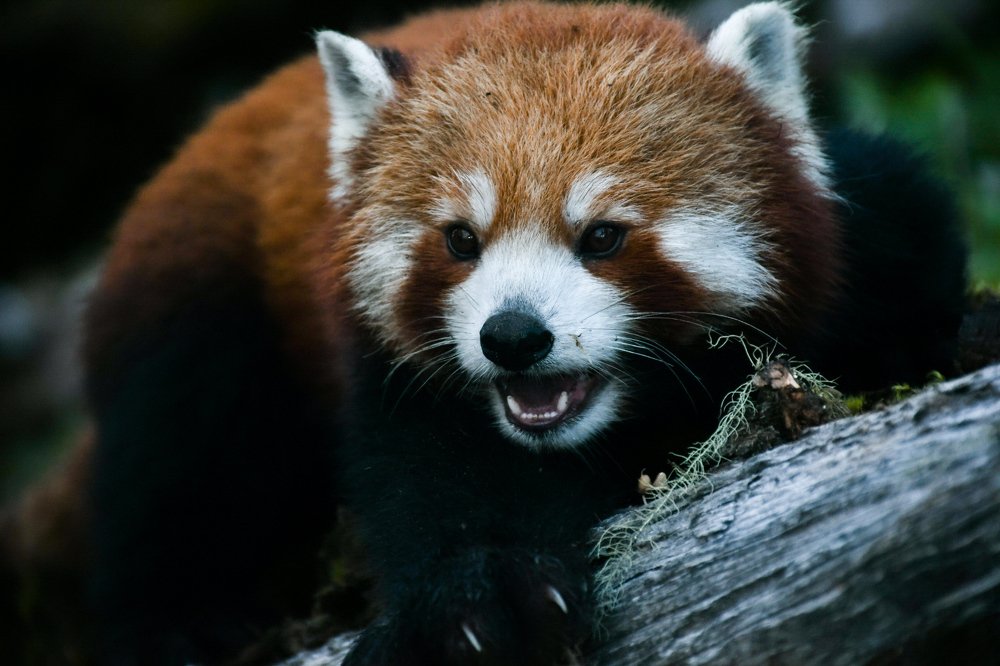
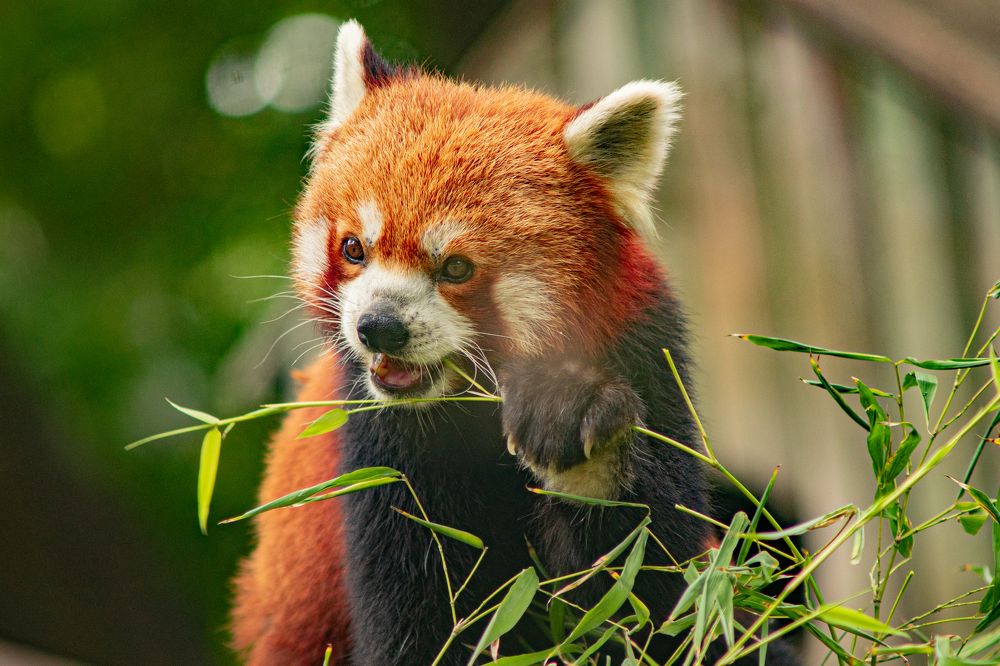
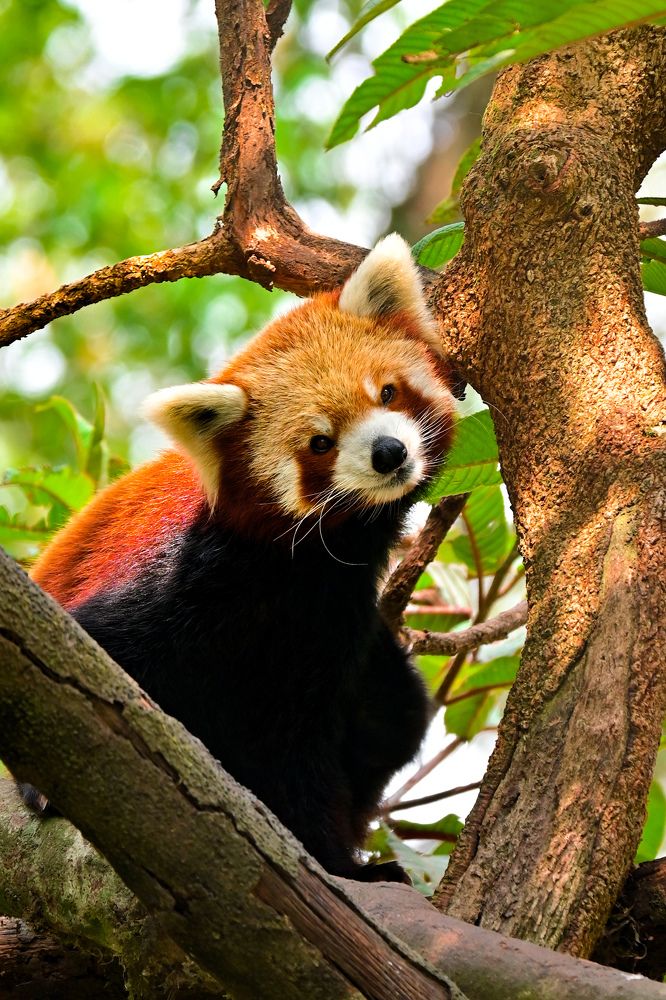
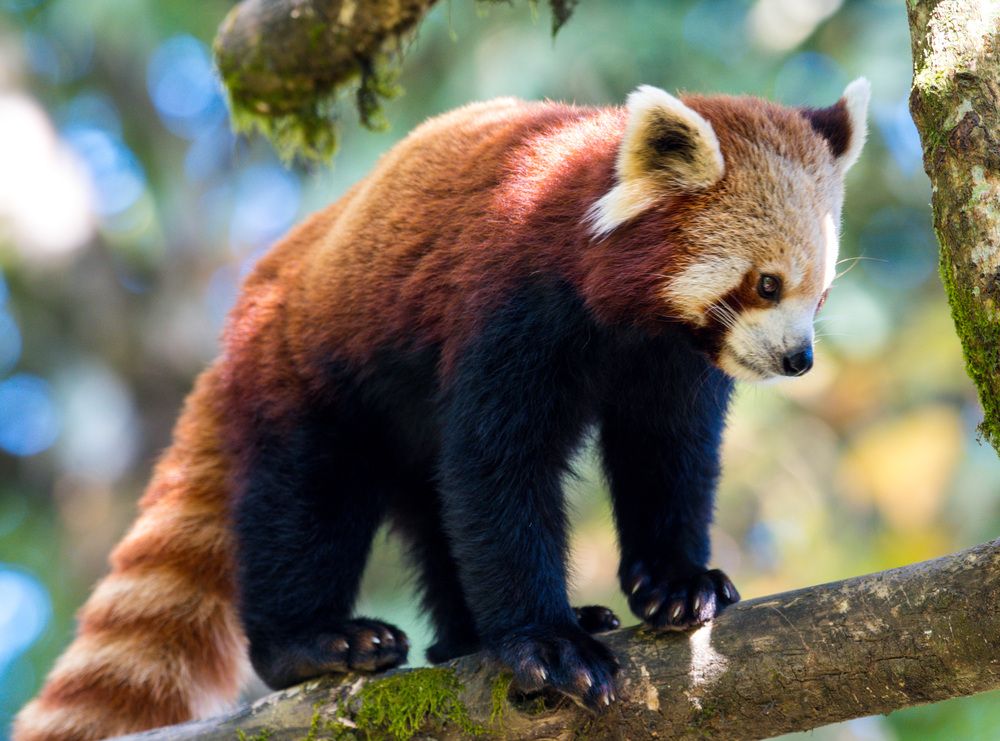
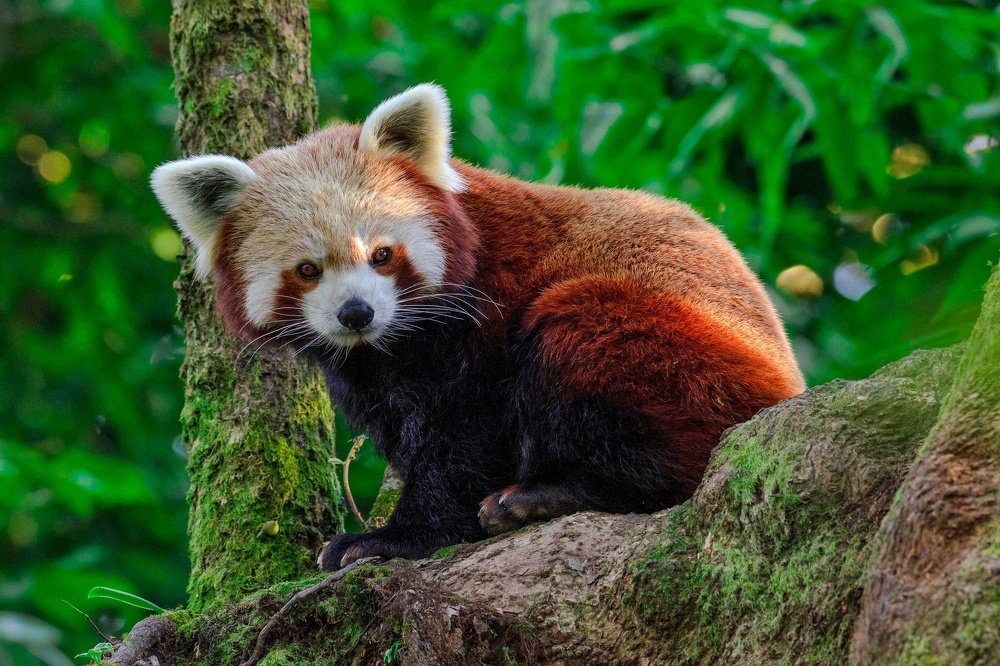
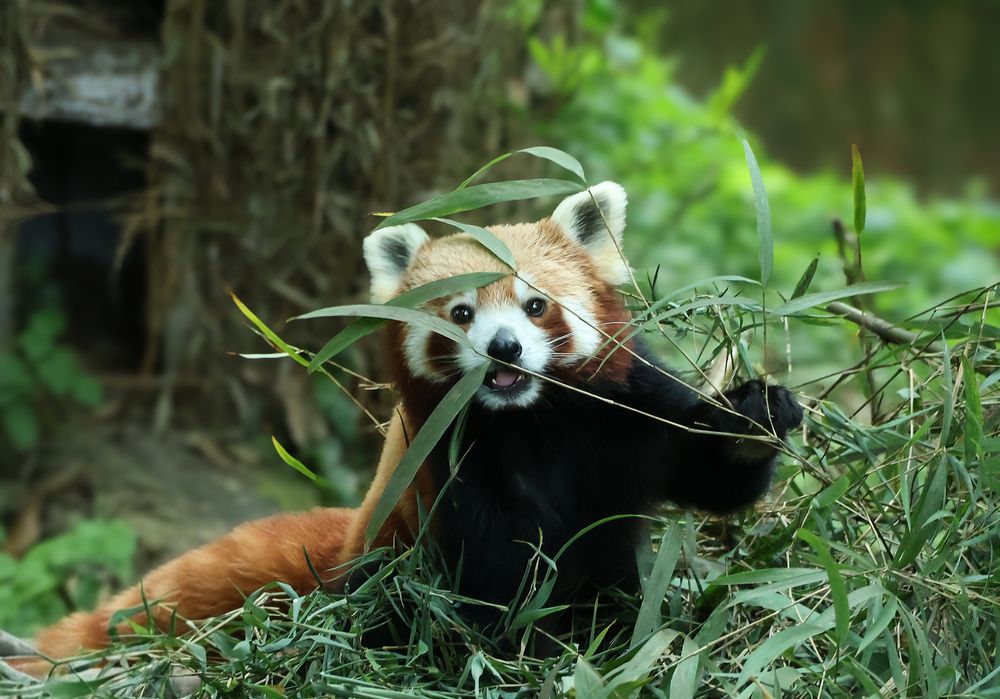
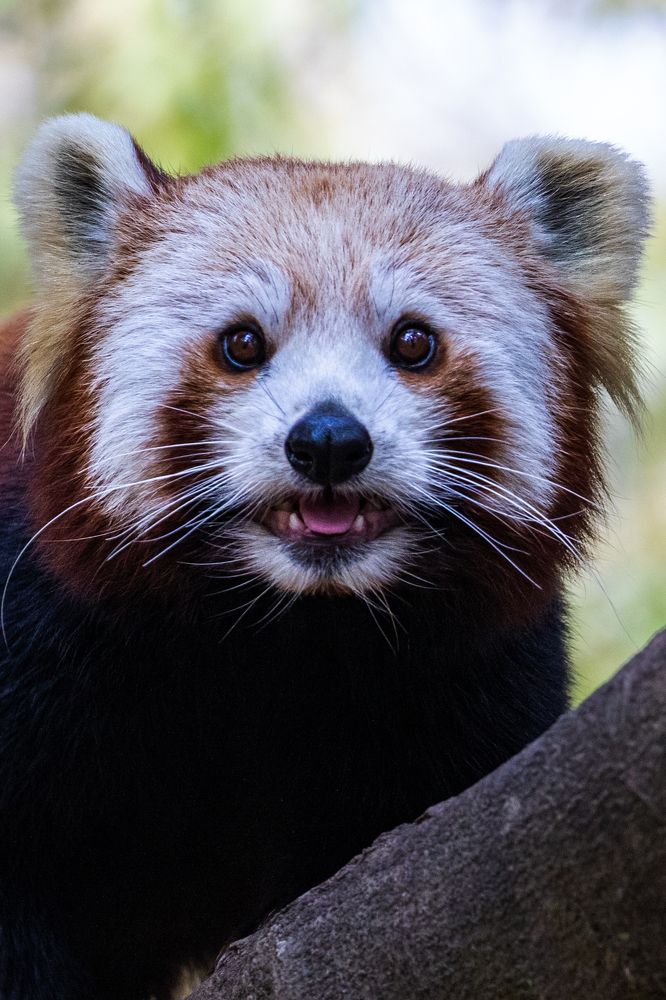
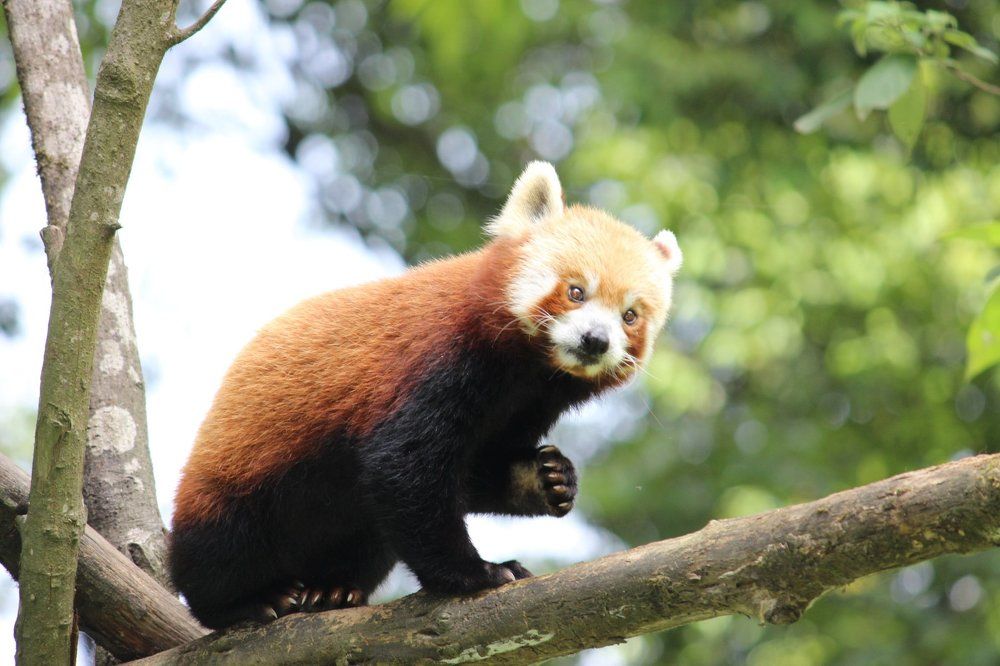
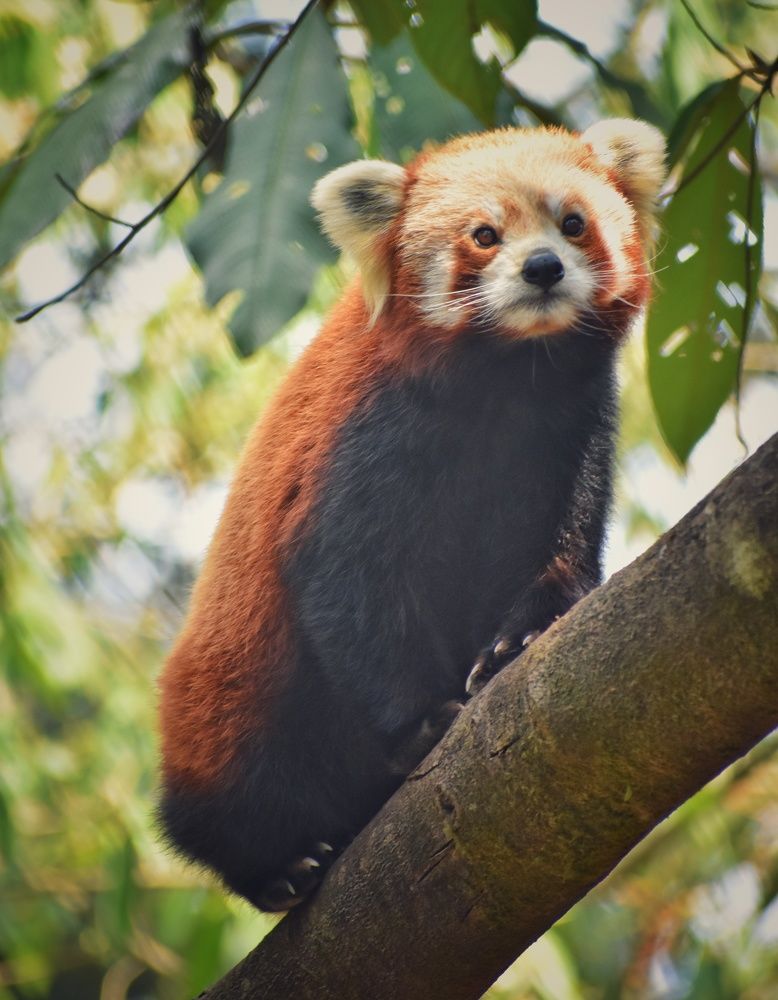
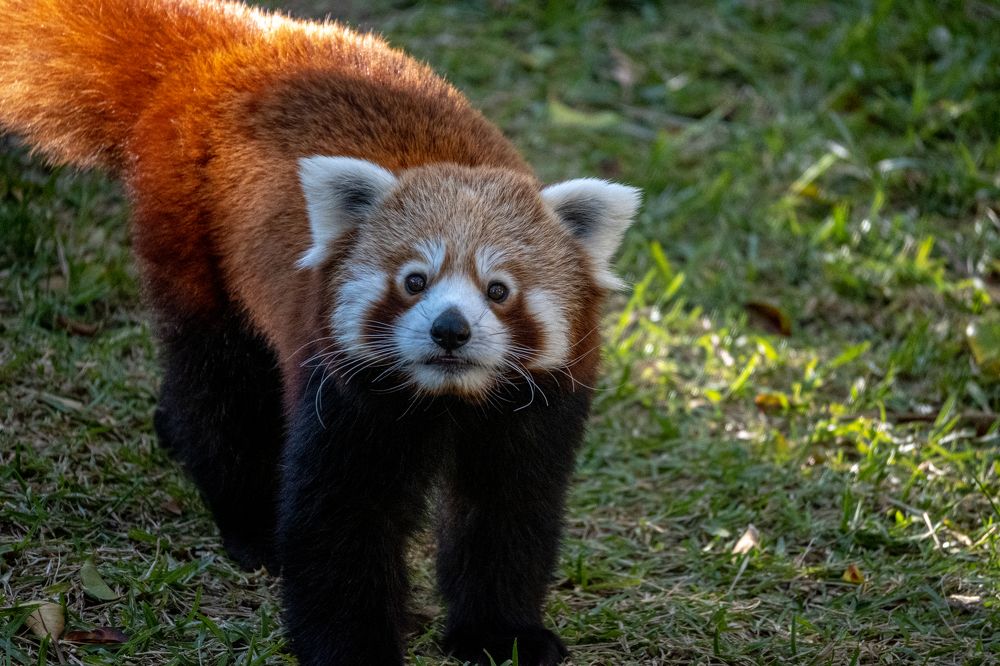
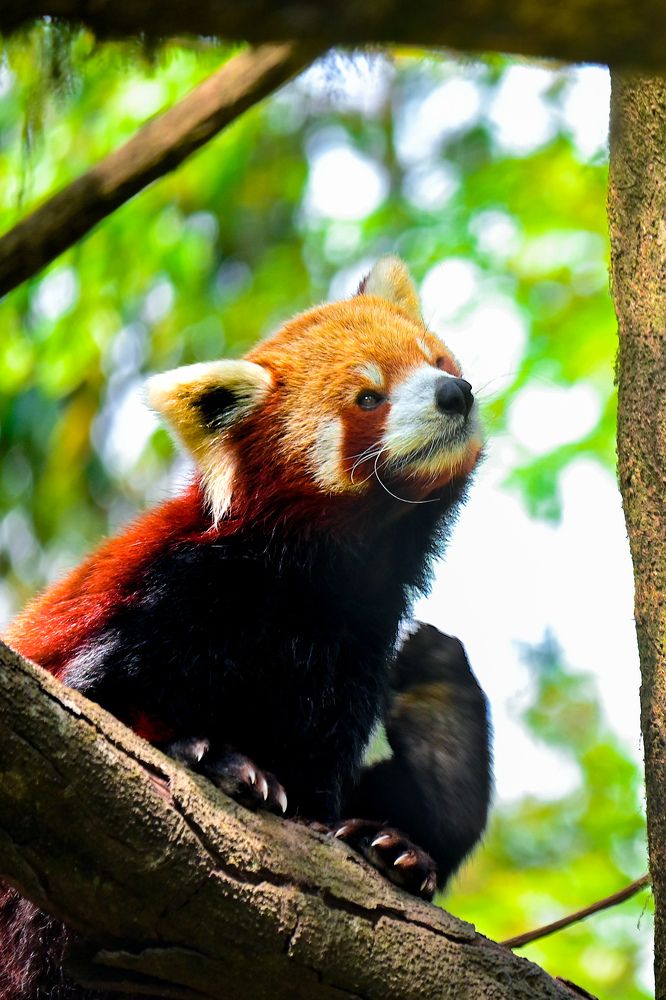
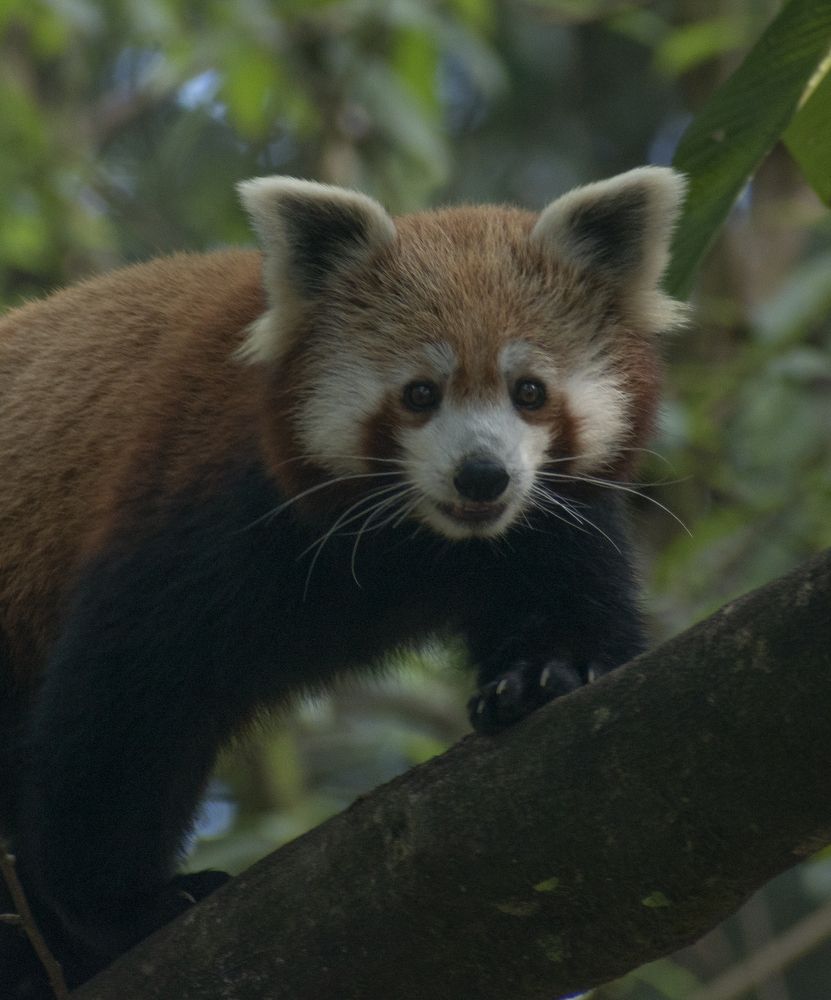
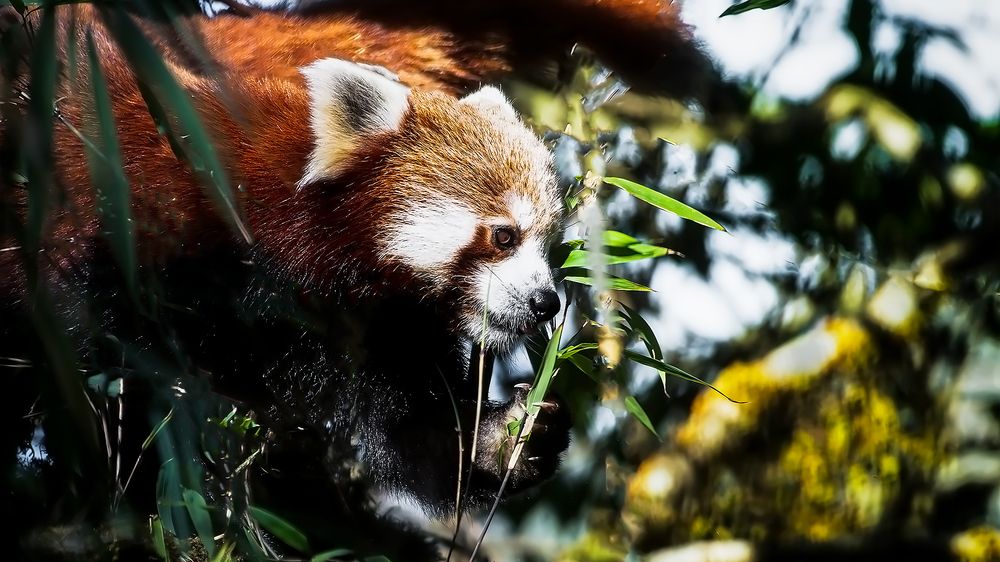
These images feature the red panda, an endangered species native to the eastern Himalayas and parts of China. Photographers focus on the animal's striking reddish-brown fur, white facial markings, and bushy tail against natural forest backgrounds. The shots vary from close-up portraits capturing detailed expressions to wider views showing the animals navigating tree branches. Some images are presented in color while others utilize black and white processing to emphasize texture and contrast. A shared visual motif across the group is the animal's presence within its arboreal habitat.
How to shoot it
📍 Where to shoot
Shooting takes place outdoors in the Himalayan mountain forests, mainly in bamboo groves. Notable locations: Singalila National Park (India), Padmaja Naidu Himalayan Zoological Park (Darjeeling), and Trashigang District (Bhutan).
🧭 How to get there
Wildlife observation (e.g., at Singalila) requires travel to remote mountainous regions of India or Bhutan. Access at the zoological park is easier, but the animal is rare and shy, so success depends on luck and waiting time.
🕐 Time of day
Most shot between 16:00 and 19:00 (41% of frames)
Based on 17 frames with camera data. Camera clock time; the time zone is unknown.
Shooting most often occurs during the day (12–18 h), coinciding with animal activity in zoos or lighting conditions for long exposures. In the wild, they are nocturnal, but photos are taken during daylight hours.
🗓️ Season
Most shot in: June, November, December
Based on 17 frames with camera data
The best months for shooting are May, June, November, and December. These periods correspond to the monsoon or dry season in the Himalayas, when visibility and animal activity are optimal.
🎫 Access and rules
National parks (Singalila) require a wildlife photography permit and a guide. The zoological park charges an entry fee, but flash is prohibited, and tripods may be restricted in narrow enclosures.
🧗 Difficulty
Hard
High difficulty due to the remoteness of mountainous terrain and the rarity of the species. In the wild, red pandas are shy, requiring long waits and patience.
🎒 Gear
A telephoto lens with a focal length of 250–600 mm (median 360 mm) is needed for shooting from concealed positions. Aperture f/5.6–f/8, ISO 320–2800.
Cameras and lenses the authors used (10)
Sony ILCE-7M2 3Nikon D7000 2Nikon D7500 2Canon EOS 700D 1Nikon D7200 1AF-S Nikkor 200-500mm f/5.6E ED VR 5FE 200-600mm F5.6-6.3 G OSS 2Canon EF-S 55-250mm f/4-5.6 IS II 118.0-140.0mm f/3.5-5.6 1NIKKOR Z DX 50-250mm f/4.5-6.3 VR 1
🧳 What to bring
Warm clothing and footwear for mountain climates, insect repellent, spare batteries, rain cover for equipment. In parks, an entry pass or ticket is required.
⚙️ Settings
Shutter 1/250 (1/800 – 1/100)Aperture f/6.3 (f/5.6 – f/8)ISO 640 (320 – 2800)Focal length 360 mm (250 – 600)
Based on 16 frames with camera data. Median and 10-90% range across the idea frames.
Key parameter: shutter speed; median 1/250 s (range 1/769–1/100 s) to freeze motion. Aperture f/5.6–f/8 for balance between depth of field and light, ISO 320–2800.
⚠️ Good to know
The red panda is a vulnerable species; therefore, it is important to follow ethical guidelines: do not use flash, do not approach the animals, and do not disturb them. In the wild, they are nocturnal, but photos are taken during daylight hours.
📈 How the idea developed
works uploadedshare of all site uploads, per 100k
The date is when the file was uploaded to the site. The chart counts works assigned to the idea.
✅ How to repeat it
- Use continuous shooting to capture the panda's fast movements.
- Shoot from concealed positions to avoid startling the animal.
- Pay attention to the contrast between the reddish fur and green foliage for a more expressive frame.
✨ Interesting facts
- 🏆 How the best frame was shot: Sony ILCE-1, FE 400mm F2.8 GM OSS, 1/1000, f/2.8, ISO 640, 400 mm
- 📐 75% of frames are landscape orientation
- 🥇 1 works reached the finals. Best contest: Wildlife: Mammals 2023
- 👤 Most frequent authors: Julia A Caesar 2Pratik Saha 2
- 🌍 Authors by country: 🇮🇳 IN 13🇸🇪 SE 2🇪🇸 ES 2🇬🇧 GB 1🇧🇹 BT 1
Some tips are prepared by AI from the idea description, photos and their EXIF. Check the rules and access to places before you travel.
Works
These lists are generated automatically and may contain inaccuracies. Photos are shown in random order, and selections are refreshed twice a day. This section is made for exploring photos and does not claim 100% accuracy. The lists include photos that previously participated in contests that are already completed.