Humpback Whales Underwater
35 worksFirst upload: Oct 2018Peak: 2024Last 12 months: 6
📝 Description
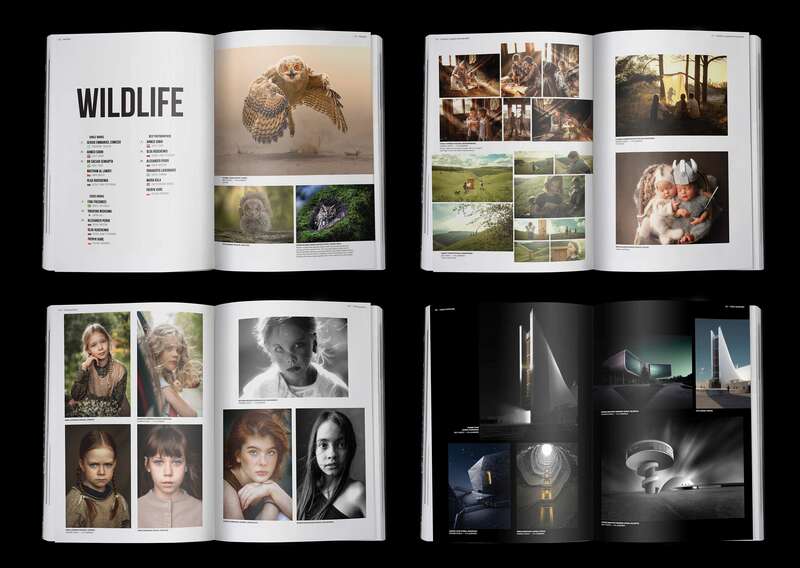
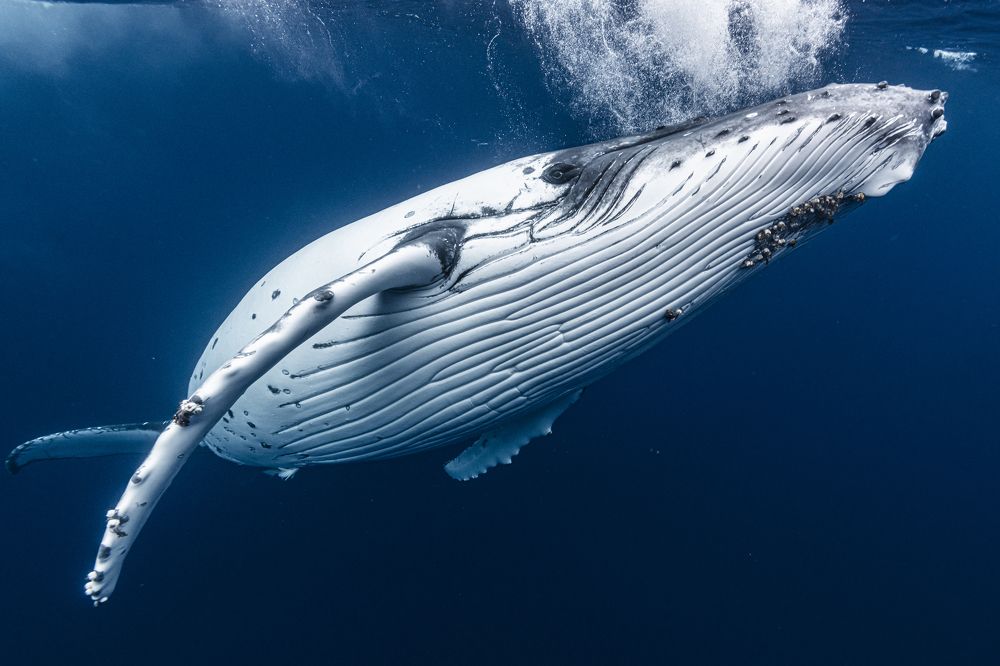
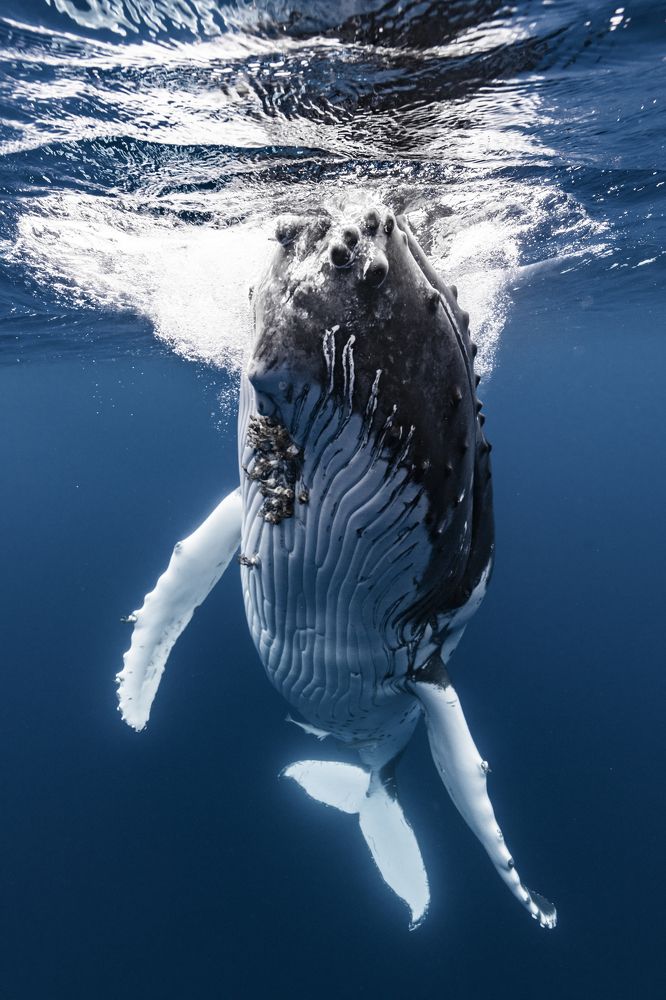
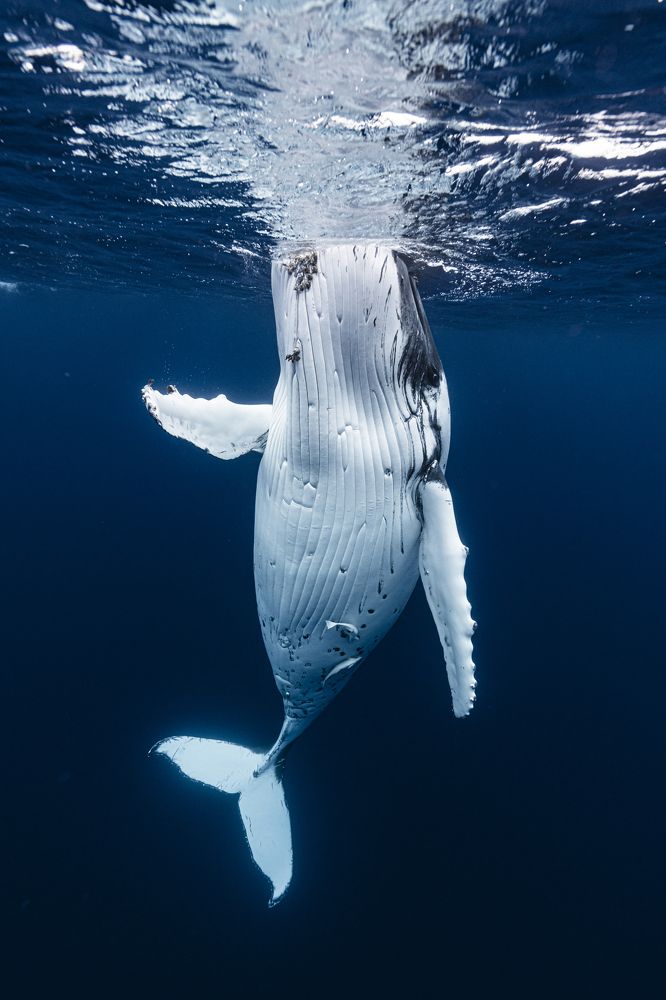
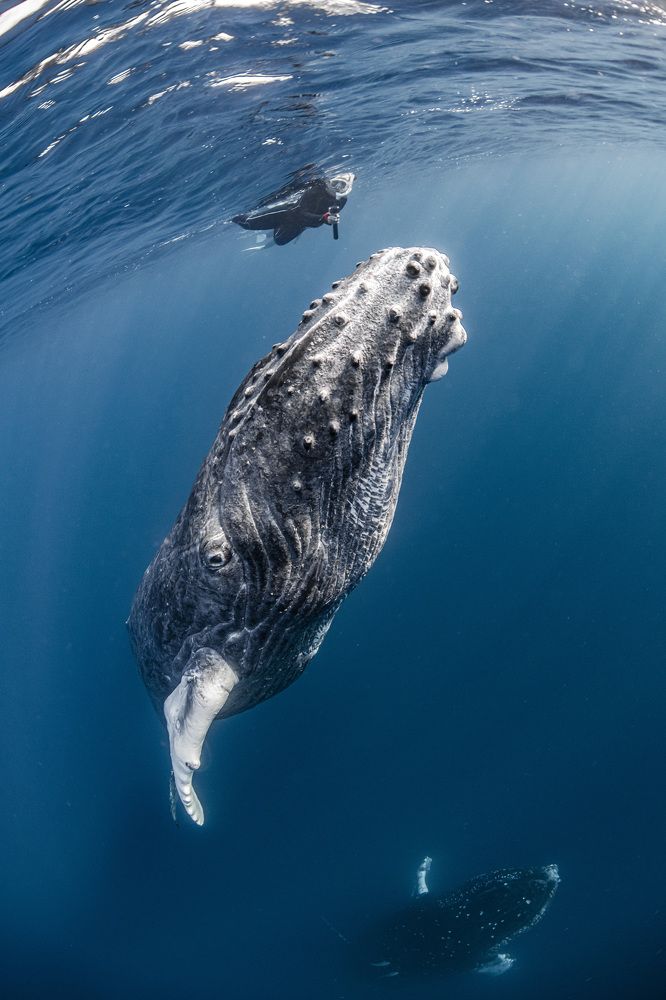
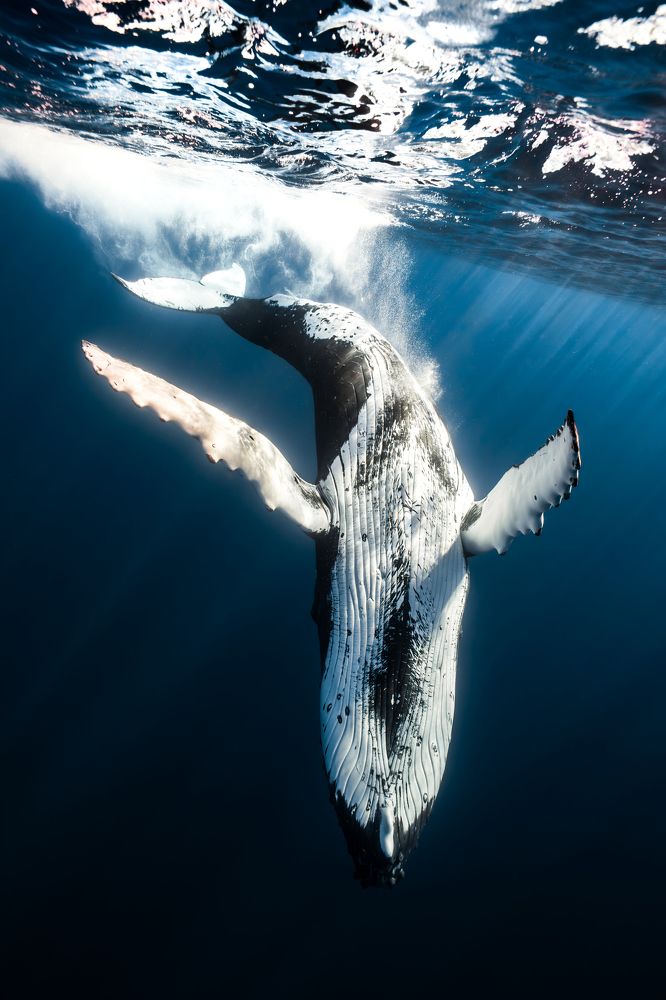
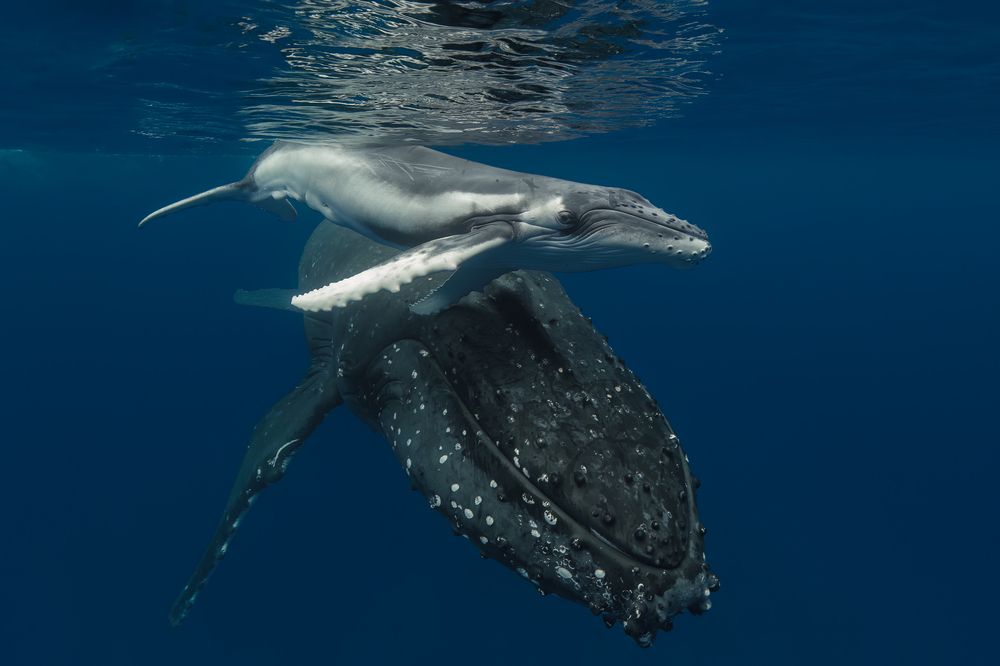
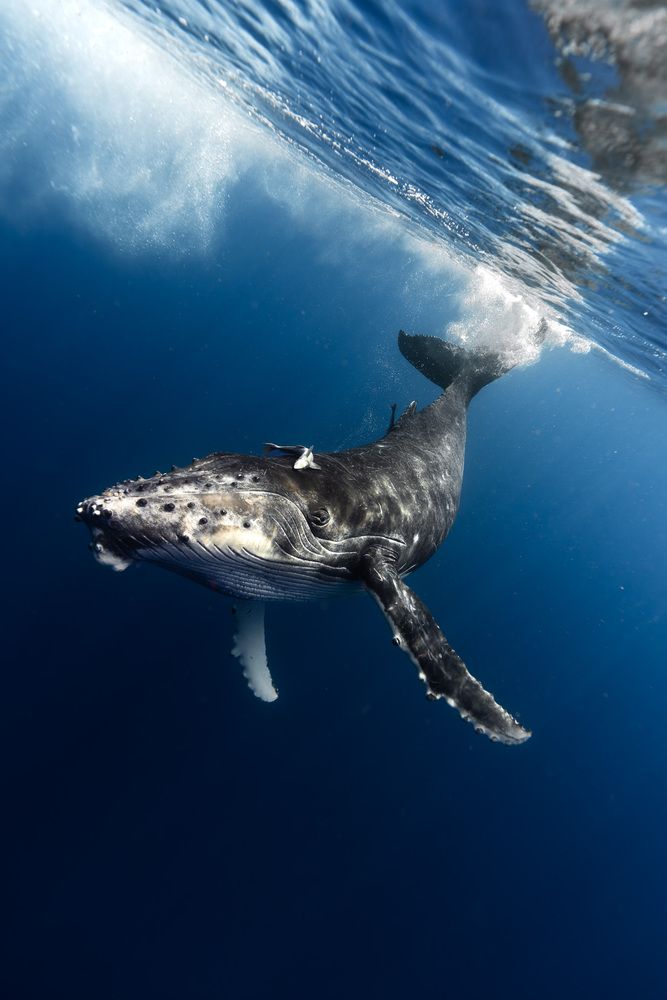
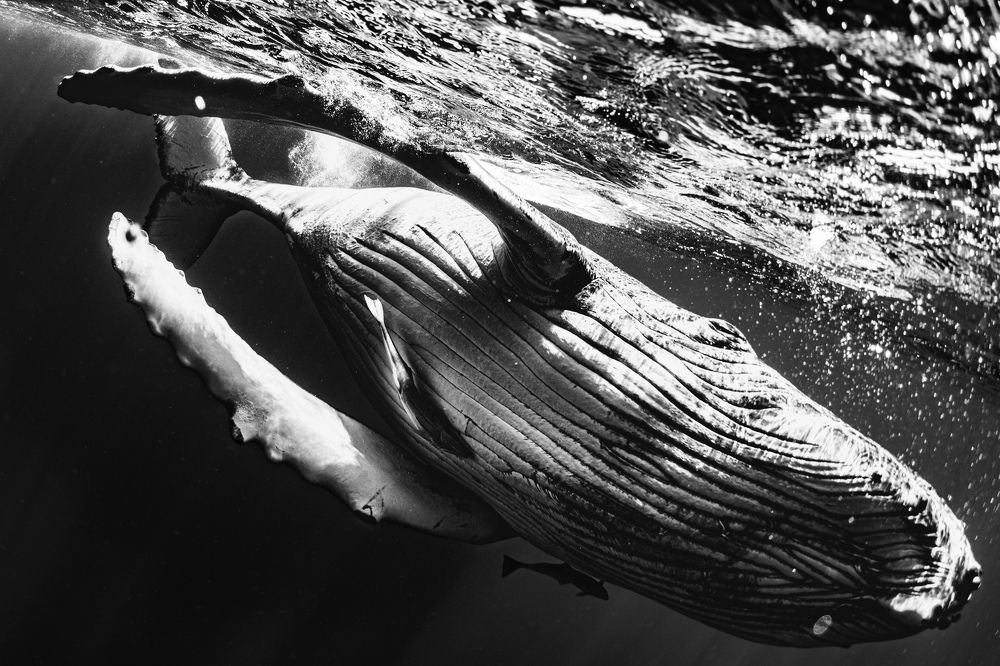
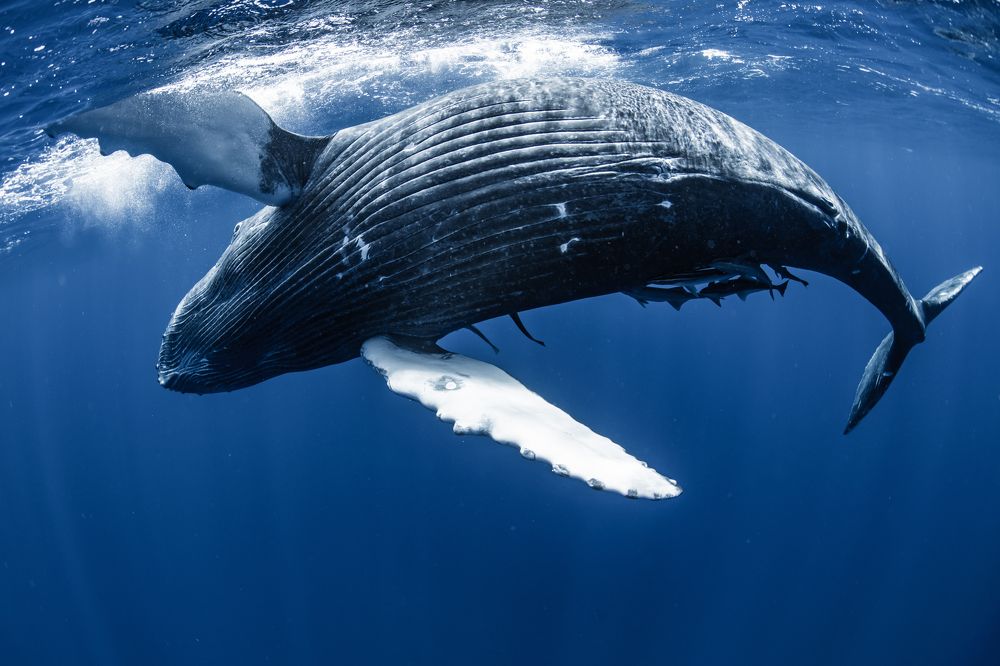
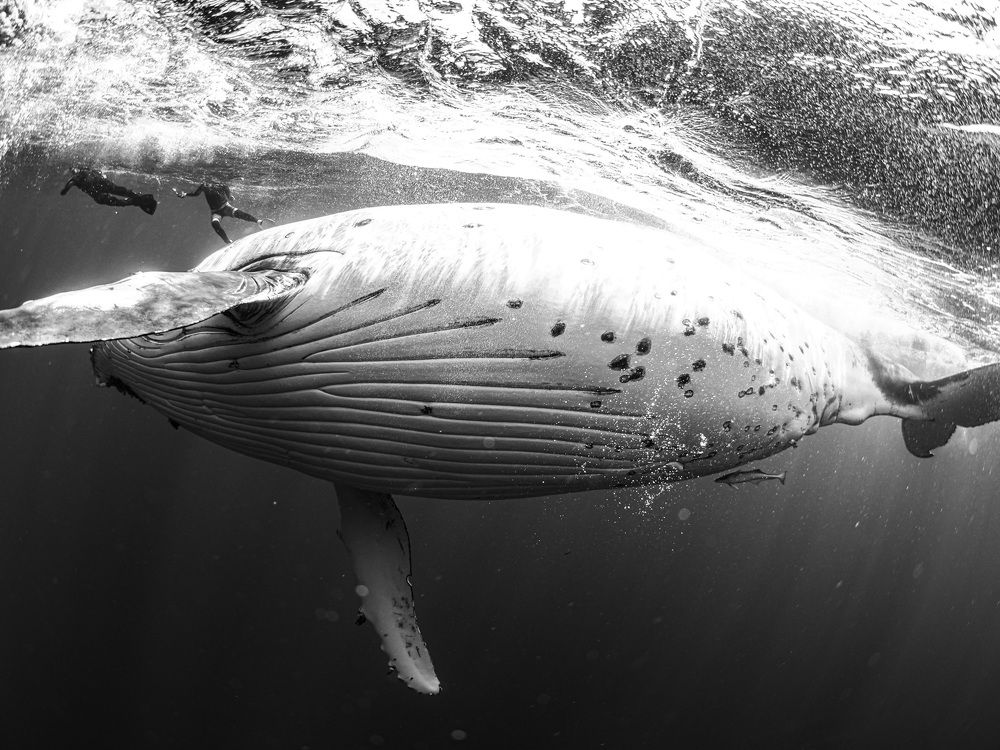
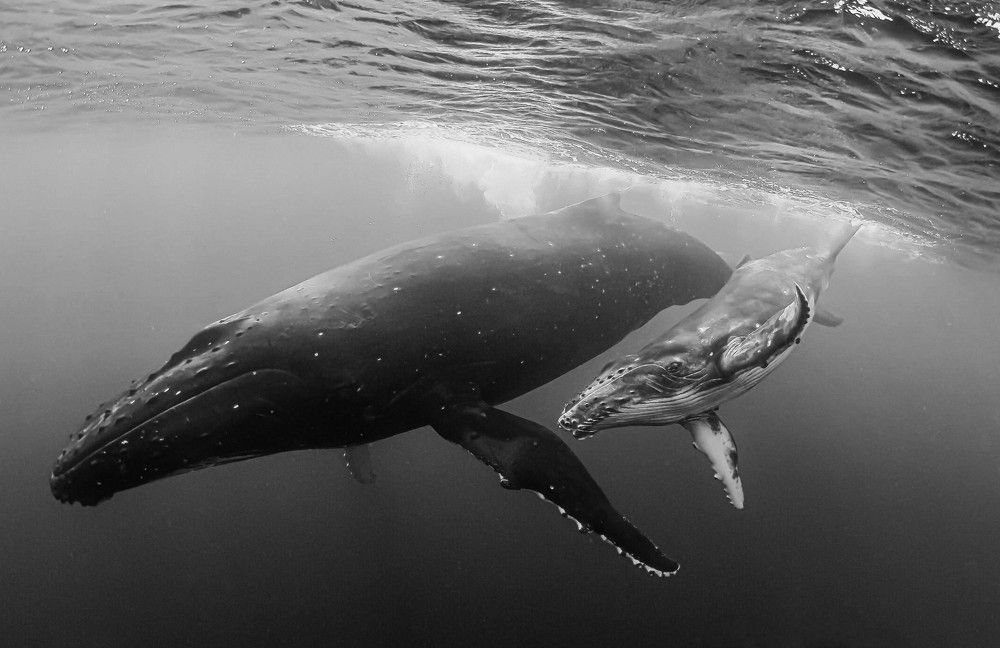
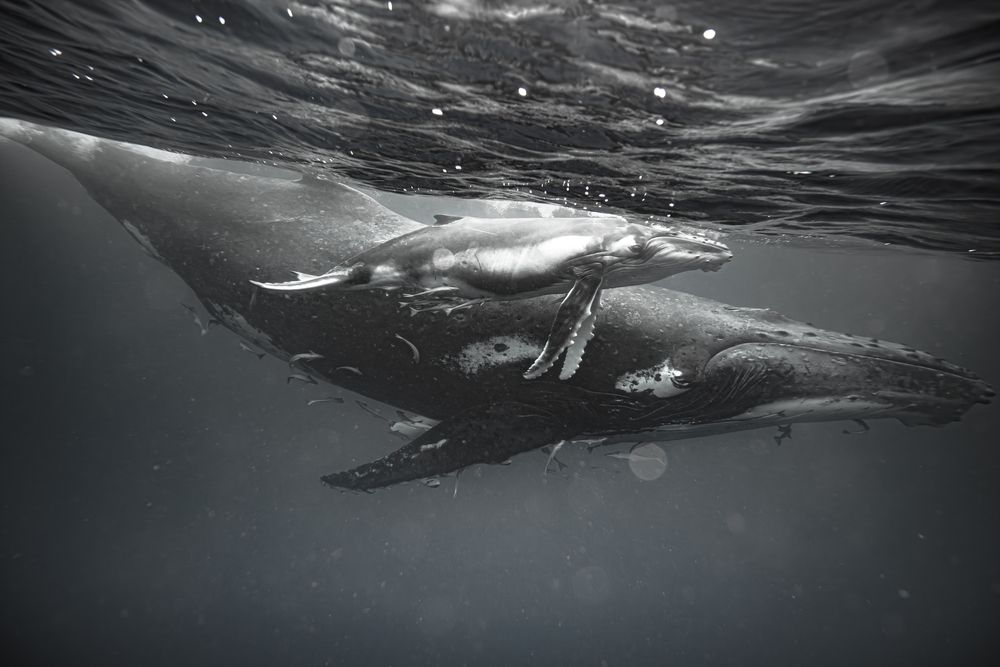
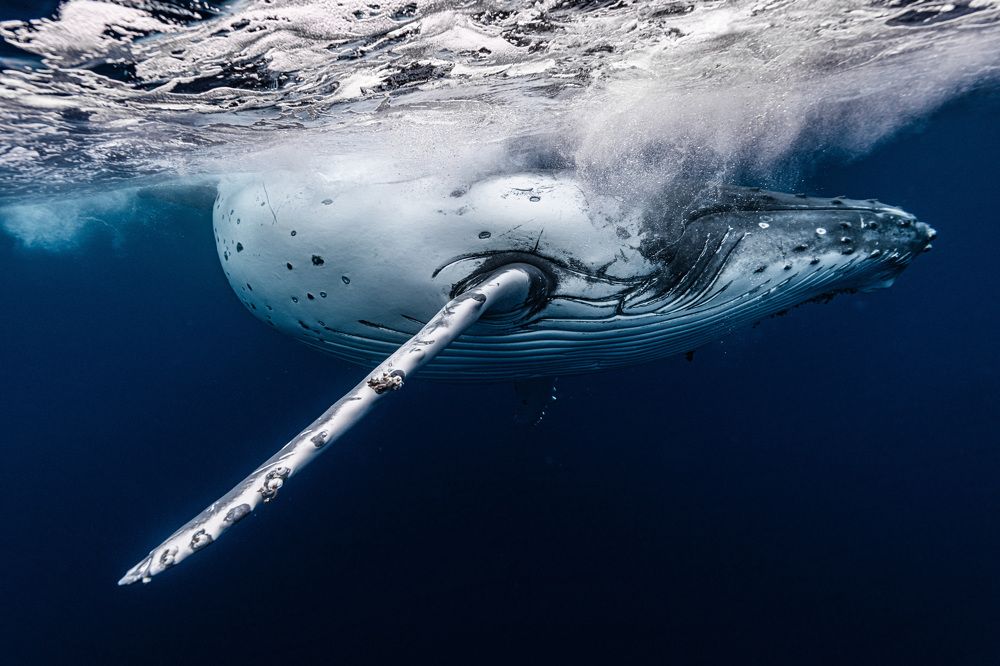
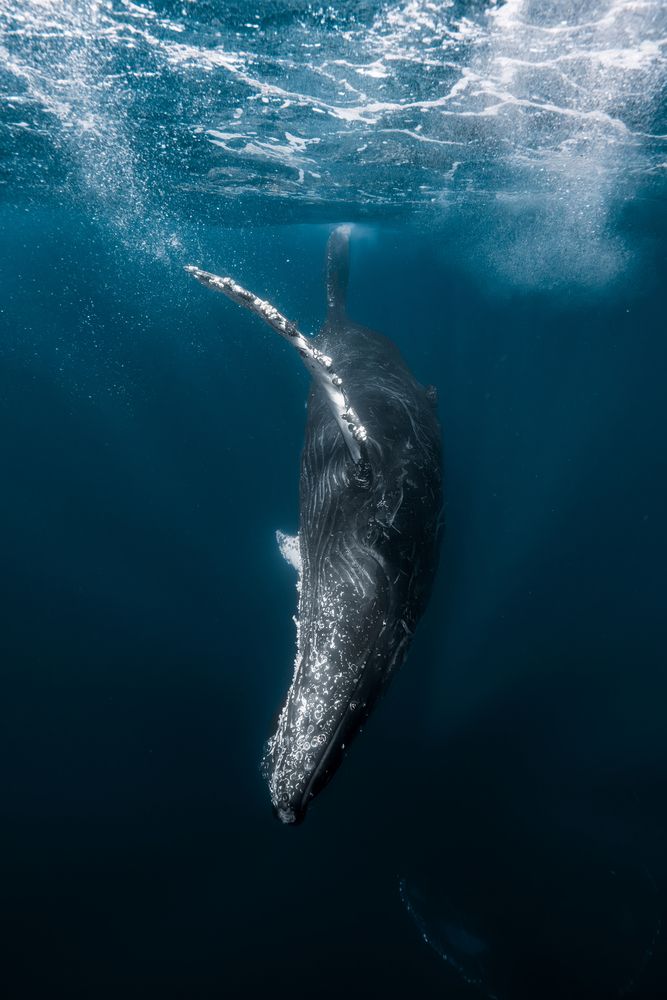
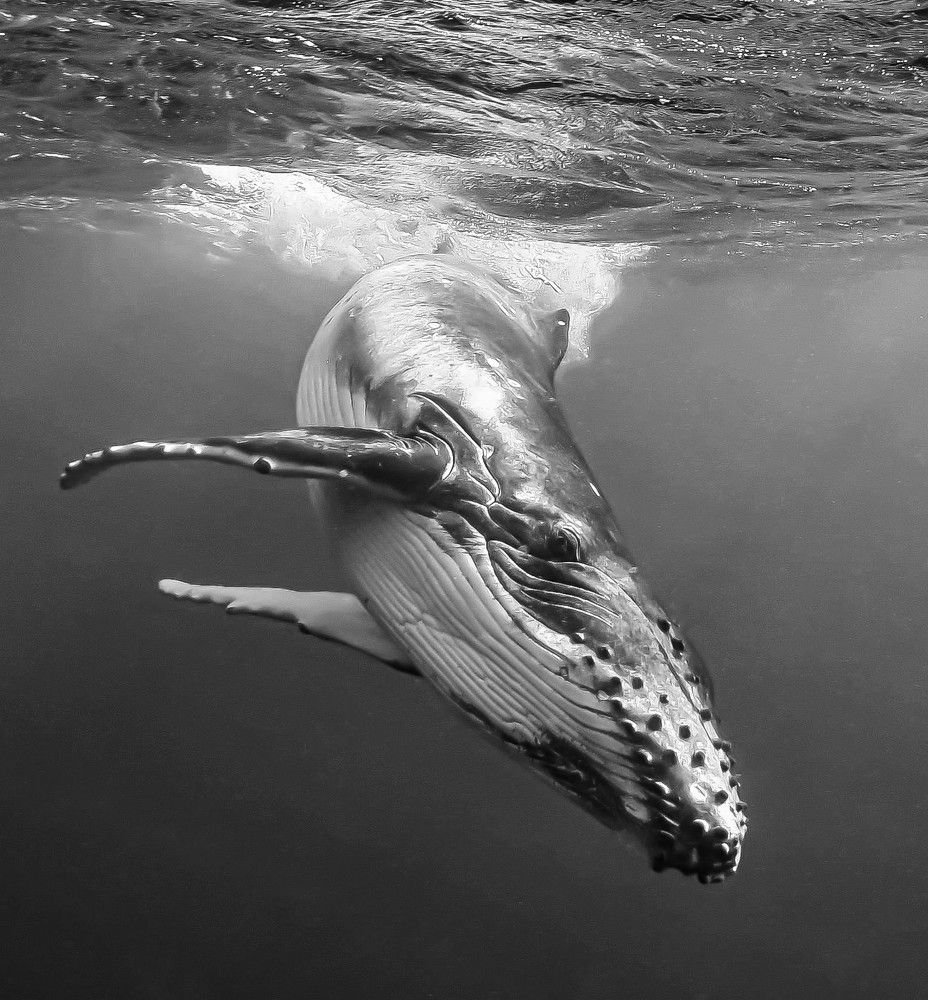
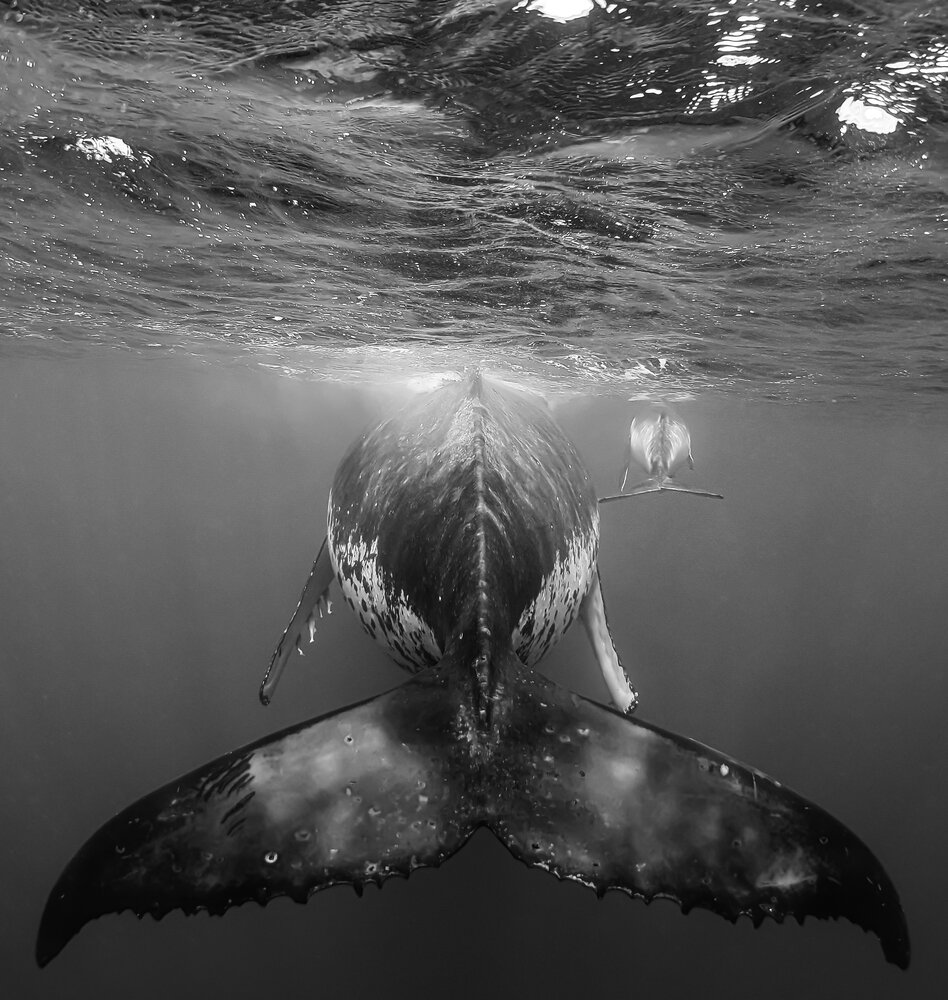
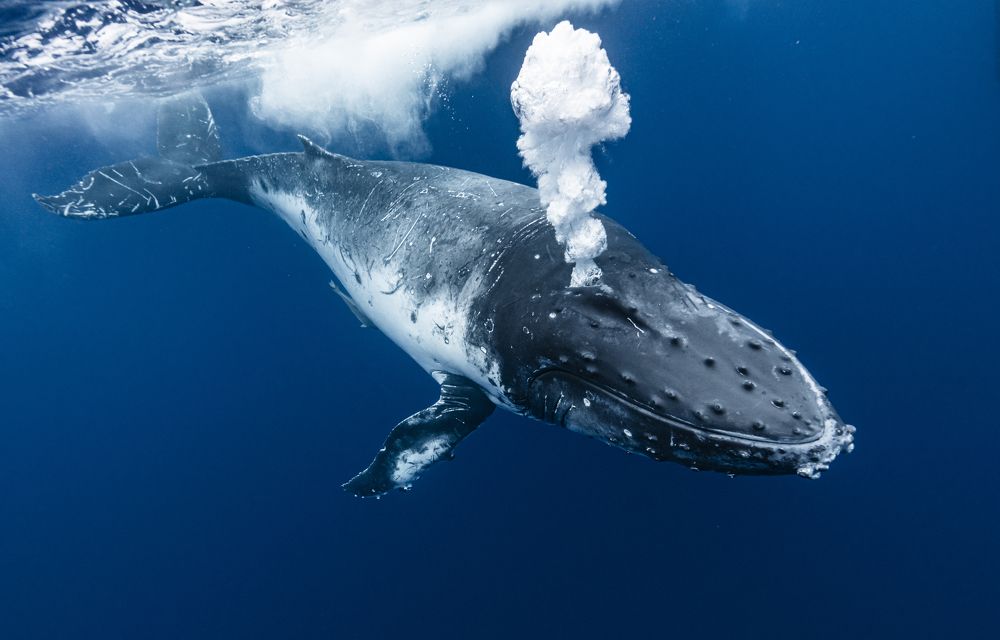
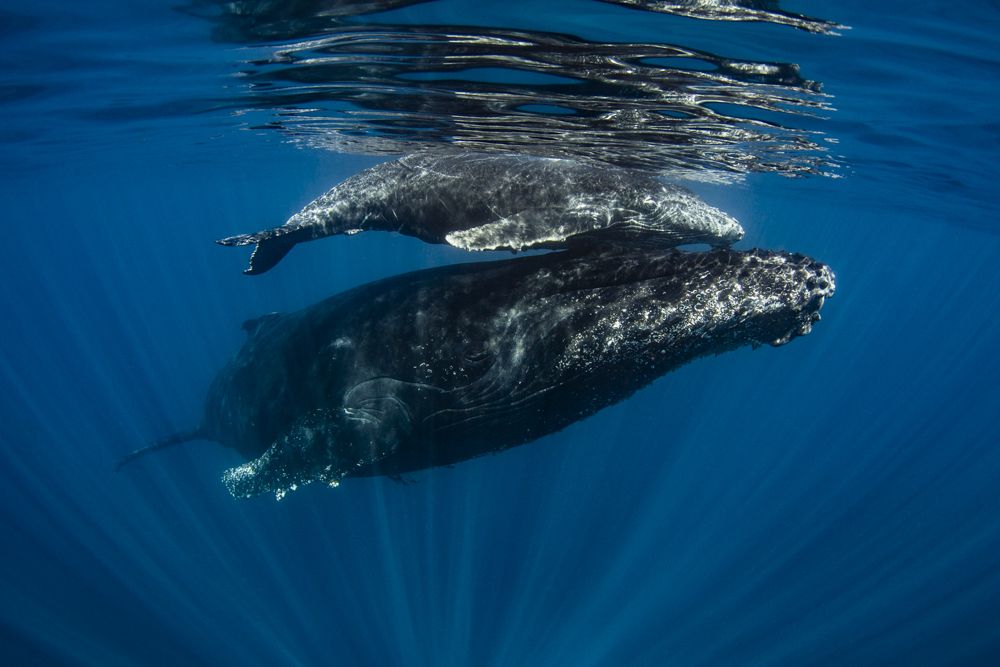
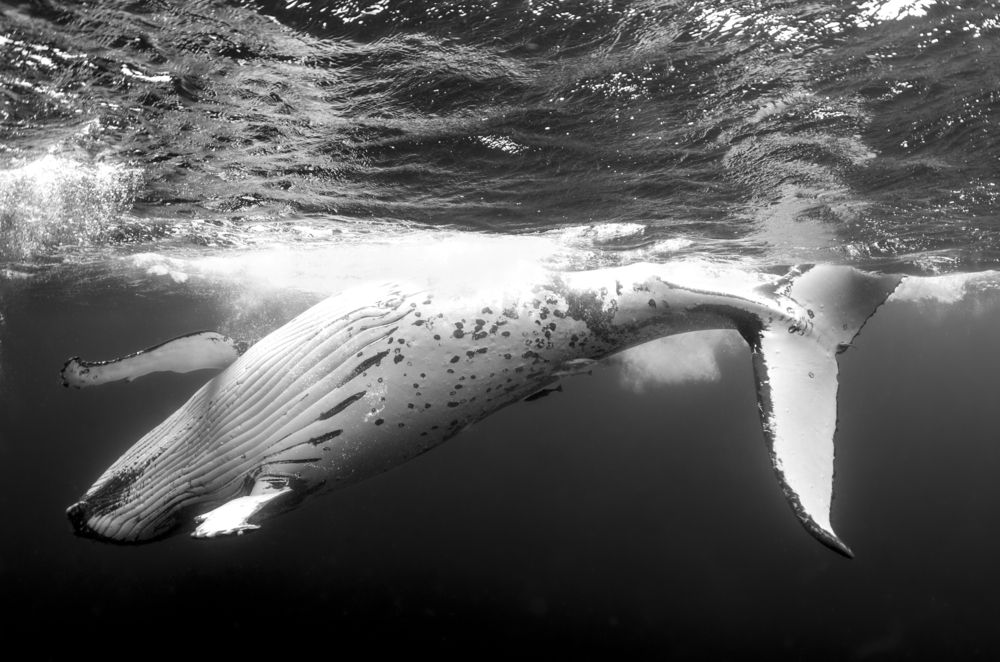
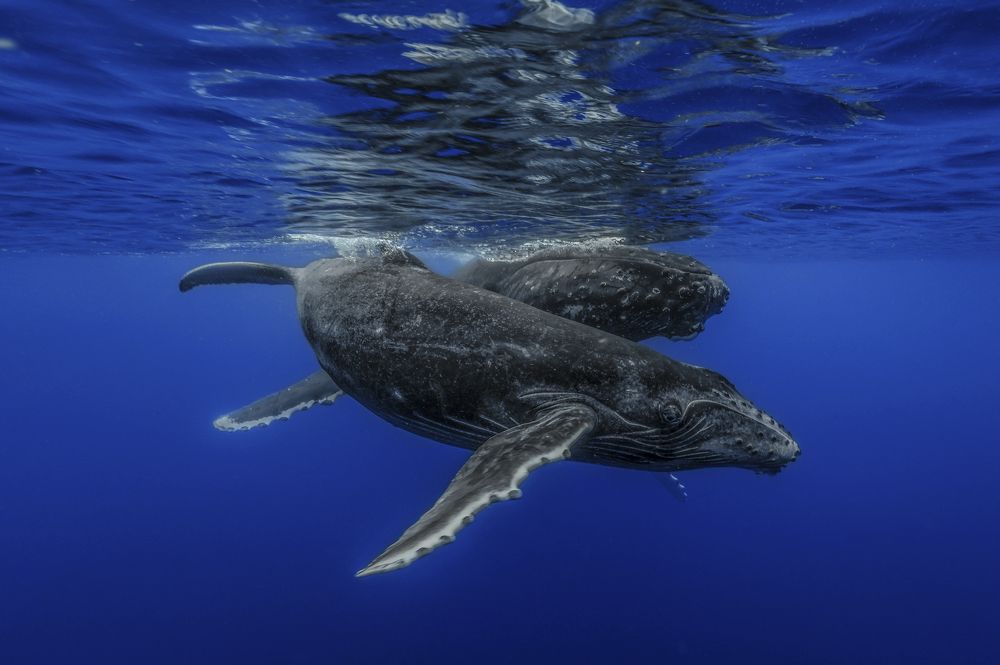
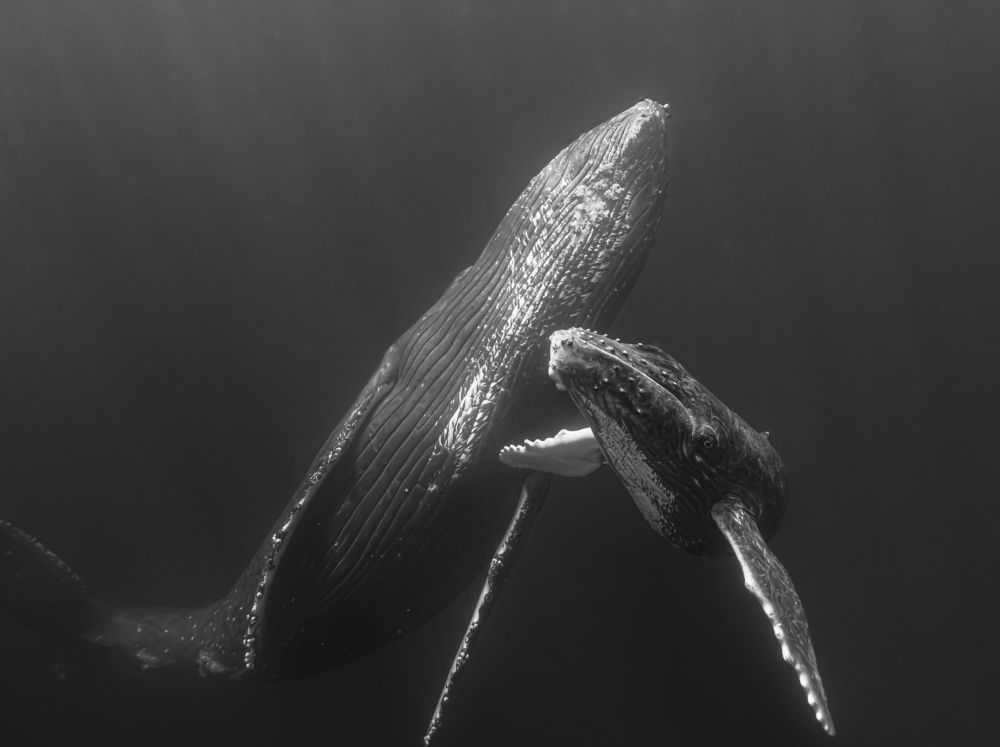
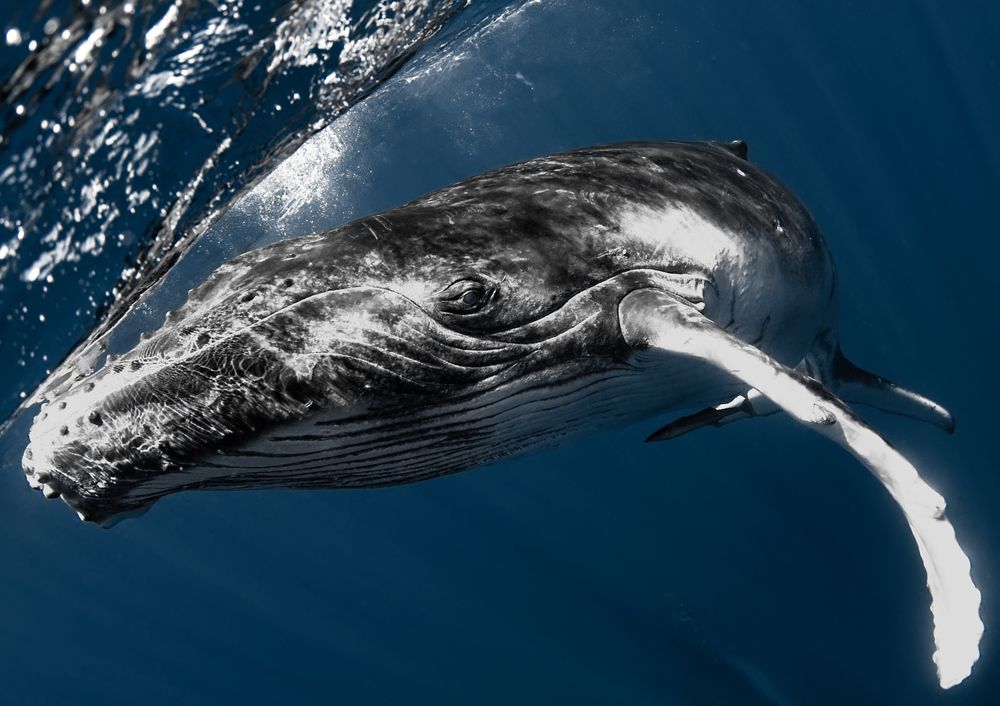
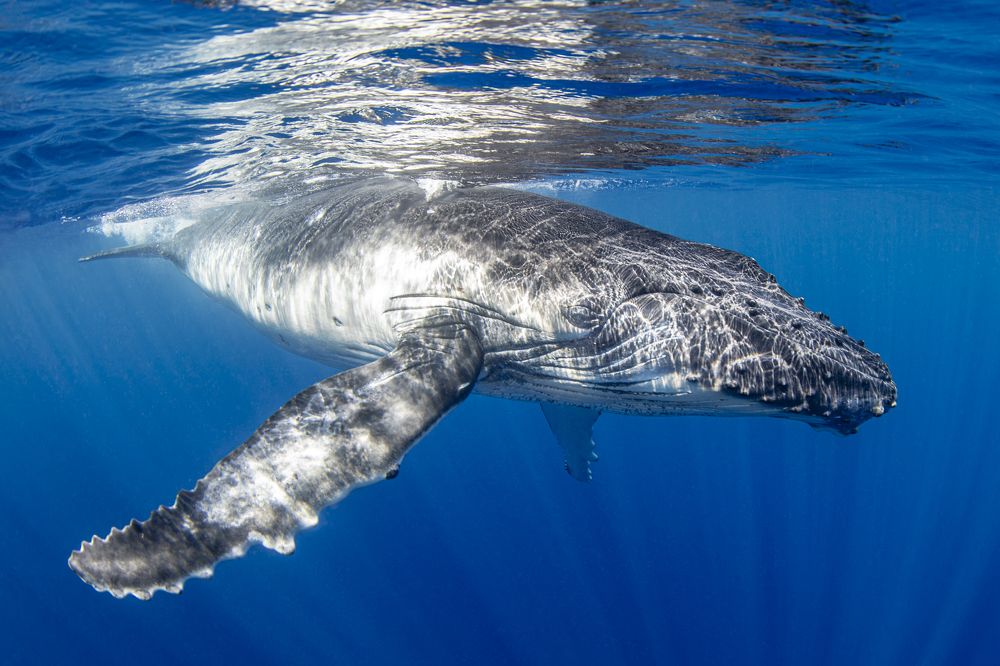
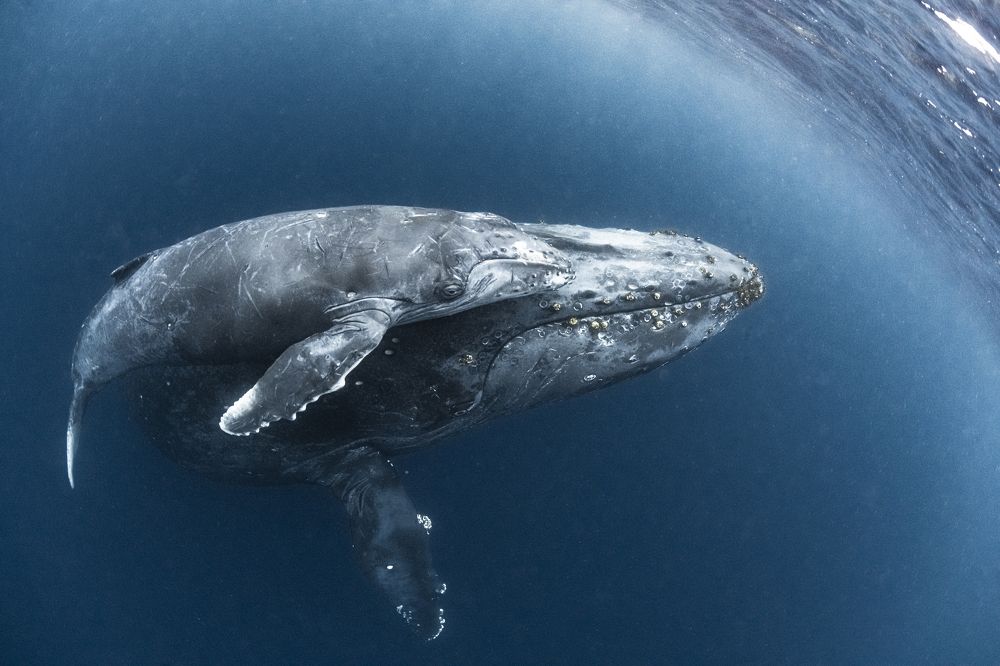
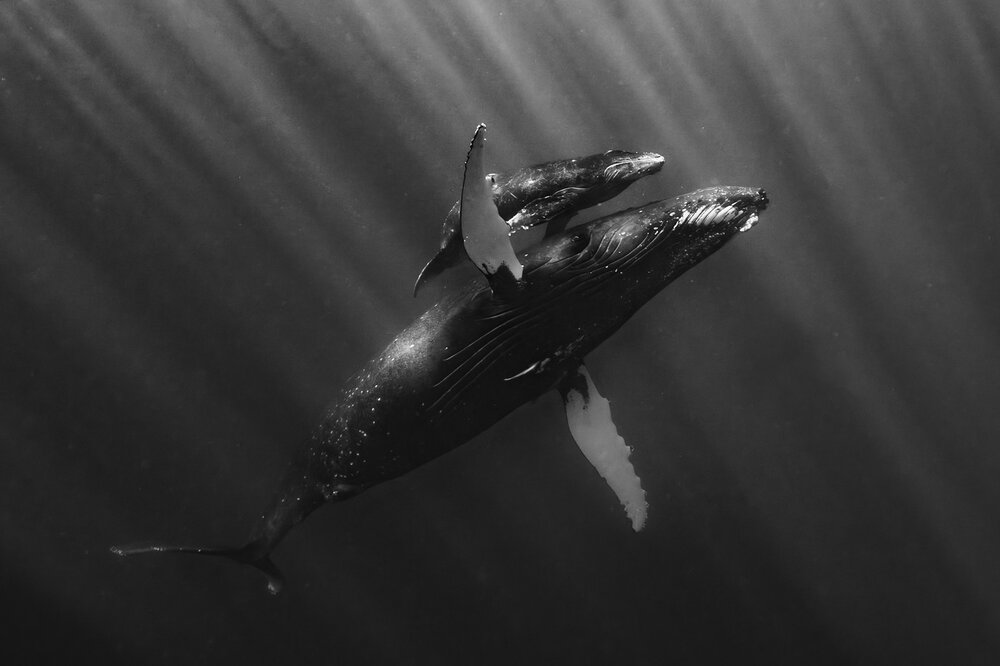
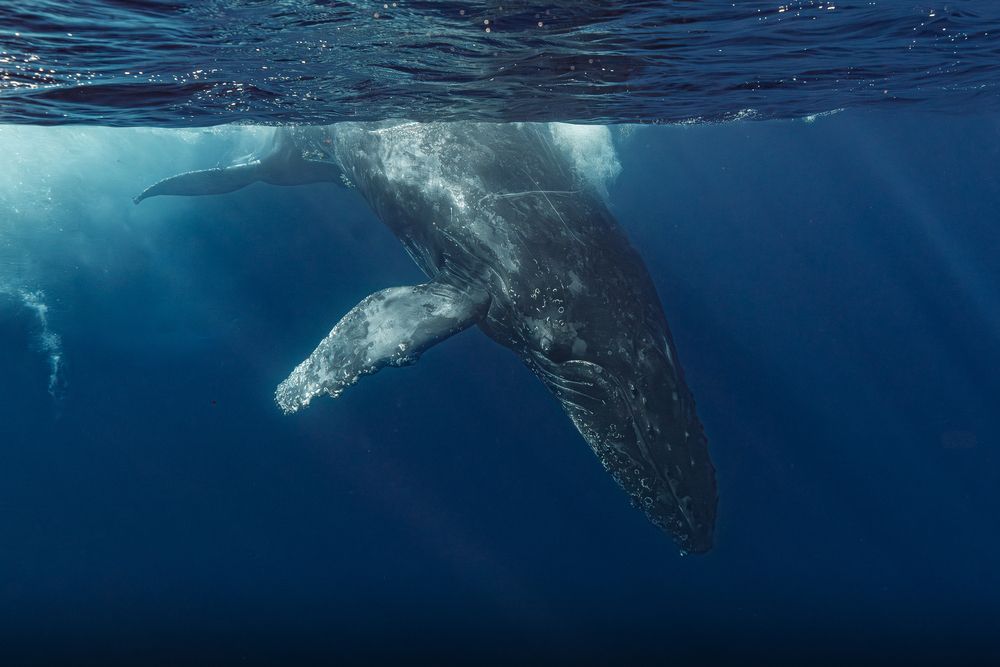
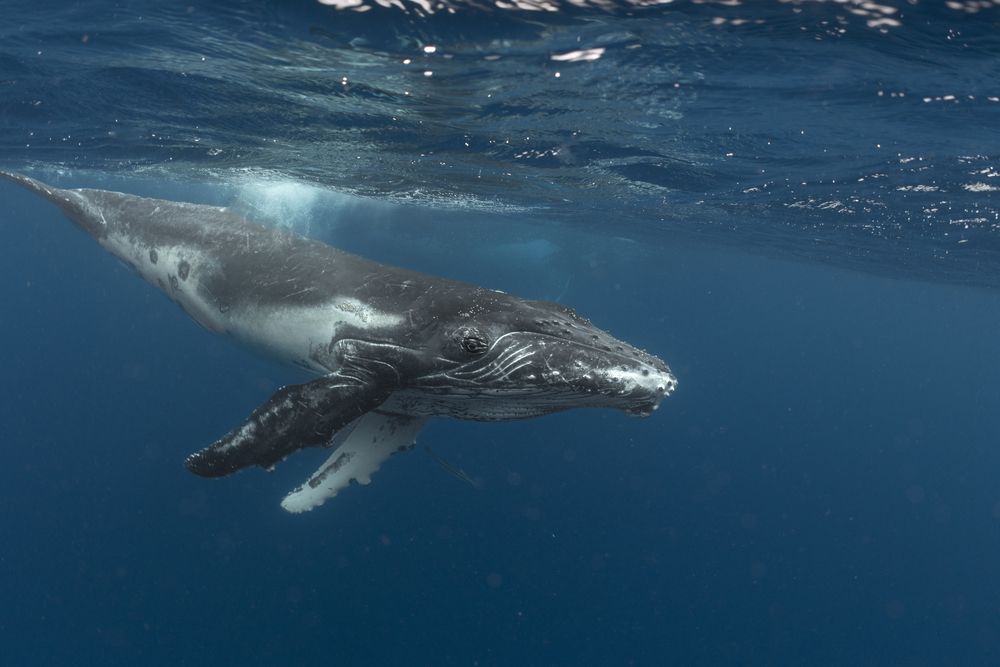
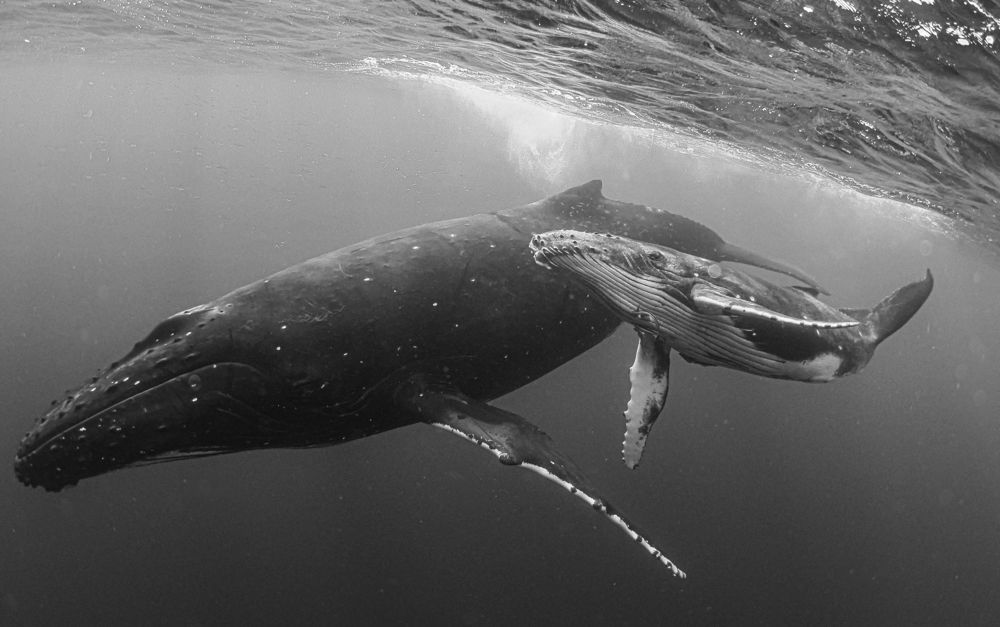
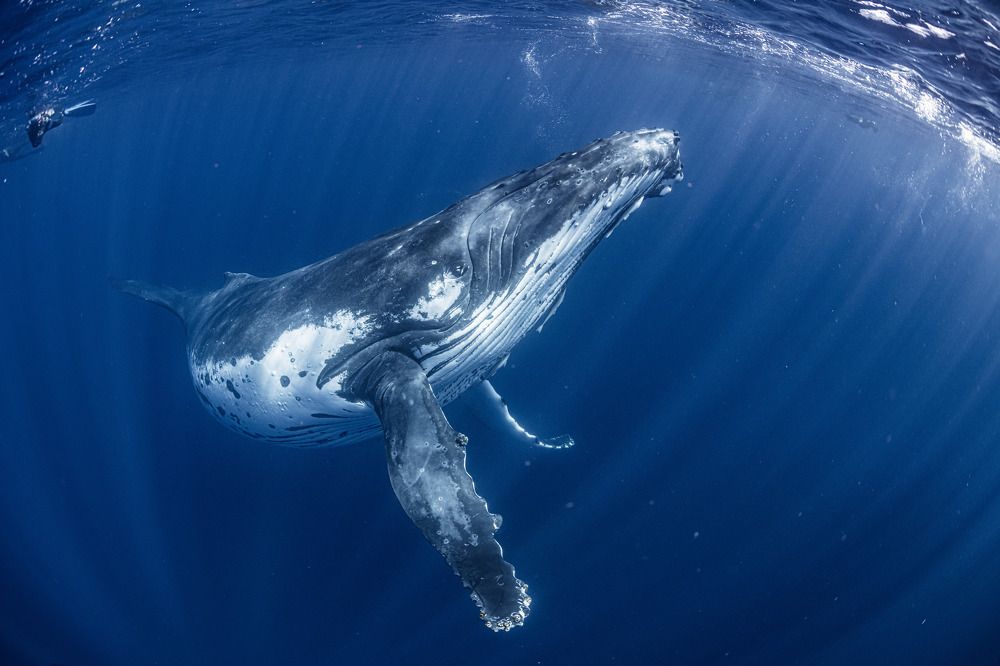
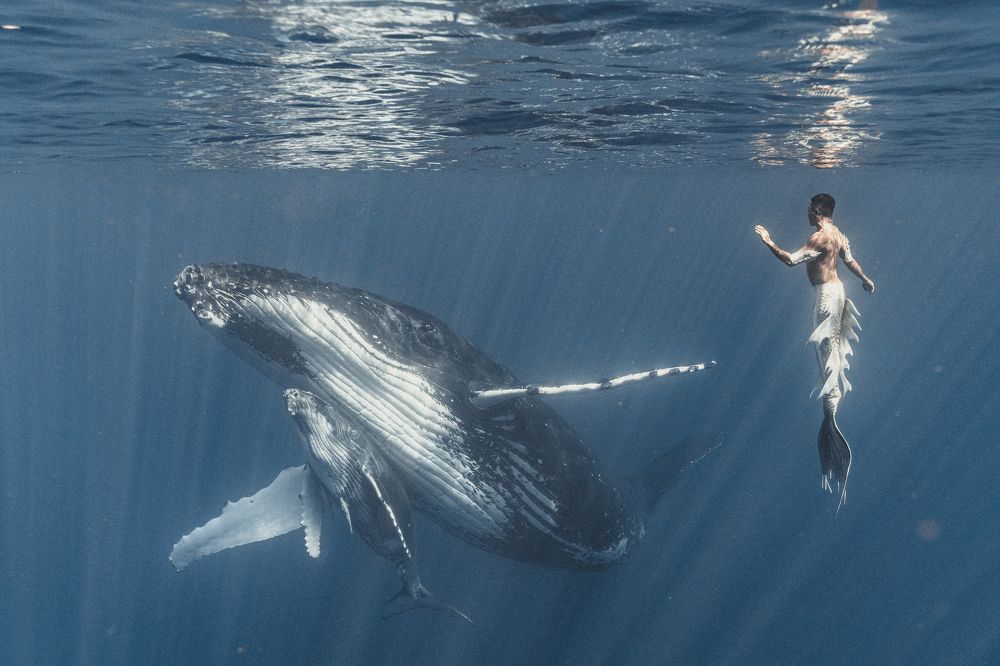
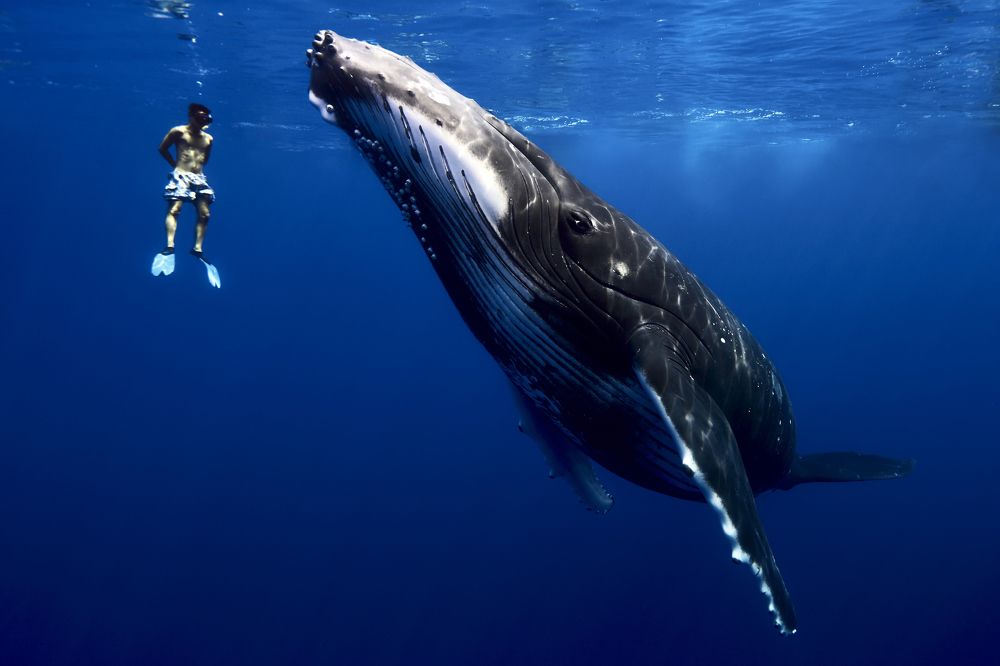
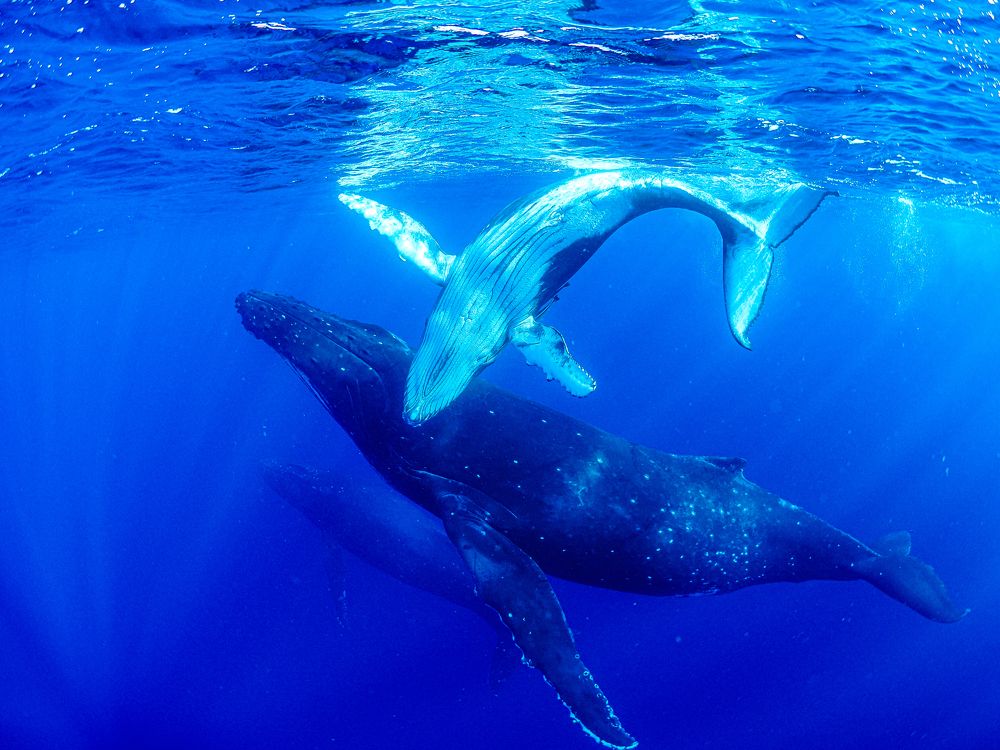
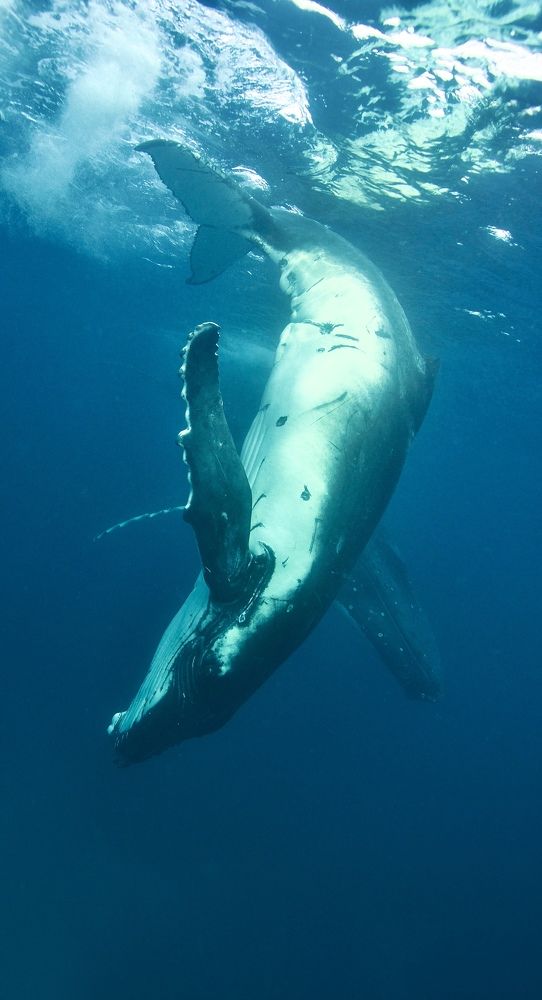
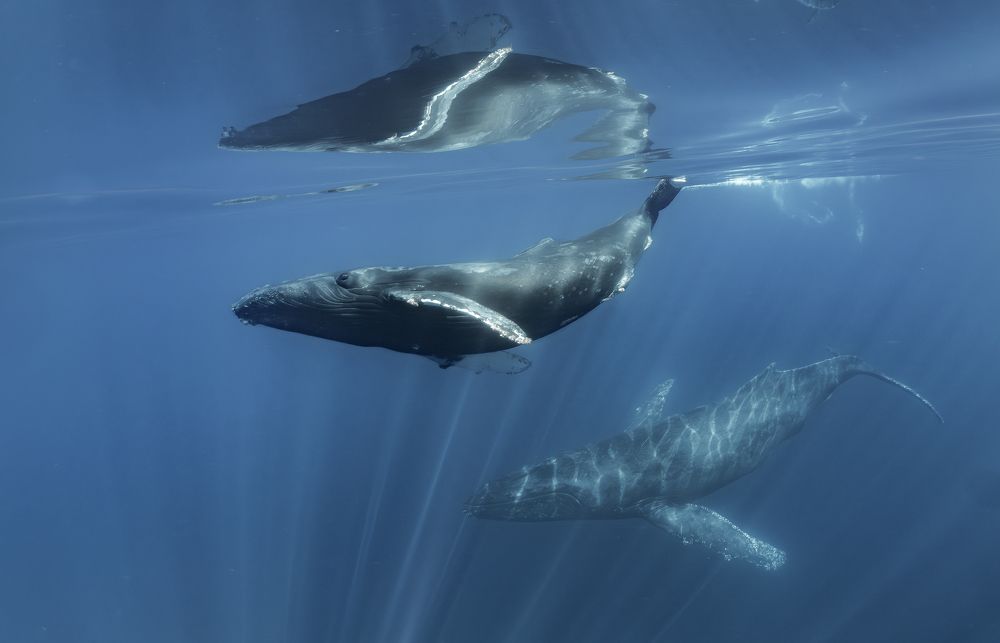
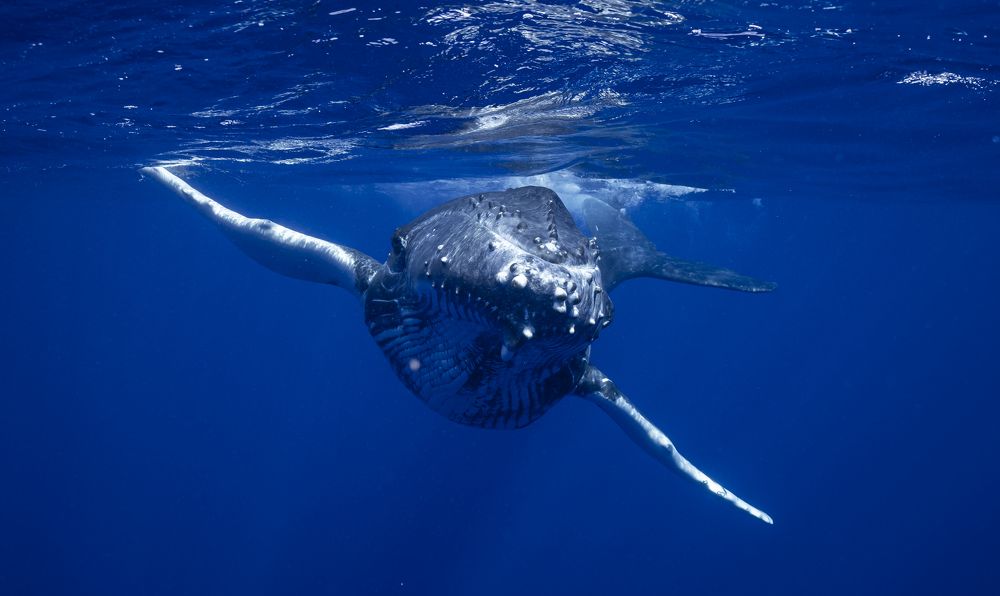
These images depict humpback whales swimming underwater, often featuring mothers and calves in tropical locations like Réunion Island and Tonga. Photographers focus on the massive scale and distinct physical features of these marine mammals, such as their ventral pleats and long pectoral fins. The shots vary between close-ups of individual animals and wider views showing social interactions or pairs swimming together. Natural light filtering from the surface creates strong contrasts against the deep blue water. The group is united by the visual motif of humpback whales in their natural aquatic habitat.
How to shoot it
📍 Where to shoot
The shoot takes place underwater in the open ocean, primarily in the waters of the Ryukyu Islands (Japan), as well as off the coasts of Reunion and Tonga.
🗺️ On the map
Based on the authors' marks on the site map.
🕐 Time of day
Most shot between 4:00 and 7:00 (34% of frames)
Based on 32 frames with camera data. Camera clock time; the time zone is unknown.
The best time to shoot is early morning, from 4 to 9 AM. During this period, the light is soft, which helps highlight the texture of whale skin and the play of light on the surface.
🗓️ Season
Most shot in: September, August, February
Based on 32 frames with camera data
The main season for observing humpback whales is September (17 shots) and August (6 shots). In these months, the animals are most active in the specified locations.
🎫 Access and rules
Shooting takes place in the open ocean, requiring organized dives with professional operators or specialized expeditions. Independent access to whale habitats without a boat and escort is impossible.
🎒 Gear
Use ultra-wide-angle lenses (8–24 mm) or fisheye to convey the scale of the animals. Settings: shutter speed 1/500 s or faster, aperture f/7.1, ISO 400.
Cameras and lenses the authors used (10)
Nikon D850 12Olympus OM-1 6Sony ILCE-7RM4A 2Canon EOS 7D Mark II 1Olympus E-M1MarkII 1AF-S Zoom-Nikkor 14-24mm f/2.8G ED 5FE 16-35mm F2.8 GM 5Sigma 15mm F2.8 EX Diagonal Fisheye 4LUMIX G FISHEYE 8mm F3.5 4AF-S Fisheye Nikkor 8-15mm f/3.5-4.5E ED 2
🧰 Special equipment
A camera housing and dome port are essential for correct underwater perspective. Freediving or snorkeling is recommended for close contact.
⚙️ Settings
Shutter 1/400 (1/500 – 1/160)Aperture f/7.1 (f/4.5 – f/8)ISO 400 (160 – 1000)Focal length 15 mm (8 – 24)
Based on 31 frames with camera data. Median and 10-90% range across the idea frames.
The key parameter is focal length: use an ultra-wide angle (8–24 mm) to convey the scale of whales and the dynamics of movement. Keep shutter speed from 1/500 s, aperture f/7.1, ISO 400.
⚠️ Good to know
Follow ethical guidelines: do not disturb mothers and calves, especially newborns (up to 10 days old), who require protection. Avoid sudden movements when diving synchronously with whales. Consider migration routes: in Tonga, encounters with 'mixed' individuals from different hemispheres are possible.
📈 How the idea developed
works uploadedshare of all site uploads, per 100k
The date is when the file was uploaded to the site. The chart counts works assigned to the idea.
✅ How to repeat it
- Position yourself near the water surface to capture the moment when a calf swims up to its mother for rest or play.
- Use contrast: include freedivers or environmental elements in the frame to emphasize the size and snow-white coloration of rare individuals.
✨ Interesting facts
- 🏆 How the best frame was shot: Nikon D850, AF-S Zoom-Nikkor 14-24mm f/2.8G ED, 1/500, f/8, ISO 560, 14 mm
- 📐 77% of frames are landscape orientation
- 🥇 2 works reached the finals, 1 won. Best contest: Blue + White 2025
- 👤 Most frequent authors: Kurashima Daisuke 9KOBAYASHI KIMIO 6nishijima takayuki 3Lissandra Sharleen Amezcua 3Joaquin Fregoni 2
- 🌍 Authors by country: 🇯🇵 JP 20🇦🇷 AR 3🇲🇽 MX 3🇧🇷 BR 2🇪🇸 ES 2
Some tips are prepared by AI from the idea description, photos and their EXIF. Check the rules and access to places before you travel.
Works
These lists are generated automatically and may contain inaccuracies. Photos are shown in random order, and selections are refreshed twice a day. This section is made for exploring photos and does not claim 100% accuracy. The lists include photos that previously participated in contests that are already completed.