Cicada Emergence
33 worksFirst upload: Feb 2019Peak: 2025Last 12 months: 9
📝 Description
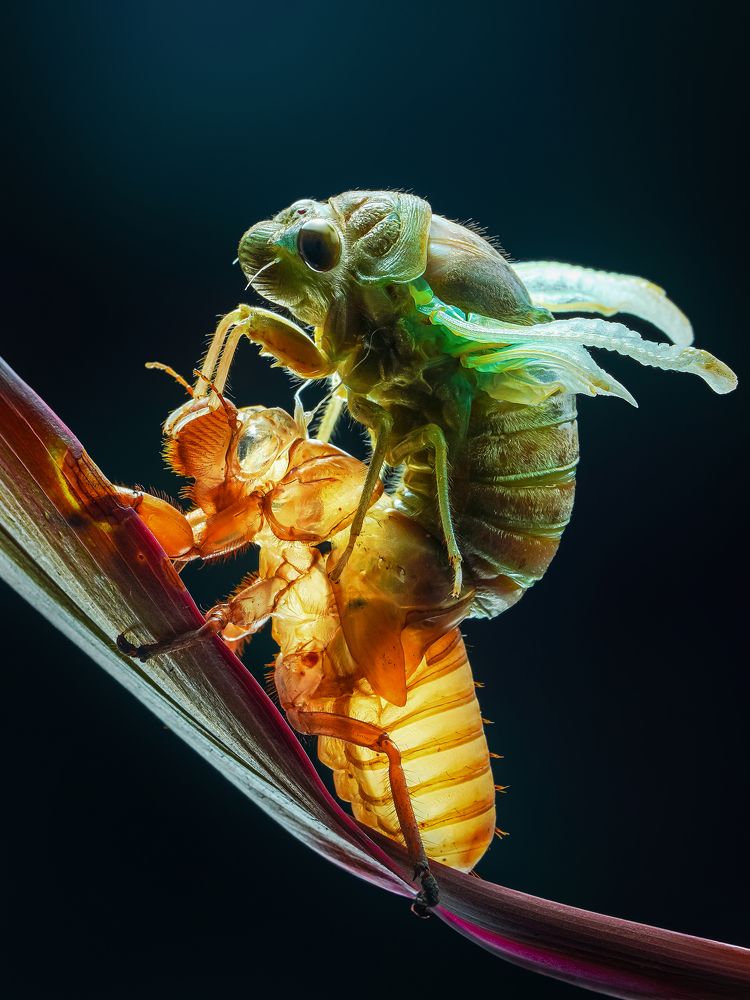
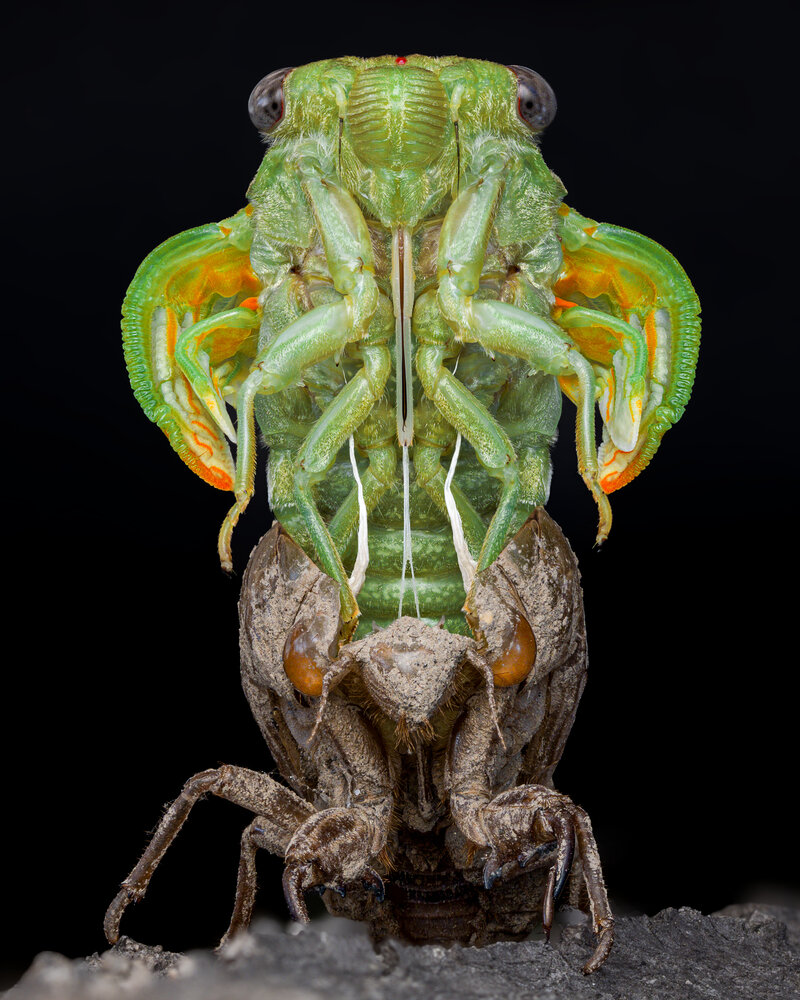
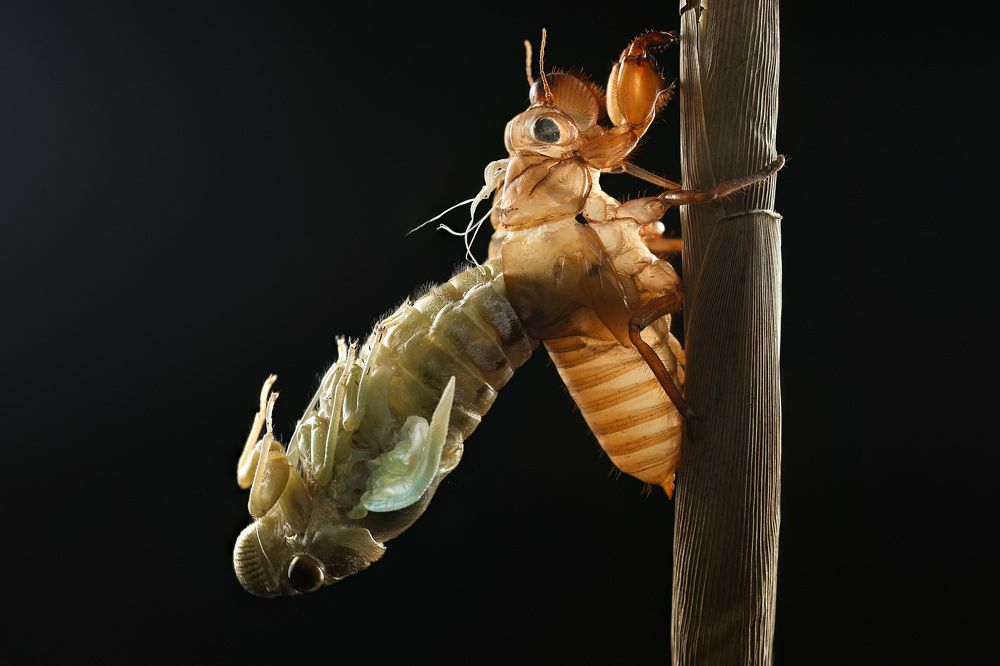
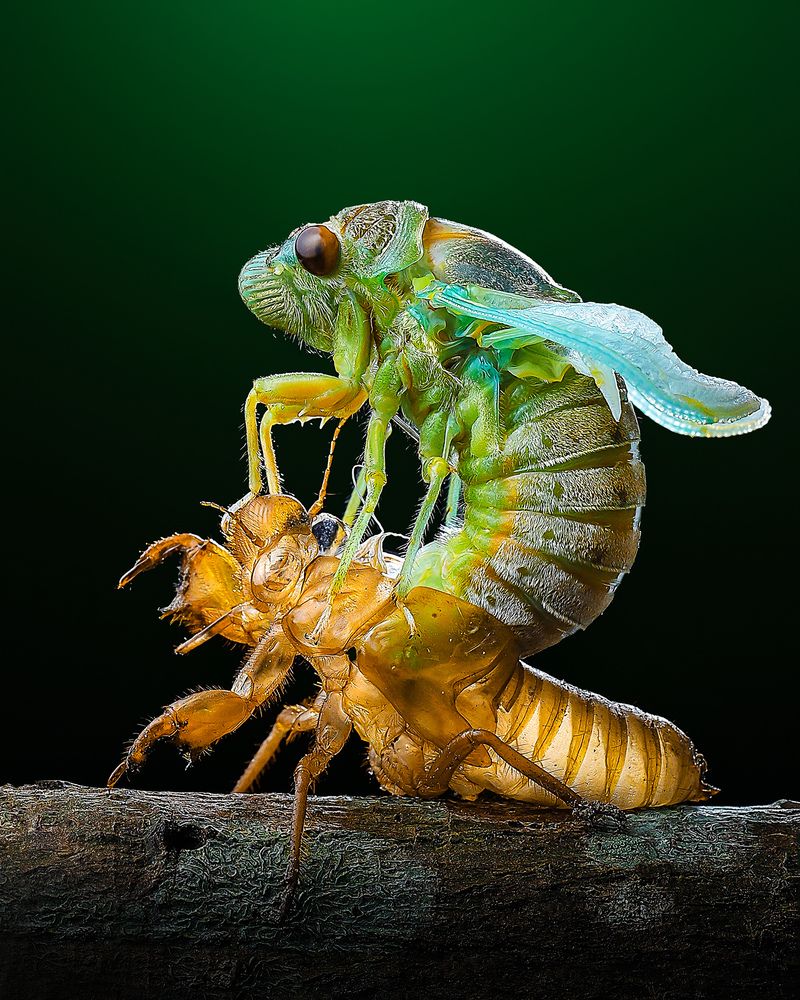
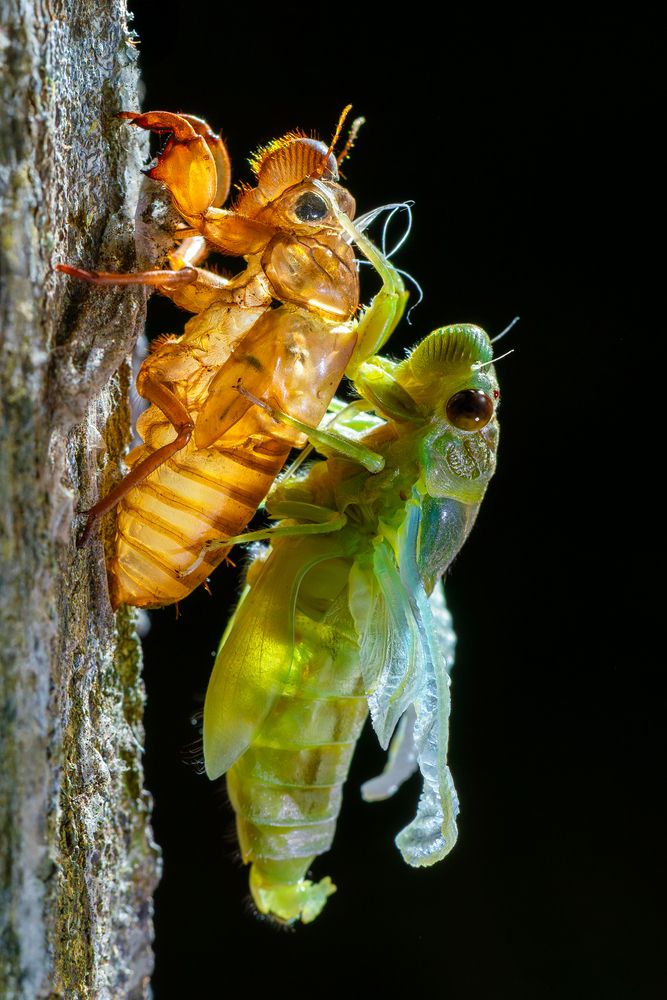
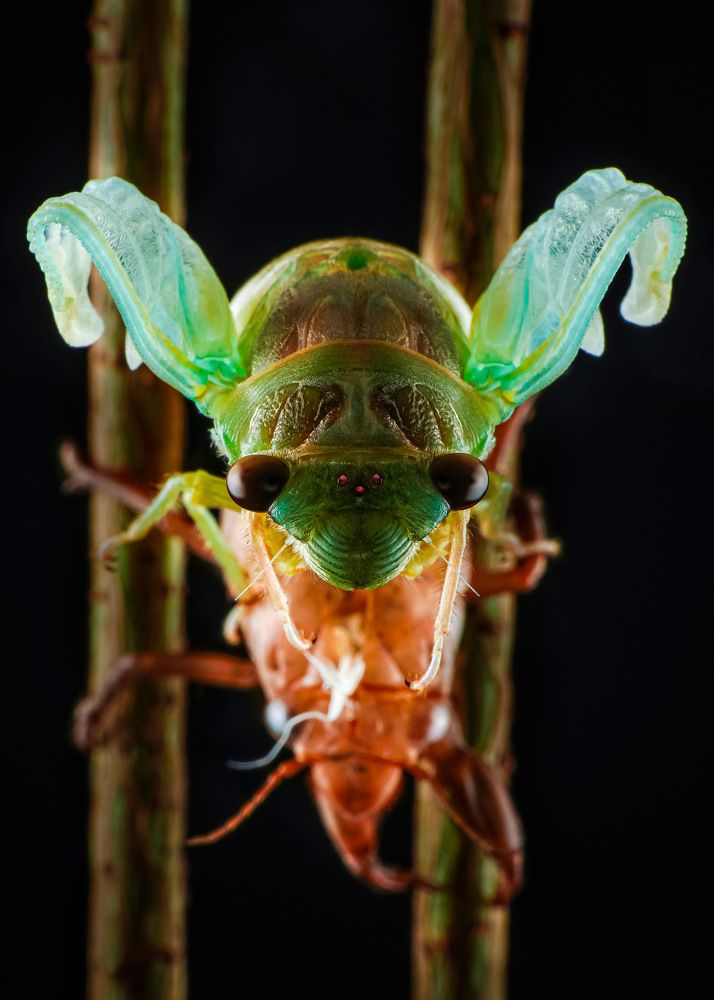
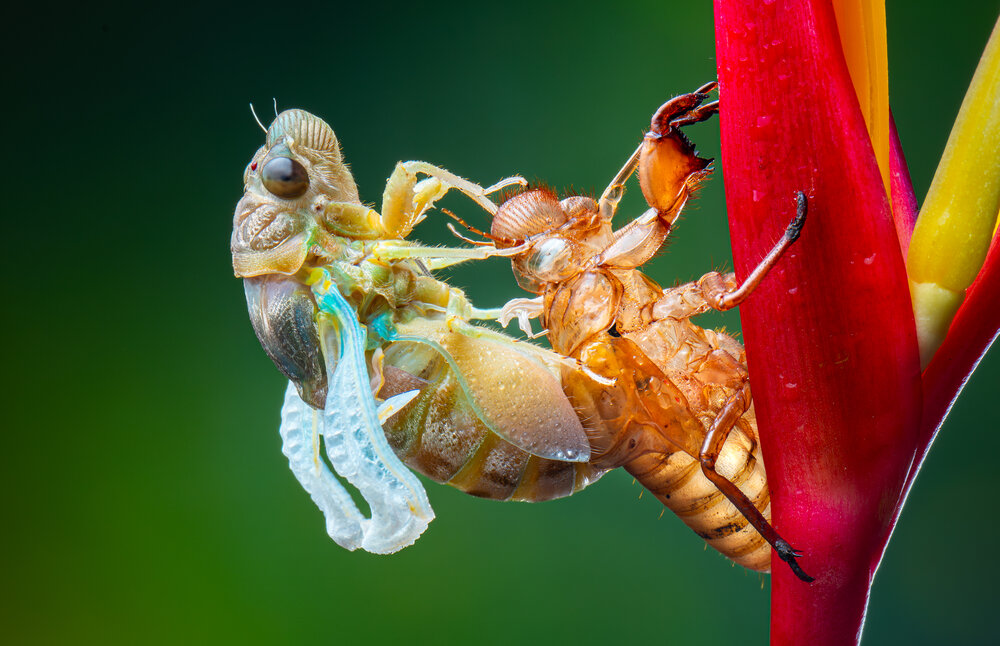
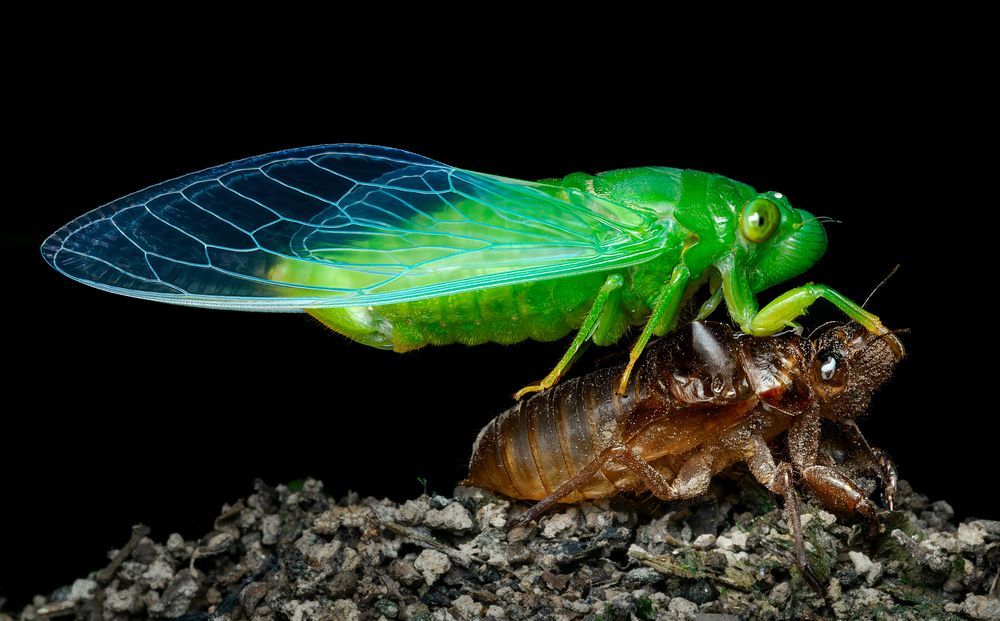
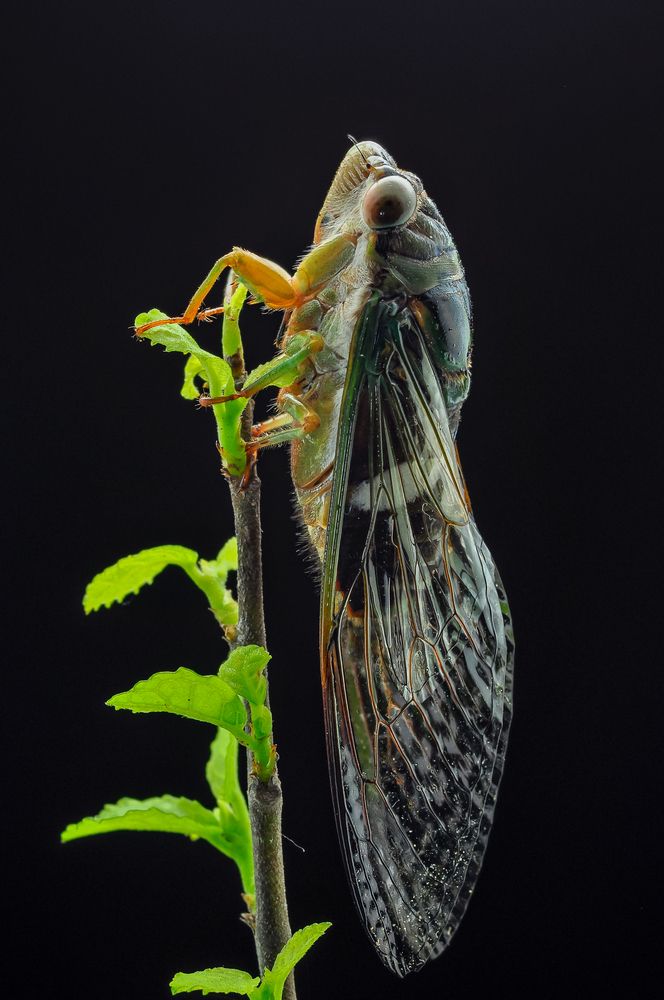
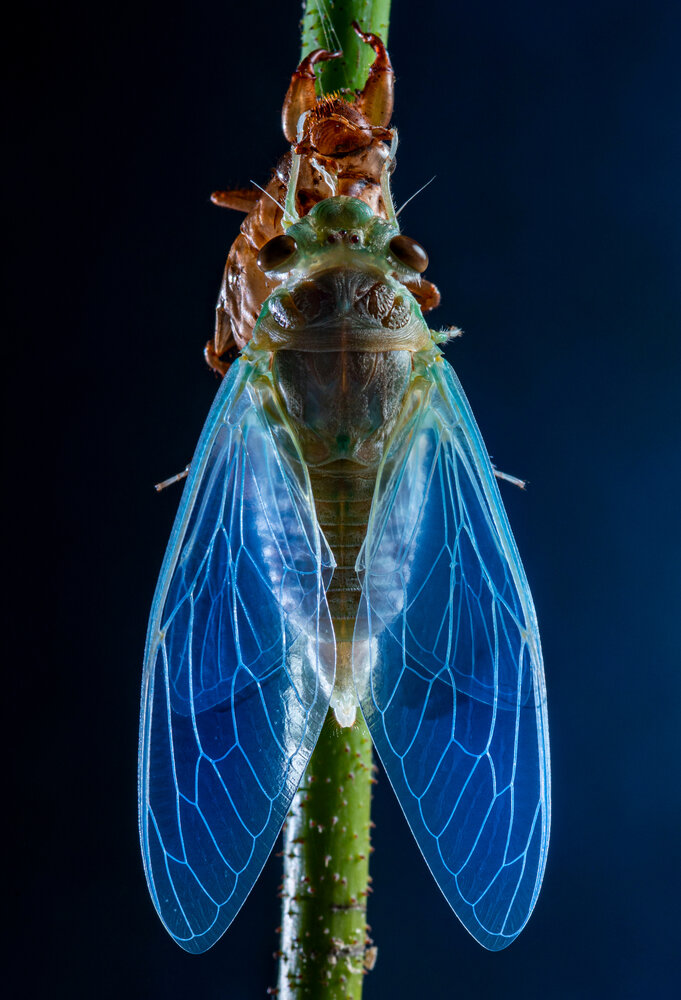
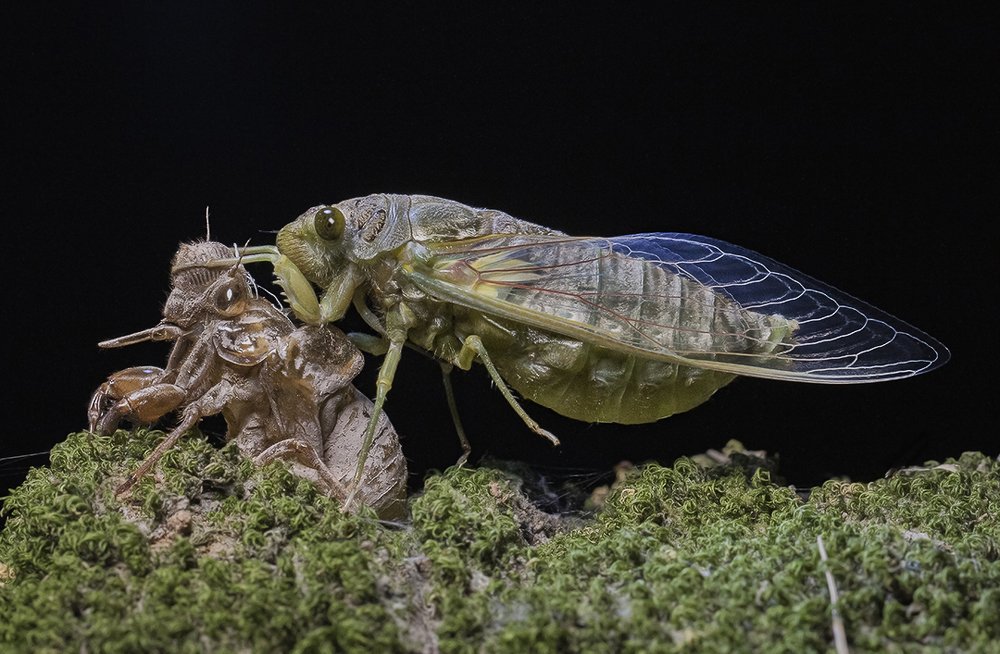
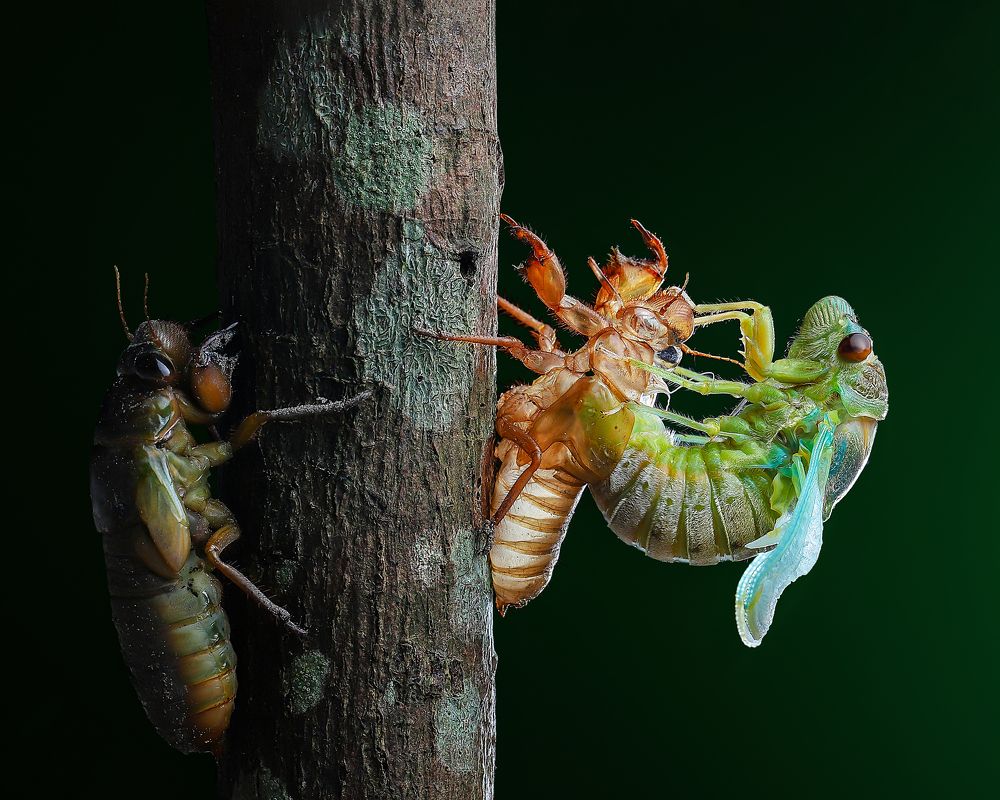
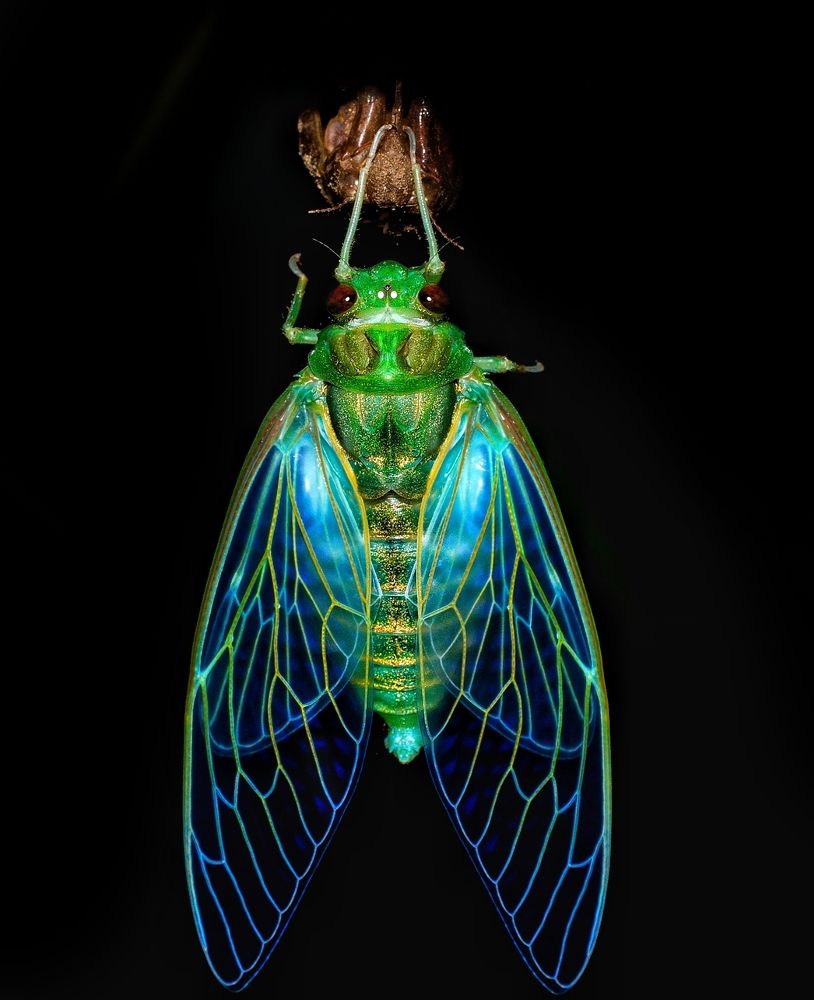
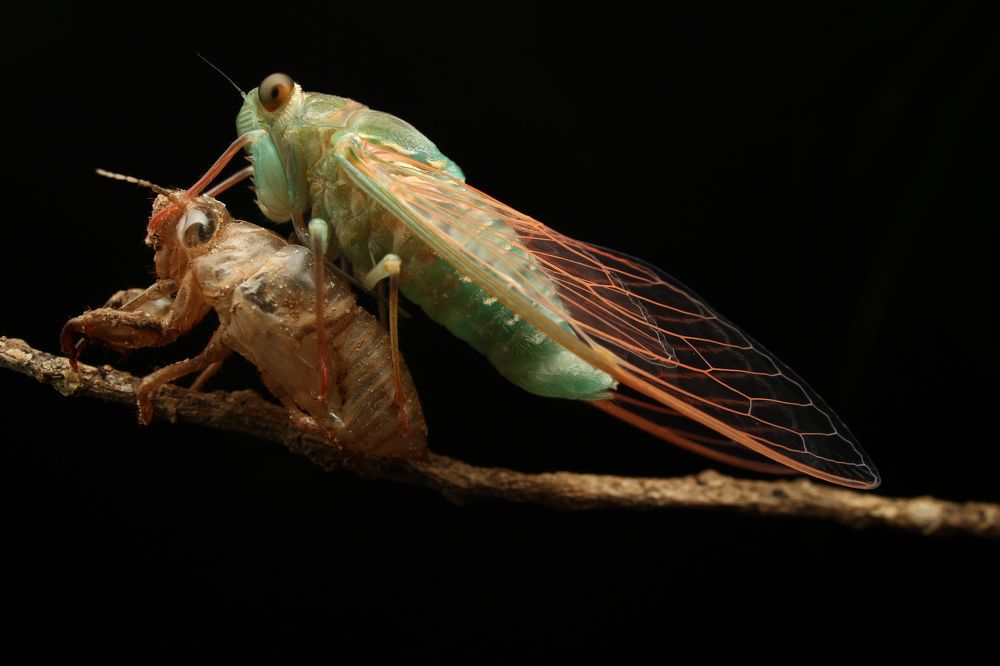
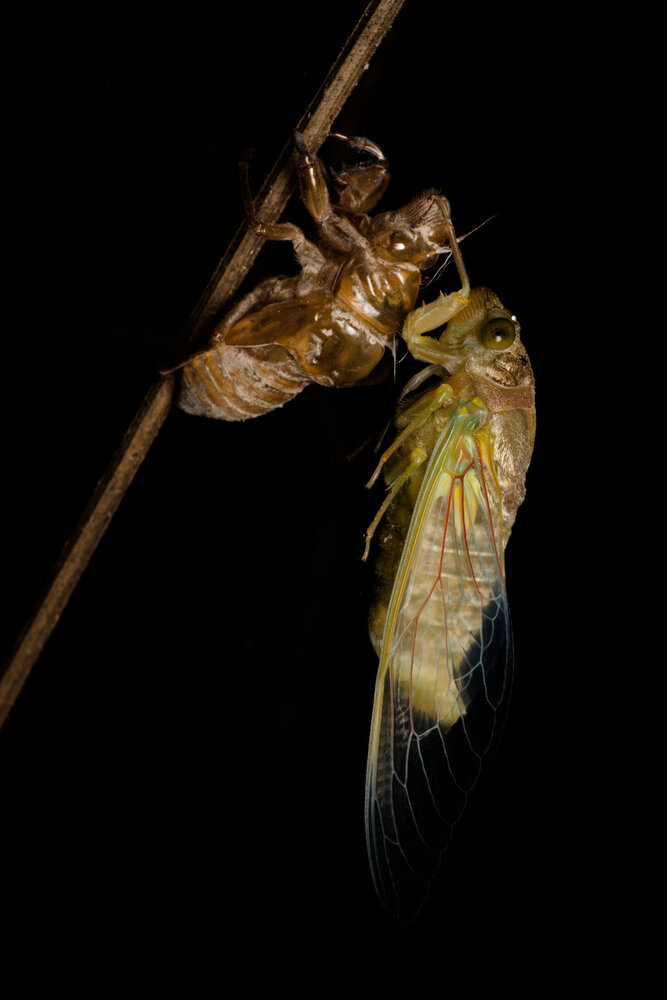
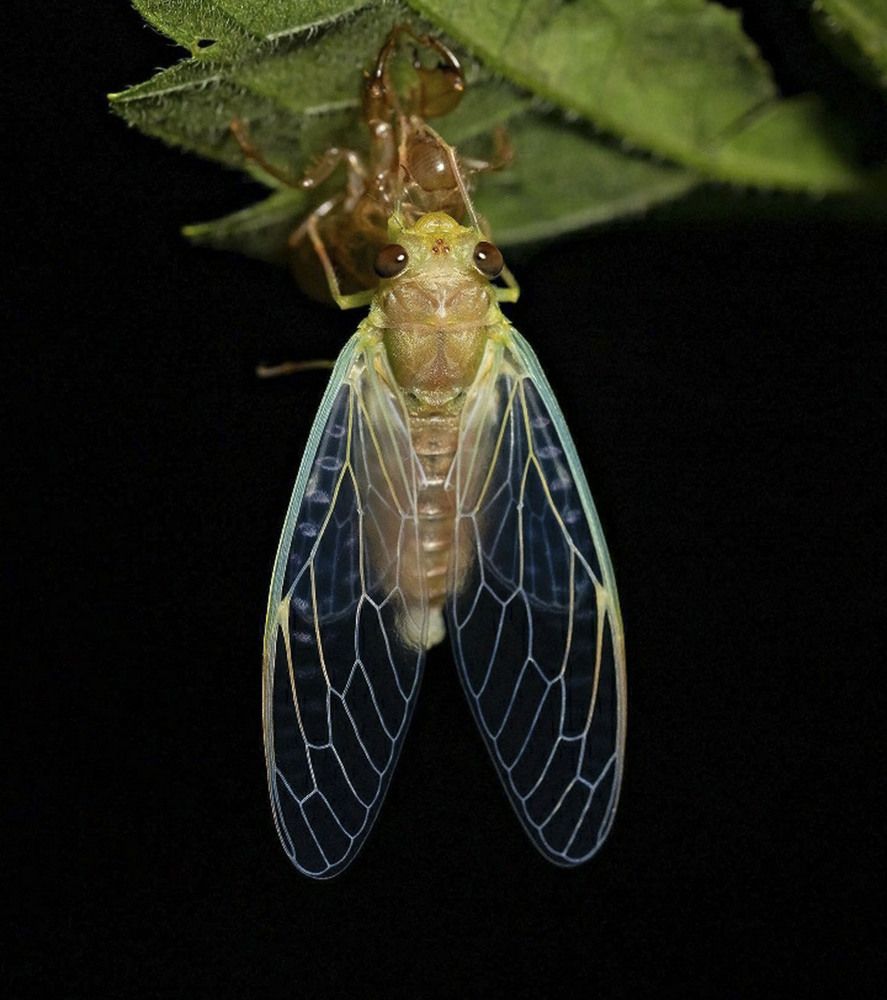
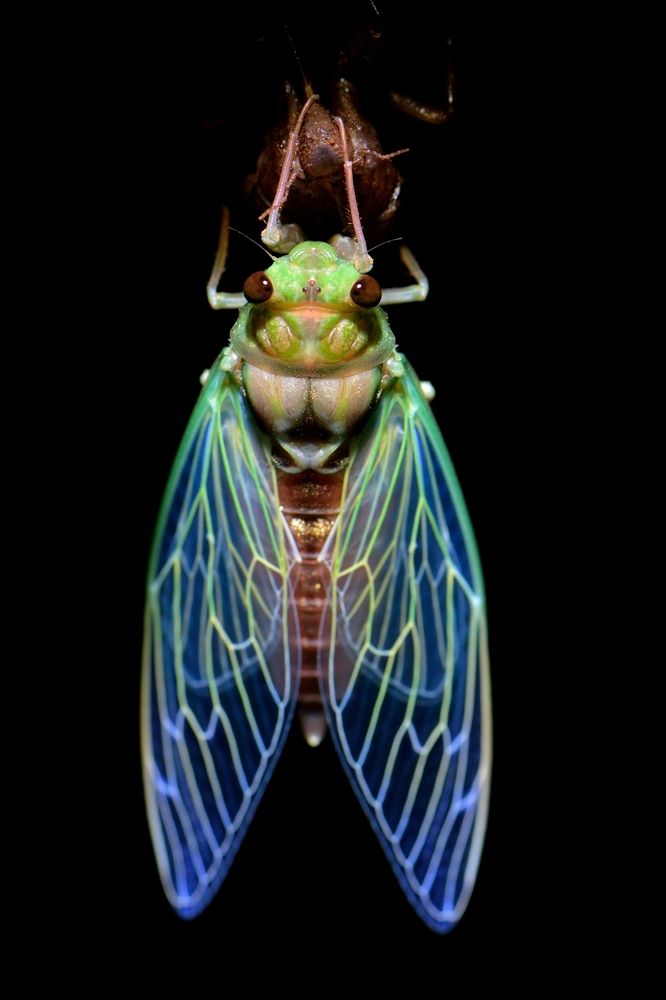
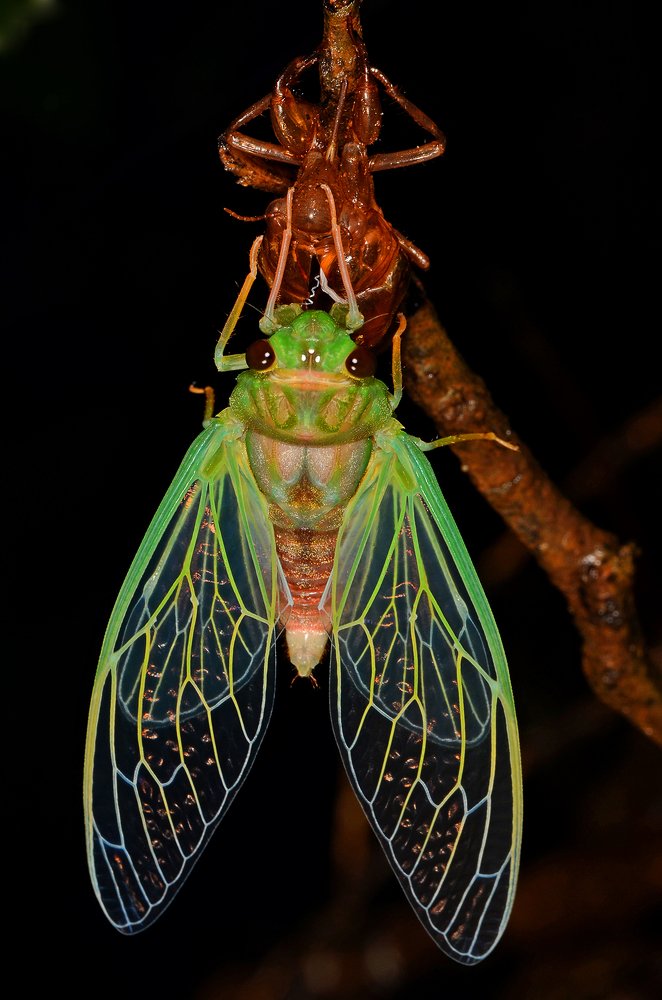
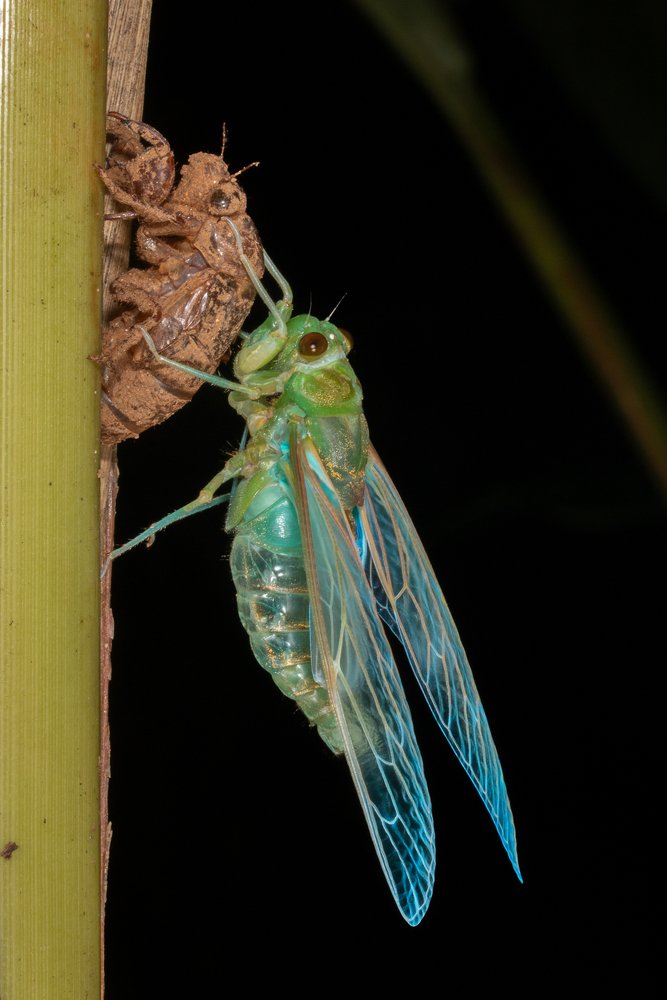
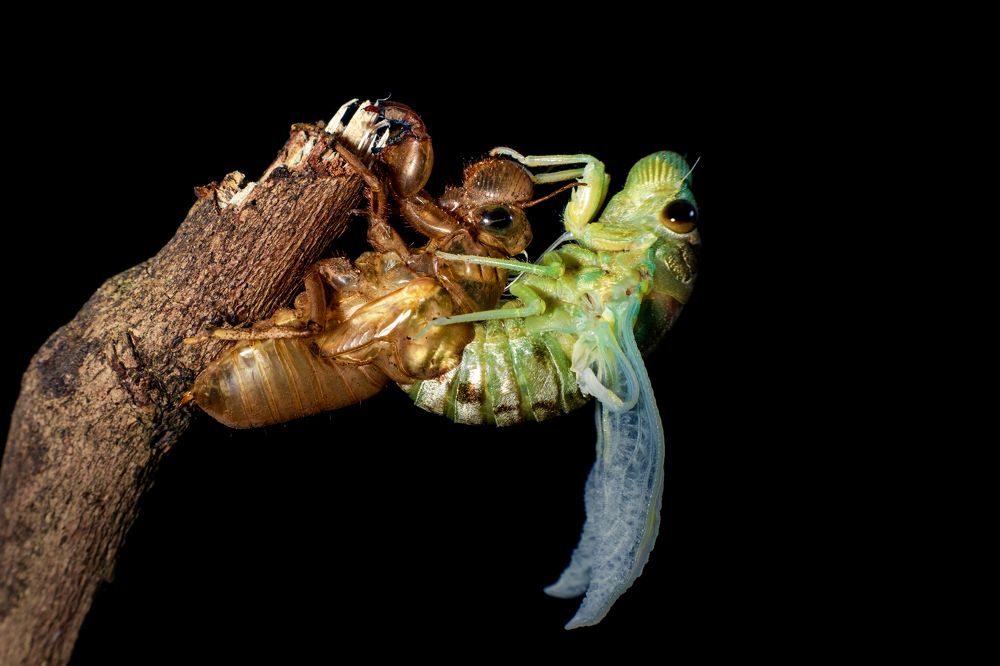
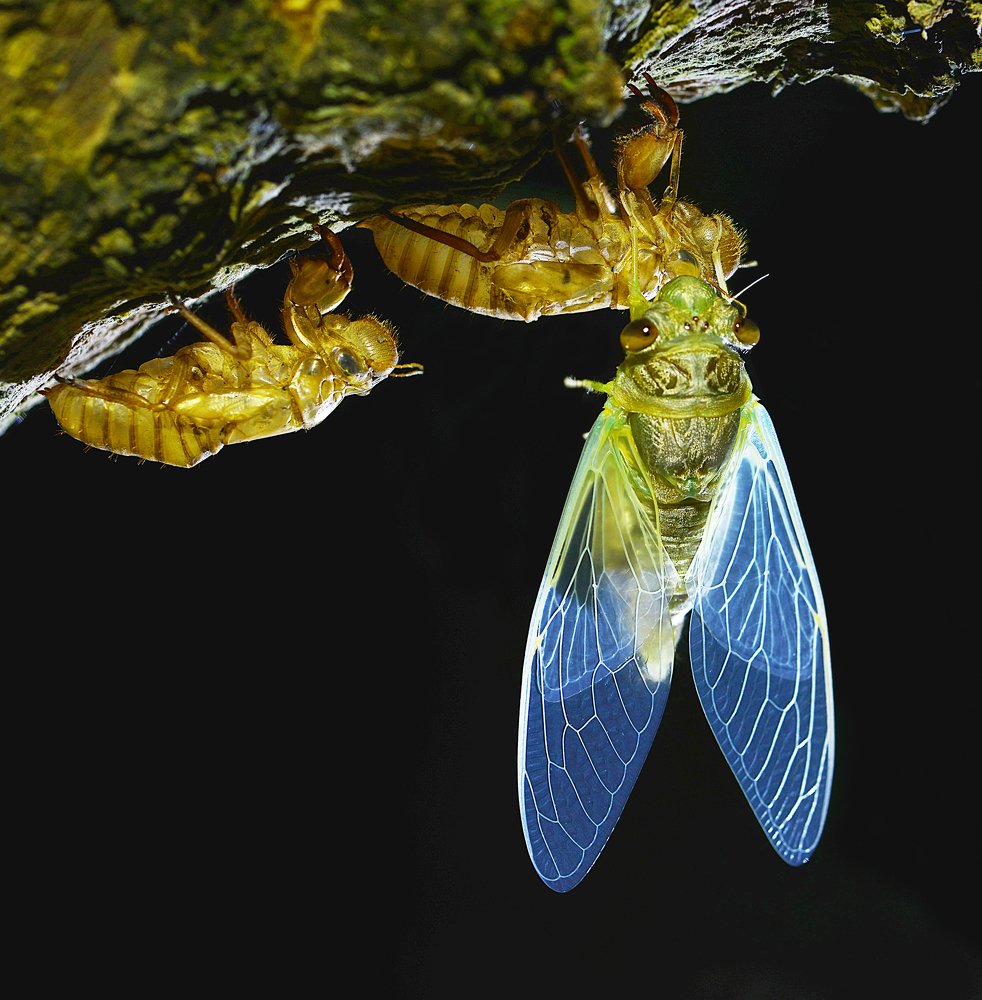
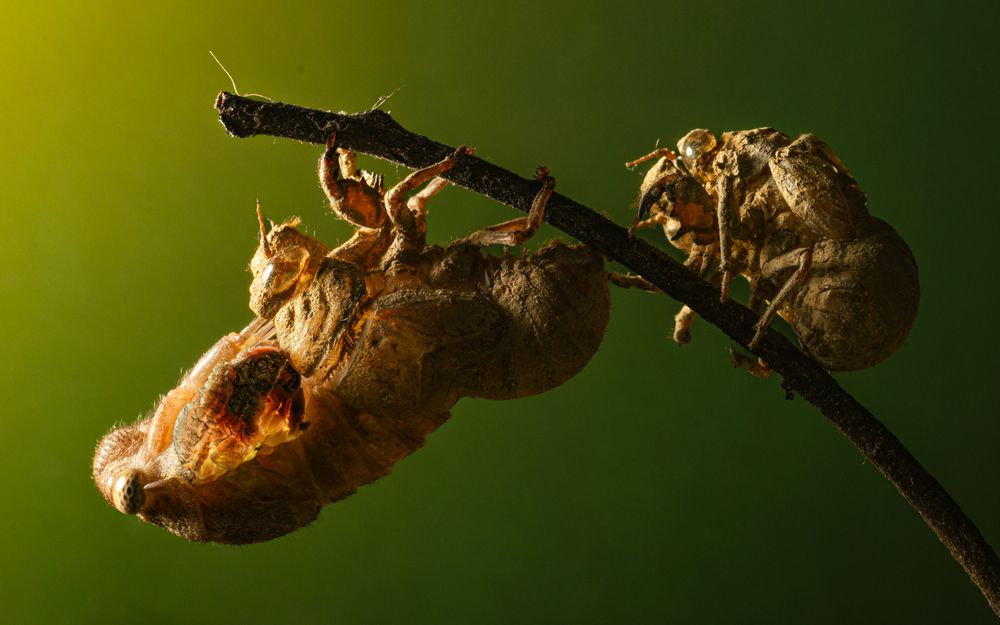
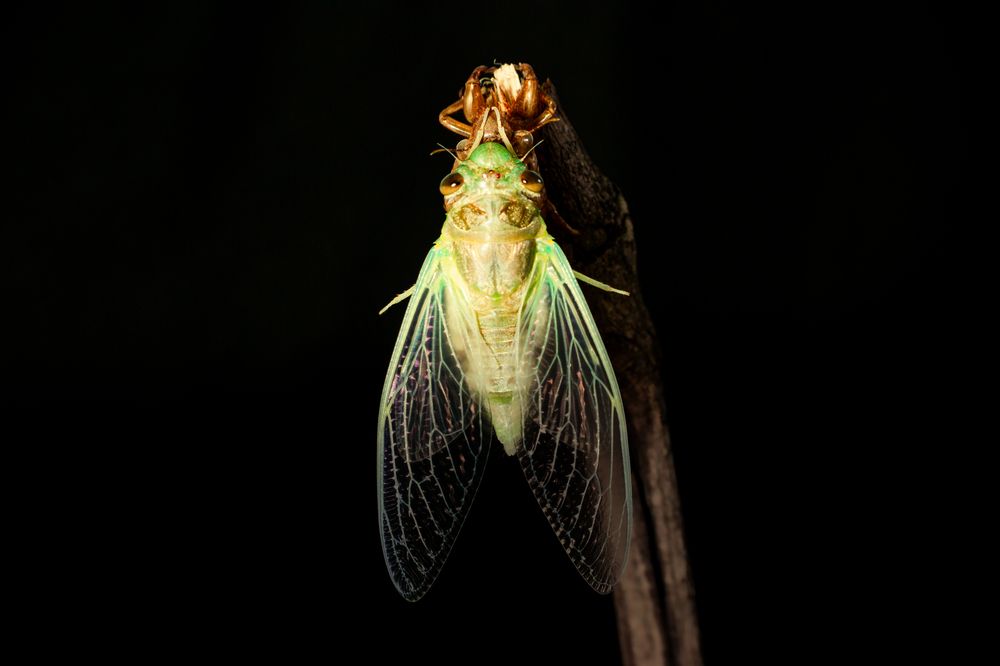
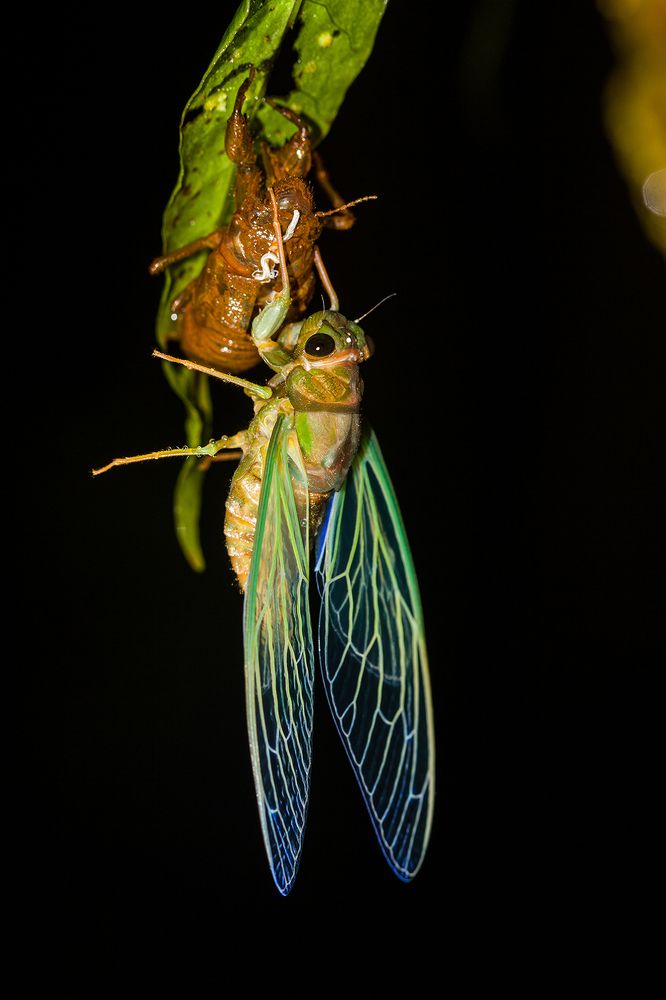
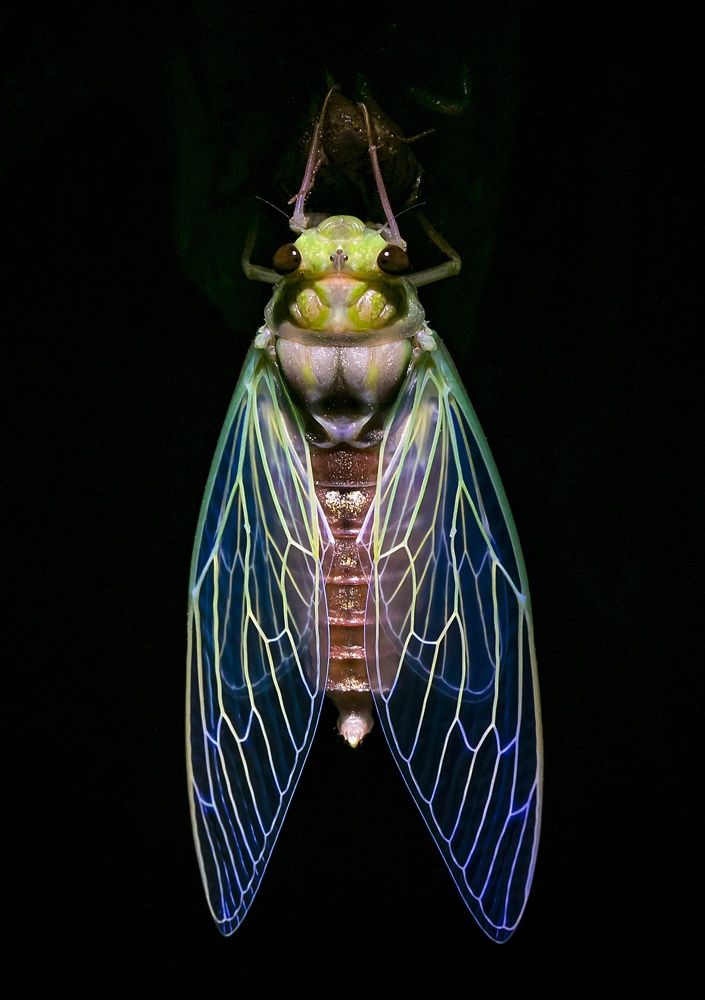
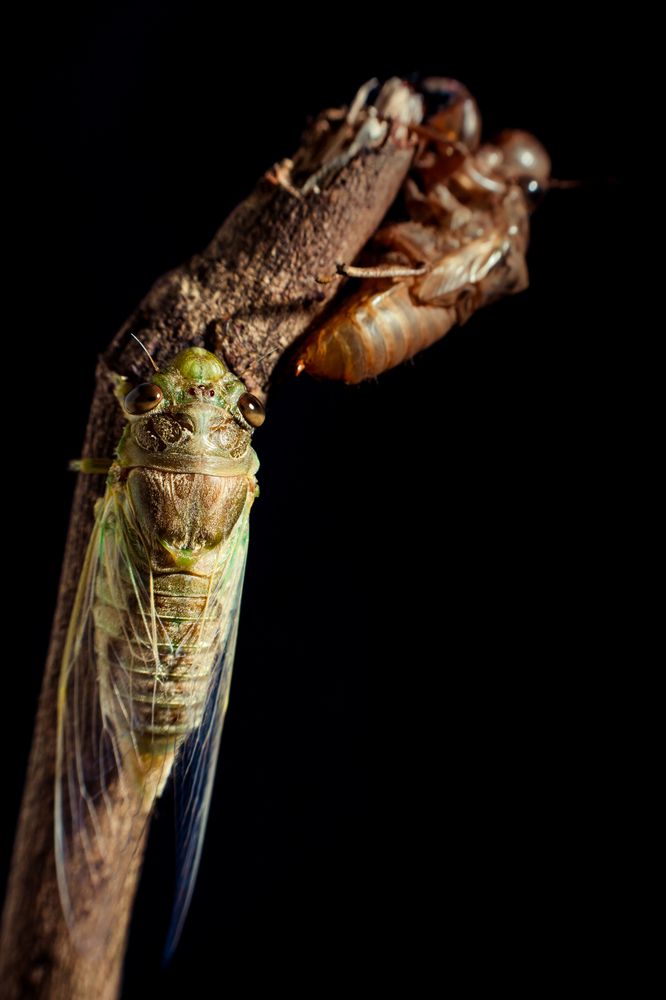
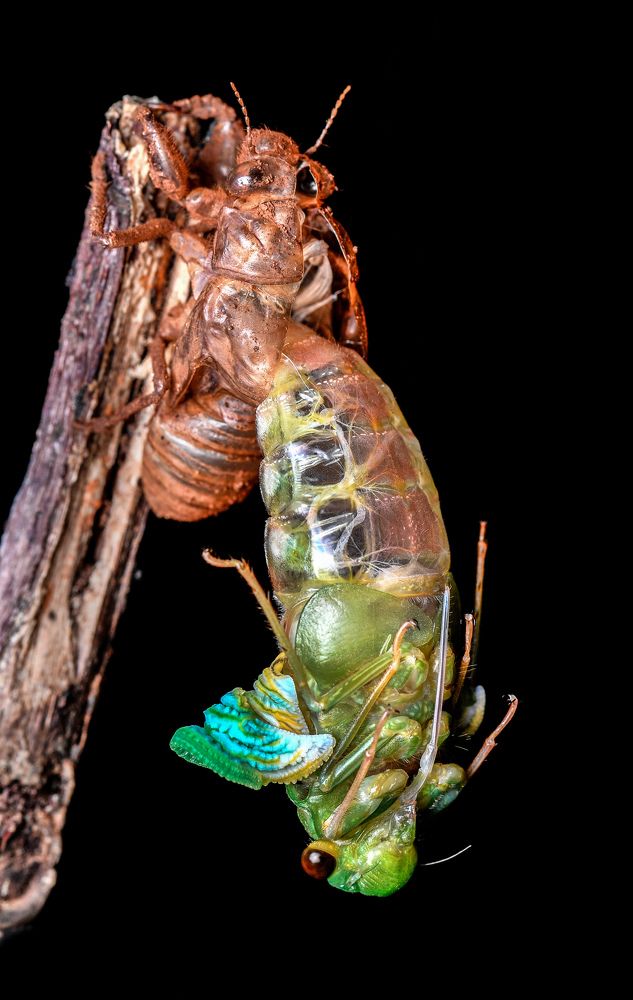
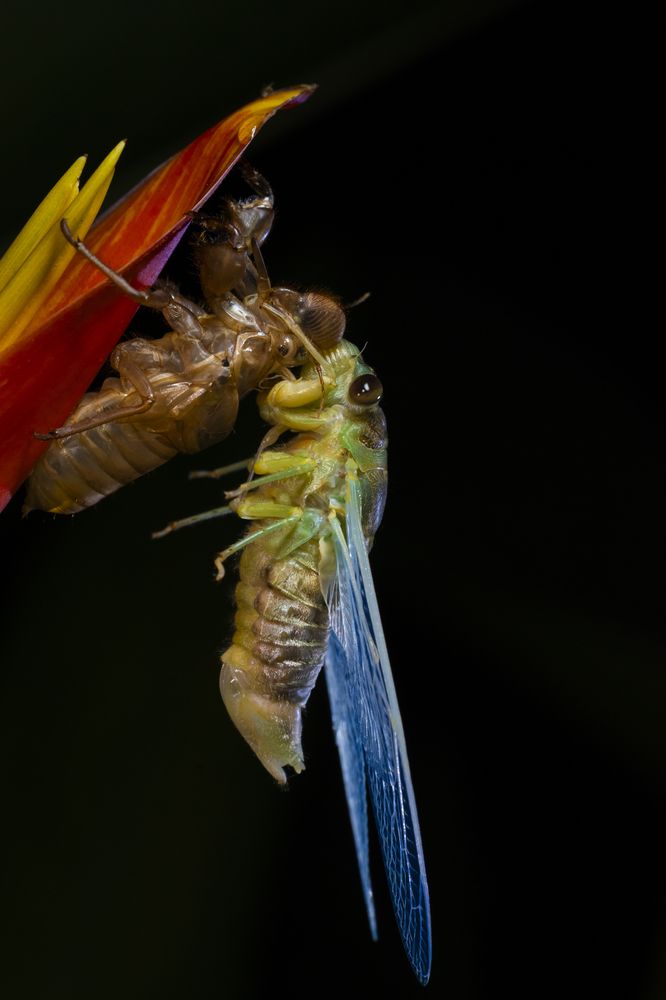
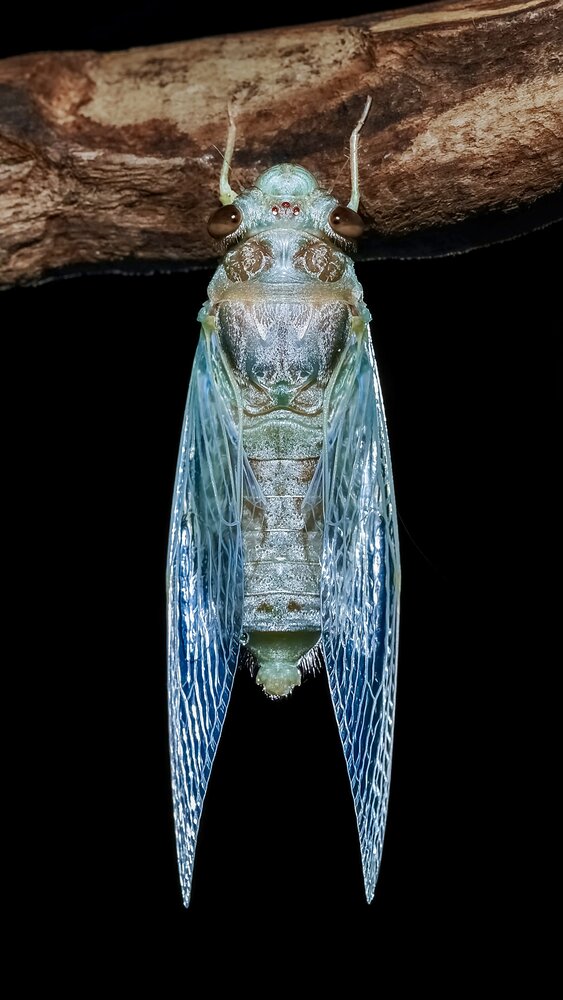
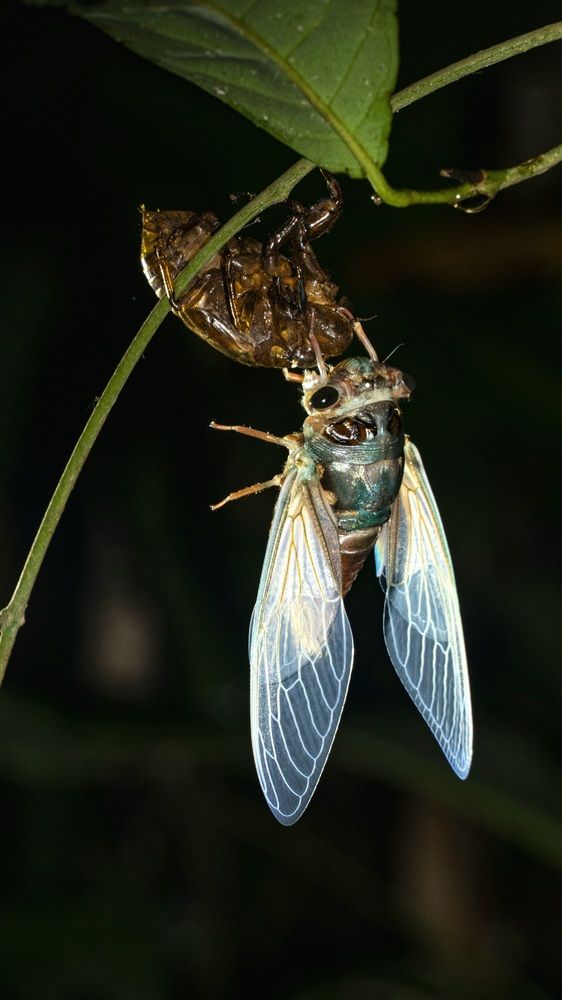
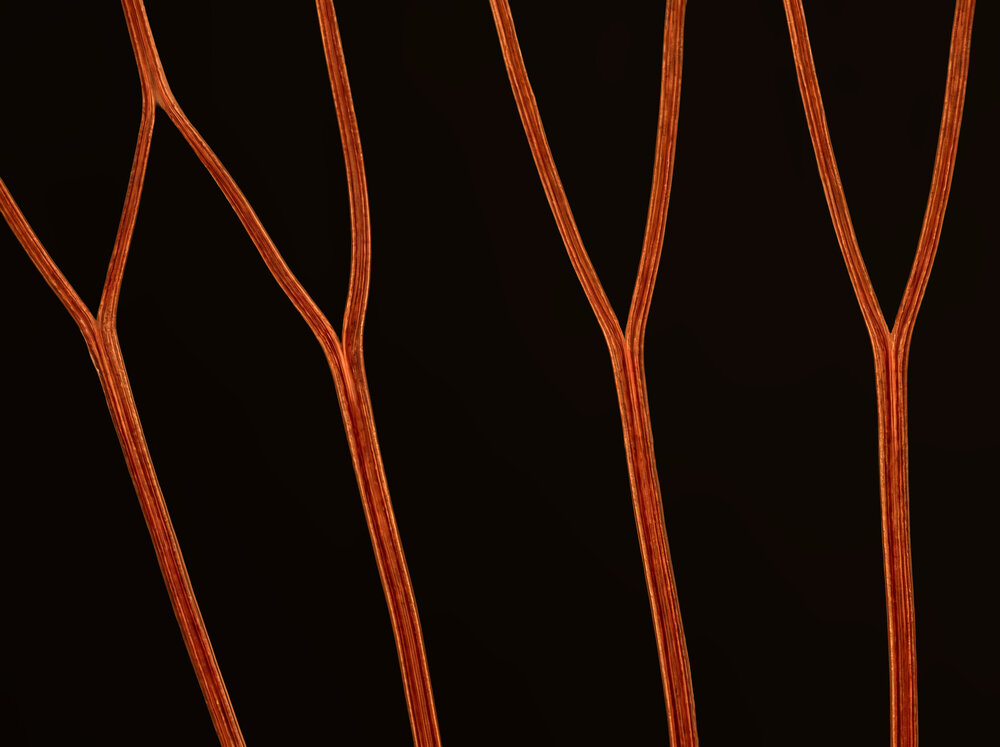
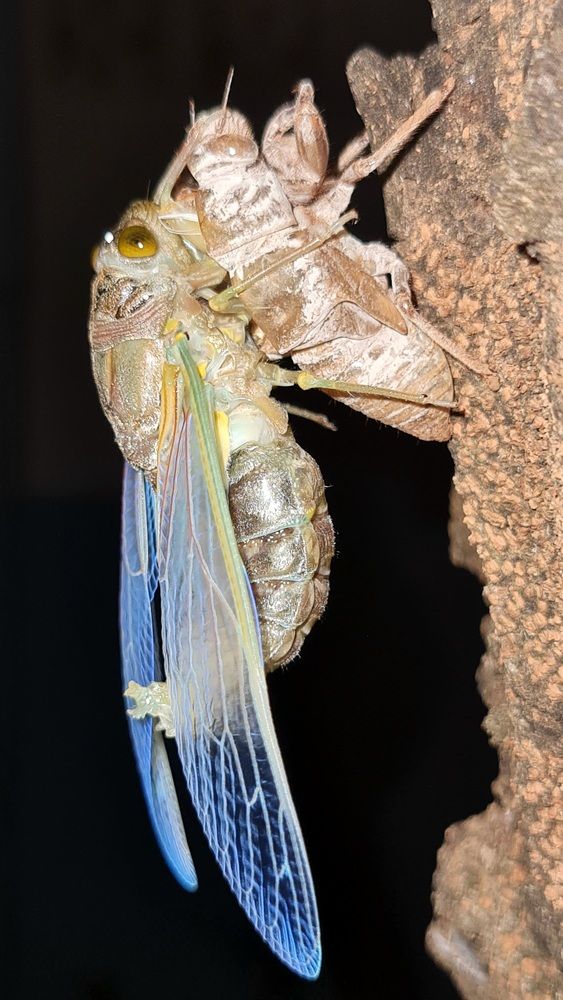
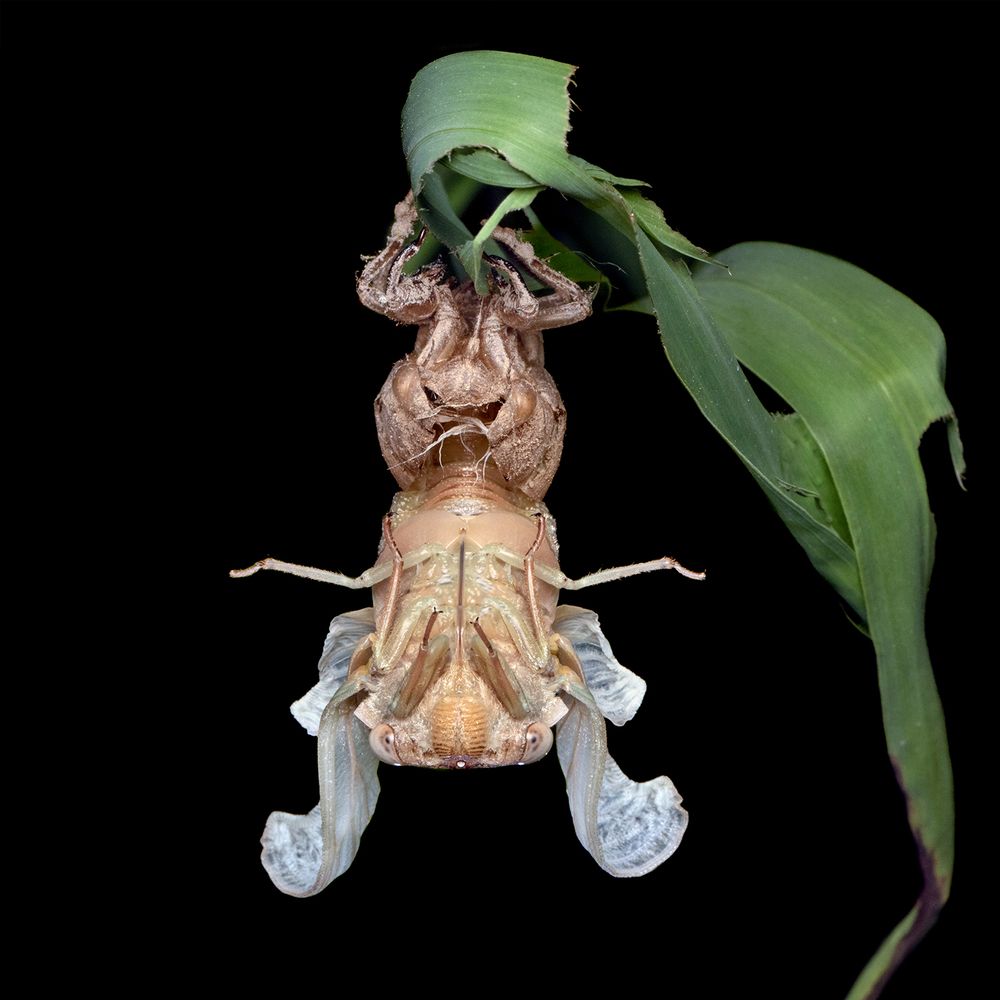
The images document the emergence of cicadas from their exoskeletons. Photographers are drawn to this biological event for its vivid coloration and delicate structural details. The subjects display translucent wings with intricate venation patterns against dark backgrounds. Some shots capture the insects clinging vertically to tree bark or stems, while others present them in a frontal orientation.
The emergence typically occurs during warmer months, often at night when humidity is high. This molting process allows the insect to transition from its nymph stage to a winged adult. The visual contrast between the pale green body and the brown, discarded shell highlights the transformation.
How to shoot it
📍 Where to shoot
Filming takes place outdoors in the tropical forests of Asia, including regions of India and Vietnam (e.g., Sandakan, Sabah). The subject is on vertical plant surfaces.
🧭 How to get there
Access to the filming location is on foot during night walks through the jungle. No special transport or boats are required, but experience moving through a tropical forest at night is necessary.
🕐 Time of day
Most shot between 20:00 and 23:00 (91% of frames)
Based on 23 frames with camera data. Camera clock time; the time zone is unknown.
Filming is mostly at night, from 19:00 to 22:00. Cicada molting occurs in the dark, allowing artificial light to be used to illuminate the translucent wings.
🗓️ Season
Most shot in: May, April, August
Based on 23 frames with camera data
Peak insect activity falls in spring and summer. Filming is most often done in April, May, June and August.
🧗 Difficulty
Needs preparation
Filming requires travel to tropical regions of Asia and night walks through the jungle, which involves the need for physical preparation and experience navigating a dark forest.
🎒 Gear
Use a macro lens with a focal length of 60–105 mm (median 90 mm) and an aperture of f/7.1–f/20 to control depth of field. Image stabilization is useful when working at long exposures or in low-light conditions.
Cameras and lenses the authors used (10)
Sony ILCE-7RM4 2OM System OM-1MarkII 2Canon EOS 7D Mark II 2Canon EOS 6D Mark II 2Nikon D7100 1Canon EF 100mm f/2.8L Macro IS USM 5AF-S VR Micro-Nikkor 105mm f/2.8G IF-ED 2AF-S Micro Nikkor 60mm f/2.8G ED 1Tamron SP 90mm f/2.8 Di VC USD 1:1 Macro (F017) 1Tamron SP 90mm f/2.8 Di VC USD Macro 1:1 (F017) 1
🧳 What to bring
Headlamp or flash with diffuser for illumination, insect repellent, comfortable footwear for tropical forest, spare batteries and a rain cover for the equipment.
⚙️ Settings
Shutter 1/125 (1/250 – 1/60)Aperture f/14 (f/7.1 – f/20)ISO 200 (64 – 800)Focal length 90 mm (40 – 105)
Based on 20 frames with camera data. Median and 10-90% range across the idea frames.
Key parameter is aperture: close down to f/14 (range f/7.1–f/20) for maximum depth of field in macro. Keep shutter speed short (median 1/125 s, range 1/250–1/60 s), ISO low (median 200).
⚠️ Good to know
Molting takes time: after emerging from the pupa, the cicada needs to wait until its body hardens and its wings fill with hemolymph. Use stacking technique to capture the entire transformation process.
📈 How the idea developed
works uploadedshare of all site uploads, per 100k
The date is when the file was uploaded to the site. The chart counts works assigned to the idea.
✅ How to repeat it
- Illuminate the translucent wings from the side to reveal bright green and blue tones against a dark background.
- Look for vertical plant surfaces in the jungle — that is where cicadas usually molt.
✨ Interesting facts
- 🏆 How the best frame was shot: Sony ILCE-7RM4, FE 90mm F2.8 Macro G OSS, 1/100, f/16, ISO 100, 90 mm
- 🔇 78% of frames were shot at ISO 400 or lower: almost no noise, any modern camera will do
- 🥇 1 works reached the finals, 1 won. Best contest: 9th 35AWARDS 2024
- 👤 Most frequent authors: Tran The Ngoc 4QUANG THOI HUA 3Nhan Nguyen 2
- 🌍 Authors by country: 🇻🇳 VN 15🇮🇳 IN 7🇴🇲 OM 1🇦🇷 AR 1🇲🇾 MY 1
Some tips are prepared by AI from the idea description, photos and their EXIF. Check the rules and access to places before you travel.
Works
These lists are generated automatically and may contain inaccuracies. Photos are shown in random order, and selections are refreshed twice a day. This section is made for exploring photos and does not claim 100% accuracy. The lists include photos that previously participated in contests that are already completed.