Butterfly Wing Scales
31 worksFirst upload: Feb 2020Peak: 2023Last 12 months: 6

📝 Description
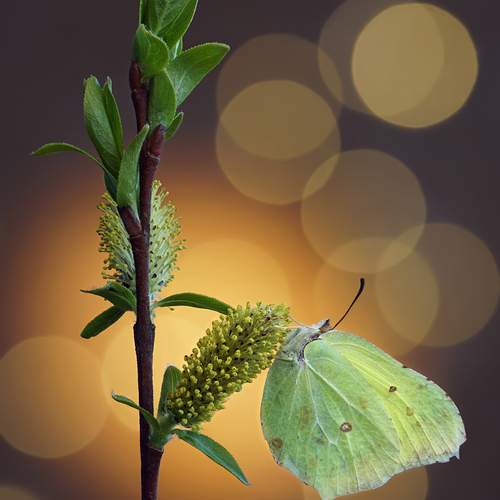
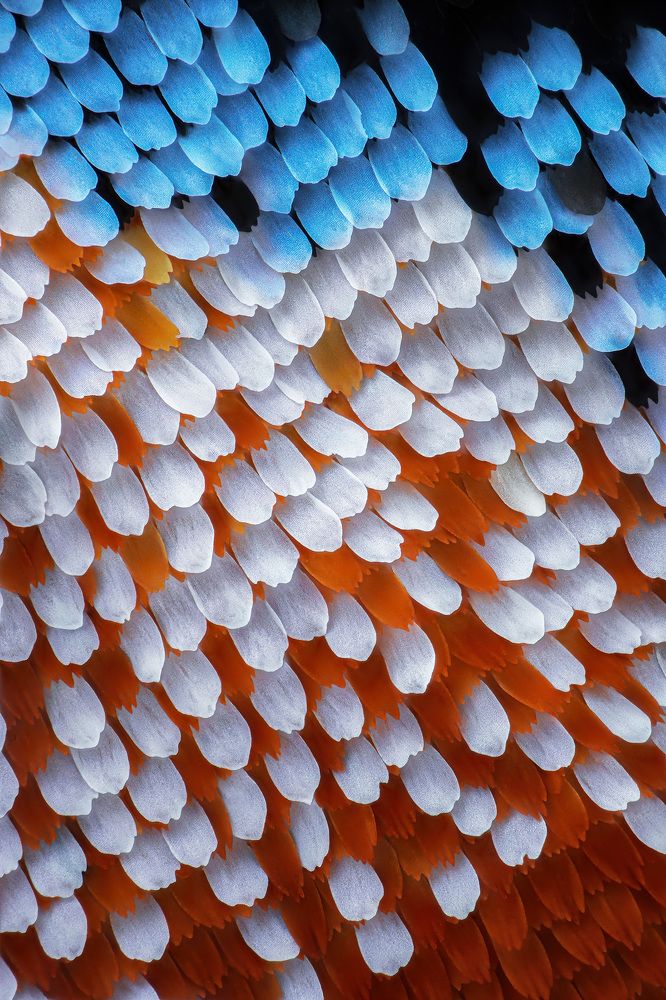
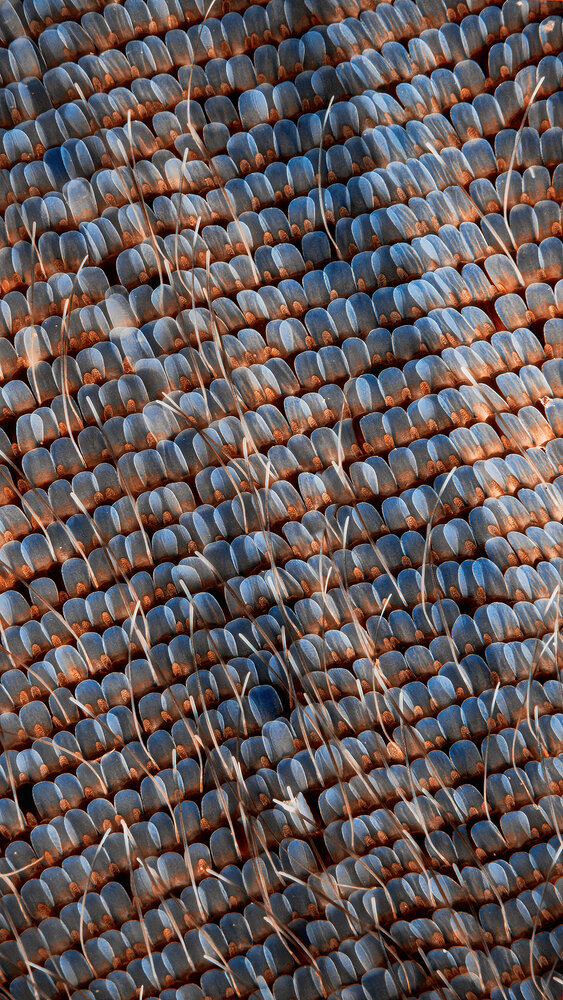
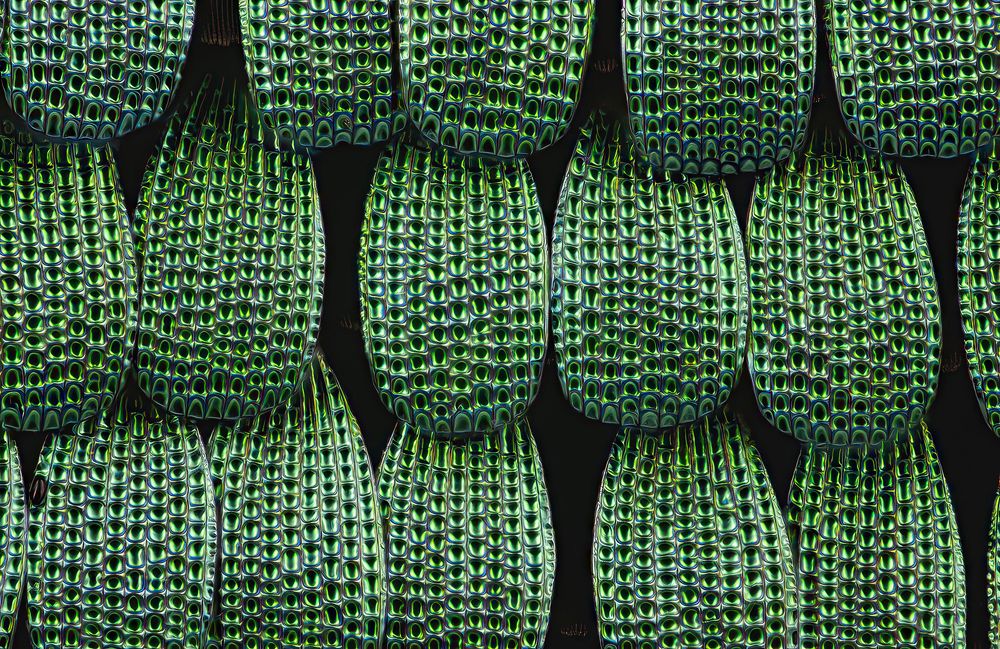
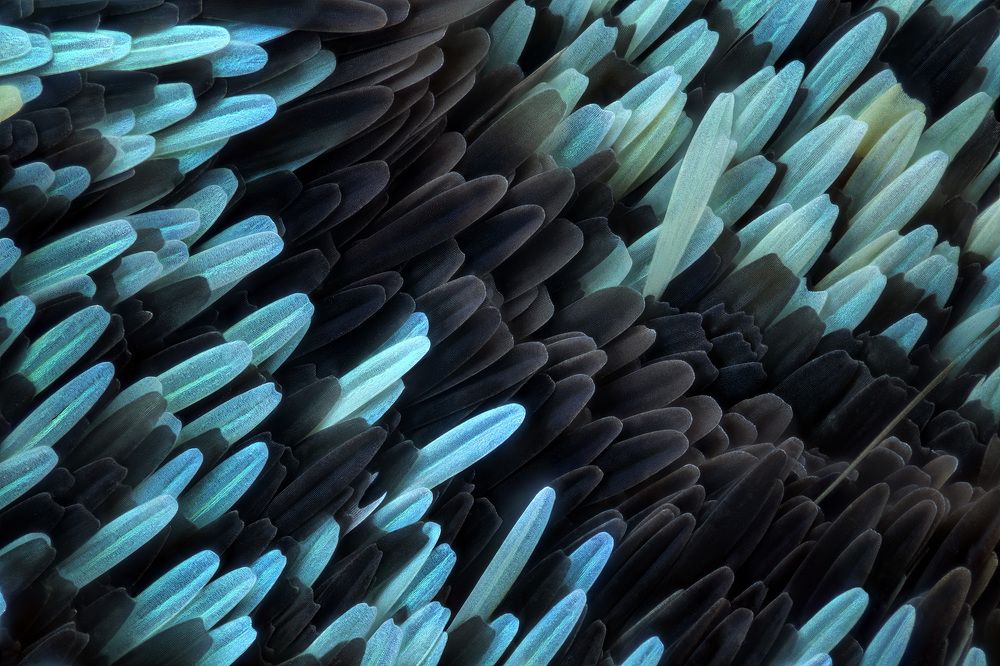
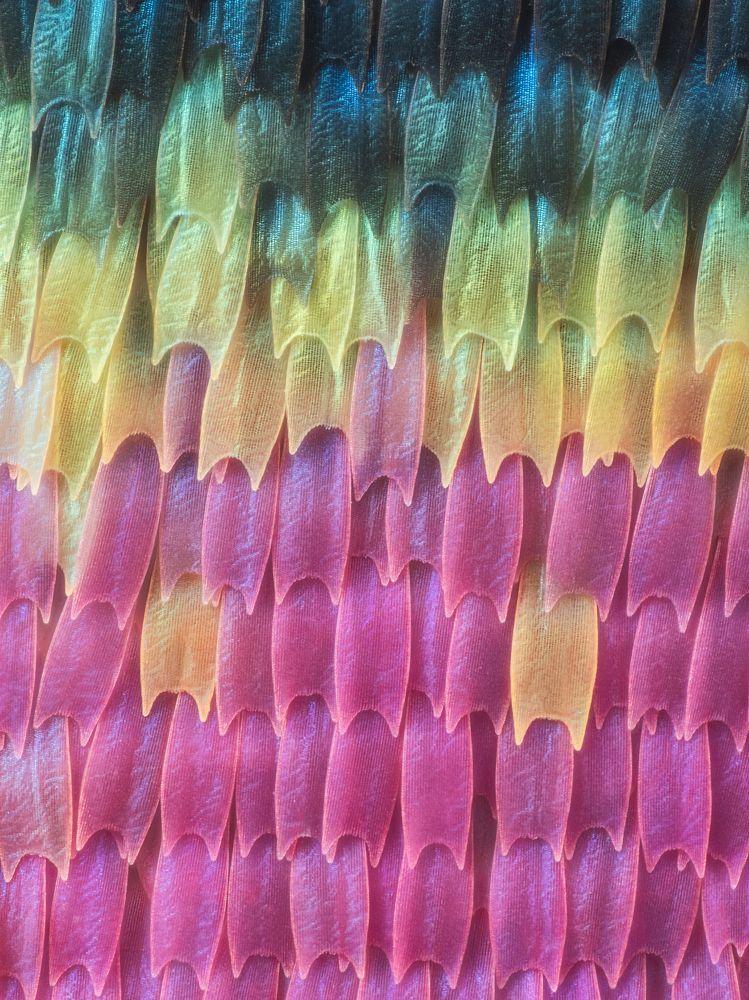
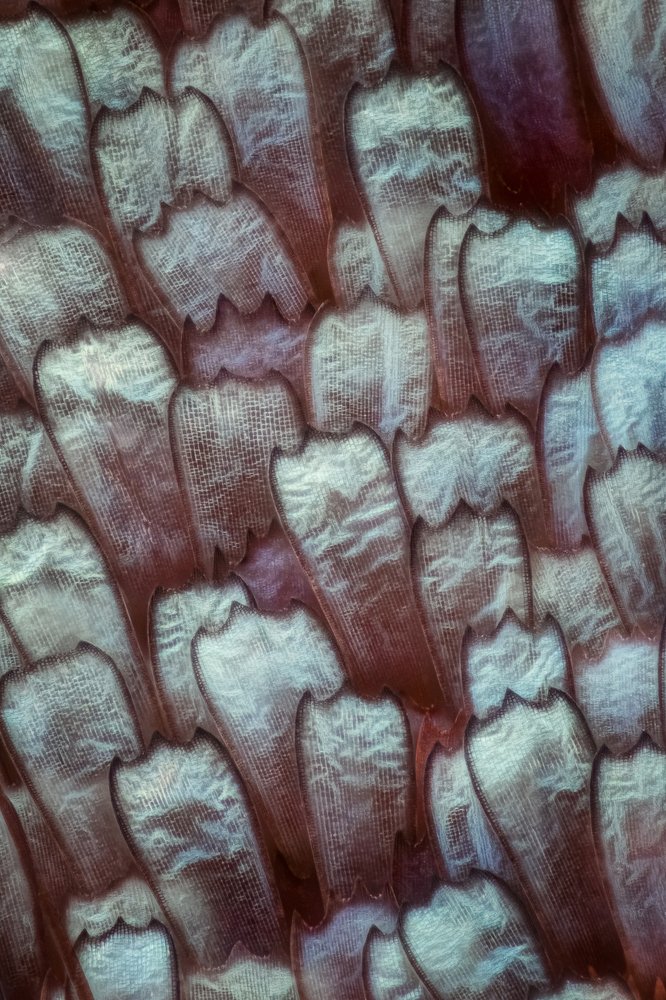
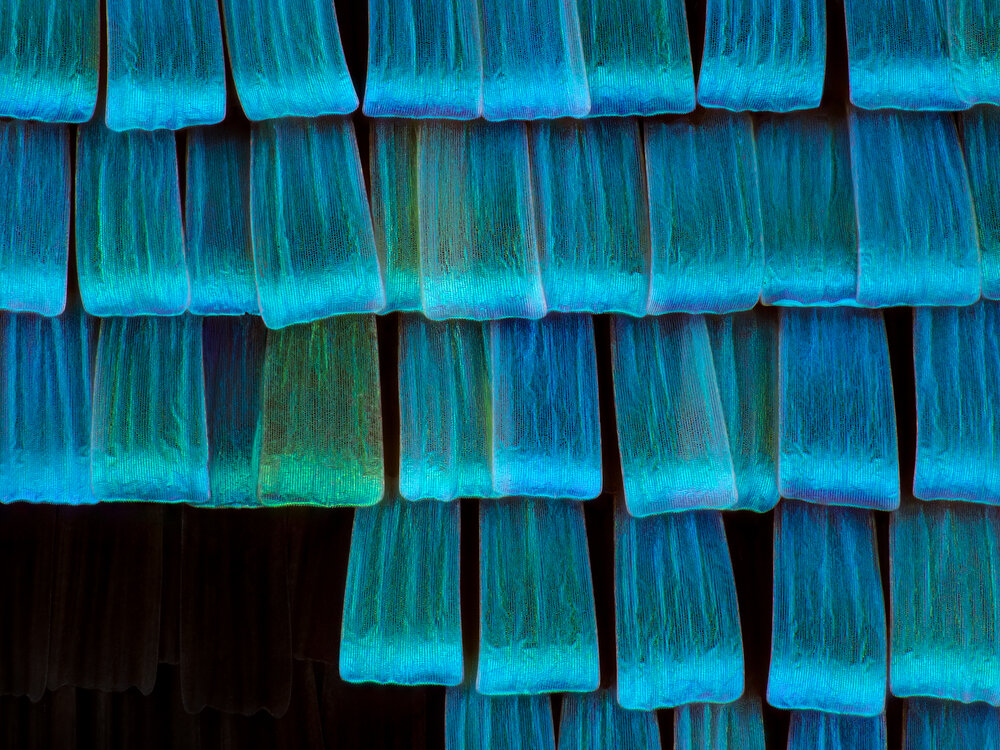
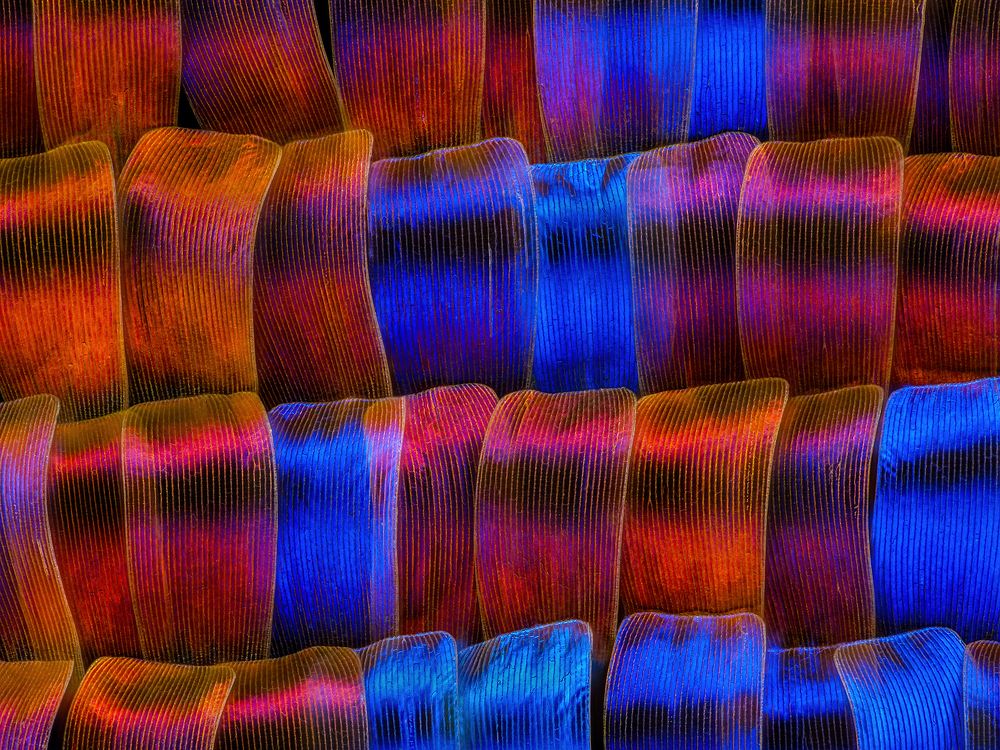
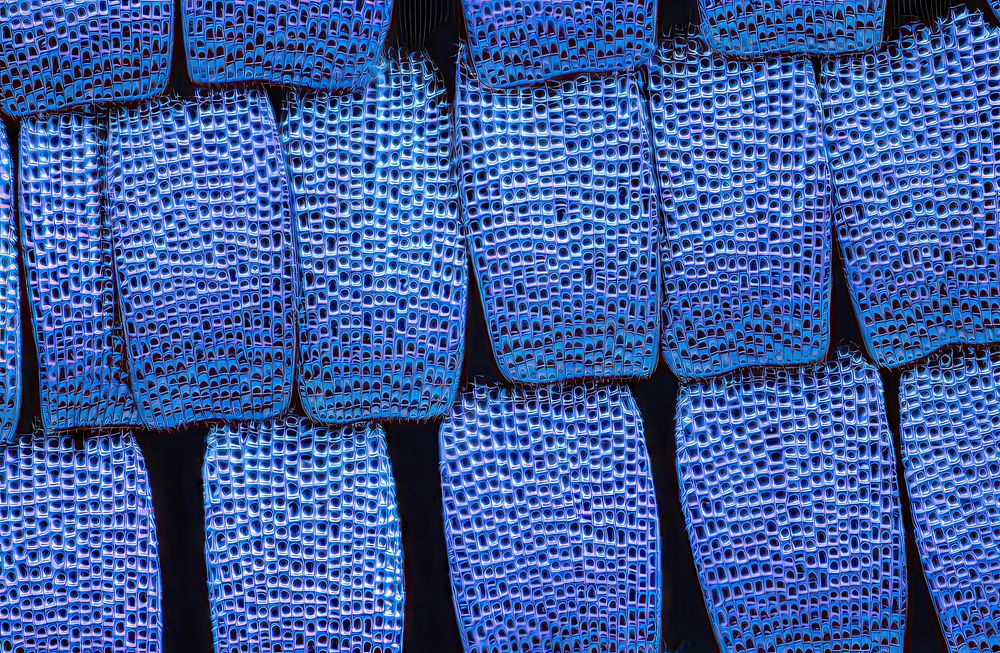
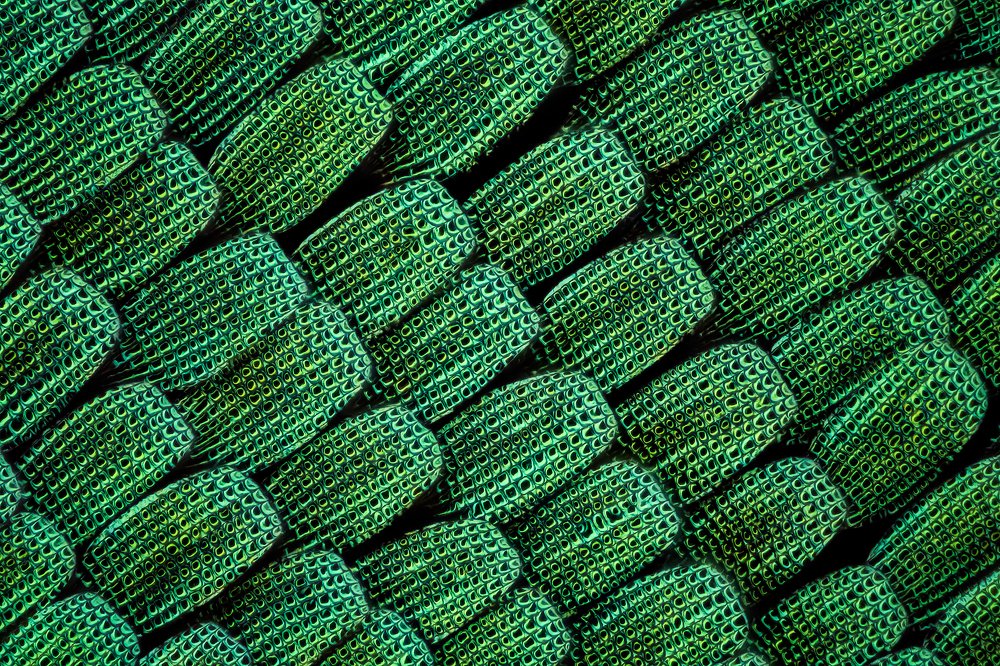
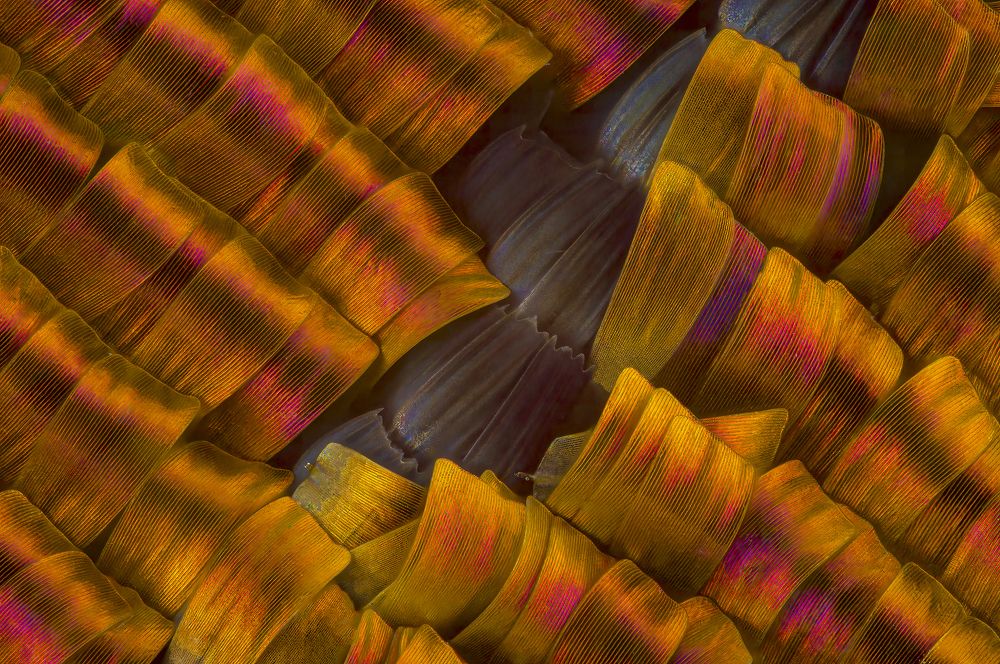
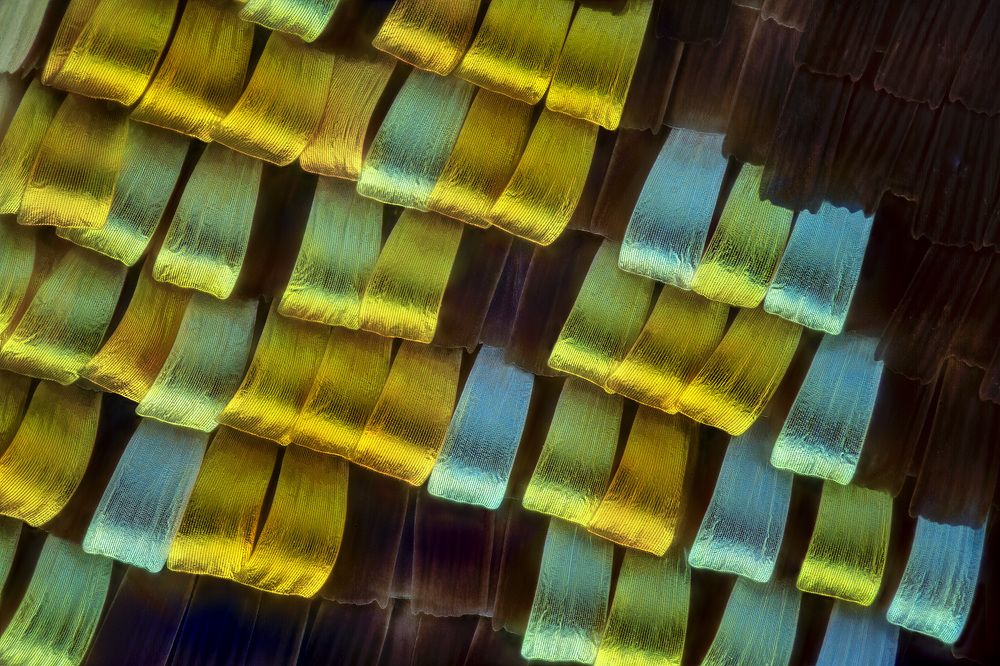
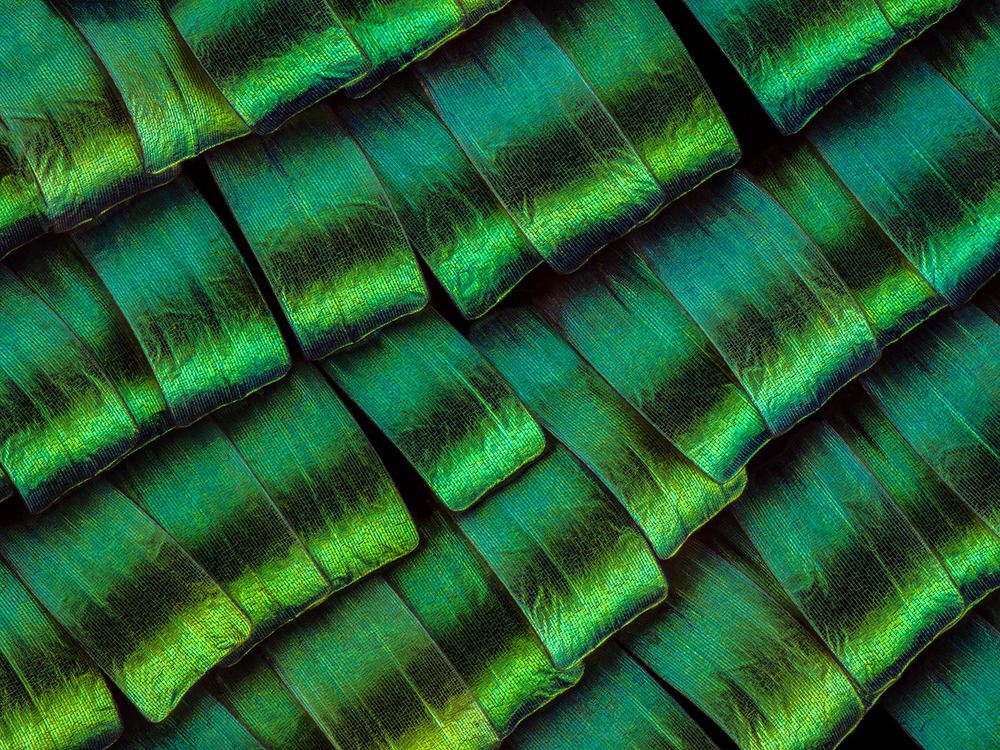
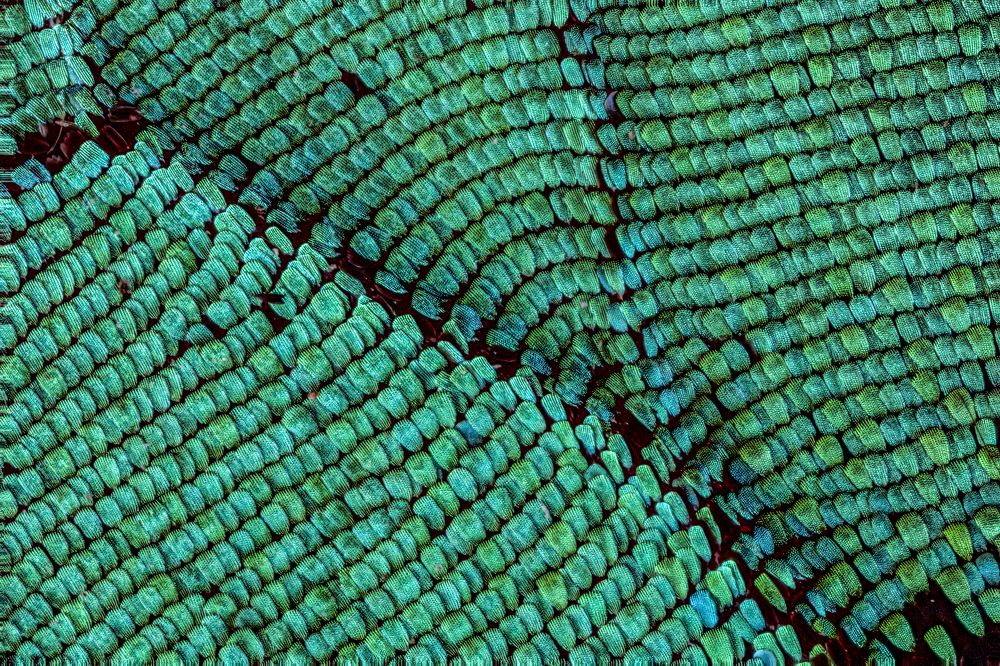
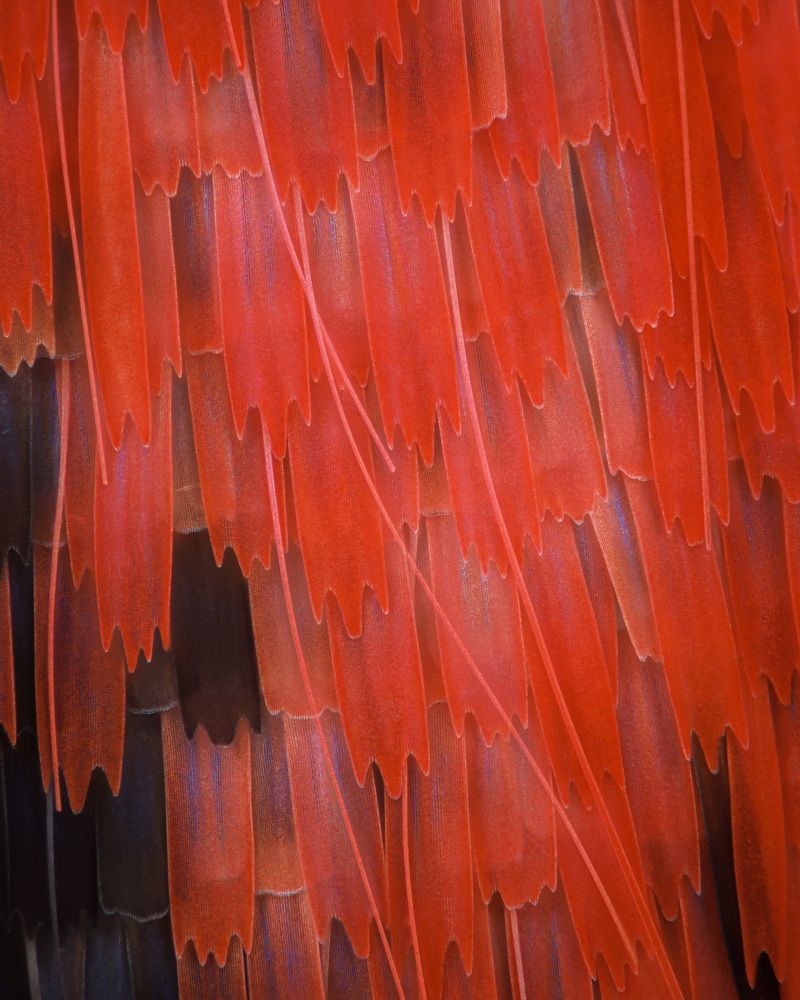
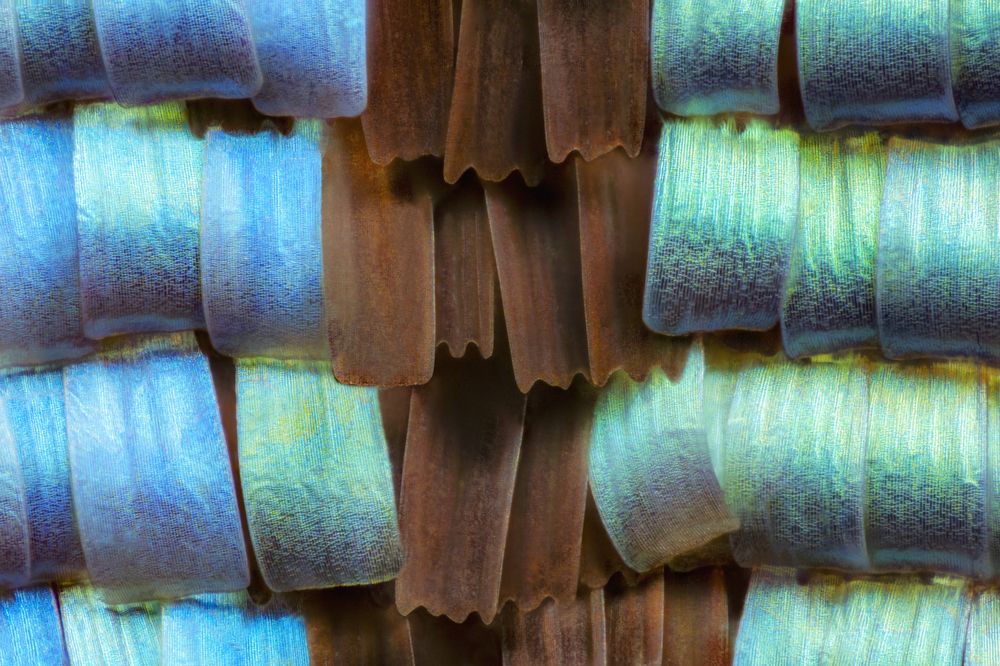
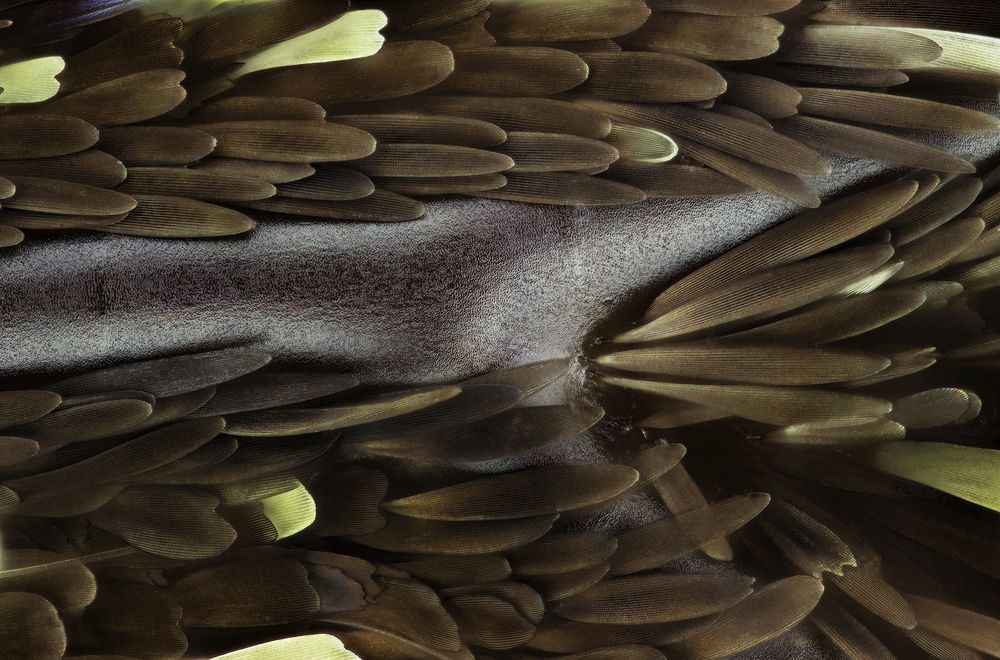
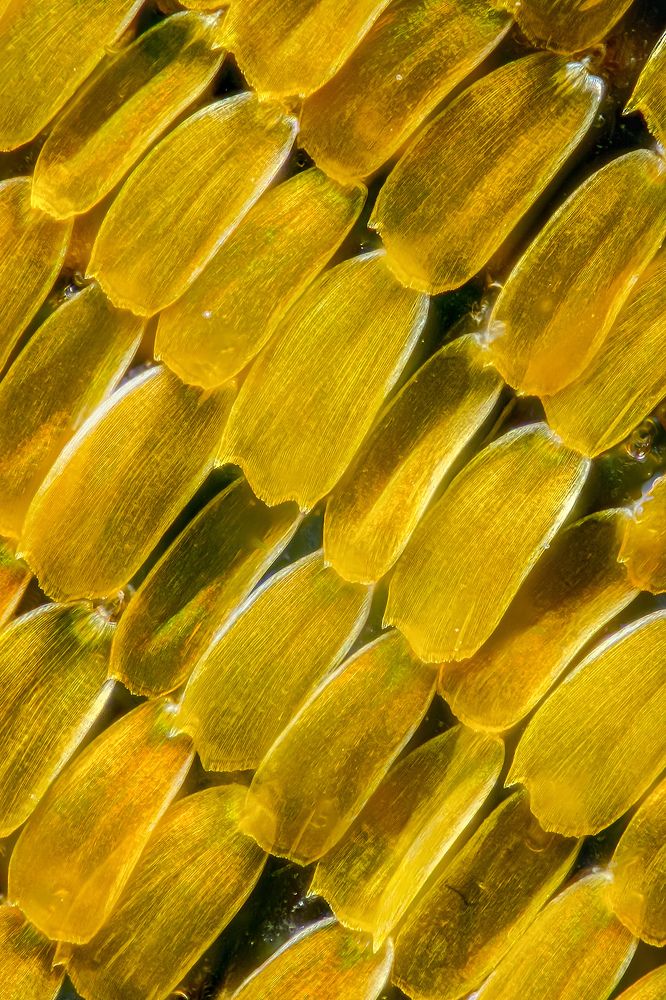
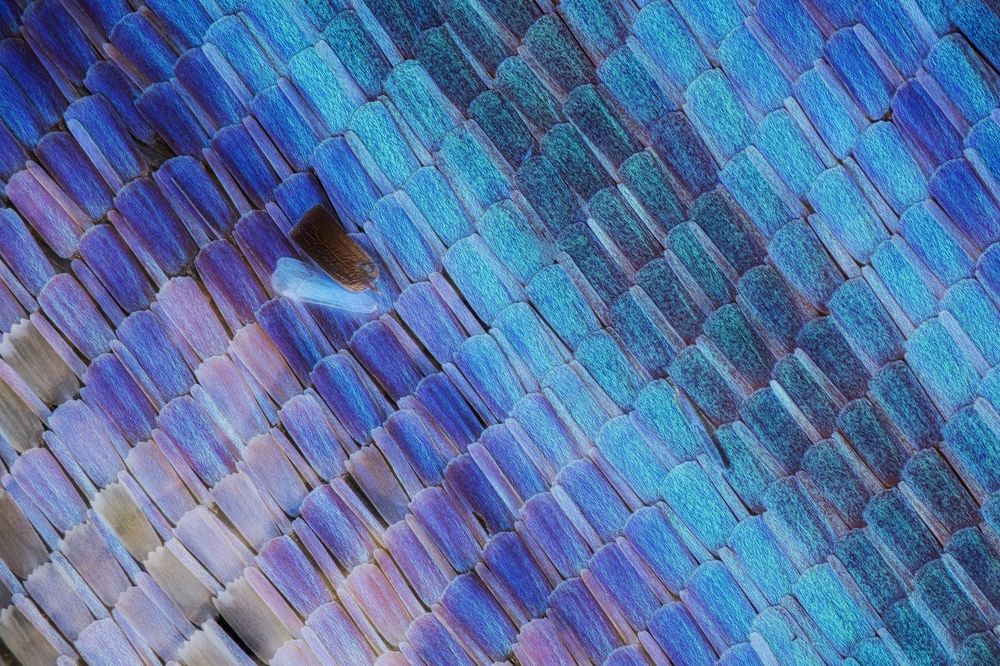
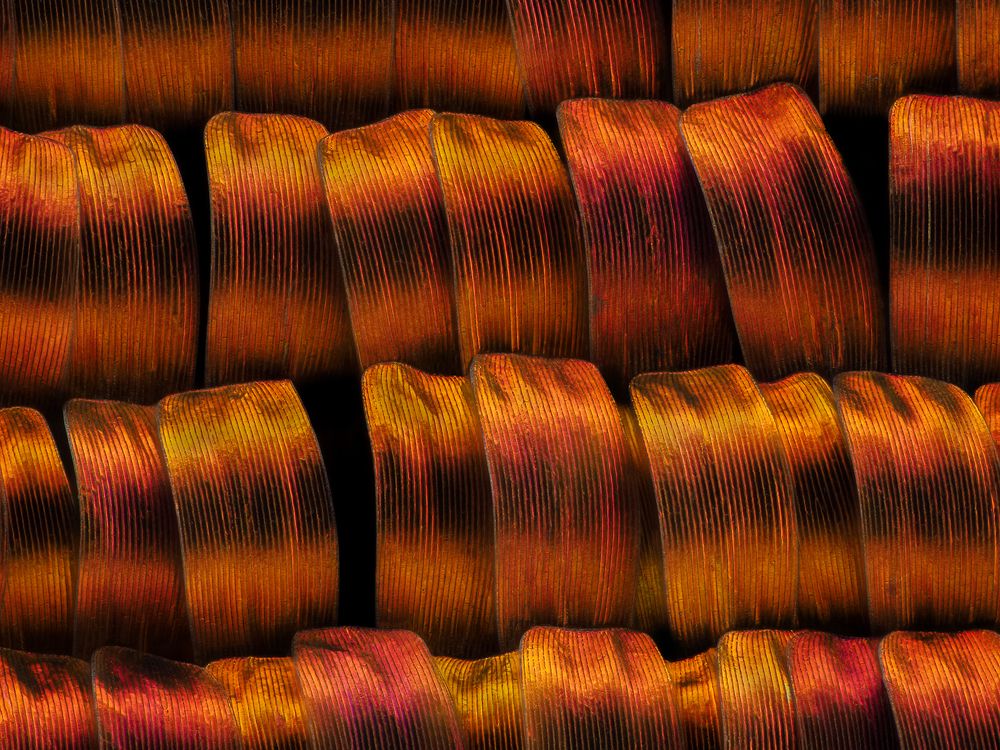
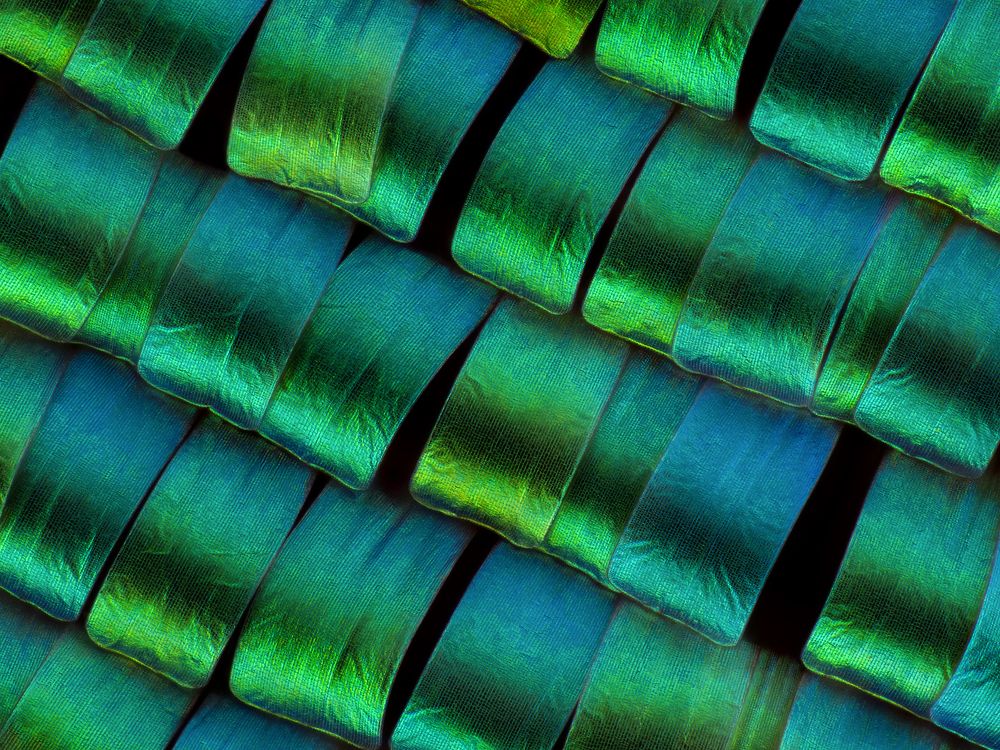
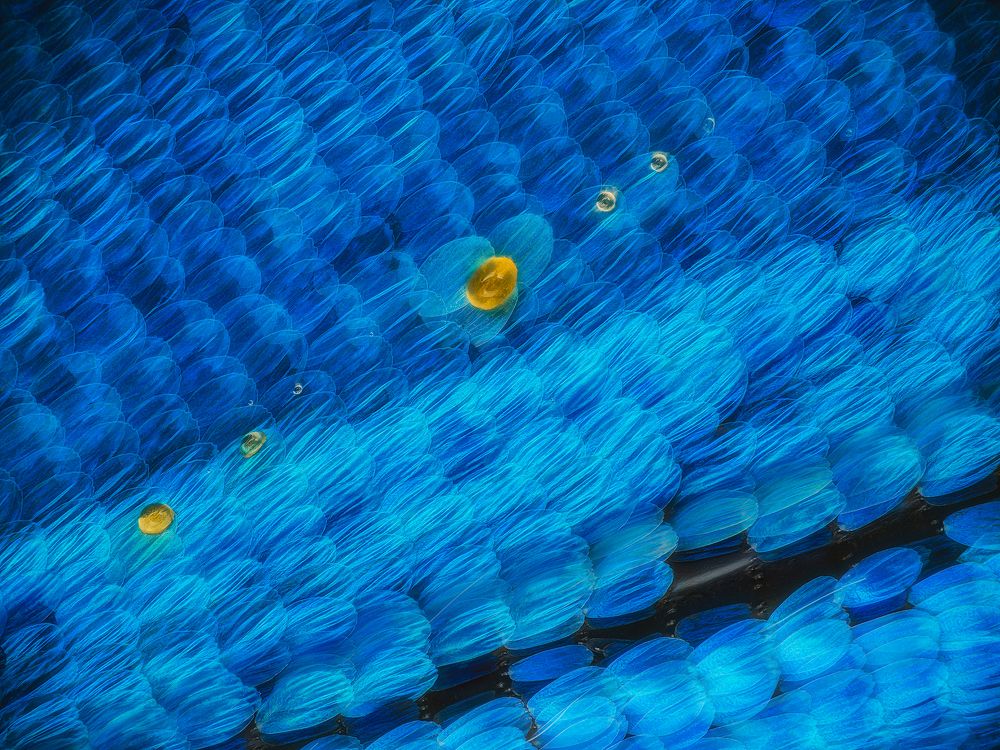
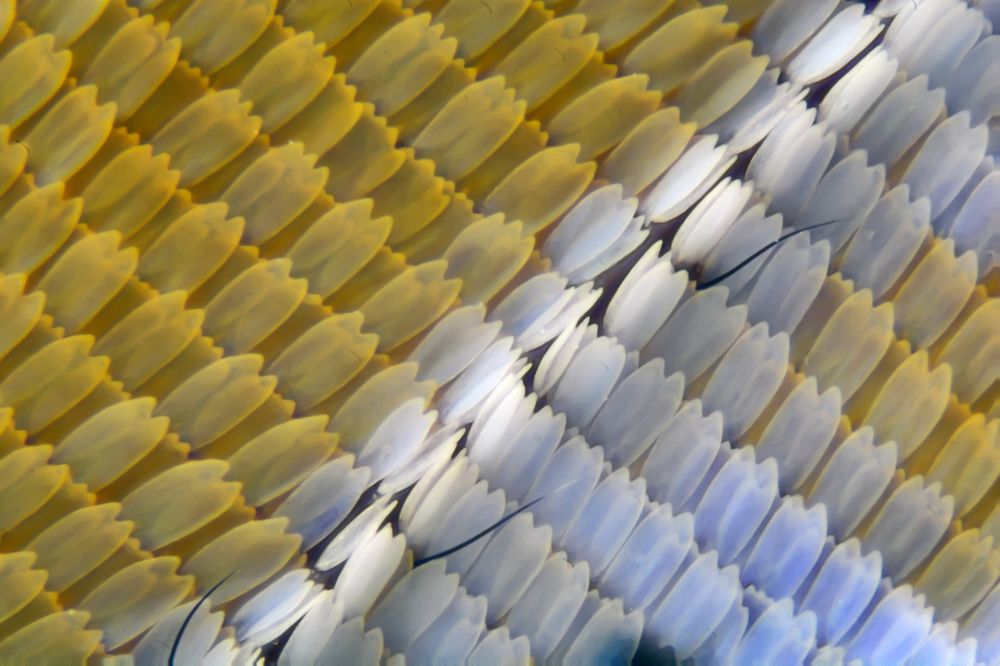
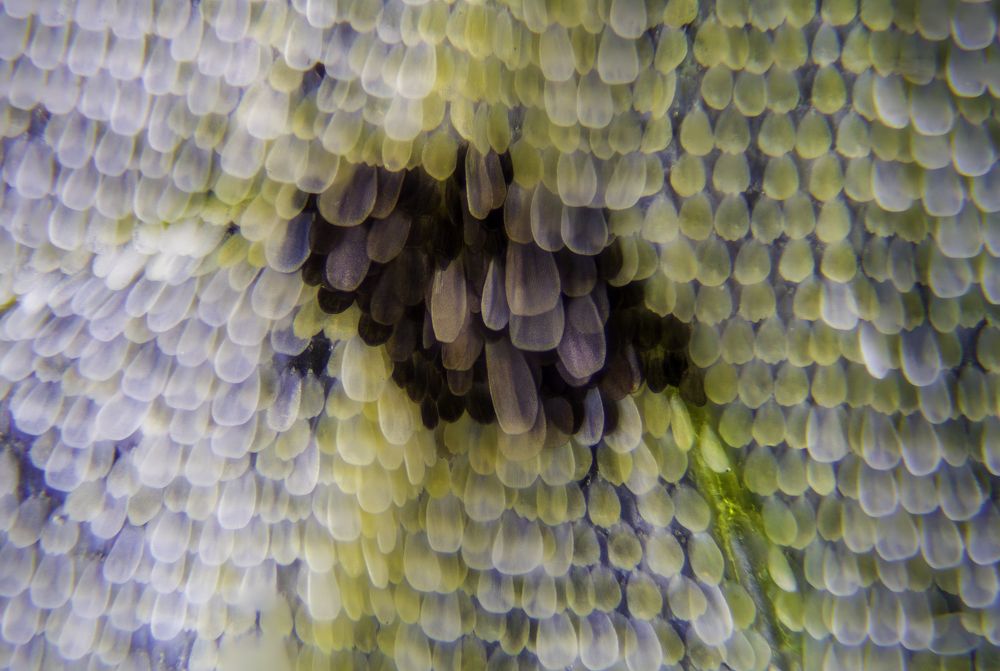
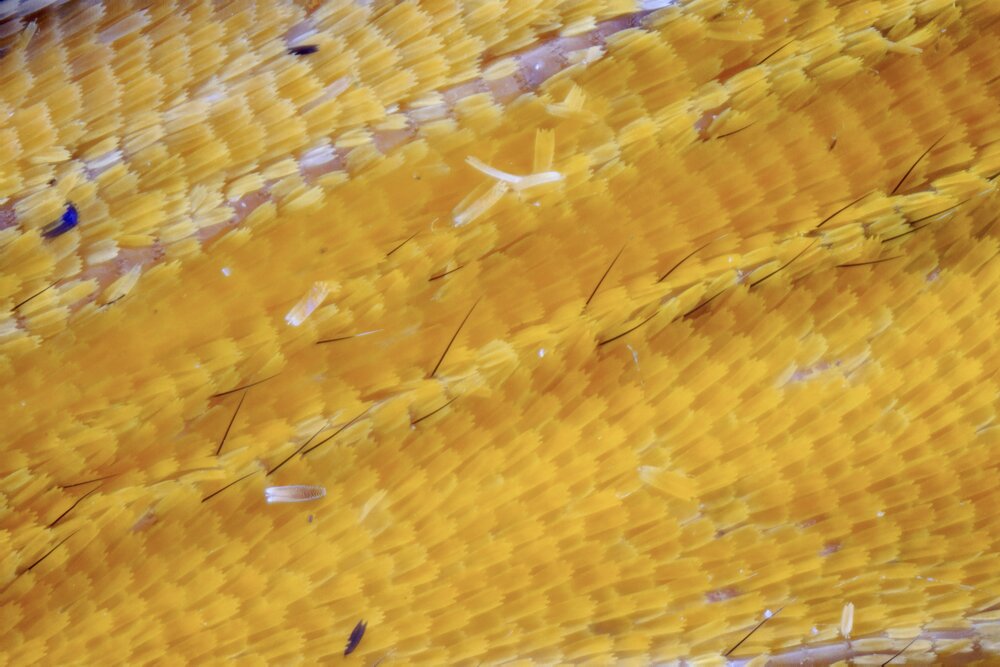
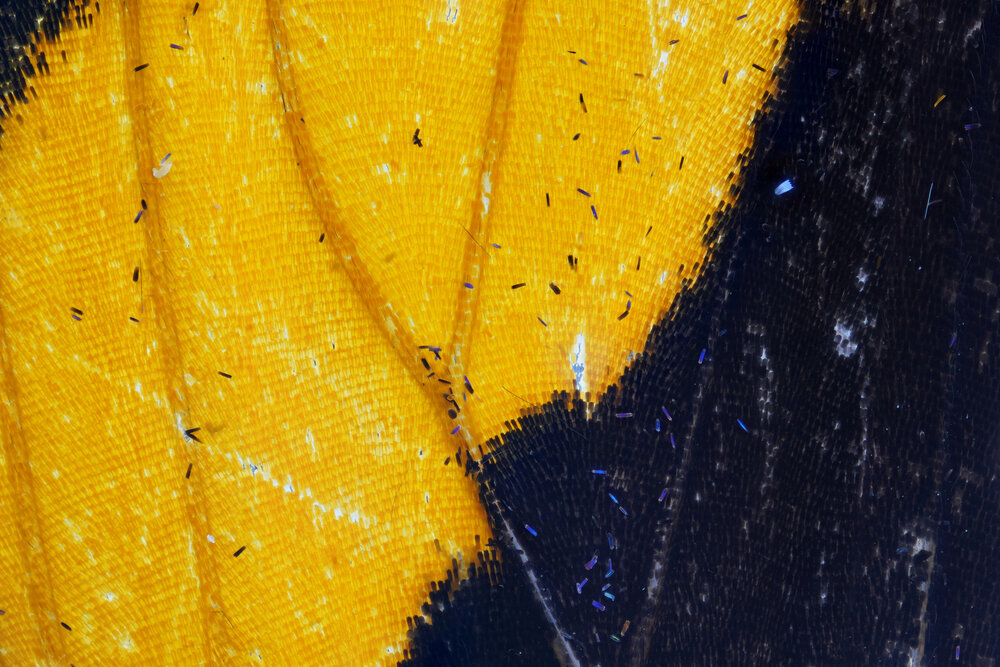
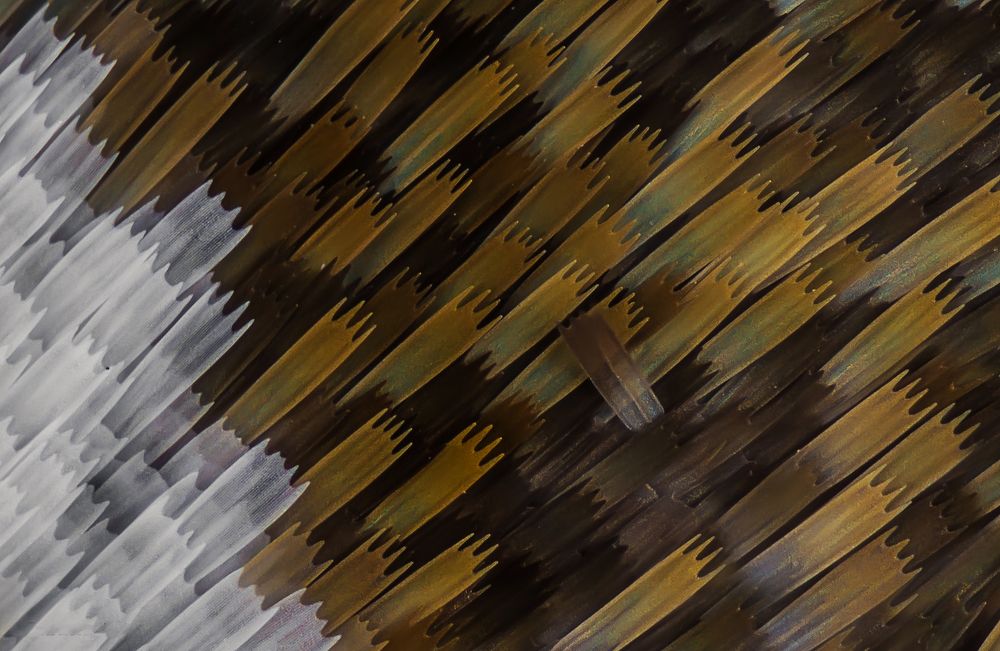
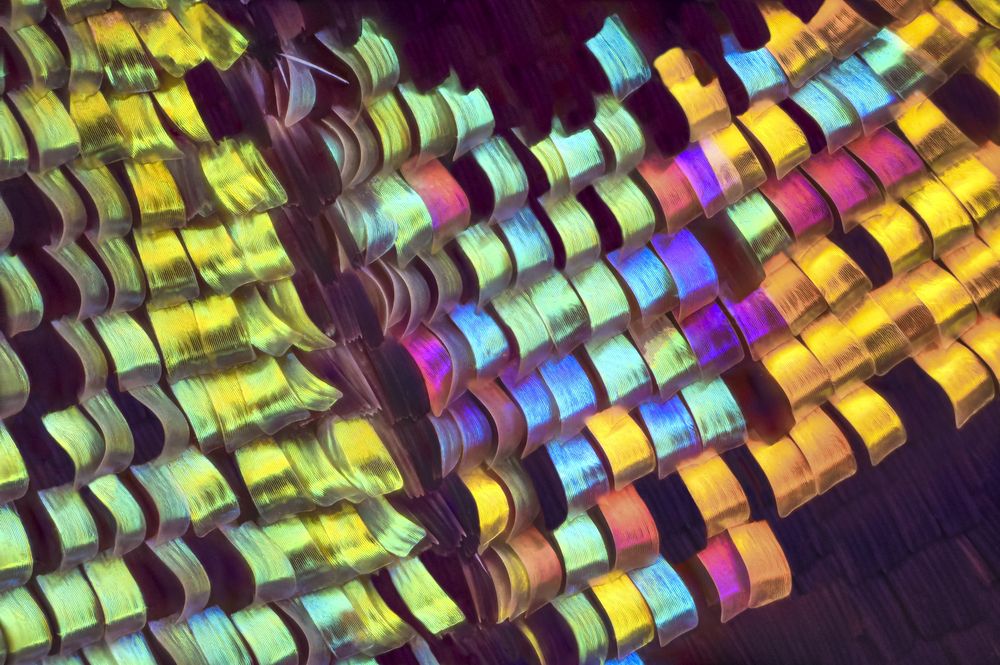
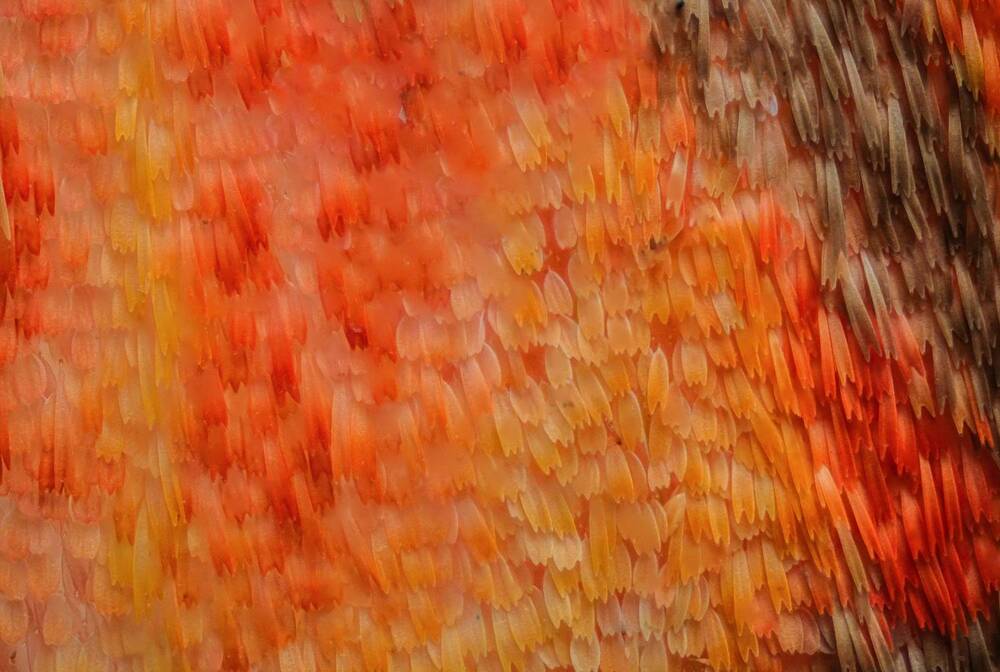
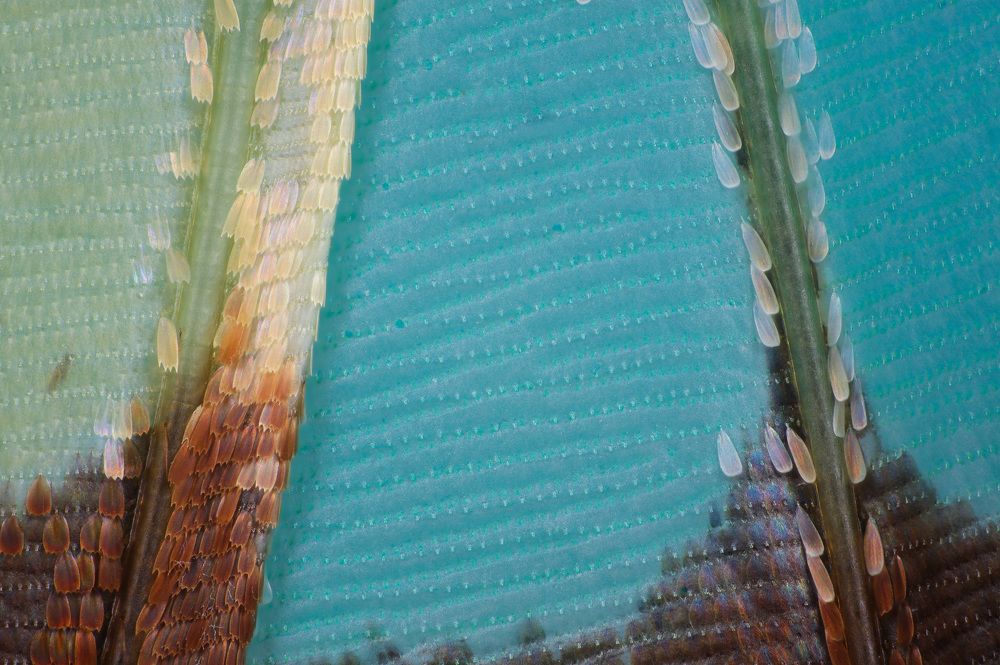
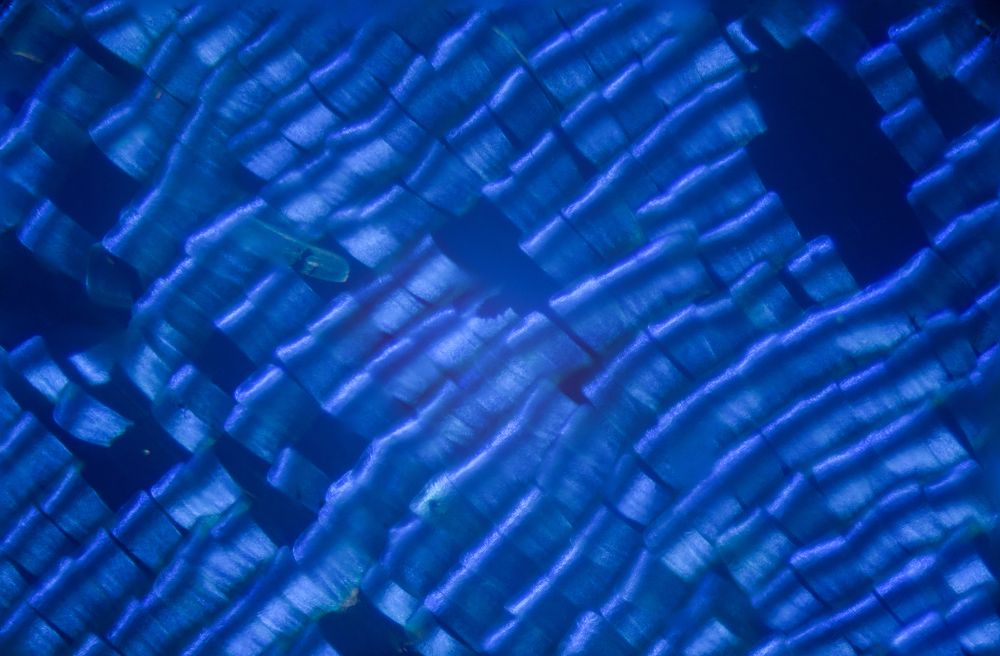
These images depict the microscopic structure of butterfly wing scales. Photographers utilize high-magnification lenses to reveal the intricate geometric patterns and vibrant pigmentation hidden from the naked eye. The collection features various species, including *Catocala fraxini*, *Chrysiridia rhipheus* from Madagascar, and *Gonepteryx rhamni*. Visual styles range from sharp macro details showing individual scales to abstract representations created through motion blur. The group is united by the shared subject of lepidopteran wing anatomy.
How to shoot it
📍 Where to shoot
Shooting is conducted in laboratory or home conditions on a specimen table, as the objects (scales) require stationary setup and artificial lighting.
🕐 Time of day
Most shot between 21:00 and 0:00 (41% of frames)
Based on 17 frames with camera data. Camera clock time; the time zone is unknown.
According to statistics, shooting most often occurs at night (20:00–23:00), which is convenient for working with artificial light without interference from daylight.
🗓️ Season
Most shot in: February, March, May
Based on 17 frames with camera data
Shooting is possible at any time of year, but according to statistics, peak activity falls in February, March and May.
🎒 Gear
Use a macro lens or extension tubes (e.g., Raynox) in combination with microscopic lenses (Nikon TU Plan). A tripod and rail focus for stacking are required.
Cameras and lenses the authors used (5)
🧰 Special equipment
Two LED lights (e.g., Godox 64) are needed for even illumination of the microstructure. To obtain a sharp image at high magnifications, a focus stack of dozens of frames is required.
⚙️ Settings
Shutter 1/3 (1/160 – 1 s)ISO 100 (64 – 200)
Based on 1 frames with camera data. Median and 10-90% range across the idea frames.
The key parameter is aperture for controlling depth of field, but with stacking, medium values can be used. Keep ISO at minimum (median 100); shutter speed is not critical due to the tripod (median 0.3 s).
⚠️ Good to know
Objects are often collector's or museum exhibits, so it is important to handle them with care and use only permitted shooting methods.
📈 How the idea developed
works uploadedshare of all site uploads, per 100k
The date is when the file was uploaded to the site. The chart counts works assigned to the idea.
✅ How to repeat it
- Use a focus stack (60–65 frames) to obtain full sharpness at magnifications of 30–50x.
- Adjust the angle of the LED lights to emphasize the microstructure and color patterns of the scales.
✨ Interesting facts
- 🏆 How the best frame was shot: Fujifilm X-T2, 1/30, f/1, ISO 640, 65 mm
- 🔇 94% of frames were shot at ISO 400 or lower: almost no noise, any modern camera will do
- 📐 83% of frames are landscape orientation
- 🥇 3 works reached the finals. Best contest: 10th 35AWARDS 2025
- 👤 Most frequent authors: Ireneusz Irass Walędzik 5Dariusz Pawlik 4Yuan Ji 3Rastislav Borovsky 2Javier Ruperez 2
- 🌍 Authors by country: 🇵🇱 PL 9🇪🇸 ES 5🇨🇳 CN 4🇳🇱 NL 2🇧🇭 BH 2
🔗 Related ideas
Some tips are prepared by AI from the idea description, photos and their EXIF. Check the rules and access to places before you travel.
Works
These lists are generated automatically and may contain inaccuracies. Photos are shown in random order, and selections are refreshed twice a day. This section is made for exploring photos and does not claim 100% accuracy. The lists include photos that previously participated in contests that are already completed.