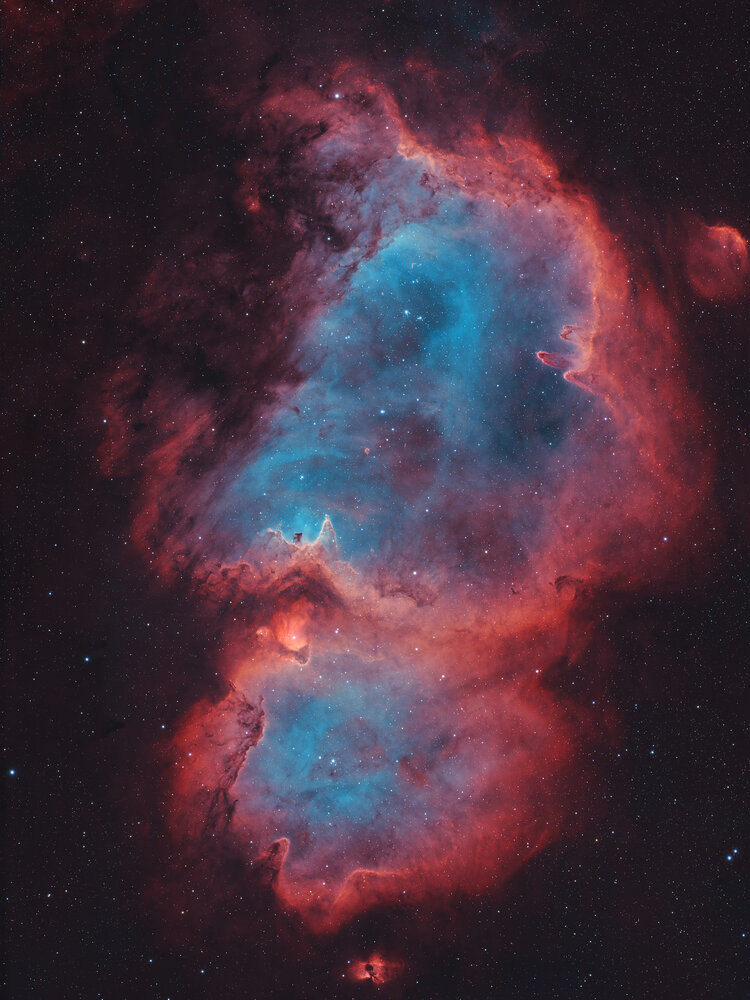
Heart and Lion Nebulae
35 worksFirst upload: Aug 2022Peak: 2025Last 12 months: 14
📝 Description
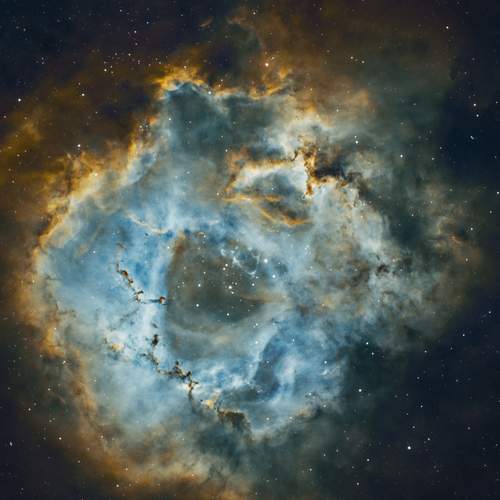
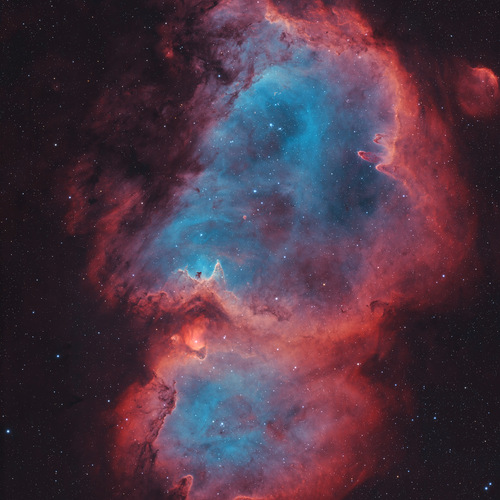
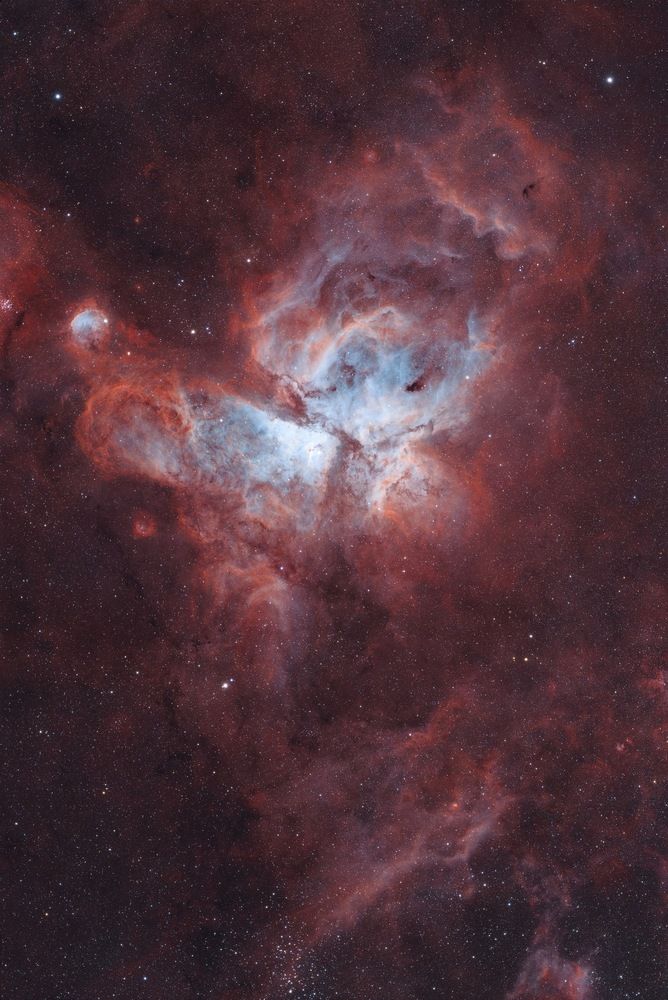
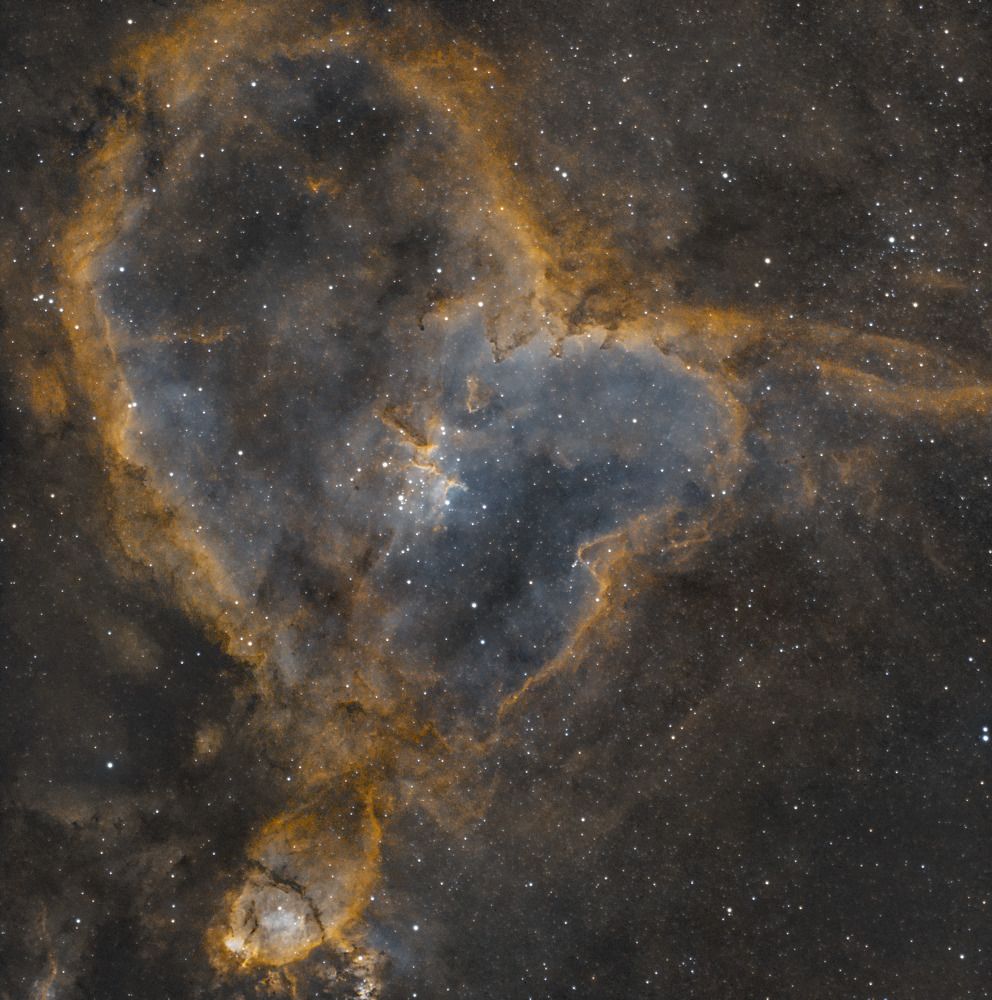
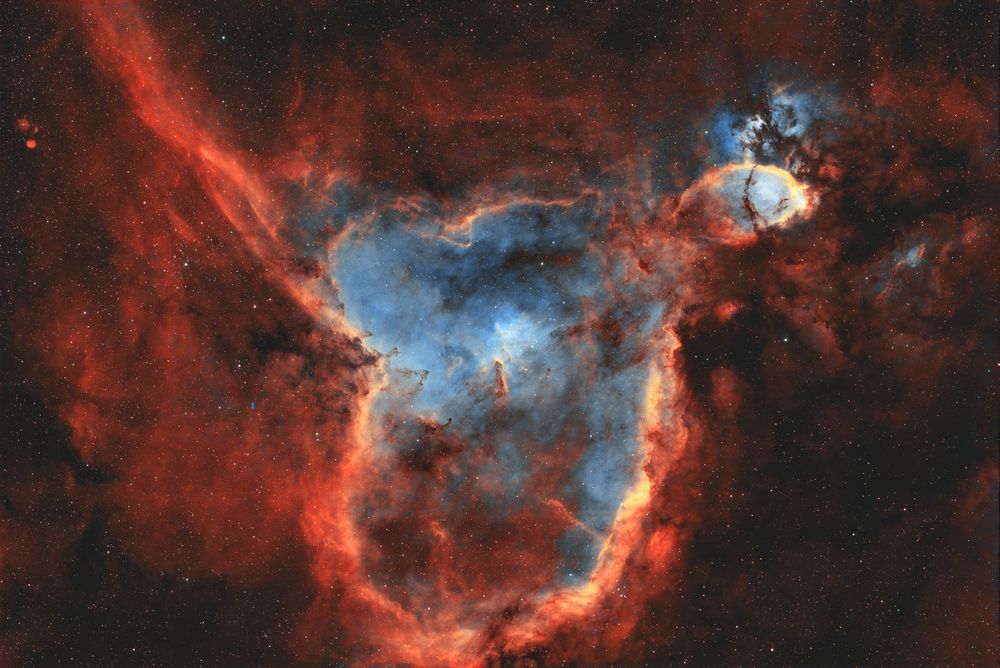
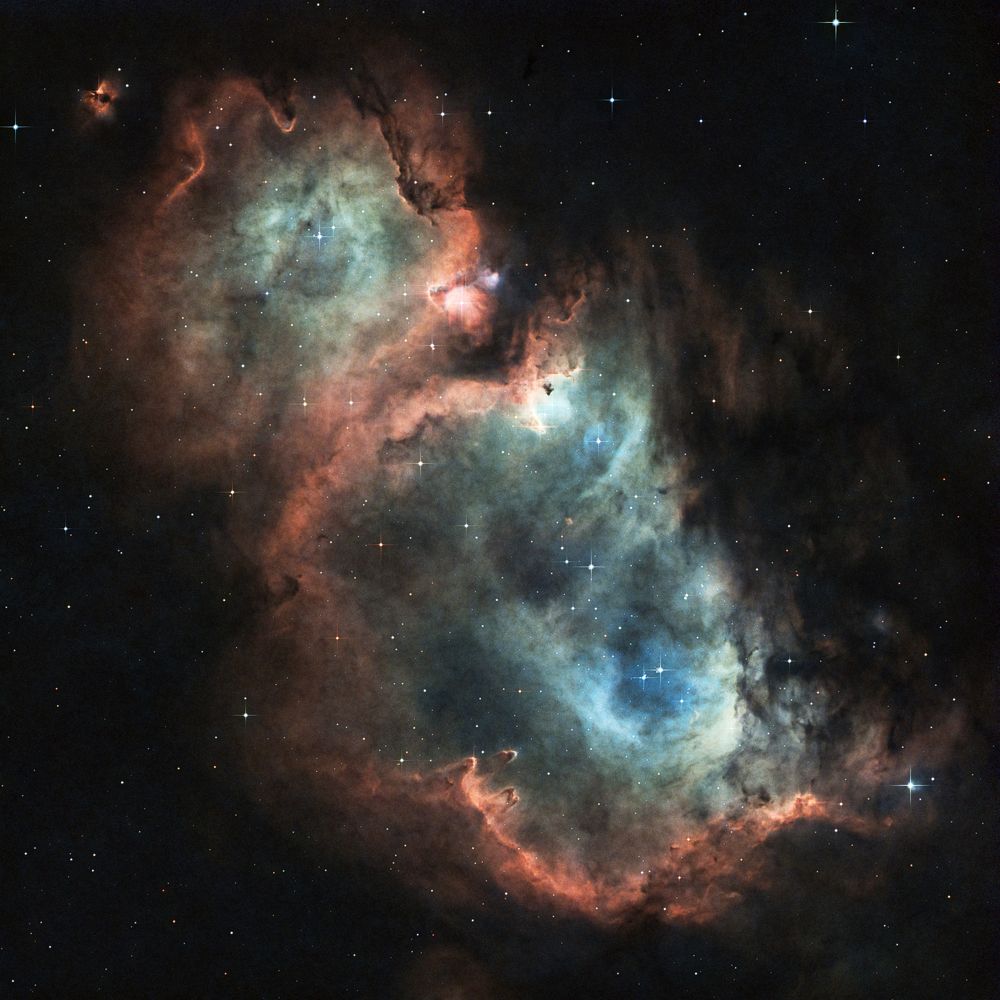
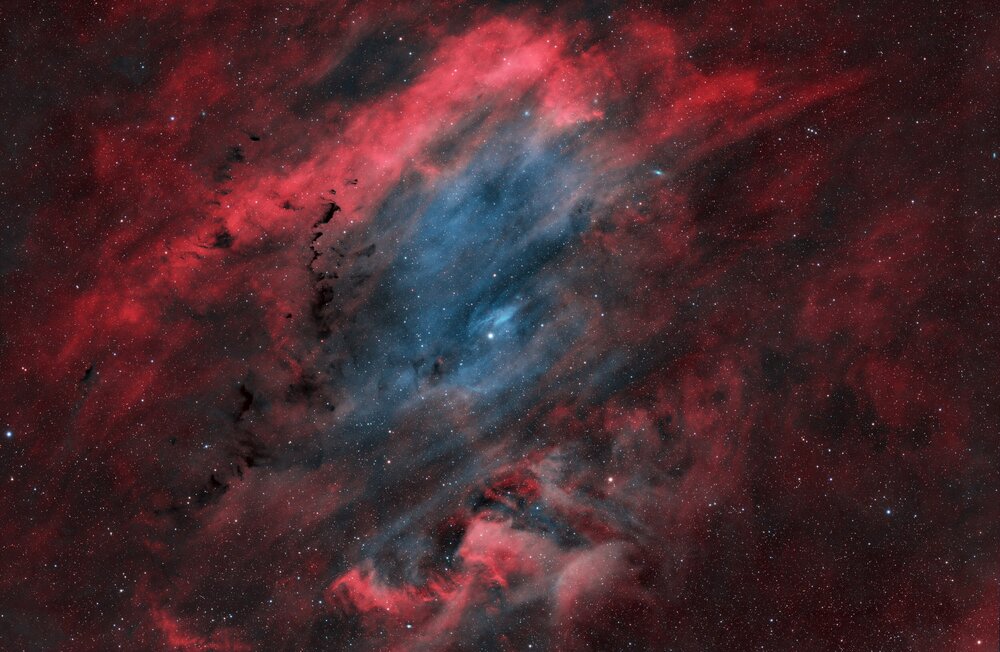
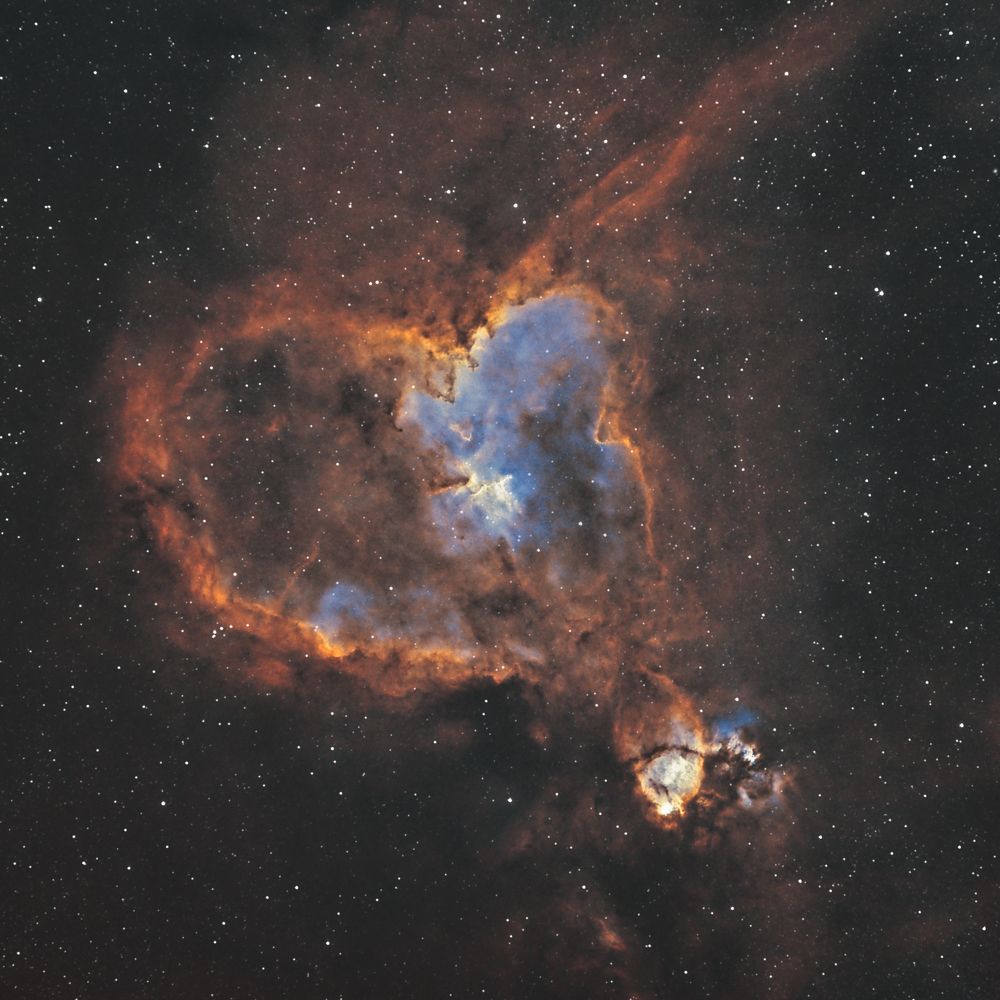
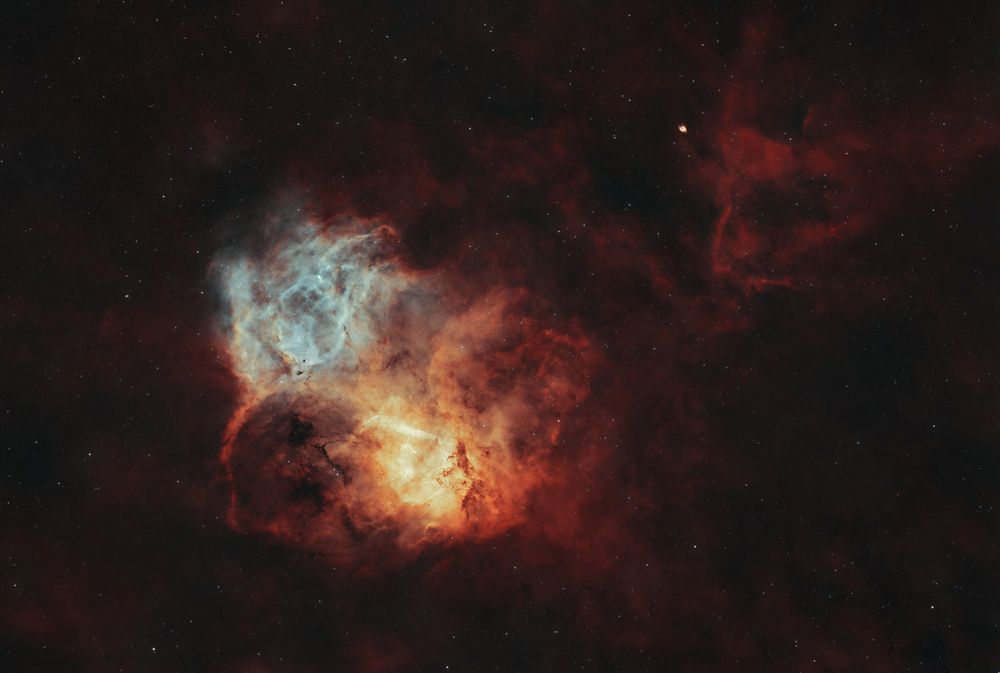
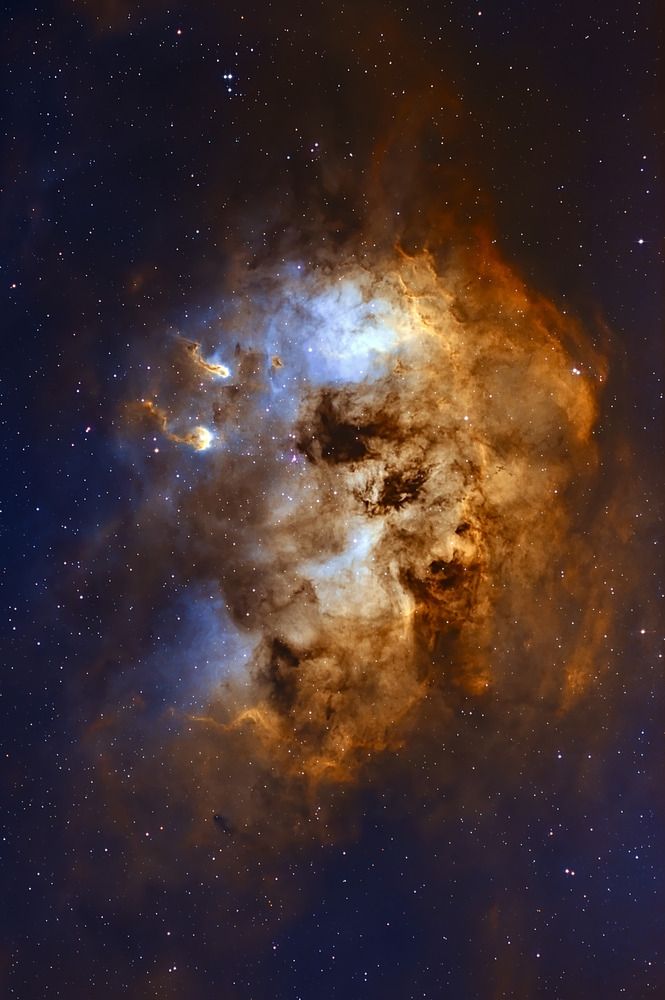
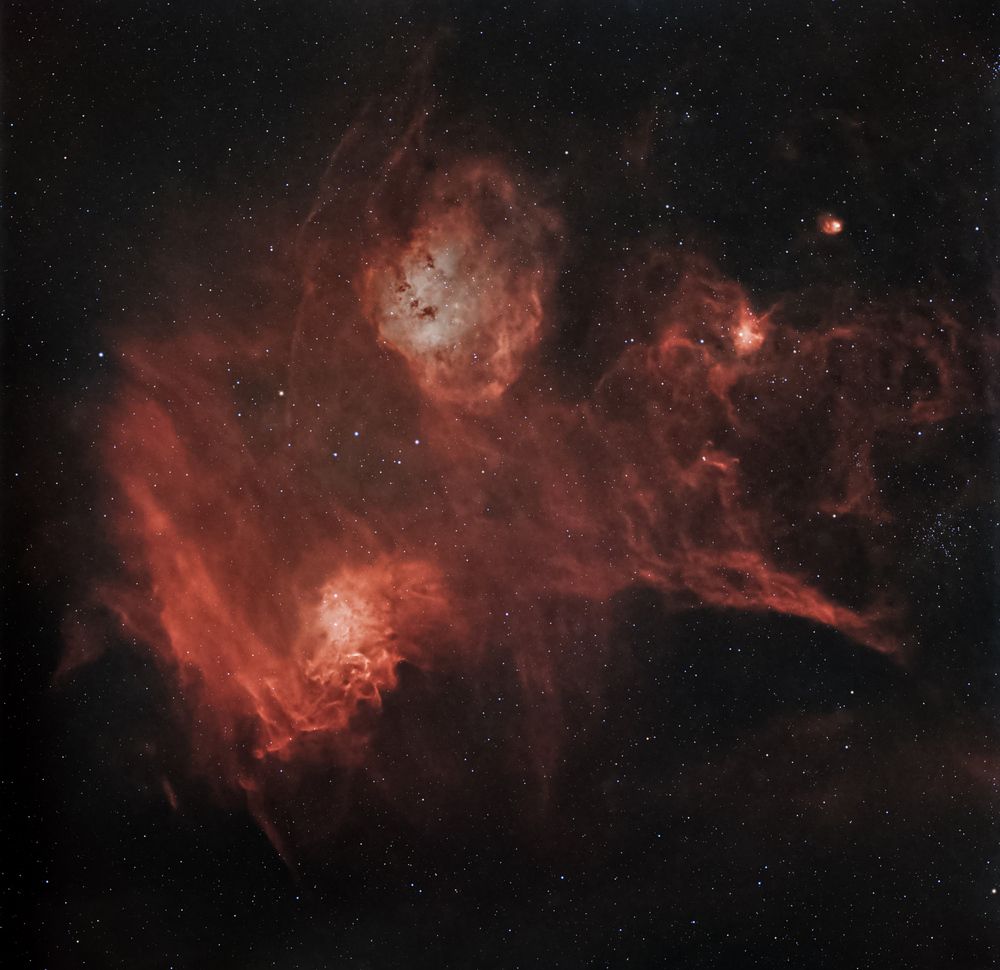
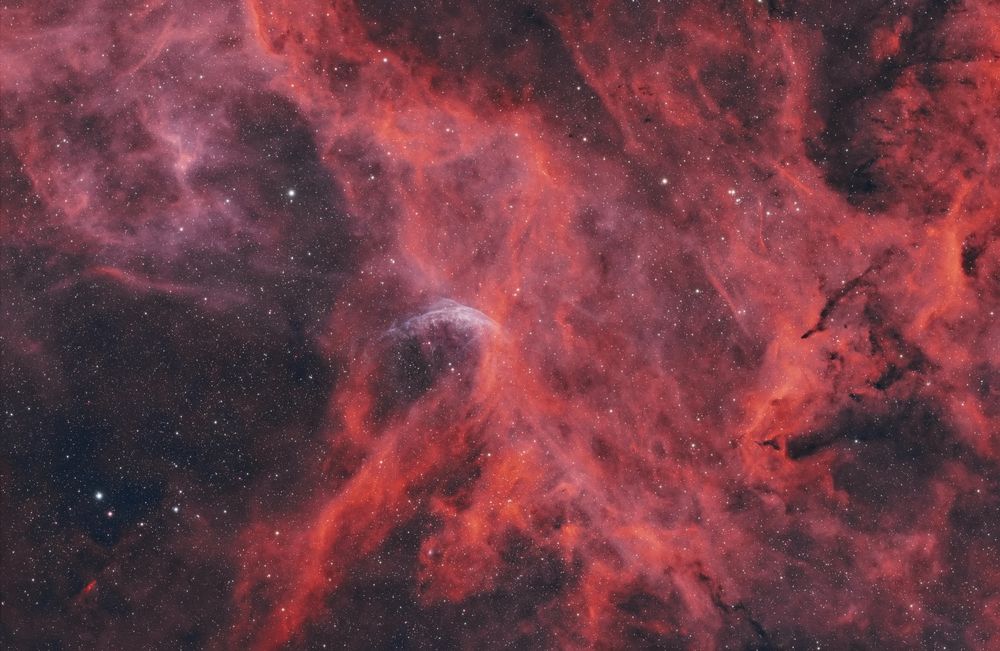
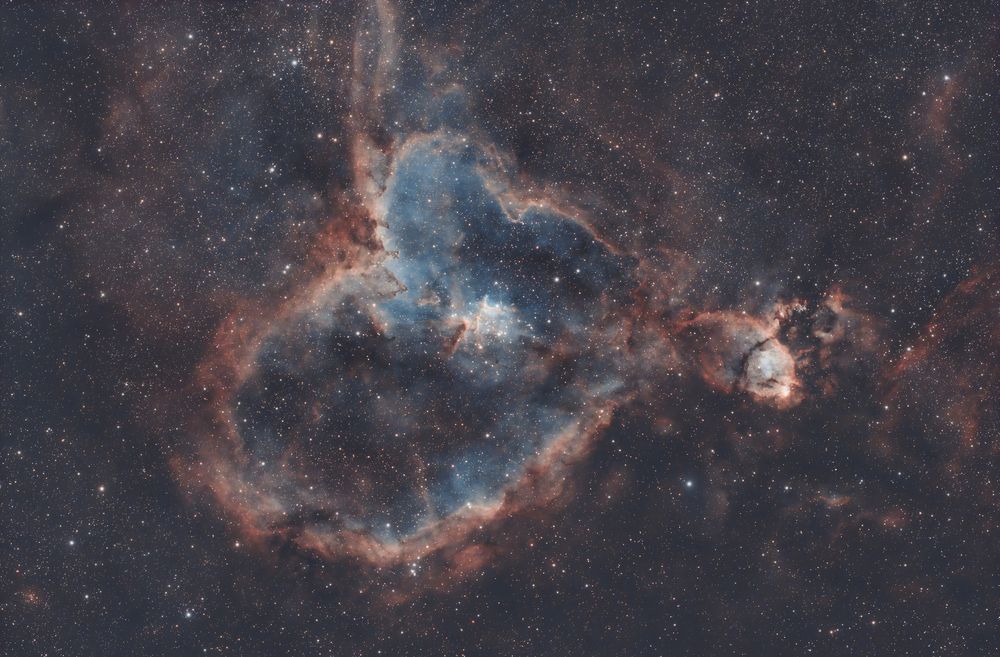
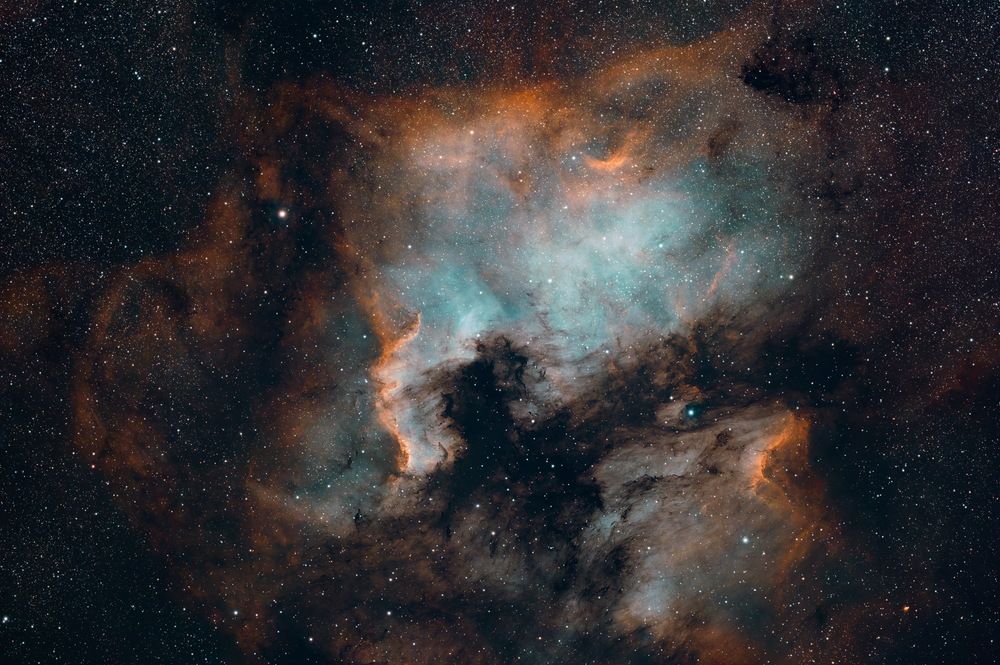
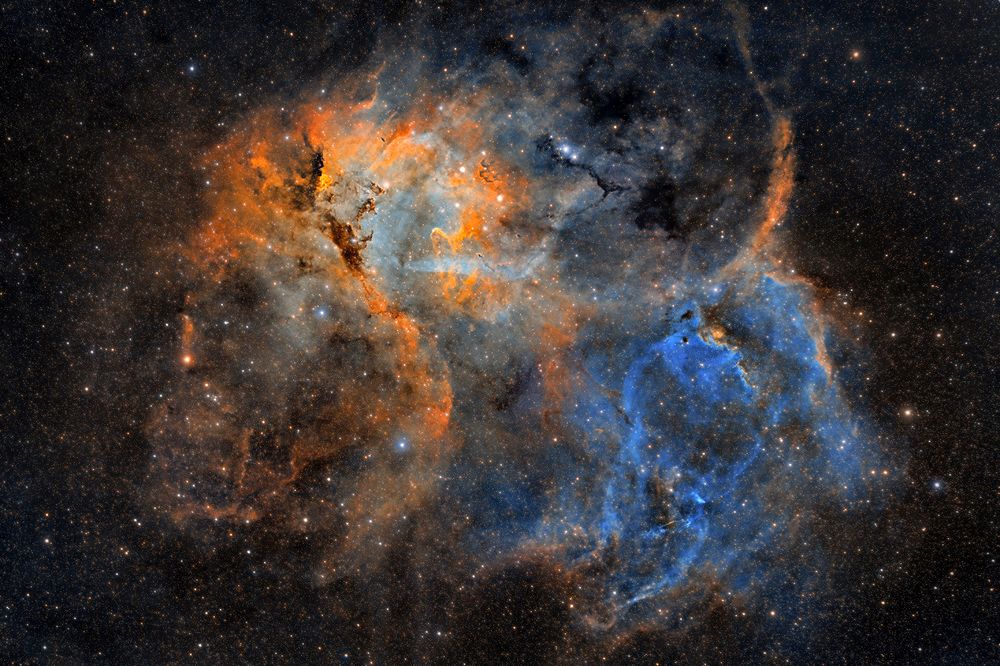
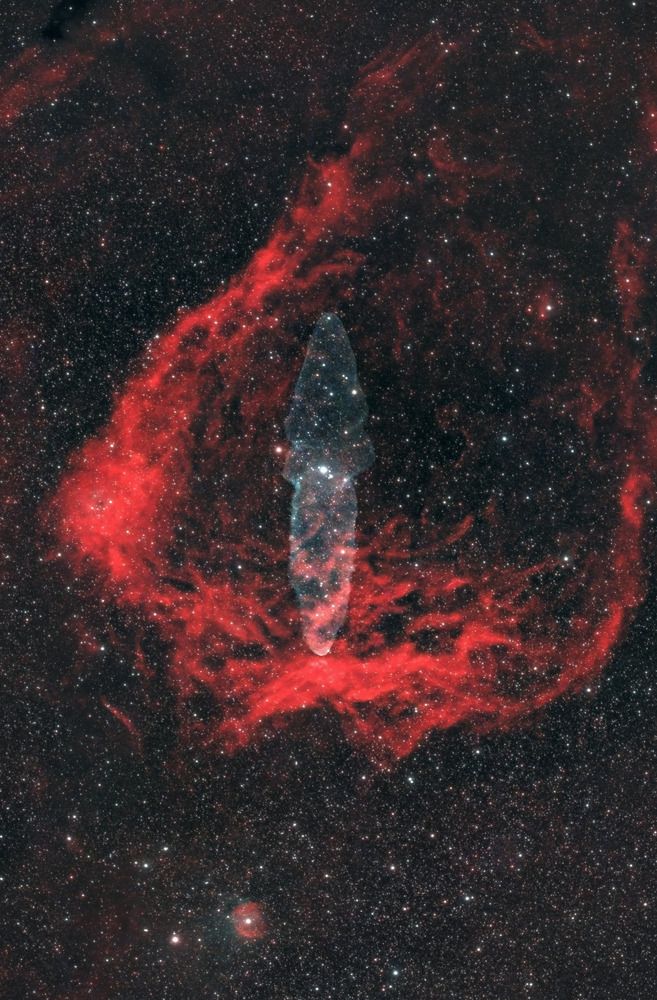
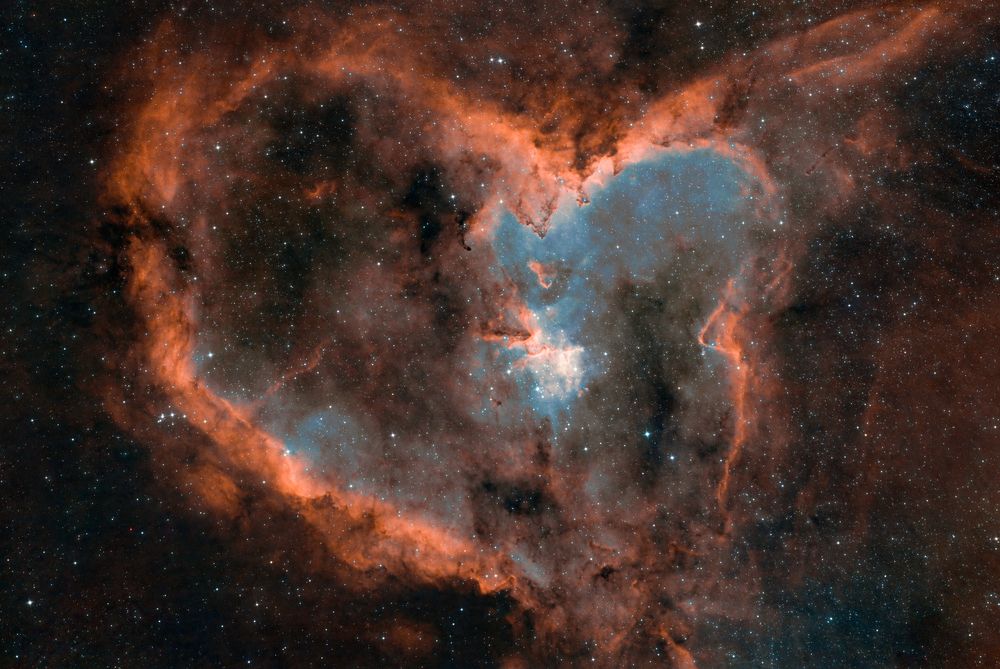
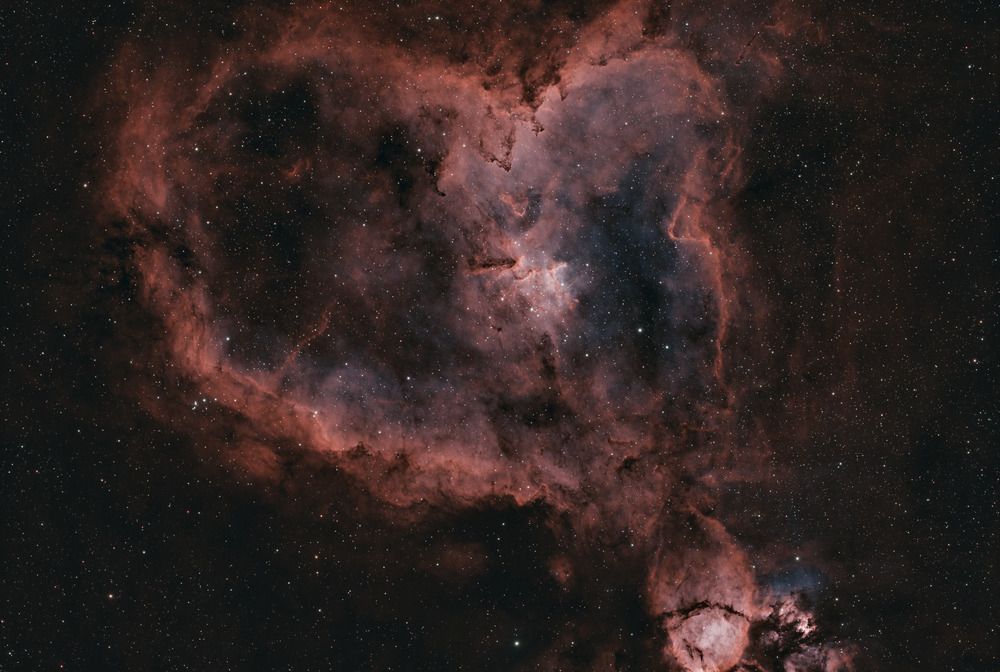
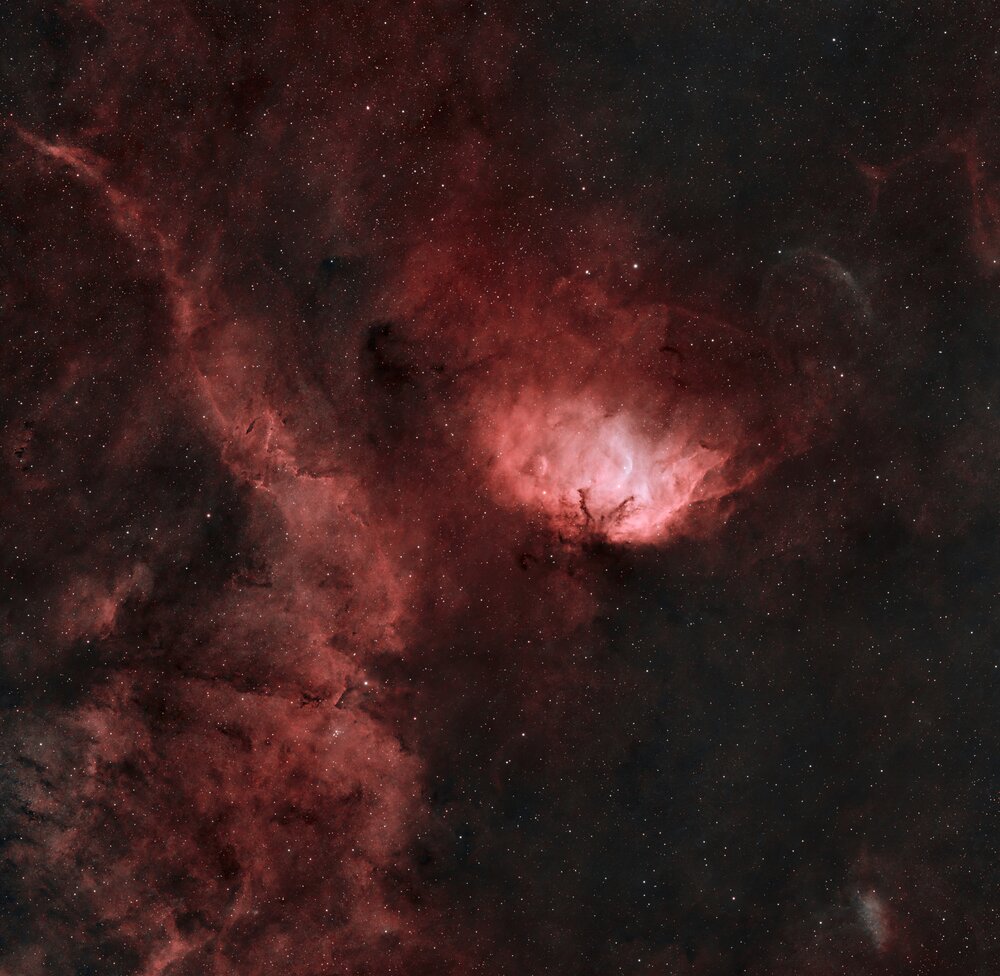
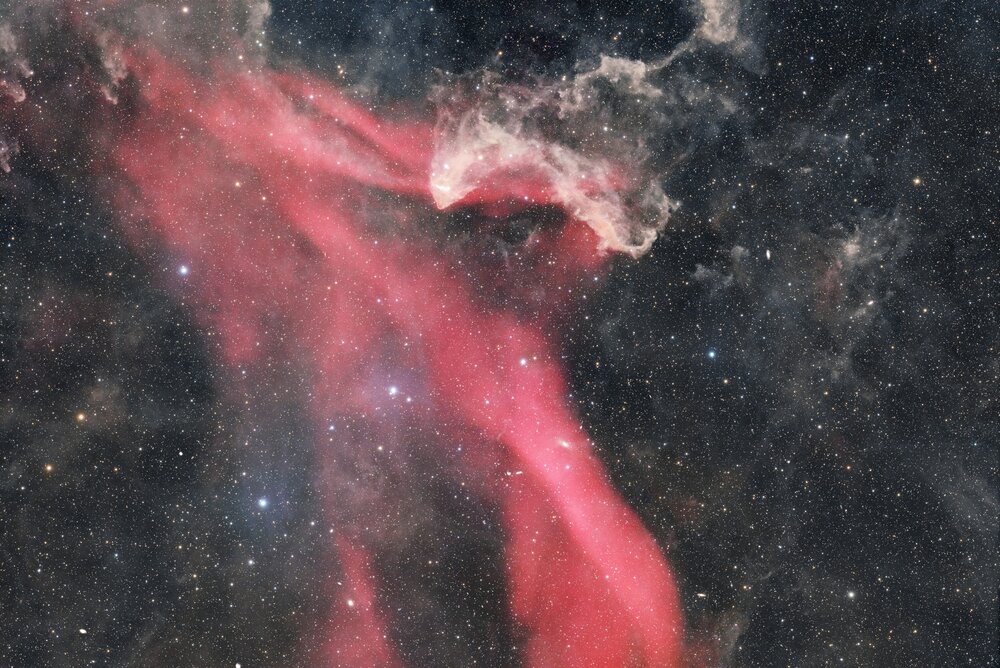
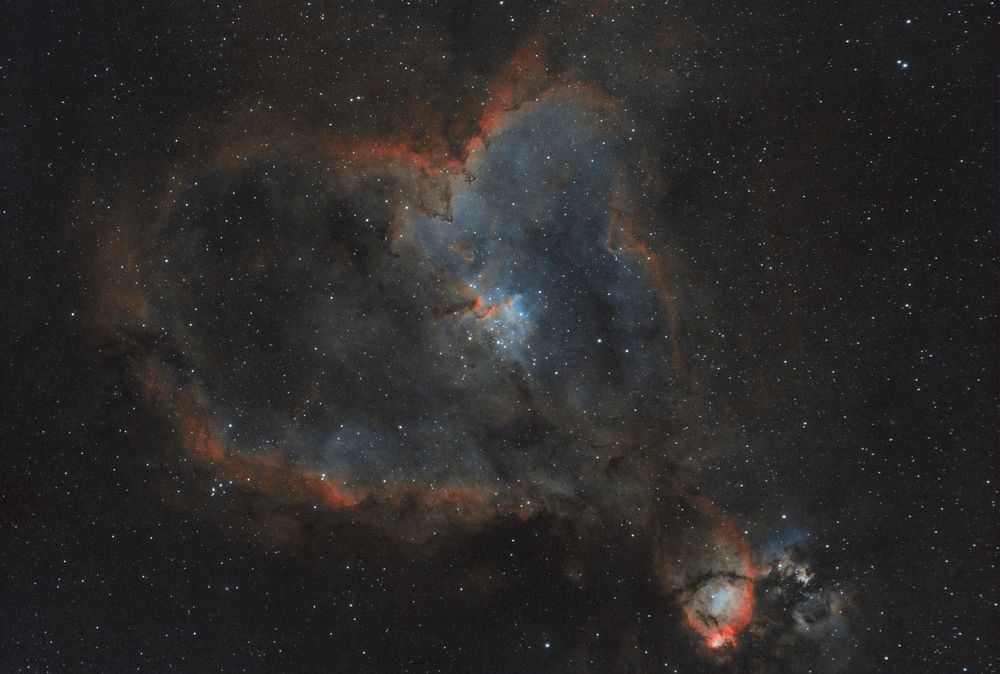
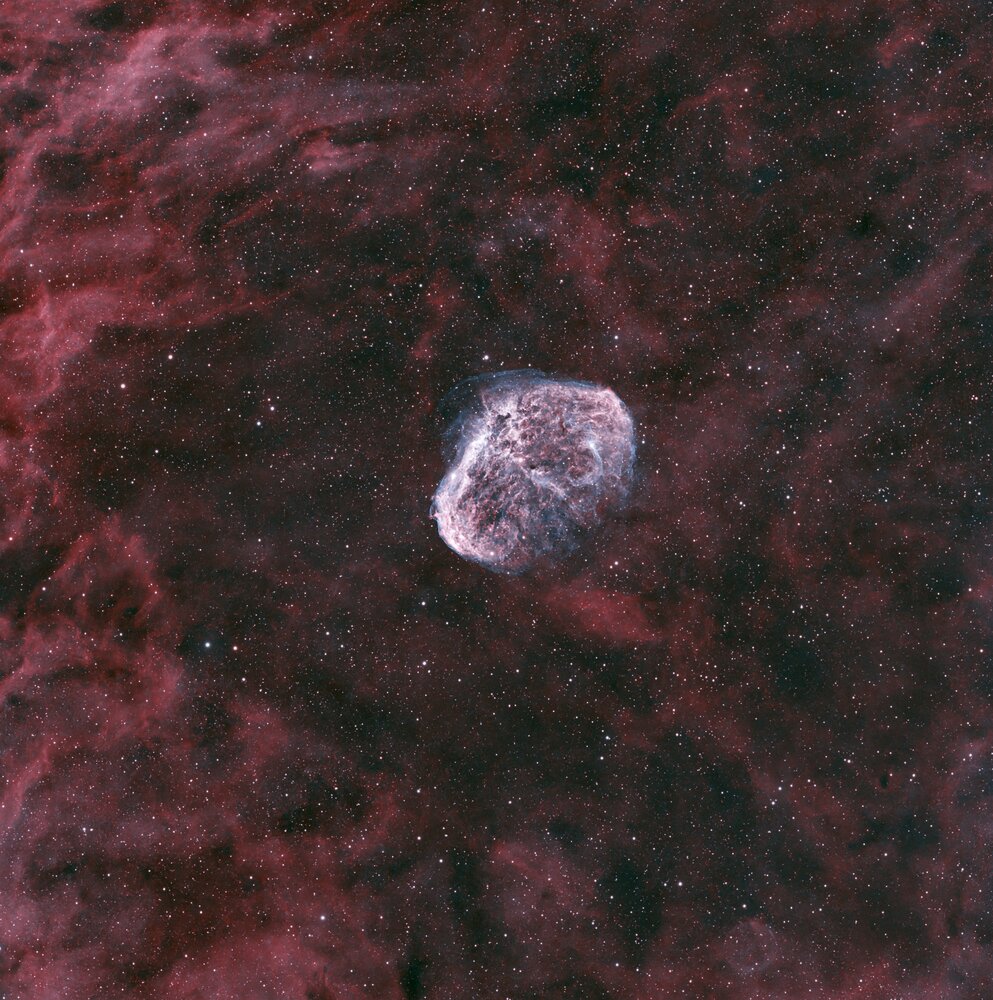
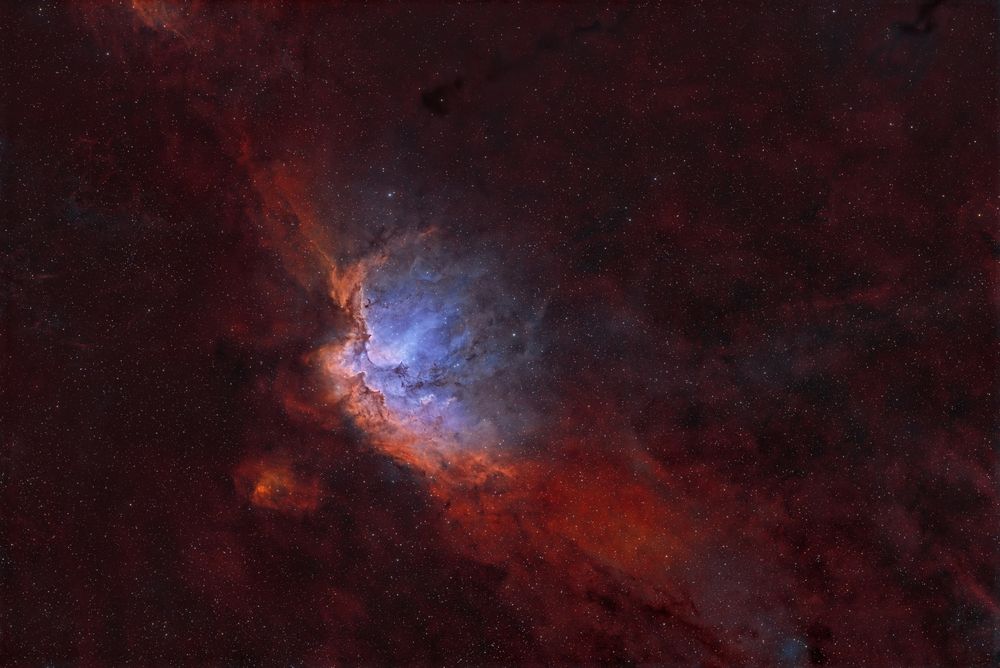
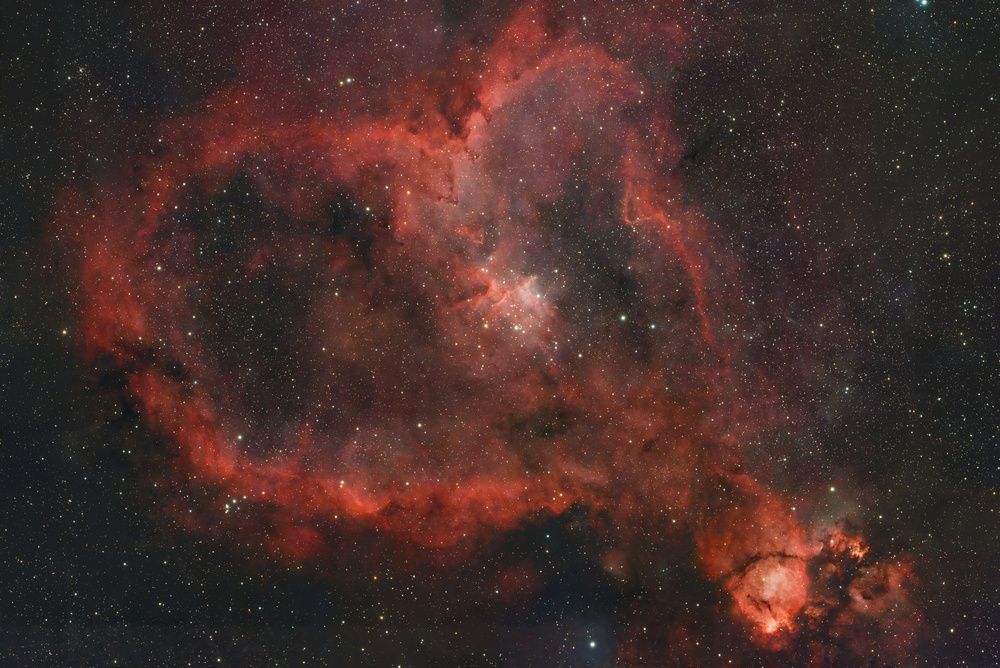
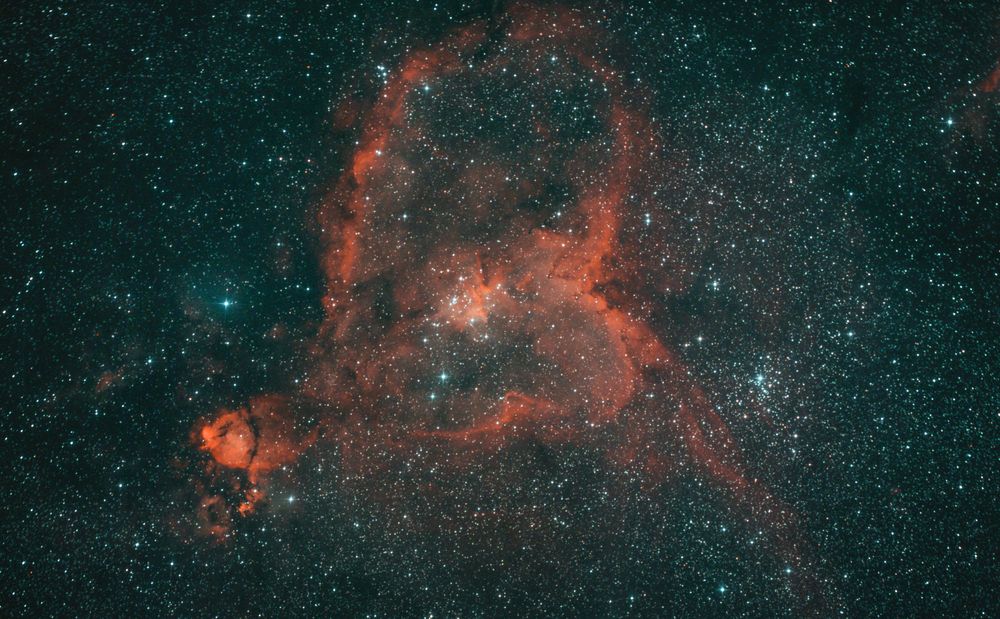
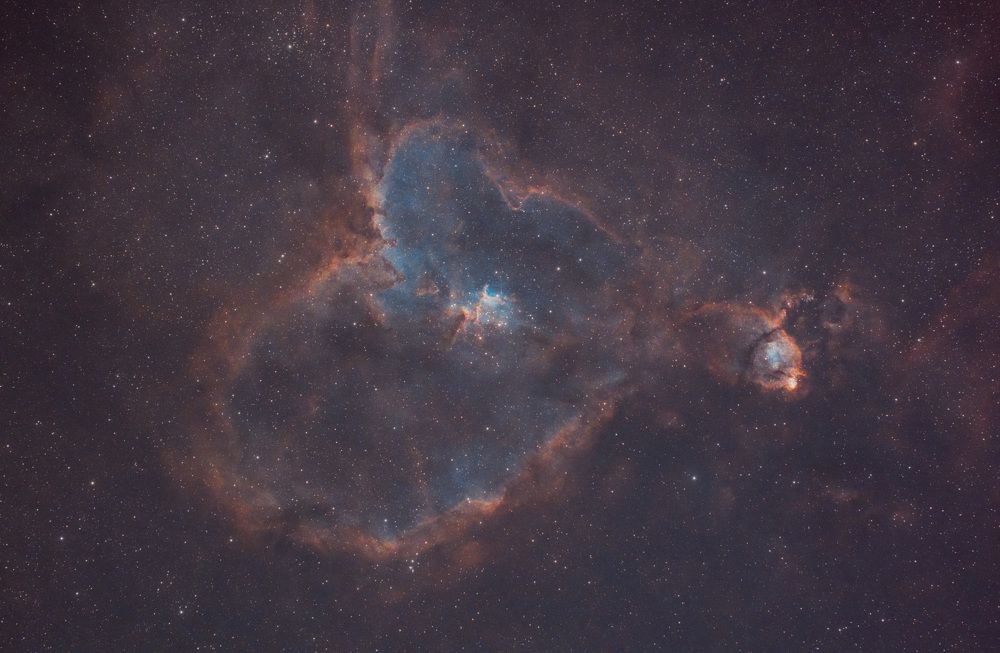
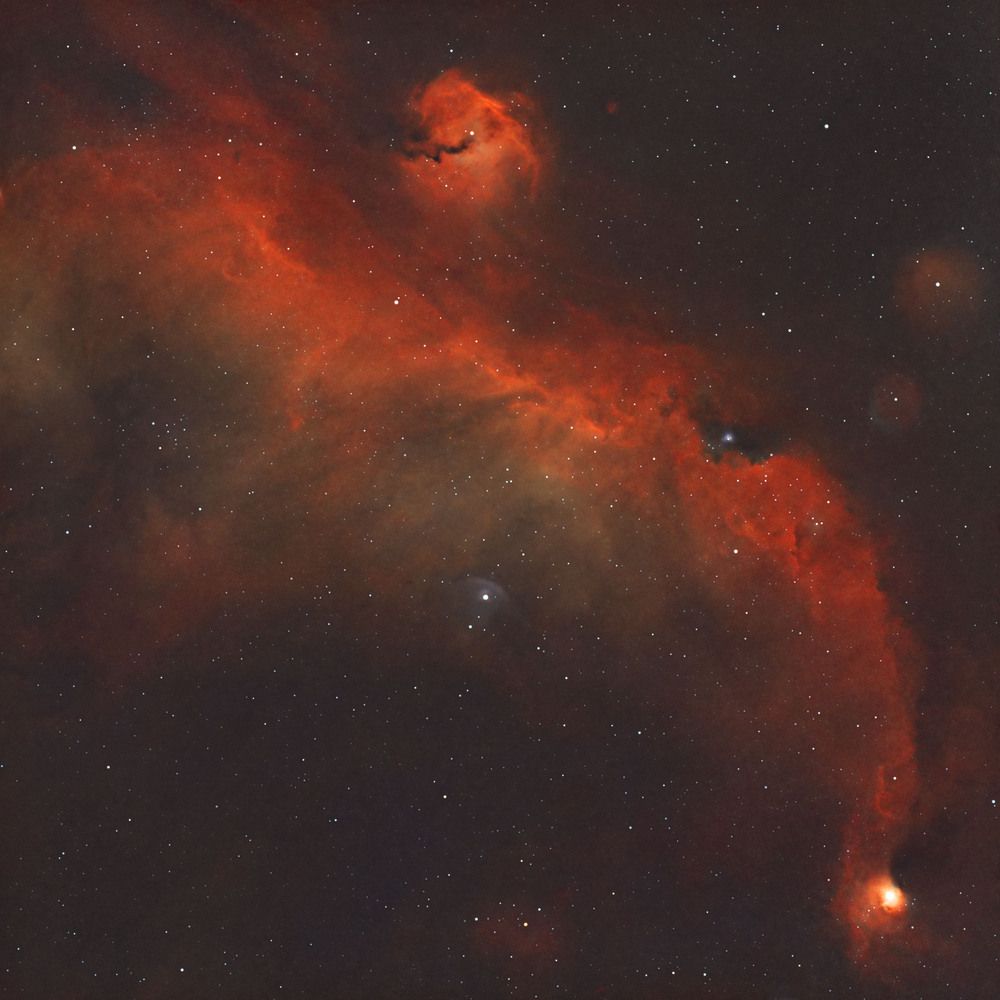
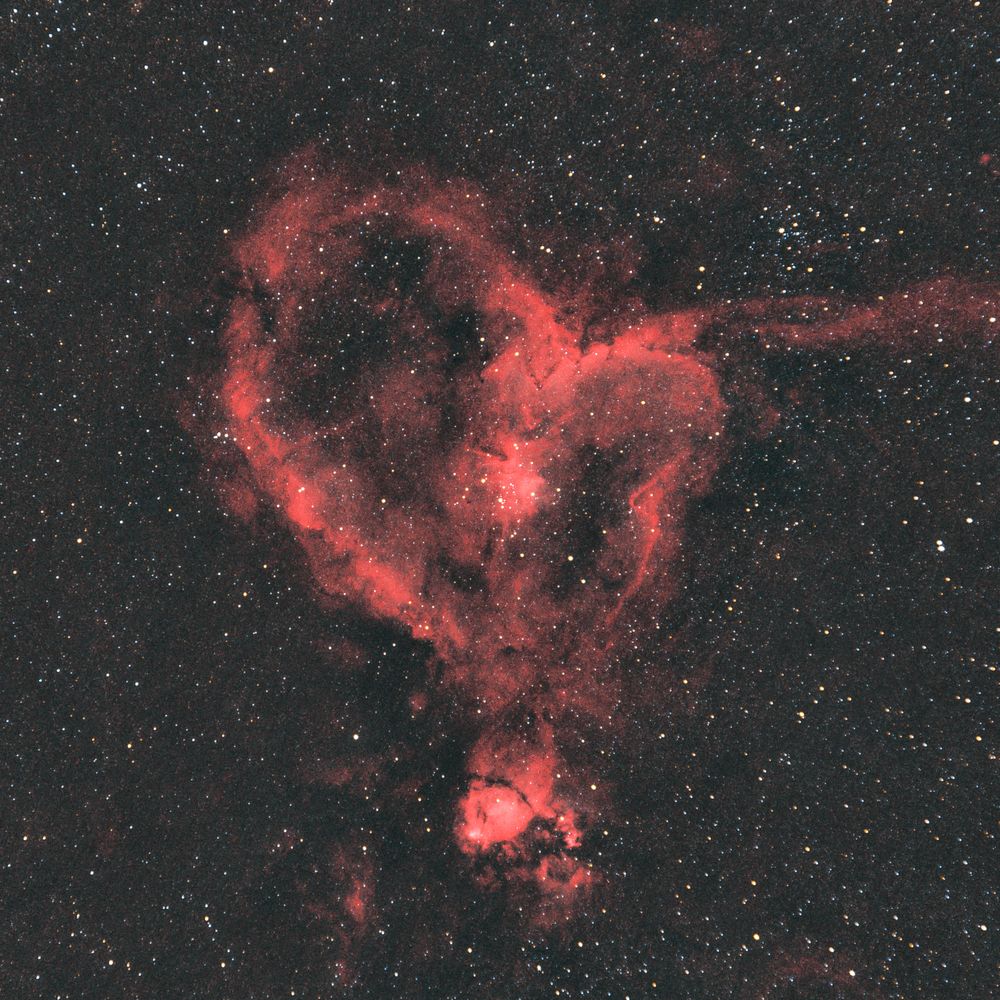
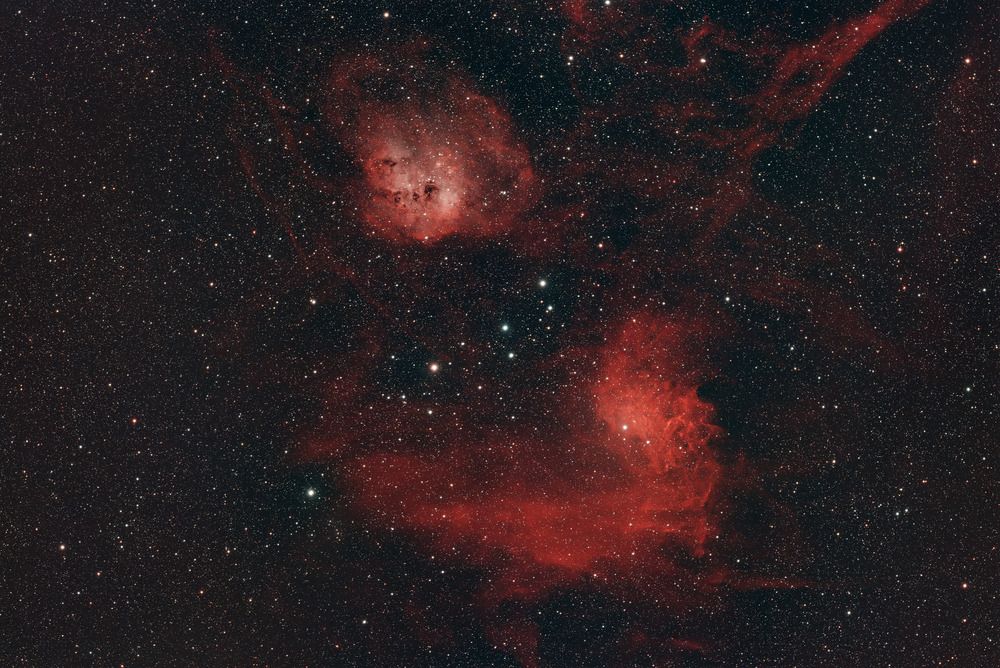
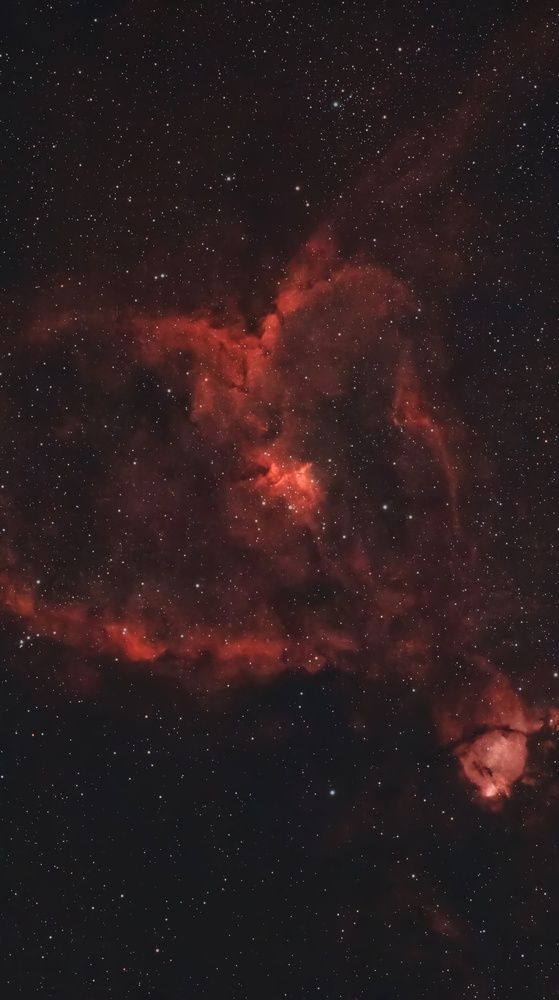
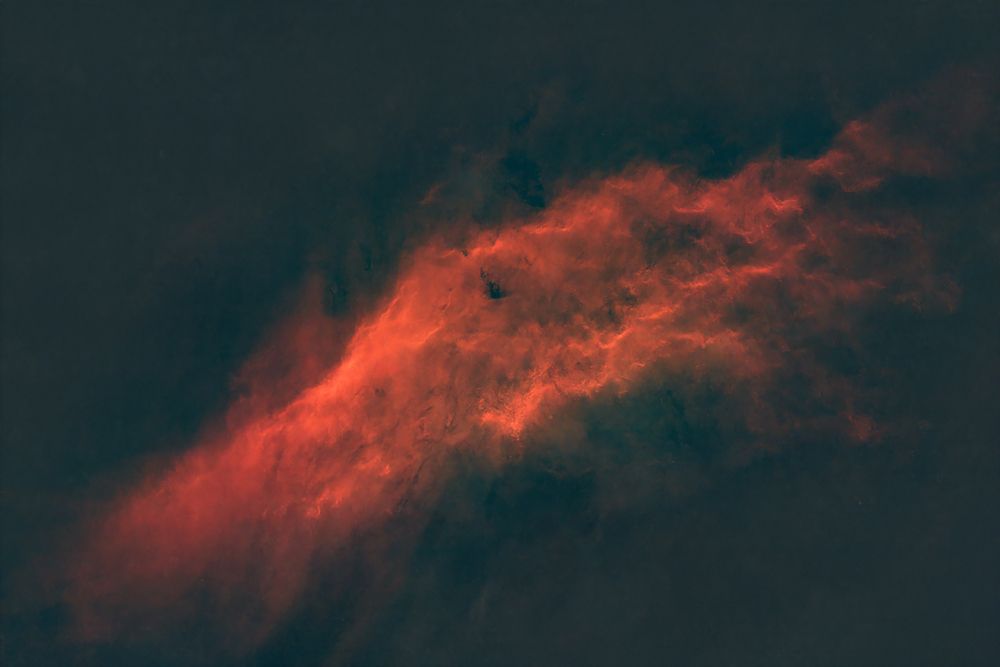
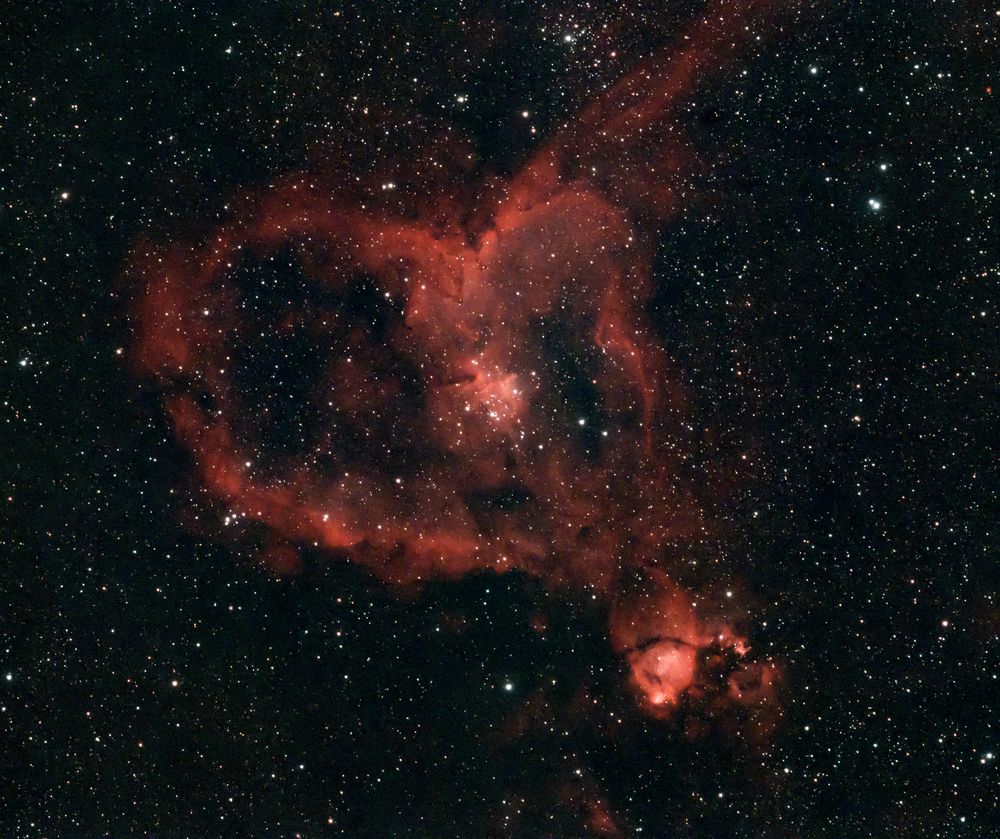
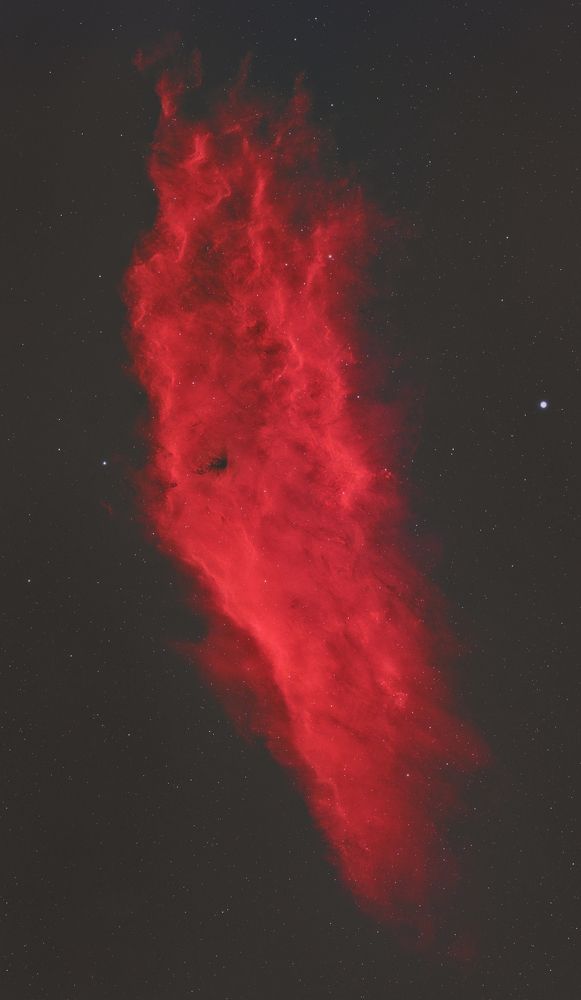
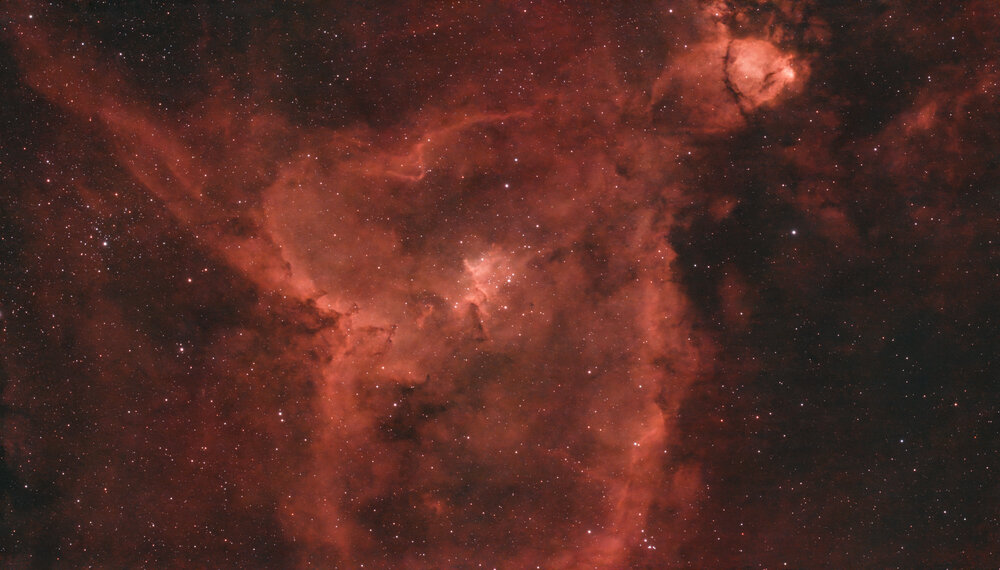
These images depict deep-sky emission nebulae, specifically focusing on the Heart Nebula (IC 1805) and the Lion Nebula (Sharpless 2-132). Photographers select these targets to capture the complex structures of ionized gas clouds located in the constellations Cepheus and Cassiopeia. The images utilize narrowband imaging techniques, which isolate specific light wavelengths to reveal distinct color variations ranging from glowing reds to bright blues. While some shots emphasize the overall shape against a starfield, others highlight fine internal details and dust lanes within the nebulae. The collection is united by its focus on these specific interstellar regions in the northern sky.
How to shoot it
📍 Where to shoot
Shooting is conducted outdoors, primarily at observatories (e.g., Starfront Observatory) or locations with low light pollution for deep-sky observation.
🕐 Time of day
Shooting takes place at night when objects are optimally visible above the horizon.
🗓️ Season
The best time to shoot is autumn (September-October), when constellations Cassiopeia and Cepheus are clearly visible in the night sky.
🎒 Gear
Askar Fra Pro 300/5.0 APO telescope, Sky-Watcher GTi mount, and ZWO ASI533MC Pro astrocamera. Narrowband filters are required for SHO images.
🧰 Special equipment
Narrowband filtering (SHO) is required to isolate emission from specific chemical elements in nebulae. Remote access to the observatory may be used.
⚙️ Settings
The key parameter is exposure: long exposures are used for deep-sky objects to accumulate signal from faint sources. ISO and focal length are adjusted based on specific optics and camera.
⚠️ Good to know
Shooting requires precise mount alignment and is often conducted remotely via observatories. Note that objects are located in different constellations (Cassiopeia, Cepheus), affecting seasonal visibility.
📈 How the idea developed
works uploadedshare of all site uploads, per 100k
The date is when the file was uploaded to the site. The chart counts works assigned to the idea.
✅ How to repeat it
- Use SHO narrowband filters to isolate specific hydrogen and sulfur emission lines.
- Accumulate a large number of frames (stacking) to improve the signal-to-noise ratio in faint nebulae.
✨ Interesting facts
- 📐 85% of frames are landscape orientation
- 🥇 5 works reached the finals, 2 won. Best contest: Astrophotography 2025
- 👤 Most frequent authors: Сергей Раков 2ANDREI KOROTKOV 2Алёна Киселева 2Алексей Лященко 2Глеб Заходякин 2
- 🌍 Authors by country: 🇷🇺 RU 26🇮🇱 IL 1🇮🇹 IT 1🇯🇵 JP 1🇪🇸 ES 1
Some tips are prepared by AI from the idea description, photos and their EXIF. Check the rules and access to places before you travel.
Works
These lists are generated automatically and may contain inaccuracies. Photos are shown in random order, and selections are refreshed twice a day. This section is made for exploring photos and does not claim 100% accuracy. The lists include photos that previously participated in contests that are already completed.