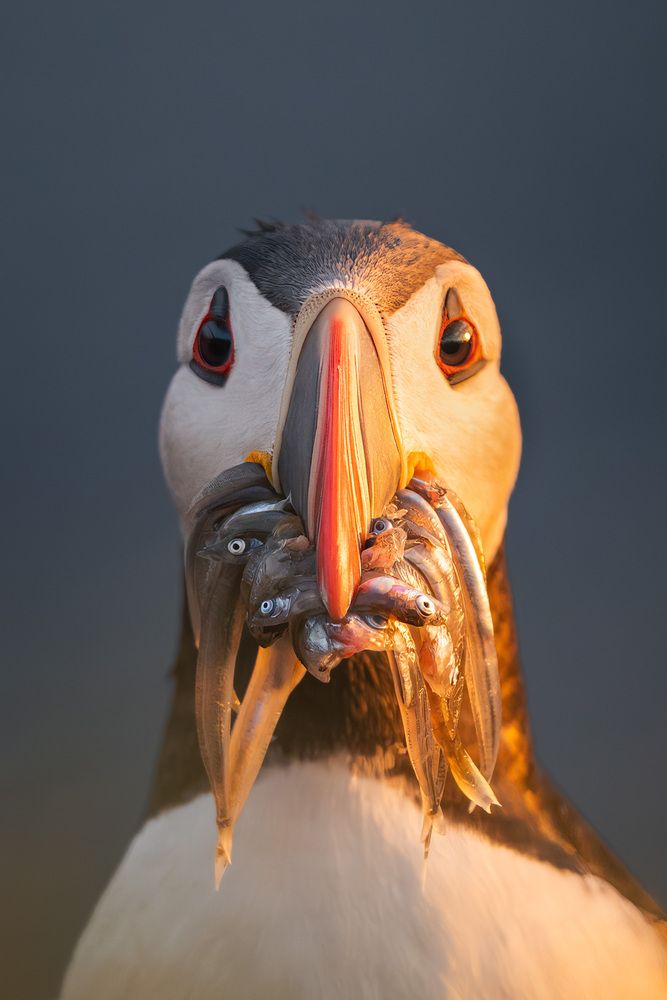
Atlantic Puffin with Sand Eels
45 worksFirst upload: Jan 2018Peak: 2025Last 12 months: 10
📝 Description
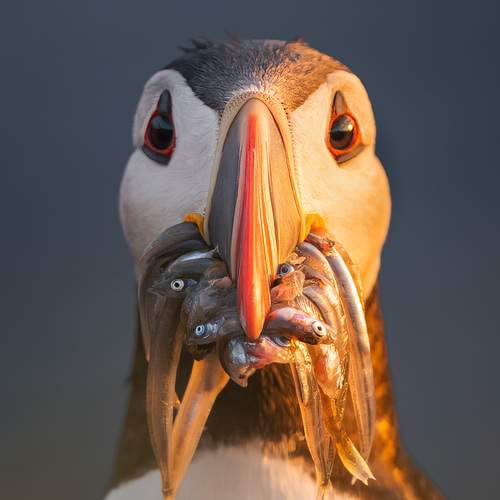
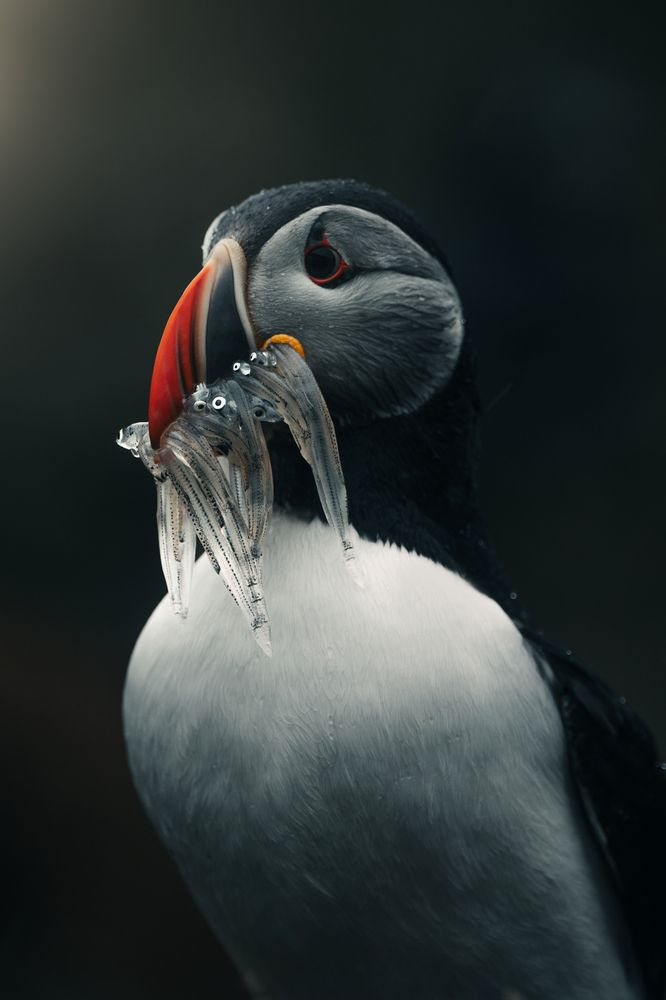
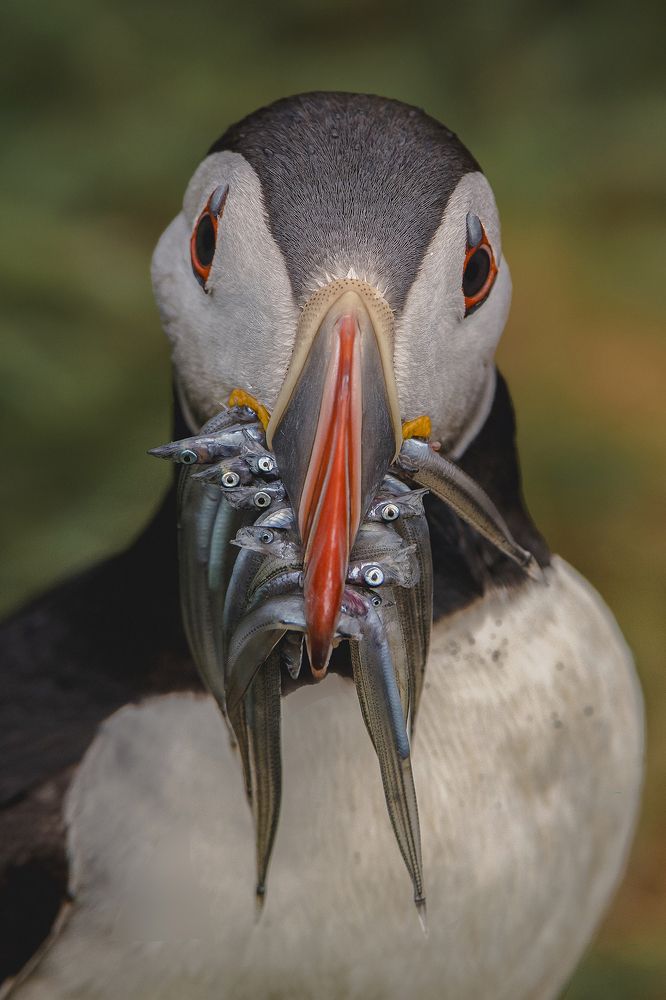
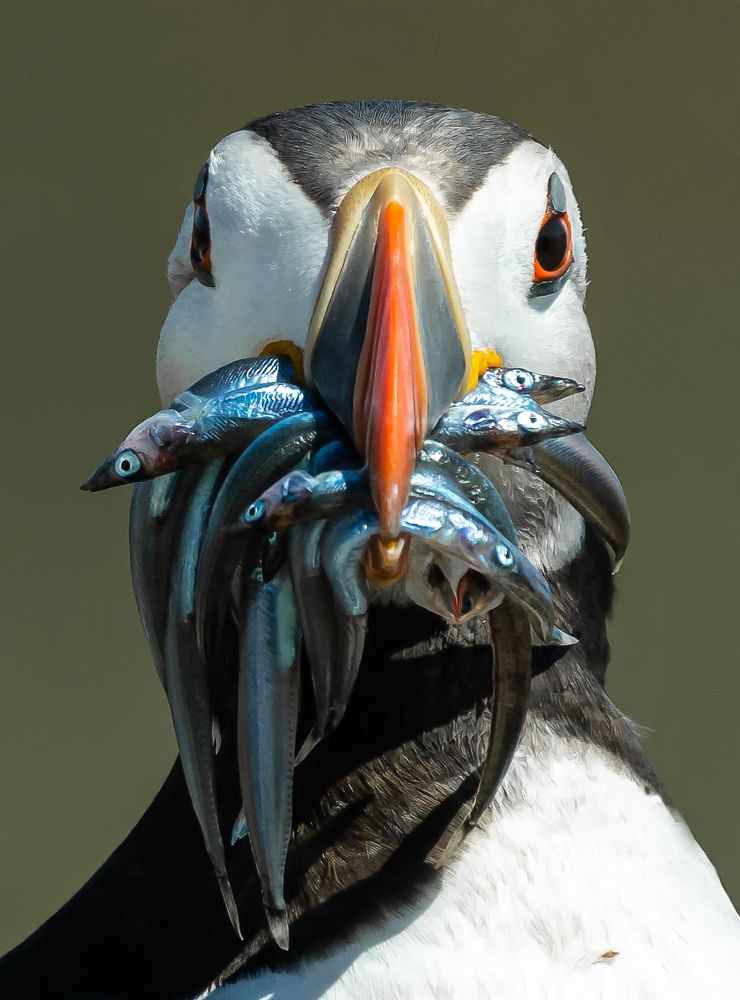
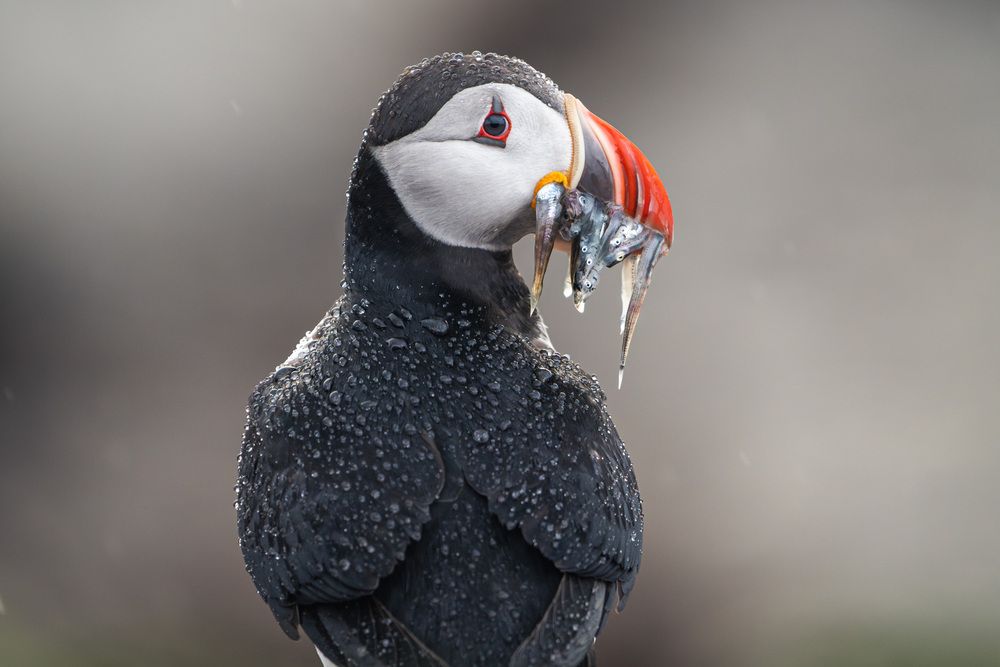
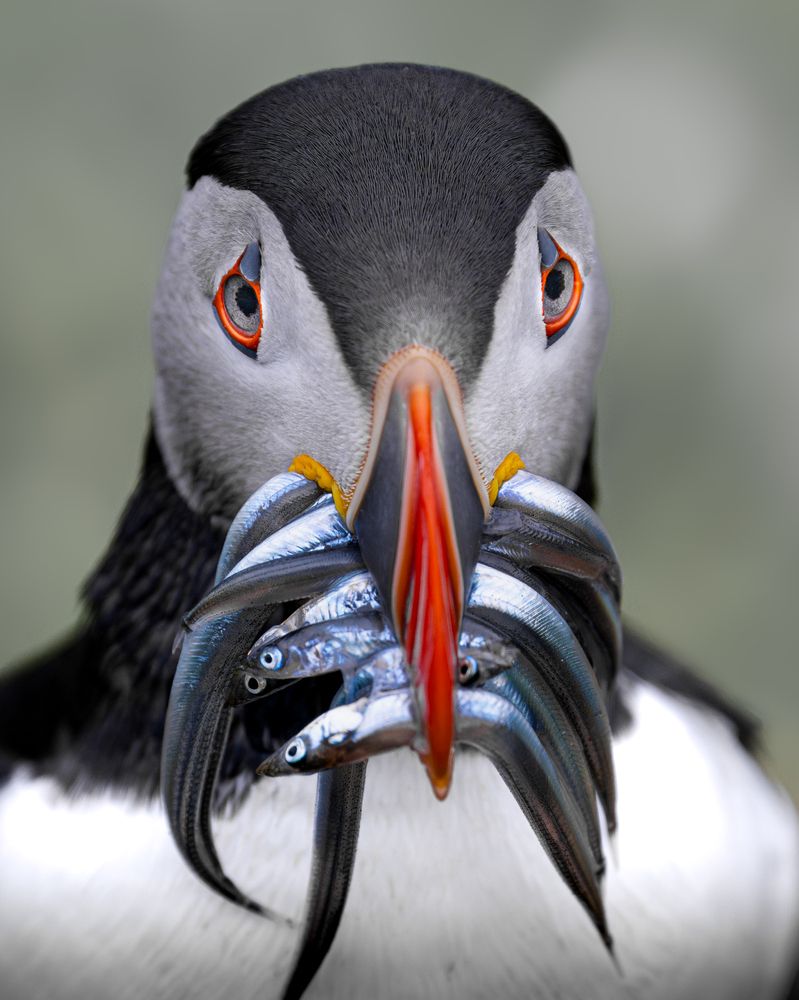
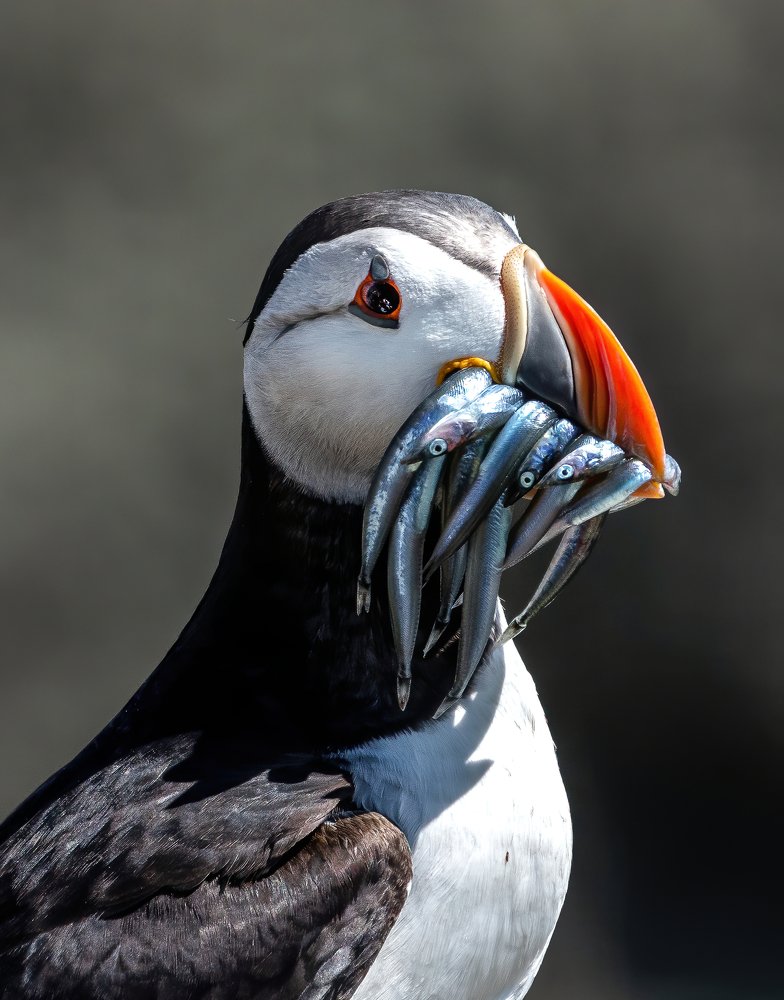
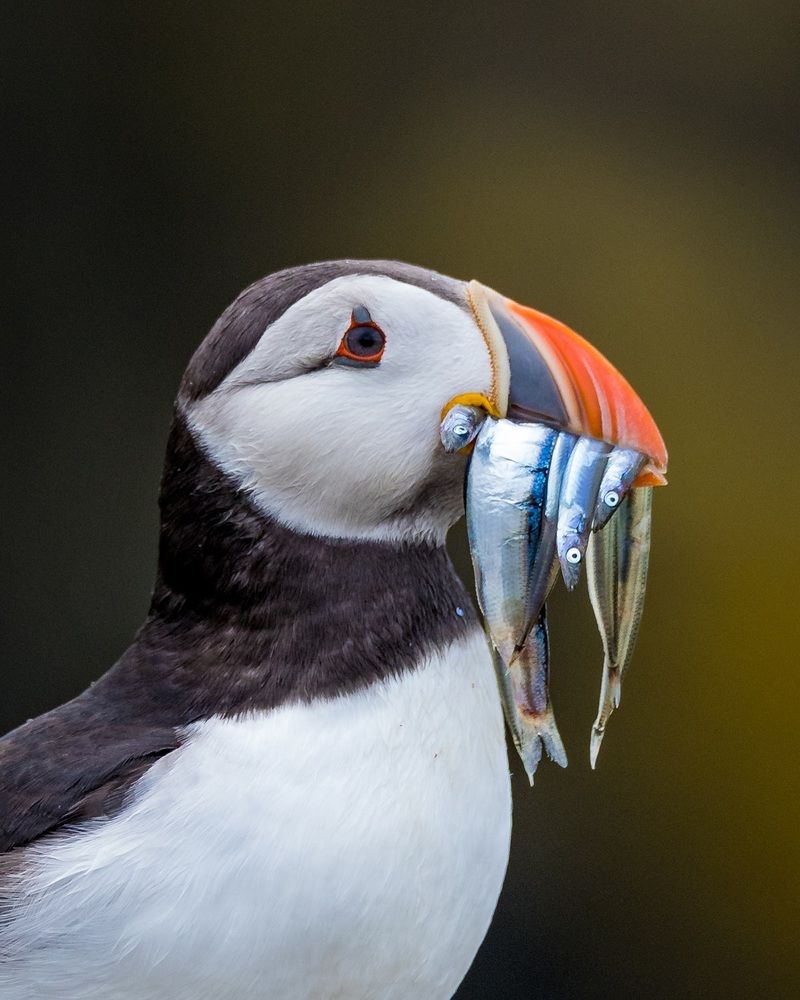
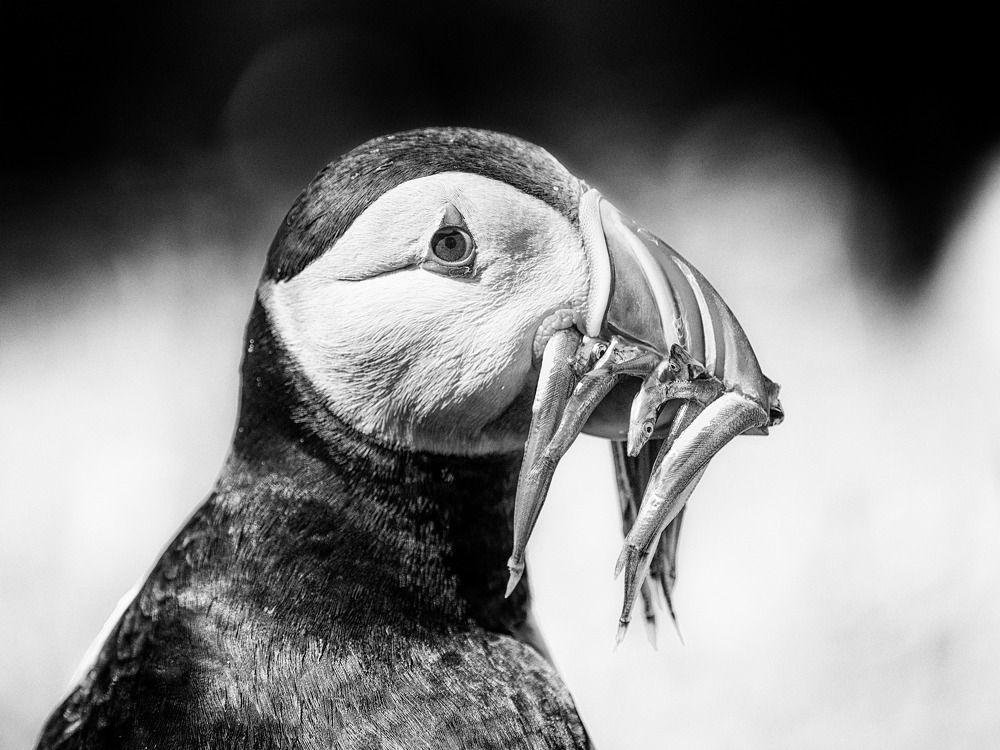
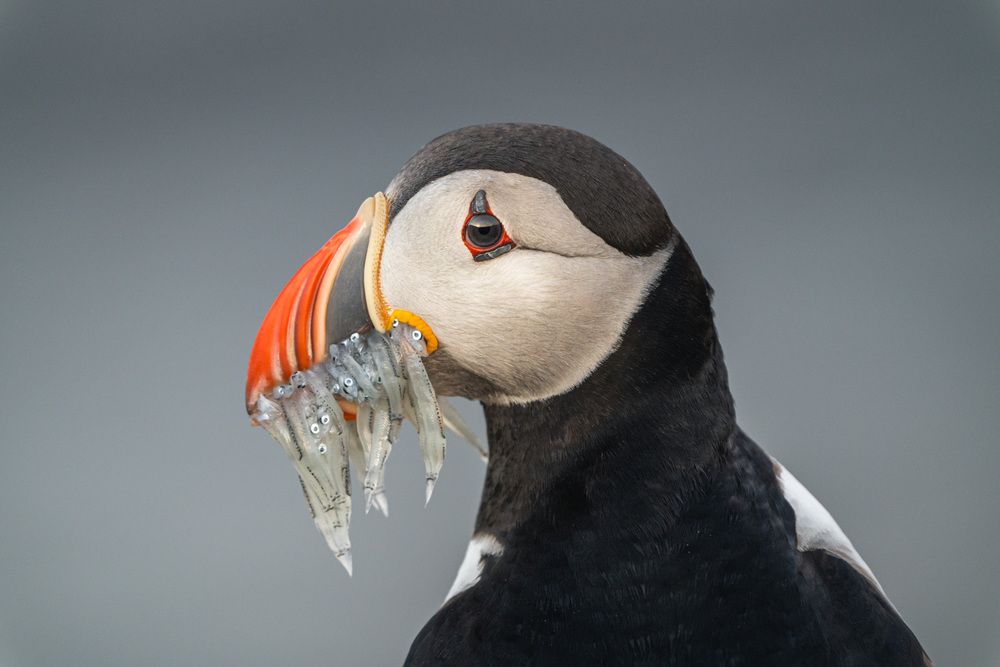
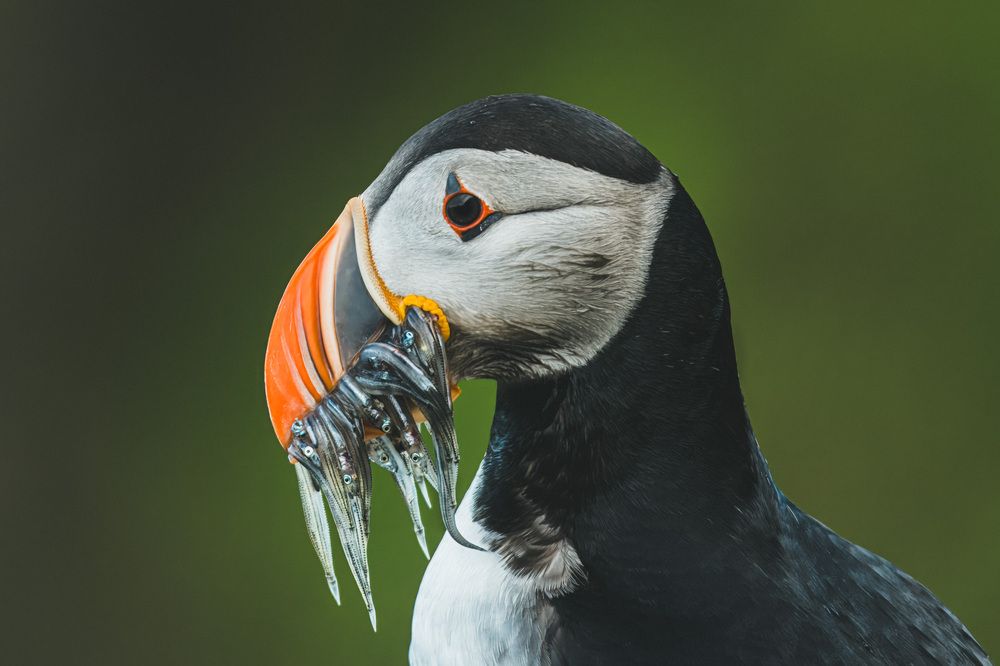
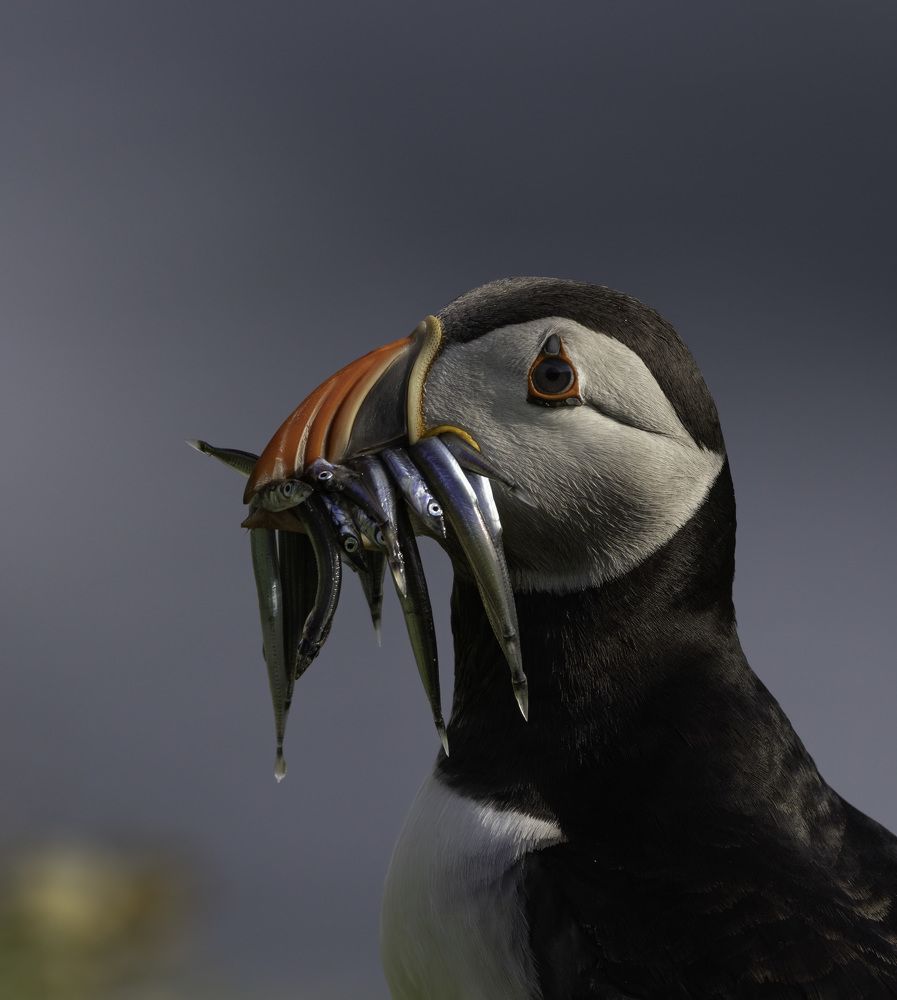
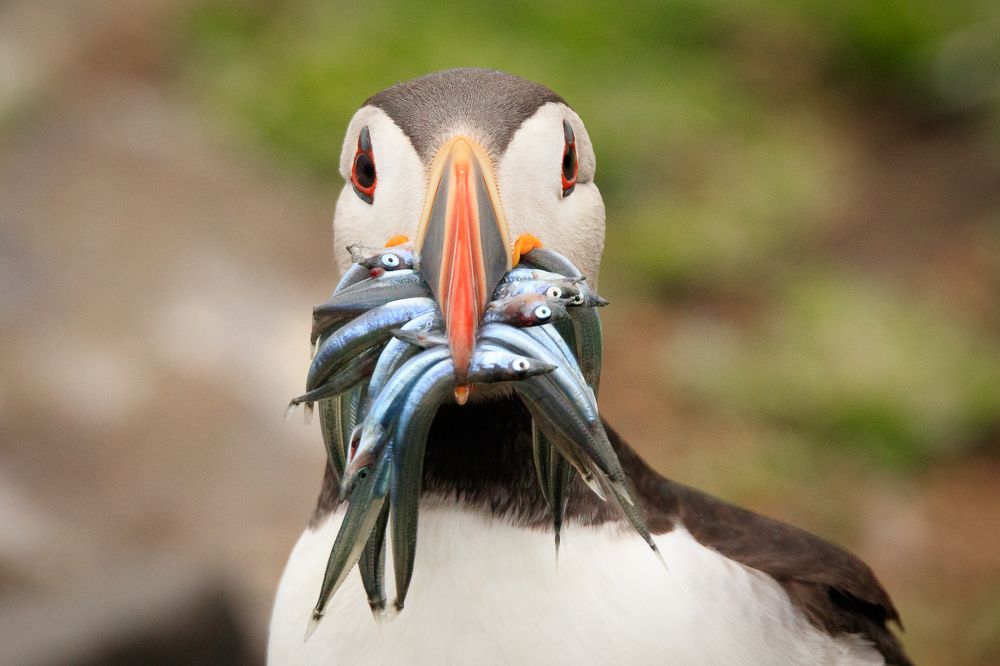
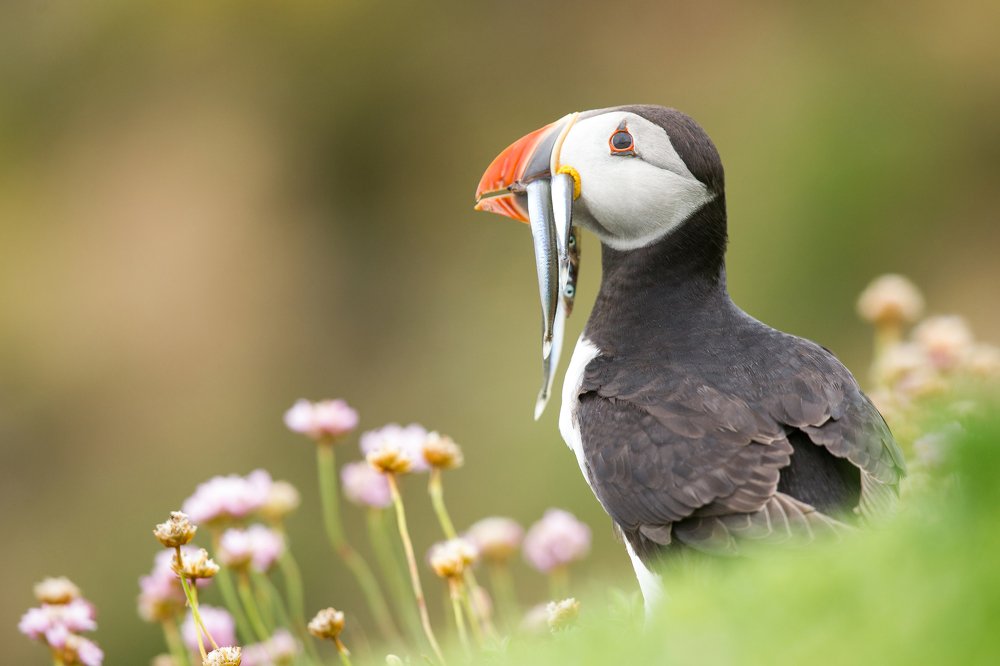
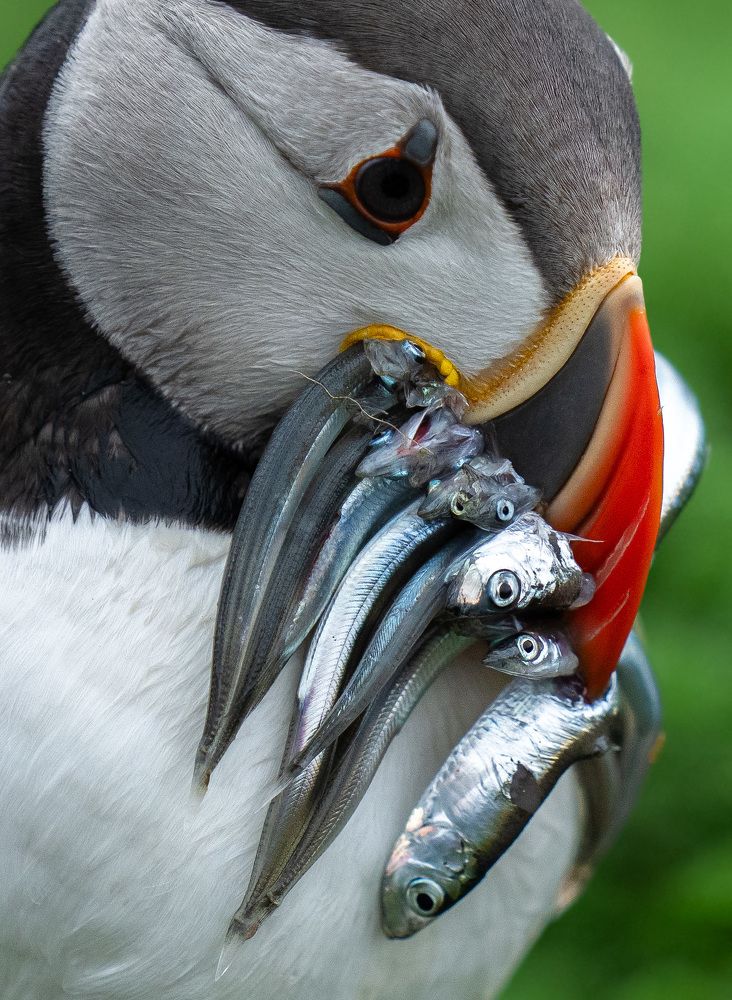
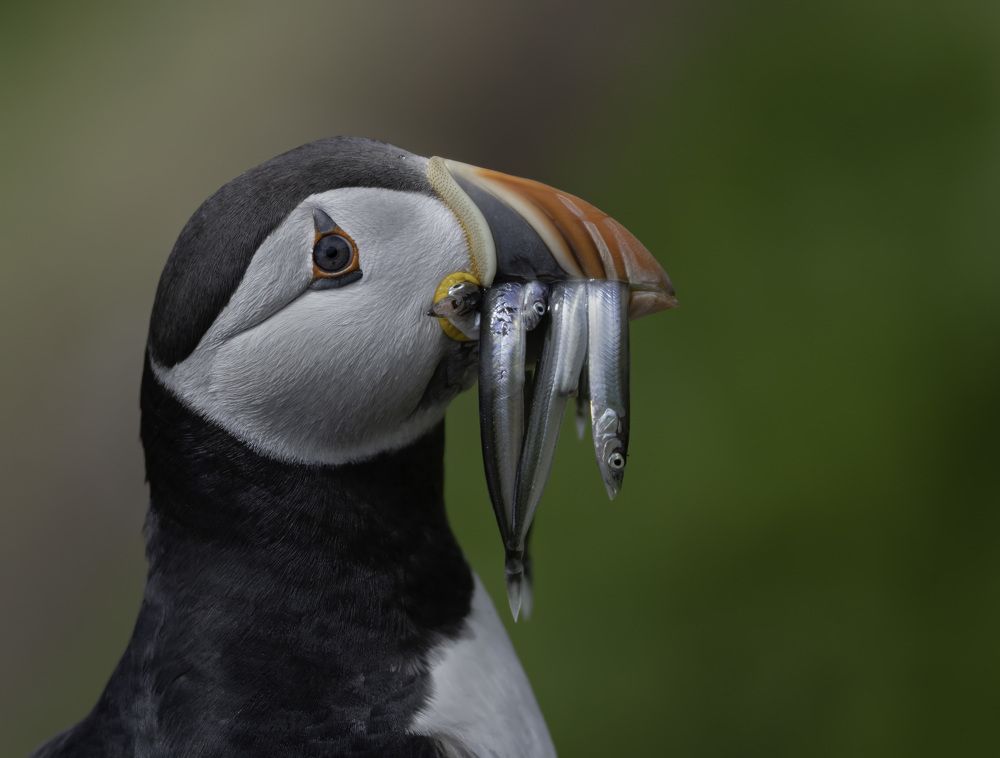
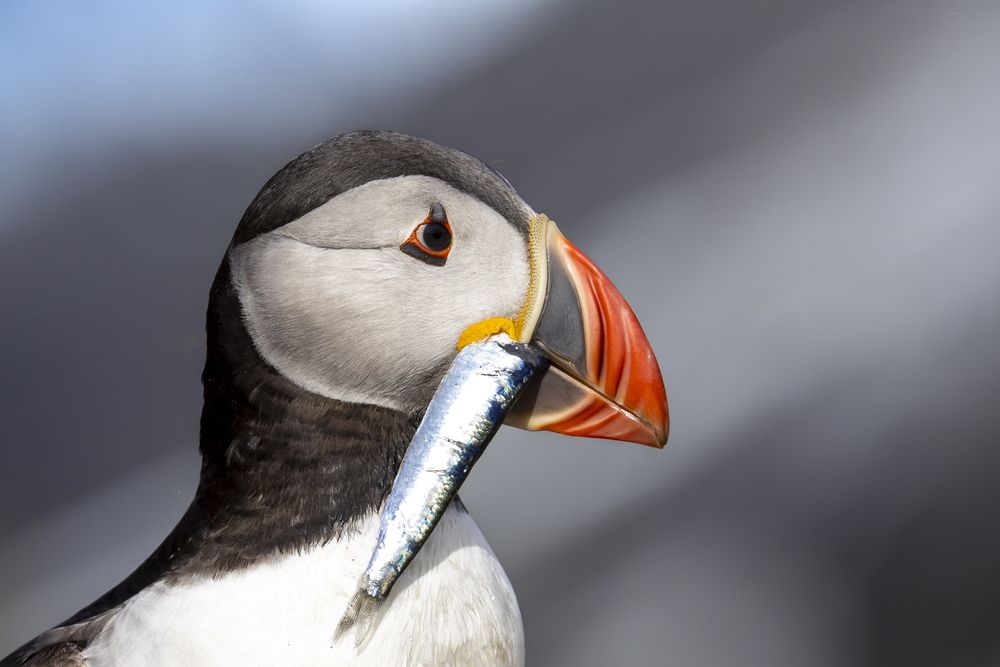
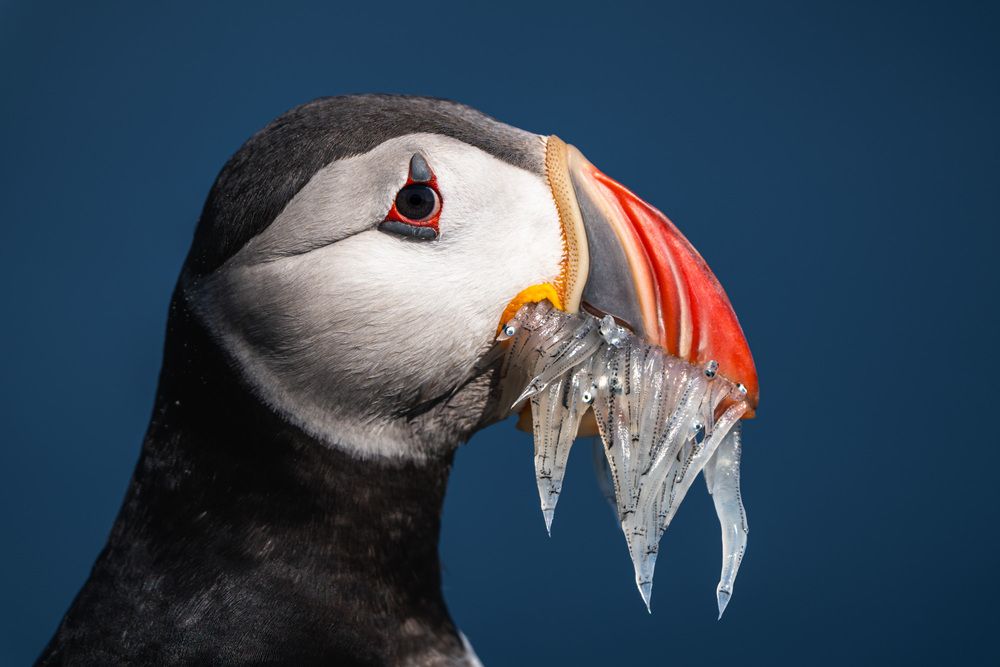
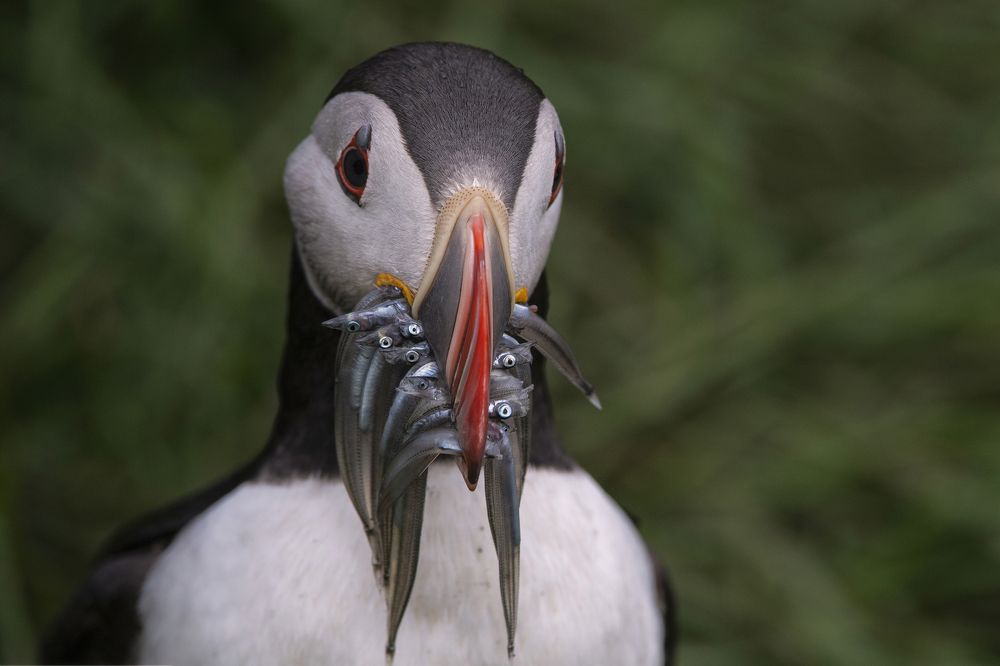
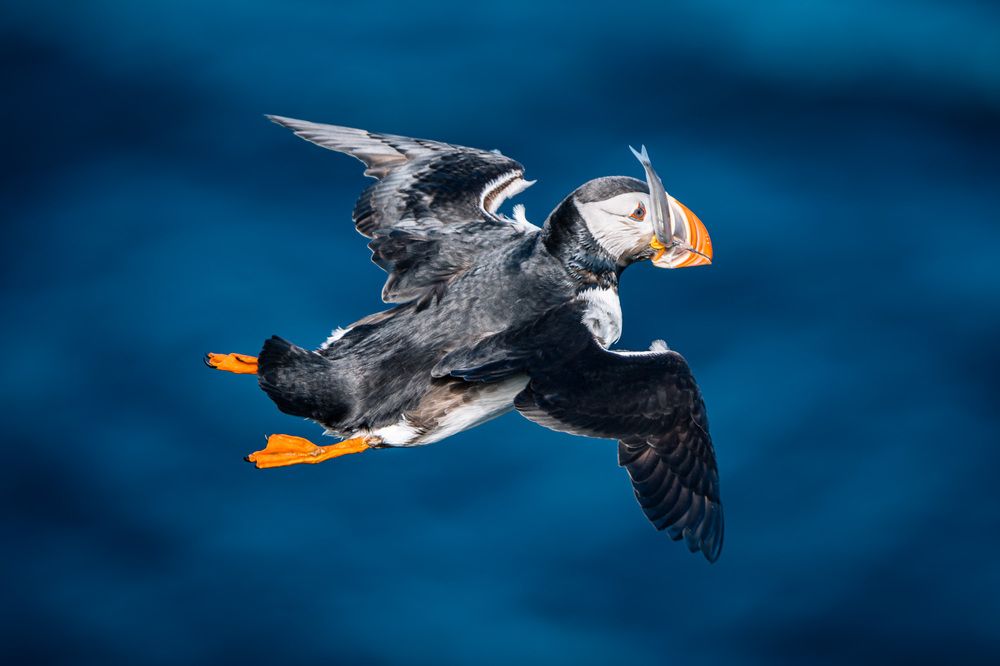
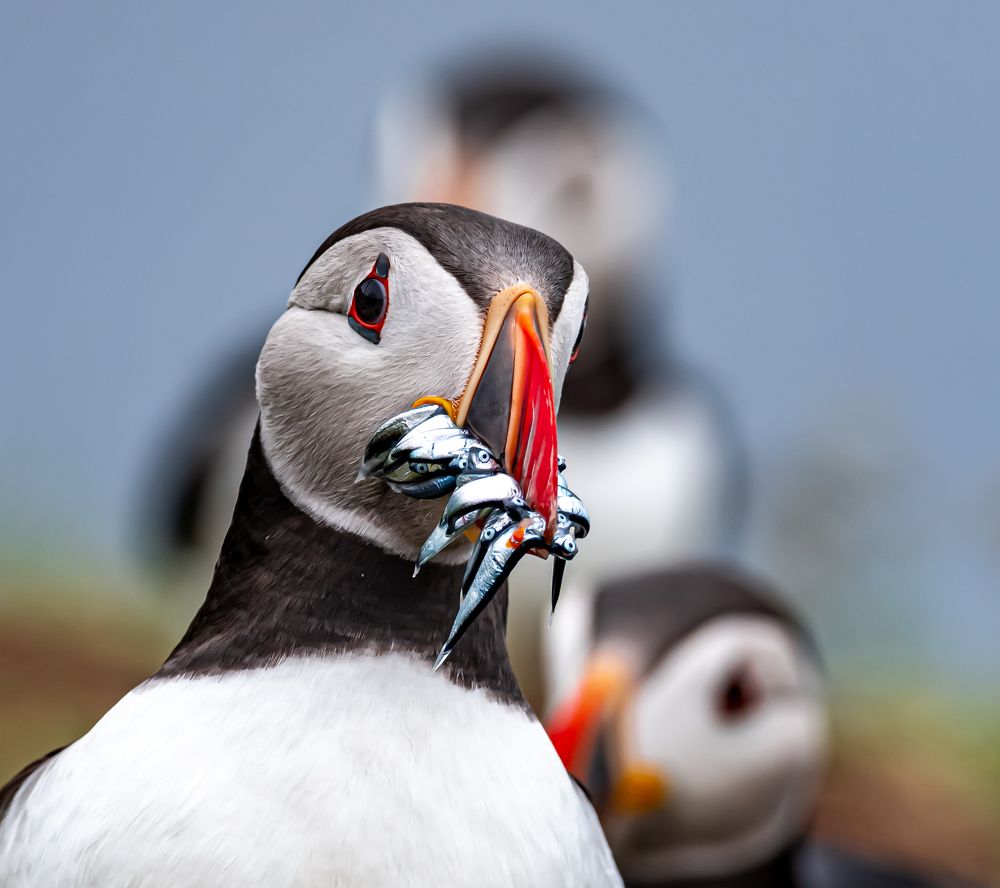
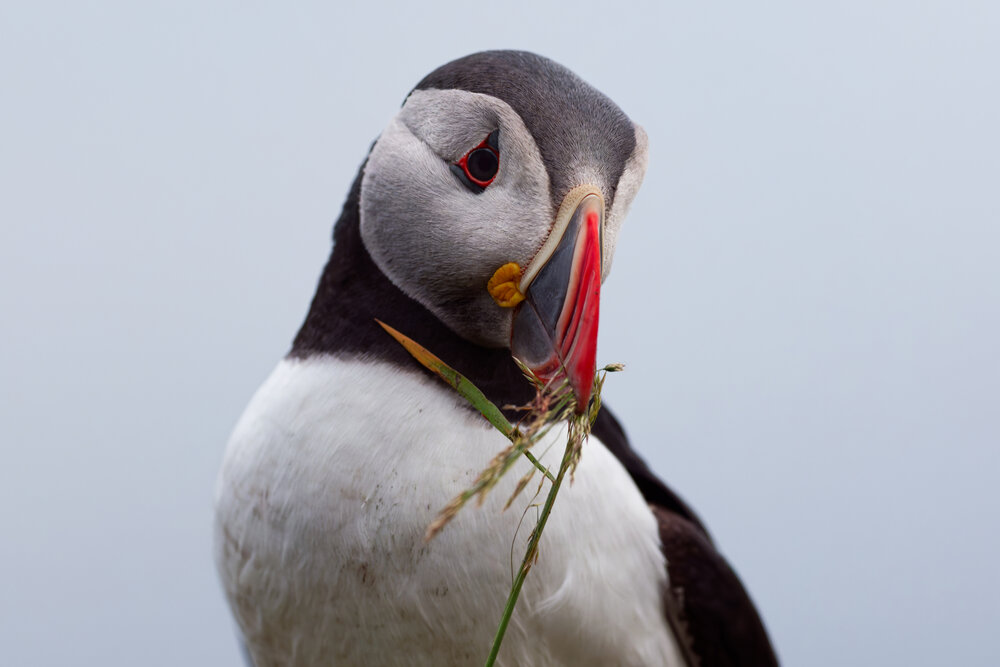
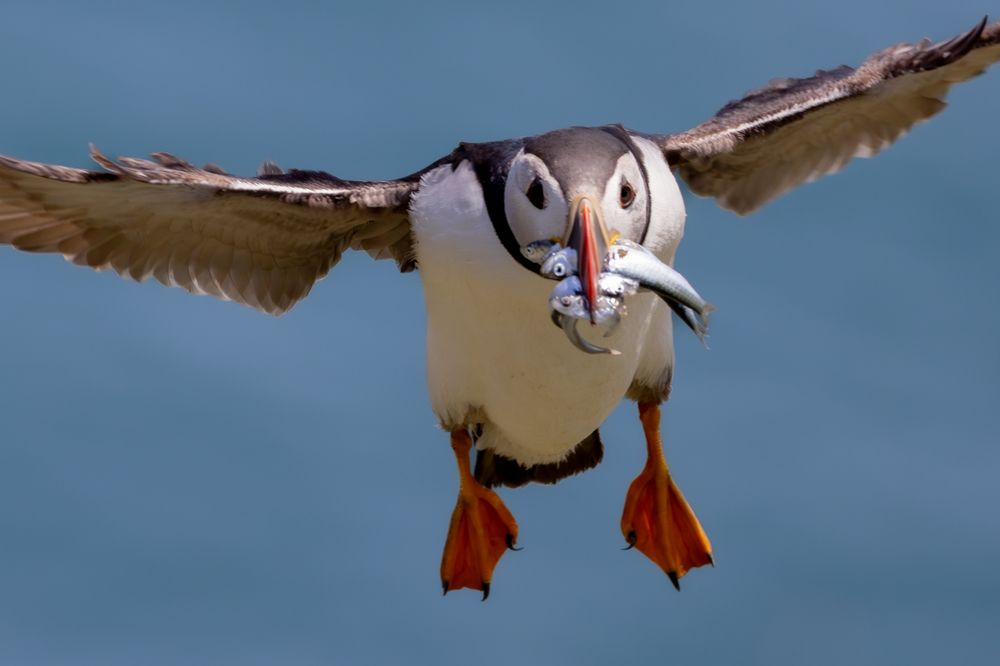
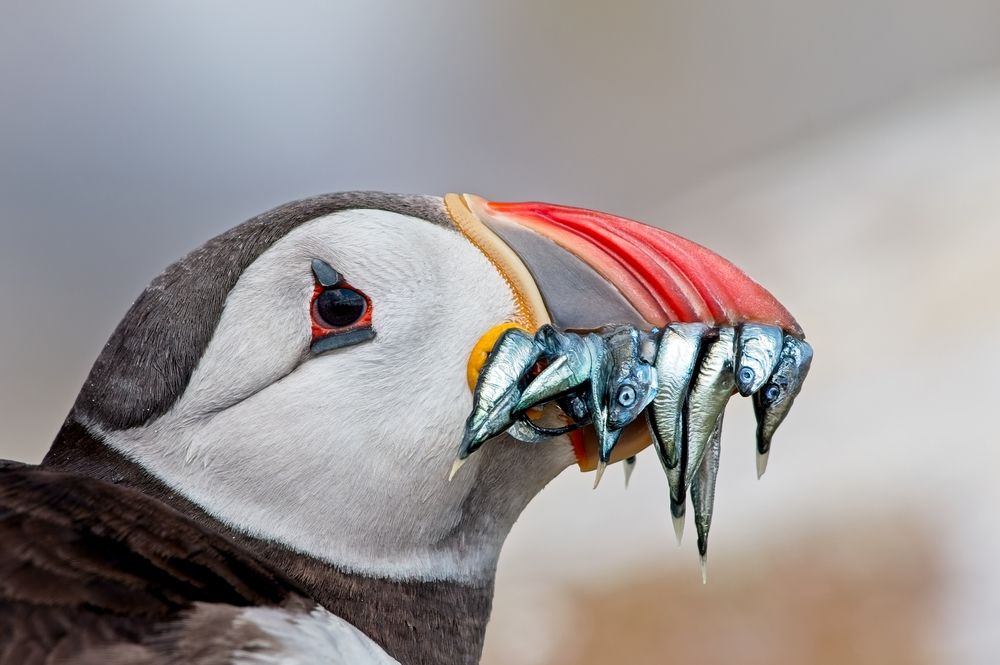
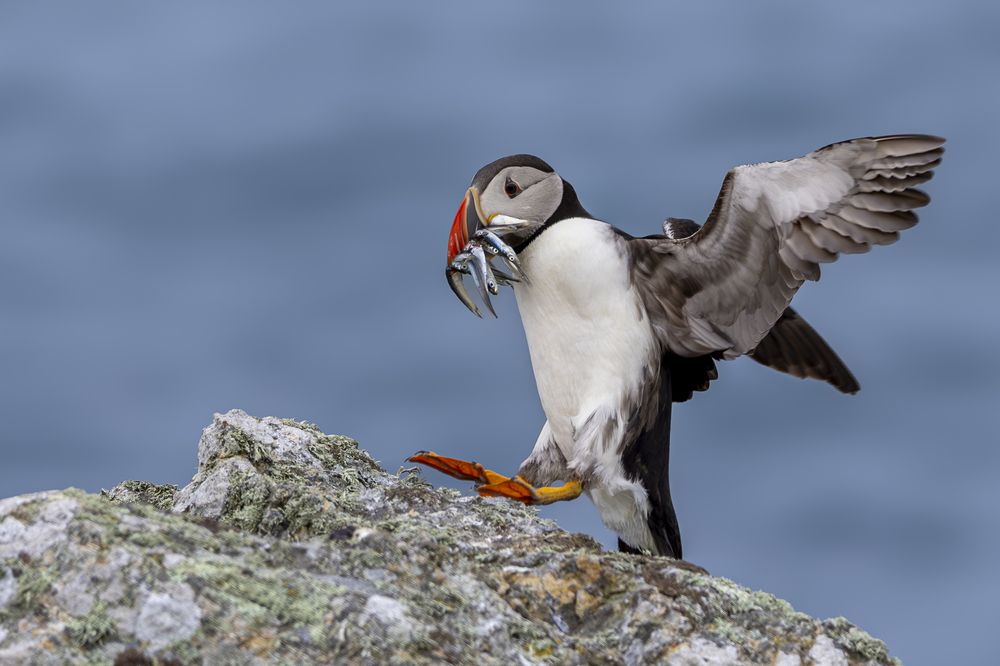
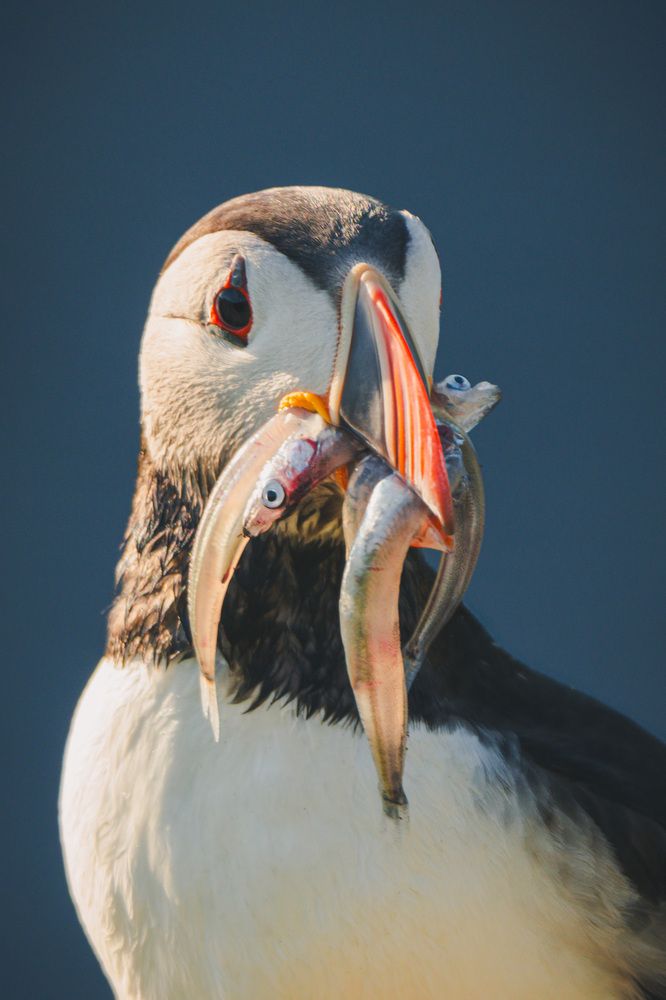
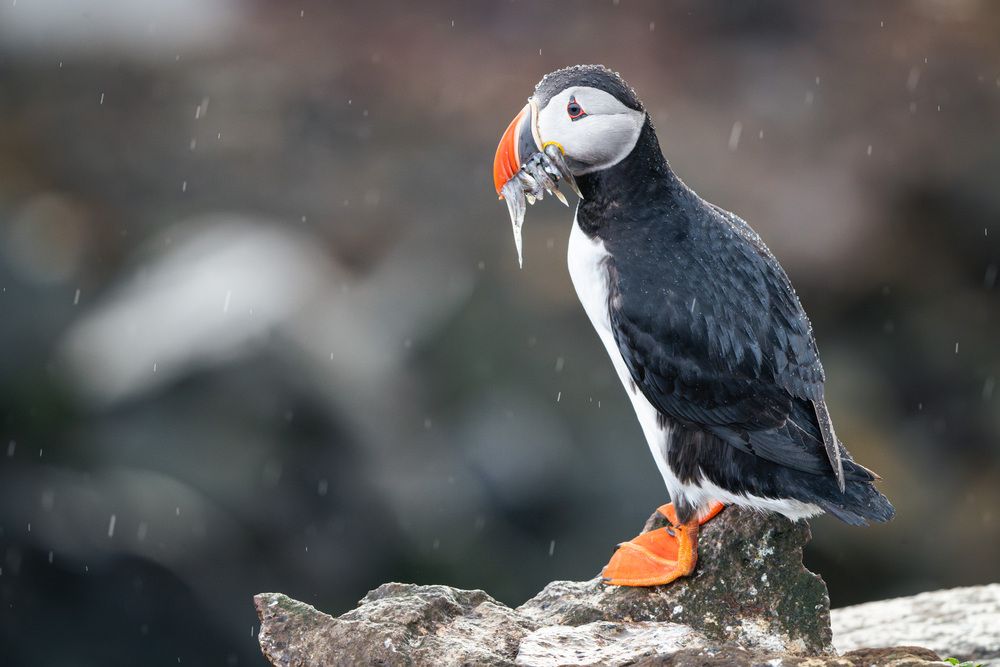
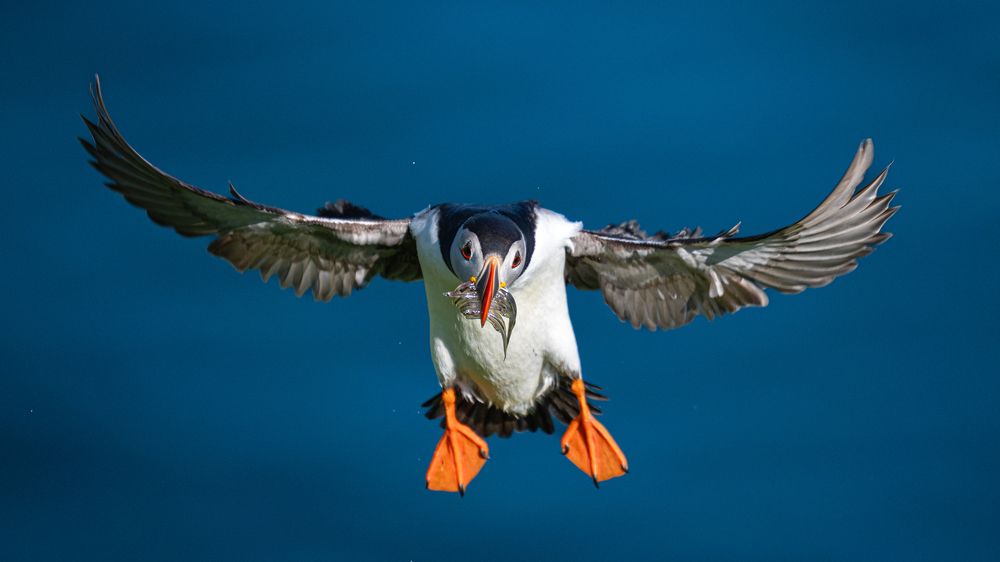
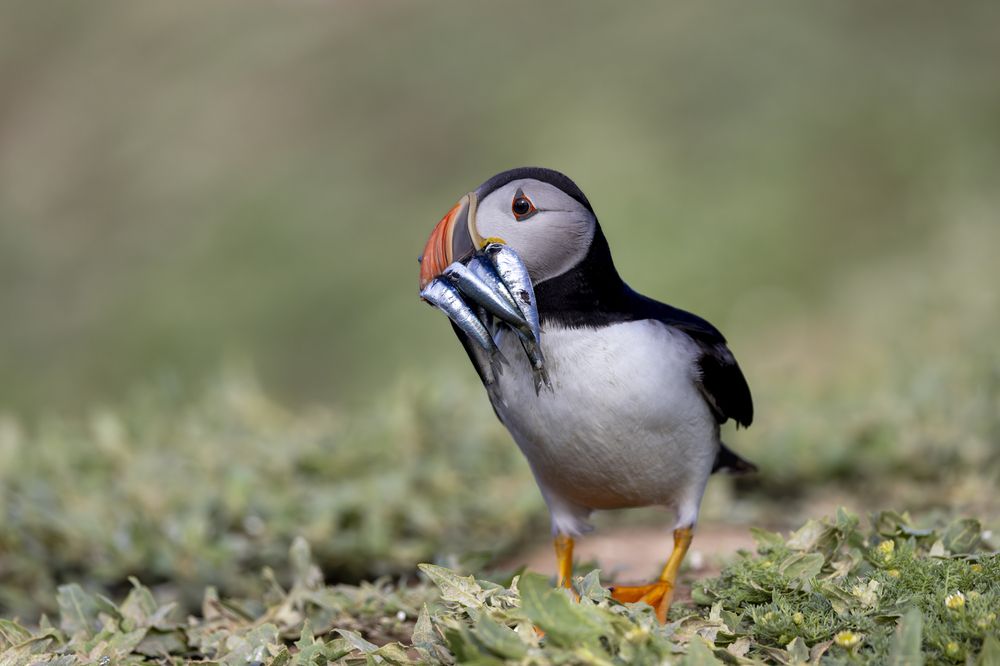
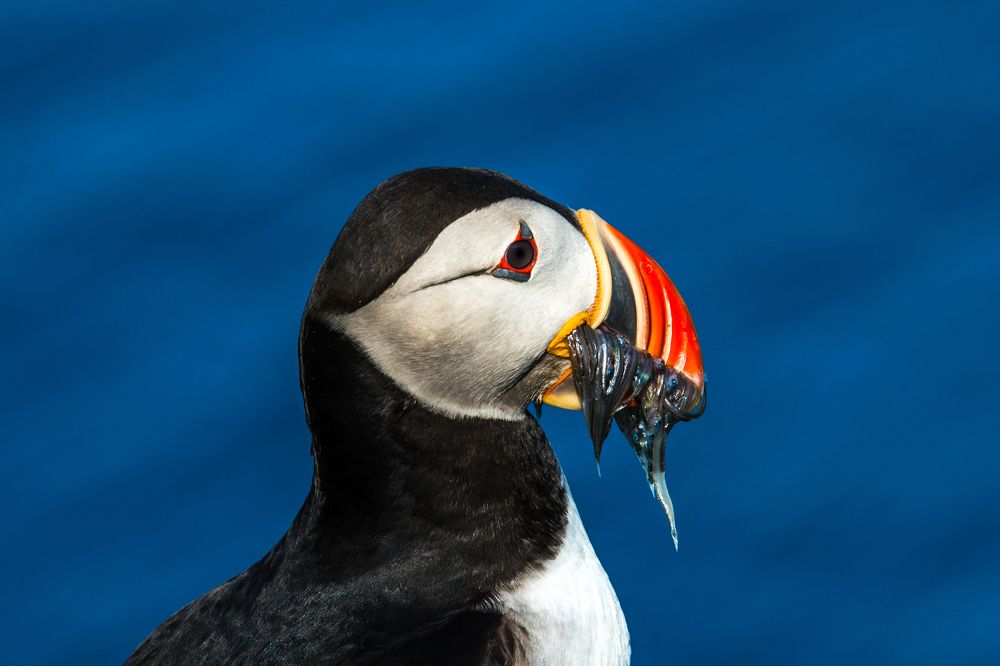
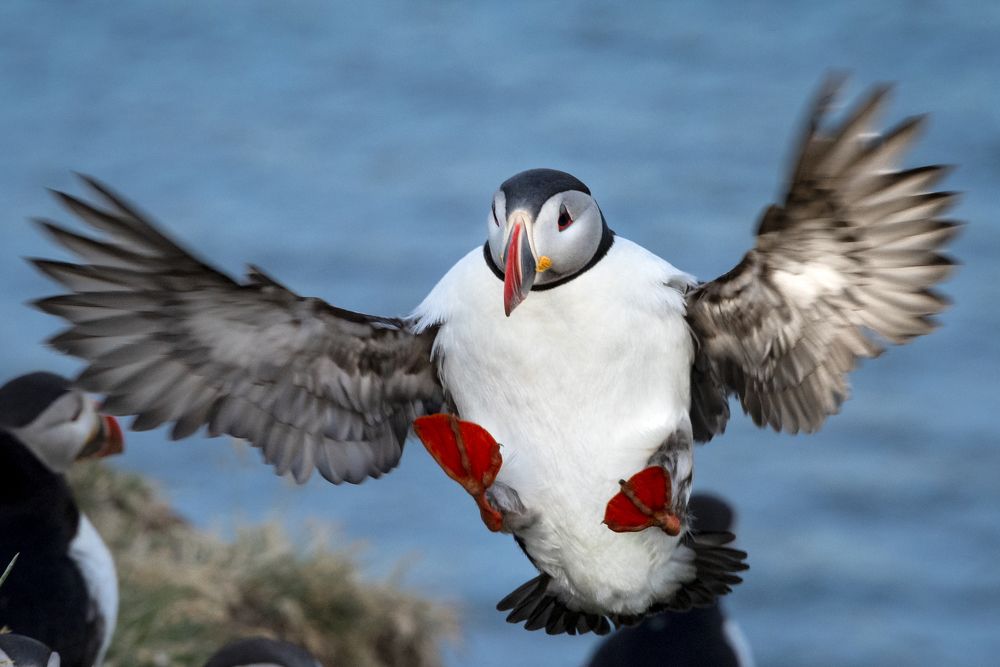
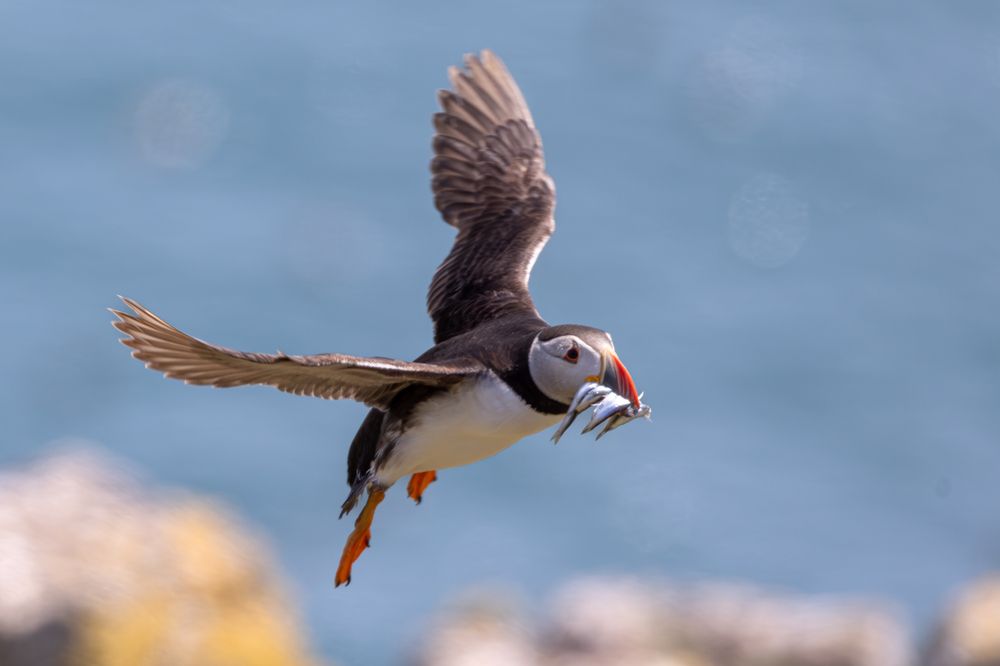
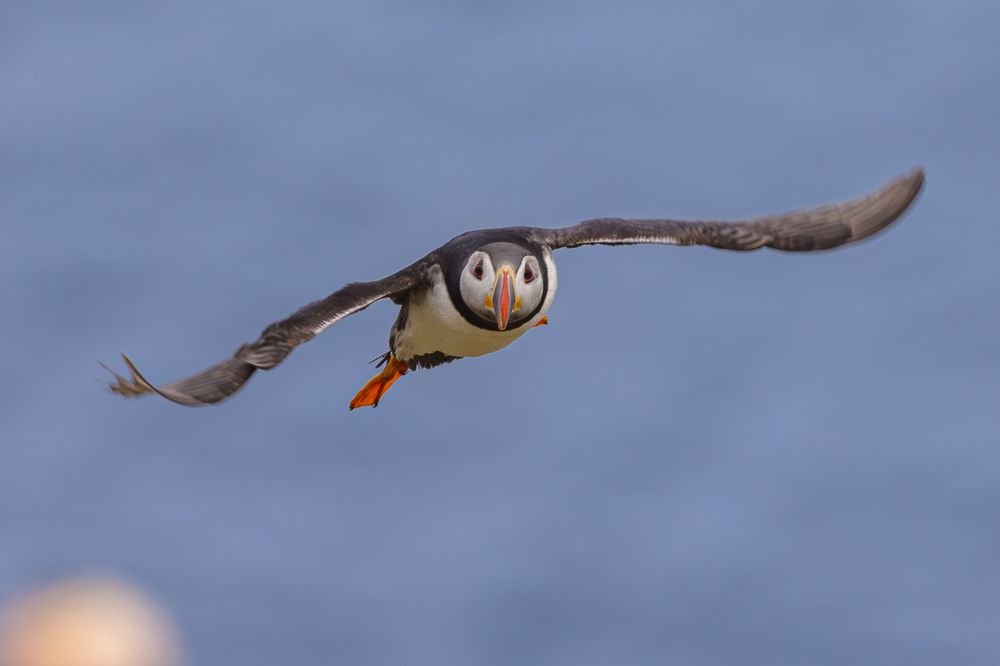
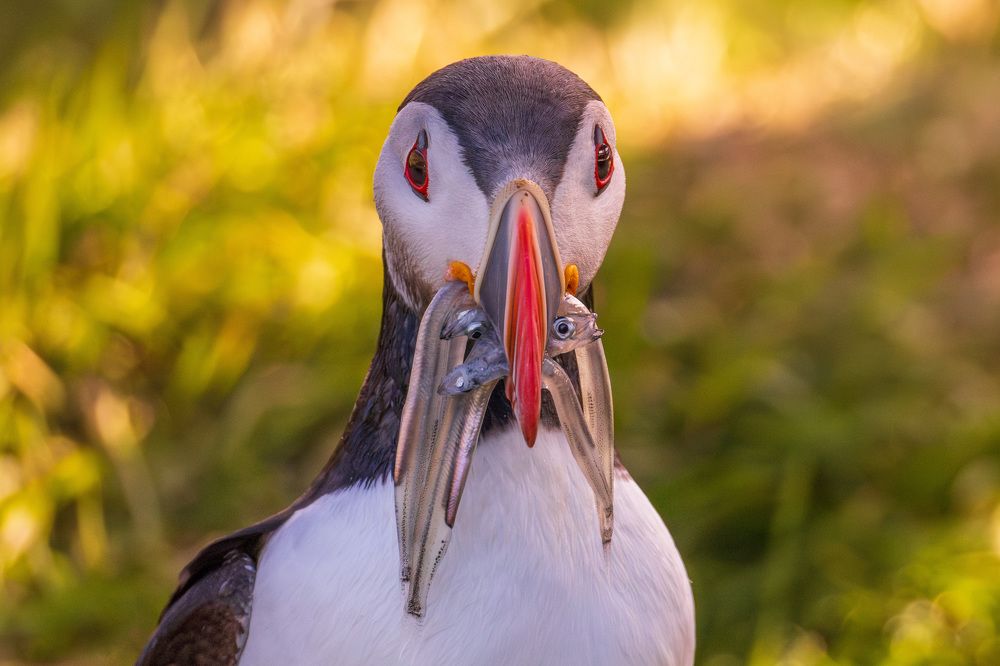
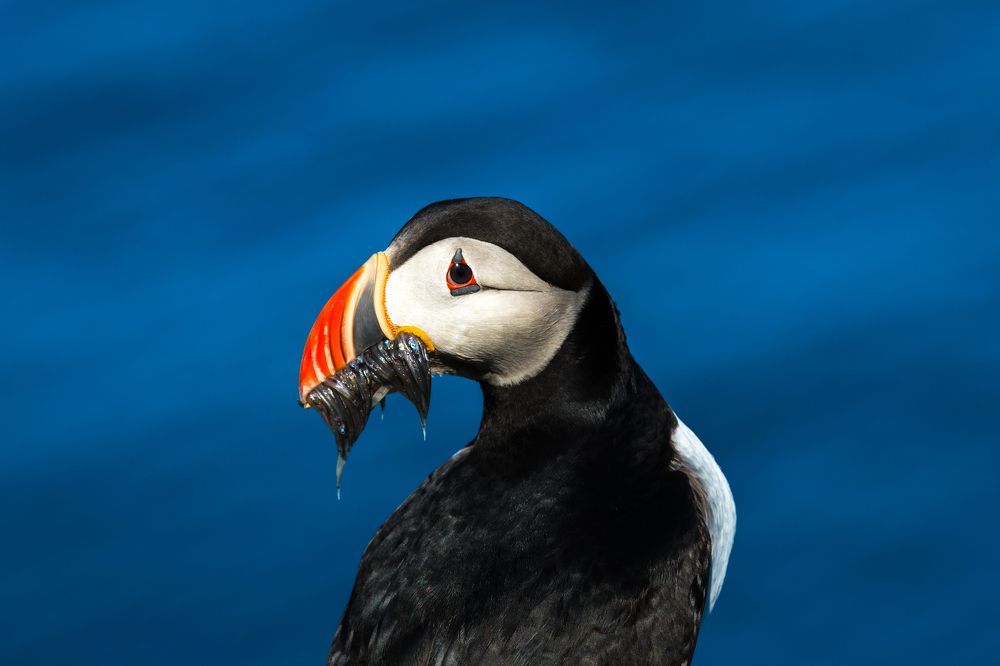
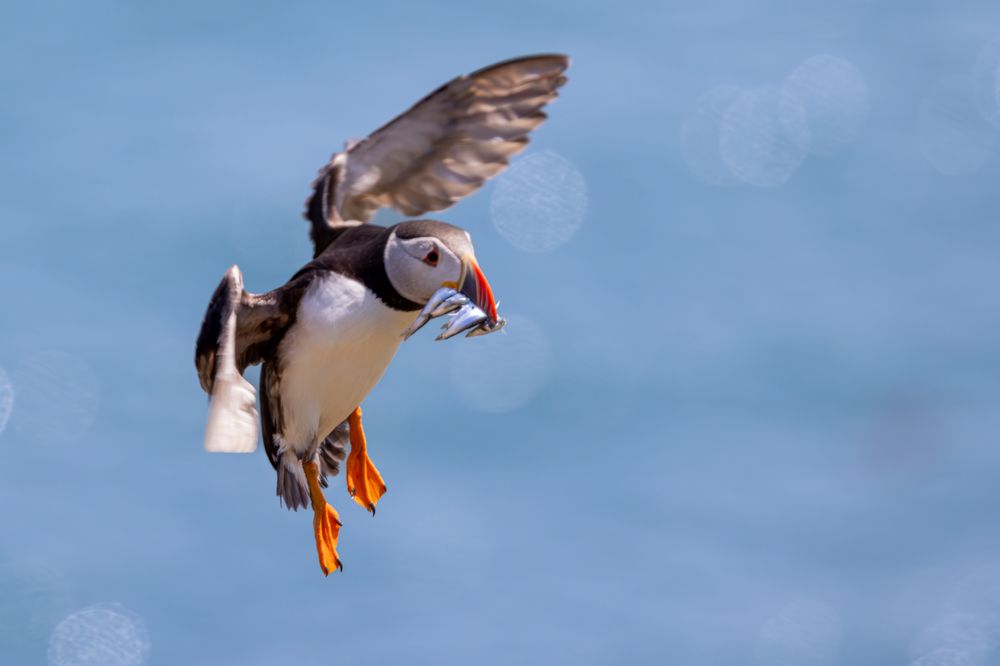
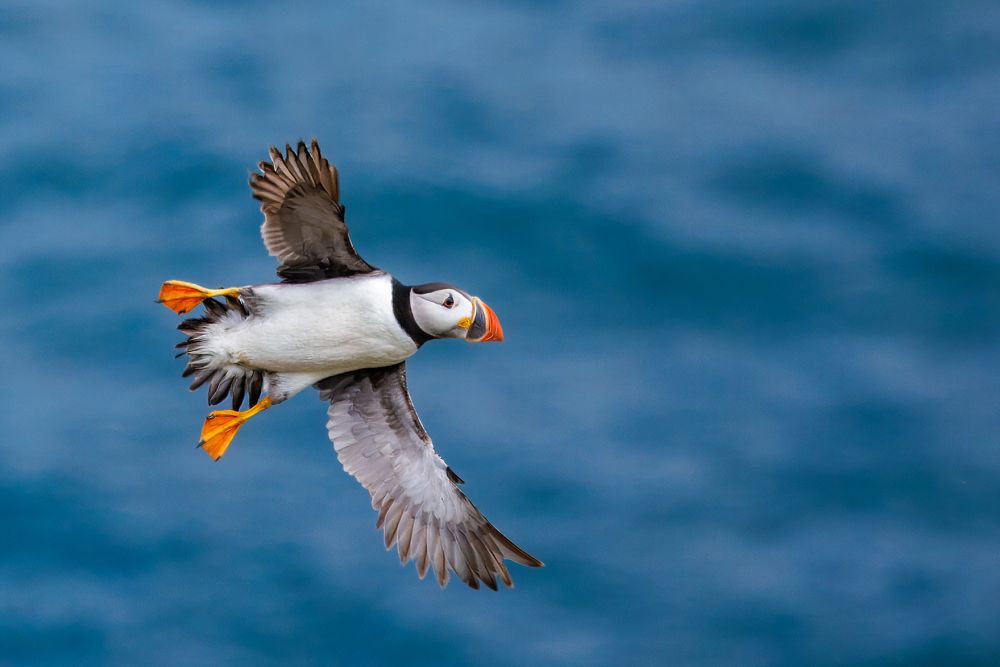
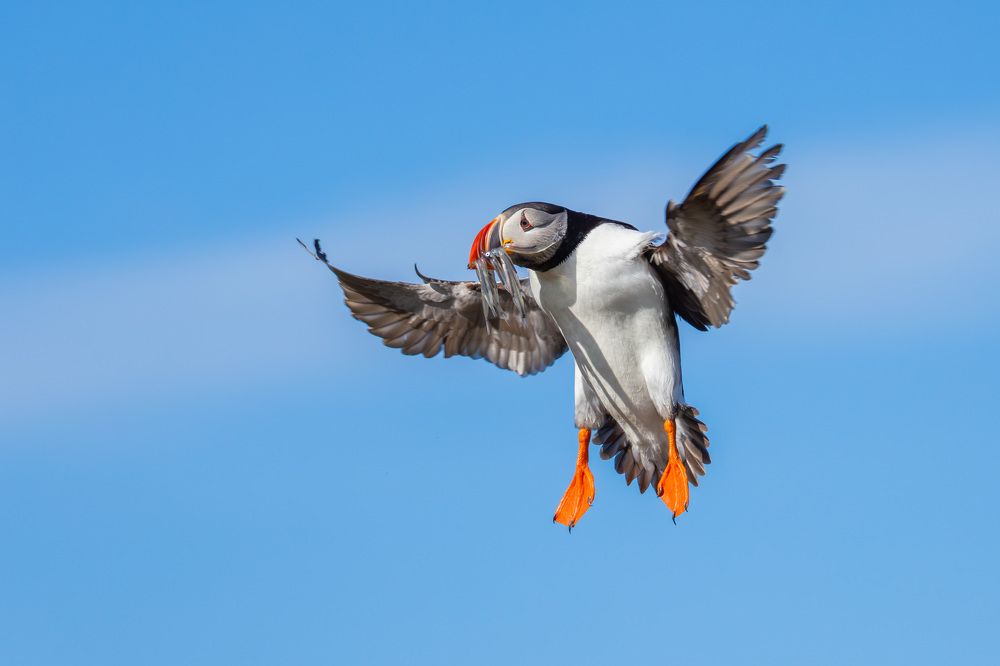
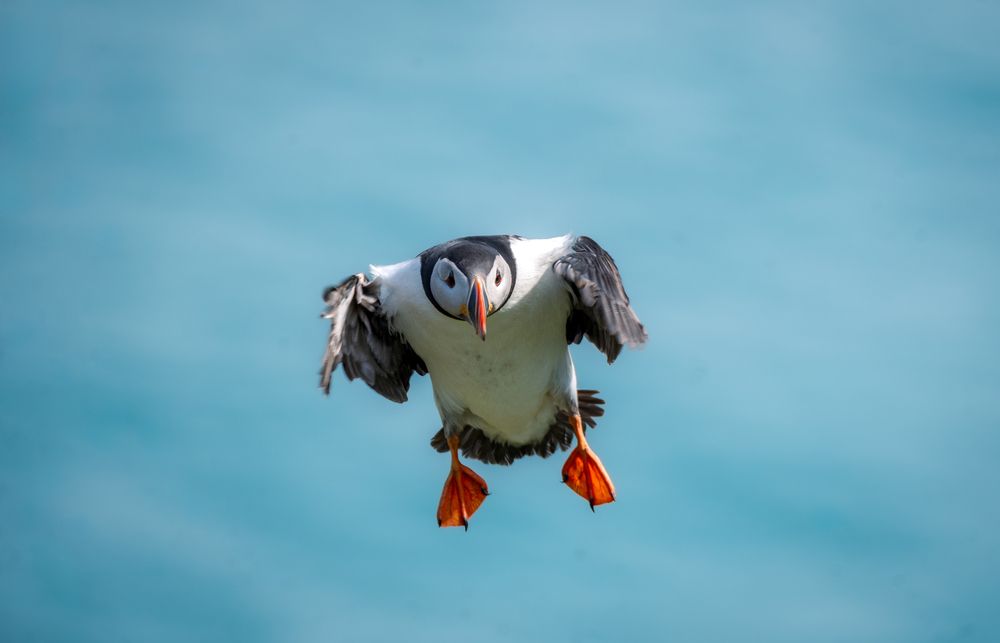
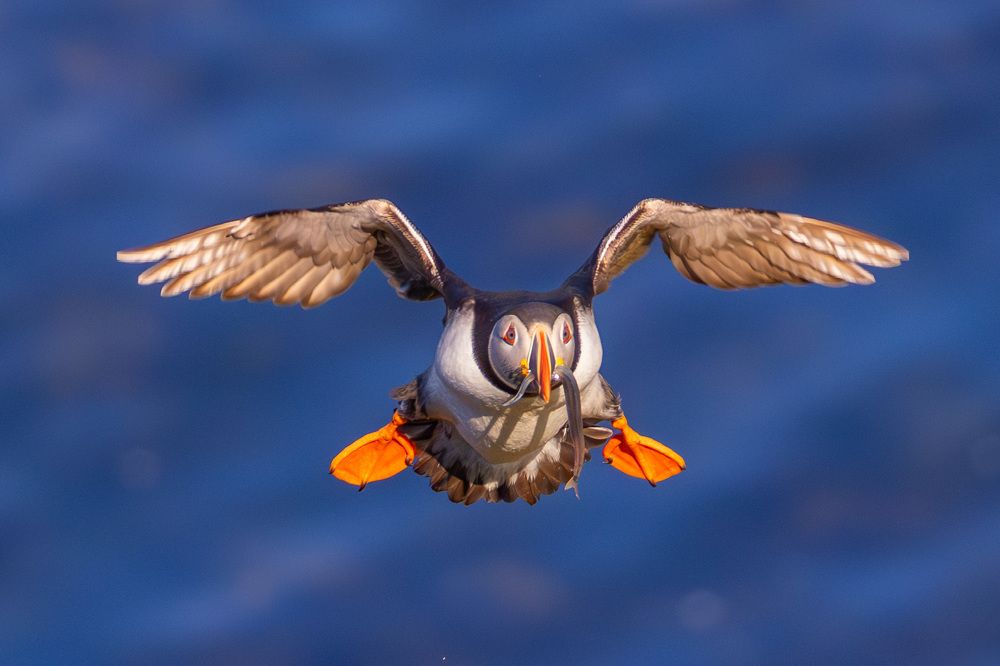
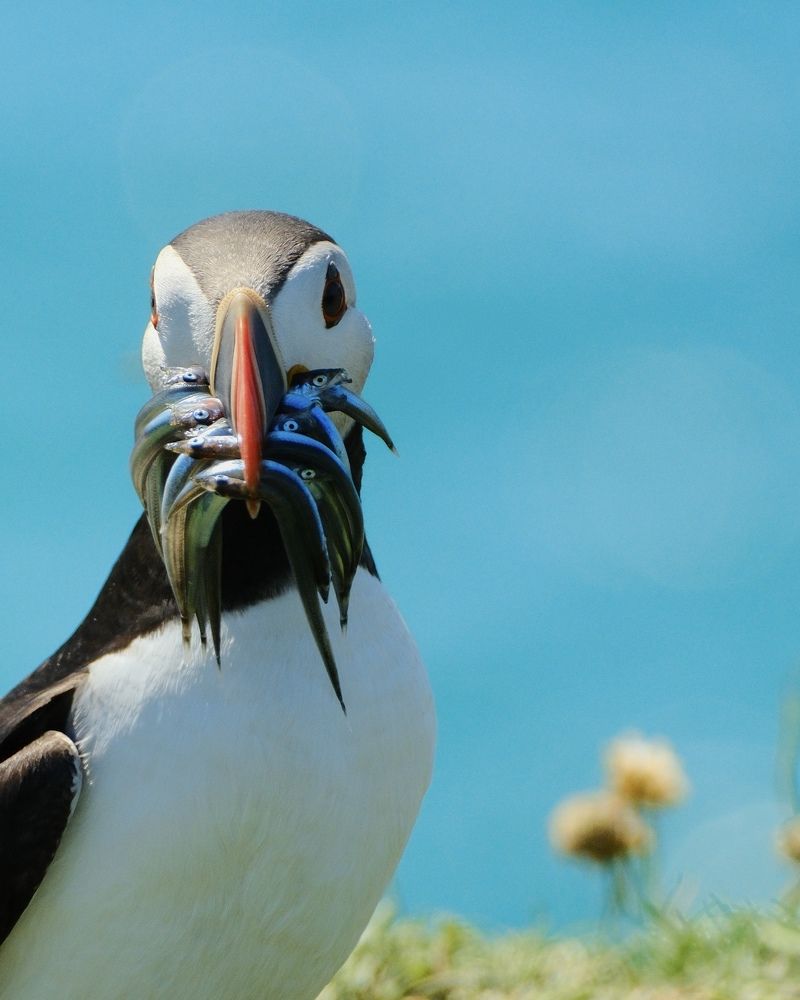
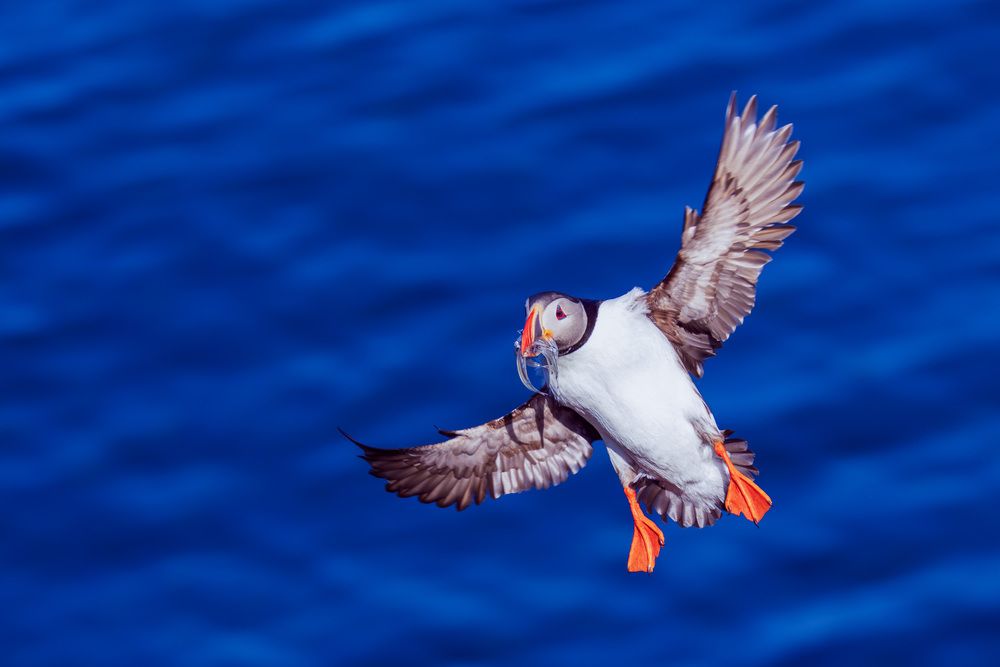
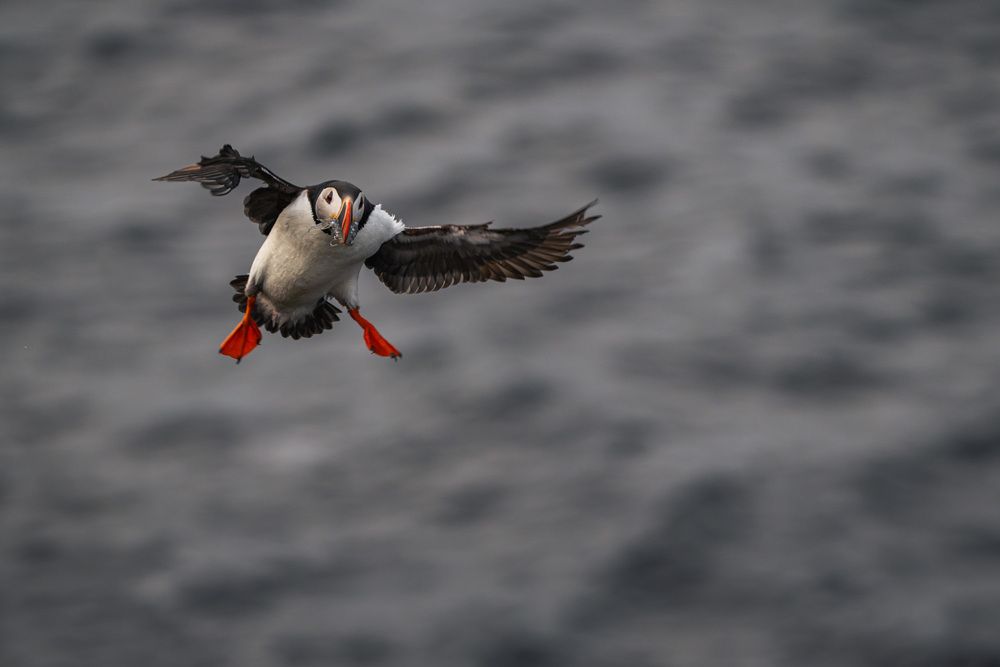
Atlantic puffins are seabirds known for their distinctive black and white plumage and colorful beaks. Photographers frequently capture these birds carrying multiple sand eels in their mouths to demonstrate their hunting efficiency. The images vary between frontal close-ups that emphasize the quantity of the catch and profile shots set against natural backgrounds like coastal grasses or blurred water. These photographs were taken during the summer months, specifically June through August, which is the breeding season for these birds in locations such as Scotland and Ireland.
The Atlantic puffin is a colonial breeder found across the North Atlantic Ocean. During the breeding season, their beaks become larger and more brightly colored compared to their winter appearance. The species is often referred to as the "sea parrot" due to its vibrant facial markings. These images document a specific behavioral moment where the bird transports food back to its burrow for its chicks.
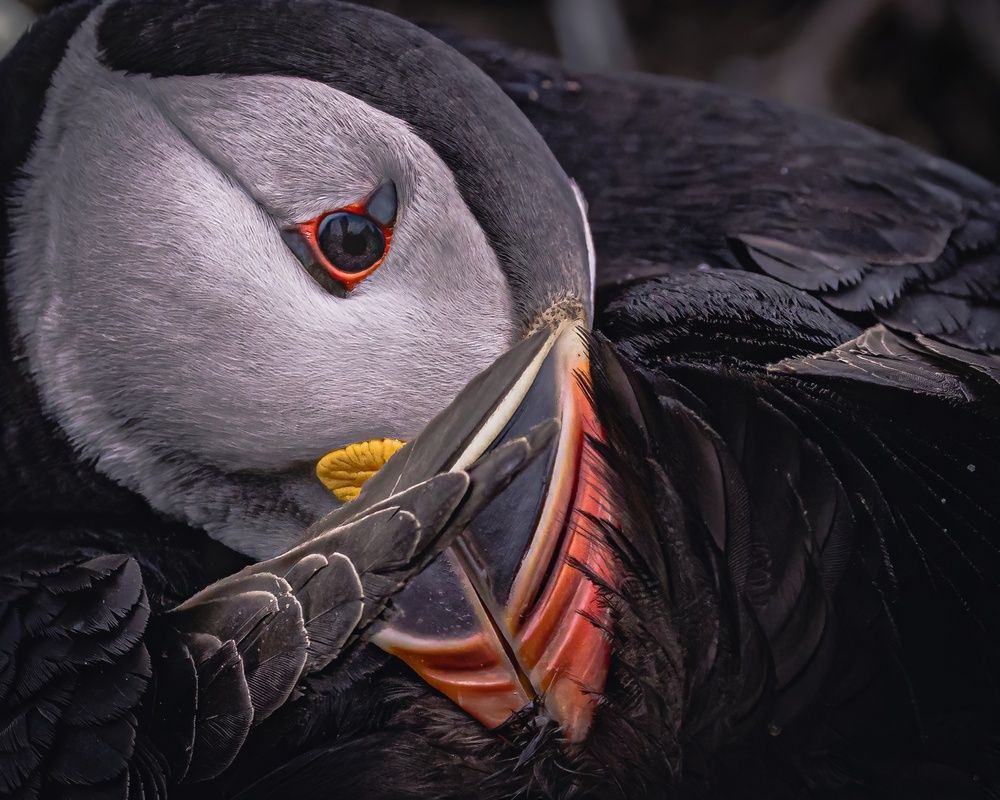
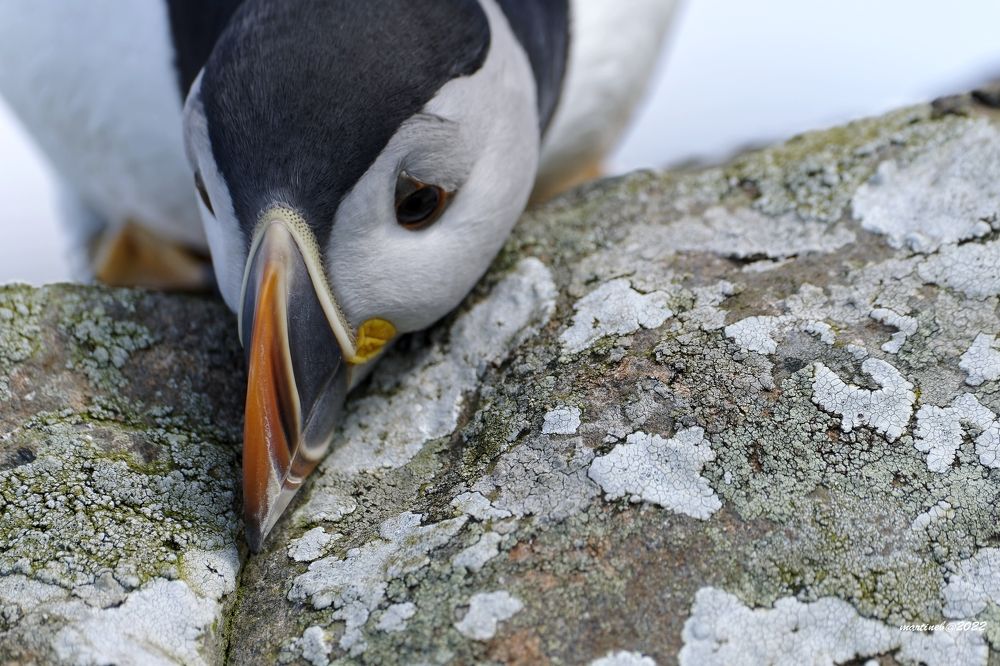
The group shares the visual motif of an Atlantic puffin holding fish in its beak.
How to shoot it
📍 Where to shoot
Outdoor shooting, primarily on the British coastlines (Farne Islands) and Denmark (Munkholm Island).
🧭 How to get there
Access to puffin colonies on the Farne and Munkholm islands usually requires a boat trip from the nearest mainland port. Weather conditions can affect ferry schedules.
🕐 Time of day
Most shot between 19:00 and 22:00 (33% of frames)
Based on 30 frames with camera data. Camera clock time; the time zone is unknown.
Shooting mostly takes place during the day (11:00–14:00) and in the evening (19:00–21:00). These periods provide sufficient natural light for working with short shutter speeds.
🗓️ Season
Most shot in: July, June, August
Based on 30 frames with camera data
The optimal time is summer, mainly June and July. During this period, birds are in their colonies, and the beak plumage is most contrasting.
🎒 Gear
A telephoto lens with a focal length of 300 to 700 mm (median 500 mm) is required. Zoom lenses such as 200-600mm or 100-500mm are used. A tripod is not needed due to the need to track bird movement.
Cameras and lenses the authors used (10)
Sony ILCE-7M4 10Canon EOS R5 5Nikon D850 2Nikon D6 2Canon EOS 80D 1FE 200-600mm F5.6-6.3 G OSS + 1.4X Teleconverter 6FE 200-600mm F5.6-6.3 G OSS 4Canon RF 100-500mm F4.5-7.1L IS USM 3AF-S Nikkor 70-200mm f/2.8E FL ED VR 2AF-S VR Zoom-Nikkor 200-400mm f/4G IF-ED 2
🧳 What to bring
Rain cover for equipment and clothing, waterproof shoes, spare batteries (cold reduces charge), thermos with hot water. The coastal weather is changeable, with possible rain.
⚙️ Settings
Shutter 1/1000 (1/3200 – 1/250)Aperture f/6.3 (f/4 – f/9)ISO 800 (250 – 2500)Focal length 500 mm (300 – 700)
Based on 31 frames with camera data. Median and 10-90% range across the idea frames.
The key parameter is shutter speed: 81% of shots were taken faster than 1/500 s (median 1/1000 s) to freeze motion. Aperture f/4–f/9, ISO 250–2500 (median 800).
⚠️ Good to know
Shooting is done from a distance to avoid disturbing the birds and their offspring. It is important to adhere to wildlife photography ethics: do not approach nesting areas, do not use bait, and avoid noise that may stress the colony.
📈 How the idea developed
works uploadedshare of all site uploads, per 100k
The date is when the file was uploaded to the site. The chart counts works assigned to the idea.
✅ How to repeat it
- Use high-speed continuous shooting to capture the moment when the puffin lifts its head with prey in its beak.
- Watch the light: shooting against the sun or on cloudy days helps soften contrast and highlight feather texture.
- Position yourself so that the background is clean (sky or sea), allowing you to isolate the bird and emphasize the bright beak.
✨ Interesting facts
- 🏆 How the best frame was shot: Sony ILCE-7M4, FE 200-600mm F5.6-6.3 G OSS + 1.4X Teleconverter, 1/400, f/9, ISO 6400, 700 mm
- 📐 76% of frames are landscape orientation
- 🥇 7 works reached the finals. Best contest: 11th 35AWARDS 2026
- 👤 Most frequent authors: Nikita Chicherin 9Ellen Lichtenheldt 8Abhishek 4Hari Kumar 3Ernestas Balcikonis 2
- 🌍 Authors by country: 🇩🇪 DE 24🇮🇪 IE 4🇬🇧 GB 4🇵🇱 PL 3🇩🇰 DK 2
Some tips are prepared by AI from the idea description, photos and their EXIF. Check the rules and access to places before you travel.
Works
These lists are generated automatically and may contain inaccuracies. Photos are shown in random order, and selections are refreshed twice a day. This section is made for exploring photos and does not claim 100% accuracy. The lists include photos that previously participated in contests that are already completed.