
Meteora Monasteries
26 worksFirst upload: Oct 2018Peak: 2021Last 12 months: 2
📝 Description
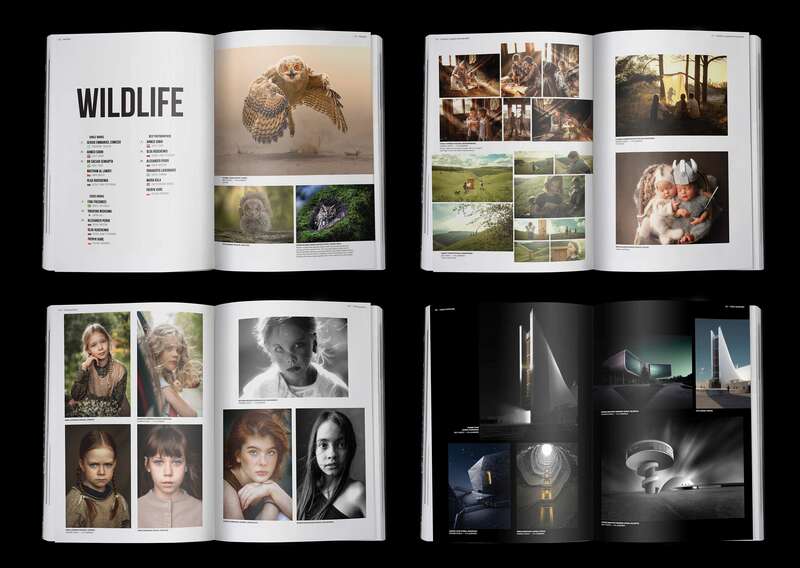
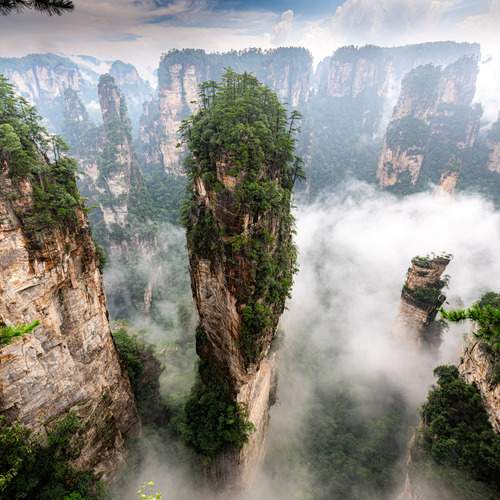
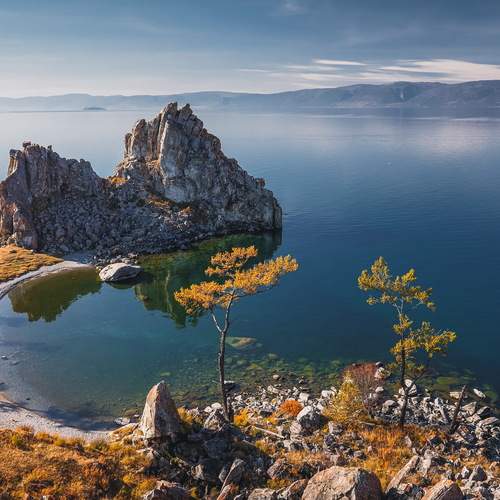
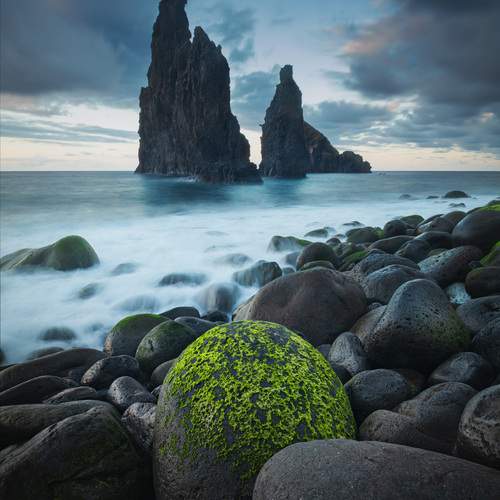
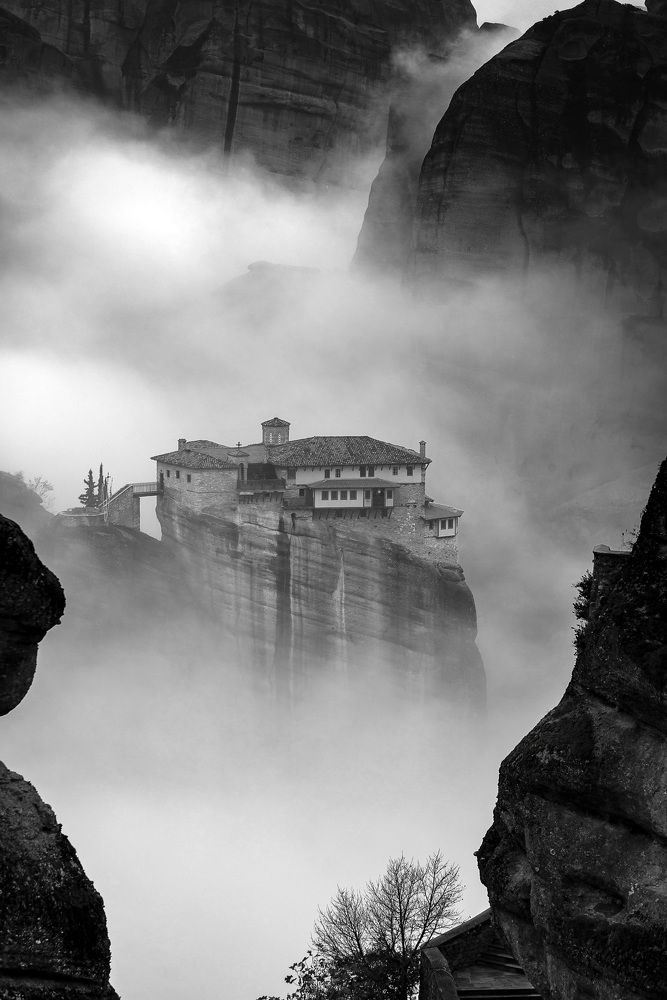
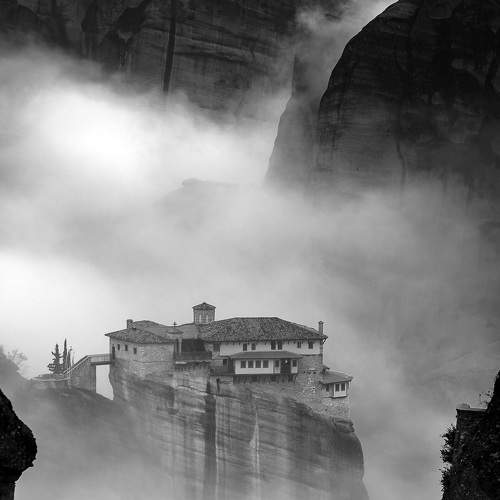
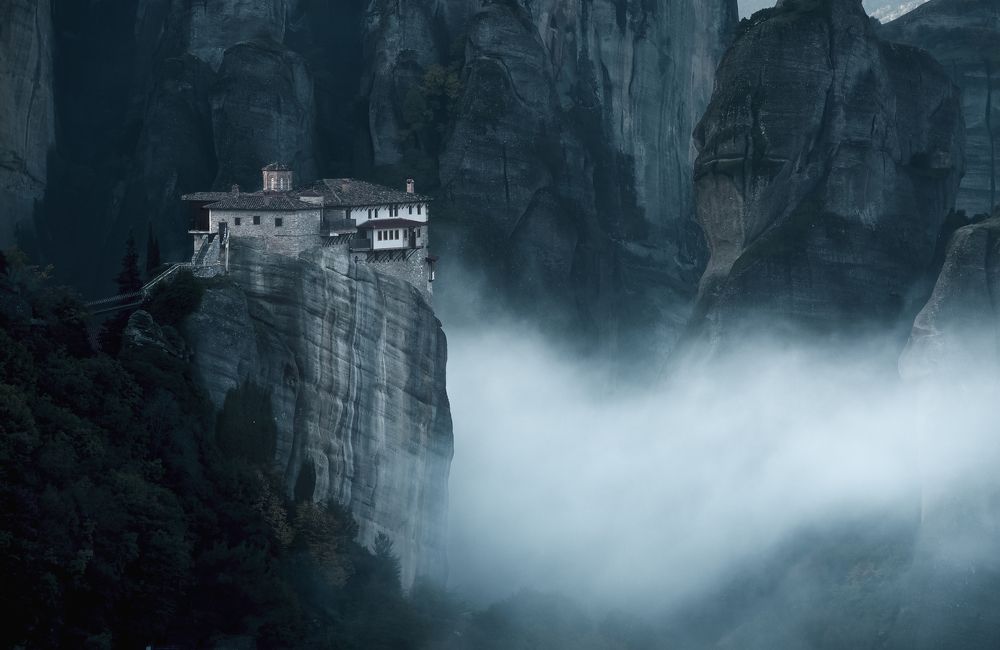
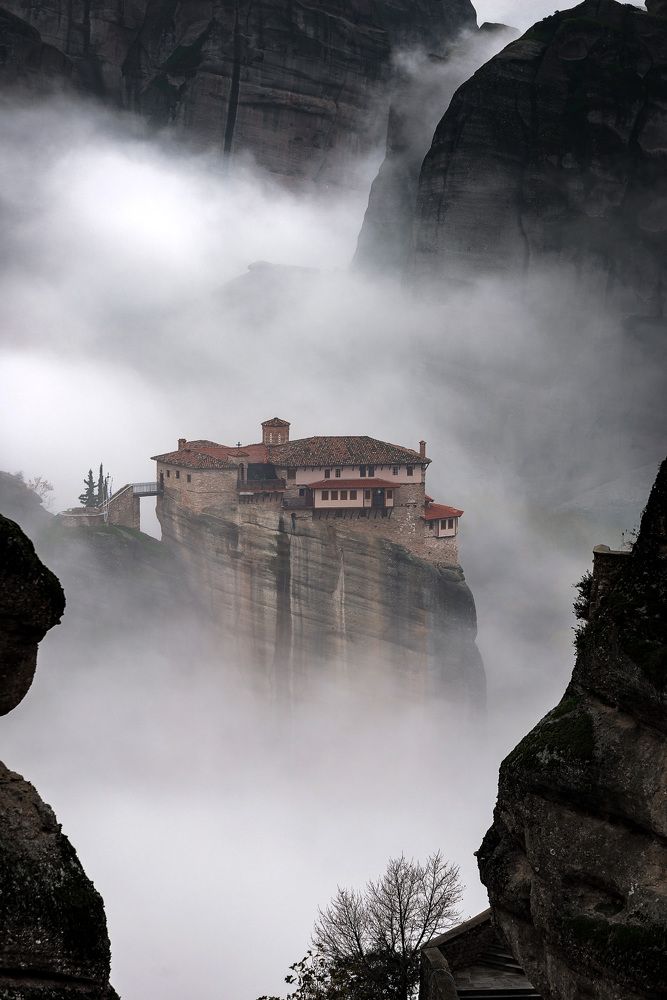
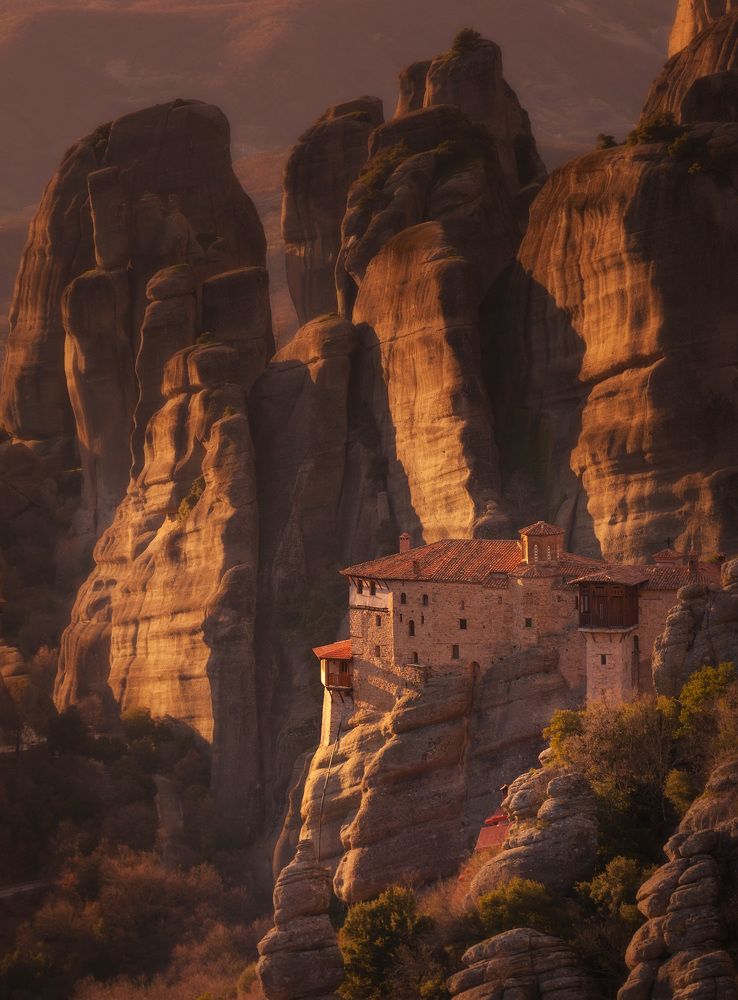
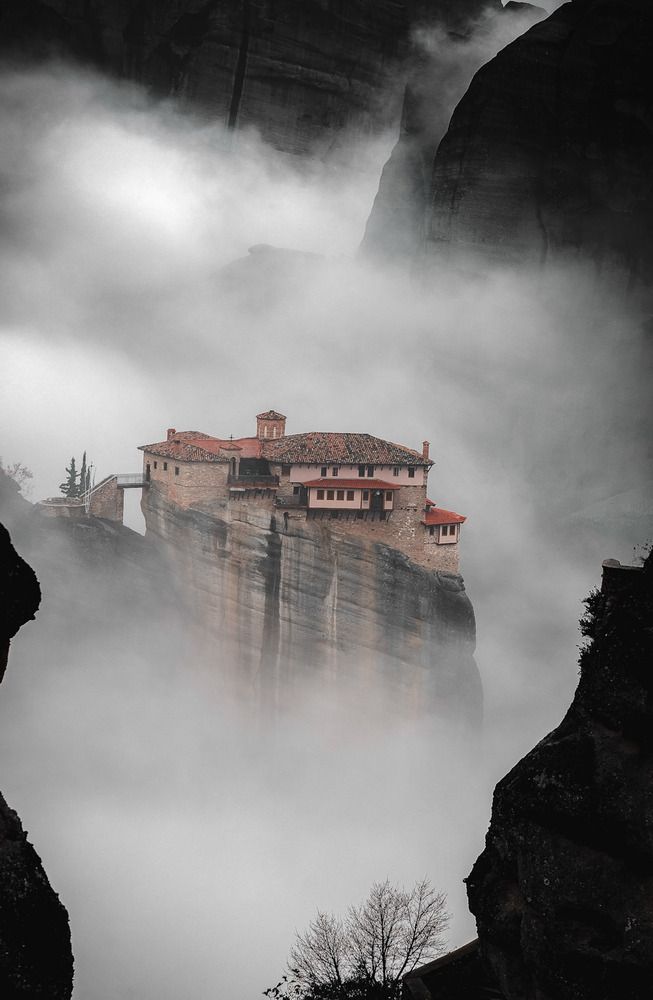
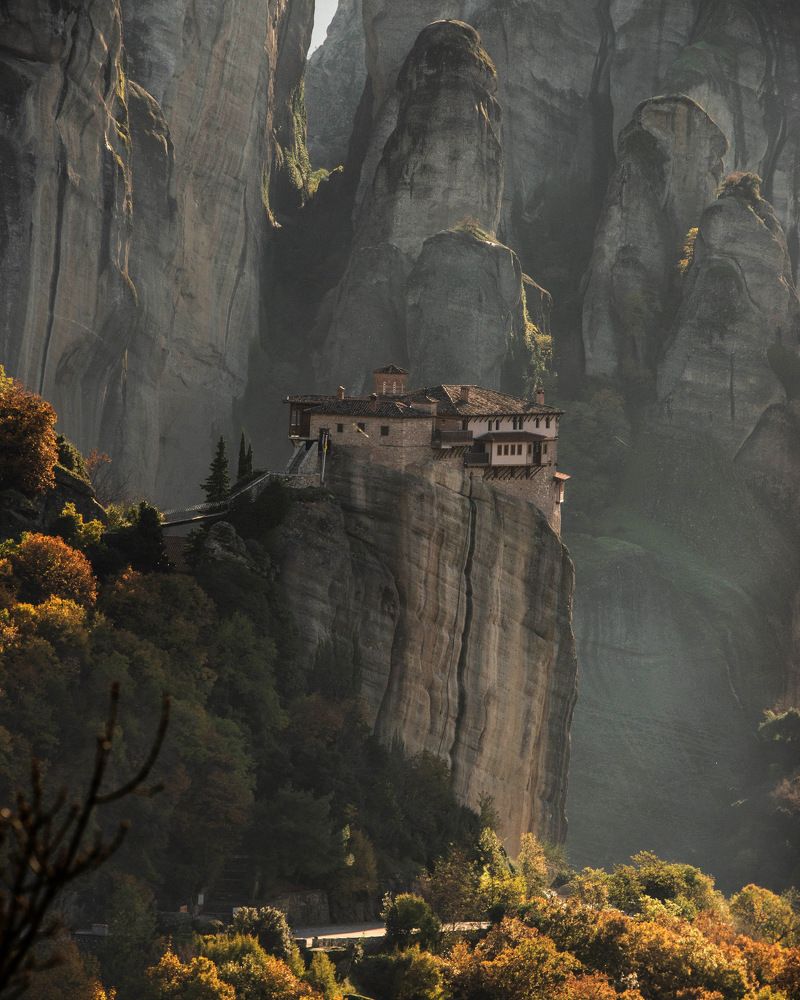
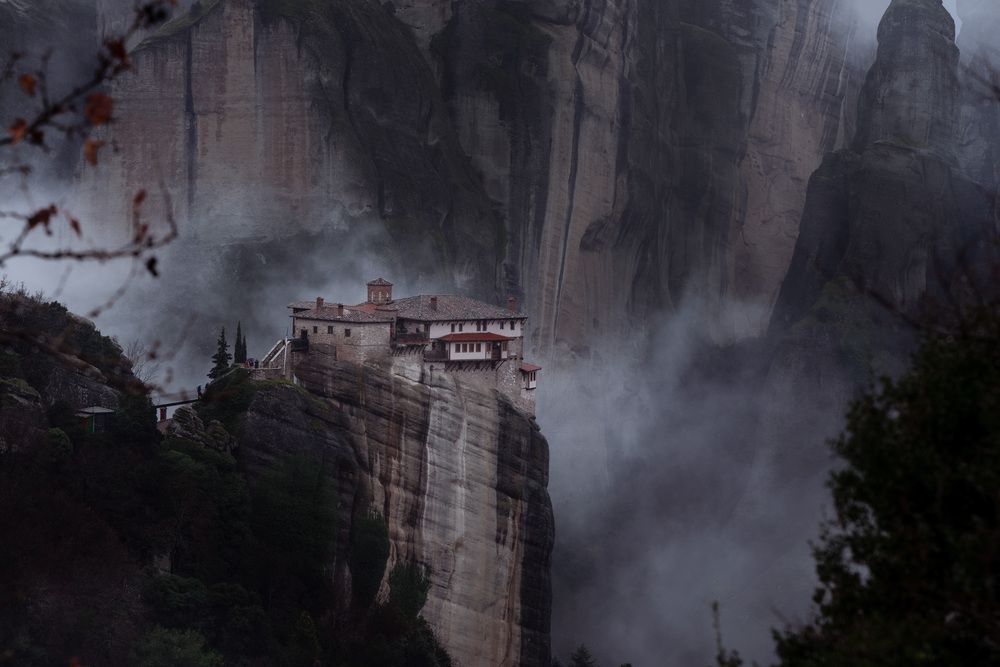
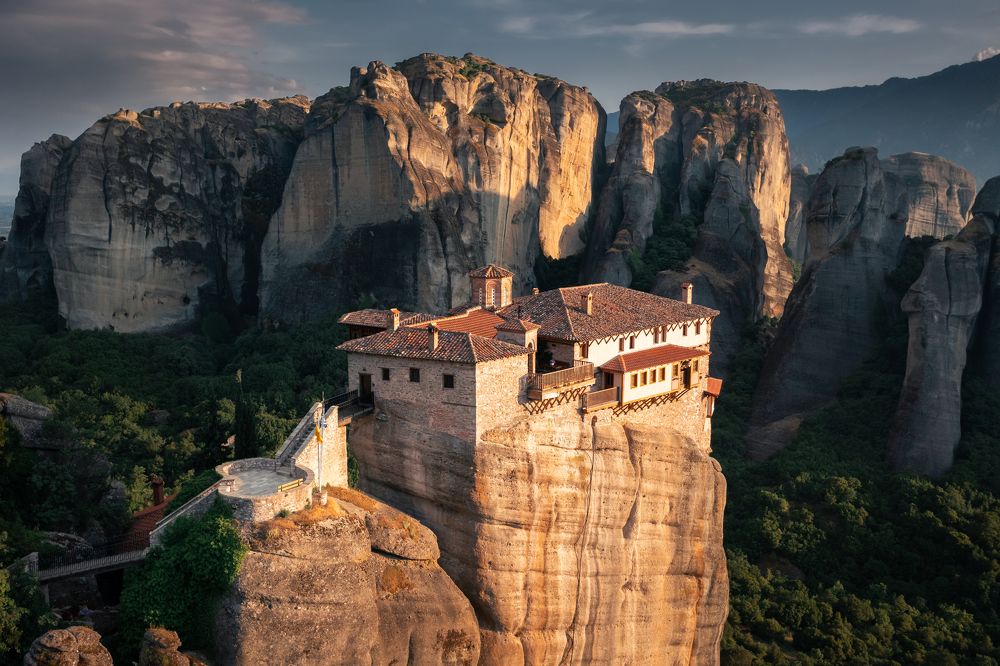
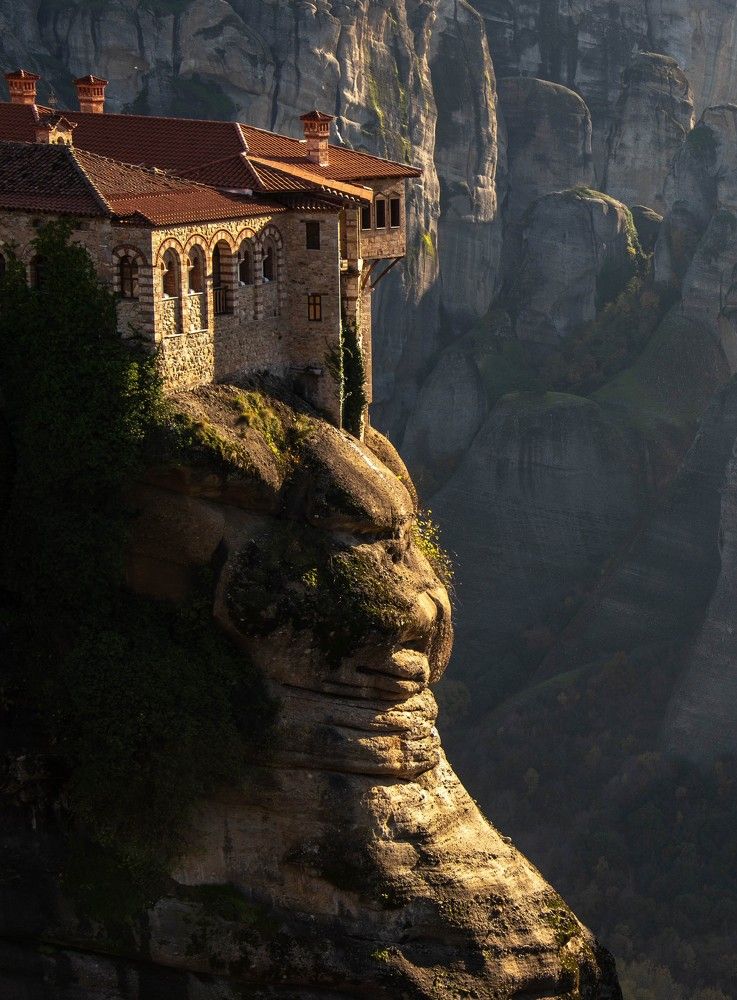
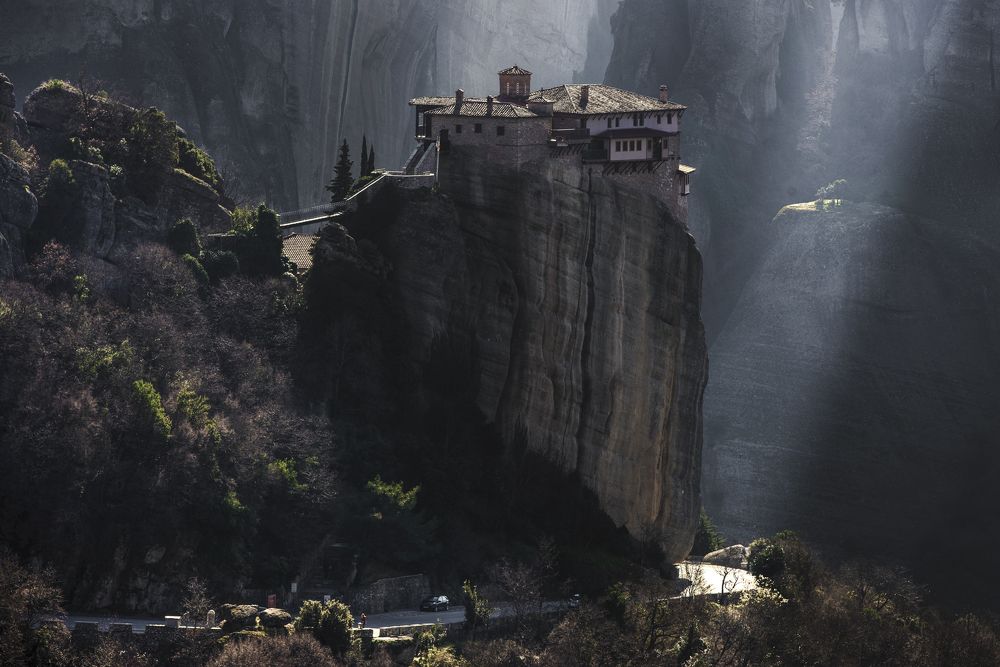
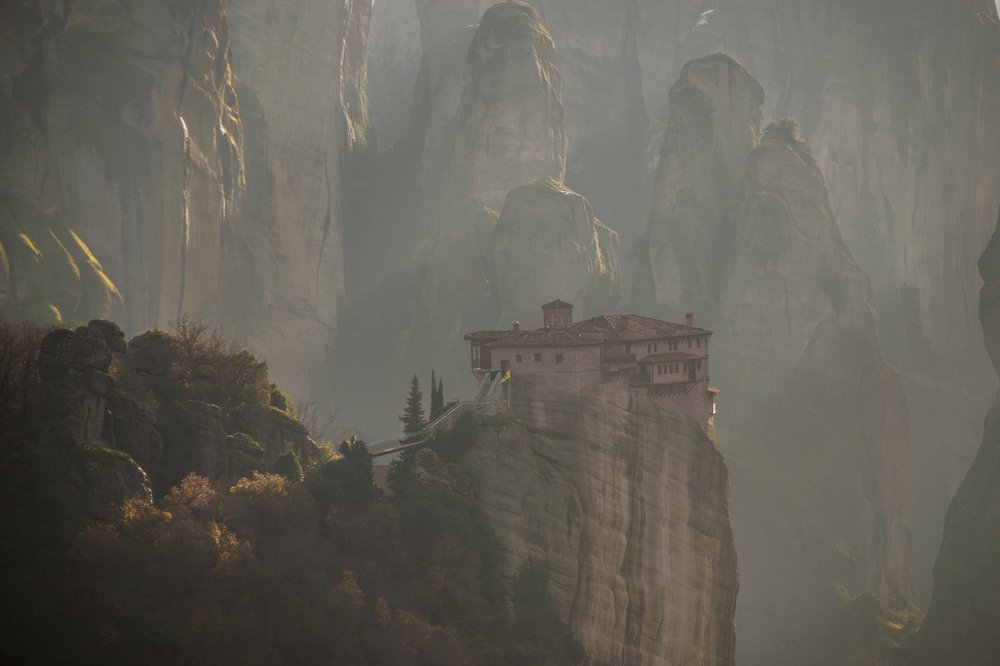
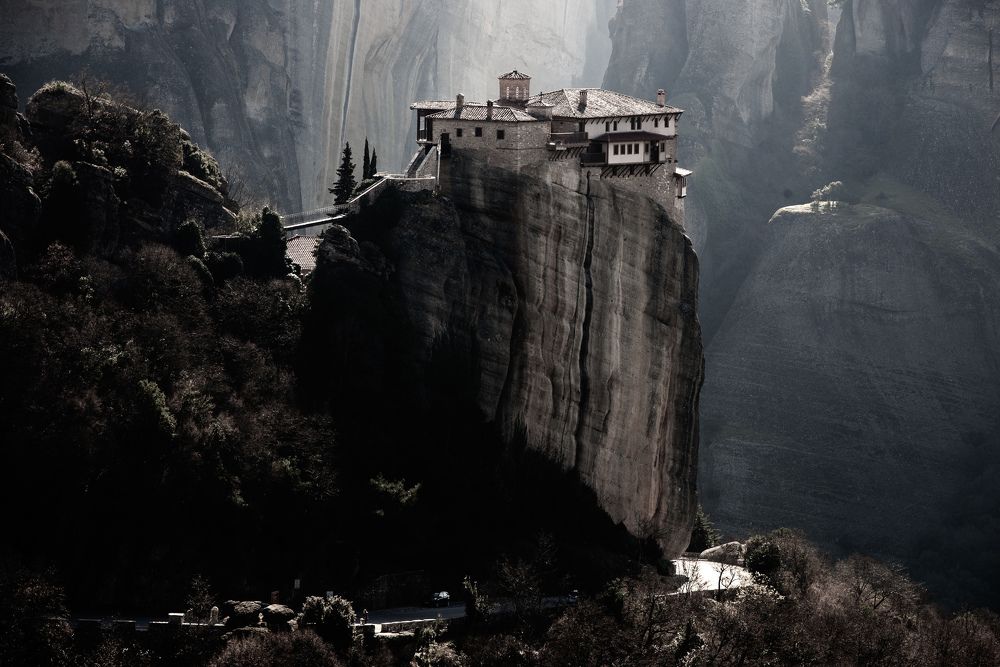
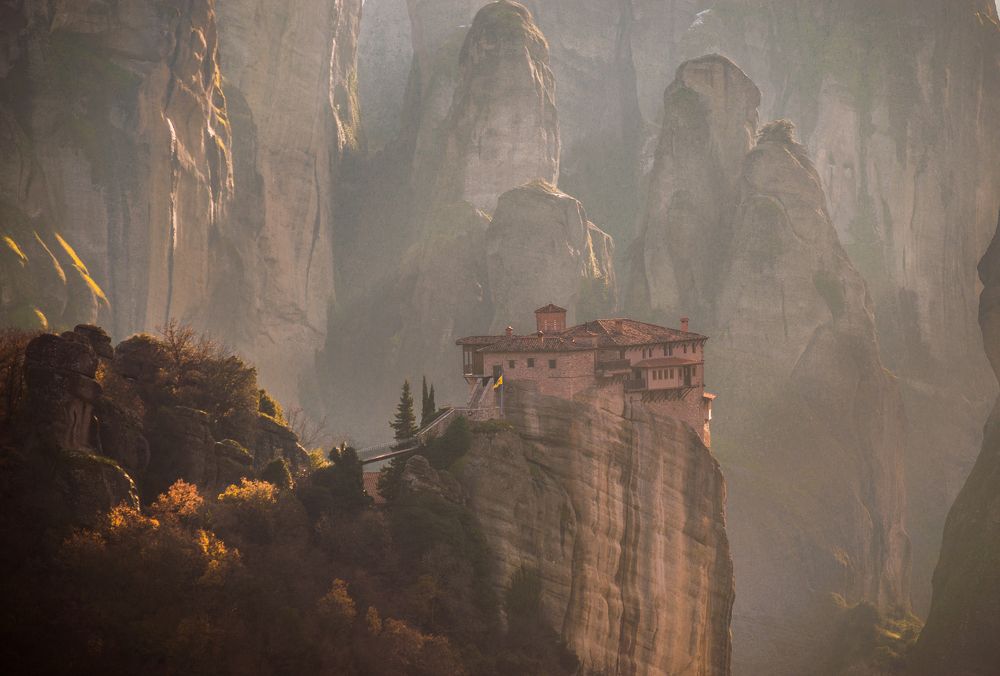
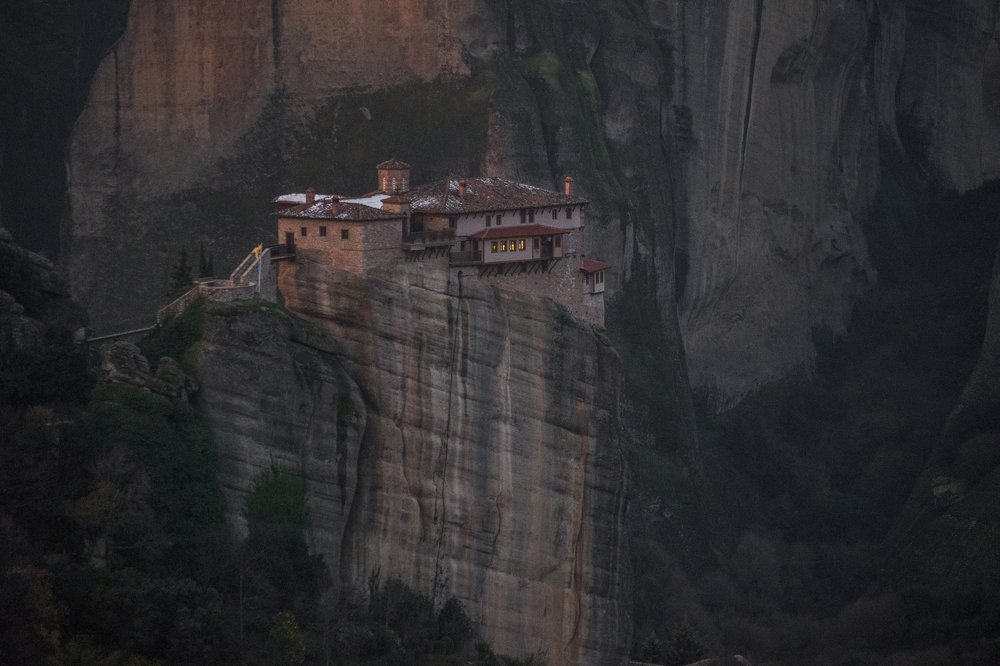
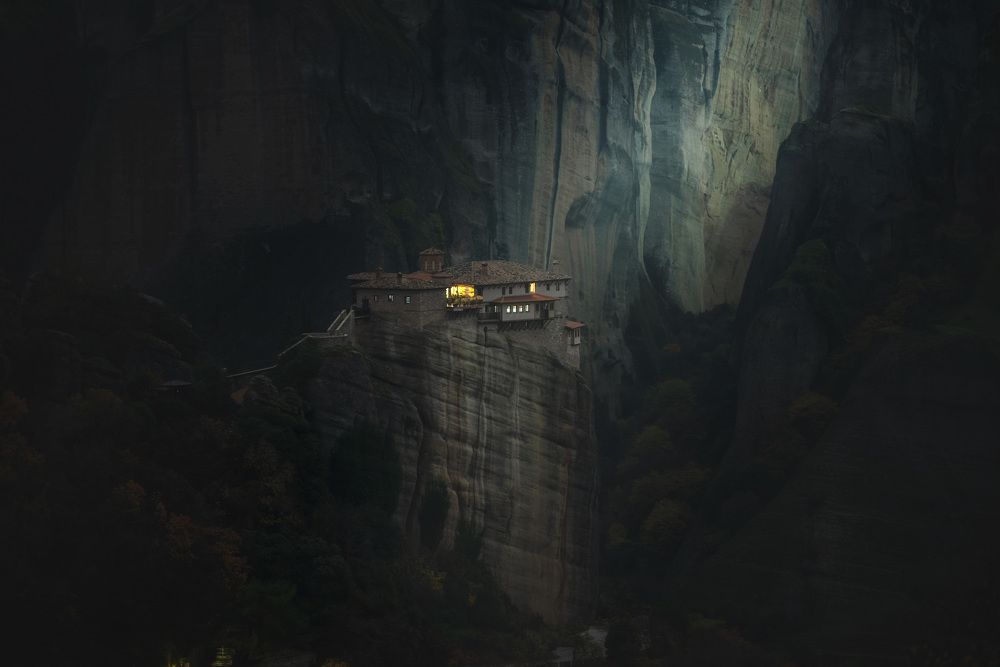
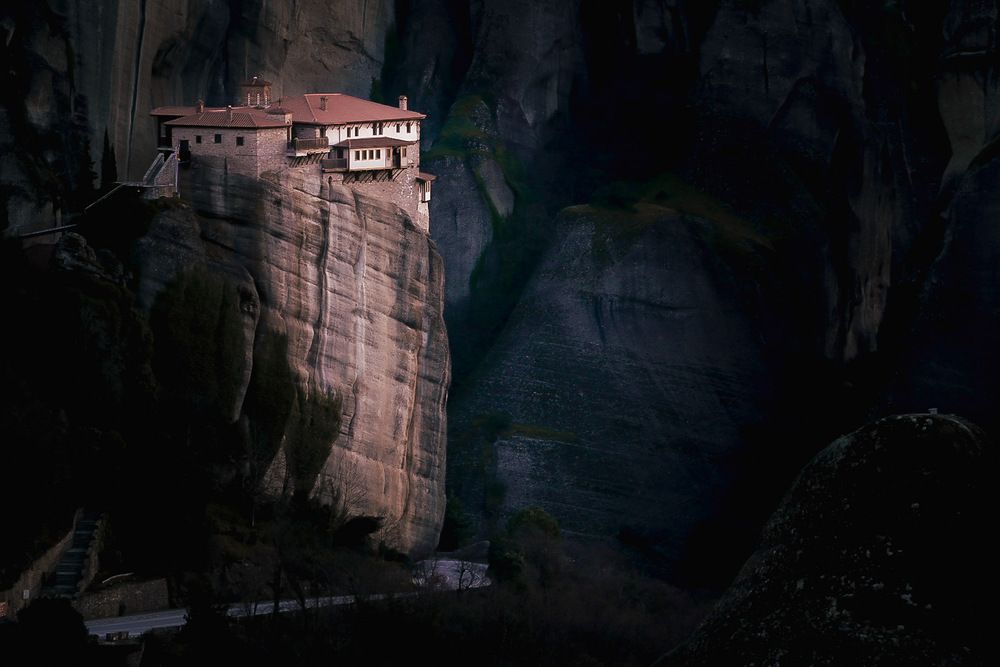
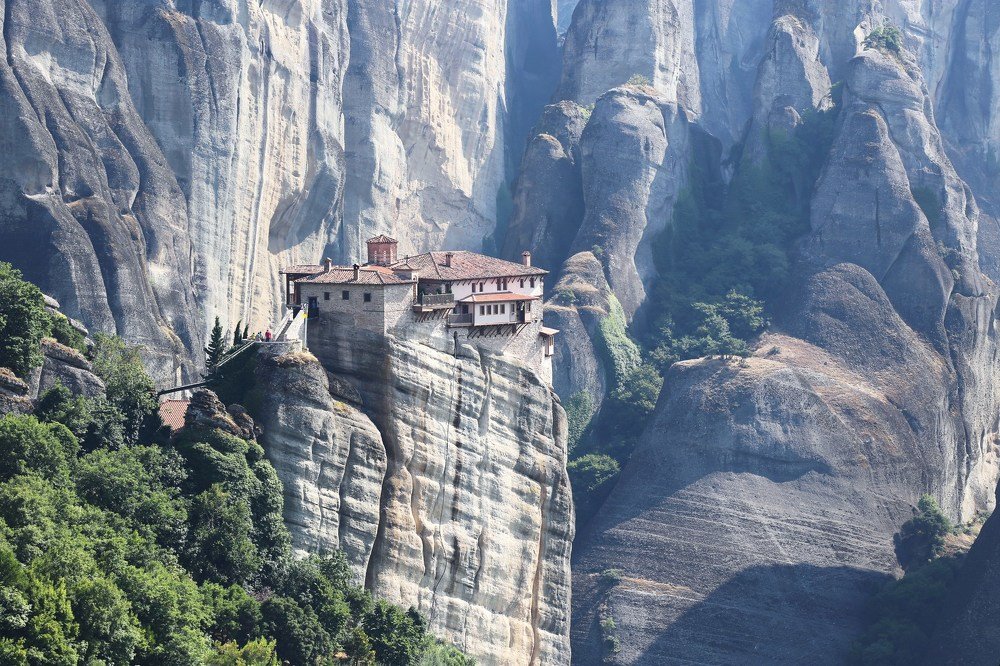
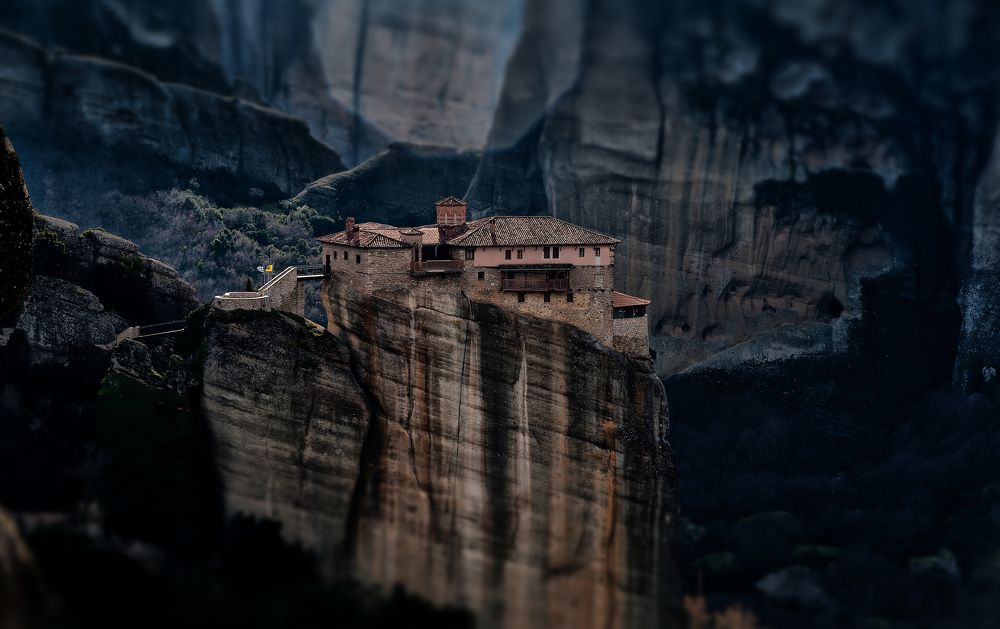
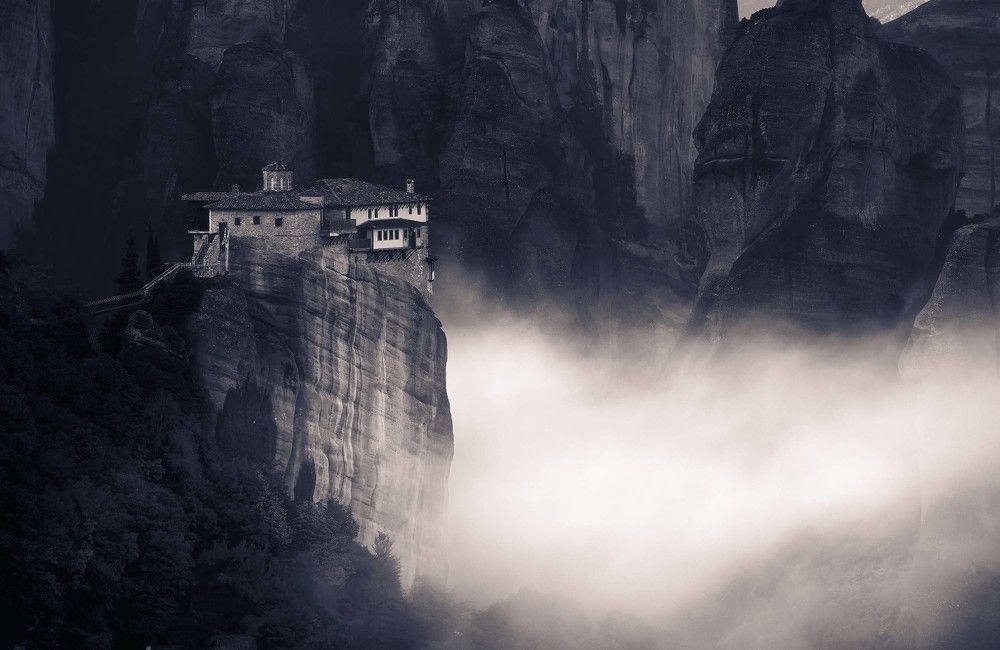
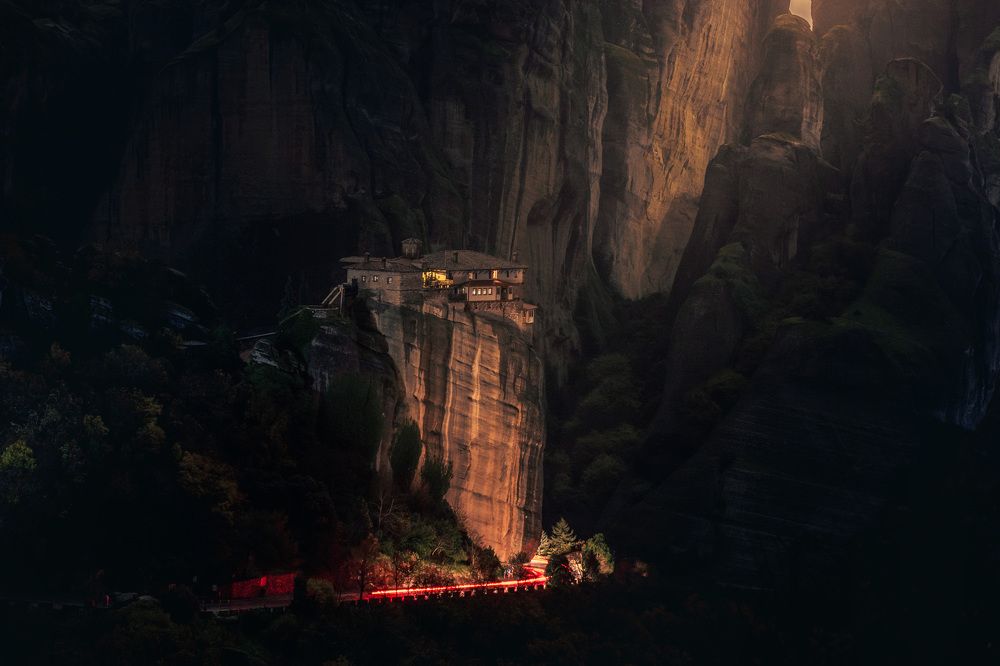
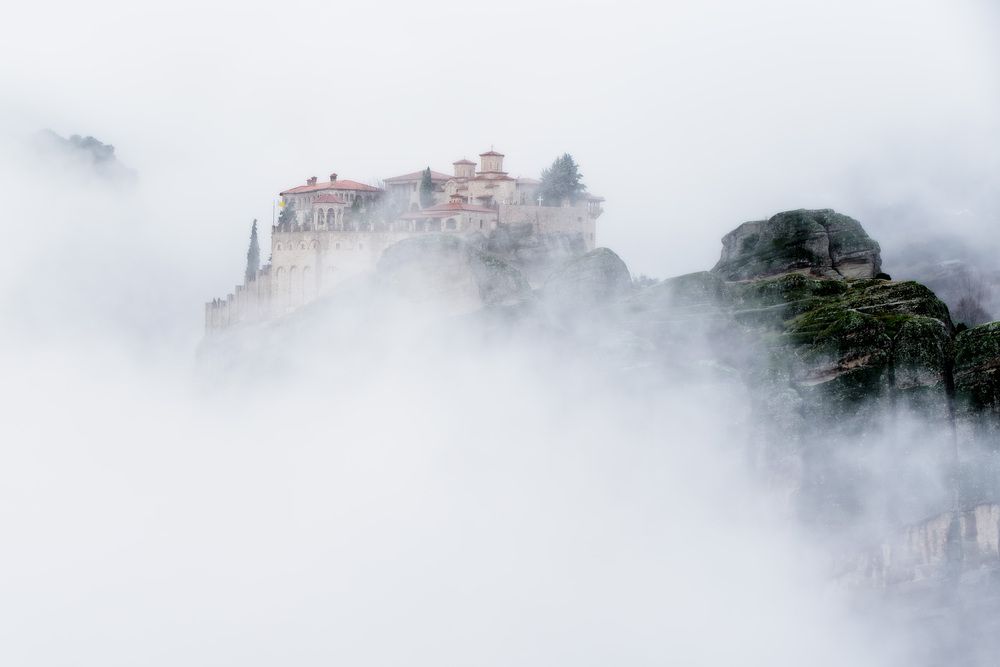
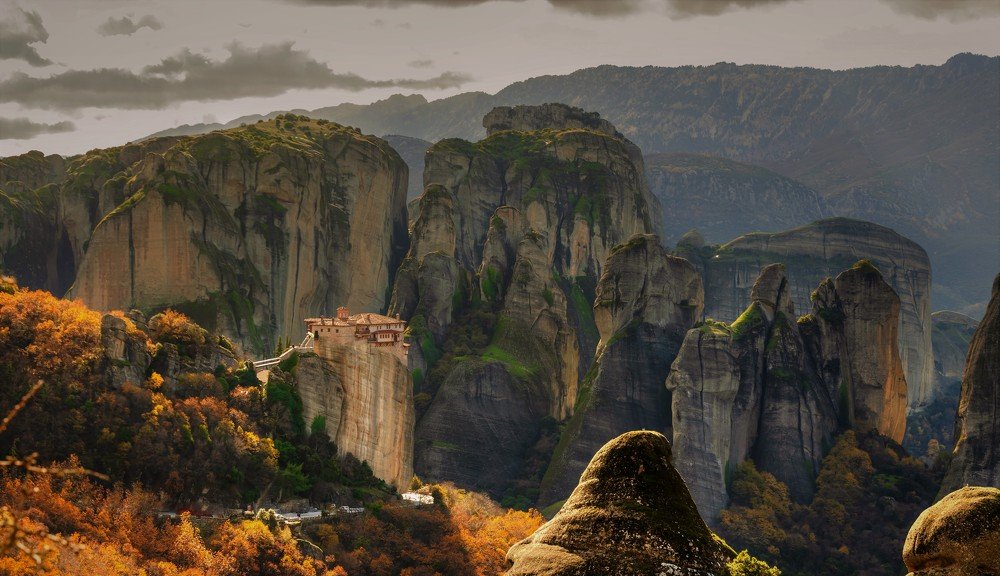
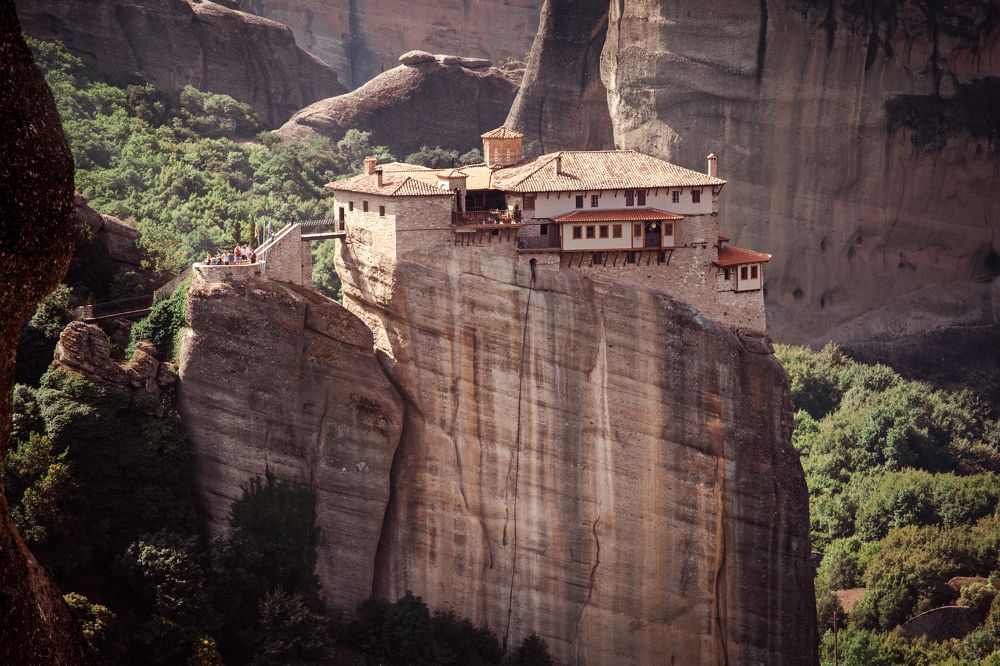
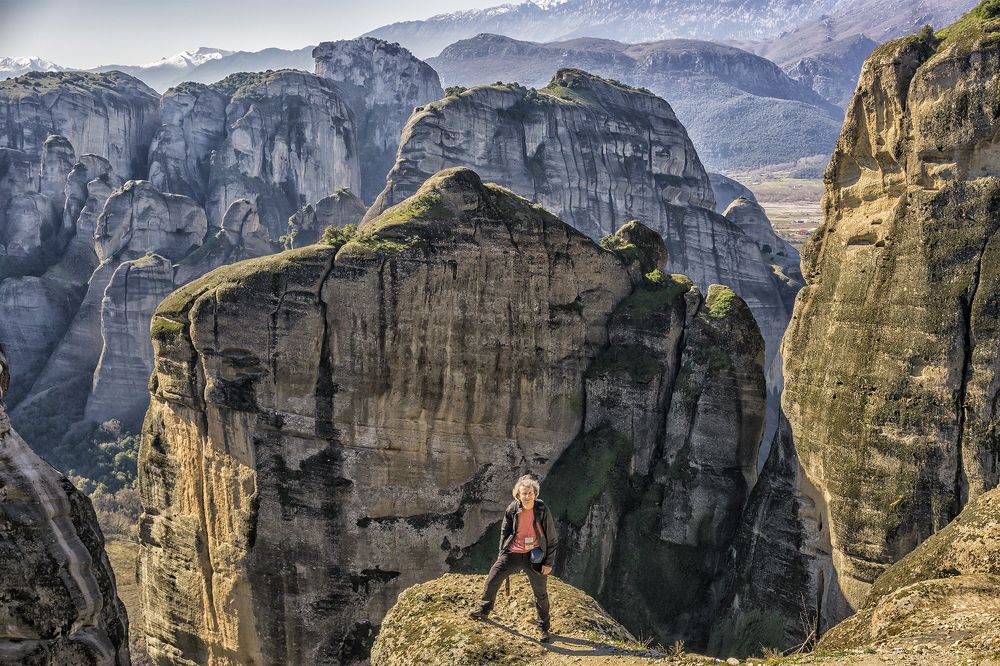
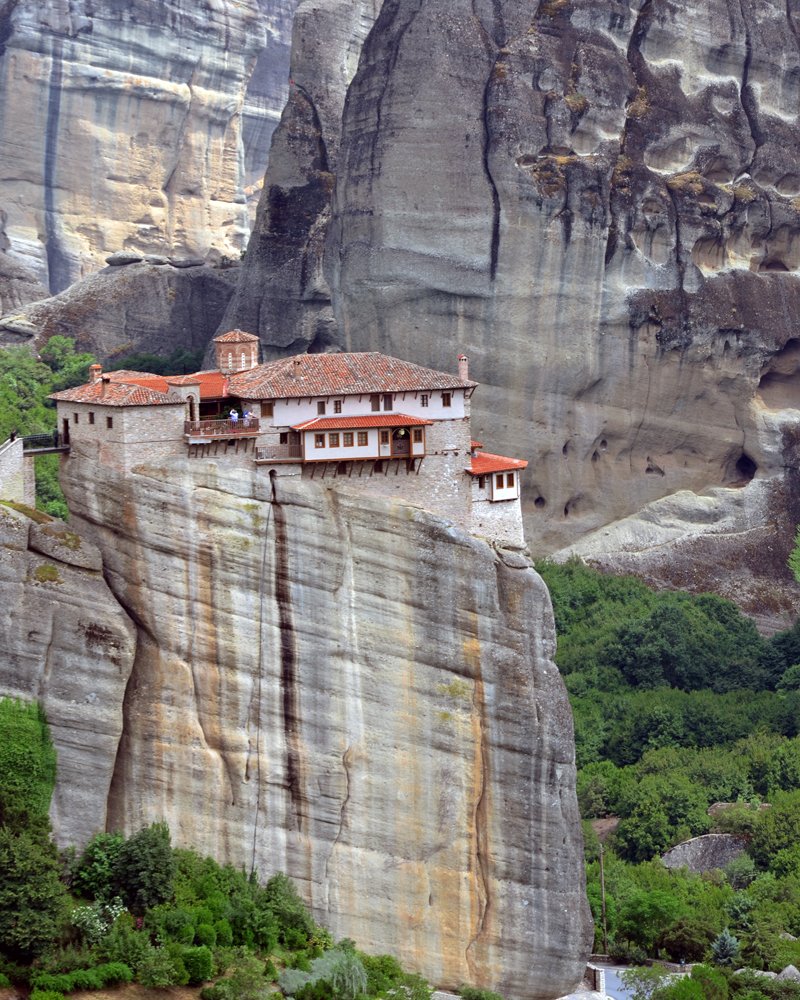
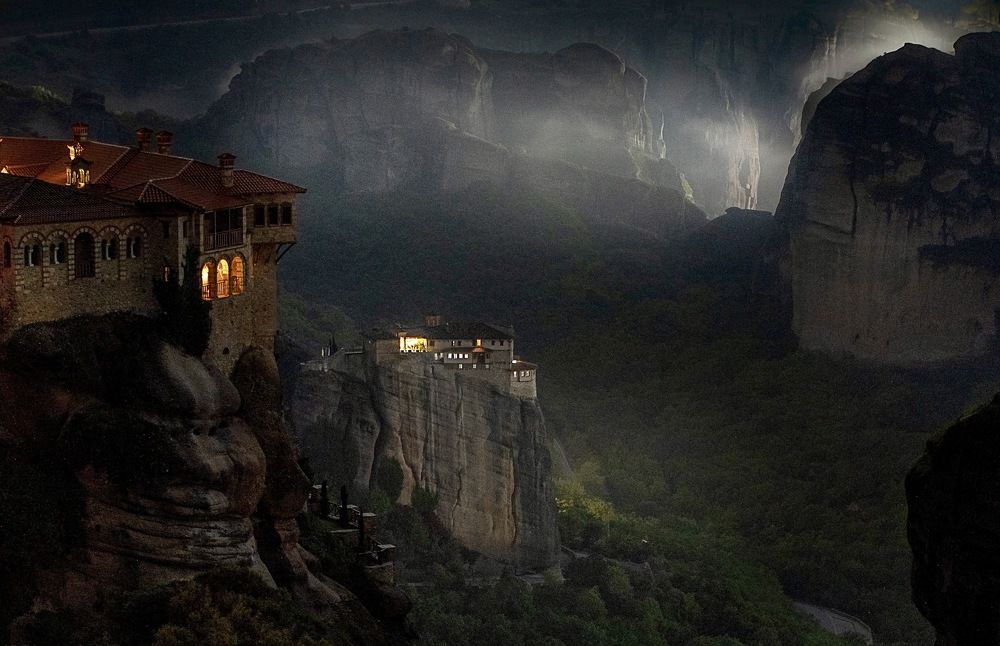
These images depict the rock formations and monasteries of Meteora in Northern Greece. Photographers are drawn to the dramatic vertical scale created by massive sandstone pillars rising above the valley floor. The collection demonstrates varied shooting approaches, capturing the sites during different times of day to highlight contrasting lighting conditions on the stone surfaces. Historically significant as a site where numerous monasteries were built atop these natural rock spires, the location offers distinct visual motifs. The group is united by its focus on this specific architectural and geological landscape.
How to shoot it
📍 Where to shoot
Outdoor shooting on the peaks of high rock pillars in the Meteora Monasteries area (northern Greece).
🗺️ On the map
Based on the authors' marks on the site map.
🧭 How to get there
Base city — Kalambaka. Access to monasteries requires a hiking route; the author mentions starting the climb at 2:30 AM, indicating the need for early arrival and physical fitness to overcome the altitude.
🕐 Time of day
Most shot between 13:00 and 16:00 (41% of frames)
Based on 17 frames with camera data. Camera clock time; the time zone is unknown.
Shooting mostly occurs during the day, with peak activity at 15:00 and in the afternoon (12:00–19:00). This time provides sufficient light to convey rock relief without needing long exposures.
🗓️ Season
Most shot in: December, February, March
Based on 17 frames with camera data
Most shots were taken in winter and early spring months: December, February, and March. The weather is often clear during this period, allowing shooting at low ISO and short shutter speeds.
🎫 Access and rules
Access to monasteries requires a hiking route along the rock pillars. Entry to monastery grounds is usually paid, and visits require observing silence and dress codes typical of active religious sites.
🎒 Gear
Use a telephoto lens (70–200 mm and longer) to compress perspective and convey the scale of the rocks. Aperture f/8 provides the necessary depth of field, and a tripod is not essential due to short shutter speeds.
Cameras and lenses the authors used (10)
Nikon D610 3Nikon D5300 3Canon EOS 5D Mark II 1Nikon D7000 1Canon EOS 6D 1AF-S DX VR Zoom-Nikkor 55-200mm f/4-5.6G IF-ED 3Tamron SP 70-200mm f/2.8 Di VC USD G2 (A025) 2Canon EF 70-300mm f/4-5.6L IS USM 1Canon EF 70-200mm f/4L USM 1AF Nikkor 85mm f/1.8 1
🧳 What to bring
Warm clothing (down to -7°C), comfortable hiking shoes, flashlight for early start, spare batteries, and rain cover for gear. Bring water and snacks, as the route requires physical fitness.
⚙️ Settings
Shutter 1/320 (1/800 – 1/100)Aperture f/8 (f/4.5 – f/9)ISO 100 (100 – 640)Focal length 135 mm (31 – 200)
Based on 14 frames with camera data. Median and 10-90% range across the idea frames.
Key parameter is focal length: median 135 mm (79% of shots taken with telephoto lenses). Shutter speeds are short (median 1/300 s), ISO is low (median 100), aperture f/8.
⚠️ Good to know
Monasteries are active religious sites: observe silence and dress code (covered shoulders and knees). A comment mentions early morning when nuns sing prayers — this time requires special delicacy and respect for the inhabitants.
📈 How the idea developed
works uploadedshare of all site uploads, per 100k
The date is when the file was uploaded to the site. The chart counts works assigned to the idea.
✅ How to repeat it
- Shoot on clear winter days for contrast between warm tones of foliage (if any) or bare rock against a cold sky.
- Use a telephoto lens to isolate individual monasteries from the general landscape and emphasize their 'floating' position.
- Arrive in Kalambaka early to catch sunrise or early morning for soft light and fewer crowds.
✨ Interesting facts
- 🏆 How the best frame was shot: Canon EOS 5D Mark II, Canon EF 70-300mm f/4-5.6L IS USM, 1/500, f/7.1, ISO 640, 176 mm
- 🔇 79% of frames were shot at ISO 400 or lower: almost no noise, any modern camera will do
- 📐 73% of frames are landscape orientation
- 🥇 2 works reached the finals. Best contest: Cultural landmarks of the planet 2021
- 👤 Most frequent authors: Nikos Leonov 15Apostolos Kaloudis 3
- 🌍 Authors by country: 🇬🇷 GR 18🇷🇺 RU 4🇧🇬 BG 1🇱🇹 LT 1🇺🇦 UA 1
Some tips are prepared by AI from the idea description, photos and their EXIF. Check the rules and access to places before you travel.
Works
These lists are generated automatically and may contain inaccuracies. Photos are shown in random order, and selections are refreshed twice a day. This section is made for exploring photos and does not claim 100% accuracy. The lists include photos that previously participated in contests that are already completed.