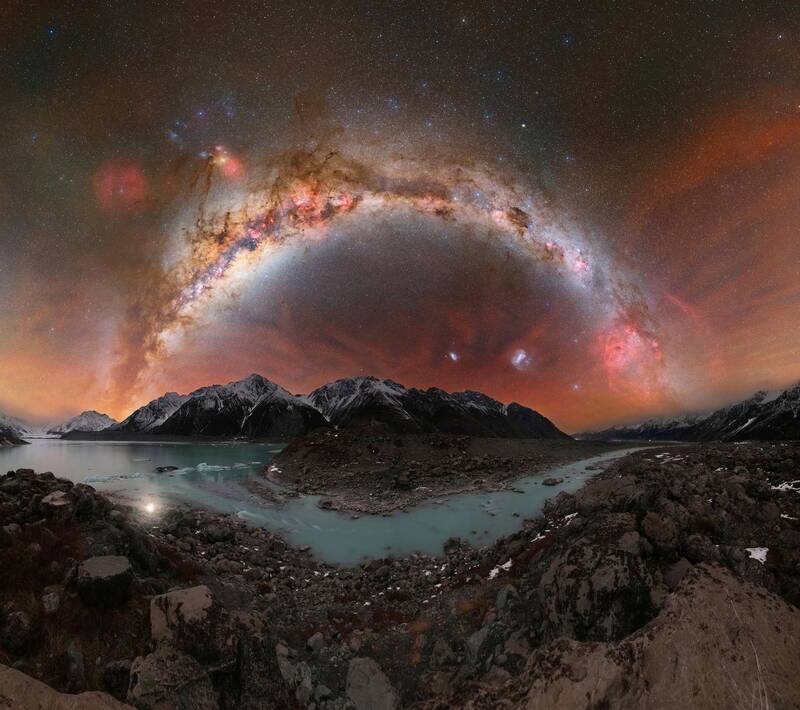
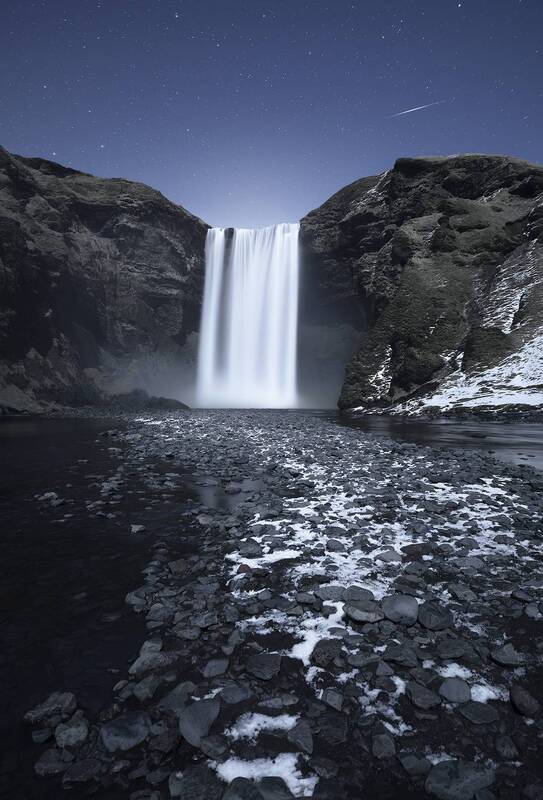
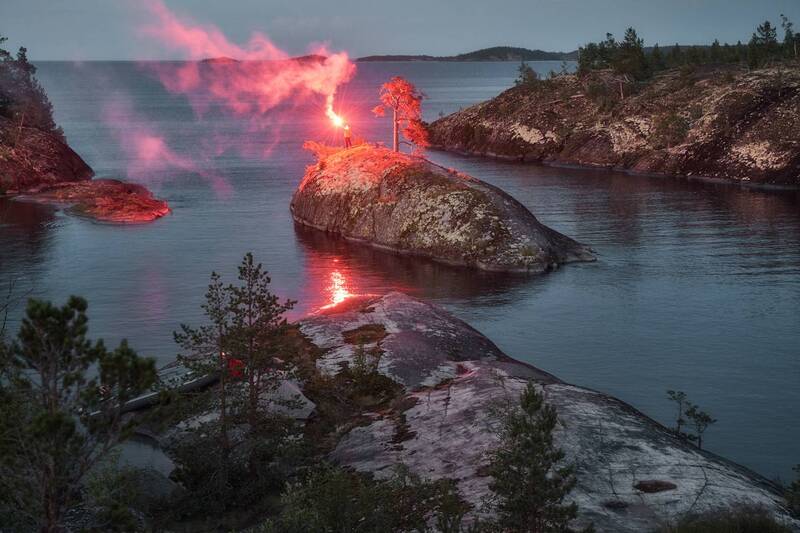
Milky Way over the Tasman River, June 2025, New Zealand [TOP100]
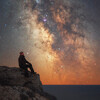
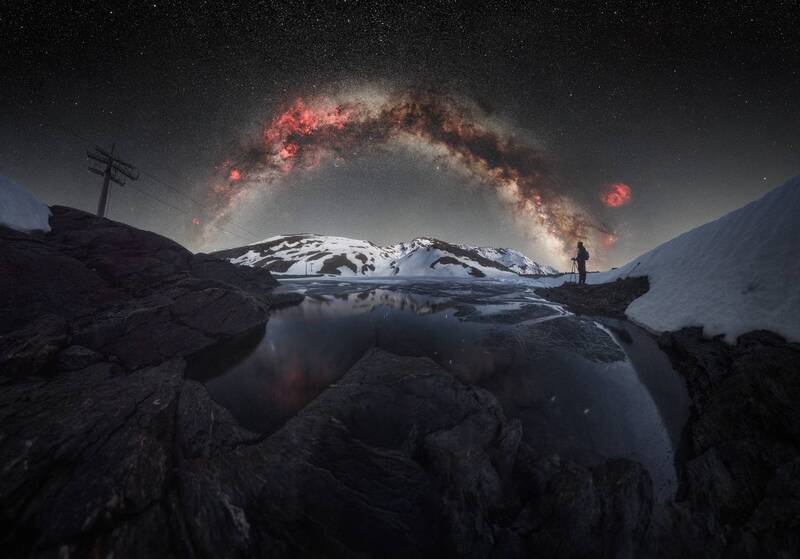
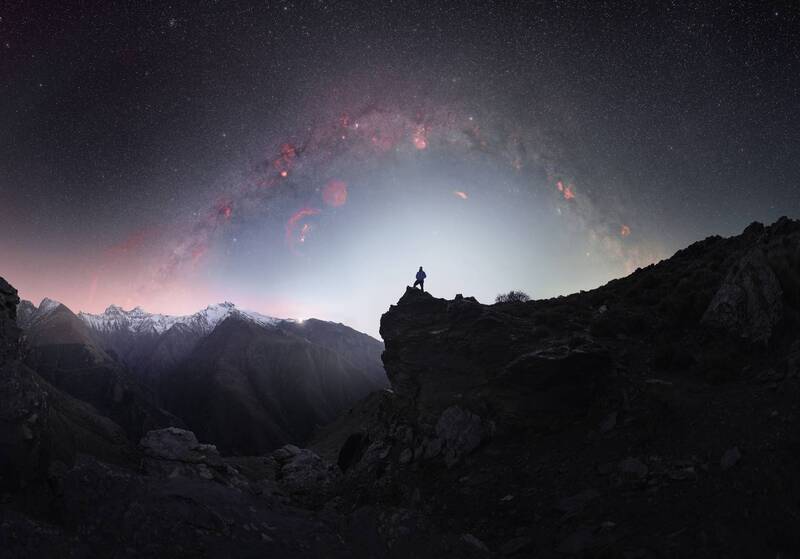
If you’re traveling to New Zealand to photograph the night sky, the South Island should be at the top of your list. The area around Aoraki / Mount Cook is an ideal destination - it’s part of a designated Bortle 1 starlight reserve, offering some of the darkest and clearest skies on Earth.
I decided to spend a night at this breathtaking location. After climbing to the top of a rocky viewpoint overlooking Tasman Lake, I was greeted by a stunning scene: chunks of floating ice drifting across the lake and the valley stretching out toward the Tasman River.
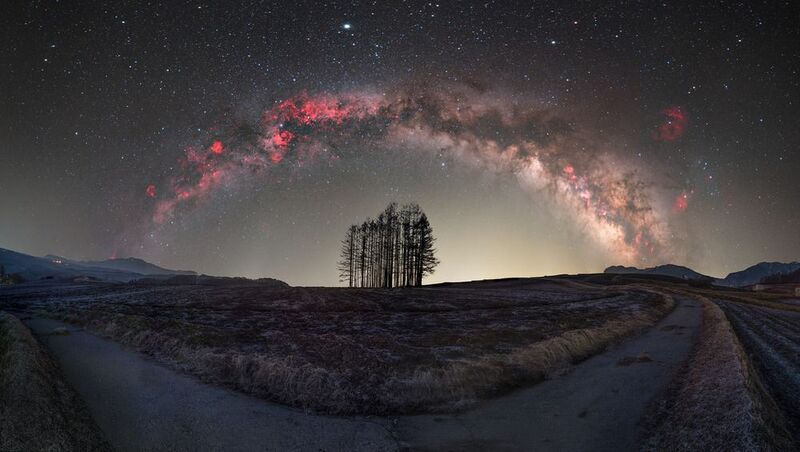
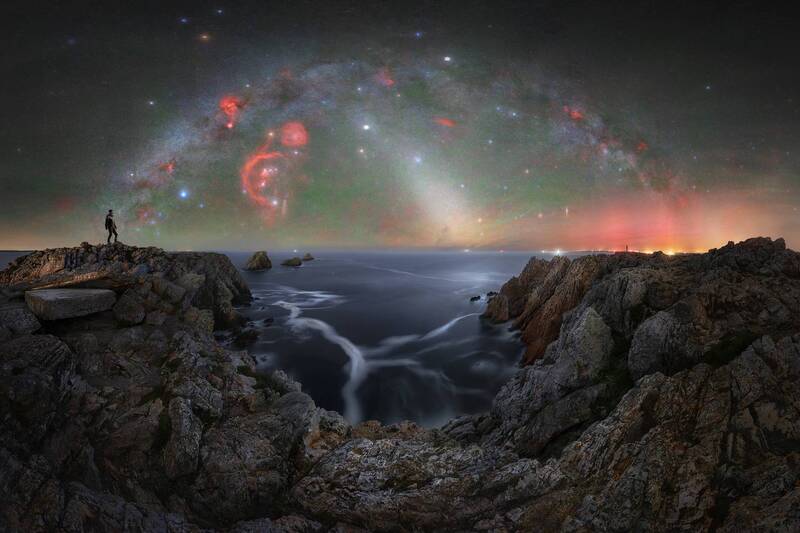
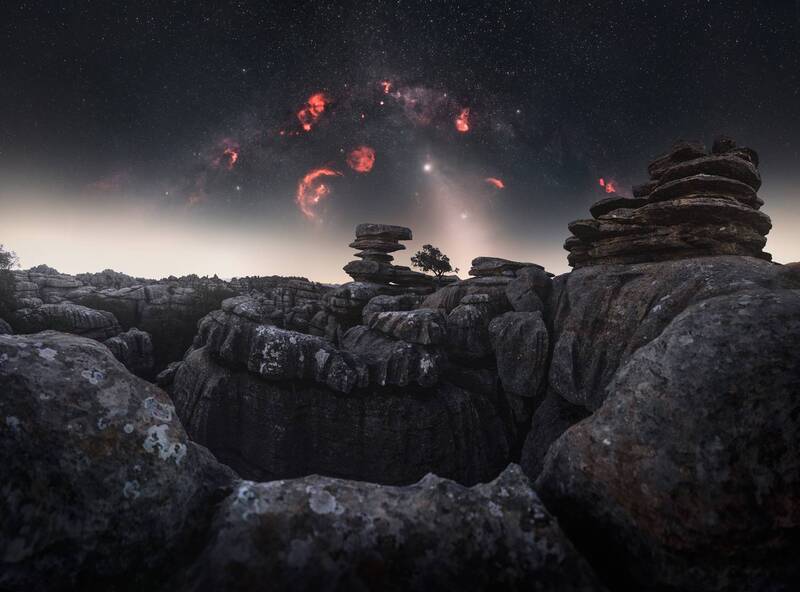
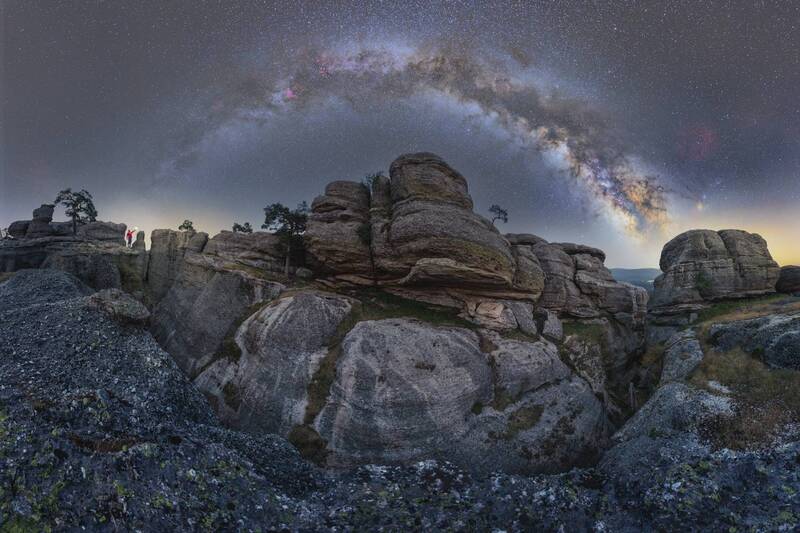
In late June, the evening Milky Way Arch appeared more rounded as we were further south. A vivid red airglow painted graceful patterns beneath the arch, adding a surreal touch to the night and making the experience truly unforgettable.
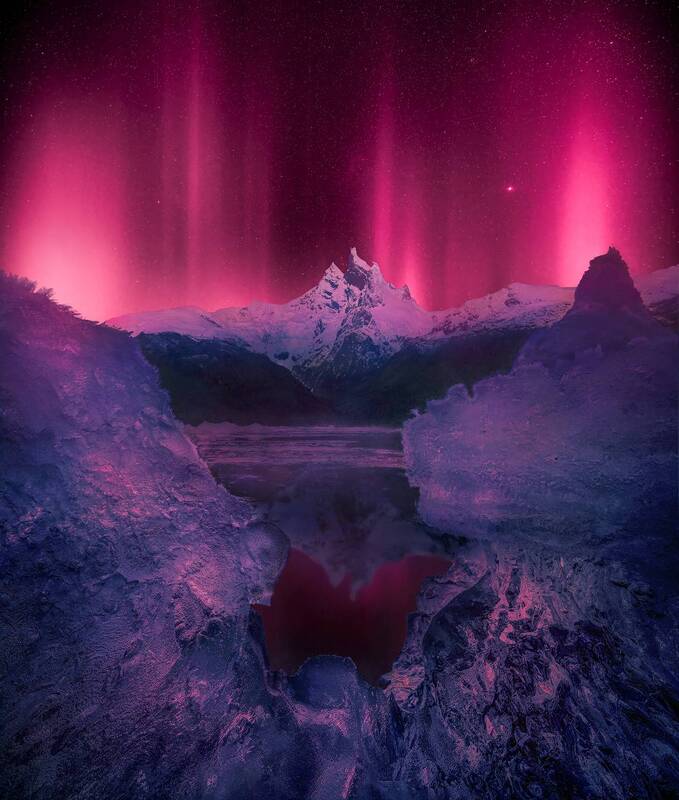
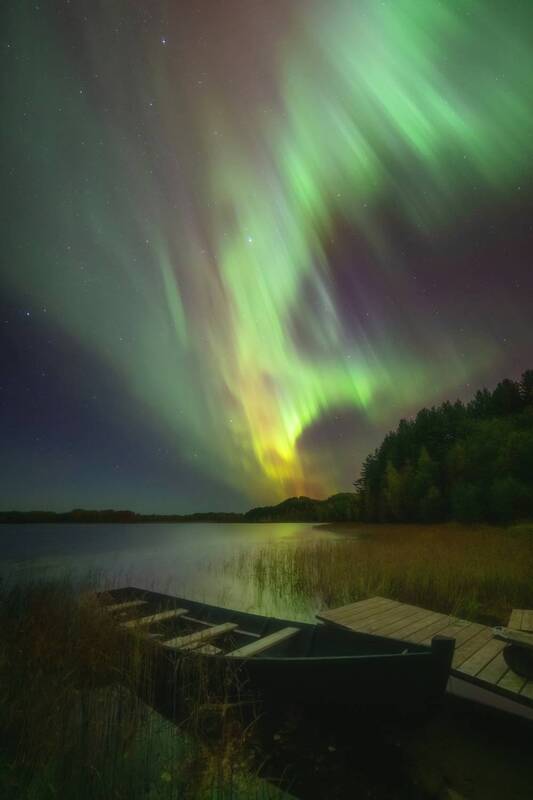
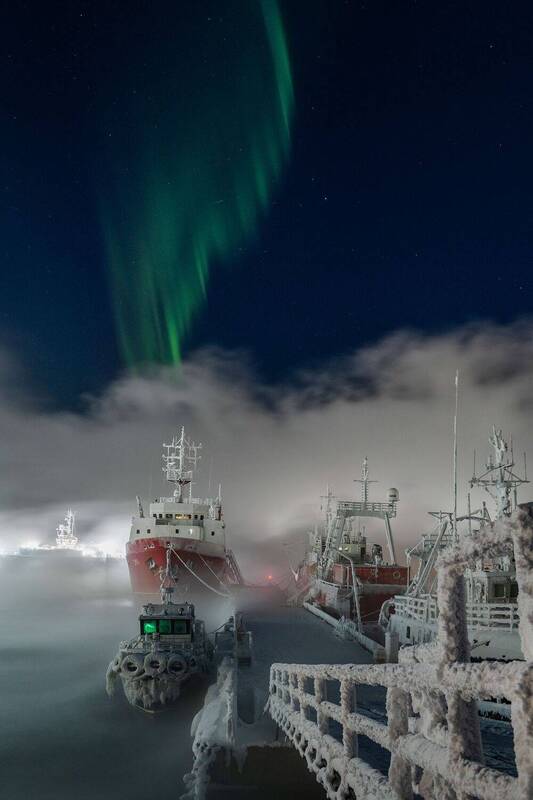
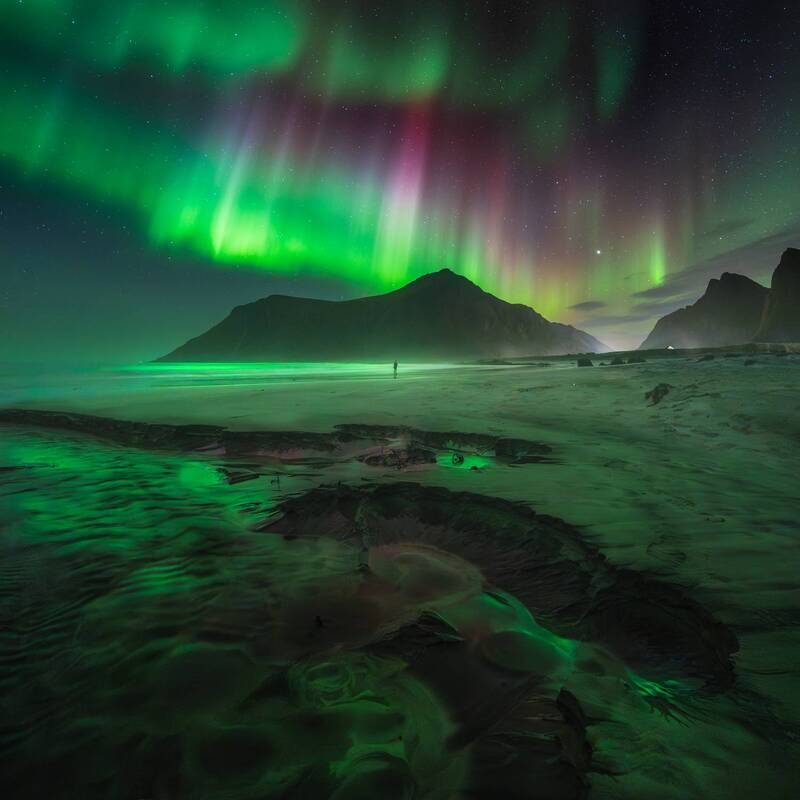
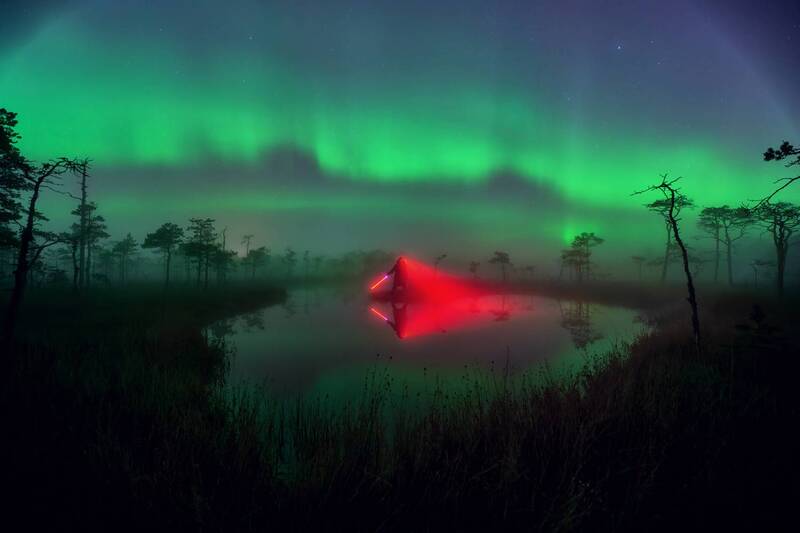
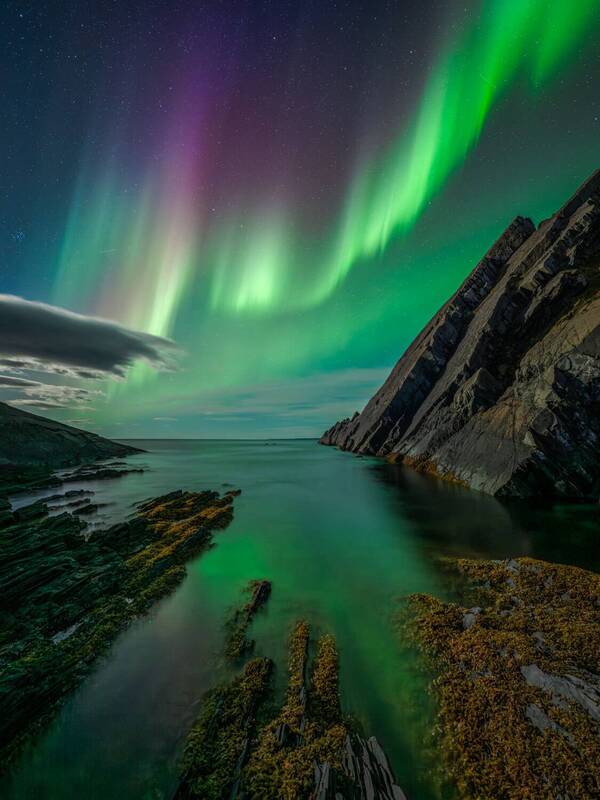
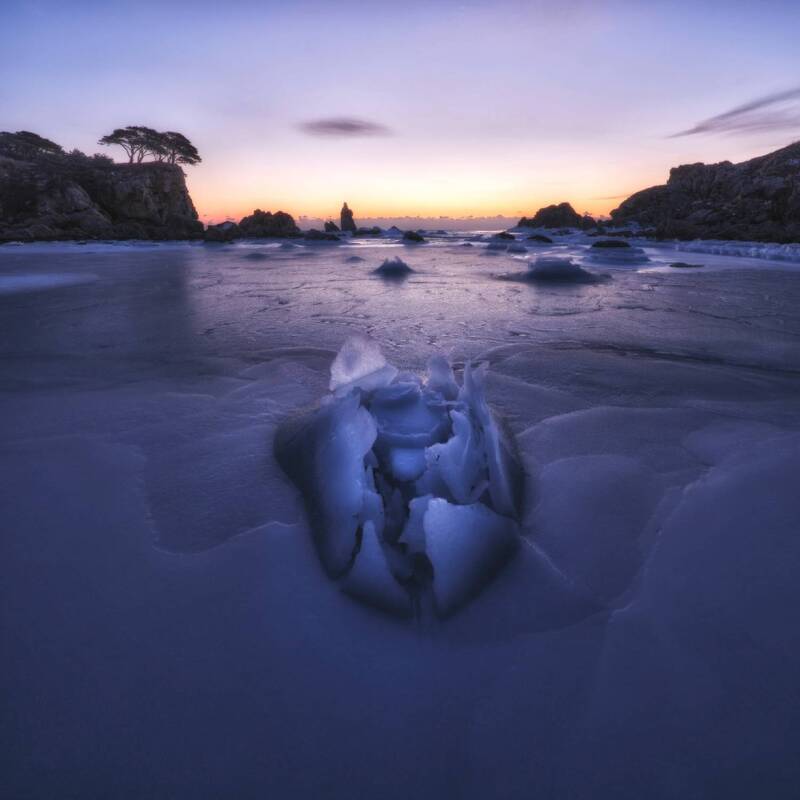
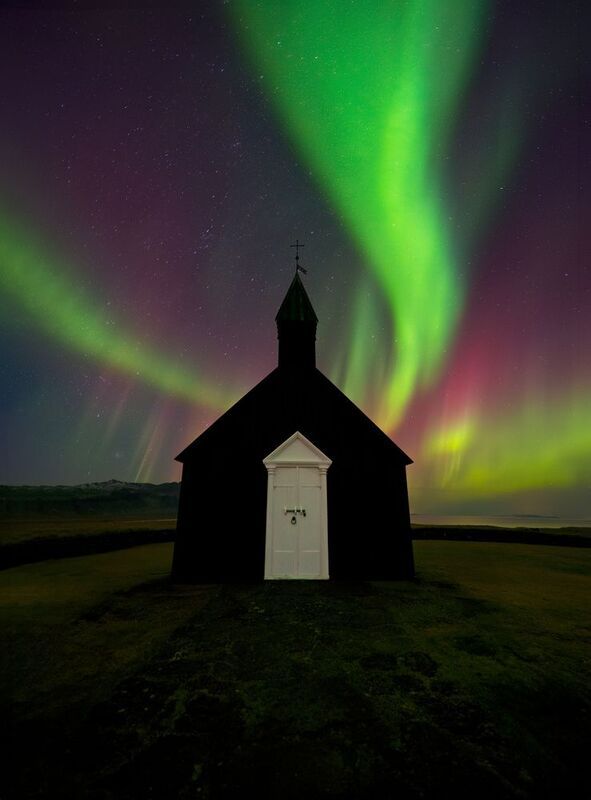
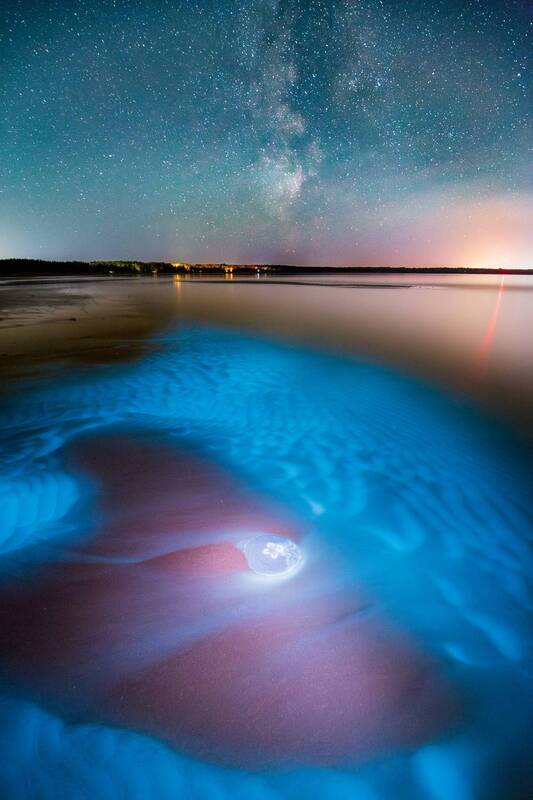
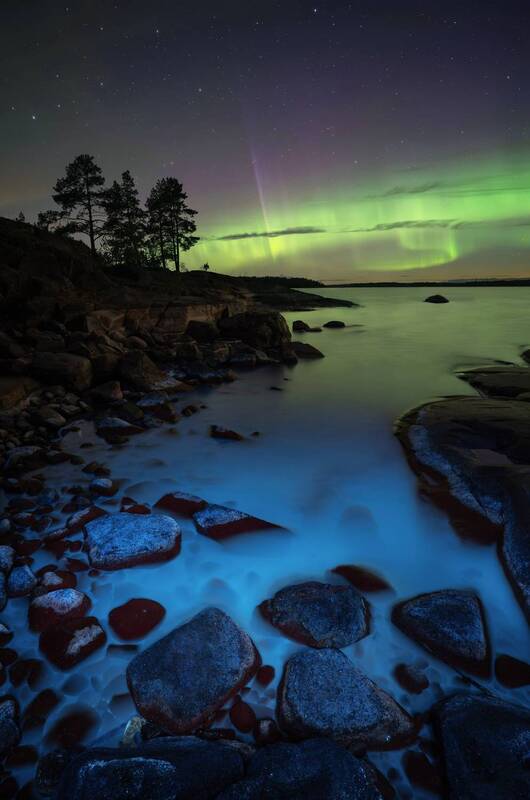
Delightful night in the middle of nowhere, when a rare red-purple Aurora Australis had been dancing up the very remote location of the Patagonian fjords! The open blue window through the sea ice meets the red reflections as a spooky element on Earth!
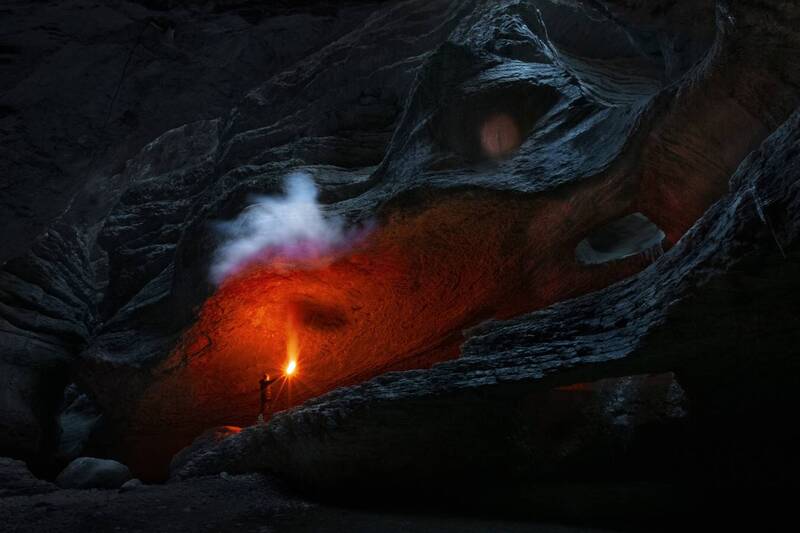
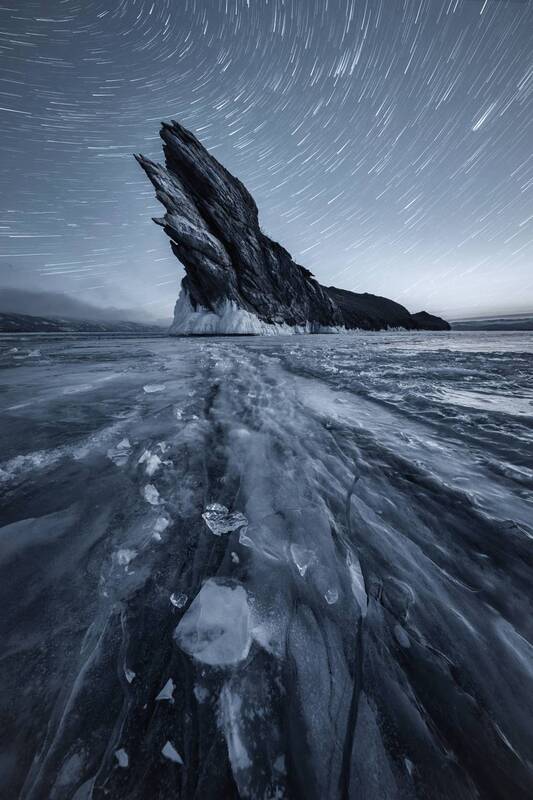
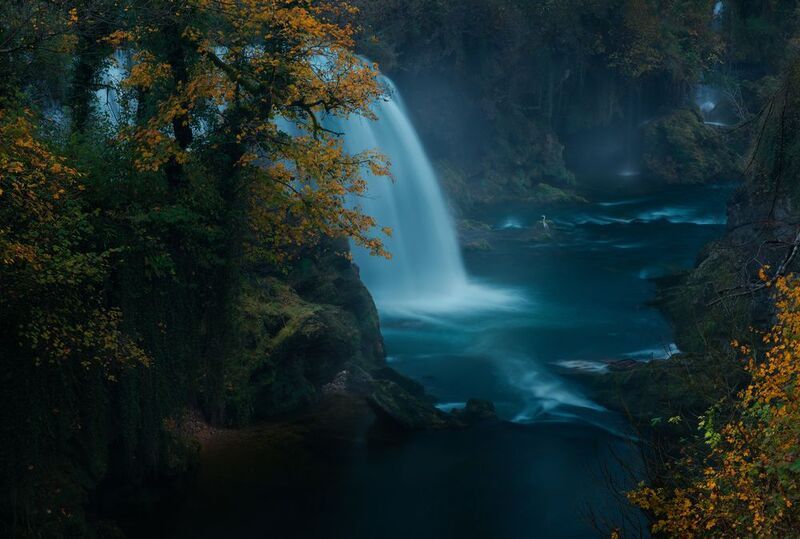
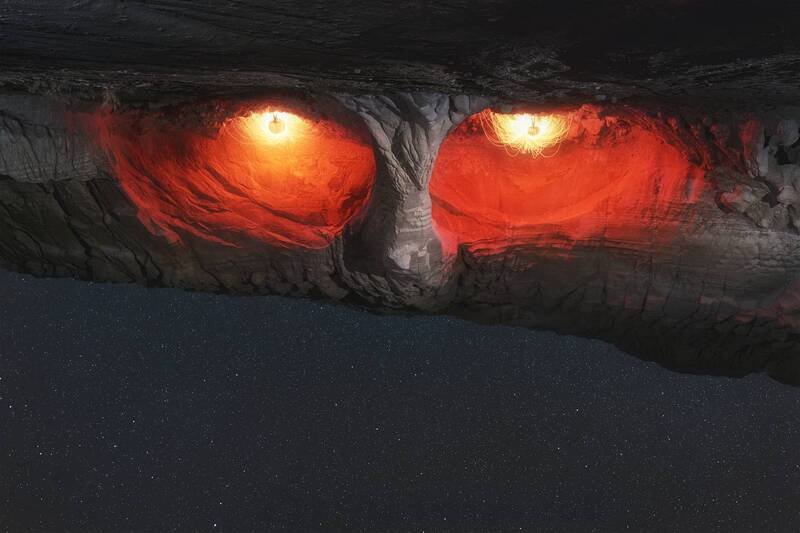
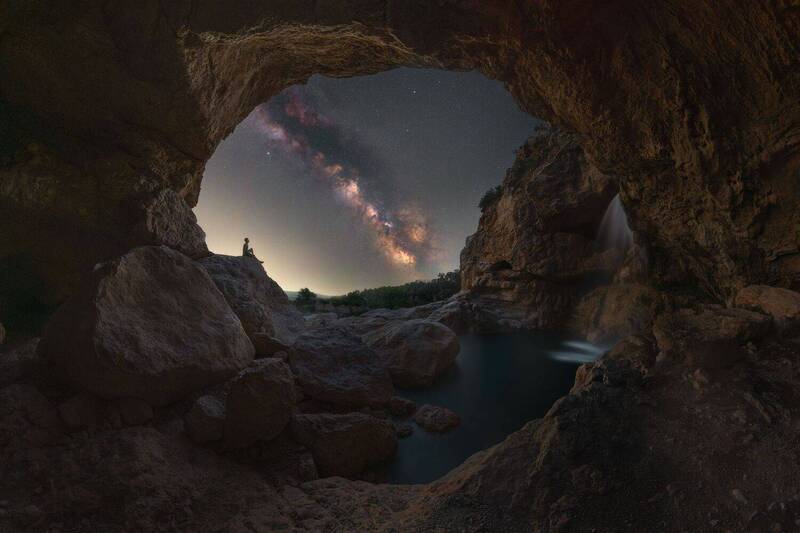
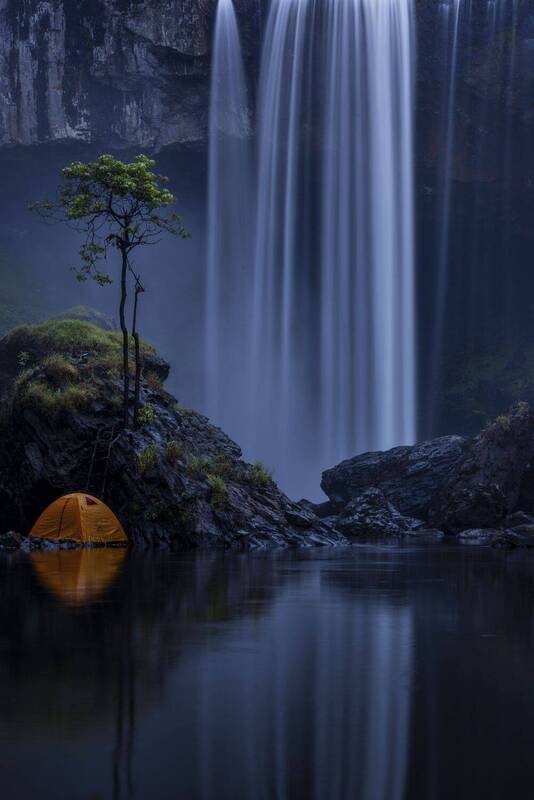
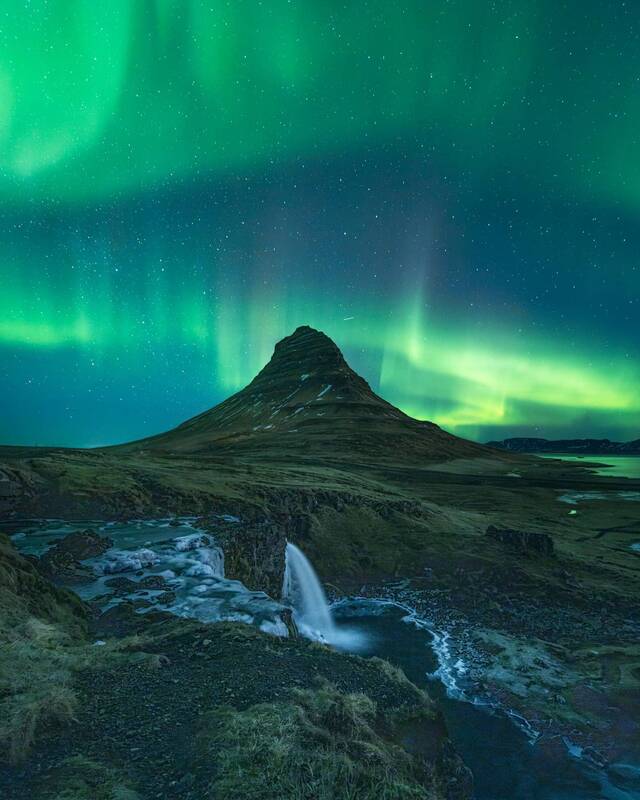
Горы хранят много тайн. Только самые смелые могут приблизиться к ним и пройти испытание на прочность. Награда не заставит себя ждать. Скала Дракон прячет в себе красивейший водопад, скрытый от глаз в недрах каньона
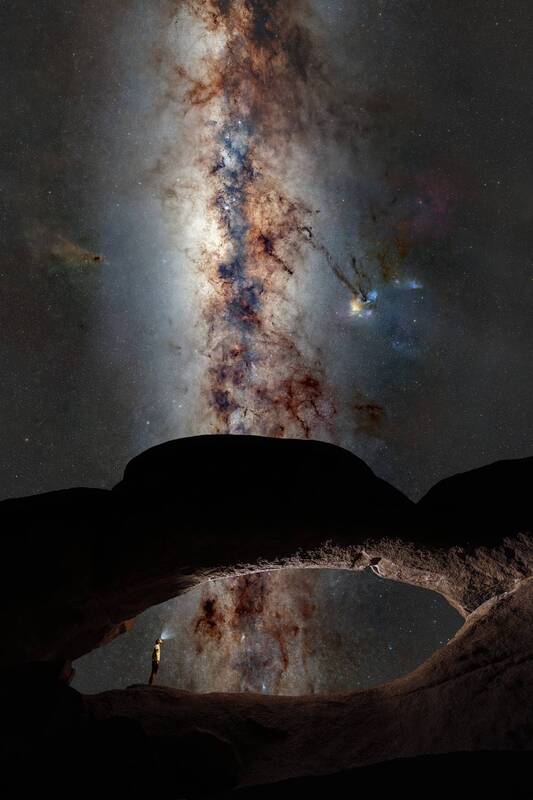
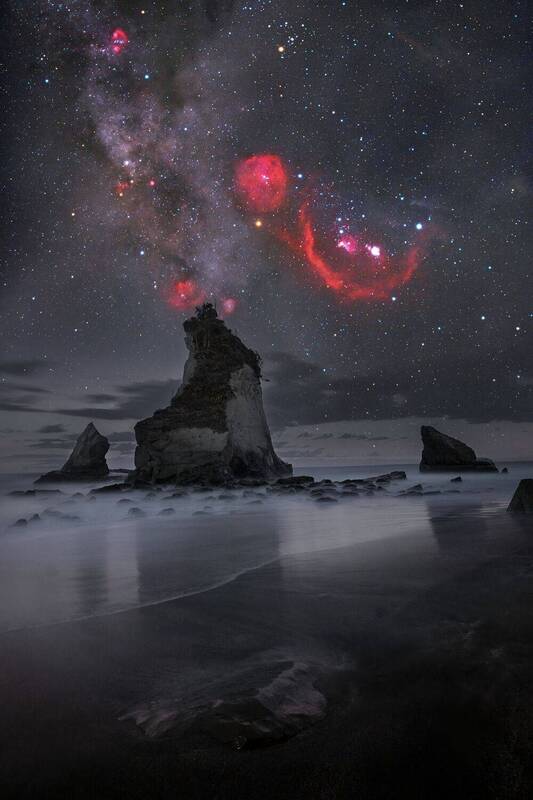
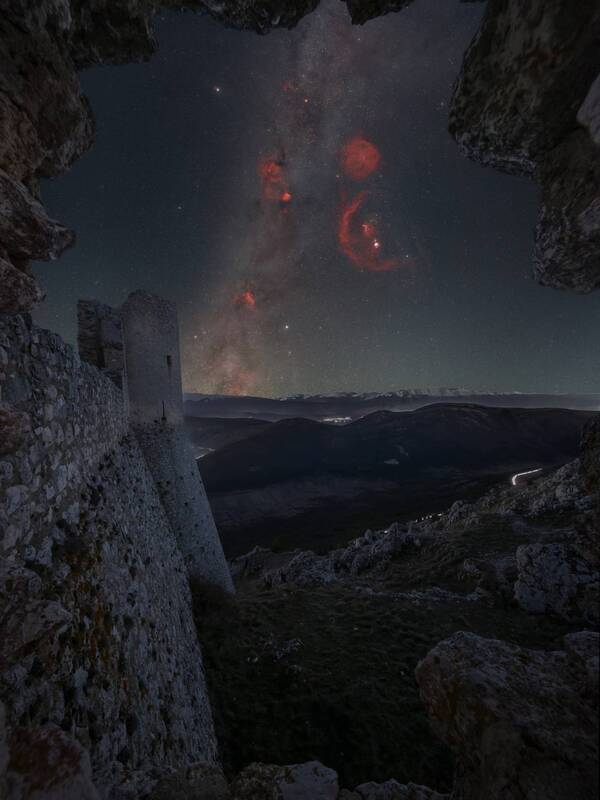
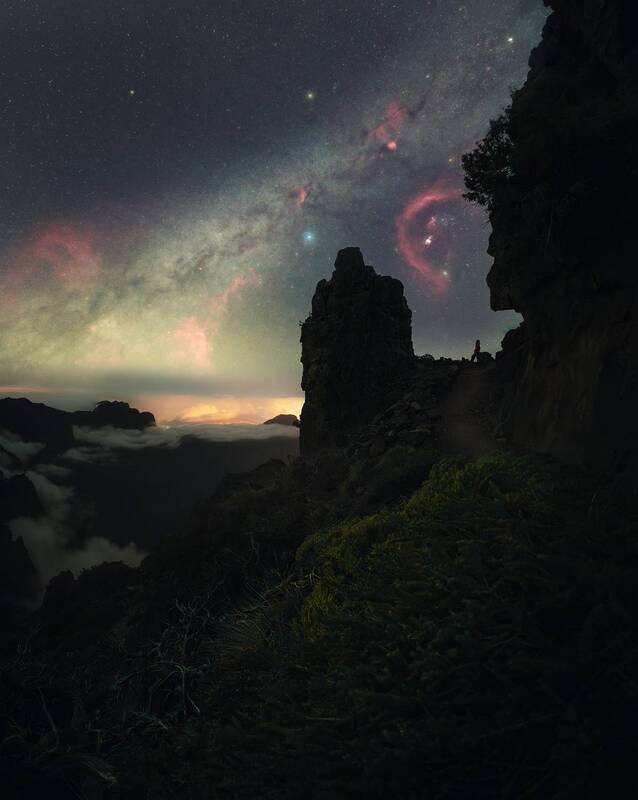
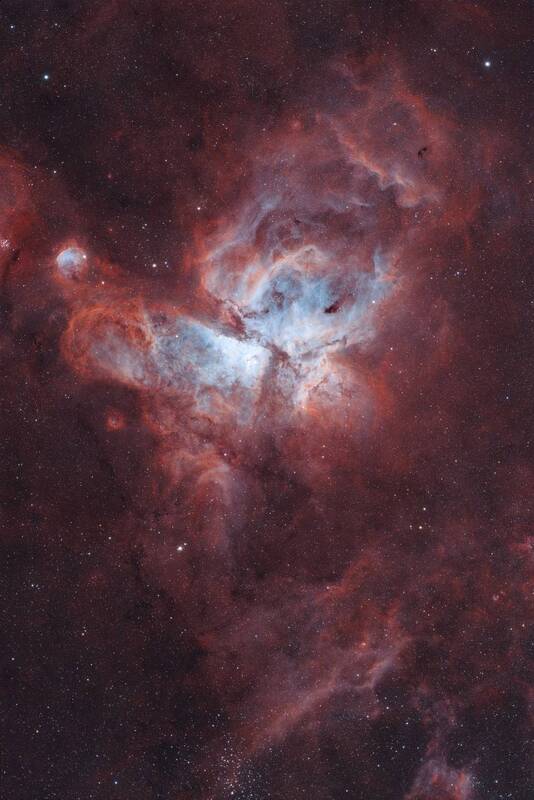
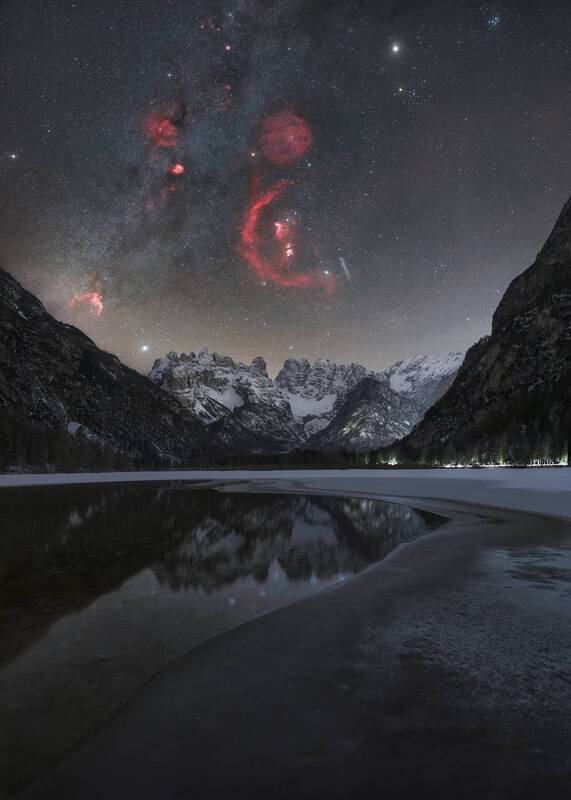
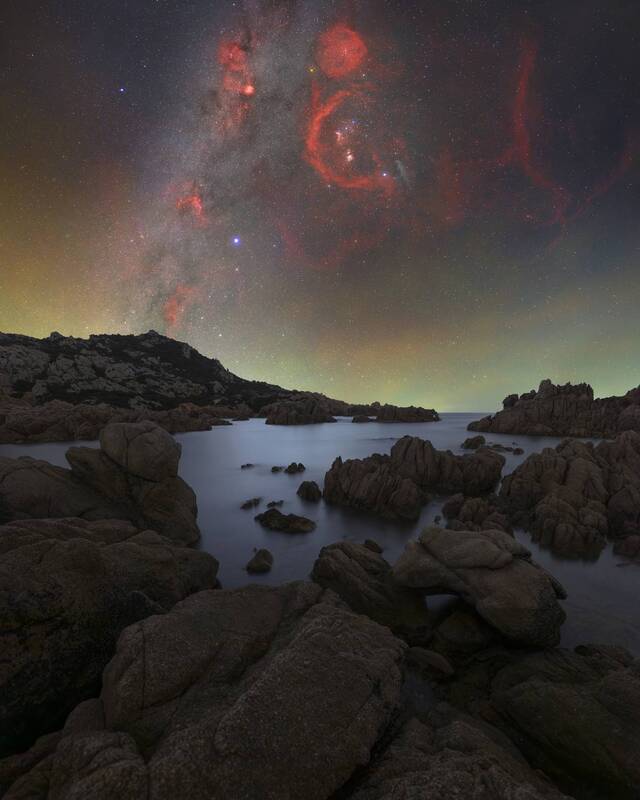
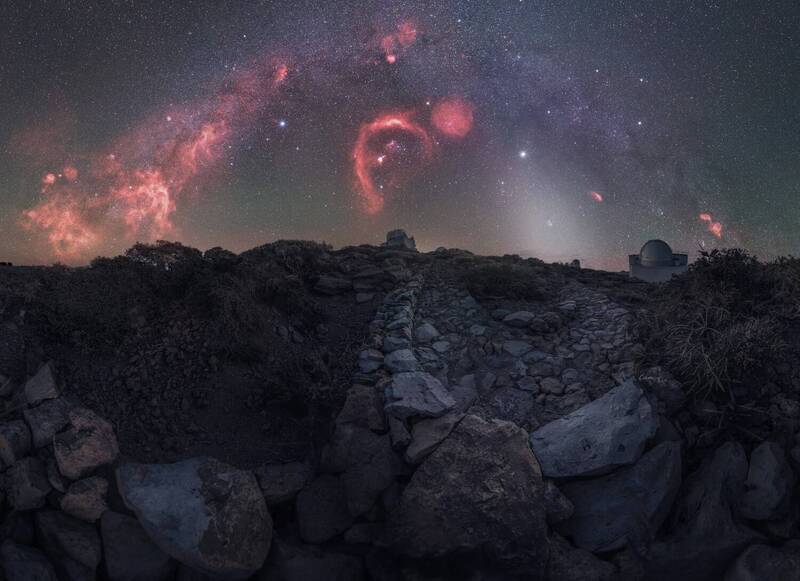
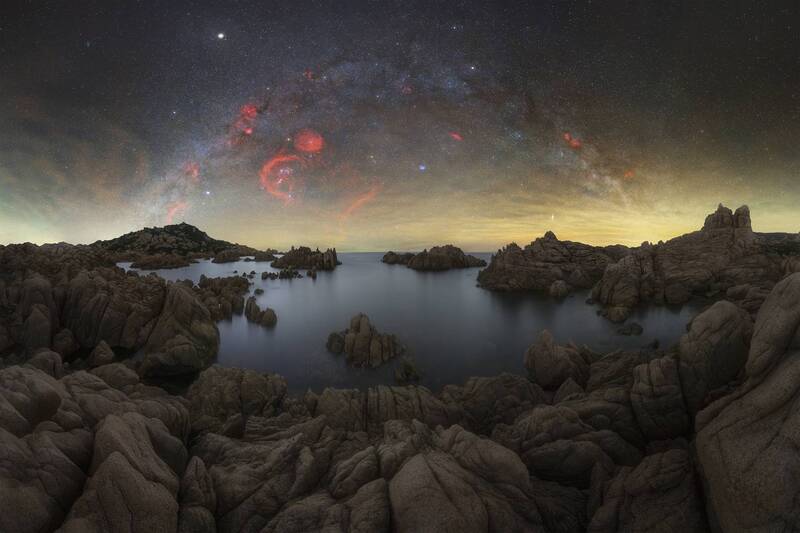
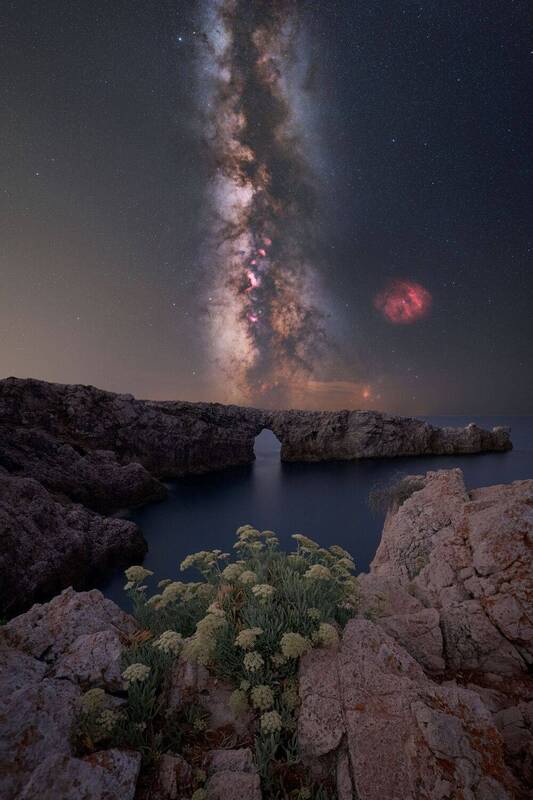
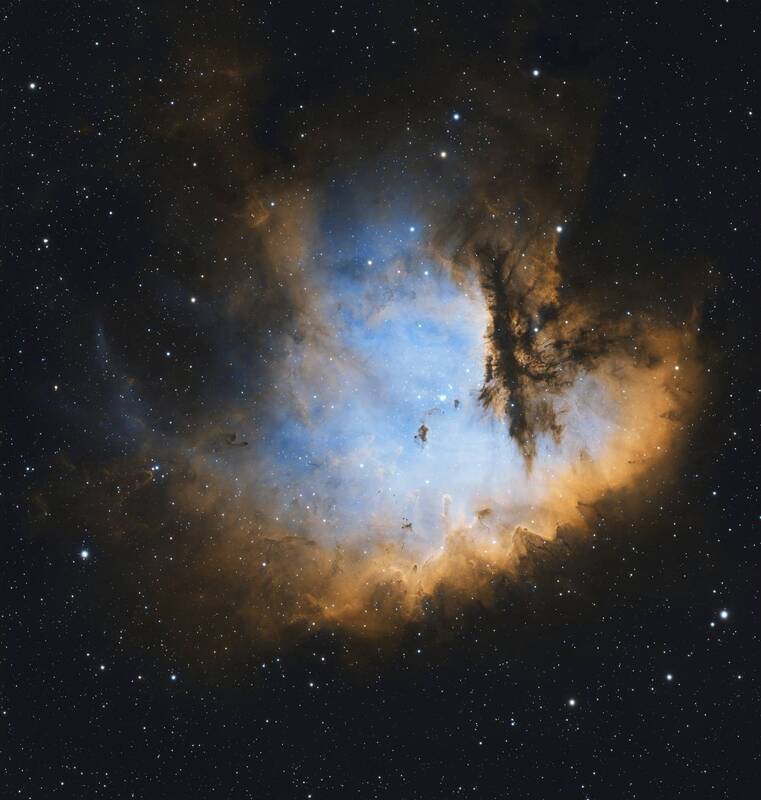
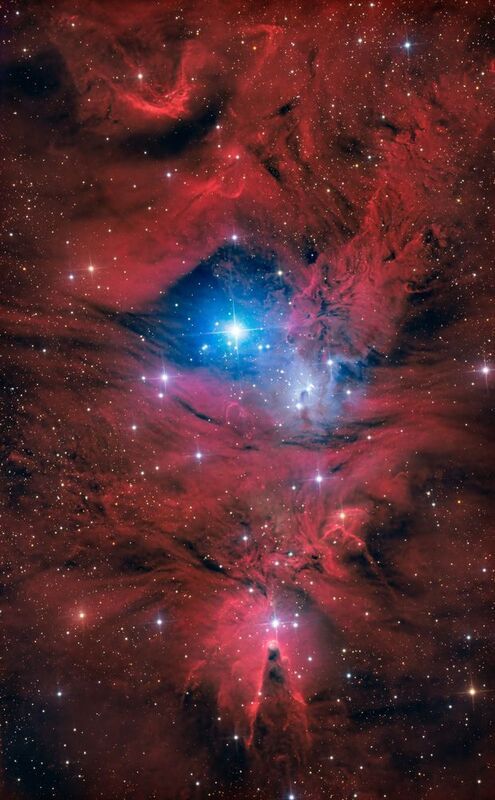
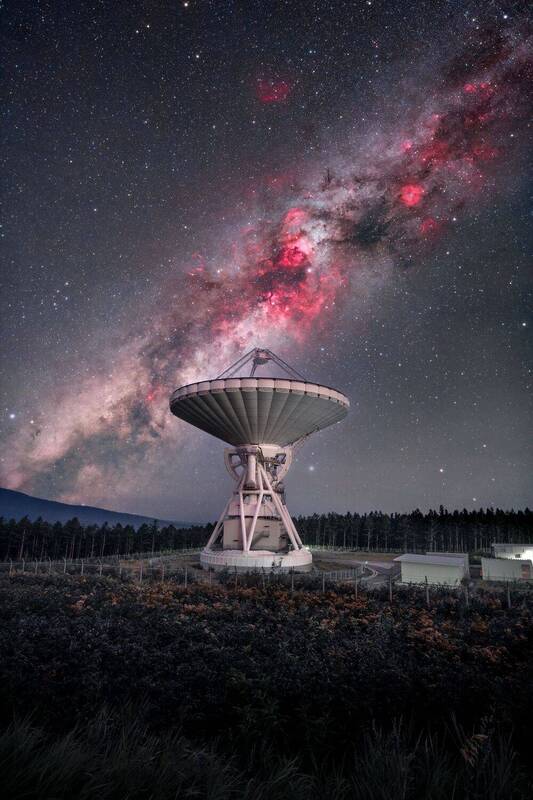
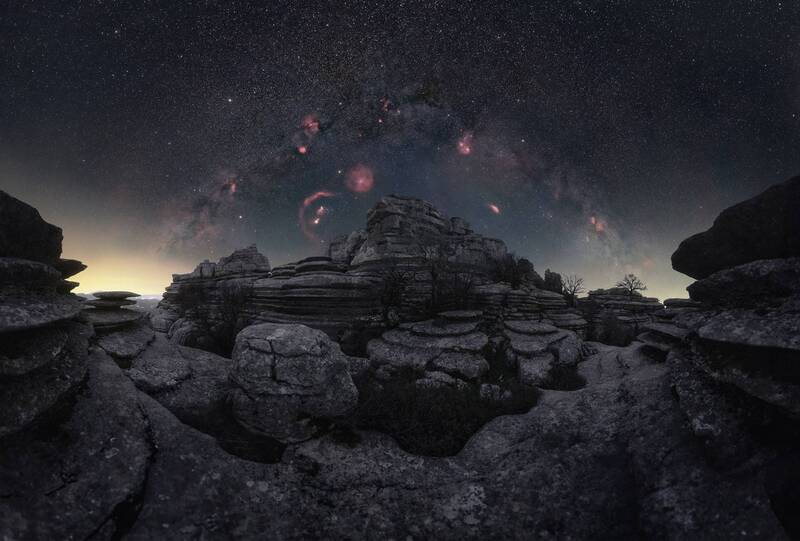
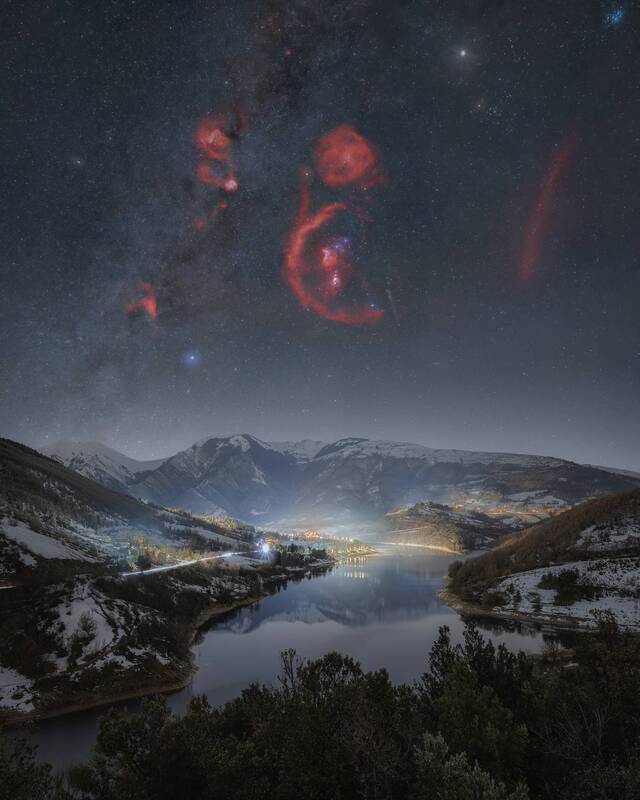
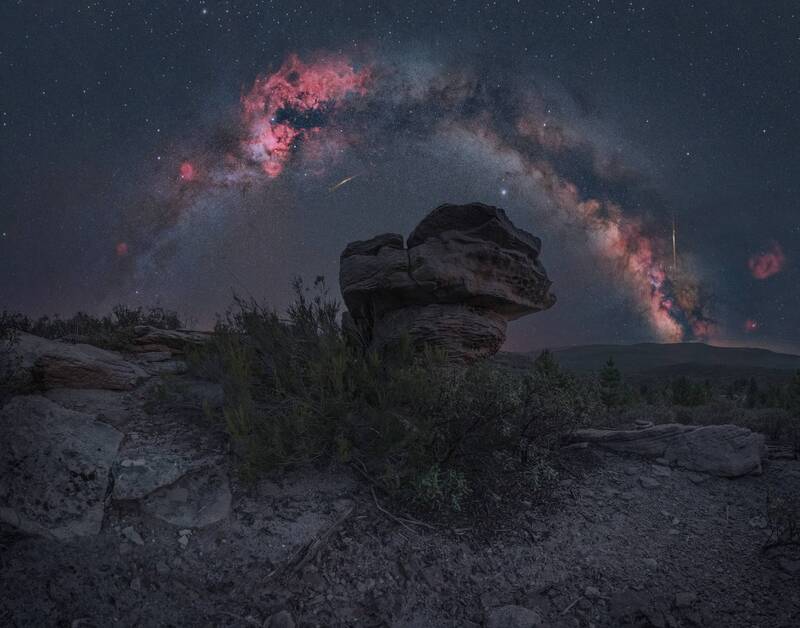
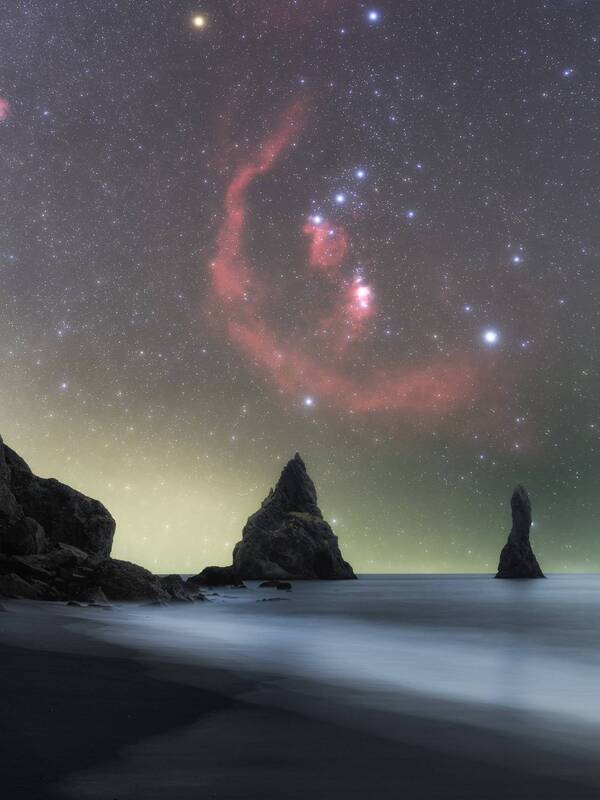
This photograph was captured using a custom astro-modified Nikon Zf camera. Astro-modified cameras feature enhanced sensitivity to the H-alpha wavelength (656.3 nm), which allows emission nebulae and other red-spectrum celestial objects to appear more vivid and detailed in the final image.
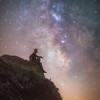
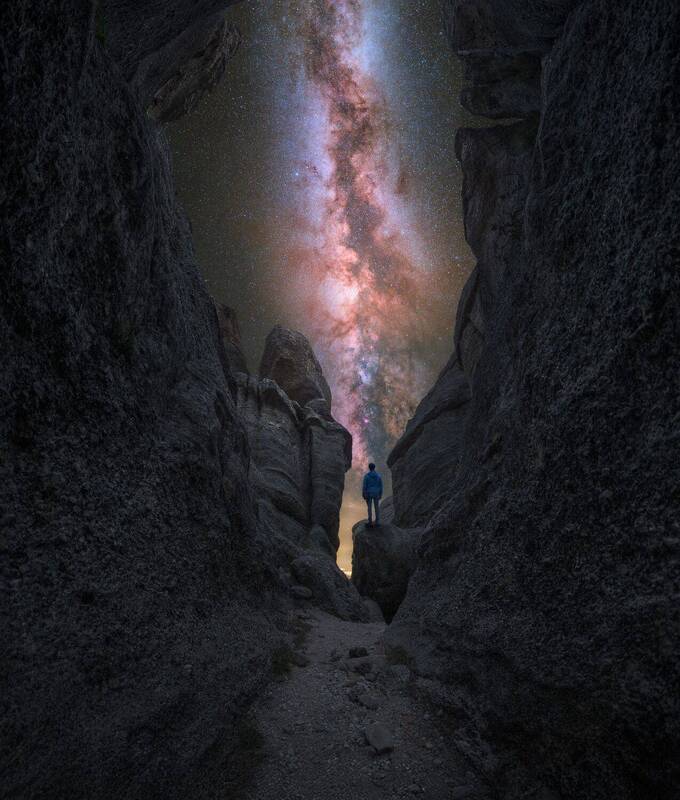
Sometimes I don\'t need answers.
I just need silence.
I stand before the universe
to remember that I am small…
but not insignificant.
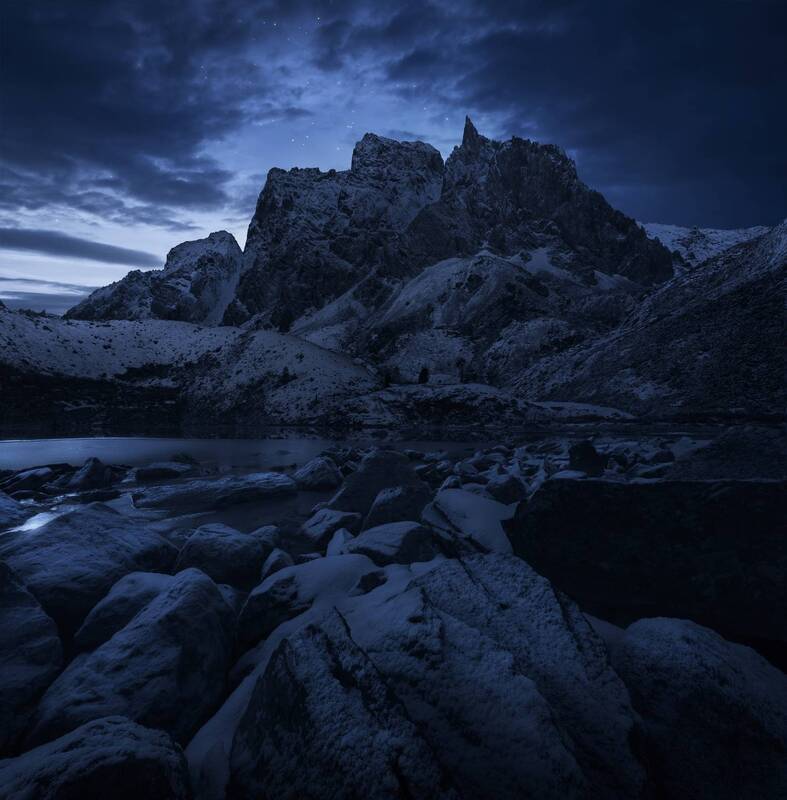
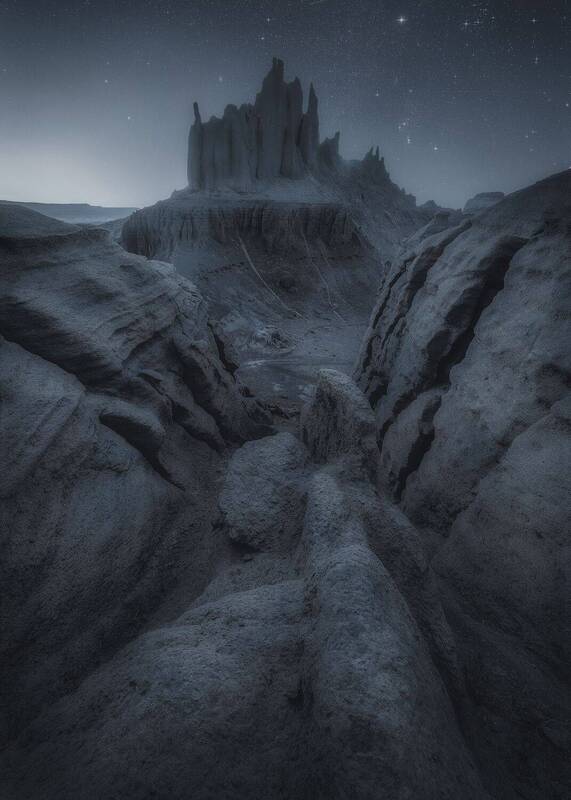
Among rock, cold, and darkness
is where I see most clearly.
Here there is no noise.
No expectations.
Just me
and all that I can still be.
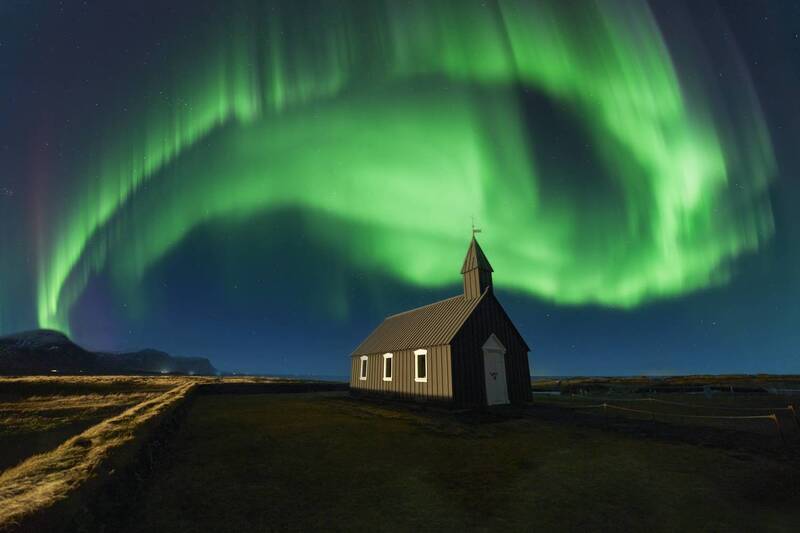
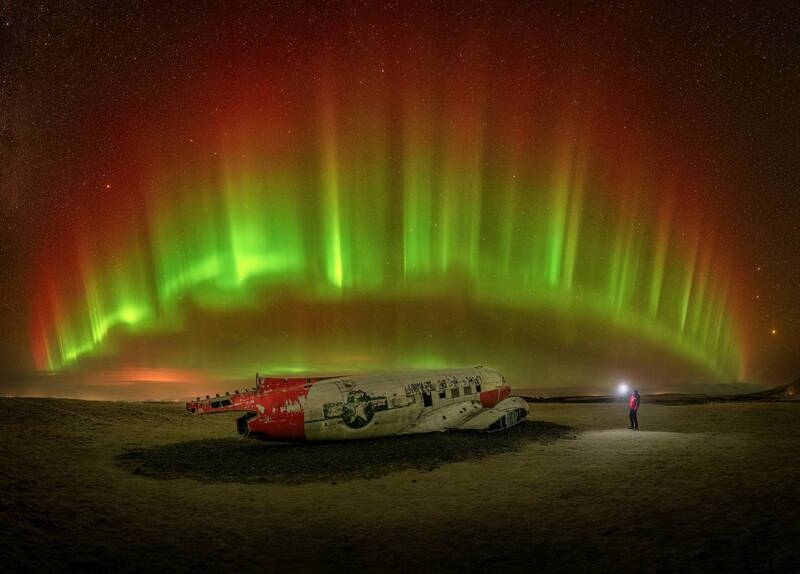
A luminous arc of the aurora borealis stretches across the Icelandic night sky, framing the DC-3 airplane wreckage at Eyvindarholt. The abandoned fuselage rests on the open landscape, its weathered metal contrasting with the soft green glow of the northern lights above. The scene captures the quiet presence of human history beneath the vast, ever-changing sky of Iceland.
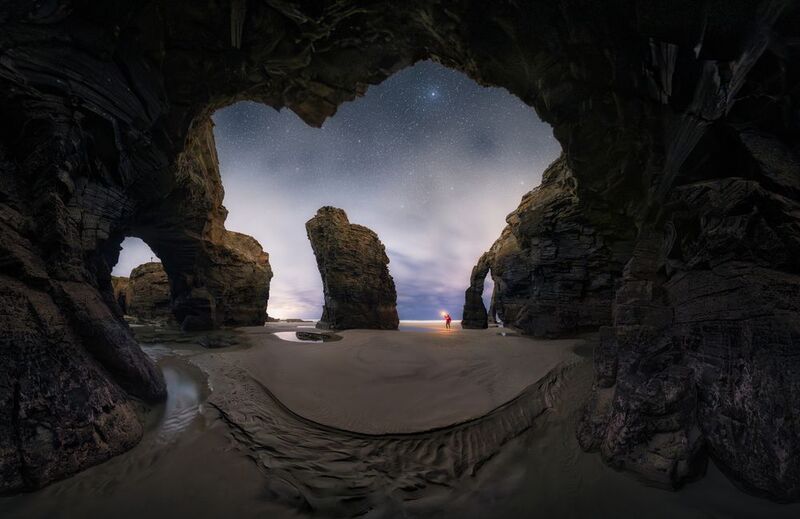
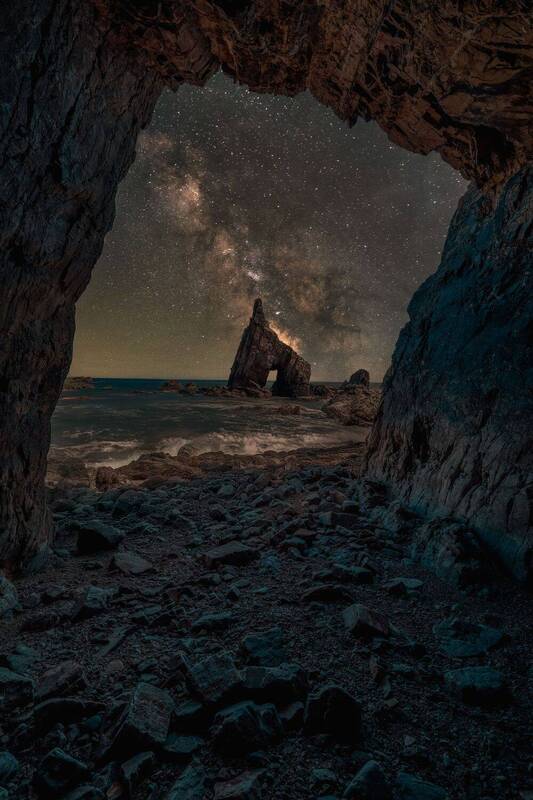
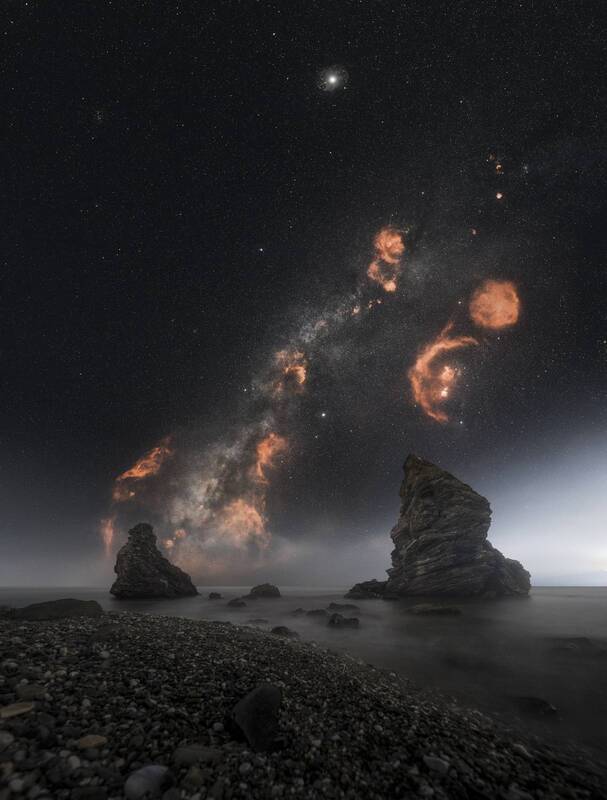
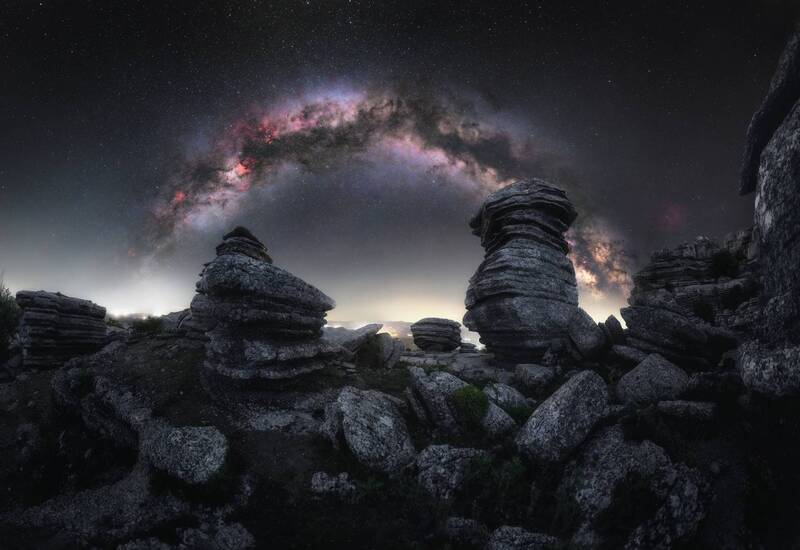
Cathedral Beach: Declared a Natural Monument and part of the Natura 2000 Network, it stands out for its unique beauty, being considered one of the best beaches in the world.
L I G H T
.
.
.
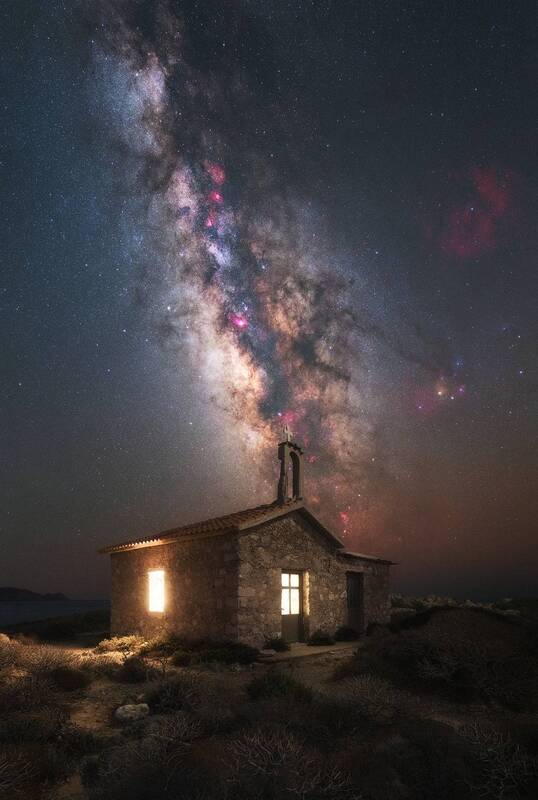
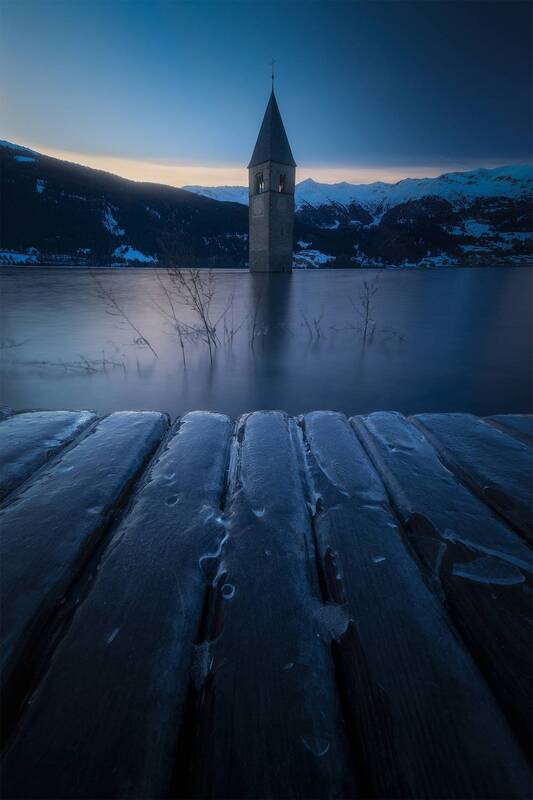
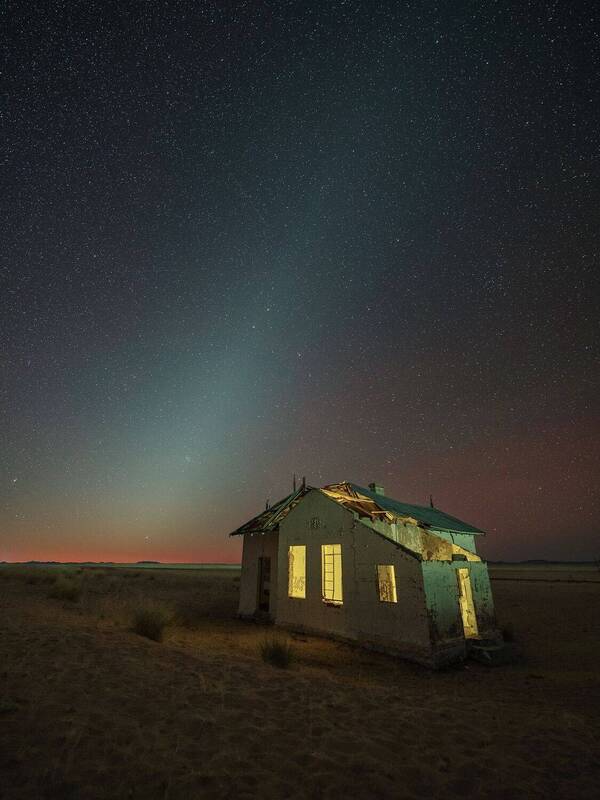
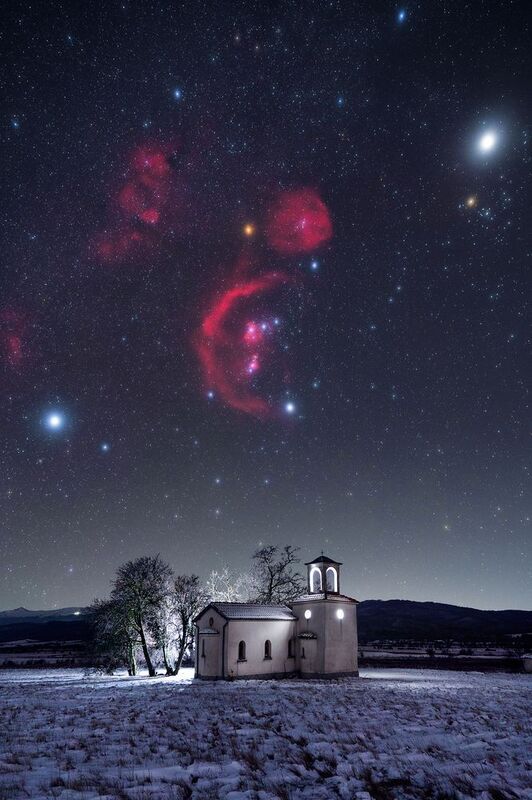
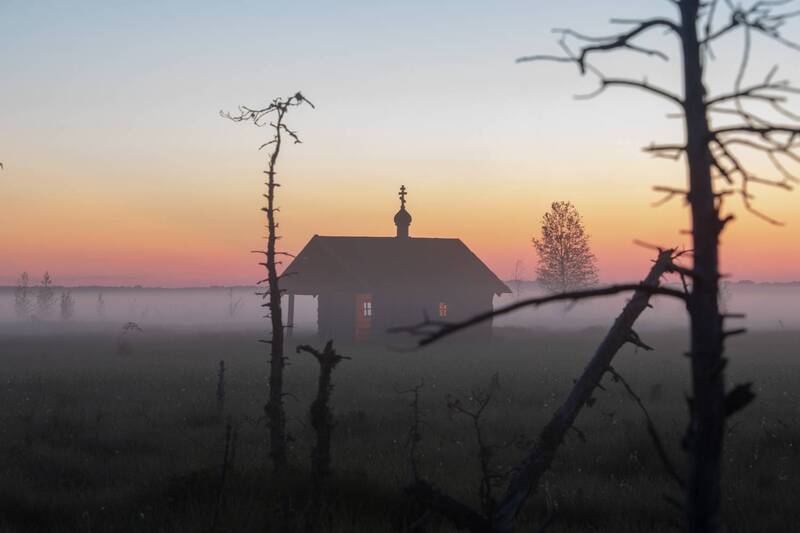
during my last trip to Crete I planned to capture this remote church on the far end of Elafonissi.
We started hiking at sunset and reached the building right on time to take some blue hour shots. On the way back we stopped to gaze at the most amazing night sky ever seen.
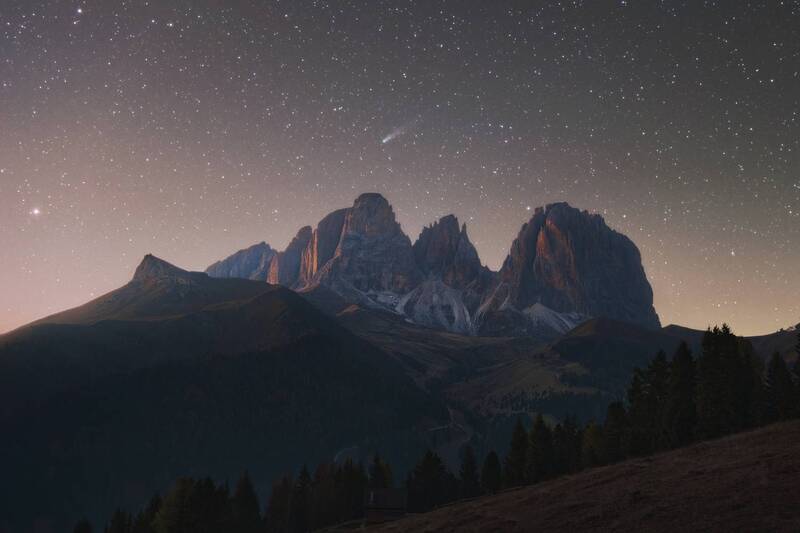
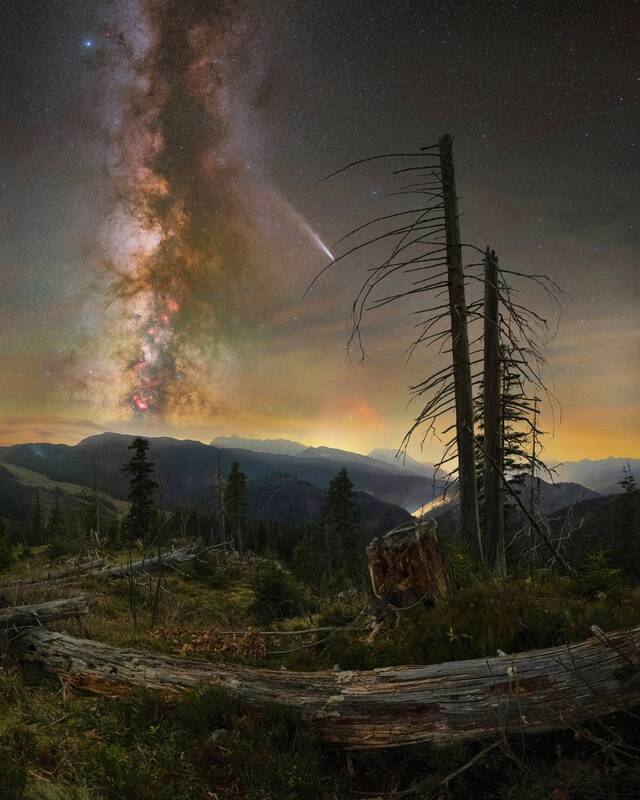
Comet Tsuchinshan - Atlas in a 50mm panorama of the setting Milky Way, Reit im Winkl, October 2024, Germany
On a late October weekend, I finally had the chance to visit a dark-sky park in the Bavarian Alps. Carrying all my gear, I hiked up a mountain that offered an almost panoramic view of the surrounding landscape.
Although the comet wasn’t as bright or large as it had been earlier in the month, I was still able to capture it close to the Milky Way. The Chiemgau Alps are known for their relatively dark skies, yet the faint glow of nearby villages was still visible along the horizon. Standing before an old tree, I watched as the comet seemed to touch one of its branches - a moment of perfect alignment.
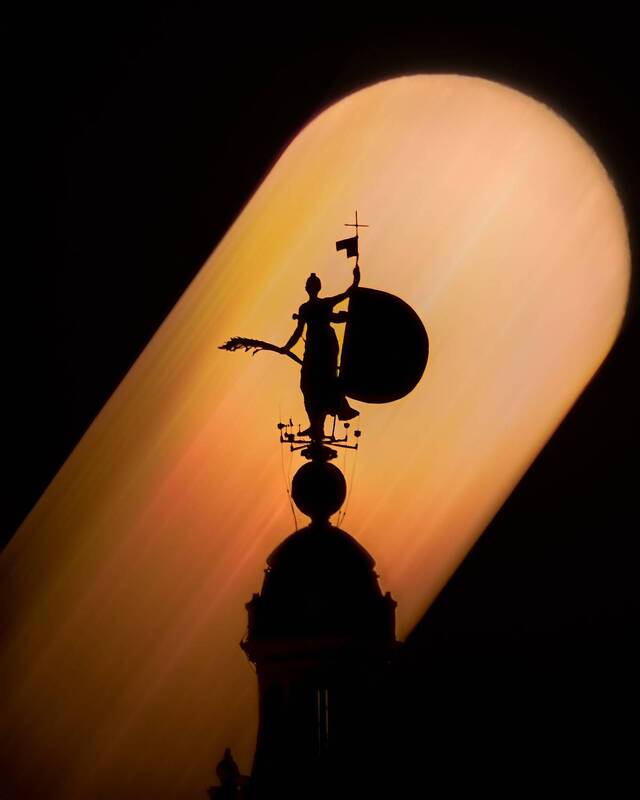
This picture captures the Supermoon rising over the Giraldillo (Seville Cathedral) in October 2025. This supermoon appeared about 7% larger and 15% brighter than an average full moon. Picture featured by NASA Apod.
This moment was captured with 450 consecutive shots as the moon ascended above the Sevilla Cathedral. The result is a stacked image to show the moonrise trajectory and changing light. EXIF: 450 shots • 1/80 sec · ISO 640 · f/8 · 1600 mm.
Acacia Trees under the Starry Sky of Deadvlei, May 2024, Namibia
Deadvlei, the highlight of any trip to Namibia. For many of us living in big cities, the stars and the Milky Way are almost invisible - their beauty hidden behind the glow of light pollution. In contrast, Africa, and especially Namibia, is one of the most sparsely populated regions on Earth, where the night sky remains largely untouched by artificial light. You don’t need to climb mountains or rise above the clouds to witness the Milky Way. Even from the flat plains of Africa, billions of stars illuminate the sky on a clear night - a breathtaking sight that feels truly otherworldly.
W A T C H E R
.
.
.
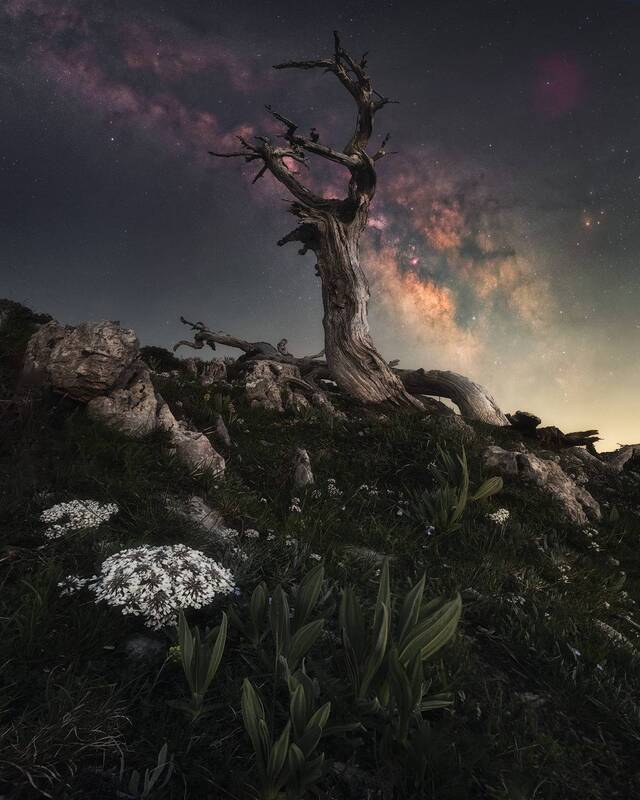
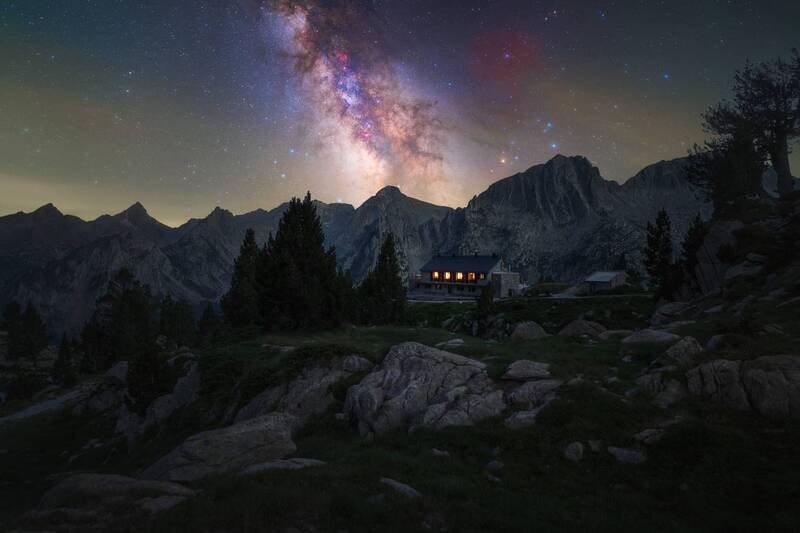
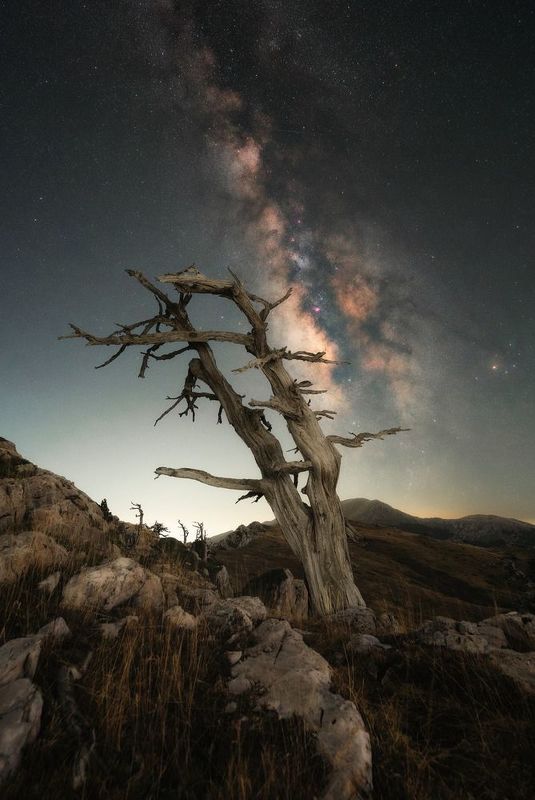
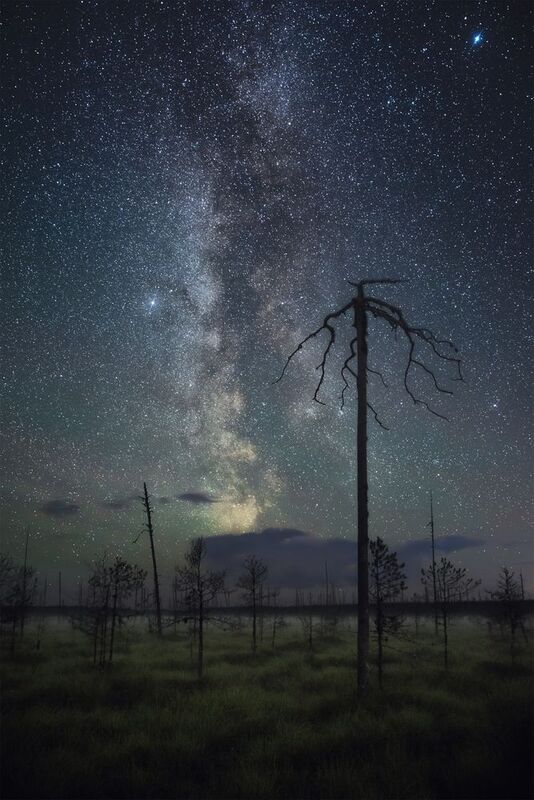
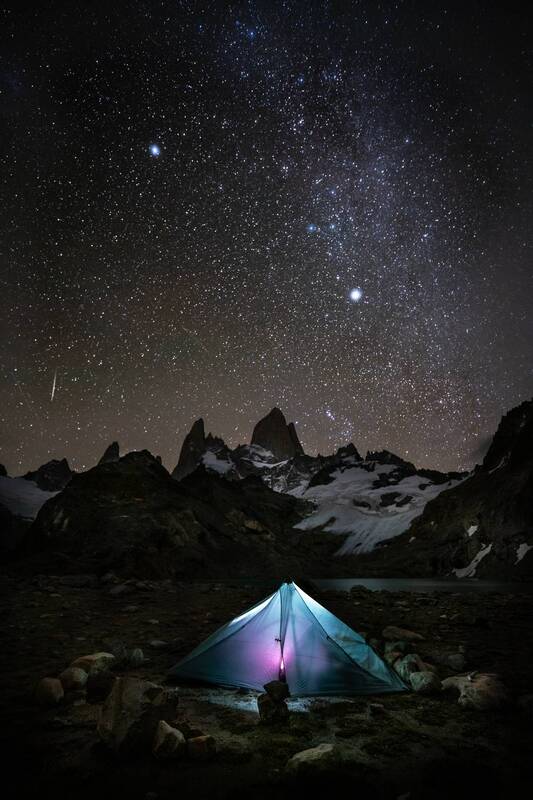
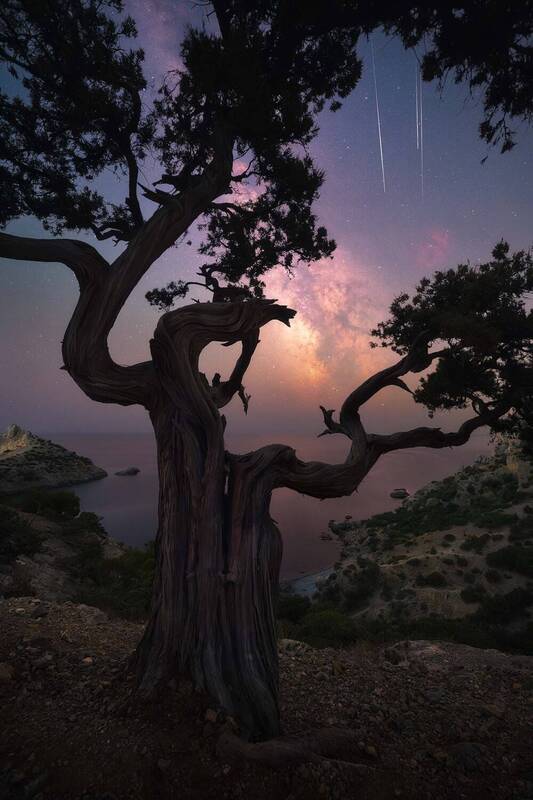
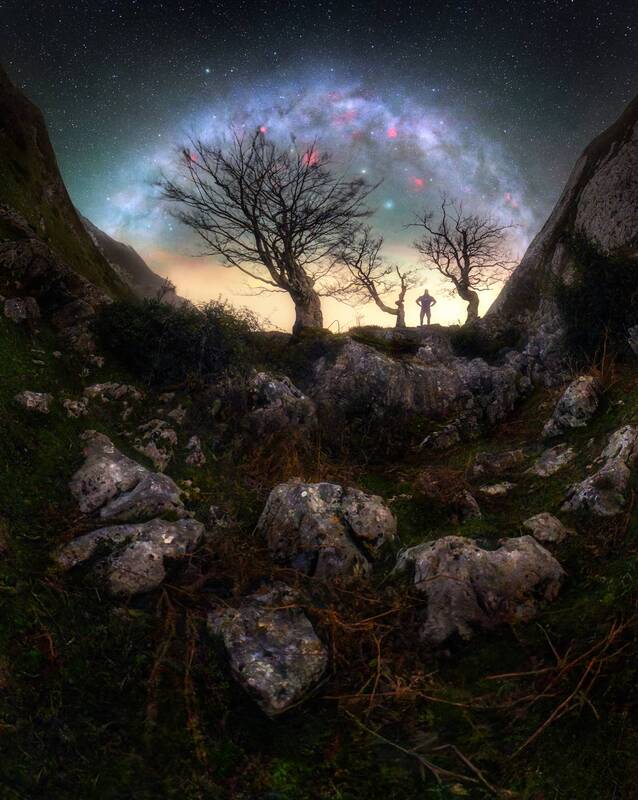
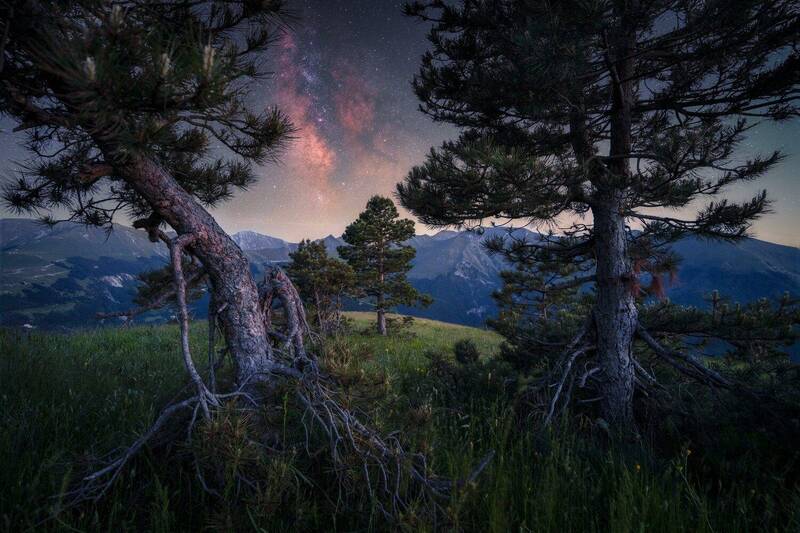
During my last solo trek in Pollino National Park, I decided to bivouac with my tent right on the ridge of Serra delle Ciavole, among rocks and centuries-old Heldreich\'s pine and under a magnificent starry sky. This ancient tree stood out against the Milky Way like a silent guardian, sculpted by time and wind.
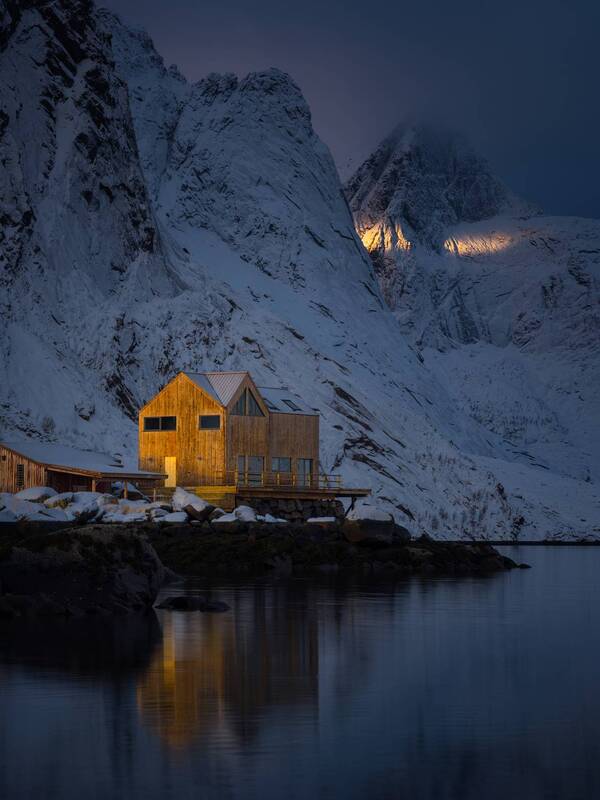
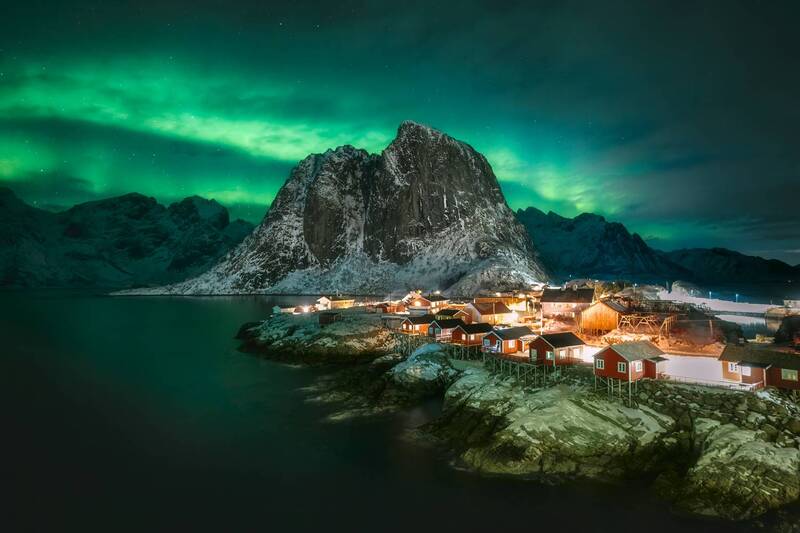
A sought-after place for photographers - that\'s Hamnøy. Every morning at sunrise everyone wishes for the sun to rise, every evening everyone prays for the northern lights. I was lucky enough to see it this year, and even repeatedly, so I couldn\'t miss this classic place either.
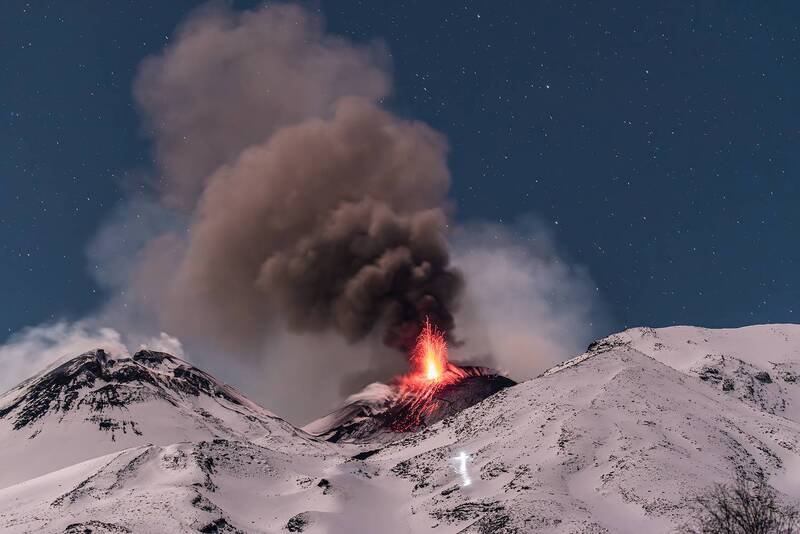
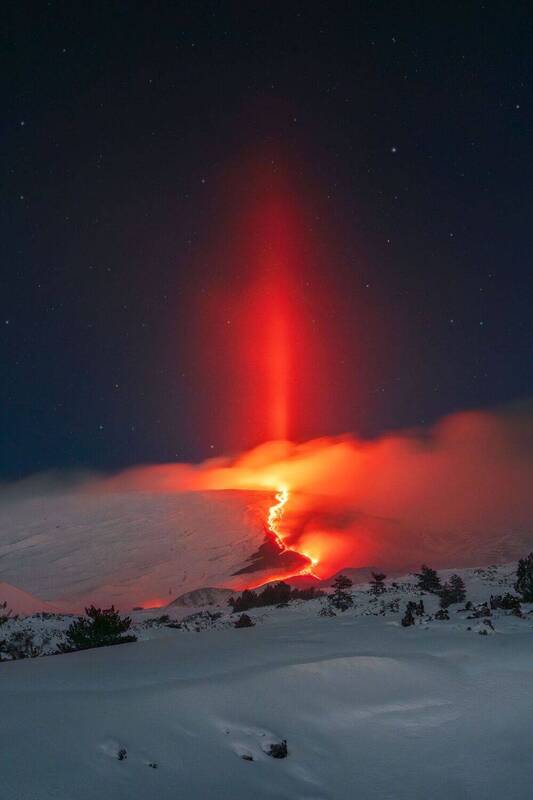
On a cold winter night, a rare Light Pillar appeared above the majestic profile of Mount Etna, the highest active volcano in Europe. This optical phenomenon, caused by the reflection of light on ice crystals suspended in the atmosphere, created a vertical beam of light, seemingly connecting the sky to the earth.
Captured in extreme conditions, this image is the result of careful planning and a precisely balanced exposure to showcase the grandeur of the landscape and the fleeting beauty of this natural event.
A unique moment, a testament to the meeting of science and wonder.
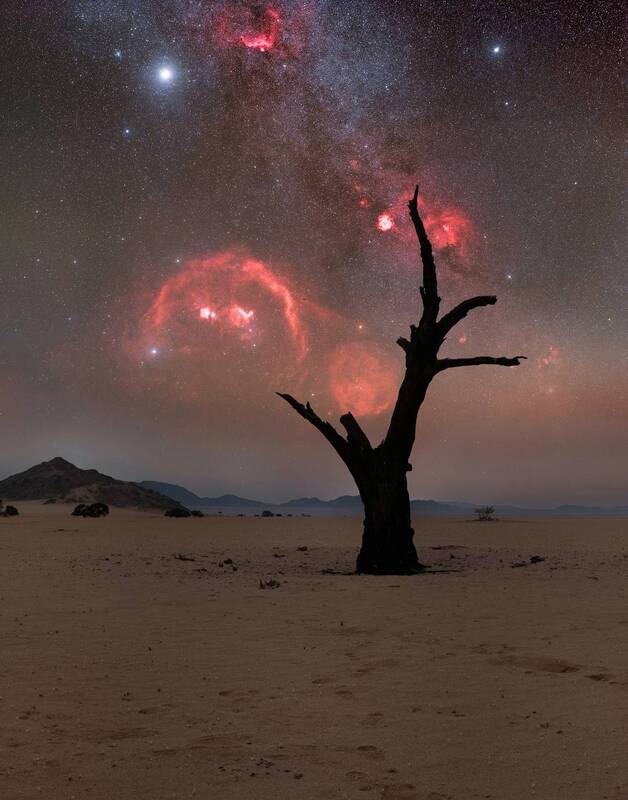
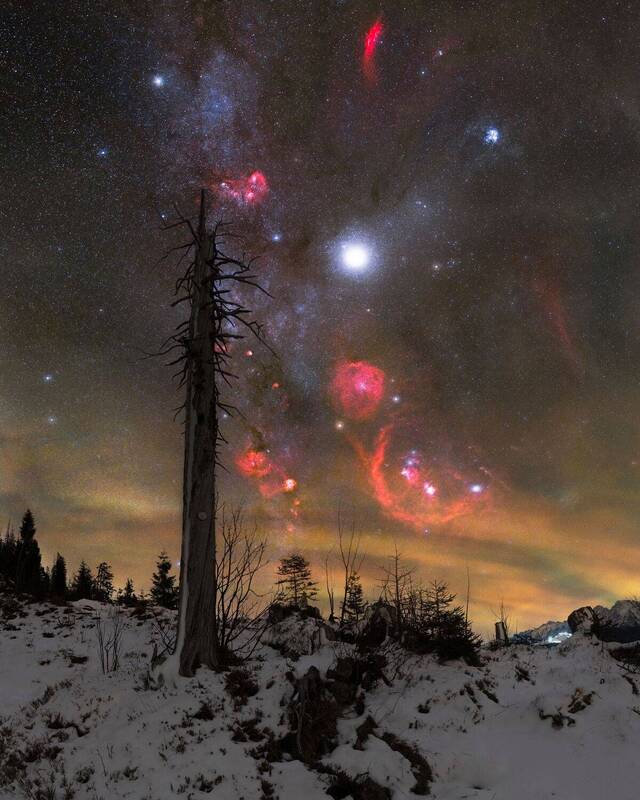
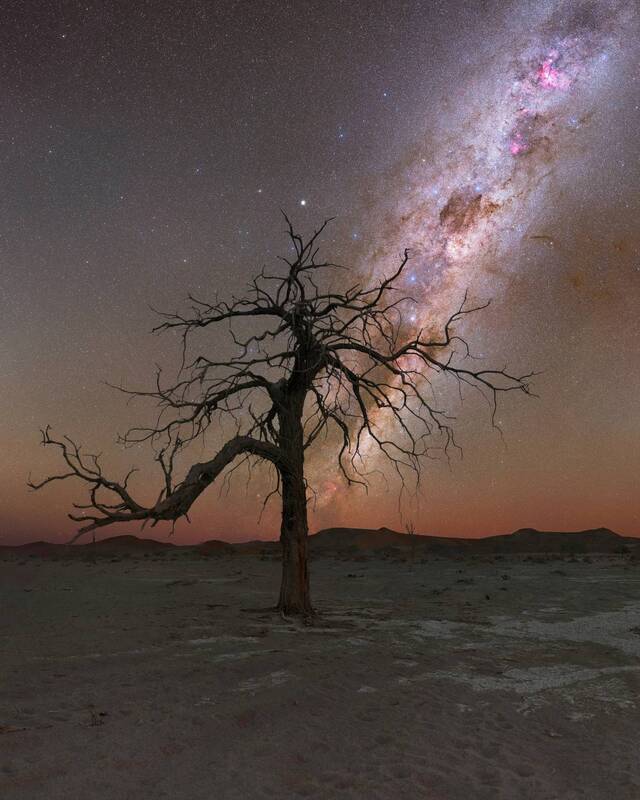
Orion of the South, Kanaan Retreat, May 2024, Namibia
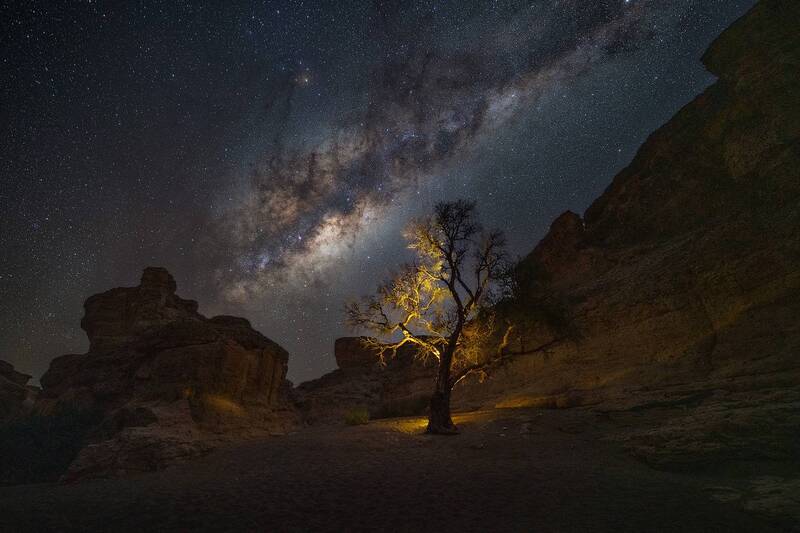
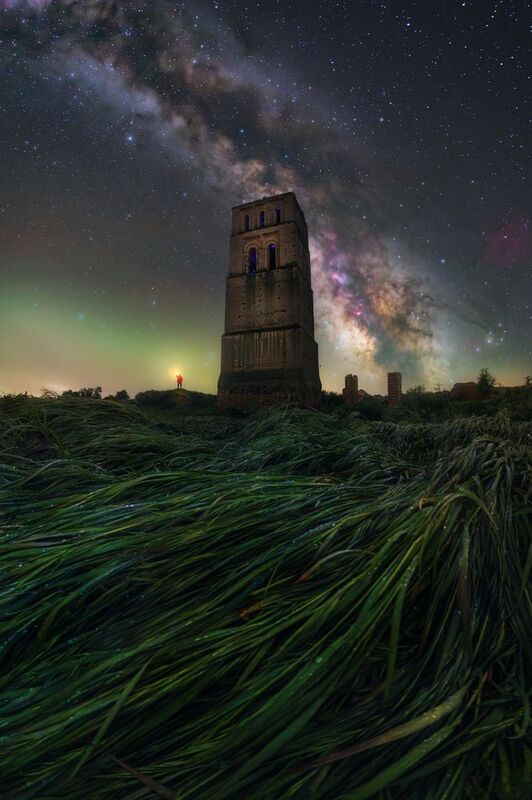
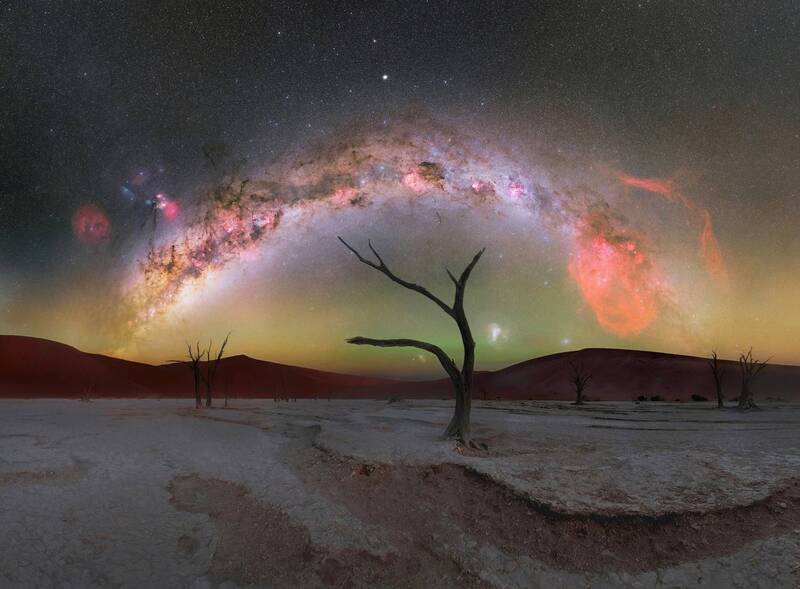
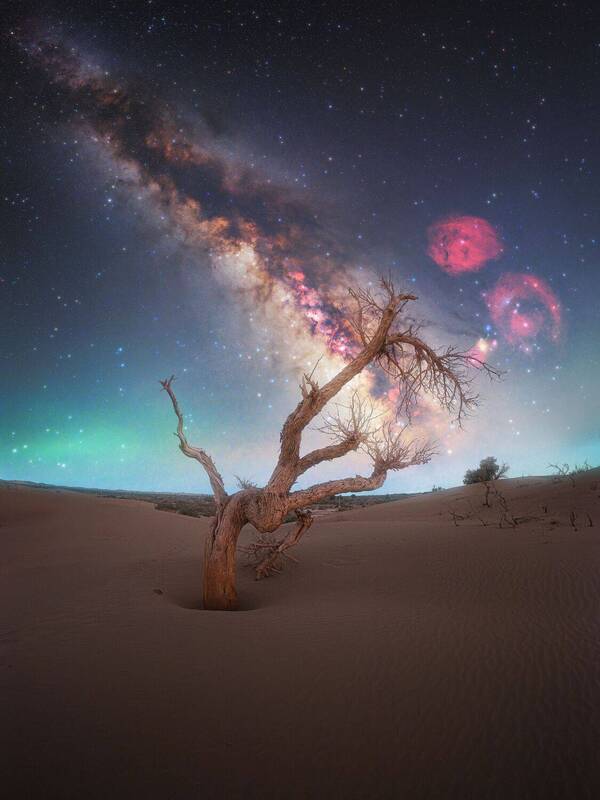
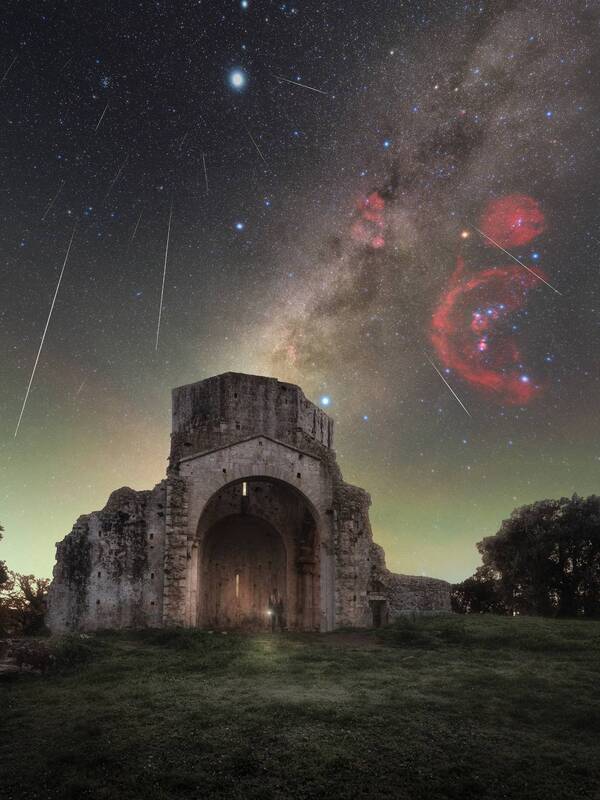
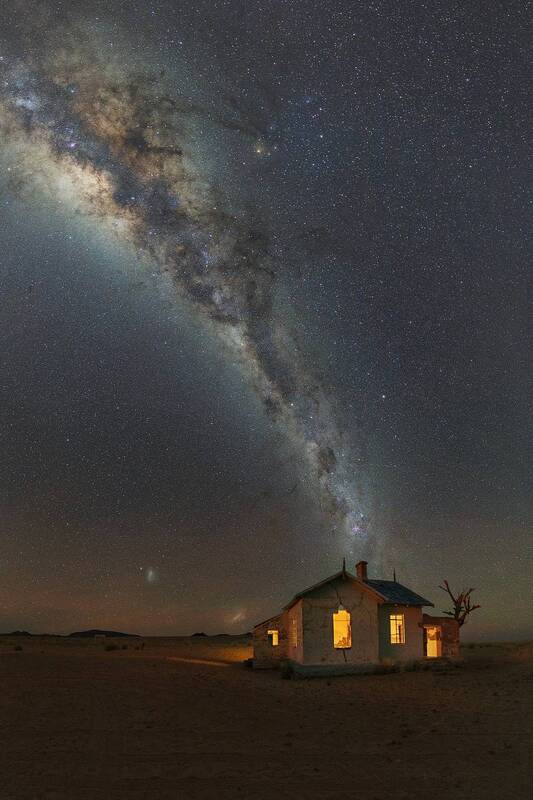
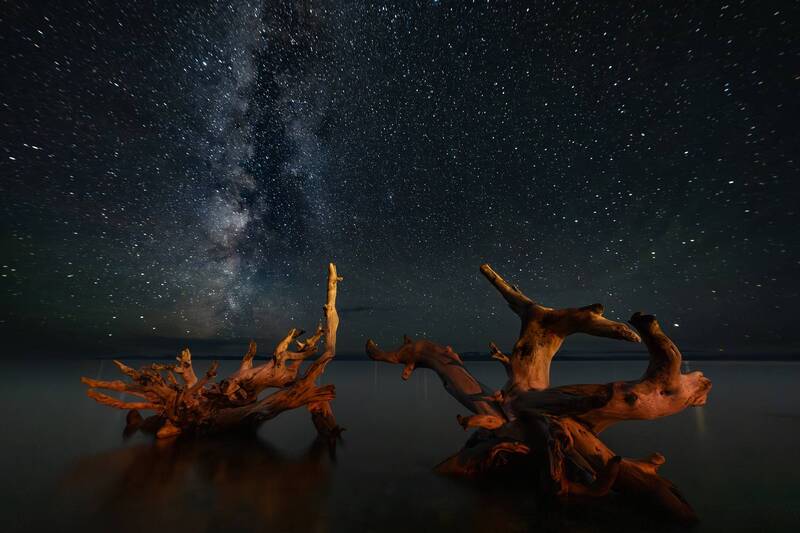
As soon as we arrived at this stunning desert spot with dead acacia trees, I was determined to capture a shot of upside-down Orion setting in the west. Once night fell, we had barely an hour to capture Orion while it was still visible in the southern sky. The idea came to me instantly when I noticed a lonely tree whose delicate branches seemed to reach up and grasp the upper part of Barnard’s Loop.
It seemed that a storm was going to prevent us from doing astrophotography, but the stars were on my side and I was able to execute what I call: The Guardian of the Tower.
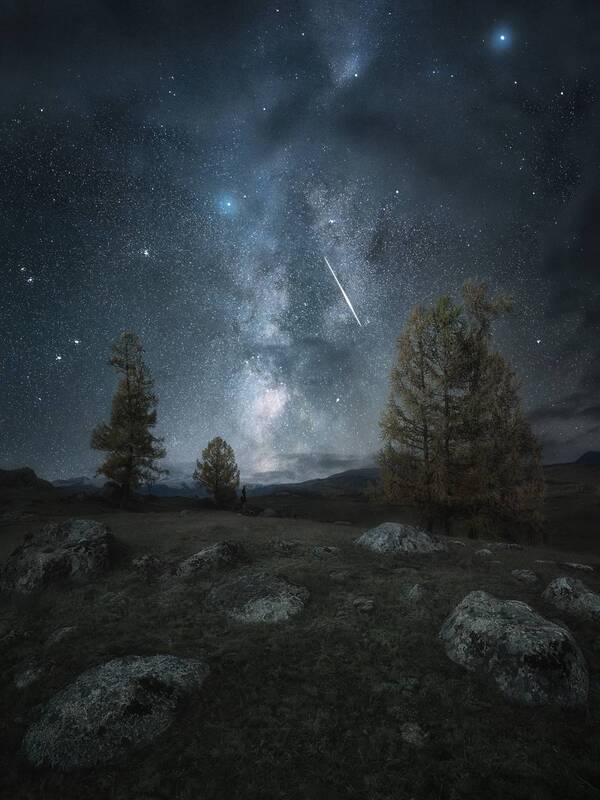
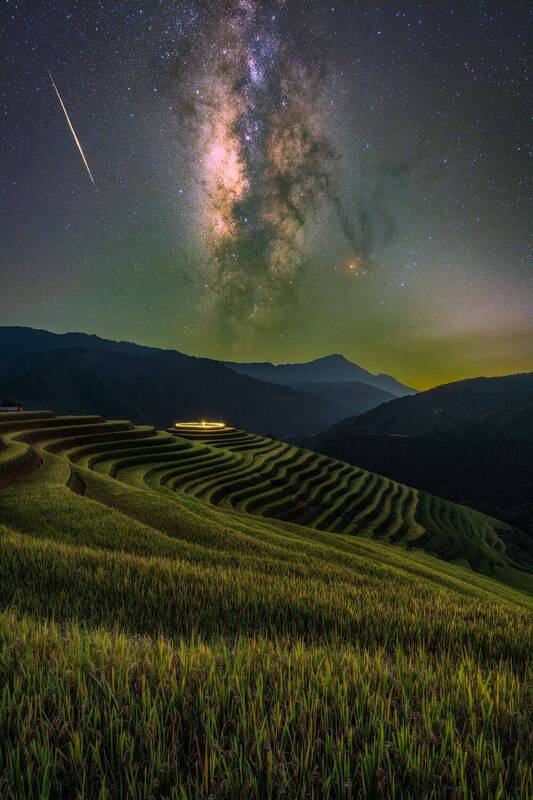
The image captures the Milky Way glowing above the golden rice terraces during harvest season. On a silent night in the northern mountains of Vietnam, a sudden meteor streaks across the sky — a fleeting miracle against the vast cosmos
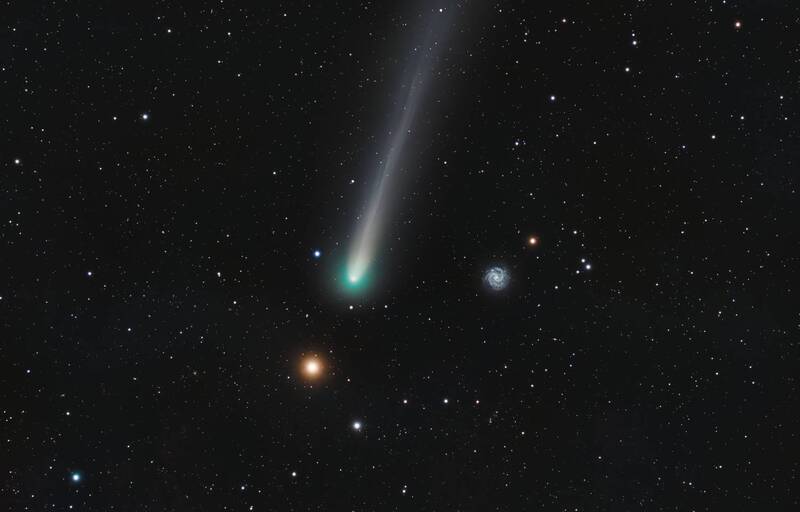
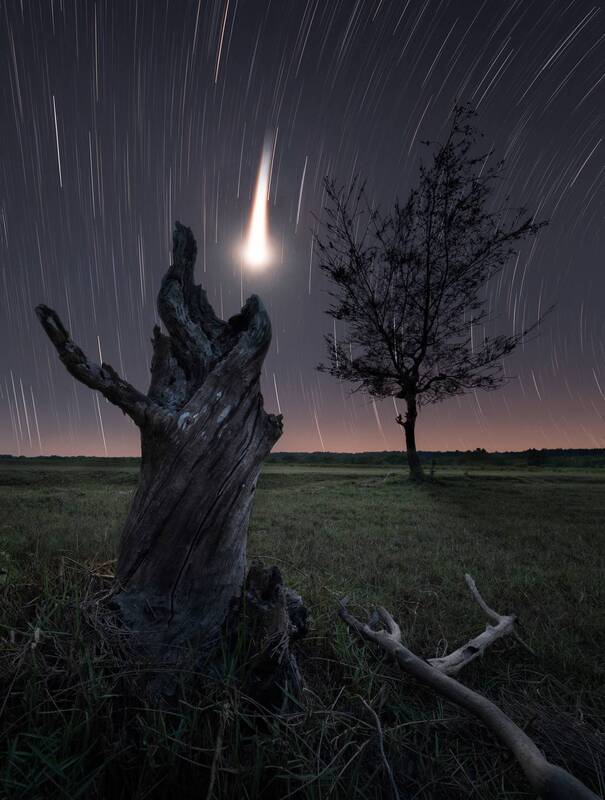
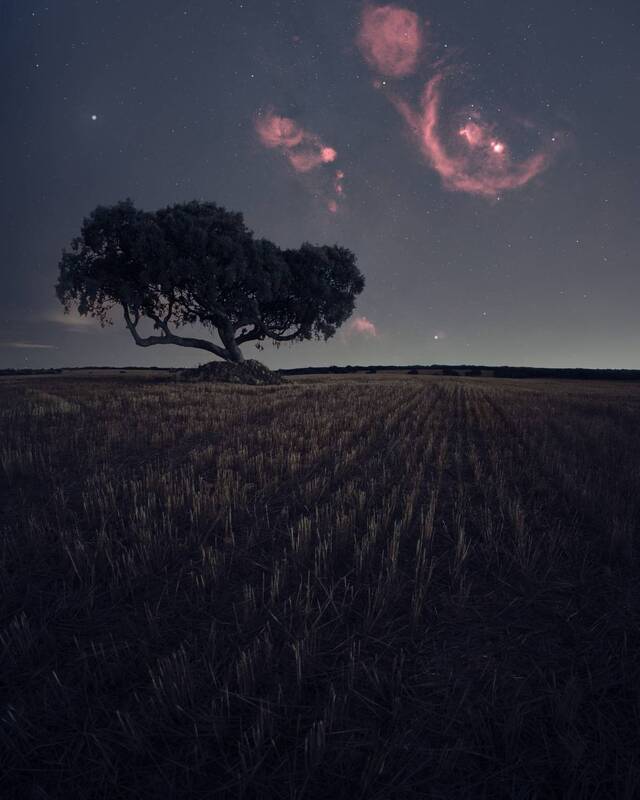
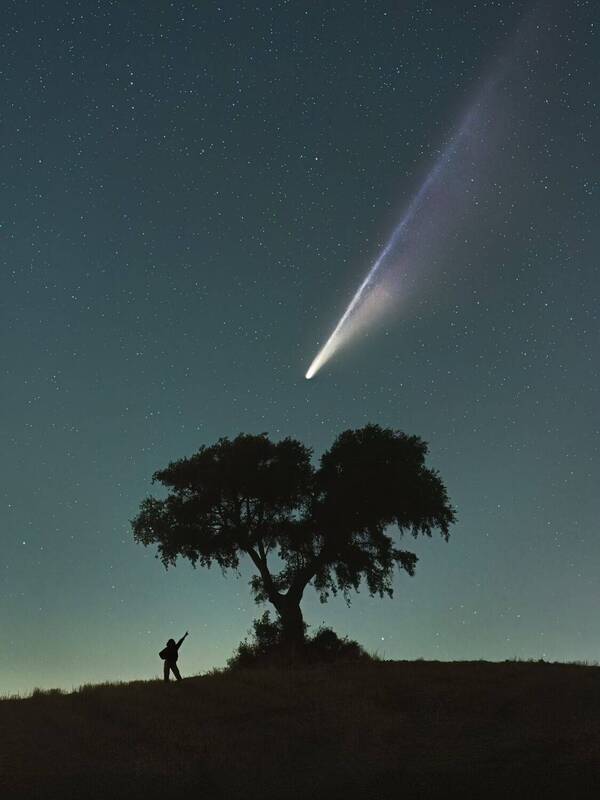
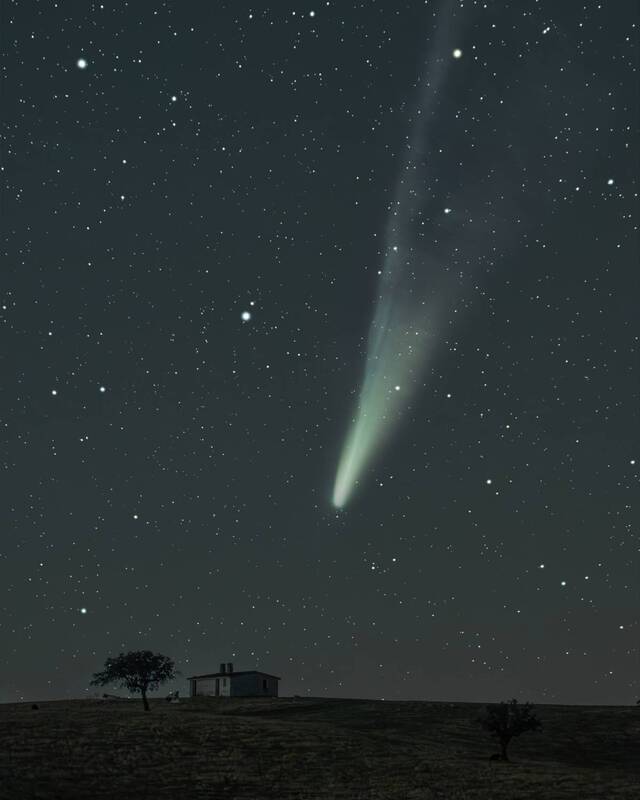
Comet Lemmon (C/2025 A6) reached magnitude 4, becoming visible to the naked eye under dark skies. This comet only appears once every 1300 years! This picture captures its luminous tail and anti-tail aligning perfectly with a magnificent cork oak tree in Montellano, Andalusia, Spain.
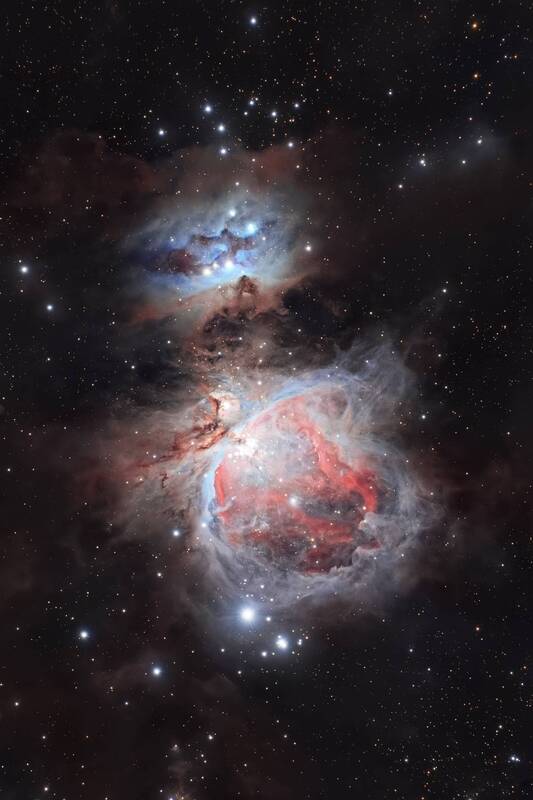
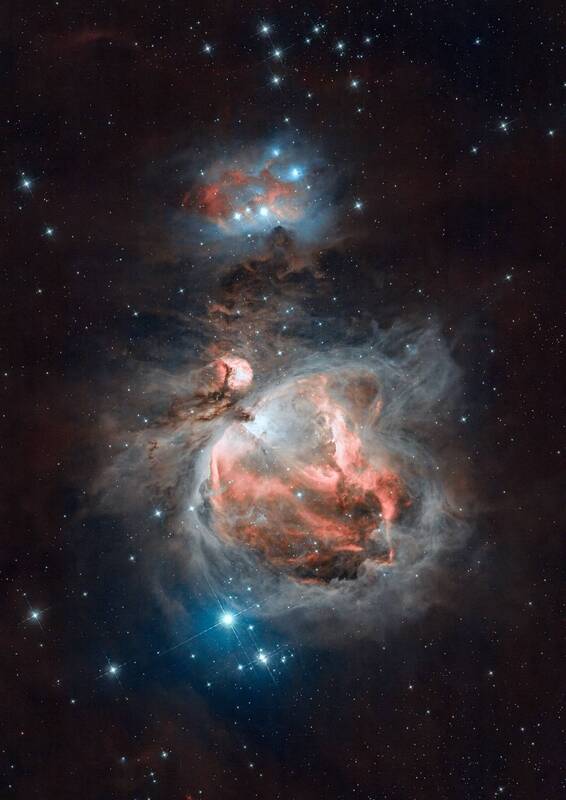
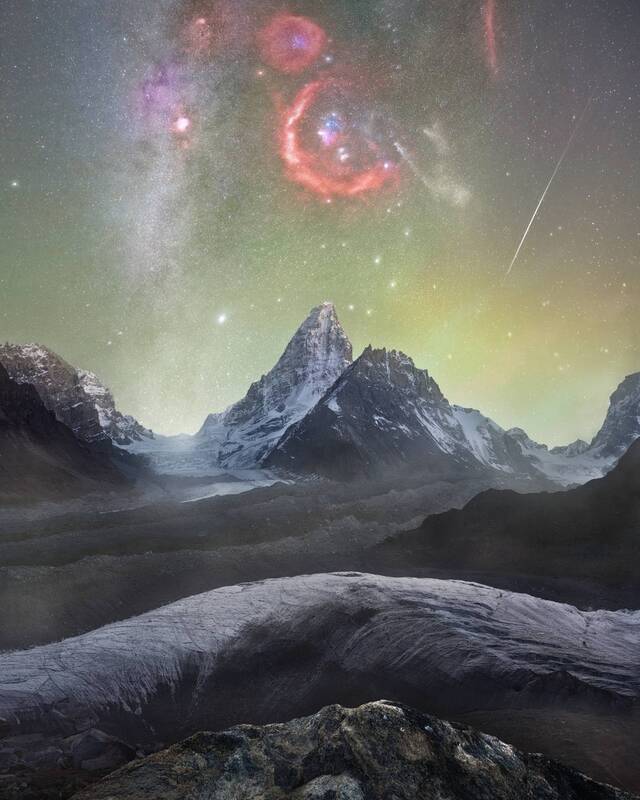
Комплекс Большой туманности Ориона (M 42)
Туманность Ориона (NGC 1976), туманность де Мейран (NGC 1982), туманность Бегущий человек (NGC 1977), Потерянный драгоценный камень Ориона (NGC 1980)
Россия, Новосибирская область, Усть-Каменка
Засветка неба: зелёная зона
Небольшая дымка
25.10.2025
Техническая информация
Телескоп: SkyWatcher 150/600 Quattro
Камера: Canon 650D mod, Clip-Фильтр: Optolong L-eNhance
Монтировка: Sky-Watcher HEQ5 PRO
Телескоп-гид: 60 mm Guide Scope
Камера-гид: ZWO ASI 178MM
Аксессуары: Zwo Asi Air Plus, СС 0,85х
Экспозиции (1ч 42 м):
45 x 10 сек. ISO: 1600
94 x 60 сек. ISO: 1600
Ночь 1 ноября 2025г.
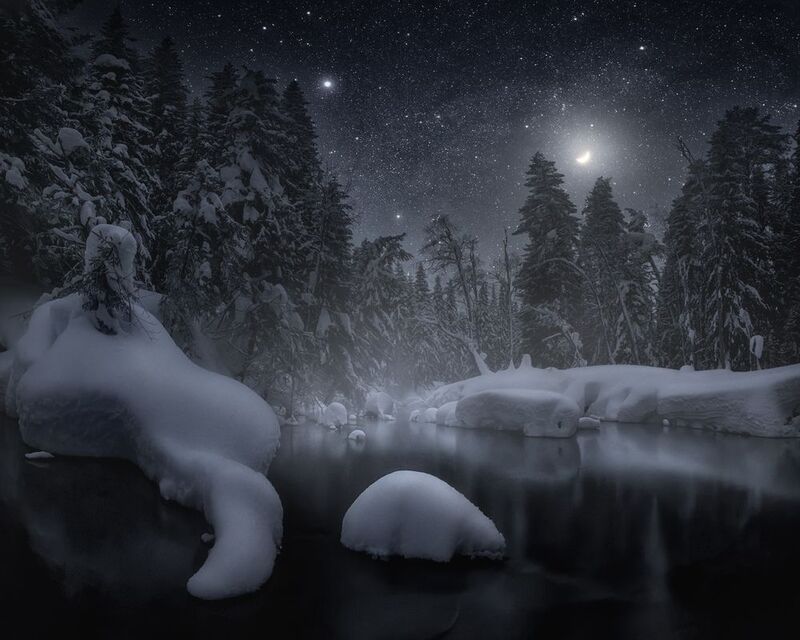
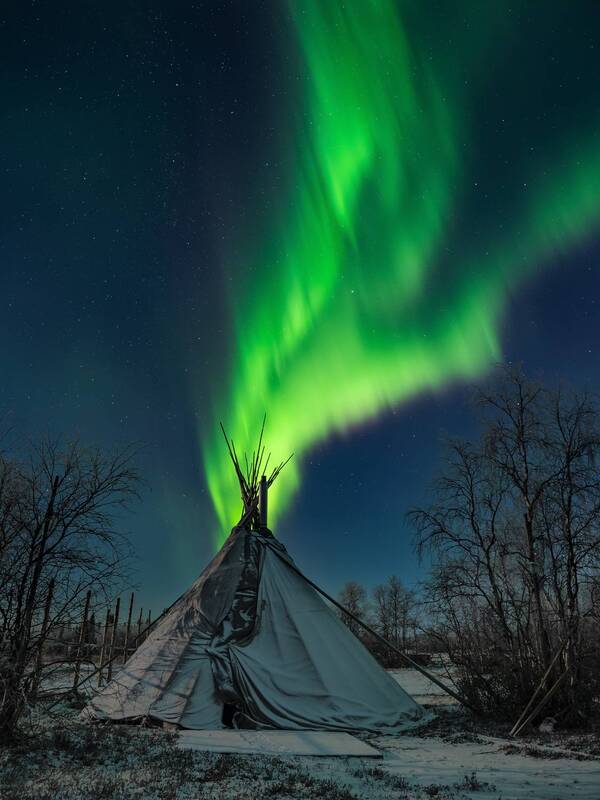
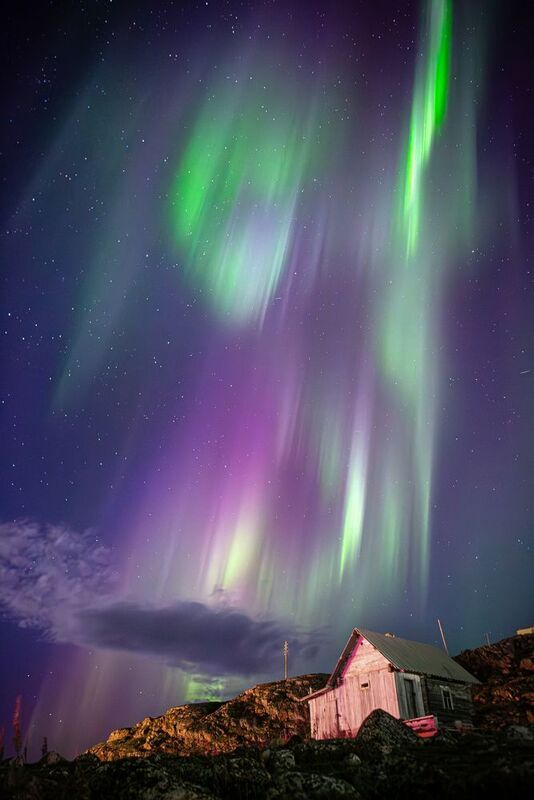
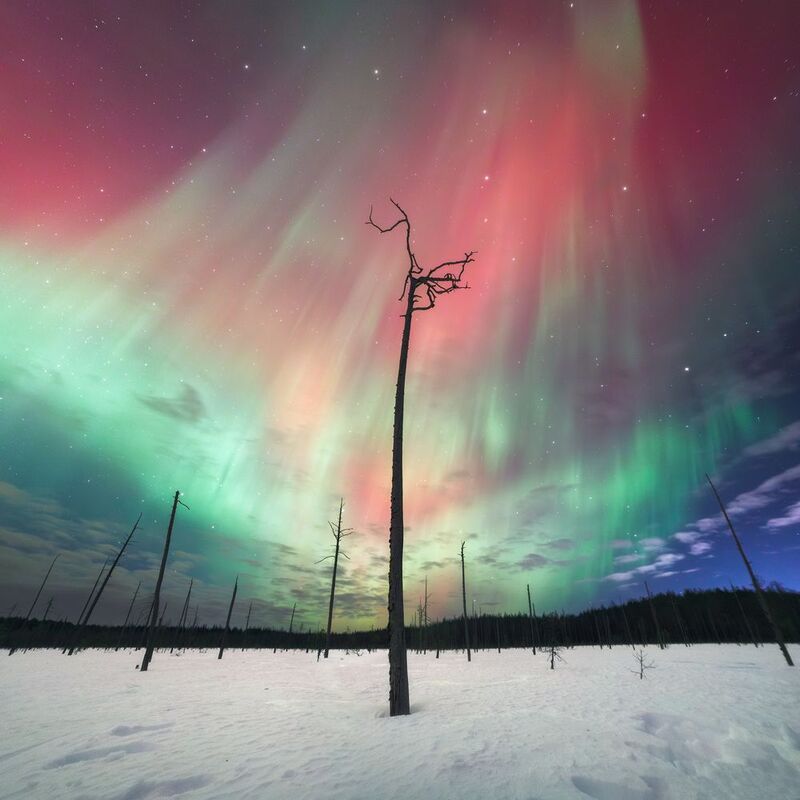
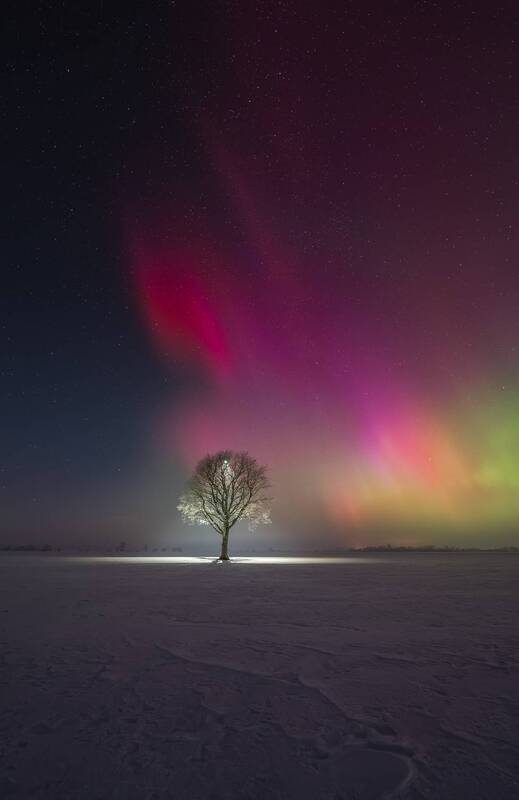
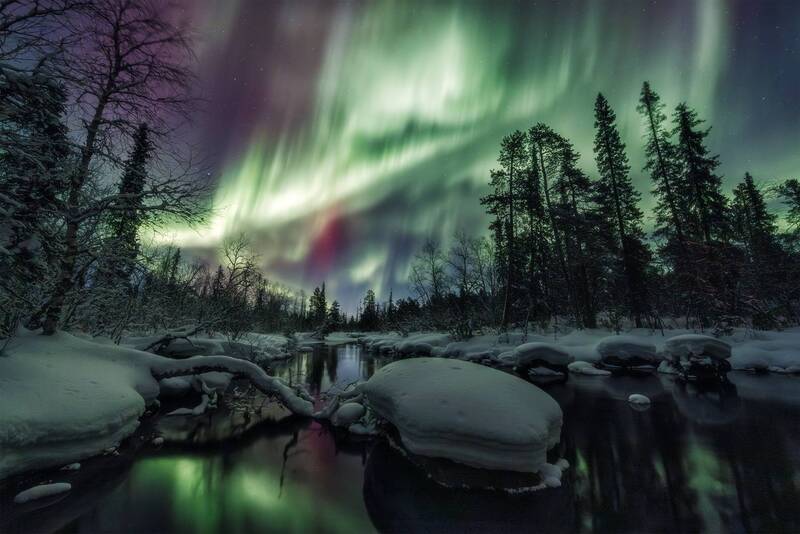
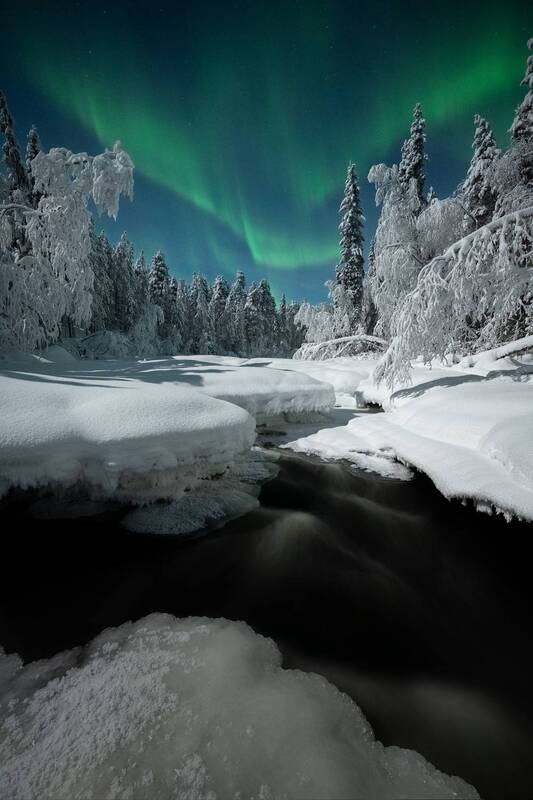
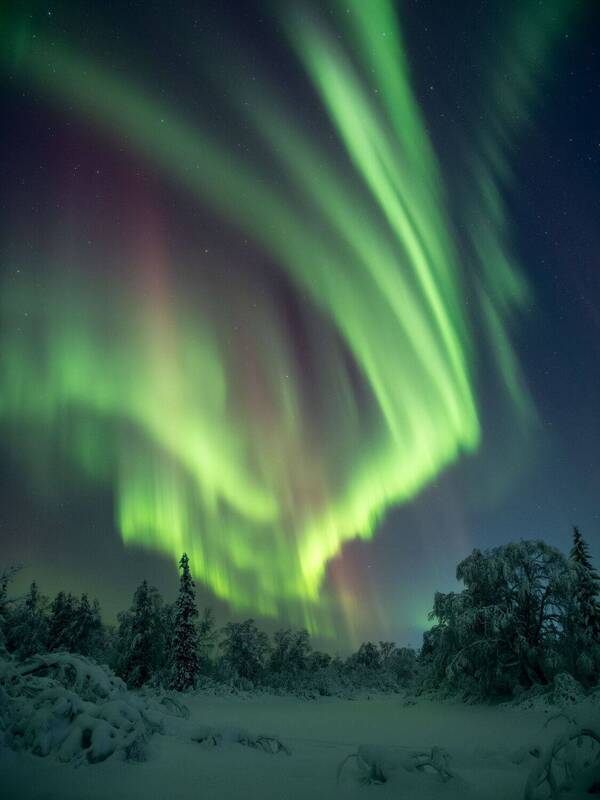
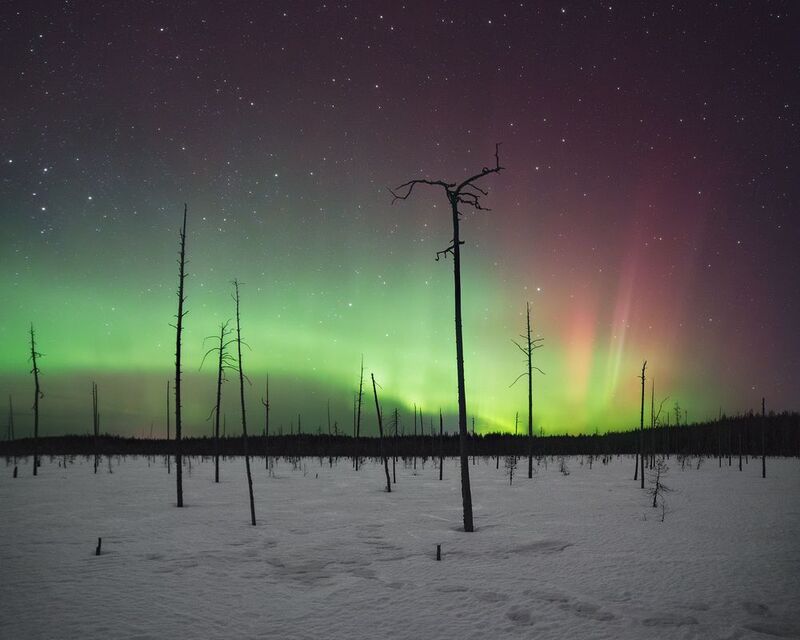
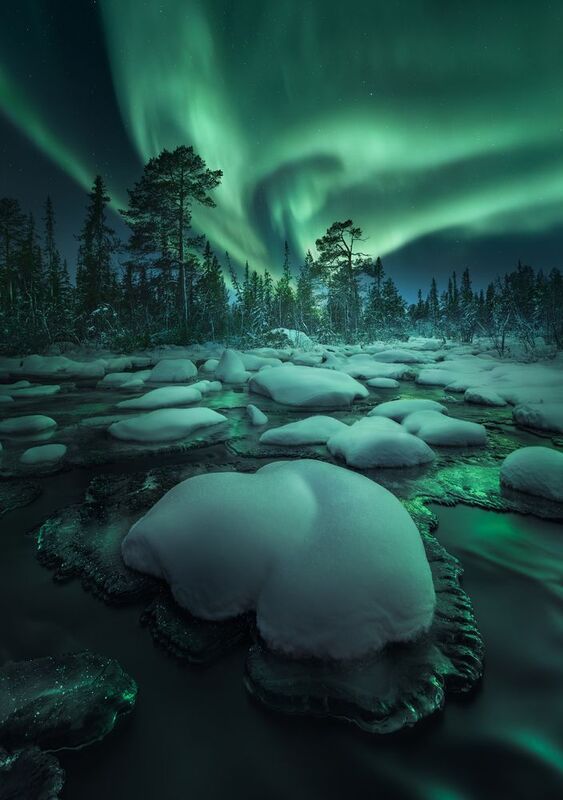
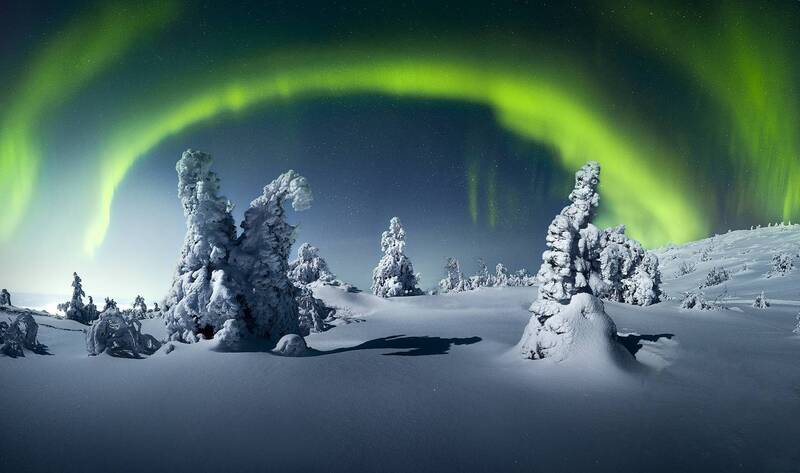
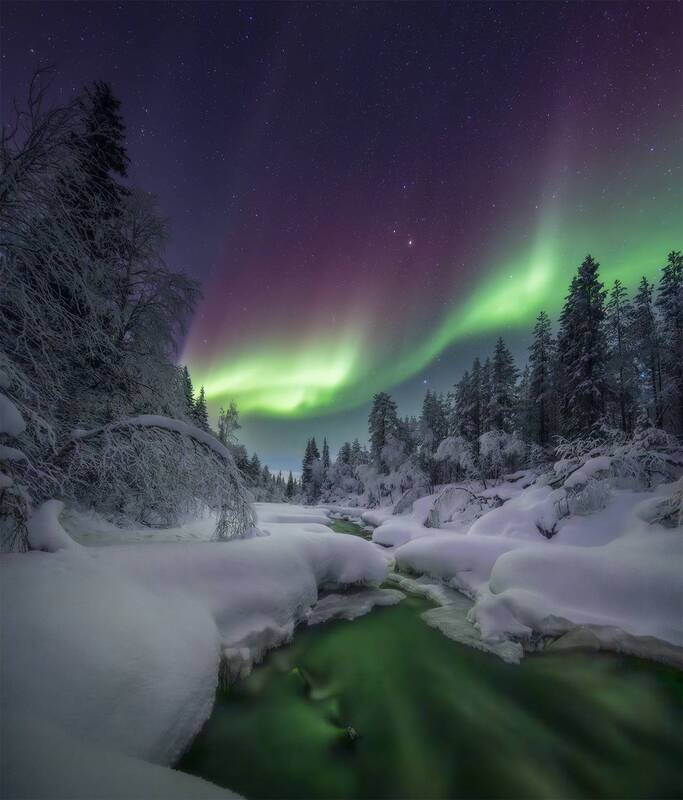
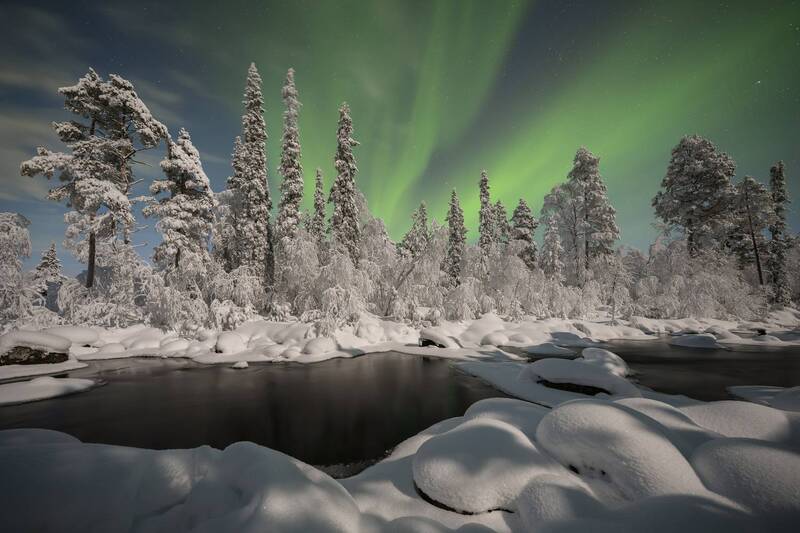
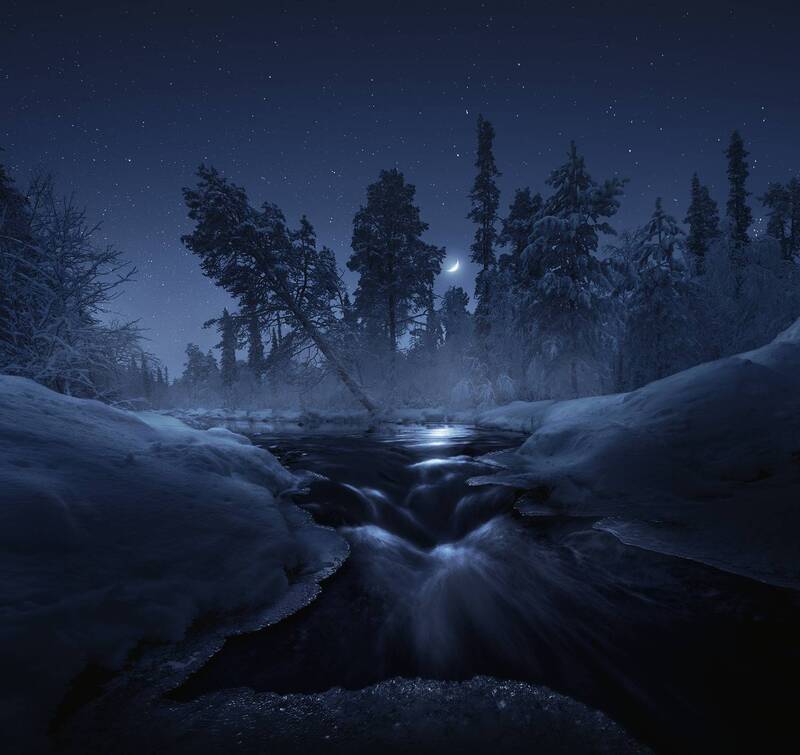
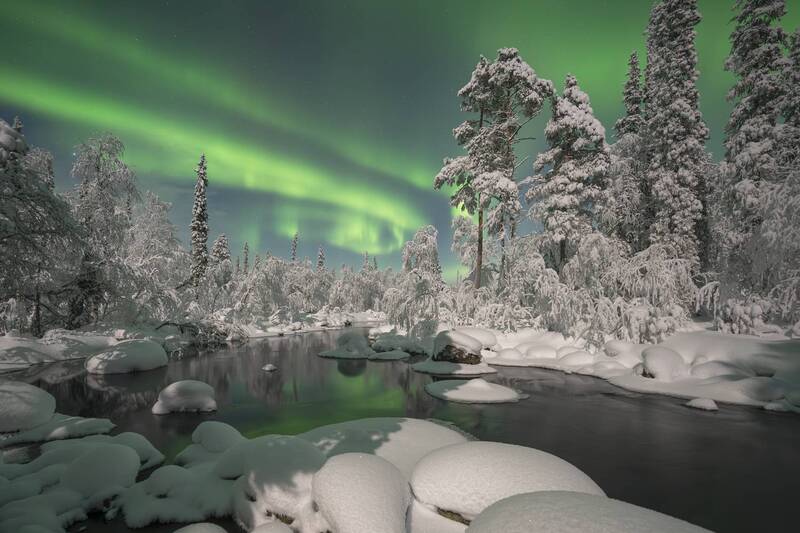
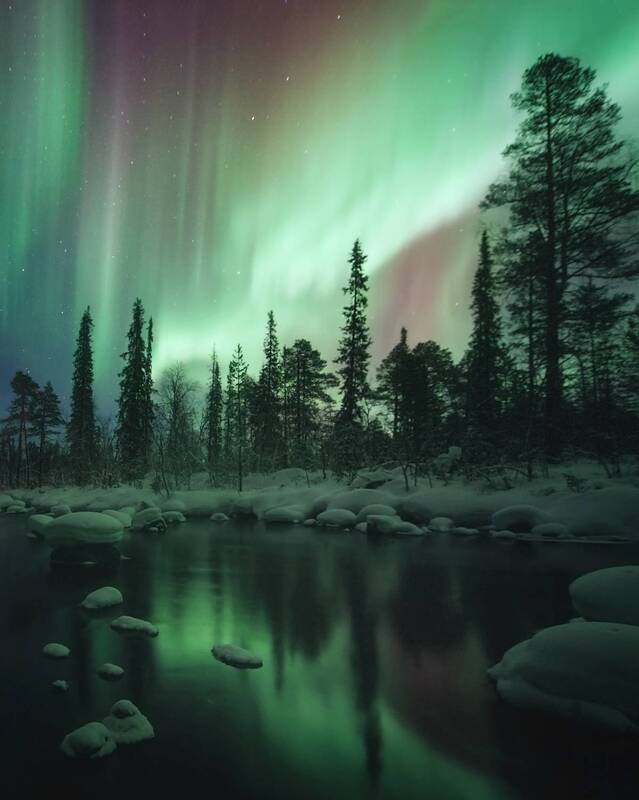
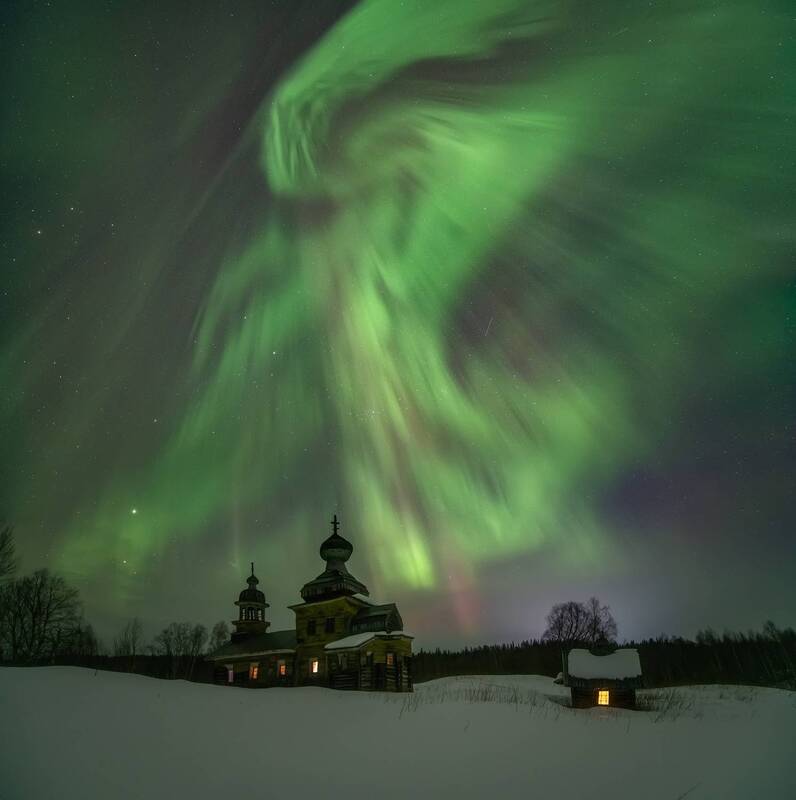
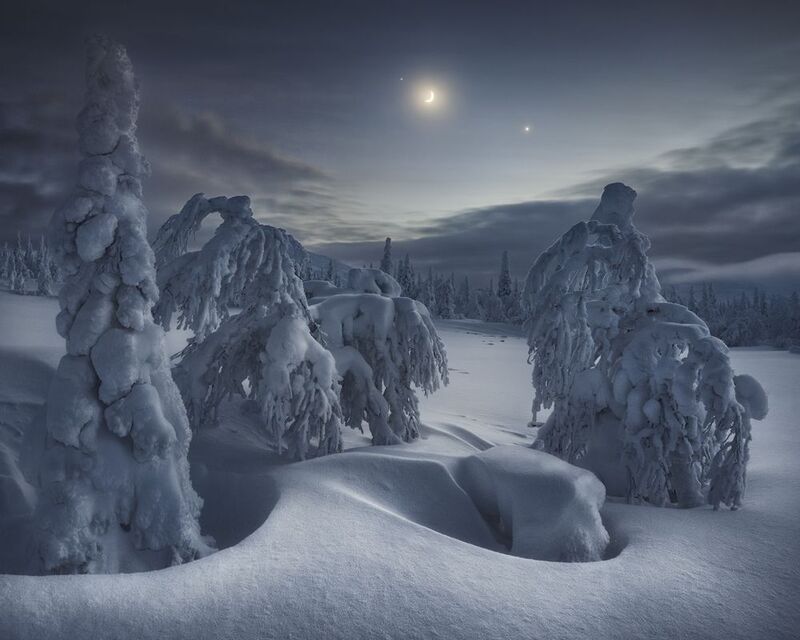
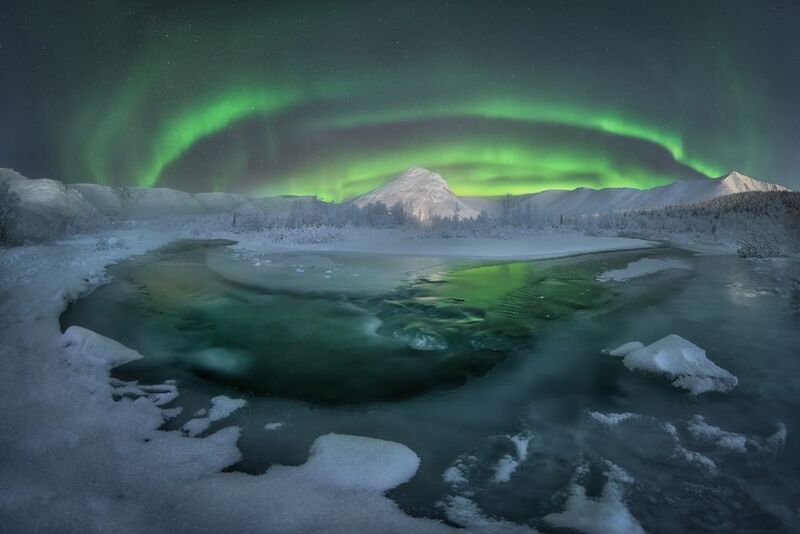
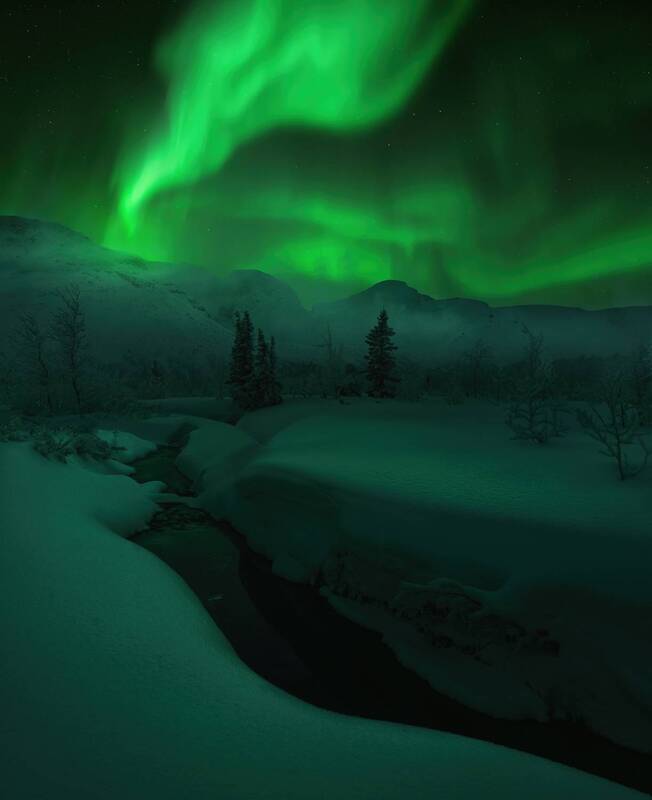
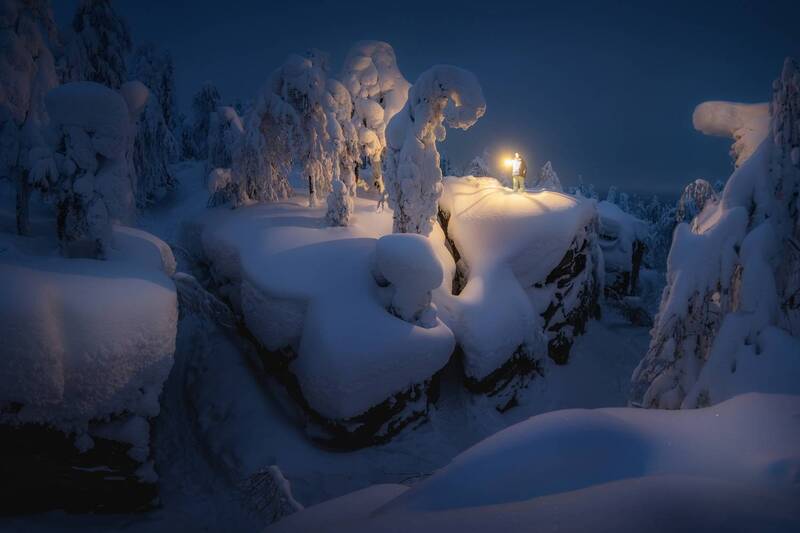
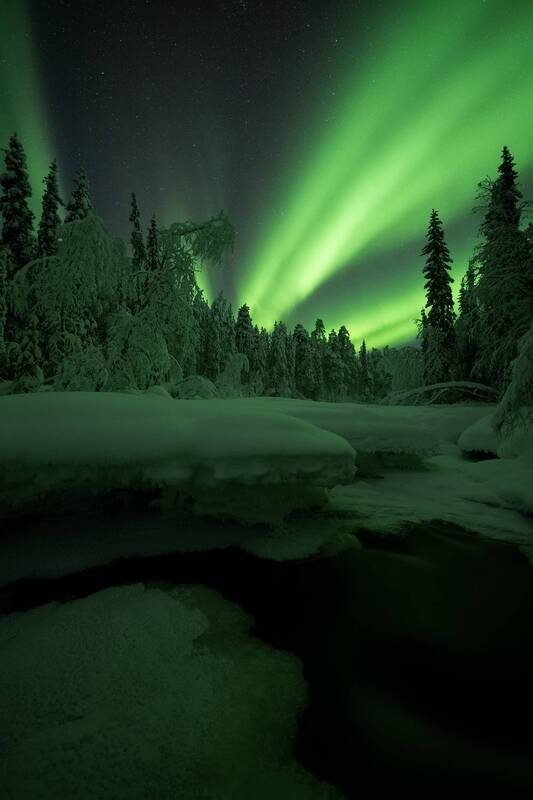
В эту ночь Дух Севера бродил по своим владениям. Он являлся не в облике грозного исполина, а как зыбкий свет, струящийся над снегами, как шёпот метели в ветвях карликовых берёз. Его присутствие угадывалось в танце огней над головой, в хрустальном звоне морозного воздуха, в таинственных тенях, скользящих по свежему снегу.
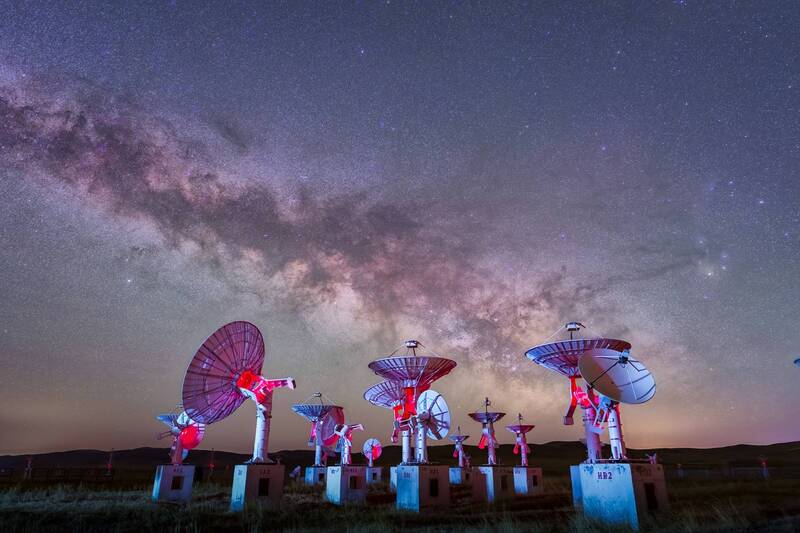
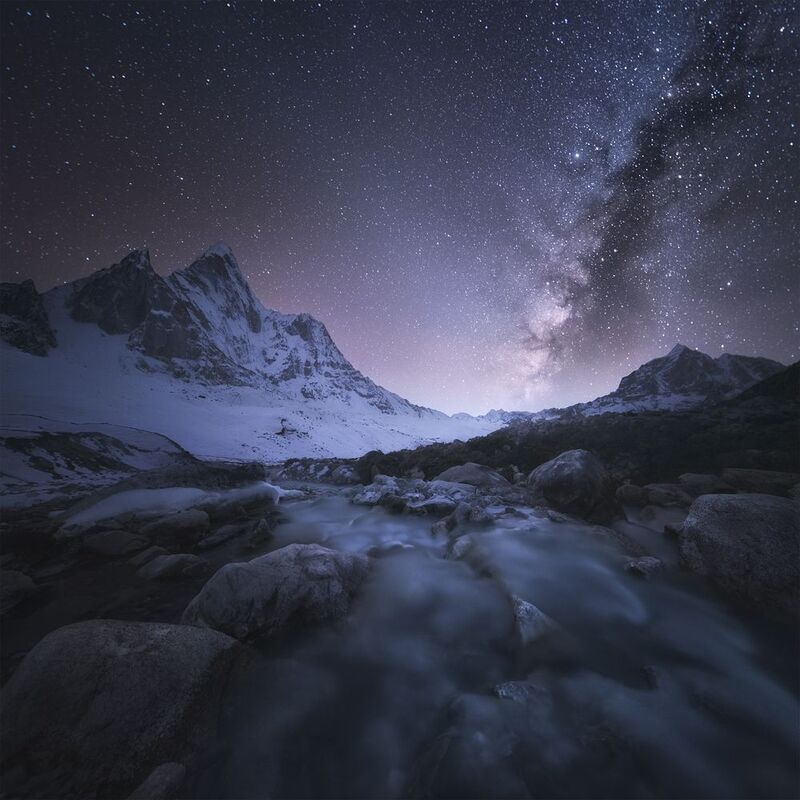
Two watchtowers gaze at the sky, almost reaching out to touch the nebulae of this Milky Way; the quality of these skies is unparalleled. The Chilean desert lends itself to photographing some of the best stars on the planet; this immense vertical reflects a sky almost within reach.
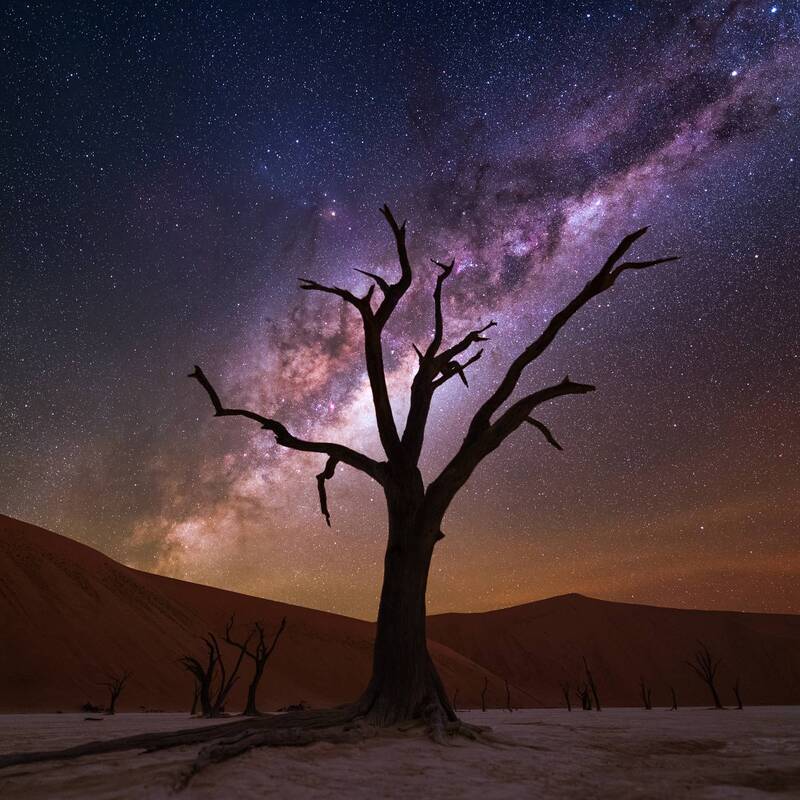
Once thriving in a water-rich valley nearly a thousand years ago, these trees fell victim to a changing climate as sand dunes encroached and the Tsauchab River shifted course. Without water, their roots withered and their trunks died, yet the harsh, arid conditions preserved them in remarkable detail. Today, these acacias — some over 900 years old — stand as a ghostly forest, a snapshot of a world that existed long before us.
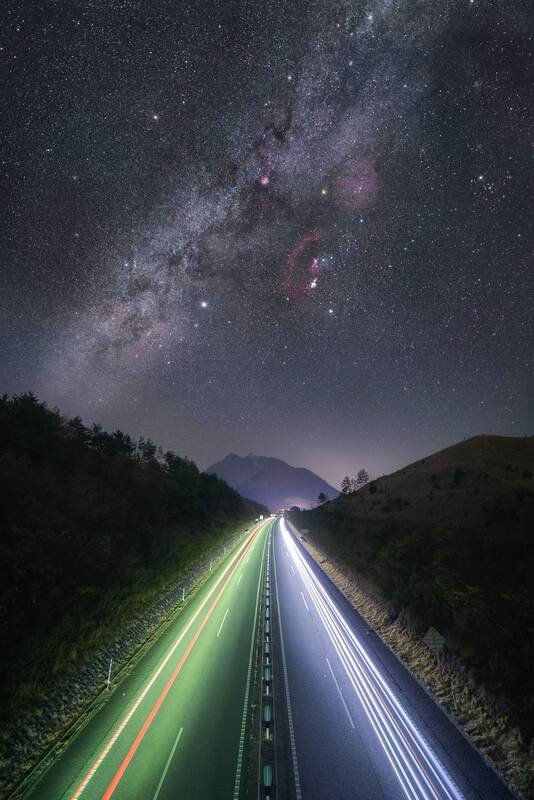
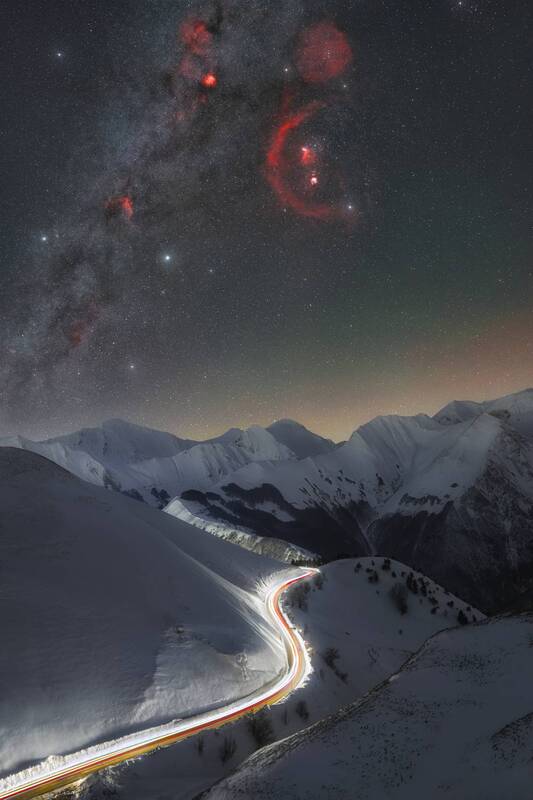
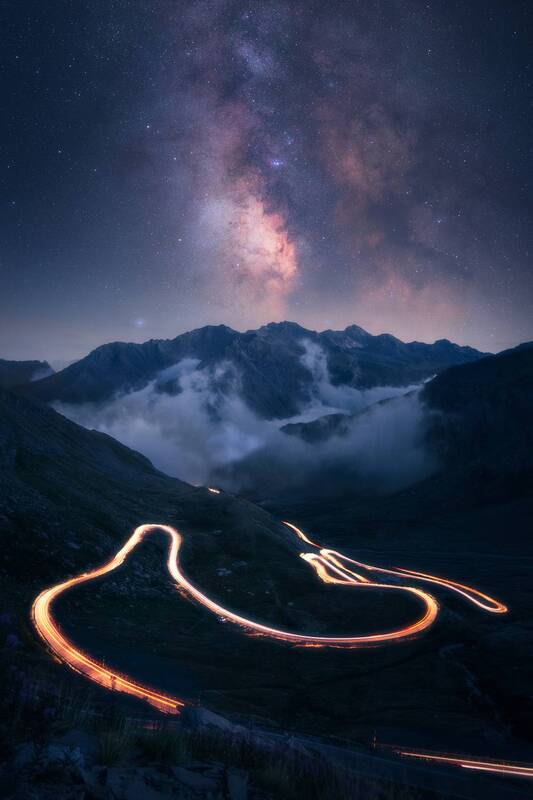
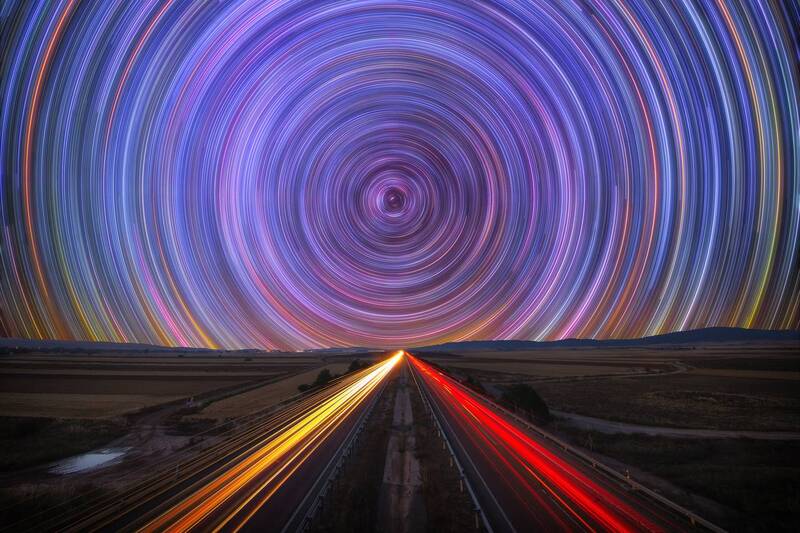
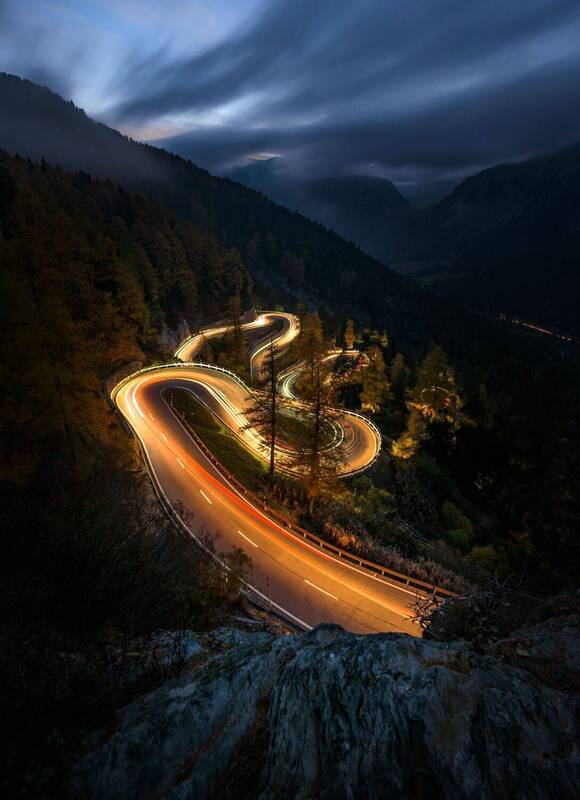
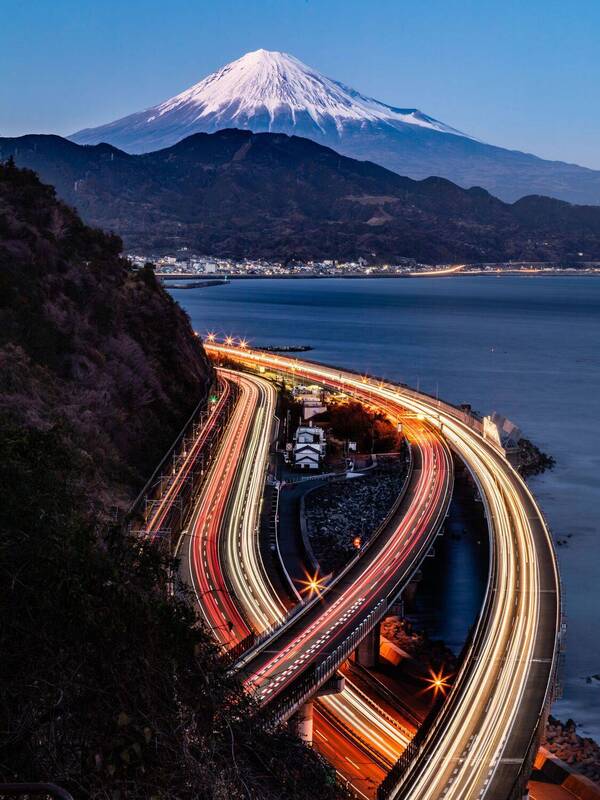
Beautiful pass road in Switzerland. When it\'s dark, you can photograph the beautiful light trails left by the cars. I needed a 3-minute exposure time for this image.
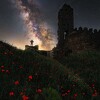
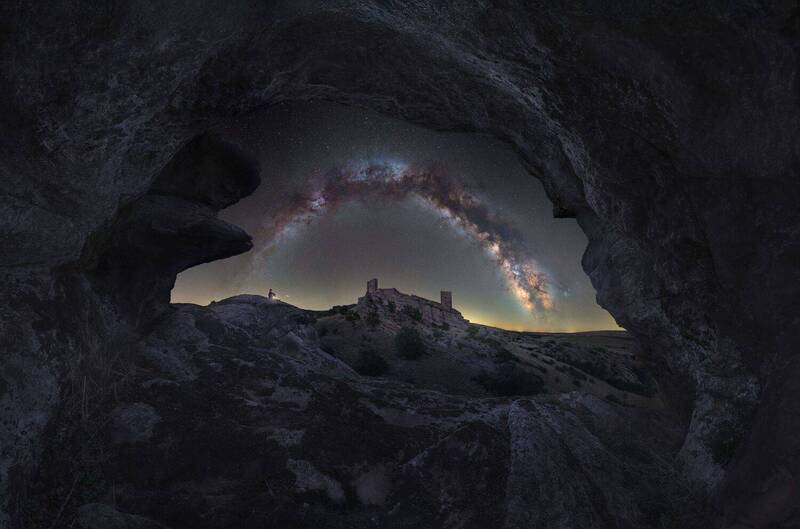
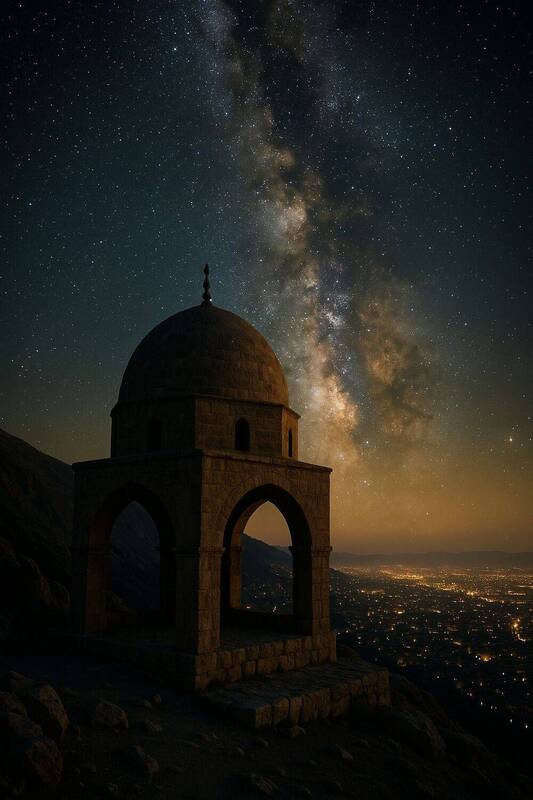
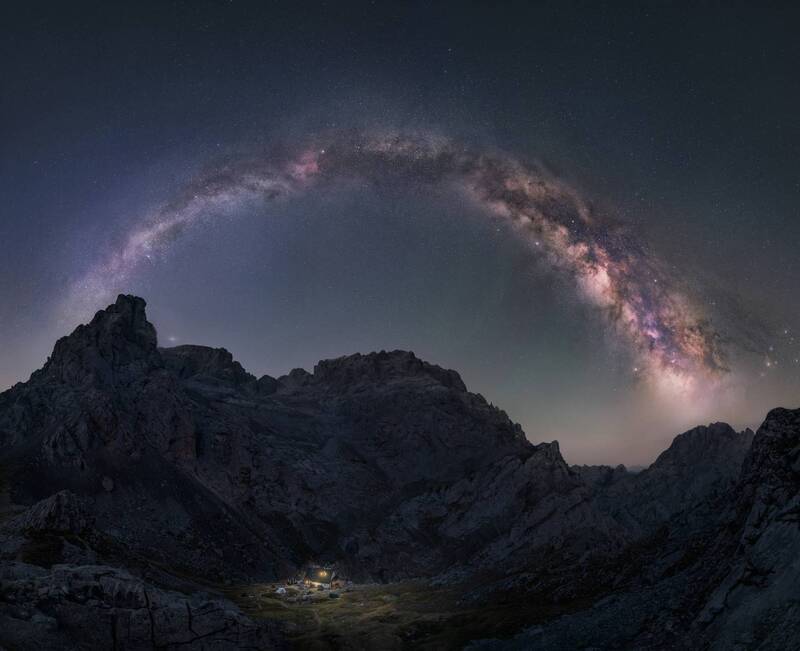
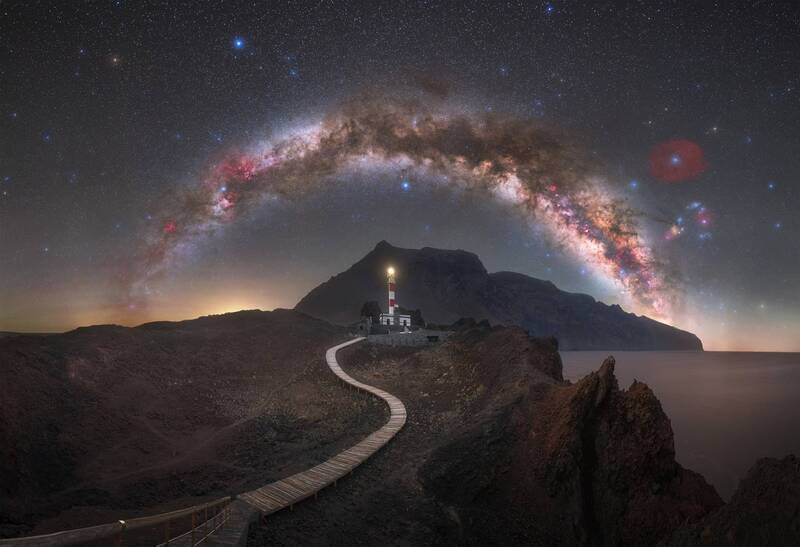
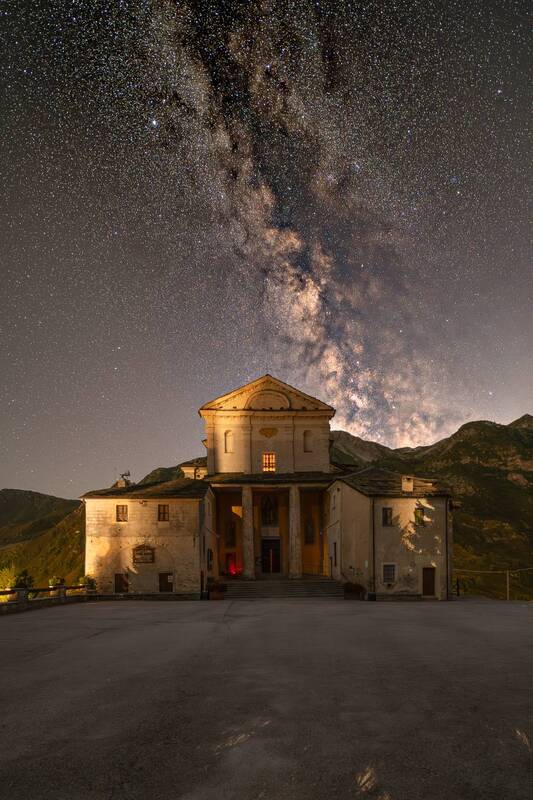
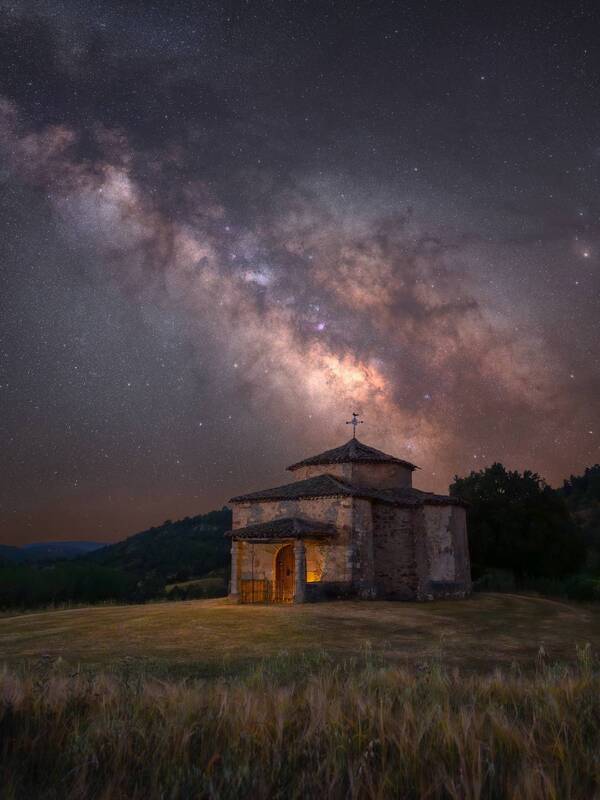
A small stone chapel rests in quiet humility beneath the vast arc of the Milky Way. Built by human hands, it stands as a fragile witness to devotion, time, and belonging. Above it, the universe unfolds in silent brilliance, reminding us that faith, wonder, and meaning have always lived somewhere between earth and the stars.
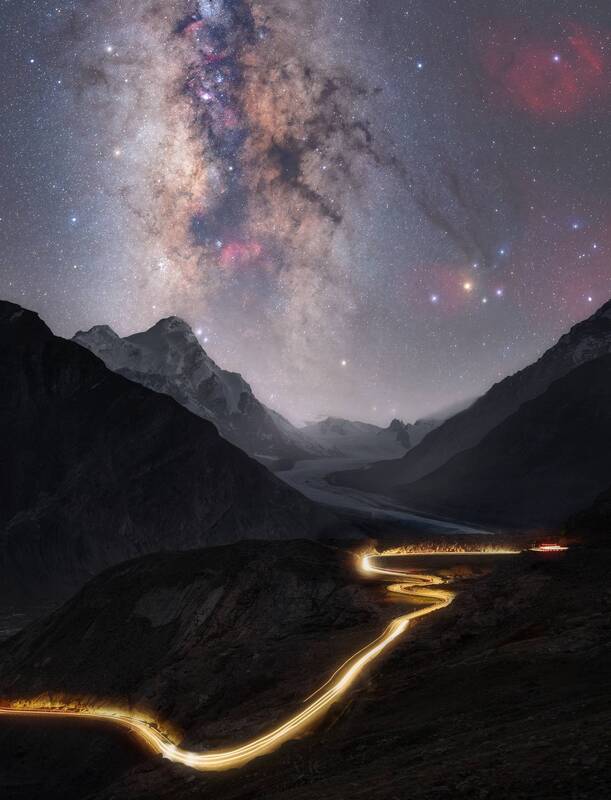
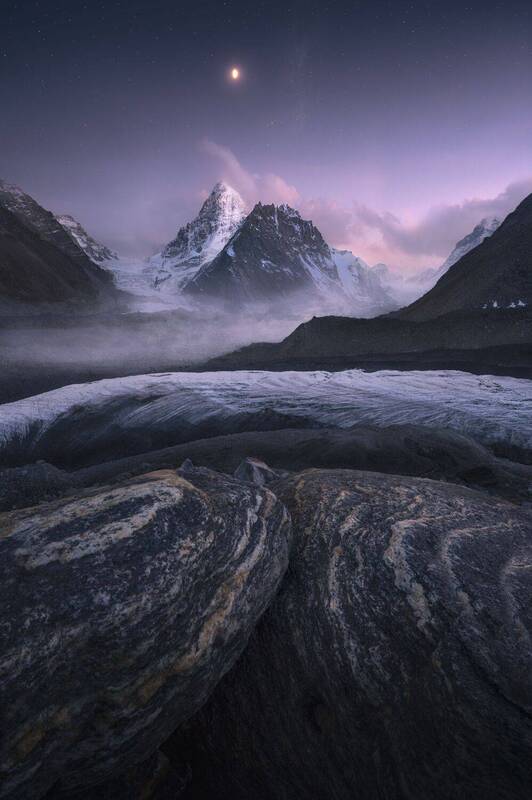
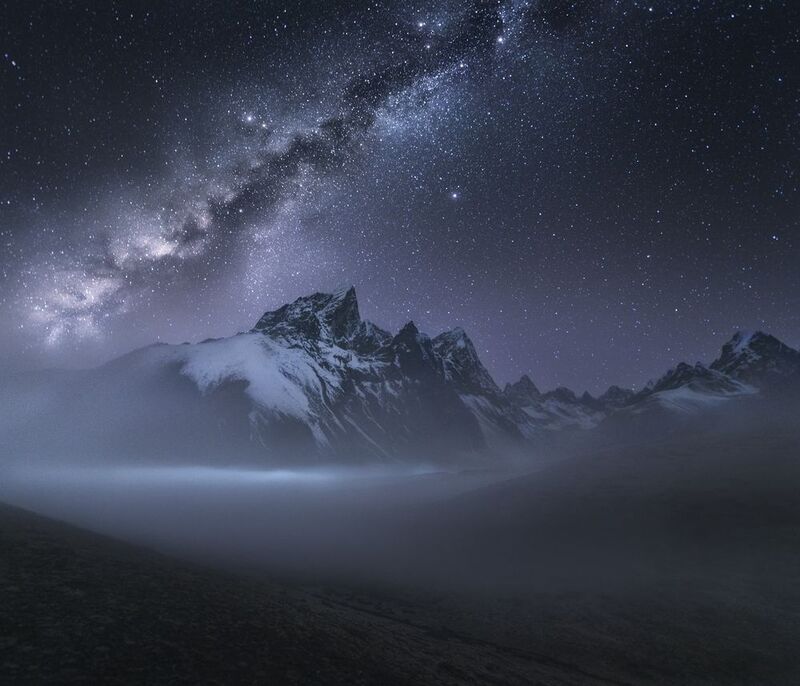
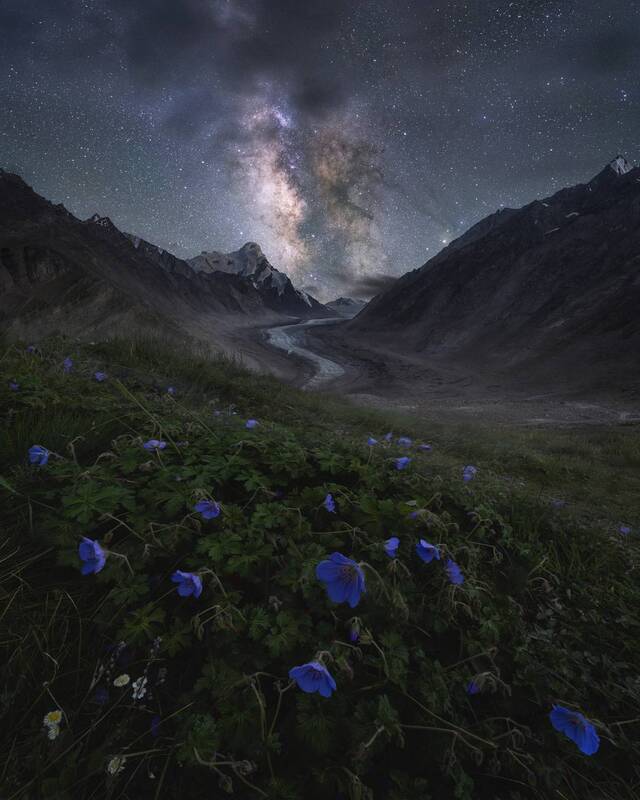
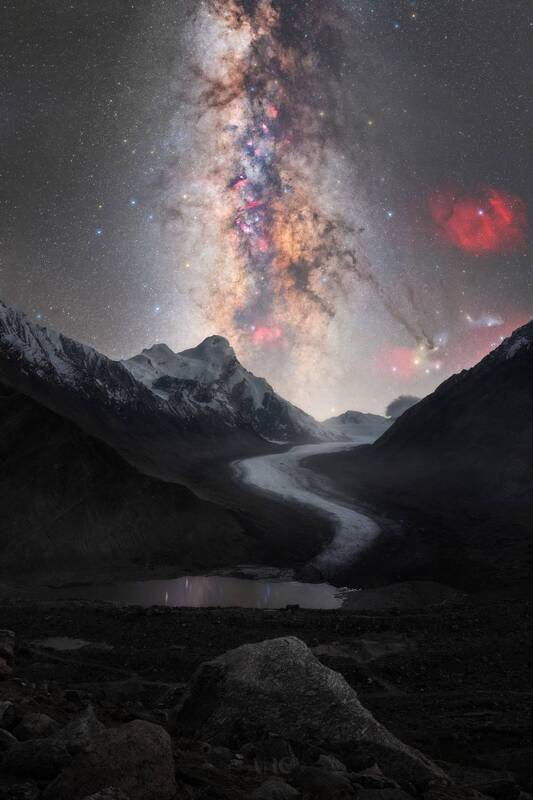
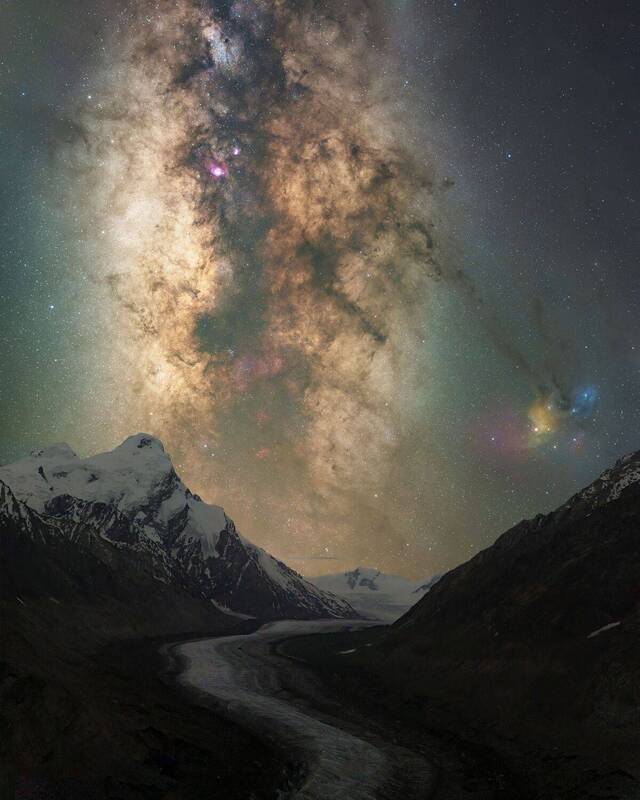
Last year, I captured a similar shot at Drang Drung Glacier, but this one felt special. This time I used an H-Alpha filter and applied my newer processing skills. When I finished the edit, I could hardly believe it was my image. The Hydrogen Alpha Milky Way Core was completely new to me, and seeing the red details around Zeta Ophiuchi was truly extraordinary.
Sierra Nevada in the province of Granada is home to one of the best skies in southern Spain, together with its hills during the thaw season. They create a magic stamp with incredible reflections
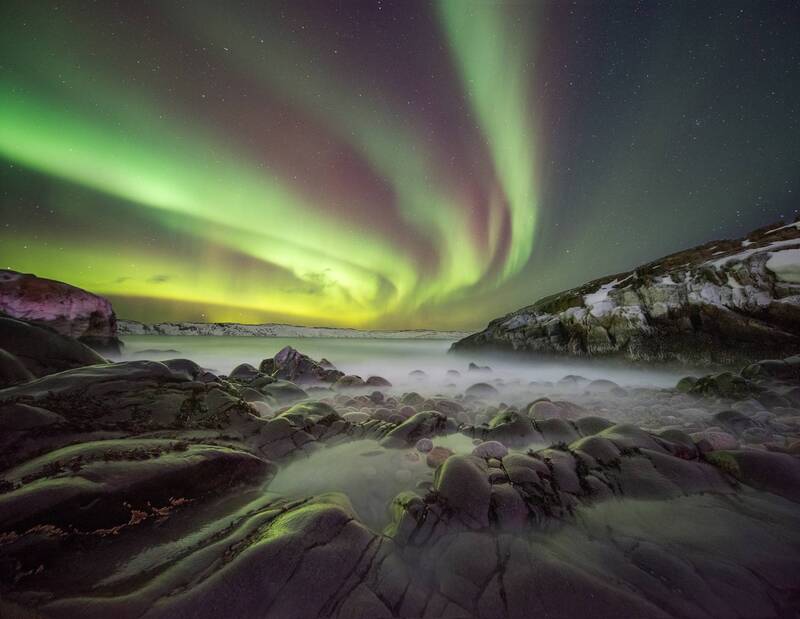
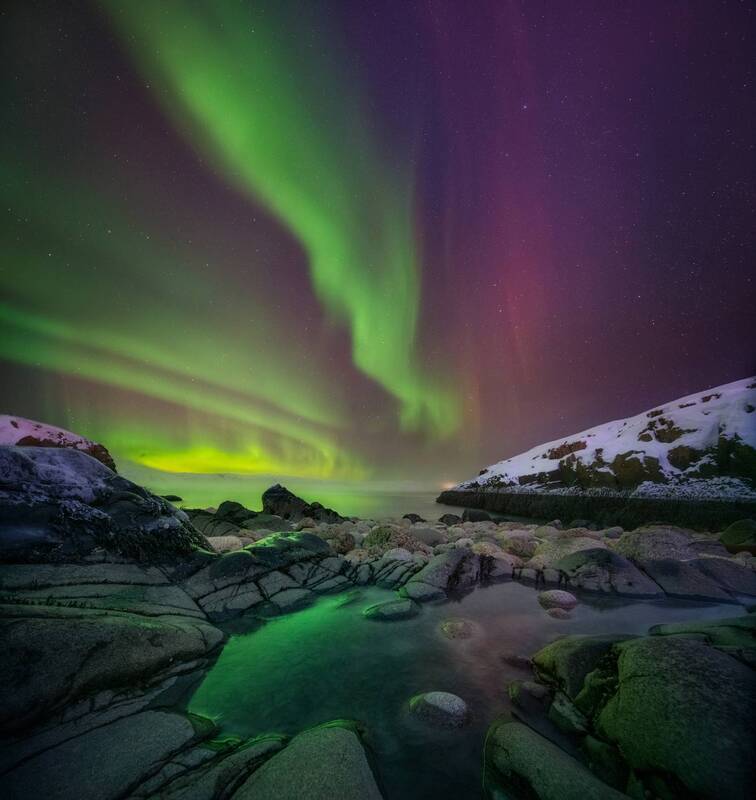
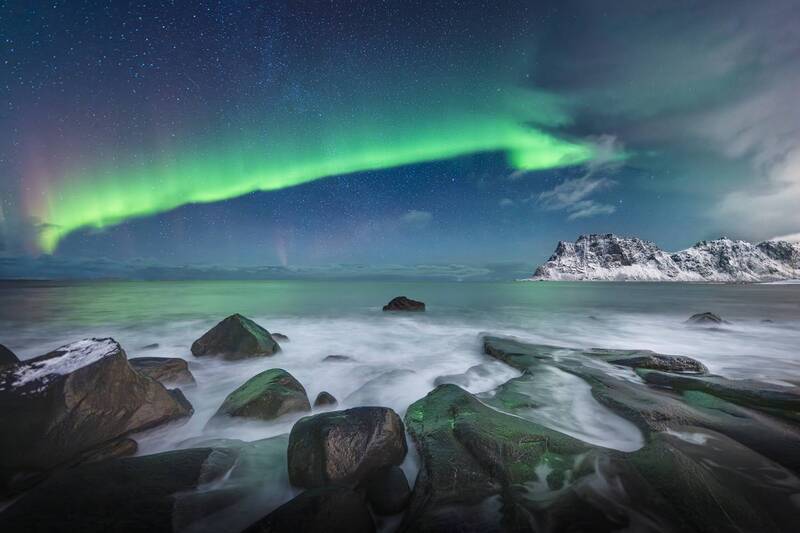
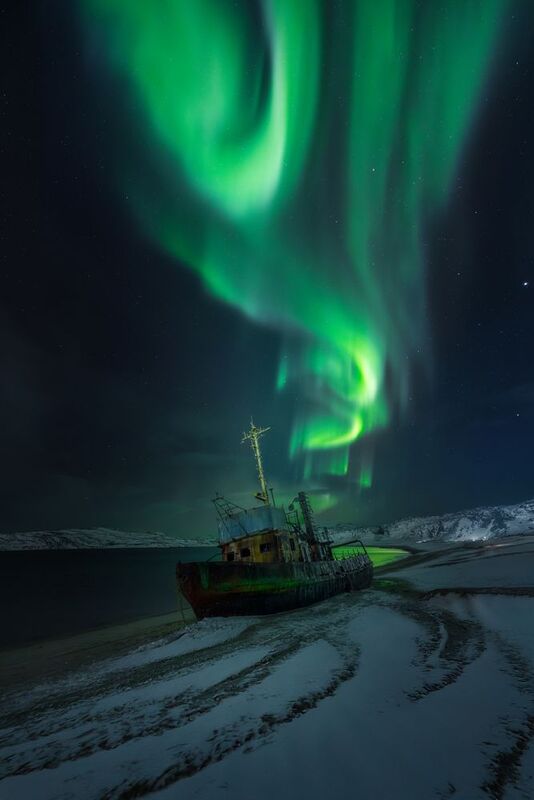
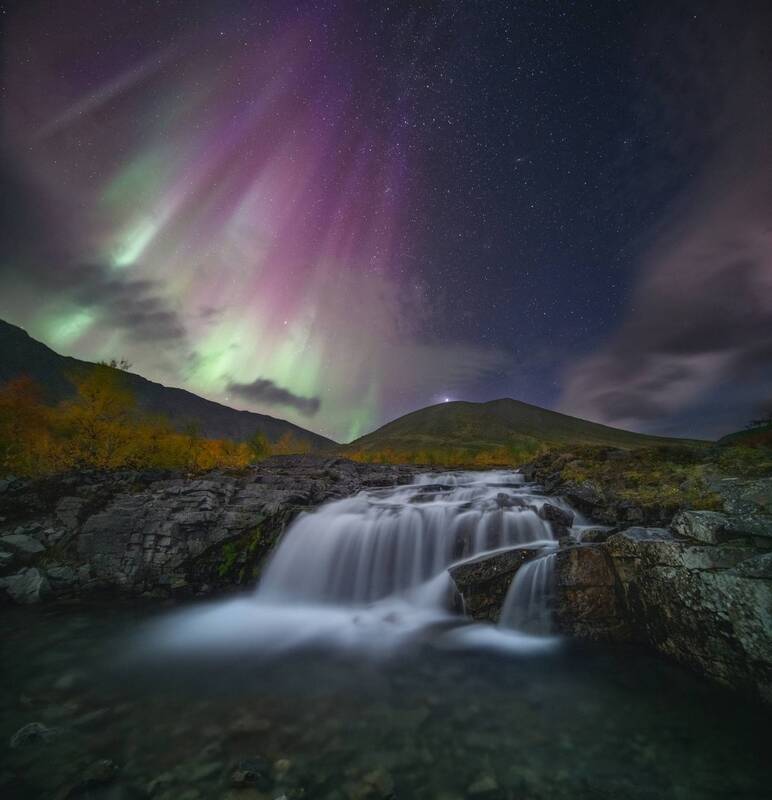
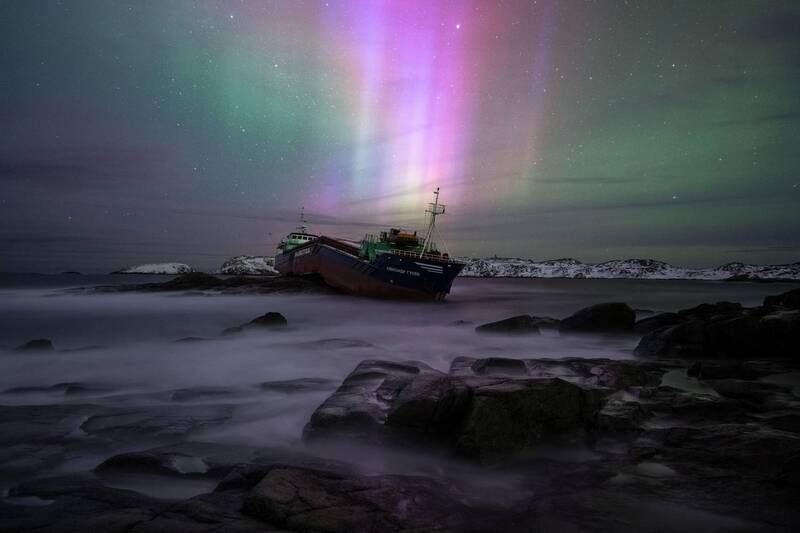
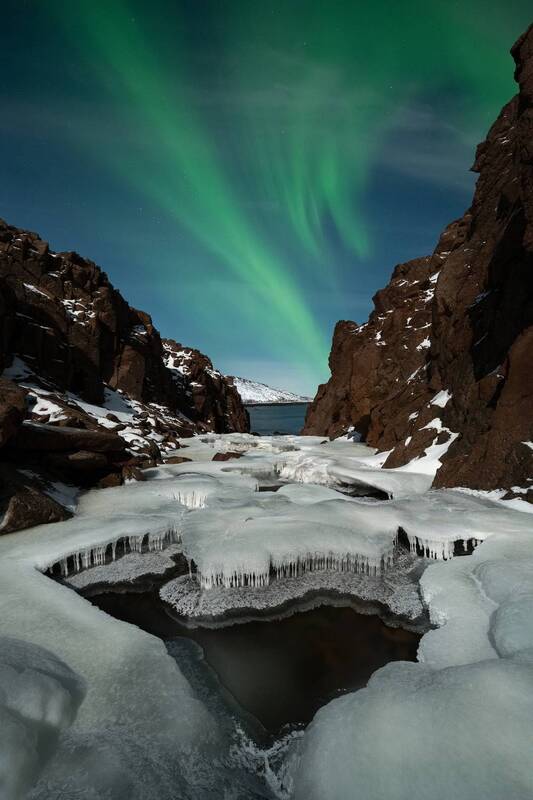
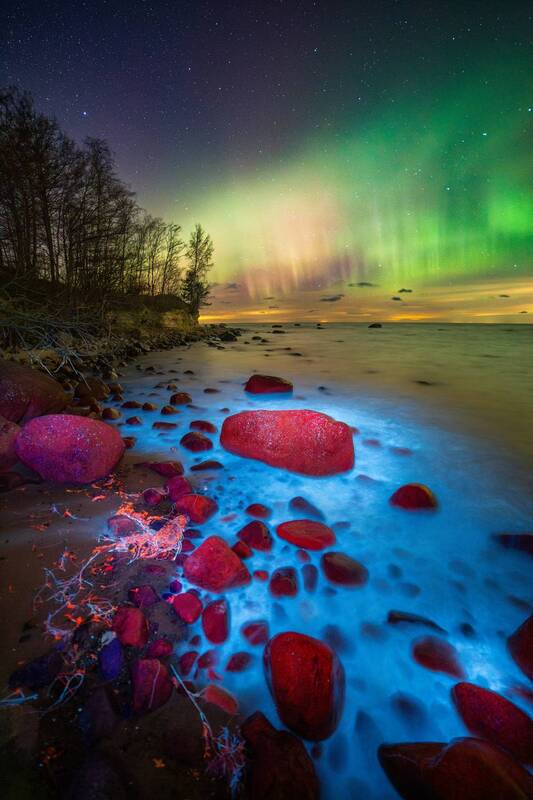
Дыхание вечности. Фотография сделана на побережье Баренцева моря во время прилива. Мокрые камни отражают игру света Авроры, а волны создают дымку на долгой выдержке.
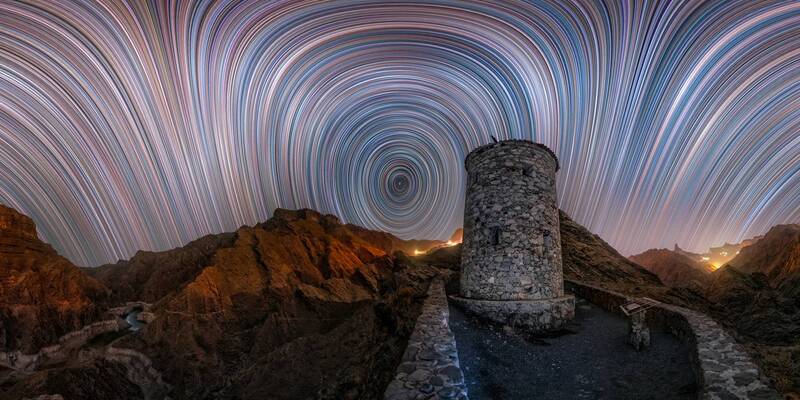
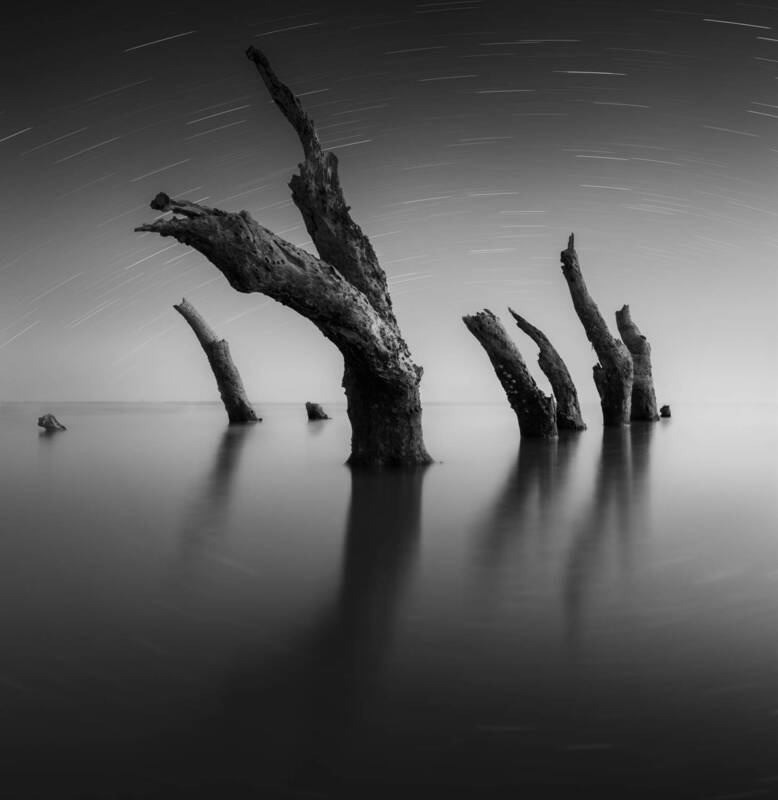
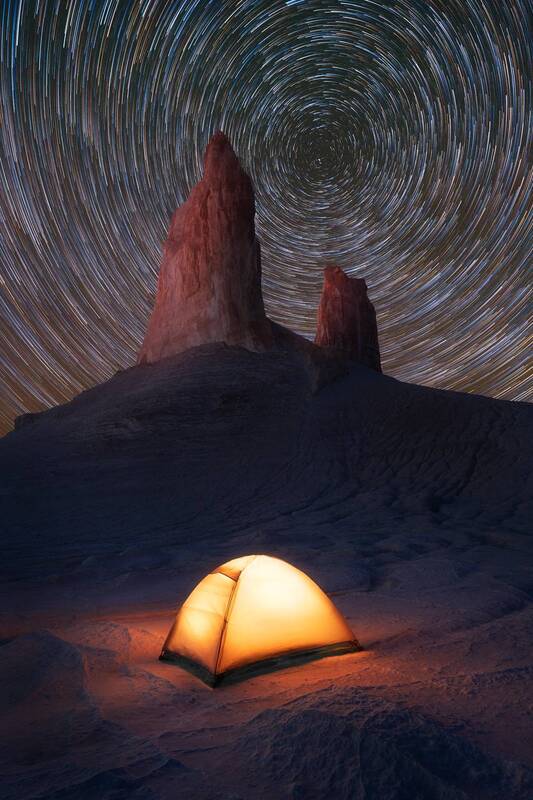
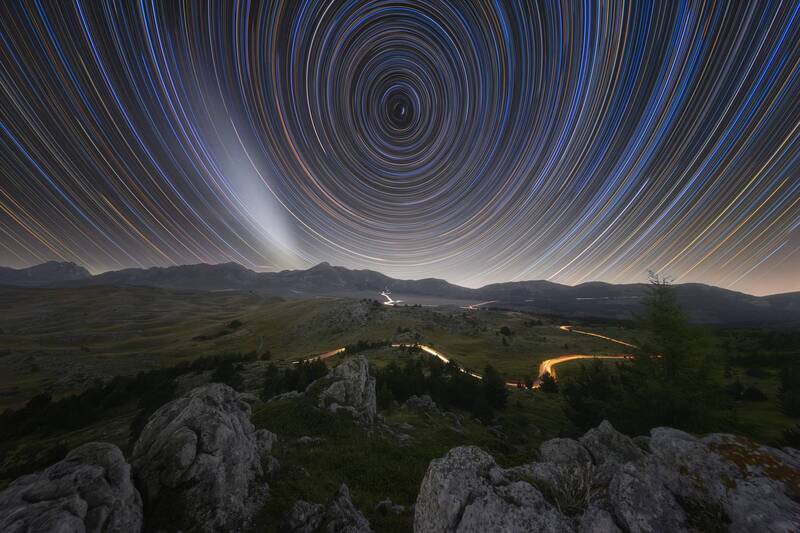
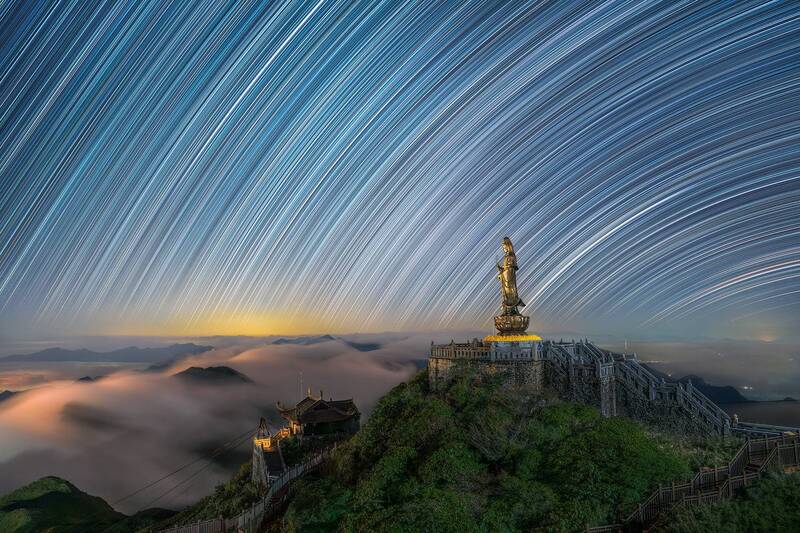
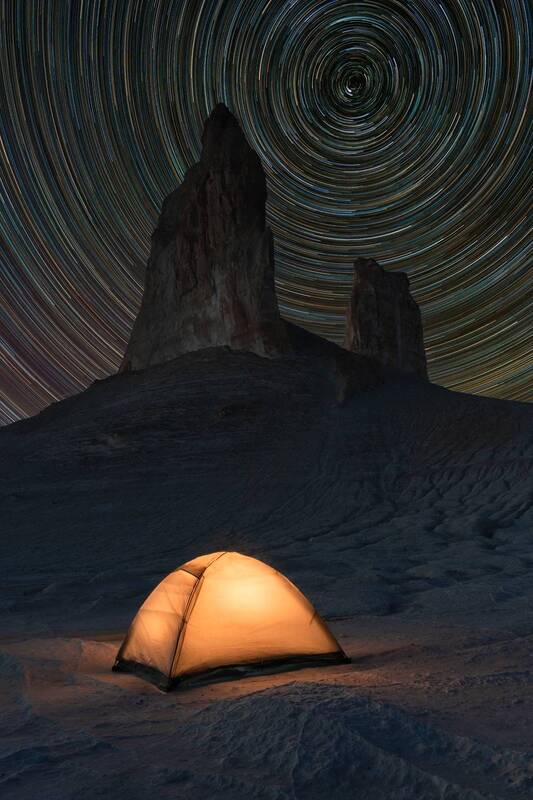
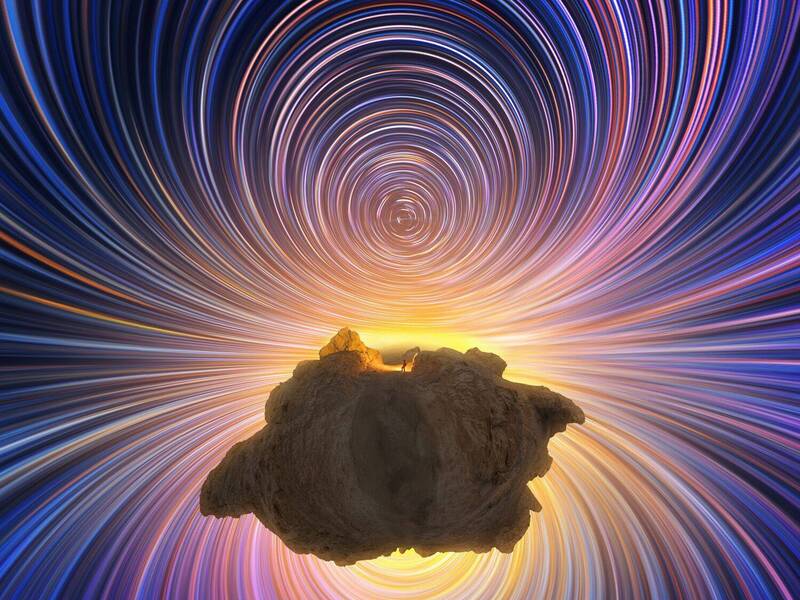
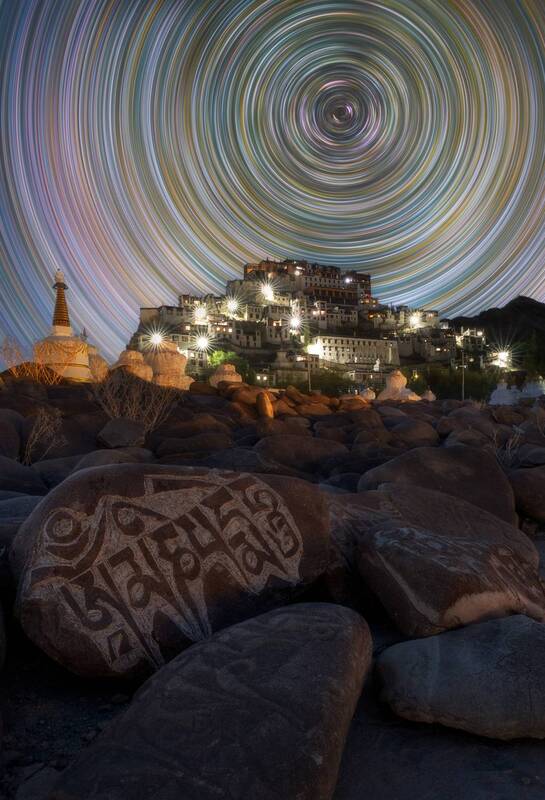
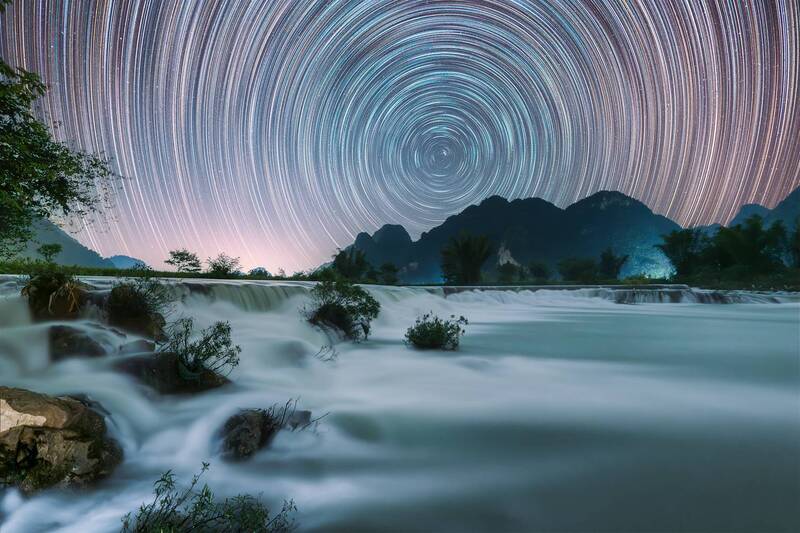
Beneath sweeping star trails above Fansipan, the statue of Avalokitesvara stands quietly over the clouds and mountains of Hoang Lien Son.
While the sky reveals the passage of time through motion, the land remains serene — a balance between movement, faith, and silence in the depth of night.
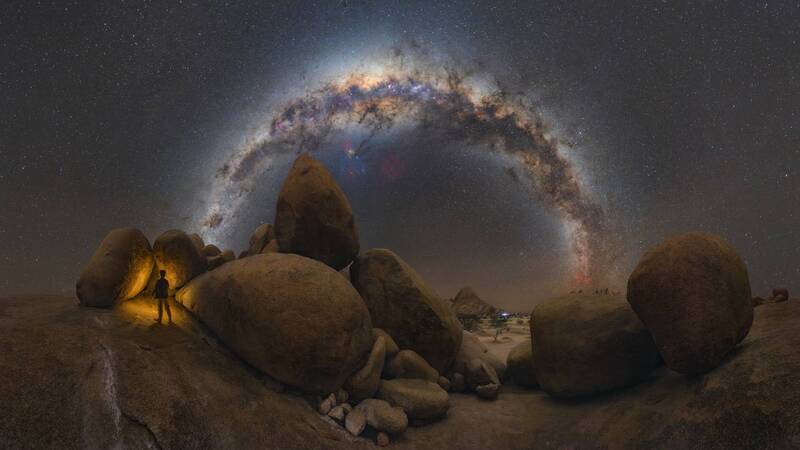
Spitzkoppe, Namibia, August 2025.
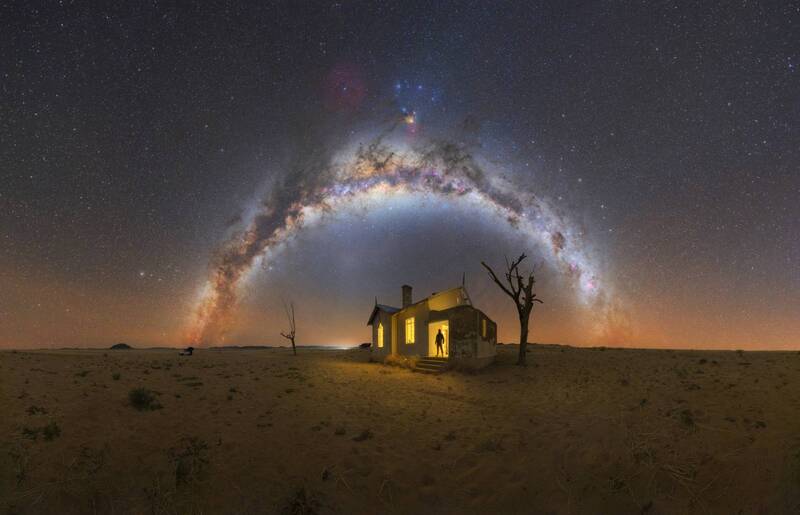
It is the night of the new moon in August, and few skies are as dark as Namibia’s tonight. The Milky Way stands out in all its glory against the sky, every part of it clearly is visible to the naked eye, a sight that leaves speechless and makes understand without a shadow of a doubt that we are not alone in the universe.
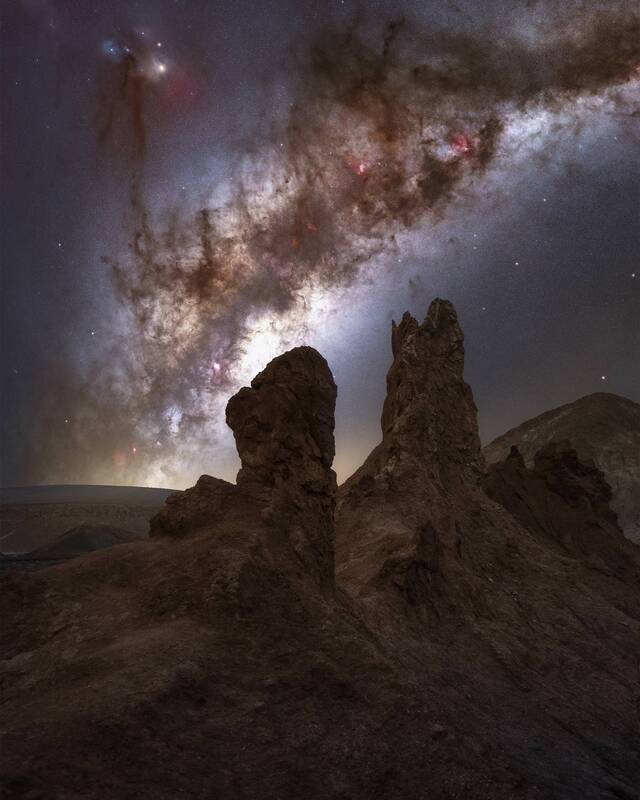
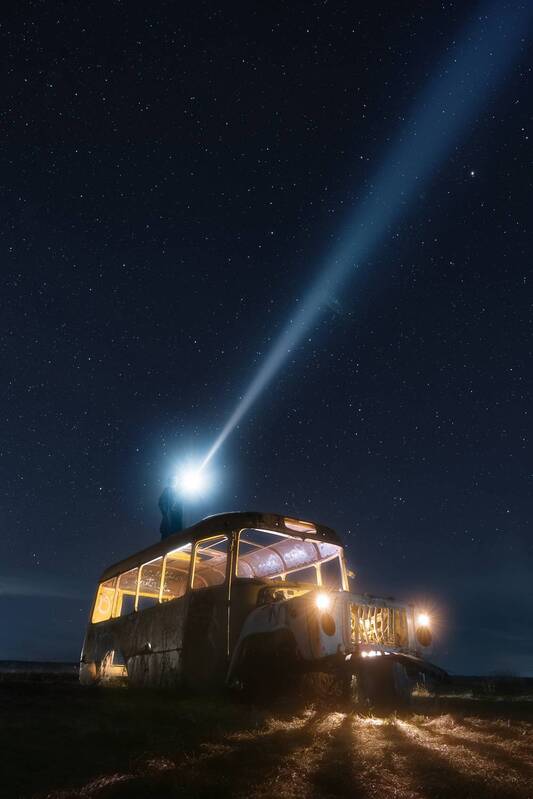
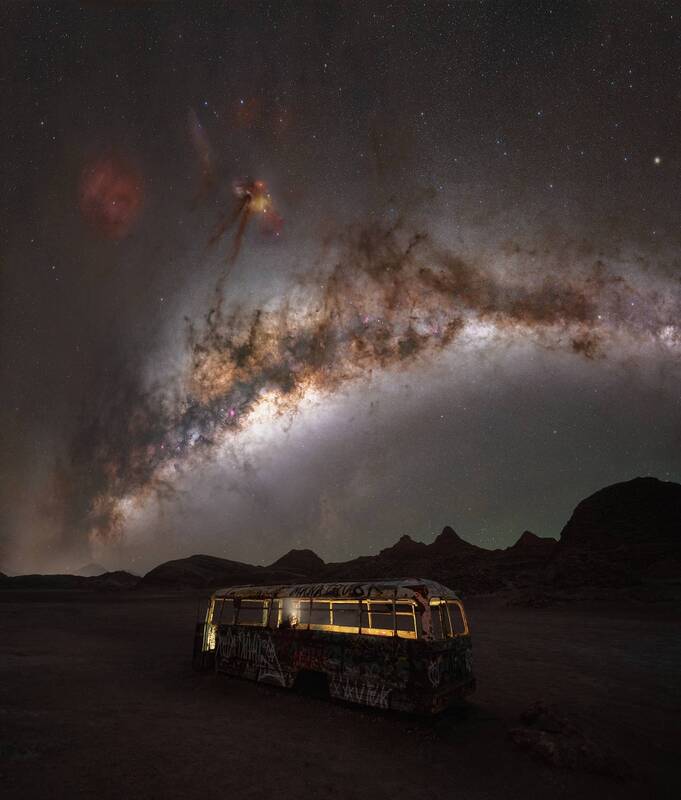
Finding old junk in the Chilean deserts is a prime reason to further embellish a landscape to complement the nebulae visible to the naked eye in the Atacama Desert. It\\\'s impressive to combine the stars with such a unique landscape in an image that, in this case, is best captured in a vertical photograph.
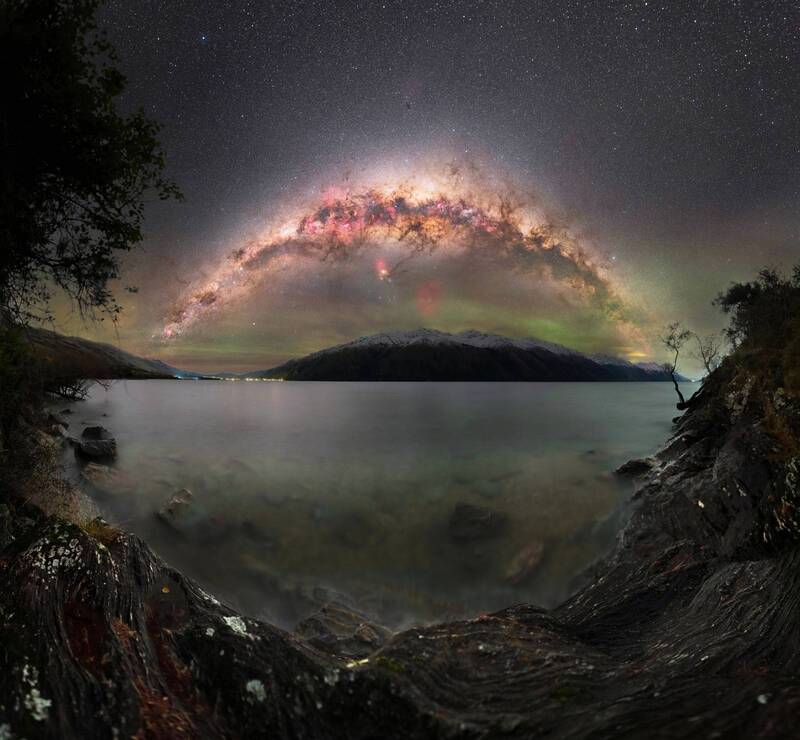
Morning Milky Way Arch over the Lake Wakatipu, June 2025, New Zealand
After a couple of days of bad weather, we finally got our first clear skies - almost at the end of our trip, while we were staying in Queenstown. On our way back from Fiordland National Park, we stopped at a spot along Lake Wakatipu. Descending to the water wasn’t easy due to the steep slope, a reminder to be extra careful, especially since we planned to return around midnight when the moon was expected to set.
That night, the Milky Way slowly moved behind the mountains, while the lake’s surface was stirred by a steady wind blowing toward us. Despite these challenging conditions, I managed to capture the entire galactic arch while it was still high in the sky - a rewarding moment after a long wait.
Tree on the Parking of Deadvlei, May 2024, Namibia
As I was leaving Deadvlei, I came across a beautiful tree near the parking area. In the final moments of evening twilight, as the sky transitioned into astronomical darkness, the Milky Way rose steeply above the horizon. The first recognizable feature to appear was the Carina Nebula, glowing softly just above the tree. It was a perfect moment when I knew I had to capture with my camera.
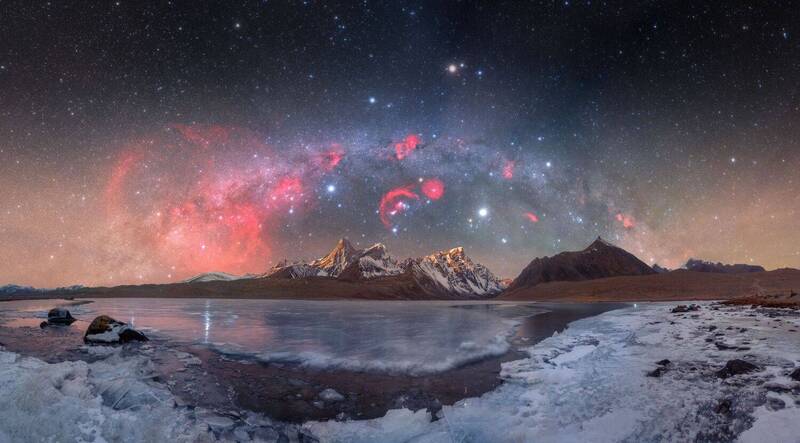
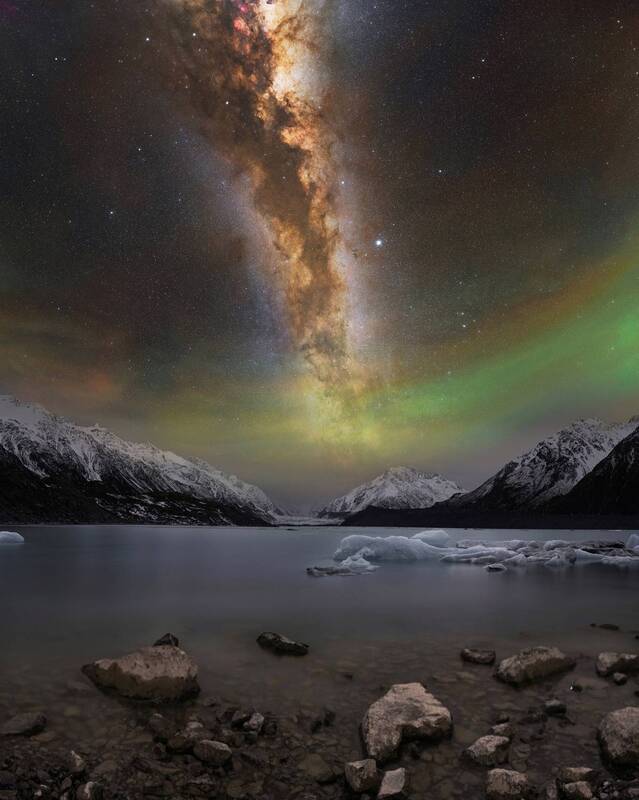
The Great Rift of the Milky Way over the Tasman Lake, June 2025, New Zealand
As the weather looked promising that night near Aoraki / Mount Cook, I decided to head to Tasman Lake, famous for its floating ice. I stood at the lake’s edge, photographing the Milky Way as it rose behind the mountains.
Suddenly, a strong wind swept across the water, pushing the icebergs toward the river. Within moments, several of them drifted close to where I was standing. I realized I had only a brief window to capture this fleeting scene before the ice disappeared from view.
The shifting pieces pressed and turned against one another, forming nice patterns on the lake’s deep blue surface - a mesmerising dance of ice and starlight.
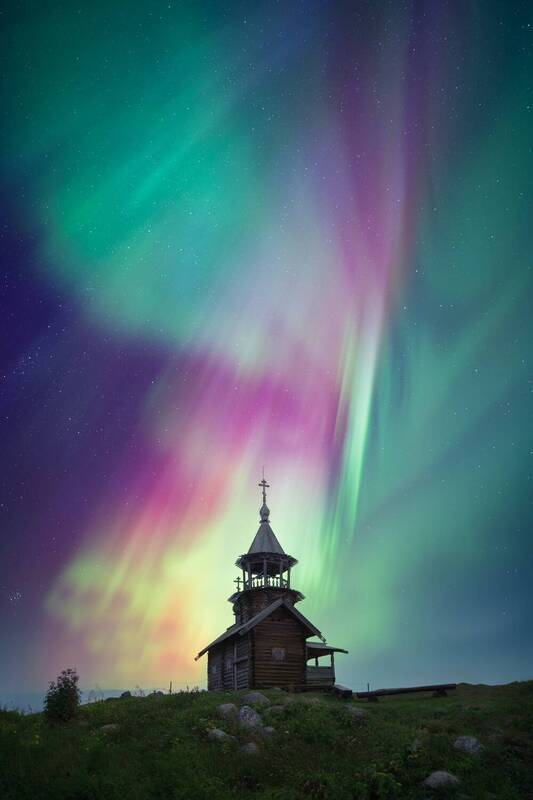
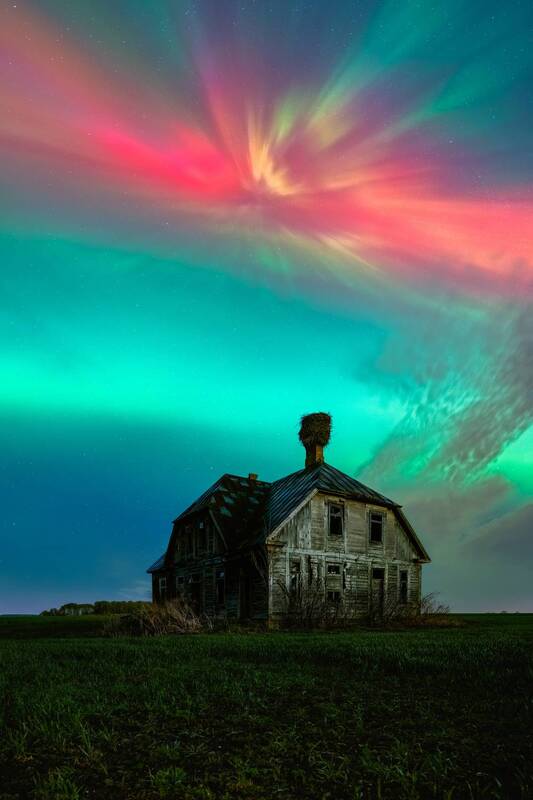
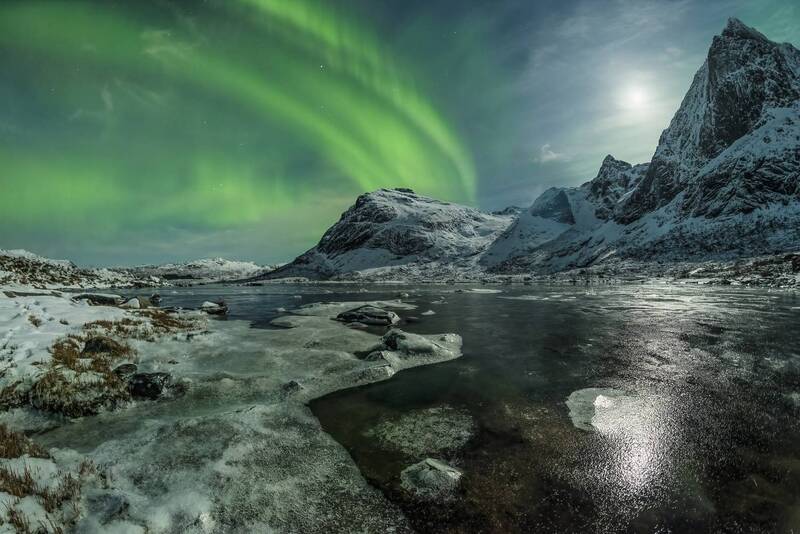
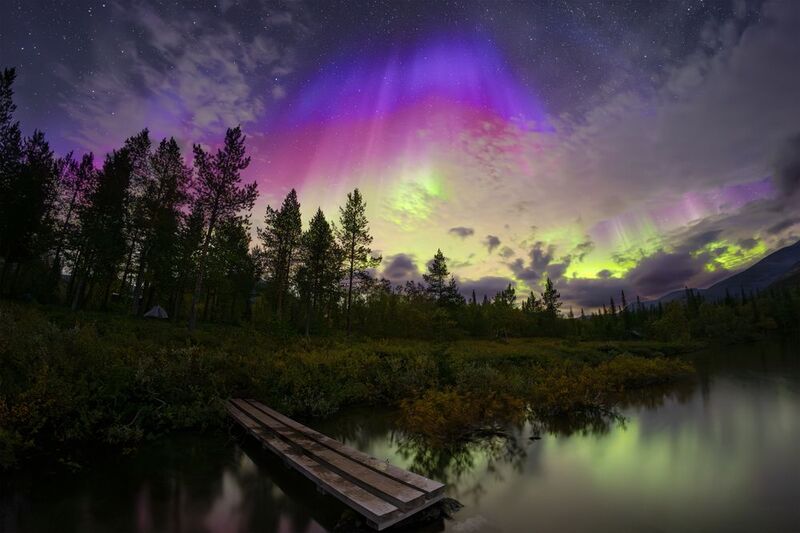
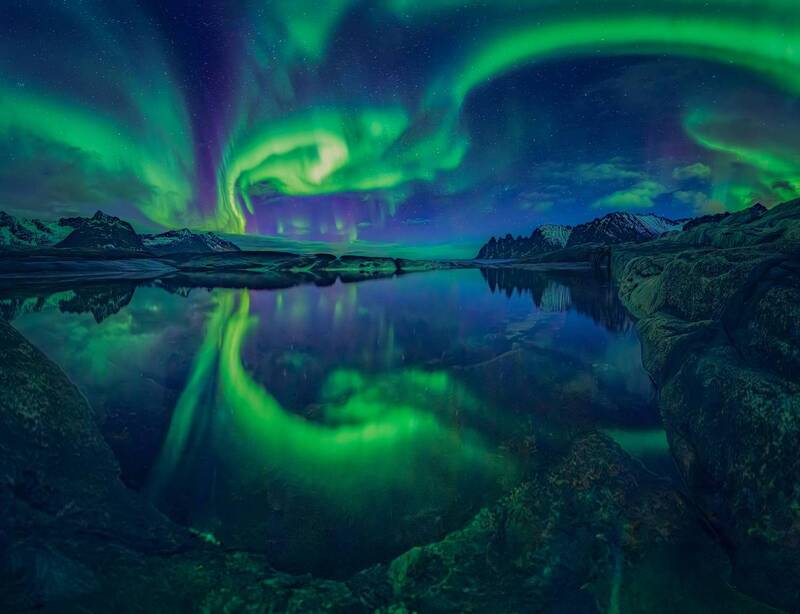
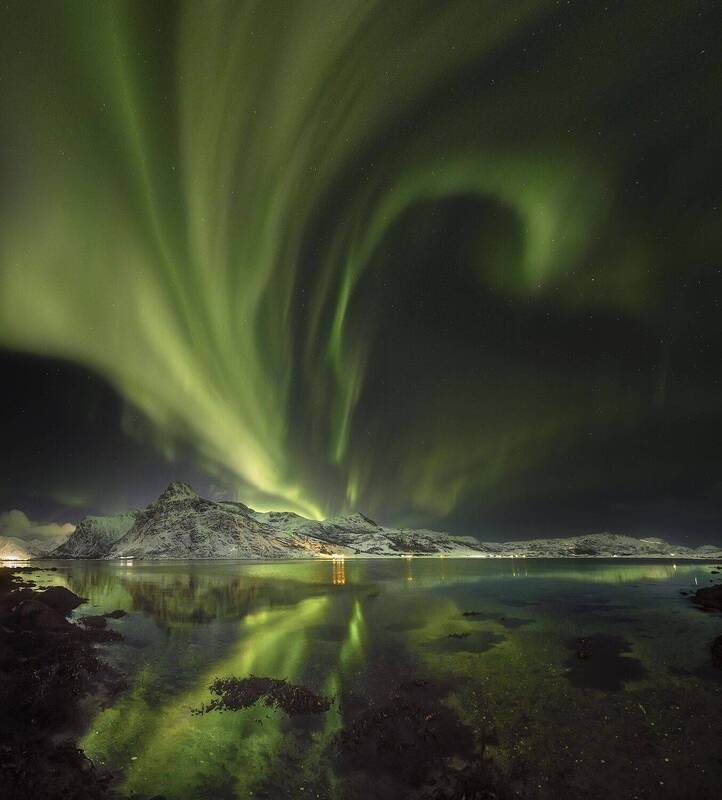
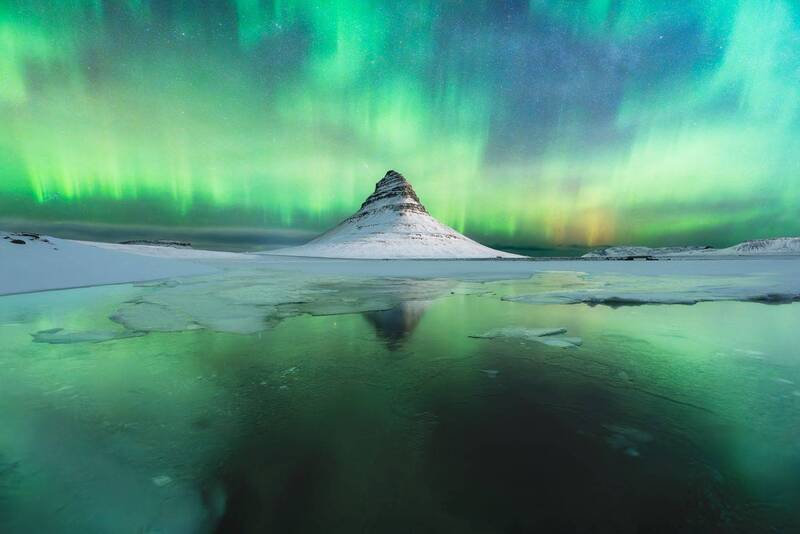
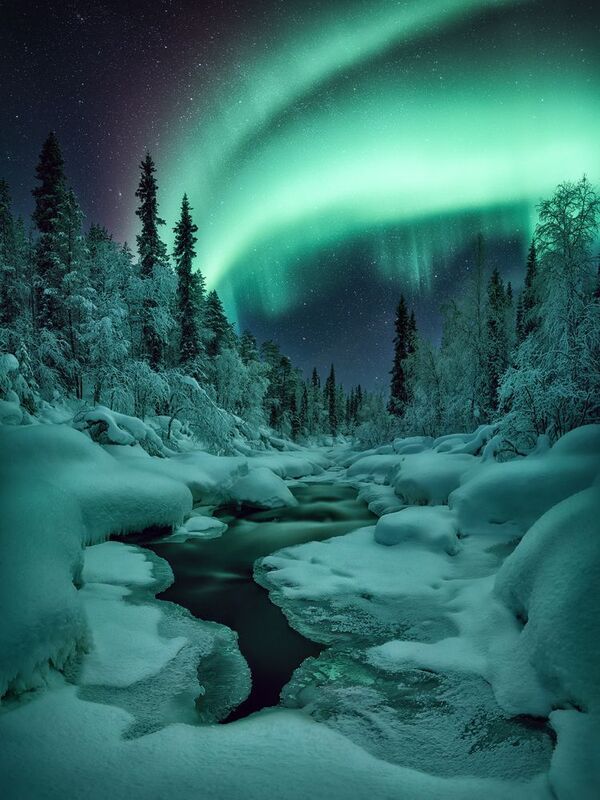
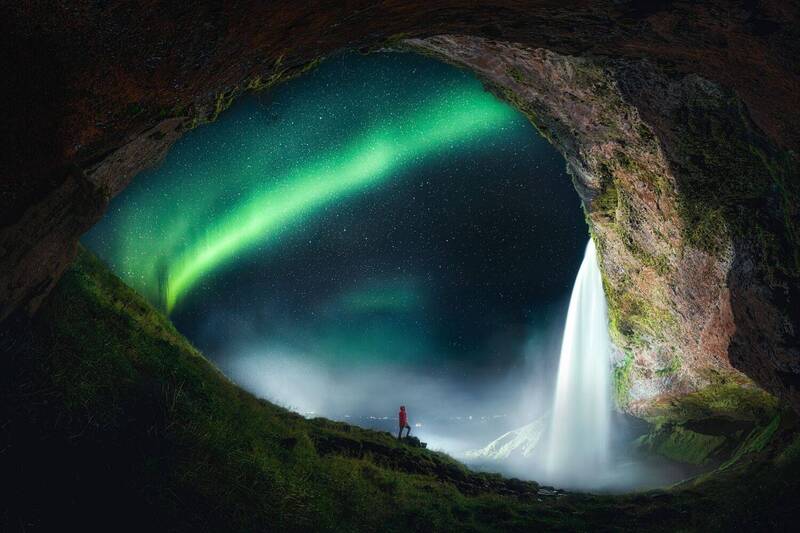
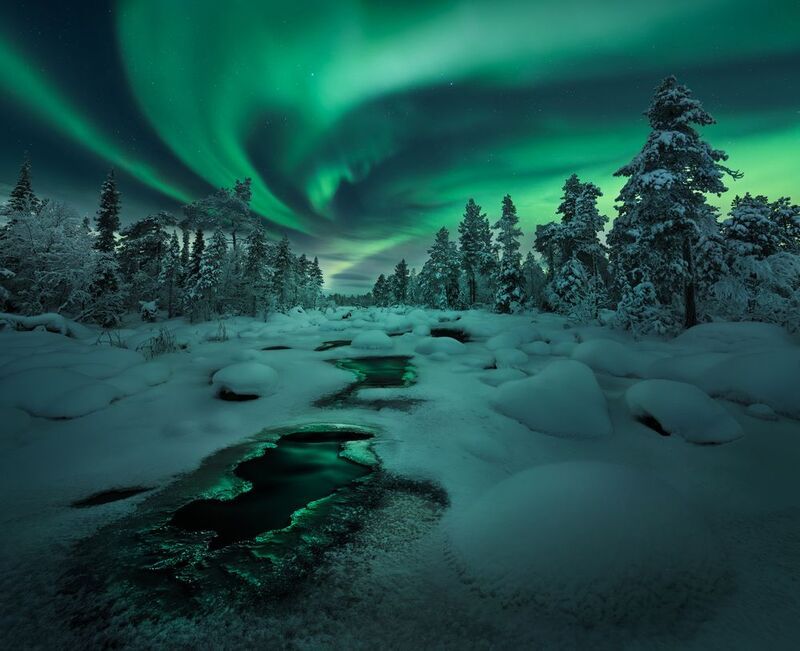
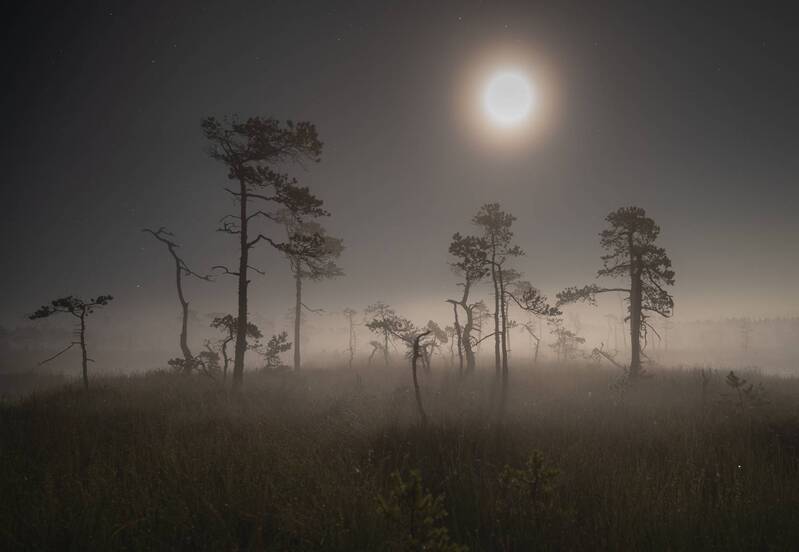
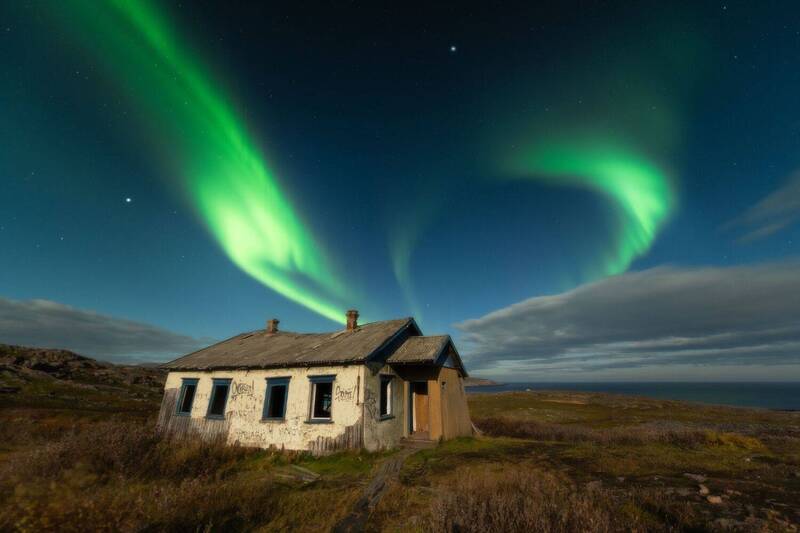
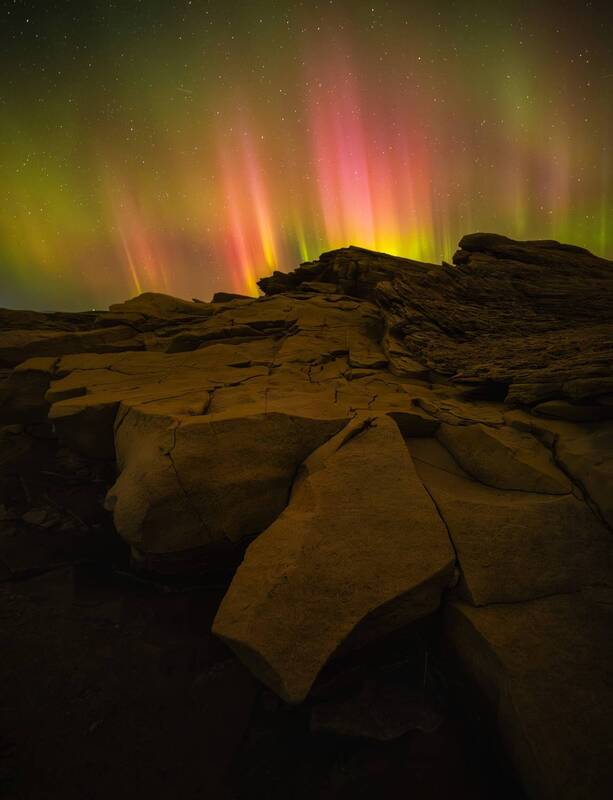
When you travel north in search of the northern lights and you have an unfavorable weather forecast, you never lose hope and wait patiently for an opportunity. When the sky opens for a moment, you can see unique and magical moments. The Valkyries come down from the sky and you can see a beautiful spectacle in those lights.
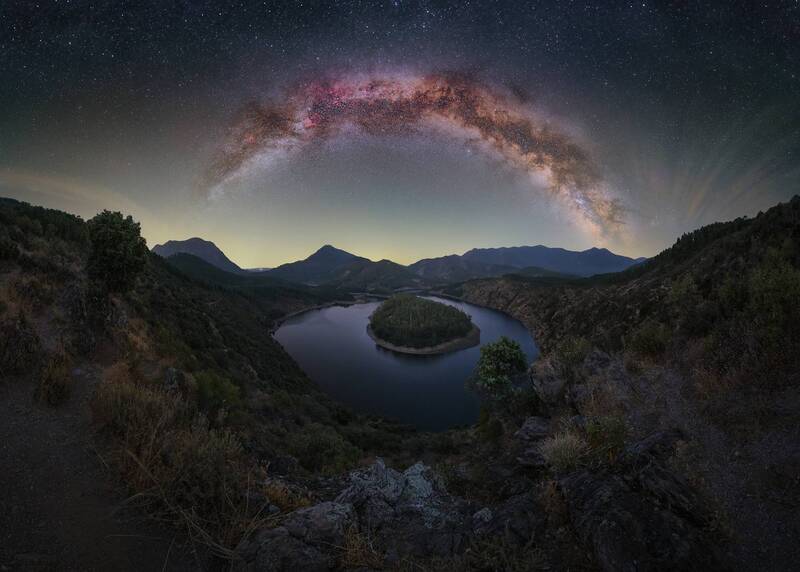
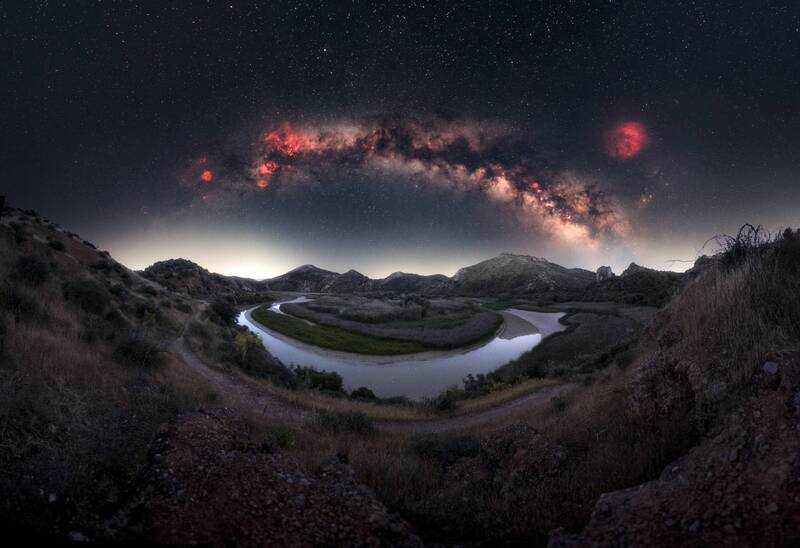
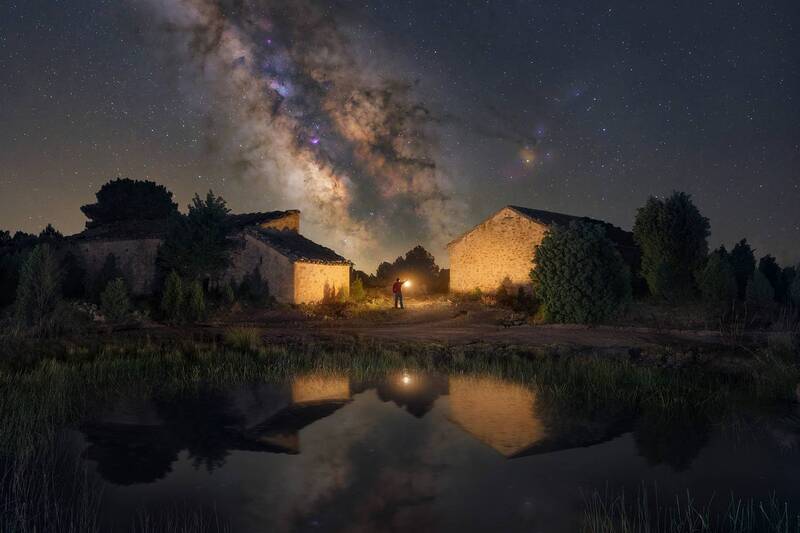
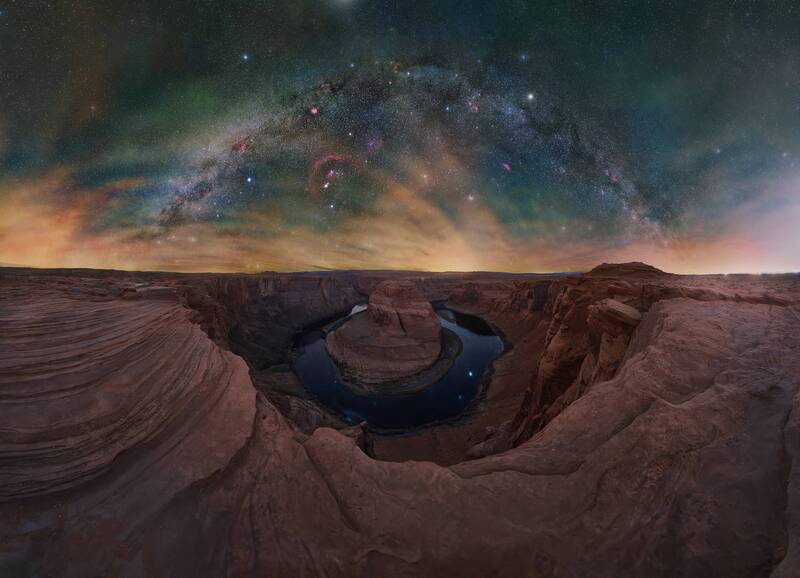
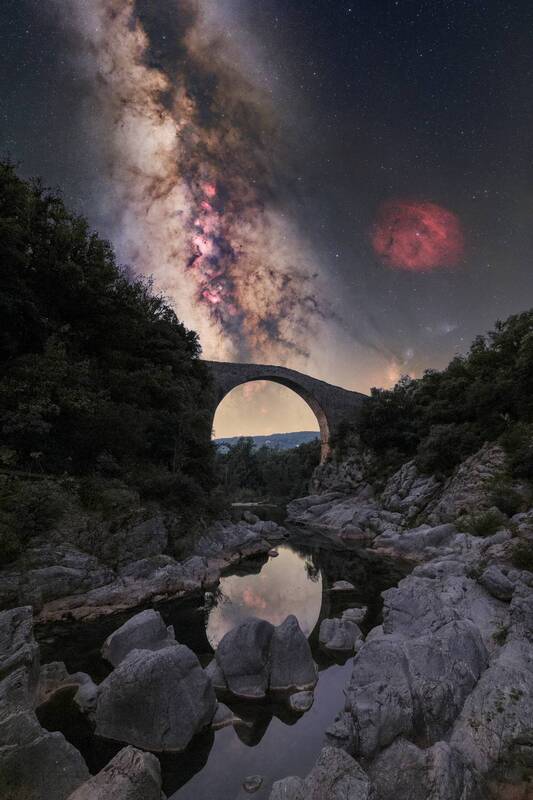
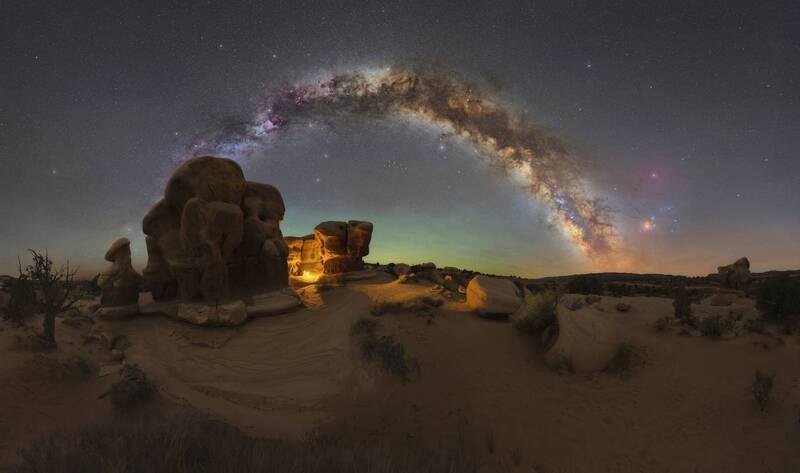
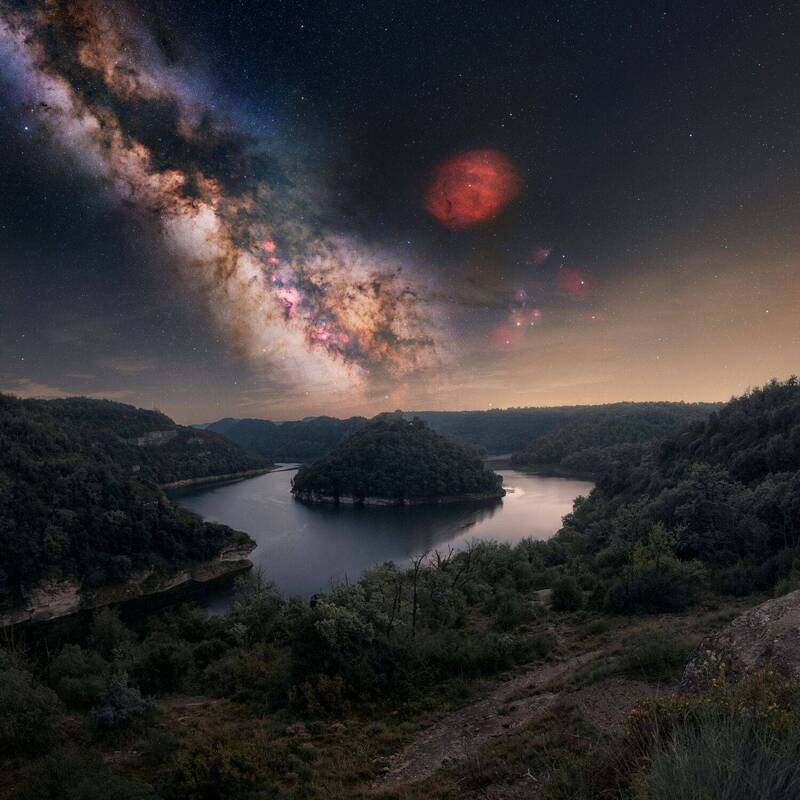
Photograph taken in the south of Spain in a little-known meander in the autonomous community of Andalusia, made with an astromodified camera for the sky.
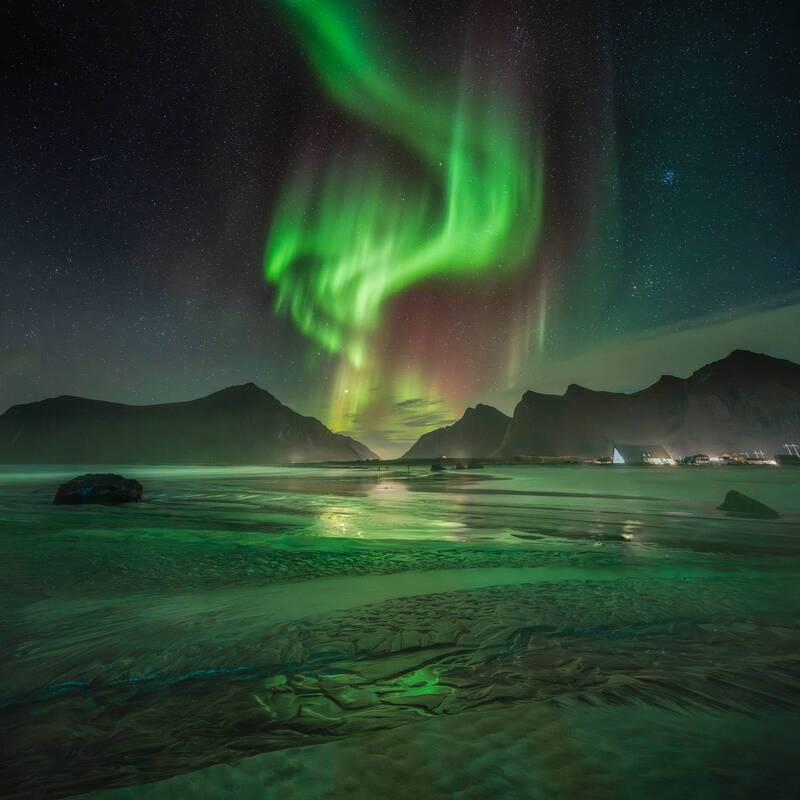
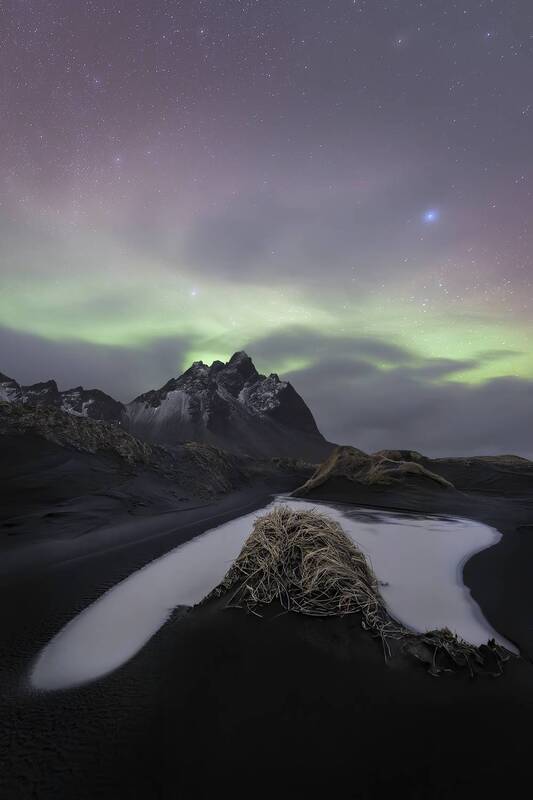
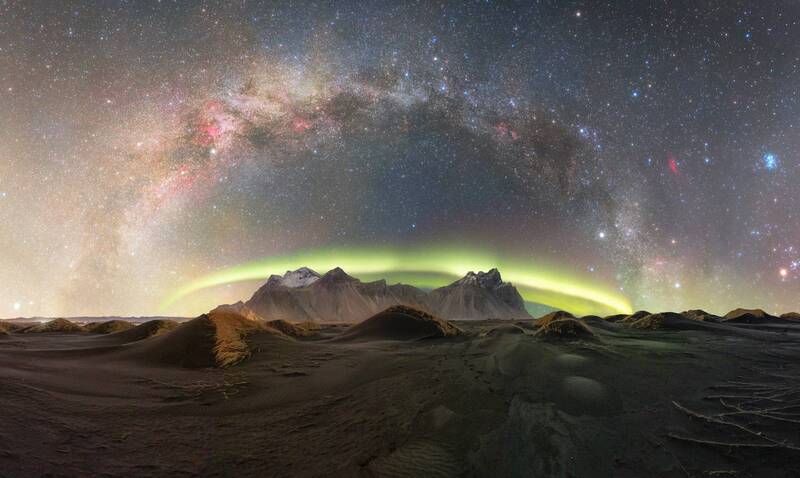
Chasing the Milky Way at Vestrahorn—no aurora in the forecast, just endless stars over black dunes and jagged peaks. Shot the galactic core in the darkest Bortle spot I’ve experienced… then faint glows appeared behind the mountain. The sky exploded into green ribbons.
This final image is a blend of three panoramas: one for the Milky Way sky, one capturing the vibrant aurora, and one for the raw foreground. Nature’s perfect unexpected gift.
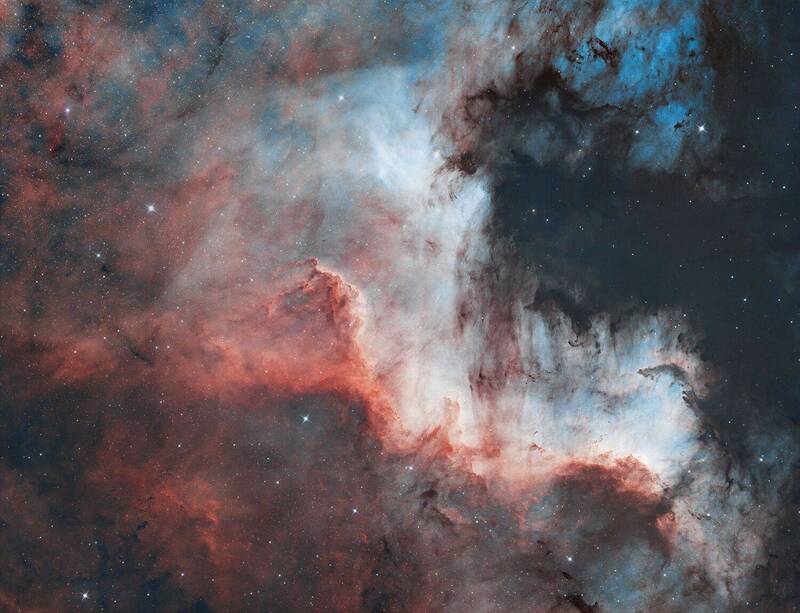
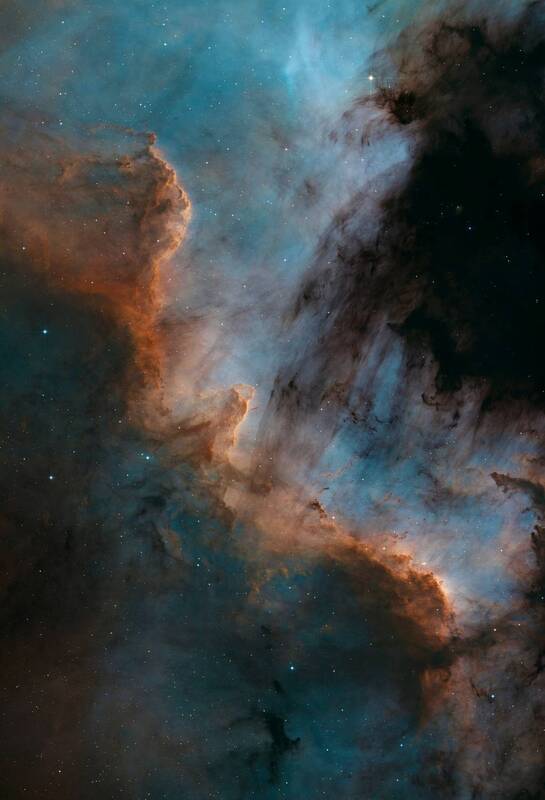
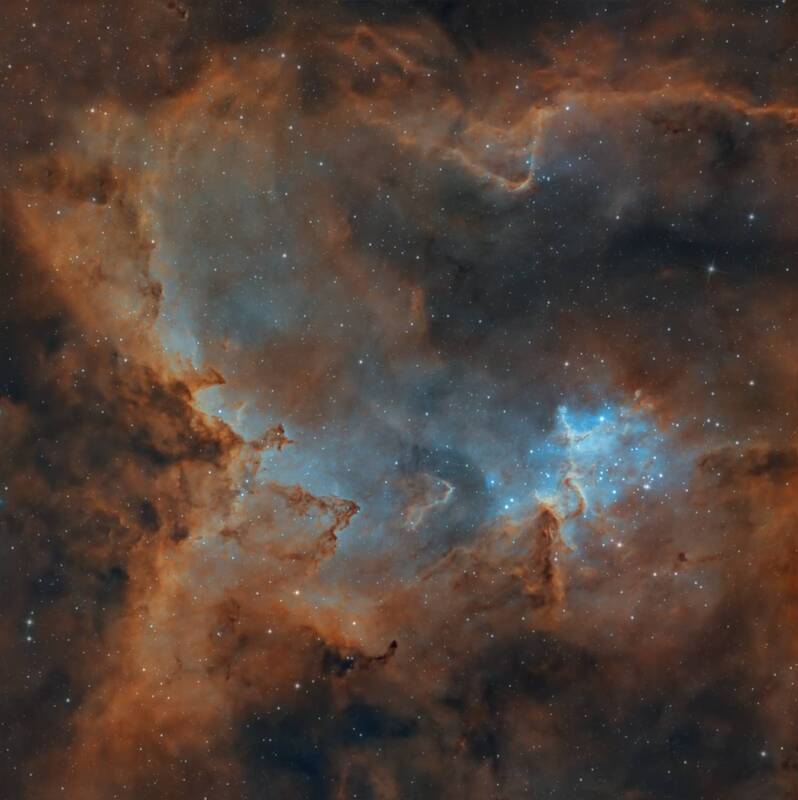
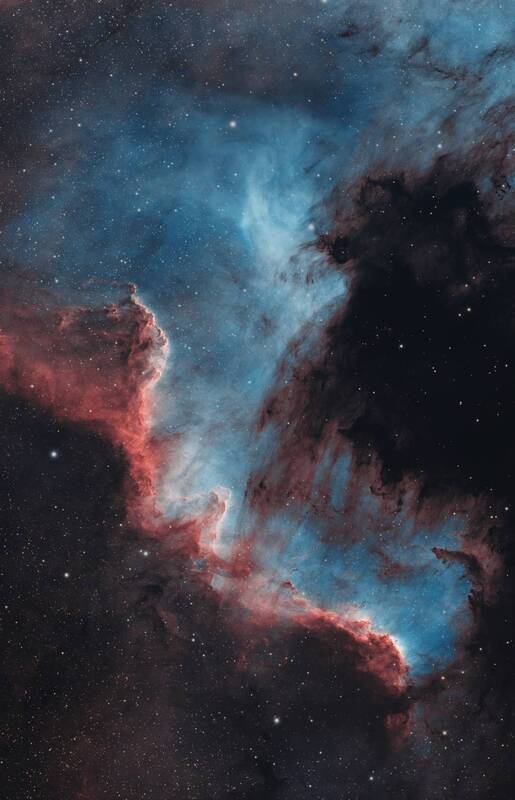
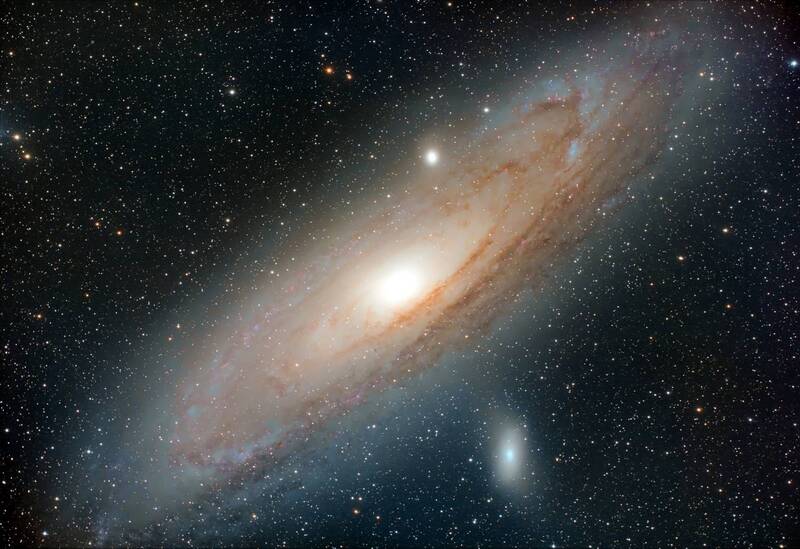
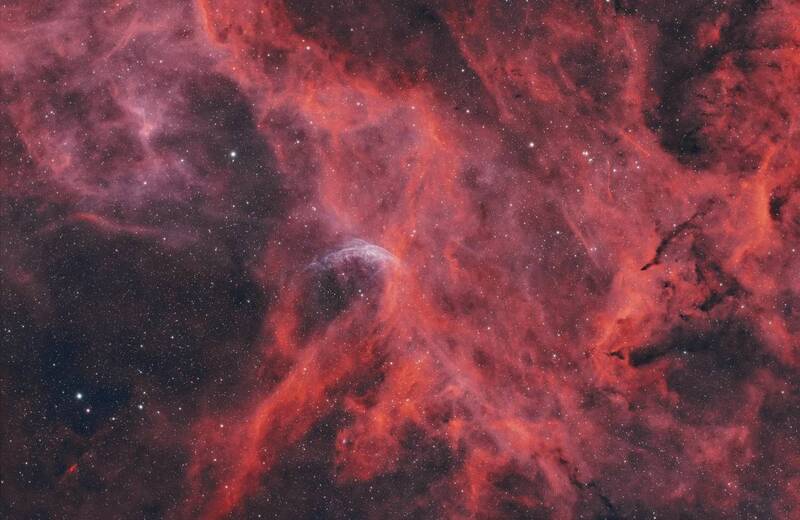
Эмиссионная туманность NGC 7000 (Стена).
Телескоп рефлектор Sky-Watcher BKP 200 DS.
Съемка через интерференционные фильтры в водороде, кислороде и сере.
Время общей интеграции 11,5 часов.
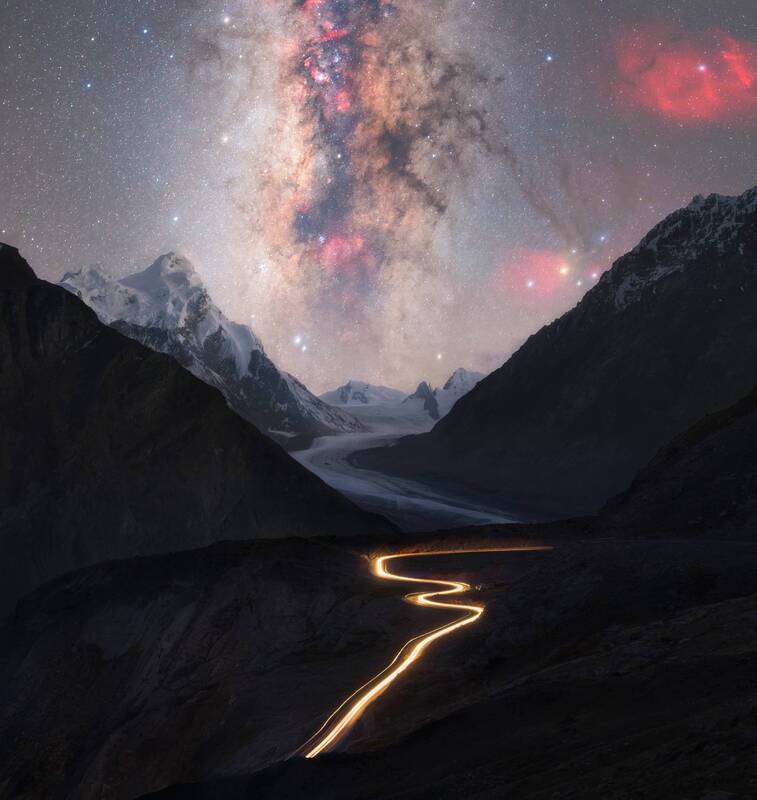
This is the most detailed photograph of the Milky Way I\'ve taken to date. It surpasses my previous attempt during the 2022 Himachal Trip, capturing more details in the Rho Ophiuchi cloud complex.
Below, you can see the Drang Drung Glacier, spanning 23 kilometers, although its length is decreasing due to global warming.
The primary challenge was the extremely strong winds that could nearly topple the tripod. First, I tracked the Milky Way for an hour, then took a long exposure shot of the glacier to capture the foreground details. I then blended them in Photoshop. I used Adobe Photoshop, Lightroom, Sequator, and Starnet++ for processing this image.
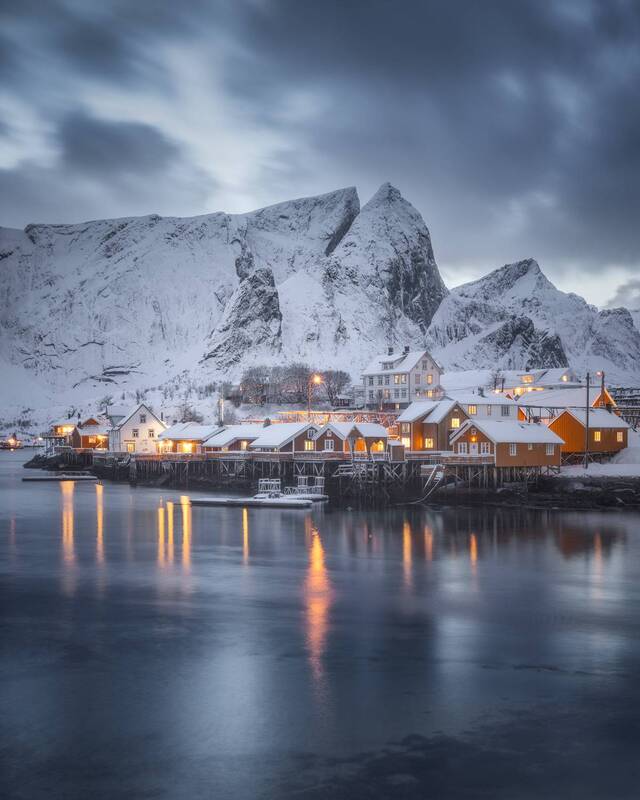
A series of photos of Lofoten houses from the winter Lofoten photo expedition 2026. Simplicity, breathtaking landscape, simply a photographer\'s paradise.
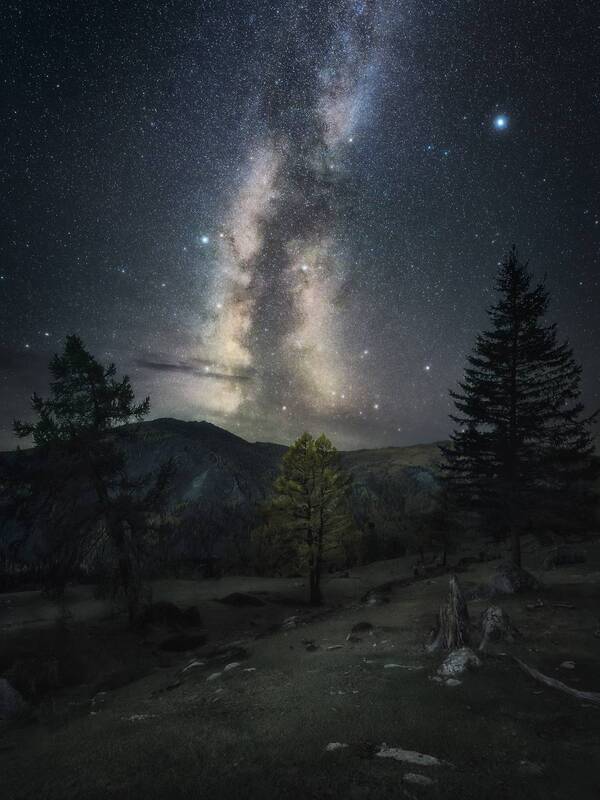
I hiked more than 3 hours to spend an incredible night camping on the rocky ridge of Serra delle Ciavole (Pollino national park). A few meters below my campsite I found this beautiful Heldreich Pine that acted like a sentinel to my tent, the milkyway behind it stood out right above Serra Dolcedorme (the highest peak in south Italy), even though I was exhausted I had to stay to shoot this amazing scene.
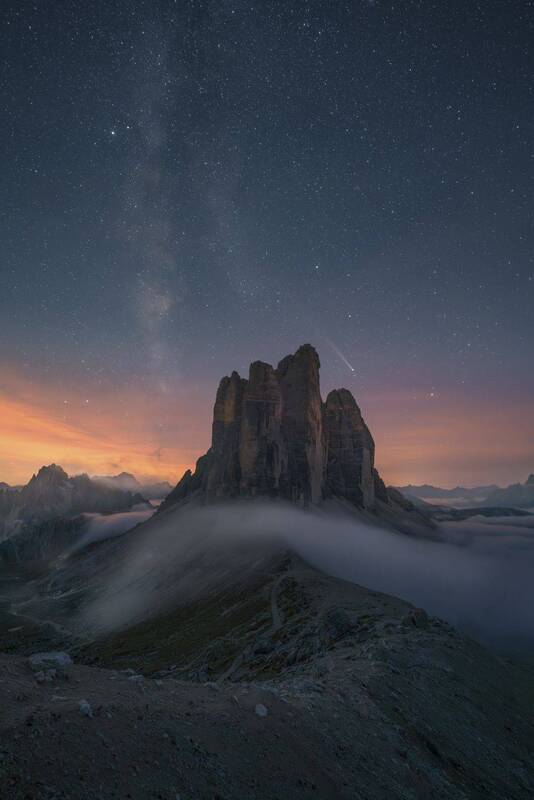
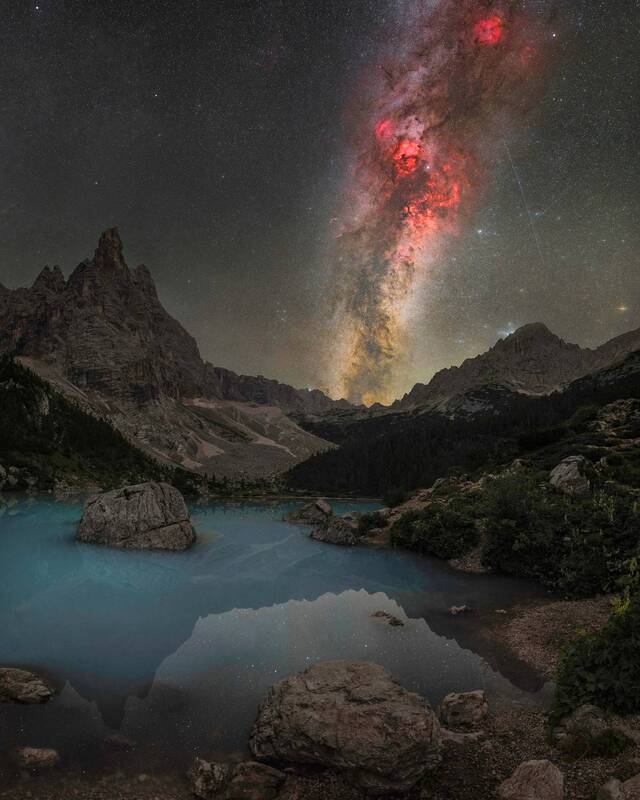
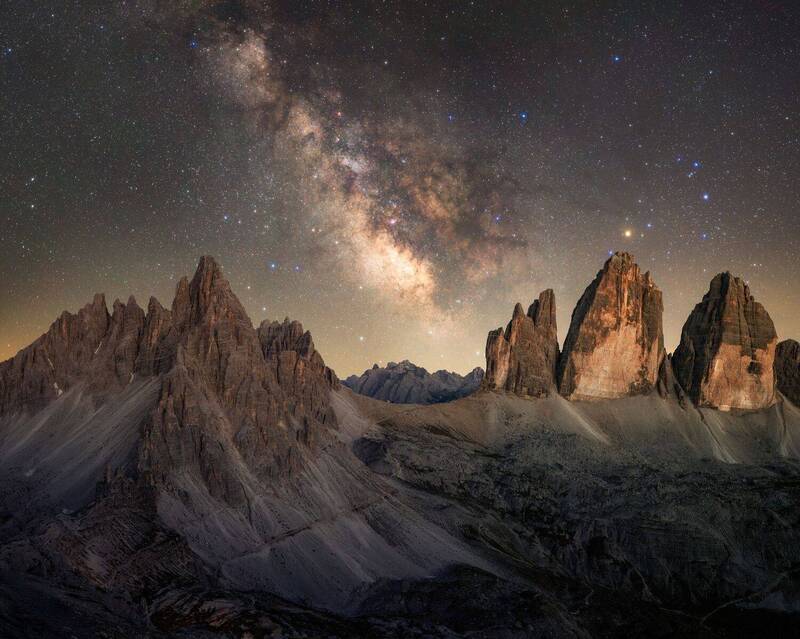
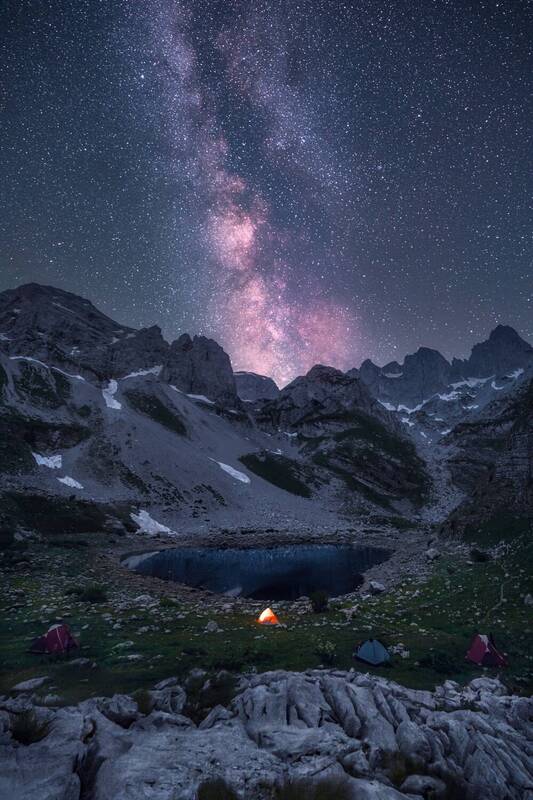
Milky Way over the Lake Sorapis, Dolomites, August 2024, Italy
The pearl of the Dolomites is undoubtedly the glacier lake Lago di Sorapis, famous for its stunning turquoise water. I chose this magical place for my weekend photography session, and with a perfectly clear weather forecast, it turned out to be the ideal choice.
The hiking trail to the lake follows along a cliff, with the sound of a waterfall echoing below and breathtaking views of the Dolomites, including the iconic Tre Cime di Lavaredo. After passing a few sections secured by cables, I finally reached the lake. Its milky-blue color, caused by fine glacial dust in the water, was mesmerizing.
That night was pure perfection. As darkness fell, a gentle fog descended from the mountains, only to lift a few hours later, revealing a crystal-clear sky. I was amazed by how dark the Dolomites sky can be - it reminded me of La Palma. Every single detail of the Milky Way was visible.
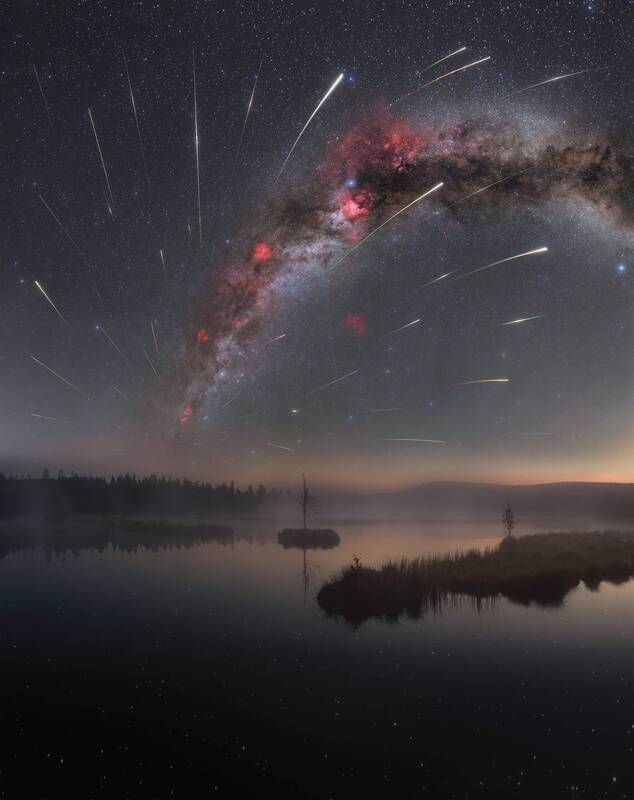
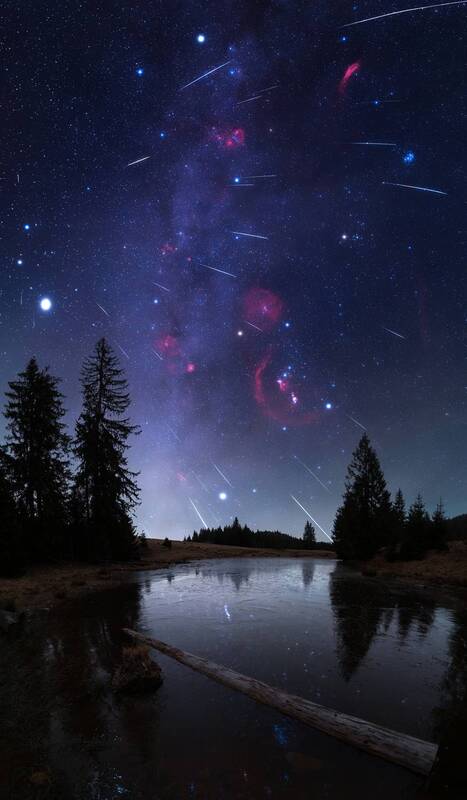
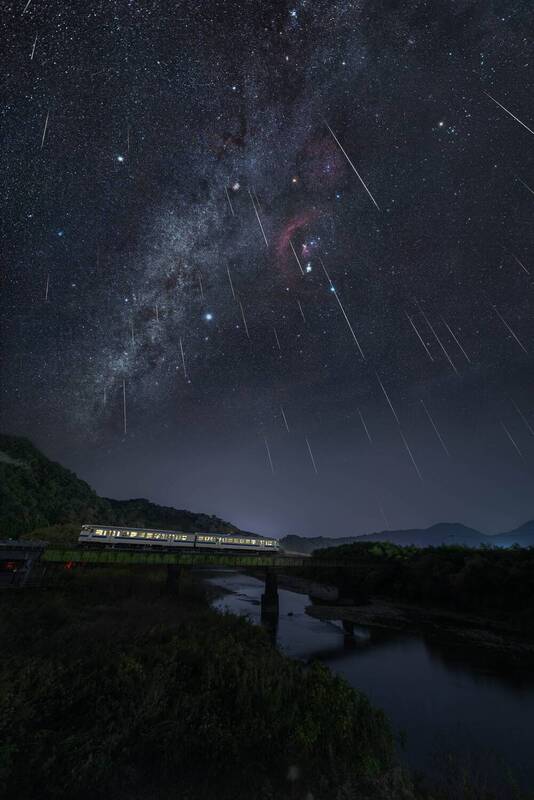
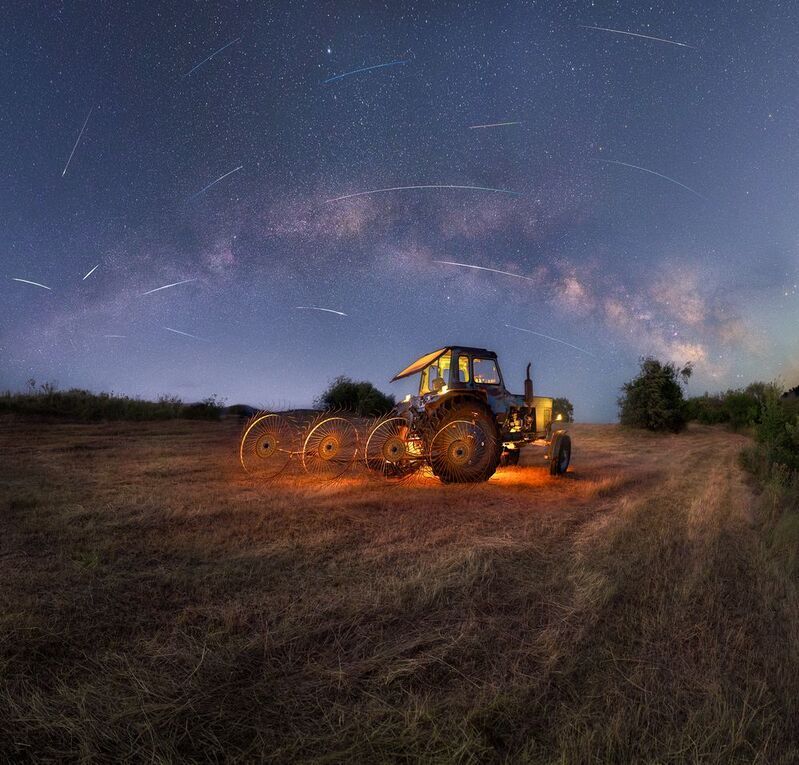
This year’s Geminids meteor shower aligned perfectly with a weekend getaway, and the Moon phase was favorable, so I decided to drive a few hours in search of dark, crystal-clear skies on the Pădiș Plateau in Transylvania. Located in the Bihor Mountains at an altitude of around 1,300 m, it is an excellent location for astrophotography. One of its hidden gems is Varasó Lake, a distinctive endorheic karst lake typical of the plateau’s geomorphology and one of the most scenic natural features of the area.
Photographing a meteor shower can be demanding, as it requires spending the entire night outdoors with the cameras running. In winter, this becomes even more challenging due to the cold. This time, I brought a USB-powered heated vest, several power banks, hot coffee, and plenty of warm clothing, which made it possible to shoot continuously for over 10 hours. I’m glad I made it through the night without freezing—or encountering any of the bears known to inhabit the area. ?
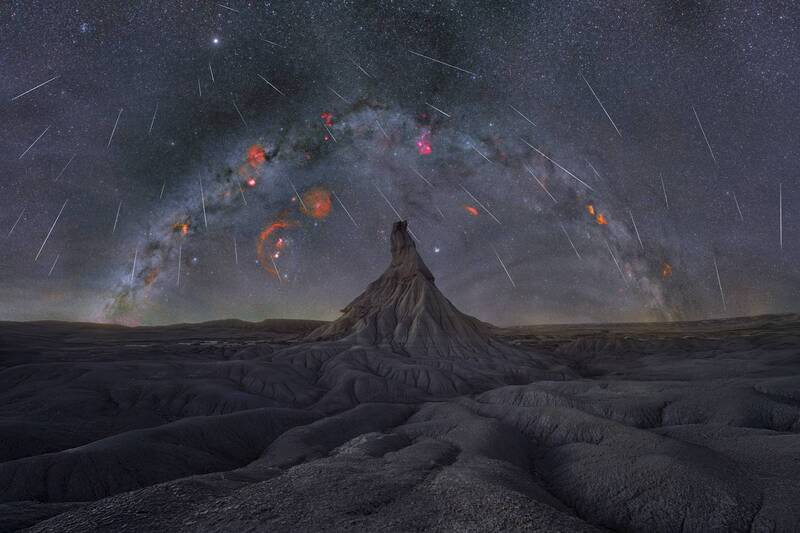
For the final image, I captured over 1,500 frames and combined 30 images containing the best meteors recorded during the peak night of the shower.
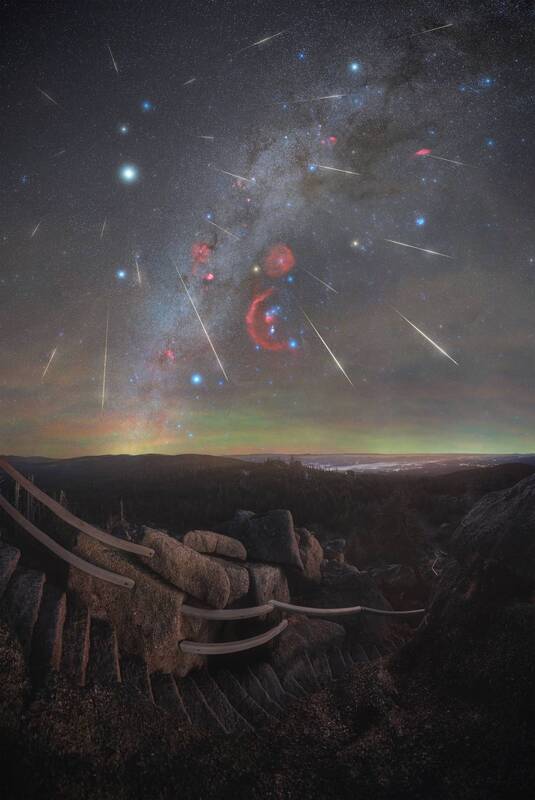
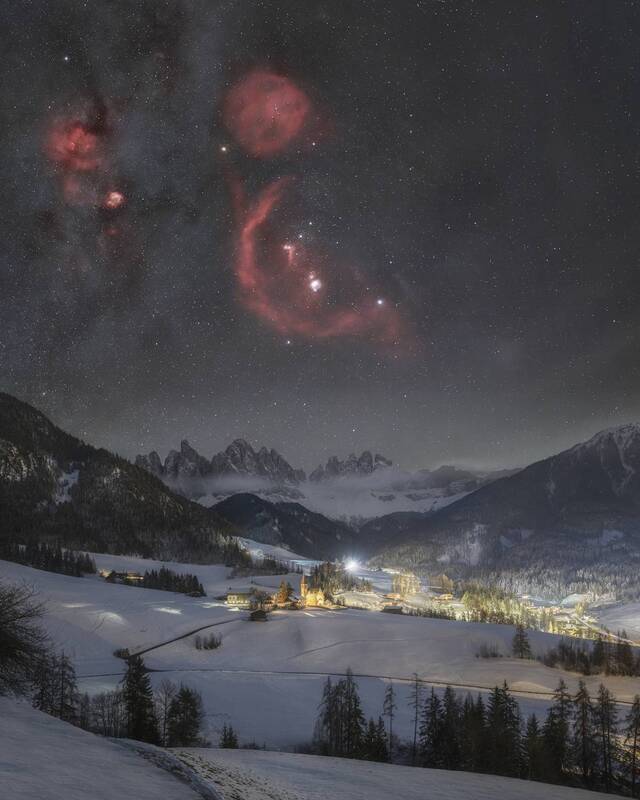
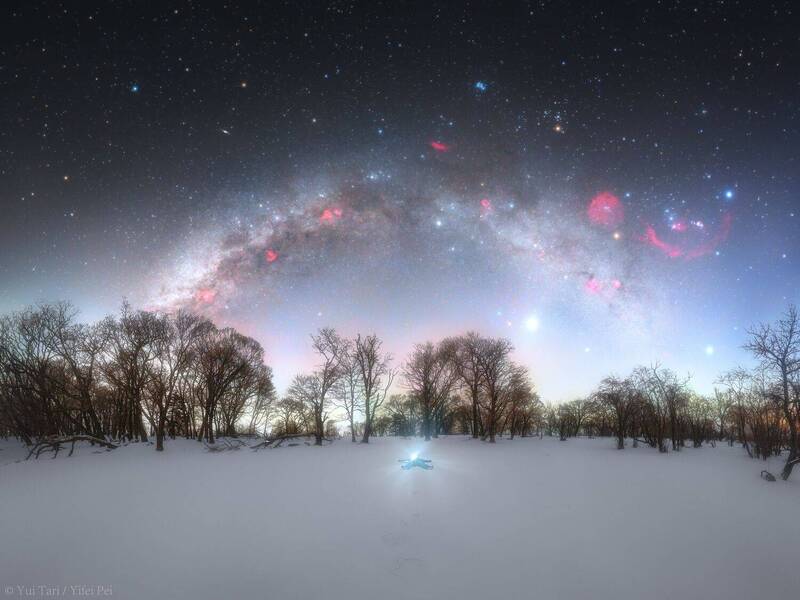
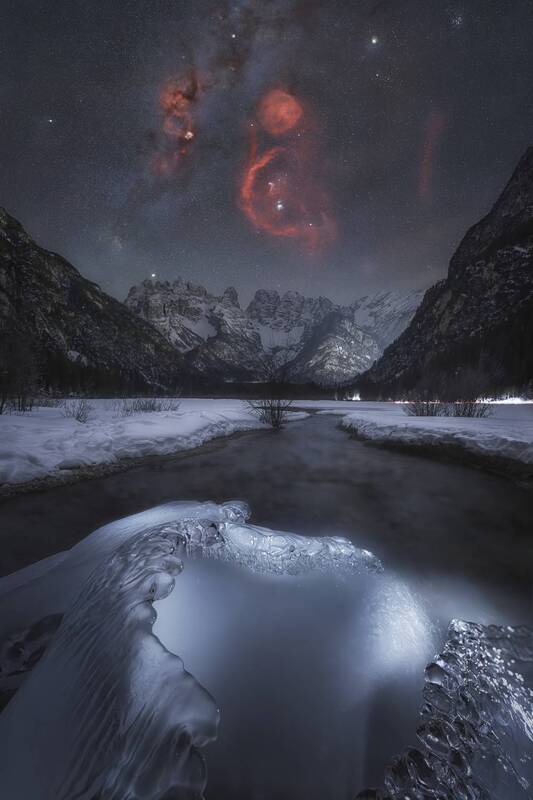
Winter is time of Orion, December 2024, Reit im Winkl, Germany
It was my second night of shooting in the dark sky park of the Chiemgau Alps. The mountains were covered in snow, and the air was cold and crisp. We climbed the same summit we had discovered earlier while chasing the comet in the end of October. There, I found a tree standing alone in the snow, perfectly aligned with the Milky Way.
Under these ideal conditions, Orion began to rise just behind the tree, and Jupiter came out so bright above the horizon, adding a touch of magic to the entire scene.
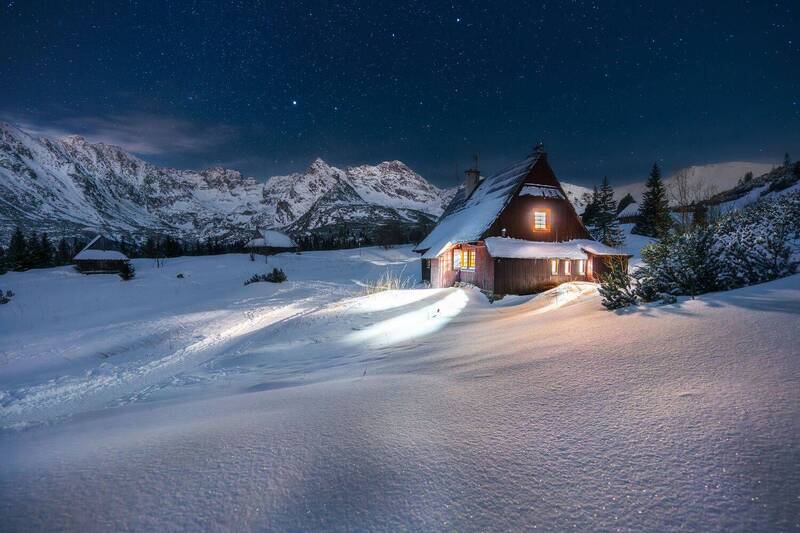
Under the full moon, the winter landscape of Hala Gąsienicowa was transformed into a postcard-perfect scene. The mountains stood tall in the crisp night air, bathed in the soft light of the moon, while the illuminated Betlejemka gleamed brightly, adding a magical touch to the tranquil beauty of the night.
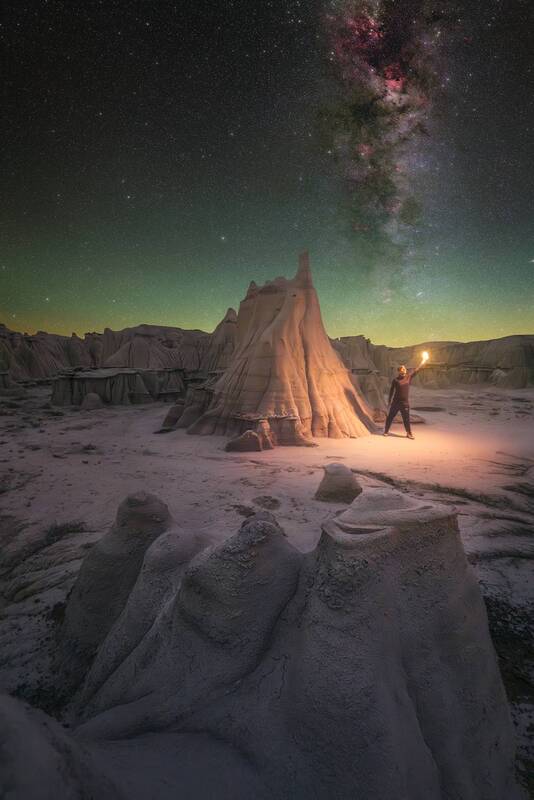
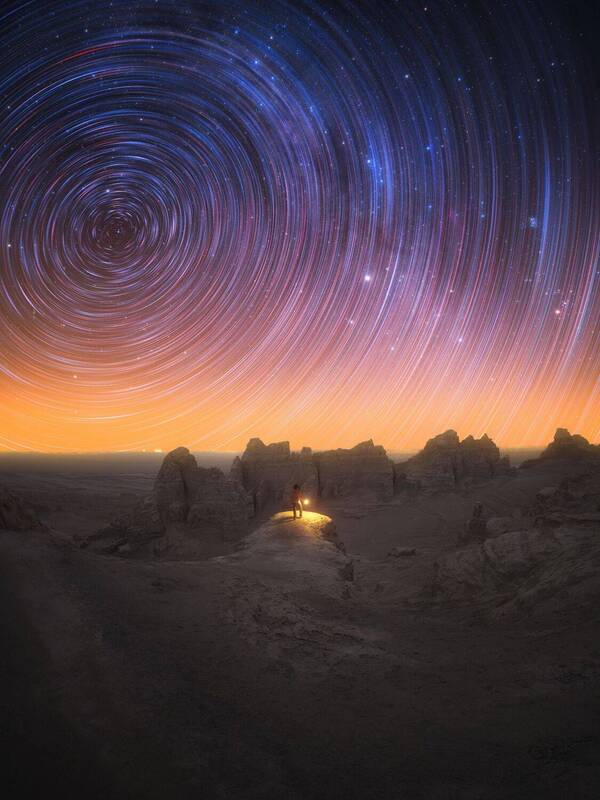
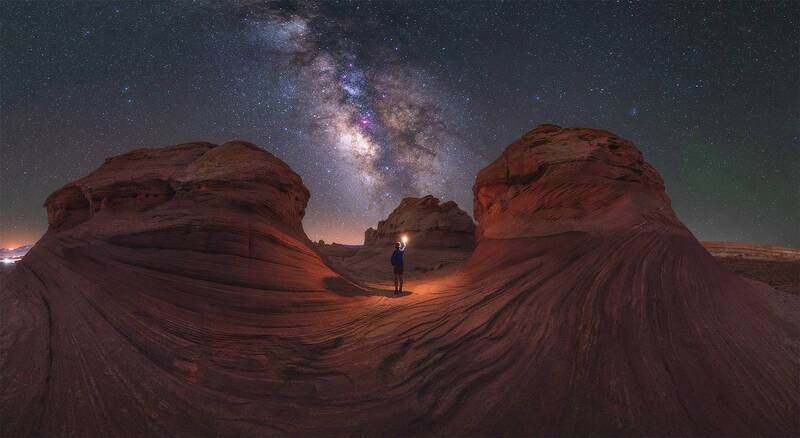
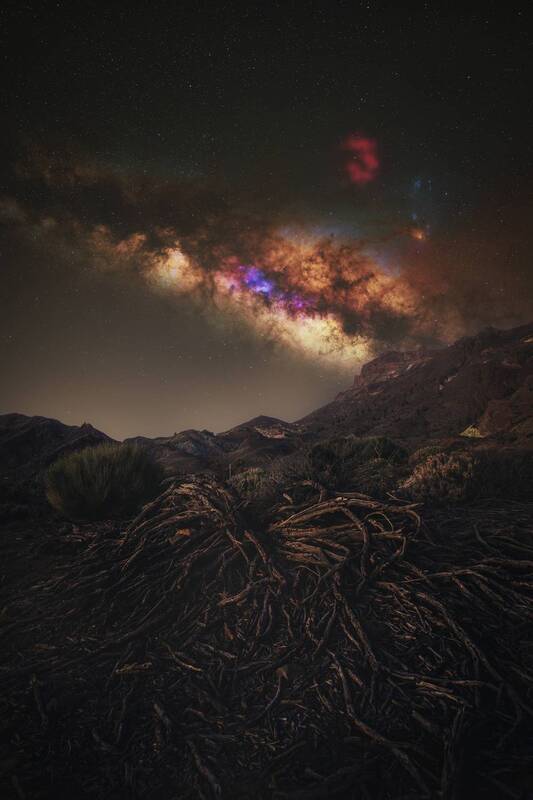
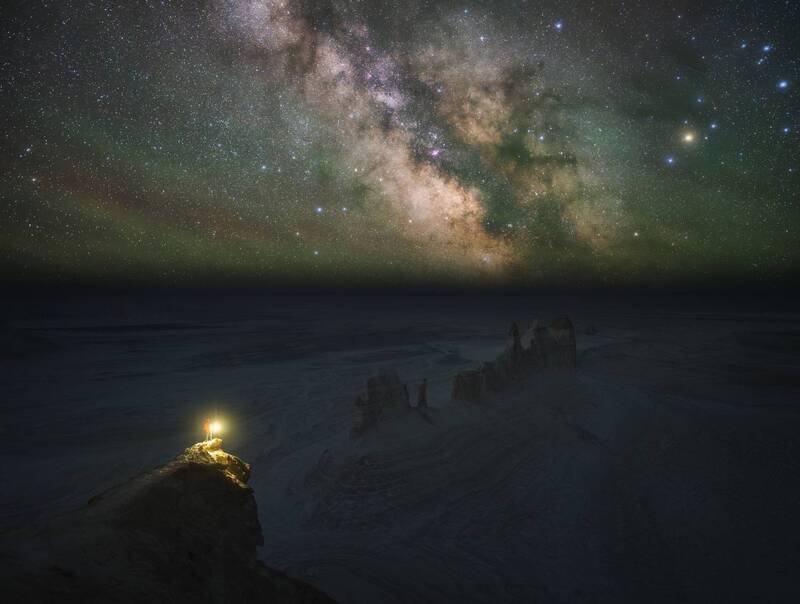
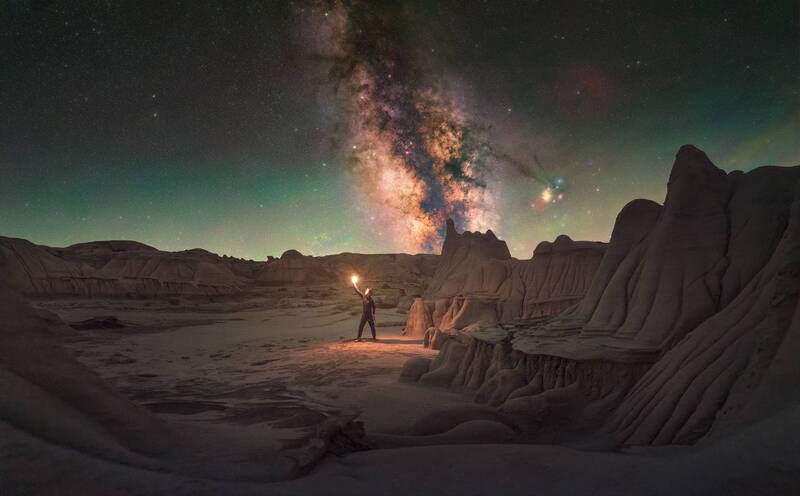
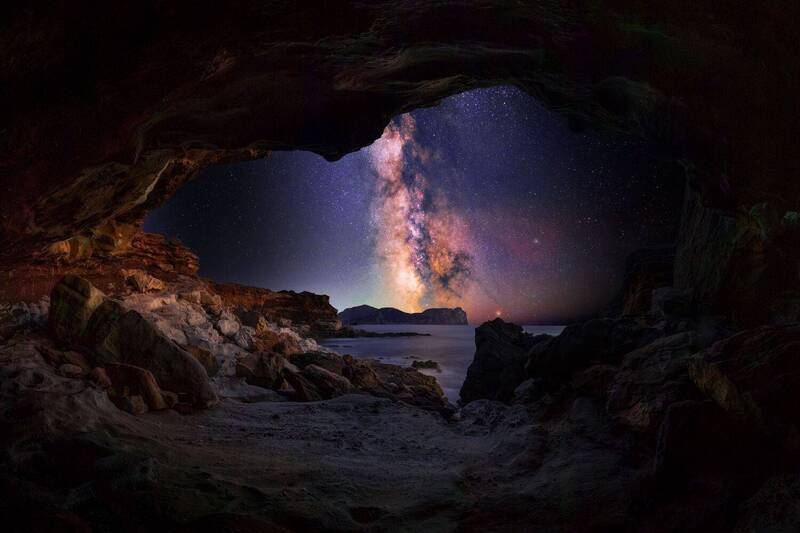
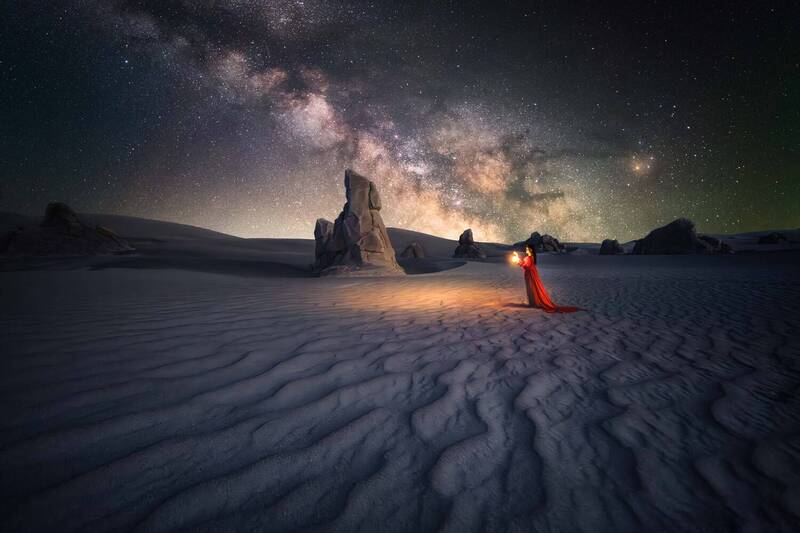
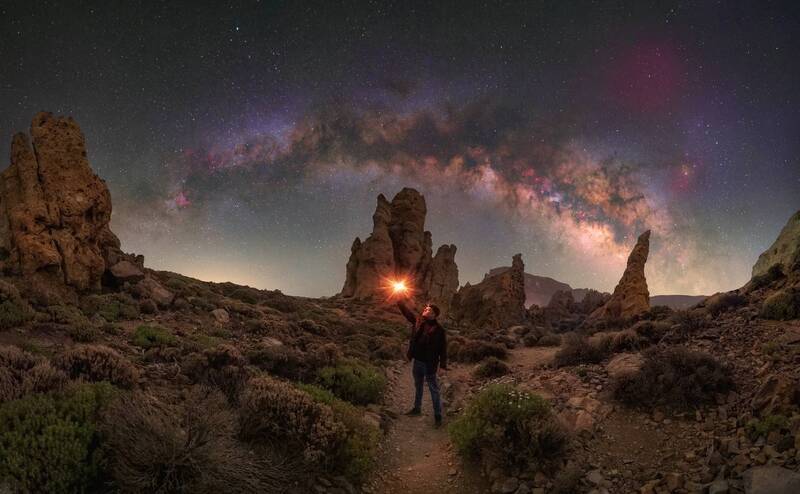
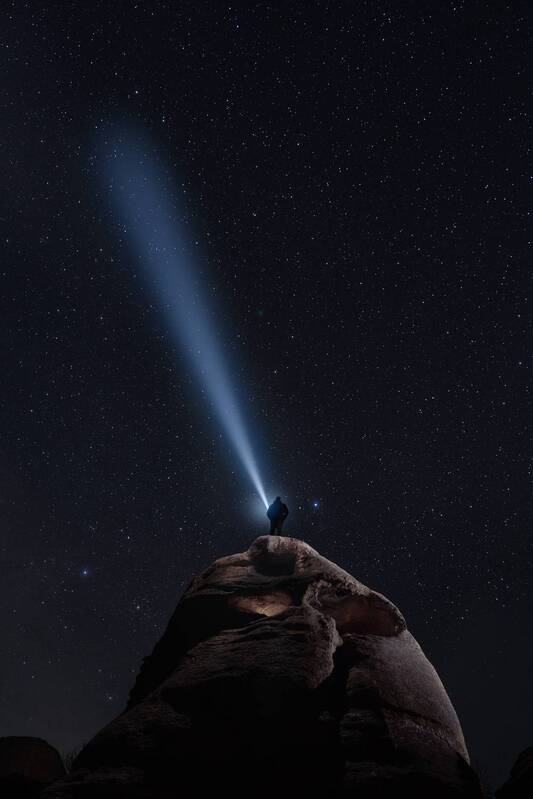
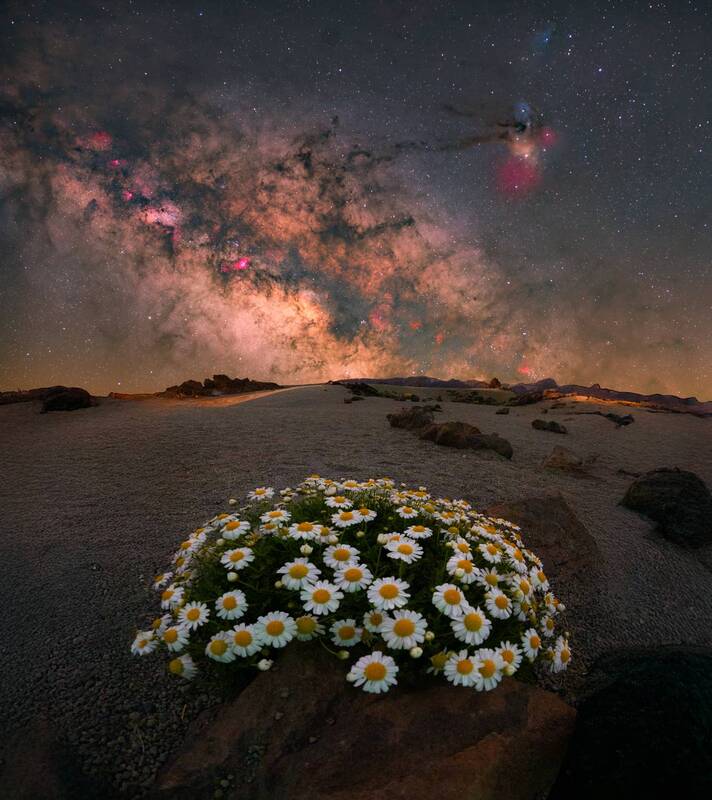
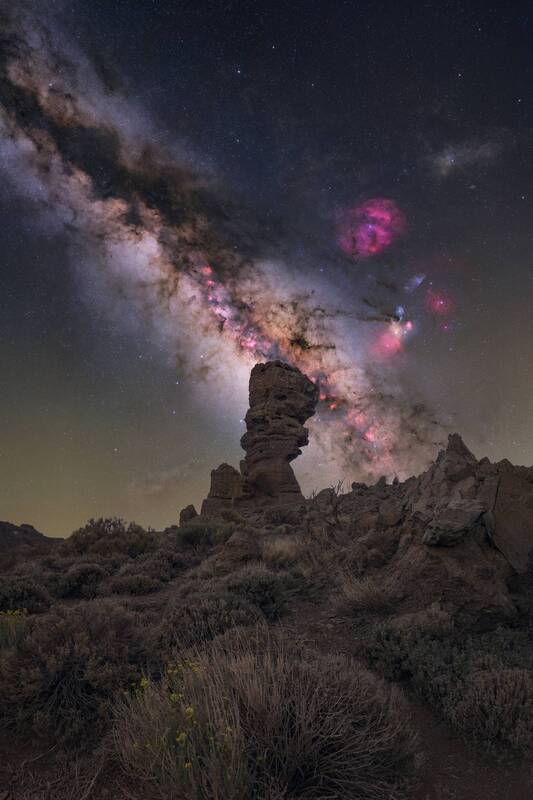
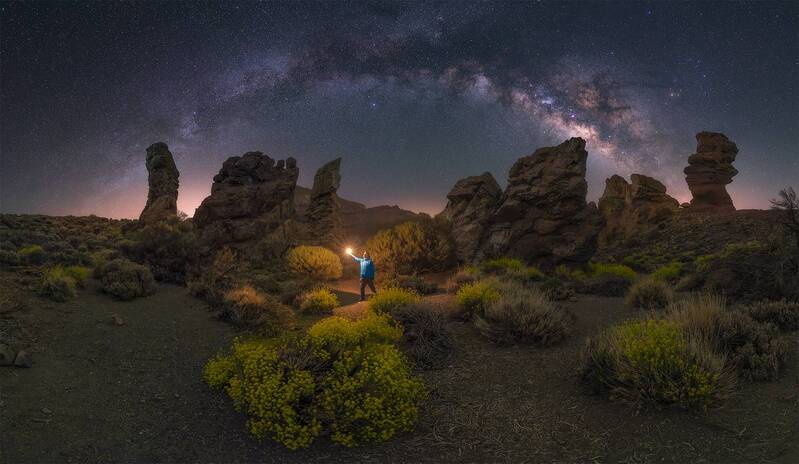
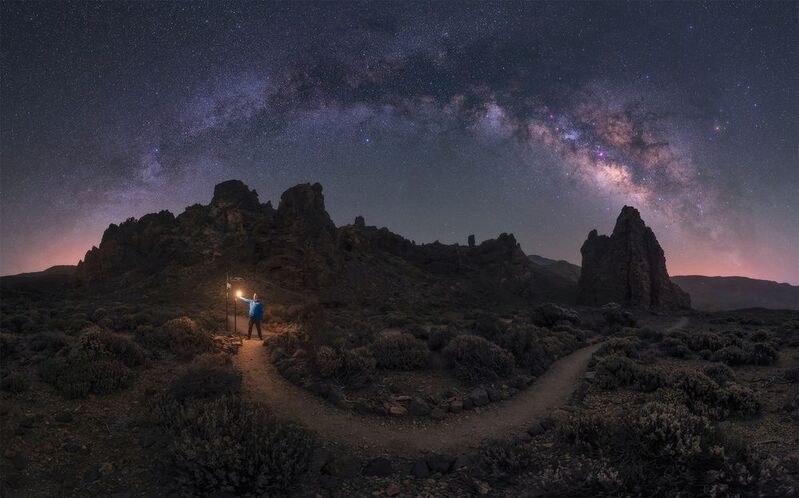
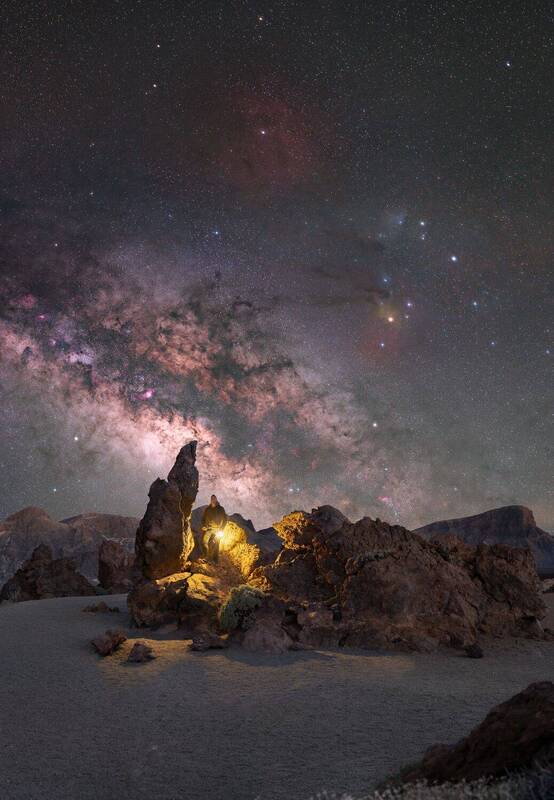
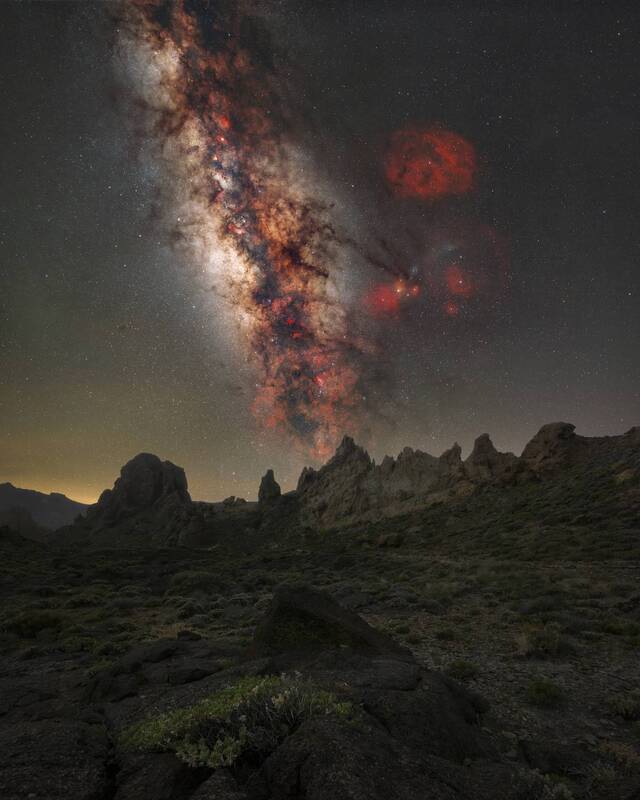
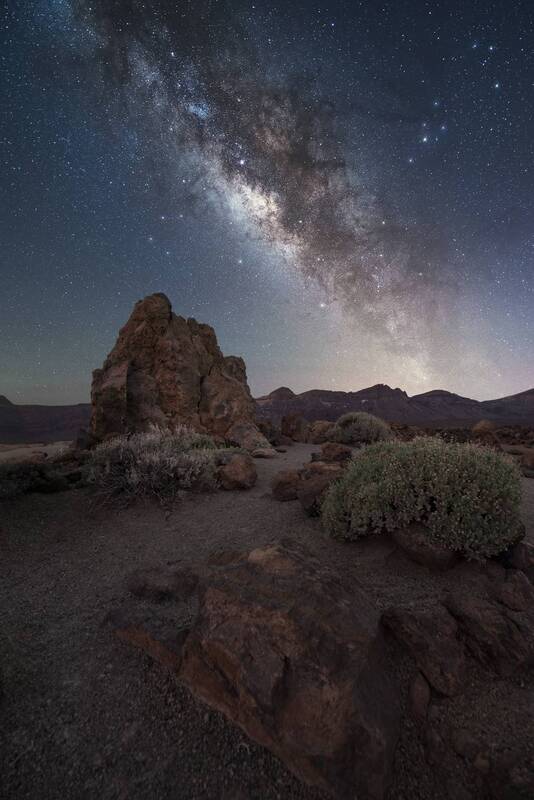
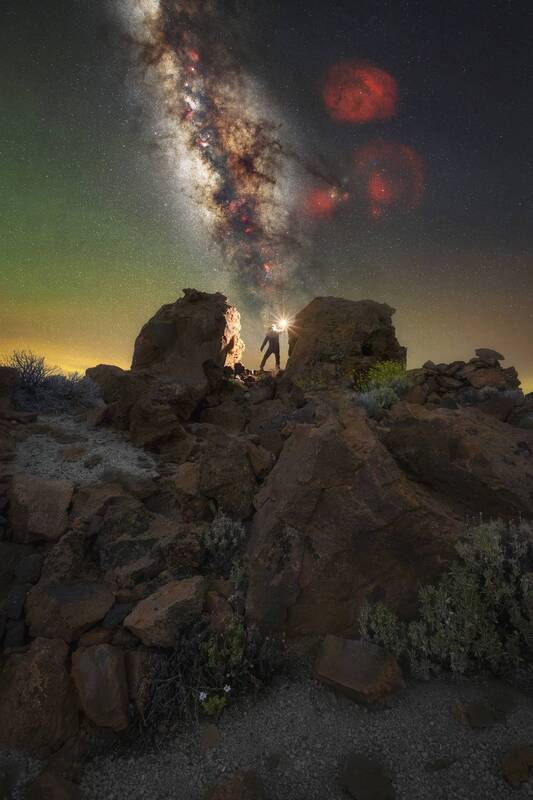
I sit with a lantern among the rocks of Teide National Park as the luminous center of the Milky Way rises in the sky. The photograph combines the ancient volcanic landscape with the cosmic depth of our galaxy - Earth and the universe in a single moment.
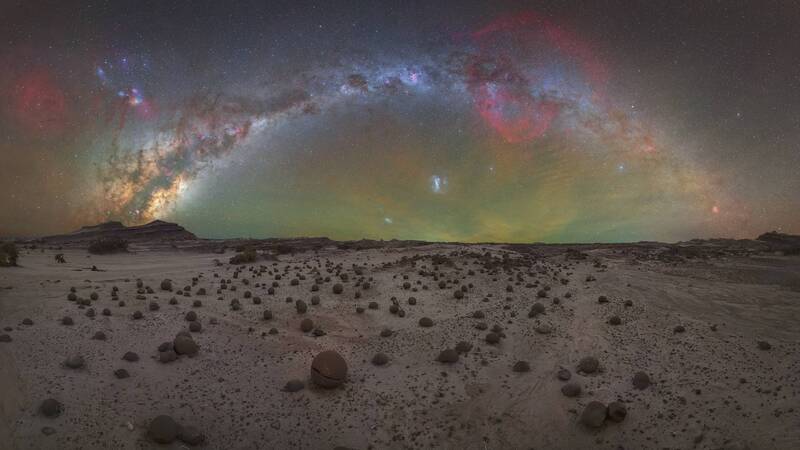
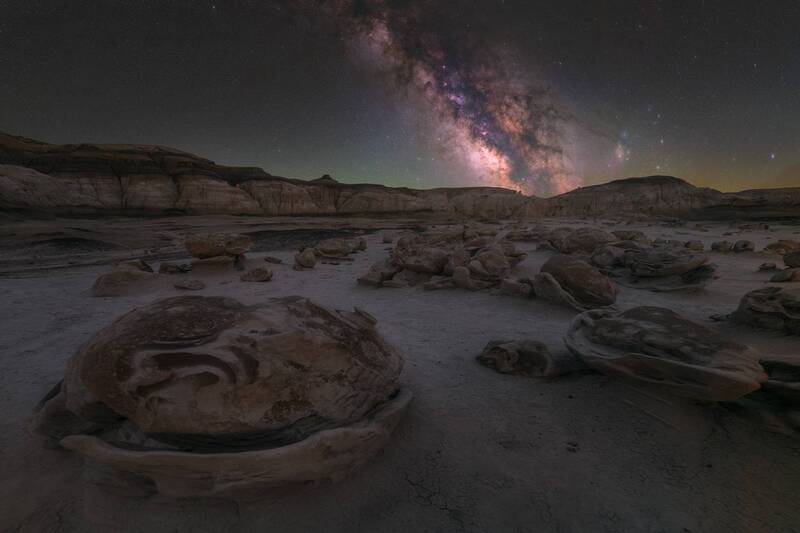
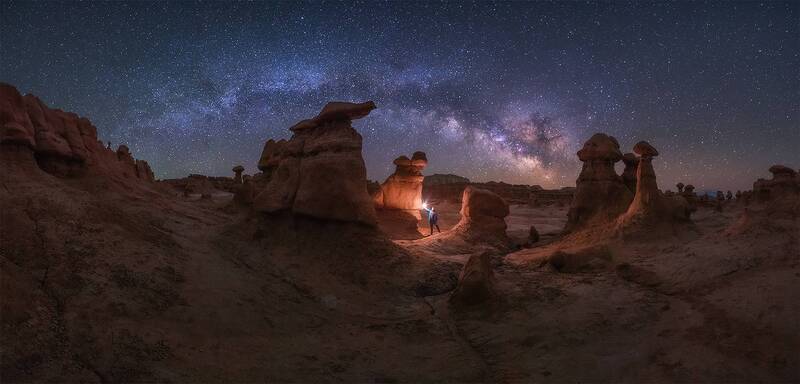
Deep within the Ischigualasto National Park lies the renowned bocce ball field, organic formations resembling soccer balls from the Mesozoic era, framed by the Milky Way and Orion\'s Belt.
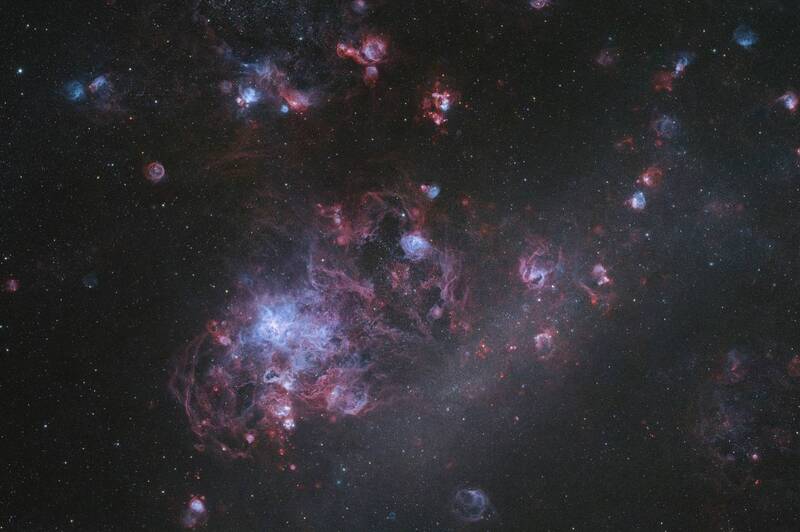
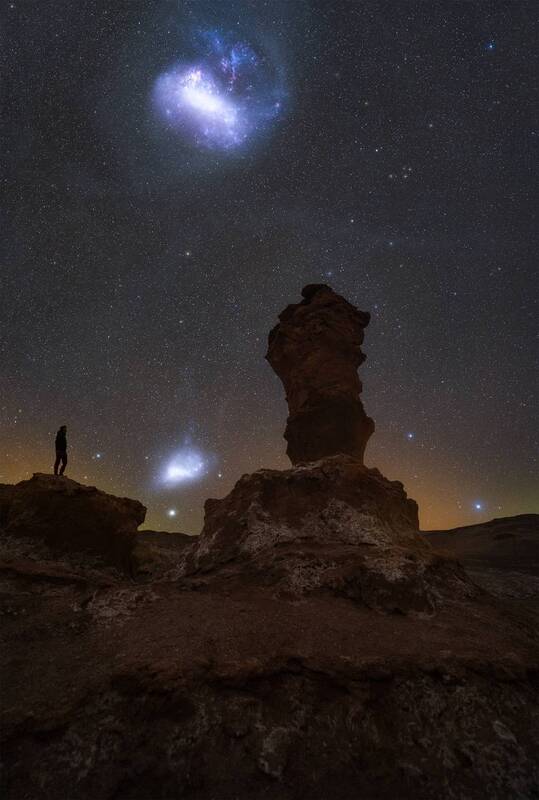
In the Chilean desert, you can see the details of the Great Magellanic Cloud with the naked eye; it is one of the best experiences I have had on this starry journey.
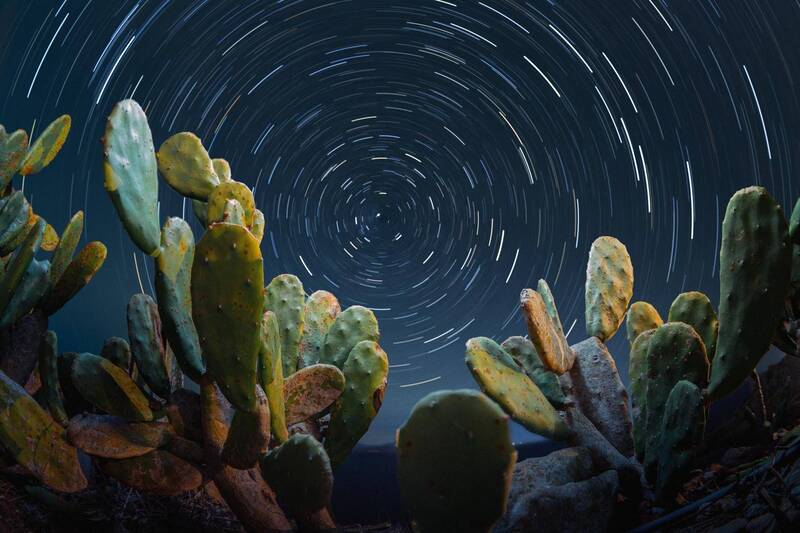
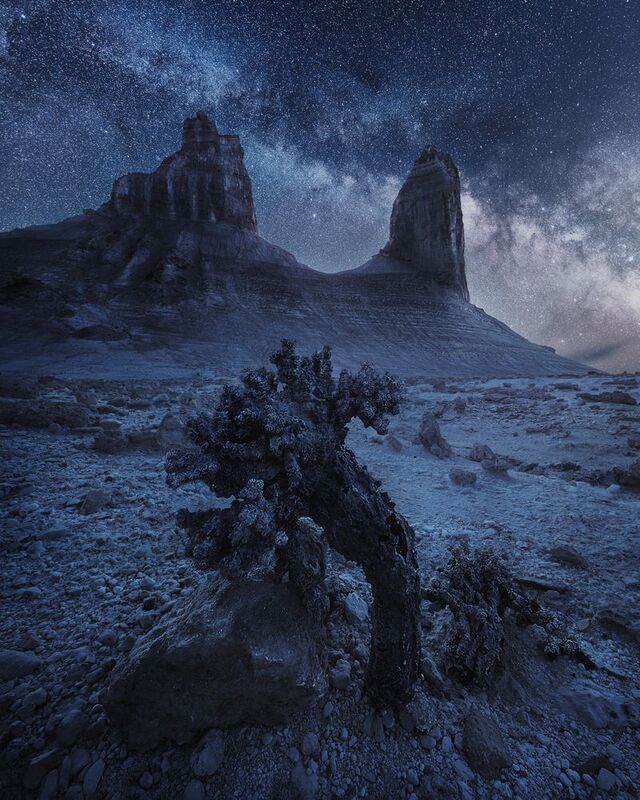
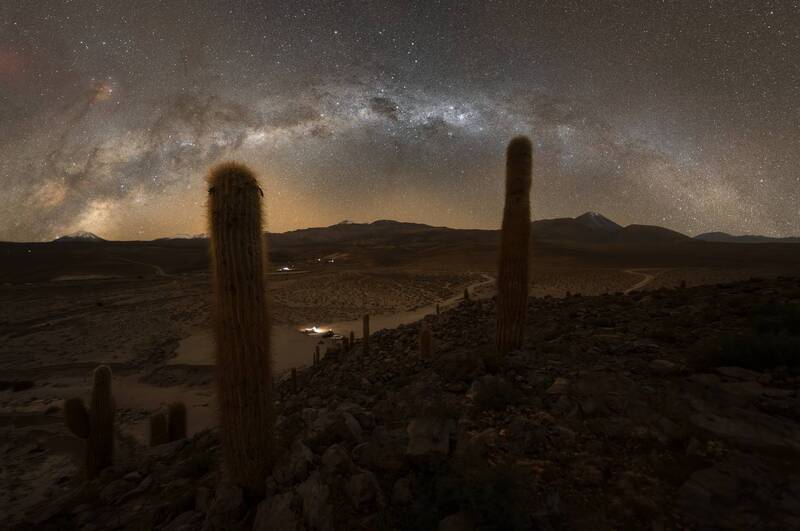
The Valley of the Cactus is not only complicated by the altitude that we are already starting to notice..., but also by walking through these rocky areas where the difficulty at night, with each step, becomes more difficult, the wind and the cold did not help much, but the landscape that we discovered there is very beautiful.
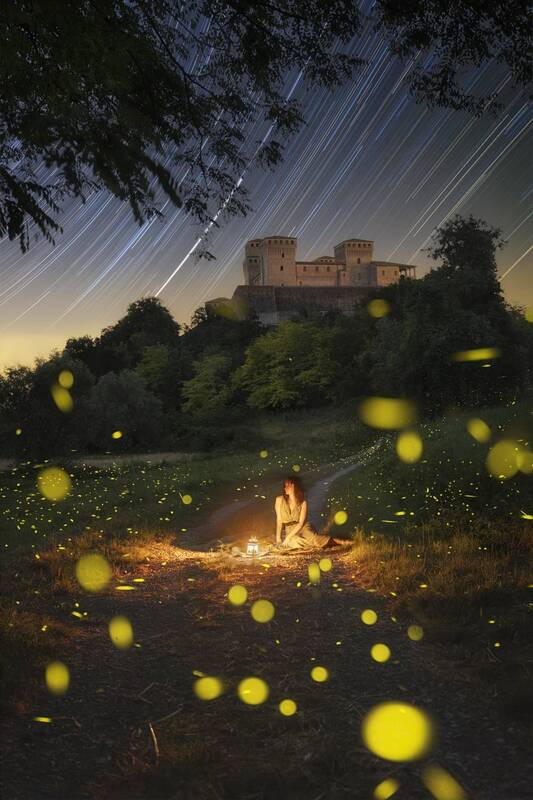
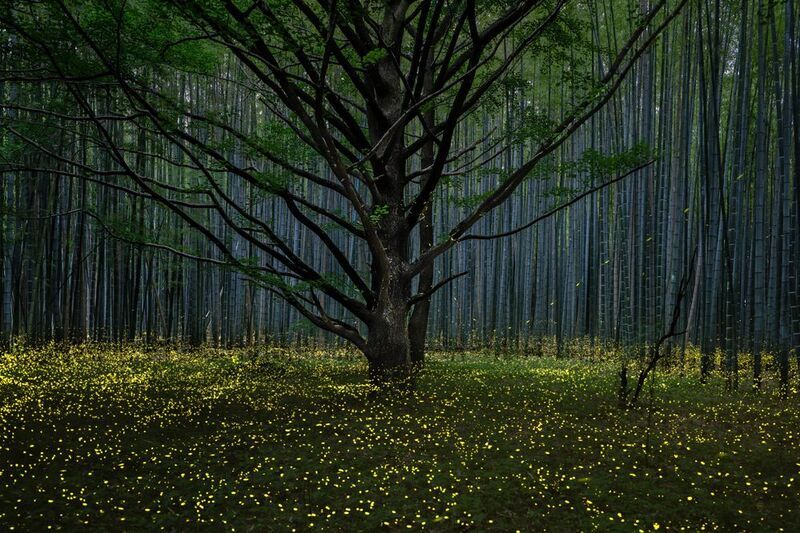
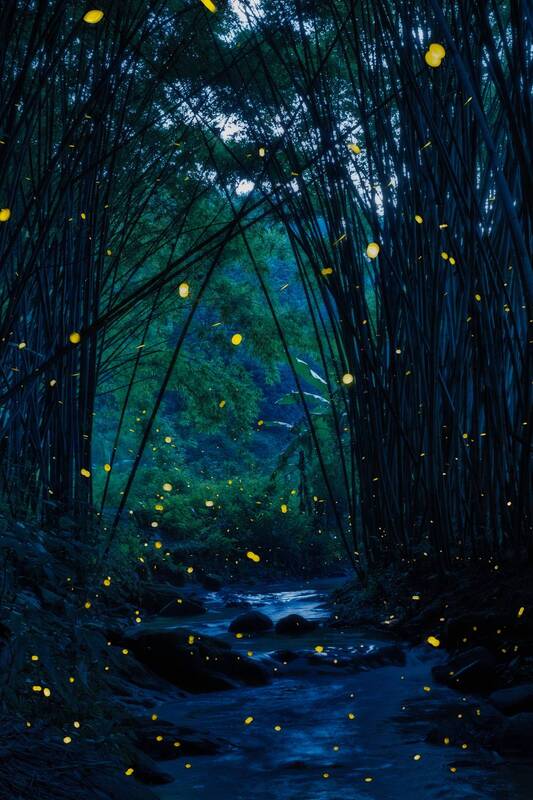
Captured in Guangzhou, China, this frame freezes a summer night in a bamboo grove: fireflies, like scattered golden embers, drift between dark bamboo trunks and the glimmering stream below. The deep blue hue of the dusk blends with the soft glow of the insects, weaving a dreamlike scene that merges Guangzhou’s hidden natural charm with the quiet poetry of a subtropical summer.
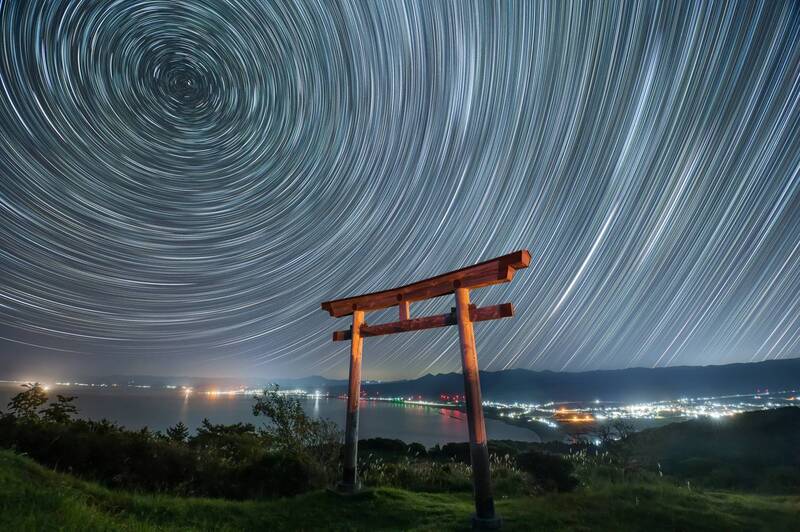
A Sacred Torii Illuminated Beneath a Spiraling Night Sky
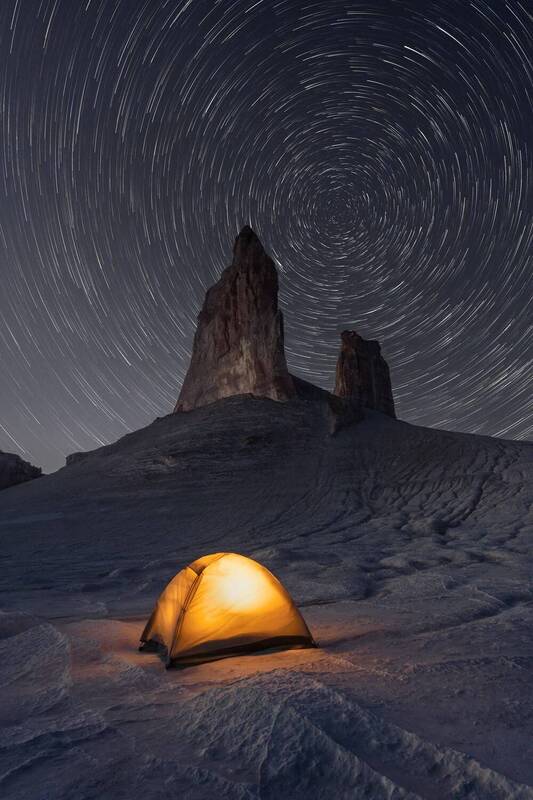
Captured in Hokkaido, Japan, this image features a sacred Shinto torii gate glowing with a deep red radiance against the darkness. The long exposure reveals sweeping star trails that spiral silently above, tracing Earth’s rotation across the winter sky.
This frame blends spiritual tradition, natural stillness, and celestial motion—an atmosphere possible only during hours of solitude beneath the northern night.
– Рейтинг фотографов по странам и городам строится на основе 3-х лучших фотографий автора и их относительной позиции в каждой отдельной номинации. Рейтинг в номинации "Мобильная фотография" учитывается в меньшей степени для формирования рейтинга. В списке по странам и городам показывается одна фотография автора с лучшим рейтингом.
– В списке опубликованы только работы которые прошли 2-й этап голосования.
– В рейтинге лучших фотографий учитывается только одна — самая сильная — работа от каждого автора. Даже если у фотографа опубликовано несколько работ, в расчёте позиции используется только одна, с наивысшим рейтингом. Поэтому порядок фотографий в списке может не совпадать с итоговым положением автора в рейтинге.
– The rating of photographers by countries and cities is based on the three best photos of the author and their relative position in each separate nomination. Rating in the nomination "Mobile Photography" is taken into account to a lesser extent for rating formation. The list by country and city shows one photo of the author with the best rating.
– Only those photos have been published in the list that passed the second stage of voting.
– Only one strongest photo from each author is counted in the Best Photos ranking. Even if a photographer has several published works, only the highest-rated one is used to calculate their ranking position. As a result, the order of photos in the list may not match the author's final ranking position.