Long Coc Tea Plantations
82 worksFirst upload: Jun 2019Peak: 2026Last 12 months: 27
📝 Description
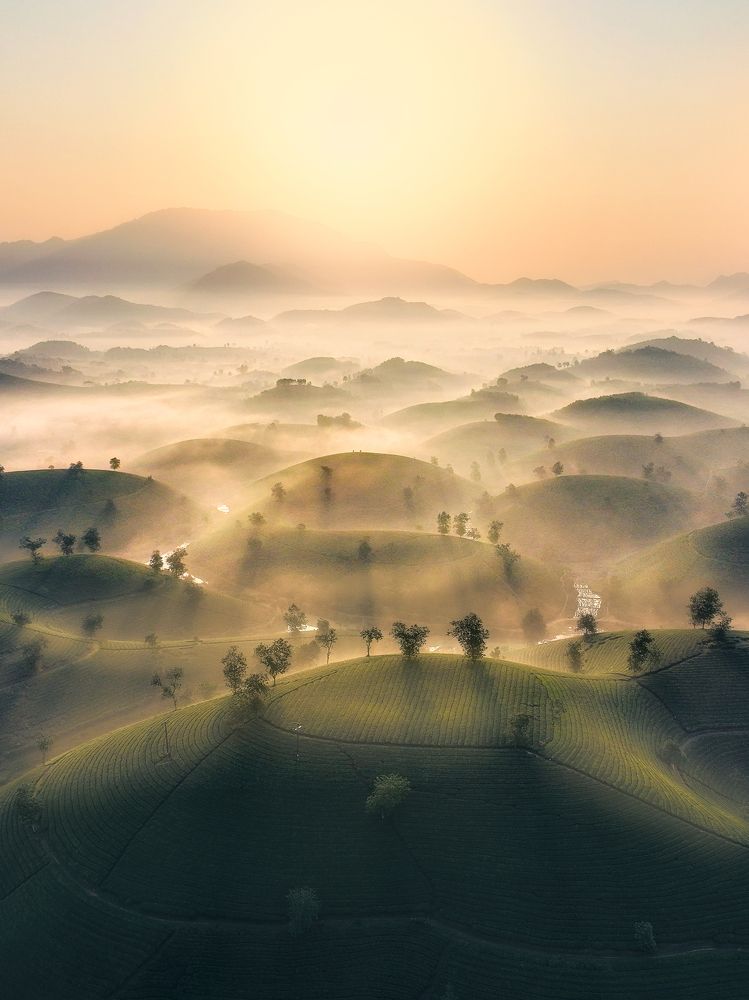
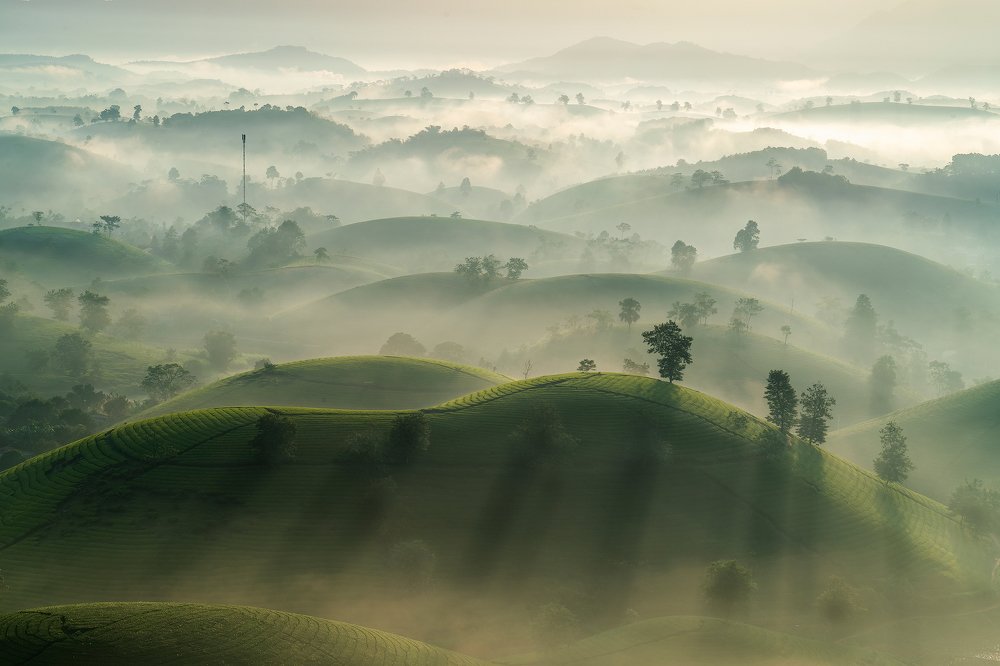
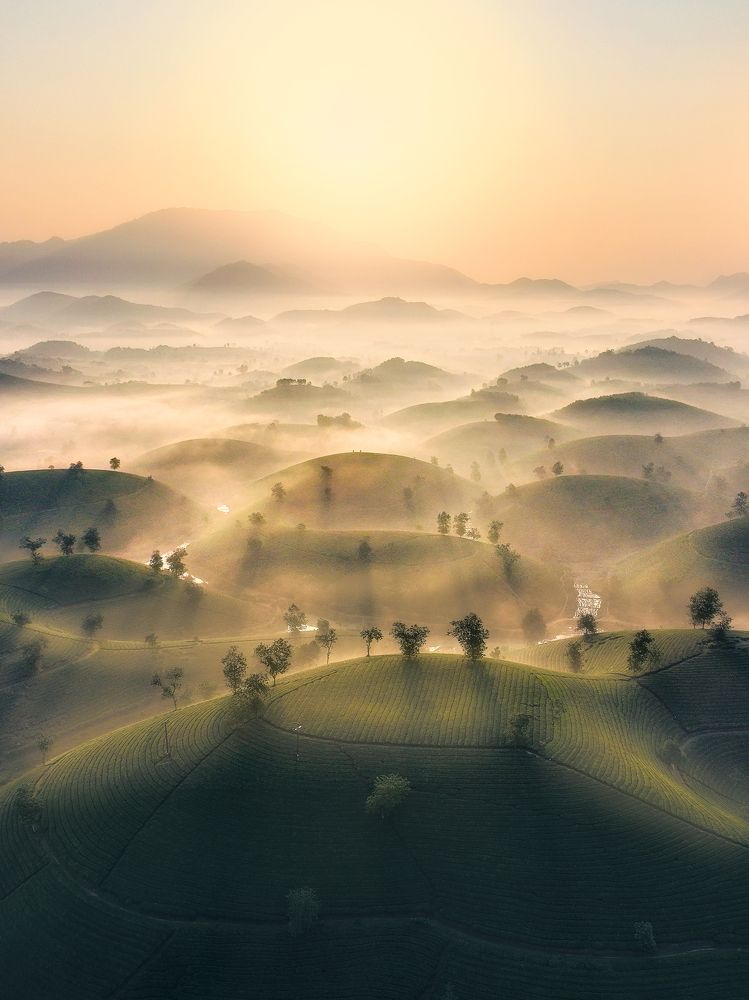
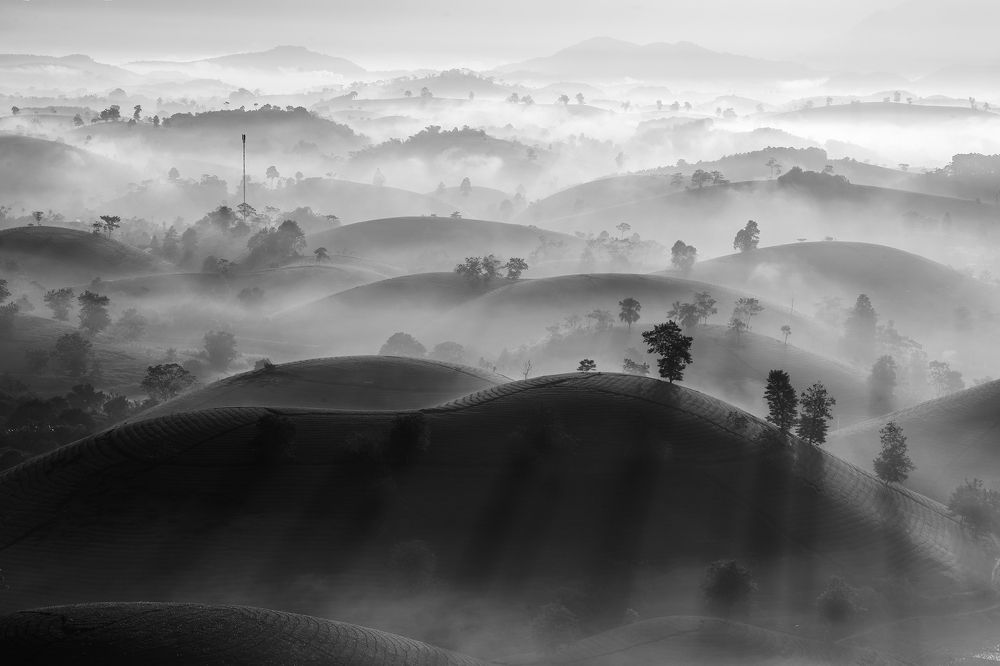
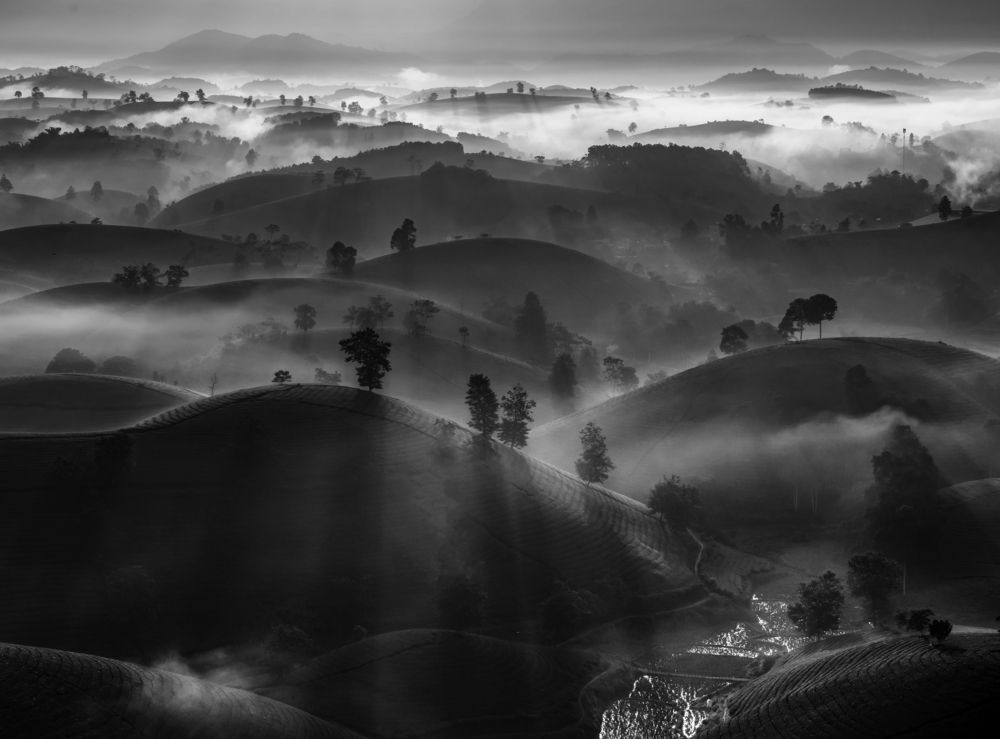
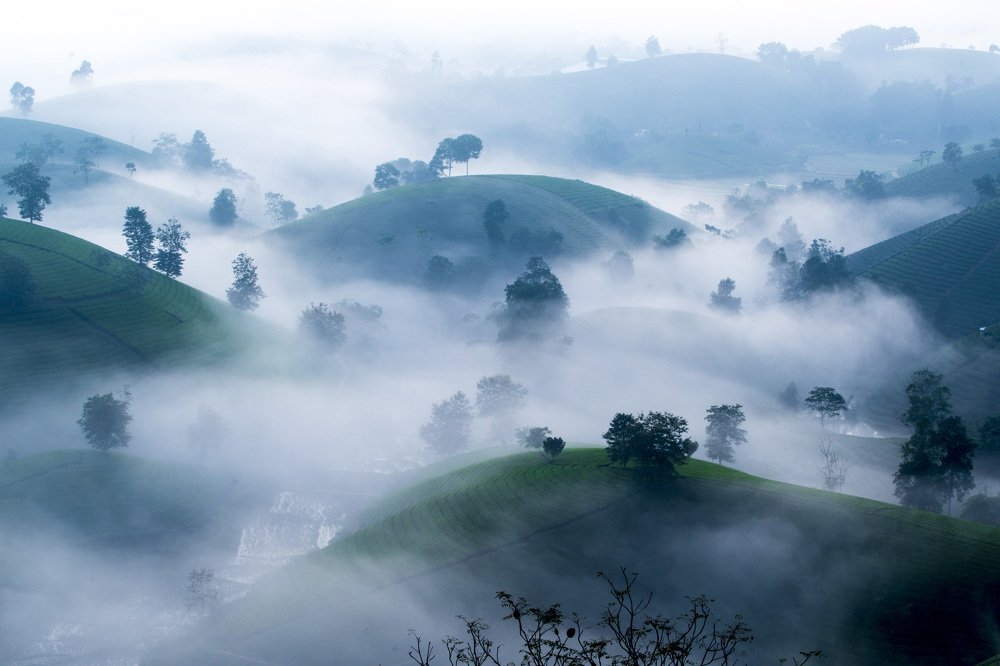
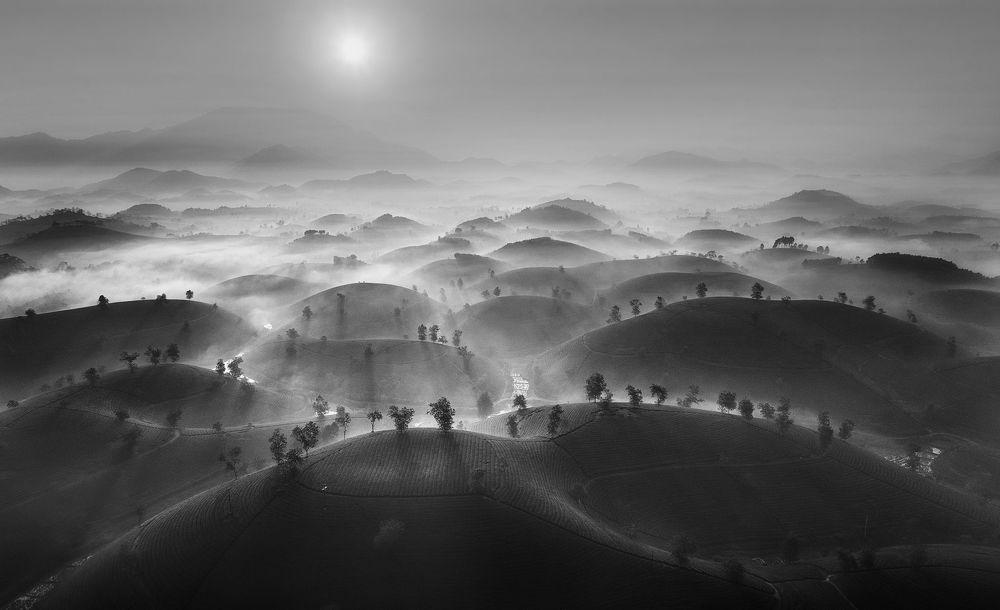
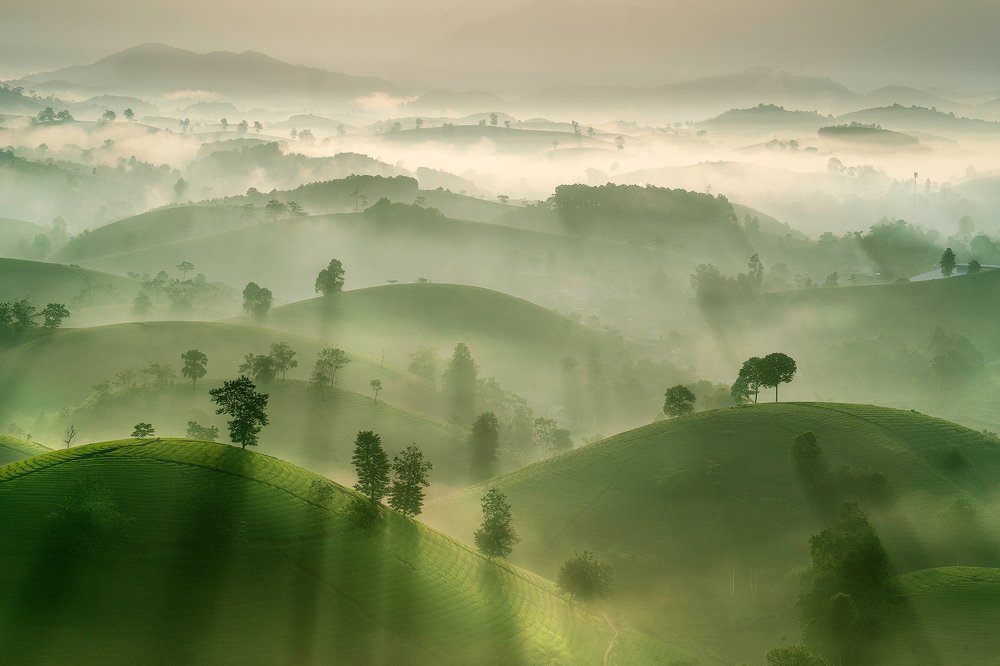
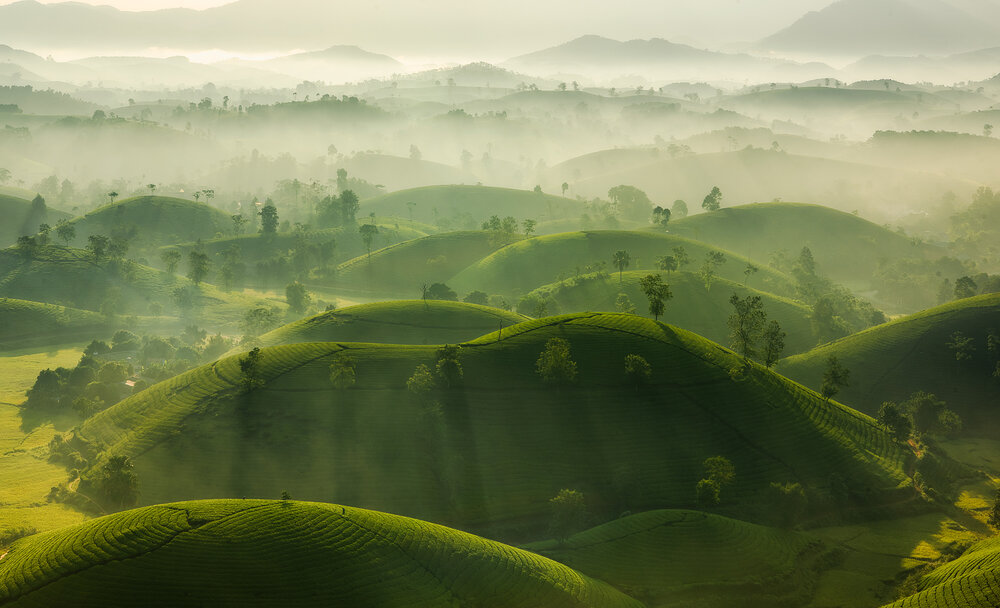
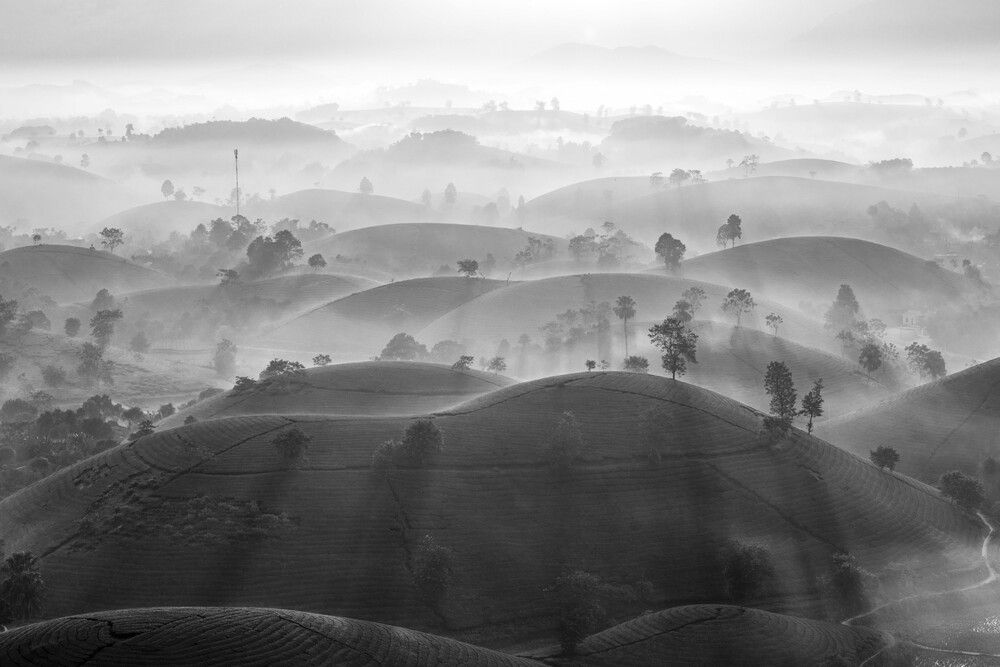
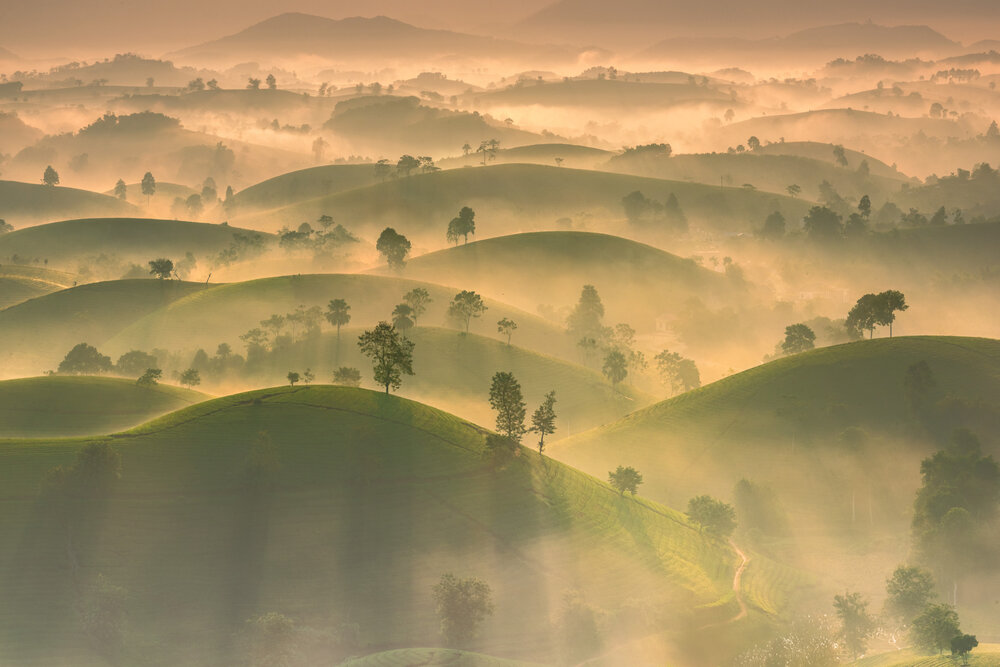
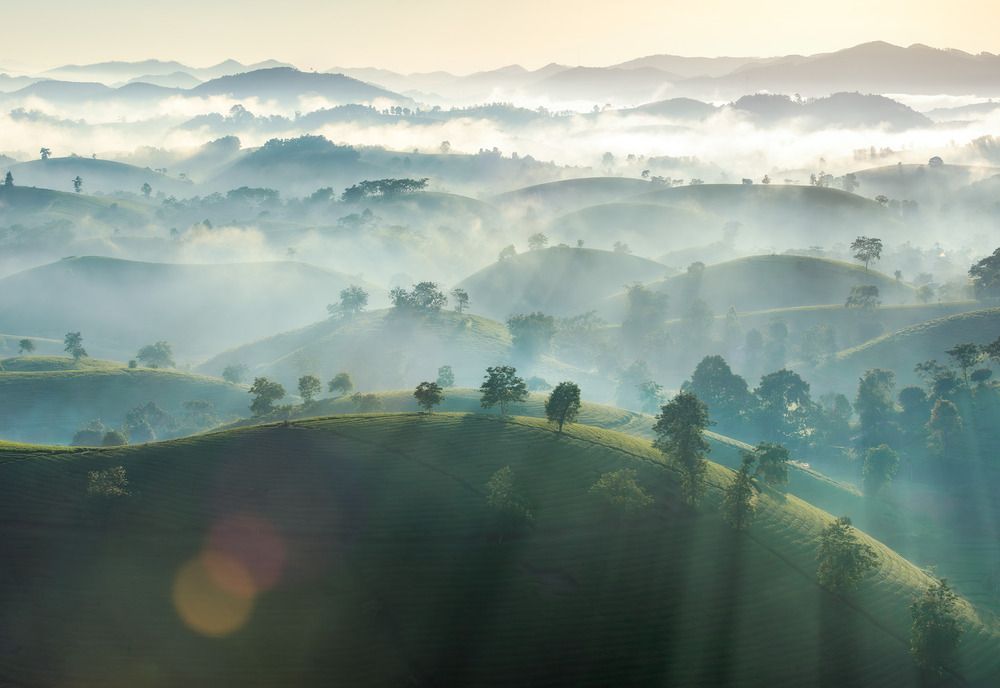
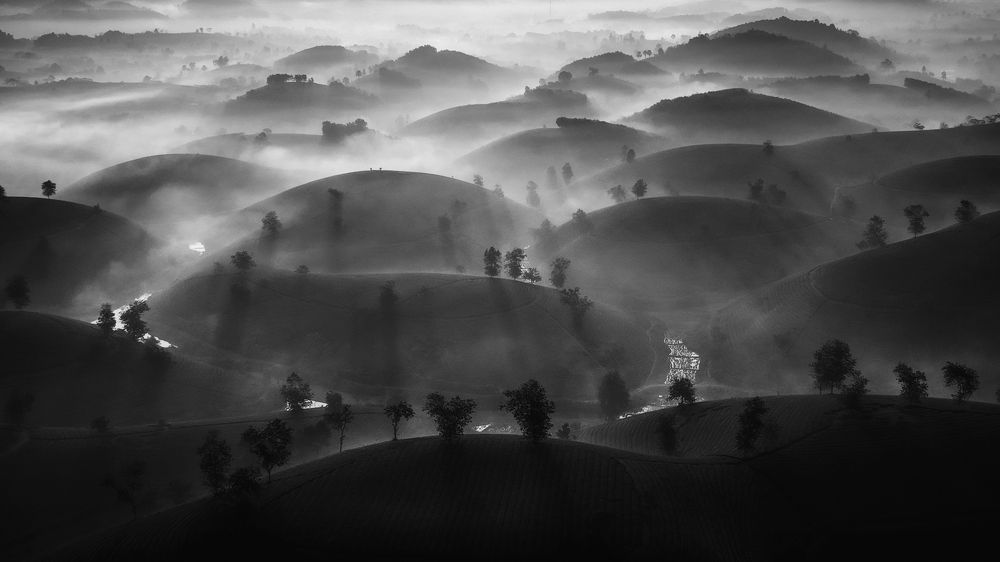
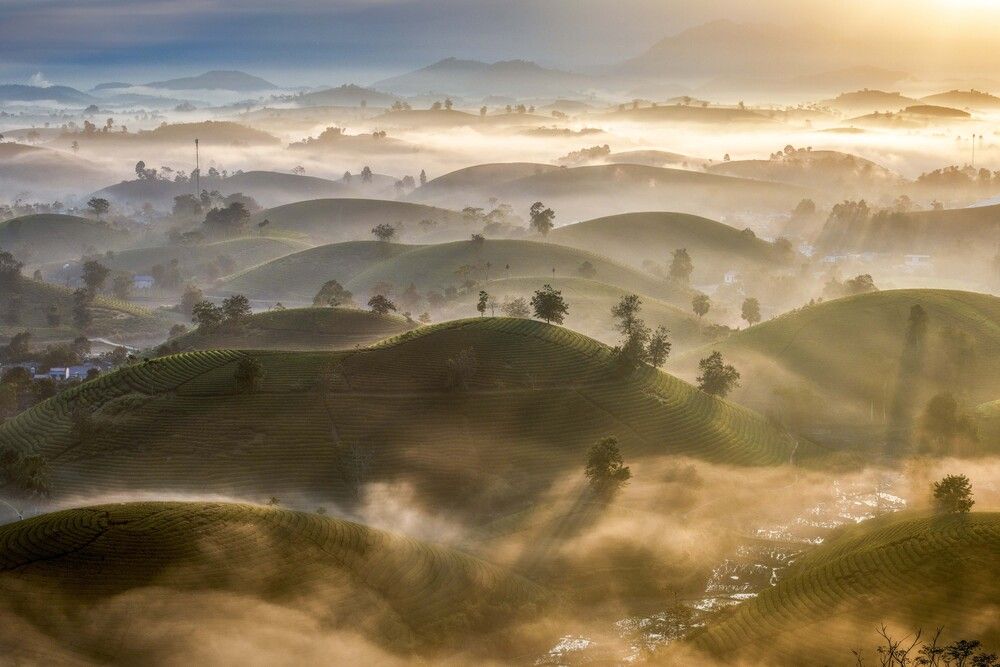
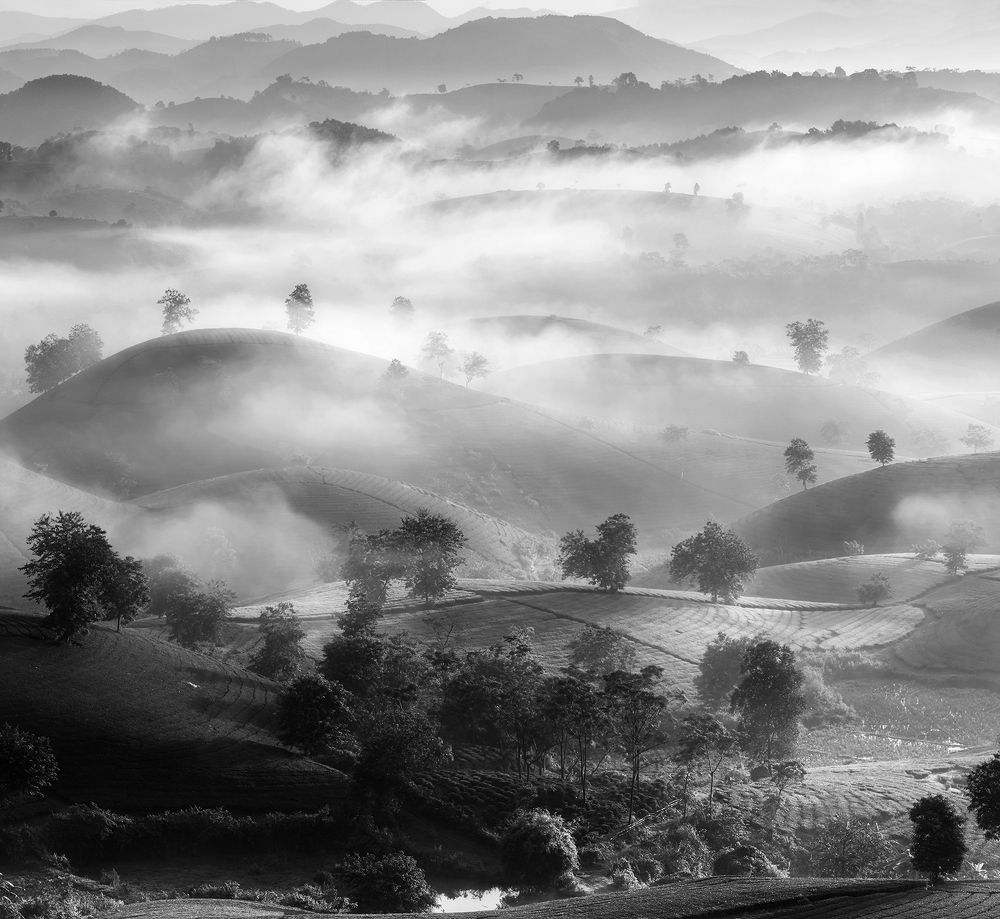
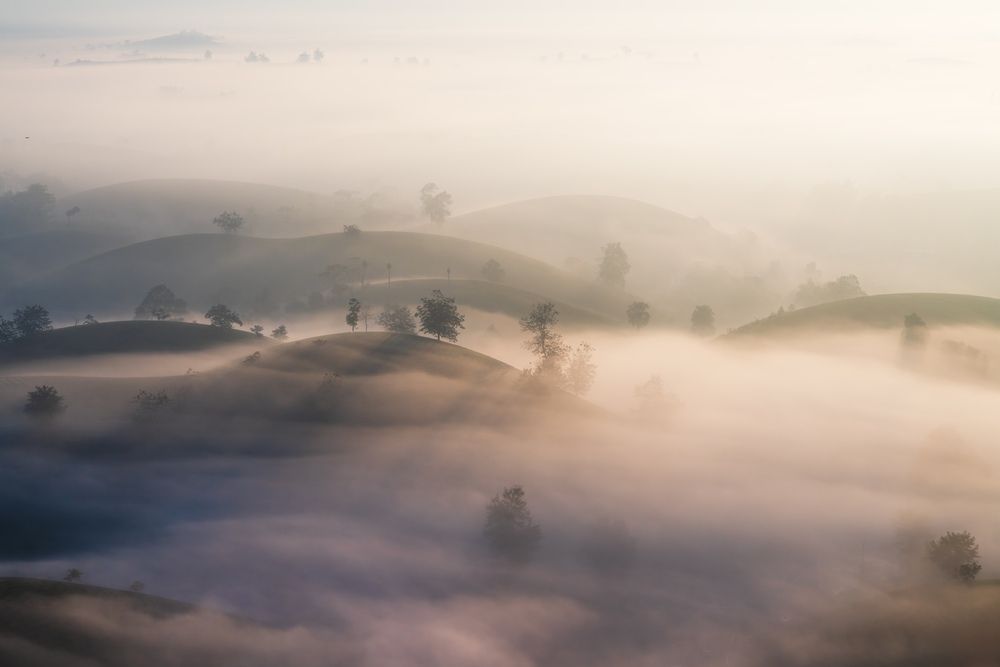
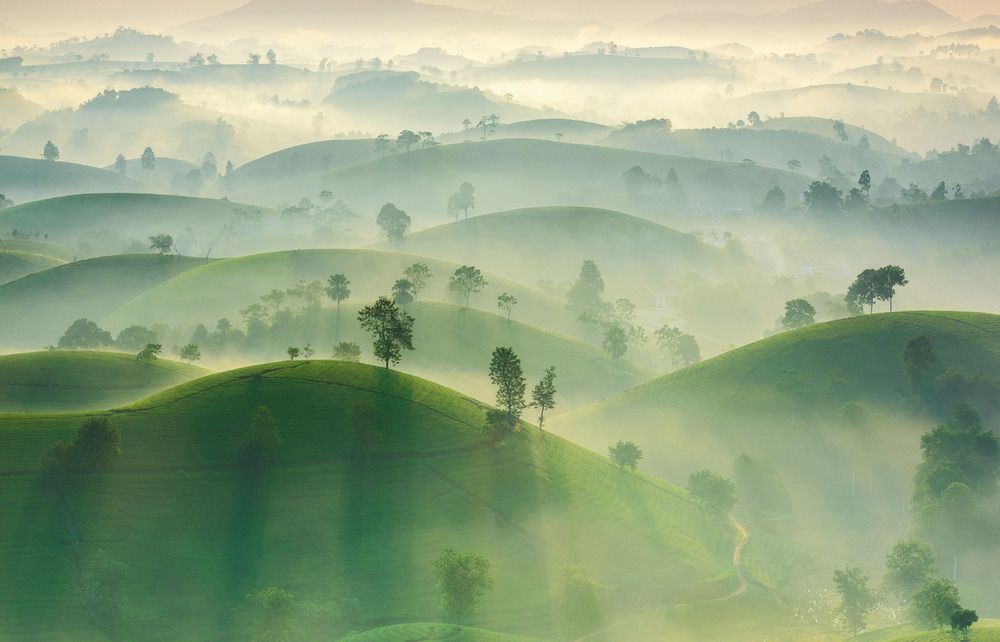
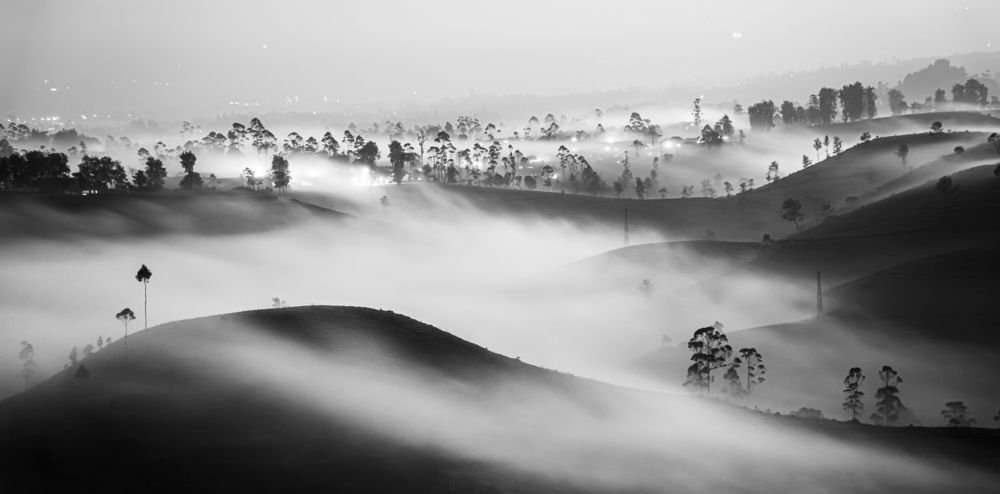
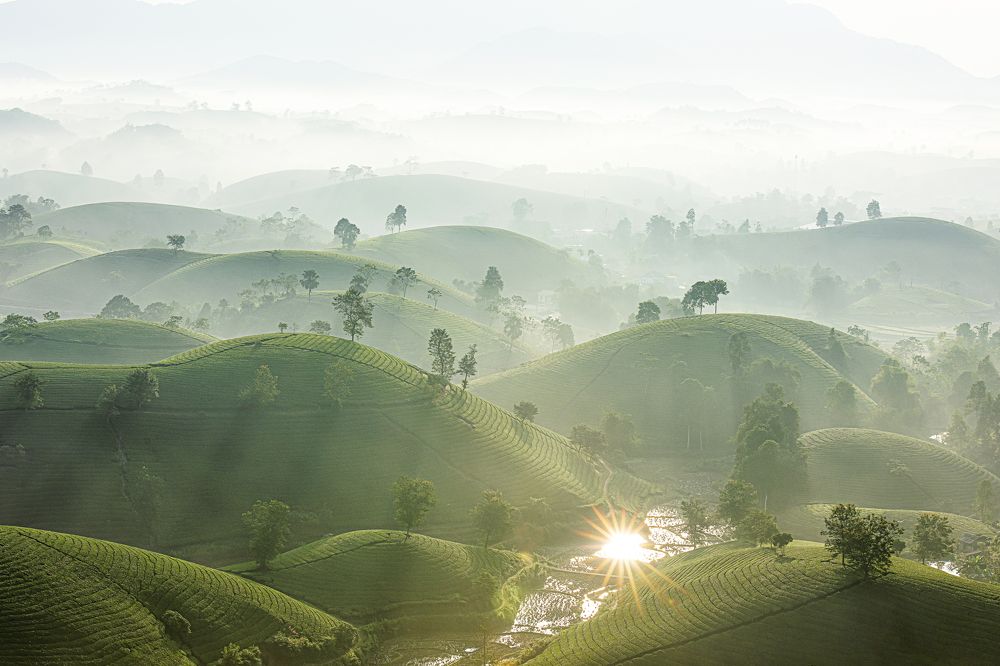
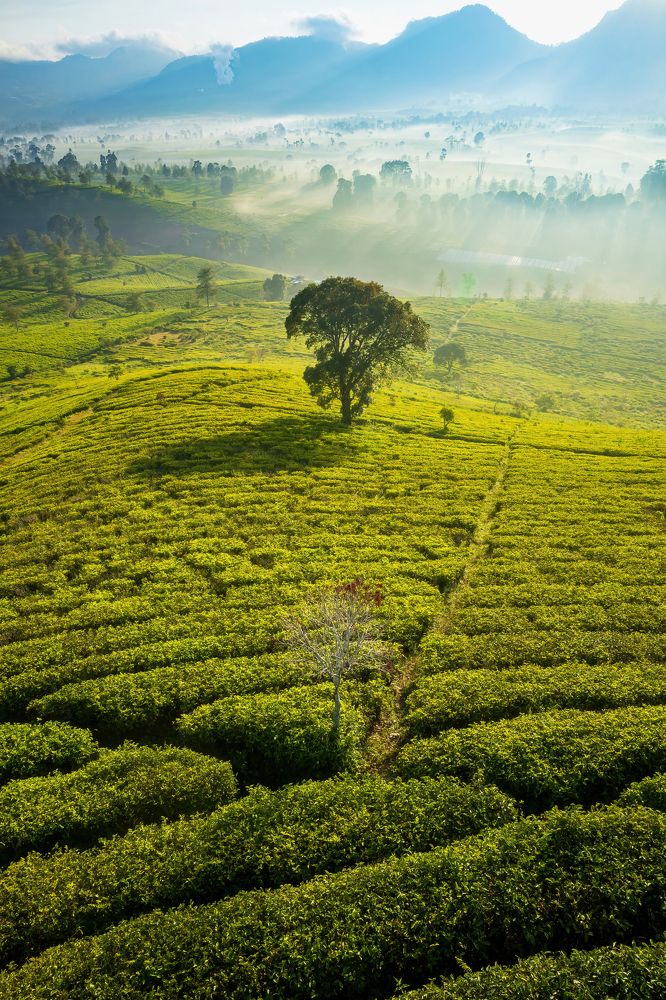
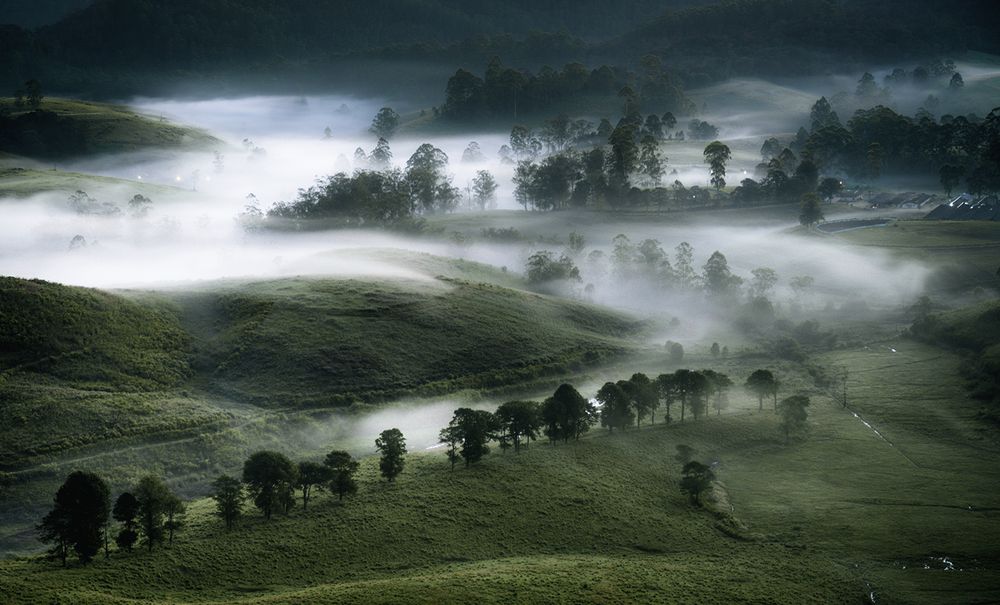
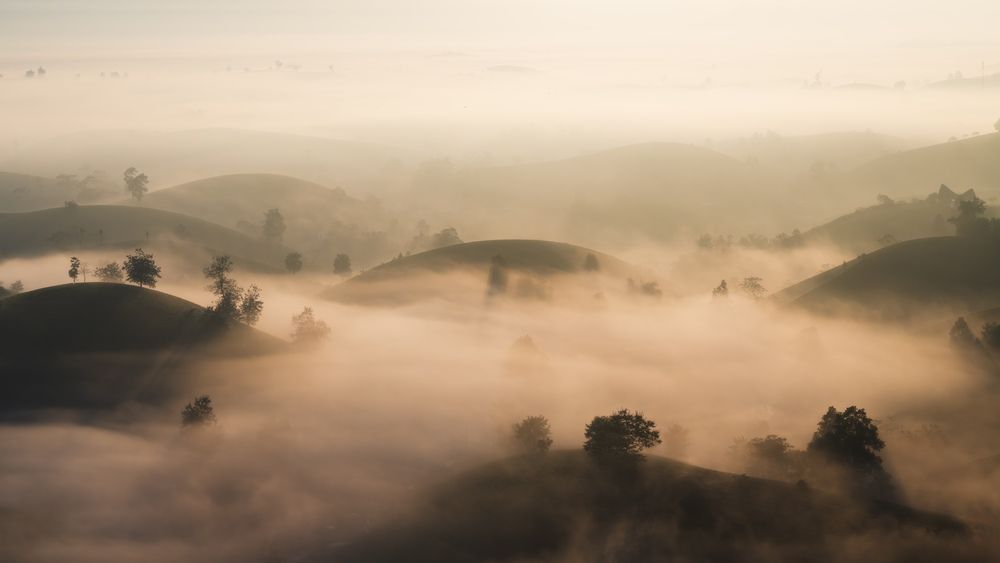
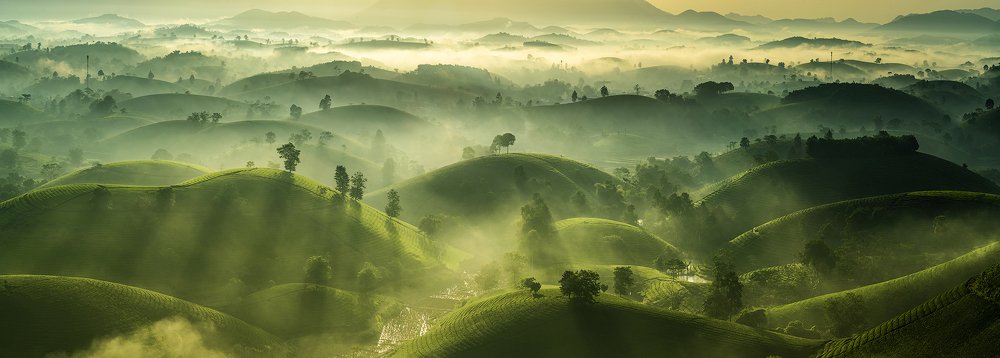
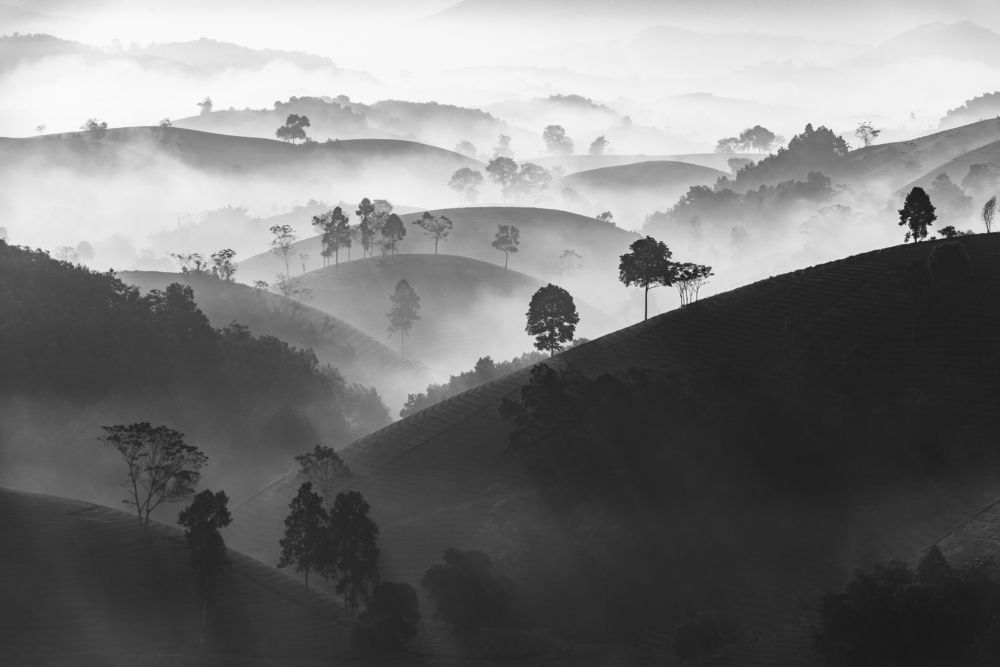
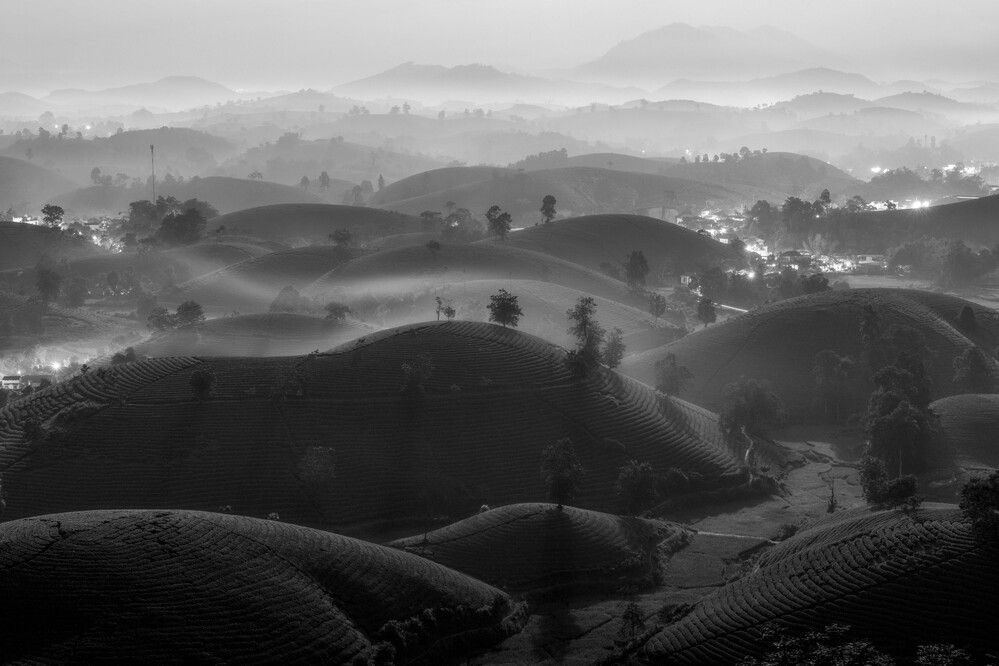
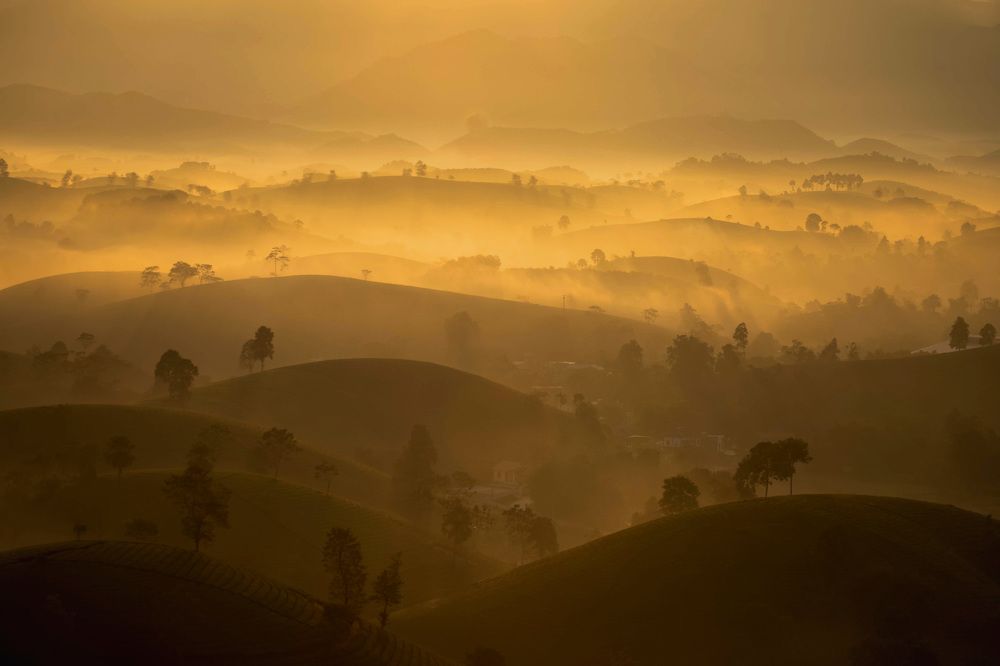
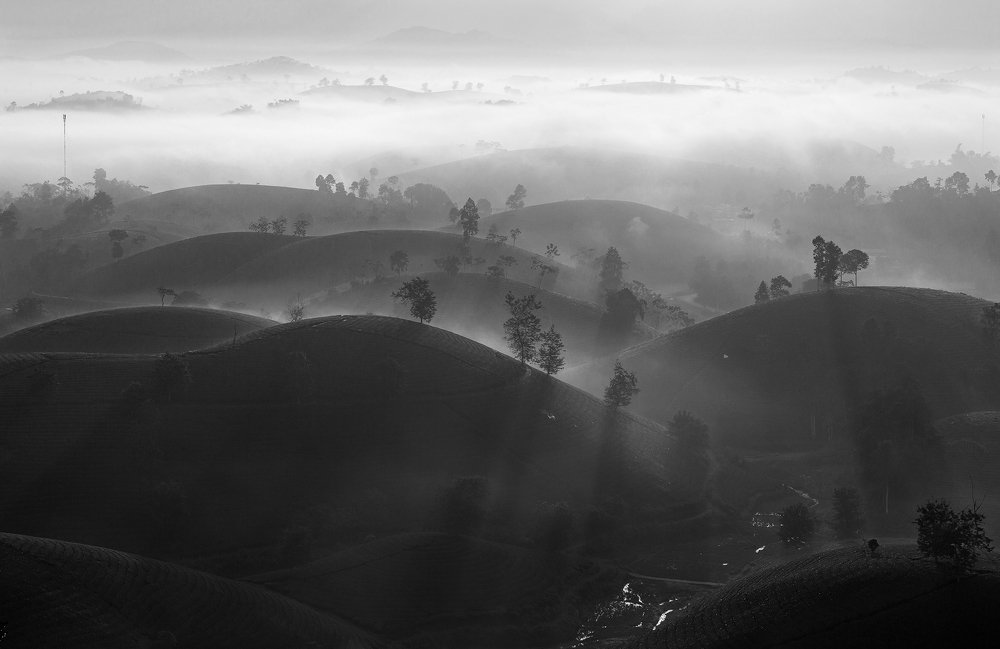
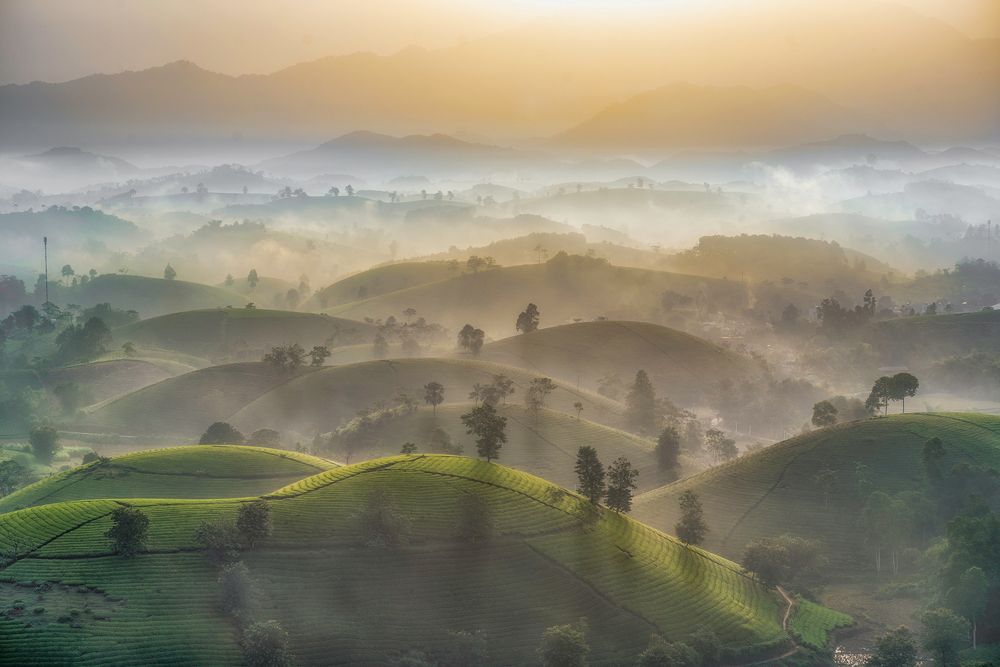
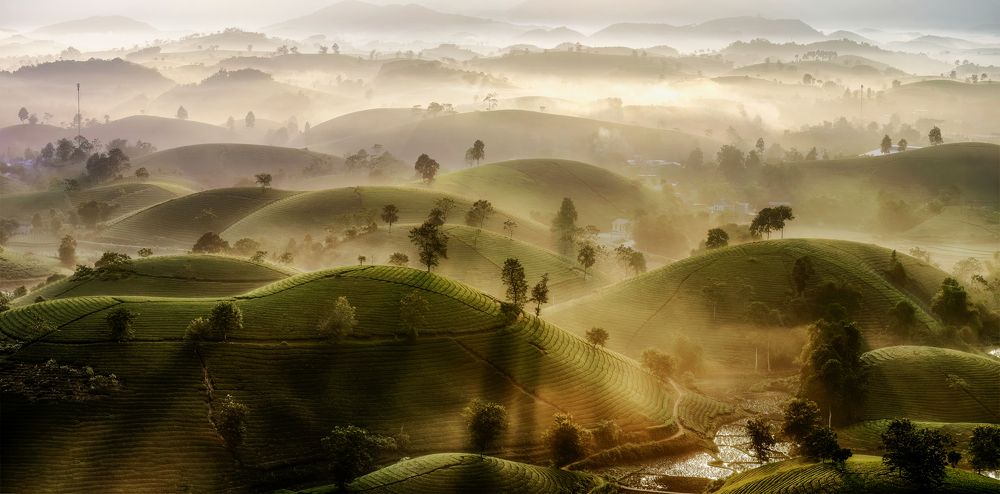
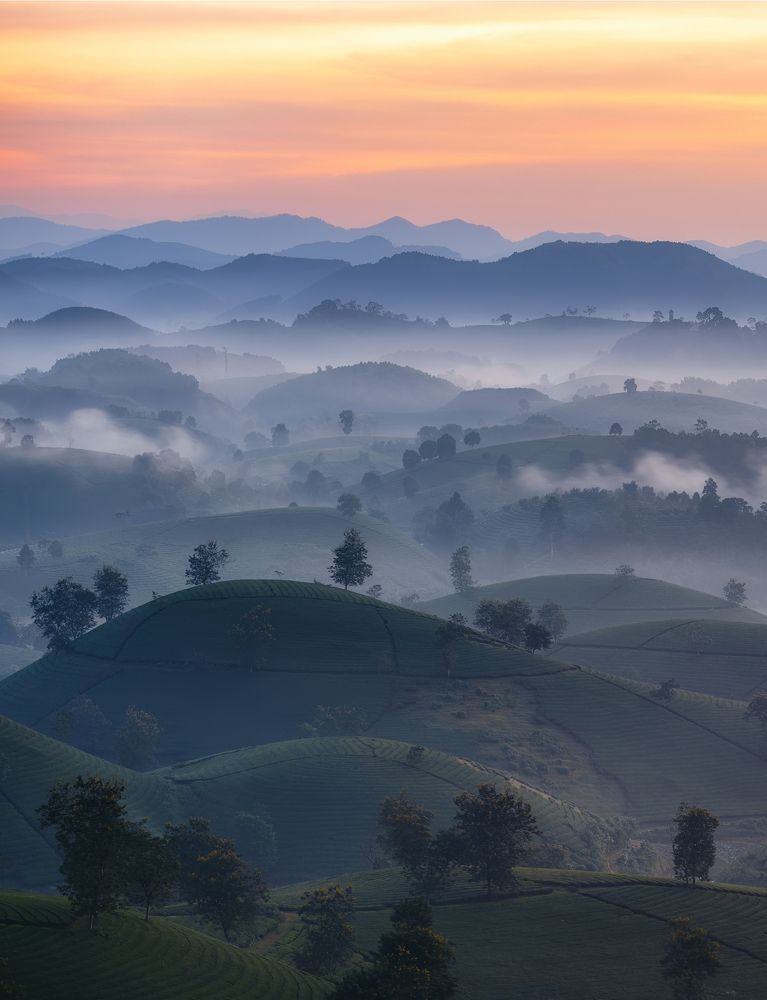
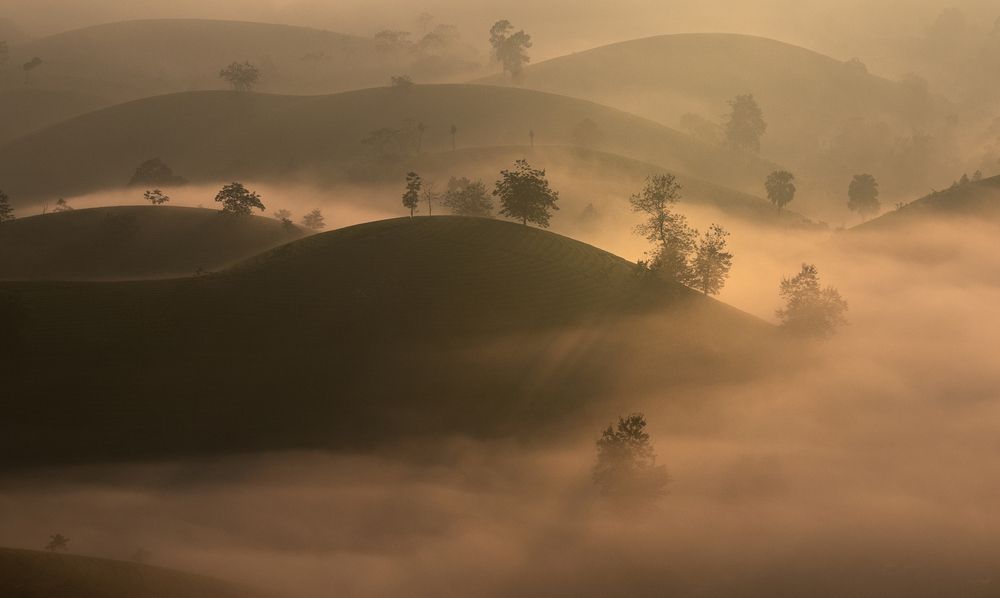
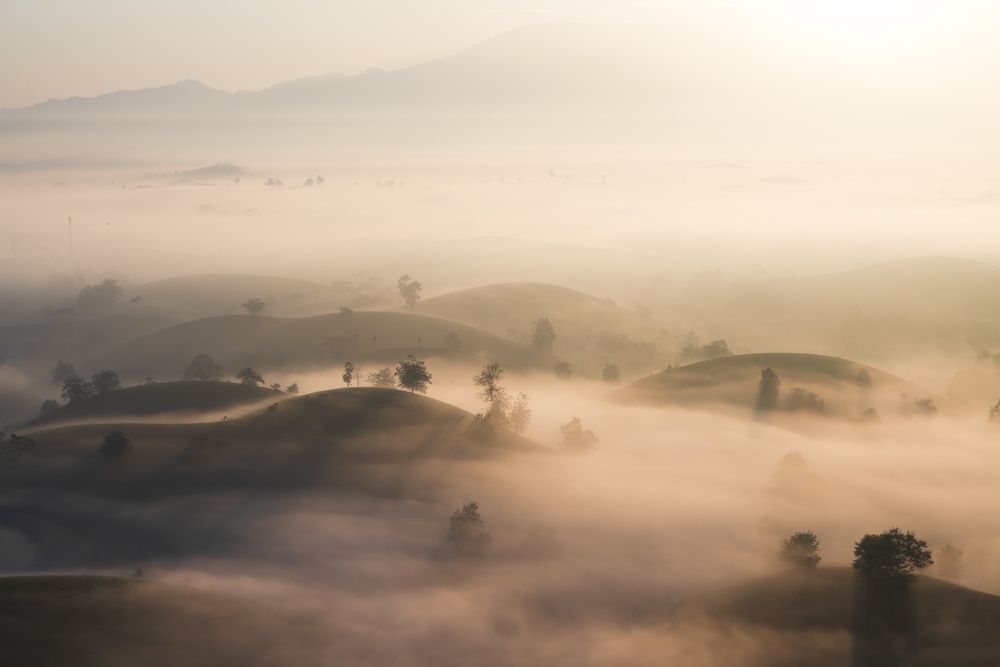
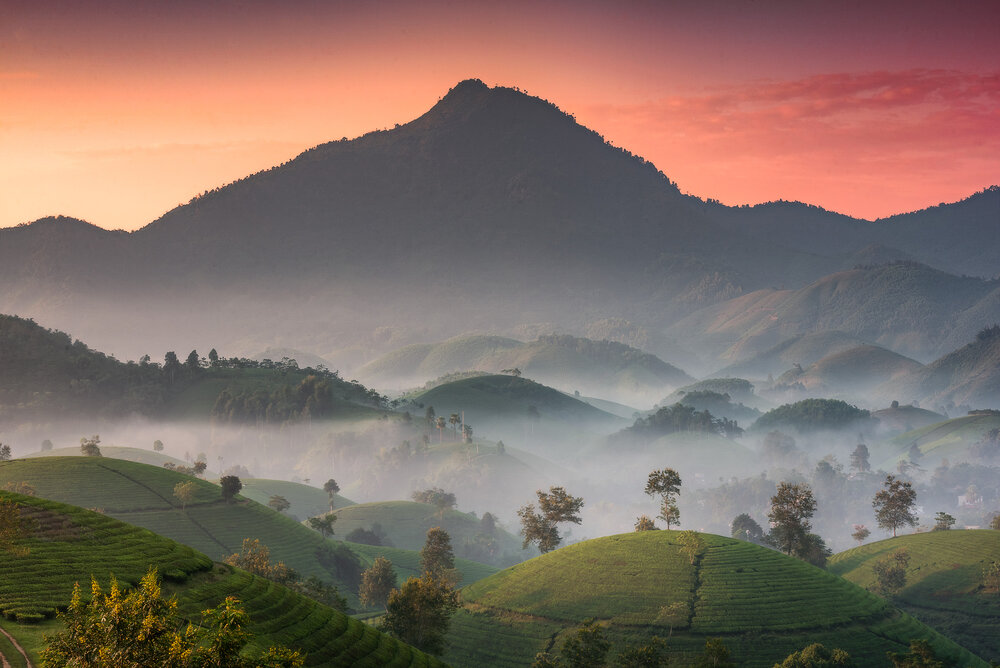
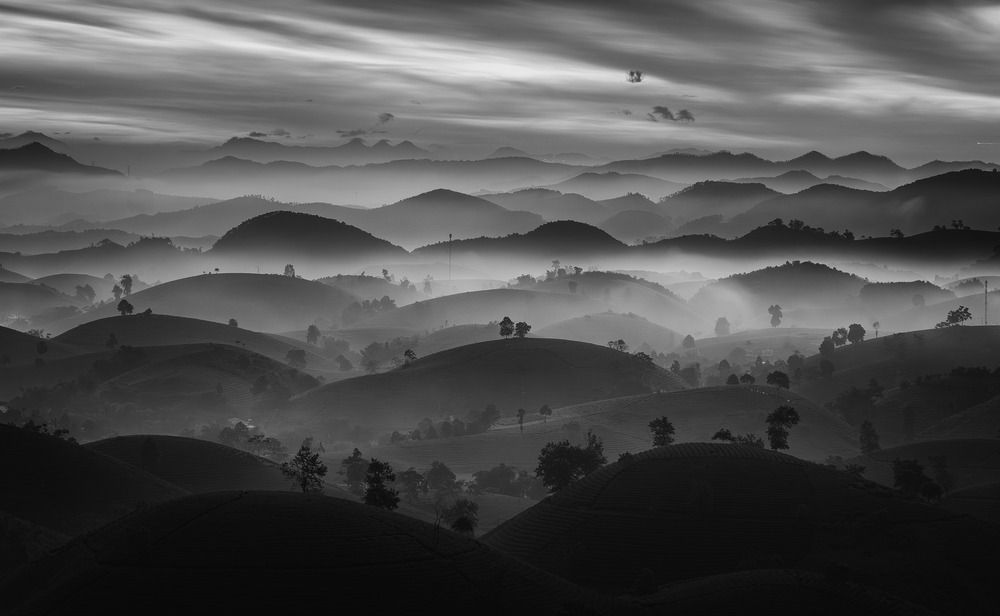
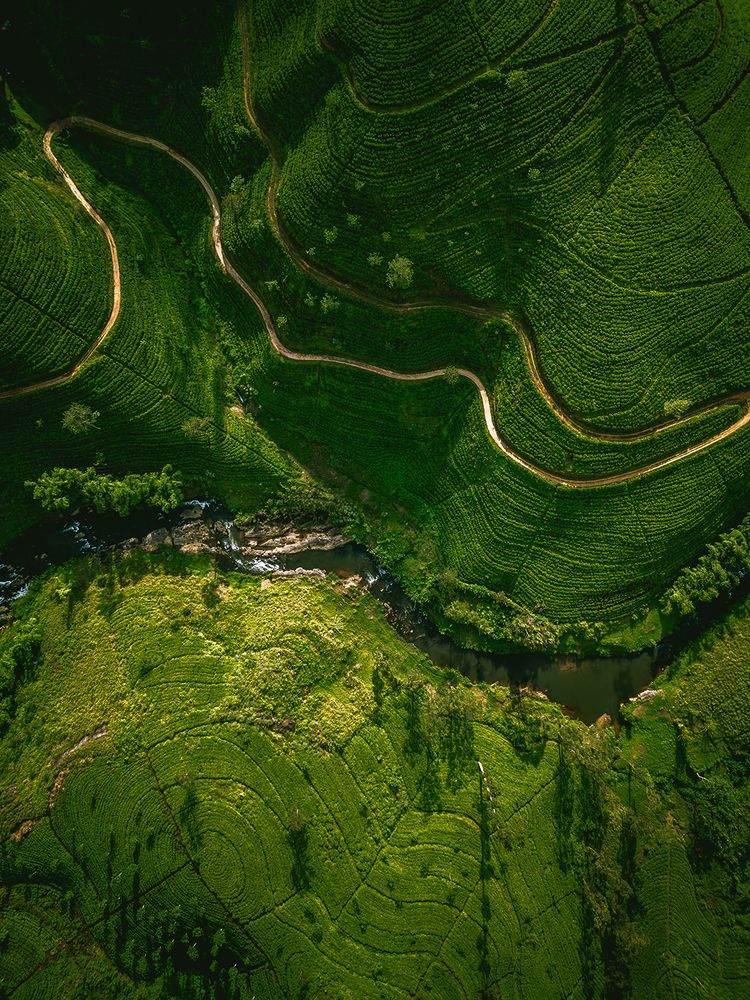
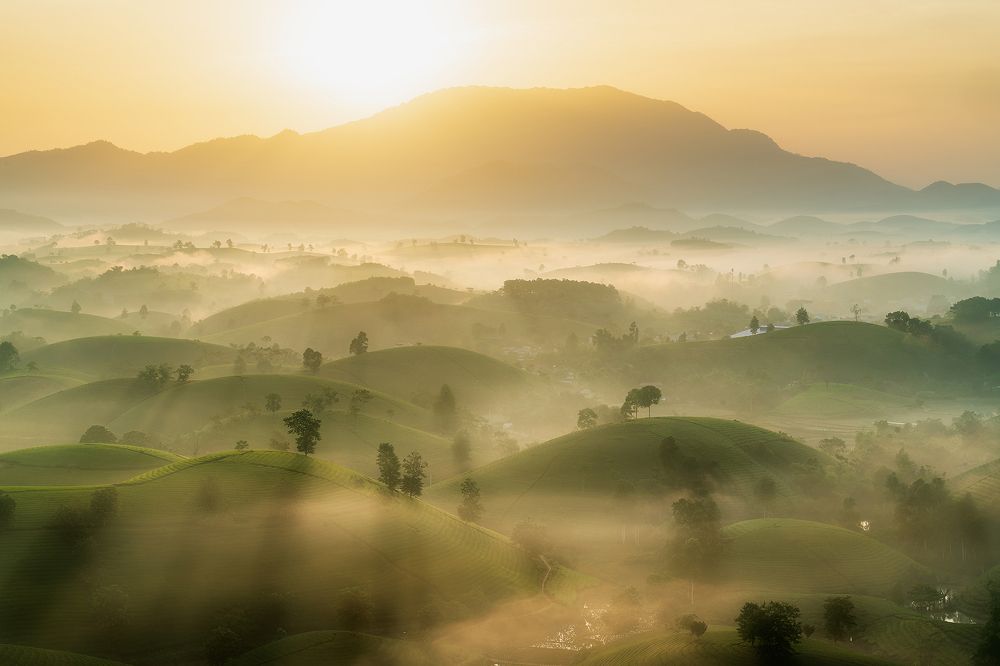
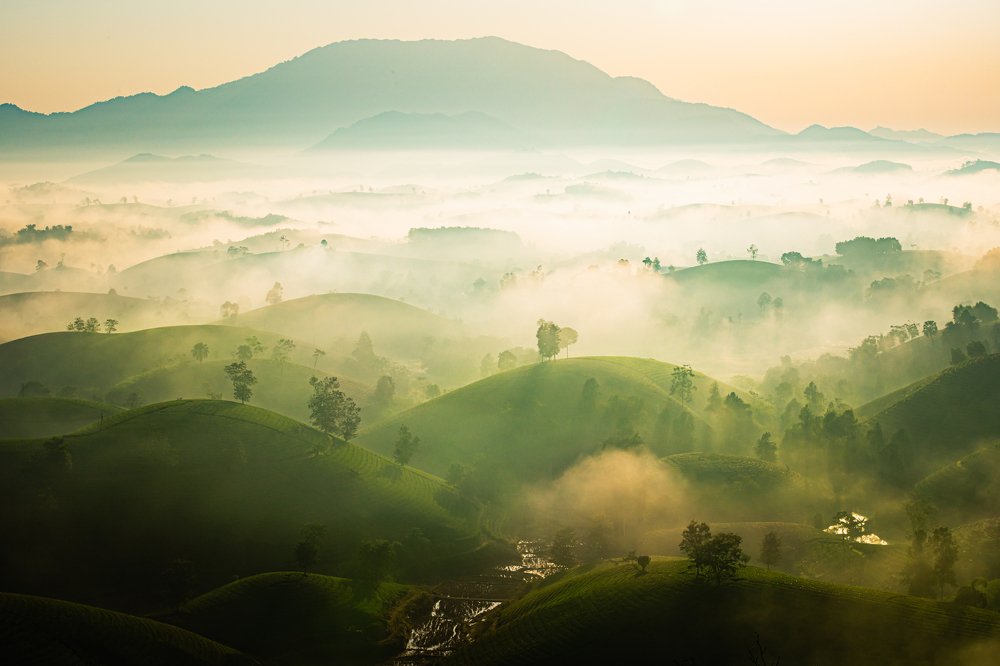
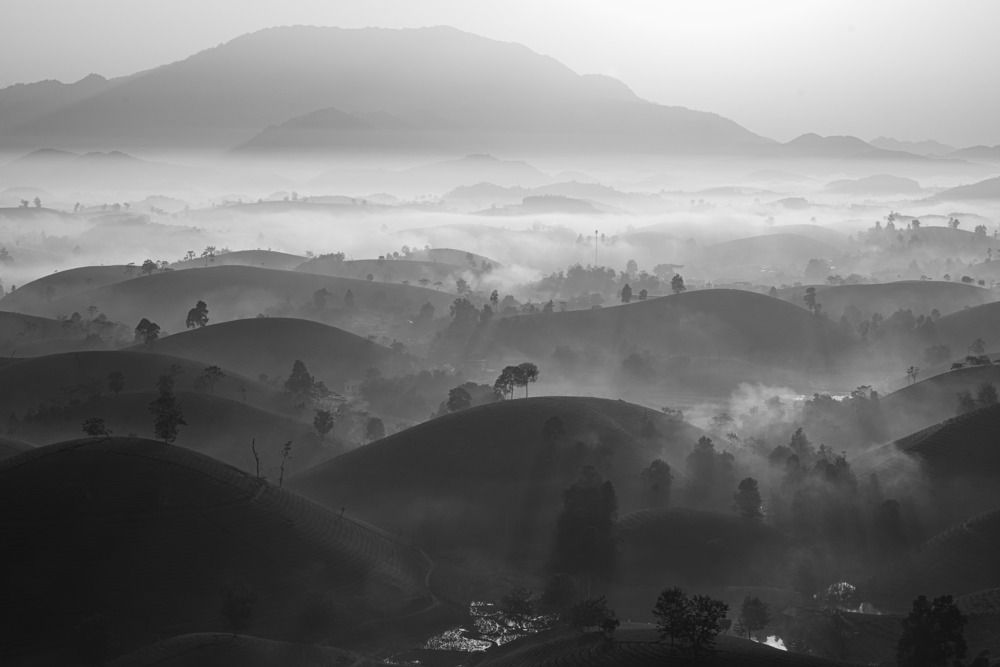
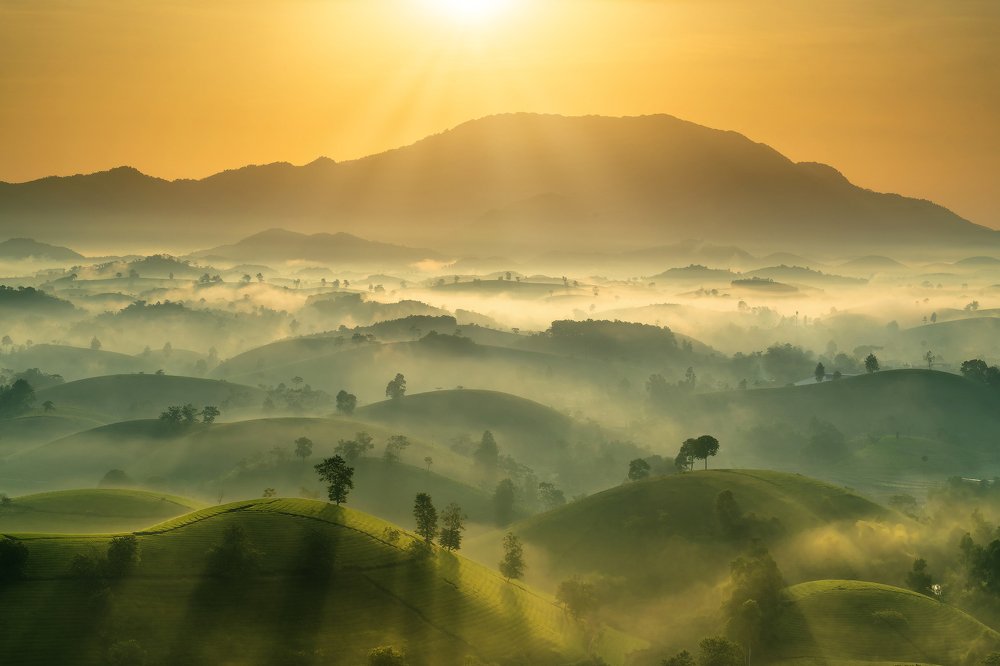
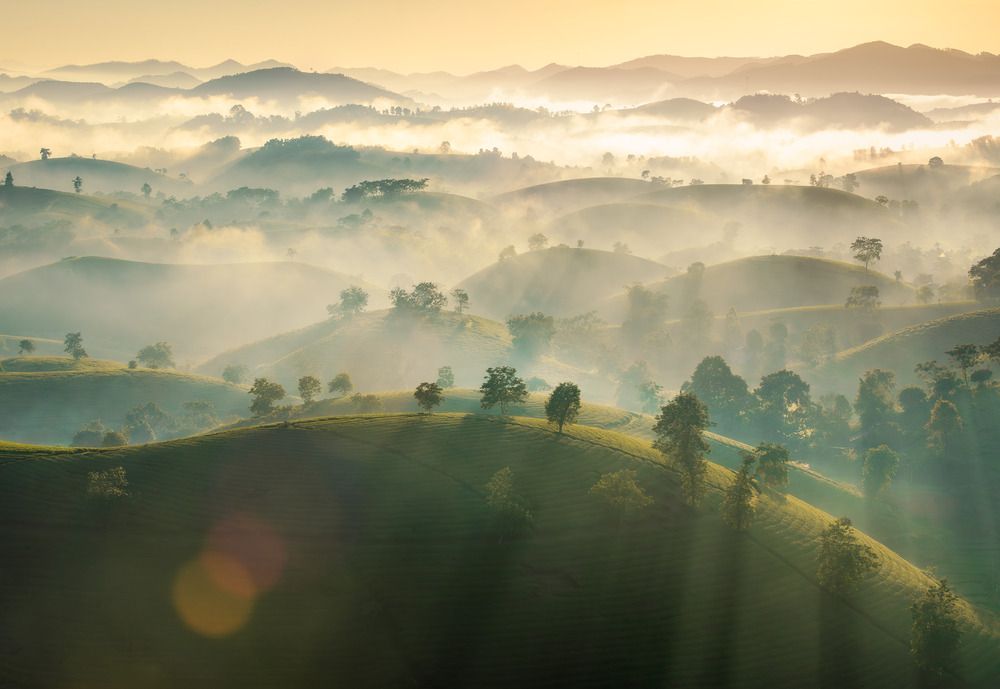
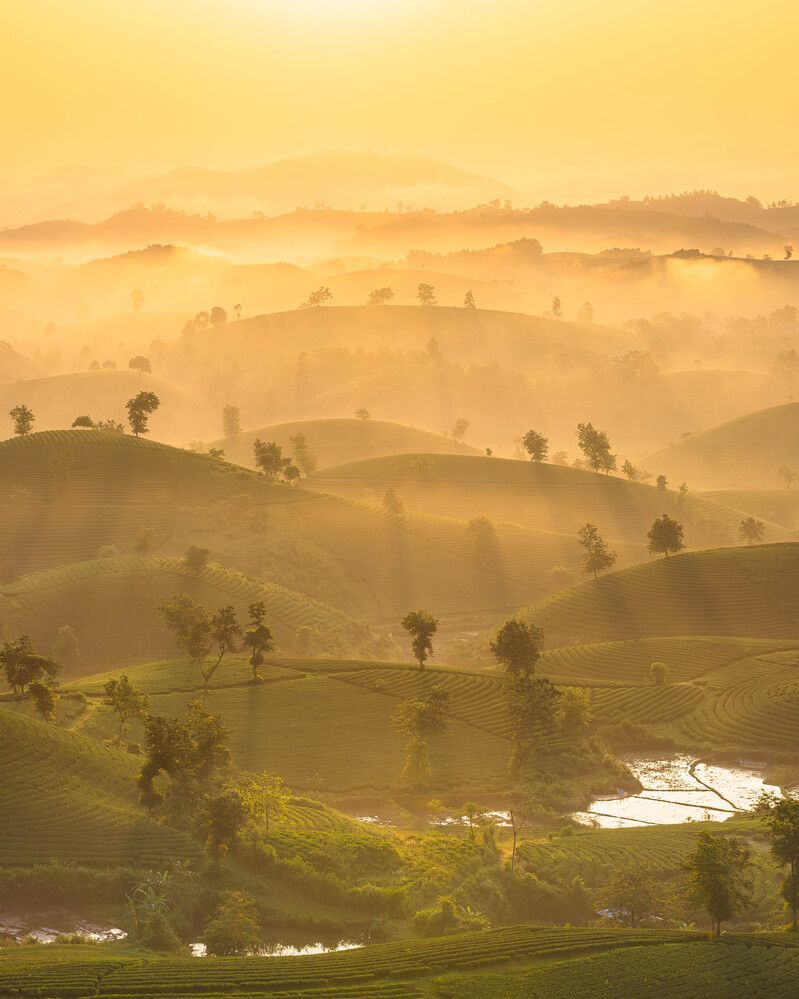
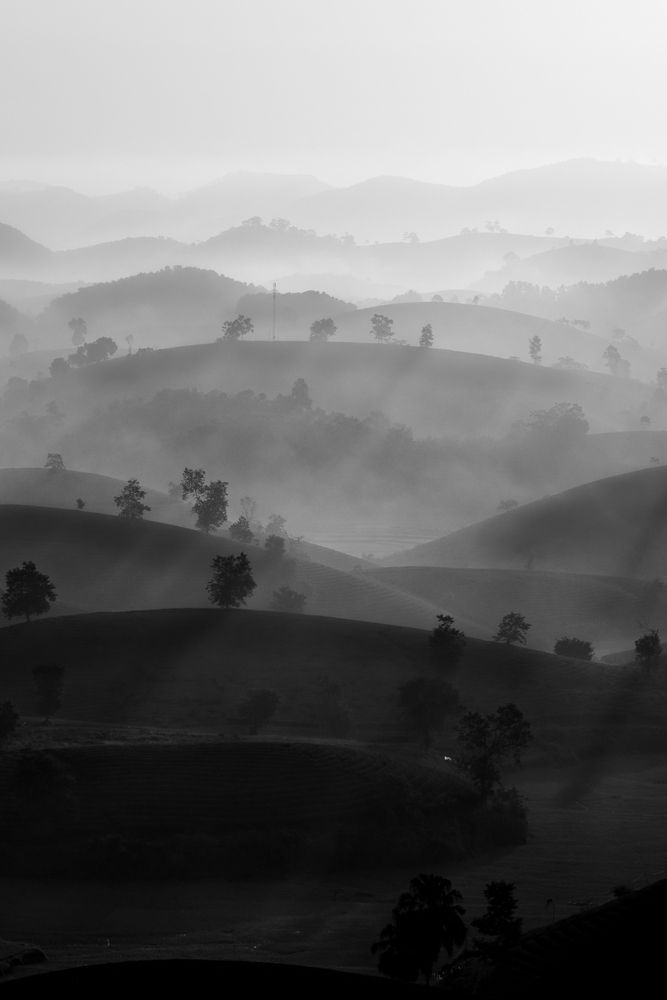
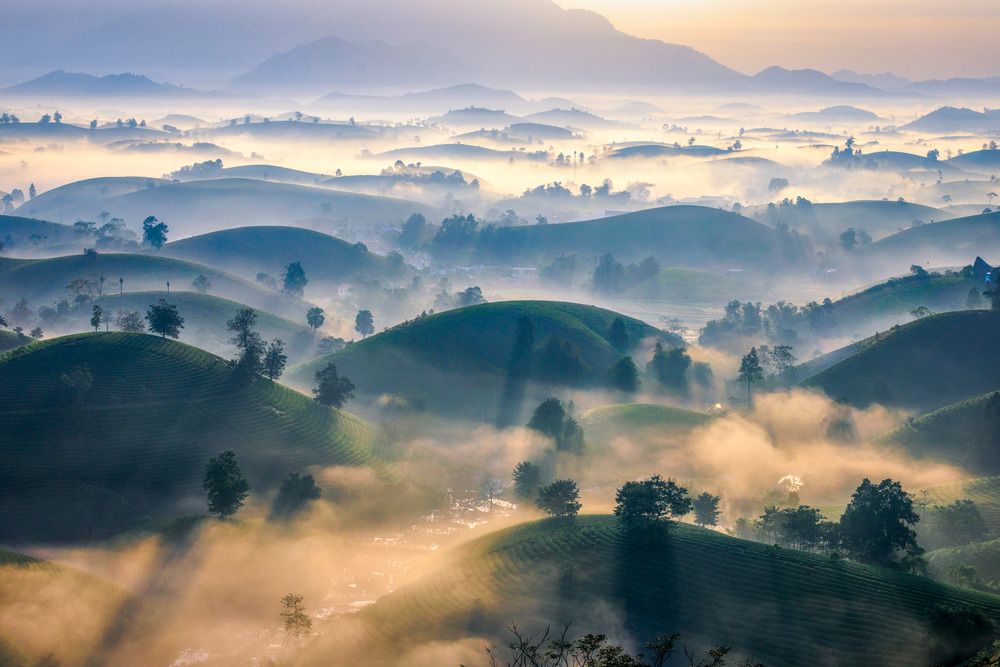
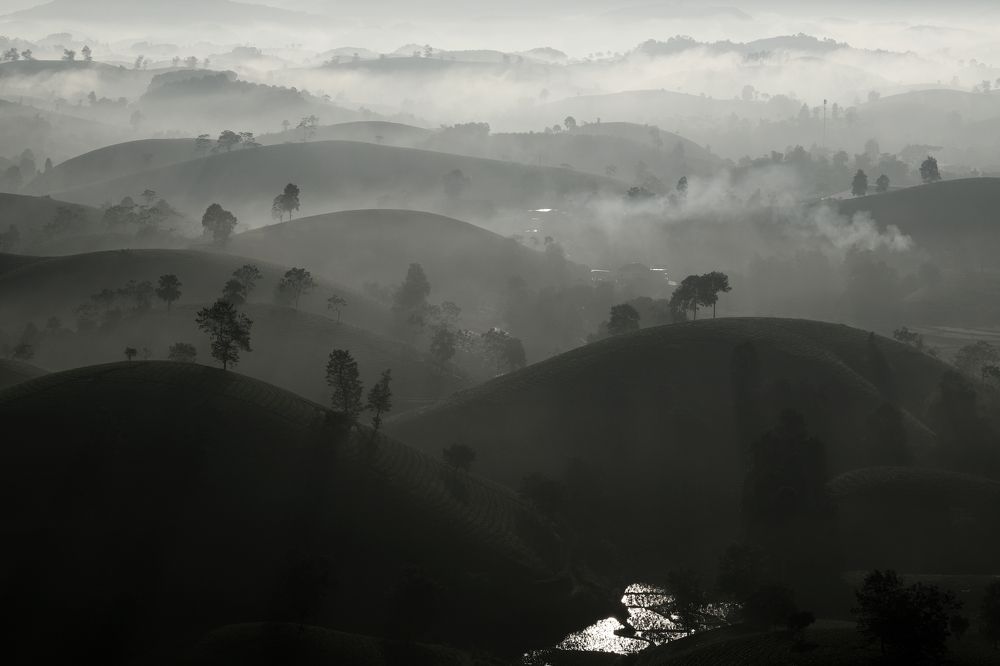
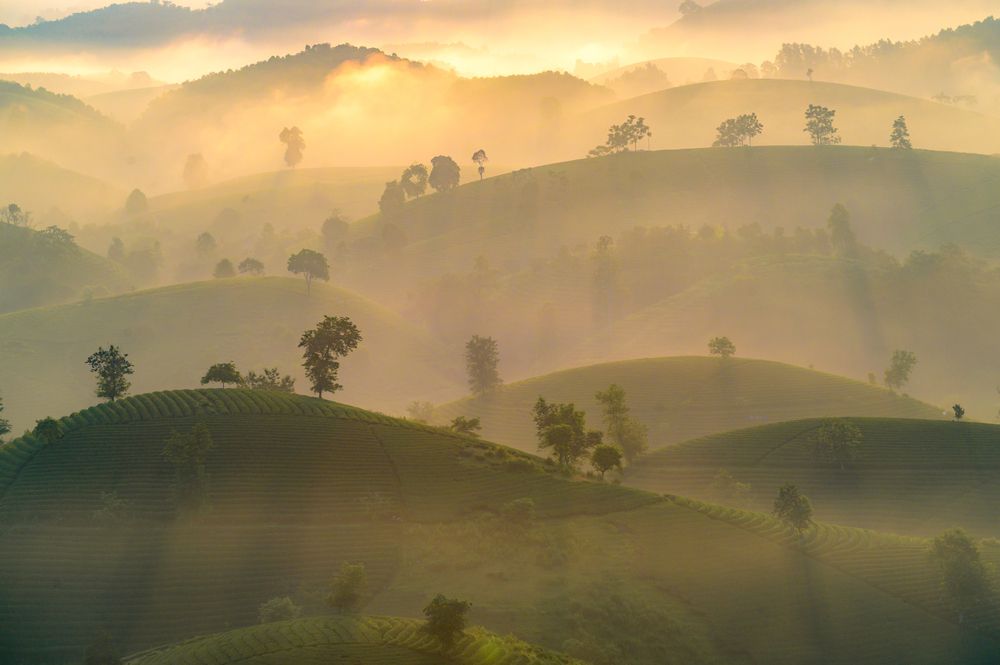
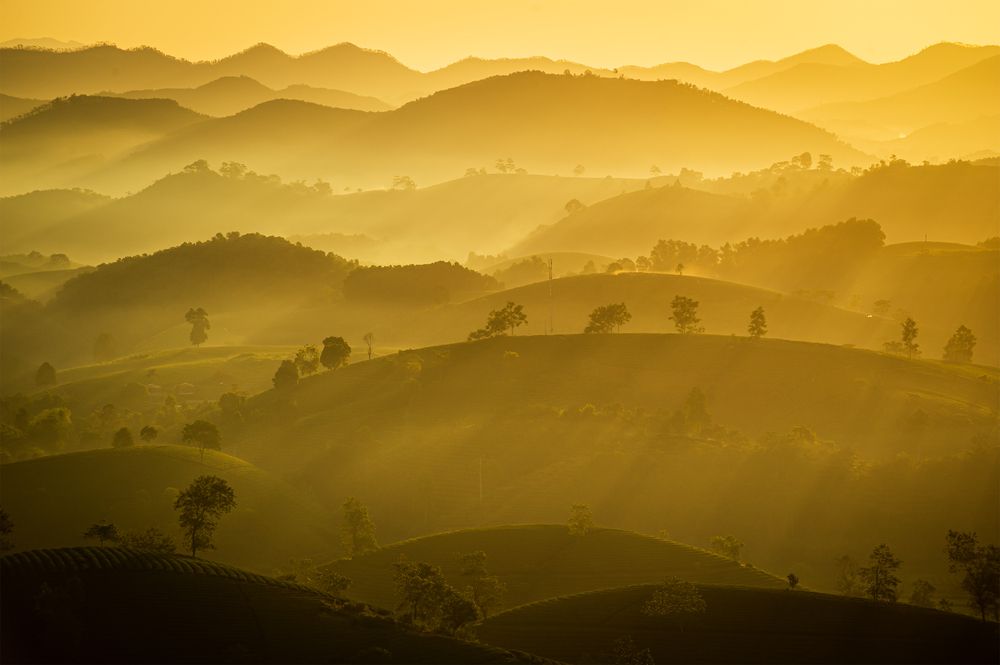
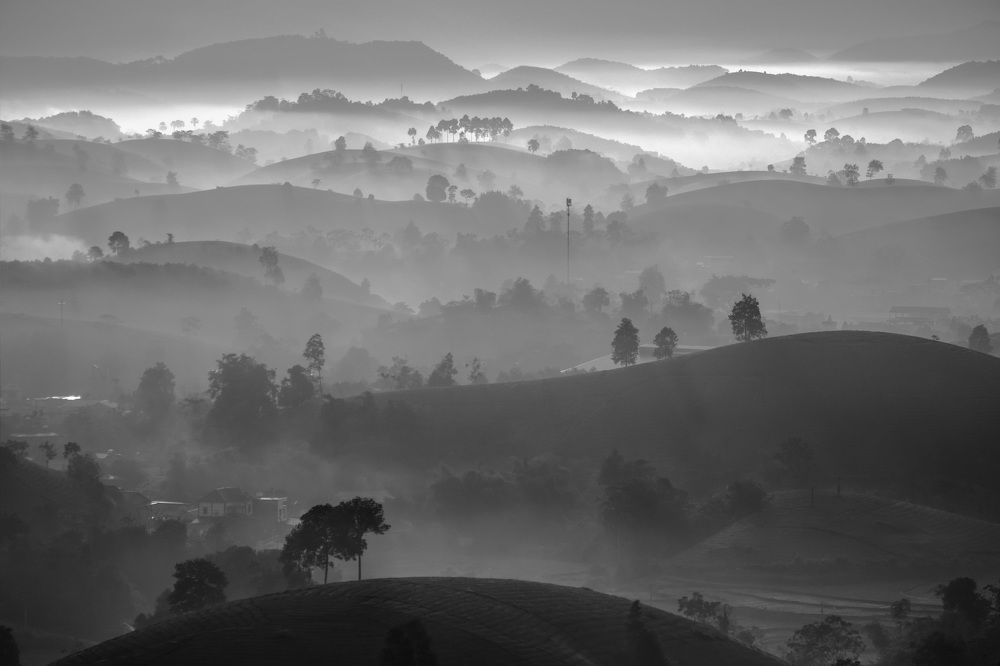
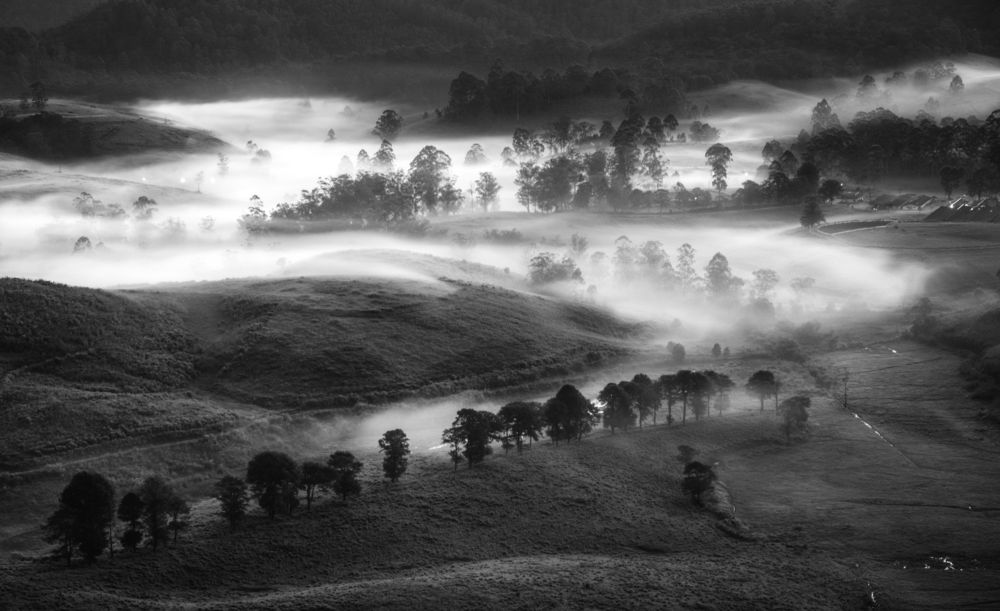
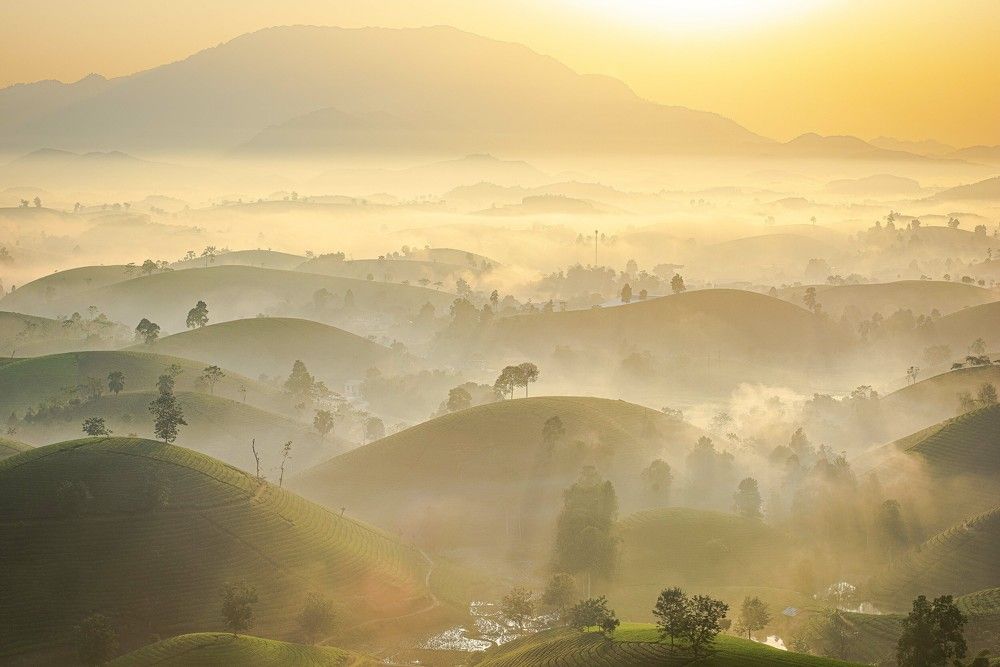
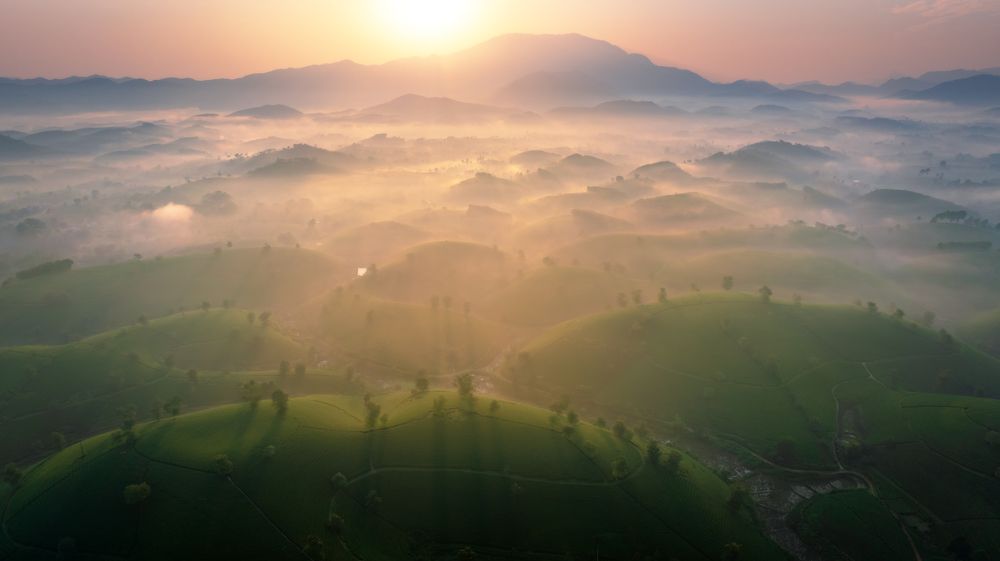
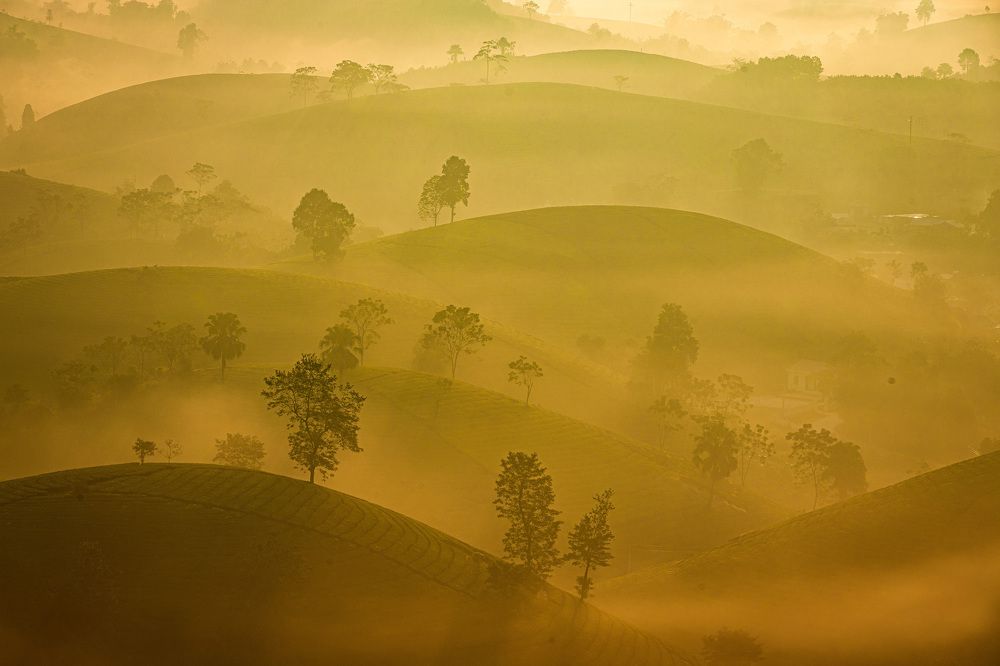
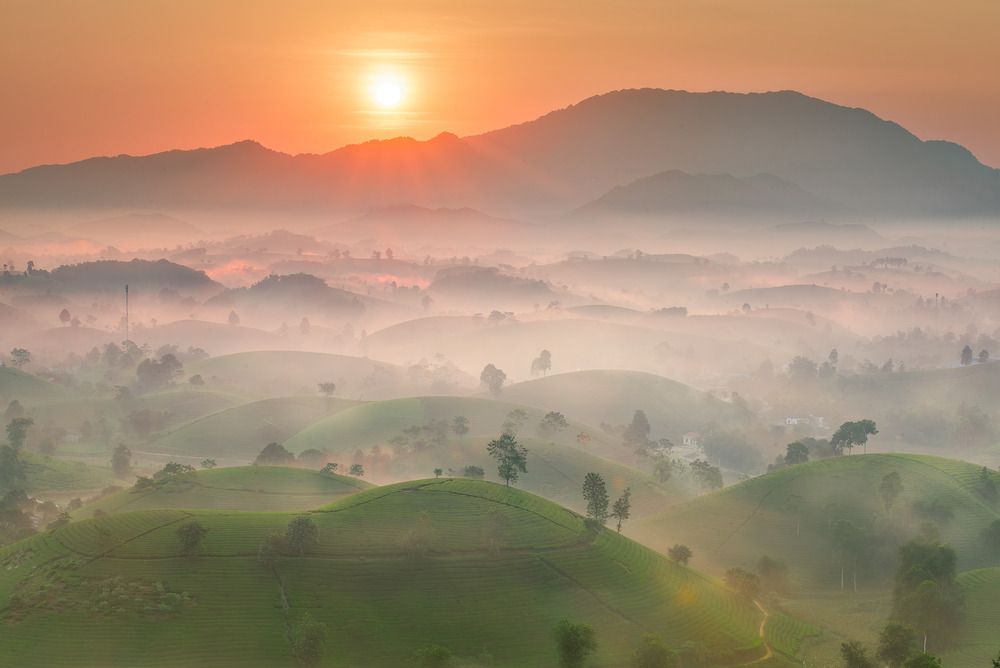
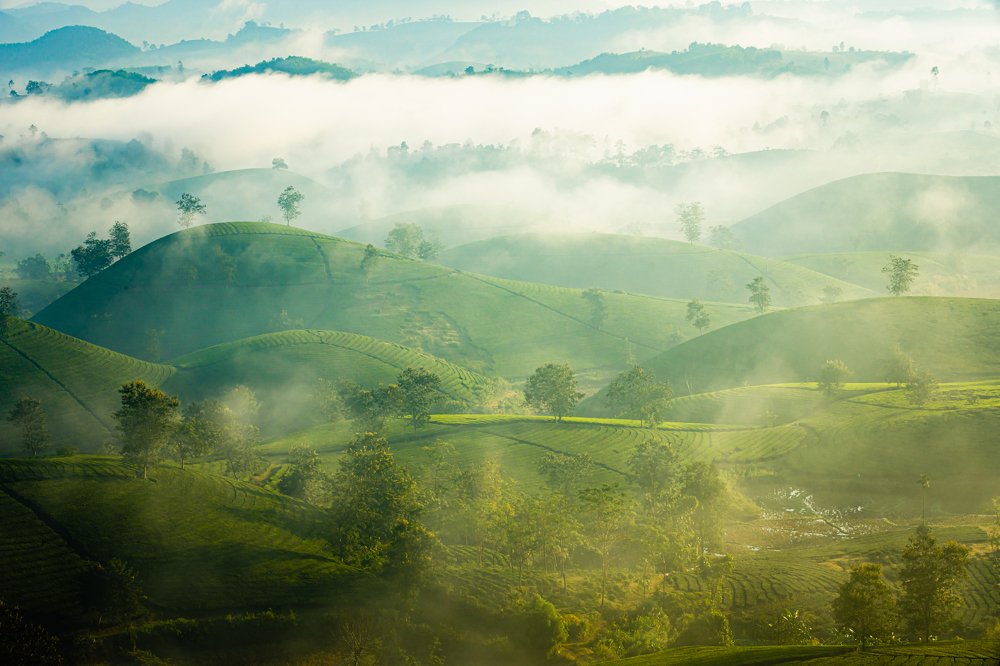
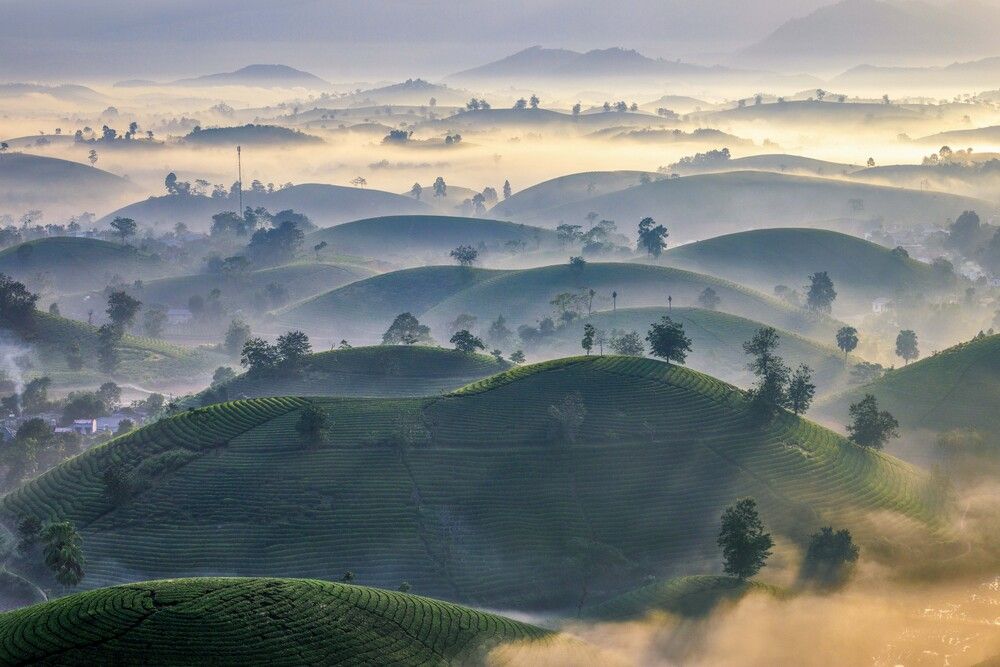
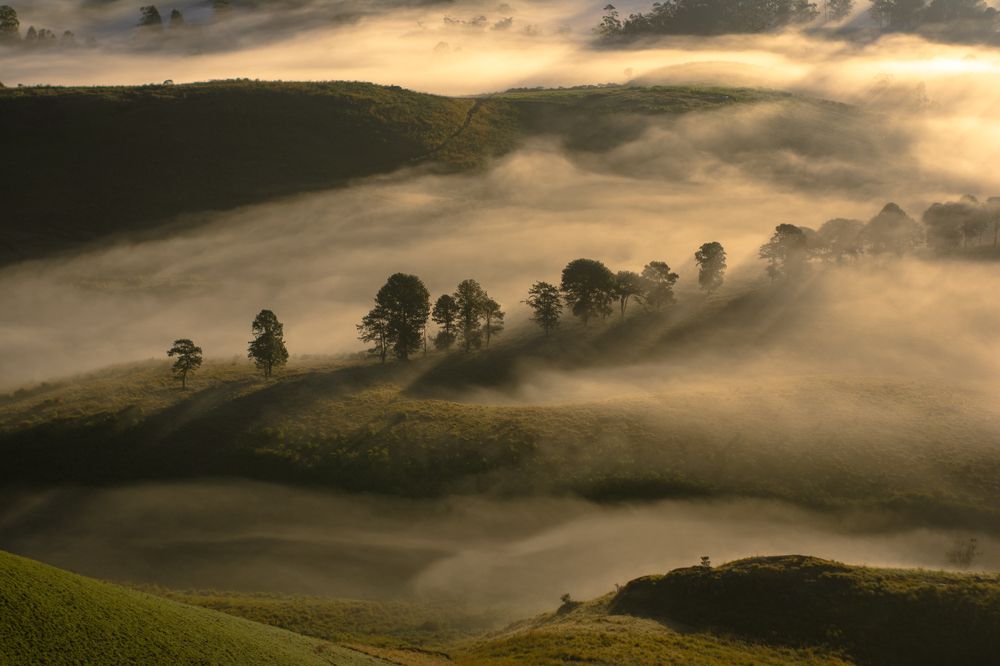
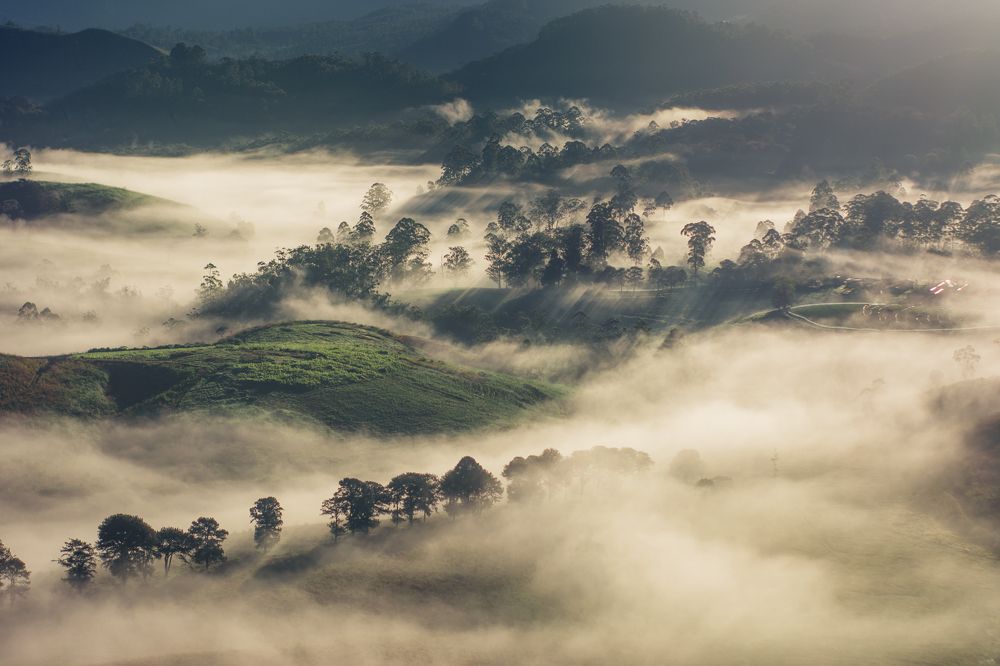
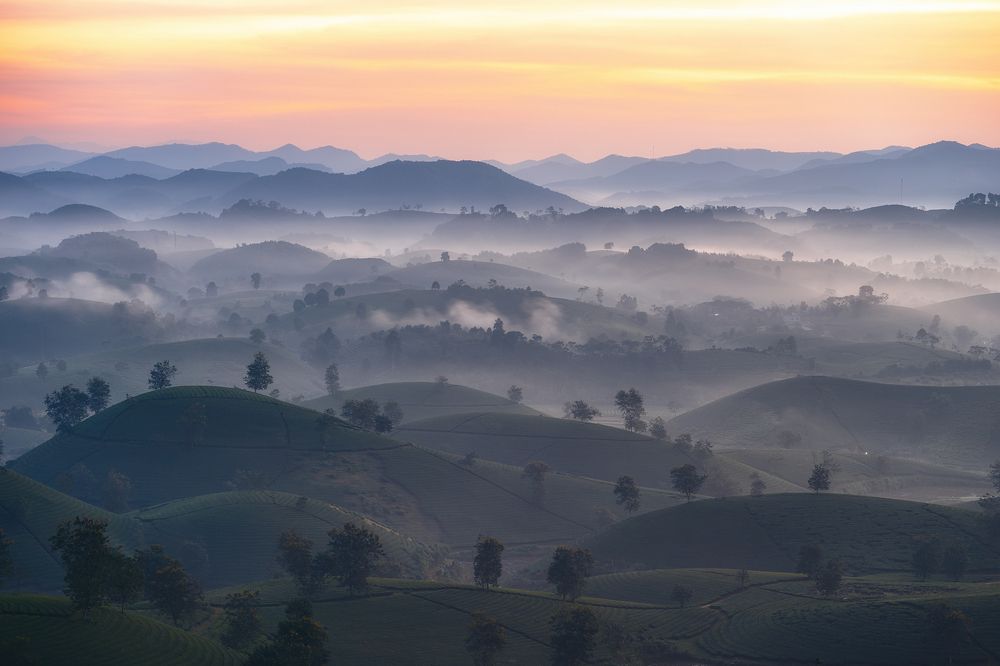
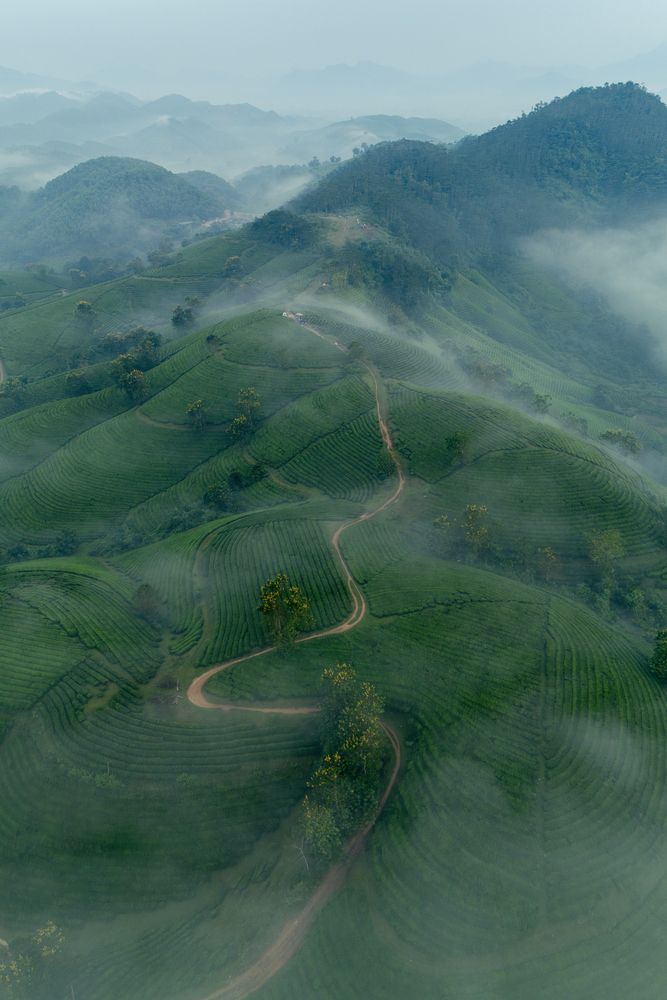
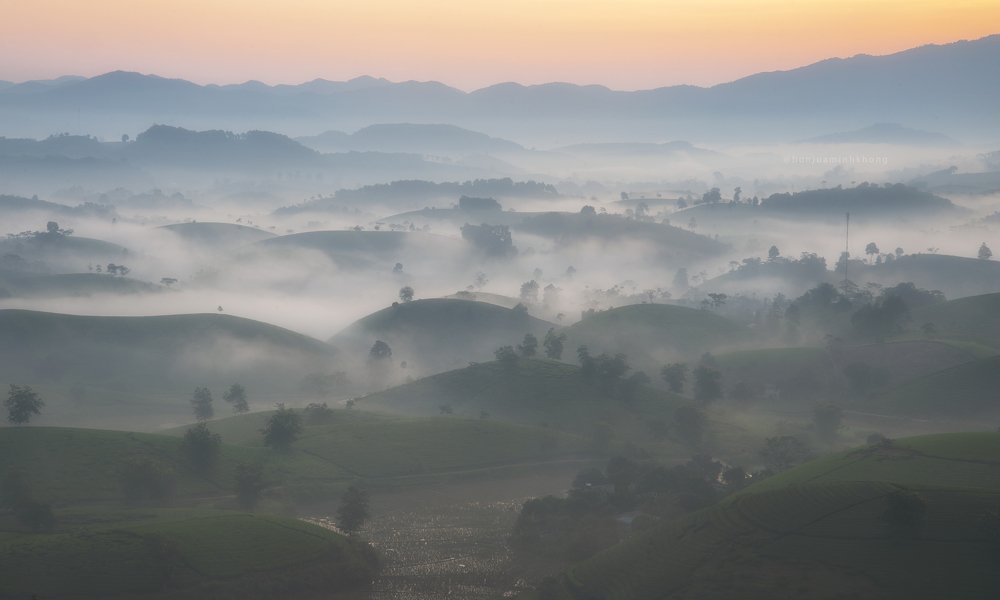
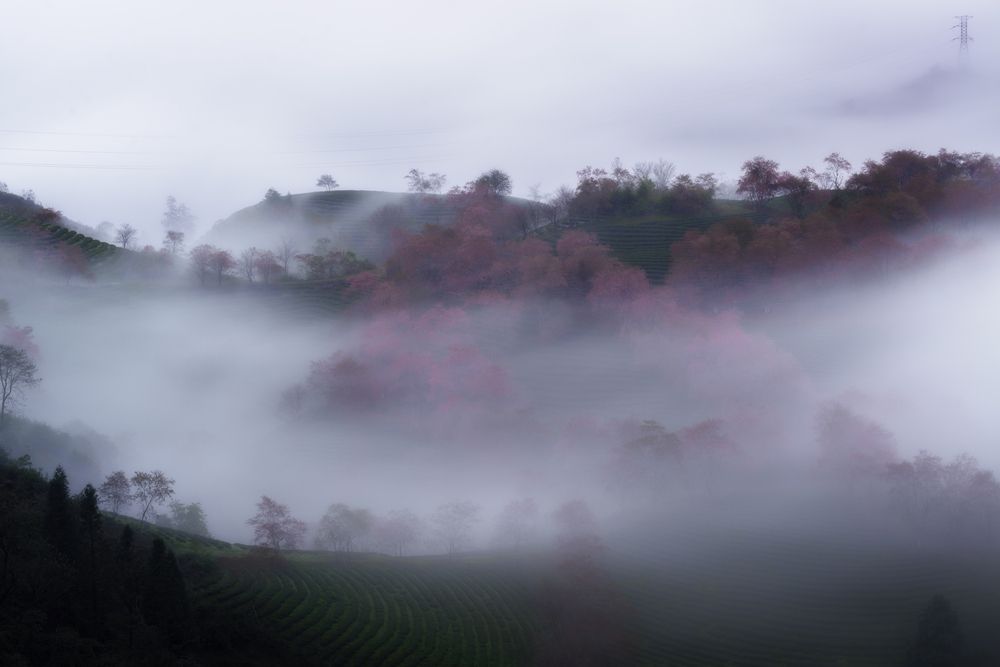
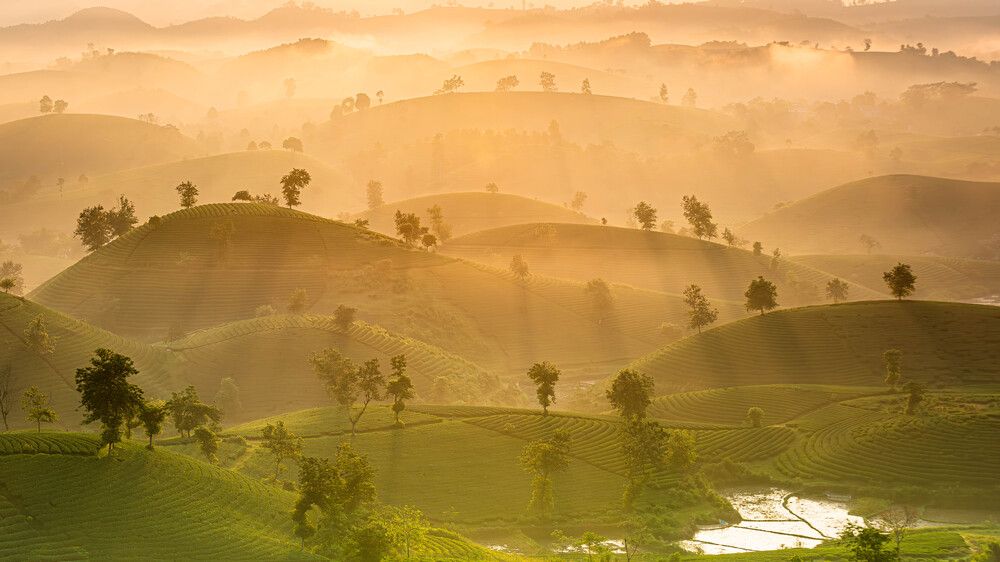
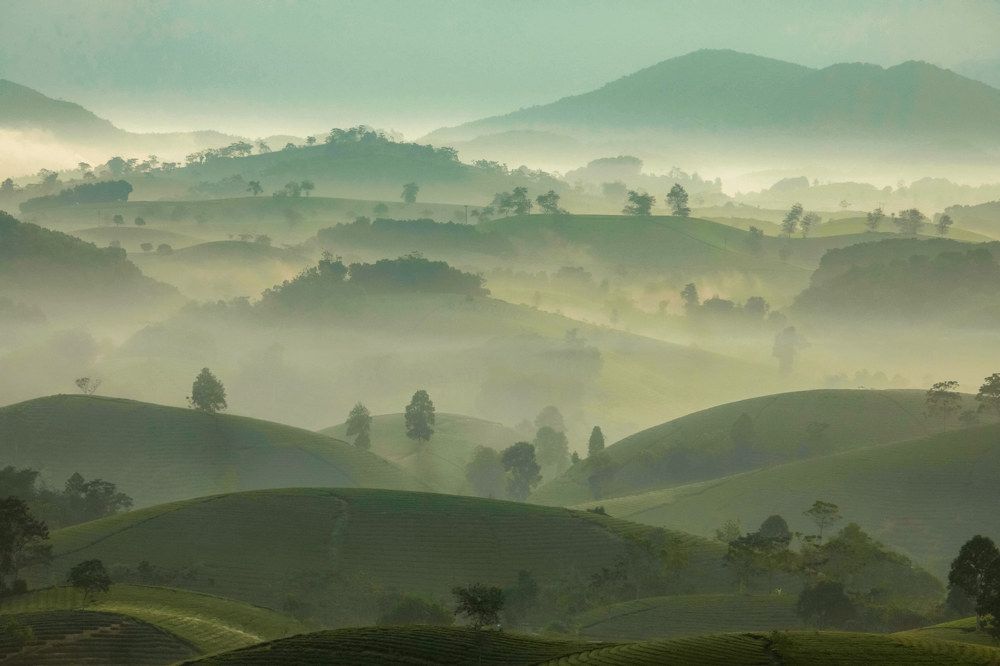
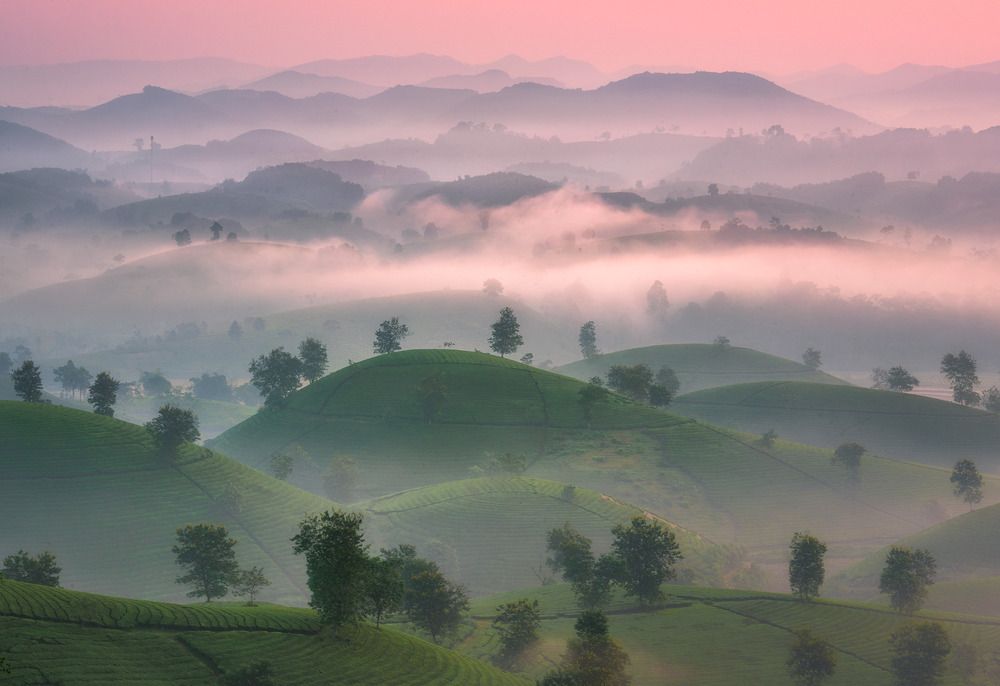
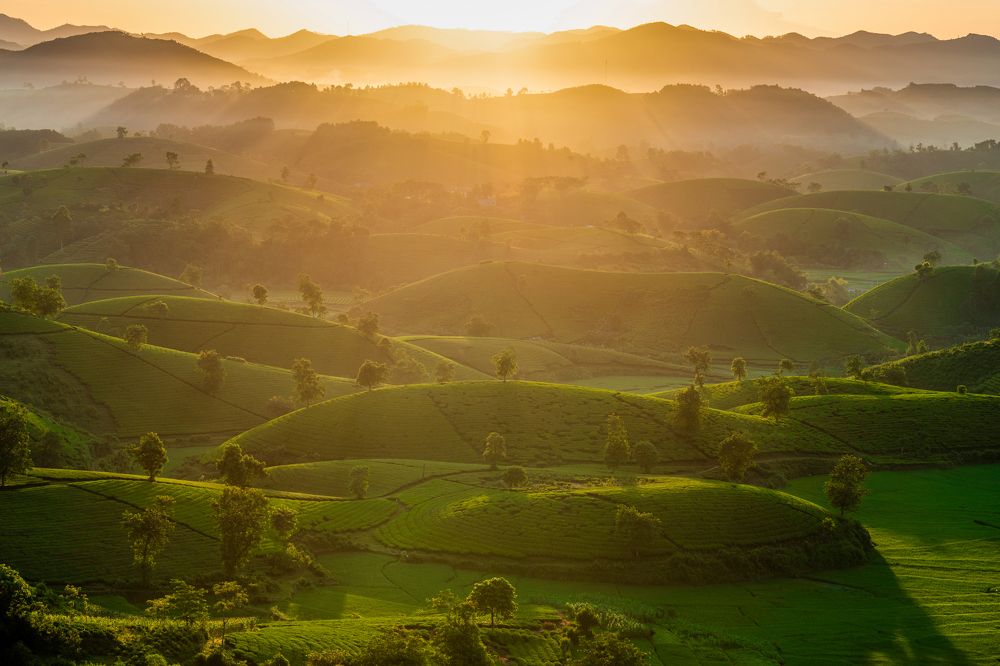
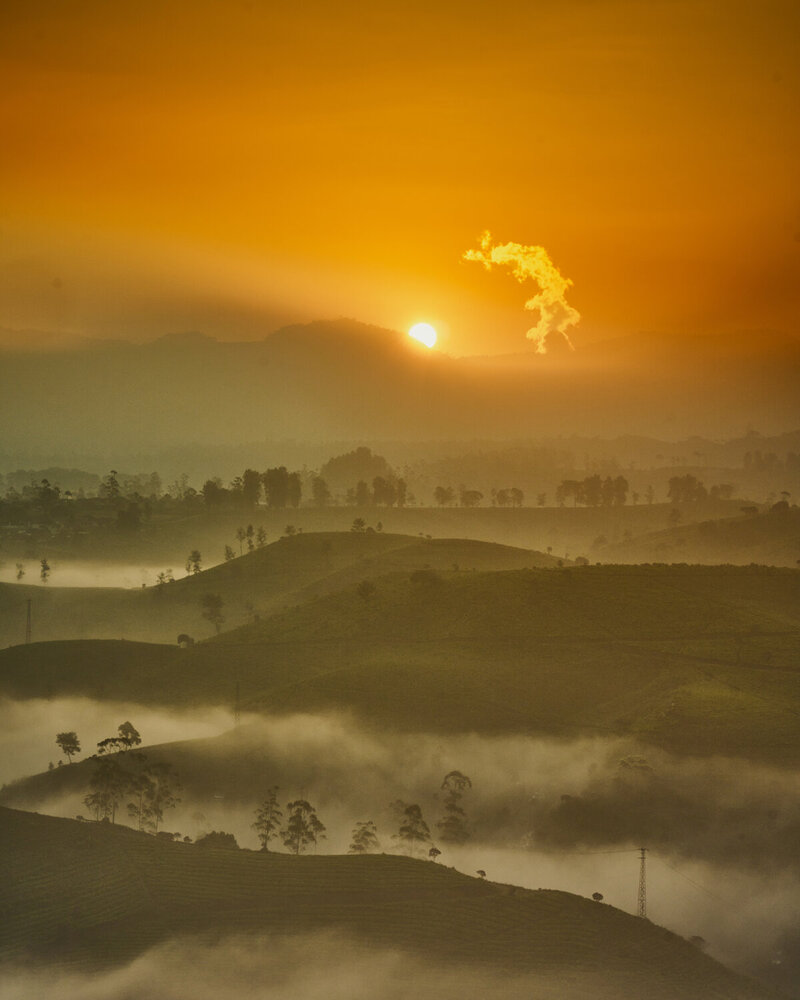
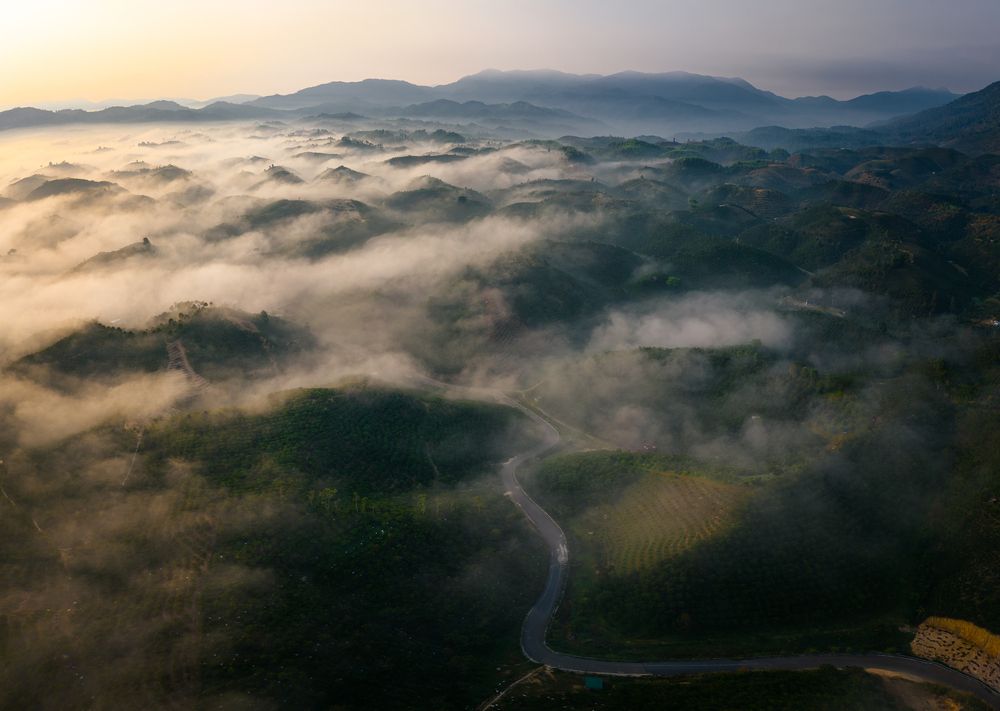
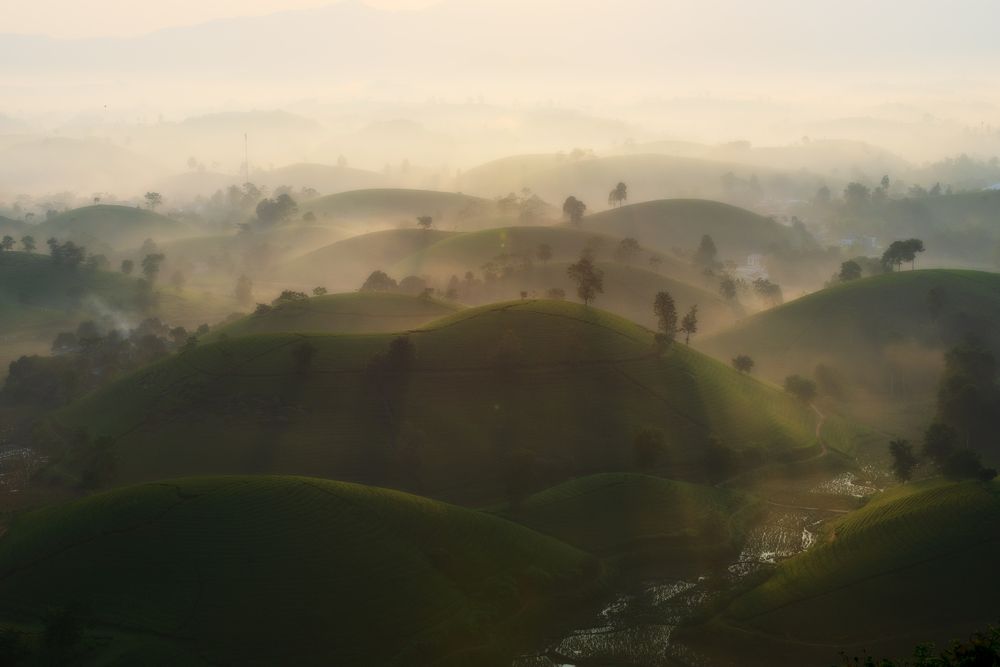
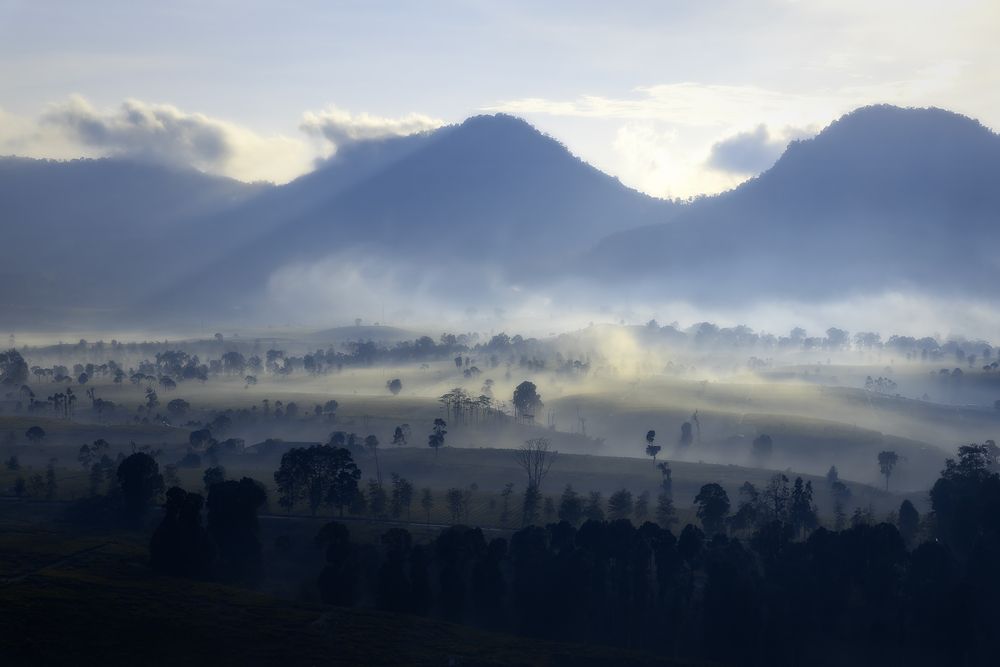
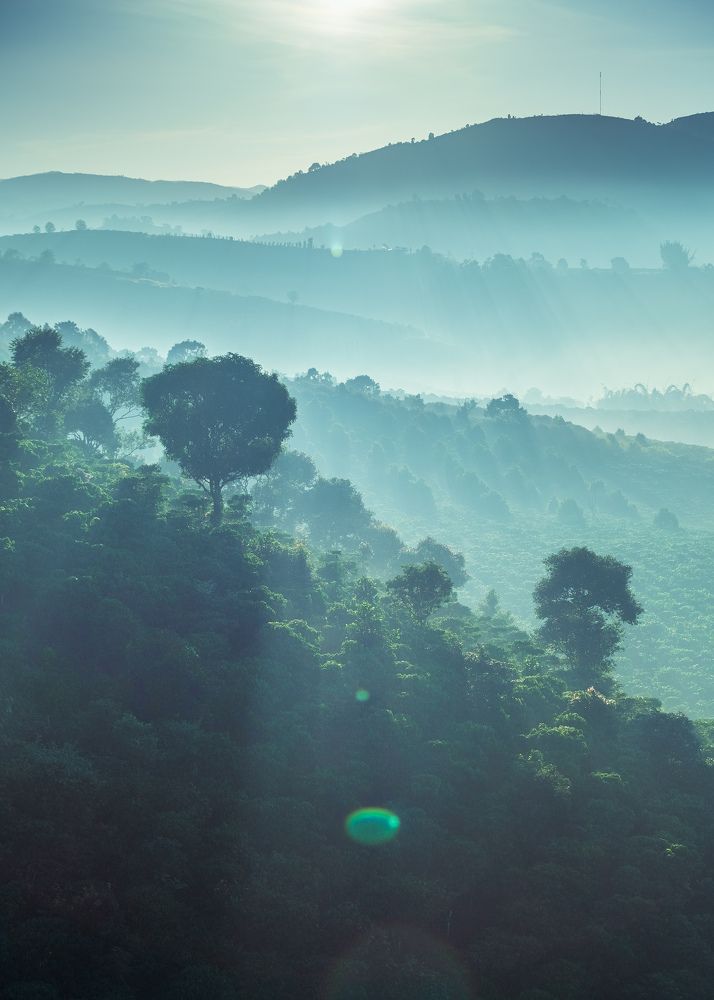
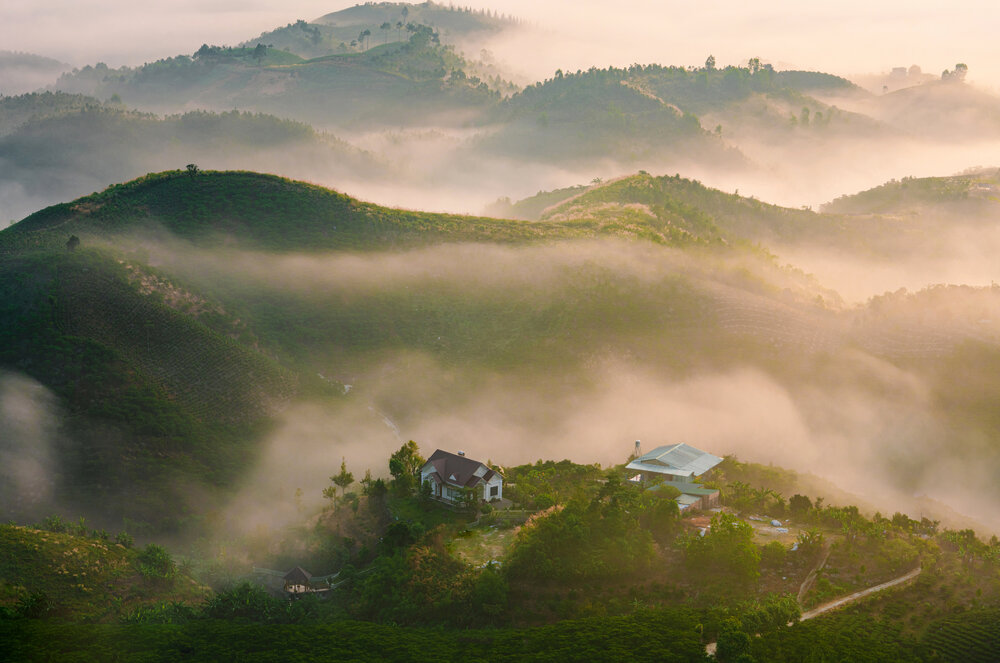
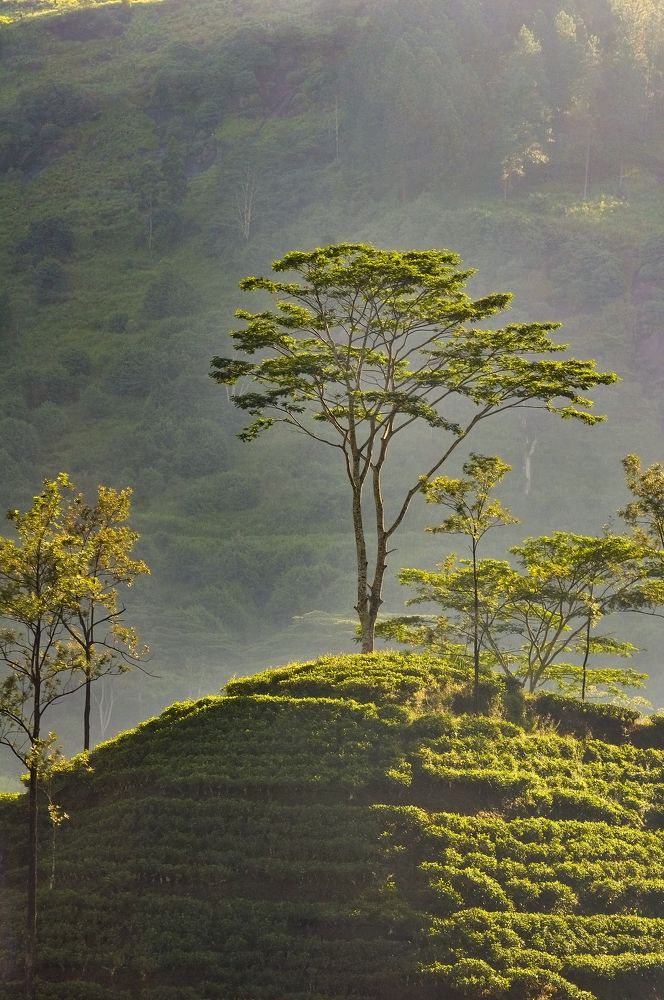
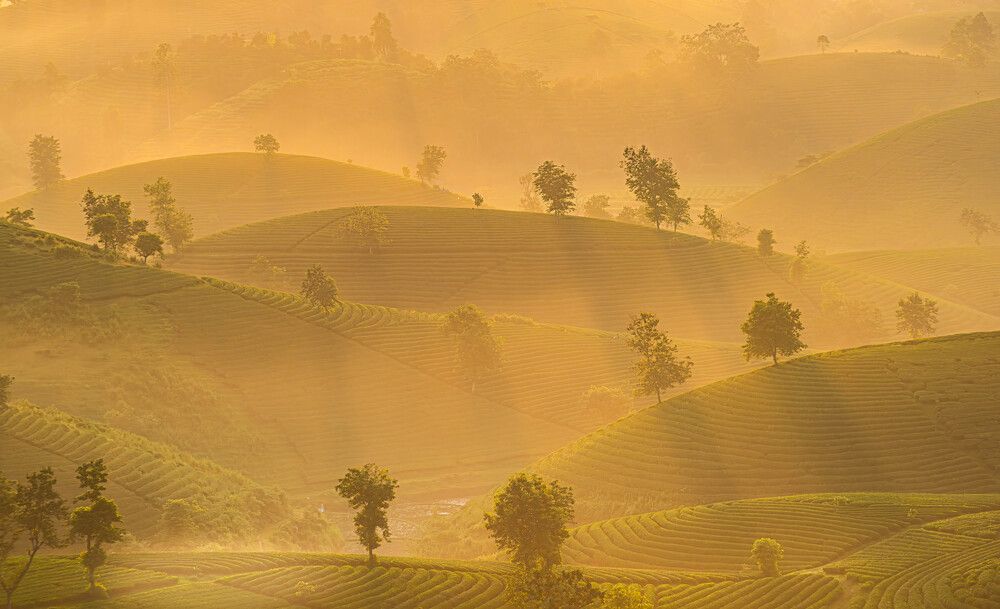
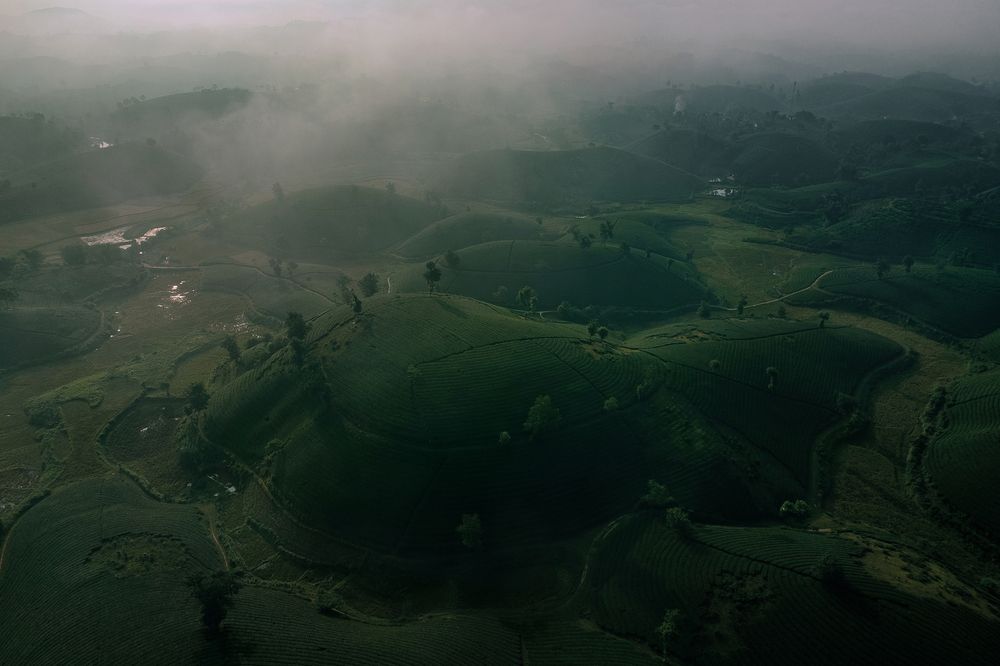
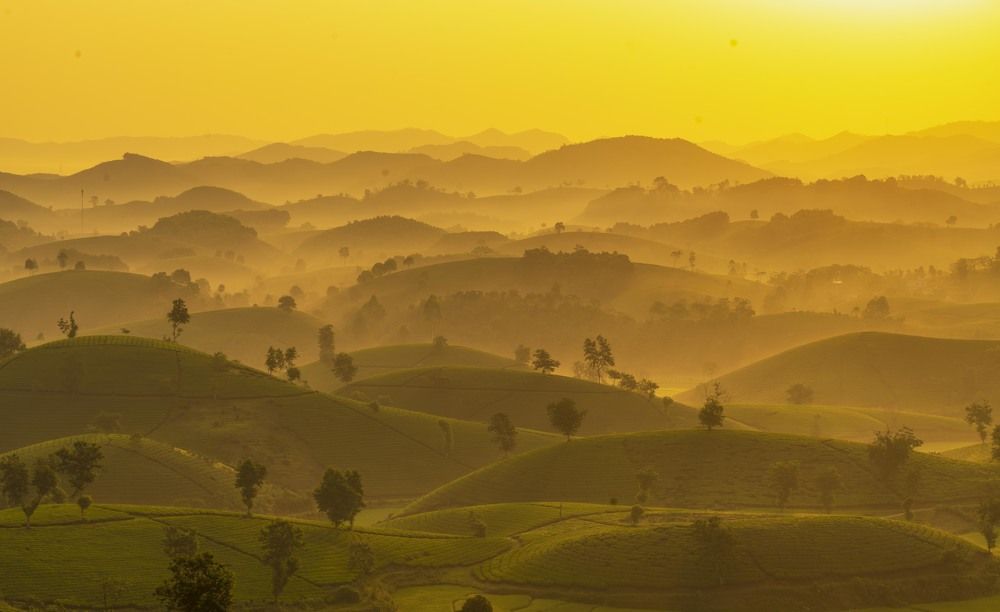
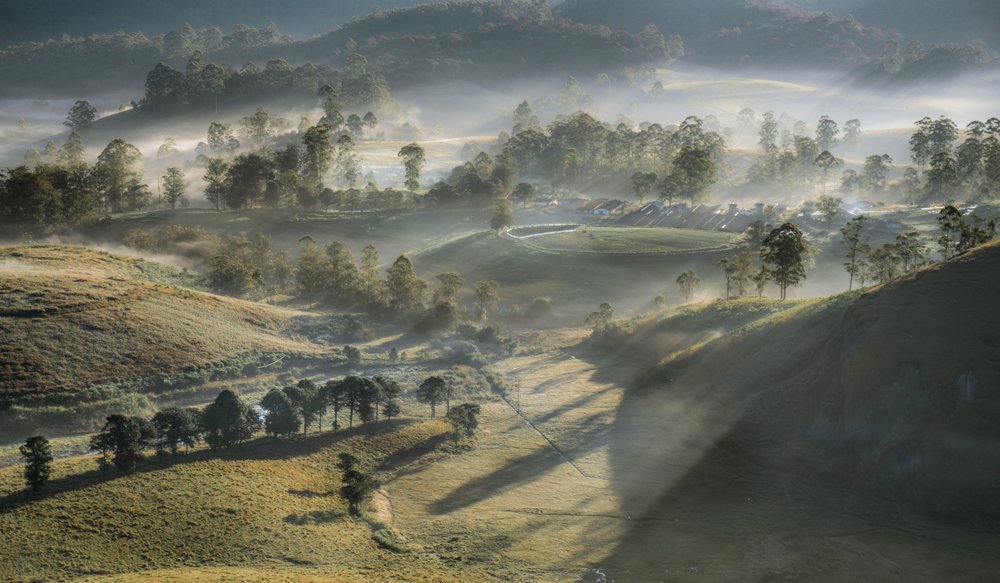
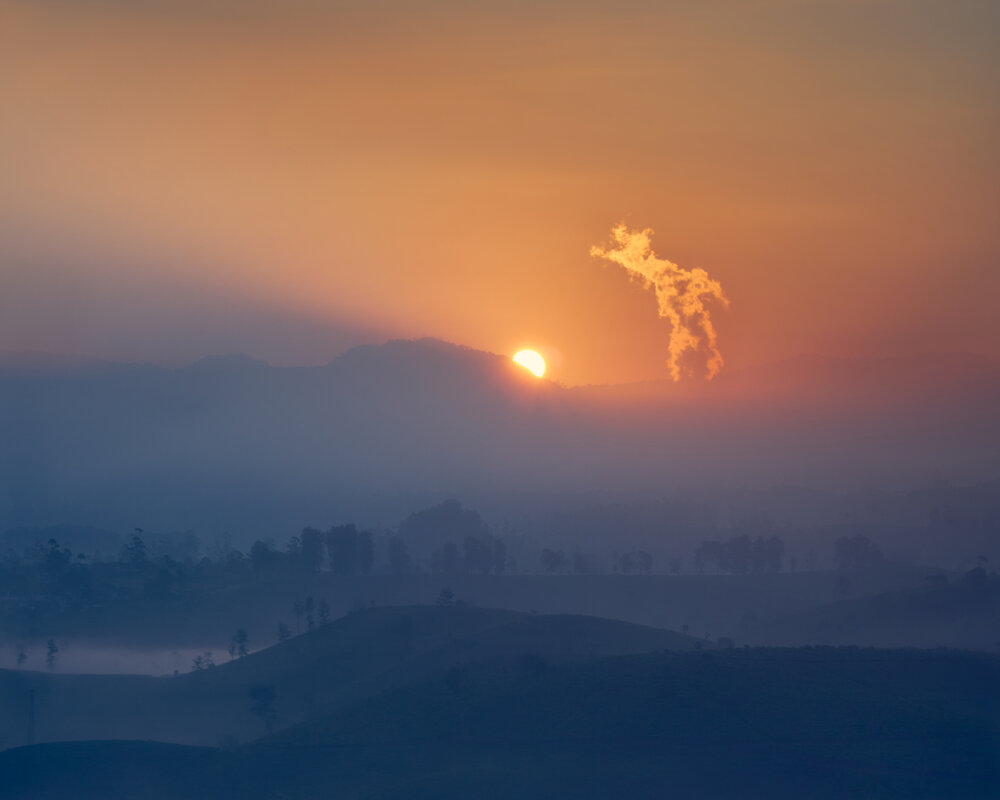
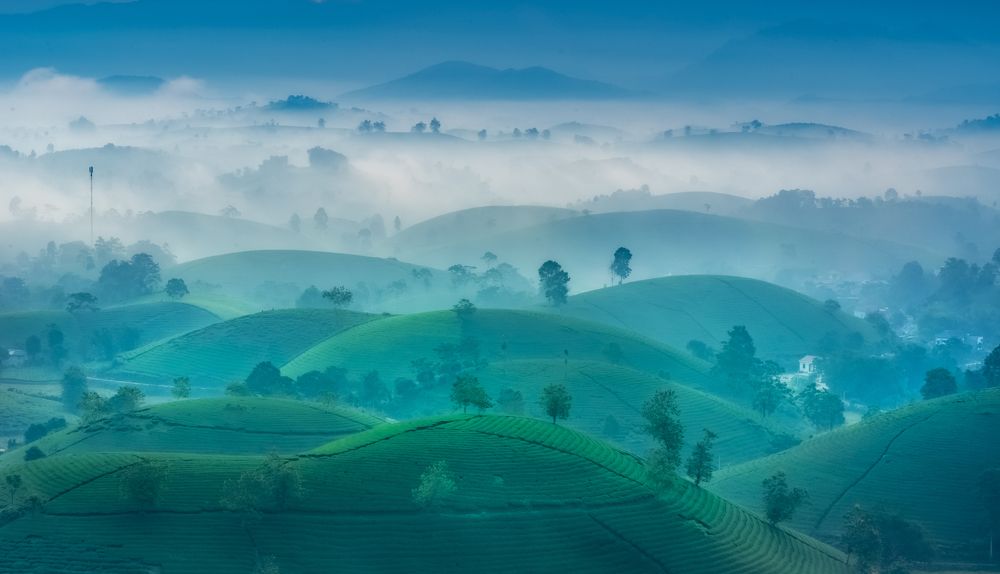
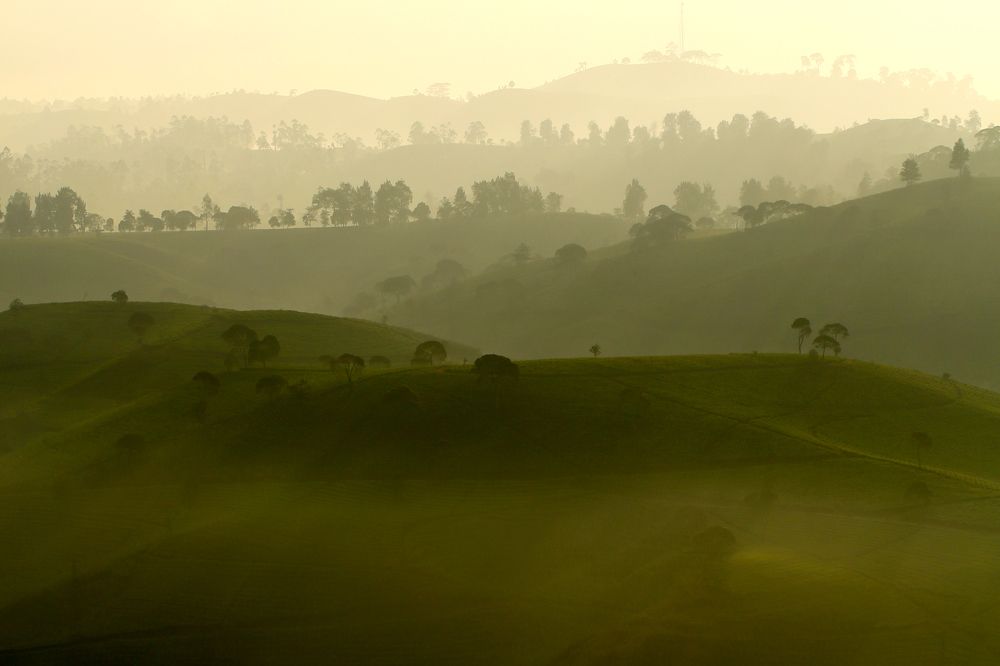
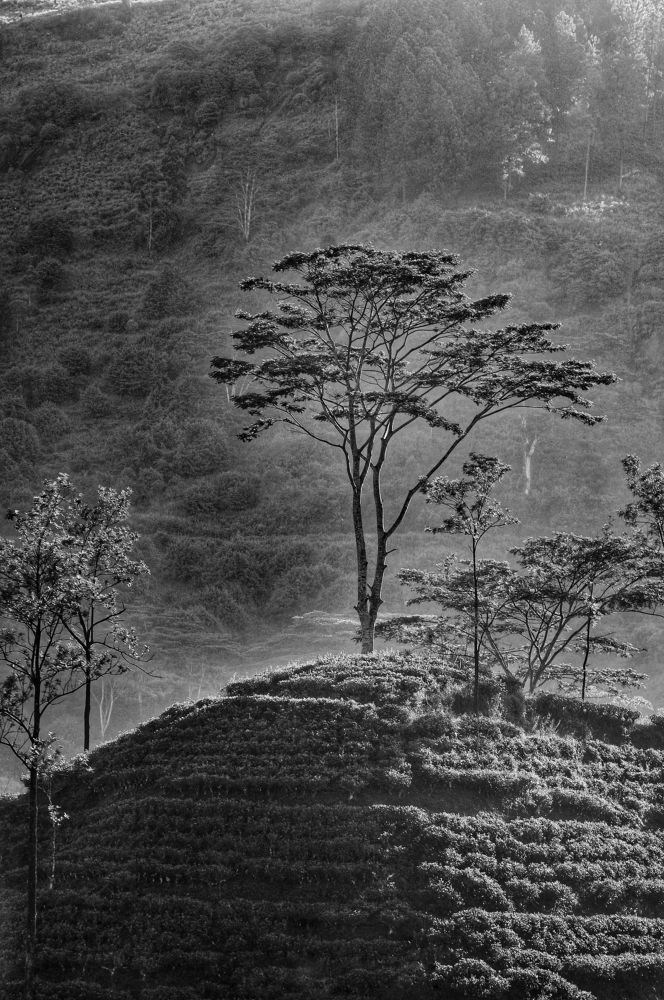
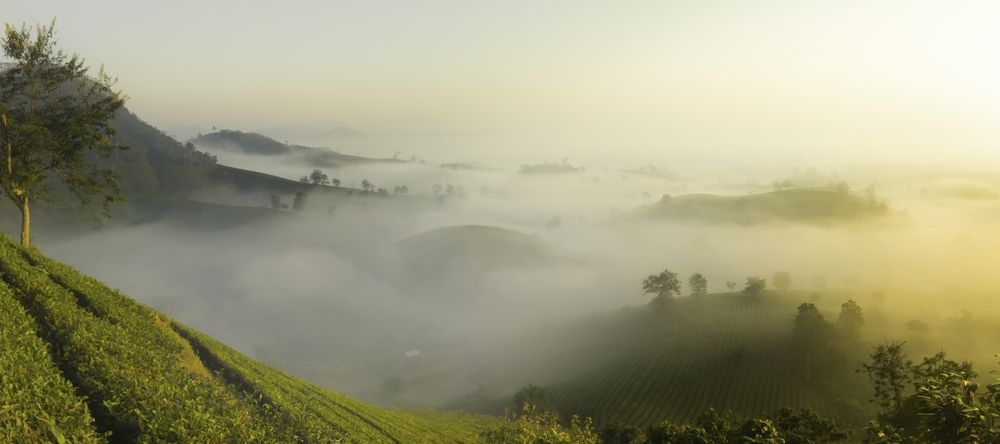
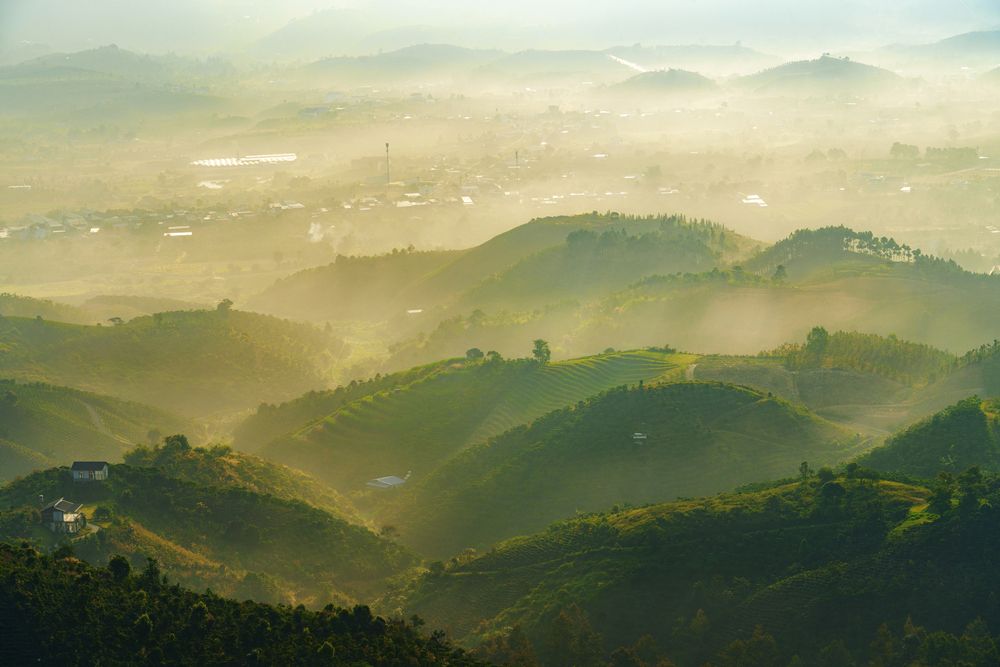
These images depict rolling tea plantations located in Vietnam, specifically highlighting the landscape of Long Coc. Photographers are drawn to the repetitive geometric curves of the terraced fields and the atmospheric layering created by morning mist. The collection demonstrates variations in lighting conditions, ranging from monochromatic tones to vibrant golden sunrises that cast long shadows across the slopes. This group is united by the visual motif of overlapping hills fading into the distance.
How to shoot it
📍 Where to shoot
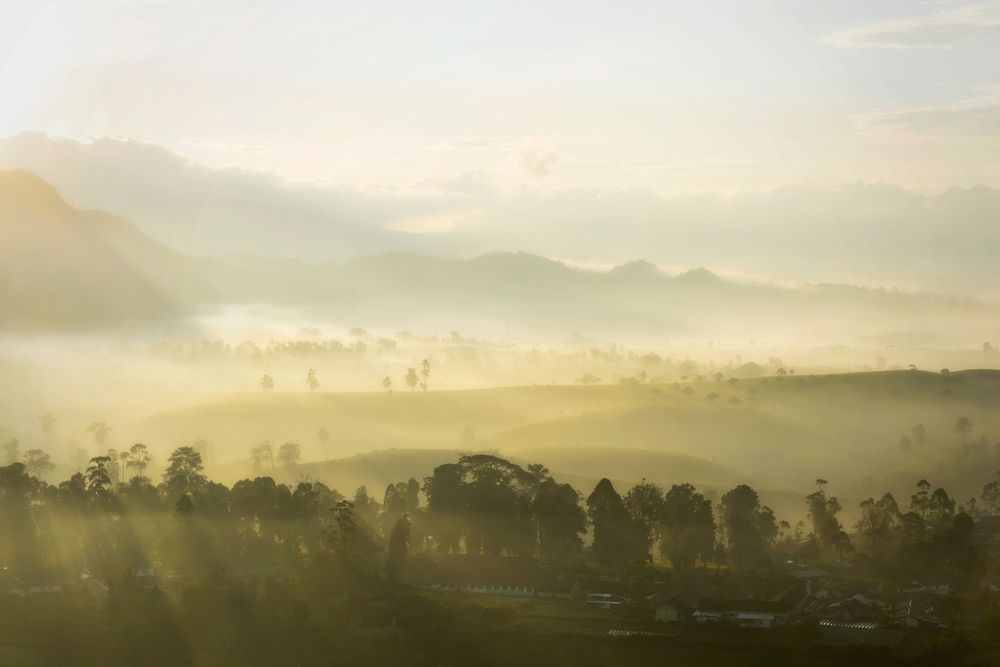
Shooting takes place outdoors in mountainous areas with tea plantations, most often in the Long Kok valley (Phu Tho province, Vietnam) or Panglangan (West Java, Indonesia).
🗺️ On the map
Based on the authors' marks on the site map.
🧭 How to get there
The Long Kok valley is approximately 125 km from Hanoi. The drive takes several hours by car; hiking up to viewpoints (e.g., Cukul Sunrise Point) may require a walk along mountain trails.
🕐 Time of day
Most shot between 6:00 and 9:00 (60% of frames)
Based on 57 frames with camera data. Camera clock time; the time zone is unknown.
The best time is early morning, mainly from 6 to 8 AM. During this period, fog fills the valleys between hills, and low sun creates golden lighting and long shadows.
🗓️ Season
Most shot in: November, December, October
Based on 57 frames with camera data
The optimal season is late autumn and early winter (October–January). During this period, frequent fog and low cloud cover create the characteristic atmosphere for tea plantation photography.
🧗 Difficulty
Needs preparation
The difficulty level is elevated due to the need for early rising (before 6 AM) and a long drive to remote mountain locations such as Long Kok or Panglangan.
🎒 Gear
Telephoto lenses (70–300 mm) are preferred to compress perspective and isolate individual trees against the hills. A tripod is recommended for stability when shooting in fog or at dawn, as well as a polarizing filter to control glare.
Cameras and lenses the authors used (10)
Nikon D810 9Hasselblad L2D-20c 5Sony ILCE-7RM2 5Canon EOS R 3Canon EOS R5m2 3FE 70-300mm F4.5-5.6 G OSS 5Canon RF 70-200mm F2.8L IS USM or Canon RF 70-200mm F2.8 L IS USM Z 3AF Zoom-Nikkor 80-200mm f/2.8D ED 3AF-S Nikkor 70-200mm f/2.8G ED VR II 3AF-S VR Zoom-Nikkor 70-300mm f/4.5-5.6G IF-ED 3
🧳 What to bring
Warm clothing and waterproof footwear (morning is cold and wet), a flashlight for climbing in the dark, spare batteries (cold reduces charge), a camera rain cover and water.
⚙️ Settings
Shutter 1/200 (1/800 – 0.4 s)Aperture f/9 (f/2.8 – f/16)ISO 100 (100 – 200)Focal length 80 mm (12 – 102)
Based on 53 frames with camera data. Median and 10-90% range across the idea frames.
The key parameter is aperture: use f/9–f/16 for maximum depth of field to convey the layered fog and terrain. Shutter speed is usually short (median 1/200 s), keep ISO at minimum (100) for a clean image.
⚠️ Good to know
Shooting takes place in the early hours when fog is densest; be prepared for rapid changes in lighting. Avoid sudden movements near fragile tea vegetation and watch for safety on slippery mountain trails in wet weather.
📈 How the idea developed
works uploadedshare of all site uploads, per 100k
The date is when the file was uploaded to the site. The chart counts works assigned to the idea.
✅ How to repeat it
- Use a telephoto lens to compress perspective and isolate tree silhouettes against the hills.
- Shoot in monochrome or with cool tones to emphasize the atmosphere of fog and silence.
- Wait a few minutes after sunrise until the fog begins to disperse in the sun's rays.
✨ Interesting facts
- 🏆 How the best frame was shot: Hasselblad L2D-20c, 1/250, f/2.8, ISO 100, 12 mm
- 🔇 100% of frames were shot at ISO 400 or lower: almost no noise, any modern camera will do
- 📐 85% of frames are landscape orientation
- 🥇 1 works reached the finals, 1 won. Best contest: Monochrome Landscape 2025
- 👤 Most frequent authors: Tran Linh 8Cao Tuan 7Anh Chiem Nguyen 5Duc Nguyen 5Tuấn Nguyễn Tấn 4
- 🌍 Authors by country: 🇻🇳 VN 66🇱🇰 LK 8🇮🇩 ID 7🇷🇺 RU 1
Some tips are prepared by AI from the idea description, photos and their EXIF. Check the rules and access to places before you travel.
Works
These lists are generated automatically and may contain inaccuracies. Photos are shown in random order, and selections are refreshed twice a day. This section is made for exploring photos and does not claim 100% accuracy. The lists include photos that previously participated in contests that are already completed.