Praying Mantis Macro Portraits
39 worksFirst upload: Jul 2017Peak: 2026Last 12 months: 12
📝 Description
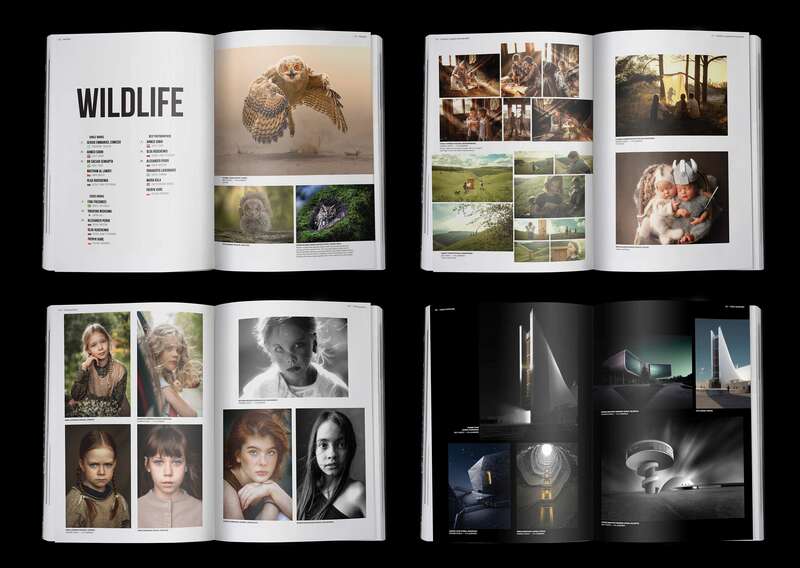
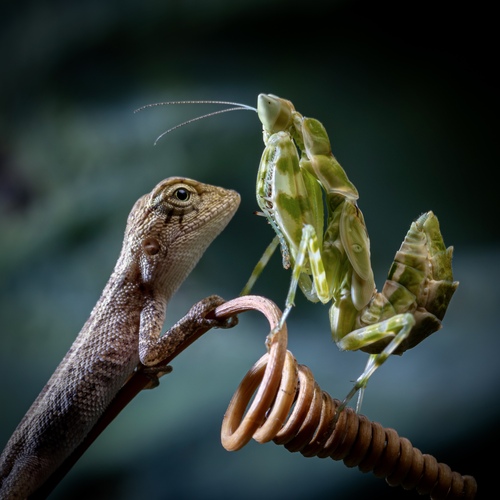
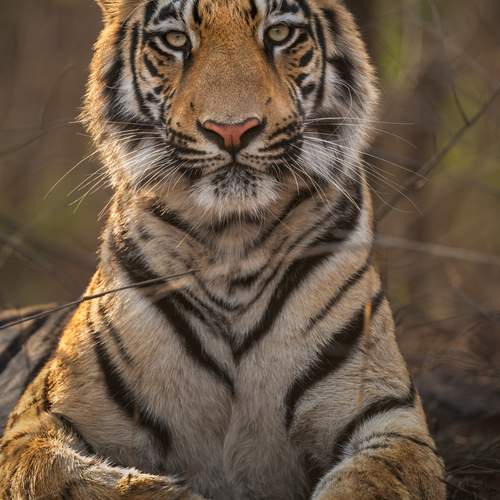
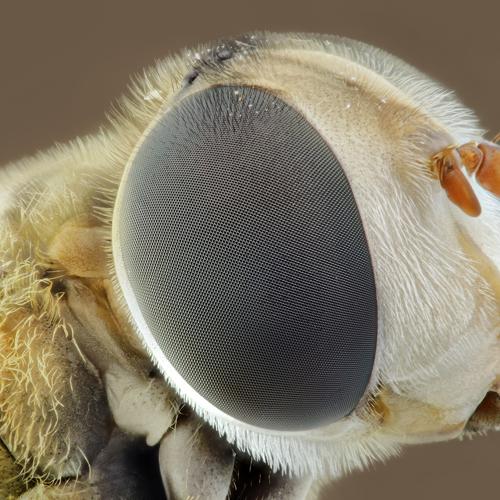
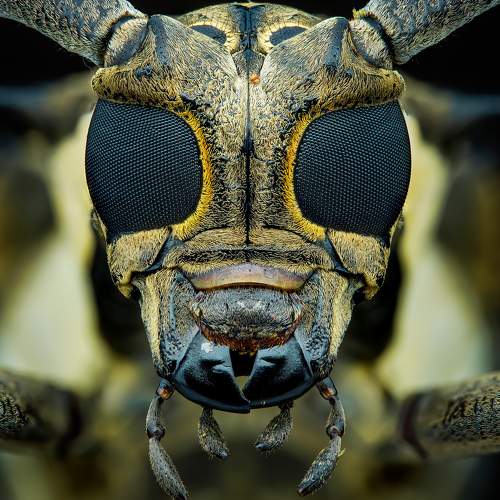
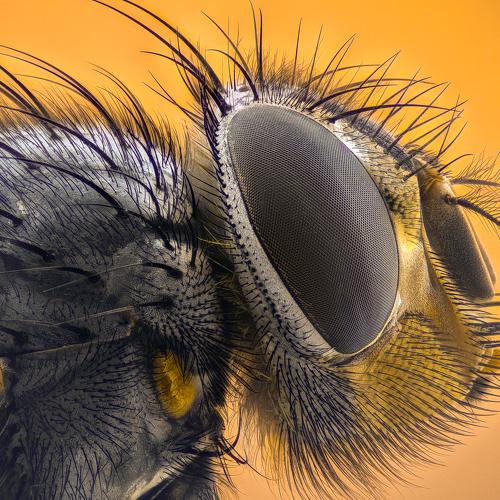
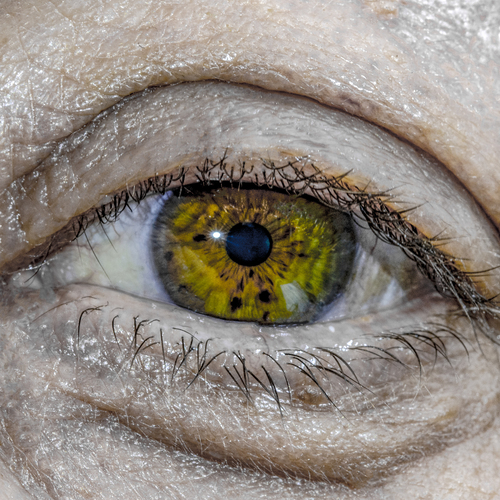
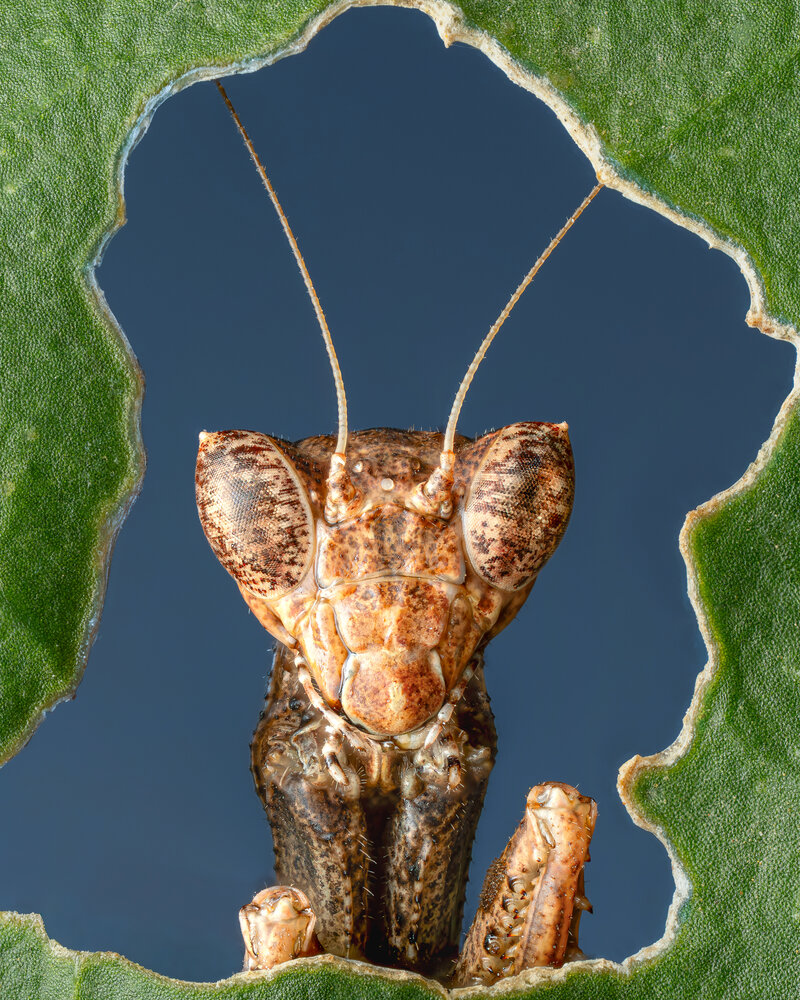
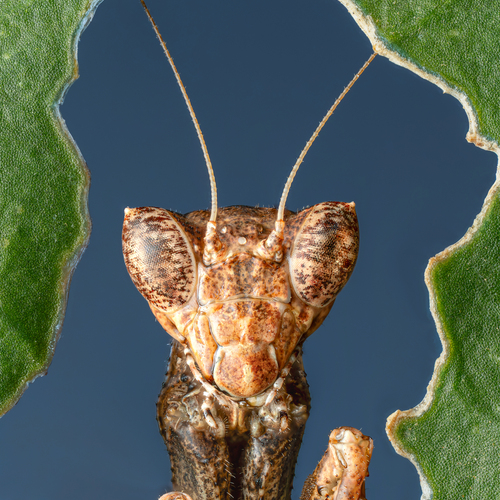
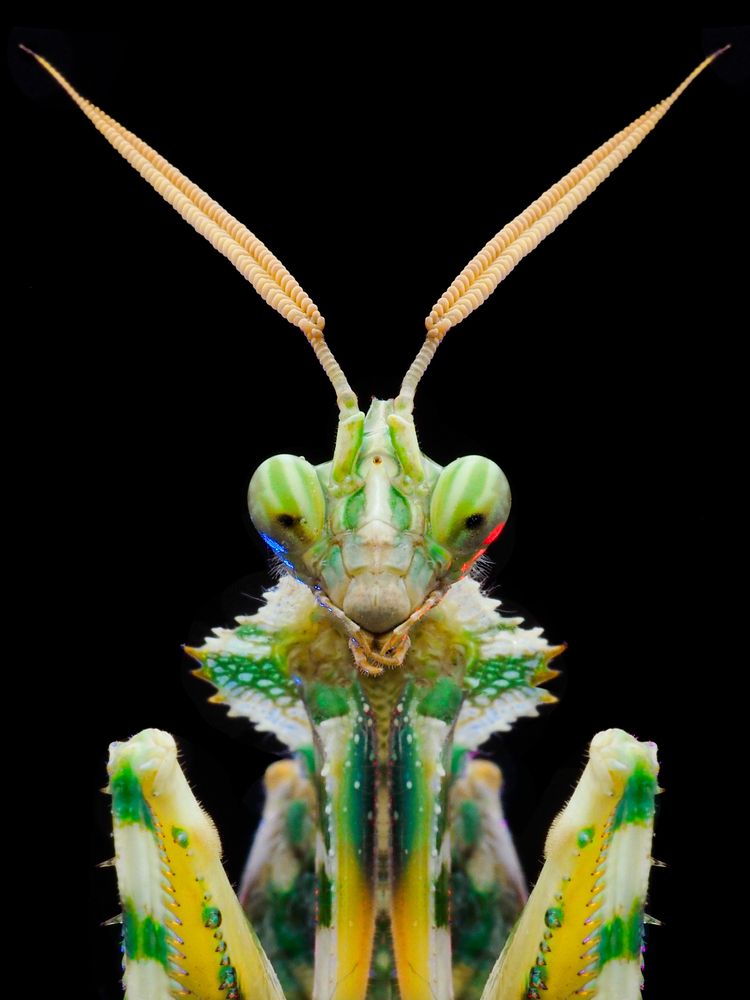
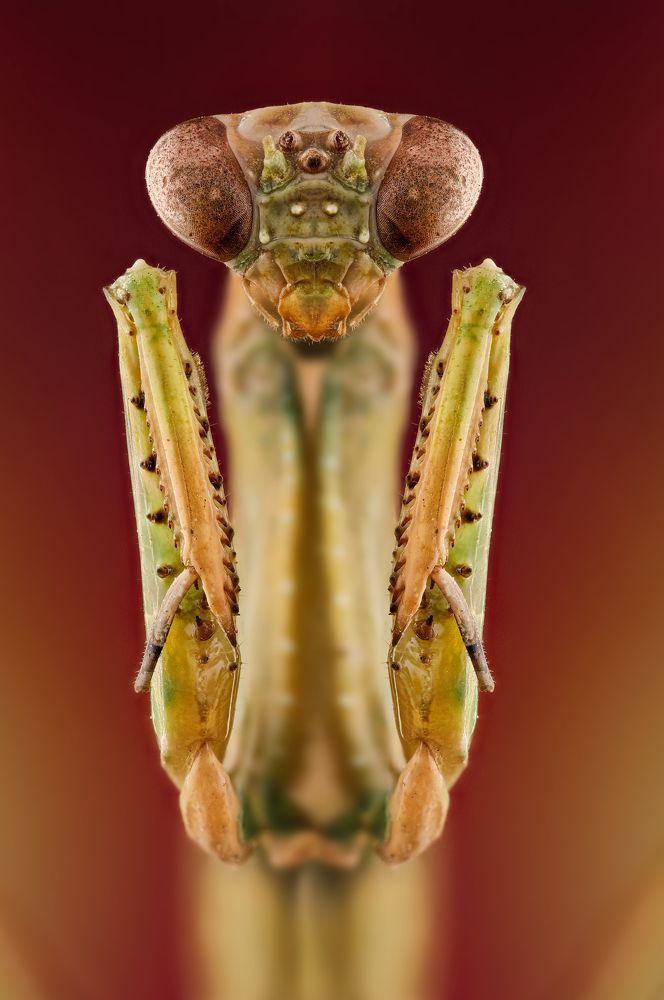
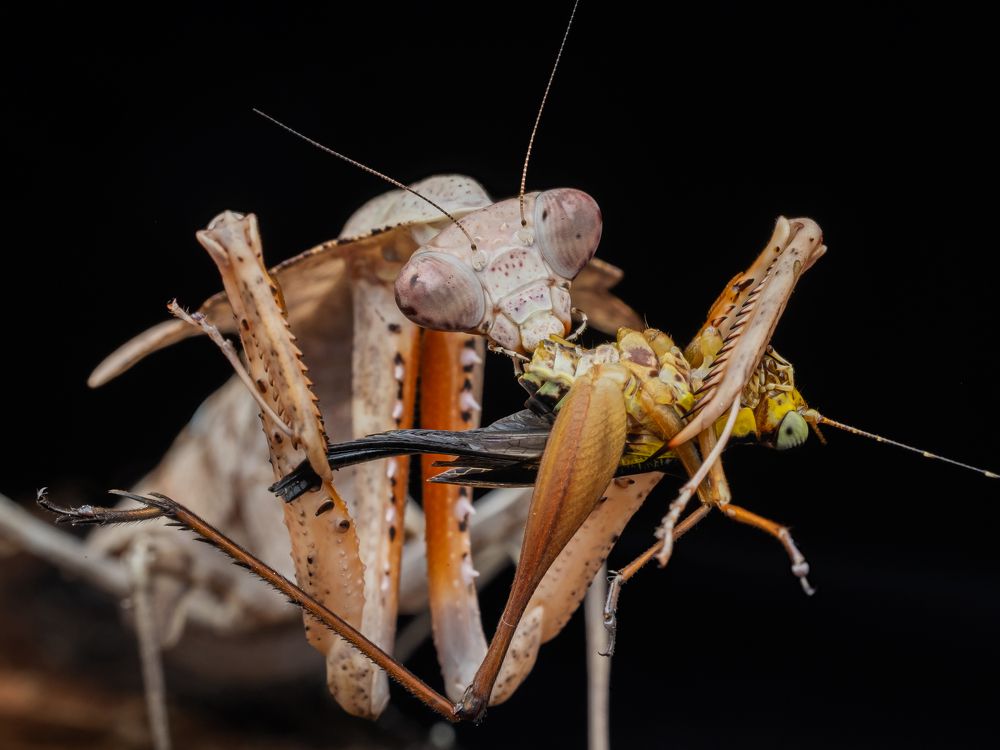
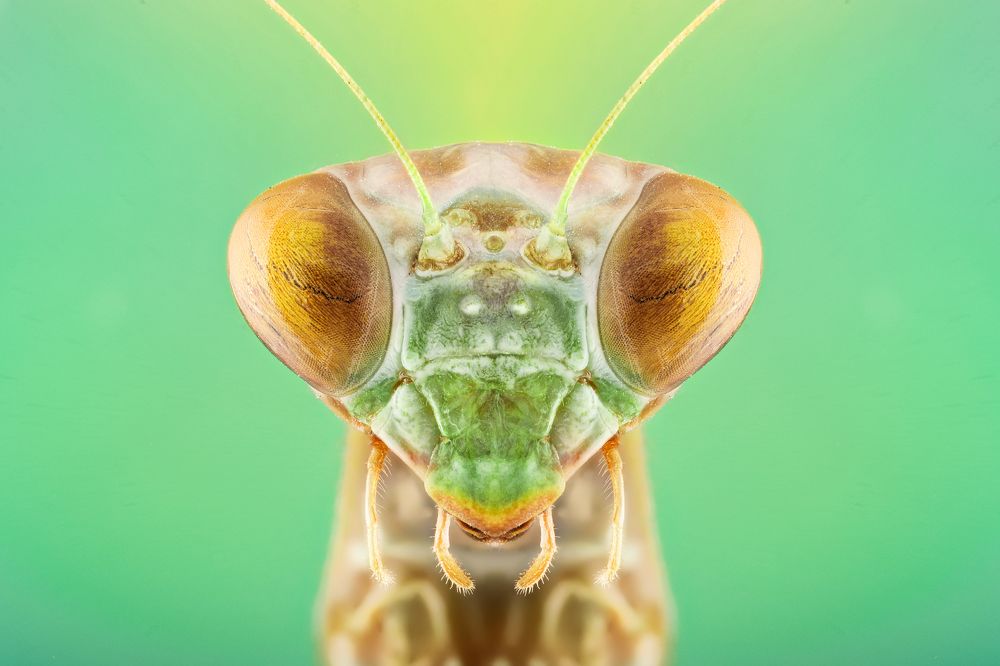
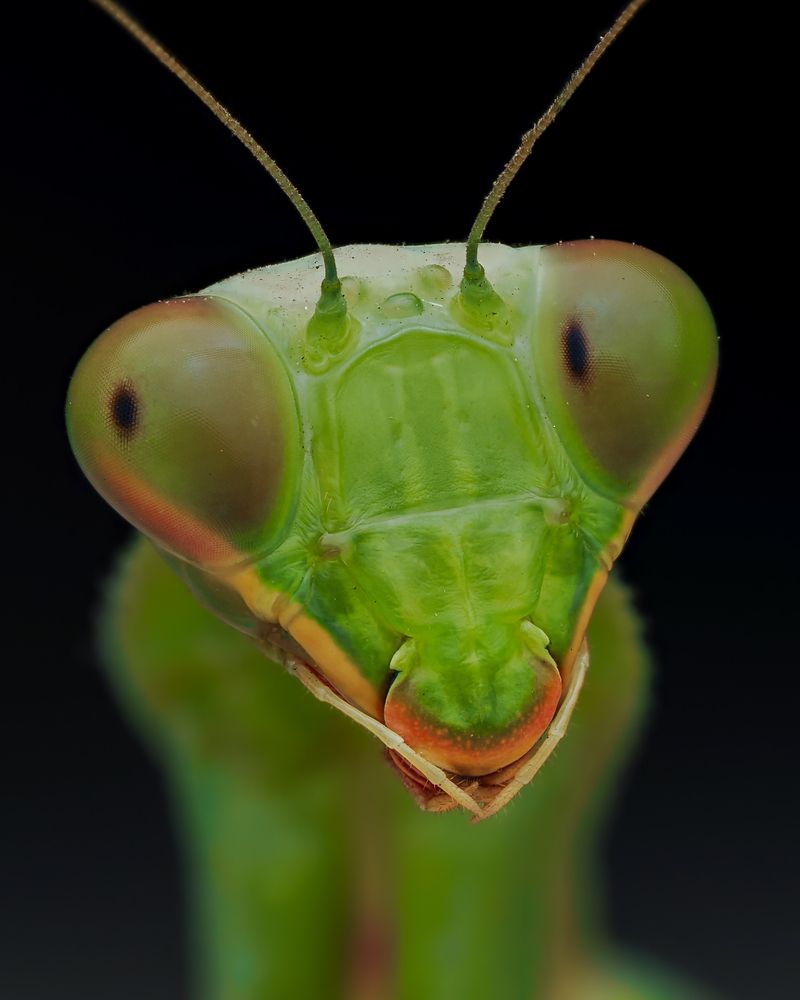
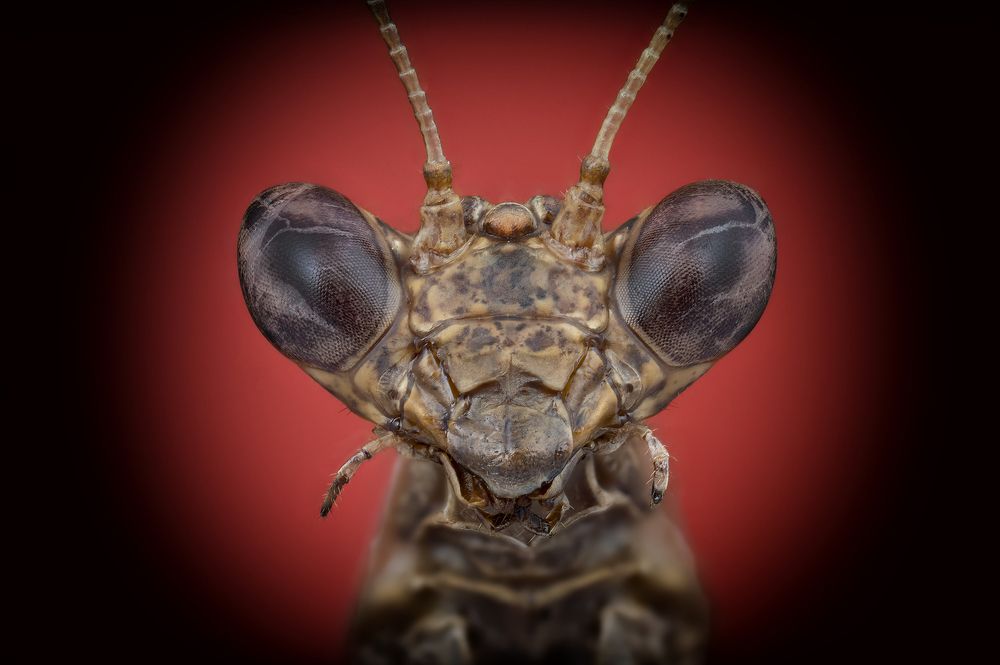
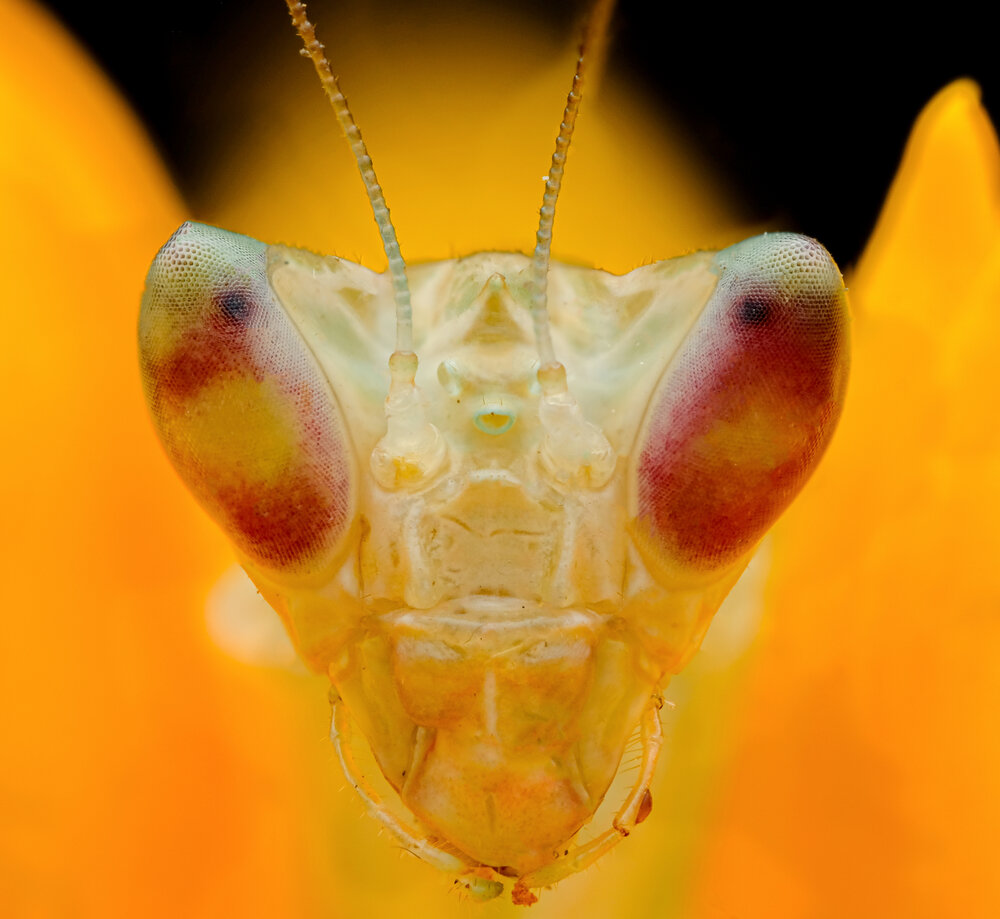
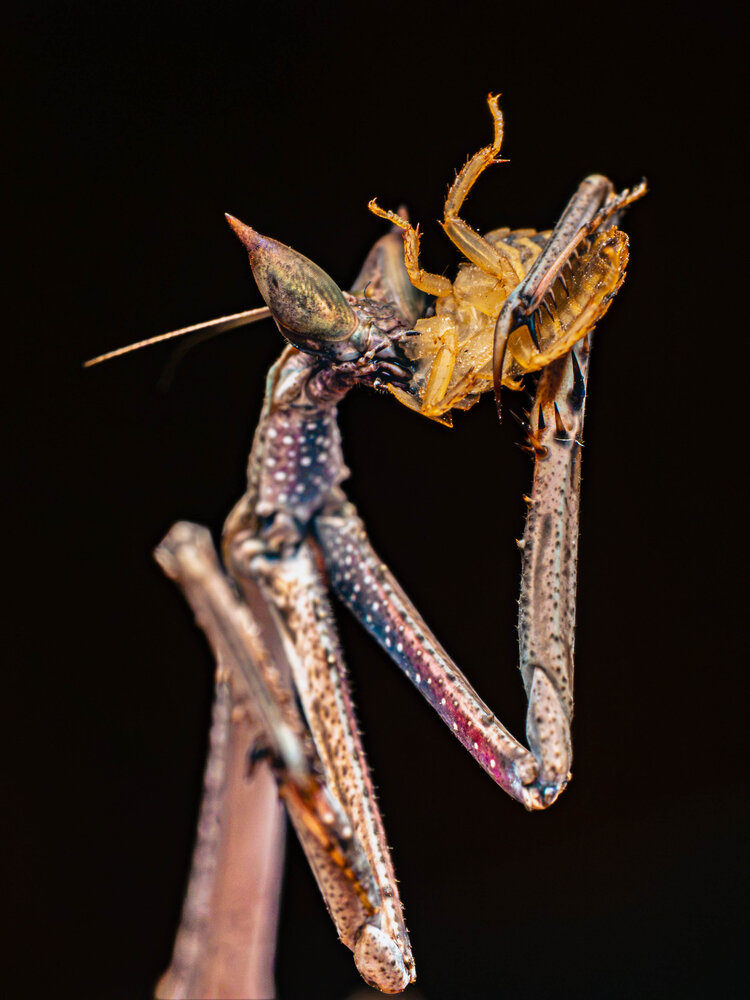
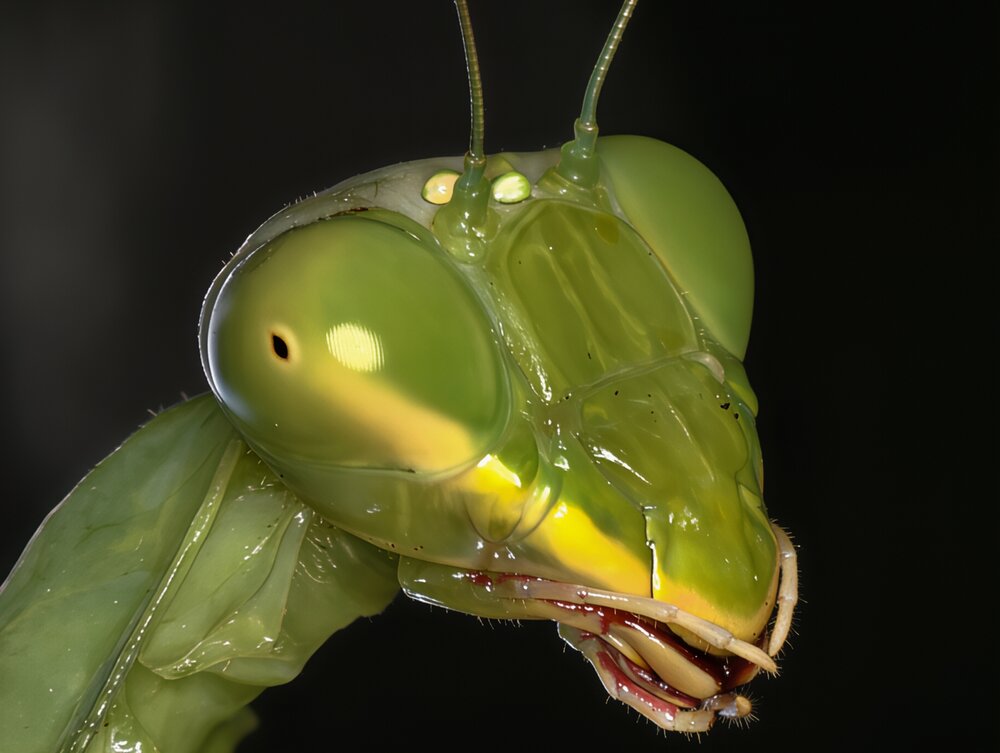
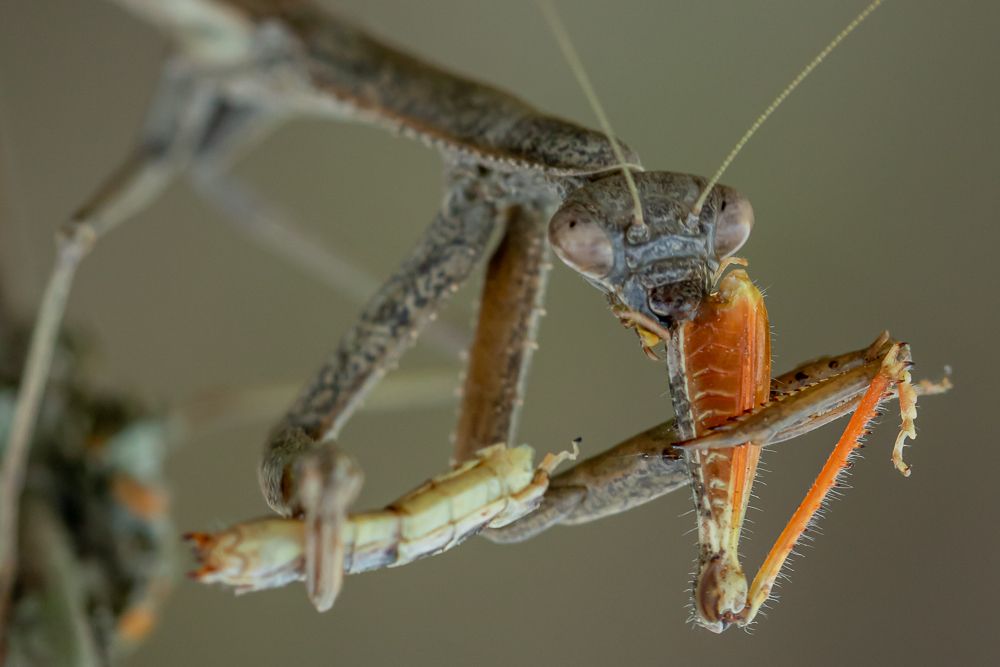
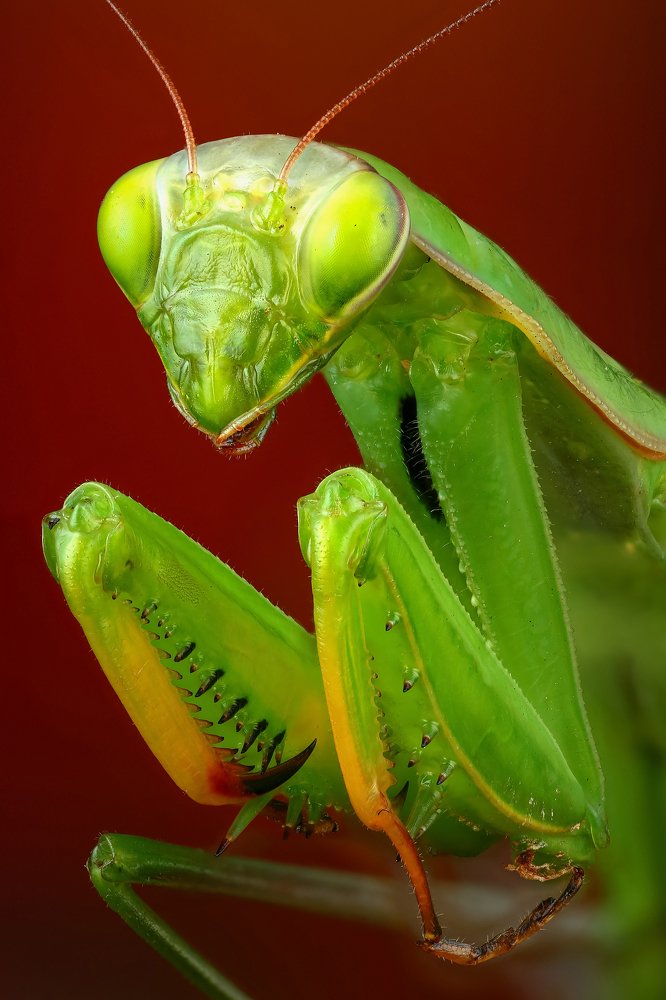
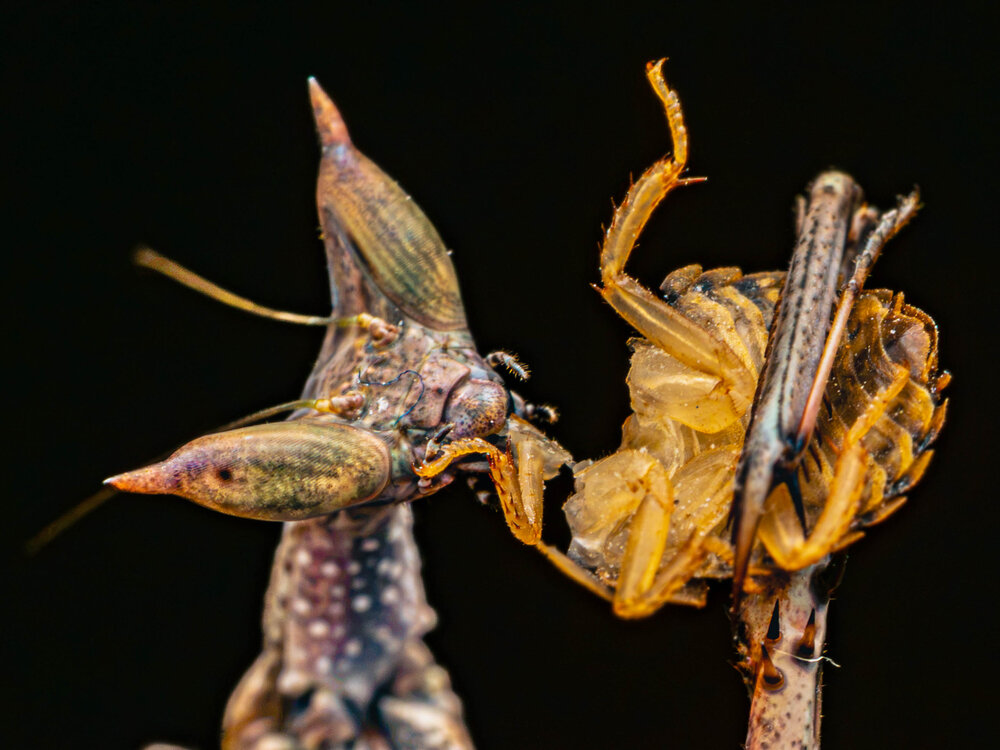
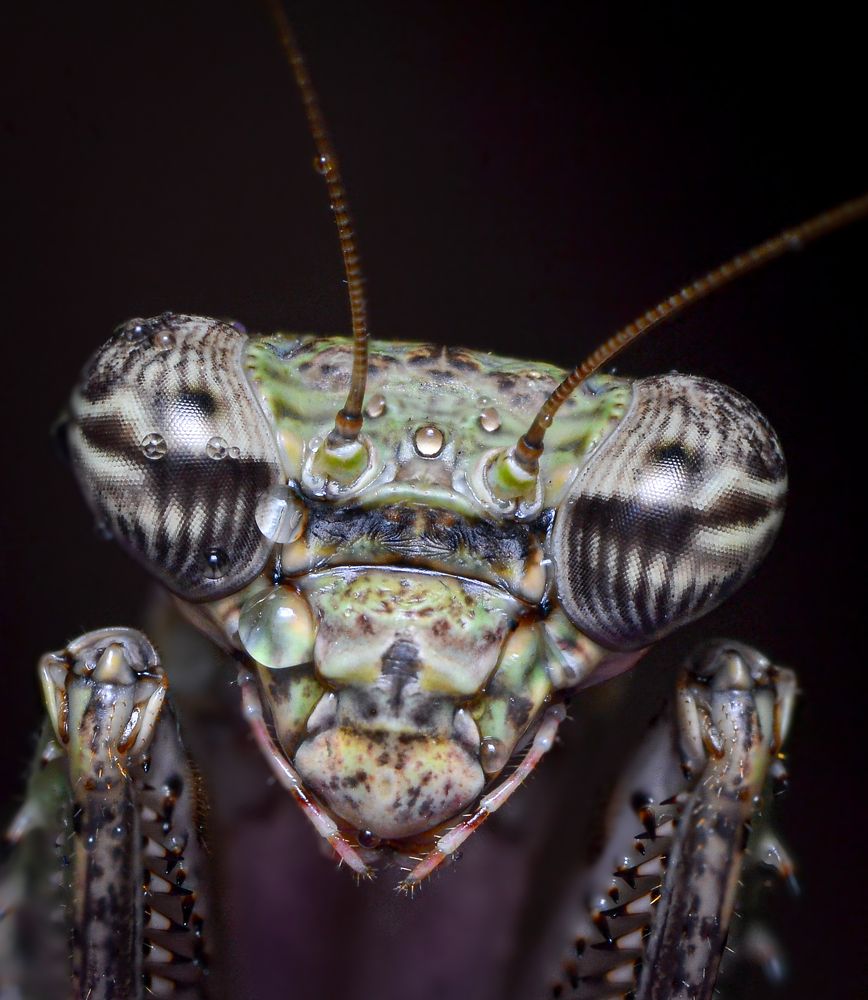
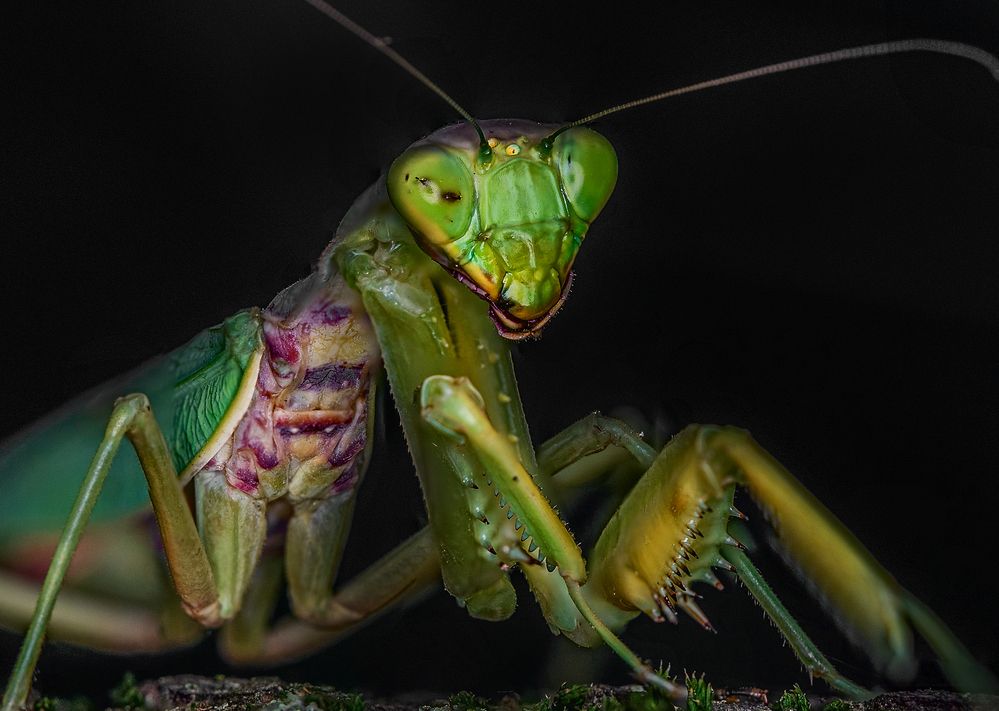
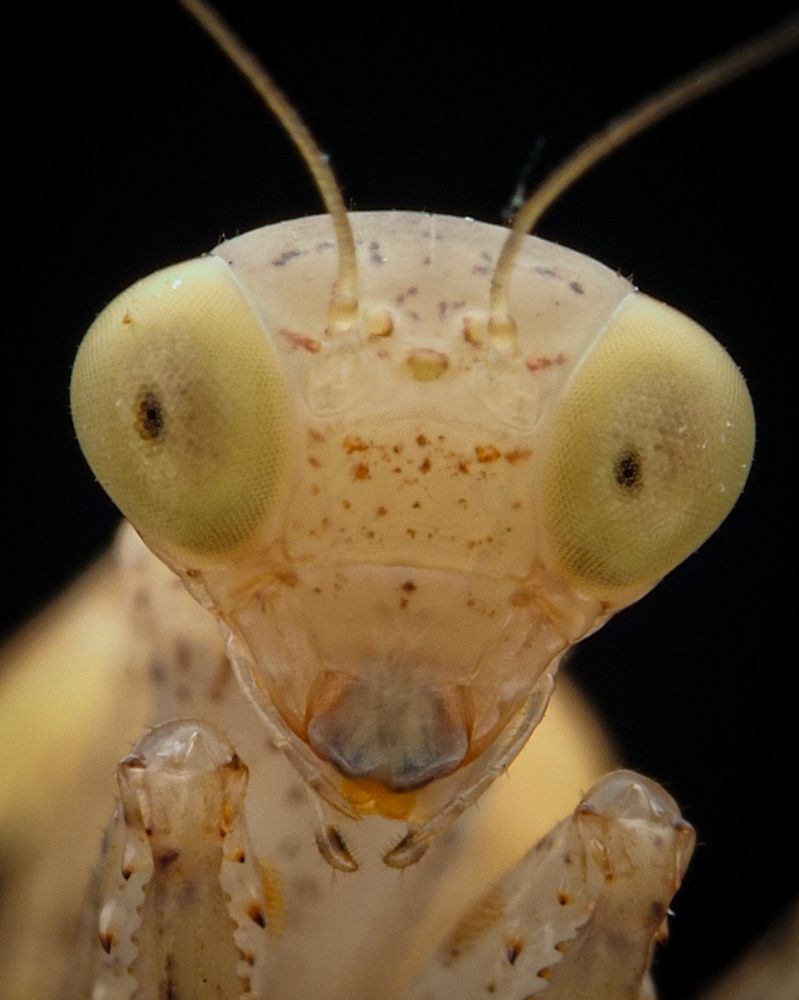
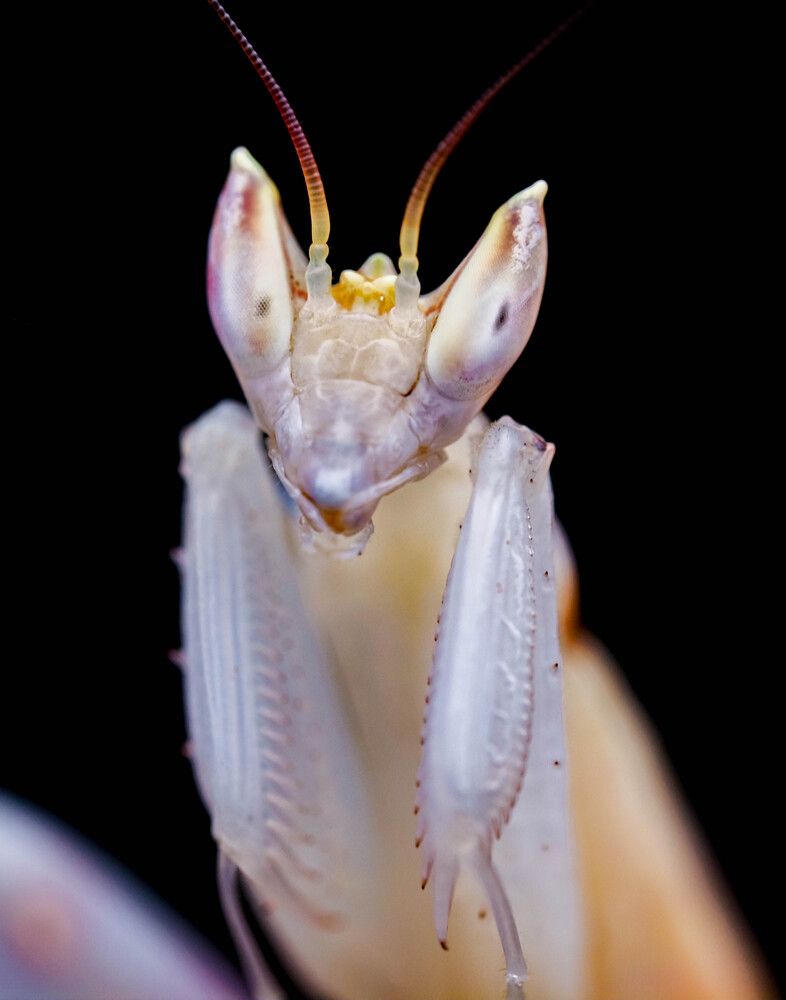
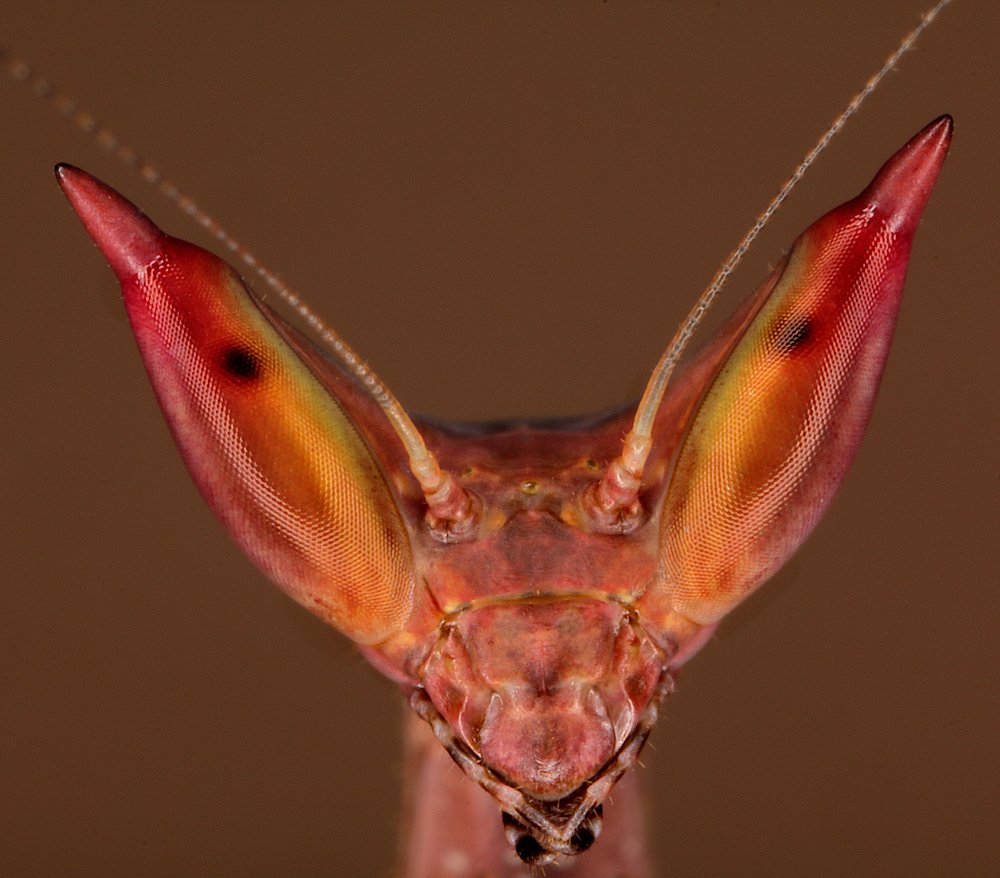
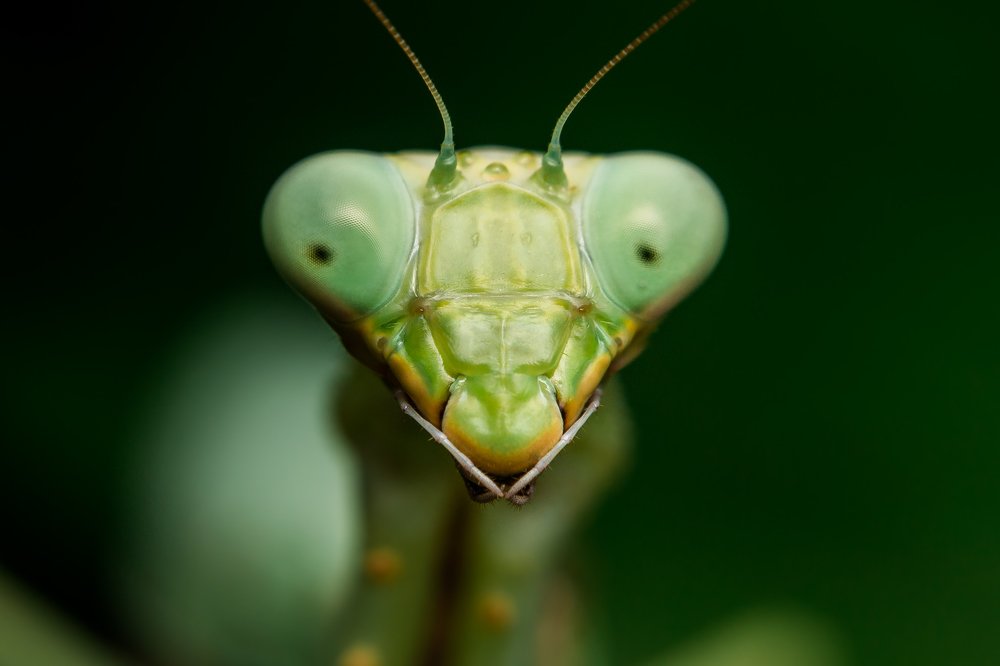
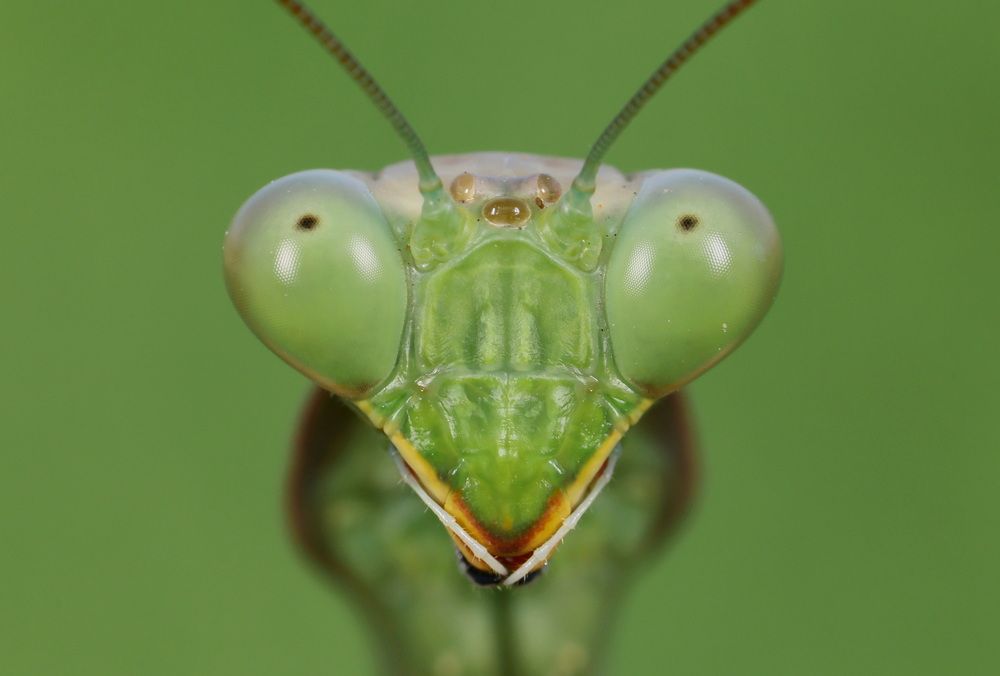
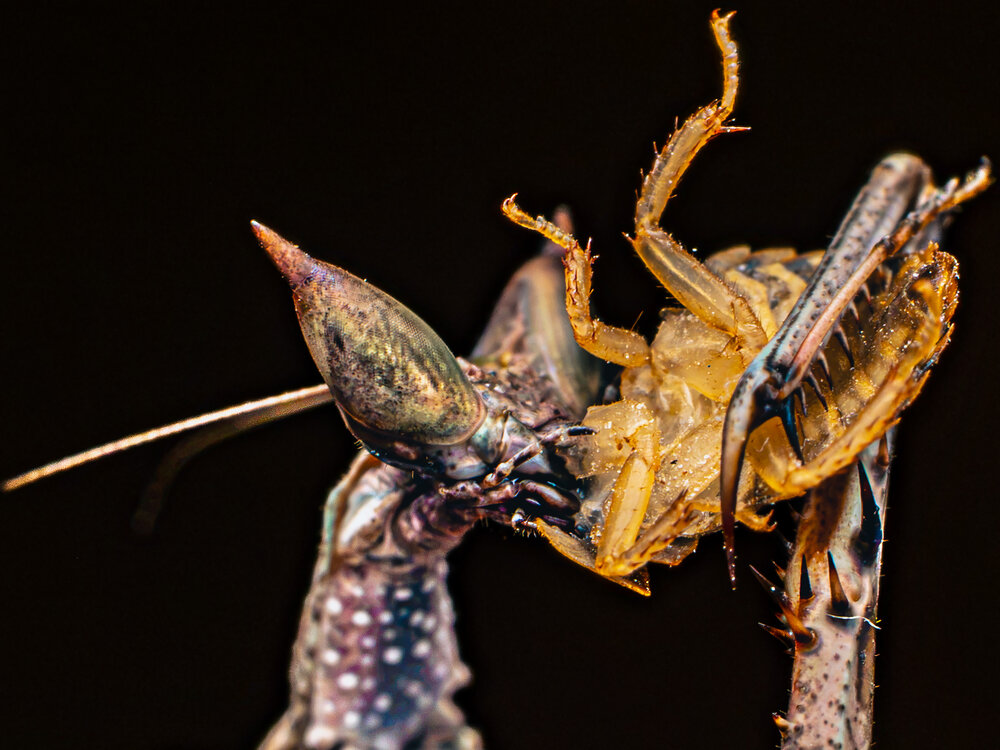
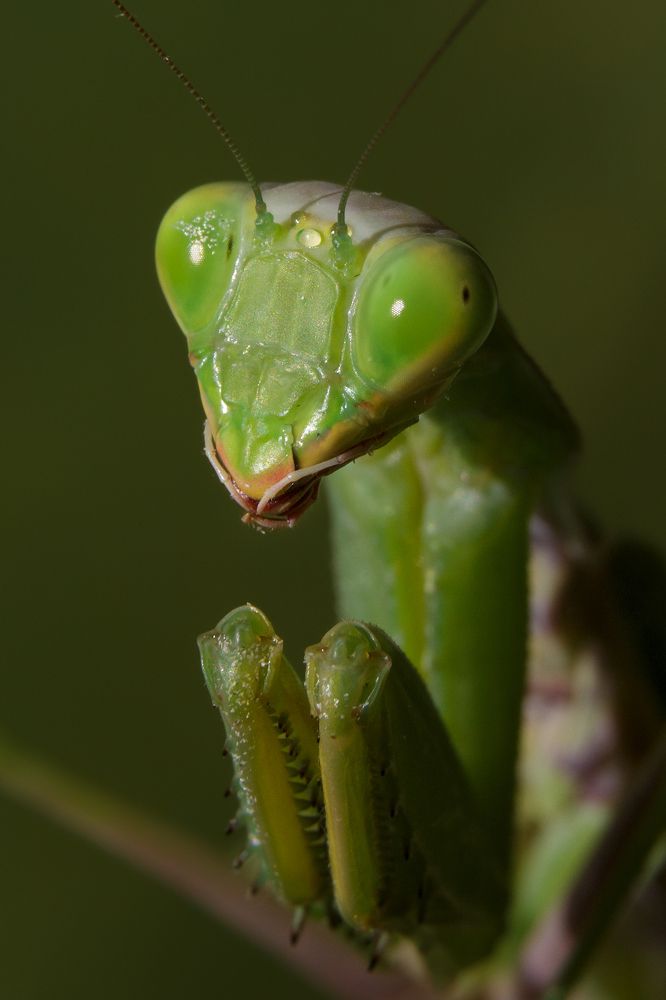
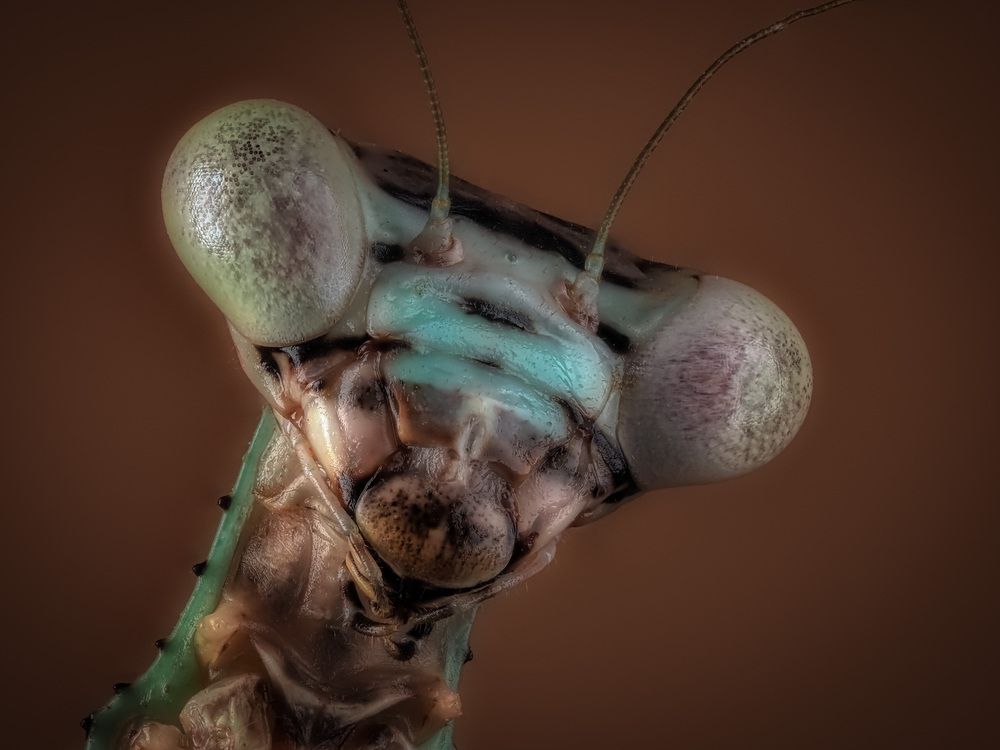
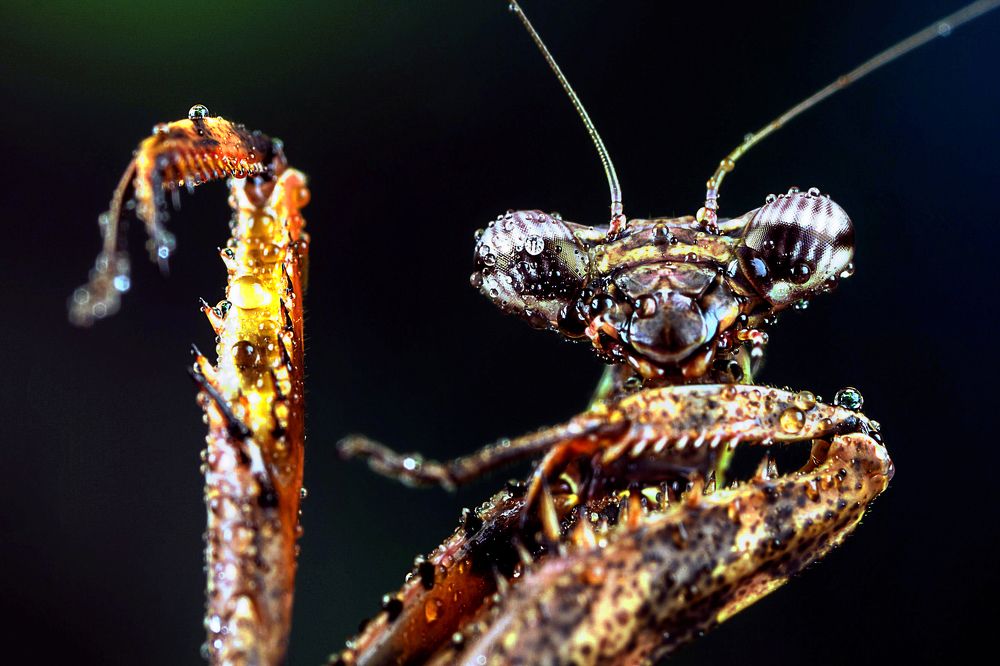
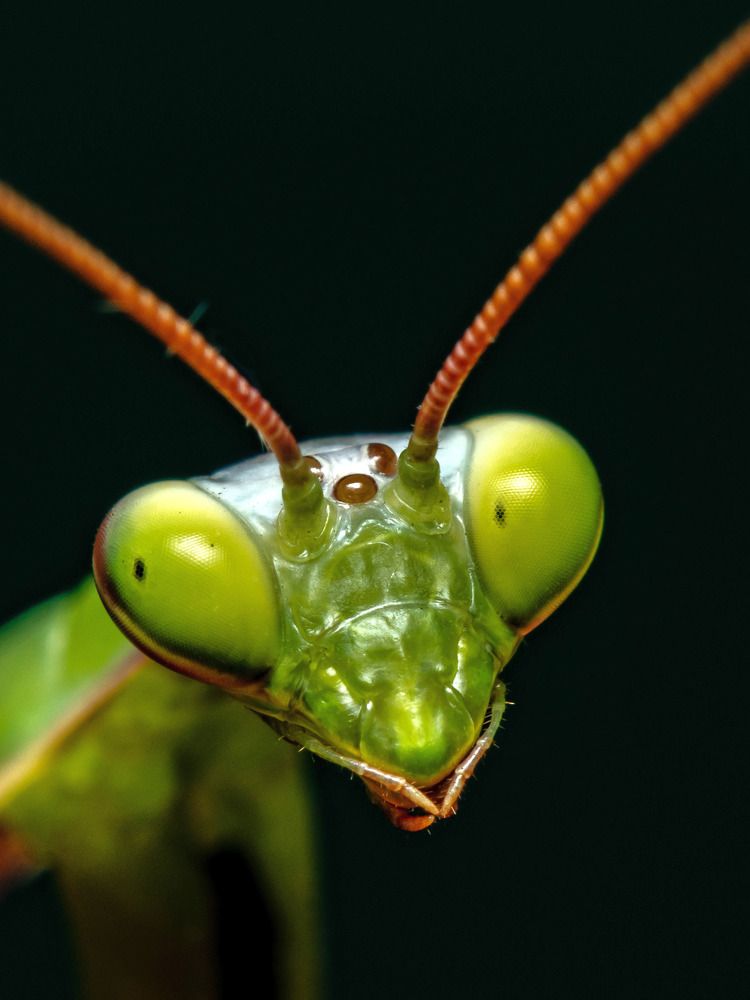
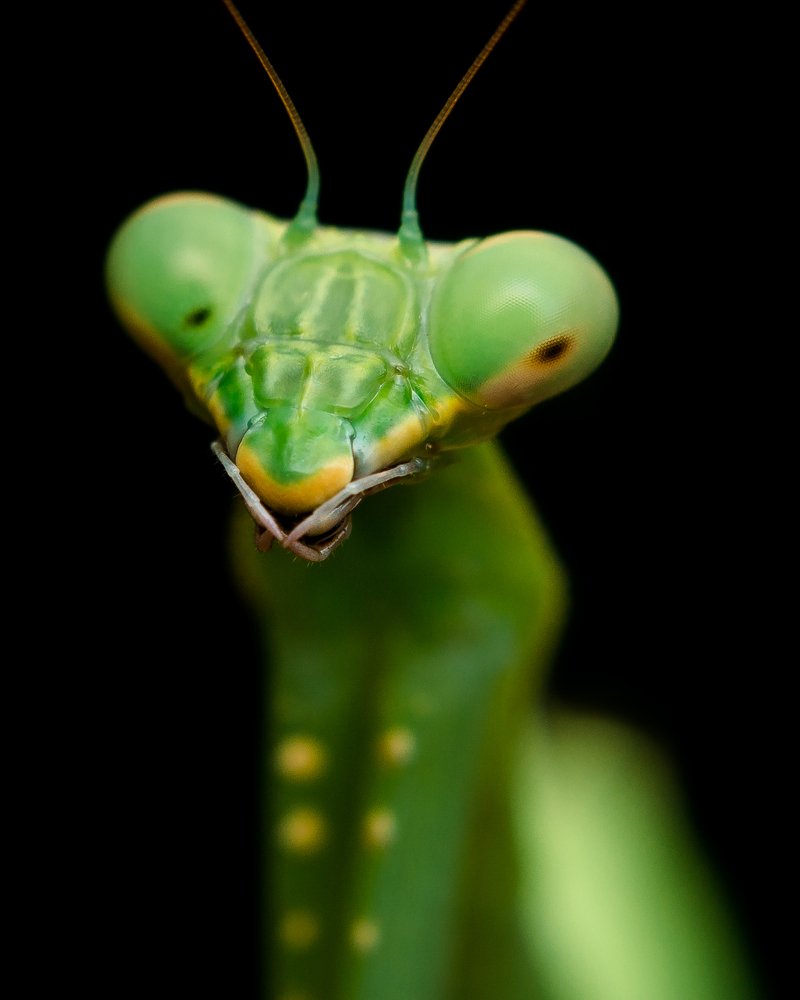
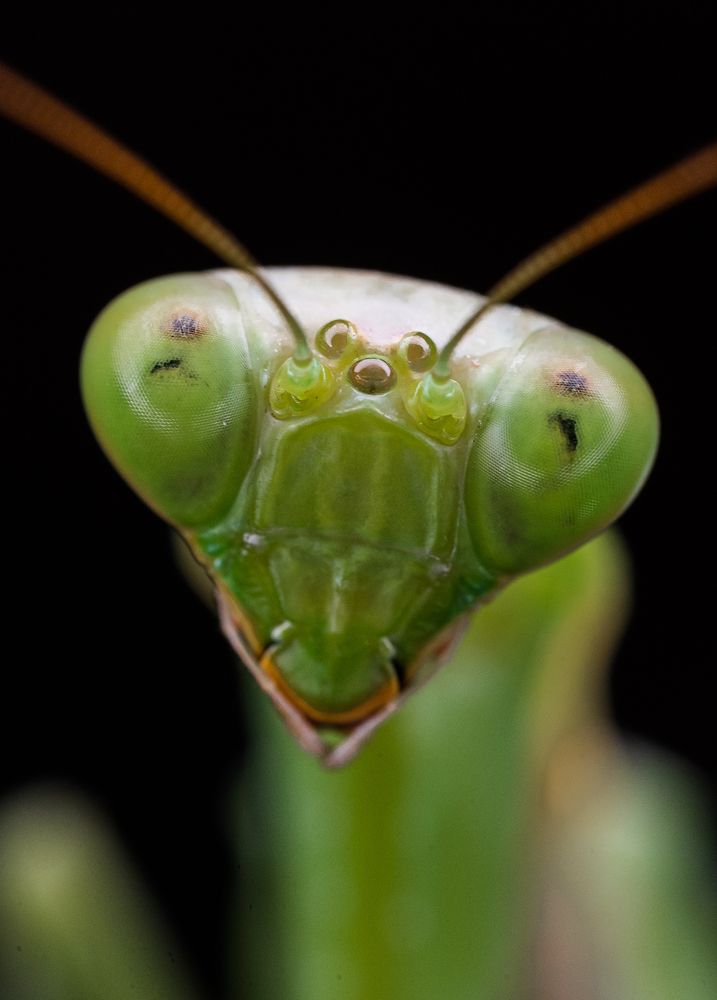
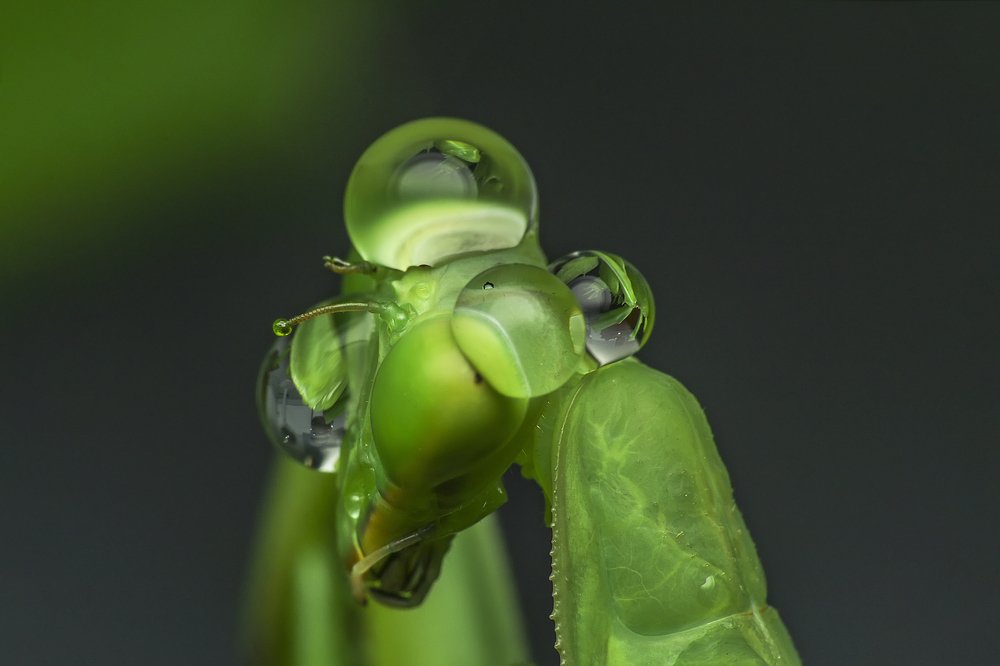
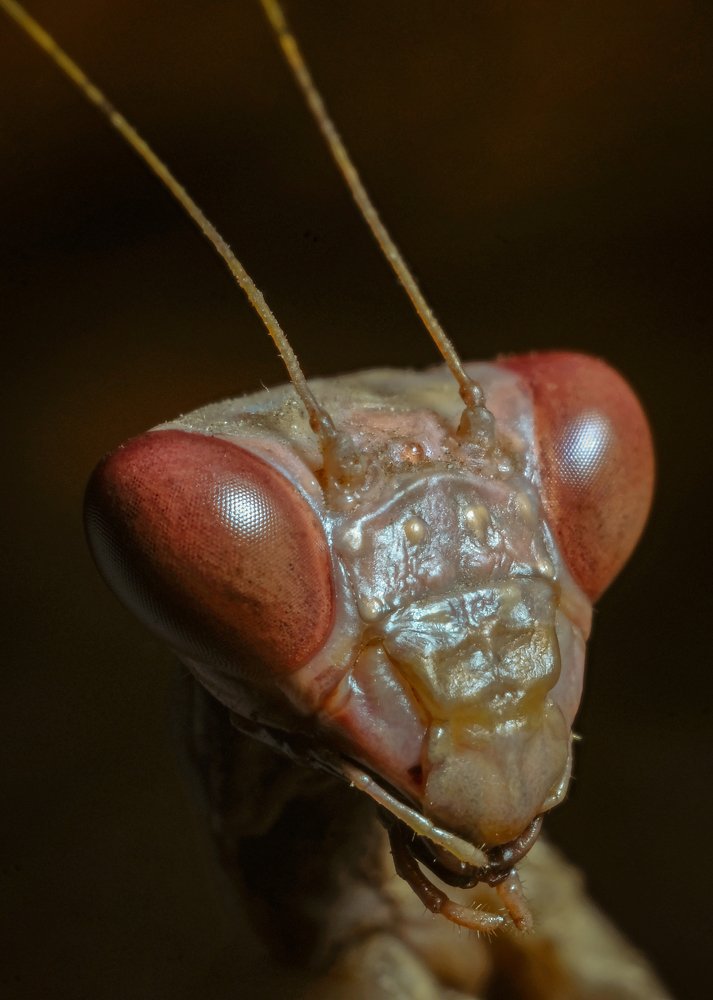
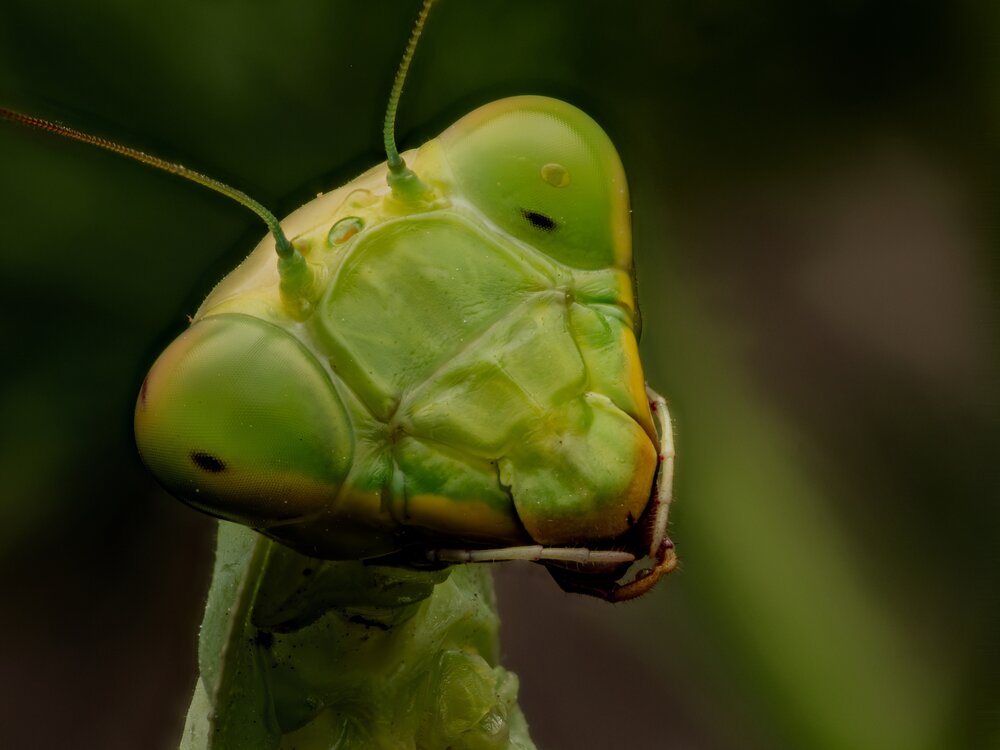
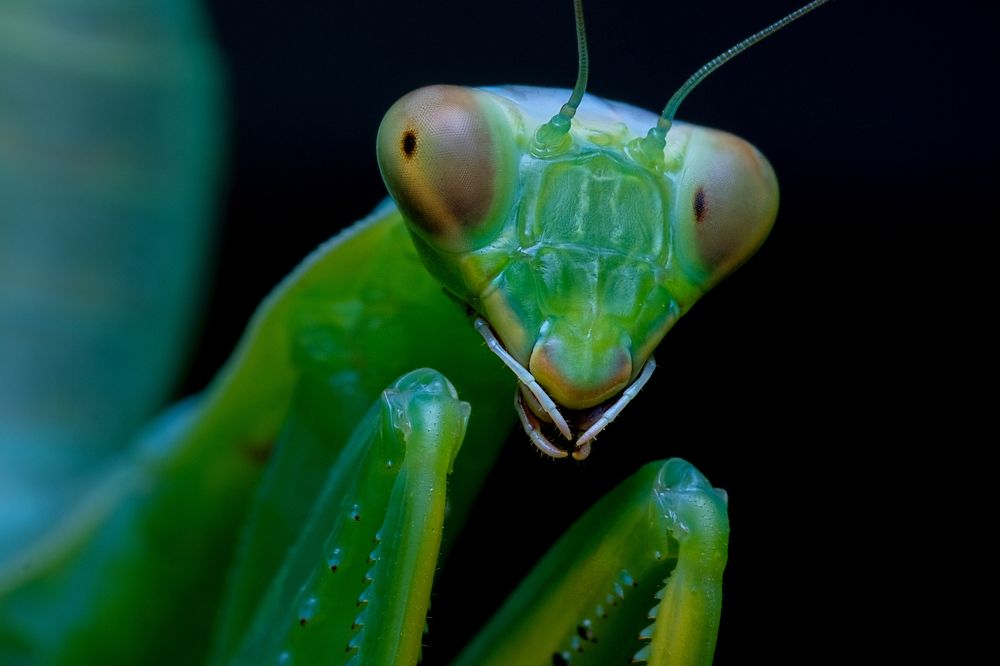
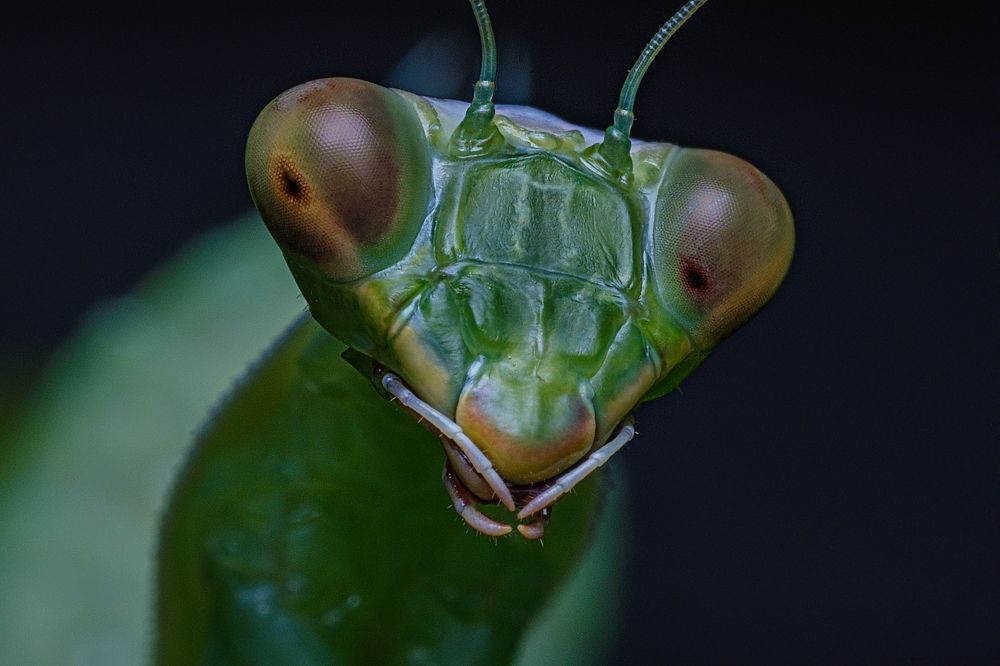
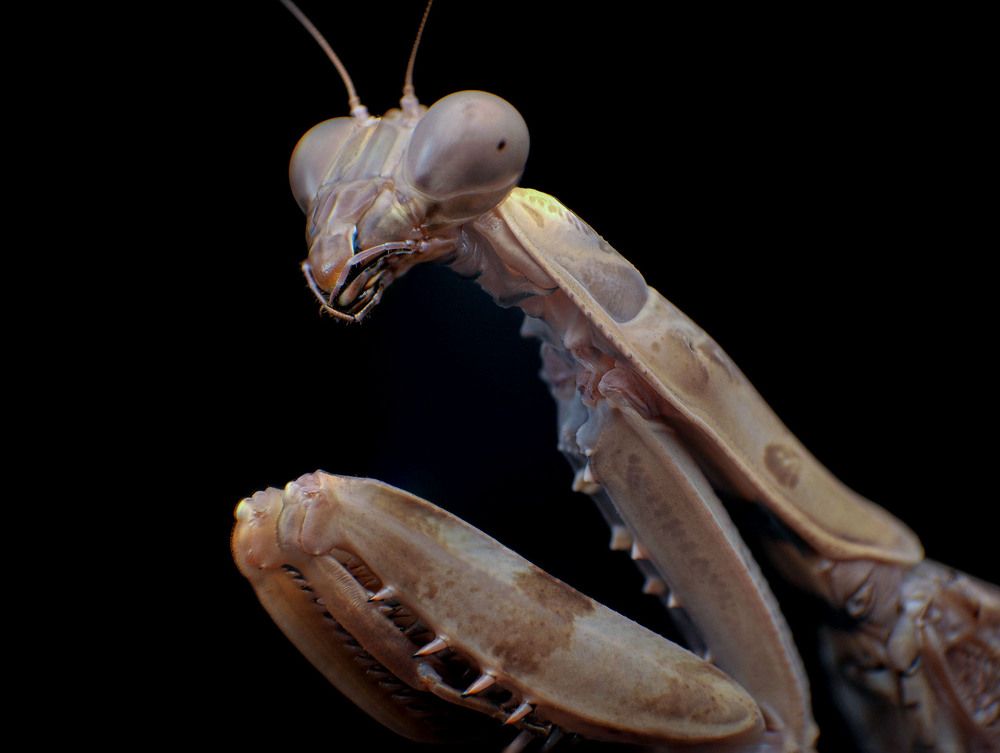
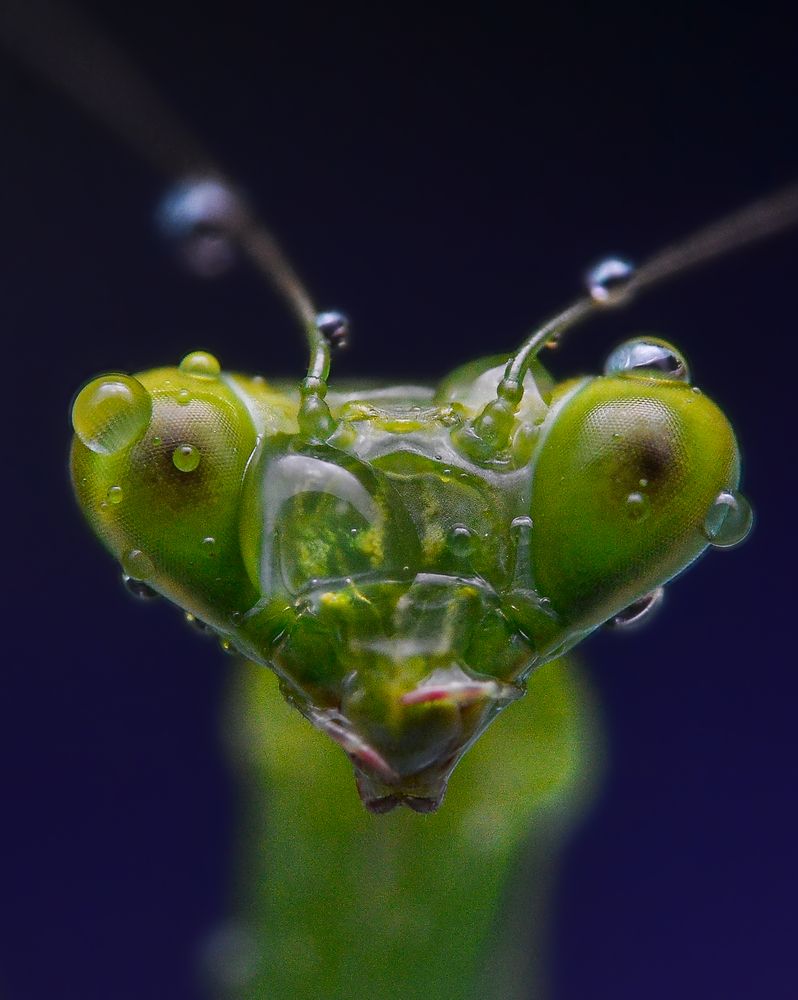
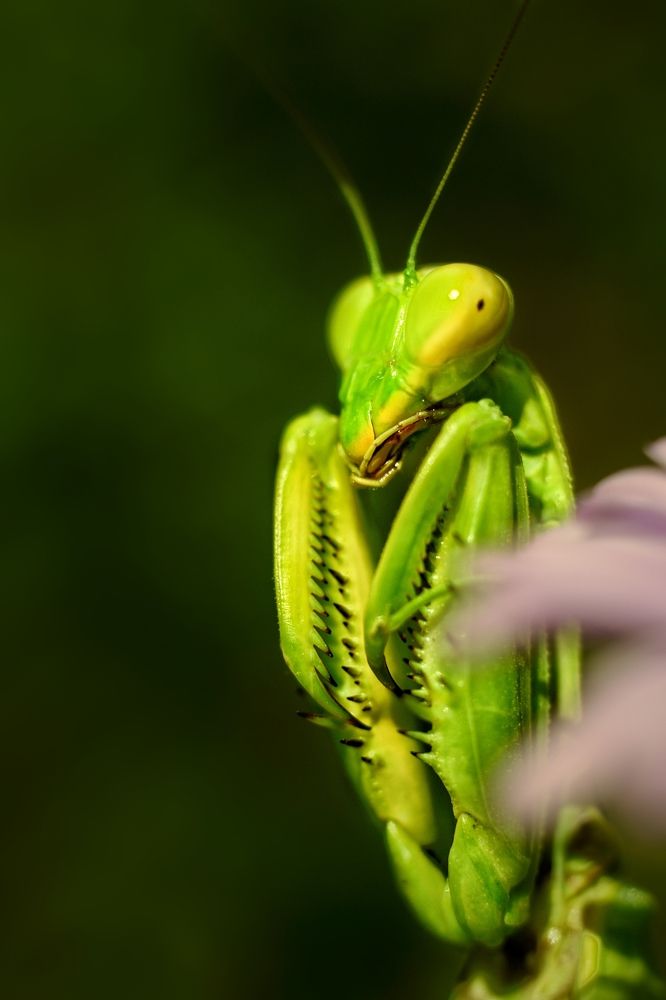
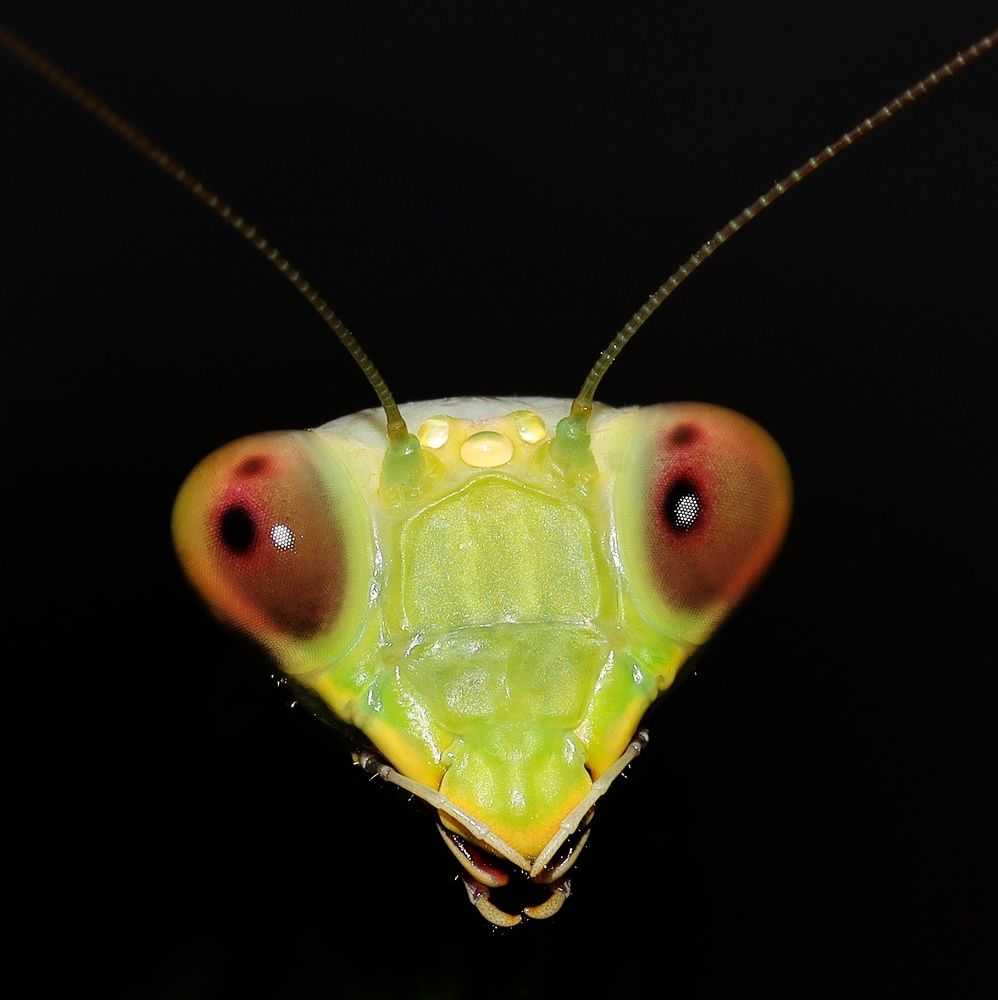
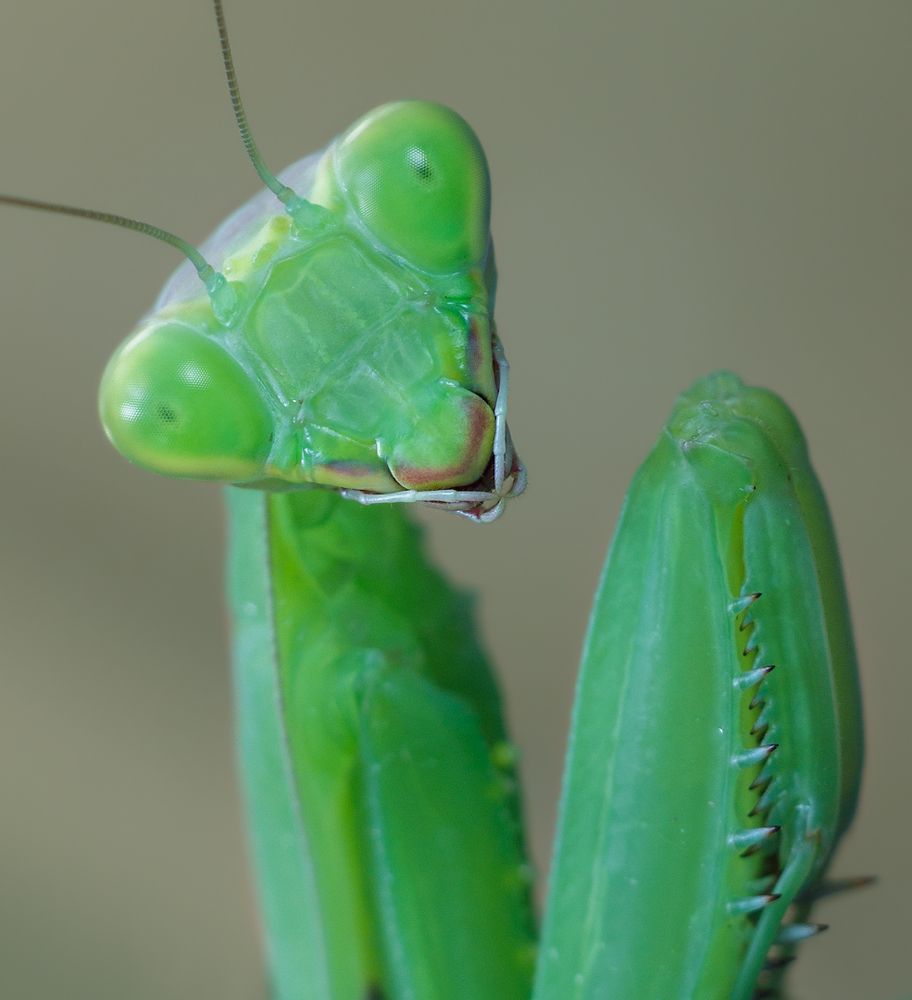
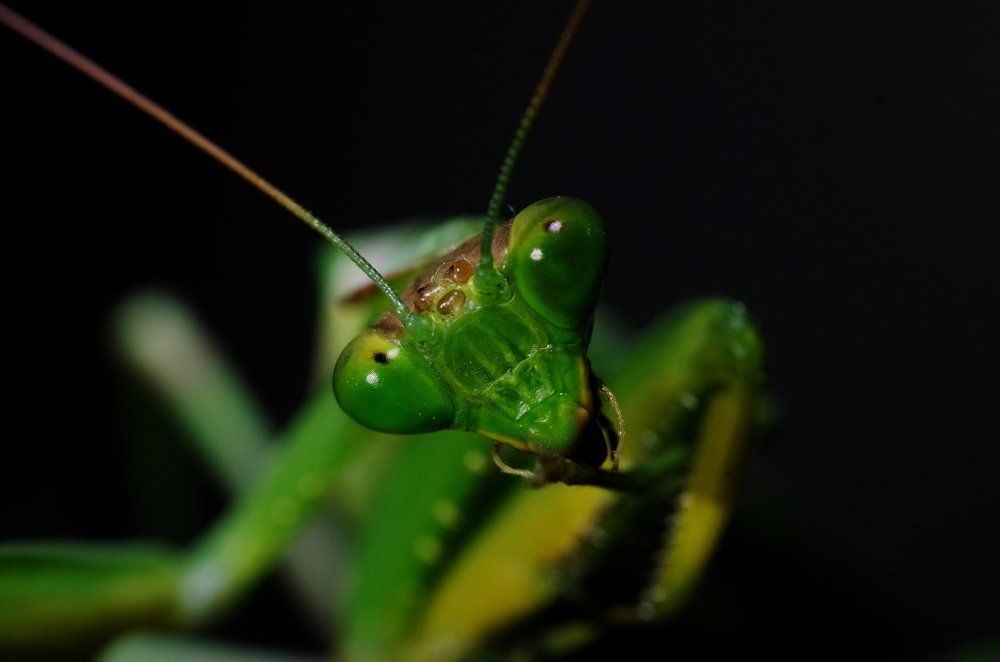
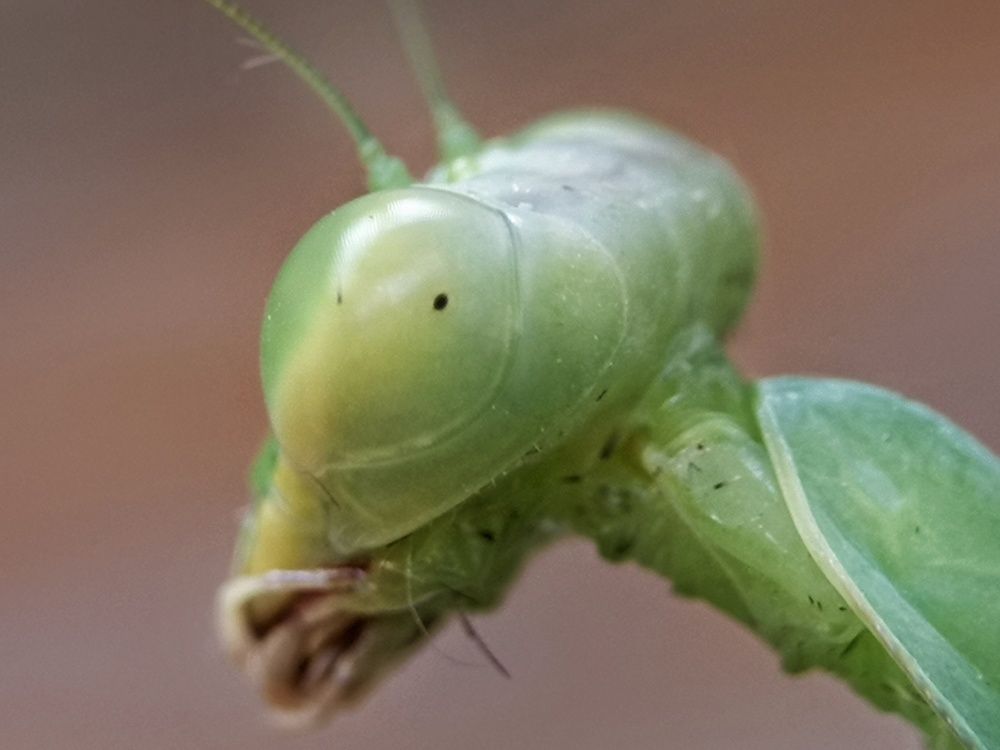
These images present macro portraits of praying mantises. The photographer utilizes high magnification to isolate the insect's head and compound eyes against blurred backgrounds. This technique emphasizes the texture of the exoskeleton and the geometric arrangement of the visual organs. While the subjects vary in coloration from green to brown, the composition remains a consistent close-up view of the face. The group is united by the intimate perspective on the mantis's facial structure.
How to shoot it
📍 Where to shoot
Shooting takes place outdoors, mainly in the natural habitats of insects.
🕐 Time of day
Most shot between 19:00 and 22:00 (31% of frames)
Based on 29 frames with camera data. Camera clock time; the time zone is unknown.
Shooting most often occurs in the evening (20–21 h) or midday (11–13 h). Evening light is softer, and insects may be less active.
🗓️ Season
Most shot in: August, February, October
Based on 29 frames with camera data
Peak shooting activity falls in August, February, October and November. These are periods when mantises are available in the natural environment or in greenhouses/glasshouses.
🧗 Difficulty
Needs preparation
Level 2: requires preparation and a trip to the habitat. Macro shooting of live insects requires patience, precise focusing and an understanding of the subject's behavior.
🎒 Gear
Use a macro lens (60–100 mm) or a telephoto lens to compress perspective. A tripod is desirable for stability at low shutter speeds, but it may frighten the insect.
Cameras and lenses the authors used (10)
Nikon D3100 5Olympus E-M1MarkII 4Fujifilm X-T3 2Nikon D750 2Canon EOS 700D 2OLYMPUS M.60mm F2.8 Macro 4AF-S DX VR Zoom-Nikkor 18-55mm f/3.5-5.6G 2Canon MP-E 65mm f/2.8 1-5x Macro Photo 2Tamron SP AF 90mm F2.8 (172E) 1Canon EF-S 55-250mm f/4-5.6 IS II 1
🧳 What to bring
Spare batteries, a rain cover for the equipment, a flashlight with a red filter (to avoid frightening insects), mosquito repellent, comfortable shoes for walking through grass.
⚙️ Settings
Shutter 1/125 (1/320 – 1/30)Aperture f/10 (f/1 – f/16)ISO 200 (100 – 640)Focal length 65 mm (50 – 135)
Based on 23 frames with camera data. Median and 10-90% range across the idea frames.
The key parameter is aperture: use f/10 for a balance between eye detail and depth of field. A shutter speed of 1/125 s (median 0.008 s) and ISO 200 will provide a clean frame without noise.
⚠️ Good to know
Follow ethics: do not touch insects with your hands to avoid damaging the chitin or causing stress. Use red flashlight light for orientation in the dark, as it is less noticeable to many species.
📈 How the idea developed
works uploadedshare of all site uploads, per 100k
The date is when the file was uploaded to the site. The chart counts works assigned to the idea.
✅ How to repeat it
- Approach the subject slowly and low to avoid frightening it with sudden movement or shadow.
- Use burst mode, as mantises may sharply turn their heads or change pose.
✨ Interesting facts
- 🏆 How the best frame was shot: Fujifilm X-T1, 1/250, f/1, ISO 200, 55 mm
- 🔇 76% of frames were shot at ISO 400 or lower: almost no noise, any modern camera will do
- 🥇 5 works reached the finals. Best contest: Eyes 2026
- 👤 Most frequent authors: Olga Link 4Hocine Ferhat 3Kasun Wickramasinghe 2Jerian Dale Figueroa 2Mihail Nyzhnikov 2
- 🌍 Authors by country: 🇷🇺 RU 10🇪🇪 EE 4🇵🇭 PH 3🇩🇿 DZ 3🇺🇦 UA 3
Some tips are prepared by AI from the idea description, photos and their EXIF. Check the rules and access to places before you travel.
Works
These lists are generated automatically and may contain inaccuracies. Photos are shown in random order, and selections are refreshed twice a day. This section is made for exploring photos and does not claim 100% accuracy. The lists include photos that previously participated in contests that are already completed.