id: 13214807
Wasp Beetle: A Master of Camouflage
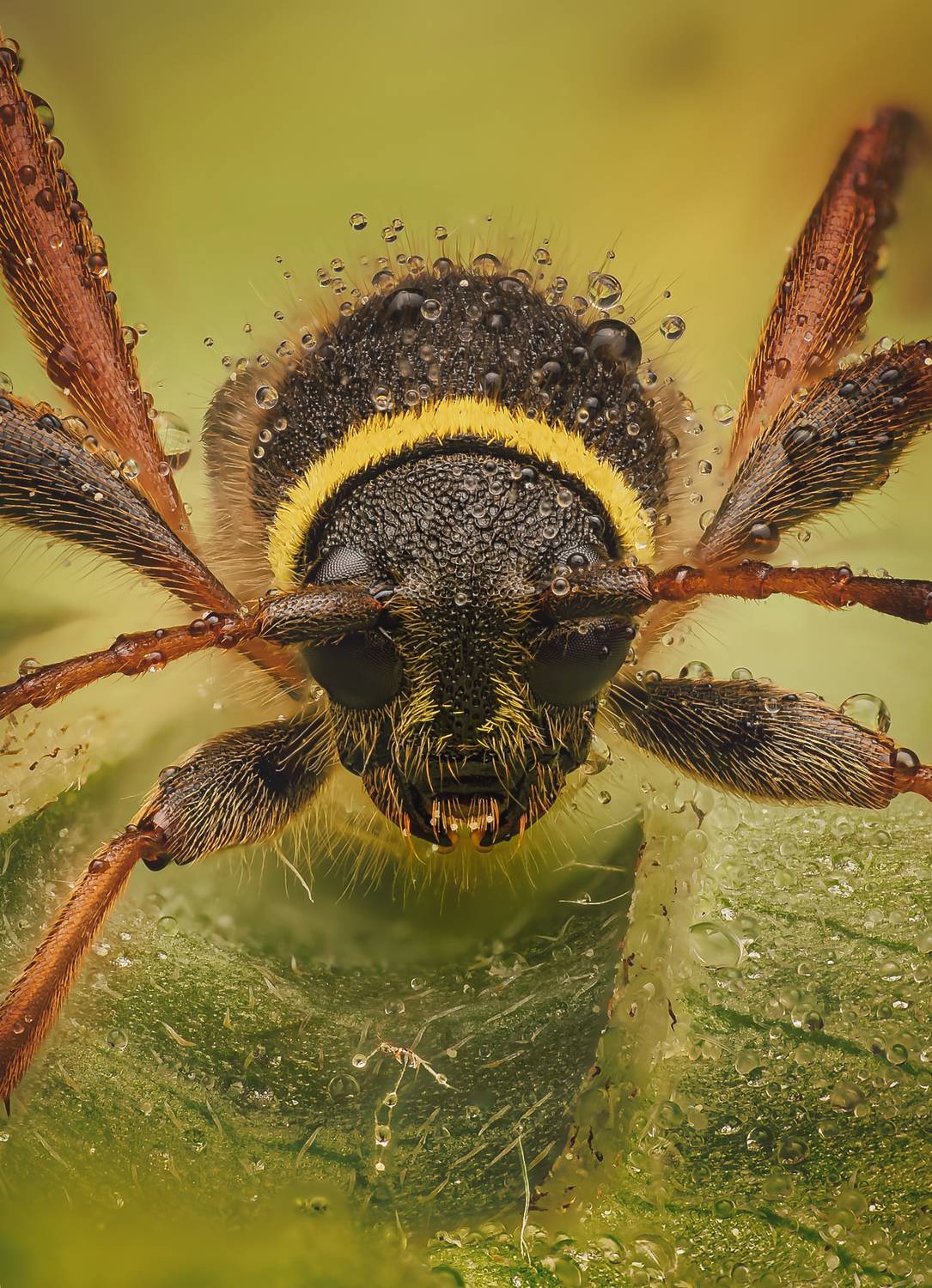
At first glance, many would mistake it for a wasp… and that is precisely its purpose. The Clytus arietis has no stinger and is not dangerous, but it perfectly mimics the colors and movements of wasps to scare away potential predators. This phenomenon is called Batesian mimicry, and it is a survival strategy as effective as it is fascinating.
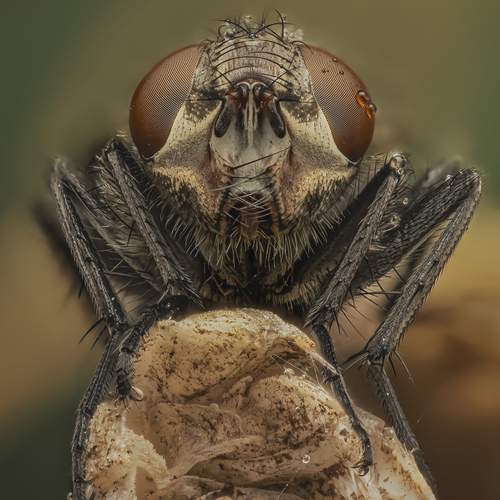
In this nighttime capture, taking advantage of its immobility during the cooler hours, I was able to reveal every detail of its body: from the texture of its elytra to those warning colors that do not go unnoticed, even its menacing pose.
? Technical Data of the Shot:
Olympus OM-1
Olympus 90mm Macro F/3.5 IS PRO + Raynox 250
Godox V100 Flash at 1/32
AK Diffuser
Shutter Speed: 1/250s | Aperture: F/9 | ISO 200
198 stacked images | 2.5X zoom
Processed in Lightroom + Helicon Focus + Luminar Neo
? Interesting Facts about the Wasp Beetle:
Despite its menacing appearance, it is completely harmless.
It is usually found in forests and areas with abundant decaying wood, where the larvae develop.
During the day, it moves nervously, mimicking the movements of a wasp; at night, it remains motionless, which facilitates these precise shots.
Their larvae help in the decomposition of dead wood, fulfilling an important ecological role.
0 Likes
0 Favorites
212 Impressions
1 Comments