Common Kingfisher Portraits
22 worksFirst upload: Jun 2019Peak: 2025Last 12 months: 6
📝 Description
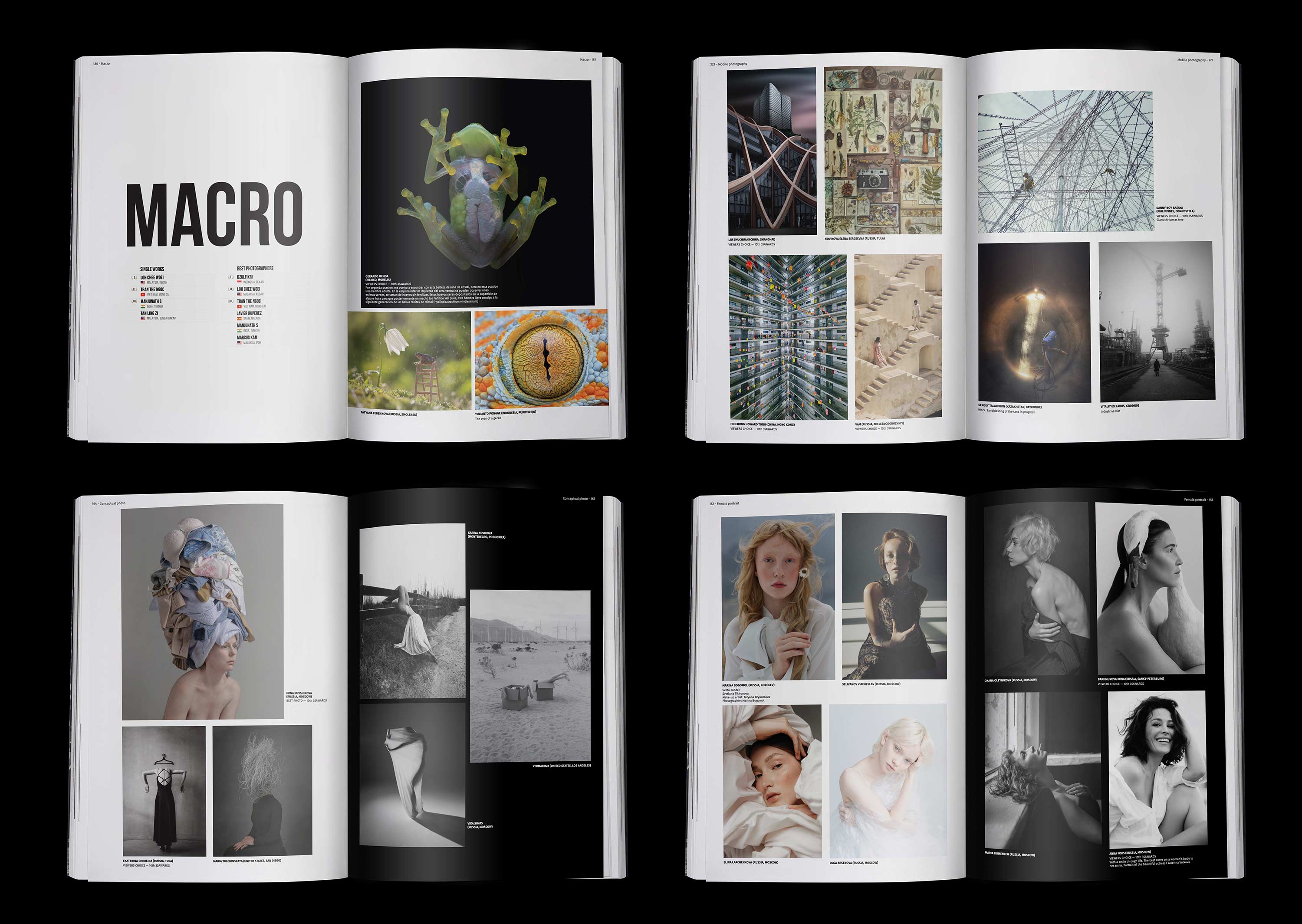
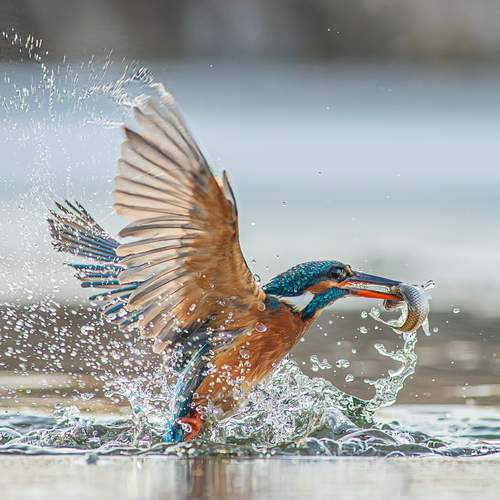
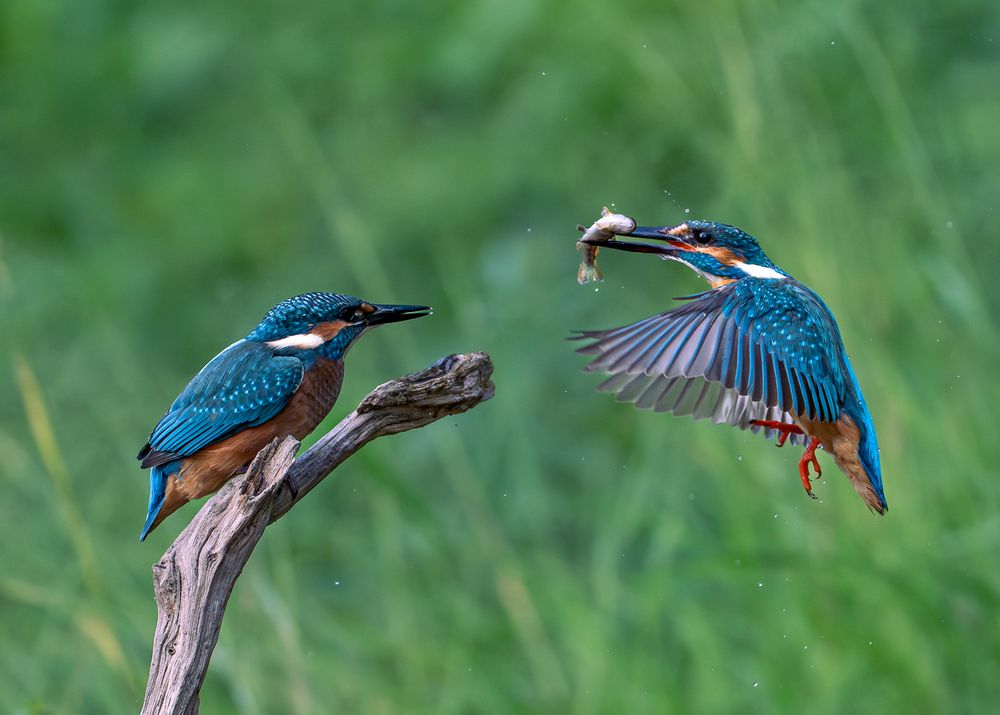
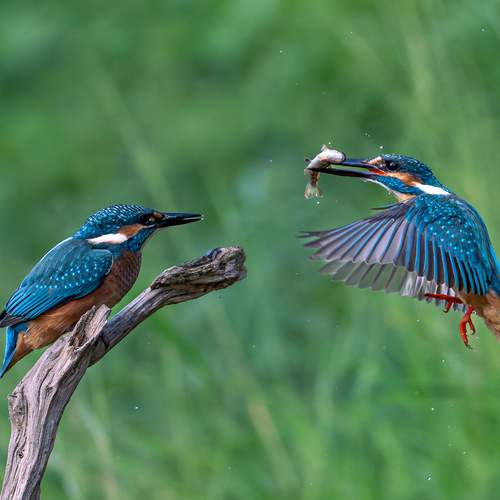
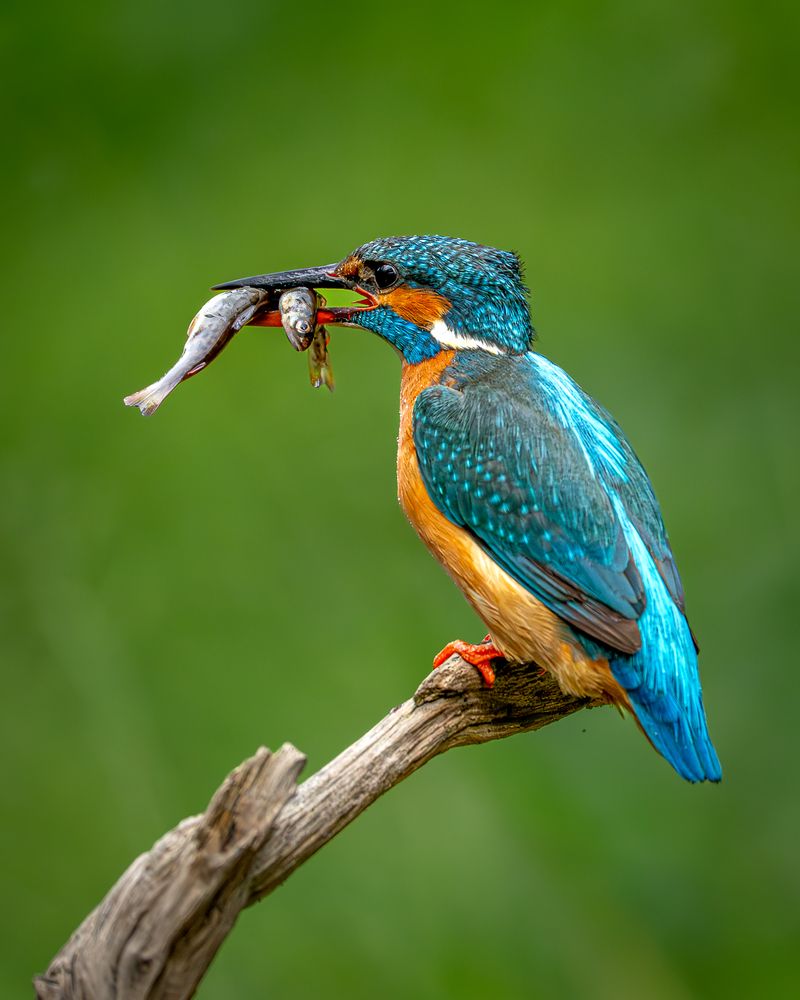
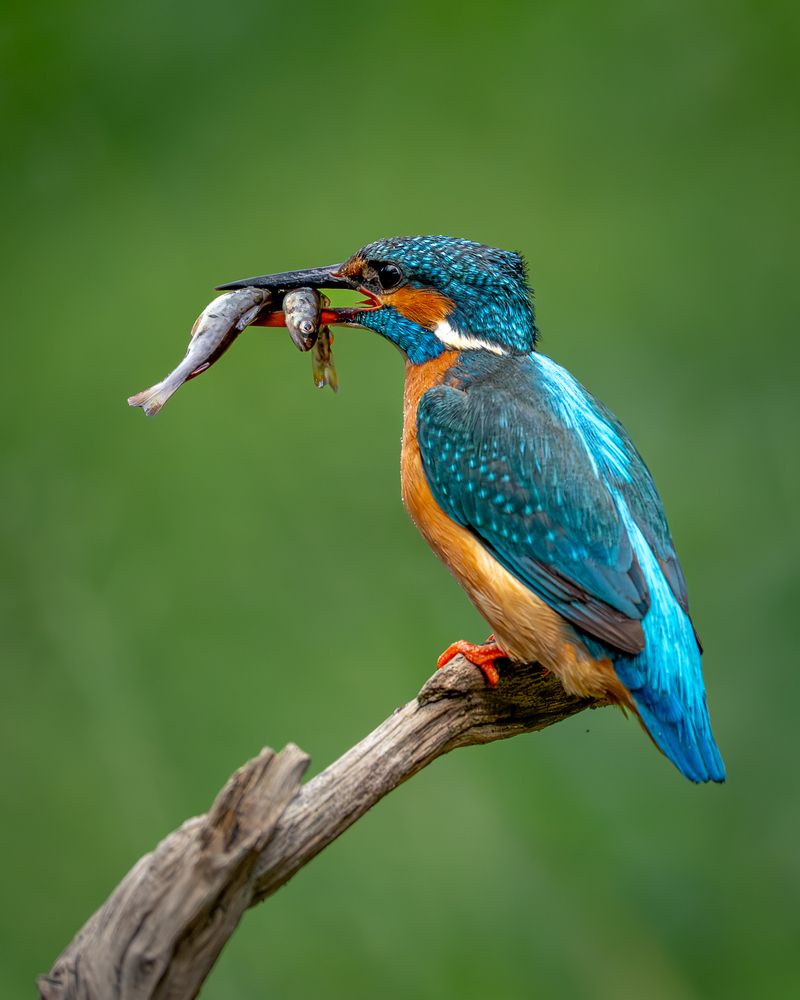
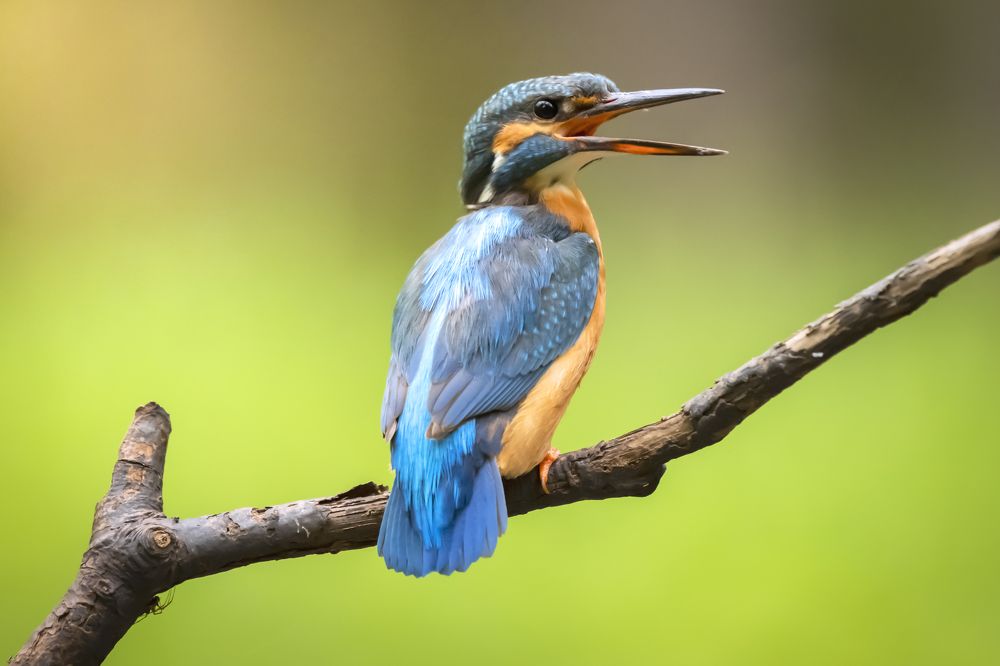
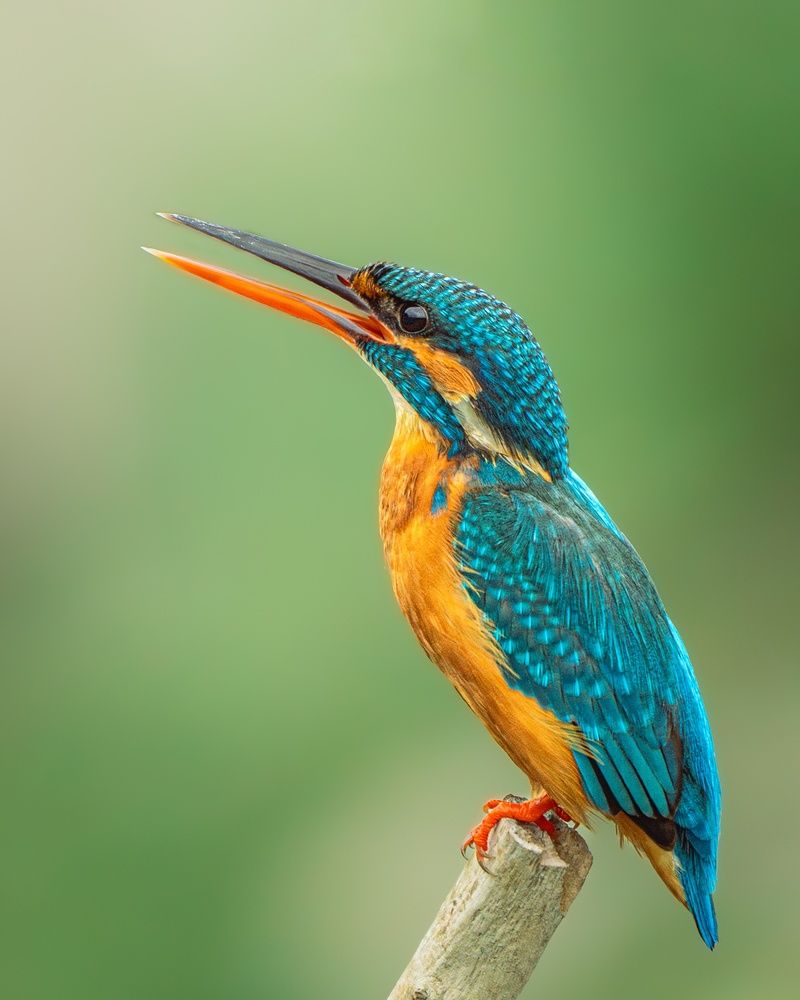
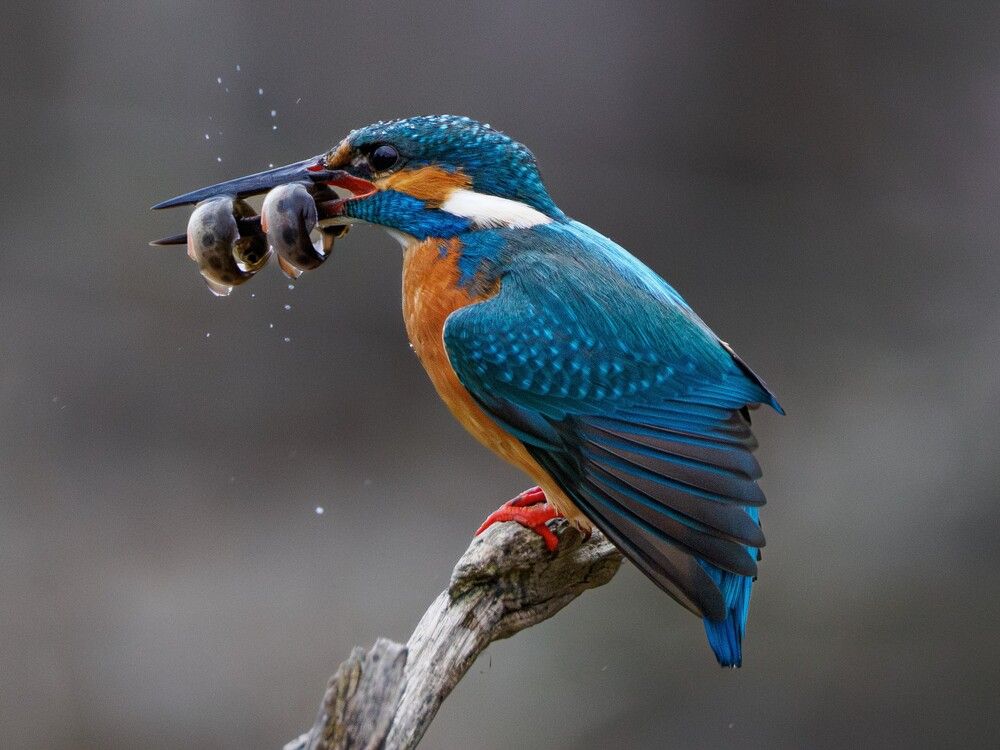
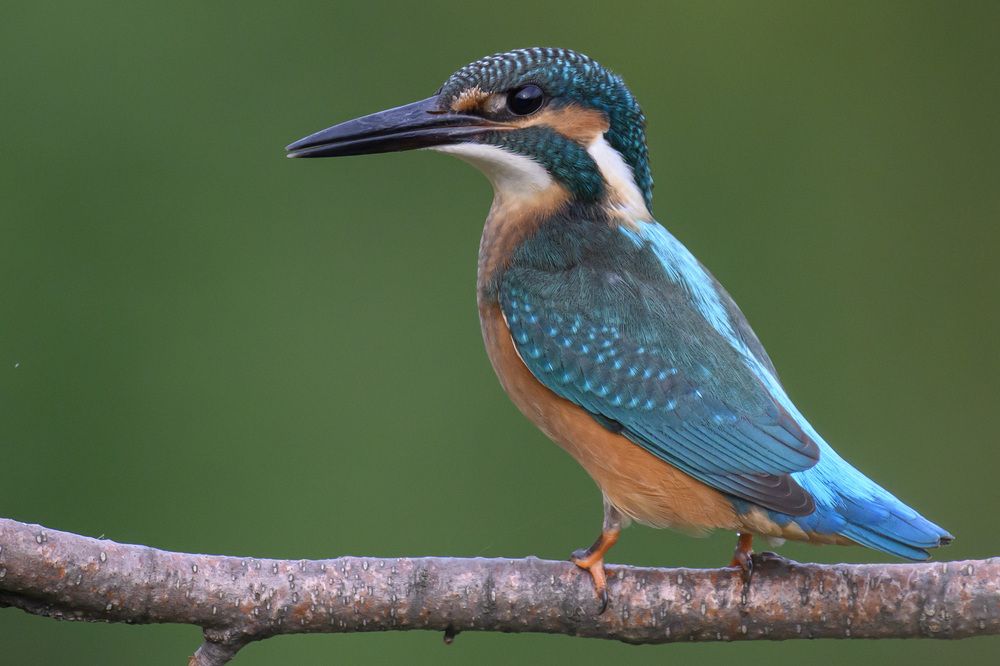
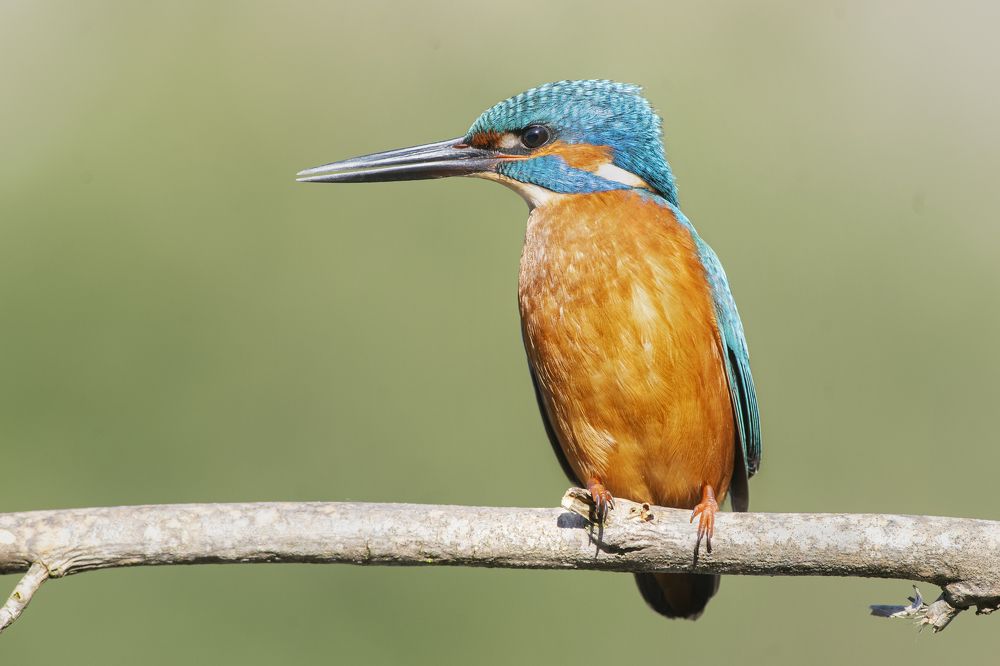
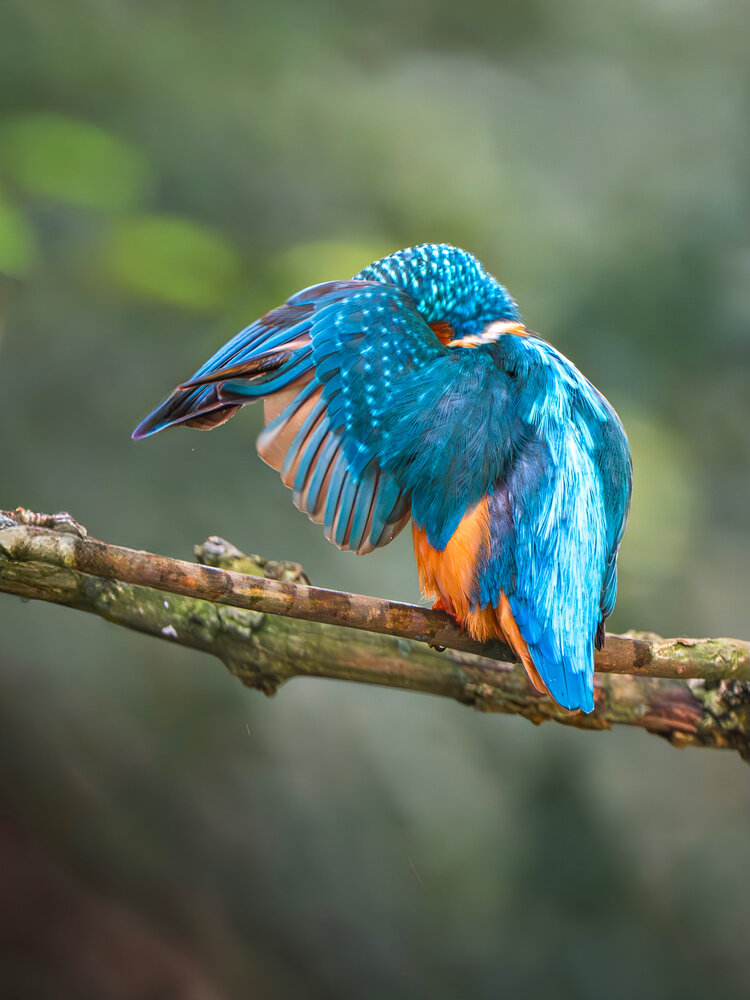
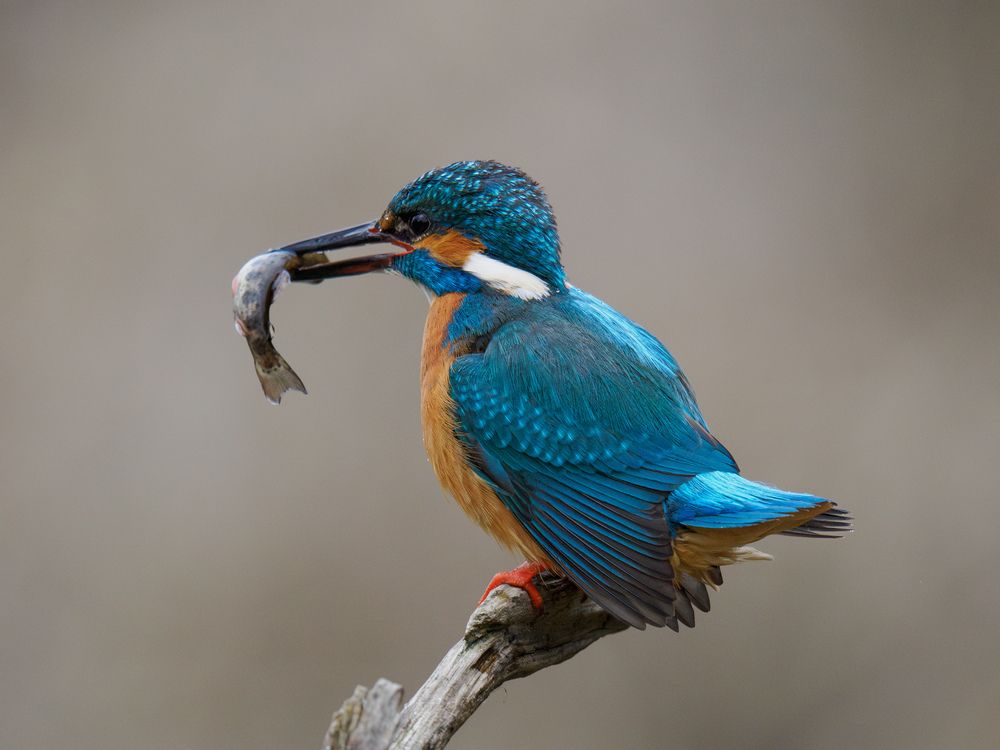
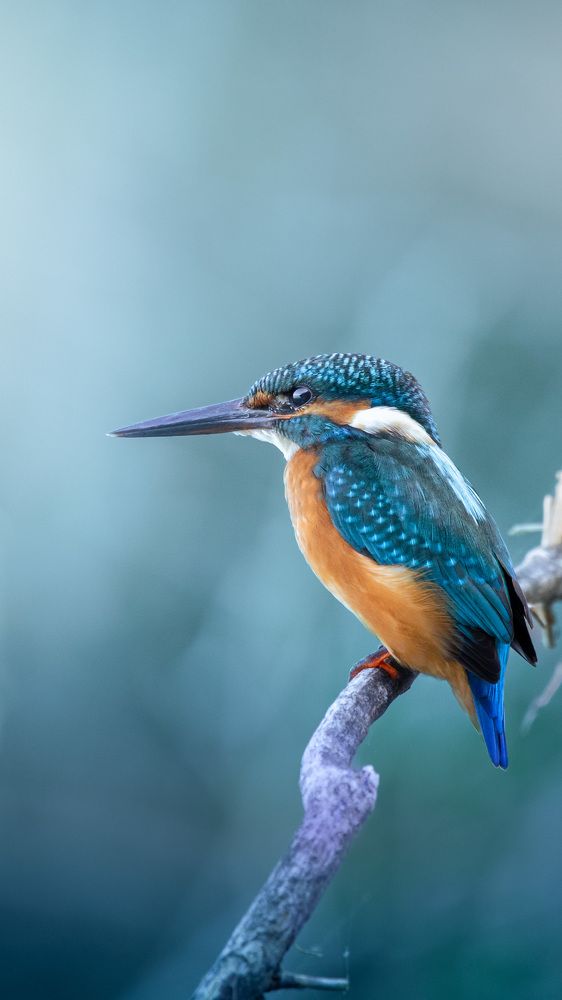
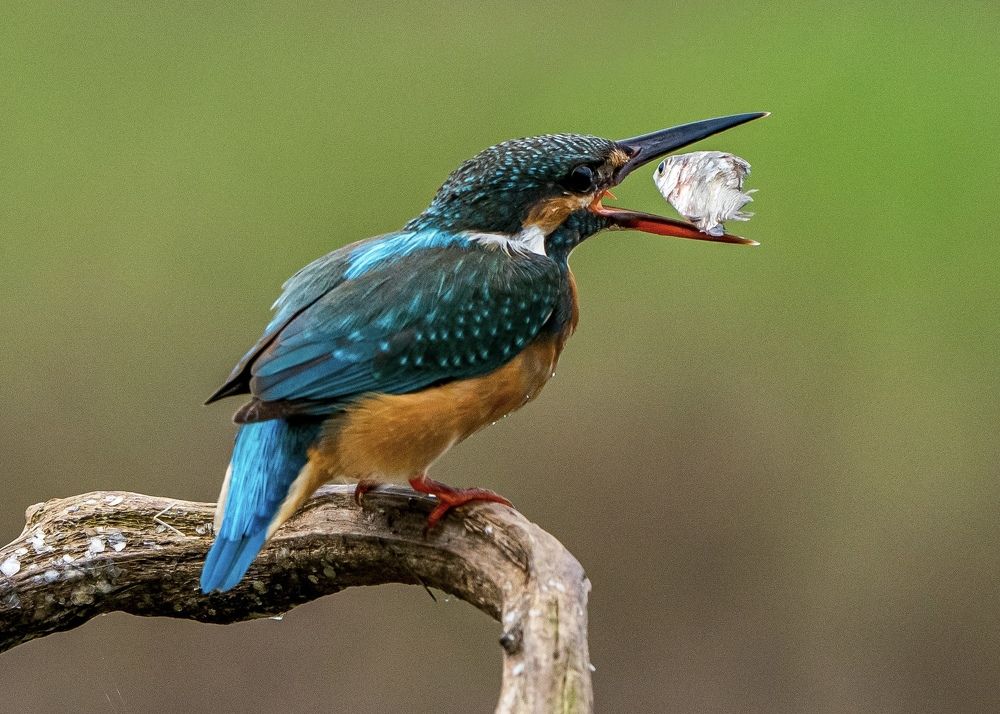
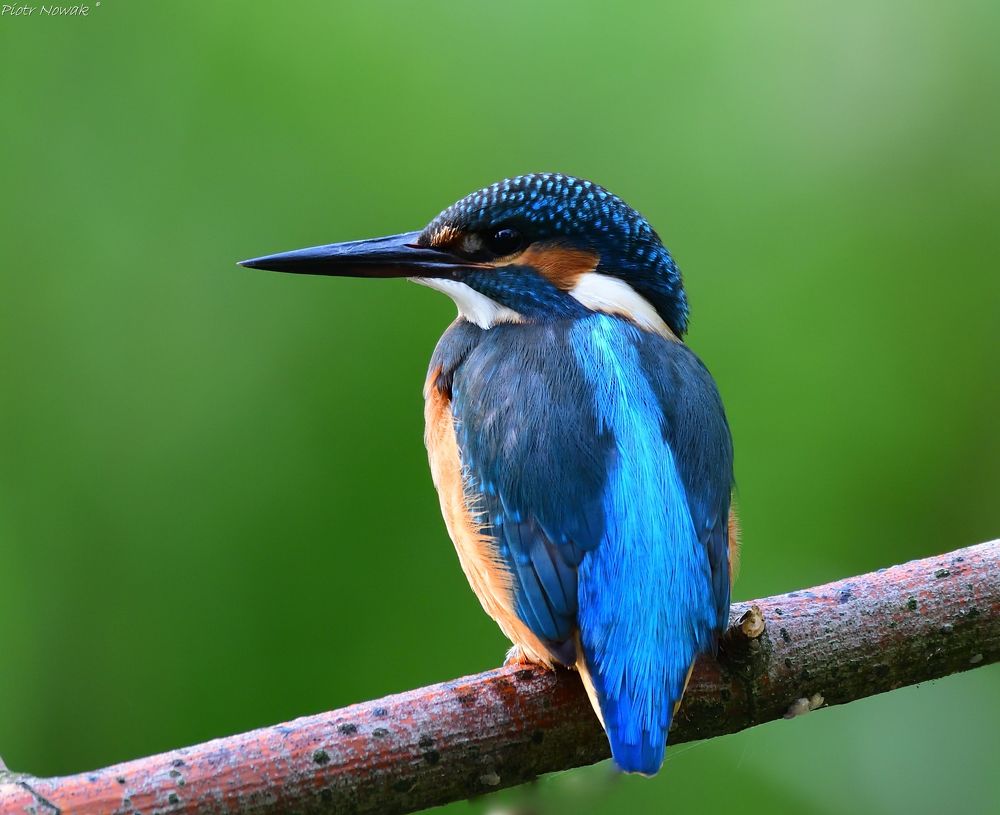
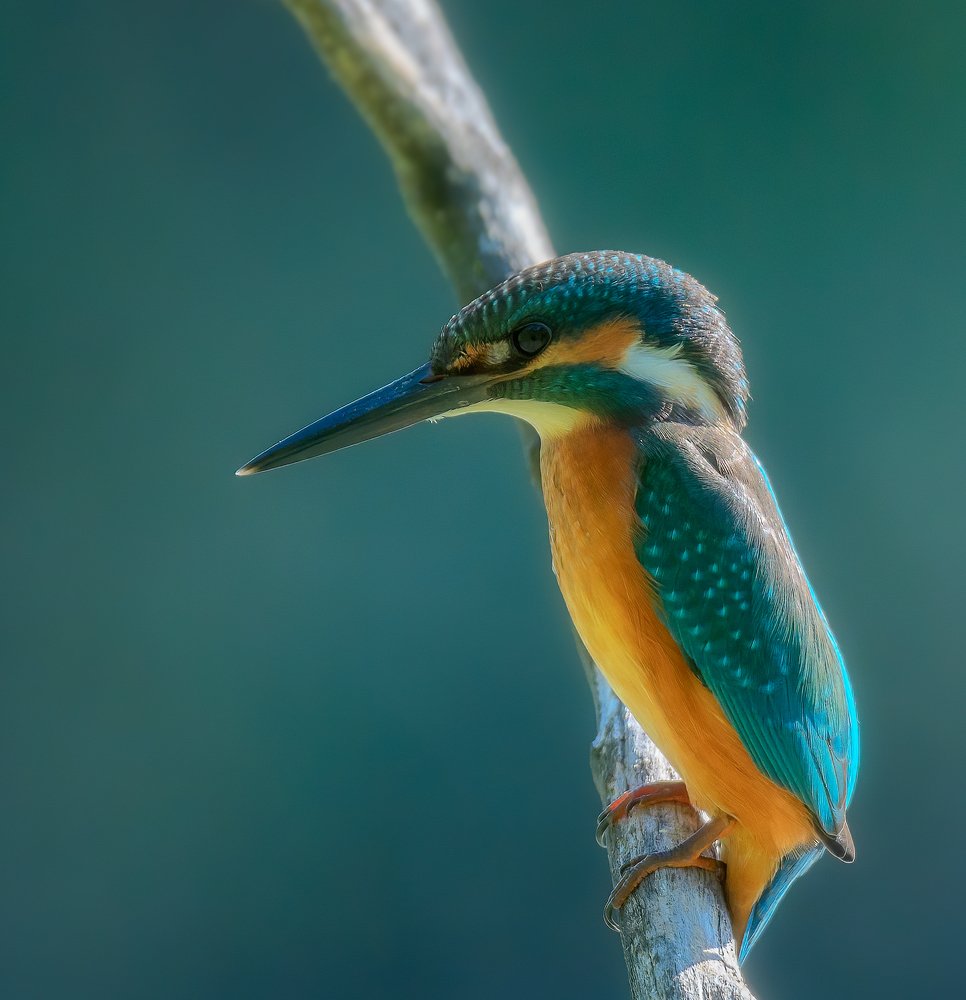
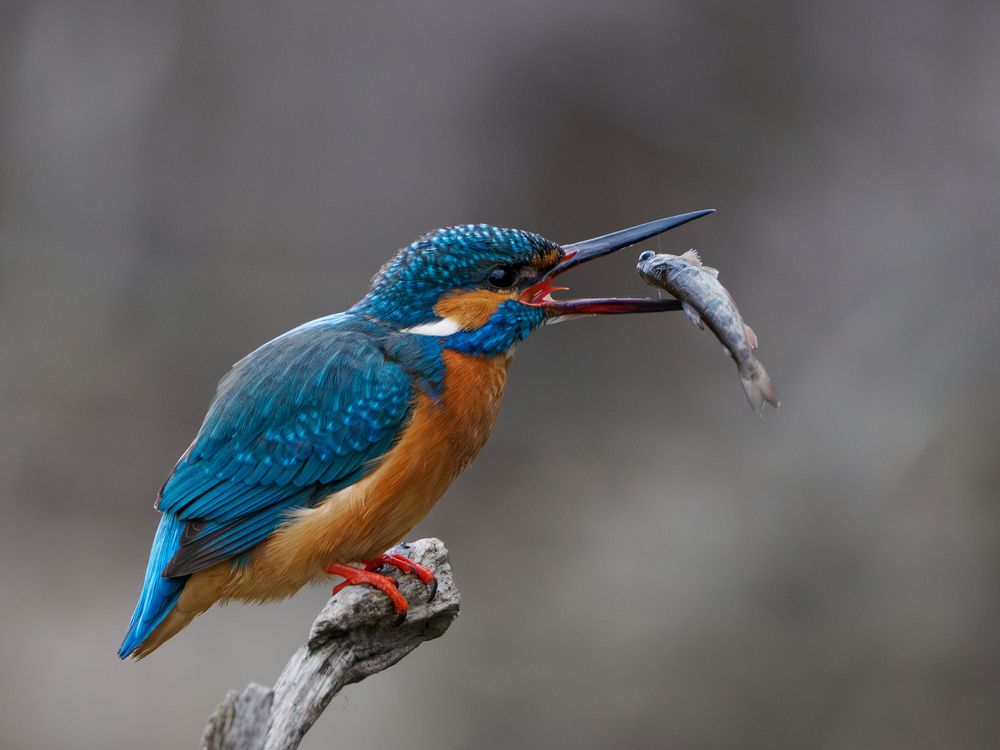
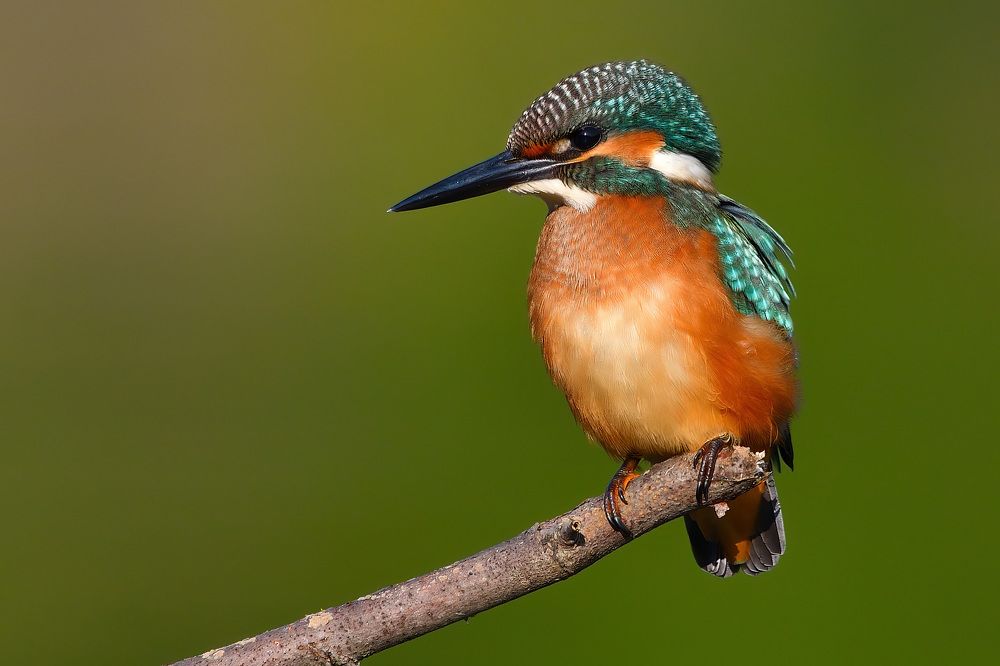
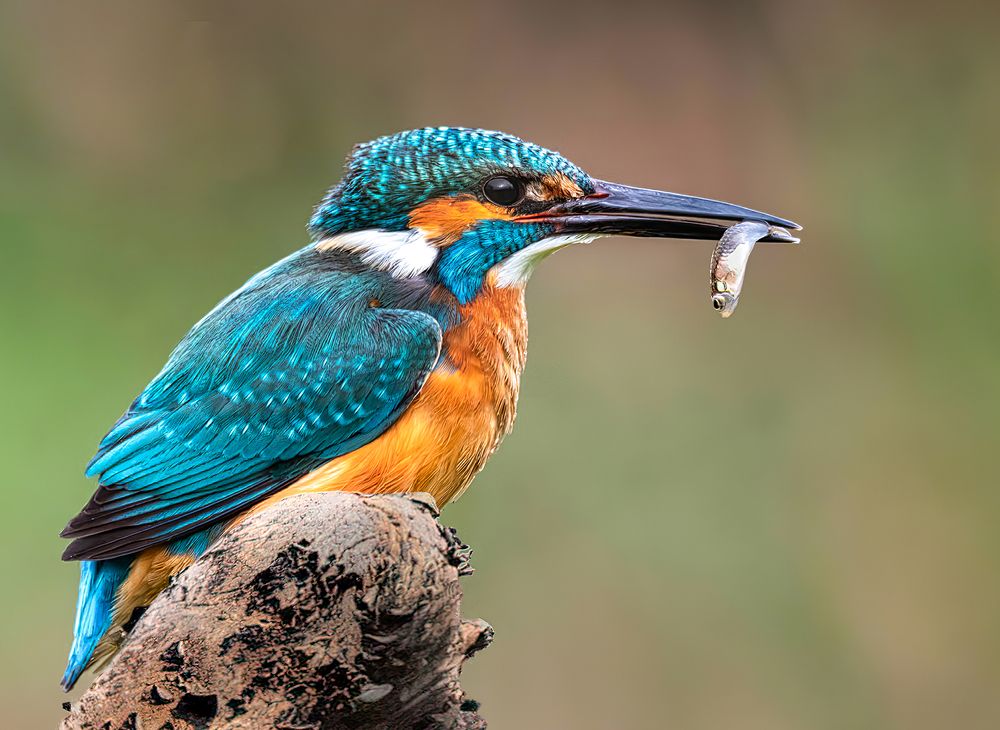
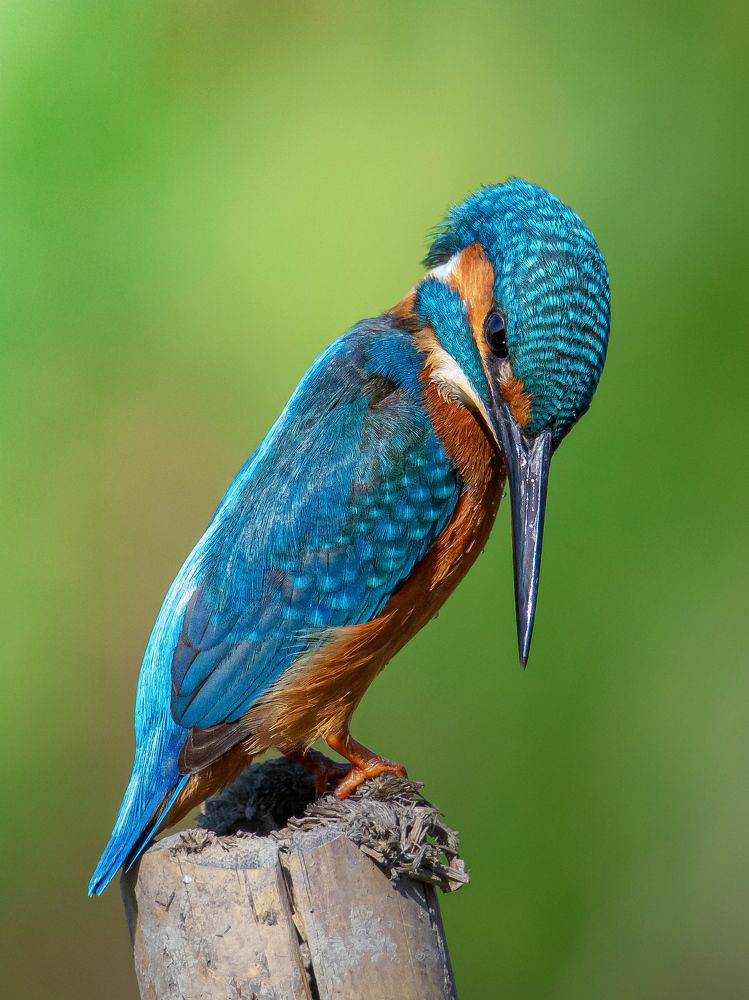
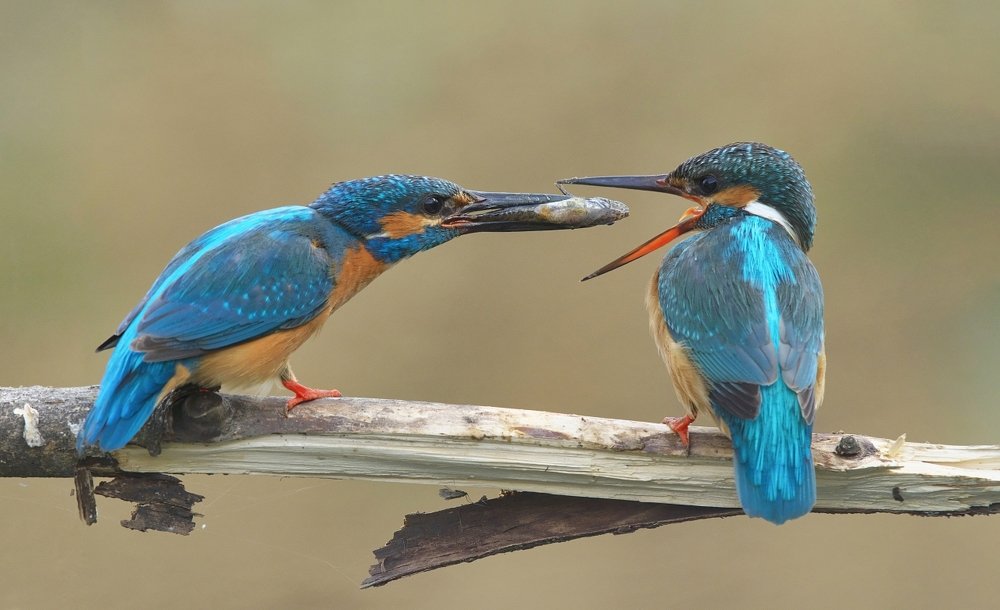
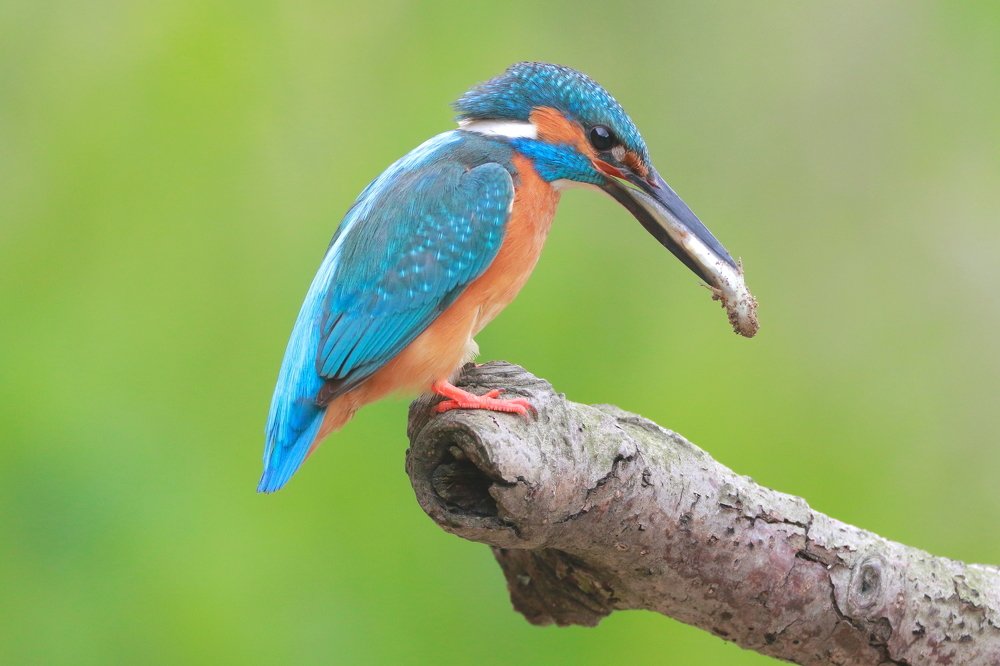
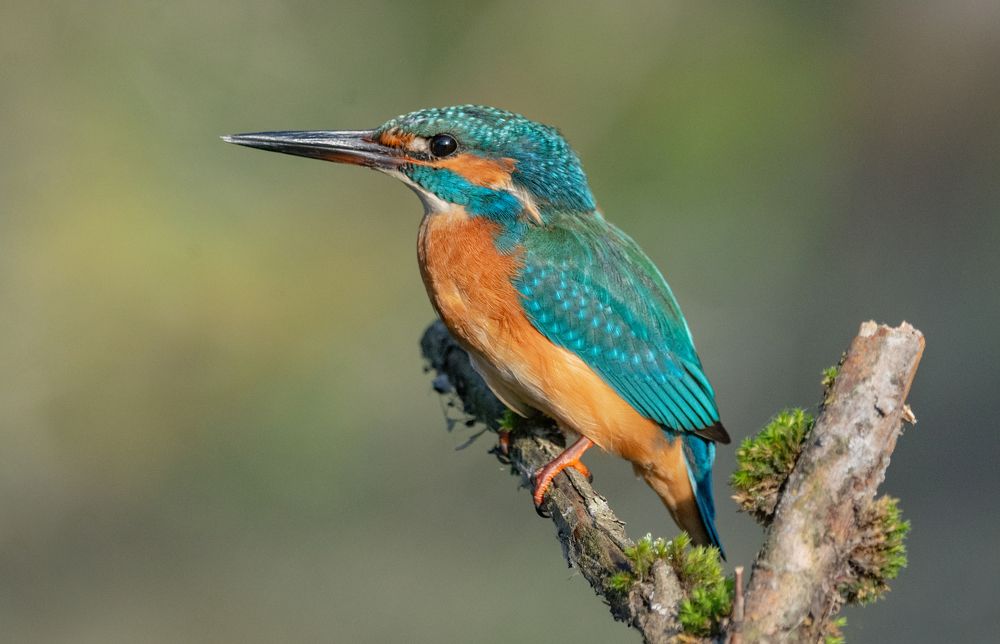
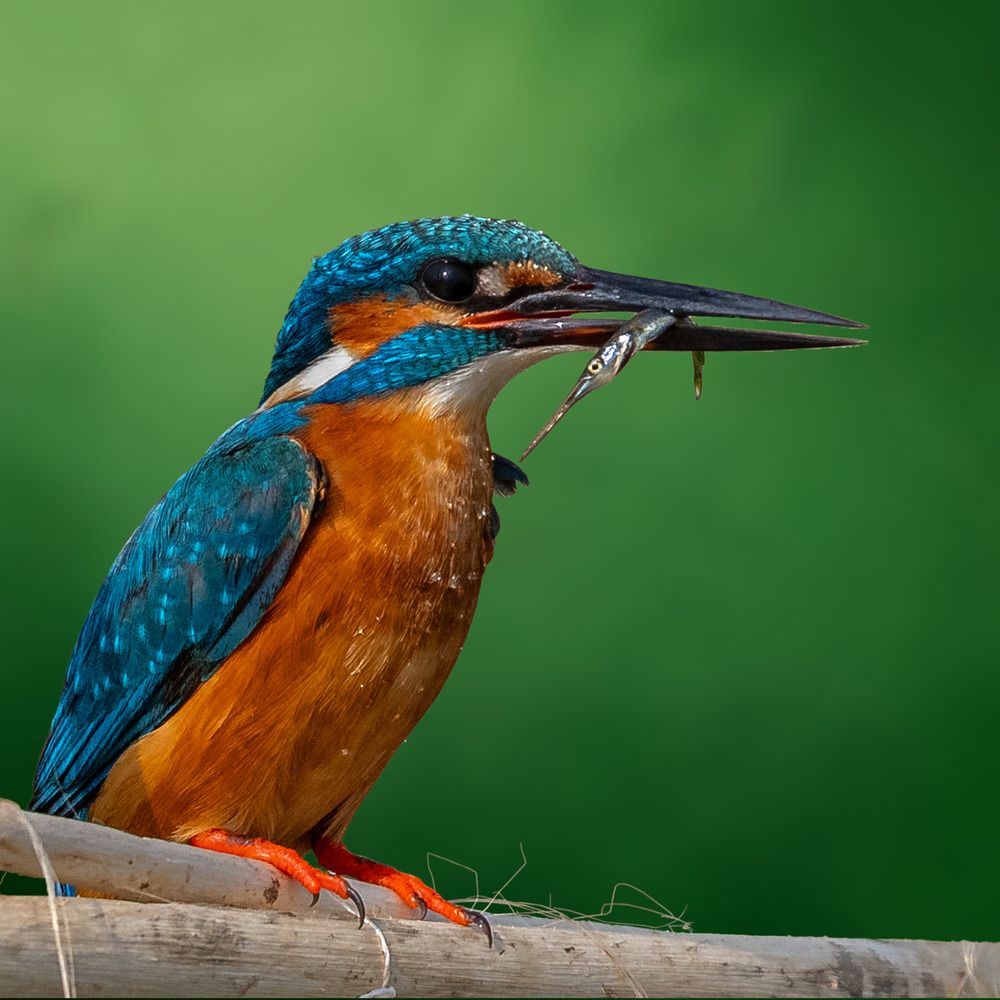
The images feature the common kingfisher perched on branches in various outdoor settings. Photographers are drawn to these birds for their iridescent blue plumage and high-contrast orange underparts, which stand out against natural backgrounds. The collection includes both solitary portraits and a specific behavioral scene involving courtship feeding. These shots were captured using telephoto lenses to isolate the subjects from their surroundings. A shared visual motif is the bird's sharp profile and distinctive long beak.
How to shoot it
📍 Where to shoot
Shooting outdoors, mainly near water bodies (rivers, ponds) where kingfishers hunt and nest. Comments mention the Tula region.
🧭 How to get there
Access to habitats usually does not require special transport; it is enough to reach the river or pond bank on foot or by car, leaving the car in an accessible place. It is important to find a quiet area with branches over the water.
🕐 Time of day
Most shot between 7:00 and 10:00 (41% of frames)
Based on 17 frames with camera data. Camera clock time; the time zone is unknown.
The best time for shooting is morning (7–8 am) and evening (4–5 pm), when bird activity is higher and light is softer. Statistics show a peak of shots exactly during these hours.
🗓️ Season
Most shot in: September, March, June
Based on 17 frames with camera data
Shooting is possible all year round, but most often frames are taken in March, June, August, and September. These months coincide with periods of bird activity and courtship.
🎒 Gear
A telephoto lens with a focal length of 400–600 mm (e.g., 200-600 mm zoom) is necessary for shooting from a safe distance. A tripod is not mandatory, but image stabilization is desirable due to high ISO.
Cameras and lenses the authors used (10)
Sony ILCE-1 3Nikon D500 2Olympus OM-1 2Canon EOS 7D Mark II 1Nikon Z6 1FE 200-600mm F5.6-6.3 G OSS 3OM 100-400mm F5.0-6.3 2Sigma 150-600mm F5-6.3 DG OS HSM | C 2Canon EF 200-400mm f/4L IS USM + 1.4x 1150.0-600.0mm f/5.0-6.3 1
🧳 What to bring
Warm clothing and shoes for long waiting on the bank, spare batteries (high ISO quickly drains the battery), rain cover for equipment, insect repellent.
⚙️ Settings
Shutter 1/1250 (1/2500 – 1/250)Aperture f/6.3 (f/5.6 – f/7.1)ISO 2500 (450 – 6400)Focal length 600 mm (400 – 600)
Based on 16 frames with camera data. Median and 10-90% range across the idea frames.
The key parameter is shutter speed: freeze motion at 1/500 s or faster (median 1/1250 s). Aperture f/5.6–f/7.1, ISO can be increased to 2500–6400 to maintain sharpness.
⚠️ Good to know
Shooting requires adherence to wildlife ethics: do not approach nesting sites and do not scare birds to avoid disrupting their natural behavior. Kingfishers are cautious birds, so it is important to use camouflage clothing colors and remain silent while waiting.
📈 How the idea developed
works uploadedshare of all site uploads, per 100k
The date is when the file was uploaded to the site. The chart counts works assigned to the idea.
✅ How to repeat it
- Look for riverbank areas with branches or logs protruding above the water – these are typical hunting and courtship spots for kingfishers.
- Watch for the moment of prey transfer from male to female; this ritual occurs during pair formation and provides a unique subject.
- Use continuous shooting, as bird movements during hunting or feeding are very fast and require precise timing.
✨ Interesting facts
- 🏆 How the best frame was shot: Sony ILCE-1, FE 200-600mm F5.6-6.3 G OSS, 1/2500, f/5.6, ISO 5000, 280 mm
- 🌃 63% of authors used ISO 1600 and above: you will need a fast lens and a low-noise camera
- 📐 73% of frames are landscape orientation
- 🥇 3 works reached the finals. Best contest: Blue + Green 2026
- 👤 Most frequent authors: Дорн Оксана 3Daniela Retzer 3Вячеслав Ладанов 2
- 🌍 Authors by country: 🇩🇪 DE 6🇷🇺 RU 5🇮🇳 IN 3🇵🇱 PL 2🇻🇳 VN 1
Some tips are prepared by AI from the idea description, photos and their EXIF. Check the rules and access to places before you travel.
Works
These lists are generated automatically and may contain inaccuracies. Photos are shown in random order, and selections are refreshed twice a day. This section is made for exploring photos and does not claim 100% accuracy. The lists include photos that previously participated in contests that are already completed.