Cicada Emergence
25 worksFirst upload: Feb 2019Peak: 2025Last 12 months: 4
📝 Description
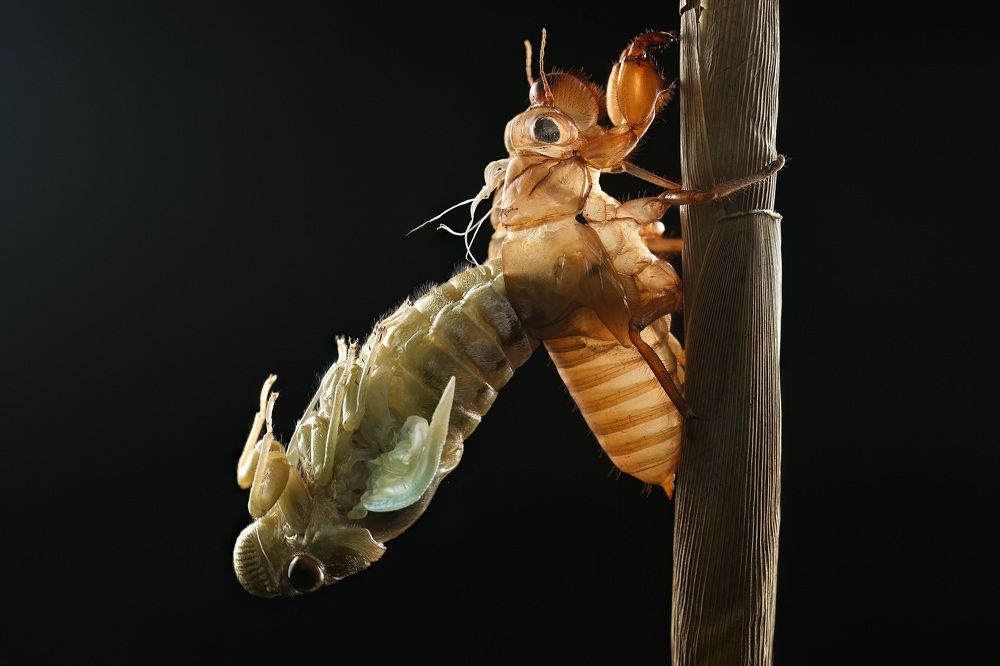
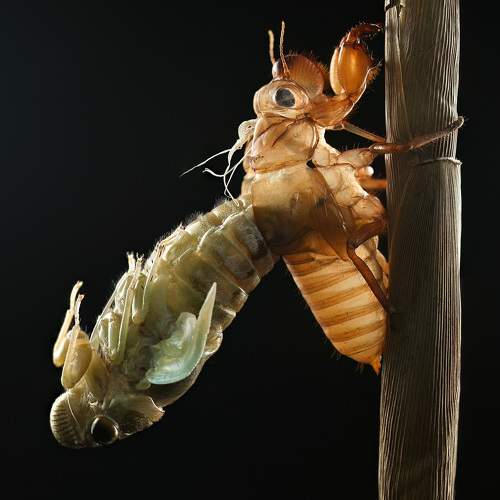
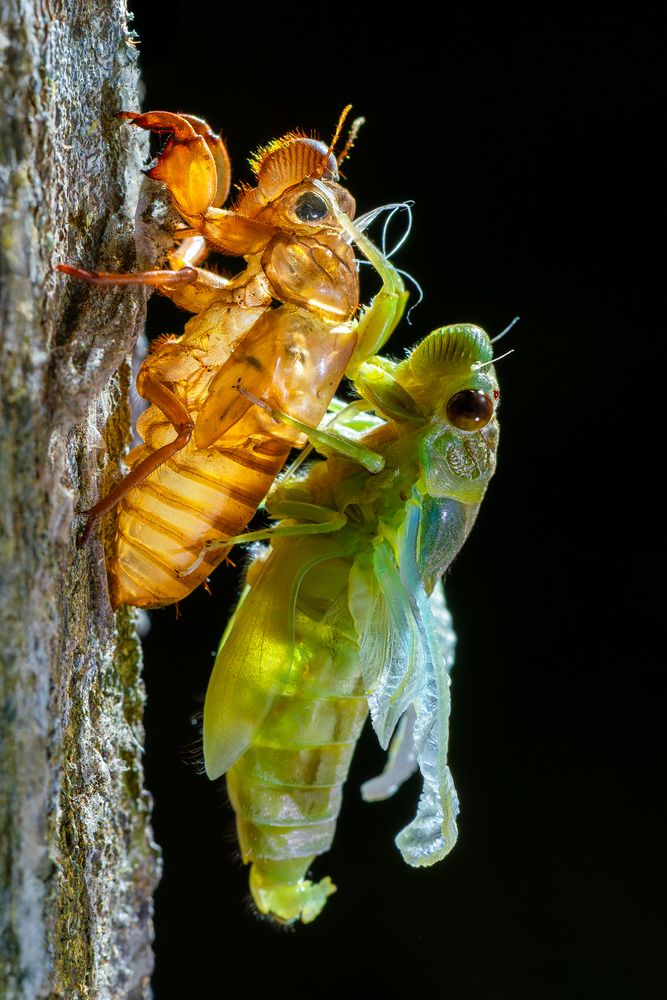
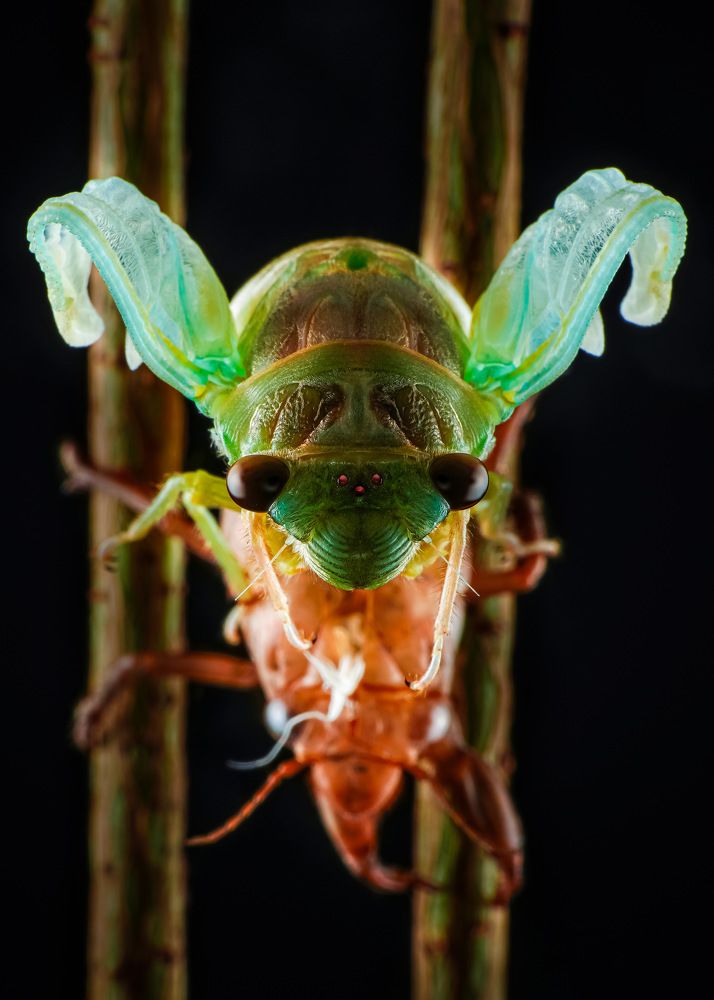
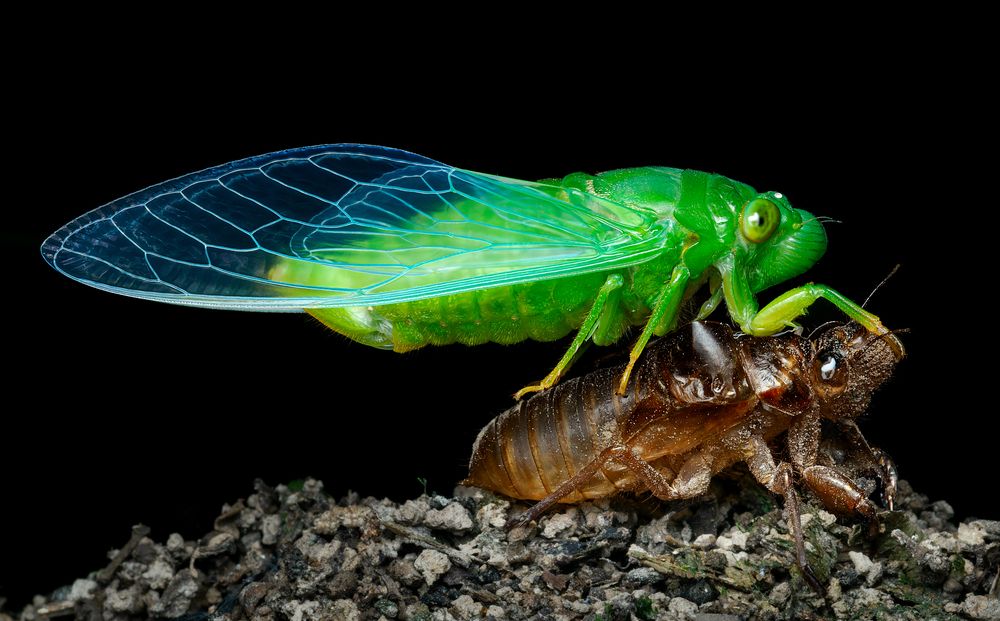
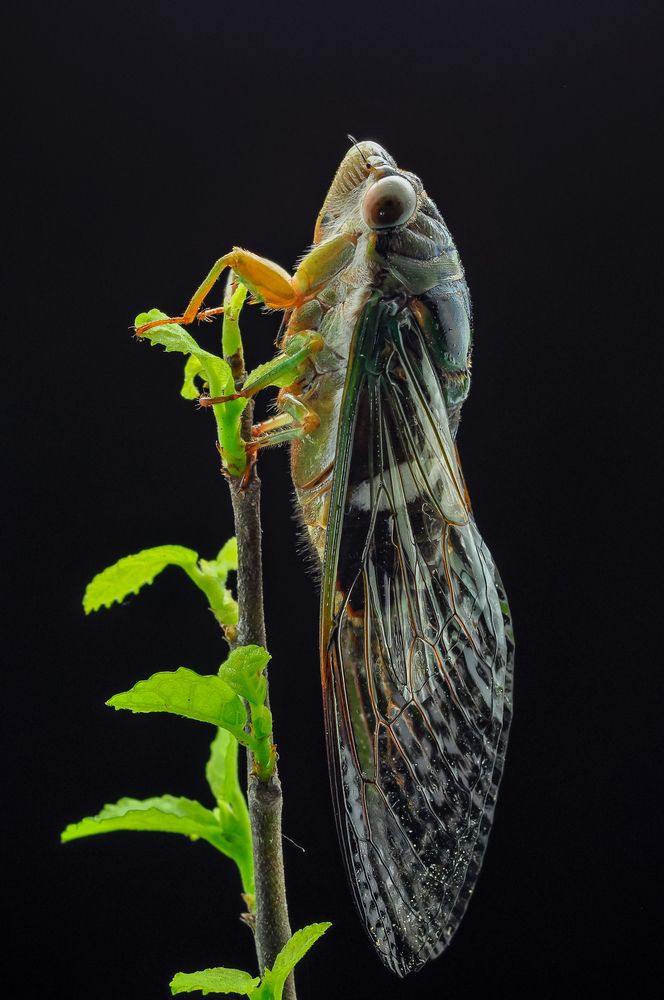
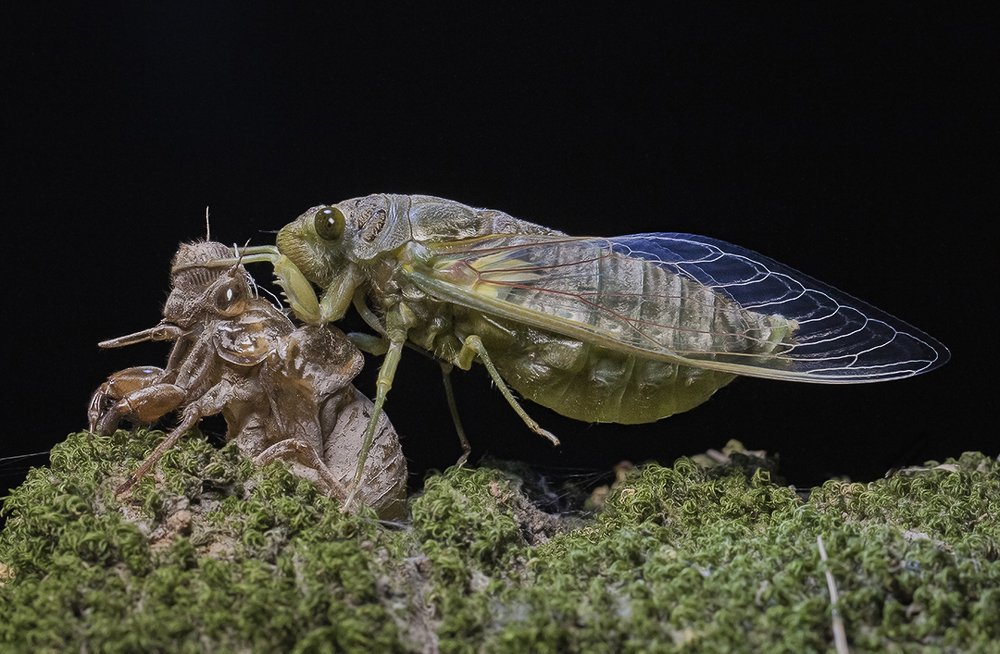
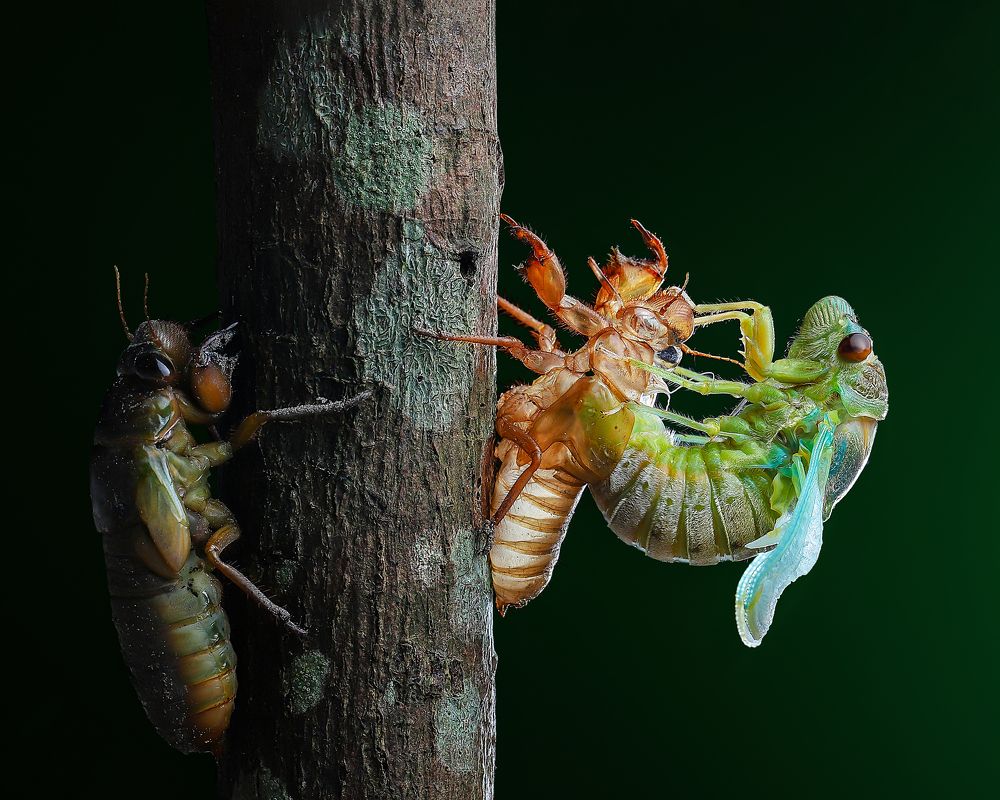
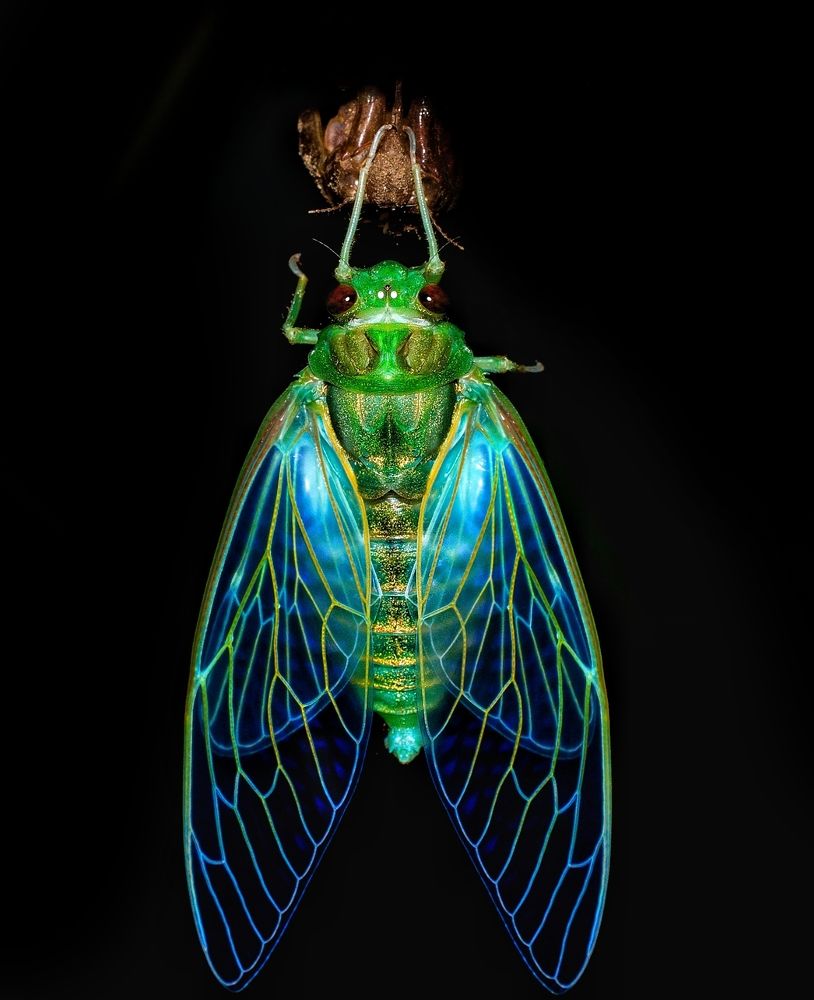
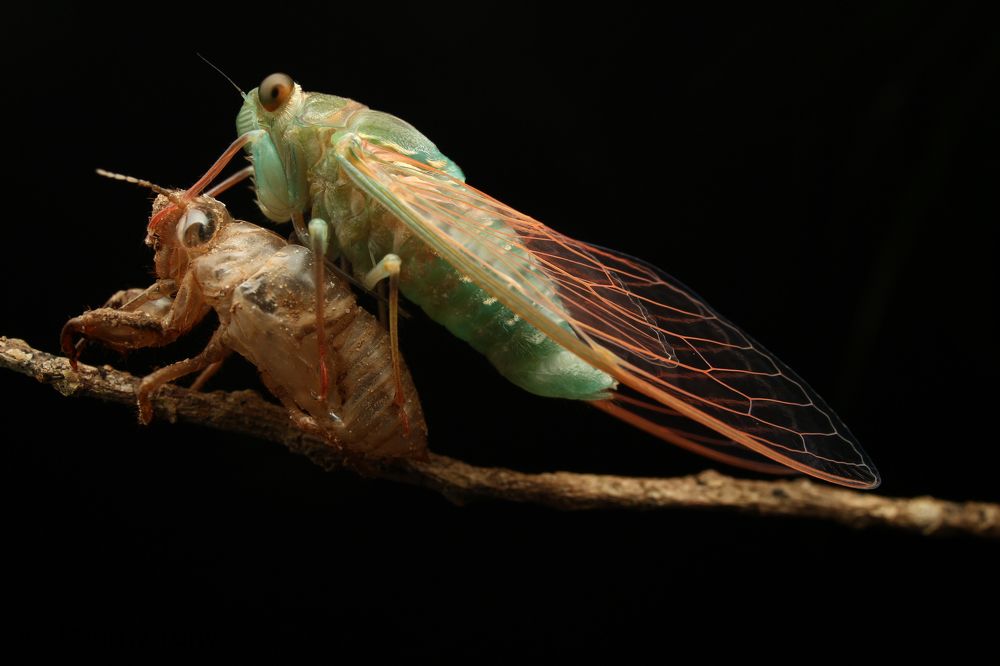
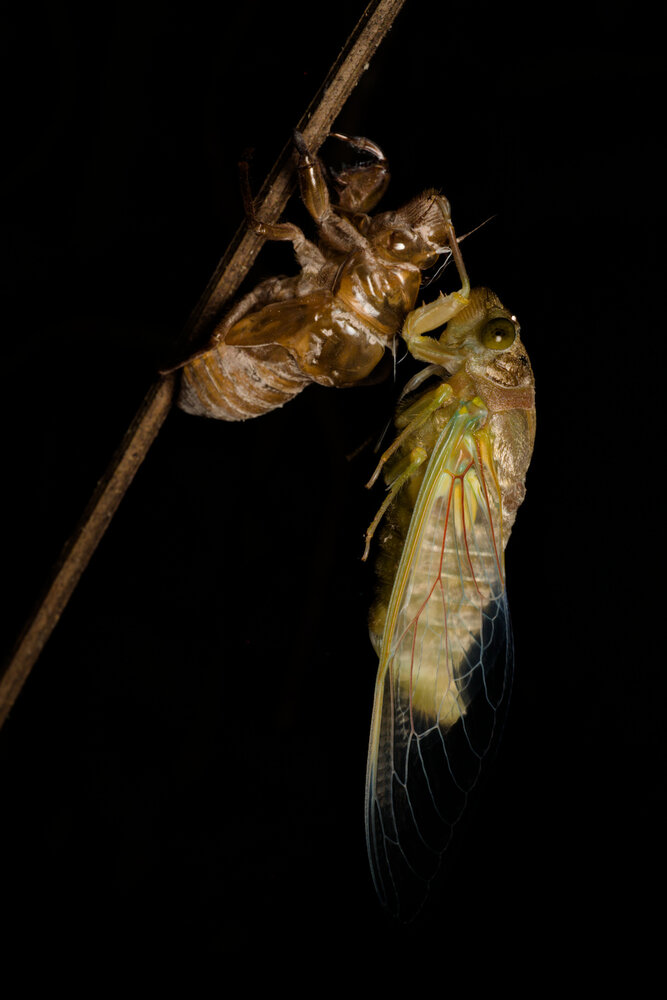
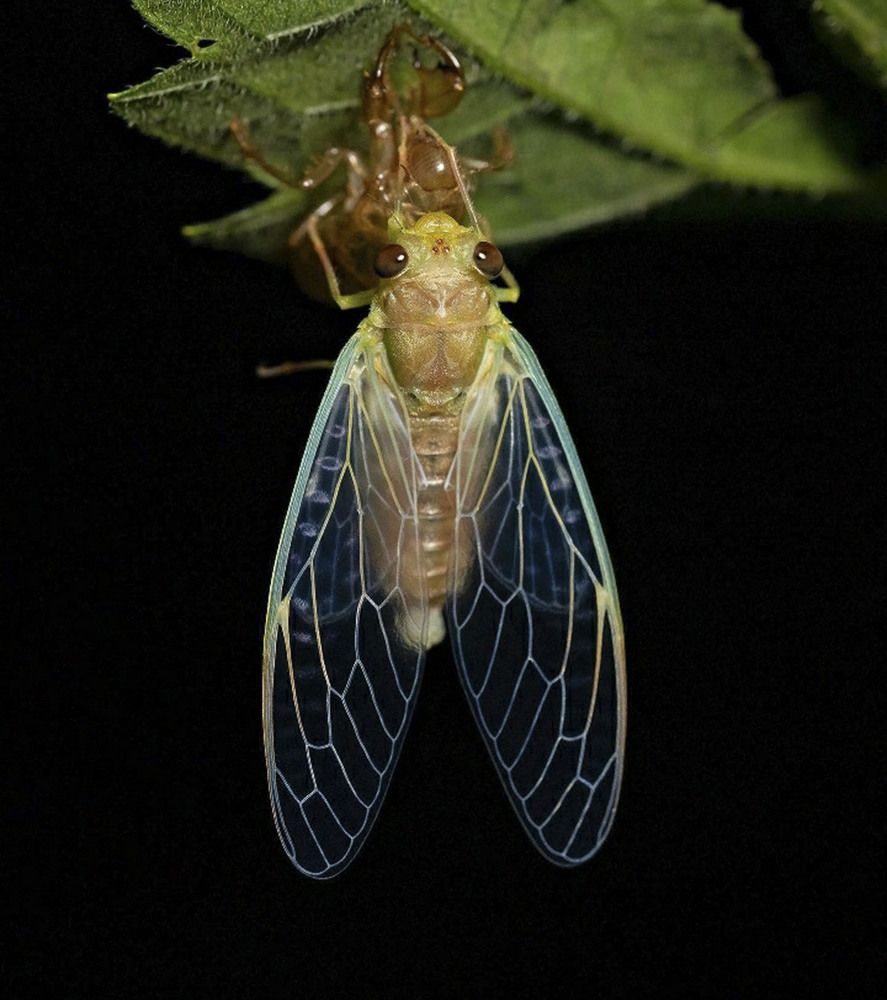
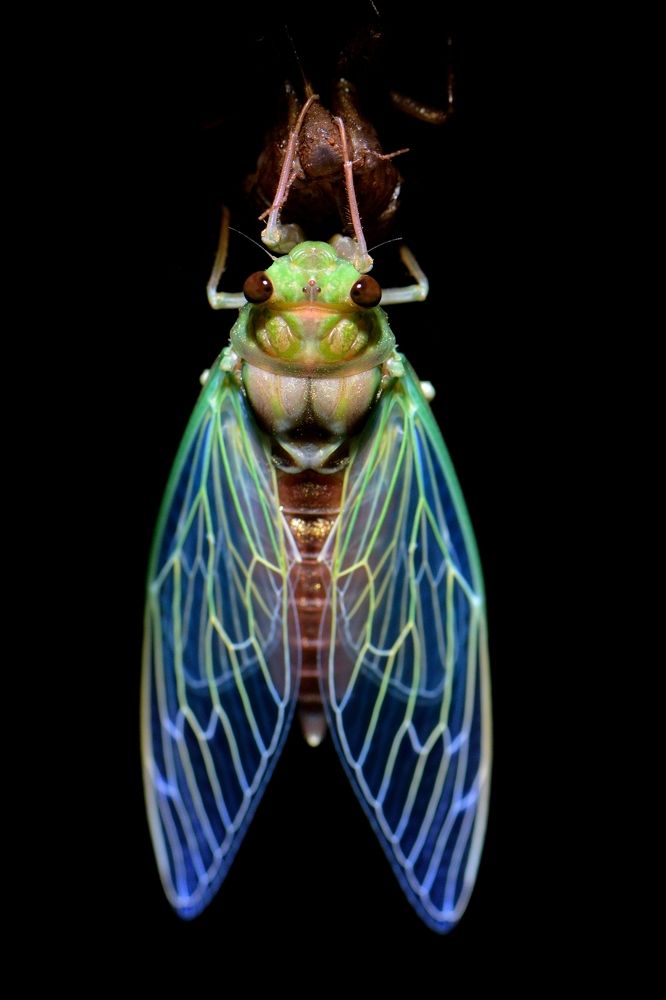
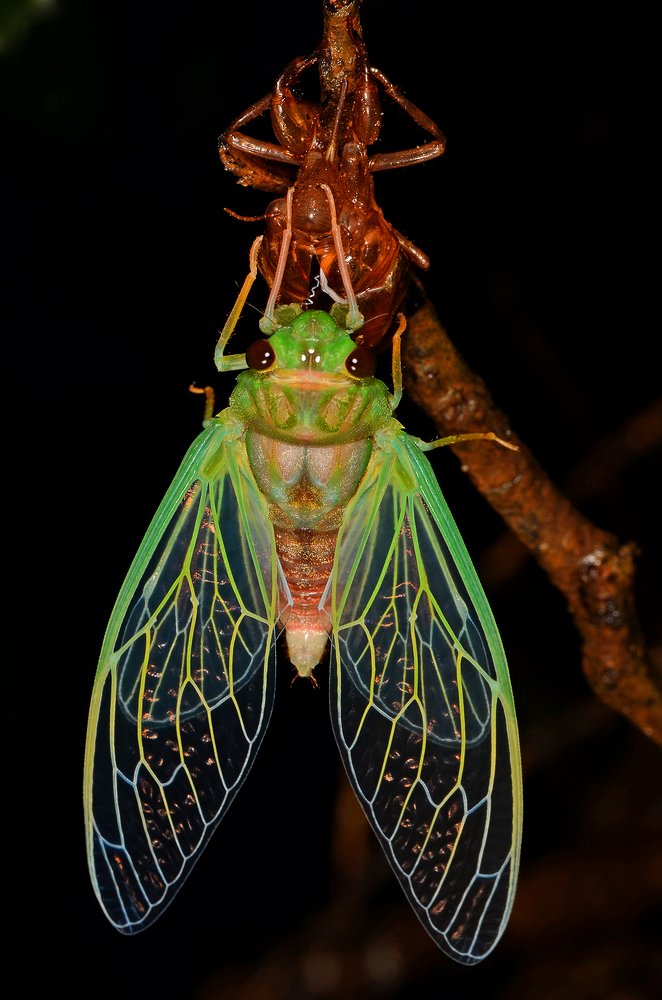
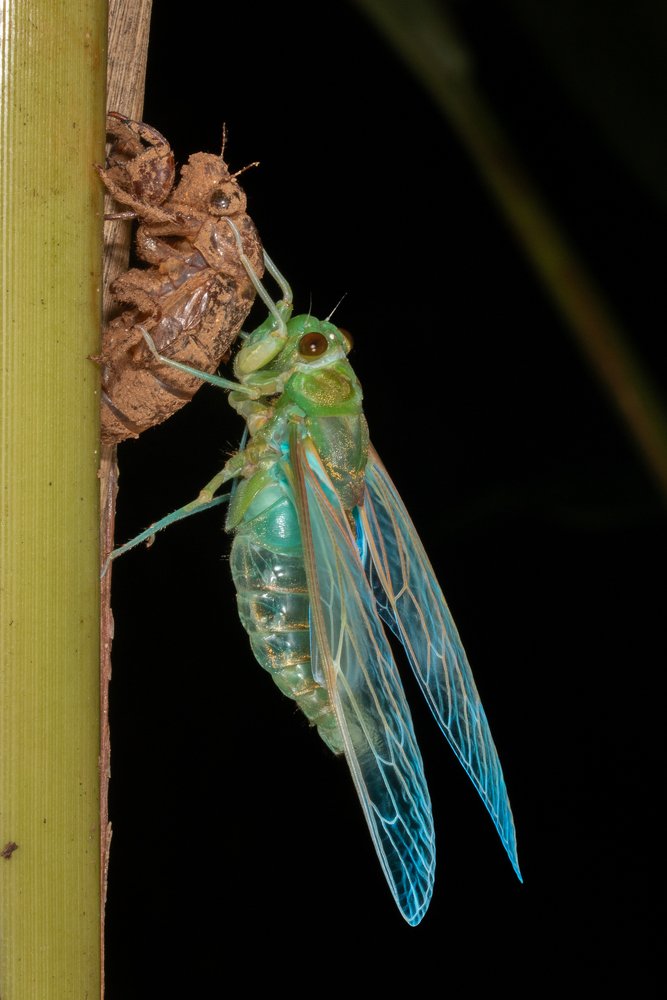
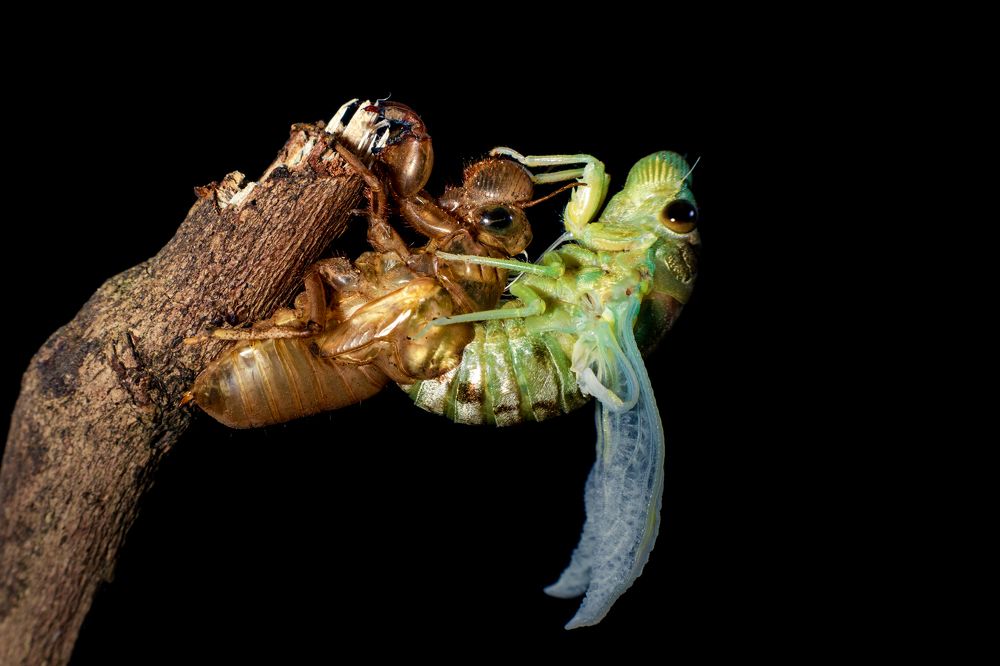
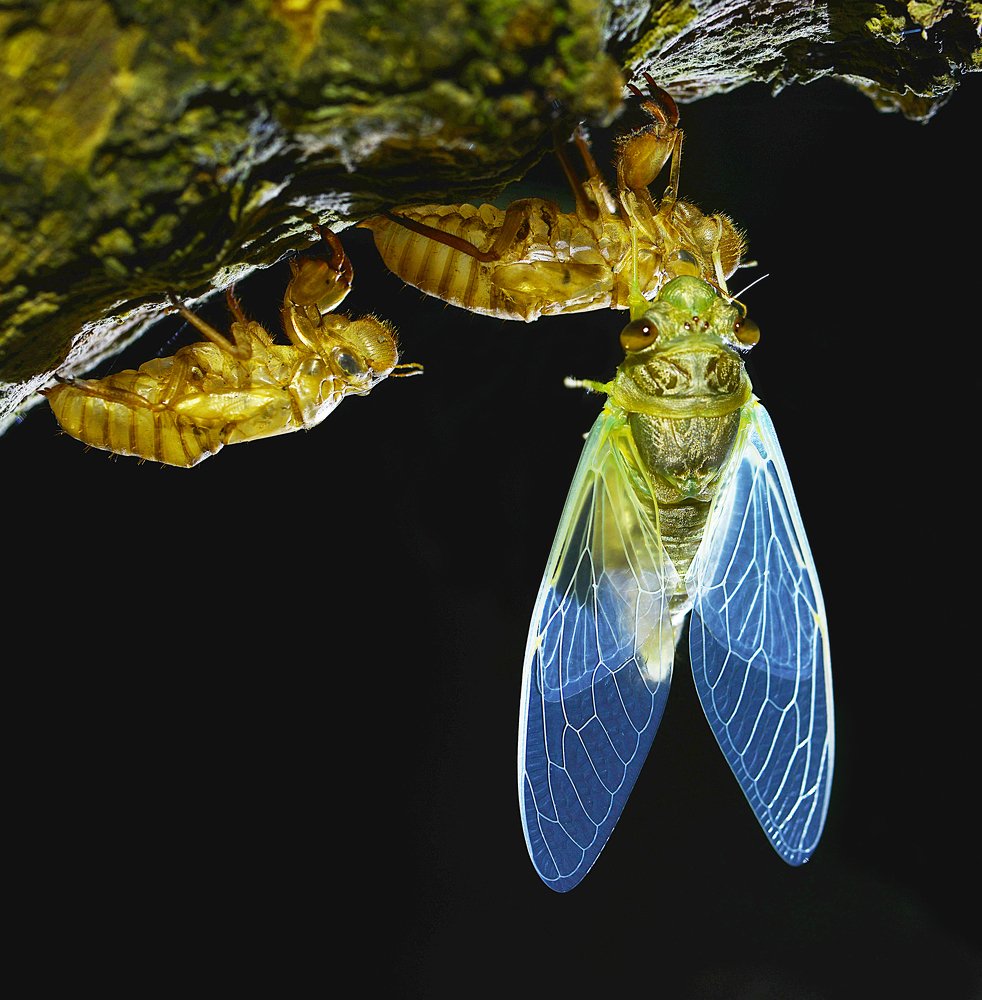
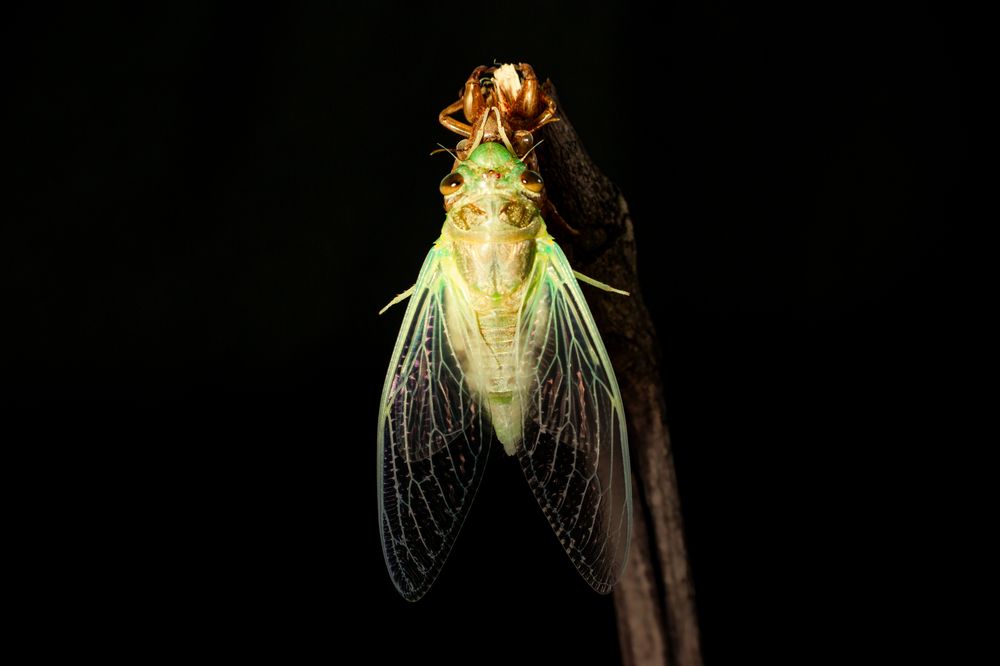
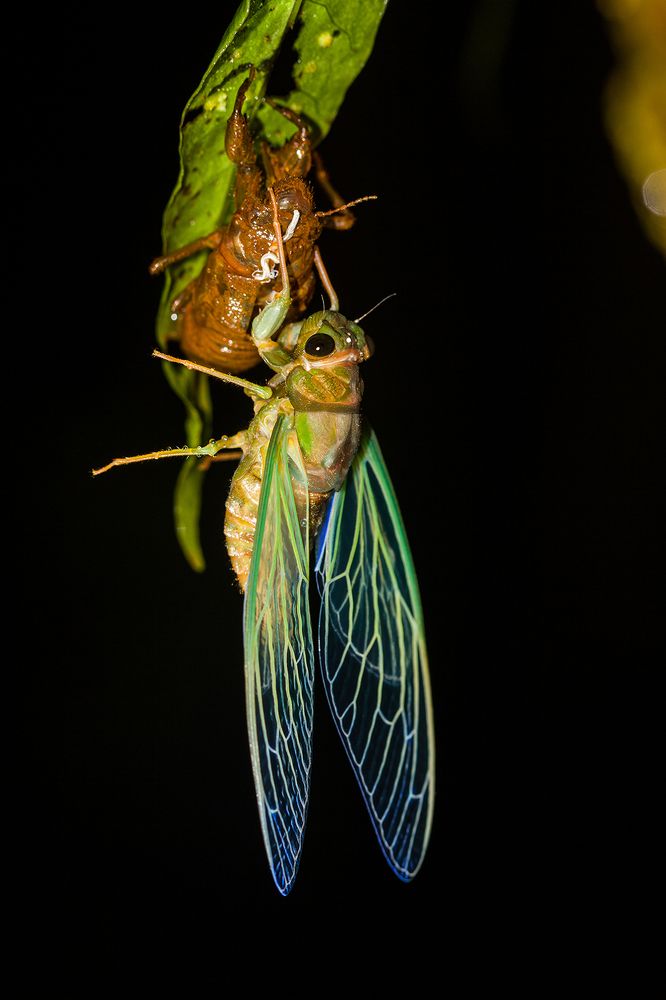
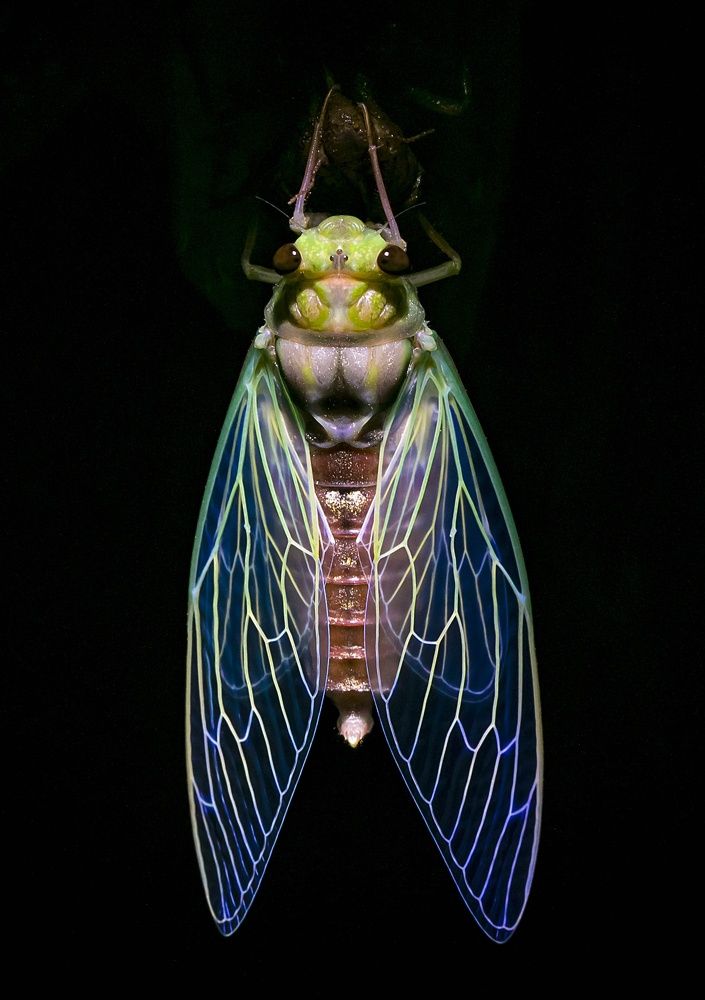
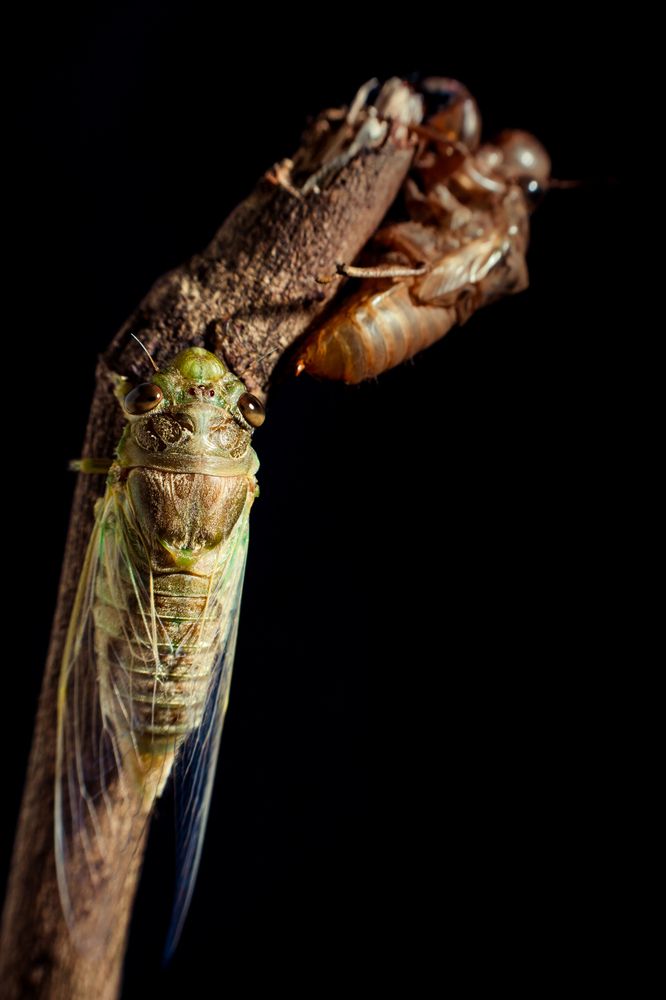
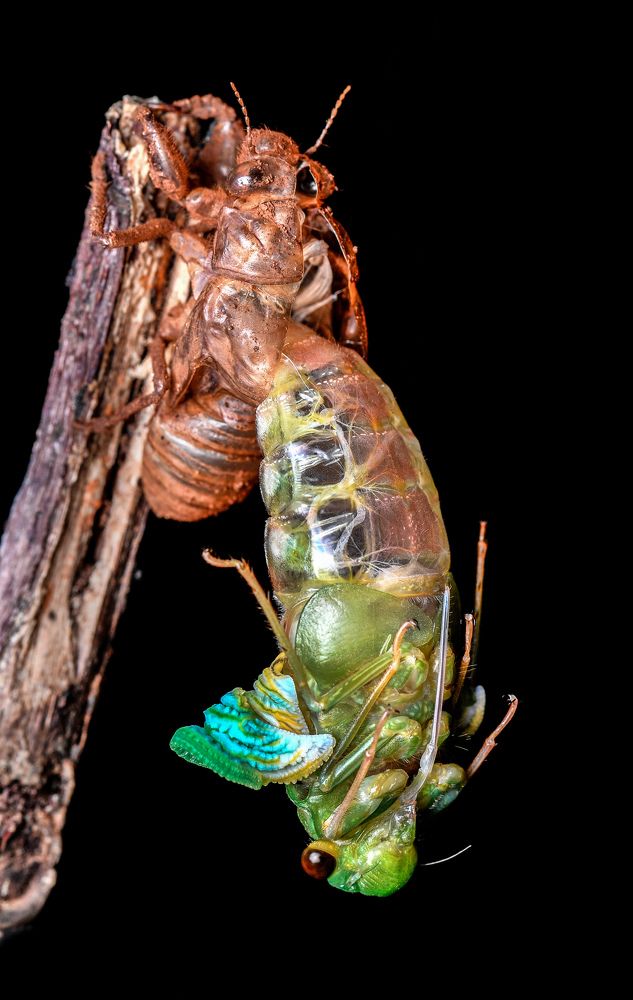
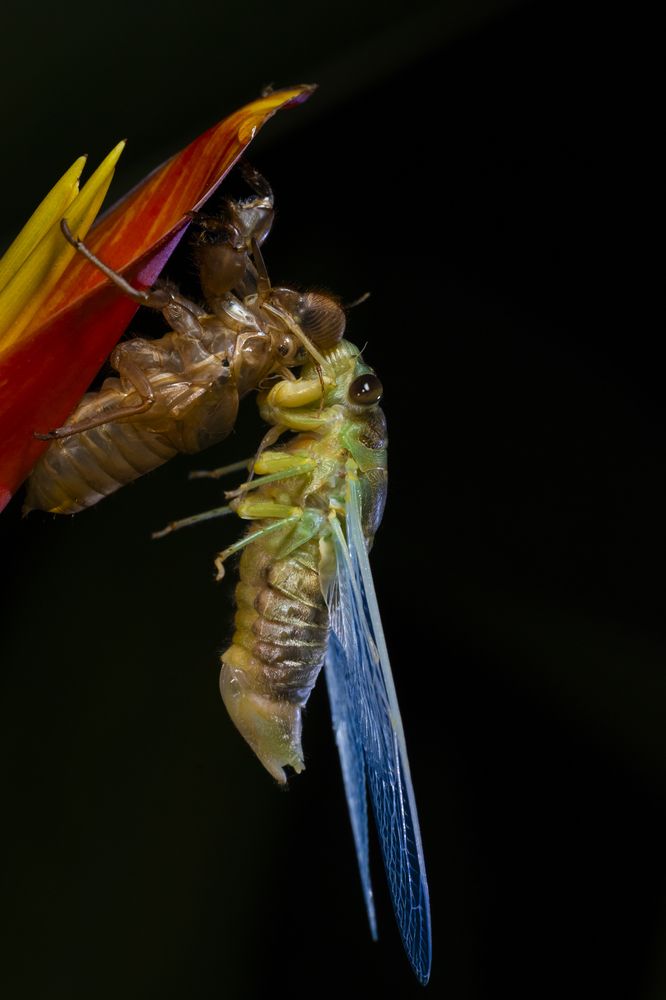
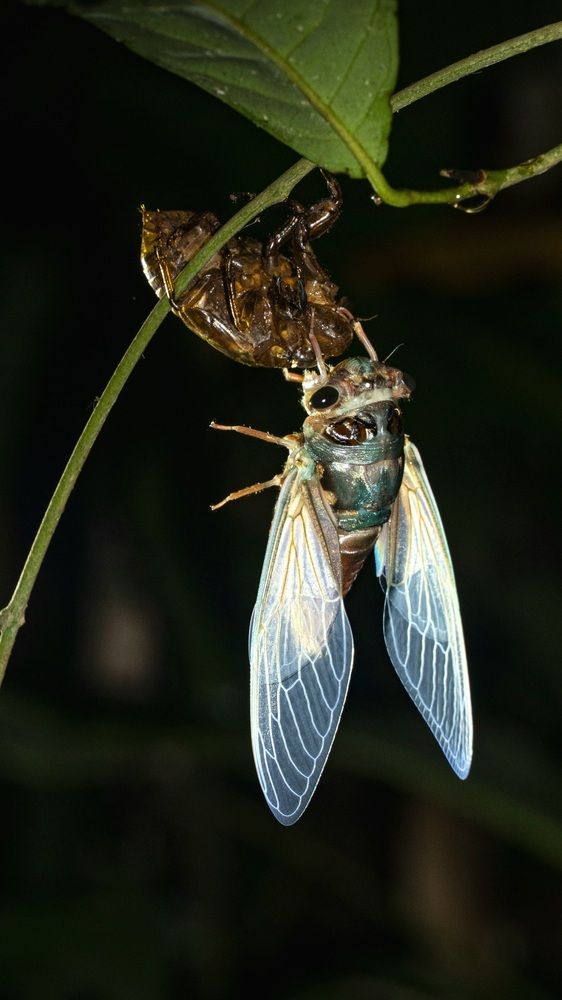
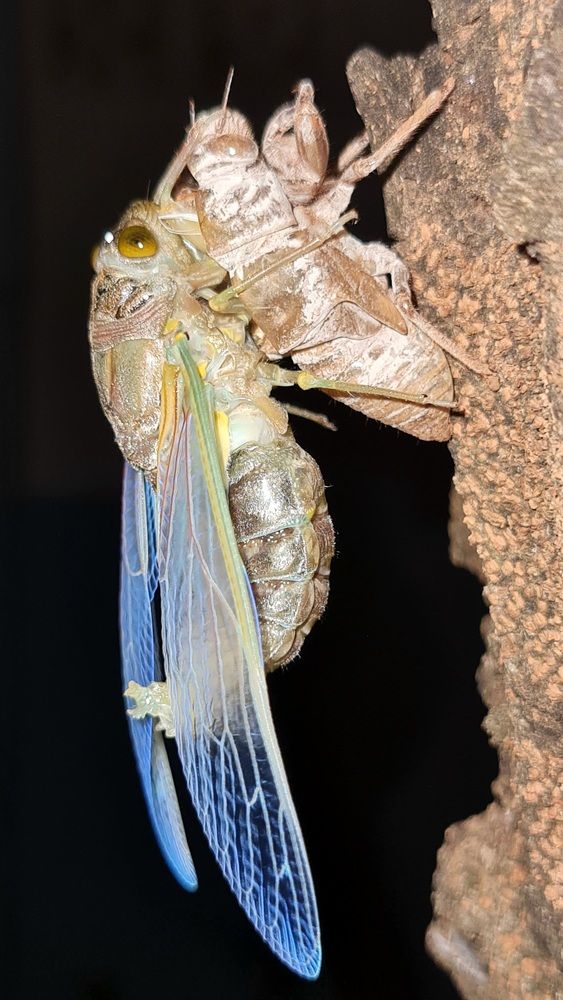
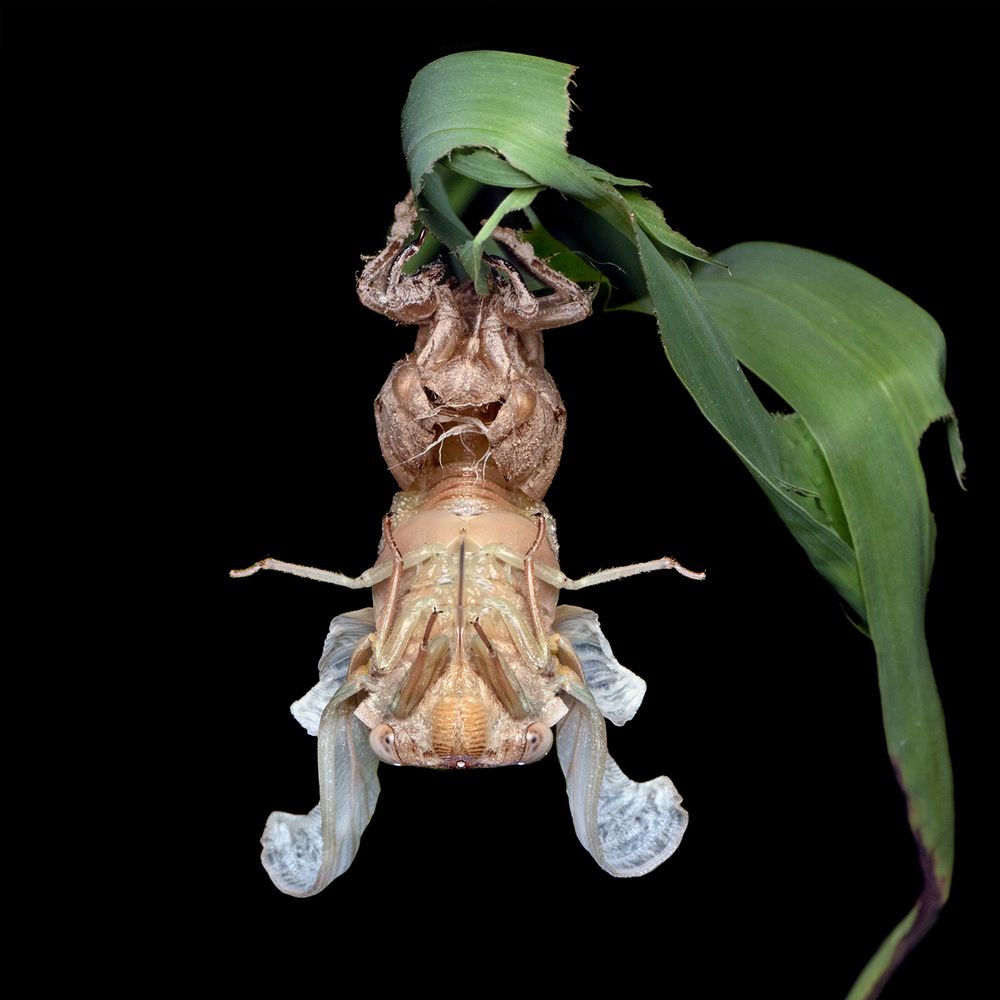
The images document the emergence of cicadas from their exoskeletons. Photographers are drawn to this biological event for its vivid coloration and delicate structural details. The subjects display translucent wings with intricate venation patterns against dark backgrounds. Some shots capture the insects clinging vertically to tree bark or stems, while others present them in a frontal orientation.
The emergence typically occurs during warmer months, often at night when humidity is high. This molting process allows the insect to transition from its nymph stage to a winged adult. The visual contrast between the pale green body and the brown, discarded shell highlights the transformation.
How to shoot it
📍 Where to shoot
Shooting takes place outdoors in tropical regions of Asia, including India and Vietnam. Most shots are taken in jungles or forested areas.
🕐 Time of day
Most shot between 20:00 and 23:00 (89% of frames)
Based on 19 frames with camera data. Camera clock time; the time zone is unknown.
Shooting is primarily conducted at night, usually between 19:00 and 22:00. Molting occurs in the dark, allowing the use of artificial light to illuminate the insect's delicate body against a dark background.
🗓️ Season
Most shot in: August, May, April
Based on 19 frames with camera data
The active season falls in spring and summer, with peak activity from April to August. During this period, cicadas emerge en masse from the ground in tropical Asia and begin molting.
🎒 Gear
Use a macro lens with a focal length of 90–105 mm (median 90 mm) for detail. Aperture f/14 provides sufficient depth of field; shutter speed ~1/125 s (median 0.008 s) freezes motion.
Cameras and lenses the authors used (10)
Canon EOS 7D Mark II 2Nikon D7100 1Sony ILCE-6000 1OM System OM-1MarkII 1Samsung SM-N981B 1Canon EF 100mm f/2.8L Macro IS USM 4AF-S VR Micro-Nikkor 105mm f/2.8G IF-ED 2AF-S Micro Nikkor 60mm f/2.8G ED 1Tamron SP 90mm f/2.8 Di VC USD 1:1 Macro (F017) 1Tamron SP 90mm f/2.8 Di VC USD Macro 1:1 (F017) 1
🧳 What to bring
Flashlight or flash for illumination in the dark, insect repellent, comfortable footwear for tropical terrain, spare batteries, and a rain cover for equipment. Clothing should protect against moisture and bites.
⚙️ Settings
Shutter 1/125 (1/250 – 1/60)Aperture f/14 (f/7.1 – f/20)ISO 200 (64 – 800)Focal length 90 mm (50 – 105)
Based on 16 frames with camera data. Median and 10-90% range across the idea frames.
Key parameter is aperture f/14 (range f/7.1–f/20) for maximum detail of wings and body. ISO 200 (median) allows short shutter speeds without noise.
⚠️ Good to know
Molting takes several hours: after emerging from the pupal case, the body must dry and harden, so the subject remains still and safe to shoot. Use focus stacking or burst mode to capture the entire transformation process in a single frame.
📈 How the idea developed
works uploadedshare of all site uploads, per 100k
The date is when the file was uploaded to the site. The chart counts works assigned to the idea.
✅ How to repeat it
- Look for vertical plant surfaces where cicadas typically attach for molting.
- Illuminate the translucent wings from the side or back to reveal bright green and blue hues against a dark background.
✨ Interesting facts
- 🏆 How the best frame was shot: Sony ILCE-7RM4, E 35-150mm F2.0-F2.8 A058, 1/125, f/18, ISO 64, 77 mm
- 🔇 74% of frames were shot at ISO 400 or lower: almost no noise, any modern camera will do
- 🥇 3 works reached the finals. Best contest: Macro: Duet 2026
- 👤 Most frequent authors: QUANG THOI HUA 3Tran The Ngoc 2
- 🌍 Authors by country: 🇻🇳 VN 10🇮🇳 IN 7🇴🇲 OM 1🇦🇷 AR 1🇲🇾 MY 1
Some tips are prepared by AI from the idea description, photos and their EXIF. Check the rules and access to places before you travel.
Works
These lists are generated automatically and may contain inaccuracies. Photos are shown in random order, and selections are refreshed twice a day. This section is made for exploring photos and does not claim 100% accuracy. The lists include photos that previously participated in contests that are already completed.