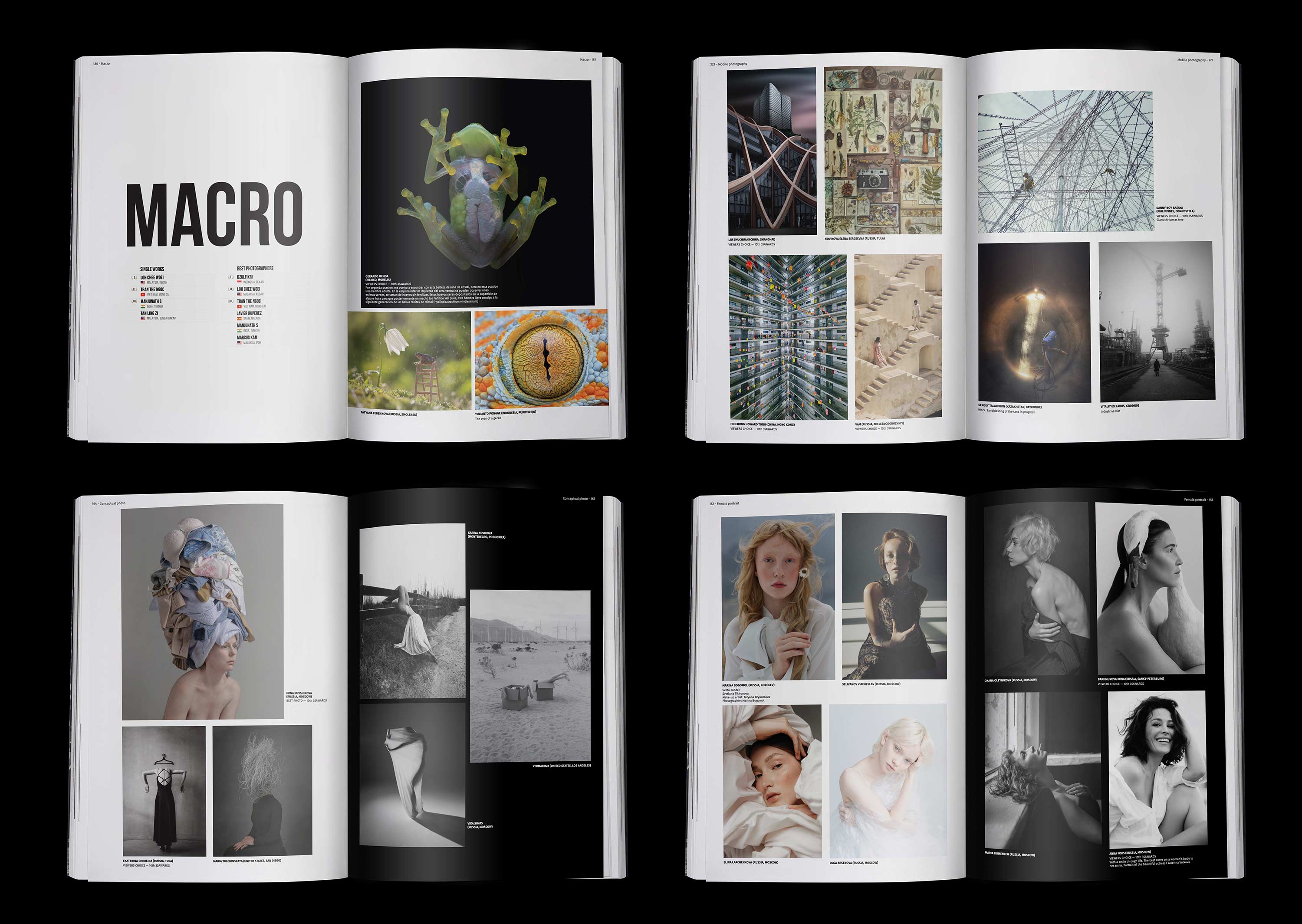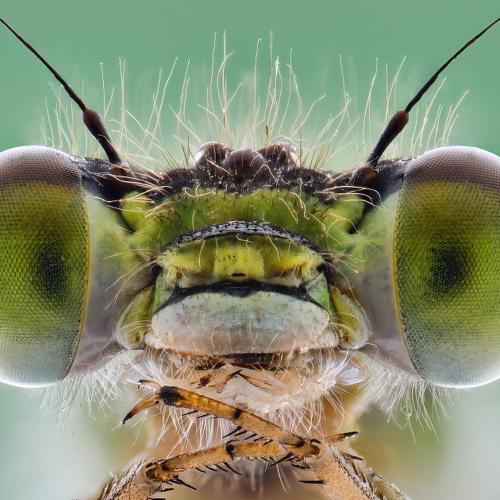
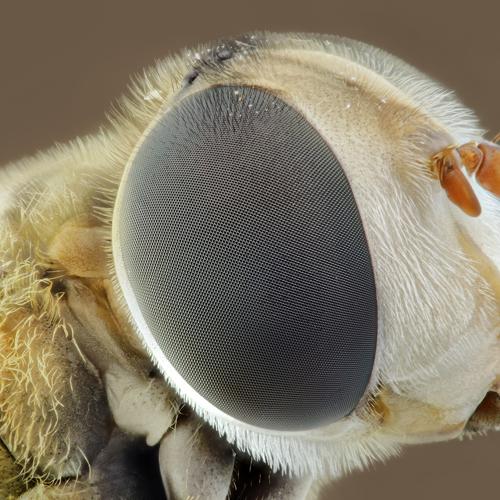
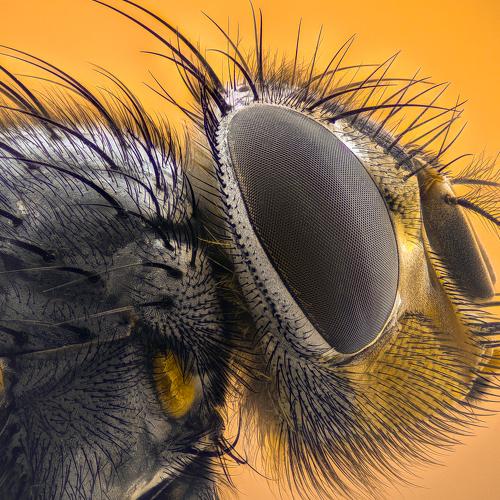
Dragonfly Head Macro Portraits
27 worksFirst upload: Feb 2019Peak: 2024Last 12 months: 2
📝 Description
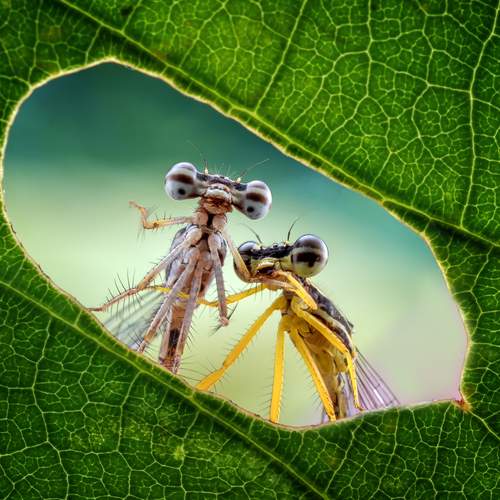
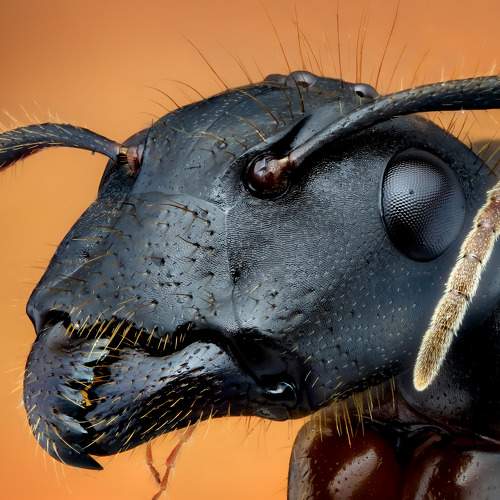
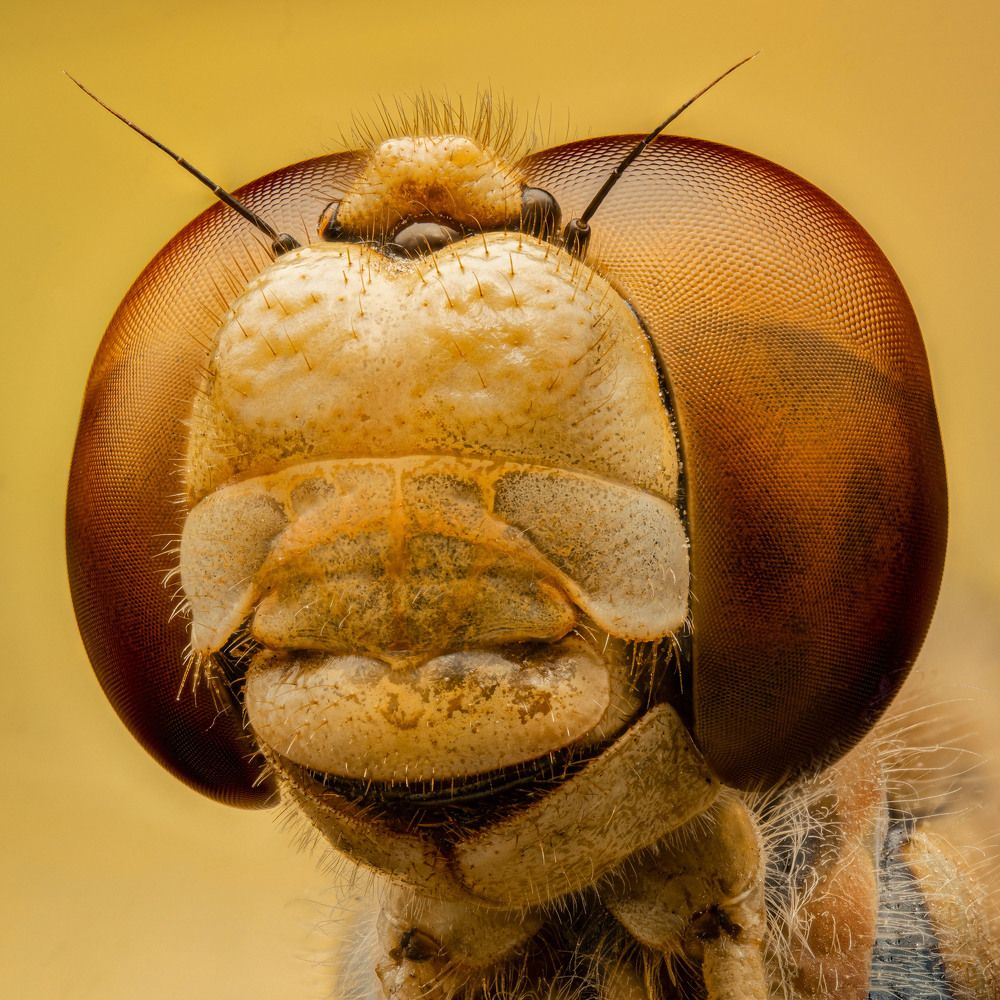
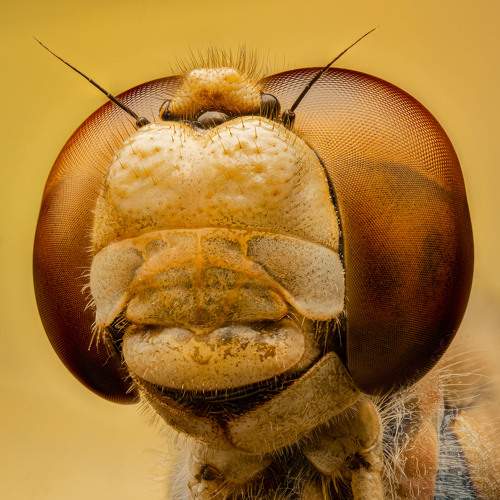
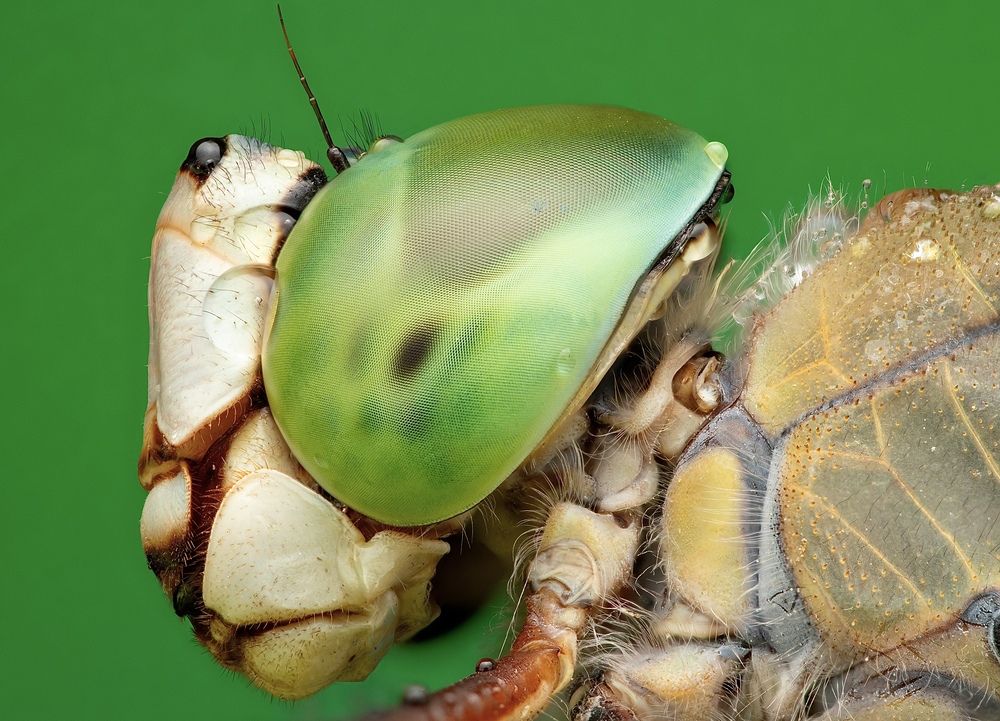
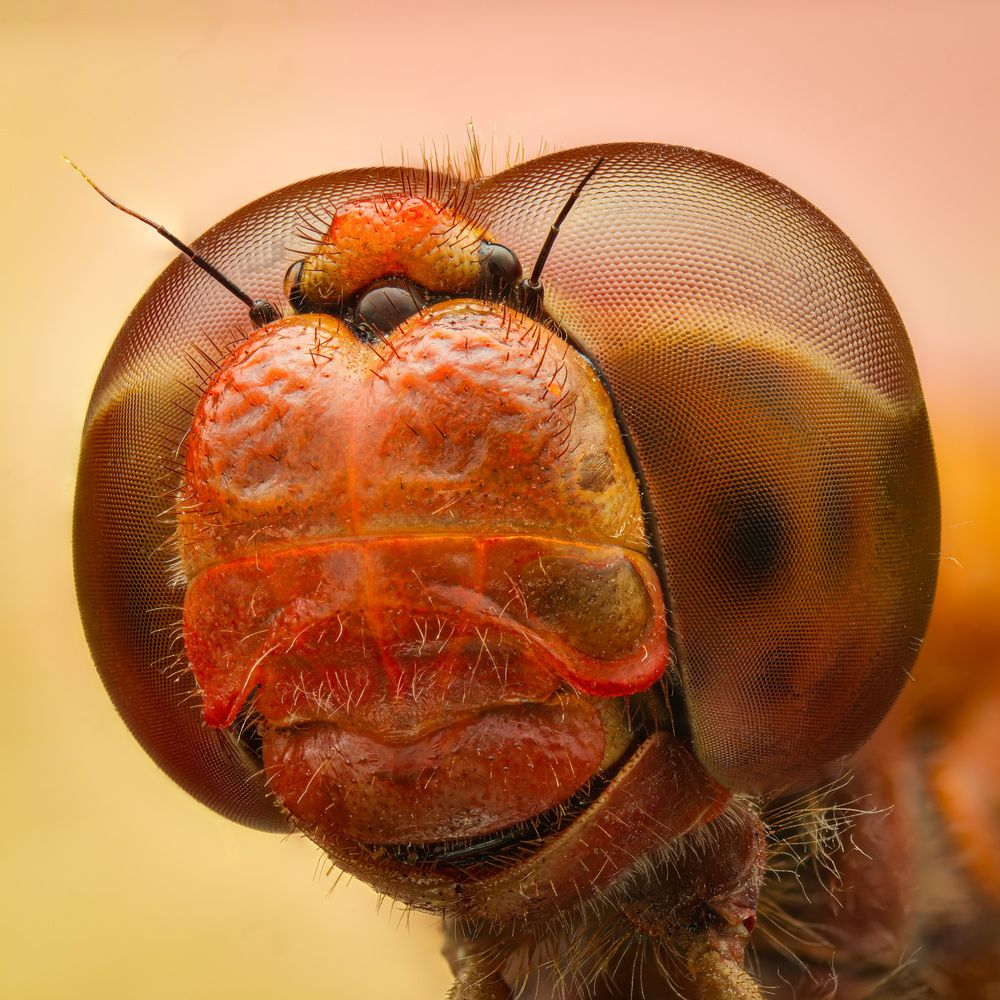
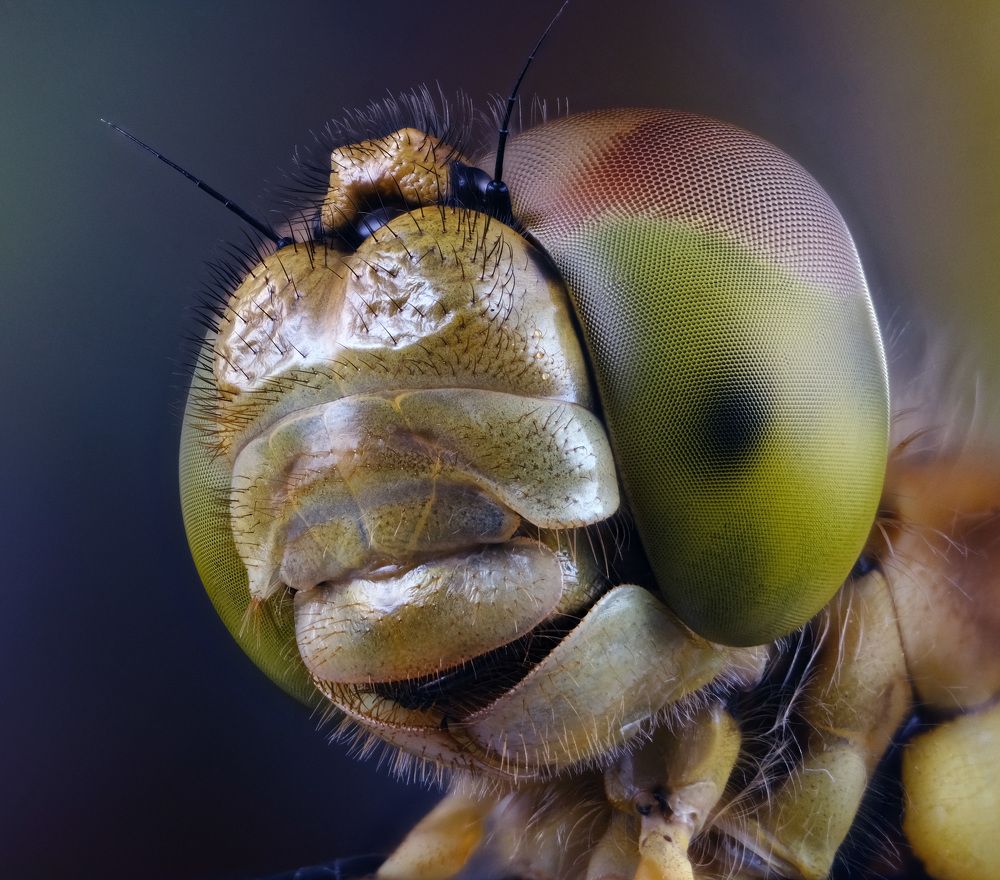
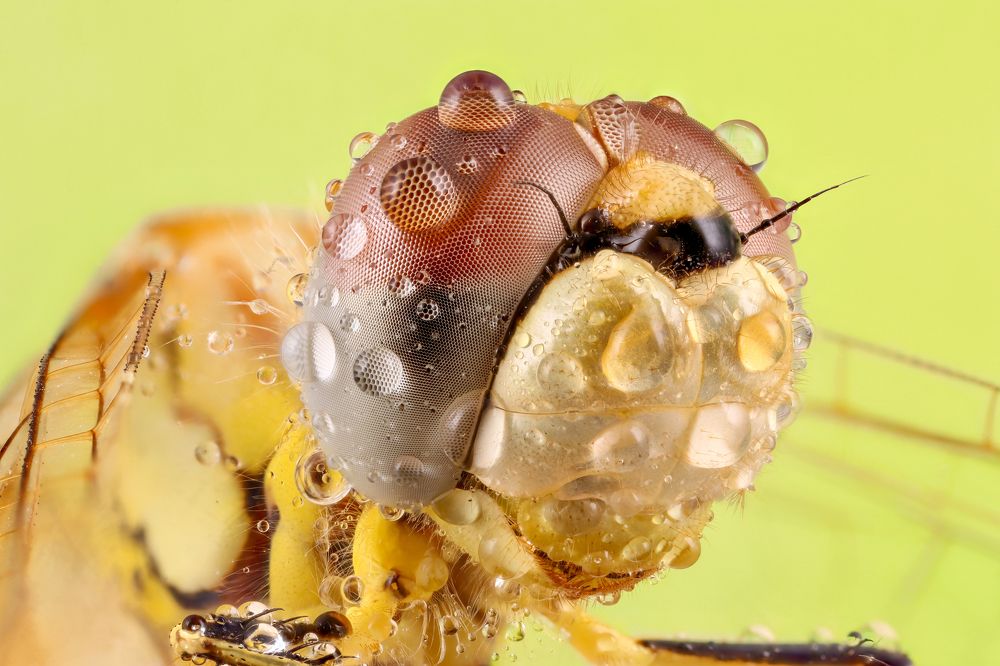
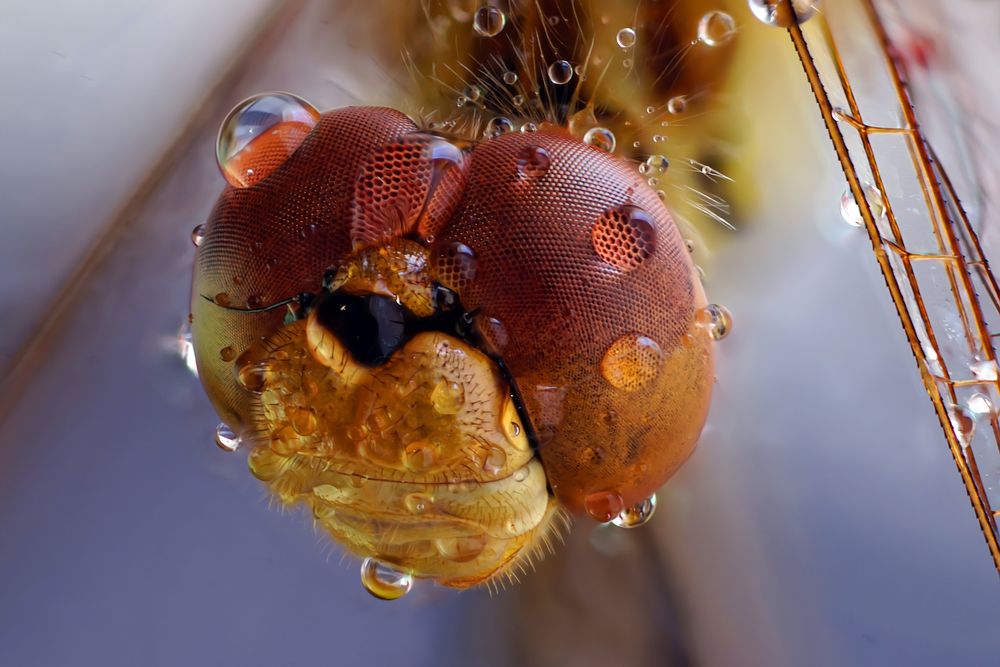
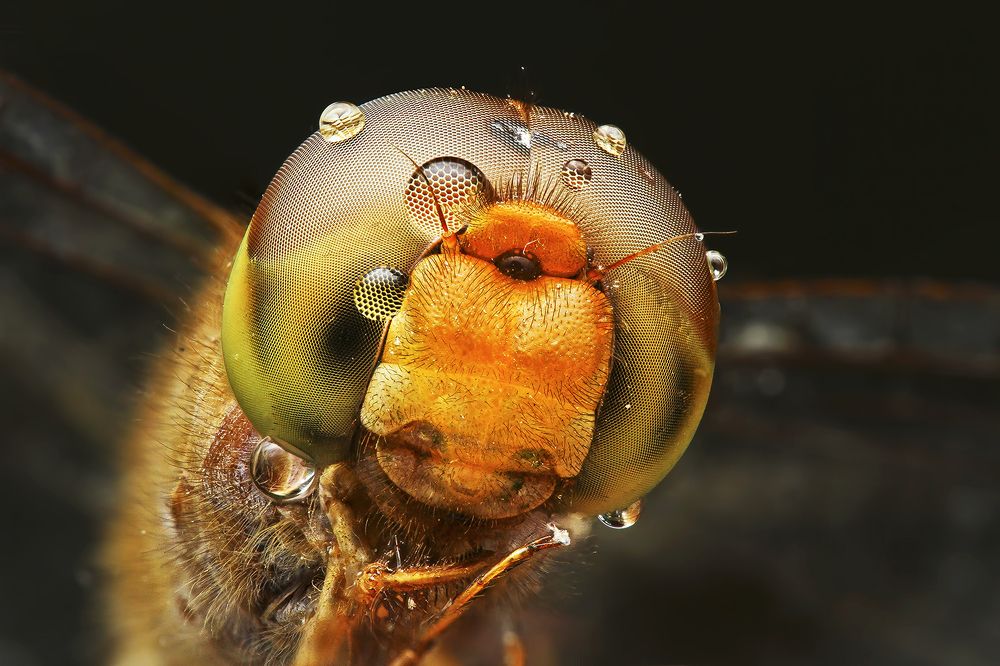
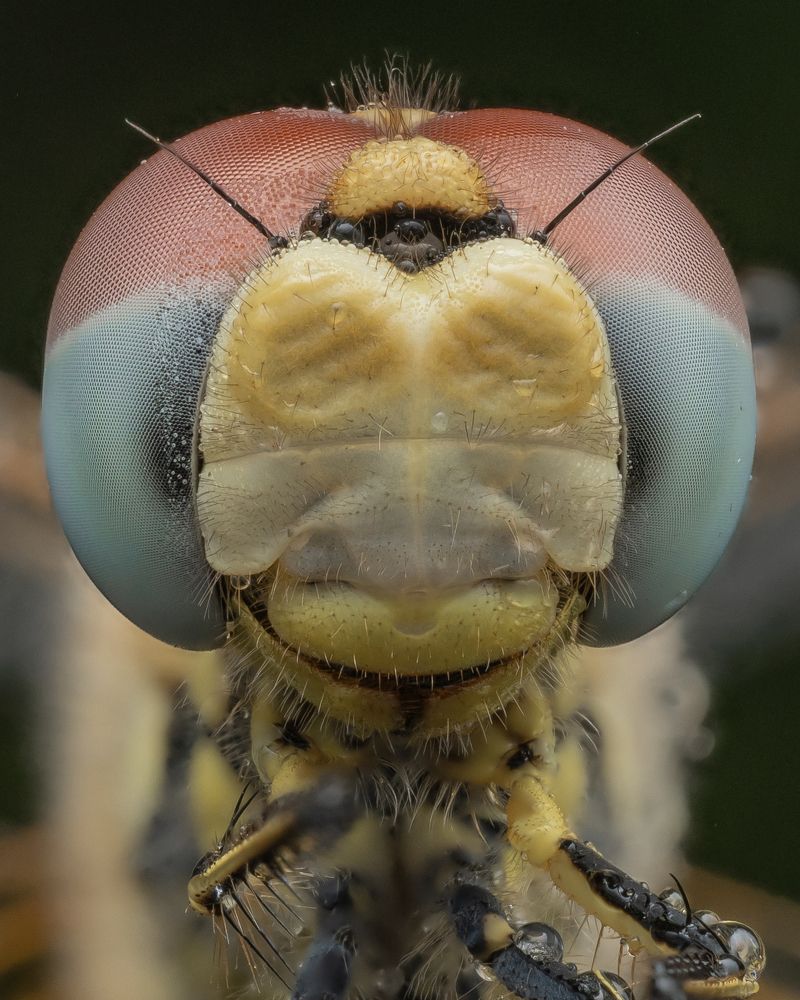
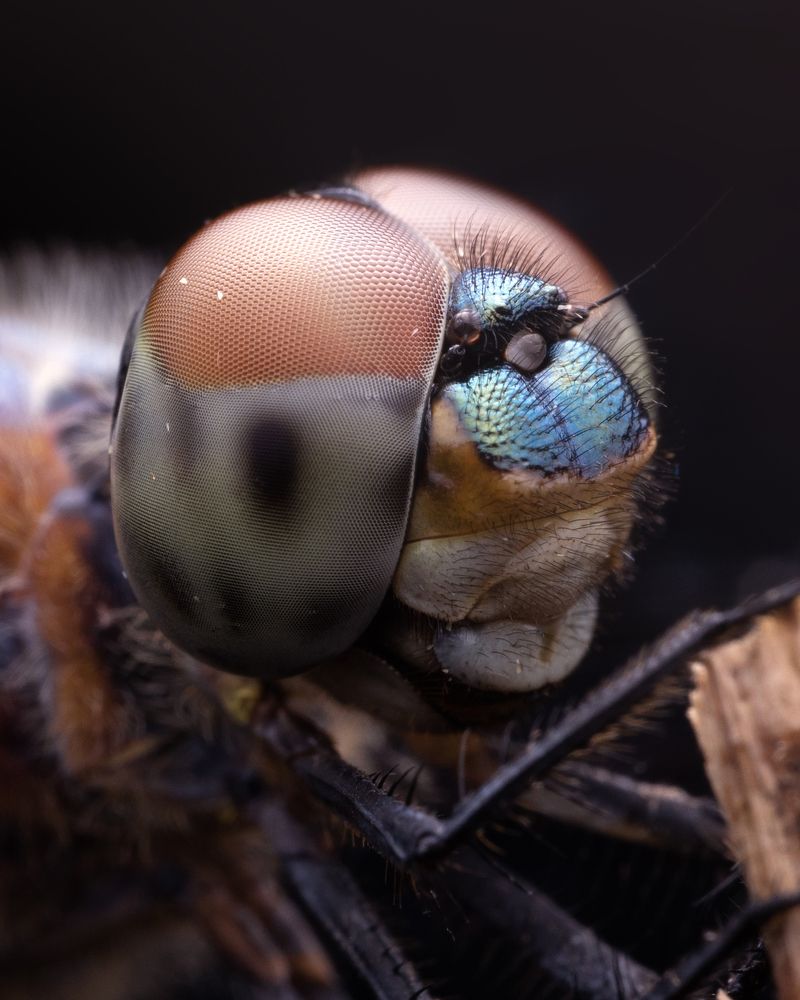
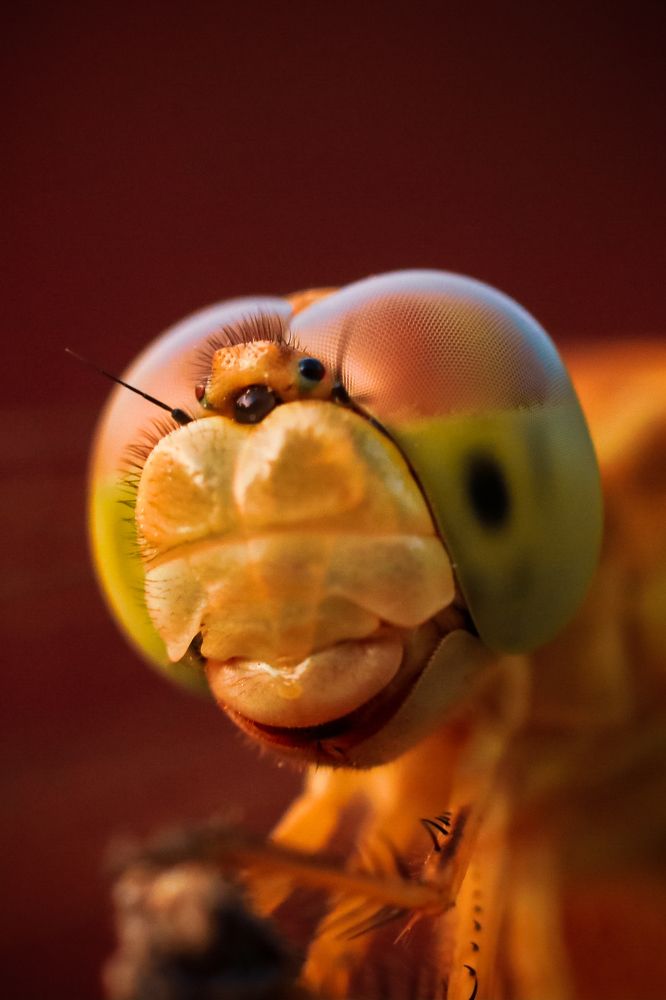
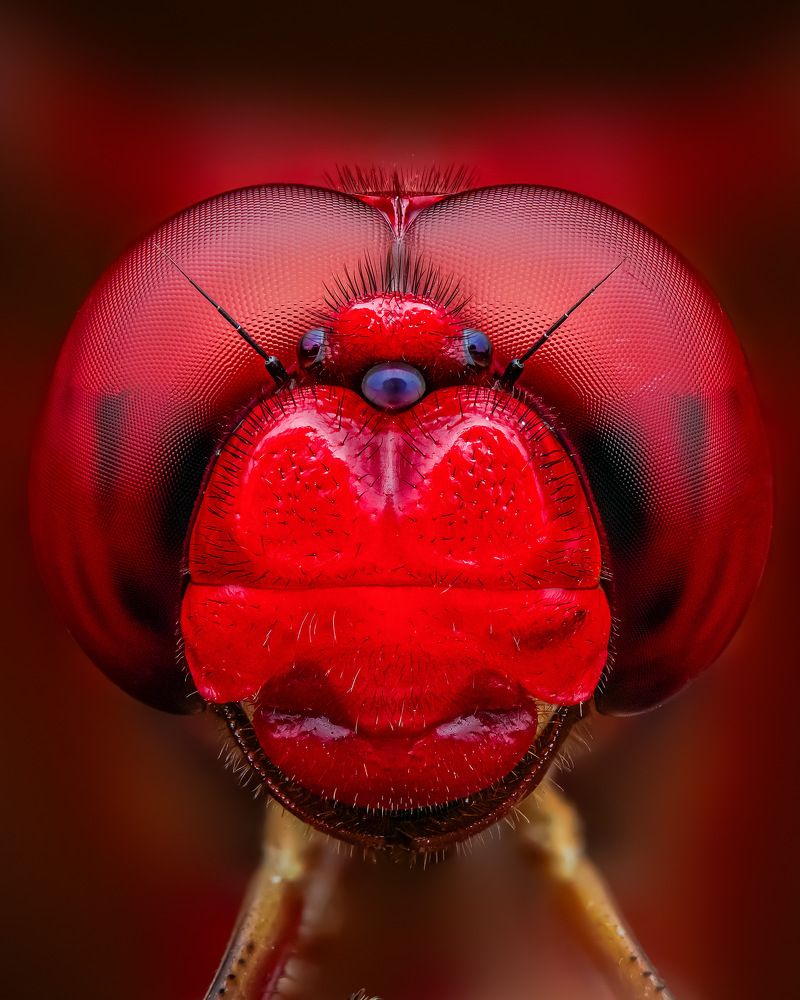
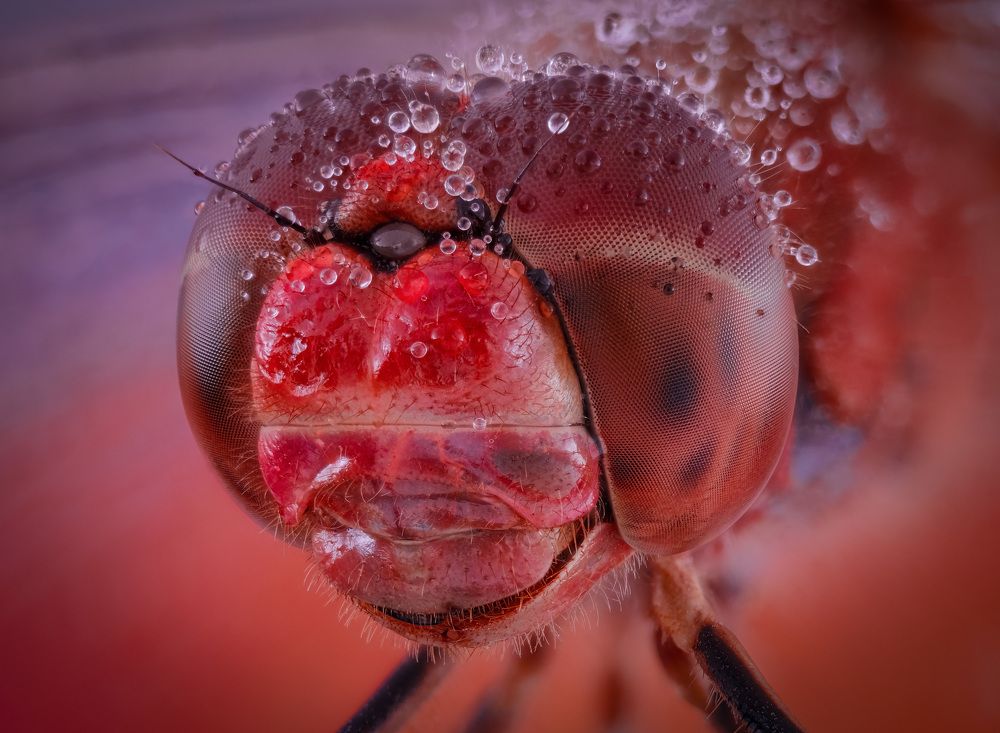
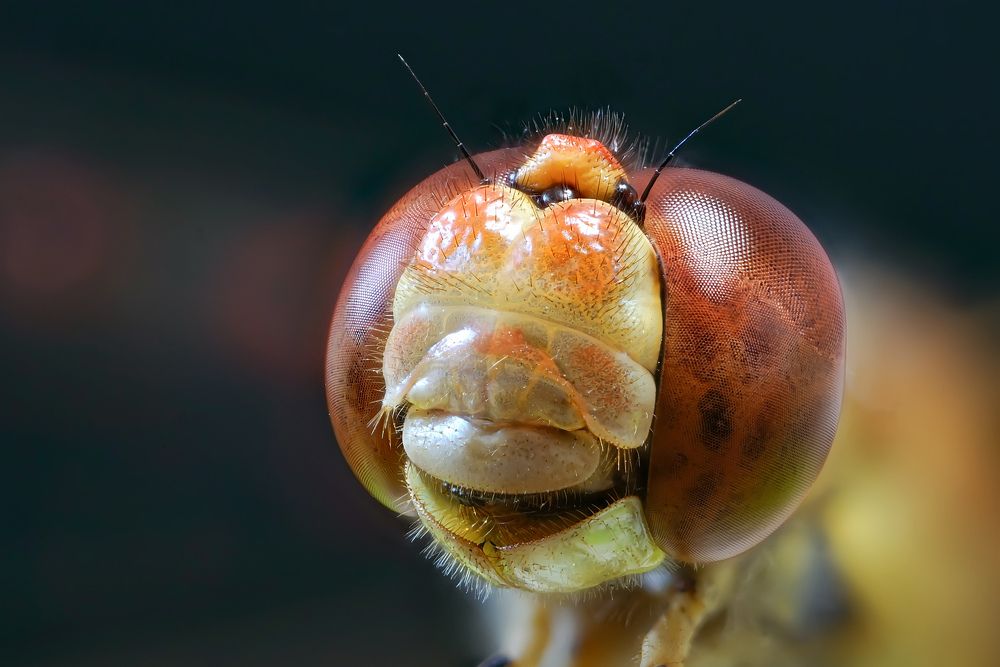
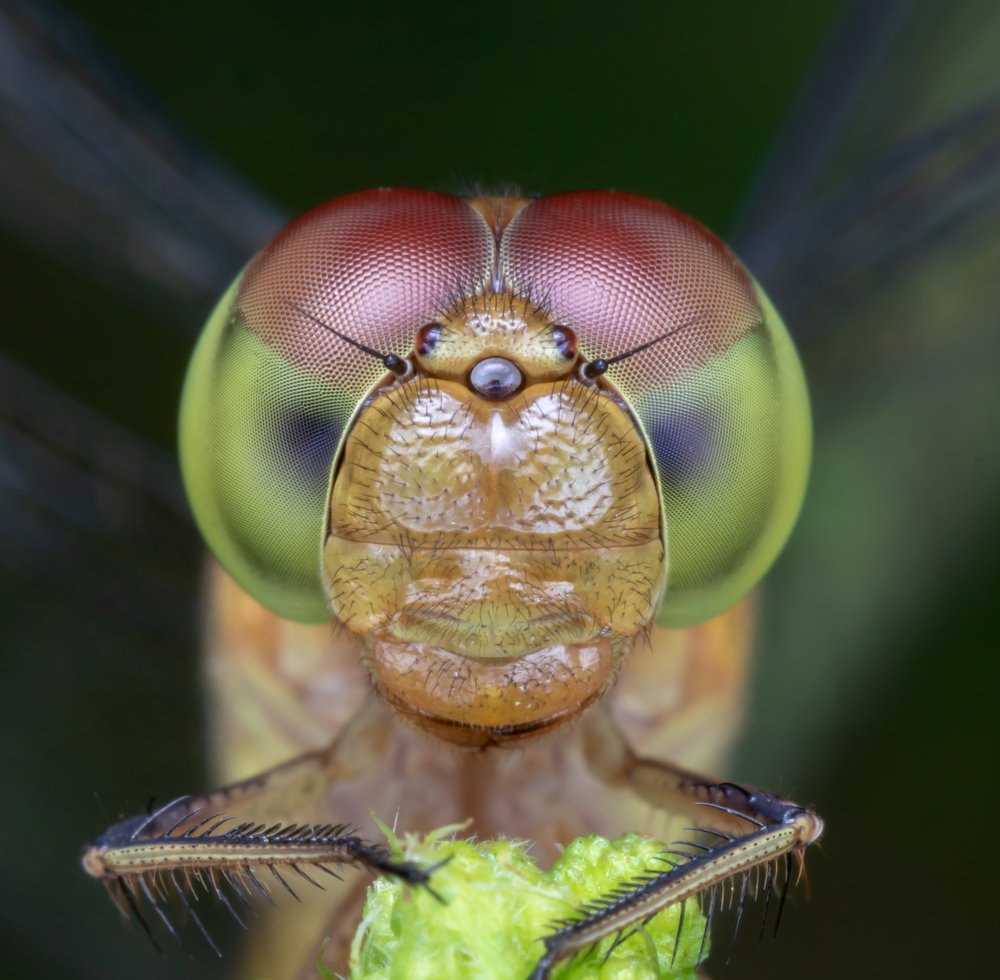
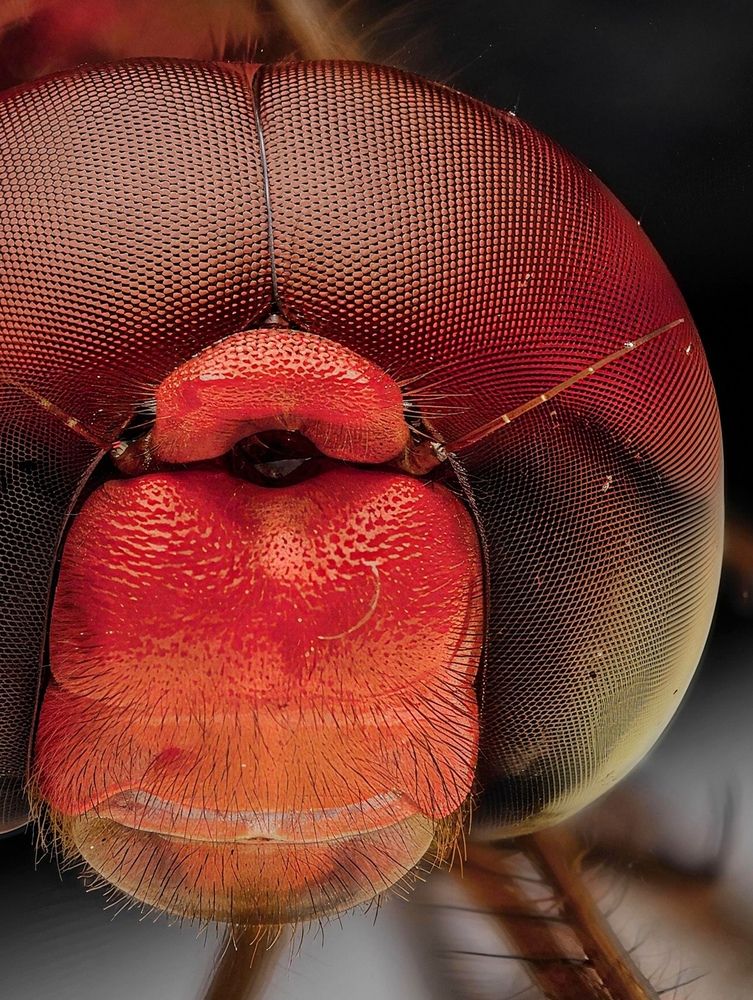
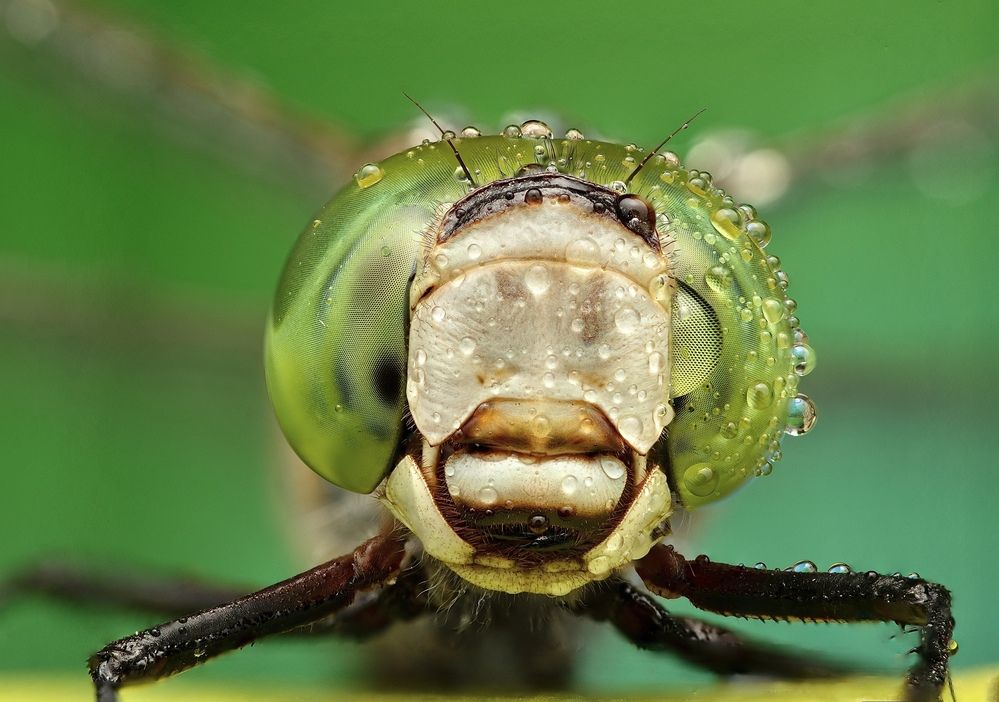
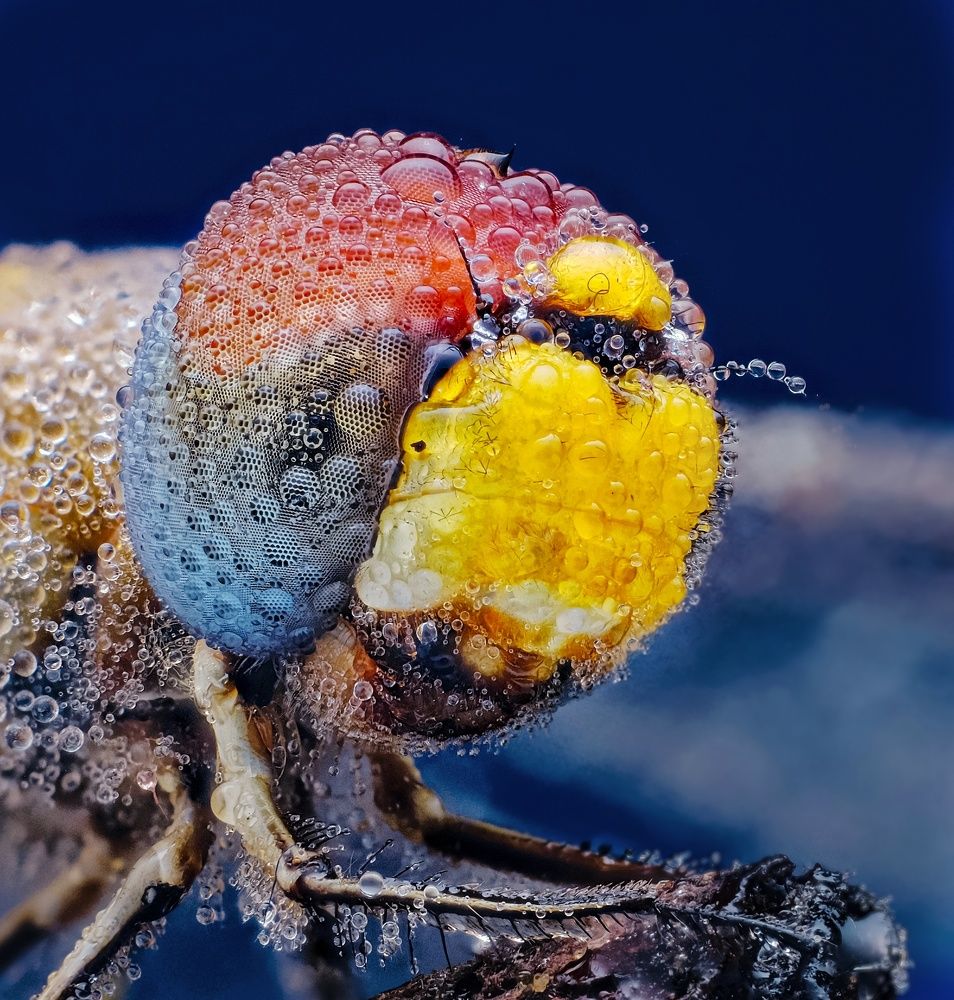
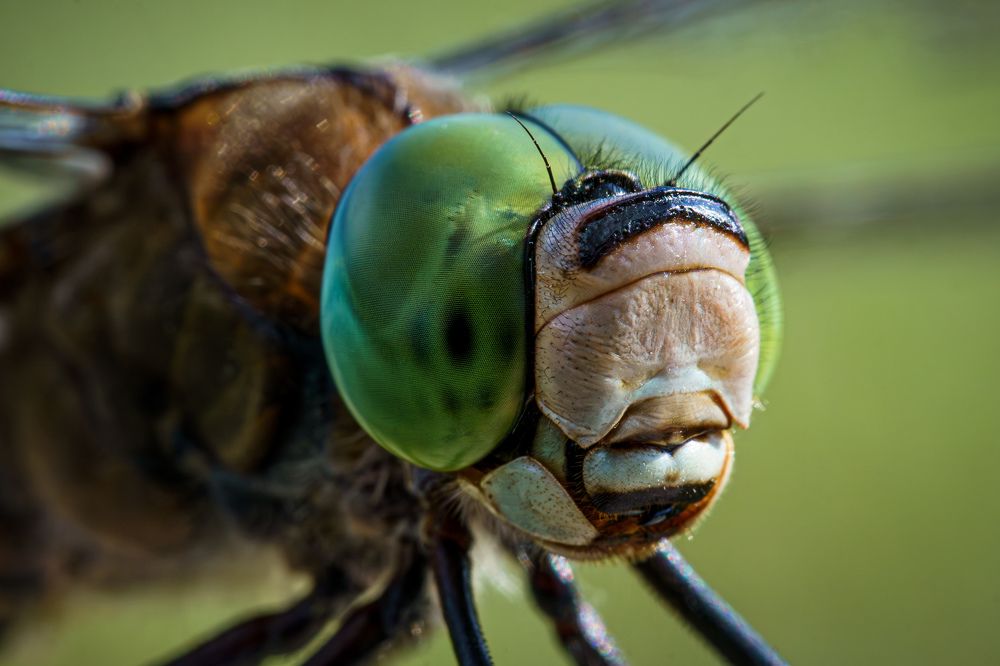
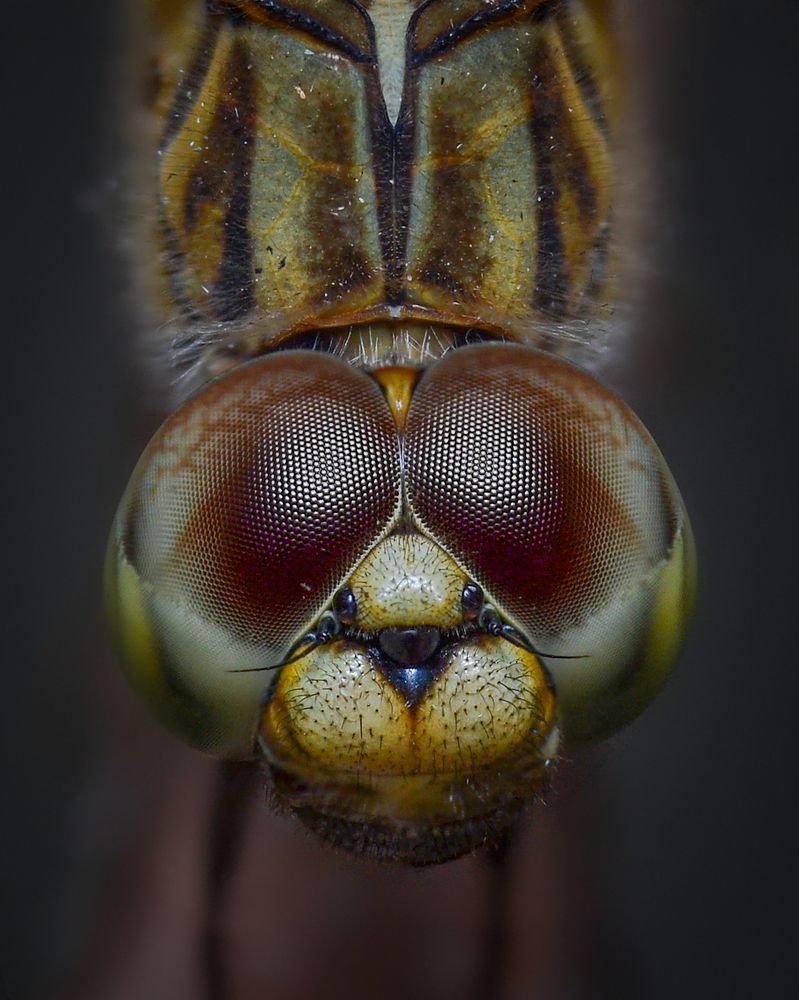
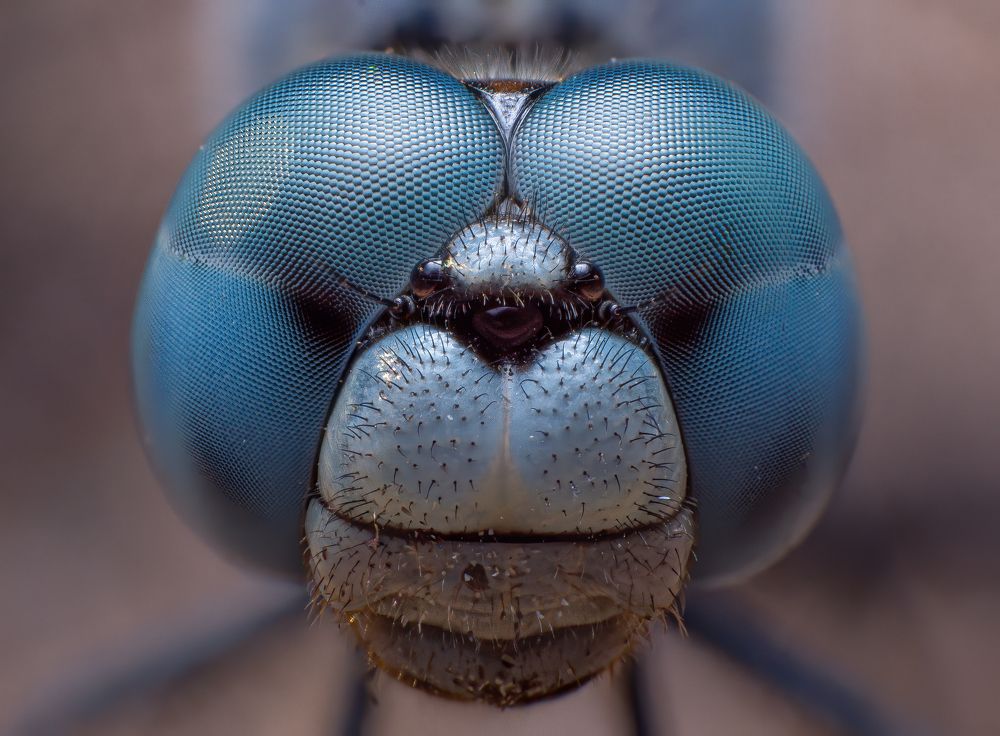
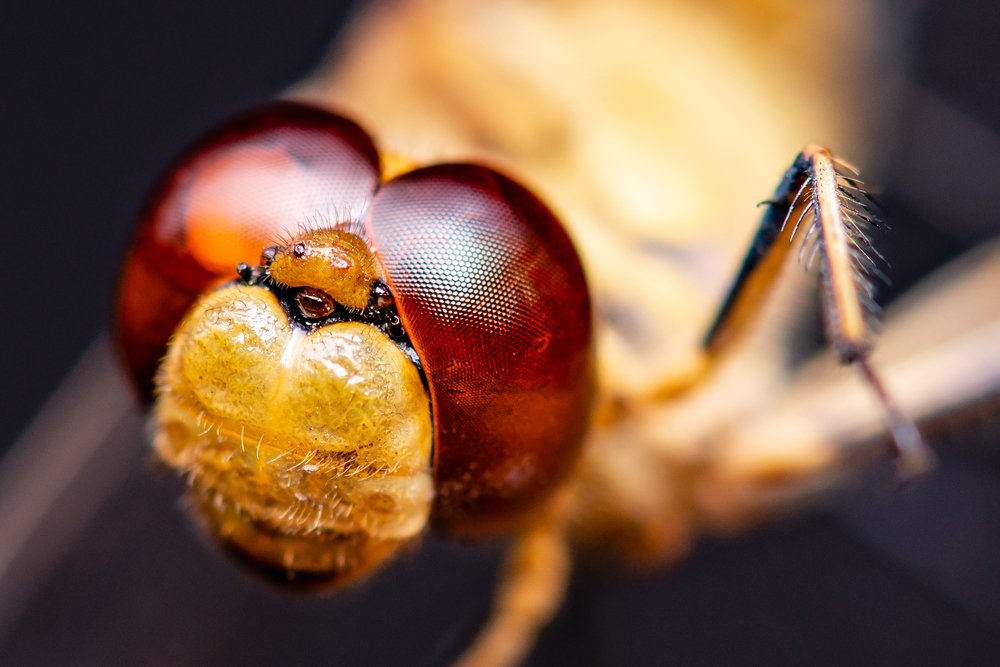
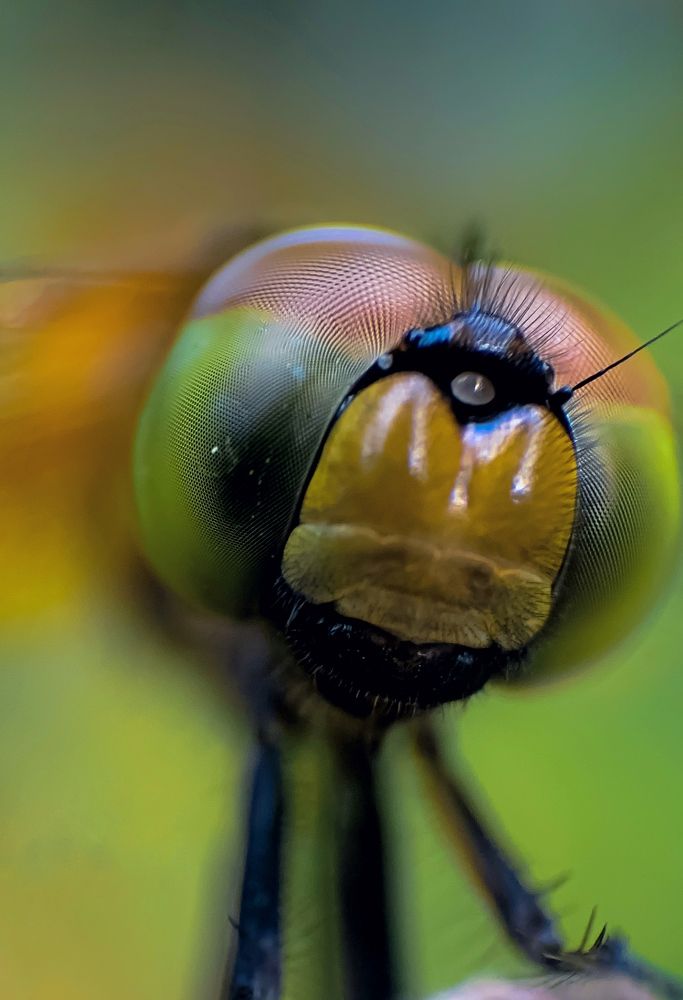
These images present macro portraits of dragonflies. The photographers utilize extreme close-up techniques to isolate the insect's head against blurred backgrounds. This approach emphasizes the scale and texture of the compound eyes and facial structures. The subjects vary in coloration, ranging from green and blue to amber and red. A shared visual motif is the direct, frontal perspective facing the camera.
How to shoot it
🕐 Time of day
Most shot between 15:00 and 18:00 (32% of frames)
Based on 19 frames with camera data. Camera clock time; the time zone is unknown.
Shooting usually takes place in the evening (17:00, 21:00) and early morning (6:00). The light is softer then, helping to detail eye textures without harsh shadows.
🗓️ Season
Most shot in: June, January, July
Based on 19 frames with camera data
The most active shooting period is summer (June, July), when dragonflies are most active. Frames from January and October indicate the possibility of shooting in different climate zones.
🎒 Gear
Use a macro lens with a focal length of 35–100 mm (median 65 mm). A tripod is necessary for stability and focus stacking. Cameras used include Sony, Canon, Nikon, and Fujifilm.
Cameras and lenses the authors used (5)
🧰 Special equipment
A flash with a diffuser (DIY or commercial) is often used to highlight details. Macro extension tubes are also mentioned to increase magnification. Water spray can help clean dust from eyes before shooting.
⚙️ Settings
Shutter 1/125 (1/200 – 1/100)Aperture f/11 (f/2.6 – f/14)ISO 200 (100 – 400)Focal length 65 mm (35 – 100)
Based on 10 frames with camera data. Median and 10-90% range across the idea frames.
The key parameter is aperture: median f/11, range f/2.6–f/14 for depth of field control. Keep ISO low (median 200), shutter speed short (median 1/125 s) or longer when using a tripod.
⚠️ Good to know
Follow ethics: do not touch, move, or harm live insects during shooting. For focus stacking, recently deceased specimens can be used, carefully cleaned of dust with water.
📈 How the idea developed
works uploadedshare of all site uploads, per 100k
The date is when the file was uploaded to the site. The chart counts works assigned to the idea.
✅ How to repeat it
- Use focus stacking (combining a series of frames with different focus points) to achieve maximum sharpness across the entire dragonfly head.
- Try lightly spraying the insect with water before shooting; droplets on the eyes create light refraction effects and add volume to textures.
✨ Interesting facts
- 🏆 How the best frame was shot: Canon EOS 7D, Canon EF 100mm f/2.8L Macro IS USM, 1/250, f/14, ISO 500, 100 mm
- 🔇 89% of frames were shot at ISO 400 or lower: almost no noise, any modern camera will do
- 📐 70% of frames are landscape orientation
- 🥇 4 works reached the finals. Best contest: Drops 2025
- 👤 Most frequent authors: Юрий Юрьевич Подгрушный 4Сергей Прокофьев 3Eduardo Salvador Cabrera 2
- 🌍 Authors by country: 🇷🇺 RU 8🇮🇳 IN 5🇲🇾 MY 2🇮🇩 ID 2🇪🇸 ES 2
Some tips are prepared by AI from the idea description, photos and their EXIF. Check the rules and access to places before you travel.
Works

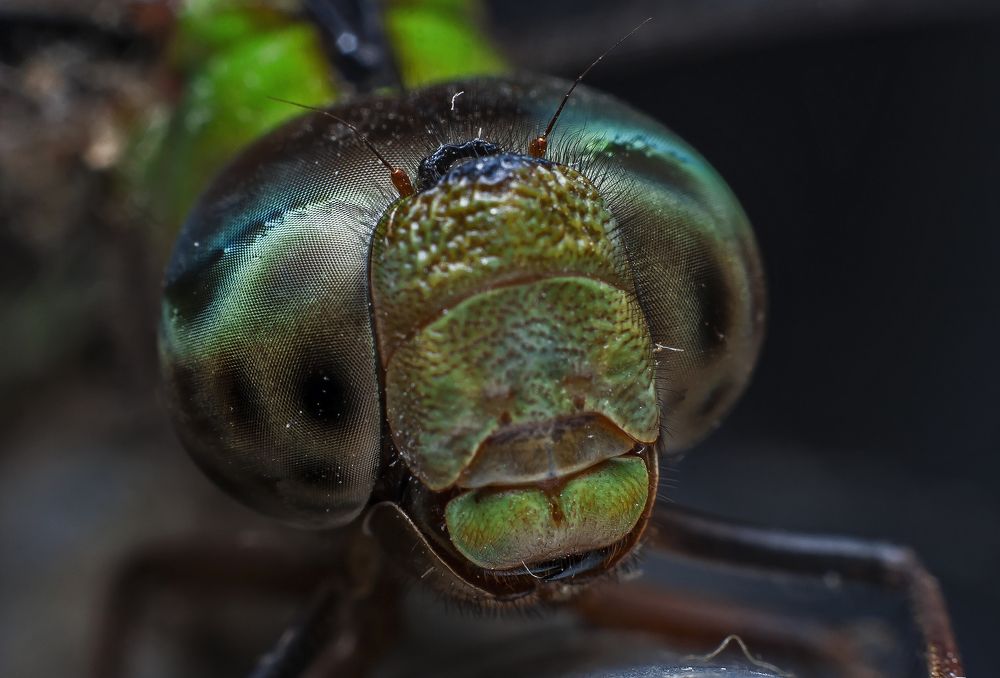
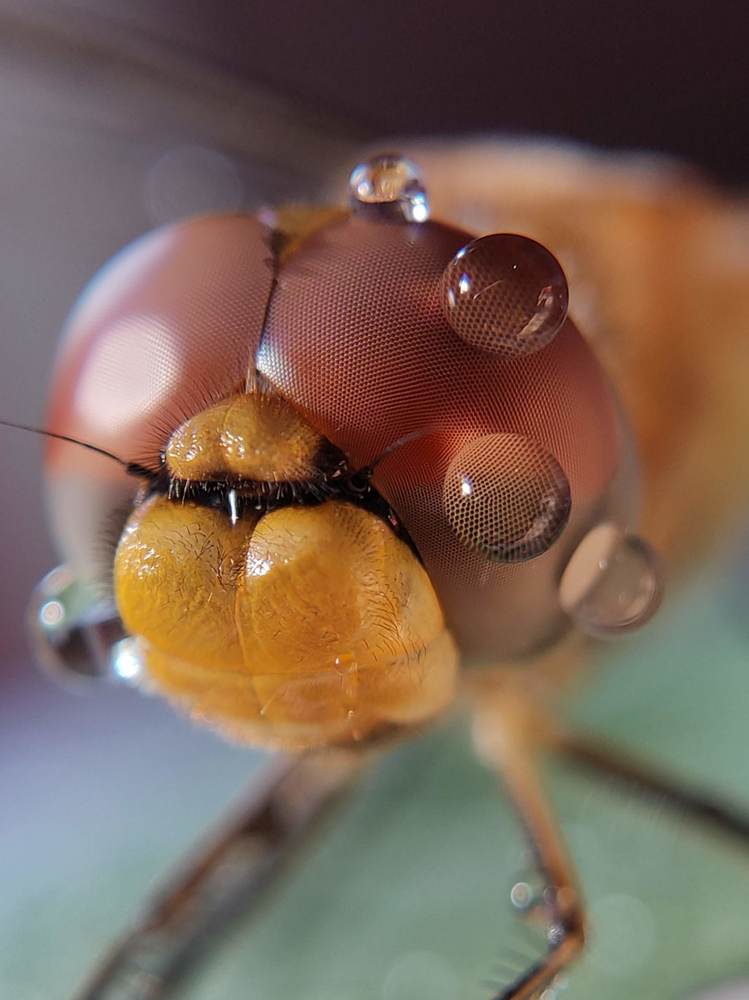
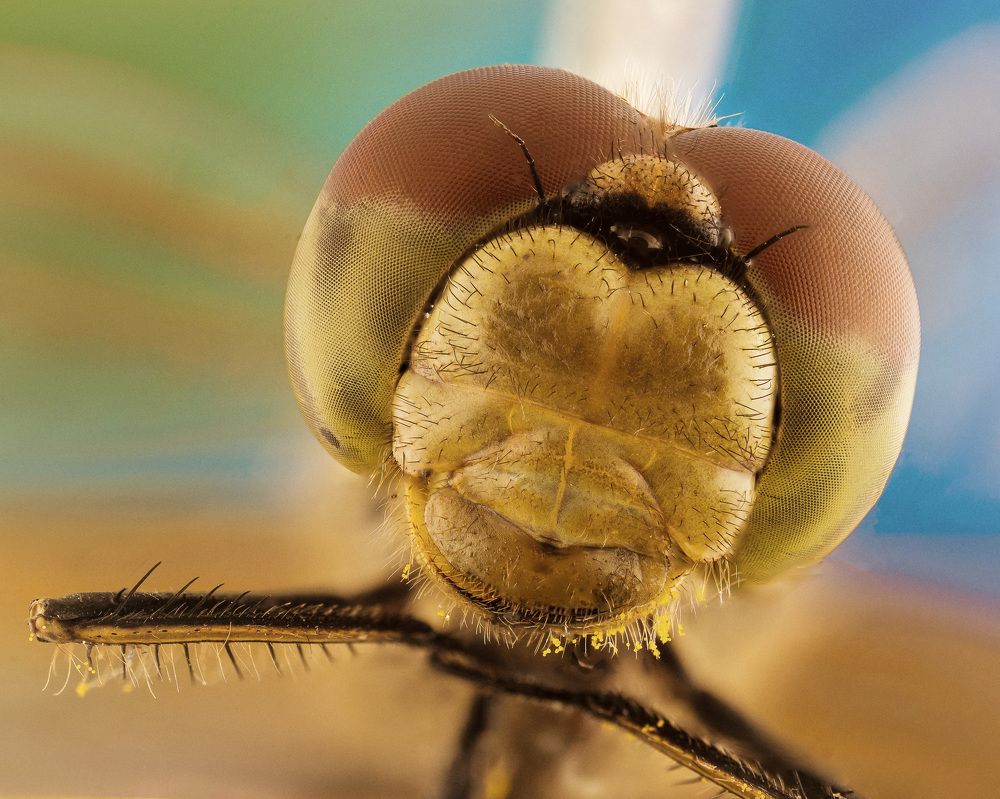
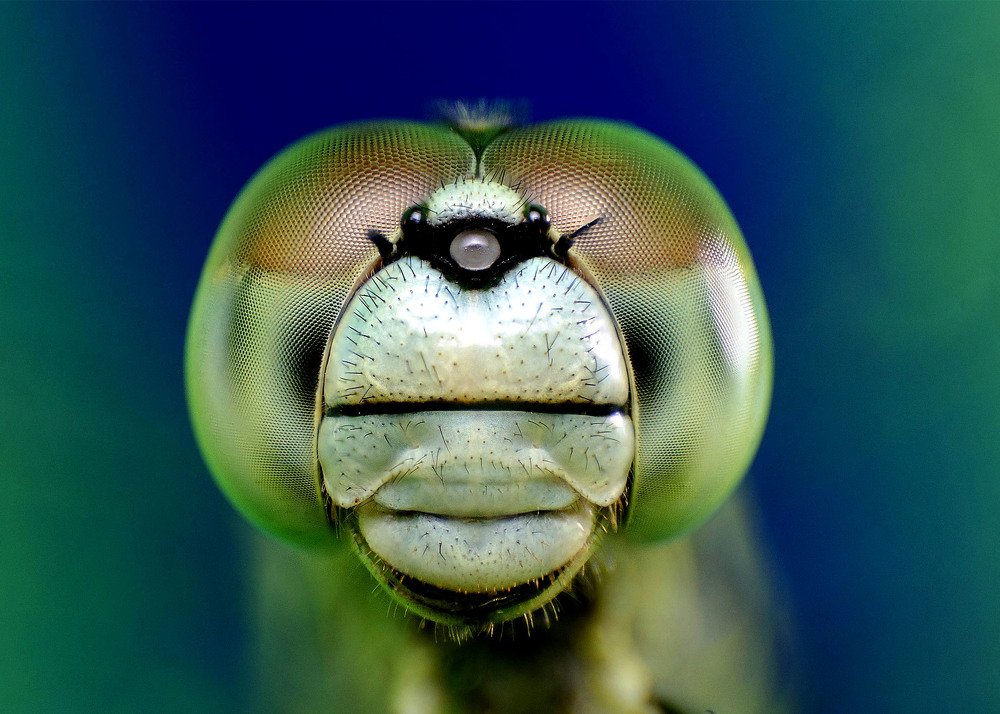
These lists are generated automatically and may contain inaccuracies. Photos are shown in random order, and selections are refreshed twice a day. This section is made for exploring photos and does not claim 100% accuracy. The lists include photos that previously participated in contests that are already completed.