Common Bullfinch in Winter
29 worksFirst upload: Sep 2017Peak: 2026Last 12 months: 15
📝 Description
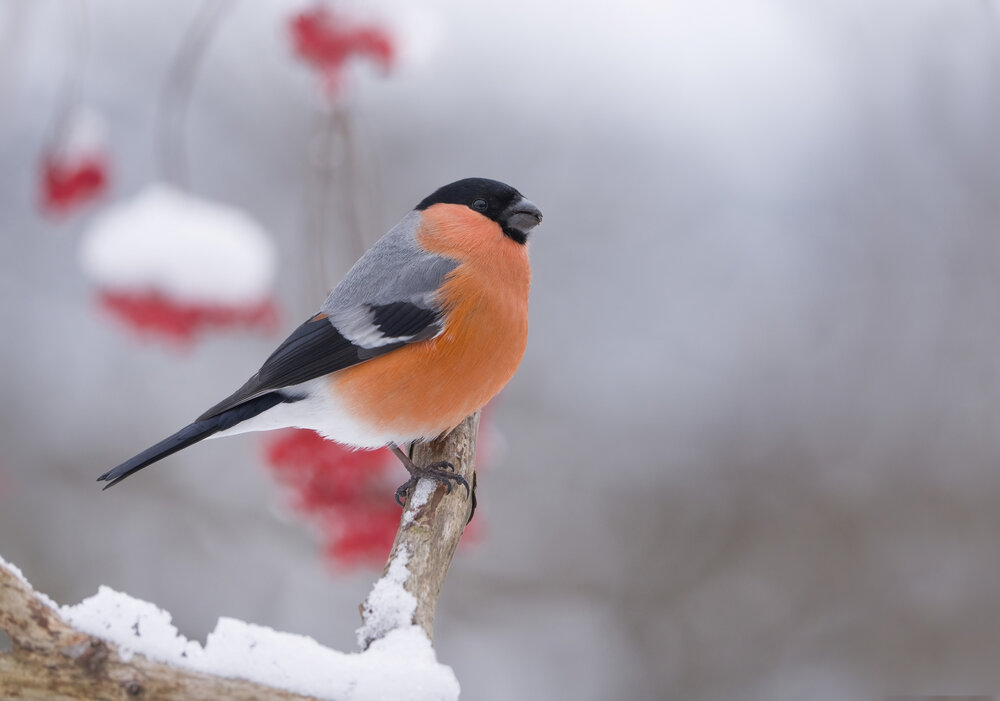
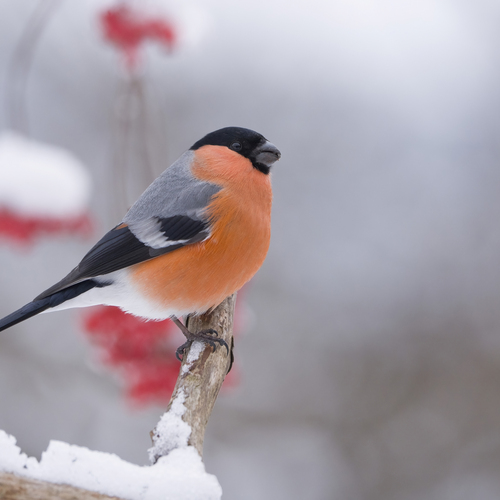
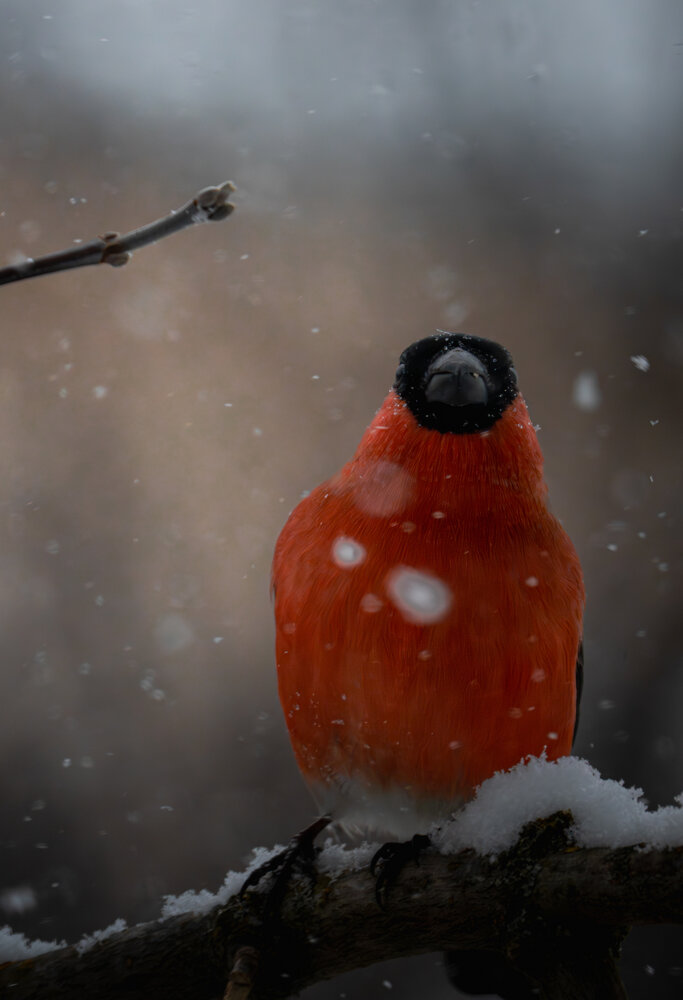
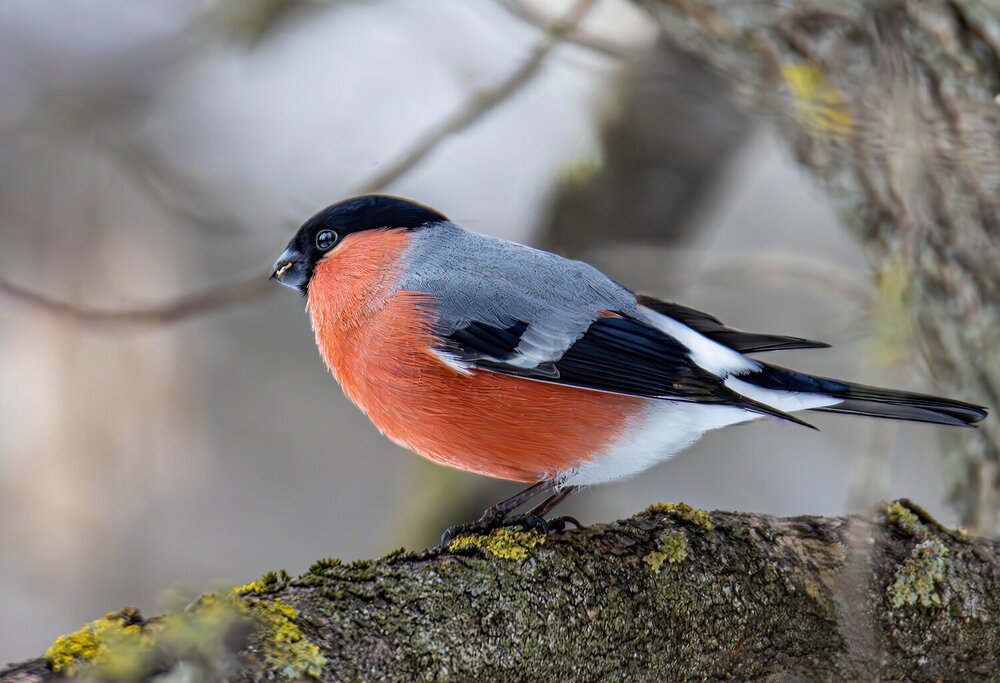
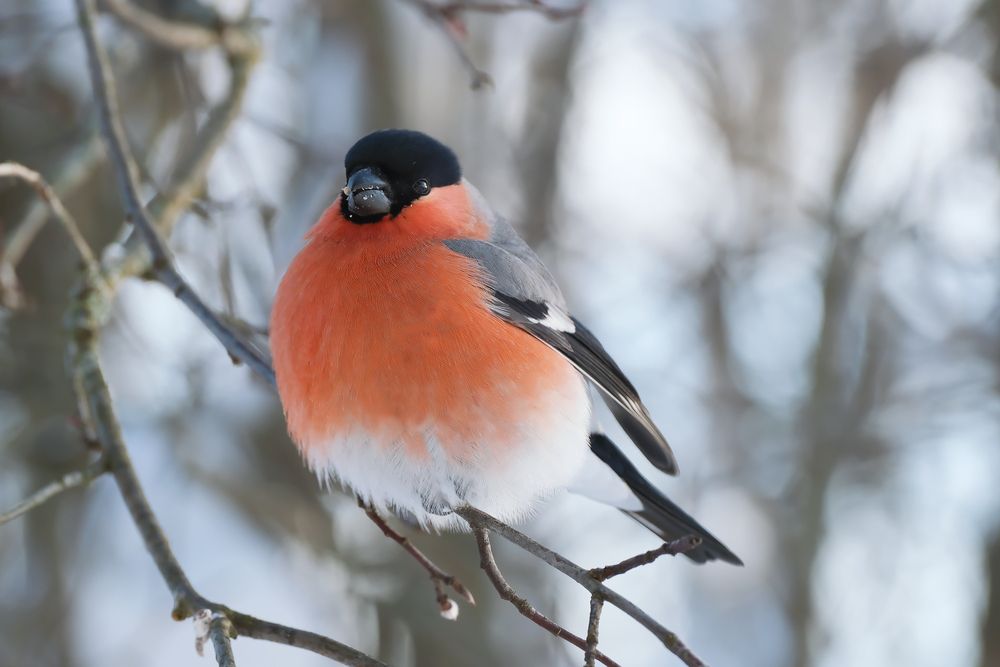
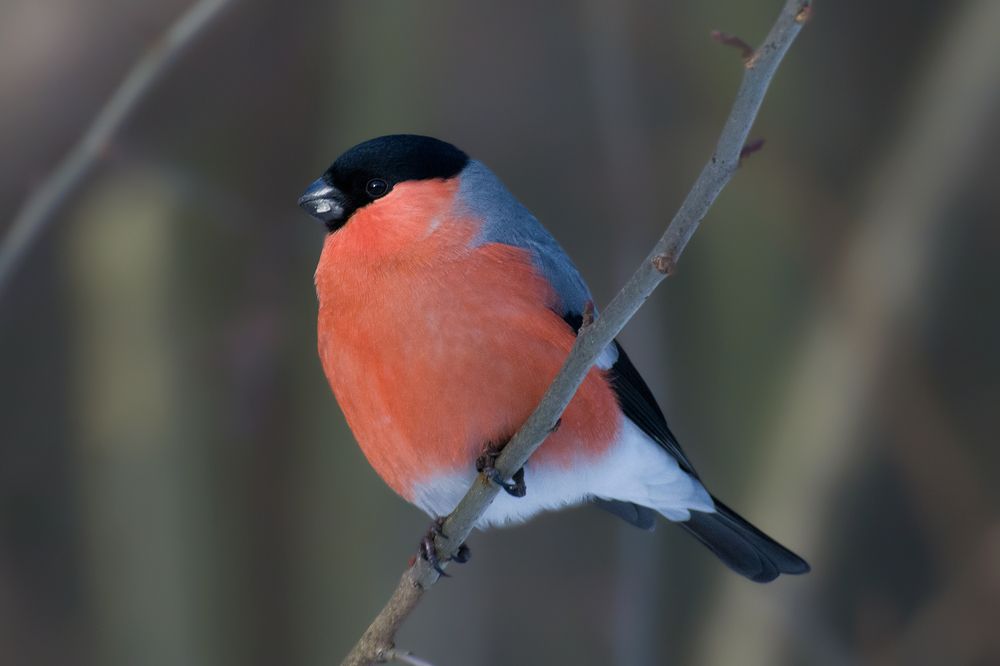
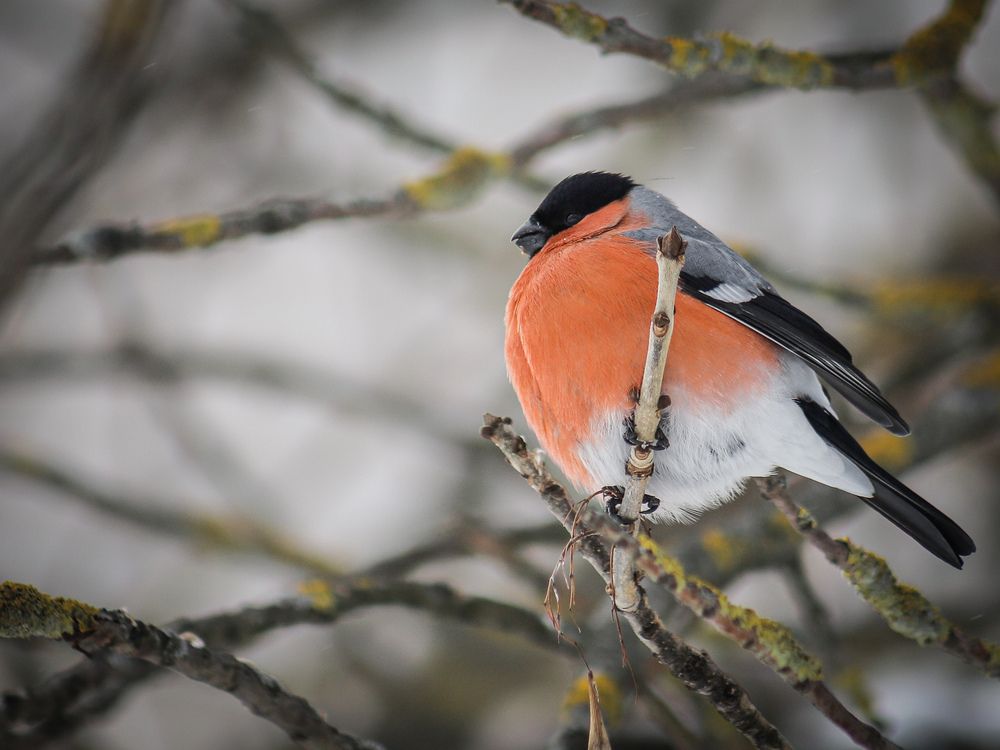
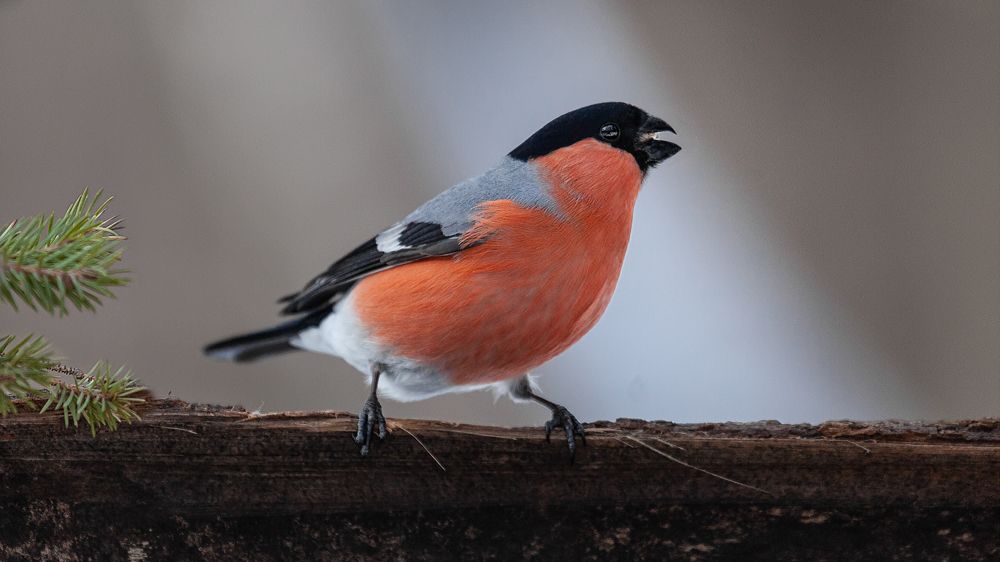
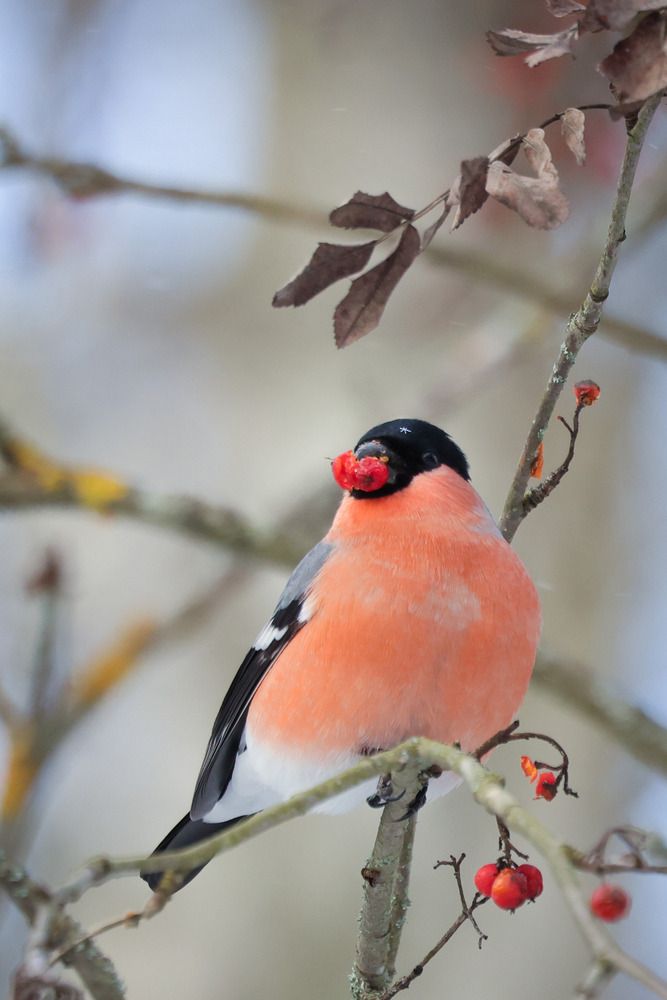
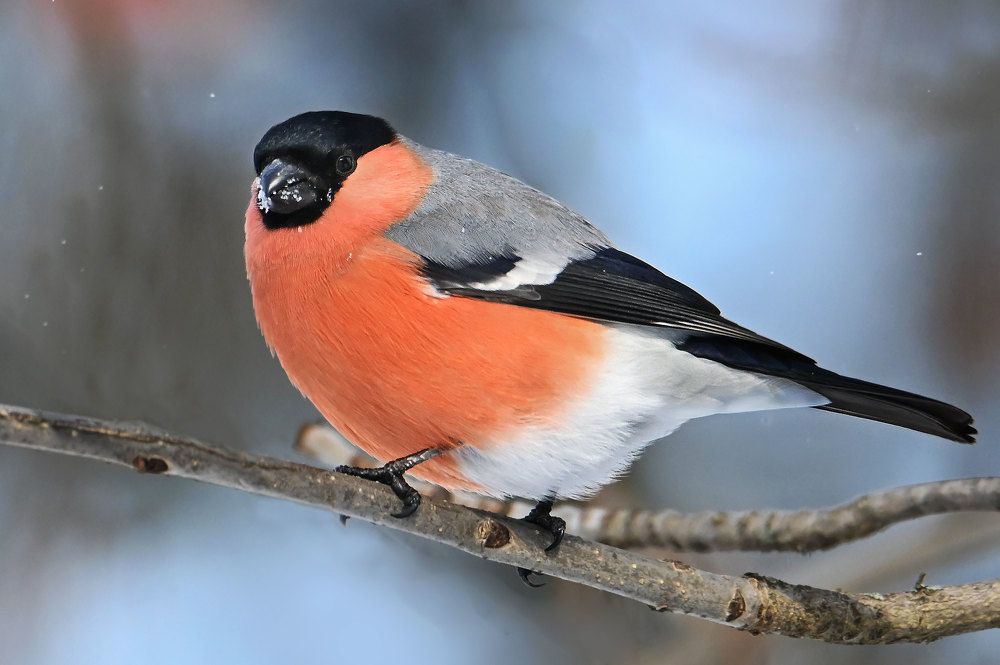
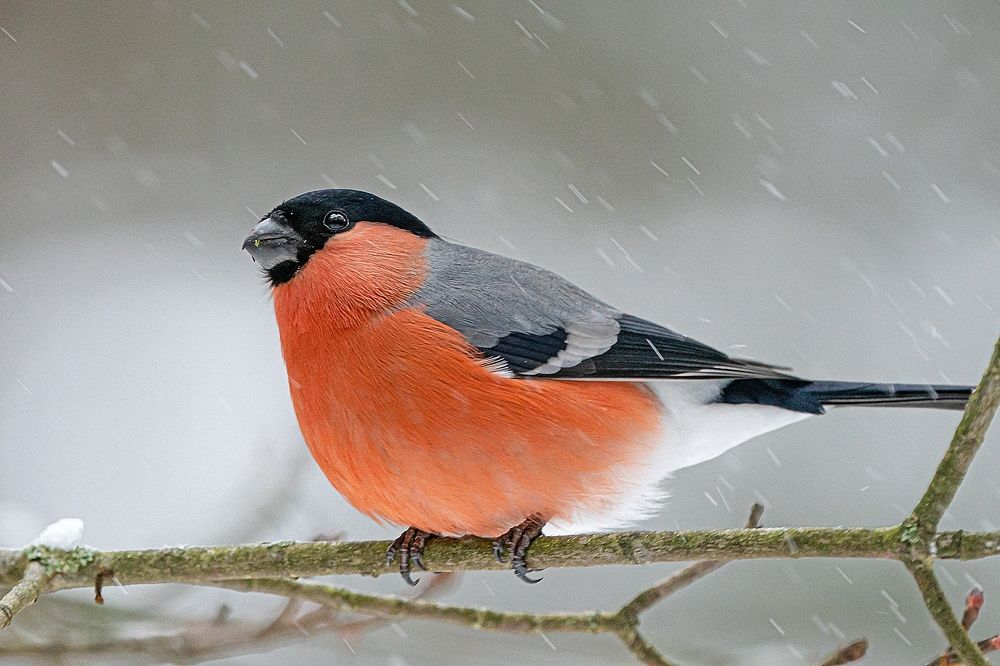
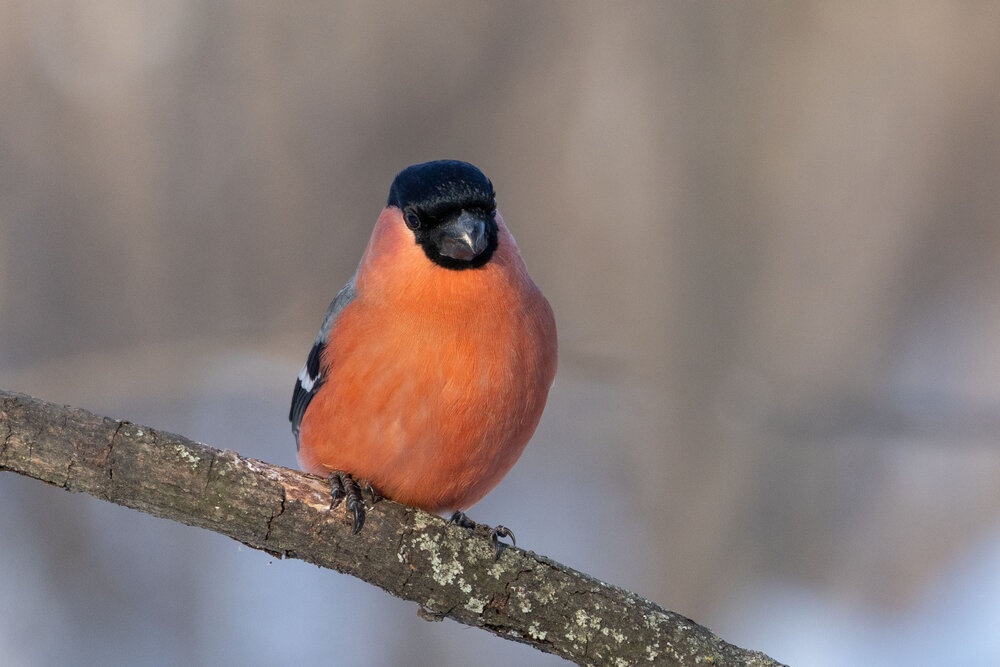
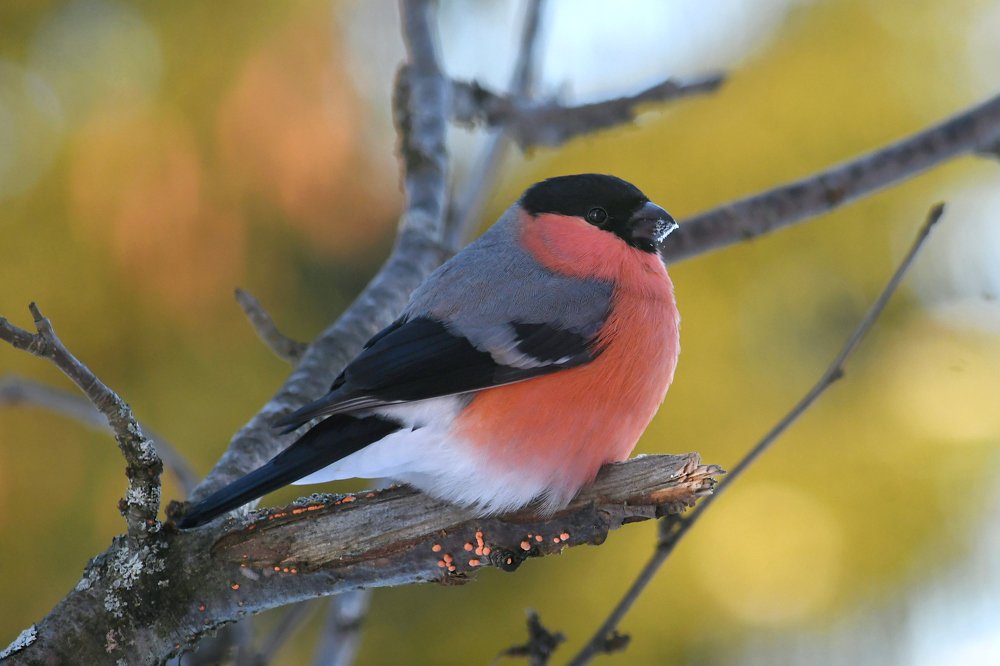
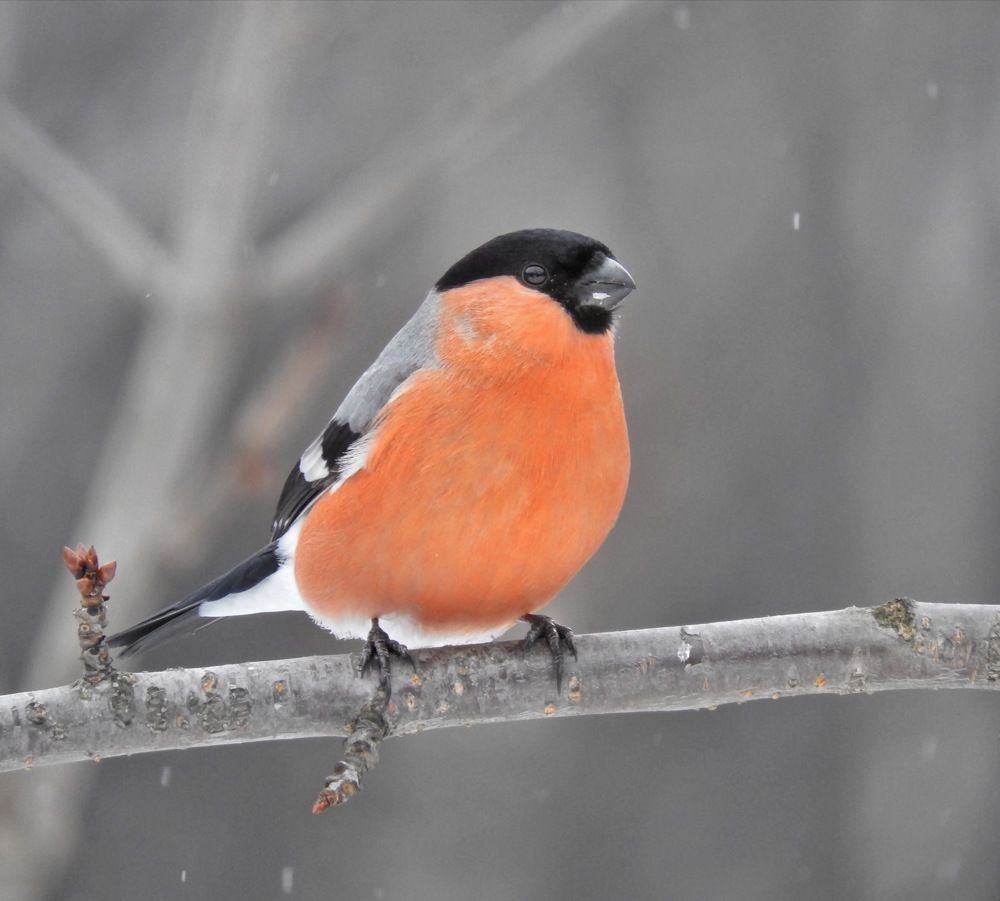
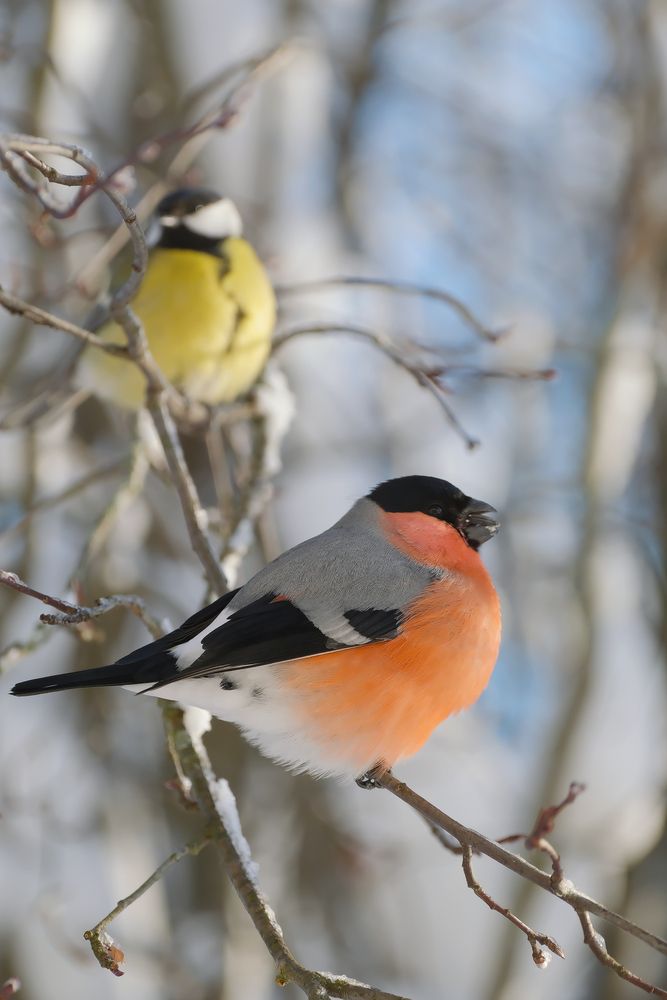
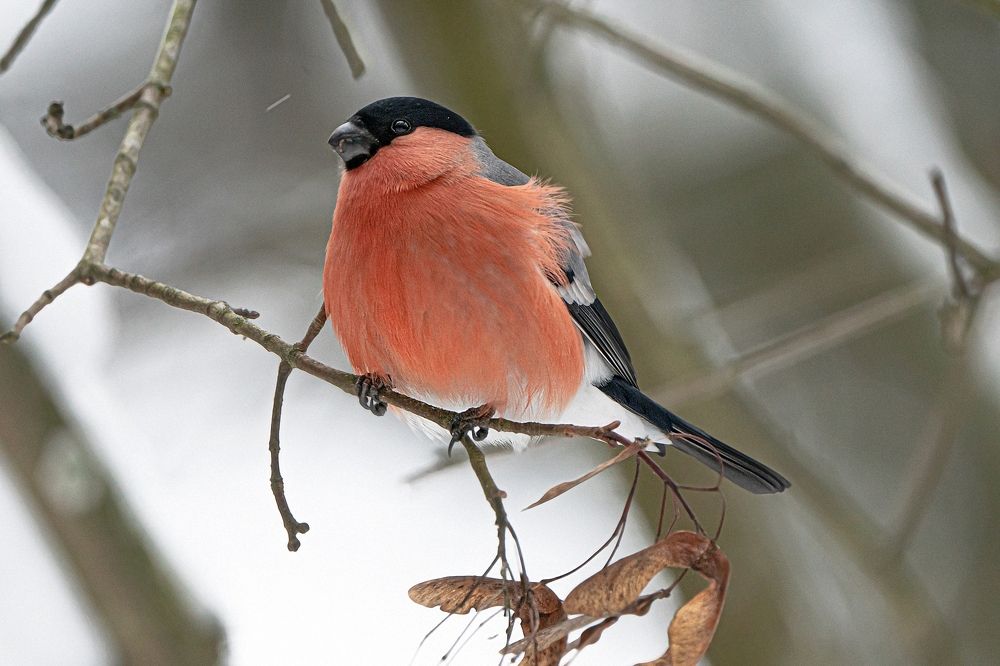
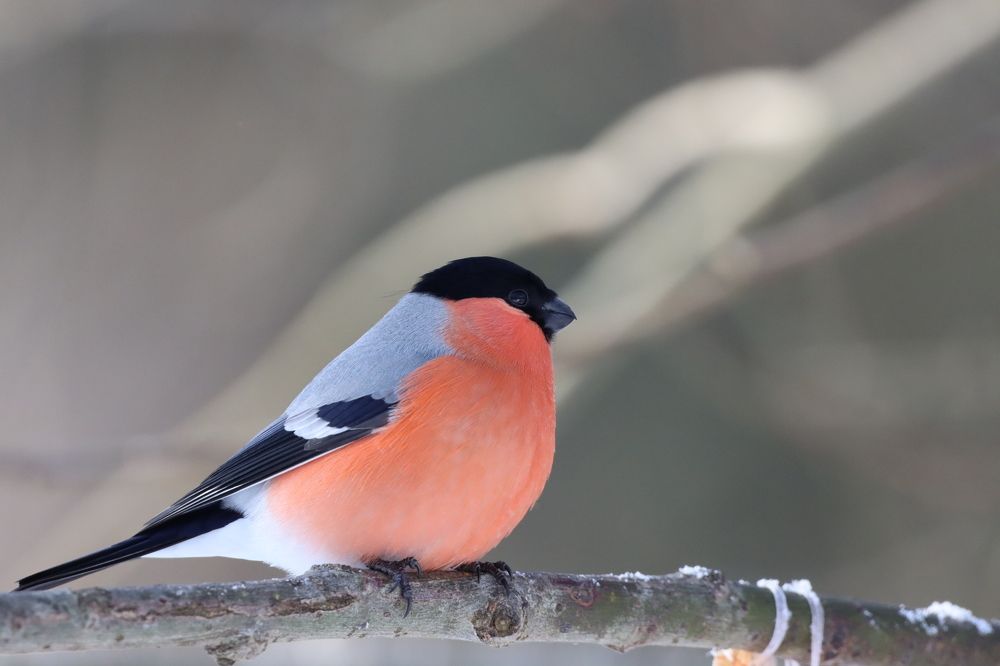
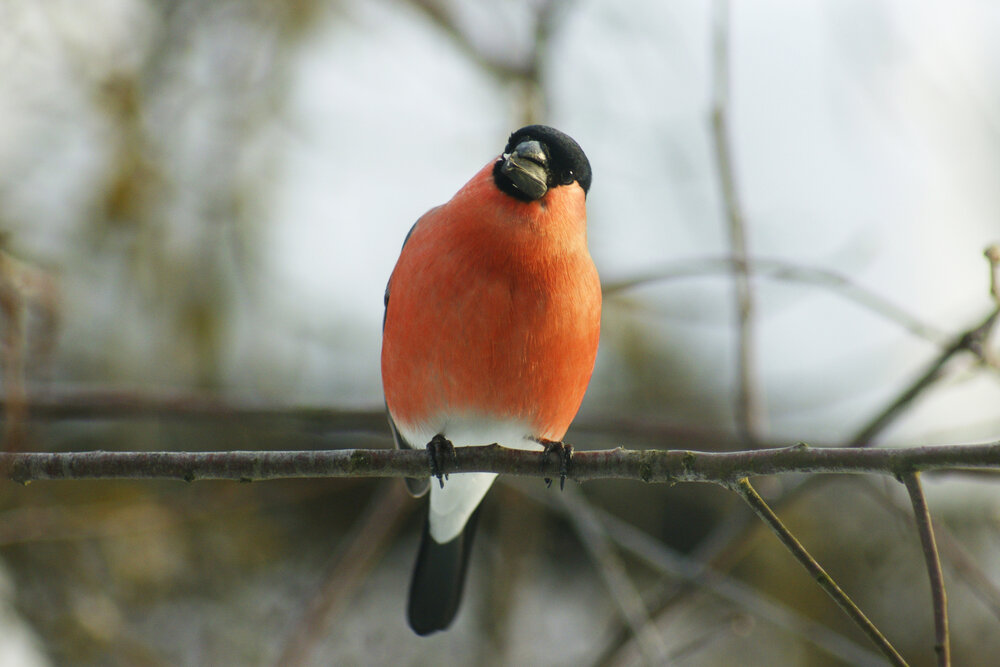
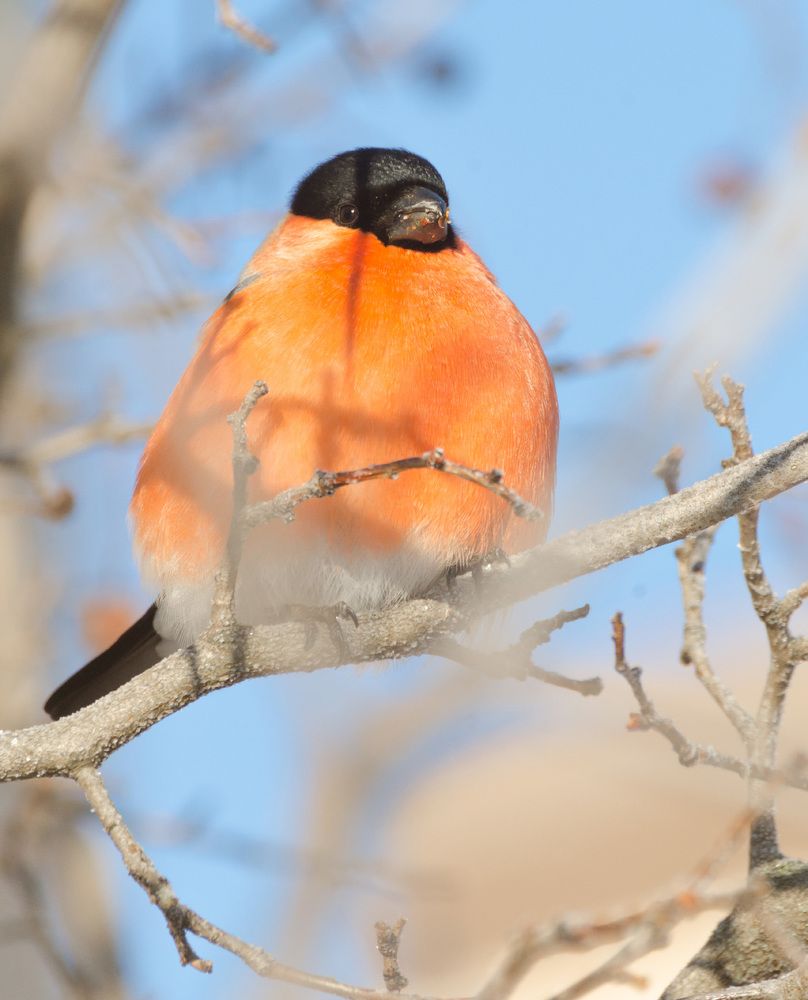
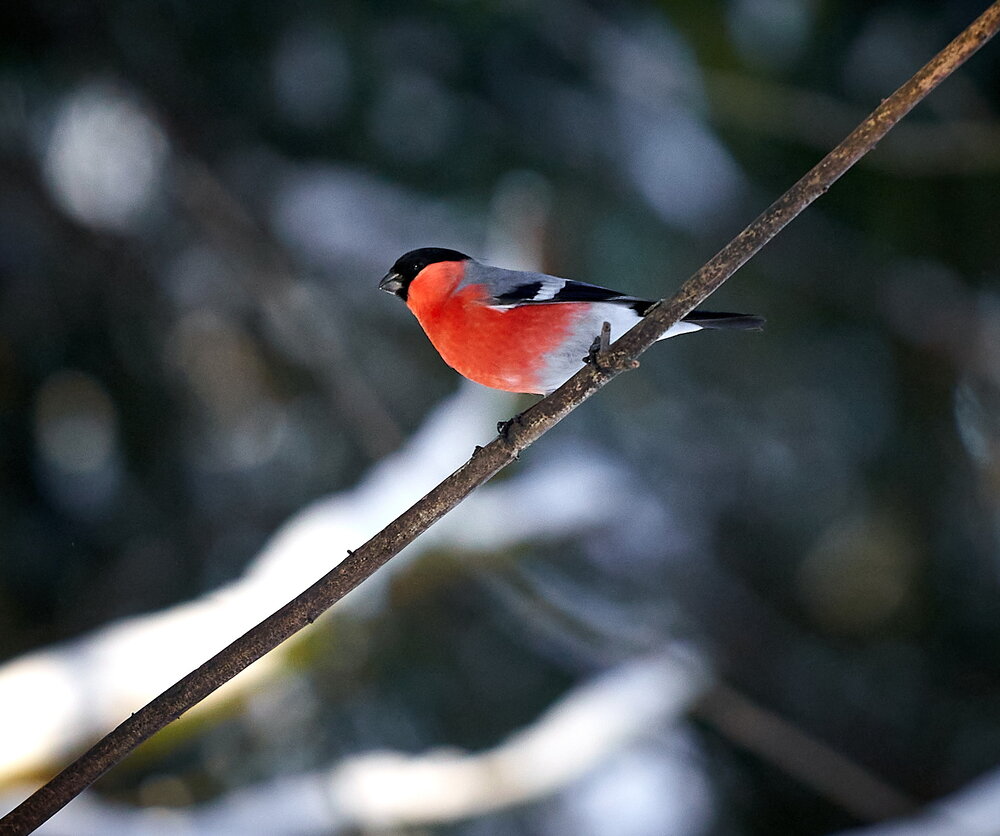
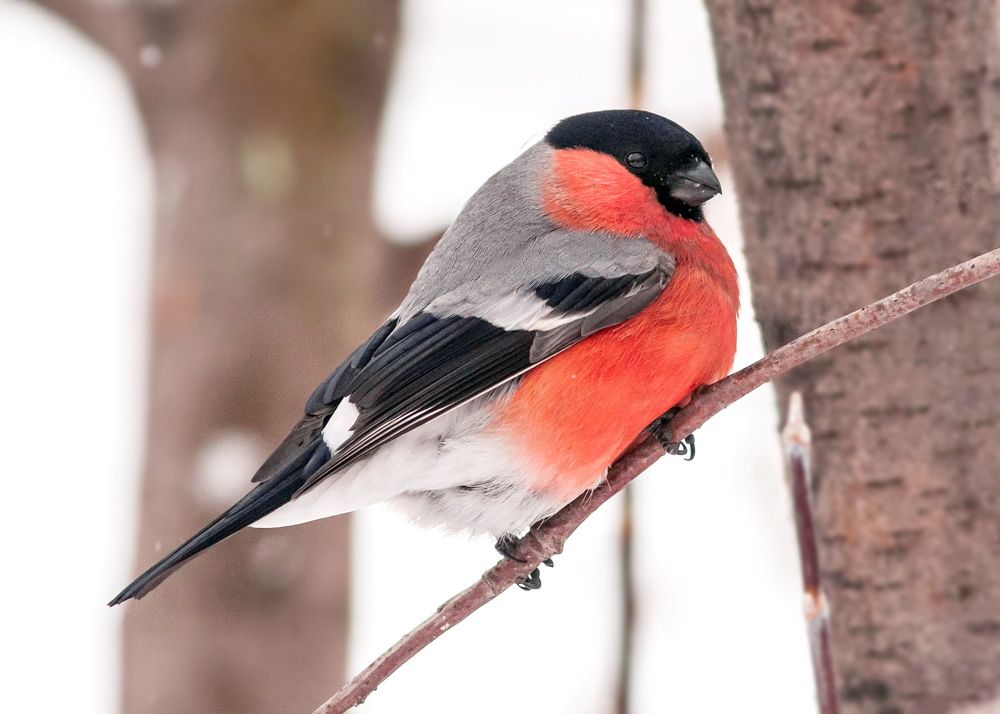
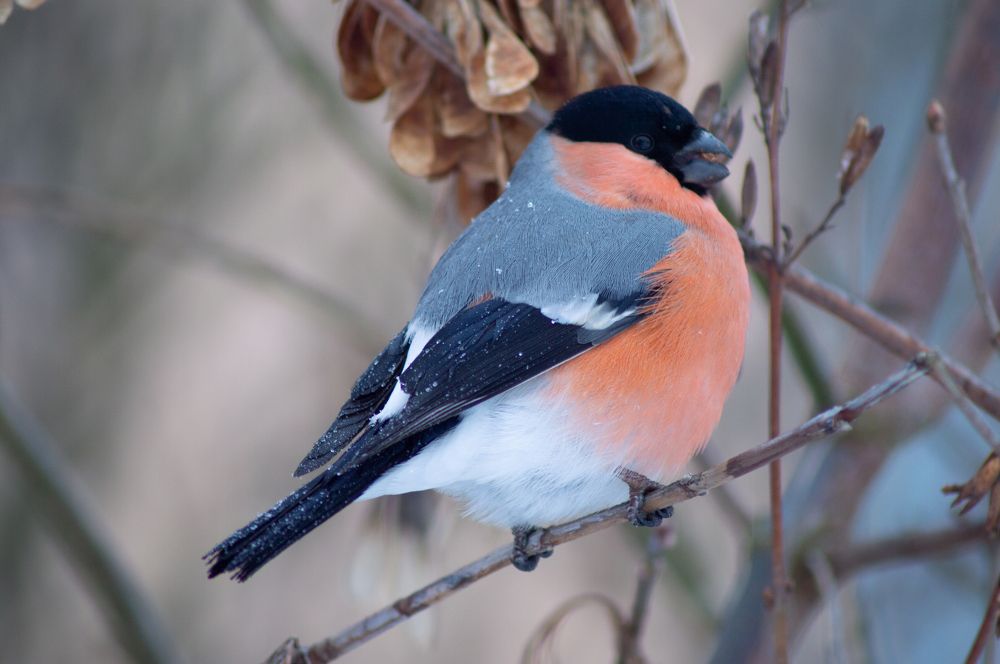
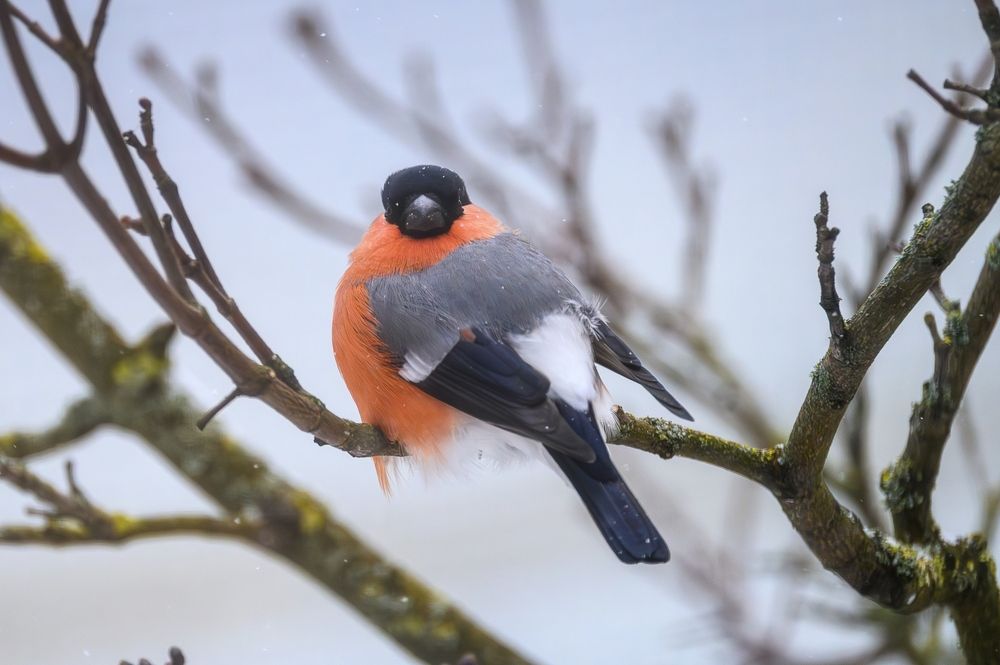
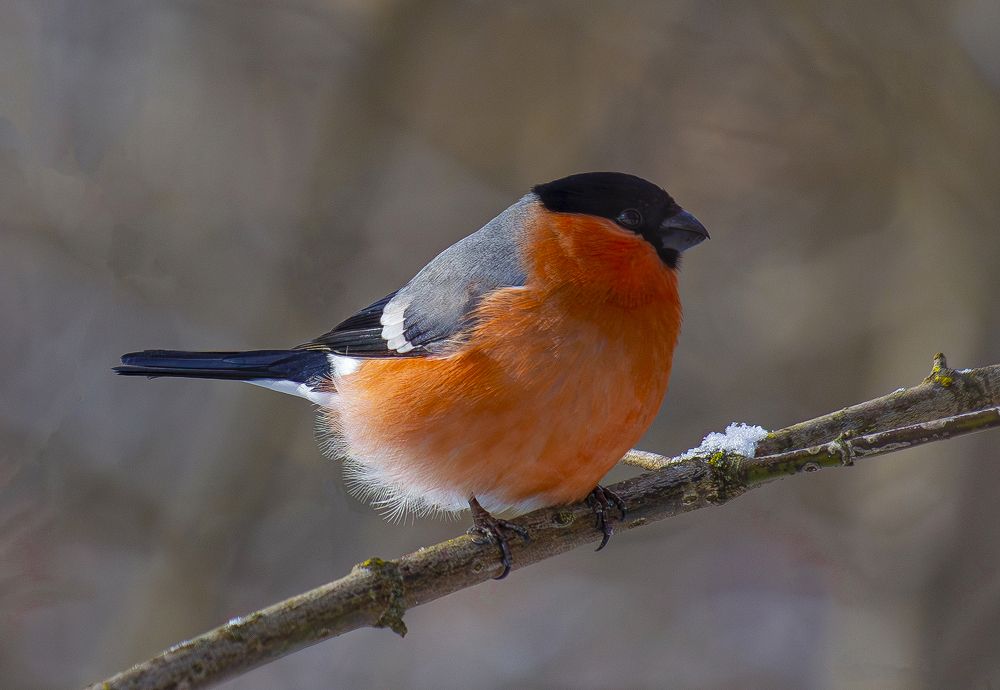
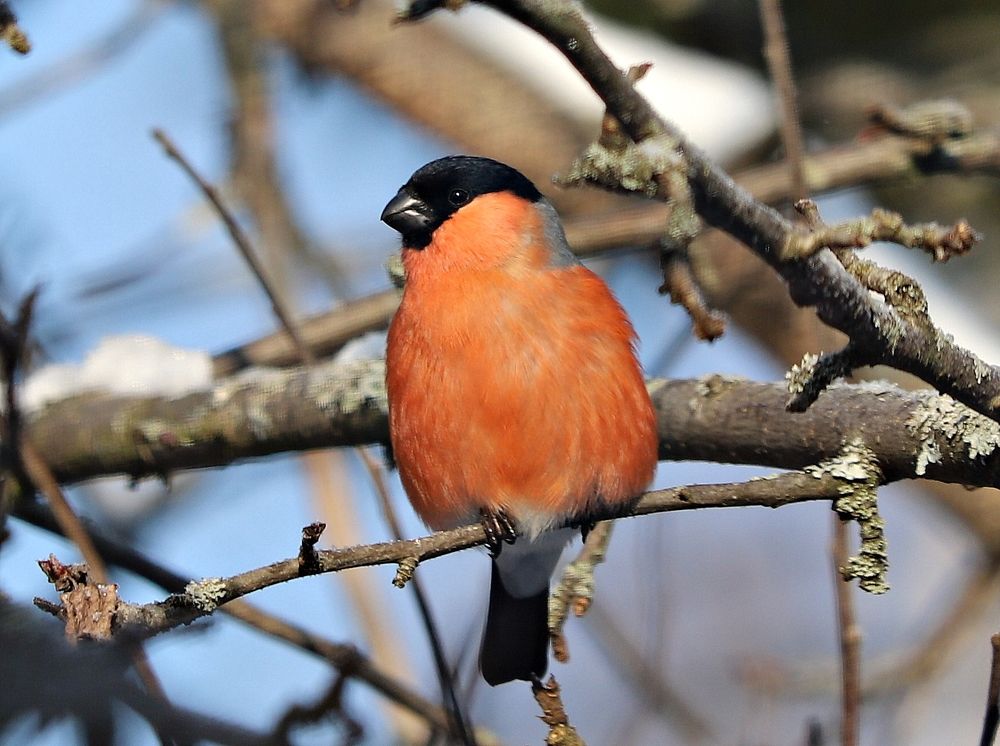
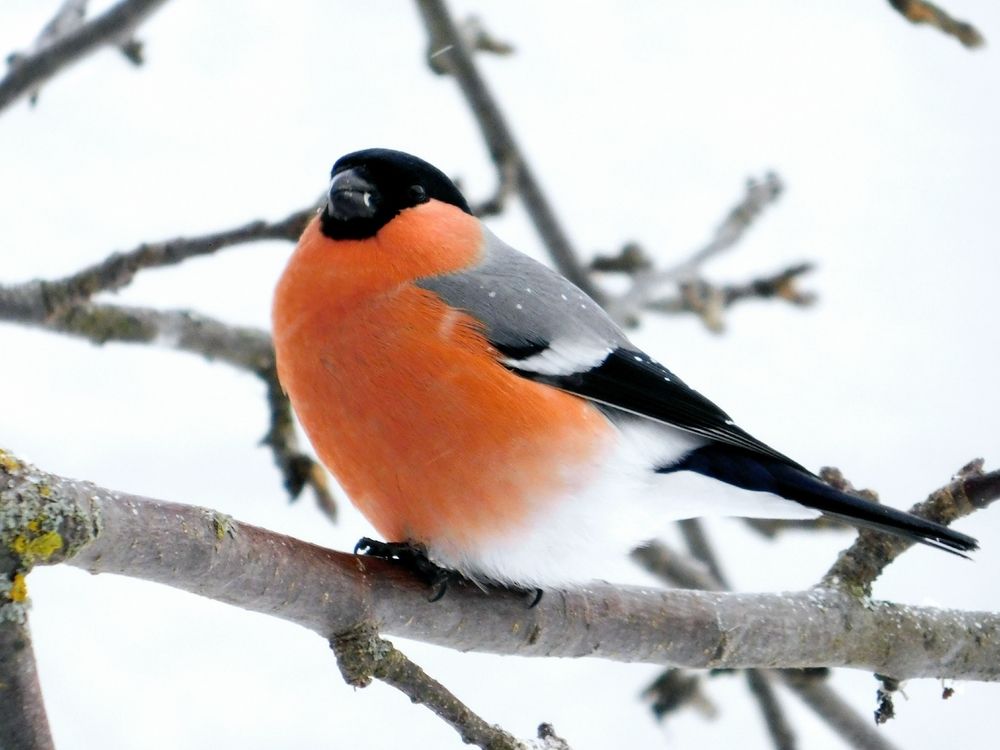
The images feature the common bullfinch (*Pyrrhula pyrrhula*), a small passerine bird characterized by its thick bill and distinctive plumage. Photographers are drawn to this species for its striking color contrast, specifically the bright orange-red breast set against a slate-grey back and black cap. The subjects appear in various winter settings across regions like Moscow Oblast, perched on bare branches amidst falling snow or soft light. While the angles vary from profile views to frontal shots, the focus remains consistently on the bird's form and vibrant plumage. These photographs are united by their depiction of this specific avian species within a cold-weather environment.
How to shoot it
📍 Where to shoot
Filming takes place outdoors in the Moscow region, mainly in winter (January–March). The bullfinch lives in its natural habitat, implying forests or park areas.
🧭 How to get there
Access to the location is possible by private transport or public transit to nearby natural areas of the Moscow region. No special climbing gear (boats, all-terrain vehicles) is needed as the bird lives in trees.
🕐 Time of day
Most shot between 10:00 and 13:00 (65% of frames)
Based on 20 frames with camera data. Camera clock time; the time zone is unknown.
Best filming time is 10:00–14:00, with peak activity at 11:00. Light is most even during this period for capturing feather details.
🗓️ Season
Most shot in: January, February, March
Based on 20 frames with camera data
Optimal months are January and February when the bullfinch is active in the Moscow region. Filming is also possible in December and March.
🎒 Gear
A telephoto lens with a focal length of 200–600 mm (median 300 mm) is required. Aperture f/5–f/8 and shutter speed no slower than 1/500 s will help freeze the bird's motion.
Cameras and lenses the authors used (10)
Fujifilm X-S10 3Canon EOS 6D Mark II 2Nikon D300S 1Sony ILCE-7M3 1Sony DSLR-A700 1Tamron TAMRON 150-500mm F/5-6.7 Di III VC VXD A057Z 2Canon EF 70-300mm f/4-5.6 IS II USM 2XF70-300mm F4-5.6 R LM OIS WR 2Sony SEL200600G (FE 200–600mm f/5.6–6.3G OSS) 2Tokina AT-X 828 AF (AF 80-200mm f/2.8) or AF Zoom-Nikkor 80-200mm f/2.8 ED 1
🧳 What to bring
Warm clothing and footwear, thermos with hot drink, spare camera batteries (cold drains them quickly), gloves or mittens.
⚙️ Settings
Shutter 1/500 (1/1600 – 1/125)Aperture f/6.3 (f/5 – f/8)ISO 800 (200 – 2500)Focal length 300 mm (200 – 588)
Based on 19 frames with camera data. Median and 10-90% range across the idea frames.
Key parameter: shutter speed; median 1/500 s (65% of shots faster than 1/500) to freeze bird movement. Aperture f/5–f/8, ISO 200–2500.
⚠️ Good to know
Filming occurs outdoors in freezing weather, requiring cold-resistant gear and protection against condensation when moving electronics from cold to warm environments. The bird is in its natural habitat, so maintain distance to avoid startling it.
📈 How the idea developed
works uploadedshare of all site uploads, per 100k
The date is when the file was uploaded to the site. The chart counts works assigned to the idea.
✅ How to repeat it
- Use burst mode to capture the moment of landing or takeoff.
- Monitor white balance on overcast days to preserve natural feather colors.
✨ Interesting facts
- 🏆 How the best frame was shot: Sony ILCE-7M5, Sony SEL200600G (FE 200–600mm f/5.6–6.3G OSS), 1/1600, f/7.1, ISO 2000, 588 mm
- 📐 79% of frames are landscape orientation
- 🥇 10 works reached the finals. Best contest: Red Color 2026
- 👤 Most frequent authors: Надежда Кангина 2Makarov Viktor 2
- 🌍 Authors by country: 🇷🇺 RU 23🇱🇻 LV 3🇧🇾 BY 2🇺🇦 UA 1
Some tips are prepared by AI from the idea description, photos and their EXIF. Check the rules and access to places before you travel.
Works
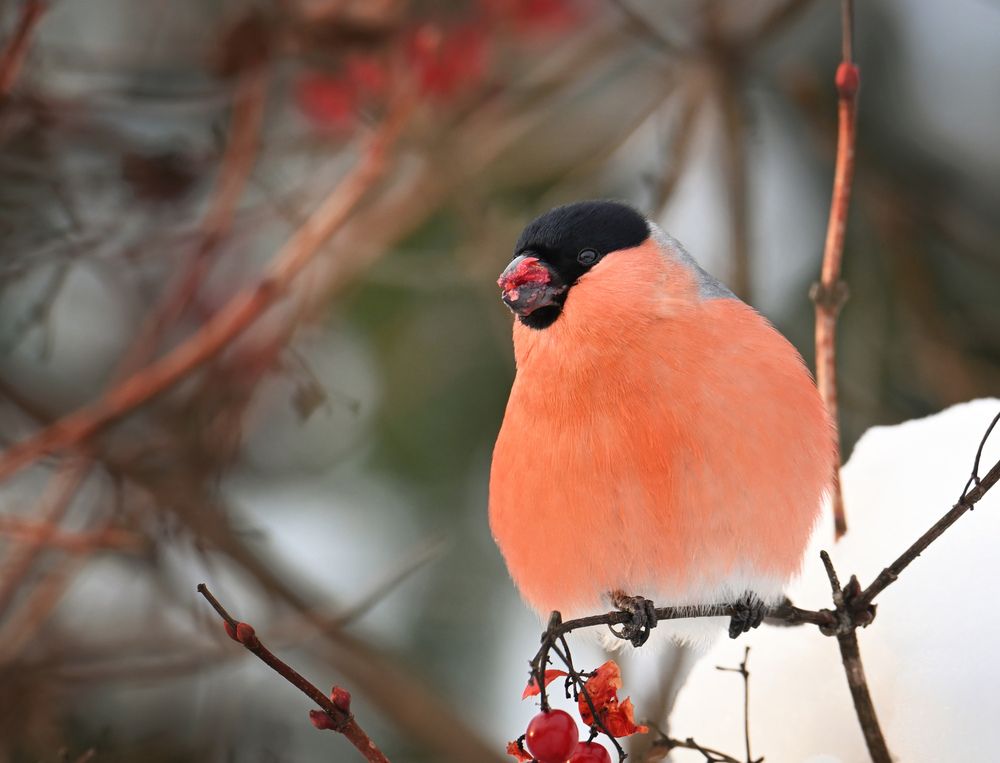
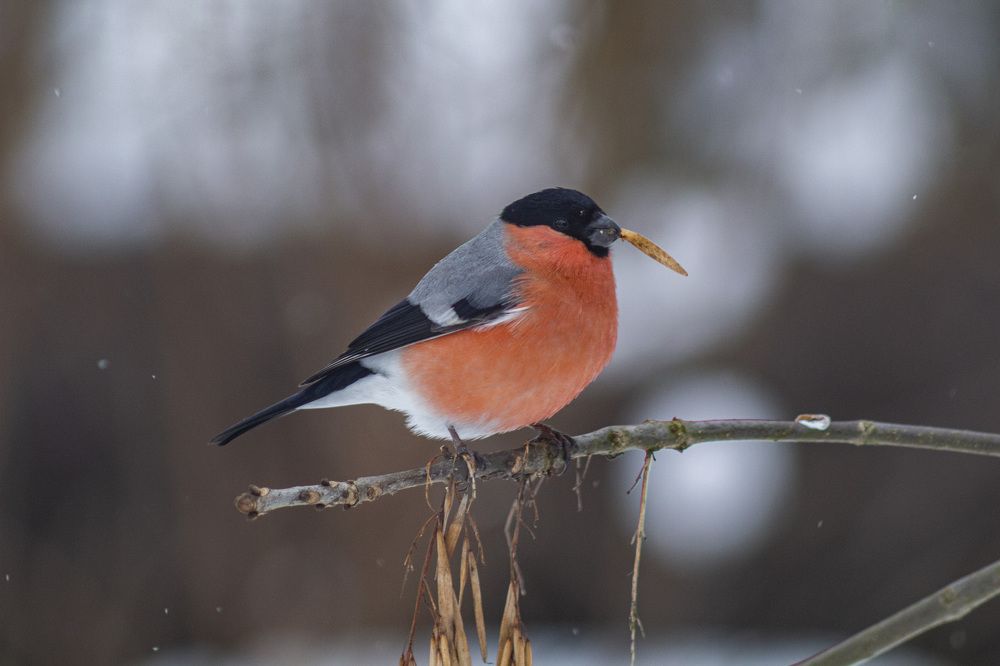
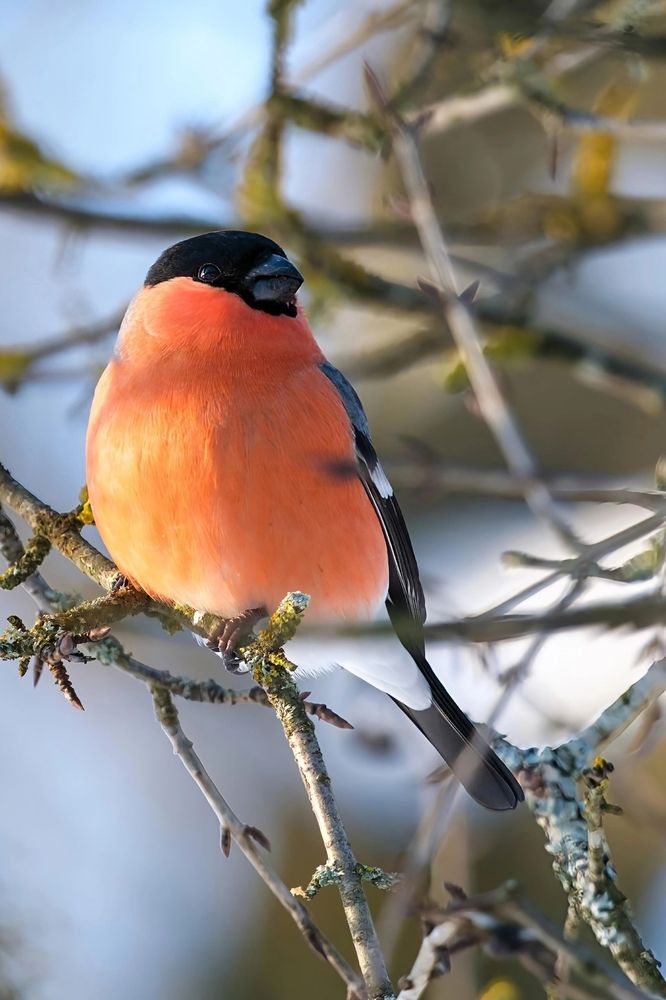
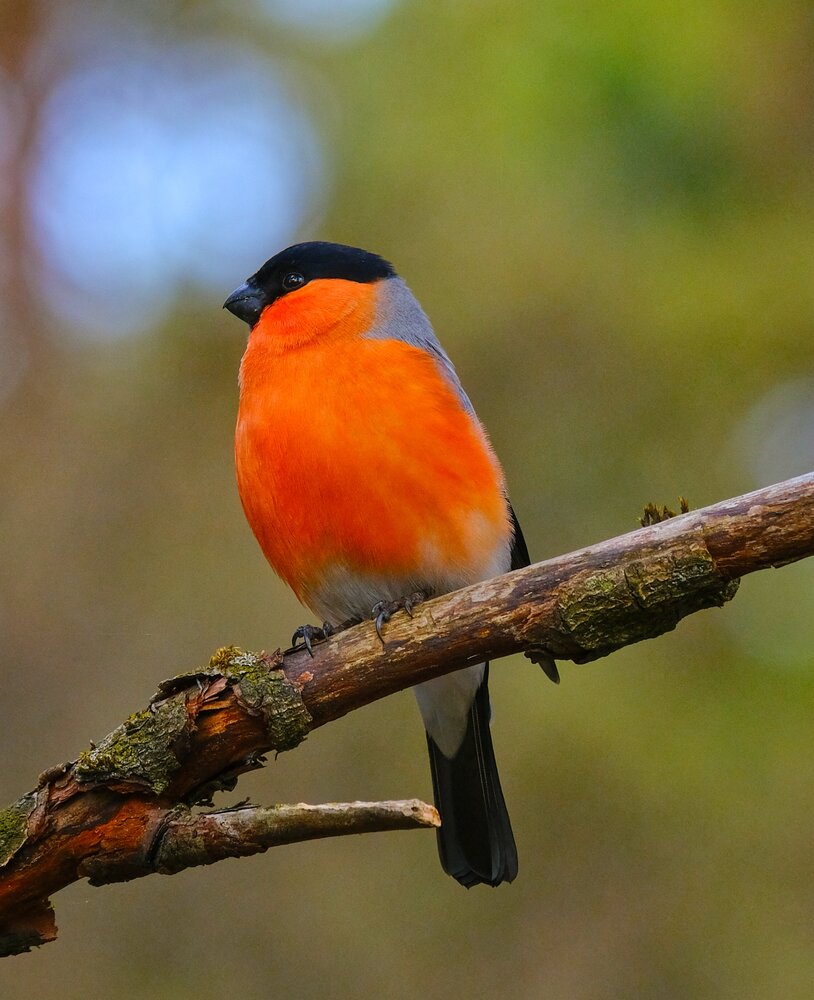
These lists are generated automatically and may contain inaccuracies. Photos are shown in random order, and selections are refreshed twice a day. This section is made for exploring photos and does not claim 100% accuracy. The lists include photos that previously participated in contests that are already completed.