Red Fox Portraits
31 worksFirst upload: Jul 2019Peak: 2025Last 12 months: 9
📝 Description
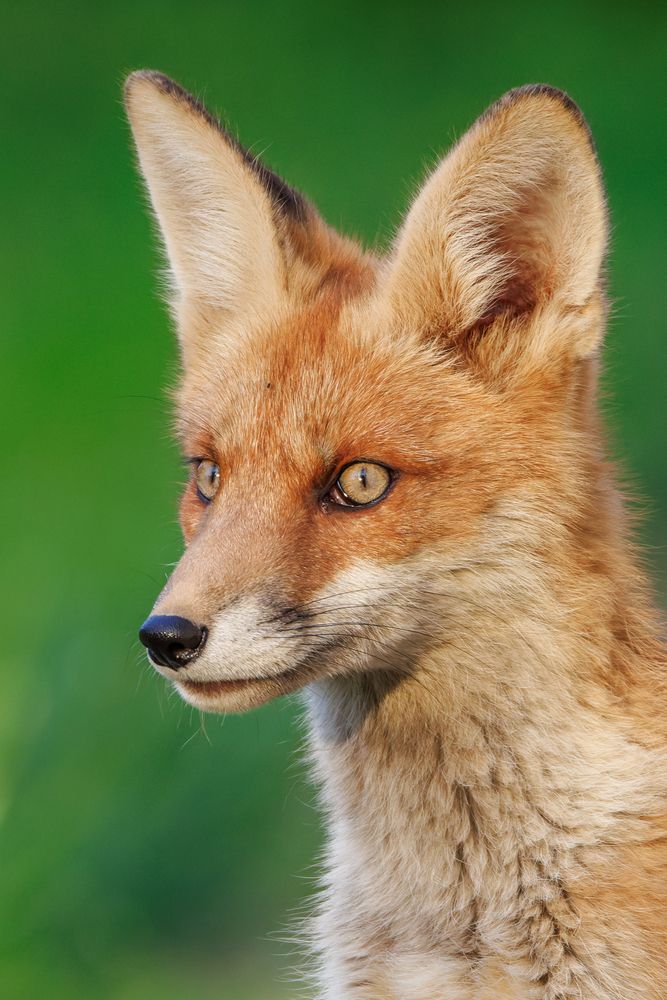
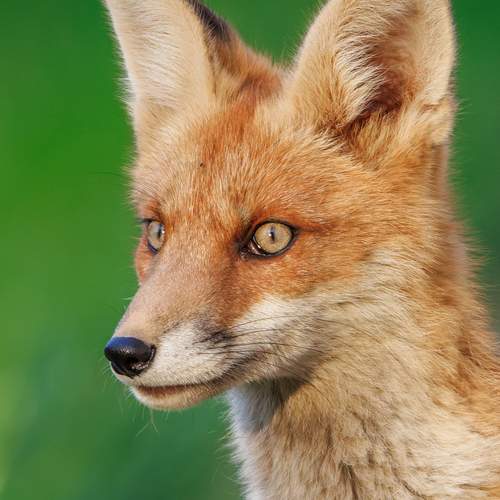
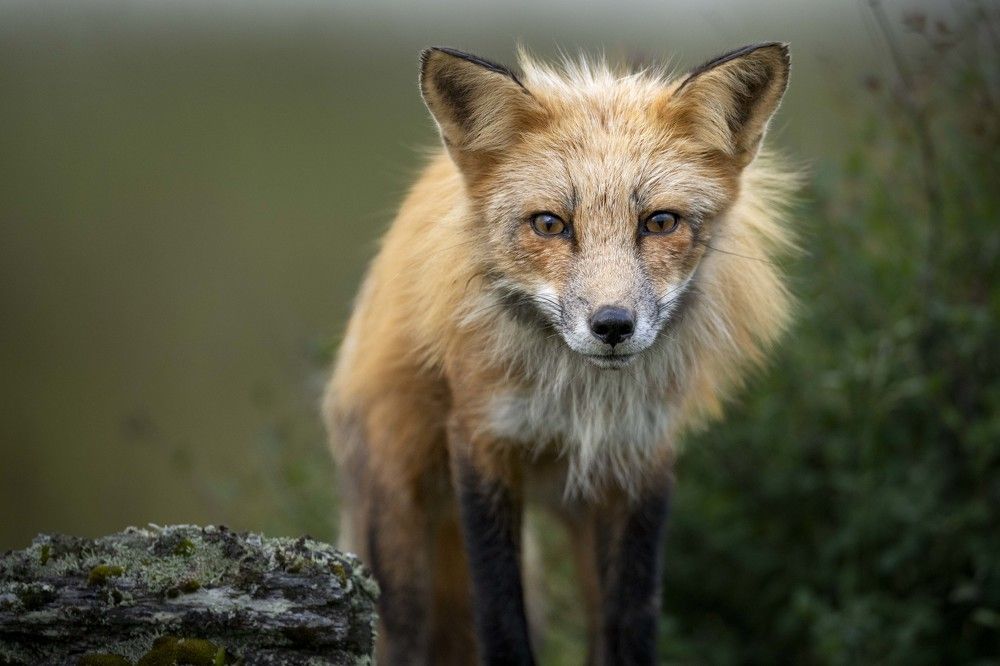
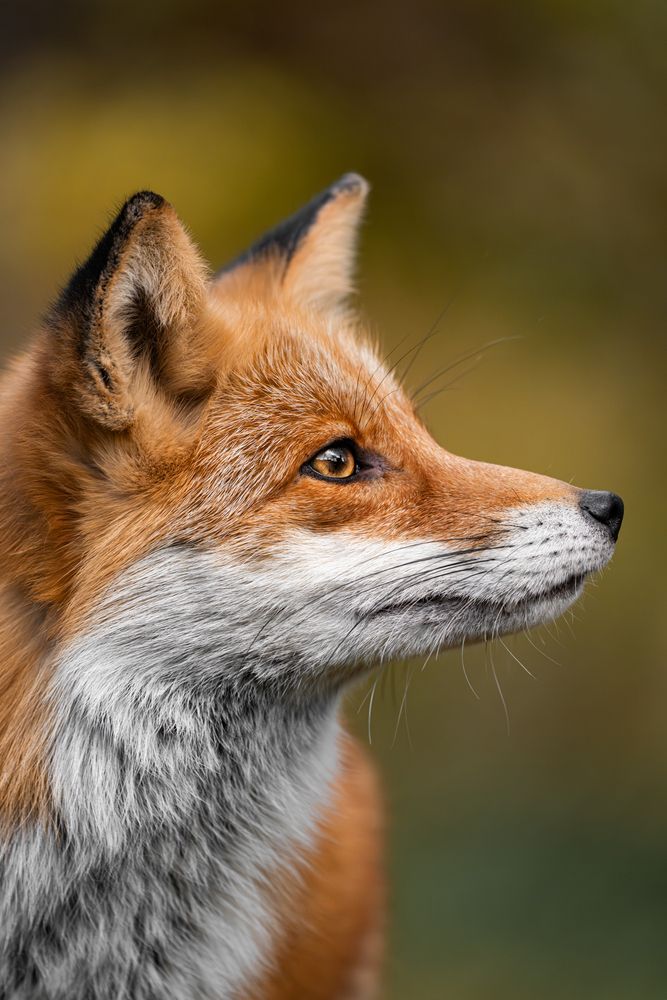
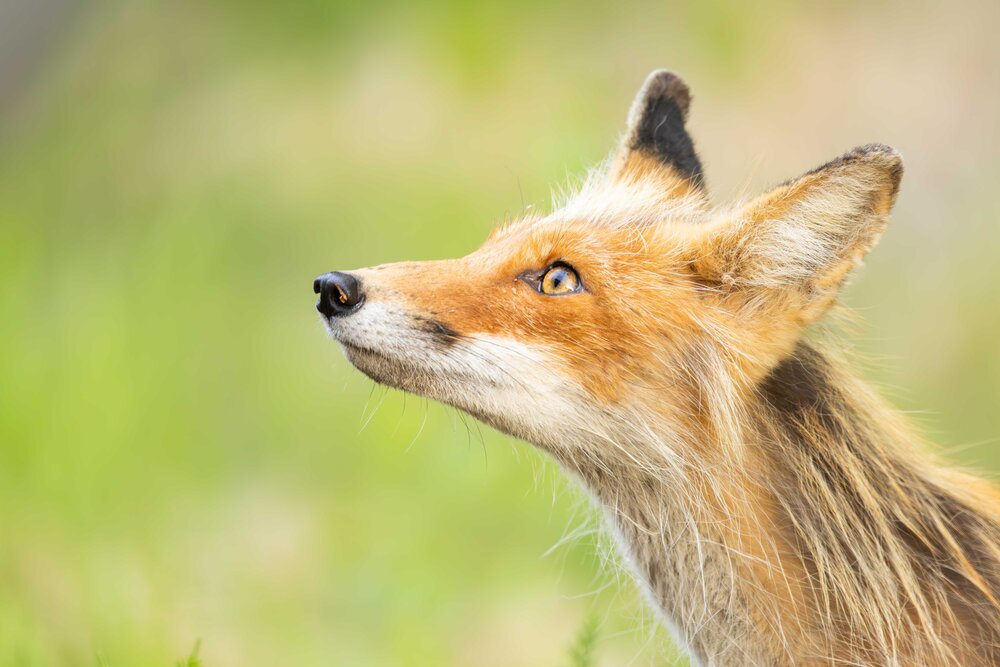
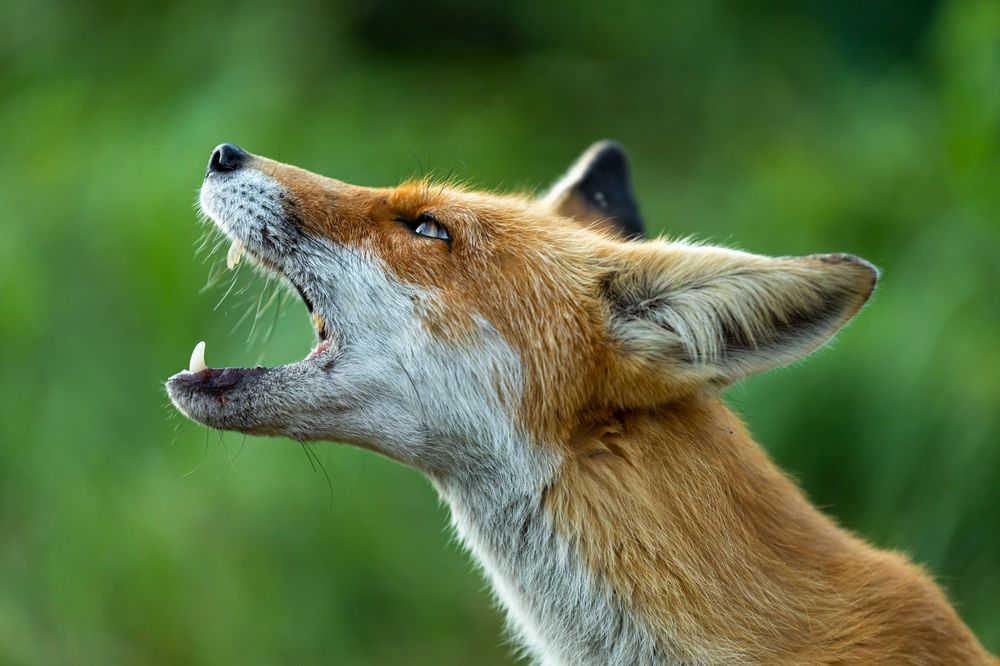
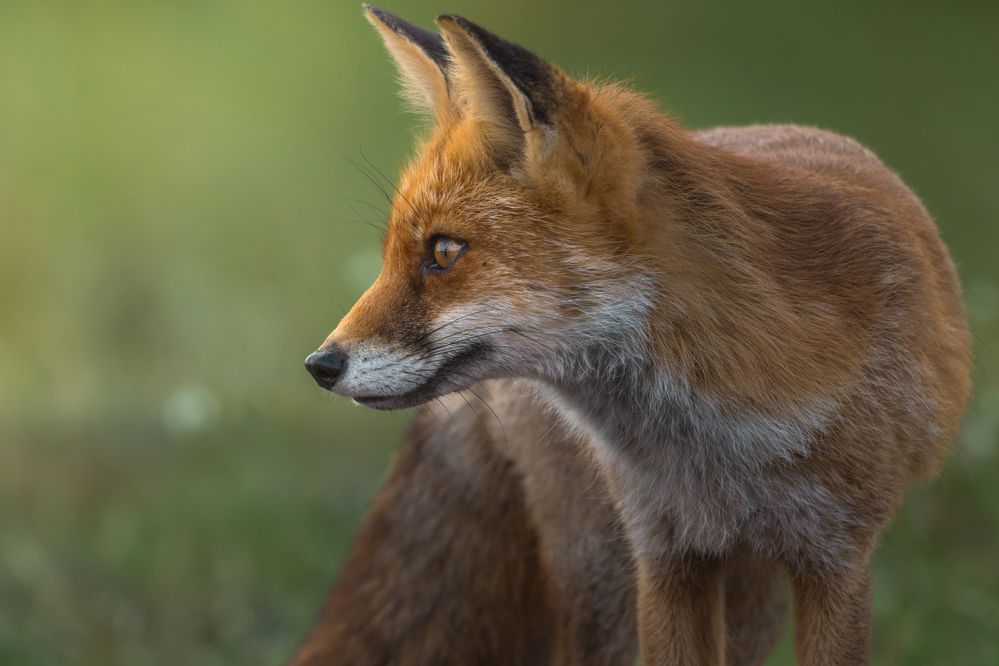
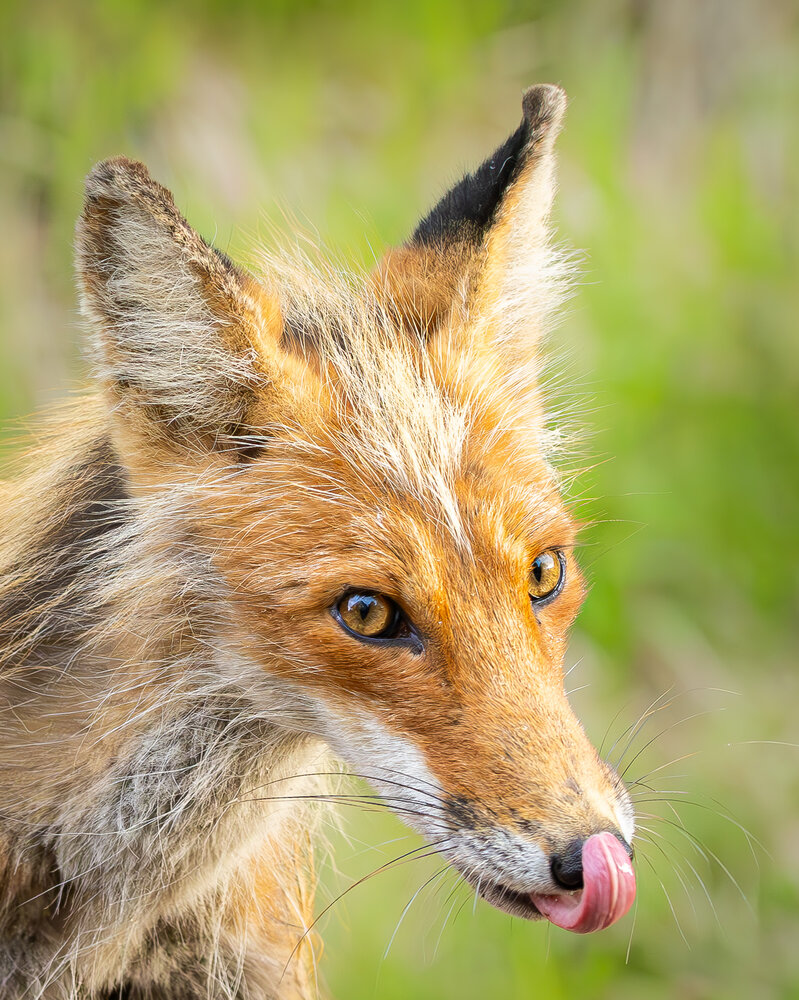
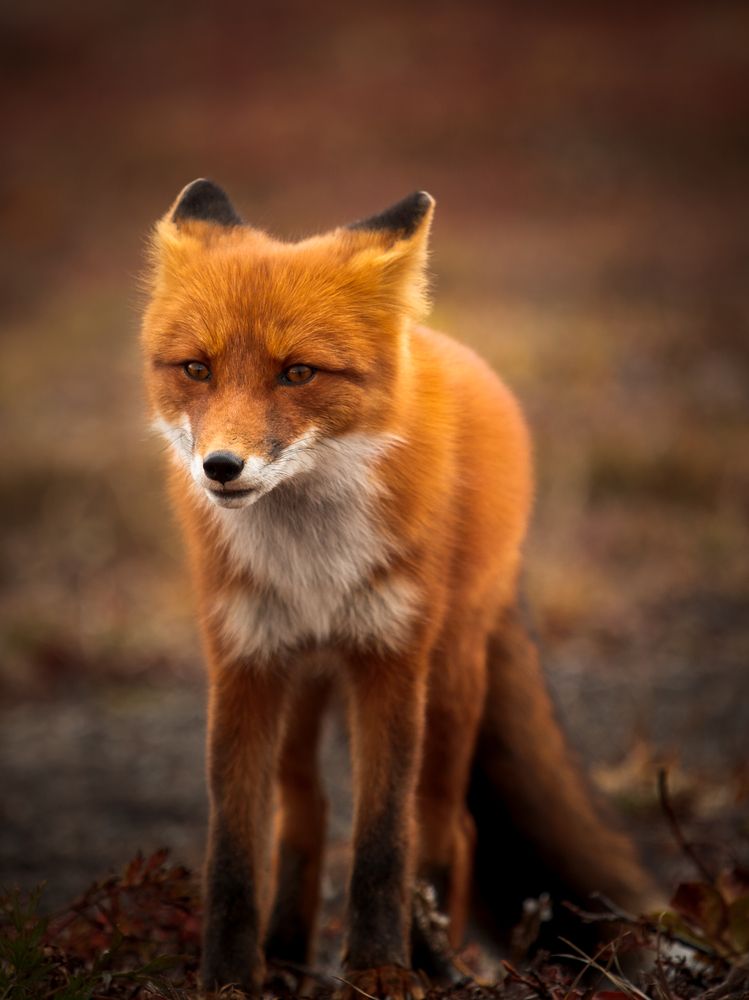
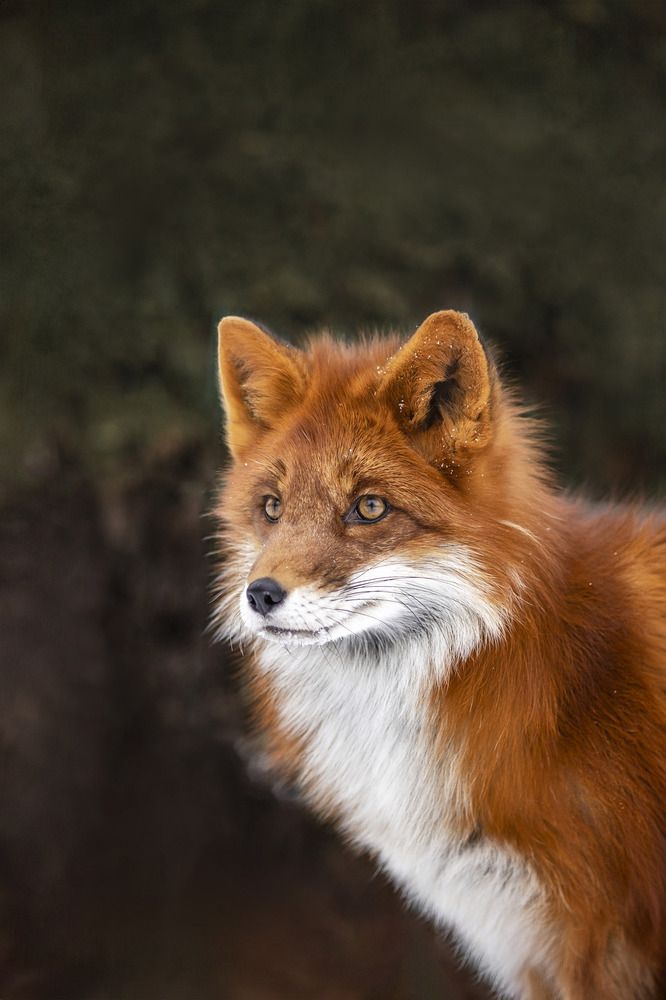
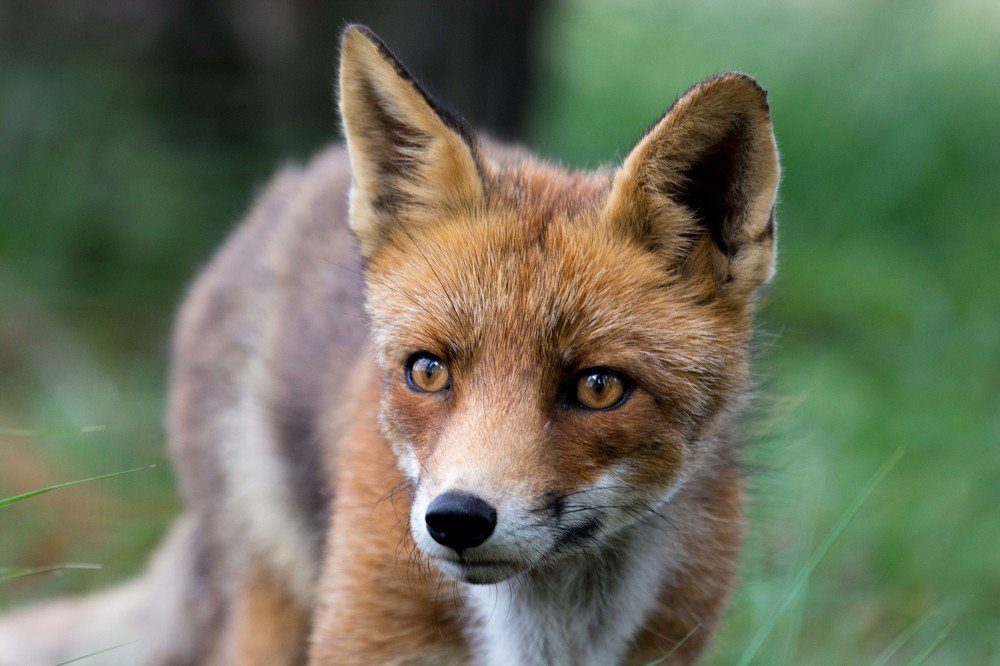
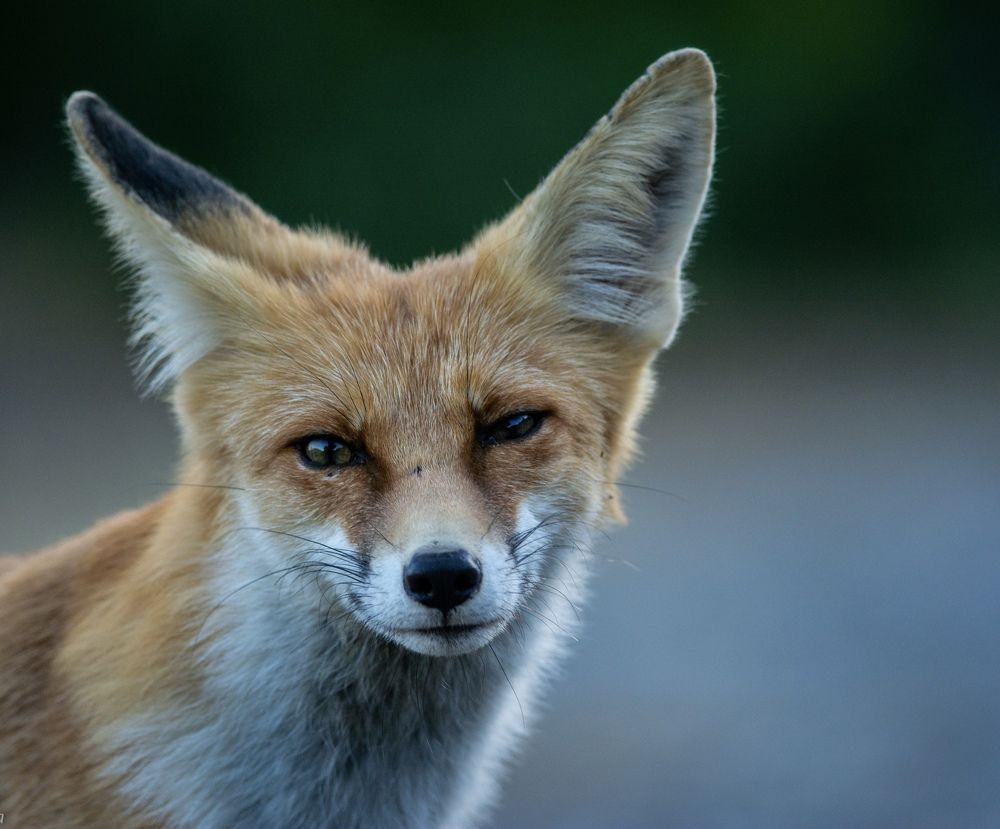
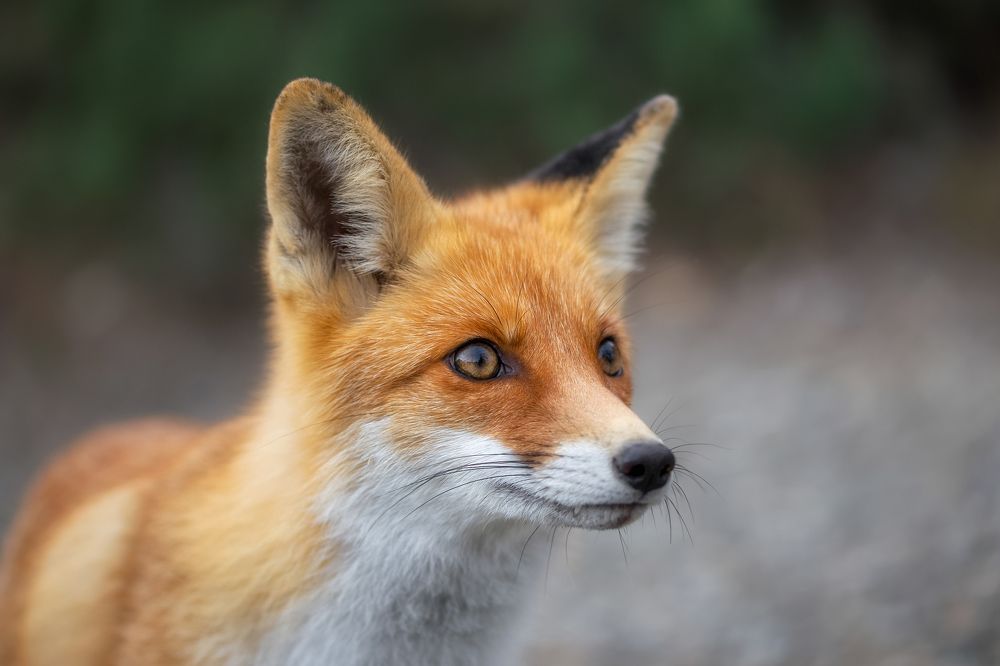
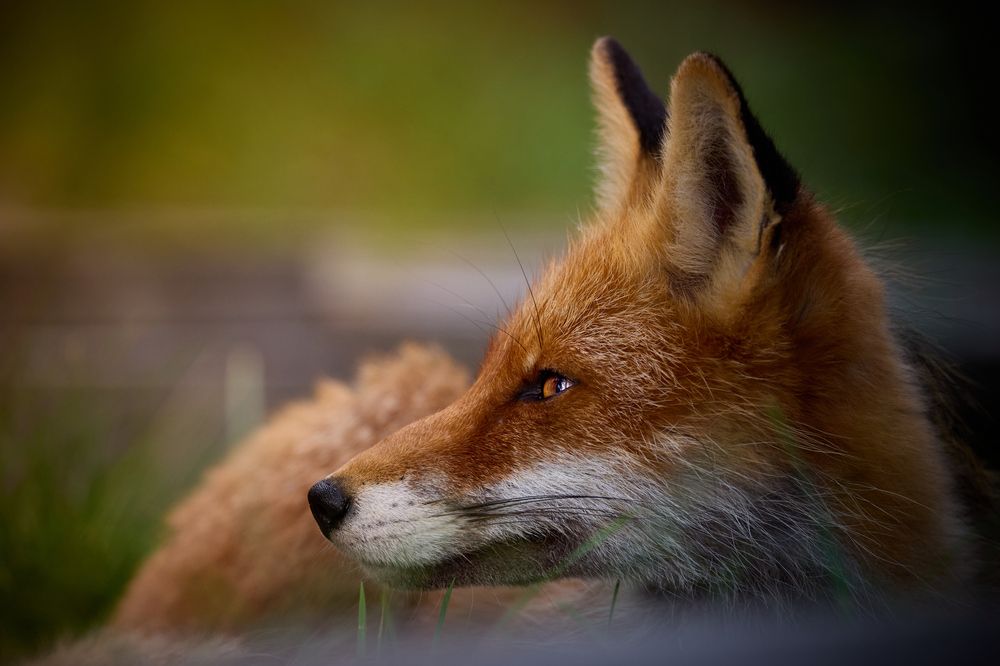
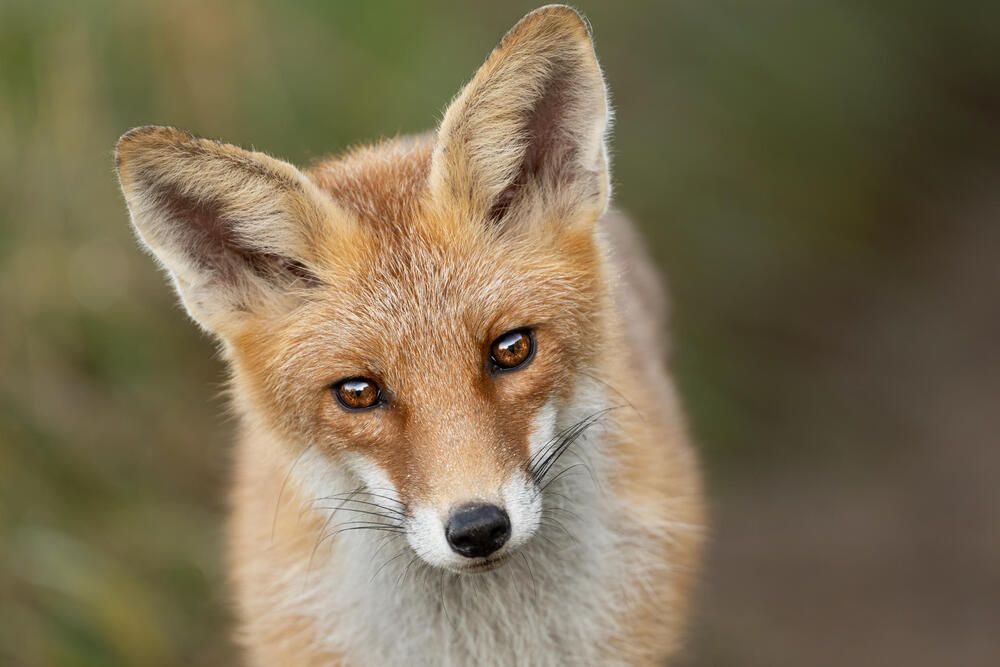
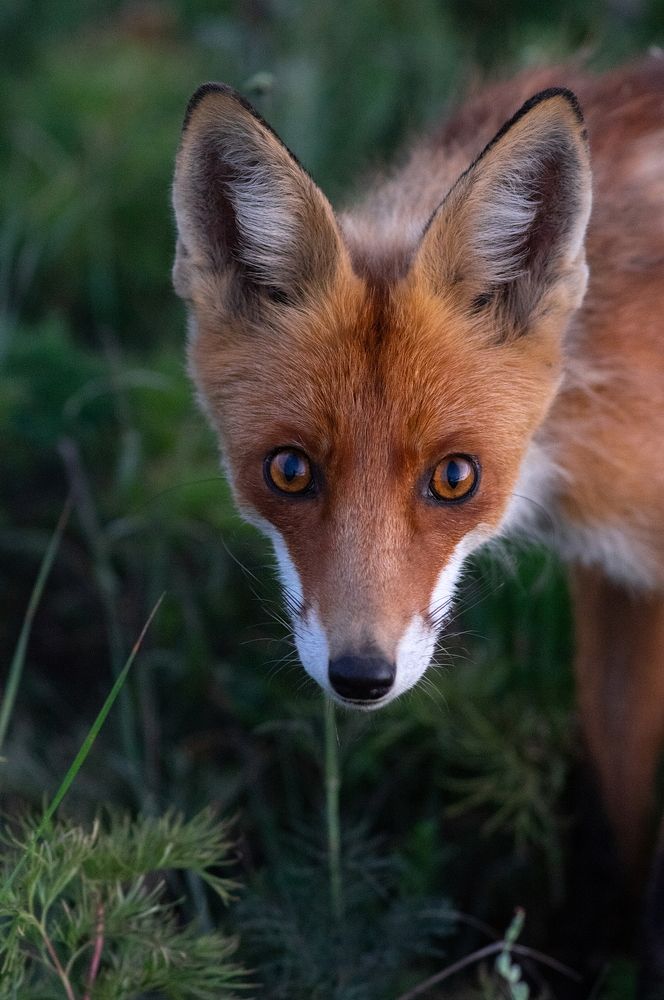
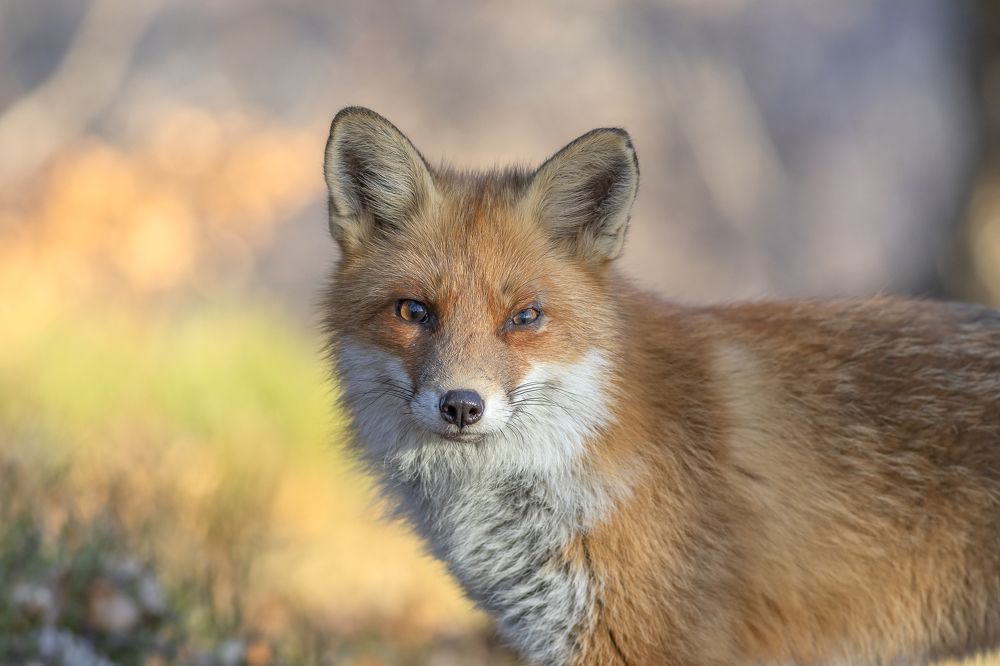
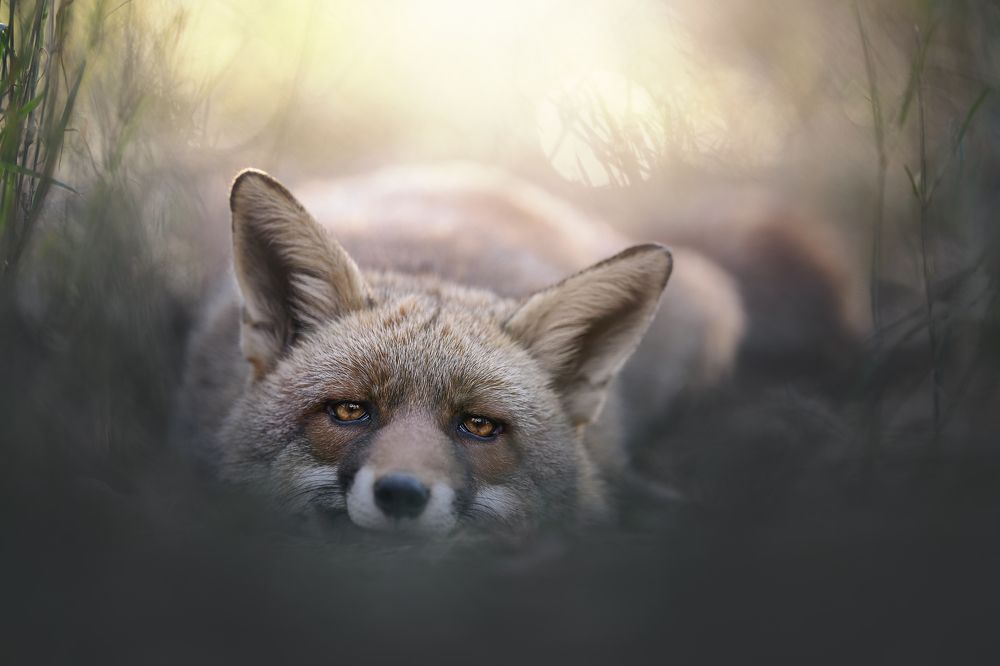
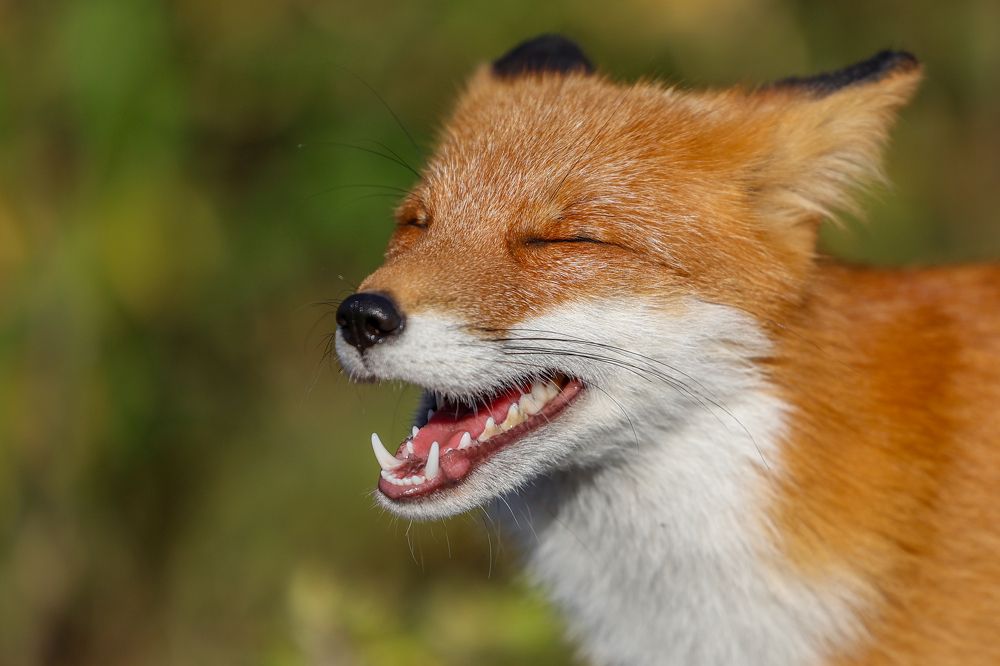
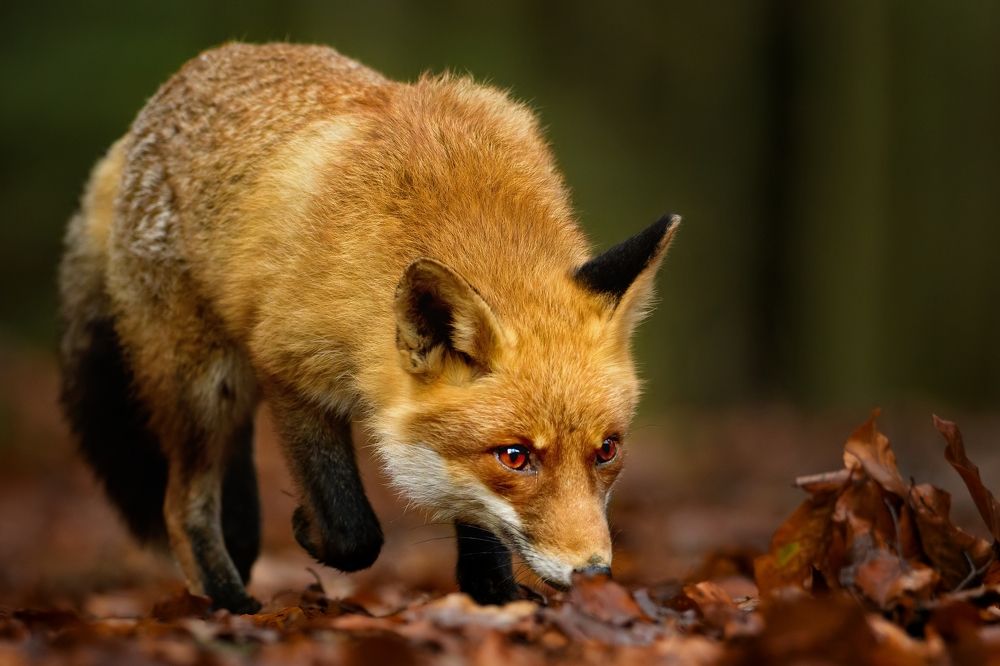
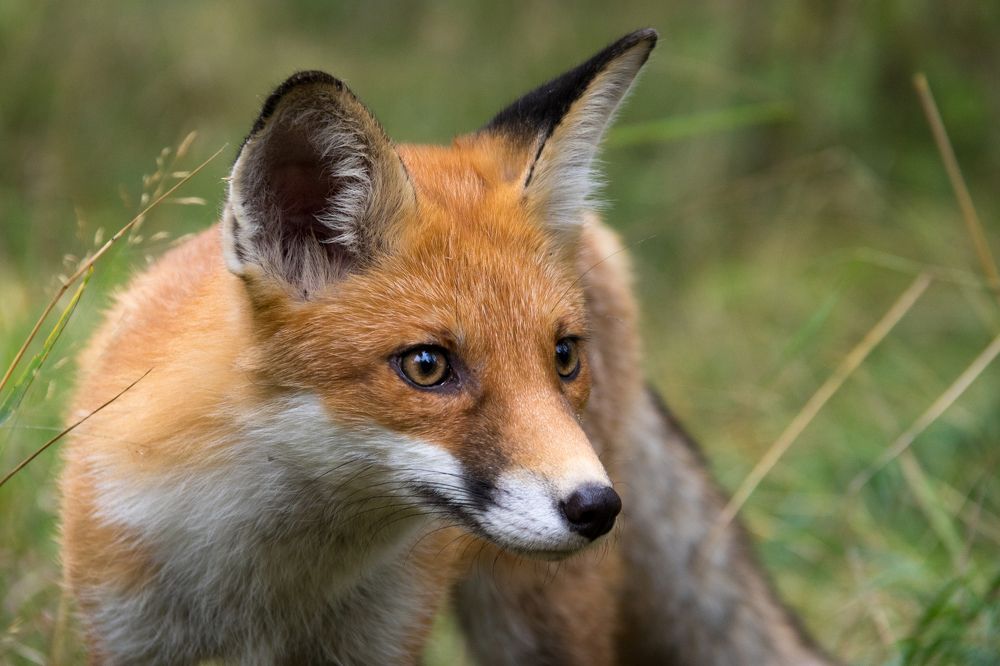
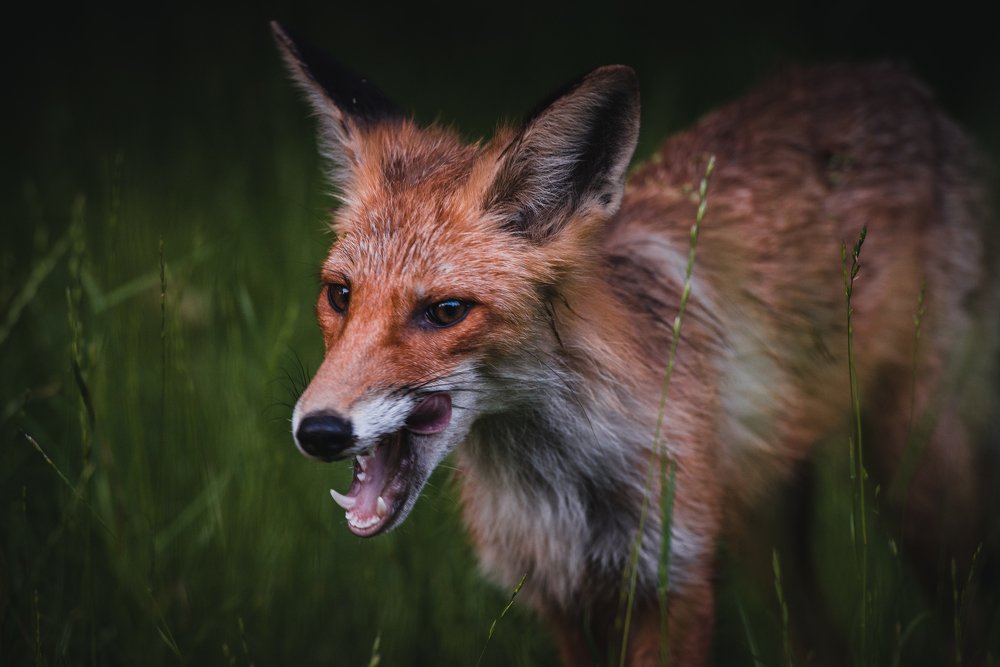
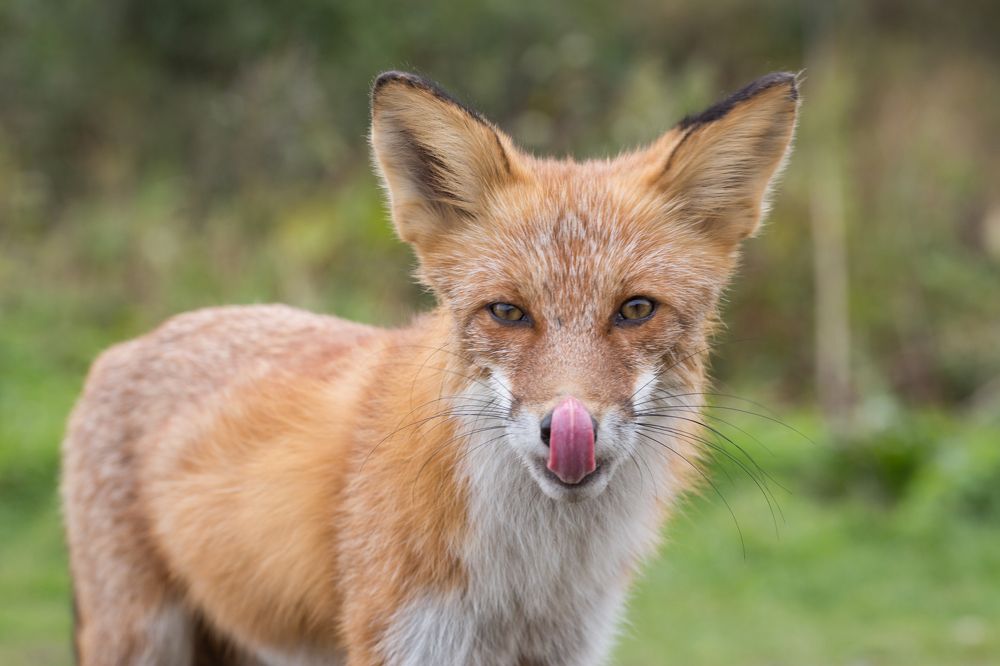
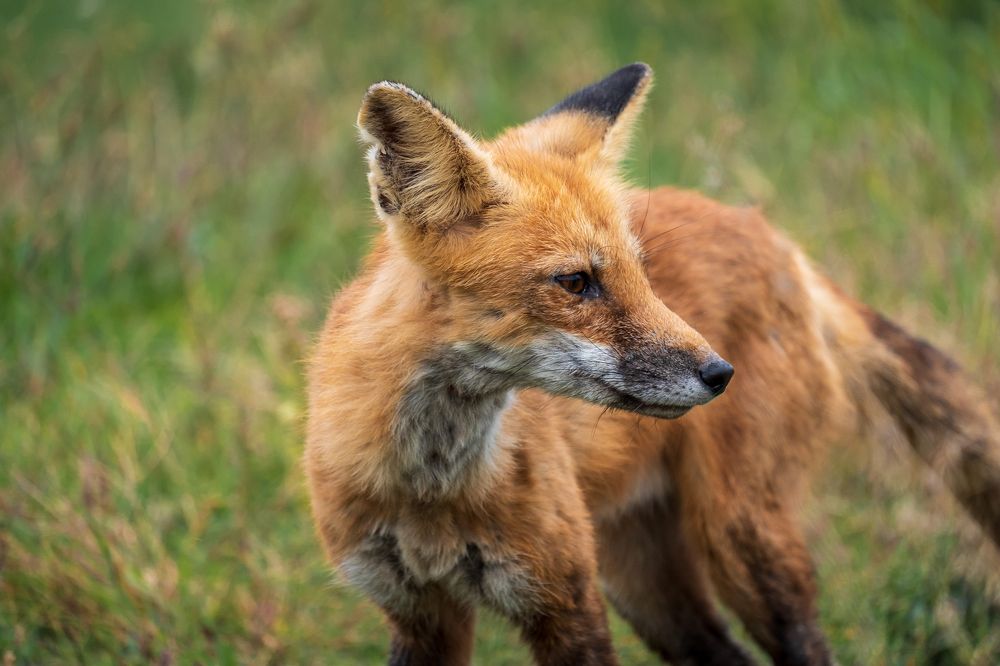
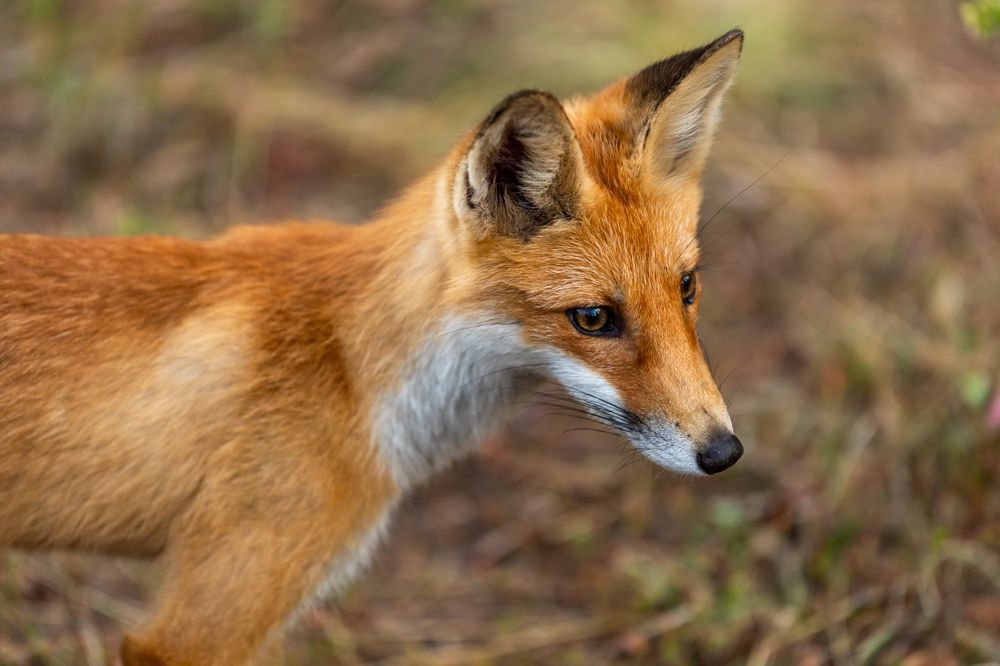
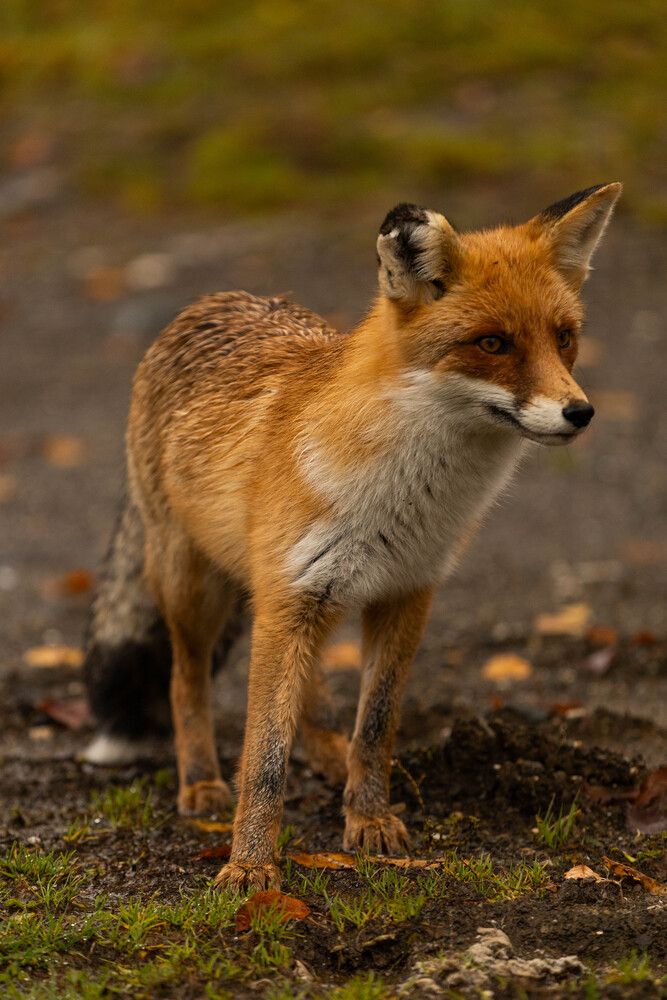
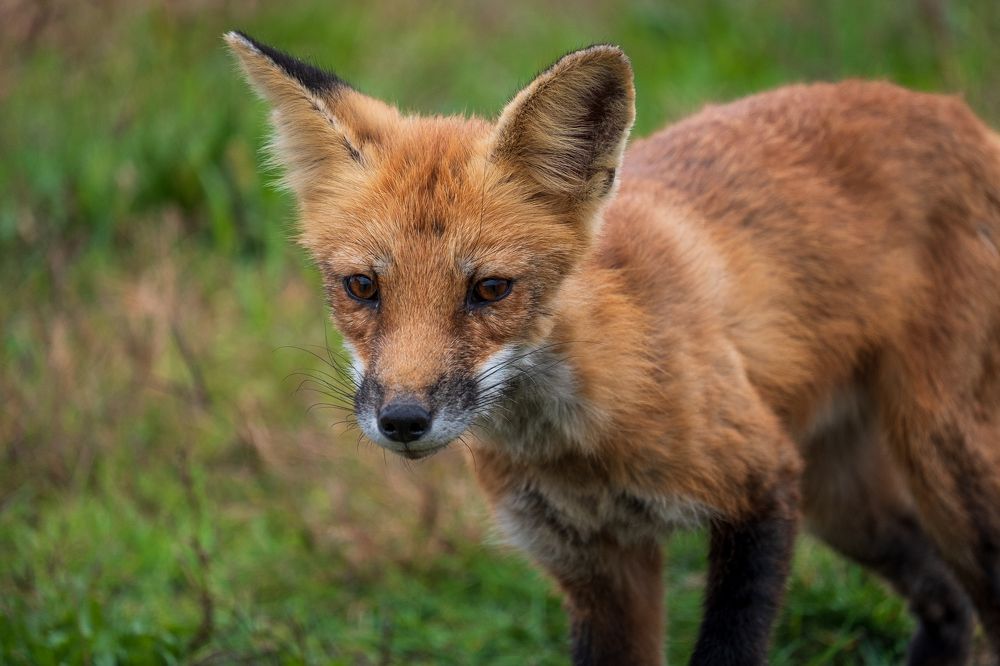
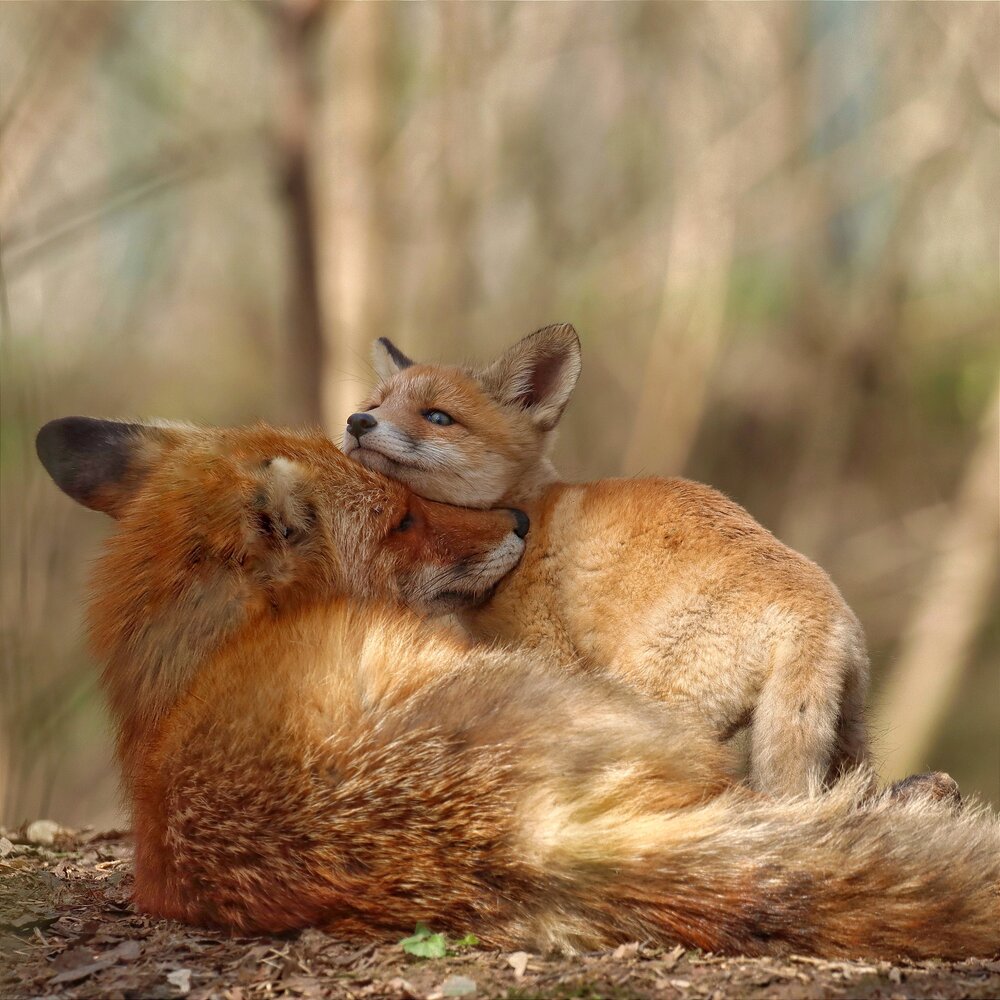
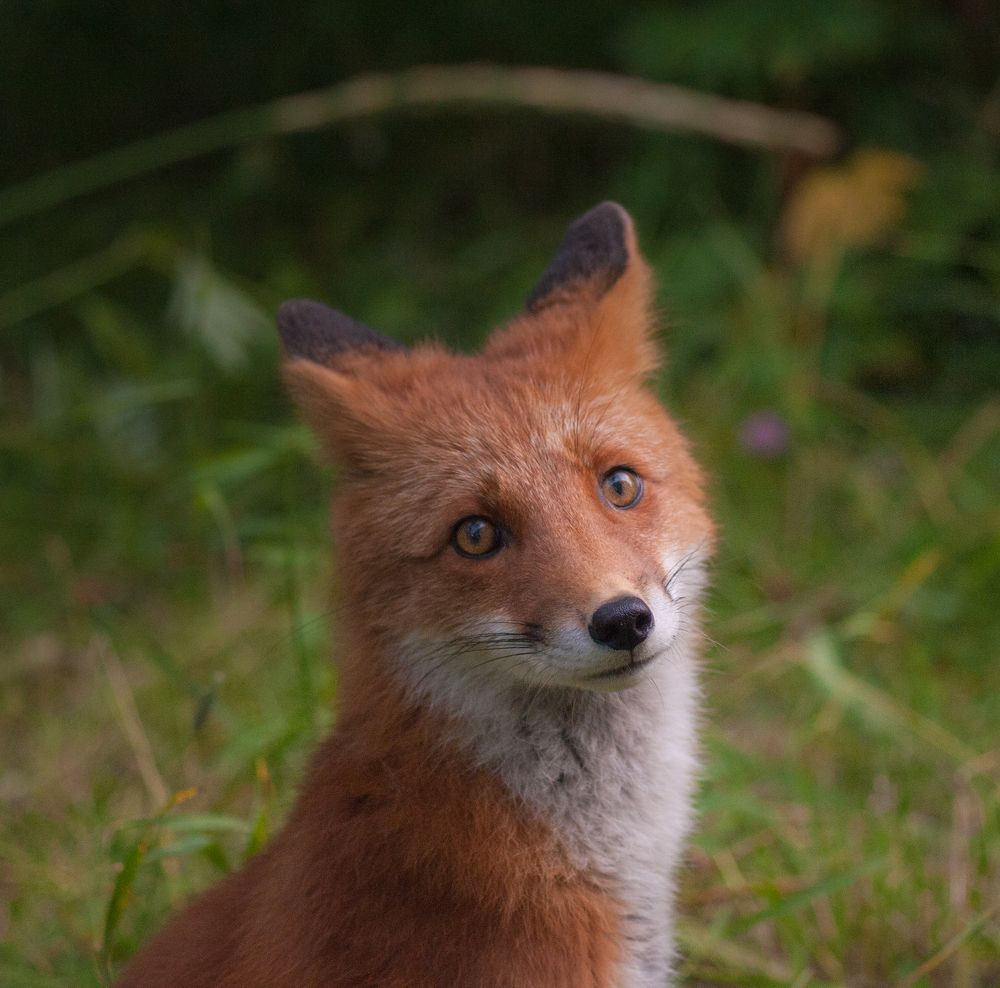
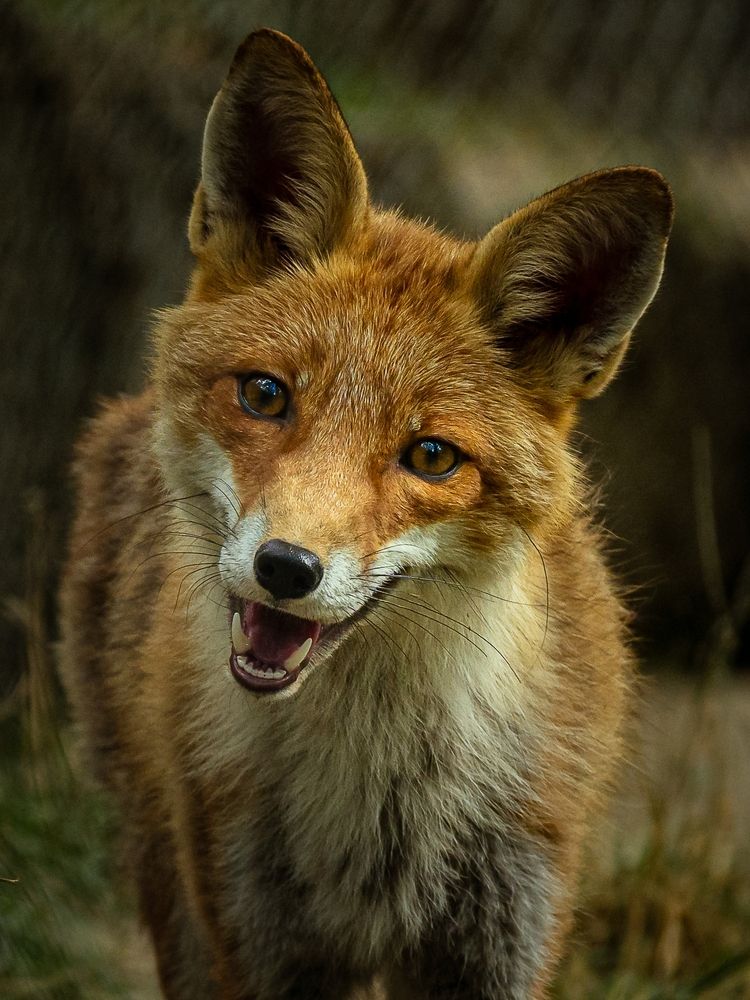
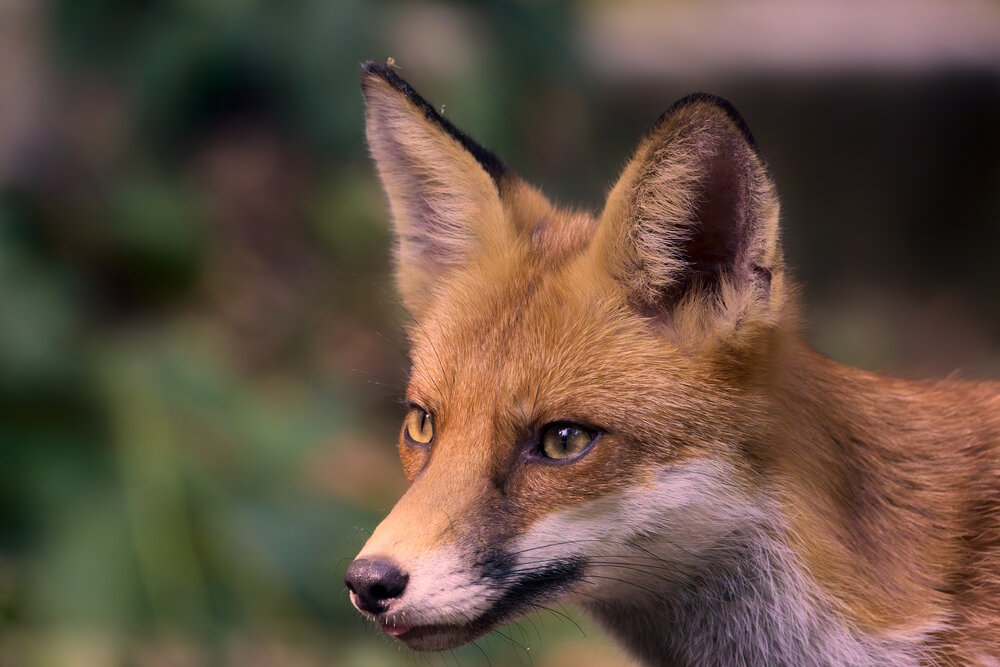
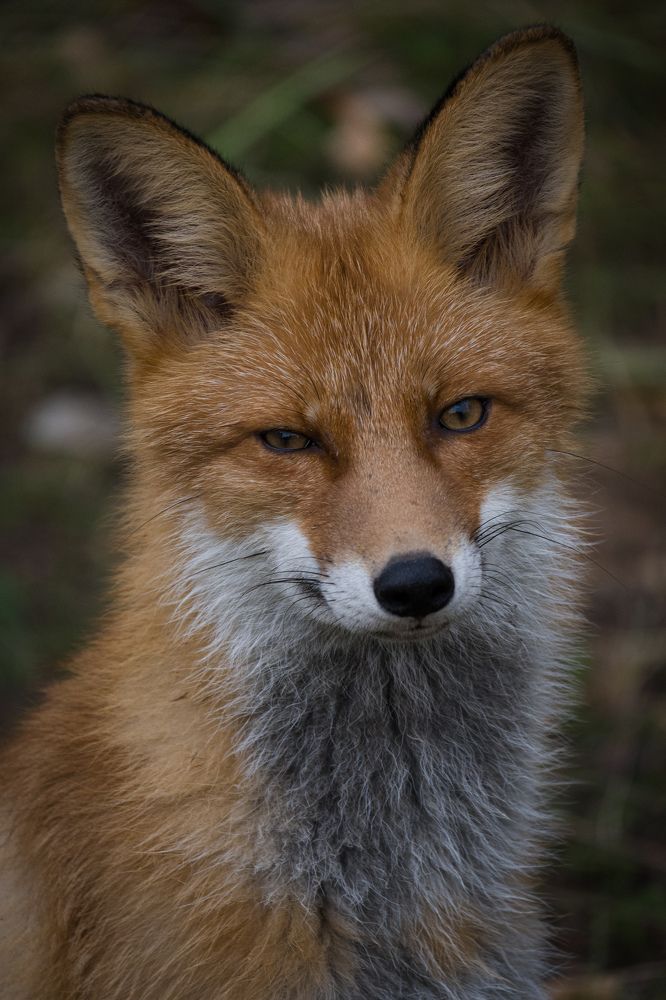
These images feature the red fox (*Vulpes vulpes*) in various natural settings. Photographers are drawn to the animal's striking reddish-orange coat, which provides strong color contrast against green foliage or brown earth. The subjects are captured through different approaches, including close-up portraits and environmental shots that show the animals moving through grass or leaf litter. While the locations vary from the Italian Alps to Siberia, the focus remains on the distinct physical characteristics of the species. A consistent visual motif across the group is the animal's alert expression and direct engagement with the camera lens.
How to shoot it
📍 Where to shoot
Shooting takes place outdoors in natural areas of Eurasia and North America, including Crimea, Italy, and Siberia. Foxes are often found in urban suburbs, where they show curiosity towards people.
🕐 Time of day
Most shot between 16:00 and 19:00 (32% of frames)
Based on 28 frames with camera data. Camera clock time; the time zone is unknown.
The best time for shooting is morning (8–11 am) and evening (4–6 pm), when foxes are active and the light is soft. These hours appear most frequently in frame statistics.
🗓️ Season
Most shot in: September, August, October
Based on 28 frames with camera data
Optimal months are August, September, and October, as fur becomes thicker and brighter in autumn. Good shots are also possible in January.
🎒 Gear
A telephoto lens with a focal length of 135–500 mm (median 200 mm) is needed for long-distance shooting. Aperture is typically f/2.8–f/7.1, ISO 200–3200.
Cameras and lenses the authors used (10)
Canon EOS R6m2 3Nikon D7100 2Nikon NIKON Z 8 2Canon EOS 5D Mark III 2Fujifilm X-T20 2Canon RF 100-500/4.5-7.1 L IS USM 3AF-S Nikkor 300mm f/4D IF-ED 2XF55-200mm F3.5-4.8 R LM OIS 2NIKKOR Z DX 50-250mm f/4.5-6.3 VR 2AF-S Nikkor 70-200mm f/2.8E FL ED VR 2
🧳 What to bring
Warm clothing and footwear for field conditions, insect repellent or cold protection, spare batteries, rain cover for equipment.
⚙️ Settings
Shutter 1/500 (1/1000 – 1/250)Aperture f/5.3 (f/2.8 – f/7.1)ISO 800 (200 – 3200)Focal length 200 mm (135 – 500)
Based on 27 frames with camera data. Median and 10-90% range across the idea frames.
Key parameter: shutter speed; median 1/500 s (range 1/1000–1/250 s) to freeze motion. Aperture f/5.3, ISO 800.
⚠️ Good to know
Follow ethics: do not corner the animal or prevent it from leaving. In urban suburbs, foxes may be curious, but maintain distance for natural behavior.
📈 How the idea developed
works uploadedshare of all site uploads, per 100k
The date is when the file was uploaded to the site. The chart counts works assigned to the idea.
✅ How to repeat it
- Use burst mode to capture expressive facial expressions or head turns.
- Shoot at eye level with the animal, if possible, for a more intimate portrait.
✨ Interesting facts
- 🏆 How the best frame was shot: Canon EOS R7, Canon RF 100-500/4.5-7.1 L IS USM, 1/250, f/8, ISO 1250, 500 mm
- 📐 71% of frames are landscape orientation
- 🥇 9 works reached the finals. Best contest: Orange Color 2026
- 👤 Most frequent authors: Alexei Kriptozoy 2Eliseev Nikolay 2Greg Noakes 2
- 🌍 Authors by country: 🇷🇺 RU 19🇮🇹 IT 2🇨🇦 CA 2🇺🇸 US 2🇳🇱 NL 1
🔗 Related ideas
Some tips are prepared by AI from the idea description, photos and their EXIF. Check the rules and access to places before you travel.
Works
These lists are generated automatically and may contain inaccuracies. Photos are shown in random order, and selections are refreshed twice a day. This section is made for exploring photos and does not claim 100% accuracy. The lists include photos that previously participated in contests that are already completed.