Butterfly Wing Scales
26 worksFirst upload: Feb 2020Peak: 2023Last 12 months: 2

📝 Description
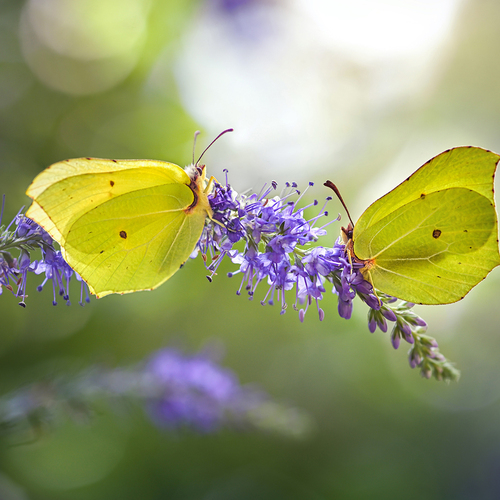
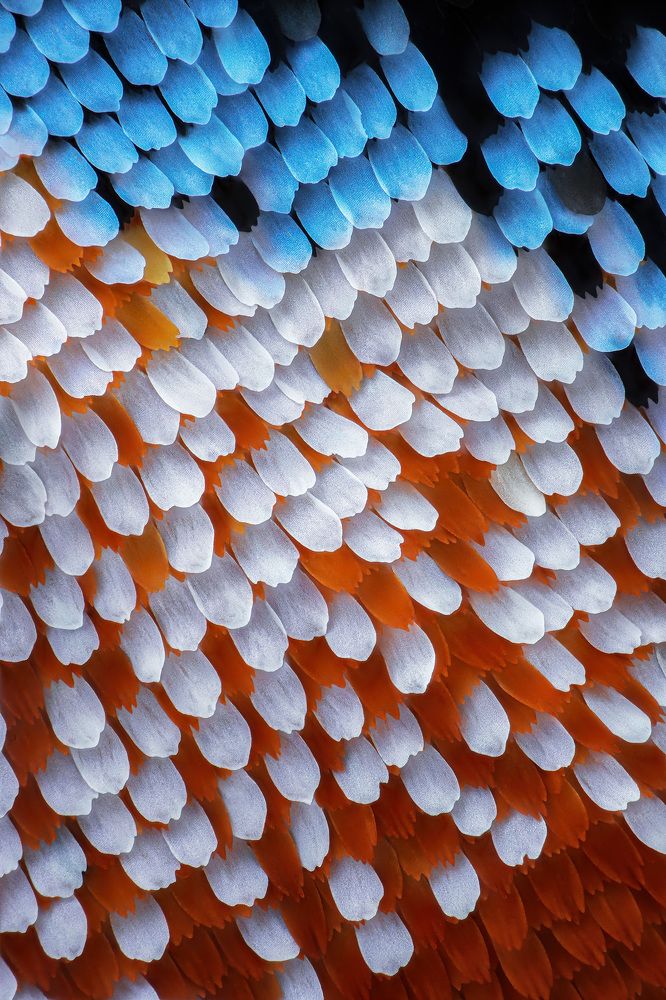
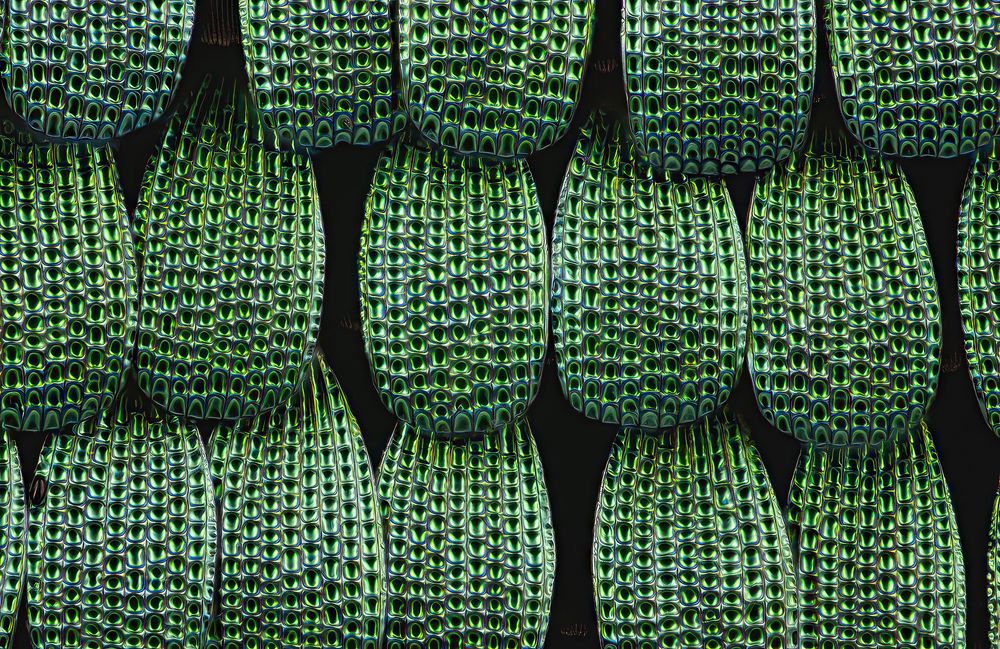
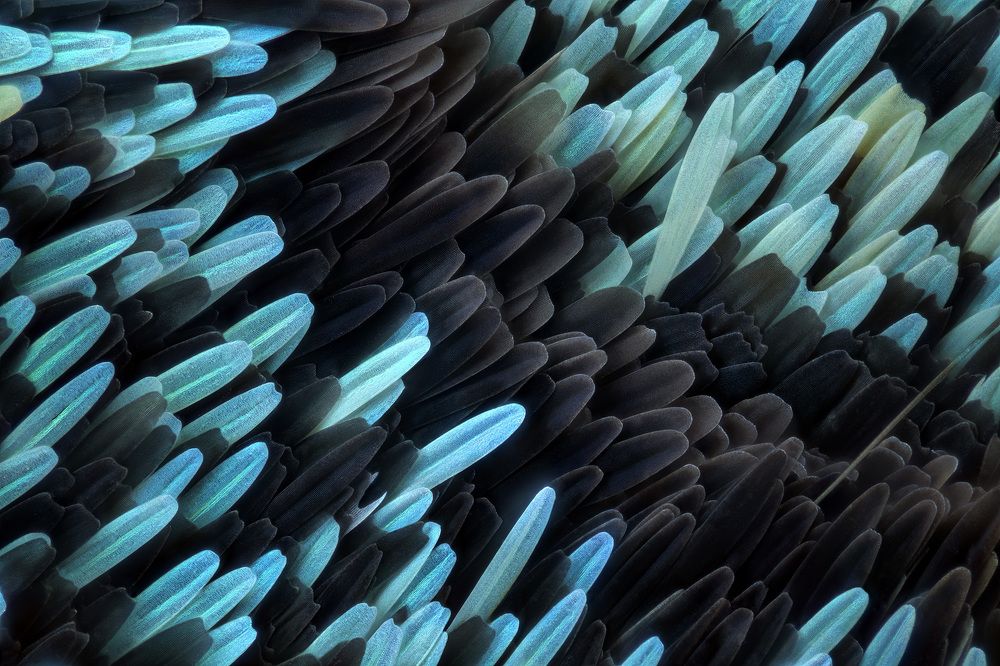
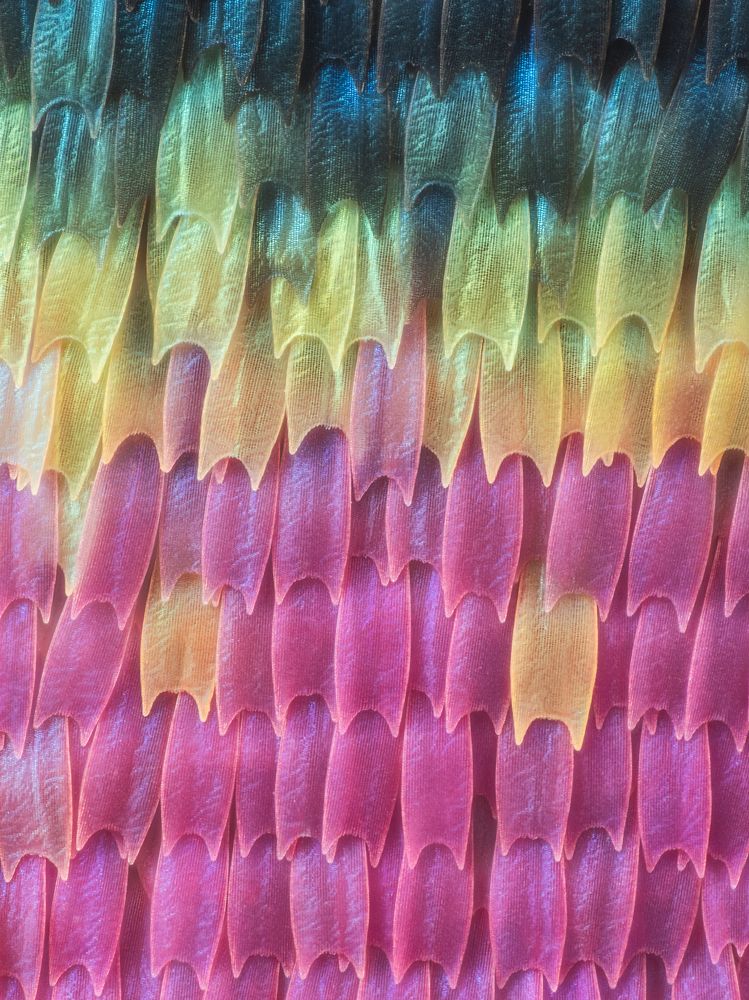
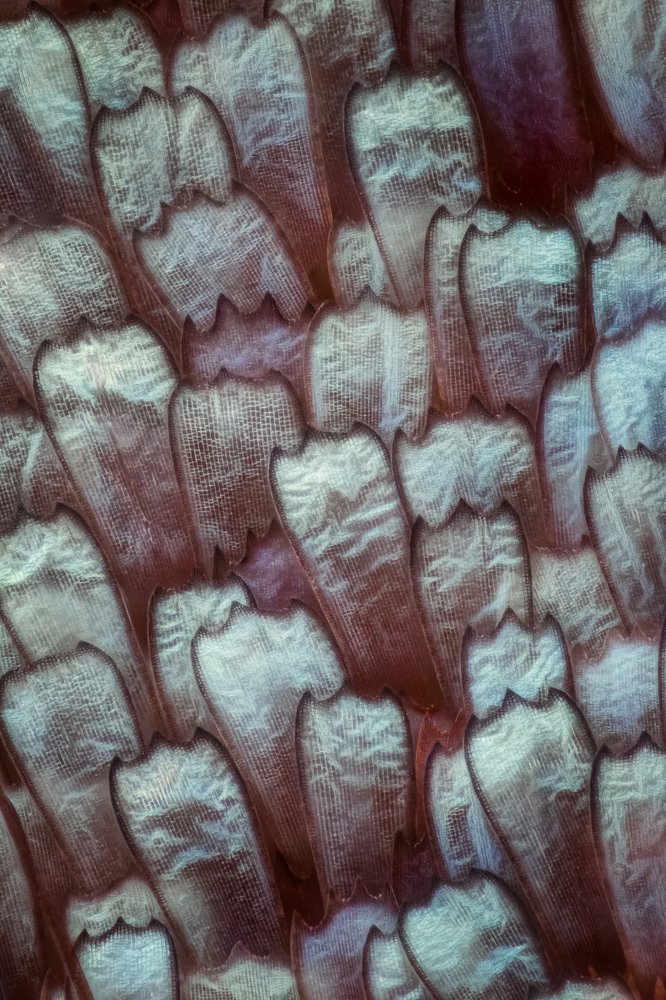
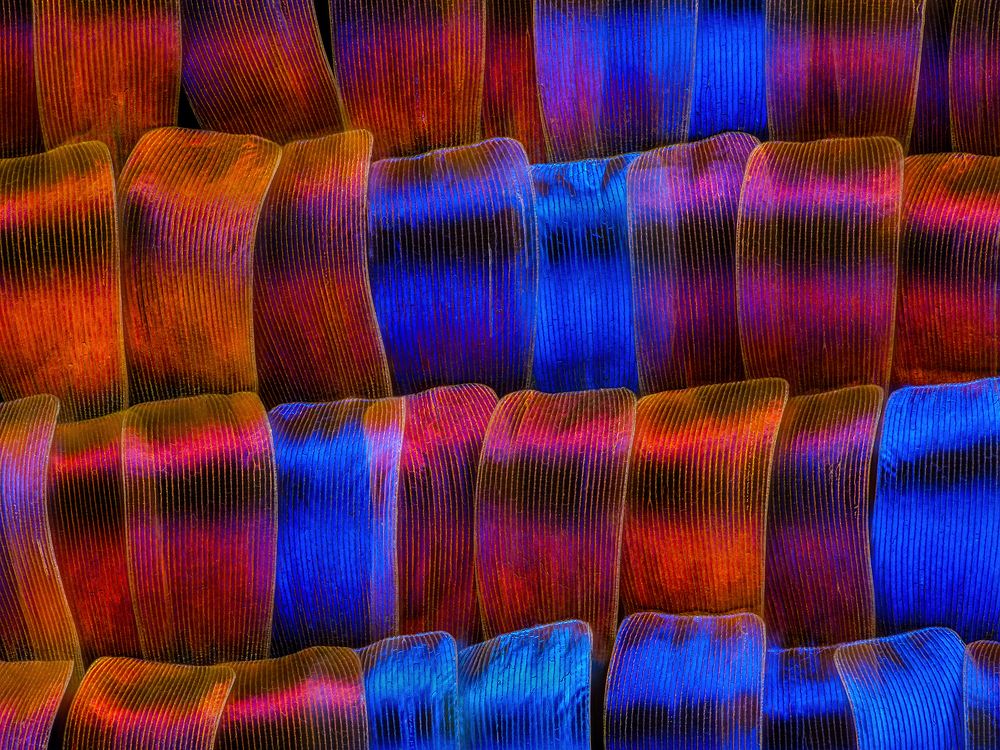
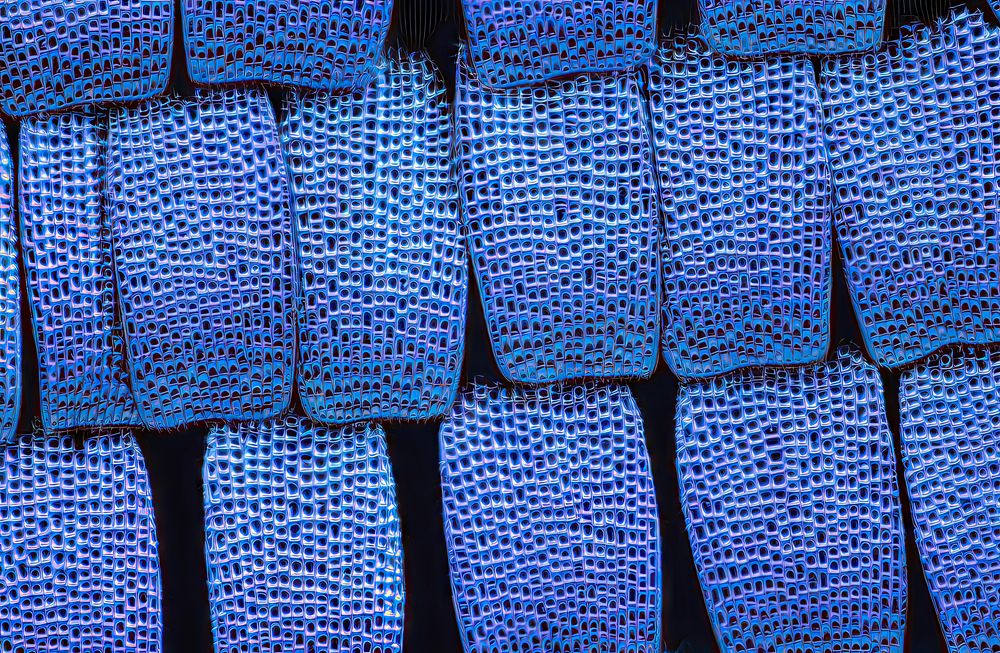
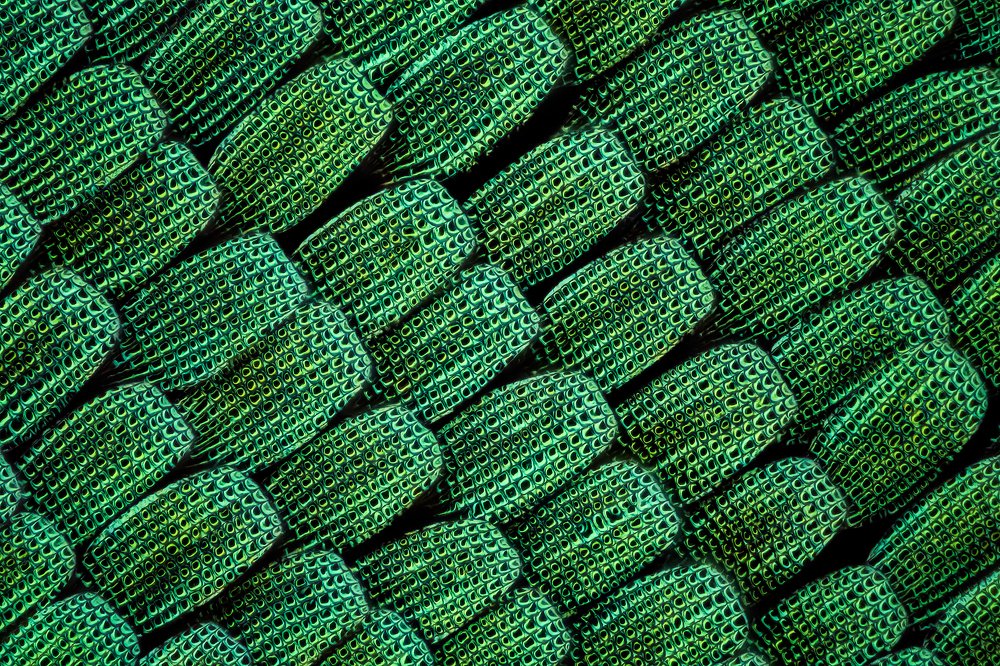
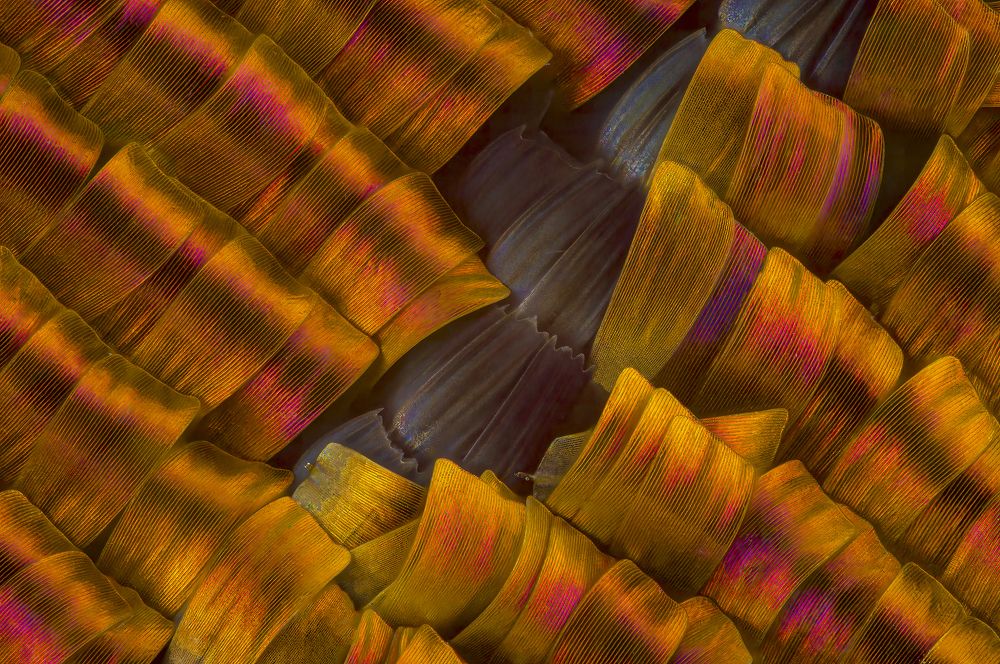
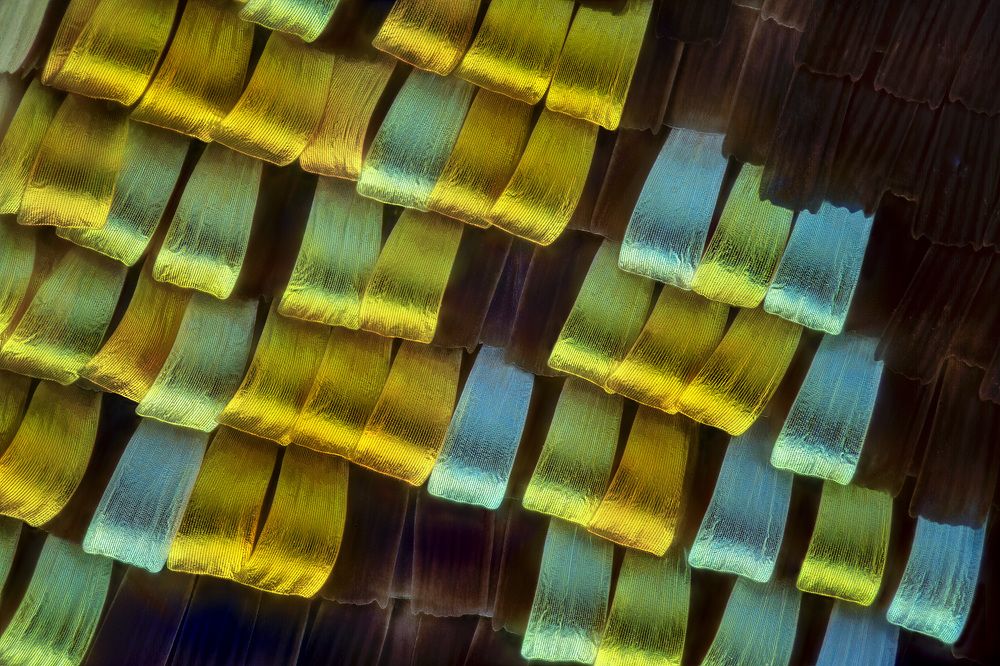
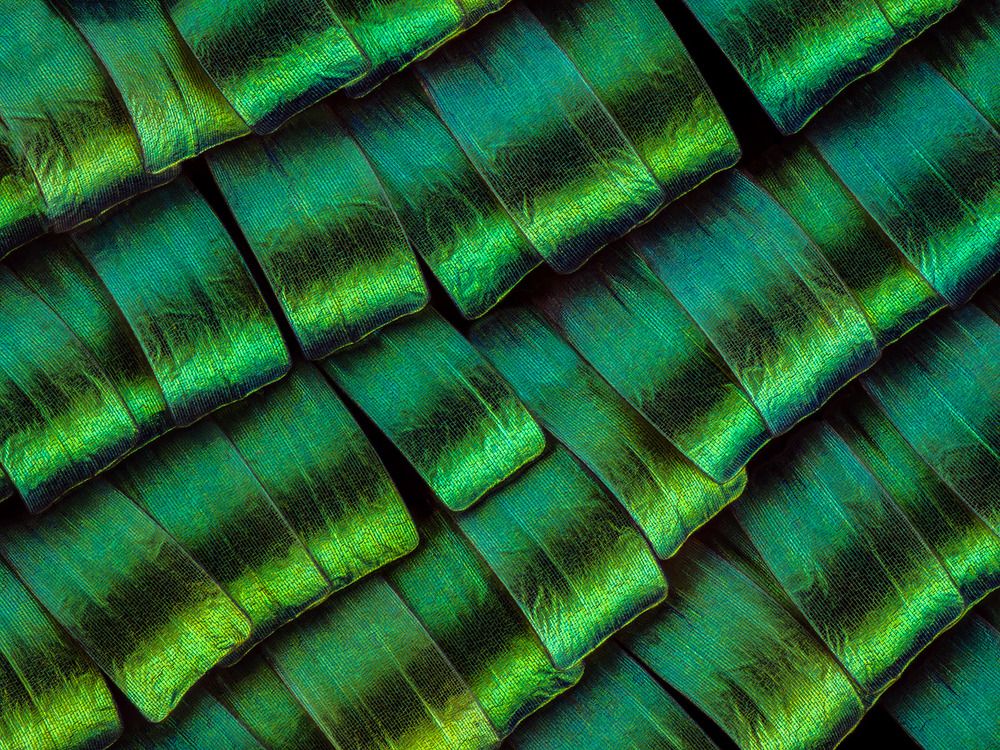
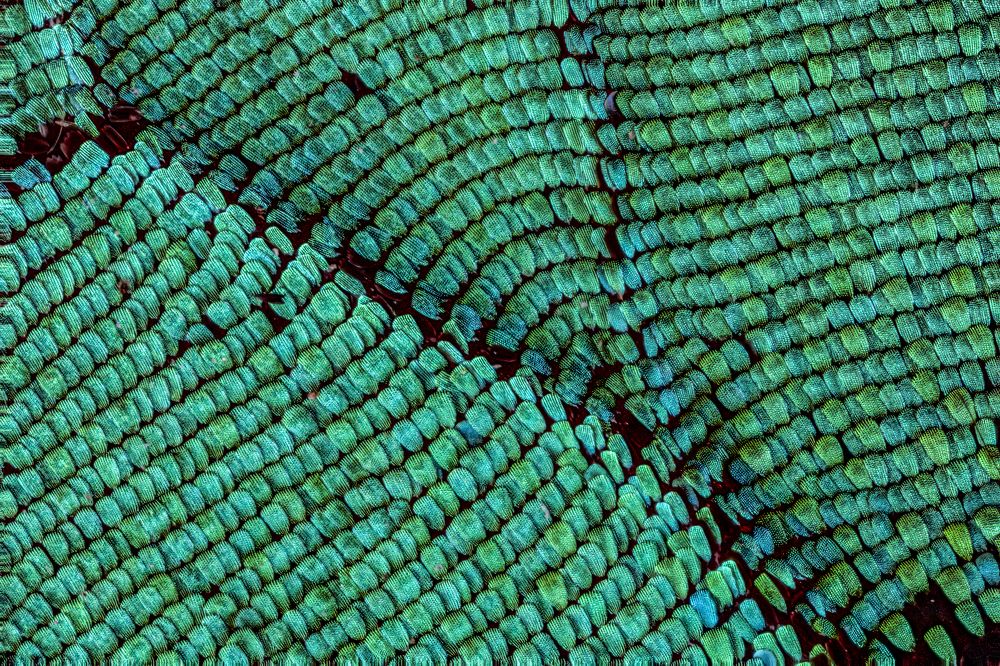
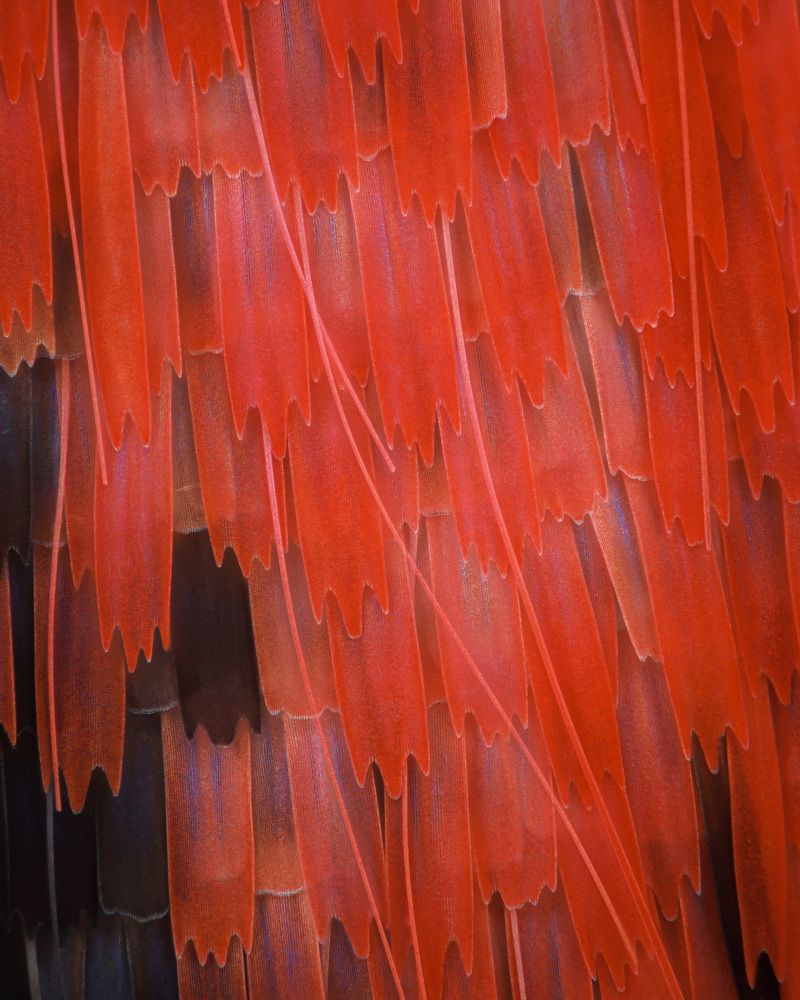
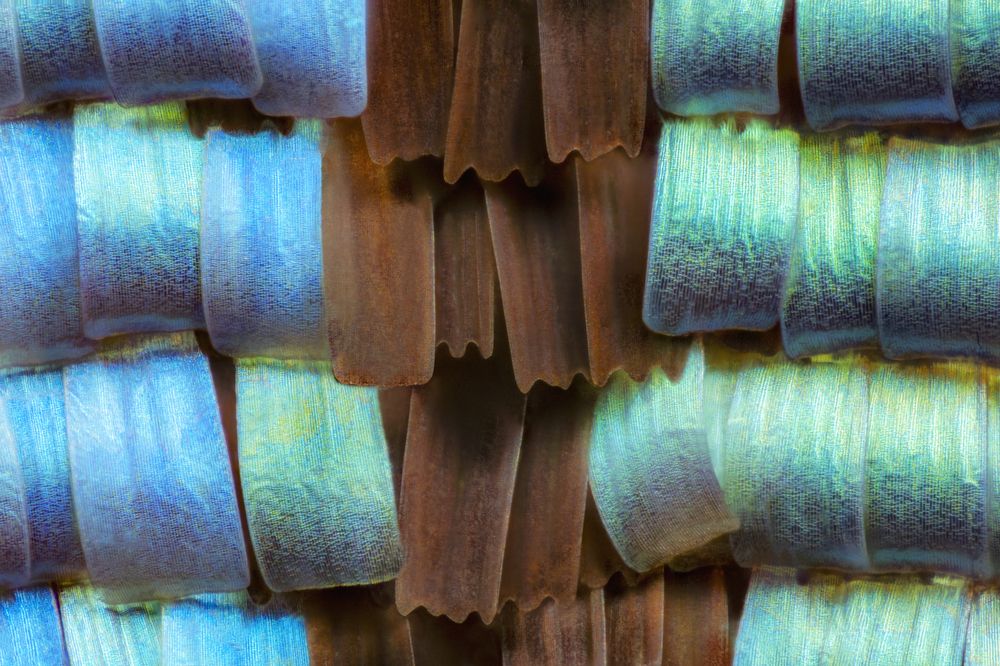
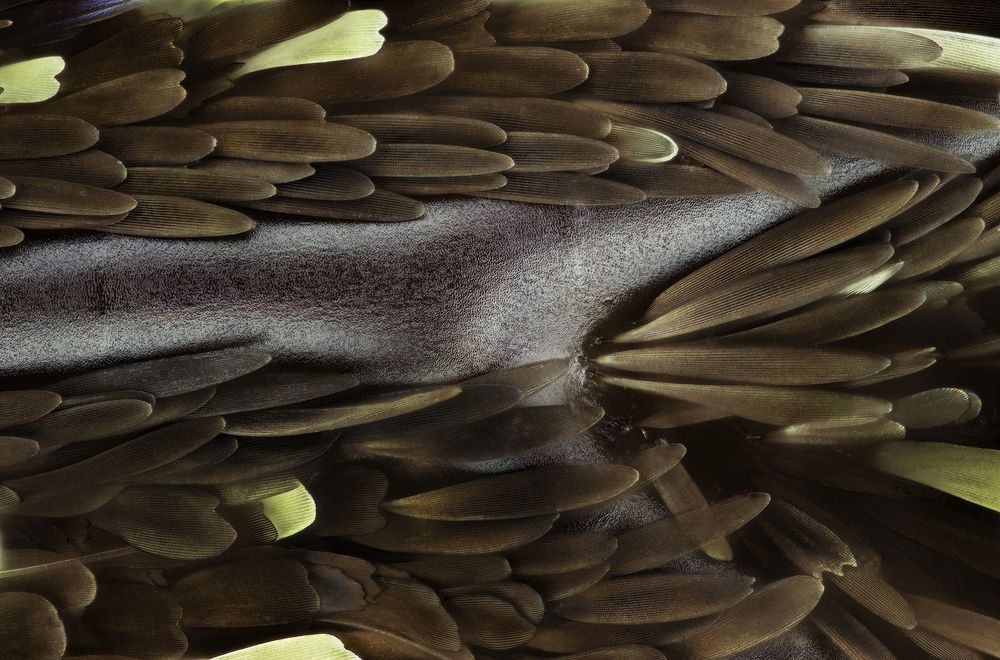
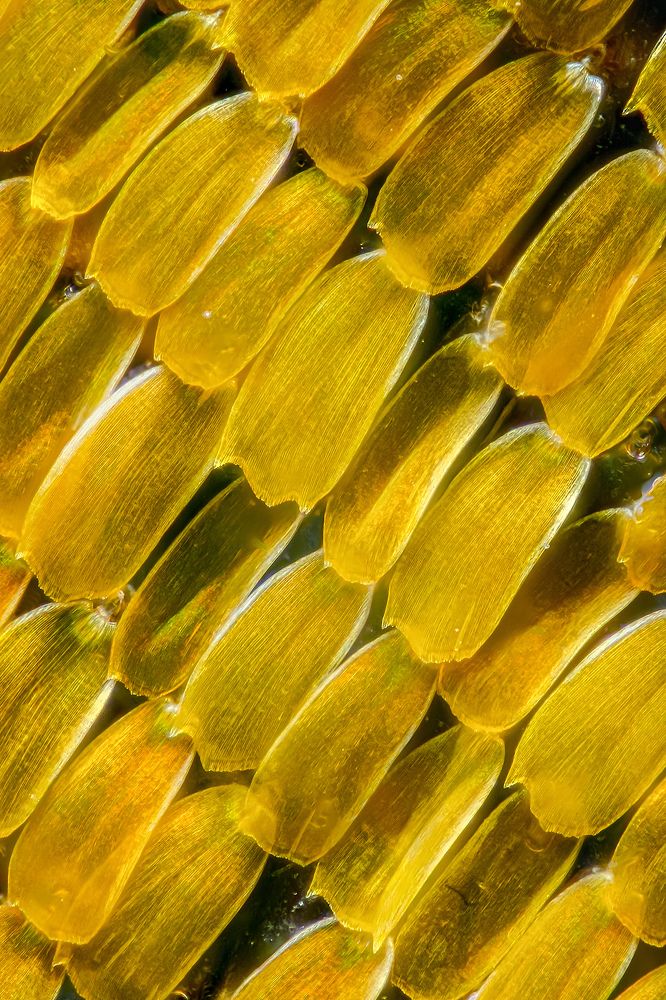
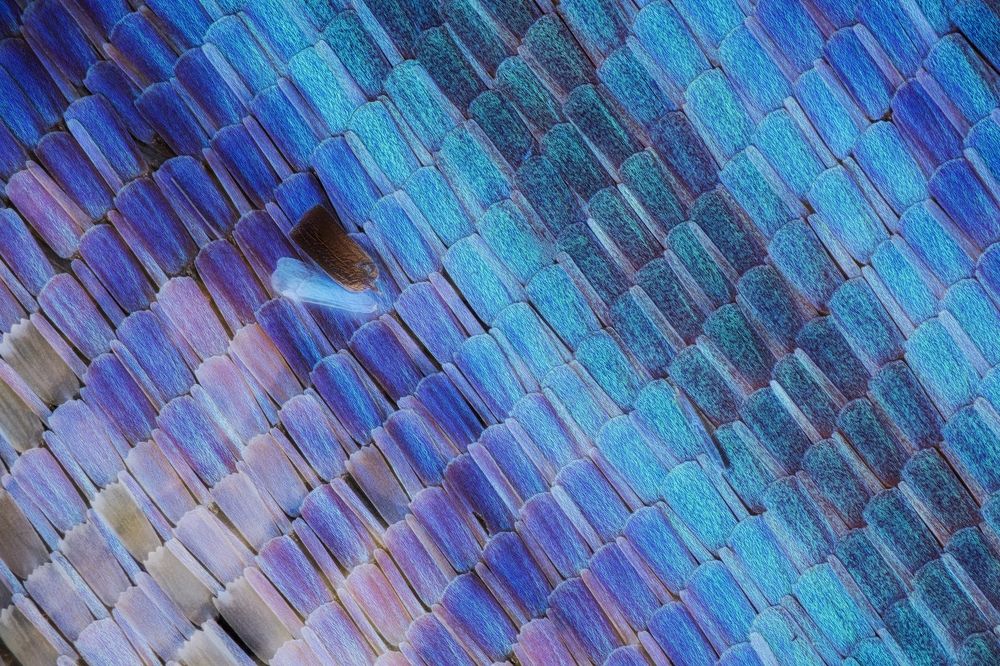
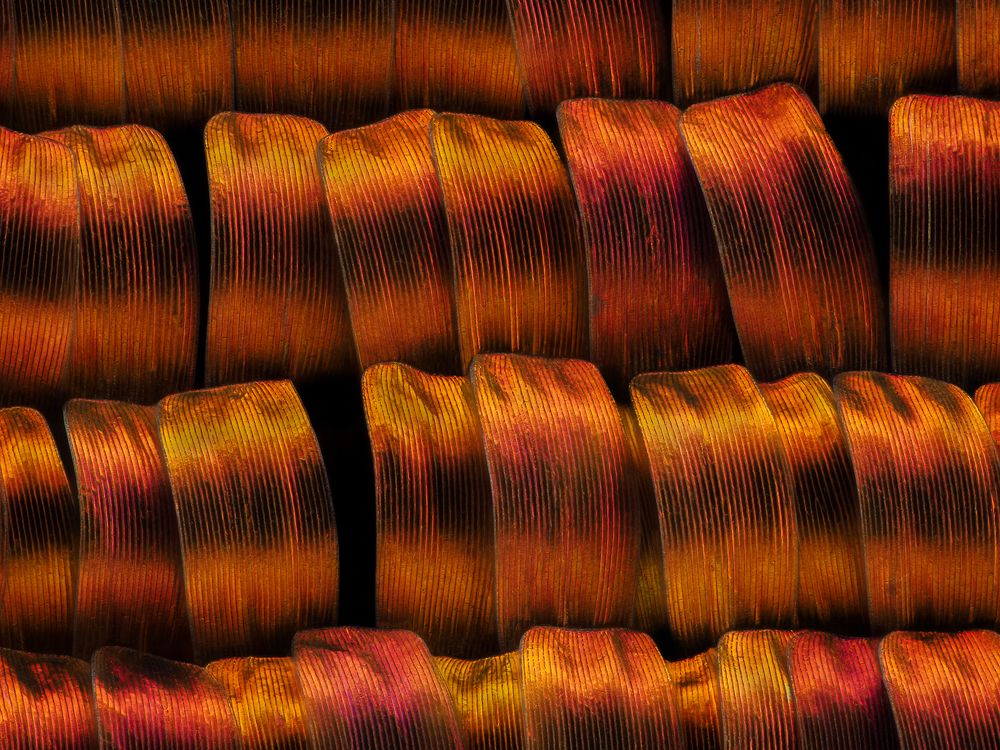
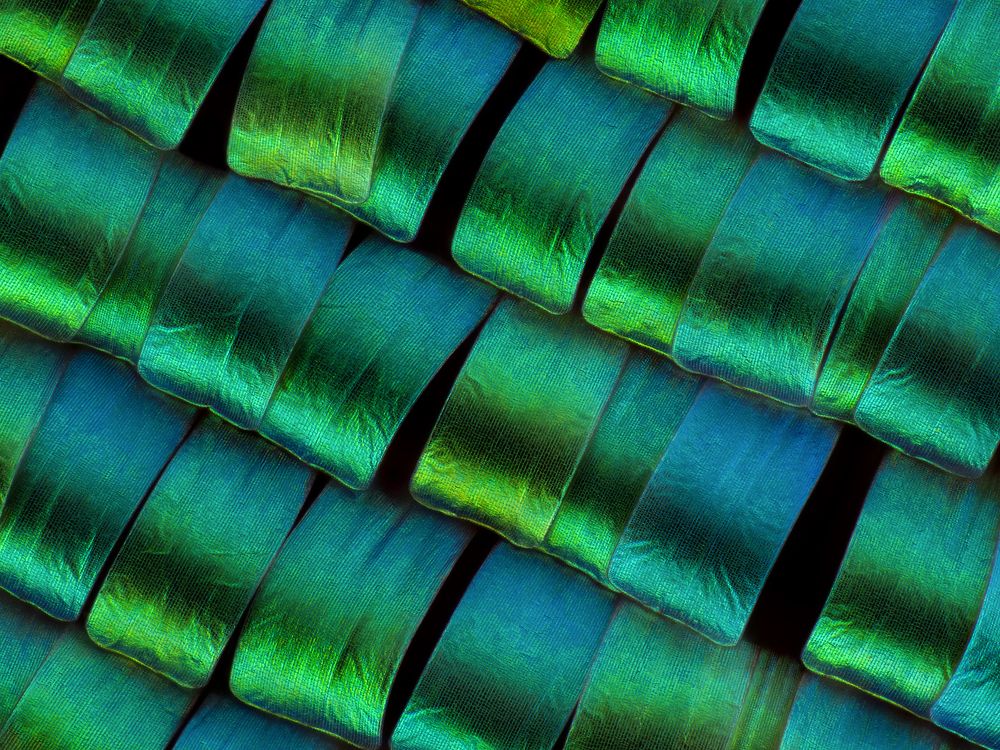
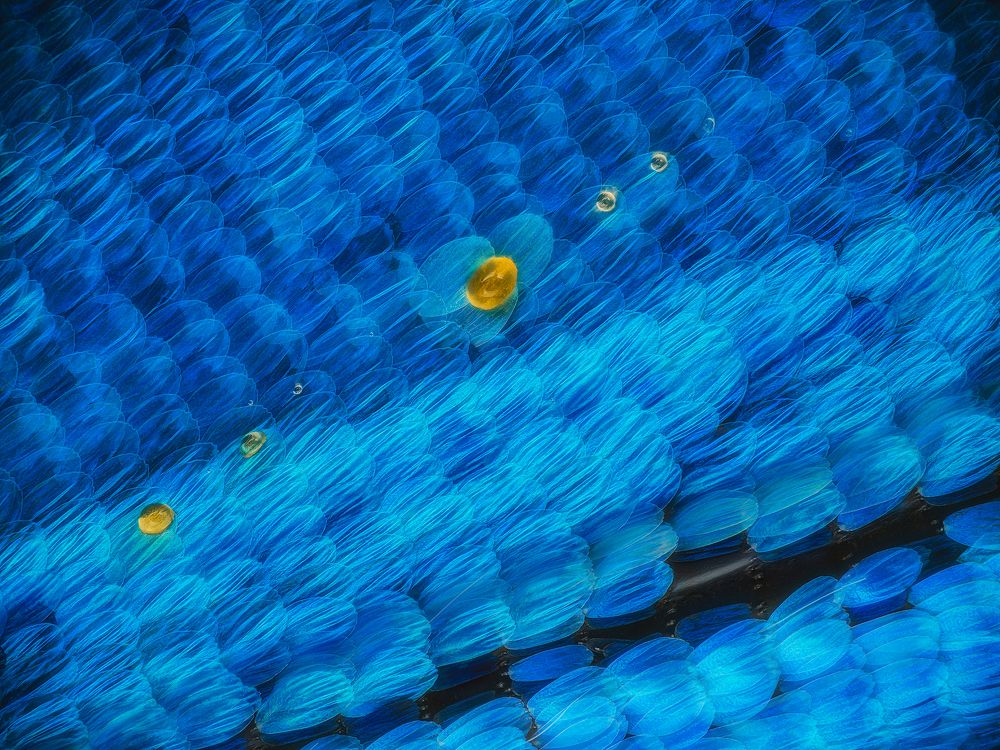
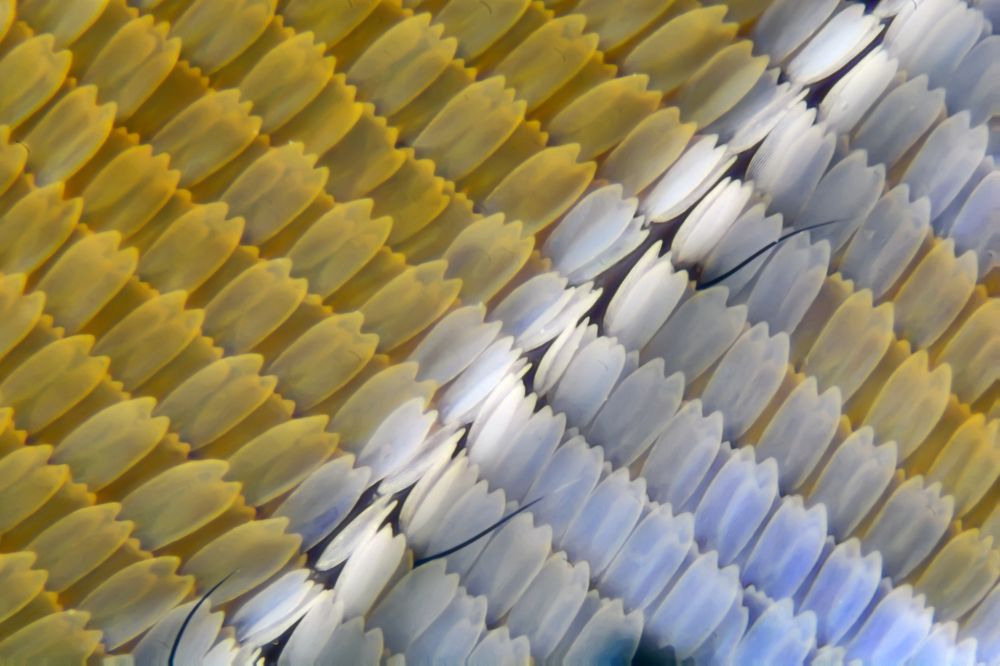
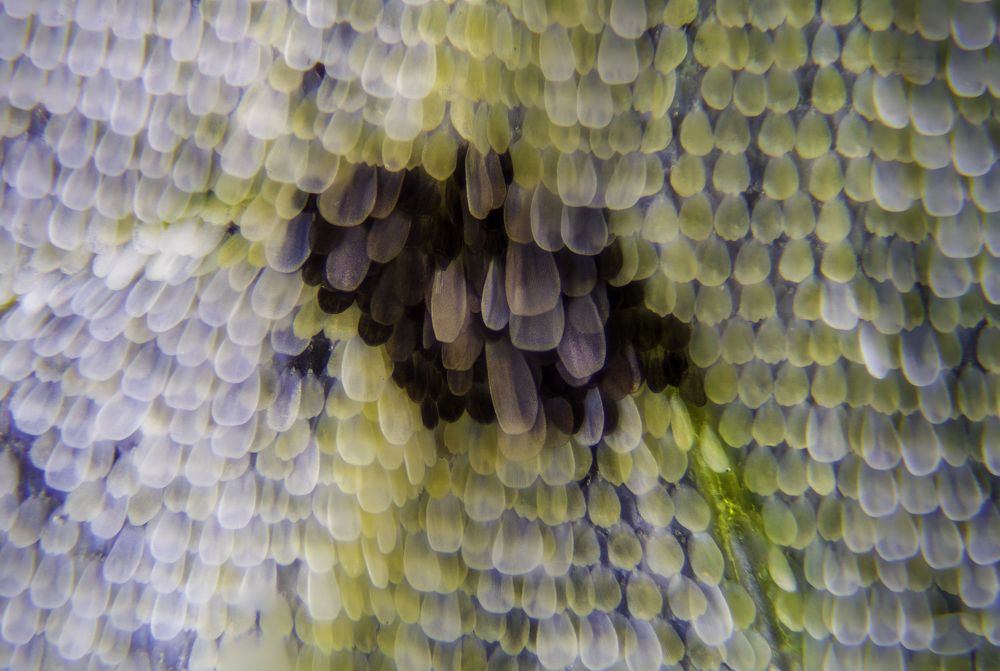
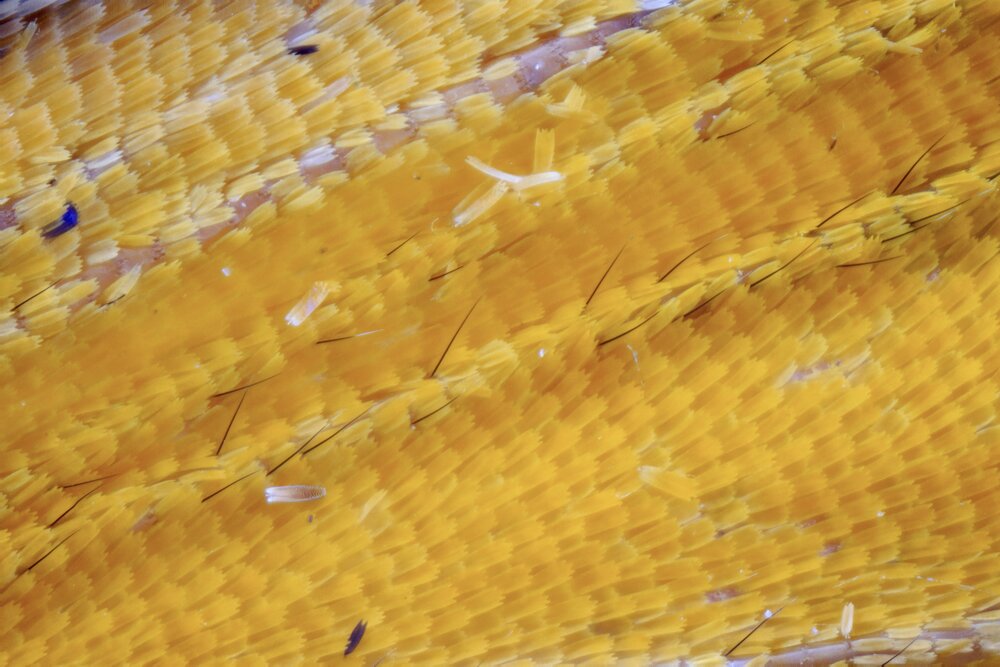
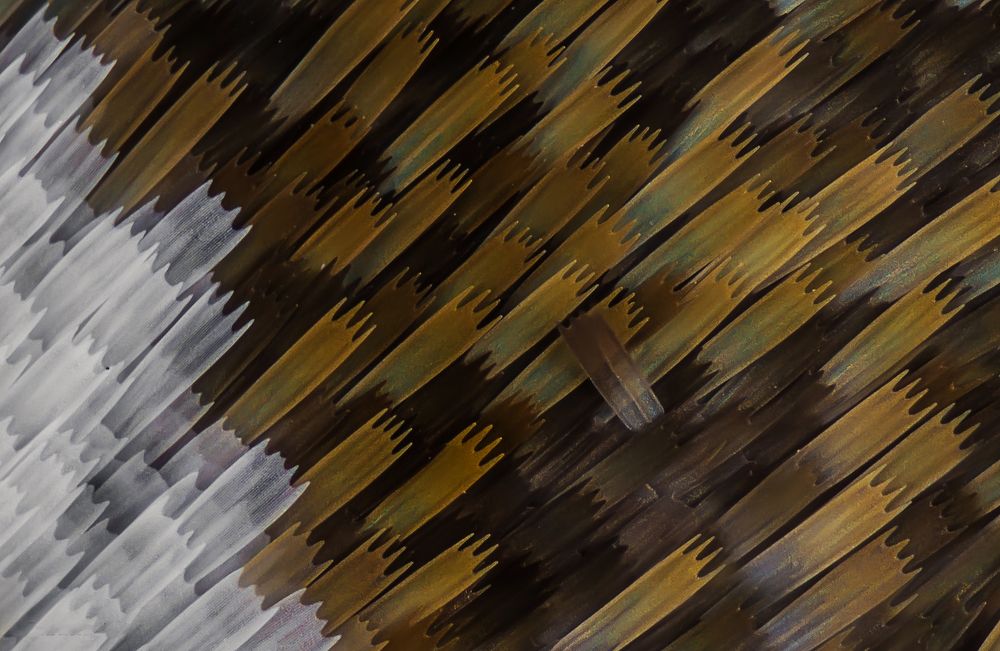
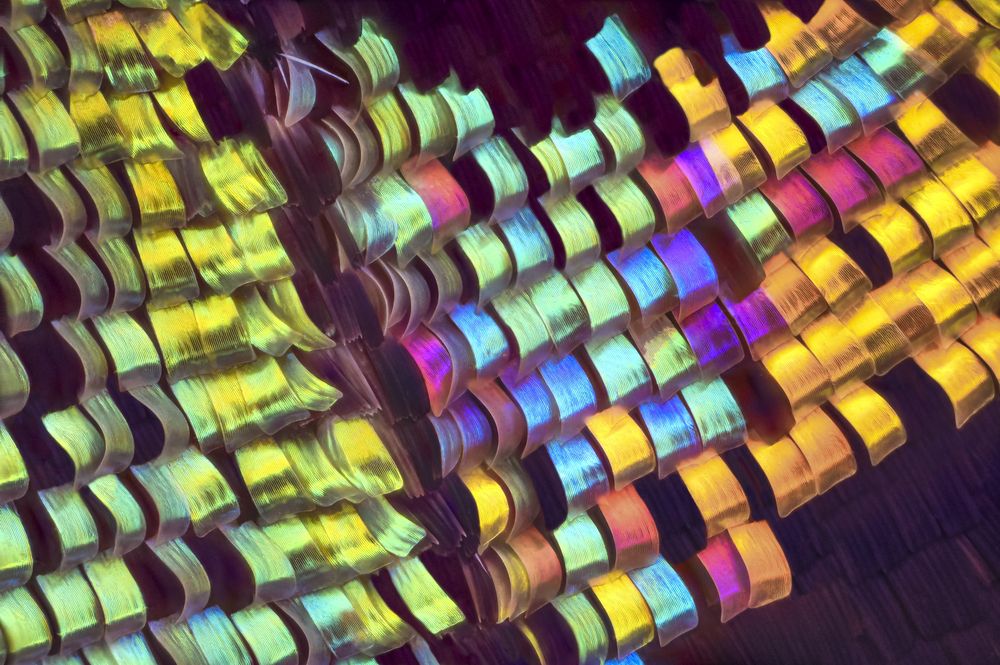
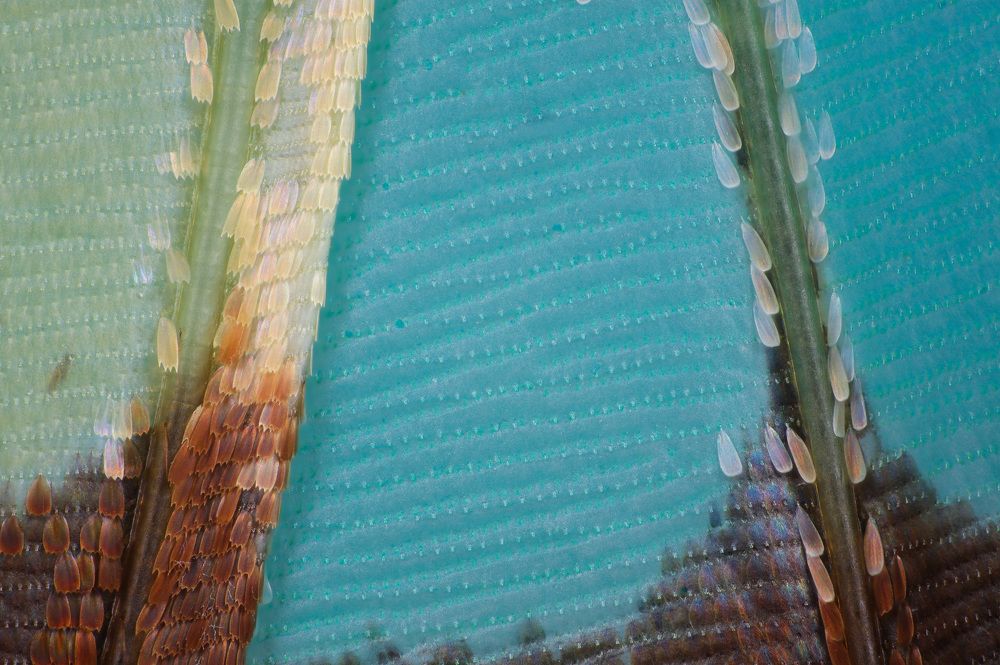
These images depict the microscopic structure of butterfly wing scales. Photographers utilize high-magnification lenses to reveal the intricate geometric patterns and vibrant pigmentation hidden from the naked eye. The collection features various species, including *Catocala fraxini*, *Chrysiridia rhipheus* from Madagascar, and *Gonepteryx rhamni*. Visual styles range from sharp macro details showing individual scales to abstract representations created through motion blur. The group is united by the shared subject of lepidopteran wing anatomy.
How to shoot it
🏠 Studio or location
Shooting takes place in a studio or laboratory on a tripod with a microscope and cine head. Butterfly wings are fixed with special holders to ensure stability during the shot series.
💡 Light
Directional top lighting (epi-illumination) at an angle is used to reveal micro-relief and interference colors. Comments mention two Godox 64 LED lights.
🧑🎤 Who you need
An assistant is required to help with equipment, fix objects, or manage light during the long shot series.
🎭 Props and costume
Fixators for butterfly wings, a tripod, and a microscope with a cine head are needed. Objects (wings) must remain stationary for series stability.
🧰 Special equipment
Specialized equipment is required: a microscope with a cine head (e.g., Nikon TU Plan ELWD 50x/0.60 lens) and a Raynox 150 extender to achieve high magnification.
⚙️ Settings
Shutter 0.6 s (1/160 – 1.3 s)ISO 100 (64 – 200)
Based on 26 frames with camera data. Median and 10-90% range across the idea frames.
The key parameter is aperture to control depth of field at high magnification. Keep ISO at the minimum (median 100), shutter speed varies from 1/158 to 1.3 s, focus stacking is often required.
⚠️ Good to know
Subjects are butterfly wing scales from different regions (Madagascar, Europe, Philippines), requiring collection specimens. The shoot is laboratory-based and not subject to field constraints or seasonal migrations.
📈 How the idea developed
works uploadedshare of all site uploads, per 100k
The date is when the file was uploaded to the site. The chart counts works assigned to the idea.
✅ How to repeat it
- Use focus stacking to achieve full sharpness across the entire scale surface at high magnification.
- Experiment with light incidence angles to highlight interference color patterns of the microstructure.
✨ Interesting facts
- 🔇 100% of frames were shot at ISO 400 or lower: almost no noise, any modern camera will do
- 📐 81% of frames are landscape orientation
- 🥇 3 works reached the finals. Best contest: 10th 35AWARDS 2025
- 👤 Most frequent authors: Dariusz Pawlik 4Ireneusz Irass Walędzik 4Yuan Ji 3Rastislav Borovsky 2Javier Ruperez 2
- 🌍 Authors by country: 🇵🇱 PL 8🇪🇸 ES 5🇨🇳 CN 4🇳🇱 NL 2🇸🇰 SK 2
🔗 Related ideas
Some tips are prepared by AI from the idea description, photos and their EXIF. Check the rules and access to places before you travel.
Works
These lists are generated automatically and may contain inaccuracies. Photos are shown in random order, and selections are refreshed twice a day. This section is made for exploring photos and does not claim 100% accuracy. The lists include photos that previously participated in contests that are already completed.