Seven Giants Manpupuner Plateau
29 worksFirst upload: Dec 2015Peak: 2025Last 12 months: 7
📝 Description
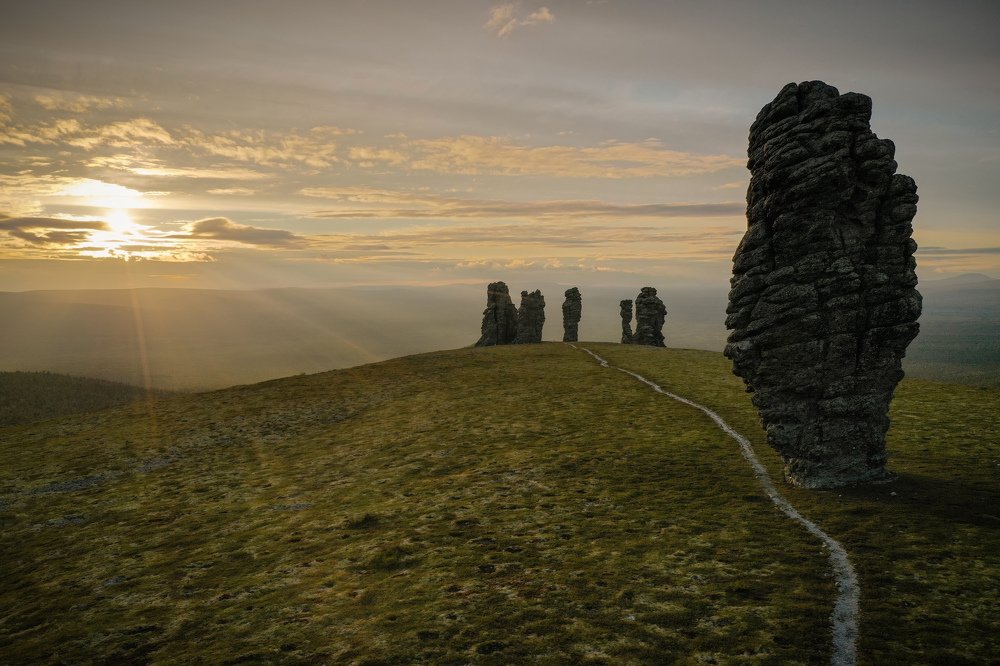
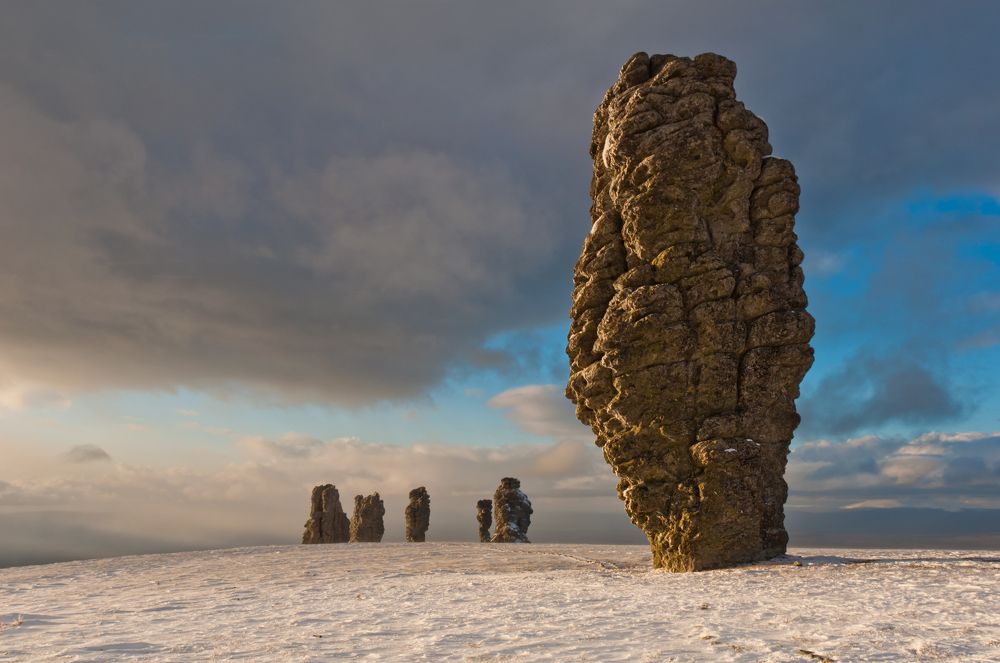
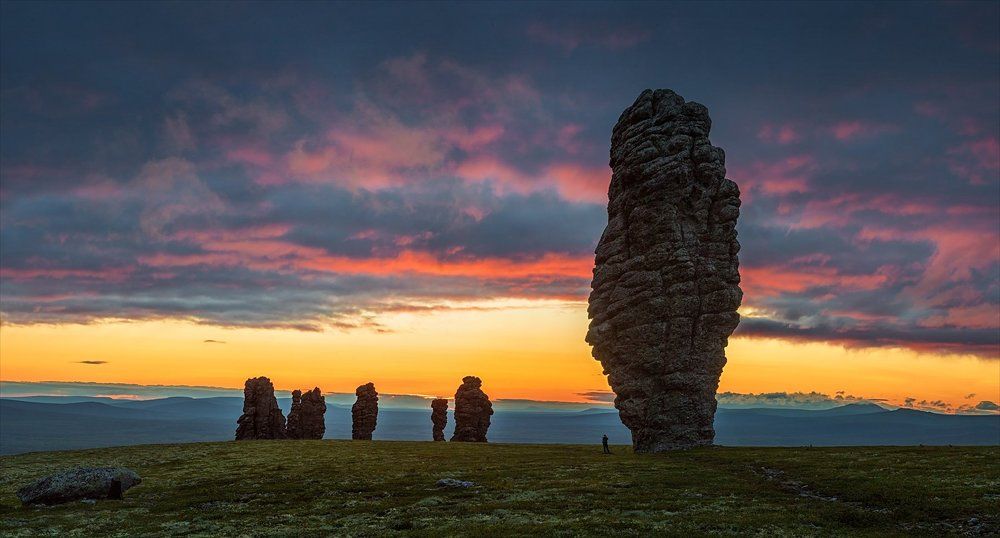
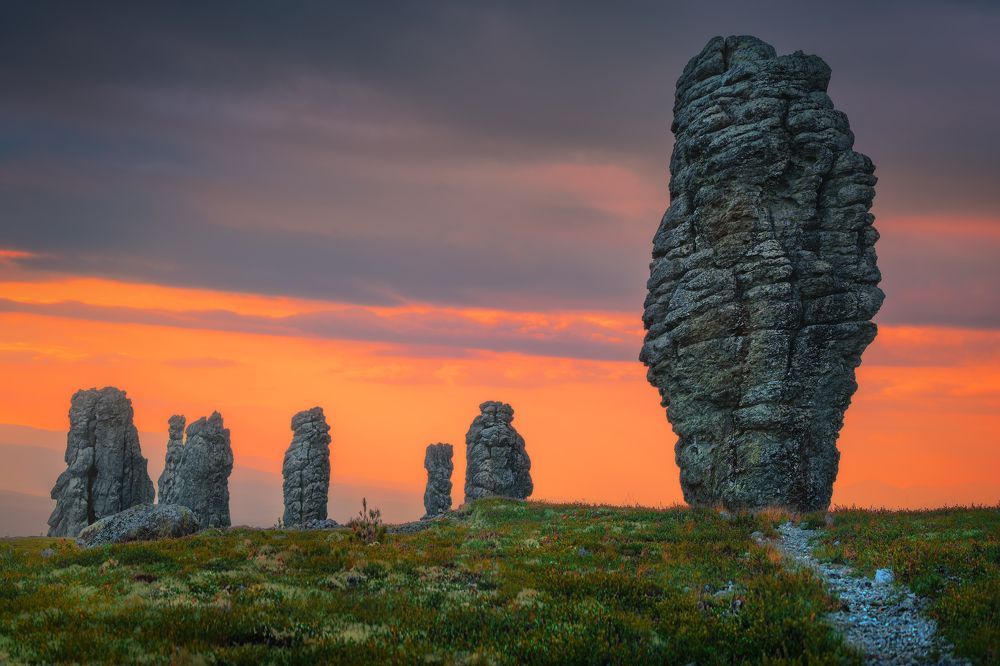
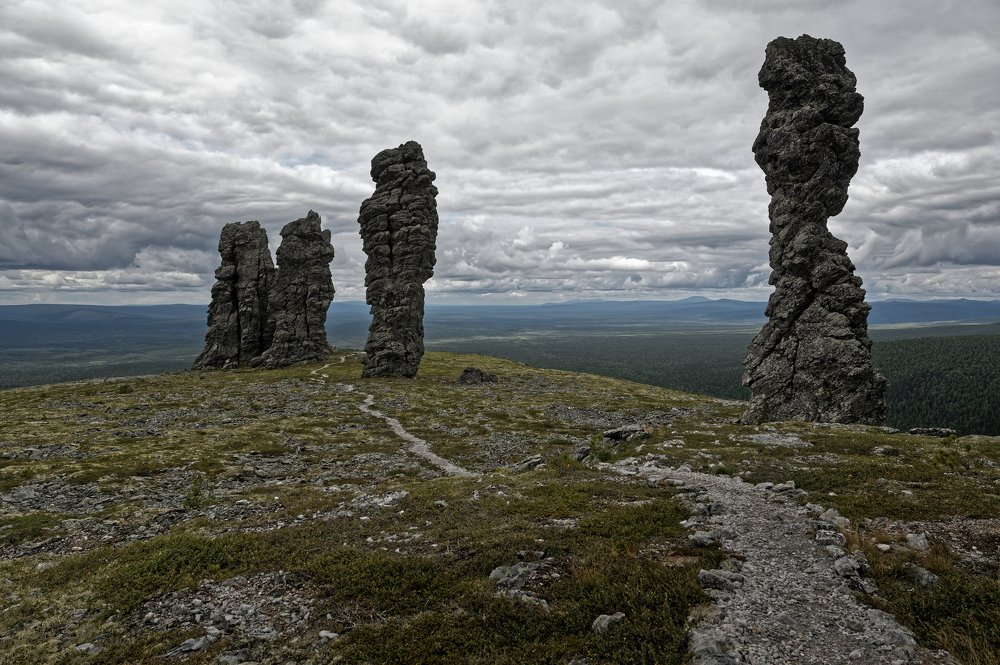
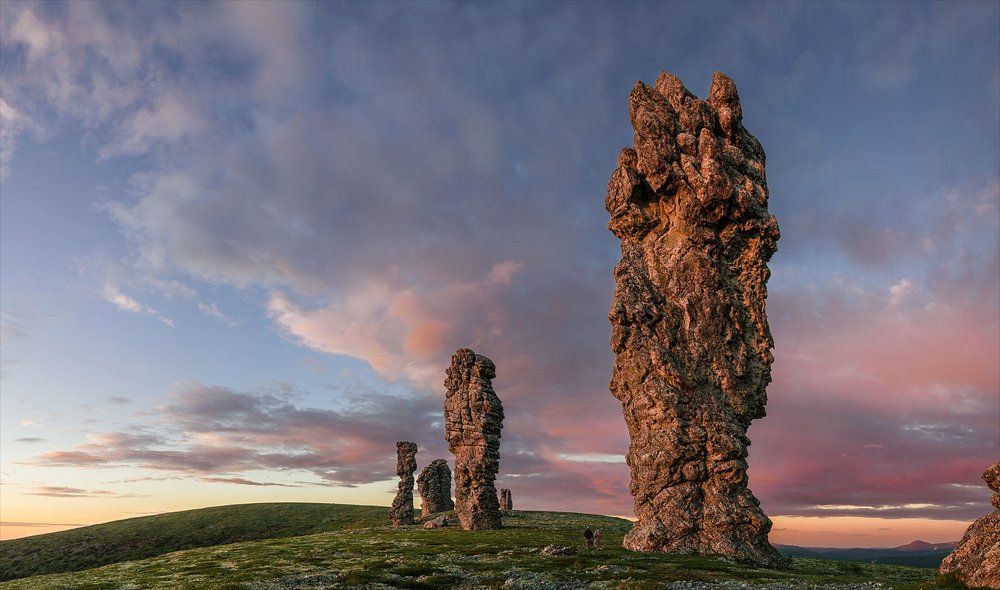
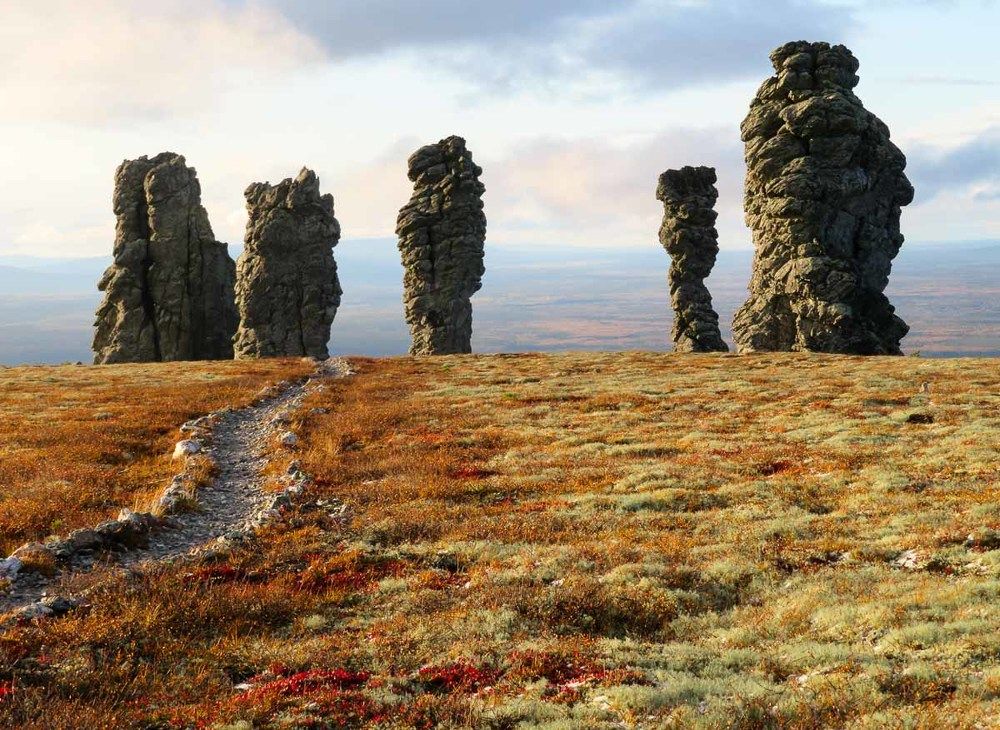
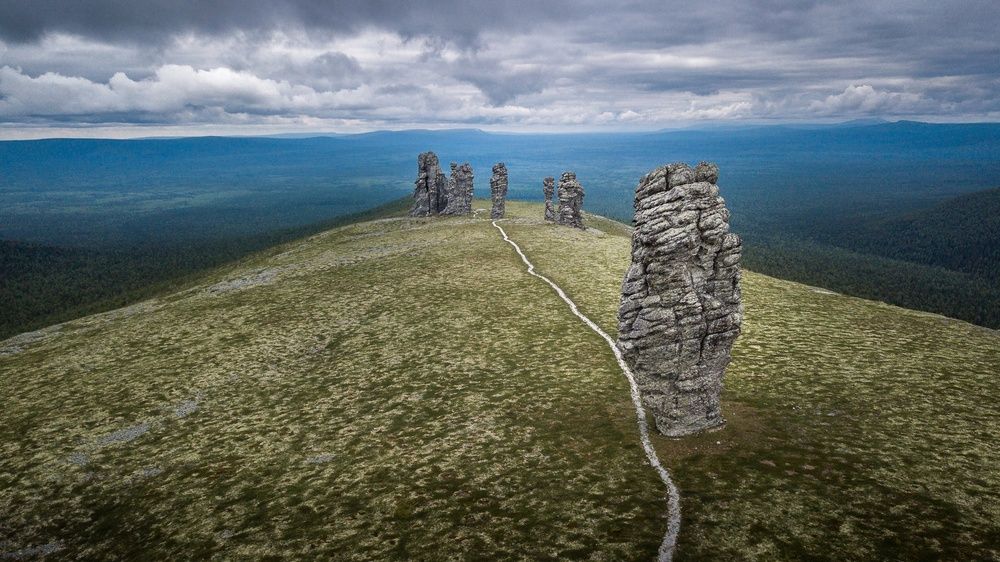
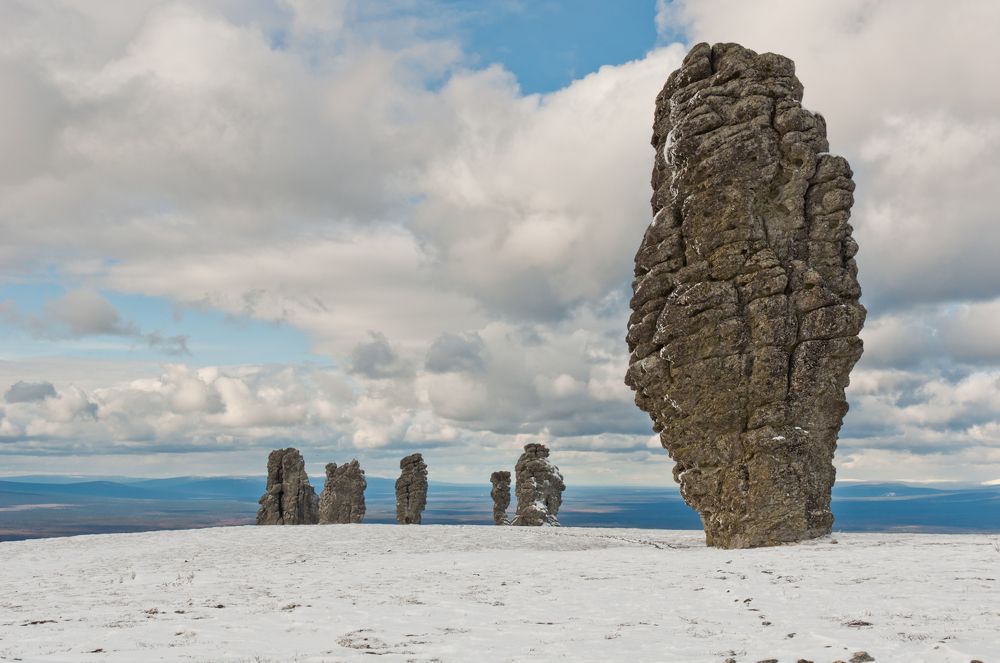
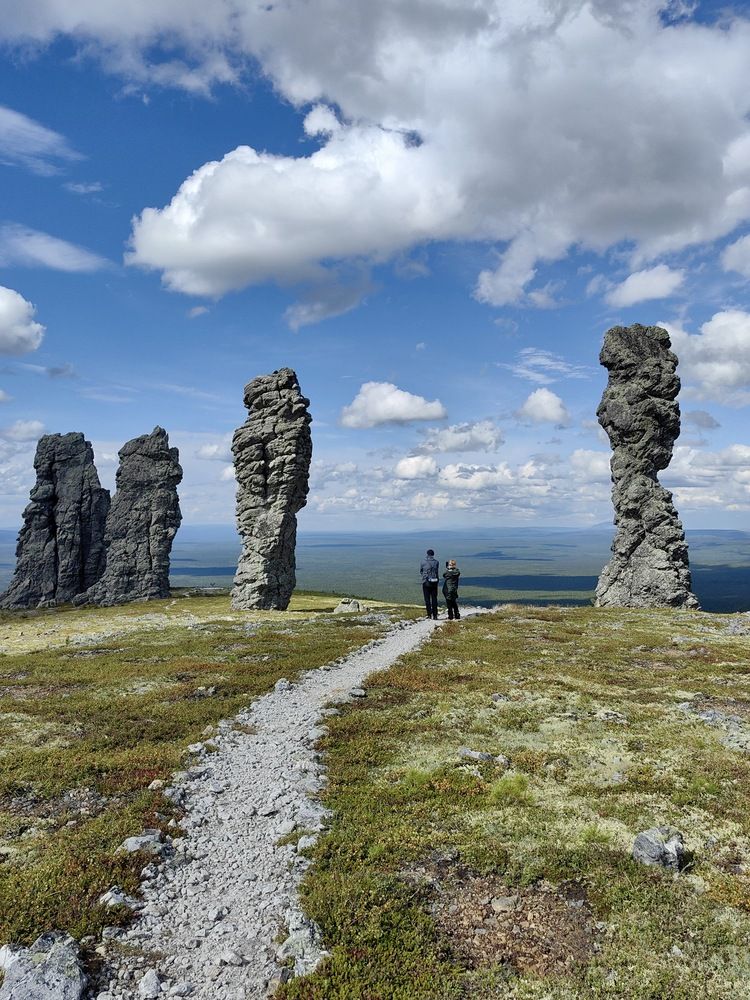
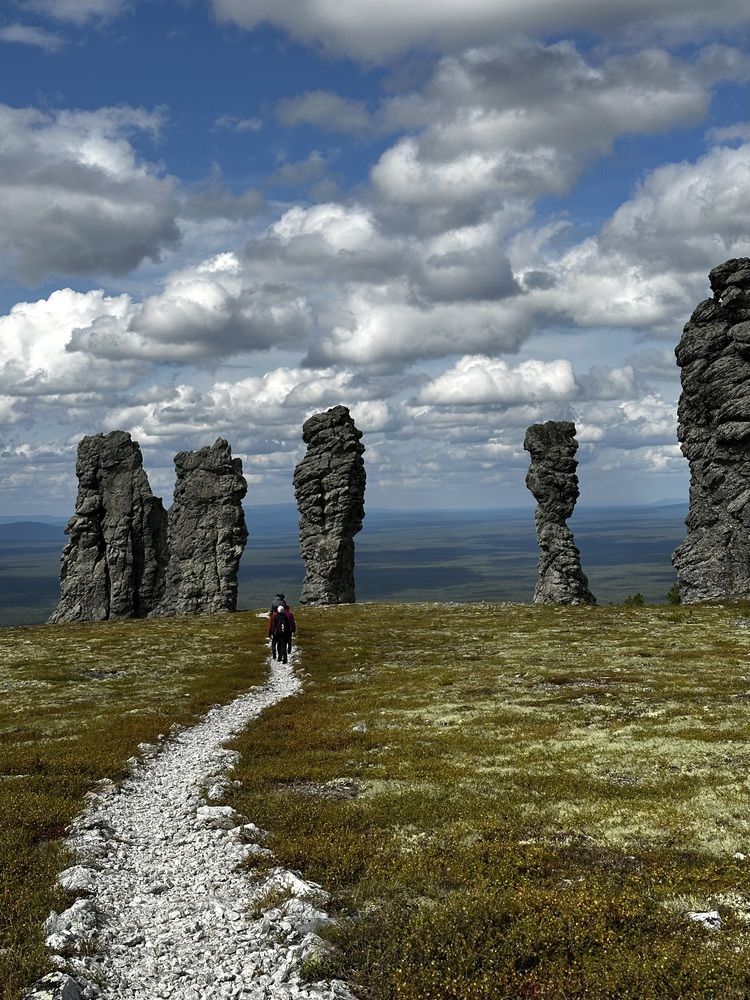
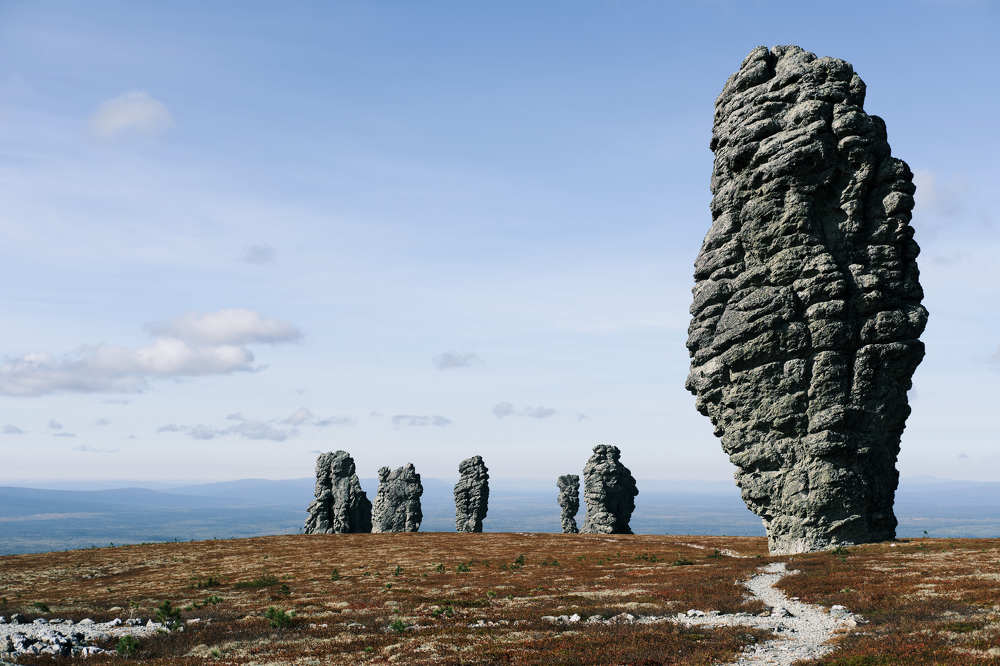
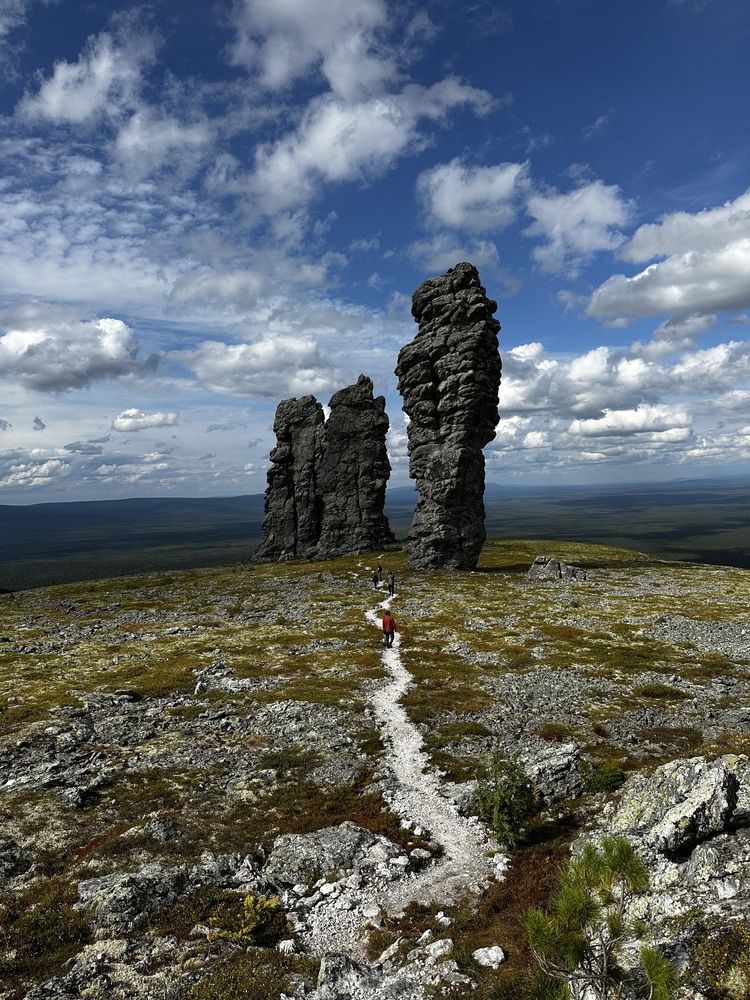
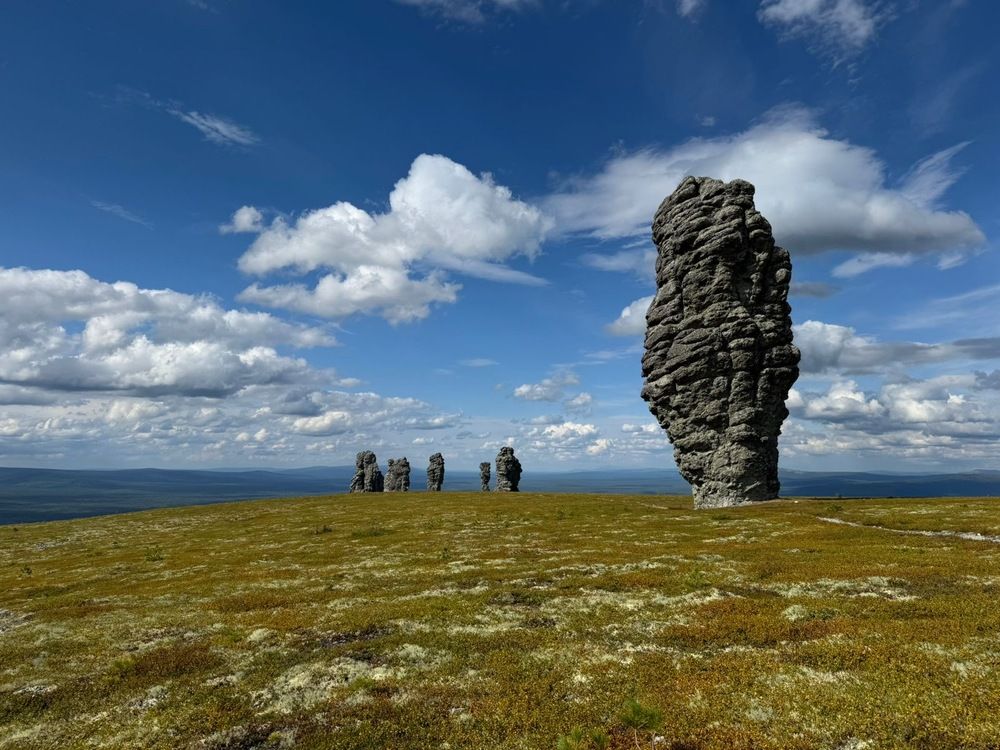
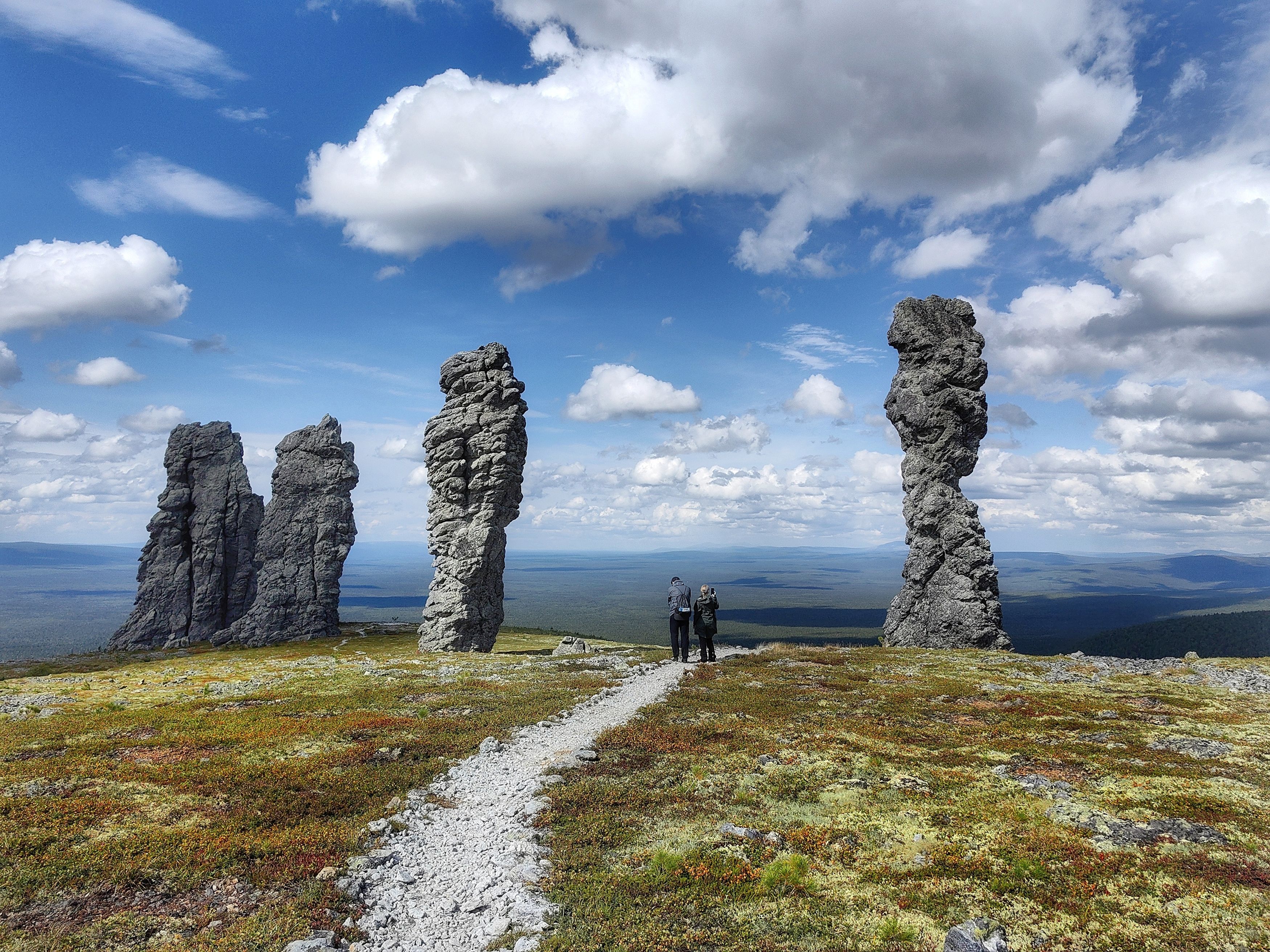
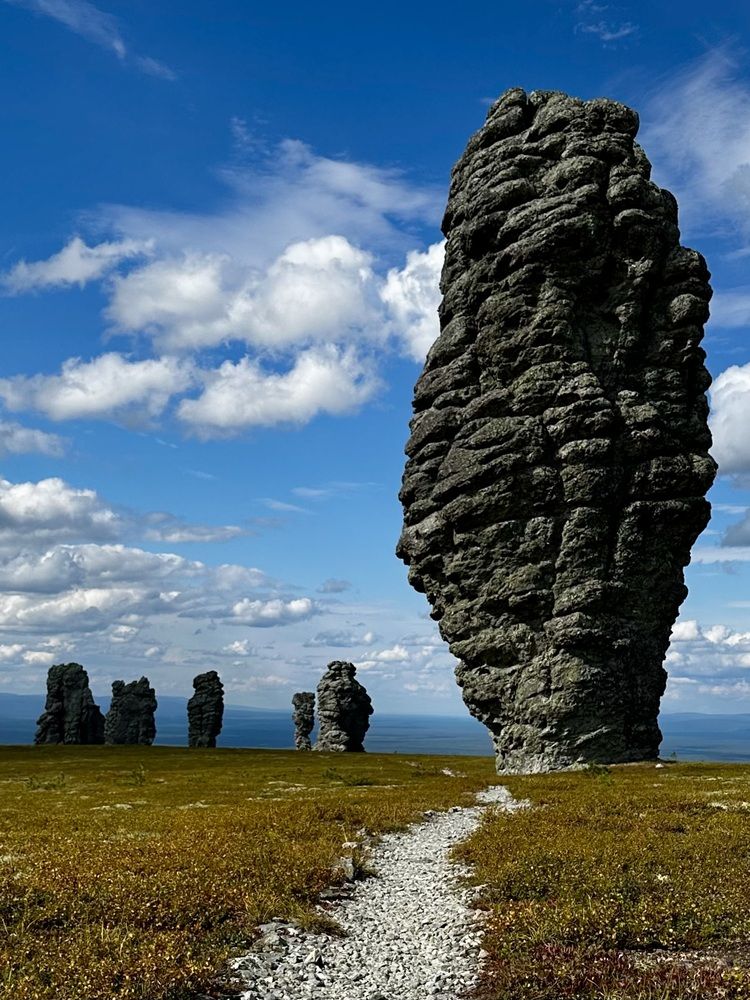
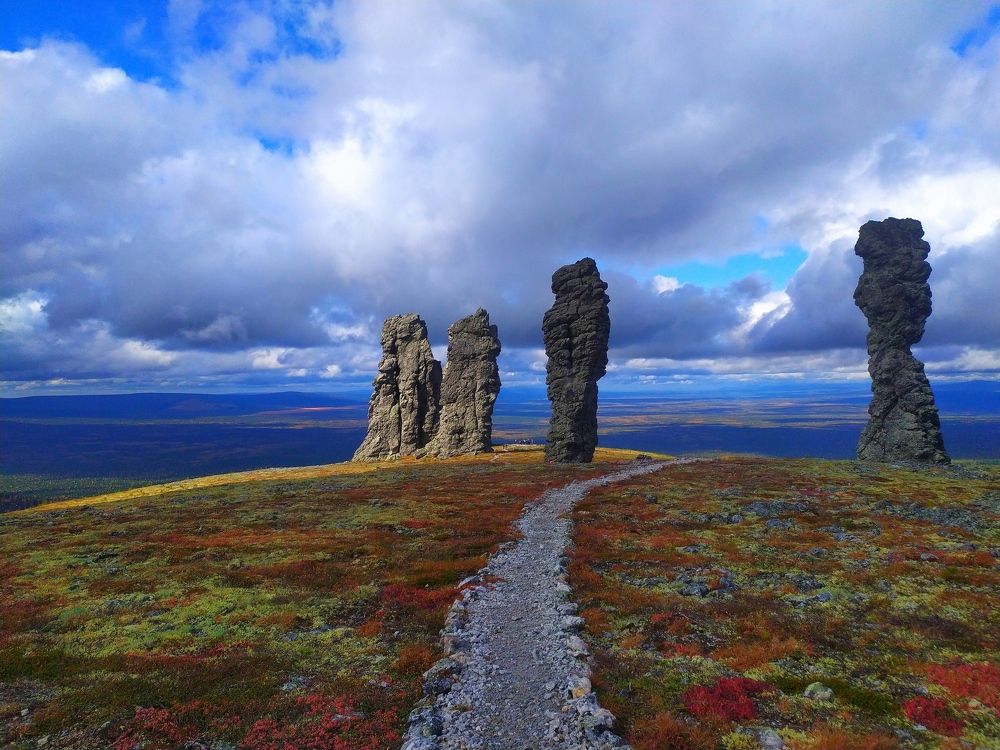
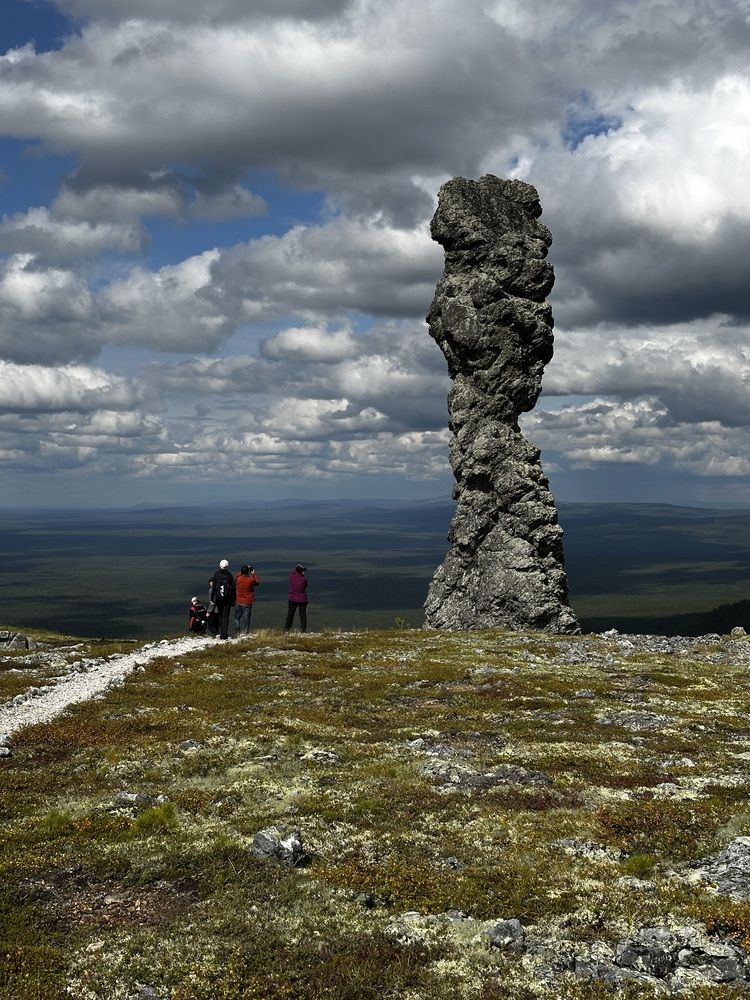
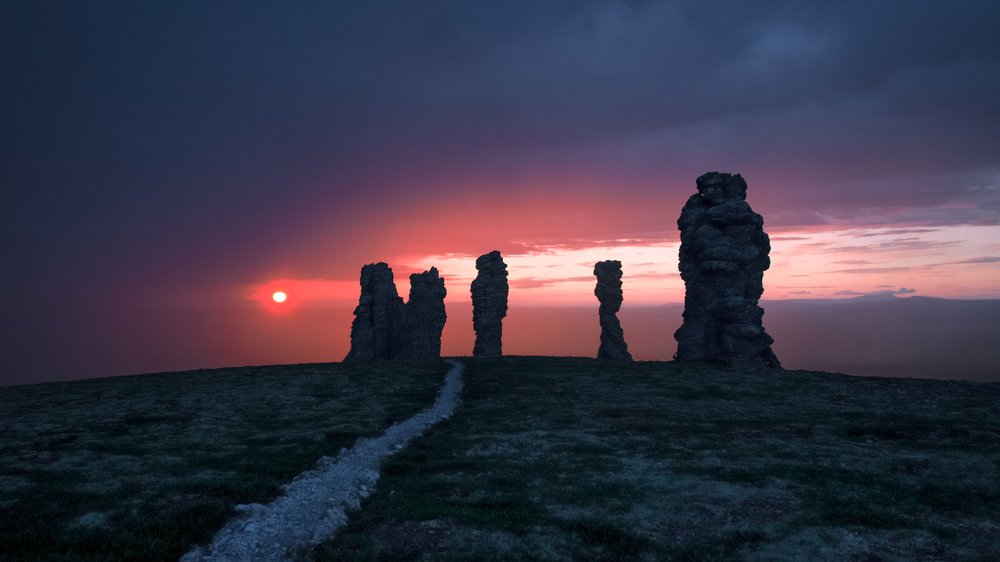
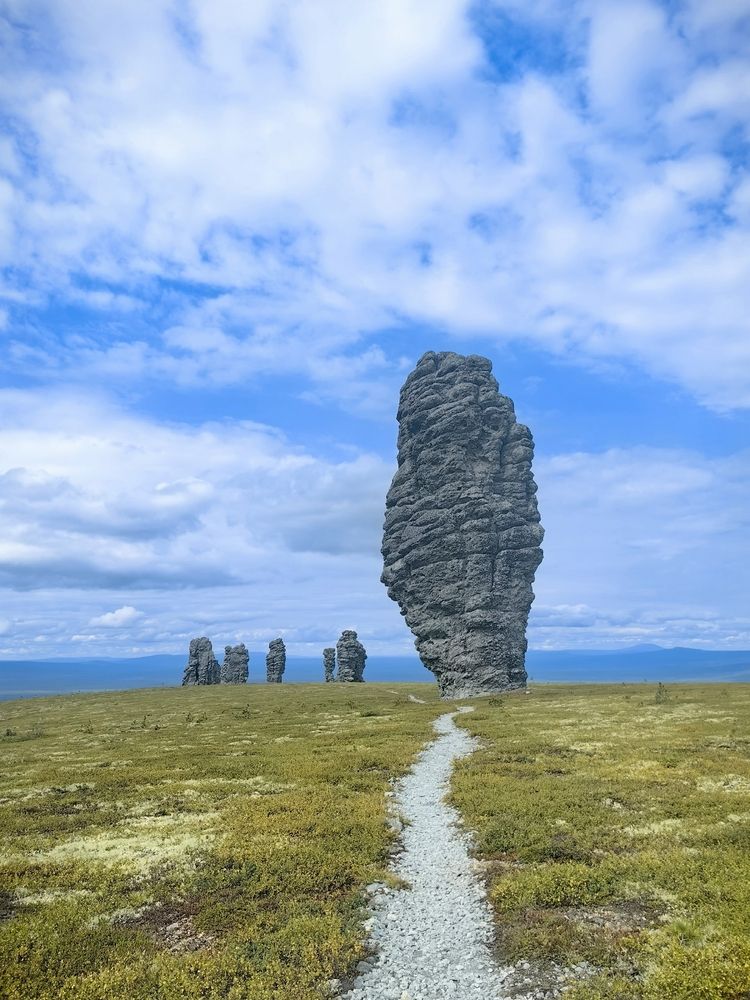
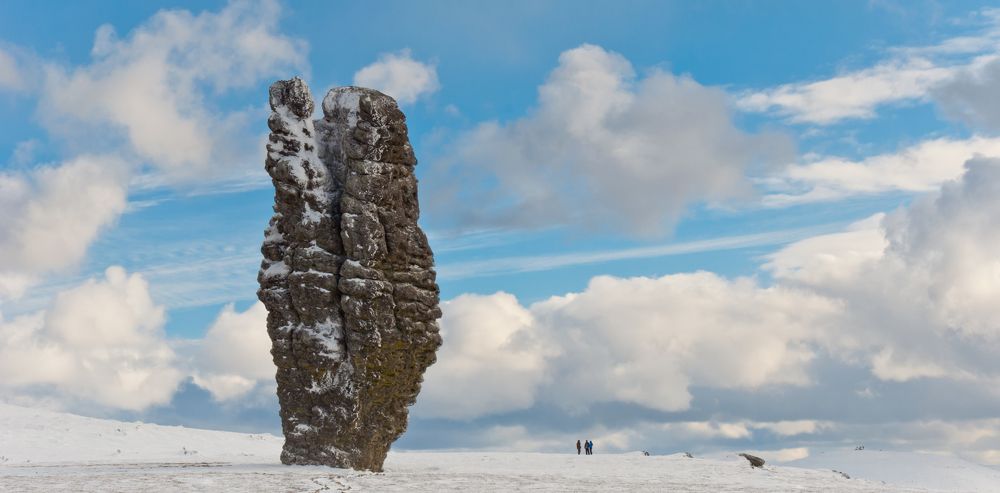
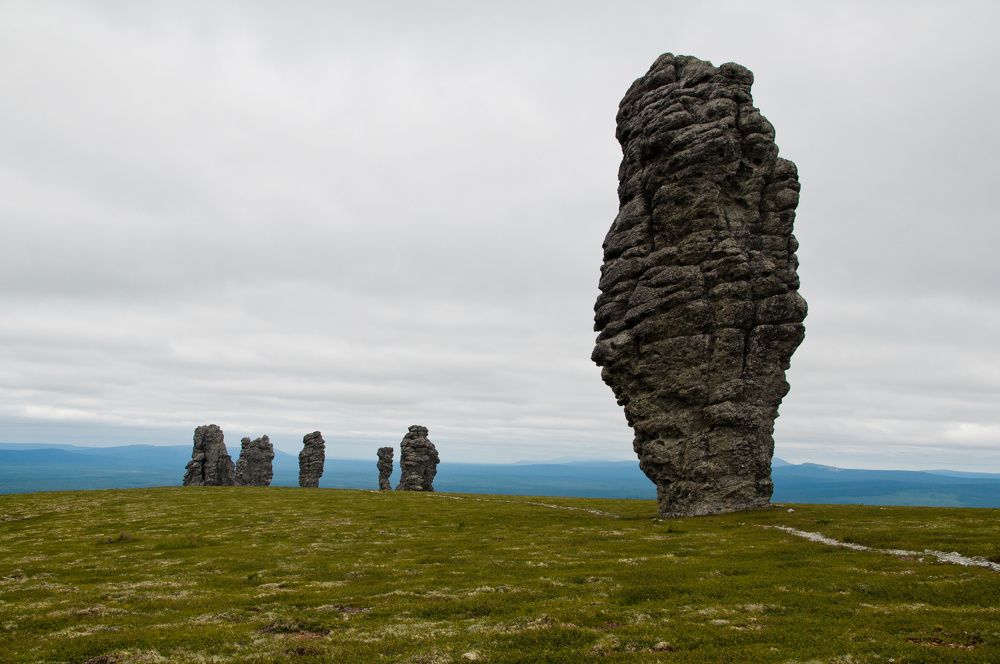
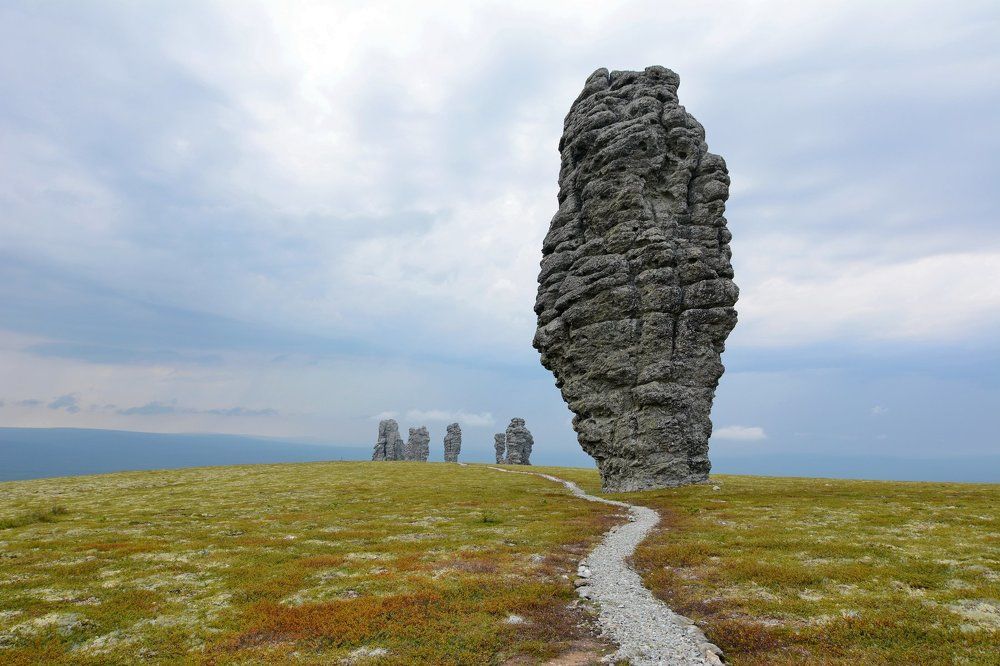
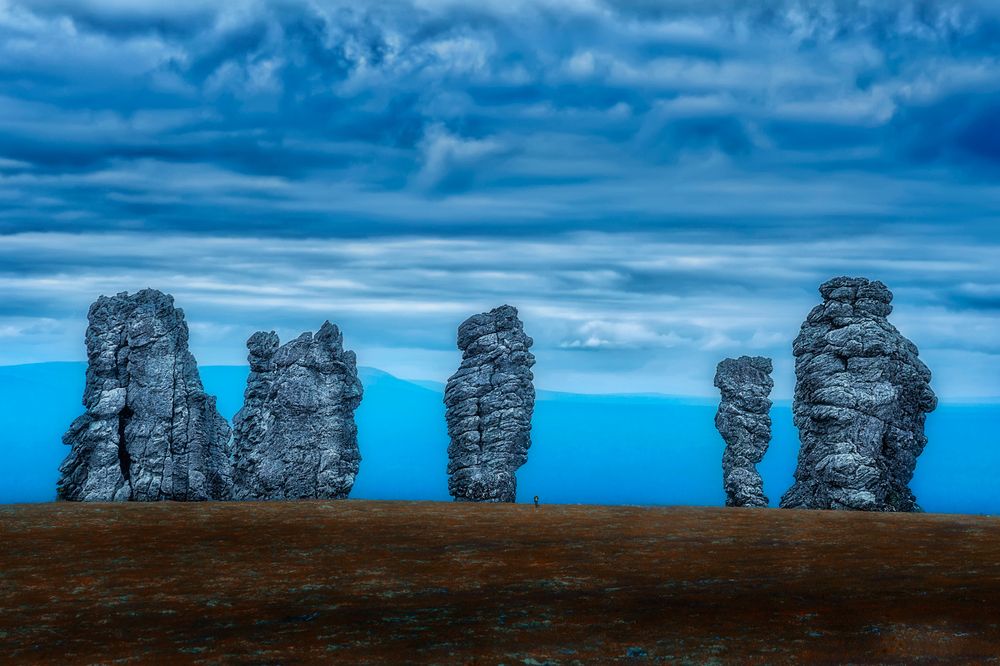
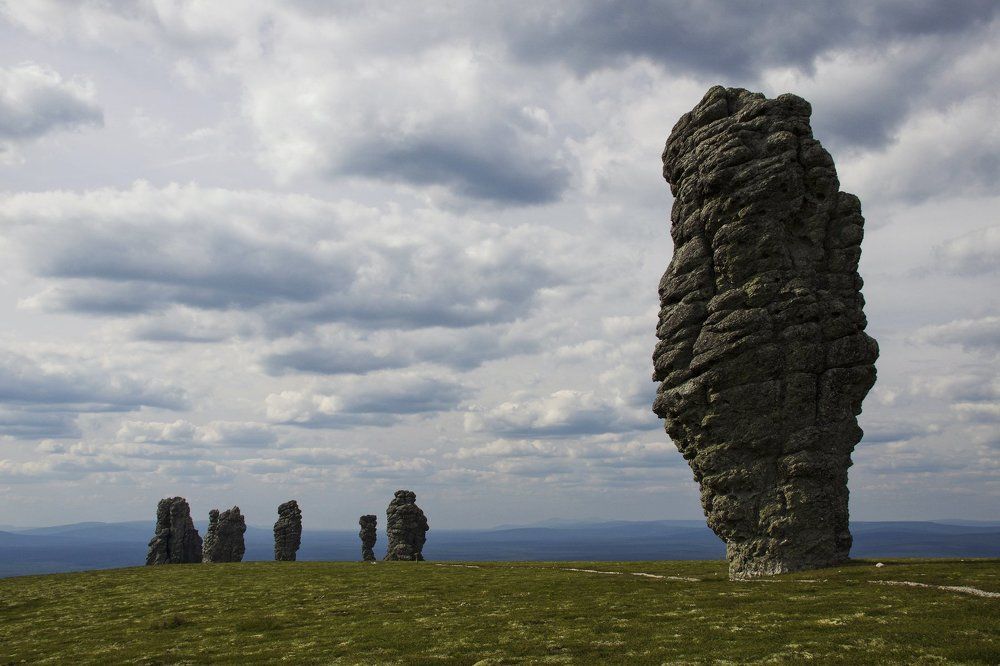
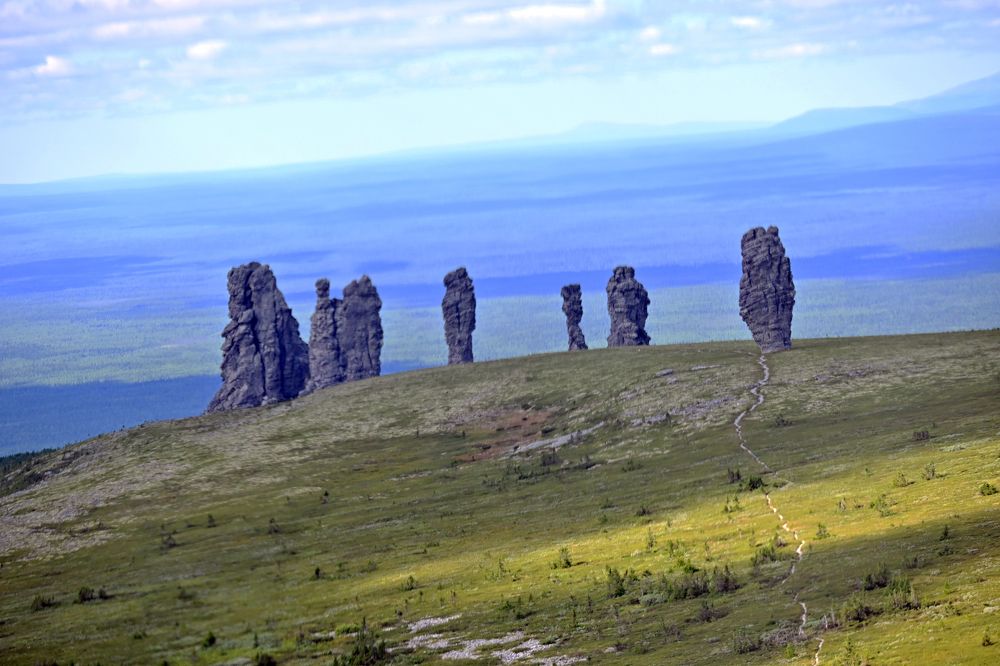
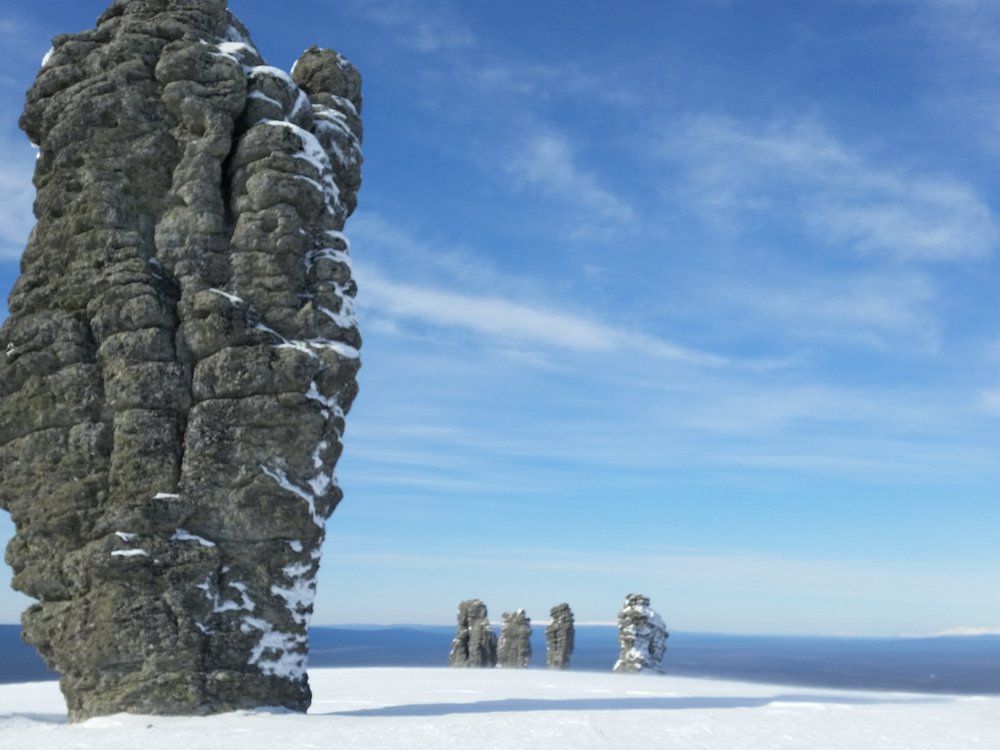
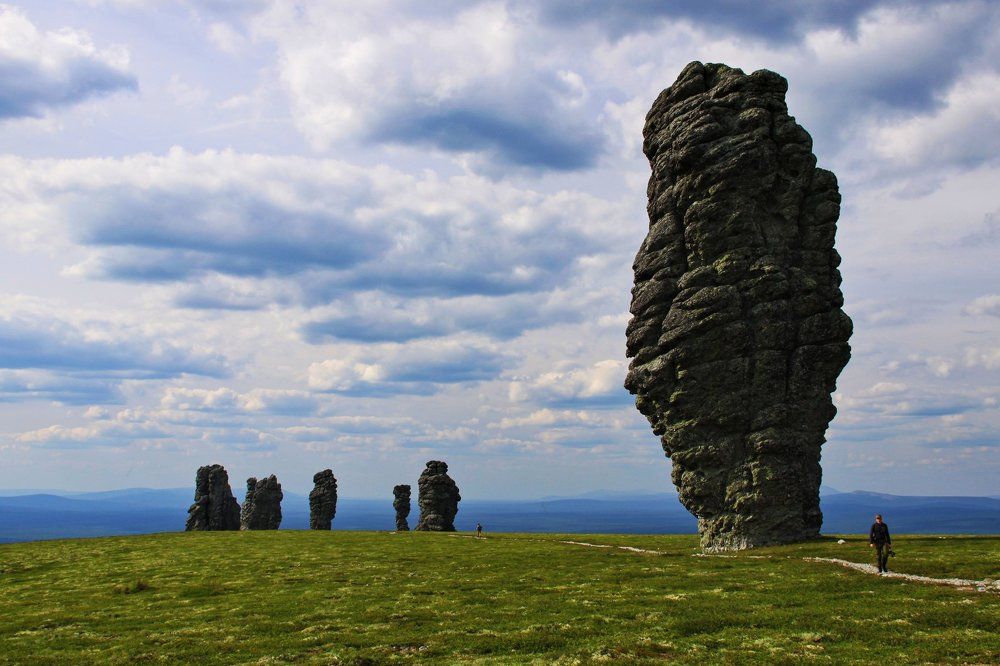
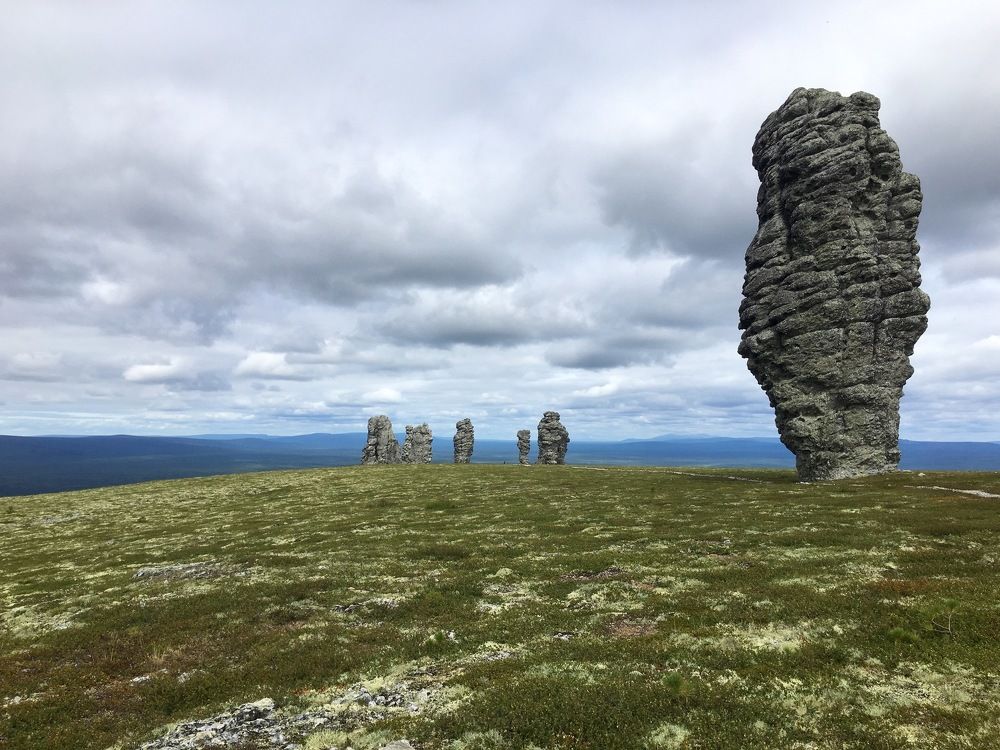
The images depict the Seven Giants, a group of weathering pillars located on the Manpupuner plateau in the Republic of Komi, Russia. Photographers are drawn to these geological formations due to their distinct vertical shapes and the stark contrast they create against the open horizon. The collection demonstrates different shooting approaches, capturing the site during snowy winter conditions, overcast days, and vibrant sunsets. These stone monoliths stand as a significant natural landmark in the northern Urals. All photographs feature the same rock formations arranged across the tundra landscape.
How to shoot it
📍 Where to shoot
Outdoor shooting on the Manpupuner plateau in the Pechoro-Ilych Nature Reserve (Komi Republic). Stone pillars 30–42 meters high rise above the tundra and taiga.
🧭 How to get there
Access is only possible as part of an organized tour group in the Northern Urals. The plateau is within a nature reserve, so independent access is prohibited; guides are required to navigate difficult mountain terrain.
🕐 Time of day
Most shot between 11:00 and 14:00 (45% of frames)
Based on 22 frames with camera data. Camera clock time; the time zone is unknown.
Shooting usually takes place during the day, from 11:00 to 15:00. Light is even and sufficient for sharp shots without long exposures.
🗓️ Season
Most shot in: August, July, March
Based on 22 frames with camera data
Peak visitation occurs in summer: August (10 shots) and July (4 shots). The plateau is also accessible in winter, but conditions are harsher.
🎫 Access and rules
Manpupuner is located in the Pechoro-Ilych Nature Reserve. Entry is allowed only with a special permit and as part of an organized group with guides. Independent access is prohibited.
🧗 Difficulty
Hard
Shooting requires physical fitness and participation in an organized tour through difficult mountain terrain in the Northern Urals. Independent access is prohibited; a reserve permit is required.
🎒 Gear
A wide-angle lens (median 24 mm) is preferred to convey the scale of the pillars. Aperture f/8 provides the necessary depth of field, shutter speeds are short (up to 1/500 s), and a tripod is not essential.
Cameras and lenses the authors used (10)
Apple iPhone 14 Pro Max 4Nikon D90 4Canon EOS 5D Mark III 2Canon EOS 50D 2Samsung SM-G900F 1iPhone 14 Pro Max back triple camera 6.86mm f/1.78 4Canon EF 24-105mm f/4L IS USM 2AF-S DX VR Zoom-Nikkor 18-200mm f/3.5-5.6G IF-ED [II] or AF-S DX VR Zoom-Nikkor 2AF-S Zoom-Nikkor 14-24mm f/2.8G ED 2iPhone 6s back camera 4.15mm f/2.2 1
🧳 What to bring
Reserve permit, warm clothing and waterproof footwear for mountain terrain, spare batteries (especially in winter), insect repellent in summer, rain cover for equipment.
⚙️ Settings
Shutter 1/500 (1/6400 – 1/80)Aperture f/8 (f/1.8 – f/13)ISO 160 (50 – 250)Focal length 24 mm (7 – 46)
Based on 20 frames with camera data. Median and 10-90% range across the idea frames.
Key parameter is aperture f/8 for maximum depth of field against the scale of the pillars. Shutter speeds are short (median 1/500 s), ISO is low (median 160).
⚠️ Good to know
The plateau is a cultural heritage site of the Mansi people; observe ethics: do not touch the rocks and do not leave trash. Due to the height of the pillars (30–42 m), be careful on slopes.
📈 How the idea developed
works uploadedshare of all site uploads, per 100k
The date is when the file was uploaded to the site. The chart counts works assigned to the idea.
✅ How to repeat it
- Use a wide-angle lens (up to 24 mm) to emphasize the contrast between the person and the giant pillars.
- Shoot at noon or early evening when light is even and shadows do not distort the shape of the rock formations.
✨ Interesting facts
- 🏆 How the best frame was shot: Nikon D90, AF-S DX VR Zoom-Nikkor 18-200mm f/3.5-5.6G IF-ED or AF-S DX VR Zoom-Nikkor 18-20, 1/125, f/11, ISO 200, 22 mm
- 🔇 100% of frames were shot at ISO 400 or lower: almost no noise, any modern camera will do
- 📐 79% of frames are landscape orientation
- 🥇 5 works reached the finals. Best contest: Man and Landscape 2025
- 👤 Most frequent authors: Svetlana Rashidova 6Михаил Агульник 3Pavel Ivshin 2Павел Жигалов 2Dmitrii 2
Some tips are prepared by AI from the idea description, photos and their EXIF. Check the rules and access to places before you travel.
Works
These lists are generated automatically and may contain inaccuracies. Photos are shown in random order, and selections are refreshed twice a day. This section is made for exploring photos and does not claim 100% accuracy. The lists include photos that previously participated in contests that are already completed.