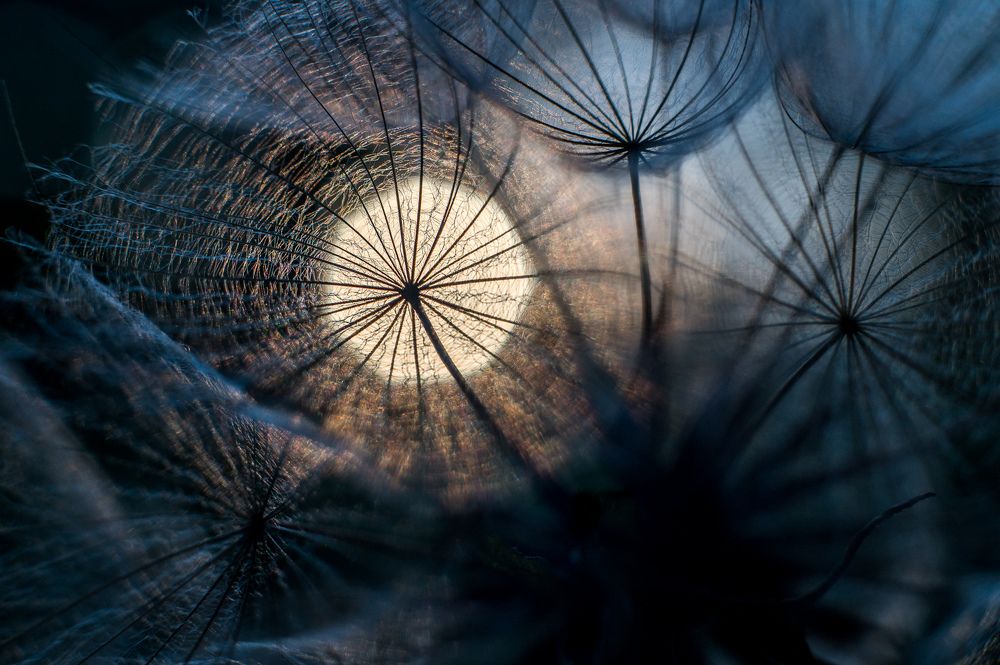
Dandelion Seed Head Macro
19 worksFirst upload: Jun 2017Peak: 2020Last 12 months: 3
📝 Description
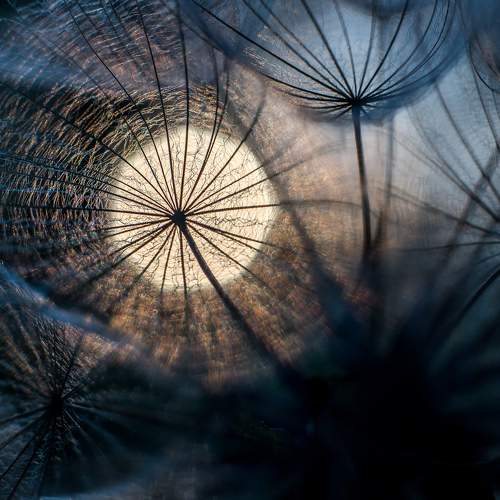
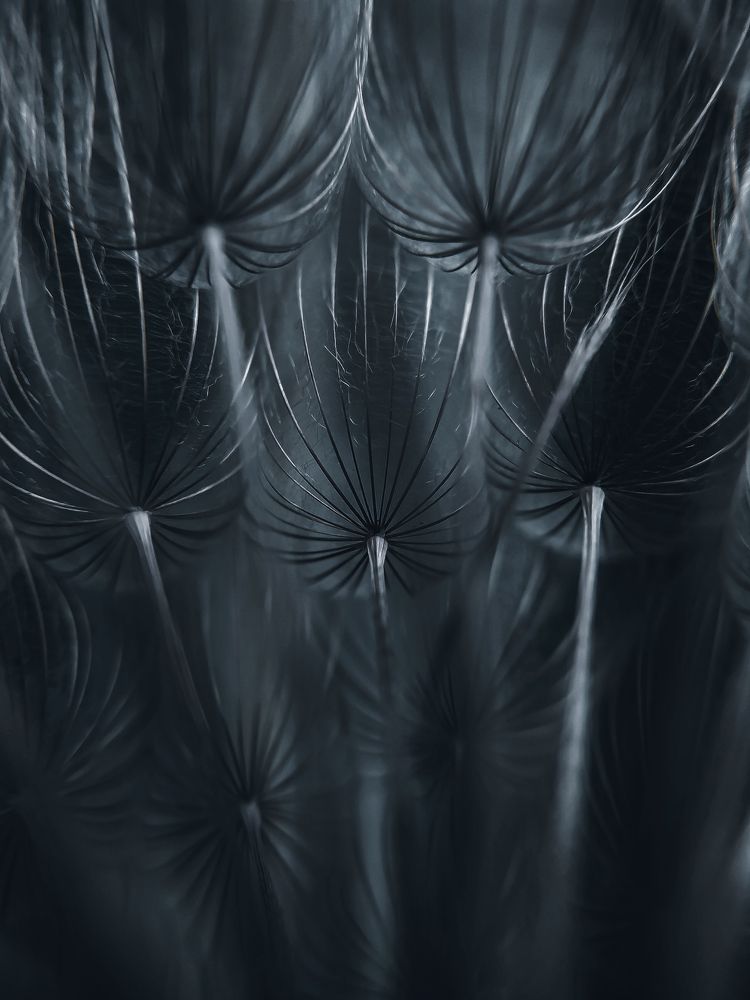
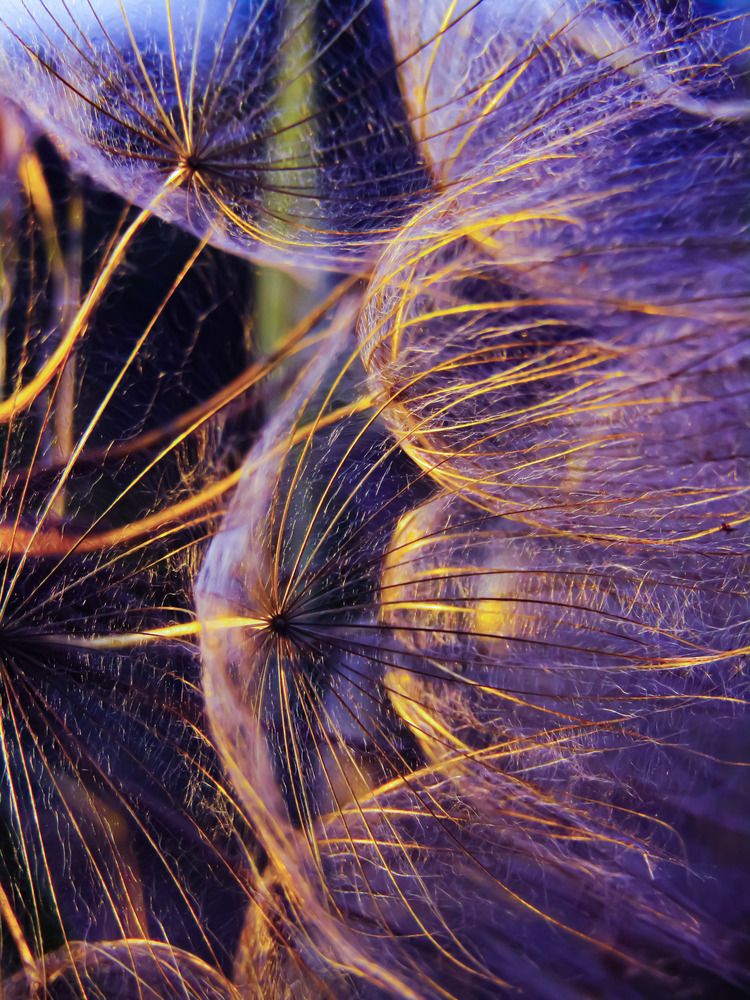
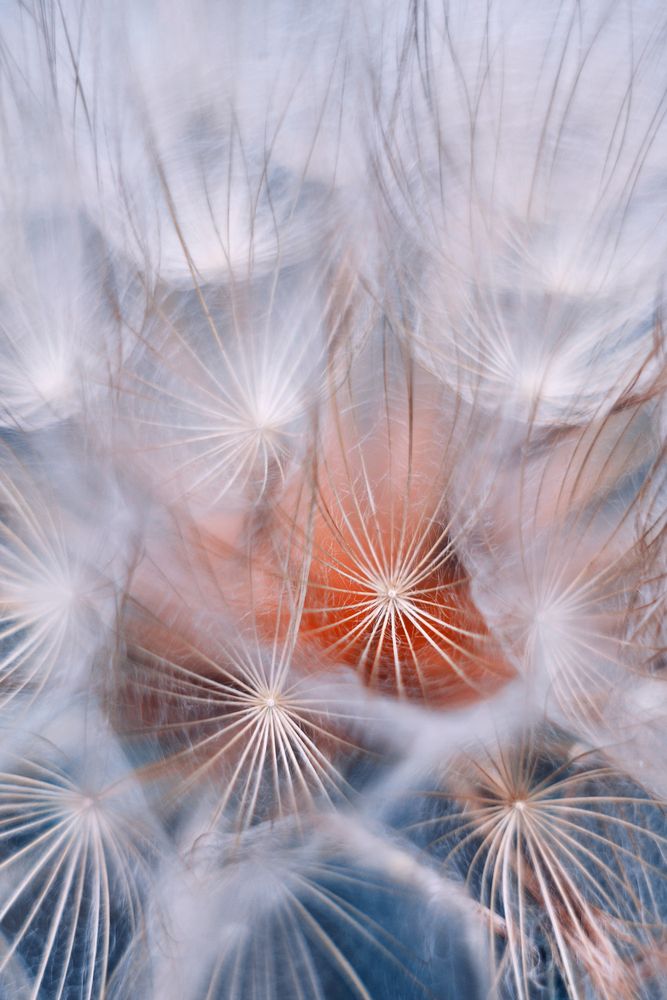
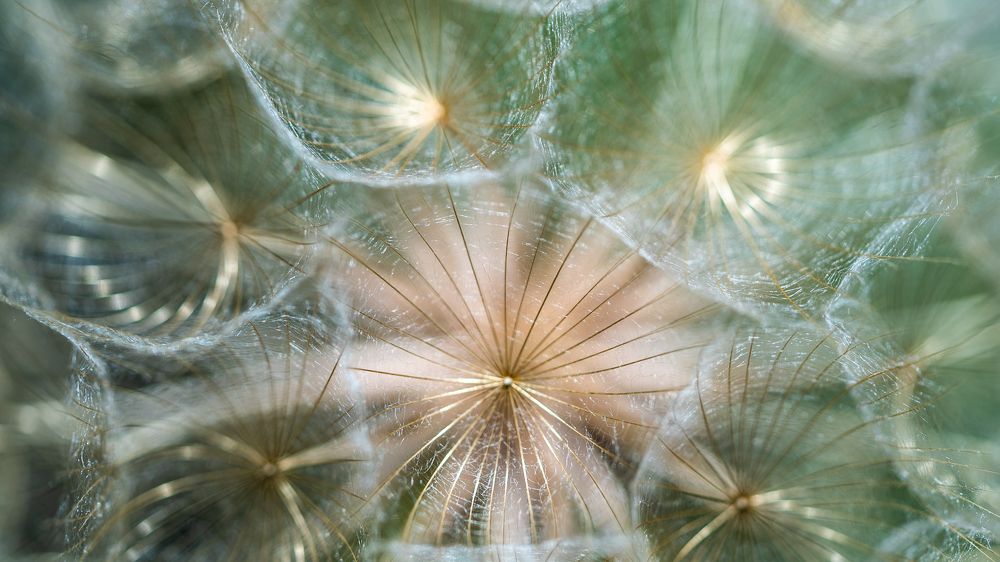
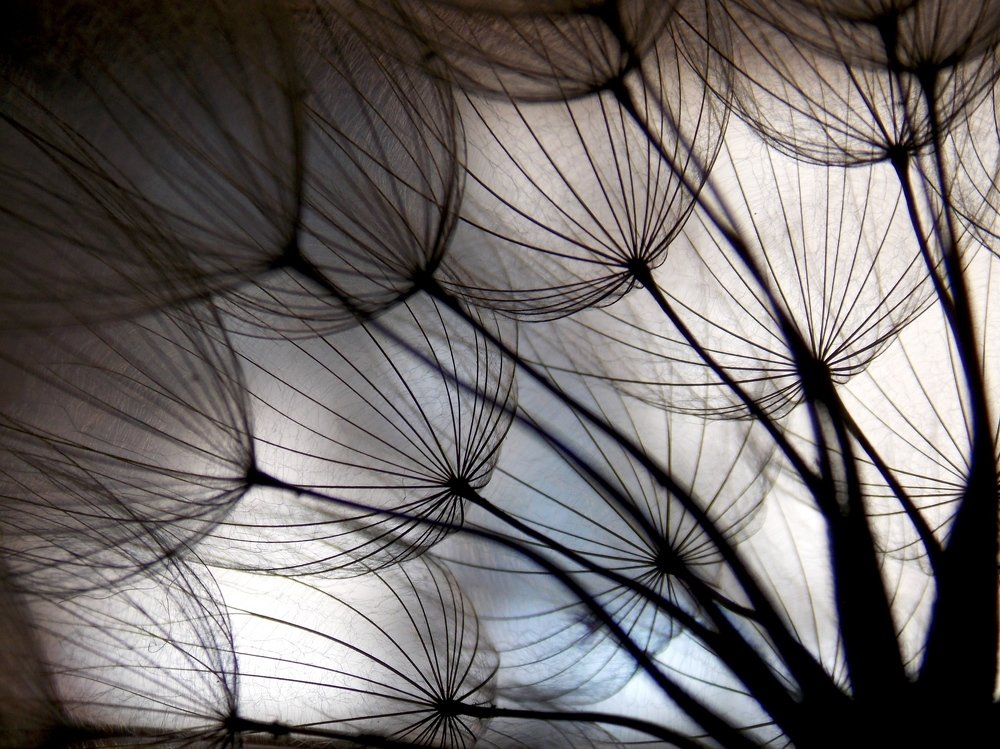
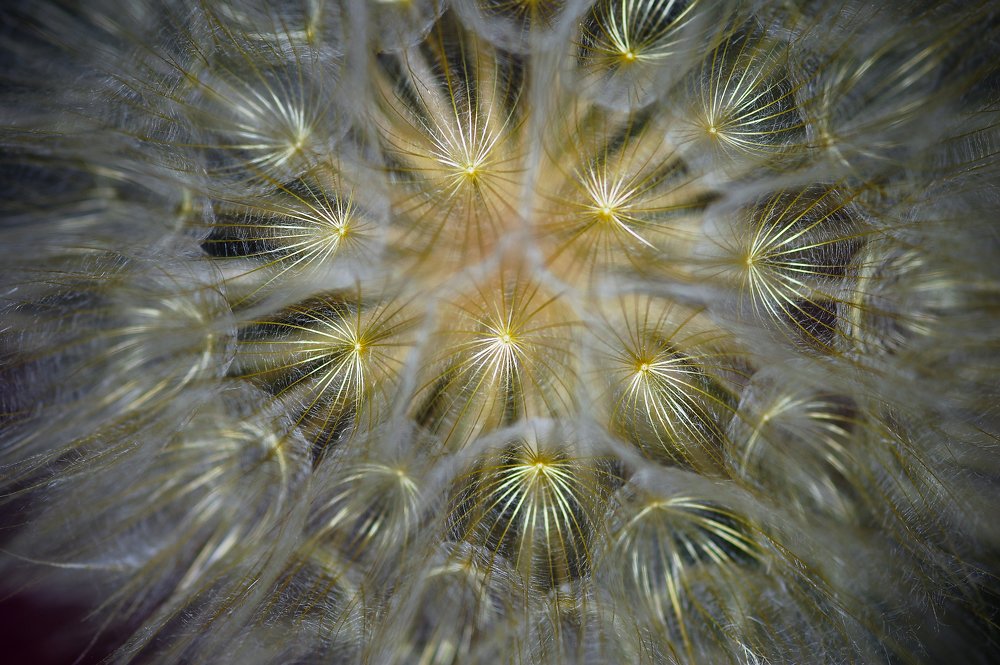
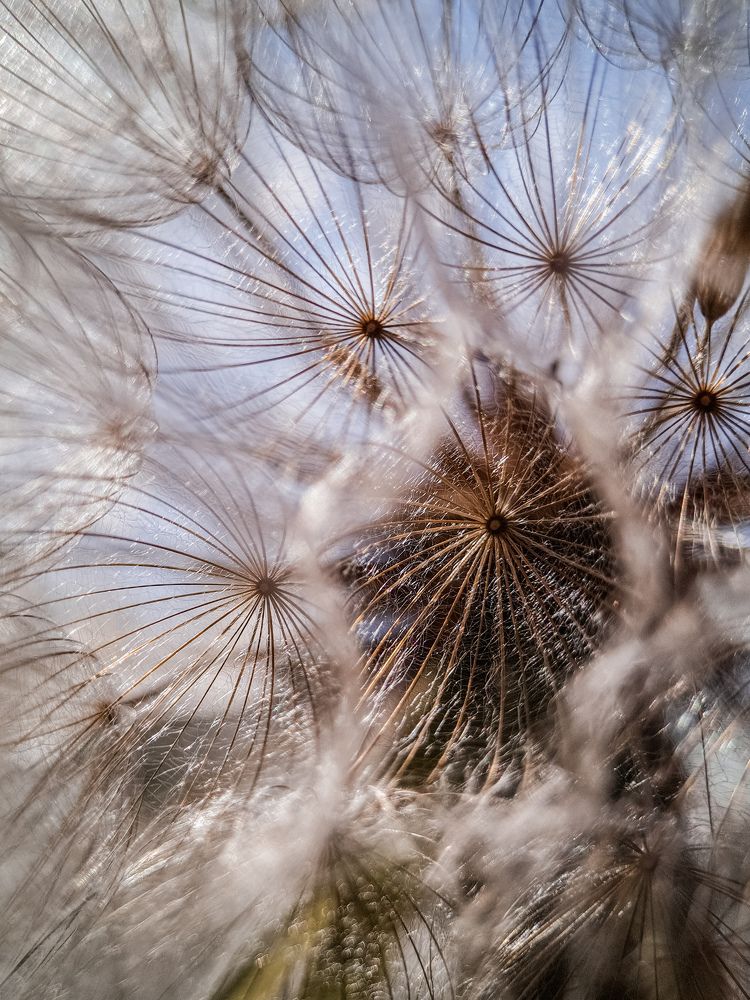
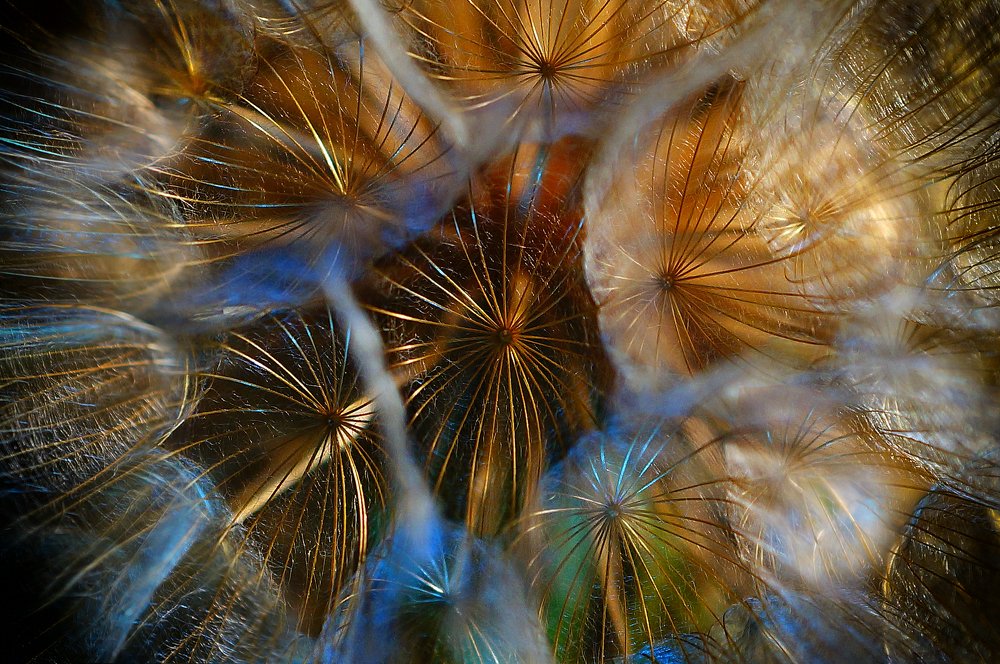
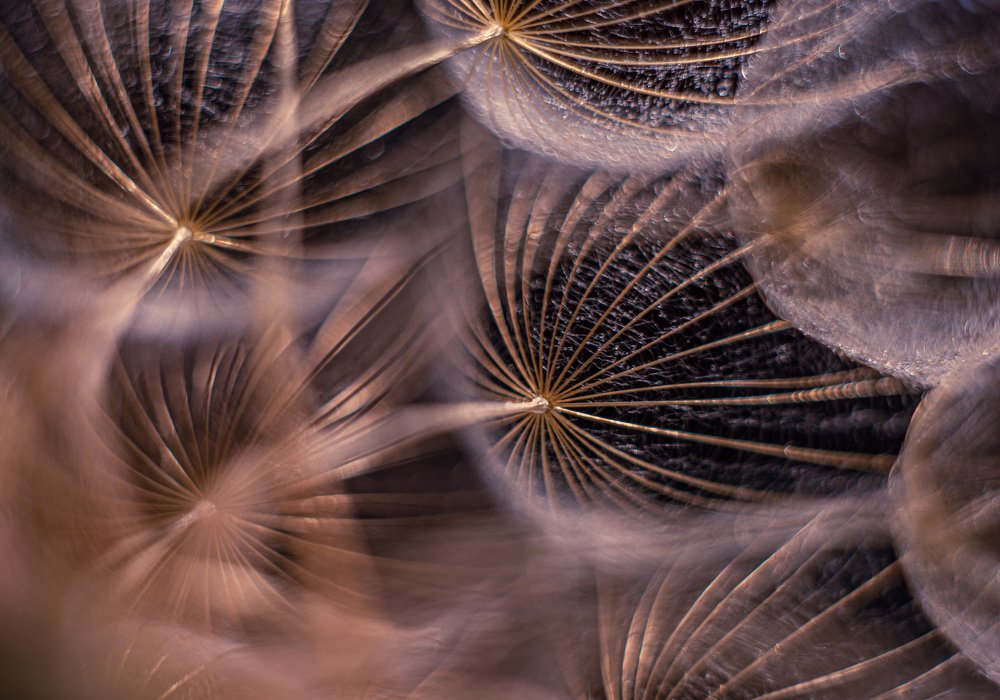
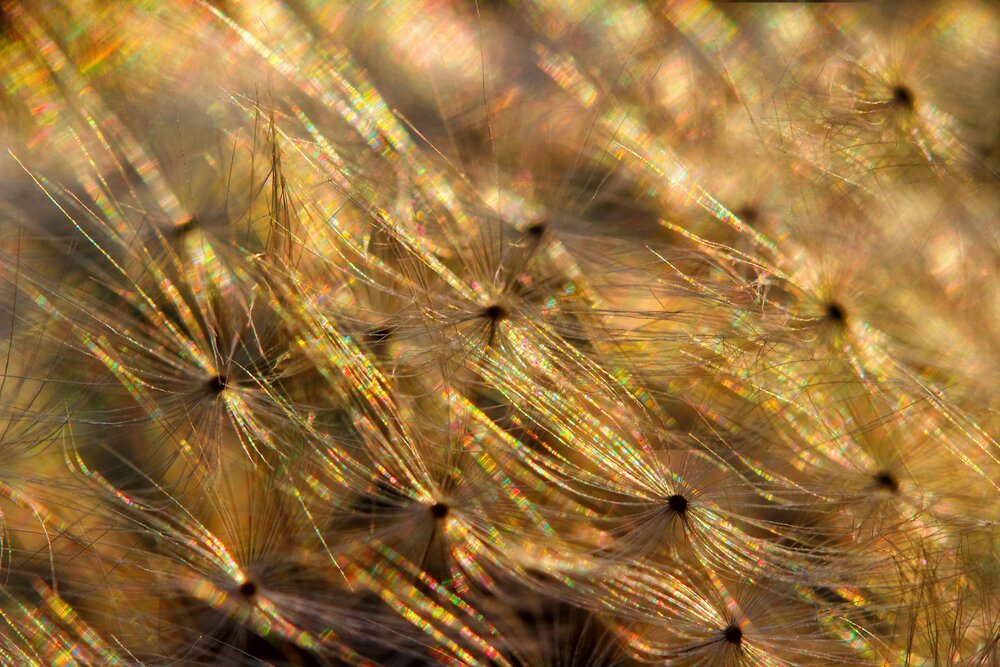
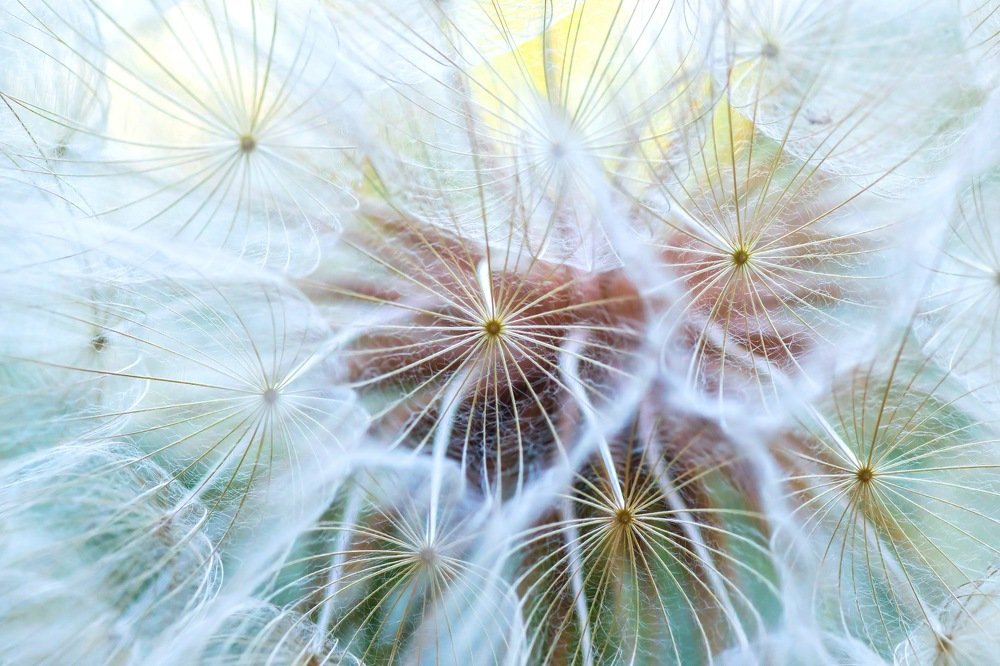
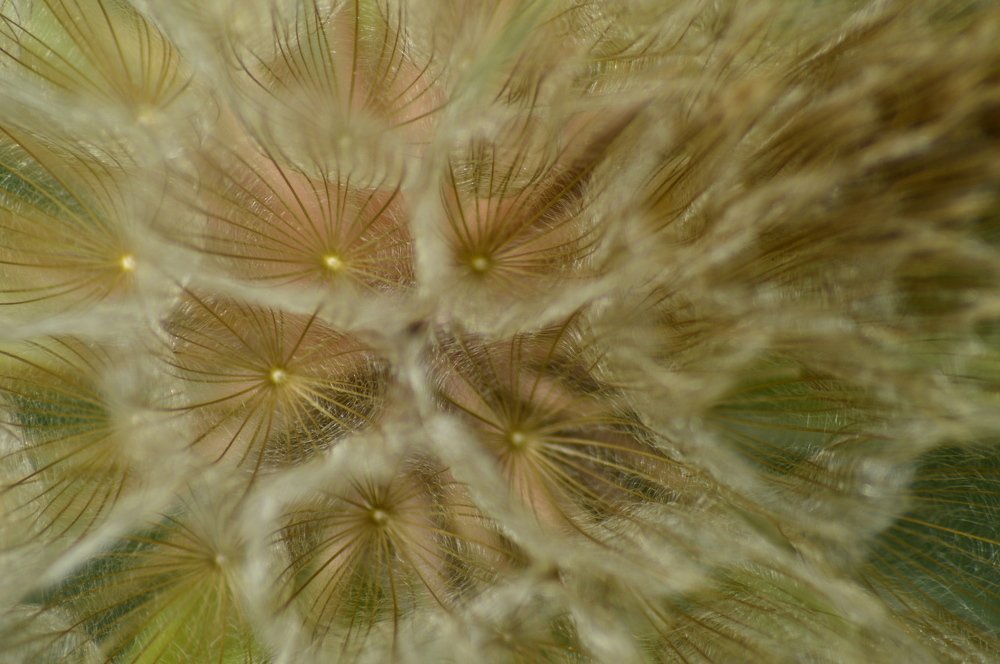
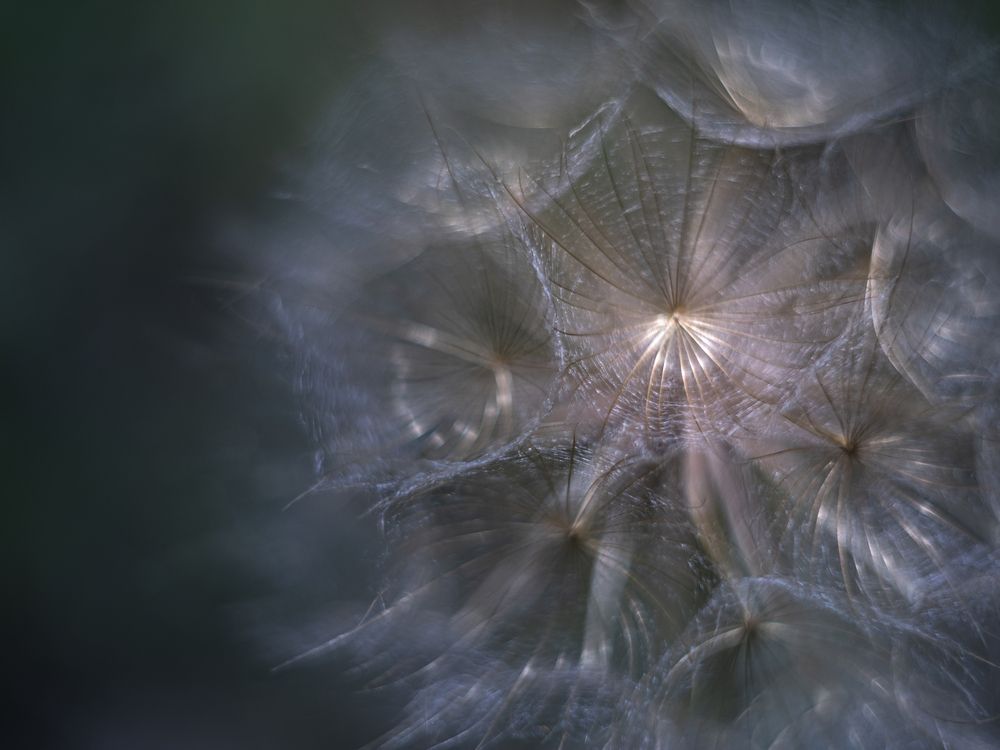
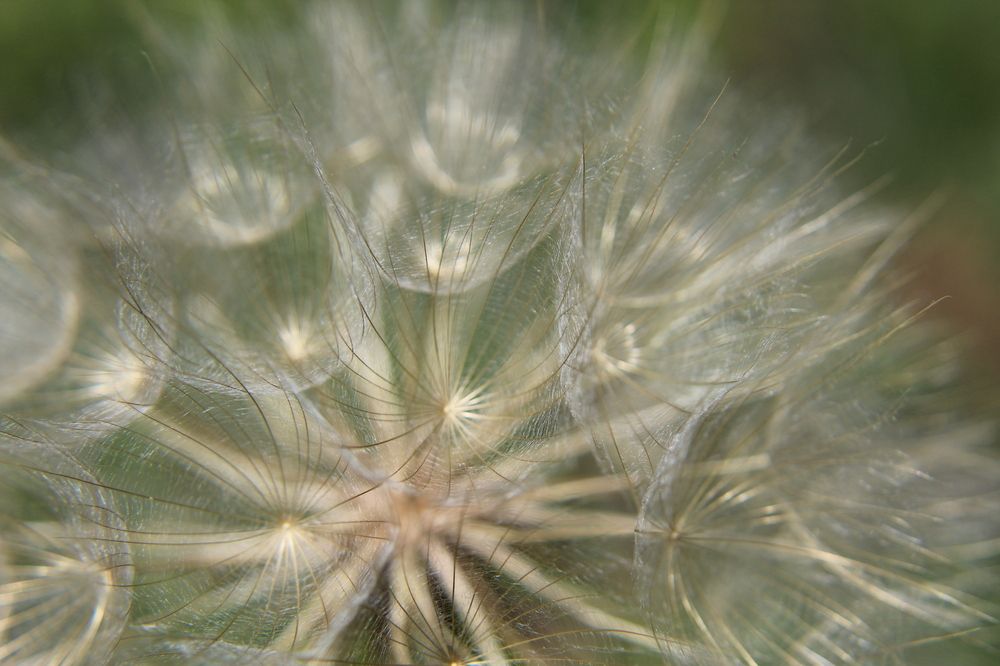
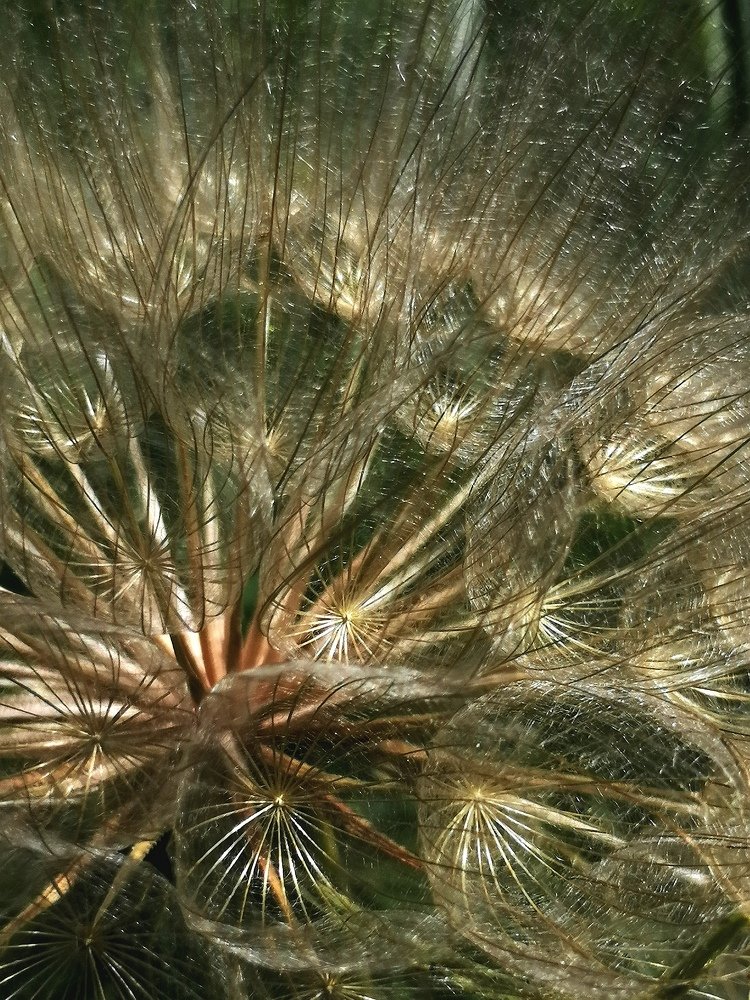
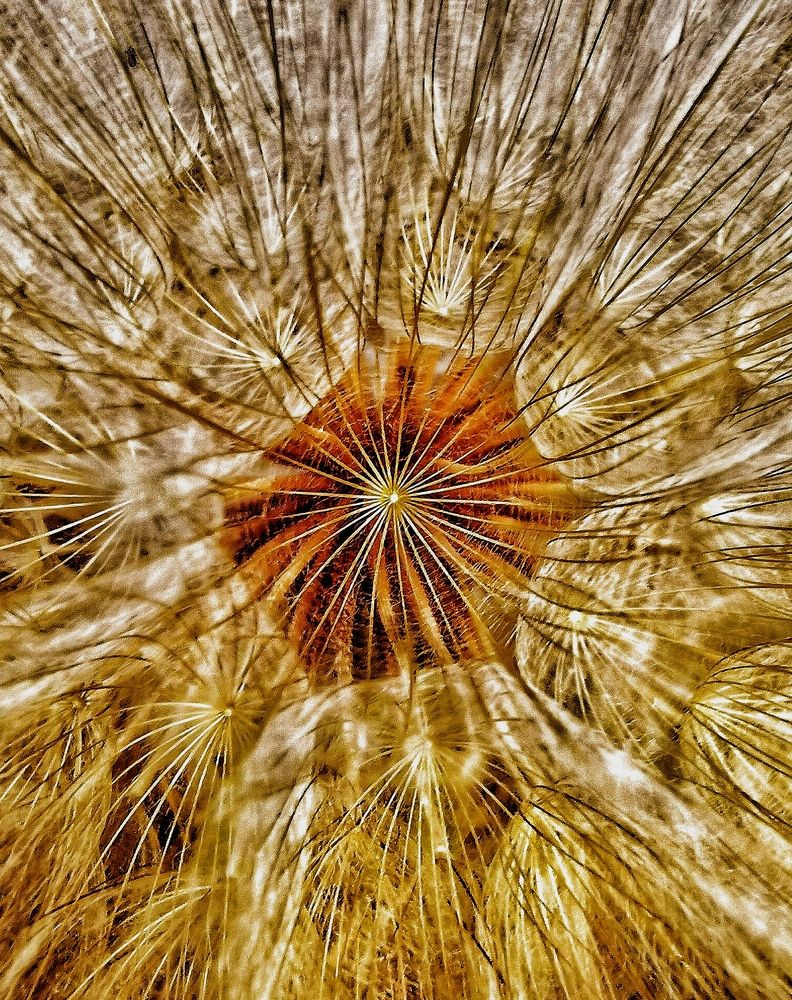
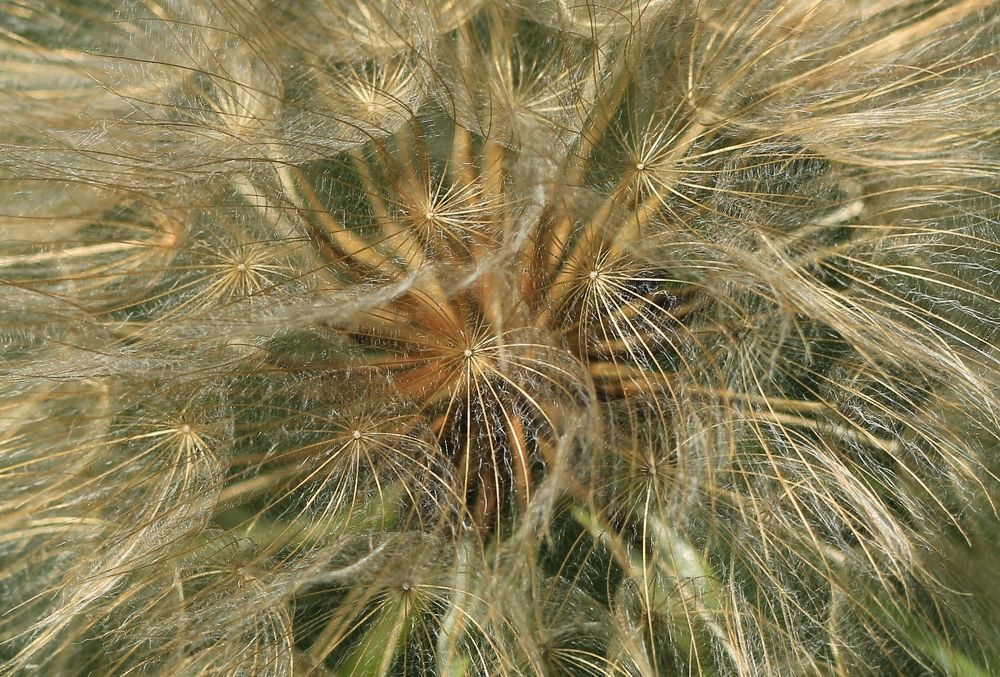
The images feature the seed heads of dandelions and related plants in the *Crepis* genus. Photographers are drawn to these subjects because their radial symmetry creates intricate, geometric patterns that resemble microscopic organisms or celestial bodies. The shots utilize macro techniques to reveal fine details often invisible to the naked eye, emphasizing the delicate structure of the pappus hairs against contrasting backgrounds. While some images display natural colors, others employ heavy color grading in blue and purple tones to enhance the abstract quality of the forms. All images share a focus on the complex, fractal-like geometry found within these common plants.
How to shoot it
🕐 Time of day
Most shot between 18:00 and 21:00 (33% of frames)
Based on 15 frames with camera data. Camera clock time; the time zone is unknown.
Shooting usually takes place in the morning (10:00) or evening (19:00–20:00). These hours provide soft light needed for hair detail.
🗓️ Season
Most shot in: June, May, July
Based on 15 frames with camera data
Main season is June (11 of 15 shots); May and July are also suitable. At this time, goat's-beard seed heads are most common.
🎒 Gear
Use a macro lens with a focal length around 90 mm (50% of shots). A tripod is recommended for stabilization and working with slow shutter speeds.
Cameras and lenses the authors used (5)
⚙️ Settings
Shutter 1/125 (1/3200 – 1/50)Aperture f/5 (f/3.5 – f/6.3)ISO 100 (50 – 200)Focal length 90 mm (21 – 105)
Based on 13 frames with camera data. Median and 10-90% range across the idea frames.
Key parameters: aperture f/5, ISO 100, shutter speed about 1/125 s (median 0.008 s). This ensures sharpness and low noise.
⚠️ Good to know
Shooting is possible at any time of day, including night hours (there are shots from 0:00), allowing the use of artificial lighting to emphasize seed structure. The subject is a common weed, widely available without territorial restrictions.
📈 How the idea developed
works uploadedshare of all site uploads, per 100k
The date is when the file was uploaded to the site. The chart counts works assigned to the idea.
✅ How to repeat it
- Use side light or backlighting to highlight the volume and transparency of parachute hairs.
- Shoot at low ISO (50–200) for maximum image clarity when detailing microstructure.
✨ Interesting facts
- 🏆 How the best frame was shot: Xiaomi M2003J15SC, 1/50, f/1.8, ISO 167, 5 mm
- 🔇 93% of frames were shot at ISO 400 or lower: almost no noise, any modern camera will do
- 📱 33% of frames were shot on a phone
- 🥇 1 works reached the finals. Best contest: Abstract shot by phone 2020 2020
- 🌍 Authors by country: 🇷🇺 RU 9🇺🇦 UA 2🇵🇱 PL 1🇷🇸 RS 1🇦🇹 AT 1
Some tips are prepared by AI from the idea description, photos and their EXIF. Check the rules and access to places before you travel.
Works
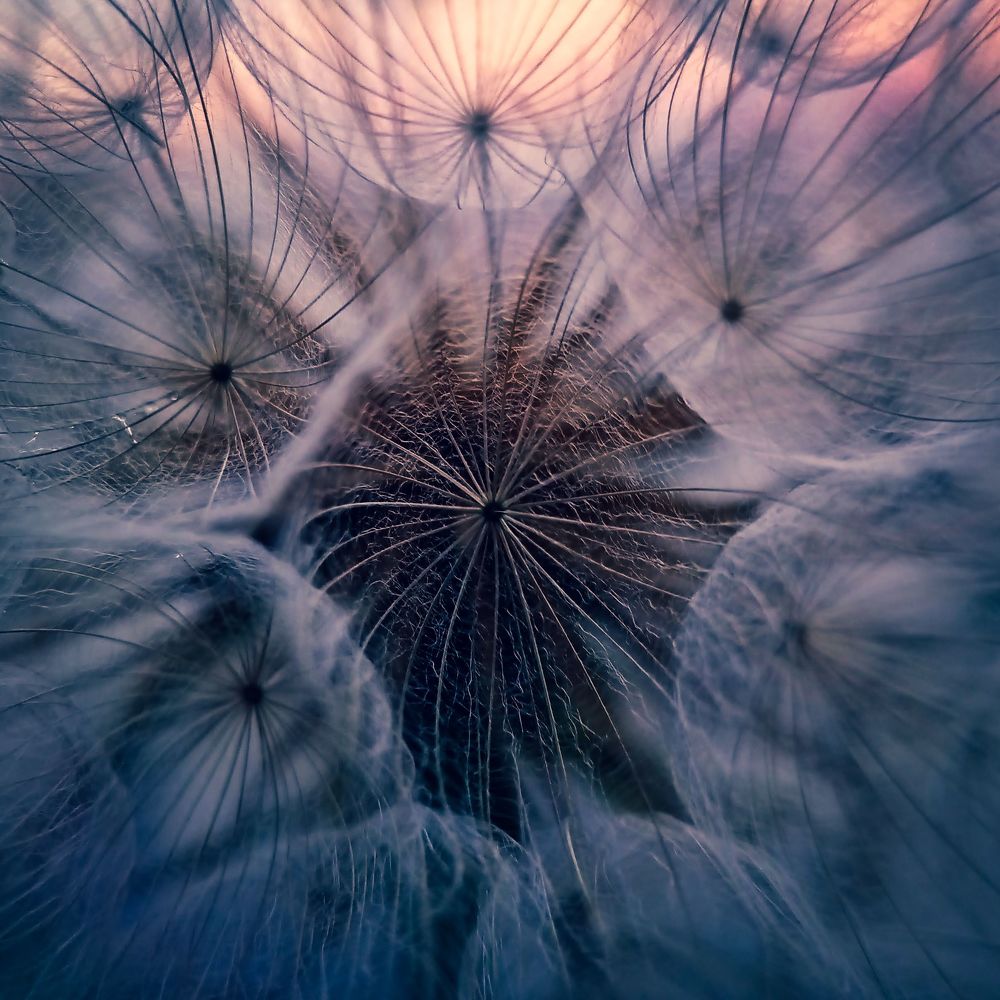
These lists are generated automatically and may contain inaccuracies. Photos are shown in random order, and selections are refreshed twice a day. This section is made for exploring photos and does not claim 100% accuracy. The lists include photos that previously participated in contests that are already completed.