Dead Vlei
62 worksFirst upload: Oct 2015Peak: 2024Last 12 months: 13
📝 Description
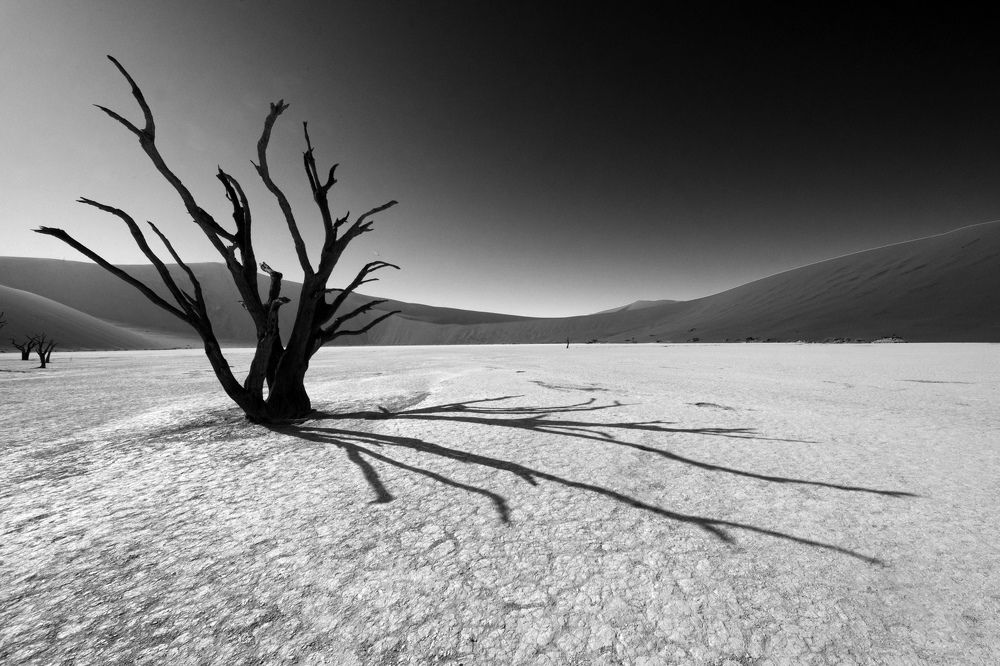
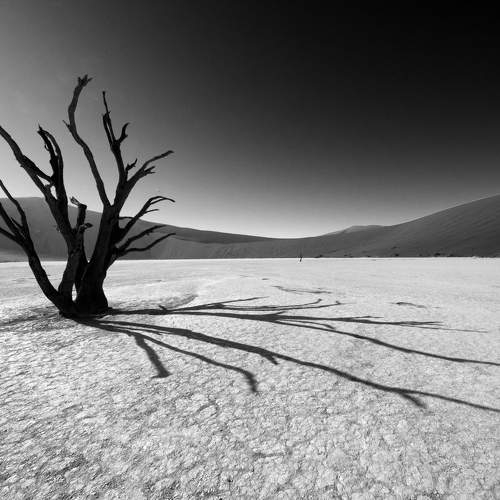
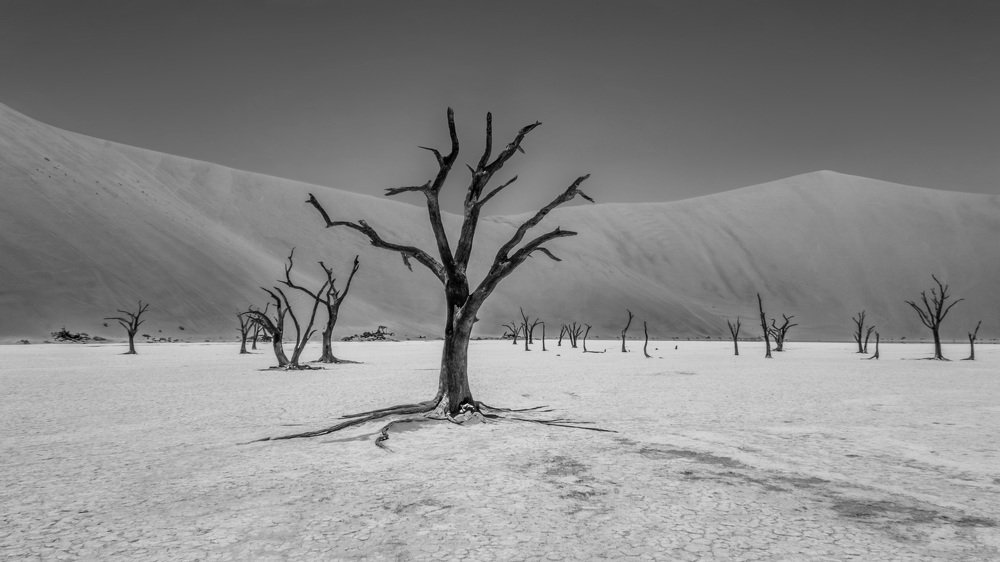
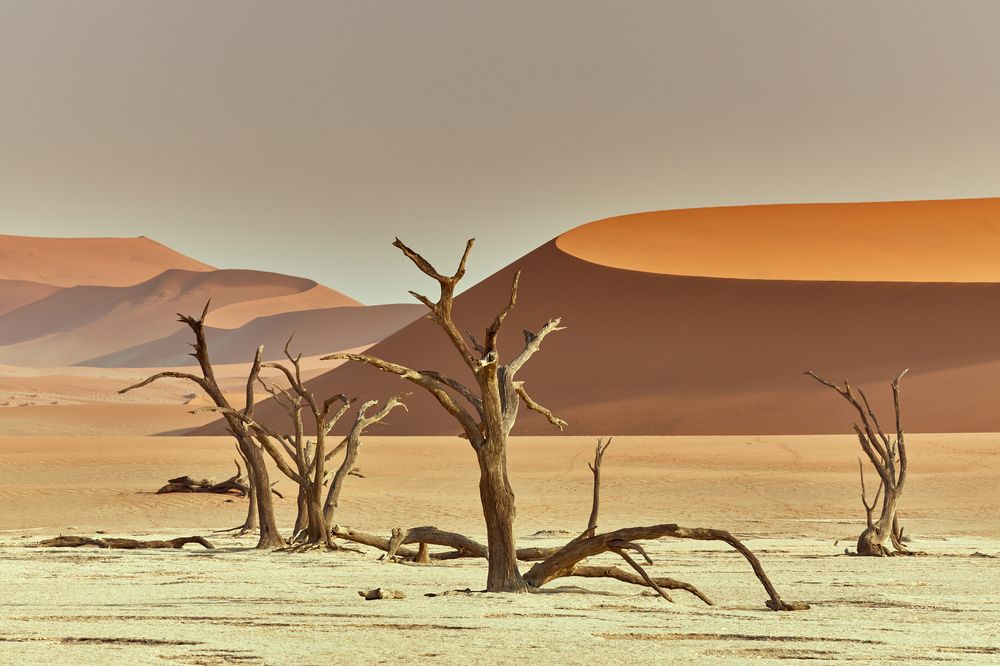
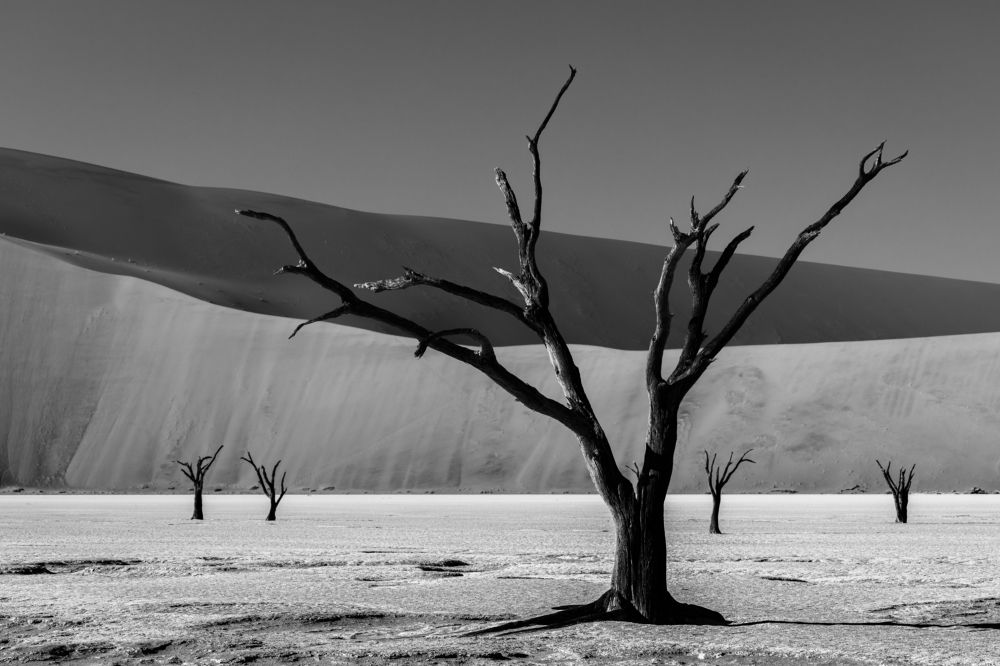
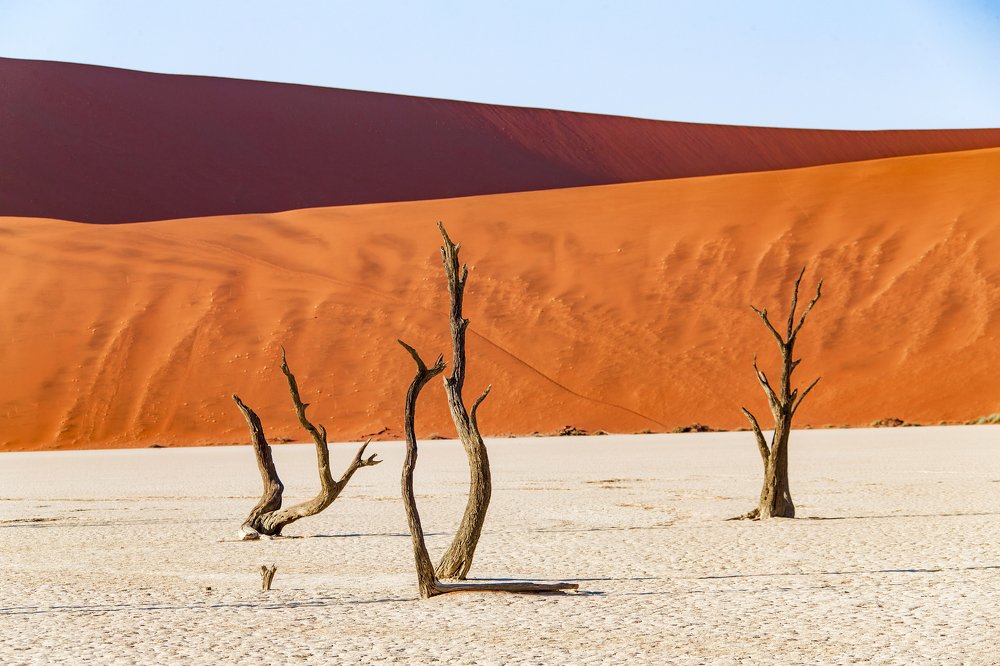
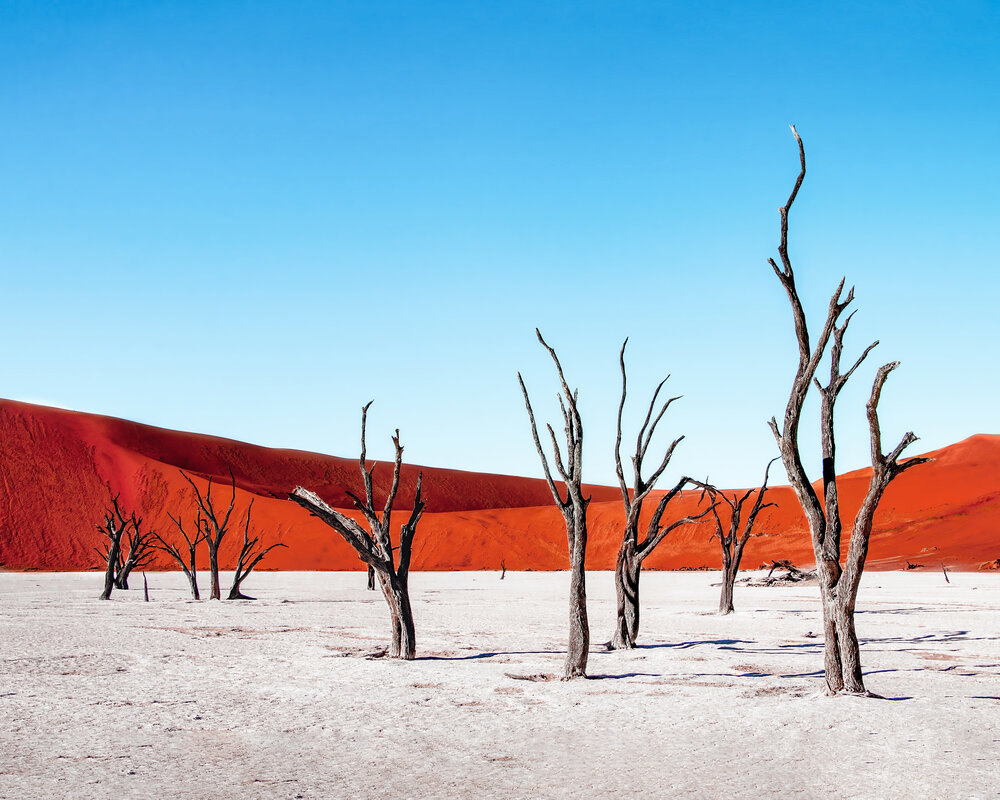
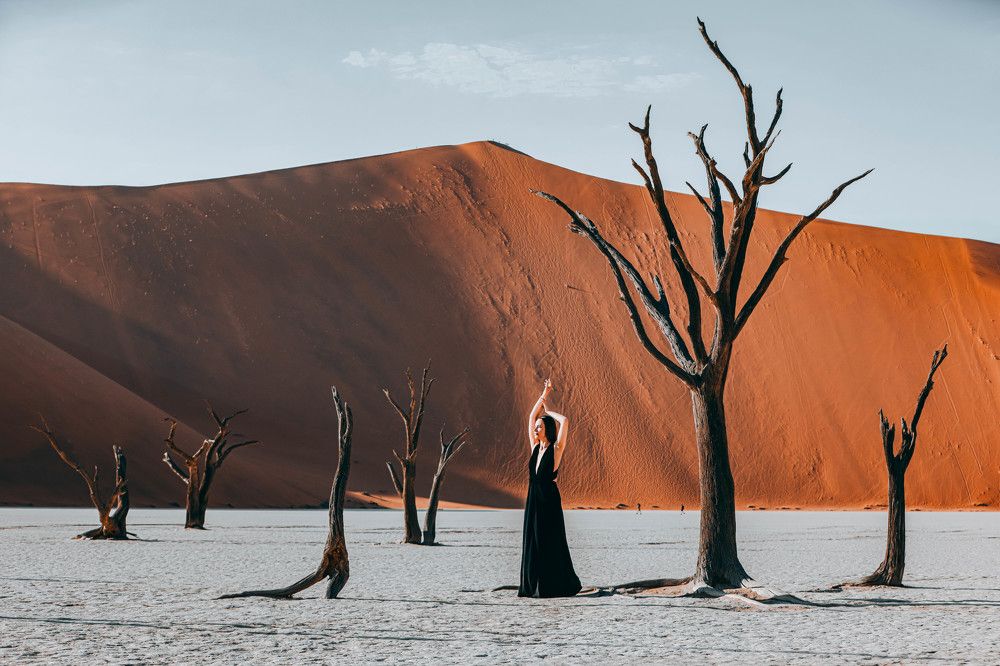
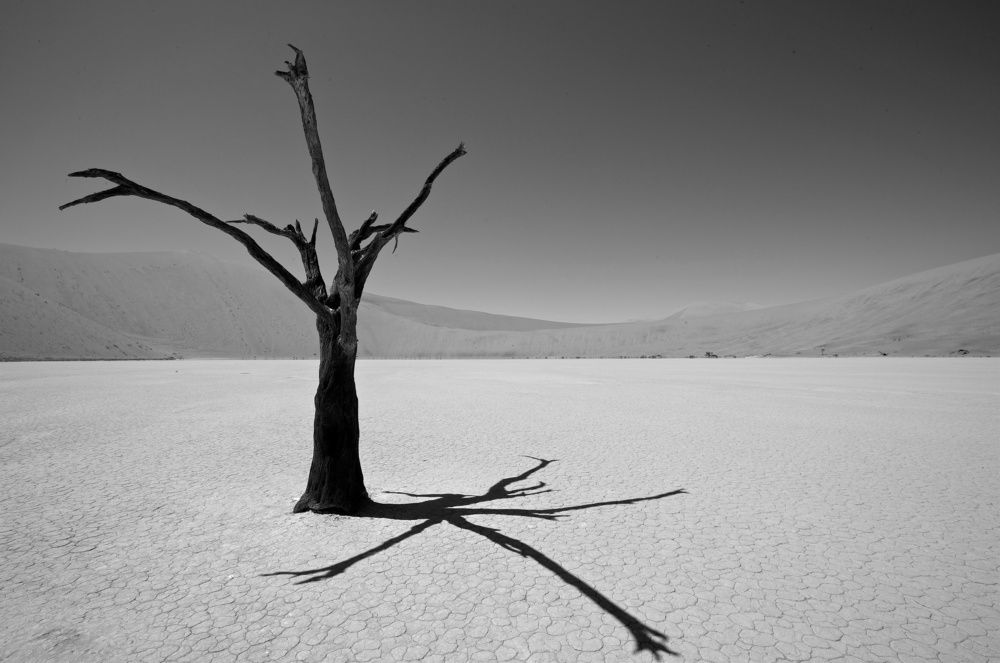
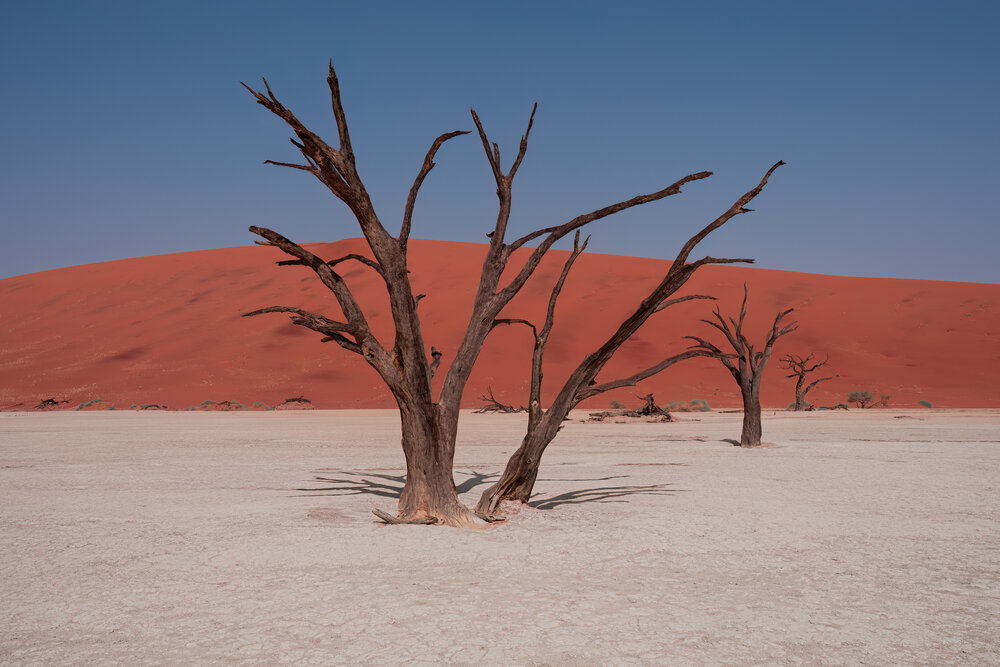
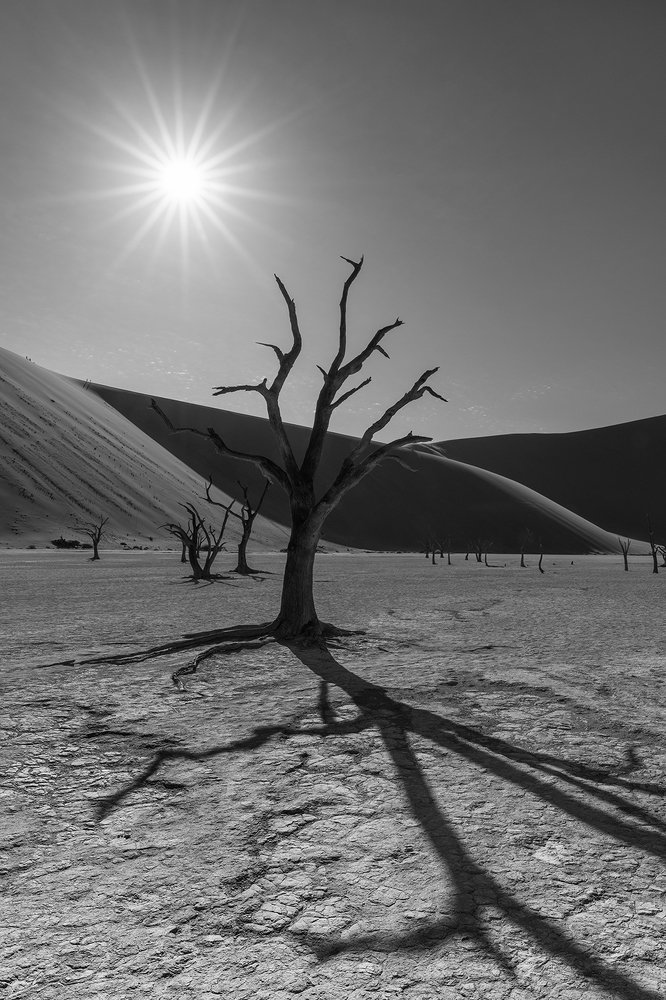
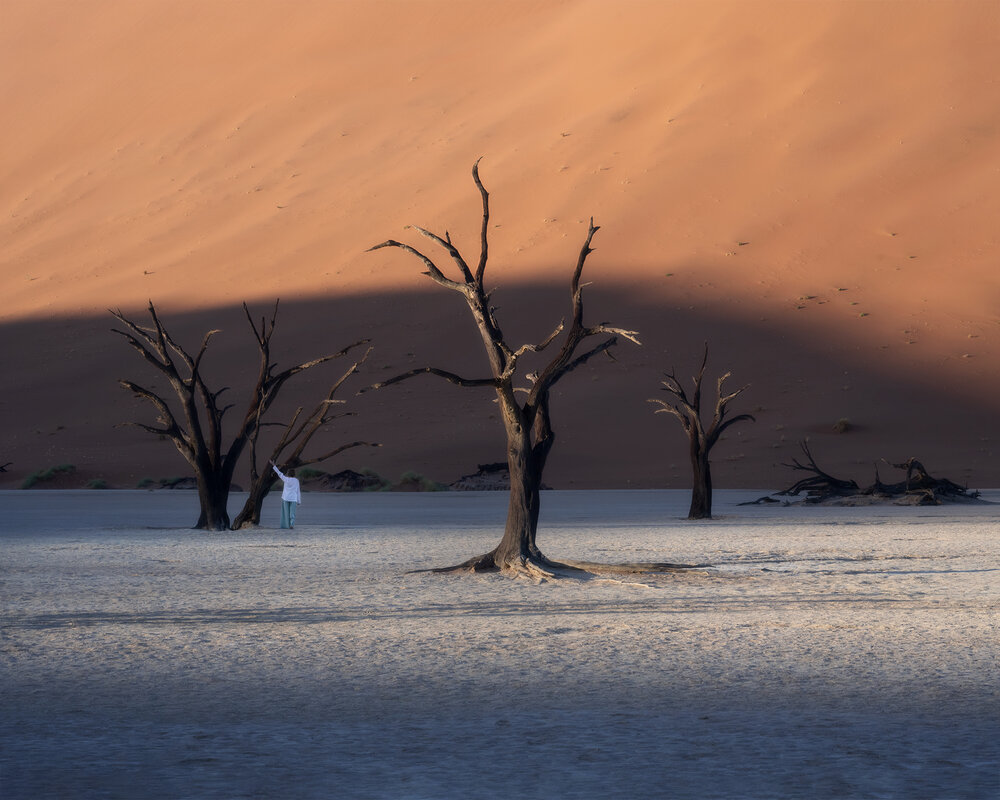
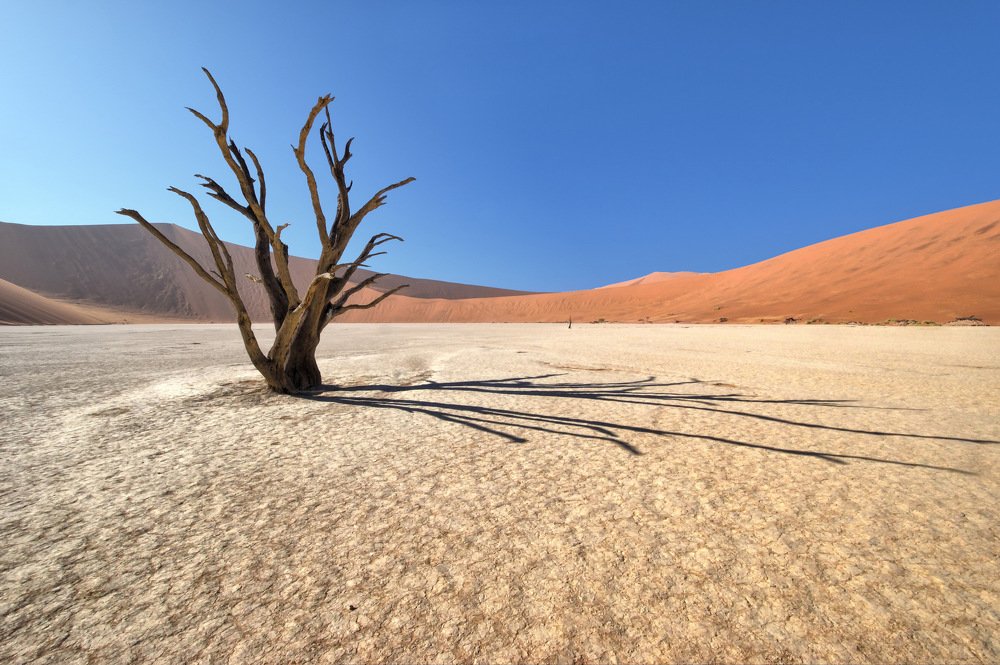
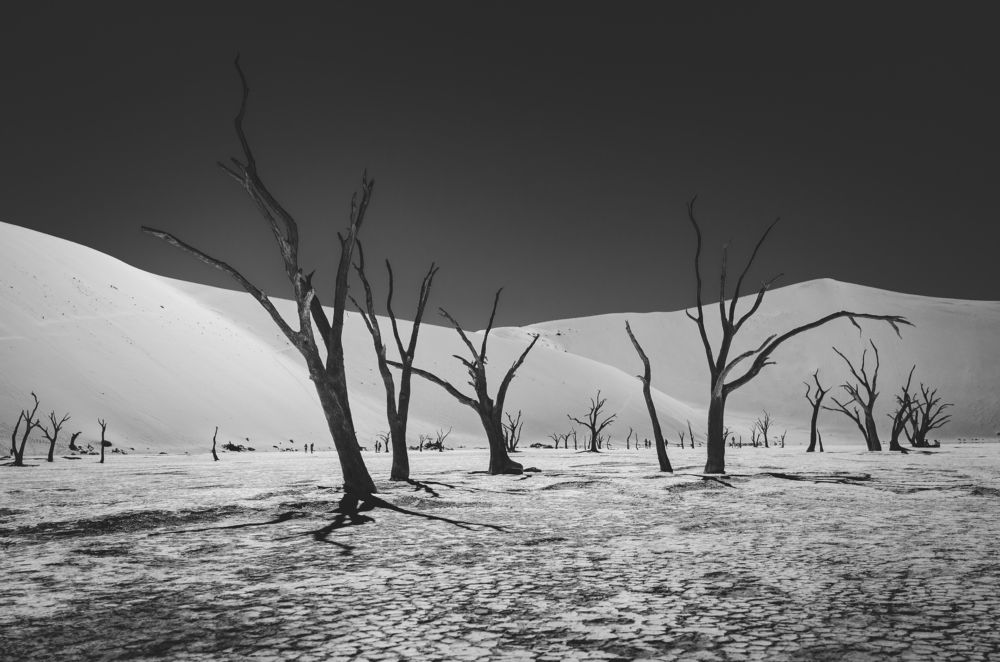
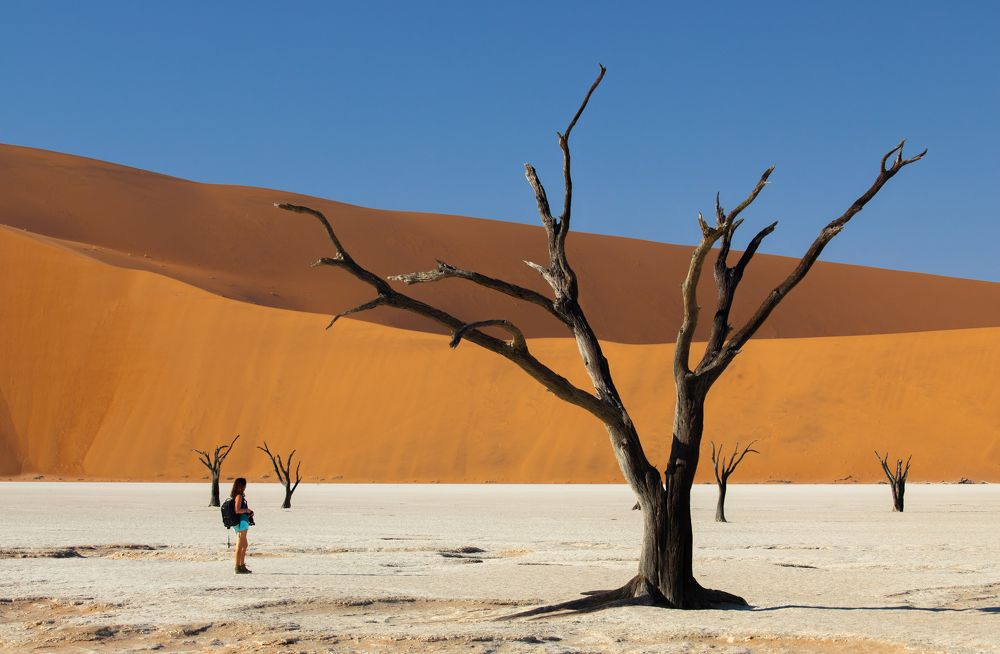
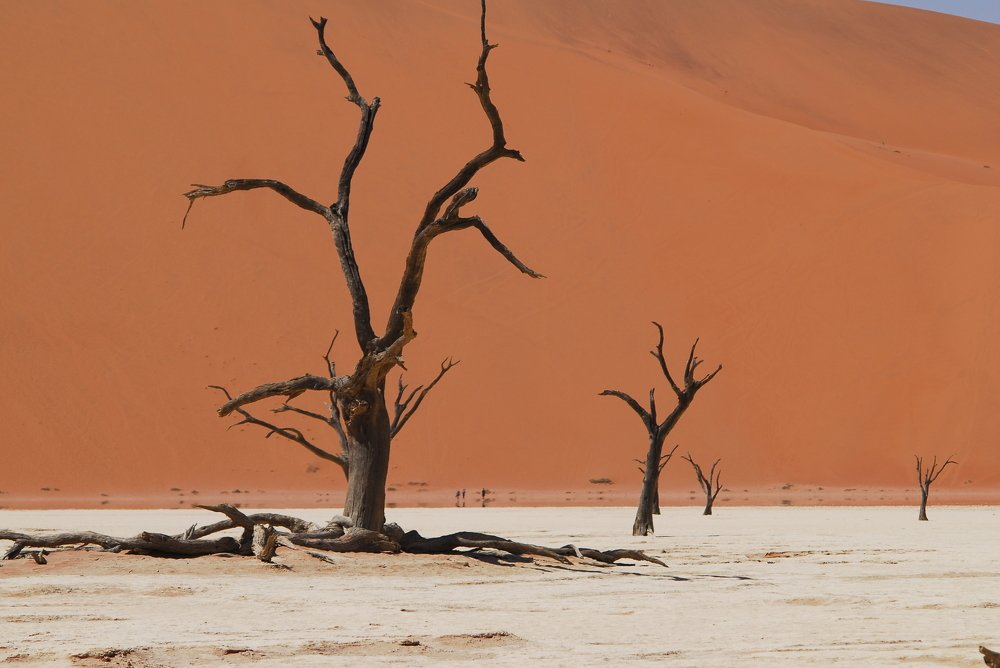
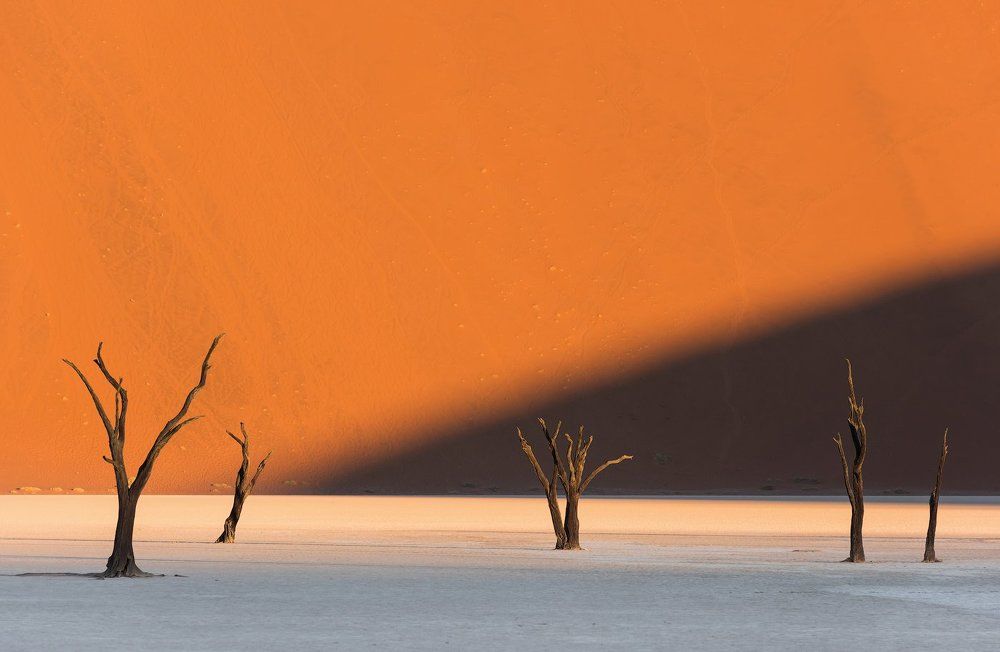
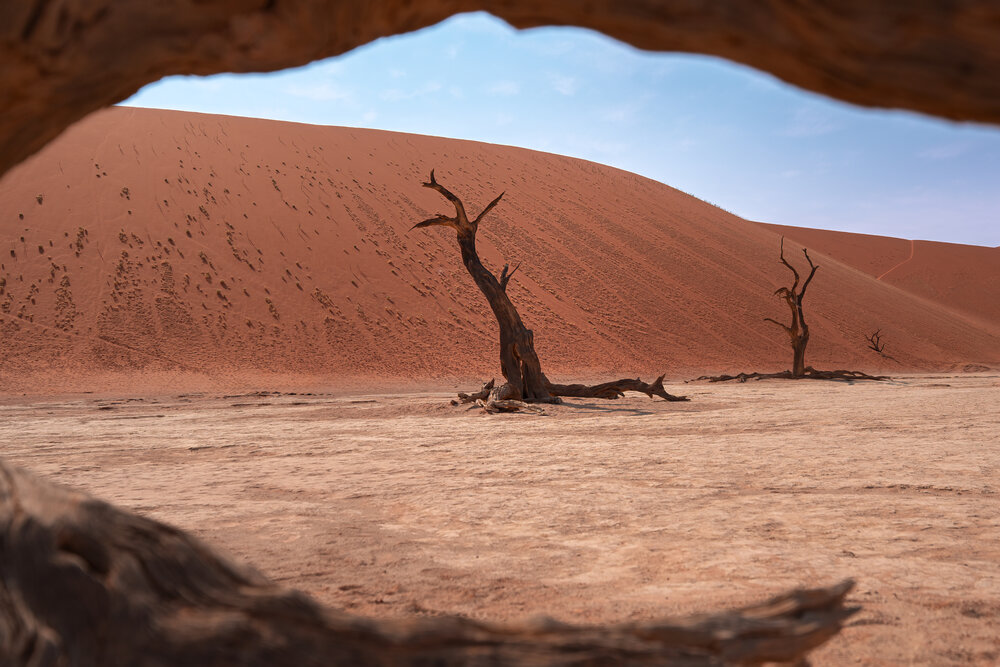
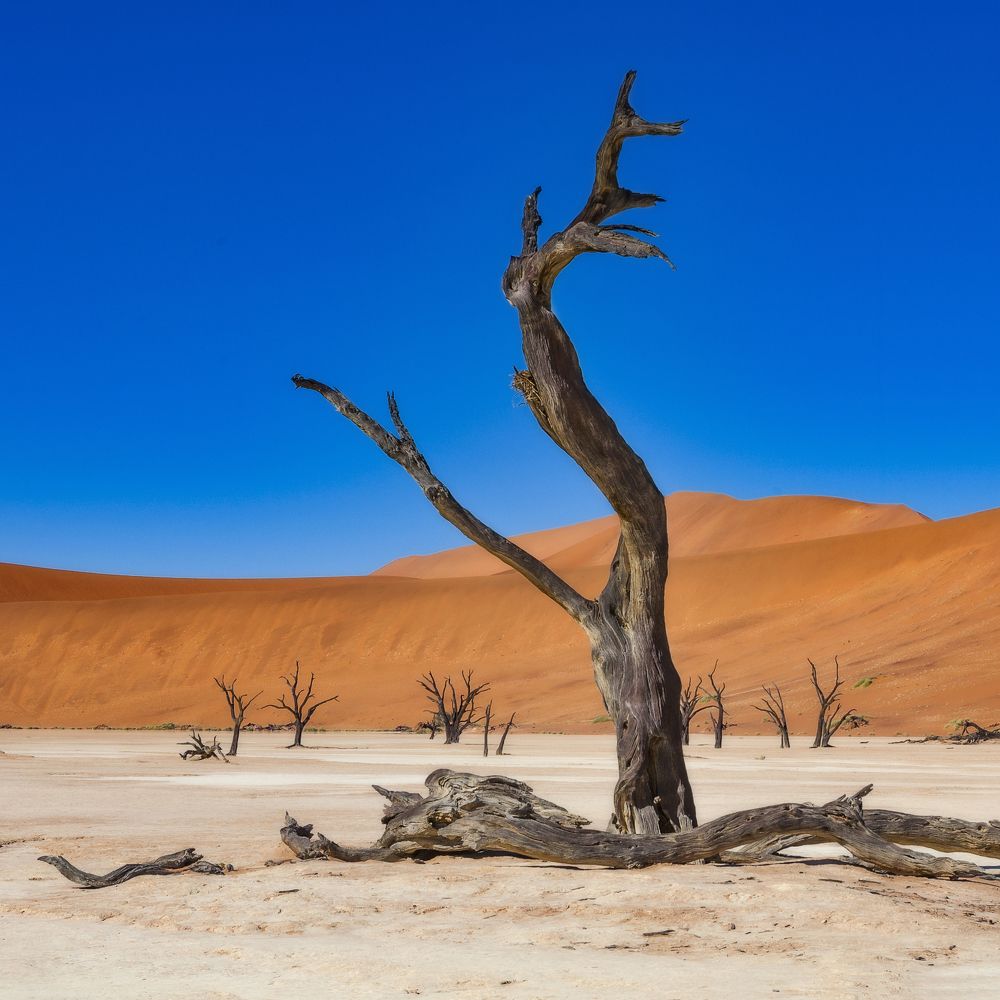
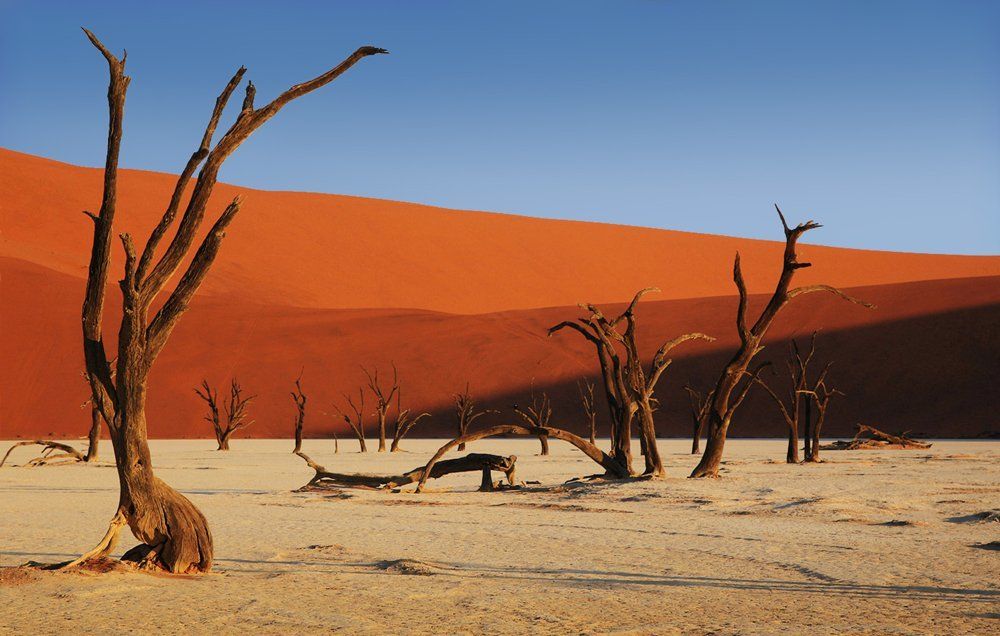
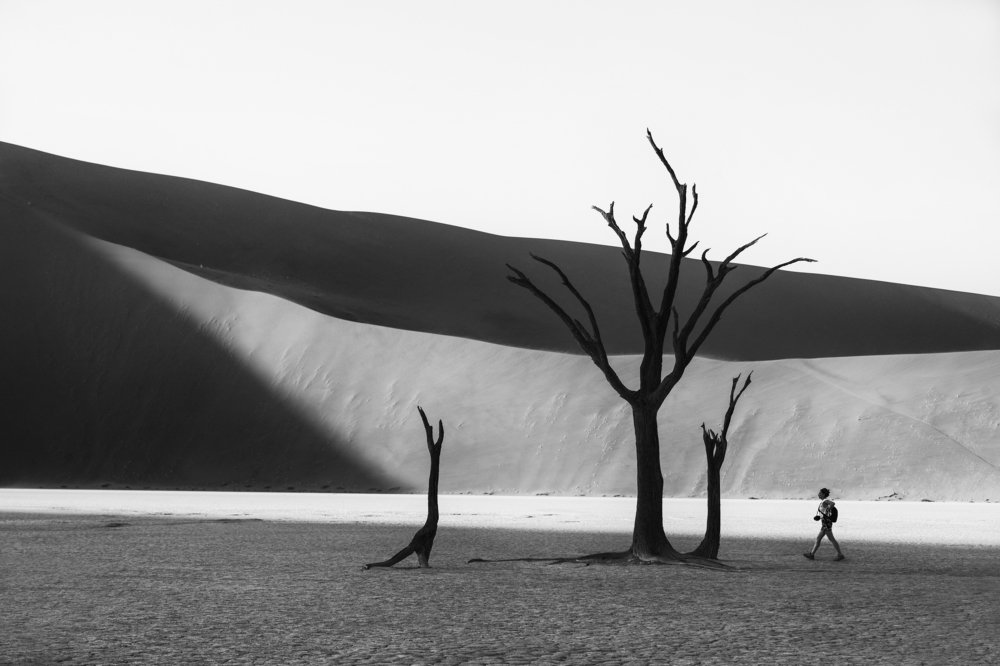
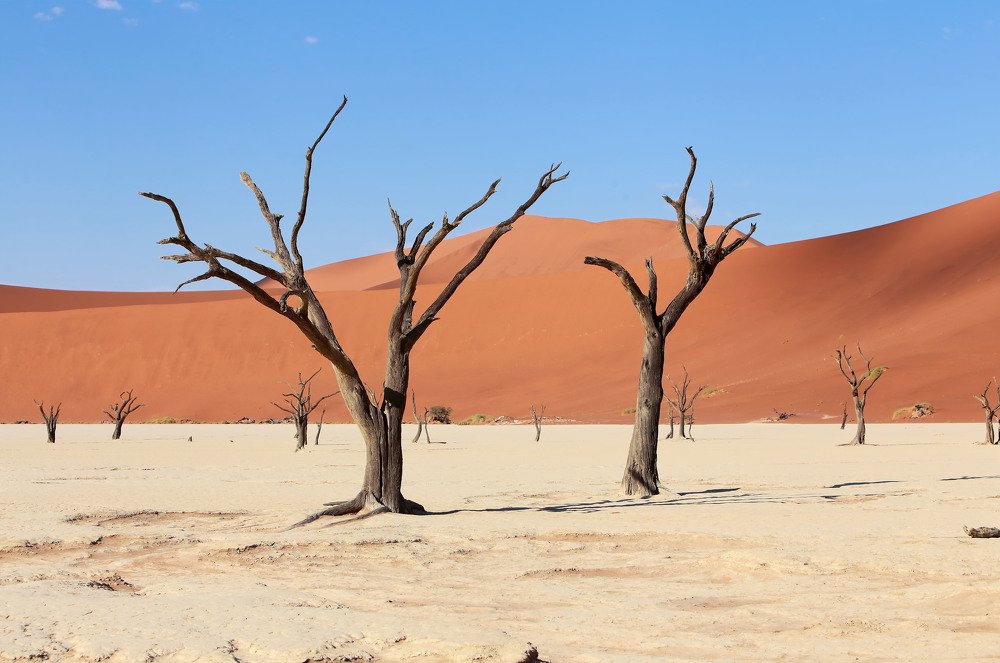
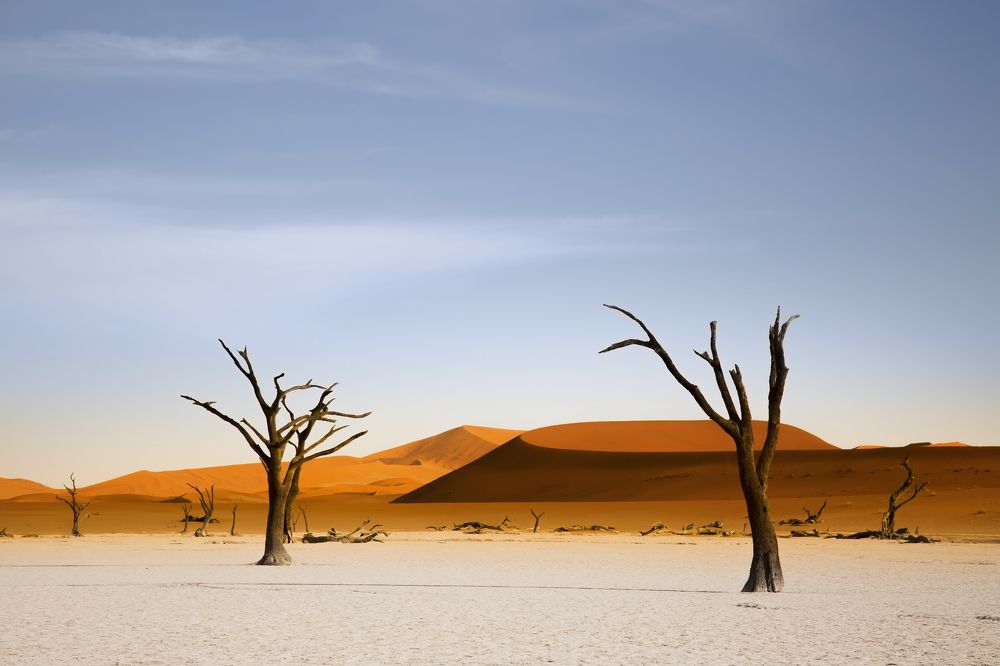
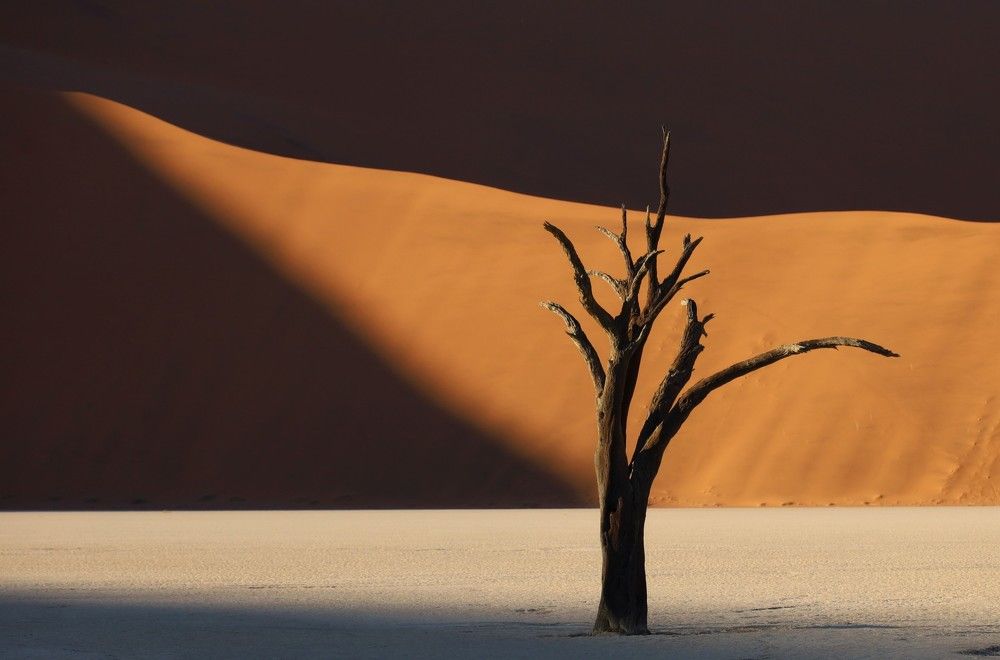
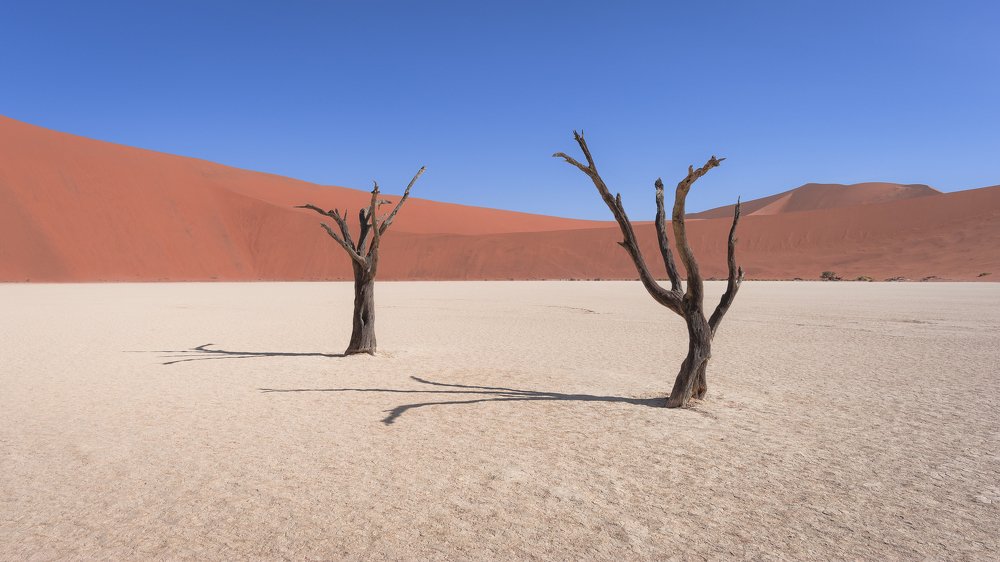
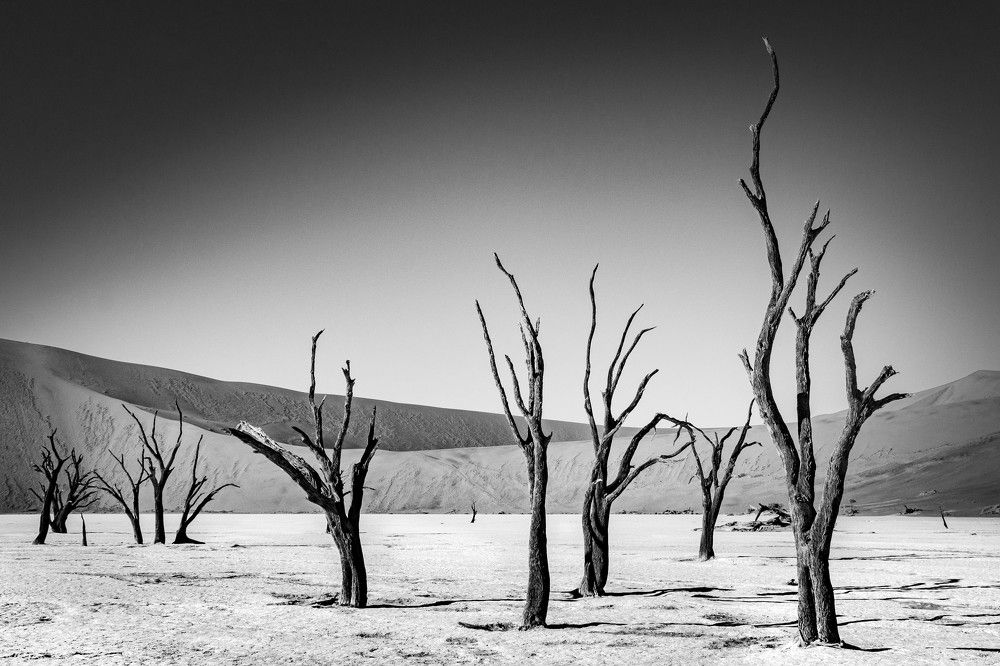
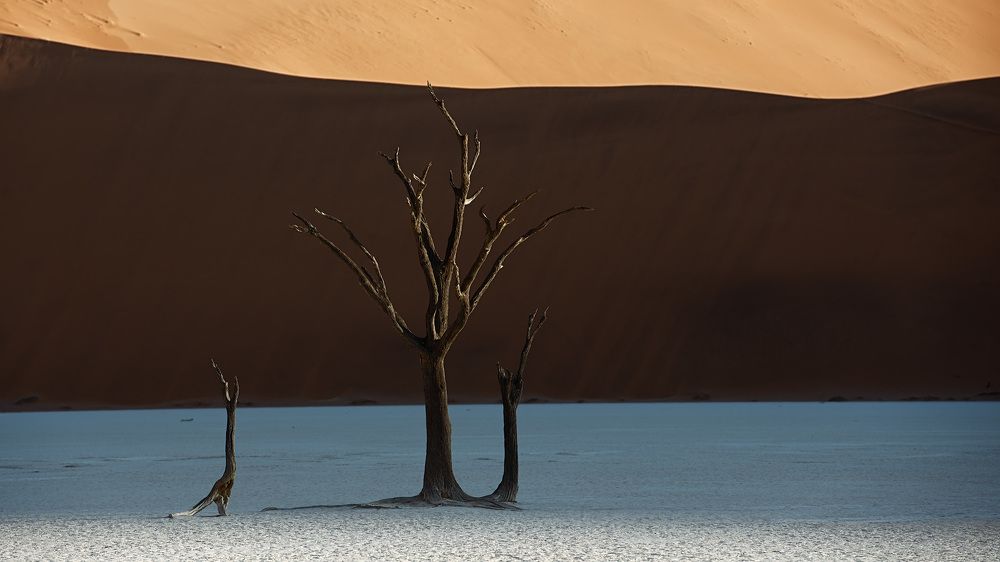
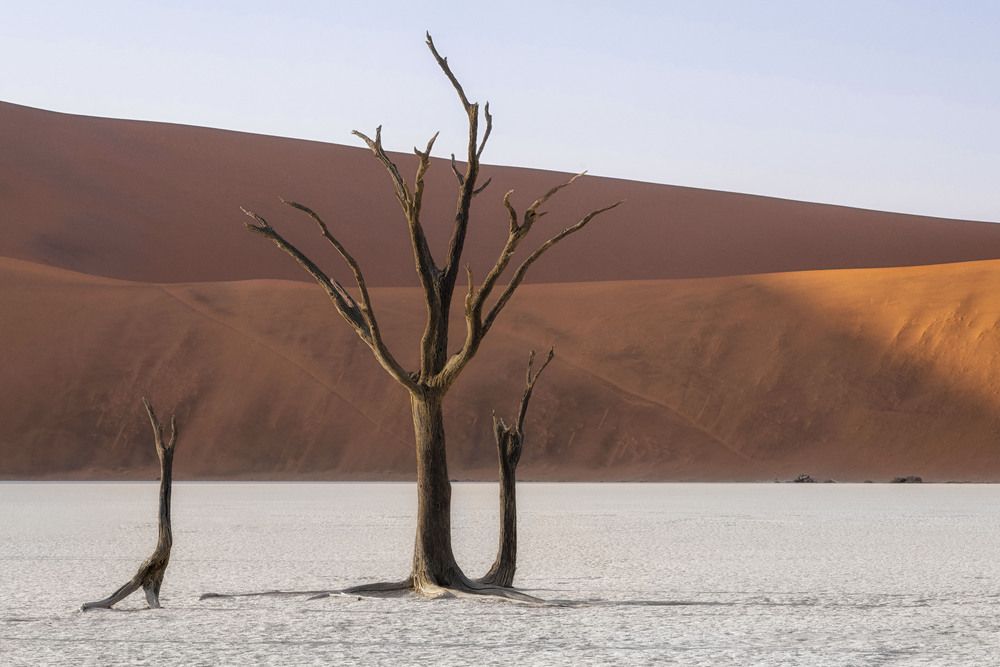
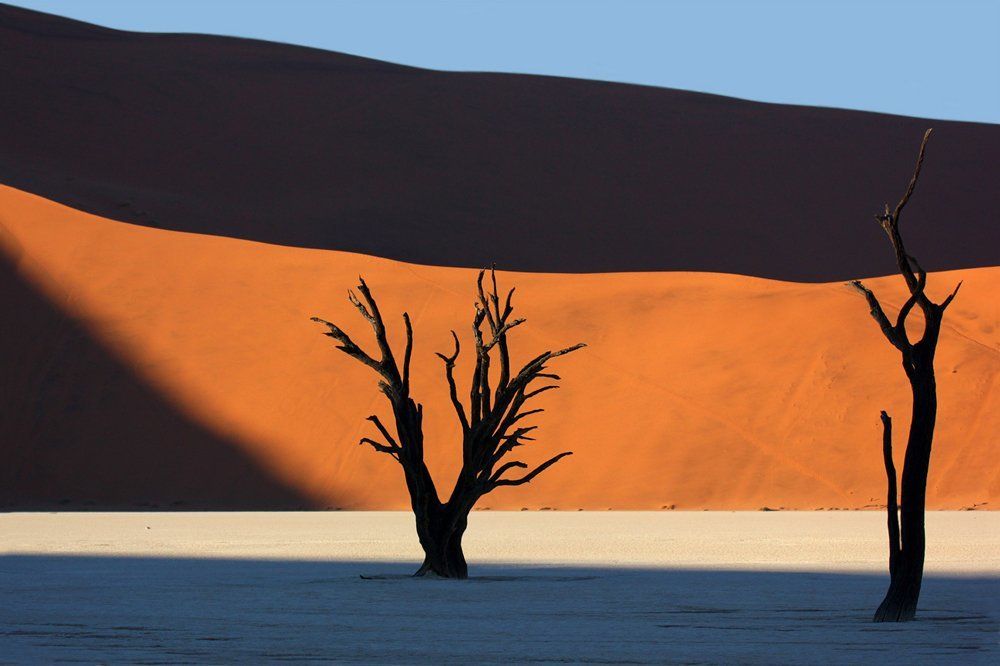
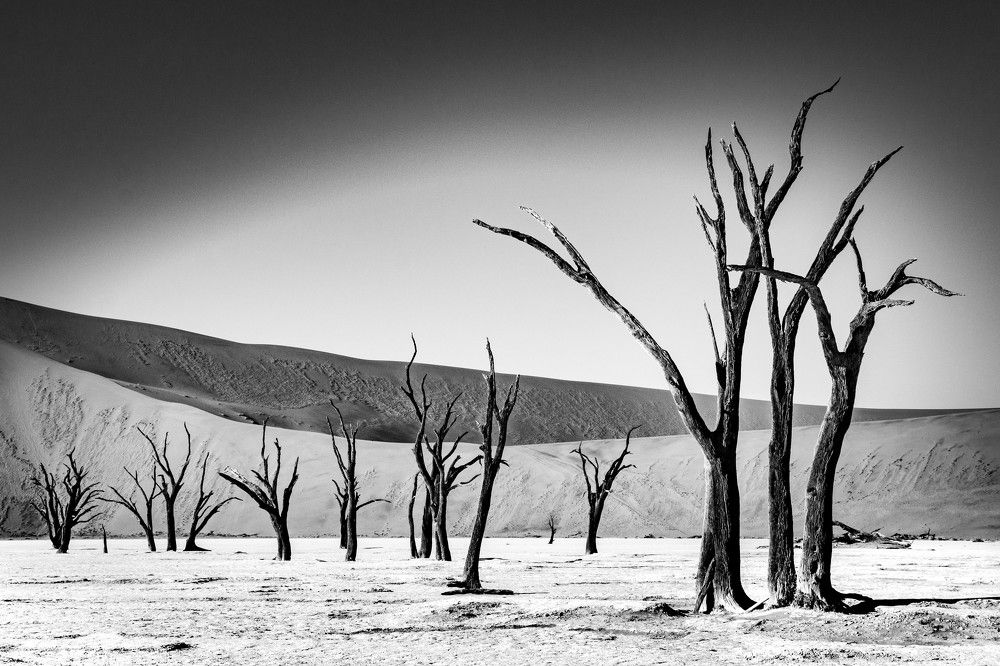
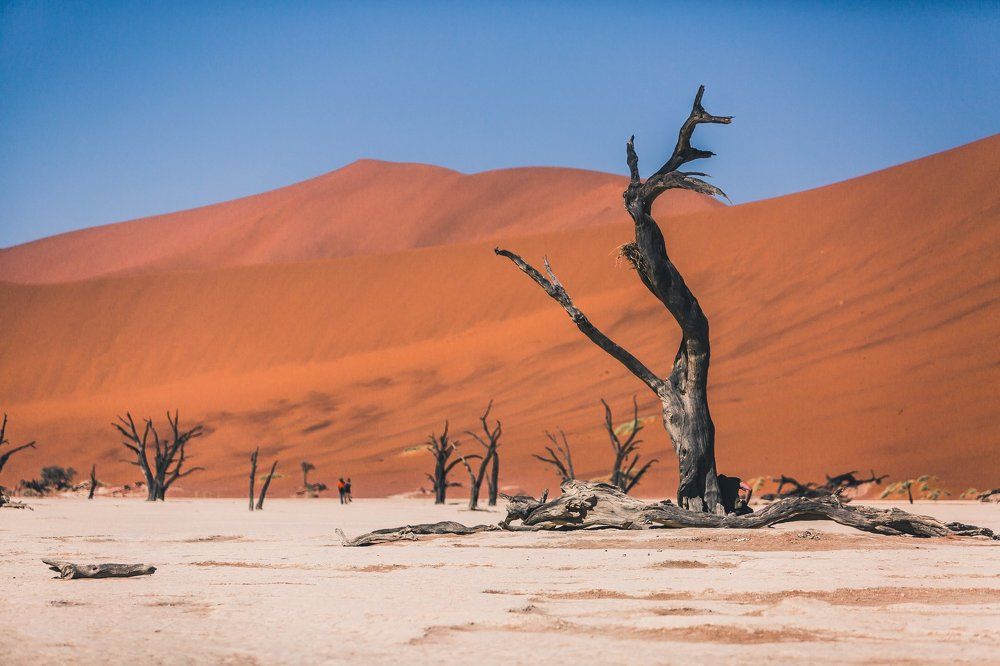
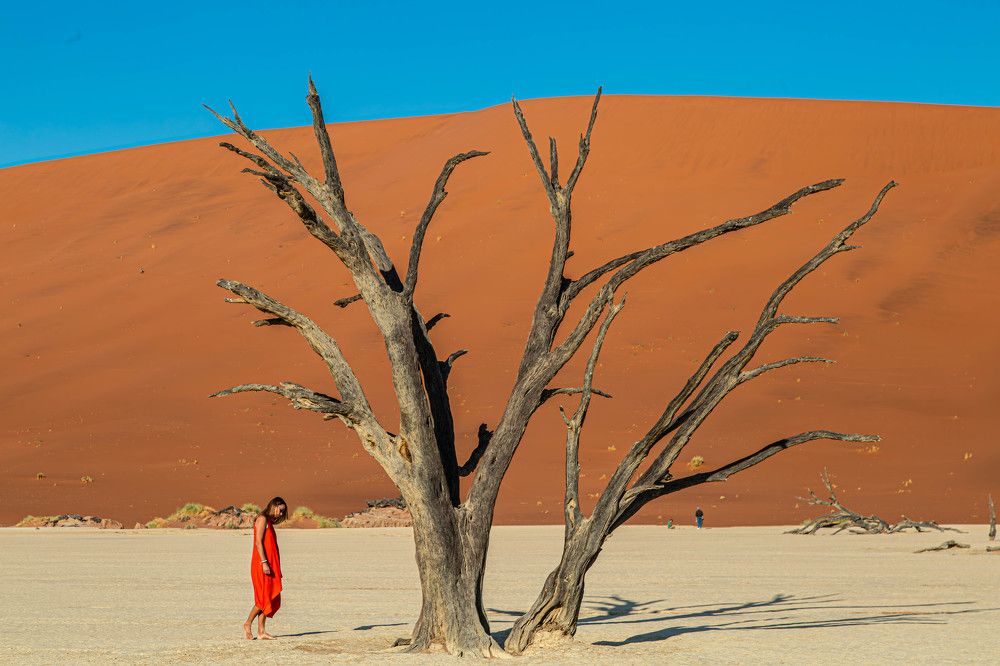
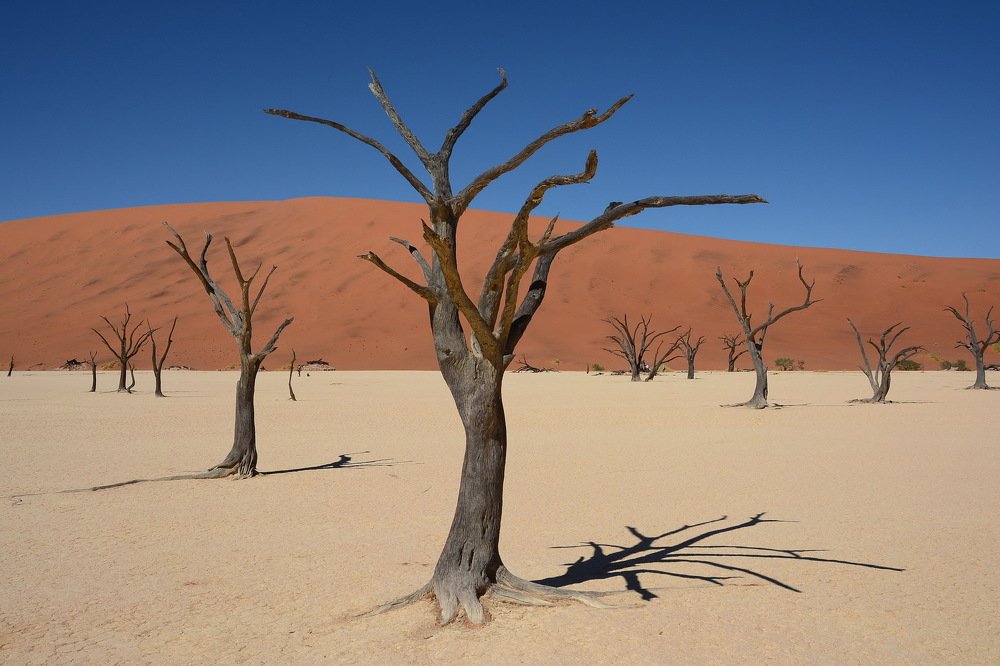
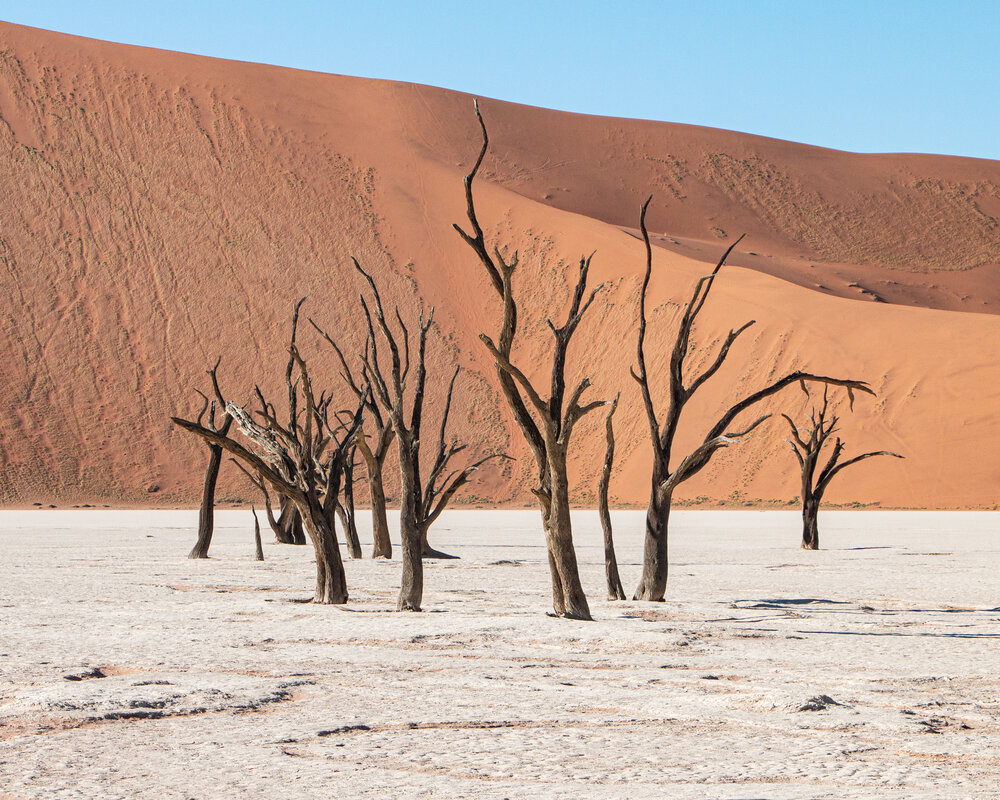
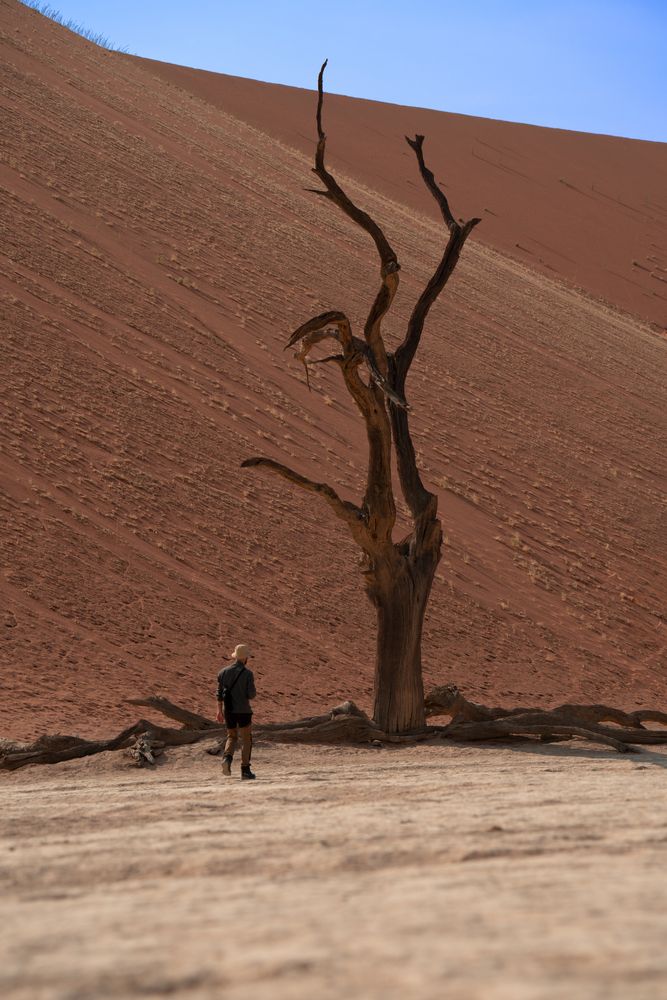
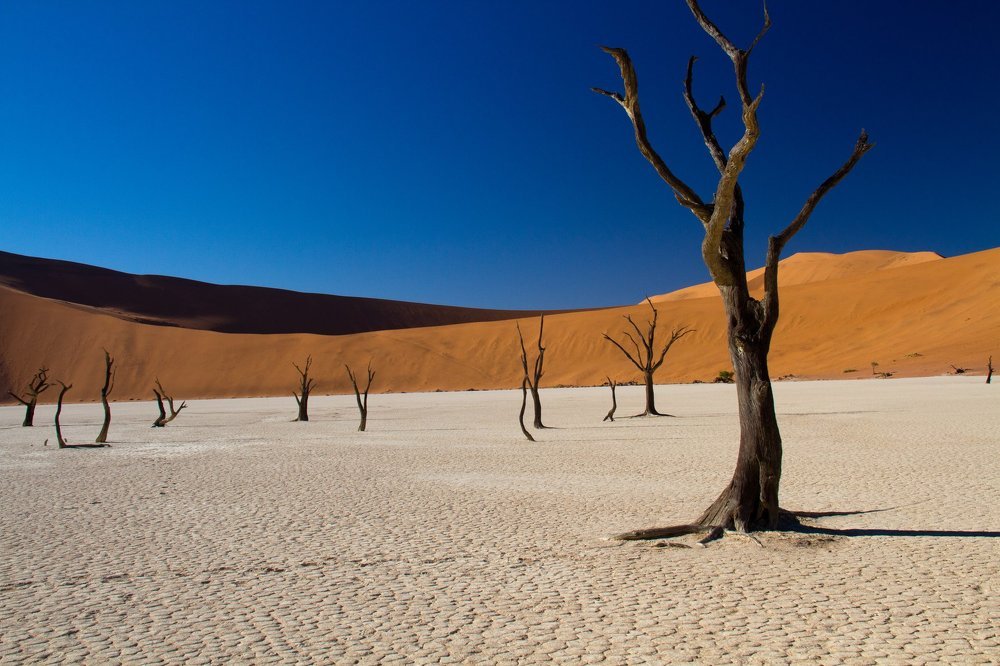
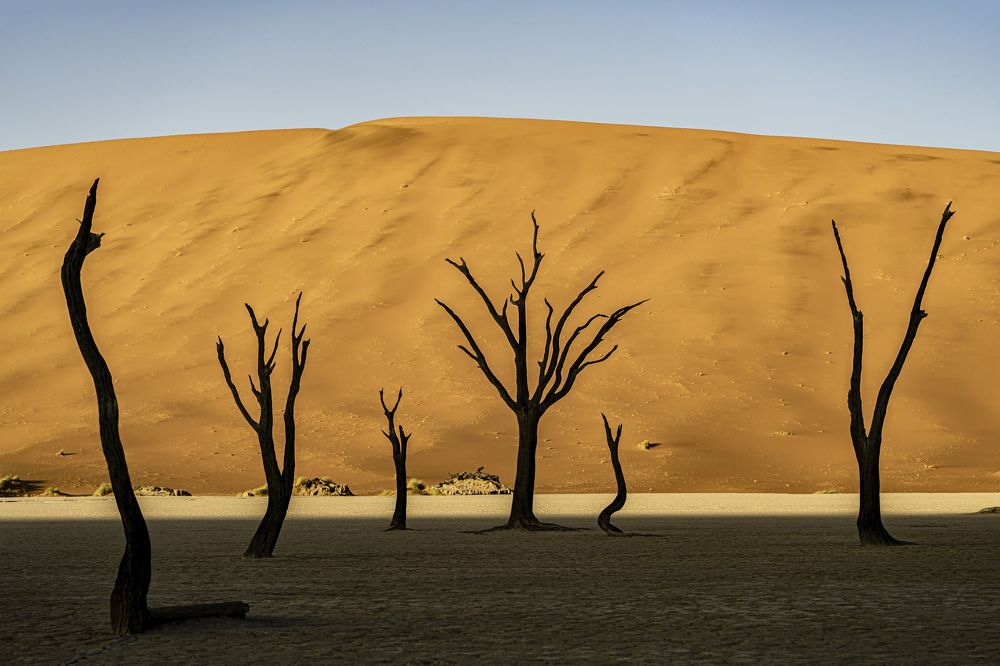
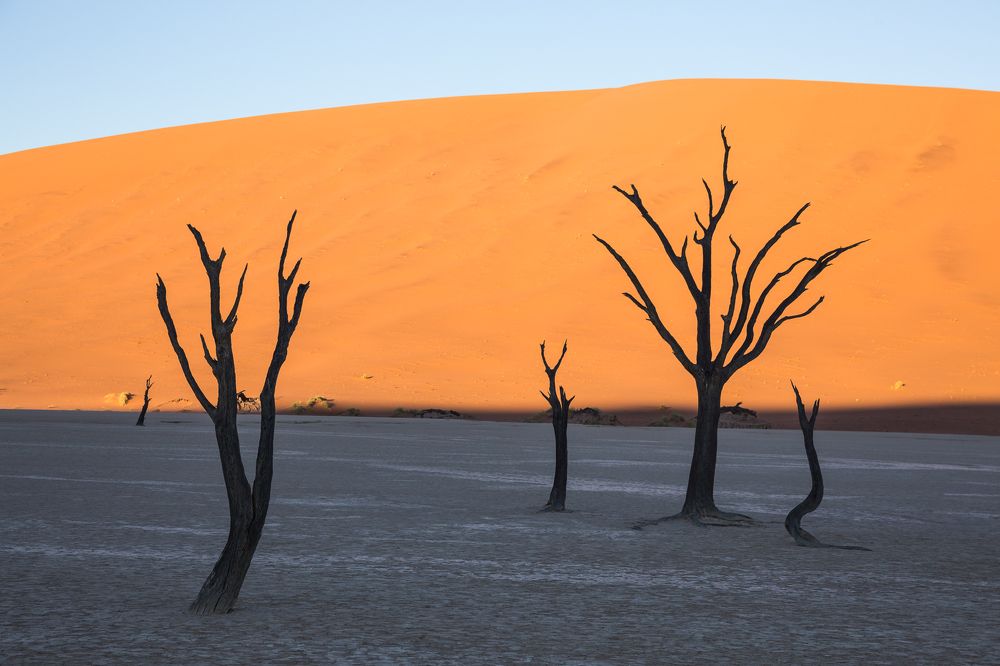
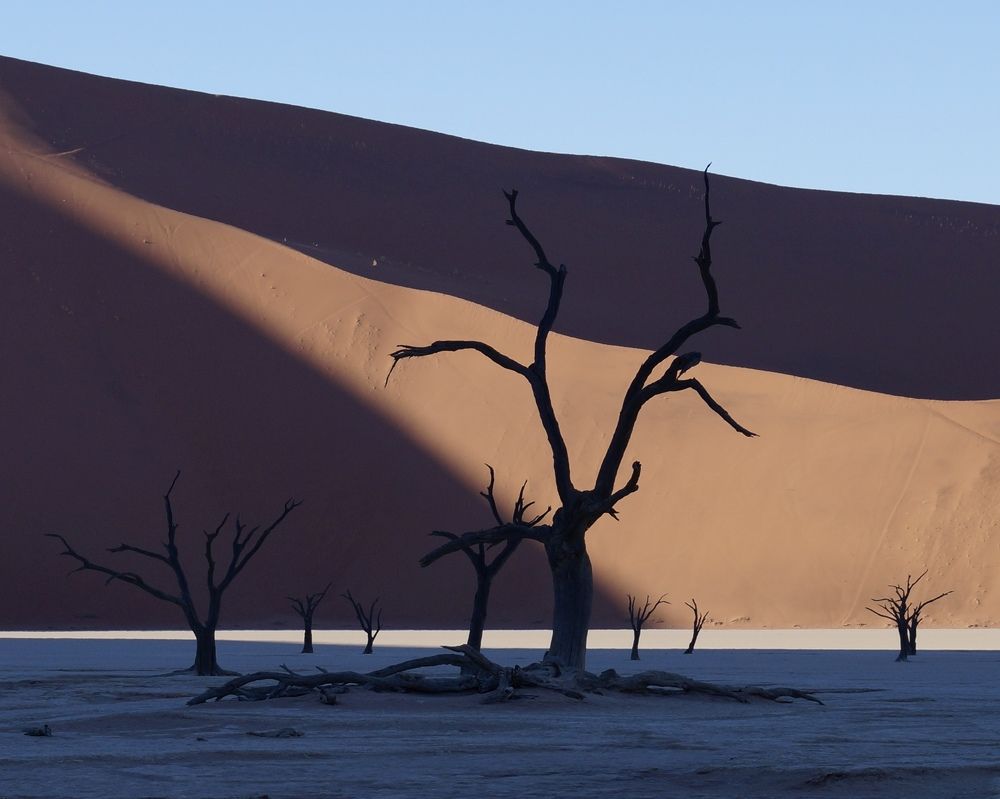
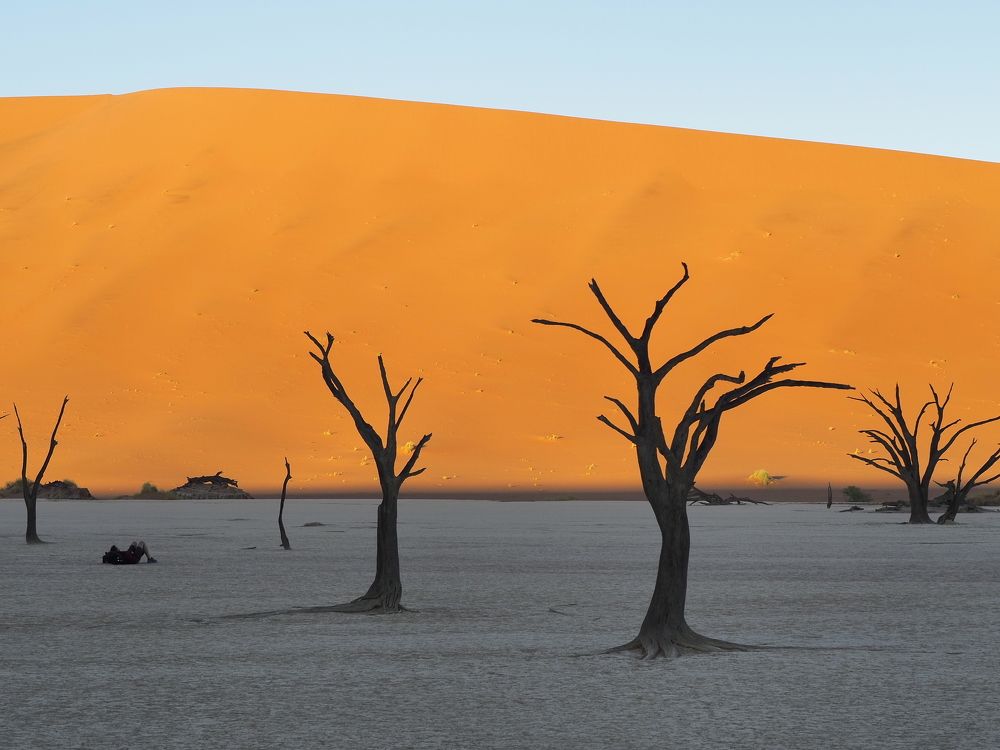
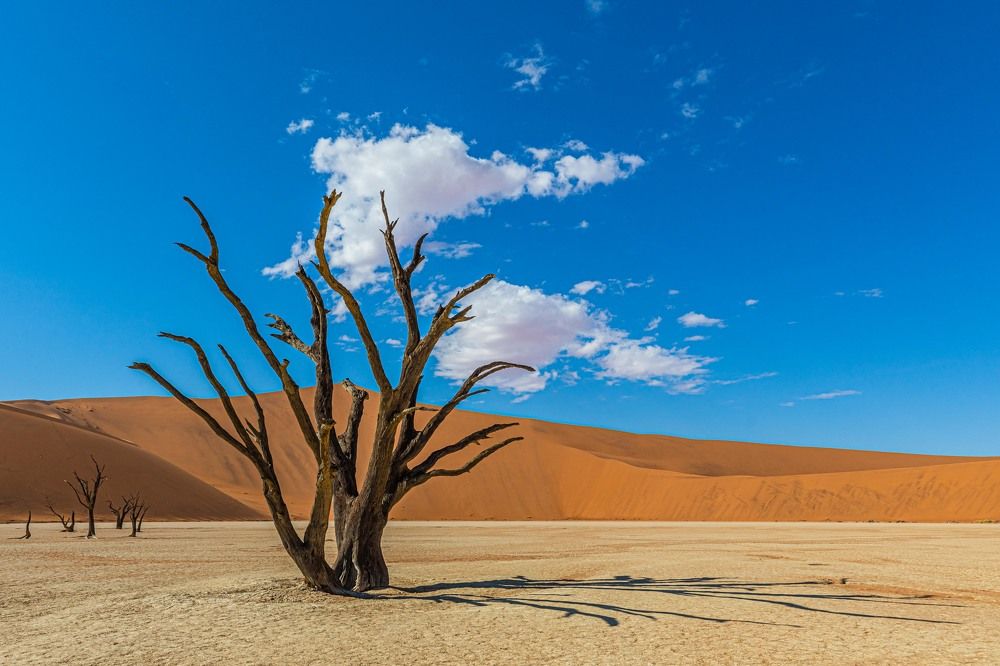
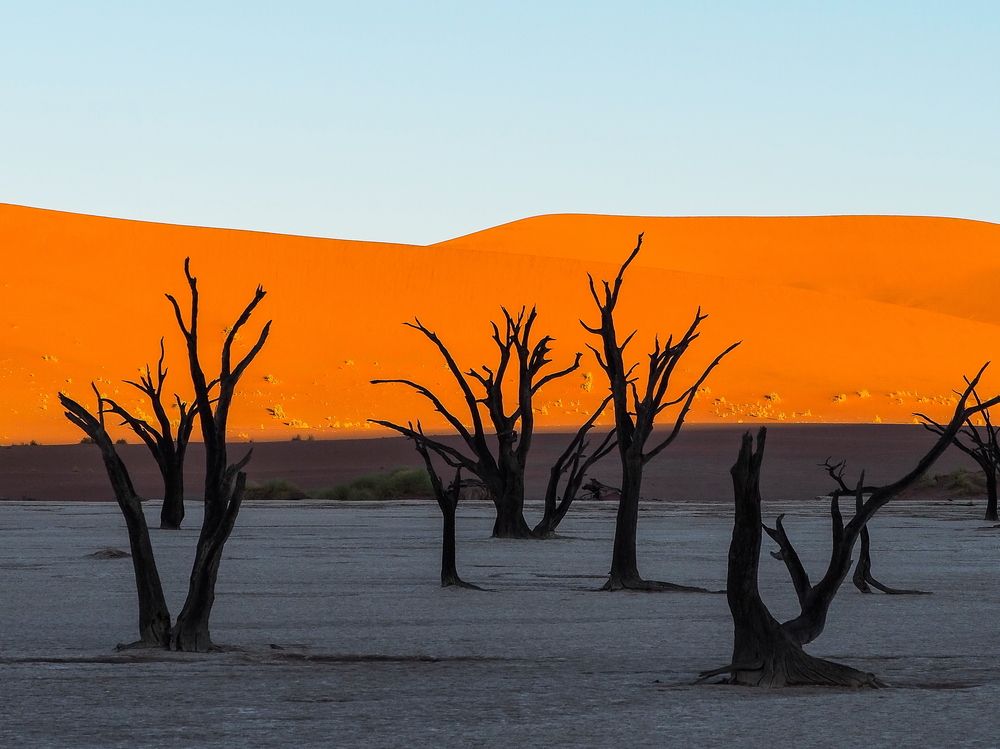
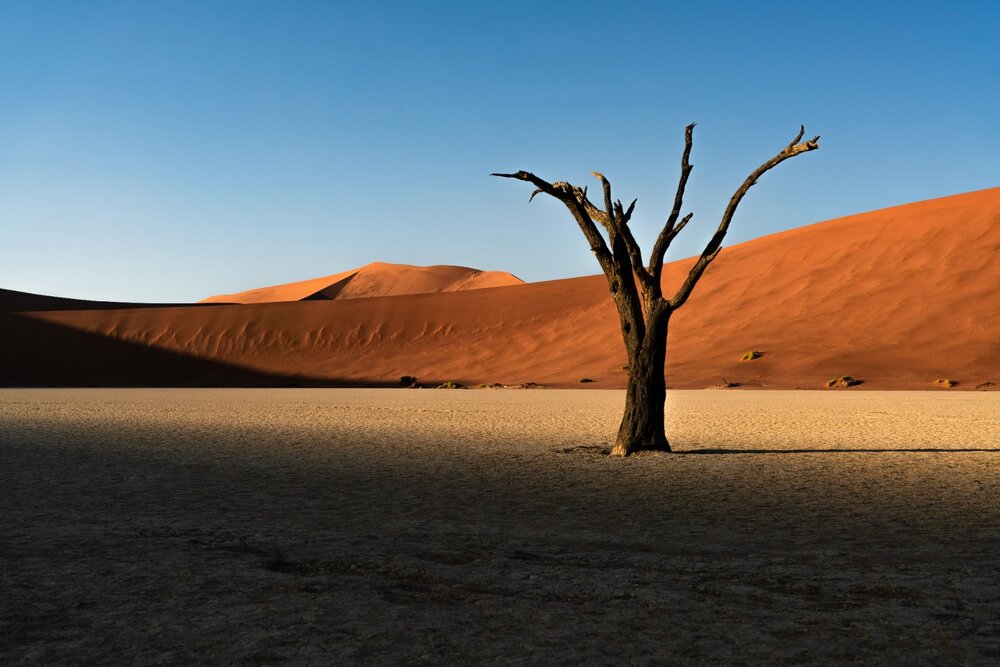
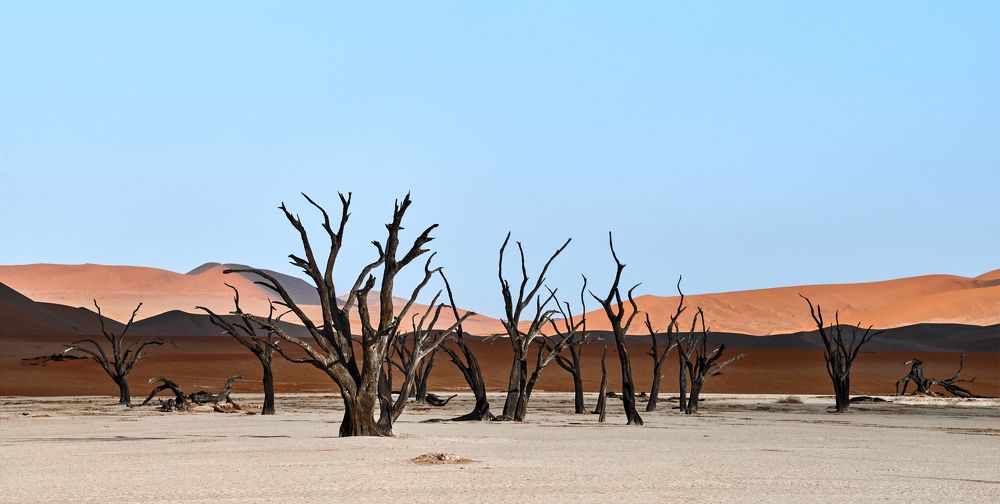
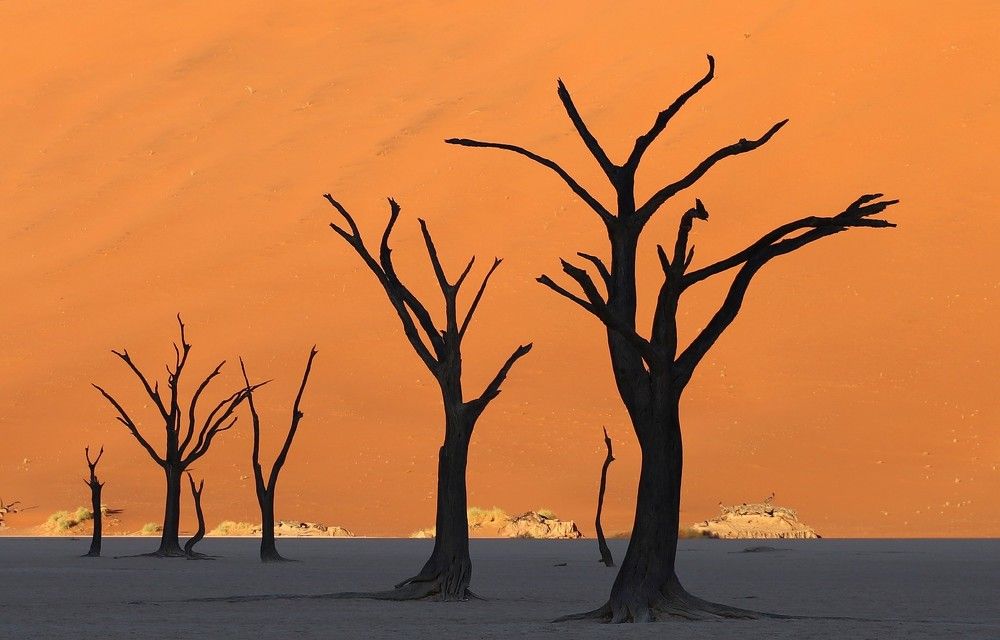
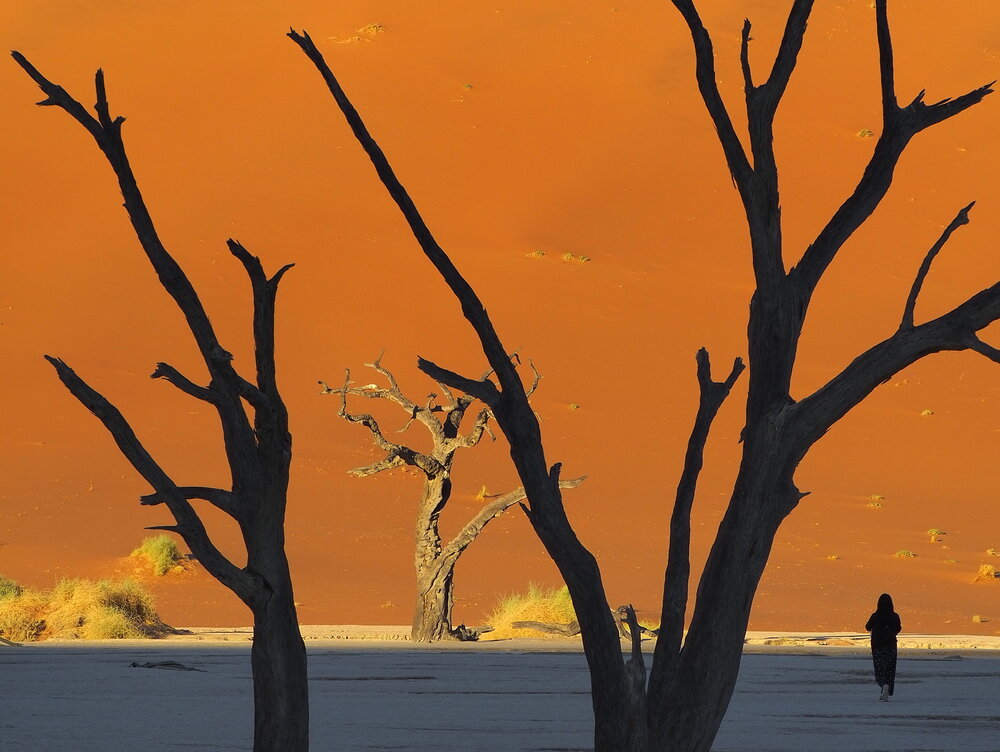
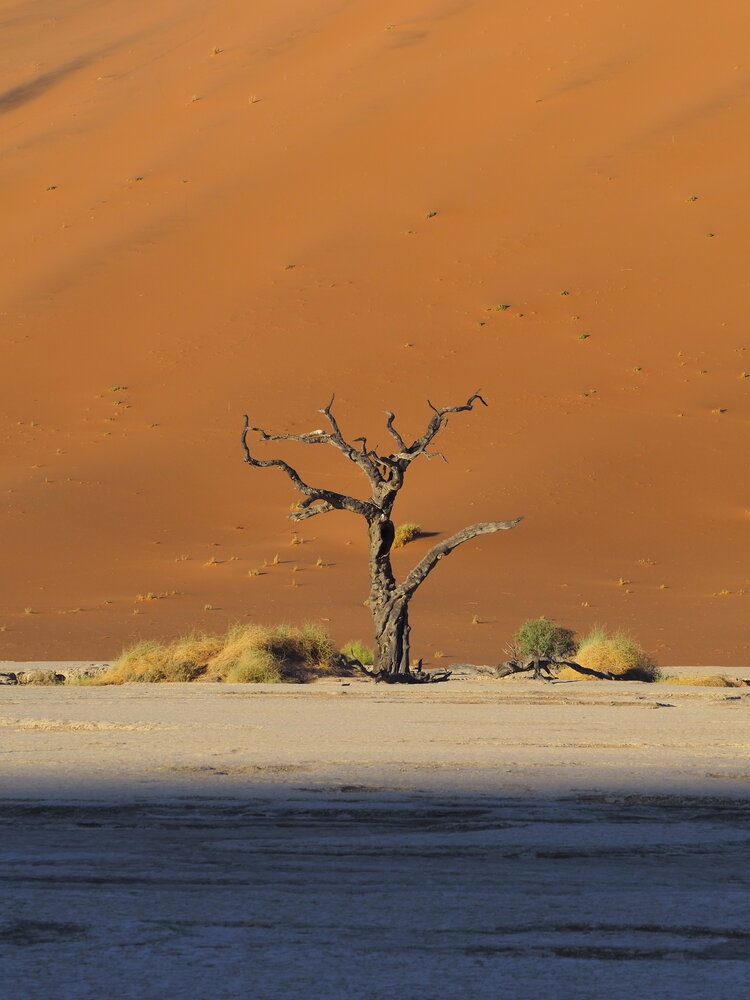
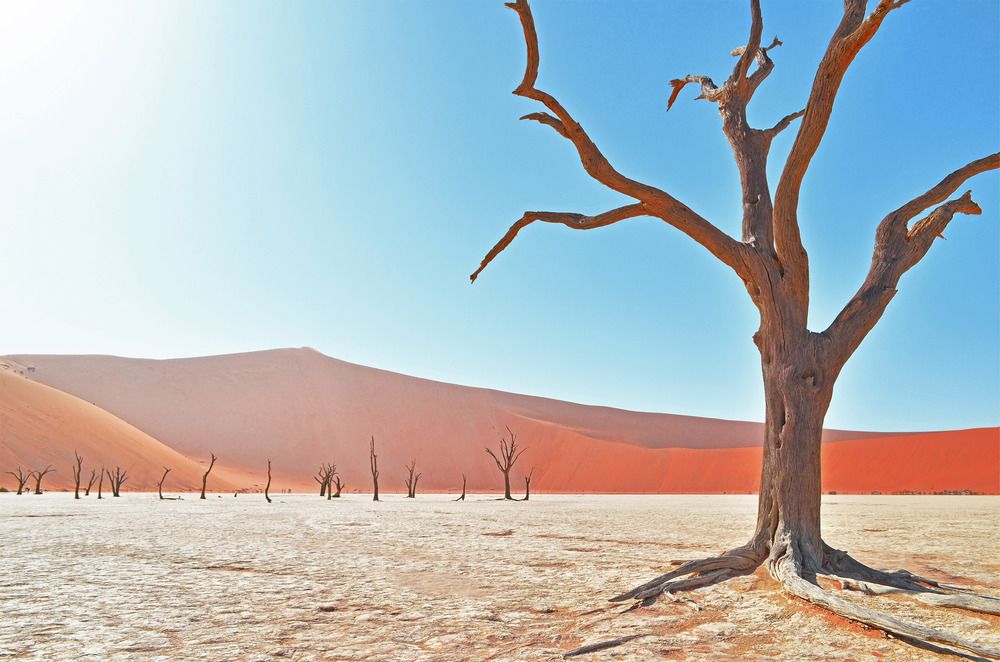
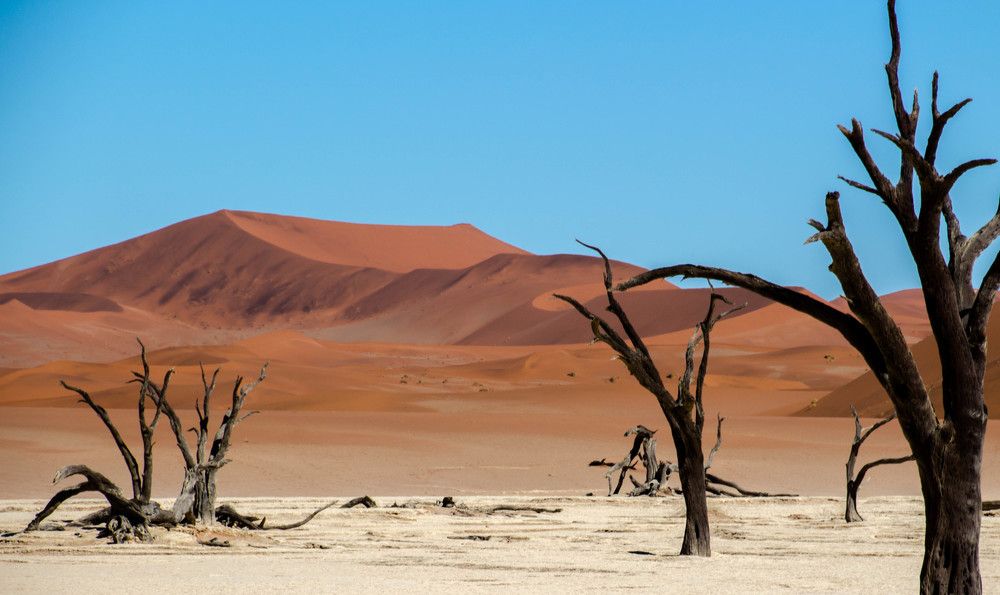
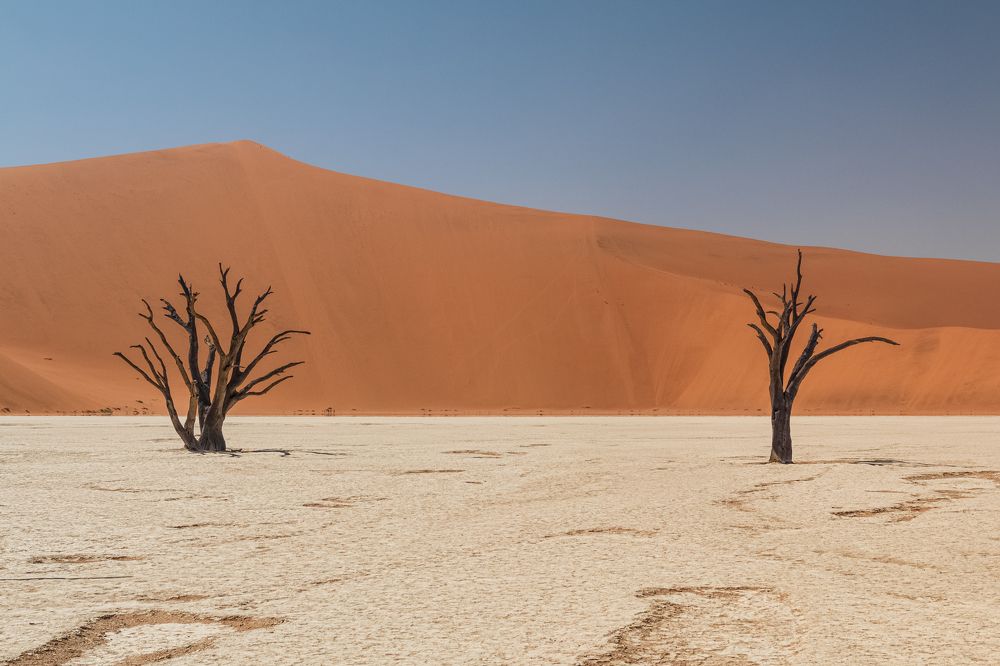
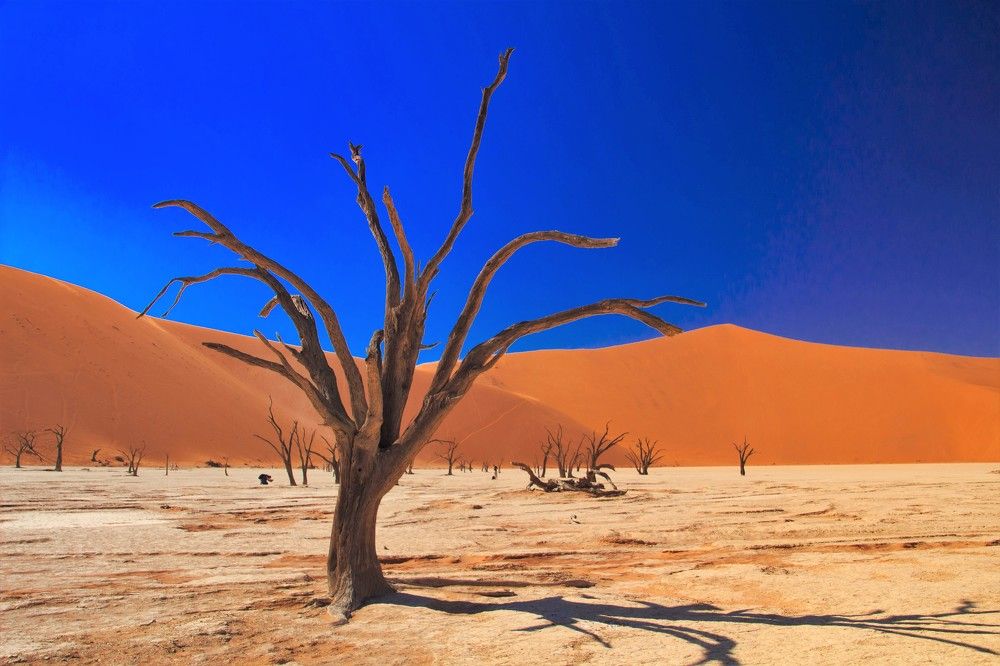
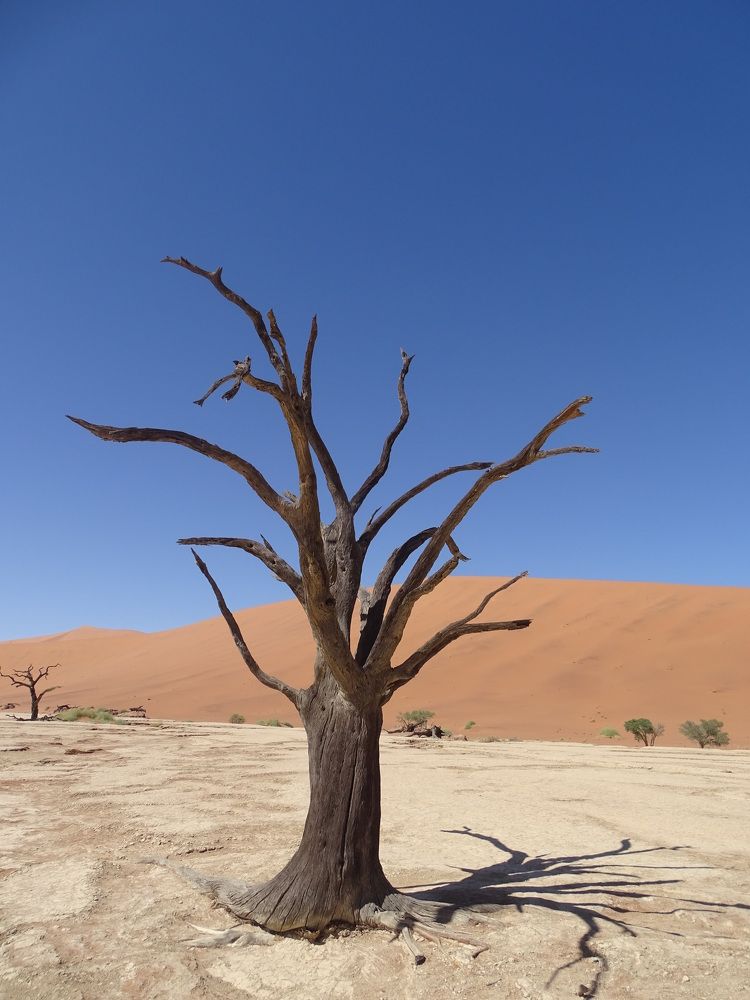
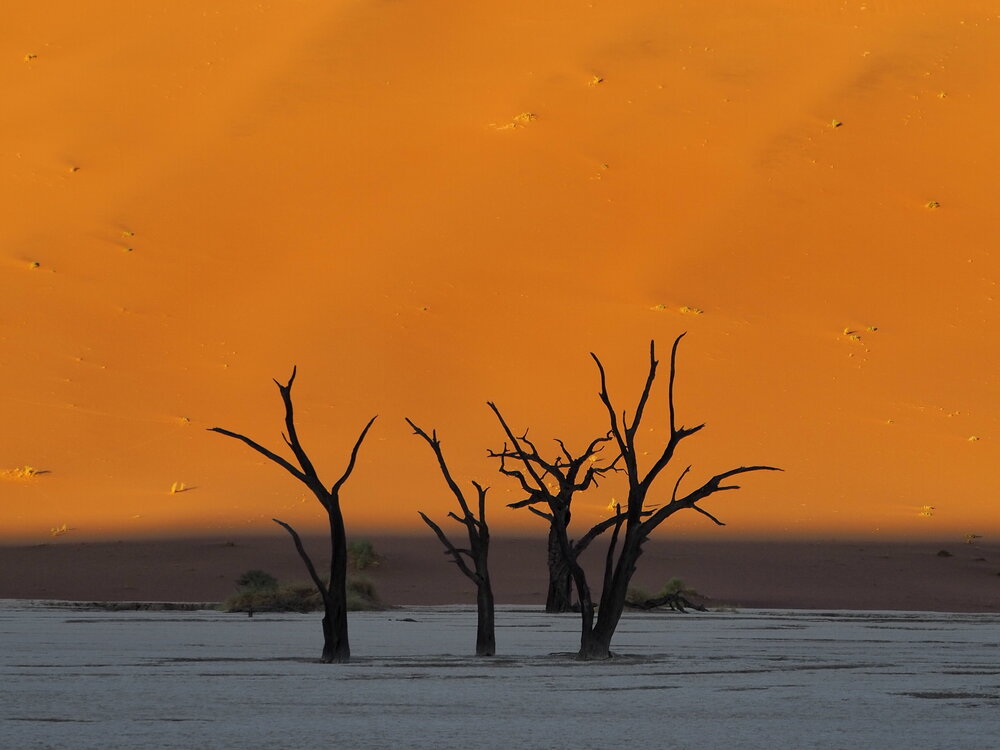
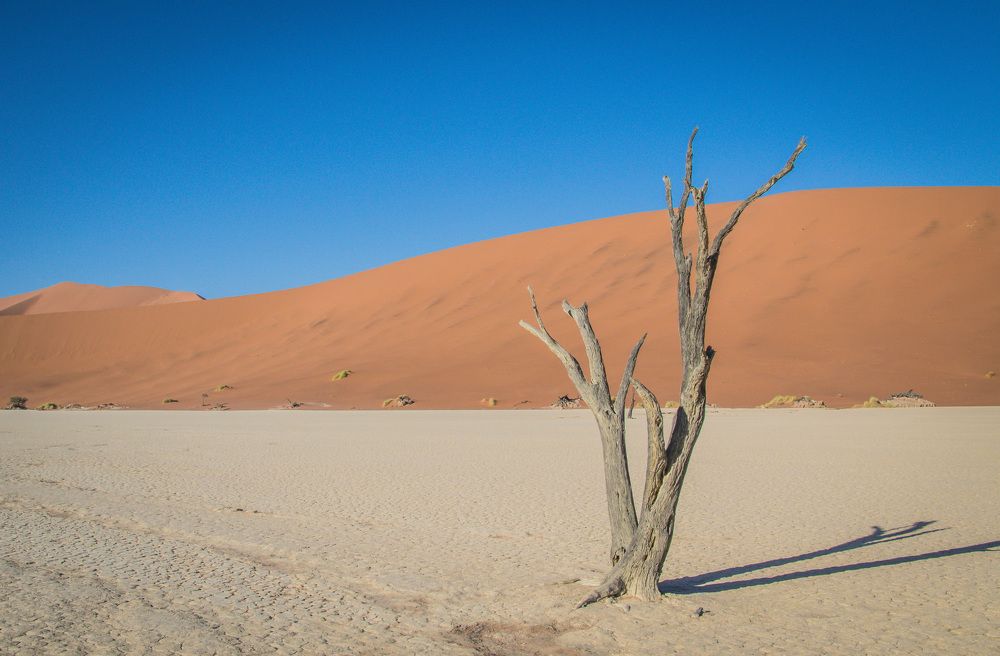
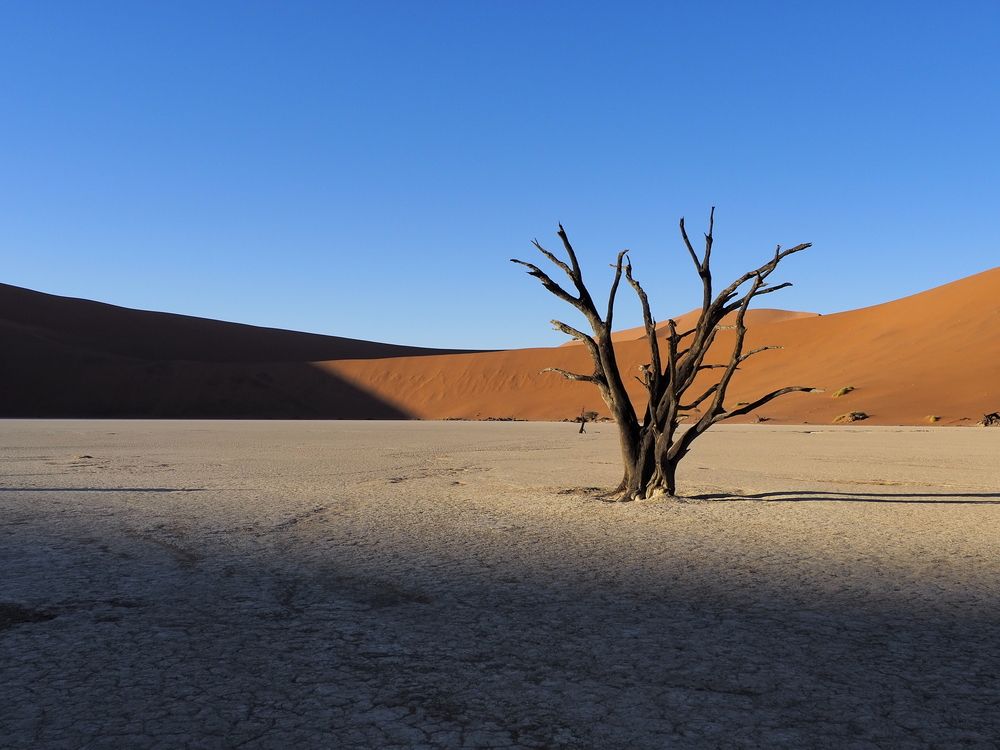
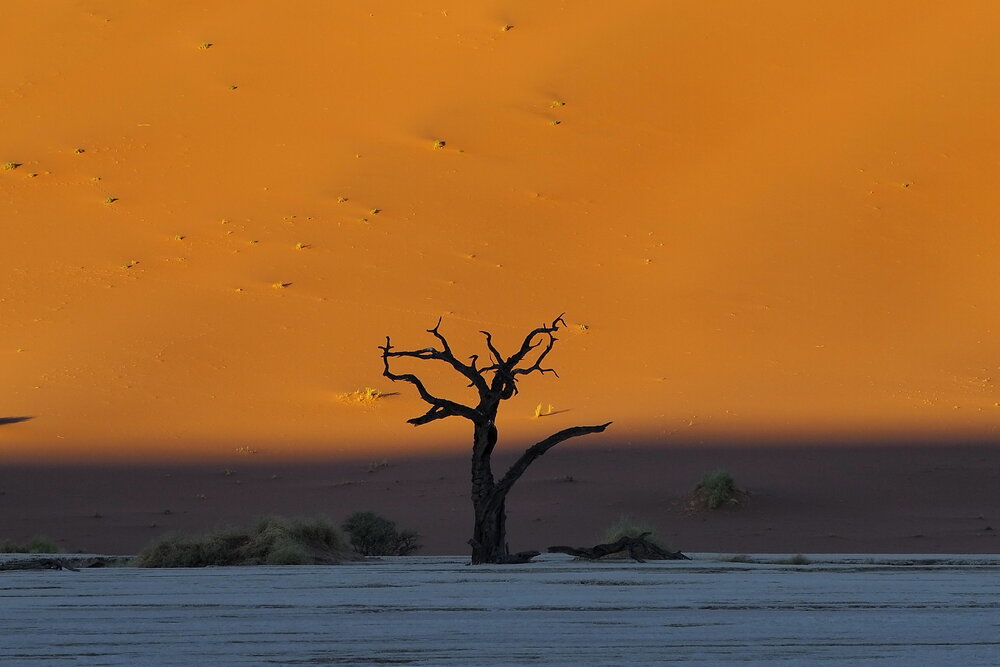
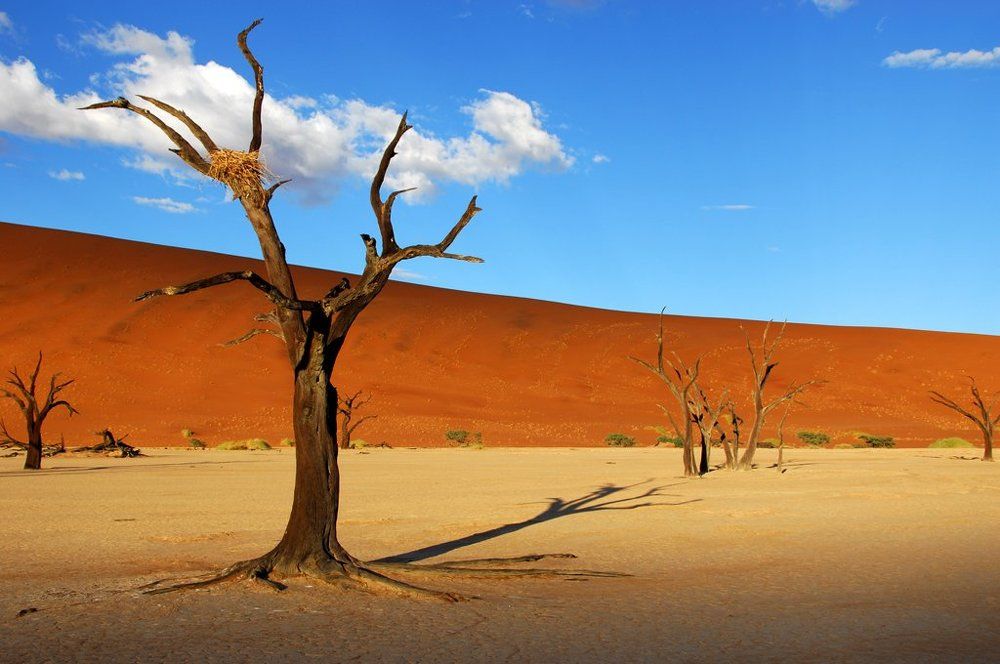
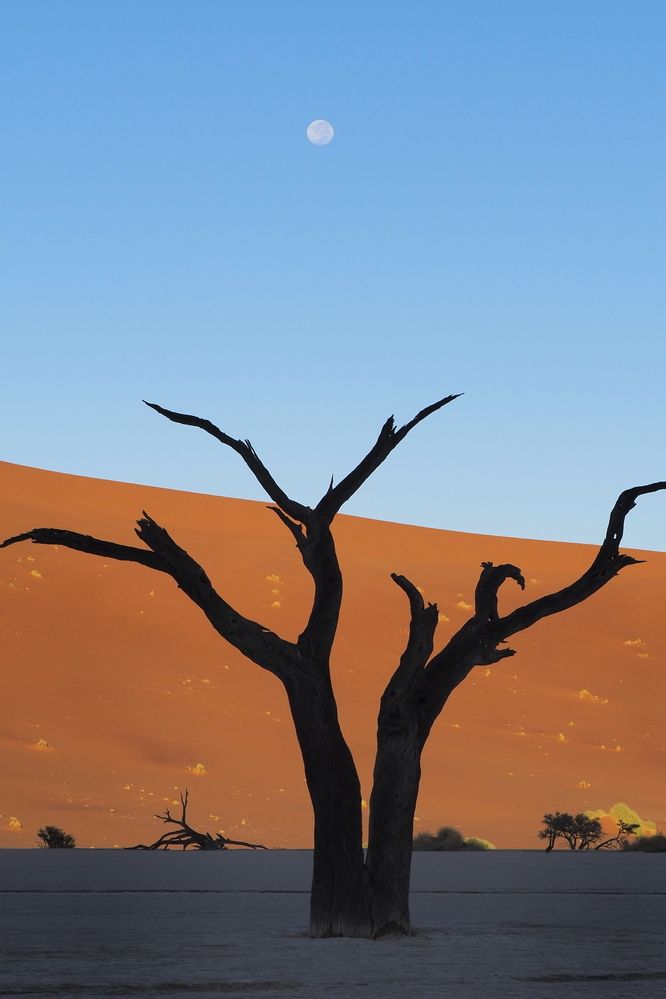
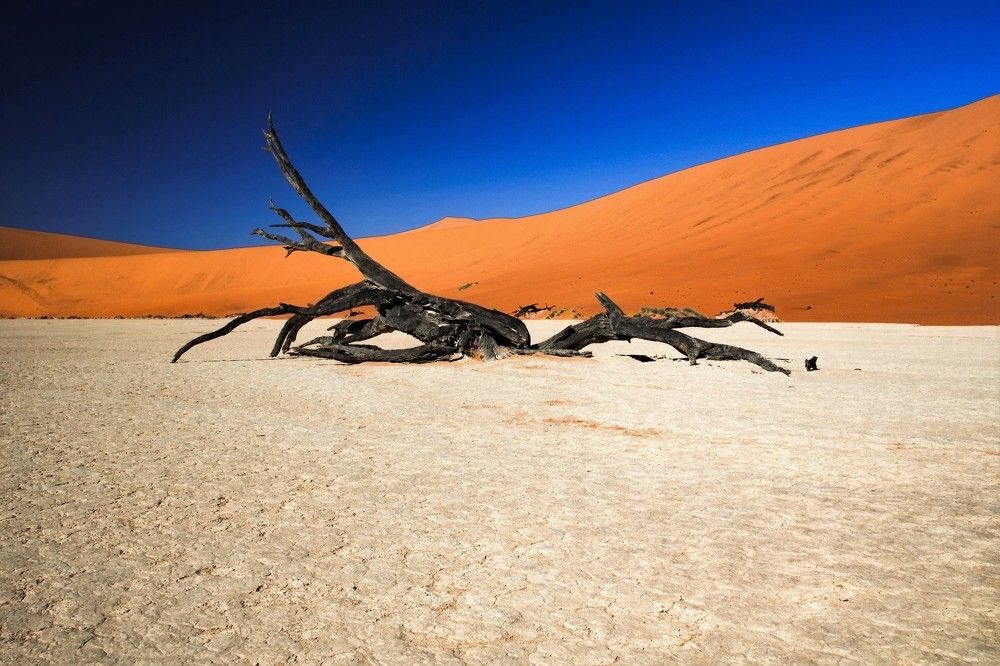
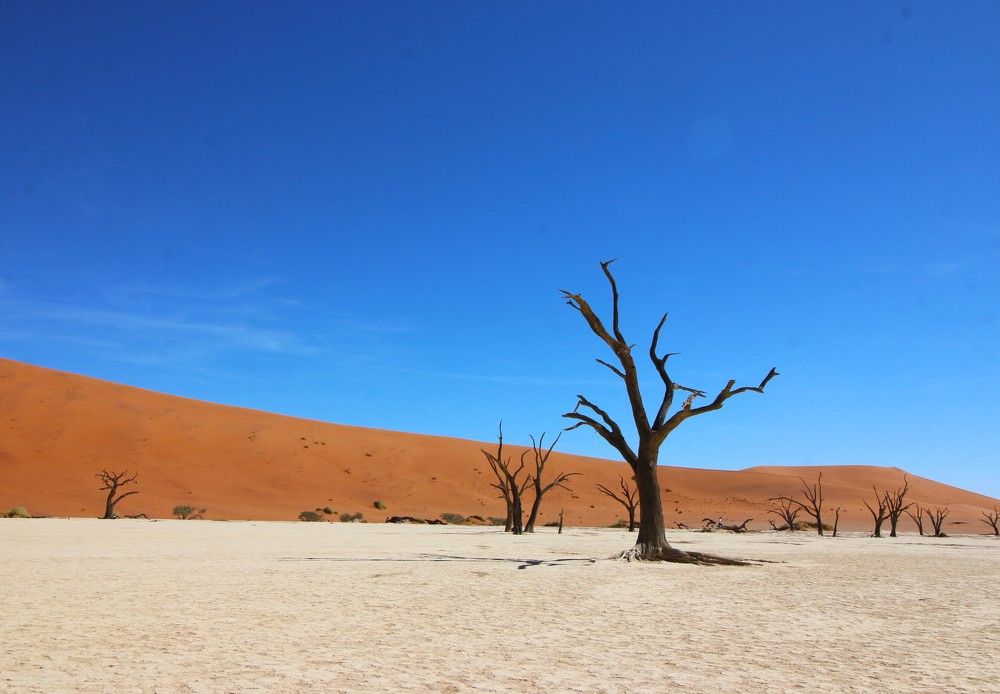
Dead Vlei is a clay pan located within the Namib-Naukluft National Park in Namibia. Photographers are drawn to this location for the stark contrast between the charcoal-colored trunks of ancient camel thorn trees and the vibrant orange sand dunes that rise behind them. The low angle of the sun during sunrise or sunset casts long, sharp shadows across the white clay surface, emphasizing the skeletal forms of the wood. These images capture a landscape defined by extreme aridity and geological time.
The trees in this area are estimated to be between 400 and 900 years old, preserved by the dry air which prevents rotting. The region receives less than five millimeters of rain annually, creating an environment where organic matter does not decompose. Photographers often visit during the cooler months of March through May to capture the scene before the midday heat becomes intense.
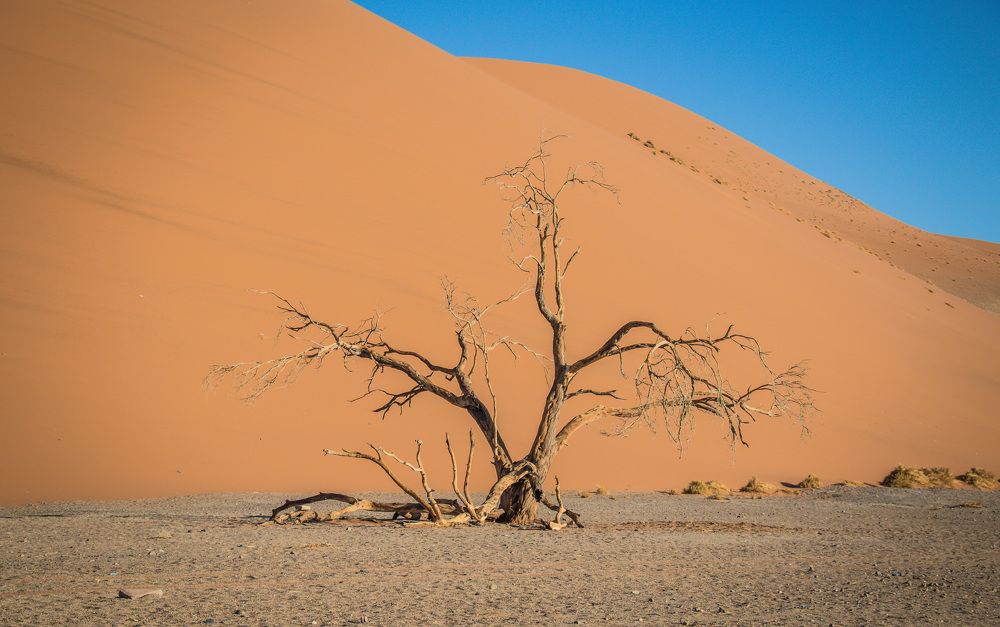
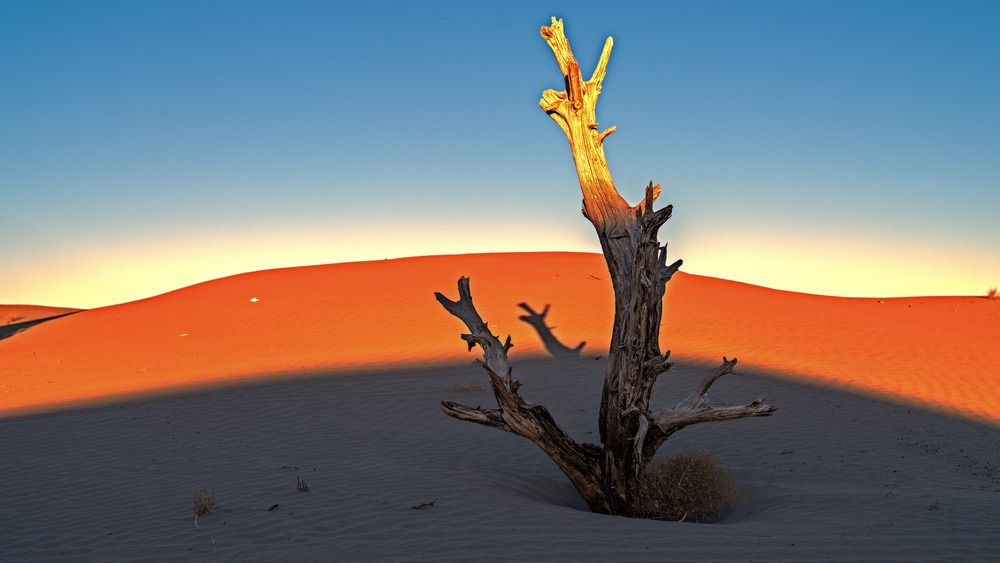
The group is united by the visual motif of desiccated trees standing in a white clay pan against a backdrop of red dunes.
How to shoot it
📍 Where to shoot
The shoot takes place outdoors in the dried-up Dead Vlei valley (Sossusvlei National Park, Namibia). Objects: white clay pans with black acacia trunks and red dunes.
🧭 How to get there
Access to Dead Vlei from Sossusvlei requires a 4x4 vehicle or an organizer's transfer, as the road is unpaved and challenging. Parking is located at the viewpoint atop Big Daddy dune.
🕐 Time of day
Most shot between 7:00 and 10:00 (49% of frames)
Based on 49 frames with camera data. Camera clock time; the time zone is unknown.
The best time for shooting is sunrise, when light is soft and contrasting. Statistics show peak activity between 7–9 AM, coinciding with morning hours before intense heat.
🗓️ Season
Most shot in: March, April, November
Based on 49 frames with camera data
March, April, and November are most popular for visits. These months offer comfortable temperatures for desert walks in the morning.
🎫 Access and rules
Dead Vlei is within Sossusvlei National Park, so an entrance fee is required. The area is guarded, and shooting is permitted under standard tourist rules.
🎒 Gear
Use a zoom lens ranging from wide-angle to mid-telephoto (17–145 mm) to vary angles. For sharpness throughout the scene depth, set aperture to f/9–f/11.
Cameras and lenses the authors used (10)
Olympus E-PL9 8Canon EOS 70D 4Canon EOS 5D Mark IV 4Canon EOS 5D Mark III 3Canon EOS 100D 3Lumix G Vario 14-140mm F3.5-5.6 Asph. Power OIS 7Tamron AF 18-270mm f/3.5-6.3 Di II VC PZD 3Canon EF-S 18-135mm f/3.5-5.6 IS STM 2AF-S DX VR Zoom-Nikkor 16-85mm f/3.5-5.6G ED 1Canon EF 24-70mm f/2.8L II USM 1
🧳 What to bring
Water, sunglasses, hat, closed-toe shoes for sand, spare batteries, and memory cards. Bring cleaning cloths or a brush to remove dust from optics.
⚙️ Settings
Shutter 1/400 (1/1250 – 1/160)Aperture f/9 (f/5.6 – f/14)ISO 180 (100 – 400)Focal length 55 mm (17 – 145)
Based on 45 frames with camera data. Median and 10-90% range across the idea frames.
Key parameter is aperture f/9 (range f/5.6–f/14) for maximum landscape sharpness. Shutter speeds are typically short (up to 1/100 s), ISO 100–200.
⚠️ Good to know
Temperatures rise sharply after sunrise, posing health risks; primary shooting activity occurs in the morning. Trees do not rot due to dryness and lack of nutrients, so they can be treated as natural objects without ecosystem damage risk.
📈 How the idea developed
works uploadedshare of all site uploads, per 100k
The date is when the file was uploaded to the site. The chart counts works assigned to the idea.
✅ How to repeat it
- Use the contrast between white clay floor and red dunes to create a graphic frame.
- Shoot in the morning to avoid harsh shadows from midday sun.
✨ Interesting facts
- 🏆 How the best frame was shot: Nikon D800, 1/1250, f/18, ISO 800, 12 mm
- 🔇 93% of frames were shot at ISO 400 or lower: almost no noise, any modern camera will do
- 📐 92% of frames are landscape orientation
- 🥇 10 works reached the finals. Best contest: Orange Color 2026
- 👤 Most frequent authors: Павел Сазанов 8Таймураз Гумеров 4Osama Elolemy 3Giorgio Castelli 3Roman Bevzenko 2
- 🌍 Authors by country: 🇷🇺 RU 29🇮🇹 IT 5🇧🇬 BG 4🇦🇪 AE 3🇿🇦 ZA 3
🔗 Related ideas
Some tips are prepared by AI from the idea description, photos and their EXIF. Check the rules and access to places before you travel.
Works

These lists are generated automatically and may contain inaccuracies. Photos are shown in random order, and selections are refreshed twice a day. This section is made for exploring photos and does not claim 100% accuracy. The lists include photos that previously participated in contests that are already completed.