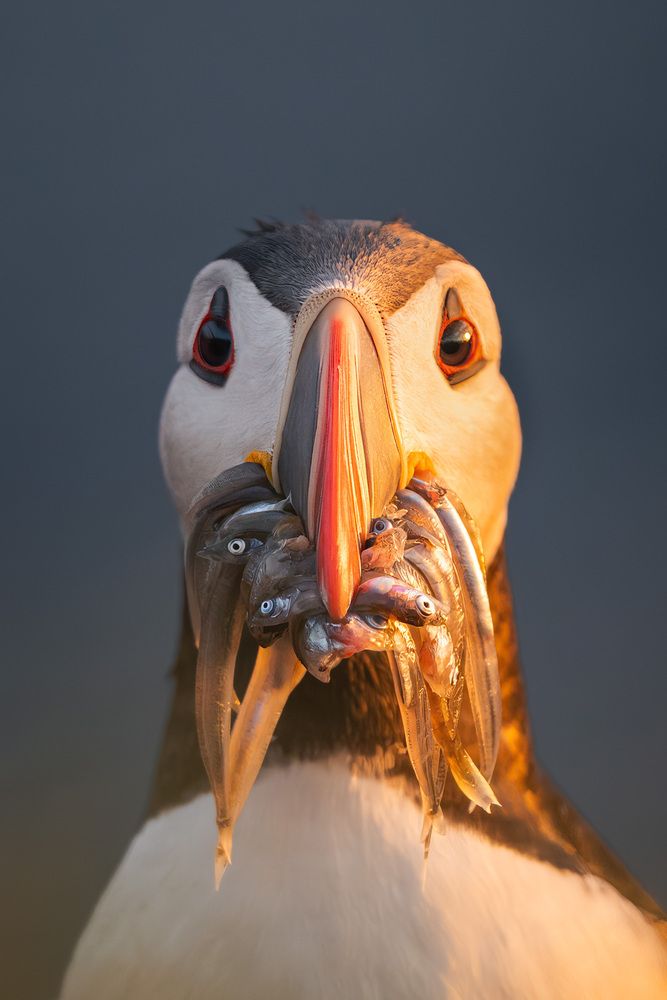
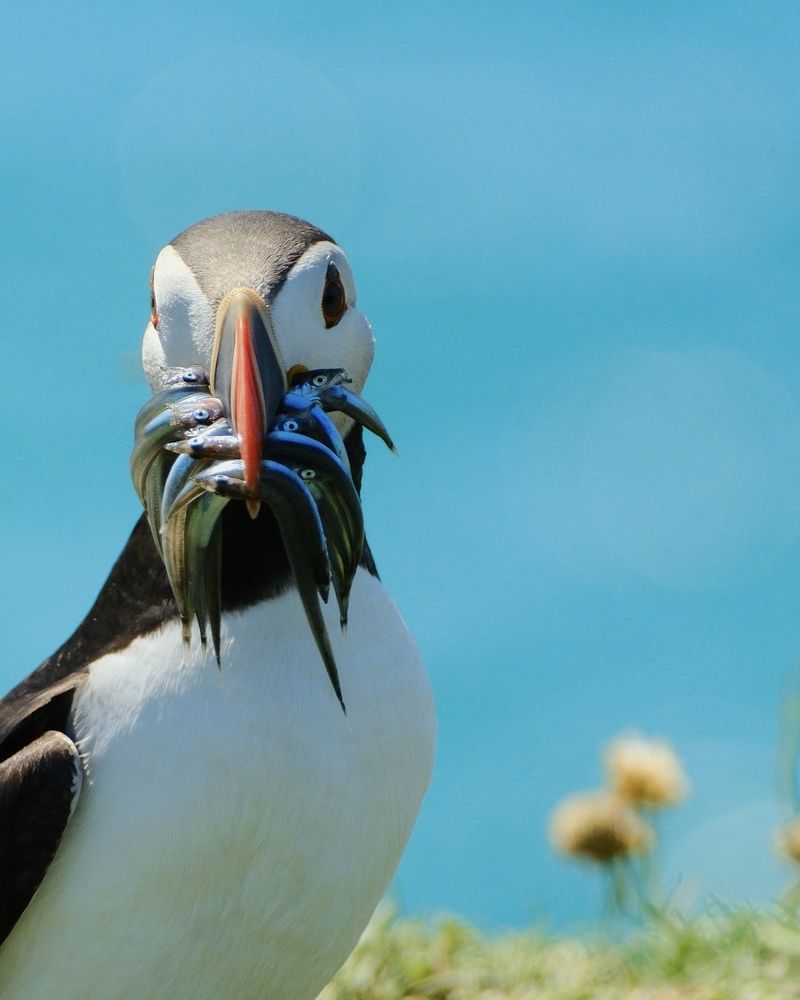
Puffins with Sand Eels in Scotland
30 worksFirst upload: Jan 2018Peak: 2025Last 12 months: 6
📝 Description
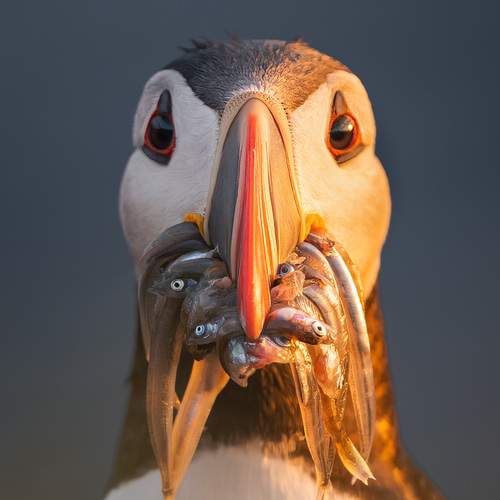
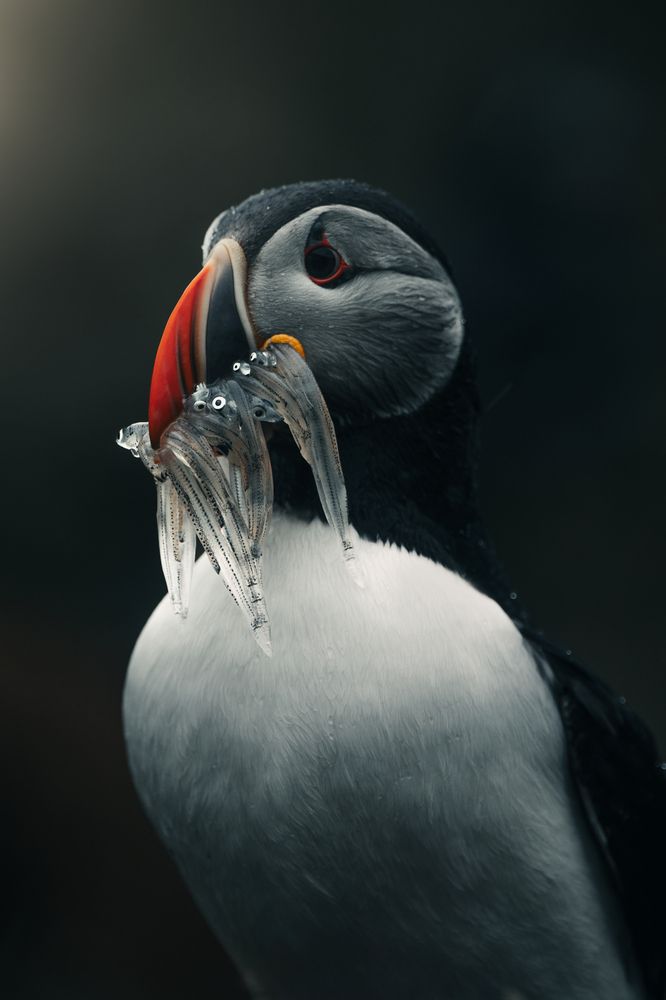
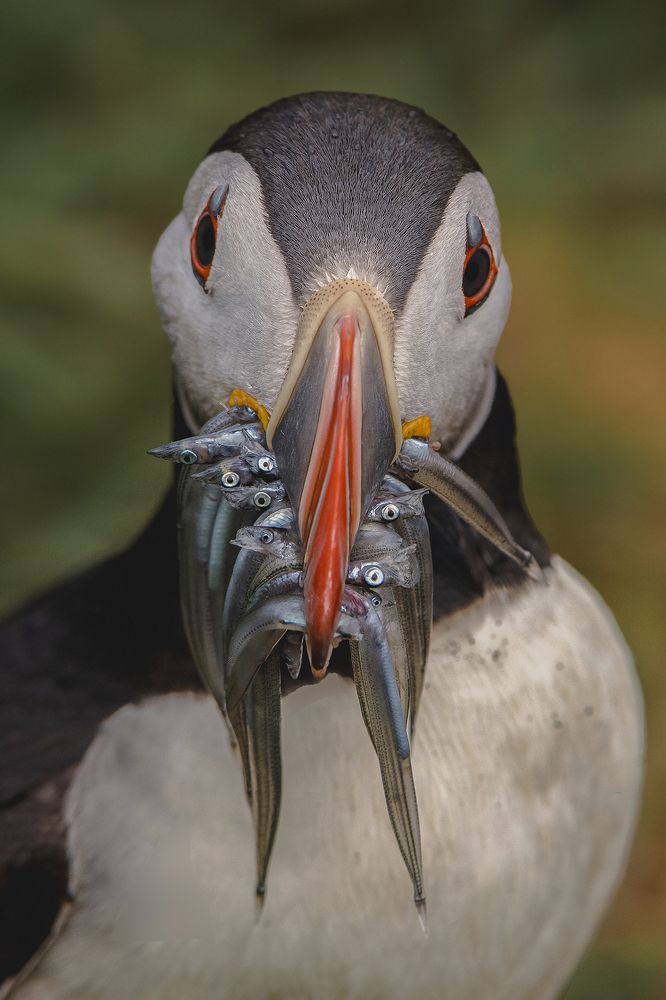
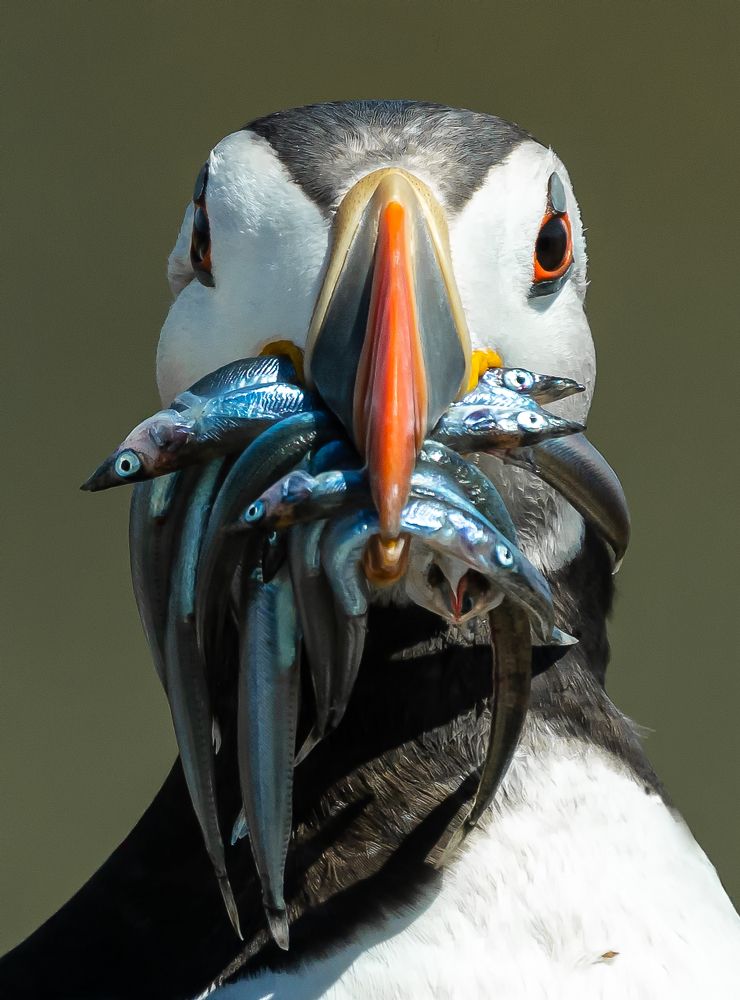
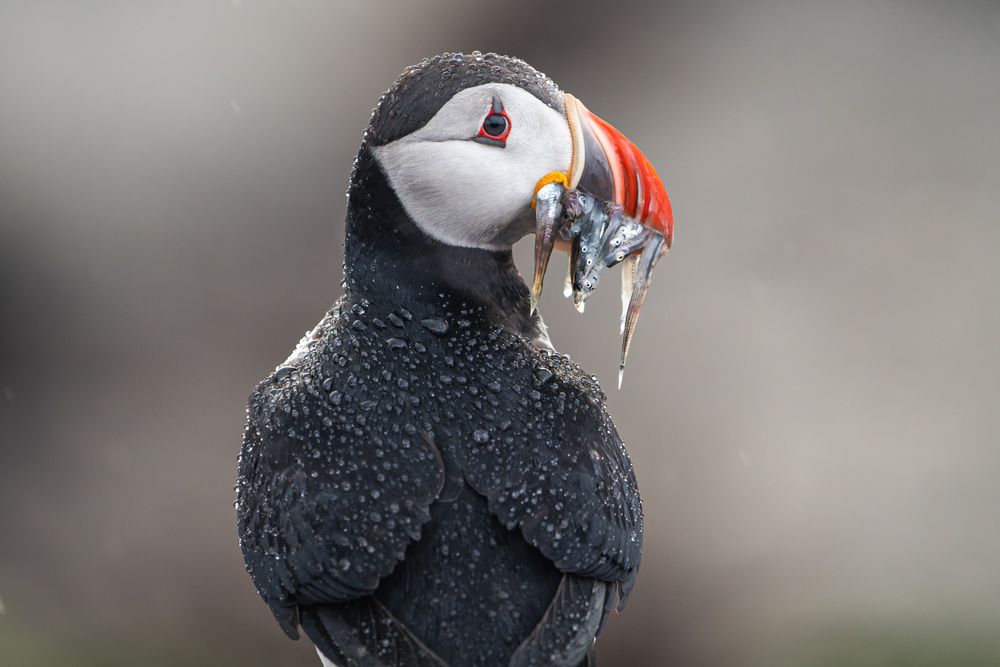
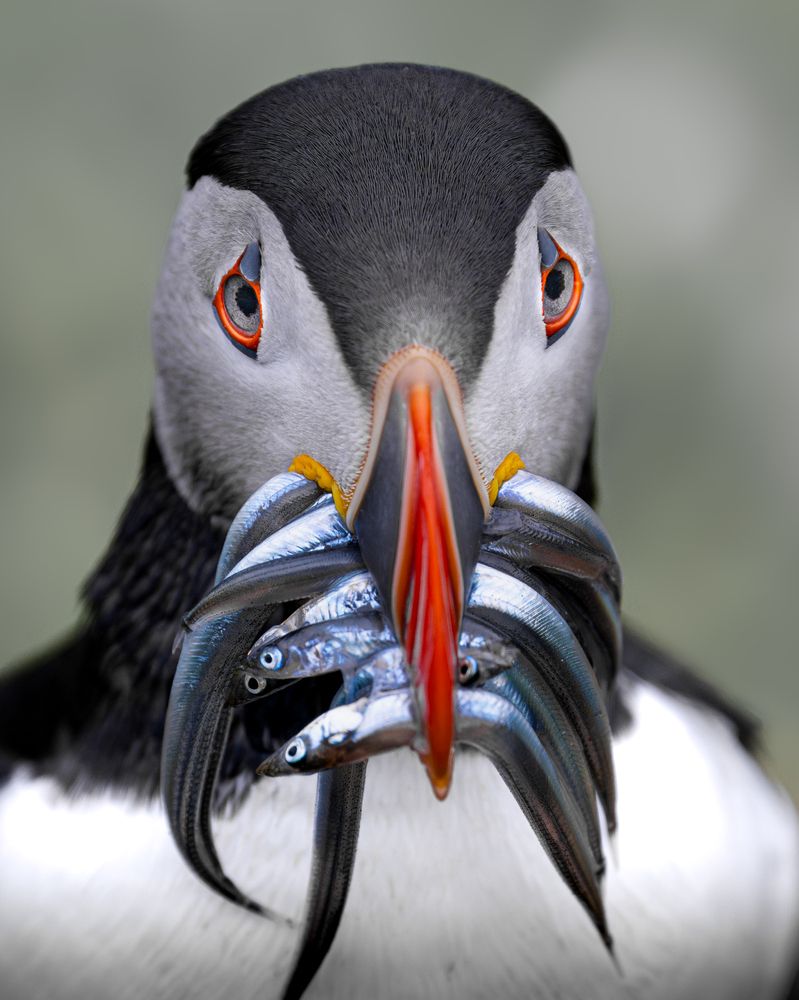
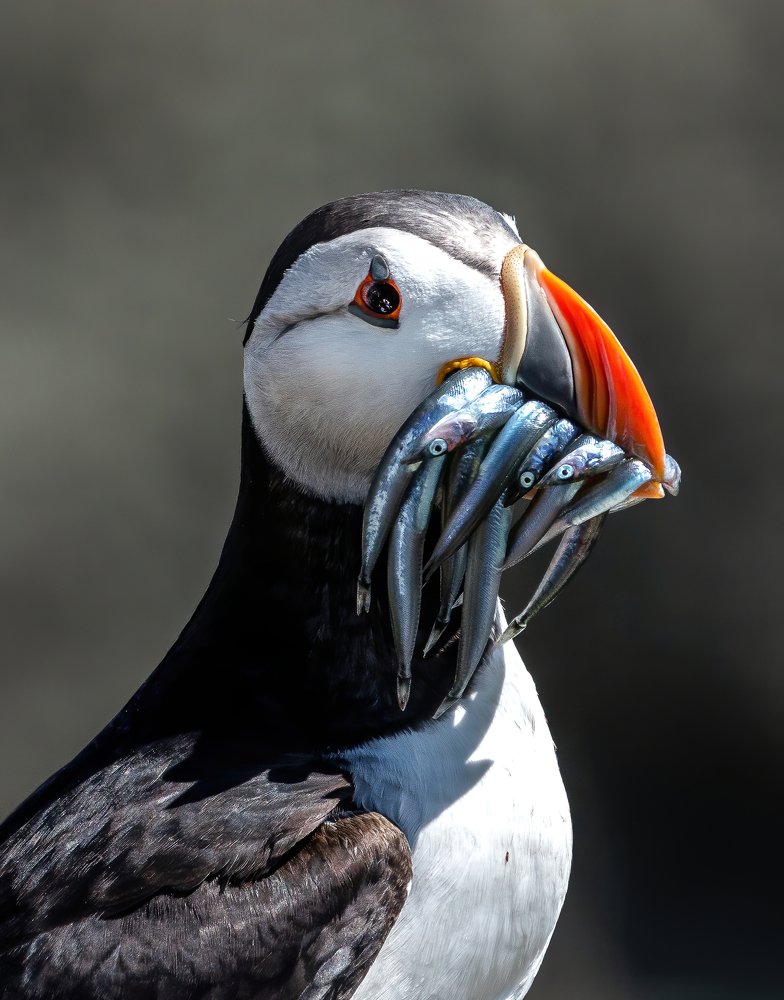
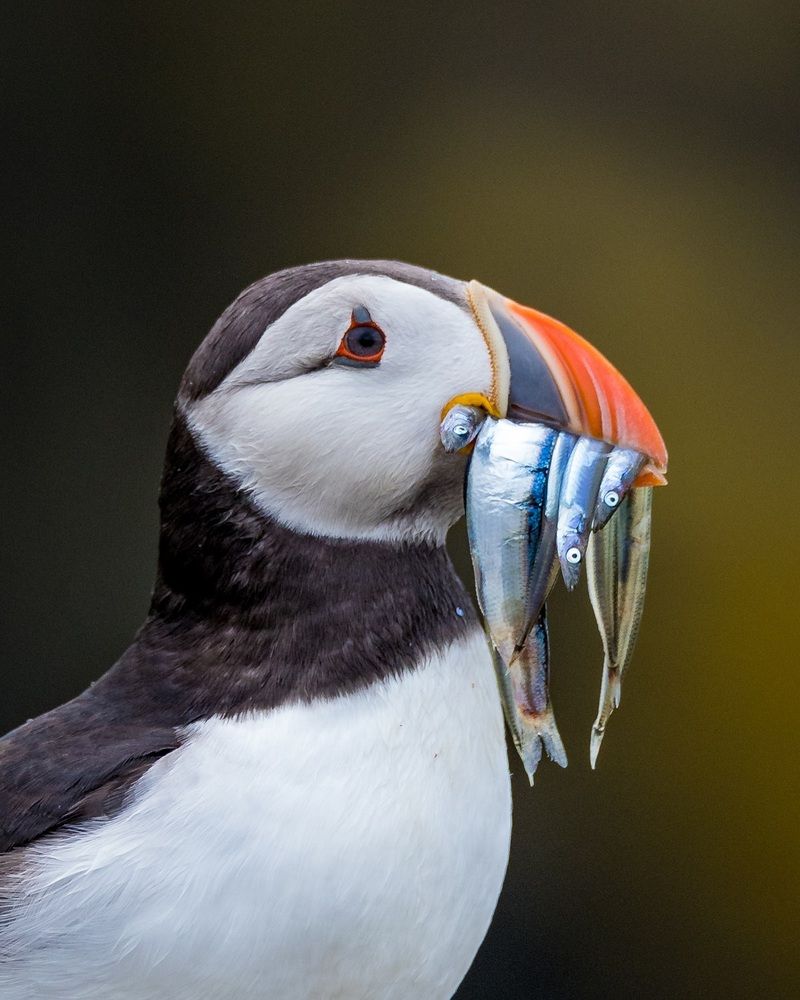
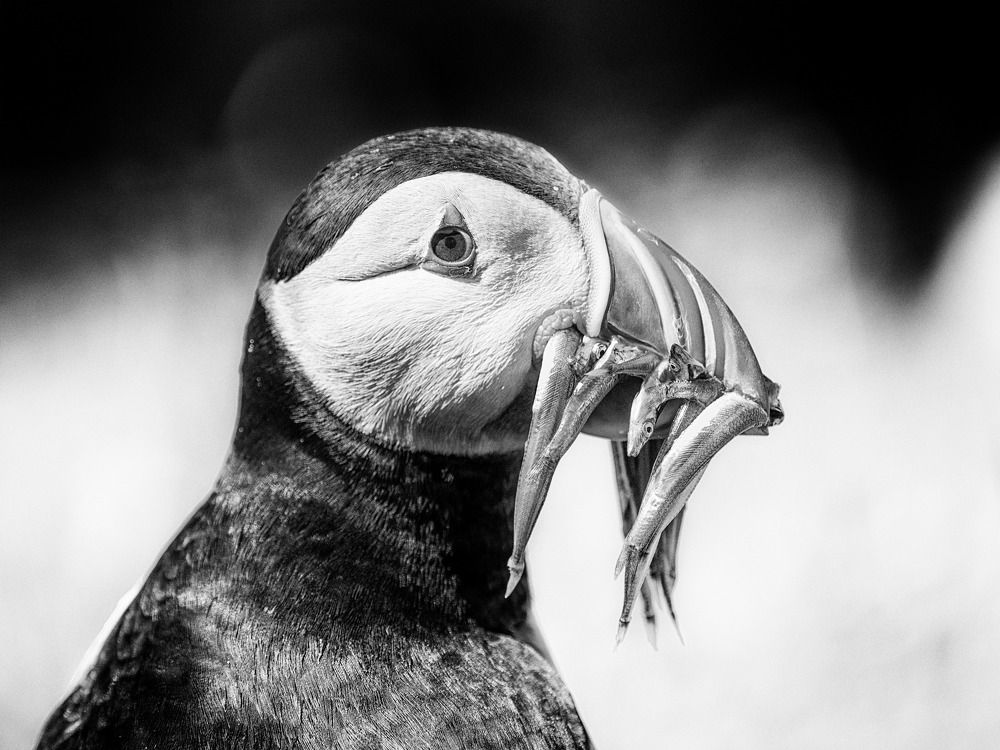
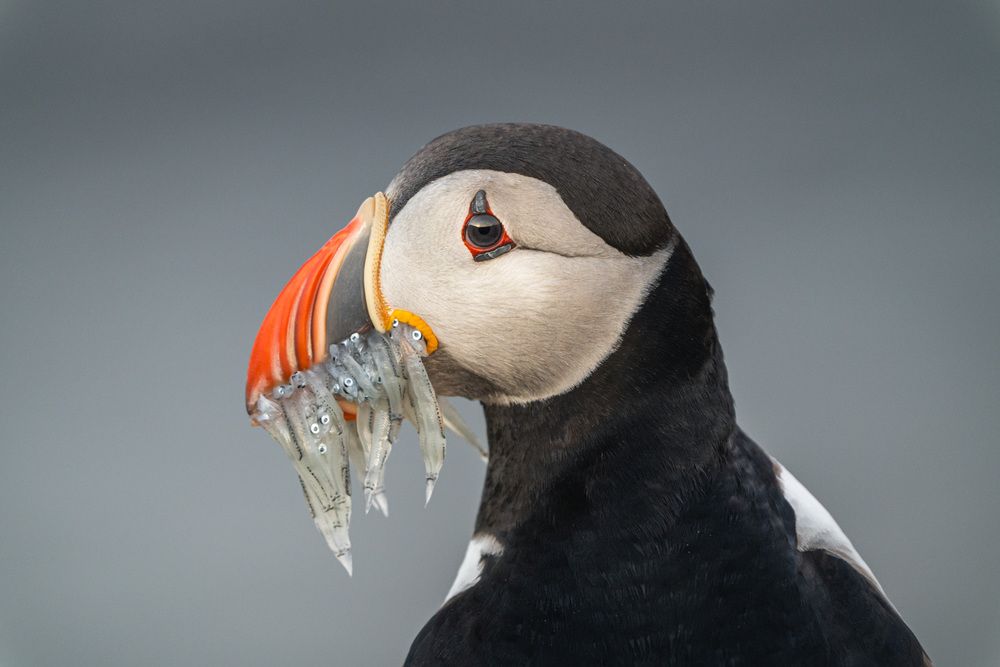
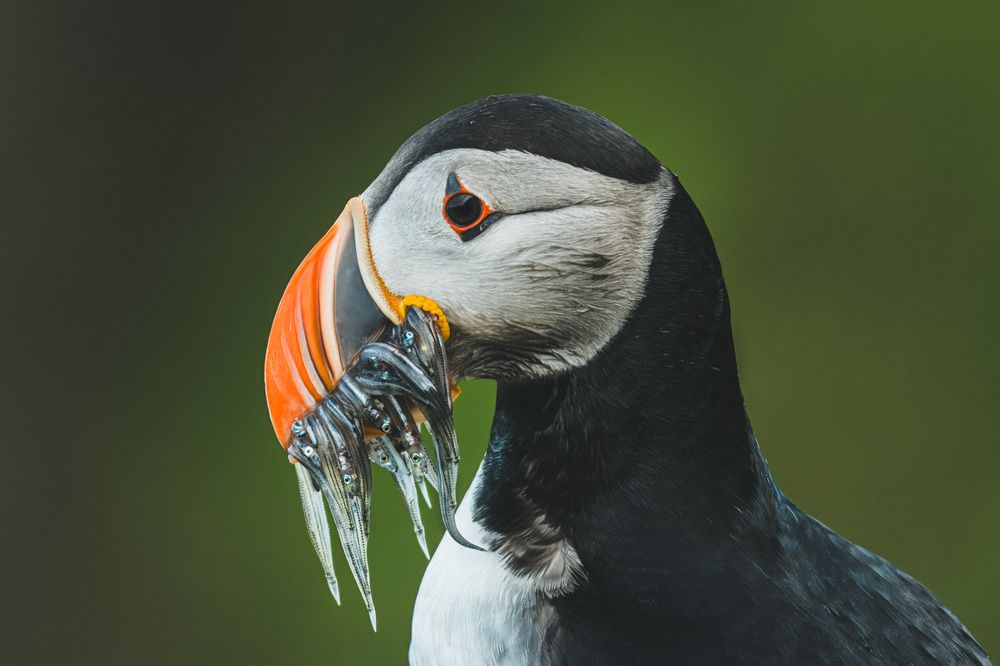
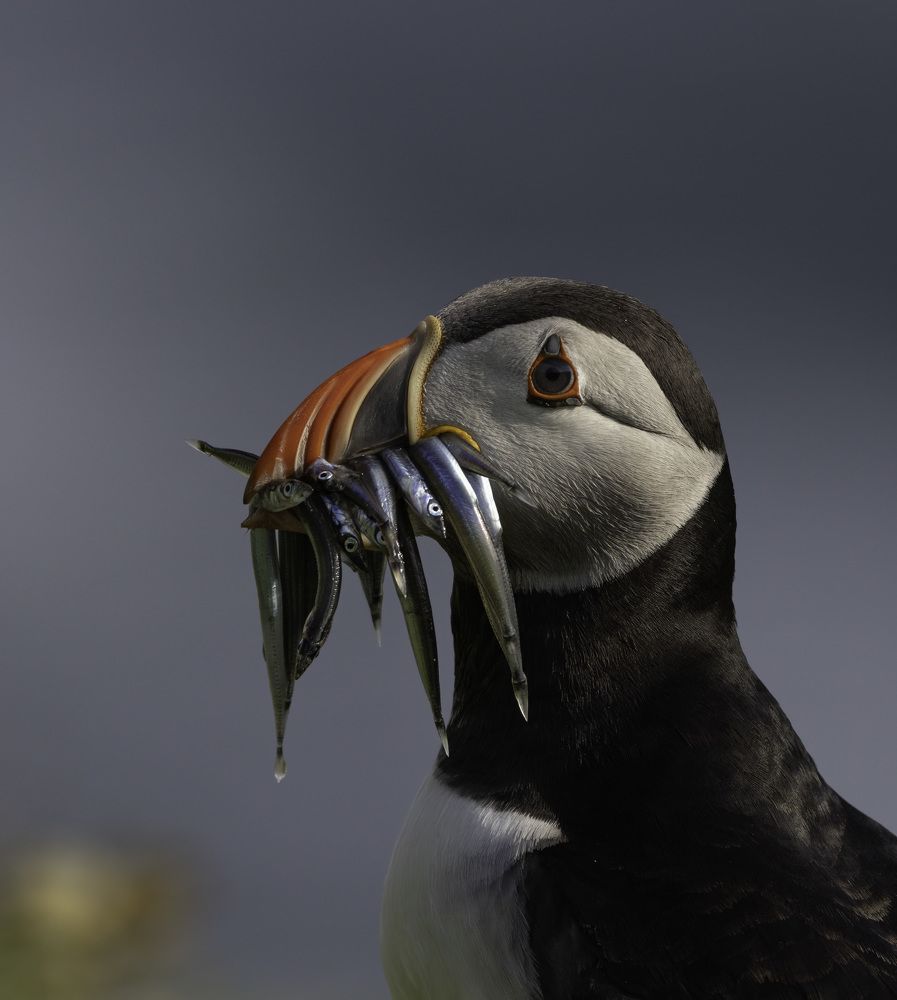
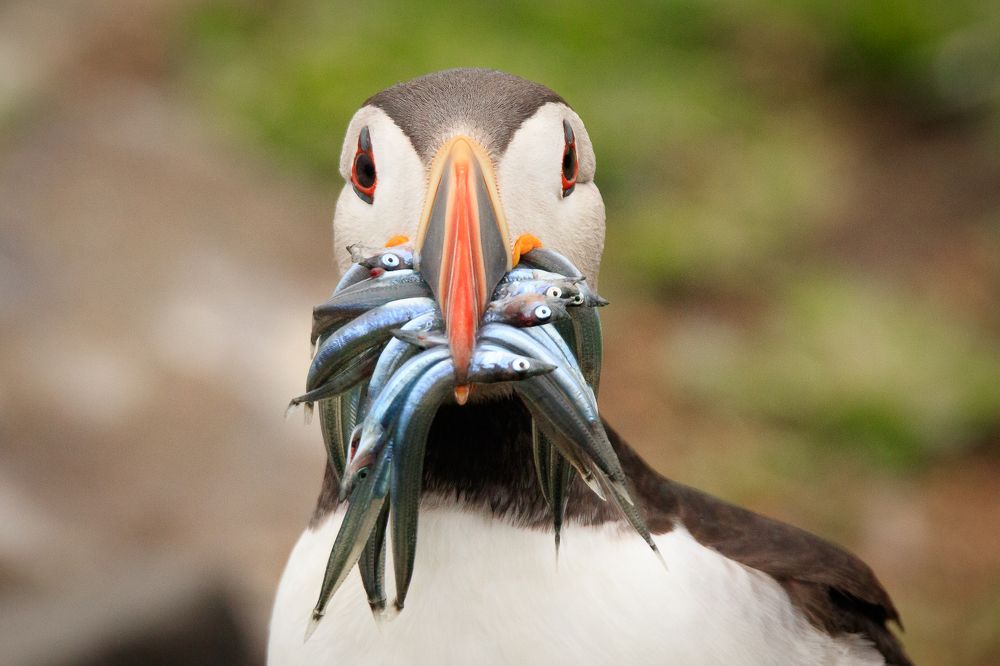
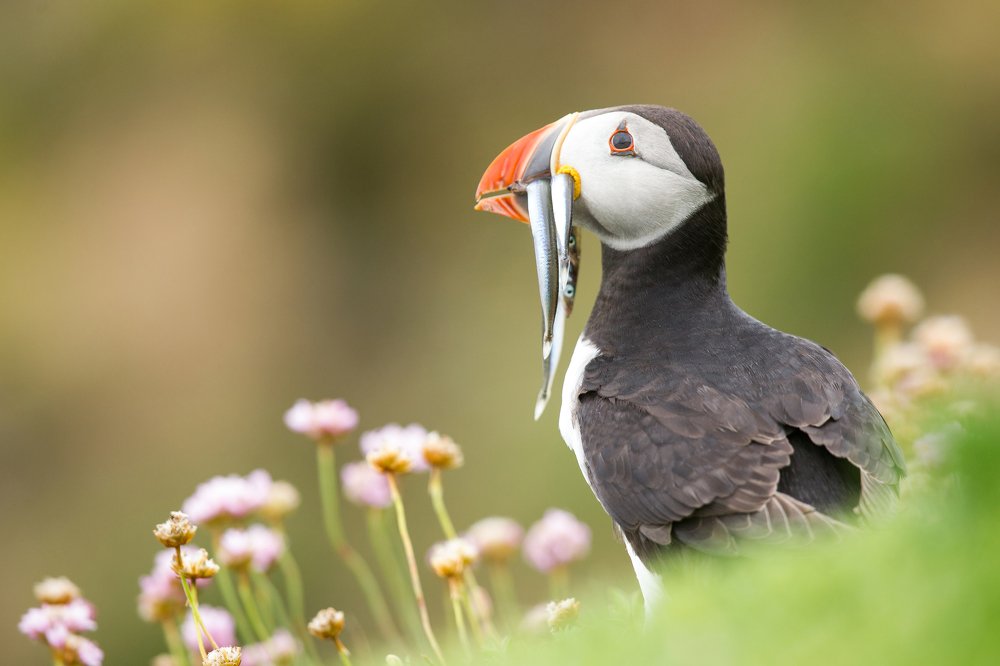
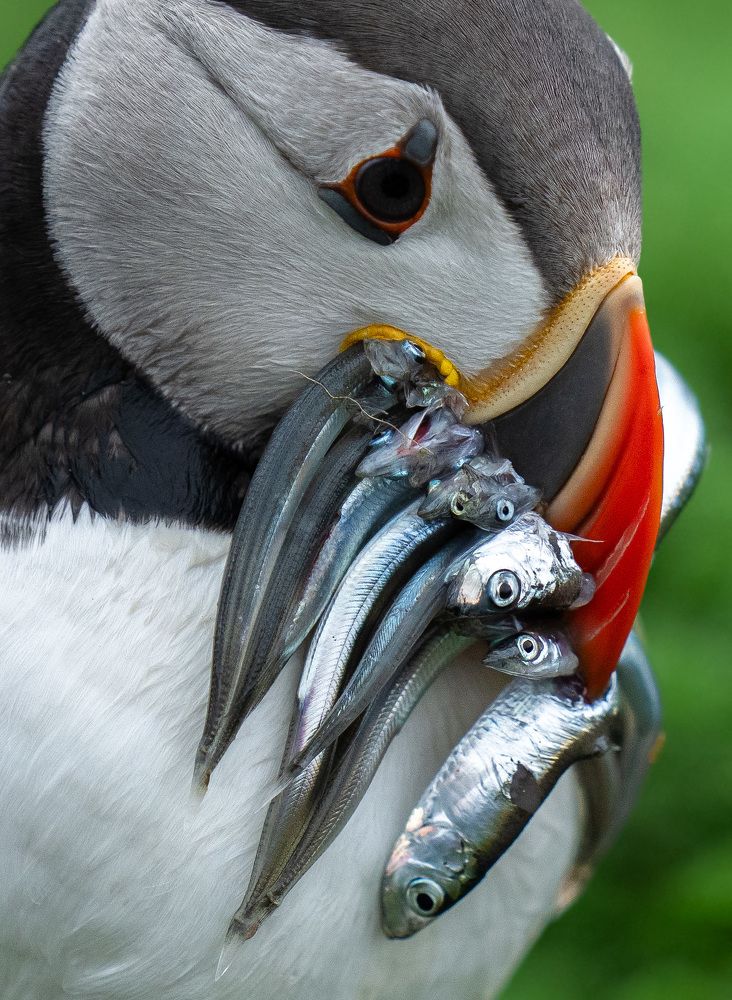
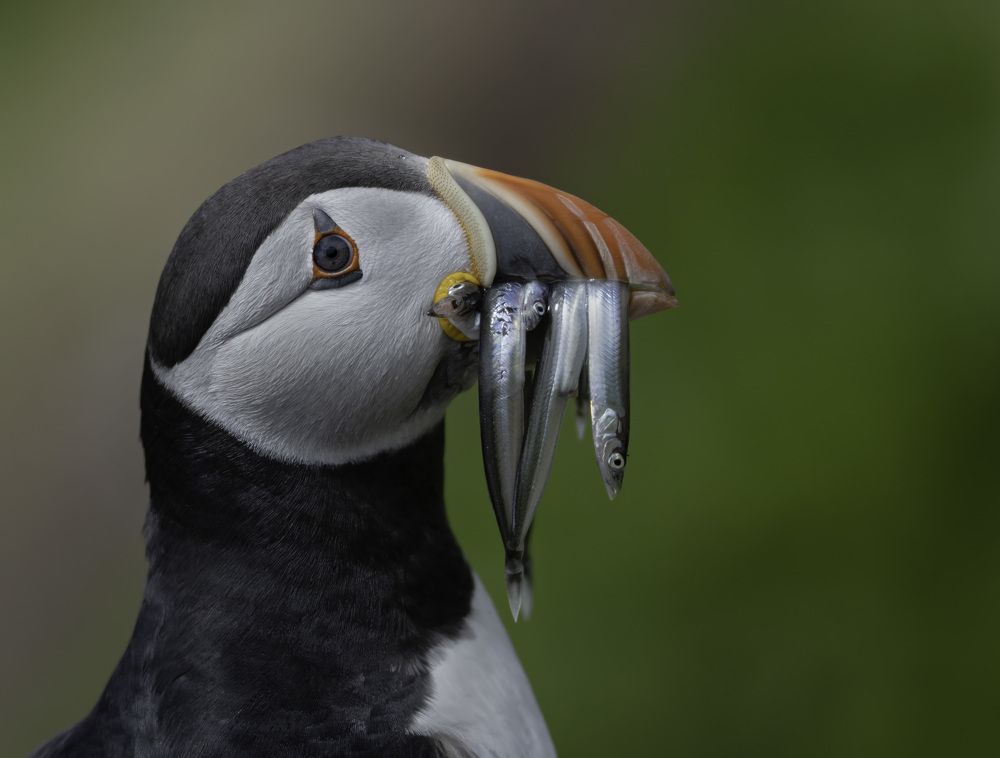
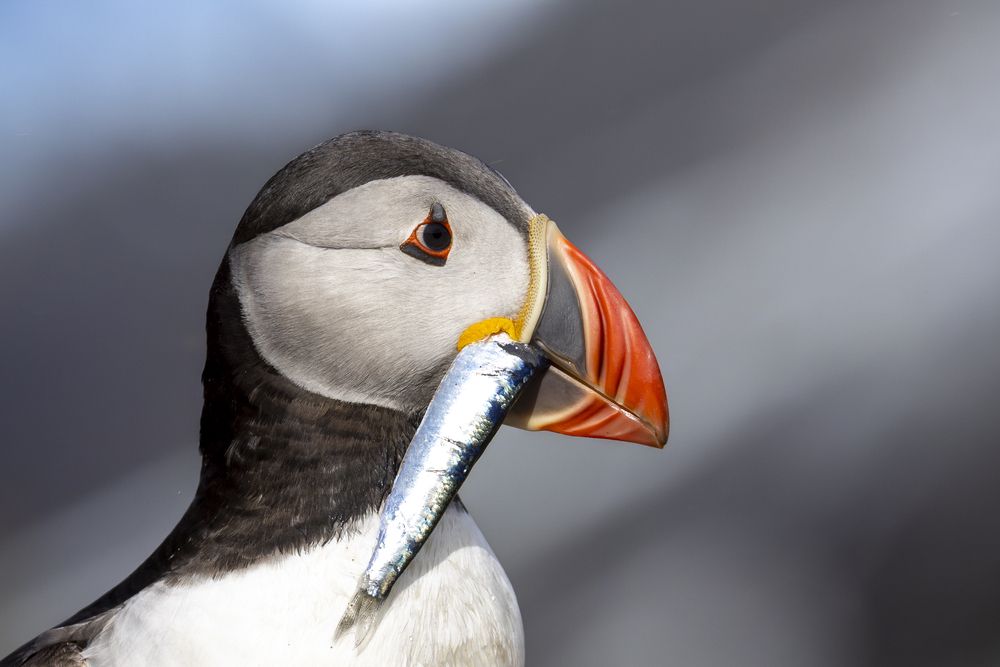
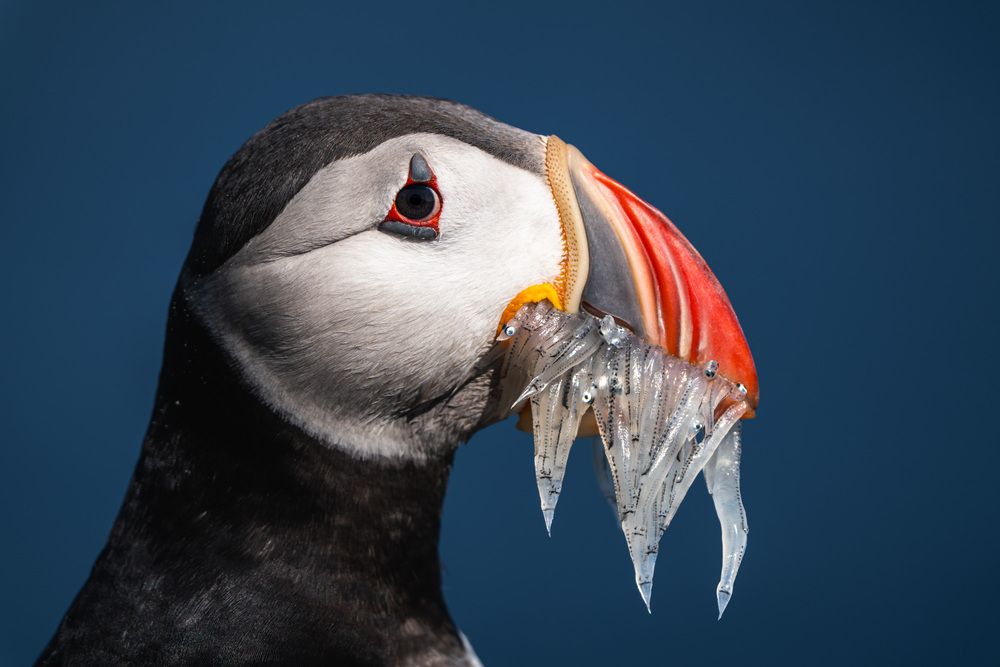
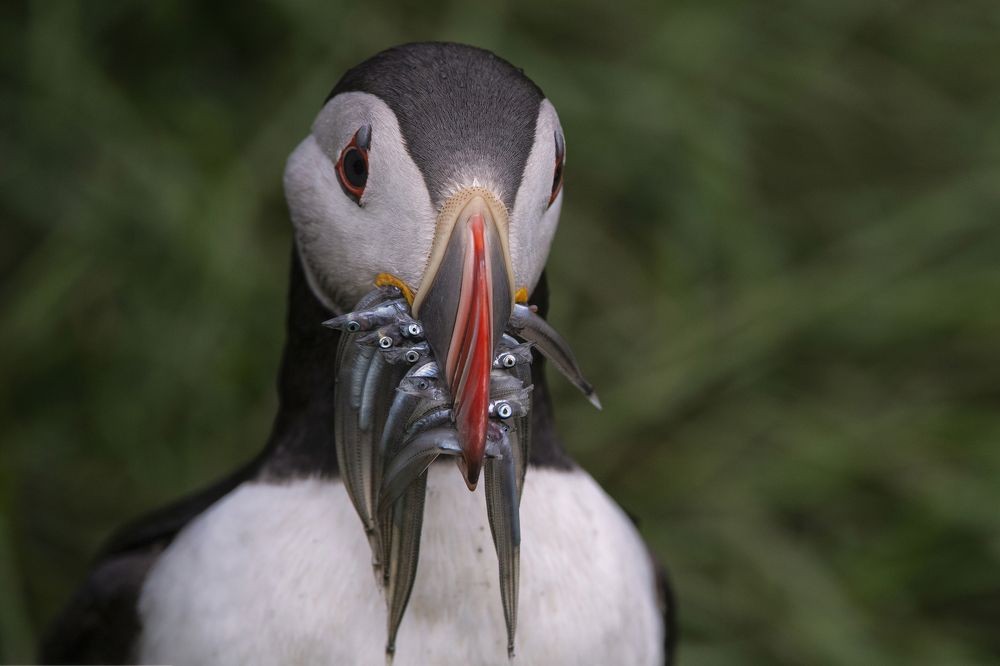
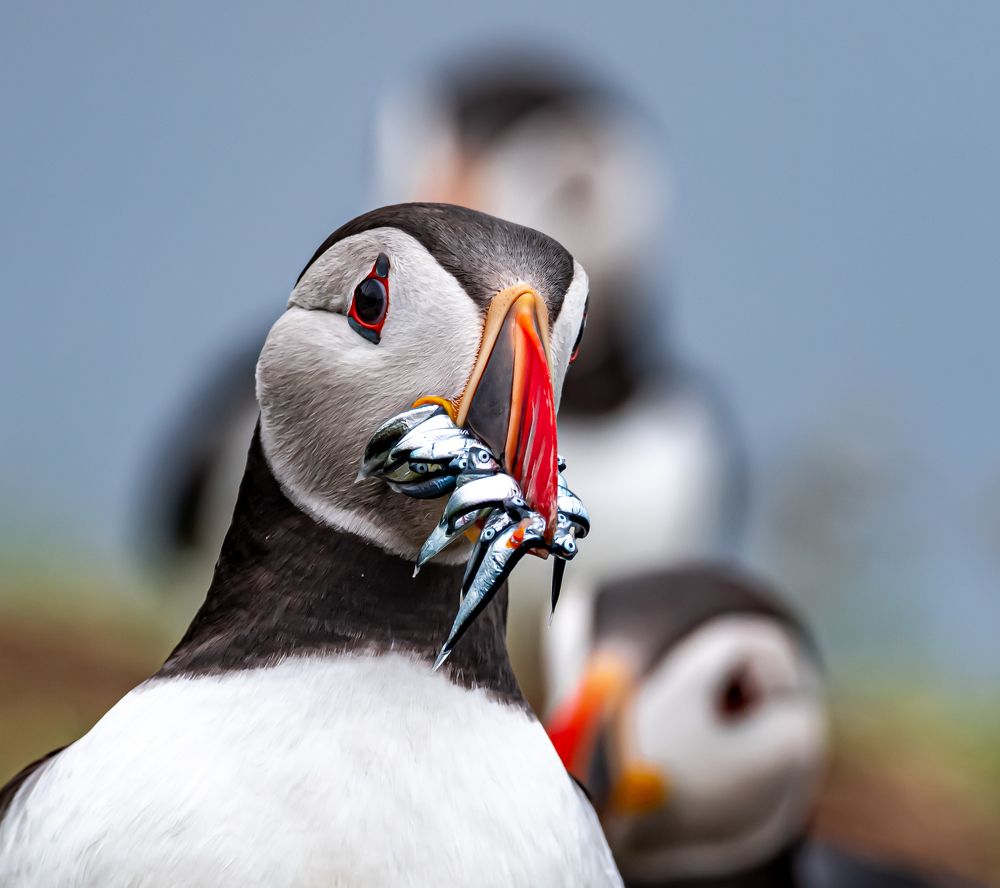
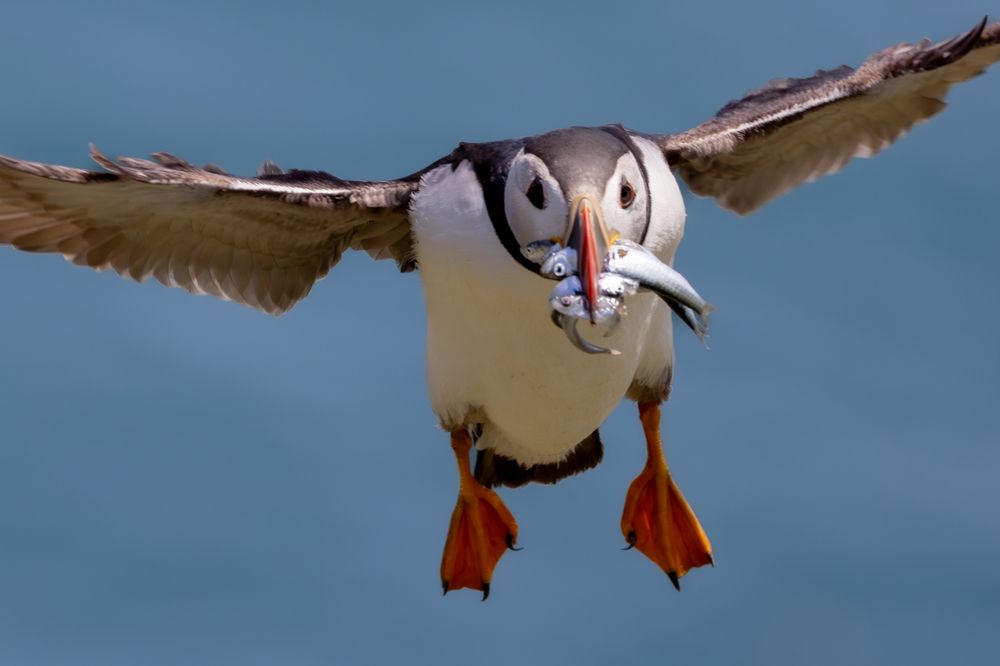
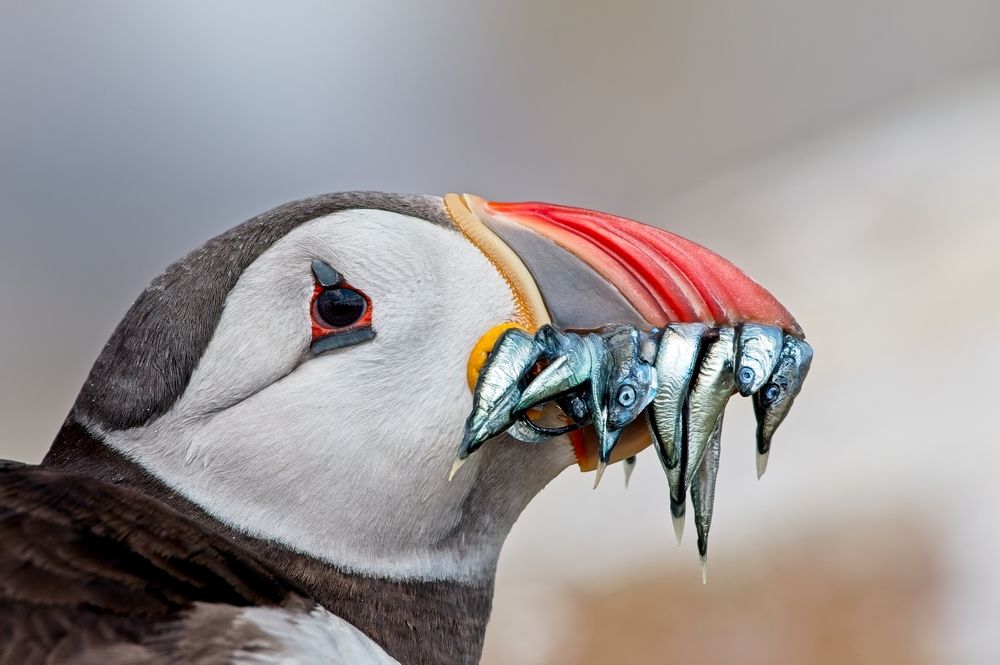
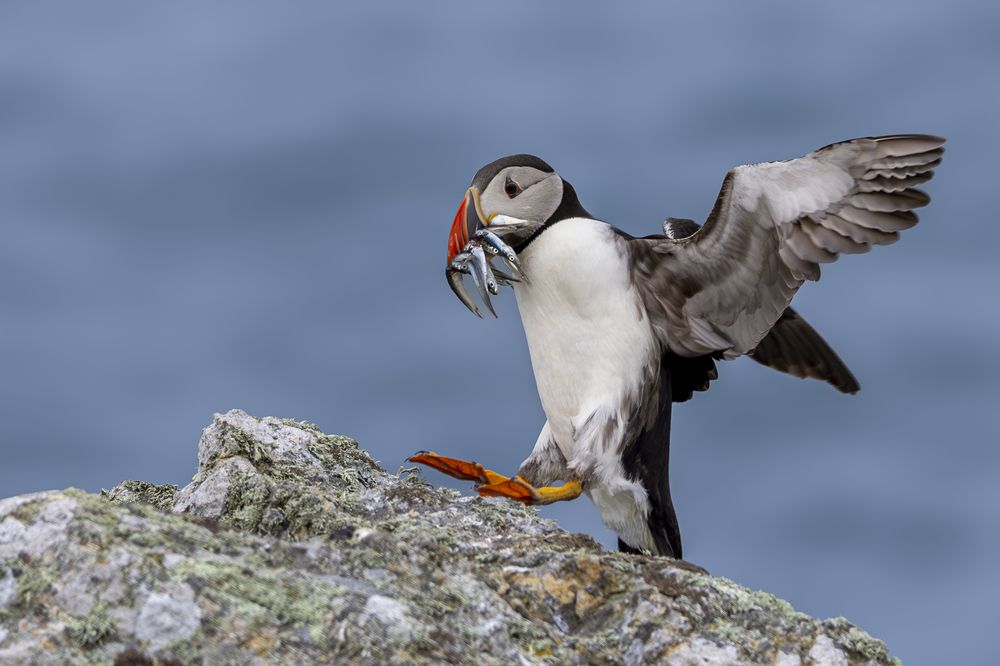
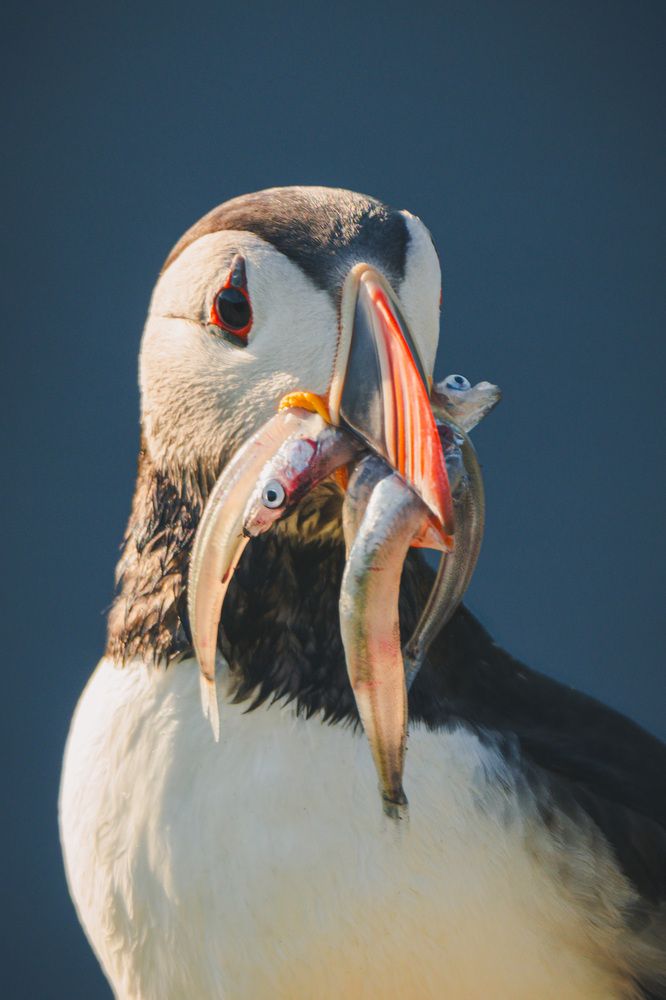
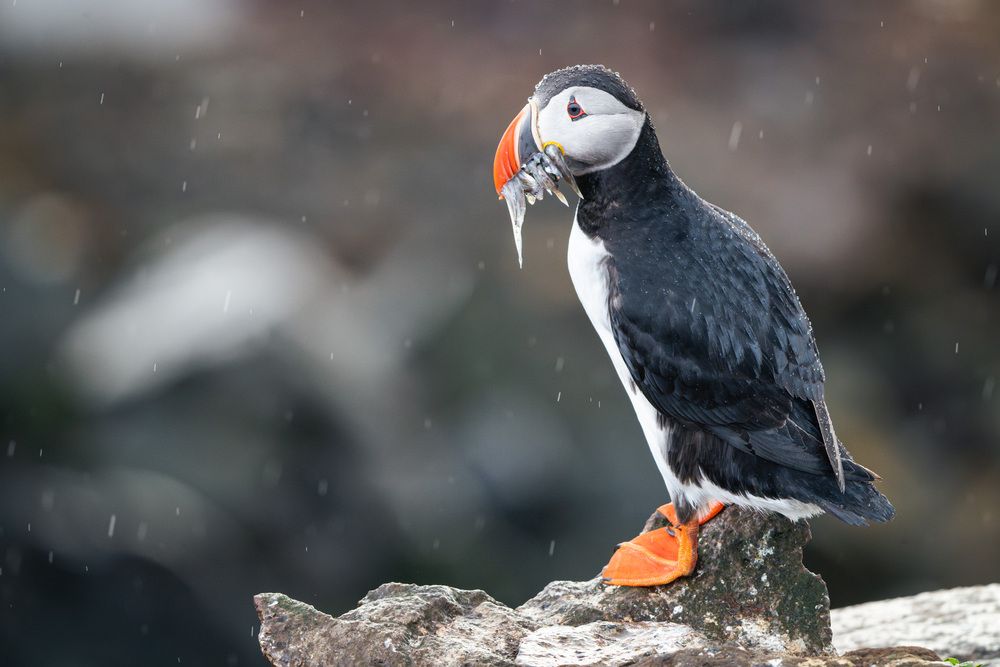
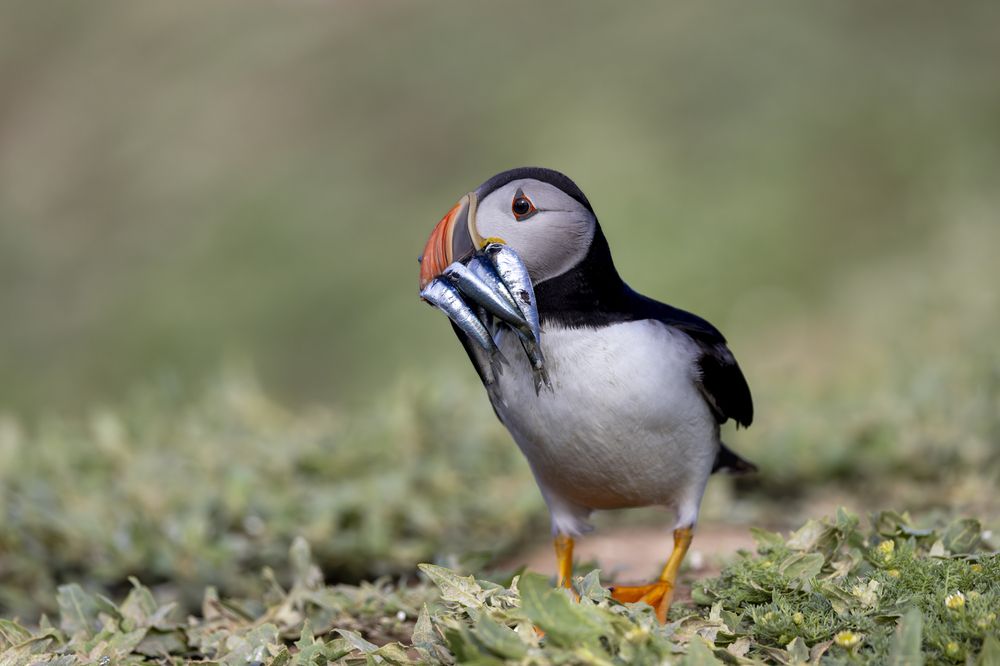
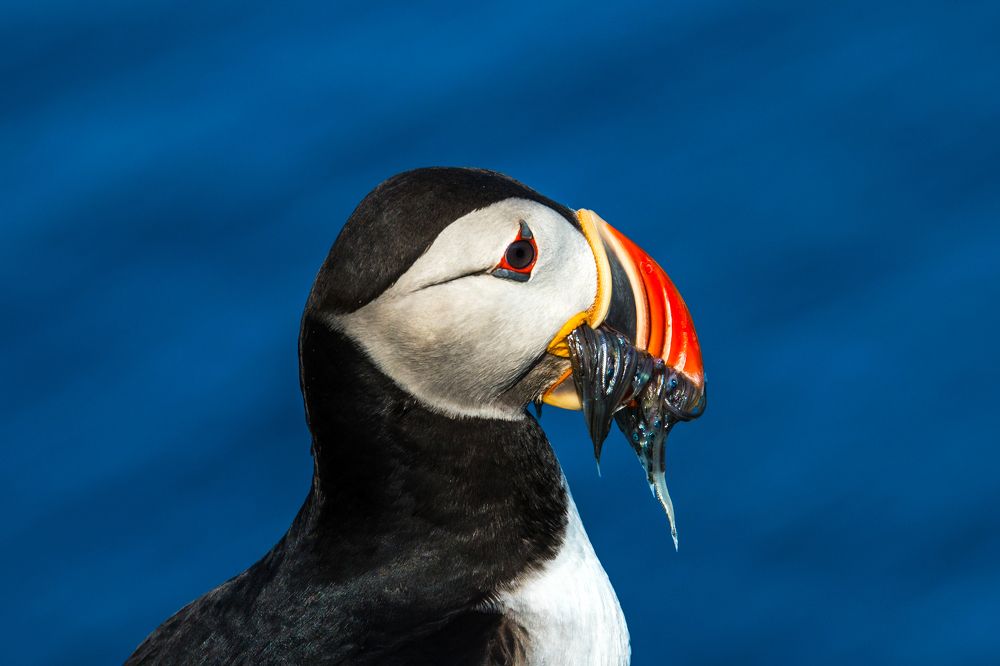
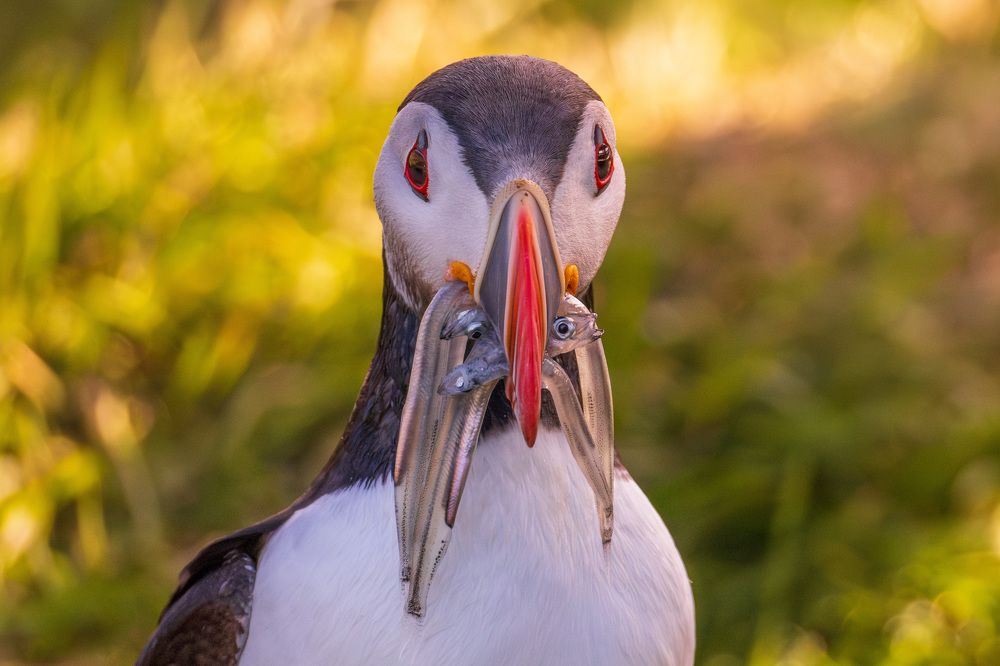
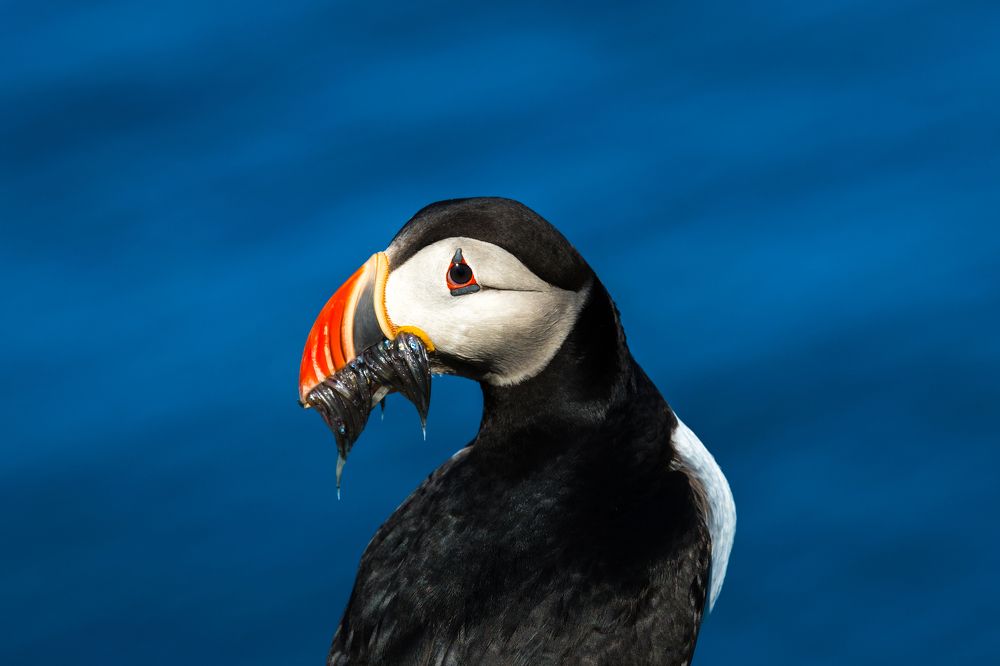
Atlantic puffins are seabirds known for their distinctive black and white plumage and colorful beaks. Photographers frequently capture these birds carrying multiple sand eels in their bills, a behavior essential for feeding their young during the breeding season. The images vary between frontal portraits and profile views, utilizing different lighting conditions to highlight the texture of the feathers and the vibrant colors of the beak.
These photographs were taken at various locations in Scotland, including the Farne Islands and Mykines. While the birds are often seen on cliffs, capturing them with a full mouth requires patience and specific timing during the nesting period. The group is united by the visual motif of the puffin displaying its catch, showcasing the bird's successful foraging efforts.
How to shoot it
📍 Where to shoot
Shooting outdoors on sea cliffs and coastline. Main locations: Farne Islands (UK) and Munkhuse Island (Denmark).
🧭 How to get there
Access to puffin colonies on the Farne Islands and Munkhuse usually requires a boat. On-site, hiking over rocks is often necessary, so comfortable footwear and readiness for changeable weather are important.
🕐 Time of day
Most shot between 11:00 and 14:00 (38% of frames)
Based on 21 frames with camera data. Camera clock time; the time zone is unknown.
Shooting mostly takes place during the day, with peak activity at 11:00 and in the late afternoon (19:00–21:00). This time provides sufficient natural light for feather detail.
🗓️ Season
Most shot in: July, June, August
Based on 21 frames with camera data
The best period is summer, mainly June, July, and August. During this time, birds are in colonies, and the colorful beak plumage is most contrasting.
🎫 Access and rules
The Farne Islands and Munkhuse are protected natural areas. Entry is usually regulated through organized tours or permitted routes to avoid disturbing bird colonies.
🎒 Gear
A telephoto lens with a focal length of 300 to 840 mm (median 553 mm) is required. Zoom lenses 200-600 mm, 70-200 mm, and prime 600 mm are used. A tripod is not needed due to the need to quickly track bird movement.
Cameras and lenses the authors used (10)
Sony ILCE-7M4 8Nikon D850 2Nikon D6 2Canon EOS R5 2Canon EOS 80D 1FE 200-600mm F5.6-6.3 G OSS + 1.4X Teleconverter 5FE 200-600mm F5.6-6.3 G OSS 3AF-S Nikkor 70-200mm f/2.8E FL ED VR 2AF-S VR Zoom-Nikkor 200-400mm f/4G IF-ED 2Canon EF 600mm f/4L IS USM 2
🧳 What to bring
Windproof clothing, waterproof shoes, rain cover for camera and lens, spare batteries. Weather on the coast is changeable; rain and cold wind are possible.
⚙️ Settings
Shutter 1/500 (1/3200 – 1/250)Aperture f/6.3 (f/4 – f/9)ISO 800 (250 – 4000)Focal length 553 mm (300 – 840)
Based on 22 frames with camera data. Median and 10-90% range across the idea frames.
Key parameter: shutter speed. 73% of shots were taken faster than 1/500 s (median 1/500 s) to freeze motion. Aperture f/4–f/9, ISO 250–4000 (median 800).
⚠️ Good to know
Shooting takes place in protected areas, so it is important to maintain distance and not disturb the birds. The puffin's beak changes color: it is gray in winter and becomes bright orange-red in spring, affecting the timing for portraits.
📈 How the idea developed
works uploadedshare of all site uploads, per 100k
The date is when the file was uploaded to the site. The chart counts works assigned to the idea.
✅ How to repeat it
- Watch for feeding moments when the bird holds several sand eels in its beak to showcase hunting skills.
- Use the contrast between black-and-white plumage and the bright beak to create an expressive portrait.
✨ Interesting facts
- 🏆 How the best frame was shot: Sony ILCE-7M4, FE 200-600mm F5.6-6.3 G OSS + 1.4X Teleconverter, 1/400, f/9, ISO 6400, 700 mm
- 🥇 7 works reached the finals. Best contest: 11th 35AWARDS 2026
- 👤 Most frequent authors: Nikita Chicherin 7Ellen Lichtenheldt 4Hari Kumar 3Ernestas Balcikonis 2Bogdan Pasca 2
- 🌍 Authors by country: 🇩🇪 DE 14🇮🇪 IE 4🇵🇱 PL 3🇬🇧 GB 3🇩🇰 DK 2
🔗 Related ideas
Some tips are prepared by AI from the idea description, photos and their EXIF. Check the rules and access to places before you travel.
Works
These lists are generated automatically and may contain inaccuracies. Photos are shown in random order, and selections are refreshed twice a day. This section is made for exploring photos and does not claim 100% accuracy. The lists include photos that previously participated in contests that are already completed.